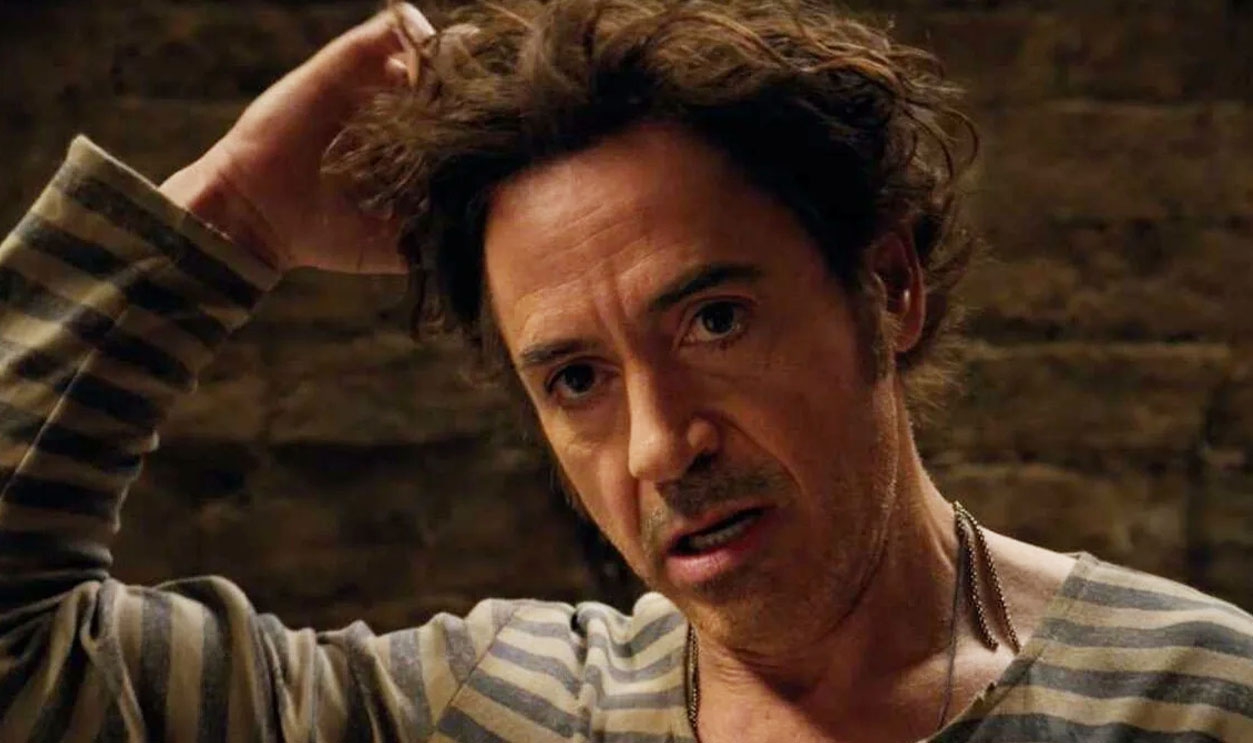
The Chaos Behind The Camera
Some movies never stood a chance. Maybe it was studio meddling, cursed productions, outlandish concepts, catastrophic rewrites, doomed marketing, or just the wrong idea at the wrong time. And yet… they still got made. Against all odds (and often against common sense), these films managed to crawl from development hell onto the big screen.
Justice League (2017)
Between director swaps, studio interference, reshoots, and a famously inconsistent tone, Justice League was a superhero movie held together with duct tape. Zack Snyder stepped away mid-production, Joss Whedon rewrote huge chunks, and the result was a Frankenstein blockbuster plagued by CG mishaps (yes, that mustache) and weak box office. It was supposed to launch DC’s Avengers-level moment. Instead, it became a case study in how not to build a cinematic universe.
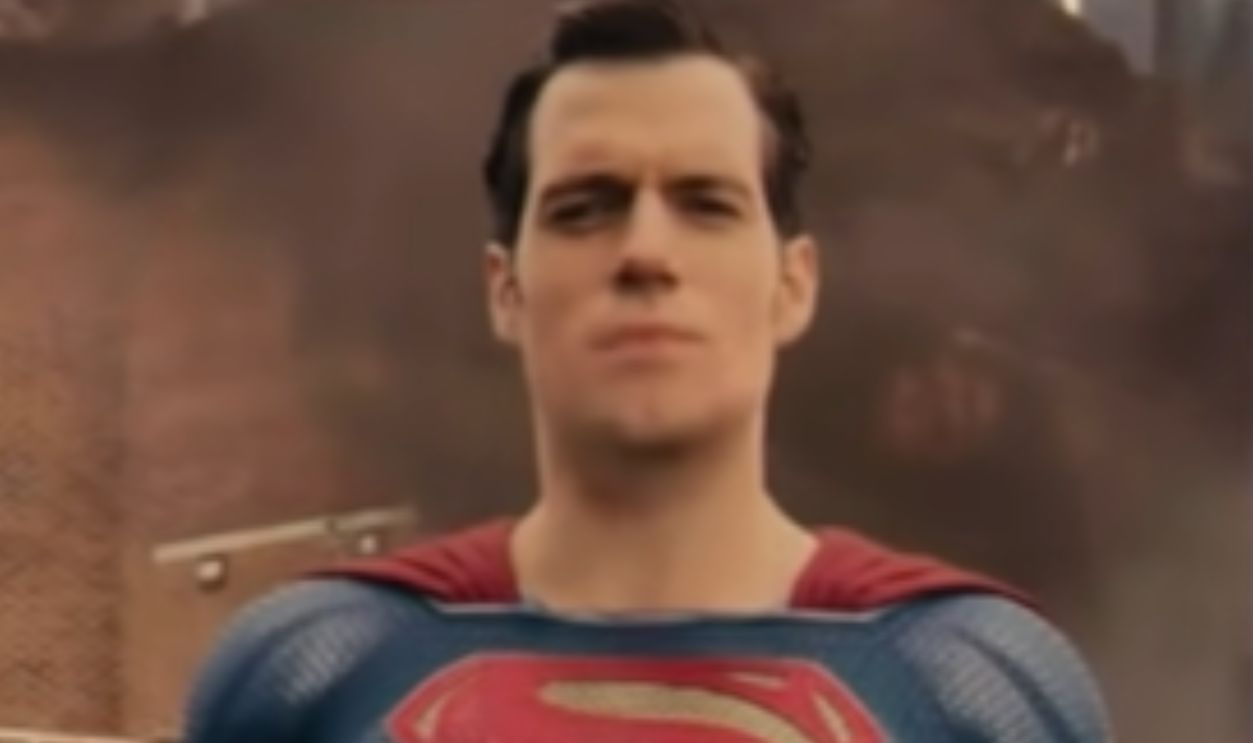 Screenshot from Justice League, Warner Bros. (2017)
Battleship (2012)
A movie based on a board game was already a shaky pitch, but making it a massive sci-fi alien-invasion epic? Battleship never had a chance. Bloated at over $200 million and marketed like a Transformers-lite blockbuster, it failed to connect with audiences and barely scraped by overseas. Critics called it loud, messy, and bizarrely earnest. It’s proof that not every beloved childhood game needs a gritty cinematic makeover.
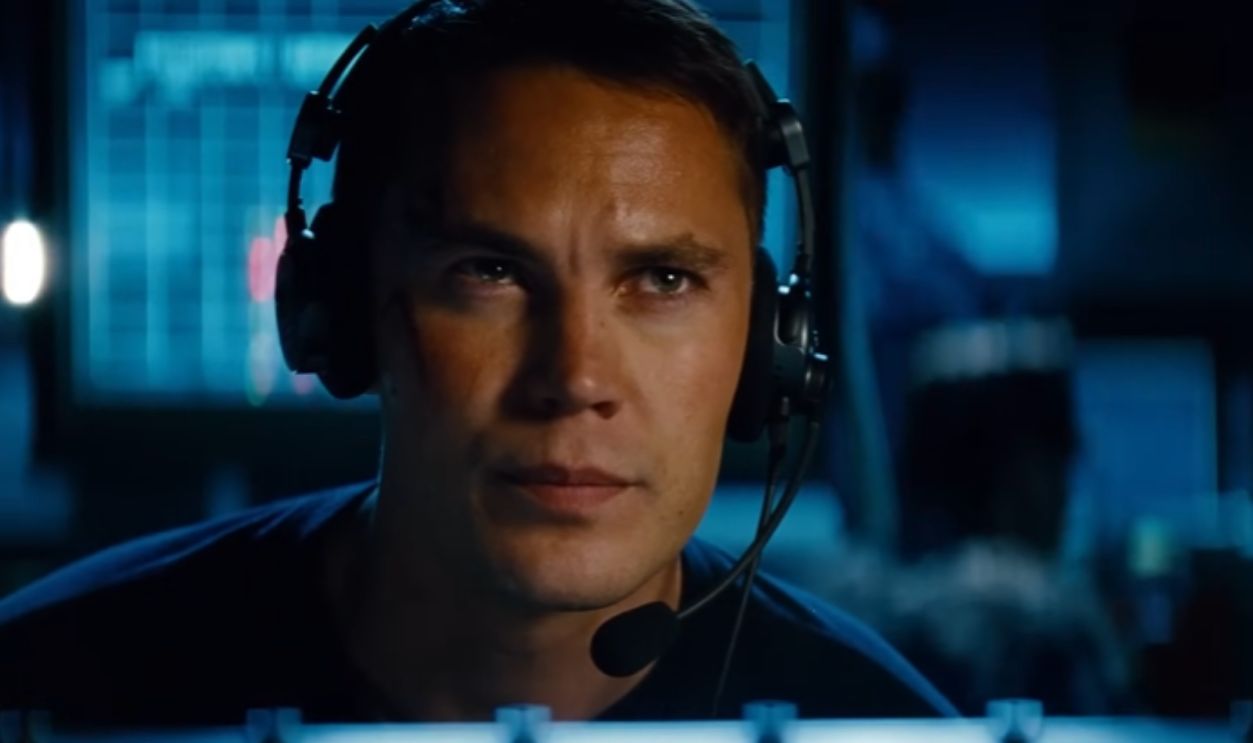 Screenshot from Battleship, Universal Pictures (2012)
Foodfight! (2012)
What began as an ambitious CGI parody of supermarket mascots turned into one of the most notoriously disastrous animated films ever produced. A decade of production delays, stolen hard drives, budget issues, and shockingly off-model animation created a final product so chaotic it feels like a glitching fever dream. Foodfight! wasn’t just doomed; it might be the poster child for doomed films.
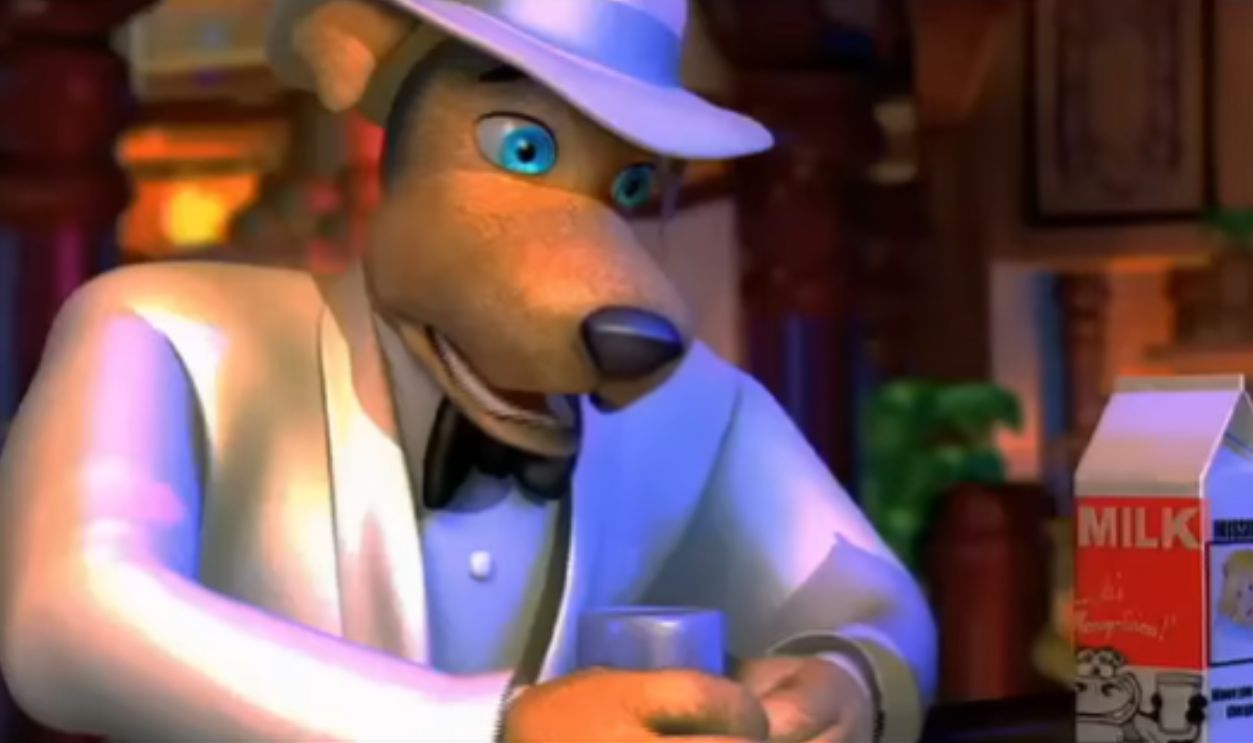 Screenshot from Foodfight!, Threshold Entertainment (2012)
Son Of The Mask (2005)
Trying to follow Jim Carrey’s iconic performance was already impossible, but Son of the Mask couldn’t even get close. Jamie Kennedy was handed a chaotic script, unfunny gags, uncanny baby CGI, and studio pressure to make a “family film.” Critics annihilated it, and audiences stayed away. It’s now widely considered one of the worst sequels ever—and proof that lightning rarely strikes twice.
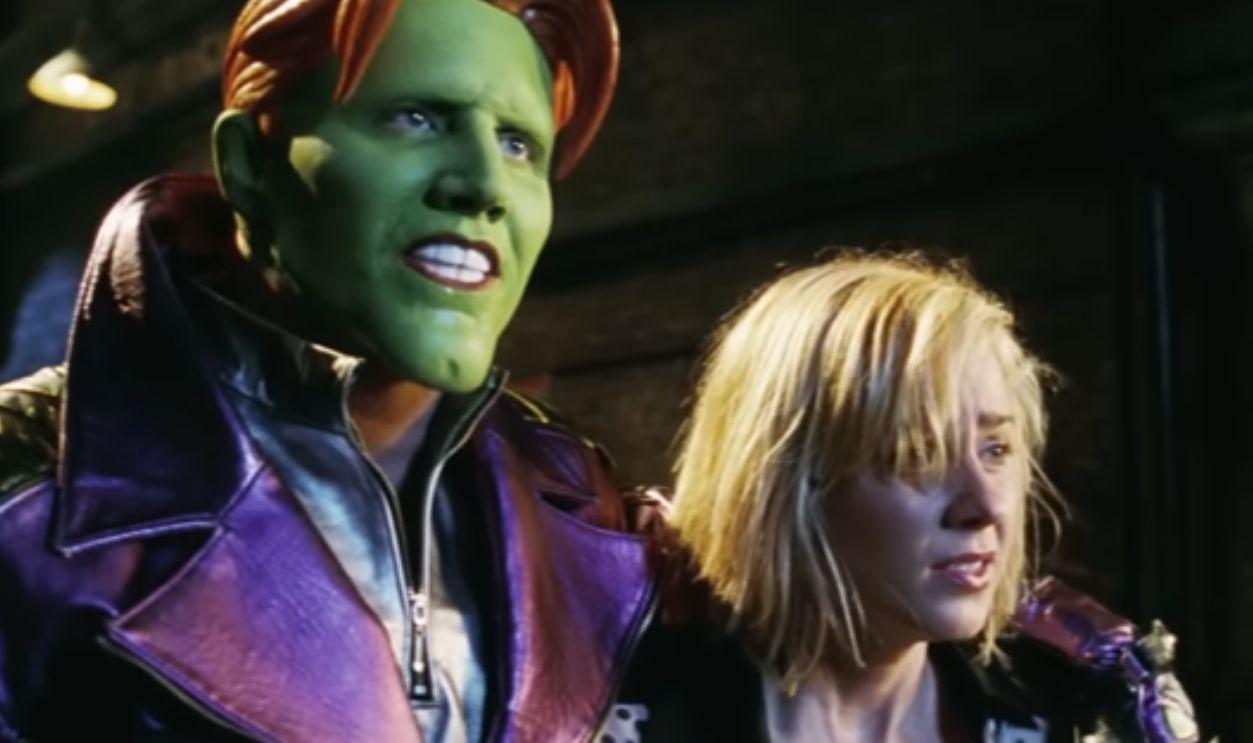 Screenshot from Son of the Mask, New Line Cinema (2005)
Ghostbusters (2016)
A reboot of a beloved classic was always going to be polarizing, but between online culture wars, massive expectations, and tonal confusion, Ghostbusters faced backlash before anyone even saw it. The film underperformed despite a huge budget, and discourse around it overshadowed the movie itself. While not awful, it was a production doomed by timing and fan tension more than content.
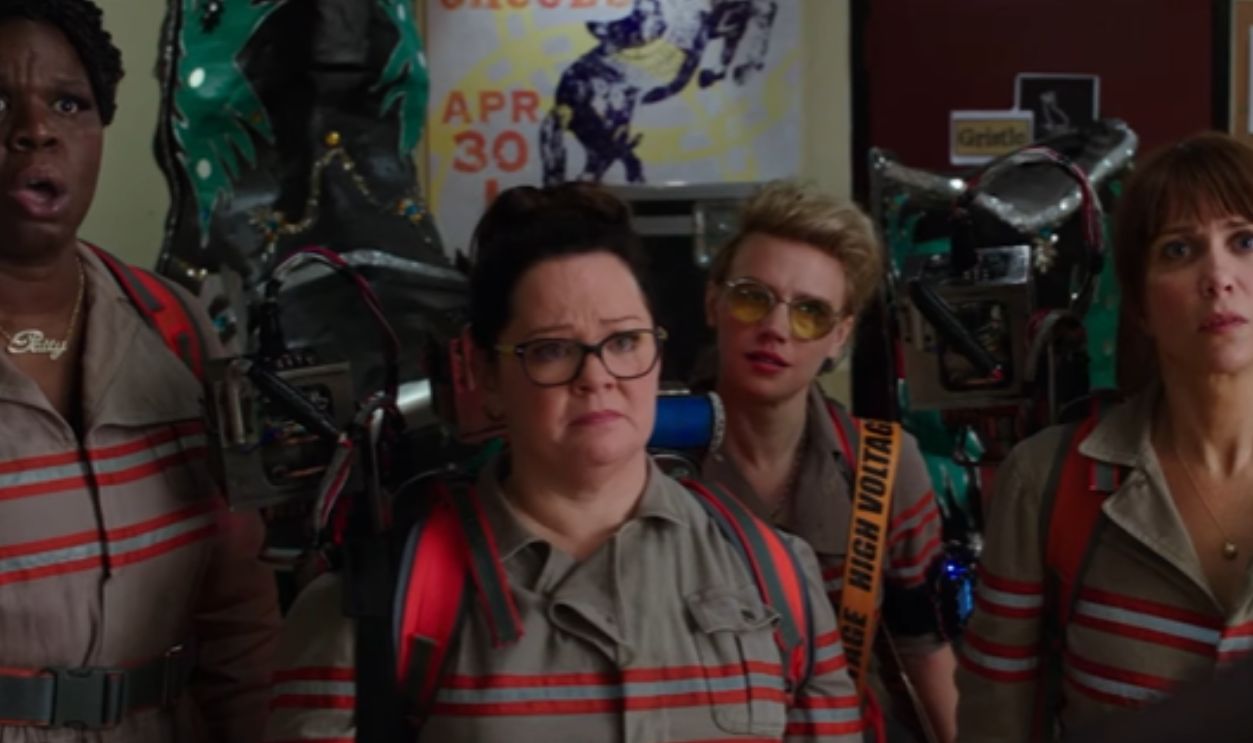 Screenshot from Ghostbusters, Columbia Pictures (2016)
Manos: The Hands Of Fate (1966)
Made by an insurance salesman with no filmmaking experience, Manos was doomed the moment the cameras turned on. With a nonexistent budget, amateur actors, technical disasters, and a barely comprehensible script, it became one of the most legendary “so bad it’s good” films of all time. The irony? Its disastrous production is now part of its charm.
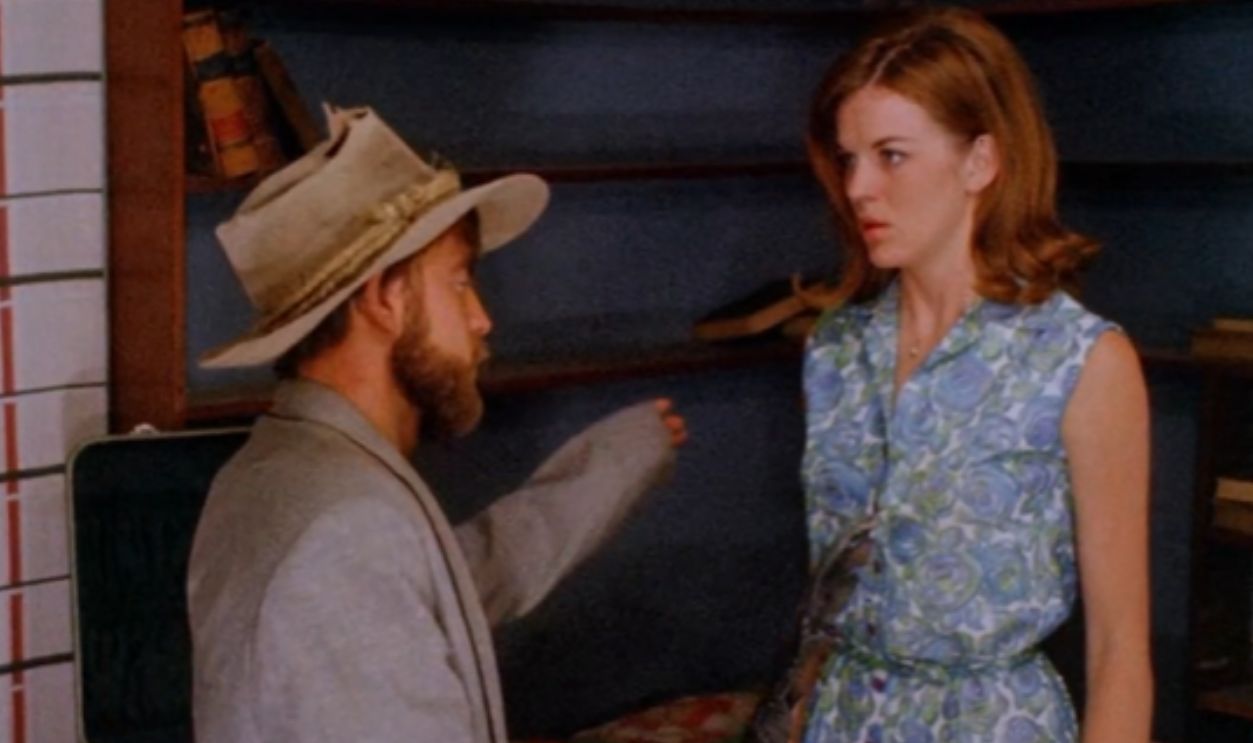 Screenshot from Manos: The Hands of Fate, Emerson Film Enterprises (1966)
The Last Airbender (2010)
Adapting a beloved animated series into a live-action epic sounds promising… until everything goes wrong. Awkward performances, baffling pacing, stiff dialogue, and controversial casting sank the film instantly. Critics shredded it, fans revolted, and plans for sequels vanished. Even today, The Last Airbender stands as a warning that beloved stories require the right creative vision.
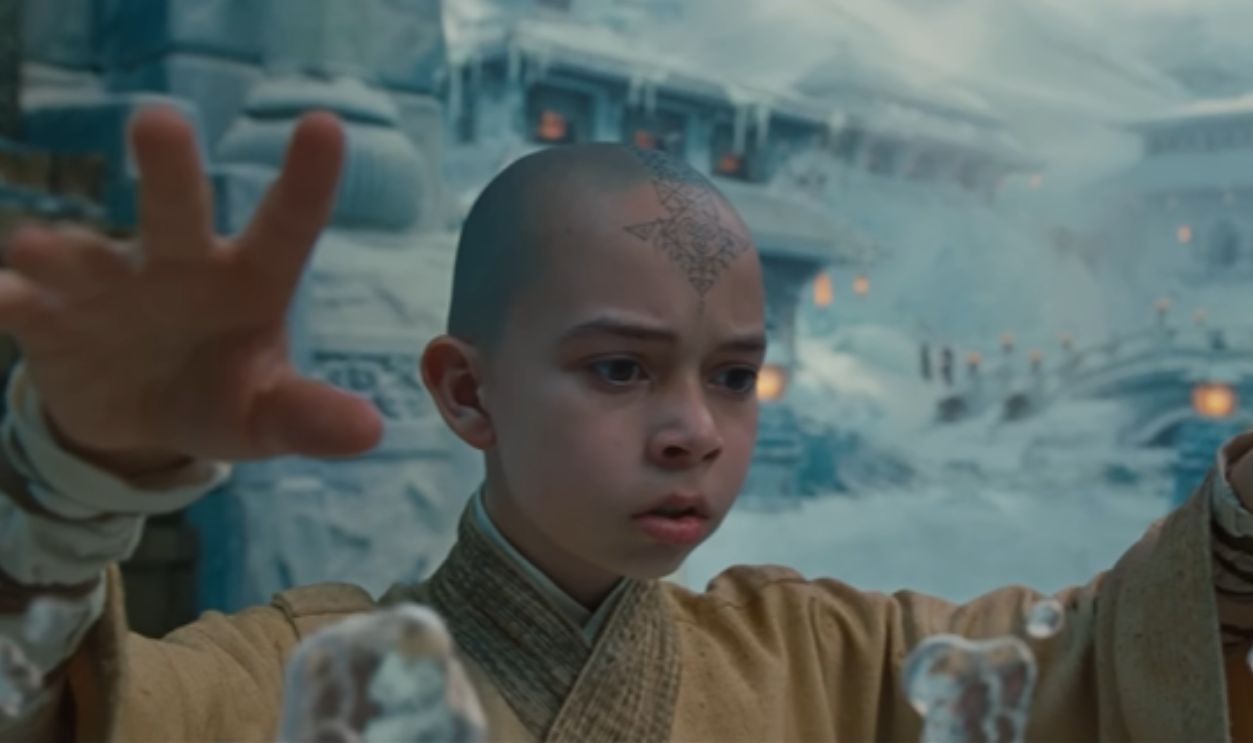 Screenshot from The Last Airbender, Paramount Pictures (2010)
Super Mario Bros (1993)
A live-action Mario movie should have been fun. Instead it became a nightmarish production full of rewrites, on-set battles, lost directors, and confused actors. The movie barely resembles the games, blending dystopian sci-fi with weird creature effects. It flopped hard and became infamous, though many fans now appreciate its bizarre cult charm.
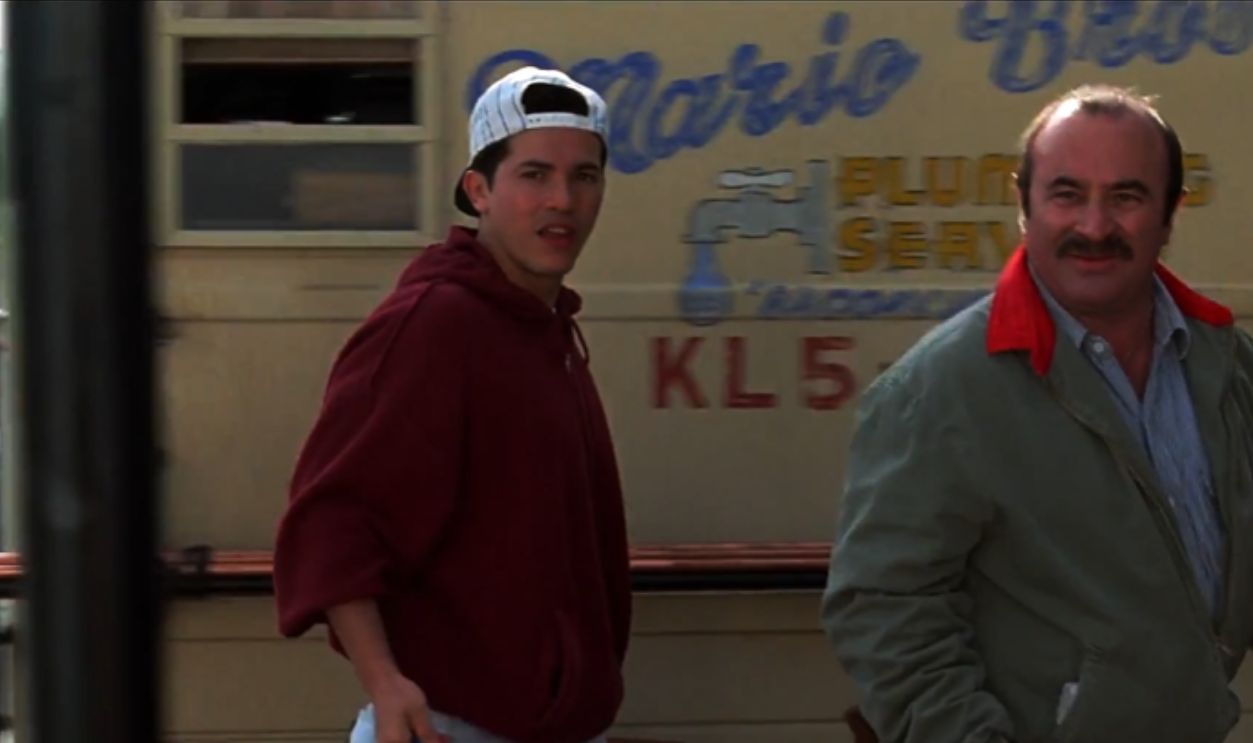 Screenshot from Super Mario Bros., Hollywood Pictures (1993)
The Dark Tower (2017)
Stephen King’s sprawling fantasy-horror epic deserved a rich adaptation, but studio pressure turned it into a short, watered-down YA action movie. Despite casting Idris Elba and Matthew McConaughey, the film felt rushed and incoherent—too much story crammed into too little runtime. Fans and newcomers alike felt let down.
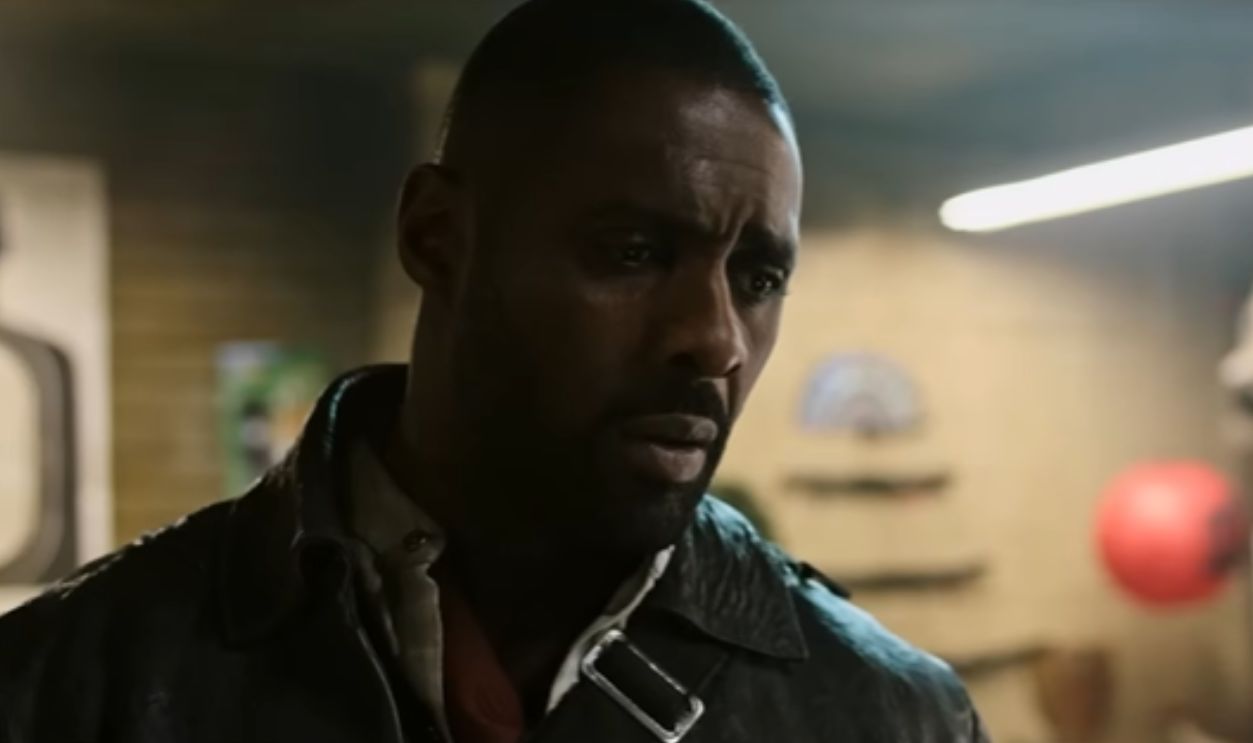 Screenshot from The Dark Tower, Columbia Pictures (2017)
The Emoji Movie (2017)
A movie based on phone emojis was already a red flag. Add in product placement overload, a flimsy story, and rushed animation, and the project was doomed. Despite scathing reviews and widespread mockery, the film somehow made money but remains a cautionary tale about turning trends into cinema.
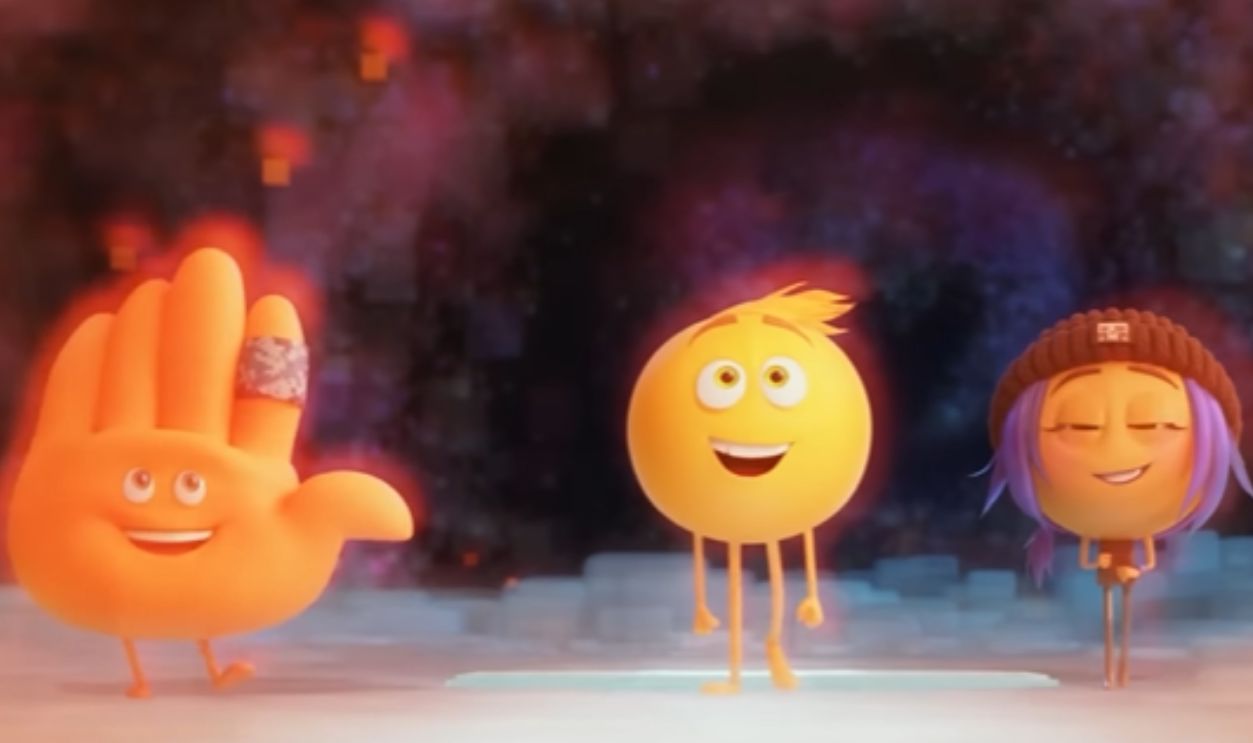 Screenshot from The Emoji Movie, Columbia Pictures (2017)
Jaws: The Revenge (1987)
The fourth Jaws film wasn’t wanted by fans or critics—and it shows. A vengeful shark that follows the Brody family? Michael Caine doing the film “because of the house it bought”? A famously rubbery shark? Jaws: The Revenge is a disaster from start to finish, and its reputation proves how far a franchise can fall.
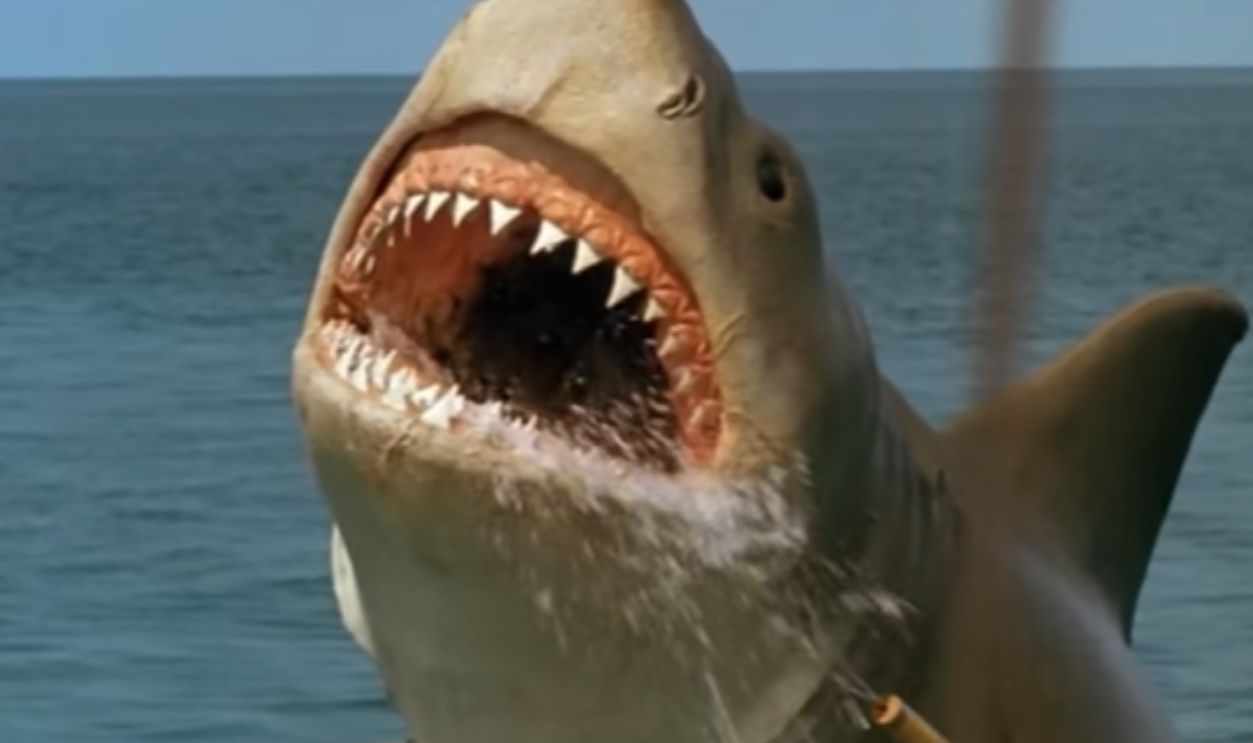 Screenshot from Jaws: The Revenge, Universal Pictures (1987)
Street Fighter (1994)
While Raul Julia delivered an incredible performance, the production was a catastrophe: underwritten characters, rushed filming, fights choreographed at the last minute, and toy-company demands. The film is chaotic, campy, and unintentionally hilarious but absolutely doomed long before it wrapped.
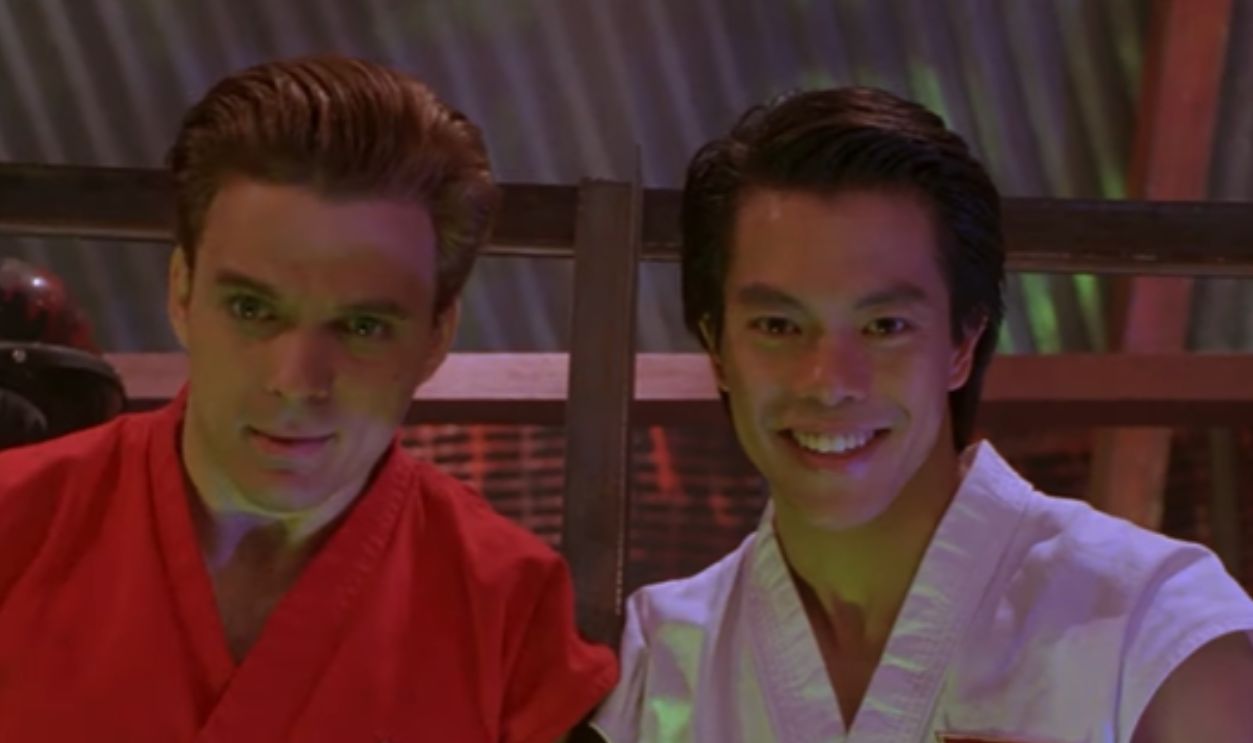 Screenshot from Street Fighter, Universal Pictures (1994)
Jem And The Holograms (2015)
Stripping the flamboyant, musical, neon-soaked ’80s cartoon of everything fans loved? Doomed concept. Add a generic teen-drama plot, confusing marketing, and no resemblance to the source material, and you get one of the biggest box-office bombs ever, pulled from theaters after two weeks.
 Screenshot from Jem and the Holograms, Universal Pictures (2015)
Cats (2019)
With terrifying CGI “fur,” frantic rewrites, and a rushed effects schedule, Cats quickly became a surreal cinematic experience audiences couldn’t believe was real. Actors didn’t understand the story. Critics recoiled. Social media imploded. Everything about this musical adaptation was doomed from day one—and somehow, that made it unforgettable.
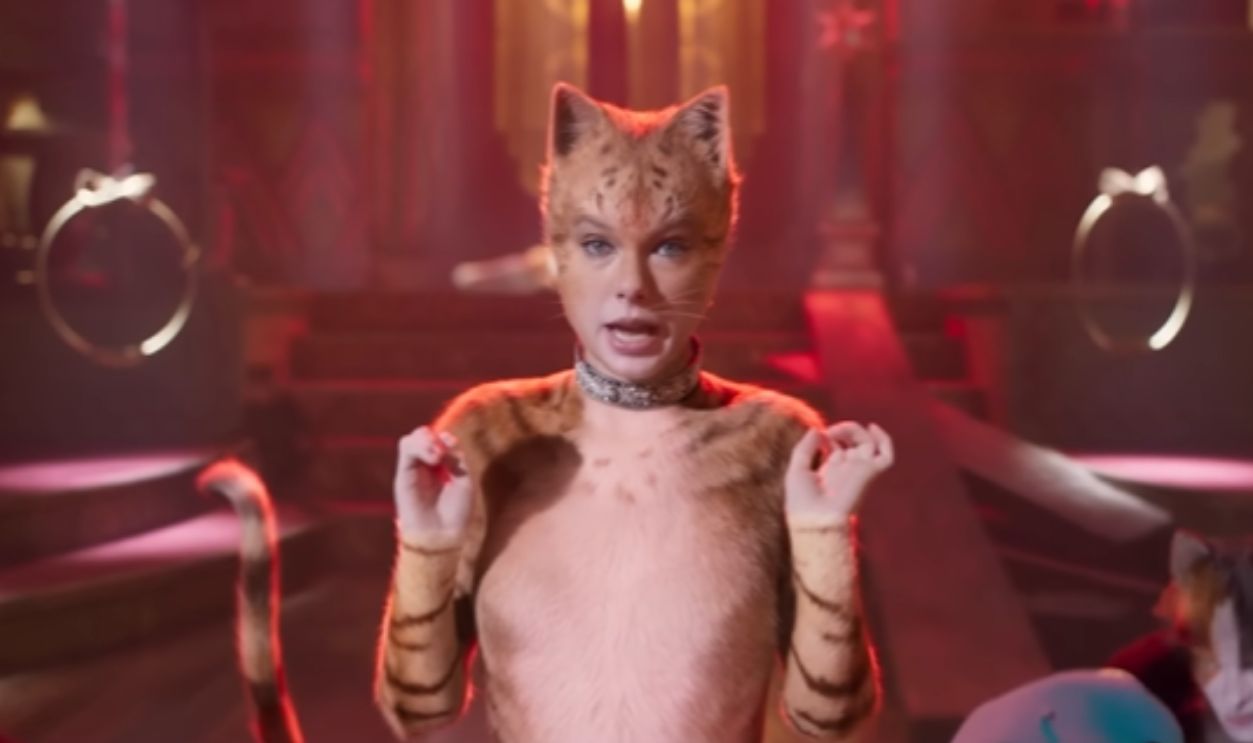 Screenshot from Cats, Universal Pictures (2019)
Dolittle (2020)
Robert Downey Jr.’s first post-Iron Man project arrived with messy rewrites, extensive reshoots, and infamous ADR animal jokes. The tone is all over the place, the humor baffling, and the plot nearly incoherent. Despite its huge budget, Dolittle was lost at sea before it even hit theaters.
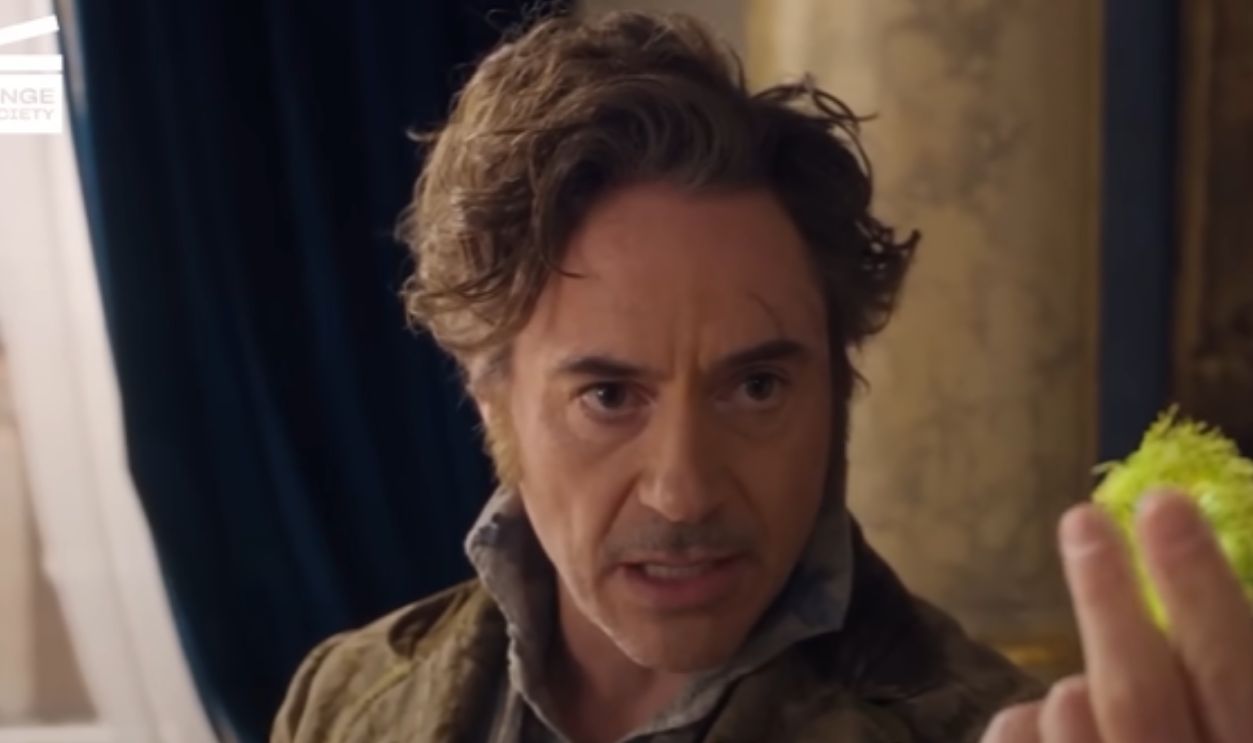 Screenshot from Dolittle, Universal Pictures (2020)
The Cat In The Hat (2003)
Dr Seuss meets chaotic energy—in the worst possible way. Mike Myers’ surreal and unsettling performance, bizarre humor, and off-putting visuals made the movie a critical disaster. The Seuss estate was so horrified they banned future live-action adaptations. If that doesn’t say doomed, nothing does.
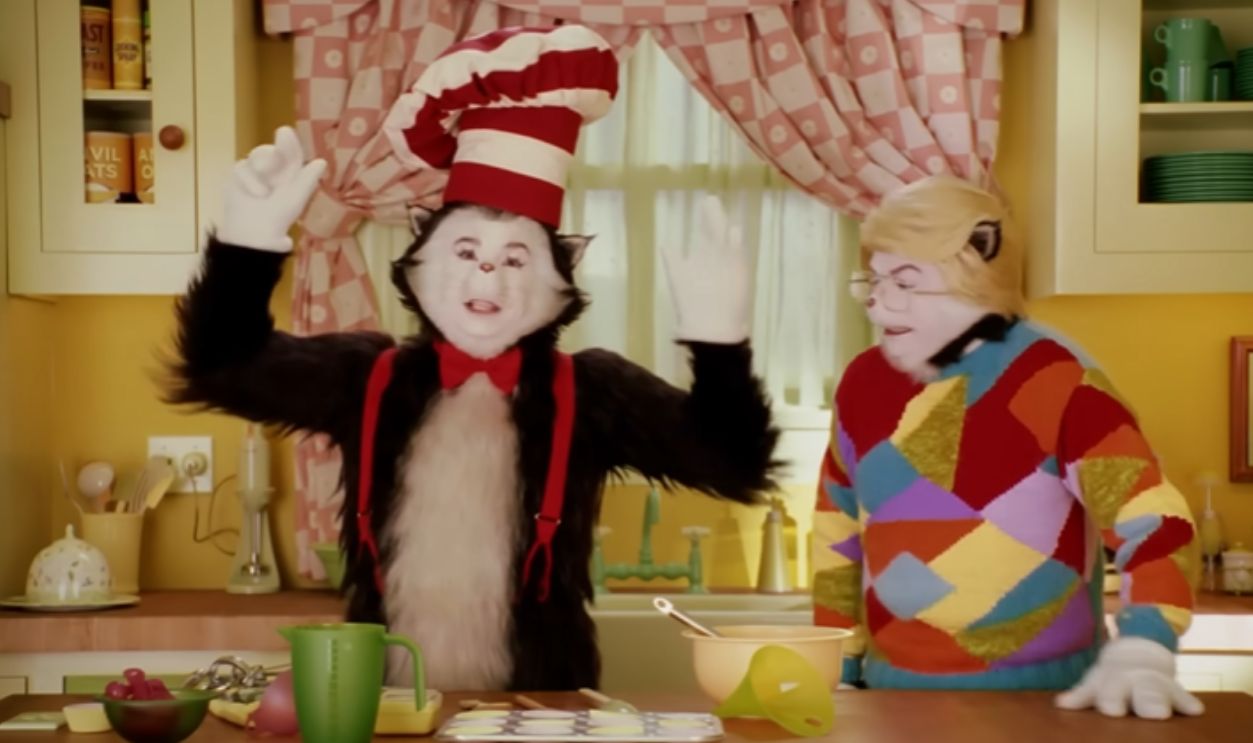 Screenshot from The Cat in the Hat, Universal Pictures (2003)
Fantastic Beasts: The Secrets Of Dumbledore (2022)
Between franchise fatigue, cast controversies, recasts, and a messy script juggling too many plotlines, this third installment never stood a chance. The film underperformed at the box office, leaving the planned five-movie arc in limbo. A series once meant to expand the Wizarding World fizzled into uncertainty.
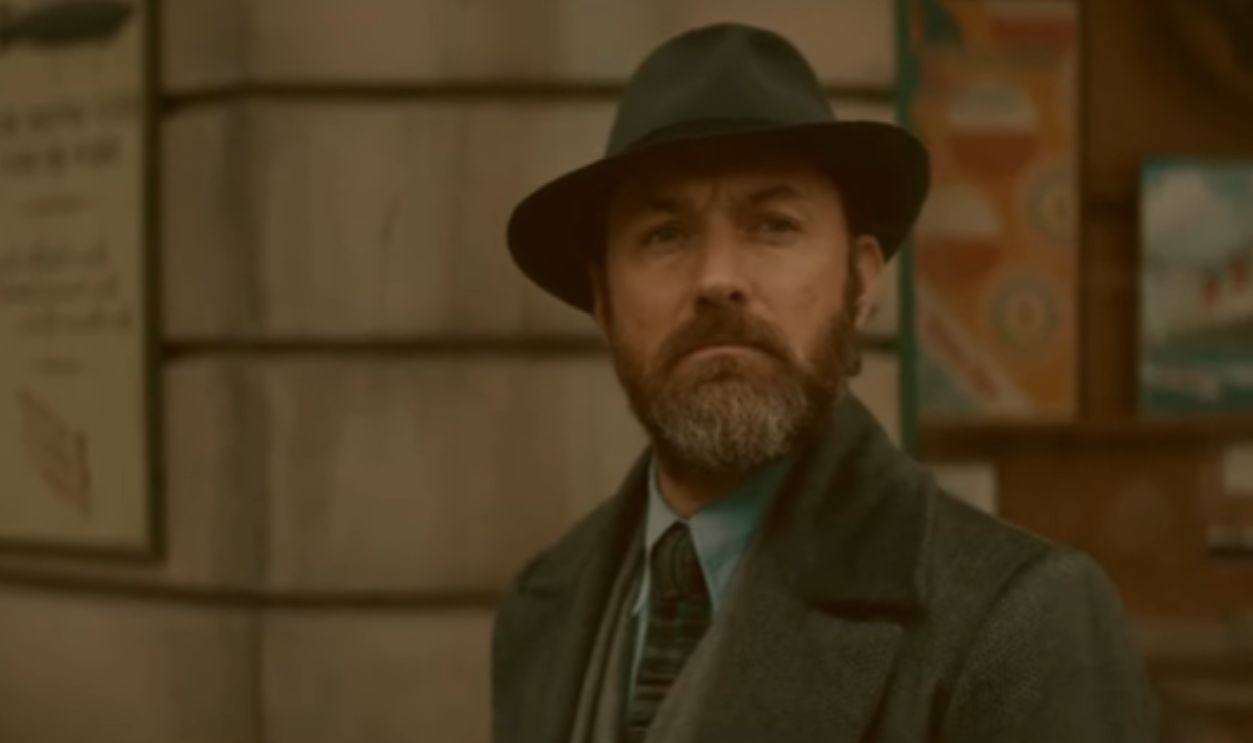 Screenshot from Fantastic Beasts: The Secrets of Dumbledore, Warner Bros. (2022)
Winnie The Pooh (2011)
Disney revived traditional animation for this charming film, but it dropped into theaters the same weekend as Harry Potter and the Deathly Hallows—Part 2. The timing obliterated its chances. Critics loved it, but audiences never found it. A doomed release date overshadowed a genuinely sweet movie.
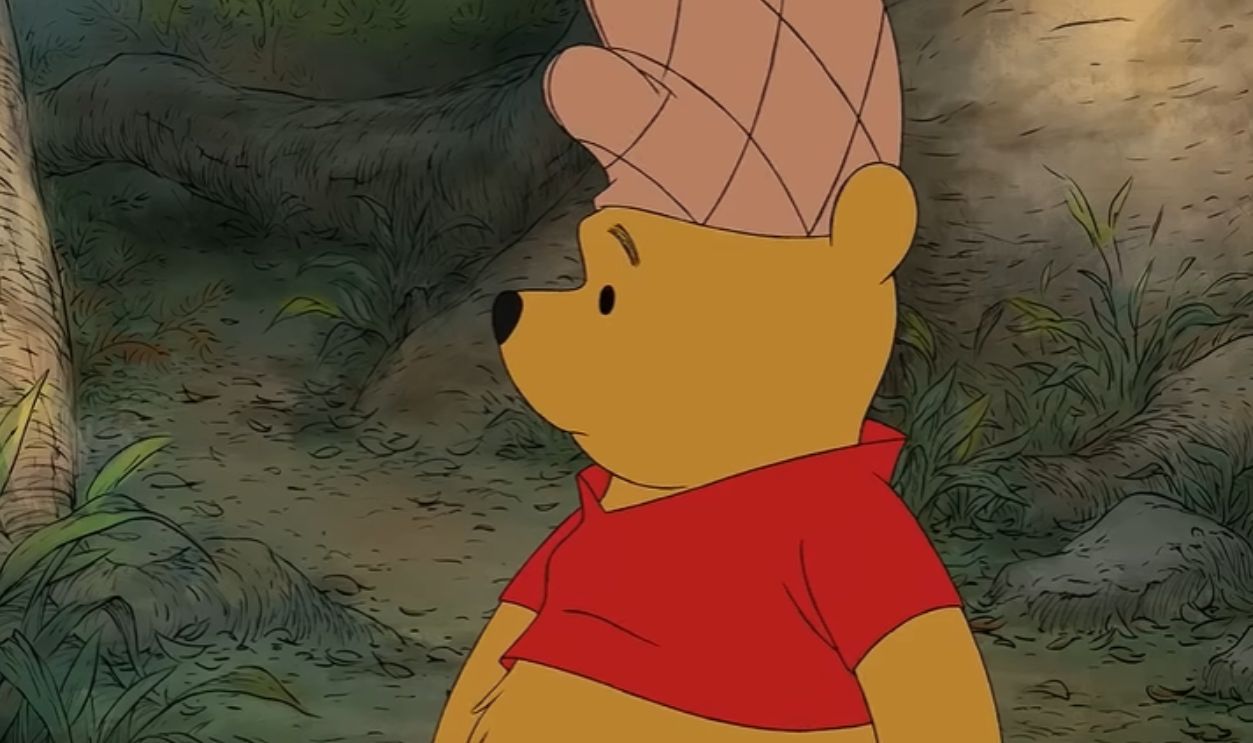 Screenshot from Winnie the Pooh, Walt Disney Pictures (2011)
Strange World (2022)
Despite Disney’s backing, this film struggled from day one: muted marketing, unclear target audience, and pandemic-era box-office challenges. Even with a strong cast and visuals, Strange World flopped hard and became one of Disney’s biggest financial misses.
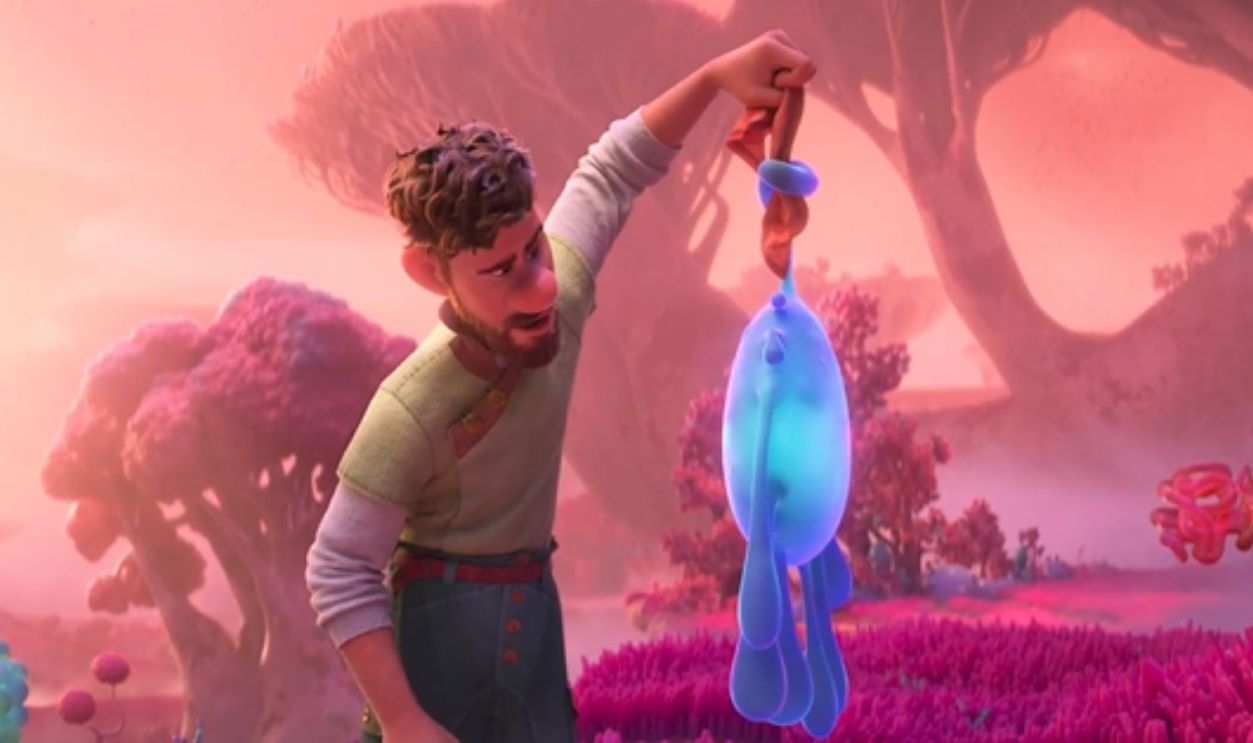 Screenshot from Strange World, Walt Disney Pictures (2022)
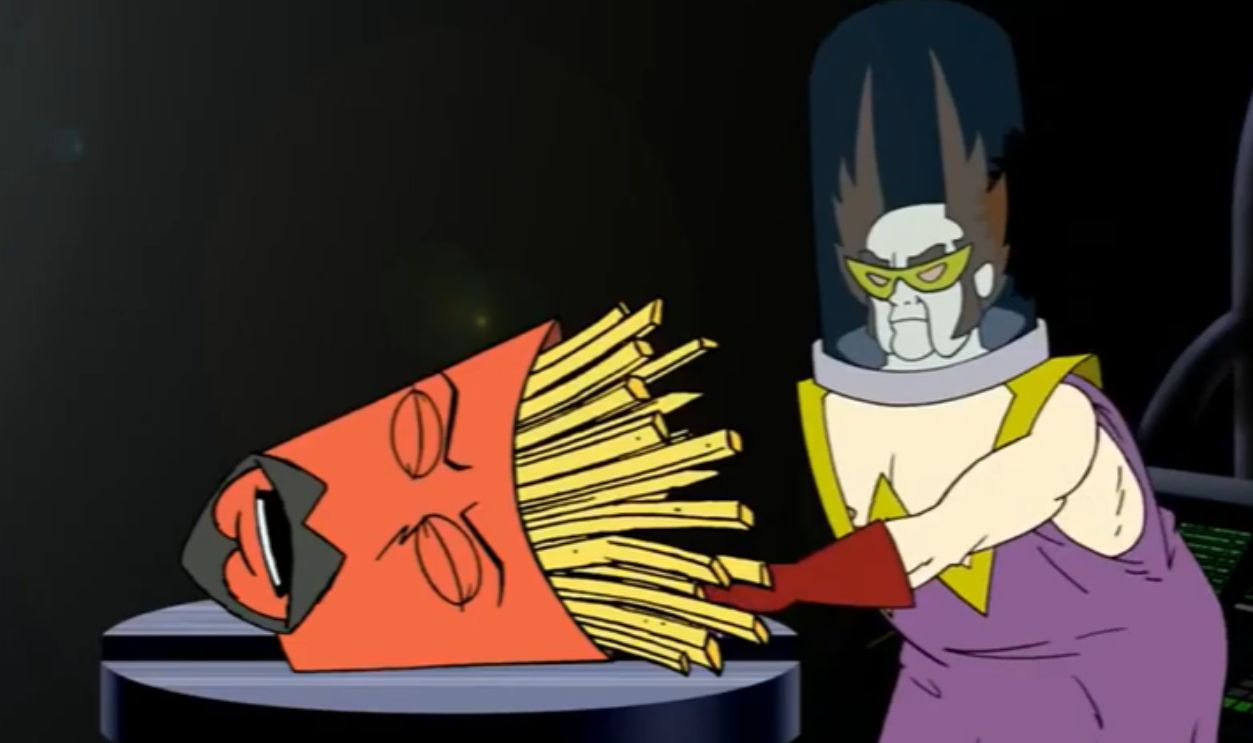
Aqua Teen Hunger Force Colon Movie Film For Theaters (2007)
This absurdist Adult Swim show was never meant for wide theatrical release, and yet, here we are. The movie baffled general audiences, had niche appeal, and faced controversy after a marketing stunt caused a citywide bomb scare. Doomed? Yes. Weirdly iconic? Also yes.
Mars Needs Moms (2011)
With a massive $150 million budget and an uncanny motion-capture style that unsettled viewers, Mars Needs Moms became one of Disney’s biggest flops ever. The animation tech looked off, the story didn’t connect, and the movie’s financial failure became industry legend.
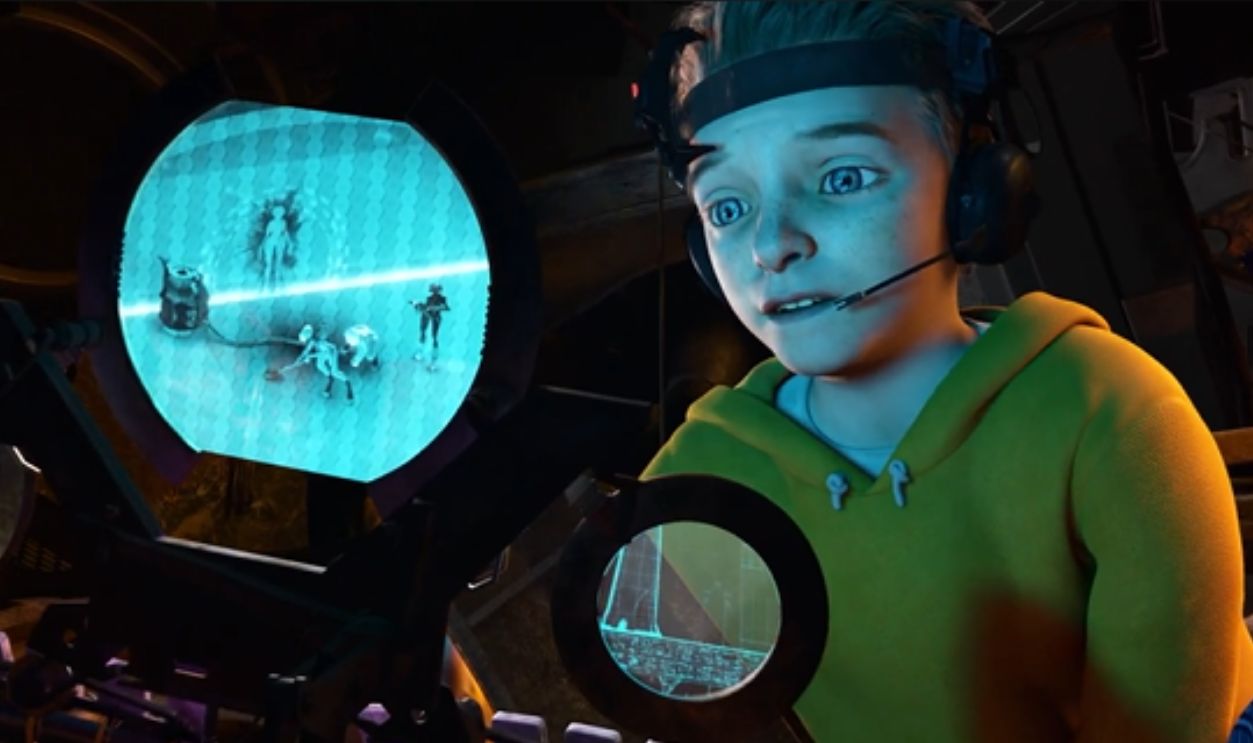 Screenshot from Mars Needs Moms, Walt Disney Pictures (2011)
Speed Racer (2008)
Though now beloved by fans, Speed Racer baffled critics and bombed financially on release. Its wildly stylized visuals, experimental editing, and candy-colored aesthetic confused general audiences. Studio concerns and marketing misfires doomed it early, but it has since gained cult-classic redemption.
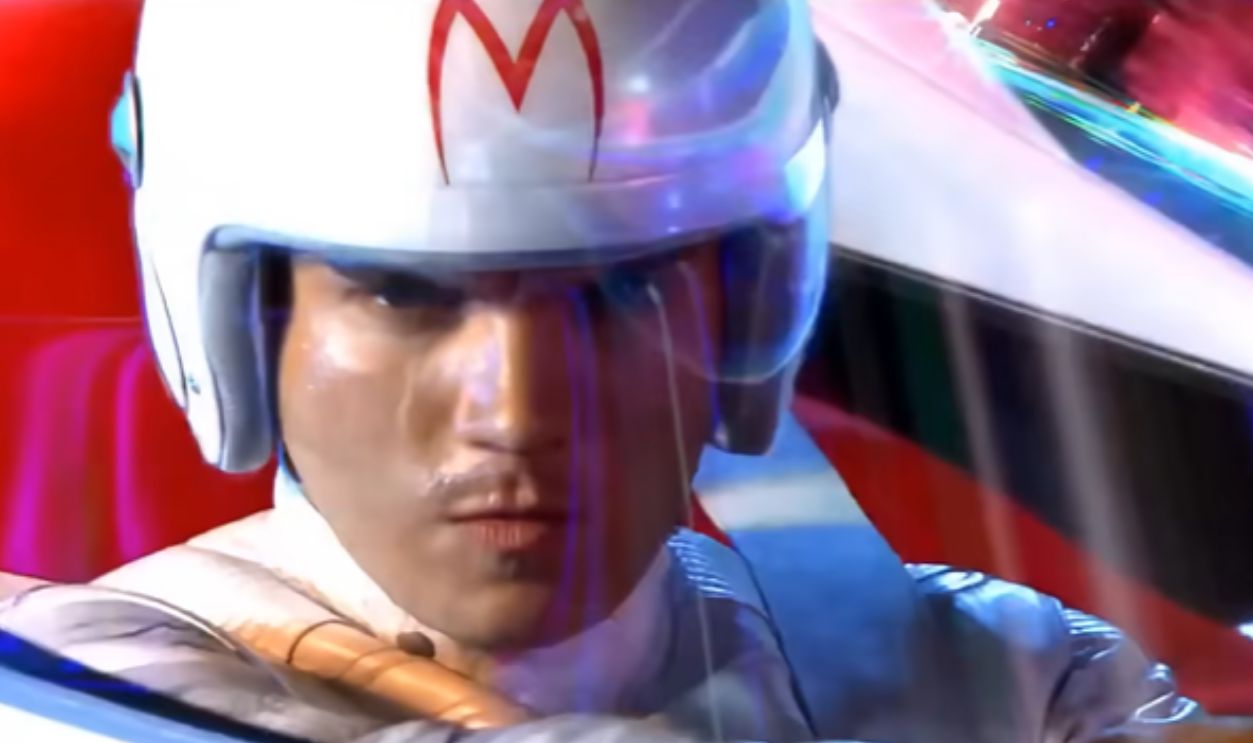 Screenshot from Speed Racer, Warner Bros. (2008)
The Flash (2023)
Initially hyped as DC’s multiverse game-changer, the film battled production delays, script rewrites, universe reboots, and off-screen controversies. Despite nostalgia cameos and major marketing, the box-office numbers were shockingly low. It was a project weighed down by too much baggage to soar.
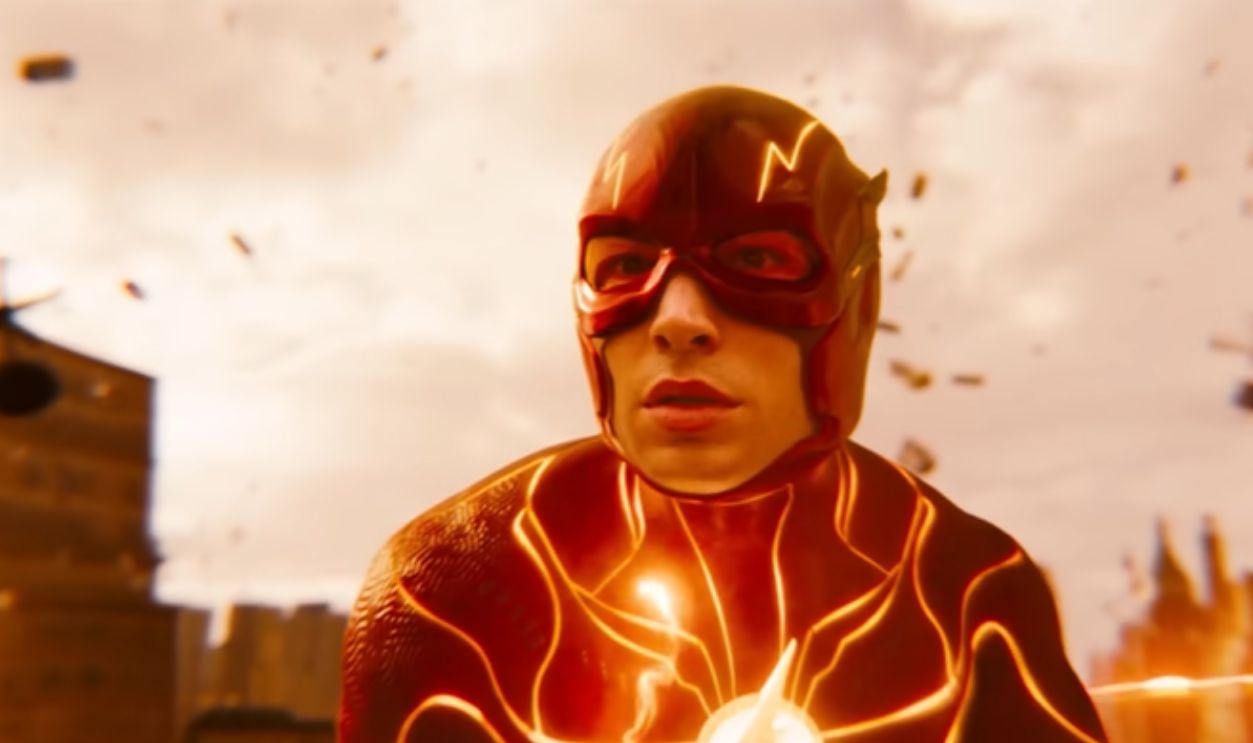 Screenshot from The Flash, Warner Bros. (2023)
The Marvels (2023)
A troubled production with rewrites, reshoots, shifting tones, and a franchise facing audience burnout meant this sequel was fighting an uphill battle. It became the lowest-grossing MCU film ever—a stunning result for a cinematic universe once seen as unstoppable.
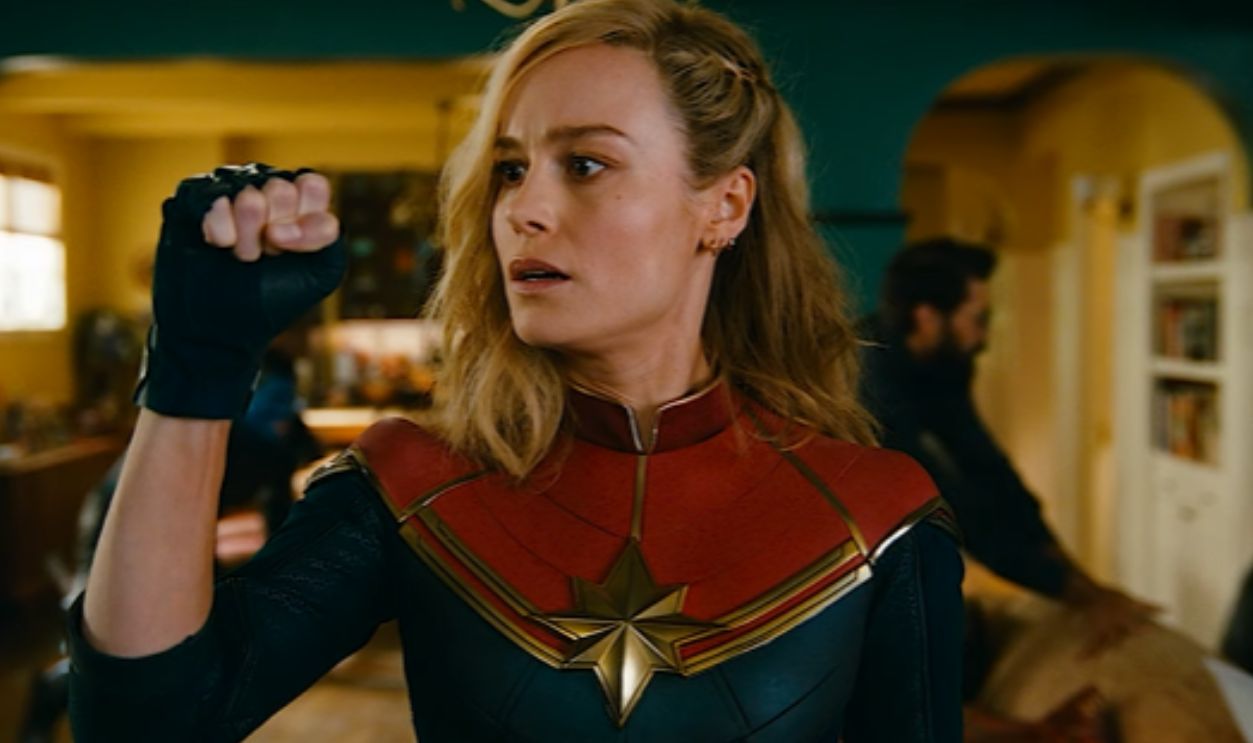 Screenshot from The Marvels, Walt Disney Studios Motion Pictures (2023)
Dune (1984)
David Lynch’s attempt to adapt Frank Herbert’s dense sci-fi epic was doomed the moment the studio demanded a shorter, more commercial movie. Massive cuts, confusing narration, and harsh deadlines resulted in a film even Lynch disowned. A cult following later emerged, but at release, it was a spectacular bomb.
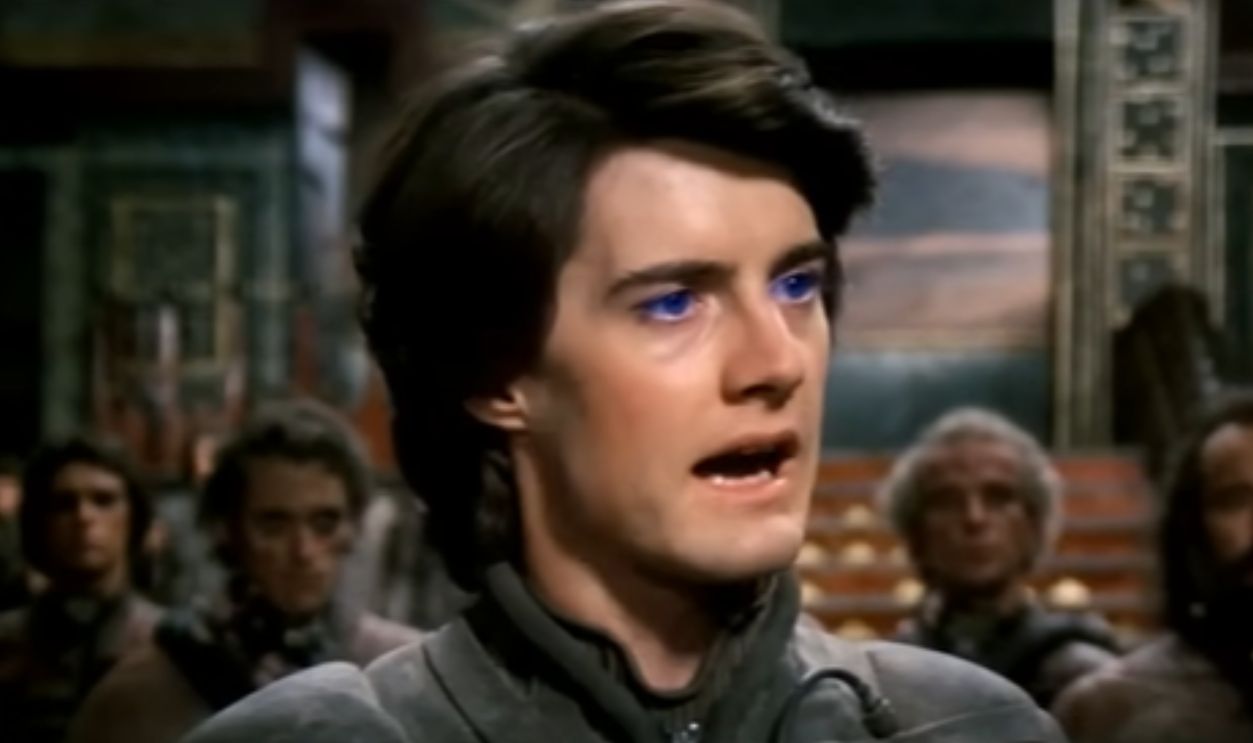 Screenshot from Dune, Universal Pictures (1984)
You May Also Like:
The 12 Worst Reviewed Movies To Ever Win Best Picture
Movies That Flopped So Hard They Ruined Careers And Bankrupted Studios