Risky Moves That Led To Cancelation
When directors start shaping a risky narrative, the room usually buzzes with confidence. Once production wraps, real-world pressures creep in, and sometimes that early excitement turns into careful conversations about where the movie dropped the ball.
A Clockwork Orange (Ireland, Singapore, South Africa; Withdrawn In The UK)
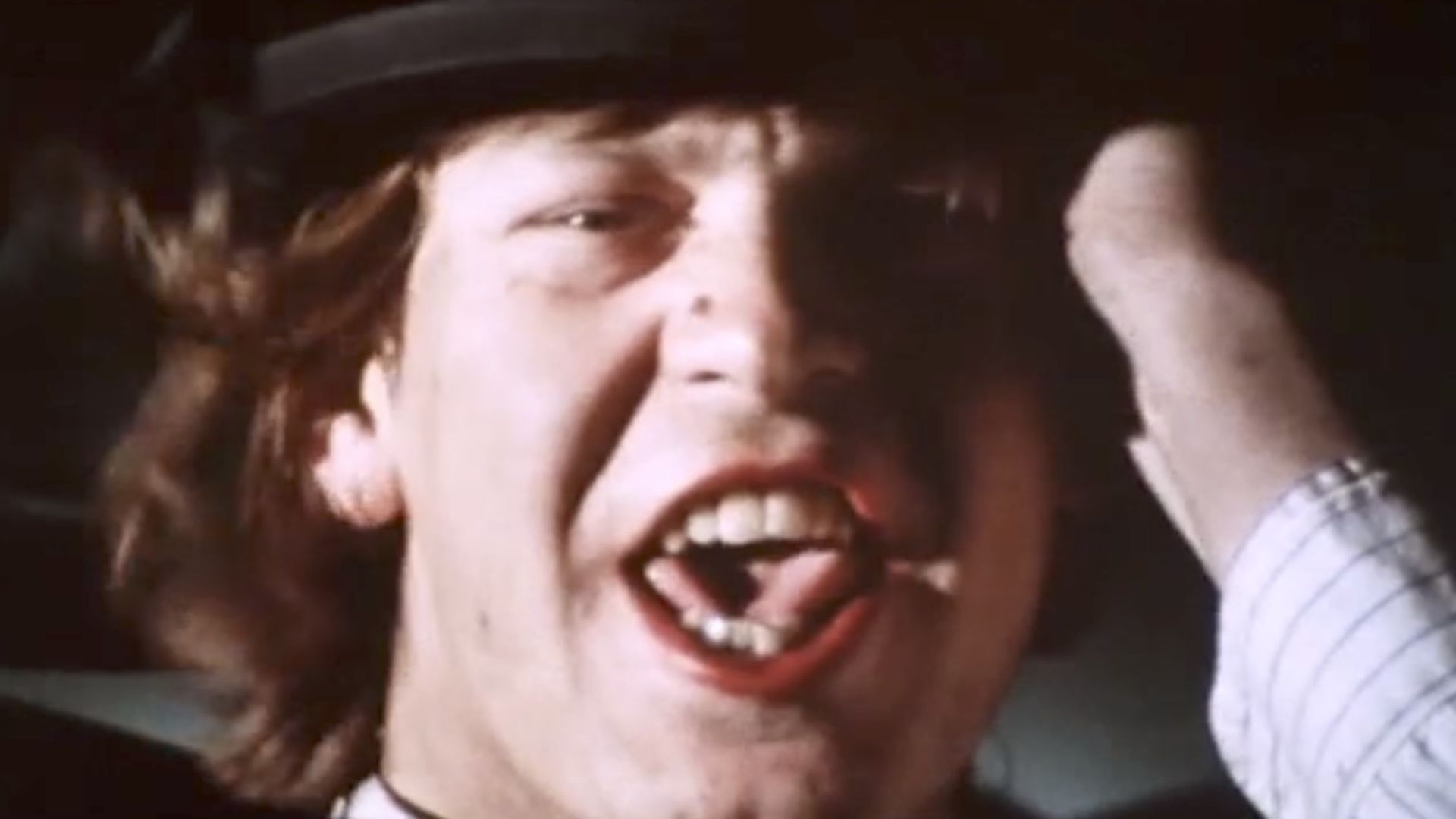
Step into the uproar sparked by this 1971 dystopian firecracker. Street gangs, ultraviolence, and satirical swagger collided in ways few viewers were prepared for. Kubrick’s own withdrawal kept it out of UK circulation for decades, making its absence as legendary as its content.
 Stanley Kubrick, Wikimedia Commons
The Exorcist (Parts Of The UK, The Middle East, And Asia)
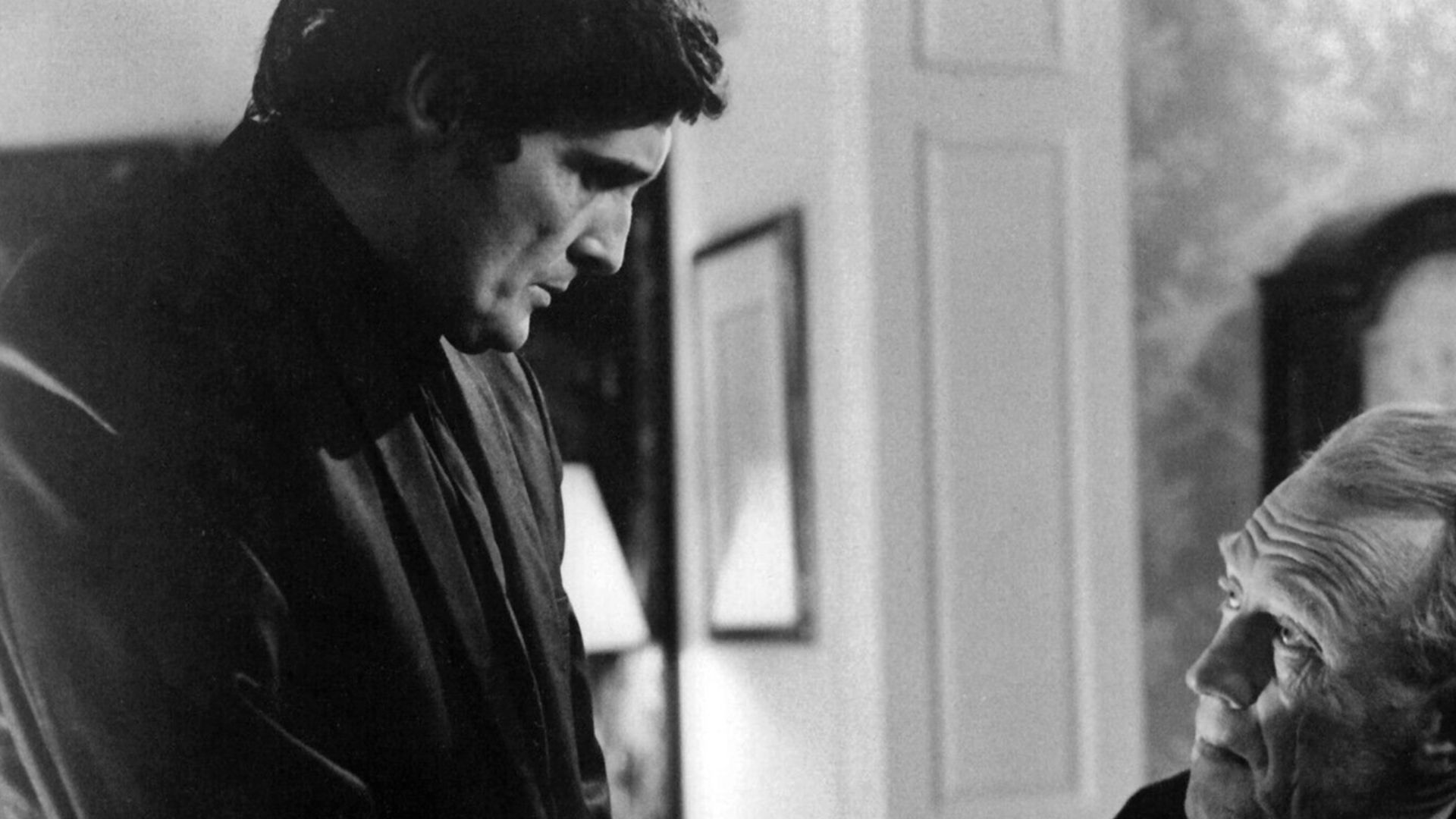
Picture the 1973 lines looping around theaters and the news stories describing fainting viewers. Faith leaders pushed back hard by objecting to its possession scenes and aggressive spiritual imagery. Several regions removed it from cinemas, and this detail cemented its status as one of horror’s most controversial releases.
The Texas Chain Saw Massacre (UK, Brazil, Australia)
Early rumors linked the story to real events, and then, the film’s realistic tone fed that narrative. The result? Regulators viewed it as excessively brutal. Those bans gave the release far more reach than its modest budget of $80,000–140,000 would have produced: $30.9 million (Box Office).
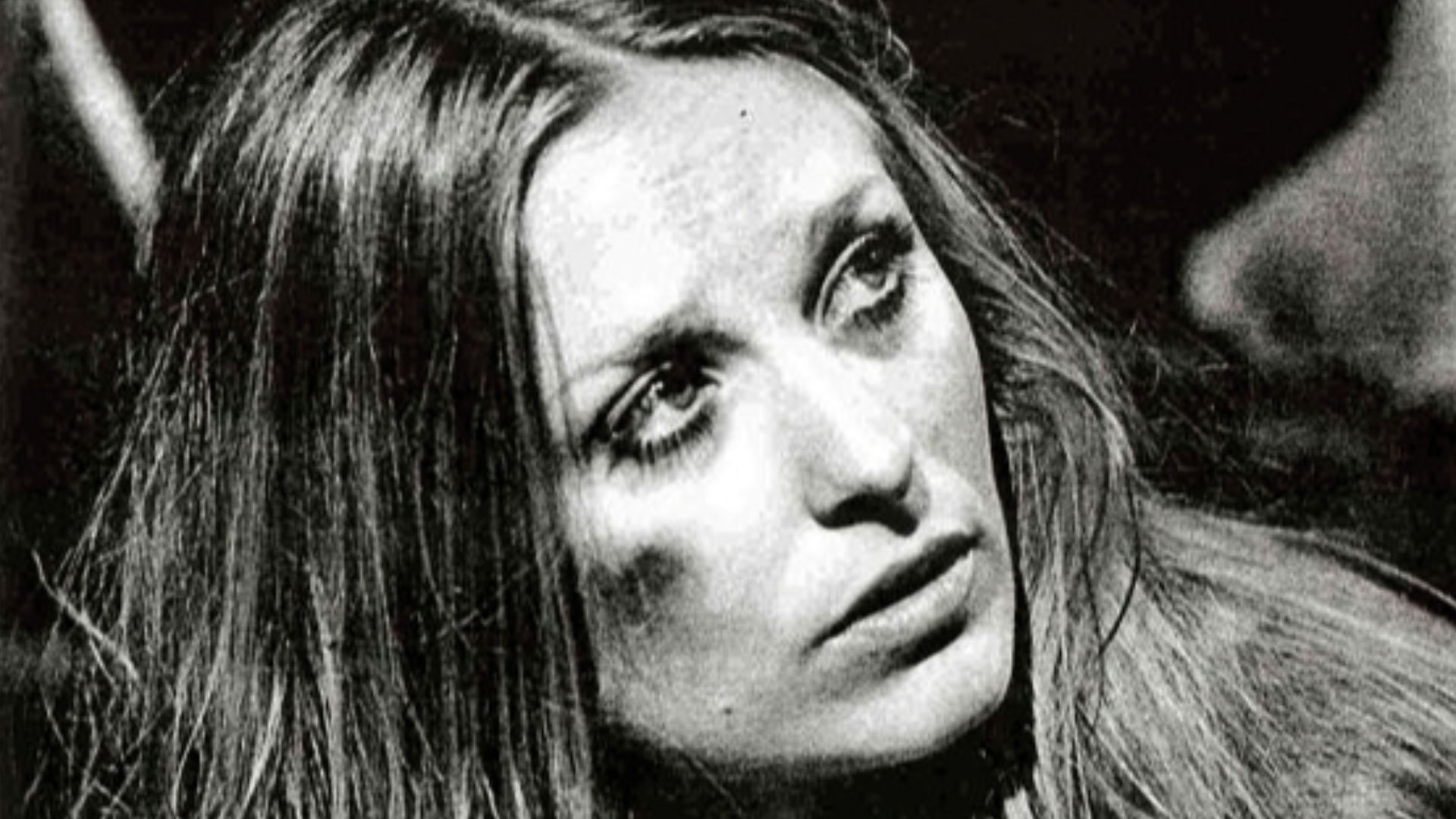
Cannibal Holocaust (Italy, Australia, New Zealand, Norway, United Kingdom)
This was the film that sent the police straight to the director. Its jungle-set storyline blurred reality with staged chaos, creating heated courtroom battles. Multiple countries banned it for graphic animal deaths and hyper-real violence that pushed beyond the limits of early 80s censorship laws.
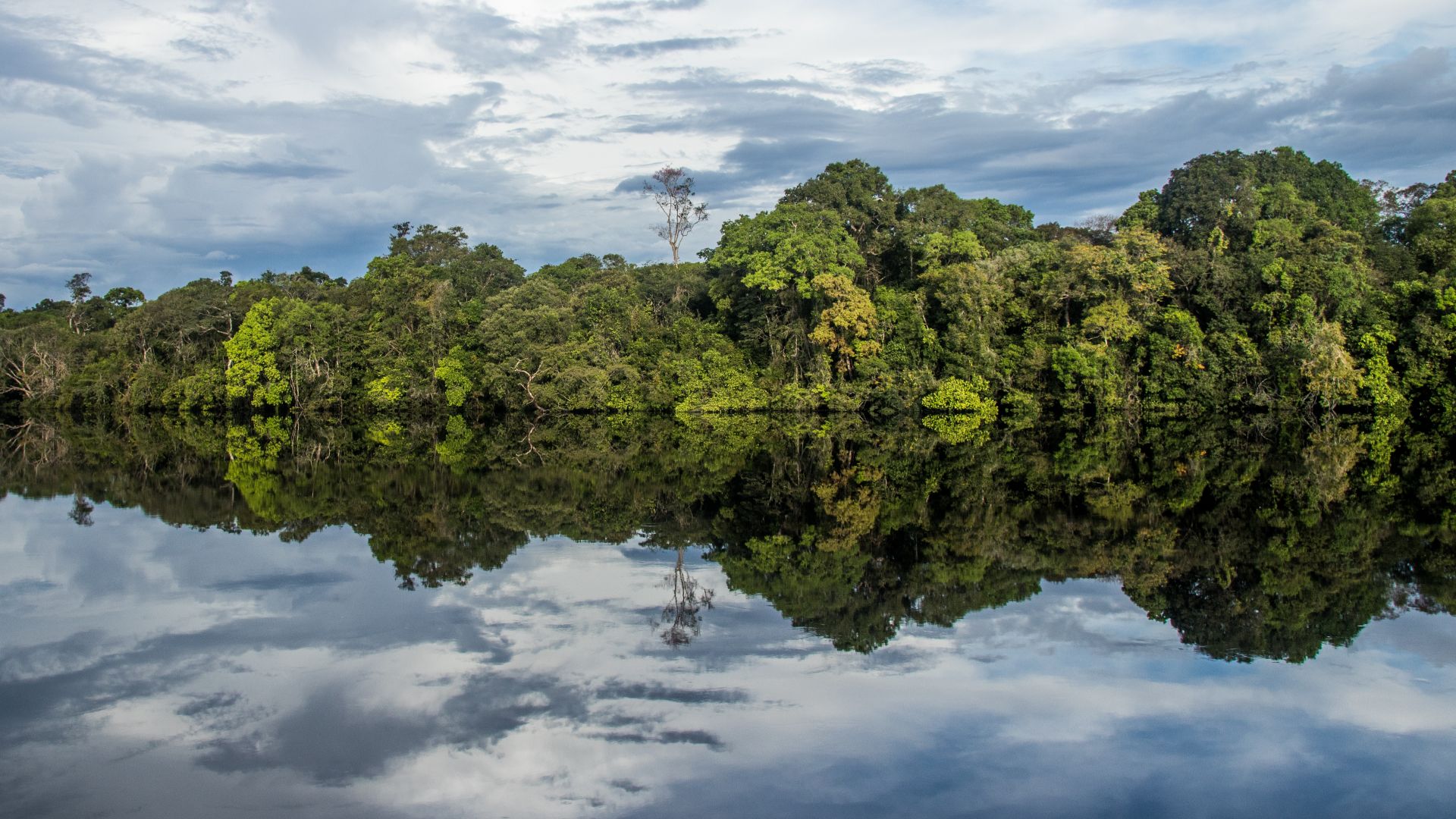 Dalia McGill, Wikimedia Commons
The Last House On The Left (Ireland, Australia)
Think of early 70s horror that tries to test boundaries and then tears straight through them. The Last House On The Left's abduction and revenge elements unsettled censors immediately, to the point that Ireland and Australia blocked screenings. Why? The film’s unfiltered brutality.
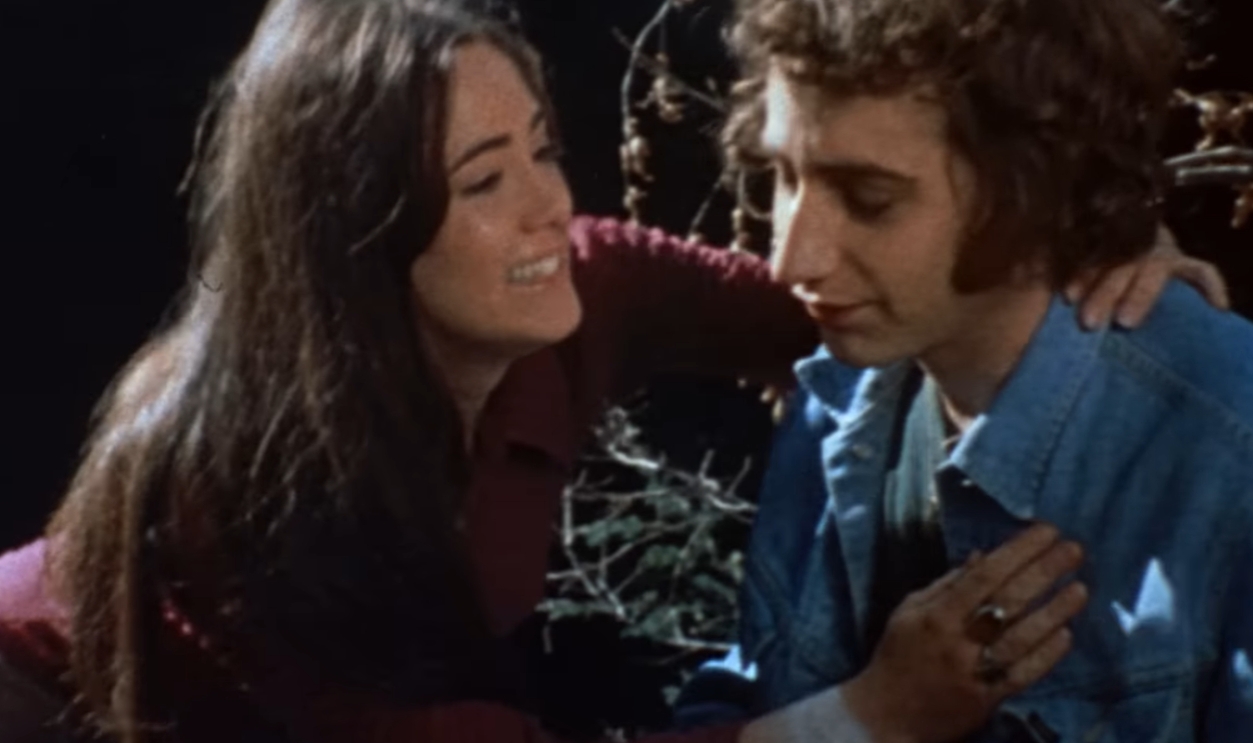 Screenshot from The Last House on the Left, American International Pictures (1972)
Natural Born Killers (Ireland)
Ireland banned the film over concerns that its stylized crime spree could inspire imitation during a period of intense focus on media sensationalism. The mix of satire, violence, and a runaway couple also triggered political debate; the country didn’t want to further ignite it.
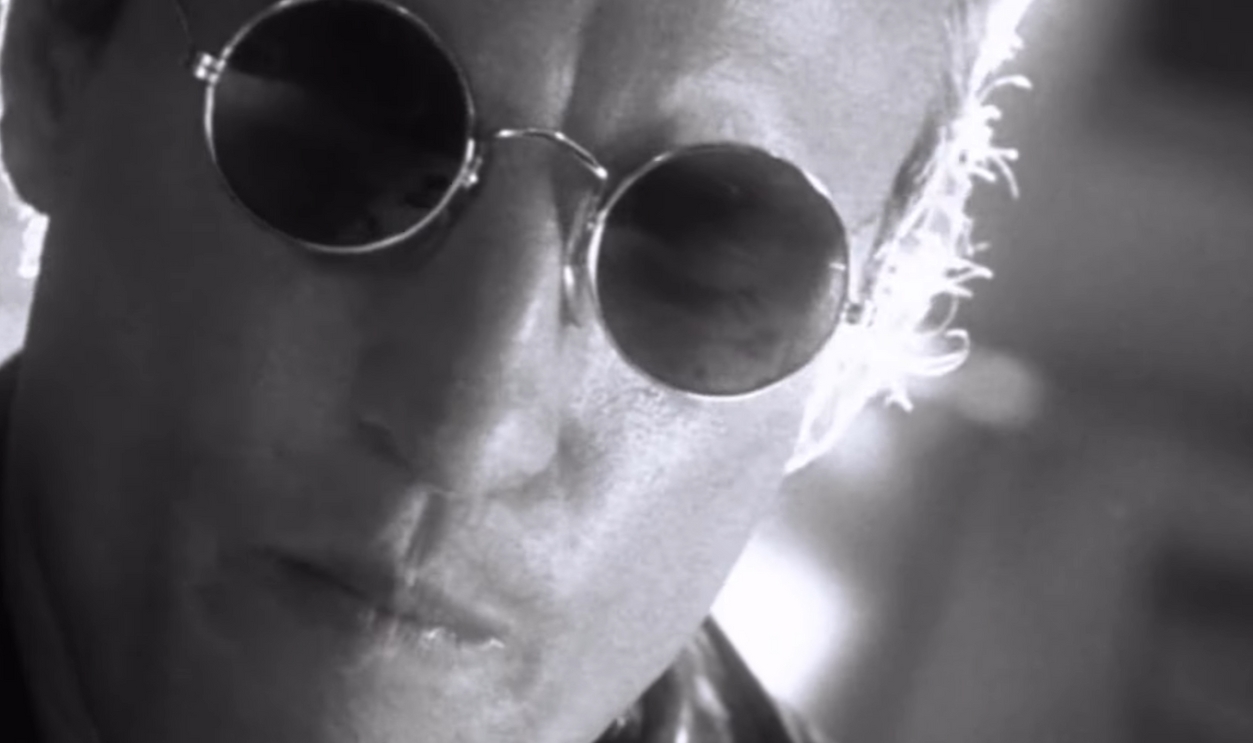 Screenshot from Natural Born Killers, Warner Bros. Pictures (1994)
Battle Royale (Germany—Long-Term Ban)
Germany banned the film for years, saying its portrayal of students turning on each other crossed a line it refused to accept. The restriction only strengthened its cult footprint as determined fans kept the title in circulation through steady imports.
 Screenshot from Battle Royale, Toei Company (2000)
The Human Centipede 2 (United Kingdom, Australia—Initially)
Censors tightened their grip when this sequel amplified every disturbing detail. The movie follows someone reenacting a fictional experiment in grisly fashion. The UK and Australia halted release due to extreme medical mutilation and obsessive violence that exceeded their classification thresholds.
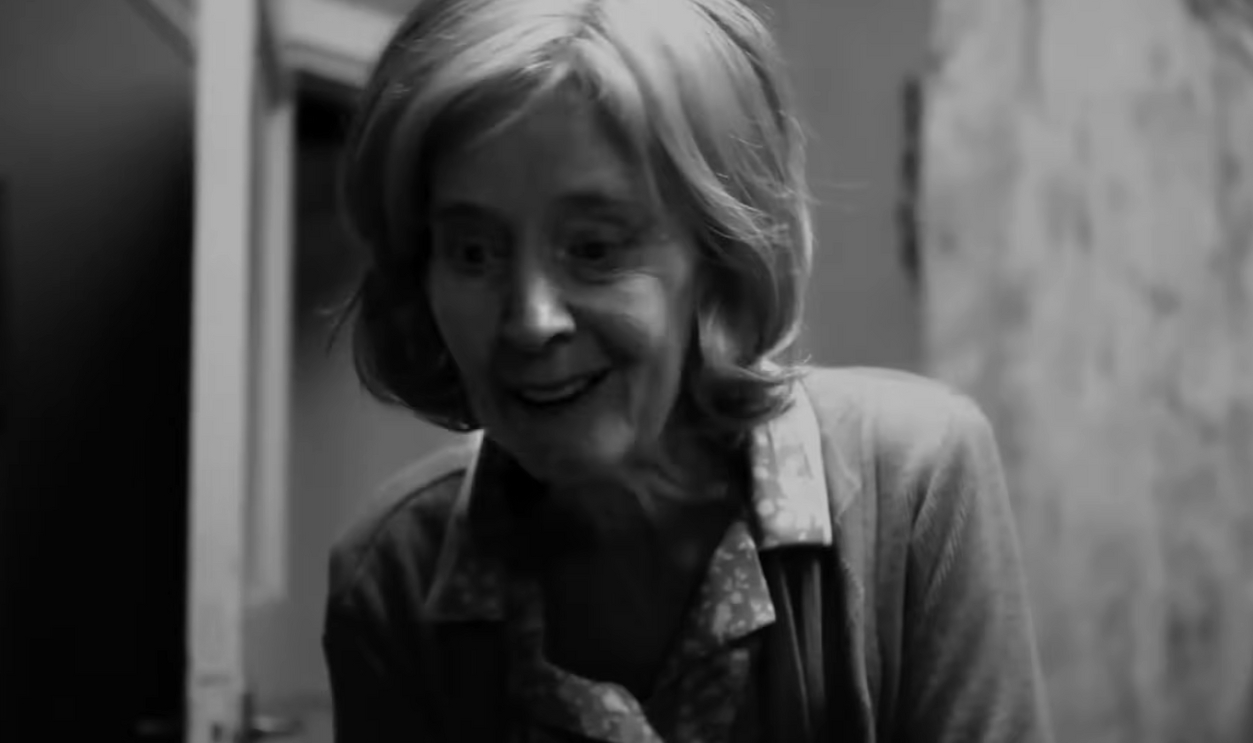 Screenshot from The Human Centipede 2 (Full Sequence), Bounty Films (2011)
Saw VI (Spain)
Ask longtime fans which entry hit a regulatory wall, and this title surfaces fast. Sadly, Spain wasn’t a fan in this conversation because it had banned it for months, reviewing its elaborate traps, gore, and psychological cruelty. The restriction produced a unique alternate cut that collectors still hunt for today.
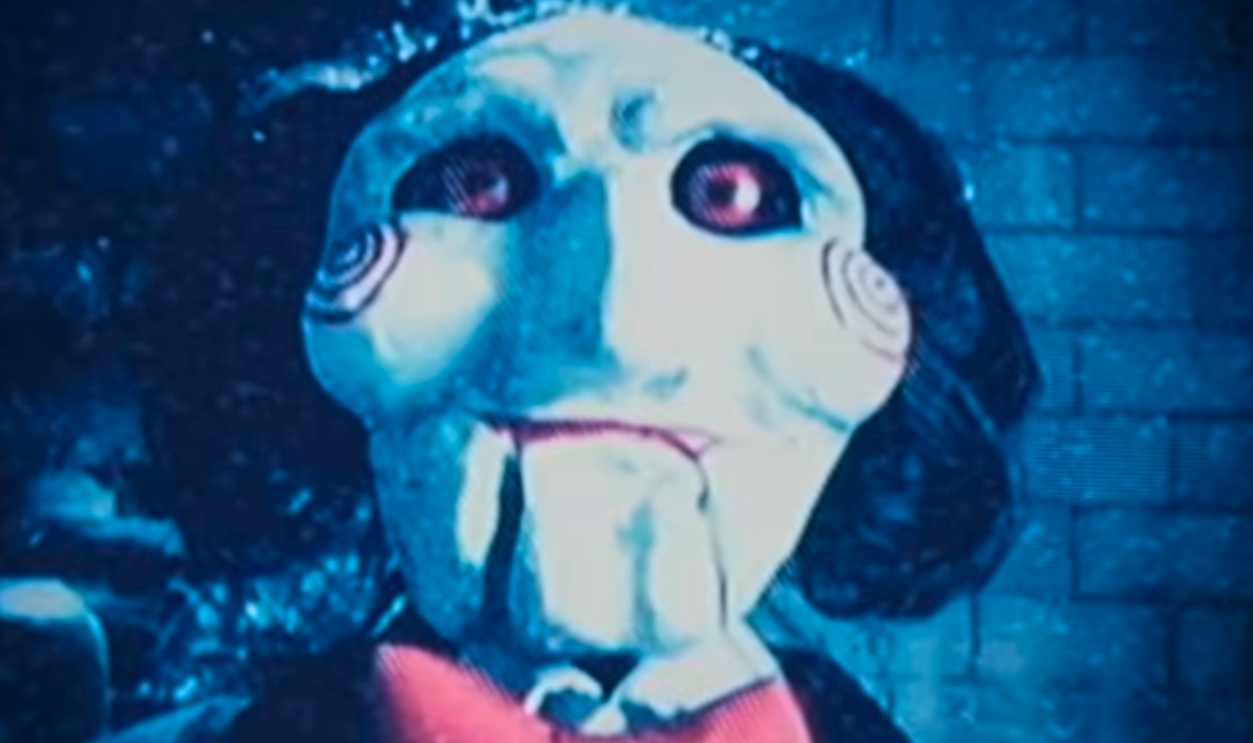 Screenshot from Saw VI, Lionsgate Films (2009)
The Evil Dead (United Kingdom)
Horror fans still recall the home-video frenzy that pushed this title underground. Its demonic mayhem earned a place on the UK’s “video nasties” list, even prompting authorities to seize tapes and restrict distribution. The “bad” publicity fueled by the crackdown helped the movie become a cult favorite in the 80s.
 Screenshot from The Evil Dead, New Line Cinema (1981)
The Interview (North Korea, Several Southeast Asian Countries)
This movie went BOLD by targeting a sitting world leader, bringing diplomatic tension and hacking threats. That reaction led some regions to drop the film immediately. North Korea condemned it outright, and the title landed among the world’s most politically charged bans of the 2010s.
 Screenshot from The Interview, Sony Pictures Releasing (2014)
Zero Dark Thirty (Pakistan)
Pakistan’s authorities objected to their portrayal in Zero Dark Thirty and blocked the film. The basis of their argument was that it misrepresented events tied to national security. That decision pushed viewers to seek underground copies, and soon, discussions about cinematic accuracy surged.
 Screenshot from Zero Dark Thirty, Columbia Pictures (2012)
Argo (Iran)
Imagine a thriller recounting a high-stakes hostage rescue, and you can see why Iran reacted. After the movie's release, officials in Iran criticized the narrative and banned it nationwide. State media argued the story painted the country unfairly, and internally, it prompted heightened scrutiny of foreign works addressing historical crises.
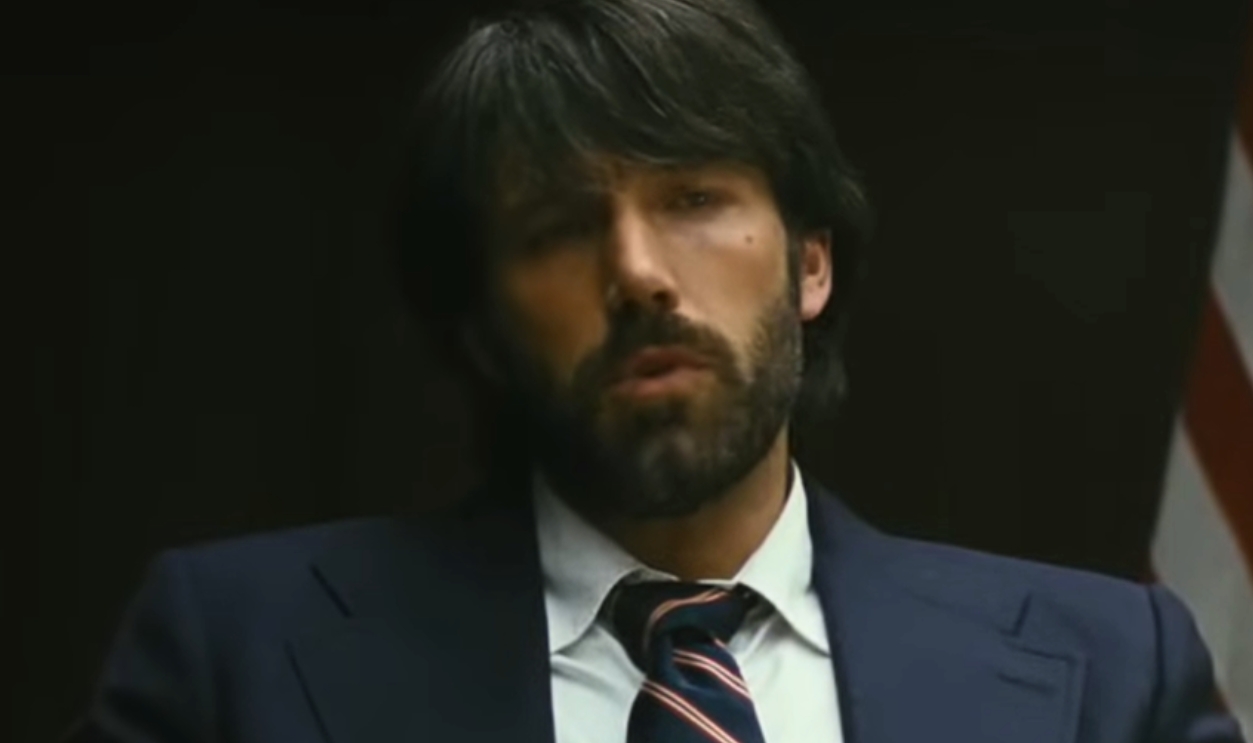 Screenshot from Argo, Warner Bros. Pictures (2012)
Barbie (Vietnam)
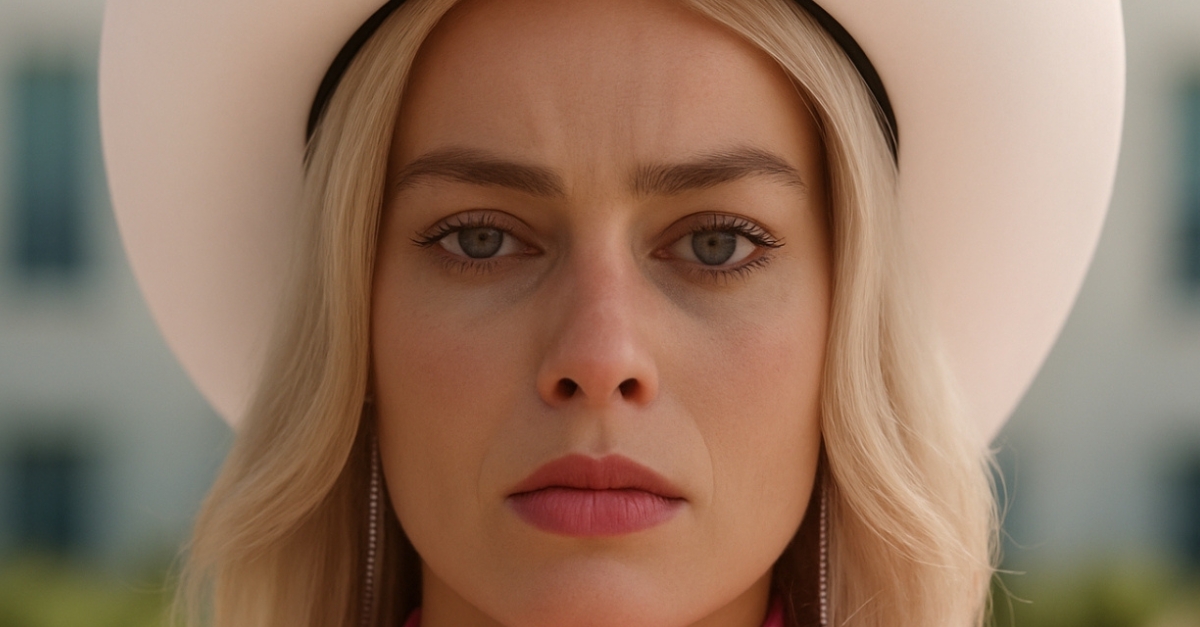
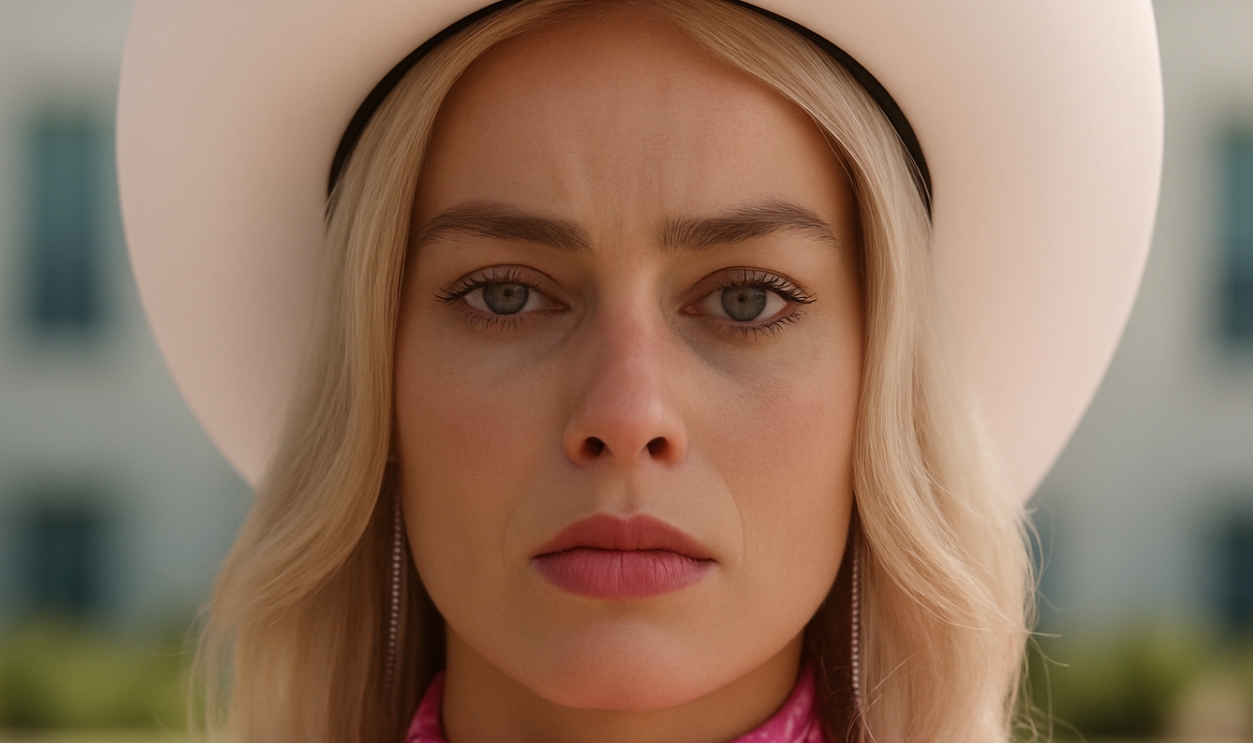
When audiences lined up for bright colors and pop-fueled fun, Vietnam raised territorial concerns. Why? Well, in the movie, a map scene referencing the disputed South China Sea triggered an immediate ban. Oh yes, a map! Government censors flagged that depiction as politically sensitive. No one saw this coming!
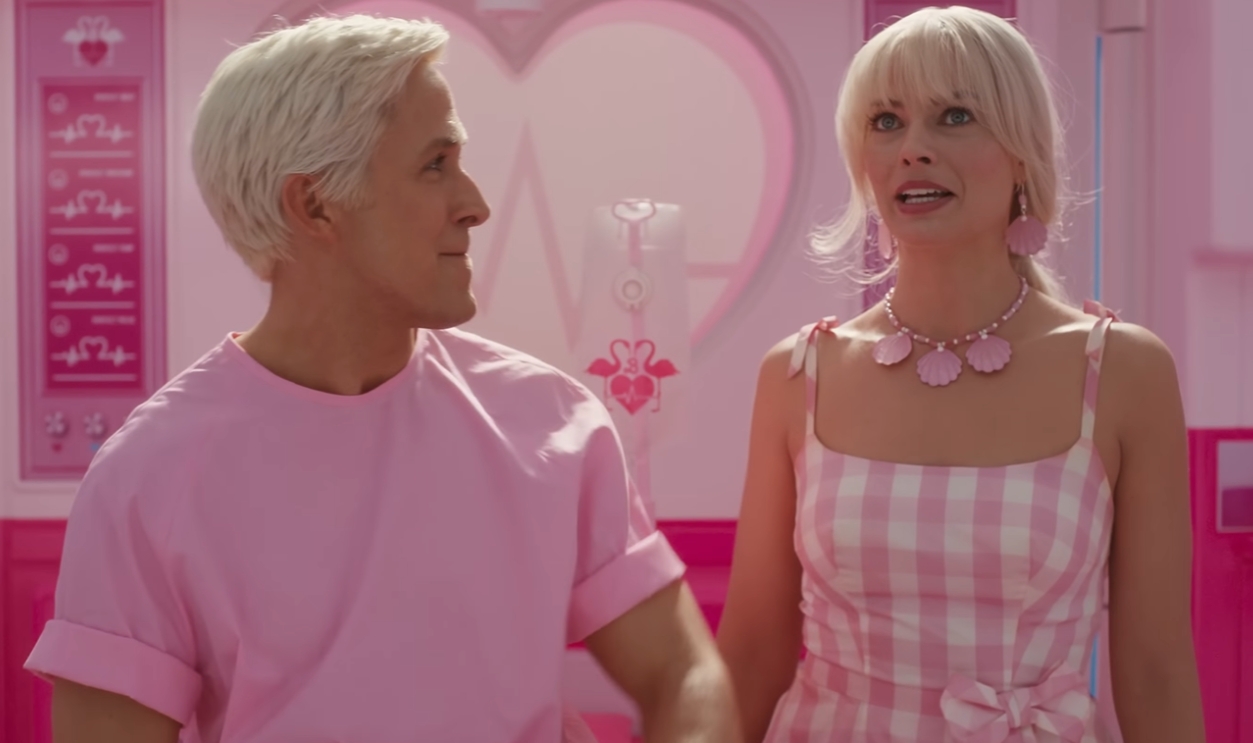 Screenshot from Barbie, Warner Bros. Pictures (2023)
Noah (United Arab Emirates, Qatar, Bahrain)
Faith-based guidelines shaped the reaction to this sweeping biblical epic. Several Middle Eastern countries banned it because portraying prophets on screen conflicted with local religious standards. That decision created regional divides, with some nations allowing limited screenings while others enforced total restrictions.
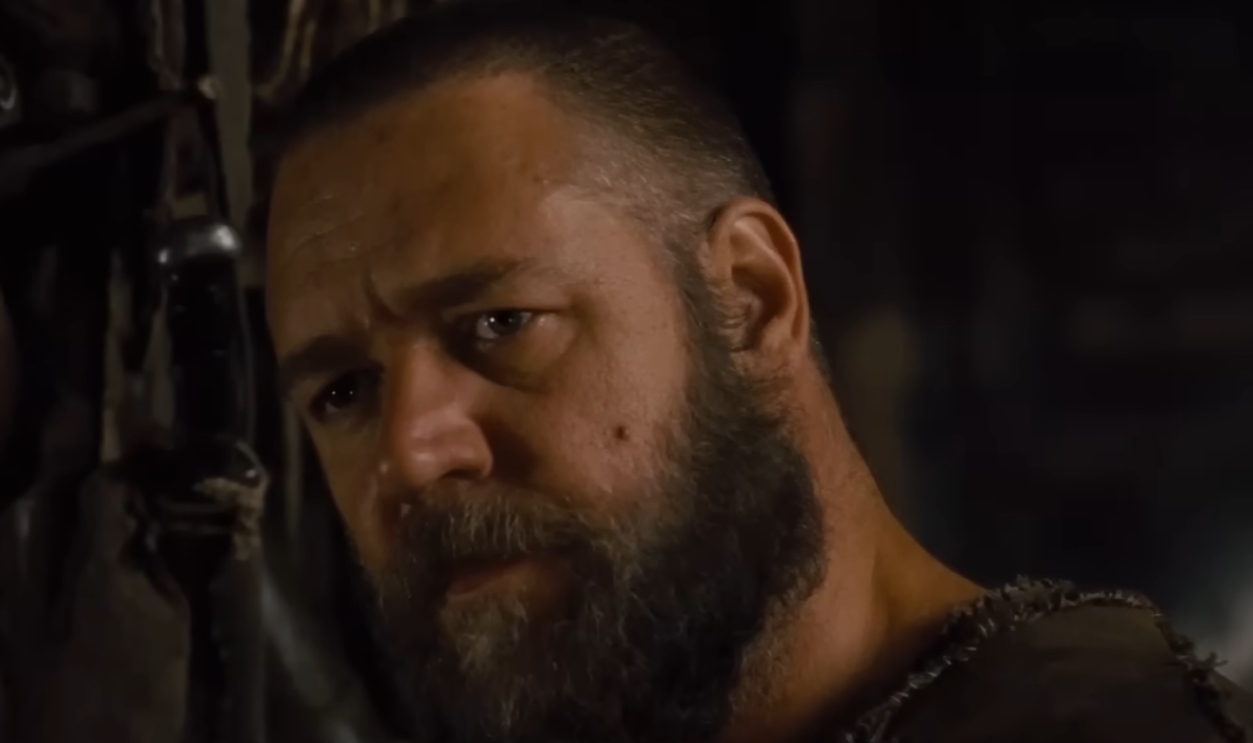 Screenshot from Noah, Paramount Pictures (2014)
The Da Vinci Code (Pakistan)
Mystery lovers queued up for symbology and secret societies while Pakistan’s government pushed back. Officials banned the film over concerns that its religious storyline contradicted local sensitivities. The restriction sparked intense public conversations about creative freedom and sacred themes.
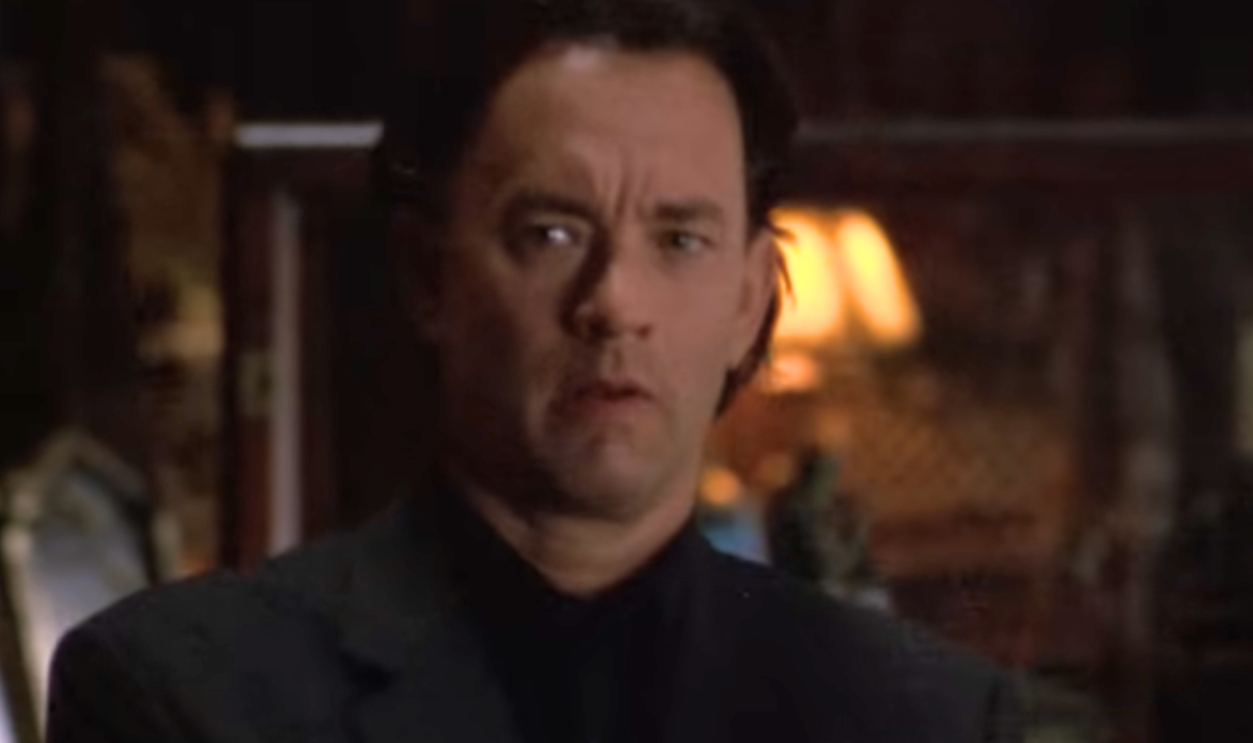 Screenshot from The Da Vinci Code, Sony Pictures Releasing (2006)
The Lady Of Heaven (Egypt, Iraq, Iran)
Several countries banned the movie for portraying early Islamic figures in ways that conflicted with religious authorities, setting the tone for how it was received elsewhere. Viewers who expected a historical drama instead encountered intense theological disputes, and protests across multiple regions reflected its wide impact on intra-faith discussions.
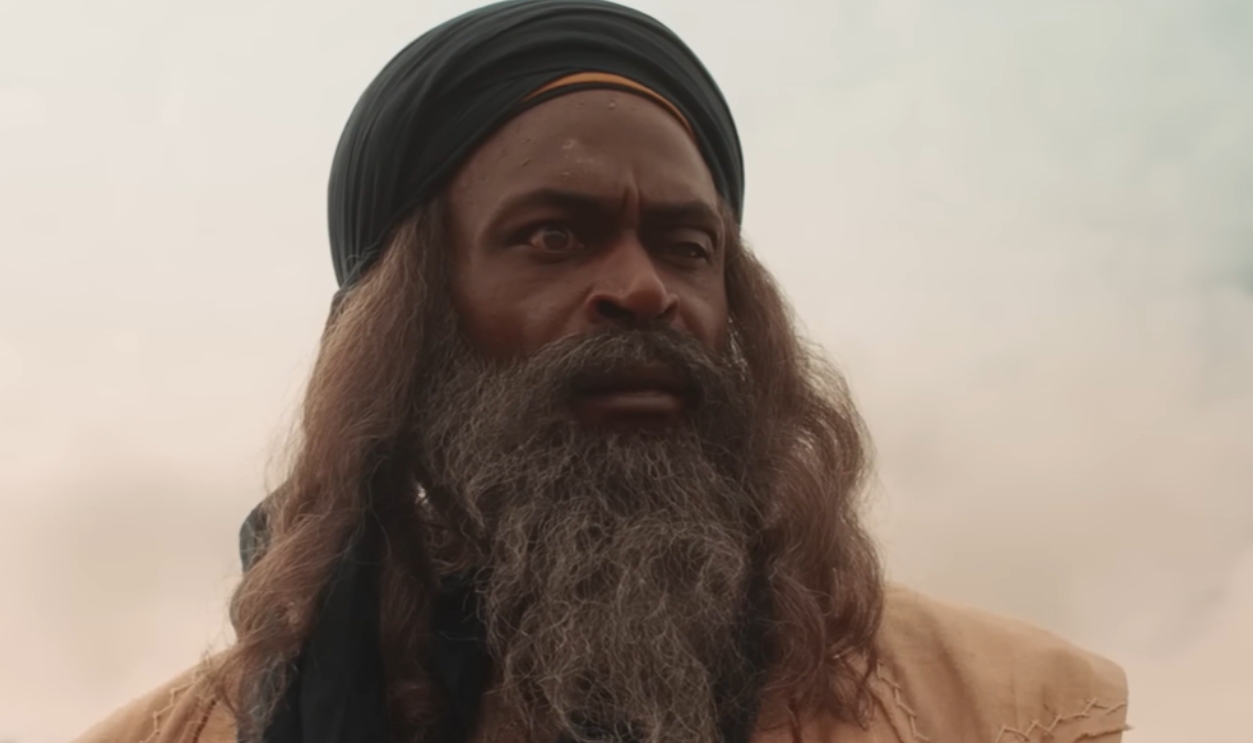 Screenshot from The Lady Of Heaven, Vision Films (2021)
The King’s Speech (Lebanon—Initially)
You might recall its award-season momentum and global praise, but did you know Lebanon briefly banned it? They banned it because funding was tied to an Israeli distributor, which triggered political concerns. The restriction was lifted soon after, allowing local audiences to experience the acclaimed performances and wartime storytelling.
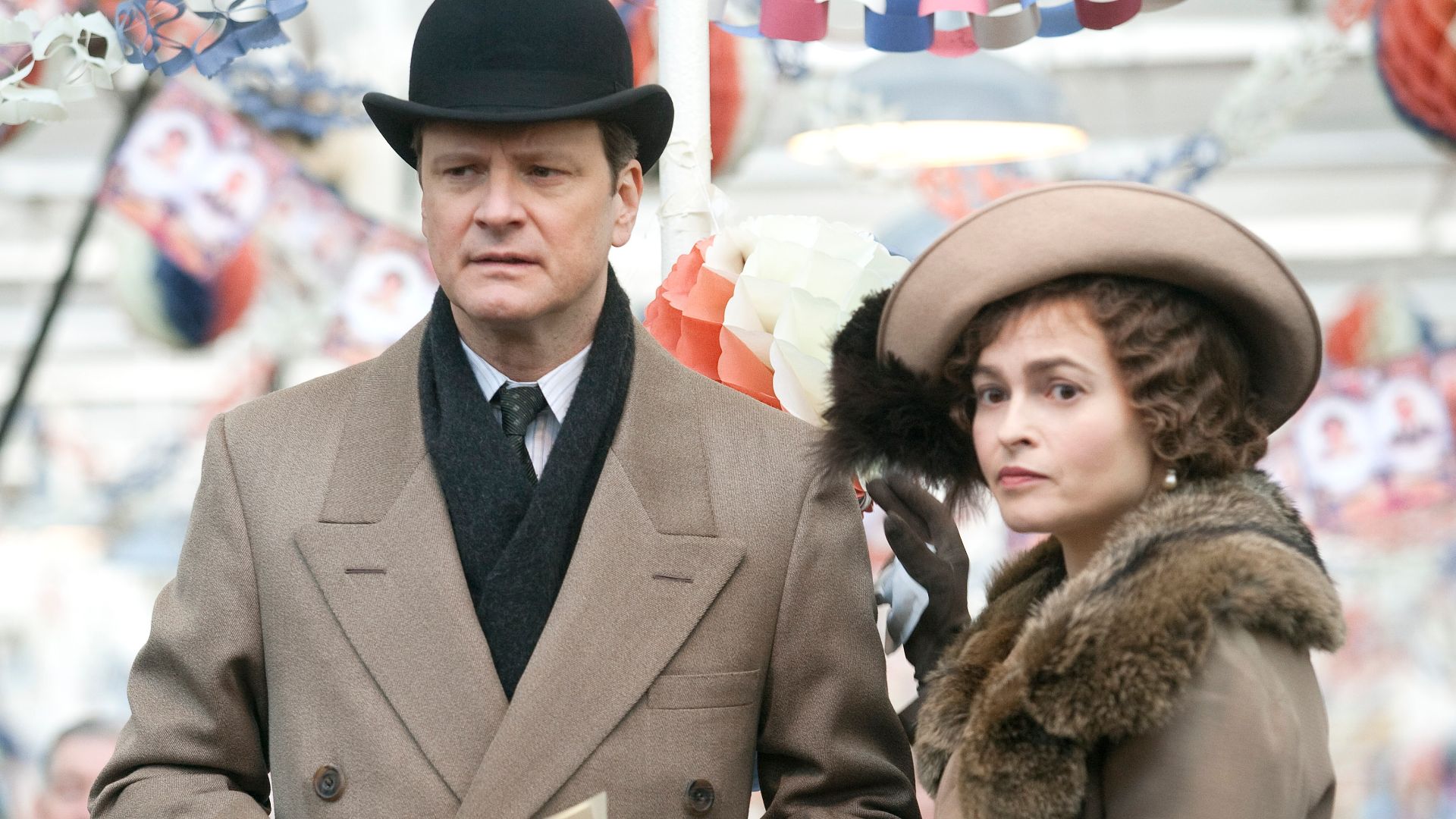 www.lancashire.gov.uk, Wikimedia Commons
The Last Temptation Of Christ (Chile, Mexico, Singapore)
Audiences in these 3 countries anticipated a thought-provoking drama, but instead watched their governments step in. The reason for the ban was only one: the interpretation of Christ’s life conflicted with the religious authorities. Protests followed screenings worldwide.
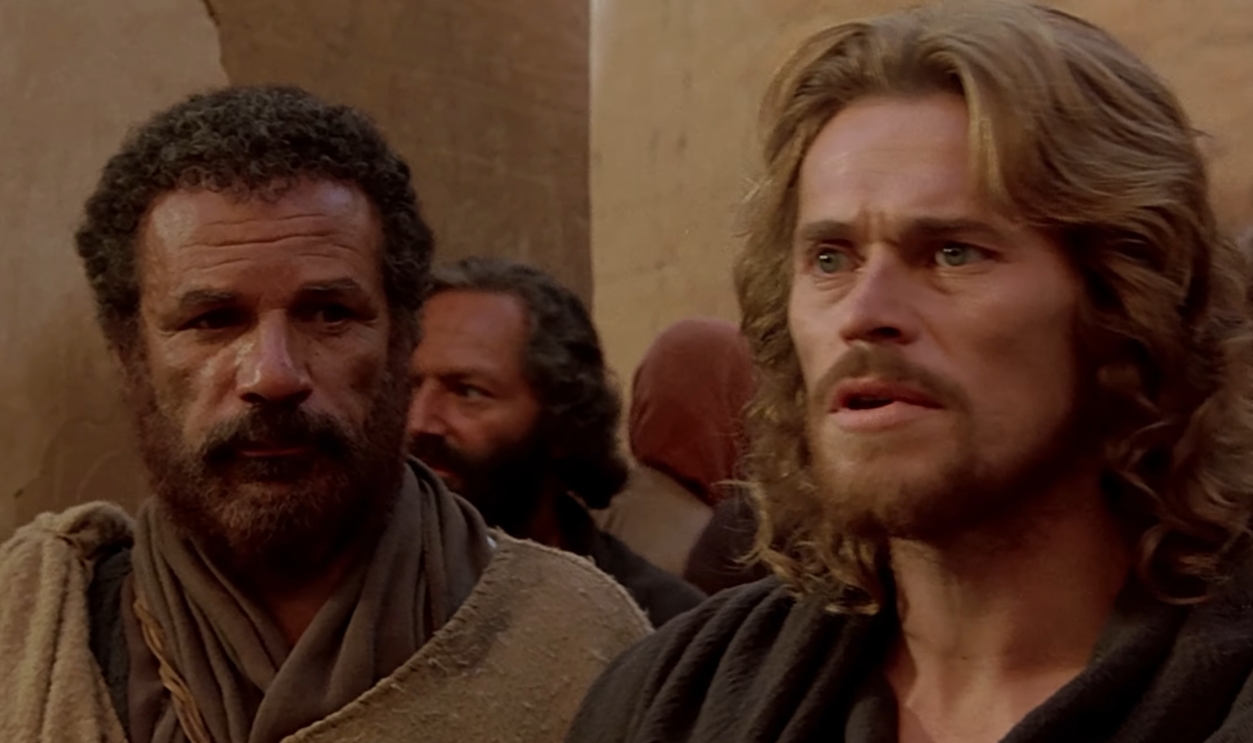 Screenshot from The Last Temptation of Christ, Universal Pictures (1988)
Life Of Brian (Norway, Ireland)
Comedy fans adore its sharp wit, yet some regions viewed it differently. Norway and Ireland canceled the movie for satirical portrayals of biblical-era societies. And the uproar fueled its reputation and even inspired a playful marketing line noting that “Norway banned it outright”.
 Screenshot from Life of Brian, Cinema International Corporation (1979)
The Death Of Stalin (Russia, Several Former Soviet States)
Enter a satire bold enough to lampoon Soviet politics with razor-sharp humor. Russian authorities prohibited it, calling the film disrespectful to national history. Neighboring countries followed suit. Collectively, they turned a dark comedy into a flashpoint for post-Soviet cultural sensitivities.
 Screenshot from The Death of Stalin, Lionsgate Canada (2017)
V For Vendetta (Russia—Temporary)
Russia temporarily blocked the movie during politically charged moments because it linked its themes to real-world tensions. The story’s masked rebels challenging authoritarian power drew added scrutiny, and the ban reignited global interest in its imagery, especially the now-famous Guy Fawkes mask.
 Screenshot from V for Vendetta, Warner Bros. Pictures (2005)
Milk (Samoa)
Samoa debarred the film under strict local censorship rules governing LGBTQ+ content. The restriction shaped regional discussions about representation in imported media and influenced how biographical stories about political milestones were received.
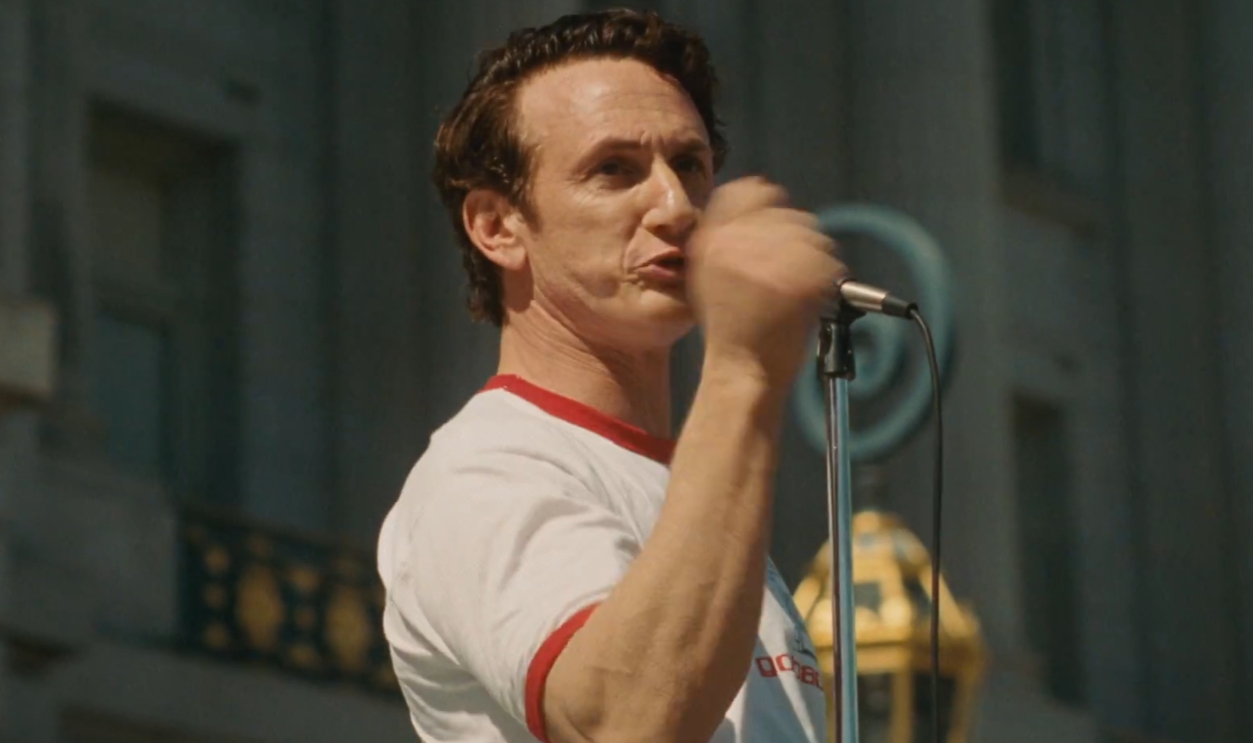 Screenshot from Milk, Focus Features (2008)
The Simpsons Movie (Myanmar)
Think of families expecting colorful jokes and lighthearted mischief. Not in a Myanmar home! The country blocked this movie because its yellow and red palette matched the political opposition's colors during a sensitive period. The decision echoed the country’s heightened focus on symbolic imagery in entertainment.
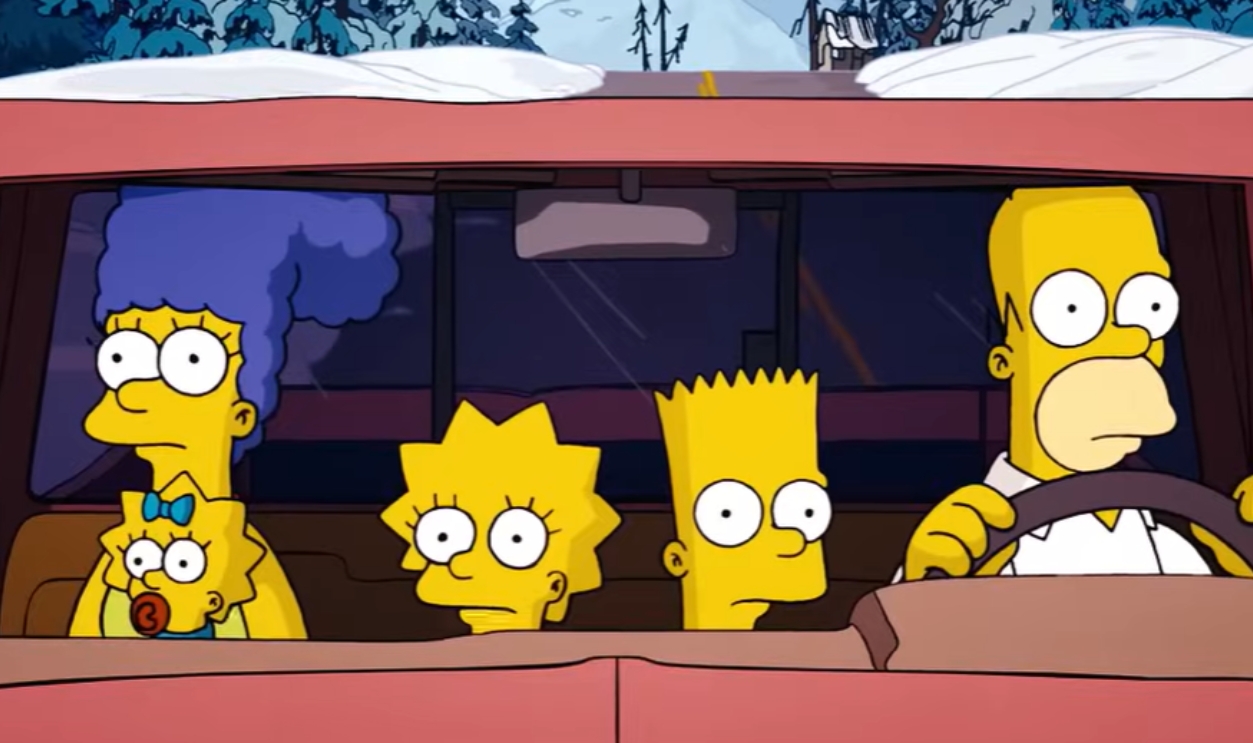 Screenshot from The Simpsons Movie, 20th Century Studios (2007)
Schindler’s List (Indonesia—Initial Ban)
Viewers worldwide embraced its stark depiction of Holocaust survivors while Indonesia blocked it early on. Officials cited concerns about historical alignment and political context. The ban was lifted later, allowing broader access to Spielberg’s acclaimed wartime narrative.
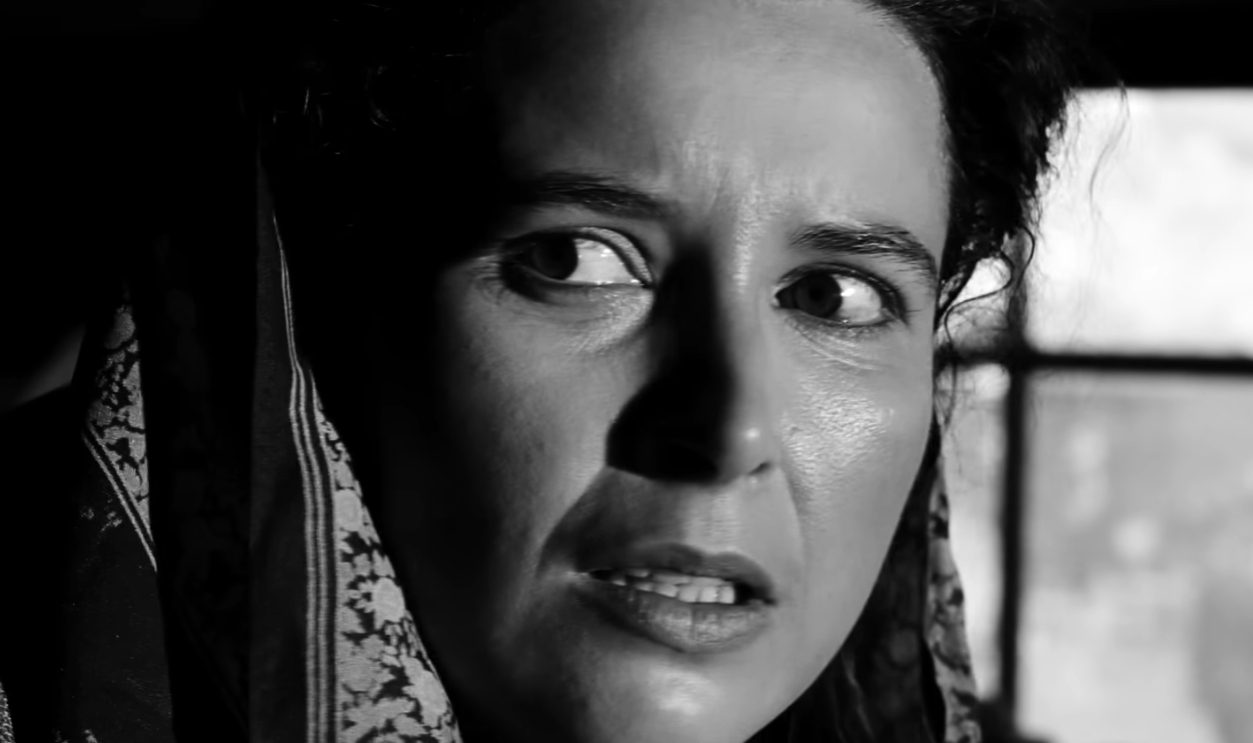 Screenshot from Schindler’s List, Universal Pictures (1993)
Vice (Kuwait)
Political satire met Middle Eastern censorship when Kuwait banned the movie. Officials objected to scenes referencing regional figures and conflicts. That move placed the film alongside other titles scrutinized for portraying contemporary geopolitics.
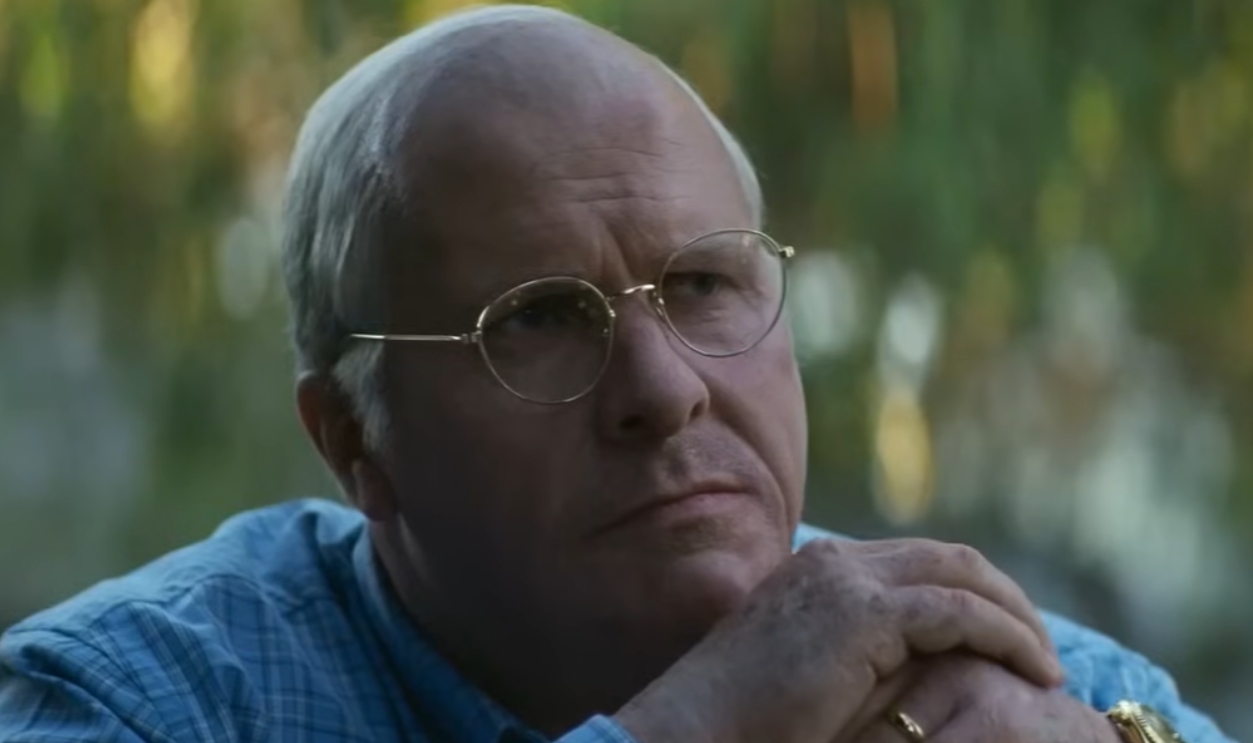 Screenshot from Vice, Annapurna Pictures (2018)
Call Me By Your Name (Several Middle Eastern Countries)
Some Middle Eastern governments banned the film due to local restrictions on LGBTQ+ content. But here’s what happened next: international acclaim surged, widening the contrast between global enthusiasm and regional limits. Viewers seeking its sun-drenched coming-of-age arc saw that difference clearly.
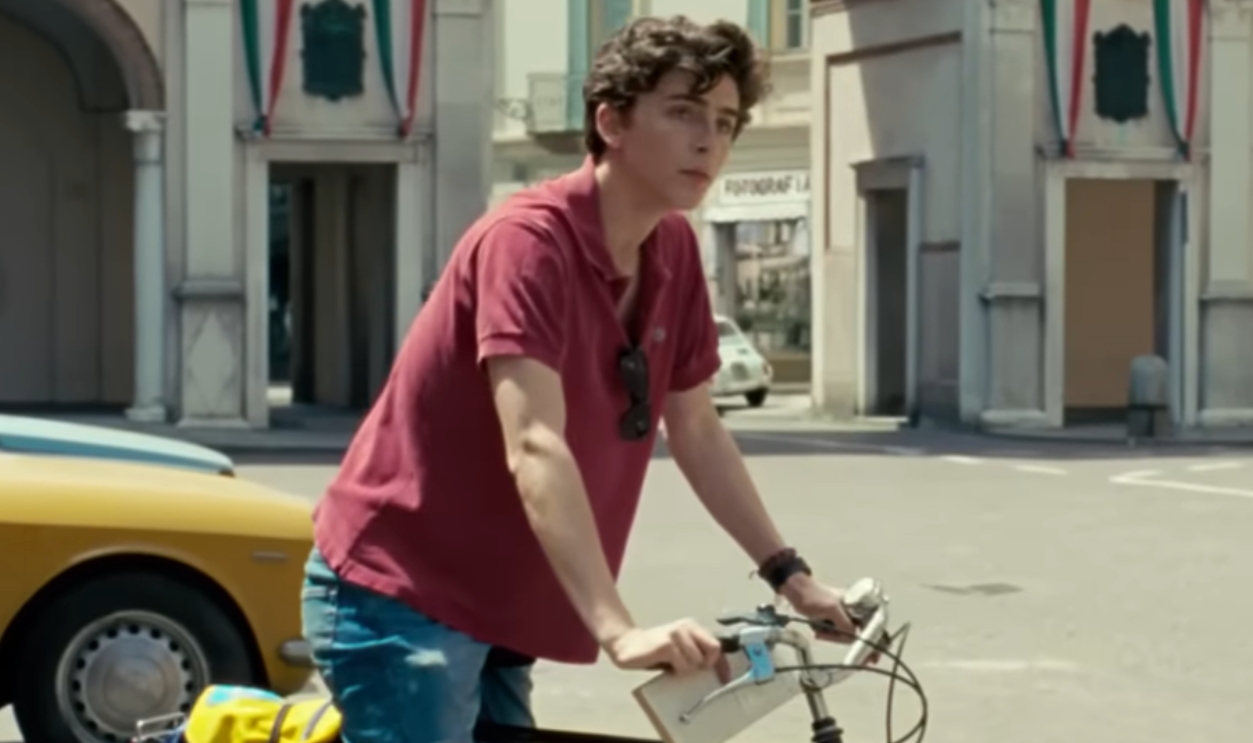 Screenshot from Call Me by Your Name, Sony Pictures Classics (2017)
The Wolf Of Wall Street (Nepal, Kenya, Malaysia – censored or banned)
This film did not hold back on excess, explicit scenes, and nonstop profanity. As a result, several countries banned or heavily edited the movie due to its graphic content. Regardless, the global box-office success of the movie was still impressive, from $100 million to $407 million.
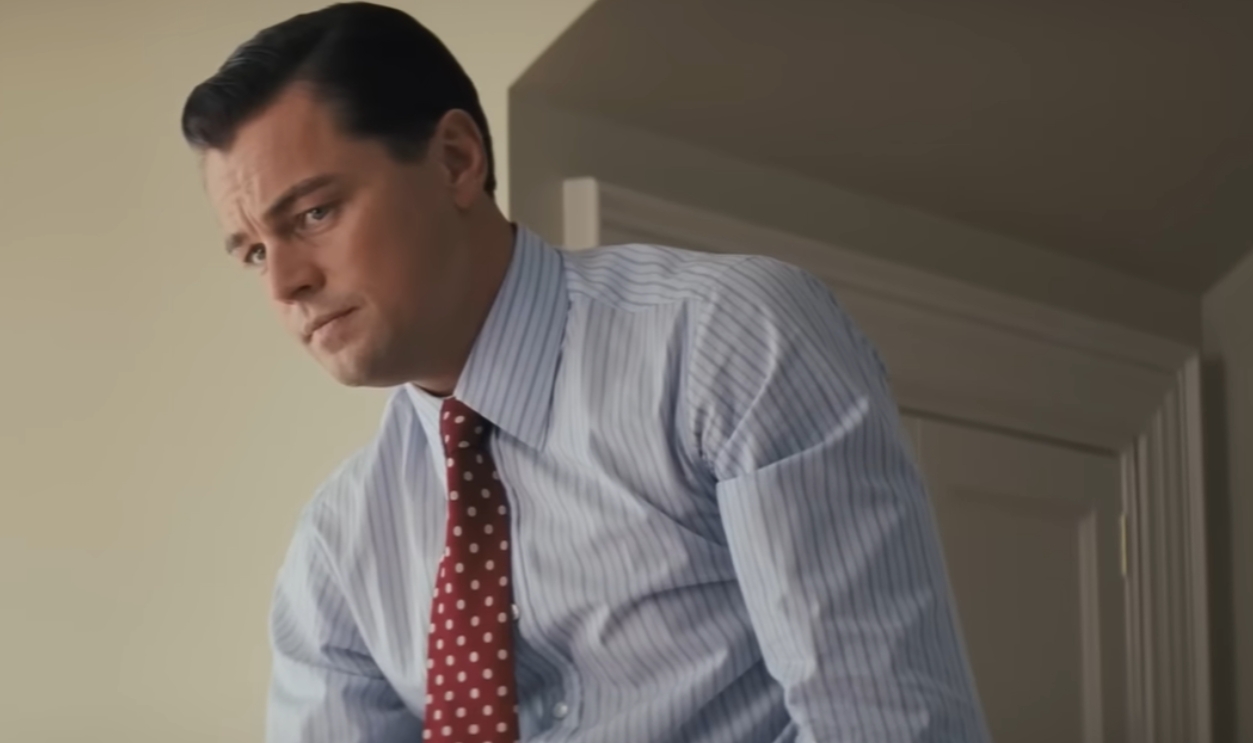 Screenshot from The Wolf of Wall Street, Paramount Pictures (2013)
Brokeback Mountain (China, Several Middle Eastern Countries)
Romance fans worldwide praised the film’s emotional storytelling while multiple governments blocked it. China and several Middle Eastern countries enforced bans citing LGBTQ+ restrictions. Despite prohibitions, the movie continued influencing conversations about love stories in mainstream cinema.
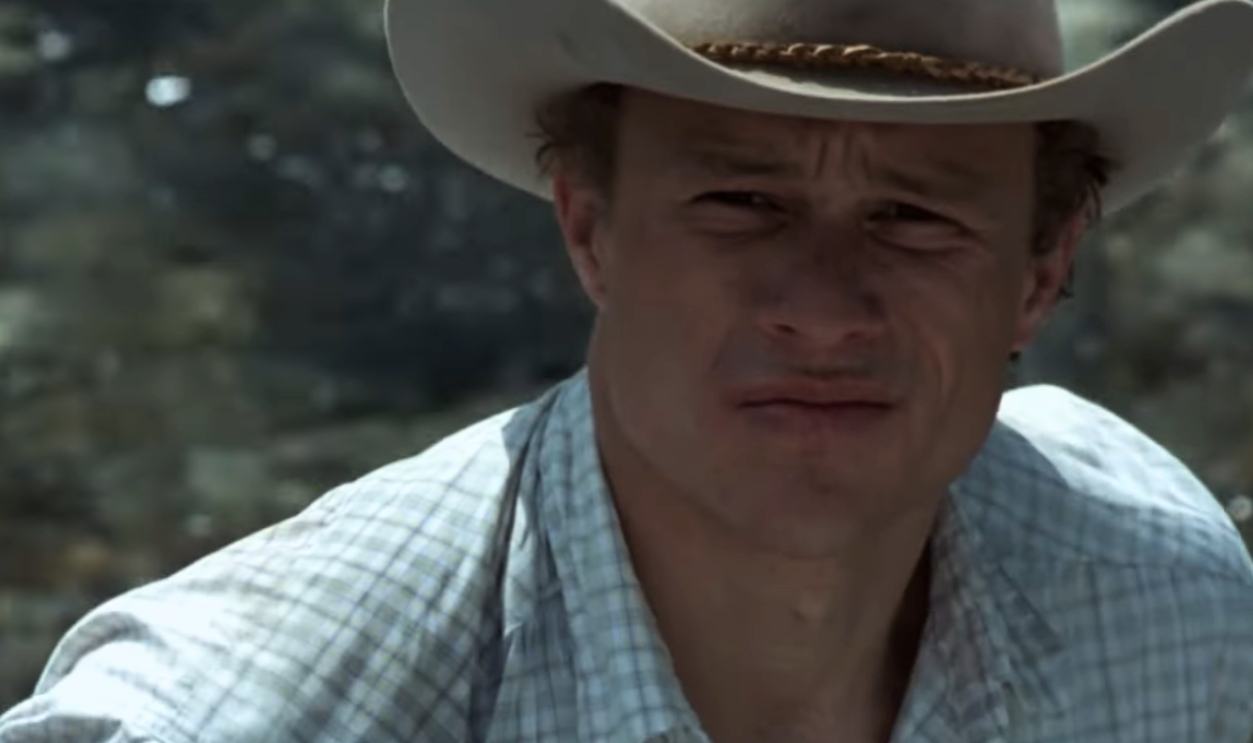 Screenshot from Brokeback Mountain, Focus Features (2005)
Love, Simon (India, Some Arab Nations)
India and parts of the Arab world banned the film due to policies limiting LGBTQ+ narratives. The decision contrasted sharply with the movie’s global reputation for positivity and acceptance, and all the viewers who expected a heartwarming teen comedy discovered it unavailable in these regions.
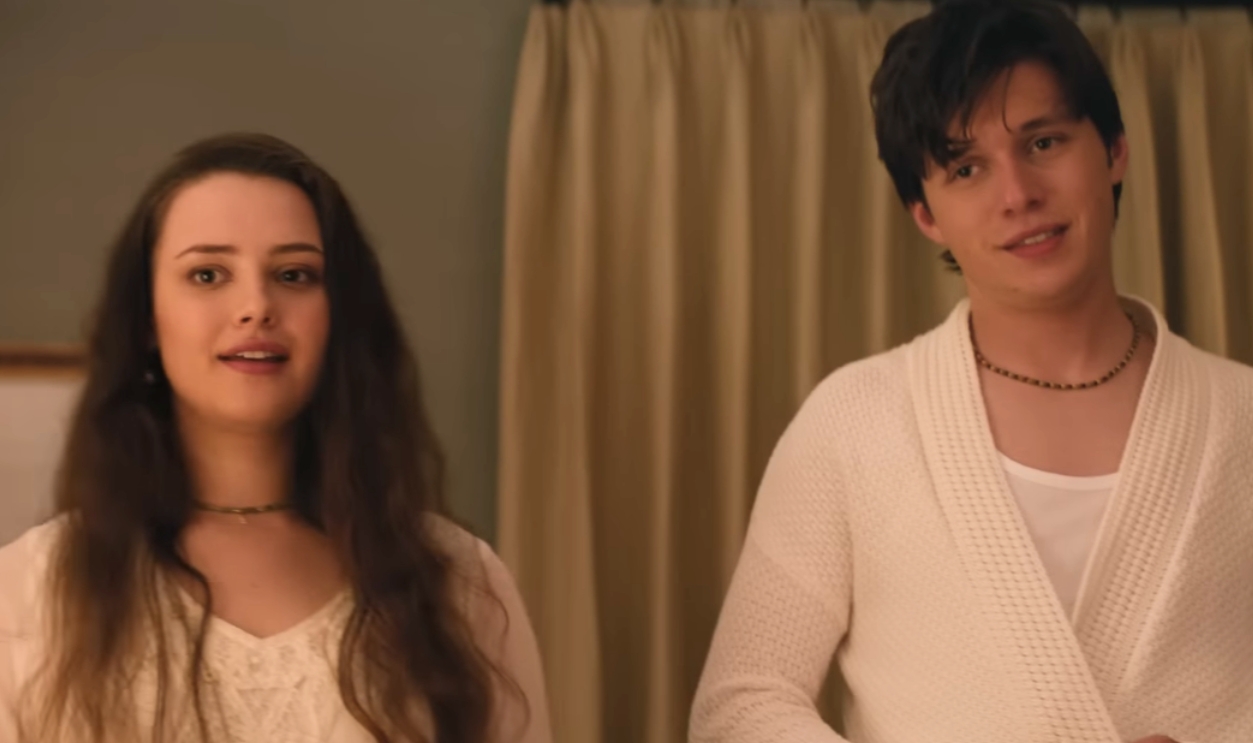 Screenshot from Love, Simon, 20th Century Studios (2018)
Carol (Several Middle Eastern Countries)
Step into a 1950s romance built around restrained longing. A few Middle Eastern nations prohibited the movie under regional rules limiting LGBTQ+ themes. Awards-season attention continued to build around its performances, reinforcing the film’s standing as a modern classic.
 Screenshot from Carol, StudioCanal UK (2015)
Rocketman (Samoa; Censored In Russia)
Imagine discovering Elton John’s life told through vibrant musical numbers. Russia released an edited version while Samoa blocked it entirely. Both actions came down to regional restrictions on LGBTQ+ content, which dictated how the film could be shown.
 Screenshot from Rocketman, Paramount Pictures (2019)
Rambo (Myanmar)
Viewers familiar with the franchise recognized the political spark immediately. And Myanmar went ahead and imposed a ban on the film because its plot highlighted atrocities linked to local military conflicts. Resistance groups later used scenes from the movie as symbolic protest material.
 Screenshot from Rambo, Lionsgate Films (2008)
The Danish Girl (Qatar, United Arab Emirates, Oman)
Think about audiences drawn to stories exploring identity and resilience. However, in several Gulf countries, their people didn’t see it because the subject matter conflicted with local regulations on LGBTQ+ portrayals.
 Screenshot from The Danish Girl, Focus Features (2015)
The Devils (Italy, Several Other Countries)
Italy and a few other countries banned the film over depictions of demonic allegations, with the prohibition also linked to scenes showing church corruption. But here’s what complicates it further: restoration remains unfinished because years of cuts and restrictions removed substantial material.
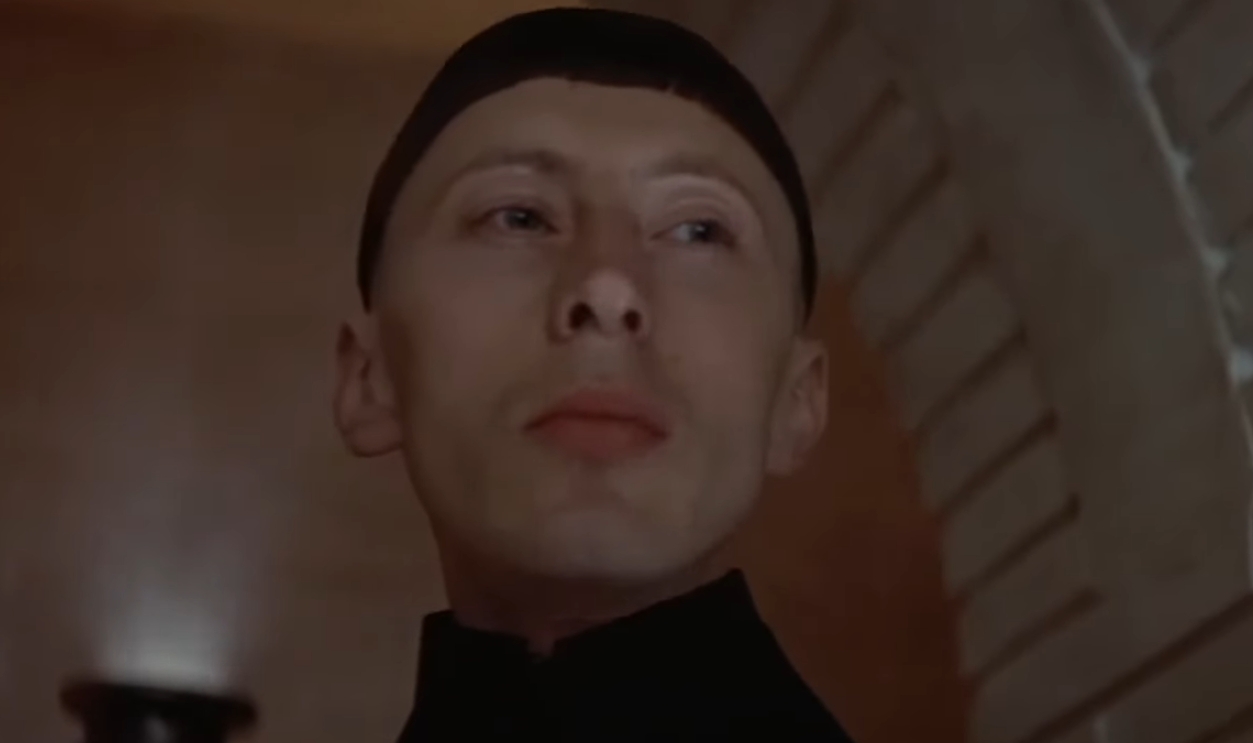 Screenshot from The Devils, Warner Bros (1971)
Persepolis (Iran)
This was an animated memoir that follows a young woman’s coming-of-age during the revolution. Global audiences embraced its storytelling and stark black-and-white style. Iran, however, prohibited the film due to its political depictions and commentary on state authority.
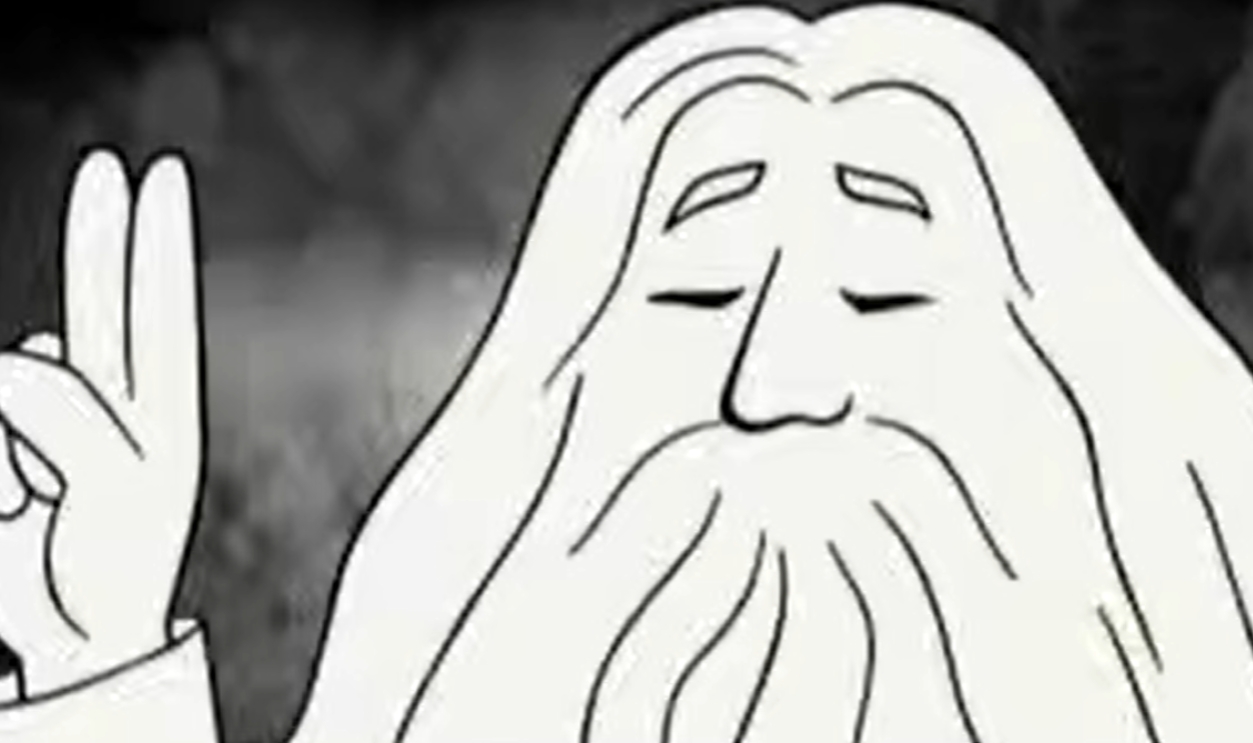 Screenshot from Persepolis, Sony Pictures Classics (2007)
The Exorcism Of Emily Rose (Malaysia)
Malaysia banned the film for its storyline about possession and the underlying religious tension. Fans searching for faith-based horror encountered those regulatory limits immediately, and the decision placed the title alongside several other supernatural releases restricted during the mid-2000s.
 Screenshot from The Exorcism of Emily Rose, Sony Pictures Releasing (2005)
The Passion Of The Christ (Malaysia—Initial Ban)
Audiences worldwide lined up for its intense biblical interpretation while Malaysia imposed an early ban. Authorities referenced interfaith concerns when restricting screenings. The government later allowed limited viewings for Christian audiences.
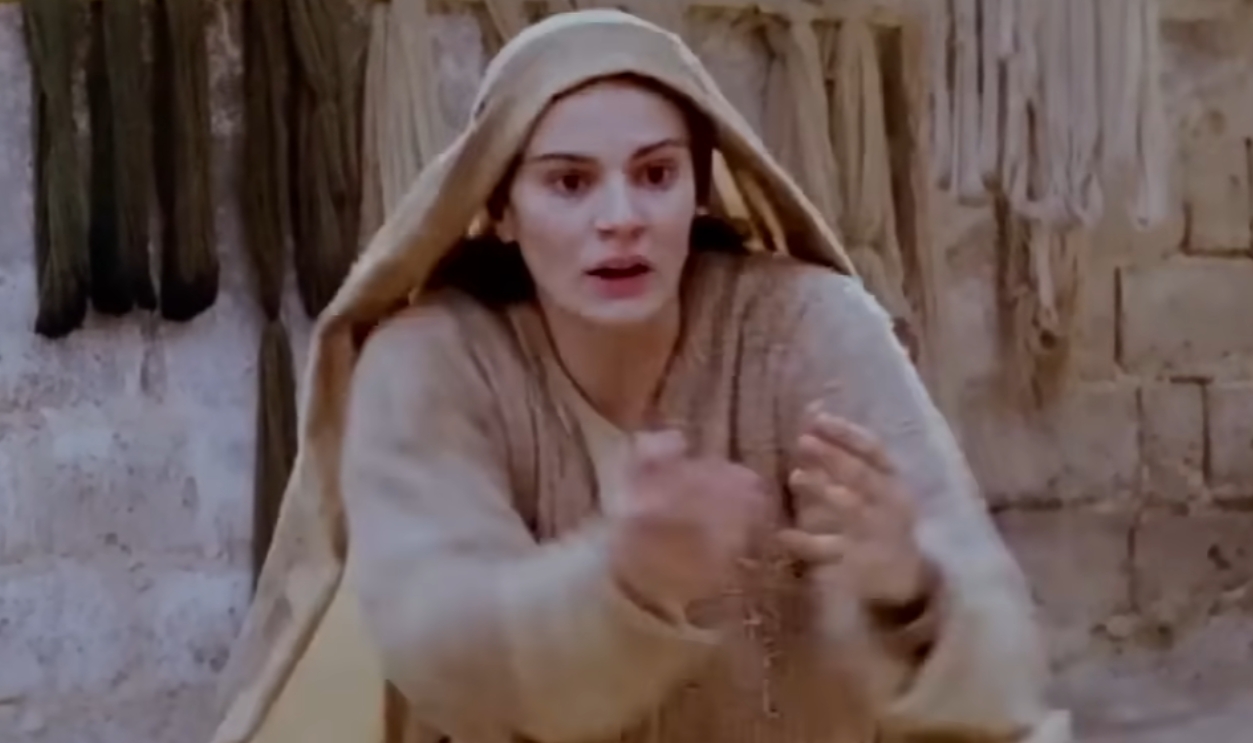 Screenshot from The Passion of the Christ, Newmarket Films (2004)
The Witch (Parts Of The Middle East)
Think about creeping dread wrapped in colonial-era folklore. Several Middle Eastern regions banned the movie due to supernatural themes and occult symbolism. Horror fans still praise its atmosphere and historically grounded setting.
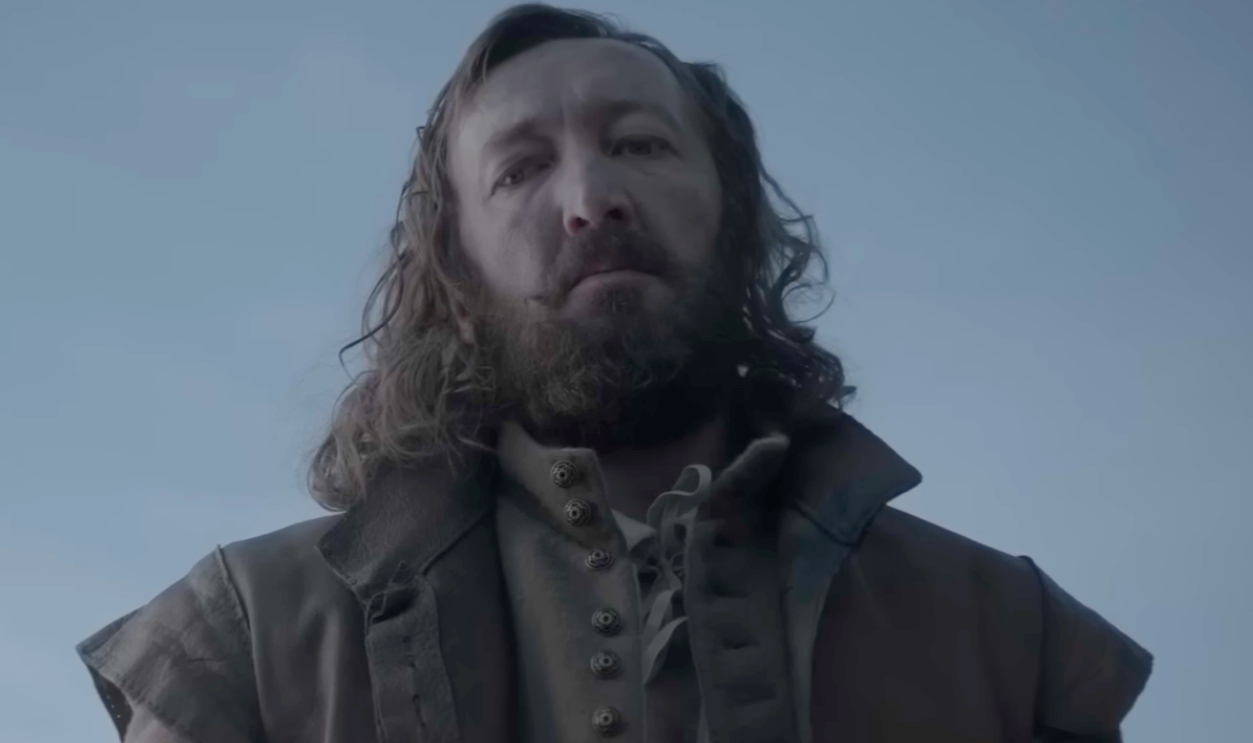 Screenshot from The Witch, A24 (2015)
Temptation: Confessions Of A Marriage Counselor (Several African Countries)
Temptation: Confessions Of A Marriage Counselor is a melodrama built around choices, secrets, and consequences. Some African nations were not for it because the moral content clashed with local guidelines, leading to restrictions on its release.
 Screenshot from Temptation: Confessions of a Marriage Counselor, Lionsgate Films (2013)
Last Tango In Paris (Italy, Chile)
Italy and Chile debarred the film for explicit scenes that conflicted with national obscenity laws. Headlines followed quickly as its mix of raw intimacy and European arthouse style drew widespread attention, and courts even seized reels during the legal battles surrounding its release.
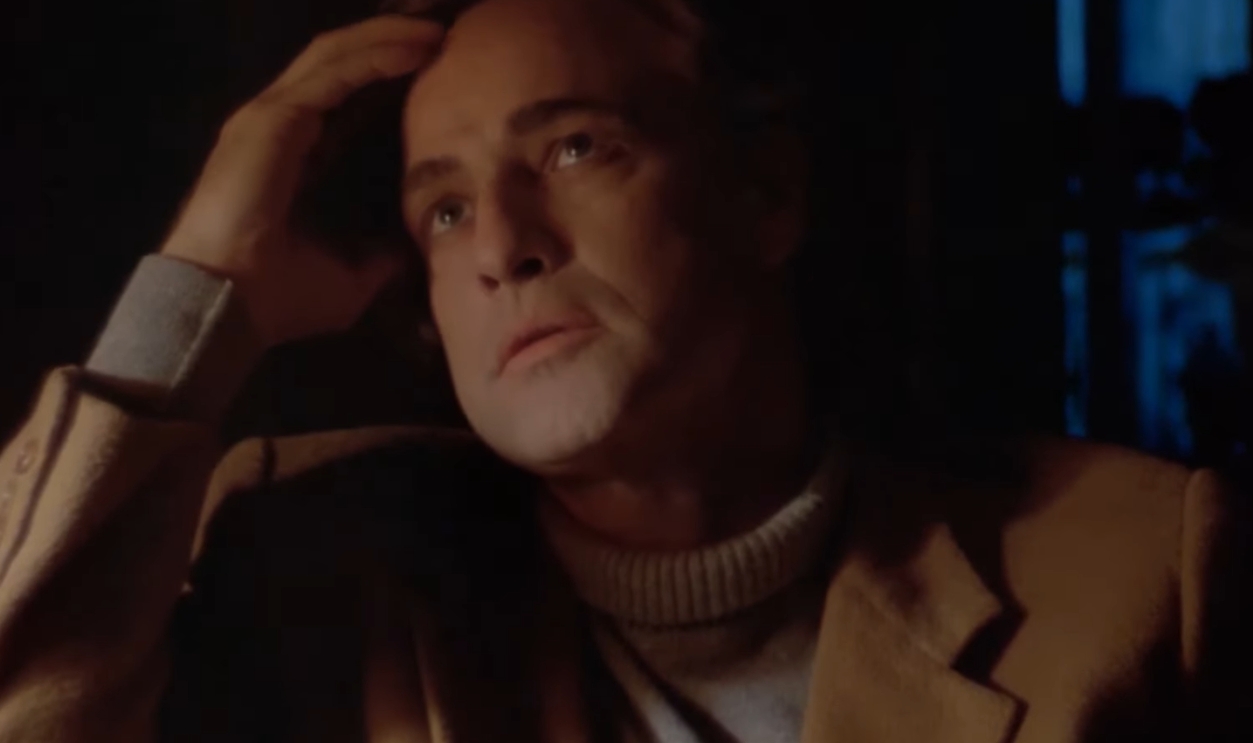 Screenshot from Last Tango in Paris, United Artists (1972)
Baise Moi (Australia, New Zealand)
This cinematic grenade, mixing crime drama and explicit content, had Australia and New Zealand banning it after classification boards flagged its graphic violence and inappropriate material. The film later circulated in tightly restricted festival circuits.
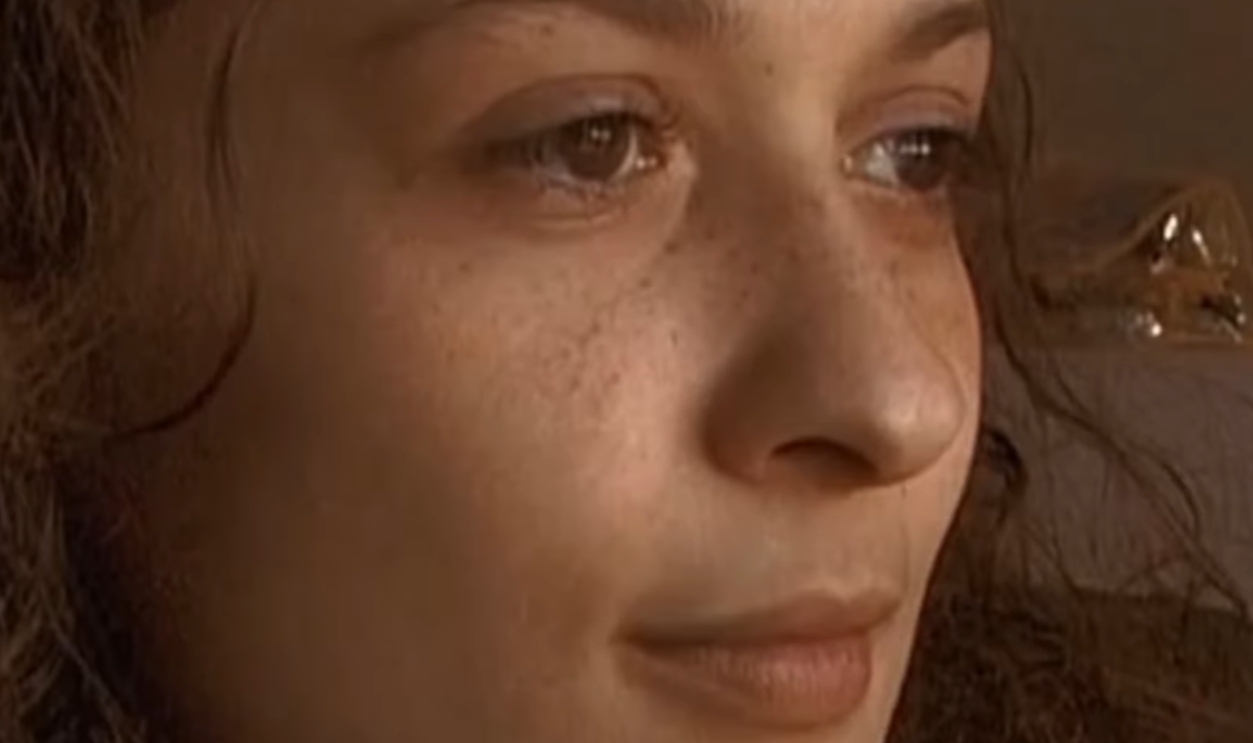 Screenshot from Baise-Moi, Pan-Europeenne (2000)
Nymphomaniac (Turkey)
Audiences curious about Lars von Trier’s storytelling found it blocked in Turkey. Regulators banned it due to extensive inappropriate imagery. But guess what? International distributors still released uncut versions across Europe.
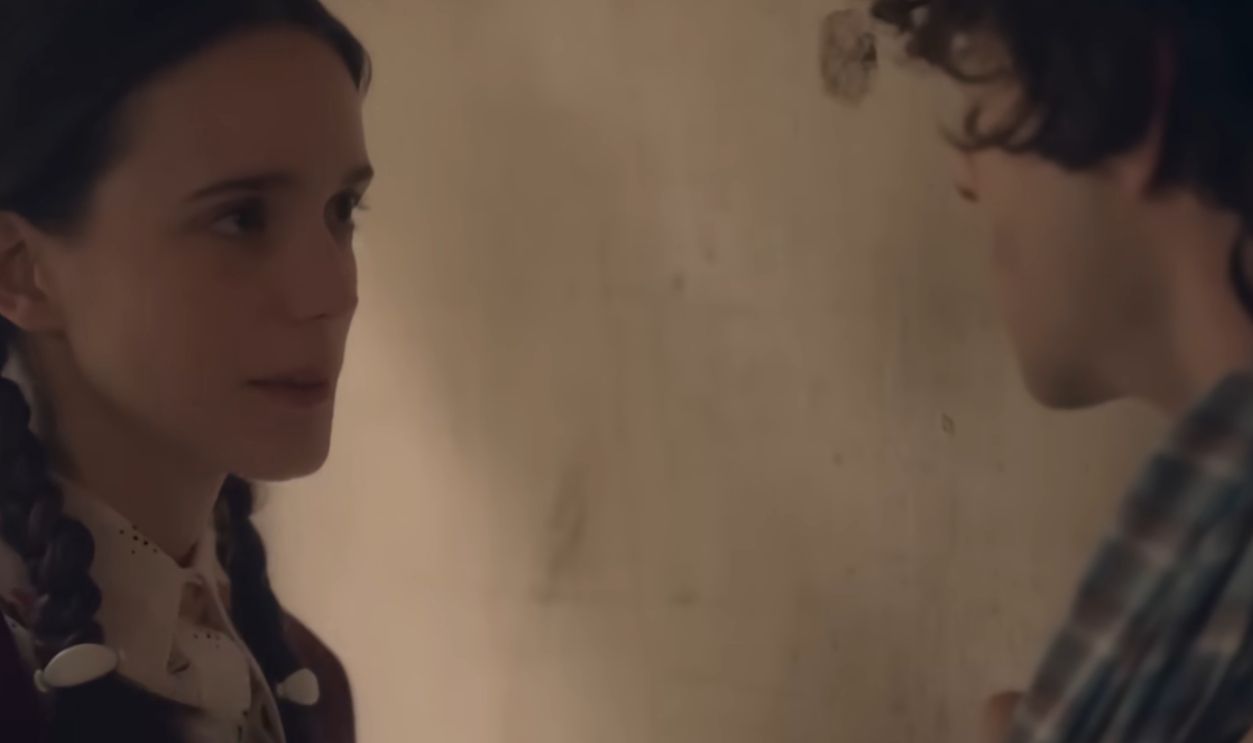 Screenshot from Nymphomaniac, Nordisk Film (2014)
Salo, Or The 120 Days Of Sodom (United Kingdom, Australia, New Zealand)
Prepare for a brutal adaptation of a notorious novel. However, authorities in multiple countries never let it pass because of its extreme depictions of torture and authoritarian cruelty. Film archives later preserved and restored versions for historical study.
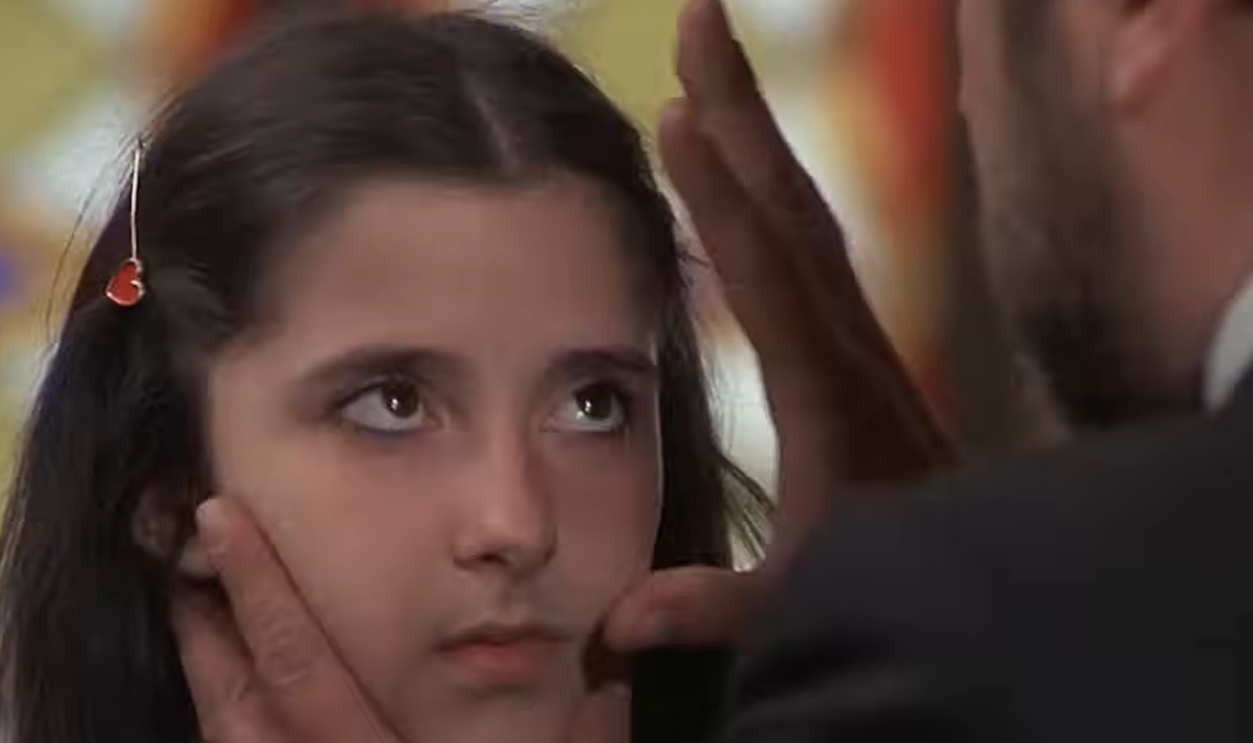 Screenshot from Salo, or the 120 Days of Sodom, United Artists (1975)