The Oscars Got It Painfully Wrong
The Oscars love a dramatic moment, but sometimes the real drama happens when the wrong movie wins. Every year, at least one film walks in as the obvious choice—critically adored, widely discussed, and seemingly unbeatable—only to leave empty-handed while something safer takes the crown. And years later, those decisions start to look…questionable.
These are the movies that didn’t just deserve Best Picture—they felt like the correct choice. And yet, somehow, they lost anyway.
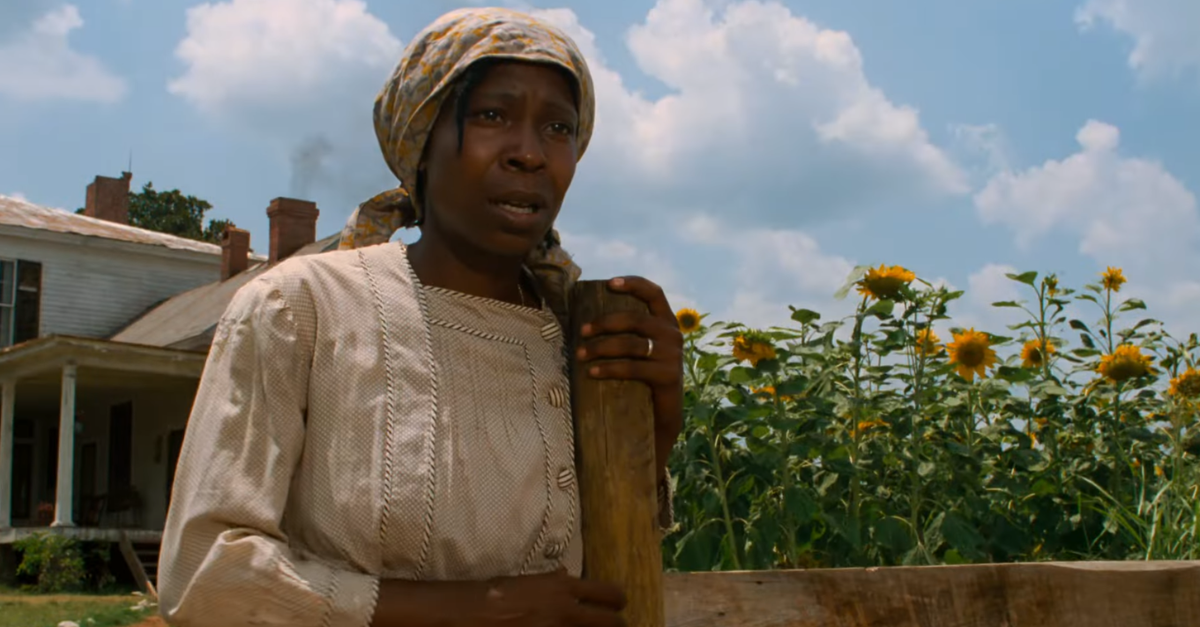
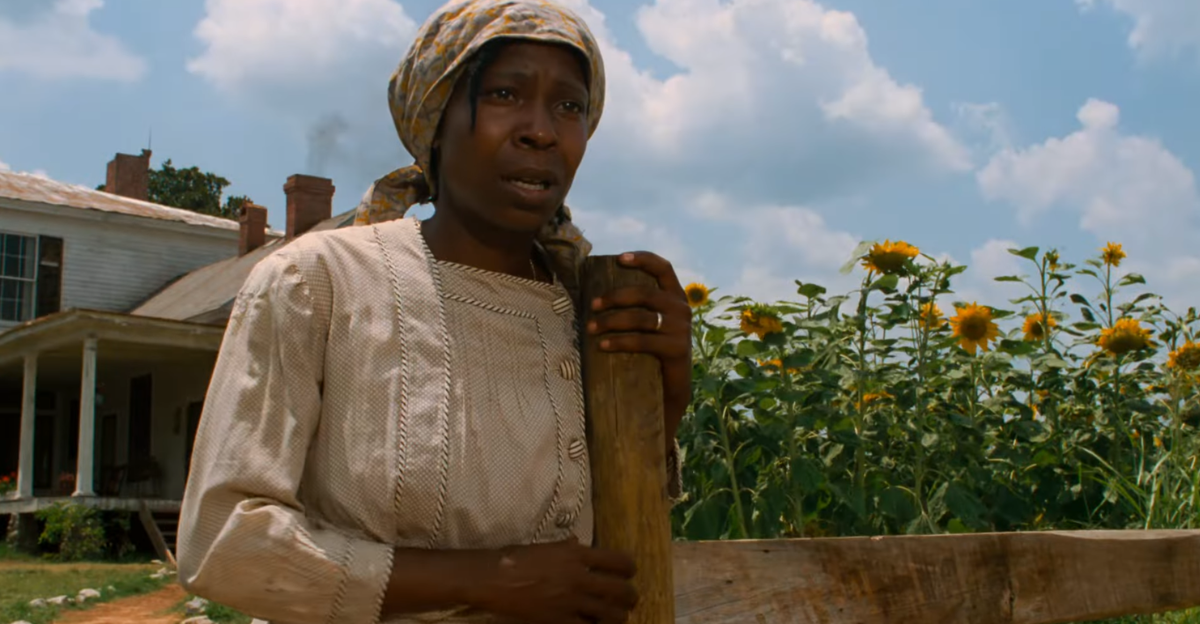 Screenshot from The Color Purple, 1985, www.primevideo.com
Gangs Of New York
Martin Scorsese’s sprawling, chaotic look at 19th-century New York had everything the Academy usually loves—prestige, scale, and Daniel Day-Lewis delivering an all-time performance. It racked up ten nominations and still walked away with nothing, which feels almost statistically impossible. Over time, it’s become one of those “how did this not win anything?” films people keep circling back to.
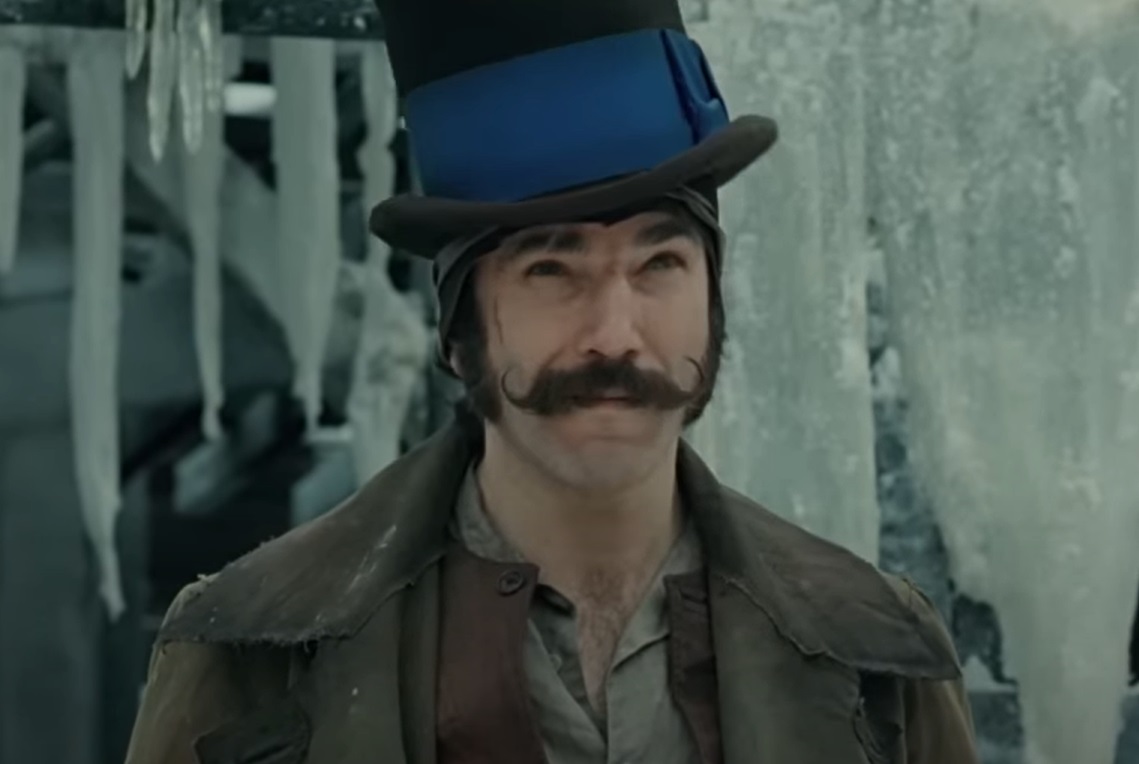 Miramax, Gangs of New York (2002)
The Shawshank Redemption
Few movies have aged better than The Shawshank Redemption, which has quietly become one of the most beloved films ever made. Its loss on Oscar night feels almost irrelevant now, considering how deeply it resonates with audiences decades later. If anything, it’s proof that the Academy doesn’t always recognize staying power in the moment.
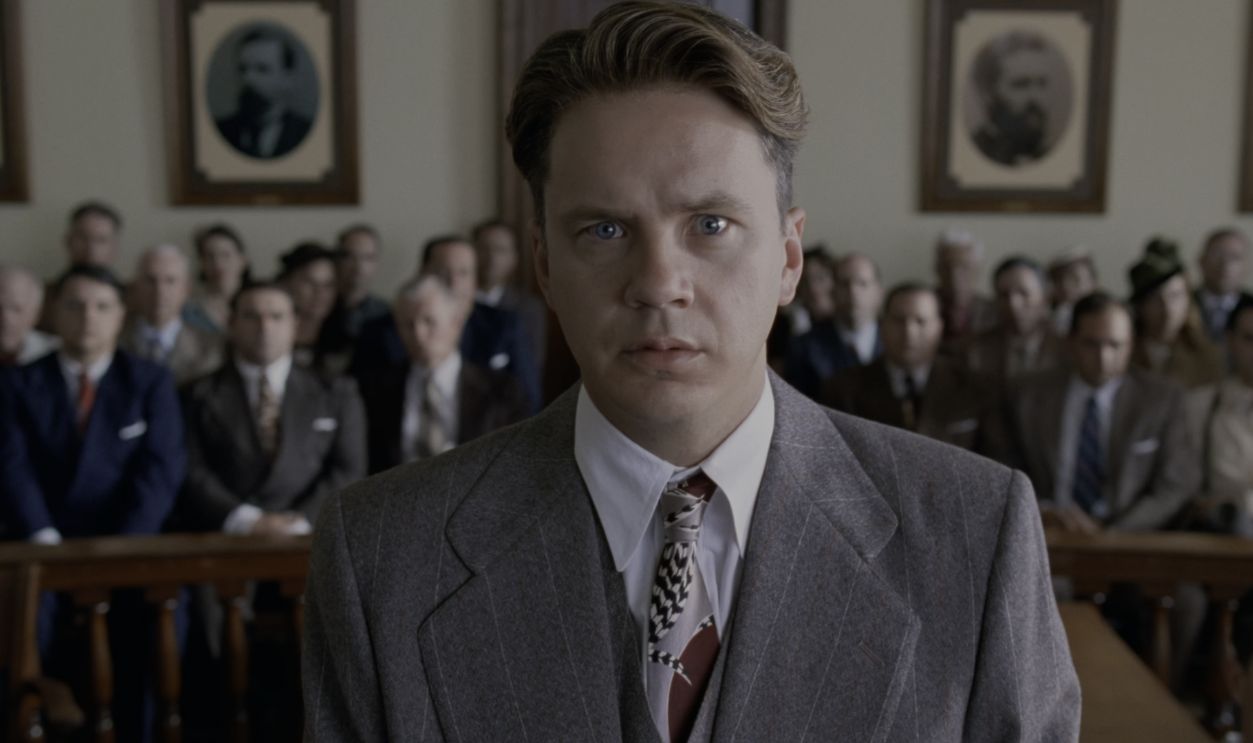 Screenshot from The Shawshank Redemption, Columbia Pictures (1994)
True Grit
The Coen Brothers’ remake had critical praise, strong performances, and ten nominations backing it up. Despite all that momentum, it didn’t win a single Oscar, which still feels like a massive miss. It’s the kind of film that checks every box—yet somehow slipped through all of them.
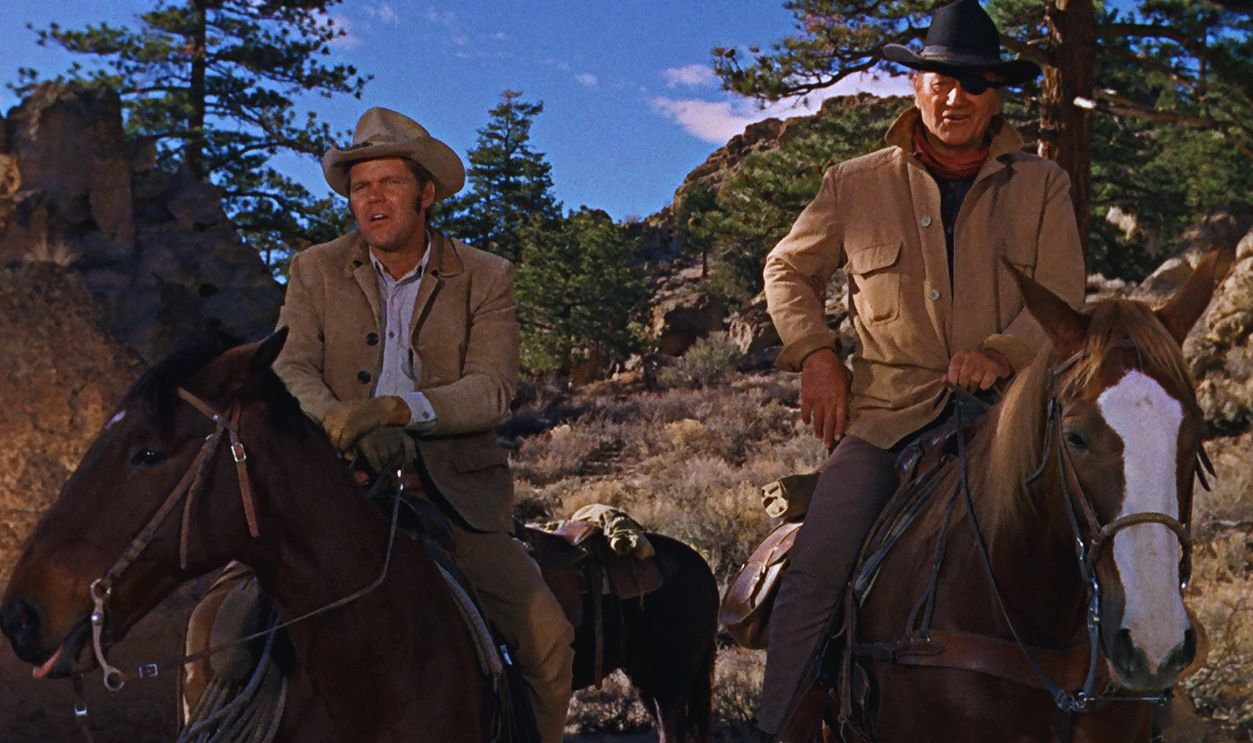 Silver Screen Collection, Getty Images
The Insider
Michael Mann’s slow-burn drama about corporate whistleblowing is exactly the kind of smart, adult storytelling the Oscars claim to reward. With seven nominations and a gripping central performance, it seemed primed for at least one major win. Instead, it left empty-handed, becoming another “almost” in Oscar history.
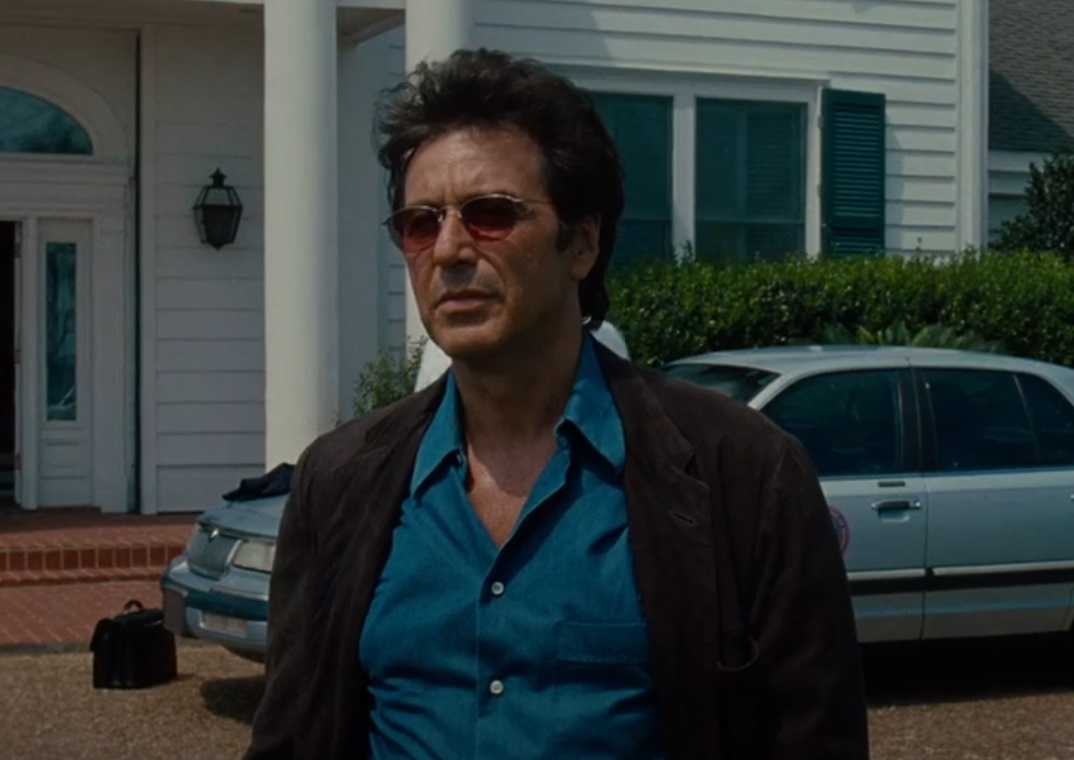 Screenshot from The Insider, Touchstone Pictures (1999)
The Great Dictator
Charlie Chaplin’s bold satire was daring, funny, and politically sharp at a time when that wasn’t exactly the safest route. It was nominated but ultimately overlooked, which feels especially strange given how influential it became. Looking back, it feels less like a loss and more like a moment the Academy didn’t fully understand.
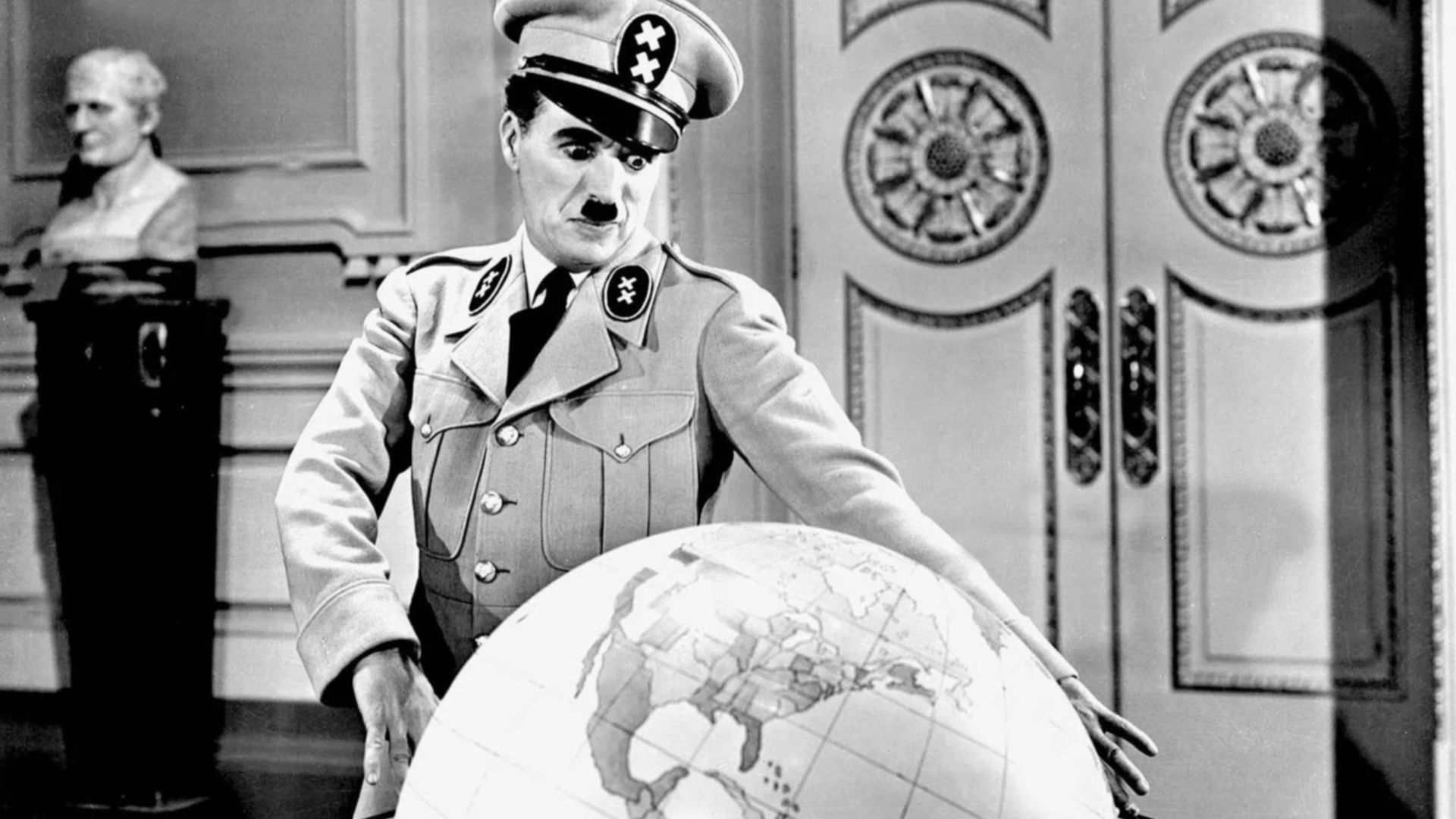 United Artists, Wikimedia Commons
Taxi Driver
Scorsese shows up again, because of course he does. Taxi Driver is unsettling, iconic, and endlessly dissected, yet it couldn’t secure Best Picture. It’s the kind of film that lingers long after the credits—something not every winner can claim.

The Green Mile
A deeply emotional story anchored by powerful performances, The Green Mile connected with audiences in a big way. But despite its nominations and popularity, it couldn’t break through on Oscar night. Sometimes, being widely loved still isn’t enough.
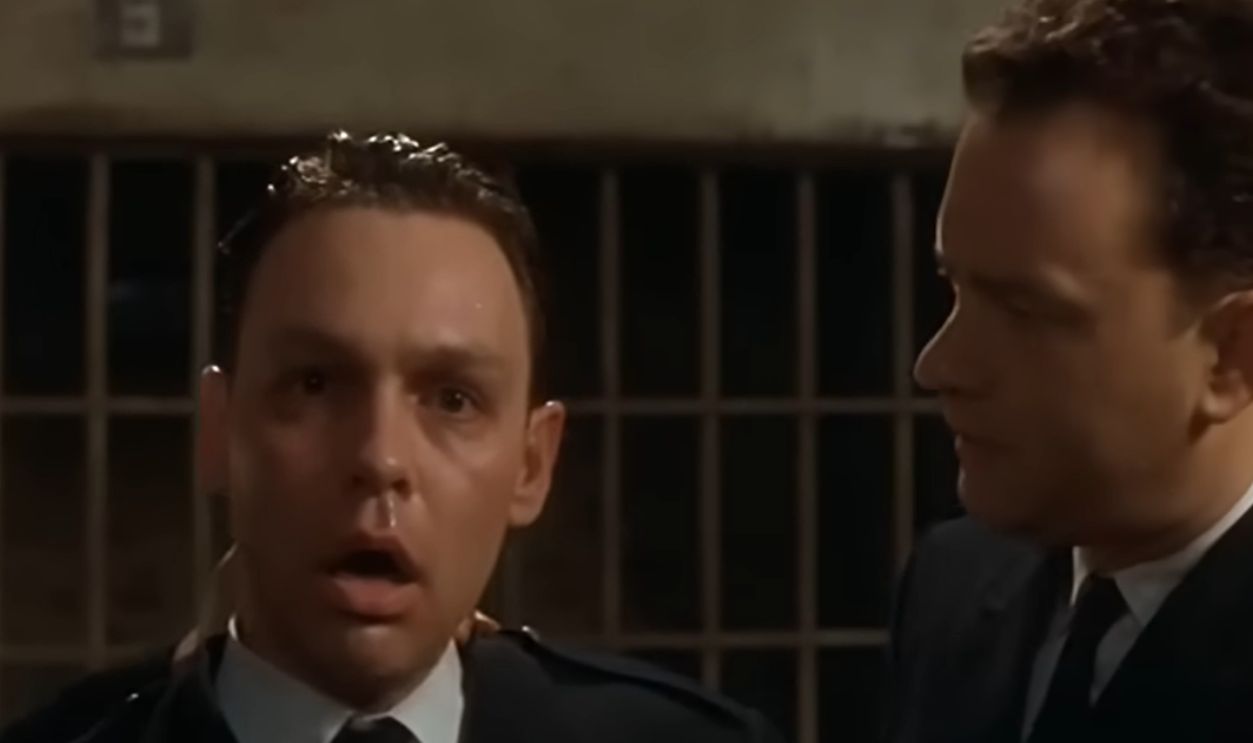 Screenshot from The Green Mile, Warner Bros. (1999)
In The Name Of The Father
Daniel Day-Lewis delivers another unforgettable performance in this gripping true story. The film had the intensity and emotional weight that usually earns major awards recognition. Still, it walked away without the top prize, leaving it as one of those “what if” contenders.
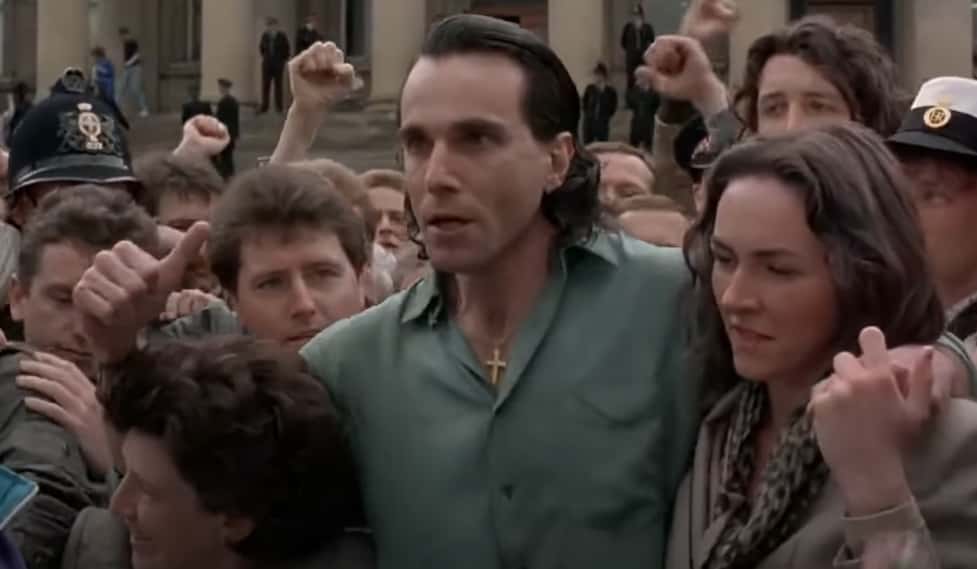 In the Name of the Father (1993), Universal Pictures
Up In The Air
Sharp, funny, and quietly devastating, this film captured a very specific moment in time with surprising precision. It had strong writing, direction, and performances across the board. Yet somehow, it wasn’t enough to secure Best Picture.
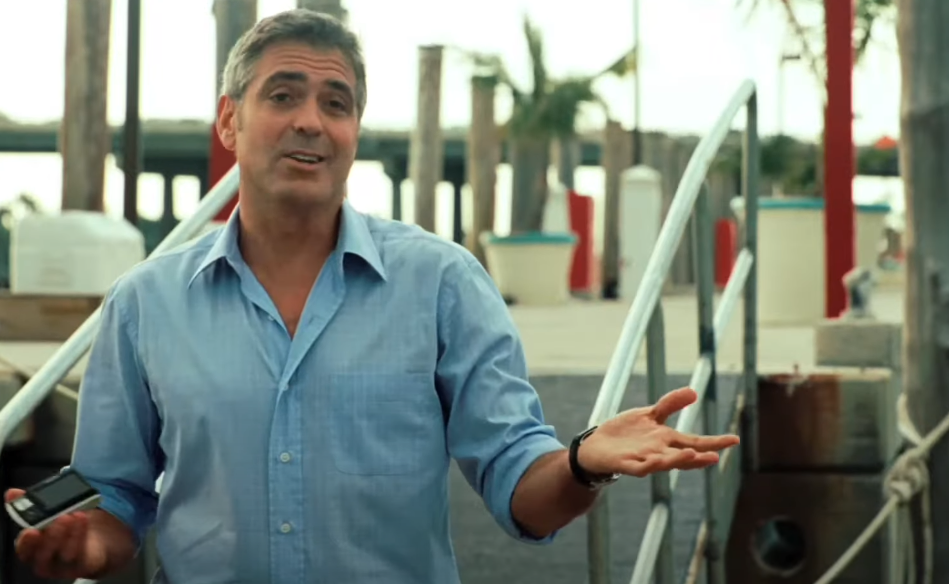 DreamWorks Pictures, Up in the Air (2009)
The Color Purple
Ten nominations and zero wins is the kind of stat that instantly raises eyebrows. The film’s emotional depth and cultural impact made it a clear contender. Its shutout still feels like one of the Academy’s more glaring oversights.
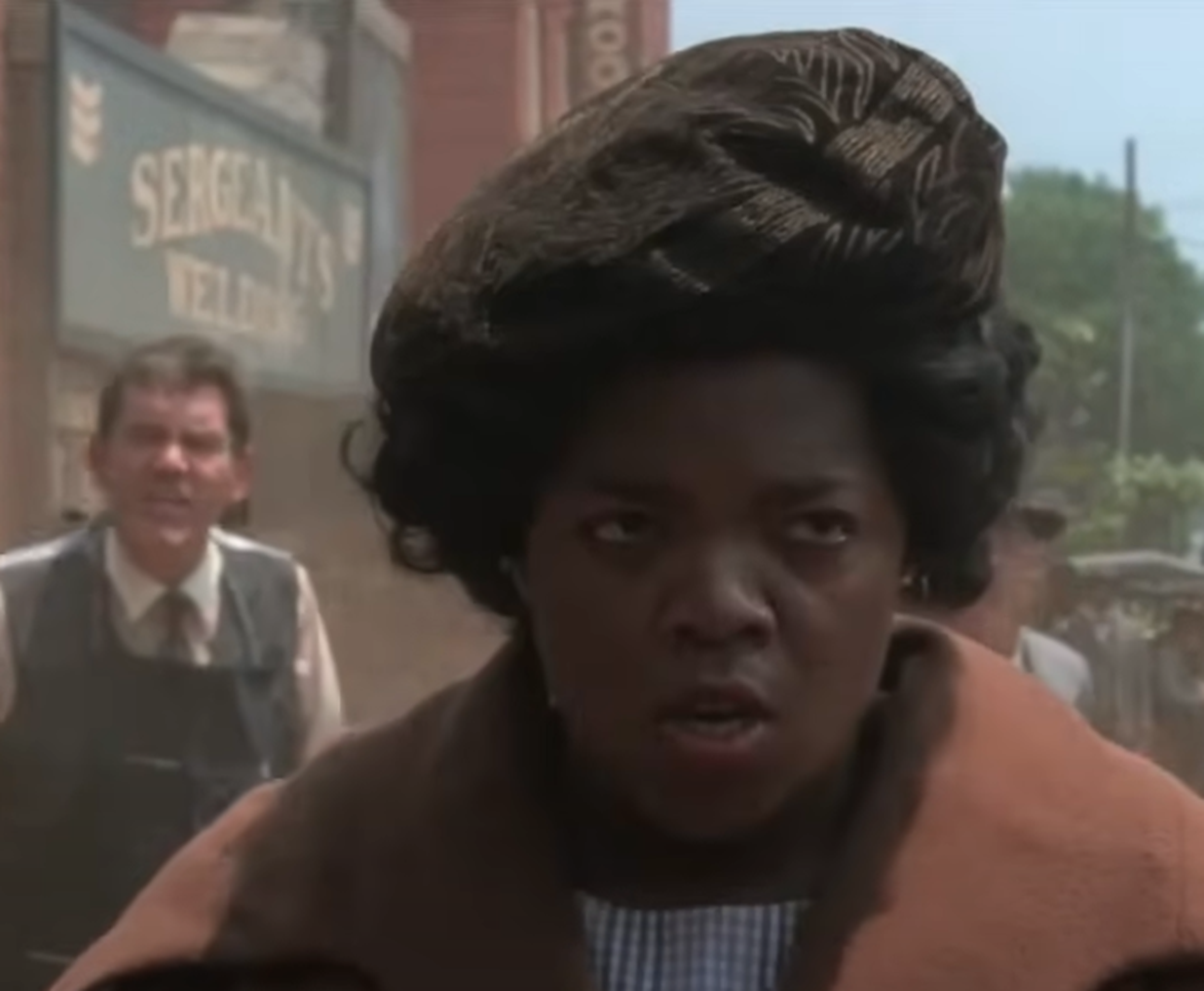 Warner Bros., The Color Purple (1986)
A Clockwork Orange
Stanley Kubrick’s provocative and stylized film was never going to be an easy winner—but that doesn’t mean it didn’t deserve it. It pushed boundaries in ways few films dared to at the time. Even now, it stands as one of the boldest nominees to lose.
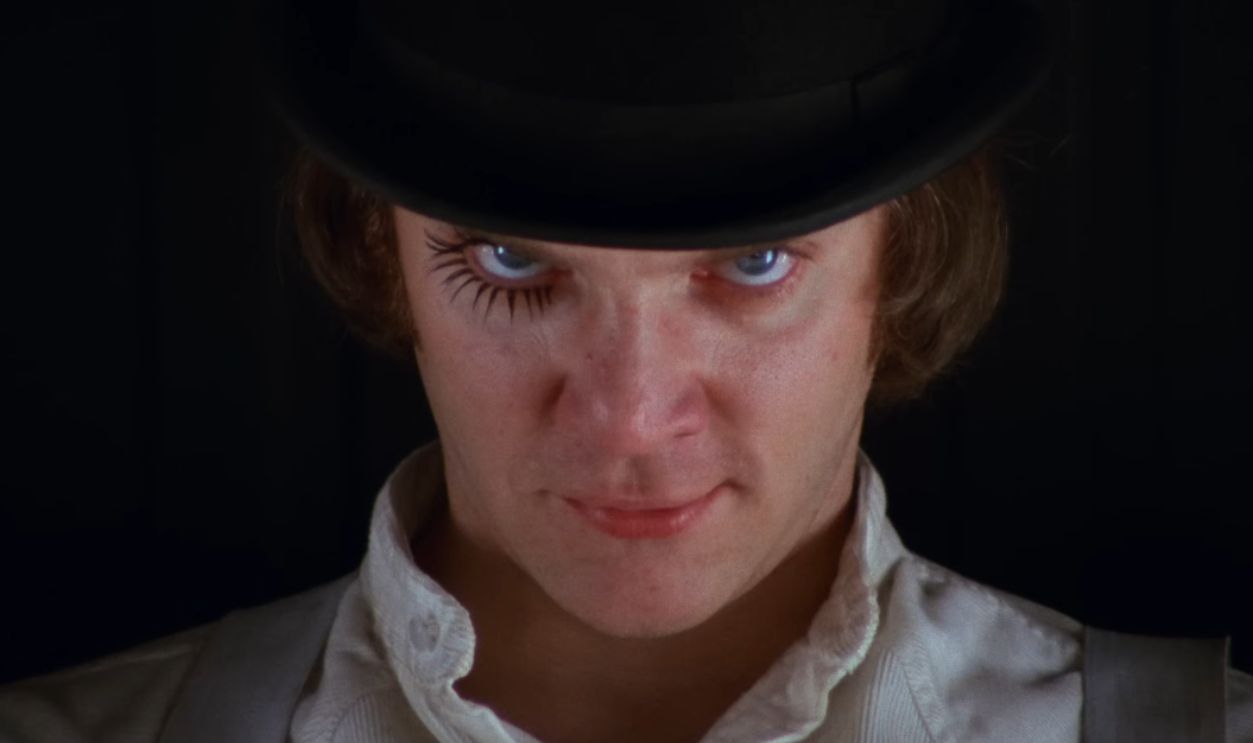 Warner Bros., A Clockwork Orange (1971)
Frost/Nixon
A dialogue-heavy political drama doesn’t always scream “Best Picture winner,” but this one had the intensity to pull it off. The performances alone made it a serious contender. In another year, it might have taken the top prize.
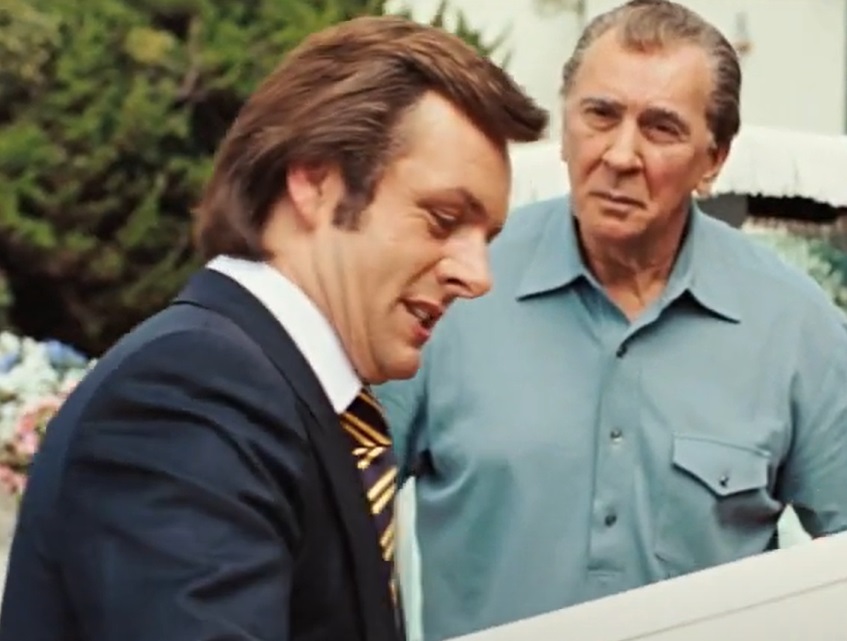
Chaplin
Robert Downey Jr.’s transformation into Charlie Chaplin was widely praised, and the film itself carried a lot of emotional weight. Biopics often perform well at the Oscars, which made its loss a bit surprising. It had all the right ingredients—it just didn’t come together on awards night.
Chocolat
Charming, warm, and quietly subversive, Chocolat offered something different from the usual Oscar fare. It had strong performances and a unique tone that stuck with audiences. Sometimes, though, “different” doesn’t win.
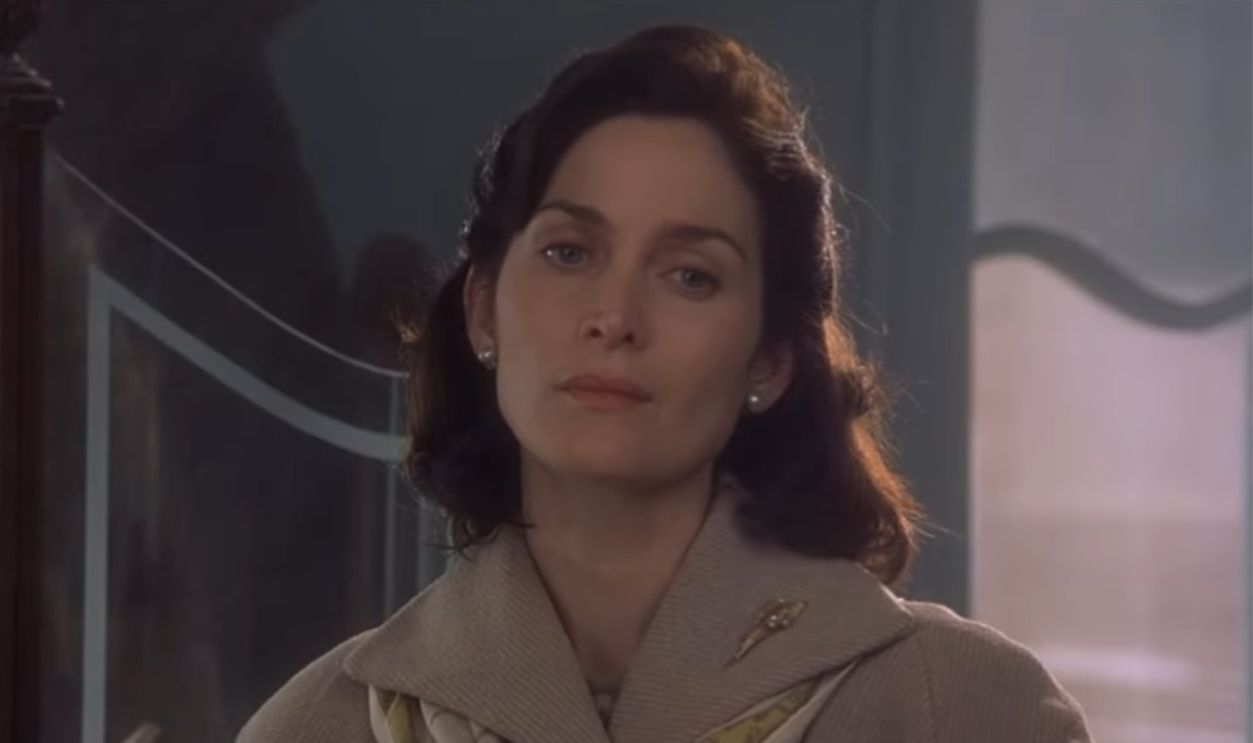 Screenshot from Chocolat, Miramax Films (2000)
Good Night, And Good Luck.
A stylish, tightly crafted look at journalism and power, this film felt tailor-made for awards recognition. Its direction and performances were widely praised. Still, it fell short of the top prize.
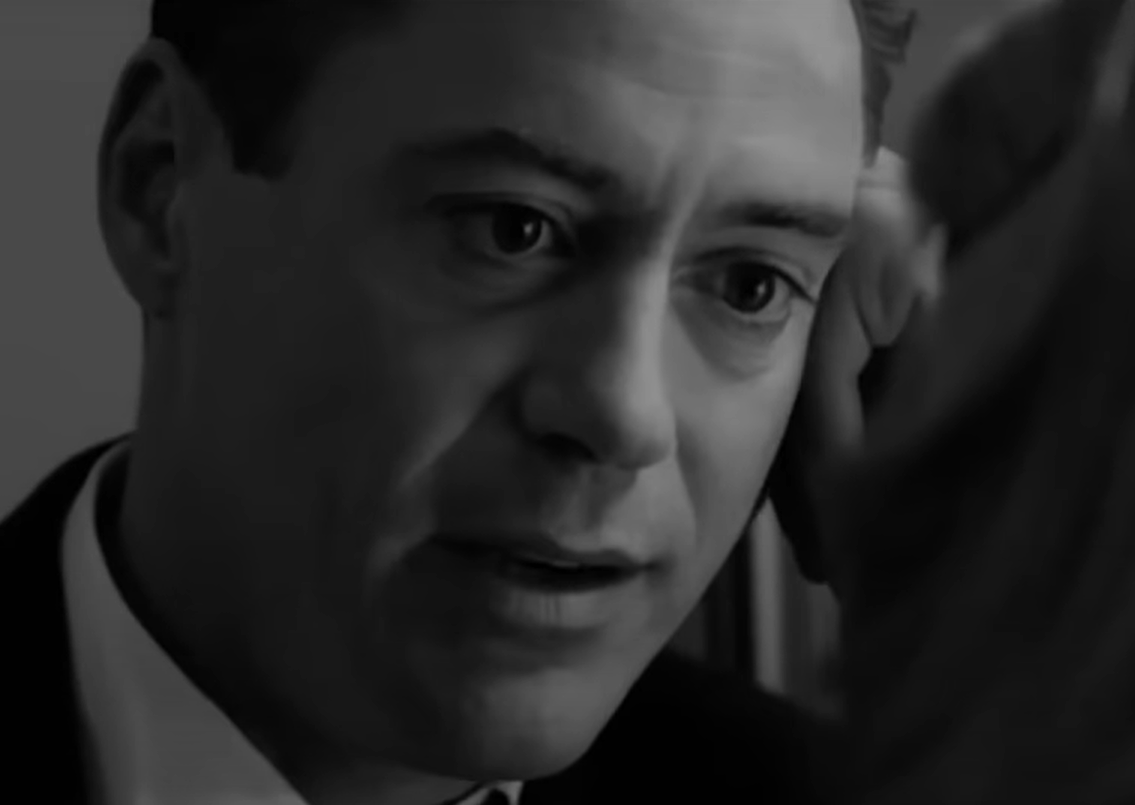 Warner Bros., Good Night, and Good Luck. (2005)
The Sixth Sense
It’s rare for a thriller to break into the Best Picture conversation, but this one did it effortlessly. With its unforgettable twist and emotional core, it became a cultural phenomenon. Losing Best Picture didn’t stop it from becoming iconic.
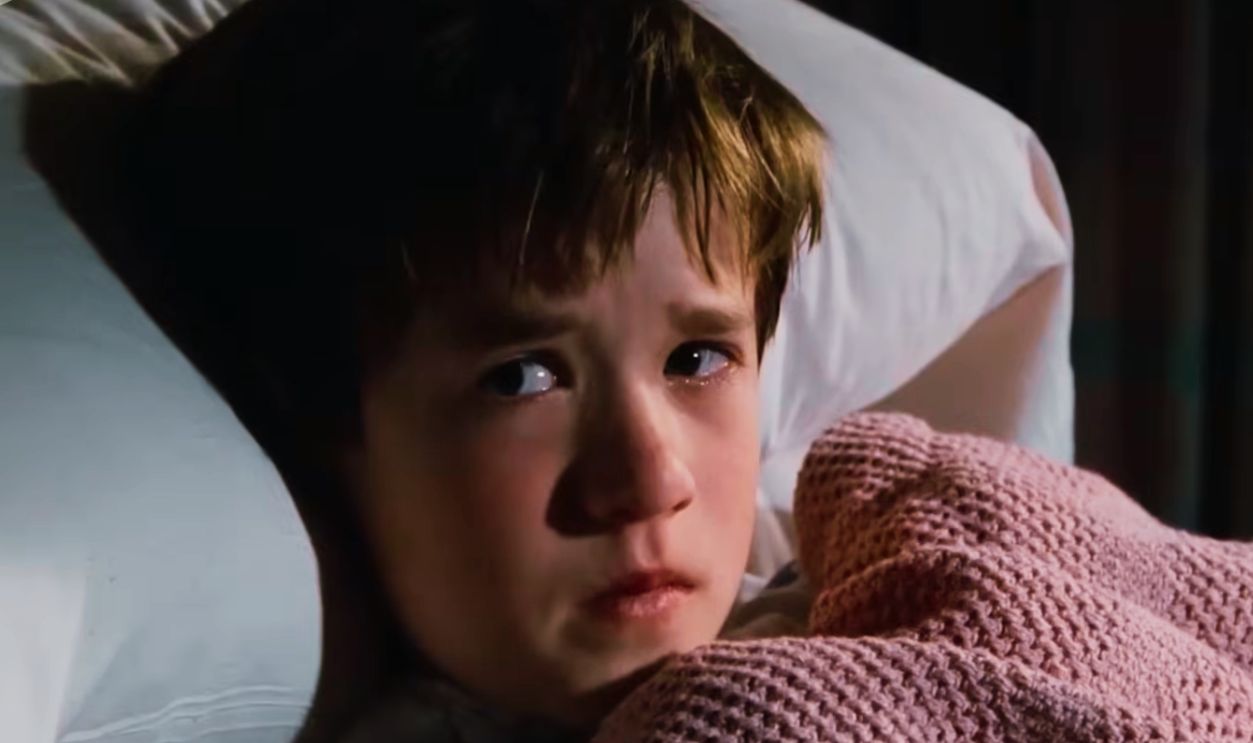 Buena Vista Pictures, The Sixth Sense (1999)
Lenny
A gritty, unconventional biopic about comedian Lenny Bruce, this film took risks that most Oscar contenders avoid. Dustin Hoffman’s performance was a major highlight. Even without the win, it left a lasting impression.
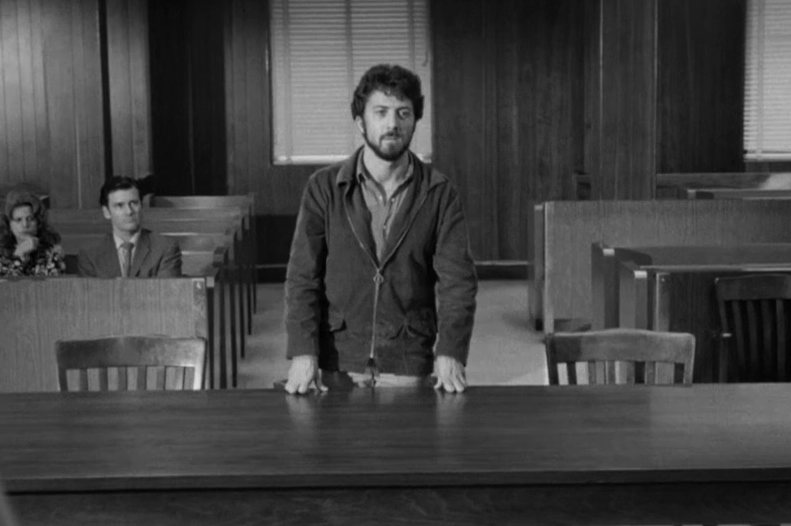
The Elephant Man
David Lynch’s haunting and deeply human story resonated with both critics and audiences. It’s the kind of film that feels timeless, even decades later. Its loss is one of those decisions that only feels stranger with time.
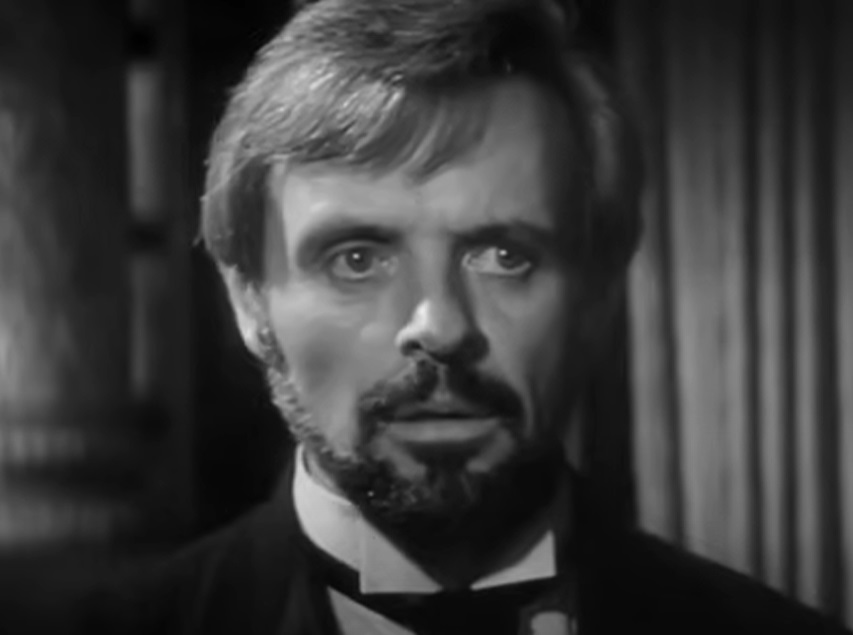 Columbia, The Elephant Man (1980)
Fatal Attraction
A cultural phenomenon that sparked conversations everywhere, this film had undeniable impact. It blurred the line between thriller and character study in a way that felt fresh. Despite that, it couldn’t secure the Academy’s top honor.
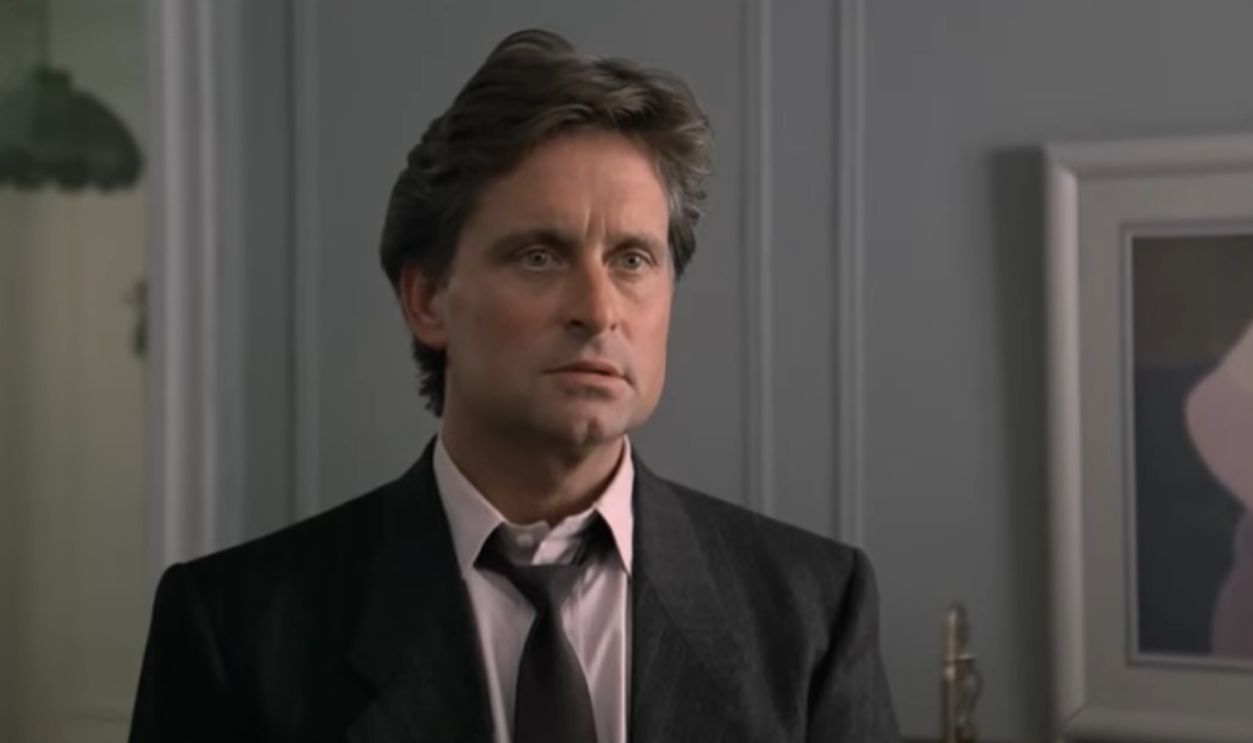 Screenshot from Fatal Attraction, Paramount Pictures (1987)
Field Of Dreams
There’s something undeniably magical about Field of Dreams, blending fantasy and emotion into something uniquely memorable. It’s the kind of film people revisit again and again. That kind of staying power usually earns a win—but not this time.
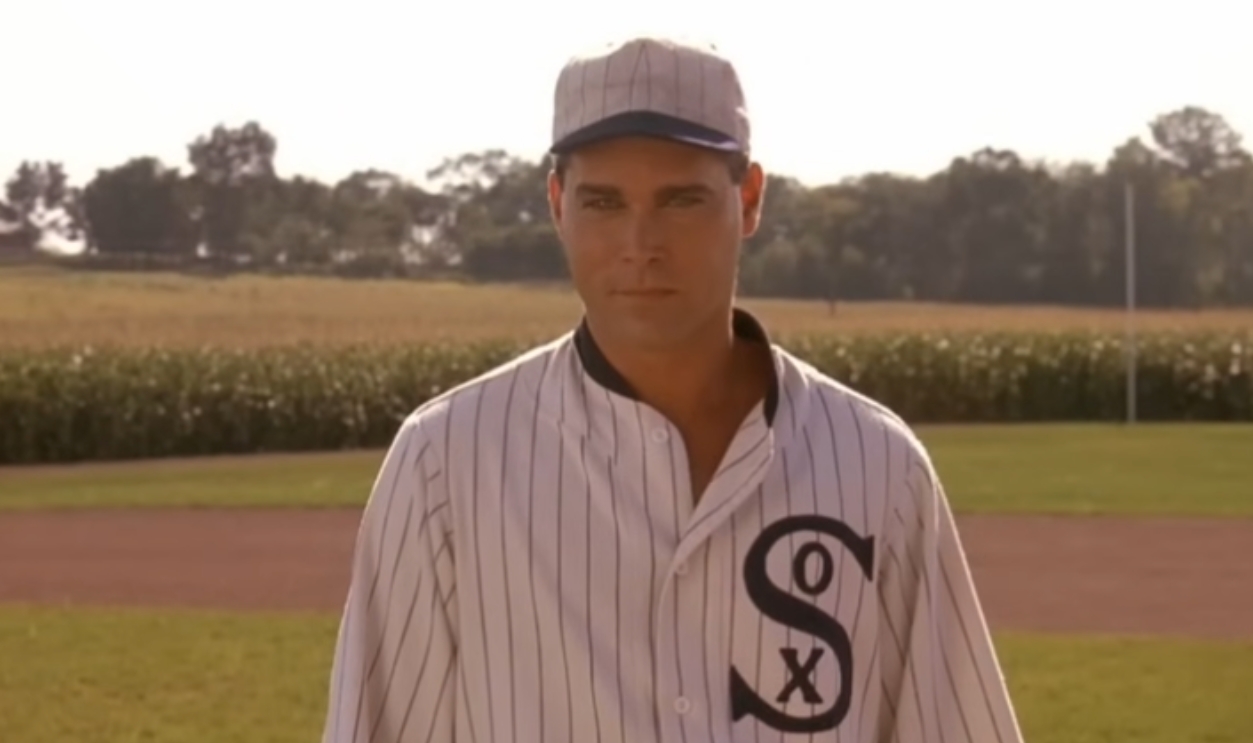 Universal Pictures, Field of Dreams (1989)
American Graffiti
George Lucas captured a specific moment in youth culture with incredible authenticity. The film feels like a time capsule, full of energy and nostalgia. It may not have won Best Picture, but its influence is still easy to see.
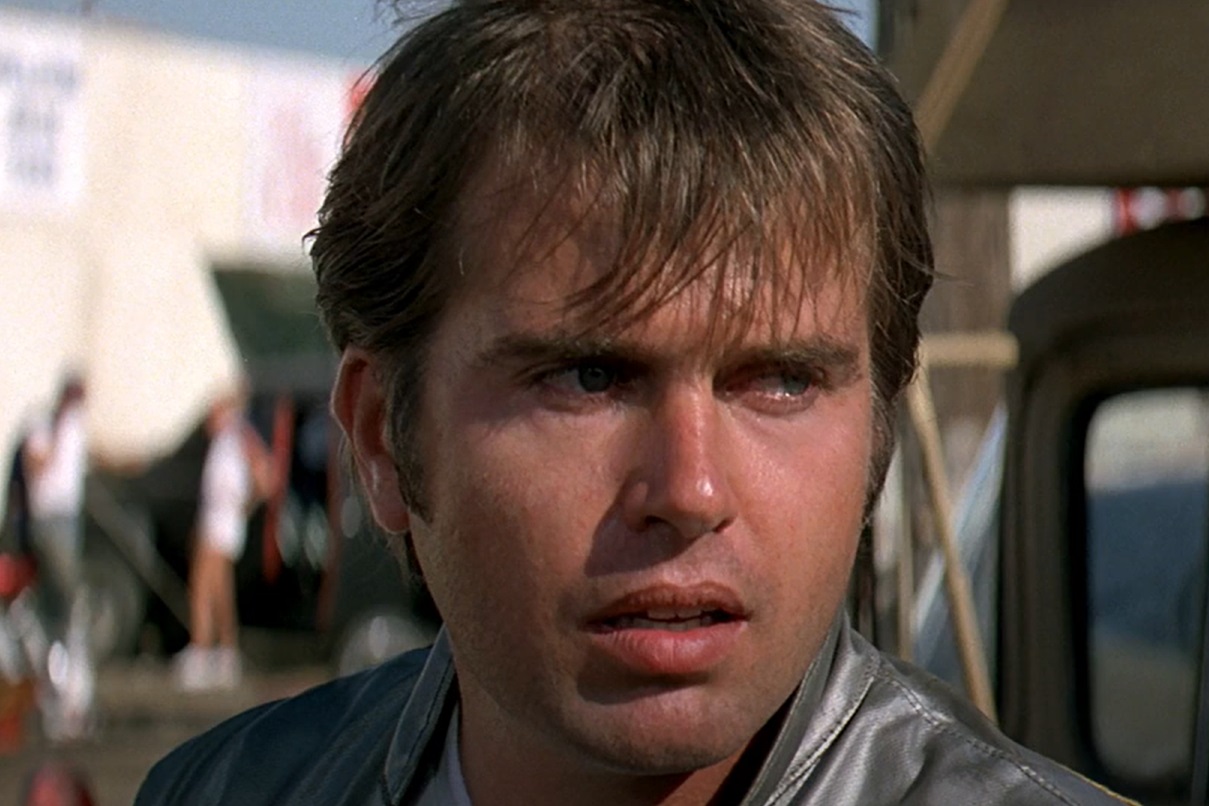 Universal, More American Graffiti (1979)
You May Also Like:
Very Good Movies With Very Little Dialogue (If Any)
Scandalous Facts About The Wizarding Families Of Harry Potter
Glam Facts About Nils Asther, The Male Greta Garbo
Source: 1