When Movies Start Speaking In Sound
Sometimes the most powerful part of a movie isn’t what you see—it’s what you hear. The right sound design can make a spaceship feel real, turn silence into pure tension, or make a single roar echo in your brain for years. These films didn’t just look amazing, they sounded unforgettable. And in many cases, the sound design is exactly what made them legendary.
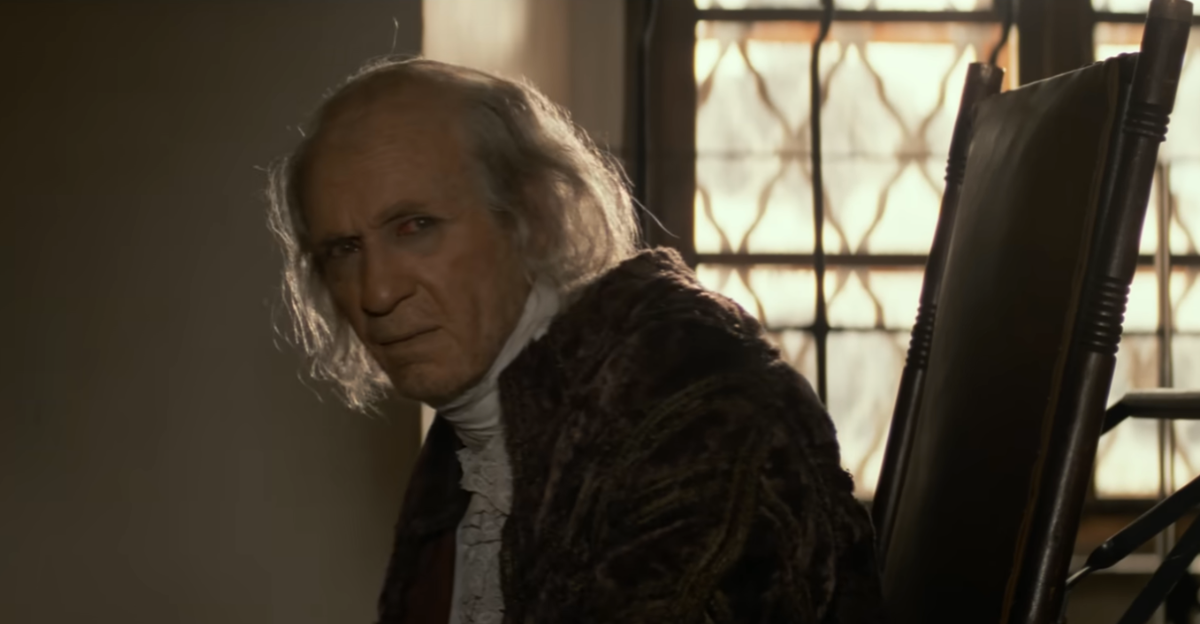 Screenshot from Amadeaus, Youtube.com
Jurassic Park
Steven Spielberg’s Jurassic Park didn’t just bring dinosaurs to the screen—it made audiences believe they were actually alive. When the film premiered in 1993, the visual effects were groundbreaking, but it was the overall realism that truly stunned viewers.
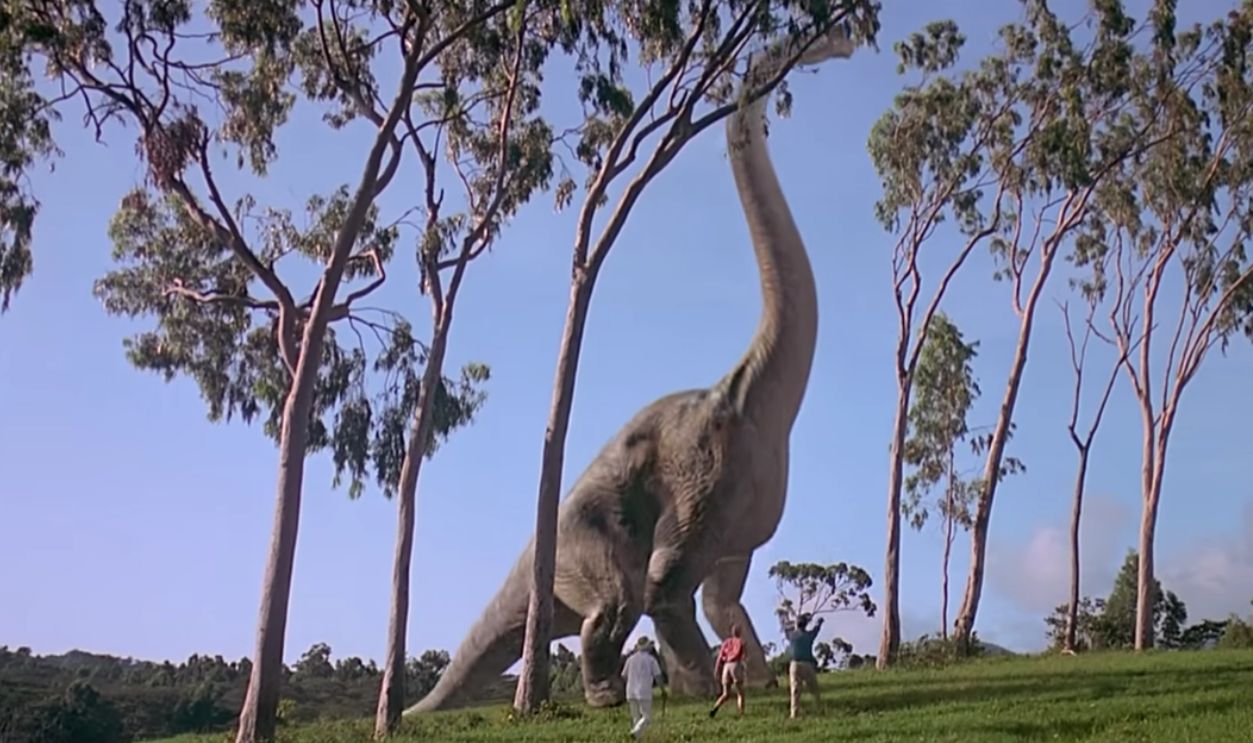 Screenshot from Jurassic Park, Universal Pictures (1993)
The Sound Design of Jurassic Park
The dinosaurs wouldn’t have felt nearly as real without their unforgettable roars. Sound designers created those noises by blending recordings of real animals—everything from elephants to tigers—until the result sounded massive and prehistoric.
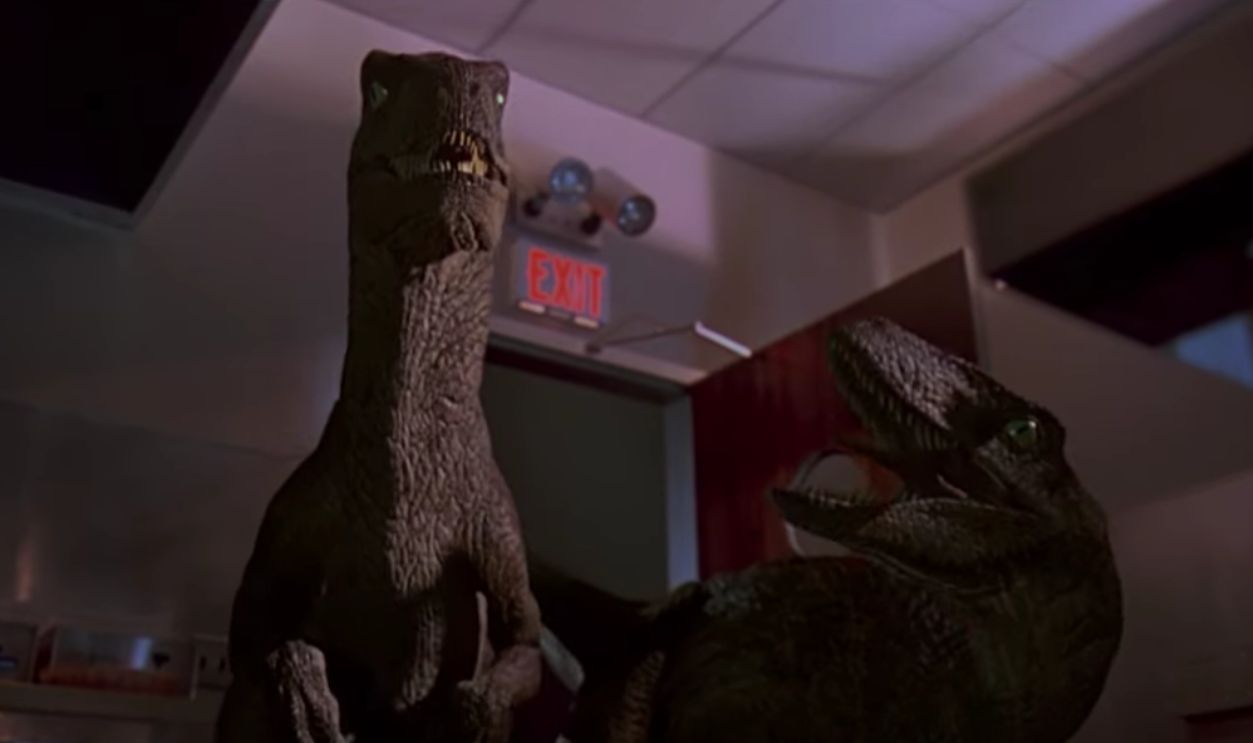 Screenshot from Jurassic Park, Universal Pictures (1993)
The Conversation
Francis Ford Coppola’s The Conversation is a thriller that trades explosions for something far more unsettling—listening. The film follows Harry Caul, a surveillance expert who spends his days secretly recording other people’s conversations. Things spiral when he believes a recording he captured might lead to someone being taken out. As Harry becomes more paranoid, the movie turns into a tense psychological portrait of a man who hears too much but understands too little.
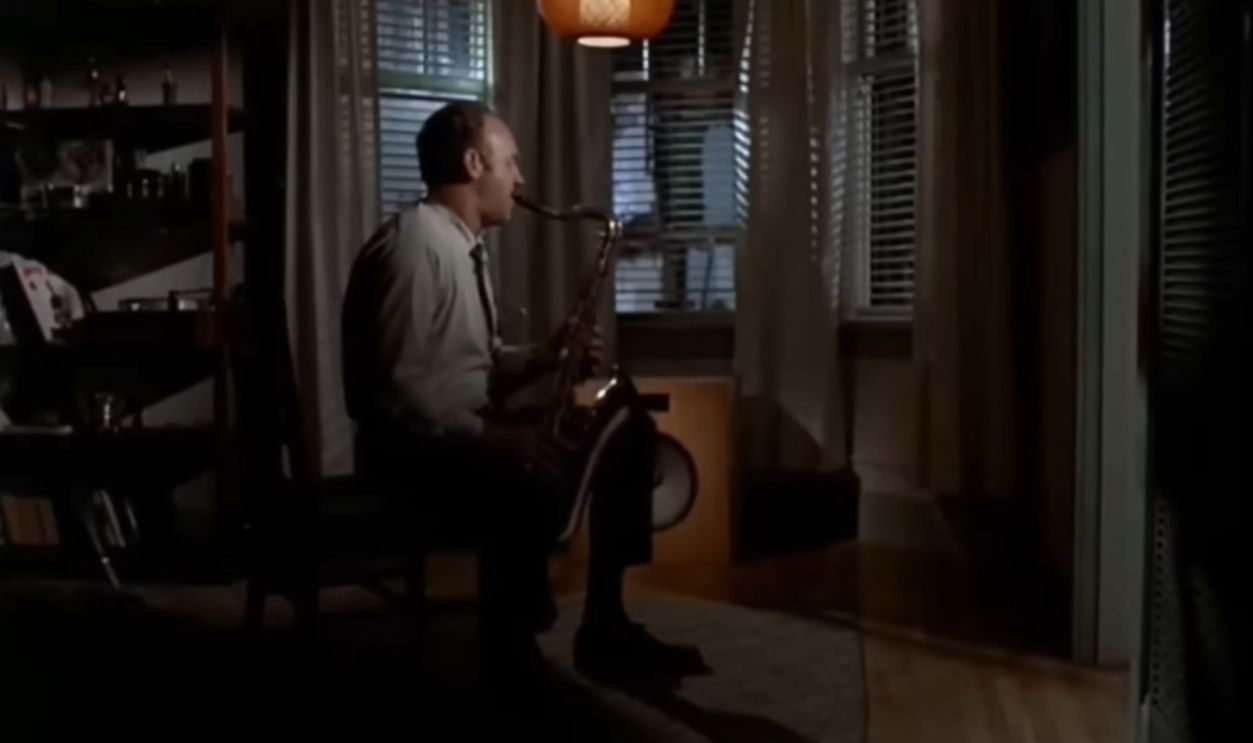 Screenshot from The Conversation, Paramount Pictures (1974)
The Sound Design of The Conversation
Sound isn’t just important in this movie—it is the story. Conversations repeat, distort, and slowly reveal new meanings as Harry analyzes his recordings again and again. Tiny audio details become clues, and the audience is forced to listen just as carefully as the main character. By the end, every echo and background noise feels suspicious, which makes the entire experience deeply unnerving.
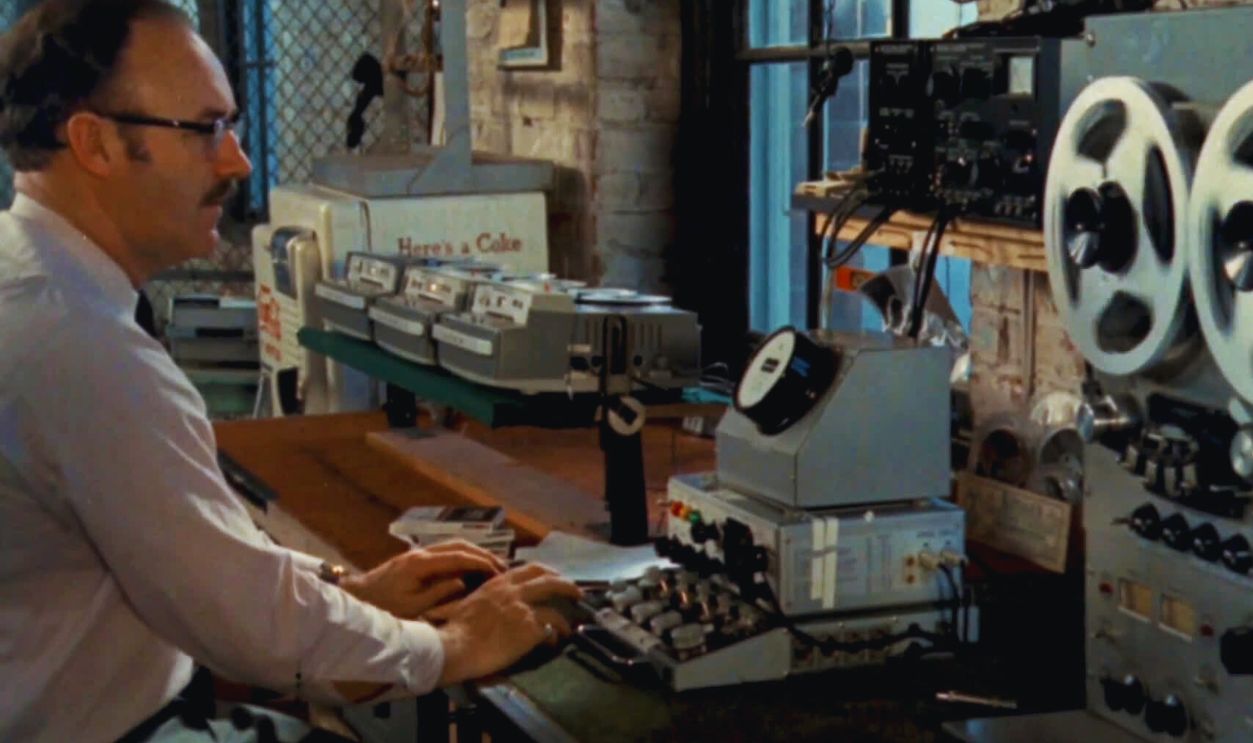 Screenshot from The Conversation, Paramount Pictures (1974)
The Matrix
When The Matrix arrived in 1999, it felt like cinema had suddenly entered the future. The movie blended philosophy, cyberpunk aesthetics, and jaw-dropping action into a story about reality being nothing more than a computer simulation. Following hacker Neo as he learns the truth about the world around him, the film quickly became one of the most influential sci-fi movies ever made. Its visual style is iconic, but its sound design plays an equally important role in selling the illusion.
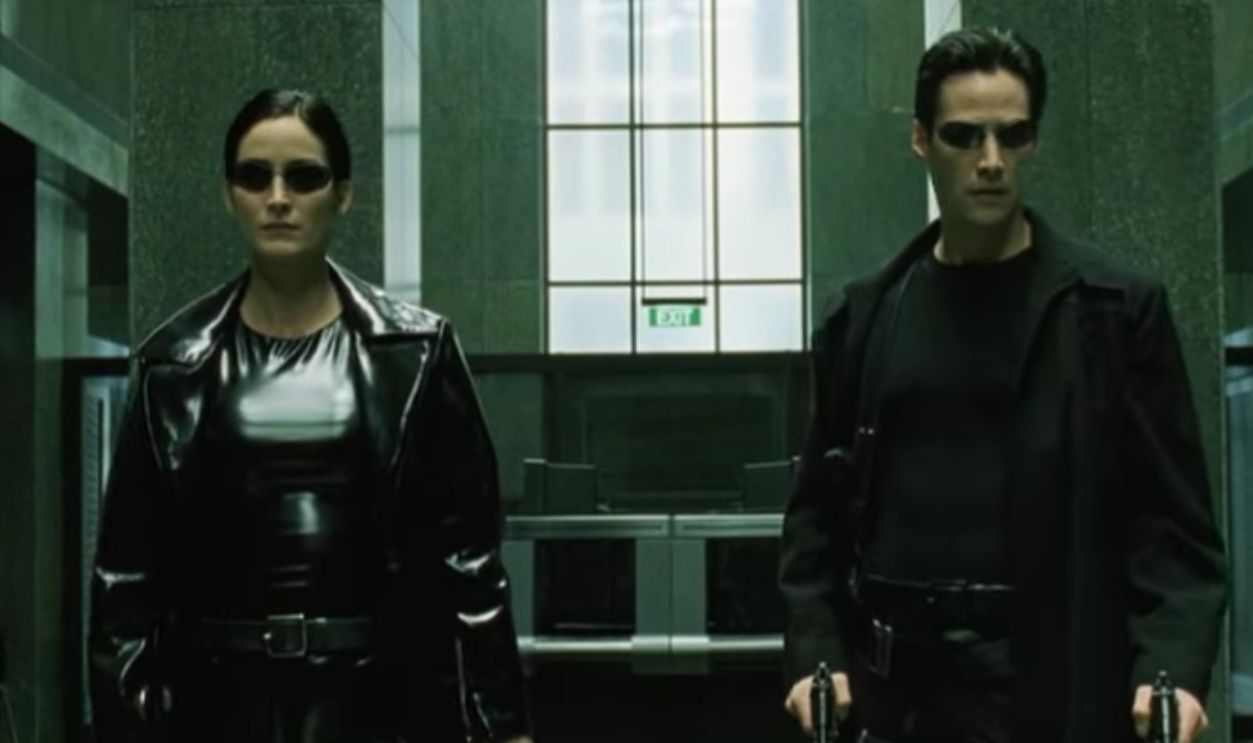 Screenshot from The Matrix, Warner Bros. Pictures (1999)
The Sound Design of The Matrix
The movie’s soundscape constantly reminds you that something about reality is slightly off. Mechanical drones, digital echoes, and sharp metallic effects make the simulated world feel artificial and controlled. Then there are the action moments—bullets slicing through the air and the now-legendary sound of bullet time slowing everything down. The result is a futuristic sound palette that instantly became part of pop culture.
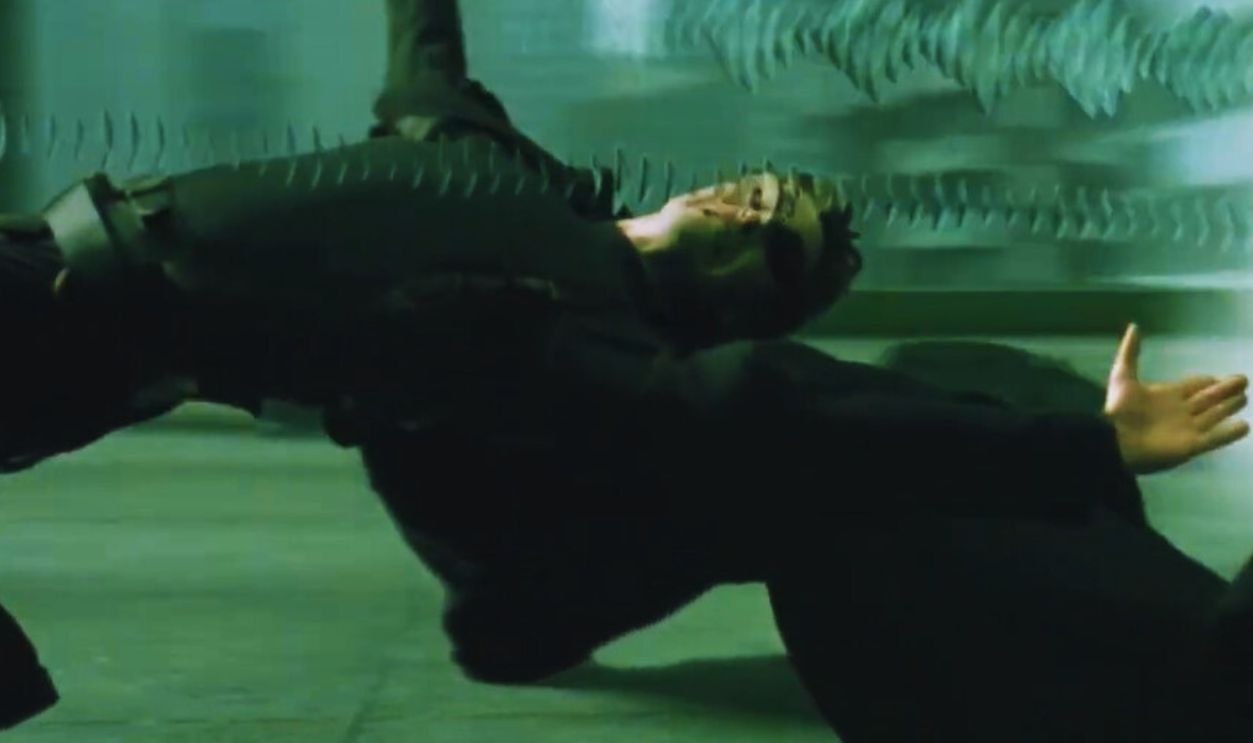 Screenshot from The Matrix, Warner Bros. Pictures (1999)
The Hunt For Red October
Set during the Cold War, The Hunt for Red October tells the story of a Soviet submarine captain who may—or may not—be trying to defect to the United States. CIA analyst Jack Ryan races to figure out the truth before the situation sparks a global crisis. Much of the movie takes place underwater, inside cramped submarines where every decision could mean life or none. That confined setting turns the film into a slow-burn thriller built almost entirely on tension.
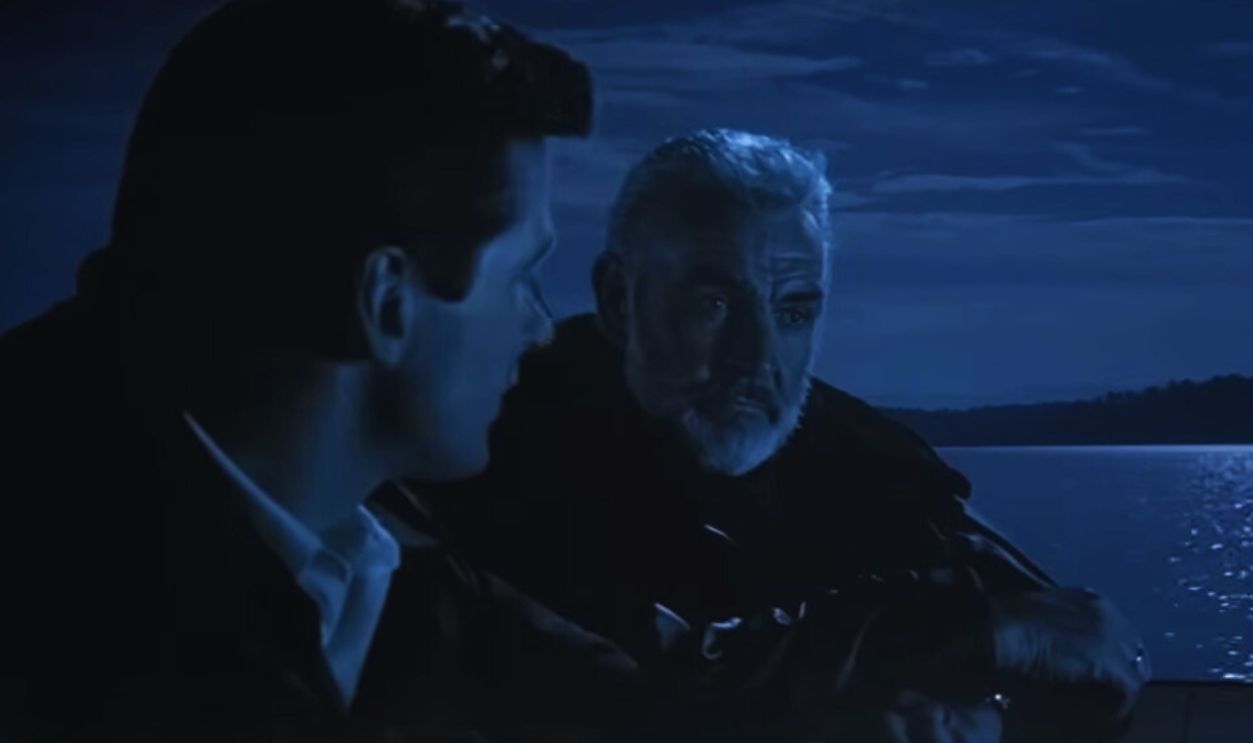 Screenshot from The Hunt for Red October, Paramount Pictures (1990)
The Sound Design of The Hunt For Red October
Submarine warfare is all about listening. In the film, sonar pings, engine vibrations, and faint mechanical noises become crucial clues about what’s happening in the dark ocean around them. The audience quickly learns to pay attention to those tiny sounds, just like the characters do. A single noise can mean the difference between staying hidden and being destroyed.
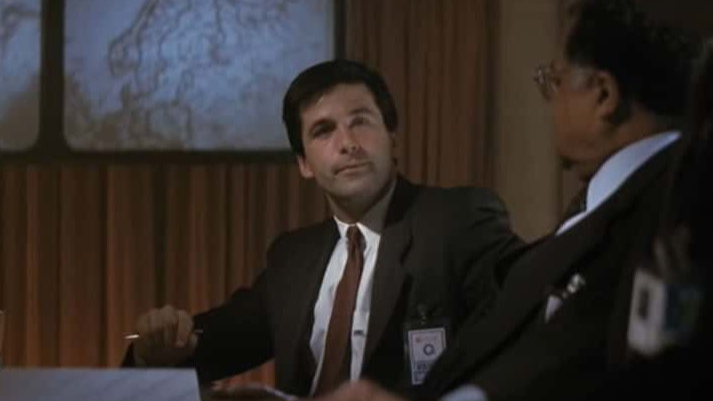 Screenshot from The Hunt For Red October, Paramount Pictures (1990)
Who Framed Roger Rabbit
Blending animation and live action is tricky even today, but Who Framed Roger Rabbit pulled it off brilliantly in 1988. The film follows private detective Eddie Valiant as he investigates a murder that pulls him into the chaotic world of cartoon characters. The movie mixes classic noir storytelling with slapstick cartoon energy, creating something that feels completely unique. It’s part detective story, part animated playground.
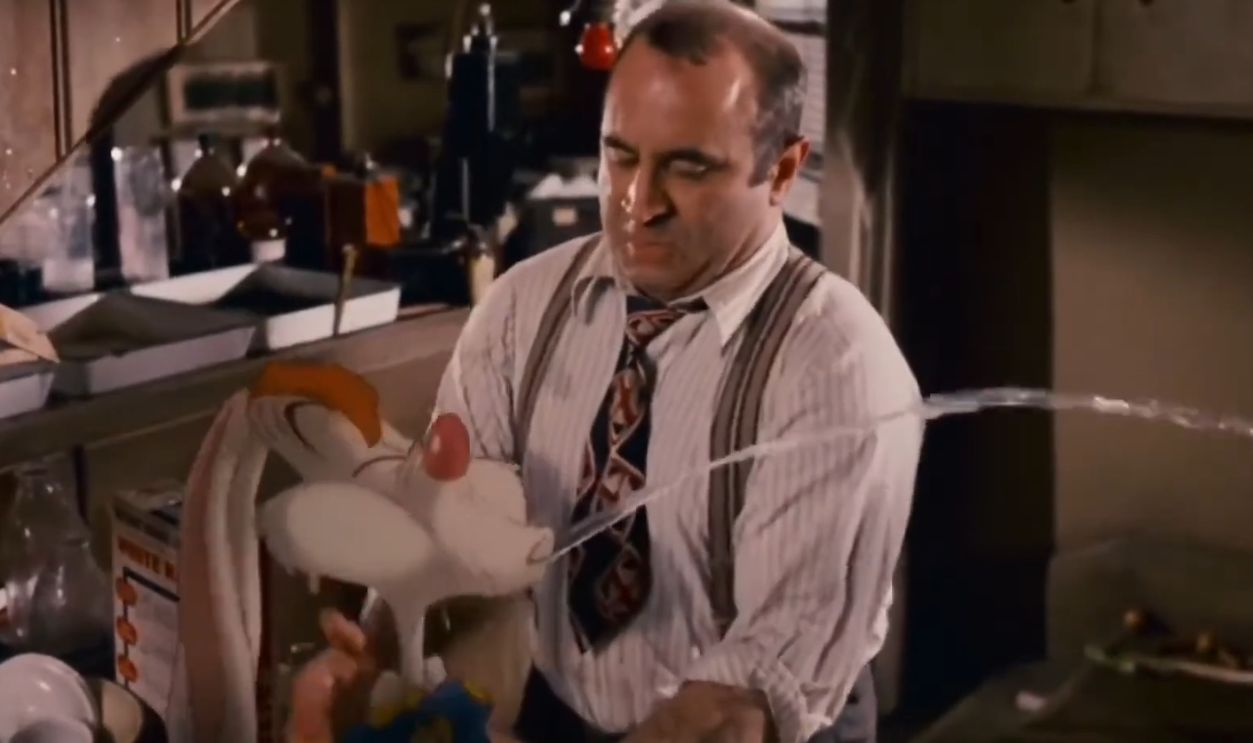 Screenshot from Who Framed Roger Rabbit, Touchstone Pictures (1988)
The Sound Design of Who Framed Roger Rabbit
Cartoons follow their own rules, which means the sound design had to be just as exaggerated as the visuals. Every crash, bounce, and ridiculous gag needed the perfect sound to sell the joke. At the same time, the movie still exists in a real-world setting, so the audio had to bridge both worlds. The result is a playful soundscape that constantly keeps the energy moving.
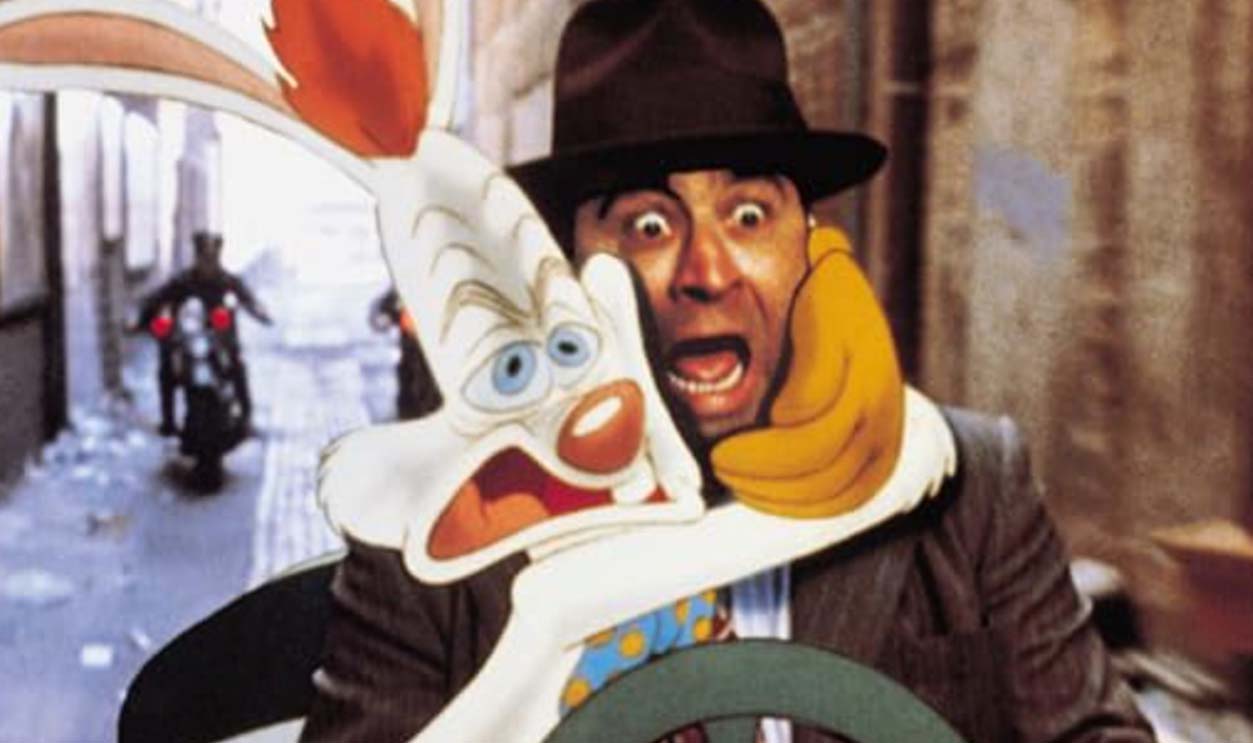 Screenshot from Who Framed Roger Rabbit, Touchstone Pictures (1988)
The Exorcist
Few horror movies have left a mark on audiences like The Exorcist. When it premiered in 1973, viewers were shocked by its intense story about a young girl possessed by a demonic entity. The film doesn’t rely on flashy effects or constant scares. Instead, it slowly builds dread as a priest and a desperate mother confront something far beyond their understanding.
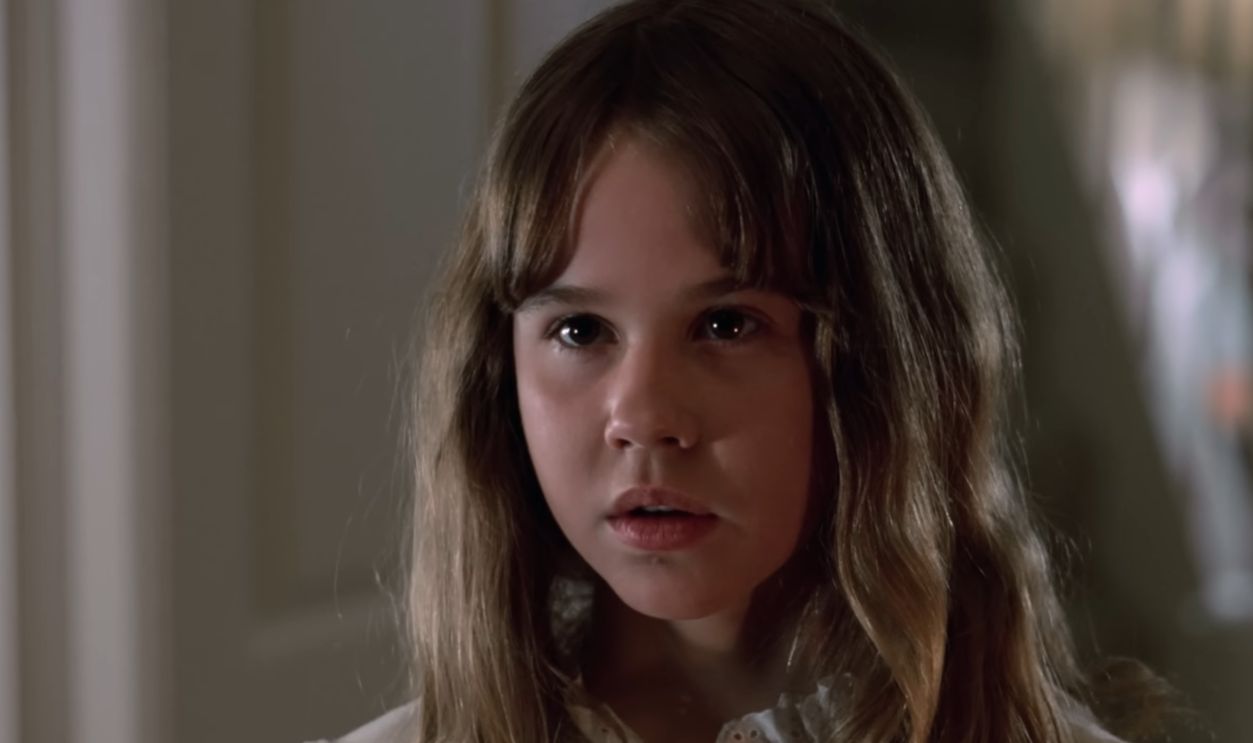 Screenshot from The Exorcist, Warner Bros. Pictures (1973)
The Sound Design of The Exorcist
The film’s soundscape is deeply unsettling. Strange animal noises, distorted whispers, and eerie atmospheric effects create a constant sense that something is wrong. Sometimes the scariest moments come from silence. When the film suddenly goes quiet, it feels like the entire room is holding its breath.
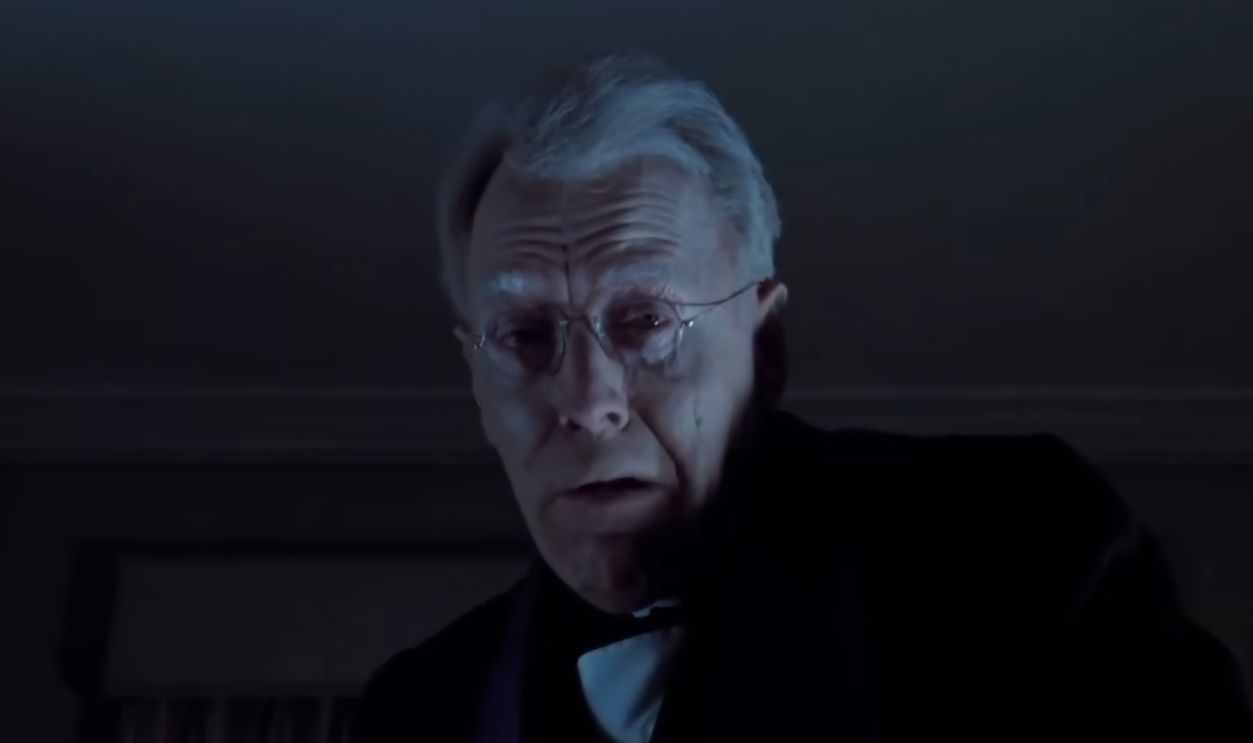 Screenshot from The Exorcist, Warner Bros. Pictures (1973)
Star Wars: Episode IV–A New Hope
When Star Wars arrived in 1977, it didn’t just launch a franchise—it changed Hollywood. George Lucas created a galaxy filled with rebels, smugglers, evil empires, and mystical warriors known as Jedi. The story itself feels like a classic adventure, but the world around it feels completely new. From alien planets to futuristic technology, everything about the universe had to feel believable.
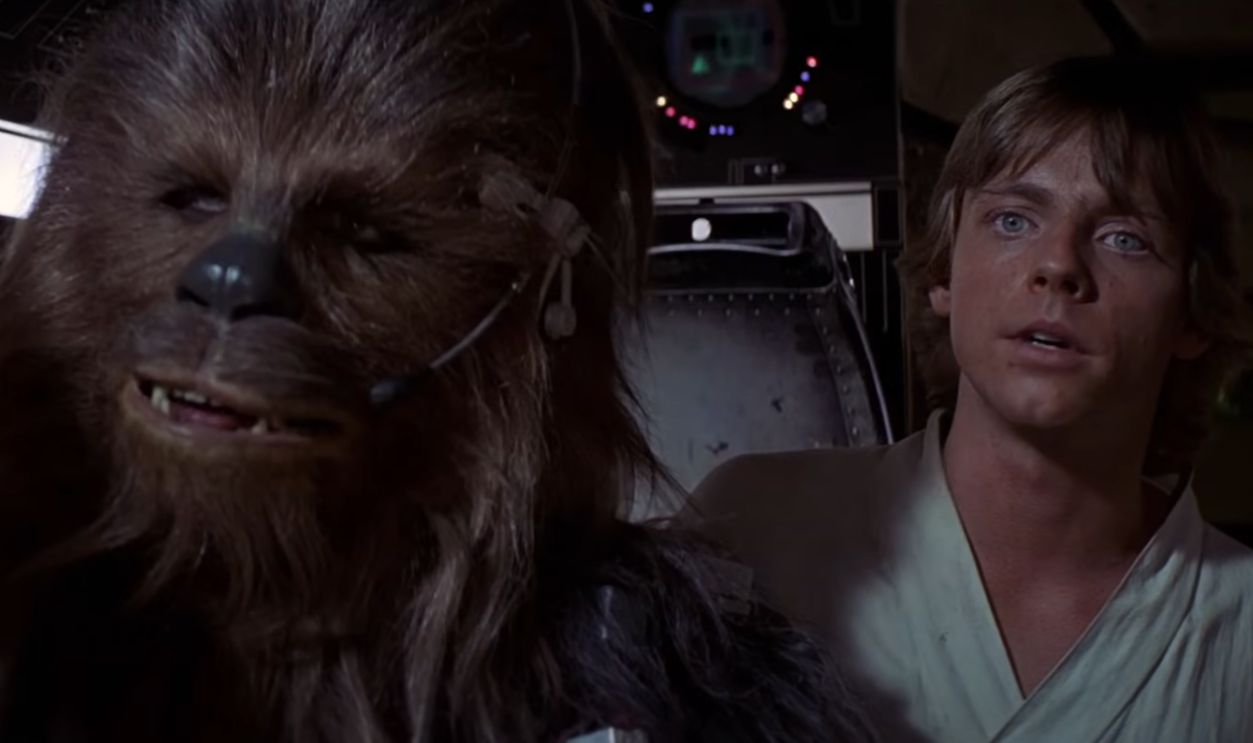 Screenshot from Star Wars: A New Hope, 20th Century Fox (1977)
The Sound Design of Star Wars: Episode IV–A New Hope
Many of the most recognizable movie sounds ever created come from this film. The hum of a lightsaber, the blast of a laser cannon, and the cheerful beeps of R2-D2 are instantly recognizable. Sound designer Ben Burtt famously built these effects using unexpected sources—from old projectors to television tubes. The result was an entire galaxy of sounds that felt both strange and strangely familiar.
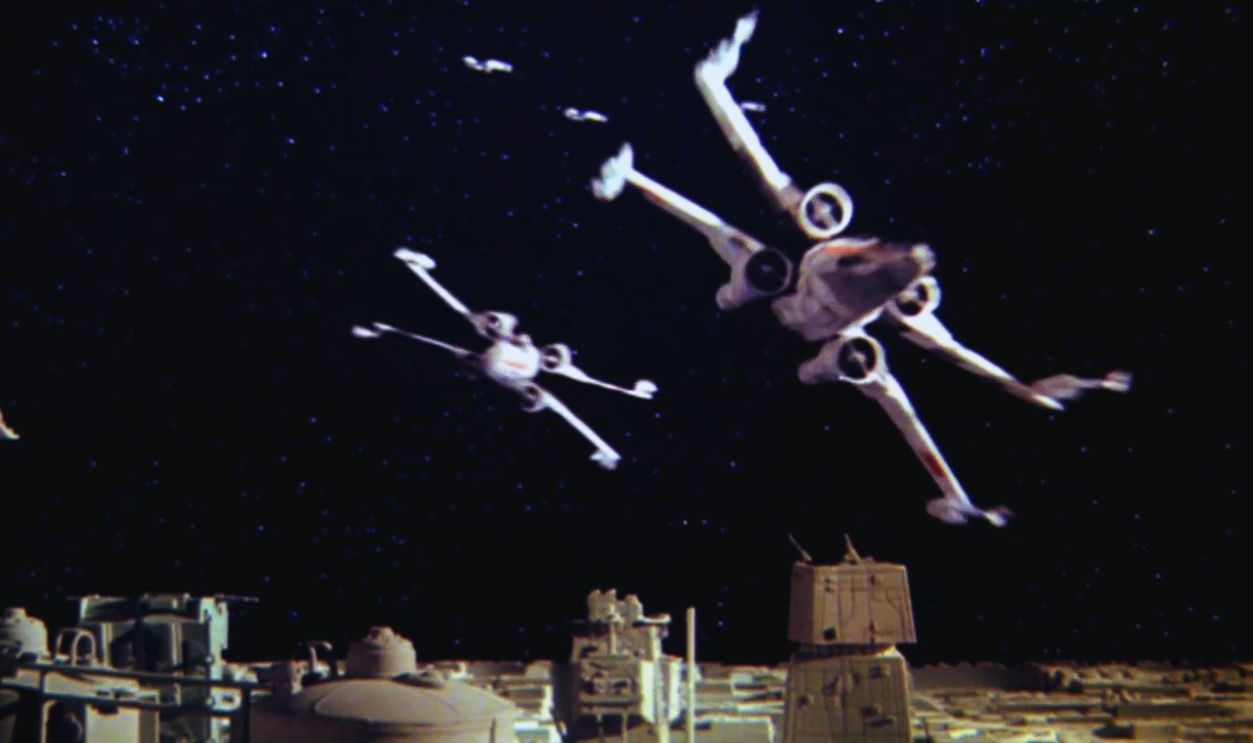 Screenshot from Star Wars: A New Hope, 20th Century Fox (1977)
Apocalypse Now
Apocalypse Now isn’t just a war movie—it’s a descent into chaos. The story follows a soldier traveling deeper into the Vietnam War to confront a rogue colonel who has built his own terrifying kingdom in the jungle. The further the journey goes, the more surreal and unsettling the film becomes. By the end, it feels less like a traditional story and more like a nightmare.
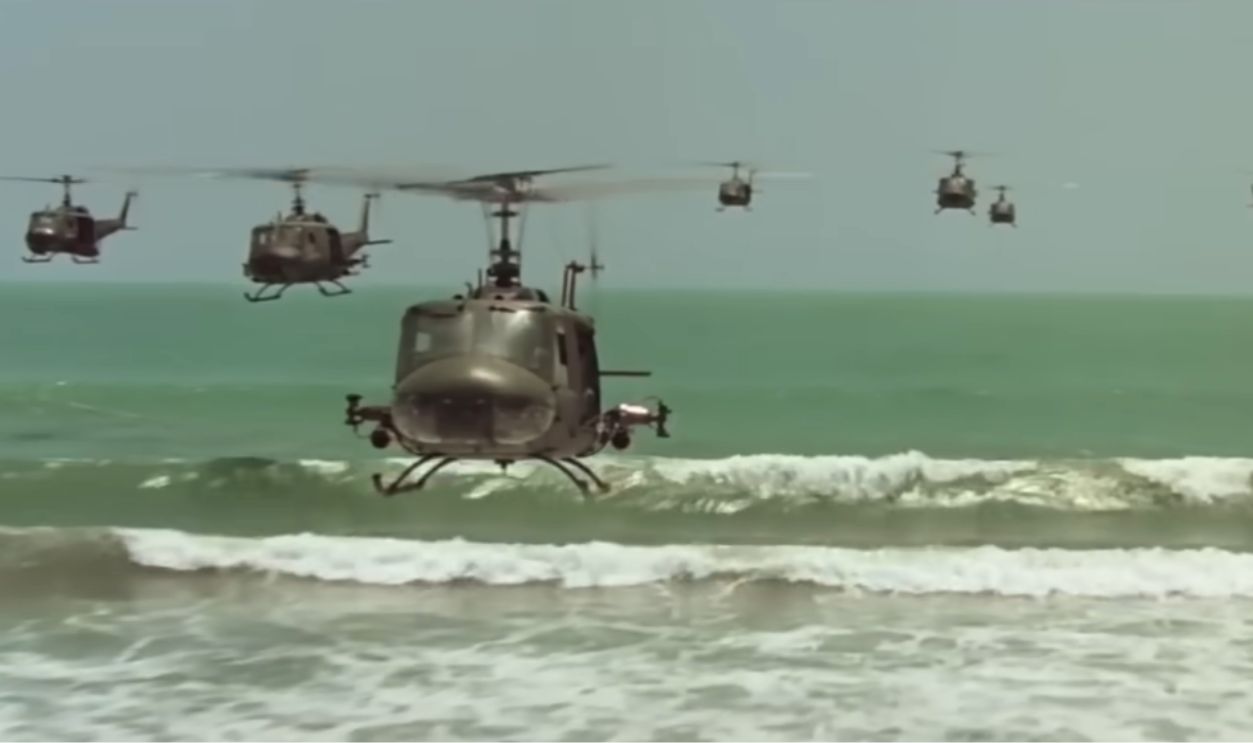 Screenshot from Apocalypse Now, United Artists (1979)
The Sound Design of Apocalypse Now
The movie’s sound design throws you right into the madness of war. Helicopter blades, distant explosions, jungle noises, and haunting music constantly overlap in unpredictable ways. Even quieter scenes feel tense because the environment never truly goes silent. The jungle itself seems alive with sound.
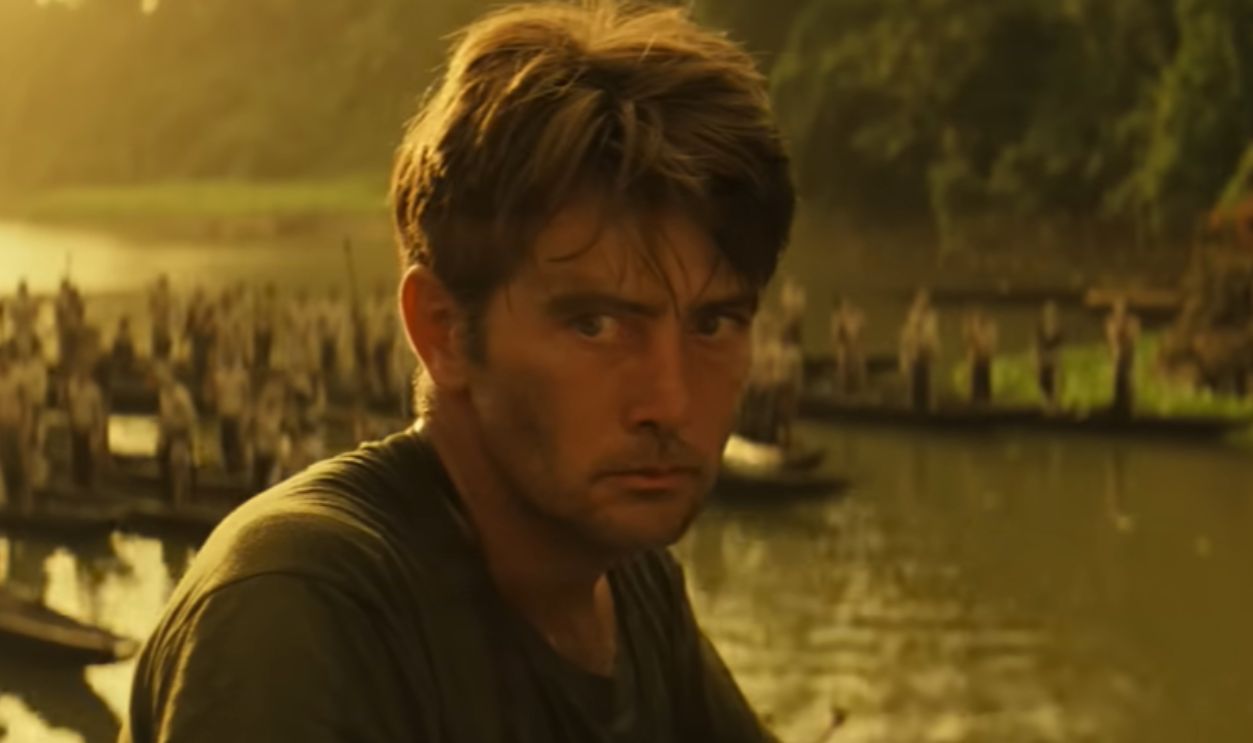 Screenshot from Apocalypse Now, United Artists (1979)
Saving Private Ryan
Steven Spielberg’s Saving Private Ryan changed how war movies looked and felt. The story follows a squad of soldiers sent to find a paratrooper whose brothers have all been taken out in battle. The film opens with the now-famous D-Day invasion sequence, which stunned audiences with its brutal realism. From that moment on, the movie made it clear this wouldn’t be a typical story.
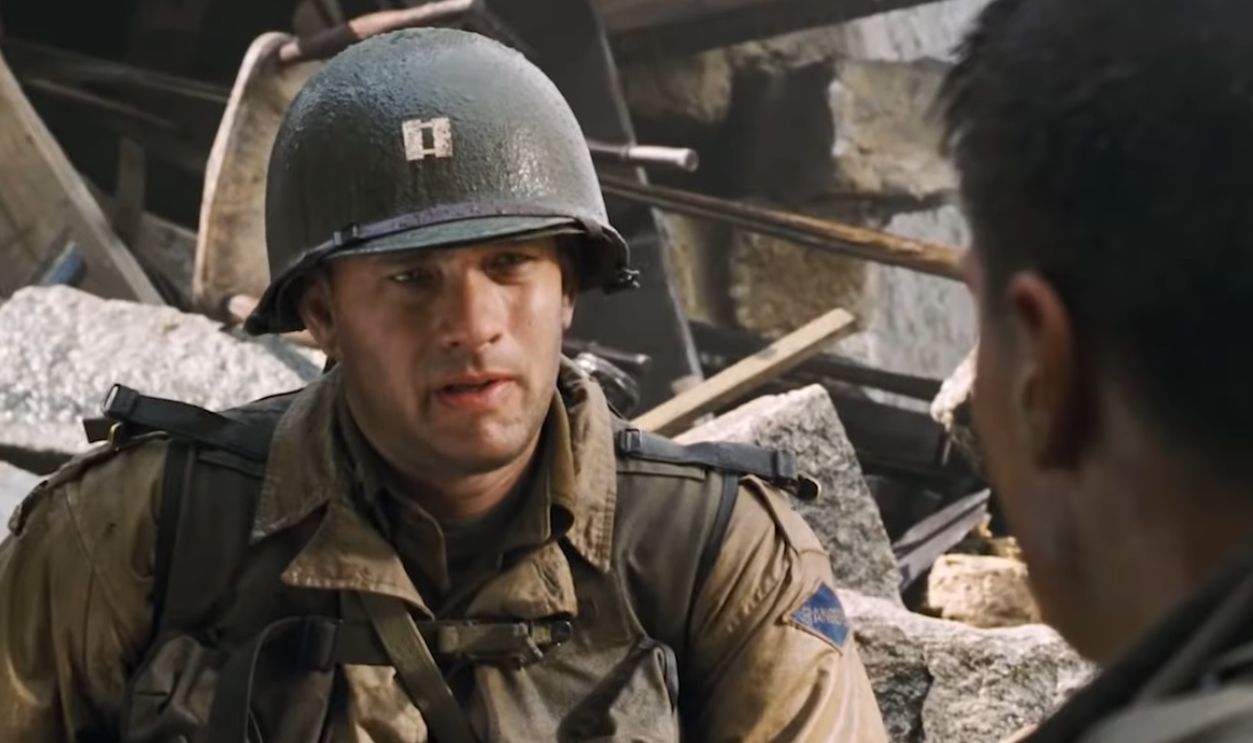 Screenshot from Saving Private Ryan, DreamWorks Pictures (1998)
The Sound Design of Saving Private Ryan
The opening battle is unforgettable largely because of its sound. Bullets snap past the camera, explosions shake the air, and sudden ringing noises mimic what fighters hear after blasts. At times the audio becomes disorienting on purpose, making viewers feel the chaos and confusion of the battlefield. It’s one of the rare moments in cinema where sound alone can make you flinch.
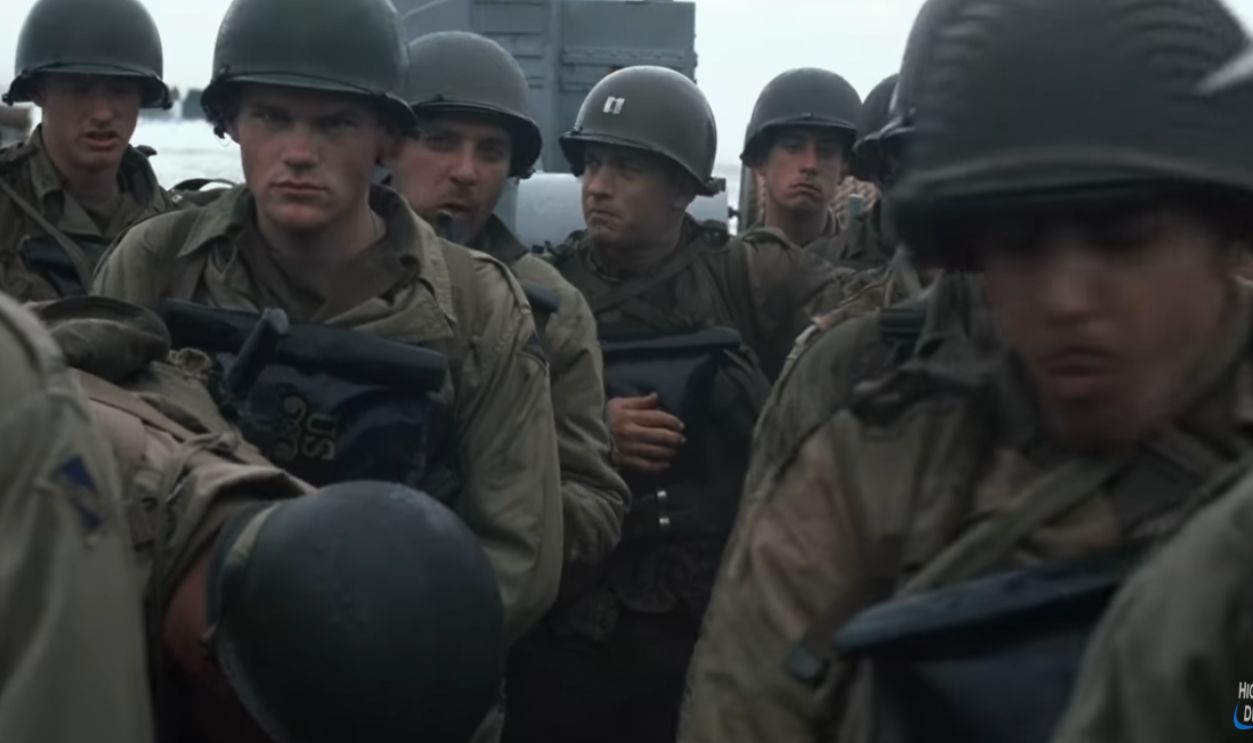 Screenshot from Saving Private Ryan, DreamWorks Pictures (1998)
Amadeus
Amadeus tells the story of musical genius Wolfgang Amadeus Mozart through the jealous perspective of rival composer Antonio Salieri. The film explores how someone can admire greatness while also deeply resenting it. Mozart’s personality is wild and unpredictable, which makes his brilliance even more fascinating. The film ultimately becomes a celebration of creativity—and the torment that sometimes comes with it.
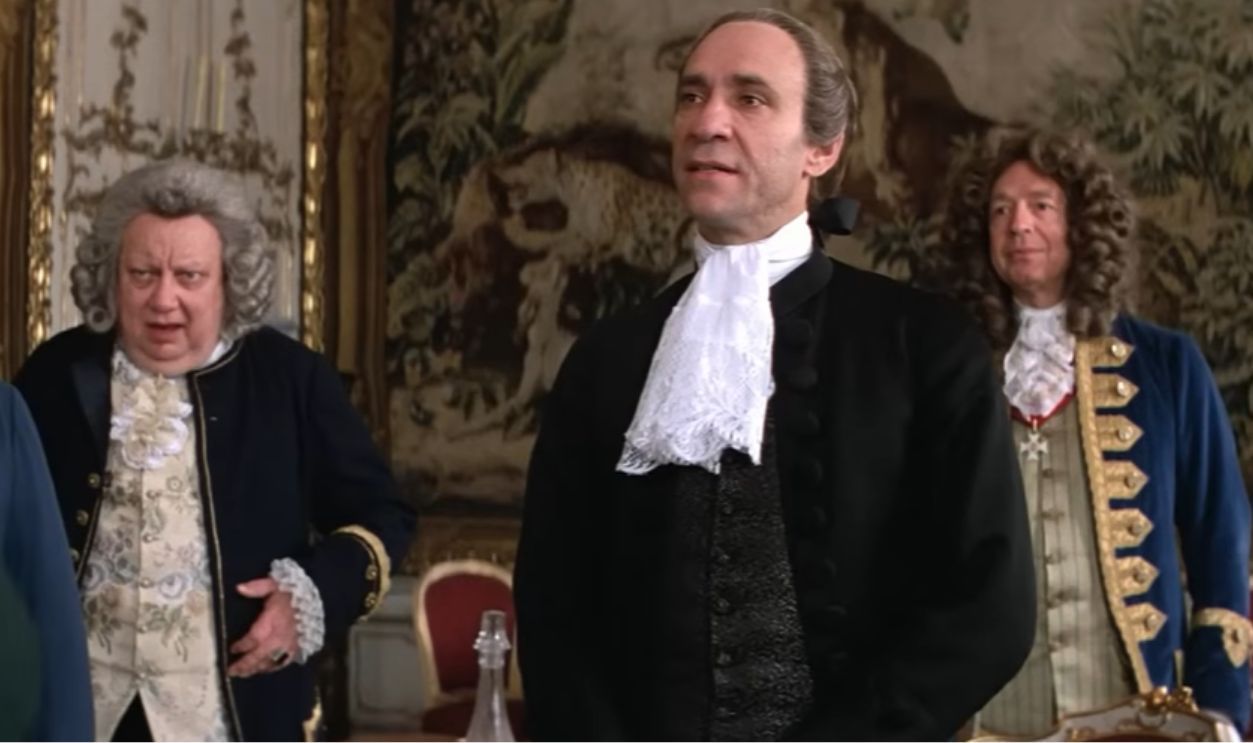 Screenshot from Amadeus, Orion Pictures (1984)
The Sound Design of Amadeus
Because the story revolves around music, the sound design had to capture the power of Mozart’s compositions perfectly. Performances are recorded with incredible clarity, making every note feel alive. The film lets the music breathe, often giving it center stage rather than burying it under dialogue. By the time the credits roll, you don’t just understand Mozart’s genius—you feel it.
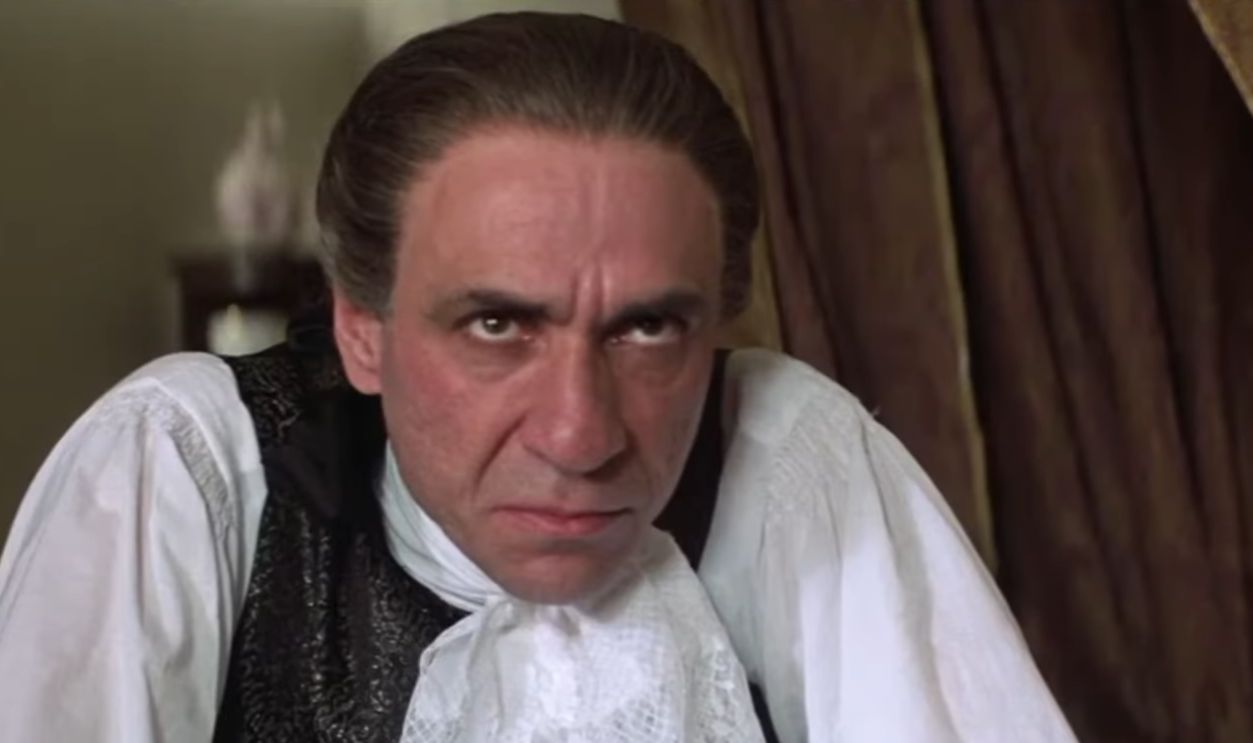 Screenshot from Amadeus, Orion Pictures (1984)
You May Also Like:
Movies That Raised The Bar For Special Effects And Made Hollywood Rethink What Was Possible
Directors Who Never Miss—And The One Time They Did
Think You Remember The Top Movies Of 1975? Let’s See!
Source: 1