History Has Never Looked This Good
You don’t need a time machine to visit ancient Rome or medieval Scotland; all you need is a good historical epic. These movies combine massive scenery, high drama, thunderous battles, and big emotions into unforgettable journeys through time. Whether rooted in fact or wildly embellished (okay, very embellished), each one brings the past roaring to life.
Lawrence Of Arabia (1962)
Widely considered one of the greatest films ever made, this desert epic follows T.E. Lawrence’s complicated role in the Arab Revolt. David Lean’s sweeping widescreen landscapes, Peter O’Toole’s magnetic performance, and the film’s exploration of identity and legacy create an experience that is both visually overwhelming and emotionally nuanced. It defines the word “epic”.
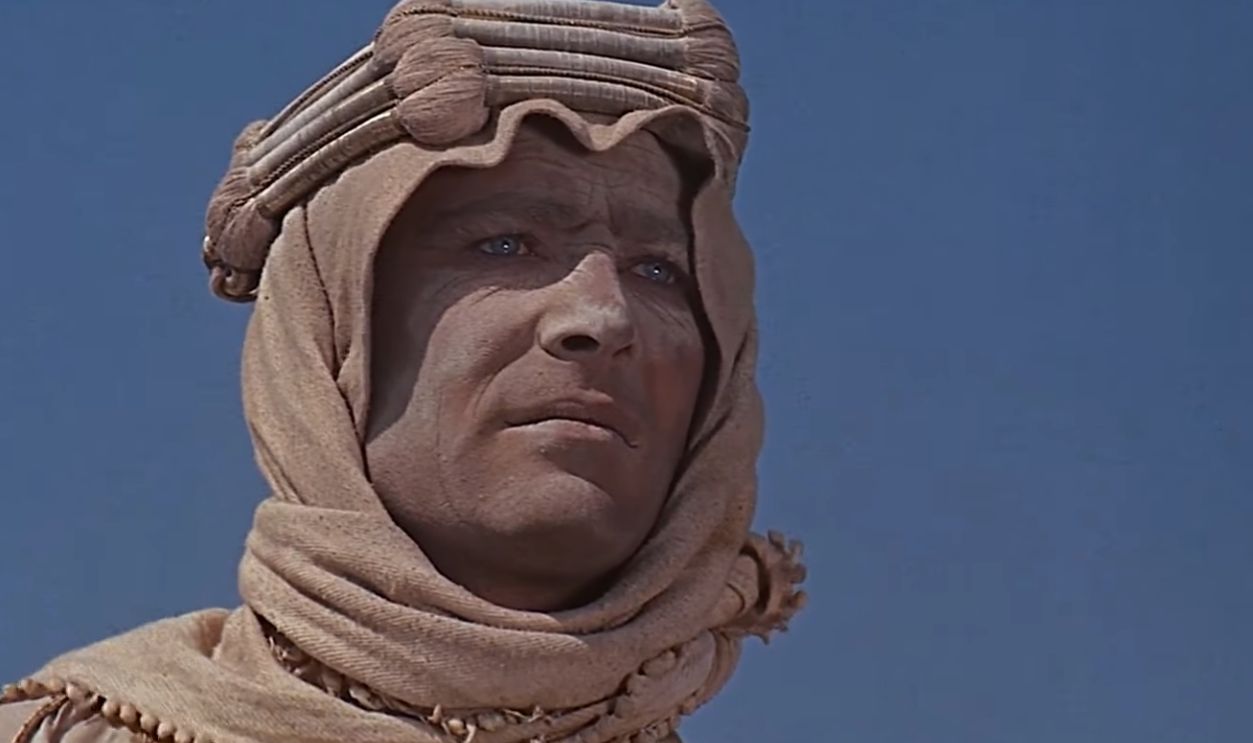 Screenshot from Lawrence of Arabia, Columbia Pictures (1962)
Gladiator (2000)
Ridley Scott’s sword-and-sandals epic revitalized the entire genre with roaring crowds, brutal arena battles, and Russell Crowe’s iconic “Are you not entertained?” speech. The story of a betrayed Roman general turned gladiator mixes revenge tragedy with operatic melodrama, set against breathtaking depictions of ancient Rome. Its blend of emotional stakes and spectacular action made it an instant modern classic.
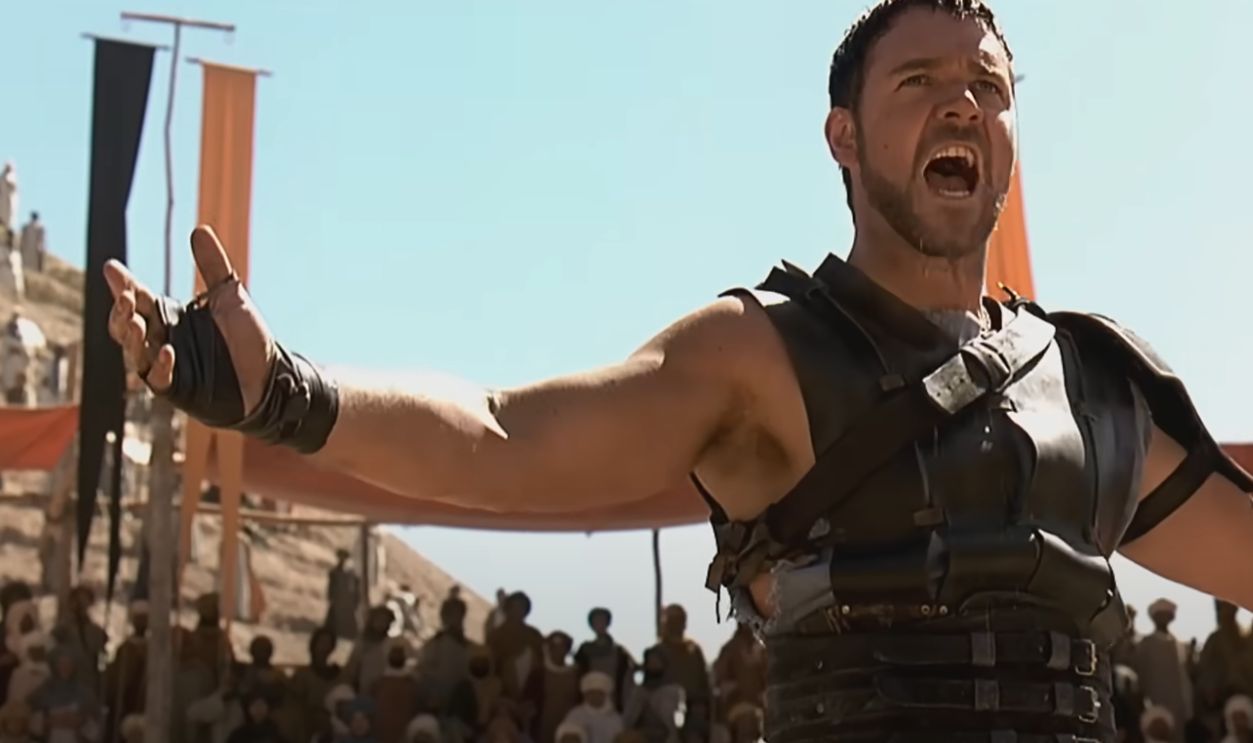 Screenshot from Gladiator, DreamWorks Pictures (2000)
Doctor Zhivago (1965)
David Lean’s sweeping love story spans decades of political upheaval during the Russian Revolution. Omar Sharif’s poetic performance as Yuri Zhivago anchors a film filled with sweeping panoramas, tragic romance, and unforgettable imagery (yes, including the famously icy dacha). It’s a masterclass in old-Hollywood spectacle wrapped in a deeply intimate human story.
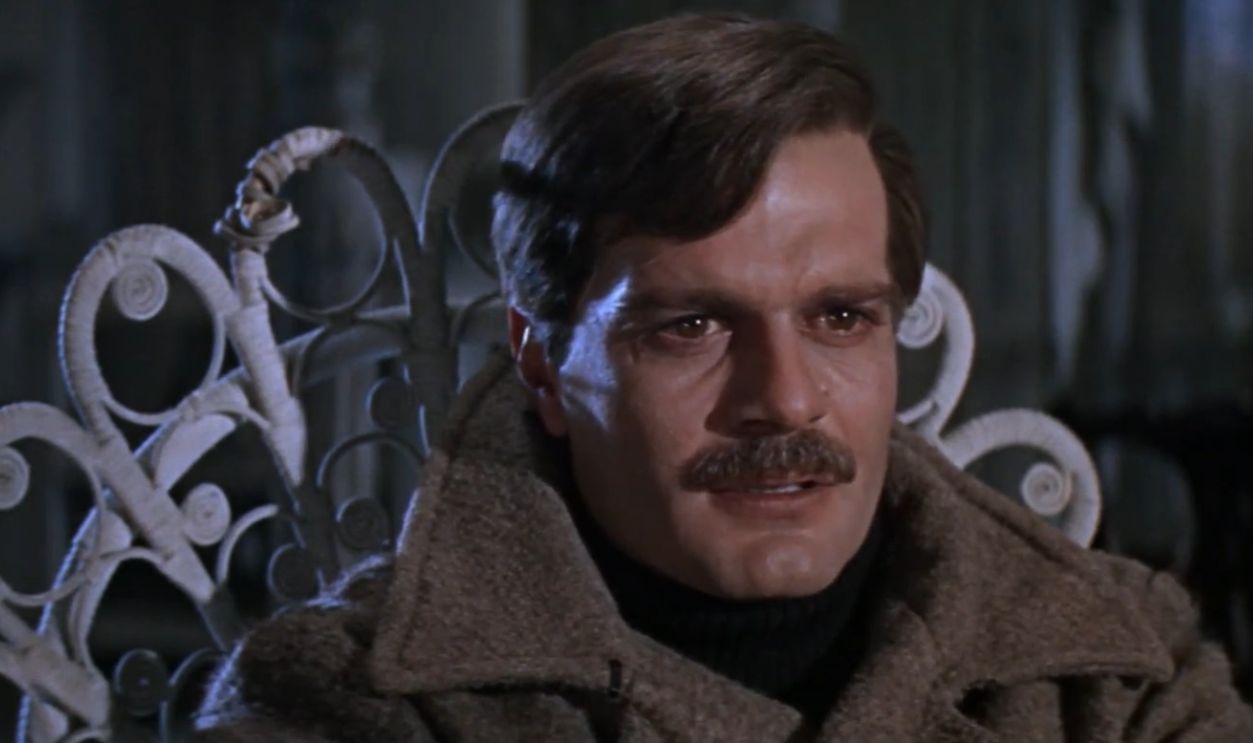 Screenshot from Doctor Zhivago, Metro-Goldwyn-Mayer (1965)
Zulu (1964)
This gritty war epic recreates the Battle of Rorke’s Drift, pitting a small British garrison against thousands of Zulu warriors. Known for its massive scale, remarkable cinematography, and intense performances (including a young Michael Caine) it delivers powerful tension without losing sight of the cultural and historical stakes beneath the action.
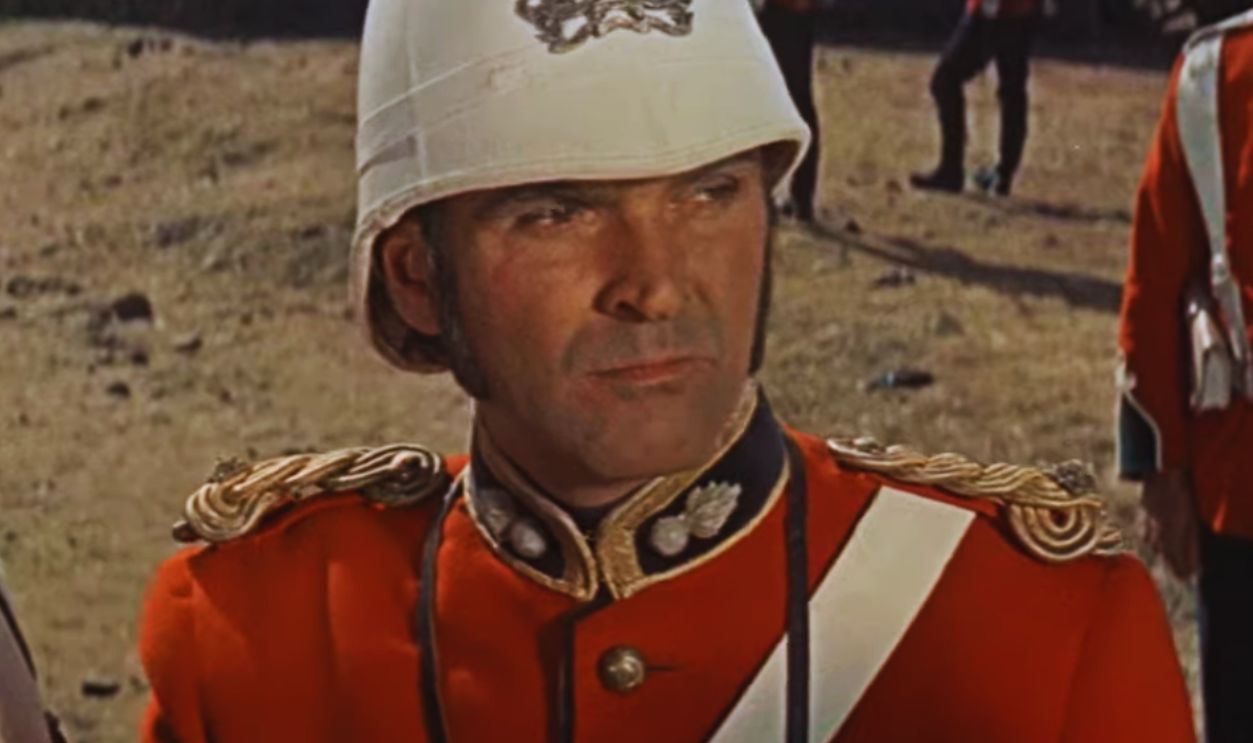 Screenshot from Zulu, Paramount Pictures (1964)
The Ten Commandments (1956)
Cecil B. DeMille went full Hollywood biblical spectacle with this lavish retelling of Moses’s journey. The parting of the Red Sea remains one of the most iconic visual effects moments in classic cinema. Charlton Heston’s commanding presence and the film’s massive scale made it the definitive Old Testament epic for generations.
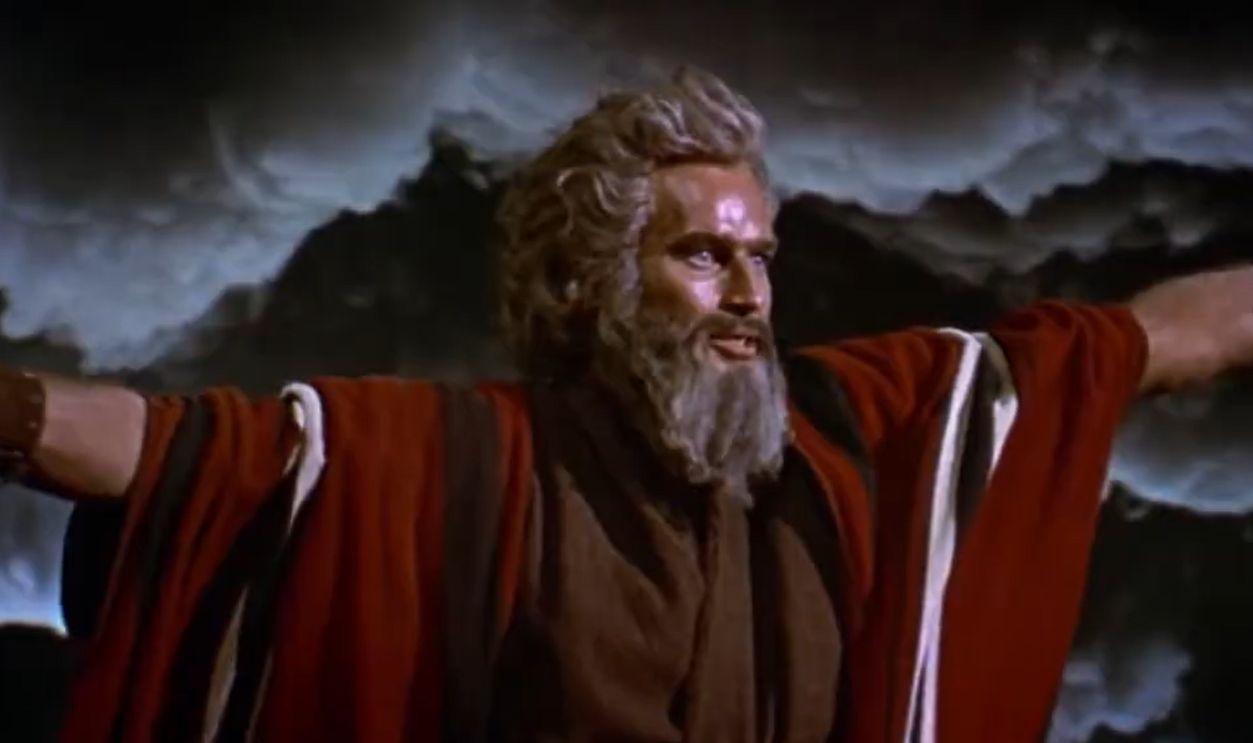 Screenshot from The Ten Commandments, Paramount Pictures (1956)
Saving Private Ryan (1998)
Steven Spielberg’s brutal and immersive World War II epic opens with the devastating D-Day landing sequence, one of the most realistic portrayals of warfare ever put to film. The story of a small squad searching for a missing soldier is both intimate and emotionally raw, grounding its large-scale combat in deeply personal stakes. It’s a masterpiece of visceral filmmaking and human storytelling.
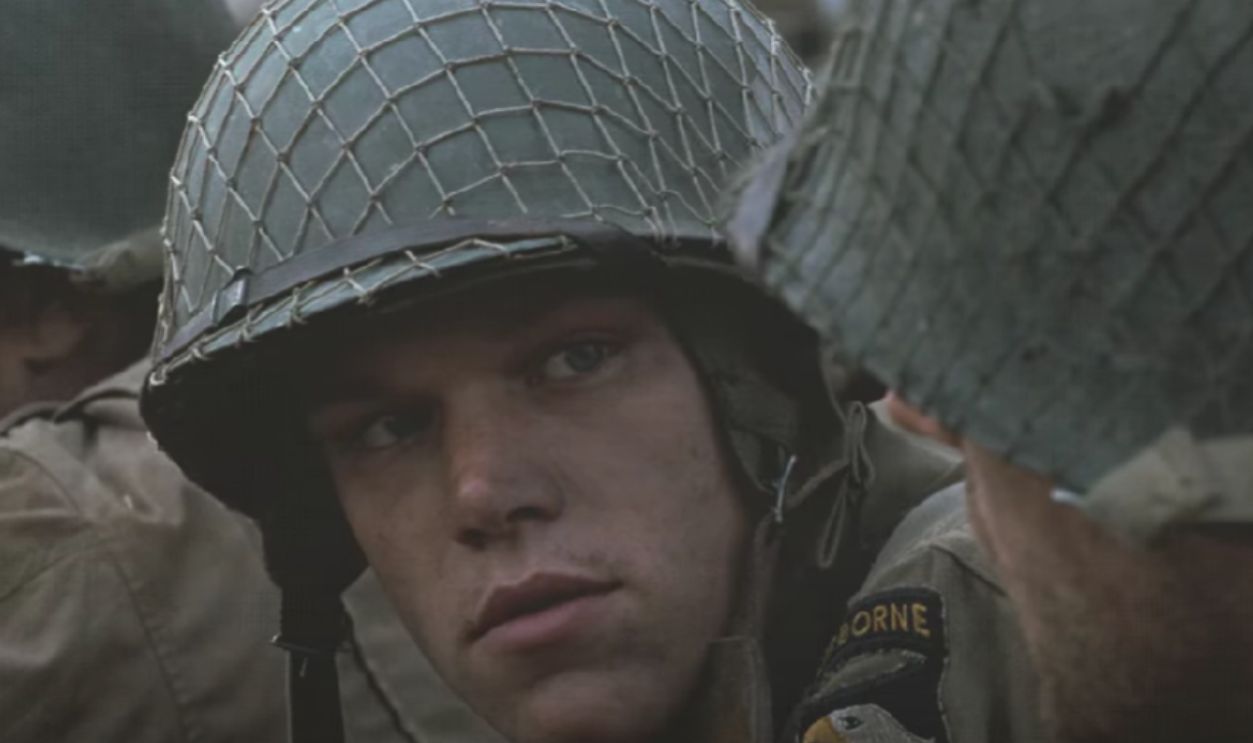 Screenshot from Saving Private Ryan, Paramount Pictures (1998)
Spartacus (1960)
Stanley Kubrick’s rebellious Roman epic blends gladiator battles, political intrigue, and a powerful story of revolt. Kirk Douglas shines as the slave-turned-revolutionary leader, and the film’s massive battle scenes and iconic “I am Spartacus!” moment make it one of the genre’s foundational works. It’s grand, emotional, and surprisingly radical for its era.
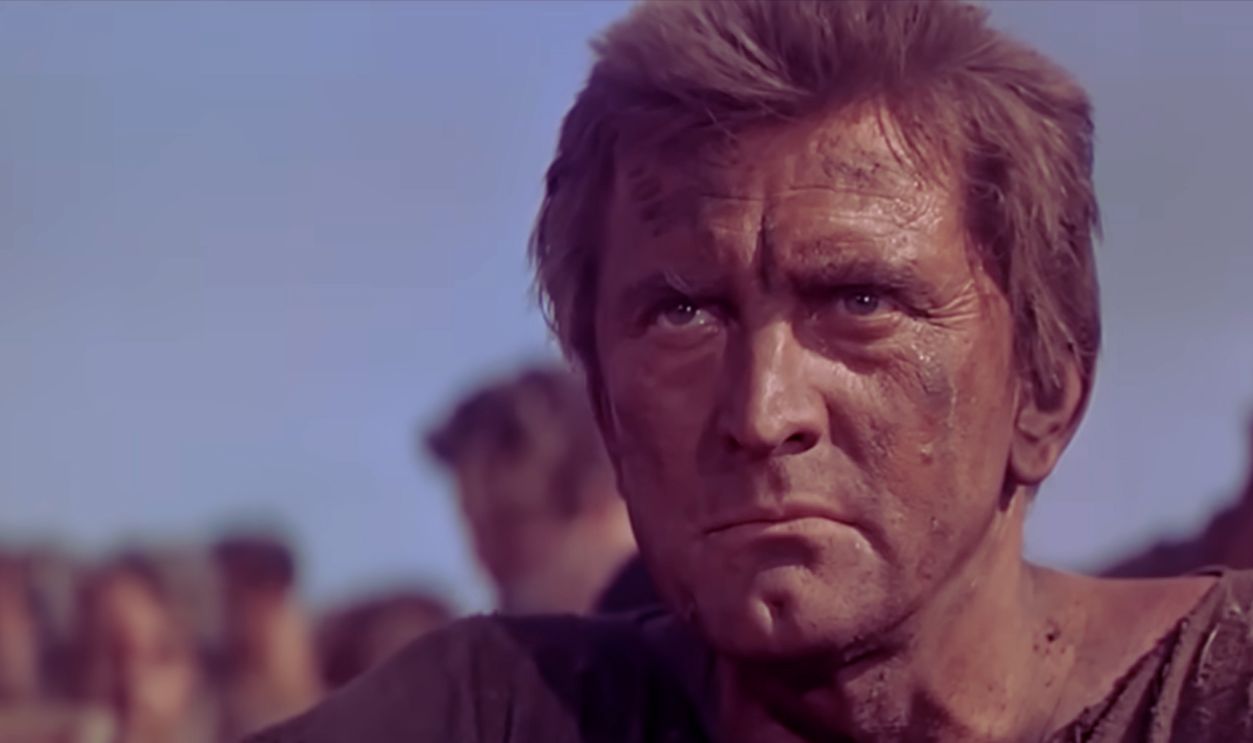 Screenshot from Spartacus, Universal Pictures (1960)
Ben-Hur (1959)
A towering classic of ancient-world cinema, Ben-Hur is best known for its legendary chariot race, which is still one of the most astonishing action sequences in film history. Charlton Heston delivers one of his most iconic roles in a story blending revenge, redemption, and religious symbolism. The scale, craftsmanship, and emotional sweep cemented it as a Hollywood milestone.
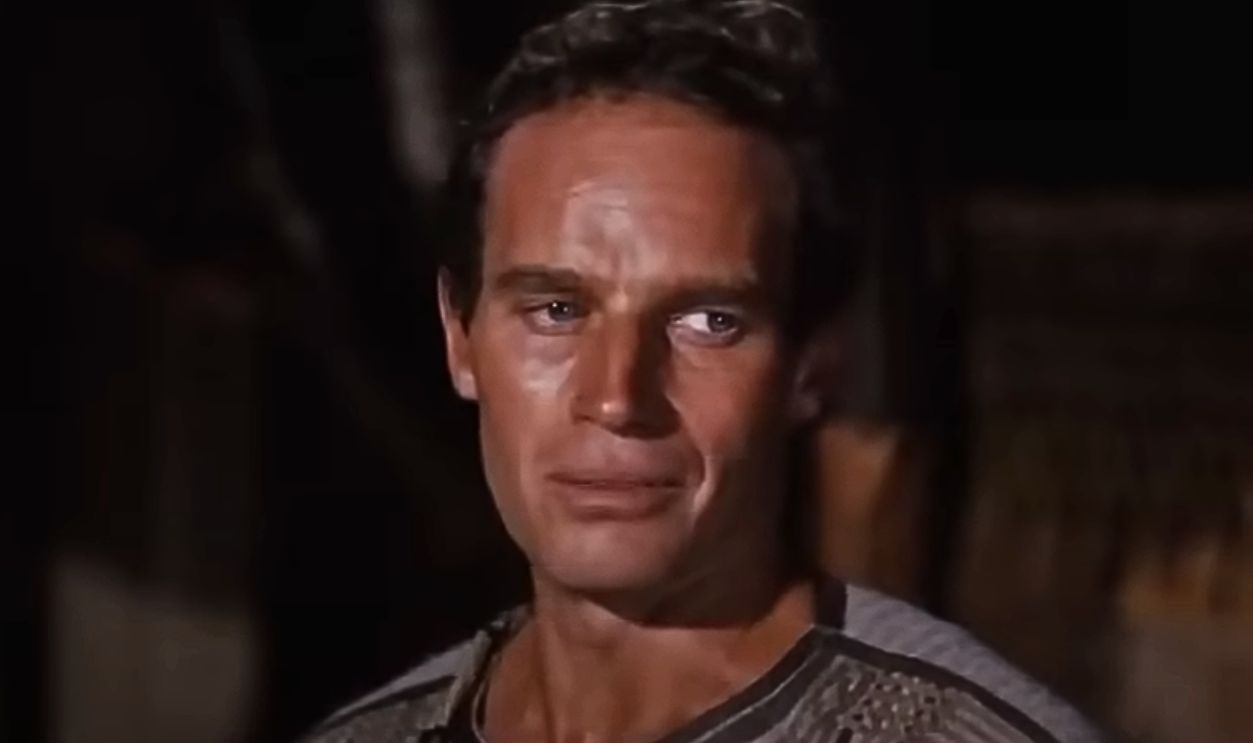 Screenshot from Ben-Hur, Metro-Goldwyn-Mayer (1959)
Schindler's List (1993)
Steven Spielberg’s Holocaust masterpiece is devastating, profound, and meticulously crafted. While grounded in historical truth rather than sweeping adventure, its emotional and moral enormity make it epic in a deeper sense. Liam Neeson’s Schindler transforms from opportunist to unlikely savior, with the film’s stark black-and-white cinematography enhancing its historical gravity.
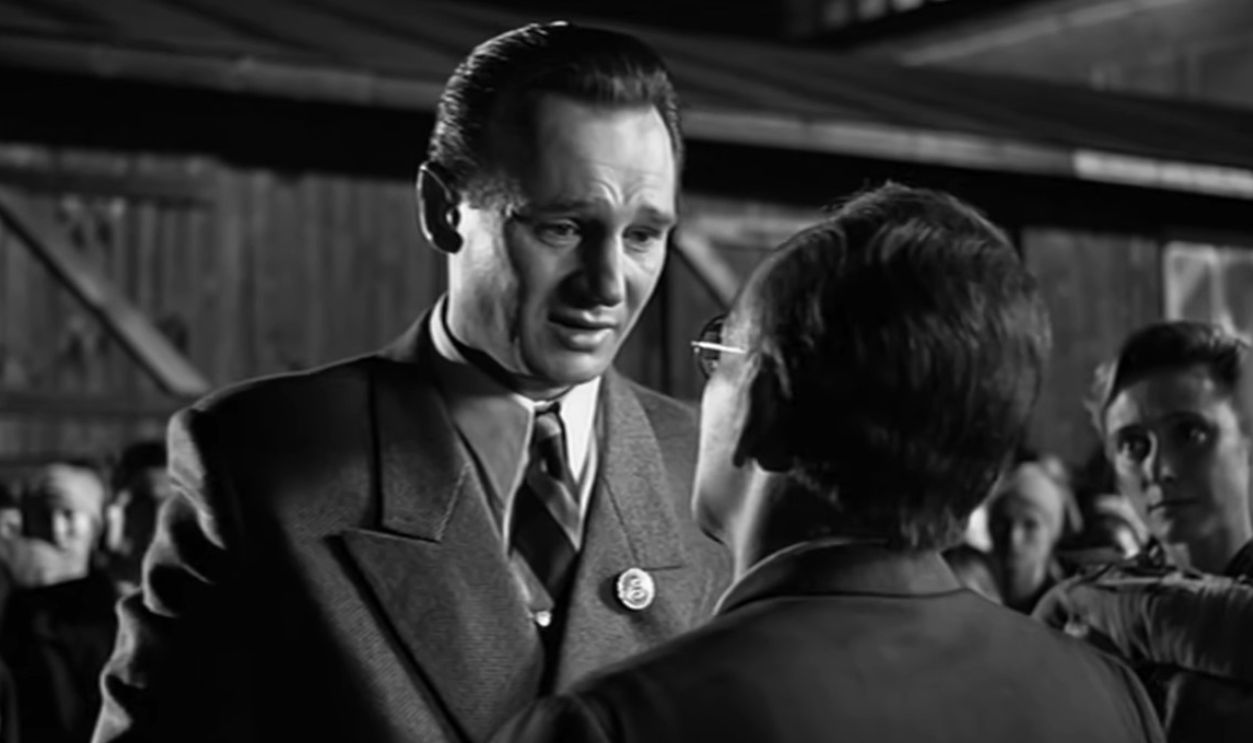 Screenshot from Schindler's List, Universal Pictures (1993)
The Last Duel (2021)
Ridley Scott’s medieval epic retells the events leading to France’s last legally sanctioned duel, told from three conflicting perspectives. It’s a gripping blend of courtroom drama, historical reconstruction, and brutal combat. The film examines truth, memory, and power through a modern lens, giving a centuries-old event surprising urgency and emotional impact.
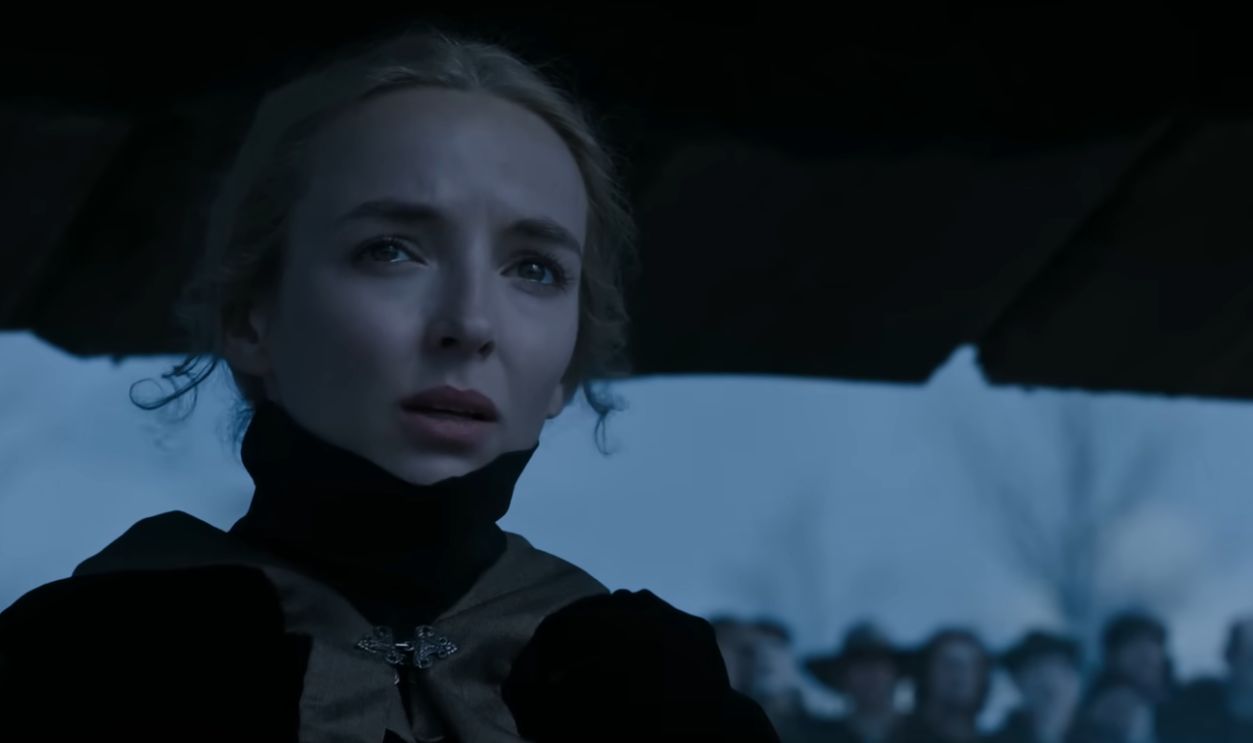 Screenshot from The Last Duel, 20th Century Studios (2021)
Braveheart (1995)
Mel Gibson’s Scottish-rebellion epic is packed with rousing speeches, sweeping battlefields, and dramatic liberties that helped turn William Wallace into a cinematic legend. Its passionate performances and iconic score helped transform this gritty medieval story into one of the decade’s most beloved historical blockbusters. Freedom has rarely been shouted so loudly—or memorably.
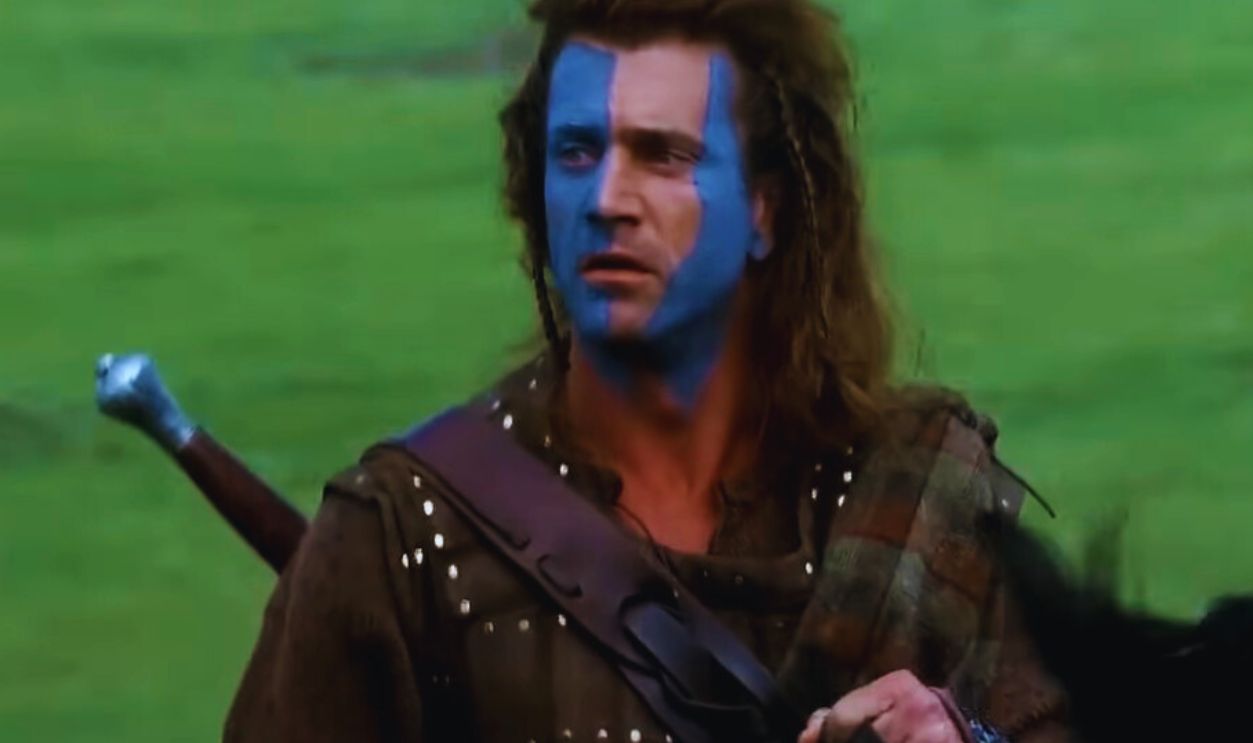 Screenshot from Braveheart, Paramount Pictures (1995)
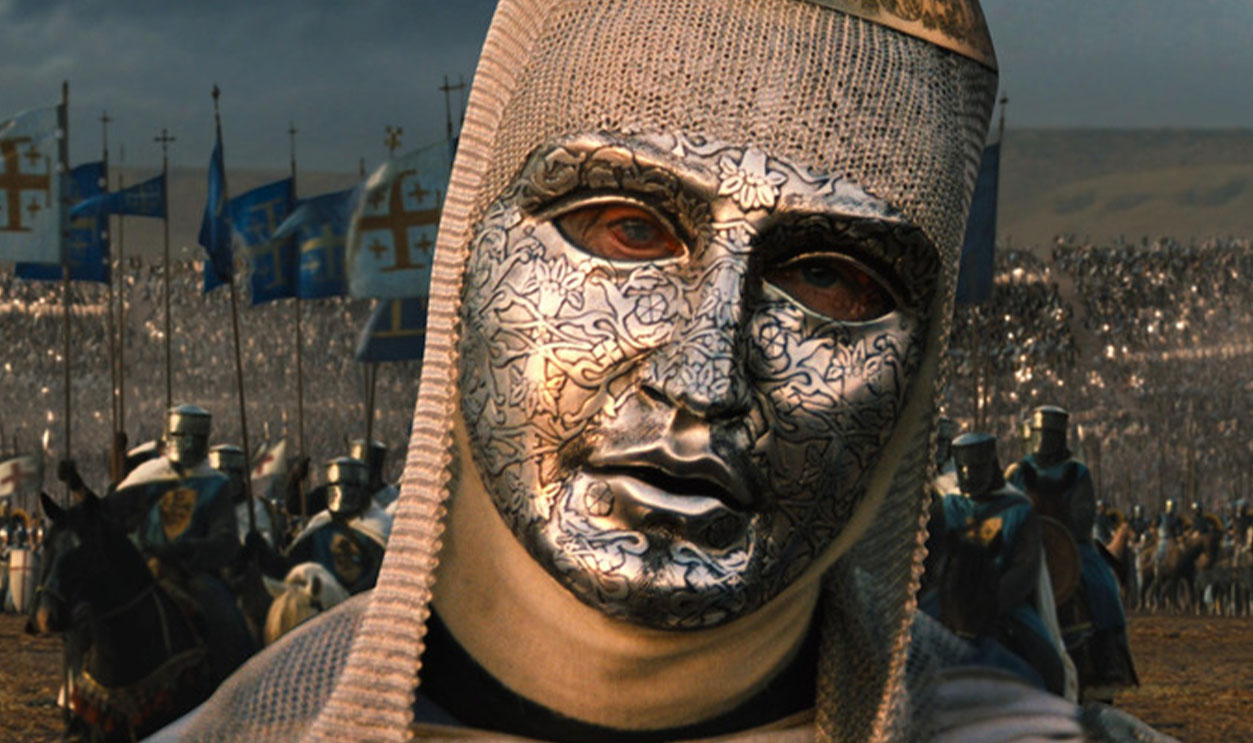
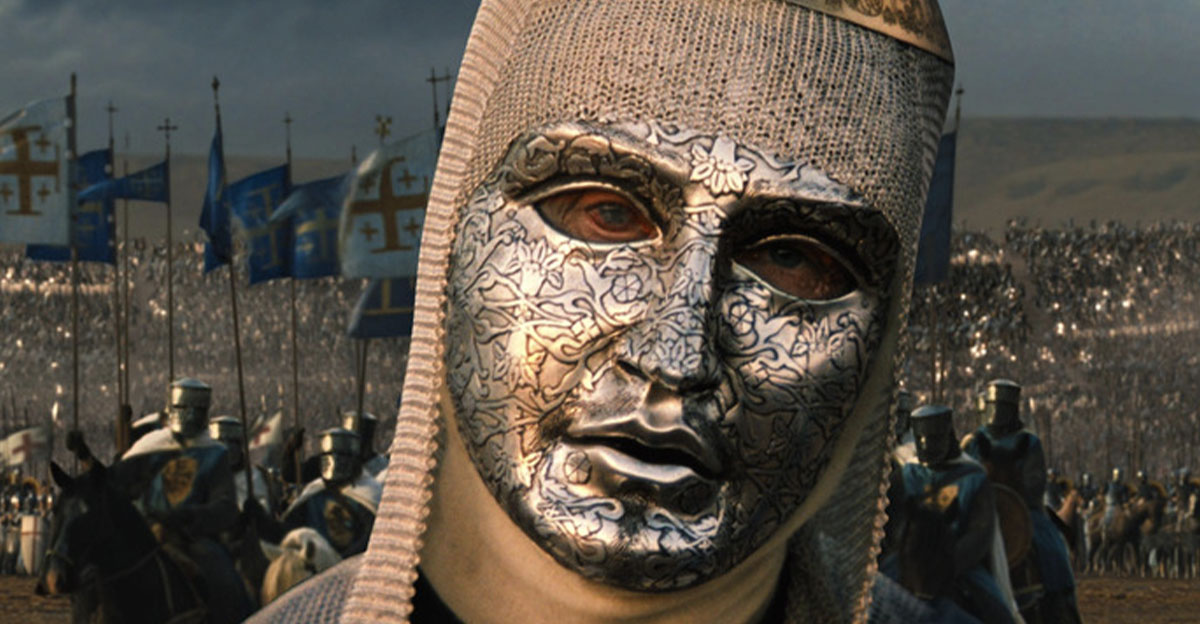
Kingdom Of Heaven (2005)
Ridley Scott’s Crusades epic (especially in its acclaimed director’s cut) transforms a simple blacksmith’s journey into a sweeping tale of identity, honor, and religious conflict. The battles are enormous, the politics intricate, and the visuals spectacular. Its nuanced portrayal of 12th-century Jerusalem gives the film weight far beyond its initial reception (especially if you can get your hands on the Director’s Cut).
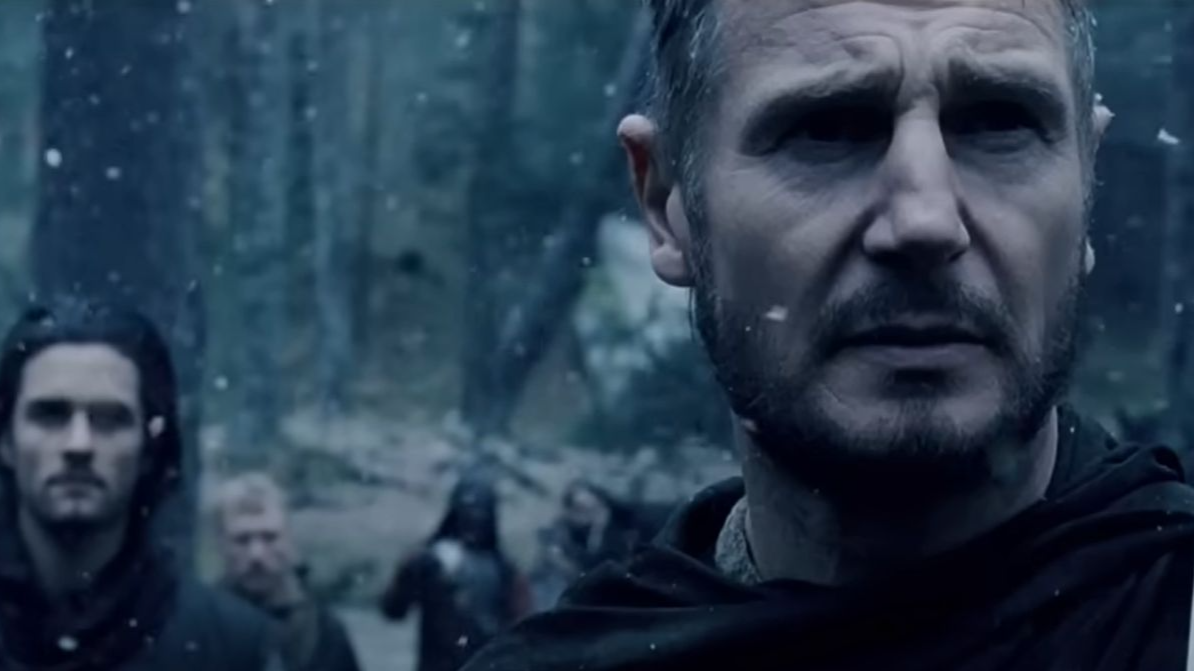 Screenshot from Kingdom of Heaven, 20th Century Fox (2005)
Titanic (1997)
James Cameron turned a real-life disaster into one of the biggest cinematic epics ever created. The doomed romance between Jack and Rose unfolds against gorgeously rendered recreations of the ship, culminating in a heart-stopping final act that cemented Titanic as both an Oscar juggernaut and a pop-culture obsession. Few films blend historical detail and blockbuster spectacle this seamlessly.
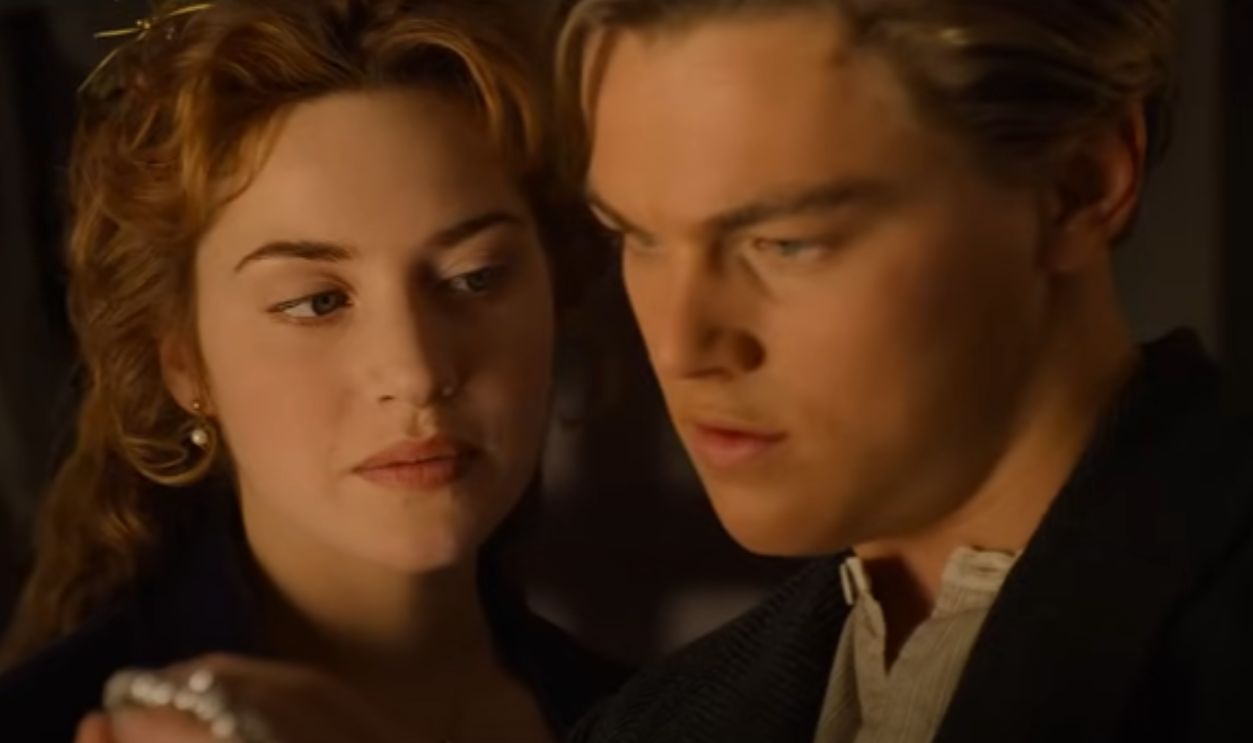 Screenshot from Titanic, Paramount Pictures (1997)
The Last Emperor (1987)
Bernardo Bertolucci’s lush historical drama chronicles the life of Puyi, China’s final emperor, from childhood privilege to later-life imprisonment. Visually sumptuous and emotionally complex, the film blends intimate character exploration with the massive political shifts of 20th-century China. Its grandeur earned it nine Academy Awards, including Best Picture.
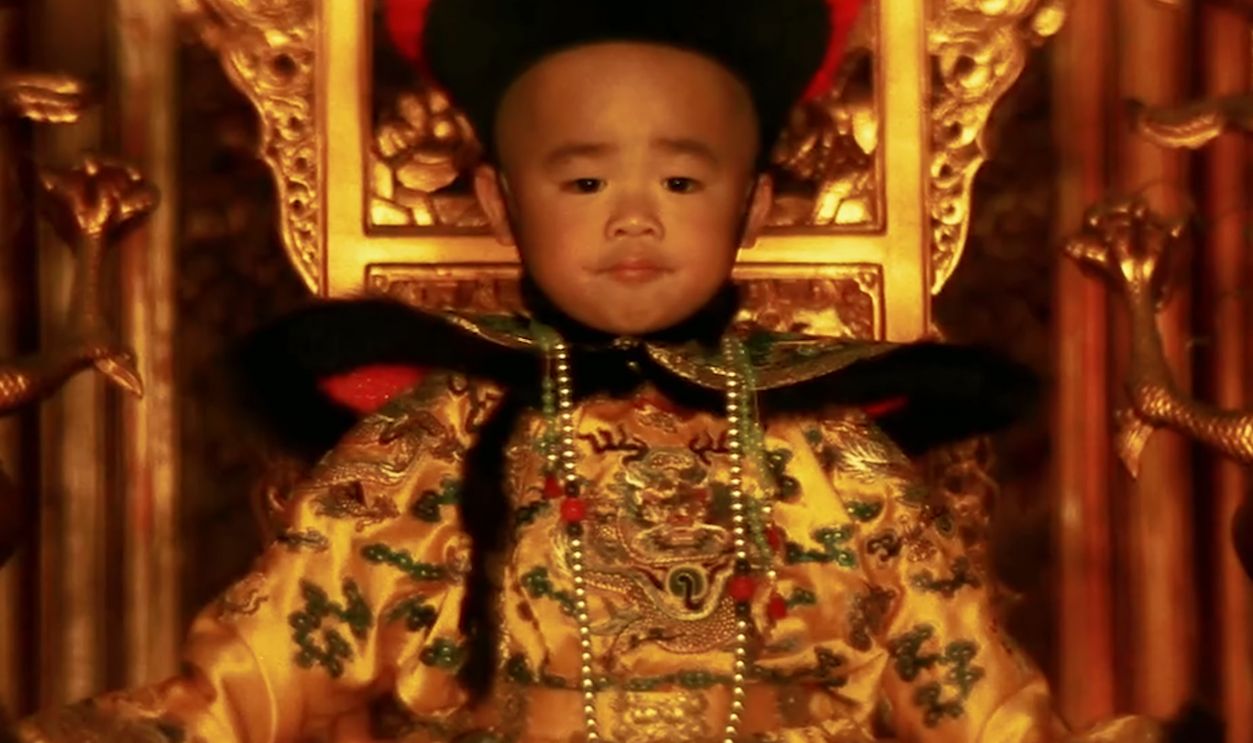 Screenshot from The Last Emperor, Columbia Pictures (1987)
The Last Of The Mohicans (1992)
Michael Mann’s frontier epic pairs intense action with sweeping romance. Daniel Day-Lewis stars as Hawkeye, navigating the French and Indian War amid breathtaking wilderness cinematography. With its soaring score and unforgettable cliffside finale, it remains a richly emotional and visually stunning historical adventure.
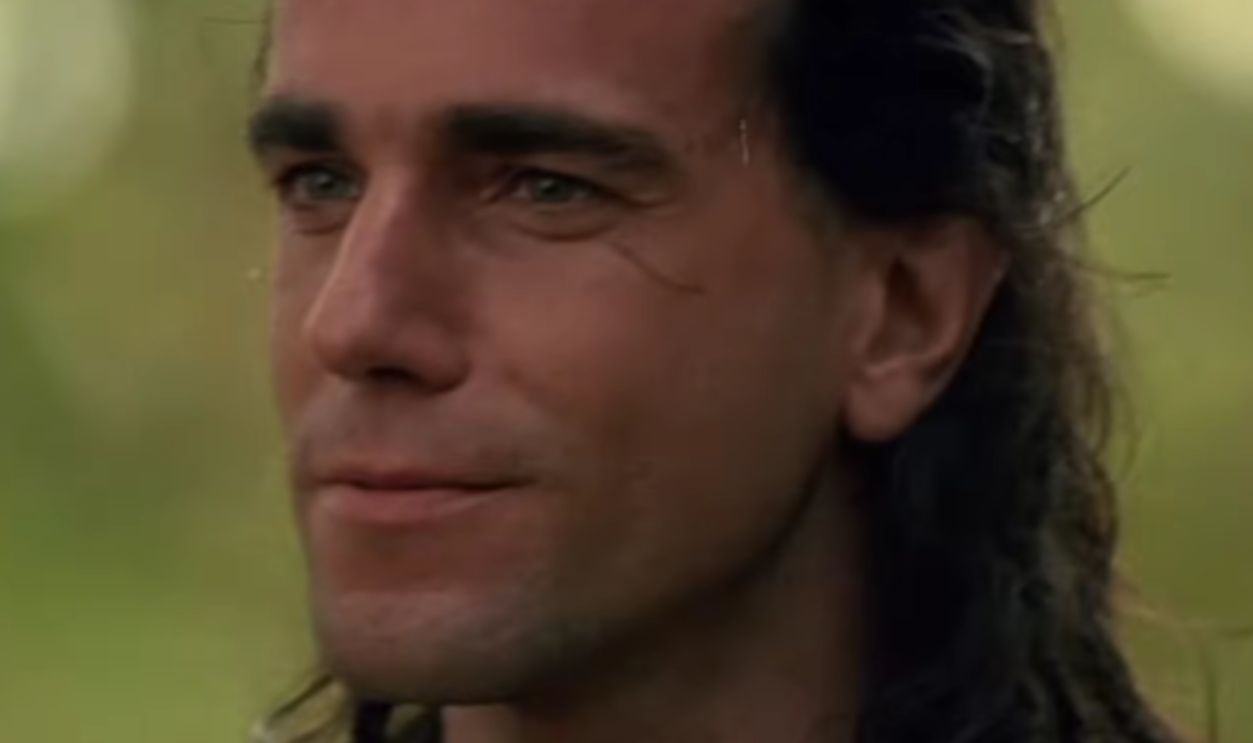 Screenshot from The Last of the Mohicans, 20th Century Fox (1992)
Seven Samurai (1954)
Akira Kurosawa’s masterpiece follows a group of samurai defending a village from bandits, combining character drama, meticulous choreography, and profound philosophy. Its influence is immeasurable, shaping everything from The Magnificent Seven to modern action cinema. It’s a timeless, human, and brilliantly crafted epic that still feels fresh decades later.
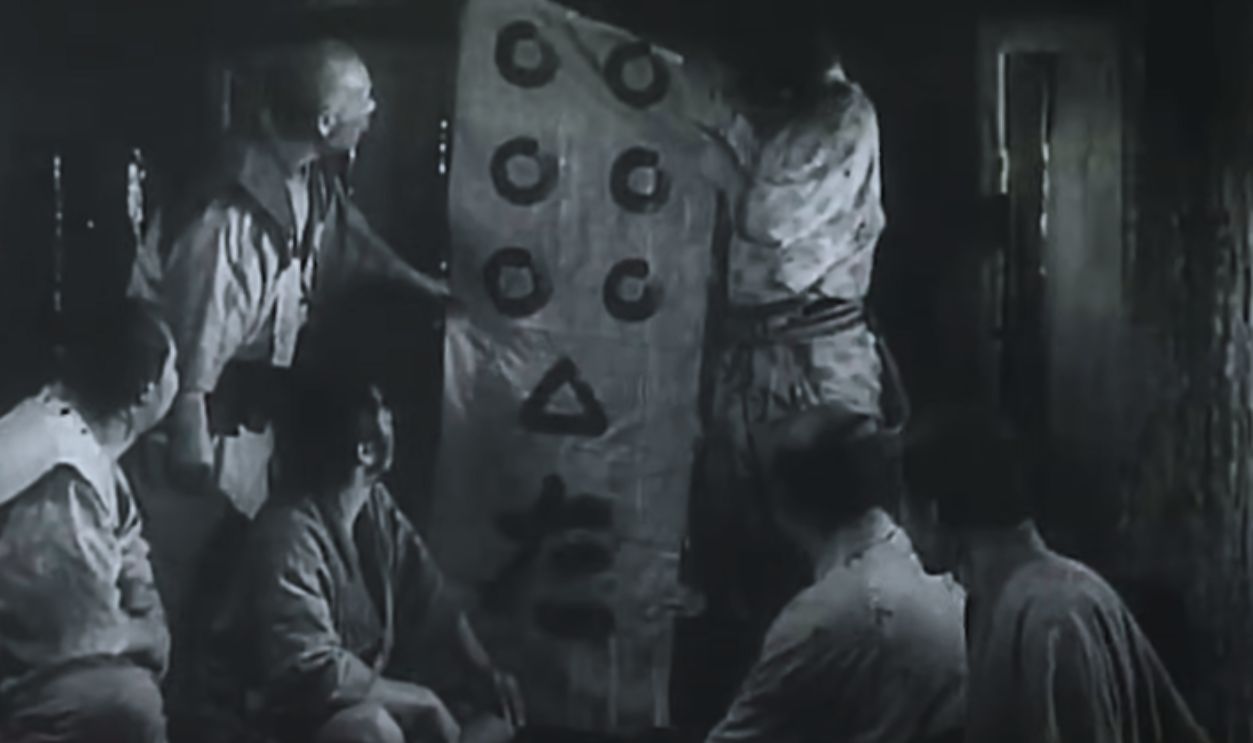 Screenshot from Seven Samurai, Toho (1954)
Aguirre: The Wrath Of God (1972)
Werner Herzog’s hypnotic historical odyssey follows a deranged conquistador searching for El Dorado. Klaus Kinski’s wild, unpredictable performance and the film’s surreal jungle imagery create a fever-dream portrait of obsession and madness. It’s an epic not in scale but in psychological intensity, a descent into the heart of ambition and insanity.
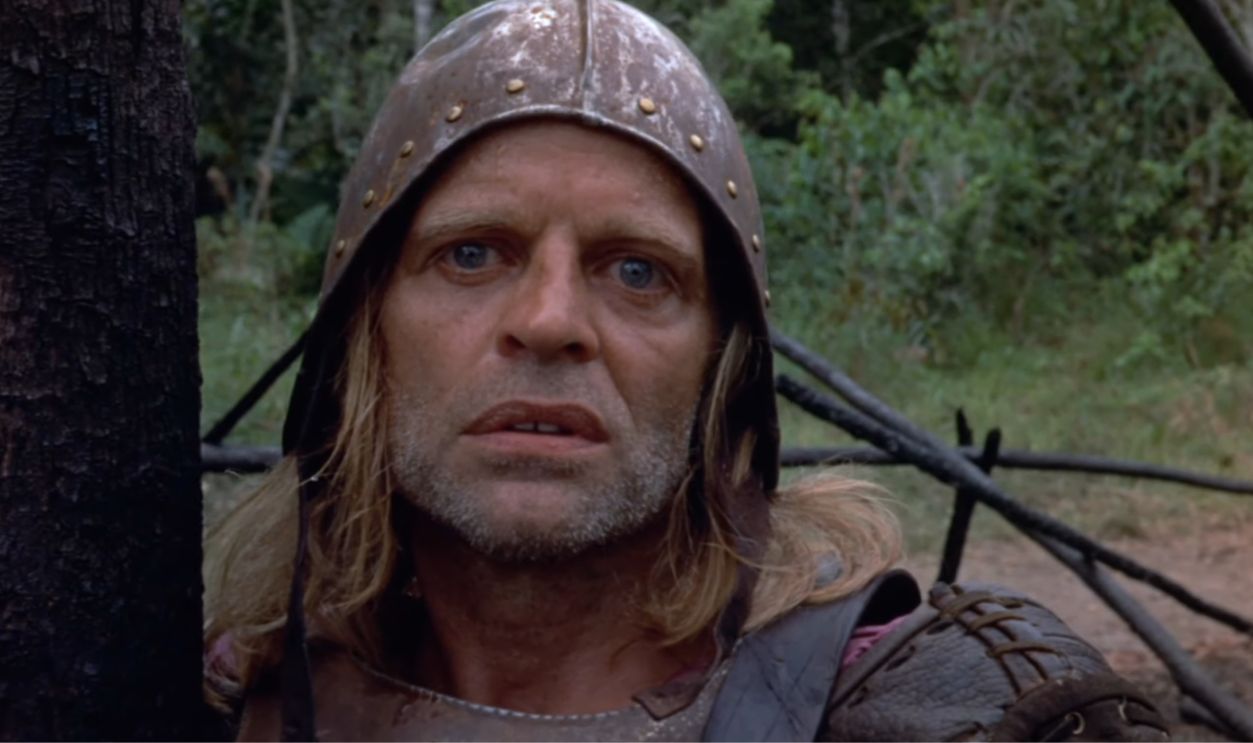 Screenshot from Aguirre: The Wrath of God, Werner Herzog Filmproduktion (1972)
Ran (1985)
Kurosawa’s late-period epic adapts Shakespeare’s King Lear into a massive, visually breathtaking tale of a warlord whose decisions plunge his kingdom into chaos. The battle sequences are stunning, the colors vivid, and the tragedy deeply operatic. Ran showcases Kurosawa at his grandest and most emotionally devastating.
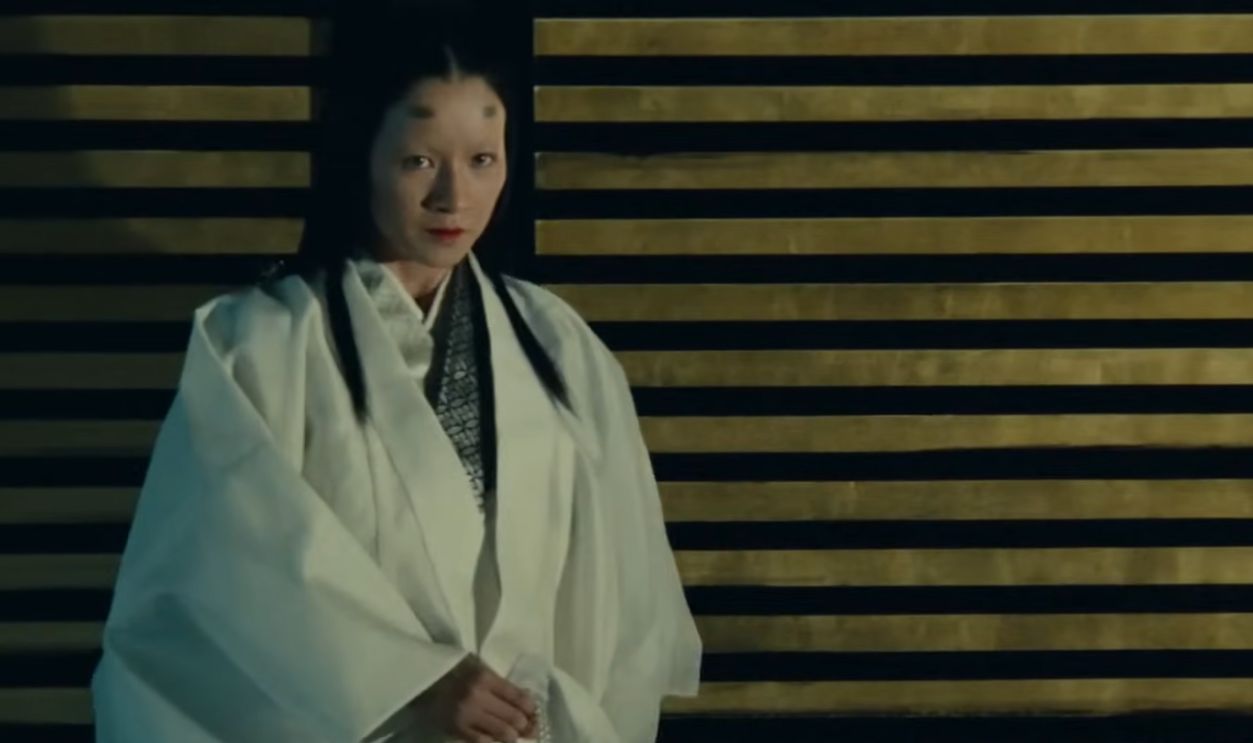 Screenshot from Ran, Toho (1985)
Andrei Rublev (1966)
Andrei Tarkovsky’s sweeping biographical drama explores the life of a 15th-century Russian icon painter during a time of political turmoil. The film blends historical realism with poetic symbolism, creating a meditation on art, faith, suffering, and spirituality. Its episodic structure and ambitious themes have made it one of cinema’s most influential historical epics.
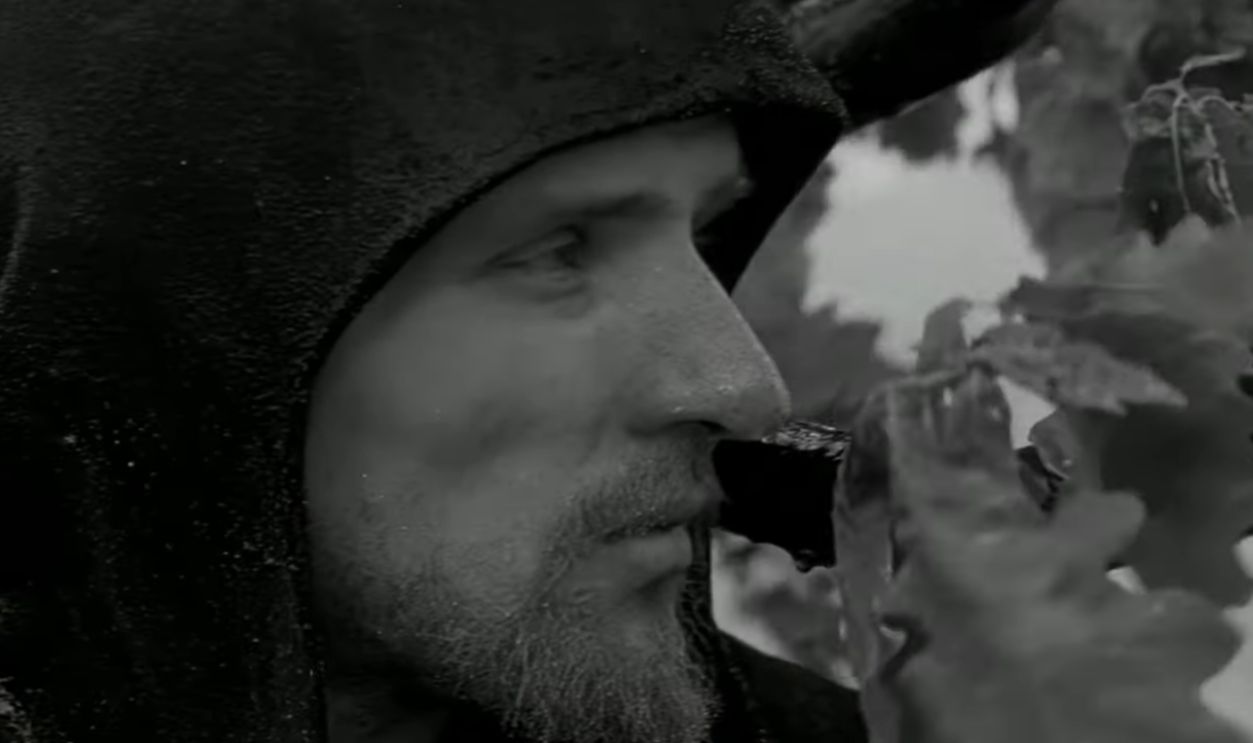 Screenshot from Andrei Rublev, Mosfilm (1966)
Band Of Brothers (2001)
Though technically a miniseries, Band of Brothers is epic in every sense: scale, emotion, historical ambition, and cinematic craft. Steven Spielberg and Tom Hanks recreate the journey of Easy Company during World War II with staggering authenticity. Its blend of personal testimony, intense combat sequences, and deep character exploration makes it one of the greatest war epics ever filmed.
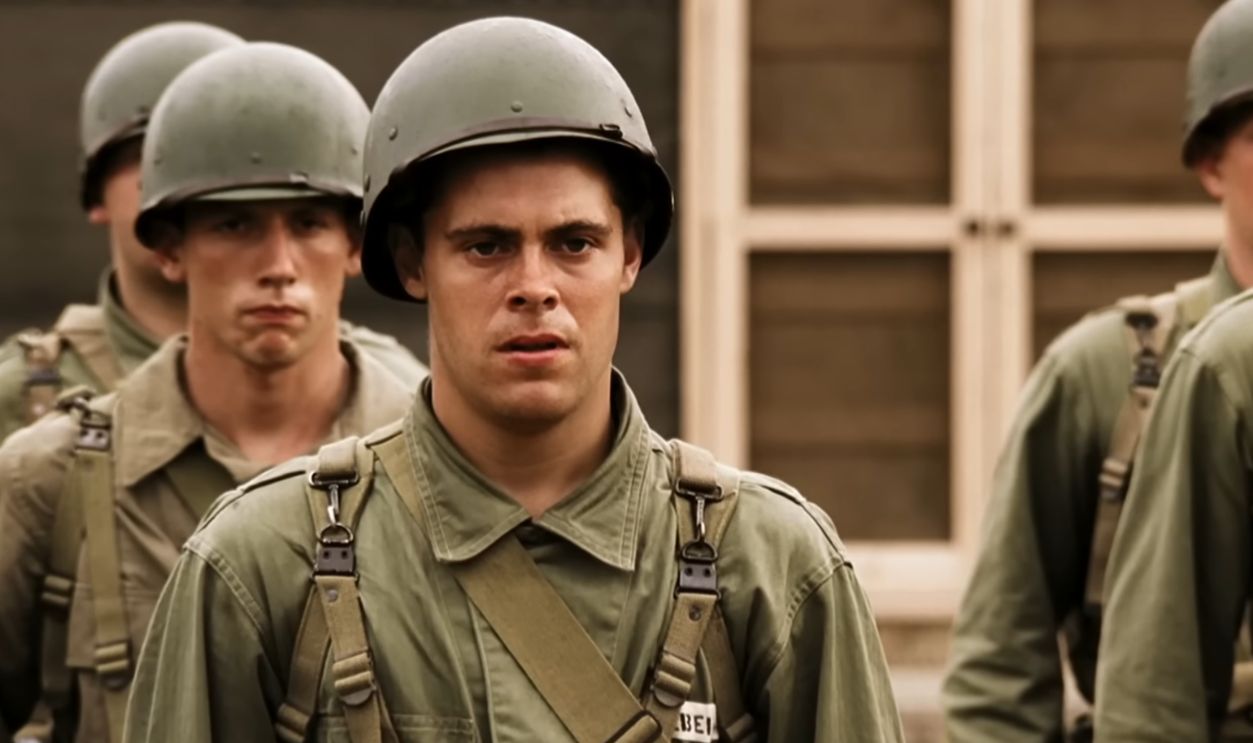 Screenshot from Band of Brothers, HBO (2001)
You May Also Like:
The Best Period Dramas Of All Time
Movies Based On True Stories That Were Wildly Inaccurate
TV Shows That Made Real Historical Events Feel Disturbingly Personal