The Tough-Guy Rulebook
For decades, Hollywood’s toughest actors followed one unspoken law: real men don’t cry… and they definitely don’t die. Directors begged, writers rewrote, studios negotiated—but many action icons held firm and built entire careers on staying stone-faced and invincible. Here are the stars who refused to shed a tear or take a final breath on camera—and the wild stories behind their hard-line rules.
John Wayne
No one clung to the “never cry, rarely die” myth harder than John Wayne. He rejected scripts that made him look weak, emotional, or vulnerable, and insisted his characters die only on his terms—heroic, noble, never pathetic. Biographers say he turned down multiple films simply because the character showed “too much sadness.” Hollywood bent around him.
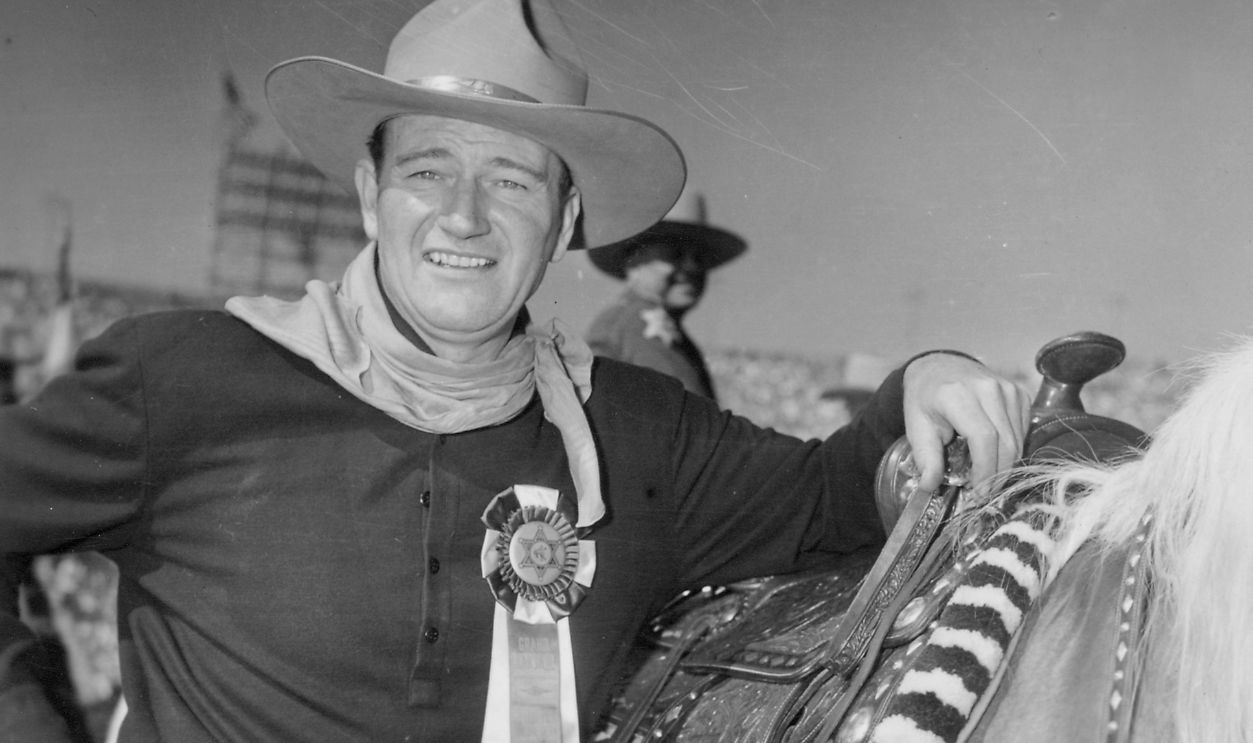 Smith Collection/Gado, Getty Images
Clint Eastwood
Eastwood practically built a religion around emotional restraint. During his Dirty Harry and Spaghetti Western years, he flat-out avoided crying scenes and pushed writers to remove anything too “soft.” Fans came for the glare—not the tears—and Eastwood made sure that never changed.
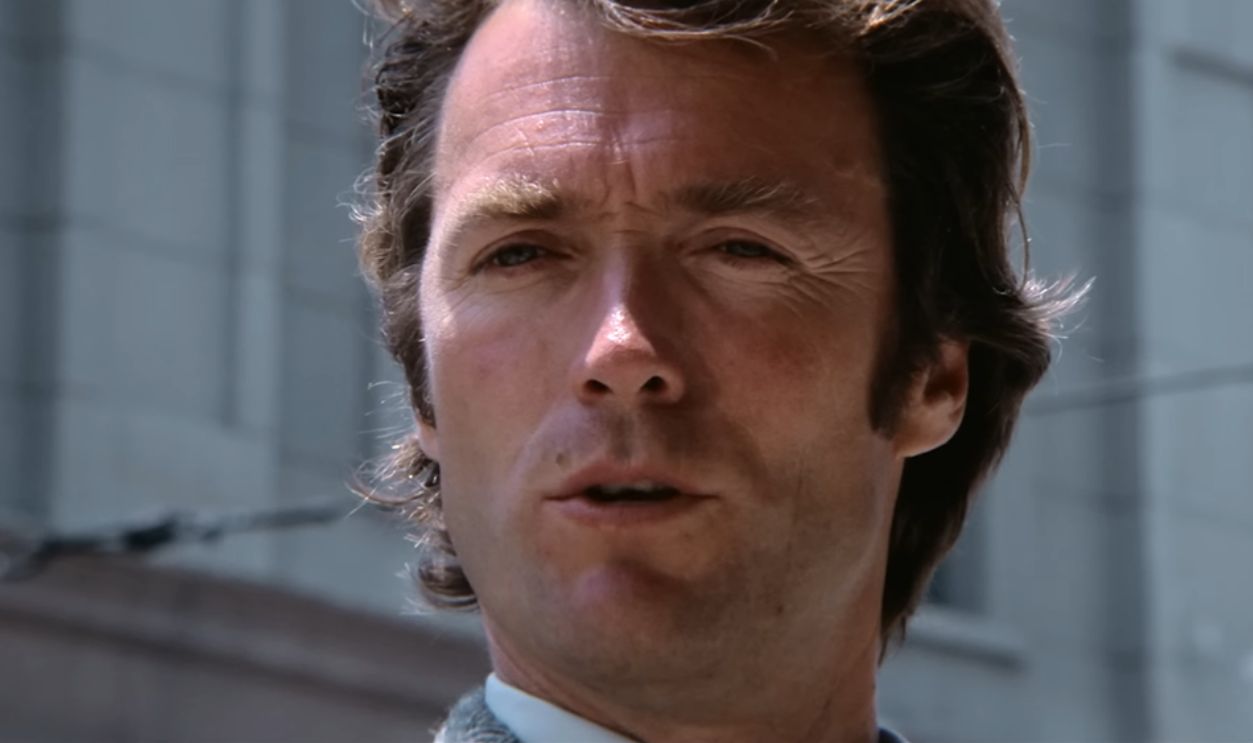 Screenshot from Dirty Harry, Warner Bros. (1971)
Charles Bronson
Bronson was so protective of his stoic, granite persona that directors joked he had “a no-tears clause.” He barely blinked, let alone cried. And dying? Only if it meant going out in a blaze of absolute legend. Anything less, he rejected.
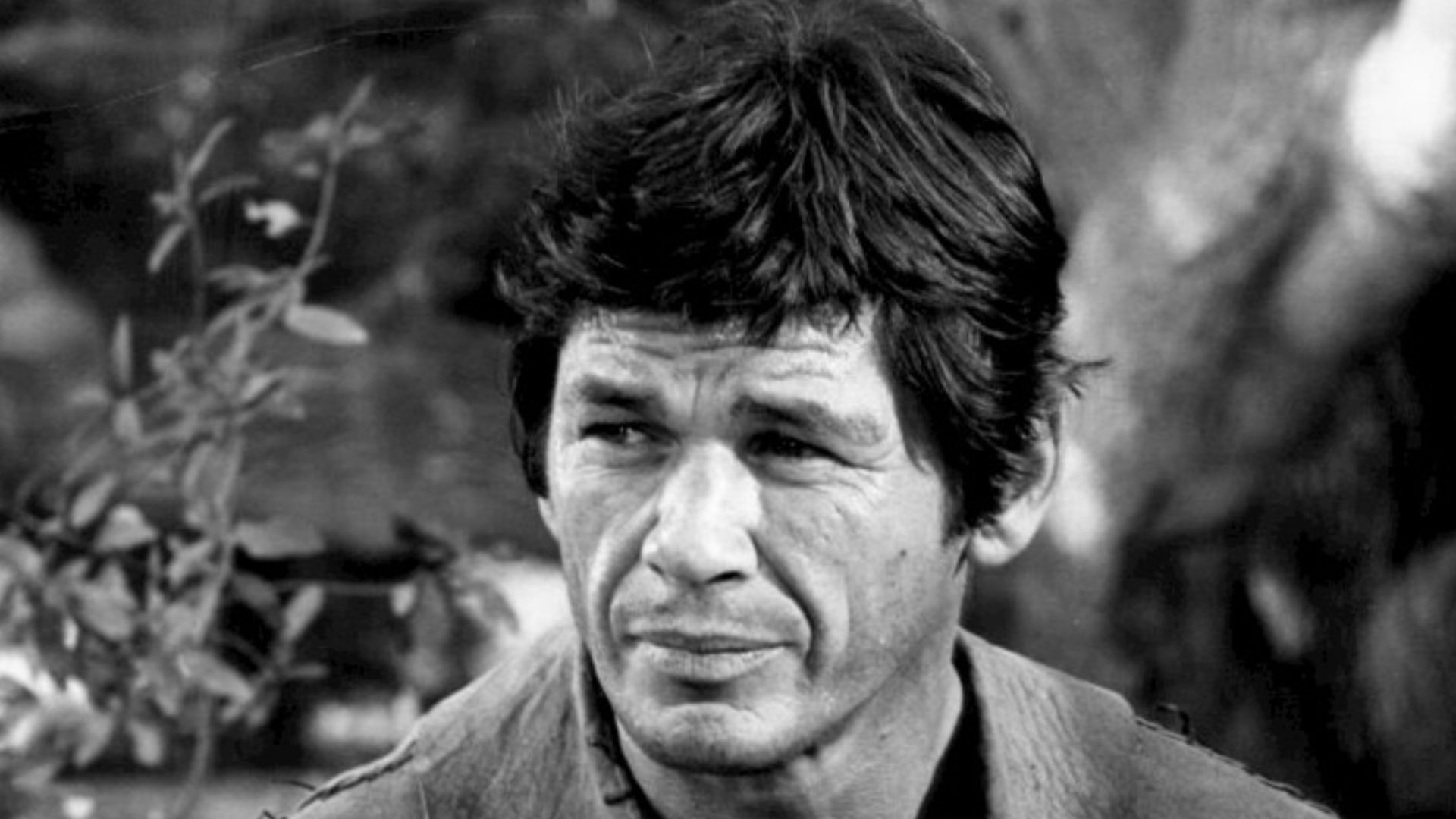 ABC Television, Wikimedia Commons
Chuck Norris
Producers once joked that Chuck Norris doesn’t die—death just gets tired and walks away. Behind the meme was a real on-set reputation: Norris repeatedly refused death scenes and wanted his characters to remain “unstoppable.” Even when scripts called for it, studios quietly rewrote them.
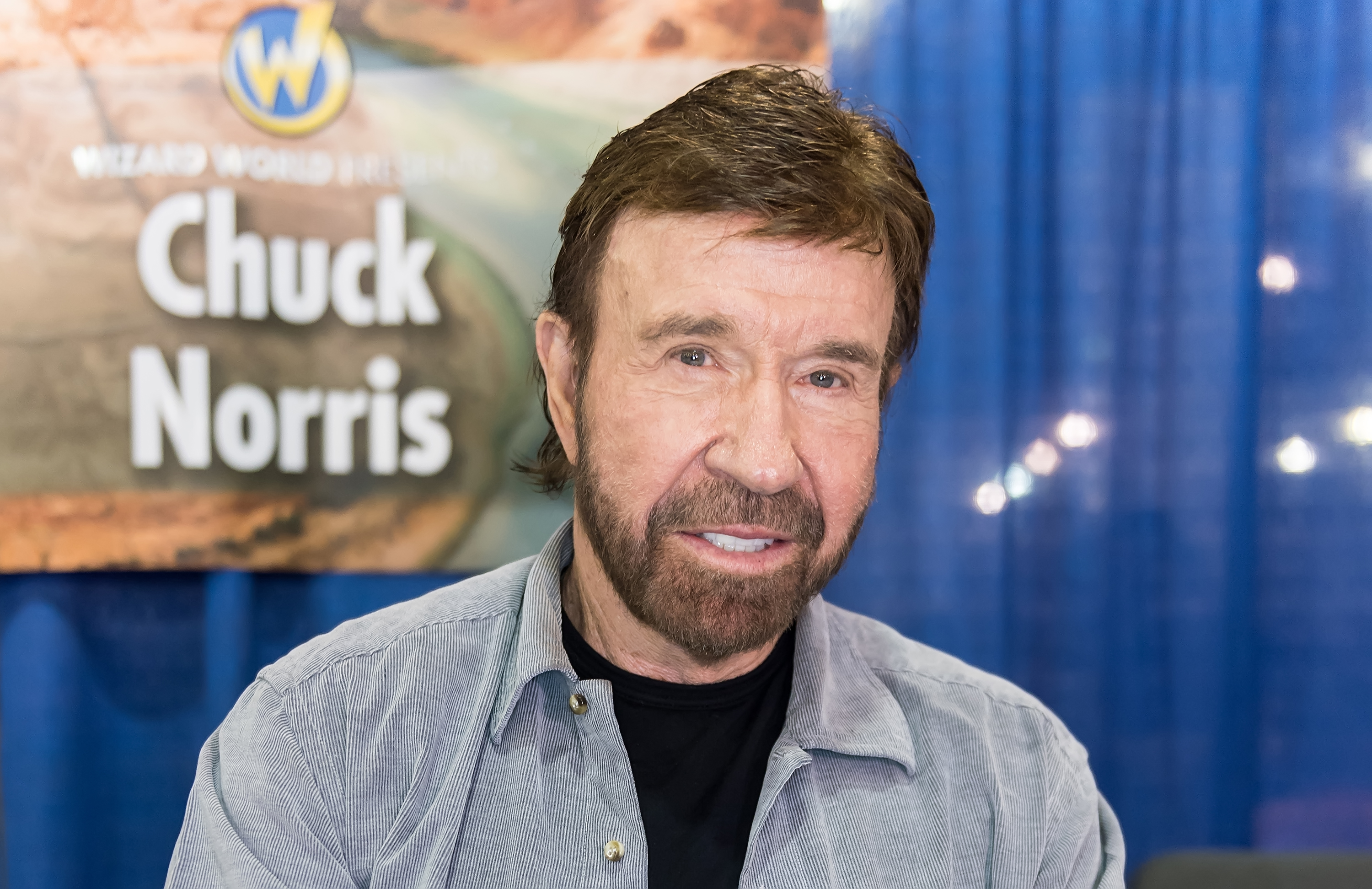 Gilbert Carrasquillo, Getty Images
Steven Seagal
Seagal reportedly demanded rewrites anytime a script made his character vulnerable. Cry? Absolutely not. Die? Only if it was “spiritually transcendent,” according to one screenwriter. His ego was practically listed as an additional producer.
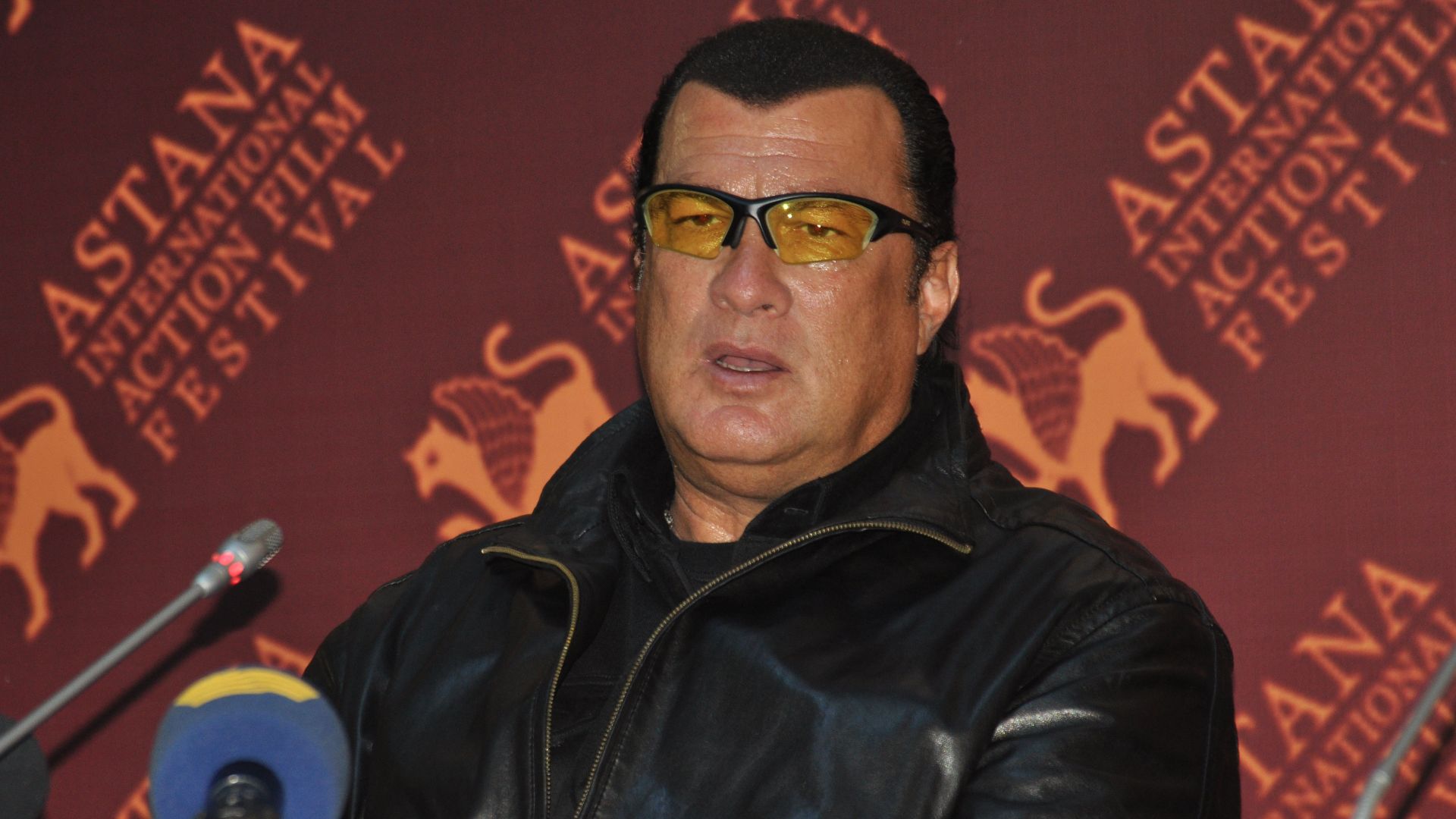 K Zhestovskaya, Wikimedia Commons
Sylvester Stallone
In the ’80s, Stallone tightly controlled his legacy characters—especially Rocky and Rambo. But that instinct started earlier. In 1978’s F.I.S.T., his character is gunned down at the end, and the grim finale is often cited as the moment that sparked his lifelong aversion to letting his heroes die on screen. Decades later, he did it again: the original ending of Rambo: Last Blood had Rambo dying in the rocking chair, but Stallone changed it in post-production—adding the now-famous moving chair and final ride-off so audiences wouldn’t think he was gone. He didn’t just avoid death scenes… he rewrote them.
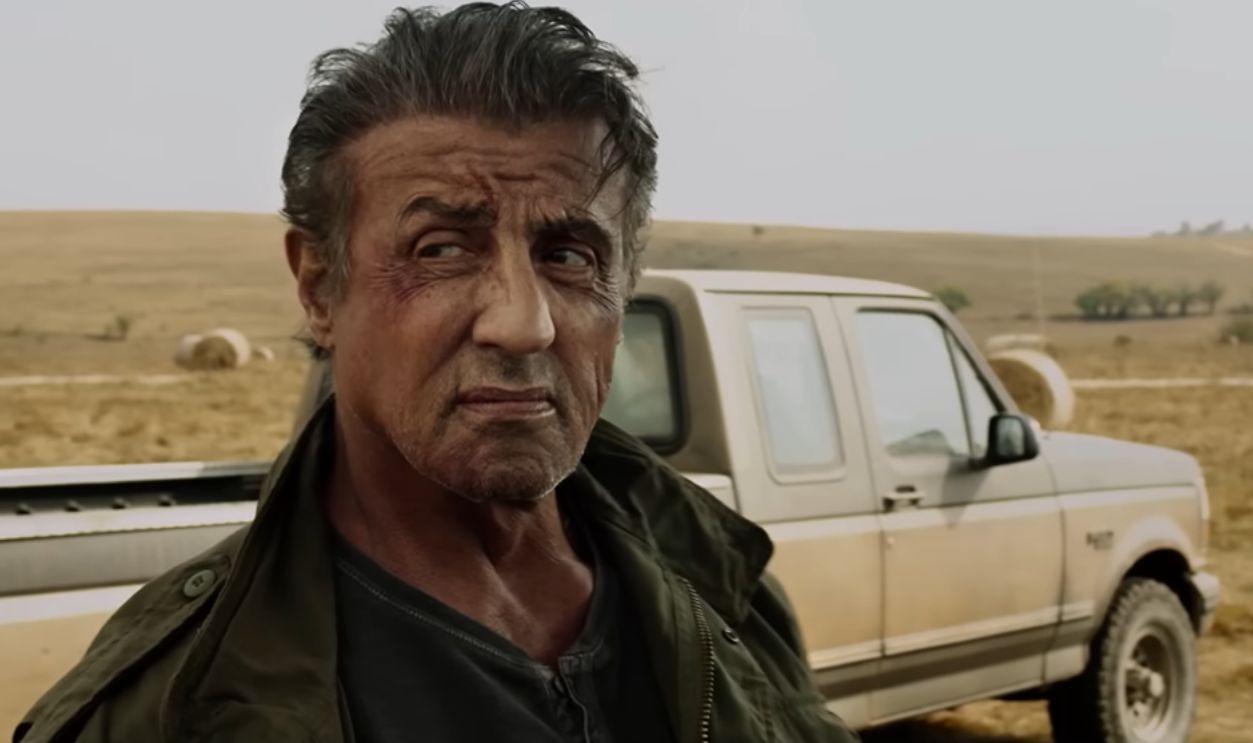 Screenshot from Rambo: Last Blood, Lionsgate (2019)
Arnold Schwarzenegger
Arnold loved an epic showdown, but dying? That was practically a boardroom negotiation. He rejected roles where his death wasn’t “big enough,” and studios openly admitted they hesitated to kill him off because audiences expected him to walk away victorious. Even Terminator 2 took serious convincing to get him to agree to that now-iconic thumbs-up sacrifice into the molten steel.
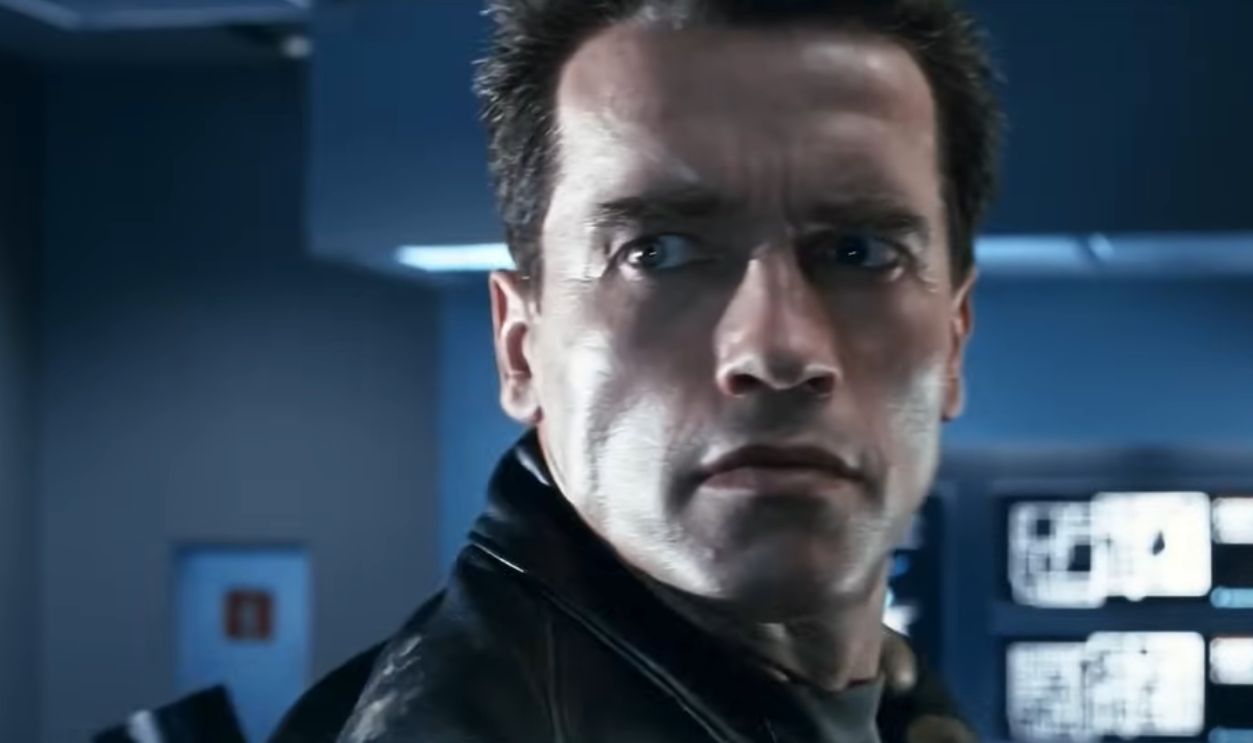 Screenshot from Terminator 2: Judgment Day, TriStar Pictures (1991)
Bruce Willis
During the Die Hard era, Willis became so linked to invincible-cop energy that he resisted scripts with emotional breakdowns. He didn’t want to cry on camera unless it pushed the character forward—and even then, he cut scenes that felt “soft.”
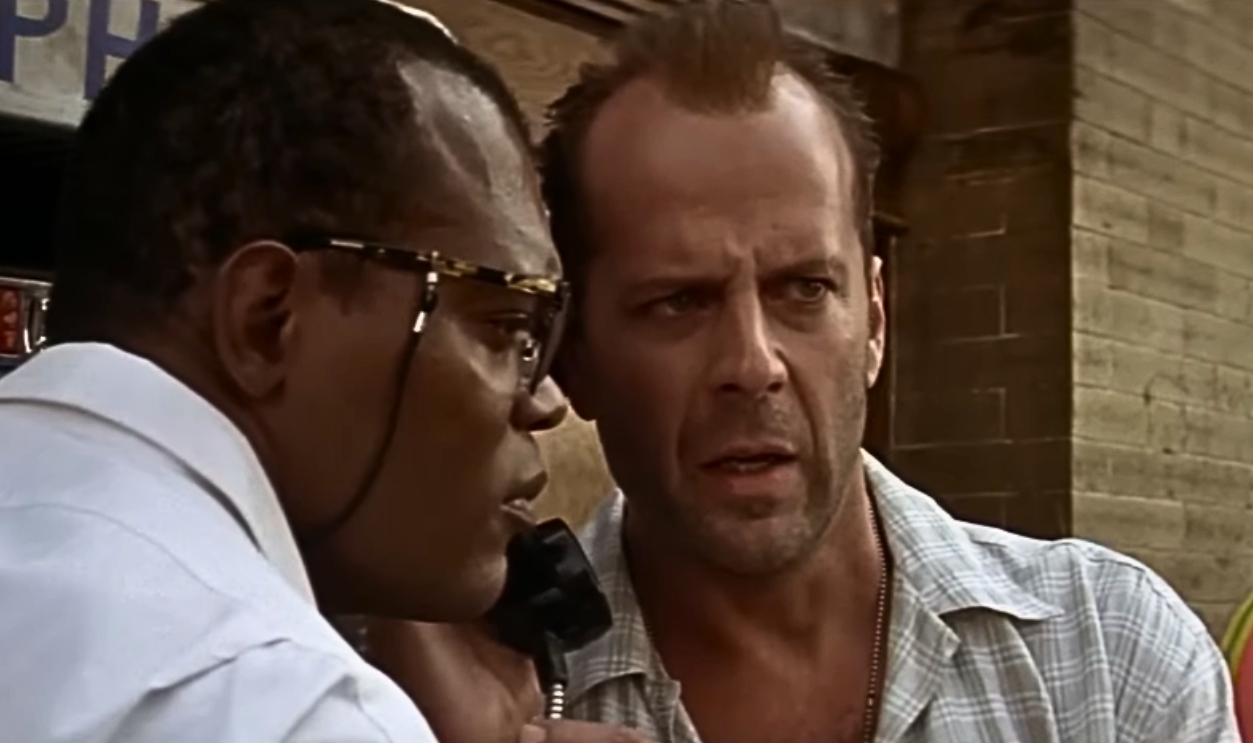 Screenshot from Die Hard with a Vengeance, 20th Century Fox (1995)
Humphrey Bogart
Old Hollywood had its own tough-guy rules, and Bogart enforced them fiercely. Warner Bros. quietly rewrote scripts when he didn’t like emotional vulnerability. Dying was fine—as long as he went out as the coolest guy in the room (which, let’s be honest, he almost always was).
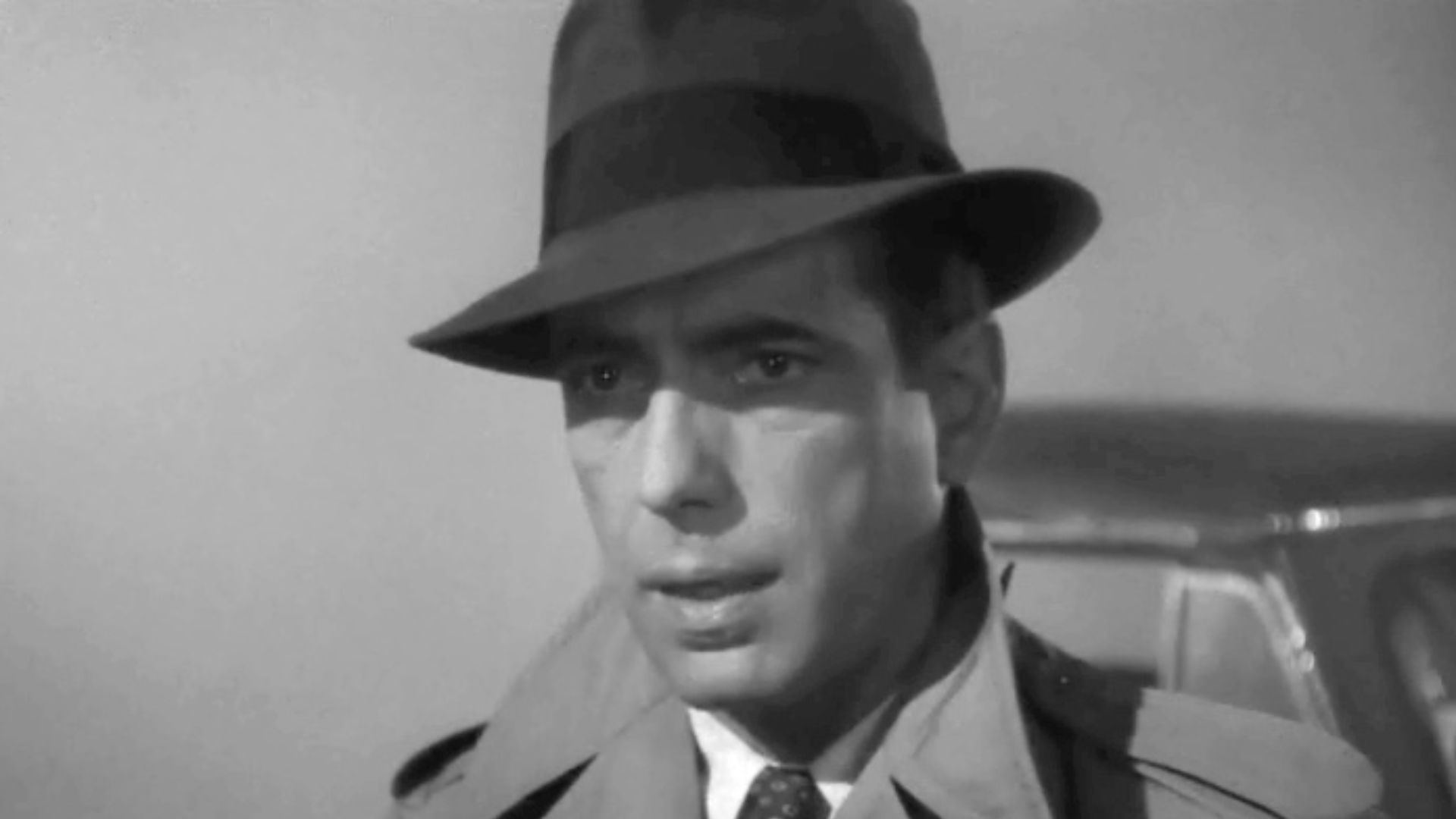 Trailer screenshot, Wikimedia Commons
Jason Statham
Statham built his brand on being unshakeable. In the Fast & Furious universe, he famously has a contract clause ensuring he doesn’t lose fights—so you can imagine how he feels about dying. His characters walk away because Statham walks away.
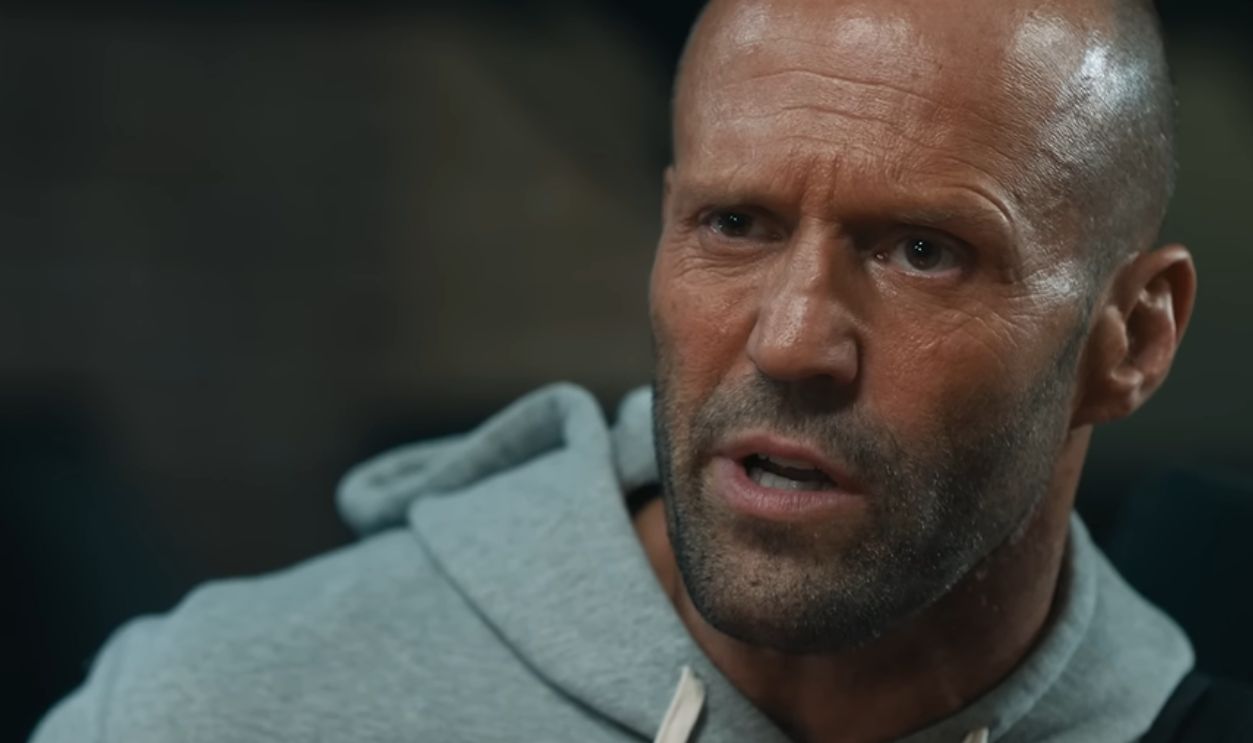 Screenshot from Fast X, Universal Pictures (2023)
Dwayne Johnson
Johnson’s team negotiated a now-legendary clause during the Fast era: no losing fights, and no dying on screen. The Rock brand had to remain untouchable. He once joked that audiences didn’t want to see him die—they wanted to see him win forever.
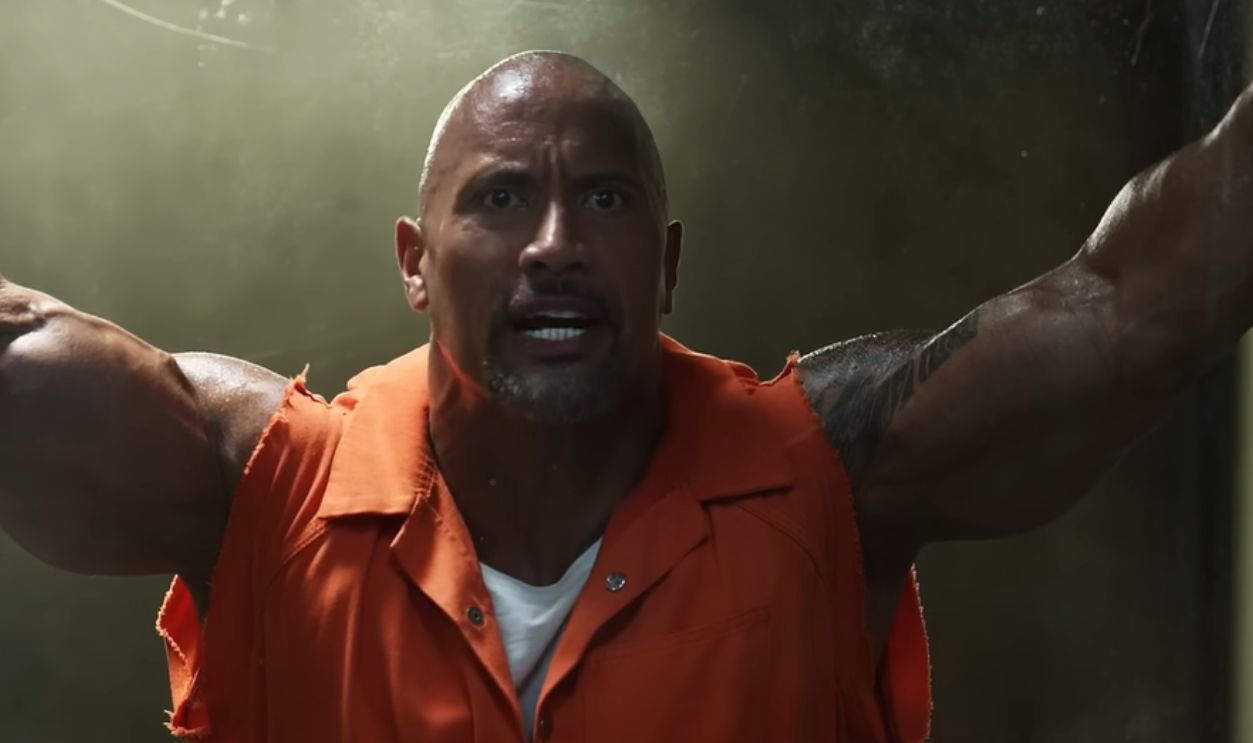 Screenshot from The Fate of the Furious, Universal Pictures (2017)
Vin Diesel
Diesel has the exact same Fast & Furious “fight parity” clause as Johnson and Statham—and he’s equally protective of Dom Toretto’s invincibility. Crying? Not happening. Dying? Not happening. Losing? Only if spreadsheets say it’s safe.
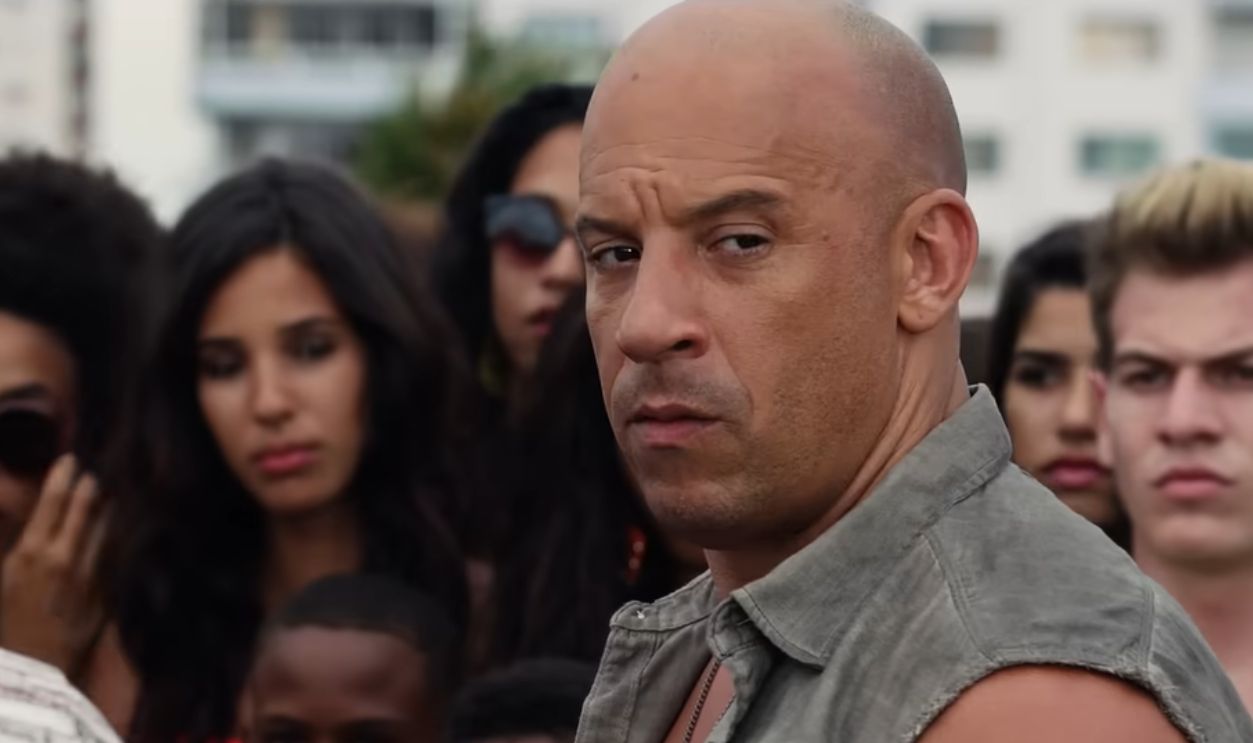 Screenshot from The Fate of the Furious, Universal Pictures (2017)
Burt Reynolds
Reynolds didn’t like tough guys who broke down emotionally, and he said it publicly. Directors called him “allergic to crying scenes.” And he rarely allowed a death scene unless it was charismatic and swagger-filled.
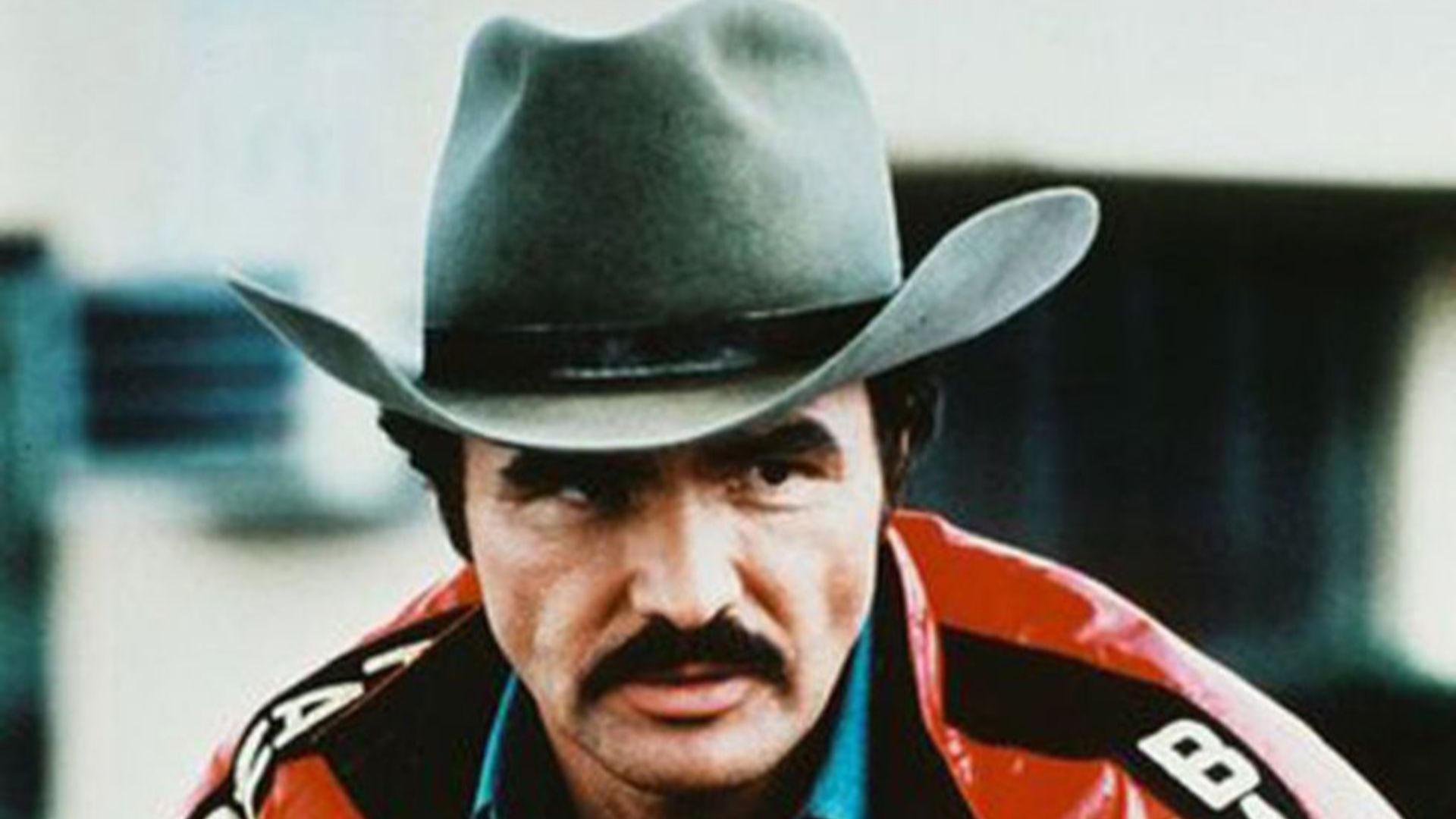 Watkinssportswear, Wikimedia Commons
Lee Marvin
Marvin approached vulnerability like a tax audit: required only once in a while and deeply unpleasant. He constantly argued with directors to remove crying scenes, complaining they didn’t fit his rough, whiskey-voiced screen presence.
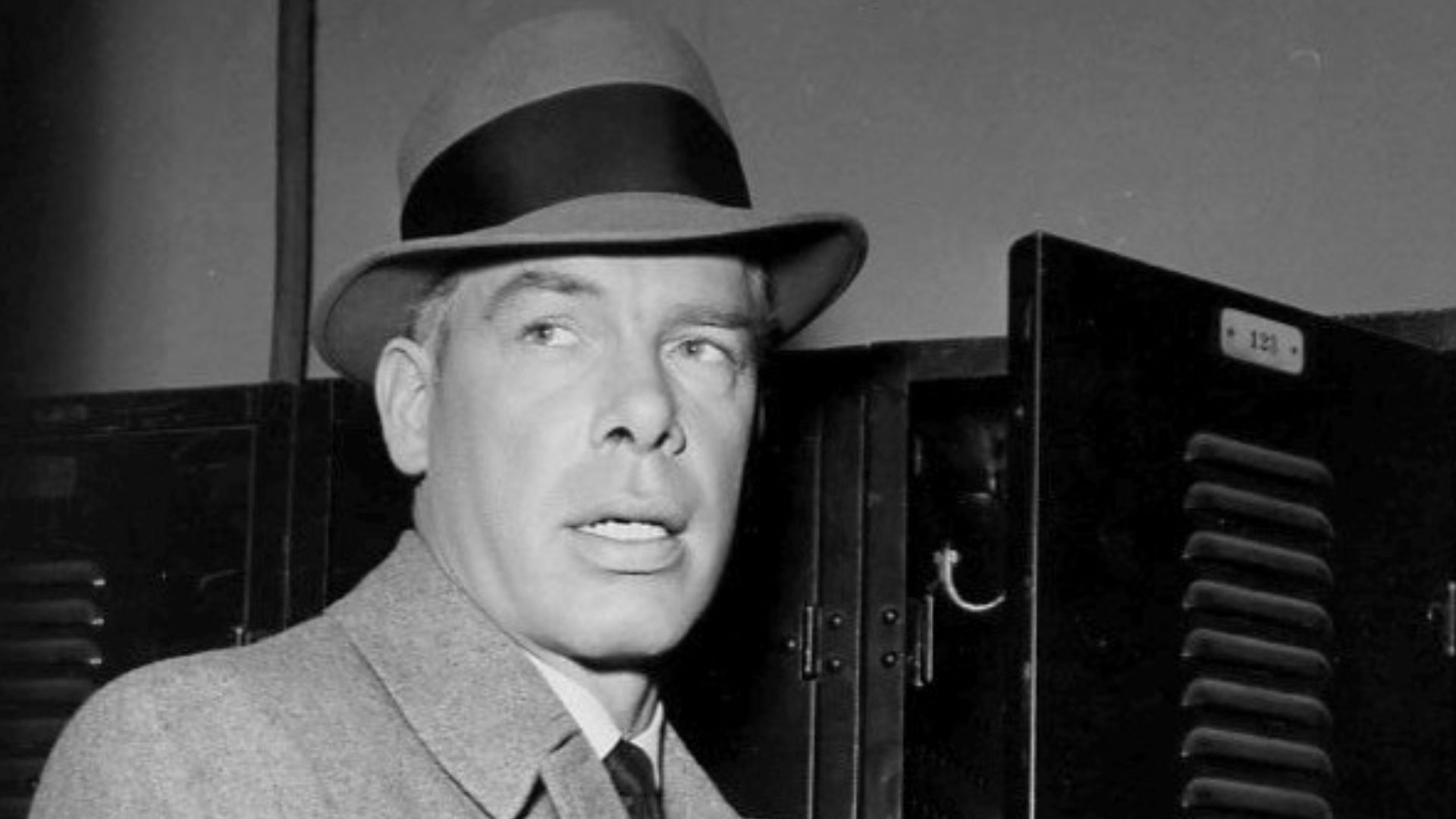 NBC Television, Wikimedia Commons
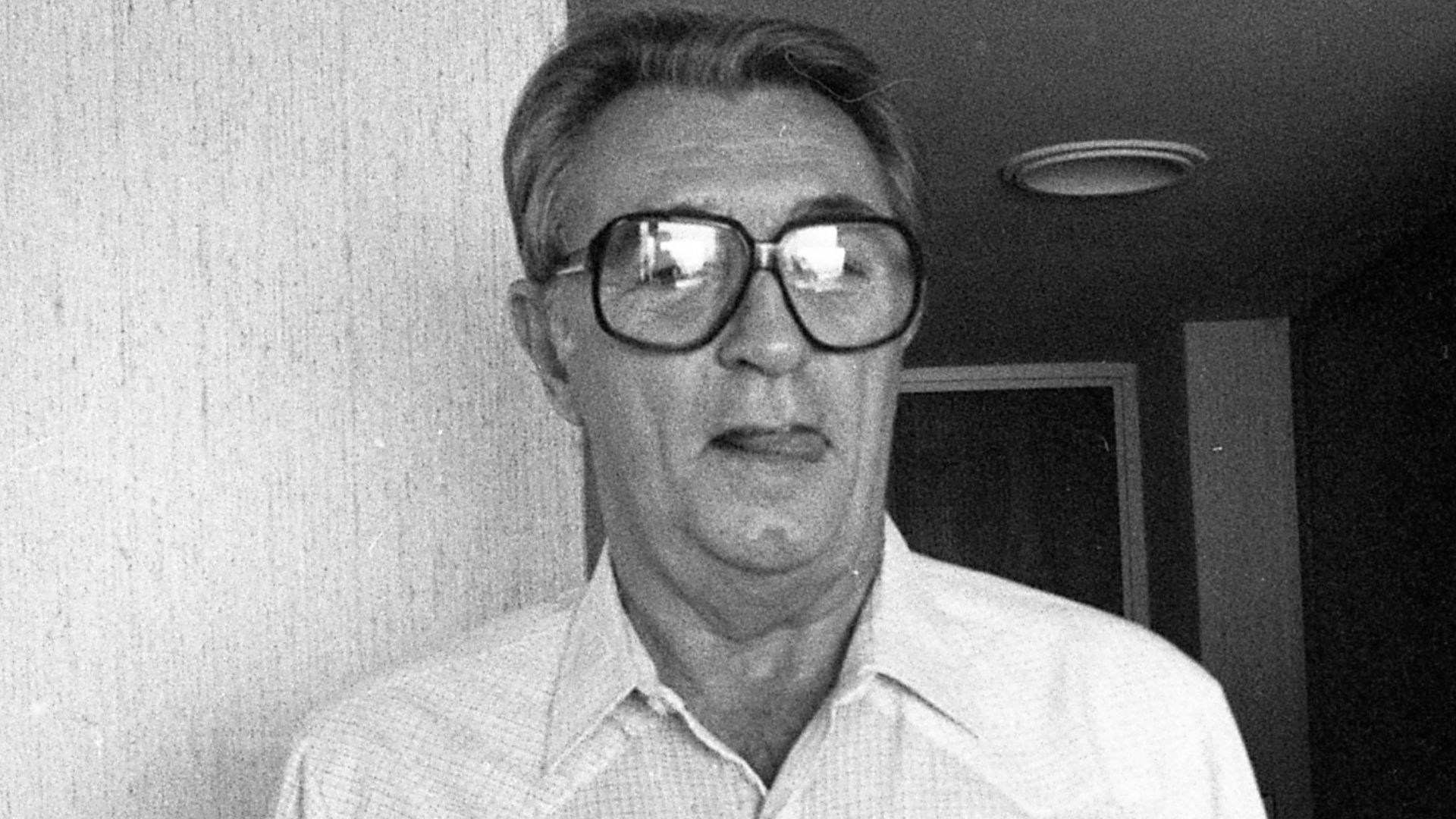
Robert Mitchum
Mitchum believed tough guys don’t weep—they brood. He despised crying scenes and avoided them for decades. His entire persona was built on being cool, unimpressed, and unaffected by everything except cigarettes.
 Tsevi Goldfarb, Wikimedia Commons
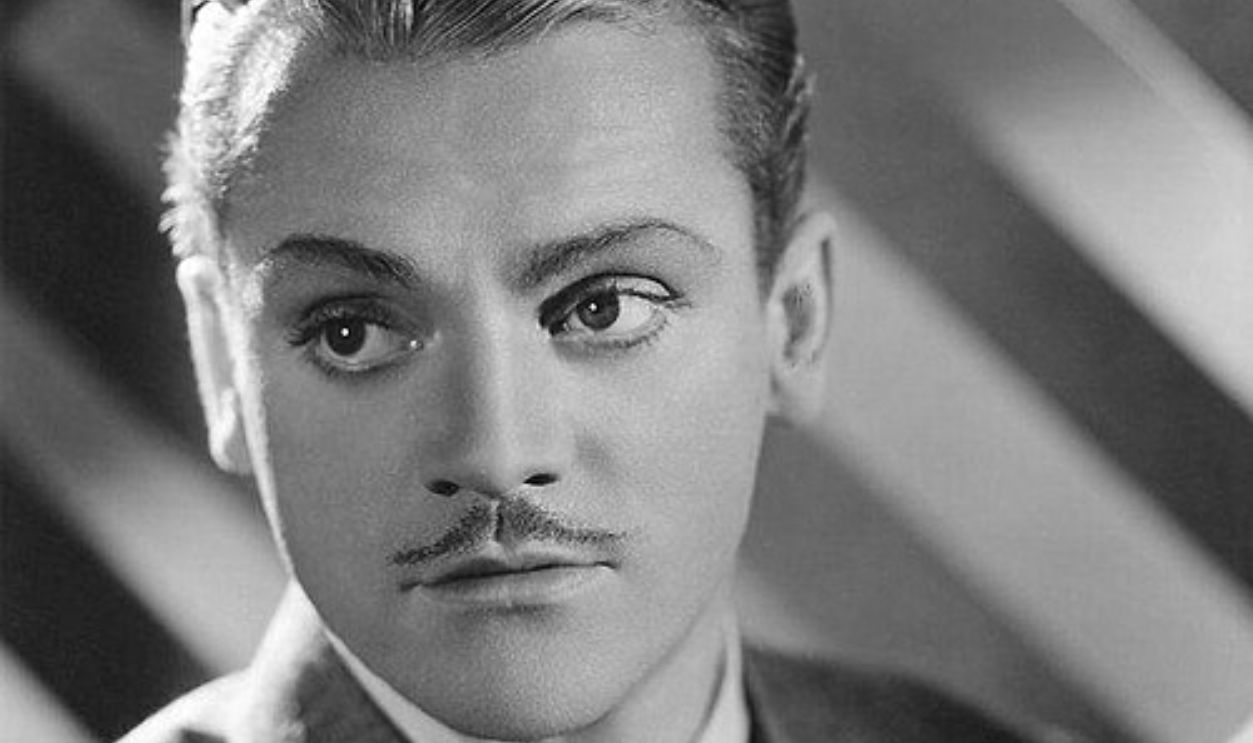
James Cagney
Cagney didn’t mind dying as long as it was a gangster’s fireworks finale. Crying, though? That was a hard no. He battled studio chiefs over scenes where writers tried to soften him, insisting “tough guys don’t whimper.”
 Elmer Fryer, Wikimedia Commons
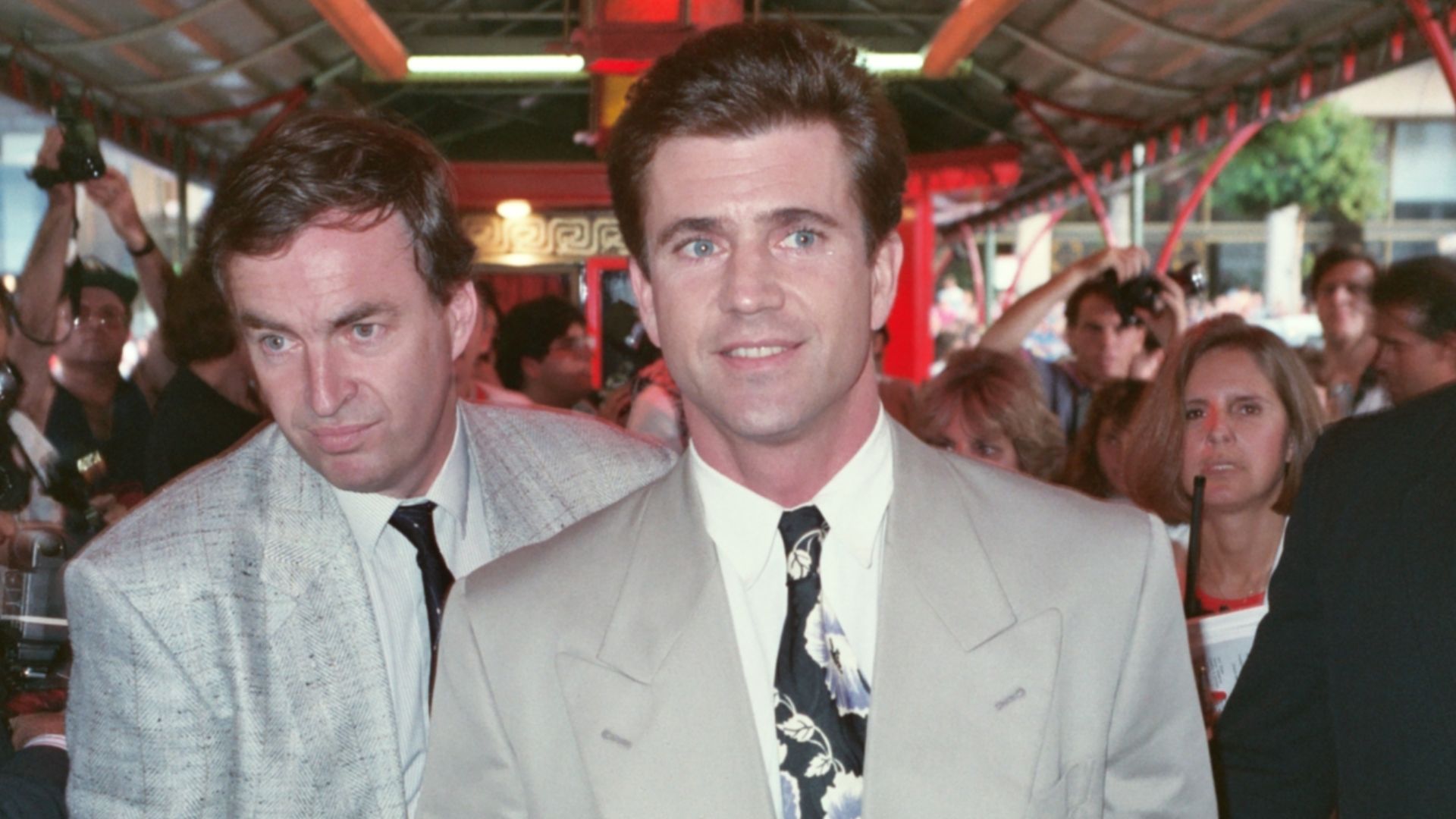
Mel Gibson (Early Career)
In his early action years, Gibson rejected death scenes he thought made him look weak and pushed directors to rewrite emotional breakdowns unless they were “hero moments.” Vulnerability was fine—as long as it was wrapped in fire and explosions.
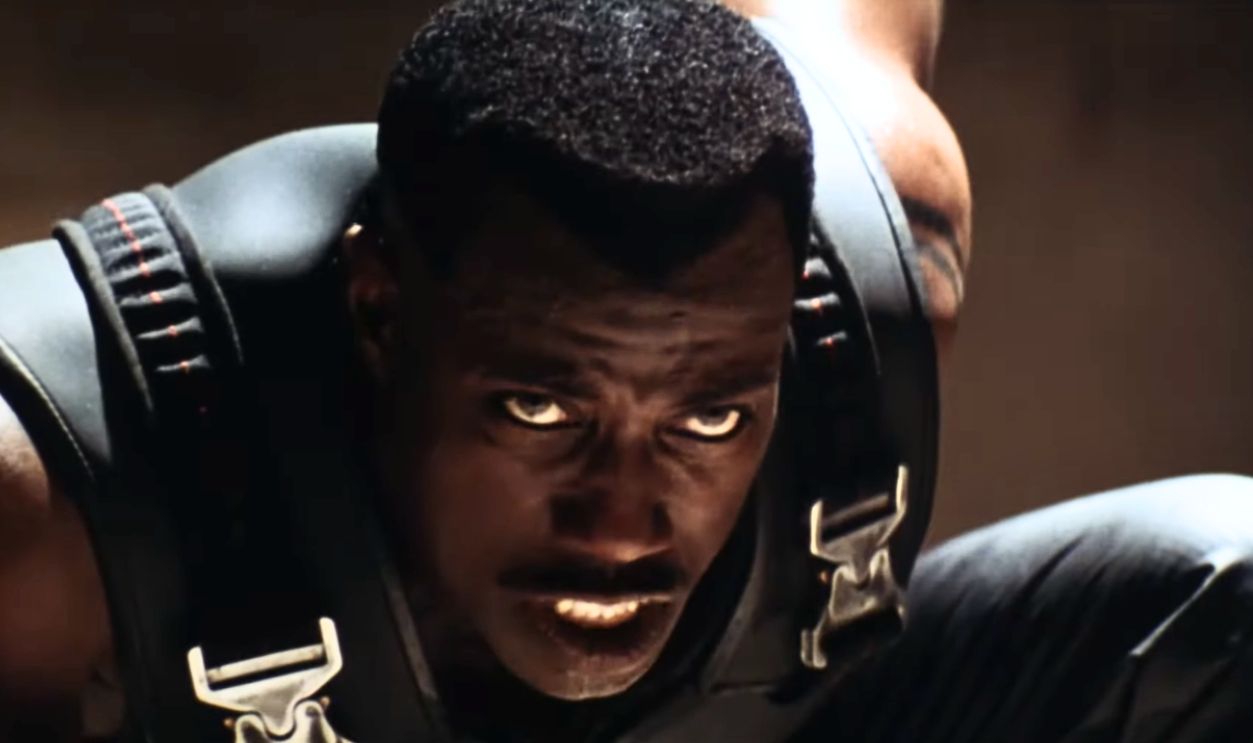
Wesley Snipes
Snipes was extremely protective of his action persona, especially during the Blade era. Directors said he avoided crying scenes and refused any storyline where his character went out “pathetically.” Blade doesn’t die—Blade kills.
 Screenshot from Blade, New Line Cinema (1998)
Jean-Claude Van Damme
Van Damme may have done splits, but he didn’t do emotional breakdowns. For years, he refused roles that showed him crying and preferred endings where he stood tall, victorious, and perfectly flexible.
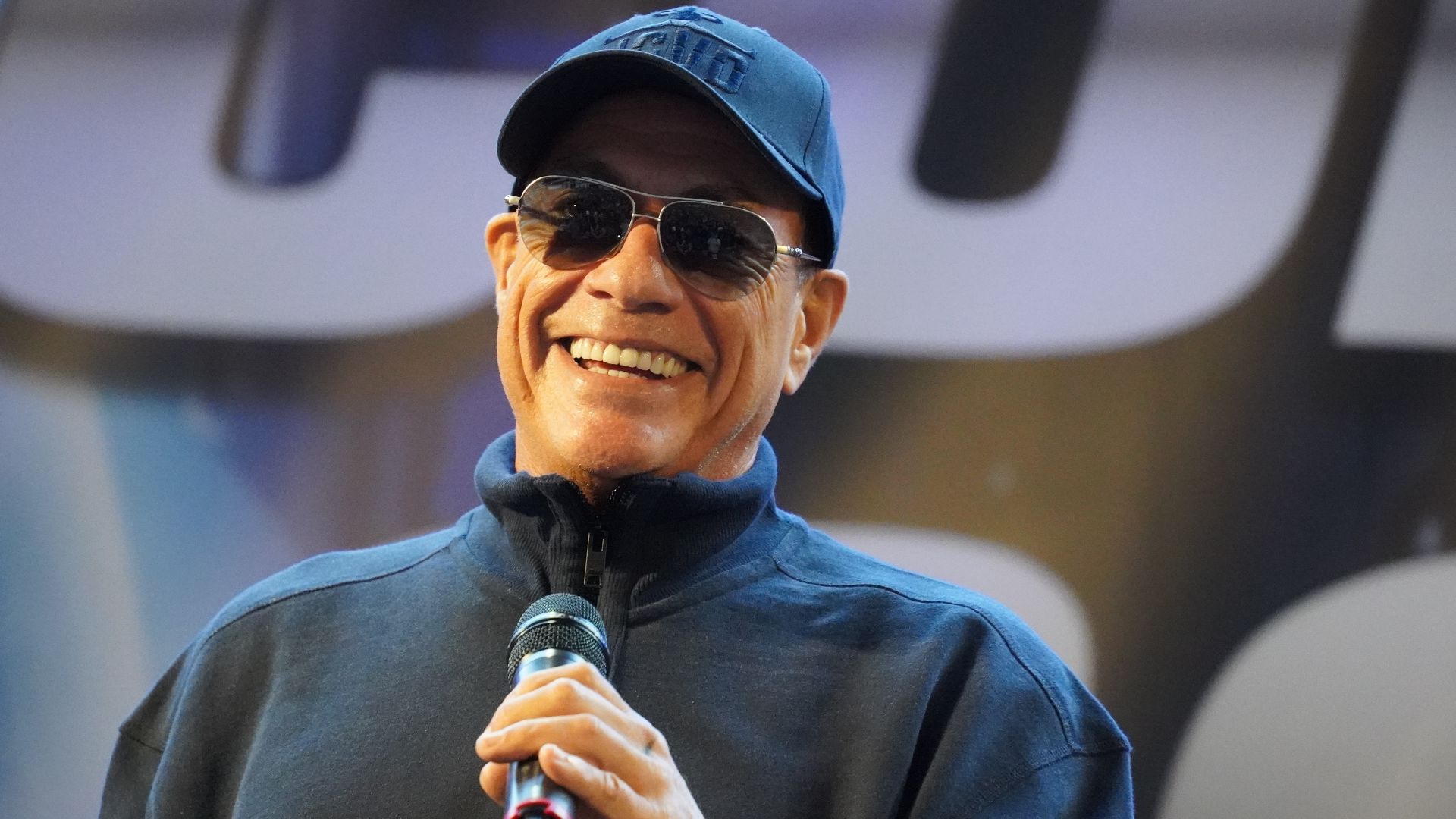 Miguel Discart & Kiri Karma (Photos Vrac), Wikimedia Commons
Robert De Niro (Early Career Tough-Guy Phase)
While not a lifelong rule, De Niro went through a period—in his Taxi Driver and Raging Bull days—where he resisted emotional vulnerability unless it fit his vision. Dying was fine as long as it was operatic; crying was tightly policed.
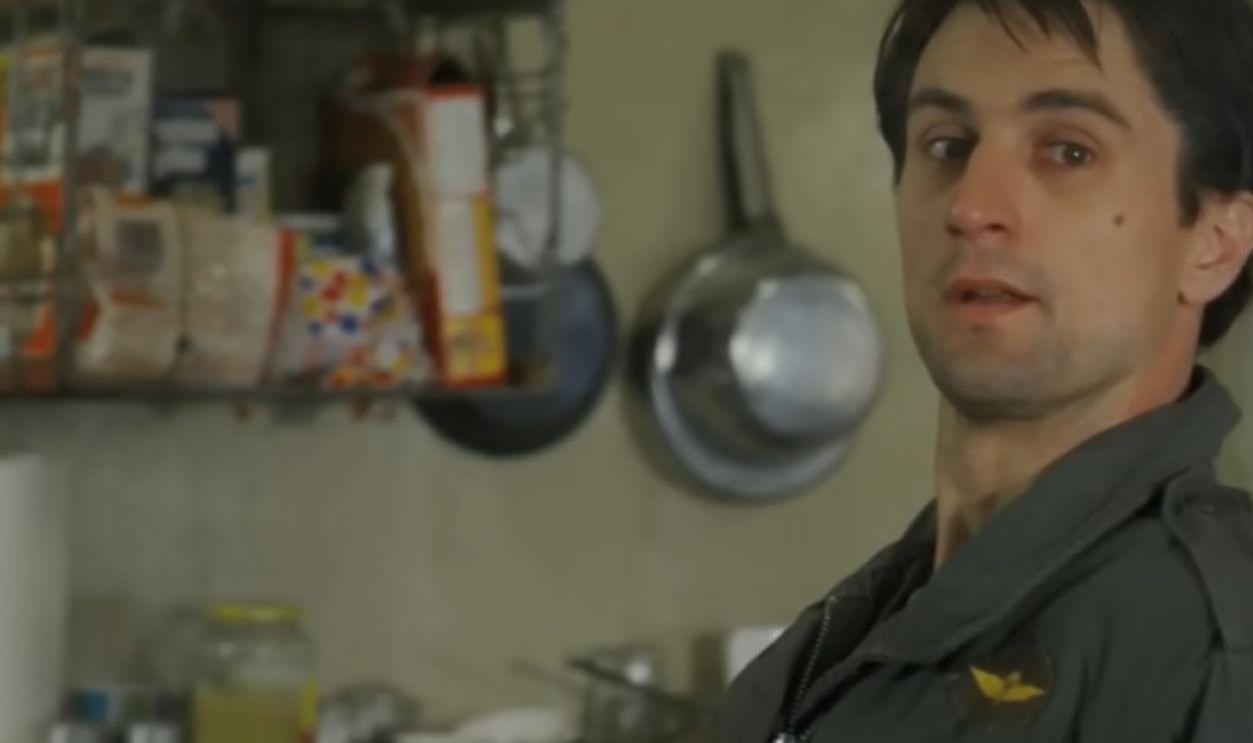 Screenshot from Taxi Driver, Columbia Pictures (1976)
Tom Hardy
Hardy avoids full-on emotional breakdown scenes, preferring internal intensity over tears. Directors note he plays tough men as “pressure cookers,” not sobbers. And dying? Only if it’s mythic—like Inception dream logic-level mythic.
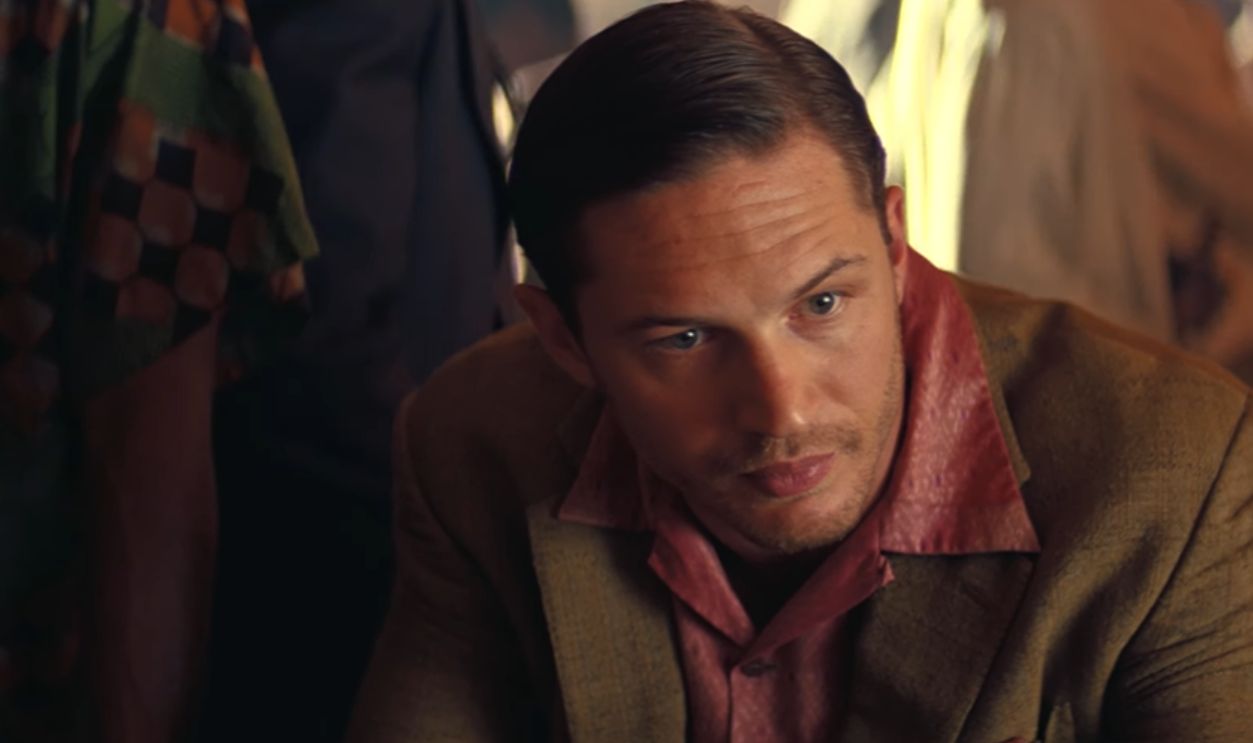 Screenshot from Inception, Warner Bros. Pictures (2010)
Gerard Butler
Butler’s entire action brand rests on shouting, glowering, and surviving impossible odds. He’s openly admitted he avoids crying on screen unless the script forces it—and dying usually isn’t on the table unless it’s “heroic and masculine.”
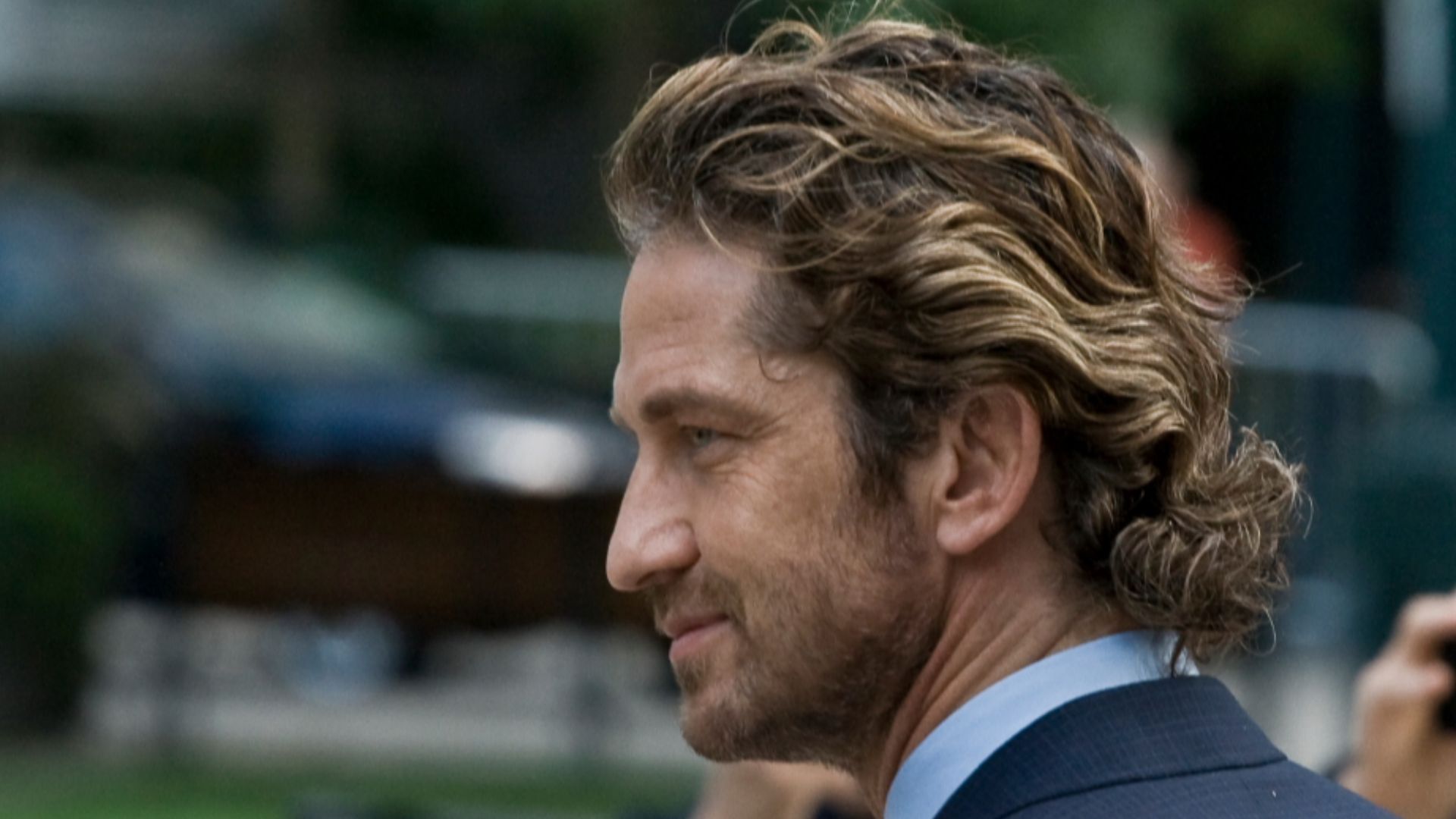 Josh Jensen from Toronto, Ontario, Canada, Wikimedia Commons
You Might Also Like:
The 1970s Bands Who Made One Perfect Album…Then Vanished