The Silent Era Survivor
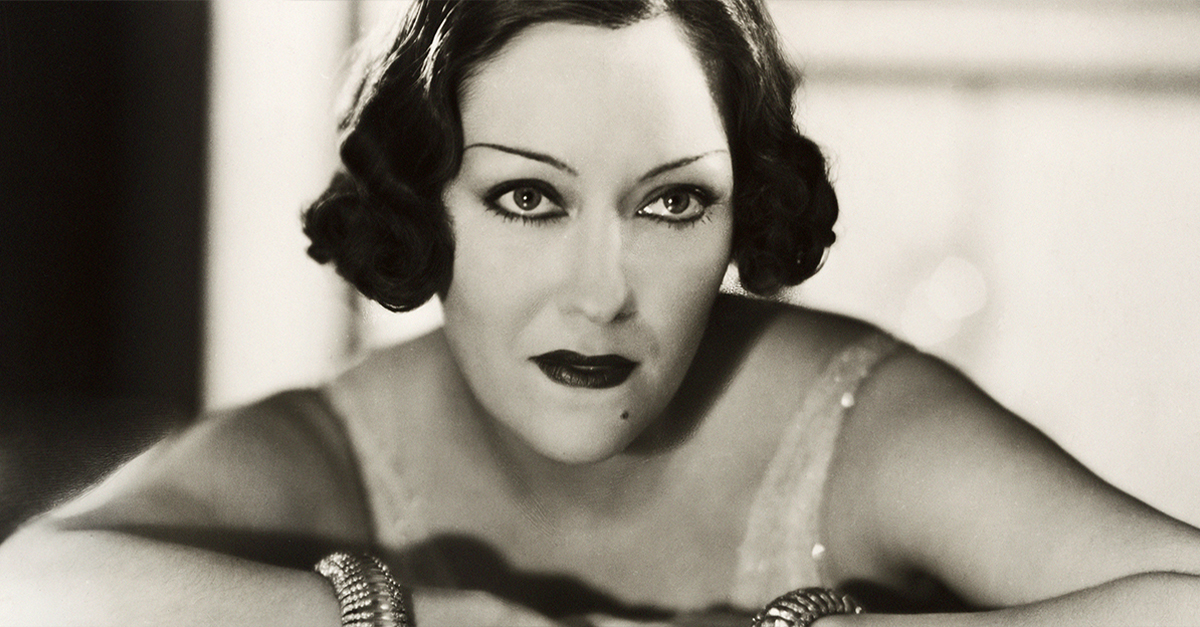
As the Queen of Silent Cinema, Gloria Swanson was at the center of a truly glamorous era in Hollywood…or so it seemed. Behind the glittering façade lay a life filled with heartbreak, horror, and desperation. Swanson’s first wedding ended with an attack on her wedding night—and as the decades passed, things only got more dire for the star.
Then, in 1950, Swanson made the comeback that no one expected, but as her story proves, there was often little difference between her twisted life and one of her tragic films.
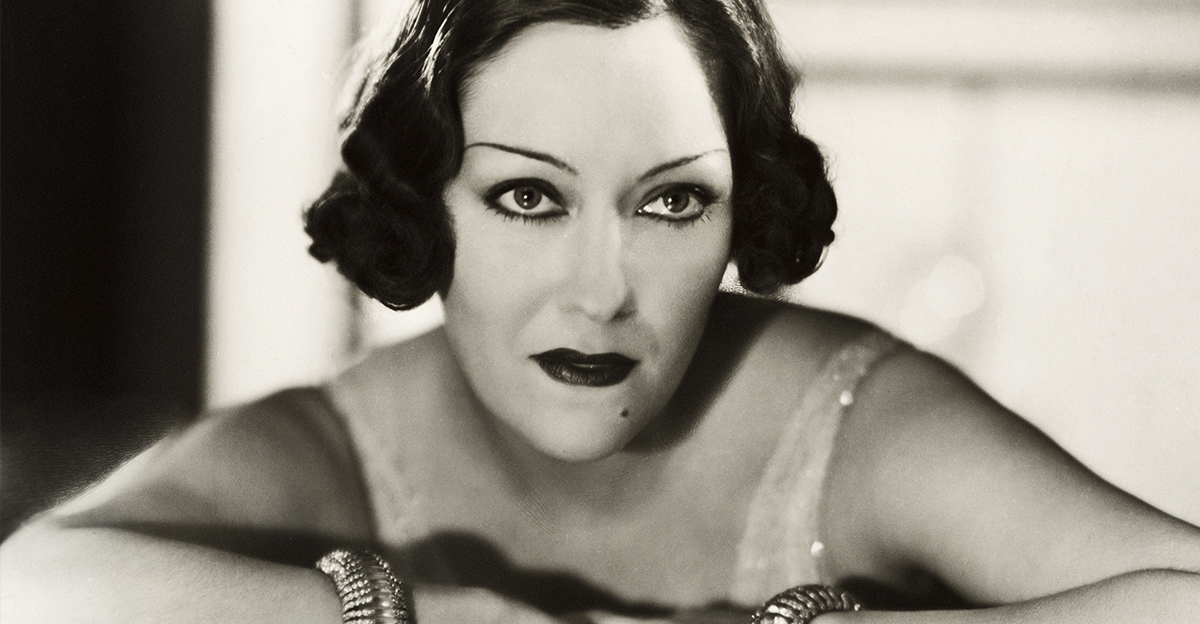
1. She Was An Army Brat
Gloria Swanson was born just before the turn of the century in Chicago, an exciting time to be alive. It was also an exciting childhood, as the family often picked up and moved due to her father’s career as a soldier in the US Army. It was while she lived in Puerto Rico that she saw a film for the first time—and it changed her life.

2. She Had A Classic Discovery Story
Before the movie industry had established Hollywood as its home, early films were made all over the country—including in Chicago, where Swanson had returned. She tracked down a movie-star crush to a local studio, and while touring the facilities, was “discovered” by one of their tour guides, apparently due to her striking looks.
She started her career as an extra—but things back then were nothing like film sets today.
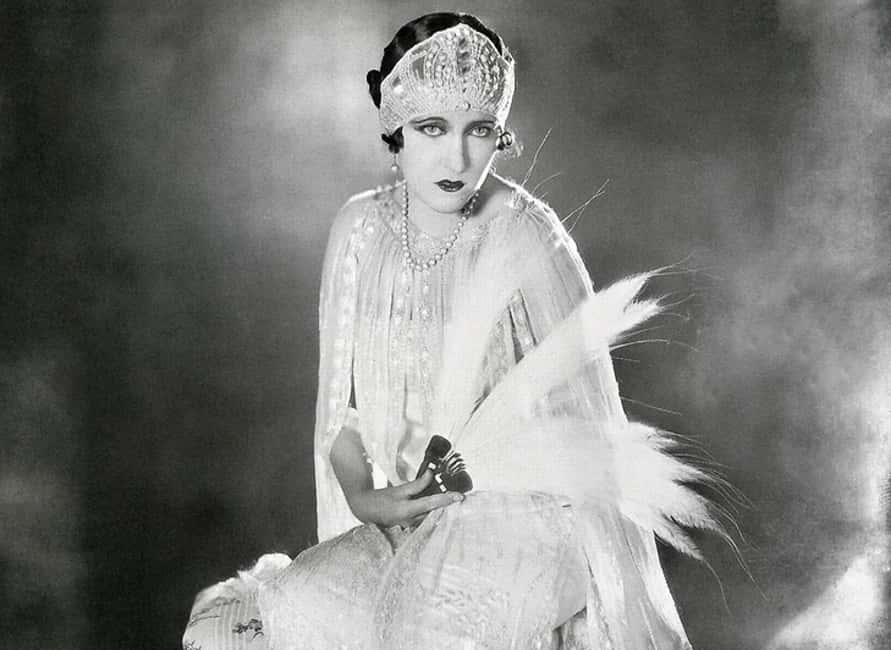
3. She Could Make A Living
Performing as an extra wasn’t a bad gig in the early days of silent cinema, and Gloria Swanson was paid well for her contributions, so she dropped out in order to make it her regular gig. Then she got an even bigger break: Producers cast her in the newest Sweedie film, which was a popular series featuring established star Wallace Beery.
Handsome actor meets teenaged protégé. We’ve all heard this story before—but there was a twist.
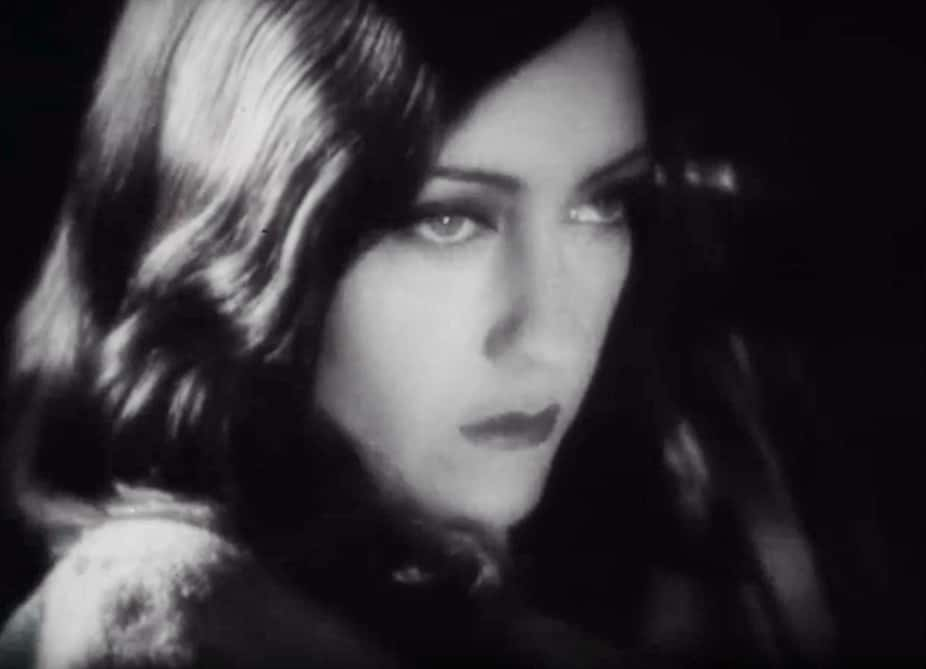 United Artists, Sadie Thompson (1928)
4. She Wanted More
So, was gruff and macho star Beery playing a mobster or some sort of other tough guy? No, Sweedie was a Swedish maid. But despite appearing in drag, Beery worked his charms on Swanson, who was 14 years his junior. Still, she had her career to think about, and California was calling. So Swanson and her mother packed up for the West Coast—but they were in for a big surprise.
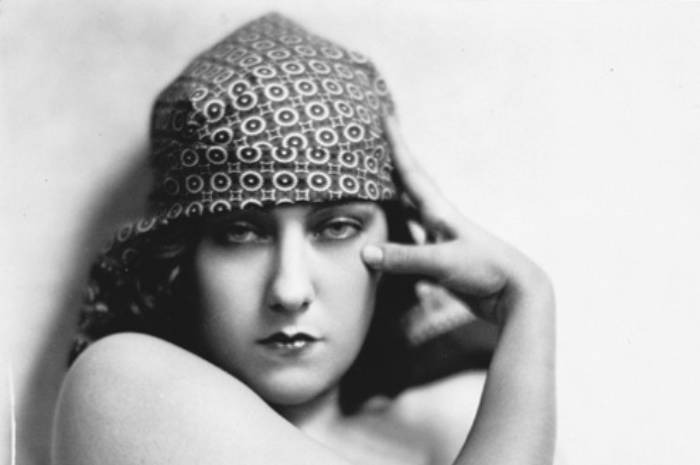 Nickolas Muray (1892-1965), Wikimedia Commons
5. He Was Waiting For Her
Swanson wasn’t the only one who’d heard that there were big opportunities for actors in Hollywood. When she arrived, Beery was already there, and trying to get in with the same studio that had brought her out west. Things are lonely when you’re starting out in a new place, and Swanson and Beery got closer.
Then, in 1916, she agreed to marry him. What followed was a year straight out of a gothic horror.
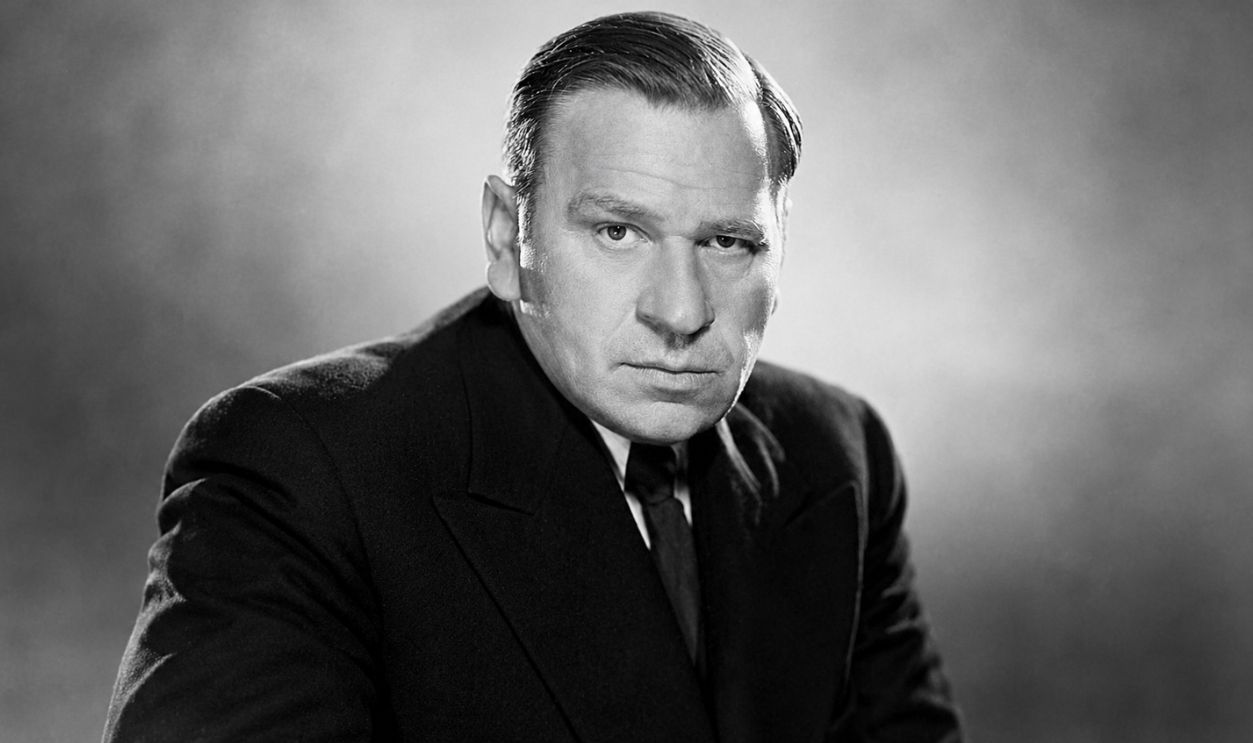 MGM studio photographer, Wikimedia Commons, Enhanced
6. There Was No Honeymoon Period
Gloria Swanson was just 17 when she tied the knot with the 30-year-old Beery—and she realized her error very quickly. The night of their wedding, she realized she wasn’t attracted to him, and things didn’t exactly get better in the harsh morning light. Swanson wanted nothing to do with Beery’s home or family, but she was stuck. And things were about to get worse.
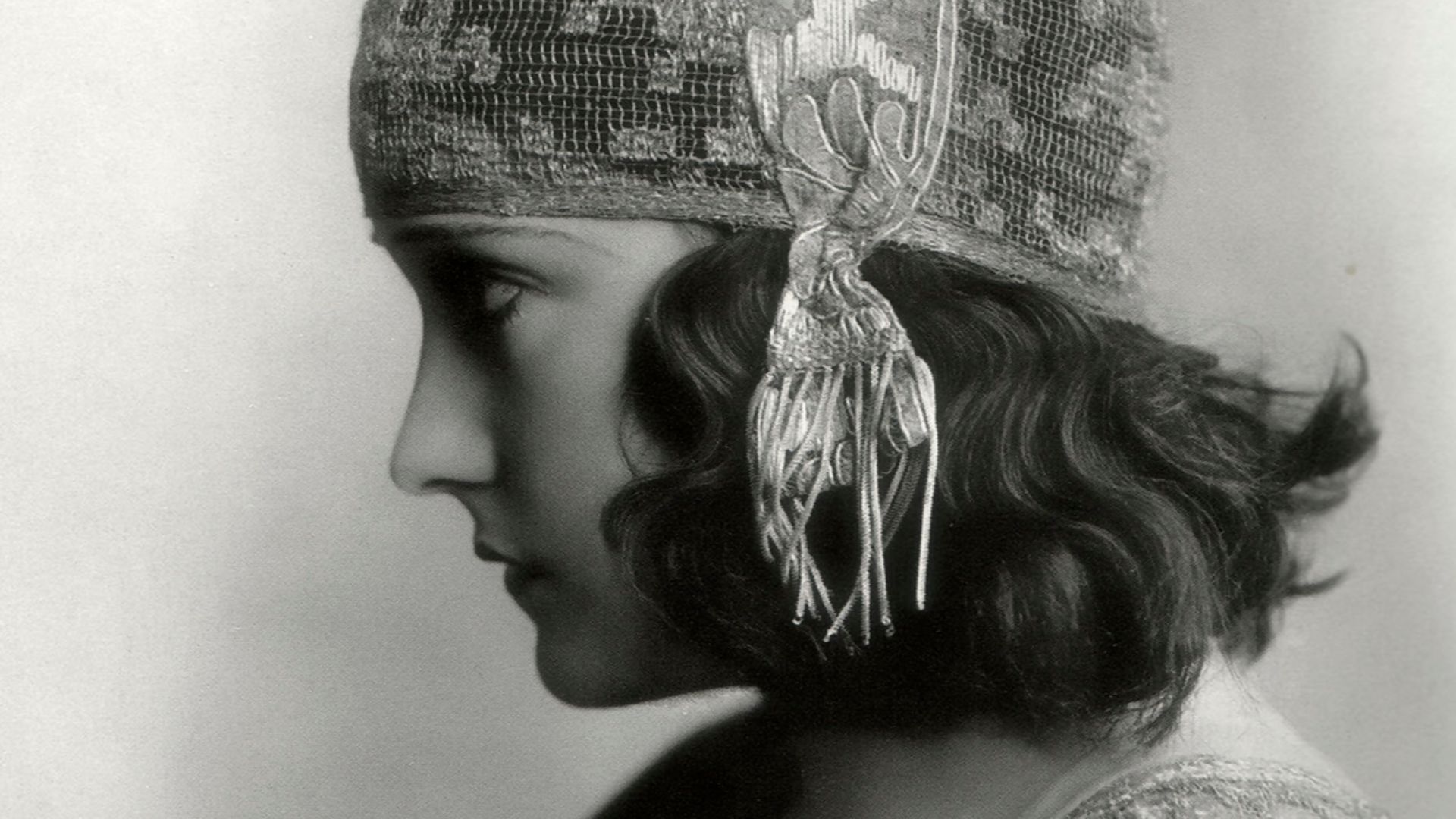 Unknown authorUnknown author, Wikimedia Commons
7. She Was Trapped
Newly married, Swanson got pregnant with Beery’s child—only to discover that her husband was not only cheating on her, but had also been fired from the studio he’d come out west for. Now Swanson was not only stuck with a philandering husband, but she had to support him too. But then he orchestrated an even more devious and brutal betrayal.
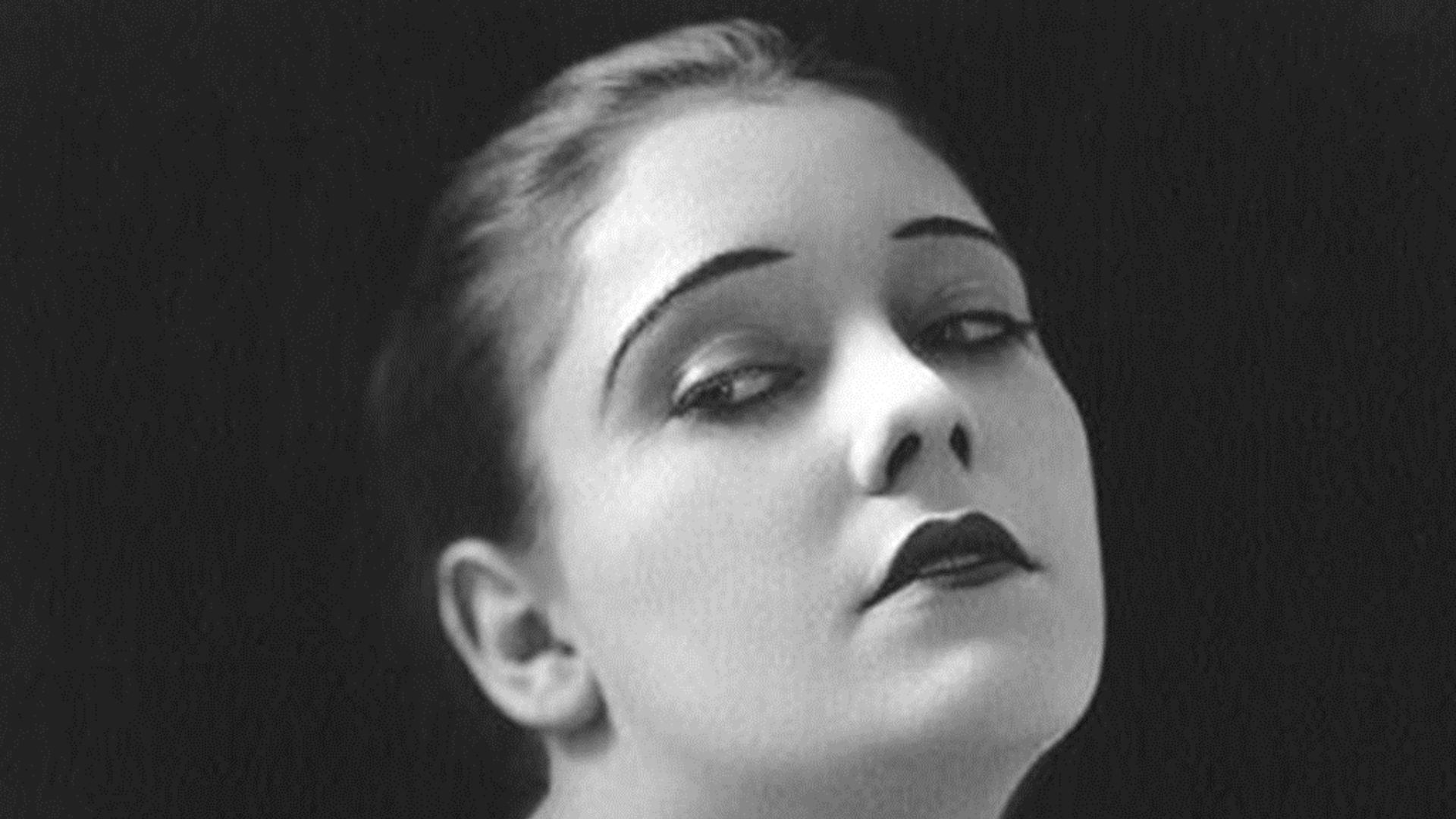 Albert Witzel, Wikimedia Commons
8. She Thinks He Poisoned Her
During her pregnancy, Swanson suffered from morning sickness. One day, Beery offered her medication to help—but after taking it, she collapsed and was rushed to hospital. That’s when she found out she’d miscarried. Swanson claimed he’d purposely given her medication to end the pregnancy. It was the final straw in their absolutely miserable relationship.
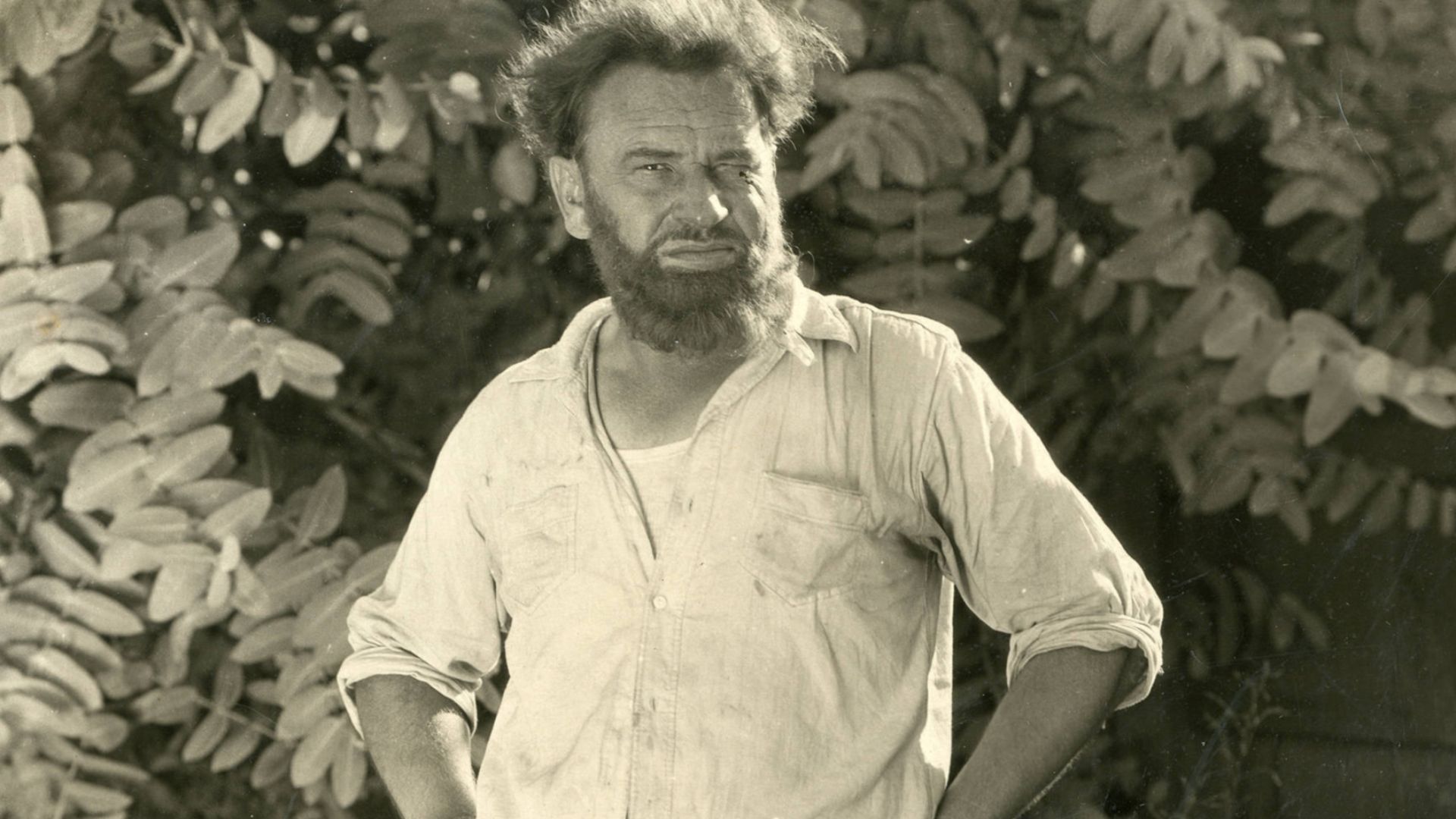 Unknown authorUnknown author, Wikimedia Commons
9. She Escaped
In 1917, after about a year of marriage, Swanson filed for divorce. Within another year, it was final—but she’d still have to wait yet another year to remarry, according to California’s laws at the time. She spent that year building her career even further, building a relationship with legendary director Cecil B DeMille and signing with Famous Players–Lasky, who offered her a huge raise.
But once again, a chance encounter would throw everything into chaos.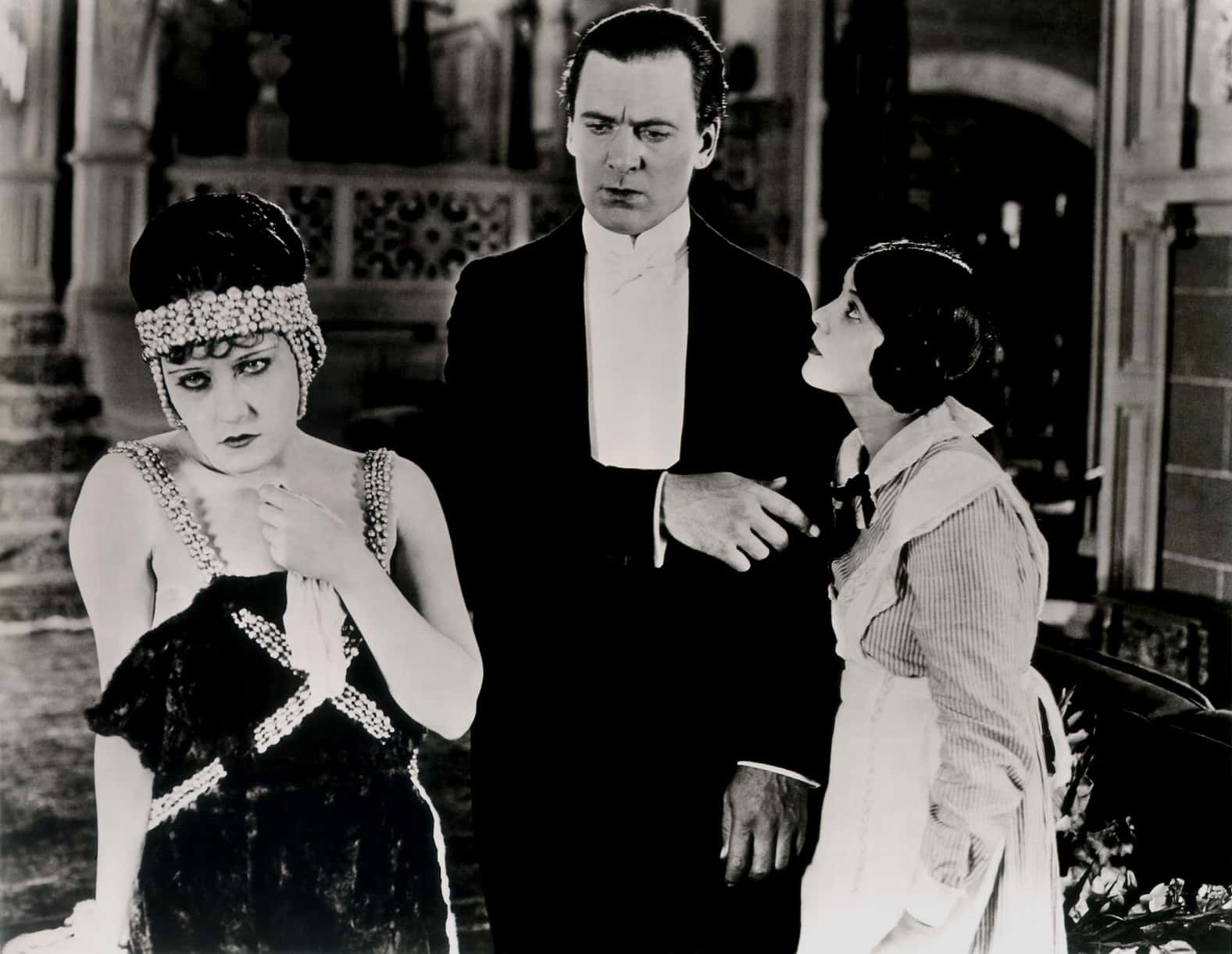 Cecil B. deMille Prod., Wikimedia Commons
10. She Met Her Idol
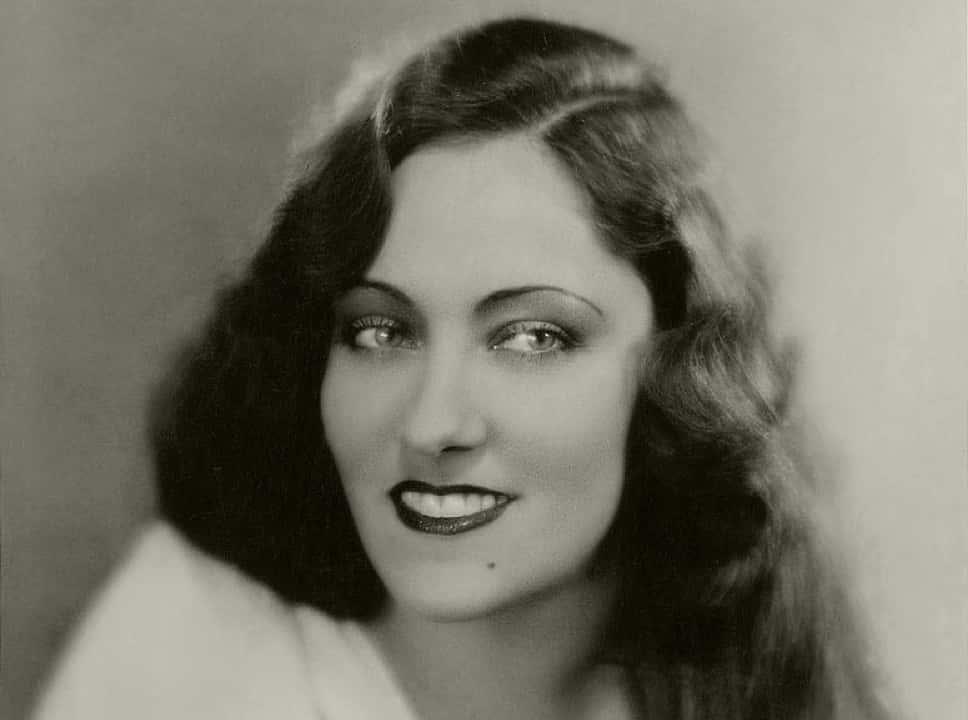
Swanson was making hundreds of dollars a week all the way back in 1919, but she was still just a wide-eyed ingenue at heart—so when a man approached her while she was out with her father and offered to introduce her to one of her acting heroes, Clara Kimball Young, she said yes. Little did she know, she was also meeting her next husband.
 Unknown Author, Wikimedia Commons
11. She Started A Family
The man who introduced the two actresses was Herbert K Somborn, and he was president of a movie studio. Before long, they tied the knot, and before their first anniversary, they welcomed their daughter Gloria Swanson Somborn. She also adopted a boy, Sonny Smith.
They were a Hollywood power couple before such a term ever existed. But things aren’t always what they seem.
 Maurice Goldberg, Wikimedia Commons
12. He Exposed Her
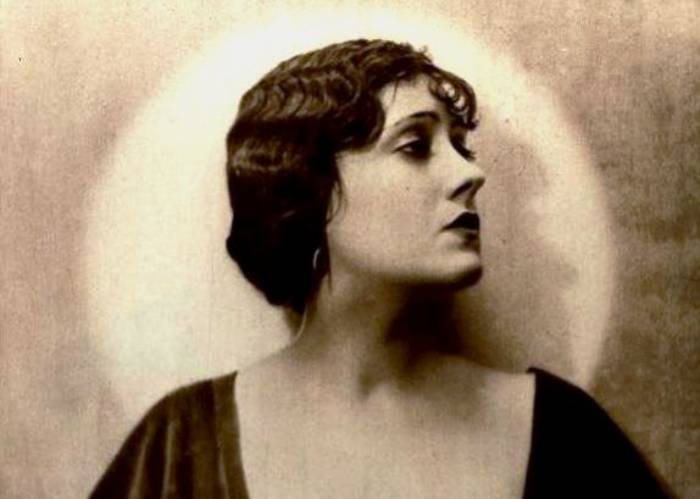
Not long after they adopted Sonny, Somborn filed for divorce from Swanson—and when they went to court, he made a bombshell of a claim. Somborn said that not only was Swanson cheating on him but that she’d done it with 13 different men, including her collaborator Cecil B DeMille and her friend and co-star Rudolph Valentino. The studio was horrified—but Swanson had even more shocking news in store.
 Famous Players-Lasky Corporation, Wikimedia Commons
13. They Wanted Her To Shape Up Or Ship Out
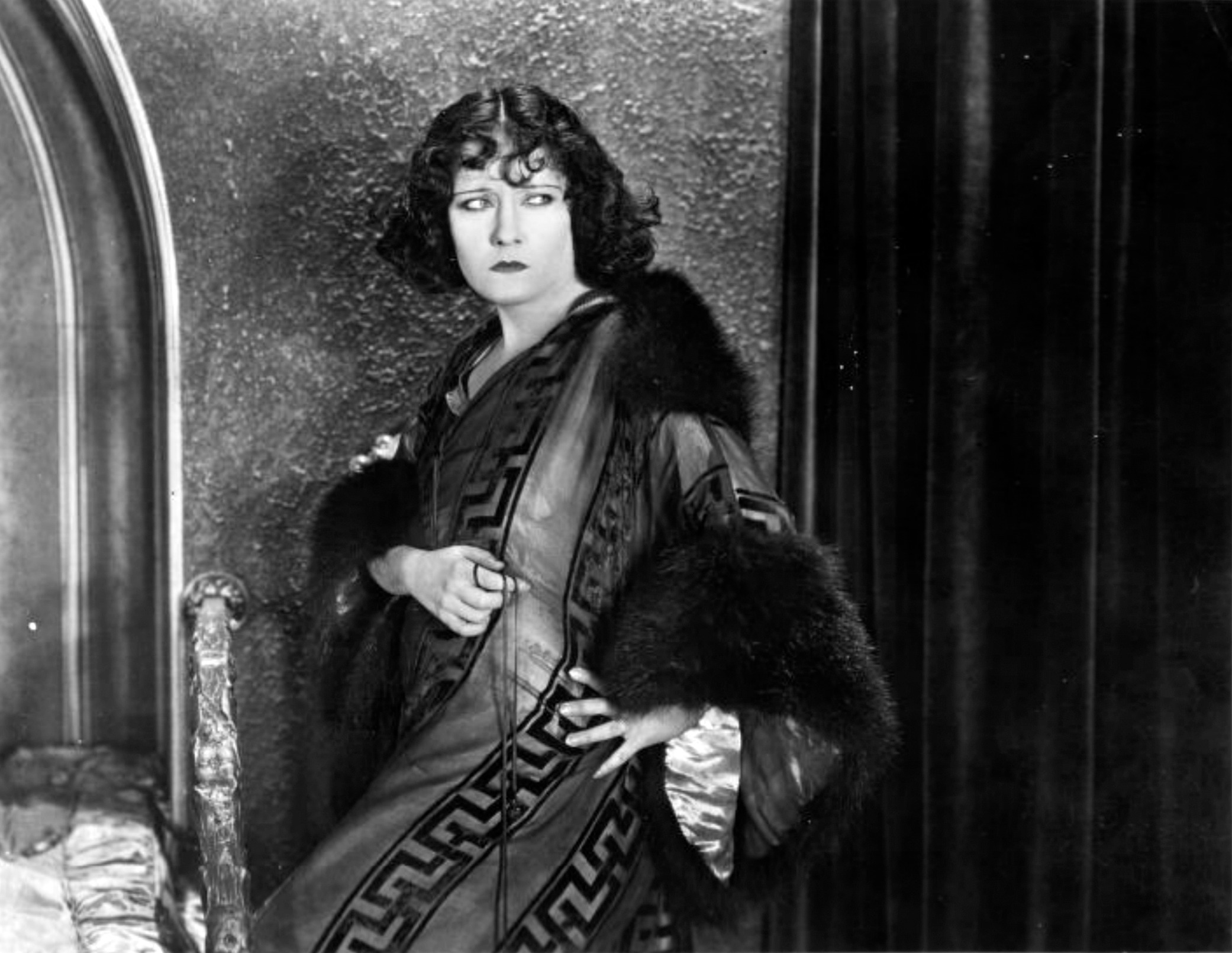
Thanks to the Fatty Arbuckle scandal of 1921, Hollywood studios had begun to stick certain troublesome stars with a “morals” clause in their contract, which held the parties to a certain standard of behavior in their personal lives. Now, Swanson was pressured to add one to her contract—but she had a bombshell to drop of her own.
Though the divorce was not yet finalized, she was pregnant—and it wasn’t Somborn’s.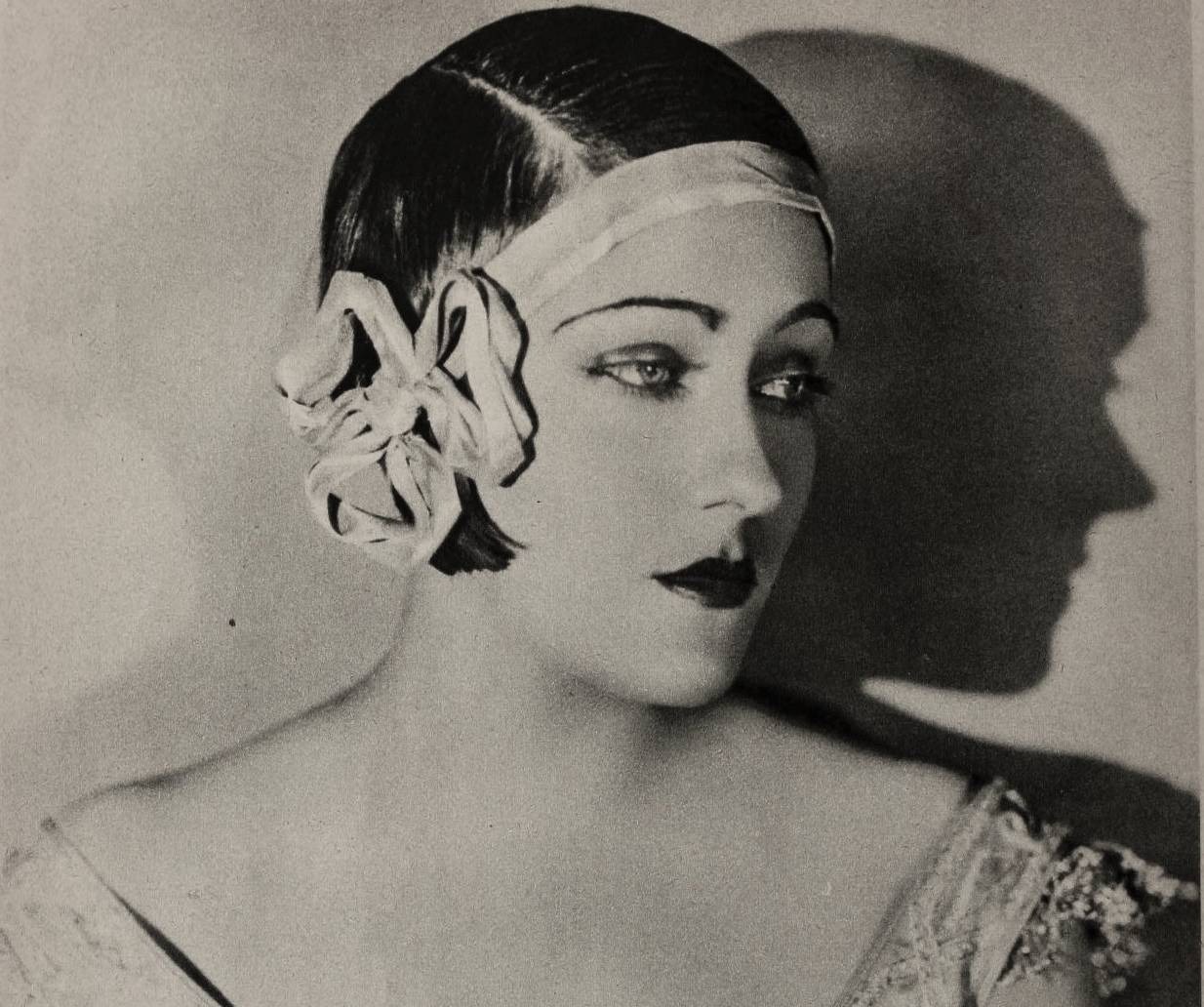 Russell Ball, Wikimedia Commons
14. She Was Caught Between A Rock And A Hard Place
During the making of a film in France, Swanson had fallen for her translator, Henry de La Falaise, and gotten pregnant. Knowing that there was no way to cover up the timing of it all, even if they married, Swanson made the heartbreaking decision to end the pregnancy with an abortion and, in the process, save her career, which was flourishing at the time.
Swanson waited out the divorce in Europe with her new beau—not aware that back home, her relationship was causing quite the stir.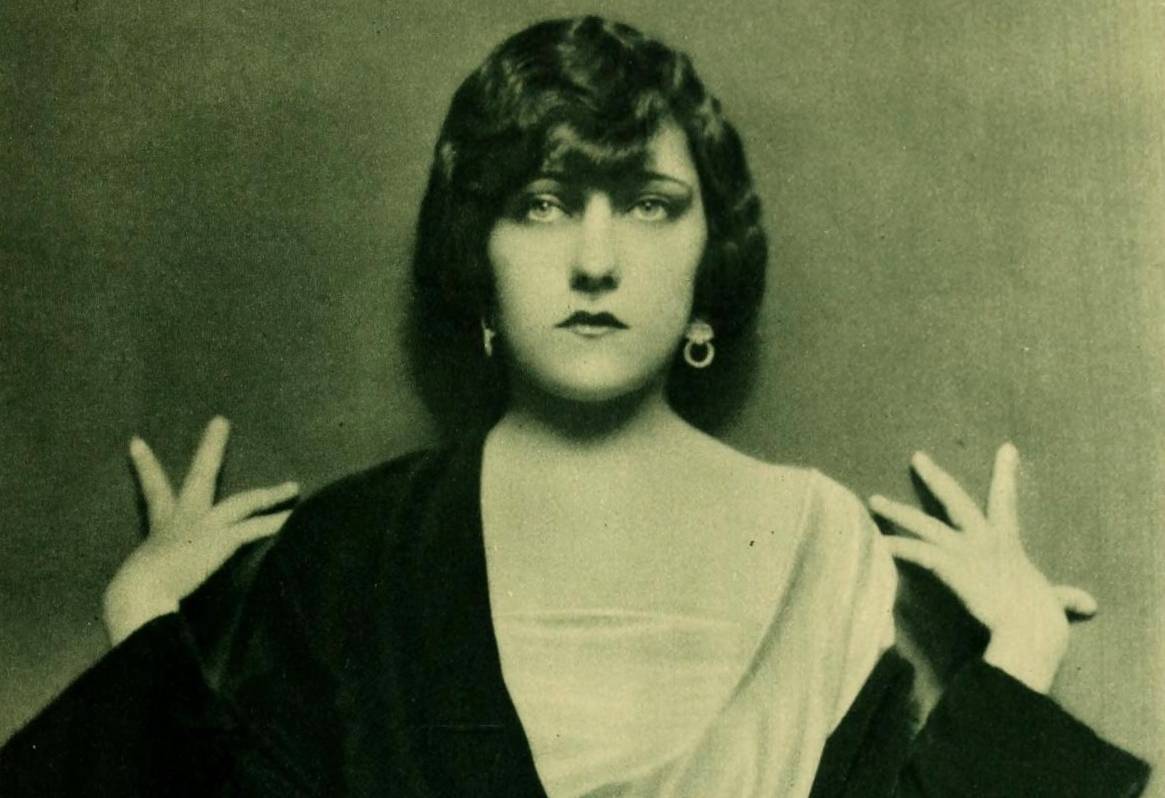 Edward Thayer Monroe, Wikimedia Commons
15. He Was A Pretty Big Deal
Henry de La Falaise wasn’t just a translator—he was European nobility. However, he was the kind of nobility that held titles, not cash. They got married in January of 1925, earning Swanson the title of Marquise, and returned stateside to a huge fanfare. Parades were held in their honor on both coasts. Famous gossip Hedda Hopper reported that “Thousands of school children lined the sidewalk and threw flowers at her”.
Swanson had barely escaped from a career-ending scandal and somehow raised her profile in the process. It must have felt like a huge gamble that paid out big—because her next move was just as risky.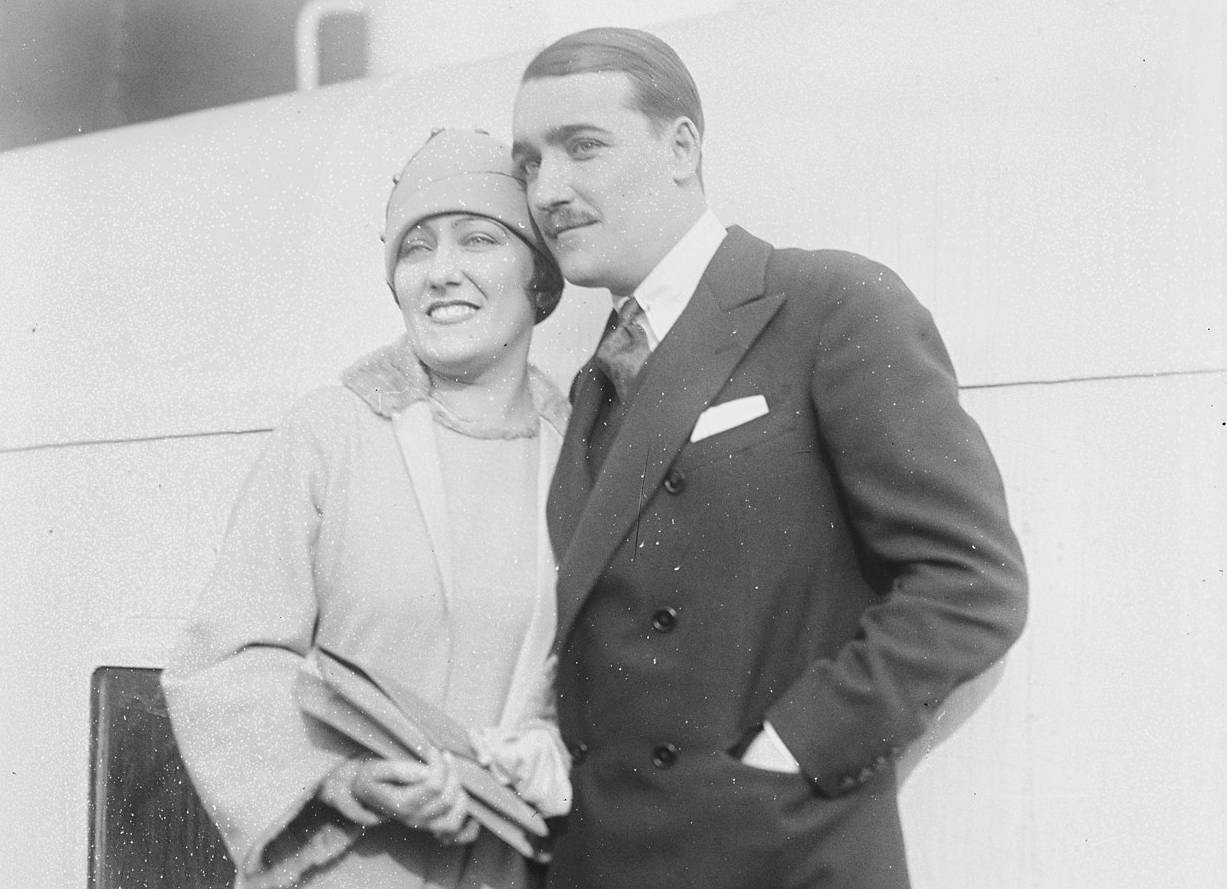 Bain News Service, Wikimedia Commons
16. She Was Crazy—Crazy Like A Fox
Swanson was seen as a surefire money-maker, and as the time came to renew her contract with Paramount, the studio offered her a blockbuster one-million-dollar-per-year contract (that’d add up to $18.5 million in 2025). It was an incredible offer—but Gloria Swanson said no. Instead, she opted to join up with stars like Charlie Chaplin and Mary Pickford in the newly-created United Artists. She also set up her own production company as part of the agreement.
It was a bold move for actors to strike out on their own—but who could say no to all that cash? Certainly not Swanson.
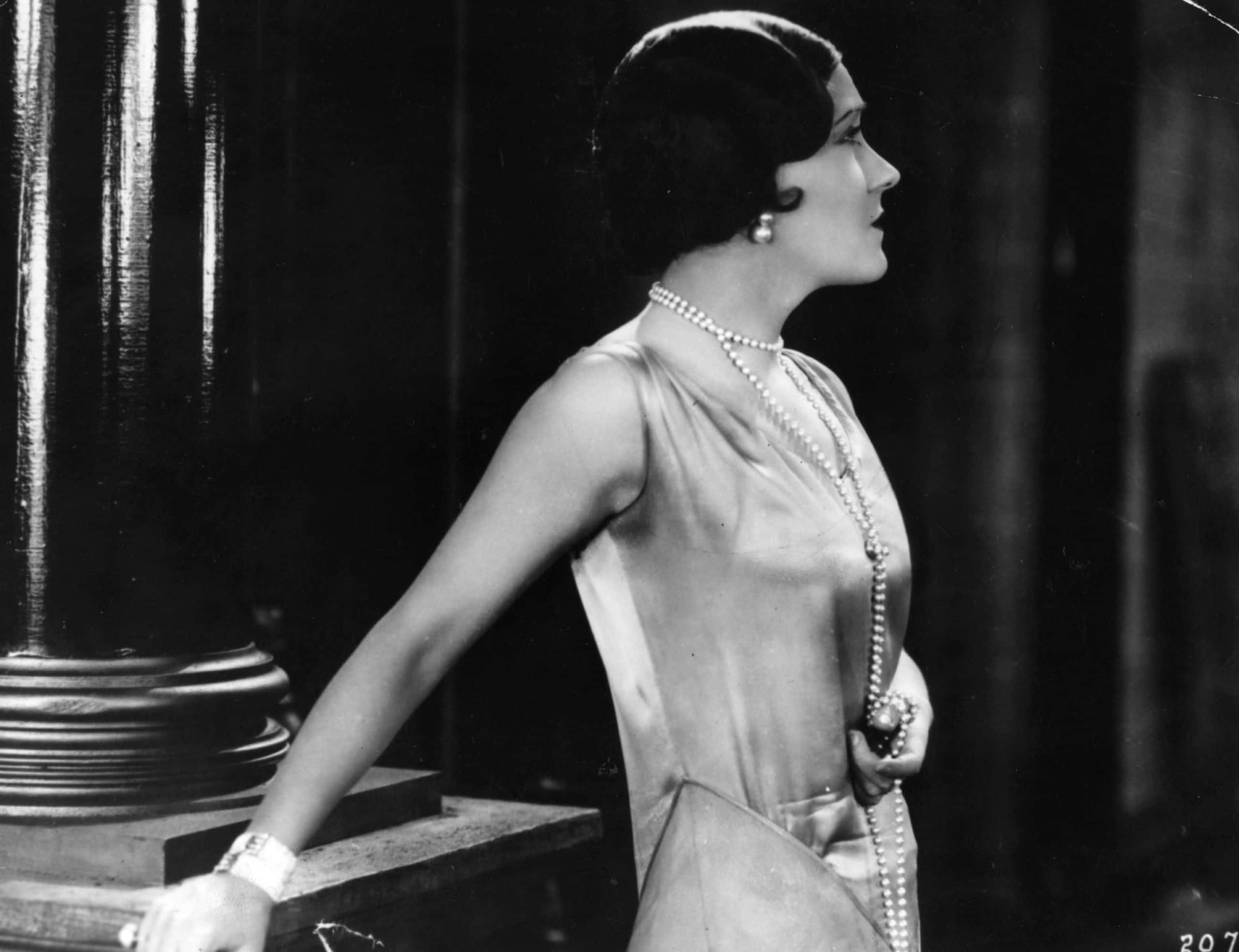
17. She Was A Big Spender
It’s difficult to overstate just how much Gloria Swanson had come to embody to the excessive glamorous side of this era of showbiz. And while she certainly had that general air about her, she also had spending habits to match. It wasn’t just ostentatious purchases like a gold bathtub, it was also an entire staff whose job it was to tend to her every need—and that’s not to mention the $10,000-a-year lingerie budget (that’s over $190,000 today) and solid gold gifts for her 300-person parties.
As you might imagine, things quickly began to get out of hand.
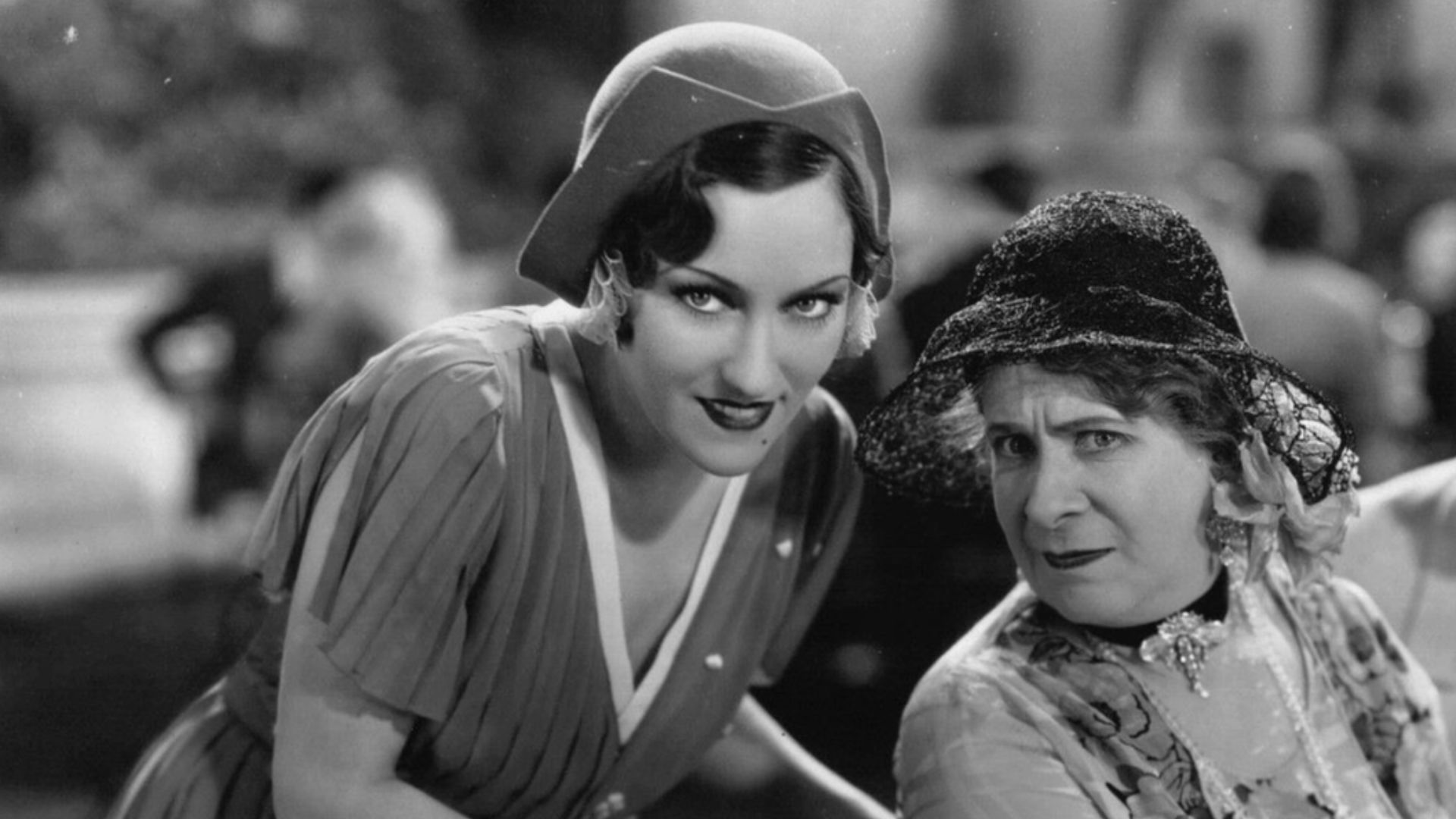 United Artists press photo, Wikimedia Commons
18. She Overextended Herself
Gloria Swanson was an incredible actor. She had impeccable taste. She shaped the way that the world sees Hollywood glamor. But an adept film producer—or financial whiz—she was not. Her first film as a producer barely broke even. Undeterred, she made plans to adapt a W Somerset Maugham story with director Raoul Walsh.
With all the blind confidence that only a very, very rich actor can muster, Swanson went forward with the project—ignoring every red flag along the way.
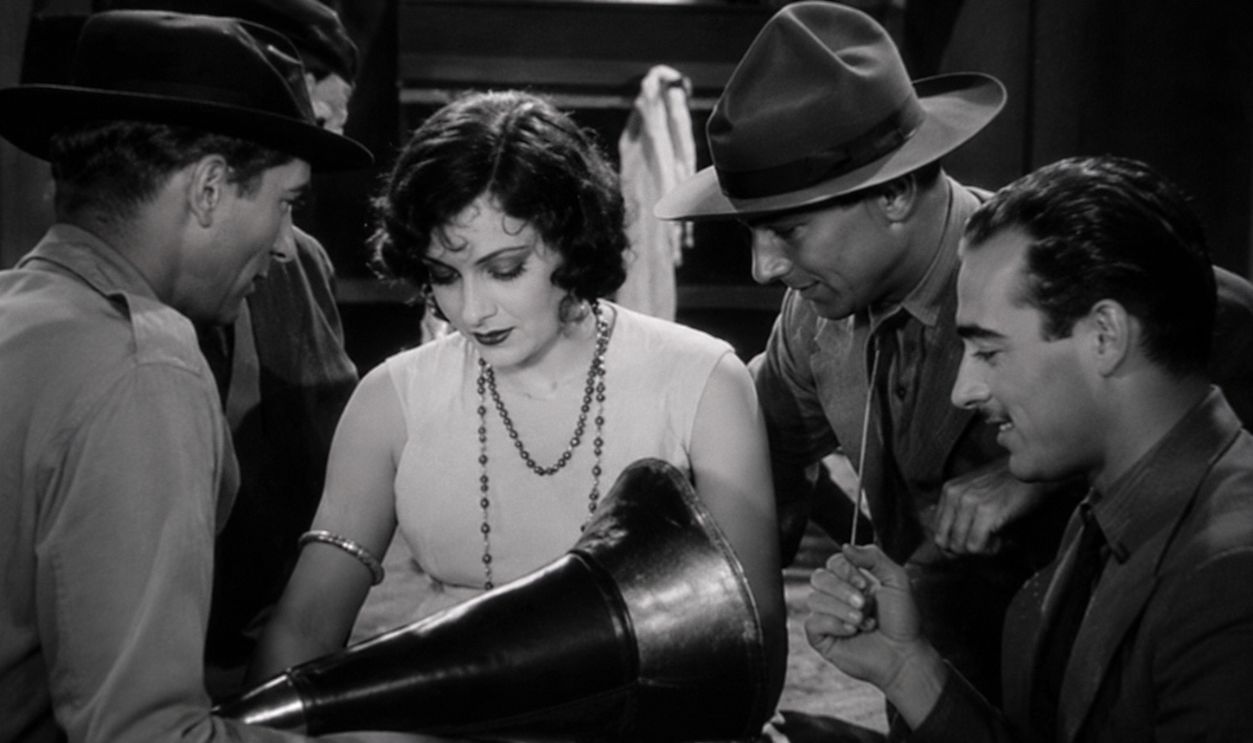 Screenshot from Sadie Thompson, United Artists (1928), Enhanced
19. She Thought She Had Him Wrapped Around Her Finger
The Maugham story’s main character was a lady of the night—but it seemed like Swanson forgot that she was living in a world where she’d had a morals clause slapped on her contract mere years before. Swanson and Walsh tweaked the story in order to convince notorious censor William Hays that it was passable. What she didn’t expect was for her Hollywood contemporaries to turn on her.
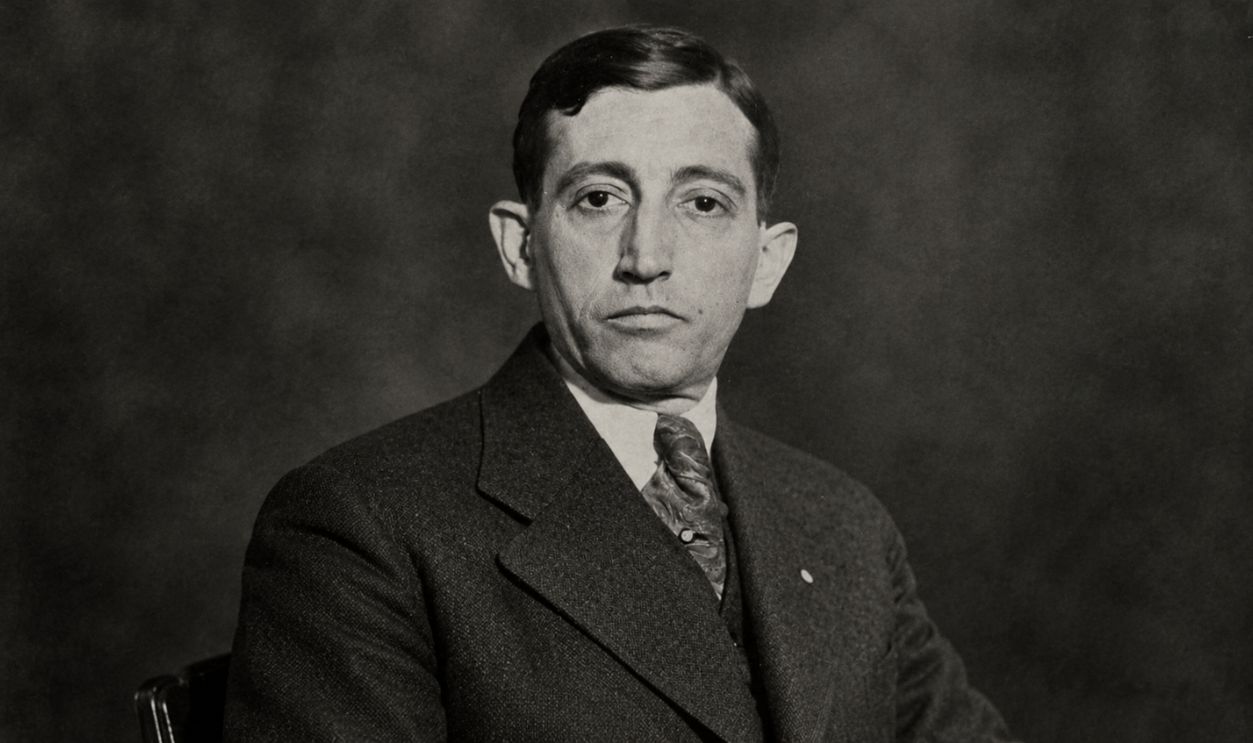
20. She Couldn’t Be Kept Down
When all those other working professionals in Hollywood who’d been reprimanded for their subject matter heard about Swanson’s Maugham adaptation, they weren’t having it. They tried to alert Hays to what was happening—but Swanson had such sway in the business that she kept Hays under her thumb and got away with it all.
Not only did she get the film out, it was also a huge success and she got an Oscar nod. But beneath the surface, things were getting dire.
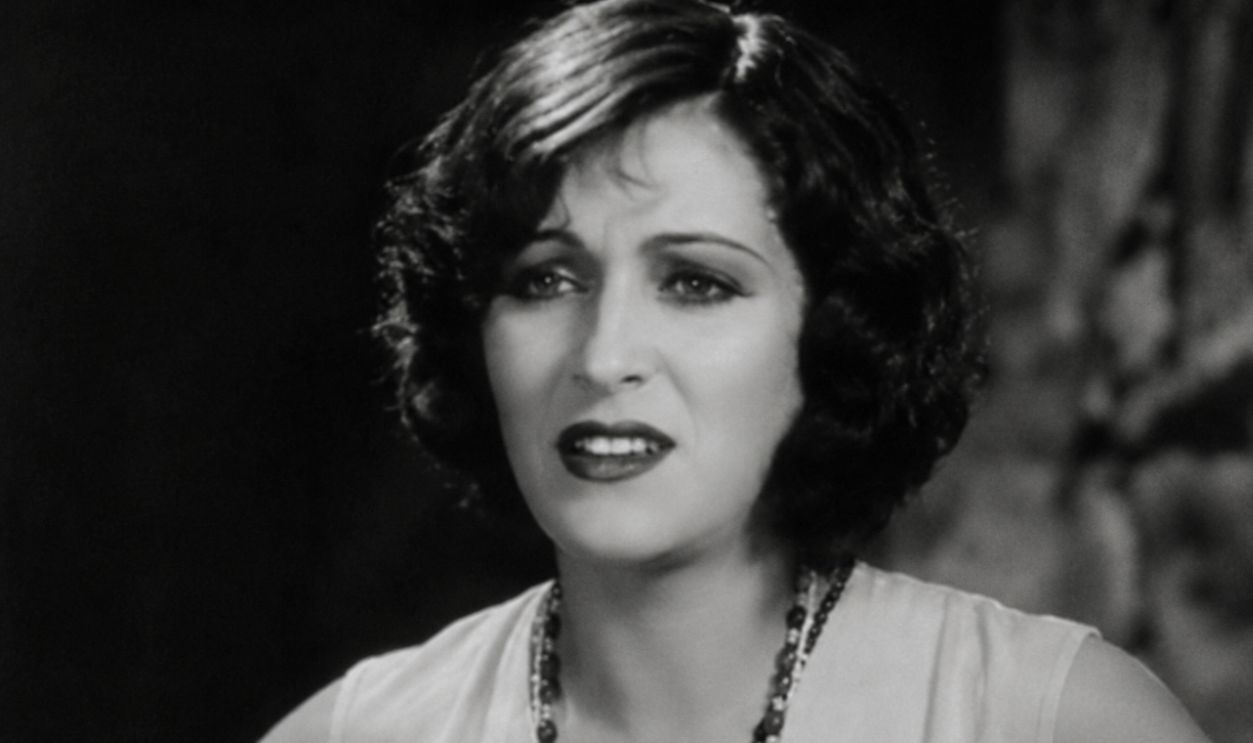 Screenshot from Sadie Thompson, United Artists (1928), Enhanced
21. The Numbers Didn’t Add Up
Despite the success of her second produced film, Gloria Swanson was broke. Her production debts were becoming a problem. In order to start fresh, she shut down Swanson Producing Corporation and started Gloria Productions. Yeah, two totally different companies, if the IRS asks. She needed a quick and easy hit to get back on top. Maybe something that followed the trends in Hollywood—or perhaps a callback to her heyday years earlier (3–4 years earlier, to be exact).
That’s not what she got.
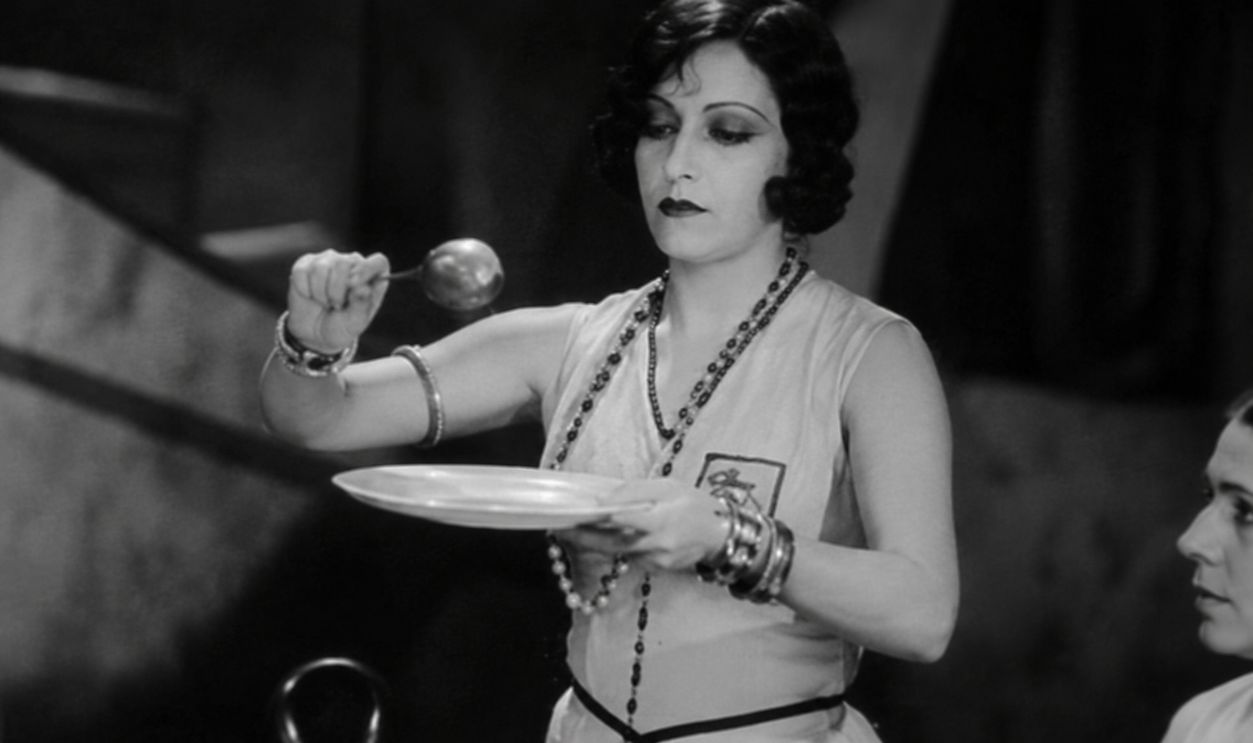 Screenshot from Sadie Thompson, United Artists (1928), Enhanced
22. She Got Bad Advice
With the release of The Jazz Singer, among others, the writing was on the wall: “Talkies” were in, and silent film was on the way out—but Swanson’s financial advisor didn’t care. They made plans for Queen Kelly, a big-budget silent epic with a notoriously difficult director and a bizarre premise. They ended up firing the director, but it was too late. The film was a flop.
Swanson’s career hung in the balance.
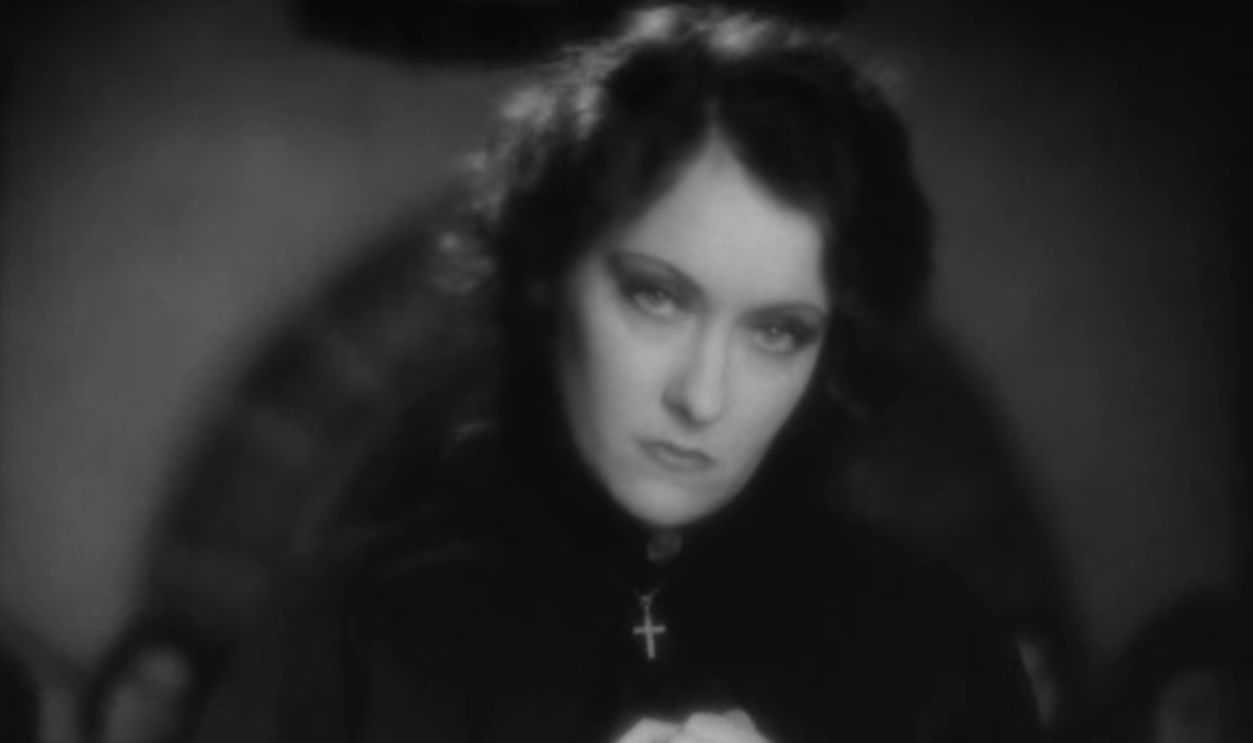 Screenshot from Queen Kelly, United Artists (1929)
23. It Was Finally Over
Gloria Productions survived the disaster and made two more films before becoming Gloria Swanson British Productions Ltd—also completely different, if the Tax Man happens to mention it. But the writing was on the wall. United Artists knew it too, and they bought back their stock from Swanson in order to end the partnership which had once been one of the most promising collaborations of its time.
So—what now?
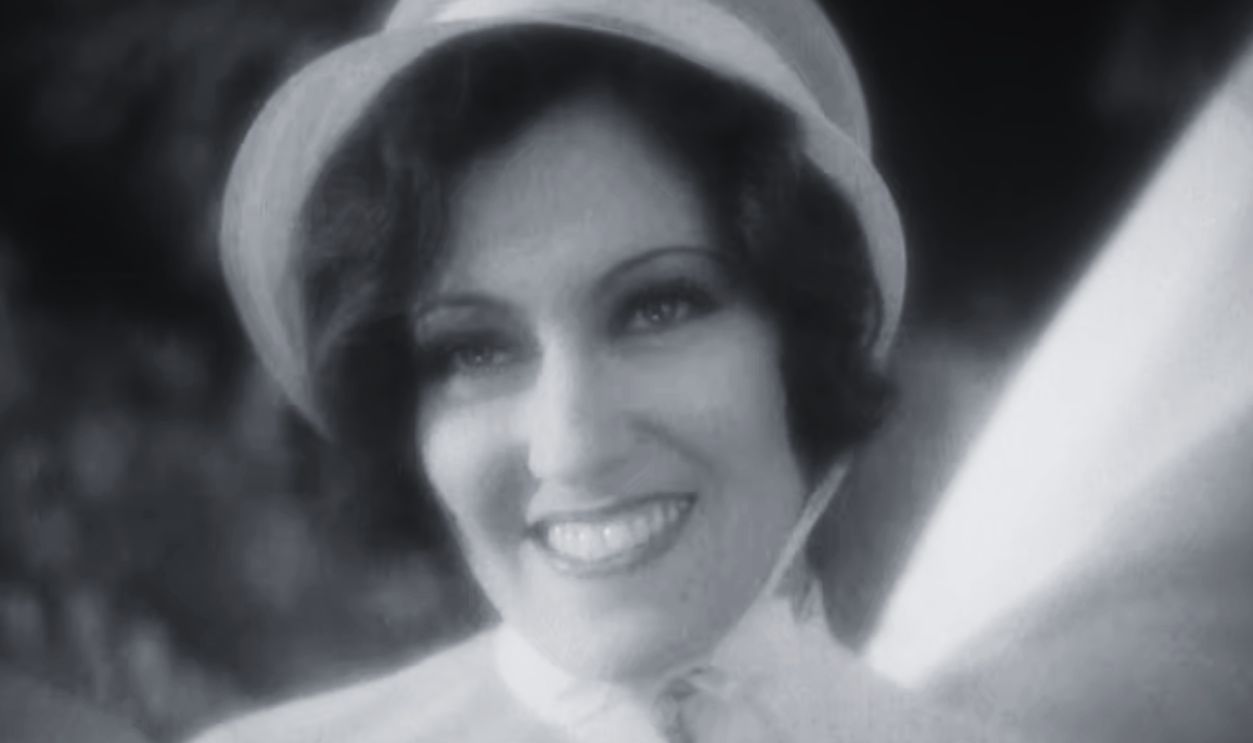 Screenshot from Queen Kelly, United Artists (1929)
24. She Missed The Boat
There’s a sad stereotype about the silent film star who couldn’t make it in the talkies—and it exists for good reason. However, it was the aforementioned bad business decisions and not any squeaky or annoying voice that kept Gloria Swanson down. She knew her time was up, and her silent film career wasn’t the only thing dangling over the precipice.
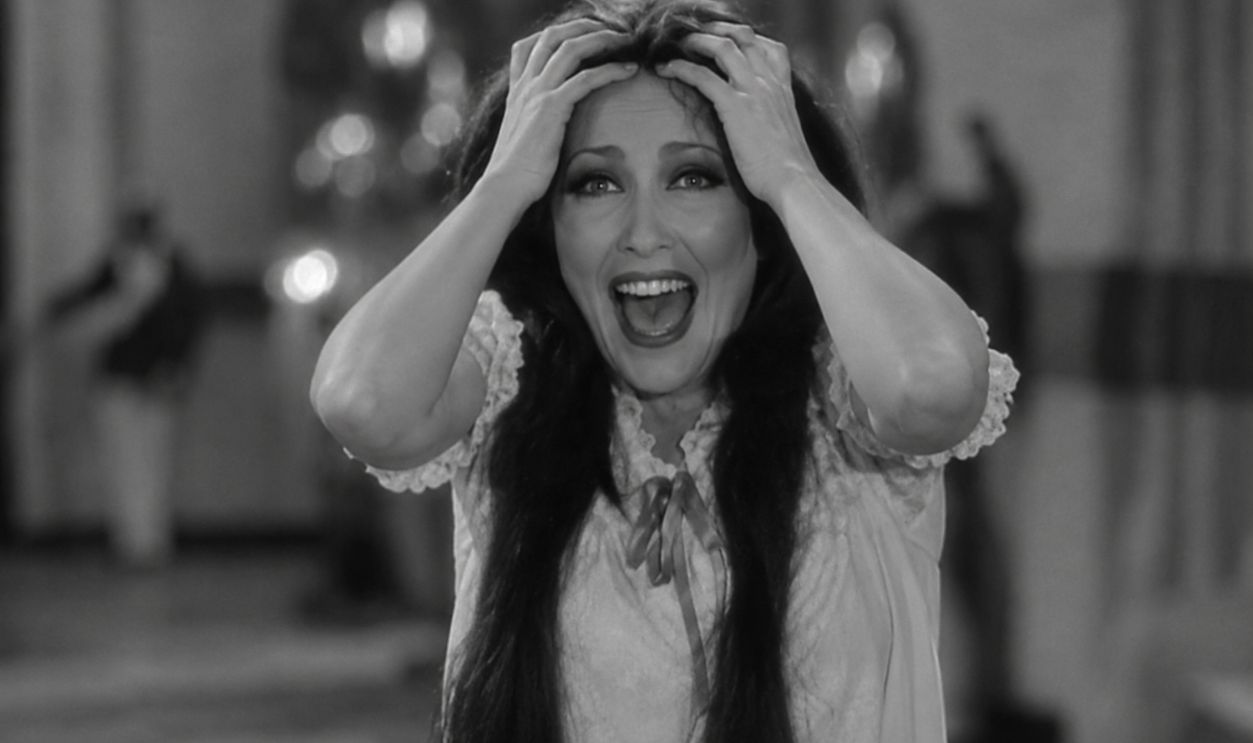 Screenshot from Queen Kelly, United Artists (1929)
25. It Was A Transition Period
Swanson was just hitting her mid-30s as she watched her career slip right out of her fingers. She went from being one of the most prolific stars of the 20s to appearing in just a handful of films in 1931—then one in 1933, one in 1934, and finally, one in 1941. That’s it. Around the same time, her marriage with Henry de la Falaise, the Marquis, was on its last legs—but unlike the split from her second husband, this one seemed mostly amicable, and the pair continued to work together.
So, what does a freshly single gal with a lot of time on her hands do? Get back on the horse, of course.
26. She Rebounded
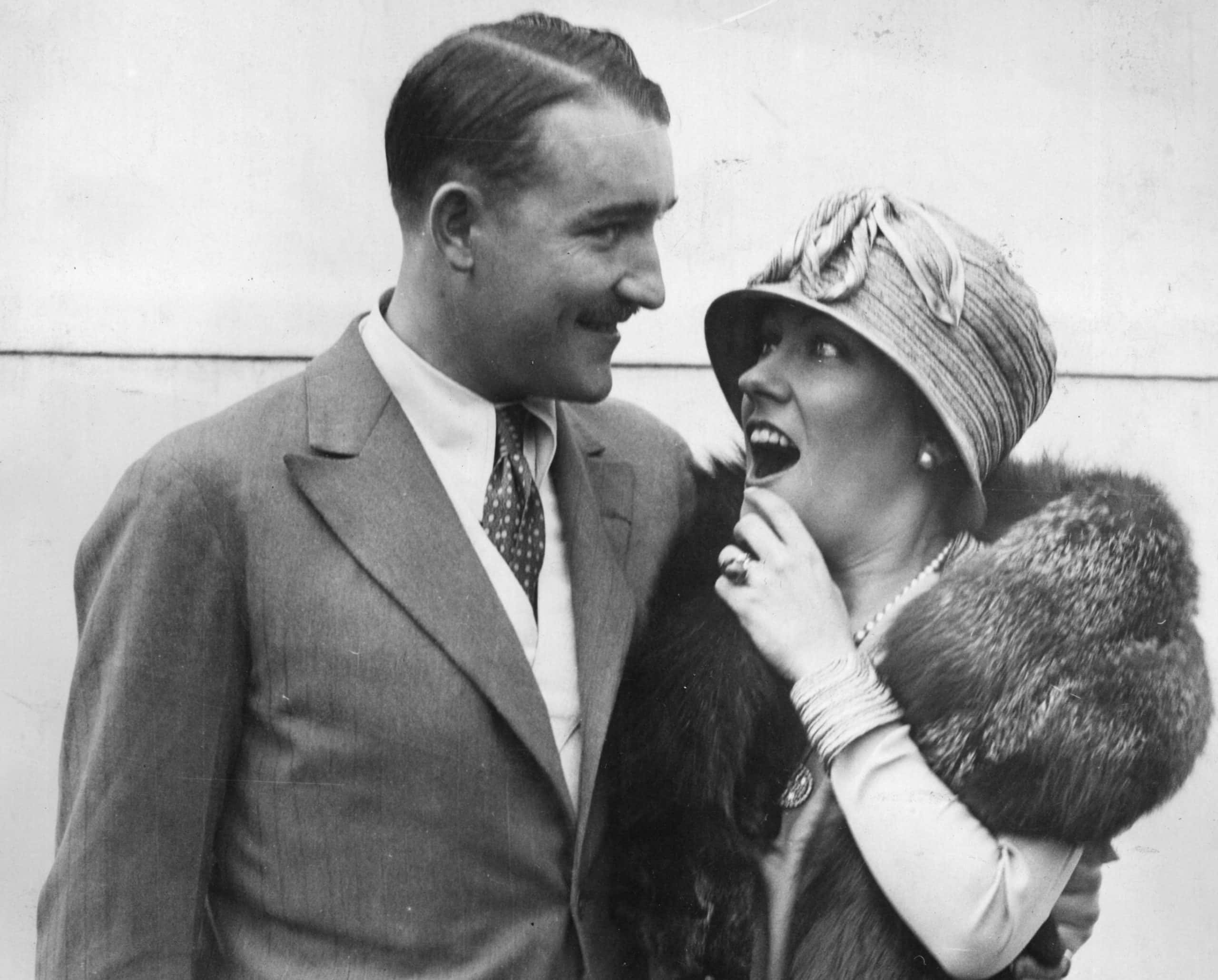
While still technically married to her third husband, Swanson met her fourth husband at a fitting in Paris—and he was something of a peculiar fellow. Michael Farmer was seemingly wealthy, but had no job. As a result, people whispered that he made his living as a male escort. Very quickly, things got serious—as a heart attack.
27. She Had A Scare
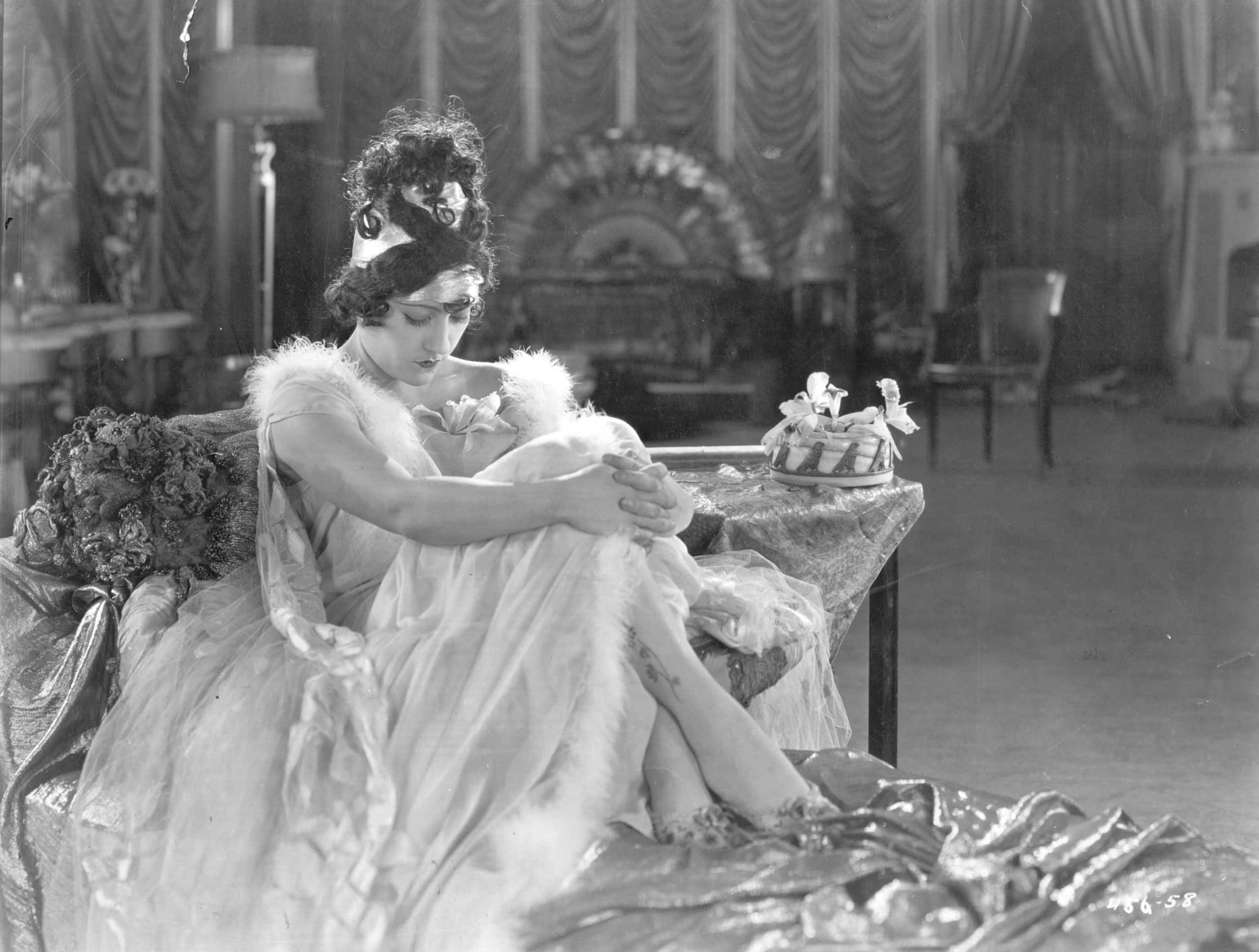
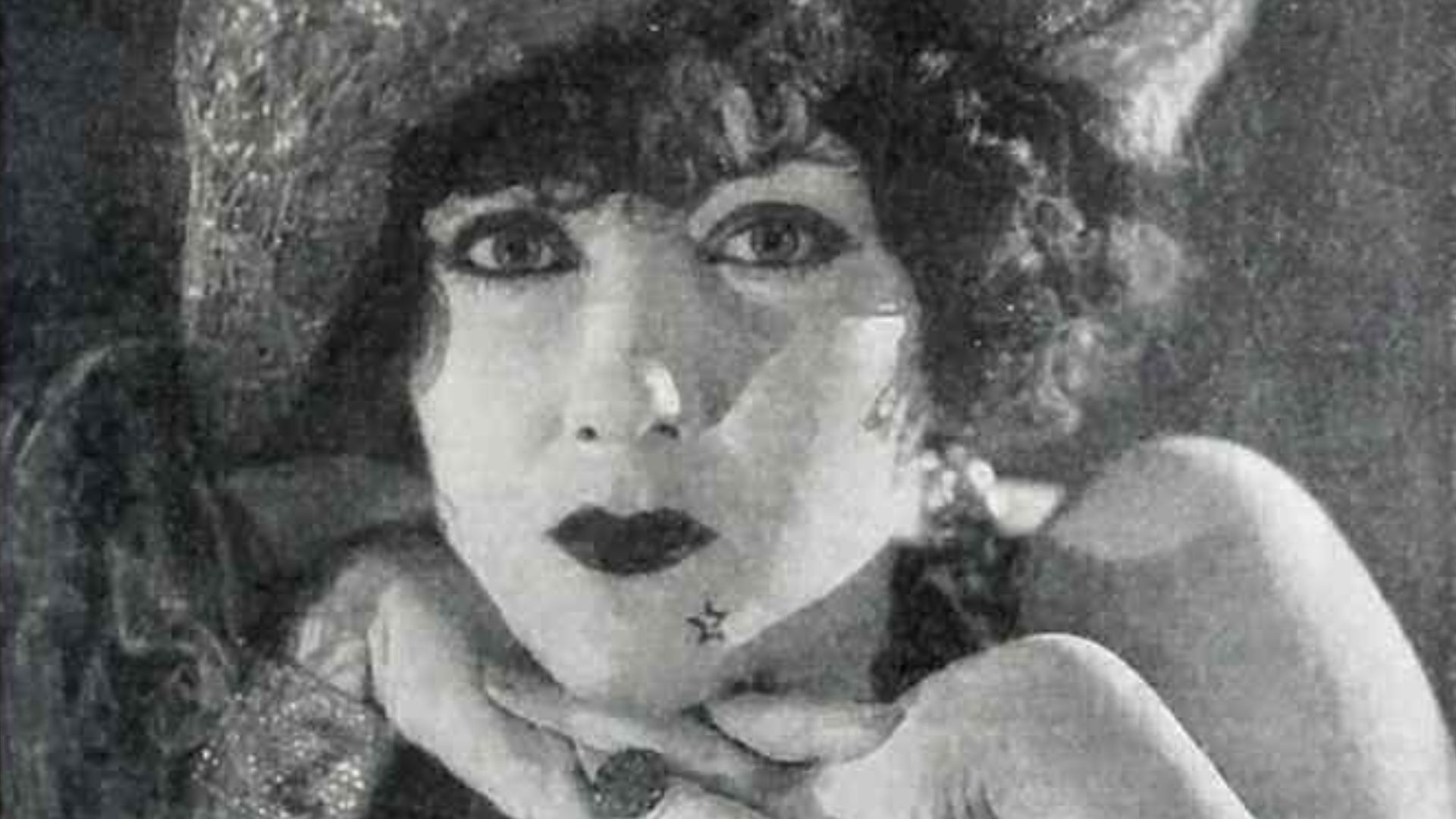
When we say things got serious, we mean with Swanson herself—though the relationship did inadvertently follow suit. Not only did Swanson find a lump in her breast, she also discovered she was pregnant. It wasn’t exactly her best moment—she didn’t want the relationship with Farmer to continue. But he knew a good—or seemingly rich—thing when he saw it, and his reaction to the pregnancy news was truly demented.
 Russell Ball, Wikimedia Commons
28. He Threatened Her
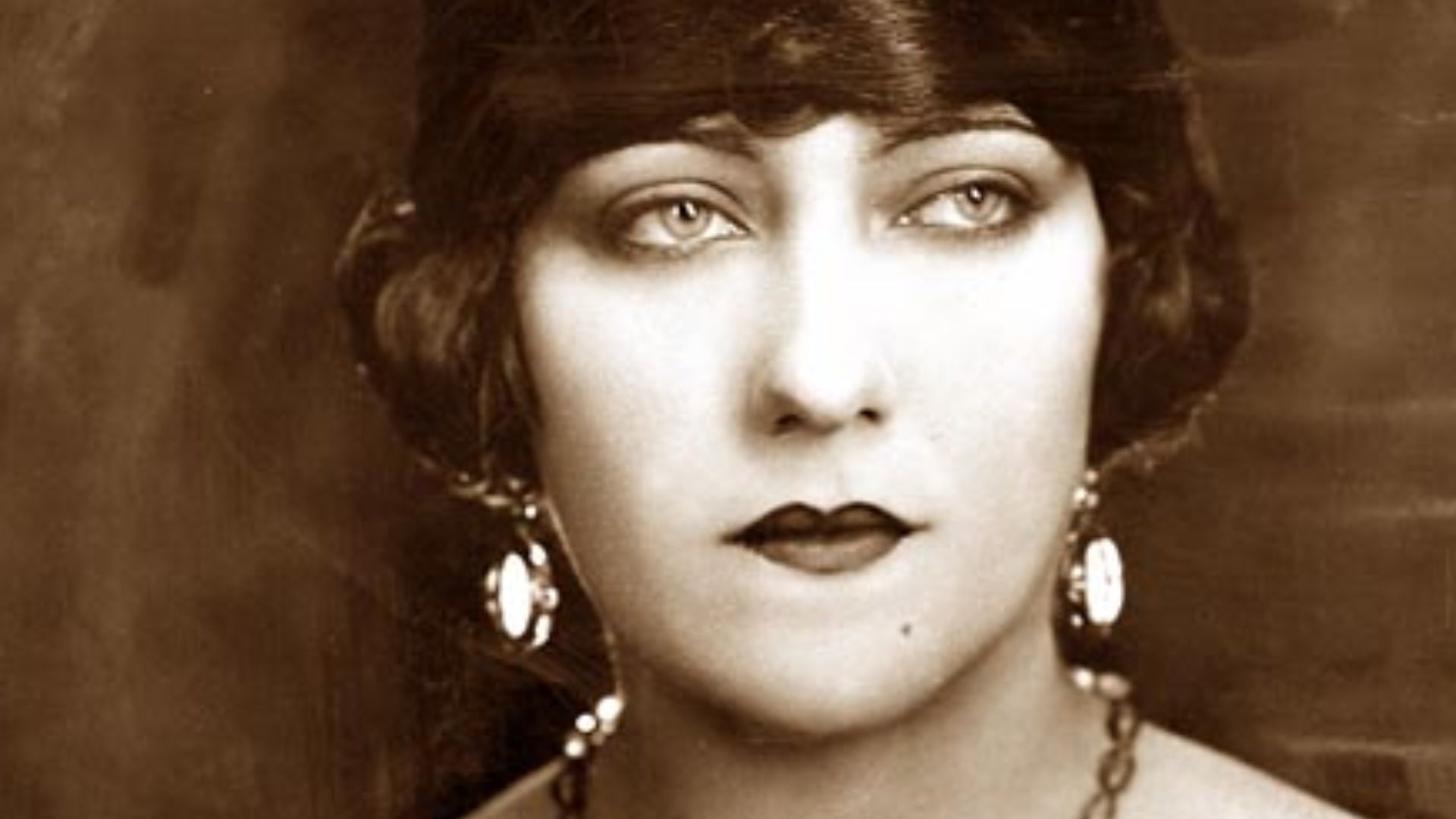
Swanson wasn’t interested, but Farmer didn’t let that stop him. When she told him she was pregnant, he said he’d tell the tabloids unless she tied the knot with him. And while Swanson had made no shortage of romantic mistakes in her life, even her friends thought marrying Farmer was a big mistake.
Still, she basically had no choice.
 Unknown authorUnknown author, Wikimedia Commons
29. History Repeated Itself
Gloria Swanson was still technically married to the Marquis when she first reluctantly married Michael Farmer—which means that after her divorce went through, she had to repeat the nightmare and marry Farmer a second time to make things legal. The union did bring one thing into Swanson’s life: her second daughter, Michelle Bridget Farmer.
But just like her first marriage to Wallace Beery, Swanson had one foot out the door the entire time.
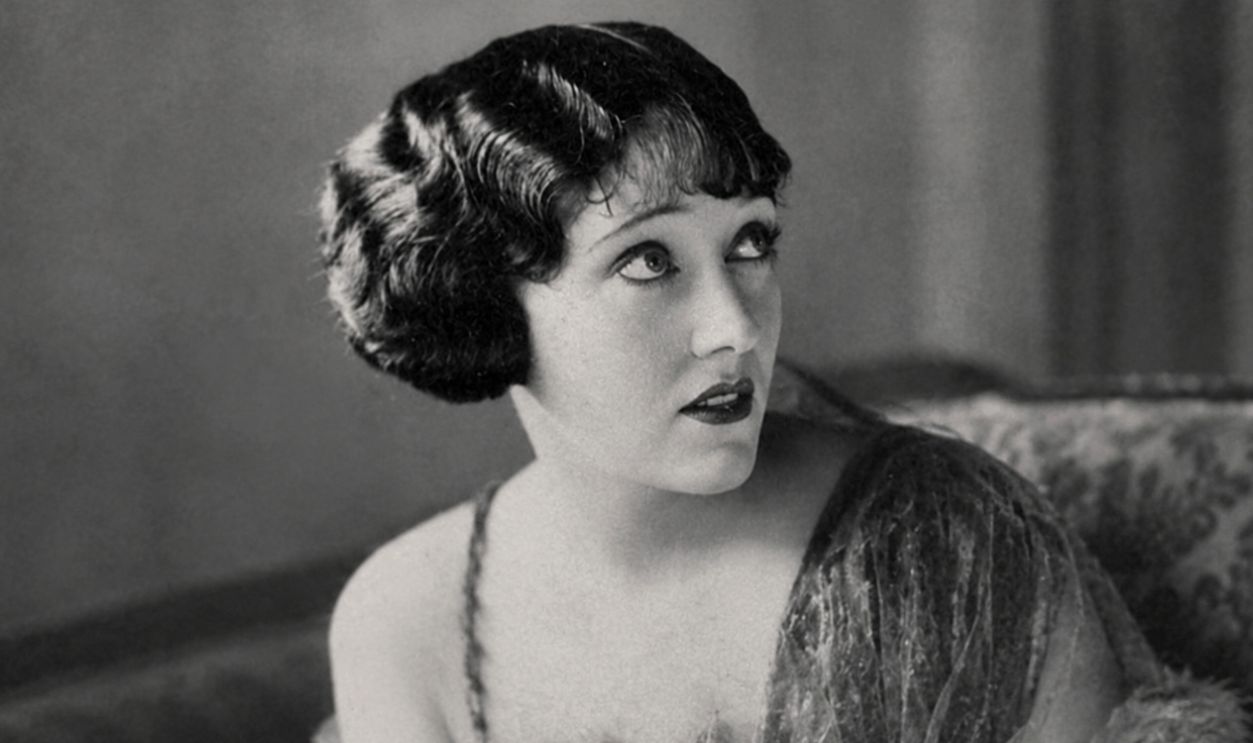 Melbourne Spurr (1888-1964), L.A., photographer, Wikimedia Commons, Enhanced
30. She Kept Making The Same Mistakes
Swanson spent her requisite two-ish years in the marriage to Farmer before looking for a divorce—and much like her earlier splits, she was already stepping out with another man before most people knew things were over. His name was Herbert Marshall, and they had a lot in common.
Like Swanson, Marshall was an actor. And, like Swanson, Marshall was already married.
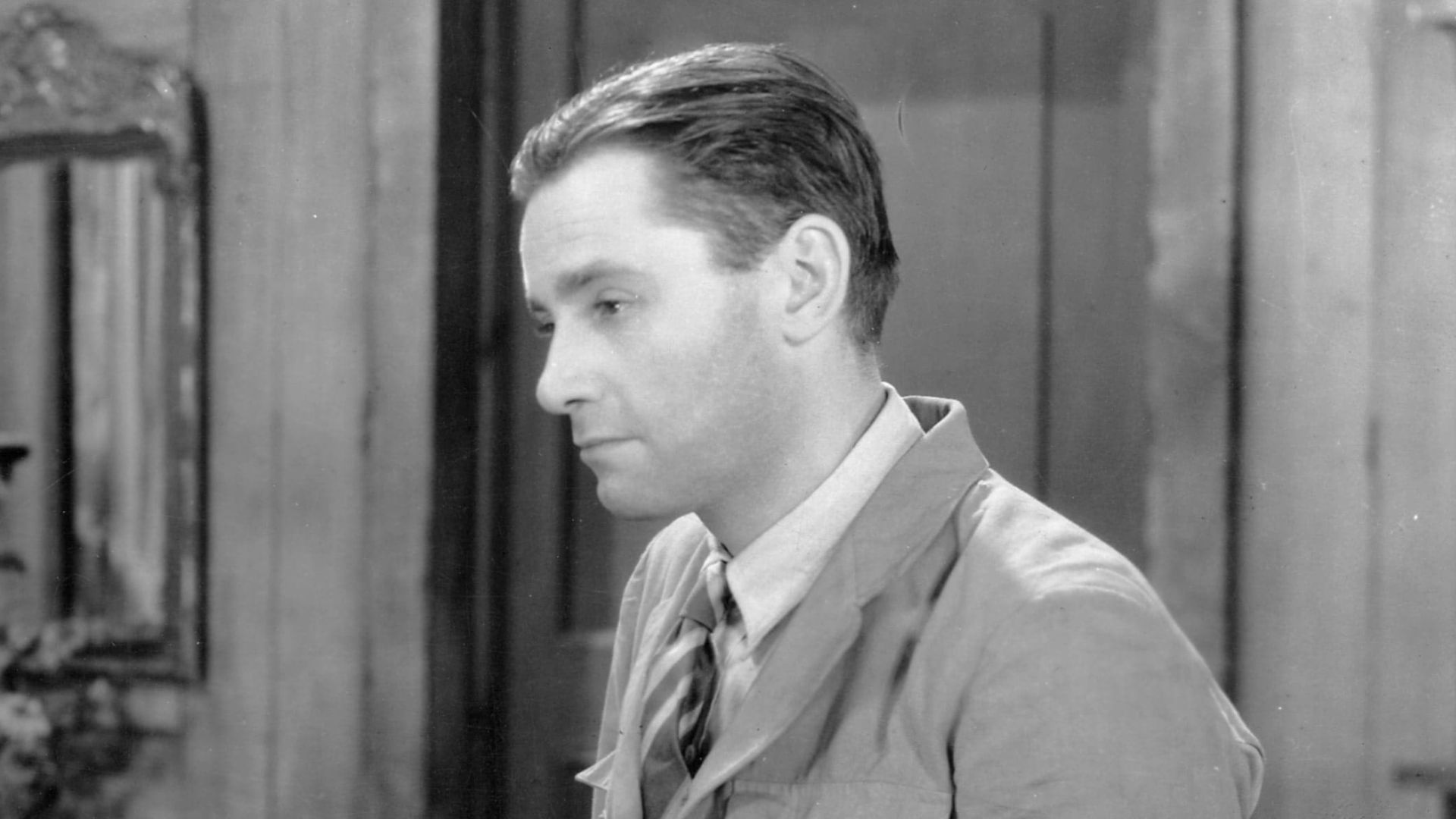 Jean de Limur, Wikimedia Commons
31. She Didn’t Care About Her Image Anymore
Marshall’s marriage was on the rocks, and Swanson’s was already basically over—much like her flagging career. And without the threat of an angry studio, Swanson didn’t bother making much effort to hide the affair. In her memoirs, she portrayed Marshall as one of the kindest and most doting paramours she’d ever been with…but he also had a dark side.
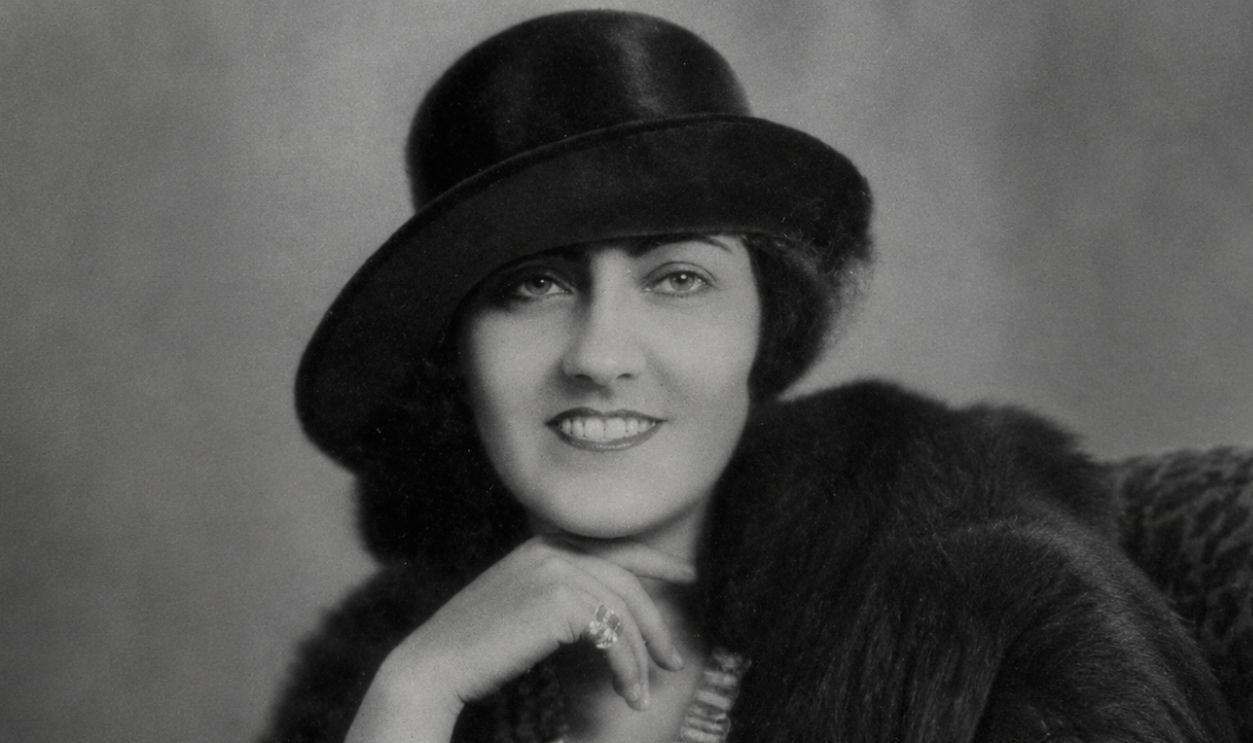 Photoplay Magazine, Wikimedia Commons, Enhanced
32. He Was Extremely Protective
While out at dinner one night, Swanson and Marshall realized they were being photographed—and Marshall flew into a towering rage, pursuing the photographer through the restaurant. But it all came from a protective streak. In another instance, he came to Swanson’s defense at a party when he caught another guest leering at her. He got sucker-punched for his trouble.
But the one person Marshall couldn’t save Swanson from? Himself.
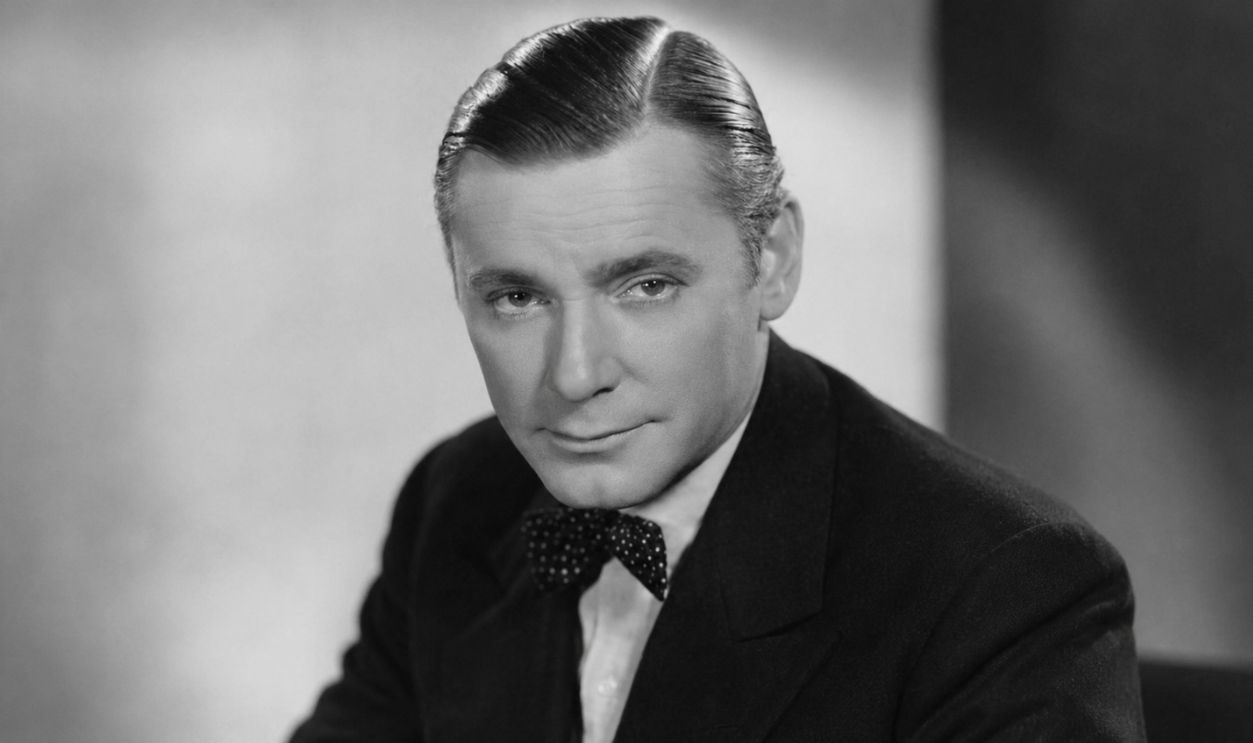 Fred Hendrickson (1894-1946), Wikimedia Commons, Enhanced
33. She Gave Up On Him
Sure, Marshall could be a gentleman—but he was still a married gentleman. And after three years, Swanson doubted that he’d ever actually divorce his estranged wife—so she dumped him. And without a film career or a lover to keep her on the West Coast, Swanson decided to move to New York City.
And one thing about Gloria Swanson? She wasn’t one to sit back and rest on her laurels.
34. She Kept Moving
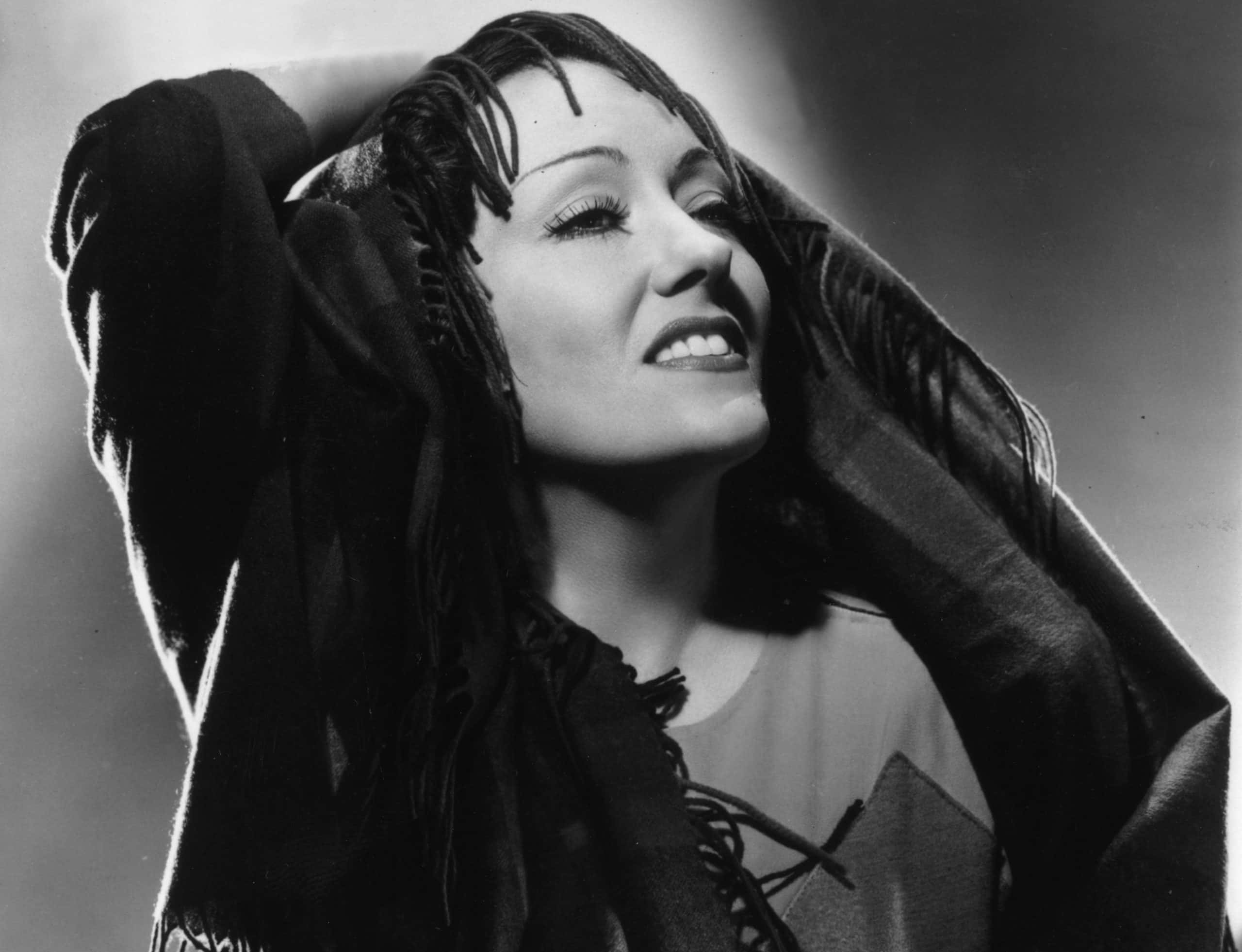
Swanson spent the 40s keeping herself busy—acting on stage, making art, working in summer stock theater, popping up on the radio, and even starring in her own TV show, The Gloria Swanson Hour. While appearing in a play, she met her fifth husband, William M Davey. He was well-off, and Swanson began to think that this marriage might just be a viable retirement plan.
But after they tied the knot, the truth came out.
35. He Had A Huge Problem
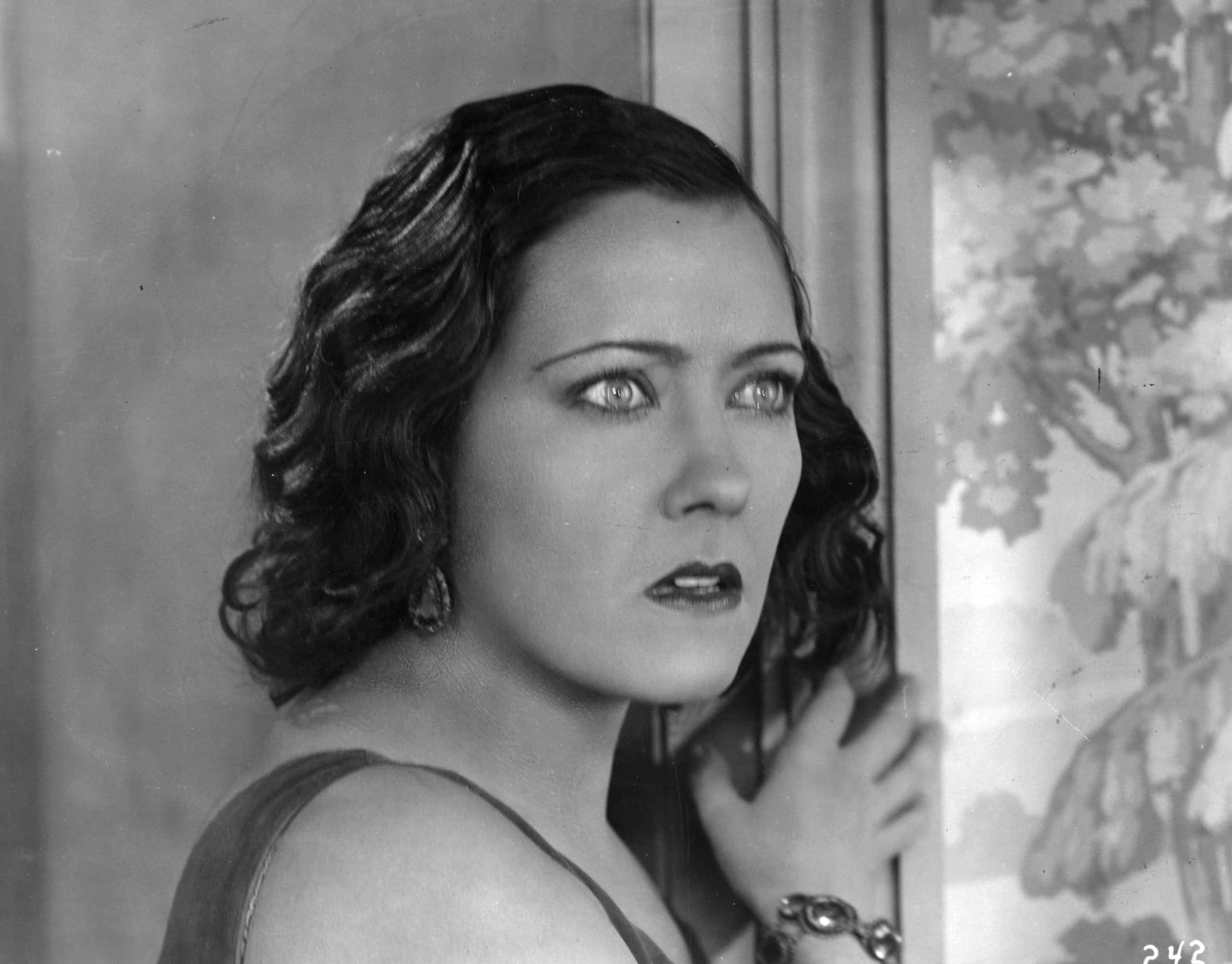
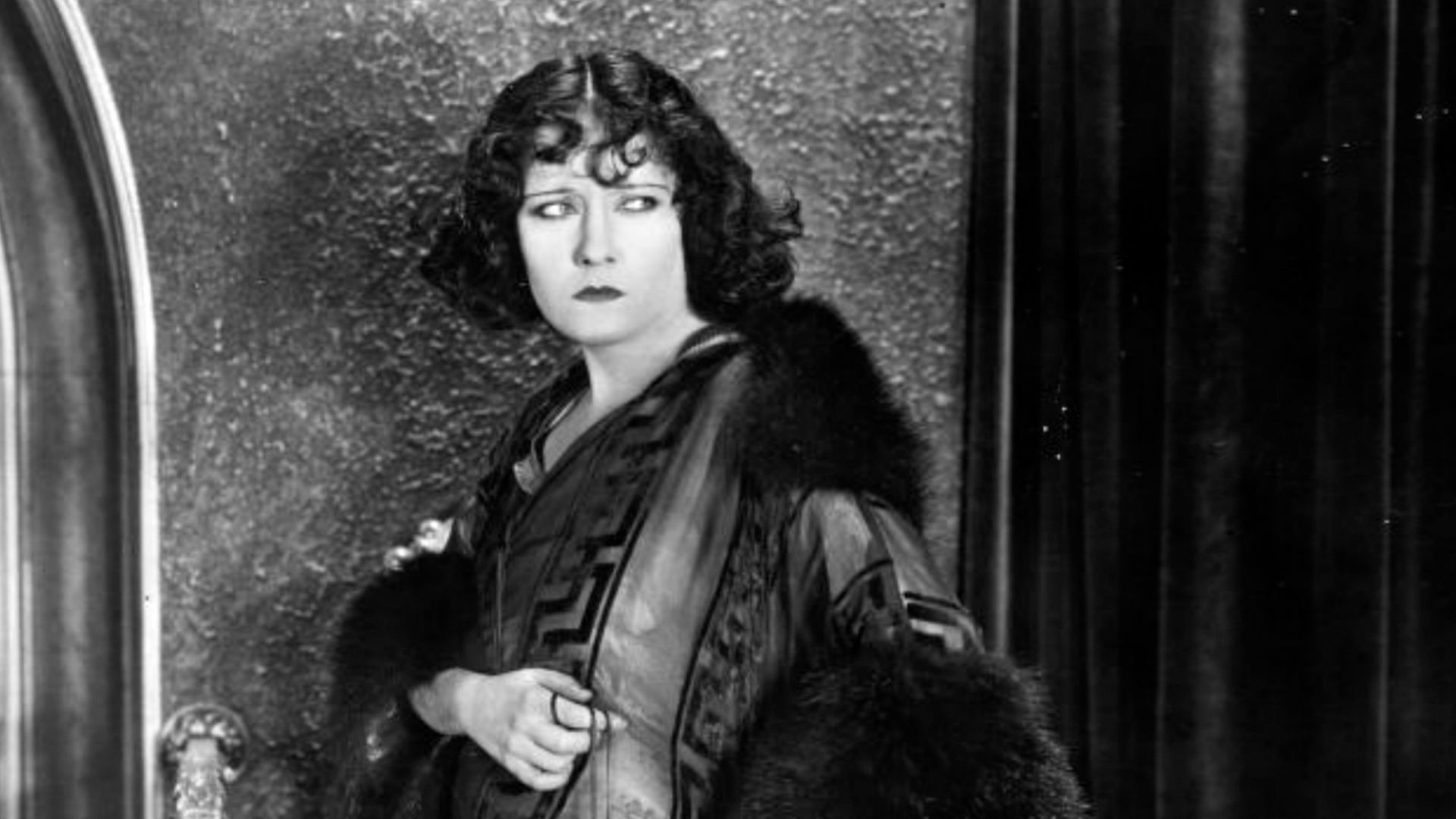
Davey may have seemed great on paper—well, great on bank statements. Not so much on bar tabs. He was a heavy drinker, and their relationship suffered from all the problems that came with that. Swanson still had her now-teenaged daughter Michelle to think of. Mother and daughter tried to get him help. His reaction was deranged.
 Famous Players-Lasky Corporation, Wikimedia Commons
36. He Only Had One Way Out
Faced with the prospect of giving up drinking, Swanson’s new husband packed his bags and moved out. Now, for once, she had the upper hand when they went to court to end the marriage. The judge suggested alimony, and in response, Davey accused Swanson of “mental cruelty”. Davey was about as determined to avoid paying Swanson as he was to quit drinking.
Within a year, he was dead—without having ever sent her a dime. That left her free for an unexpected opportunity.
37. They Wanted A Silent Superstar
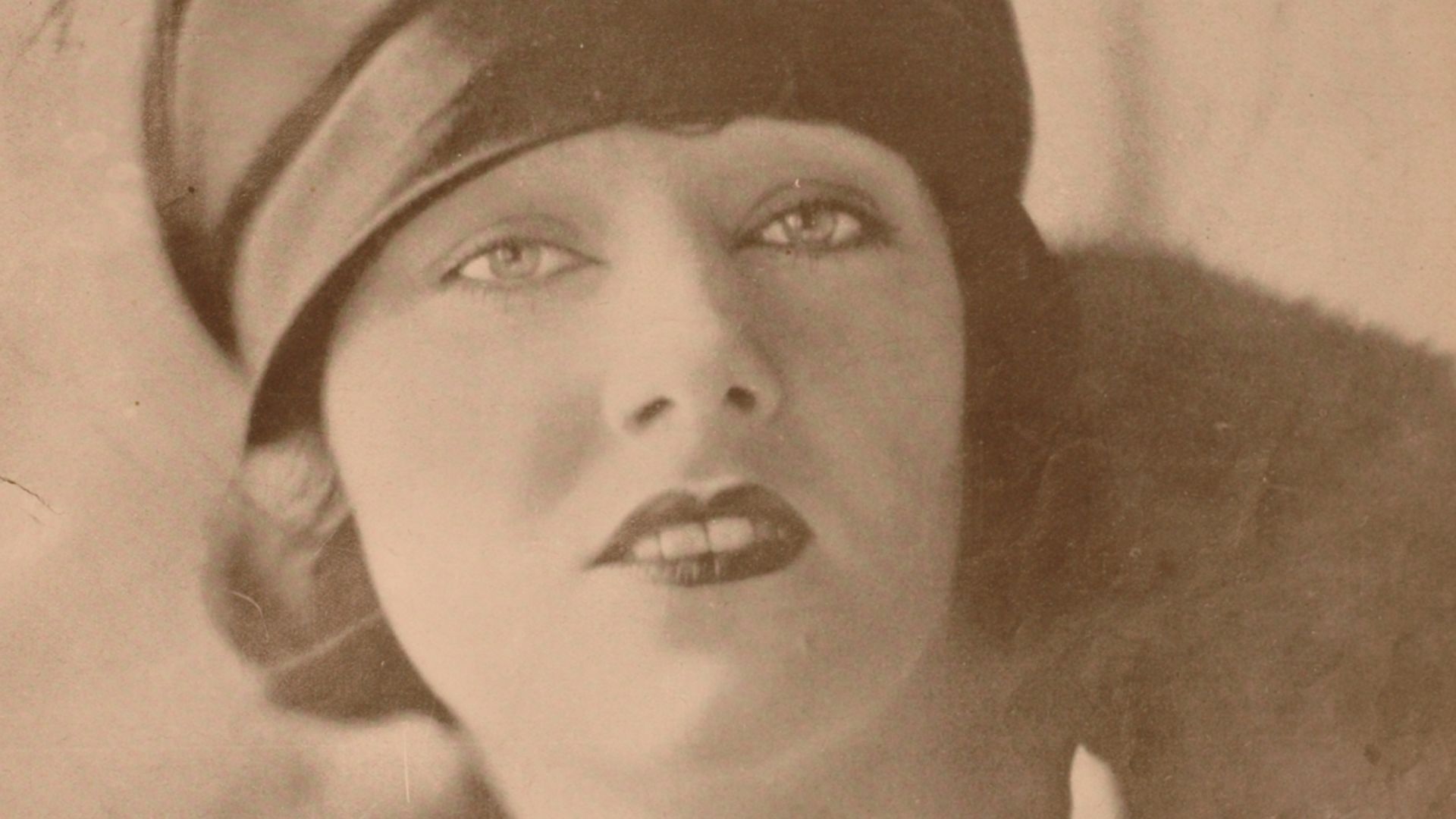
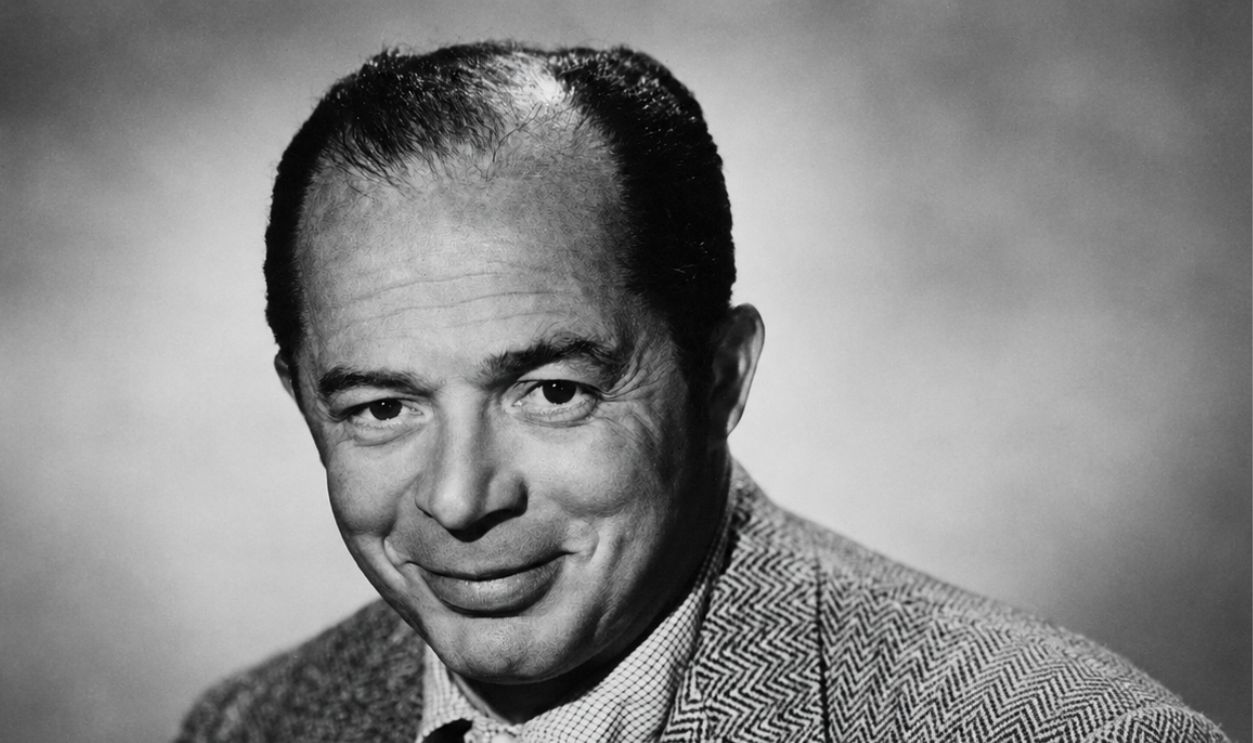
When silent film was replaced by talkies at the end of the 1920s, many of the actors and personalities who had dominated Hollywood went with it—many quite reluctantly. Director Billy Wilder and screenwriter Charles Brackett had an idea for a film that would center on one such character: a faded former star, deluded by a combination of ego and isolation.
For the right person, it could be the role of a lifetime—not to mention an incredible comeback.
 eBay, Wikimedia Commons, Enhanced
38. No One Wanted To Be Thought Of That Way
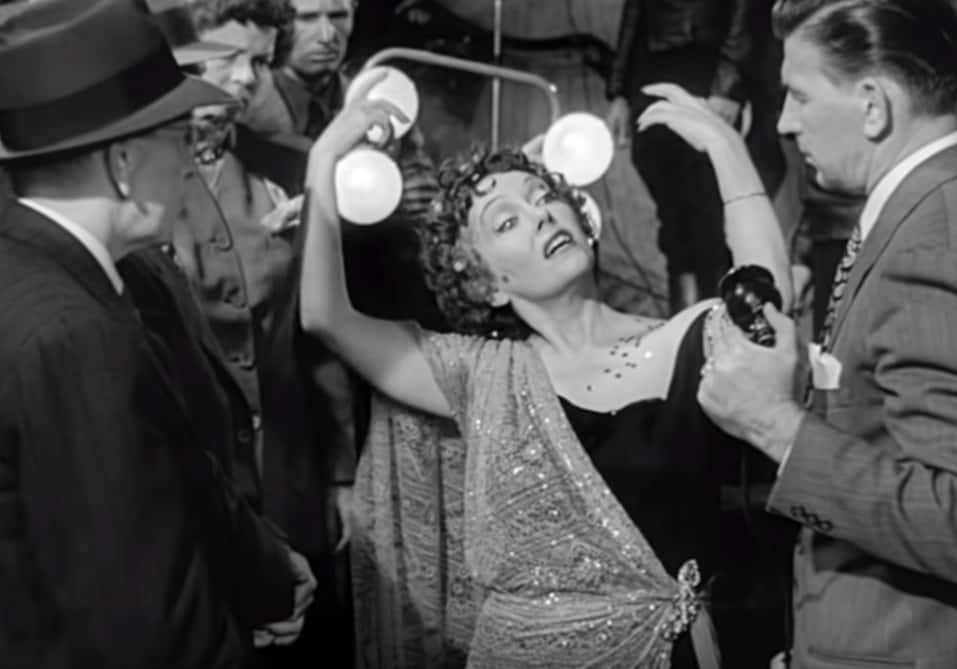
Many of the actresses who might have relaunched their careers with Sunset Boulevard couldn’t put their egos aside, and found the idea of playing such a character insulting. Wilder later claimed a laundry list of stars had rejected the role, including Mae West, Pola Negri, Norma Shearer, Greta Garbo, and Mary Pickford.
Of course, famous as they were, none had lived as glamorously as Gloria Swanson. If they thought they were too good for the part, then there’s no way she’d want it—right?
 Paramount, Sunset Boulevard (1950)
39. She Had Her Comeback Moment
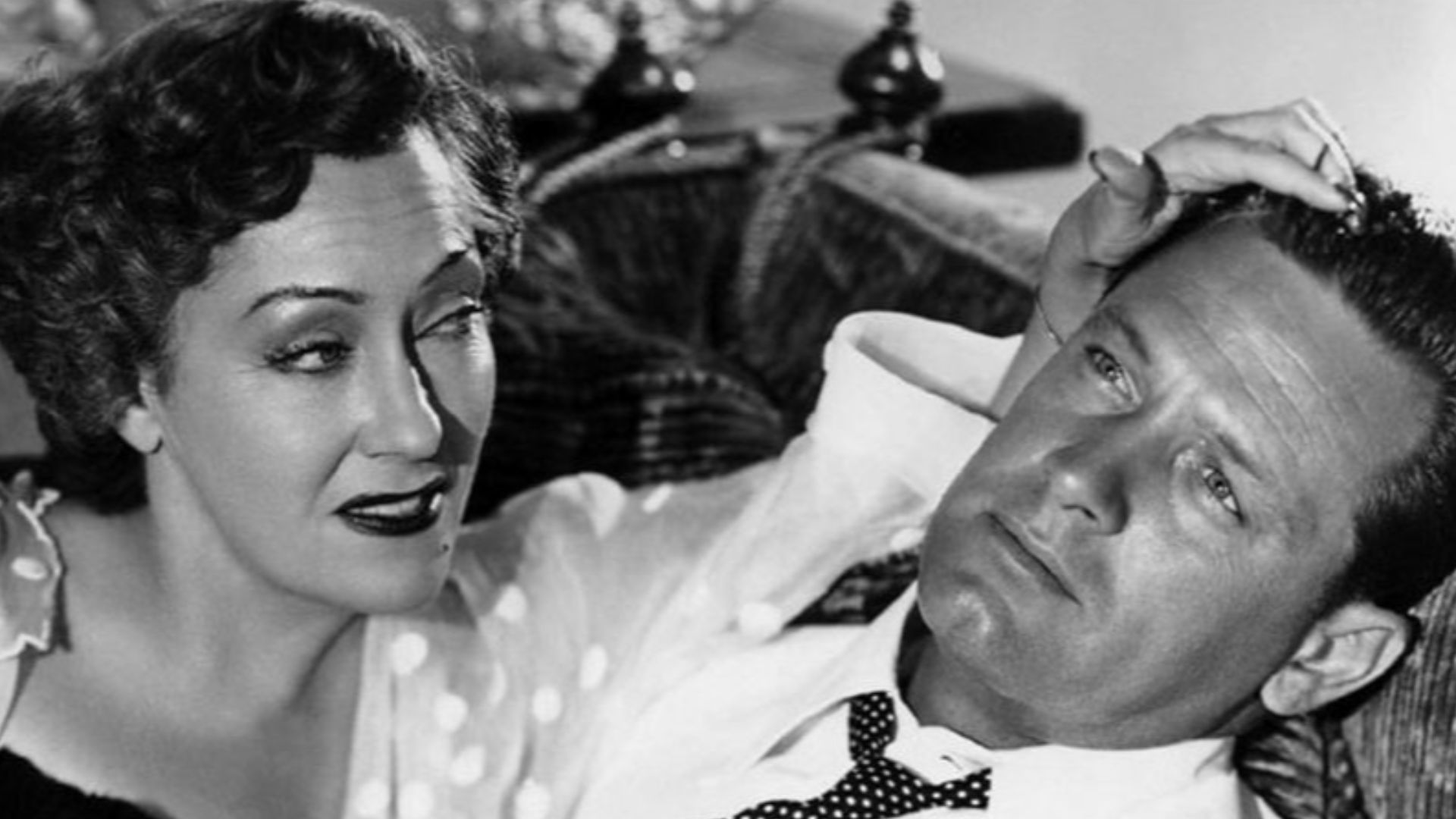
What the other actresses didn’t see was that the role offered the chance to transcend the stereotype of faded star. Swanson recognized that potential and used every ounce of acting talent and experience she possessed when she played Norma Desmond in Sunset Boulevard. It was not only a hit, but also netted her an Oscar nomination for her performance.
Missed opportunities, ladies.
 Studio publicity still, Wikimedia Commons
40. It Was A Short-Lived Return To Form
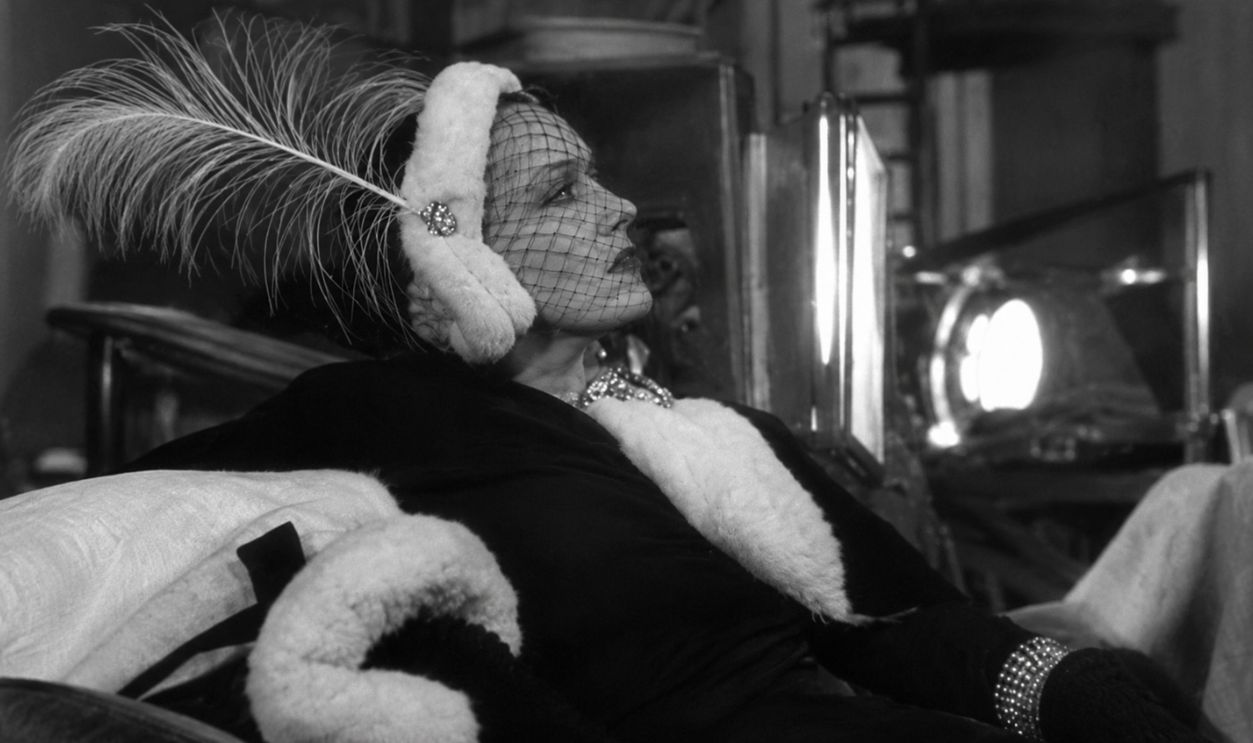
Unfortunately, Hollywood film can be the most uncreative creative field out there, and in the wake of Sunset’s success, studios tried to capture its glory by releasing a slew of pictures about aging former stars. Swanson was getting offers again, but they were all for Norma Desmond-type characters. The writing was on the wall—and Swanson once again resigned herself to theater, talk shows, writing, cameos, fashion design, and the occasional film role.
And if that wasn’t enough to keep her busy, she also made some lifestyle changes that were way ahead of her time.
 Paramount Studios, Wikimedia Commons, Enhanced
41. She Took Care Of Herself
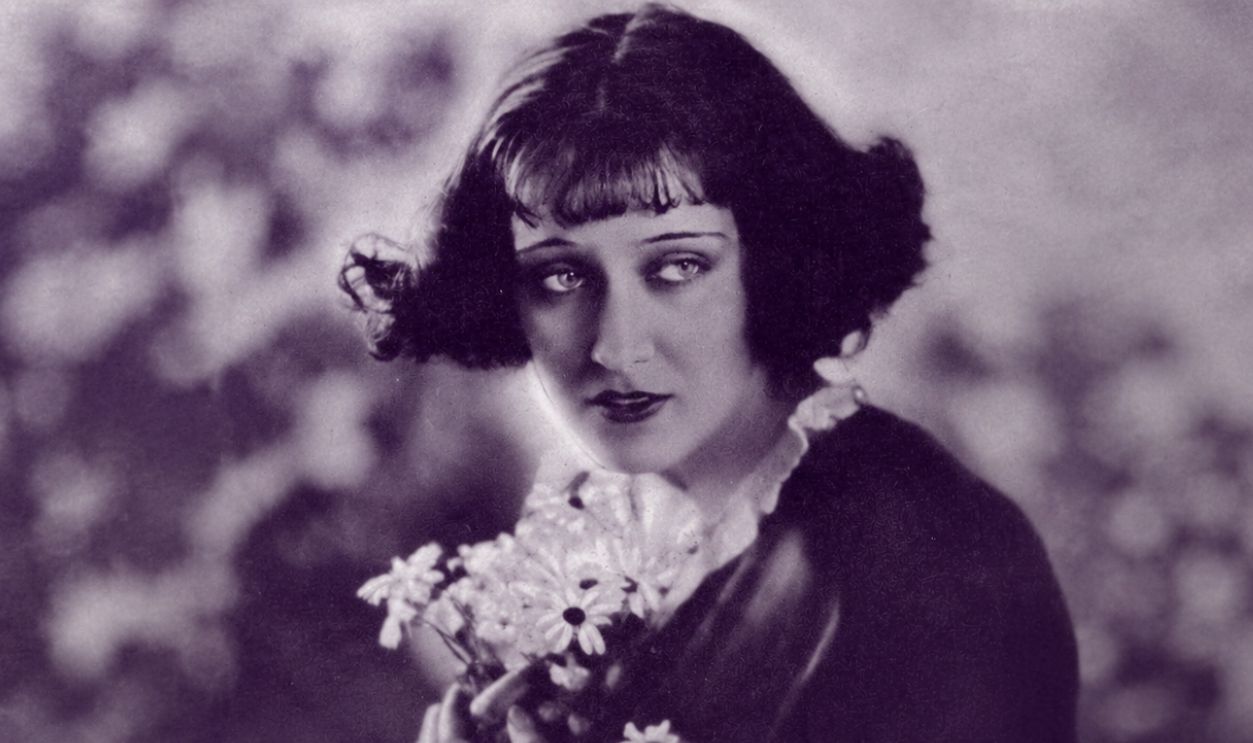
Decades before the rise of clean eating and living influencers, there was Gloria Swanson. Not only was she doing yoga way back in the 50s, and was even photographed doing poses for a book about the practice by her guru. She also avoided sugar and was a strict vegetarian and health food proponent long before the crunchy 70s, often showing up to events with little containers filled with steamed vegetables.
And this lifestyle didn’t just keep her healthy well into her 50s, 60s, and 70s—it also brought her love again.
 Melbourne Spurr, Wikimedia Commons, Enhanced
42. She Found Her Sixth Husband
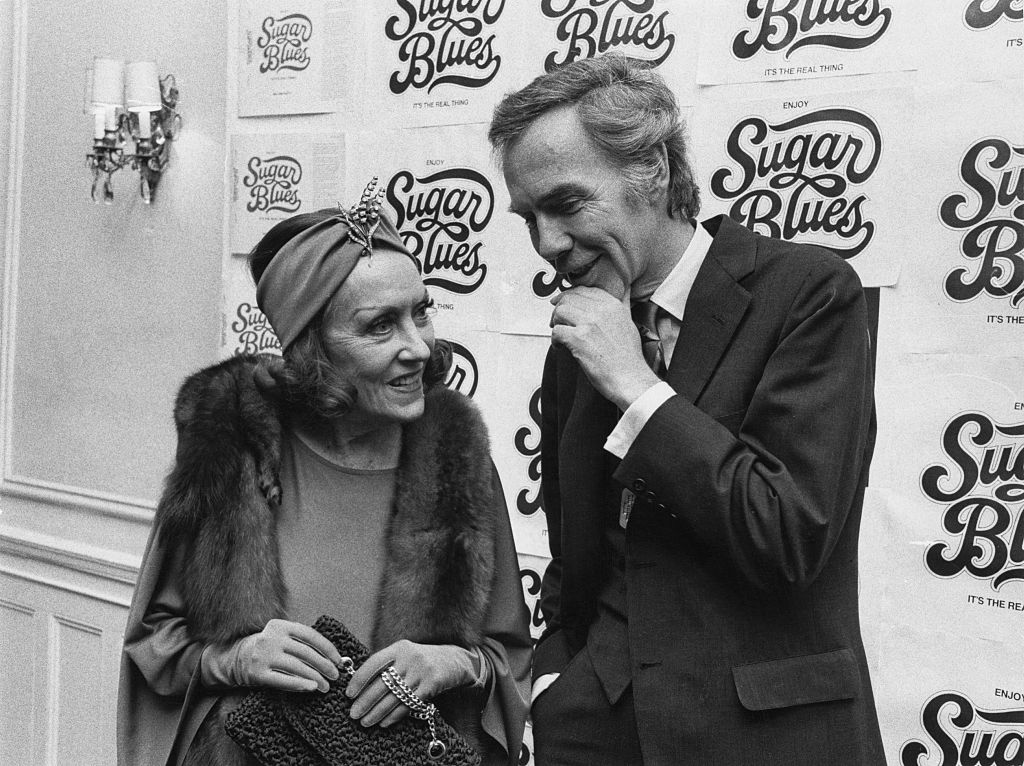
It had been three decades since her divorce from Davey, but Swanson finally gave love another chance when she married William Dufty in 1976. Of course, she had learned her lesson and didn’t rush into this one: They’d already been dating for 12 years. This union made a whole lot more sense than the ones that preceded it. Dufty was the author of the health book Sugar Blues, had various other healthy/new age-y interests, and followed a macrobiotic diet.
They were a true match for each other—and stayed together for the rest of Swanson’s life.
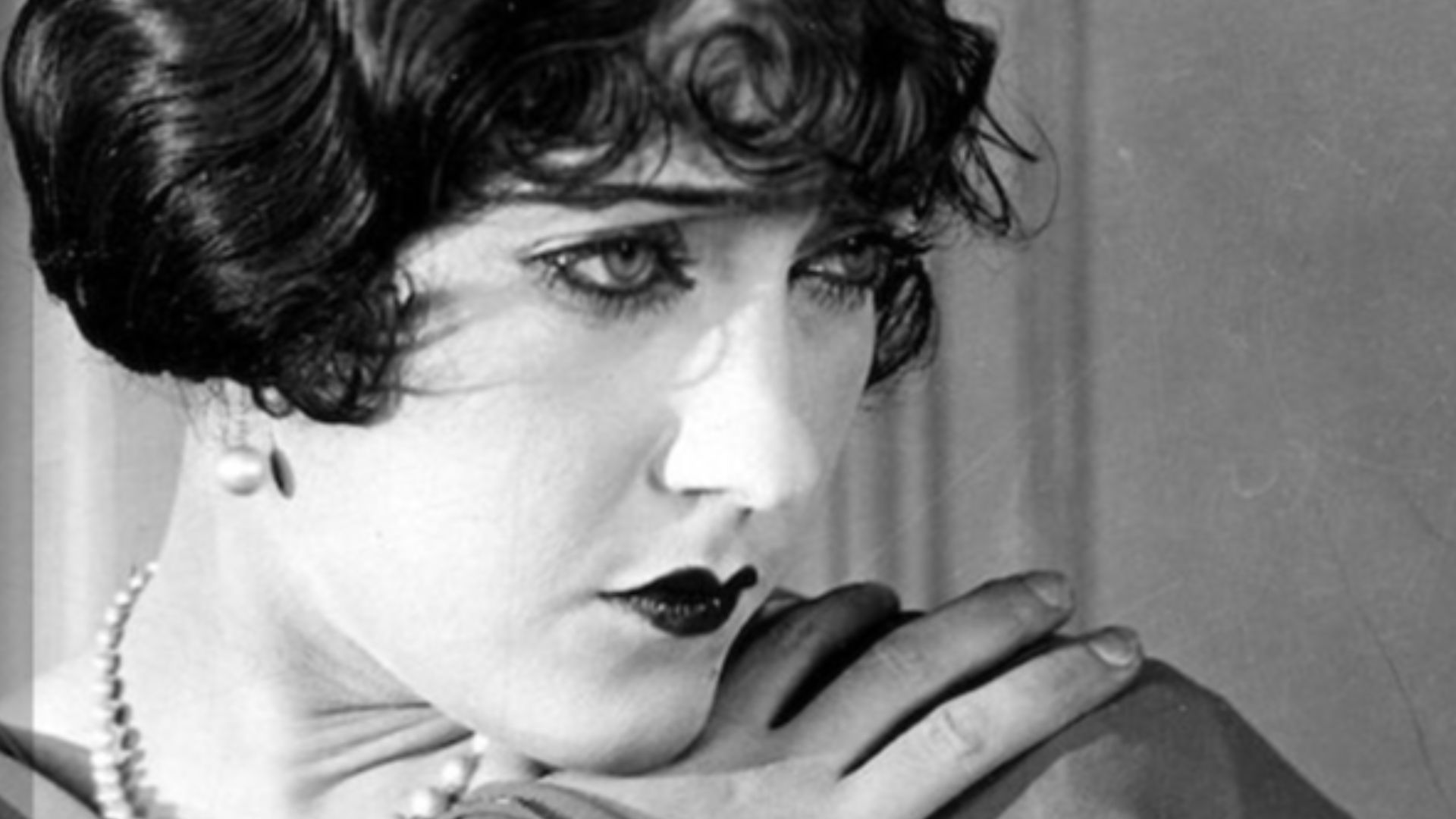 Photo: Paramount, Wikimedia Commons
43. She Told All
Content with all she’d built for herself, Gloria Swanson sat down to write her memoirs, which came out under the title Swanson on Swanson in 1981. The book was a hit. It’s no surprise why, because in it, she laid bare parts of her life that had only been speculated on or had remained secret for more than half a century—including her ill-fated first marriage.
44. She Was Attacked On Her Wedding Night
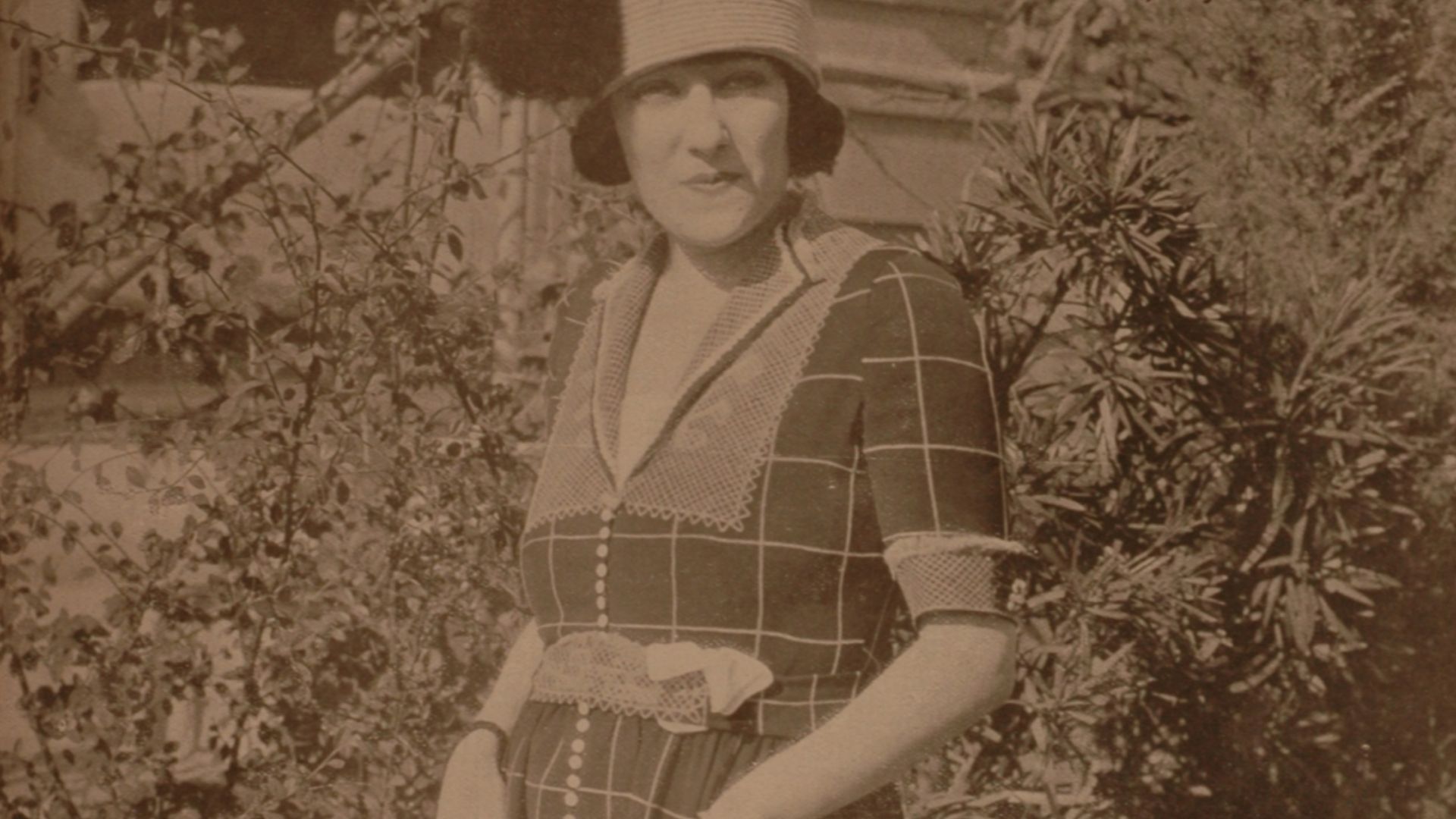
When Gloria Swanson wed Wallace Beery in 1916, she was just an up-and-comer and he was a massive star. From the outside, it looked like a fairy tale—but it was really more of a horror story. Swanson had essentially checked out of the marriage from the very first night, and there was a dark reason why. Swanson claimed he’d forced himself on her the night they got married.
And that wasn’t all she revealed.
 William Eglinton, Wikimedia Commons
45. She Finally Revealed Her Deepest Secret
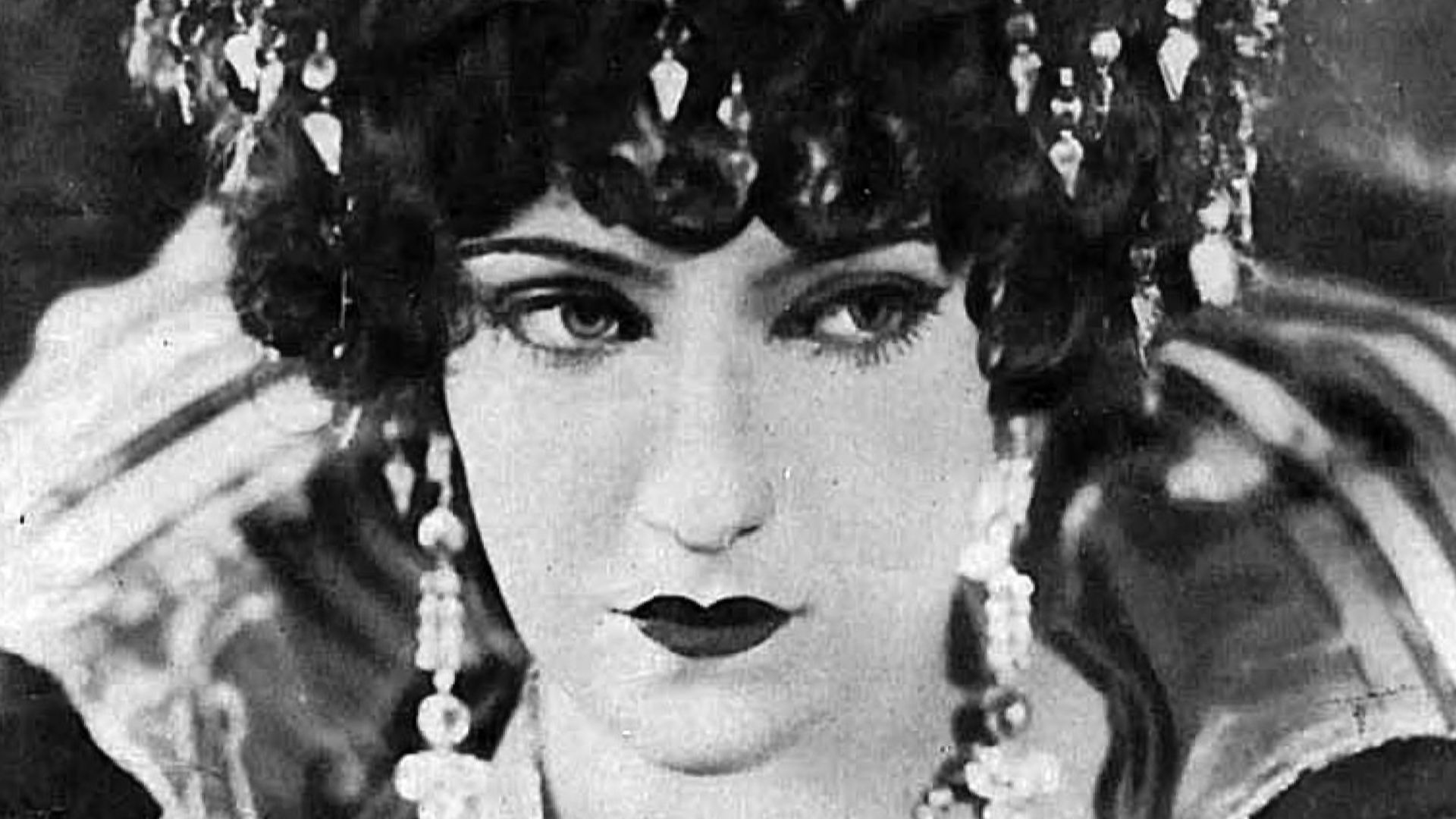
While Swanson’s divorce from her second husband had been acrimonious due to her alleged cheating, her split from her third husband, the Marquis de la Falaise, was amicable—but was that only because a dark secret was swept under the rug? Years later, the truth came out about the affair Swanson had tried to conceal for so long—but it was the identity of her paramour that was the real bombshell.
Forget the European aristocracy. She was getting her kicks with American royalty.
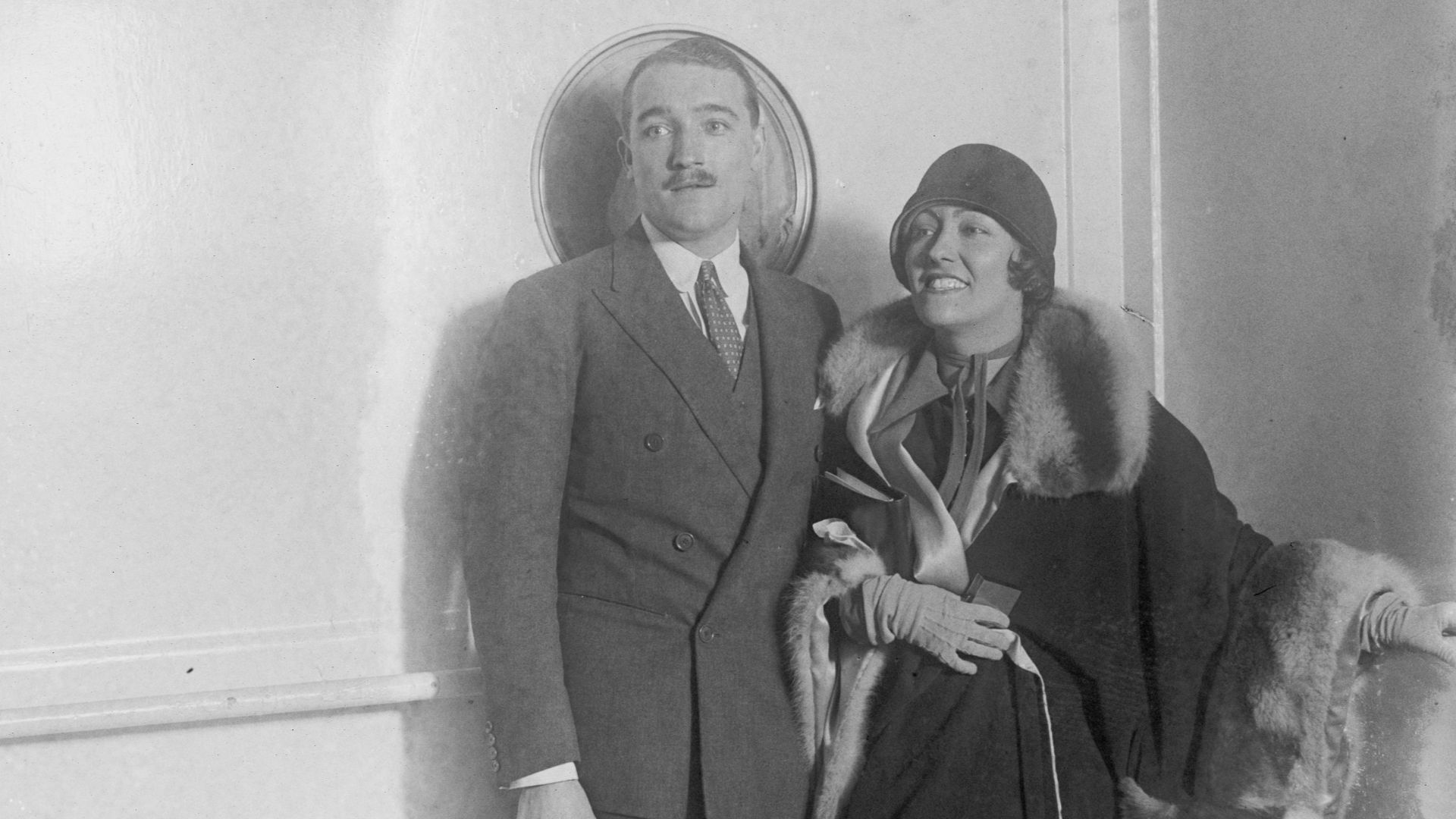 Bain News Service, publisher, Wikimedia Commons
46. She Landed A Big One
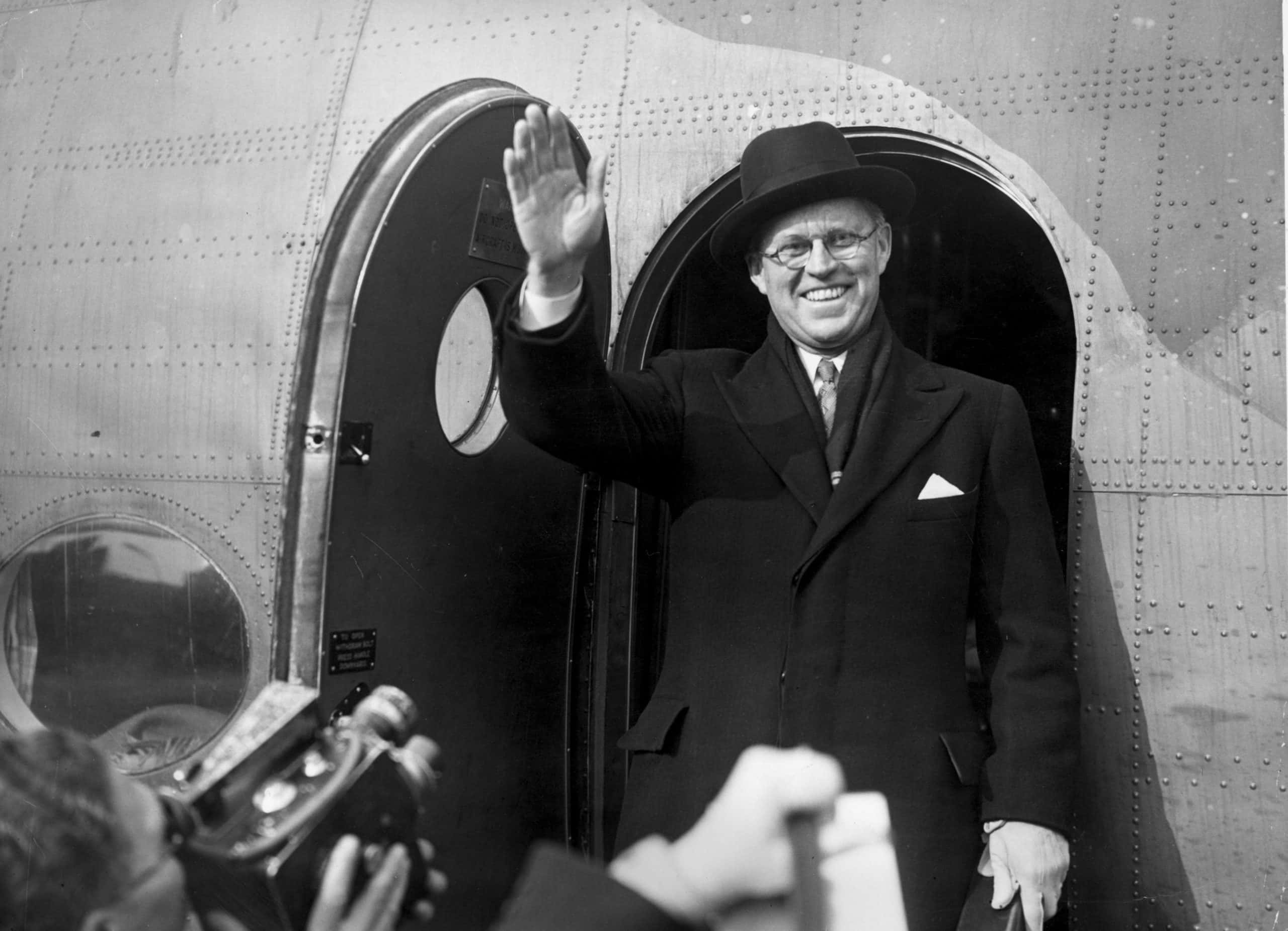
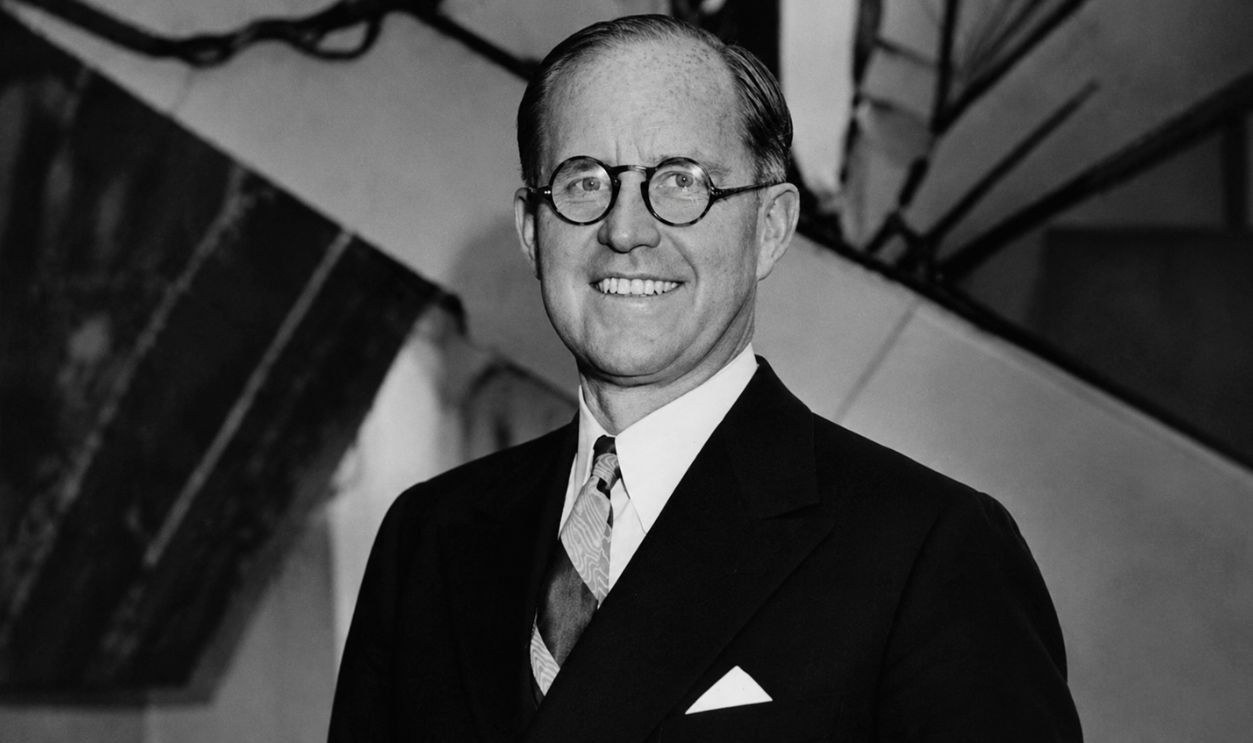
Before he was busy shaping the government, Joseph P Kennedy Sr—that’s JFK’s father—saw big bucks in film and started making his name on the business side of things. This was right around the time that Swanson was starting out with United Artists and beginning to produce her own pictures. Kennedy invited Swanson and her husband, the Marquis, to his home in California.
They accepted the offer—but Kennedy really had a devious plan up his sleeve. Someone on his staff took Swanson’s husband out for some deep sea diving—an excursion that would take the whole day.
47. He Knew Exactly What He Wanted
With the Marquis gone and Swanson all alone, Kennedy reportedly approached the door of the room she was staying in and cried “No longer, no longer. Now”! Talk about dramatic. She not only came away with a lover, but he also became a financial advisor for her production company—something she desperately needed, given her spending habits.
Perhaps most scandalously…or maybe it’s just bizarre: She had her adopted son baptized “Joseph Patrick”. Yes, mirroring her lover’s first and middle names.
 Wide World Photos, Wikimedia Commons, Enhanced
48. He Turned On Her
Unfortunately, that saying about mixing business and pleasure does exist for a reason. Kennedy was the one who suggested the director for Swanson’s disastrous and expensive starring vehicle Queen Kelly—and when it failed, their relationship paid the price. He quit filmmaking, and Swanson realized that he was neither a financial wizard nor generous lover—he’d reportedly charged her company for the furs he’d given her as a gift.
49. The World Lost A Star
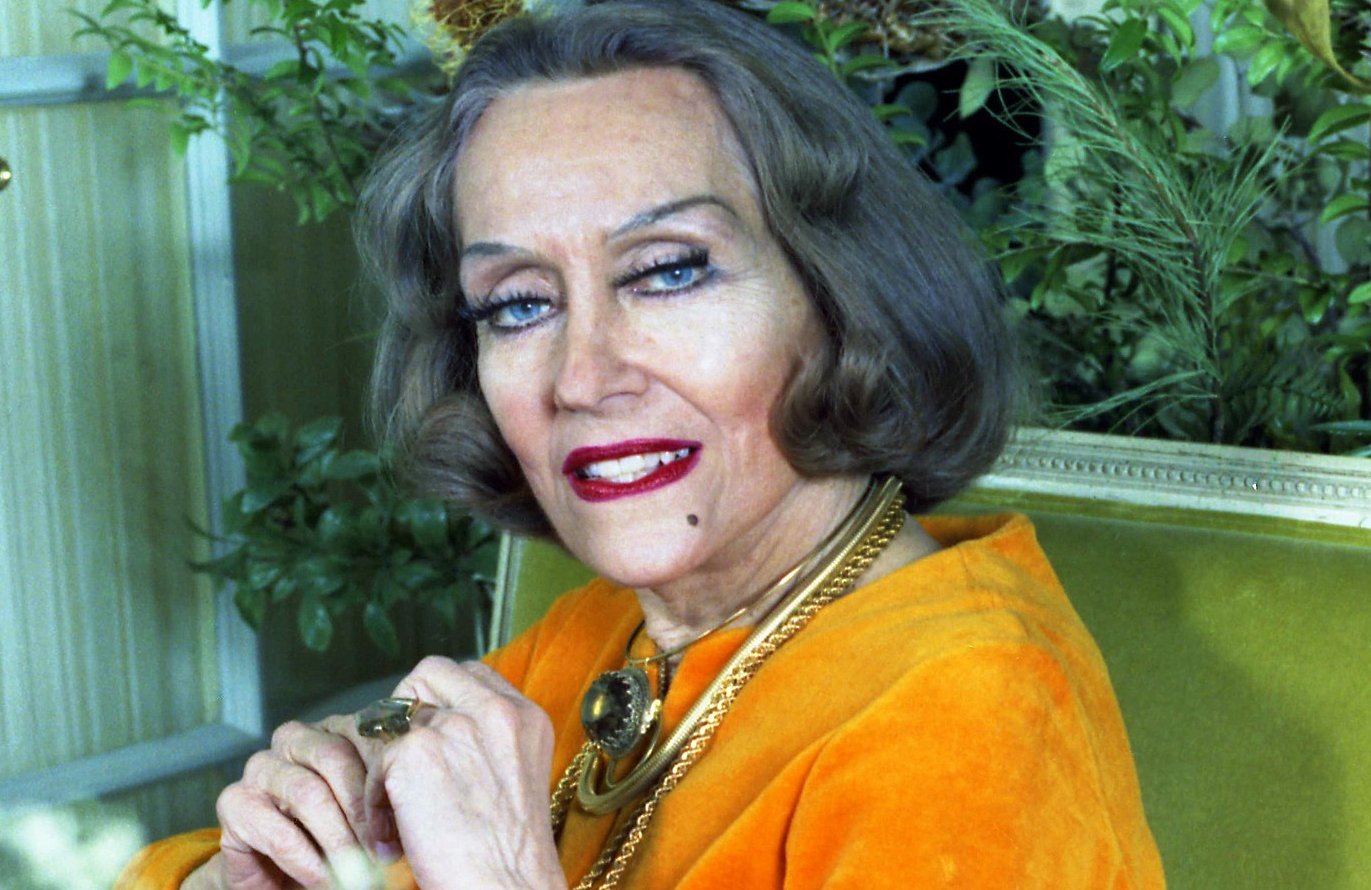
With Swanson on Swanson out in the world, she continued to enjoy her retirement, spending time with her health-conscious husband and hobknobbing with his famous fans, like John Lennon and Yoko Ono. They had homes across the globe, including one on the Portuguese Riviera. While visiting there in 1983, Swanson began to experience heart problems and returned to New York City.
While there, she passed on due to a heart ailment. She was 84 years old.
 Allan warren, CC BY-SA 3.0, Wikimedia Commons
50. She Was A Force To Be Reckoned With
There’s no doubt that Gloria Swanson was ahead of her time. While Hollywood chewed up and spit out many of her contemporaries, Swanson dealt with her stardom differently. She took care of herself first and foremost and got out of bad marriages as deftly as a woman could at the time. She found creative fulfillment behind the camera and started her own production company long before “actor-turned-director” became a stereotype. She not only let rejection slide off her back like water, but was also able to put aside her ego when it counted.
In many ways, she was the exact opposite of her most famous character, Norma Desmond—and it saved her.
You May Also Like:
Noir Facts About Barbara Stanwyck, The Hollywood Dame
Dazzling Facts About Hollywood's Scandalous Silent Film Stars