Dirty Laundry
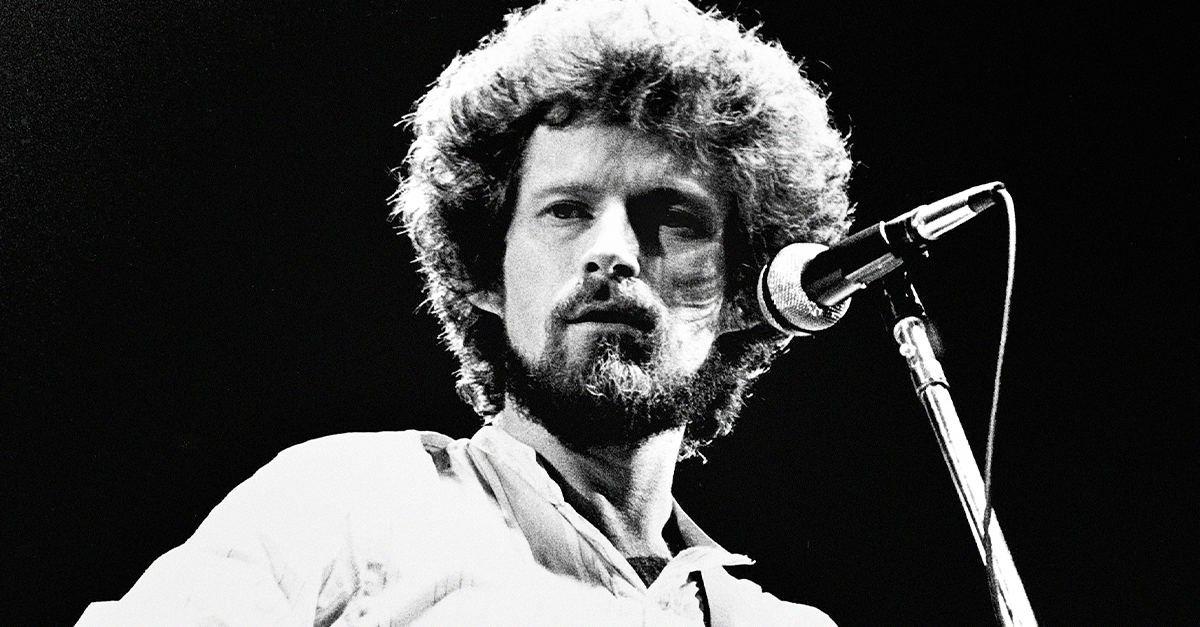
As a founding member of the Eagles, Don Henley was not only instrumental in creating one of America’s most iconic bands but also in their widespread success. Adding to his resume, beyond helping the band, his talents as a musician and songwriter helped build a career apart from The Eagles.
However, just as the band itself was no picnic behind the curtains, so too did the drummer have a darker side.
1. He Switched Gears
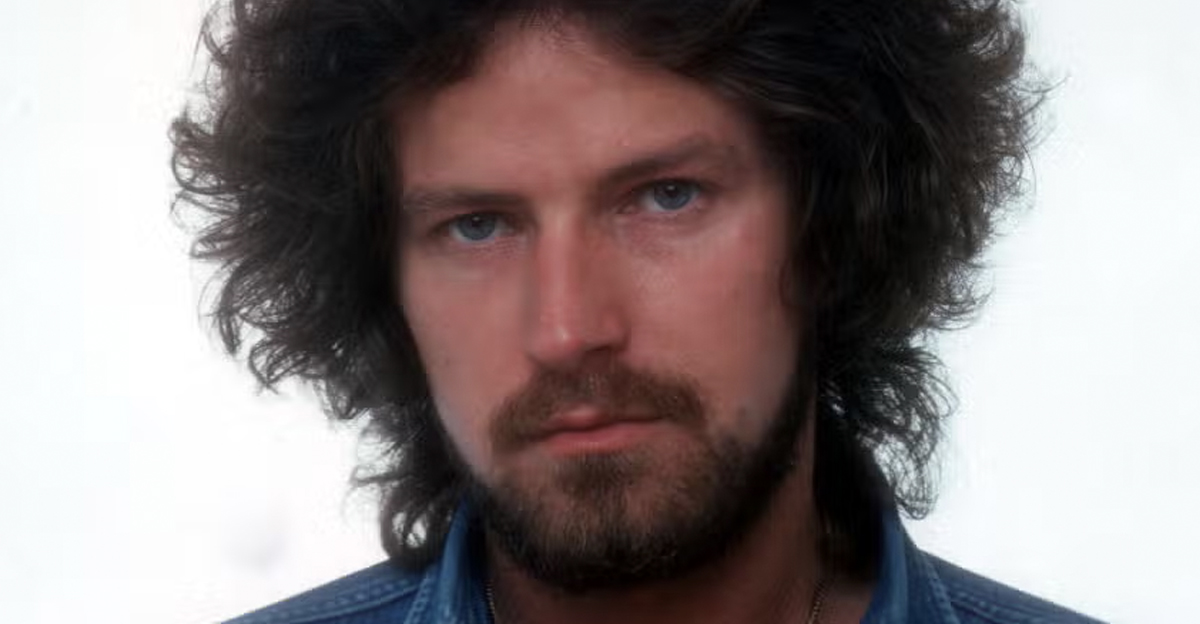
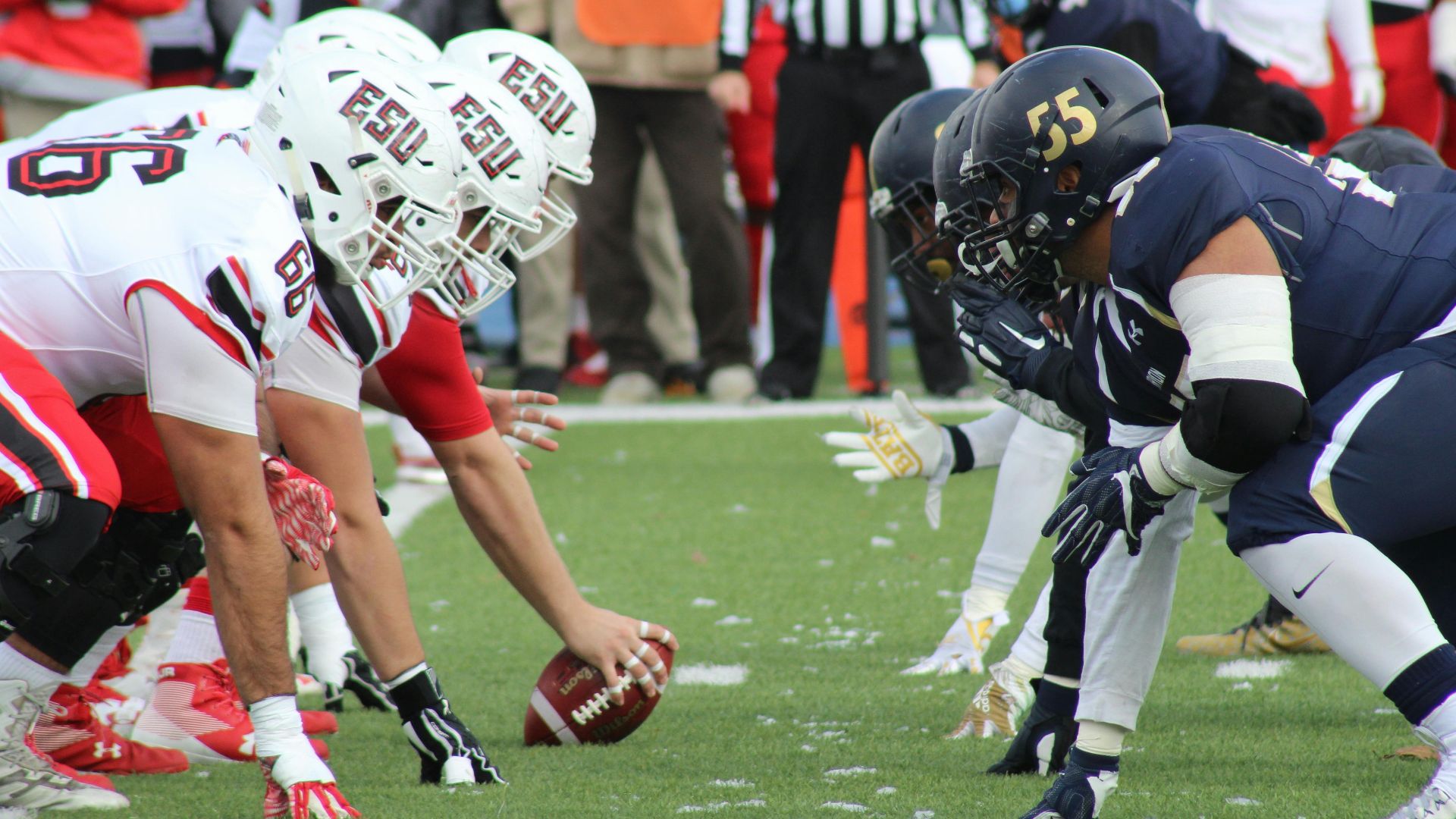
With such an impactful career, it’s hard to imagine Don Henley as anything but a musician; however, he started out on a very different path. While still in high school, he took an interest in football, but he was just too small to keep up with the others. Before long, even his coach told him that he wasn’t cut out for the sport, so Don decided to quit and join the school band—where he realized his love of percussion.
Sadly, something was about to turn his life upside down.
2. He Took Some Time Off
Don Henley pursued music throughout his high school career, graduating in 1965 and continuing his education through more than one university, until even this became impossible. He couldn’t focus on school any longer, as his father was struggling with cardiovascular disease, so Don dropped out of university to spend what time they had left together.
On the bright side, Don had already found something to help him cope.
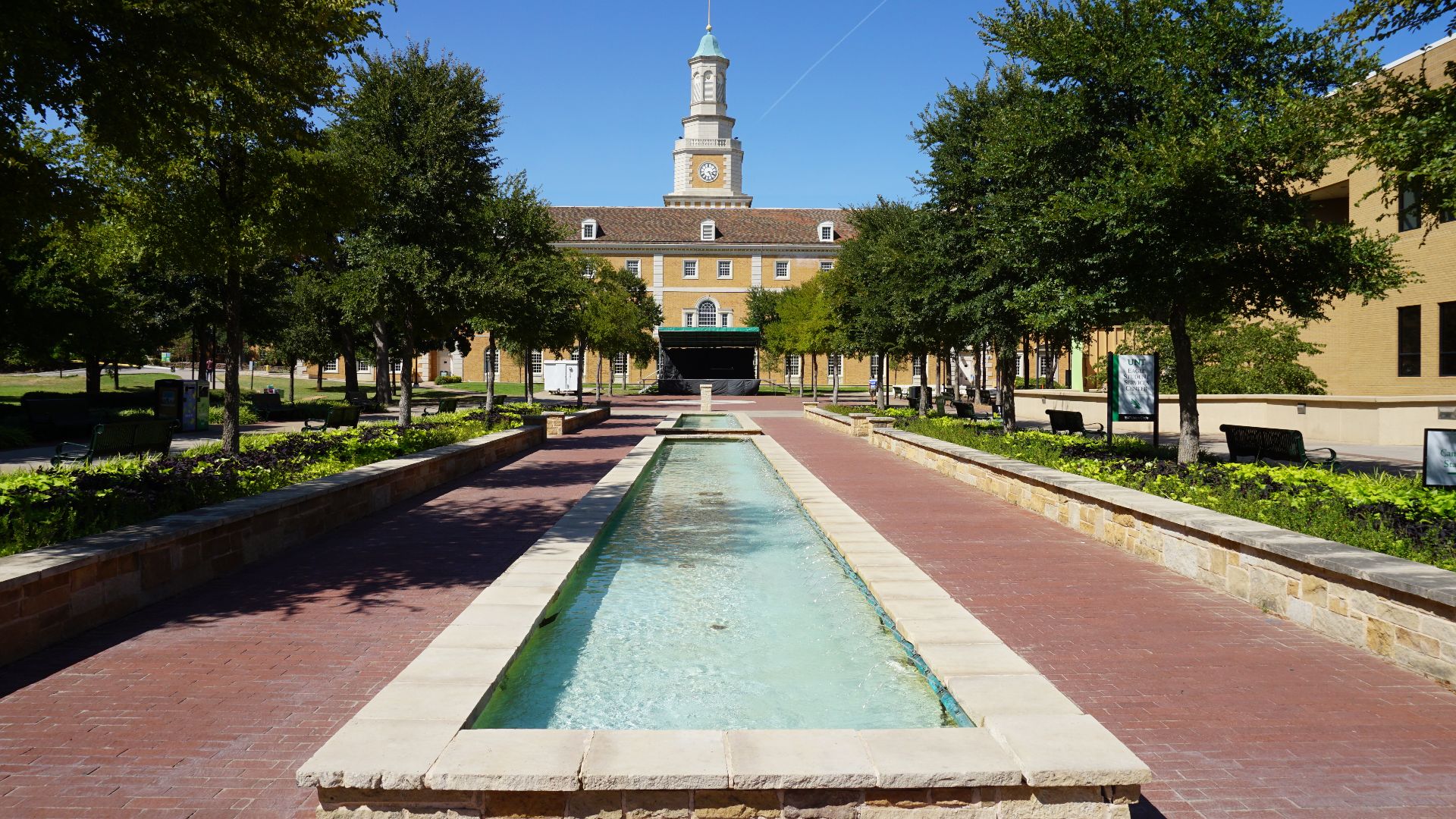 Michael Barera, Wikimedia Commons
3. He Joined A Group
It’s a good thing Don realigned his interests in high school, as it was just in time for him to join his first musical group, the Four Speeds. Richard Bowden had been a friend of Don’s from their younger years, and his father was putting together a Dixieland jazz band, so he invited Don to join as a founding member.
Although this was his first band, Don quickly proved that he was a worthwhile addition.
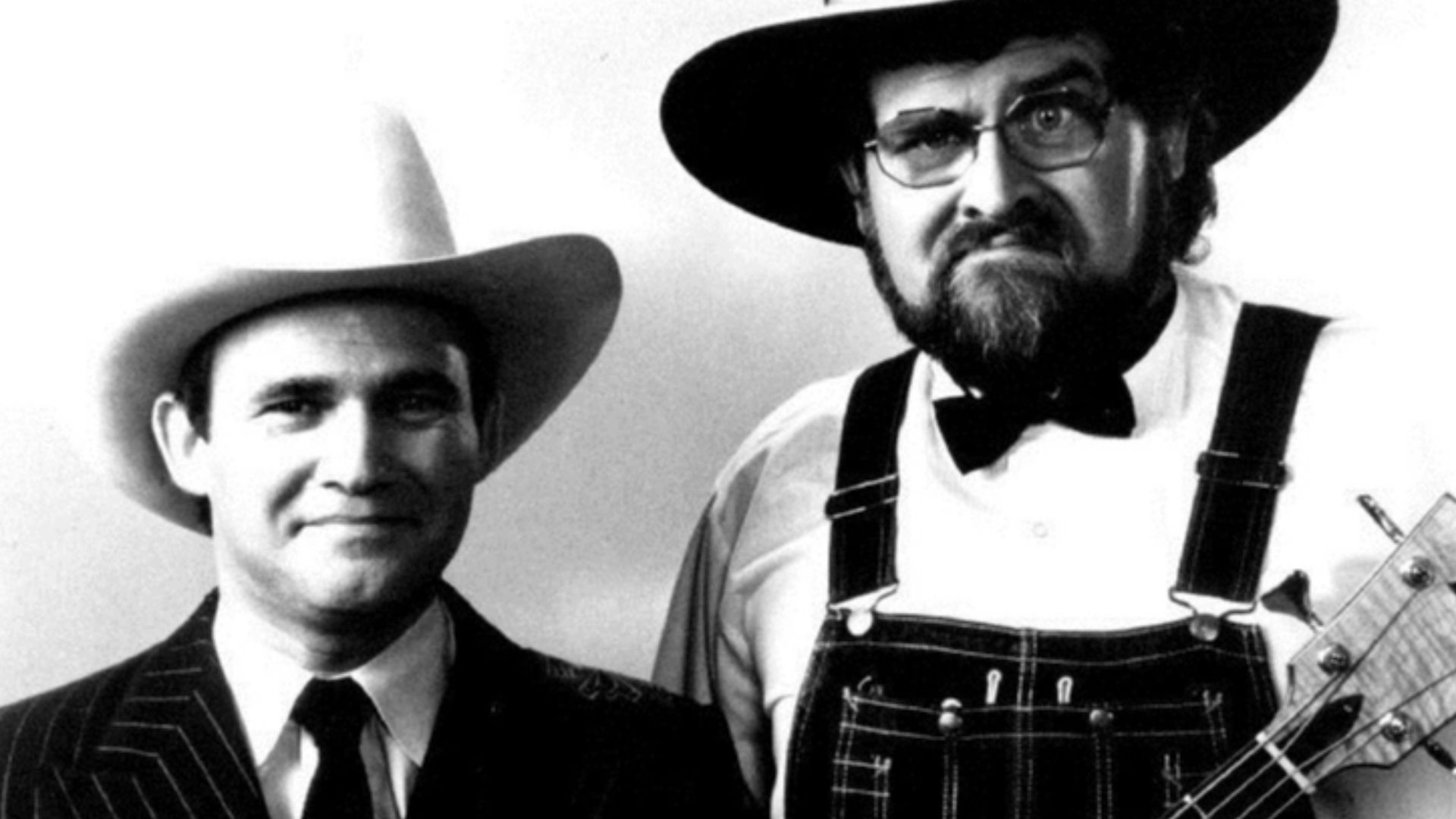 Dean Dixon / Warner Bros., Wikimedia Commons
4. He Demonstrated His Skill
Even before Don Henley graduated from high school, the Four Speeds underwent a series of changes, including taking on the new name, Felicity. Right away, things were looking up as they signed with a local producer and released one of their first songs, “Hurtin’”. Despite being early in his career, Don was already showcasing his talent, as he had been the one to write this newest single.
Luckily, they wouldn’t have to wait long for a chance at the spotlight.
5. They Got His Interest
The members of Felicity may have been excited to sign with their first producer, but that was nothing compared to what was coming in just a few years. In what seemed like a twist of fate, Don and his bandmates became acquainted with the already-established musician, Kenny Rogers. Like him, they were all from Texas, and the country singer saw a spark of potential in the budding band.
With that, they took the ultimate leap of faith.
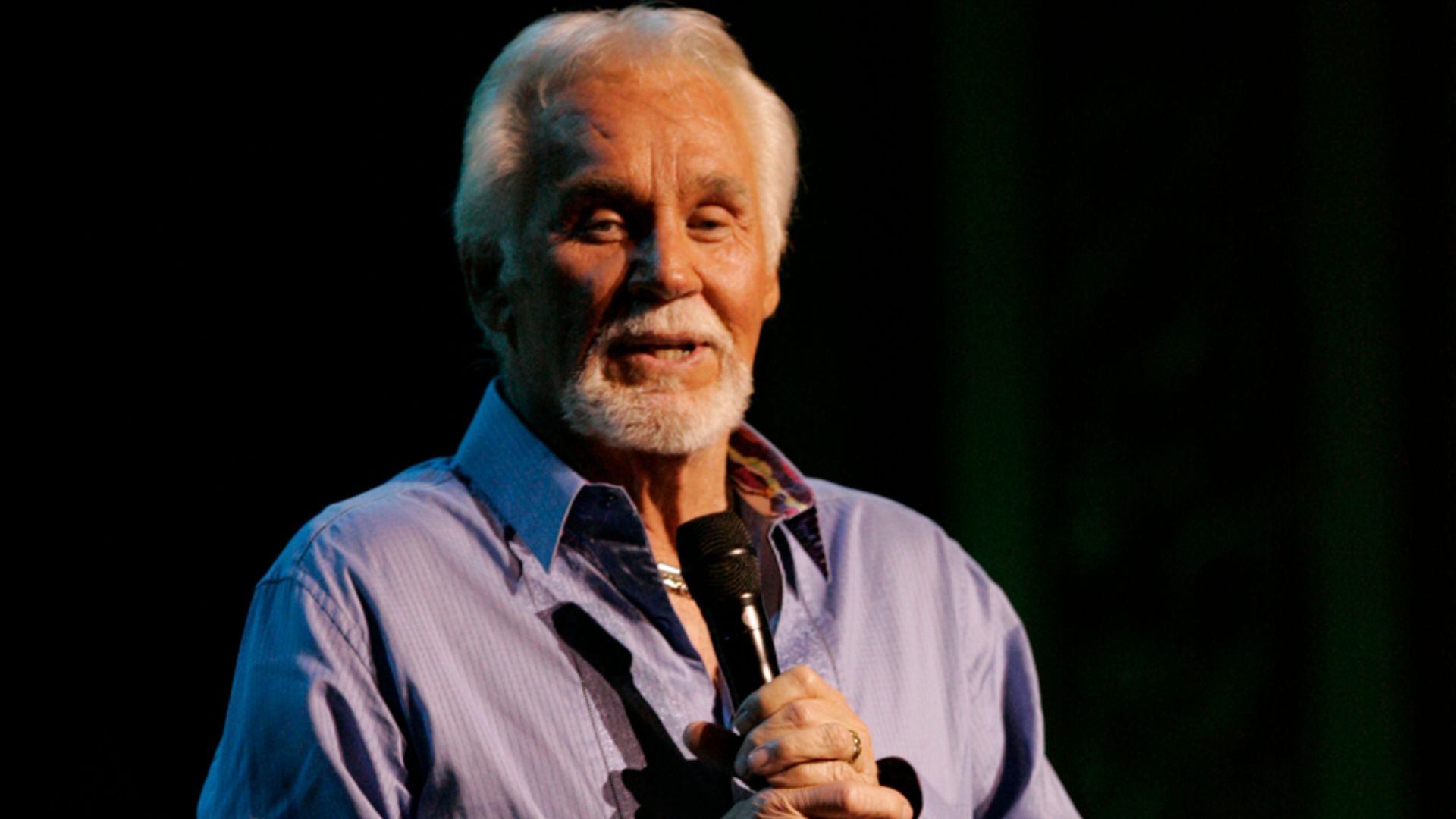 Eva Rinaldi, Wikimedia Commons
6. They Stayed With Him
Changing their name once again to “Shiloh,” Don and the other band members allowed Kenny Rogers to help them sign with Amos Records, but this meant another major shift. Relocating to Los Angeles, they might have been living on the streets for the first few months if Rogers hadn’t let them stay with him. This turned out to be an even better decision, since he helped them produce their first studio album.
However, not everything was perfect behind the scenes.

7. They Couldn’t See Eye To Eye
Although Shiloh had endured several major changes since their formation, including losing and adding more than one member, both Don Henley and Richard Bowden remained. This wasn’t a good thing, though, and the two of them began arguing more and more over their respective visions and who should lead the group. This conflict got the better of them, and Shiloh split up for good in 1971.
Thankfully, Don discovered that when one door closes, another one opens.
 Allen J. Schaben, Getty Images
8. He Made More Connections
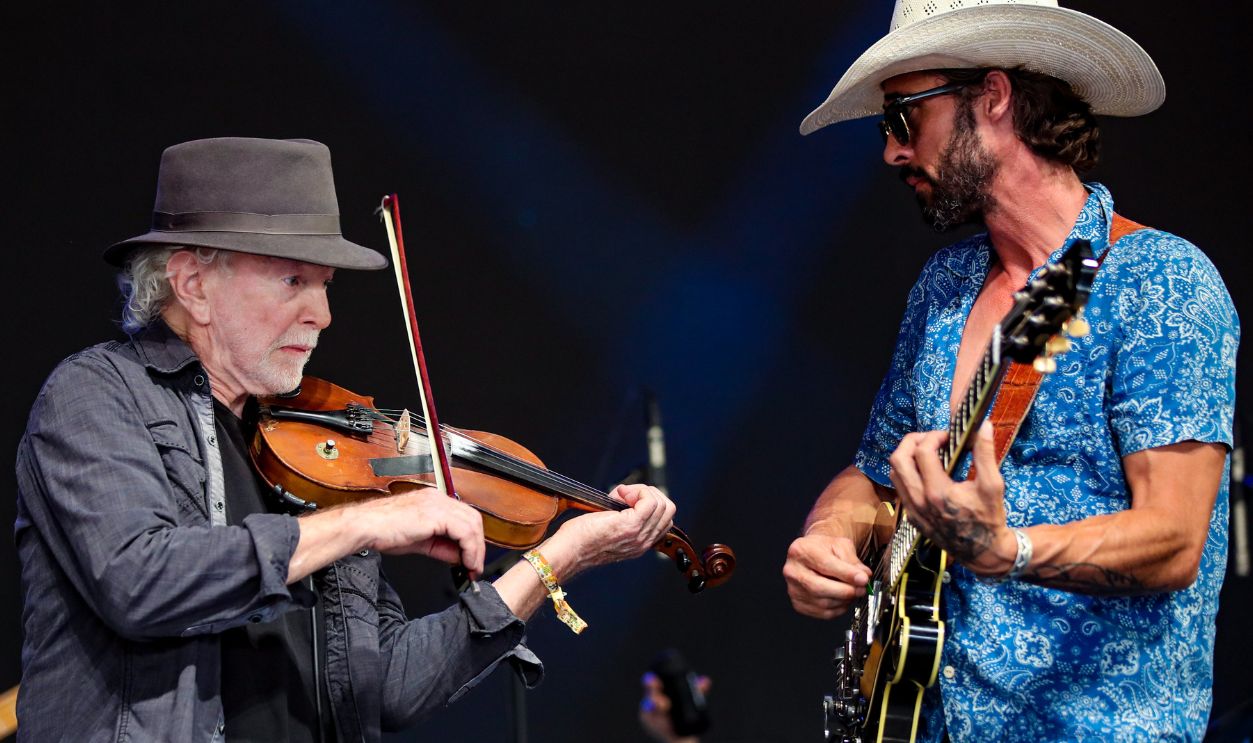
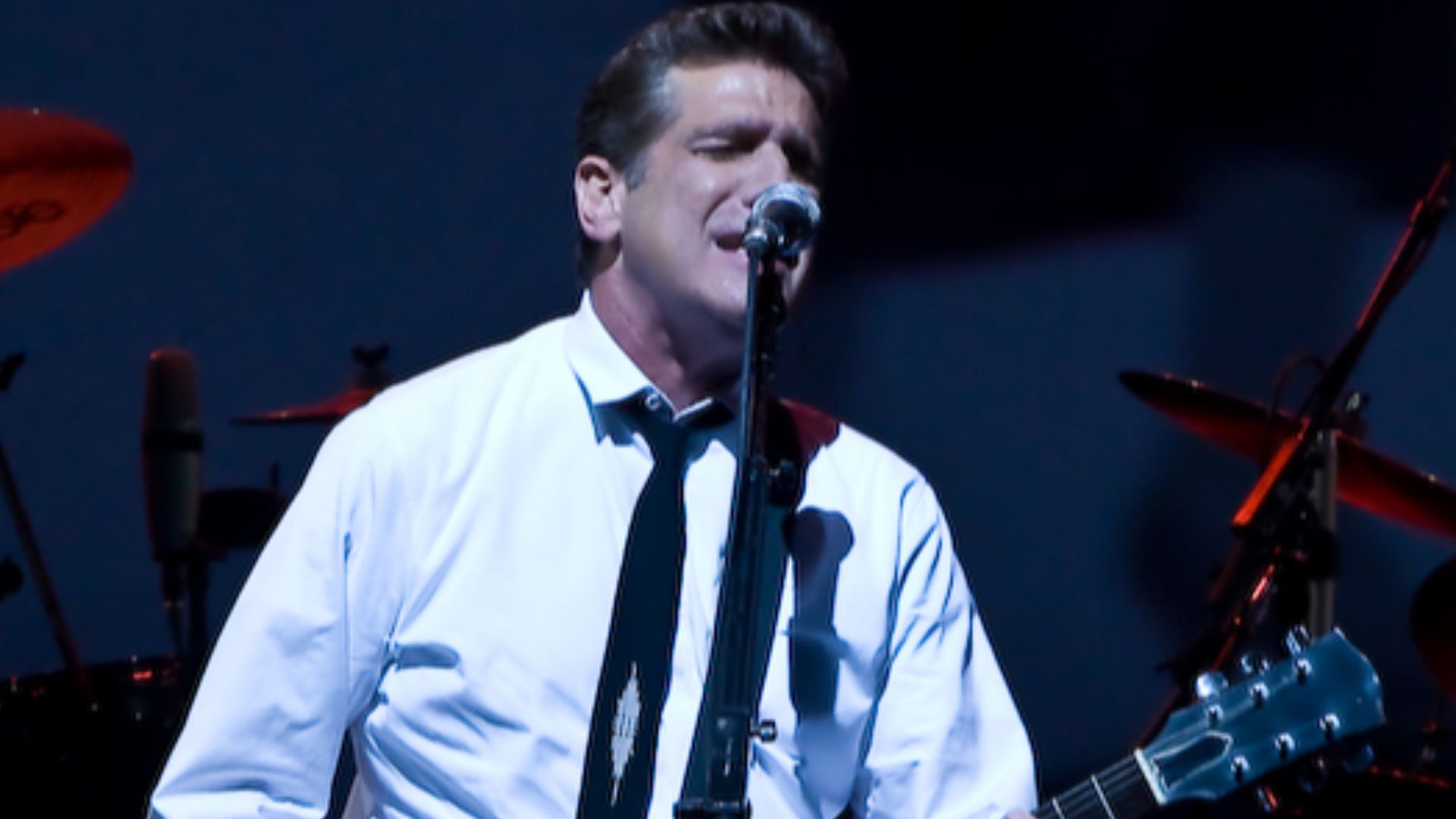
Now that he was in Los Angeles and already had a connection with a record label, Don brushed shoulders with many other musicians trying to make names for themselves. One of these was Glenn Frey, who had also signed to Amos Records. Hitting it off, the two of them got to know each other better as they both became backup musicians for singer Linda Ronstadt during her 1971 tour.
Through this, he discovered where he was meant to be.
 Steve Alexander, Wikimedia Commons
9. They Built A New Band
Although Don and Glenn became fast friends, they weren’t alone in Linda Ronstadt’s backup band, and soon learned how well they played with the other members, Bernie Leadon and Randy Meisner. With what seemed like a natural connection between the four of them, Don and the others decided to split off and form their own new band—the Eagles.
Finally, they were ready to take the world by storm.
 Steve Alexander, Wikimedia Commons
10. They Made Their Debut
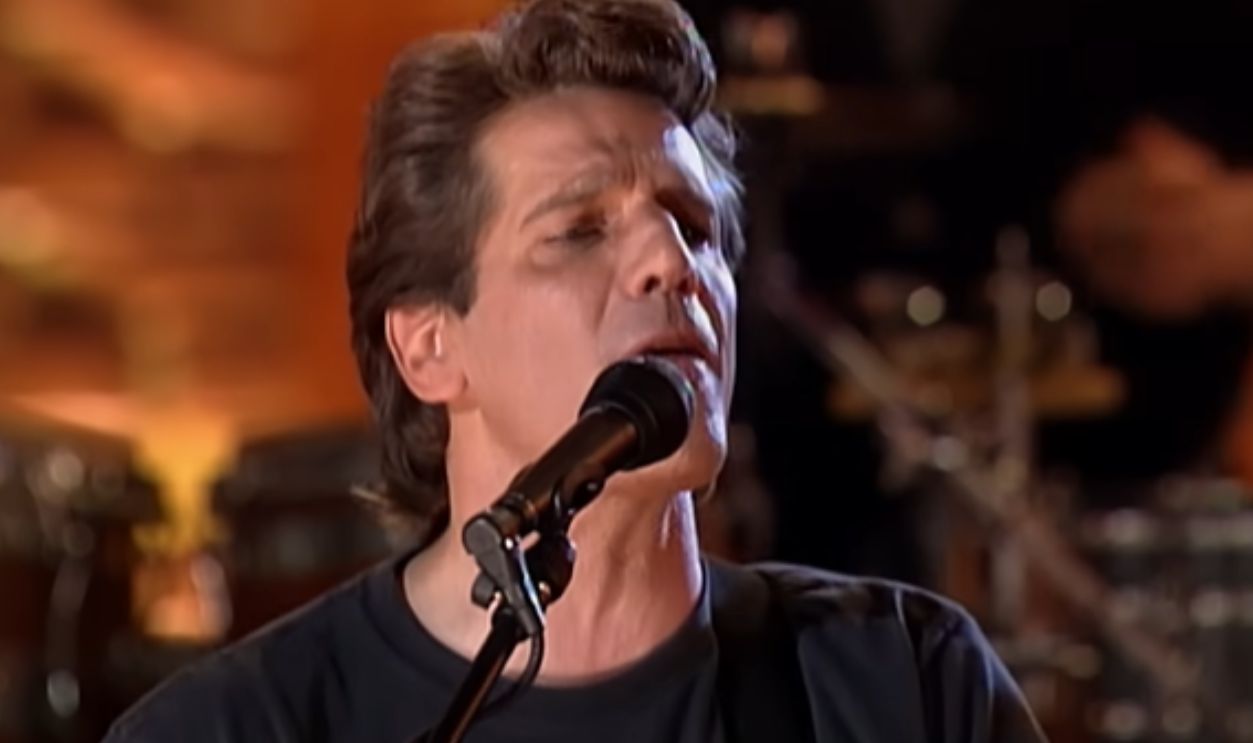
Forming in 1971, the Eagles proved to be an immediate success, signing with Asylum Records and pumping out their debut self-titled studio album the following year. Despite being their first, the album was an instant hit, even featuring one of their most well-known tracks, “Take It Easy”.
Still barely getting started, this was truly Don’s time to shine.
 Screenshot from Take It Easy, Asylum Records (1972)
11. He Pulled His Weight
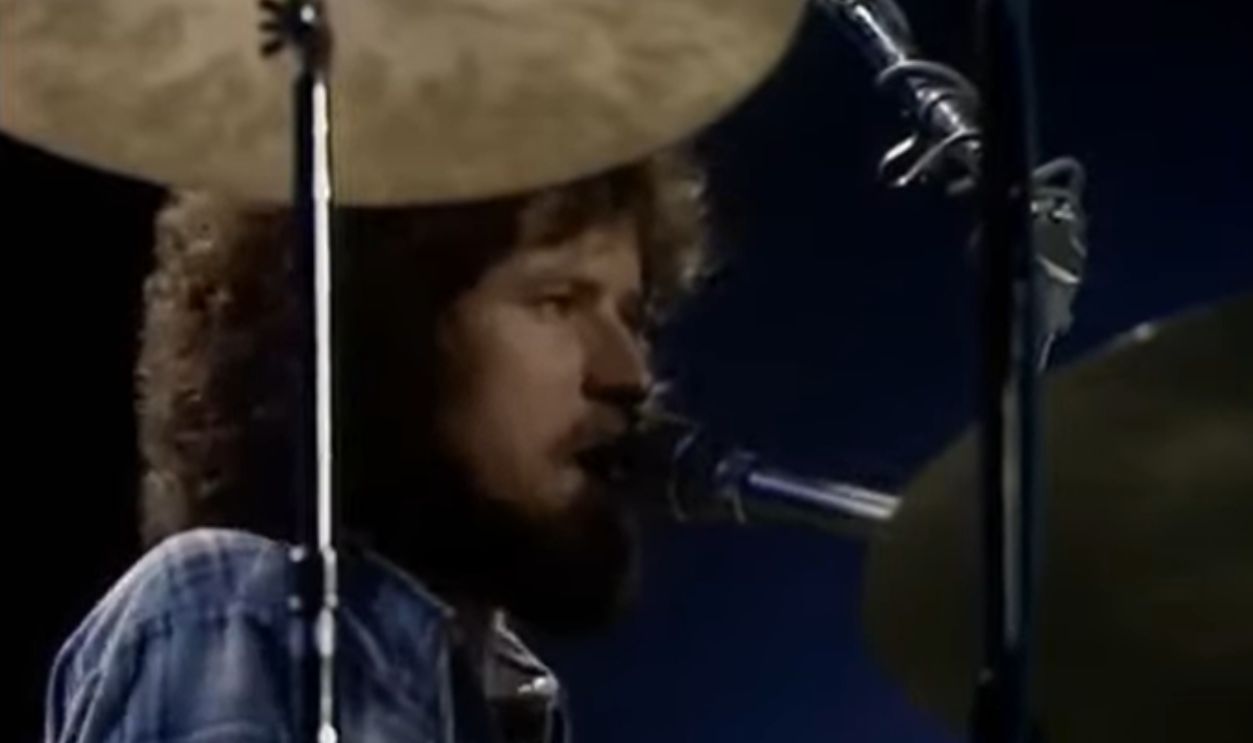
While all the Eagles brought their own skills to the band, Don Henley seemed to once again cement himself as one of the most essential members. “Take It Easy” wasn’t the only track from their debut album to gain popularity, and starting with the single, “Witchy Woman,” many of their biggest songs came at least partially from Don’s mind.
Naturally, in making such a contribution, he developed quite the ego.
 Screenshot from Witchy Woman, Asylum Records (1972)
12. He Wanted To Be In Charge
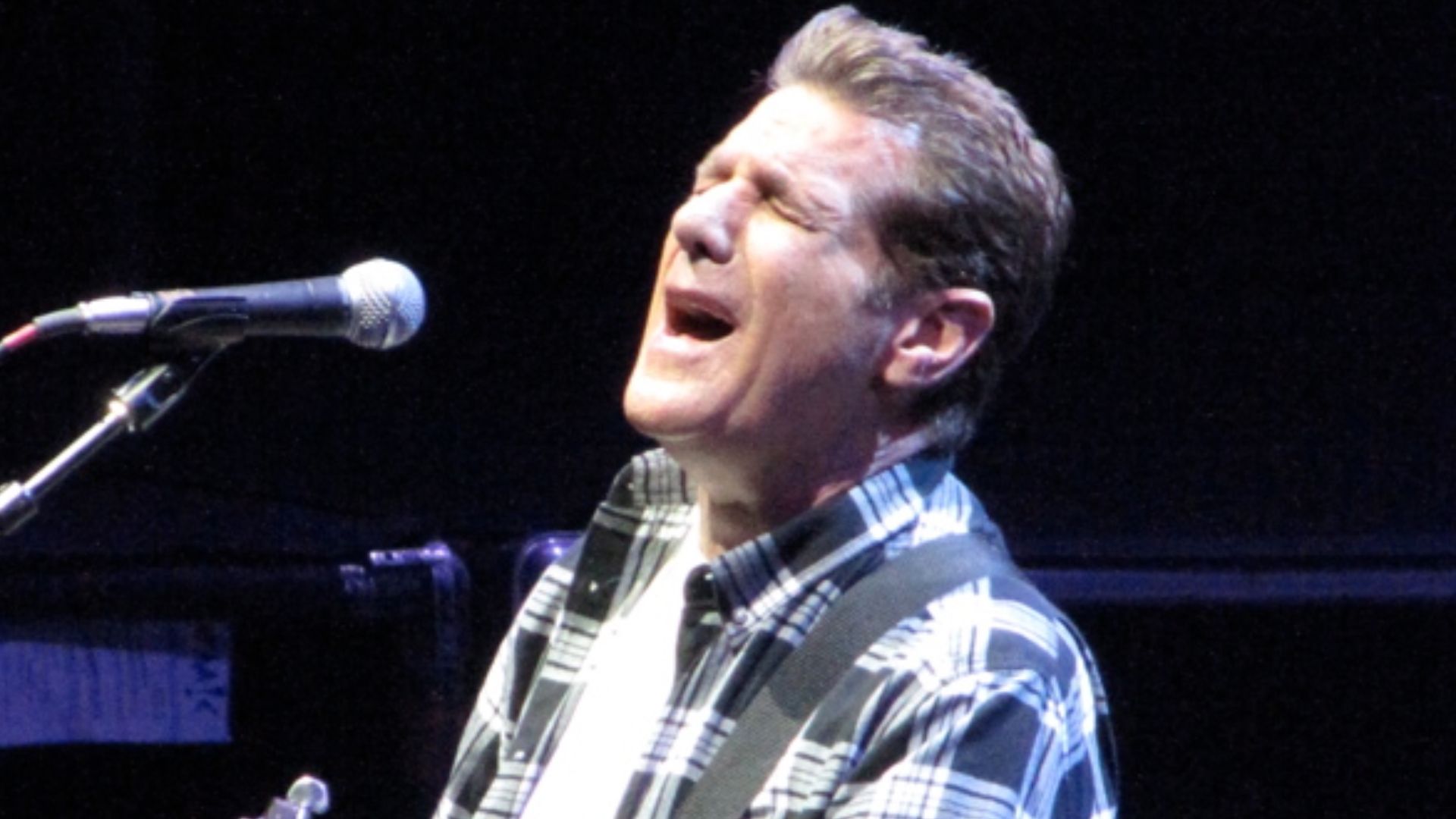
Don wasn’t the only talented musician in the group, and what would become a massively successful songwriting partnership with Glenn Frey began on the Eagles’ second studio album. However, this only made both of their heads bigger, as Don would later state in a 2001 interview that his and Frey’s leadership had always been for the best, since “rock bands work best as a benevolent dictatorship”.
As expected, this type of attitude didn’t always sit right with everyone.
13. They Made Some Changes
For their first couple of albums, the Eagles had been content to play mostly country-rock music, which earned them a fair amount of acclaim. However, both Don and Frey wanted to keep things fresh and decided to lean more towards hard rock for their third studio album, On the Border. Unfortunately, Bernie Leadon couldn’t disagree more and was already unhappy with his lack of input in these decisions.
It was only a matter of time before he couldn’t take any more.
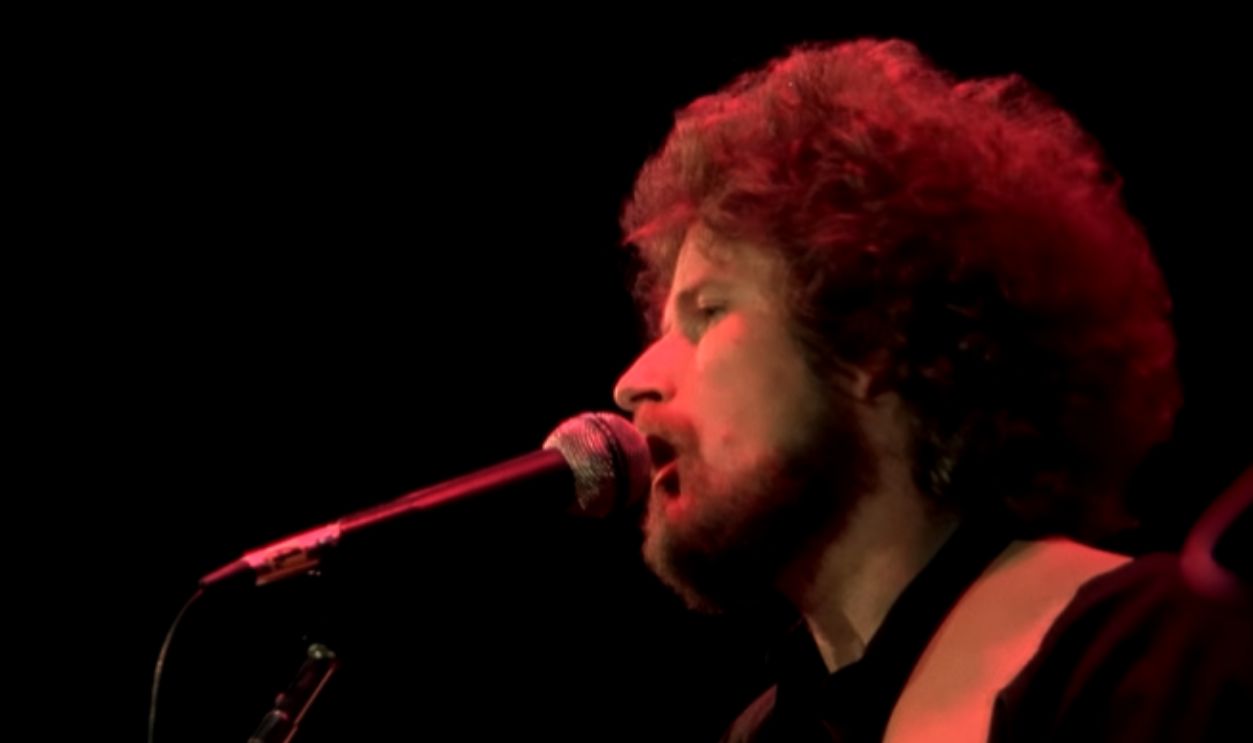 Screenshot from The Best of My Love, Asylum Records (1974)
14. They Boiled Over
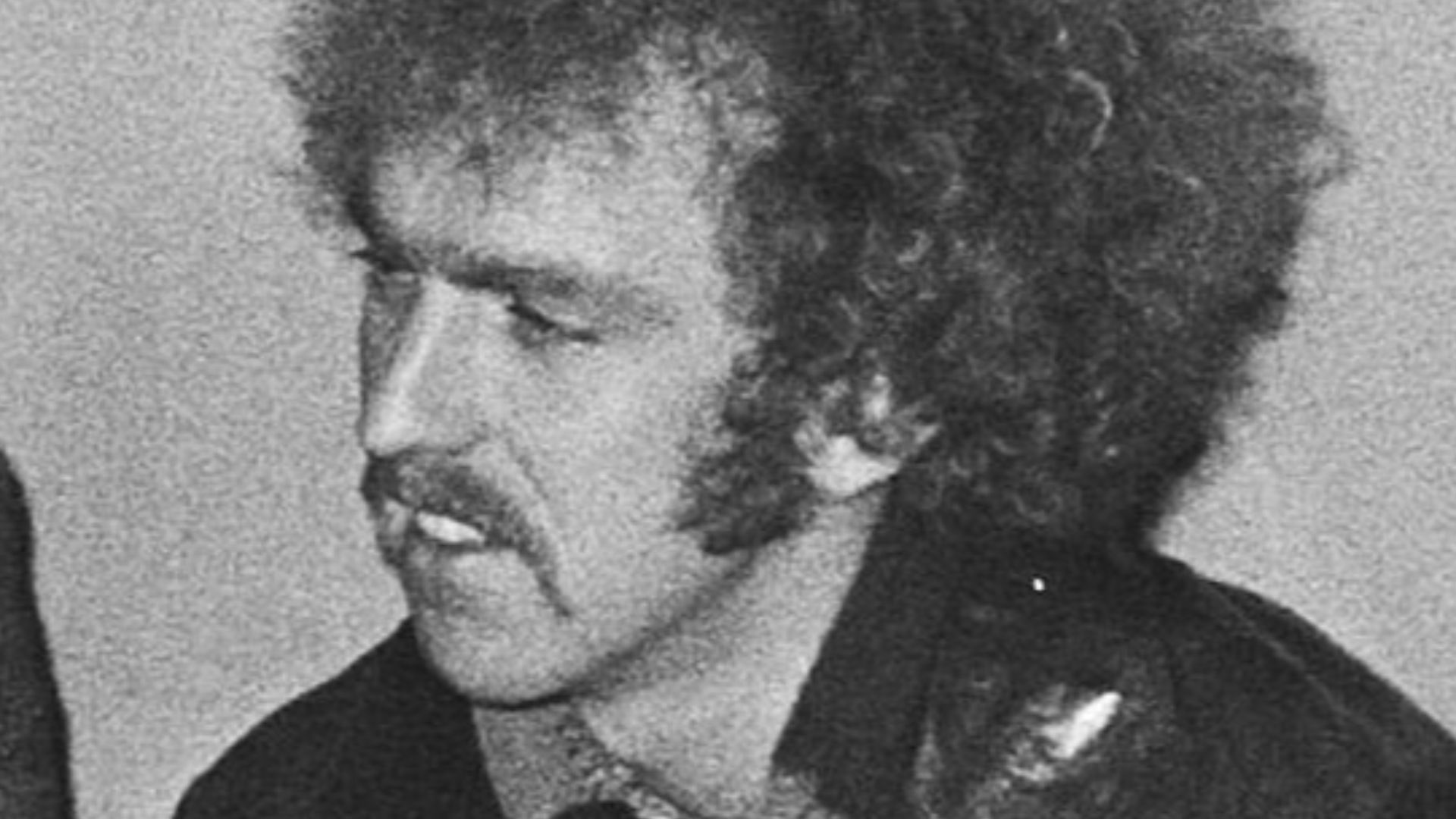
Up till this point, Leadon’s displeasure with the band’s direction had begun to show in little ways, but he had mostly kept his mouth shut as they recorded their third and fourth albums. However, all of his frustration came out in one evening in 1975, during a meeting about what their next material might sound like.
While Frey was excitedly explaining his vision, Leadon couldn’t listen any longer and told him to “chill out,” while dumping a drink on his head. Understandably, this was the last straw for his bandmates.
 Rob C. Croes (ANEFO), Wikimedia Commons
15. They Replaced Him
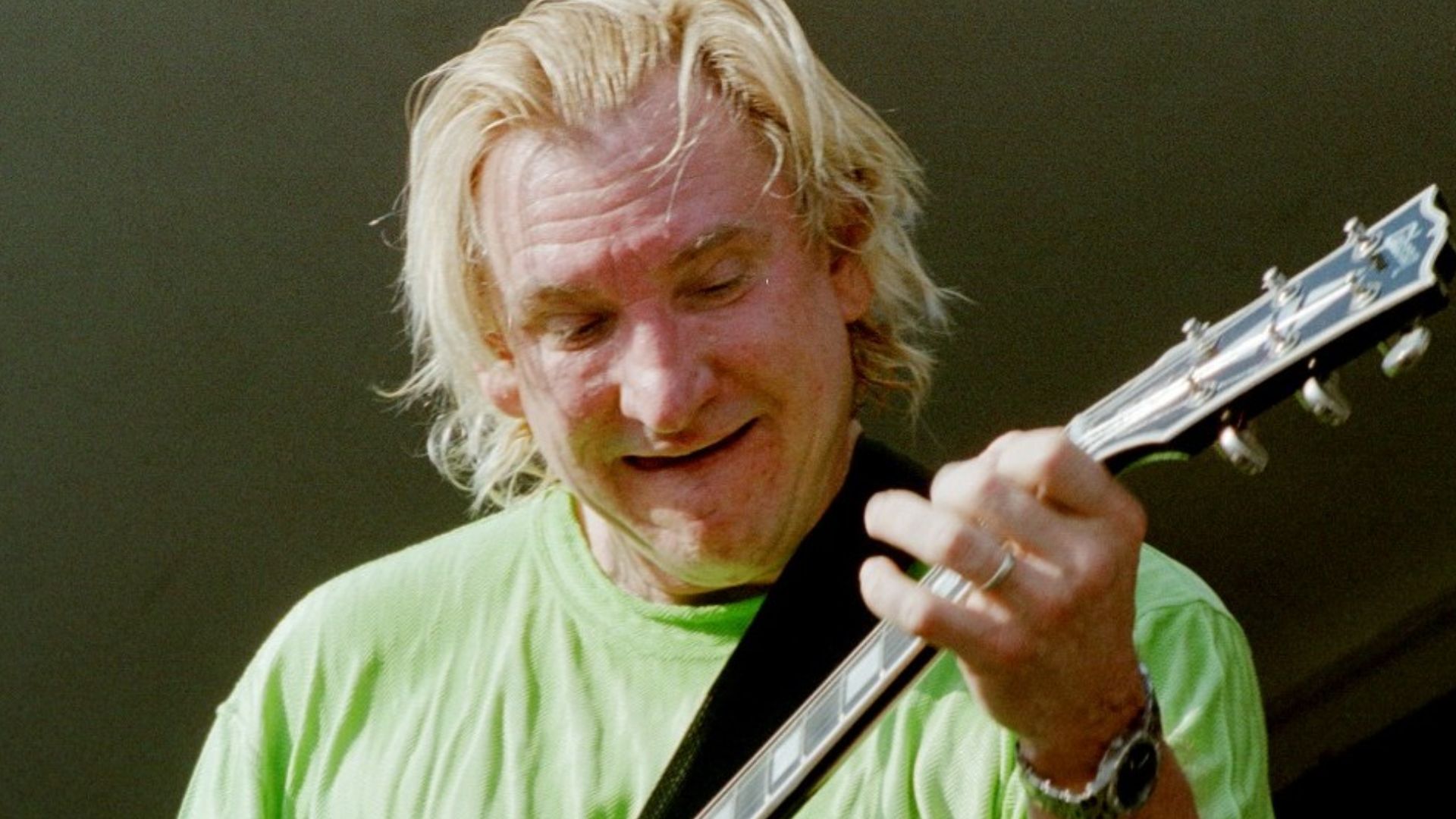
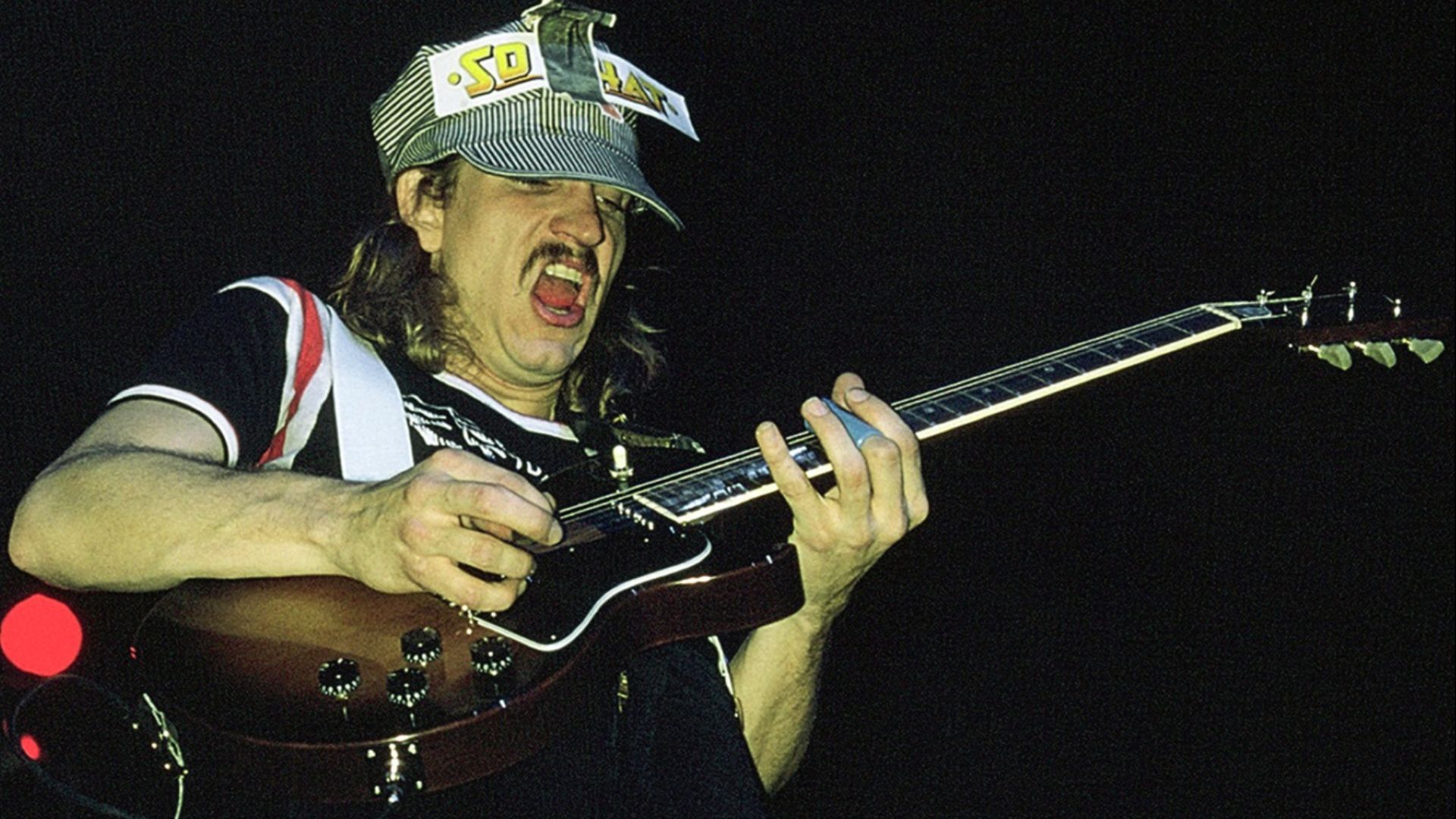
While not as violent as other outbursts in music history, Leadon’s decision on that night effectively penned his resignation from the Eagles, and they soon announced his departure. Rolling with the punches, Don Henley and his remaining bandmates immediately searched for a new member to take Leadon’s place, settling on their long-time friend, guitarist Joe Walsh.
While they needed him, not everyone was in favor of this addition.
 Carl Lender at https://www.flickr.com/photos/clender/, Wikimedia Commons
16. He Wasn’t Sure About Him
Joe Walsh had already gained experience in the music industry, both within music groups and as a solo artist. Still, the Eagles couldn’t help but have some reservations, and Don especially had second thoughts about how well he would mesh with the rest of them, believing Walsh to be much too wild a person.
Fortunately, the guitarist quickly demonstrated that they were better off with him.
 Jim Summaria, Wikimedia Commons
17. They Released Their Masterpiece
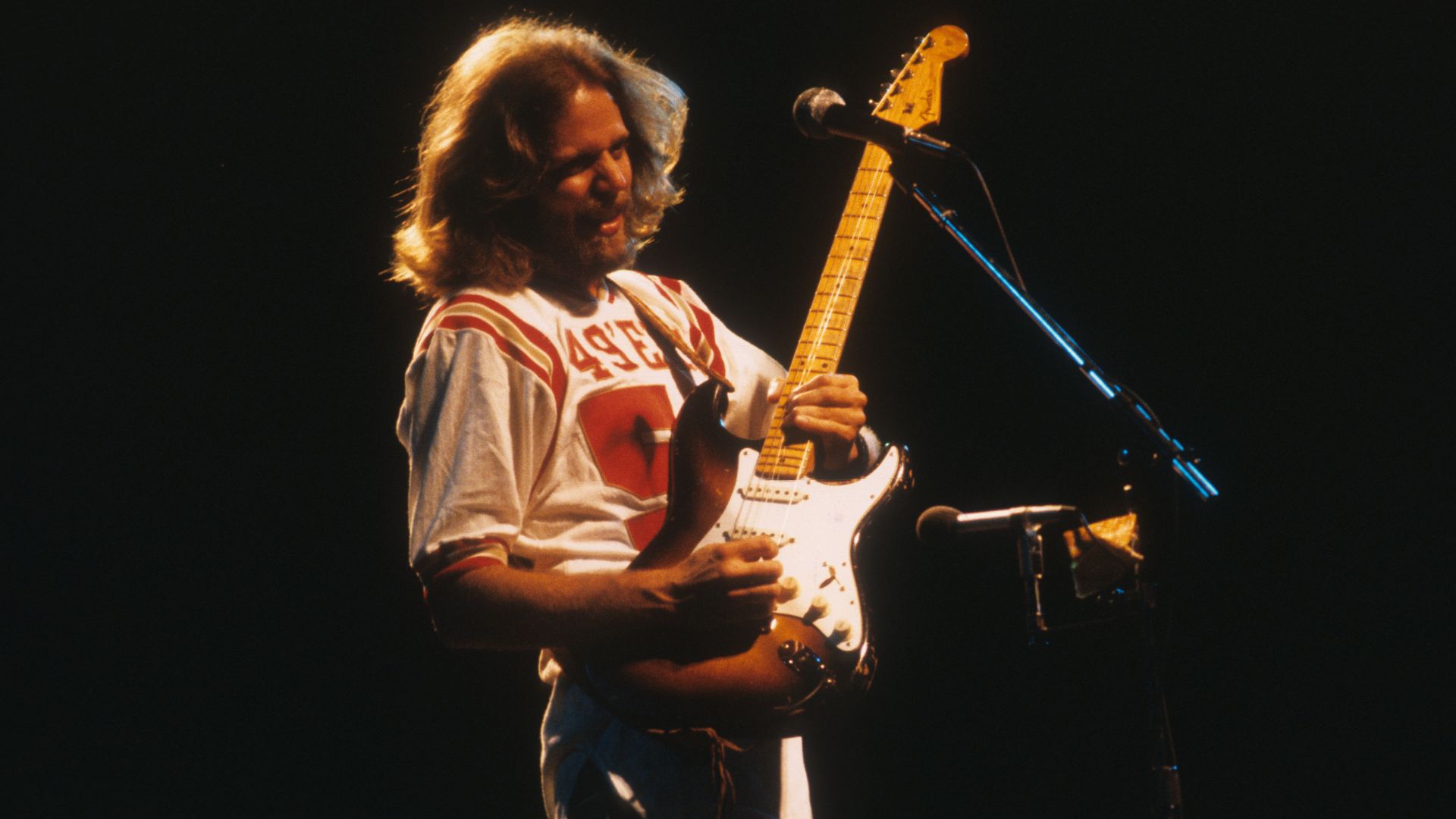
Joe Walsh wasn’t the only new addition to the band, and with their other new guitarist, Don Felder, the Eagles were ready to create their most iconic song of all time. Co-writing the single with Felder and Frey, Don once again took the lead vocals as they recorded the ever-popular “Hotel California,” releasing it on their 1976 album of the same name.
With its cryptic lyrics, Fans have spent years trying to decode the song’s meaning.
 Krwessel2024, Wikimedia Commons
18. He Set Things Straight
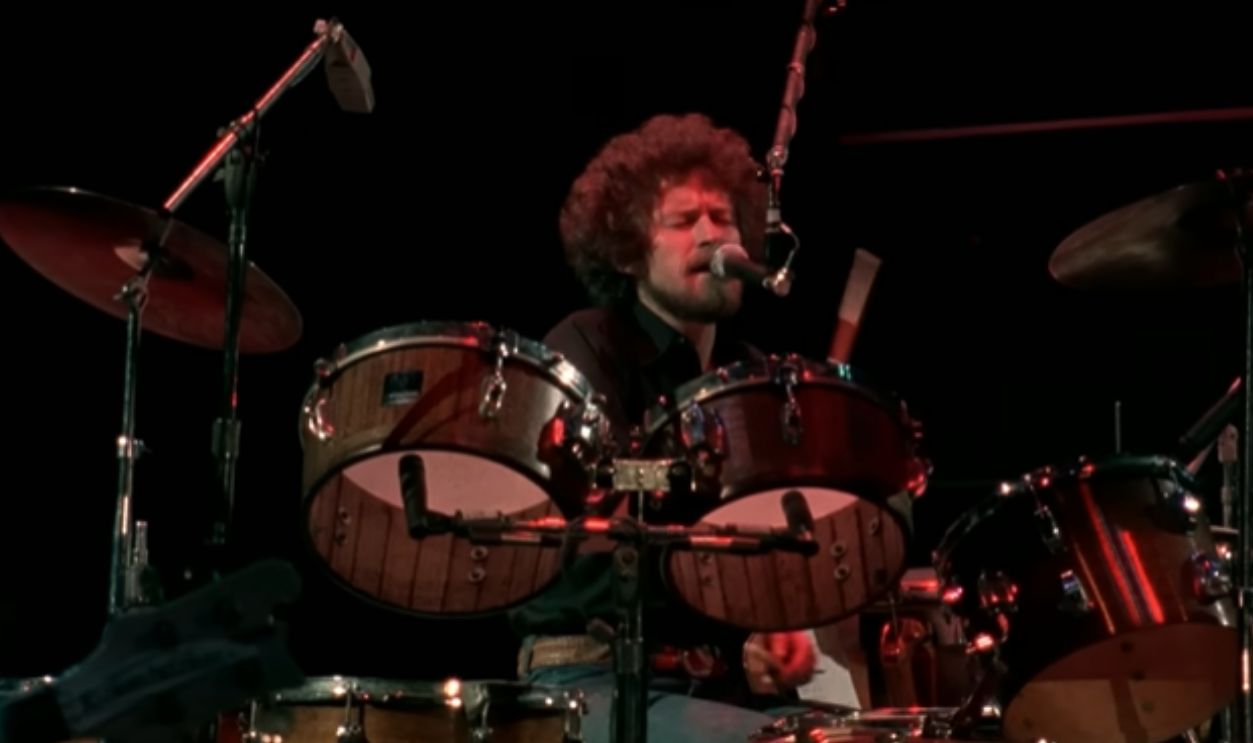
“Hotel California” became an instant classic, topping the charts as soon as it came out and taking America by storm. Full of symbolism and eerie imagery, the song’s lyrics have become the subject of endless theories about their meaning, ranging from rehab to the occult. However, in another interview years later, Don clarified that they wrote the song about “the dark underbelly of the American Dream”.
At the same time, another influence may have been much more personal.
 Screenshot from Hotel California, Asylum Records (1976)
19. He Was Inspired By Her
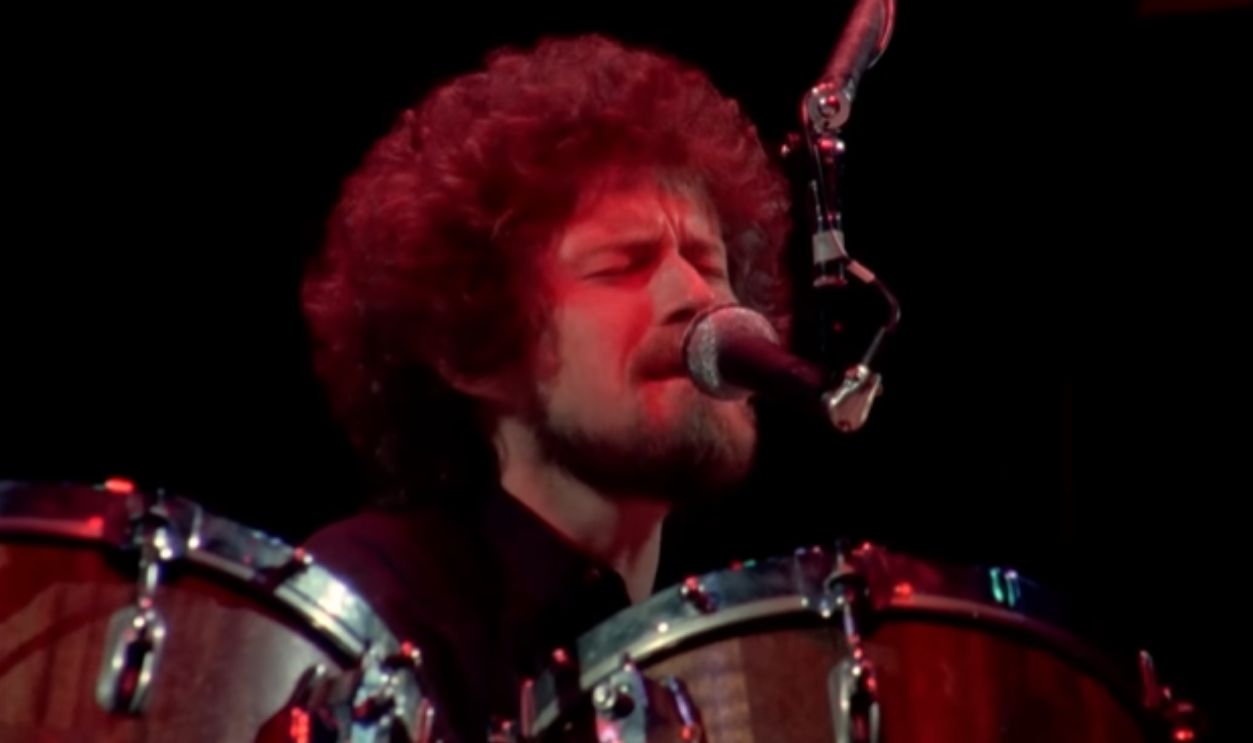
Even though Don Henley was helming the Eagles as one of the band’s chief singers and songwriters, he still seemed to have time for a love life, or at least some semblance of one. One of his early relationships was with a woman named Loree Rodkin, and despite not dating her for long, the end of their time together helped inspire some of the haunting lyrics of “Hotel California”.
Still, this was far from his last messy relationship.
 Screenshot from Hotel California, Asylum Records (1976)
20. He Dated An Icon
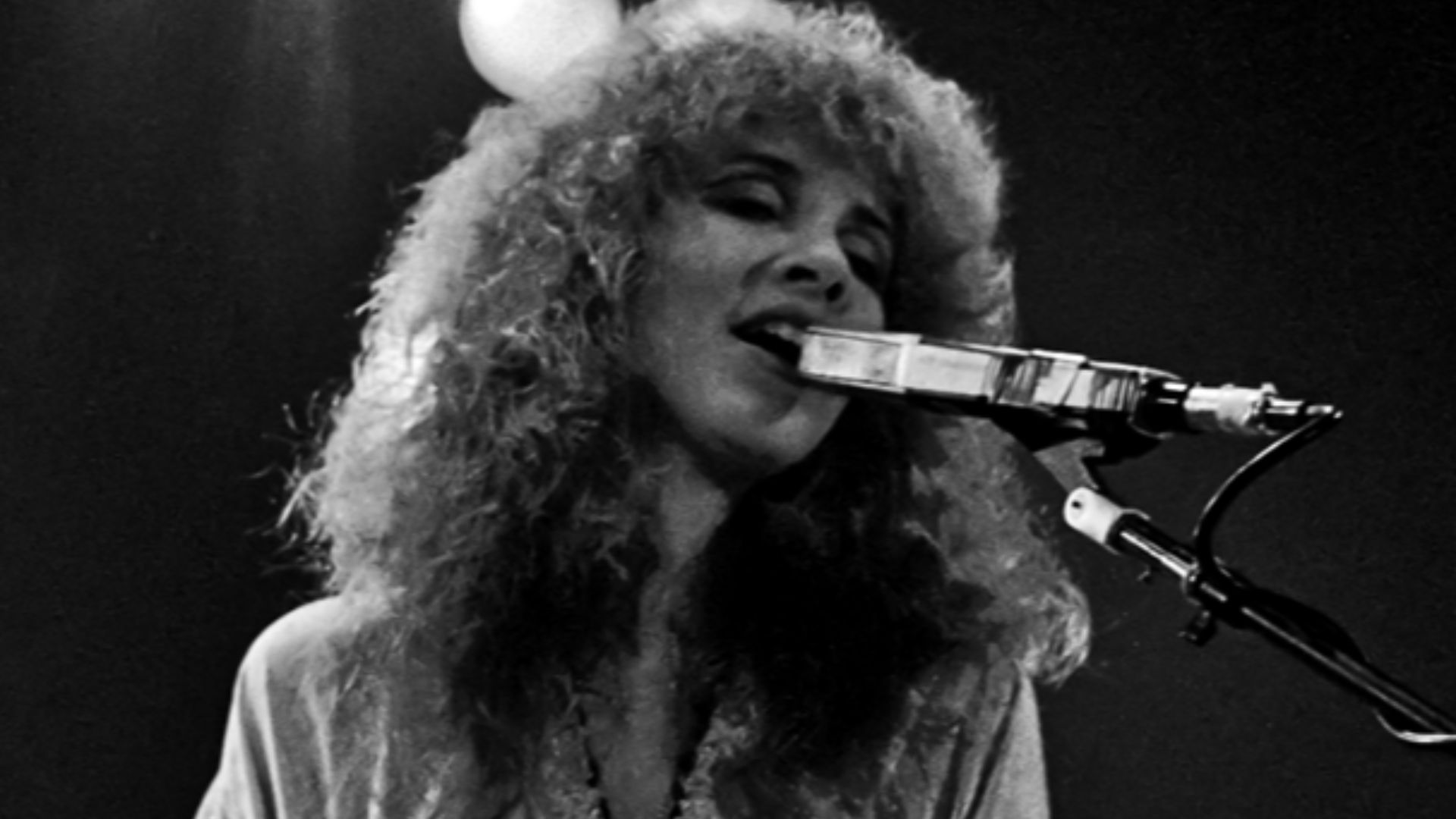
Throughout the 1970s, Don continued his search for love and was soon lucky enough to find it within his own world. Starting in 1975, he began dating legendary musician and Fleetwood Mac member Stevie Nicks, although it wasn’t too serious. Both coming off the backs of relationships, they saw each other on and off over the next two years.
Of course, he wasn’t the only songwriter of the two of them.
21. She Wrote About Them
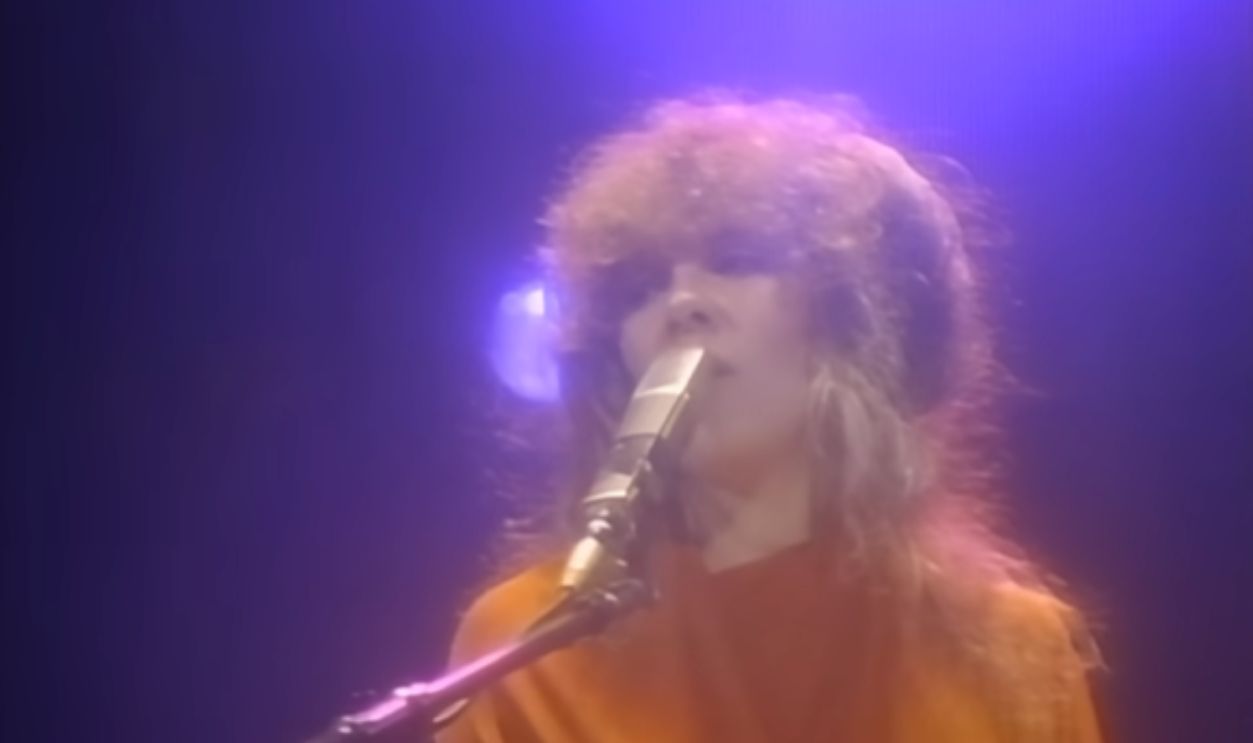
Like Don Henley, Stevie Nicks also had her fair share of public relationships, and as one of music’s greatest songwriters, she wasn’t afraid to take inspiration from her experiences. According to Don, though, one of her songs was about far more than just their casual relationship. Near the end of the 1970s, Stevie became pregnant with her and Don’s child before having an abortion, which he claims served as the basis for her single, “Sara”.
This wasn’t Don’s only relationship that started to deteriorate.
 Screenshot from Sara, Warner Bros. Records (1979)
22. They Hated Each Other
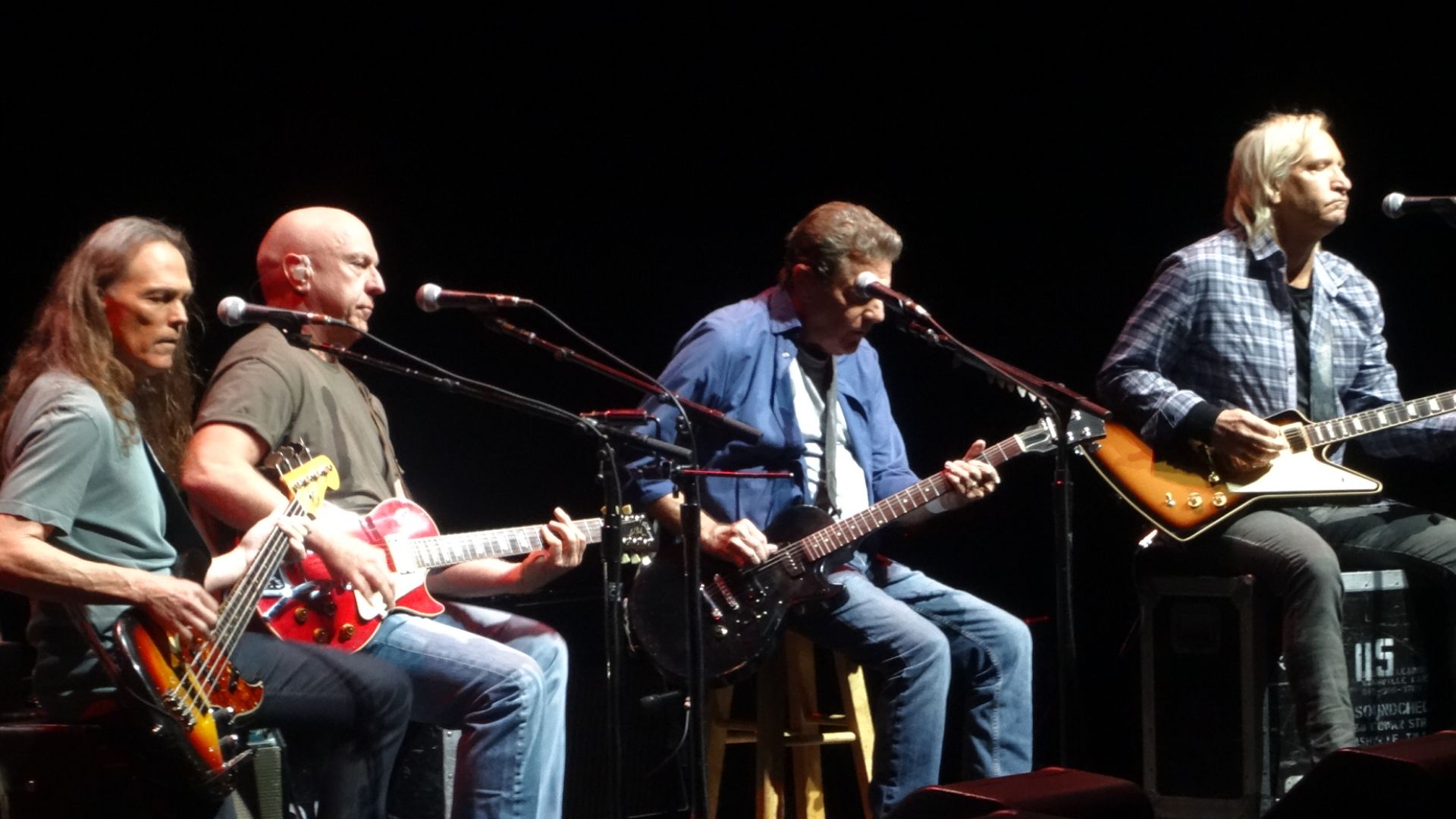
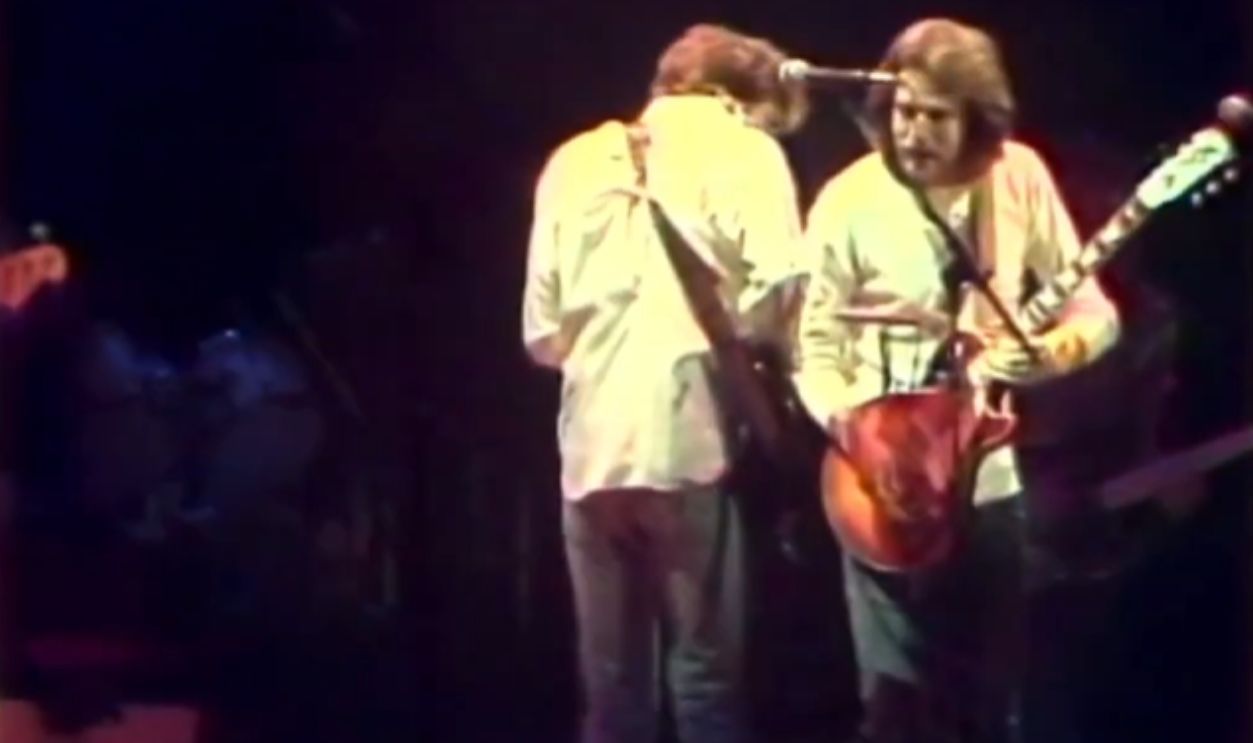
Amid their tremendous success, the personal relationships between the Eagles began to break down by the following decade, mostly between Felder and the rest. Feeling increasingly underappreciated, he aimed most of his bitterness at Frey, culminating in one night on July 31, 1980. Playing a concert in Long Beach, the two spent the whole show threatening to beat each other up after it was over.
Sadly, they wouldn’t be able to get past the animosity between them.
 Rachel Kramer, Wikimedia Commons
23. They Split Up
Although the hostility had mostly formed between Felder and Frey, that one concert—which fans later described as the “Long Night at Wrong Beach”—spelled the end for the whole band. Although they still fulfilled their commitment to create a live album for Elektra Records, Frey refused to talk to any of the other band members, including Don. Before long, it was clear that the Eagles had broken up.
Shortly after, Don made the headlines again, but in a far worse way.
 Screenshot from The Best of My Love, Asylum Records (1974)
24. He Called For Help
Reeling from the loss of the greatest period in his musical career yet, Don Henley descended into a spiral of drinking and bad decisions, as became evident on November 21, 1980. After paramedics responded to his call that night, they discovered a 15-year-old girl and a 16-year-old girl at his house, both under the influence of illicit substances.
Obviously, that was far from the end of the story.

25. He Was Taken Into Custody
The 16-year-old girl at Don’s house told paramedics that she had overdosed, but thankfully, she survived. However, officers then took her into custody, while Don emerged from the incident relatively unscathed. Authorities still brought him in as well, charging him with contributing to the delinquency of a minor, but this only resulted in him receiving two years’ probation and paying a $2,500 fine.
However, this wouldn’t be the last time this incident came up.
26. He Brought The Incident Up
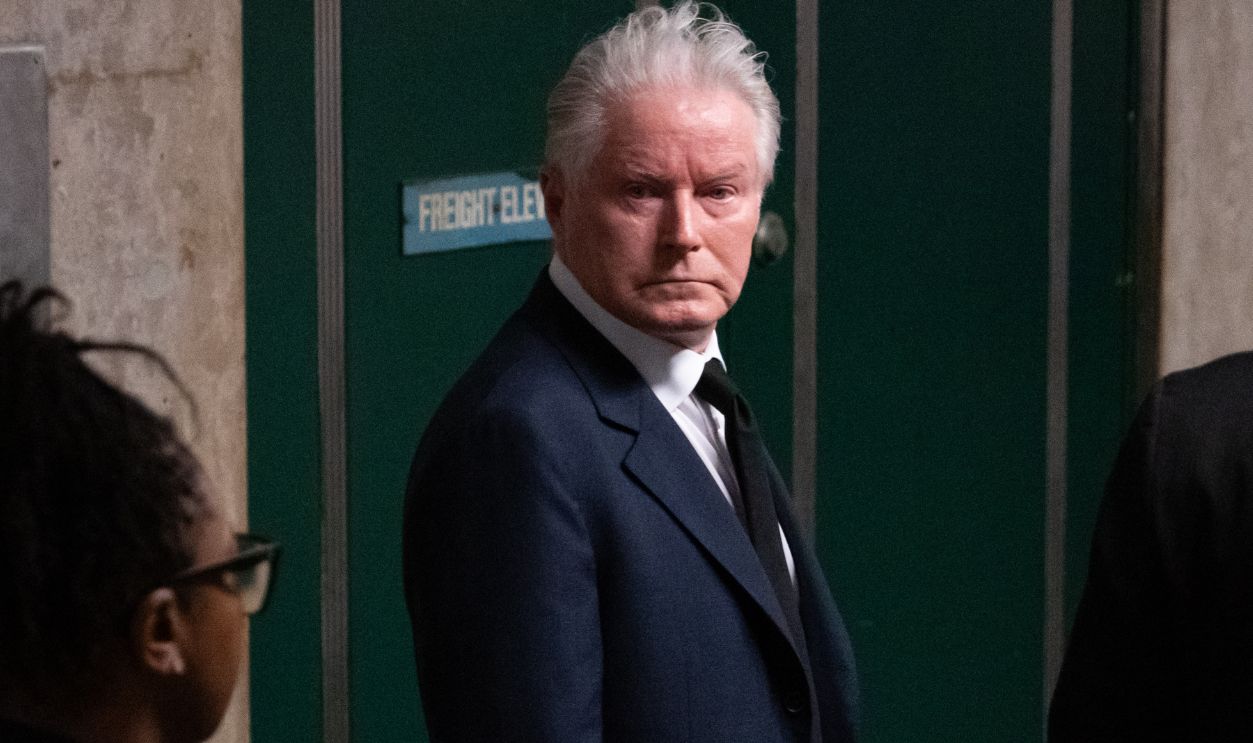
Although this run-in with the law happened in 1980, it wasn’t the last time Don would have to answer for his actions that night. As recently as 2024, during a trial for the completely separate issue of his lyrics allegedly being stolen, the events of November 21 and his arrest became the topic of further discussion.
Even at this point, he certainly wasn’t helping himself.
27. He Contradicted Himself
Since the incident, Don Henley had spoken about it in brief moments over the years, trying to offer some clarity as to what had happened. This didn’t help his case, as in 1991, he claimed he was hosting a farewell party for the band’s road crew on November 21—but something didn’t add up.
According to a letter of his that came up in the 2024 trial, a party was the furthest thing from his mind, as he wrote that he “didn't want to see any of my friends”. Of course, he clearly didn’t plan on being completely alone.
28. He Made A Call
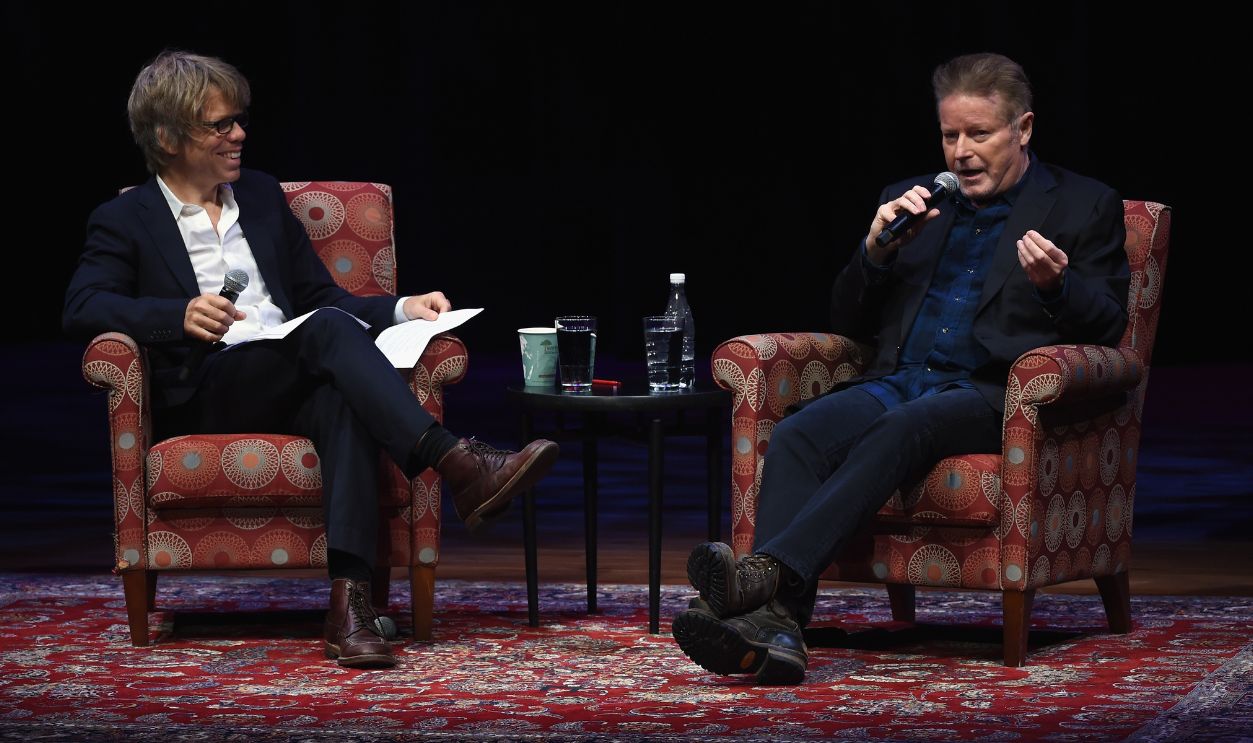
In Don’s testimony, he explained that on that night, he was still in the throes of grief following the breakup of the Eagles and “wanted to escape the depression I was in”. Before long, he decided to call a service, which sent a girl over to his place. The night continued much as he expected, with him and the girl drinking and using illicit substances. However, the situation took an even darker turn when she collapsed and began seizing.
It was only then that he realized how horrendous his decision had been.

29. He Claimed Ignorance
Fortunately for the girl at Don’s house, her condition had greatly improved by the time first responders arrived, but they still had their protocols. According to Don, it was only at this point that he learned the girl was 16 years old, allegedly discovering it as the paramedics interviewed her. Adding to his testimony, Don also asserted that while they had gone to bed together, they never had relations.
Whatever the case, in his words, not a day has gone by without him wishing he had done things differently that night.

30. He Regretted Everything
Don Henley ultimately wouldn’t see any other substantial consequences of that night, but he has always been very open about the shame he has felt to this day. He expressed this in response to the court’s questions in 2024, ultimately chalking the events up to a “poor decision” that he has regretted every day since.
Back in the 1980s, he wasn’t going to let the incident or the band’s breakup keep him from making his music.

31. He Struck Out On His Own
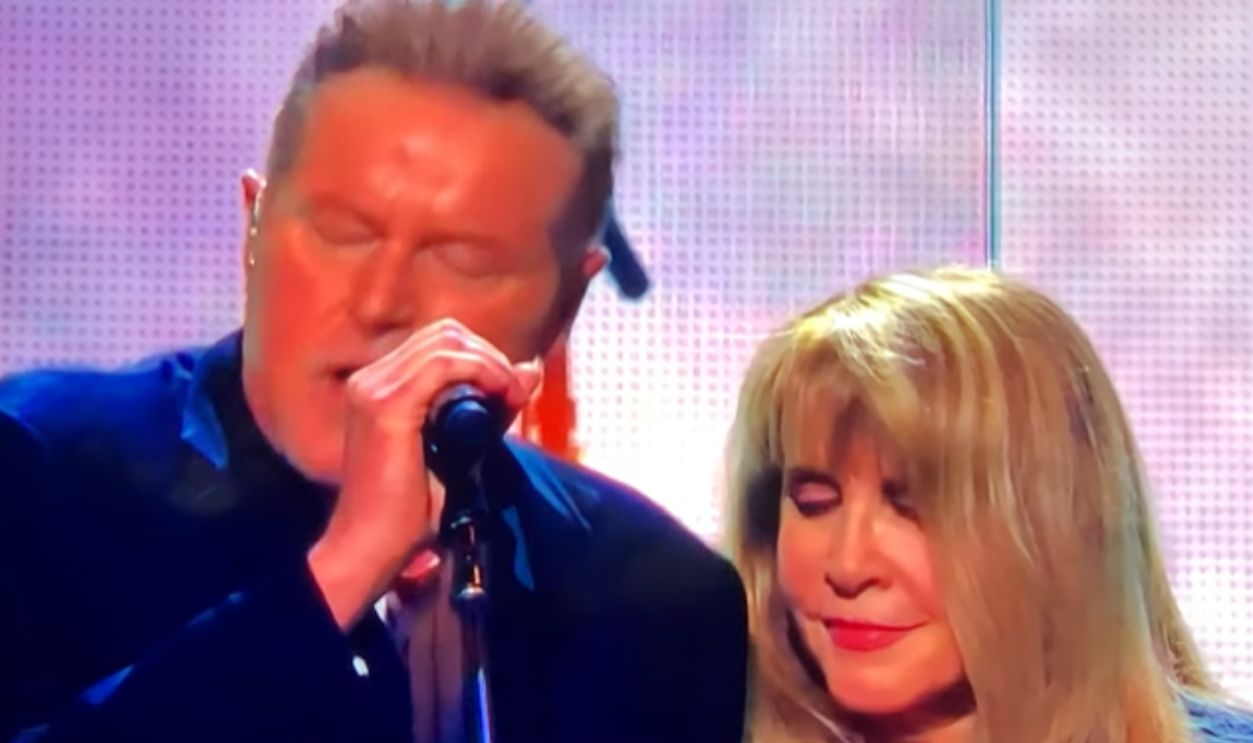
It really seemed like the Eagles were never going to get back together, but Don wasn’t about to let this be the end of his time in the spotlight. Luckily, he had some help to kick off his solo career, as he reunited with his previous flame, Stevie Nicks. Together, they recorded her 1981 song, “Leather and Lace,” which quickly rose to become a top ten hit.
Right away, Don proved why he had been a powerhouse of the Eagles.
 Screenshot from Leather and Lace, Modern Records (1981)
32. He Found More Success
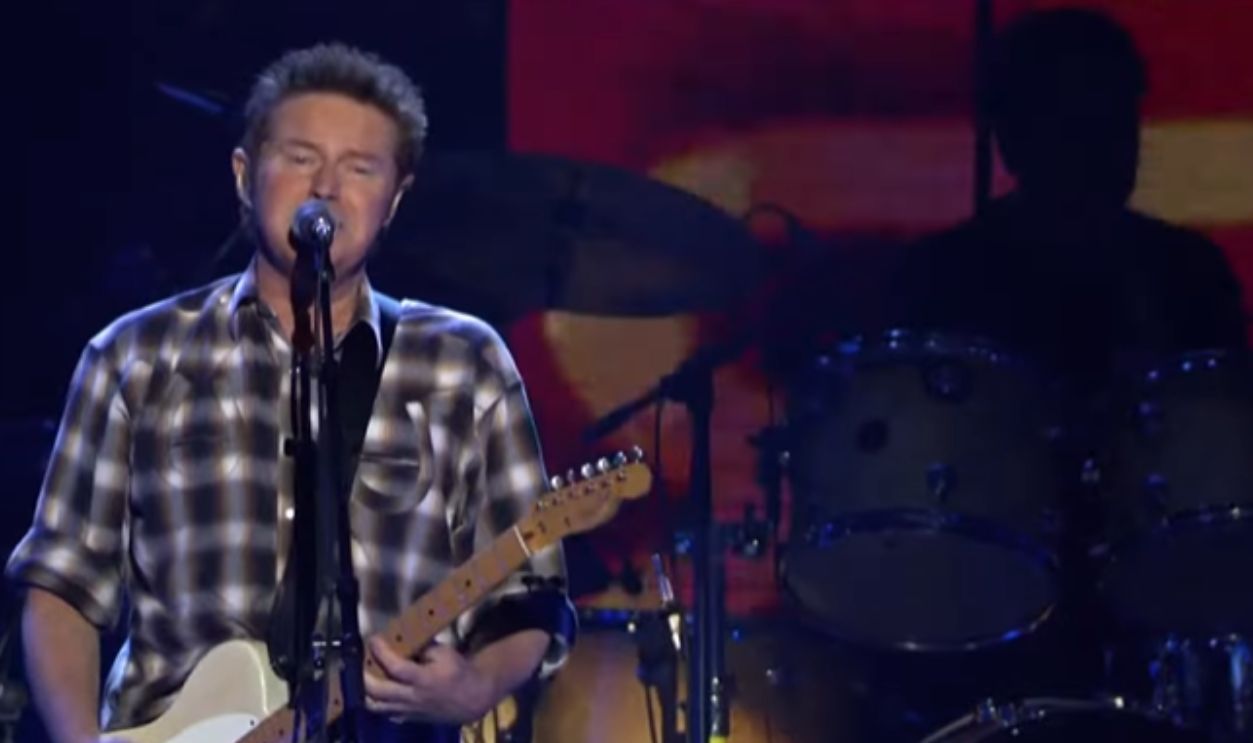
Don Henley had become such an integral part of the Eagles due to his unmatched songwriting talents, which he could now exercise with full creative control. This meant he exploded onto the scene as a solo artist, and while his debut studio album received a modest reception, his single, "Dirty Laundry," sold over 1 million copies in America.
Still, there was no way he was going to become a one-hit wonder.
 Screenshot from Dirty Laundry, Asylum Records (1982)
33. He Kept The Hits Coming
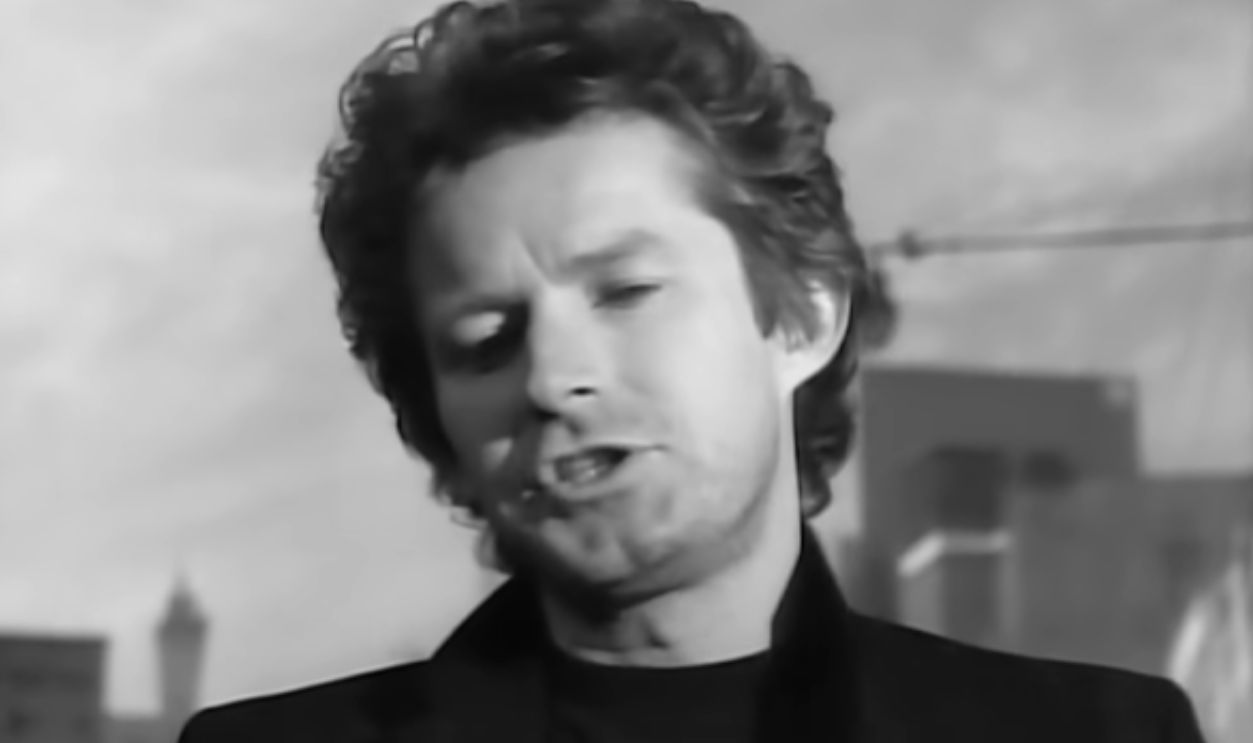
Although Don probably hadn’t gotten to a point where he was thankful for the band’s breakup, there was no denying that he was doing fine on his own. Releasing his second studio album in 1984, Building the Perfect Beast featured another of his most iconic tracks. As the album's lead single, fans endlessly praised “The Boys of Summer,” and it reached number five on Billboard’s Hot 100.
At the same time, he was still on an endless search for the love of his life.
 Screenshot from The Boys of Summer, Geffen Records (1984)
34. He Found Someone Else
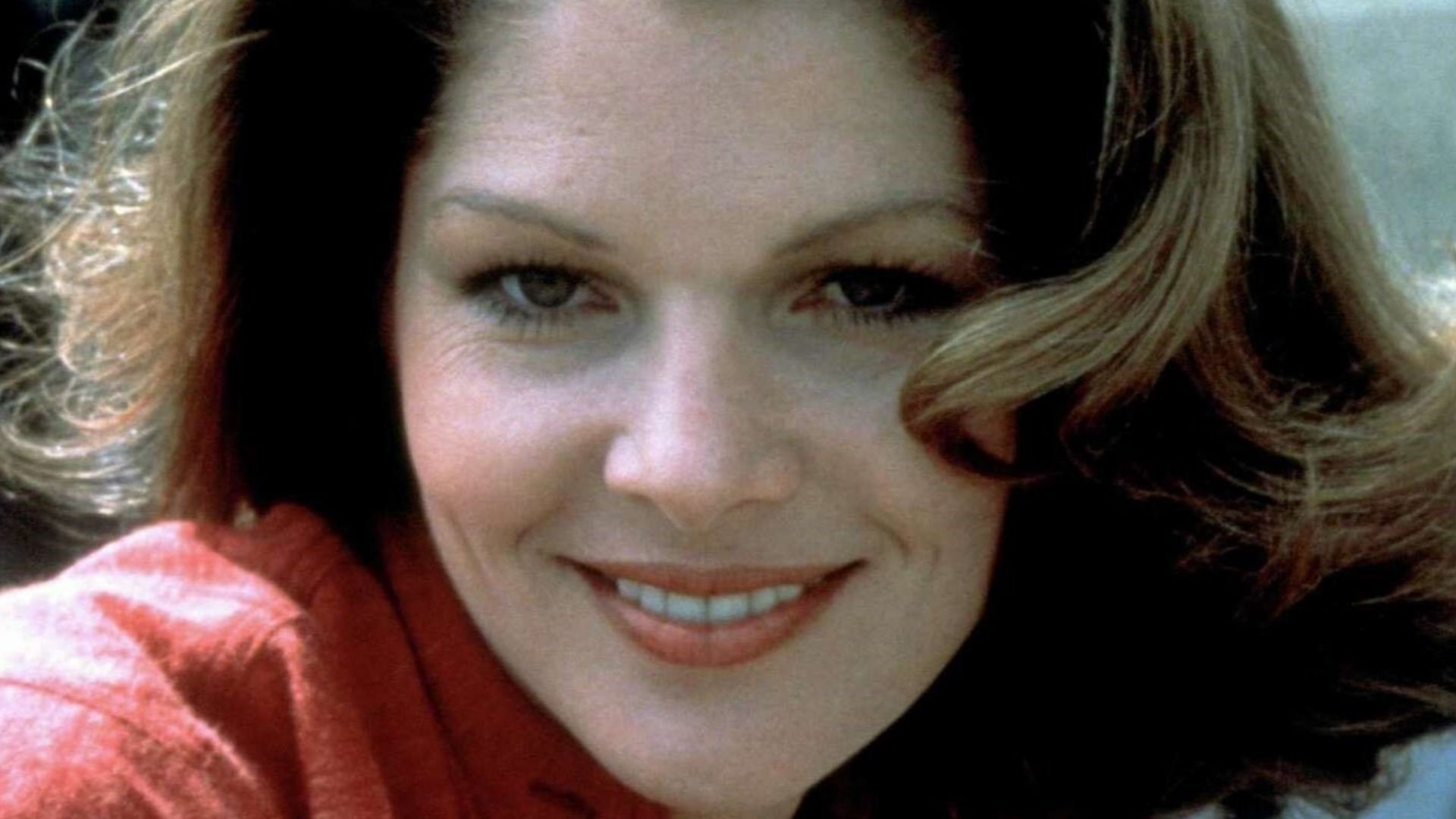
Since his time with Stevie Nicks, Don Henley had continued looking for romance and even had a three-year relationship with Bond girl Lois Chiles, but he was finally ready to settle down. Beginning his relationship with actress Maren Jensen in the early 1980s, Don felt prepared to take the next step and propose—to which she said yes.
Once again, he couldn’t help his relationship bleeding into his music.
 Associated Press, Wikimedia Commons
35. He Gave Her The Honor
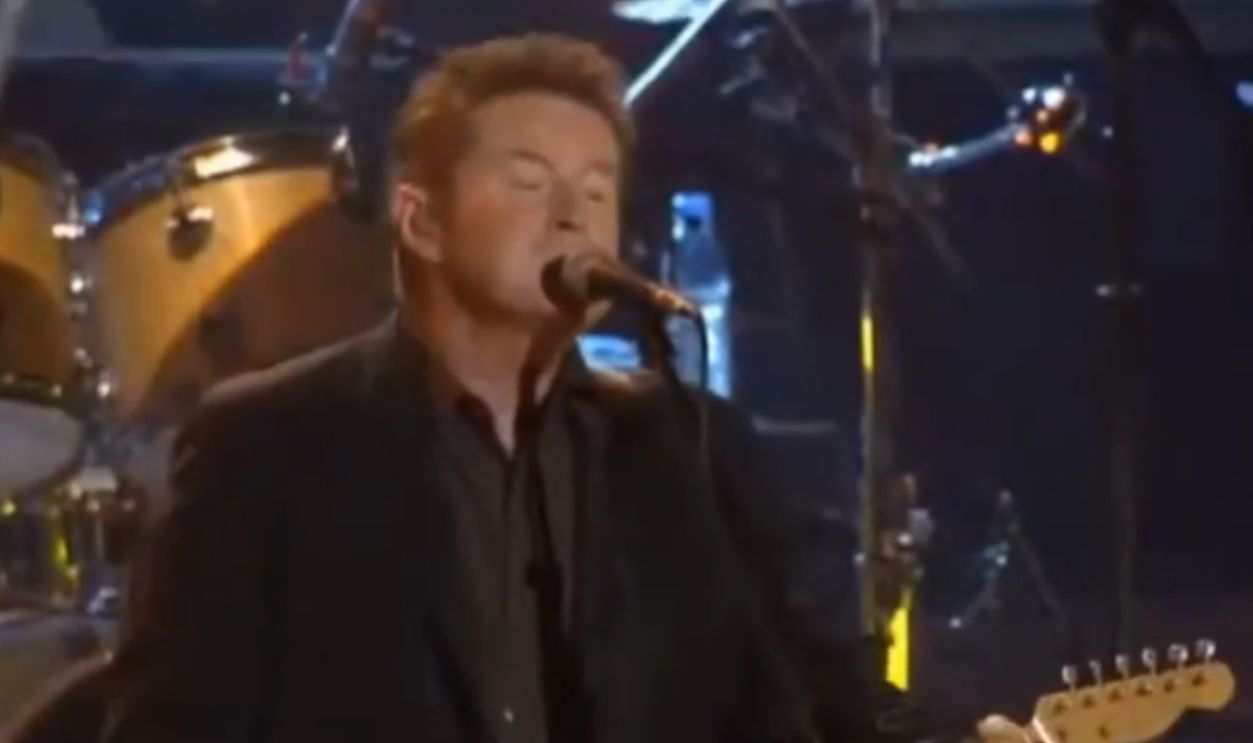
Don’s relationship with Maren Jensen was possibly the most serious one the singer had entered in his life, and she even sang harmony on his 1982 song, “Johnny Can't Read”. In fact, the album that featured this single, I Can't Stand Still, was entirely dedicated to his then-fiancée. Unfortunately, the two of them would never reach the altar, as they ended up separating four years later.
Meanwhile, Don was all over the press as he appeared in court once again.
 Screenshot from I Can't Stand Still, Asylum Records (1982)
36. They Accused Him
Don Henley would find himself in hot water again in the following decade, but this time it had nothing to do with his personal life. In 1993, he attempted to terminate his contract with Geffen Records, but this was far from an easy departure. According to the label, Don was still signed on to record a greatest-hits collection and two more studio albums for them, so this decision was a breach of their agreement.
Luckily, he knew exactly what kind of contract he was under and wouldn’t go down without a fight.

37. He Used The Law
This case marked Don’s first foray into the struggle for musicians’ rights, so he had a firm plan for how to tackle the issue. Around 50 years earlier, a California statute was established to protect actors from getting locked into long-term contracts, but the law covered entertainers as a whole. As Don argued, the statute declared that no company could force an entertainer to work with them for longer than seven years.
Soon enough, it was clear which party had been engaging in shady business practices.
38. They Tried To Trap Him
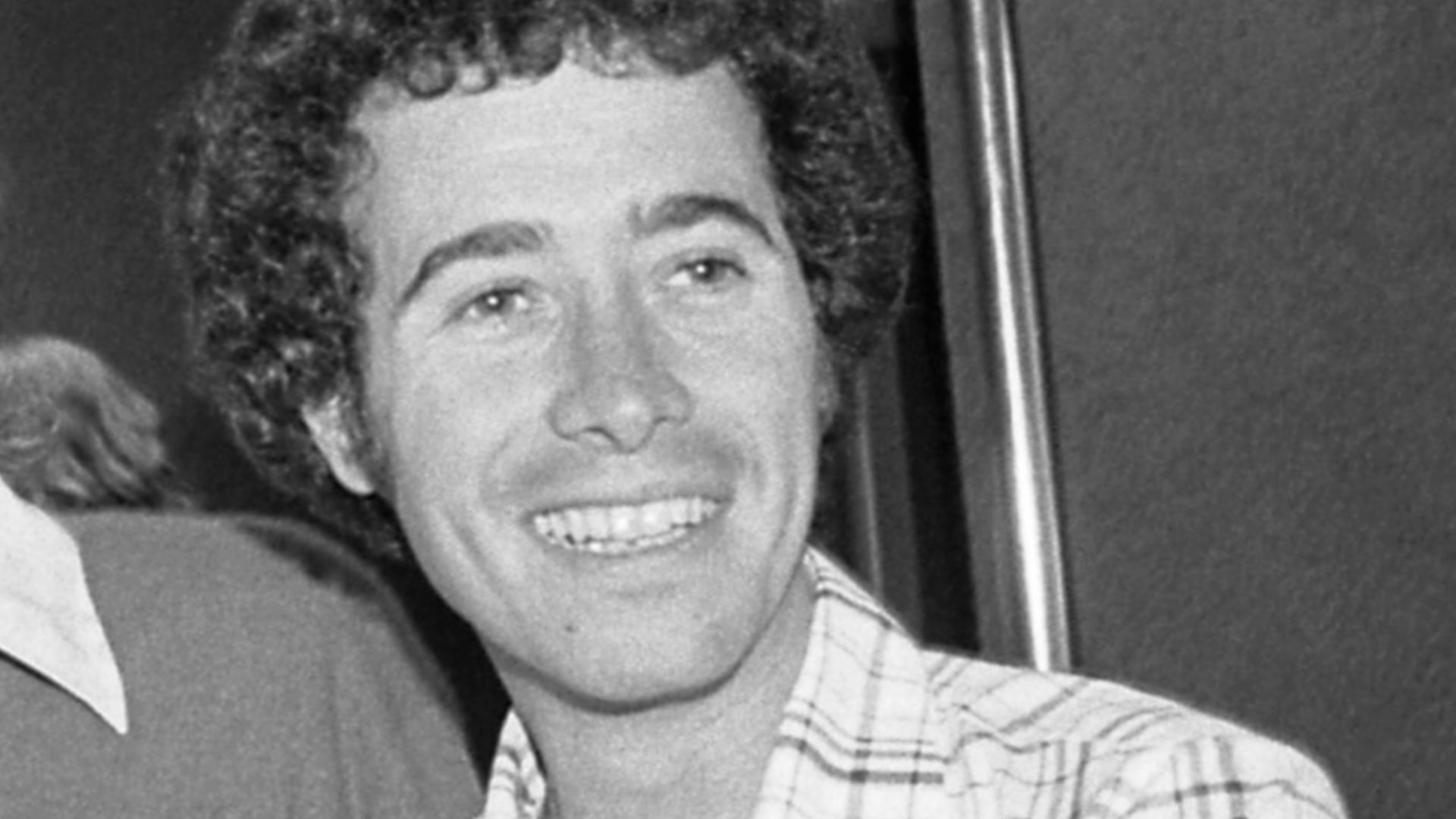
Whether or not Geffen Records knew about the statute that Don Henley brought up in his defence, they seemed ready to stoop to any level to keep him chained to them. As he discovered, producer David Geffen had made secret deals with other labels to keep them from signing Don to any contracts. This gave him all the grounds he needed to file a countersuit against Geffen Records.
While this was an important battle, it wasn’t the only one Don felt impassioned to fight.
 Tony Barnard, Los Angeles Times, Wikimedia Commons
39. He Did His Part
Don’s drive to help improve the world around him pushed beyond the bounds of the music industry, and he soon started fighting for parts of the Earth itself. Establishing the Walden Woods Project in 1990, his goal was to keep the organization’s namesake from destruction at the hands of any modern developments.
This kind of activism became even more essential, as it hit him much closer to home.
 ptwo from Allahabad, India, Wikimedia Commons
40. He Protected His Childhood
The Walden Woods wasn’t the only place that Don Henley felt drawn to protect in the 1990s, and he soon began fighting for another at-risk area that held a very special place in his heart. He had spent many of his childhood days enjoying the wetlands around Caddo Lake in Texas, so in helping establish the Caddo Lake Institute, he ensured they would be around for a long time.
On the professional side of things, enough time had passed to heal some of his most significant lost relationships.
 Larry D. Moore, Wikimedia Commons
41. They Buried The Hatchet
As successful as Don was proving to be as a solo artist, a part of him would always wish the Eagles could continue as the band they once were. Thankfully, he and the other members hadn’t said goodbye permanently, and in 1994, they agreed to let bygones be bygones and officially reunited as the Eagles. However, Frey would insist that they never actually broke up, and instead “just took a 14-year vacation”.
Behind the scenes, this wasn’t the only connection that changed Don’s life.
 karstenknuth, Wikimedia Commons
42. They Tied The Knot
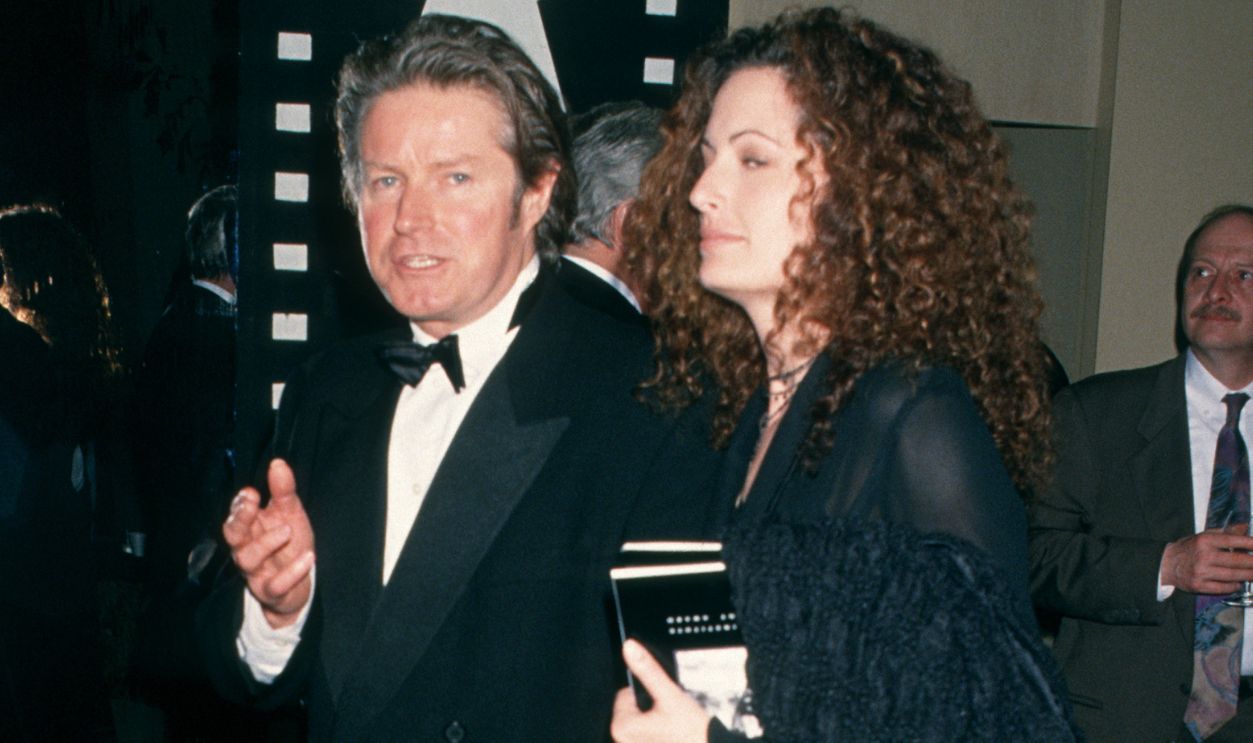
Don had spent years dating around and even entertained the idea of settling down once, but none of it had worked out—at least until 1995. Having been in a relationship with model Sharon Summerall for some time, he took the plunge and married her that year. The celebration was a veritable who’s who of the music world, with performances by legends like Bruce Springsteen, Billy Joel, and Sheryl Crow.
Finally, he reached a point in his life where he could truly go the distance.
 Ron Galella, Ltd., Getty Images
43. They Made A Life Together
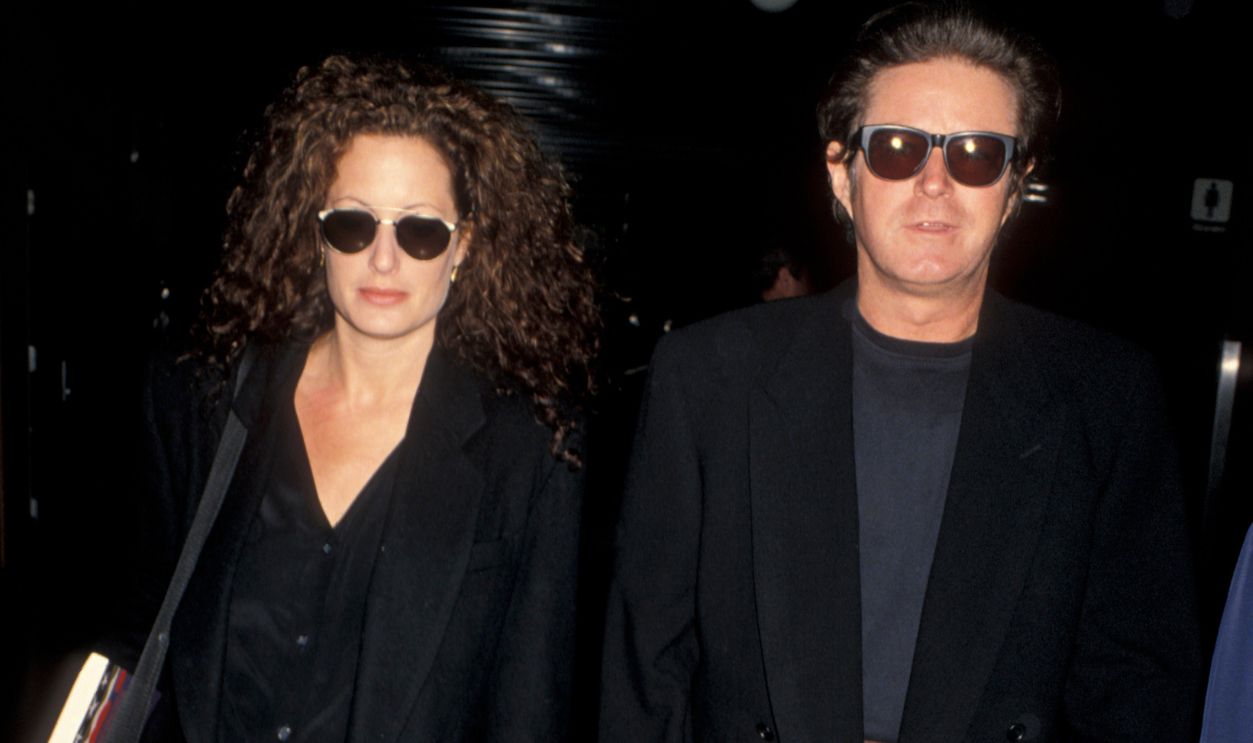
Despite his dating history, Don remained committed to building a marriage with Sharon in sickness and in health—and he meant that. Supporting her after she received a multiple sclerosis diagnosis, Don wanted to be present as a husband and father, especially as they welcomed their three children.
Despite this new life of his, he still made time to fight for the little guy.
44. He Took Up The Fight
If his lawsuit against Geffen Records had taught Don anything, it was that musicians needed someone to look out for them, especially when many companies wanted to take advantage of them. This led him to establish the Recording Artists' Coalition in 2000 to act as a protector for any artists who might fall victim to unfair or dishonest producers.
Meanwhile, the Eagles weren’t the only ones he reunited with.
45. He Worked With Some Familiar Faces
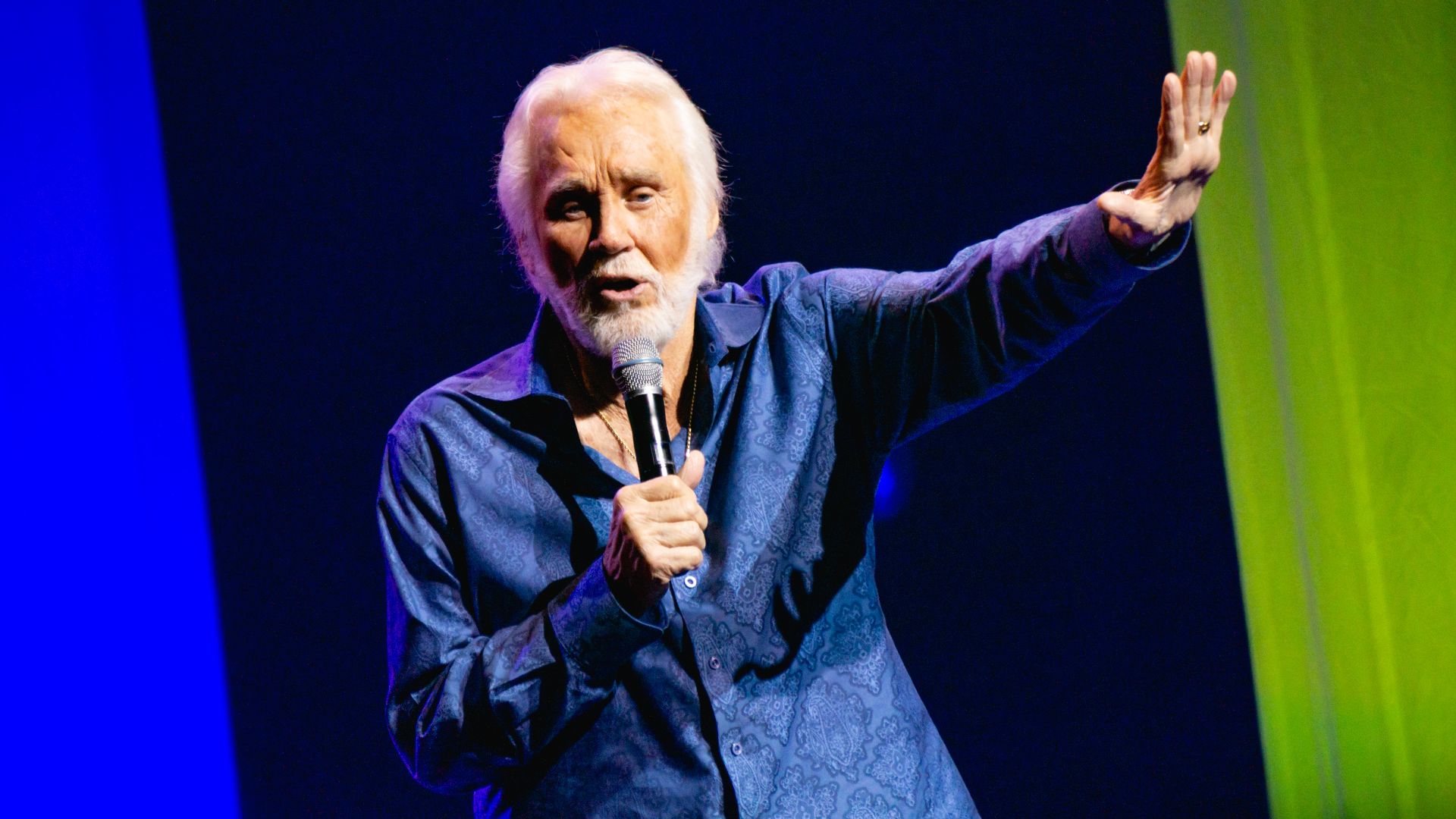
Having made it as a solo artist and put the pain of the band’s breakup behind him, Don felt free to work with anyone he wanted, especially those who helped him along the way. Reuniting with his past love in 2005, he joined Stevie Nicks on her Two Voices Tour and opened for ten of her shows. Going back even further to one of the first people to give him a chance, he sang with Kenny Rogers on the country artist’s 2006 studio album.
Even then, they weren’t the last collaborators to have a close connection with him.
46. His Family Joined Him
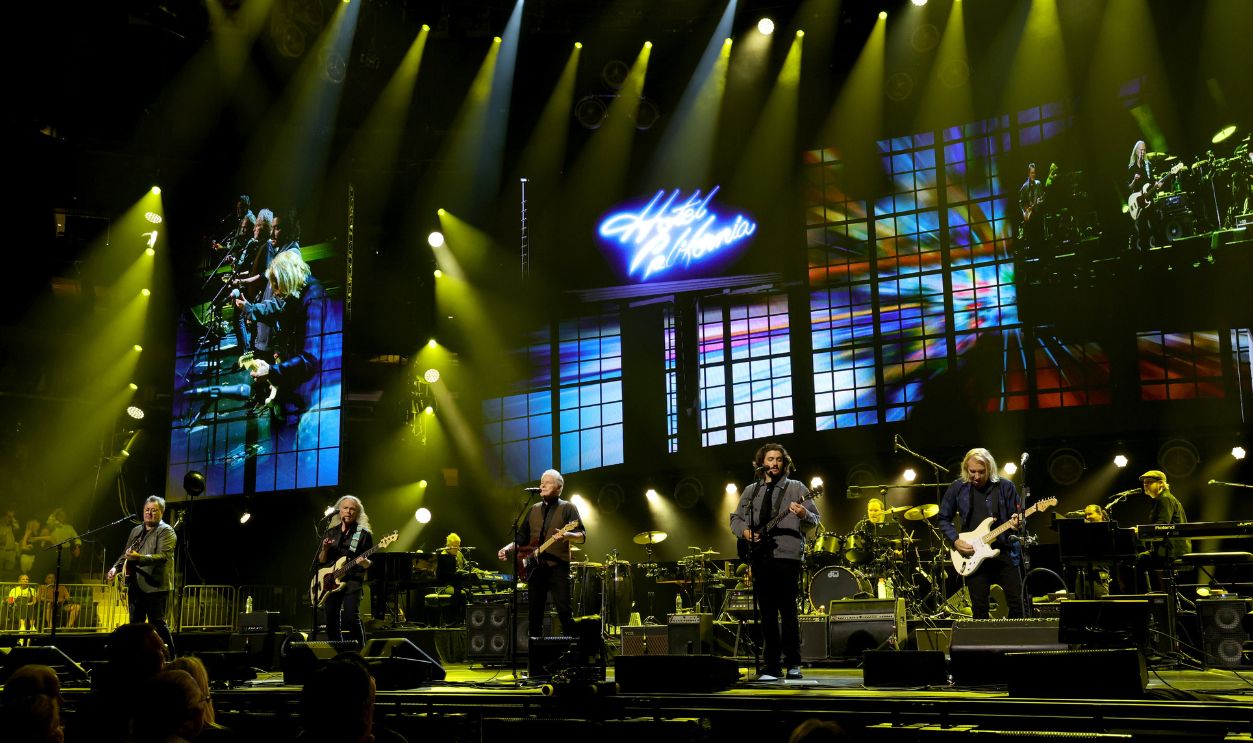
The Eagles had long since resumed touring and recording music, even after taking another break following the tragic passing of Glenn Frey in 2016. This loss left a hole in the band’s lineup, but when they returned the following year, Frey’s son, Deacon, joined to play in his father’s absence. Not only that, but another year later, Don got the chance to bring his own son, Will, on tour with them to play guitar.
As he got older, he never stopped standing up for what he believed in.
47. He Wanted A Stricter Law
Don had spoken on numerous issues as a representative of the Recording Artists' Coalition, but in 2020, the pressure dialed up as he sat before the US Congress to testify about copyright law. Focusing on the Digital Millennium Copyright Act, Don argued that it wasn’t enough anymore and that more drastic measures needed to become commonplace.
This time, however, the battle he chose wasn’t as clear-cut as before.
 White House photo by Susan Sterner, Wikimedia Commons
48. He Received Some Backlash
This time, Don didn’t have the same support as past arguments, mostly due to his history of acting overzealously against online creators. It had become common for creators using his music to receive copyright strikes, even on videos like guitar tutorials that fell under fair use. Naturally, this caused an outcry among these creators, who disagreed with his claim that the DMCA wasn’t strict enough.
Finally, he realized that he would have to slow down—and he wasn’t the only one.

49. They Said Goodbye
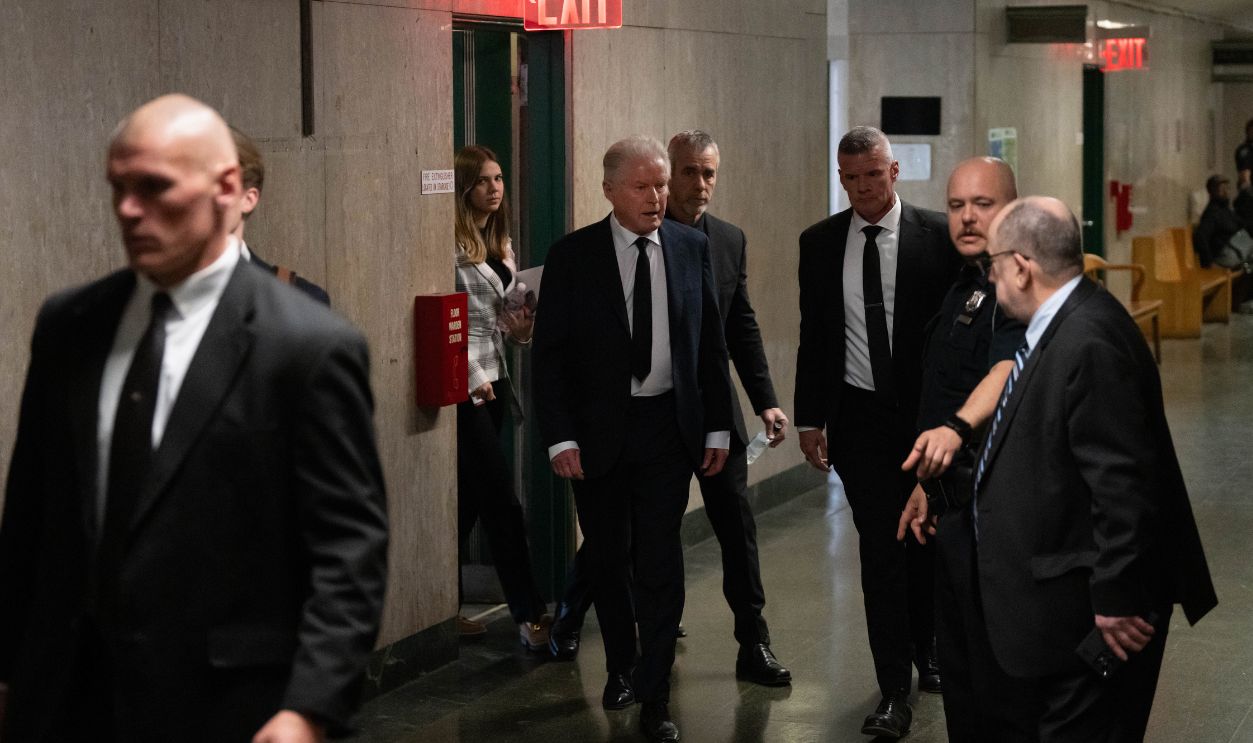
By the end of 2023, although Bernie Leadon was still kicking, Don stood as the only original member left in the band. Now in his 70s, both he and his bandmates already knew their time was coming to an end, and they embarked on their farewell tour that year, calling it The Long Goodbye Tour.
At the end of the day, there’s no denying the acclaim he earned for himself—with and without the Eagles.
 Steve Alexander, Wikimedia Commons
50. His Legacy Endures
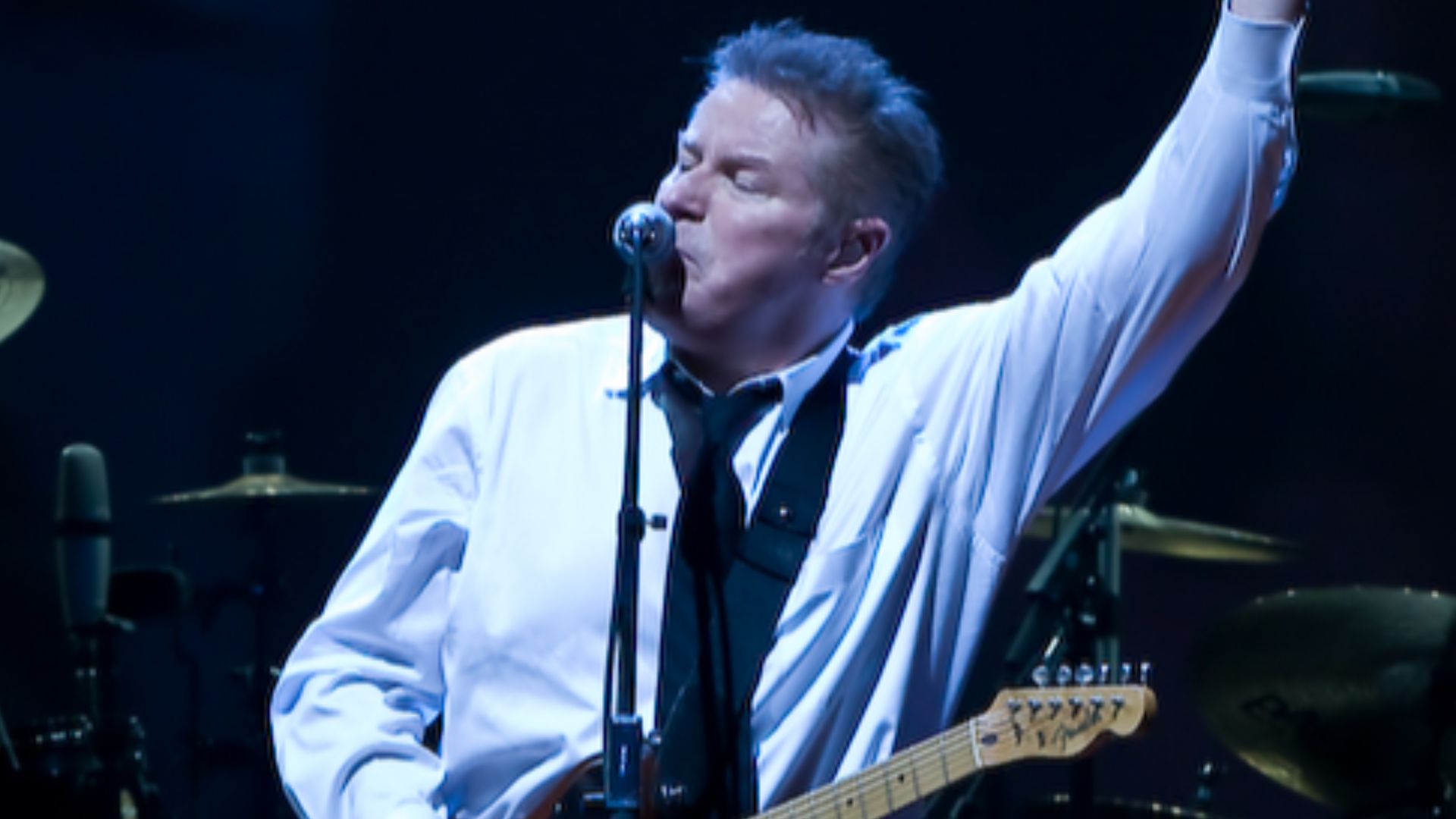
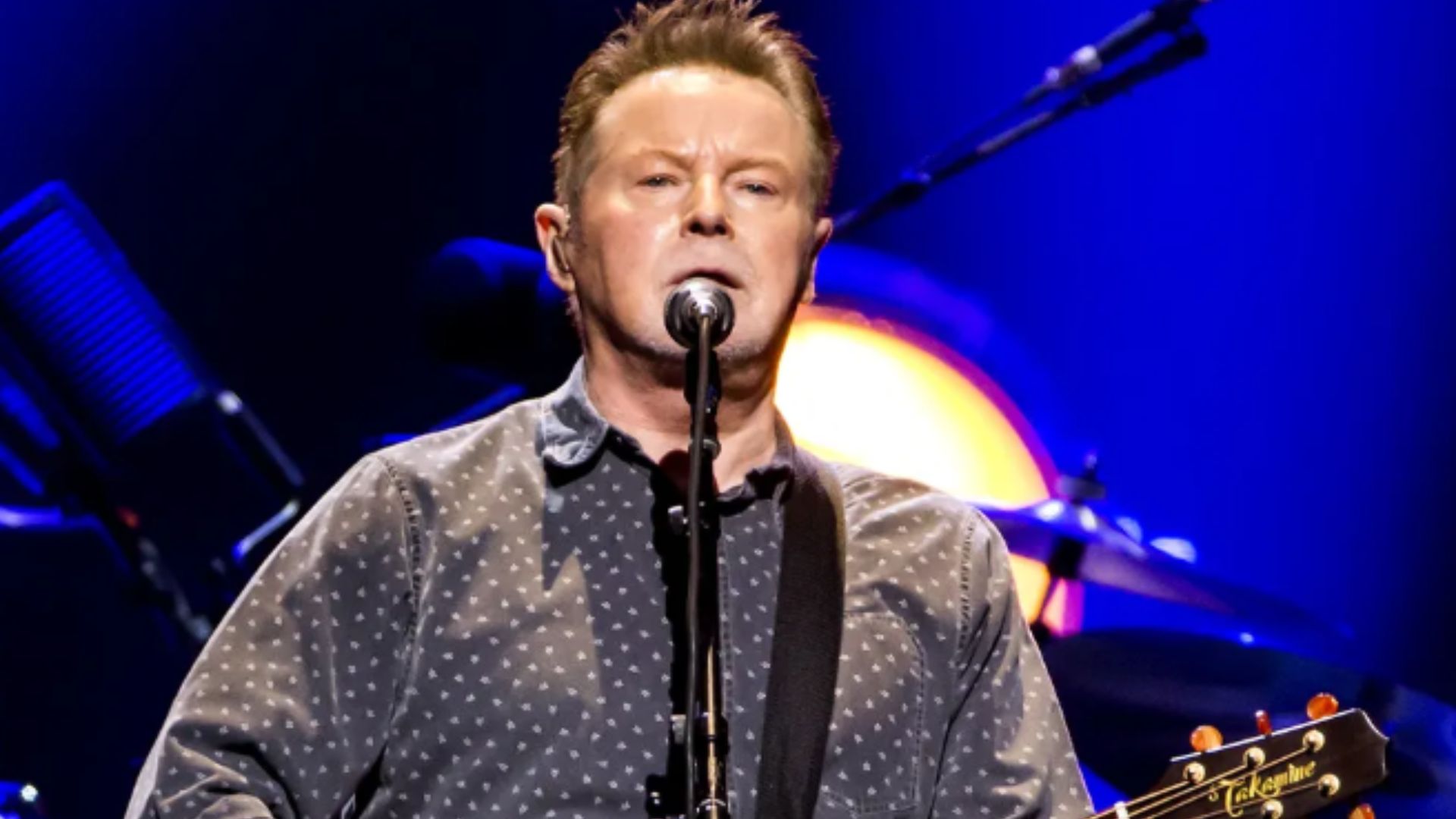
Those in the music world often refer to the Eagles as one of the greatest rock bands in history, but they wouldn’t have reached such heights without Don Henley. As he later proved, he had the talent to power both the band’s success and his own, and everyone knew it. Sources like MusicRadar have called him one of history’s greatest singing drummers, a claim that Rolling Stone supported, naming him the 87th-greatest singer of all time.
 Derek Russell, Wikimedia Commons
You May Also Like:
Minnie Riperton Took A Painful Secret To Her Grave