Curiosity Follows Their Every Move
There are individuals whose paths feel charged with odd timing and strange turns, as if the world around them kept shifting at the exact wrong moment. Their stories form a kind of magnetic blur that invites a closer look without offering clarity.
Poe Toaster
For decades, an unknown visitor slipped into a Baltimore cemetery before dawn on Edgar Allan Poe’s birthday. Dressed in black with a wide hat and scarf, he placed three roses and a bottle of cognac at the grave. Sometimes he even added short, cryptic notes. The tradition ended in 2009.
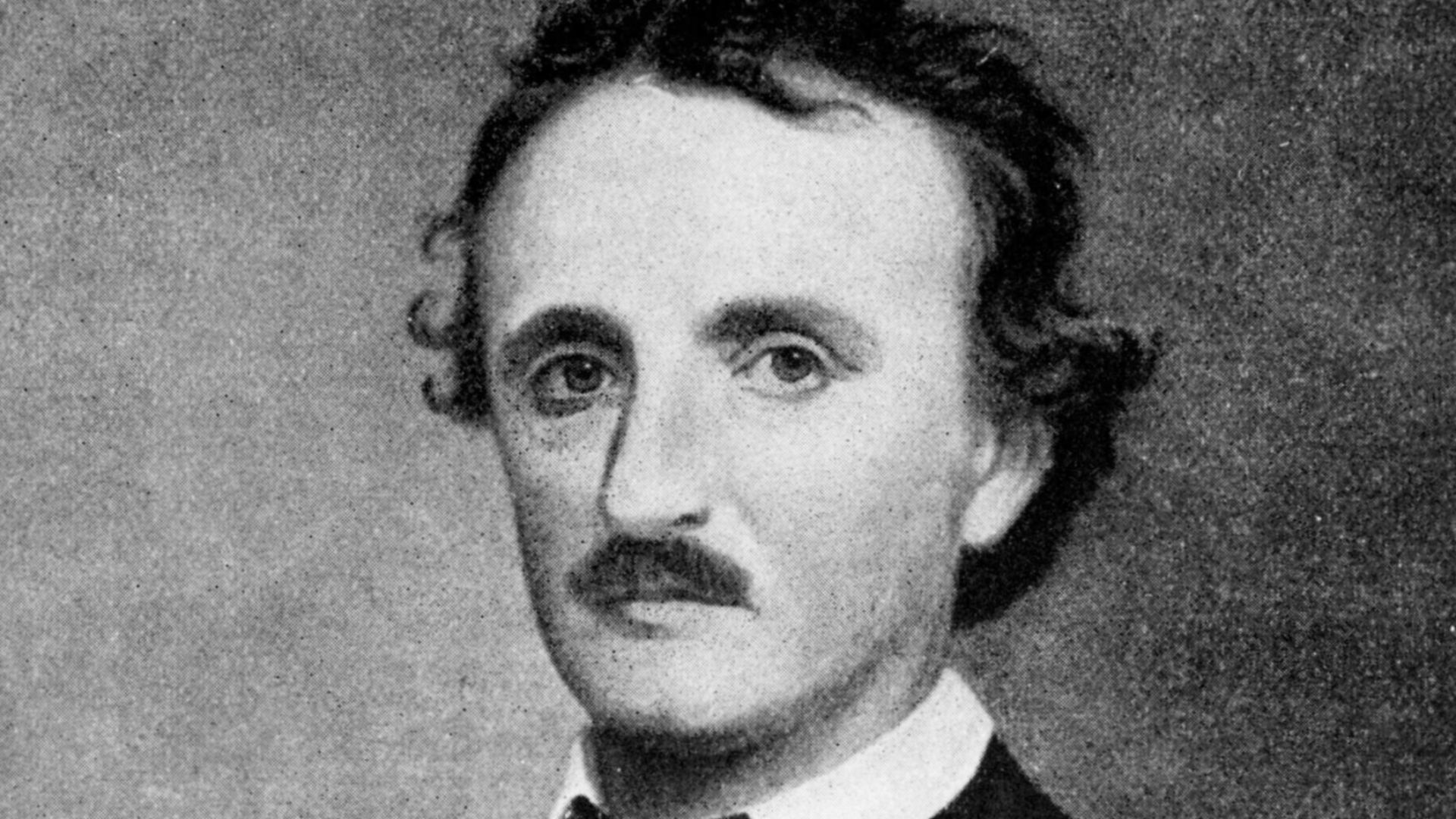 published by Dodd, Mead and Co, NY, 2002, Wikimedia Commons
Count Of St. Germain
European salons buzzed with talk about the Count of St. Germain, a traveler who dodged every question about his past. He encouraged the confusion, hinting at long lives and strange journeys. His reputation grew as people linked him to alchemy and whispered about metals turning into gold.
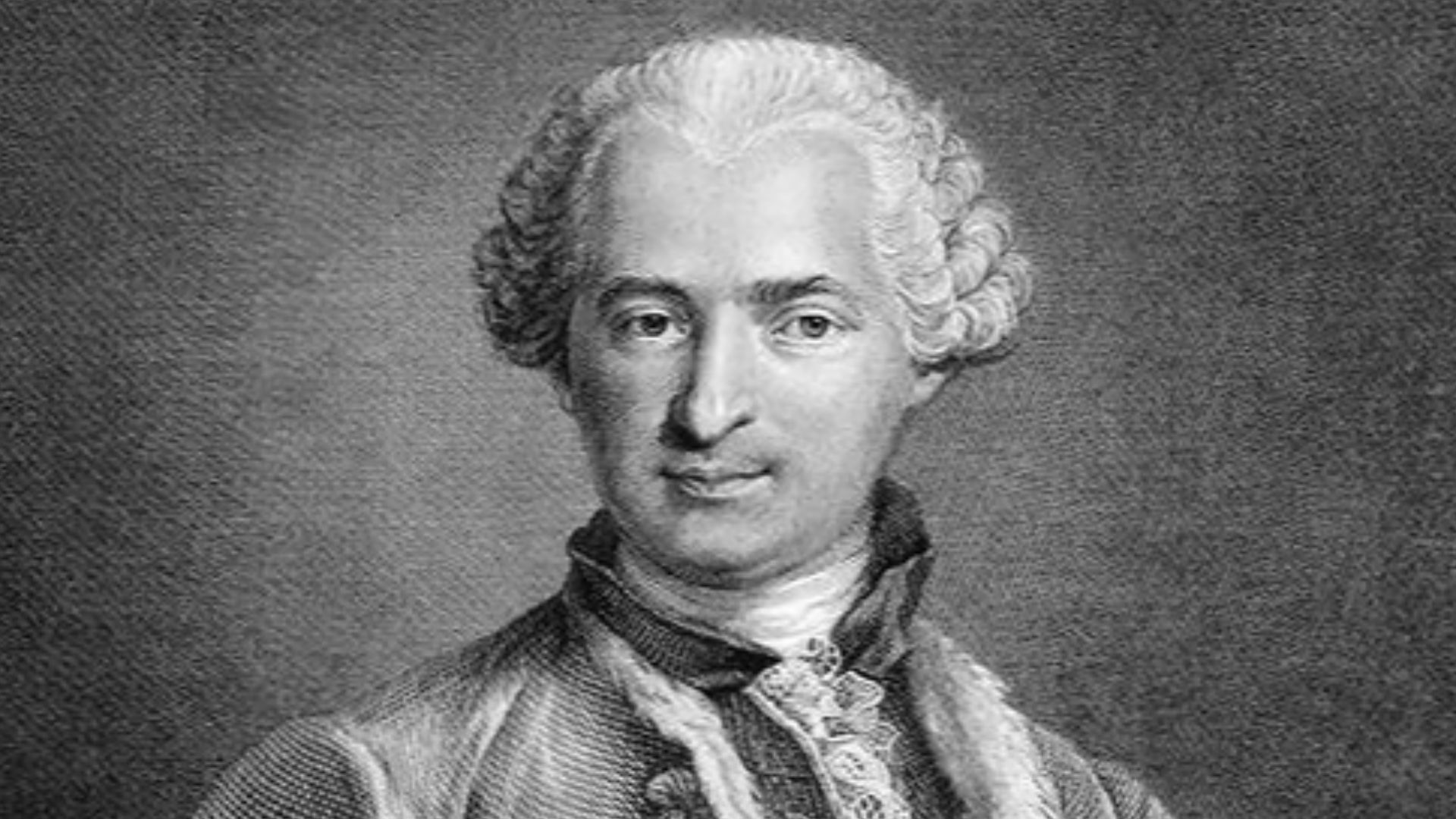 Nicolas Thomas, Wikimedia Commons
Sergei Tretyakov
Sergei Tretyakov shocked Russian intelligence circles when he defected to the United States in 2000 and detailed major espionage operations. He then lived openly in Florida, which surprised many given his background. His sudden death in 2010, officially labeled natural causes, sparked debate about what truly happened.

Monsieur Chouchani
Students encountered Monsieur Chouchani as a brilliant but eccentric teacher with wild hair and unmatched insight. Nobel figures like Elie Wiesel and Emmanuel Levinas credited him with shaping their thinking. Yet no document, memory, or confession ever revealed his real name, which leaves his background completely untraced.
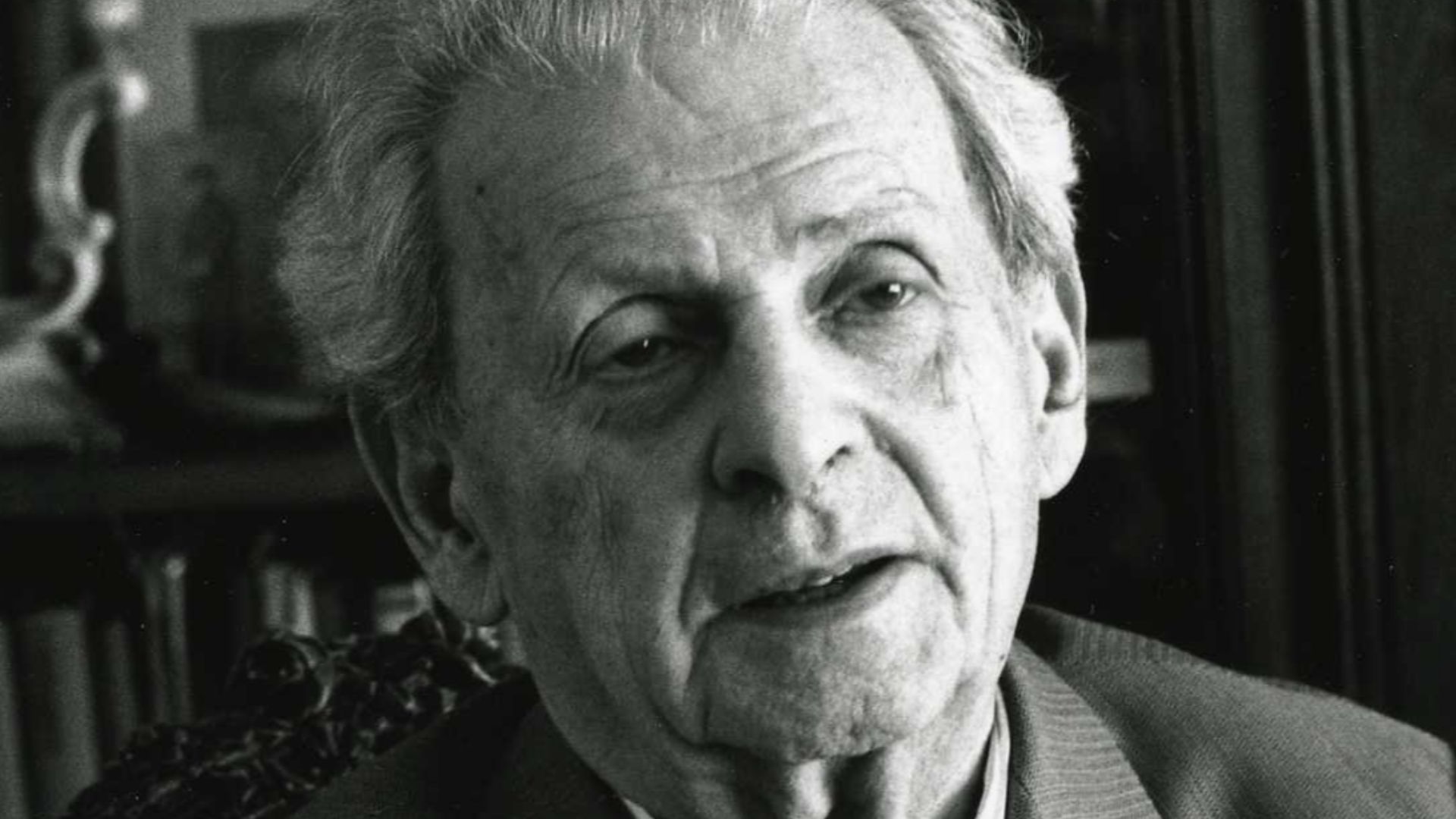 Bracha L. Ettinger, Wikimedia Commons
Kaspar Hauser
Kaspar Hauser appeared in Nuremberg in 1828, claiming years spent in total confinement, a story that quickly stirred public curiosity. People speculated he was linked to royalty, which only intensified attention. His death at 21 after a stabbing incident left every version of his past unsettled.
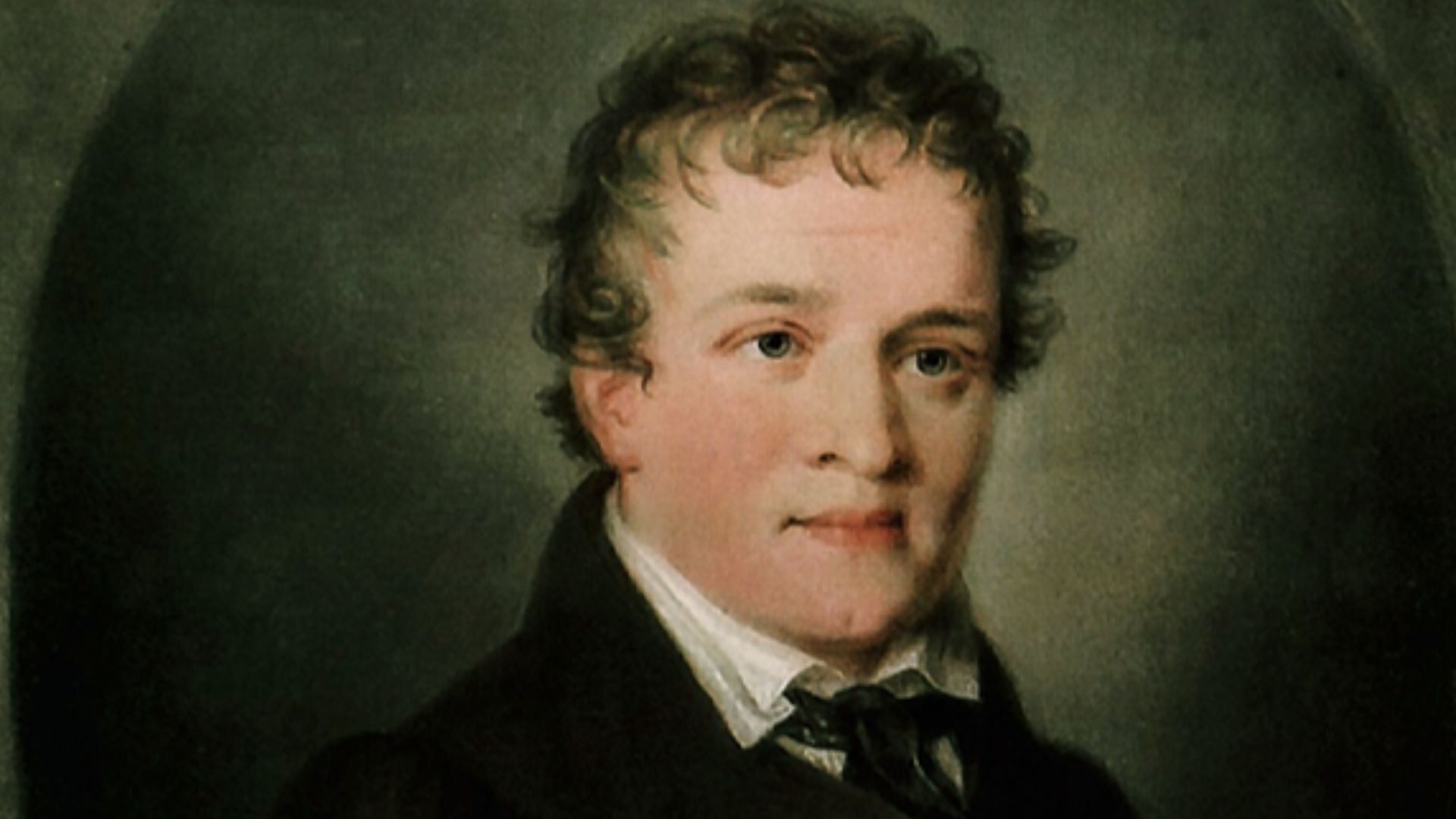 Johann Friedrich Carl Kreul, Wikimedia Commons
Babushka Lady
Footage and photographs from the Kennedy assassination show a woman in a headscarf calmly filming the chaos near Dealey Plaza in 1963. Investigators searched for her for years, yet no one proved her identity. Even the film she appeared to record has never surfaced.
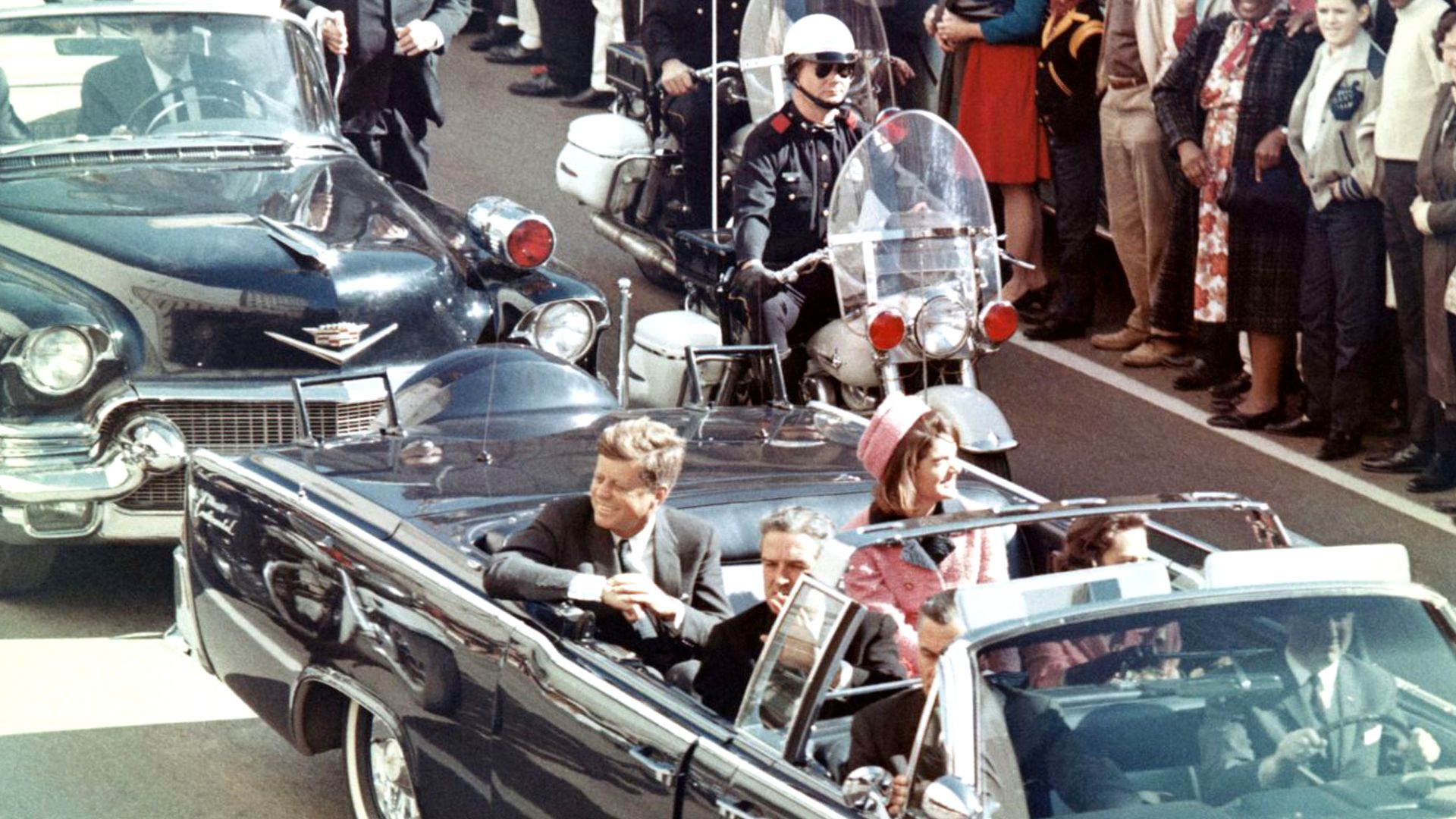 Walt Cisco, Dallas Morning News, Wikimedia Commons
Fulcanelli
Fulcanelli became a legend in French alchemy circles after stories spread about a secret transmutation he performed in 1922, turning lead into gold. His student Eugene Canseliet claimed to witness it. Fulcanelli vanished soon after publishing his books, and no one ever confirmed his real identity.
Harold Holt
Australia was stunned when Prime Minister Harold Holt disappeared while swimming at Cheviot Beach in 1967. Search teams scoured the ocean without finding a single trace. Theories rushed in, and they ranged from a staged escape to foreign ties, but none ever replaced the simple question of where he went.
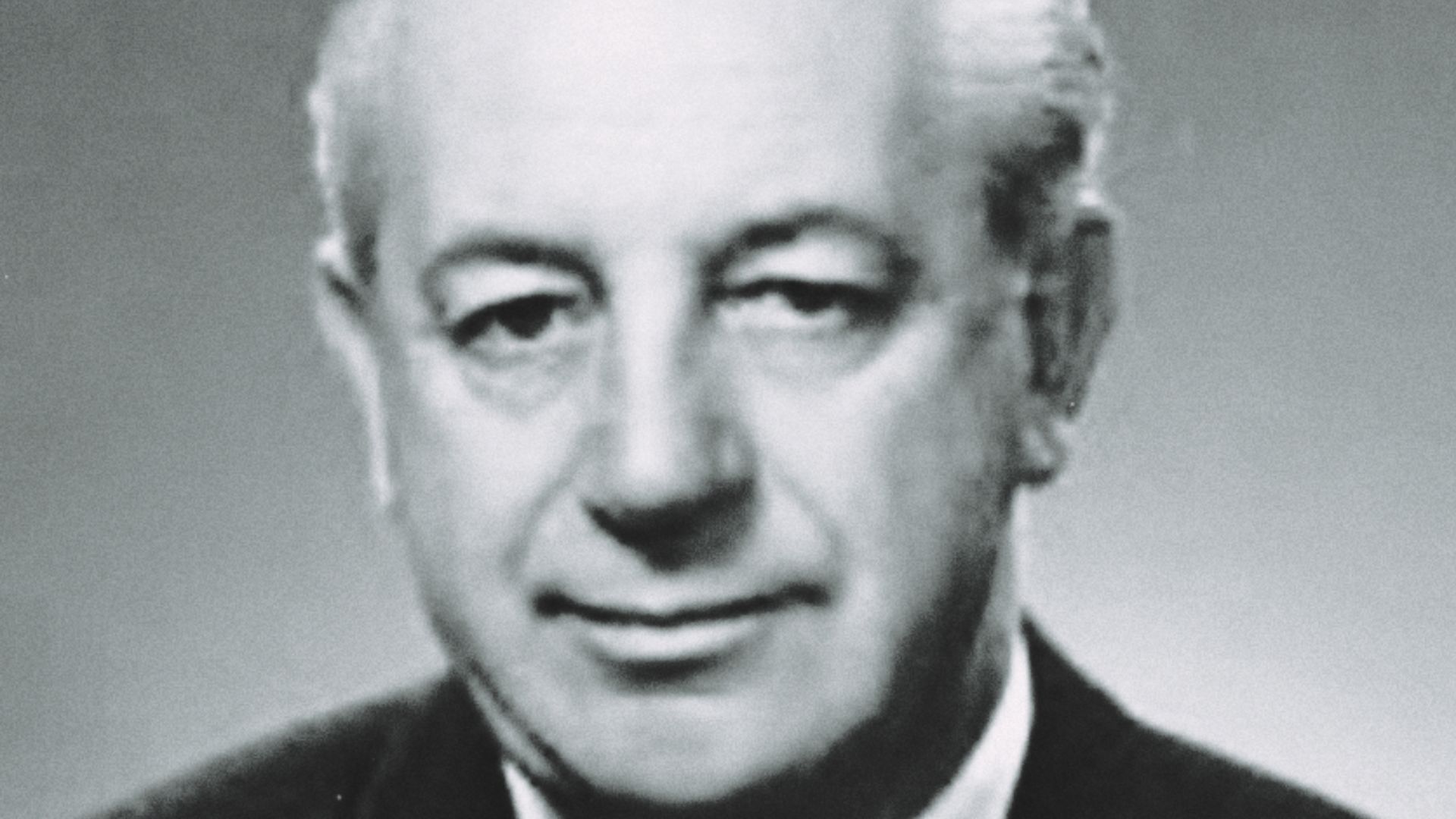
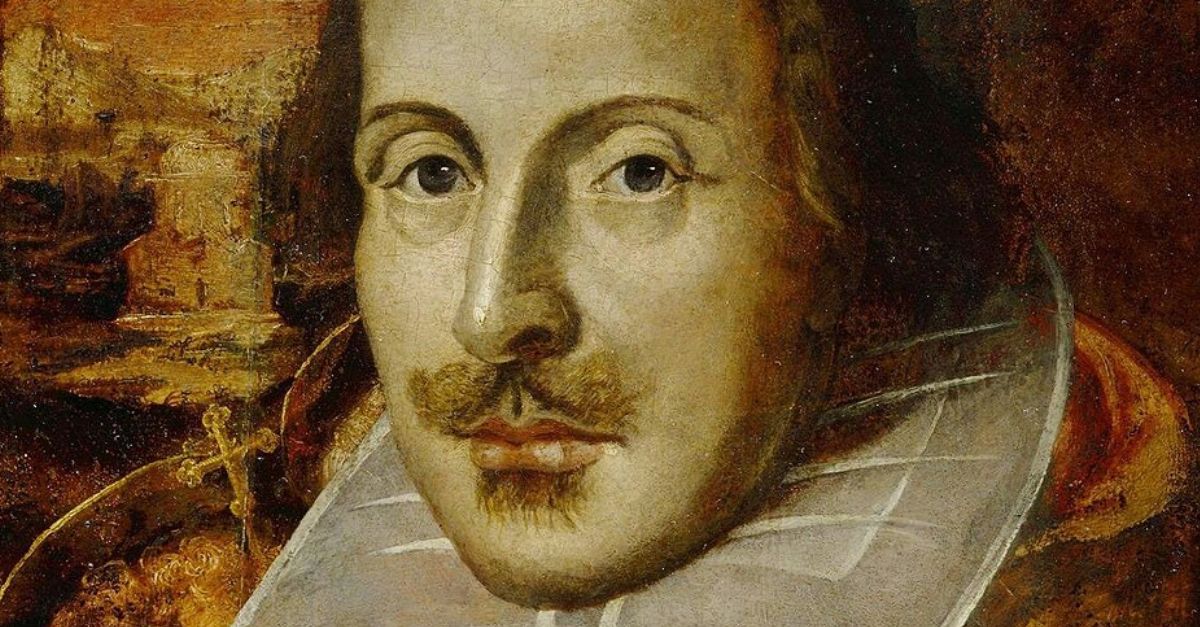
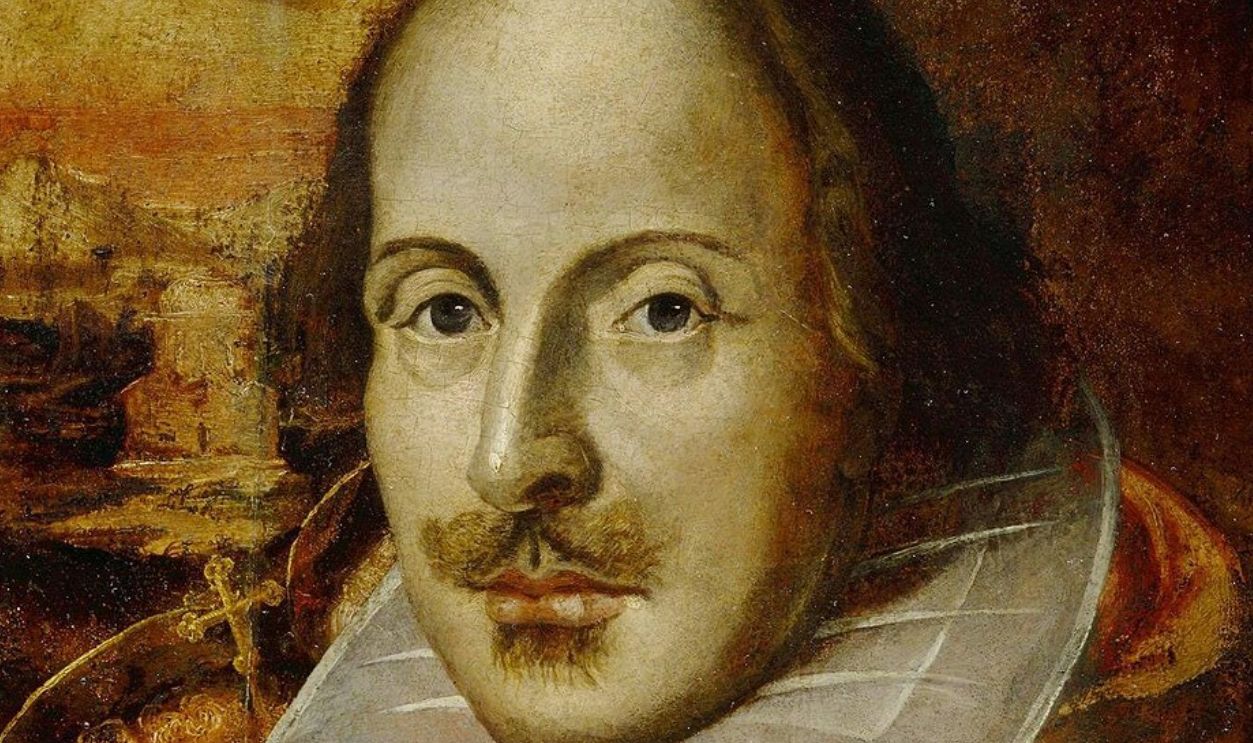
William Shakespeare
Debate still circles William Shakespeare, even though his plays shaped English literature more than any other writer. Scholars argue over the authorship of works linked to him, fueling theories that he wrote under a different name. Records only confirm his baptism on April 26, 1564, which leaves his birthdate uncertain.
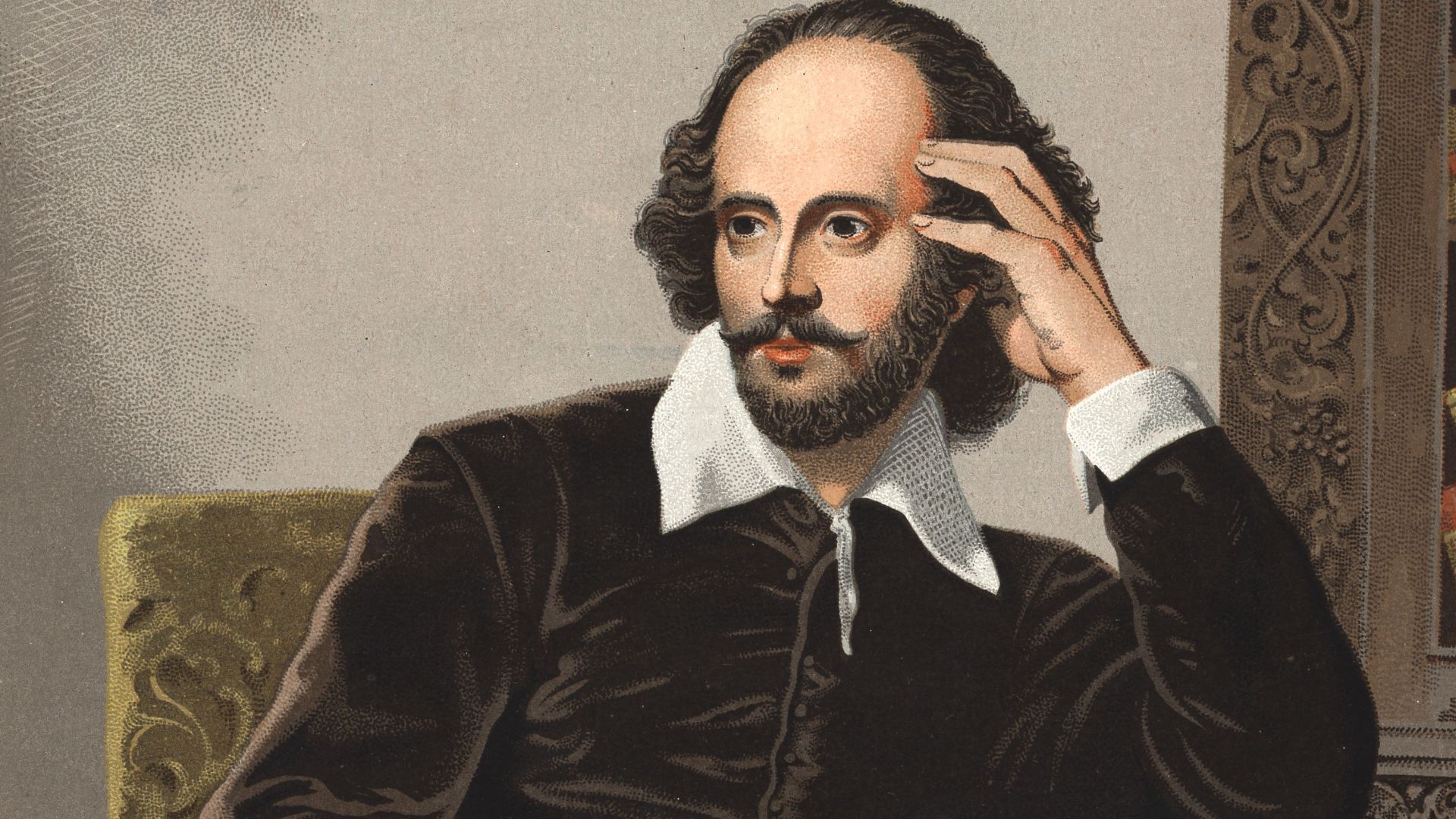 BatyrAshirbayev98, Wikimedia Commons
Tank Man
Crowds watching the 1989 Tiananmen Square protests never forgot the lone man who stepped into a column of tanks while carrying shopping bags. No document ever named him, and his fate vanished into silence. The image became a global symbol of calm defiance.
 Jiri Tondl (Blow up), Wikimedia Commons
D. B. Cooper
A man calling himself Dan Cooper hijacked a Northwest Orient flight in 1971, collected two hundred thousand dollars in ransom, and parachuted into dense Northwest forests. The media mistakenly labeled him D.B. Cooper, and though some bills later surfaced, investigators never discovered what happened to him.
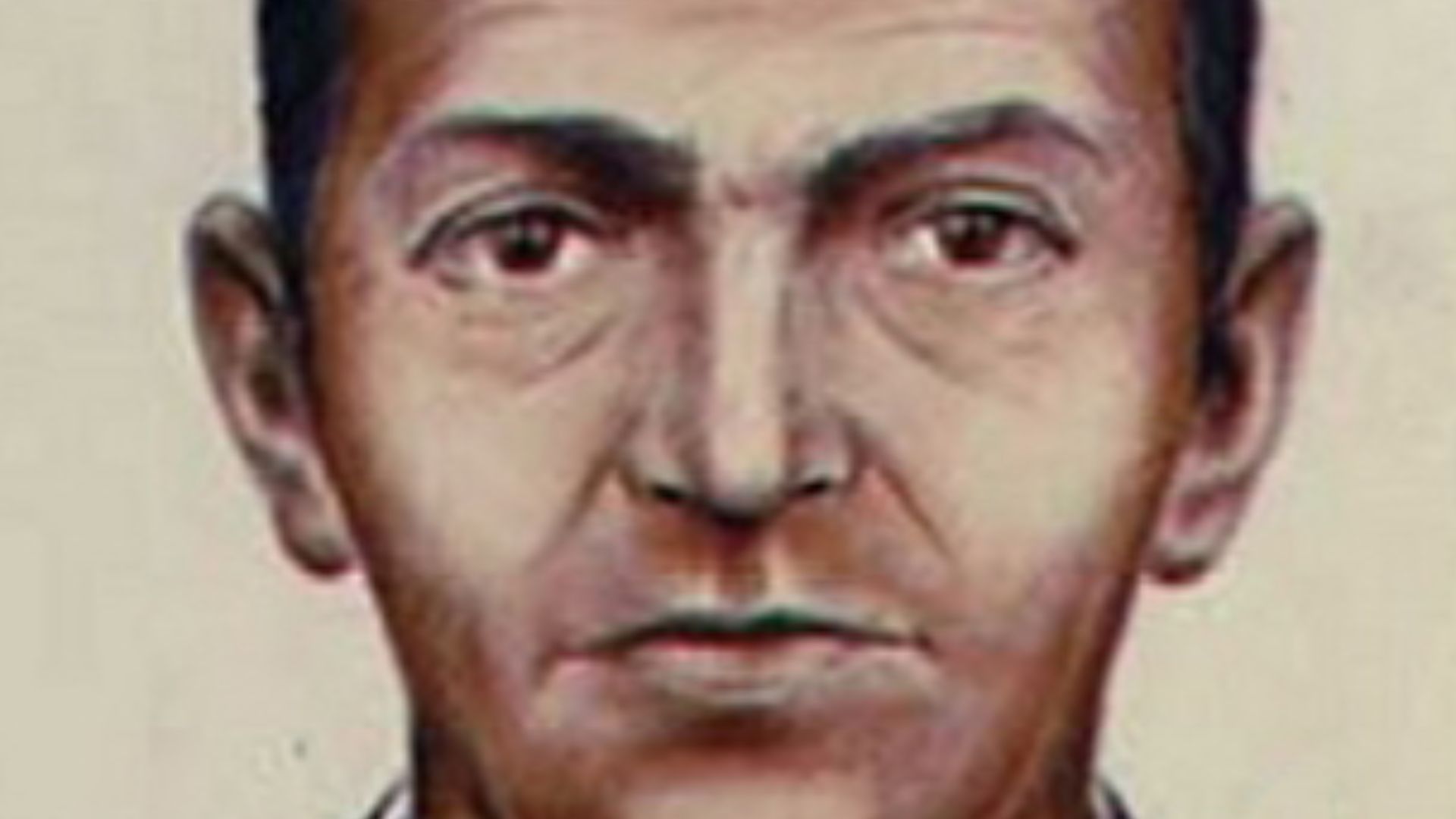 U.S. Federal Bureau of Investigation., Wikimedia Commons
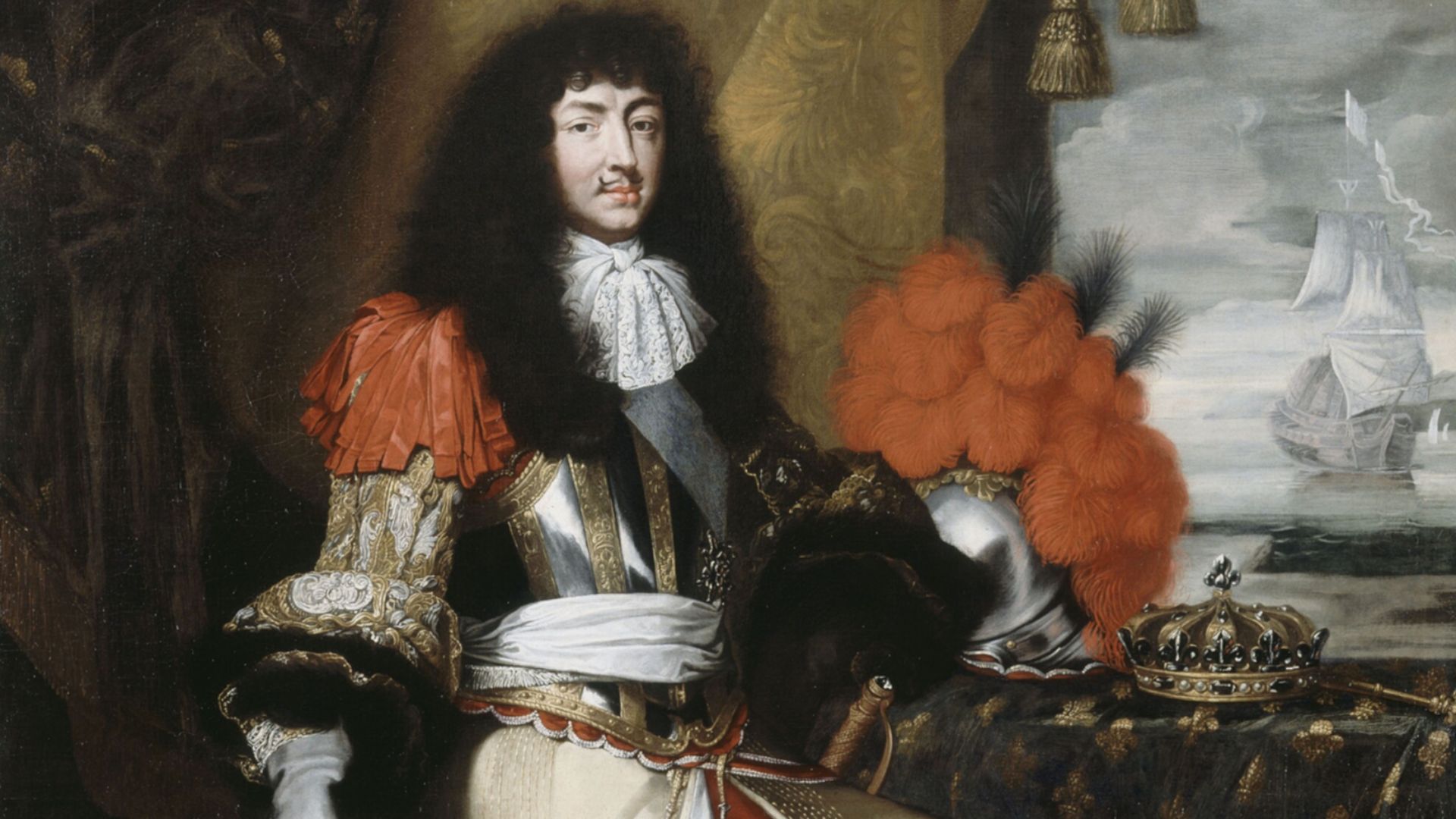
Man In The Iron Mask
French records describe a prisoner kept hidden behind a mask for thirty-four years, watched closely, and buried under a false name. Speculation grew quickly, including claims he was the secret twin of Louis XIV. Alexandre Dumas’s novel turned his shadowy story into a cultural legend.
Zodiac Killer
Northern California police received letters filled with codes and threats during the late 1960s as the Zodiac Killer claimed responsibility for a string of murders. Investigators never proved who wrote them, and some of his ciphers remain unsolved to date.
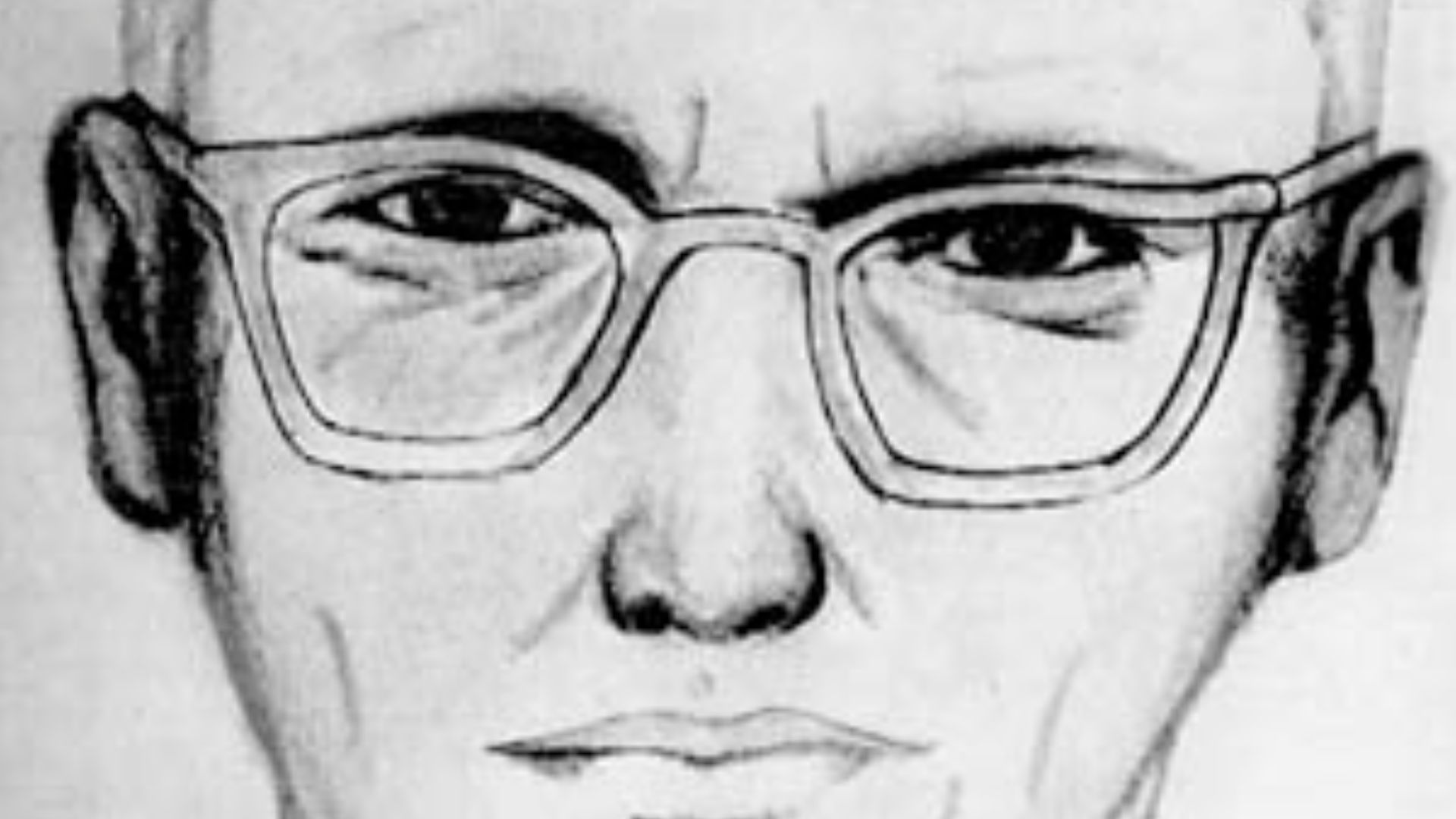 San Francisco Police Department, Wikimedia Commons
Grigori Rasputin
Russian nobles watched Grigori Rasputin rise from wandering mystic to trusted figure inside the Romanov household. Many believed he carried healing abilities and visions that shaped their decisions. Several assassination attempts failed before one finally killed him, strengthening his reputation as the so-called Mad Monk.
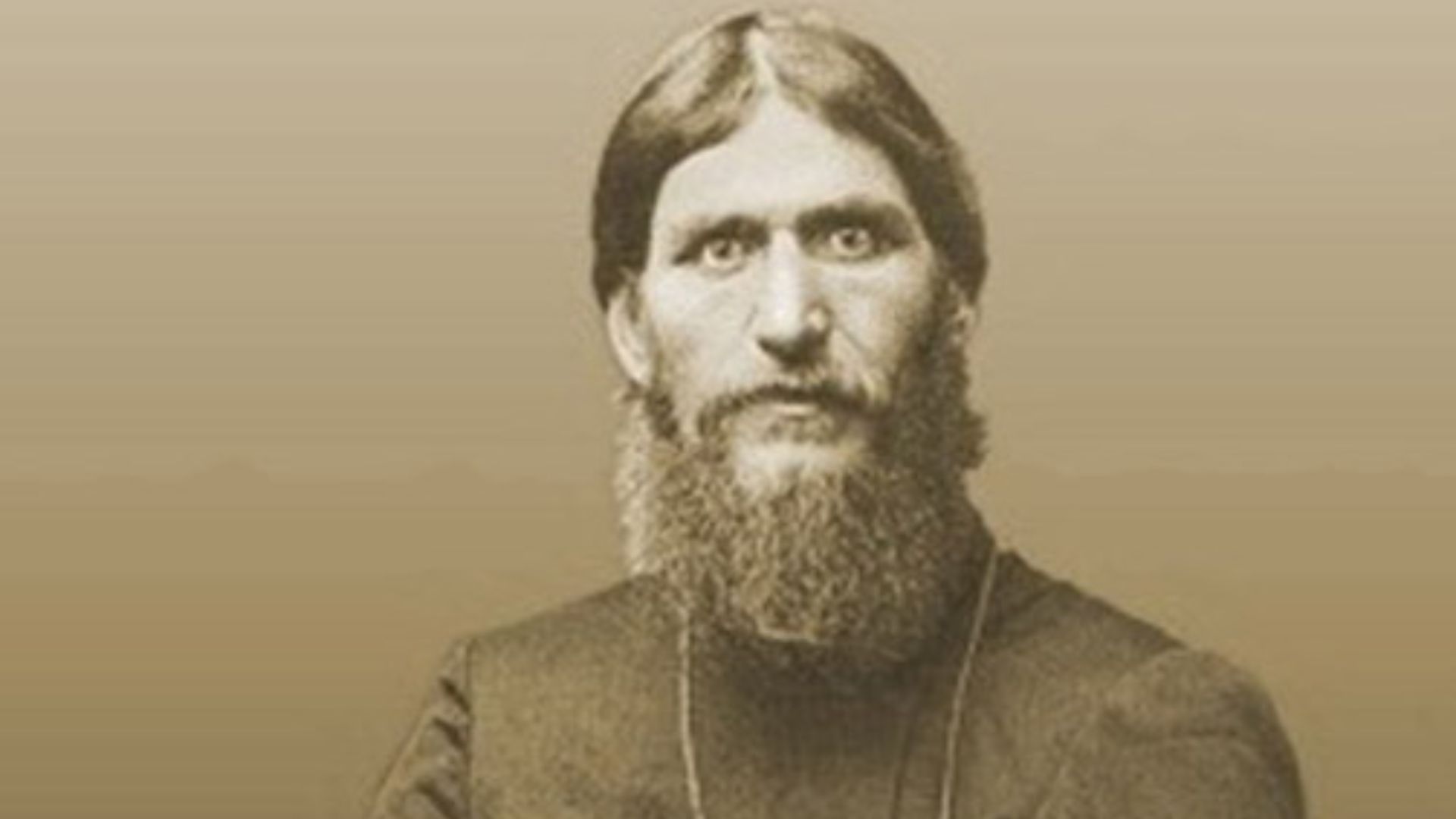 Unknown authorUnknown author, Wikimedia Commons
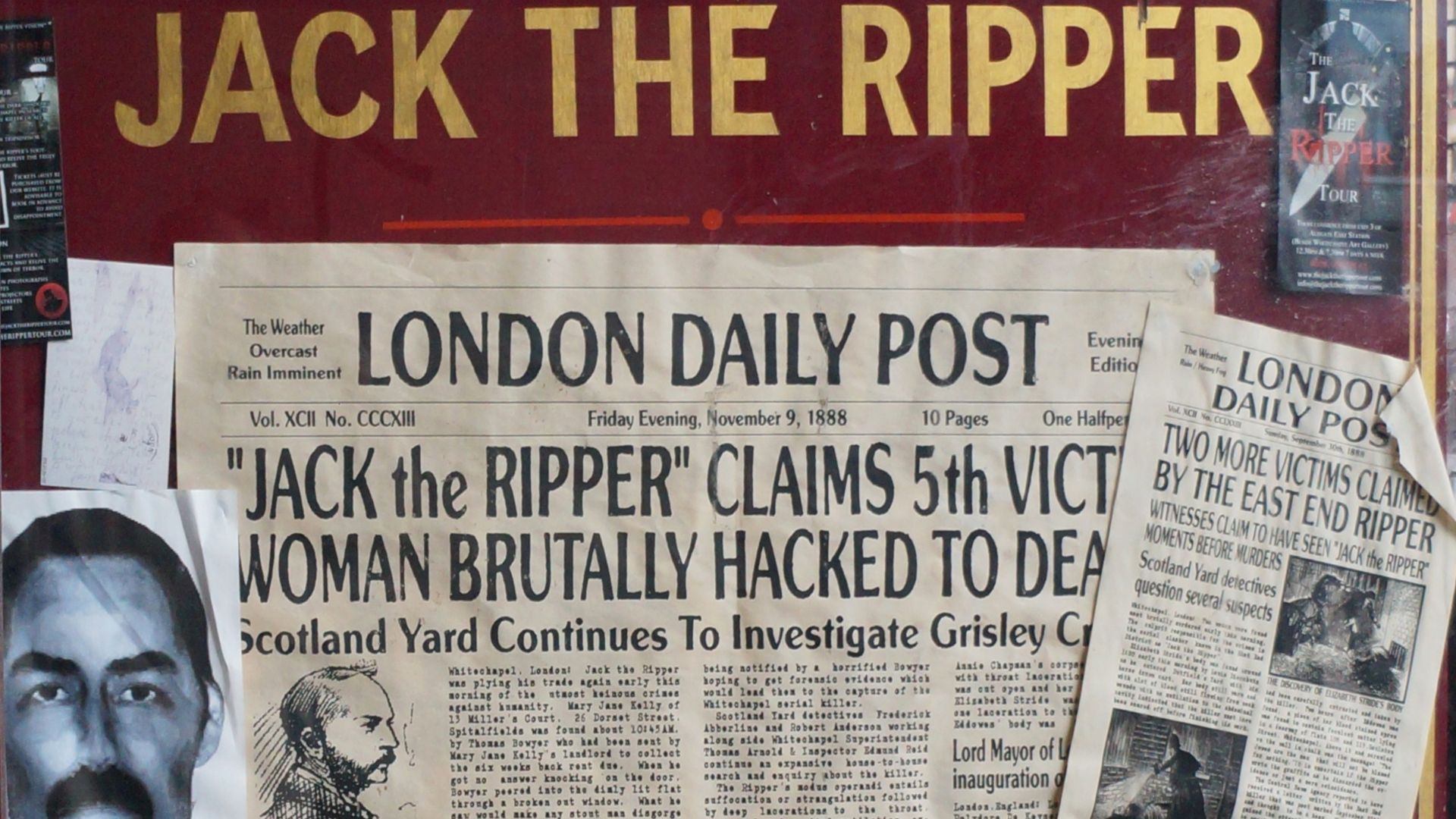
Jack The Ripper
London’s Whitechapel district faced terror in 1888 when Jack the Ripper murdered at least five women and mailed taunting letters to police, including one containing part of a victim’s kidney. DNA studies later pointed toward Aaron Kosminski, but specialists still argue over every piece of evidence.
 © Pierre Andre, Wikimedia Commons
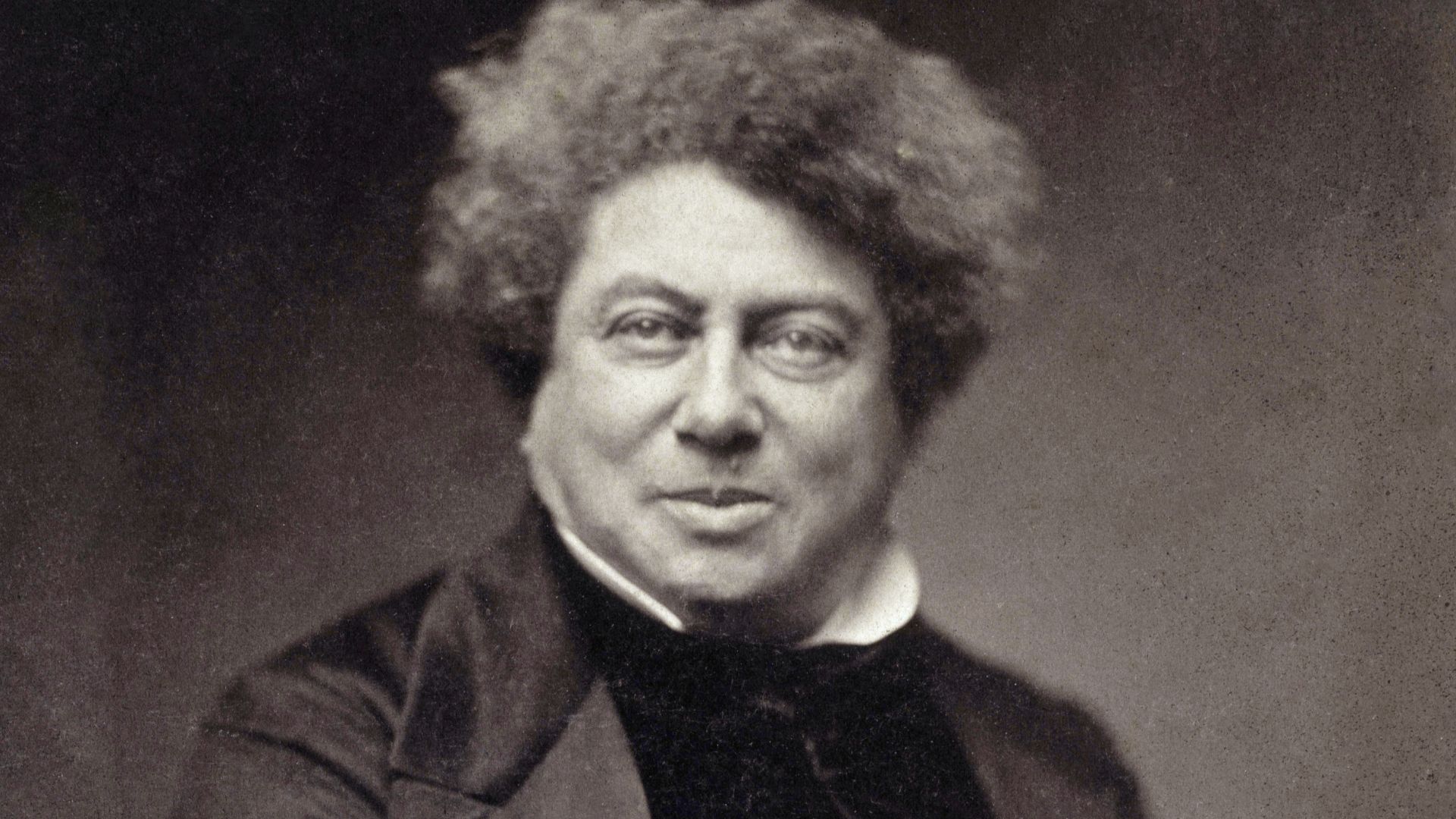
Man In The Iron Mask
French records describe a prisoner kept hidden behind a mask for thirty-four years, watched constantly, and buried under a false name. Speculation soon pointed to a secret brother of Louis XIV. Alexandre Dumas later used the case in The Man in the Iron Mask, which cemented the story’s fame.
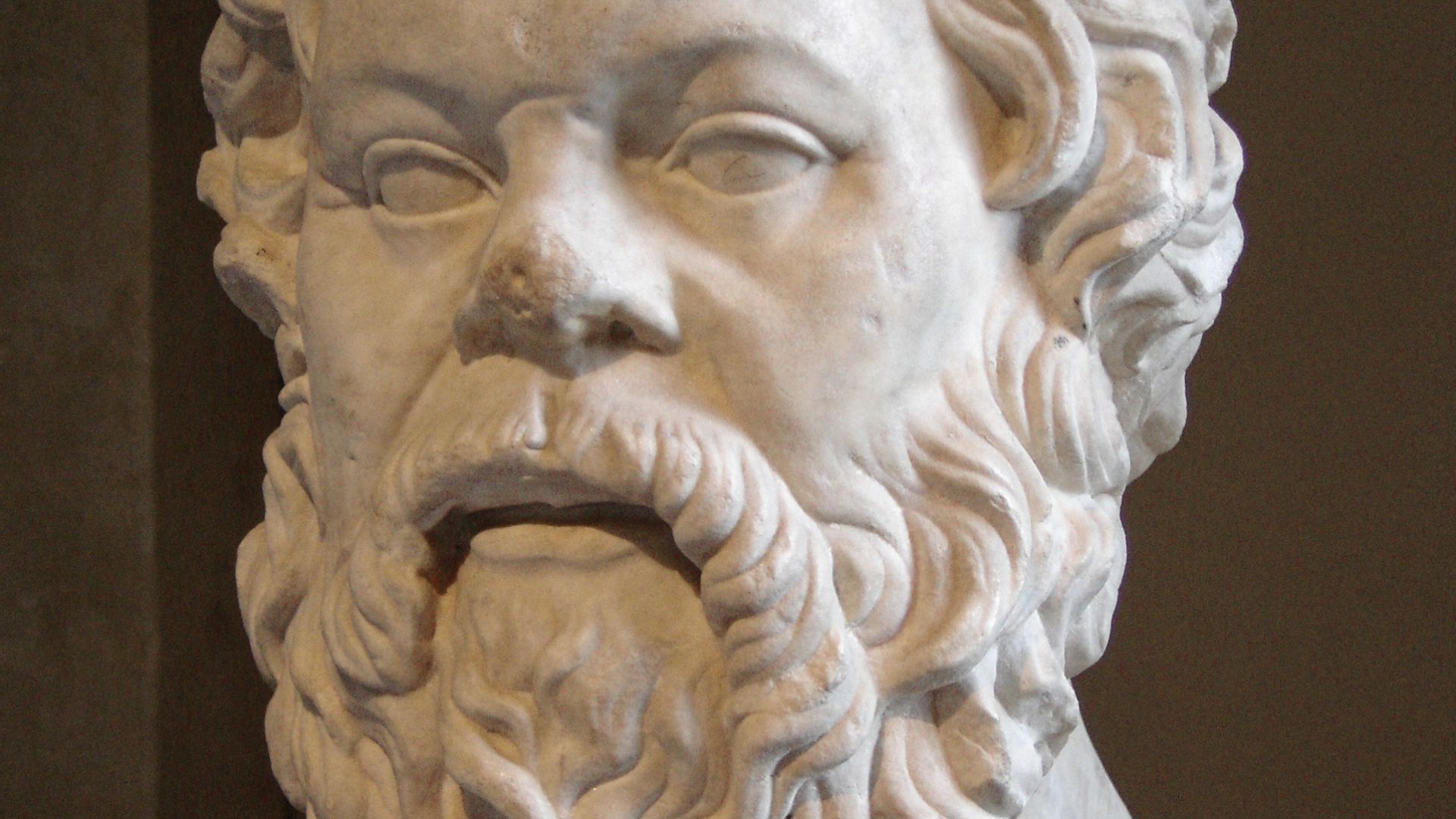
Socrates
Athenians recognized Socrates as a thinker who pushed people to examine their beliefs through relentless questioning, a style his students later named the Socratic Method. Because he never wrote anything himself, his life survives through their accounts. His story ended when a court ordered him to drink hemlock.
 Copy of Lysippos (?), Wikimedia Commons
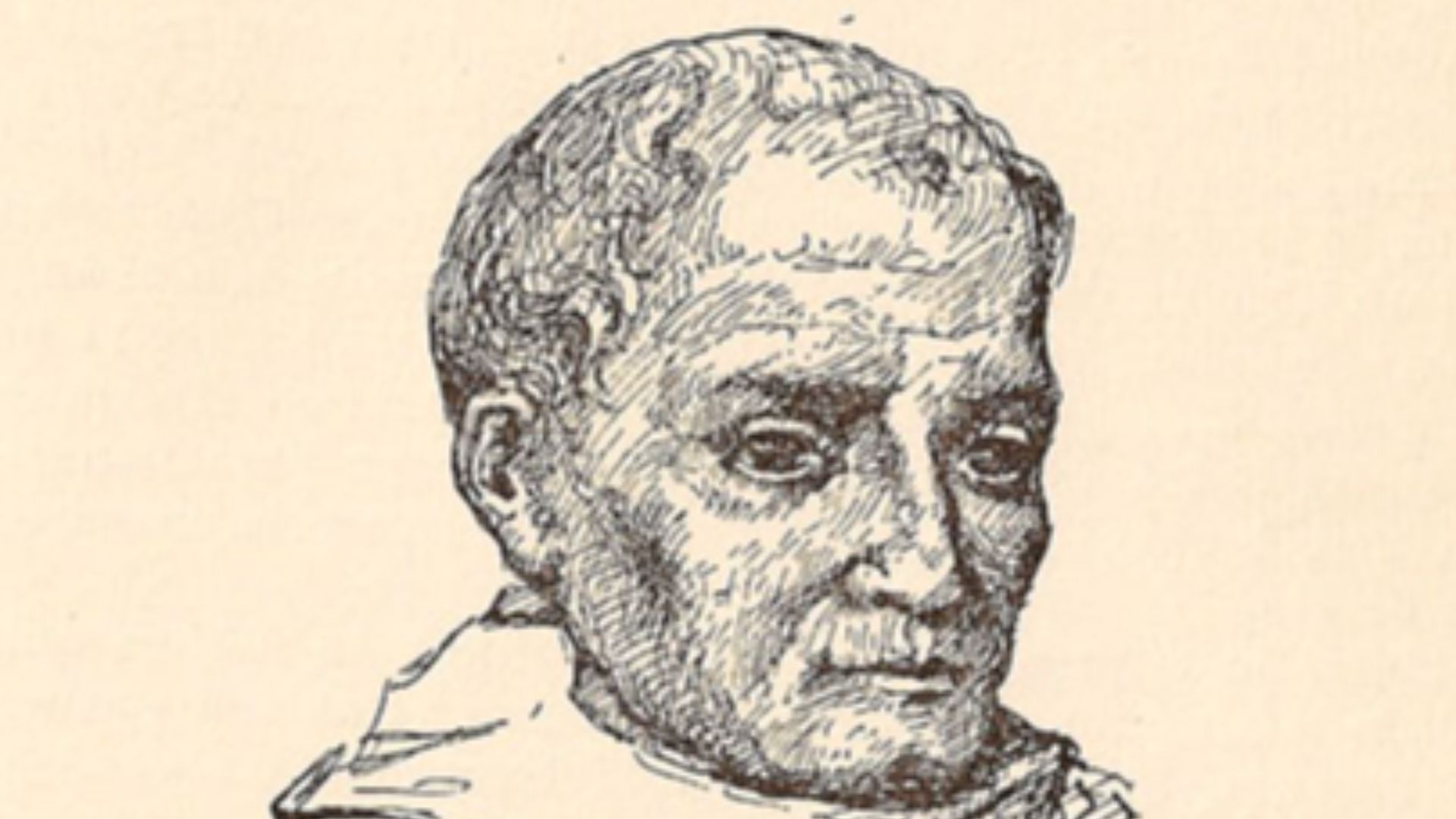
Nicolas Flamel
Nicolas Flamel worked as a scribe in medieval Paris, yet legends later cast him as an alchemist who discovered the Philosopher’s Stone and gained immortality. His empty tomb encouraged the stories, which continued long enough to inspire characters in modern fiction, including the Harry Potter series.
 Albert Poisson, Wikimedia Commons
Voynich Manuscript Author
Scholars have spent decades trying to read the Voynich Manuscript, a handwritten book filled with plants no one recognizes, star charts, and drawings of nude women. Its script doesn’t match any known language, and carbon dating places it around 1404–1438, yet its author remains unproven despite theories spanning continents.
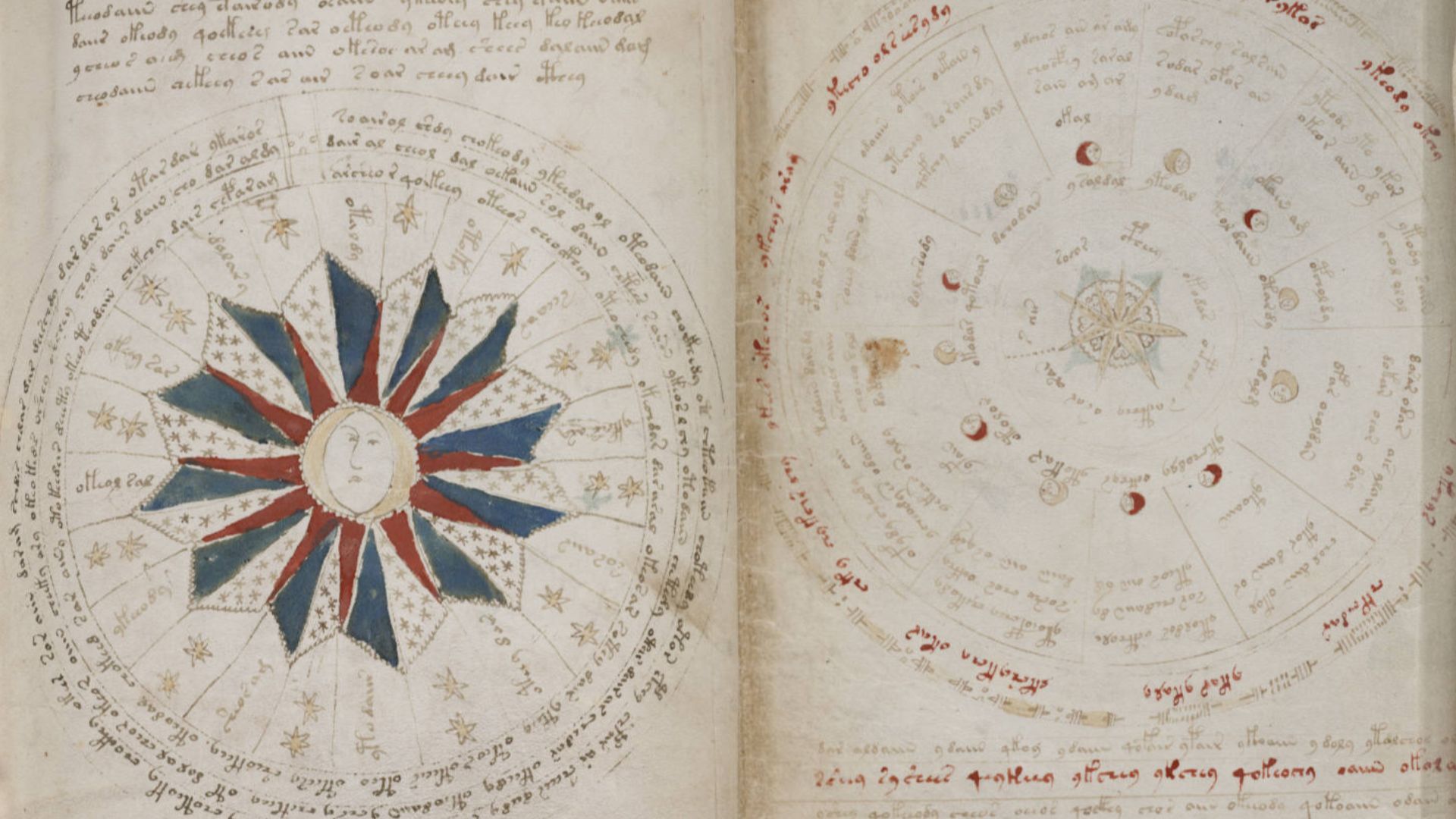 Unknown authorUnknown author, Wikimedia Commons
Tamam Shud Man (Somerton Man)
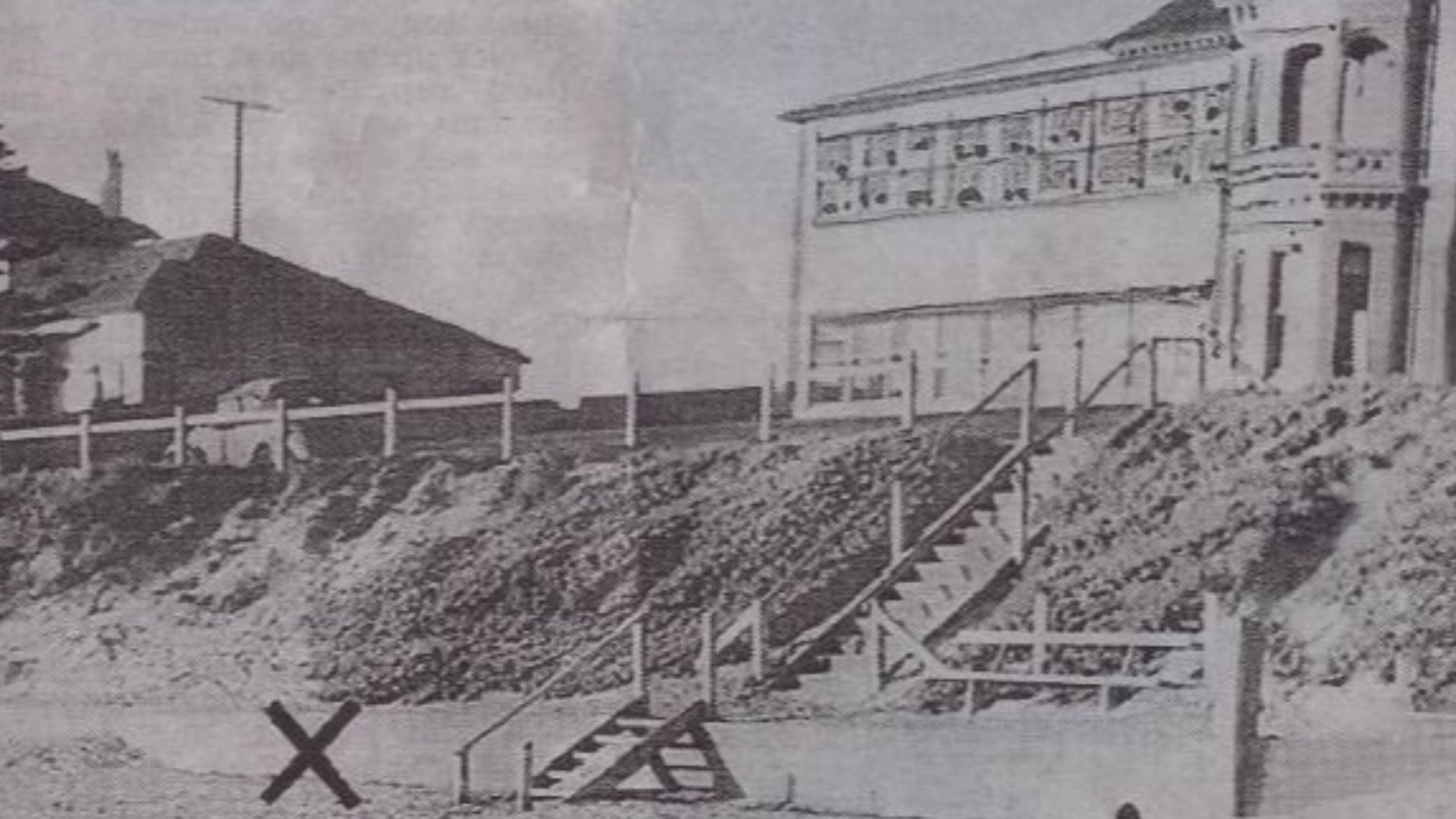
A well-dressed man was discovered lifeless on Somerton Beach in 1948 with no identification and a tiny scrap of paper reading “Tamam Shud,” meaning ended in Persian. Australia called it its greatest mystery. DNA work in 2022 offered only a tentative name for someone who left no trail.
Leatherman
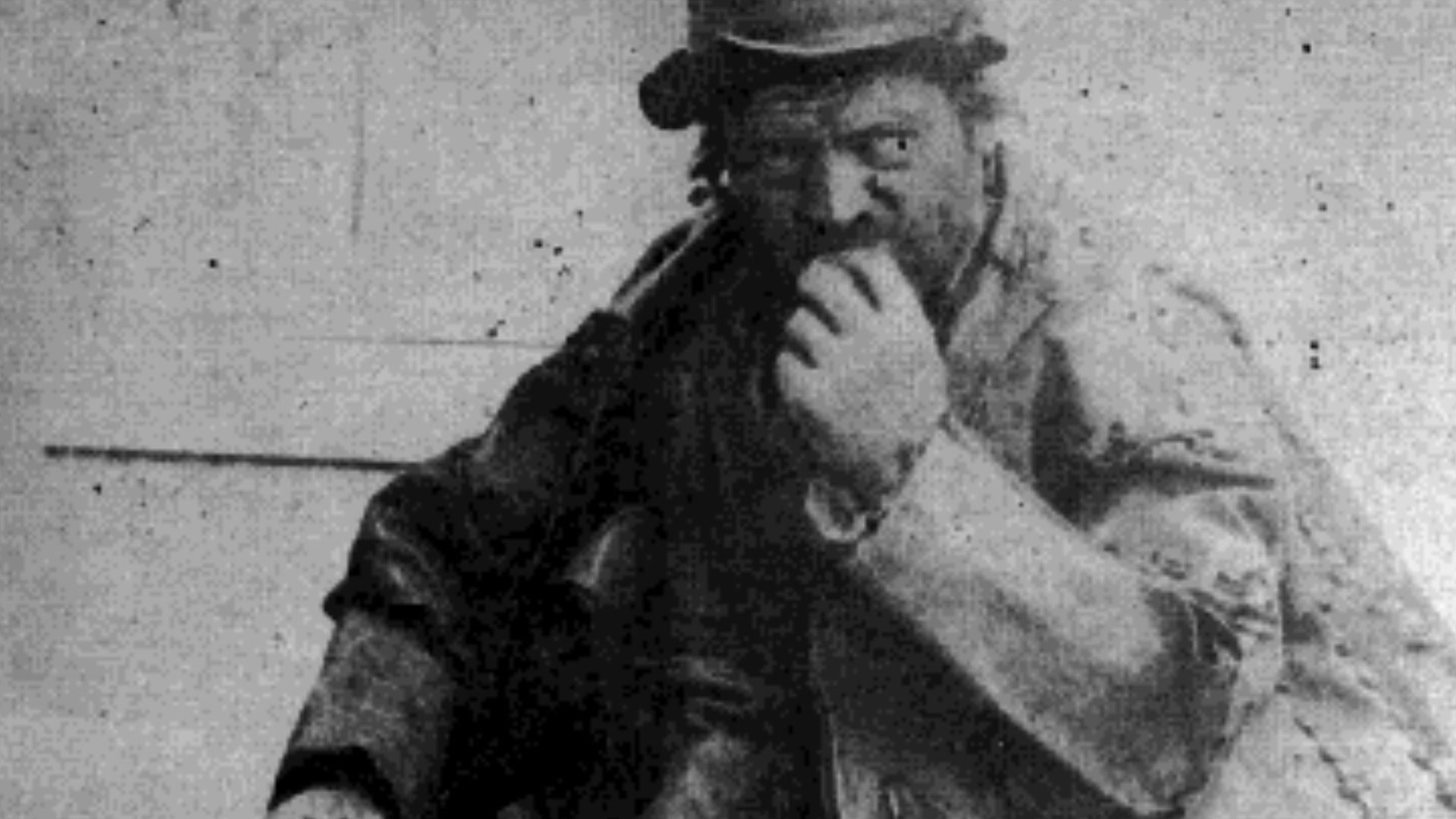
Residents along a 365-mile loop in Connecticut and New York grew familiar with a silent traveler wrapped in a handmade leather suit. Known simply as the Leatherman, he arrived in each town on an almost perfect schedule and shared little beyond gestures and a few broken English words.
 James F. Rodgers, Wikimedia Commons
Otzi The Iceman
Otzi resurfaced in 1991 when hikers spotted a body emerging from melting ice high in the Alps. His remains were over five thousand years old, complete with therapeutic-looking tattoos. An arrowhead trapped in his shoulder showed he died in a violent attack, creating one of history’s oldest unsolved killings.
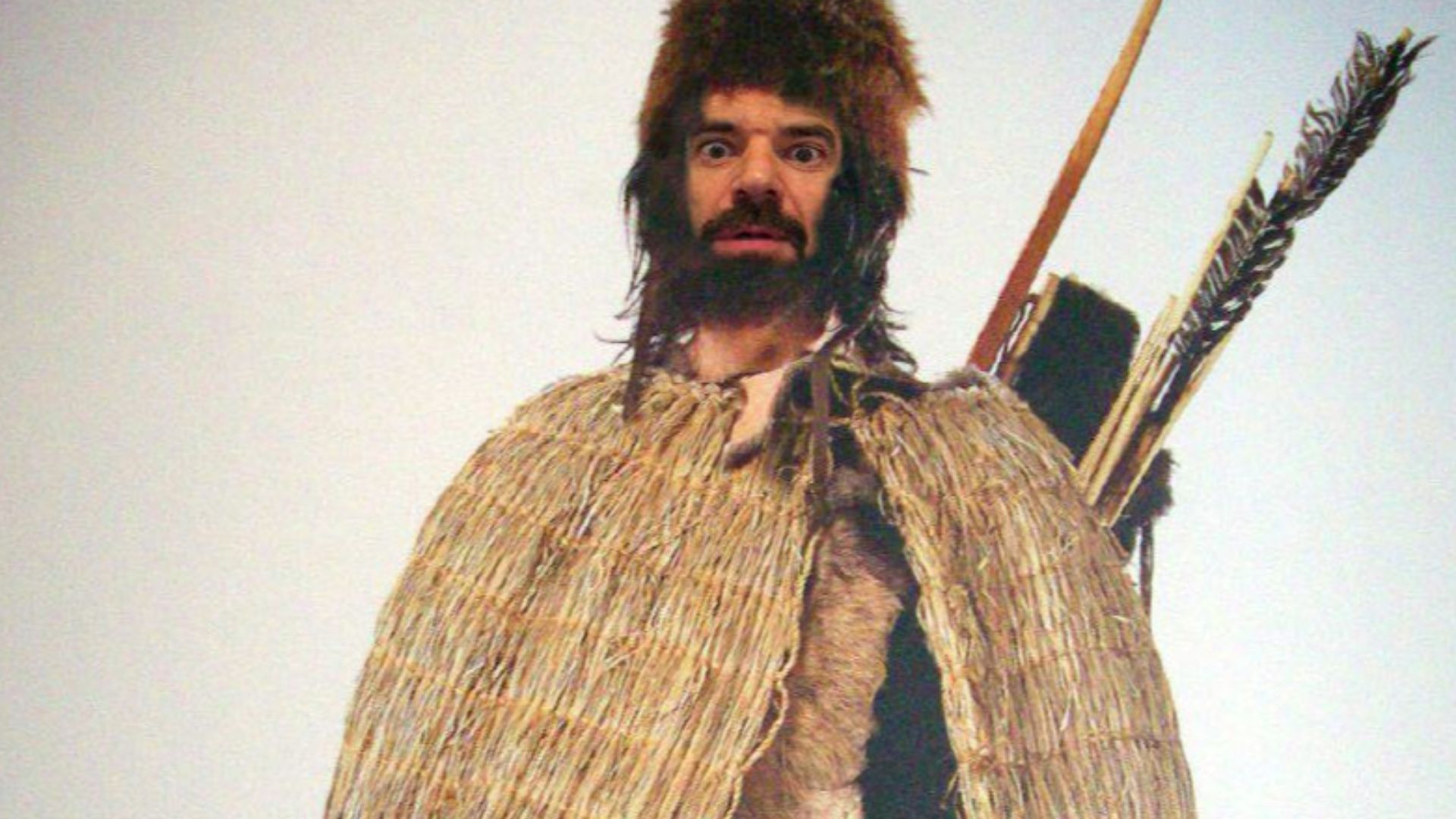 Melotzi5713, Wikimedia Commons
Gil Perez
Spanish records describe a guard named Gil Perez who reportedly appeared in Mexico City in 1593 wearing the uniform of Manila’s palace watch. He insisted he had been standing his post the previous day. His unusual story became one of the earliest tales linked to teleportation.
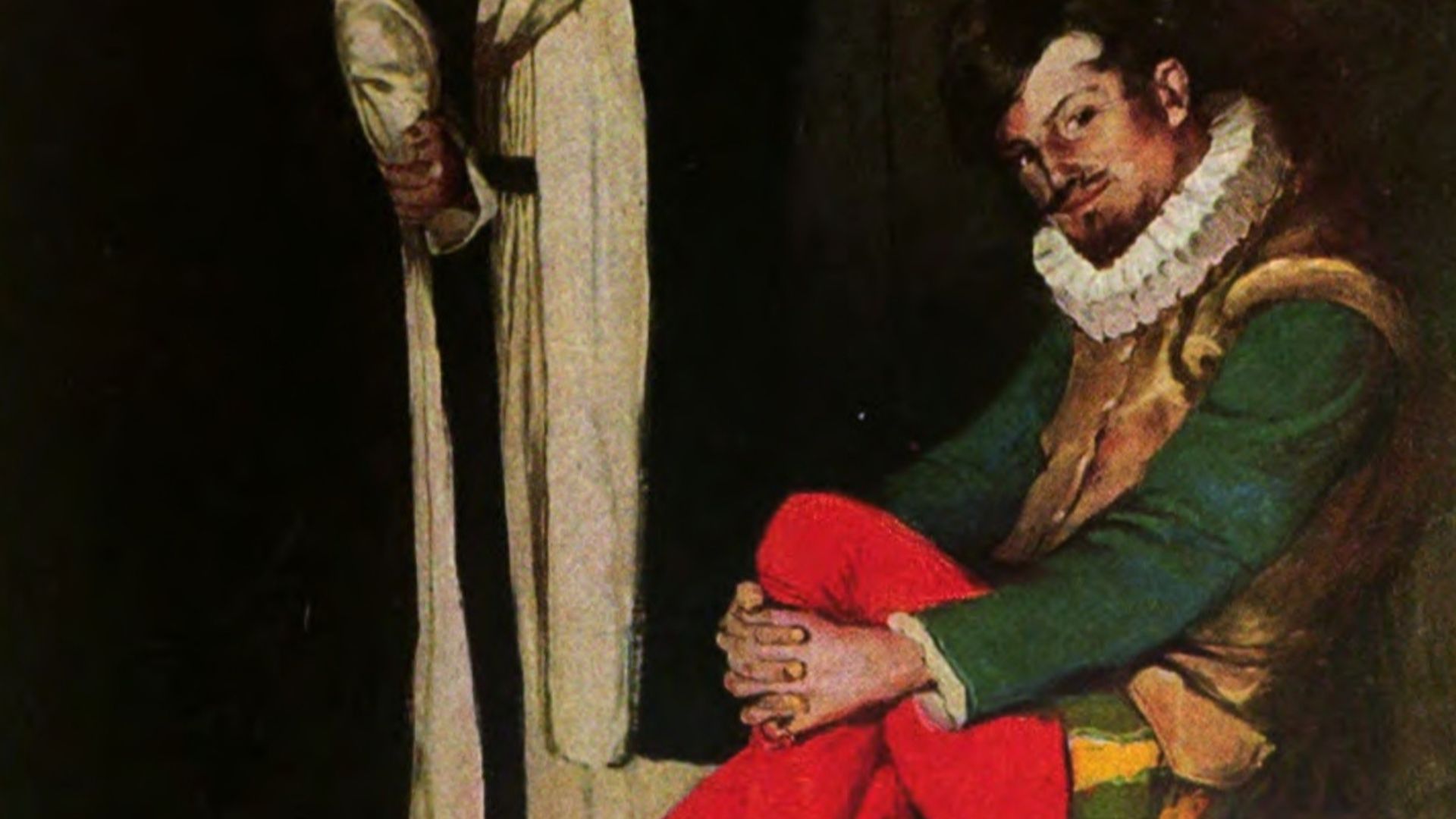 Frank E. Schoonover, Wikimedia Commons
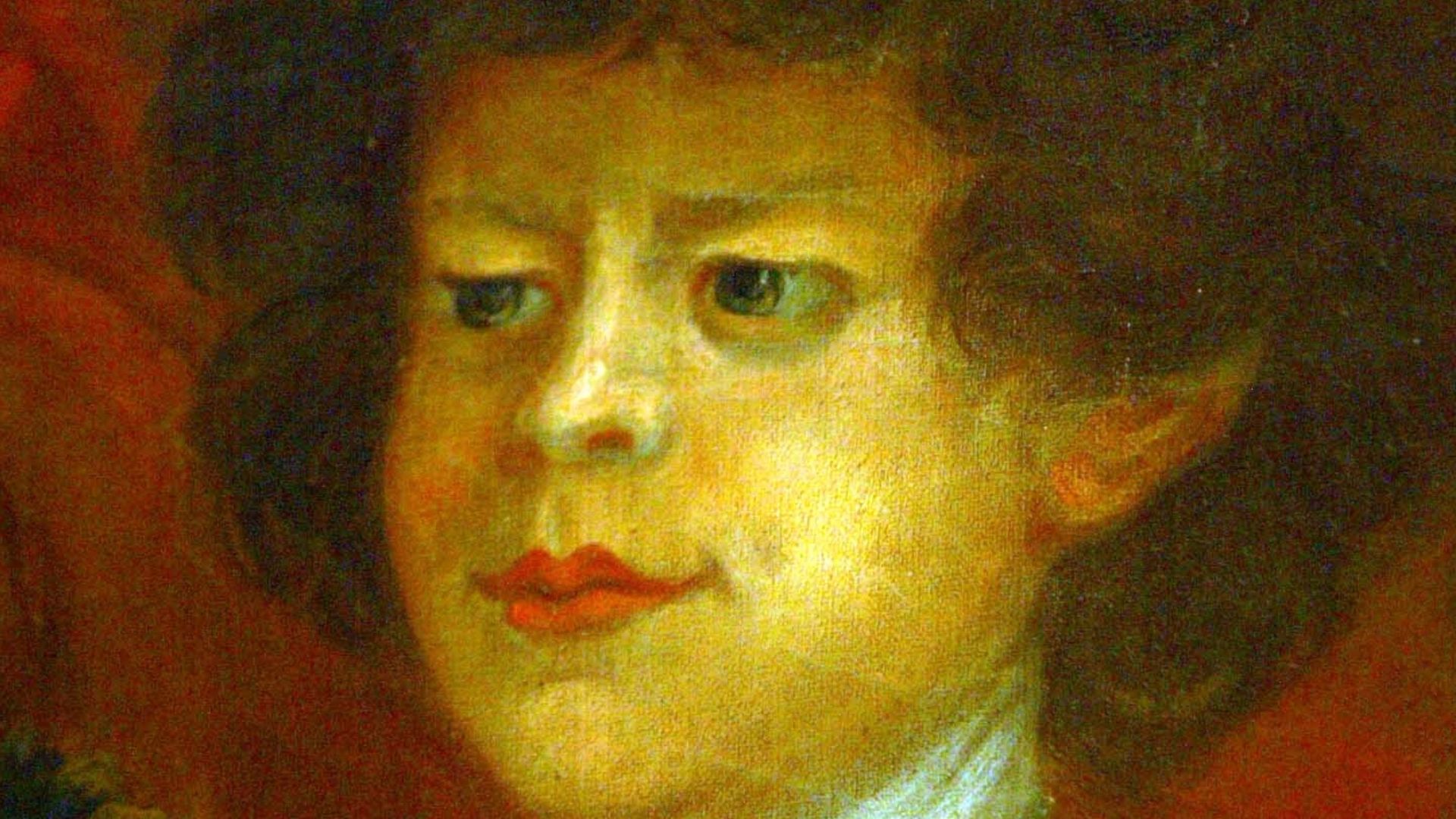
Peter The Wild Boy
People in 1725 were startled when they discovered a boy living wild in the German woods, unable to speak or communicate. He was brought to England and displayed at court as a curiosity. Researchers now think he had Pitt-Hopkins syndrome, as he eventually lived to around seventy years old.
Sidney Gottlieb
Sidney Gottlieb oversaw the CIA’s MKUltra program, which carried out secret drug experiments on people who never agreed to participate. Most documents were destroyed, leaving major gaps about what he authorized. His unusual reputation earned him the nickname Black Sorcerer, and he eventually left government work to live on a goat farm.
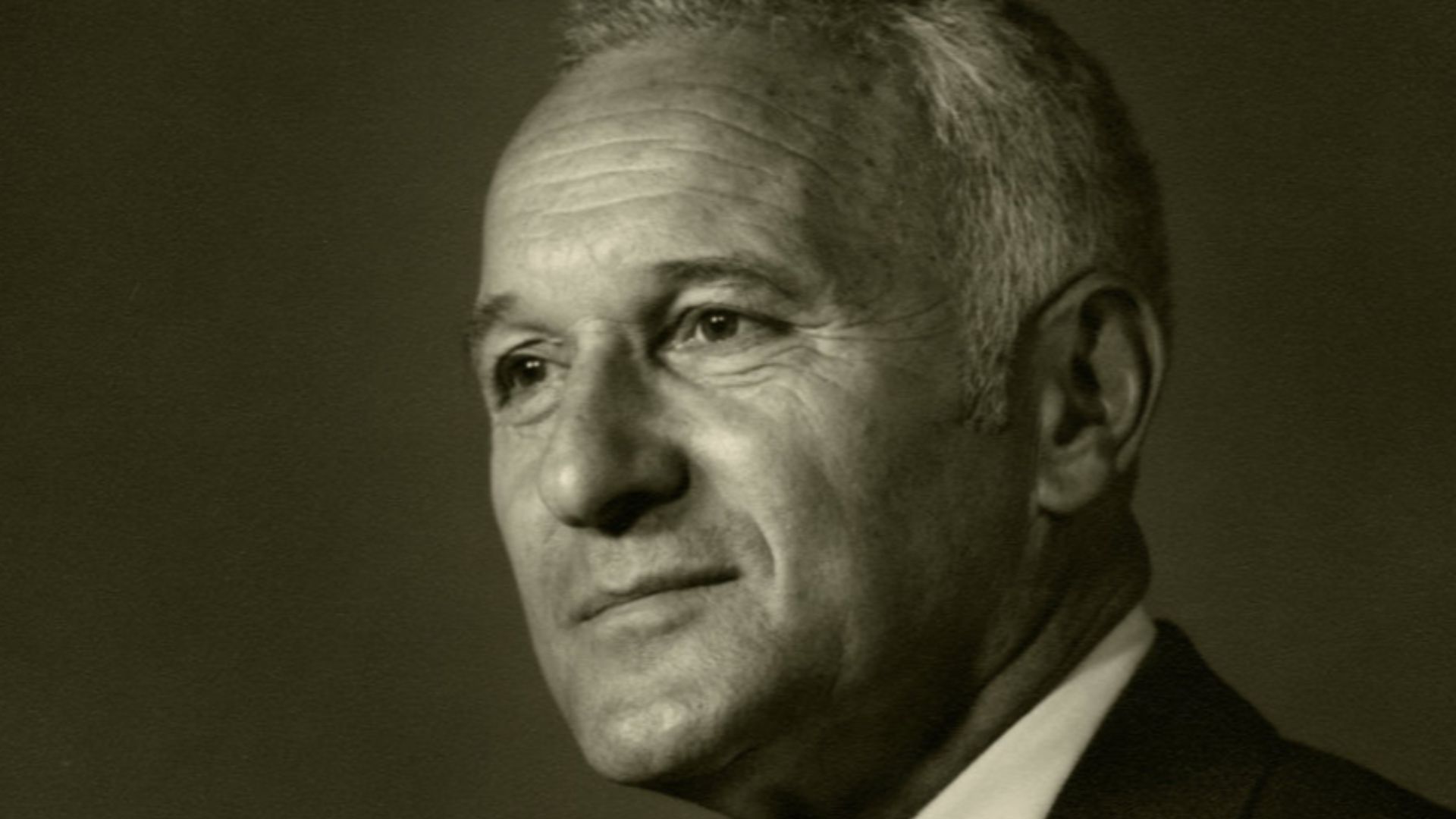 US Federal Government, Wikimedia Commons