The Legend Begins
In 1947, Los Angeles was shaken by a tragedy so disturbing it never faded from public memory. Newspapers gave it a haunting name: The Black Dahlia case. But before the headlines, there was a real woman whose story began long before tragedy.
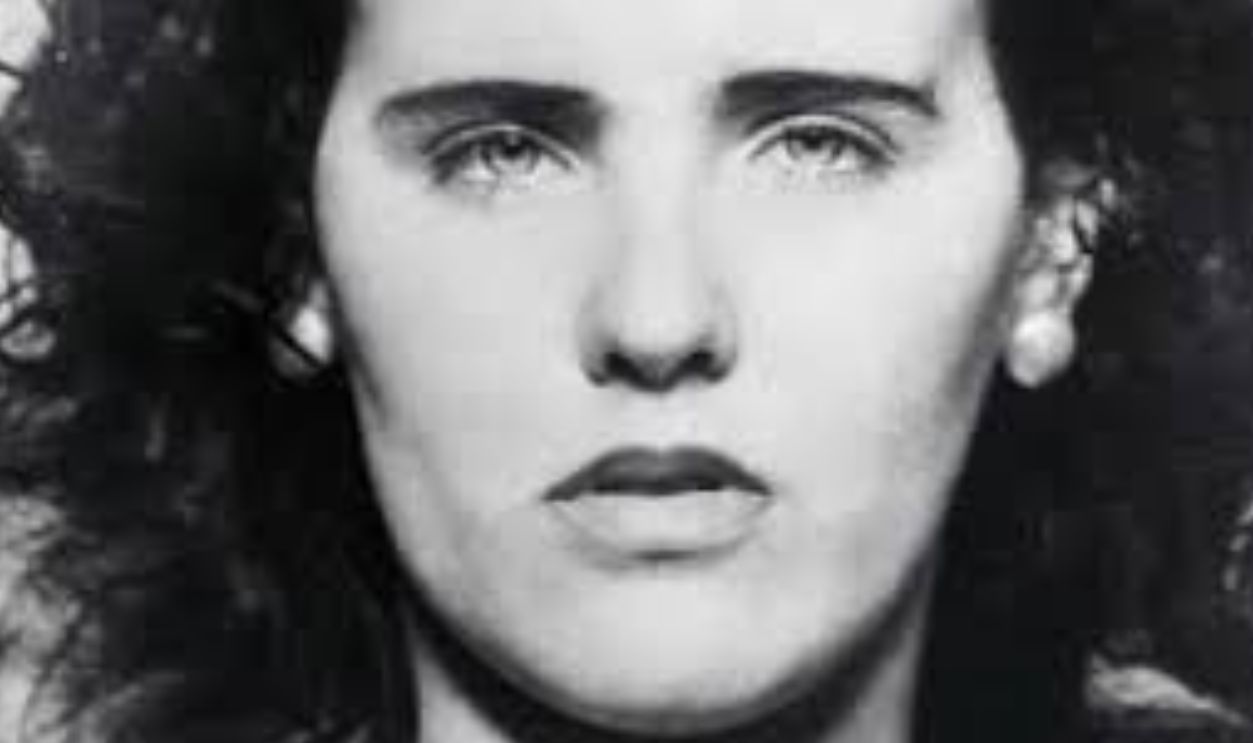
Who Was Elizabeth Short?
Elizabeth Short was a 22-year-old woman born in Massachusetts in 1924. She was not famous, wealthy, or powerful. She was a young adult searching for independence and opportunity during a time when women had very few paths forward.
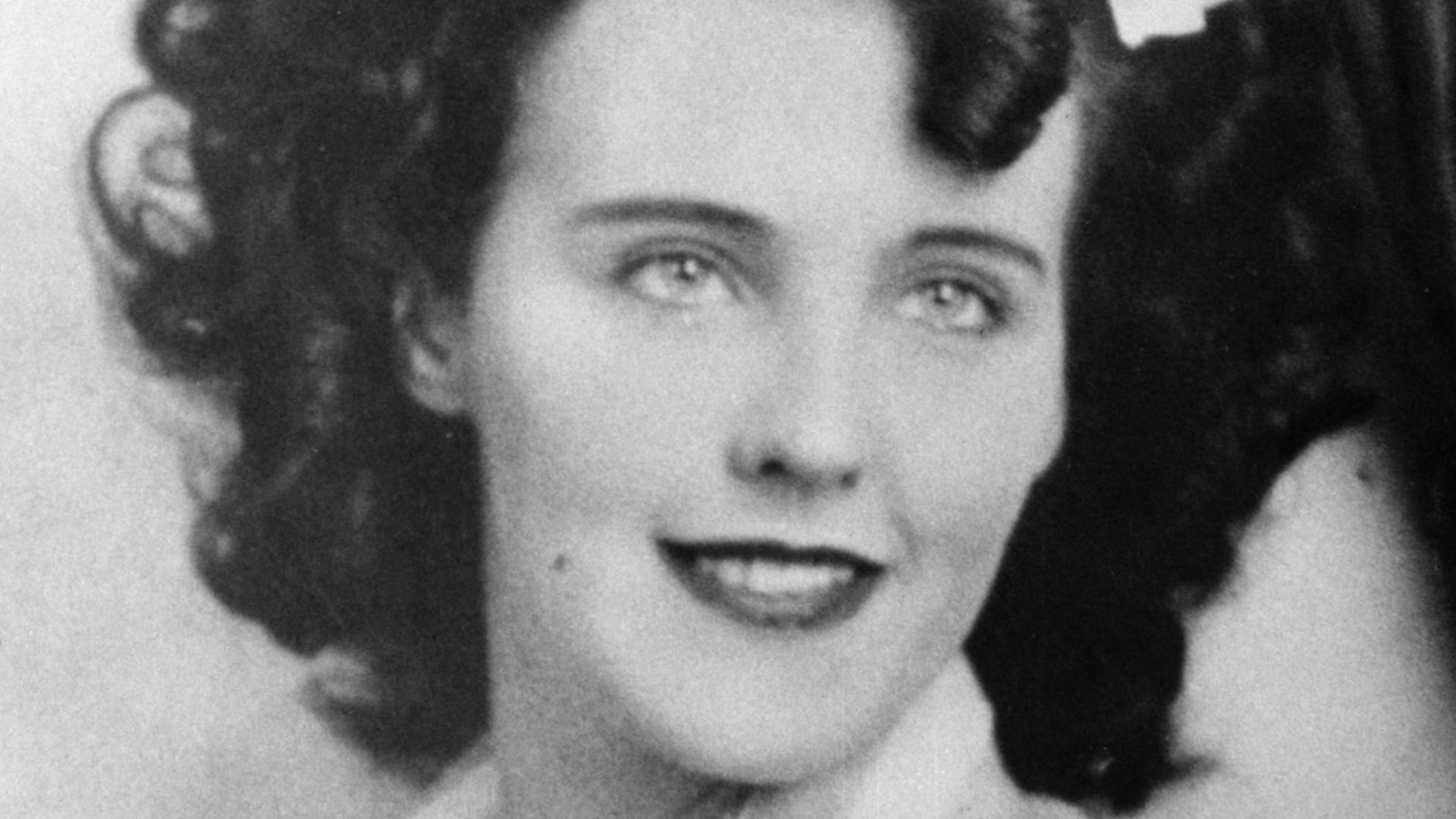 Los Angeles Police Department, Wikimedia Commons
Her Early Life And Family
She grew up during the Great Depression, which deeply affected her family. Her father abandoned them when she was young, leaving her mother to raise five daughters alone. Financial hardship shaped Elizabeth’s childhood and pushed her to seek something better elsewhere.
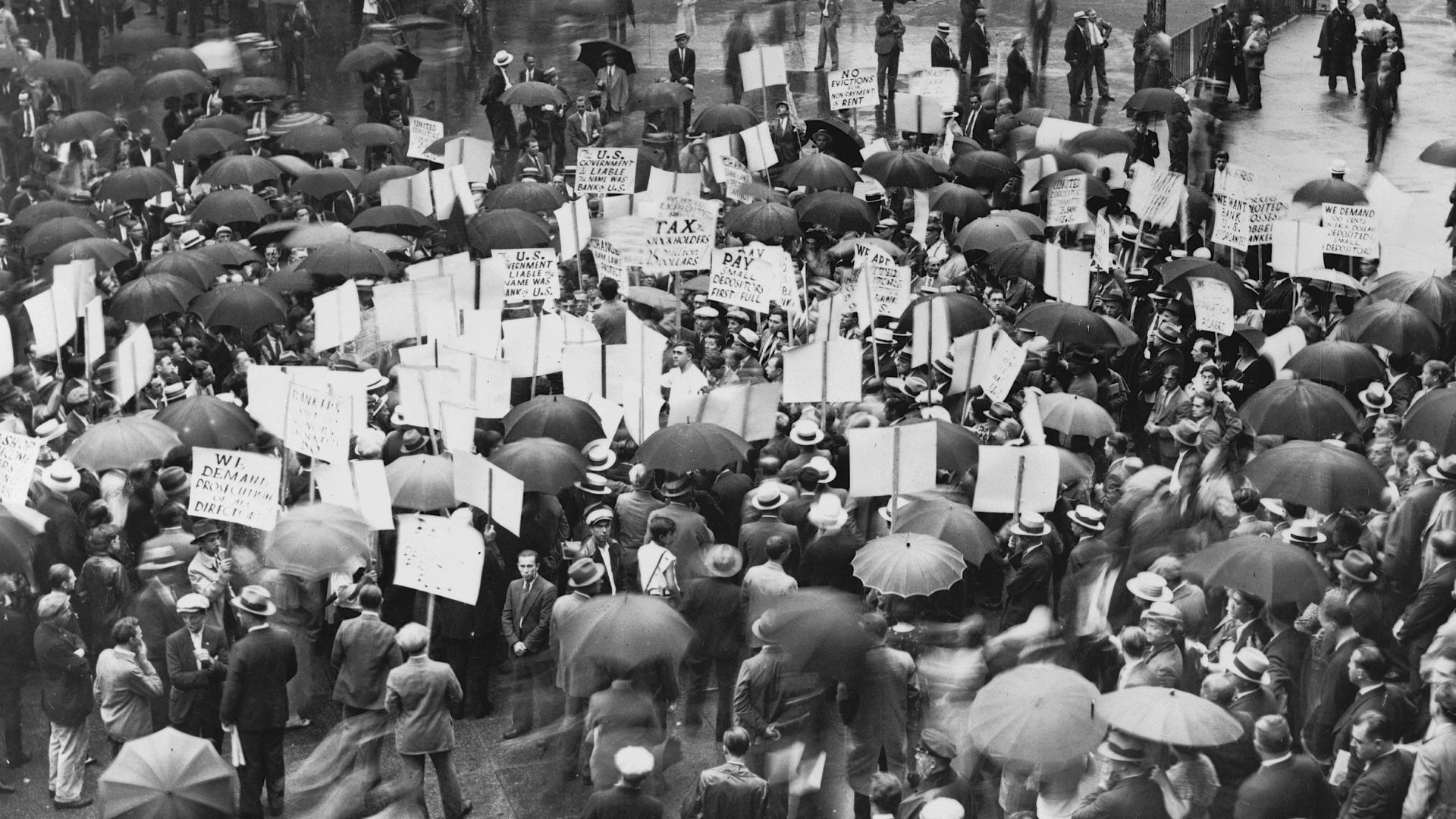 World Telegram staff photographer, Wikimedia Commons
Health Struggles And Restless Years
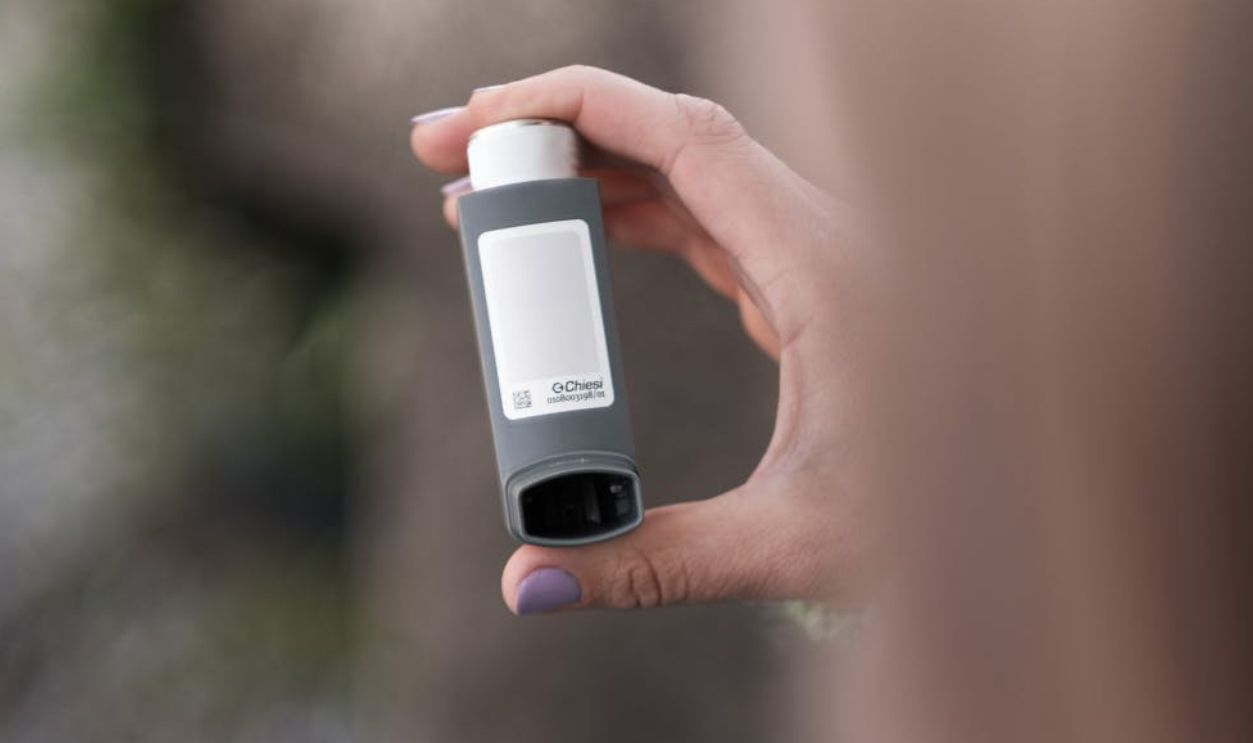
As a teenager, Short suffered from severe asthma, which forced her to move frequently for better weather. She lived with relatives across the country, never staying long in one place. This constant movement made her life unstable and disconnected, but also resilient.
The Pull Of California
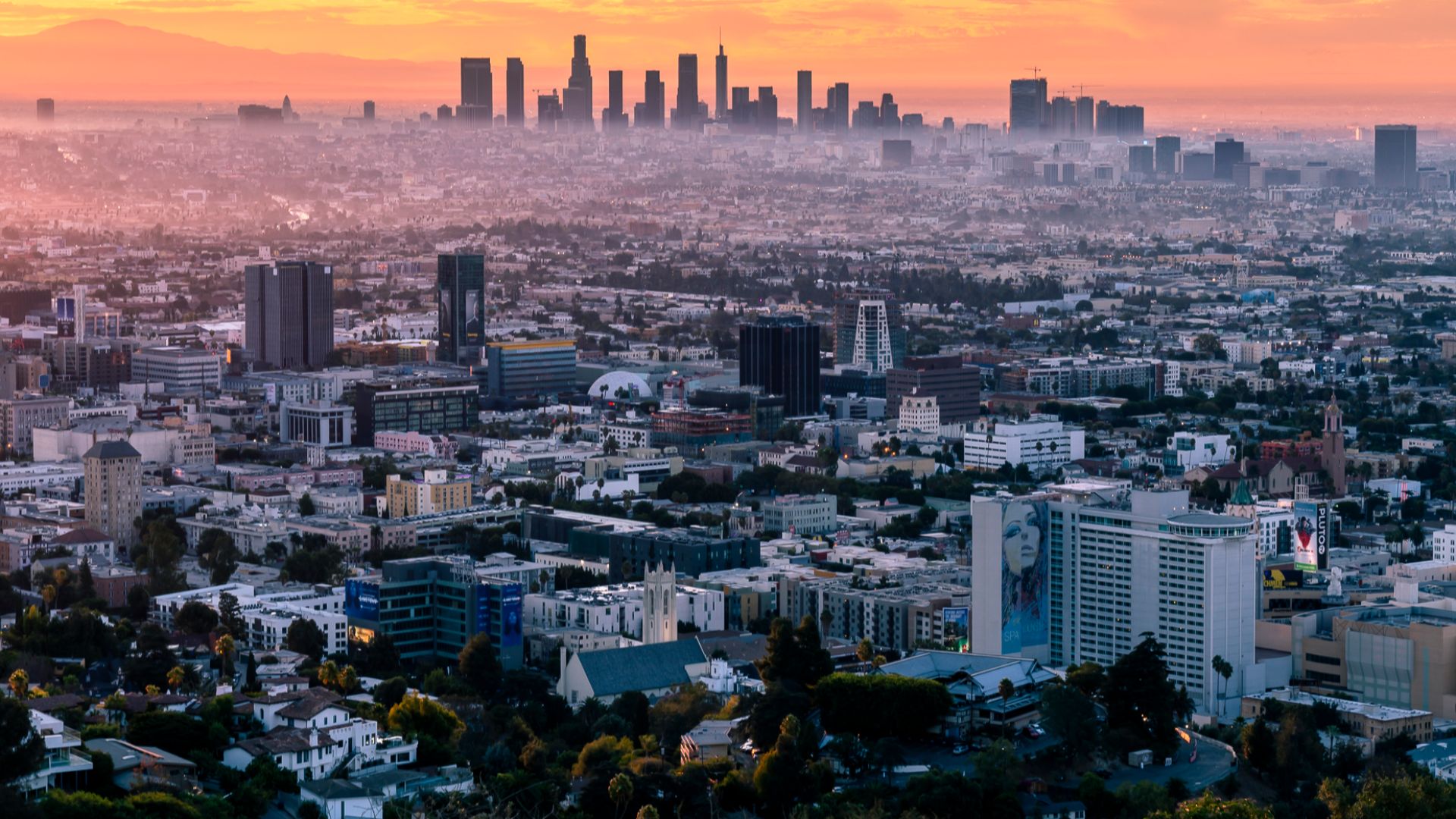
In the 1940s, Southern California symbolized hope and second chances. Elizabeth moved there believing she could build a new life. Like many young women of her time, she was drawn by opportunity, not glamour—seeking work, independence, and belonging.
Life In Wartime California
During WWII, Los Angeles changed quickly as military activity reshaped daily life. Short-term work was common, and stability was rare. Short moved often and took service jobs, spending much of her time in public places. Like many young adults, her life felt uncertain under the pressure of war.
 Edward Cochrane, Navy Department Bureau of Ships, Wikimedia Commons
Character And Personality
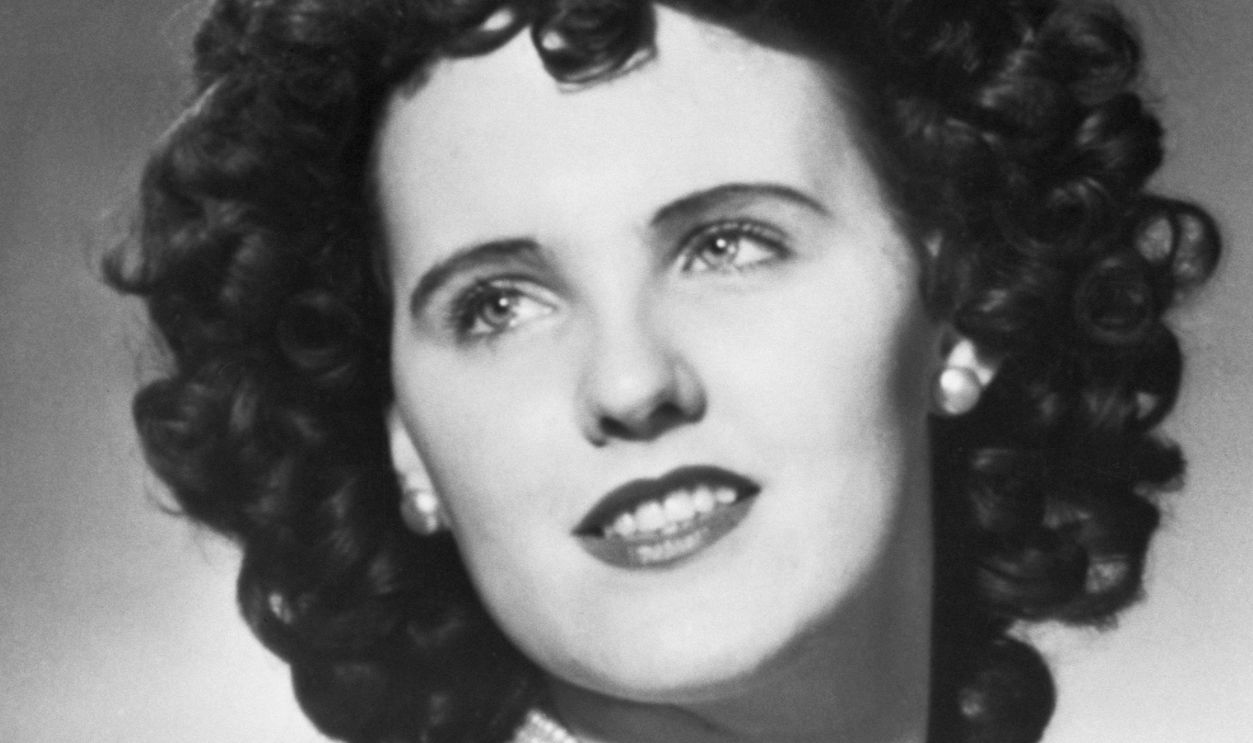
People who knew Elizabeth remembered her as friendly, well-mannered, and optimistic. She took pride in her appearance and enjoyed conversation. Despite her social nature, she lived carefully with little money and depended on friends for places to stay.
The Birth Of A Nickname
The name “Black Dahlia” did not exist during Elizabeth’s life. It was created by newspapers after her death, likely inspired by a popular 1946 film and her preference for dark clothing. The nickname quickly replaced her real name in headlines.
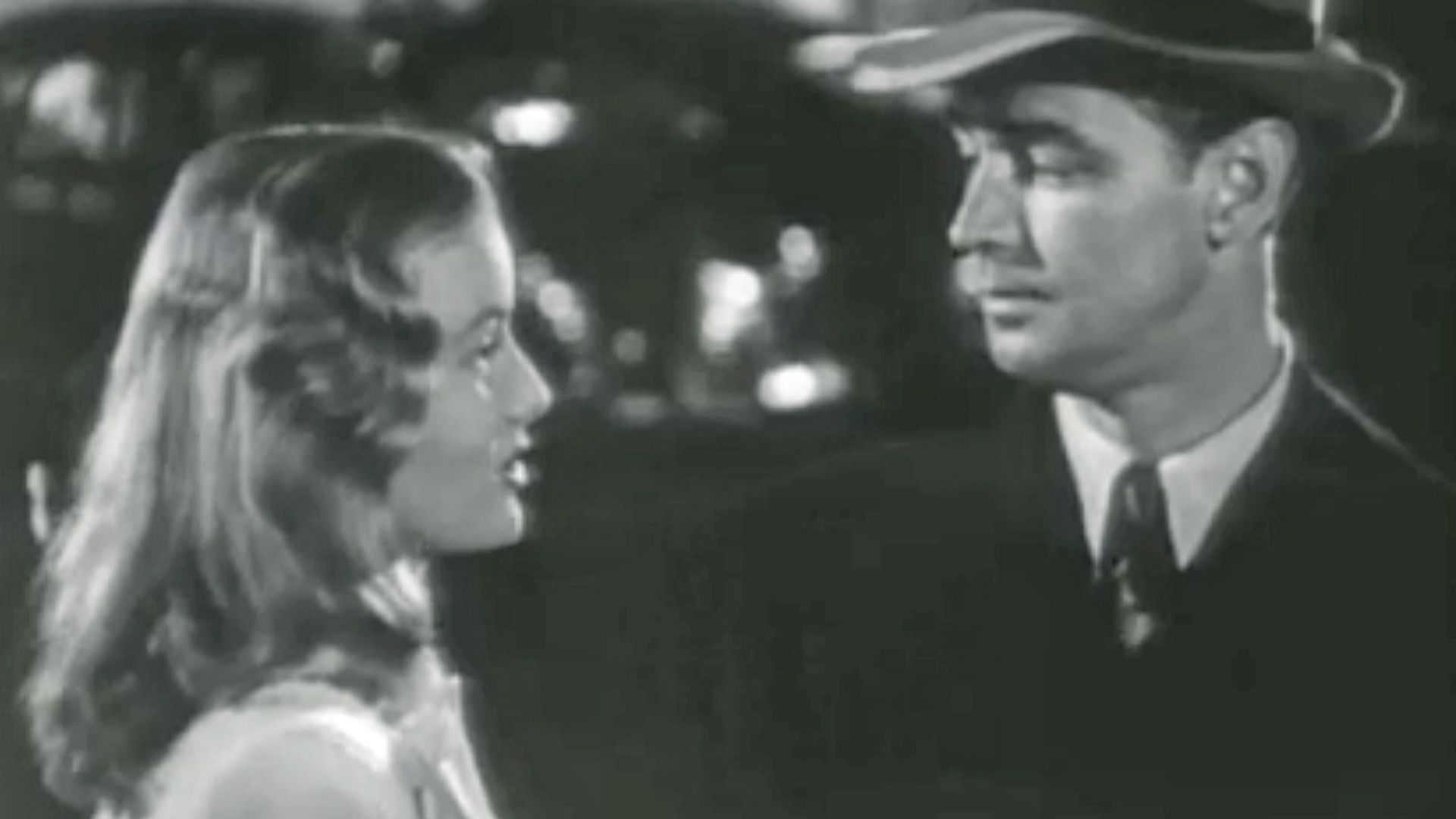 Trailer for "The Blue Dahlia" (1946), Wikimedia Commons
Los Angeles In The 1940s
Postwar Los Angeles was expanding rapidly, with glamour on the surface and crime growing beneath it. The city was known for sensational journalism, limited police resources, and public fascination with scandal. This environment shaped how Elizabeth’s story was reported.
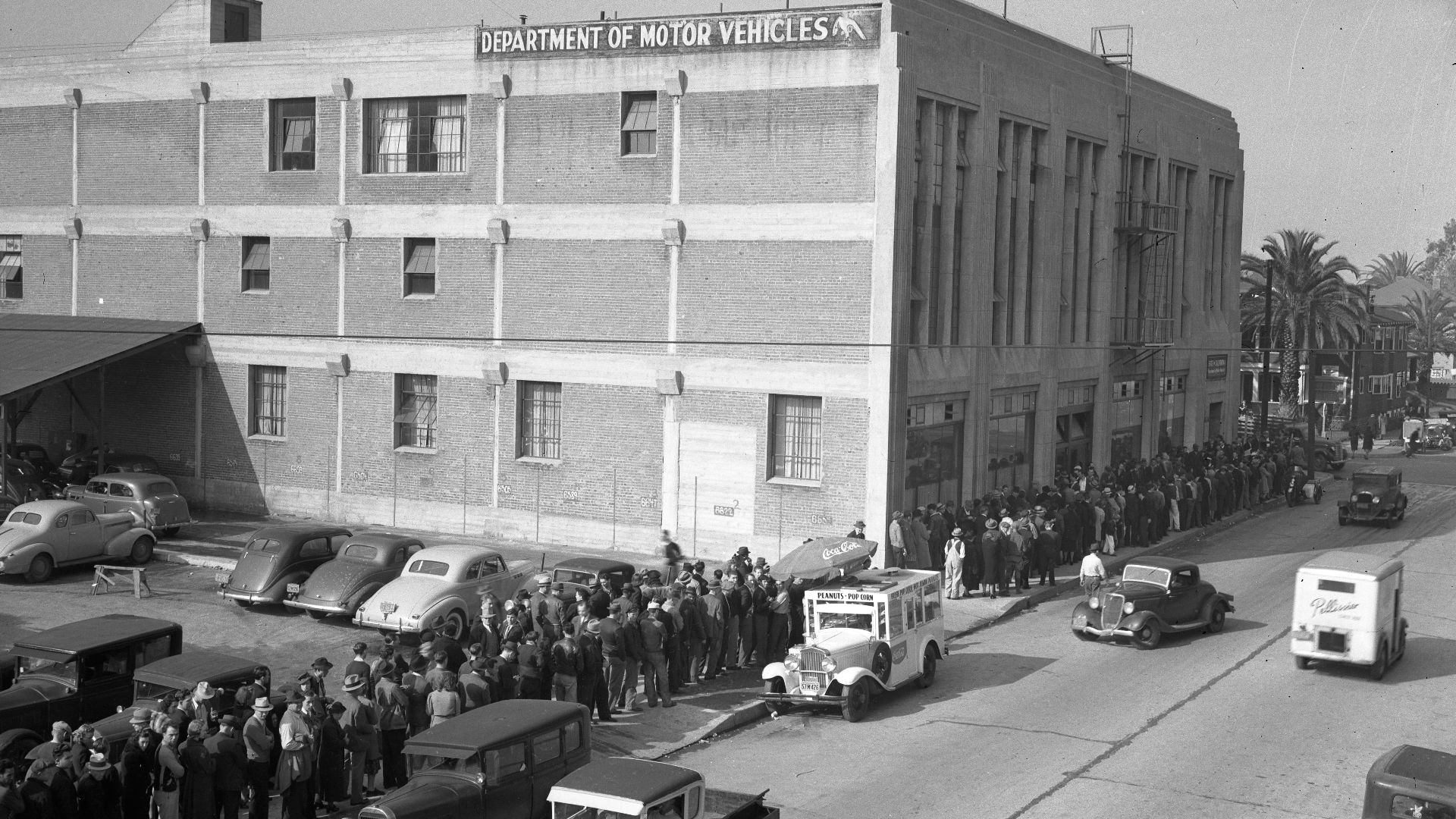 Los Angeles Daily News, Wikimedia Commons
The Disappearance
In early January 1947, Elizabeth was last seen alive while traveling alone in Southern California. She had no permanent address and few belongings. When she failed to contact anyone afterward, no immediate alarm was raised, allowing critical time to pass.
The Discovery
On January 15, 1947, a woman walking near a vacant lot in Los Angeles noticed what looked like a discarded mannequin. But, unfortunately, it was soon identified as a human body. The shocking location and condition immediately signaled that this was not an ordinary tragedy.
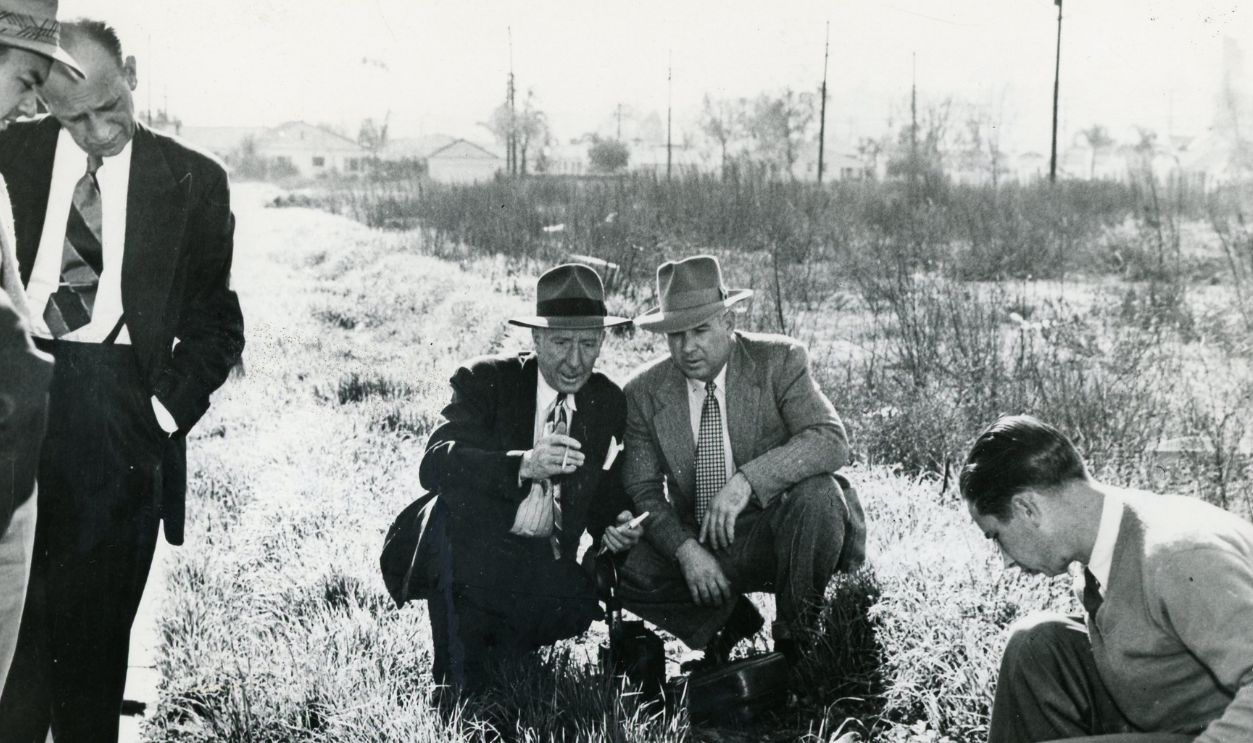 Los Angeles Times, Getty Images
A Startling First Witness
The person who discovered the body initially believed it was a store dummy because it was pale and motionless. Only after looking closer did she realize it was a woman. Police were called immediately, and the quiet neighborhood was quickly sealed off.
A Crime Scene Like No Other
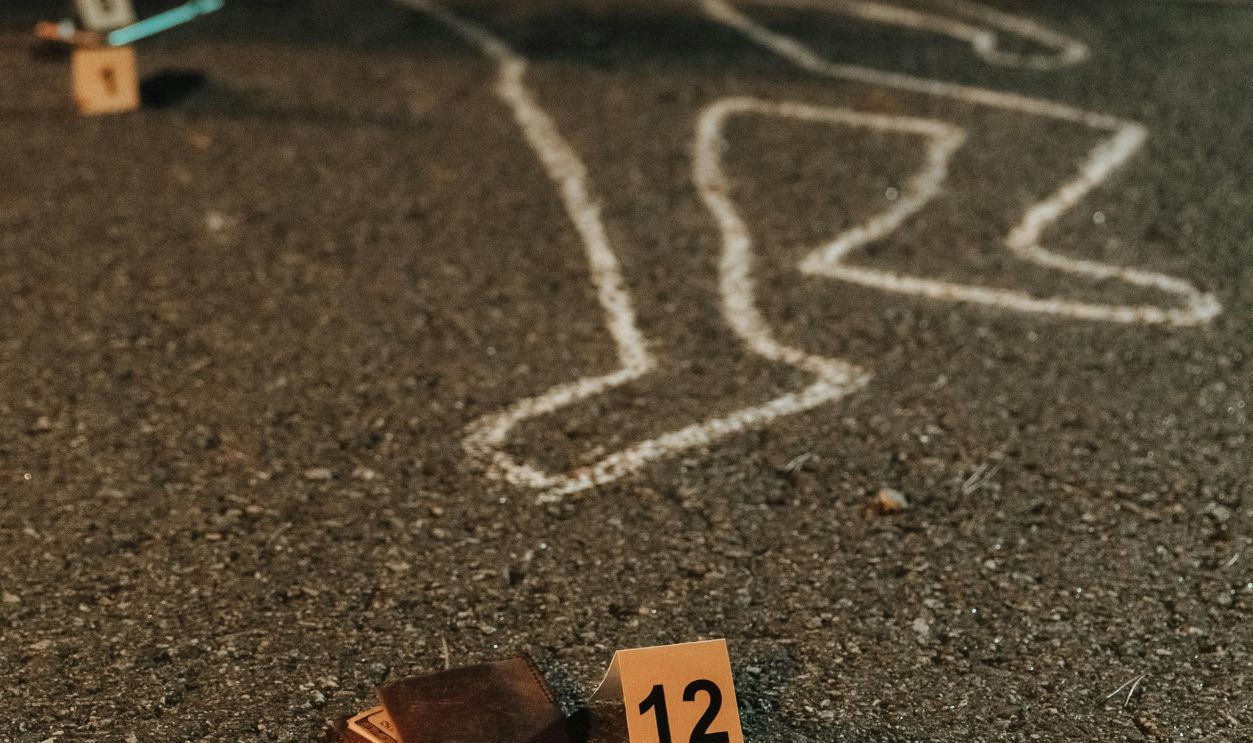
The body had been deliberately posed, severely mutilated, and completely drained of blood. Investigators believed the incident occurred elsewhere, and then the body was placed carefully in the lot. The precision suggested planning and knowledge beyond an impulsive act.
Identifying The Victim
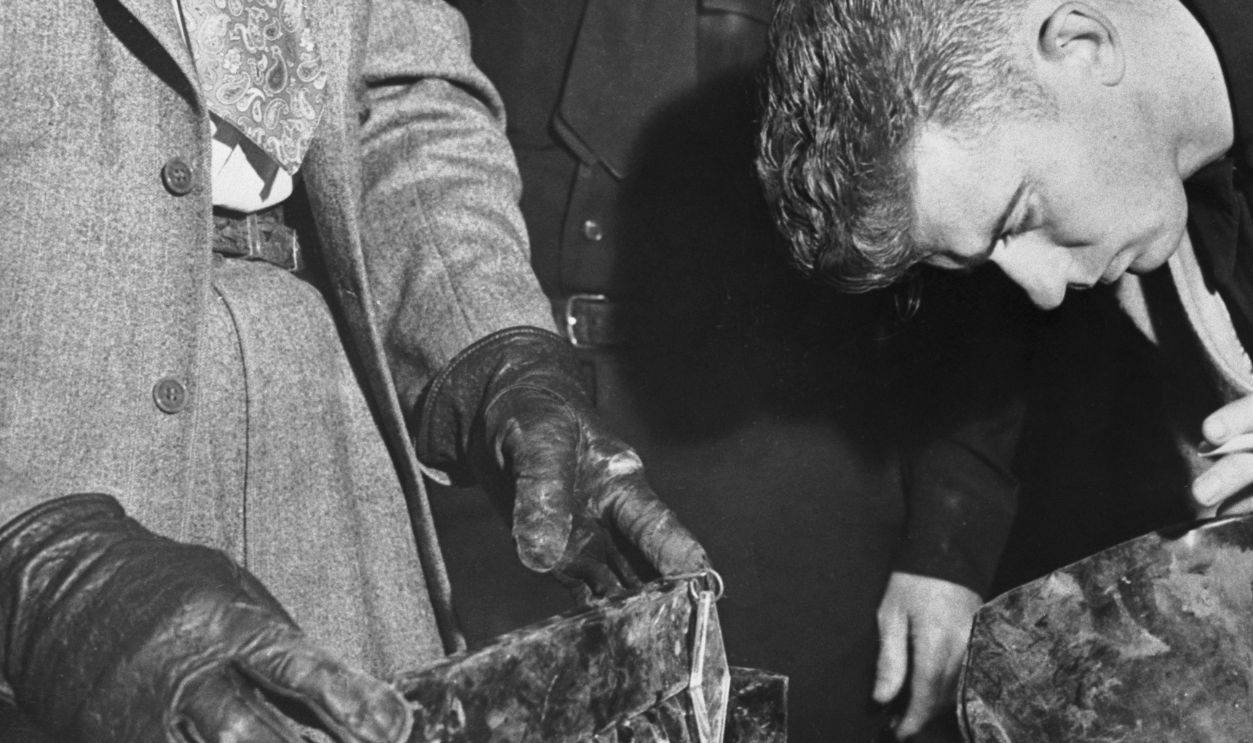
Authorities used fingerprints sent to the FBI to confirm the victim’s identity within days. Once her name was released, reporters immediately began digging into her past. Private details were published widely, often without verification, shaping public perception from the very beginning.
 Whoisjohngalt, Wikimedia Commons
Media Frenzy Takes Over
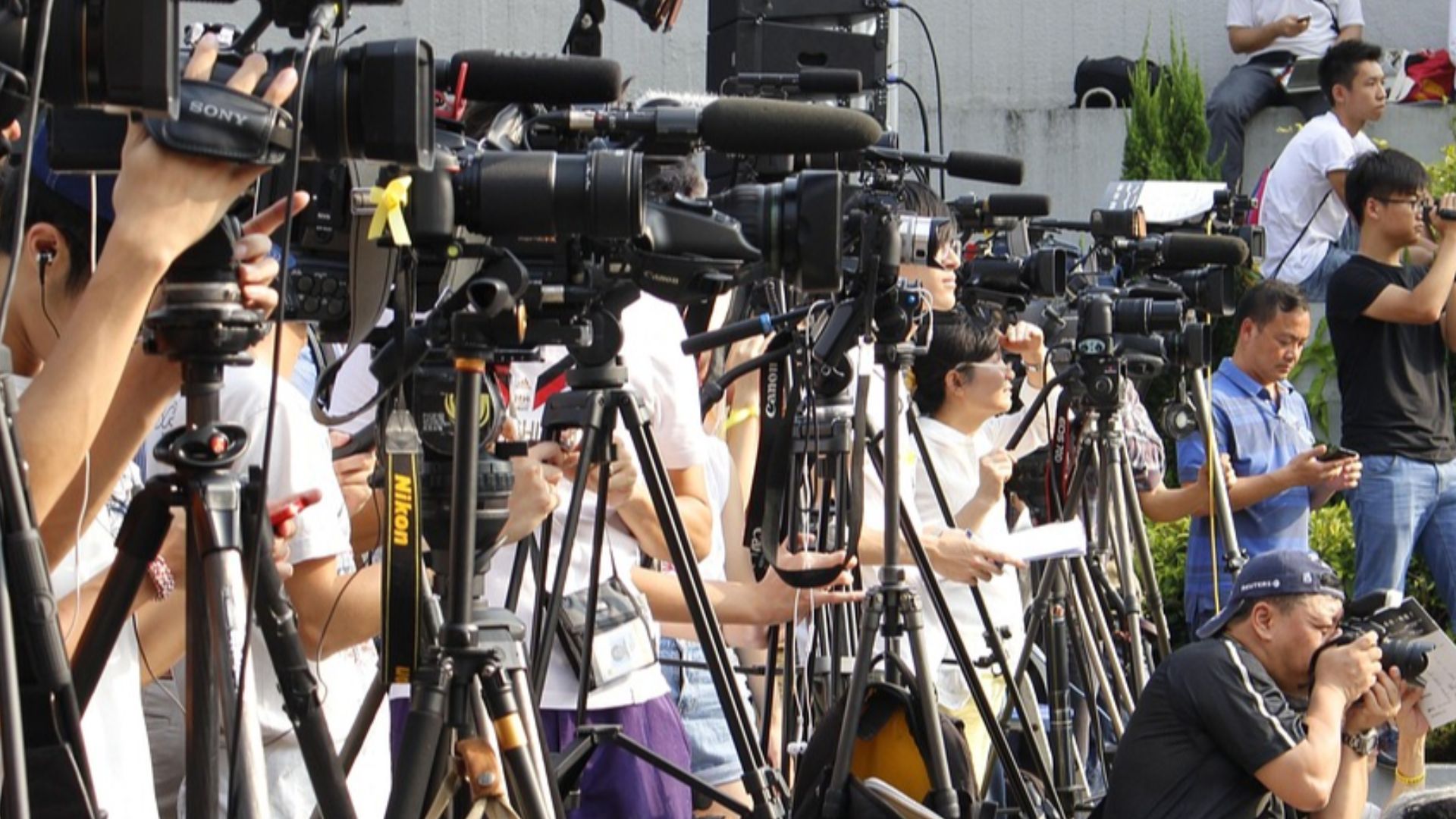
Newspapers raced to outdo each other with shocking headlines and graphic details. Reporters published rumors as facts, often exaggerating or inventing details to sell papers. The case became national news within days as it turned a murder investigation into a public spectacle.
The Myth Overtakes The Woman
As coverage intensified, the real person behind the case faded from view. She was portrayed as mysterious and reckless, despite little evidence. Sensational storytelling reshaped her identity to create a larger-than-life figure that distracted from the facts investigators needed.
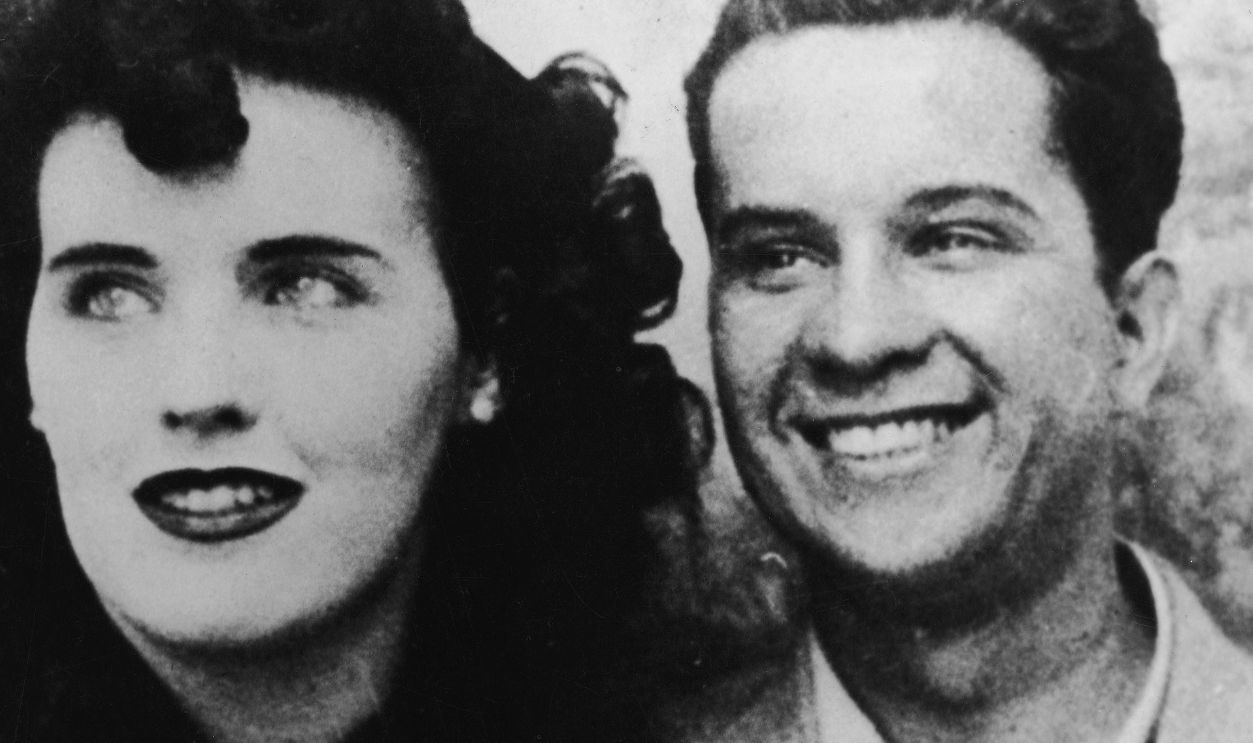
Rumors And Misconceptions Spread
Unverified claims about her lifestyle quickly circulated, including false links to crime and prostitution. These stories were repeated so often that they were treated as the truth. Later investigations found no factual proof supporting many of the most damaging rumors.
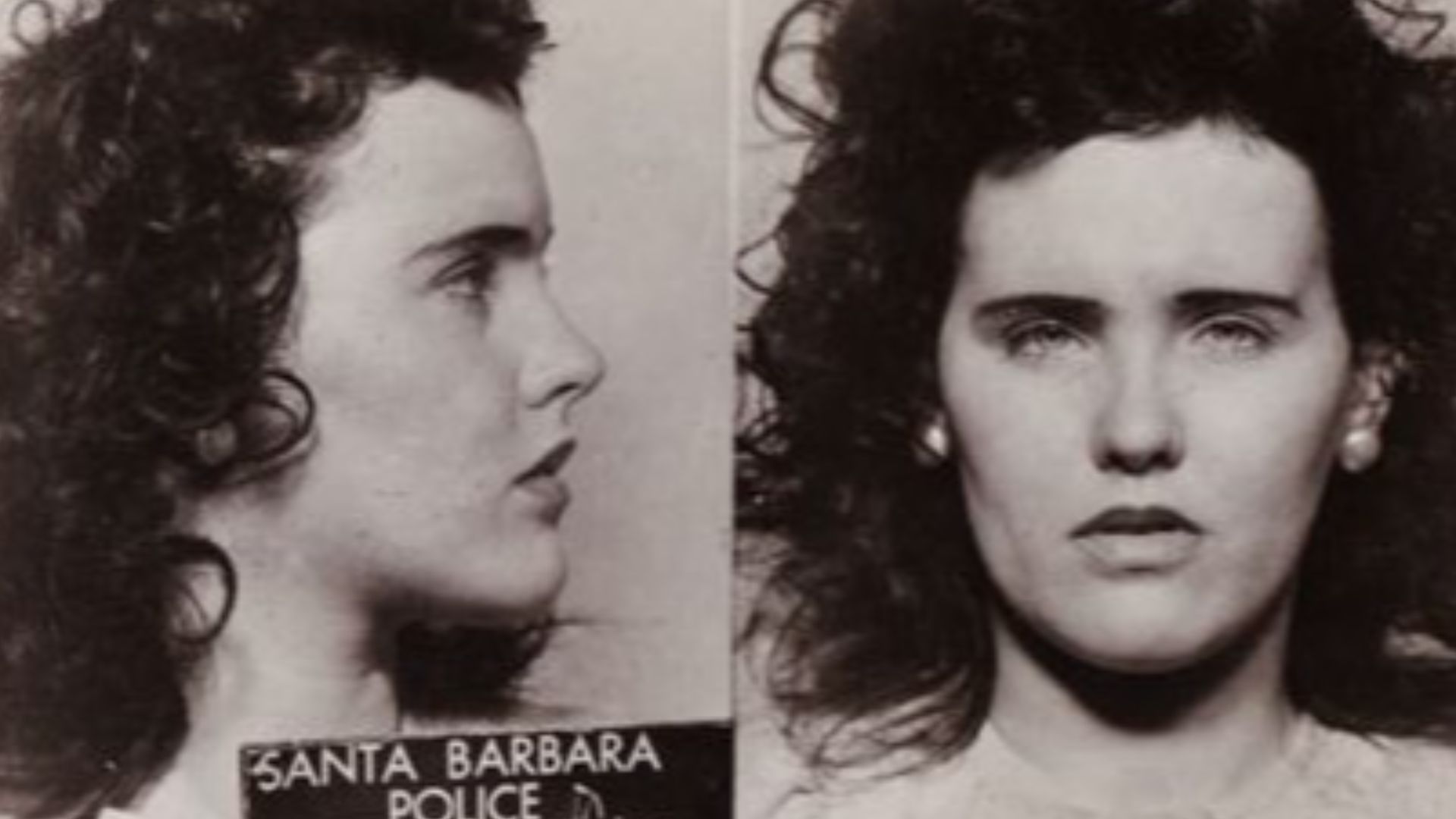 Santa Barbara police, Wikimedia Commons
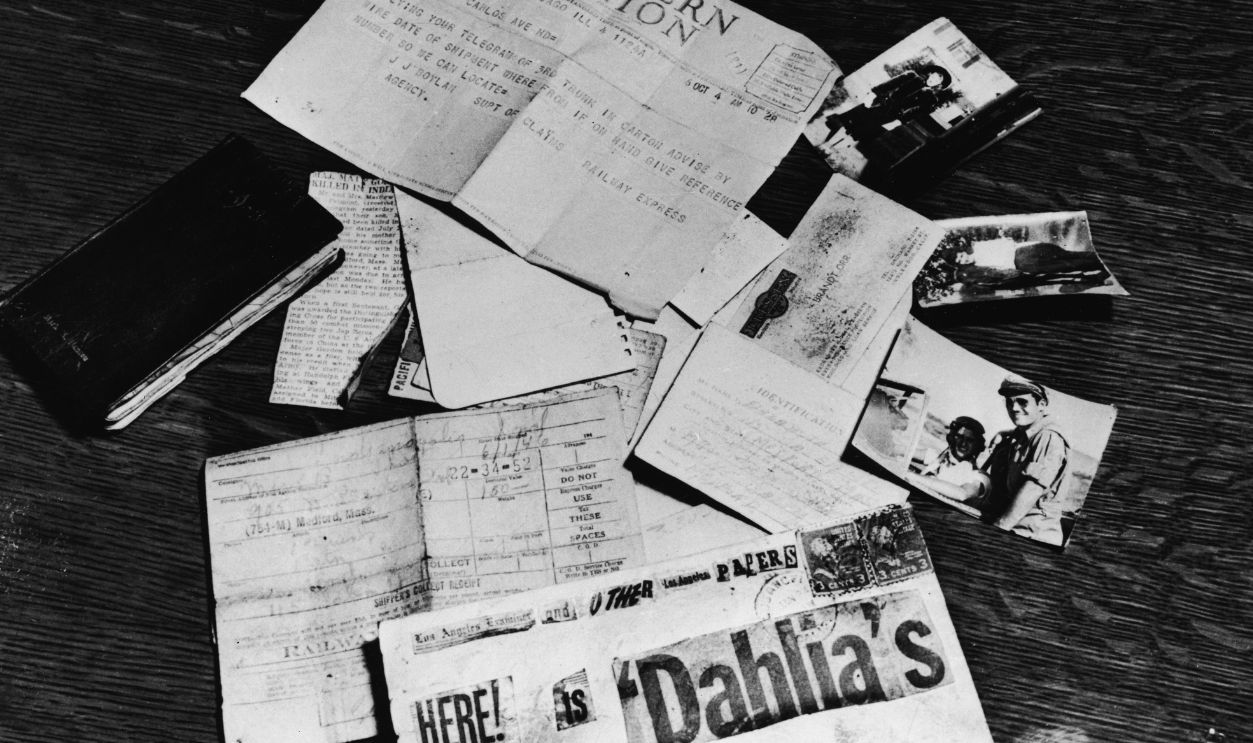
Letters That Shocked The City
Soon after the murder, newspapers and police received letters from someone claiming responsibility. Some included personal items belonging to the victim. While alarming, the messages created confusion and flooded investigators with false leads, which made it harder to separate truth from deception.
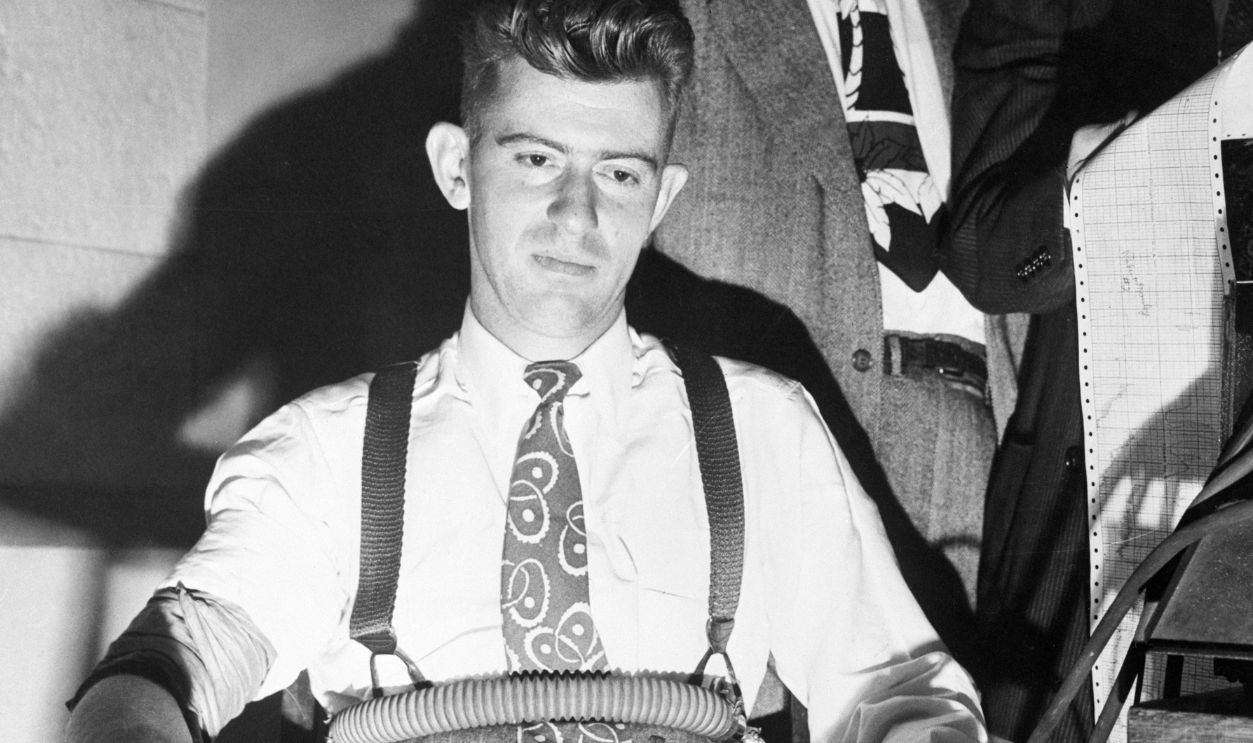
Early Theories Emerge
Investigators considered many possibilities, including a suspect with medical knowledge due to the precision involved. Others believed it could be a serial offender. With no clear evidence, theories multiplied, but none could be conclusively proven at the time.
Why The Case Went Cold
Evidence contamination, overwhelming media pressure, and thousands of tips slowed progress. Key forensic methods used today did not exist in 1947. As years passed, memories faded, and leads dried up, making it increasingly difficult for investigators to move forward.
False Confessions And Hoaxes
More than 500 people falsely confessed to the murder over the years. Some sought attention, while others were mentally unstable. Each claim required investigation, which drained time and resources. None matched the physical evidence or could be verified as truthful.
Impact On Family And Loved Ones
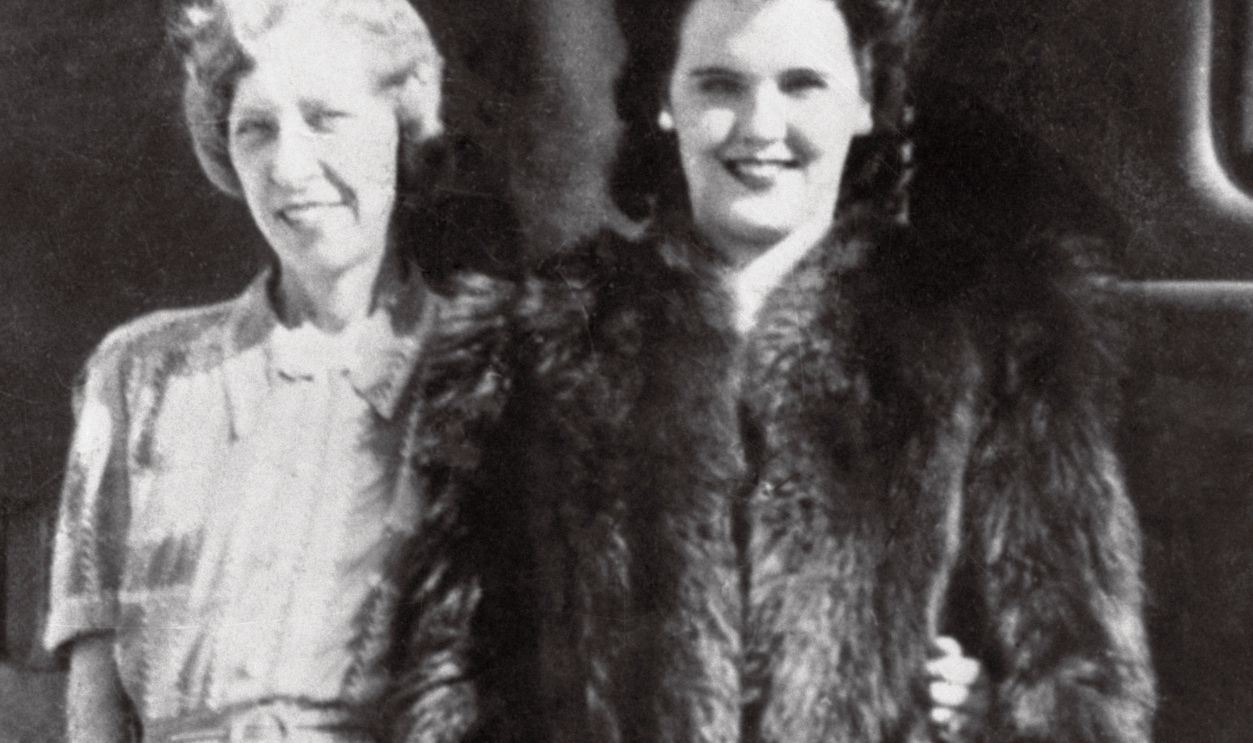
The family didn’t hear the news from the police first—they read it in the newspapers. Strangers and reporters quickly followed, asking questions while grief was still raw. Over time, rumors and public judgment made the loss heavier, as a loved one became a headline instead of a person.
A Case That Refused To Fade
The case continued to resurface through books and films. James Ellroy’s novel The Black Dahlia and the 2006 film adaptation introduced the story to new audiences. Numerous documentaries also revisited the incident, which kept public interest alive even as facts remained unresolved.
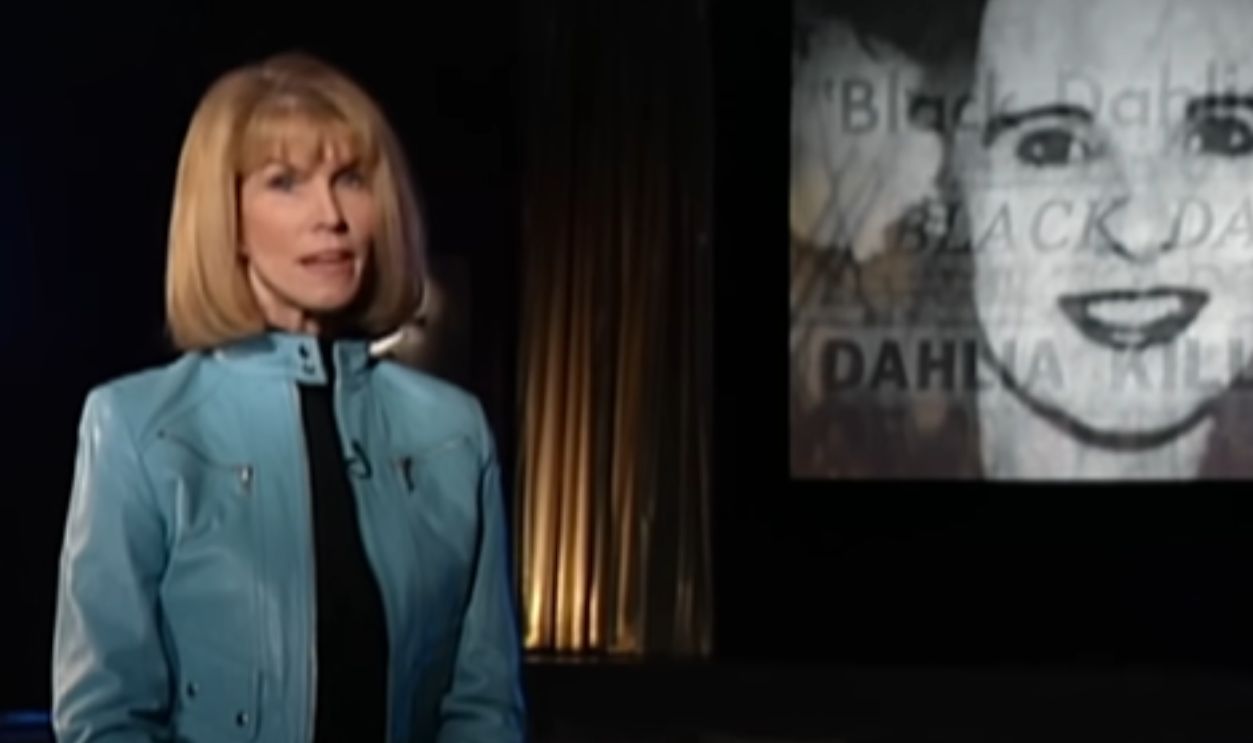 Screenshot from 48 Hours, Paramount Pictures (1988-)
Modern Reexaminations
In the 1990s and 2000s, access to declassified police and FBI files allowed researchers to review the case in detail. Authors like Steve Hodel analyzed records and personal archives, proposing new suspects. Despite these efforts, no physical evidence has been strong enough to change the official status.

Beyond The Legend
The case continues to fascinate because it mixes real tragedy with unanswered questions and intense media influence. Over time, the mystery overshadowed the person at its center. Looking back now means separating myth from fact and remembering a young woman whose life was more than a headline.
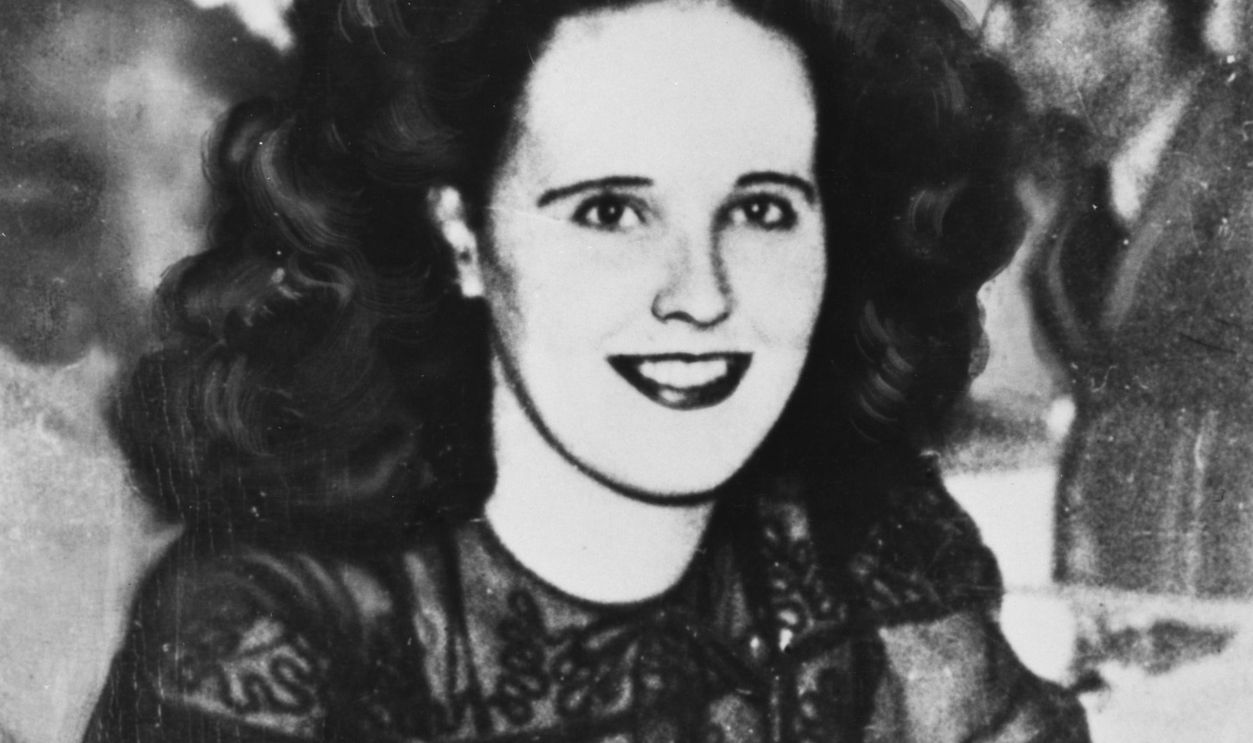 University of Southern California, Getty Images