Aikido Master's Downfall
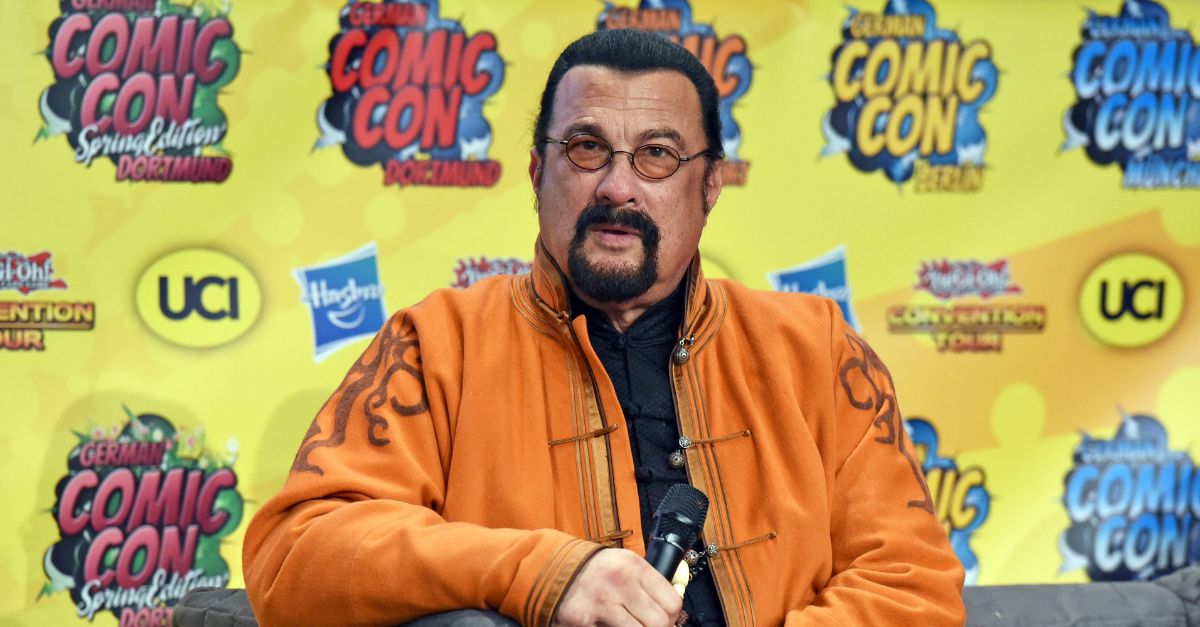
This man basically wrote the playbook on destroying your own career. Steven Seagal had everything Hollywood offered during the early nineties. Then he burned every bridge and guaranteed his exile.
Aikido Breakthrough
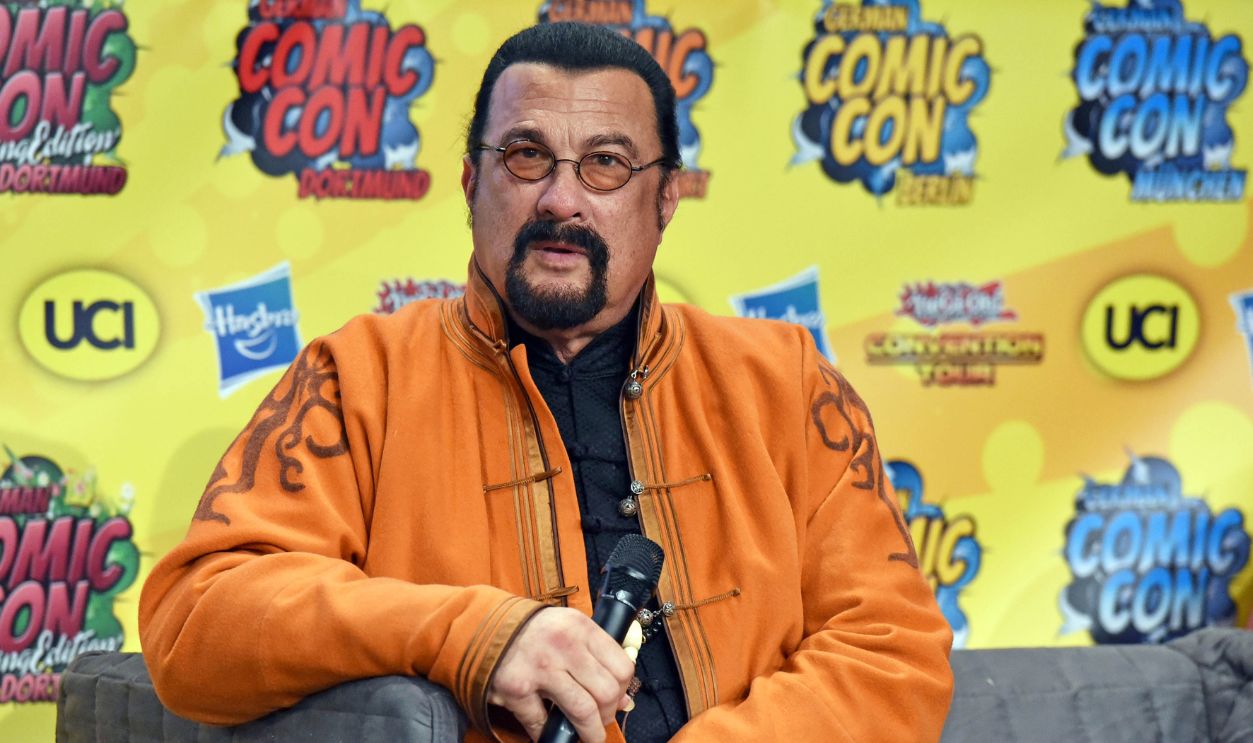
Steven Seagal became the first non-Japanese person to operate an aikido dojo in Japan during the 1970s, earning his 7th-dan black belt and the title of shihan. He spent years teaching martial arts in Osaka before relocating to Los Angeles, where he continued instructing celebrities and wealthy clients.
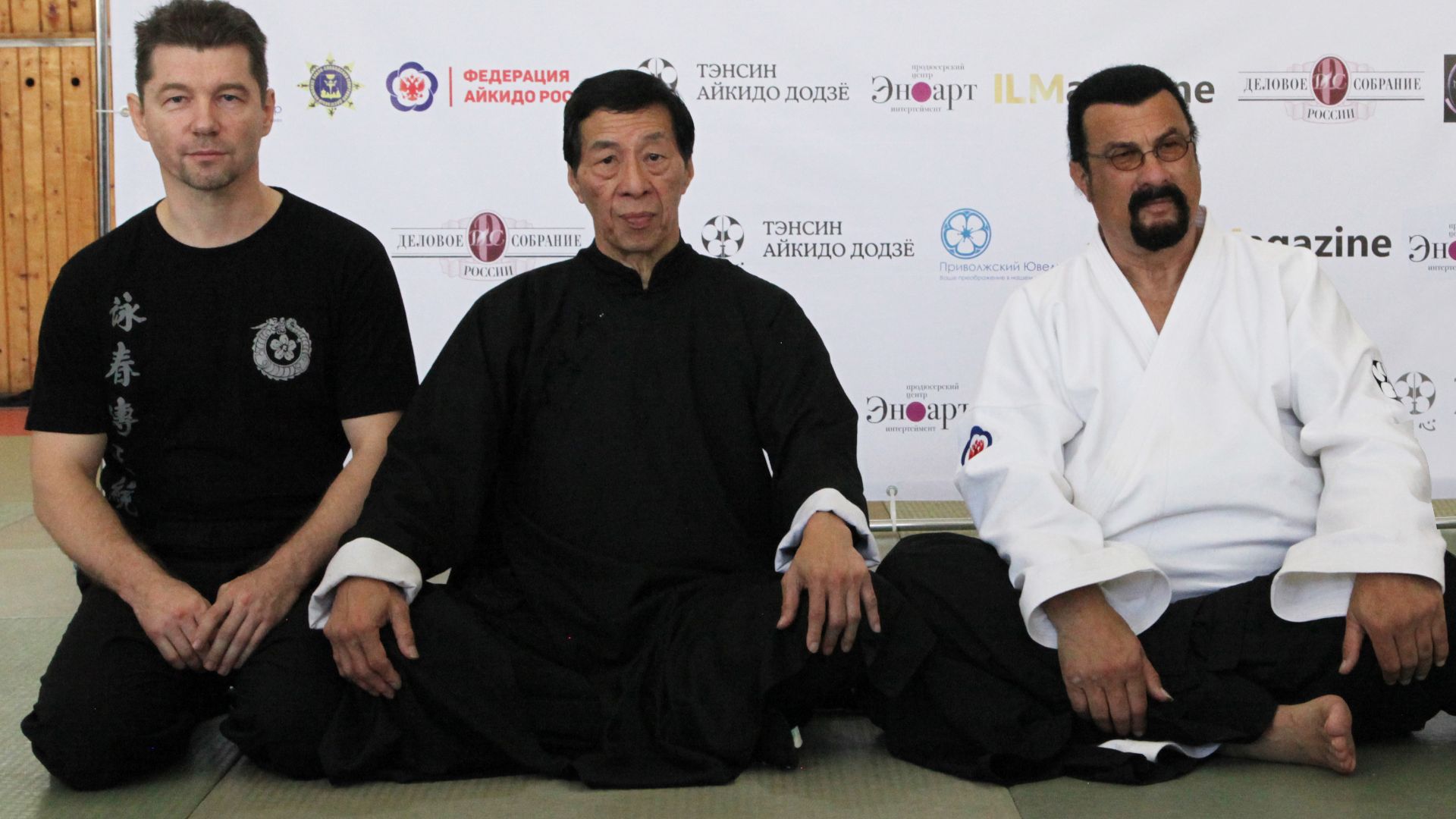 Kwok Chung Yan, Wikimedia Commons
Warner Bros Discovery
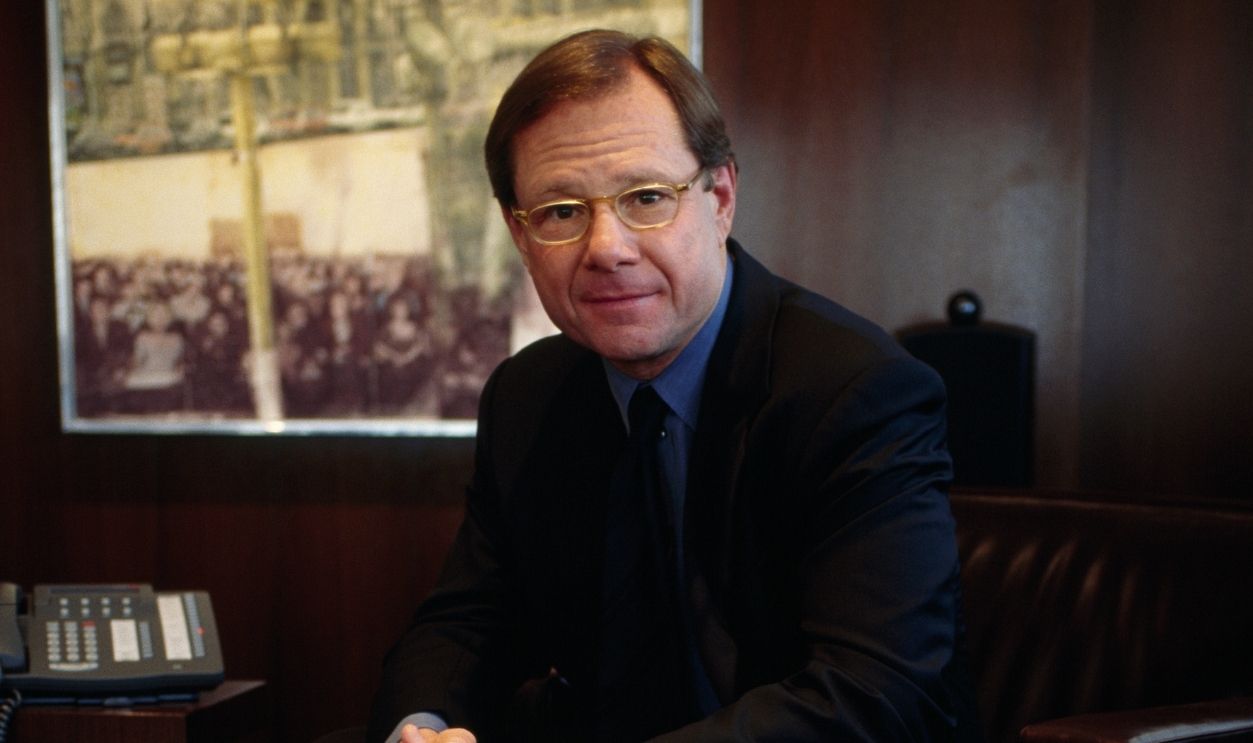
Agent Michael Ovitz discovered Seagal while taking aikido lessons from him in the mid-1980s. Ovitz financed a successful screen test that led Warner Bros to offer Seagal a contract. This unprecedented move sparked unfounded rumors that Ovitz had made a bet he could turn anyone into a movie star.
Early Success
Above the Law hit theaters in April 1988, grossing nearly nineteen million dollars domestically and establishing Seagal as a legitimate action star. Roger Ebert praised the film, noting Seagal deserved the industry buildup and performed many of his own stunts. Hard to Kill and Marked for Death followed in 1990.
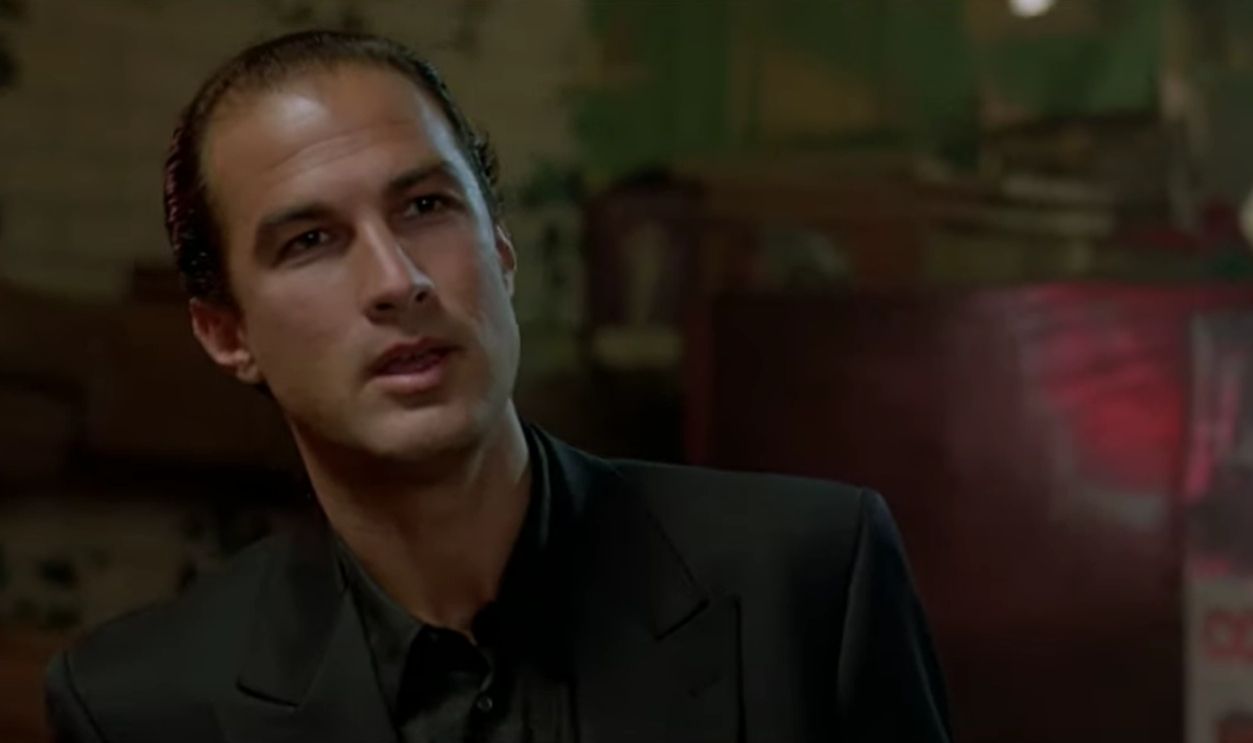 Screenshot from Above the Law, Warner Bros. Pictures (1988)
Career Peak: 1992
Under Siege became Seagal's biggest triumph, earning over one hundred fifty-six million dollars worldwide with Tommy Lee Jones as the villain. The film showcased Seagal as Navy SEAL Casey Ryback in what critics called "Die Hard goes to sea," representing the absolute zenith of his commercial appeal.
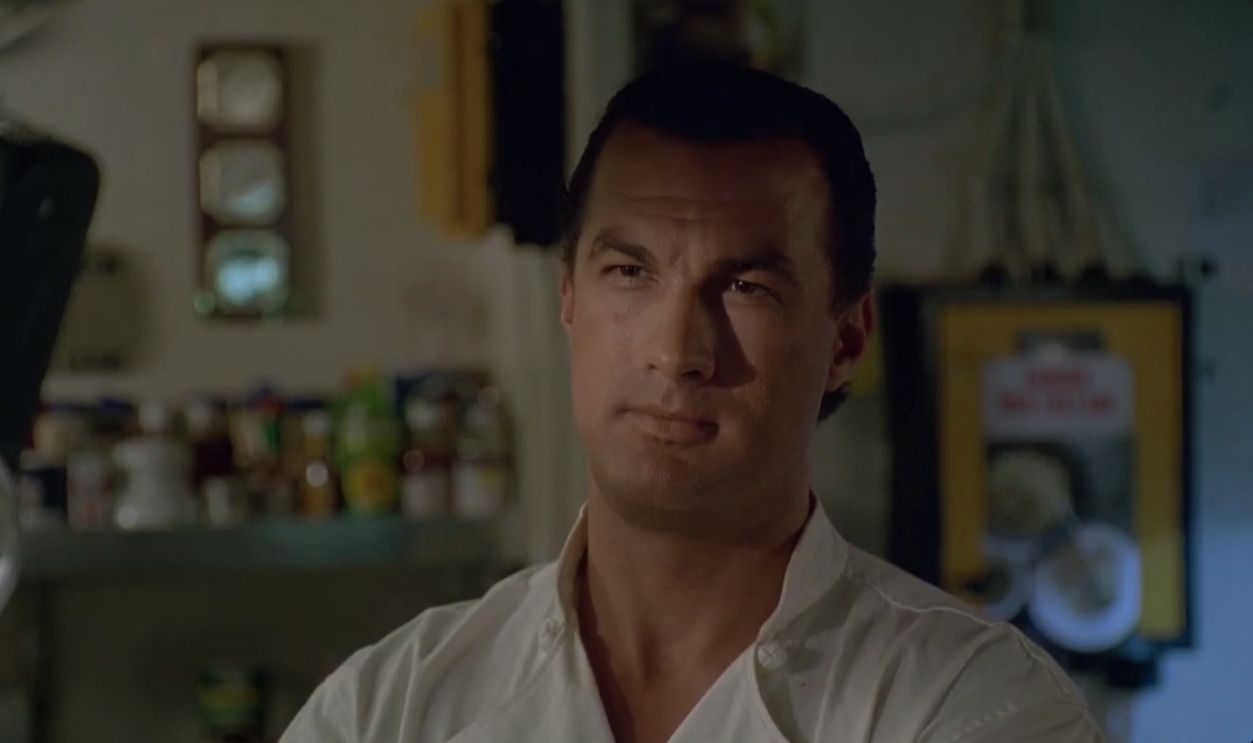 Screenshot from Under Siege, Warner Bros. Pictures (1992)
SNL Disaster
Seagal hosted Saturday Night Live in April 1991 and became legendarily terrible, later banned from ever returning. He refused to perform the Hans and Franz sketch as written because it joked about Arnold Schwarzenegger beating him in a fight.
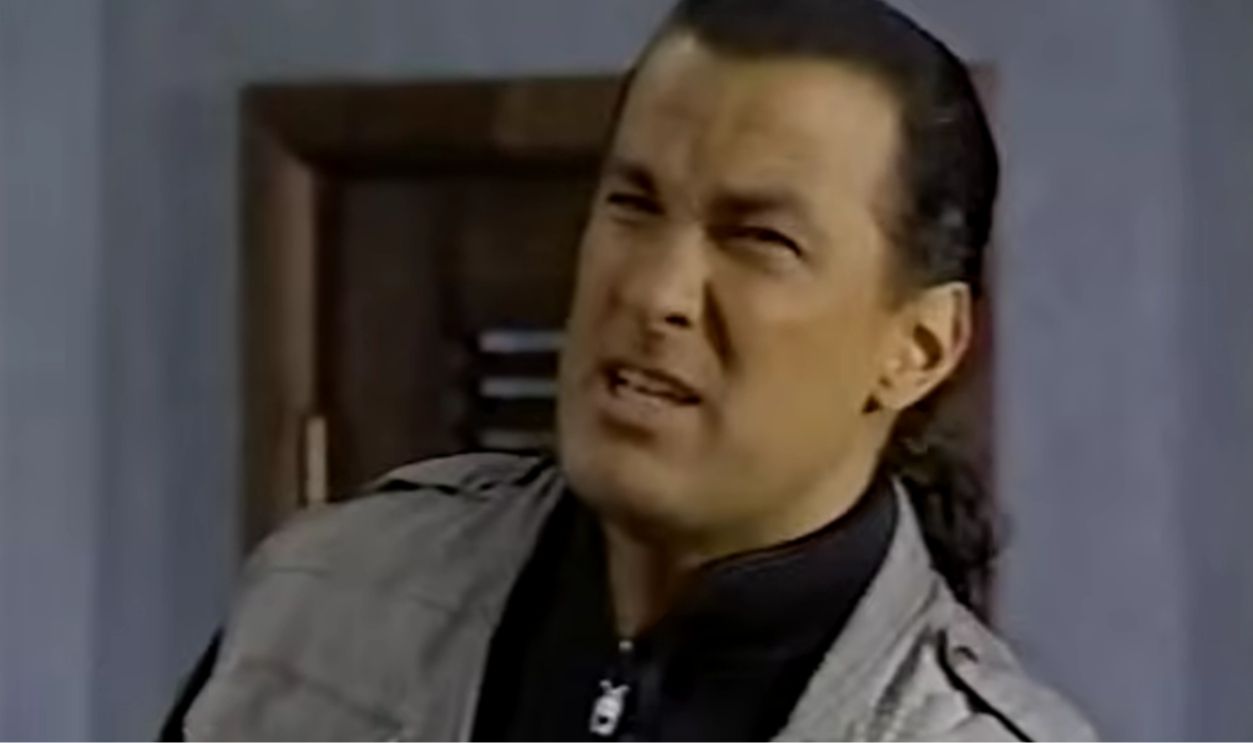 Screenshot from Saturday Night Live, NBCUniversal (1975–present)
Difficult Reputation
Tim Meadows explained that Seagal would complain about jokes he didn't understand, then criticize writers as stupid on Wednesday, while expecting them to keep writing for him through Saturday. Julia Sweeney recalled his sketch pitches as “hilariously awful”.
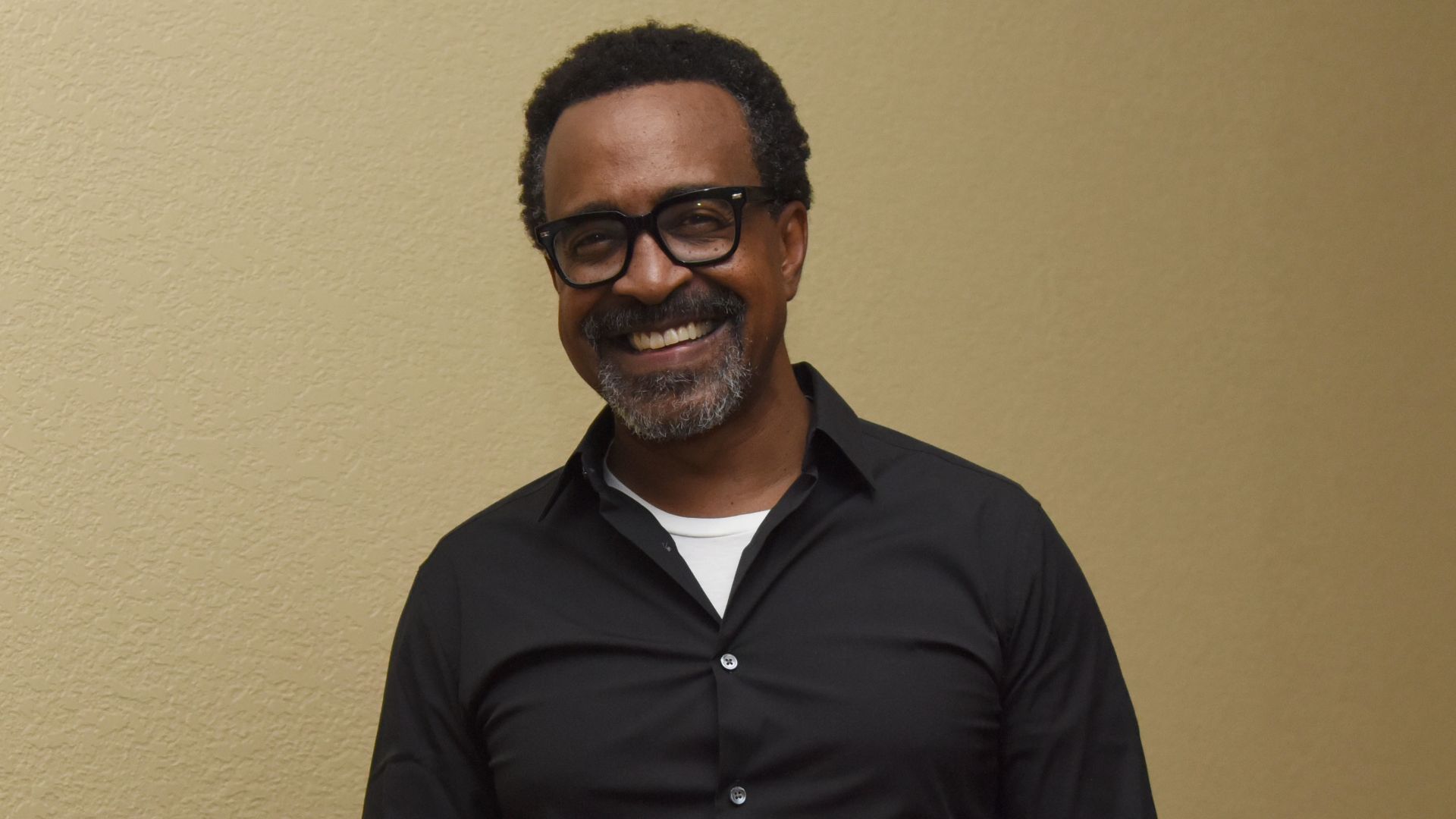 Kemberly Groue, Wikimedia Commons
On Deadly Ground
Seagal's 1994 directorial debut featured Michael Caine and emphasized environmental themes, marking a departure from his urban cop persona. The film failed critically and commercially, with reviewers especially denouncing Seagal's lengthy environmental speech that stopped the action cold. Warner Bros Vice President Bill Daly later revealed Seagal went massively over budget.
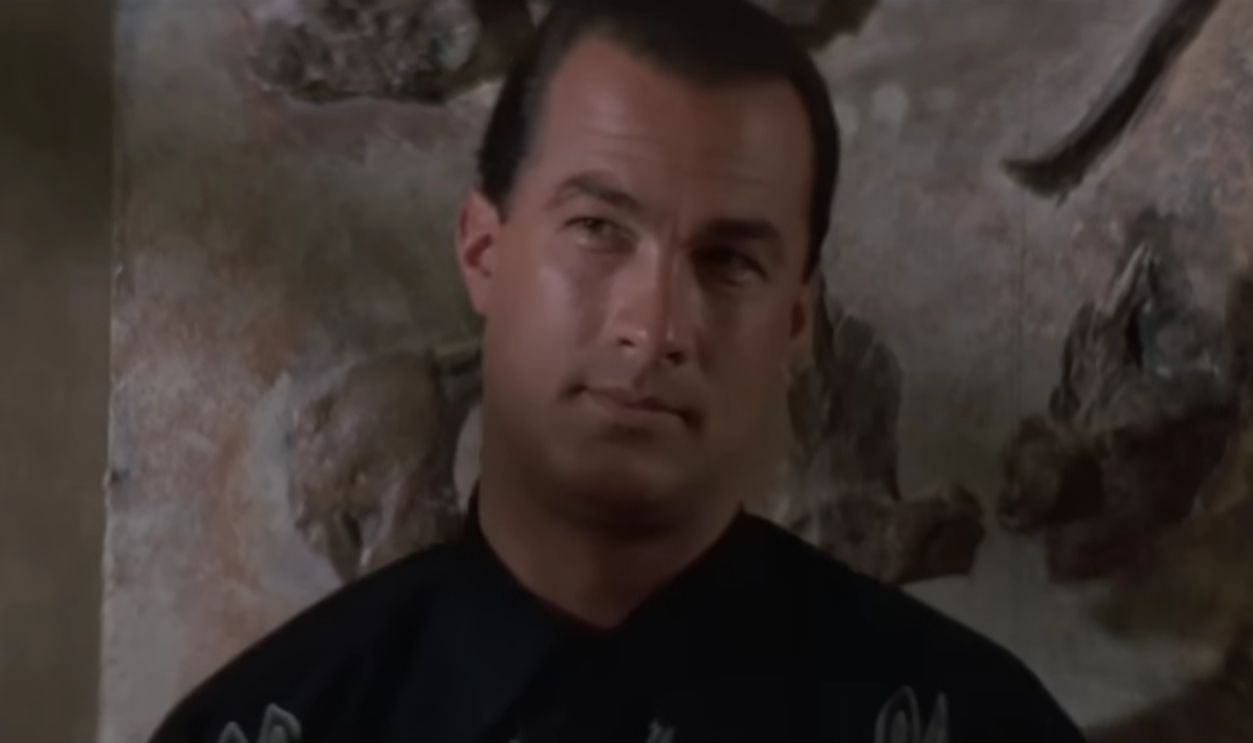 Screenshot from On Deadly Ground, Warner Bros. Pictures (1994)
Environmental Obsession
Fire Down Below, in 1997, had Seagal playing an EPA agent fighting toxic waste dumpers in Kentucky, continuing his eco-warrior phase. The film performed dismally at the box office, marking the end of his Warner Bros four-picture deal as the studio declined to renew his contract.
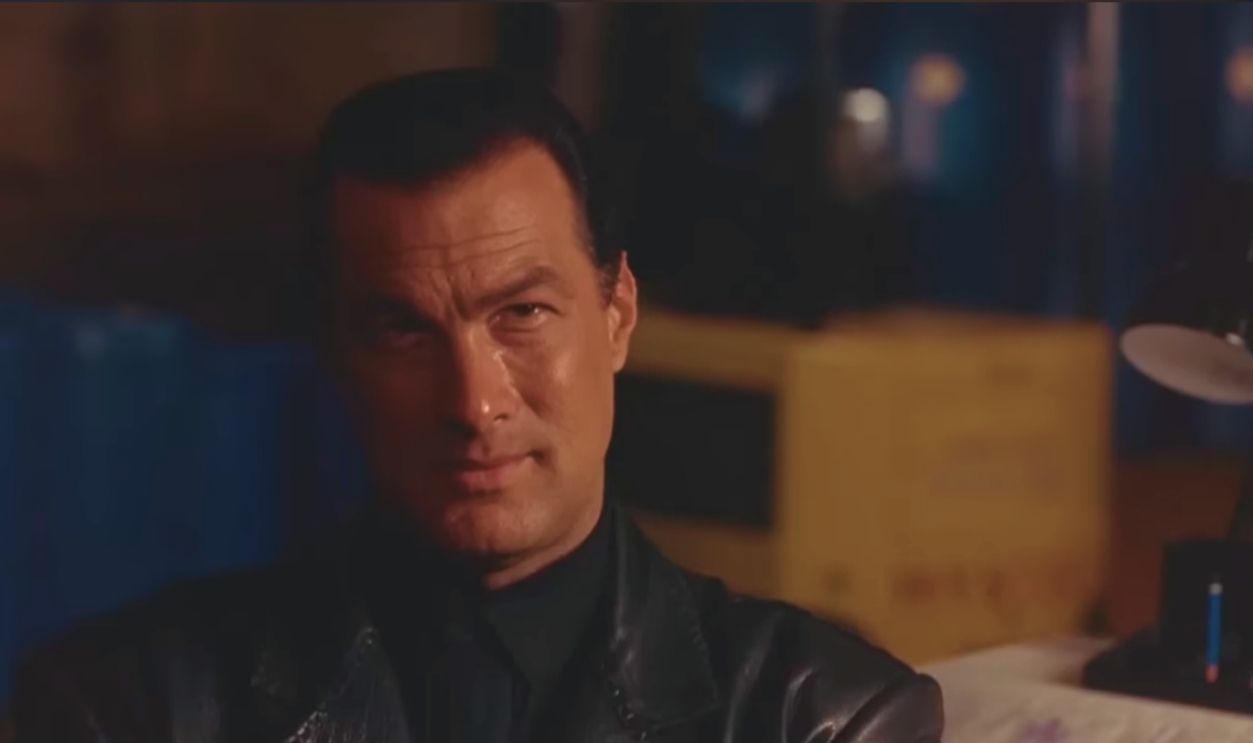 Screenshot from Fire Down Below, Warner Bros. Pictures (1997)
Harassment Lawsuits
Three Warner Bros employees accused Seagal of harassment, with Raenne Malone and another woman receiving approximately $50,000 each in out-of-court settlements. At least four actresses reported physical advances during late-night "casting sessions," while Jenny McCarthy claimed he demanded she undress during her Under Siege 2 audition.
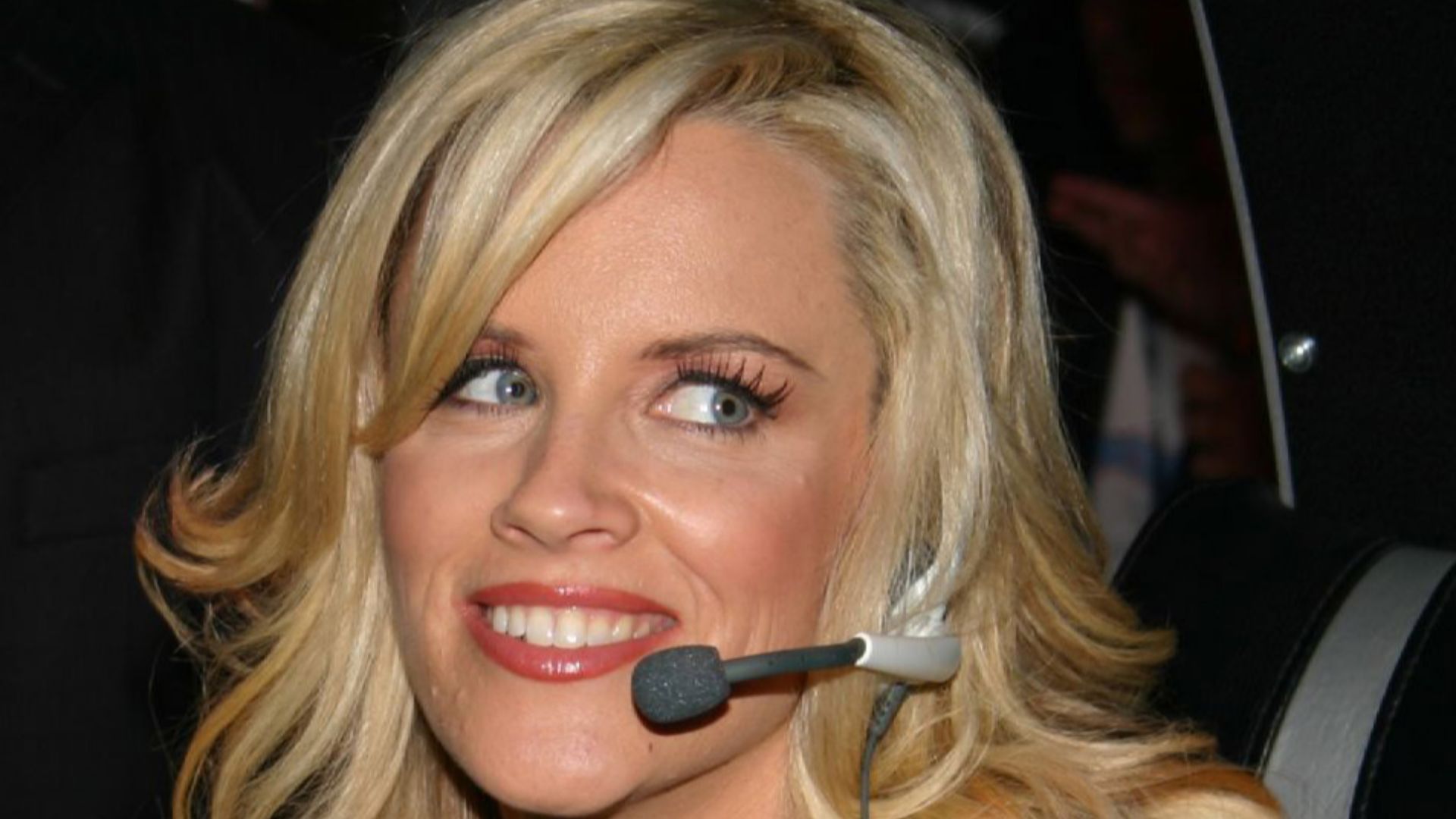 Gamerscoreblog, Wikimedia Commons
Warner Contract Ends
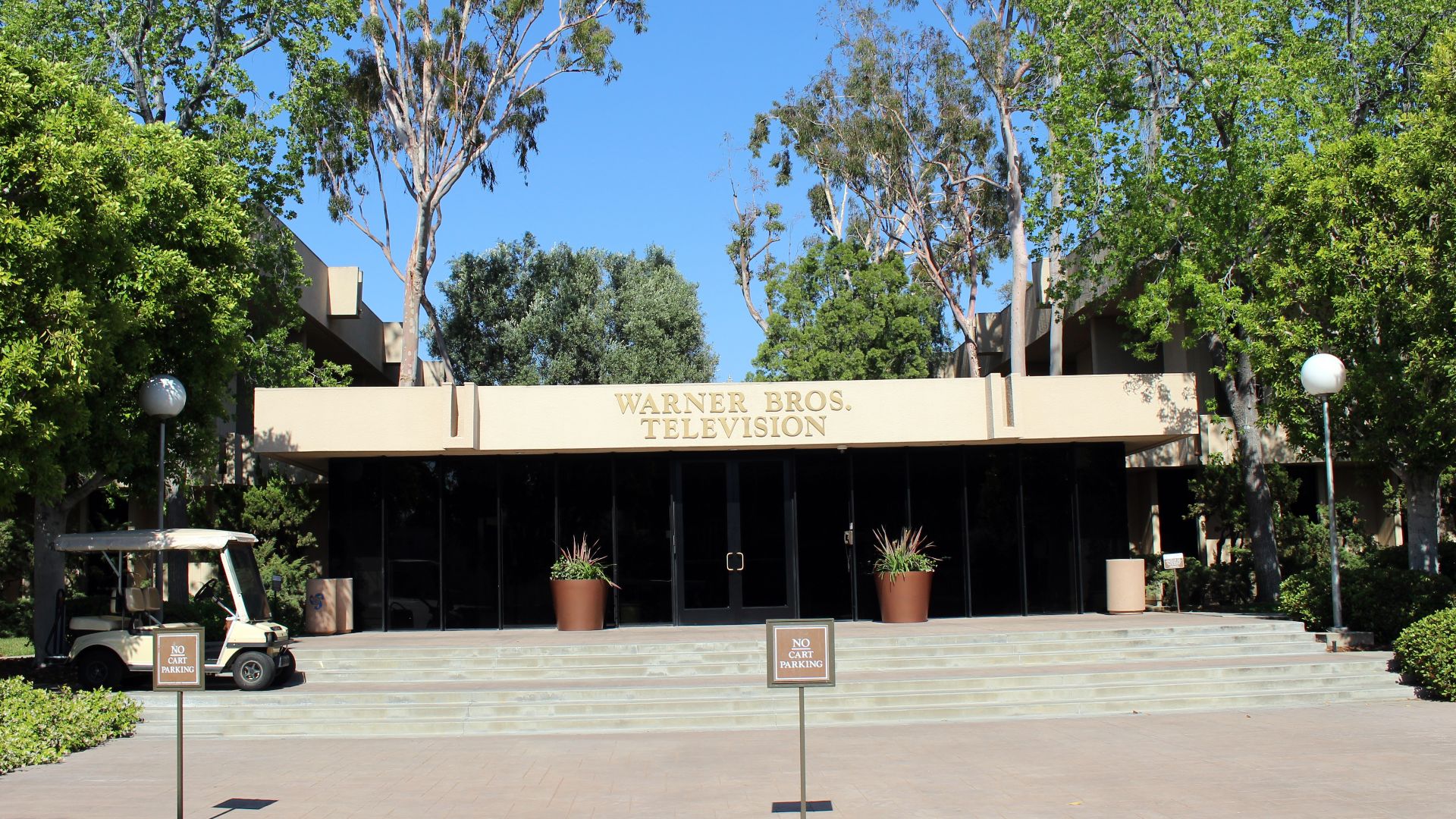
Warner Bros chose not to renew Seagal's contract after Fire Down Below's poor 1997 box office returns, effectively ending his mainstream Hollywood career. His next film, The Patriot, in 1998, became his first direct-to-video release in the United States, financed entirely with his own money and shot on his Montana farm.
Box Office Decline
Half Past Dead arrived in 2002 with Seagal paired alongside rapper Ja Rule, attempting to replicate the success of Exit Wounds with DMX. Roger Ebert savaged the film while director Don Michael Paul hinted at deeper problems with Seagal's tardiness and lack of collaboration on set.
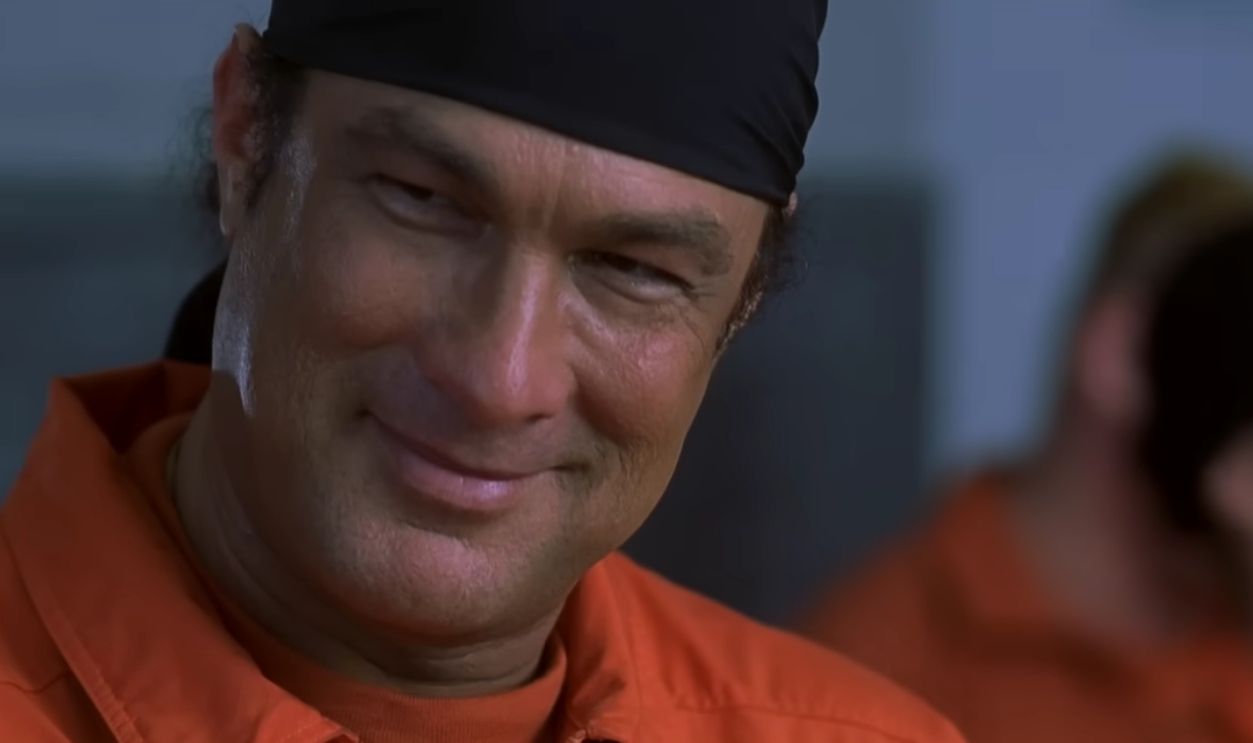 Screenshot from Half Past Dead, Screen Gems (2002)
Direct-To-Video Transition
Between 2003 and 2008, Seagal entered his most prolific period, churning out direct-to-video movies every few months with generic three-word titles like Out for a Kill, Mercenary for Justice, and Force of Execution. These films featured low budgets, lazy writing, cliched warehouse locations, and recycled props.
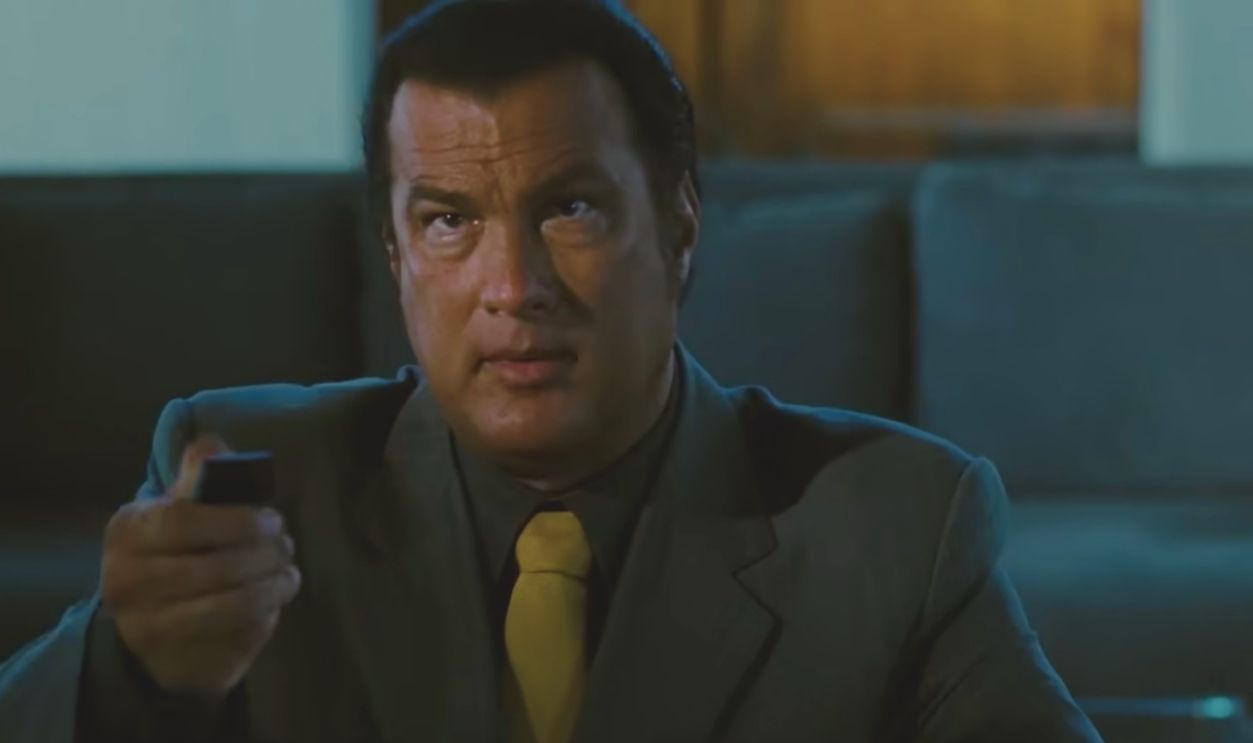 Screenshot from Mercenary for Justice, Millennium Films(2006)
Half Past Dead
The 2002 prison action thriller marked Seagal's symbolic tipping point from struggling A-lister to direct-to-video regular, despite its theatrical release. Industry insiders noted that stories of Seagal's unprofessional behavior had spread throughout Hollywood, making collaborators increasingly hesitant to work with him regardless of his fading star power.
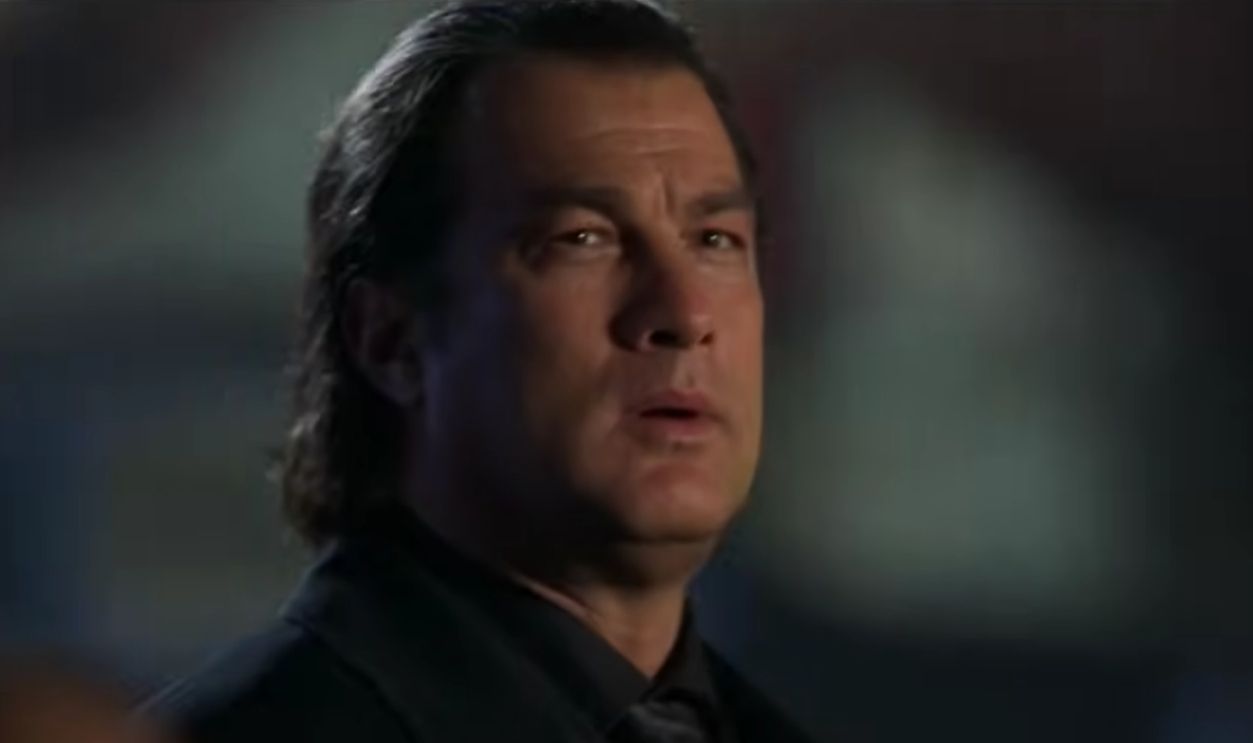 Screenshot from Half Past Dead, Screen Gems (2002)
Mafia Extortion
Producer Julius Nasso allegedly hired Gambino crime family associates to extort Seagal for one million dollars after their producing partnership soured in 2000. Anthony Ciccone and others were convicted of labor racketeering and extortion in 2003 under RICO statutes, with Seagal testifying for the prosecution about the mobsters' threats.
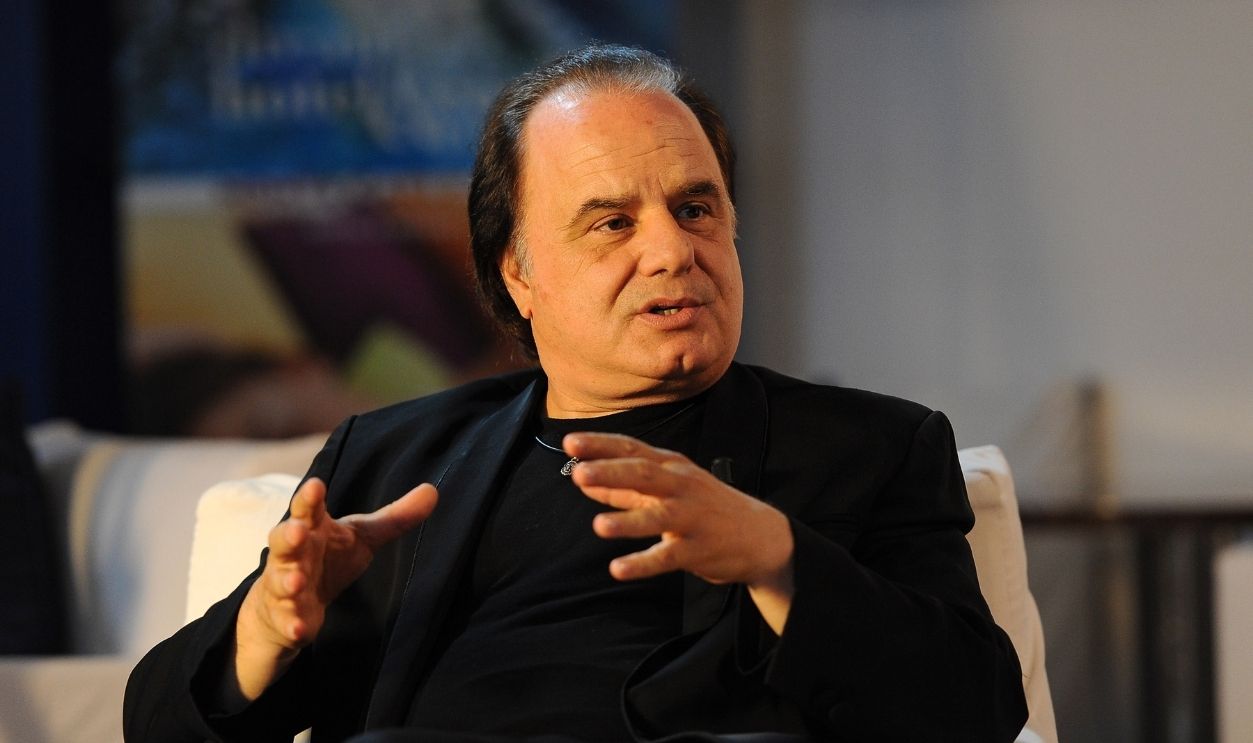 Valerio Pennicino, Getty Images
FBI Investigation
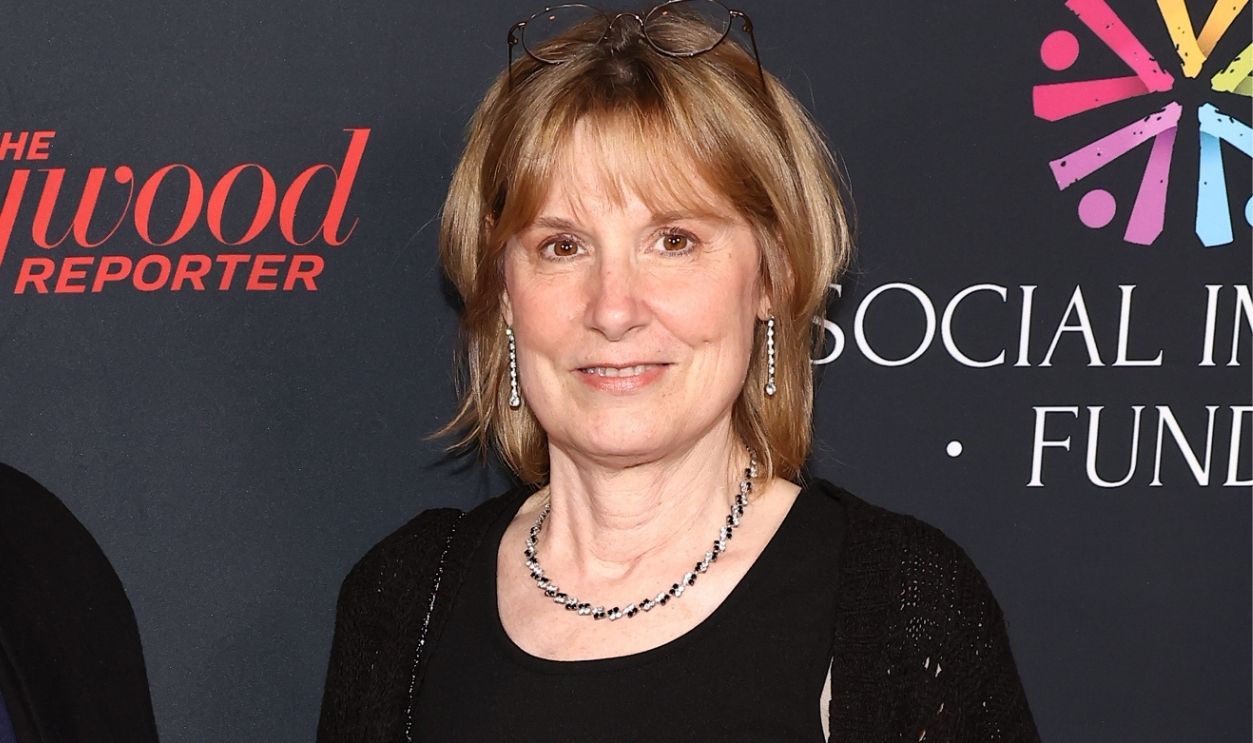
Los Angeles Times reporter Anita Busch found a dead fish, a rose, and a "Stop!" sign on her windshield with a fresh bullet hole in 2002 while investigating Seagal's mob connections. The FBI suspected Seagal hired private detective Anthony Pellicano to intimidate Busch, though they ultimately found no evidence against him.
Buddhism Conflicts
Seagal claimed his 1997 recognition as a tulku by Penor Rinpoche. He led three-day Tibetan Buddhism seminars at a cost of seven hundred dollars per person, positioning himself as a religious authority while simultaneously appearing in direct-to-video action films.
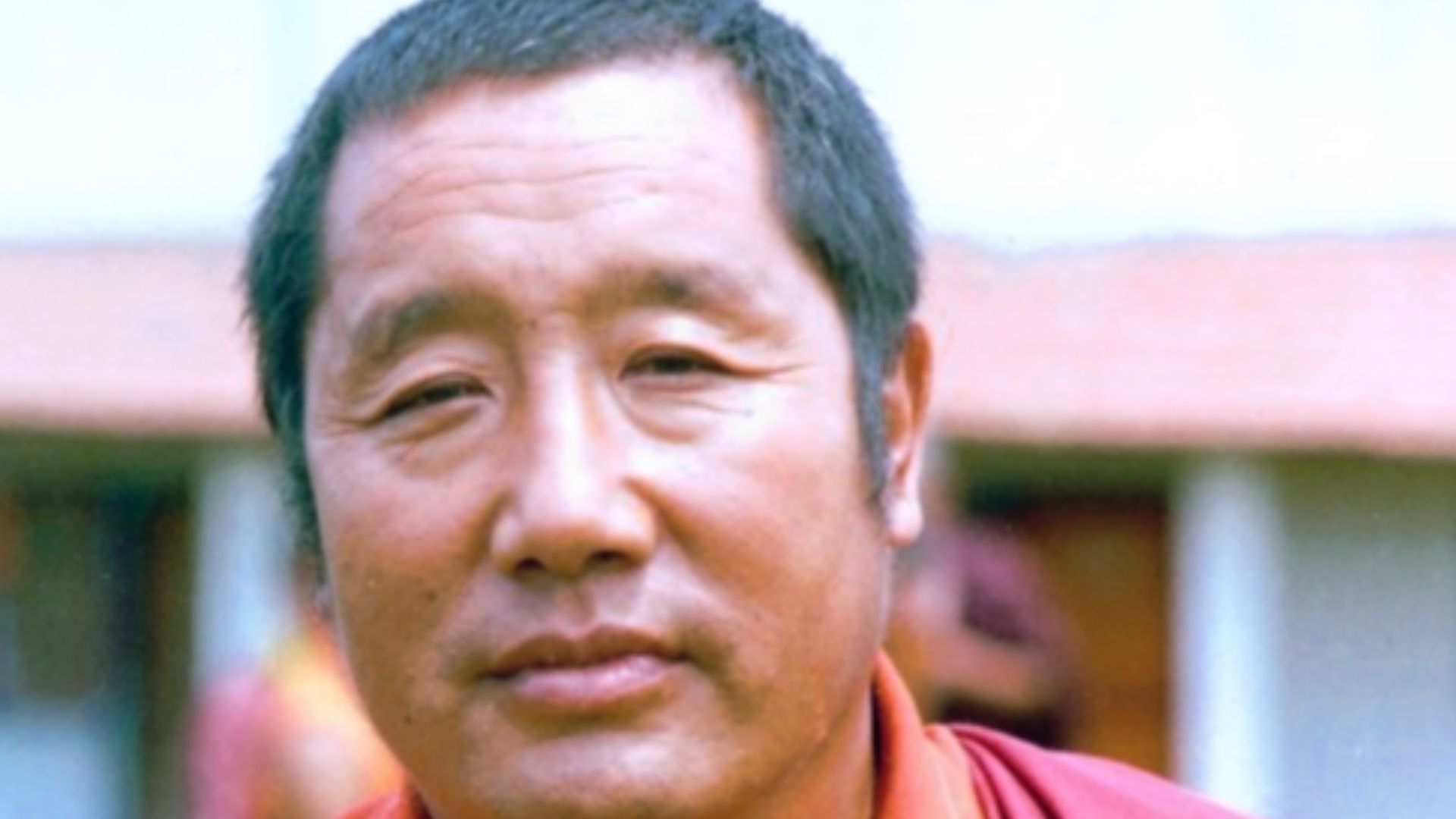 Christopher J. Fynn, Wikimedia Commons
Stuntman Mistreatment
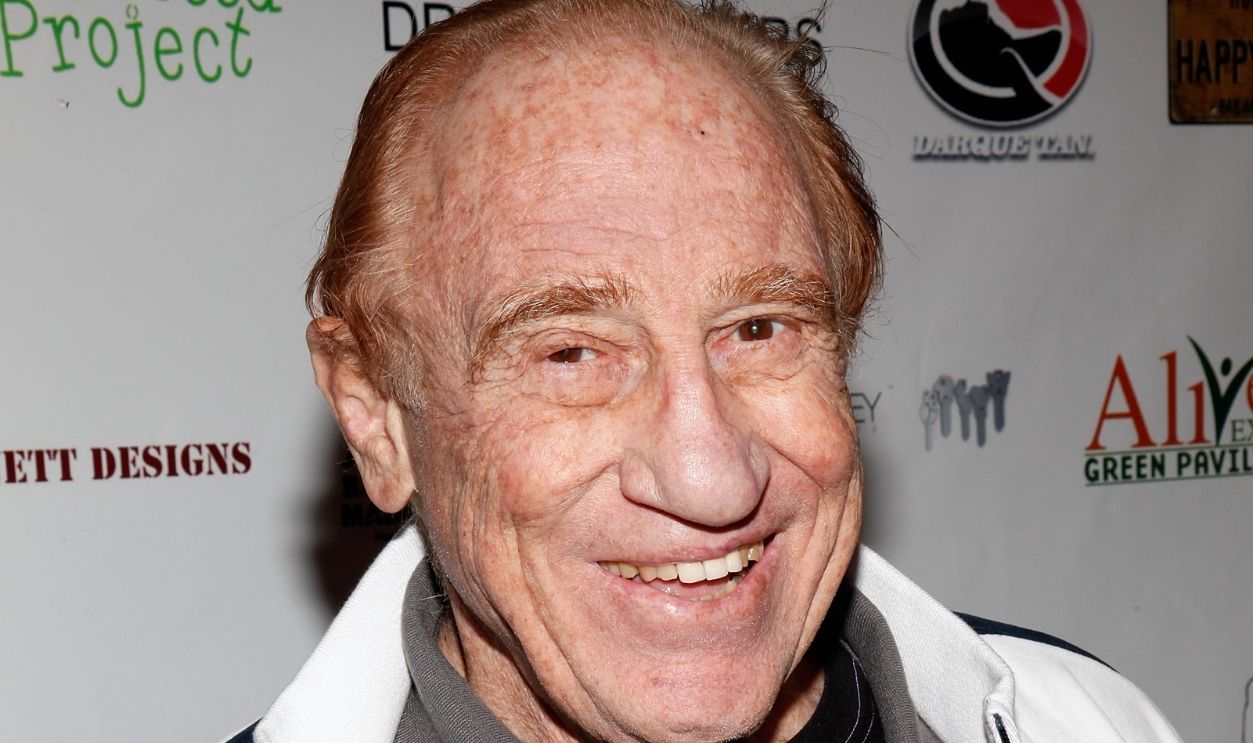
Gene LeBell, a legendary stuntman, allegedly flipped Seagal during a confrontation after Seagal elbowed him and mistreated stunt performers on set. Seagal called LeBell a "sick, pathological liar" and denied the incident entirely, though LeBell was included in martial artist Robert Wall's "Dirty Dozen" list.
Body Double Reliance
Seagal's later films relied heavily on obvious stunt doubles wearing oversized jackets and unconvincing wigs during fight scenes. Kill Switch became notorious for laughably bad editing where doubles clearly weighed fifty pounds less than Seagal, while China Salesman's fight with Mike Tyson was shot entirely using doubles.
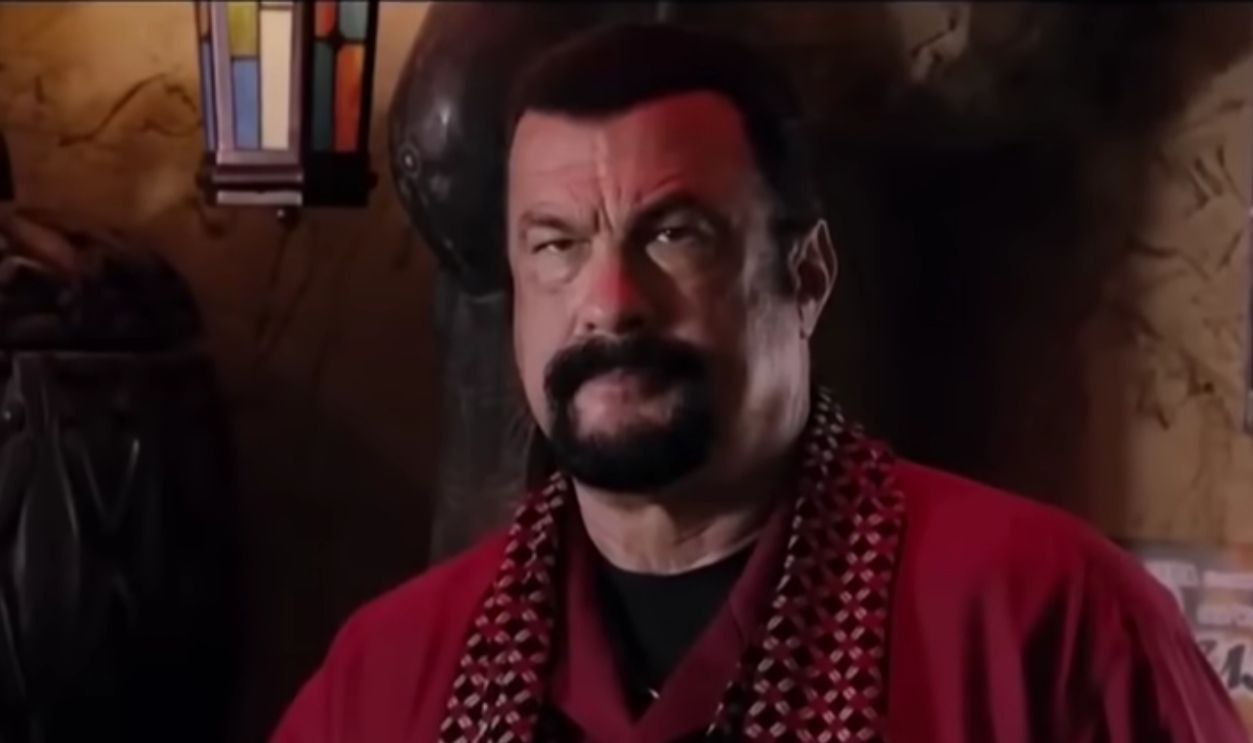 Screenshot from Kill Switch, Saban Films (2008)
Age Factor
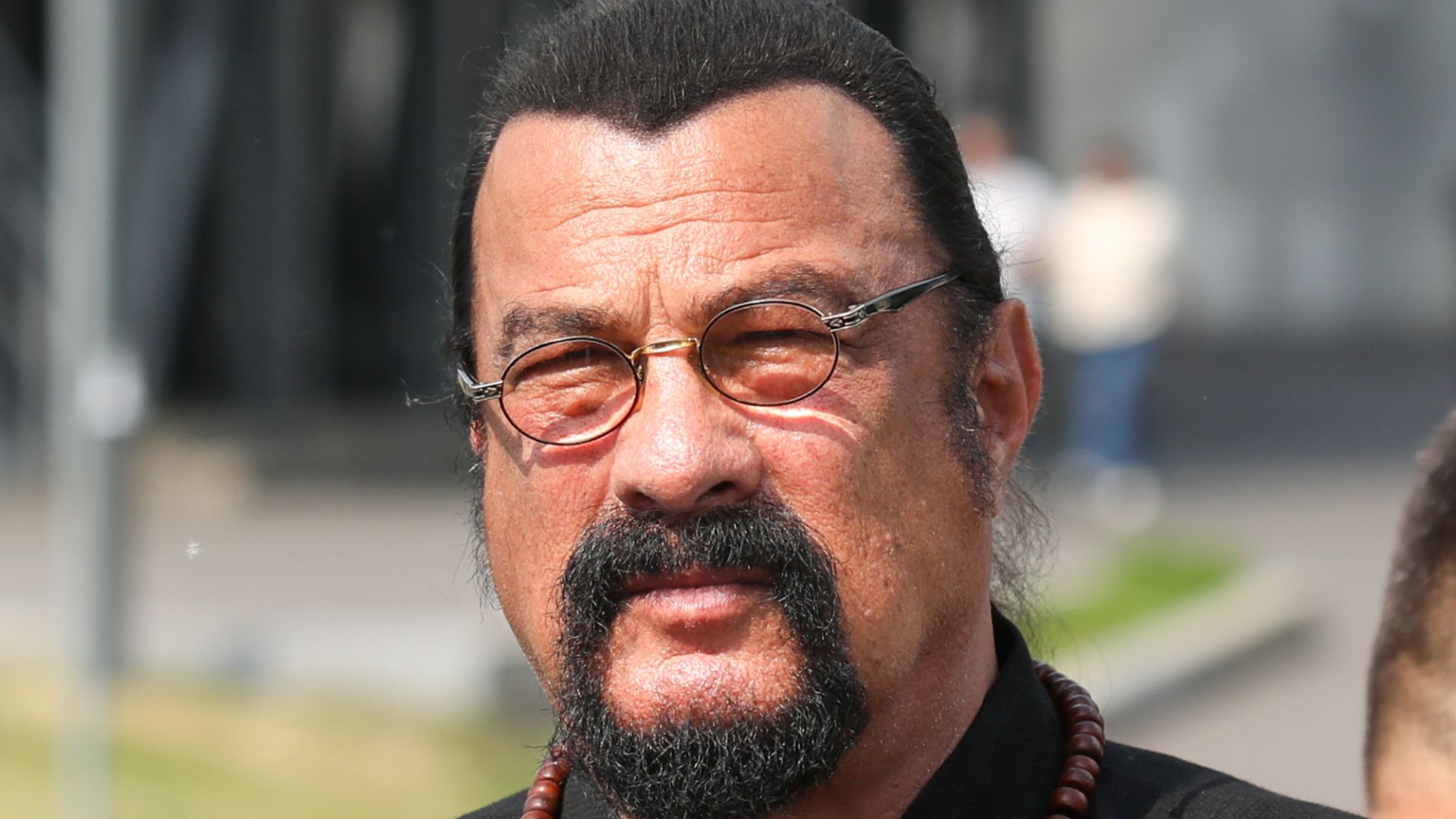
The actor’s physical deterioration became impossible to ignore as he aged, gaining significant weight and losing the martial arts prowess that initially made him believable as an action hero. Between 2016 and 2019, movies marketed with Seagal's name featured minimal actual screen time.
Lawman Reality Show
Steven Seagal Lawman premiered on A&E in 2009, revealing he'd secretly worked as a Jefferson Parish Sheriff's deputy for twenty years, giving the network its highest premiere ratings ever. The show moved to Arizona for season 3, where Seagal led officers in raiding a suspected cockfighting operation.
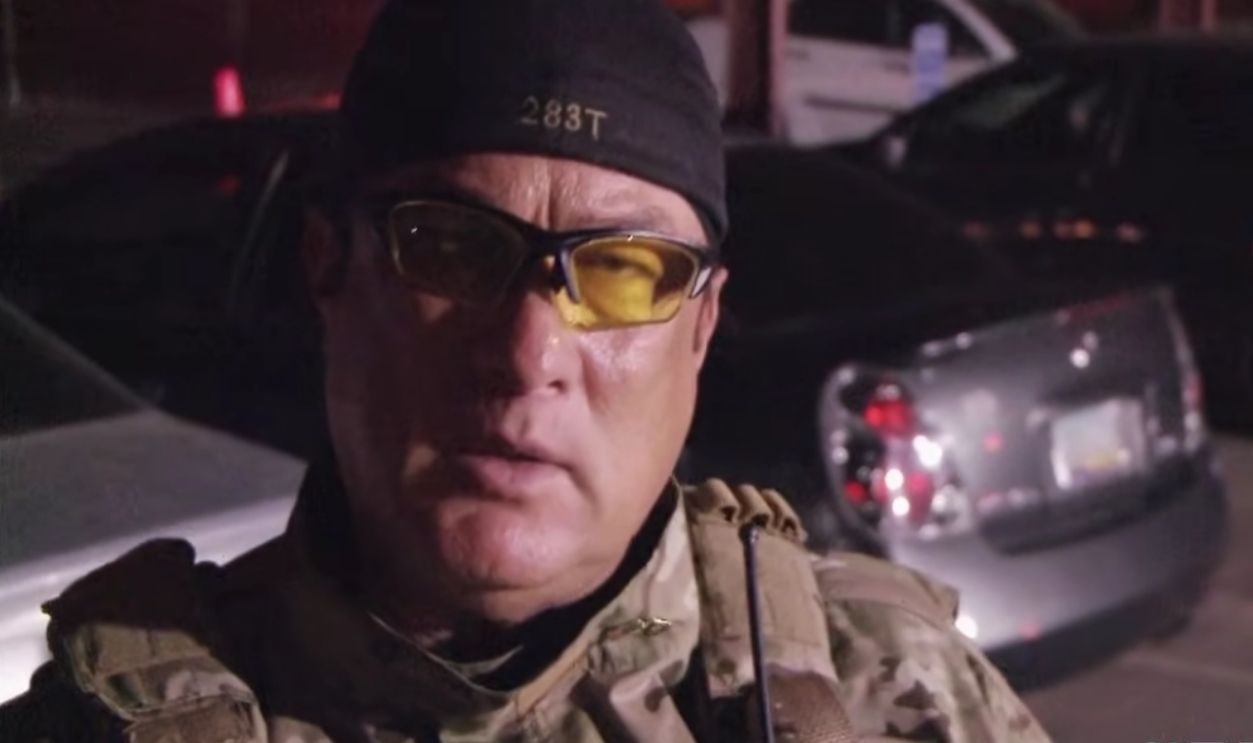 Screenshot from Steven Seagal: Lawman, A&E Television Networks (2009–2014)
Putin Friendship
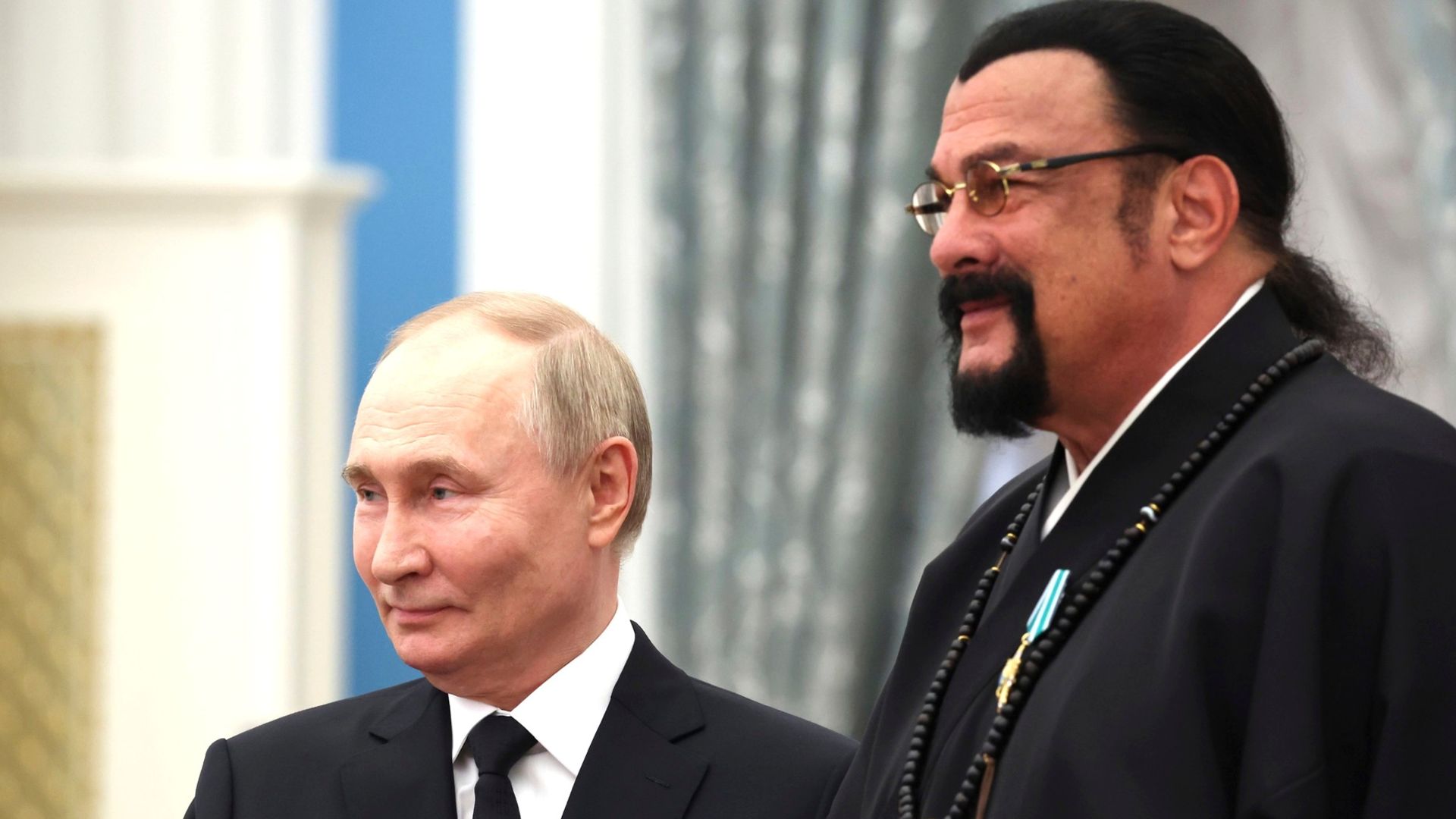
This man became a regular visitor to Russia during the 2000s, attending martial arts events alongside Vladimir Putin and publicly praising him as "one of the greatest world leaders alive today" in a 2013 RT interview. Putin suggested making Seagal an honorary Russian consul in California and Arizona.
Russian Citizenship
Eventually, Putin granted Seagal Russian citizenship in November 2016 after the actor persistently requested it, with Kremlin spokesman Dmitry Peskov noting Seagal's "warm feelings toward our country" and celebrity status justified the decision. Seagal received his passport directly from Putin's hands at a Kremlin ceremony.
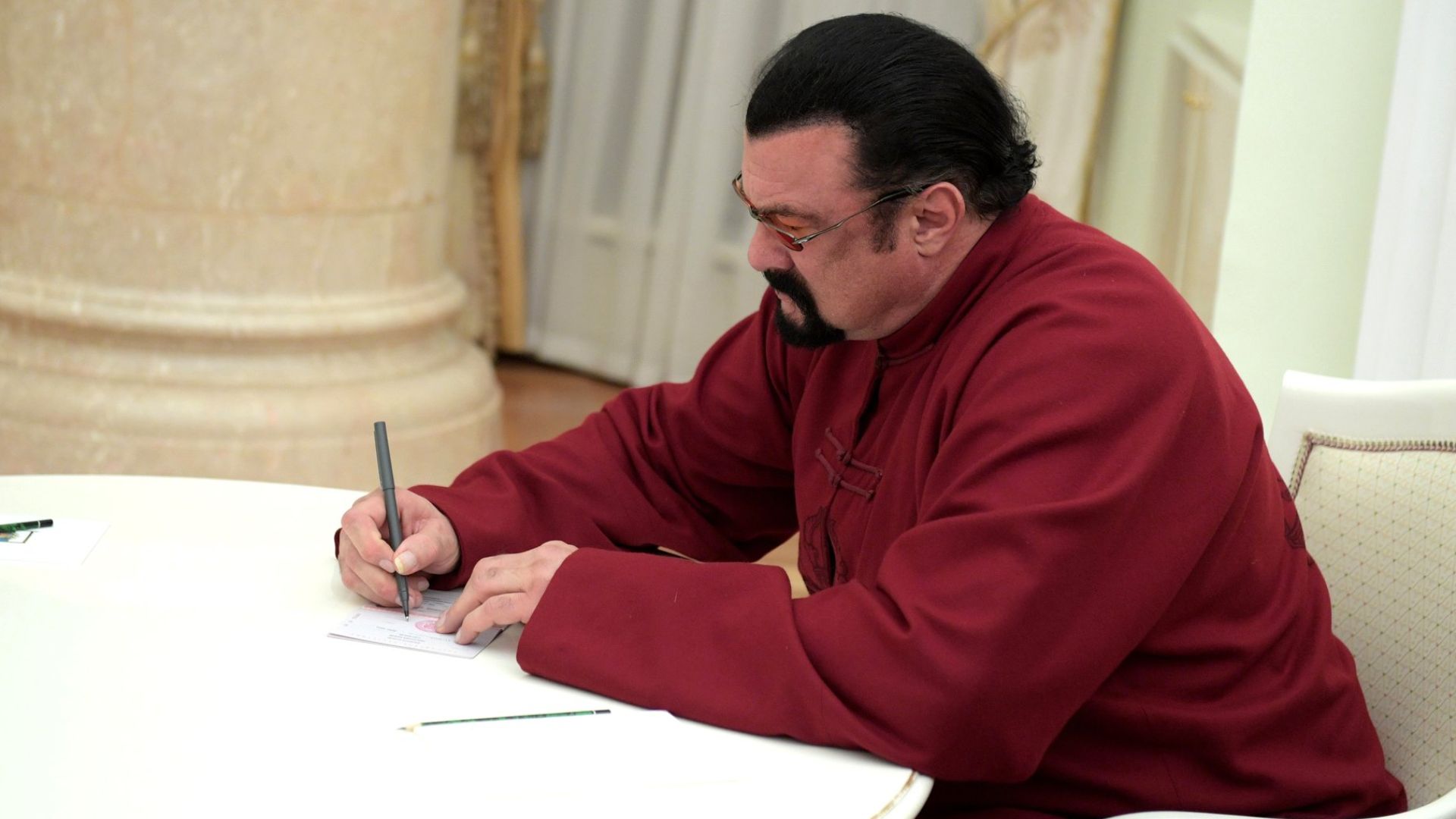 Press Service of the President of Russia, Wikimedia Commons
Cryptocurrency Scandal
It is said that Seagal promoted Bitcoiin2Gen cryptocurrency in 2018 without disclosing that he received millions of dollars for the endorsement, violating securities laws. The SEC forced him to pay over six figures in penalties and disgorgement for failing to reveal his substantial payment for marketing the initial coin offering.

Modern Obscurity
Beyond the Law in 2019, became Seagal's last released film, with no projects announced since then, despite occasionally appearing in pre-production rumors. He remains primarily known for political statements supporting authoritarian regimes rather than filmmaking, which is a stunning fall from his 1992 peak.
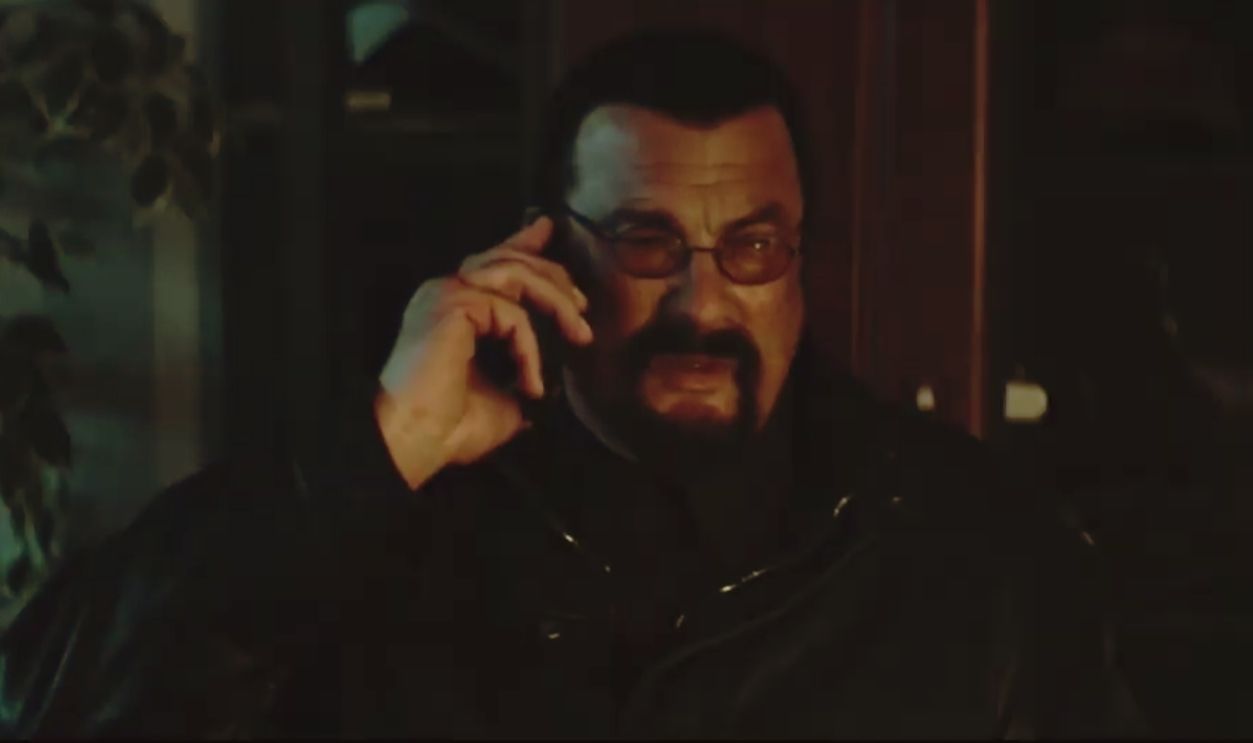 Screenshot from Beyond the Law, Cinedigm (2019)