The Man Who Turned a Diner Owner Into Television Gold
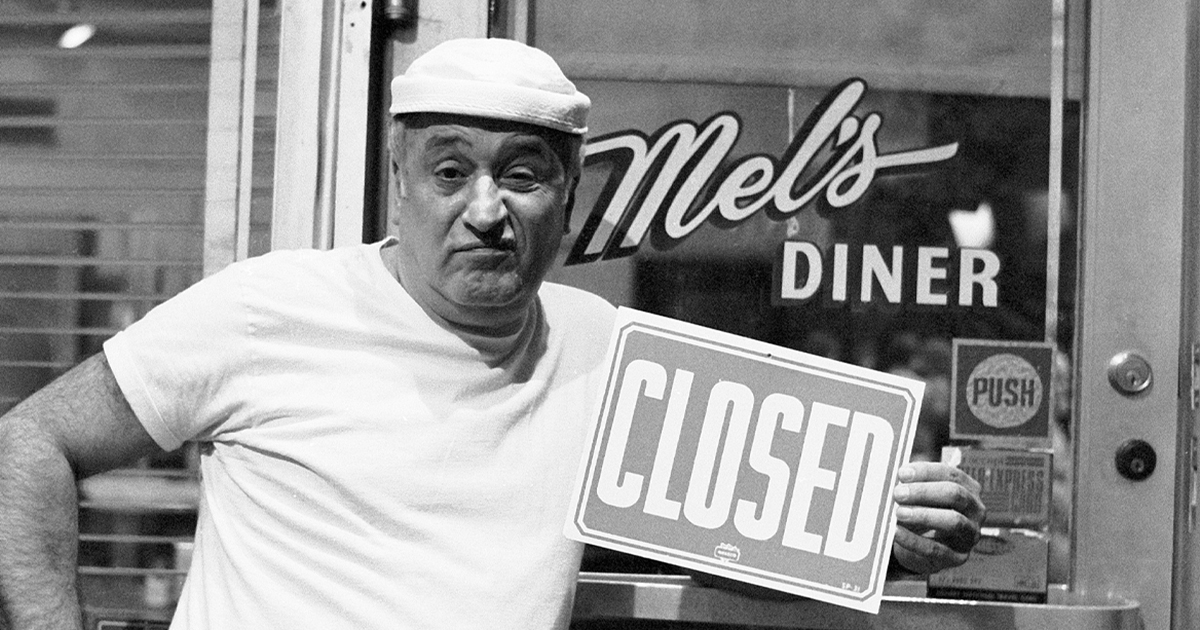
Millions of Americans knew him as Mel Sharples, the cranky but lovable diner owner on Alice. But what made Vic Tayback unforgettable wasn’t just the catchphrases or the scowl. It was the surprising depth, warmth, and grit behind the character.
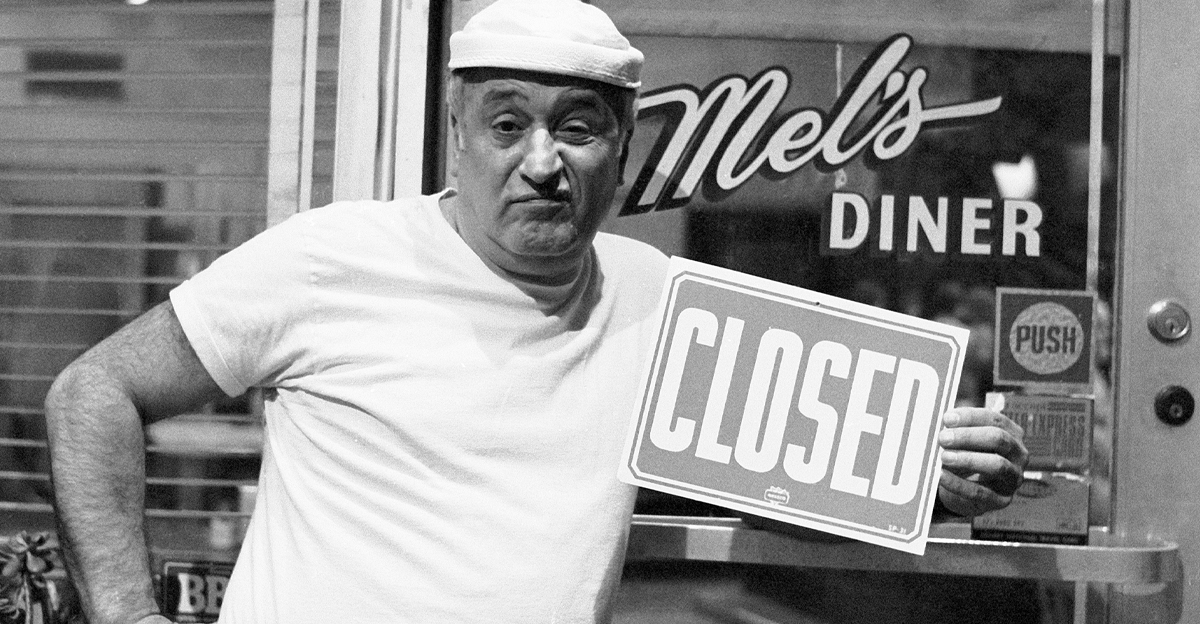
Born for the Stage
Victor Tayback was born January 6, 1930, in Brooklyn, New York. Raised in a working-class family, he grew up around the rhythms of everyday people — the kind who would later inspire the blue-collar authenticity he brought to television.
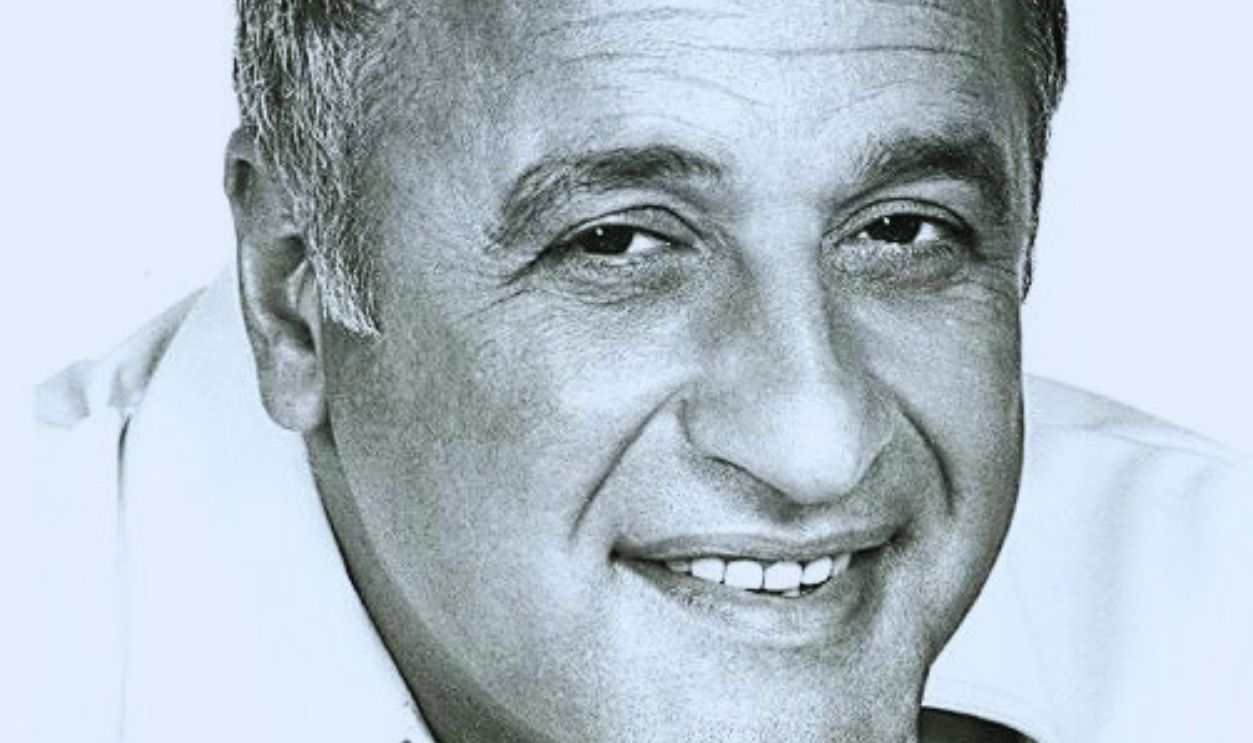 CBS Network, Wikimedia Commons
A Late Start in Hollywood
Unlike many actors who find fame young, Tayback didn’t become a household name until his forties. He spent years studying acting, performing in small theater productions, and taking minor television roles throughout the 1950s and 1960s.
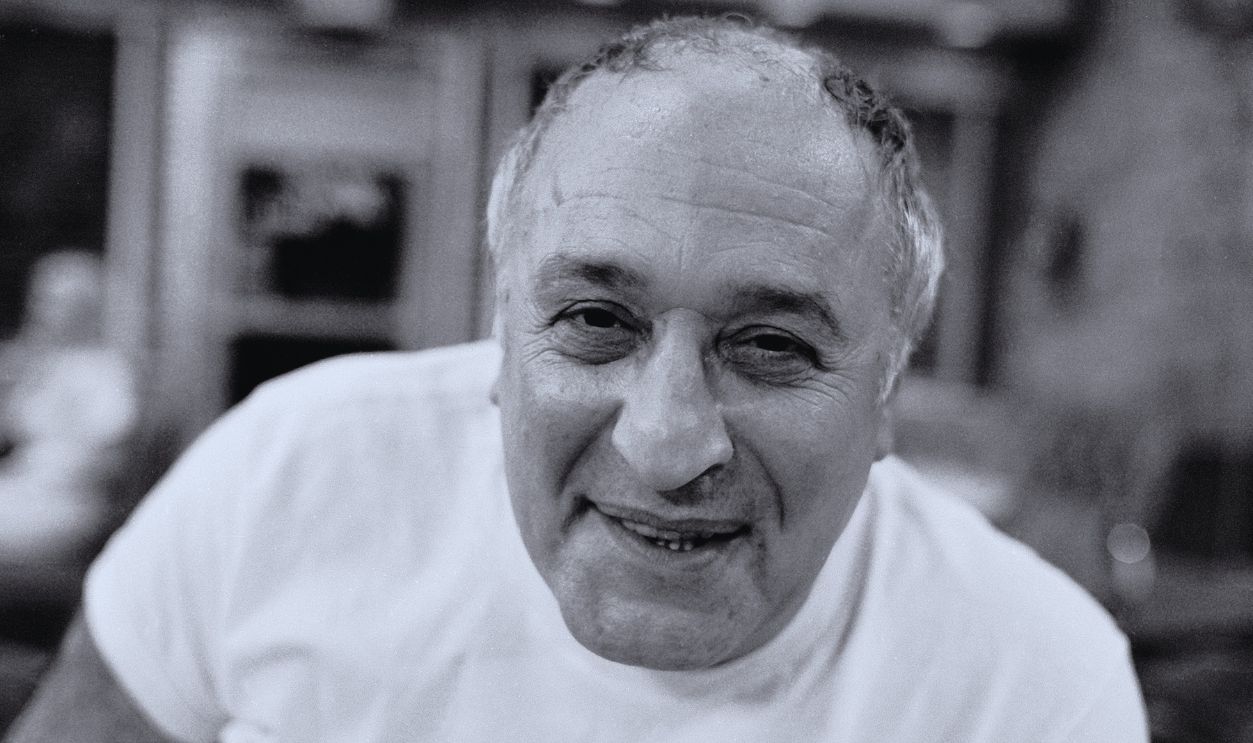
Paying Dues in Bit Parts
Throughout the 1960s, Tayback appeared in shows like The Untouchables, Star Trek, and Bonanza. He was often cast as tough guys, bartenders, or authority figures. He wasn’t flashy — but he was always believable.
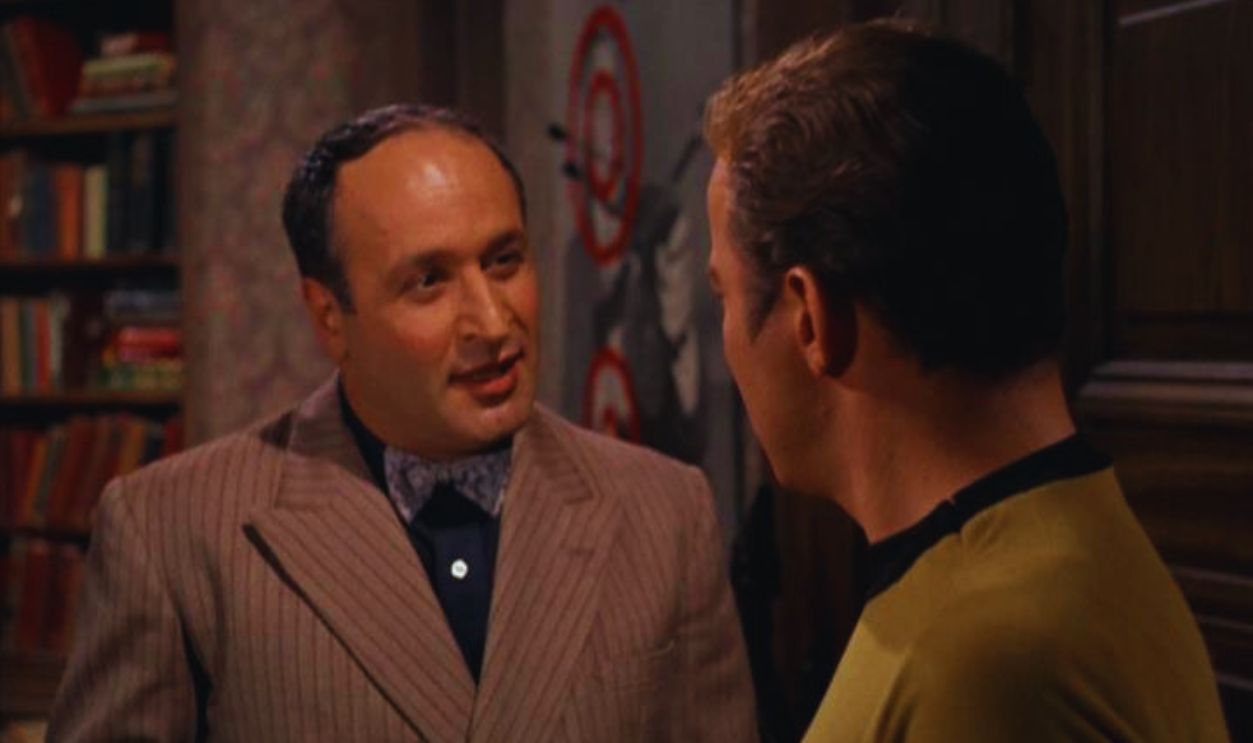 Screenshot from Star Trek, Desilu Productions/Paramount Television (1966–1969)
The Film That Changed Everything
In 1974, Tayback landed the role of Mel Sharples in Martin Scorsese’s film Alice Doesn’t Live Here Anymore, starring Ellen Burstyn. His portrayal of the blunt but oddly tender diner boss stood out.
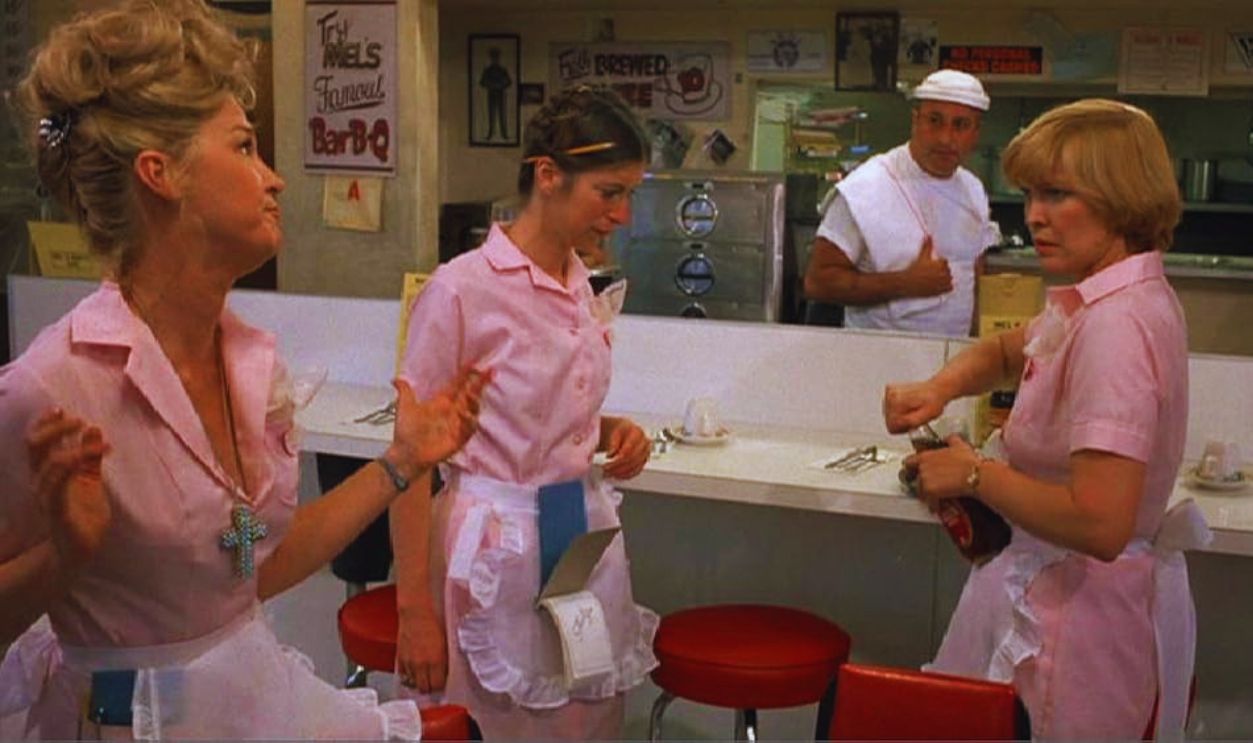 Screenshot from Alice Doesn't Live Here Anymore, Warner Bros. (1974)
From Film to Sitcom
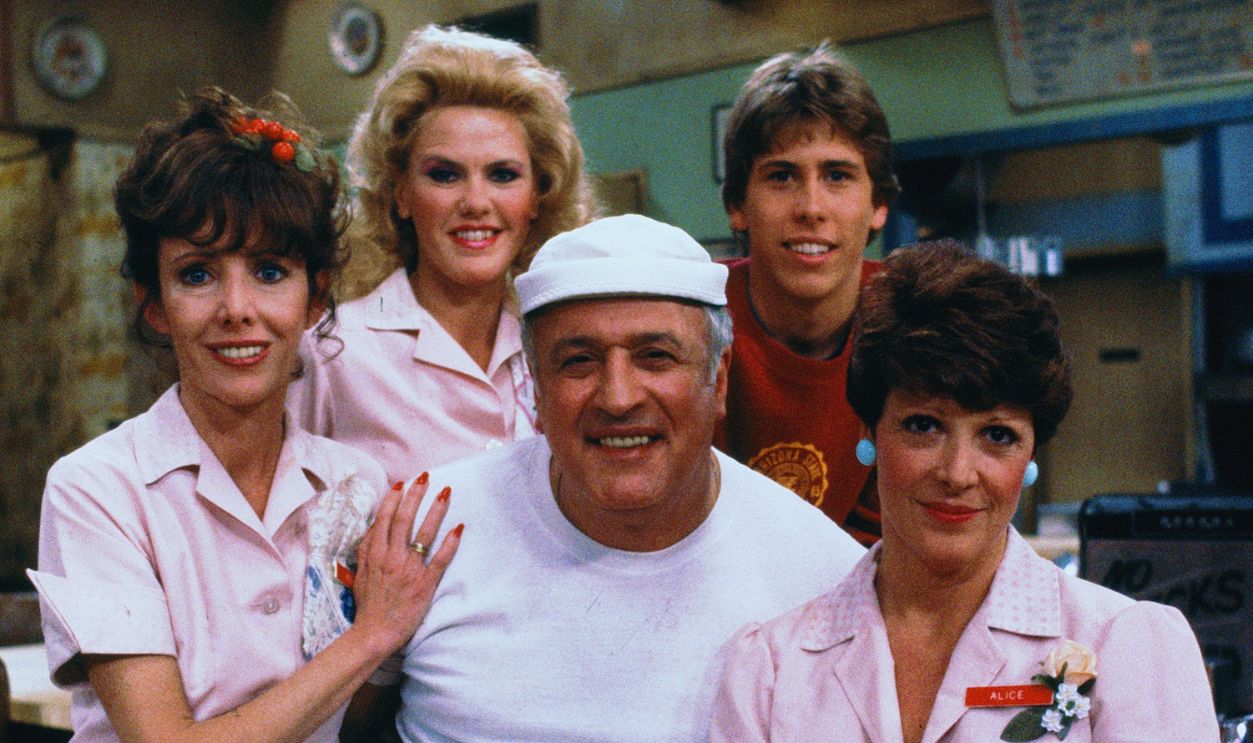
When CBS adapted the film into the sitcom Alice in 1976, Tayback reprised his role. Set in Phoenix, Arizona, the show followed a widowed waitress rebuilding her life. Tayback’s Mel became its heartbeat.
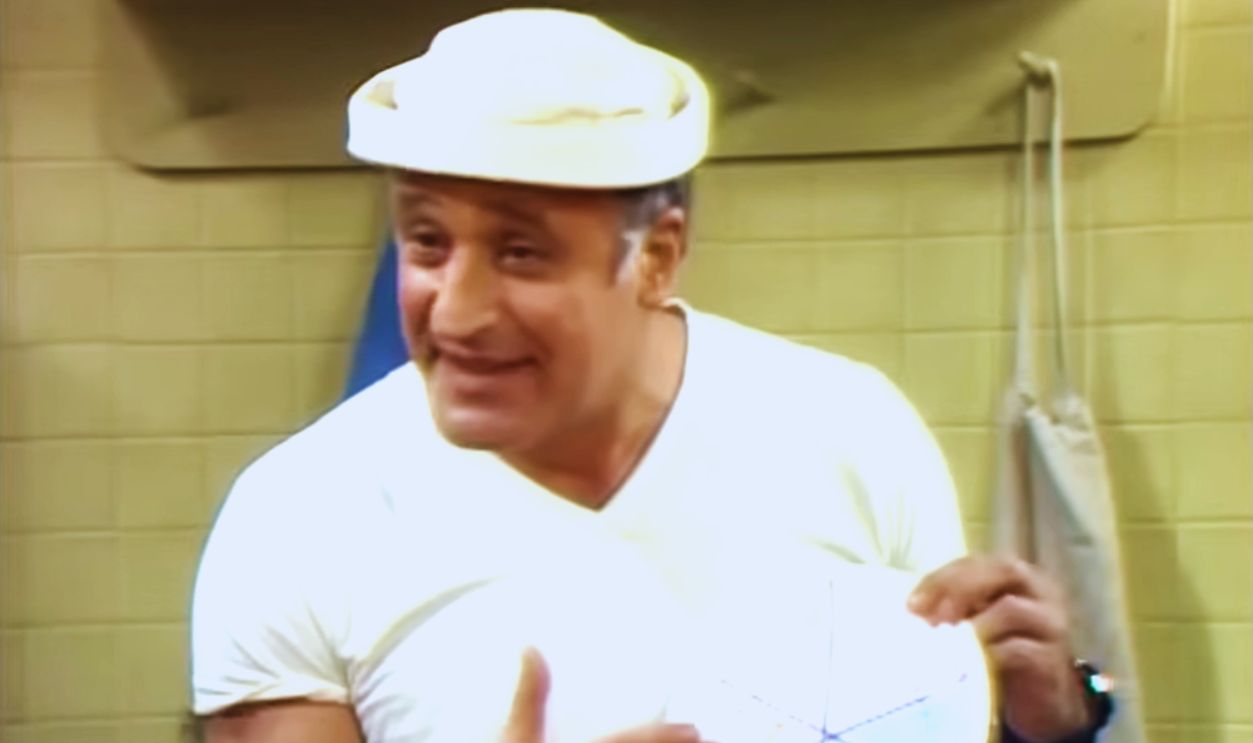 Screenshot from Alice, Warner Bros. Television/CBS (1976–1985)
“Kiss My Grits” and Controlled Chaos
Mel’s diner was a place of sarcasm and shouting matches, especially with Polly Holliday’s character, Flo. Yet Tayback balanced Mel’s bluster with subtle affection. Underneath the gruff exterior was a man who cared deeply.
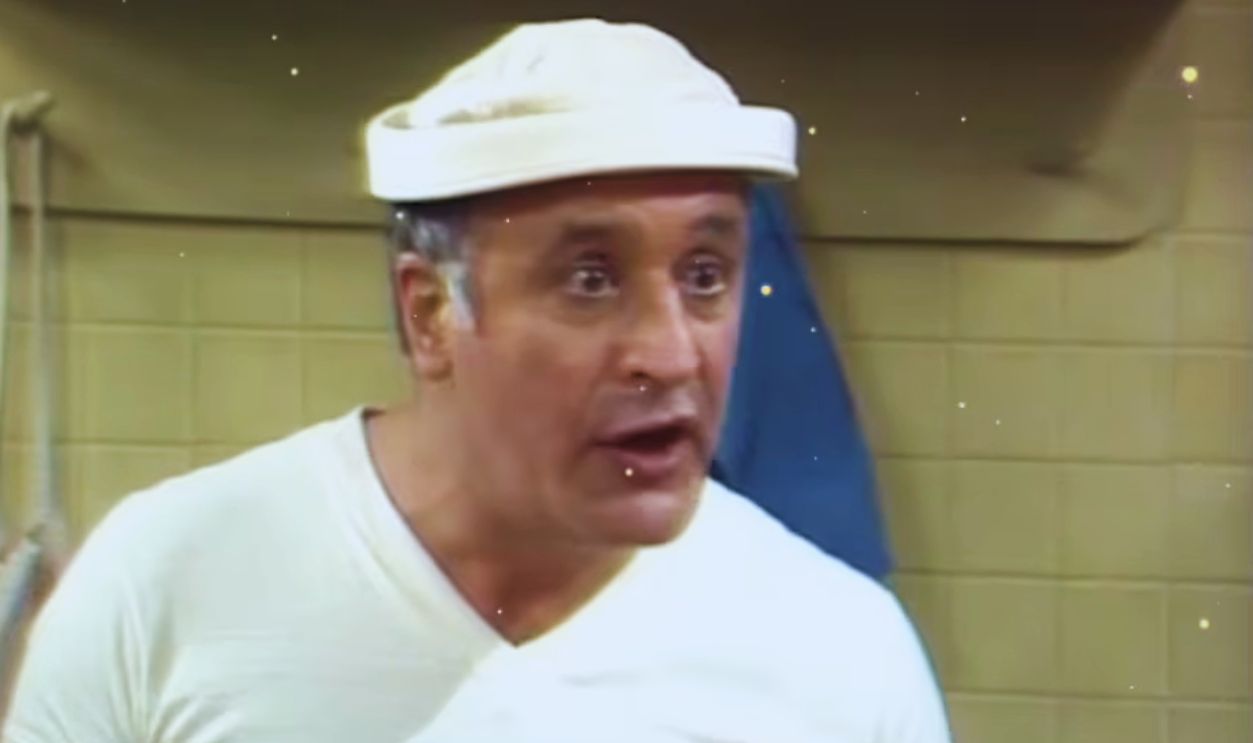 Screenshot from Alice, Warner Bros. Television/CBS (1976–1985)
The Emmy Win
In 1978, Tayback won a Primetime Emmy Award for Outstanding Supporting Actor in a Comedy Series. It was validation after decades of grinding through small roles. Hollywood had finally noticed.
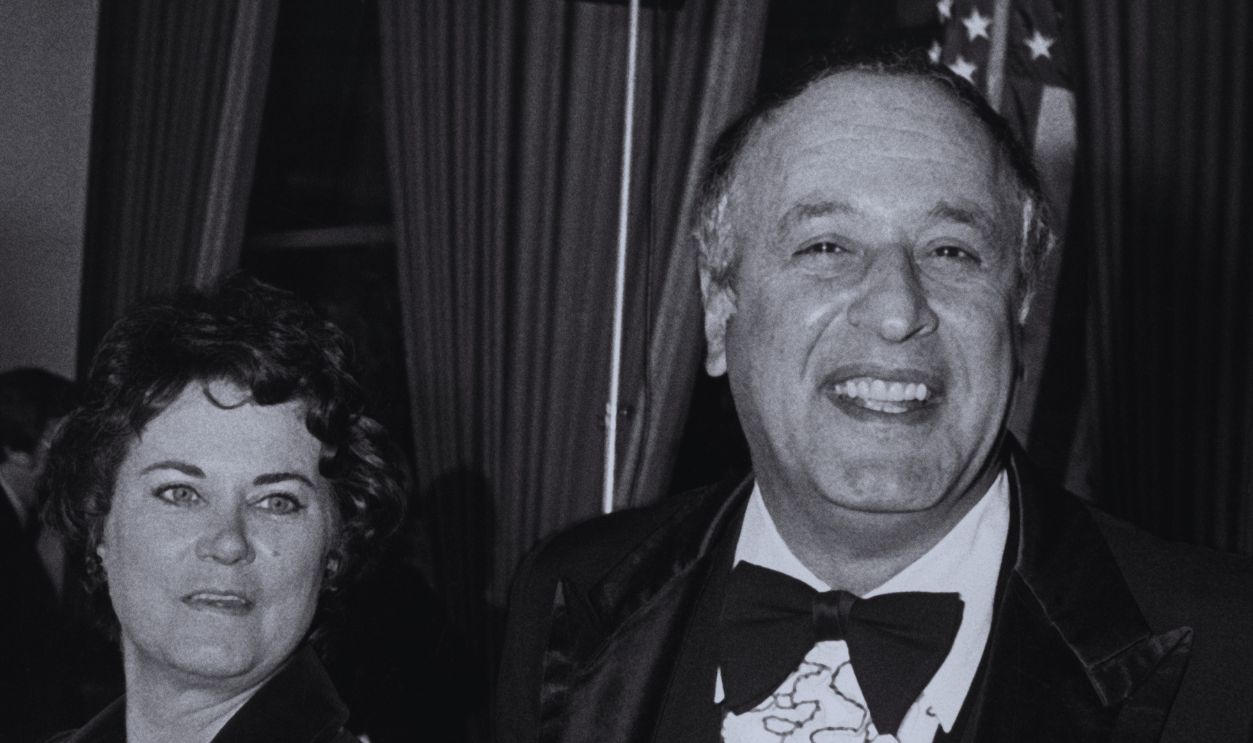
What Made Him So Real
Tayback once said he modeled Mel after men he had known growing up in Brooklyn. He understood stubborn pride and wounded tenderness. That authenticity made the character resonate with audiences.
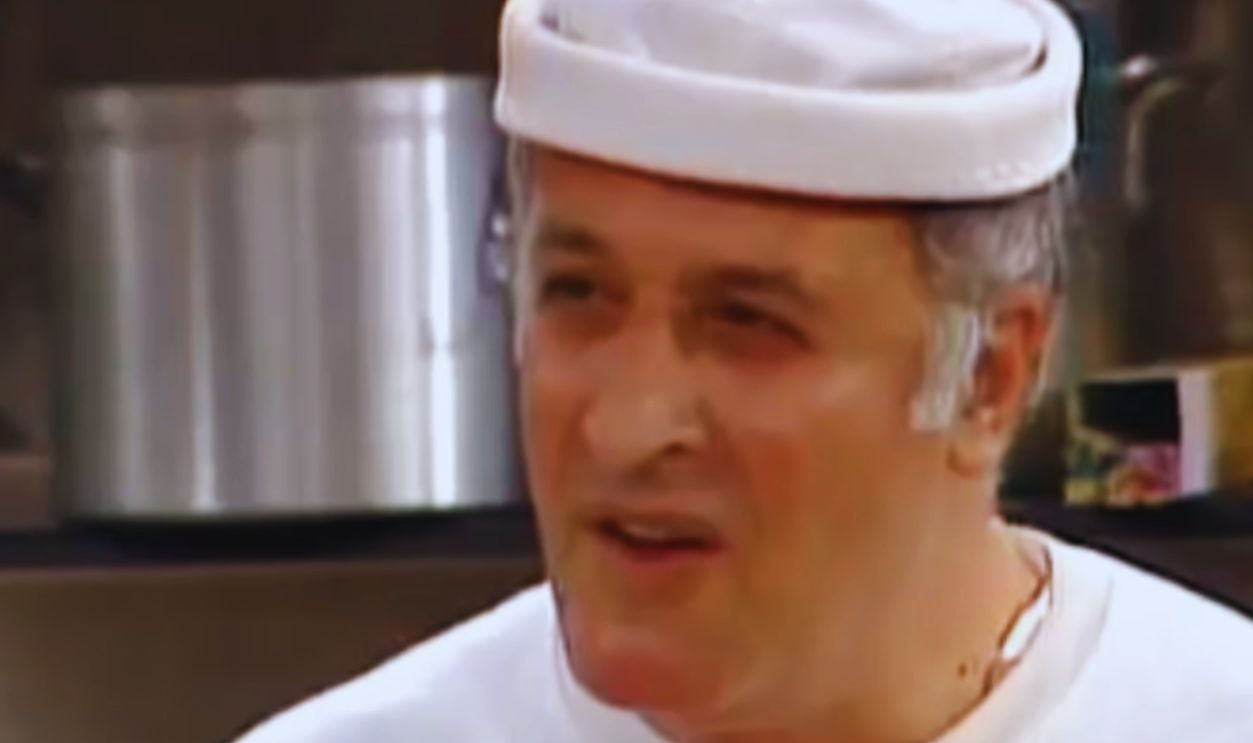 Screenshot from Alice, Warner Bros. Television/CBS (1976–1985)
A Character Actor, Not a Leading Man
Tayback never chased matinee-idol status. He embraced being a character actor — someone who elevated scenes without demanding center stage. That humility made him respected among peers.
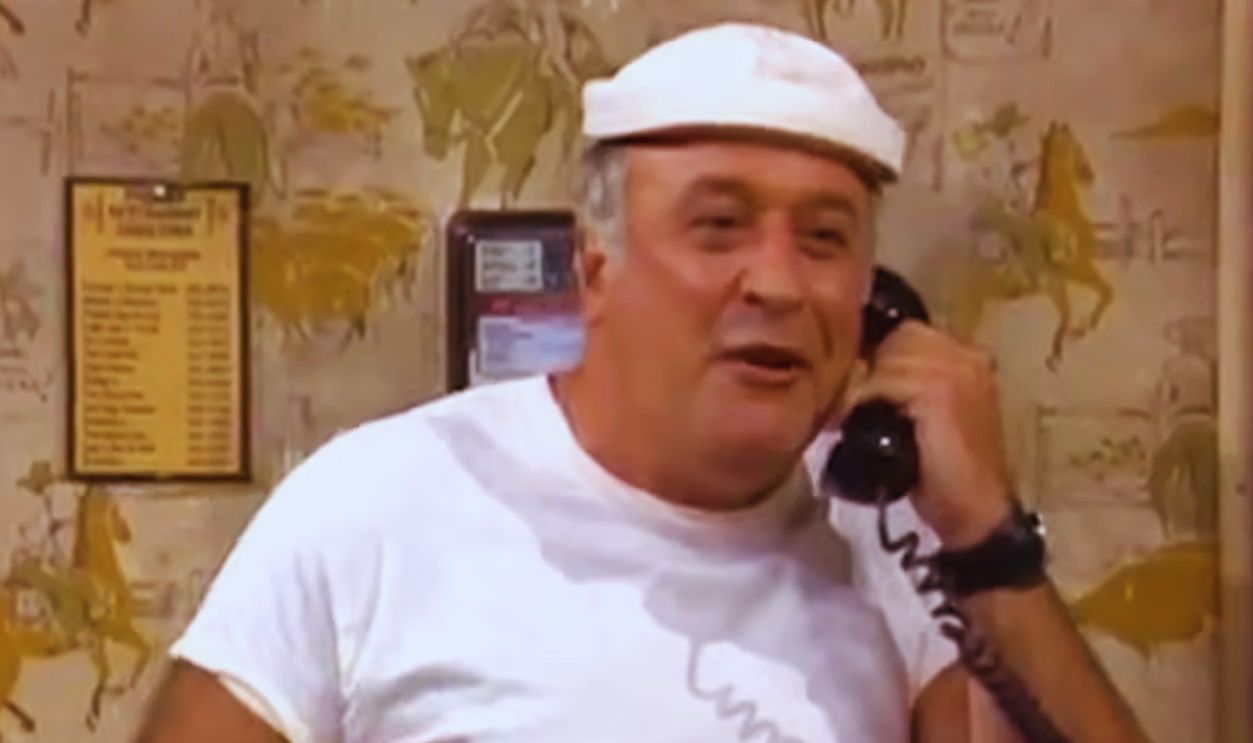 Screenshot from Alice, Warner Bros. Television/CBS (1976–1985)
A Reputation for Professionalism
Co-stars often described Tayback as disciplined and prepared. Linda Lavin, who played Alice, noted that despite Mel’s temper on screen, Tayback was thoughtful and generous behind the scenes.
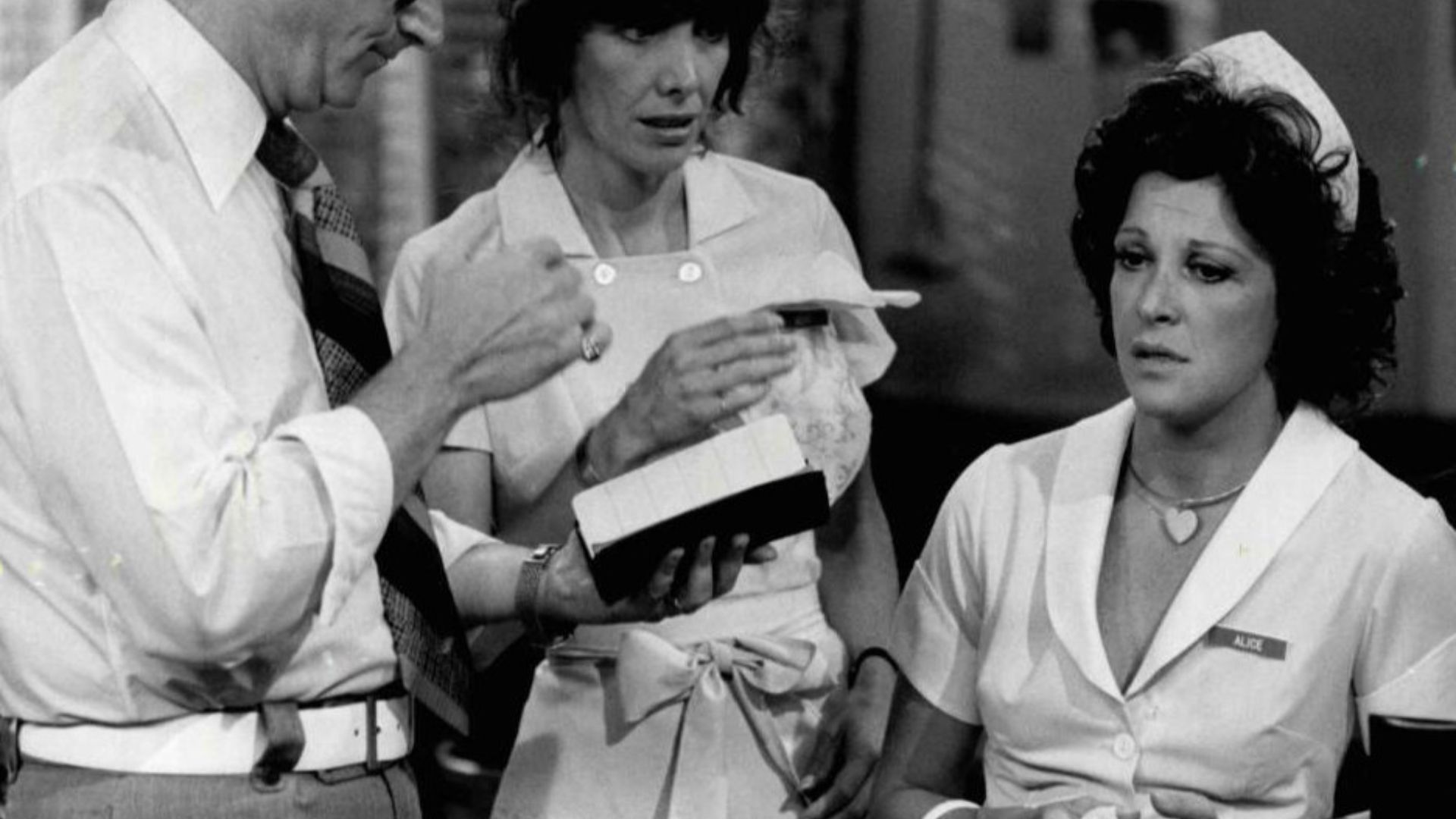 CBS Television, Wikimedia Commons
Directing Behind the Camera
Tayback also directed several episodes of Alice, showing a keen understanding of pacing and comedic timing. He wasn’t just an actor delivering lines; he understood the mechanics of storytelling.
A Passion for Opera
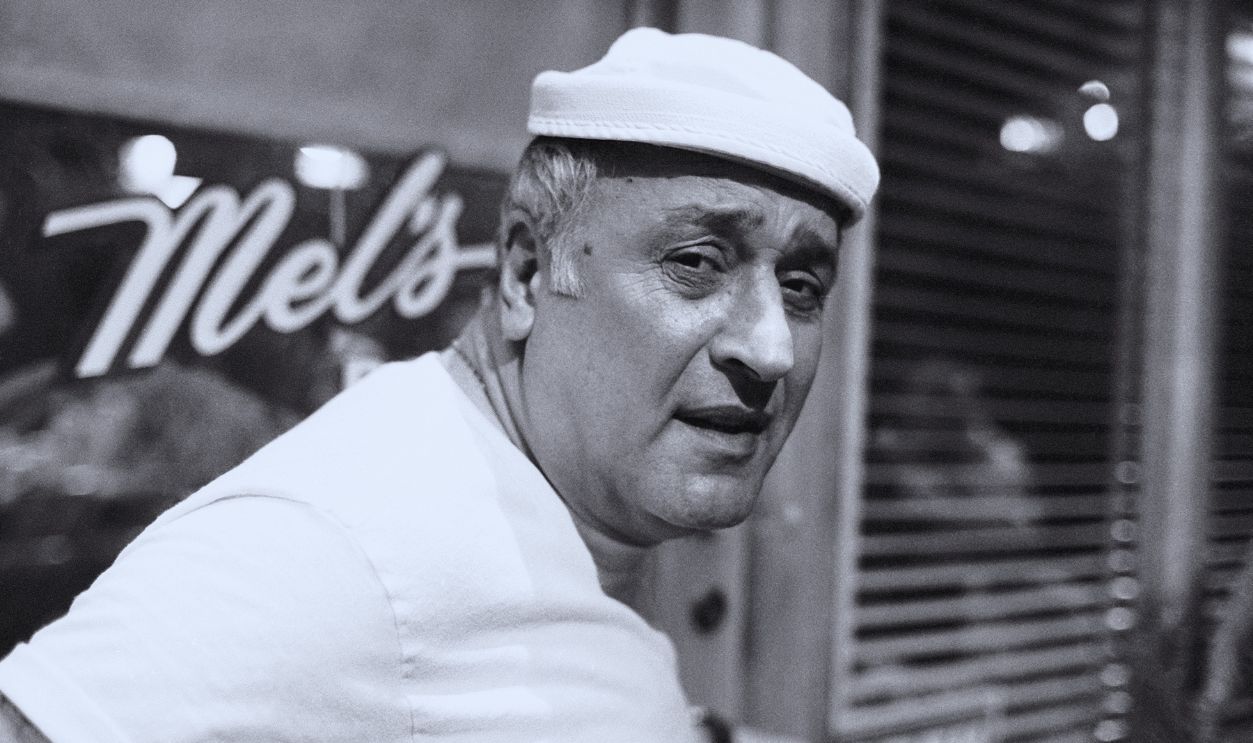
Away from television, Tayback loved opera and classical music. He even founded an opera company in California later in life. The gruff diner owner had a surprisingly refined artistic side.
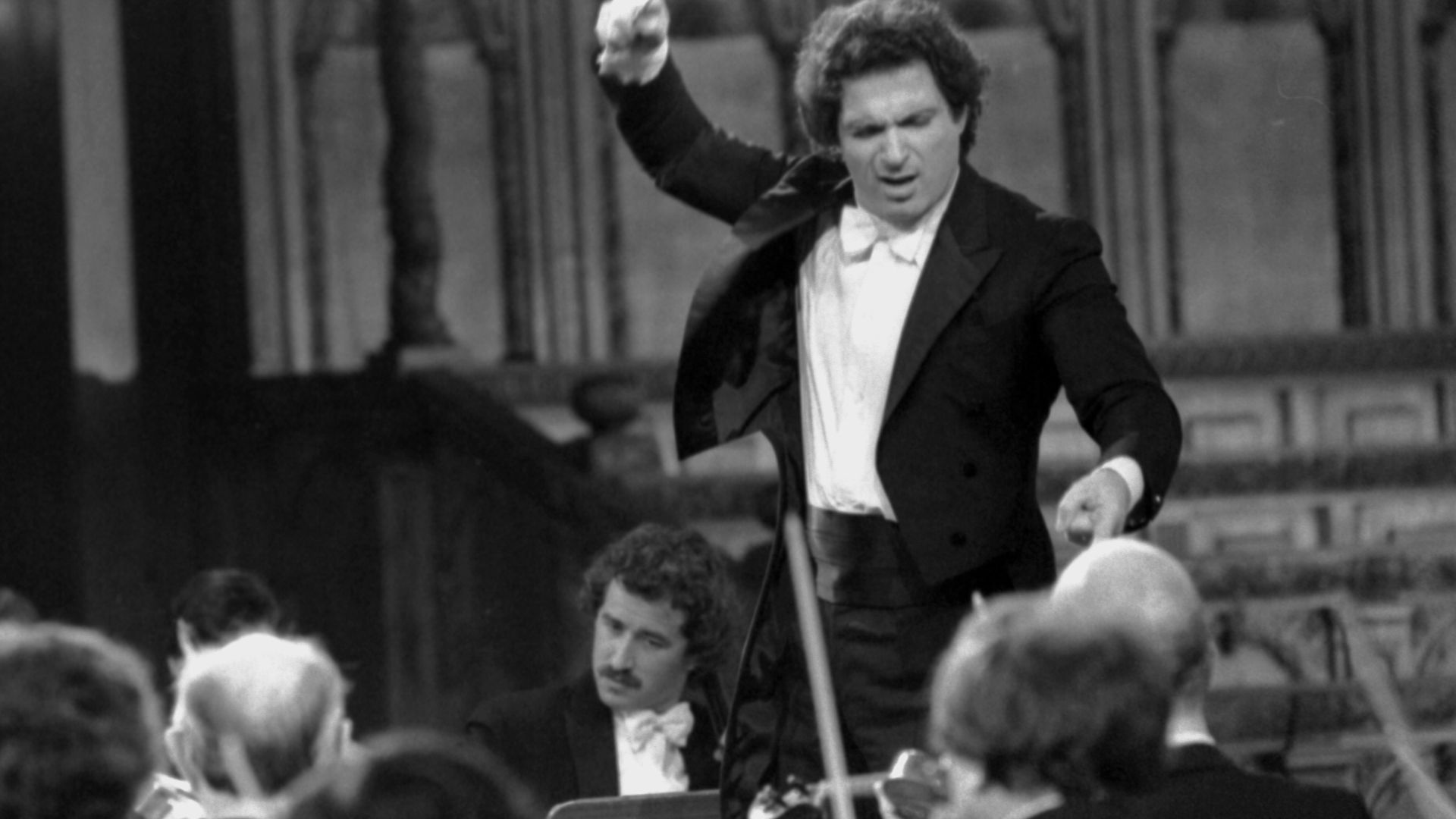 Claude TRUONG-NGOC, Wikimedia Commons
The Power of Longevity
Alice ran for nine seasons, from 1976 to 1985. In a television era where shows came and went quickly, Tayback’s steady presence helped anchor the series for nearly a decade.
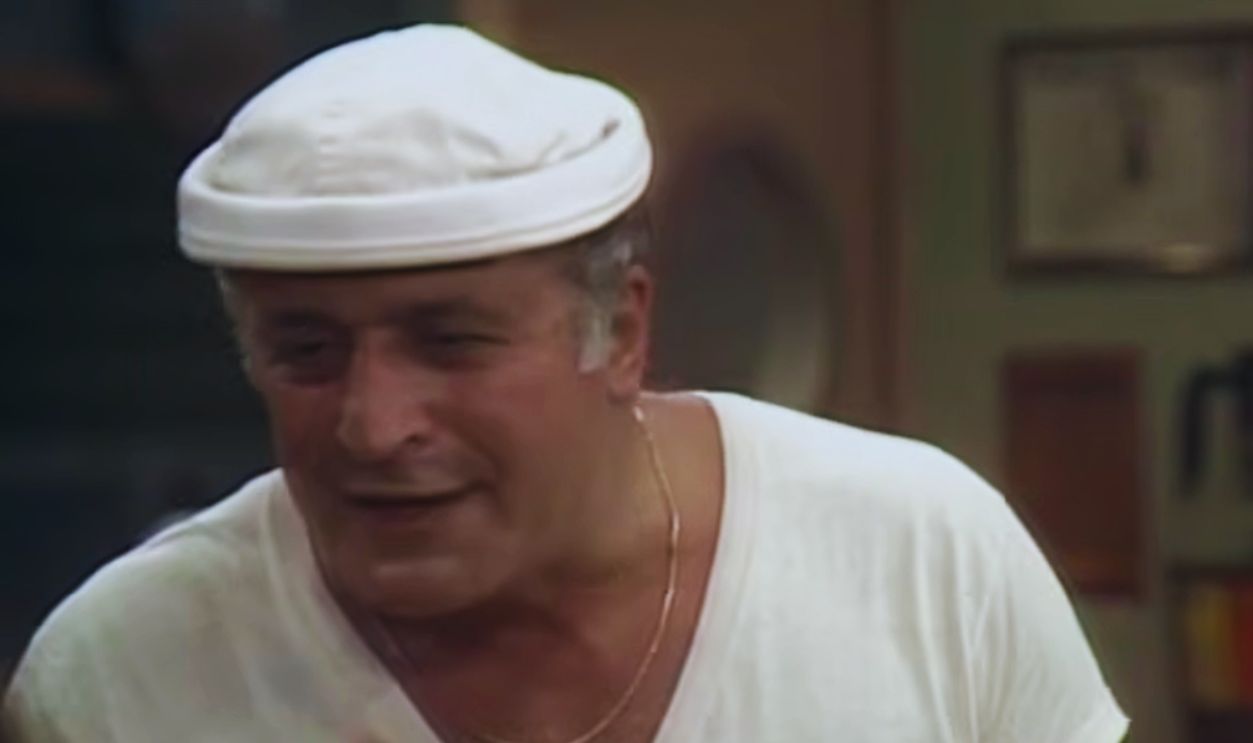 Screenshot from Alice, Warner Bros. Television/CBS (1976–1985)
No Interest in Flashy Fame
While some actors leveraged sitcom success into movie careers, Tayback remained content with his niche. He valued steady work over chasing blockbuster headlines.
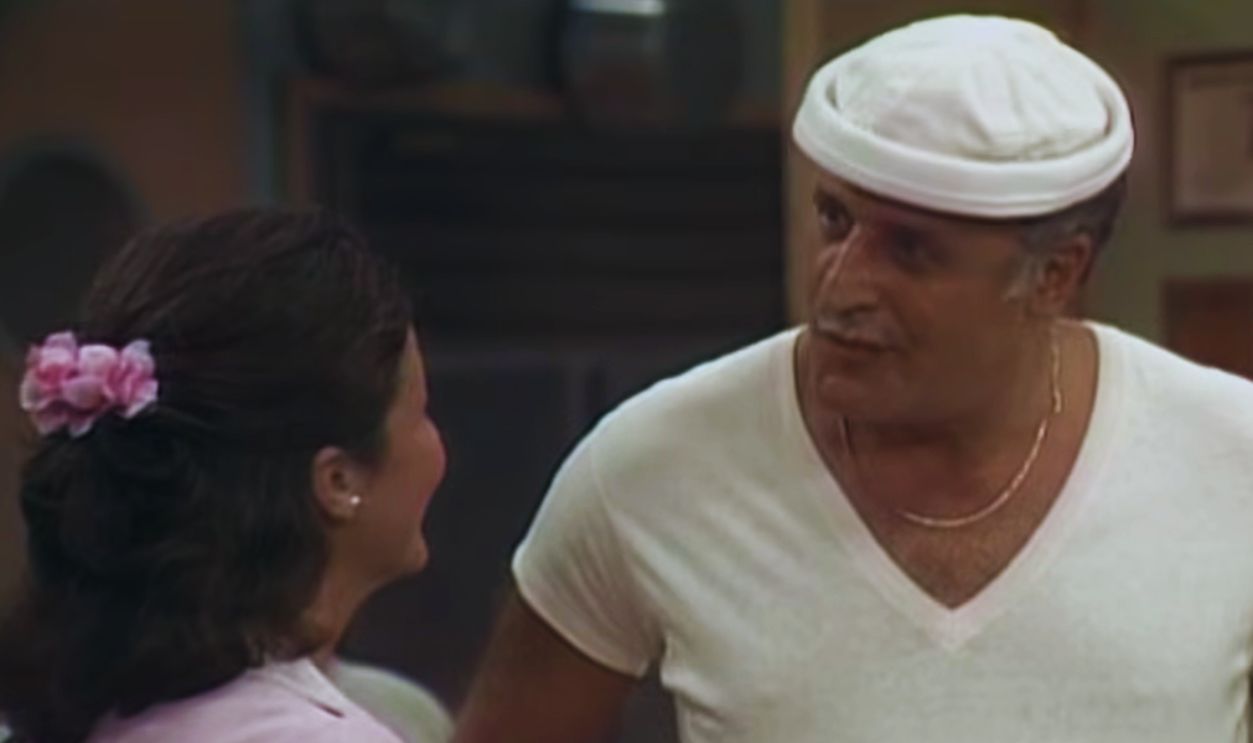 Screenshot from Alice, Warner Bros. Television/CBS (1976–1985)
Health Struggles Behind the Scenes
In the mid-1980s, Tayback began experiencing health problems. Though he kept working, those close to him noticed he tired more easily during filming.
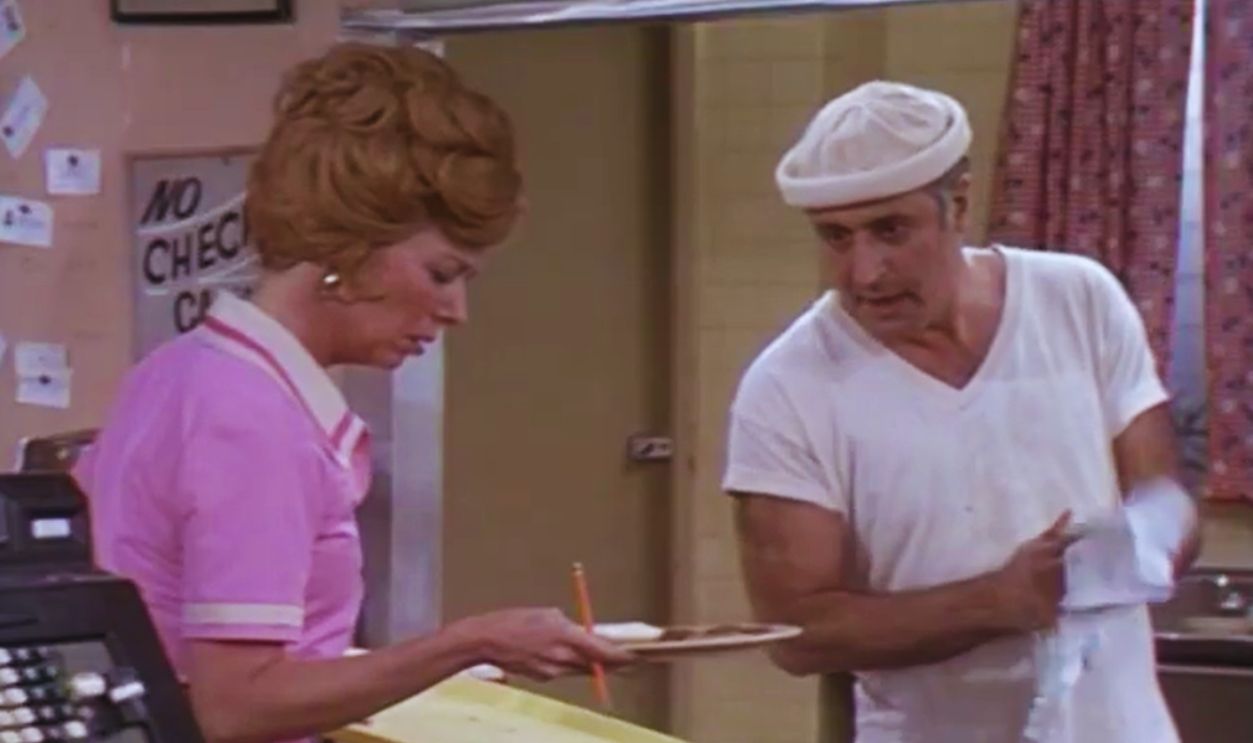 Screenshot from Alice, Warner Bros. Television/CBS (1976–1985)
The End of Alice
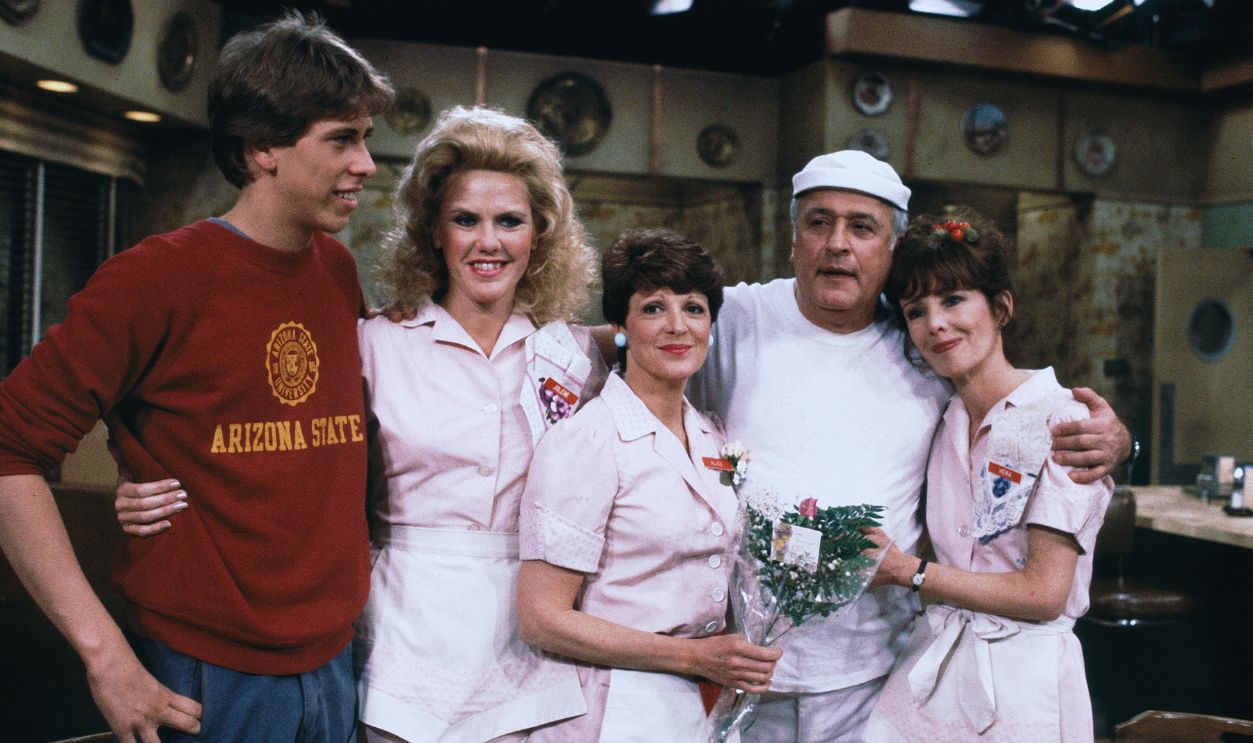
When Alice ended in 1985, Tayback had become synonymous with Mel Sharples. Unlike some actors who struggle after a defining role, he seemed at peace with his legacy.
A Final Performance
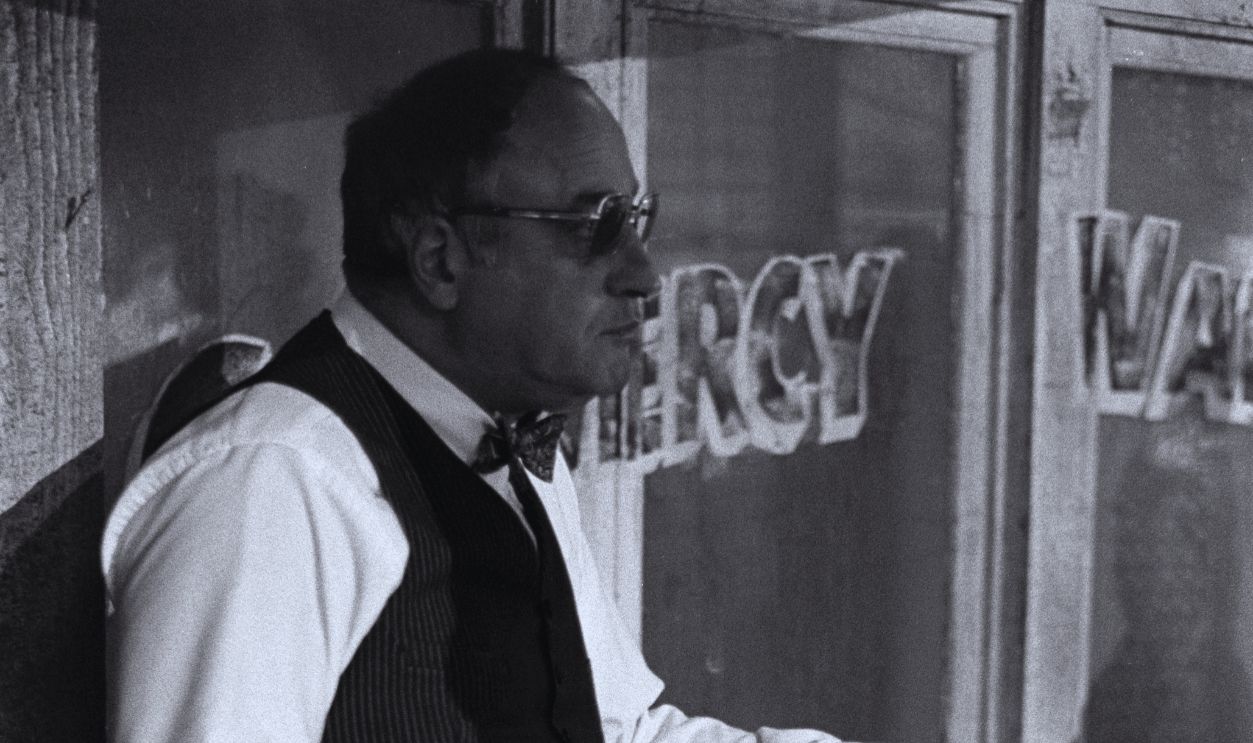
Tayback made a few television appearances after Alice, but his health continued to decline. He quietly stepped back from the spotlight.
His Passing
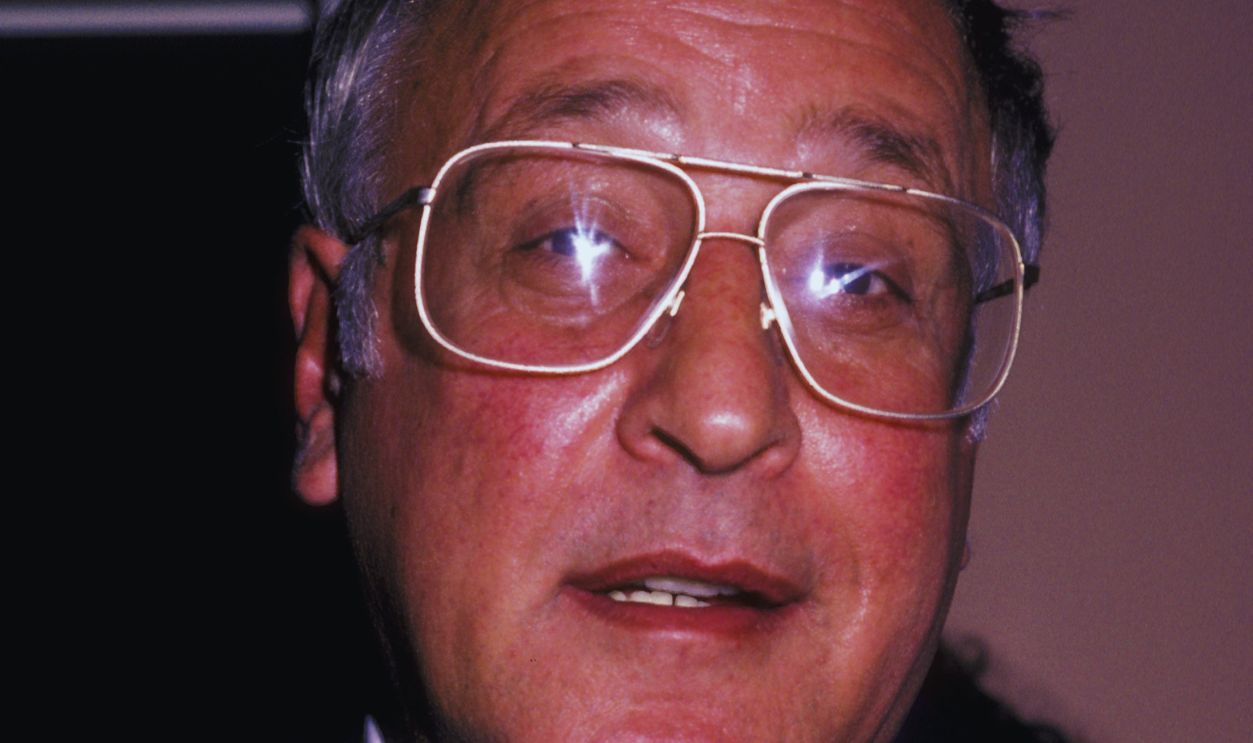
Vic Tayback passed on May 25, 1990, in Glendale, California, at age 60 after a heart attack. The news saddened fans who had grown up with his booming voice echoing from television sets.
Tributes From Co-Stars
Linda Lavin remembered him as a true professional. Fellow cast members often spoke of his kindness and steady presence, describing him as the glue that held the ensemble together.
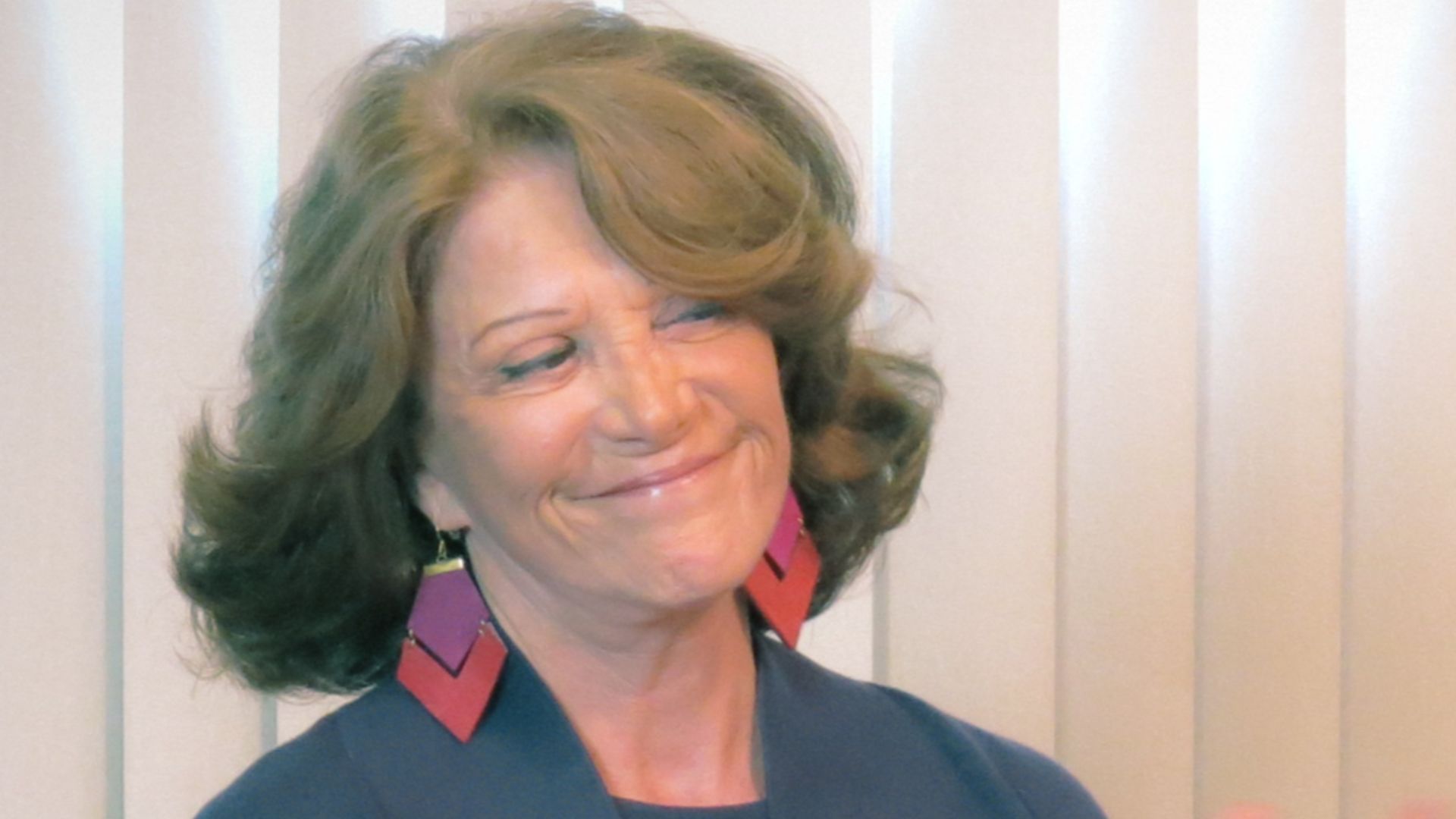 Louise Palanker, Wikimedia Commons
More Than a Catchphrase
While audiences remember Mel’s sharp tongue, Tayback’s talent lay in showing vulnerability beneath sarcasm. He made a loud character layered and human.
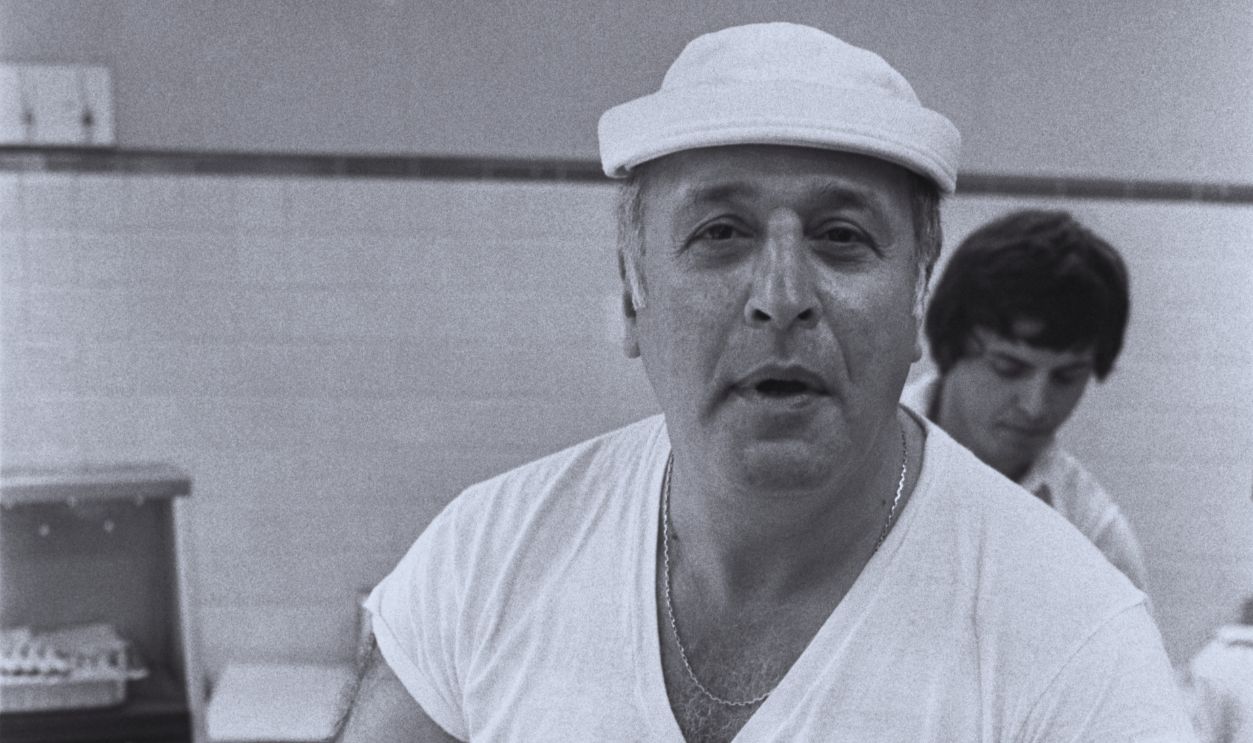
The Blueprint for Sitcom Bosses
Many later sitcom authority figures followed the template Tayback perfected: tough exterior, hidden heart. His influence quietly shaped television comedy for decades.
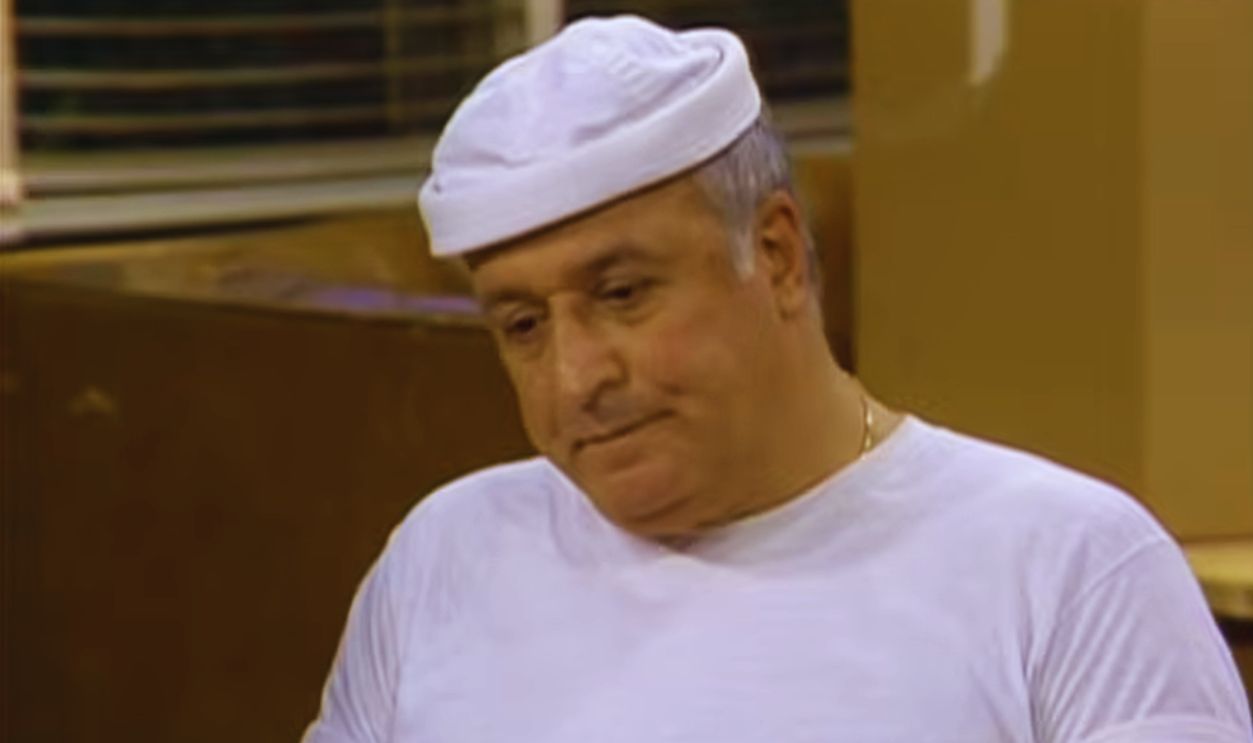 Screenshot from Alice, Warner Bros. Television/CBS (1976–1985)
Why He Endures
What made Vic Tayback unforgettable wasn’t scandal or controversy. It was reliability. He showed up prepared, delivered consistently, and made viewers believe in the world he inhabited.
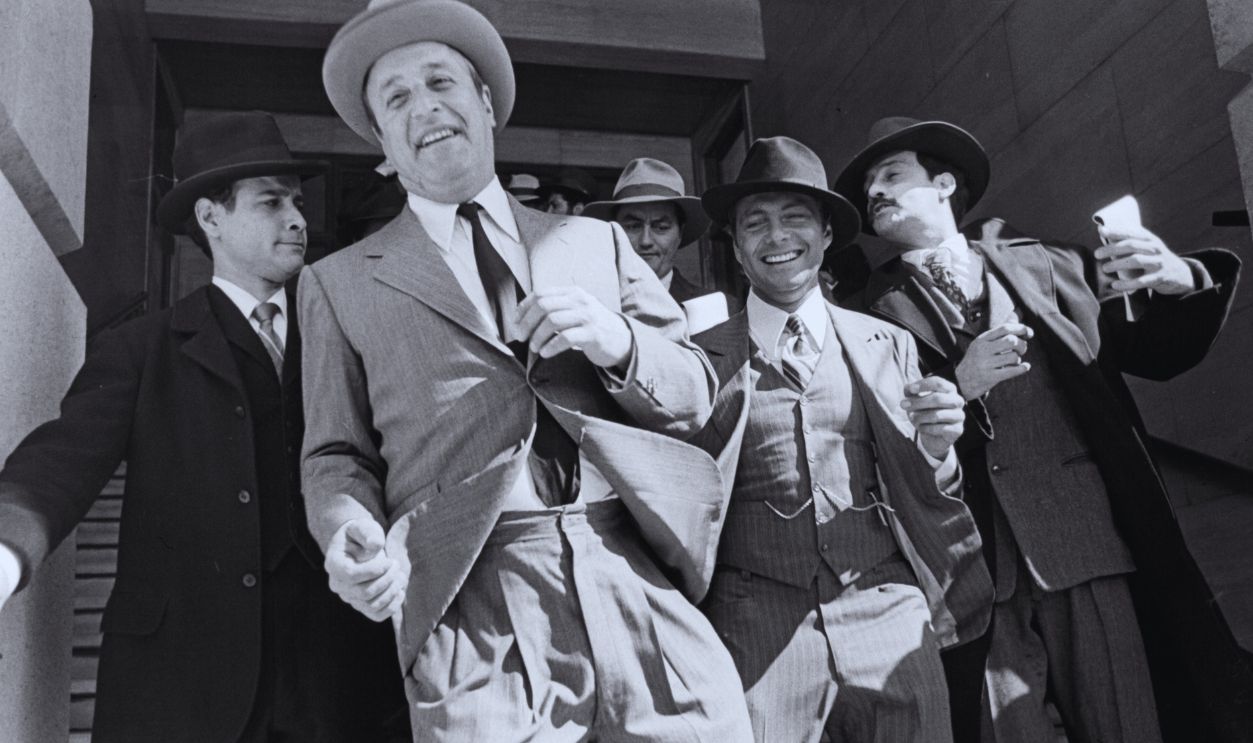 Michael Ochs Archives, Getty Images
A Working Actor’s Legacy
In an industry obsessed with leading men, Tayback proved that character actors can define a show. He didn’t need to be glamorous. He just needed to be real.
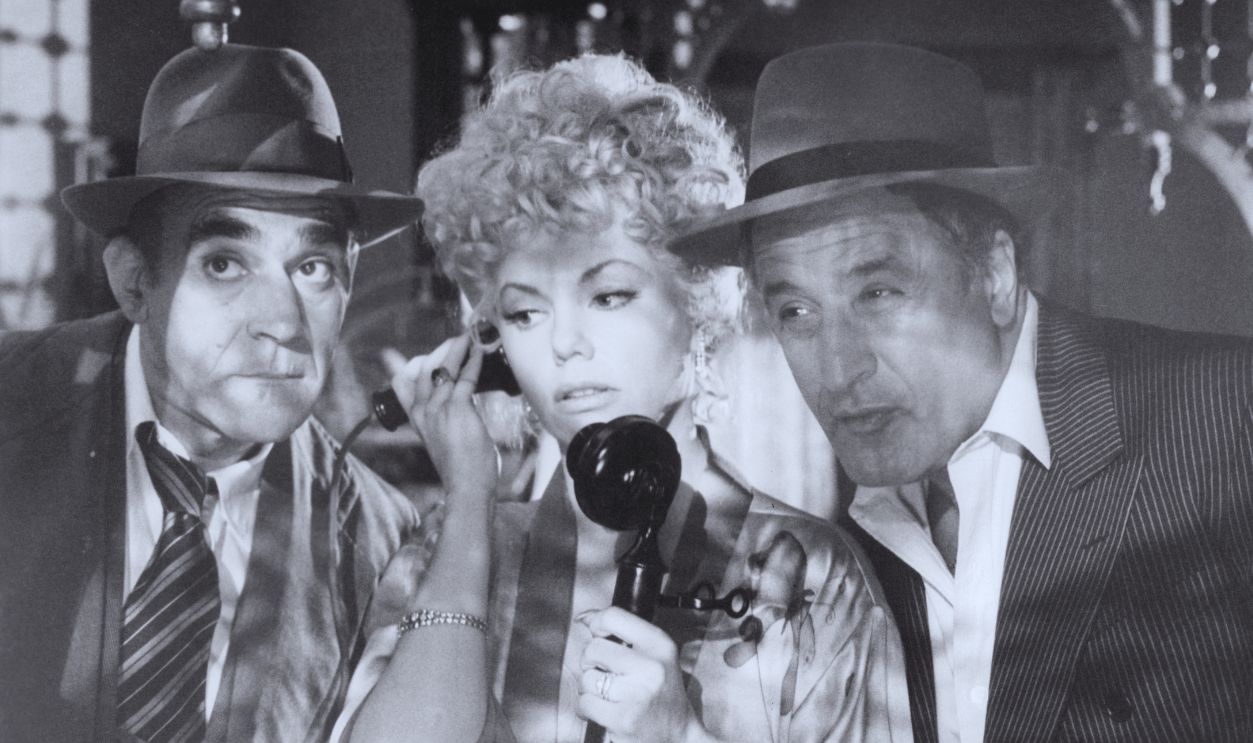 Michael Ochs Archives, Getty Images
The Quiet Power of Vic Tayback
Vic Tayback turned a fictional diner owner into an American television icon. Decades later, Mel Sharples still feels familiar — like someone we’ve known all our lives.
You May Also Like:
While famous across America for his role as Uncle Jesse on The Dukes of Hazzard—Denver Pyle never truly lived like a Hollywood star.
Behind his wholesome television persona, Bob Crane led a double life that shocked even the darkest corners of Hollywood.