He Was Born For Old Hollywood
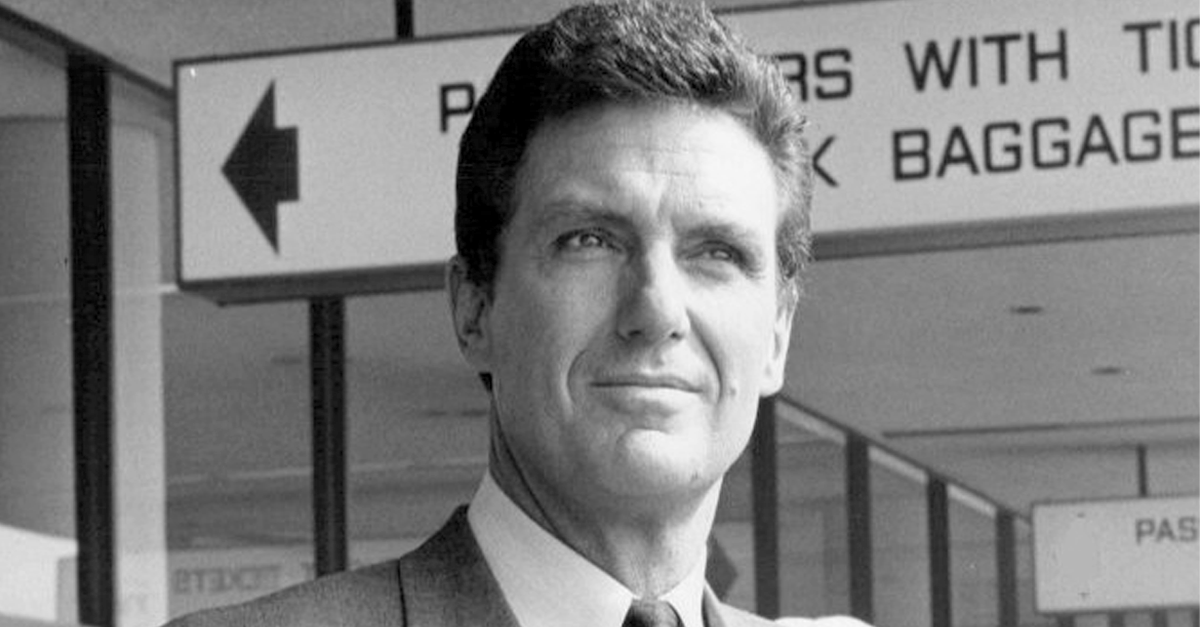
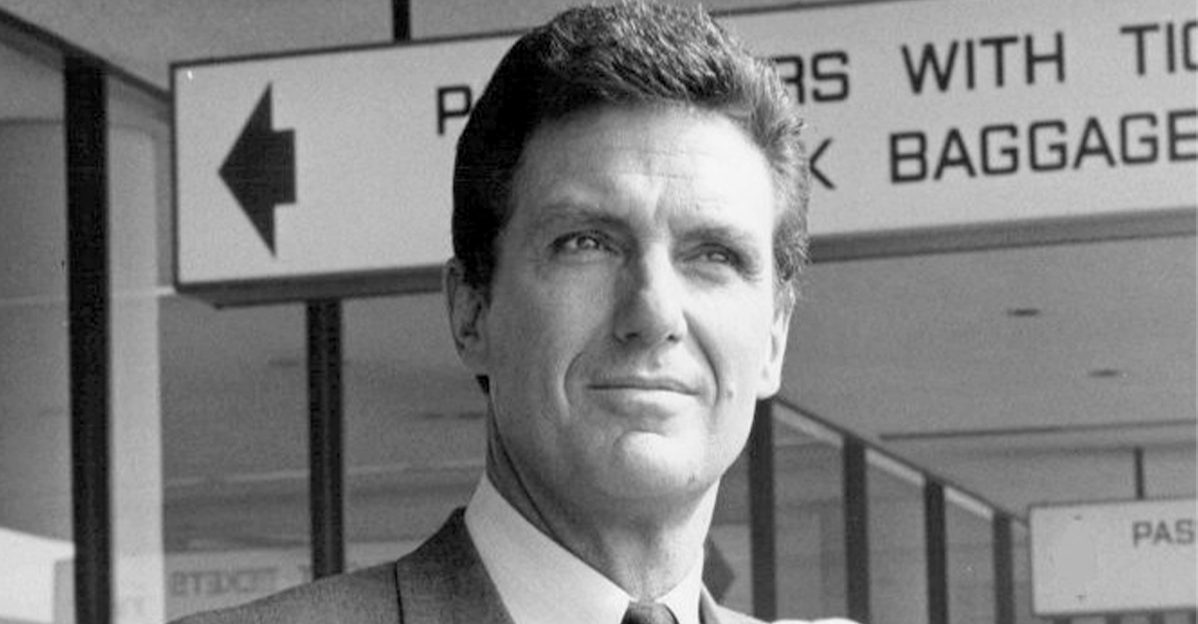
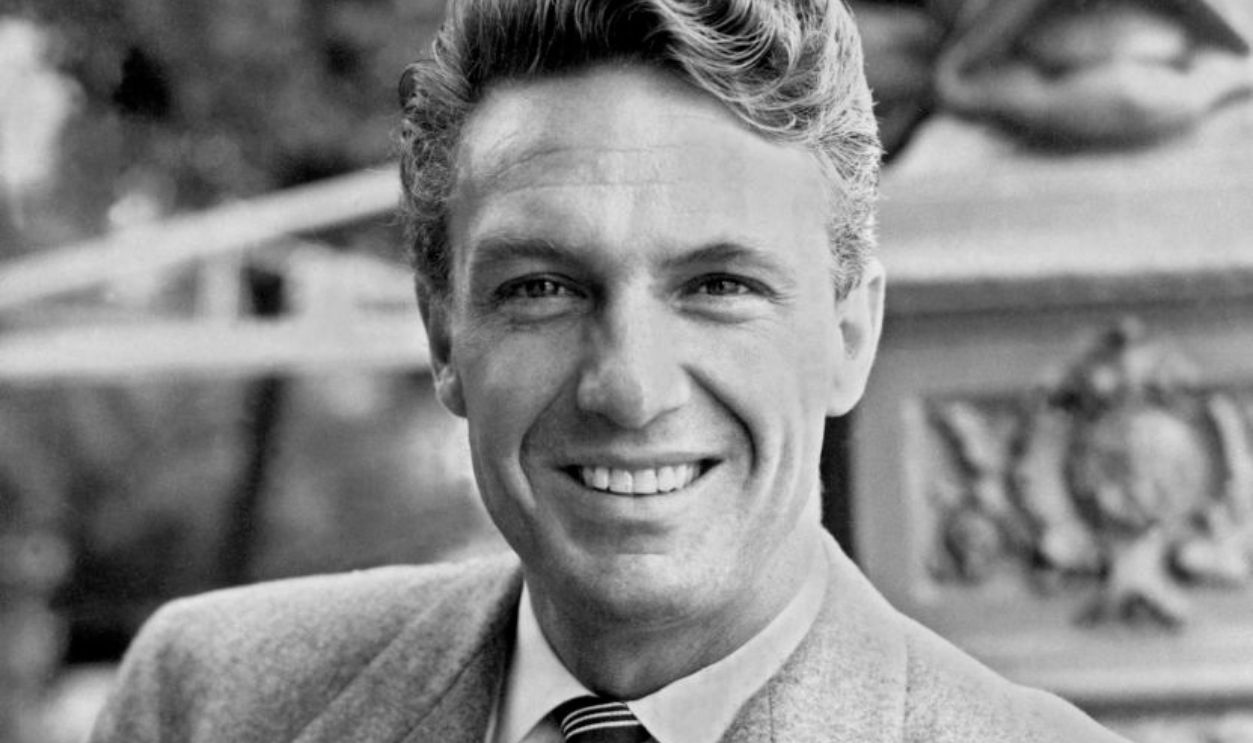
Robert Stack was born in Los Angeles on January 13, 1919, long before he became one of television’s most recognizable voices. His career would eventually stretch from glossy studio-era movies to weekly true-crime storytelling, but that journey was anything but predictable.
 NBC Television, Wikimedia Commons
His First Break Came Fast
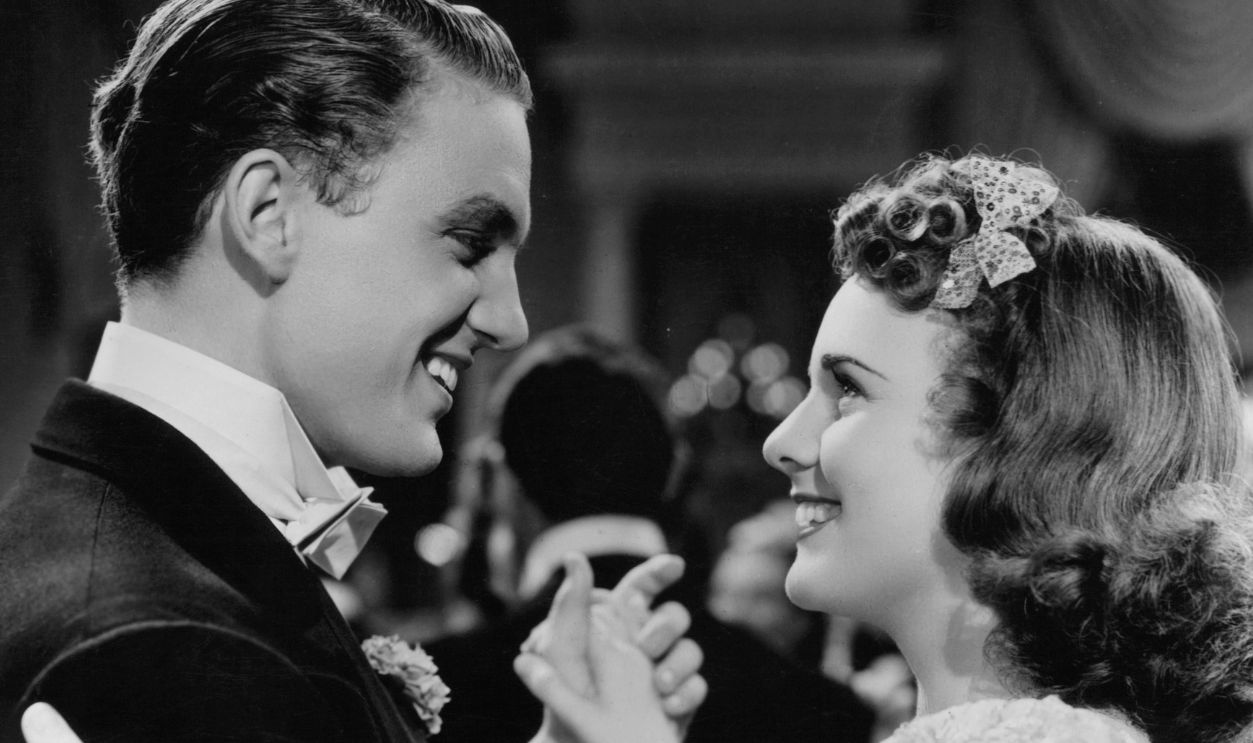
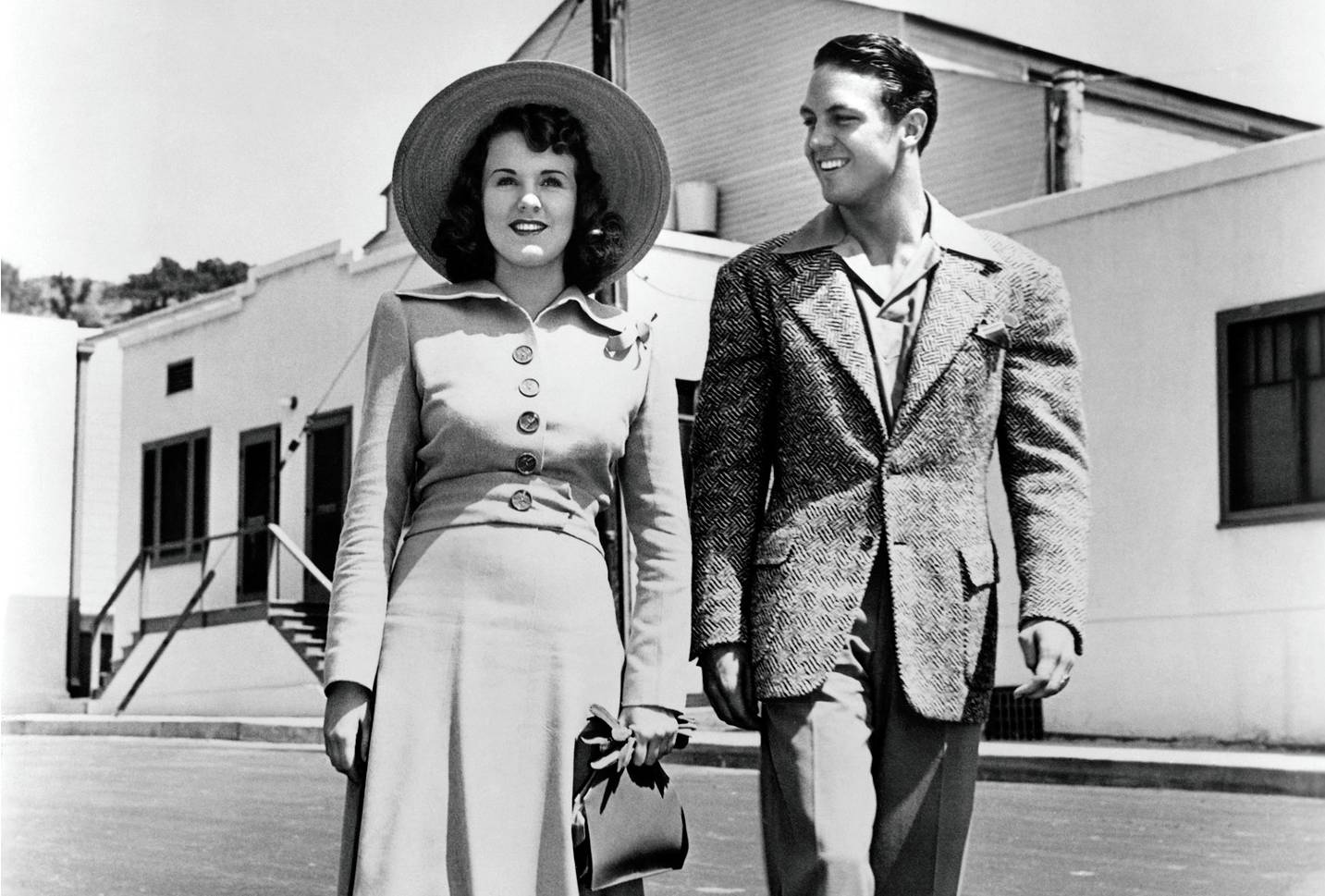
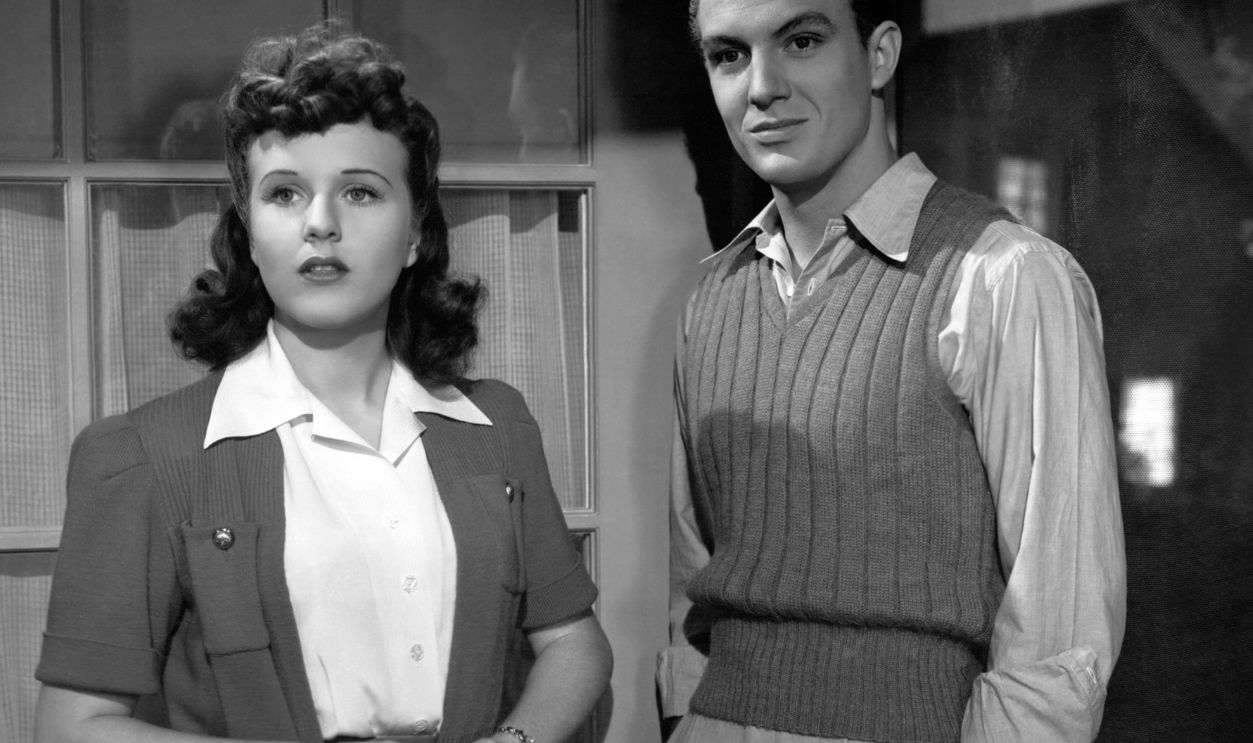
Stack made his film debut in First Love, the 1939 Deanna Durbin musical. He was only 20 when audiences first saw him as Ted Drake. The role instantly placed him inside the old studio system.
A Famous Kiss Helped Introduce Him
First Love became known partly because it featured Deanna Durbin’s first screen kiss. Stack was the actor in that highly publicized moment. It was a very Hollywood way to begin a career that later became much darker and more serious.
 Donaldson Collection, Getty Images
He Quickly Moved Into Heavier Films
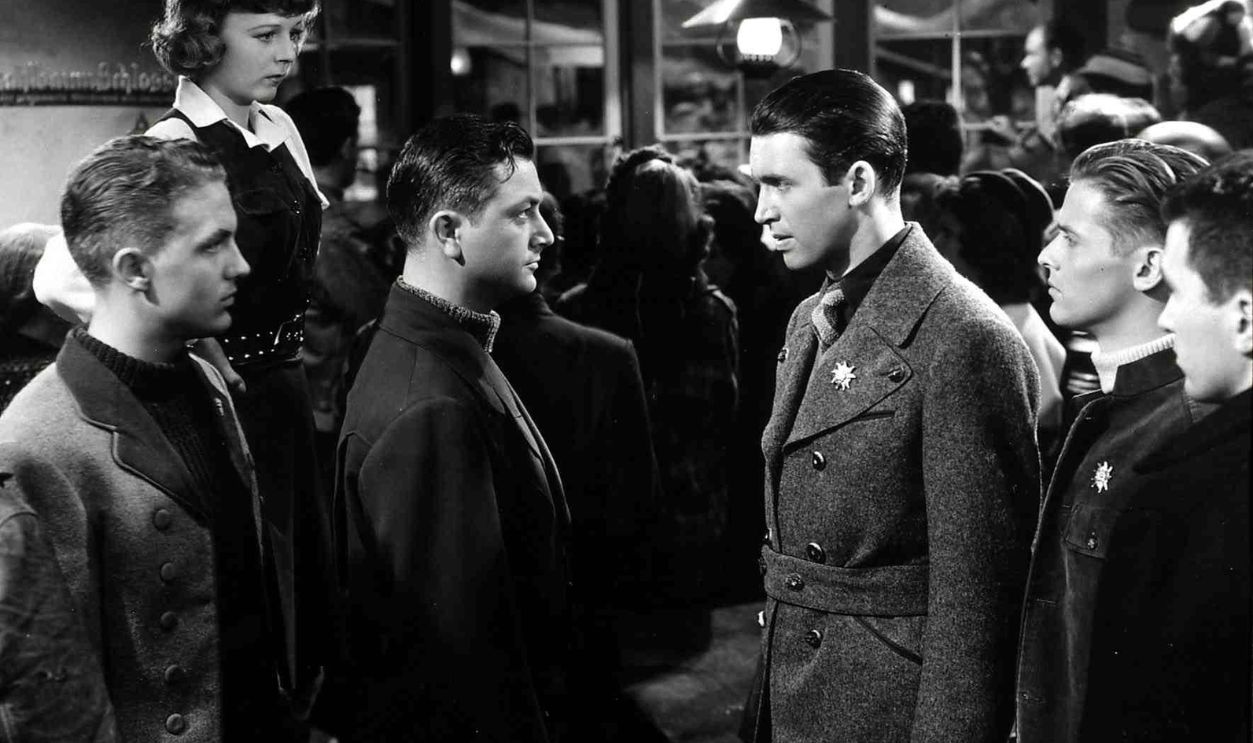
Stack did not stay trapped in light romance for long. In 1940, he appeared in The Mortal Storm with James Stewart and Margaret Sullavan. The film dealt with the rise of Nazism, giving Stack early experience in more serious dramatic material.
The War Years Interrupted Everything
Like many actors of his generation, Stack’s early film career was shaped by World War II. His Hollywood path did not move in a straight line after that early burst of attention. By the 1950s, he was rebuilding momentum in a very different screen era.
 INTERCONTINENTALE / AFP/-, Getty Images
He Became A Dependable Movie Presence
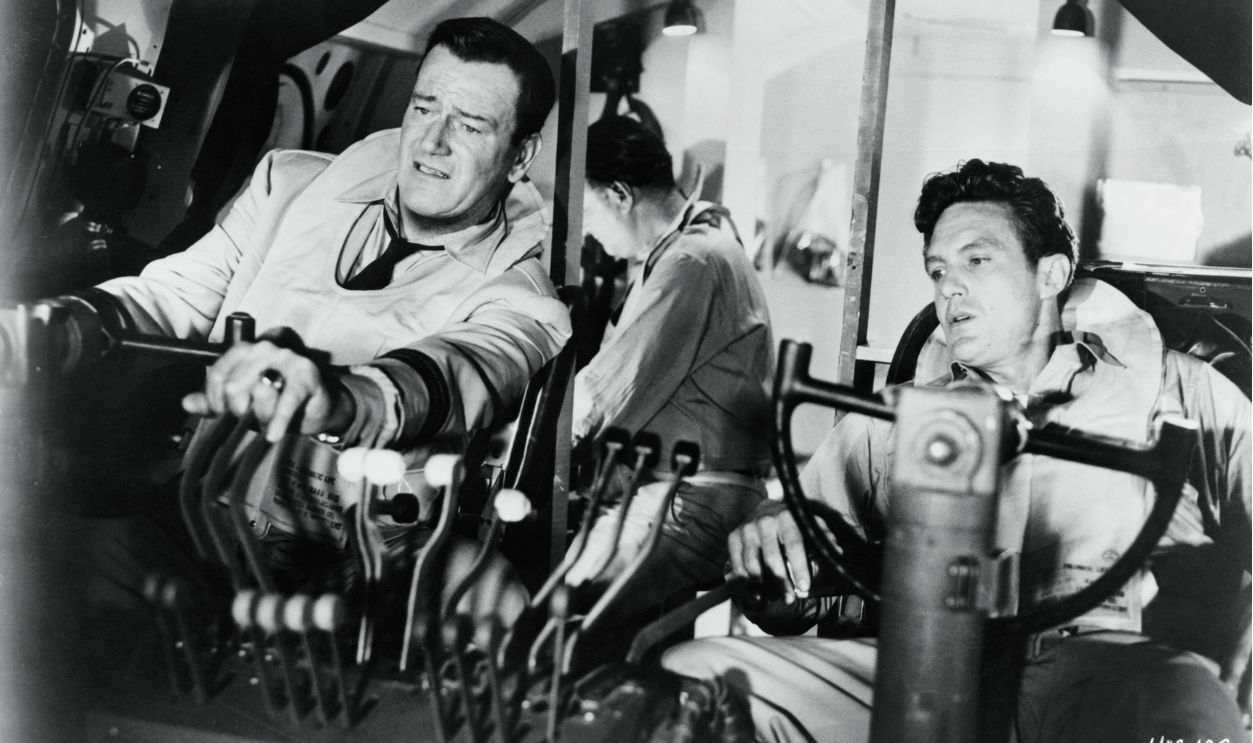
Stack appeared in major films through the 1950s, including The High And The Mighty. That 1954 aviation drama starred John Wayne and placed Stack in a tense, masculine ensemble. His crisp manner and controlled intensity suited that kind of role perfectly.
 John Springer Collection, Getty Images
Written On The Wind Changed His Reputation
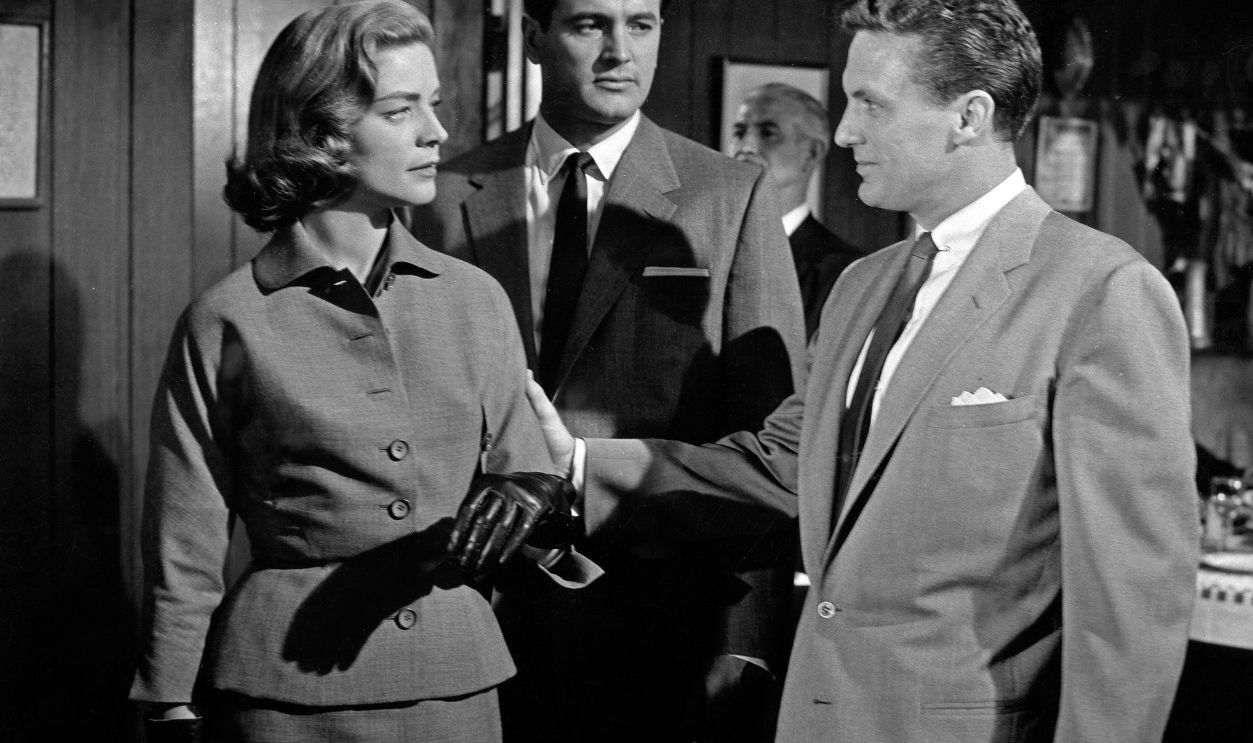
In 1956, Stack played Kyle Hadley in Douglas Sirk’s Written On The Wind. The role gave him one of his most respected film performances. It also earned him an Academy Award nomination for Best Supporting Actor.
He Was Not Just A Leading-Man Type
Stack’s screen image could look polished, but his best roles often had pressure underneath. Written On The Wind showed him playing weakness, jealousy, and self-destruction. That gave his career more range than a simple tough-guy label suggests.
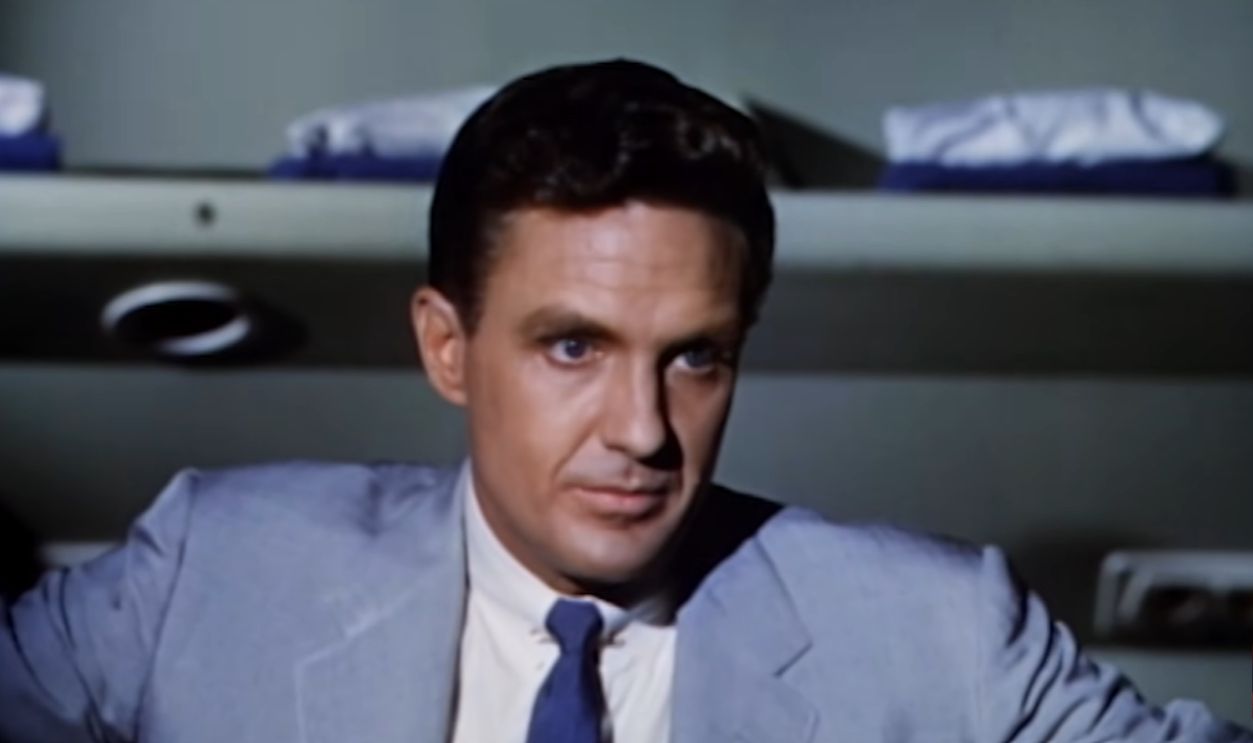 Screenshot from Written on the Wind, Universal-International Pictures (1956)
Then Television Came Calling
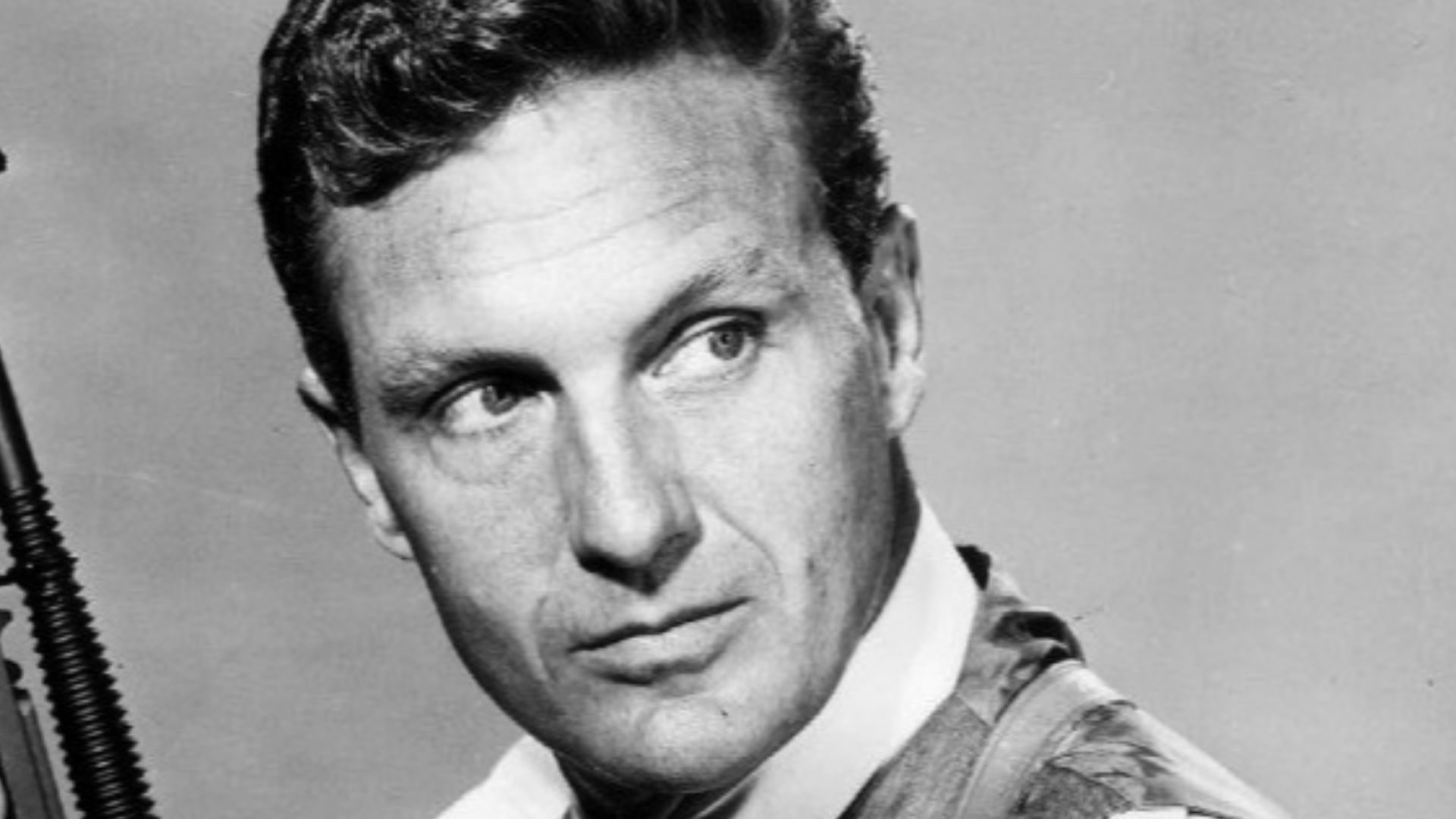
By the late 1950s, television was becoming impossible for lower-tier film actors like Stack to ignore—and he made the move at exactly the right time. In 1959, The Untouchables turned him into a household name.
 ABC Television, Wikimedia Commons
Eliot Ness Became His Signature Role
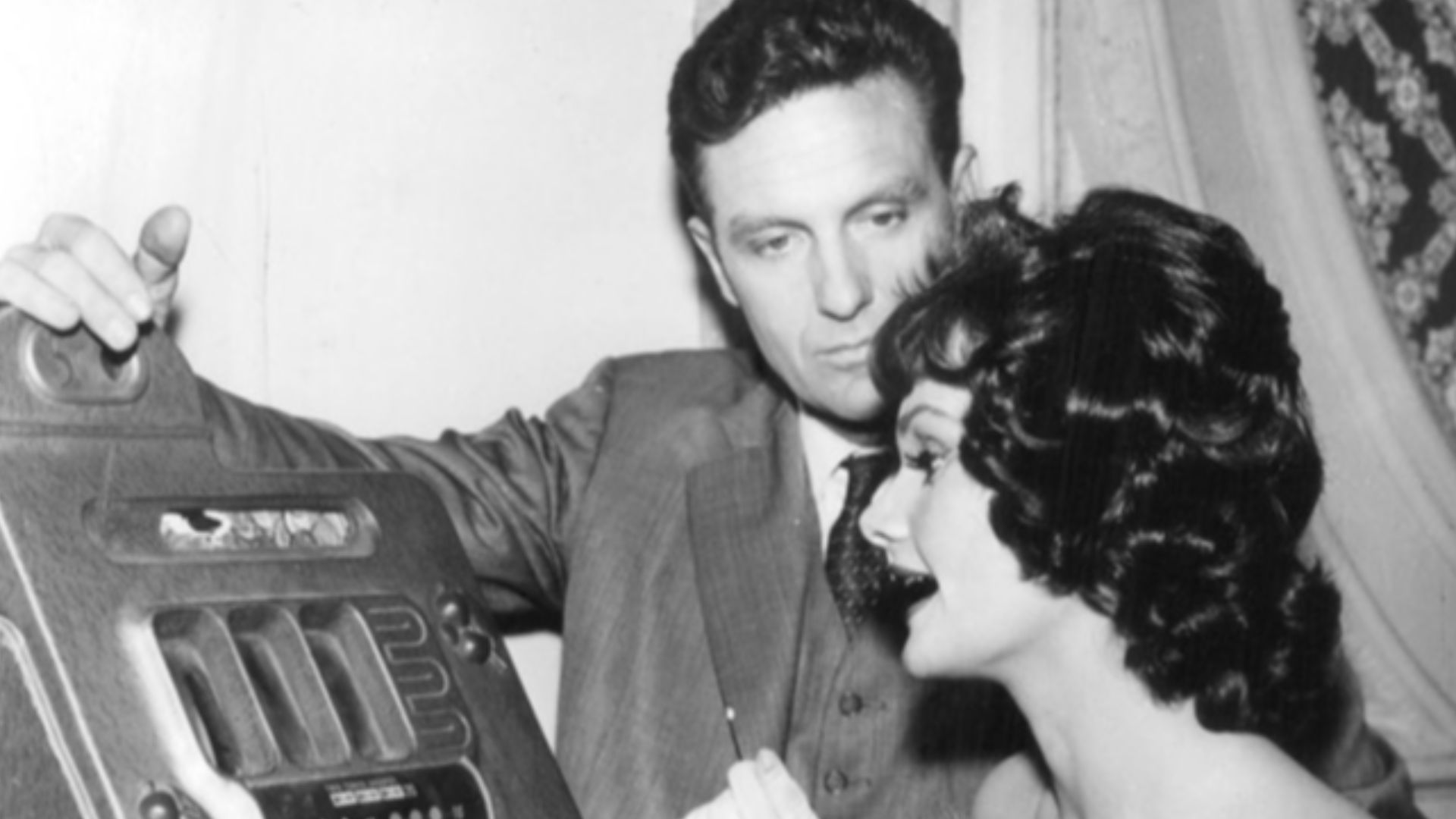
Stack played federal agent Eliot Ness on The Untouchables from 1959 to 1963. The series dramatized Prohibition-era battles between lawmen and organized crime. Stack’s severe delivery made the role feel almost carved in stone.
 ABC Television, Wikimedia Commons
The Role Won Him An Emmy
The Untouchables did more than make Stack famous on television. His performance won him a Primetime Emmy in 1960. That award confirmed that his move from movies to TV had paid off.
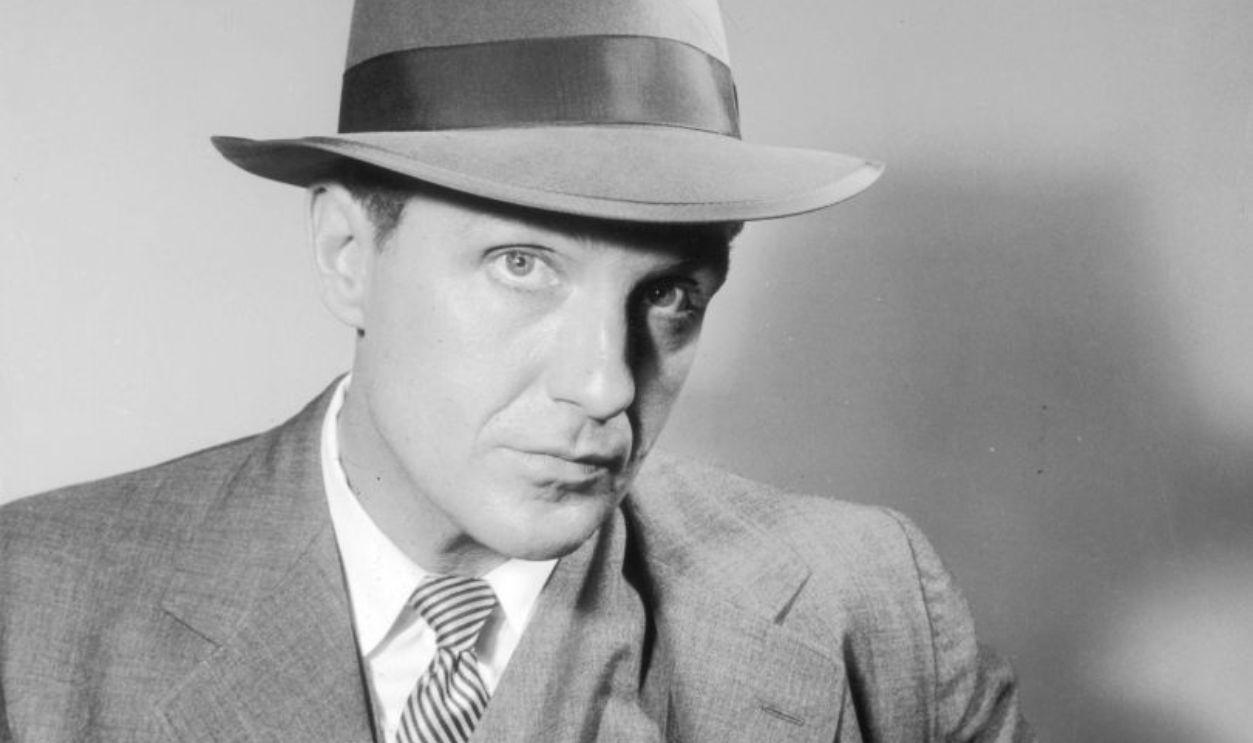
Success Came With Controversy
The Untouchables was popular, but it also drew criticism for its violence. That controversy became part of its identity in early television history. Stack’s stern presence made the show feel urgent, even when it was dramatizing events from decades earlier.
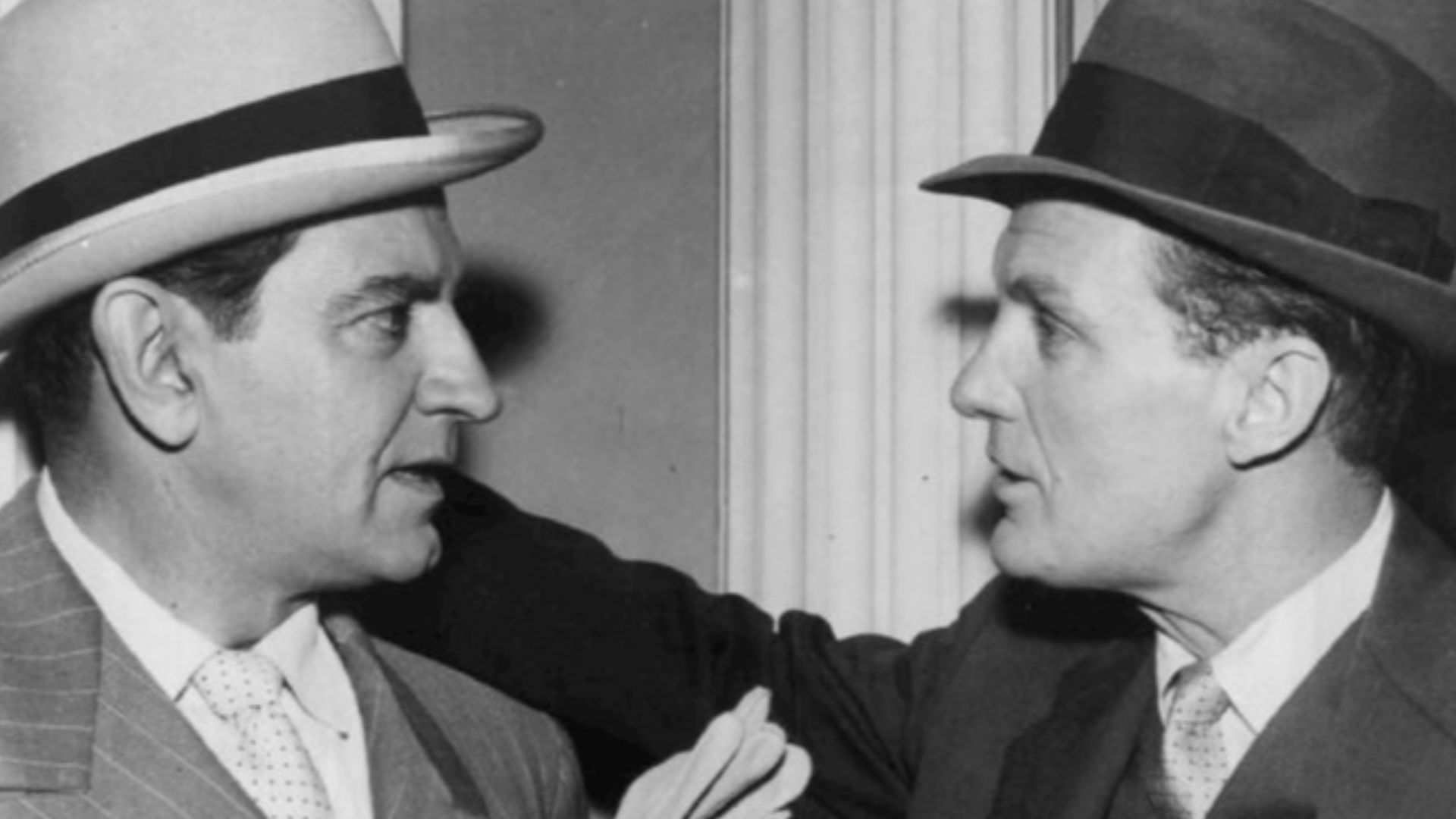 ABC Television, Wikimedia Commons
He Could Not Easily Escape Ness
After The Untouchables, Stack remained strongly associated with authority figures. His voice, posture, and stare all suggested command. That image helped him get work, but it also boxed him in.
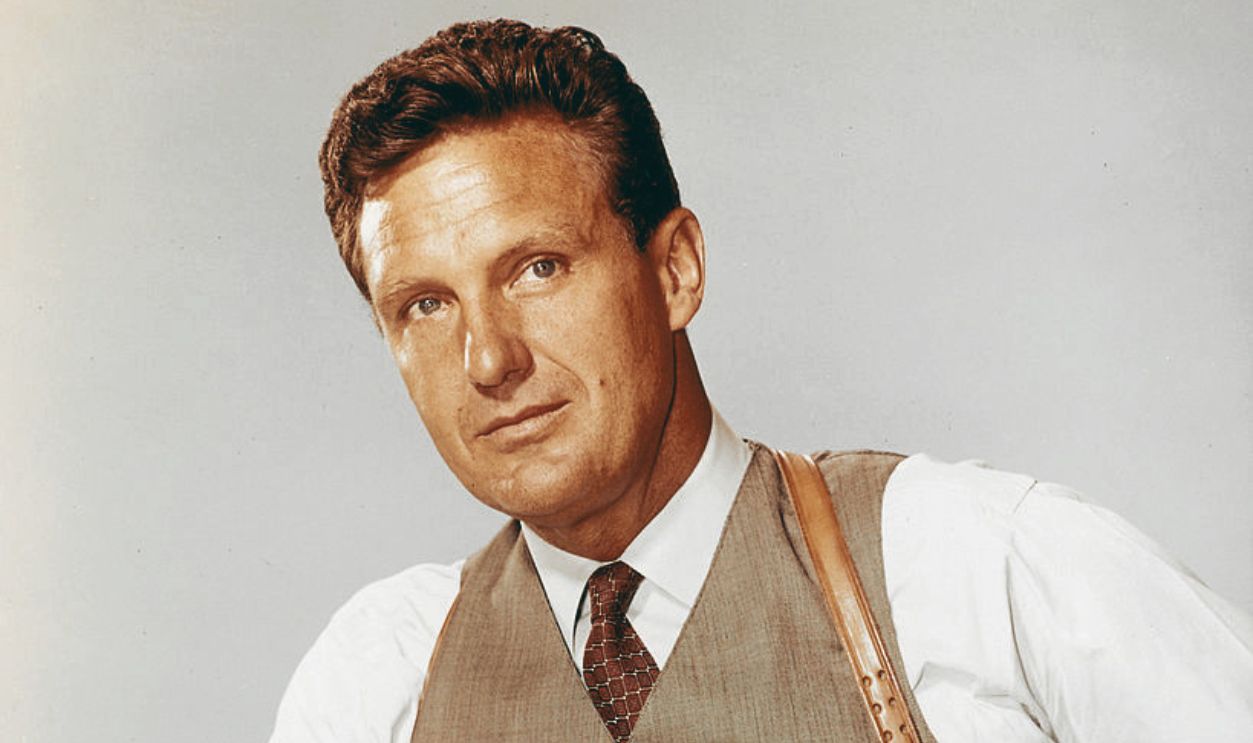 Silver Screen Collection, Getty Images
He Kept Searching For The Next Act
Stack worked steadily after The Untouchables, but few roles had the same cultural force. He appeared in series including The Name Of The Game, Most Wanted, and Strike Force. None replaced Eliot Ness as the role audiences knew best.
 Screenshot from The Name of the Game, NBC (1968–1971)
Comedy Gave Him A Surprise Detour
In 1980, Stack appeared in Airplane! as Captain Rex Kramer. The movie used serious actors to deliver absurd comedy with completely straight faces. Stack’s rigid intensity suddenly became funny because he played it so seriously.
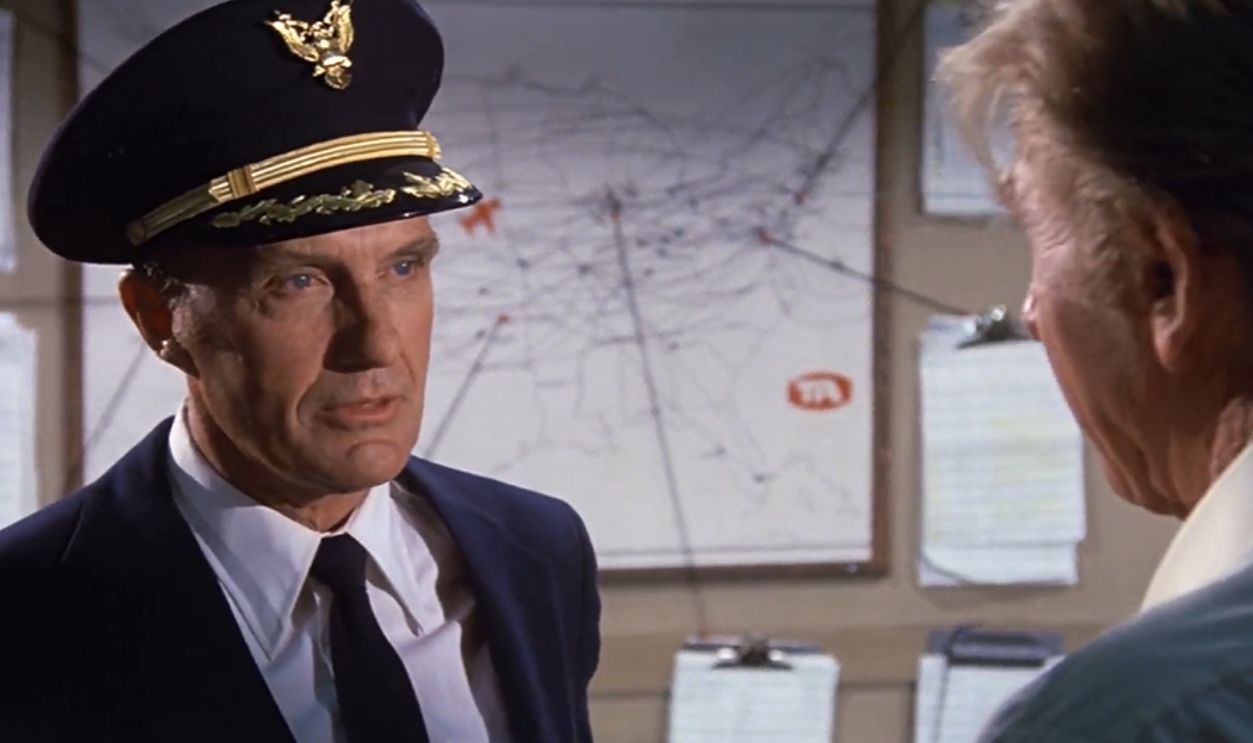 Screenshot from Airplane!, Paramount Pictures (1980)
He Learned To Spoof Himself
Airplane! helped prove that Stack understood his own screen image. He could lean into the hard-edged authority figure and let the joke happen around him. That late-career comic turn kept him visible to a new generation.
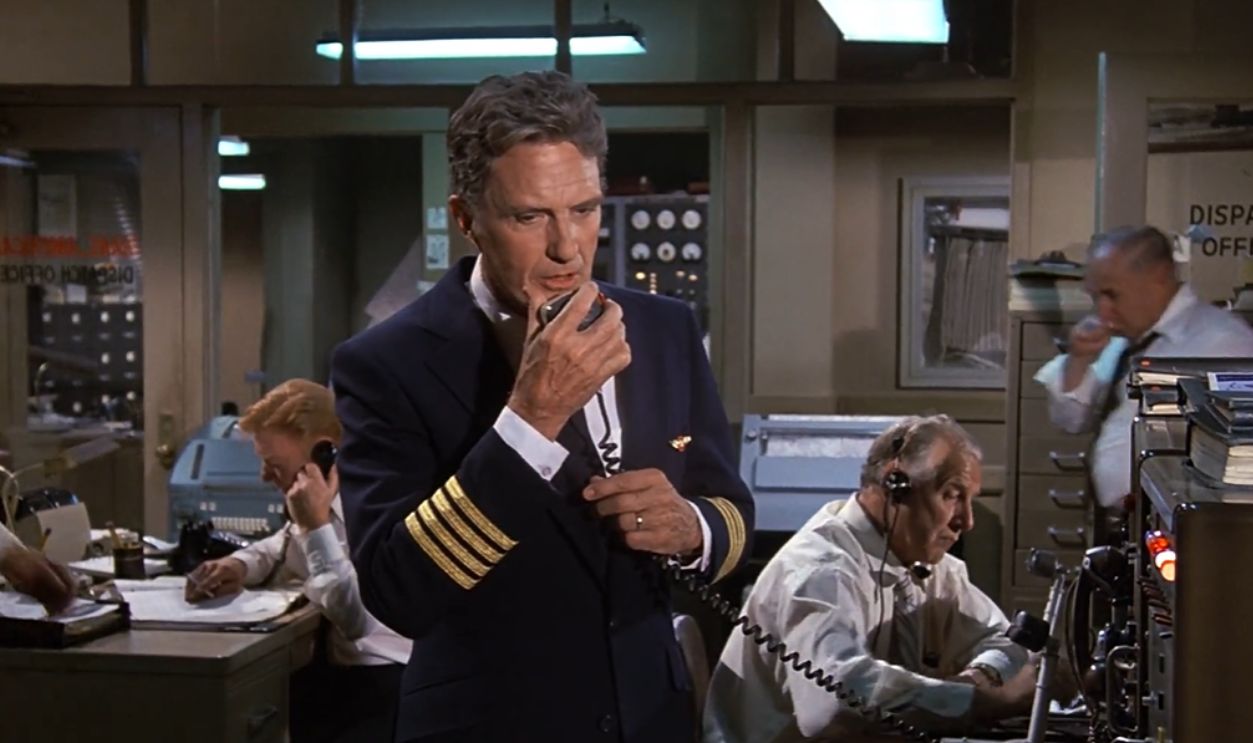 Screenshot from Airplane!, Paramount Pictures (1980)
Then Came A Stranger Opportunity
In the late 1980s, Stack joined a project that mixed documentary, reenactment, mystery, and viewer participation. It was not a traditional drama. It also was not a standard news program.
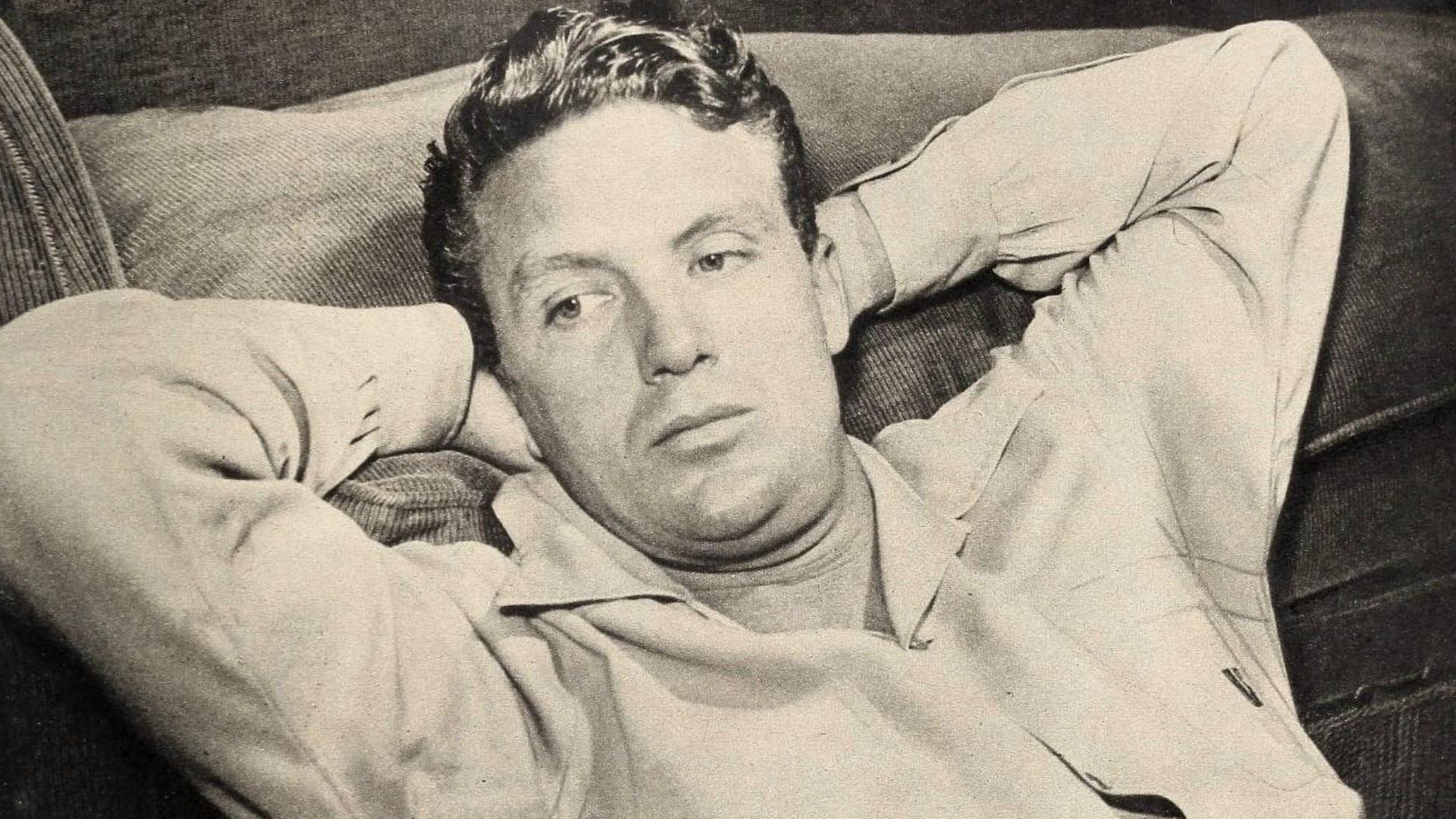 Bob Beerman [1], Wikimedia Commons
Unsolved Mysteries Began As Specials
Before Unsolved Mysteries became a weekly series, it aired as stand-alone NBC specials. Raymond Burr hosted the first special, and Karl Malden hosted the next two. Stack then hosted four additional specials before becoming the face of the series.
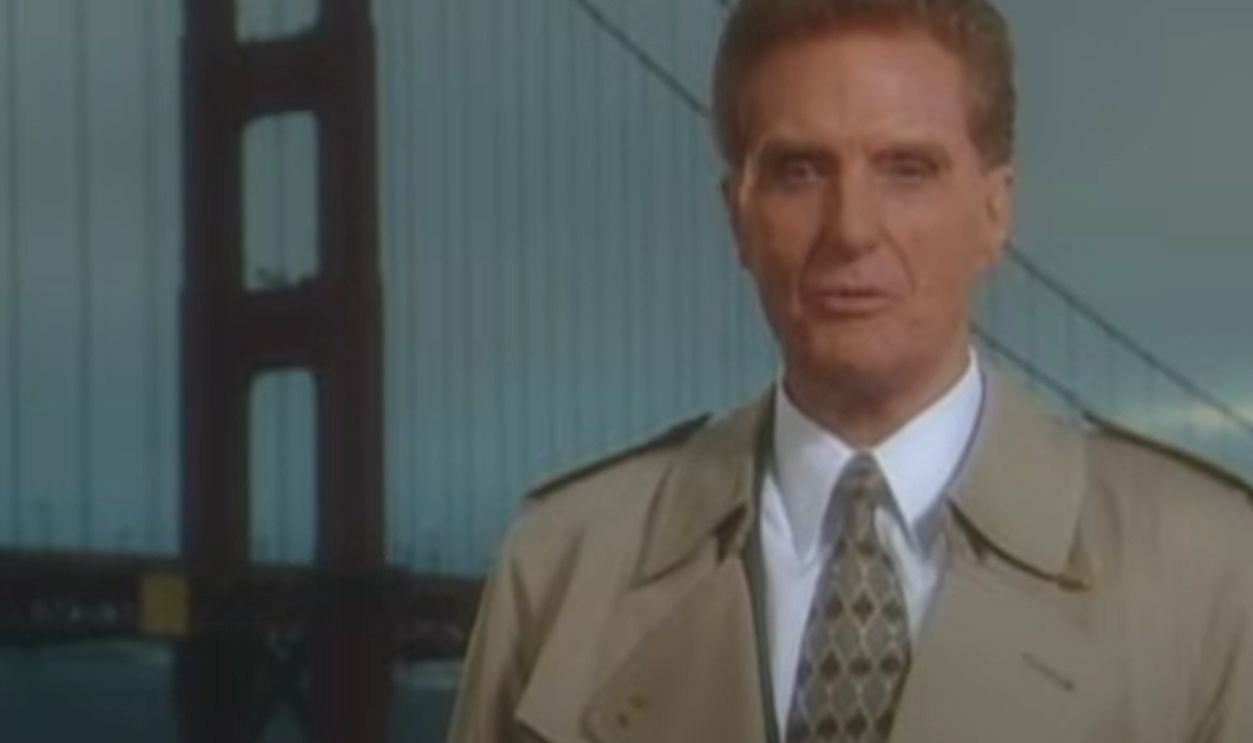 Screenshot from Unsolved Mysteries, NBC (1988)
Stack Became The Full-Time Host
Unsolved Mysteries received a full NBC series order in 1988. Stack became the full-time host when the show moved into regular series form. His presence gave the unusual format instant credibility.
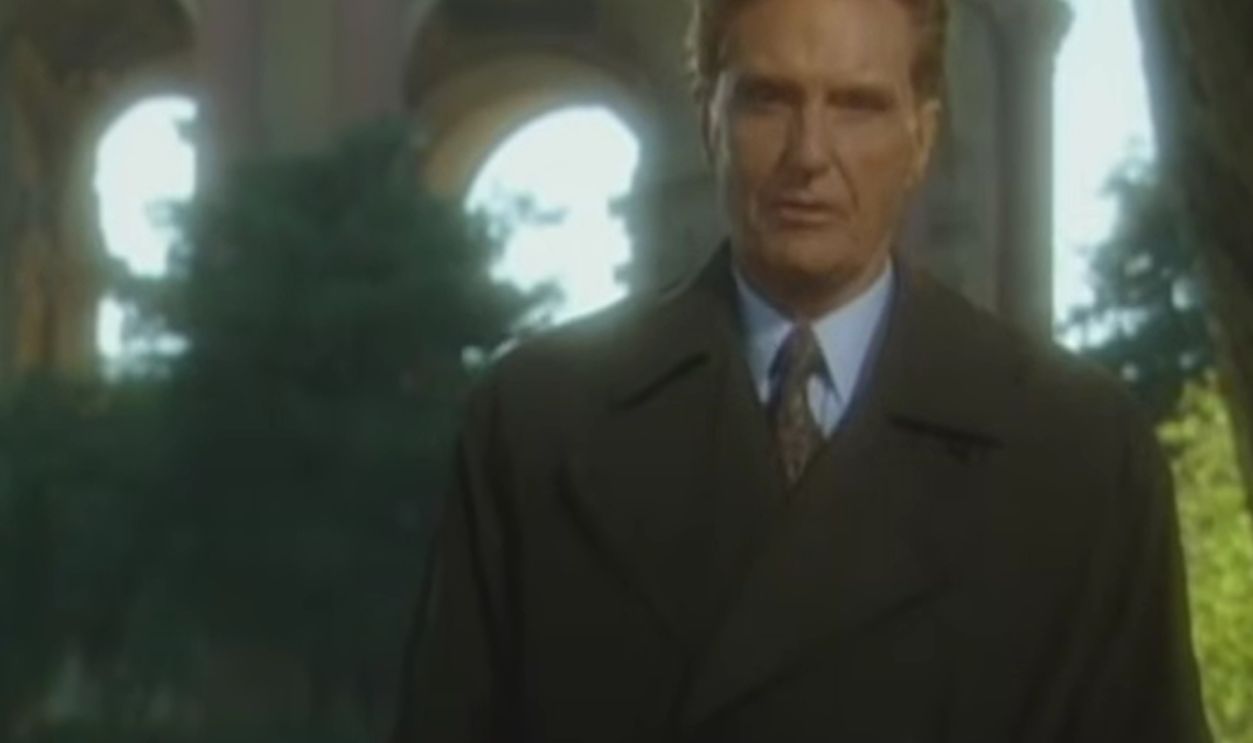 Screenshot from Unsolved Mysteries, NBC (1996)
His Voice Became The Hook
Stack did not need to shout to make a story feel unsettling. His measured narration made missing-person cases, unexplained deaths, lost loves, and paranormal segments feel serious. For many viewers, his voice became inseparable from the show.
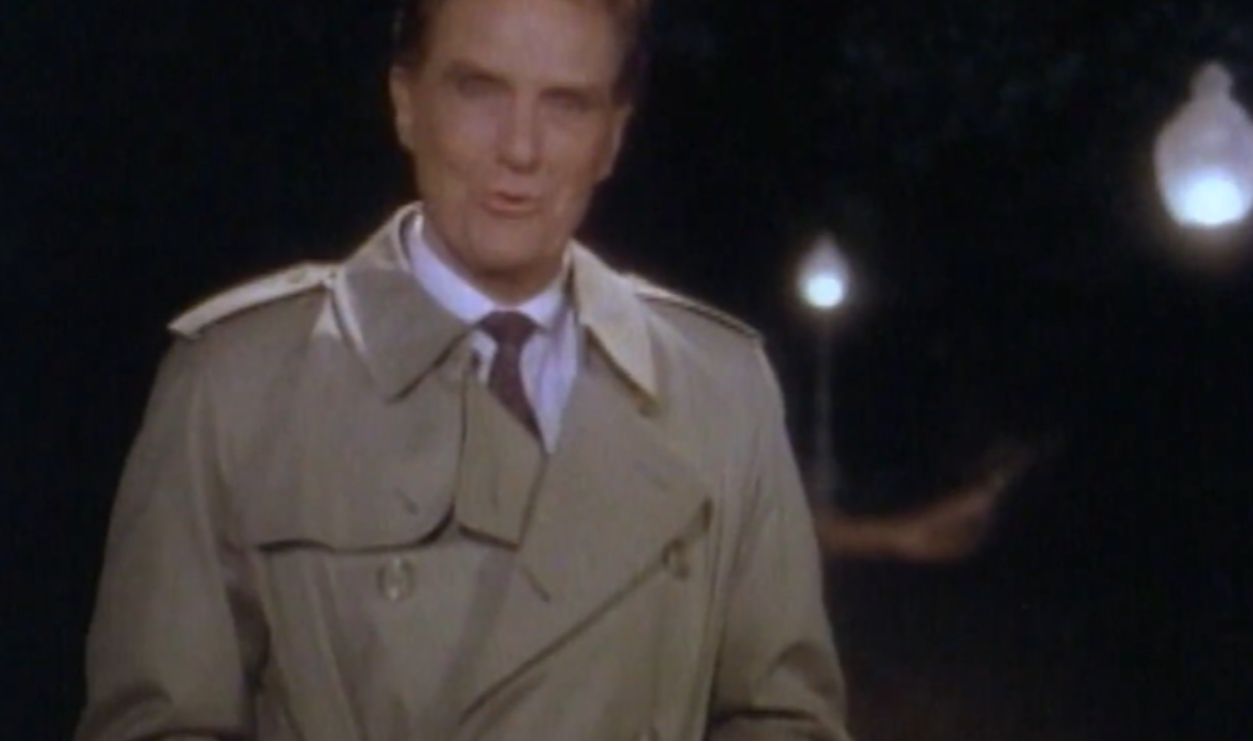 Screenshot from Unsolved Mysteries, NBC (1990–1997)
The Show Asked Viewers To Help
Unsolved Mysteries stood out because it invited audiences to participate. Episodes included reenactments, interviews, case details, and requests for tips. That made the viewer feel less like a spectator and more like a possible witness.
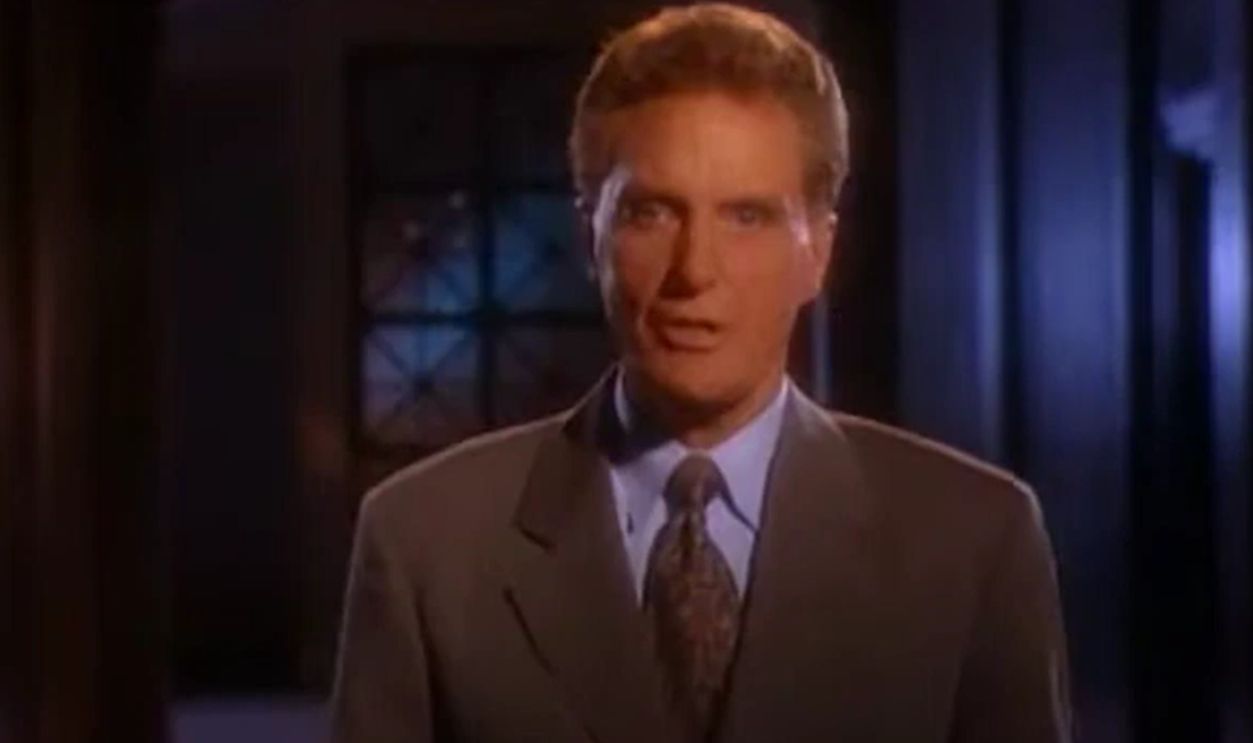 Screenshot from Unsolved Mysteries, NBC (1996)
It Fit Stack Better Than Expected
At first glance, a former movie actor and crime-drama star might have seemed like an unusual choice for a reality mystery series. In practice, Stack’s old-school authority was exactly what the format needed. He made every case feel important without overwhelming the people at the center of it.
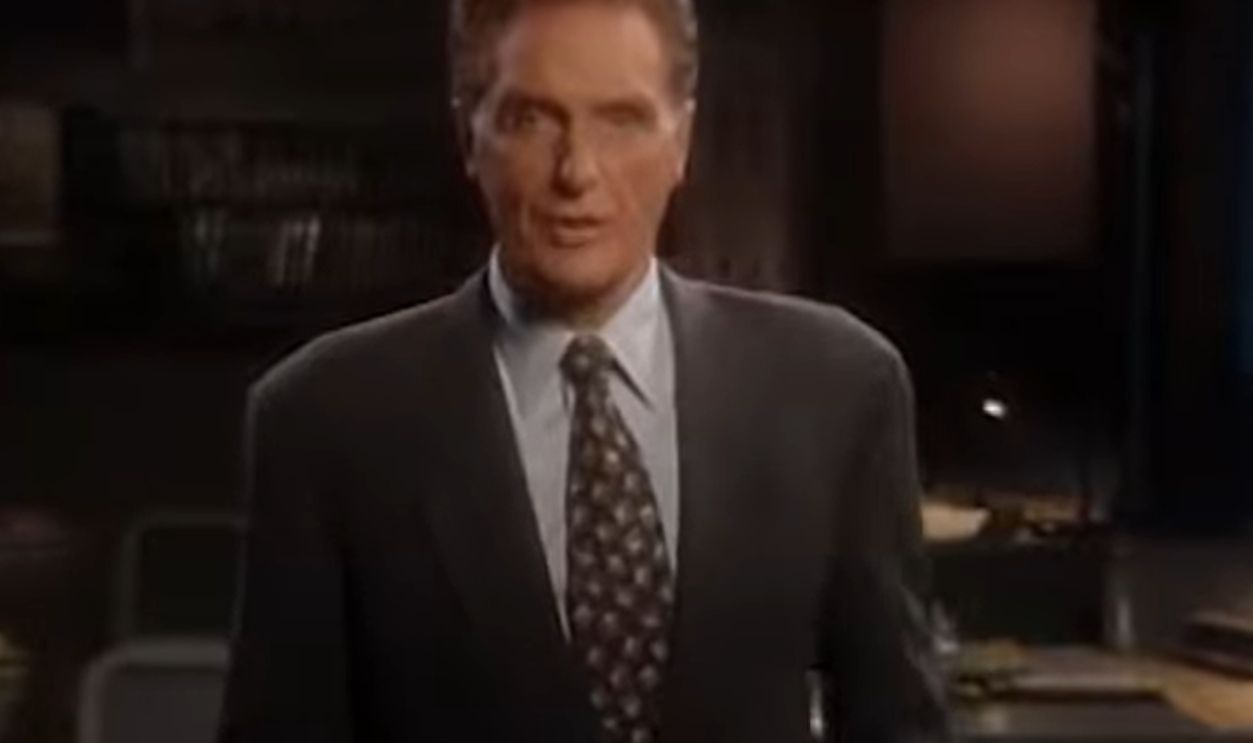 Screenshot from Unsolved Mysteries, NBC (1996)
The Series Outlasted One Network
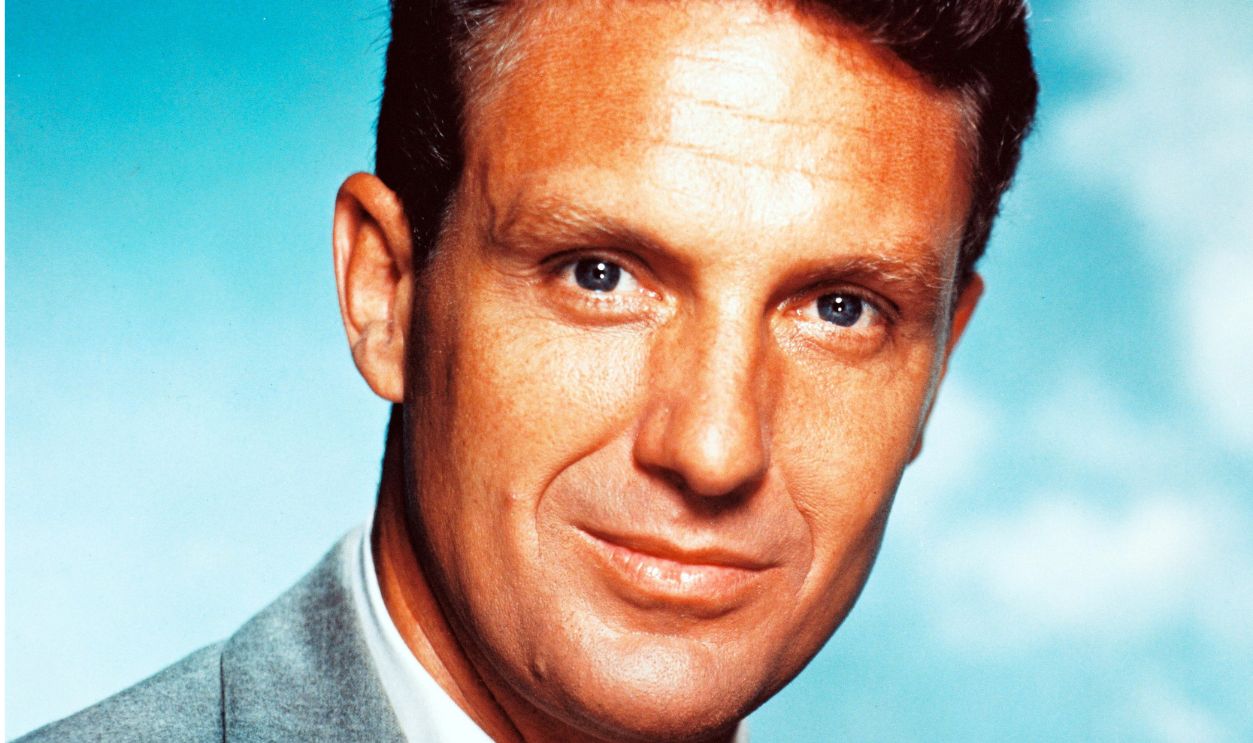
Unsolved Mysteries aired on NBC for nine seasons and later continued on CBS for two more. That kind of network movement showed how durable the format had become. Stack remained central to its identity through those changes.
 Silver Screen Collection, Getty Images
Lifetime Extended The Run
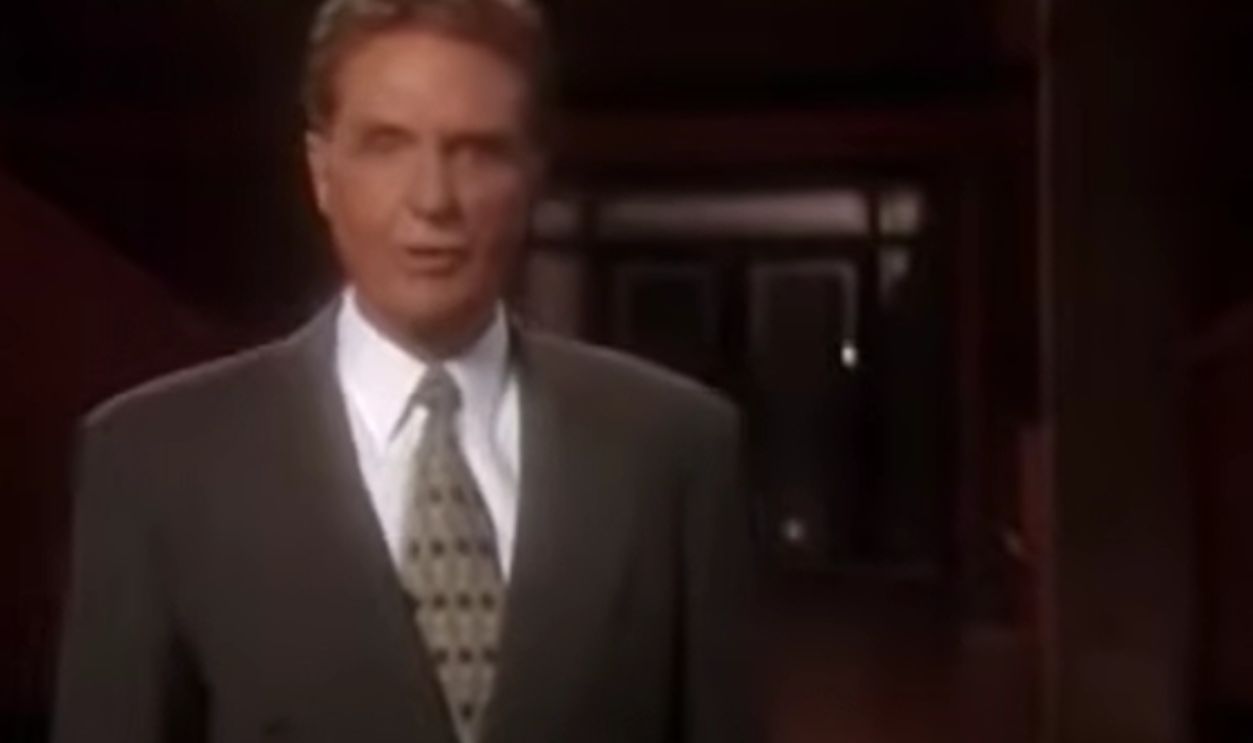
After NBC and CBS, the series later continued with Lifetime episodes. The official show history credits Stack as host through the NBC and CBS years, with his legacy still tied to the broader franchise. By then, his association with Unsolved Mysteries was as strong as his connection to The Untouchables.
 Screenshot from Unsolved Mysteries, NBC (1996)
He Became A True-Crime Icon
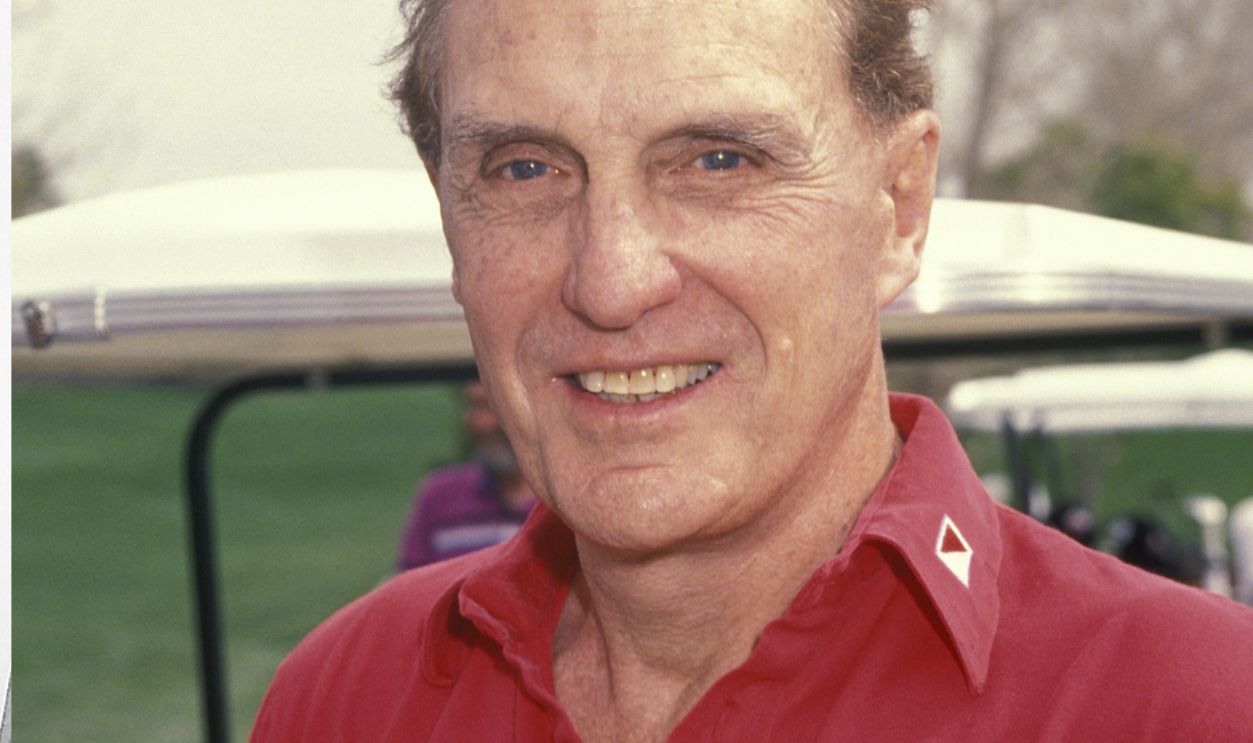
Stack’s career had started in studio-era romance and drama. Decades later, he became the face of a show that helped define television true crime. That transition is what makes his journey so unusual.
His Final Image Was Different From His First
The young actor from First Love and the trench-coated host of Unsolved Mysteries seem like they belong to different Hollywood lives. Yet both were part of the same long career. Stack kept adapting as the industry changed around him.
 Donaldson Collection, Getty Images
The Mystery Stayed With Him
Robert Stack died on May 14, 2003, at age 84. By then, audiences remembered him as a movie actor, an Emmy-winning TV star, a deadpan comic presence, and the voice of Unsolved Mysteries. Few performers traveled through so many versions of American screen entertainment and still ended with a role that felt definitive.
 Greg Mathison of DoD, Wikimedia Commons