Career Fueled By Intensity
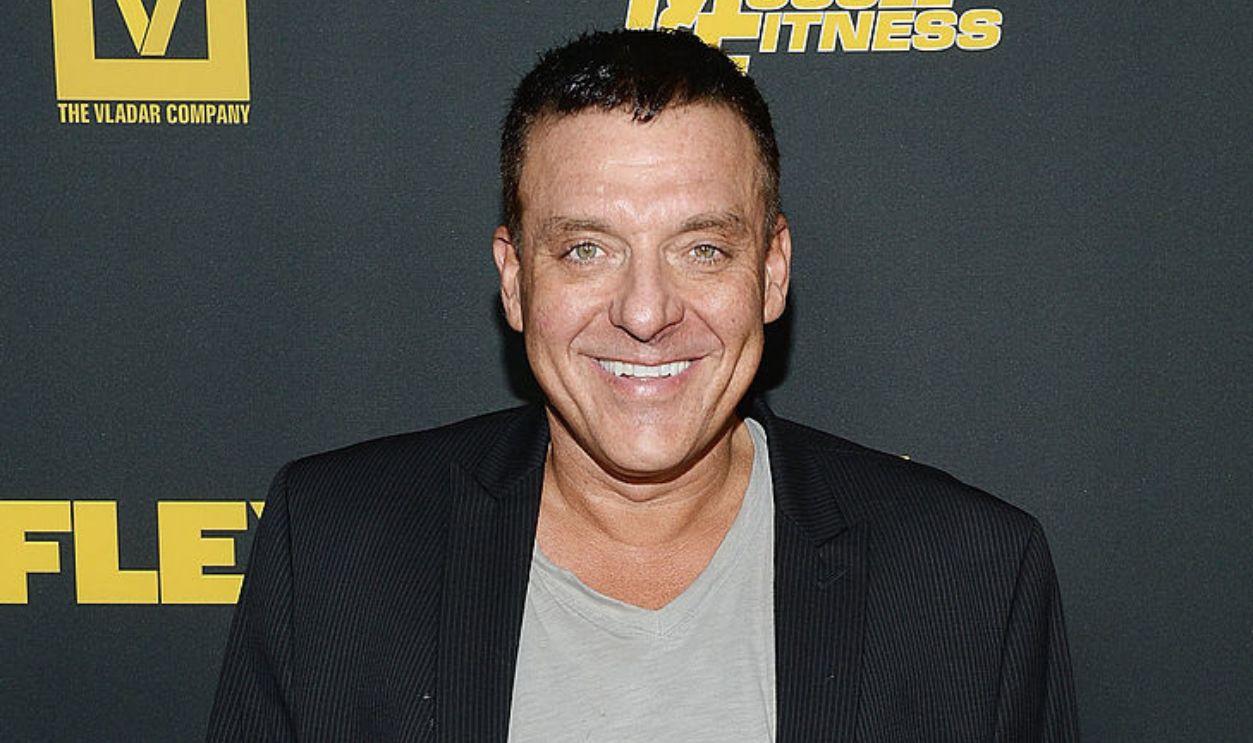
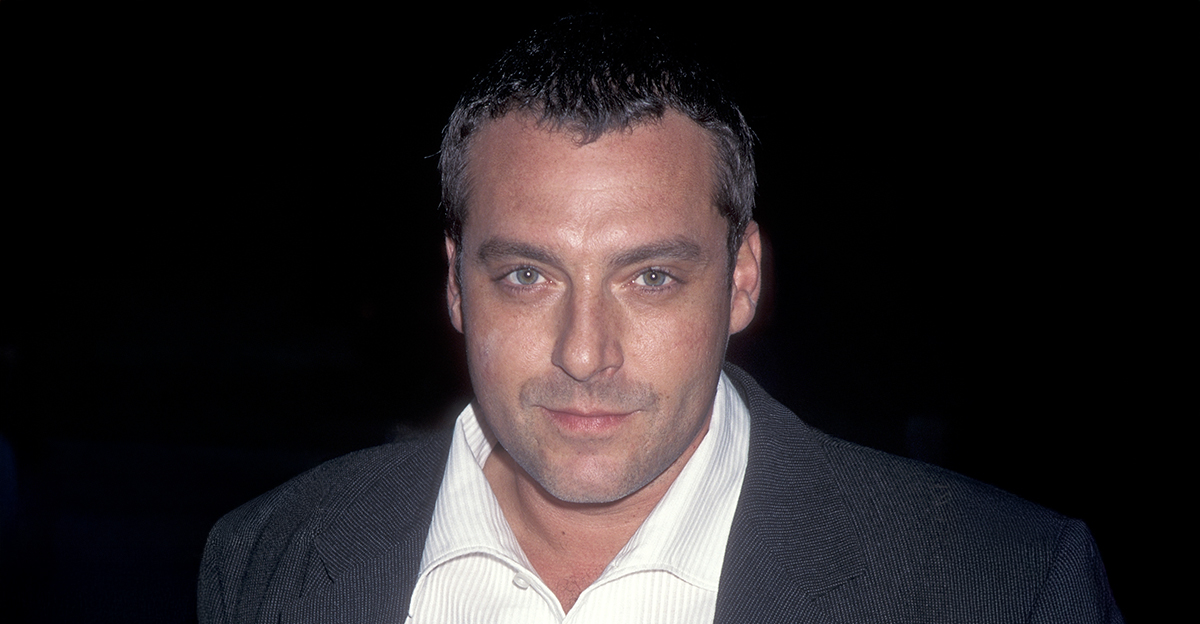
Tom Sizemore built his career on an amazing run of appearances in action movies in the 1990s. In that decade, he became a go-to actor for war films, crime dramas, and high-pressure ensemble casts. His professional arc moved quickly from breakout roles to sustained action credentials, but as the 90s waned he saw his career eclipsed by personal struggles.
 Jim Smeal/Ron Galella Collection via Getty Images
Growing Up In Detroit
Born in 1961 in Detroit, Michigan, Sizemore grew up in a difficult household marked by his parents’ divorce. Living in a rough neighborhood, he later described his childhood as chaotic, experiences that would later inform the intensity he brought to his performances. This early environment was the fuel that pushed him toward acting as an escape from this turmoil.
 Detroit Publishing Company, Wikimedia Commons
Education And The Turn To Acting
Sizemore attended Wayne State University before transferring to Temple University, where he earned a master’s degree in theater. This formal training gave him a solid technical grounding; even so, his instincts and childhood influences pushed him toward the emotional side of performance.
 Unknown authorUnknown author, Wikimedia Commons
Early Big-Screen Influences
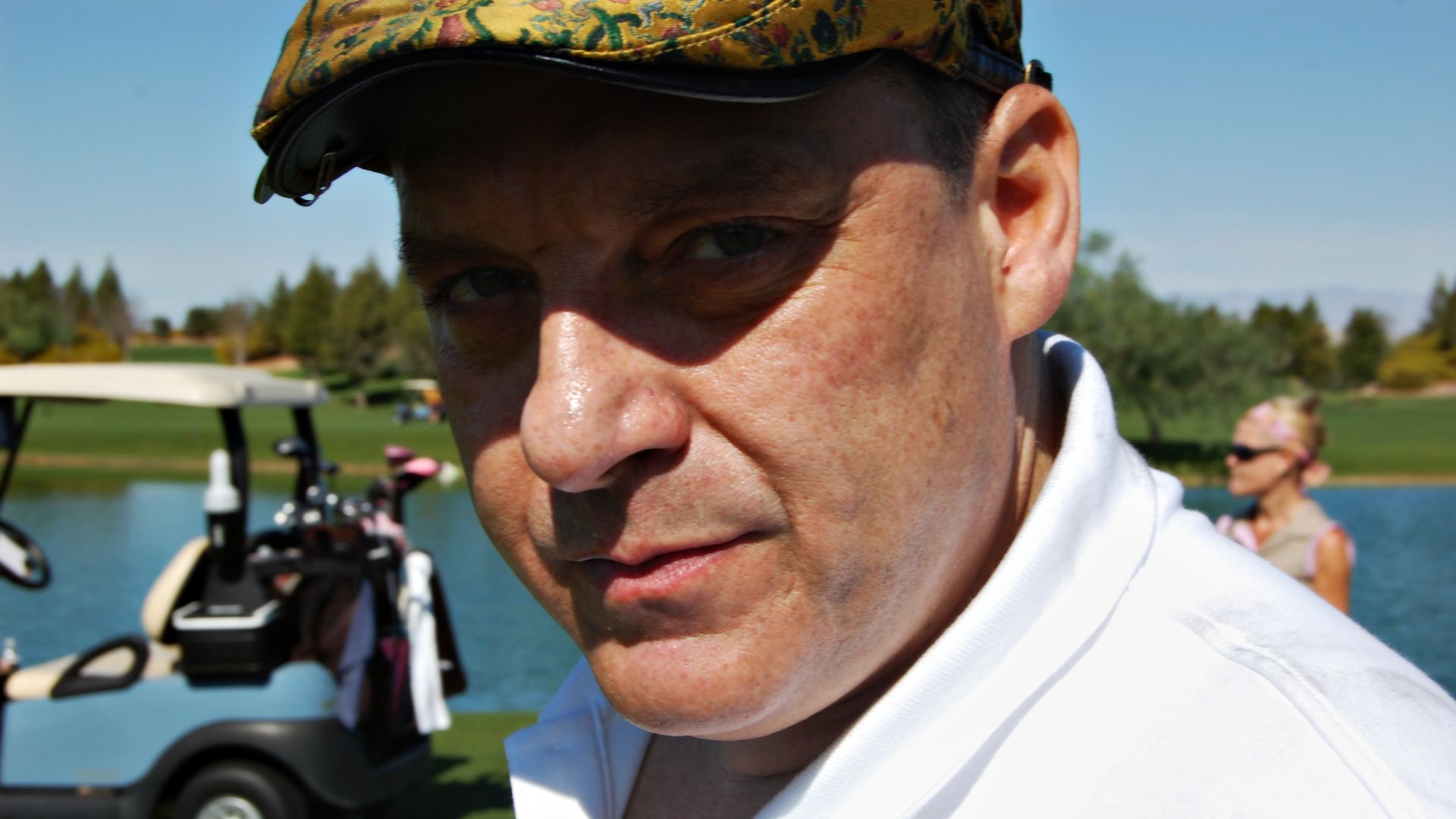
As a young man, Sizemore became deeply affected by performances from Robert De Niro and Al Pacino, particularly in the legendary crime dramas those actors starred in during the mid-1970s. Watching their films convinced him that movies could carry psychological weight. The realization crystallized his goal of acting for the screen.
 Jayel Aheram, Wikimedia Commons
Early Roles
After moving to New York, Sizemore worked in theater. It wasn’t until 1989, when he was 28, that he secured his first credited roles in film and TV. These included a recurring role on season 3 of the ABC series China Beach and a part in the Sylvester Stallone prison drama Lock Up (1989). These brief early appearances were enough for Sizemore to establish a reputation for intensity and discipline. It led straight to a breakthrough.
 Screenshot from Lock Up, Tri-Star Pictures (1989)
Born On The Fourth Of July
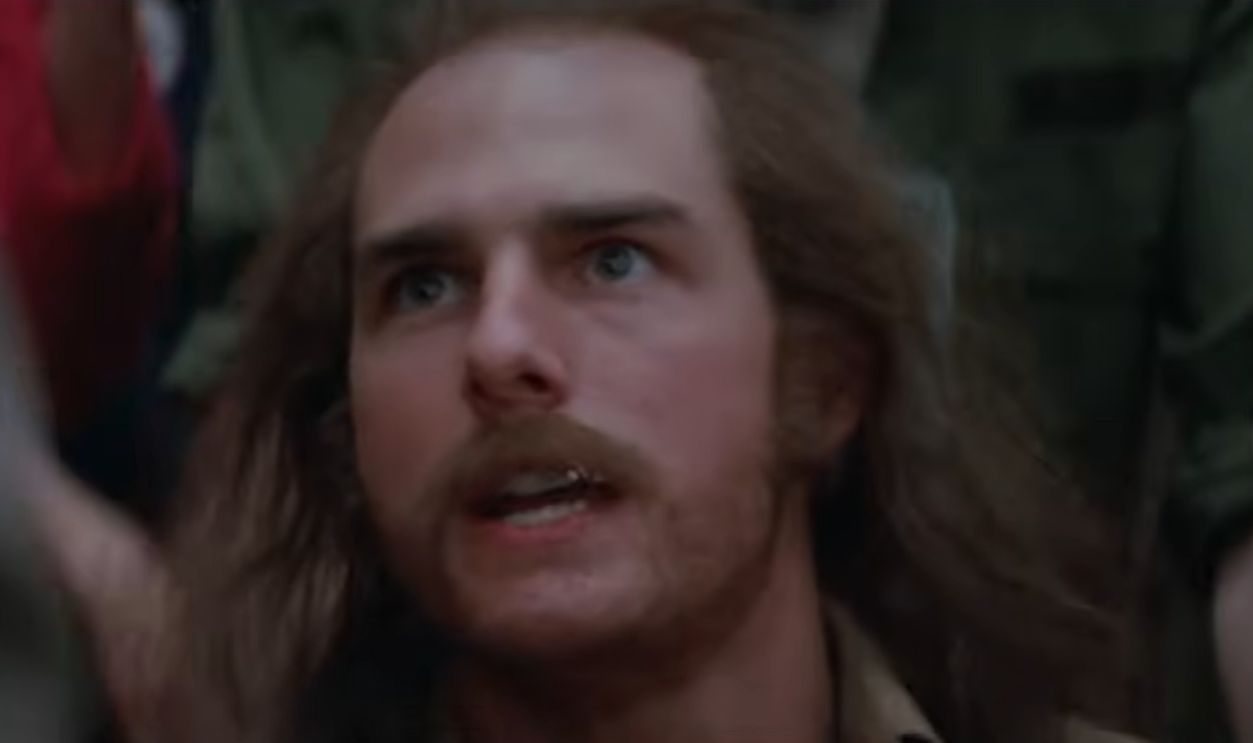
Sizemore’s profile rose with Born on the Fourth of July (1989), where he played a Vietnam War veteran alongside Tom Cruise. The film introduced him to a wider audience and demonstrated his suitability for emotionally charged ensemble roles. The door to success was open as the decade of the 90s began.
 Screenshot from Born on the Fourth of July, Universal Pictures(1989)
Point Break Supporting Role
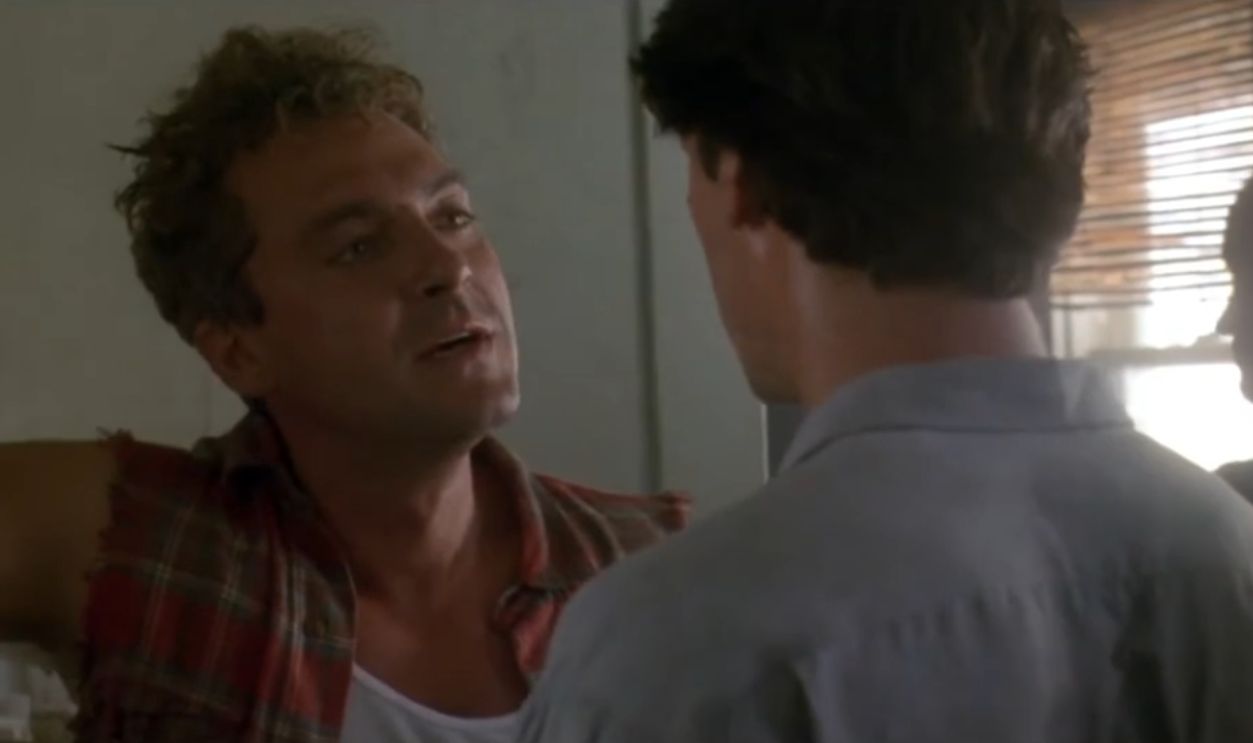
In Point Break (1991), Tom Sizemore appeared as DEA Agent Deets, a small but purposeful role that added procedural complications to the film’s law-enforcement world. Though not part of the core cast, his presence reinforced the authenticity and intensity of a movie that has since become recognized as a 90s action classic.
 Screenshot from Point Break, 20th Century Fox(1991)
Authority And Edge In True Romance
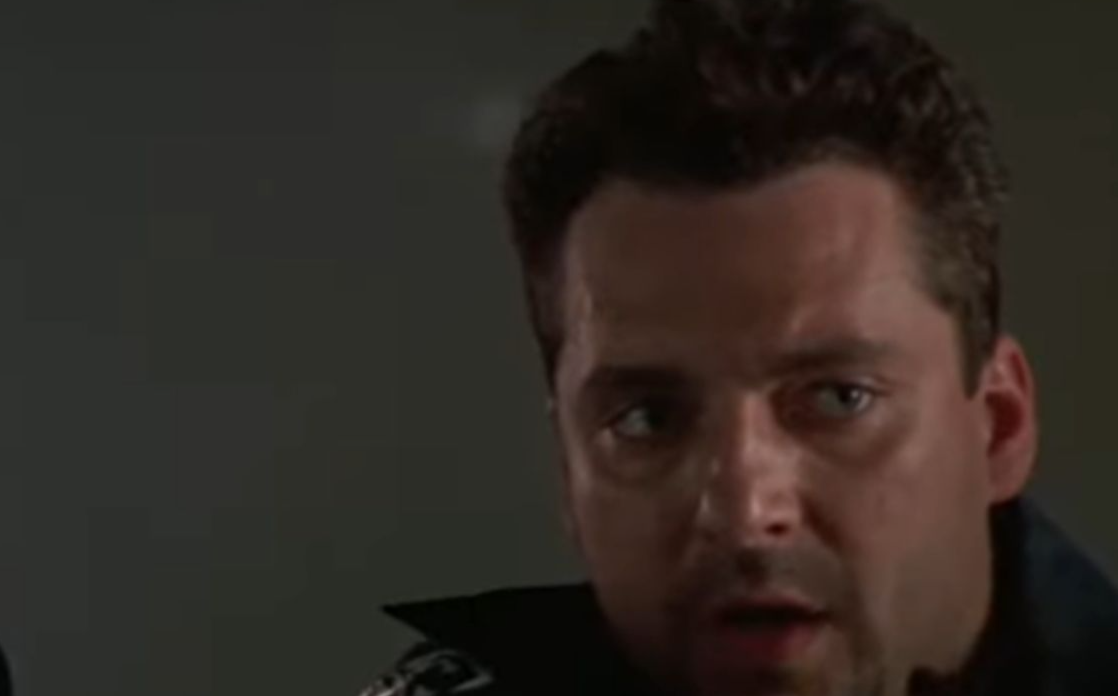
In True Romance (1993), Sizemore played a volatile police officer, holding his own amid another dense ensemble cast. The film’s stylized violence and fast pace was perfect for his screen presence, building his identity as an actor who conveyed urgency and toughness.
 Screenshot from True Romance, Warner Bros. (1993)
Natural Born Killers And Obsession
Sizemore appeared in Oliver Stone’s Natural Born Killers (1994) as Detective Jack Scagnetti. His role as an authority figure descending into his own vortex of violence and brutality while pursuing a pair of violent criminals wasn’t lost on the audience. The over-the-top portrayal was an integral part of one of the decade’s most confrontational mainstream films.
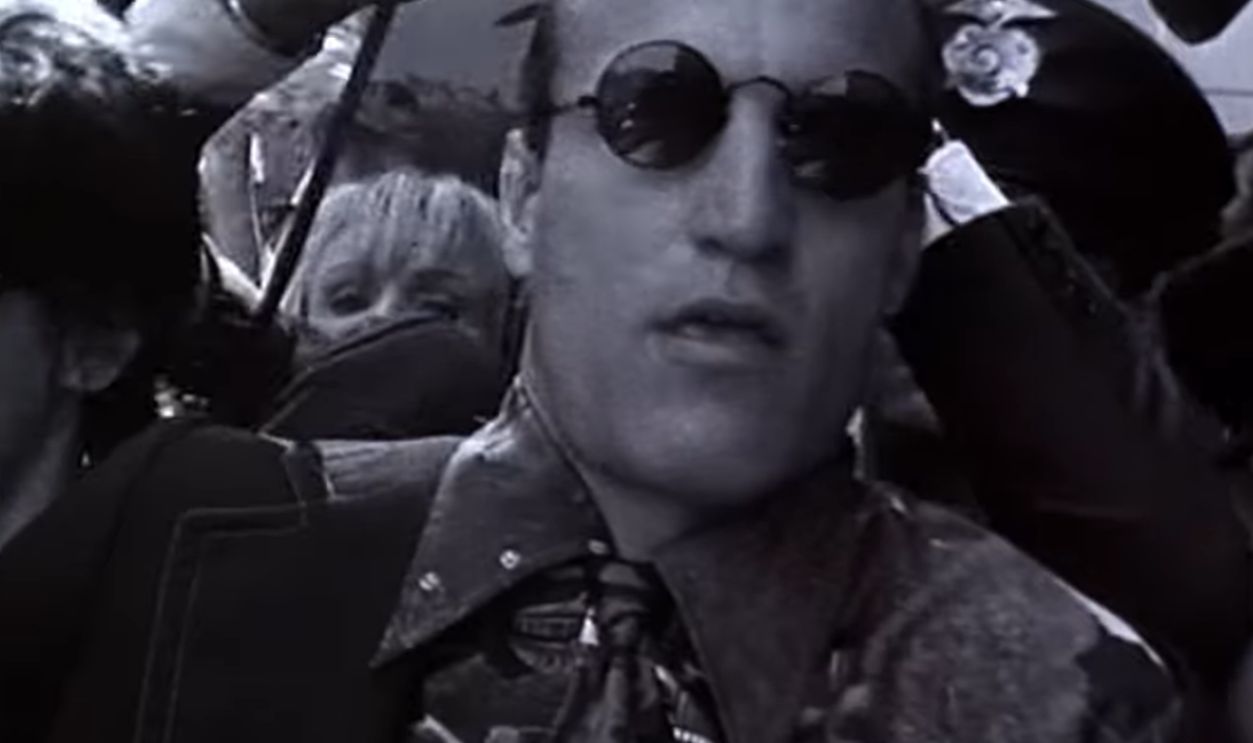 Screenshot from Natural Born Killers, Warner Bros. (1994)
Heat And Tactical Realism
Sizemore became widely recognized after Heat (1995), directed by Michael Mann. Playing Michael Cheritto opposite De Niro and Pacino, he delivered a disciplined performance as a member of a crack team of robbers, reinforcing his physical credibility on screen. It was another boost to his credentials.
 Screenshot from Heat, Warner Bros (1995)
Signs Of Trouble
During the production of Heat, Robert De Niro privately intervened over Tom Sizemore’s escalating substance use. De Niro told Sizemore he would notify authorities about his possession unless he entered rehabilitation. Sizemore later credited DeNiro’s move with forcing treatment and letting him complete the film, though his sobriety ultimately wouldn’t last.
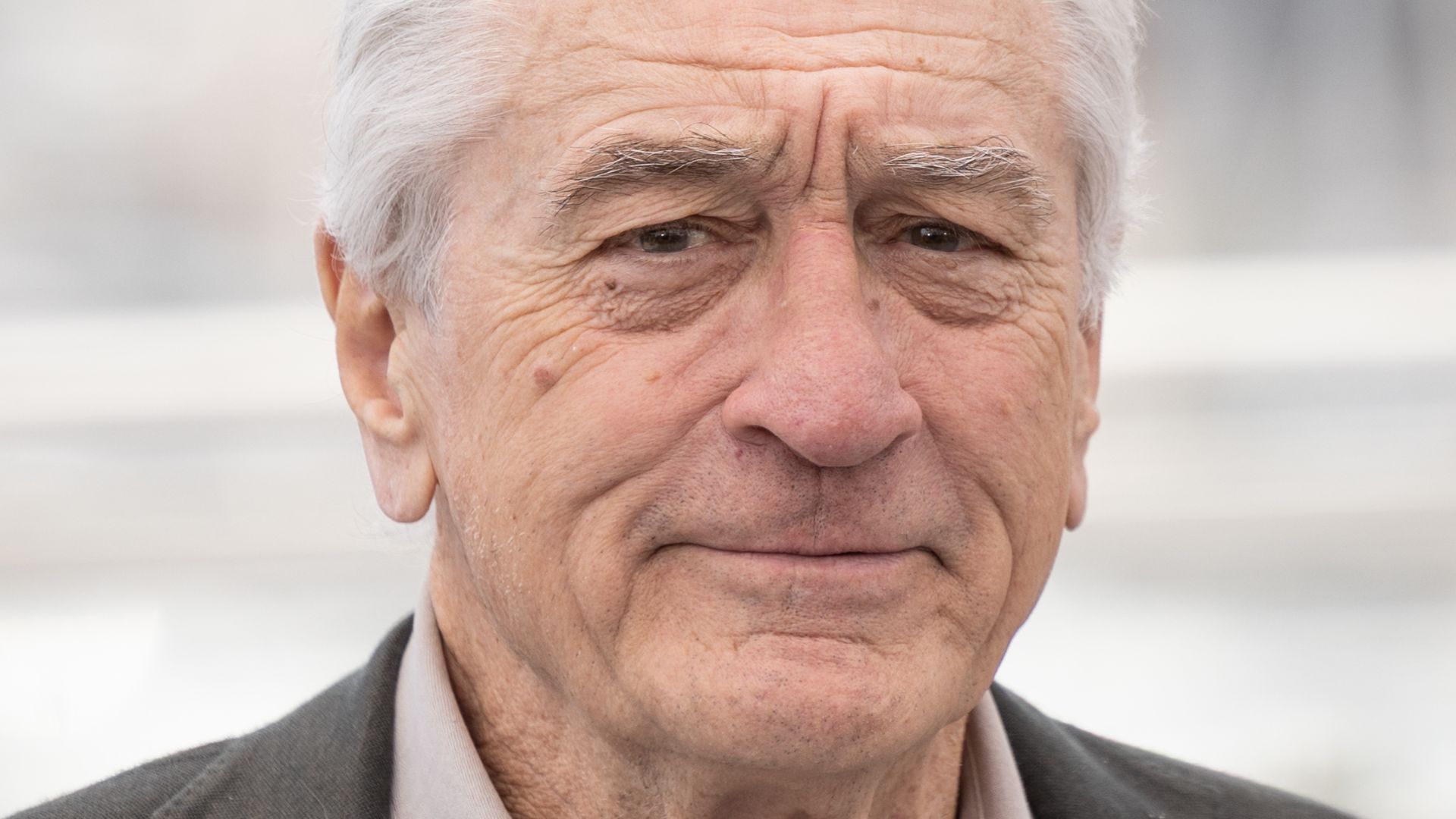 Harald Krichel, Wikimedia Commons
Strange Days And Genre Expansion
The dystopian sci-fi film Strange Days (1995) saw Sizemore playing an ex-cop wrapped up in corrupt goings on, and keeping audiences guessing until the very end. The final confrontation between his character and Ralph Fiennes represents the film’s shocking high point.
 Screenshot from Strange Days, Universal Pictures (1995)
Saving Private Ryan: An Instant Classic
Sizemore played Sergeant Mike Horvath in Saving Private Ryan (1998). Director Steven Spielberg required boot-camp training, emphasizing realism. The role became one of Sizemore’s most memorable performances, cementing his standing as a dependable presence in large-scale war narratives.
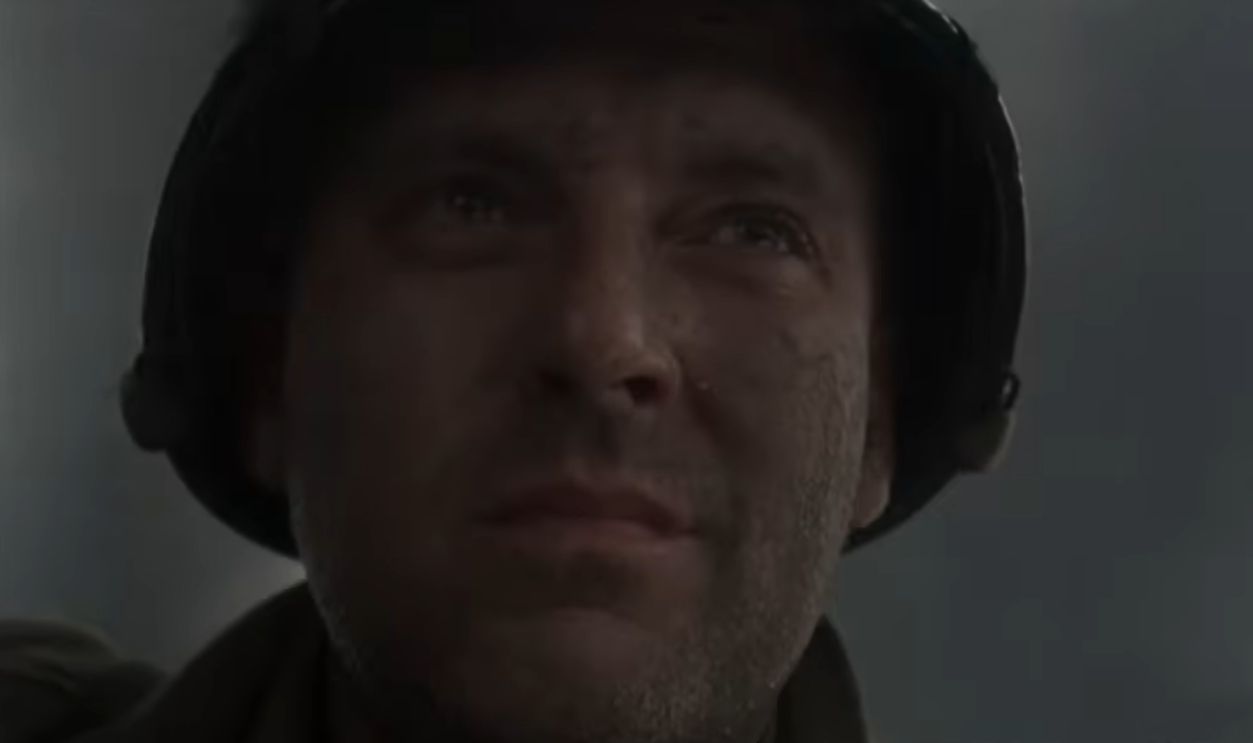 Screenshot from Saving Private Ryan, Paramount Pictures (1998)
Another Ultimatum
During production of Saving Private Ryan, director Steven Spielberg reportedly threatened to fire actor Sizemore because of the actor’s substance issues interfering with the shoot. Although Sizemore kept his place on the iconic war film, his personal troubles were far from over.
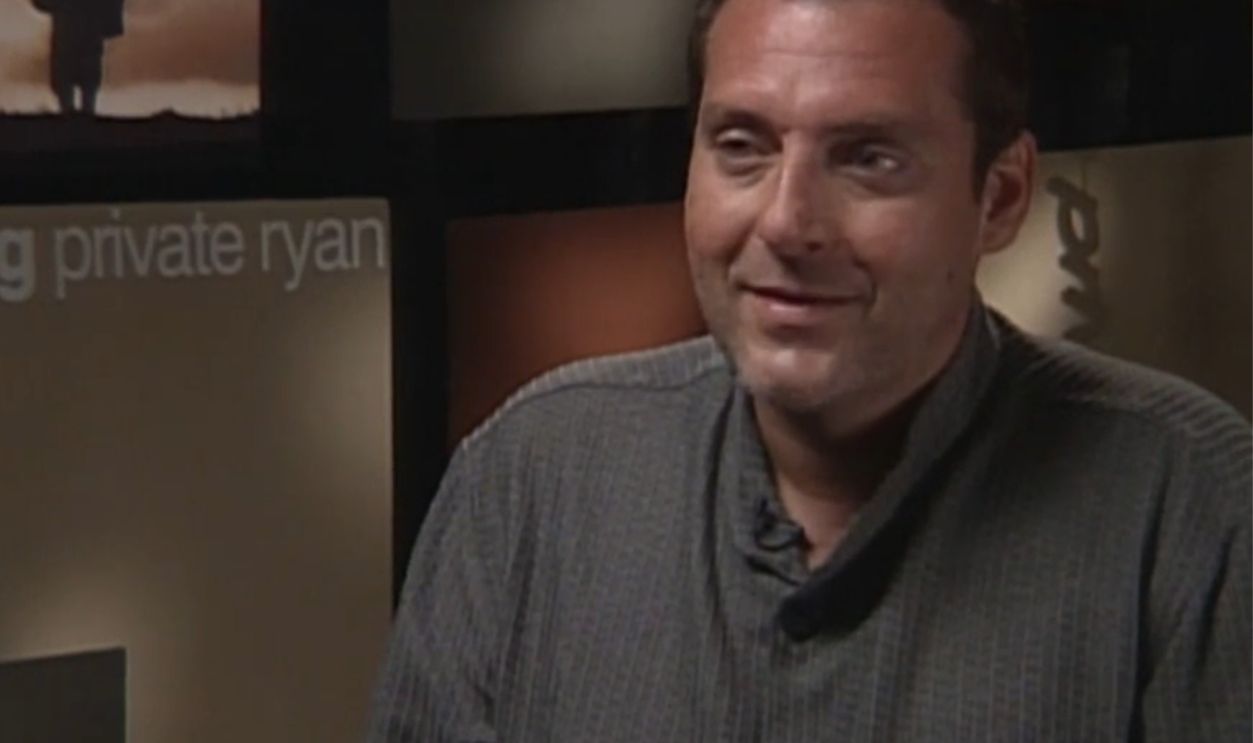 Screenshot from Saving Private Ryan, Paramount Pictures (1998)
Black Hawk Down And Military Authority
The Ridley Scott-directed Black Hawk Down (2001), featured Sizemore as Lieutenant Colonel Danny McKnight. The production involved real military coordination, reinforcing his association with authentic war filmmaking. As great a film as it was, it turned out that Sizemore’s career momentum was starting to slow down entering the 2000s.
 Screenshot from Black Hawk Down, Columbia Pictures (2001)
Marriage To Maeve Quinlan And Breakdown
Sizemore married actress and former tennis player Maeve Quinlan in 1996 during the peak period of his career. The marriage was turbulent amid Sizemore’s ongoing substance problems, and the couple divorced in 1999. The breakup coincided with a growing amount of public scrutiny of his off-screen behavior.
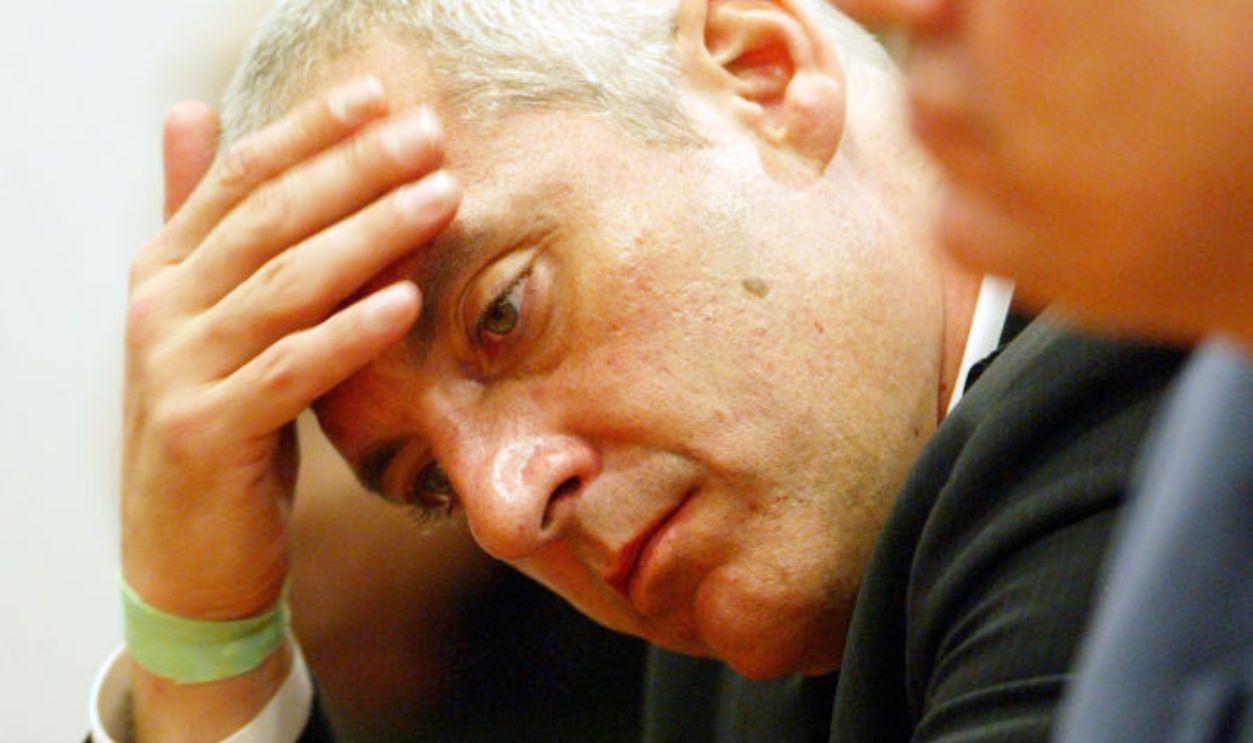
Escalating Problems
By the early 2000s, Sizemore’s long-running substance abuse issues increasingly affected his reliability. Arrests and missed commitments began affecting casting decisions involving Sizemore that producers and directors would’ve never previously given a second thought to. He was gradually being pushed away from prestige studio roles.
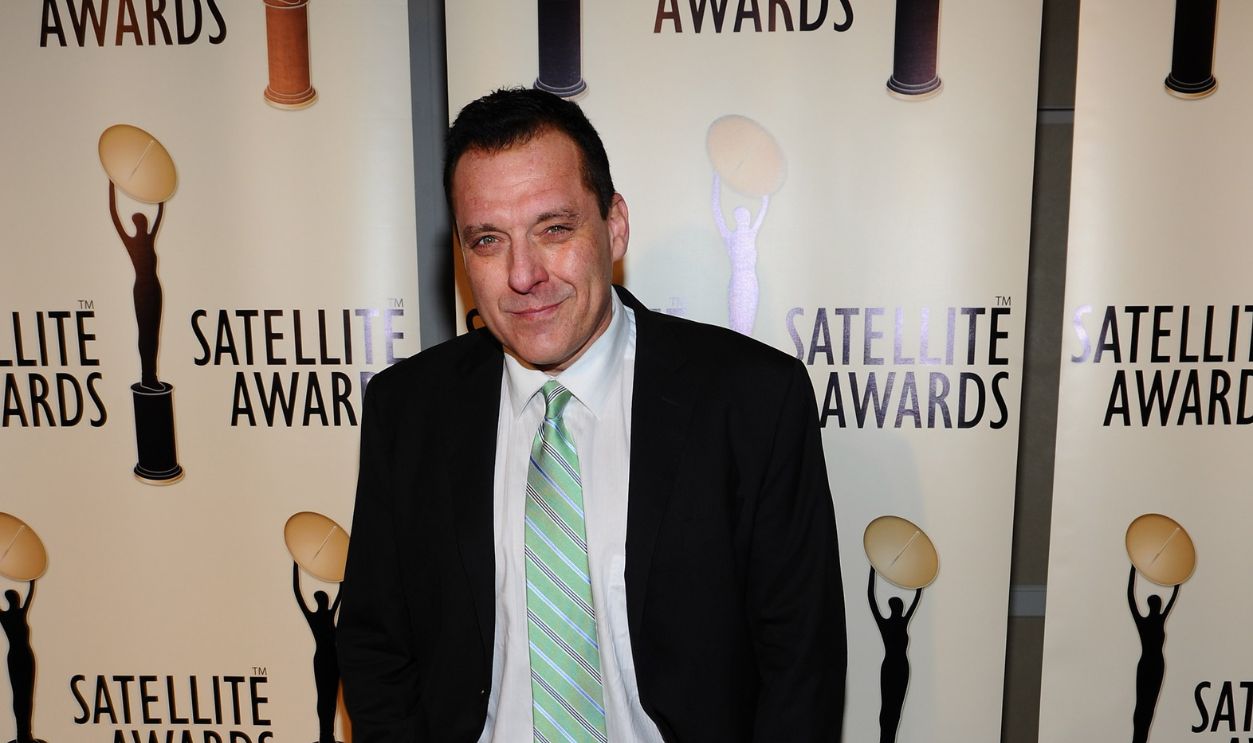
Career Interrupted
In 2003, Tom Sizemore was convicted of domestic violence against former girlfriend Heidi Fleiss. He was sentenced to six months in jail as part of a broader pattern of legal trouble linked to ongoing substance abuse. The conviction further limited studio opportunities and intensified public scrutiny during an already unstable period.
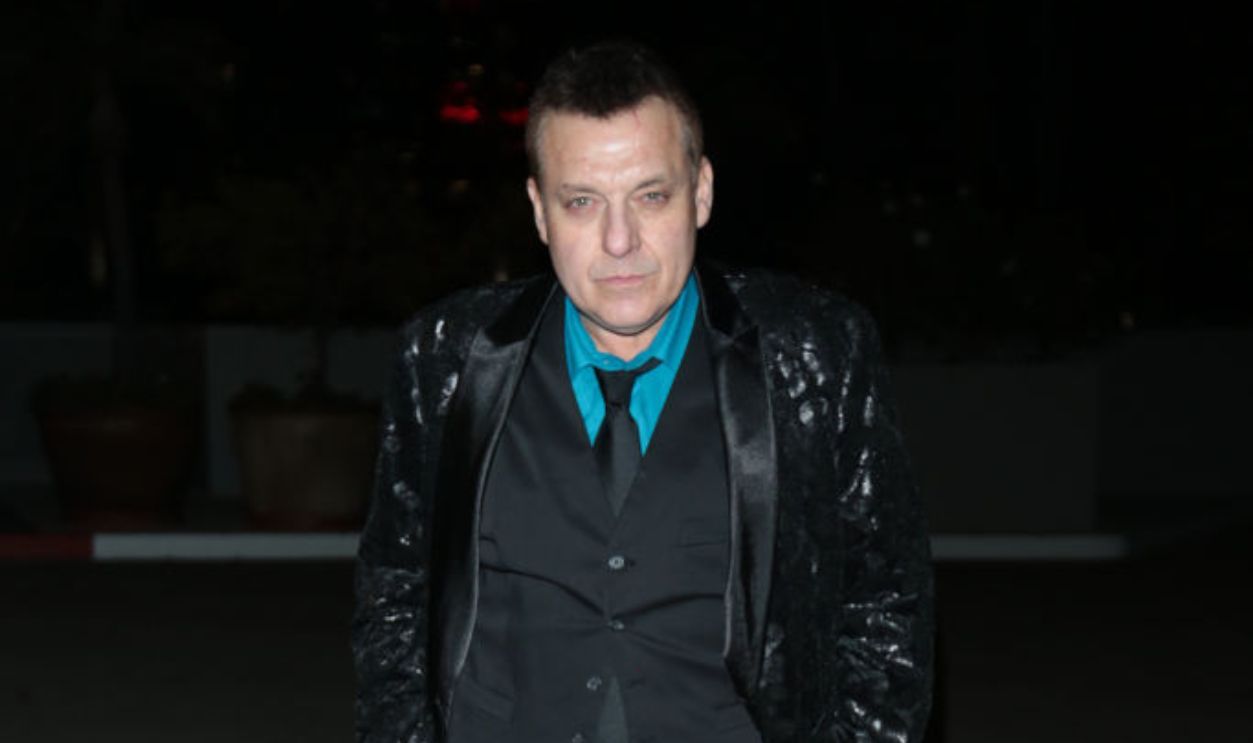
Reality Television And Public Rehab
In 2010, Sizemore appeared on VH1’s reality TV series Celebrity Rehab with Dr. Drew, publicly addressing addiction. The appearance marked a visible attempt to confront personal issues long affecting his professional life. Heidi Fleiss was also on the show, and the two seemed to have put the past behind them.
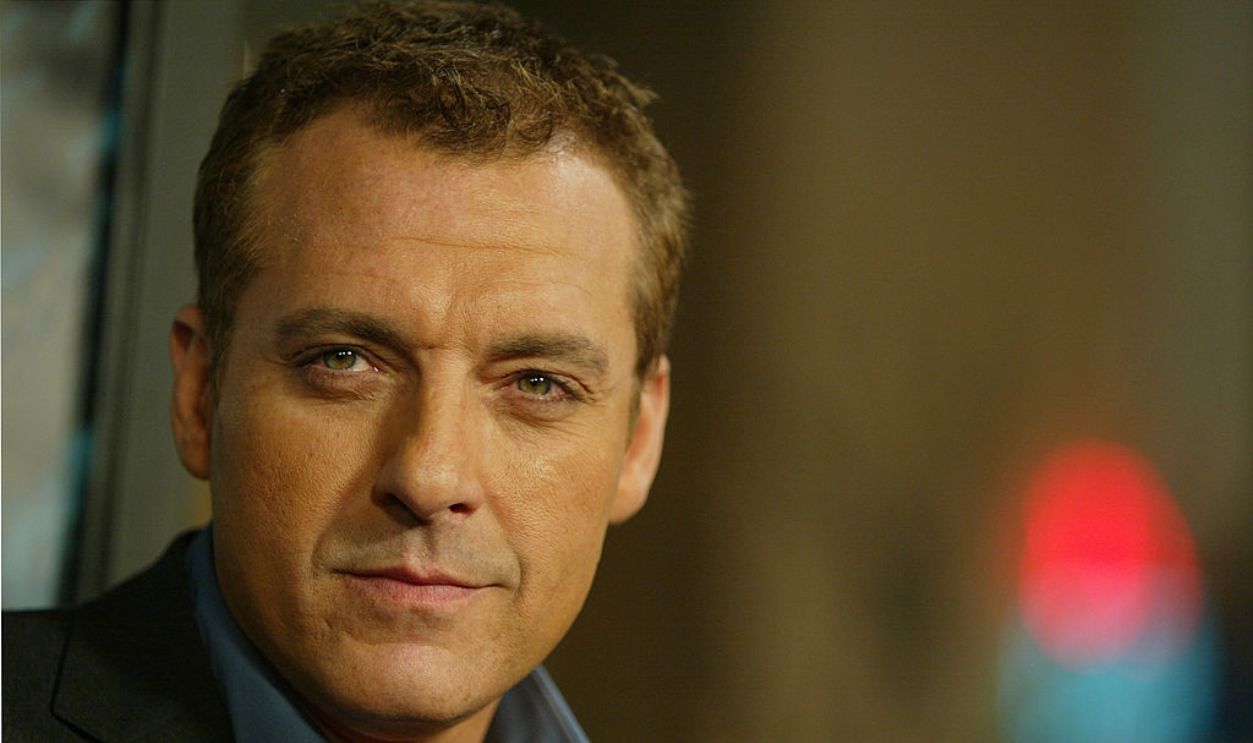 Christopher Polk, Getty Images
Lawsuit Dismissed
In 2019, Tom Sizemore faced a lawsuit alleging that he had inappropriately touched an 11-year-old girl in 2003 during production of the film Born Killers in Utah. Devastated, Sizemore denied the accusation, and his legal team challenged the claims in court. Later that year, a Utah judge dismissed the lawsuit on grounds tied to the statute of limitations, effectively bringing the civil case to a close.
Attempts At Recovery And Continued Work
Following treatment, Sizemore took on numerous lower-budget film and TV roles. His output increased, although many of these projects lacked the scale and visibility of earlier work. But at least he was able to stay active at the livelihood he loved, while making repeated attempts at recovery.
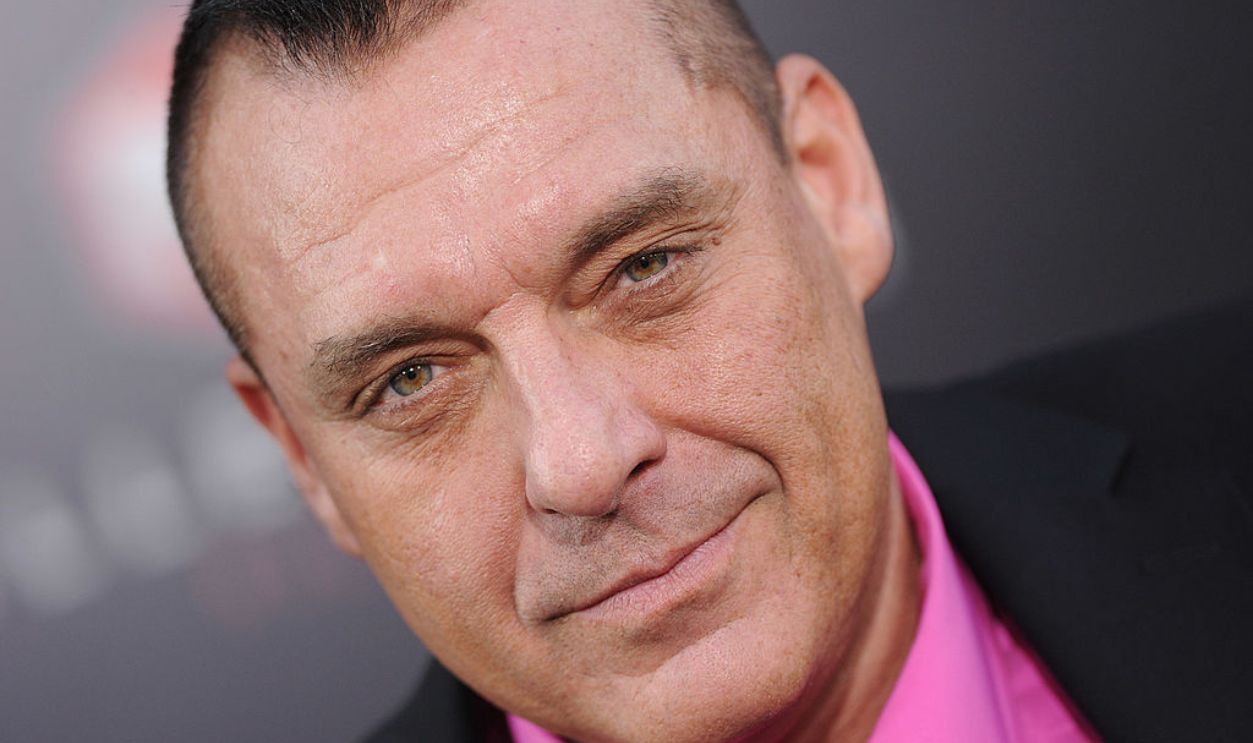 Axelle/Bauer-Griffin, Getty Images
Health Decline In Later Years
Tom’s years of substance abuse contributed to his declining health, including repeated hospitalizations. The physical deterioration was increasingly what most people were commenting on after his public appearances, and not his most recent acting projects.
 Jayel Aheram, Wikimedia Commons
Final Hospitalization
In February 2023, Sizemore suffered a brain aneurysm after collapsing at home. He was left hospitalized for weeks in critical condition before he finally passed away at the comparatively young age of 61.
 Jayel Aheram from Seattle, WA, Wikimedia Commons
The Tributes Flooded In
Following Sizemore's death, actors and filmmakers shared memories focusing on on-set intensity and specific performances rather than general praise. This highlighted how strongly he had imprinted individual roles on the memory of 90s movie audiences.
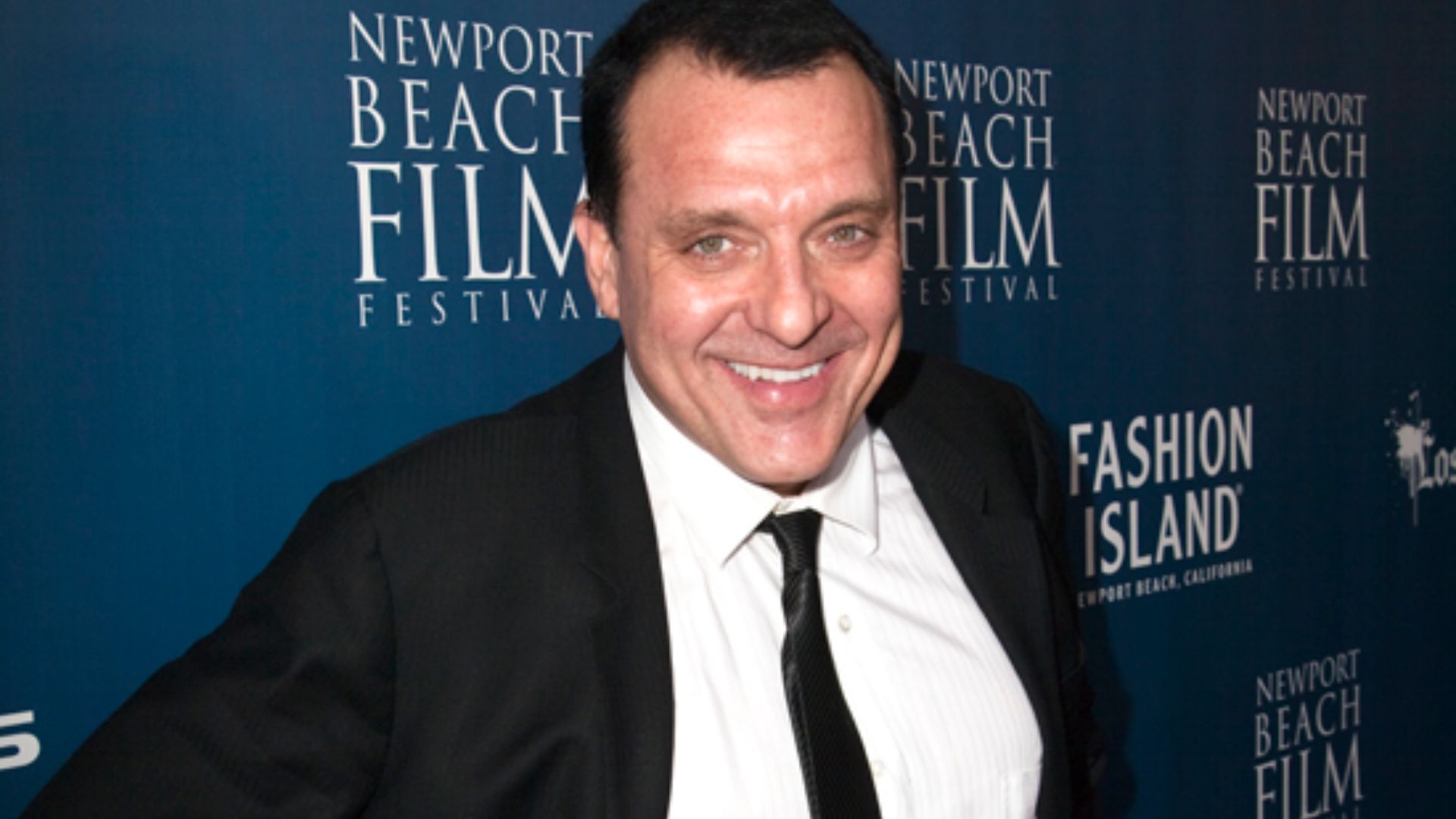 Jean Claude Vera, Wikimedia Commons
He Never Gave Up
In his final years, Sizemore worked intermittently and granted interviews focused more on recovery than movie roles. Mainstream visibility faded steadily. In his autobiography and in the few interviews he gave through this period, Sizemore never shied away from admitting his own role in the personal setbacks he’d undergone, but he also never stopped trying to overcome the problems that haunted him.
 Jayel Aheram from Seattle, WA, Wikimedia Commons
A Career Marked By Peaks And Collapse
Tom Sizemore’s career followed a sharp arc as one of the most visible and accomplished action stars of the 90s. This enduring body of work came during a short period of opportunity, followed by years of personal struggle and diminished momentum. His friends, family, and fans are left to wonder what might have been.
 Jayel Aheram from Seattle, WA, Wikimedia Commons
You May Also Like:
The Most Chaotic Movie Productions In Hollywood History
Scott Weiland: Rock’s Fast Burning Fuse