Stories Left Behind
The golden age of Hollywood wasn't golden for everyone—especially so-called "starlets." Behind the publicity photos and the studio contracts were real women dealing with addiction, heartbreak, scandal, and an industry that discarded people the moment they became inconvenient.
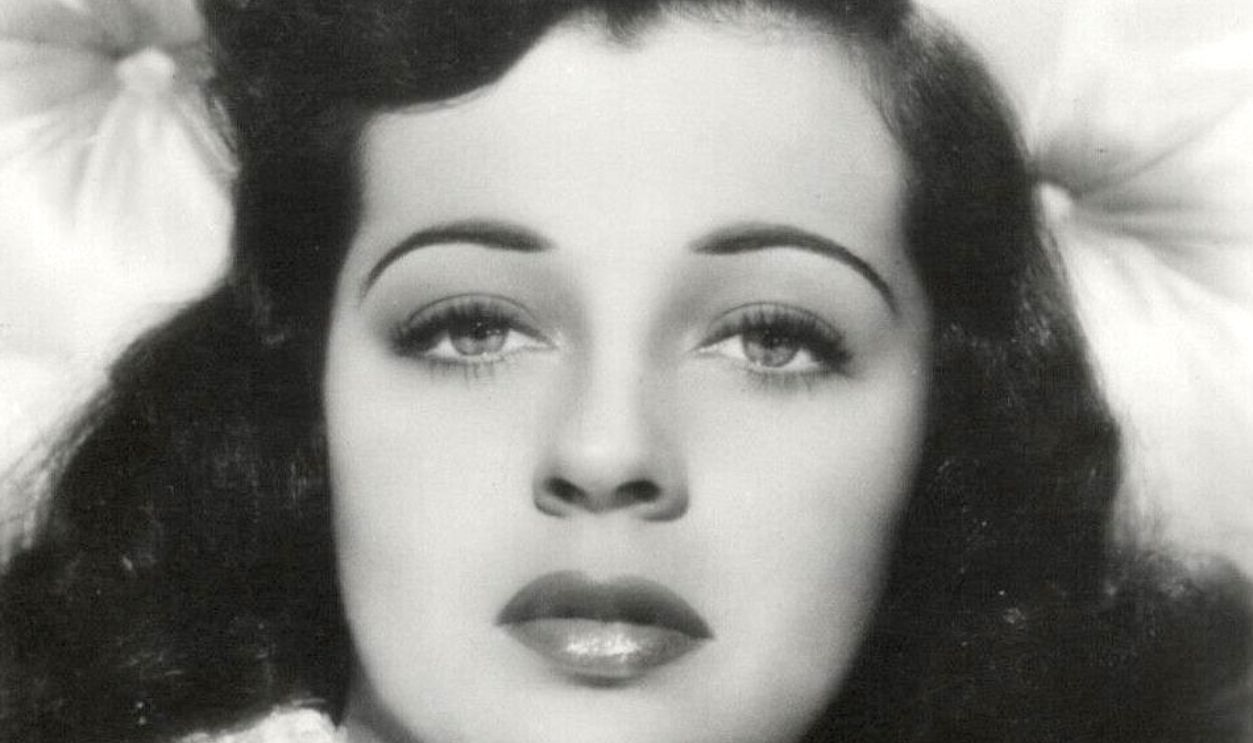 Unknown author, Wikimedia Commons
Olive Thomas
Mercury bichloride was a syphilis treatment in 1920—applied to the skin, never swallowed. On the night of September 5, at the Hotel Ritz in Paris, an exhausted and intoxicated Olive mistook her husband Jack Pickford's medication for a sleeping tonic. The label was in French.
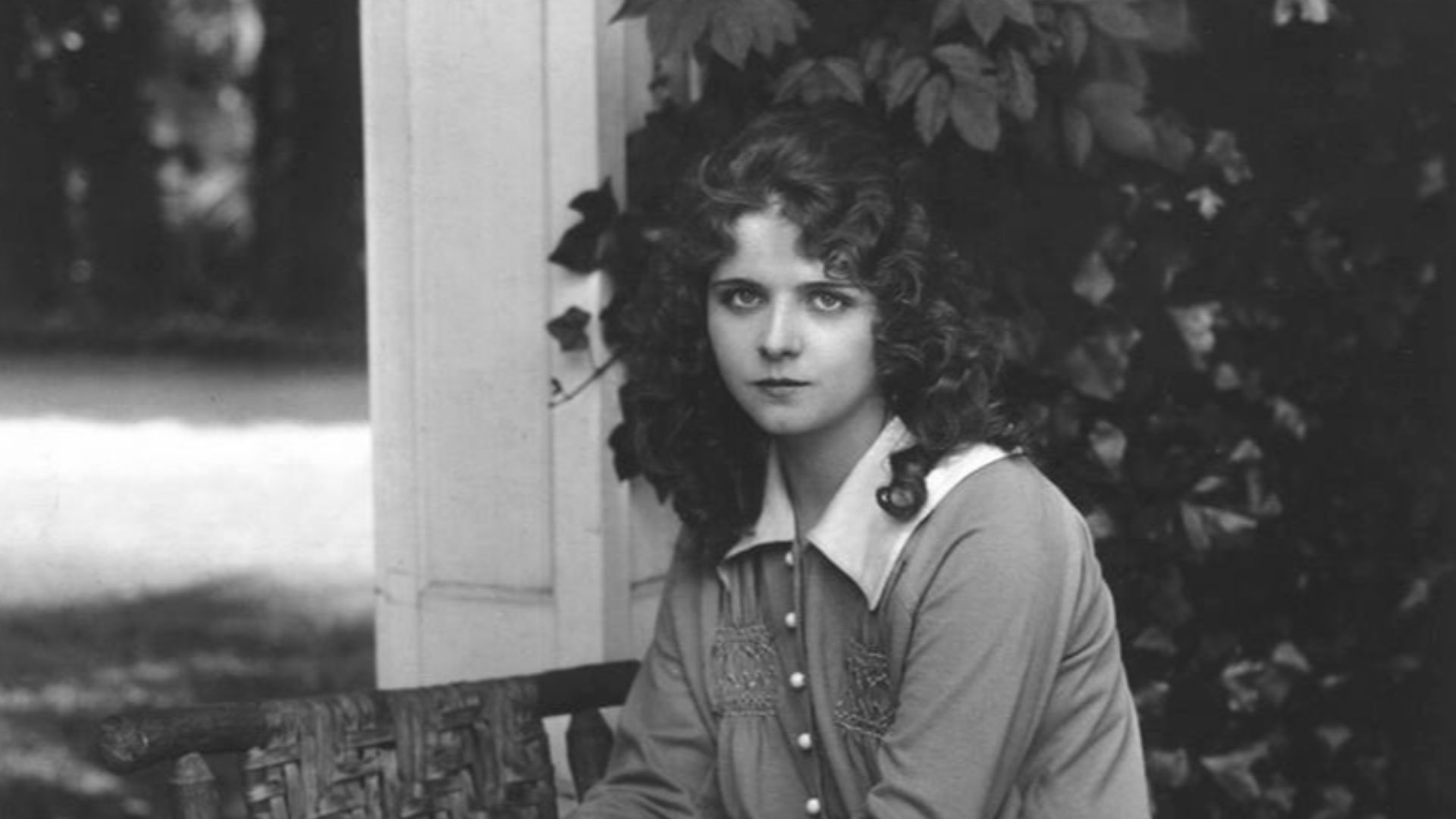 Albert Witzel, Wikimedia Commons
Olive Thomas (Cont.)
She screamed, "Oh, my God!" and survived five days of agony at the American Hospital in Neuilly before dying on September 10, 1920, aged 25. Once earning $2,500 a week and the first actress ever to portray a flapper on film, she was Hollywood's earliest major scandal.
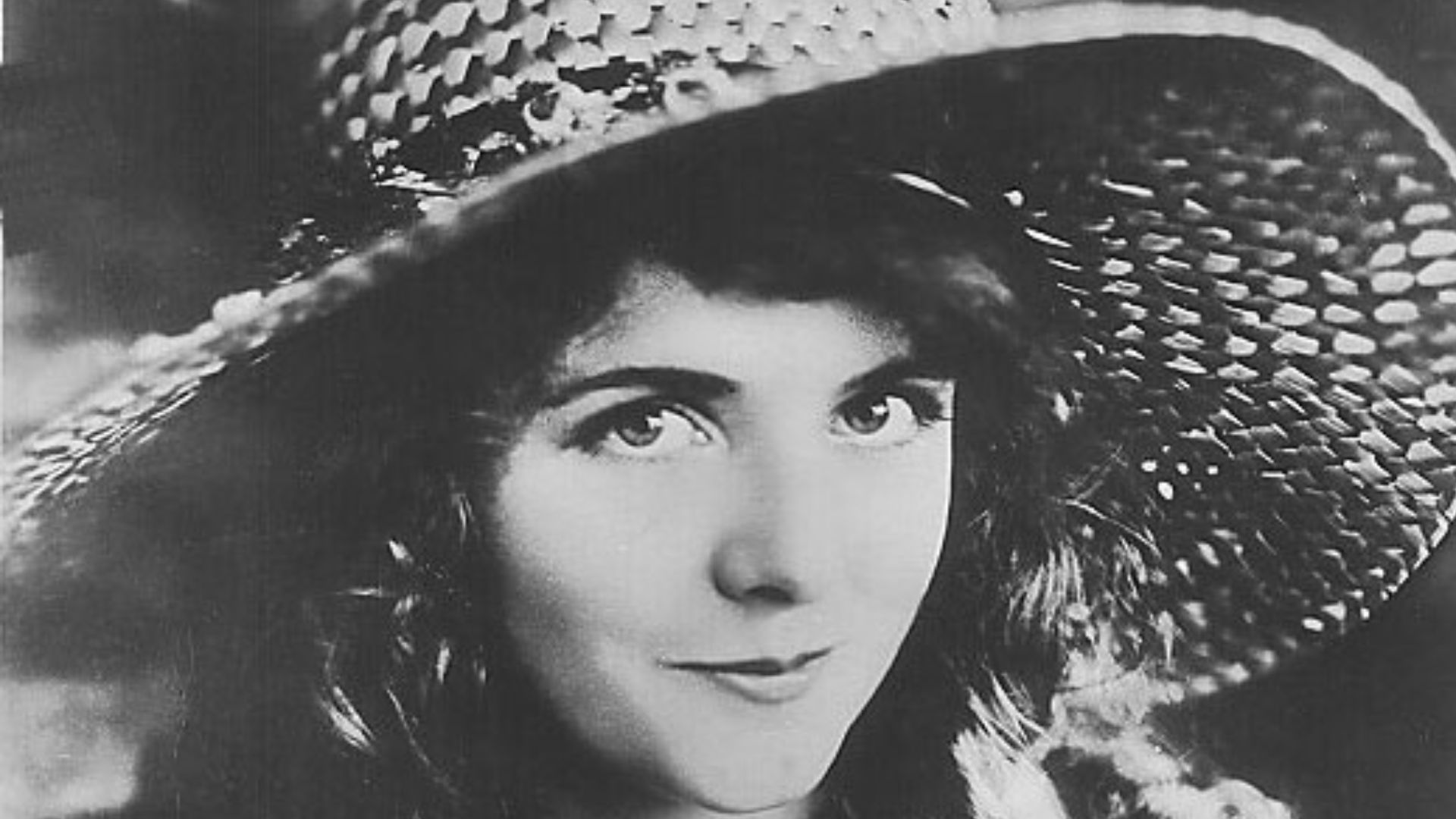 Unknown photographerUnknown photographer, Wikimedia Commons
Barbara La Marr
When MGM chief Louis B Mayer discovered Austrian actress Hedwig Eva Maria Kiesler in the late 1930s, he renamed her Hedy Lamarr. That gesture alone tells you what Hollywood had lost. Barbara La Marr, born Reatha Dale Watson in 1896, was irreplaceable.
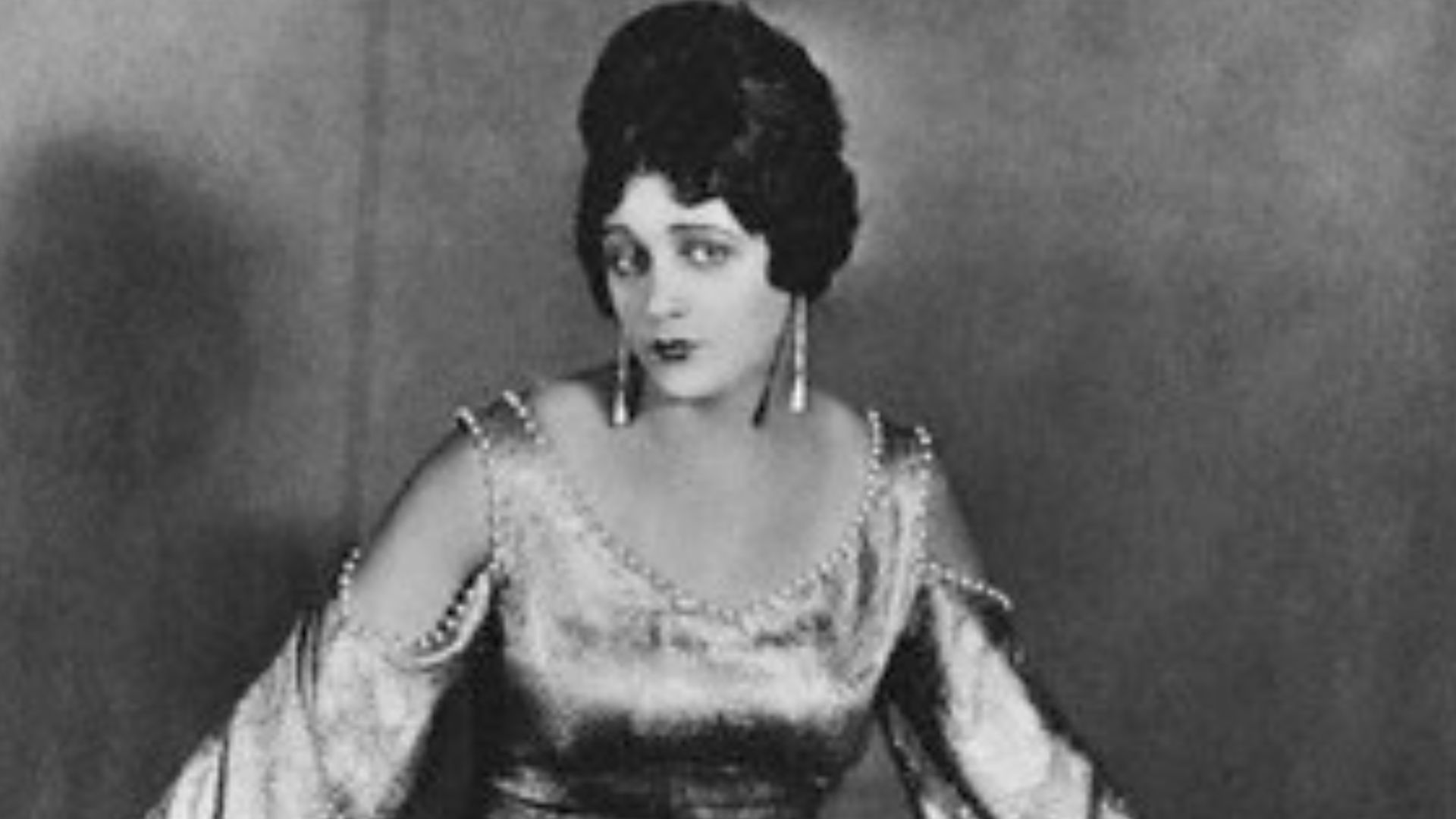 AnonymousUnknown author, Wikimedia Commons
Barbara La Marr (Cont.)
She played Milady de Winter opposite Douglas Fairbanks in The Three Musketeers (1921), appeared in 27 films over five years, and was described by director Fred Niblo as pretty attractive. Crash diets, heavy drinking, and pulmonary tuberculosis killed her on January 30, 1926, aged 29.
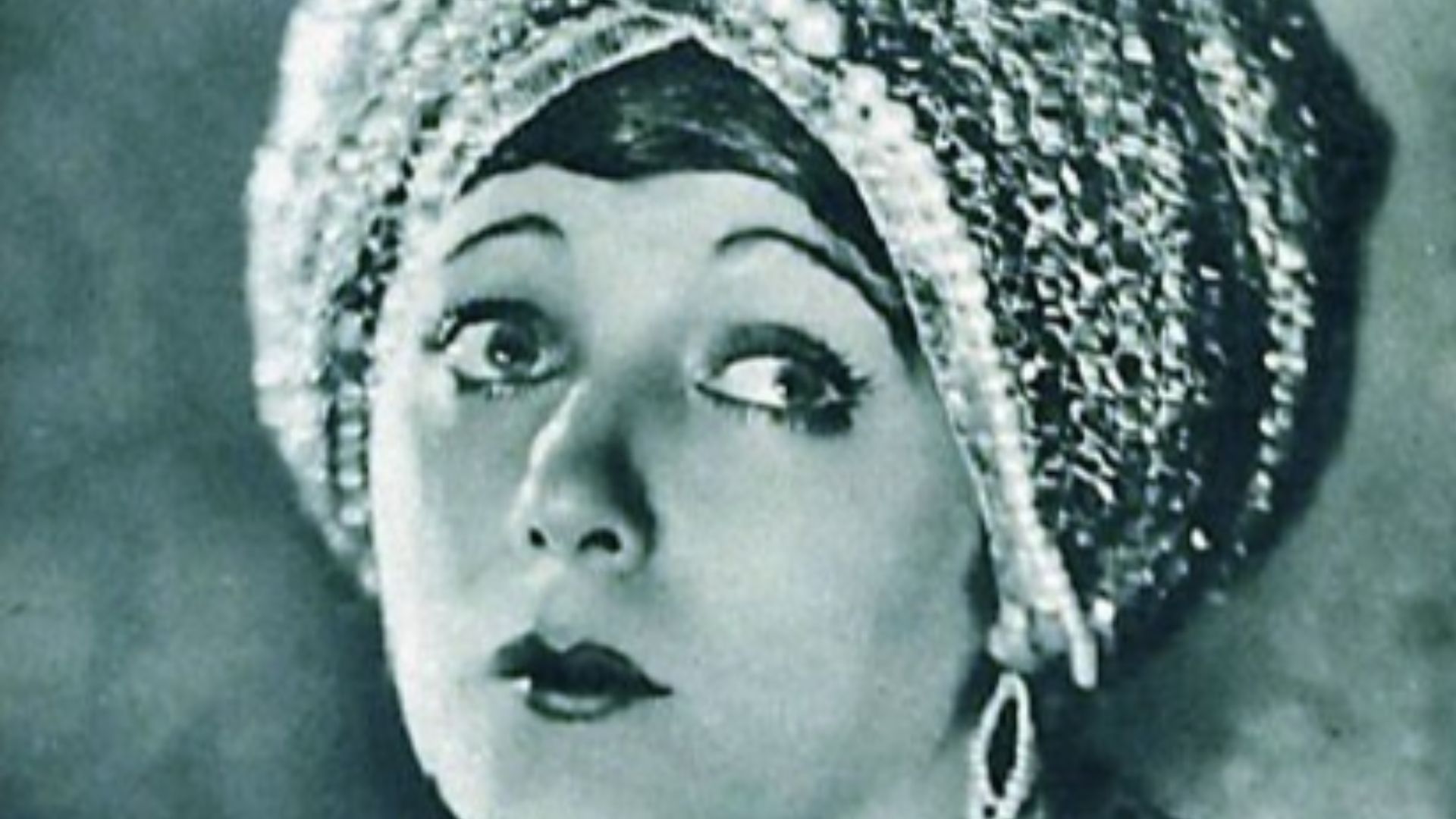 Picture-Play Magazine, Wikimedia Commons
Peg Entwistle
A letter arrived at her uncle's Beachwood Drive home the day after she died. It was an offer of the lead role in a play about a woman who commits suicide. She never read it. Born in Port Talbot, Wales, in 1908, she had ten Broadway productions behind her when she came to Hollywood.
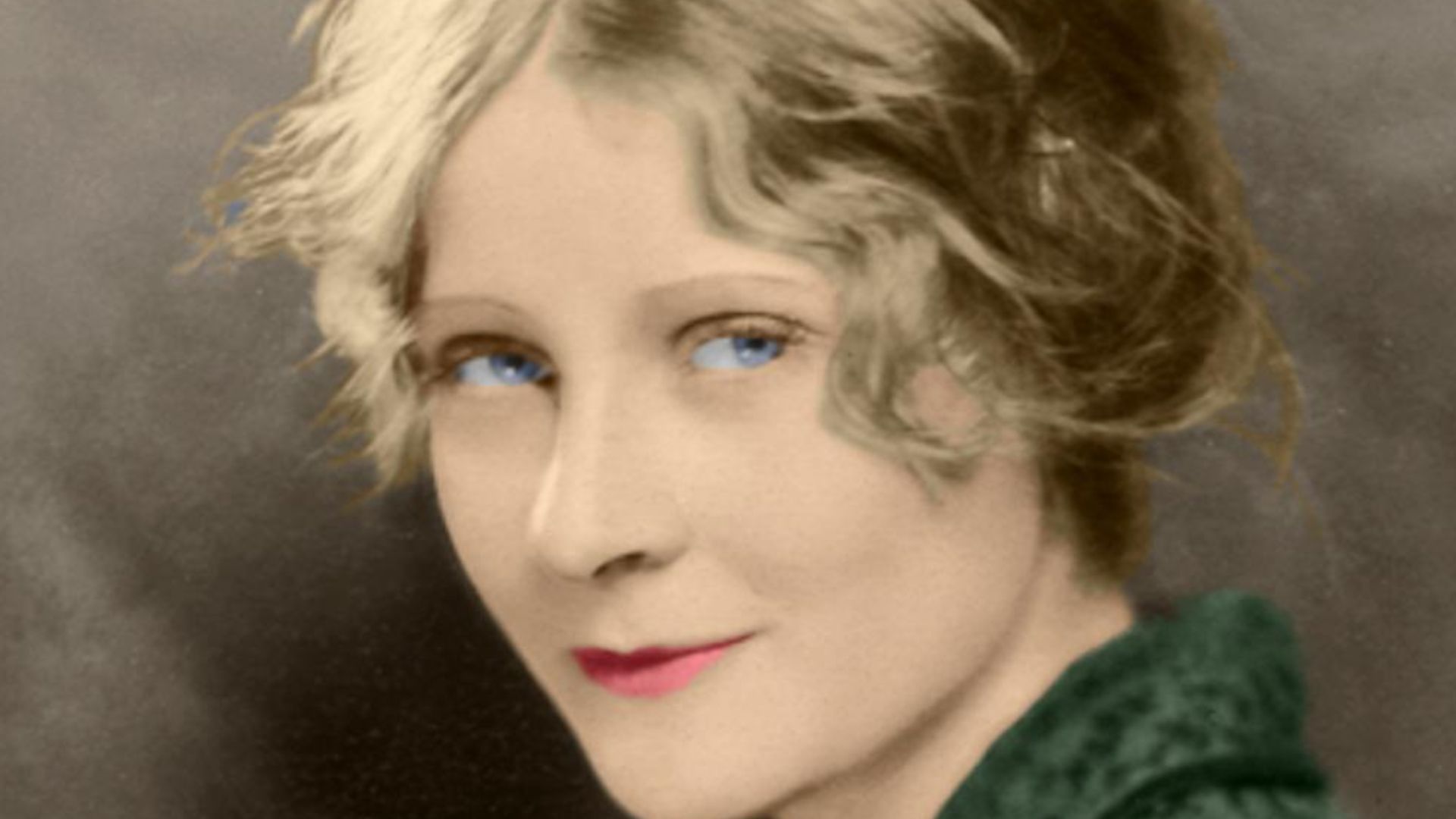 James Zeruk, Jr., Wikimedia Commons
Peg Entwistle (Cont.)
RKO cast her in Thirteen Women (1932), then cut most of her scenes and dropped her contract, leaving her stranded in Depression-era Los Angeles with no money. On September 16, 1932, she climbed a 50-foot workman's ladder behind the "H" of the Hollywoodland sign and jumped.
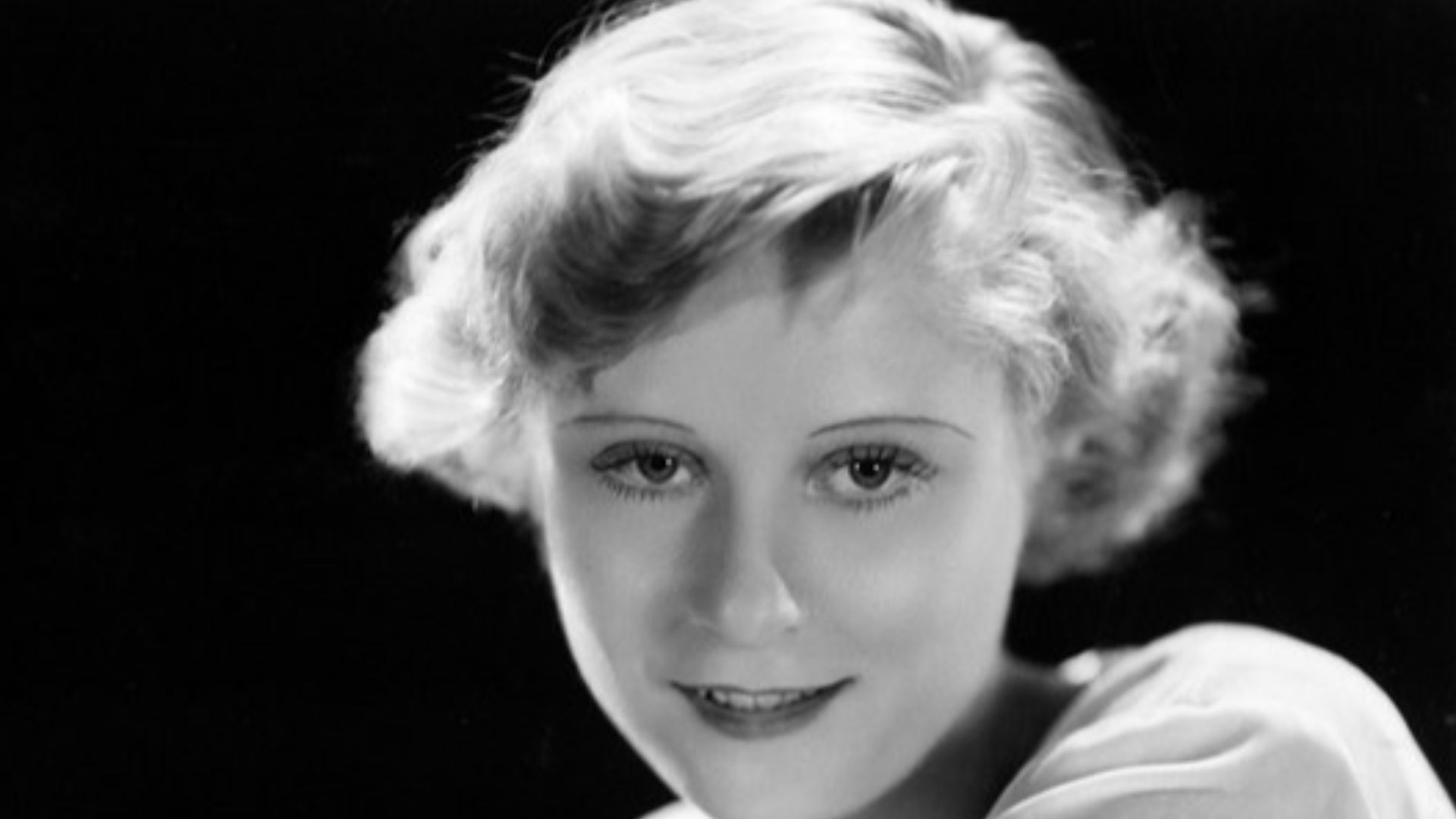 Dltjrrb1122, Wikimedia Commons
Thelma Todd
She had a restaurant on the Pacific Coast Highway, a business plan for her future, and a trunk full of Christmas presents for friends. Yes, none of these points apply to a woman planning to end her life. On December 16, 1935, Todd was found dead in her 1934 Lincoln Phaeton.
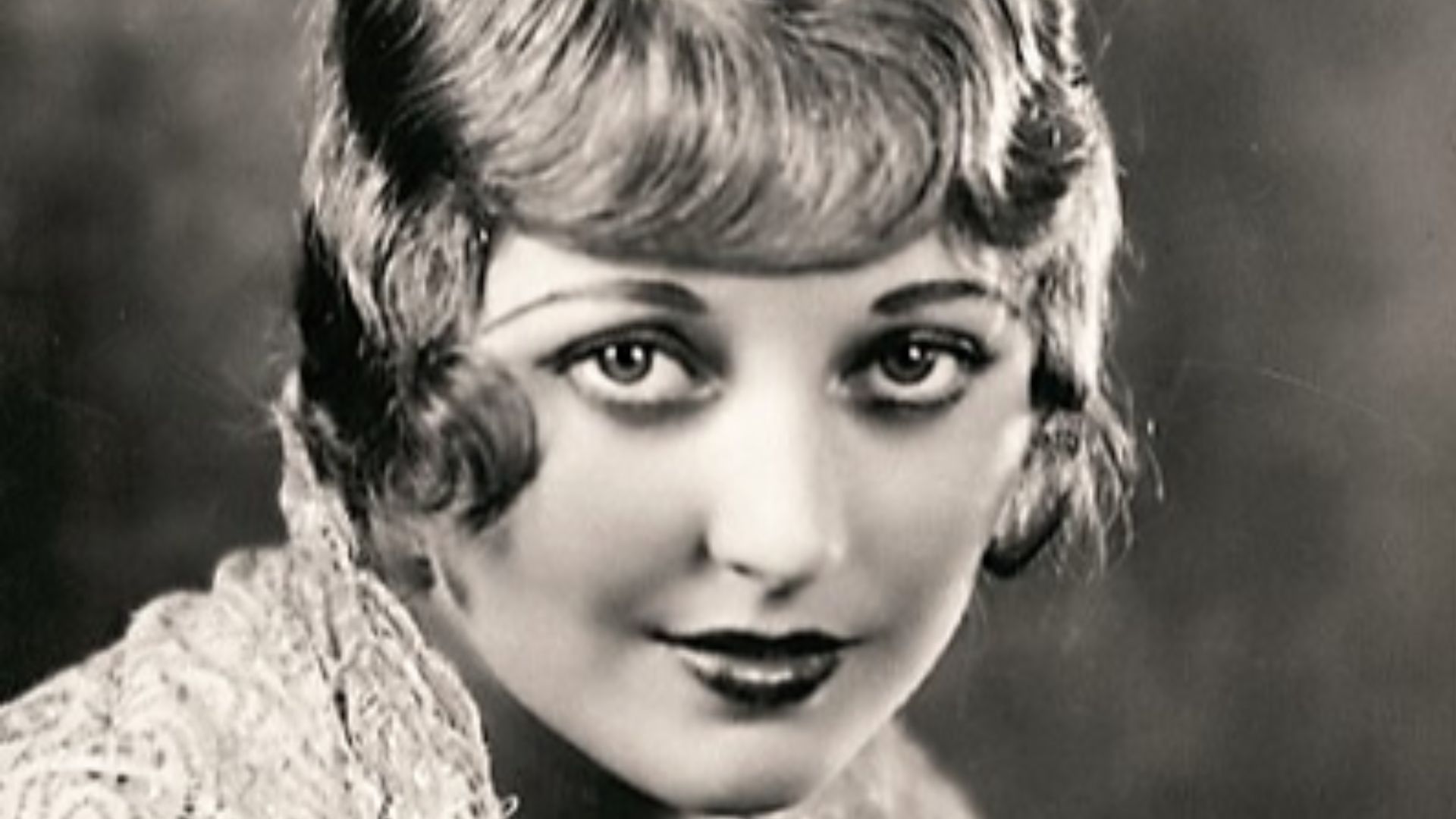 Harold Dean Carsey (1886-1947), Wikimedia Commons
Thelma Todd (Cont.)
The official ruling was accidental carbon monoxide poisoning. Investigators couldn't explain the broken nose, bruised throat, and two cracked ribs found on her body. She had starred opposite the Marx Brothers, Buster Keaton, and Laurel and Hardy. She was 29. The case has never been solved.
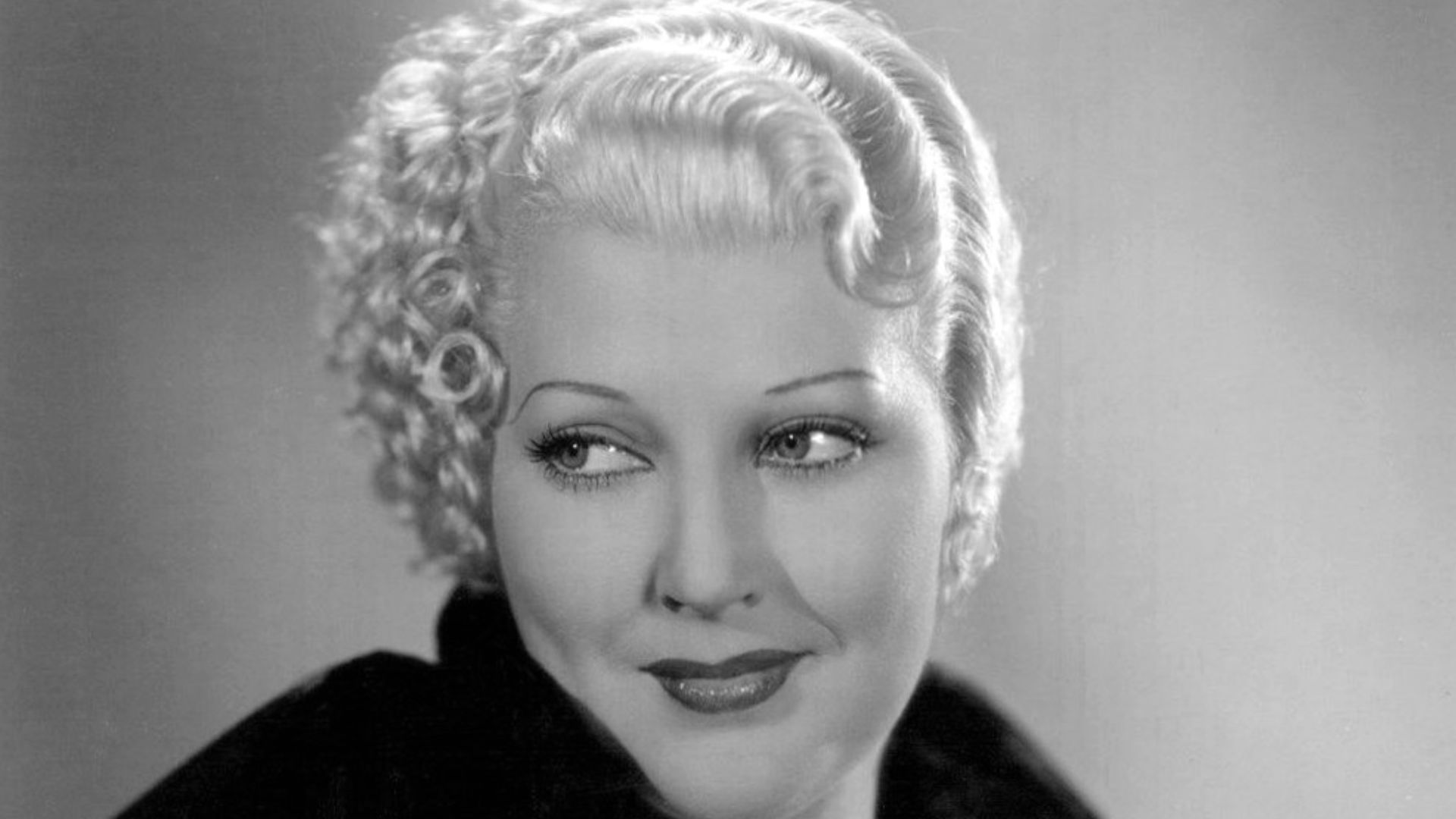
Alma Rubens
A doctor prescribed her morphine in 1921 for a routine physical ailment. She never recovered from it. What began as a legitimate prescription became a drug addiction, then a decade-long collapse that the New York Daily News eventually headlined as "Why I Remain a Dope Fiend".
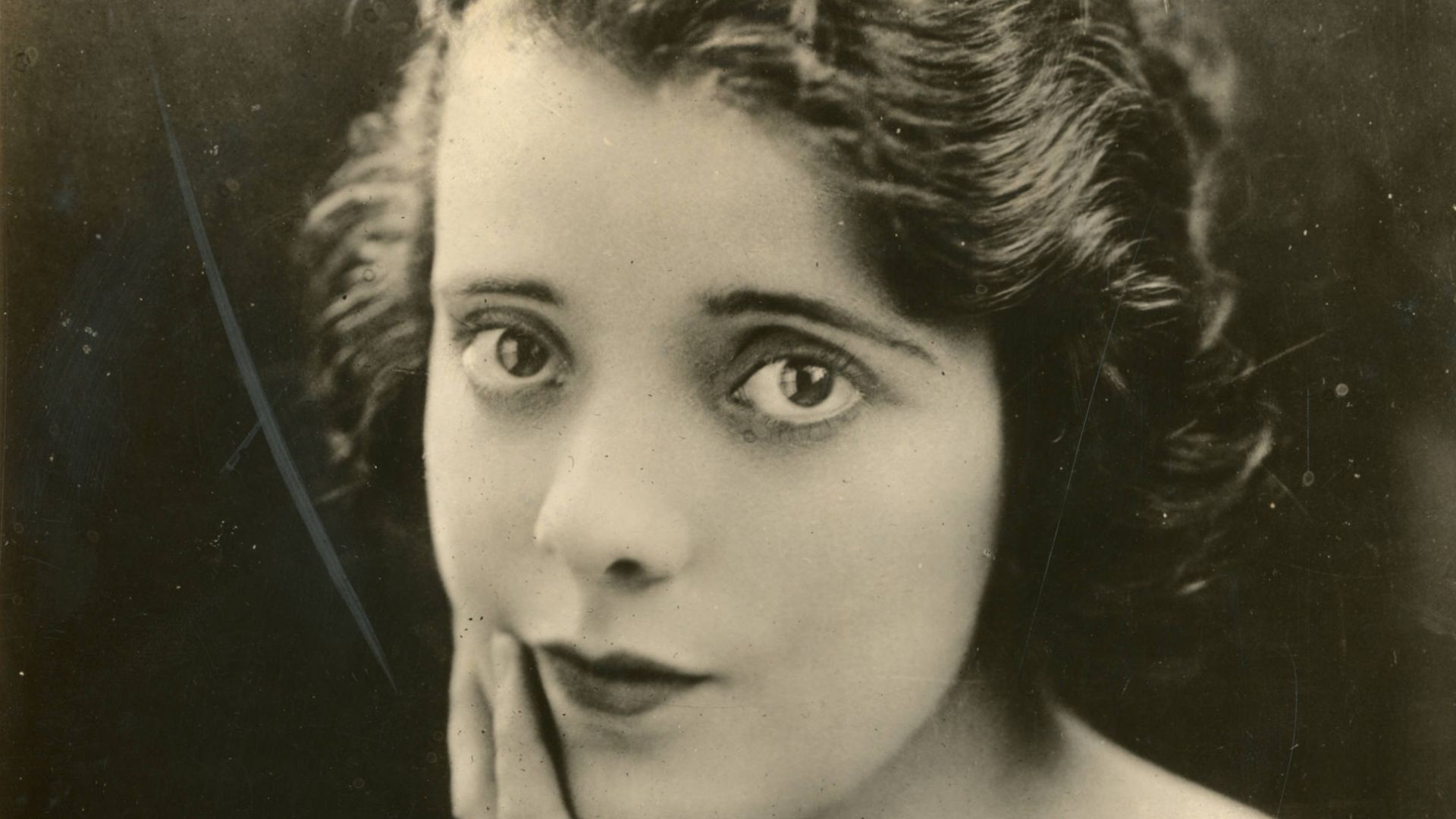
Alma Rubens (Cont.)
At her peak, she earned $3,000 a week and delivered what Variety called "the most eloquent pantomime in screen history" in Enemies of Women (1923). Greta Garbo replaced her in a film she was set to star in. She passed away from pneumonia aged 33.
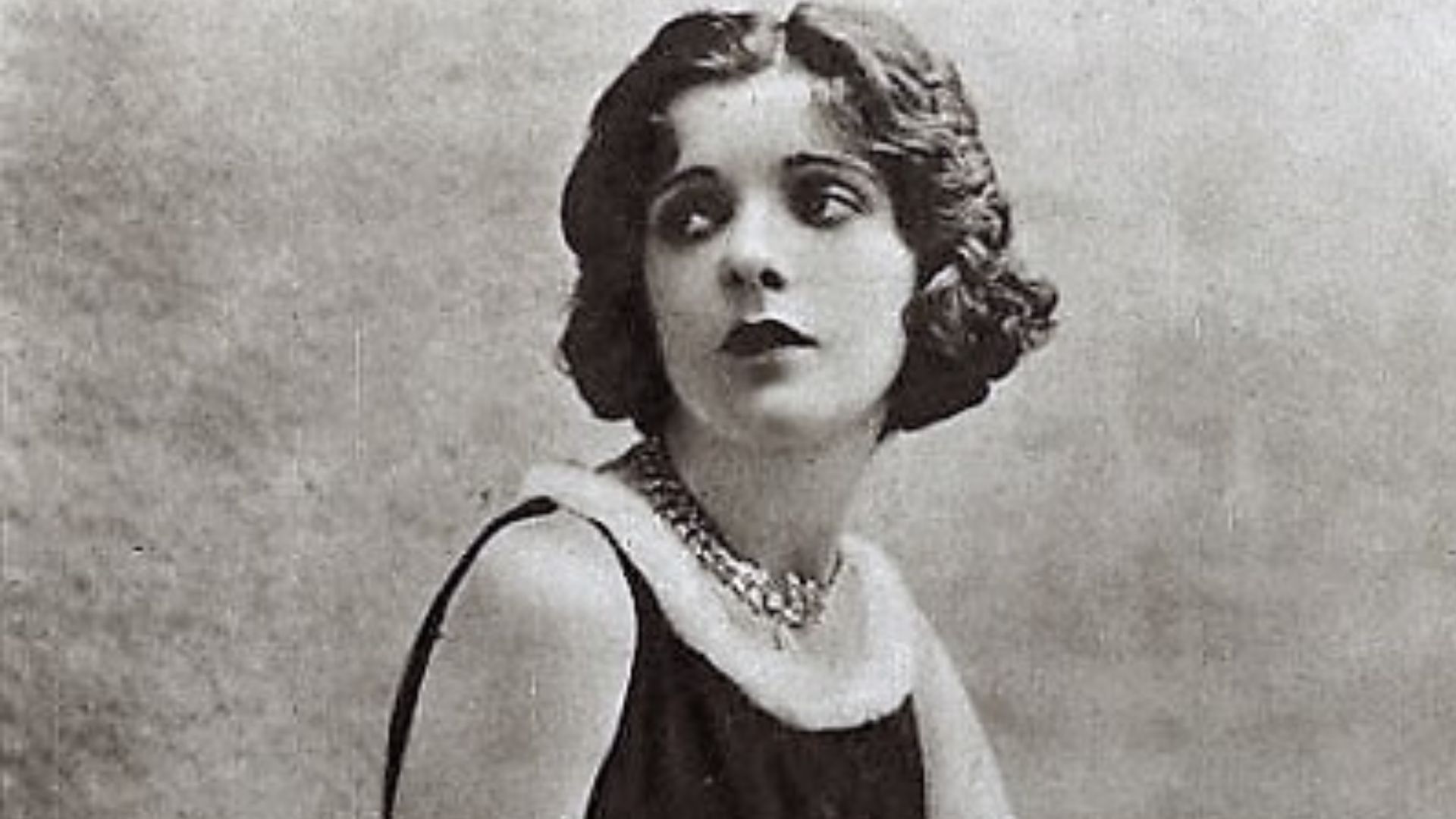 Photoplay Magazine, Wikimedia Commons
Gail Russell
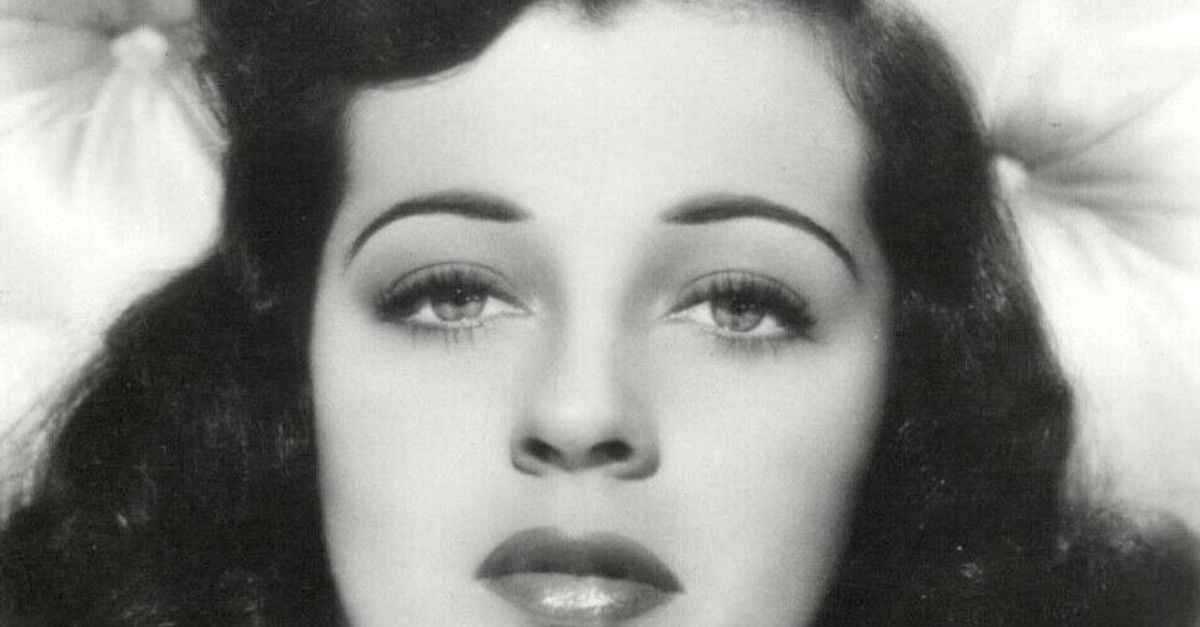
Stage fright so severe, she hid under her parents' piano as a child. No acting training whatsoever. That was who Paramount signed straight out of Santa Monica High School in 1942, purely on the strength of her extraordinary dark-eyed beauty.
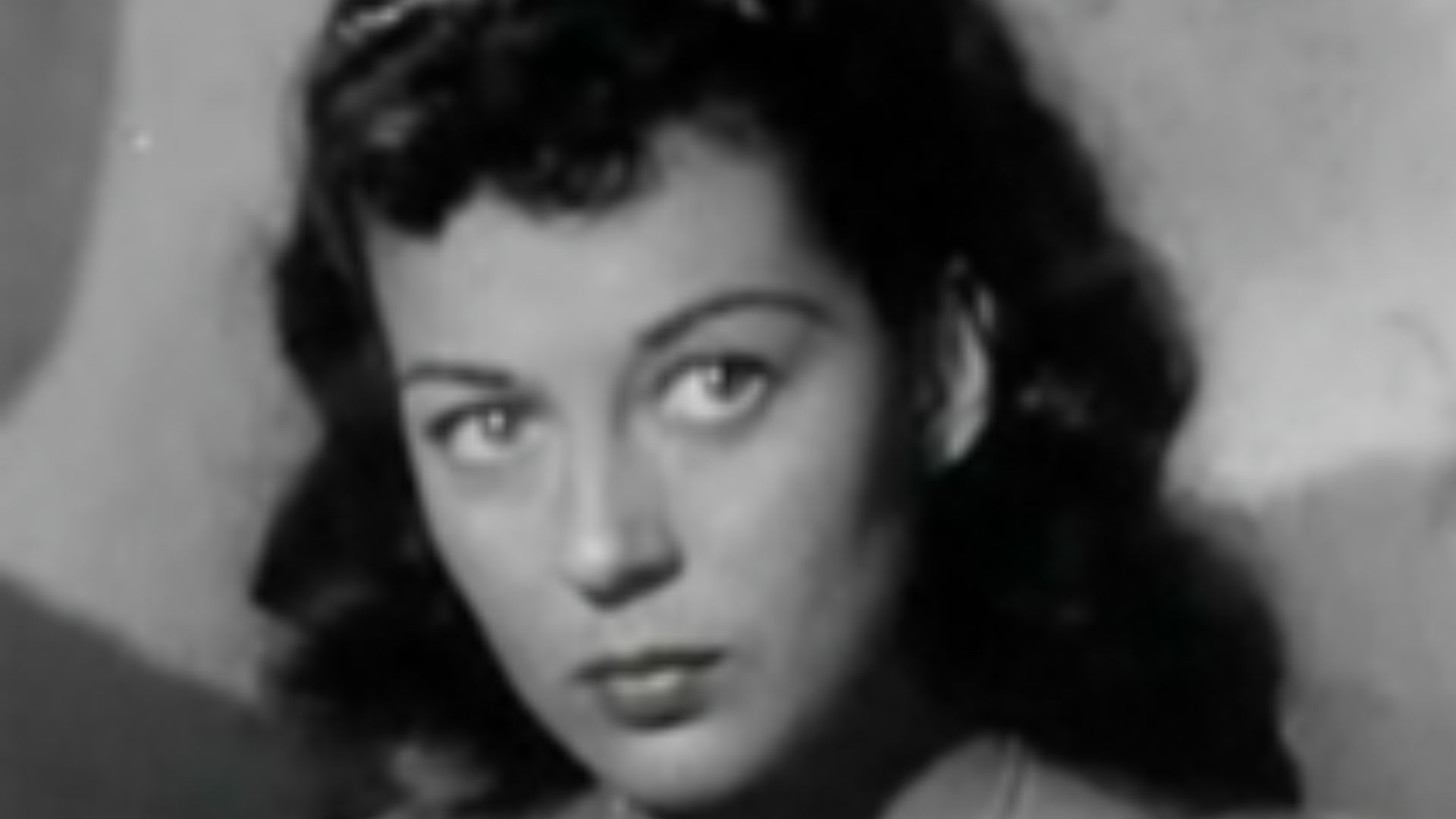 Trailer screenshot, Wikimedia Commons
Gail Russell (Cont.)
To survive the set of The Uninvited (1944), Russell started drinking vodka. The habit never left. Paramount dropped her after a drunk driving conviction in 1950. Her marriage ended. John Wayne, who genuinely cared for her, was one of Hollywood's few who showed her consistent kindness.
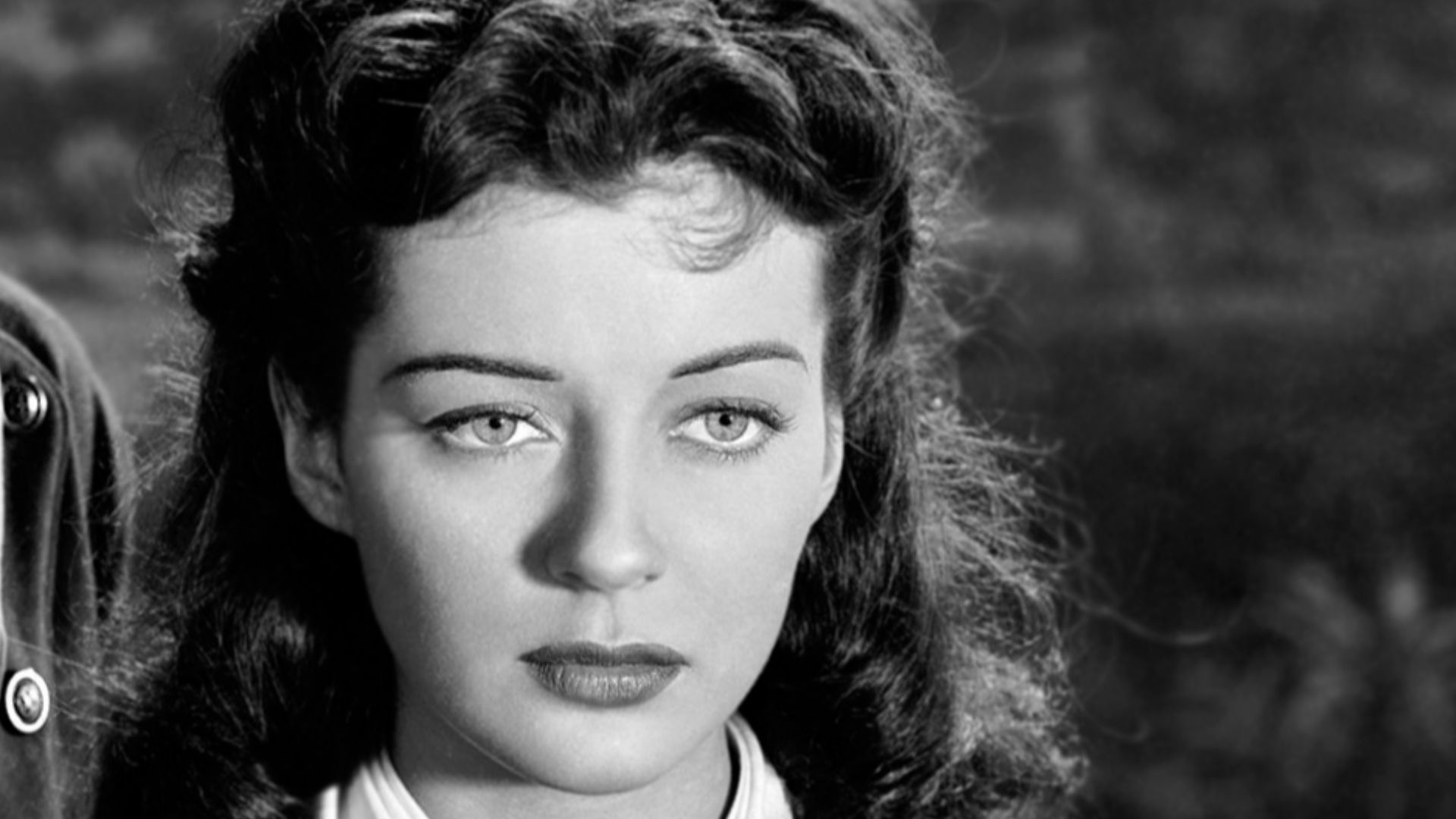 film screenshot, Wikimedia Commons
Lupe Velez
The story Kenneth Anger published in 1959 about how she died, the one involving a toilet, has been thoroughly disproven by researchers and her own secretary's eyewitness account. What is true: Lupe Velez, born in San Luis Potosi, Mexico, in 1908, was a genuinely brilliant comedian.
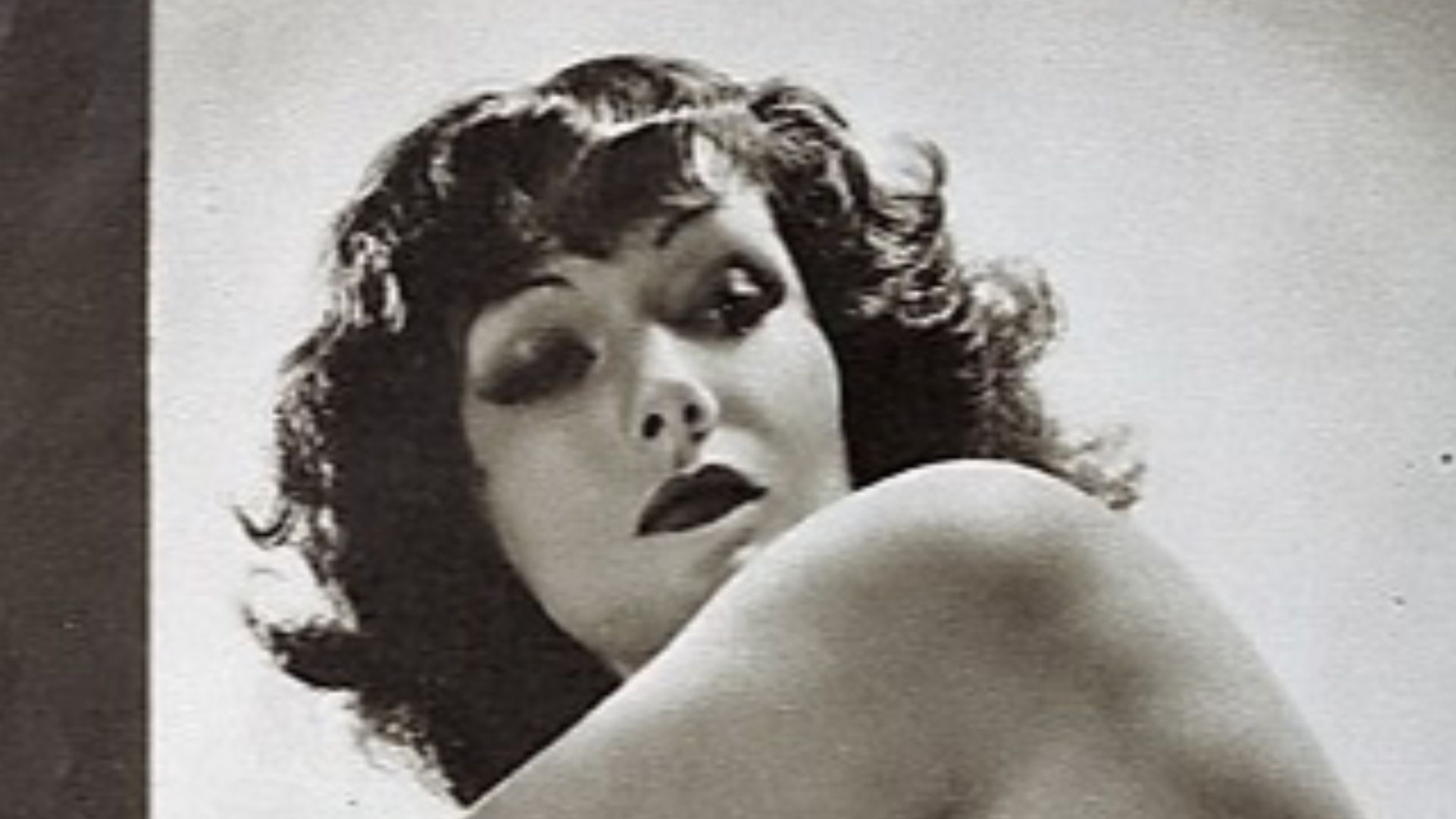 Cine Mundial, Wikimedia Commons
Lupe Velez (Cont.)
She starred opposite Douglas Fairbanks in The Gaucho (1927), made the Mexican Spitfire series a box office hit through the early 1940s, and navigated the sound transition effortlessly. But press interviews caricatured her accent in ways she never actually spoke.
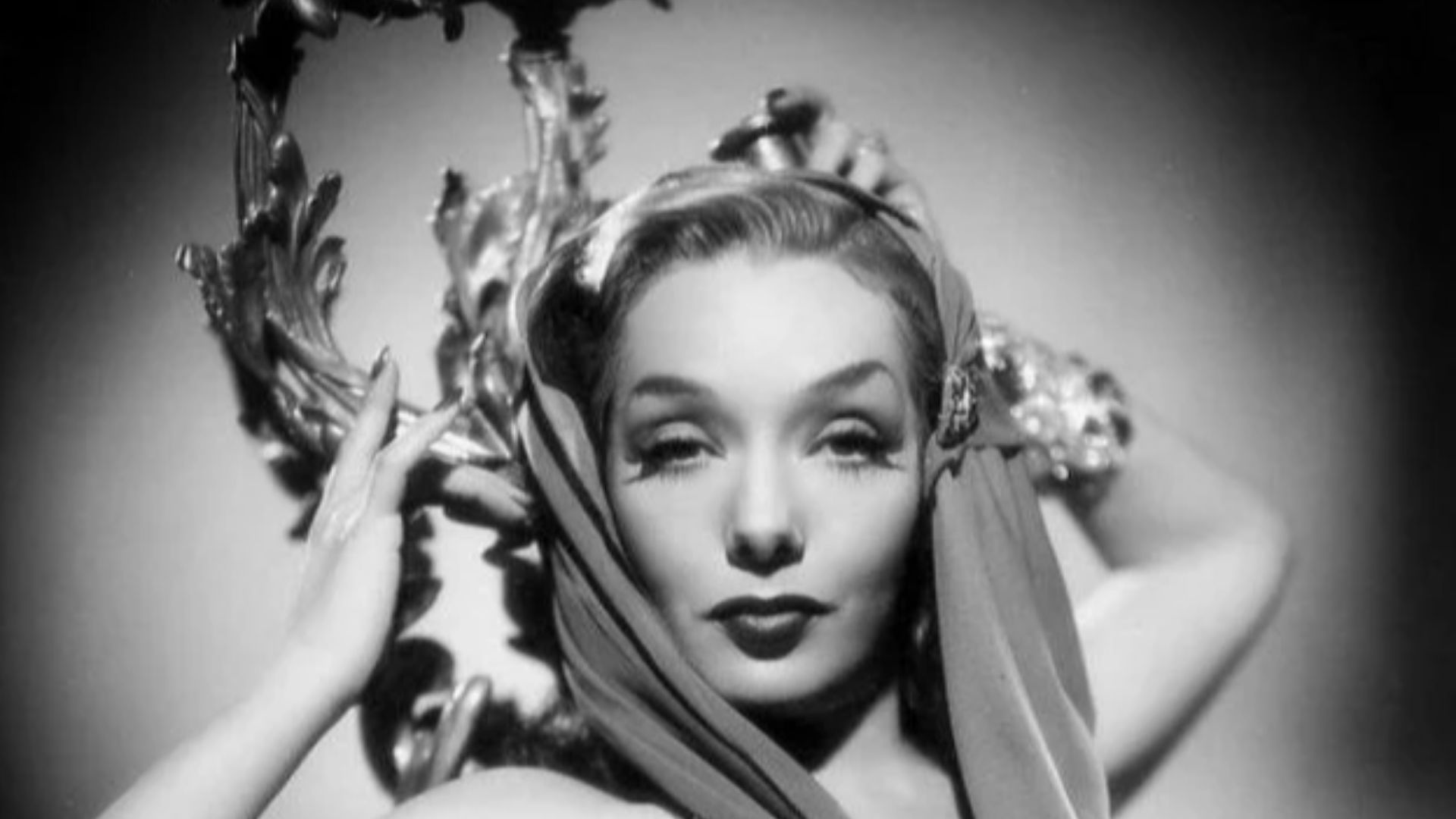 Whitey Schafer, Wikimedia Commons
Florence Lawrence
Lawrence invented movie stardom, and her grave sat unmarked for over 50 years. This woman appeared in nearly all 60 films. DW Griffith directed at Biograph in 1908, with fan mail arriving for an actress whose name the studio deliberately withheld so she couldn't demand higher wages.
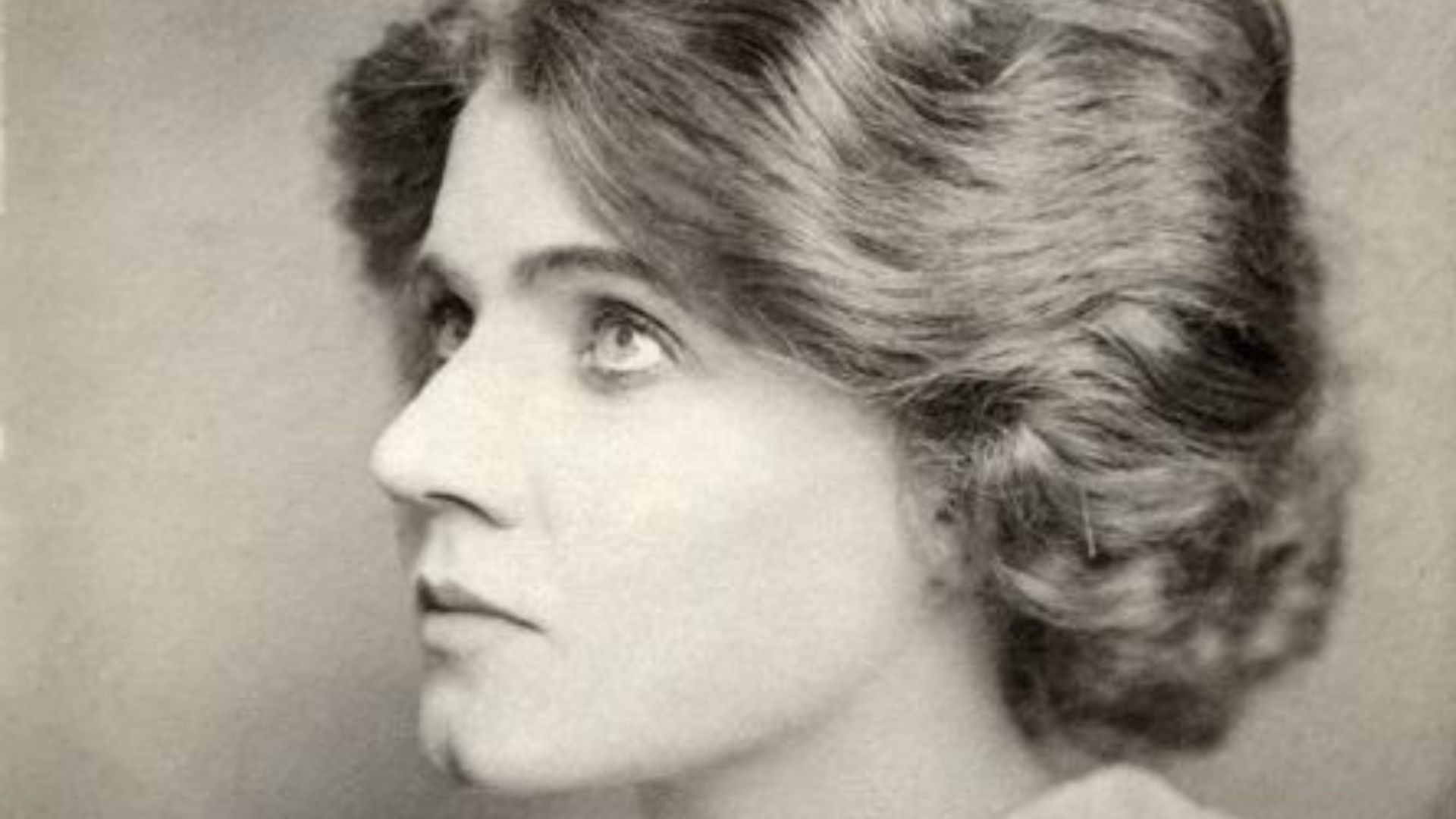 Wisconsin Center for Film and Theater Research, Wikimedia Commons
Florence Lawrence (Cont.)
Producer Carl Laemmle changed that in 1910 with a staged publicity stunt that made her the first publicly named film star in history. She also invented the mechanical turn signal and brake indicator for automobiles without patenting either. An incurable bone disease and the talkie era left her playing extras.
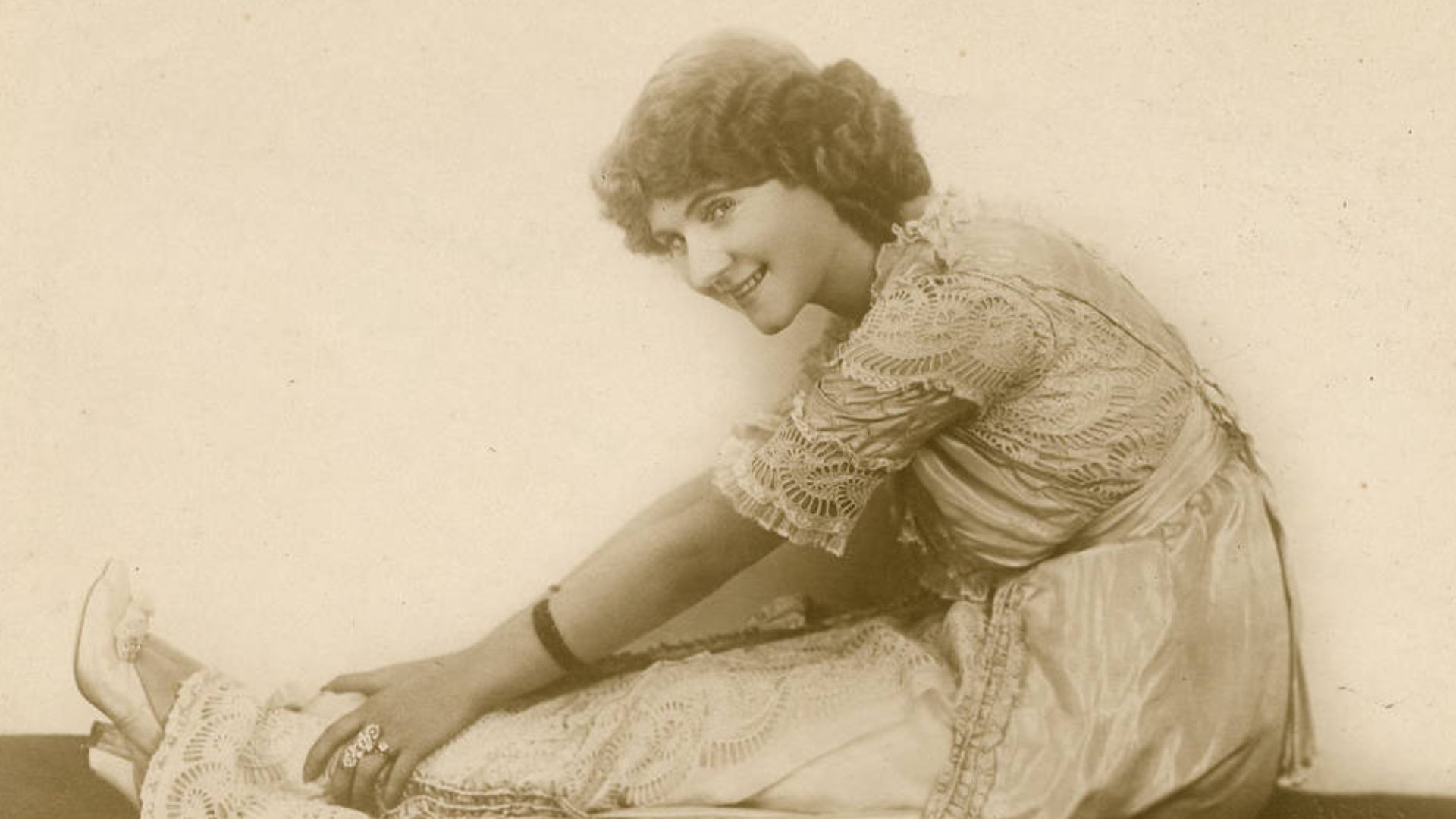
Carole Landis
Four failed marriages, amoebic dysentery, malaria, and near-fatal pneumonia contracted while entertaining troops across the Pacific during World War II—and Hollywood still dropped her contract because the studio considered her book about the USO tour "self-praise”. Carole Landis had given everything and gotten diminishing returns for all of it.
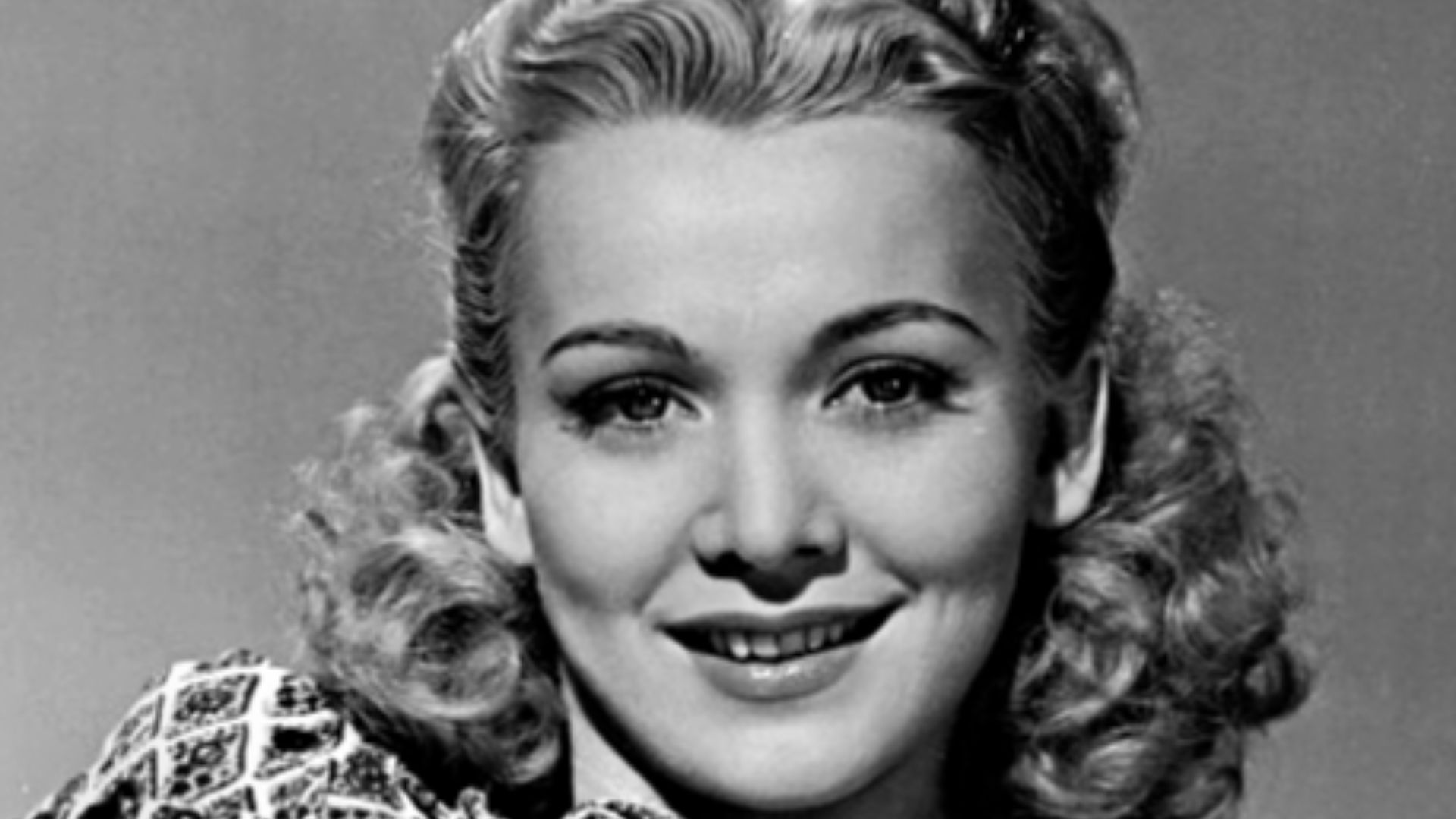
Carole Landis (Cont.)
This star broke through with One Million BC (1940) and made 49 pictures total. Her final evening was spent having dinner with married British actor Rex Harrison, who found her body on the bathroom floor the next afternoon and waited several hours before calling a doctor.
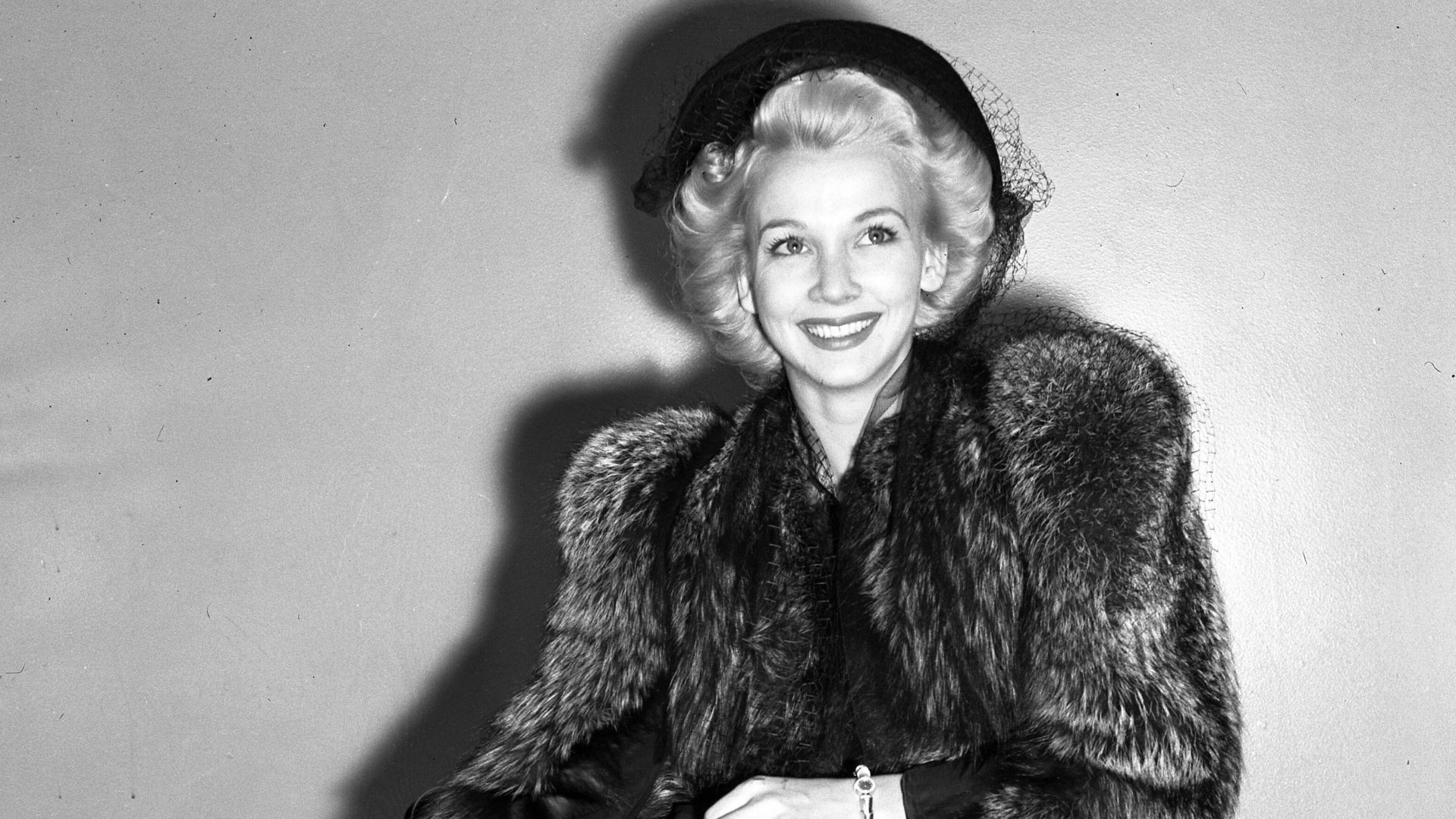 Los Angeles Times, Wikimedia Commons
Helen Twelvetrees
Millie (1931) established her as one of the early talkie era's most emotionally powerful actresses. But by 1939, the roles had dried up, her Broadway debut flopped after 11 performances, and years of alcoholism had quietly hollowed out what remained.
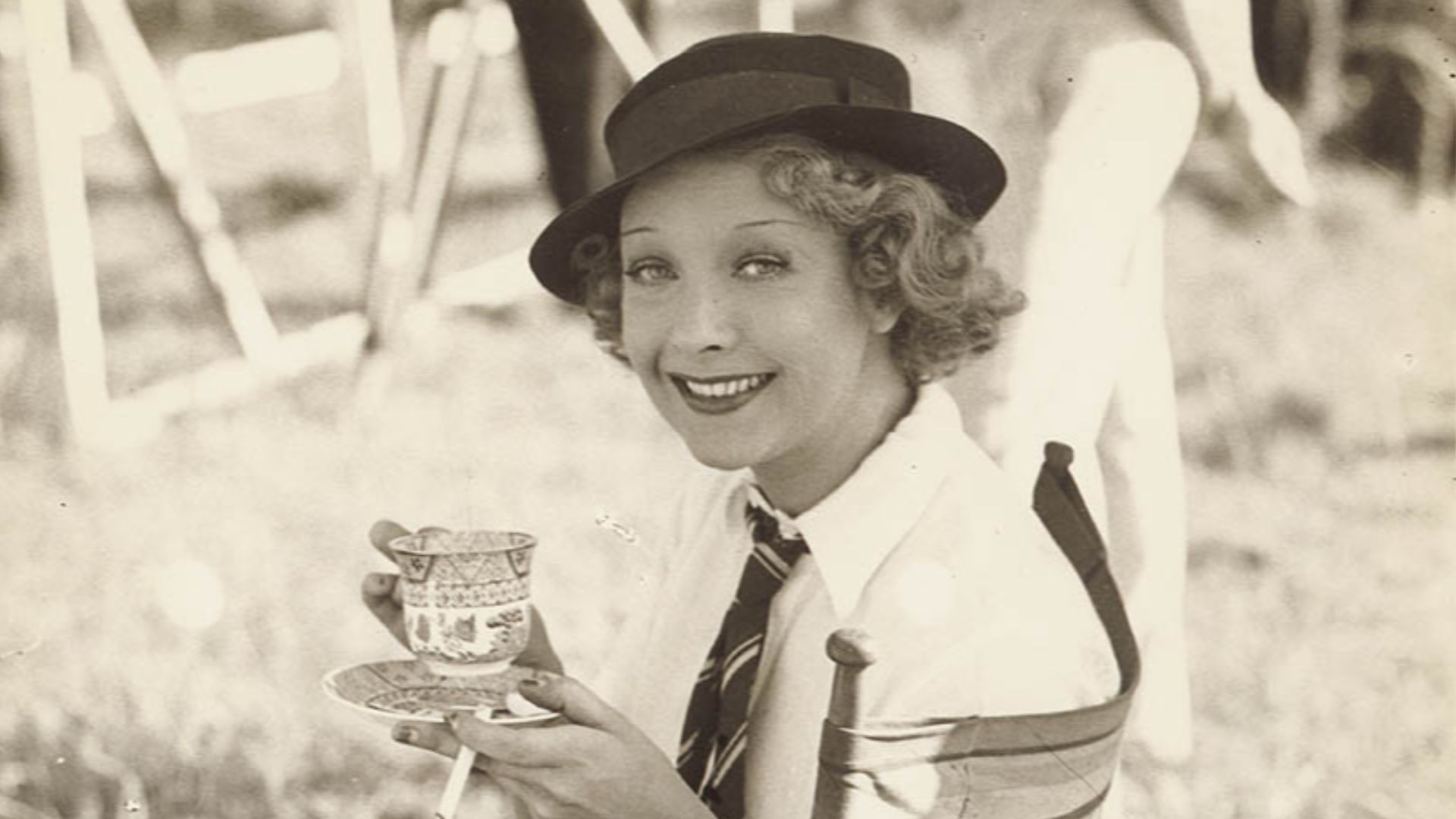 State Library of New South Wales, Wikimedia Commons
Helen Twelvetrees (Cont.)
She played suffering women so convincingly that colleagues suspected it was simply method acting. It wasn't. She filed for divorce from her first husband, citing alcohol abuse and beatings, then kept his name because changing it would have derailed her career.
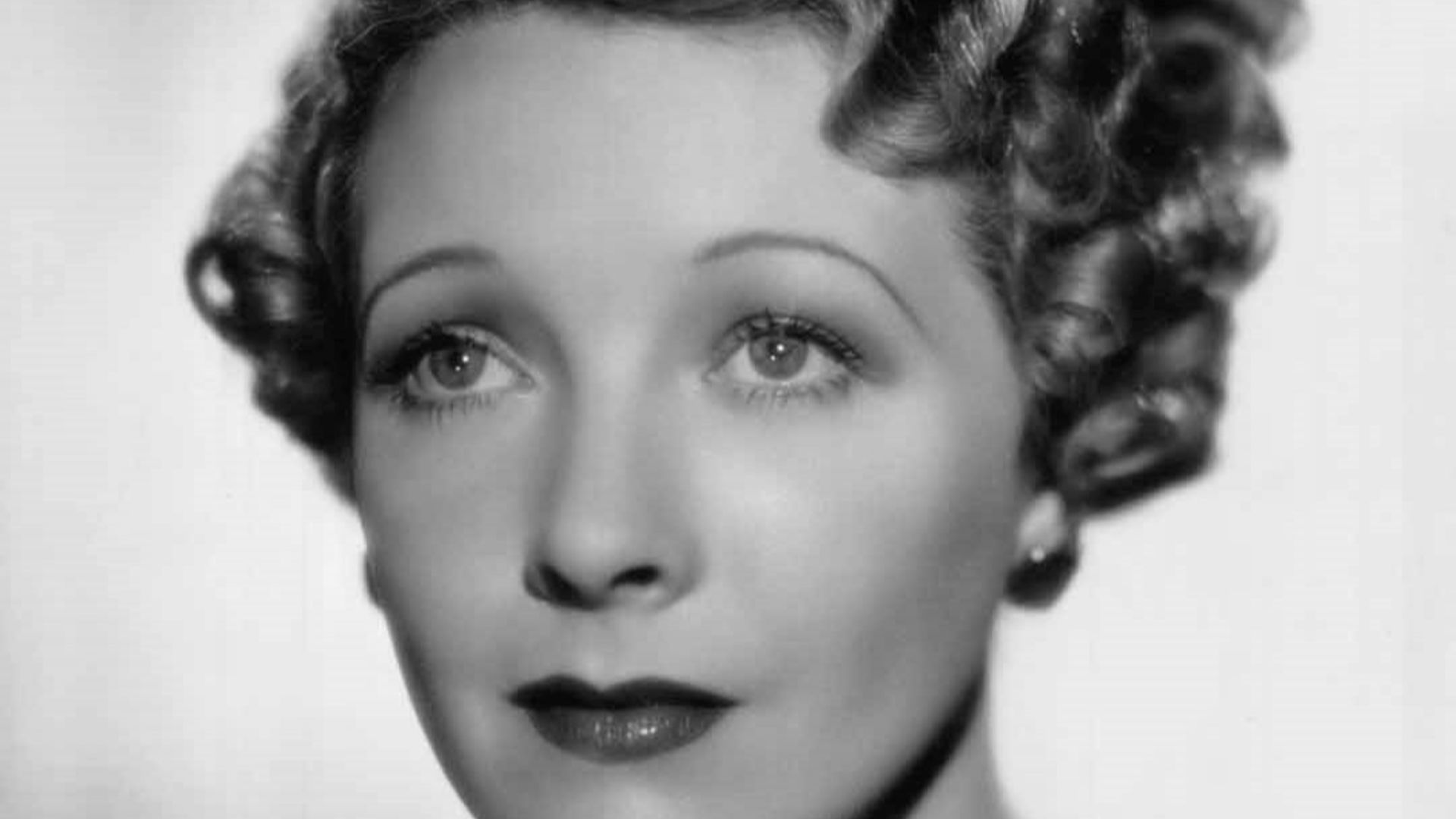 Fox Films-photo by Otto Dyar, Wikimedia Commons
Marie Prevost
This individual’s estate was worth exactly $300 when they found her. Talk about a discovery that shook Hollywood so deeply it directly prompted the creation of the Motion Picture & Television Country House and Hospital, an institution that still exists today.
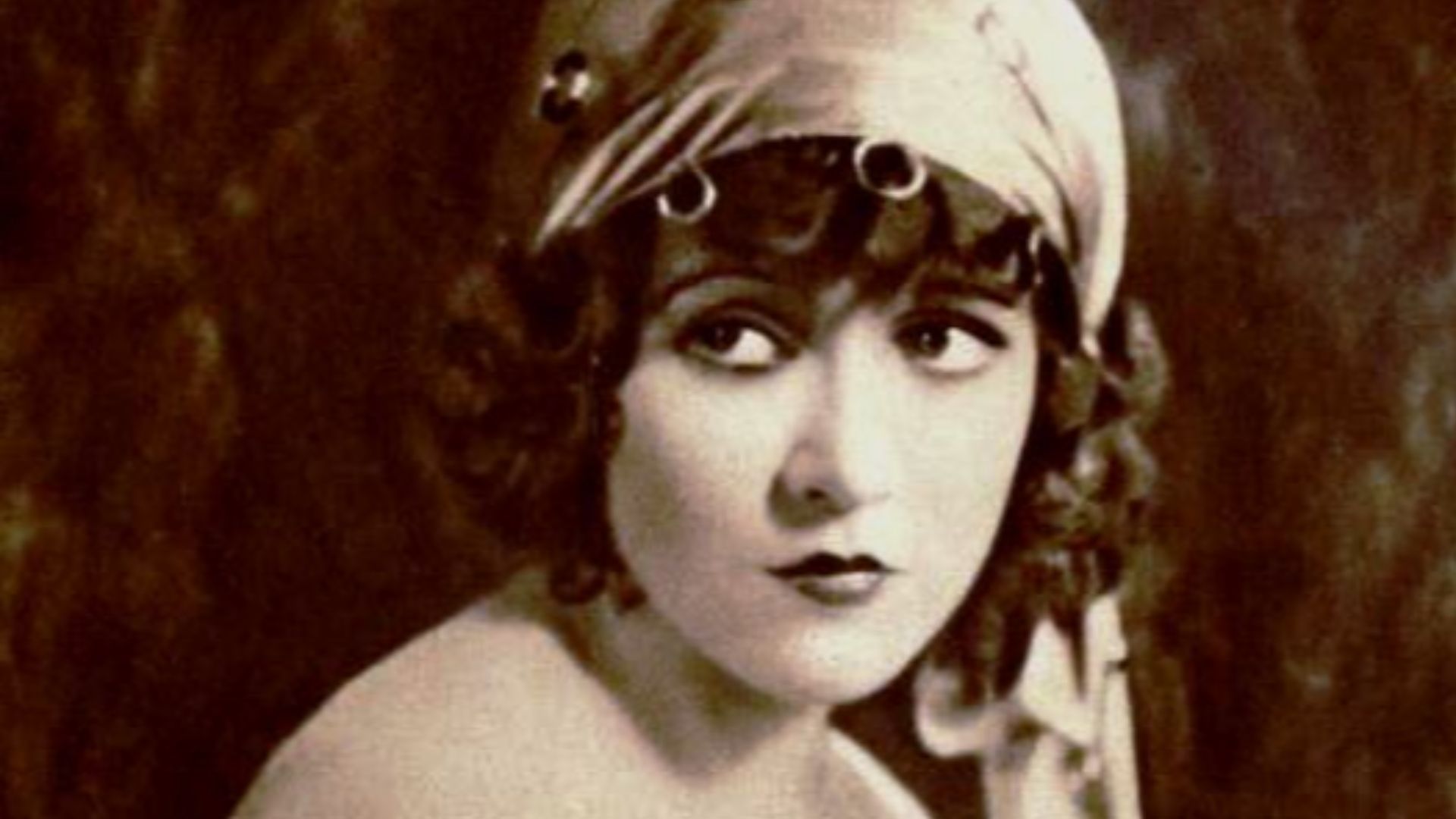 Alfred Cheney Johnston, Wikimedia Commons
Marie Prevost (Cont.)
Ernst Lubitsch cast her in three of his celebrated comedies—The Marriage Circle (1924), Three Women (1924), and Kiss Me Again (1925). Her mother's demise in a 1926 car accident broke something in her permanently. Drinking, weight gain, and studio abandonment followed in brutal succession.
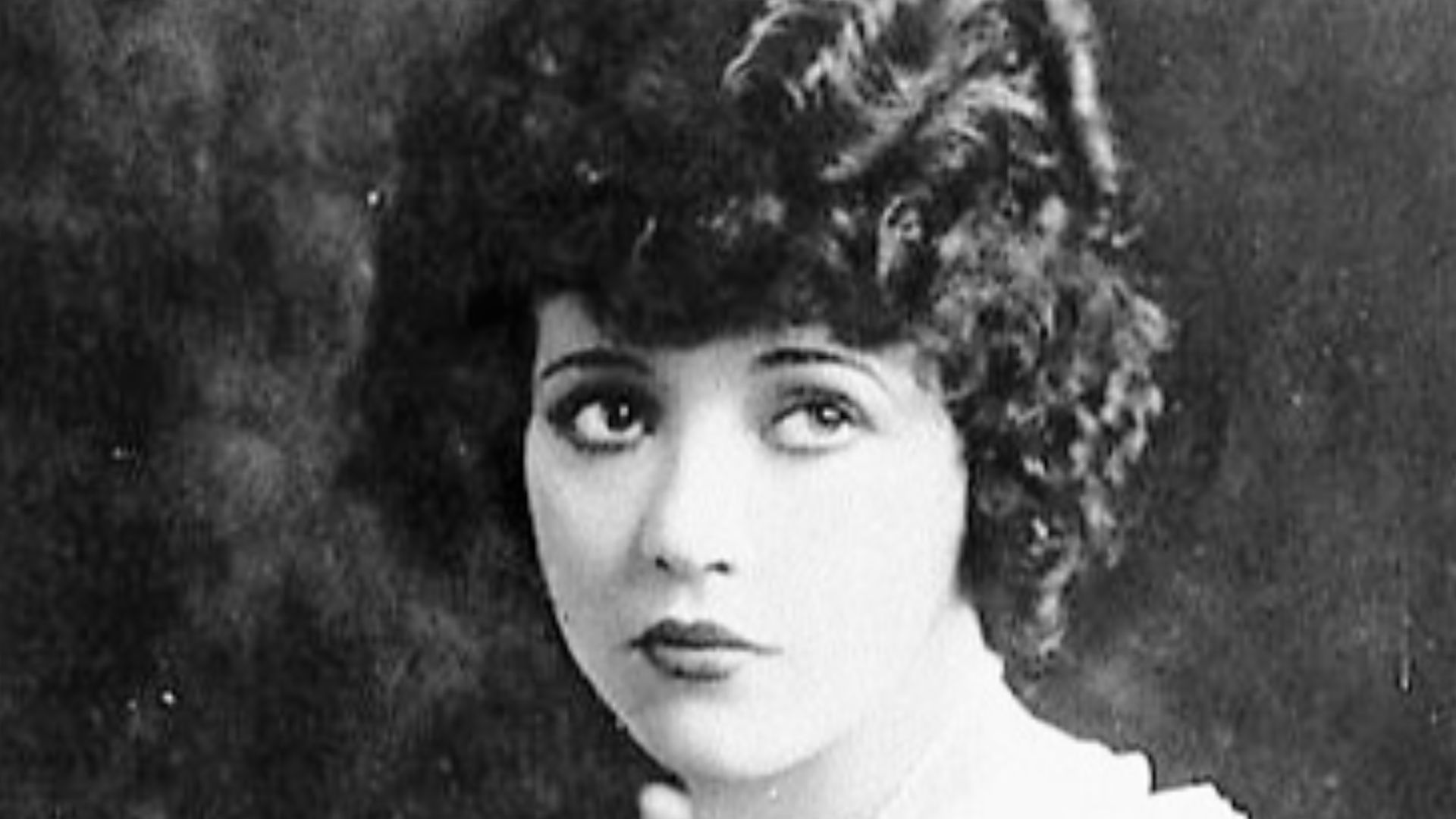 Alfred Cheney Johnston, Wikimedia Commons
Madge Bellamy
She turned down Ben-Hur in 1925, walked off her Fox contract over The Trial of Mary Dugan, and reportedly told a reporter after shooting her ex-lover three times in San Francisco in 1943: "I only winged him. Believe me, I'm a crack shot”.
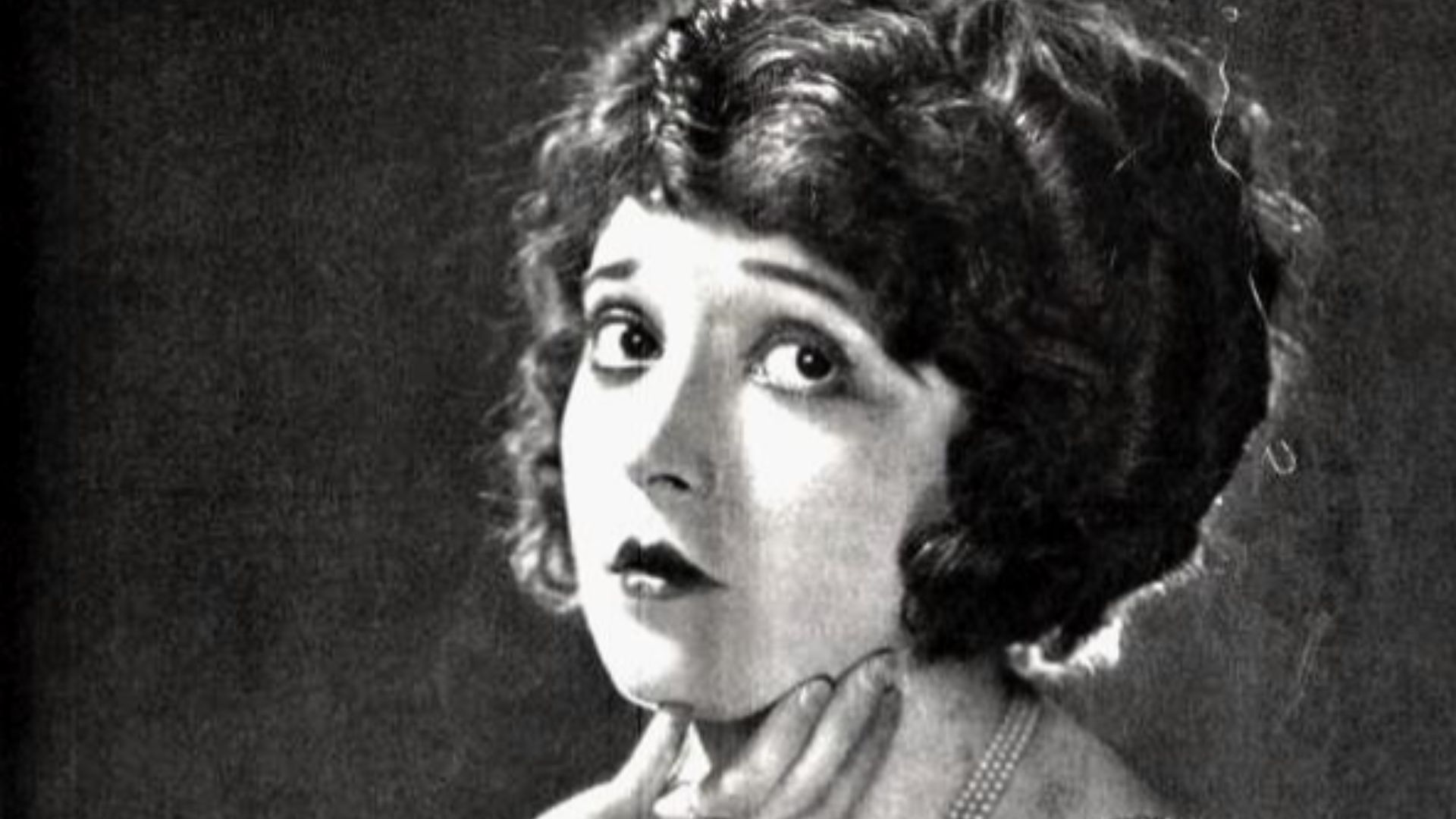 Universal Pictures, Wikimedia Commons
Madge Bellamy (Cont.)
Madge Bellamy was, to put it gently, ungovernable, and Hollywood made her pay for it permanently. She spent decades in near-poverty, eventually selling real estate to survive. Bellamy passed away due to heart failure in 1990, aged 90, having outlived her own fame by half a century.
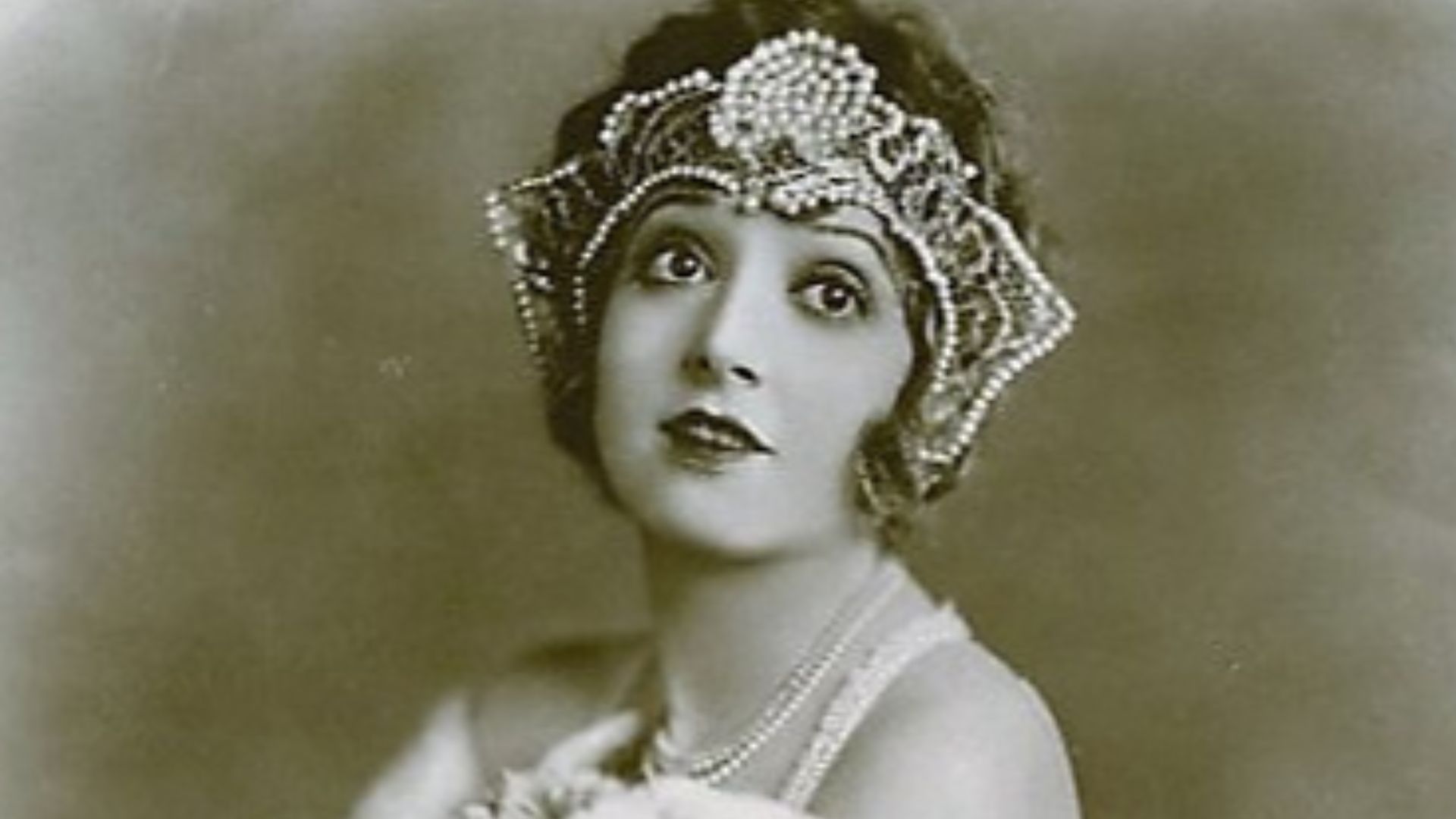 Albert Witzel (1879-1929), Wikimedia Commons