The Trap Door Under Teen Fame
Teen idol fame looks like a rocket ship, until the fuel runs out and the industry expects a whole new version of you overnight. For a lot of stars, the pivot to “serious” was less a rebrand and more a free fall.
 Jon Kopaloff/FilmMagic/Neilson Barnard/Getty Images
When The Audience Freezes You In Time
Fans do not just like a teen idol. They often “lock” them to a specific vibe, haircut, and era, and anything else feels like betrayal.

Hollywood Loves A Type
Studios and casting can be brutally literal. If you made millions playing “the cute one” or “the nerd,” the next offer is usually the same thing with dimmer lighting.

The Serious Pivot Is A High-Wire Act
Going dramatic can work, but it requires the right script, timing, and support system. Without that, it can become a public referendum on whether you “deserve” adulthood.

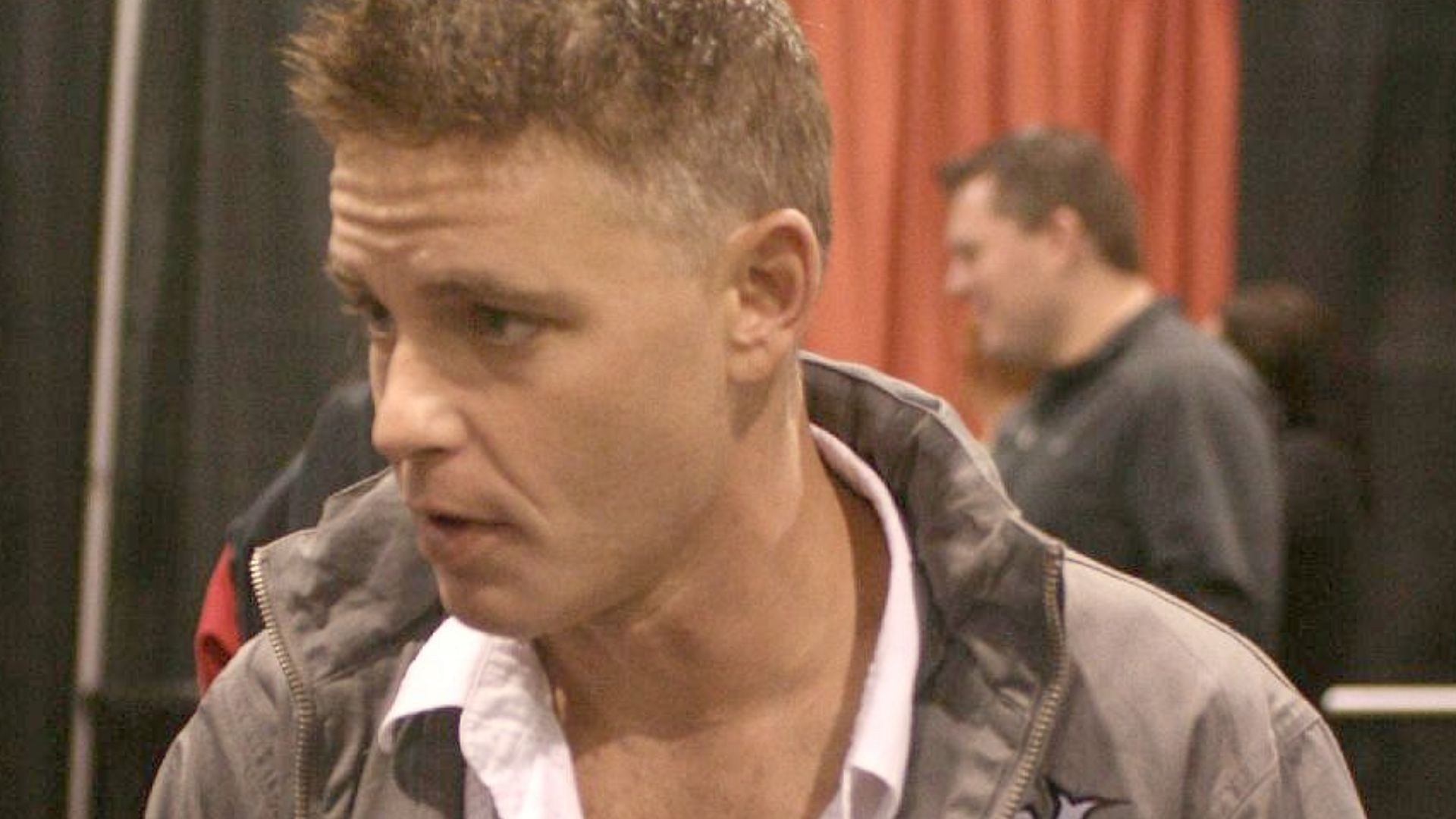
Corey Haim Was An Instant Eighties Fixture
Corey Haim became a defining face of late-1980s teen movies, including Lucas and The Lost Boys. The problem was that the industry that loved him as a teen did not build him a stable on-ramp into mature roles.
 Bree from USA, Wikimedia Commons
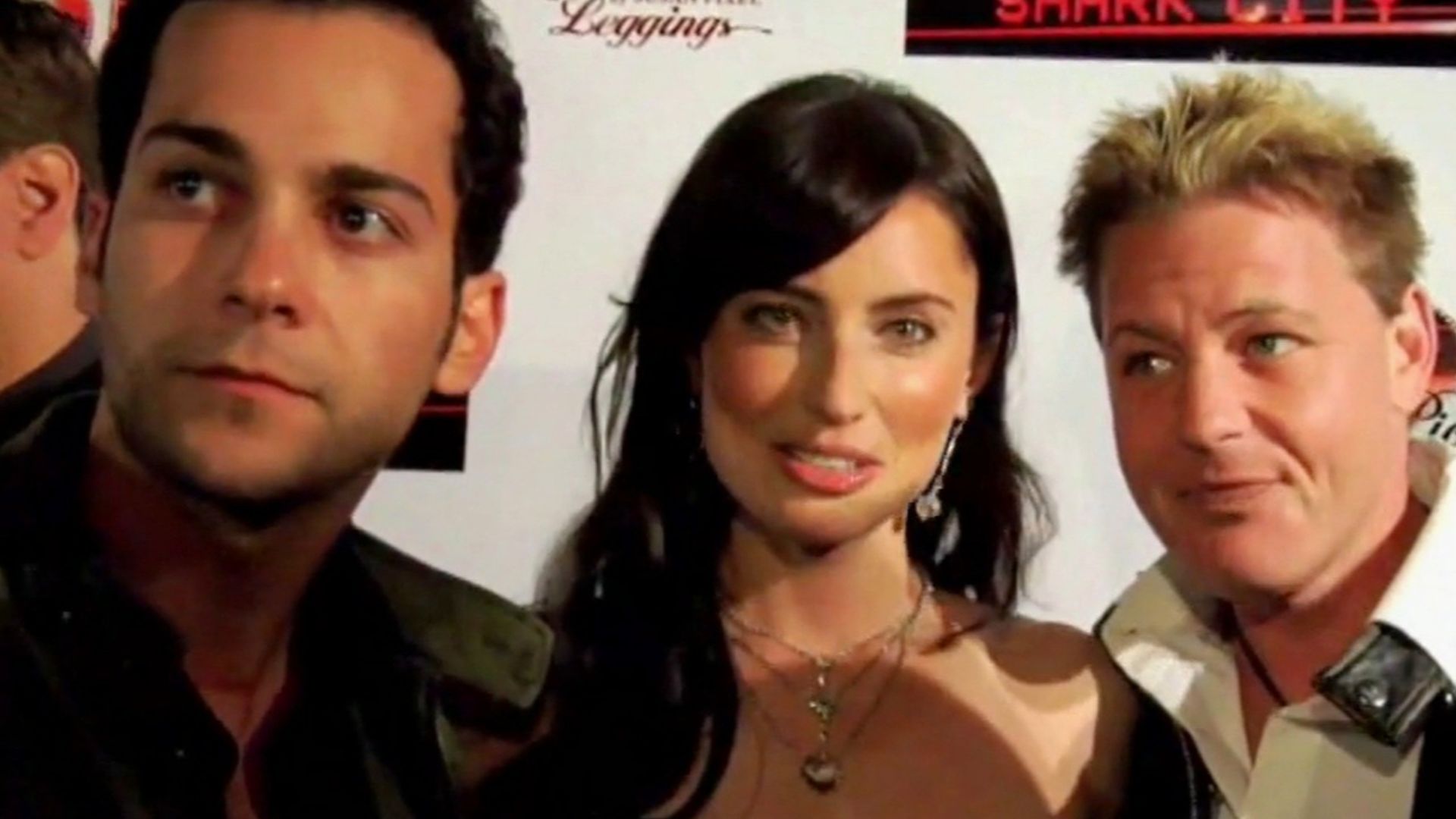
The Work Did Not Age As Smoothly As He Did
As the teen wave faded, Haim’s momentum slowed and the projects got smaller and rougher around the edges. That is the part nobody warns you about: the spotlight does not turn off, it just gets harsher.
 RealTVfilms, Wikimedia Commons
His Struggles Became Part Of The Story
Haim had well-documented issues with substance use and repeated attempts at treatment. By the time he was older, the “comeback” narrative often overshadowed the acting itself.
 https://www.flickr.com/people/61077396@N00 Bree] from Worcester, MA, USA, Wikimedia Commons
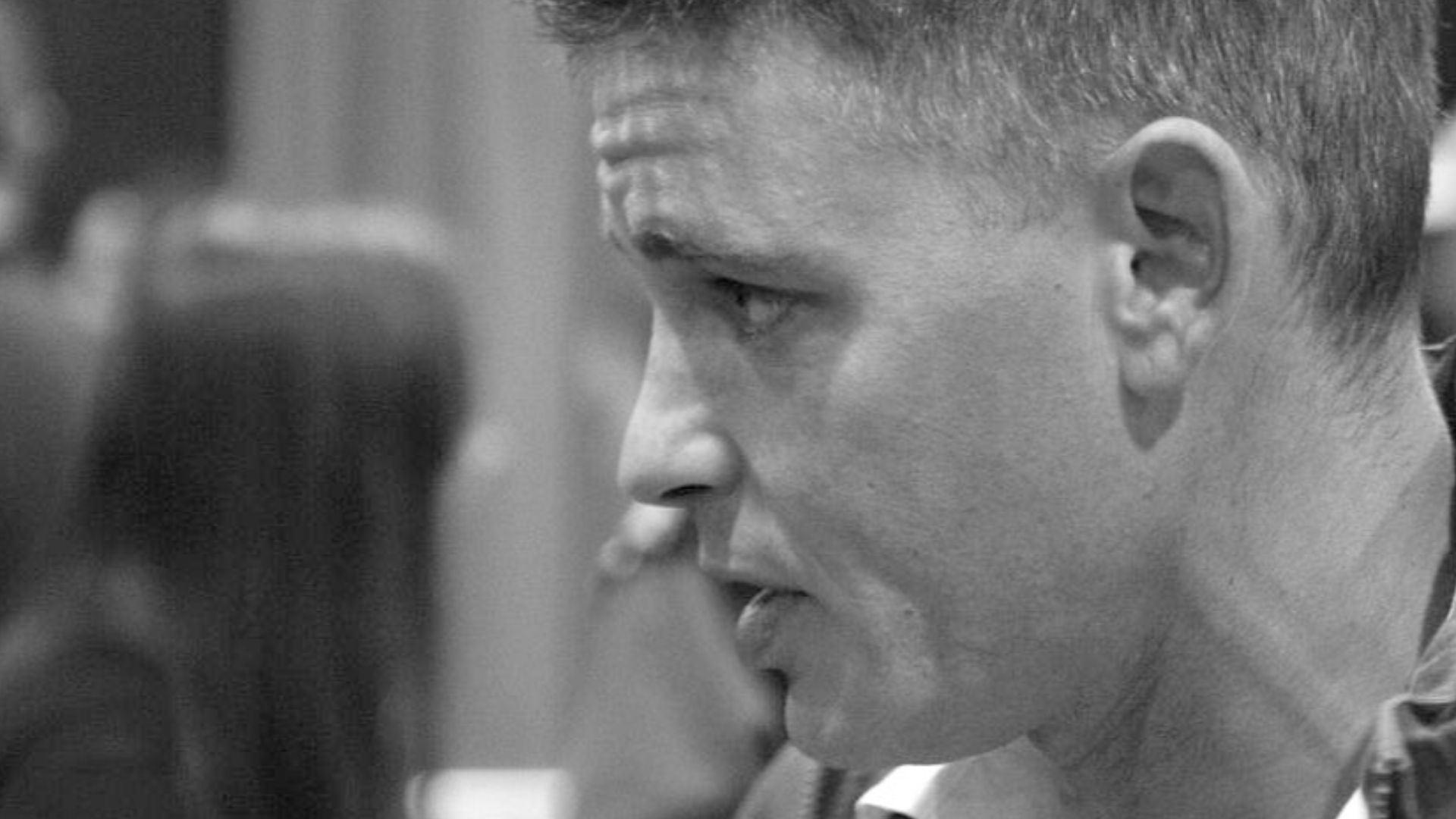
The Tragic Ending Was Not The Headline People Assumed
When Haim died at 38, many people assumed an overdose because of his history. The Los Angeles County coroner concluded he died of pneumonia and related medical complications, and that drugs found in his system did not cause his death.
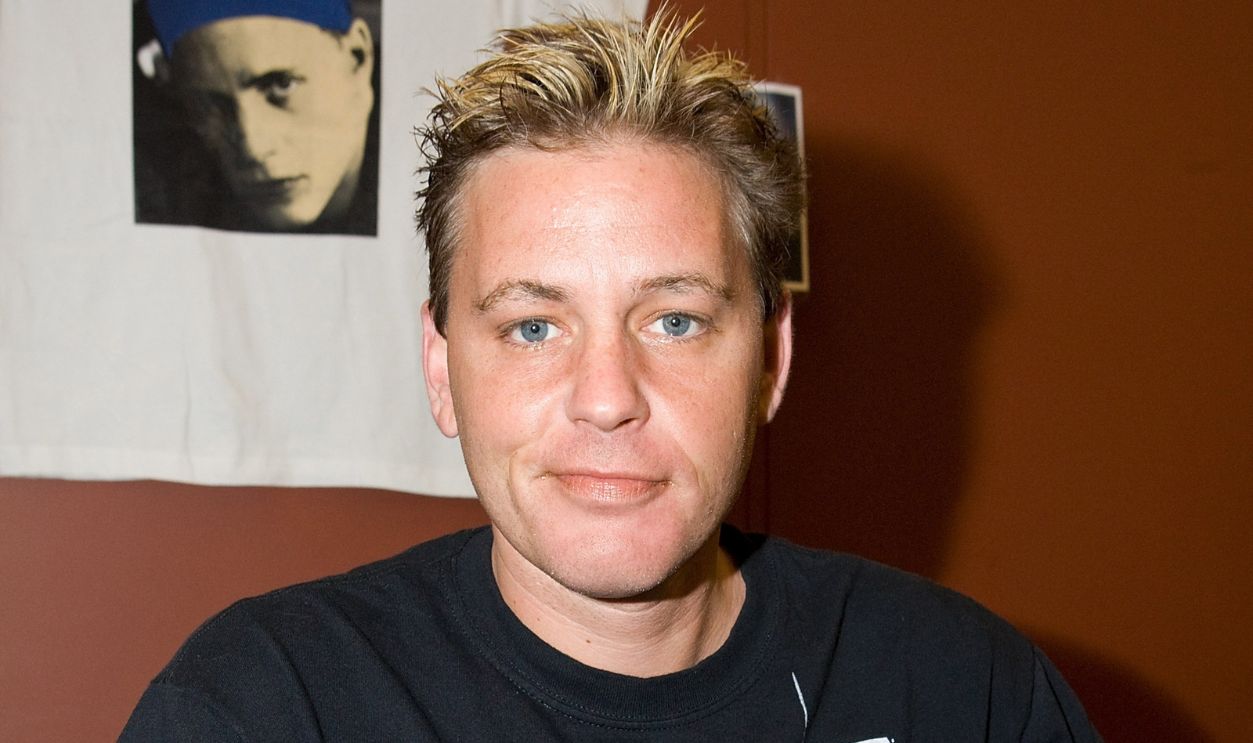
Anthony Michael Hall Tried To Outrun The Nerd Crown
Anthony Michael Hall was the teen brain of The Breakfast Club and a cornerstone of the 1980s “Brat Pack” image. Getting older meant fighting the pop-culture label that made him famous.
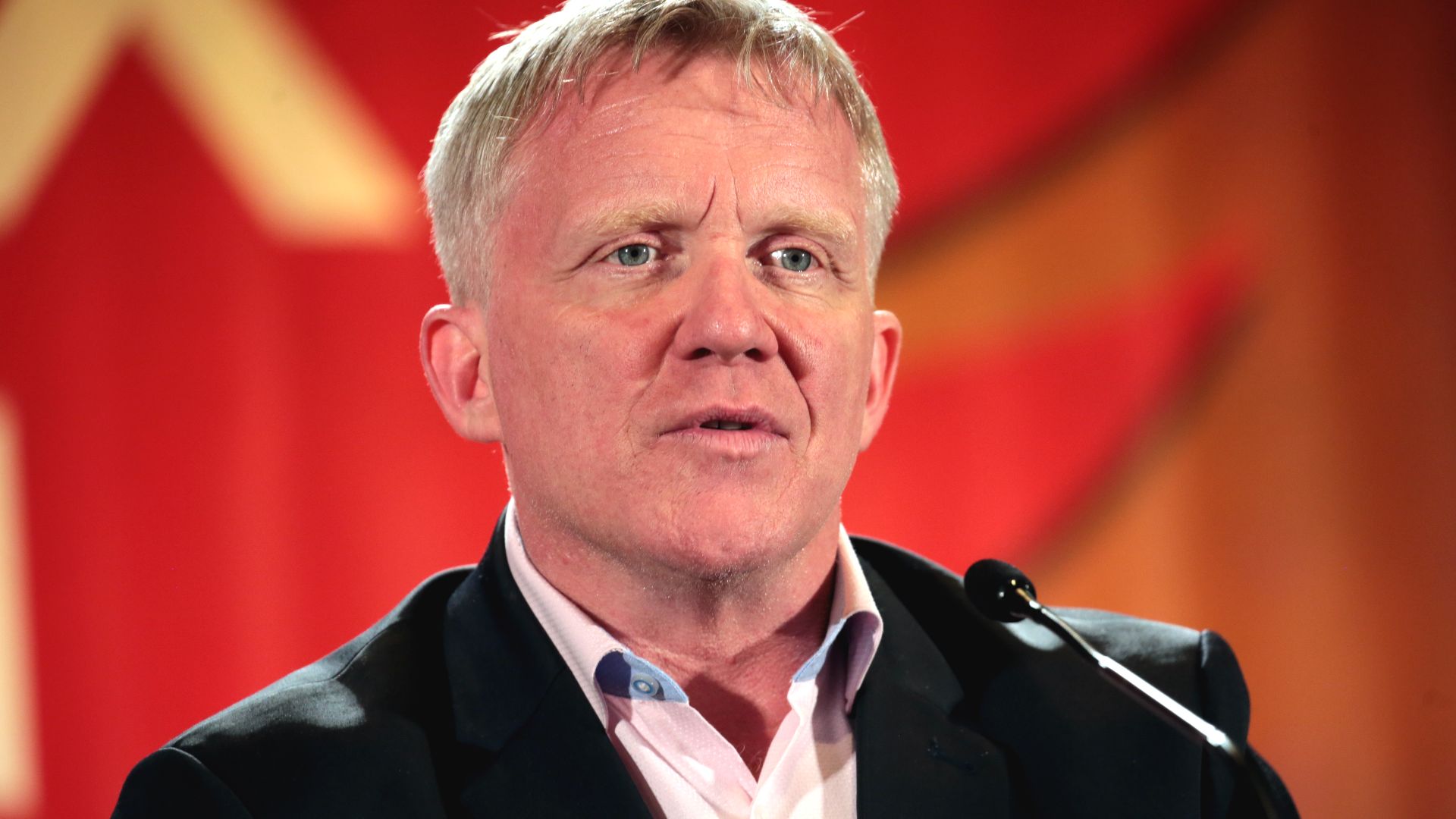 Gage Skidmore from Peoria, AZ, United States of America, Wikimedia Commons
The Big Swing: Saturday Night Live
At 17, Hall joined Saturday Night Live and remains the youngest cast member in the show’s history. Unfortunately, that 1985–1986 season is widely viewed as a rough era for the show, and it did not become the star-making pivot he likely needed.
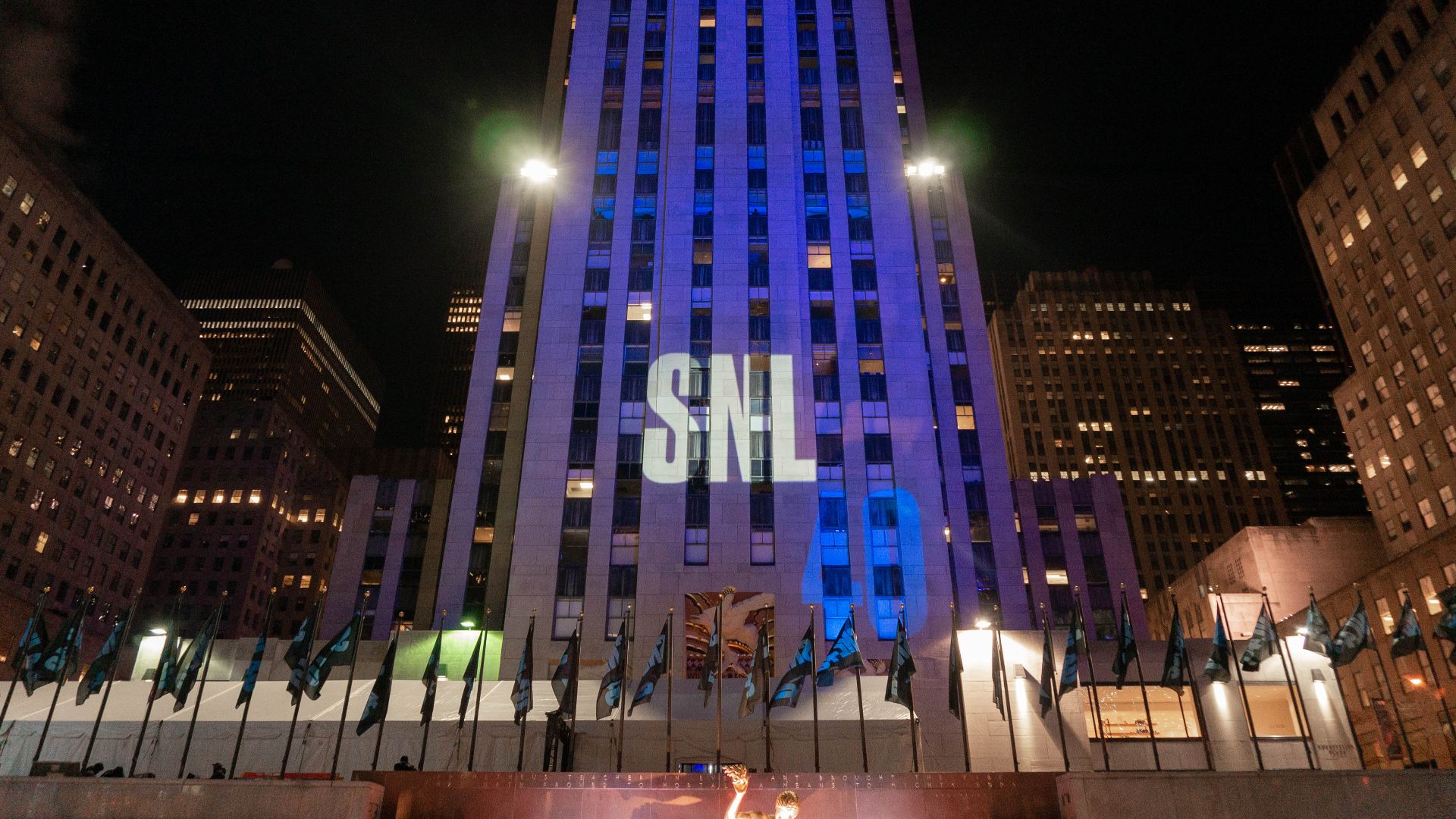 Anthony Quintano from Mount Laurel, United States, Wikimedia Commons
Reinvention Took Time, Not One Magic Role
Hall’s post-teen era was a long grind, with character parts that gradually reframed him as an adult performer. His later run as the lead on USA Network’s The Dead Zone is often cited as a major career stabilizer.
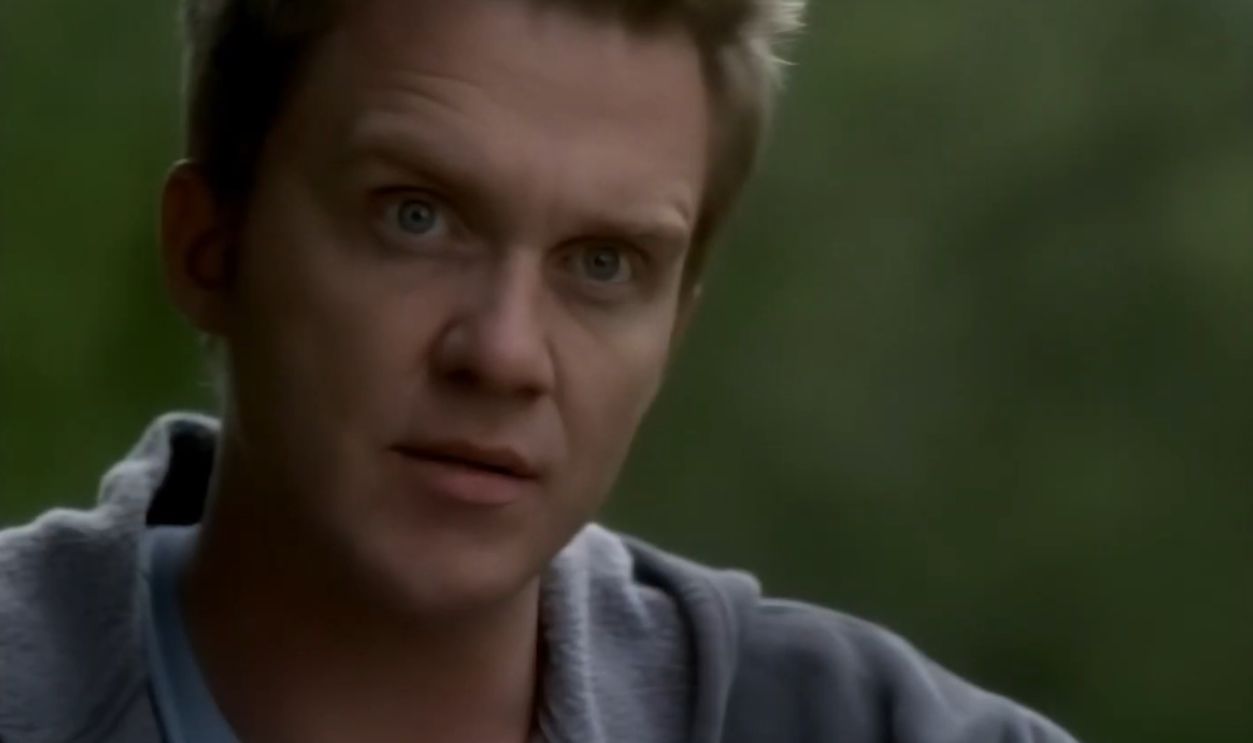 USA Network, The Dead Zone (2002–2007)
Off-Screen Headlines Did Not Help
Even when the work was steady, personal legal news can hijack a narrative. Hall was sentenced to probation after a case involving an assault on a neighbor, which became the kind of distraction that makes “serious actor” branding harder.

Amanda Bynes Made Comedy Look Effortless
Bynes was a defining Nickelodeon-to-movies pipeline success, with mainstream hits and a strong comedic identity. That kind of persona can become a cage when you want to be taken differently.

The Retirement Announcement Was A Red Flag Moment
In 2010, Bynes publicly said she had stopped acting because she did not love it anymore. In hindsight, it reads less like a clean exit and more like someone tapping out under pressure.
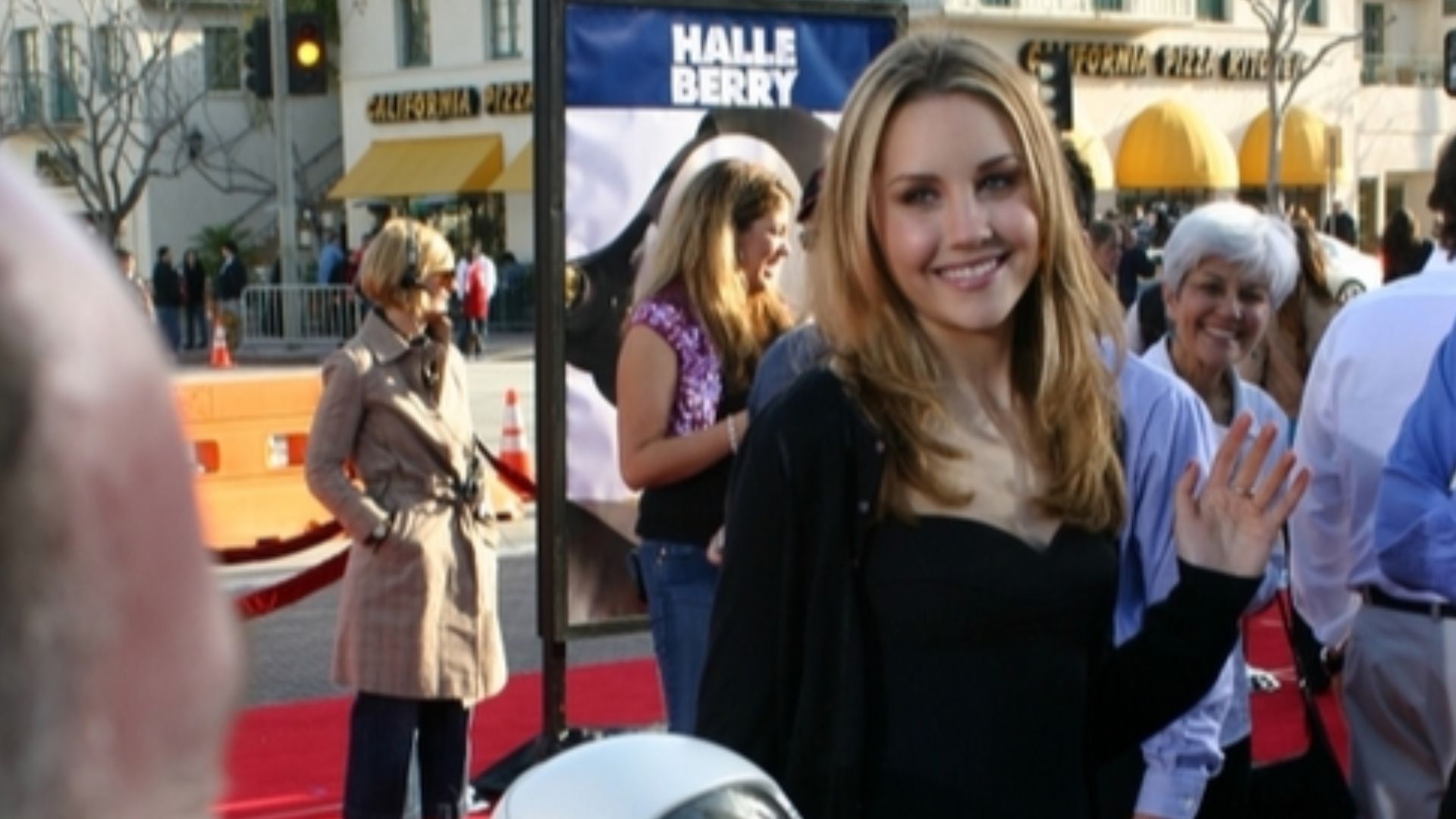 Shay Sowden, Wikimedia Commons
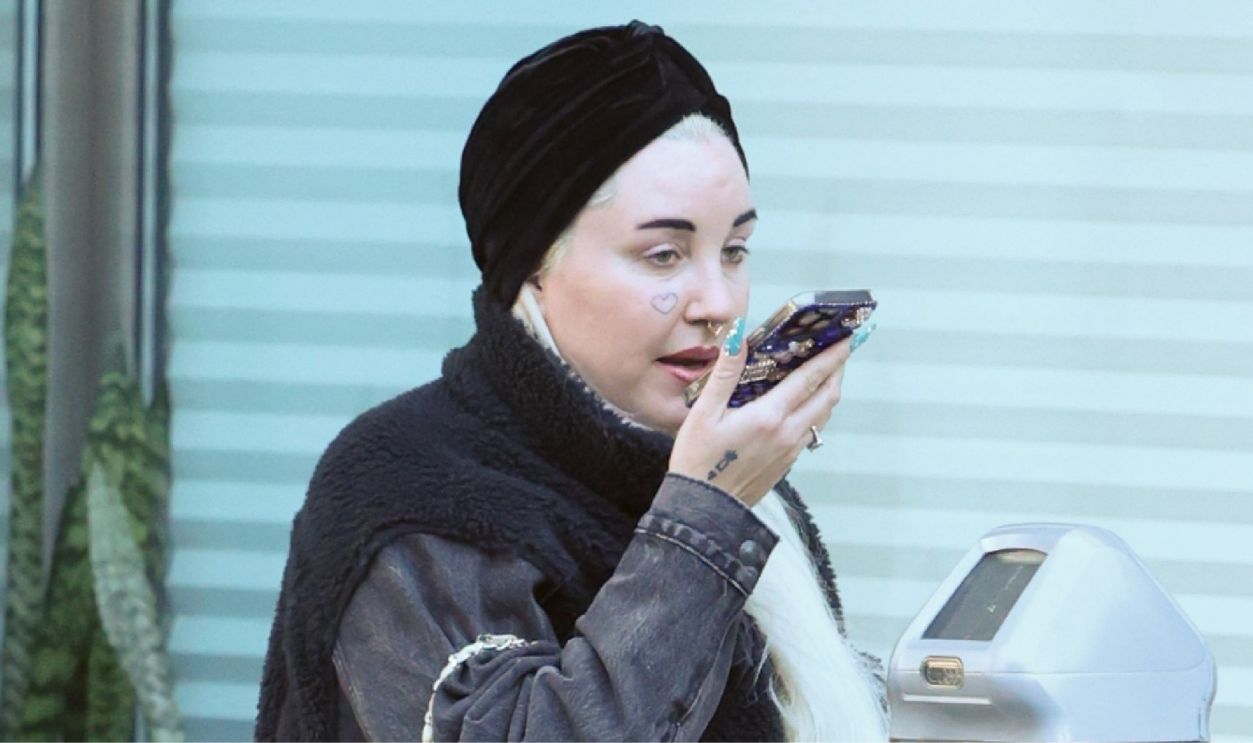
The Years After Became Public And Painful
Her struggles played out in highly visible ways, and the coverage often blended concern with spectacle. Multiple outlets have tied her step-back from acting to a period marked by mental health and substance-use challenges.
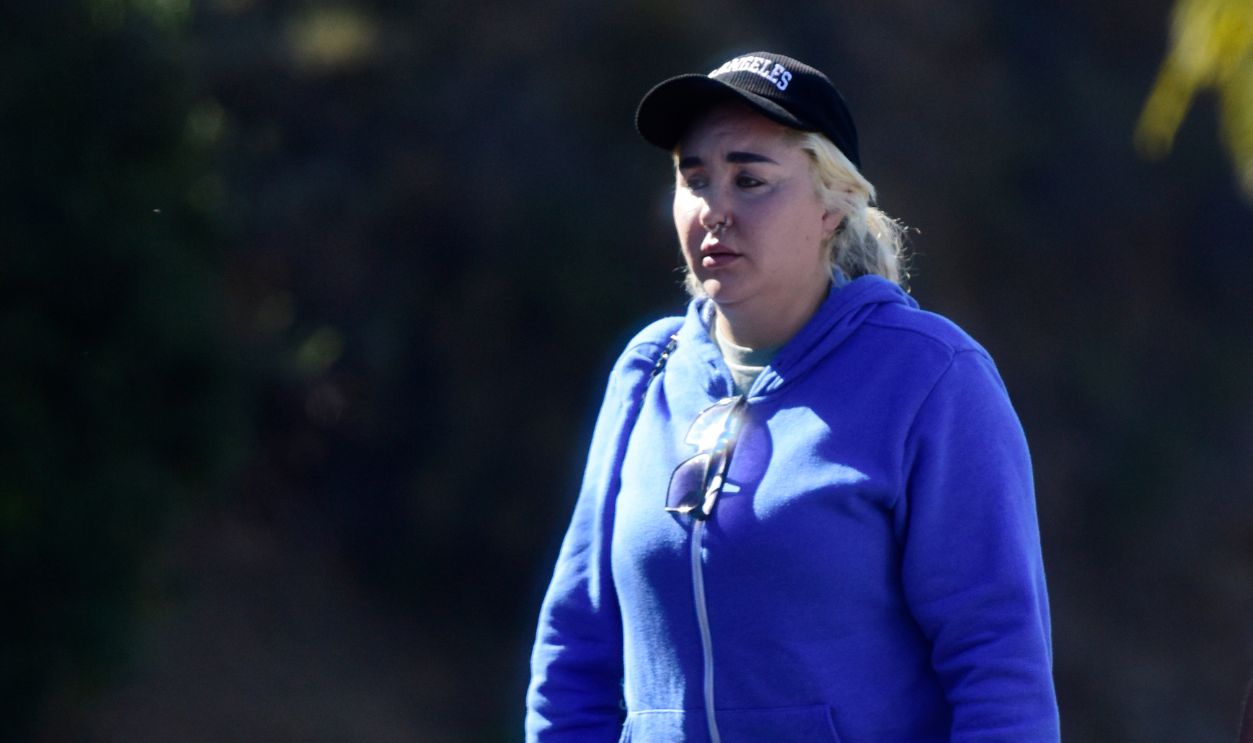
The Conservatorship Put Her Life On Legal Rails
In 2013, Bynes entered a court conservatorship that placed major decisions under her parents’ control for nearly nine years. A judge terminated the conservatorship on March 22, 2022.

“Serious Roles” Were Not The Real Project
For Bynes, the adult transition was not about landing a gritty indie drama. It was about stabilizing, getting help, and trying to build a life that did not require performing for strangers.
Leif Garrett Had The Seventies Teen Idol Package
Leif Garrett was a classic magazine-cover teen idol, and that brand came with nonstop access and temptation. The adult years turned into a cautionary tale about what happens when the party never ends.
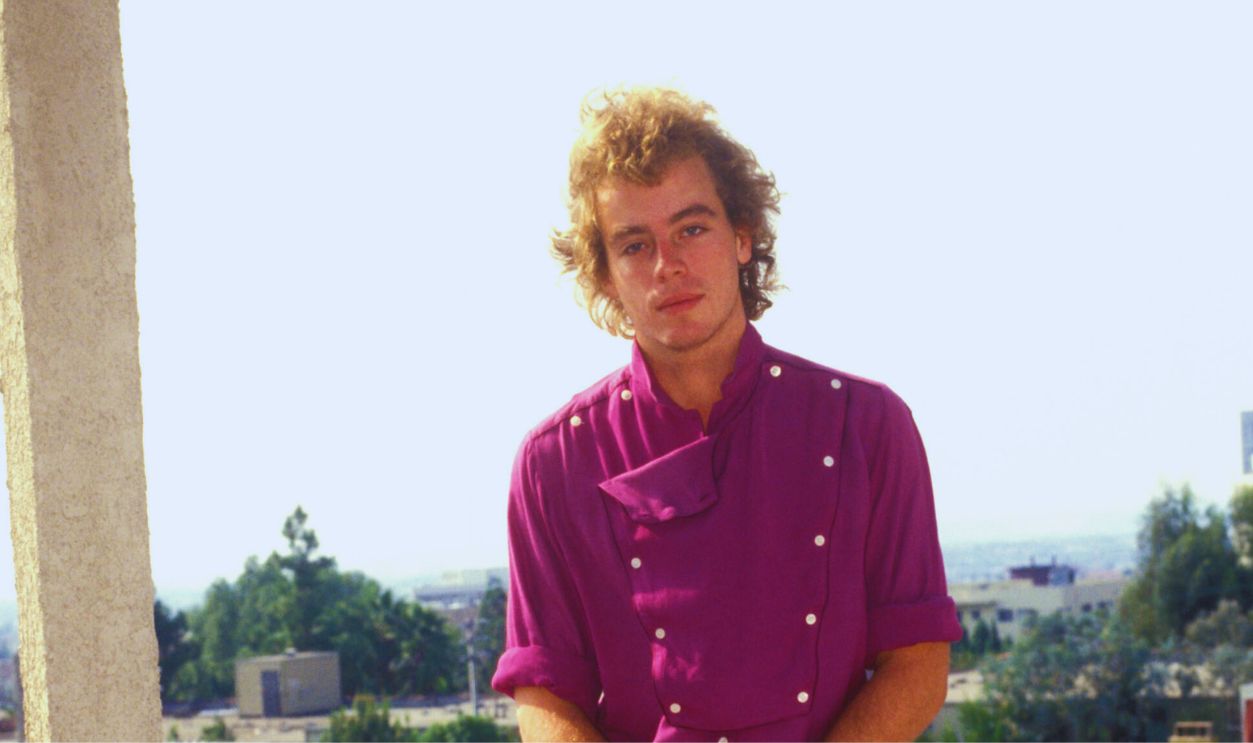
One Night Changed Everything
In 1979, Garrett was involved in a car crash that left his passenger, Roland Winkler, paralyzed. Years later, a jury found Garrett negligent and awarded damages, cementing a grim “after” chapter to his teen-idol story.

The Serious Pivot Got Buried Under Consequences
When life gets dominated by legal and personal fallout, there is no clean runway for artistic reinvention. The public tends to remember the scandal first and the work second.
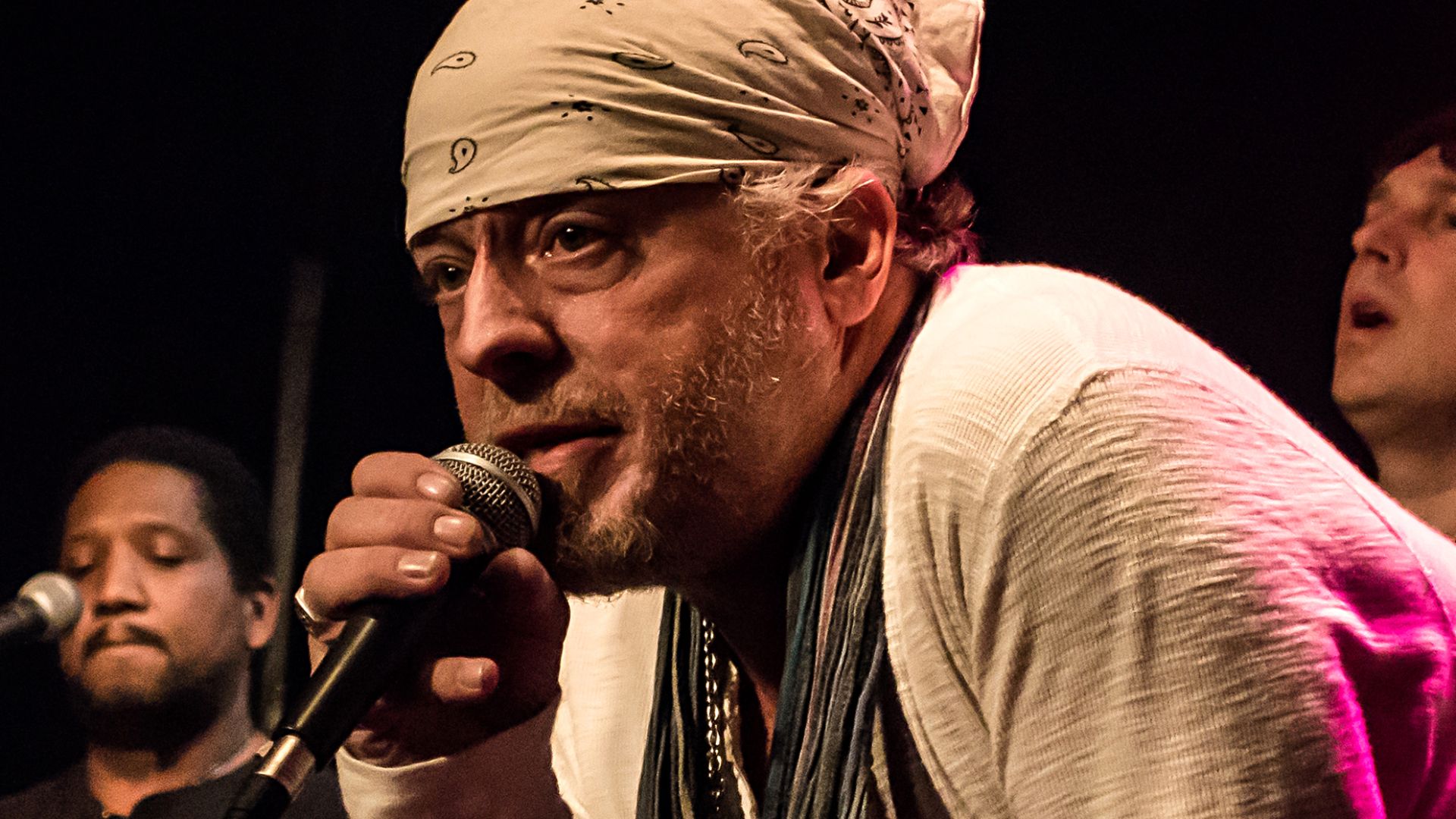 Justin Higuchi from Los Angeles, CA, USA, Wikimedia Commons
Dana Plato Was A TV Teen Staple Until She Was Not
Dana Plato became widely known as Kimberly on Diff’rent Strokes. After leaving the show, her life became a brutal example of how quickly stability can disappear when fame fades.
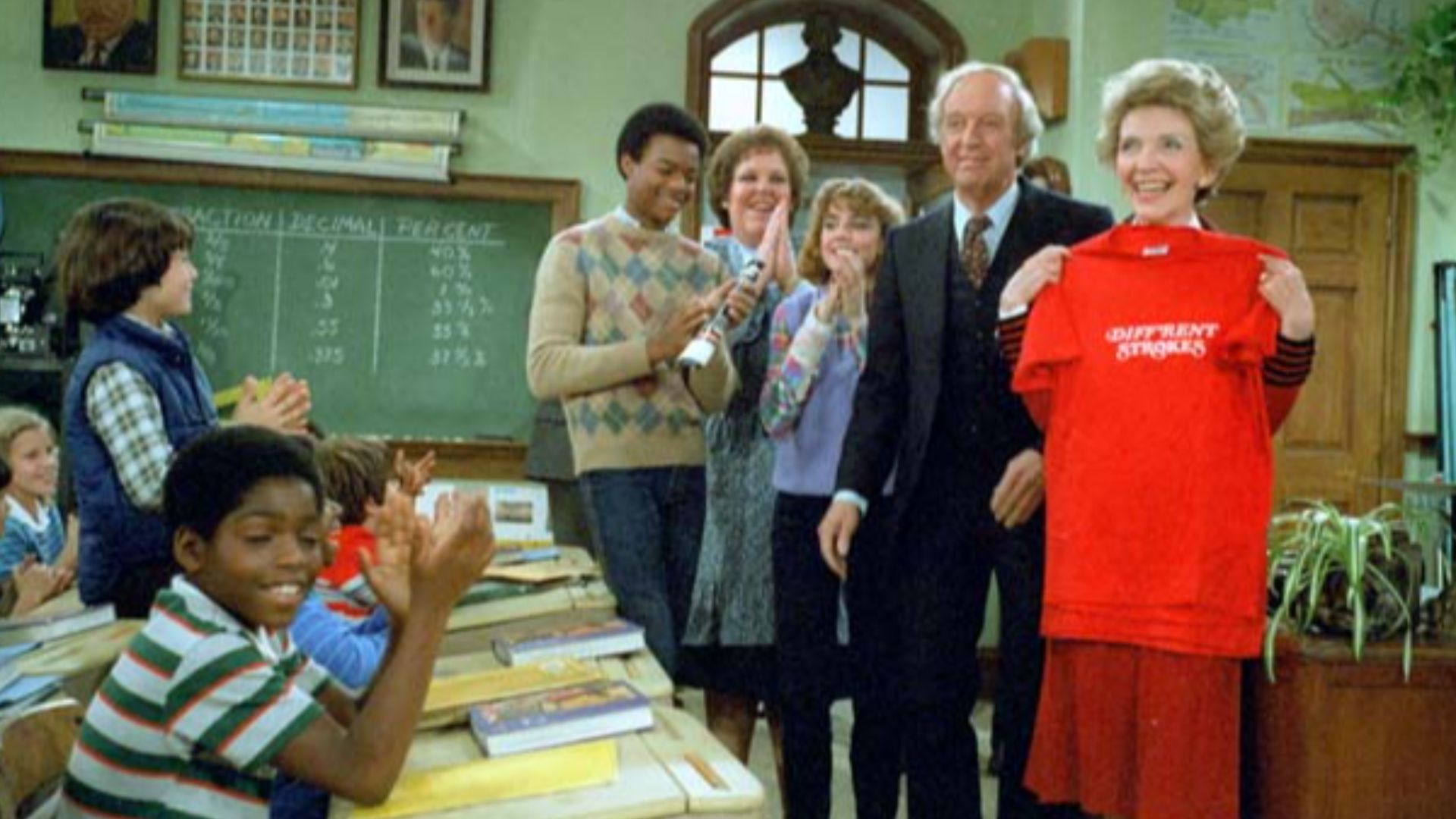 Ronald Reagan Presidential Library, Wikimedia Commons
The Post-Fame Years Turned Into Damage Control
Plato faced serious legal trouble in the 1990s, including high-profile arrests that shifted her public identity from performer to tabloid figure. That kind of coverage can swallow any attempt at a serious acting rebuild.
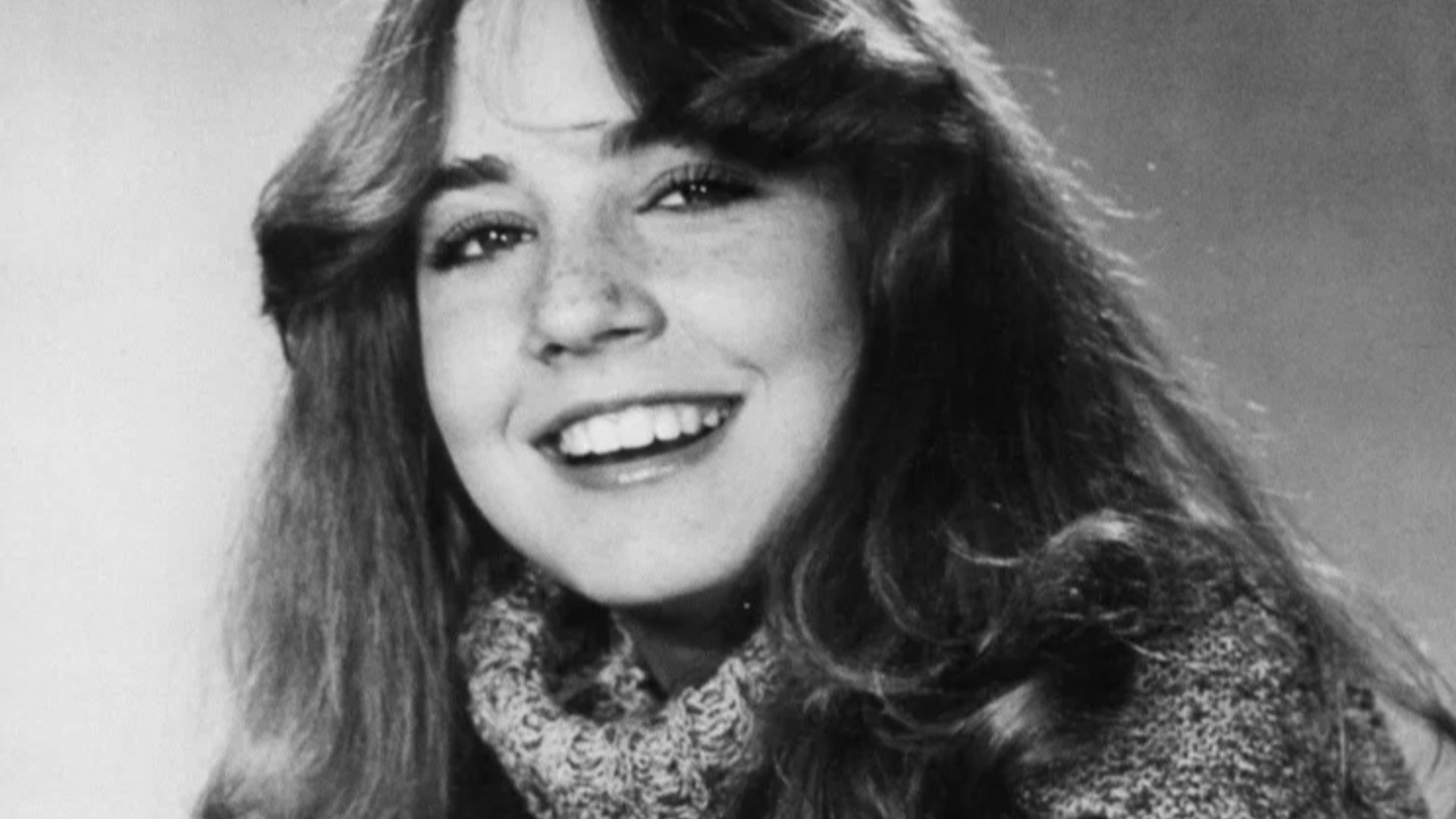 Unknown authorUnknown author, courtesy of Michael Ochs Archives, Wikimedia Commons
The Ending Was Heartbreaking And Final
Plato died in 1999 at age 34 from a drug overdose, according to later reporting that also notes the death was ruled a suicide. It is one of the starkest reminders that the “transition” can become a survival fight.
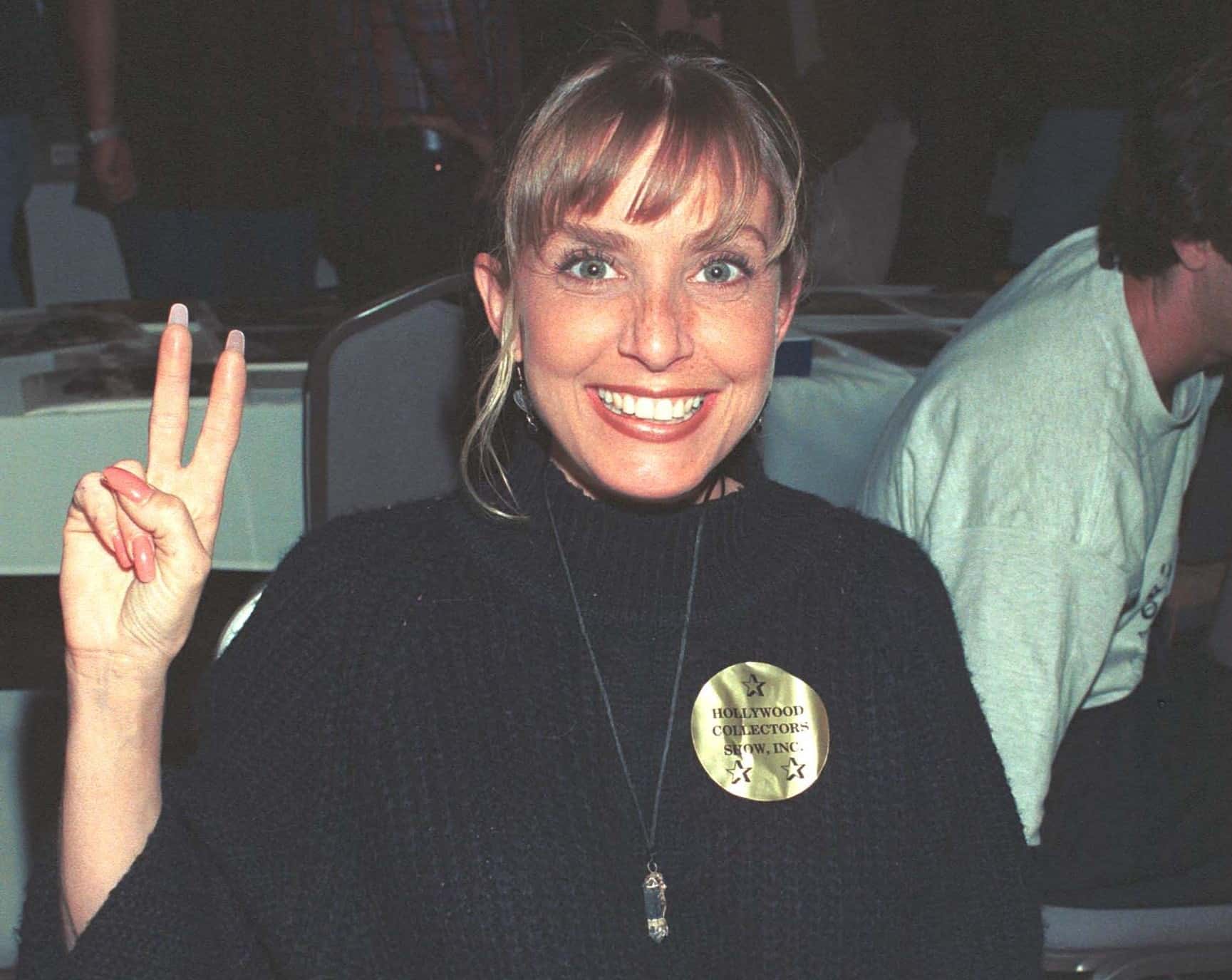
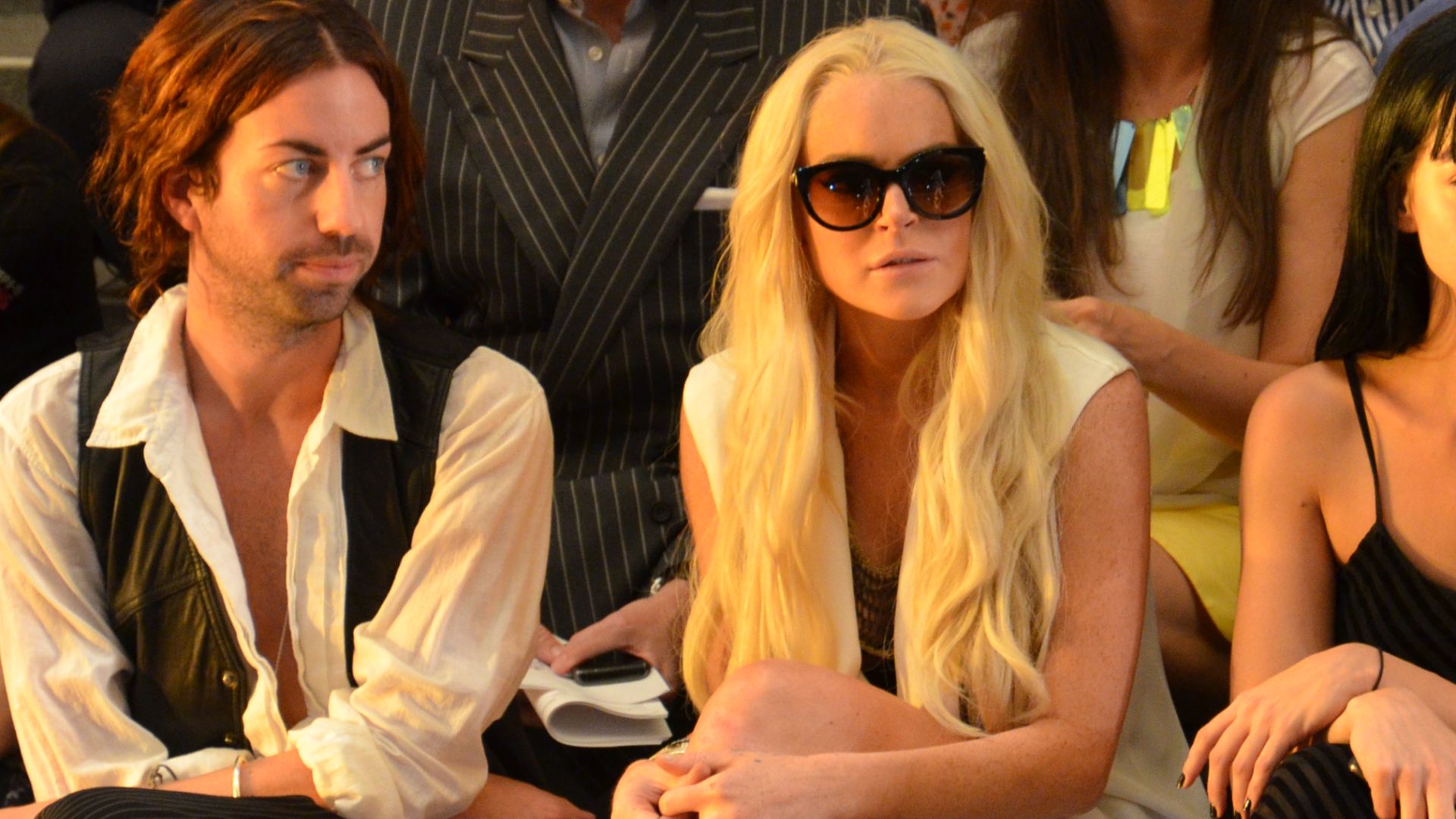
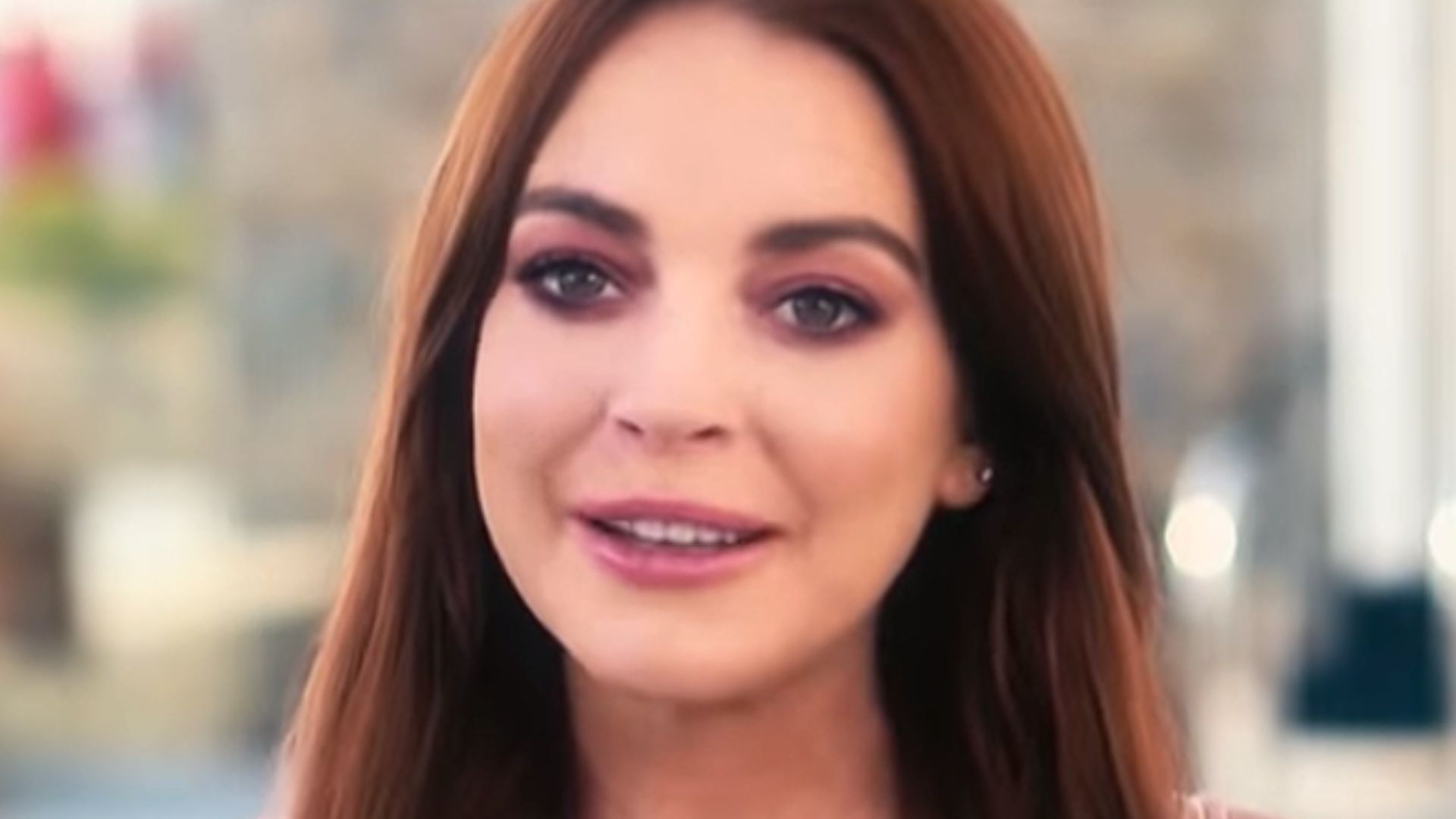
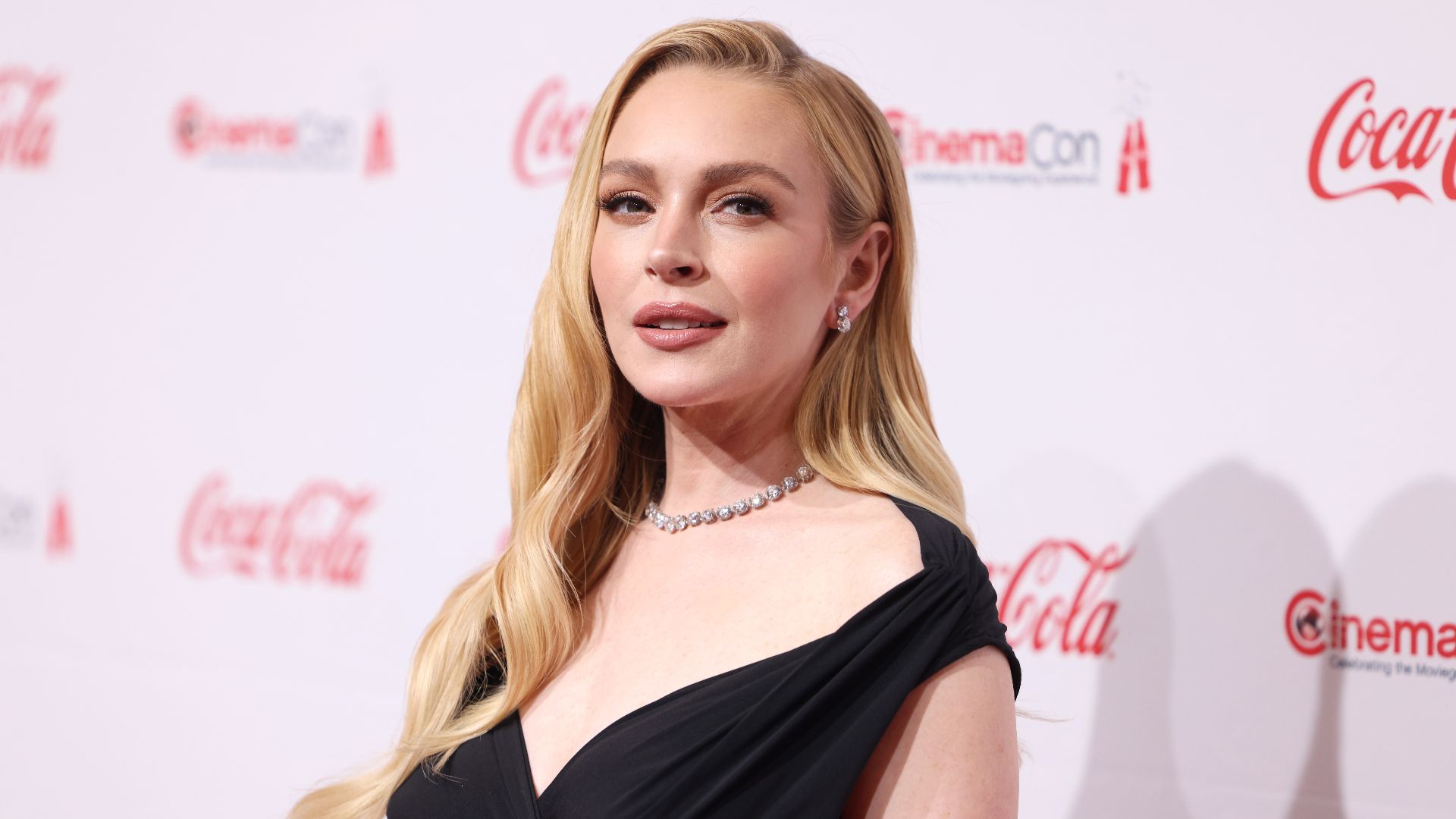
Lindsay Lohan’s “Serious” Era Collided With Court Dates
Lindsay Lohan had the talent and early acclaim to graduate into adult stardom. Instead, a stretch of arrests and legal consequences in 2007 and after became a dominant storyline in the press.
 Shimmy Ahmed, Wikimedia Commons
When The Narrative Becomes The Brand
The Associated Press later summarized how the legal cases and mandated rehab and penalties consumed time, roles, and momentum. At that point, the industry does not just ask “Can you act?” It asks “Can we insure the production?”
 Christopher Macsurak, Wikimedia Commons
The Industry’s Dirty Secret Is That It Offers Little Aftercare
A lot of teen-idol systems are built to extract maximum attention fast. When the audience ages out or the star hits turbulence, the support can vanish.
 MTV International, Wikimedia Commons
The “Go Serious” Move Often Happens Too Late
Many of these pivots came after public fatigue, weak projects, or personal crises had already set in. By then, a dramatic role is not a fresh chapter, it is an attempted correction.
 Silent H Productions, Ugly Betty (2006–2010)
The Comeback Myth Can Be Cruel
Pop culture loves a redemption arc, but real life is slower and messier. Sometimes the healthiest “adult transition” is stepping away, not proving anything on screen.
 Gage Skidmore from Surprise, AZ, United States of America, Wikimedia Commons
What We Should Take From These Stories
If you grew up watching these stars, it is worth remembering how young they were when the world started grading their every move. The real tragedy is not that a serious role flopped, but that the business of fame rarely leaves room for normal adulthood.