She Walked Away From One Of Television’s Biggest Hits
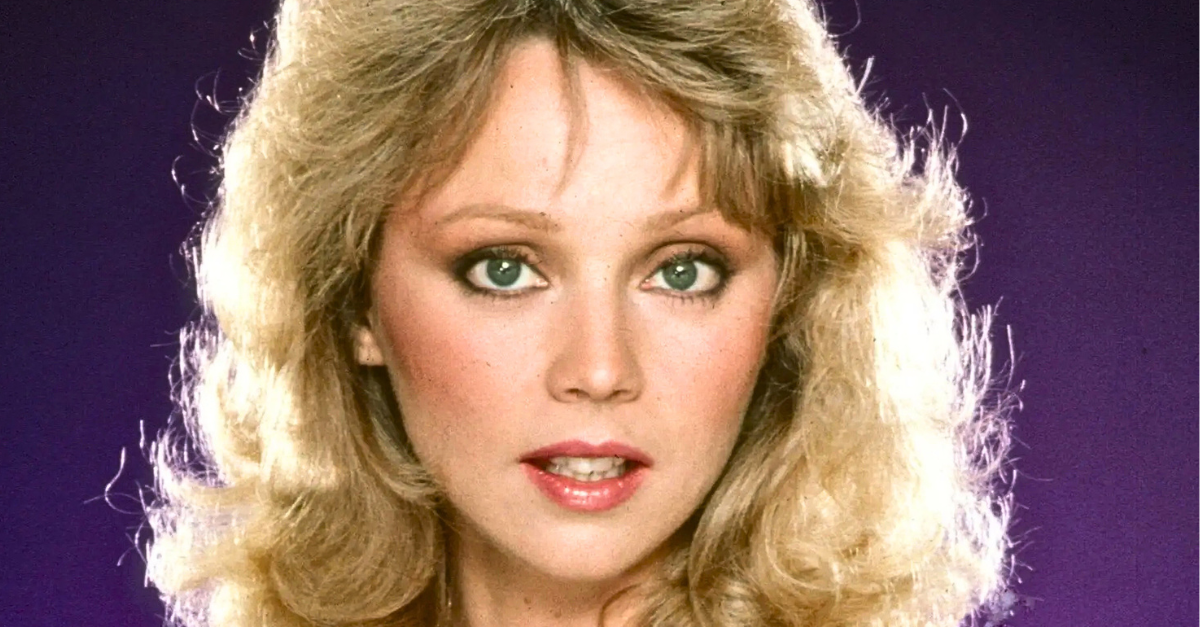
Shelley Long helped turn Cheers from a ratings disaster into an Emmy-winning phenomenon. Leaving gave her the freedom she wanted, but it also created a Hollywood story that would follow her throughout her career.
Fort Wayne Came Before Hollywood
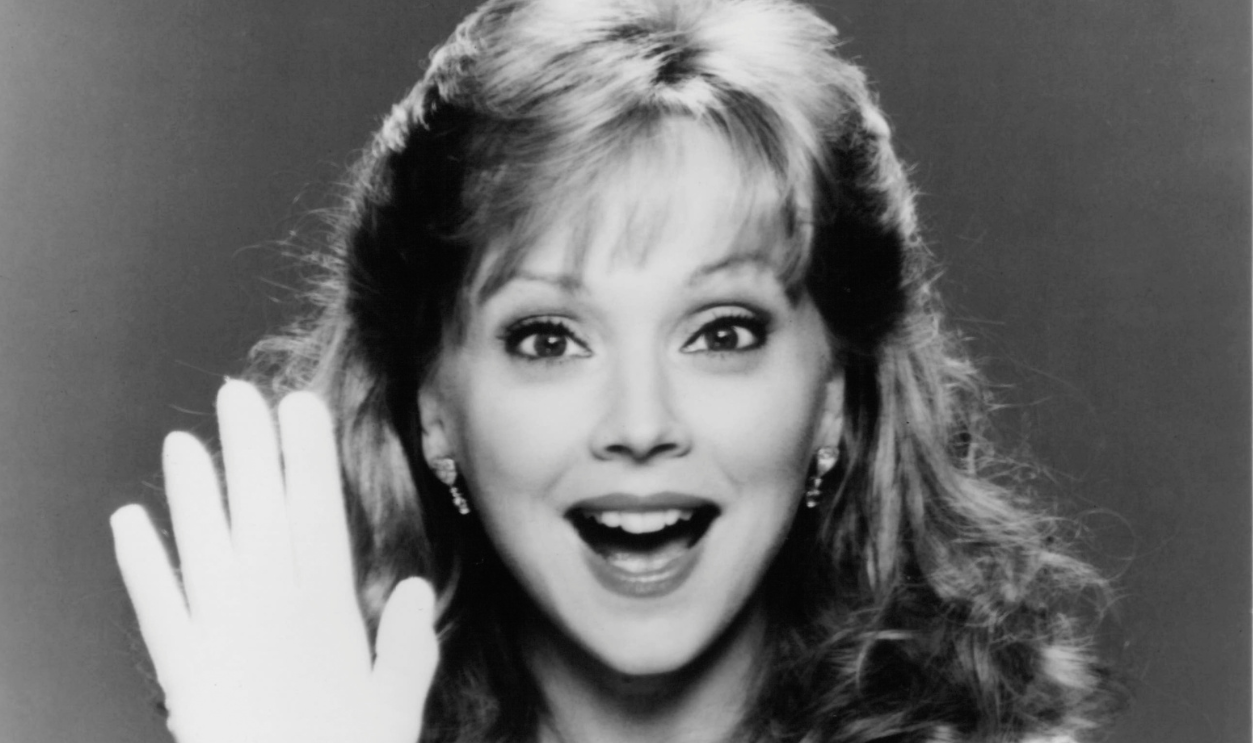
Shelley Long was born in Fort Wayne, Indiana, in 1949 and grew up in a family of educators. She later attended Northwestern University as a drama student before leaving to pursue performing more directly. Long’s path to television stardom would run through Chicago rather than immediately through Hollywood.
 Michael Ochs Archives, Getty Images
She Could Command A Room Early
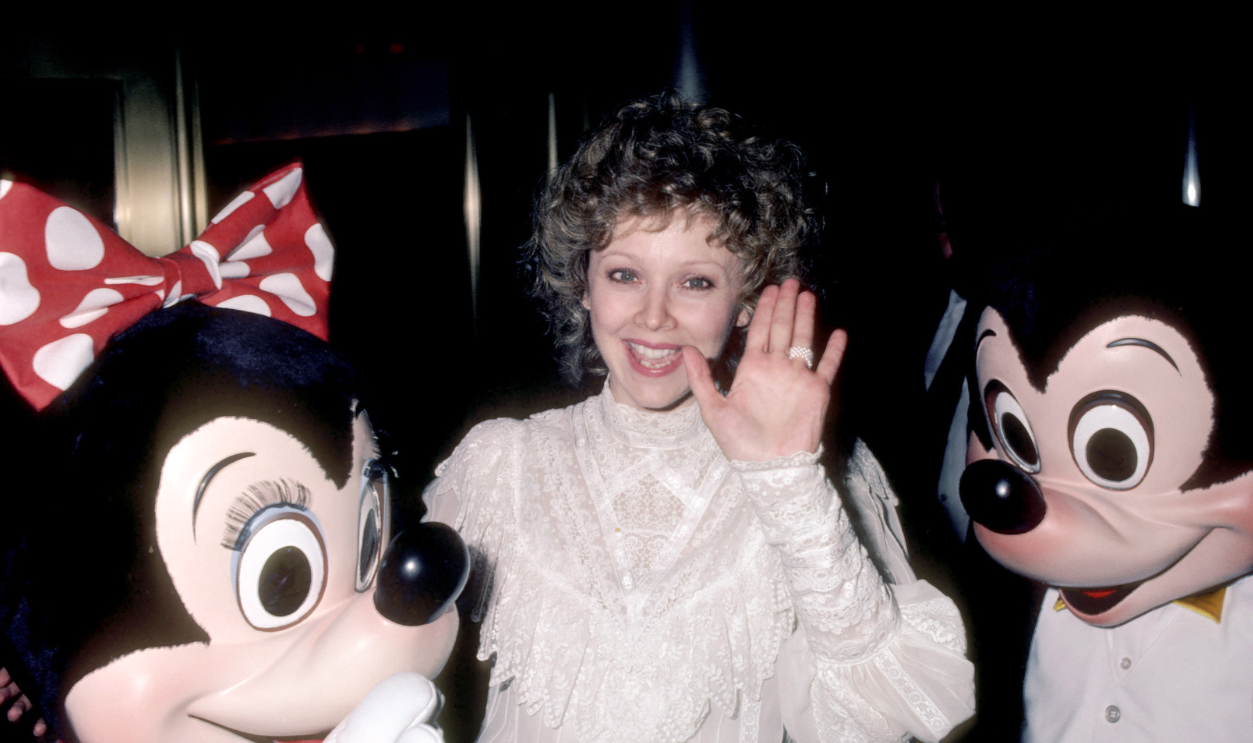
Long had already discovered that speaking in front of people came naturally to her as a teenager. She competed seriously in speech events before studying drama in college. That precision with language eventually became one of the qualities that made Diane Chambers such an unusual sitcom character.
 Michael Ochs Archives, Getty Images
Second City Sharpened Her Comedy
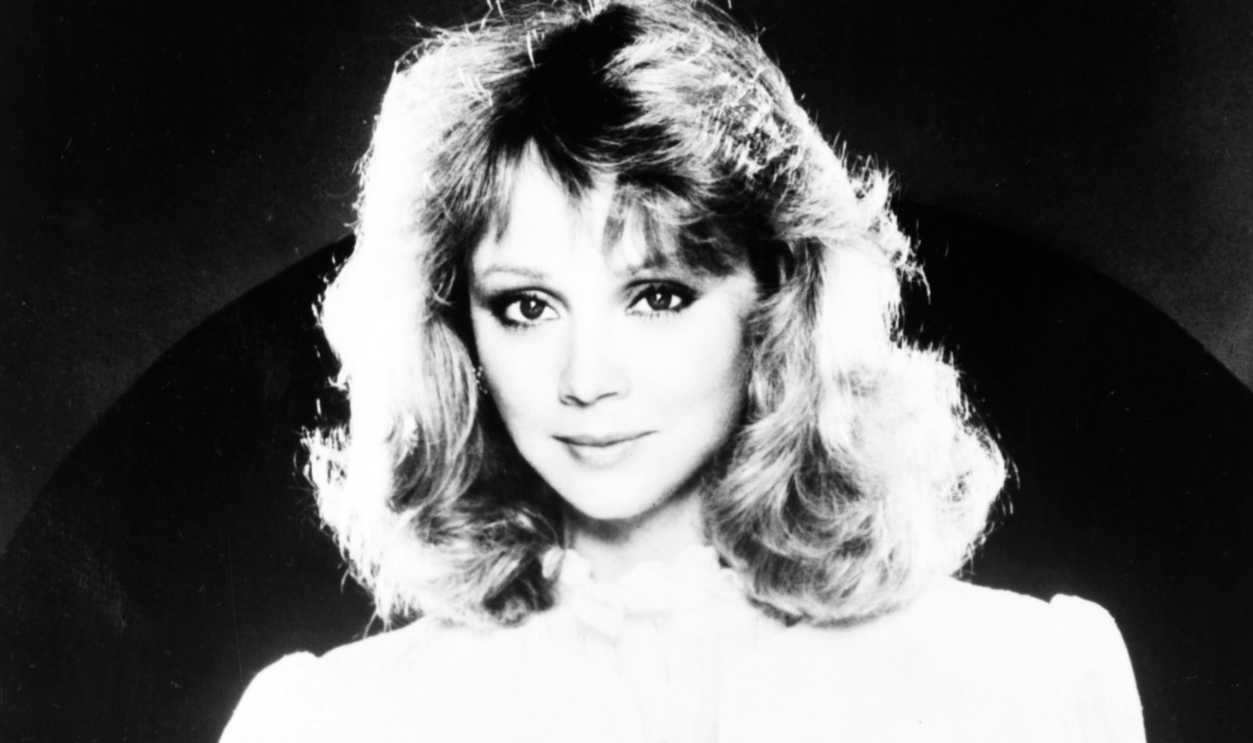
Chicago became Long’s professional training ground. She joined The Second City and appeared in three consecutive Mainstage revues in 1976 and 1977, all directed by Del Close. Working inside that improvisational tradition gave Long years of comic experience before network television audiences discovered her.
She Was Already Winning Emmys Locally
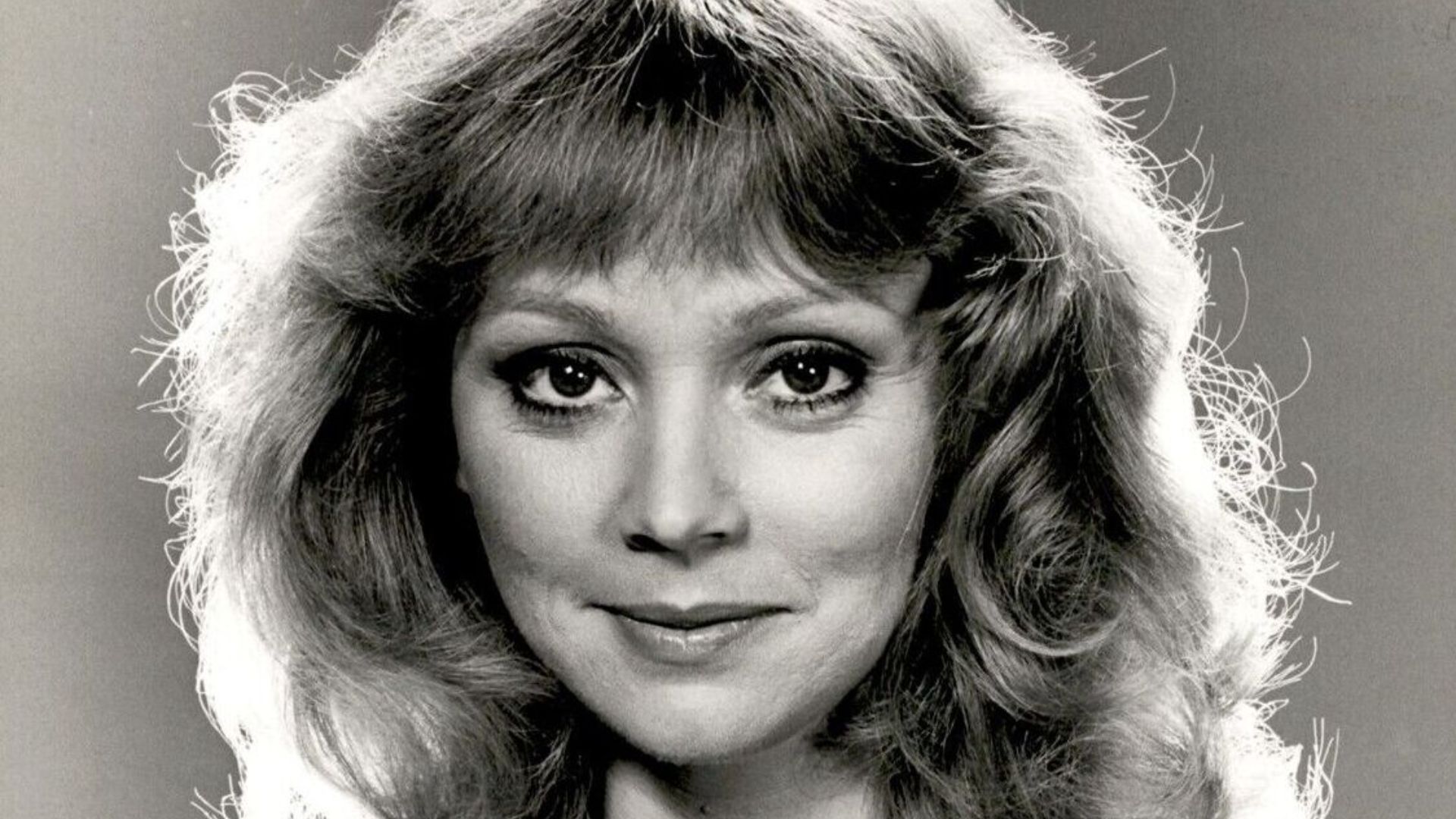
Long also wrote, produced, and co-hosted the Chicago television program Sorting It Out. The program earned three regional Emmy Awards during its run. Long therefore arrived in Hollywood with more behind-the-scenes and comedy experience than her later overnight-success narrative sometimes suggested.
 NBC Television, Wikimedia Commons
Night Shift Put Her On Hollywood's Radar
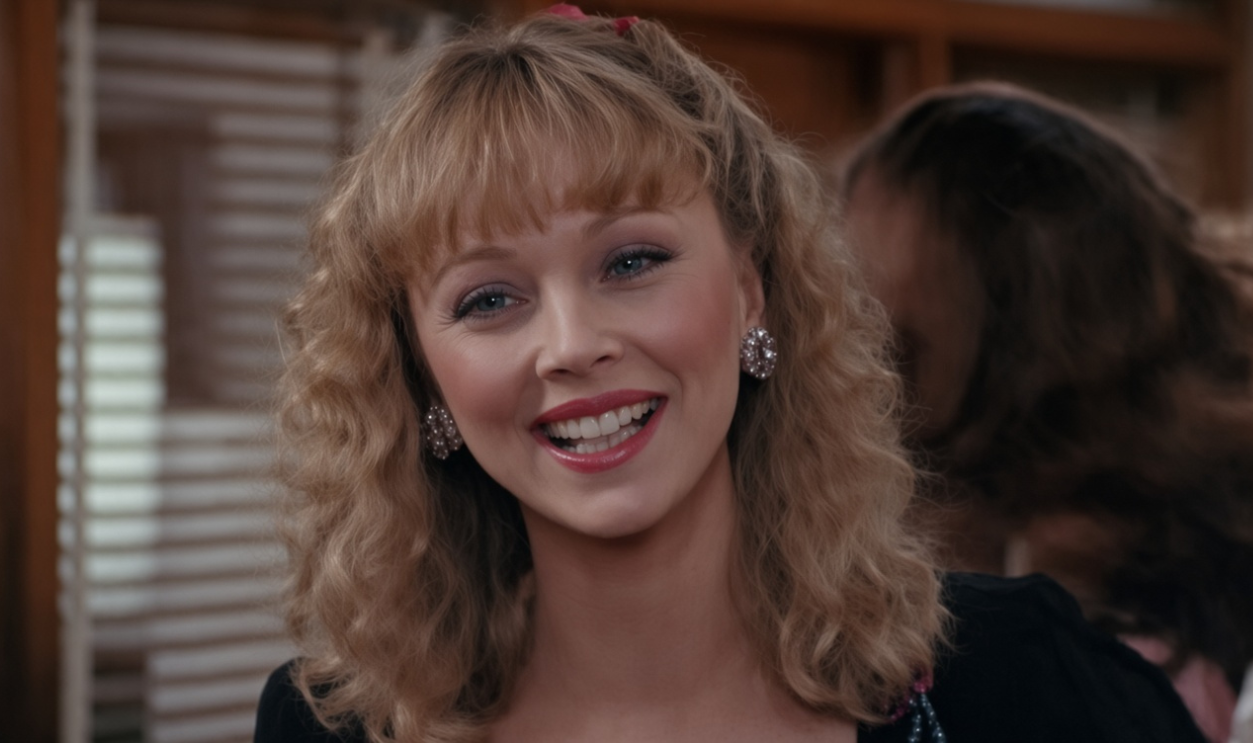
One of Long’s important early movie roles came in Ron Howard’s 1982 comedy Night Shift, opposite Henry Winkler and Michael Keaton. The part helped bring her broader industry attention just before Cheers premiered. Apple TV’s biography of Long specifically identifies the film as the project that gave her significant early recognition.
 Screenshot from Night Shift, Warner Bros. (1982), Modified
Then Cheers Found Its Diane
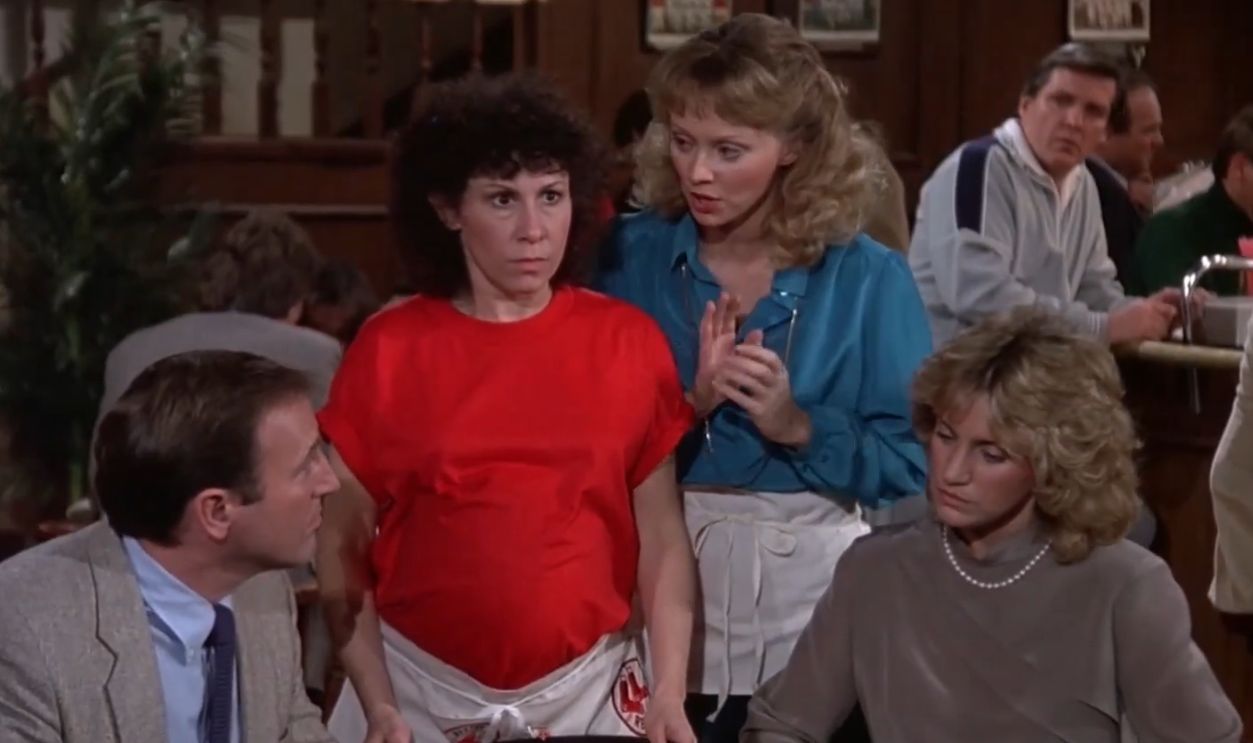
NBC launched Cheers in September 1982, with Ted Danson as bar owner Sam Malone and Long as Diane Chambers. The show’s creators later remembered casting Danson and Long as a critical part of establishing the series. Diane’s arrival in the Boston bar created the clash on which much of the early show depended.
 Screenshot from Cheers, NBC (1982–1993)
Diane Was Built To Be An Outsider
Diane did not naturally belong at Cheers. She was bookish, idealistic, highly verbal, and often convinced she was the smartest person in the room. That made her the perfect character to collide with Sam, Carla, Coach, and the bar’s regulars.
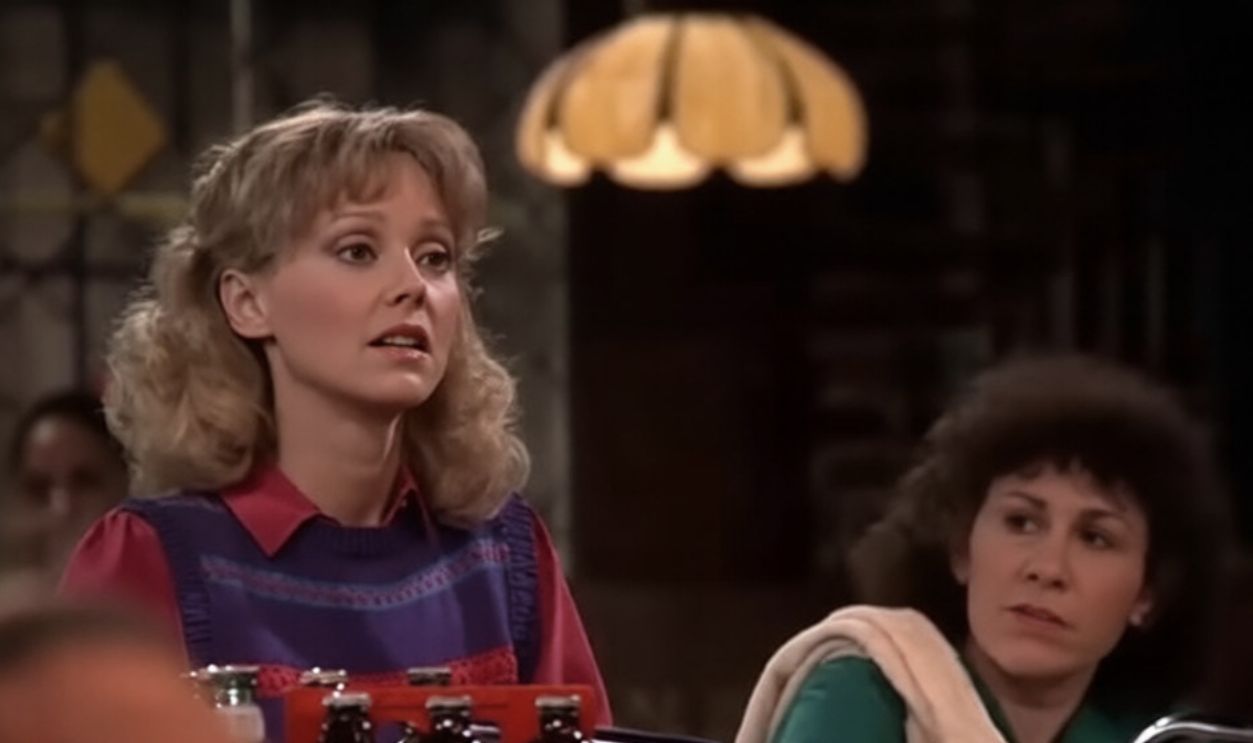 Screenshot from Cheers, NBC (1982–1993), Modified
Almost Nobody Watched At First
Critical enthusiasm did not immediately translate into ratings. Cheers finished its first season ranked around 74th among network programs, a disastrous position for a series that would eventually become a television institution. NBC executives Grant Tinker and Brandon Tartikoff nevertheless chose to give the struggling comedy time to develop.
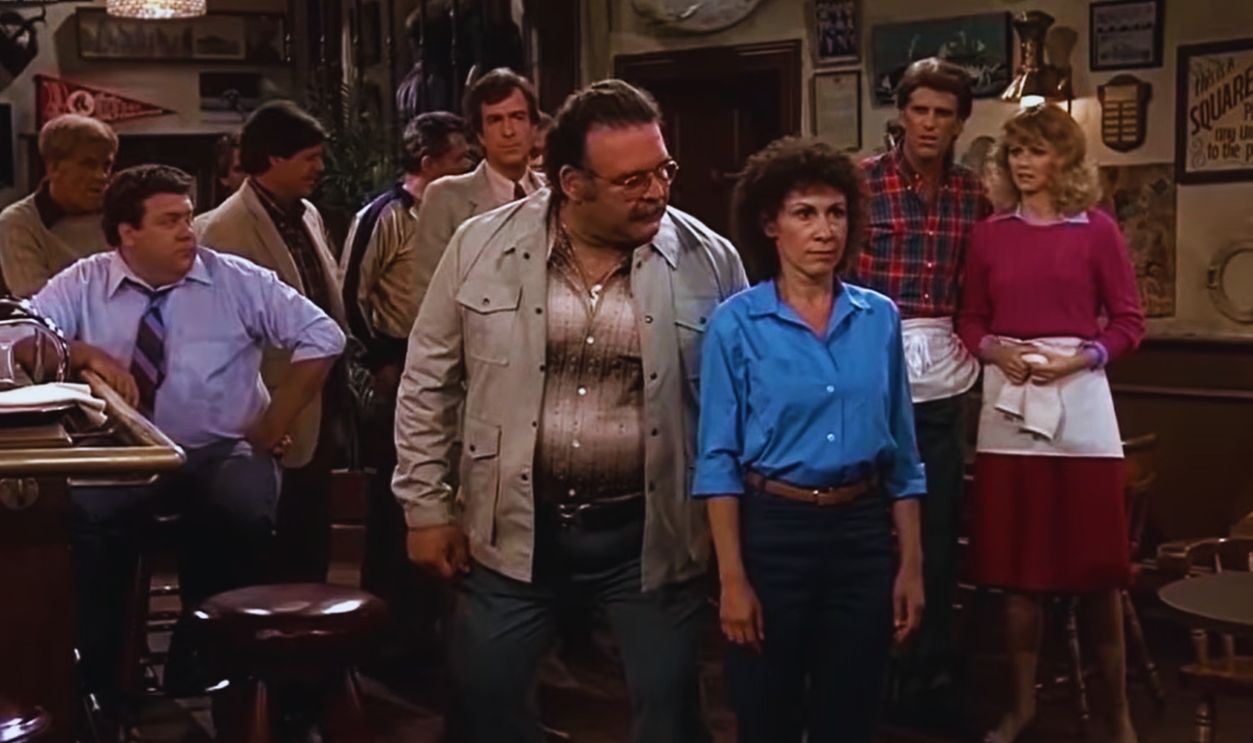 Screenshot from Cheers, NBC (1982–1993)
Sam And Diane Became The Hook
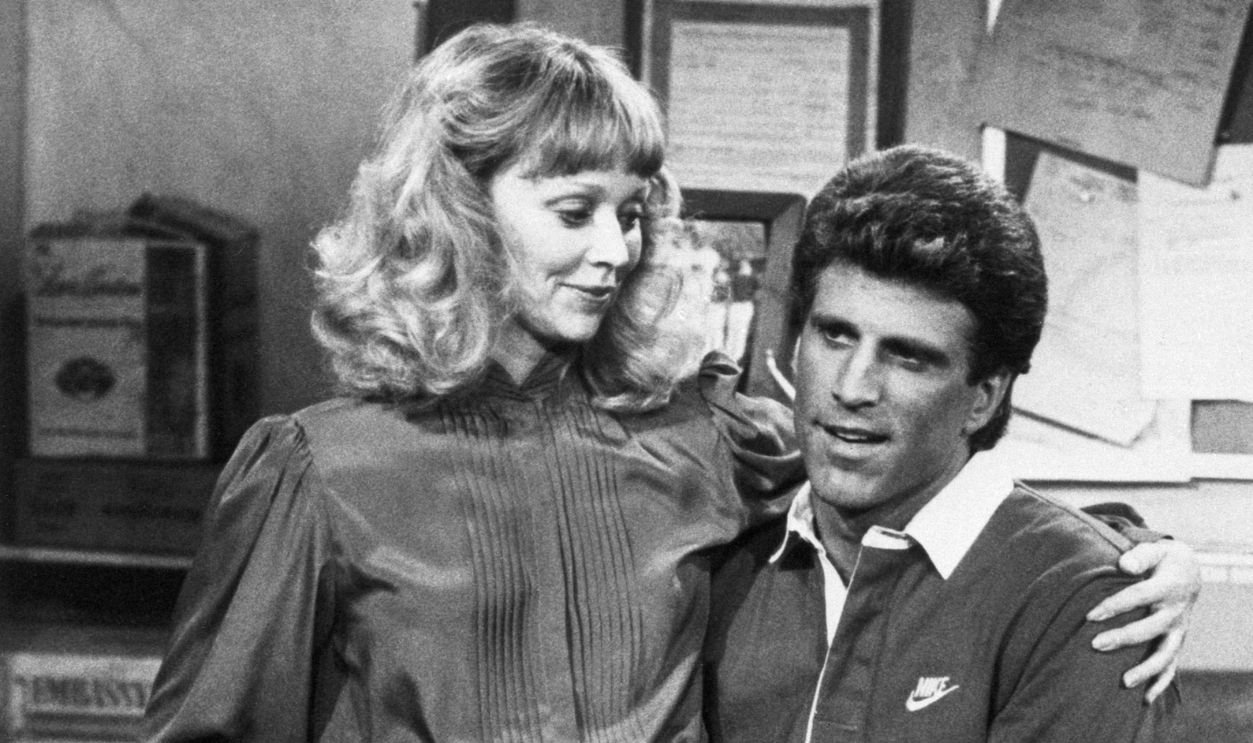
The volatile connection between Sam and Diane quickly became one of the show’s defining elements. Writers Ken Levine and David Isaacs later discussed how important writing that relationship was to the early series. Their constant push and pull gave Cheers a continuing story engine unusual for a sitcom of its era.
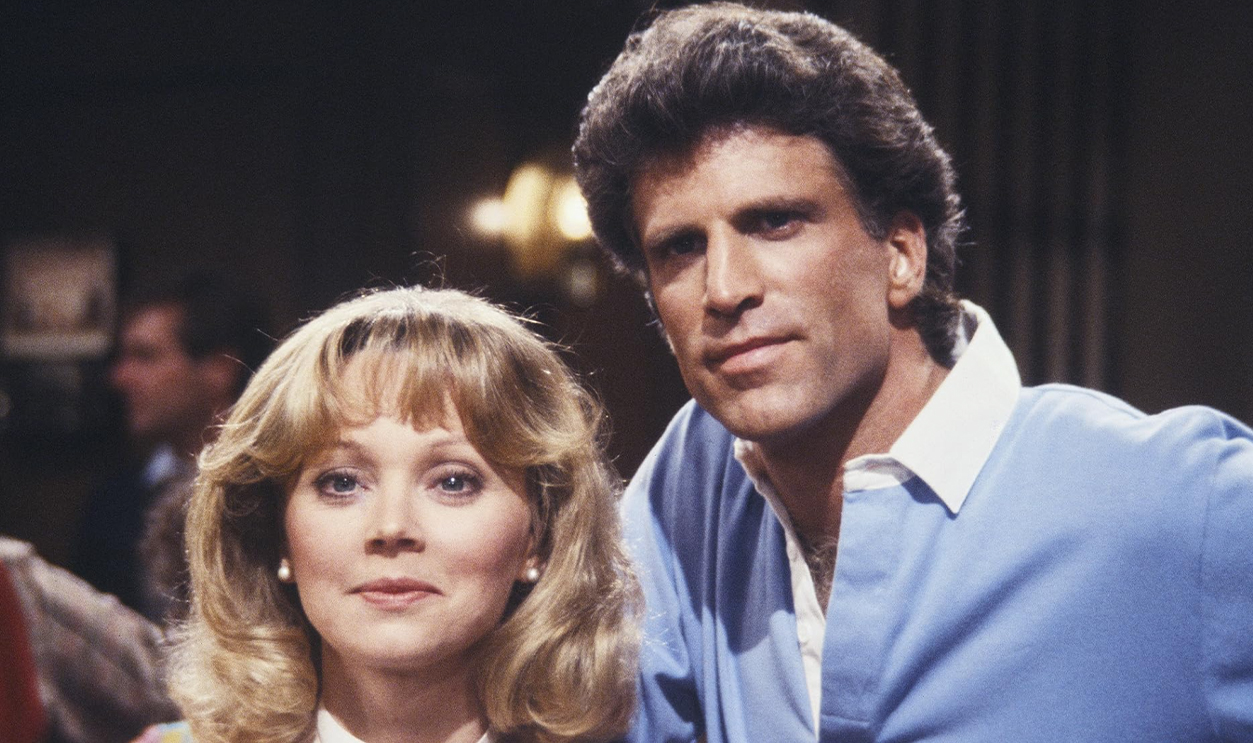 NBC/NBCUniversal, Getty Images
Long Won Almost Immediately
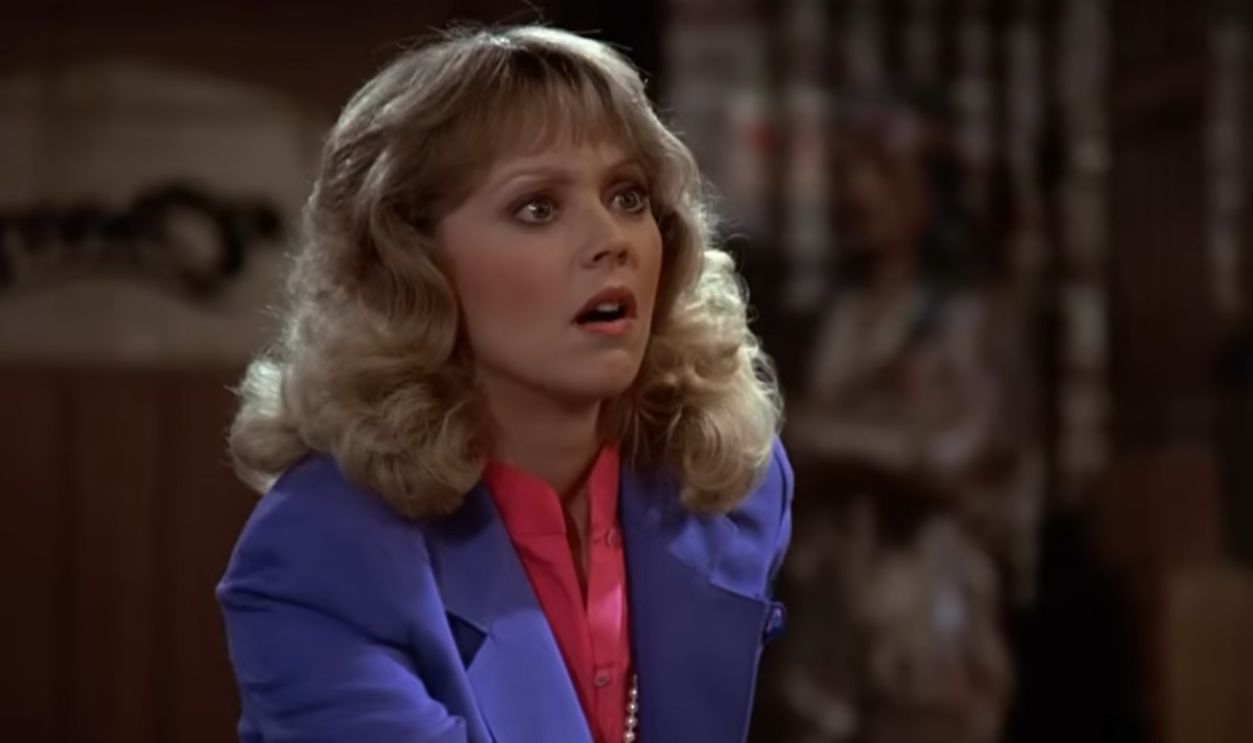
Awards voters noticed Long before much of the public did. In 1983, after only the first season, she won the Primetime Emmy for Outstanding Lead Actress in a Comedy Series. She would be nominated in the same category again in 1984, 1985, and 1986.
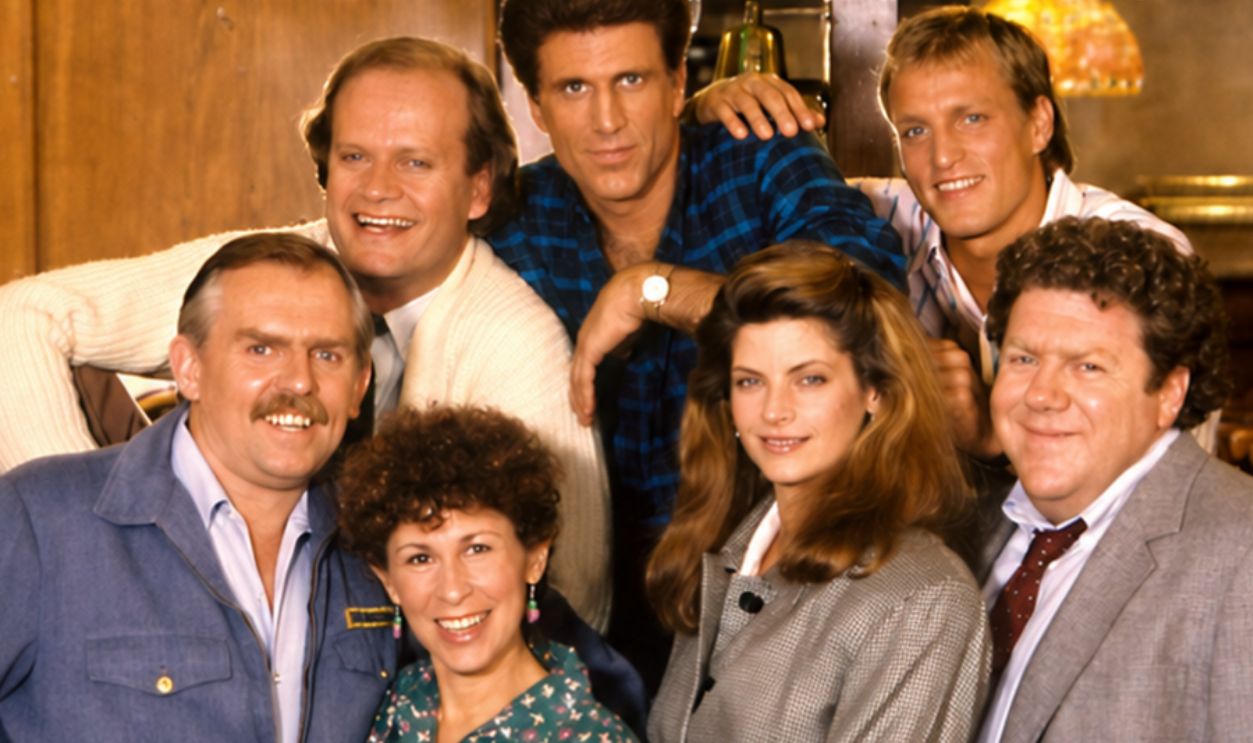
The Golden Globes Loved Her Too
Long’s awards run extended beyond the Emmys. The Golden Globes honored her for Cheers in 1983, then awarded her another Globe for the series in 1985. By the middle of the decade, Diane Chambers had made Long one of television comedy’s most decorated leading performers.
 Screenshot from Cheers, NBC (1982–1993)
Diane Was Never Designed To Be Easy
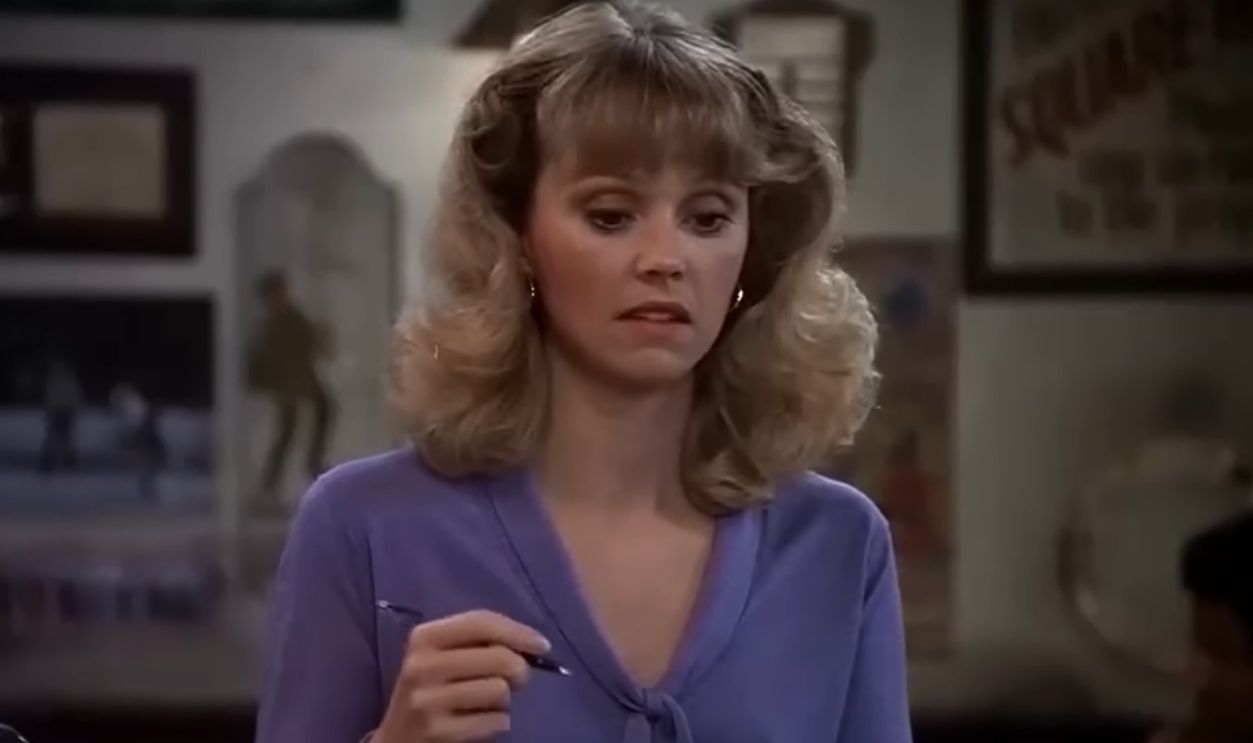
Long’s character could be pretentious, stubborn, romantic, insecure, and wonderfully ridiculous within the same episode. That complexity gave the writers more possibilities than a straightforward romantic lead would have offered. Producer David Lee later singled out Long and Diane when discussing the characters that made Cheers work as an ensemble comedy.
 Screenshot from Cheers, NBC (1982–1993)
Cheers Slowly Became A Phenomenon
NBC’s patience eventually paid off. By its third season, Cheers had climbed into television’s top 20, and its cultural position only became stronger from there. The program that almost disappeared after one season was becoming one of NBC’s signature successes.
Long Was Already Building A Movie Career
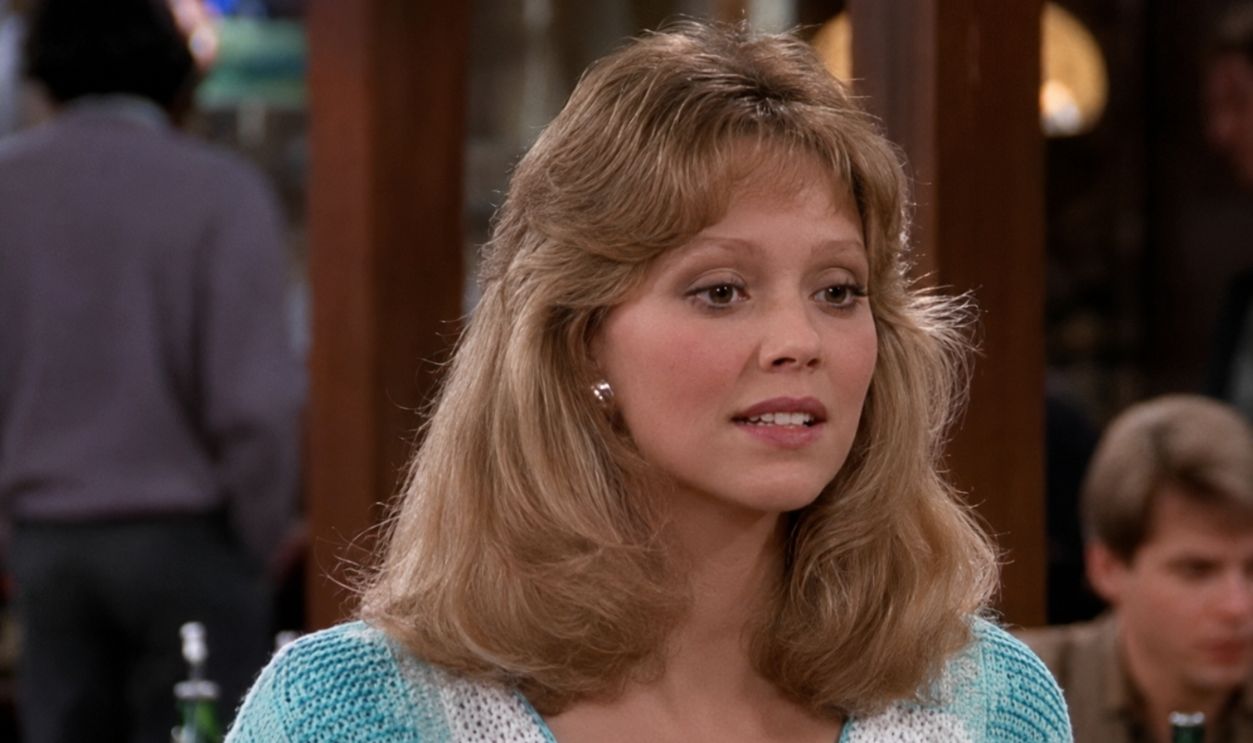
Even while starring on Cheers, Long was using her hiatuses to make films. Her 1984 performance in Irreconcilable Differences earned a Golden Globe nomination for best actress in a movie comedy or musical. She therefore had legitimate evidence that her appeal might extend beyond Diane Chambers.
 Screenshot from Cheers, Paramount Global (1982-1993), Modified
The Money Pit Kept Her On The Big Screen
In 1986, Long starred opposite Tom Hanks in The Money Pit. The comedy gave her another prominent movie role while Cheers remained one of network television’s biggest programs. By then, balancing a hit series and a developing film career was becoming increasingly difficult.
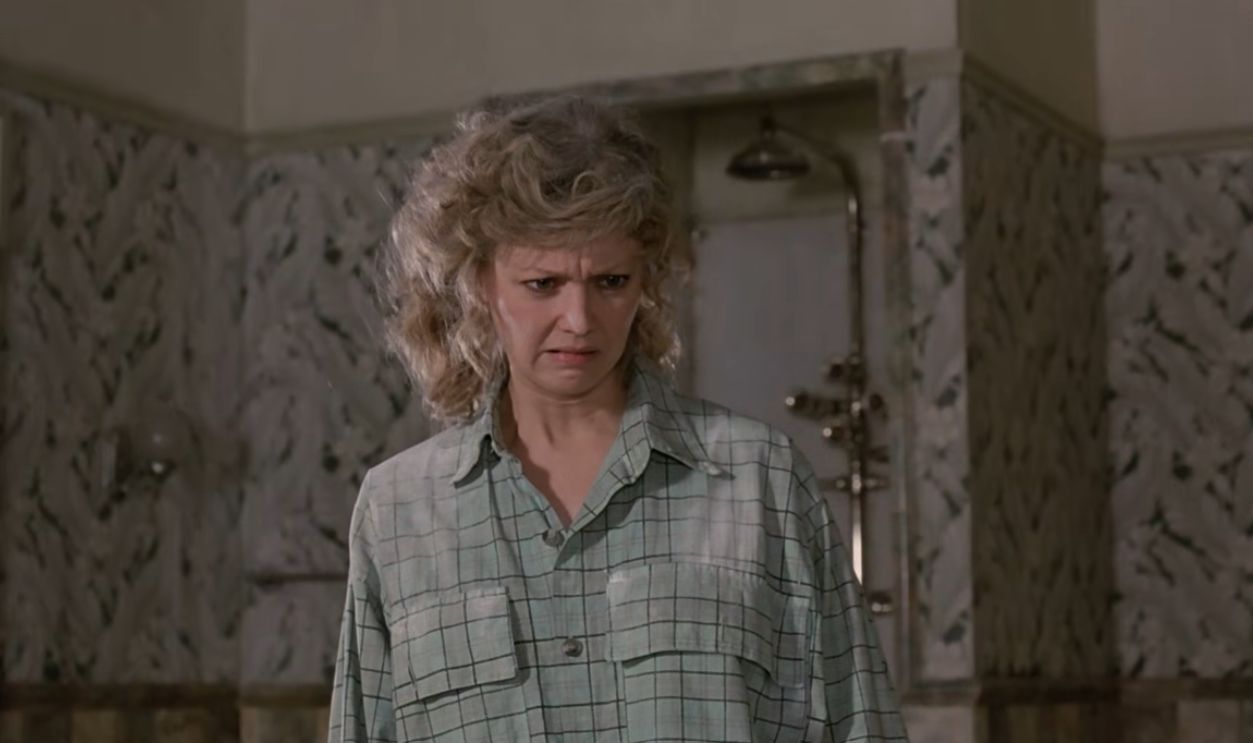 Screenshot from The Money Pit, Universal Pictures (1986)
Outrageous Fortune Raised The Stakes
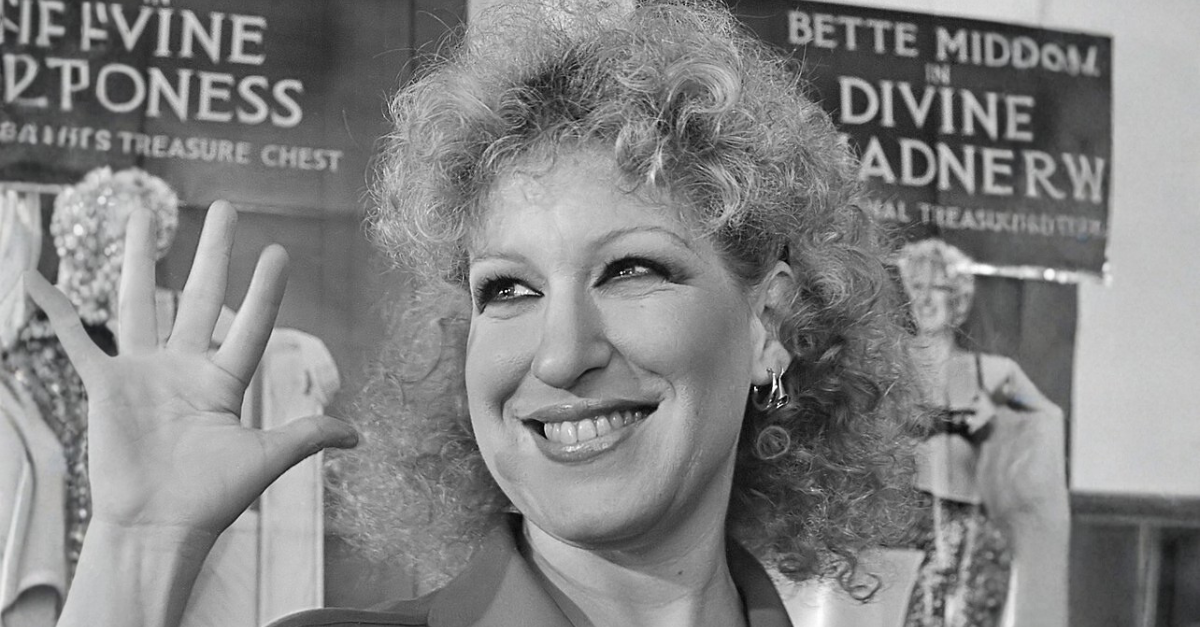
Long then teamed with Bette Midler for Outrageous Fortune. A contemporary Los Angeles Times review praised Long’s intelligence, comic style, and remarkably expressive reactions. The project reinforced the possibility that she could build a substantial movie career independent of Cheers.
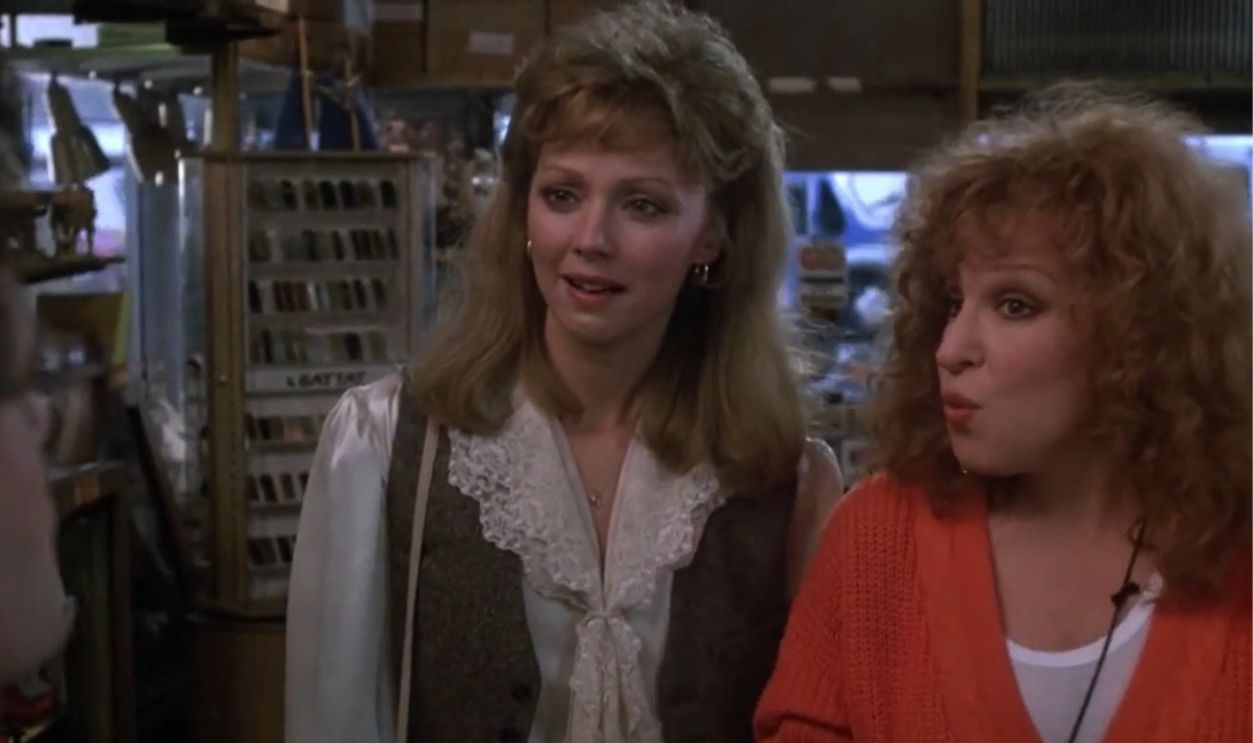 Screenshot from Outrageous Fortune, Buena Vista Pictures Distribution (1987)
Then She Made The Decision
In December 1986, Long formally announced that she would leave Cheers after its fifth season. Contemporary reporting said she cited family commitments along with her expanding movie ventures. The decision was not a sudden walkout, but it immediately became one of television’s biggest stories.
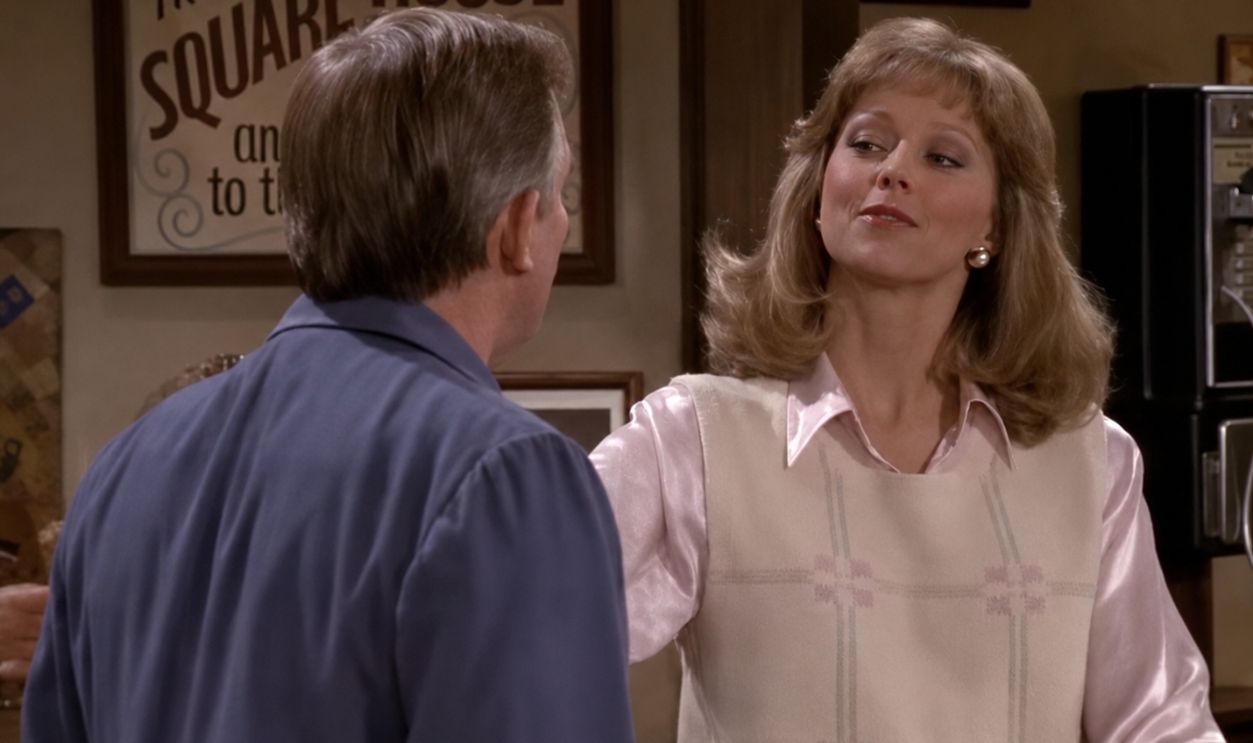 Screenshot from Cheers, Paramount Global (1982-1993), Modified
The Timing Made It Seem Unthinkable
Long was not abandoning a struggling program. When she announced her departure, Cheers ranked third among prime-time television series. She was stepping away after helping transform the show from near-cancellation into one of America’s most successful comedies.
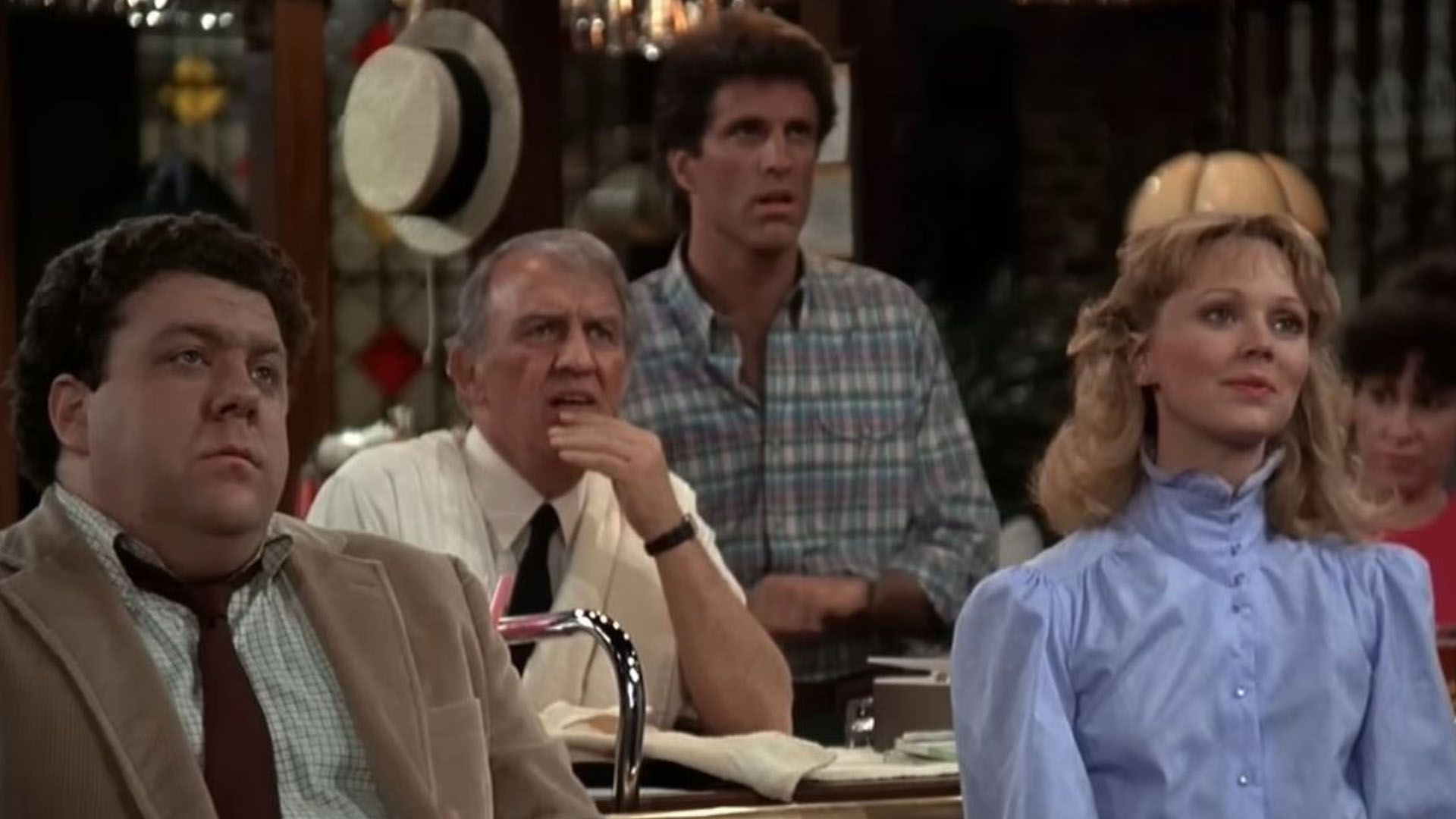 Screenshot from Cheers, Paramount Global (1982-1993)
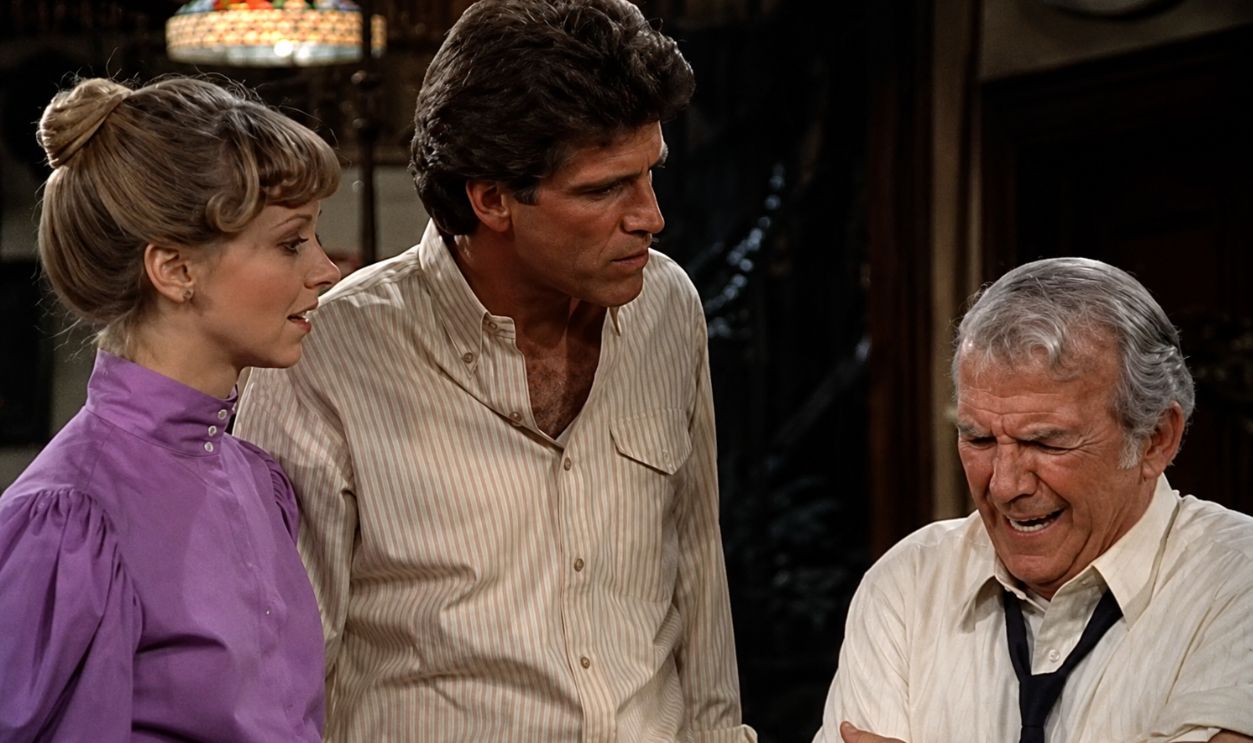
Even The Producers Admitted They Were Worried
Glen Charles, Les Charles, and James Burrows publicly acknowledged how significant the change would be. Their statement at the time said the series would never be the same without Long. Decades later, the Charles brothers recalled feeling genuine panic over losing the character who had powered so much of the show’s early story.
 Screenshot from Cheers, Paramount Global (1982-1993), Modified
Diane Received A Huge Goodbye
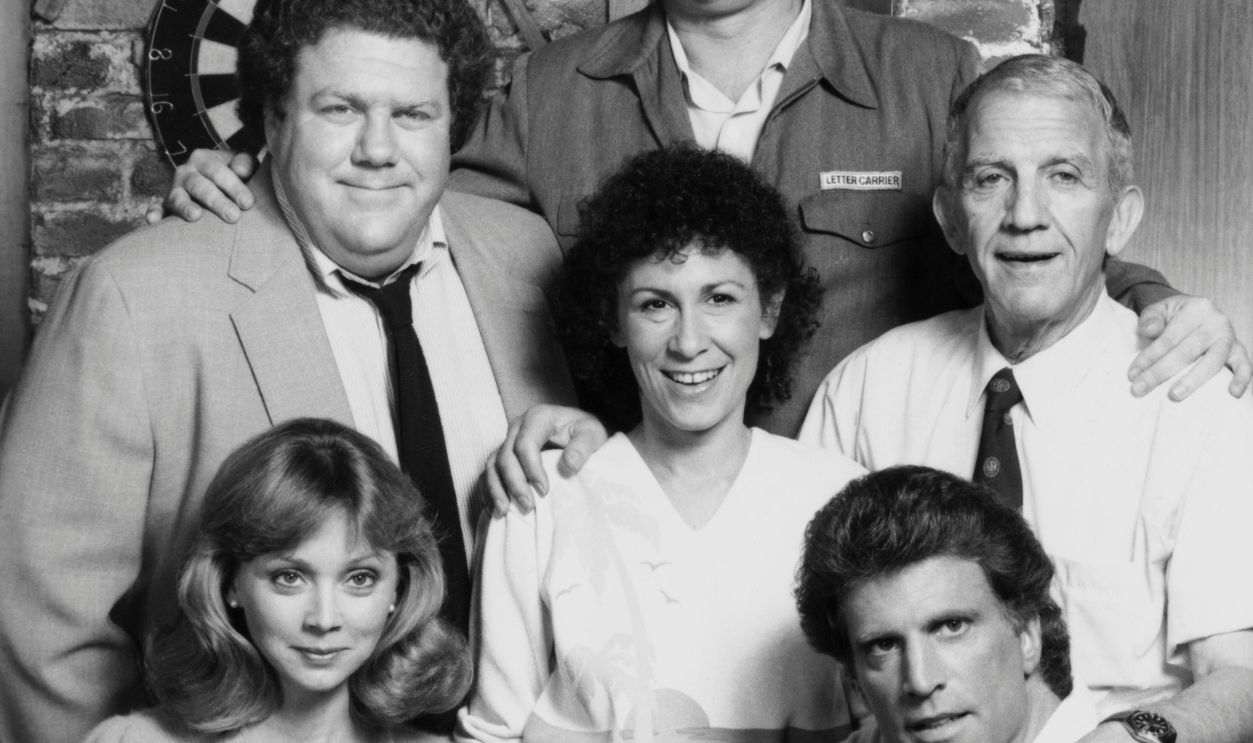
Long’s final regular episode as Diane aired in May 1987. The story appeared to be steering Sam and Diane toward marriage before Diane left Boston to finish her book, promising she would return. Sam’s final farewell undercut that promise with the painful understanding that she probably would not.
Replacing Diane Required A Completely New Idea
The producers wisely resisted creating another Diane Chambers. Kirstie Alley arrived in season six as Rebecca Howe, the corporate manager who became Sam’s new boss after Cheers changed ownership. Casting director Jeff Greenberg later explained how secretly the search was conducted while Long finished her final season.
 Screenshot from Cheers, NBC (1982–1993)
Cheers Survived The Supposedly Impossible
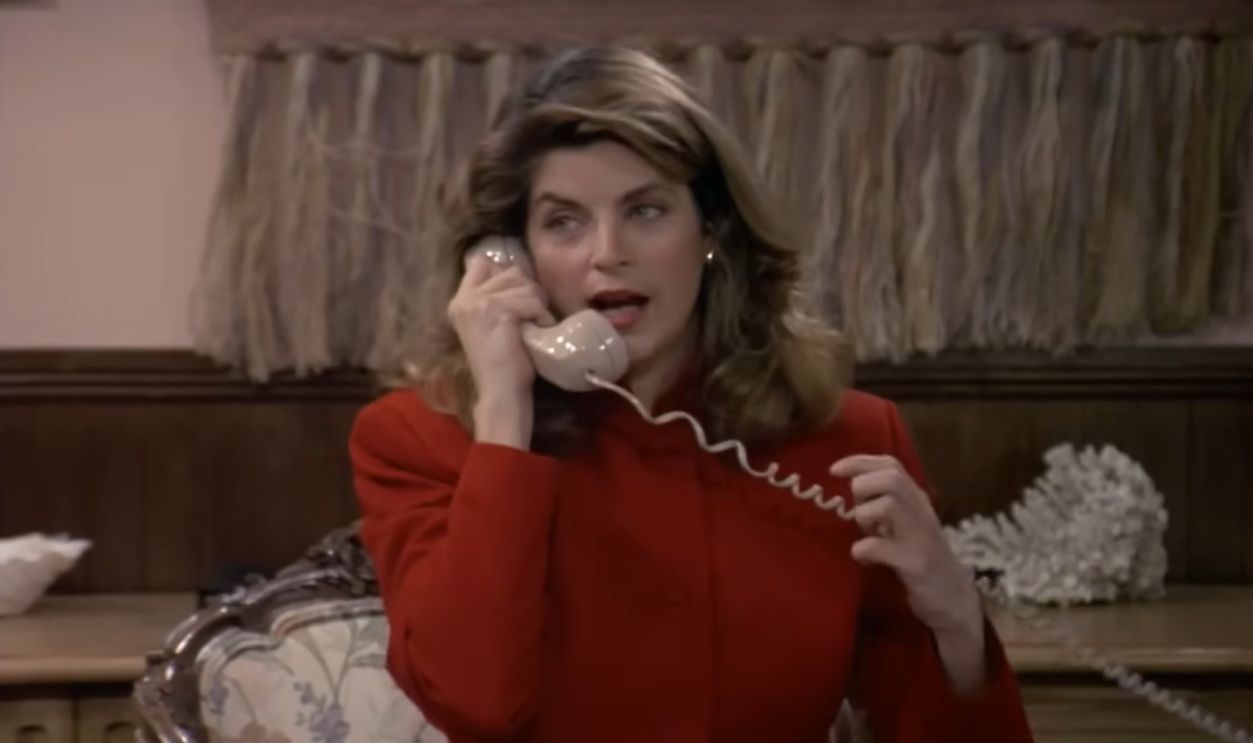
The gamble ended up working for the show. Cheers continued for six additional seasons, remained among television’s highest-rated programs, and eventually completed an eleven-season run. Its success after Long left inevitably strengthened the idea that she had walked away from a sure thing.
 Screenshot from Cheers, Paramount Television (1982–1993)
Hollywood Turned Her Choice Into A Cautionary Tale
Once Cheers proved it could thrive without Diane, every Long movie carried extra baggage. Her career was no longer judged simply by whether a particular project worked, but against the enormous success she had chosen to leave behind. That comparison made an ordinary run of hits and misses look like a referendum on one decision.
Hello Again Proved She Still Had Movie-Star Charm
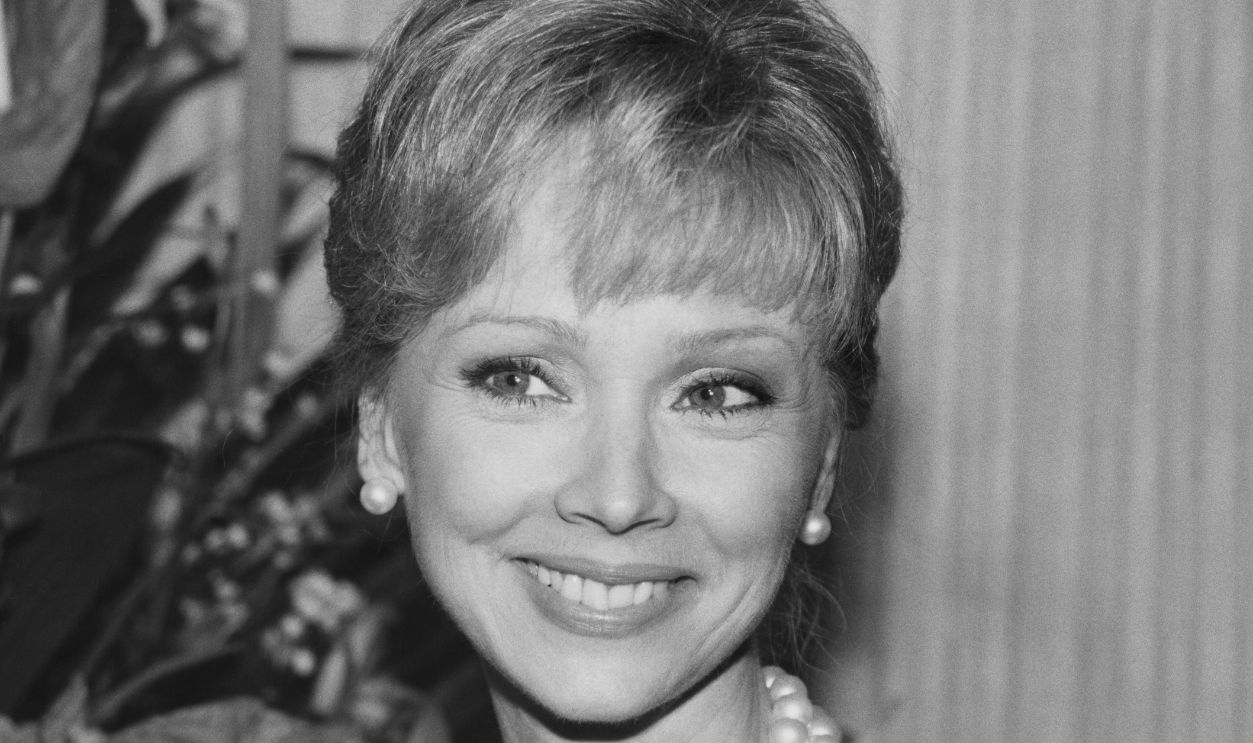
Long followed Cheers with the 1987 comedy Hello Again. Los Angeles Times critic Kevin Thomas called her an irresistible screen presence and praised her ability to handle classic physical comedy. Whatever doubts surrounded the career gamble, contemporary reviewers still saw considerable star power.
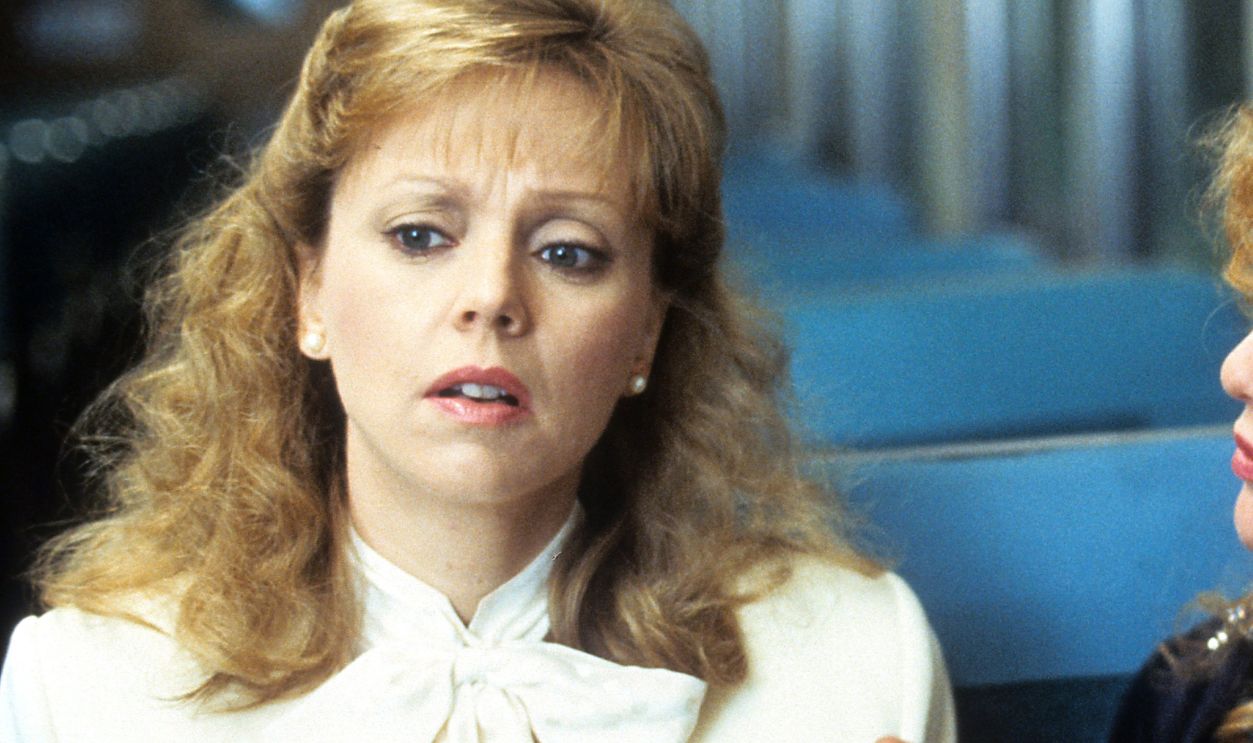
Troop Beverly Hills Found Its Audience Later
In 1989, Long starred as Phyllis Nefler in Troop Beverly Hills. The movie was not a major theatrical success at the time, and contemporary reviews were mixed, but it gradually developed a lasting following. Decades later, the film remained recognizable enough that discussion of a sequel again brought attention to its original cast.
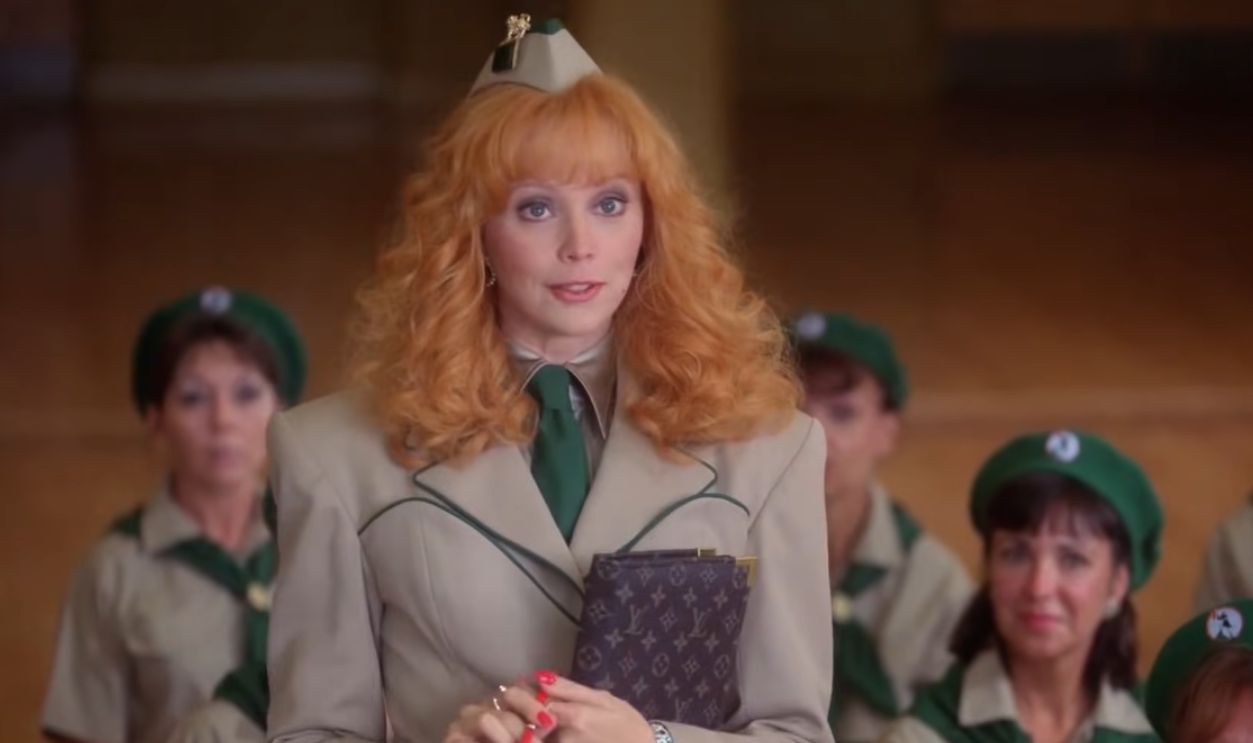 Screenshot from Troop Beverly Hills, Columbia Pictures (1989)
The Movie Career Wasn't The Disaster Of Legend
Long certainly did not reproduce the extraordinary dominance of Cheers in theaters, but she also did not disappear. Her post-show films included Outrageous Fortune, Hello Again, Troop Beverly Hills, and numerous later projects. The simple narrative that she left television and immediately vanished ignores years of steady work.
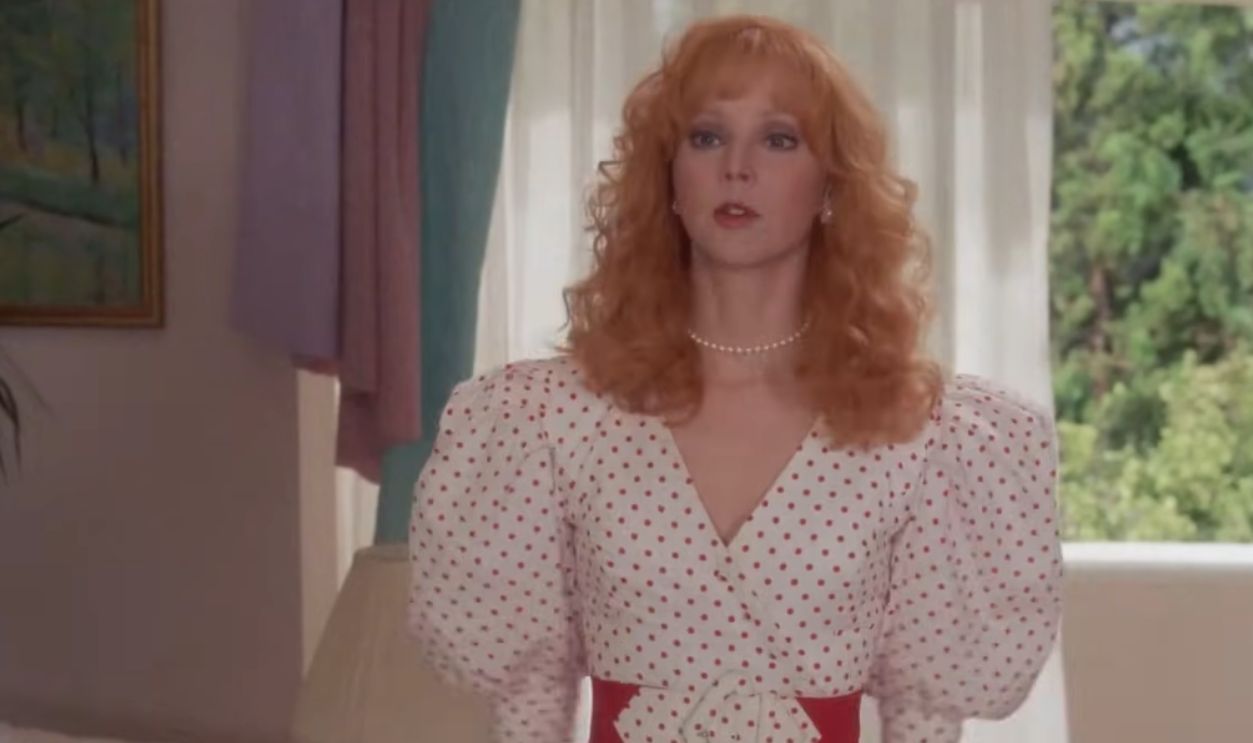 Screenshot from Troop Beverly Hills, Columbia Pictures (1989)
Diane Returned For The End
When Cheers prepared to finish its eleven-season run in 1993, Long agreed to return as Diane Chambers. The feature-length finale brought Diane back to Boston and reunited her with Sam after six years apart. The entire series effectively came full circle by revisiting the relationship that had helped establish it.
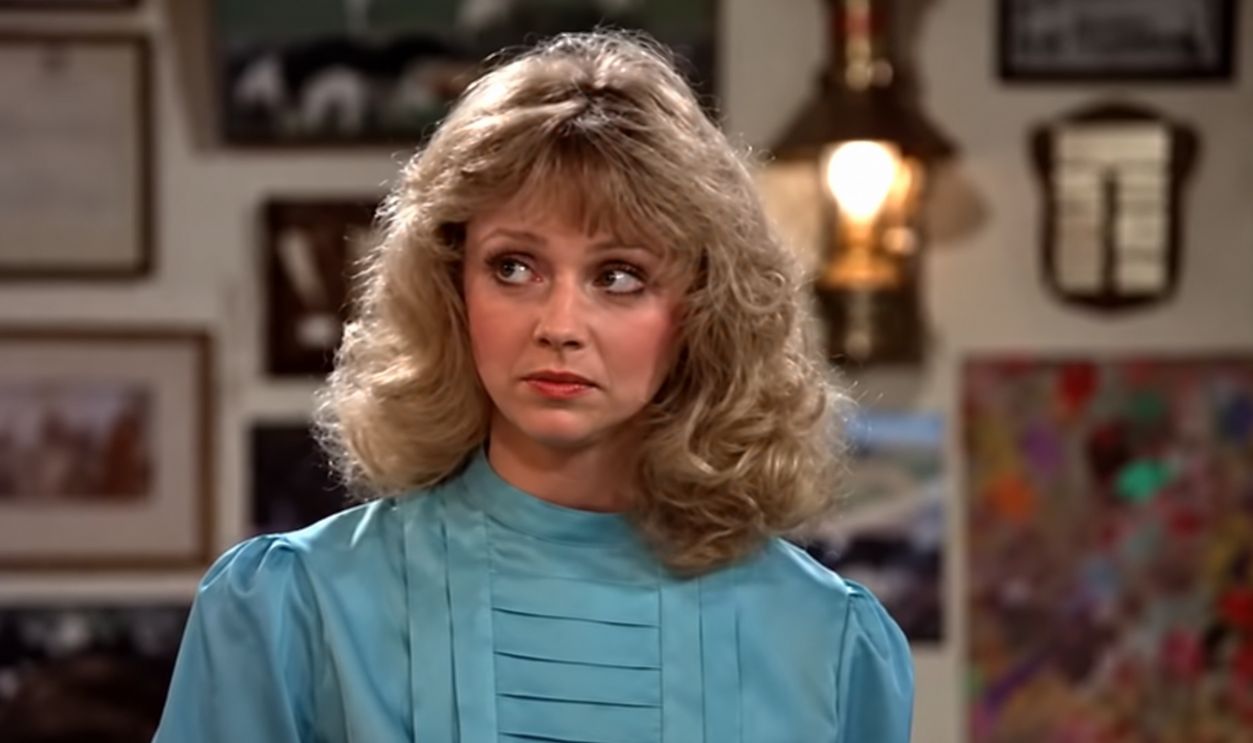 Screenshot from Cheers, Paramount Television (1982–1993), Modified
The Return Earned Another Emmy Nomination
Long’s brief comeback was not merely nostalgic stunt casting. Her performance in the Cheers finale earned a 1993 Emmy nomination for Outstanding Guest Actress in a Comedy Series. Even after years away from the role, awards voters still responded to what she could do with Diane.
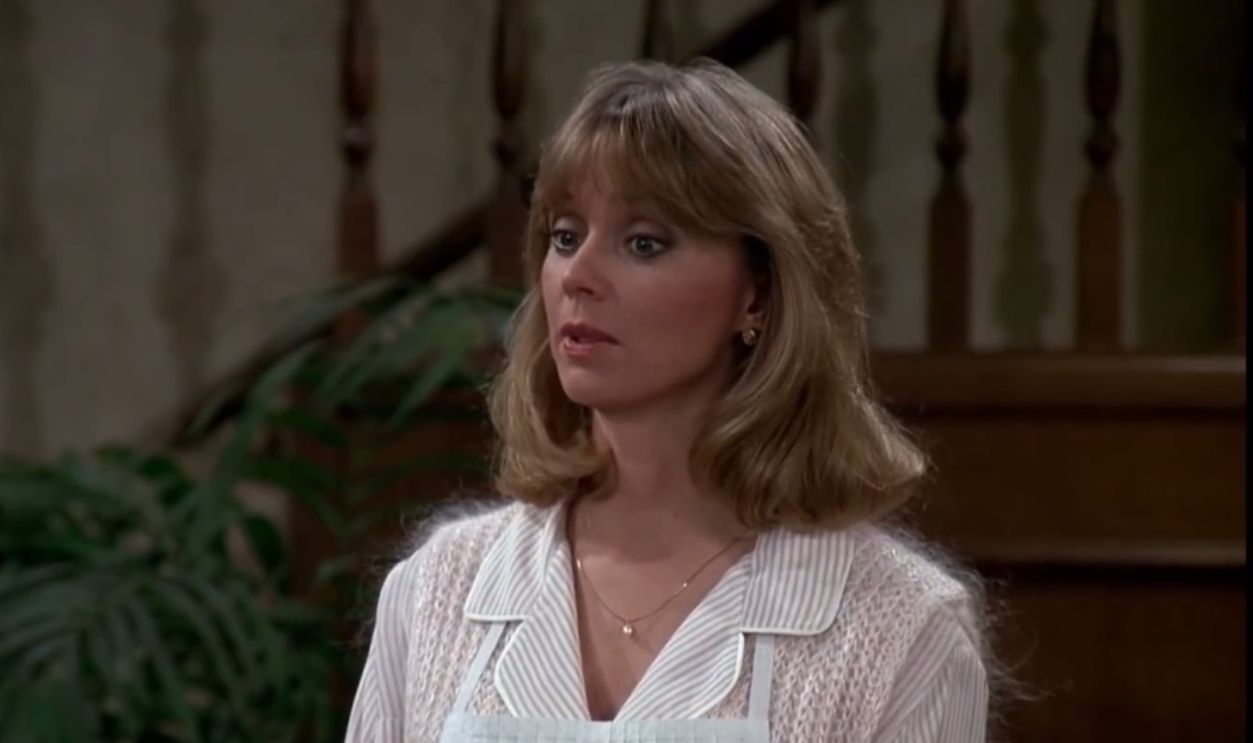 Screenshot from Cheers, Paramount Television (1982–1993)
Frasier Couldn't Completely Escape Diane Either
Long later reprised Diane on Frasier, the enormously successful Cheers spinoff. Her return again earned an Emmy nomination in 1996, this time for guest actress on a comedy series. Diane had become such a potent character that she could still create television-event energy nearly a decade after Long left the original show.
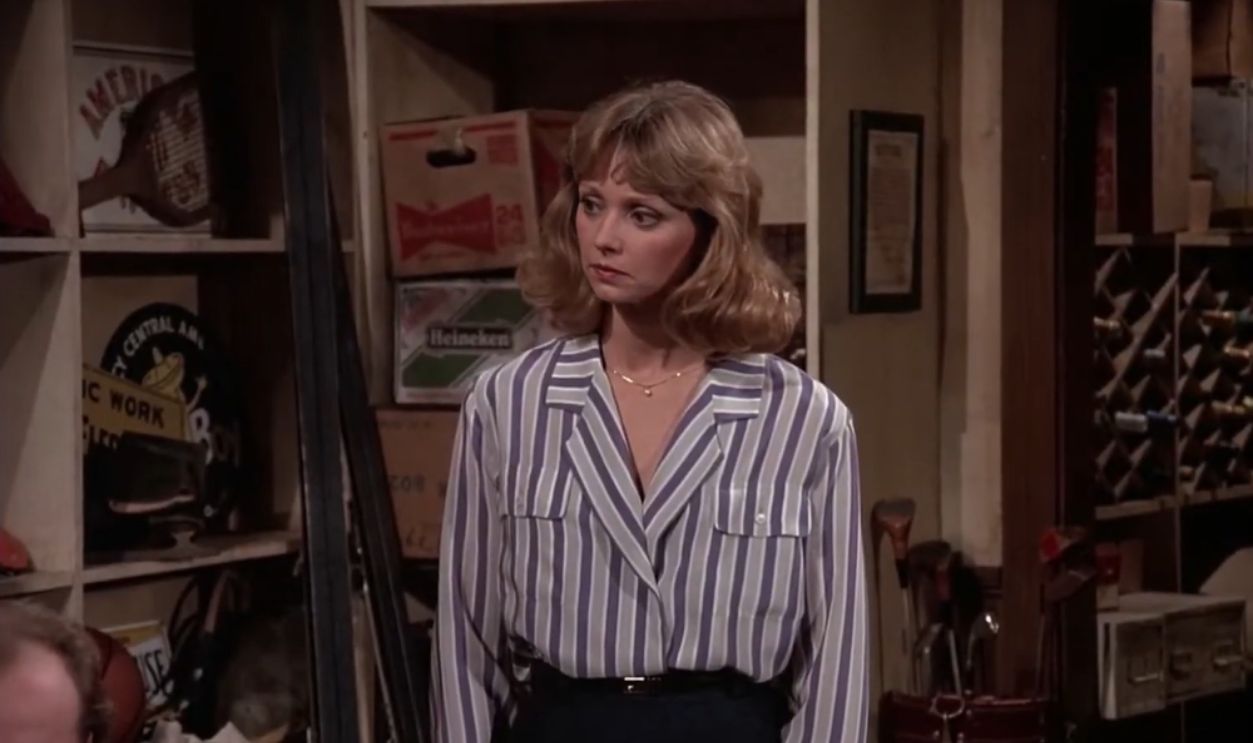 Screenshot from Cheers, Paramount Television (1982–1993)
Carol Brady Gave Her Another Comic Reinvention
Long found another memorable role in 1995's The Brady Bunch Movie, playing the relentlessly cheerful Carol Brady opposite Gary Cole. The film deliberately dropped the blissfully outdated Brady family into contemporary Los Angeles, allowing Long to play Carol with complete sincerity while the world around her supplied the joke. She returned for A Very Brady Sequel and later another Brady television movie.
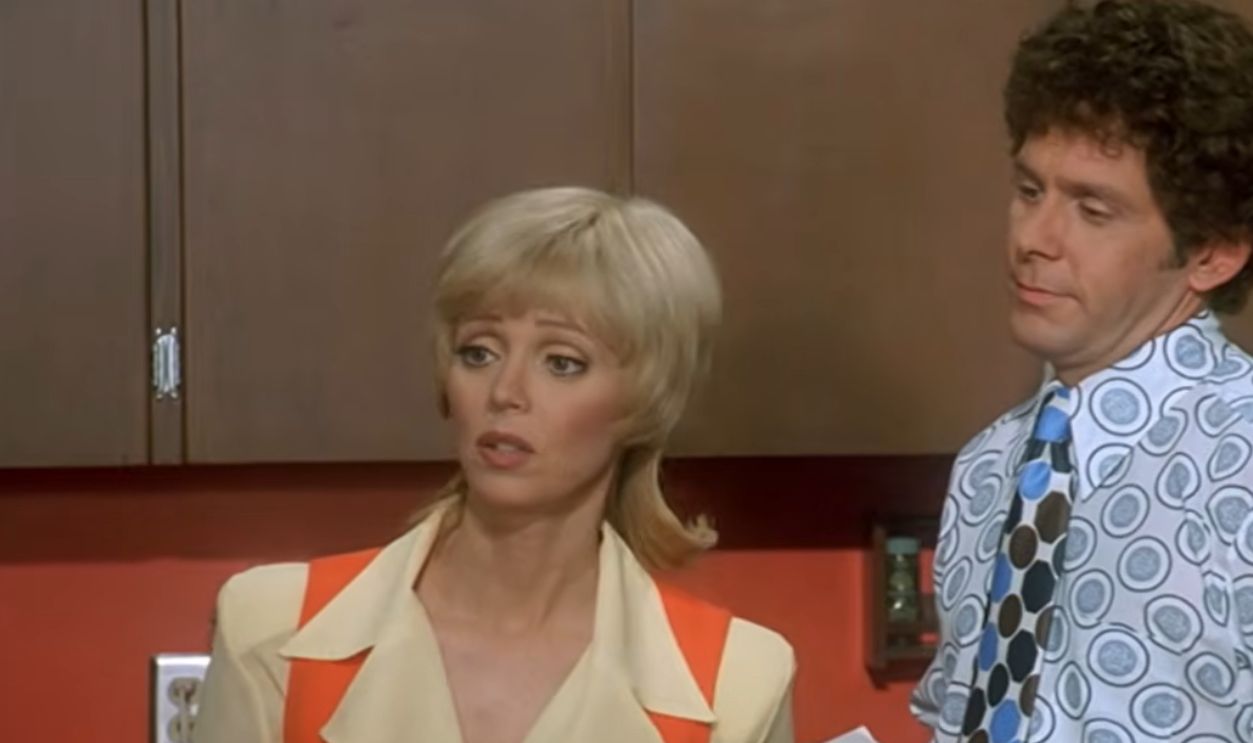 Screenshot from The Brady Bunch Movie, Paramount Pictures (1995)
She Kept Turning Up For New Generations
Long continued working for decades and eventually appeared repeatedly on Modern Family as DeDe Pritchett, the unpredictable mother of Claire and Mitchell. Her appearances stretched from the first season into the show's later years. Viewers who had never seen Diane Chambers during the original Cheers run were still discovering Long's distinctive comic style.
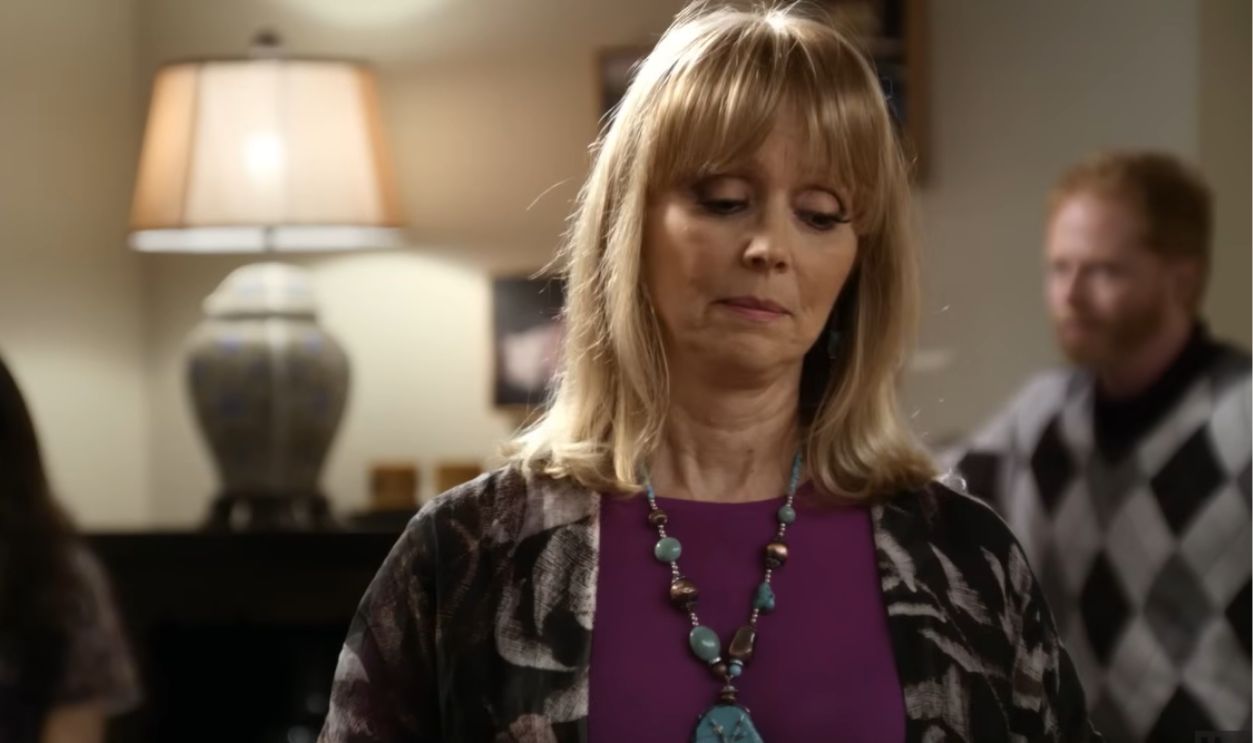 Screenshot from Modern Family, 20th Century Fox Television (2009–2020)
The Gamble Never Erased What She Built
Cheers ultimately became one of television’s defining comedies, with 26 Emmy wins and 111 nominations during its original run. The fact that it survived Shelley Long sometimes overshadows the more important point that she helped make it worth saving in the first place. Hollywood may never forget that Long walked away from a phenomenon, but the enduring power of Diane Chambers explains why people still care that she did.
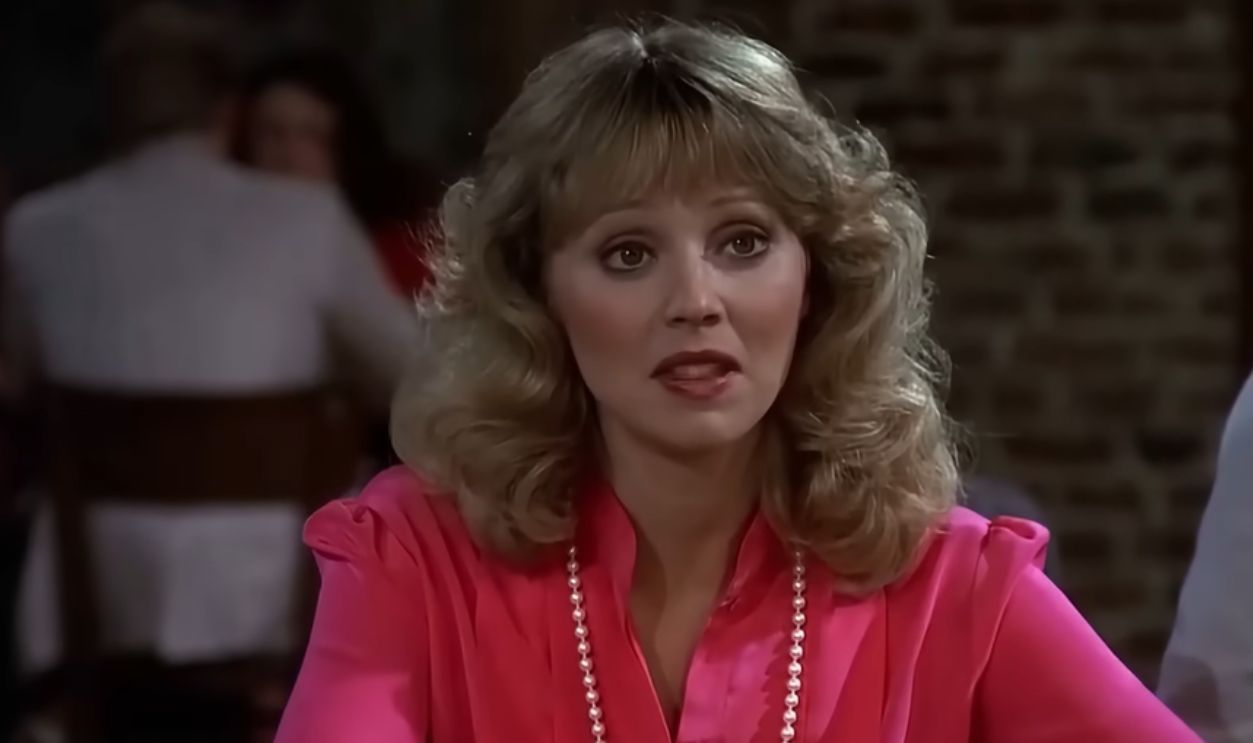 Screenshot from Cheers, Paramount Television (1982–1993)
You May Also Like:
The Best Sidekicks Of All Time
Hollywood's Most Famous Blondes
The Toughest Actors In Hollywood
Sources: 1, 2, 3, 4, 5, 6, 7, 8, 9, 10, 11, 12, 13, 14, 15, 16, 17, 18, 19, 20, 21, 22, 23, 24, 25, 26, 27, 28, 29, 30, 31, 32, 33, 34, 35, 36, 37, 38