
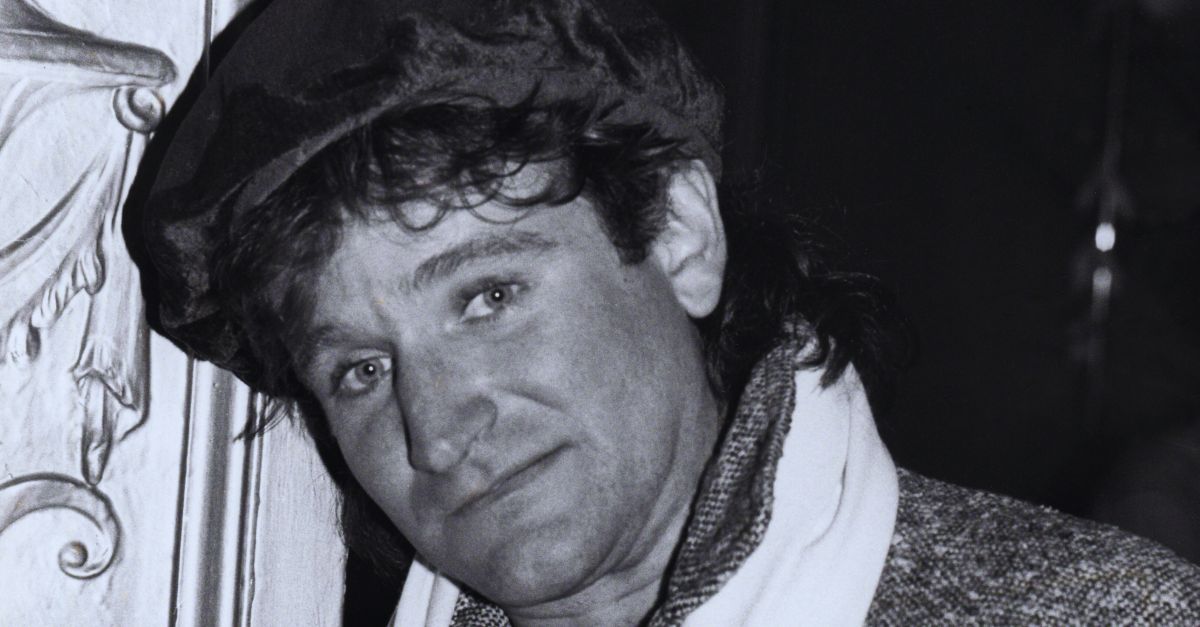
Robin Williams Made Millions Laugh, Even As He Carried Heavy Struggles
Robin Williams was one of the most electric performers of his time. He could move from rapid-fire stand-up to tender drama and make it look effortless. For decades, audiences saw joy, energy, and heart on screen, while much of his private pain stayed out of view.
A Quiet, Lonely Start In Chicago
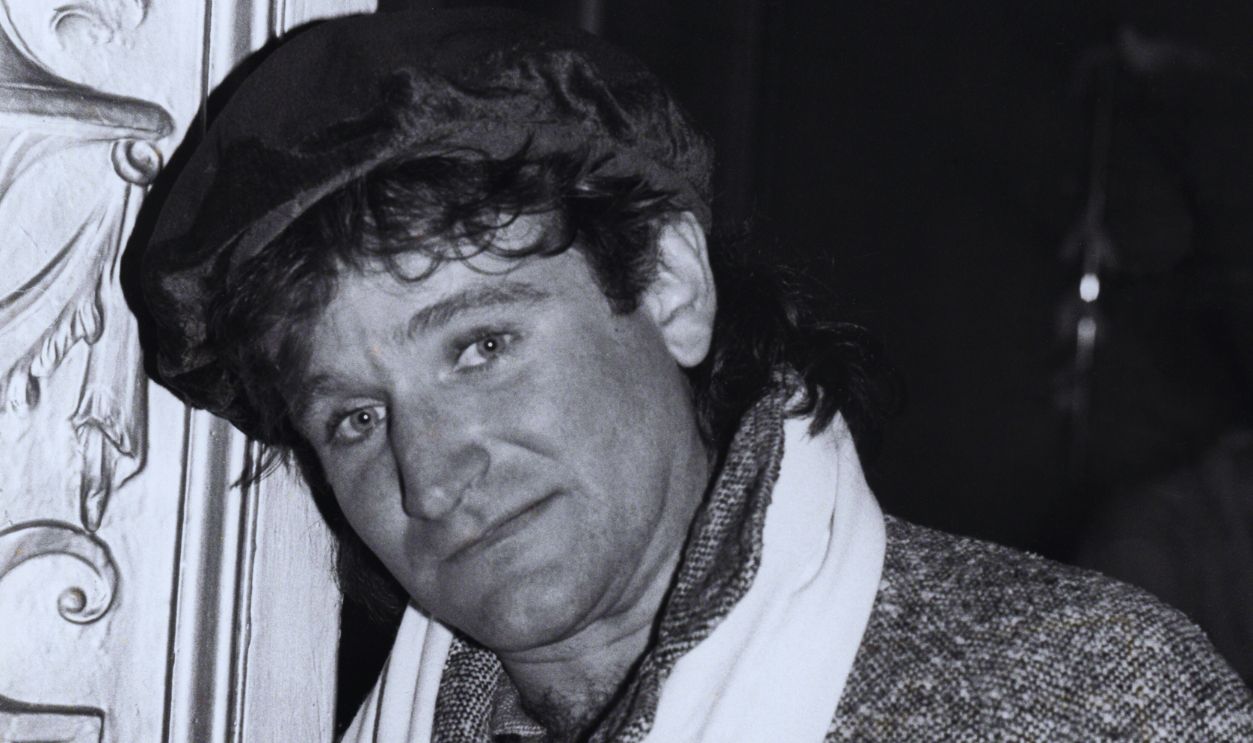
Robin McLaurin Williams was born on July 21, 1951, in Chicago, Illinois. He grew up in a well-off family, but he often felt alone as a child. That early loneliness helped shape the sharp humor and imagination that would later define him.
College, Acting, And A New Direction
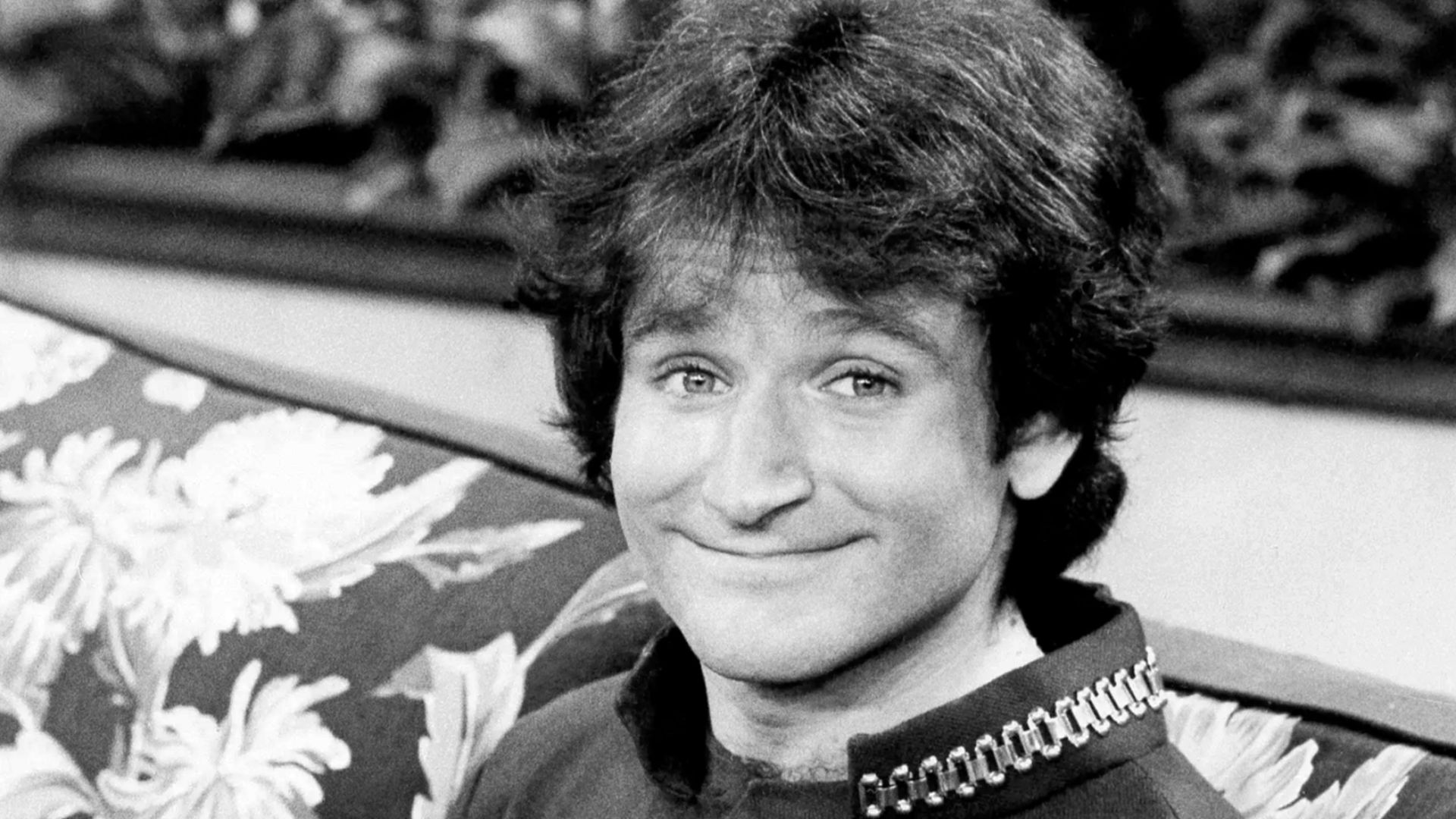
Williams first attended Claremont McKenna College, then transferred to the College of Marin. There, he studied acting and started doing stand-up comedy. In 1973, he entered the Juilliard School in New York, where he studied alongside Christopher Reeve.
 ABC Television, Wikimedia Commons
San Francisco Clubs Gave Him His Start
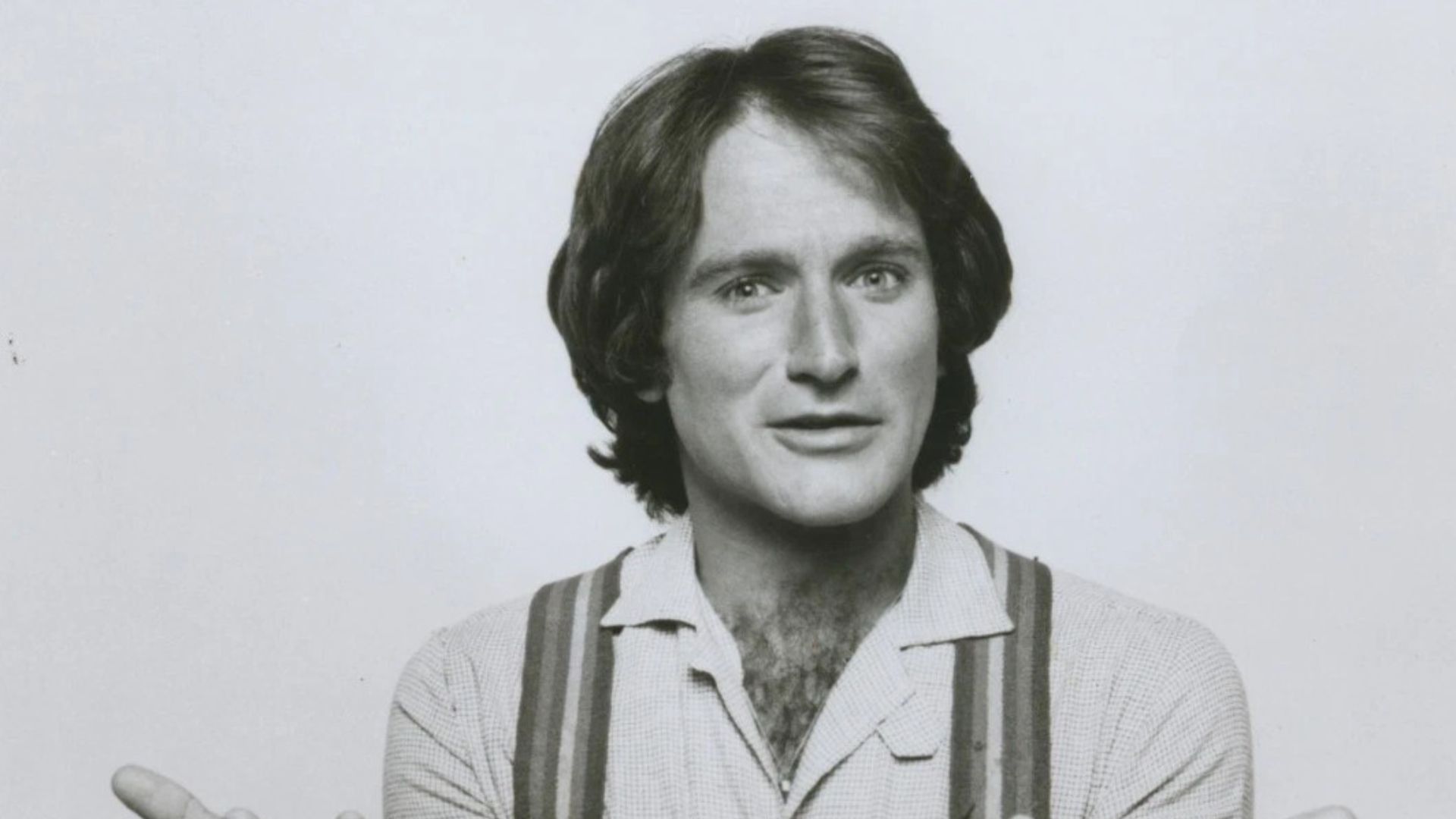
By the mid-1970s, Williams was building his act in San Francisco comedy clubs. His fast, unpredictable style quickly stood out. In 1977, he landed his first television role on George Schlatter's revival of Laugh In, and he recorded a comedy special for HBO that same year.
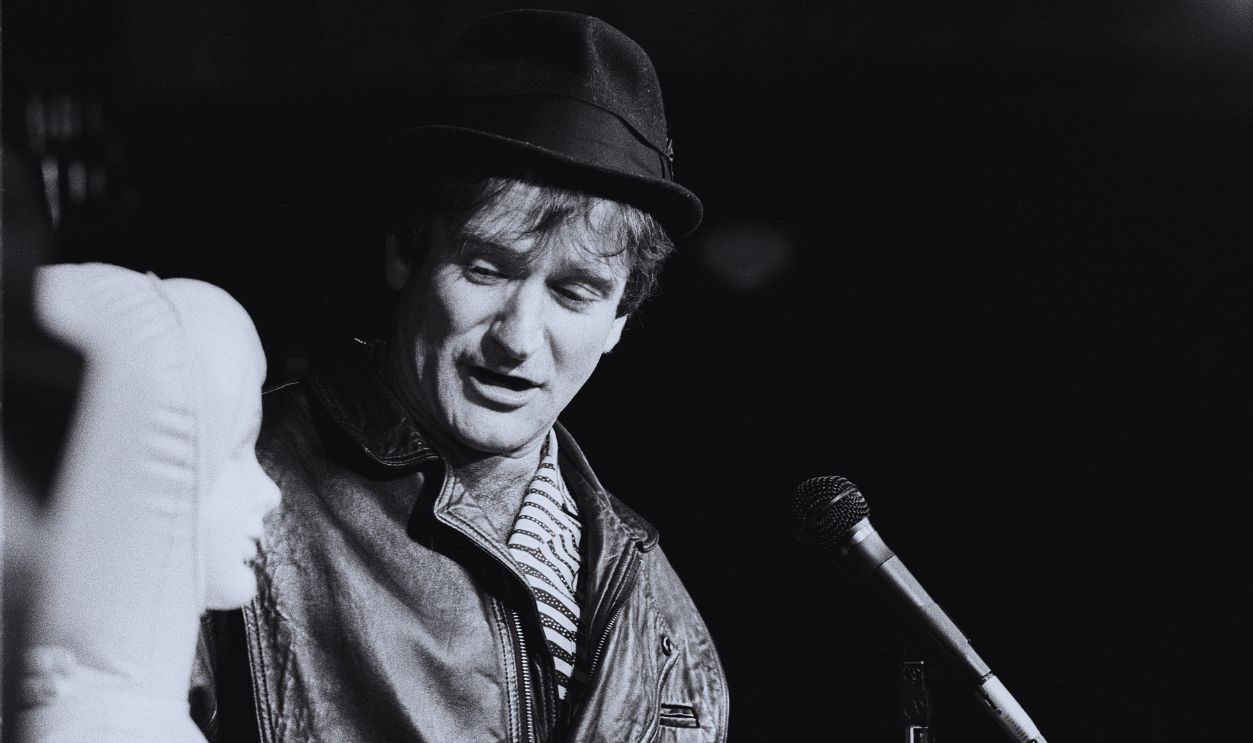
Mork Arrives On Happy Days
In 1978, Williams became a household name when he appeared as the alien Mork on an episode of Happy Days. The character was such a hit that he stole the spotlight almost instantly. ABC soon ordered a spin-off built around him.
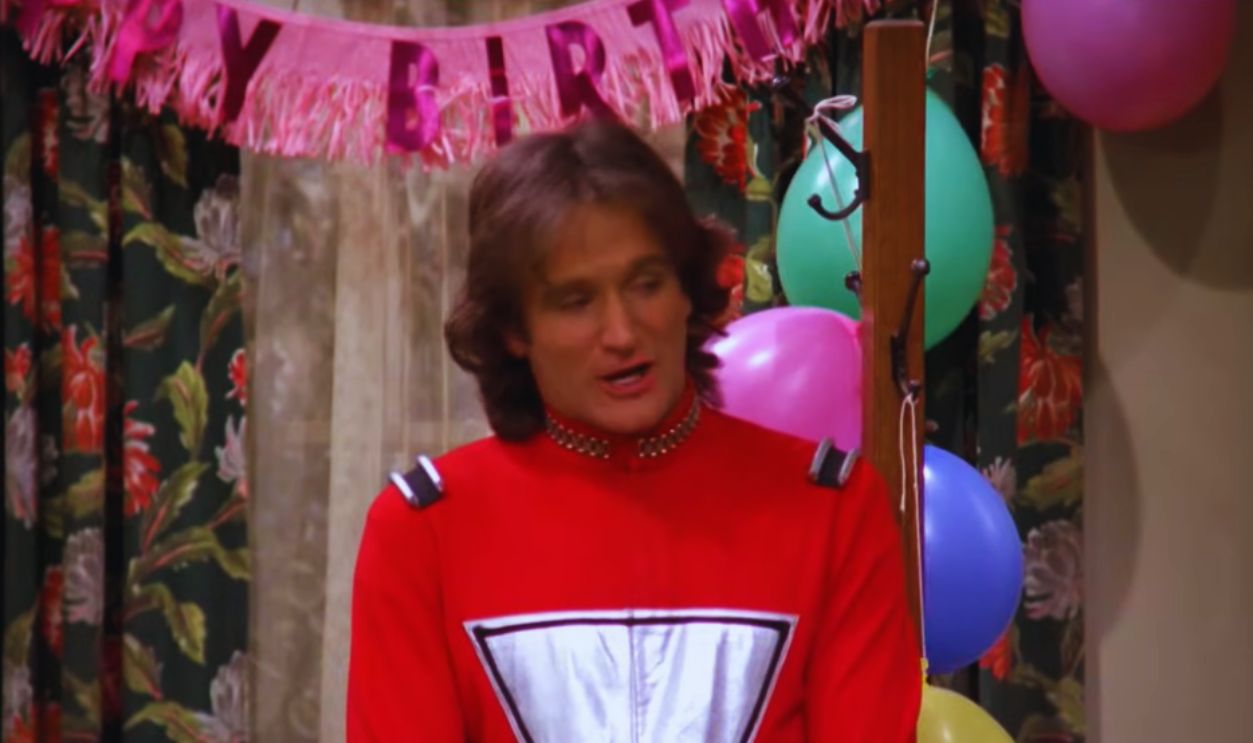 Screenshot from Happy Days, Paramount Television (1974-1984)
Mork & Mindy Made Him A Star
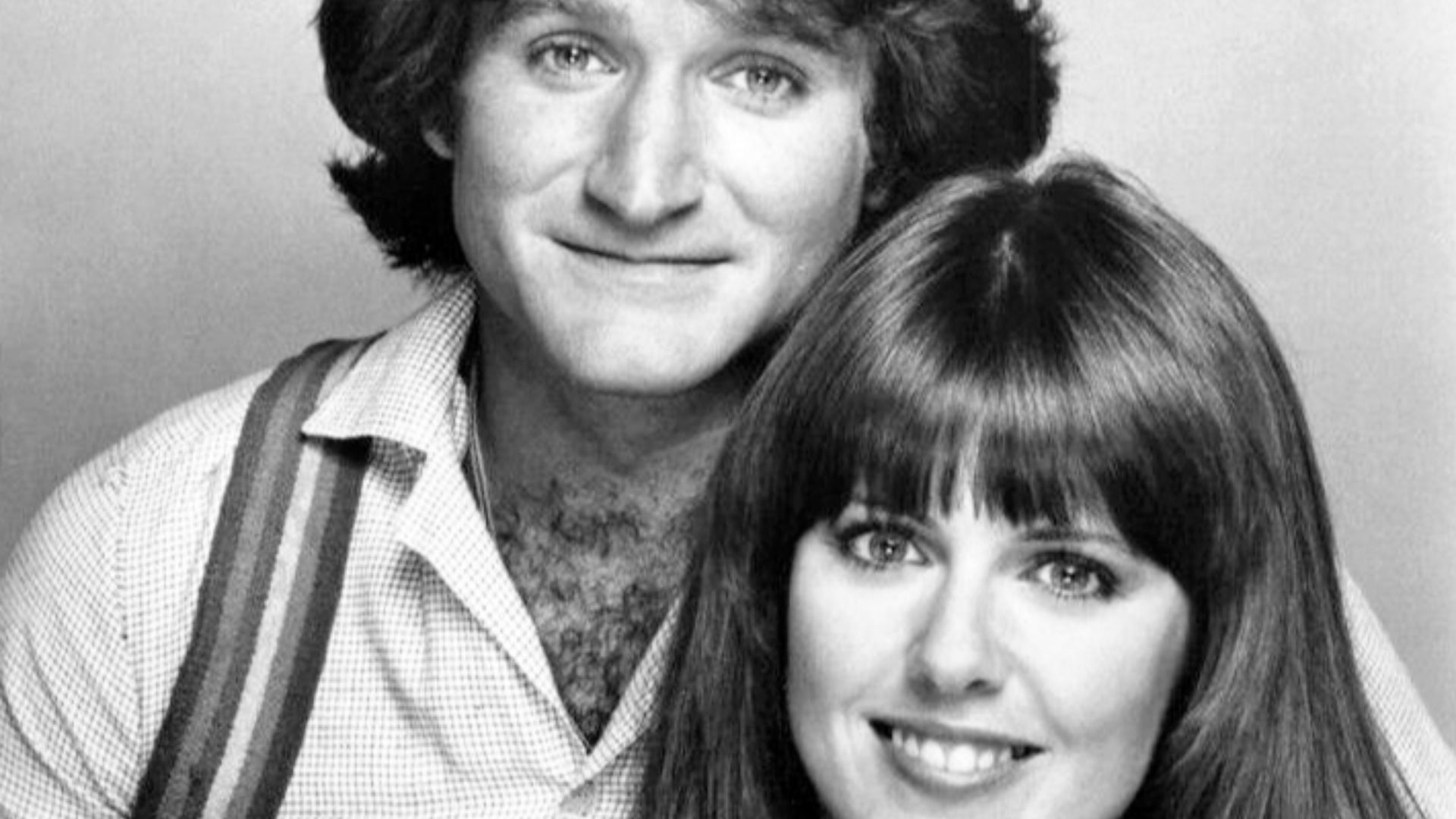
Mork & Mindy premiered in 1978 and ran for four seasons, ending in 1982. In 1979, Mork won Williams his first Golden Globe for Best Actor in a Television Series - Musical or Comedy. Robin Williams had arrived, but no could have predicted how far he would go.
A Grammy Win From The Stand-Up Stage
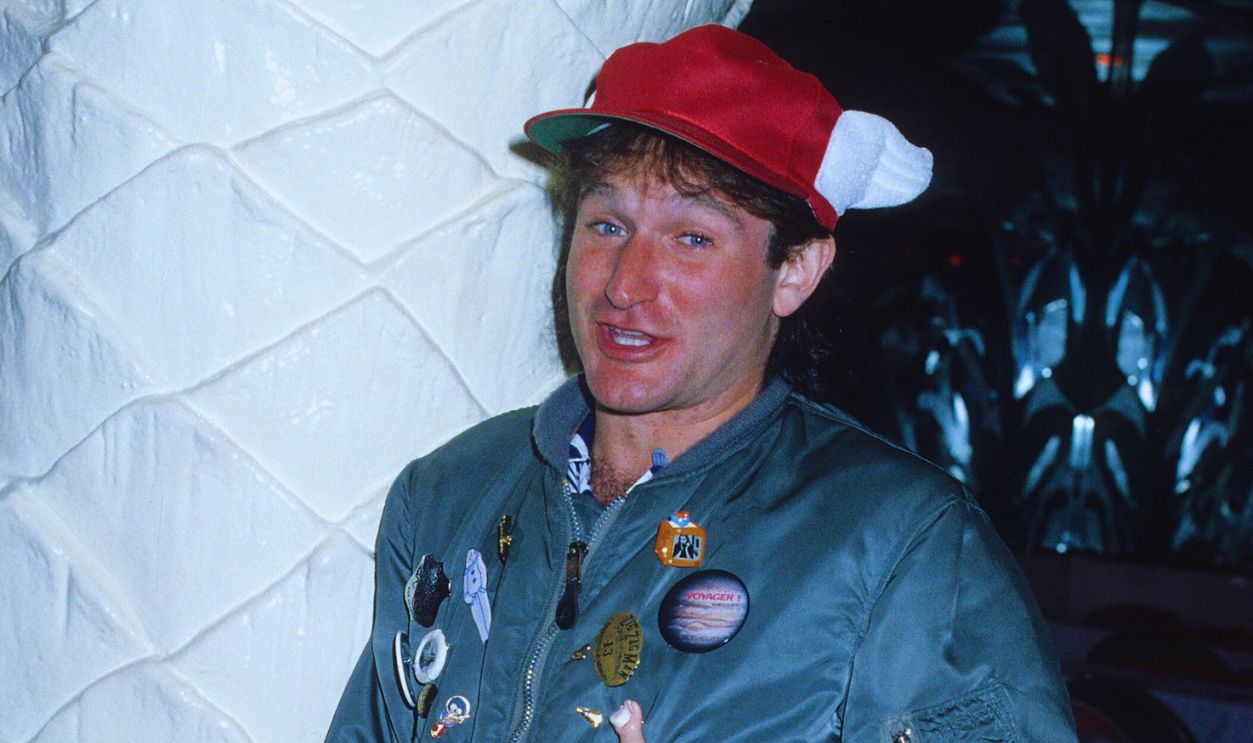
In 1979, Williams recorded his live show at the Copacabana in New York as Reality... What a Concept. He won the Grammy Award for Best Comedy Album in 1980. His stand-up career kept gaining steam, and his tours drew huge crowds.
Popeye Brought Him To The Big Screen
Williams made his leading film debut in Popeye in 1980, directed by Robert Altman. The movie was not a critical success, even though it made back several times its budget. Still, it gave audiences an early look at how well his physical comedy worked on film.
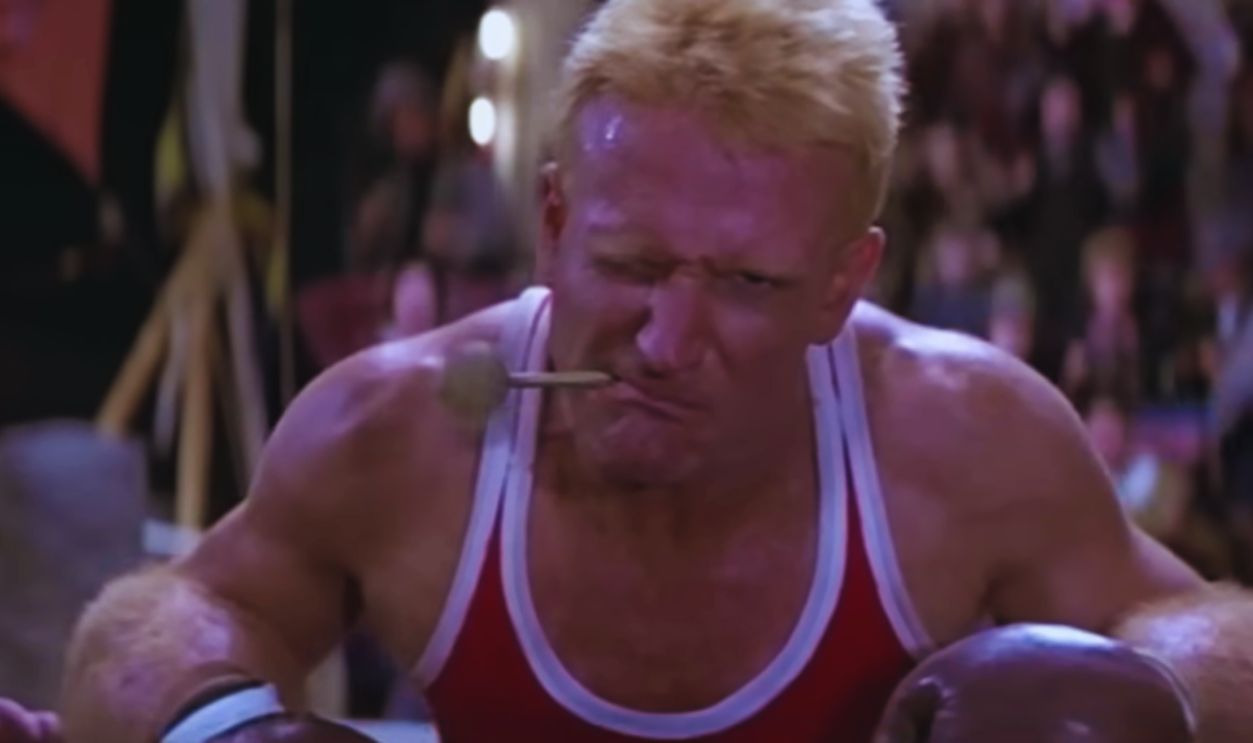 Screenshot from Popeye, Paramount Pictures (1980)
Stand-Up Stayed At The Center
In 1986, Williams released A Night at the Met, which won him another Grammy for Best Comedy Performance. But as his film career was taking off, he spent less and less time doing standup. A Night At The Met was one of his last major live performances of the 80s.
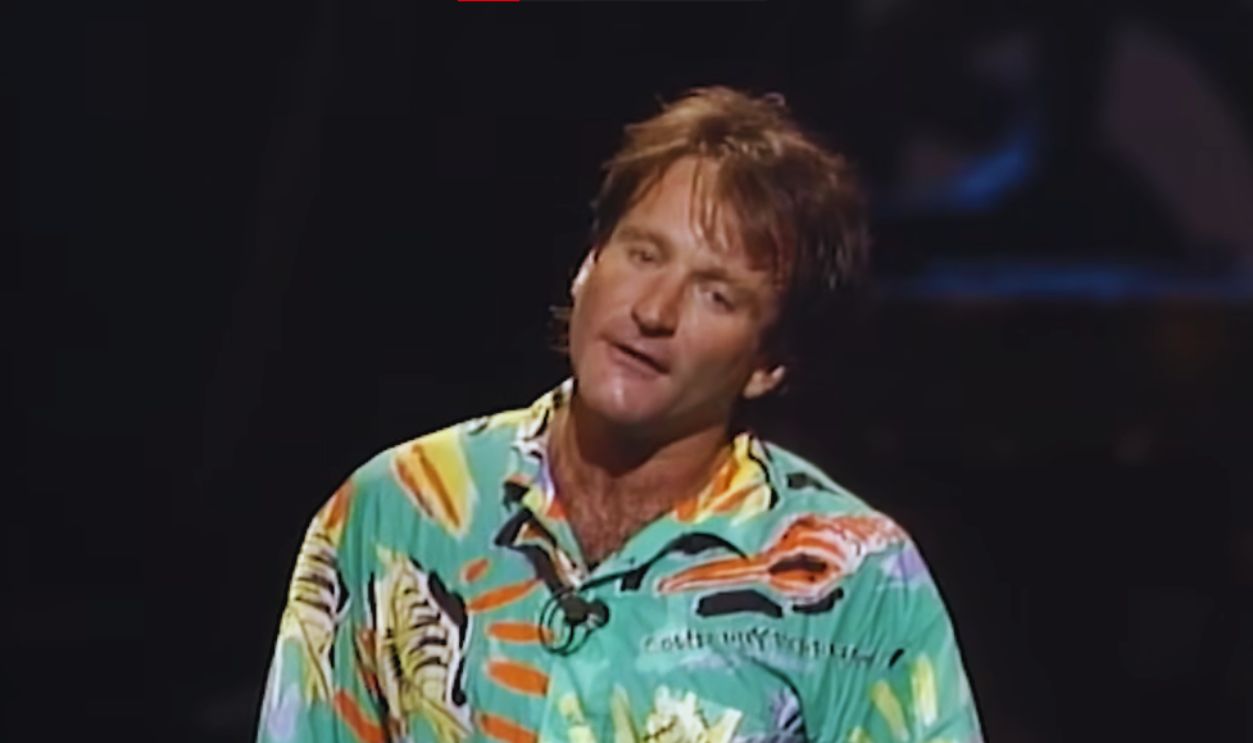 Screenshot from Robin Williams: An Evening at the Met, HBO (1986)
Good Morning, Vietnam Changed His Career
In 1987, Williams starred as radio DJ Adrian Cronauer in Good Morning, Vietnam. The role earned him his first Academy Award nomination for Best Actor. He also won a Golden Globe, and the film proved he could lead a major movie that had serious depth in addition to his regular humor.
 Screenshot from Good Morning, Vietnam, Touchstone Pictures (1987)
Dead Poets Society Became A Defining Role
Williams starred as teacher John Keating in Peter Weir's 1989 film Dead Poets Society. His performance earned another Oscar nomination and helped make the film a lasting cultural touchstone. It remains one of the roles most closely tied to his name.
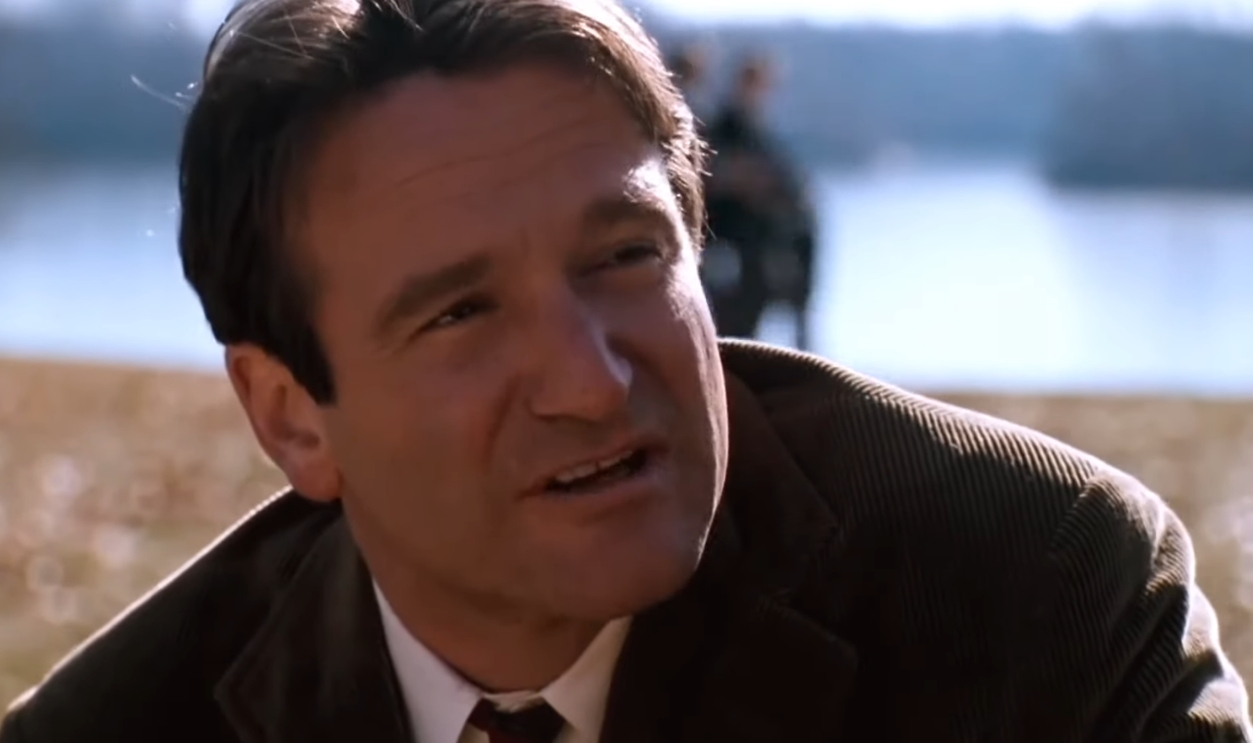 Screenshot from Dead Poets Society, Touchstone Pictures (1989)
Awakenings Showed His Serious Side
In 1990, Williams starred opposite Robert De Niro in Penny Marshall's Awakenings. He played Dr. Malcolm Sayer, a character based on neurologist Oliver Sacks. The role further established him as a dramatic actor, not just a comic force.
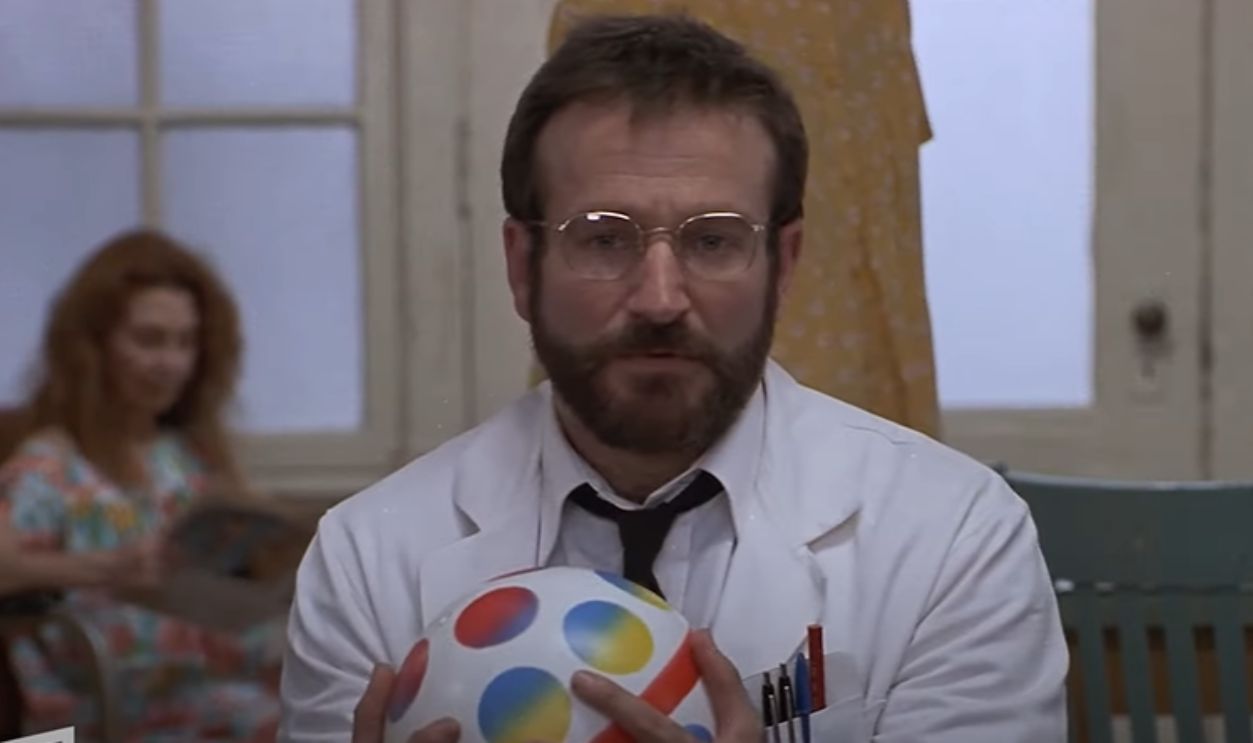 Screenshot from Awakenings, Columbia Pictures (1990)
The Fisher King Earned More Praise
The following year, Williams played Parry, a homeless man, in Terry Gilliam's The Fisher King. He won a Golden Globe and received his third Oscar nomination. The film gave him another chance to blend comedy, sadness, and vulnerability in the same performance.
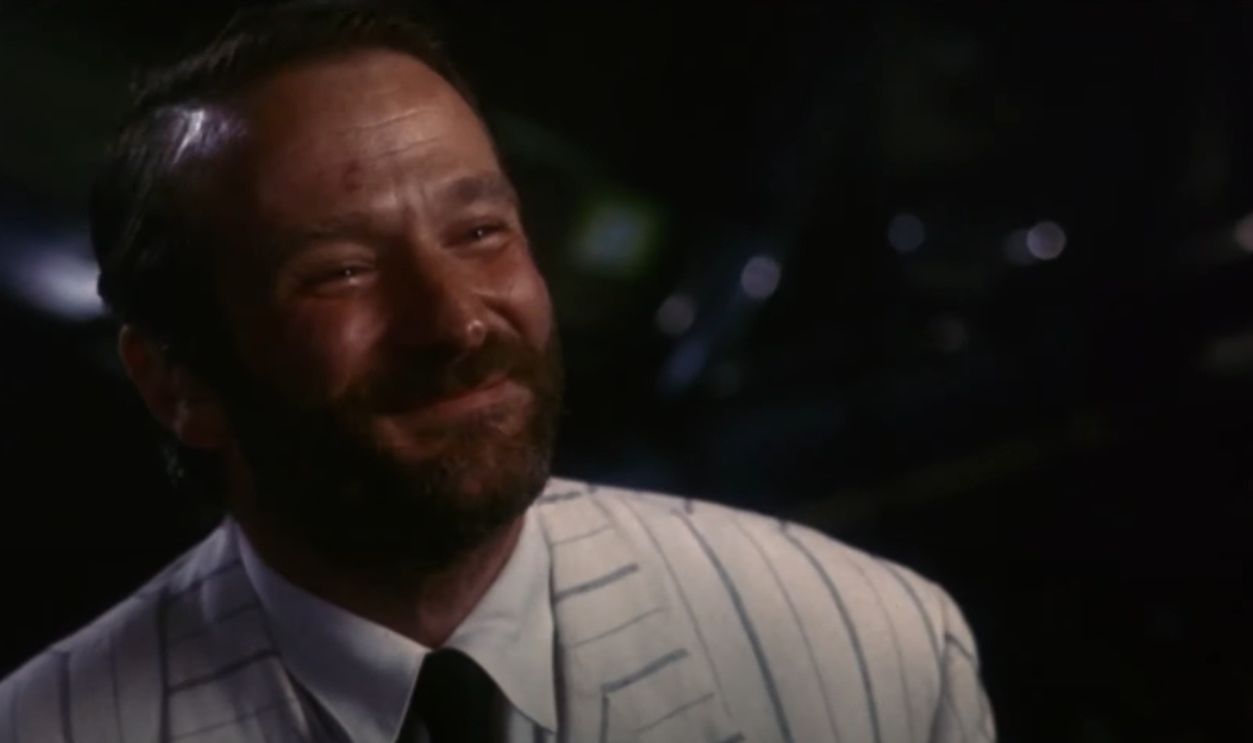 Screenshot from The Fisher King, TriStar Pictures (1991)
Hook Took Him Into Family Fantasy
Also in 1991, Williams starred as an adult Peter Pan in Steven Spielberg's unwieldy Hook. The fantasy adventure, though famous for its agonizing production, made more than $300 million worldwide. It connected with family audiences and added another big commercial hit to his career.
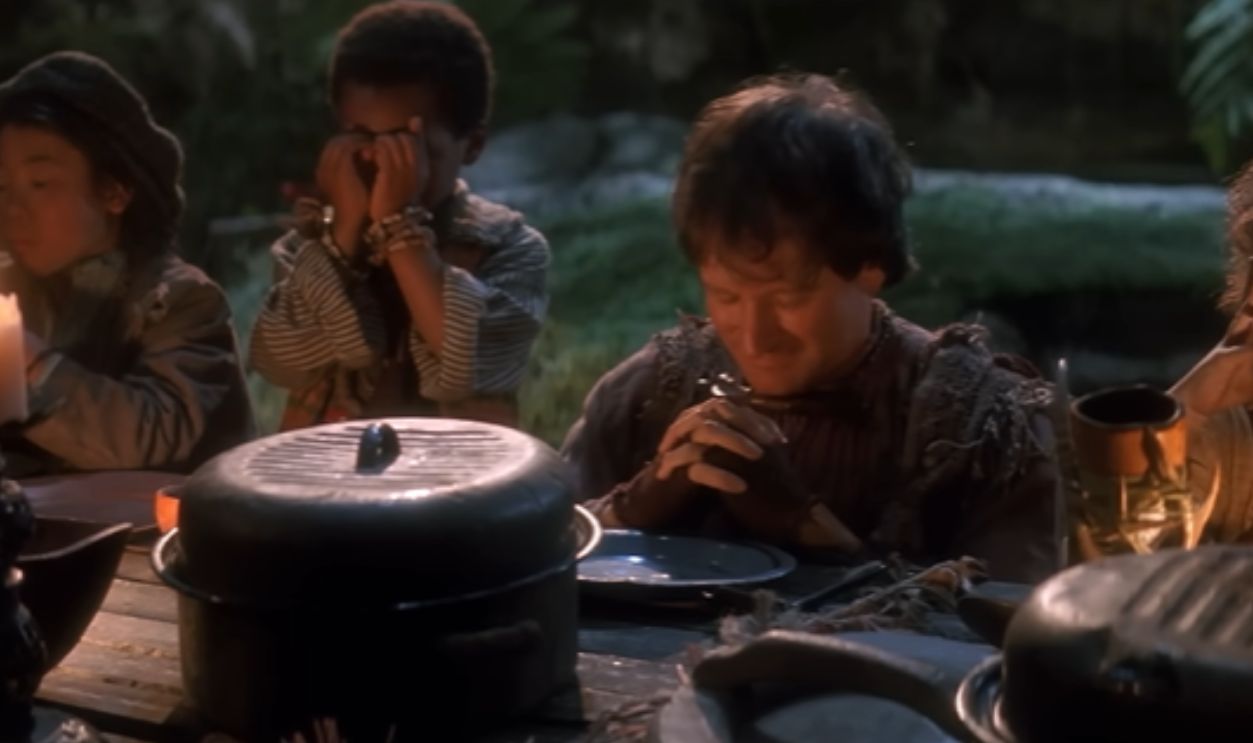 Screenshot from Hook, TriStar Pictures (1991)
The Genie In Aladdin Became Iconic
In 1992, Williams voiced the Genie in Disney's Aladdin. He improvised constantly in his performance, and it's estimated his Genie did 52 different characters, each of which was joyhously animated. The film became the highest-grossing release of the year, and his Genie remains one of the most memorable animated performances ever put on screen.
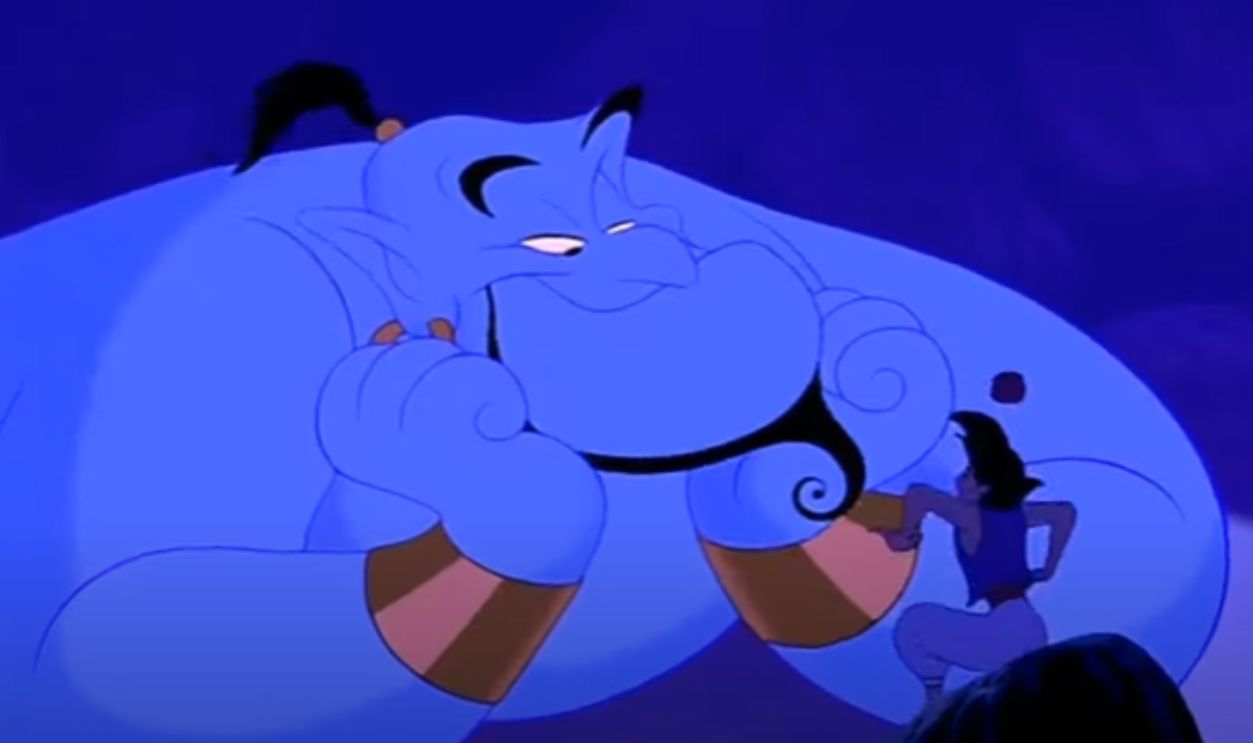 Screenshot from Aladdin, Walt Disney Pictures (1992)
Mrs. Doubtfire Was A Massive Hit
Williams starred in and produced Mrs. Doubtfire in 1993, playing divorced father Daniel Hillard and the eponymous Mrs. Doubtfire. The film earned more than $441 million worldwide and brought him another Golden Globe. Its mix of comedy, disguise, and family conflict made it one of his biggest crowd-pleasers.
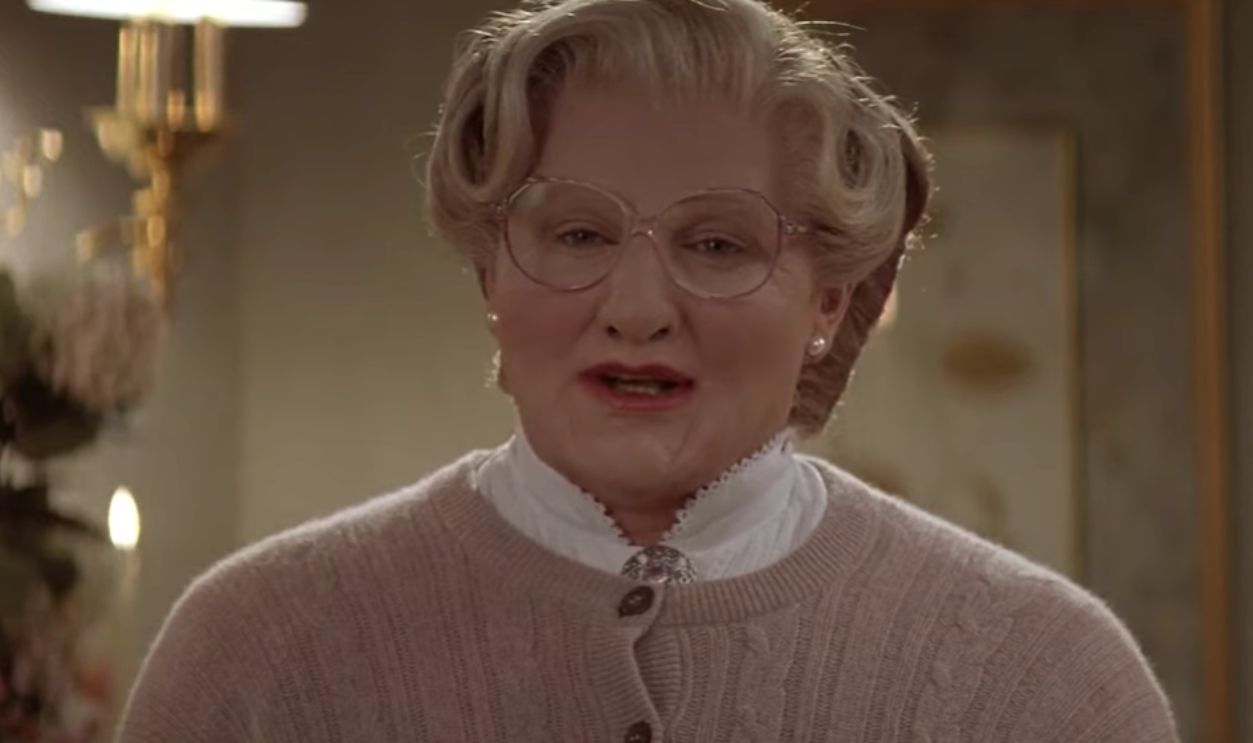 Screenshot from Mrs. Doubtfire, 20th Century Fox (1993)
Jumanji Kept His Family-Movie Run Going
Shortly after, Williams led the fantasy adventure Jumanji as Alan Parrish. The story of a magical board game became another major hit, earning more than $262 million. It helped cement his place as one of the most bankable stars in family entertainment.
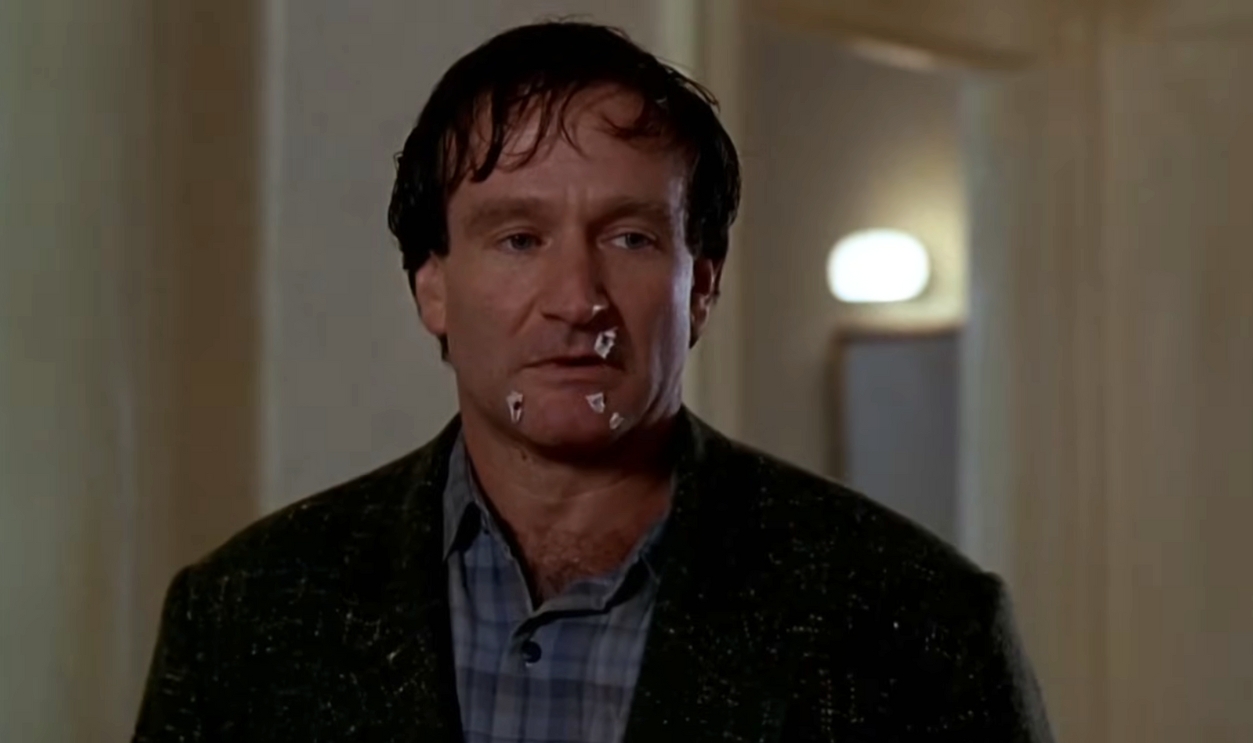 Screenshot from Jumanji, TriStar Pictures (1995)
Good Will Hunting Brought Oscar Glory
In 1997, the role Williams was waiting for arrived: He played therapist Sean Maguire in Gus Van Sant's Good Will Hunting. After several nominations, the movie finally won him his Academy Award for Best Supporting Actor. Starring alongside Matt Damon and Ben Affleck, he delivered one of the quietest and most moving performances of his career.
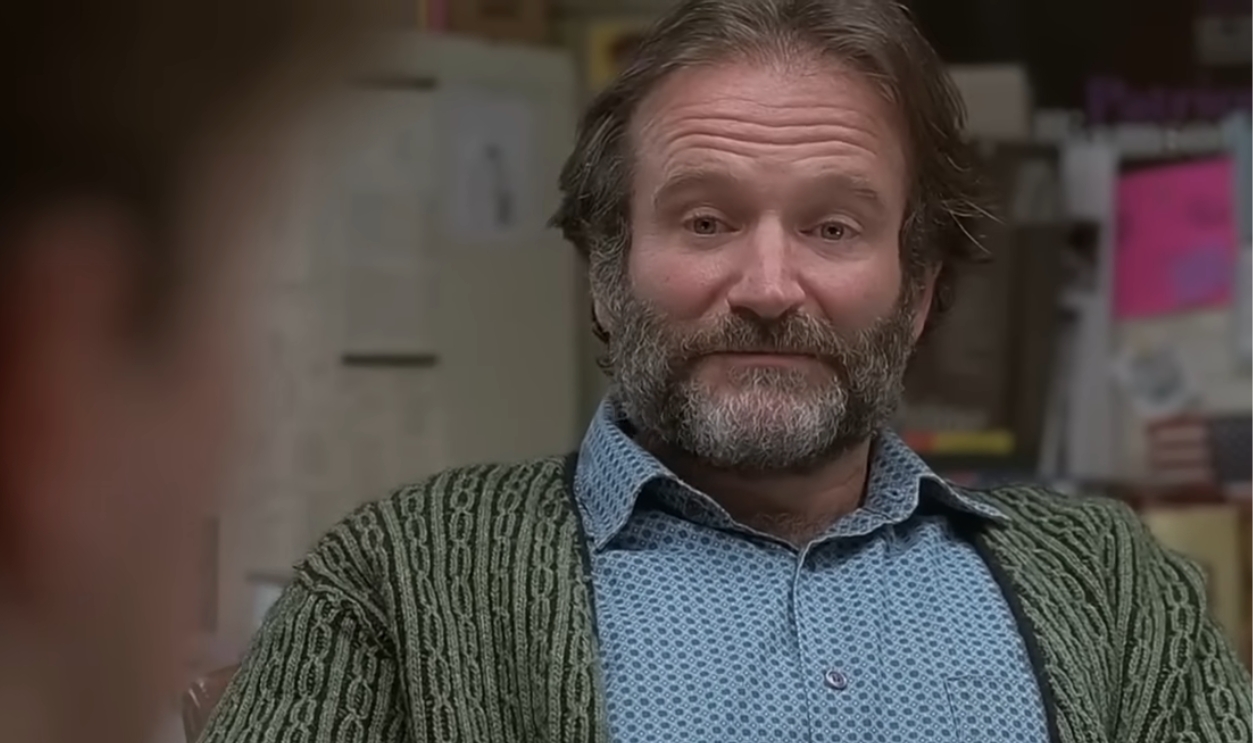 Screenshot from Good Will Hunting, Miramax (1997)
Later Films And Voice Roles Kept Him Busy
Williams continued working steadily in the years that followed. He voiced multiple roles in Happy Feet in 2006 and appeared in Night at the Museum the same year, later returning for sequels of each. These projects kept him active with both younger audiences and longtime fans.
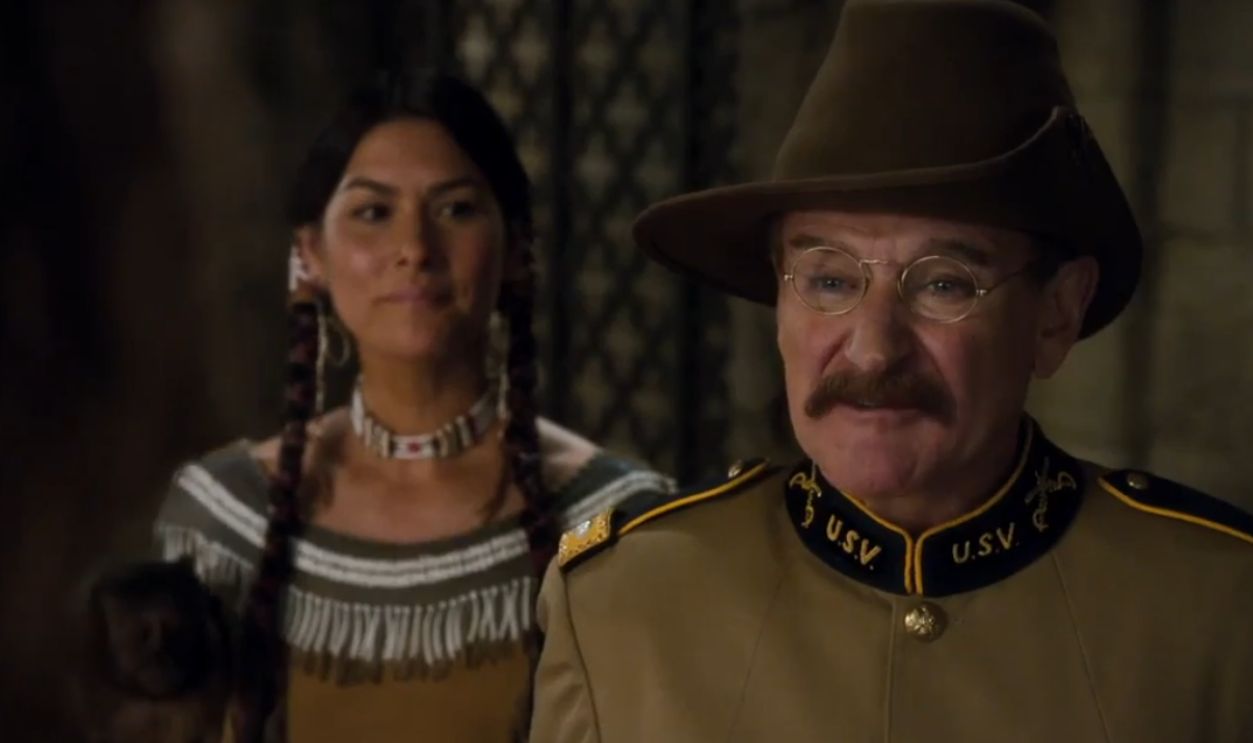 Screenshot from Night at the Museum, 20th Century Fox (2006)
A Return To TV With The Crazy Ones
From 2013 to 2014, after decades away, Williams headed back to network television, starring in the CBS sitcom The Crazy Ones. He played Simon Roberts, a creative ad executive. But it failed to recapture the magic of Mork, and lasted one only season, producing 22 episodes.
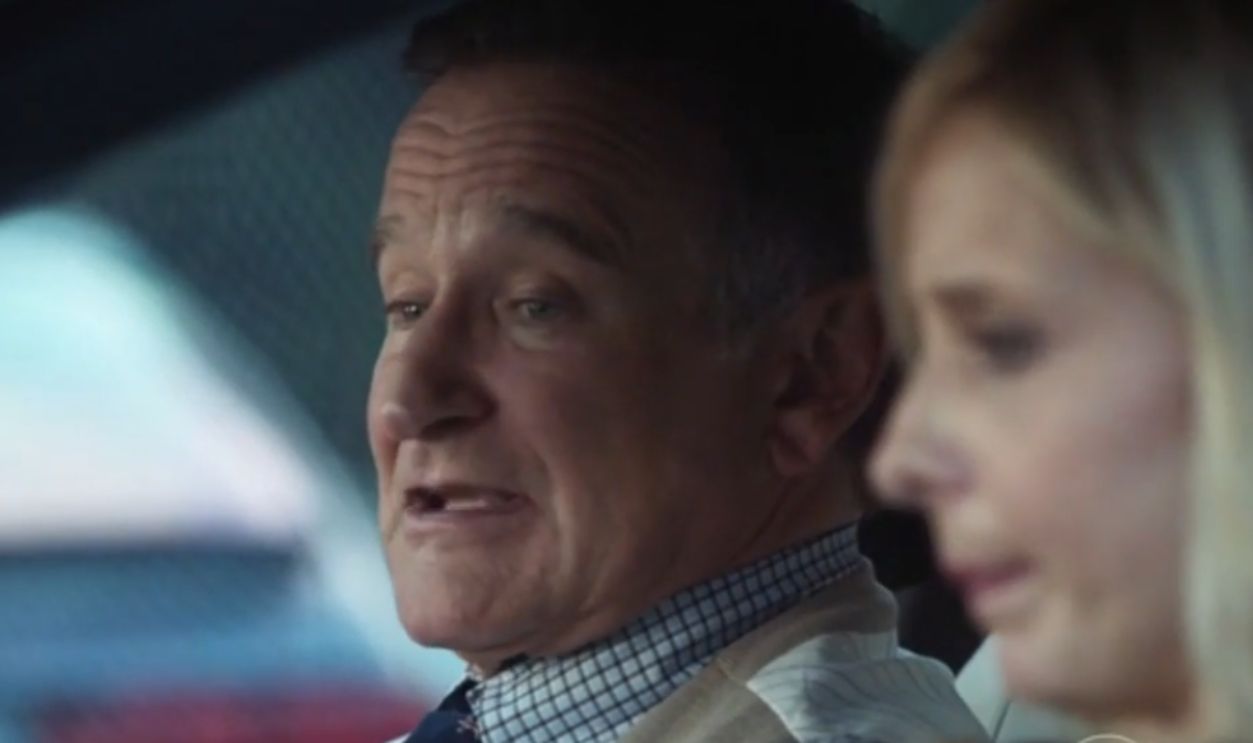 Screenshot from The Crazy Ones, 20th Century Fox Television (2013-2014)
His Final Films Came In 2014
Williams continued appearing in films until the very end: In 2014 he released Night at the Museum: Secret of the Tomb, Boulevard, The Angriest Man in Brooklyn, and A Merry Friggin' Christmas. They marked the final chapter of a long and remarkably varied career.
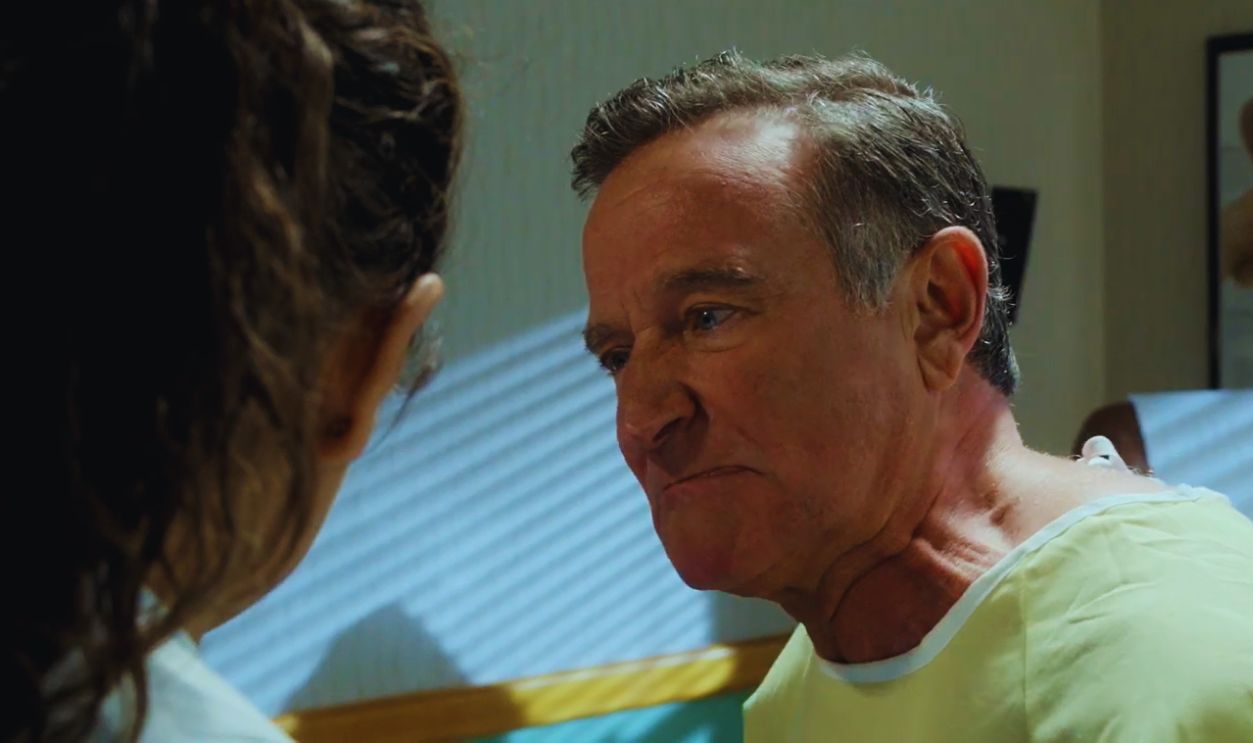 Screenshot from The Angriest Man in Brooklyn, Lionsgate (2014)
A Career Filled With Awards And Milestones
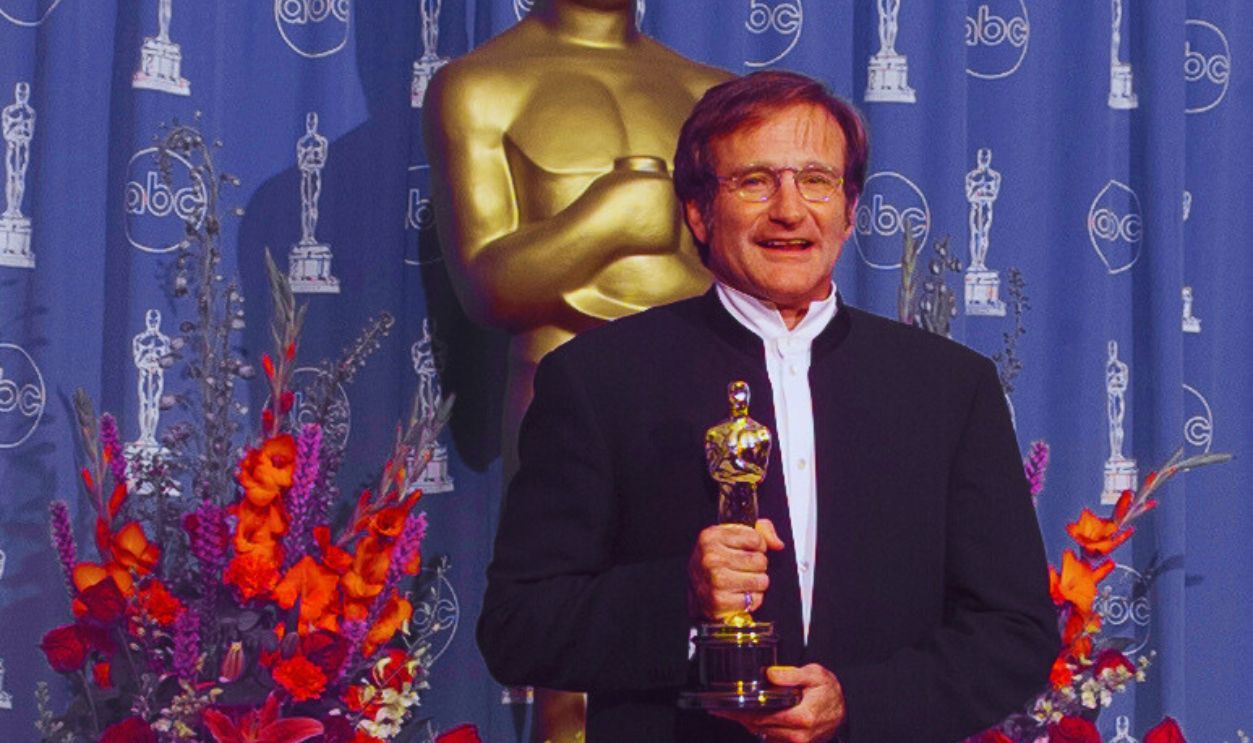
Over the course of his career, Williams won four Golden Globes (plus two special honors), one Oscar, and five Grammys. His standup career was massive, with his 1986 Met tour and 2002 Broadway run becoming major comedy ticket events. Few performers matched his range, speed, or influence.
His Personal Life Often Drew Attention
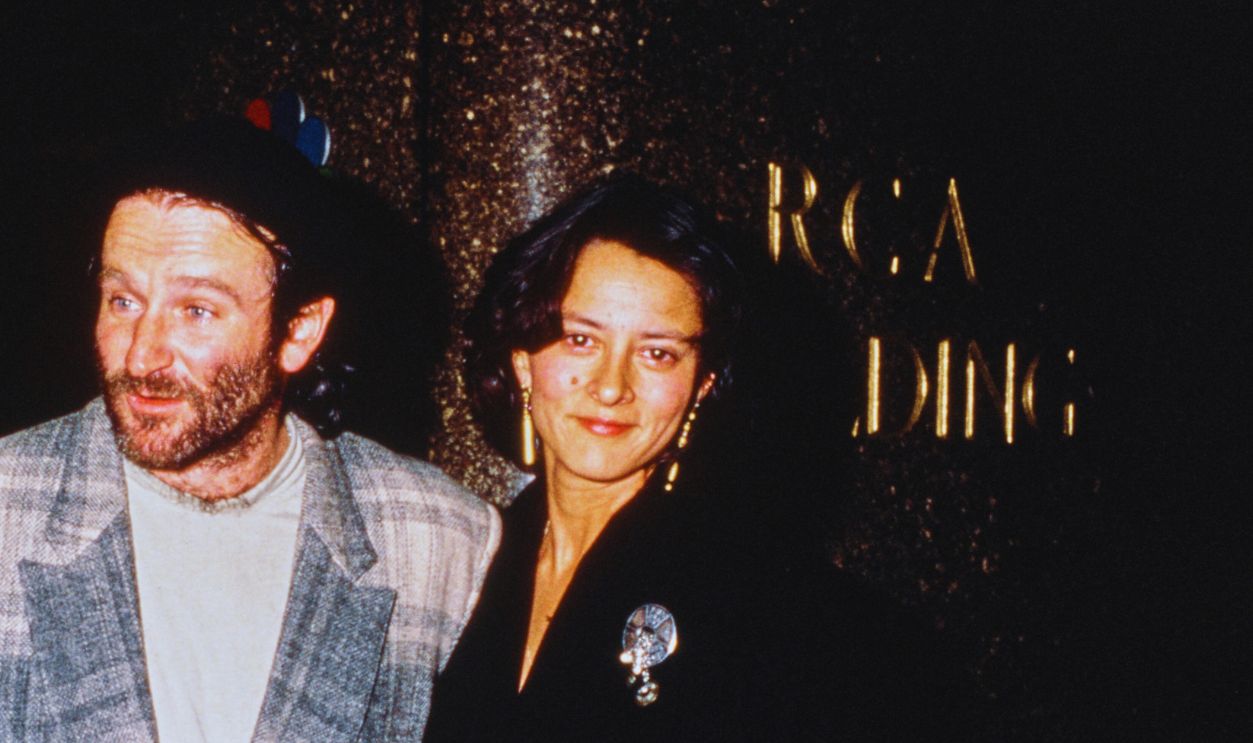
Williams married Valerie Velardi in 1978, and their son Zachary was born in 1983. The couple divorced in 1988, and it later came out that he had an affair with their nanny, Marsha Garces. Williams wed Garces the following year when she was already pregnant with their first child, Zelda. Their son Cody was born in 1991.
More Family Changes Followed
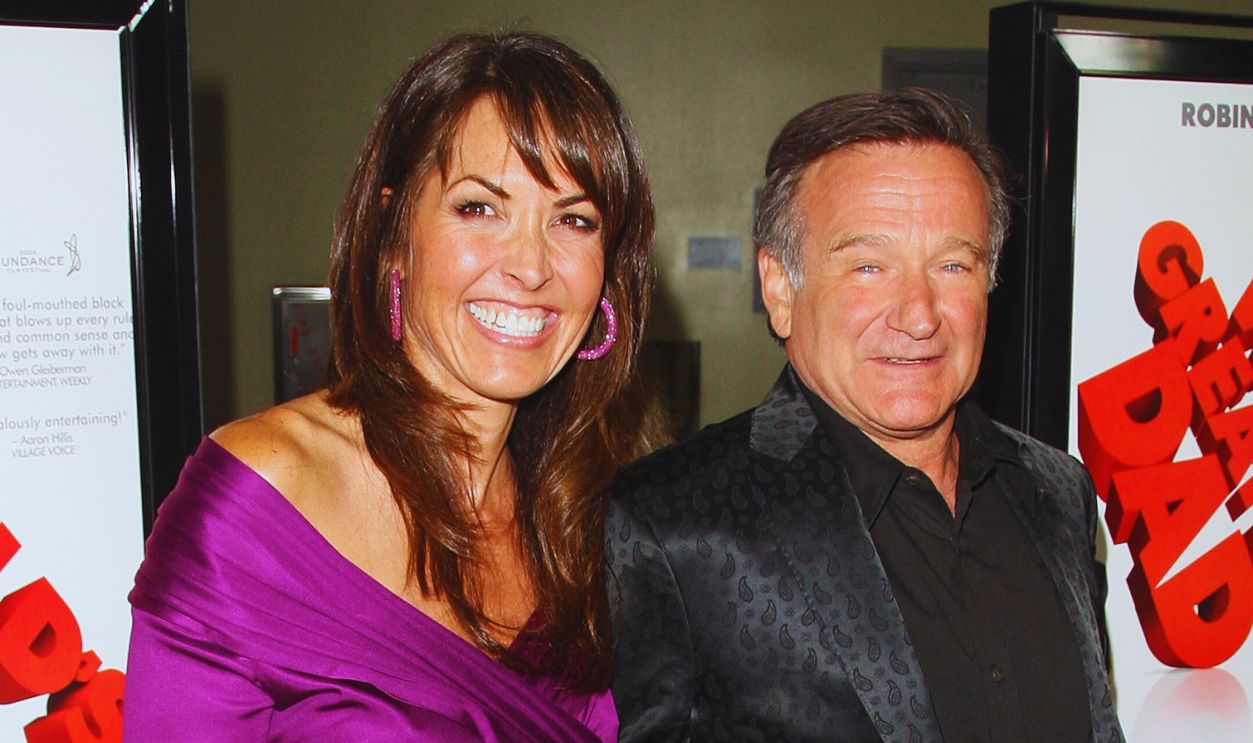
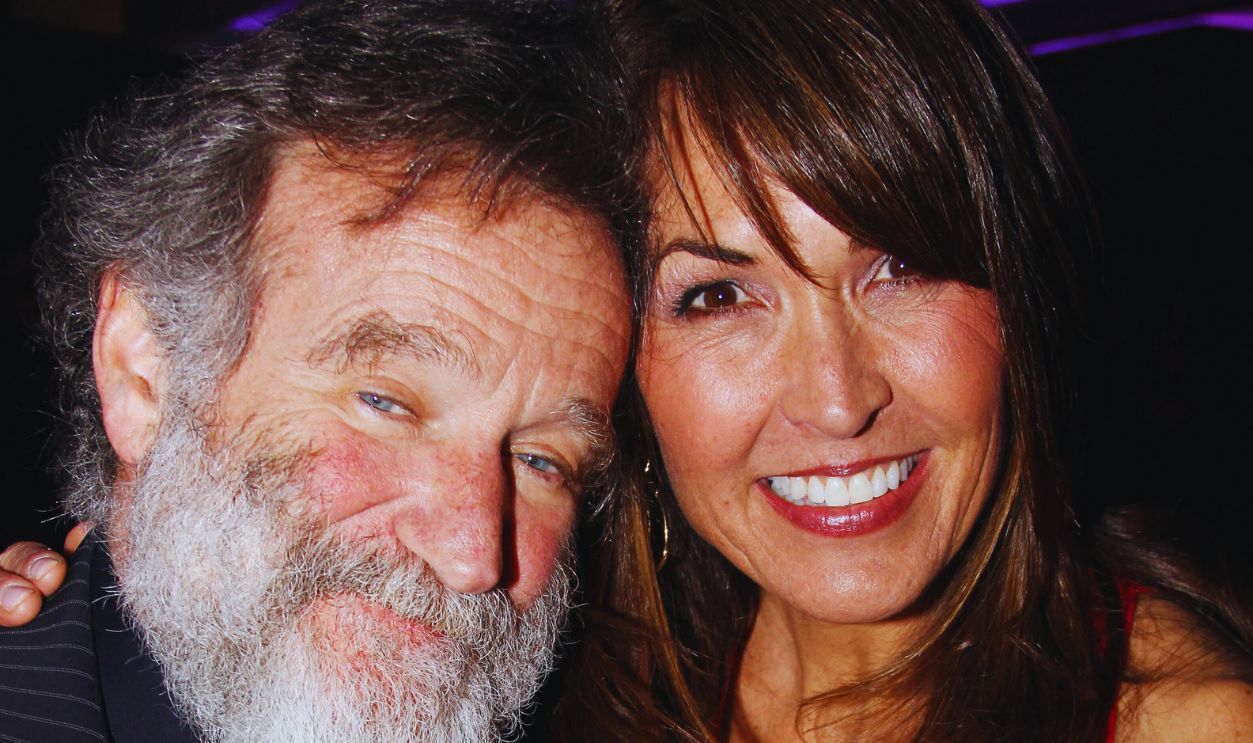
After 19 years of marriage, Garces filed for divorce in 2010, citing irreconcilable differences.The following year, he married graphic designer Susan Schneider. Like many public figures, he faced personal strain while balancing family life and an intense career.
Health Problems Became Harder To Hide
By 2014, Williams had sought treatment for alcohol addiction. Reports later said he had struggled with depression for years. People close to him saw a painful contrast between the man the public adored and the battles he fought in private.
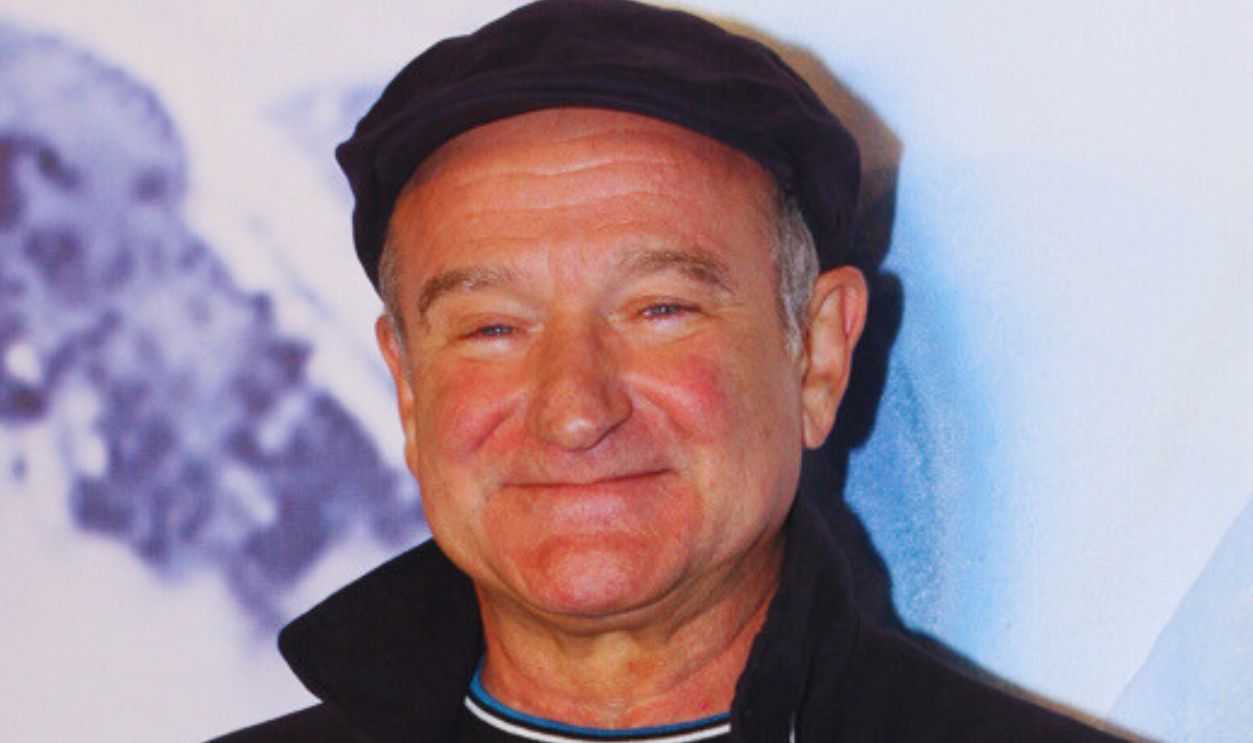 Eva Rinaldi, Wikimedia Commons
His Death Shocked The World
On August 11, 2014, Williams was found dead at his home in California at age 63. The coroner ruled his death a suicide by asphyxiation. Toxicology found no drugs or alcohol in his system.
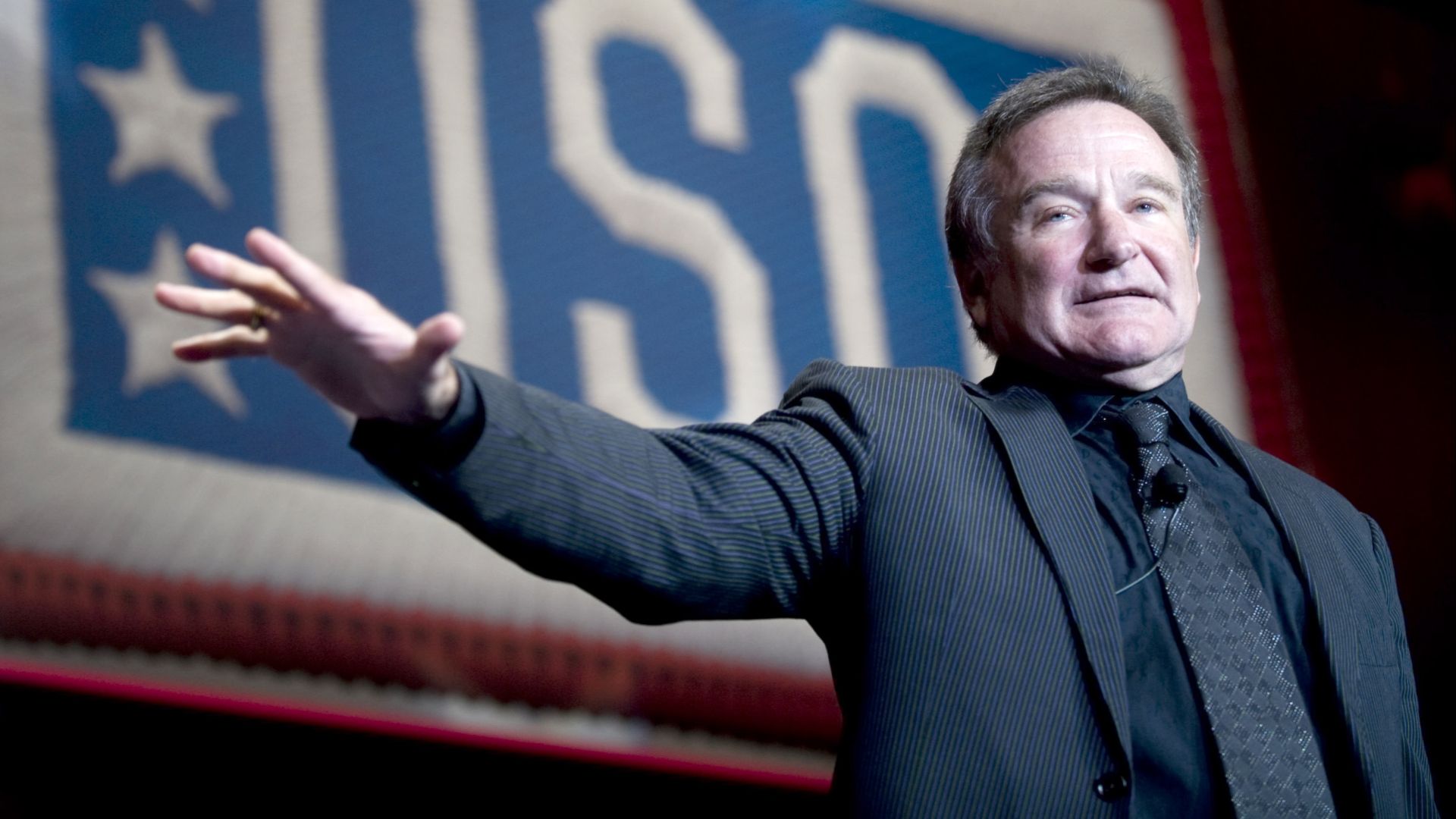 Chad J. McNeeley, U.S. Navy, Wikimedia Commons
Lewy Body Dementia Was Revealed Later
In 2015, his widow Susan Schneider said Williams had undiagnosed Lewy body dementia. The autopsy confirmed the neurodegenerative disease. Its symptoms can look like depression or addiction, helping explain the confusion around his condition in his final years.
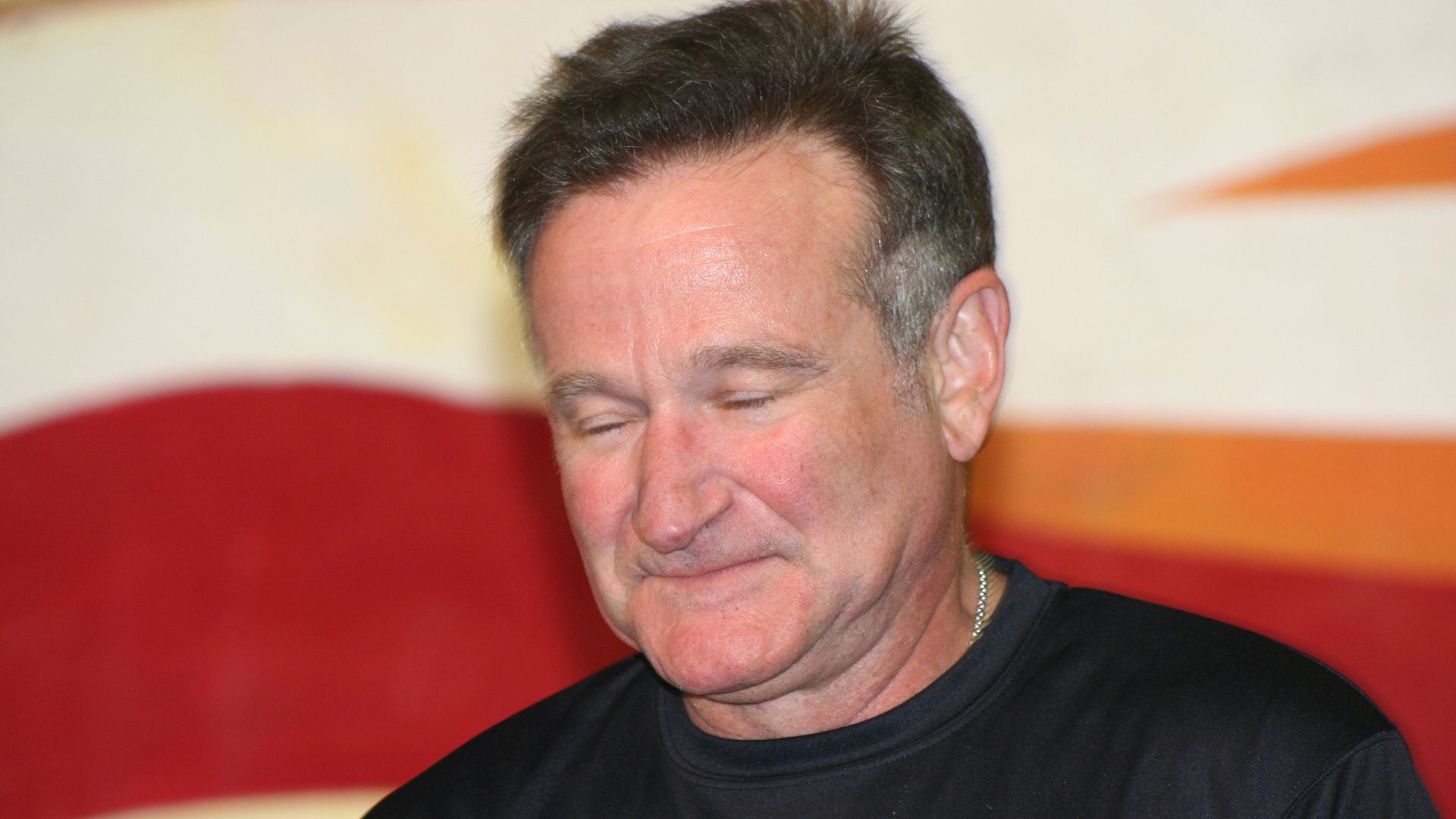 Maj. Enrique Vasquez, Wikimedia Commons
His Death Also Led To A Family Dispute
Mere months after Williams' death, Schneider filed a lawsuit against Williams' three children from earlier marriages, challenging the will and attempting to gain further provisions for herself. Many were shocked that the case was brought to the court so quickly.
The bitter case was settled privately after several long months, adding another painful layer to the aftermath.
His Influence On Comedy Still Holds
Williams changed modern comedy with his improvisation, speed, and emotional range. Performances in films like Aladdin continue to reach new audiences. After his death, tributes poured in from figures including Steven Spielberg, Robert De Niro, and many others.
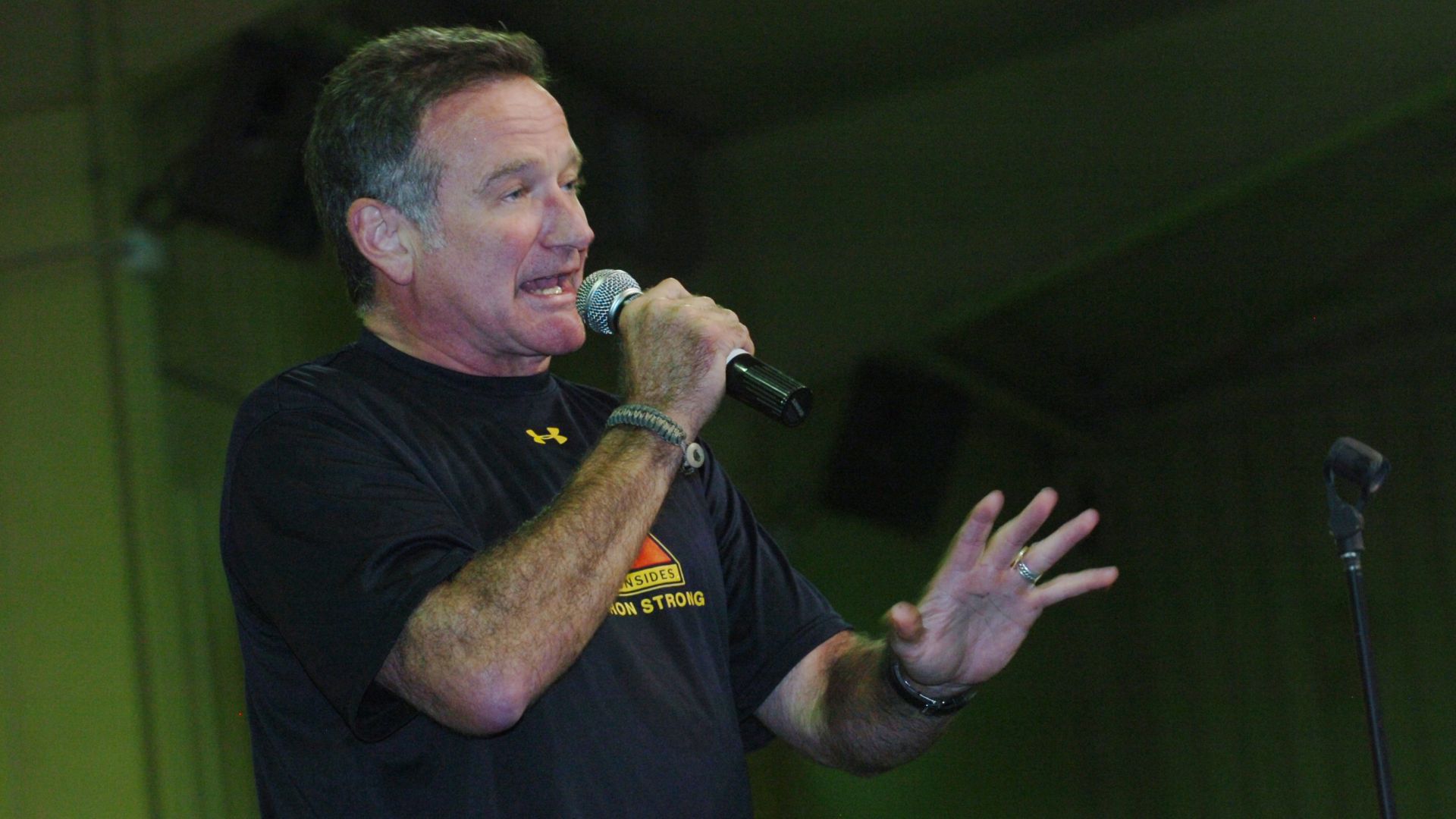 Sgt. 1st Class Jeff Troth, Wikimedia Commons
Robin Williams Left Behind More Than Laughter
He made millions of people laugh for decades, but his legacy goes beyond comedy. He brought warmth, humanity, and surprise to nearly every role he touched. Even now, his work still feels alive.
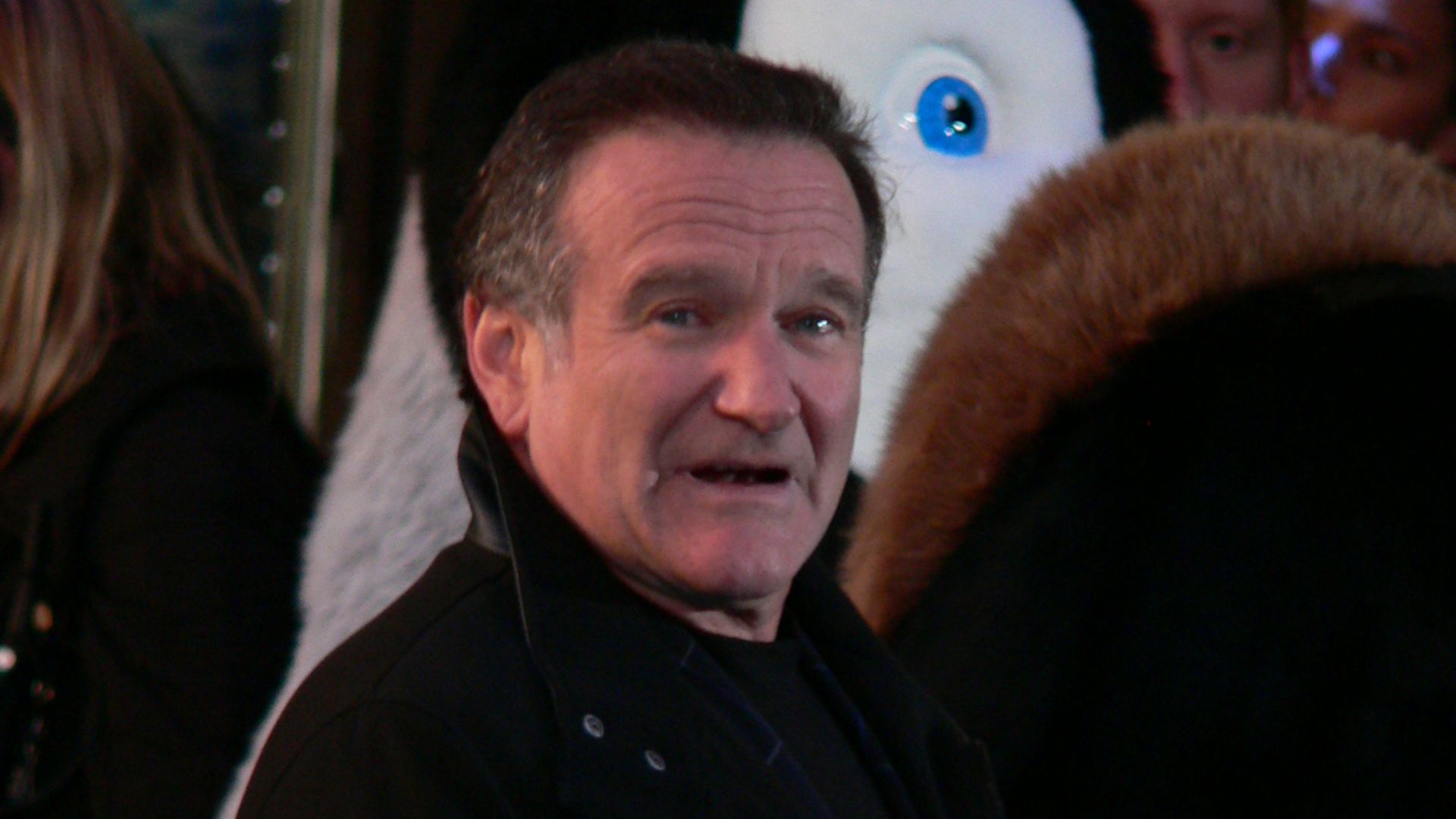 S Pakhrin from DC, USA, Wikimedia Commons

_(cropped).jpg%20)