
A Little Blue Magic
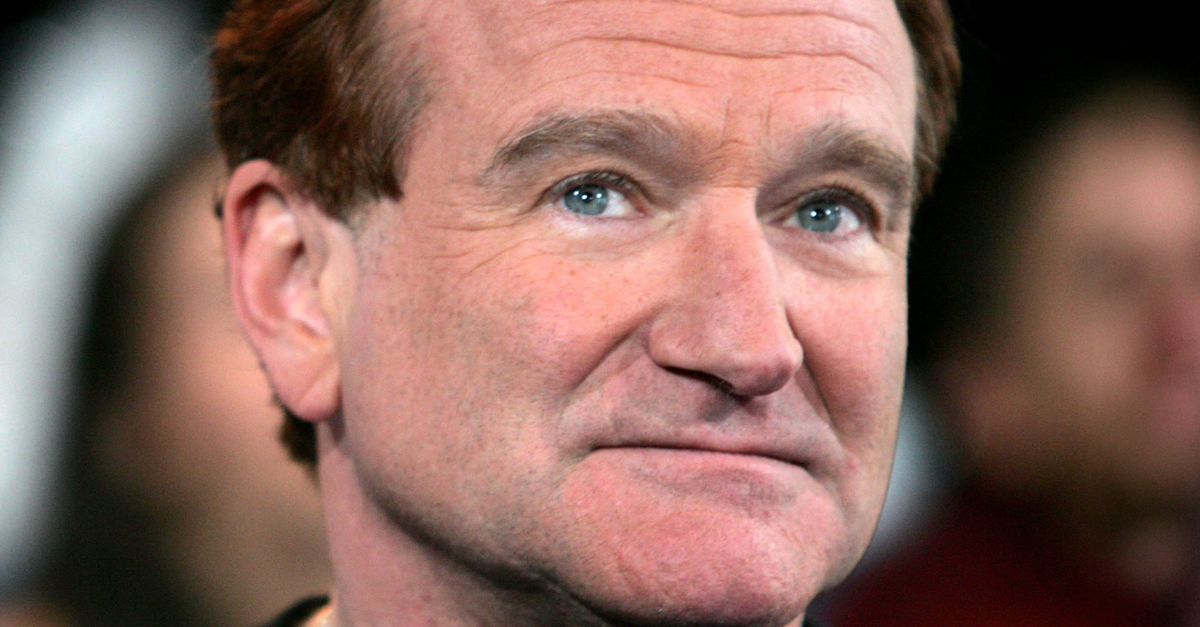
When Disney’s Aladdin arrived in 1992, audiences quickly fell for its fast-talking, shape-shifting Genie. Robin Williams filled the character with impressions, emotional warmth, and the rapid-fire humor that had made him famous. The performance became an essential part of the movie’s identity, but the partnership behind it ended in an unusually public fight.
Disney Was Riding High
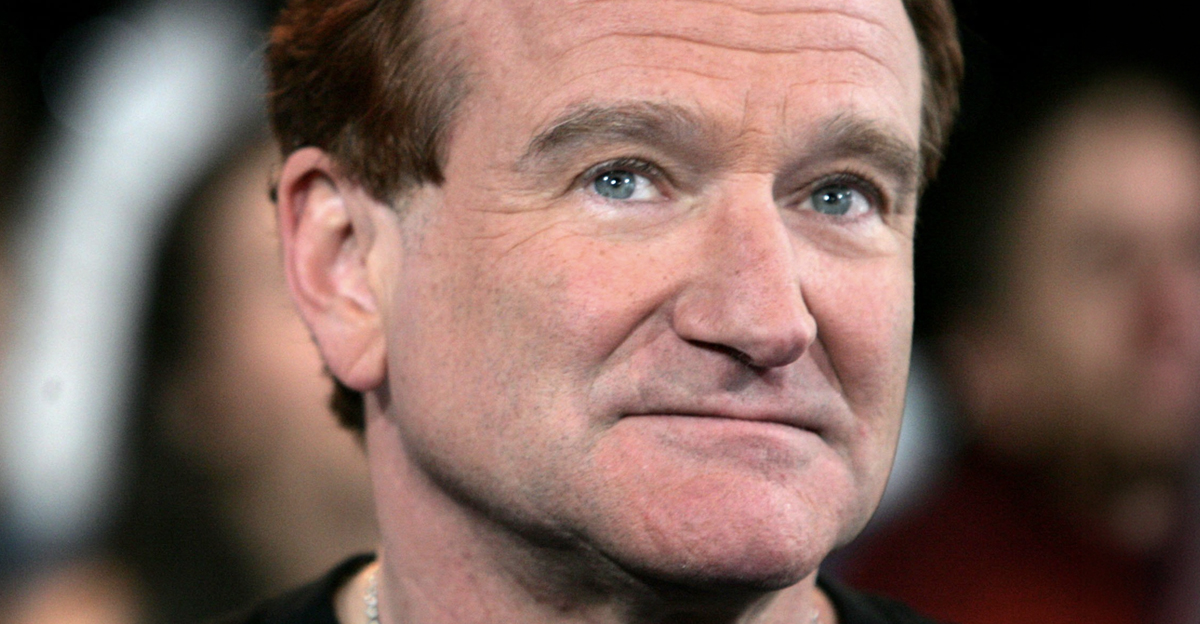
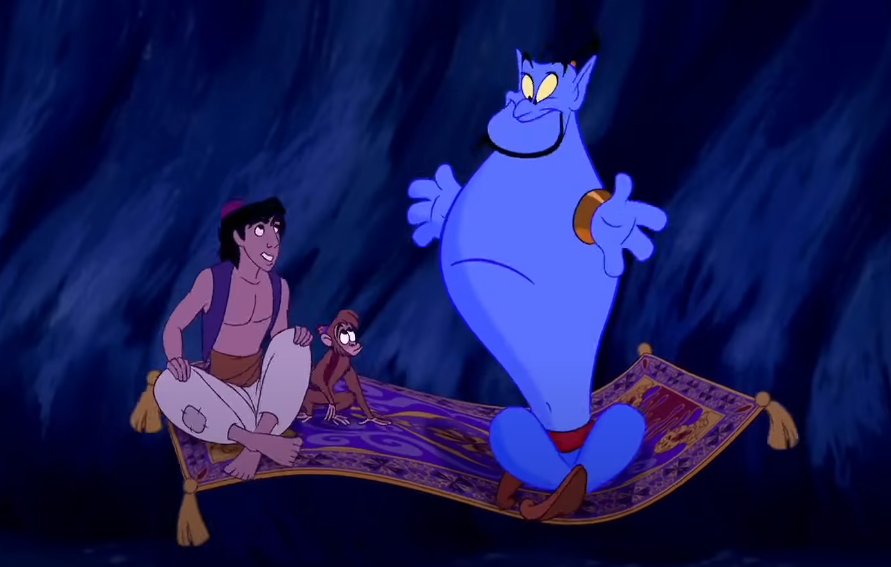
Aladdin was released during the creative and commercial revival now known as the Disney Renaissance. The studio had recently found major success with animated musicals including The Little Mermaid and Beauty and the Beast. Disney hoped its new Arabian Nights-inspired adventure would continue that momentum, and Williams gave the production a comedic weapon unlike anything in the studio’s previous films.
 Screenshot from Aladdin, Walt Disney Pictures (1992)
The Genie Was Always Special
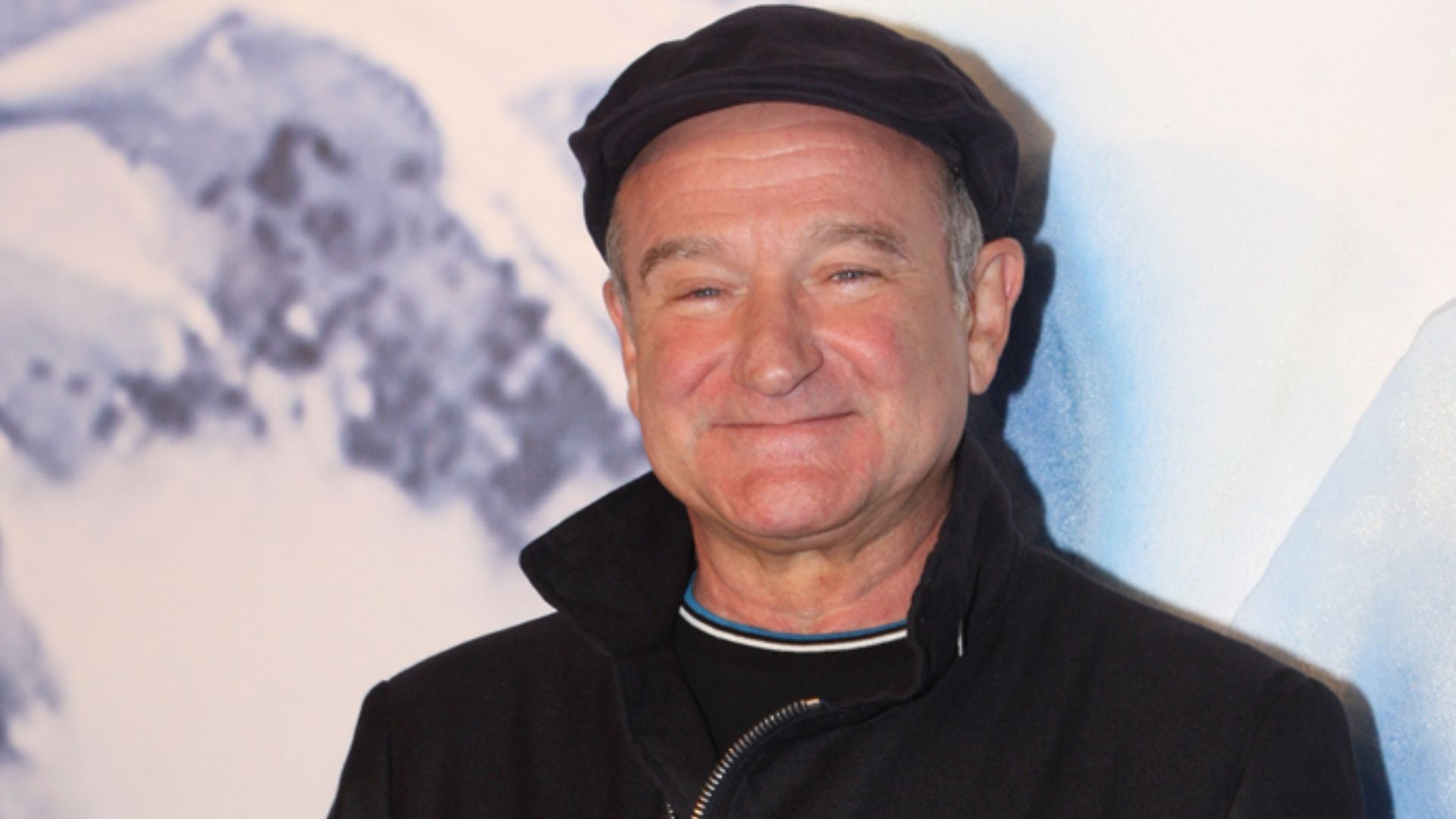
Songwriters Howard Ashman and Alan Menken originally imagined the Genie as a jazz-influenced showman. As the film developed, directors Ron Clements and John Musker began considering a performer who could make the character feel more unpredictable. Williams had the vocal range, improvisational speed, and theatrical energy to transform the magical sidekick into something entirely new.
 Eva Rinaldi, Wikimedia Commons
Animators Chased Their Dream Voice
Animator Eric Goldberg was hired to supervise the Genie and later recalled that Williams’ possible involvement helped persuade him to join Disney. Goldberg attended recording sessions so he could study the comedian’s rhythms and translate them into movement. His goal was to make the Genie’s body as flexible and expressive as Williams’ voice.
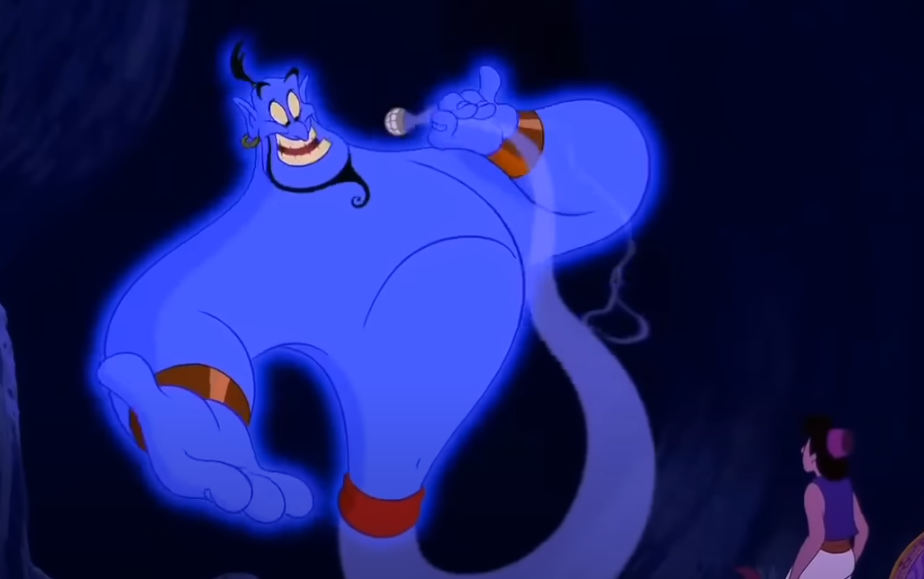 Screenshot from Aladdin, Walt Disney Pictures (1992)
Williams Had A Disney Connection
Williams had already enjoyed one of his greatest movie successes through Disney’s adult-oriented Touchstone Pictures label. He earned an Academy Award nomination for playing radio broadcaster Adrian Cronauer in 1987’s Good Morning, Vietnam. His willingness to voice the Genie was partly linked to the positive relationship he believed he had developed with the company.
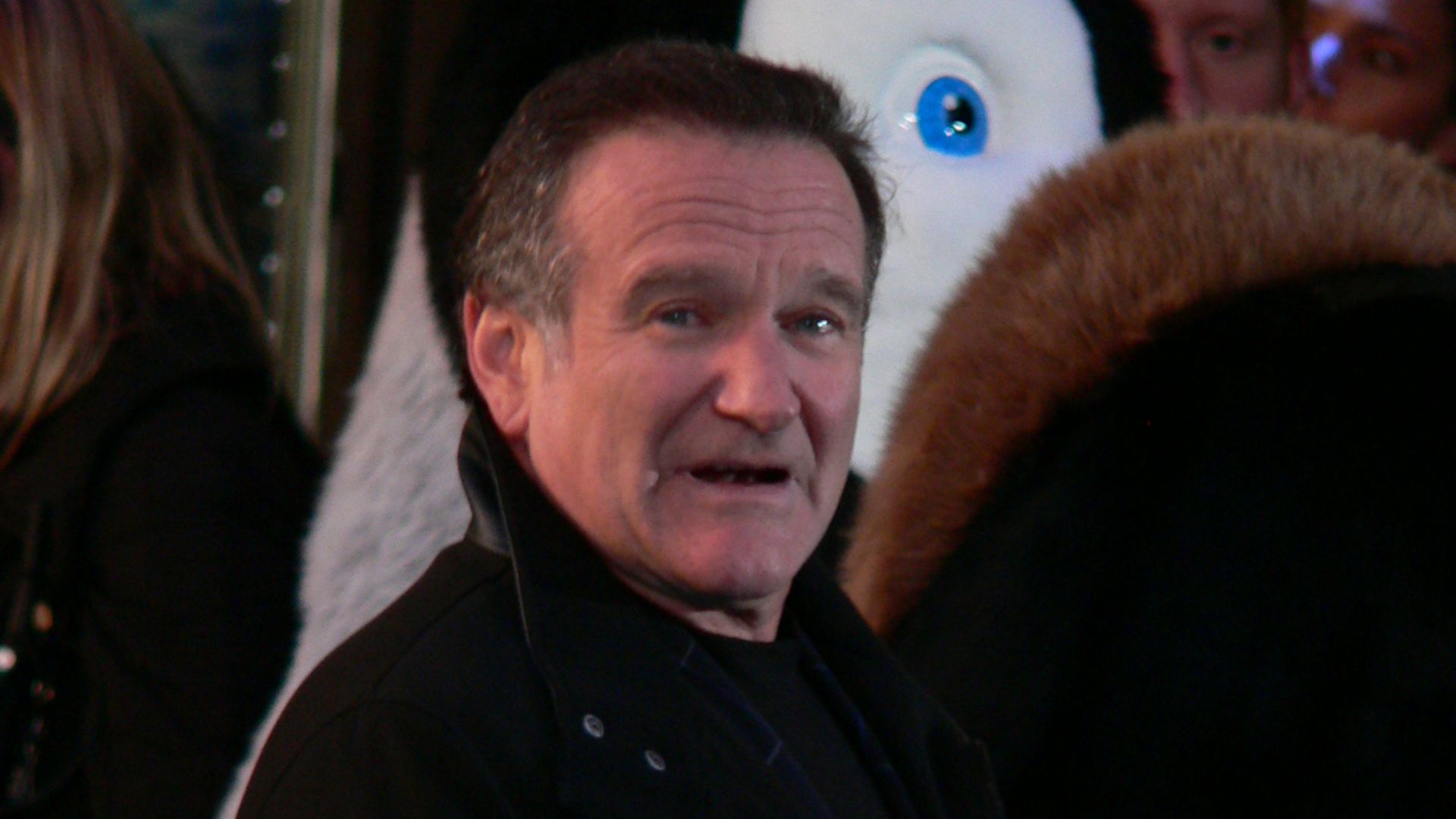 S Pakhrin from DC, USA, Wikimedia Commons
This Was Not A Normal Paycheck
Williams reportedly accepted union-scale compensation of about $75,000 for Aladdin, far below the multimillion-dollar fees he could command for live-action movies. The reduced payment was one reason his conditions surrounding publicity mattered so much to him. He viewed the performance less as a conventional star vehicle and more as a creative contribution to an animated family film.
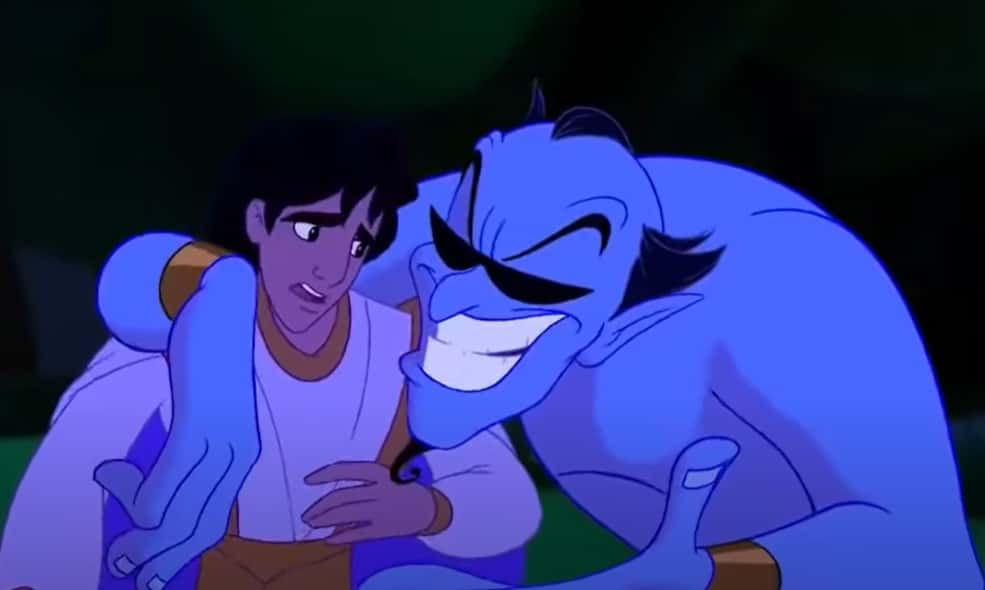 Screenshot from Aladdin, Walt Disney Pictures (1992)
He Wanted To Entertain Children
Williams spoke warmly about making something that children, including his own, could enjoy. He was not approaching the movie as a chance to launch a large merchandising campaign around himself. That distinction would become crucial once Disney’s marketing operation recognized how popular the Genie could be.
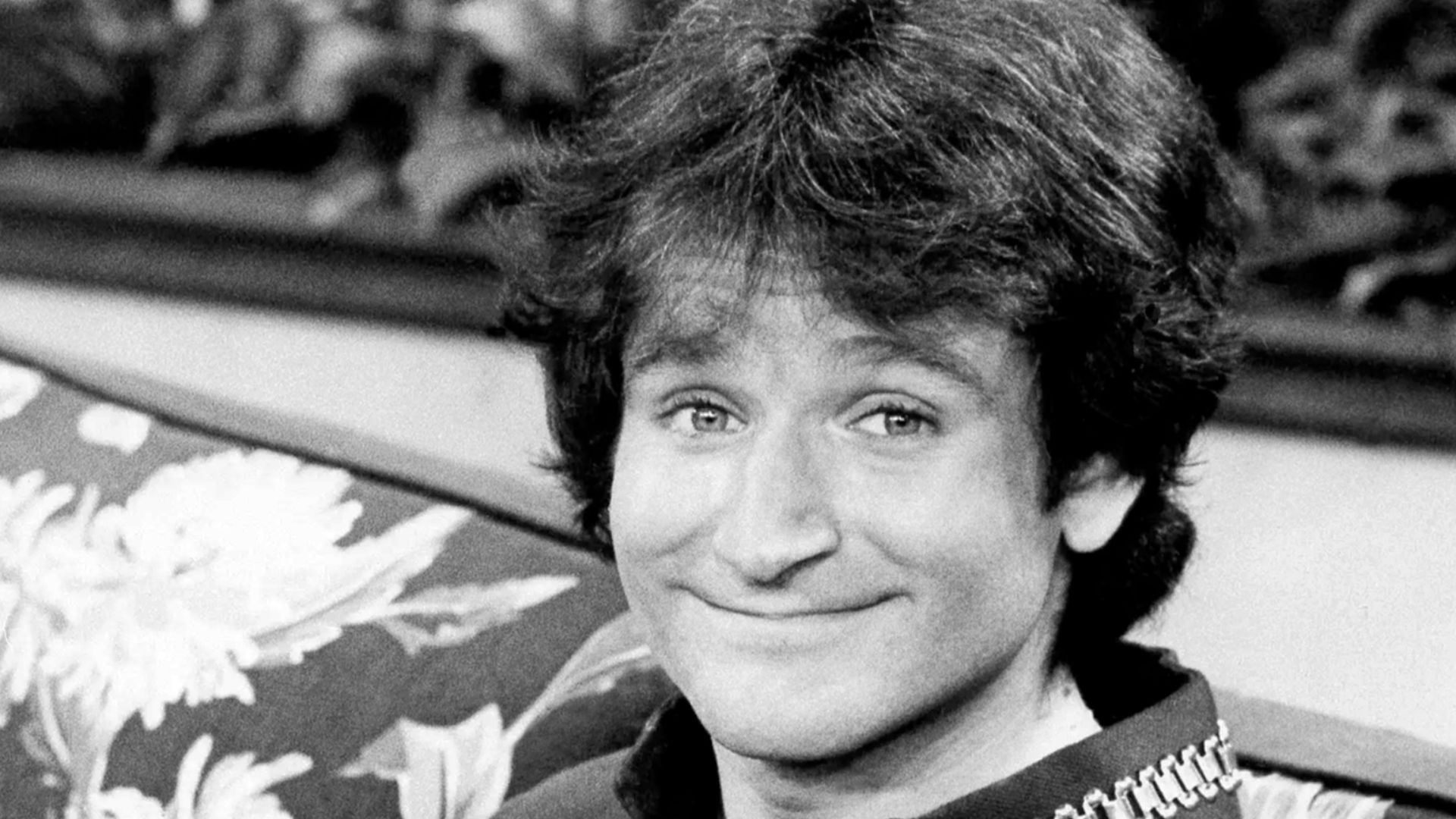
The Deal Came With Conditions
According to accounts of the dispute, Williams agreed to participate on the understanding that Disney would not promote Aladdin primarily as a Robin Williams movie. He also wanted the Genie’s image limited in advertising materials and did not want his recorded performance used to sell unrelated products. Those restrictions were particularly important because his live-action film Toys was scheduled to open shortly after Aladdin.
Then The Recording Began
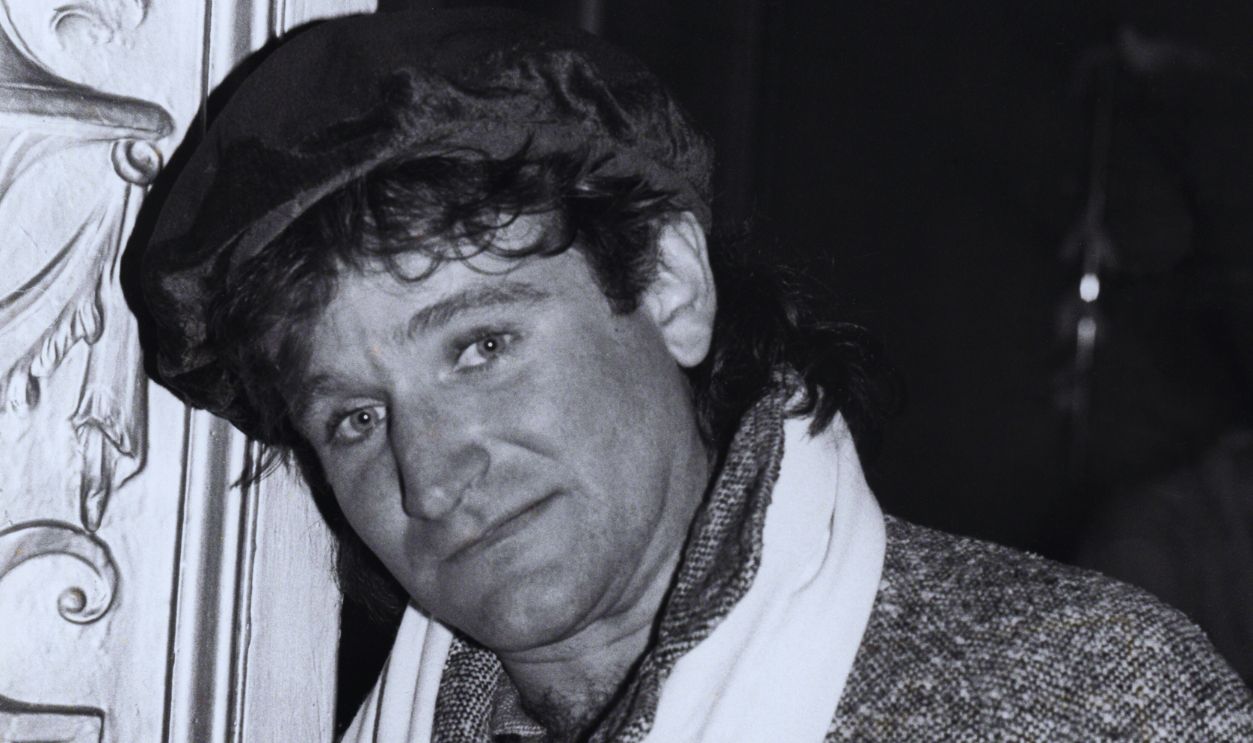
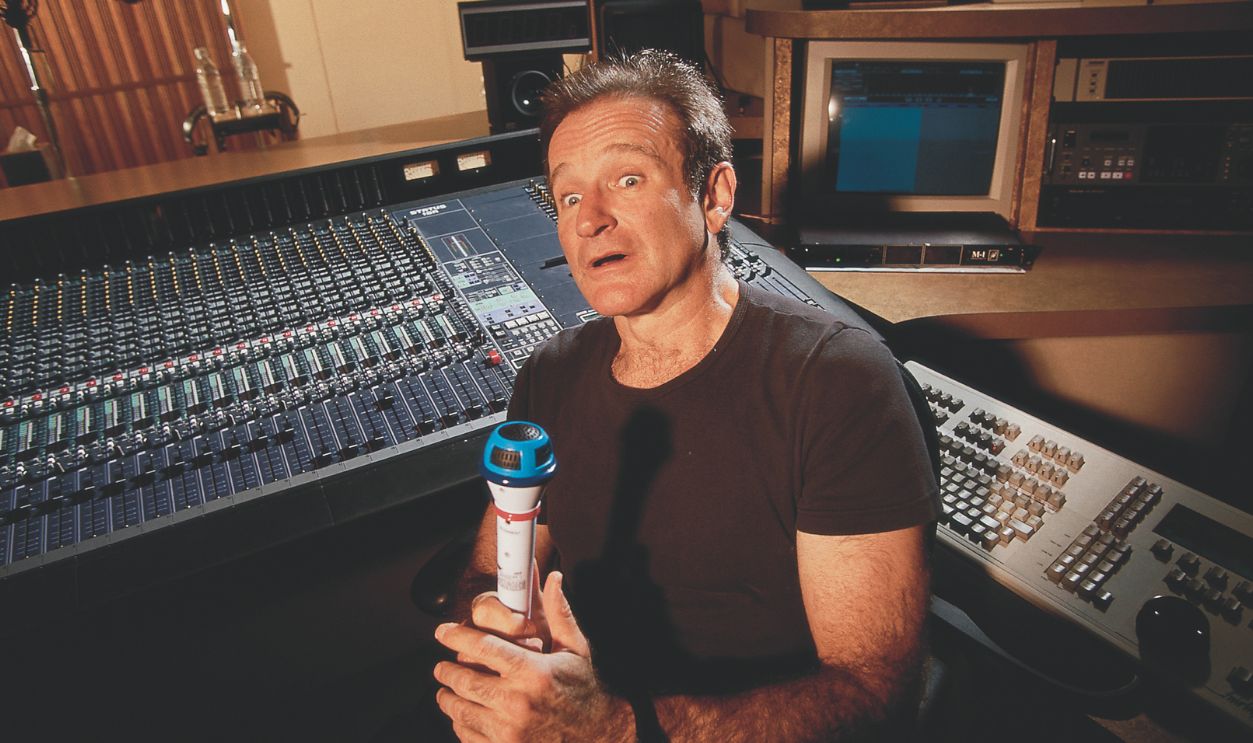
Once Williams entered the recording booth, the Genie expanded far beyond the basic dialogue on the page. He delivered celebrity impressions, changed voices without warning, and spun brief ideas into extended comedy routines. The production ultimately accumulated many hours of material, much more than could fit into the finished movie.
Nobody Knew What Was Coming Next
Williams could jump from a game-show host to a movie star impression within seconds. That unpredictability forced the filmmakers to respond to his performance instead of simply asking him to read a fixed script. It also gave the Genie the exhilarating feeling that he could turn into almost anything at any moment.
Goldberg Turned Sound Into Motion
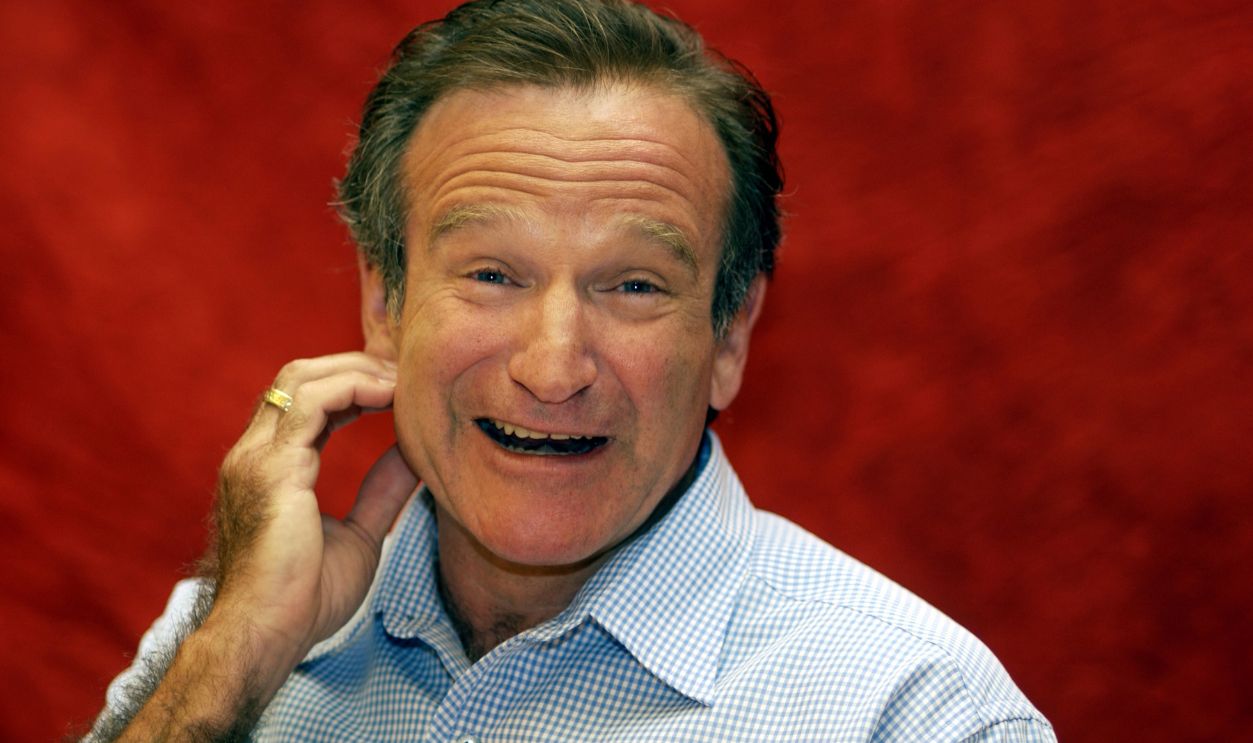
Goldberg and his animation team selected pieces from Williams’ recordings and designed visual transformations to match them. The Genie became a parade of personalities, props, costumes, animals, and pop culture references. The animation did not merely accompany Williams’ voice because it appeared to race alongside his imagination.
His Co-Stars Saw The Magic
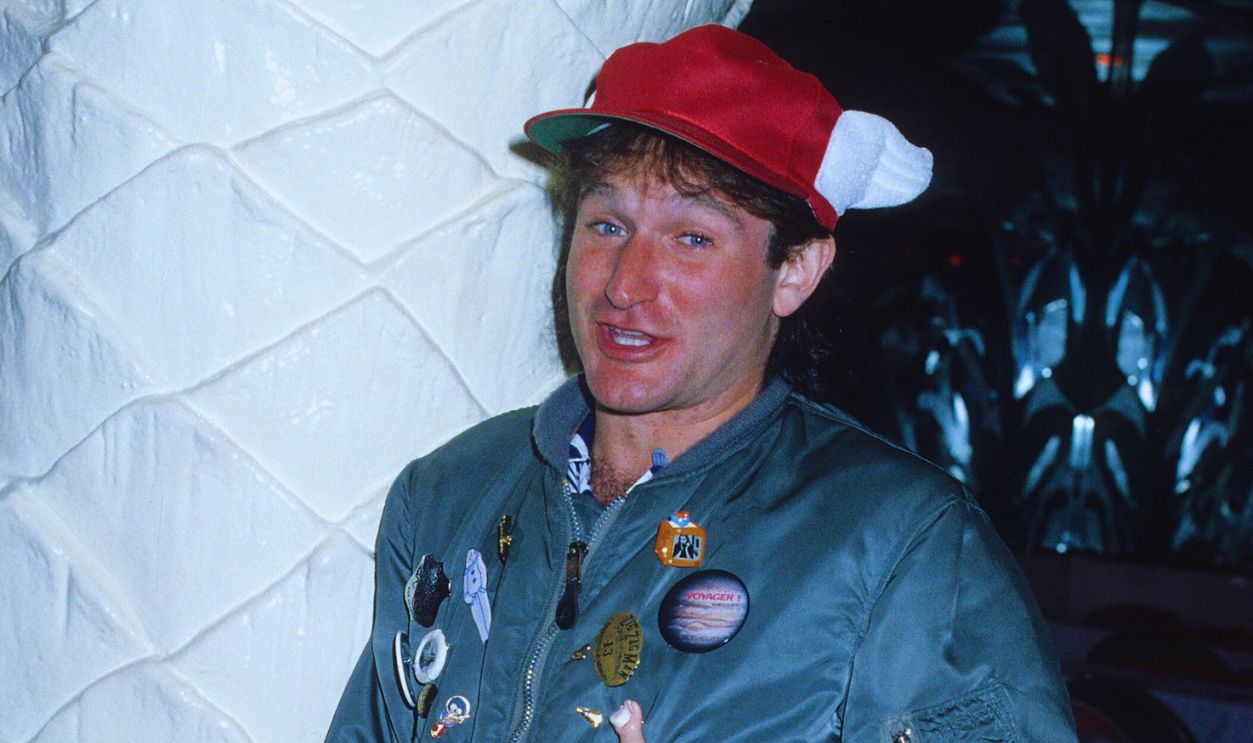
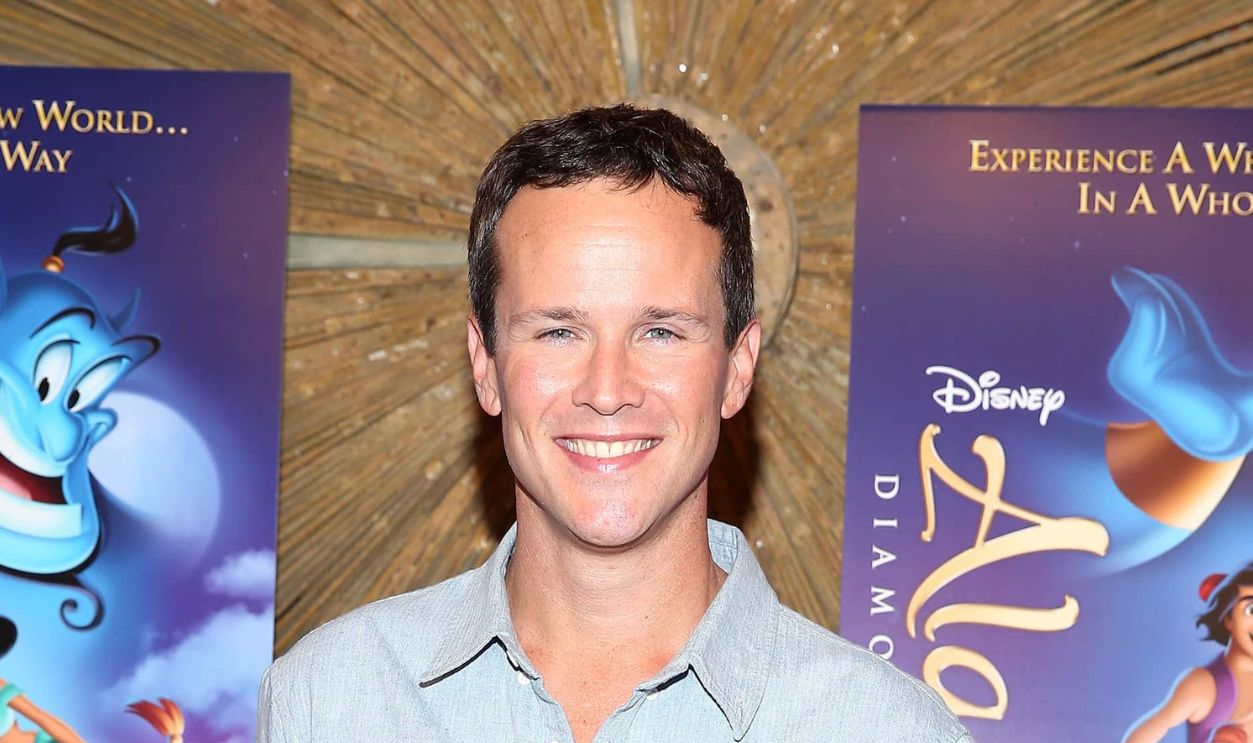
Scott Weinger, who voiced Aladdin, was a teenager when he met Williams during production. Weinger later remembered Williams greeting him with the promise, “I’ll be your genie.” He also recalled the recording sessions as extraordinary experiences filled with laughter.
The Genie Took Over
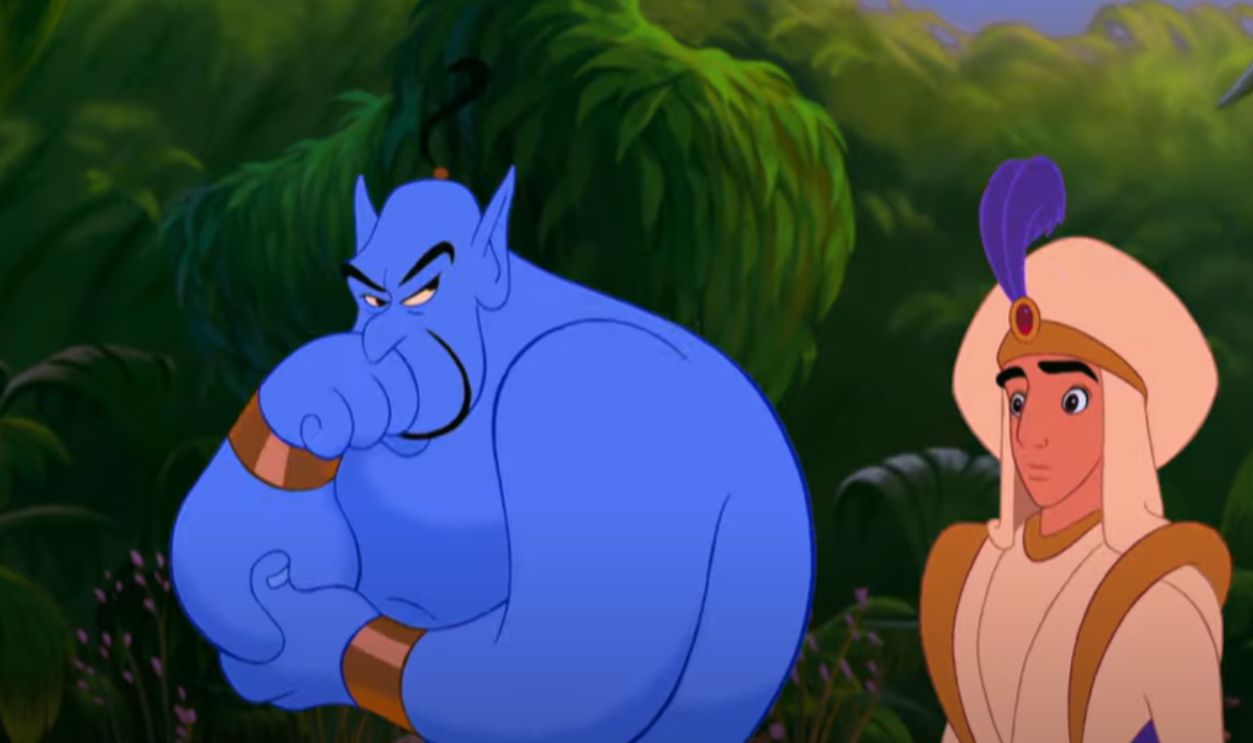
The finished character was technically Aladdin’s magical helper, but Williams frequently stole the movie. His interpretation made the Genie feel like a comedian, a lonely prisoner, a loyal friend, and an entire cast of supporting characters at once. That combination of chaos and vulnerability gave the film an emotional center that advertisements could easily sell.
 Screenshot from Aladdin, Walt Disney Pictures (1992)
Audiences Wanted A Friend Like Him
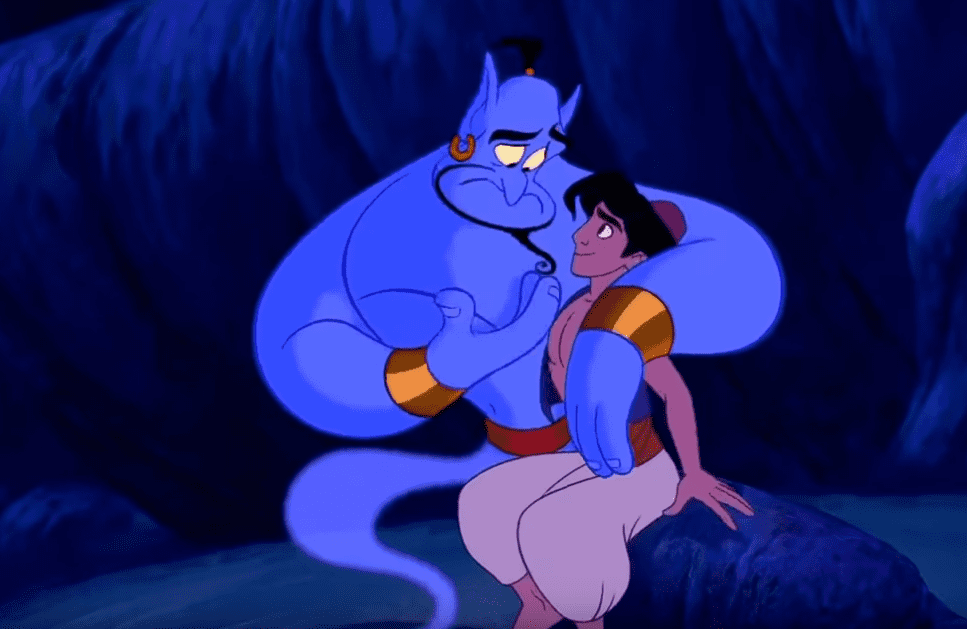
Aladdin became the highest-grossing movie released worldwide in 1992 according to Box Office Mojo’s yearly figures. Its worldwide theatrical total reached approximately $346.5 million during its original release period. The success confirmed that Disney had another major animated hit, with the Genie emerging as one of its most recognizable attractions.
 Screenshot from Aladdin, Walt Disney Pictures (1992)
Awards Followed The Applause
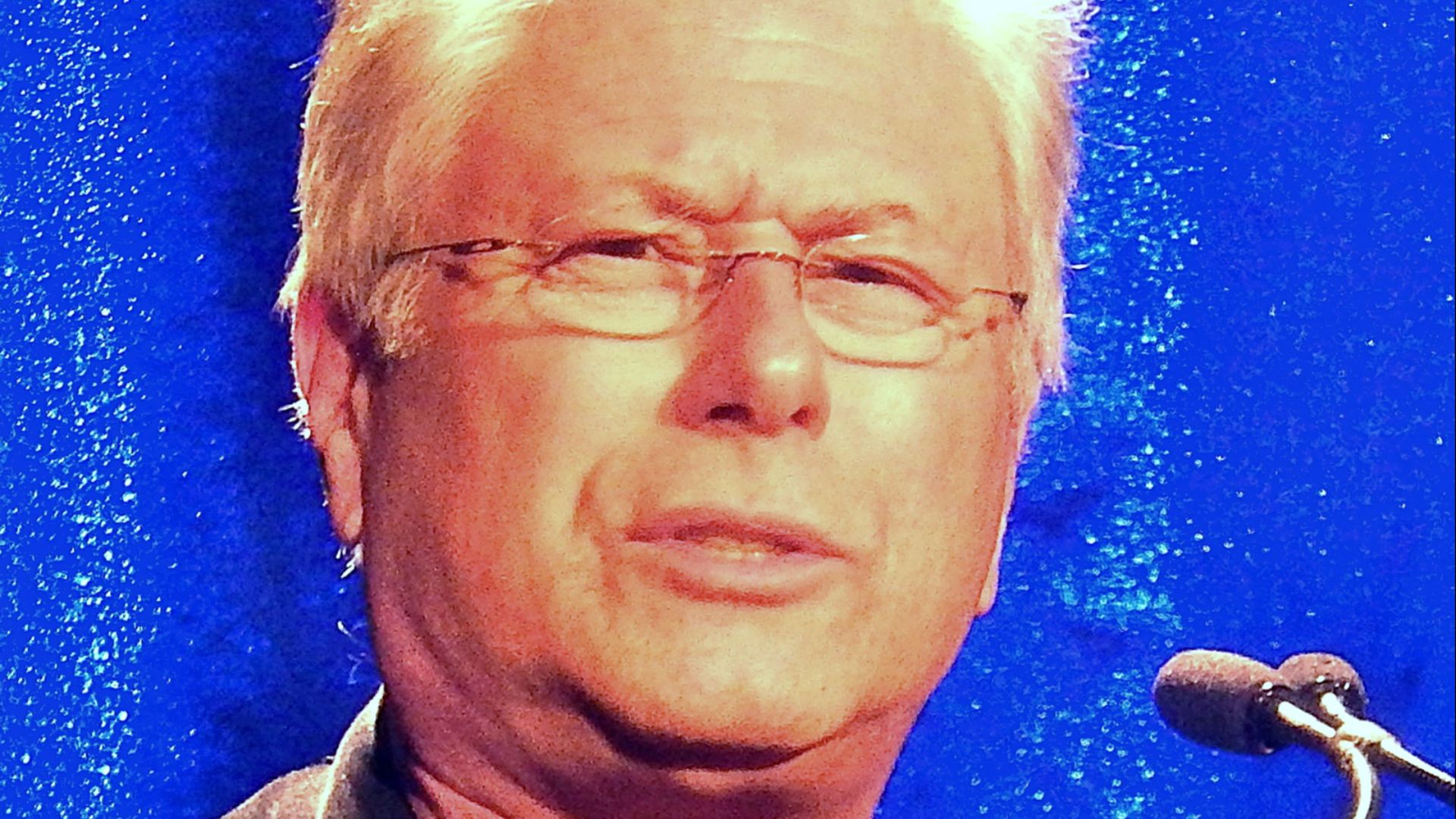
The film won Academy Awards for Alan Menken’s original score and for the song “A Whole New World.” “Friend Like Me,” performed in the film by Williams, was also nominated for Best Original Song. Although voice performances did not have their own Oscar category, the Genie remained central to discussions of the movie’s creative success.
 Sarah Ackerman, Wikimedia Commons
Disney Had A Marketing Gold Mine
As the movie’s release approached, Disney’s advertising increasingly emphasized the Genie’s enormous personality. Promotional images often made the blue character much larger than Aladdin, Jasmine, and the film’s other heroes. Williams believed that presentation violated the spirit of the restrictions he had negotiated.
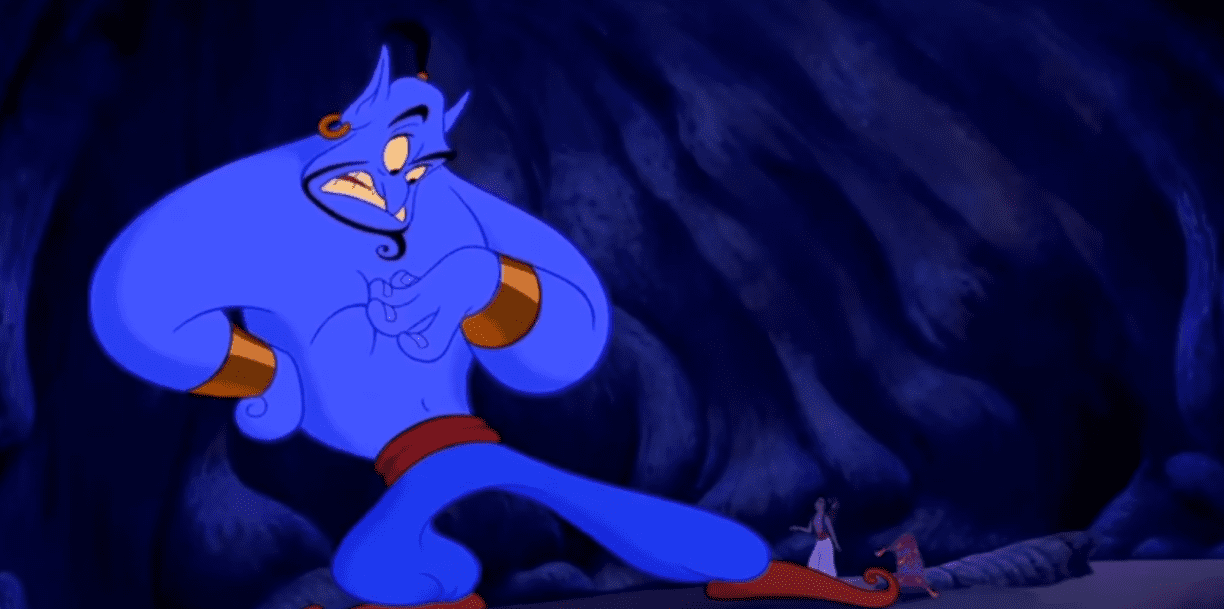 Screenshot from Aladdin, Walt Disney Pictures (1992)
His Voice Entered The Sales Pitch
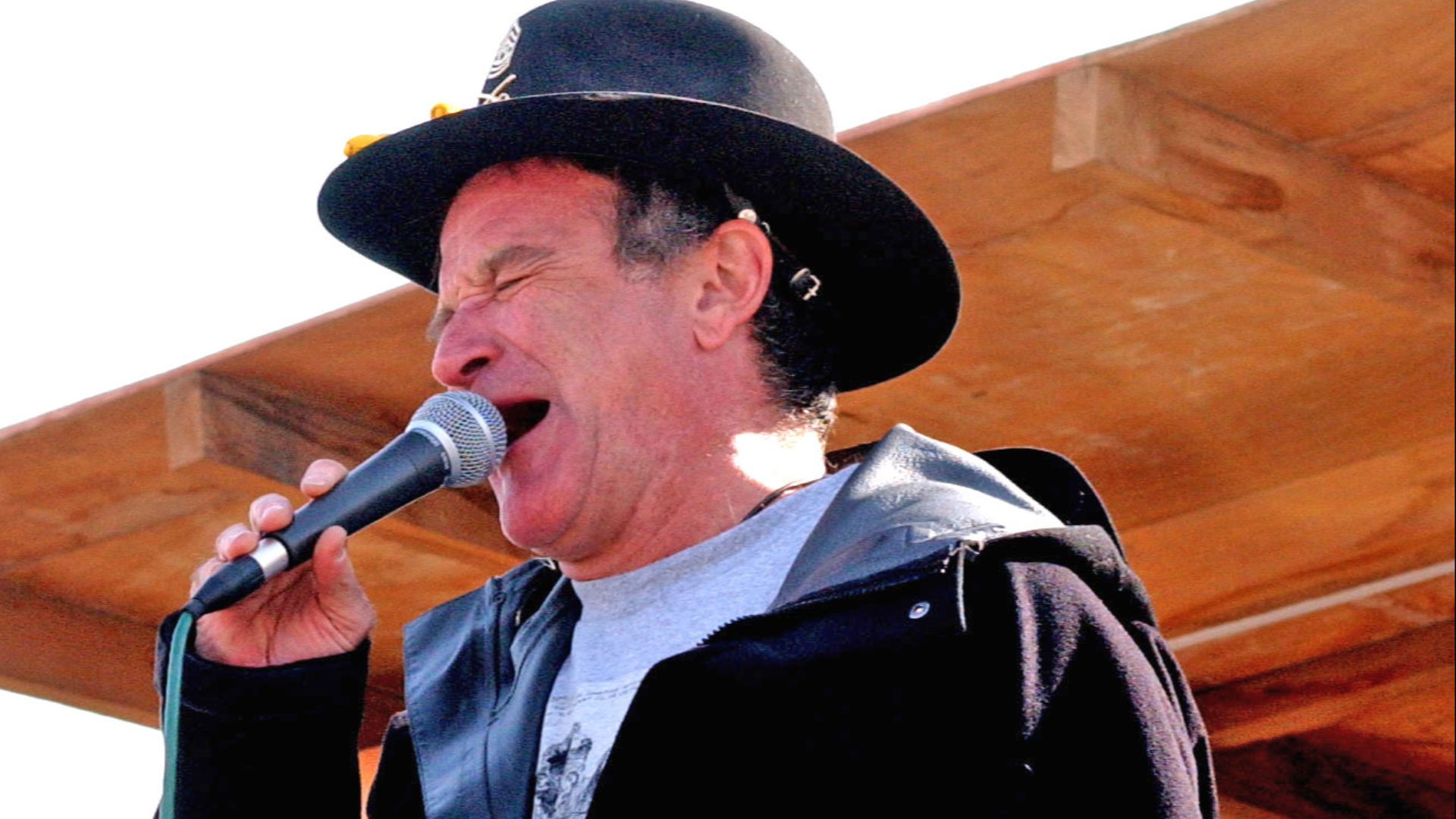
Williams was especially angry that dialogue from his performance appeared in promotional campaigns connected to merchandise and commercial tie-ins. He had made clear that he did not want his voice used to push products. He later summed up his position plainly by saying that selling things was the one activity he did not want to do.
 Sgt. Thomas Benoit, Wikimedia Commons
The Merchandise Made It Worse
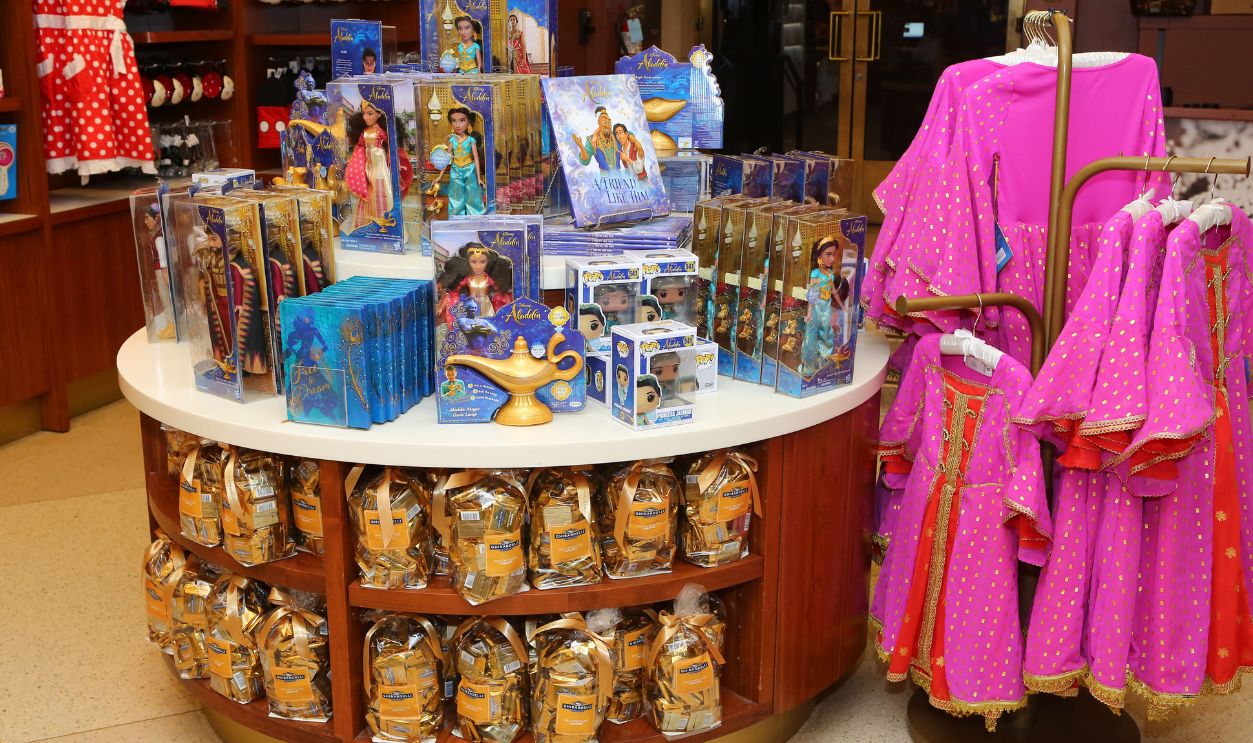
The Genie appeared across the vast commercial world built around the movie, including toys and fast-food promotions. Williams reportedly viewed those uses as exactly the kind of exploitation he had tried to prevent. Instead of feeling celebrated by Disney’s enthusiasm, he felt that the studio had taken advantage of his discounted work.
Williams Went Public
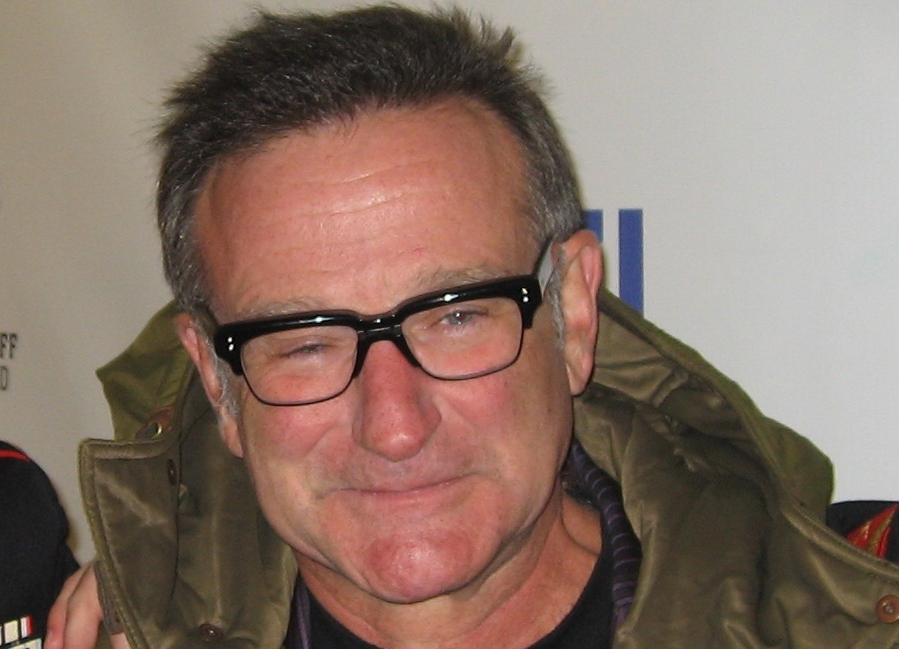
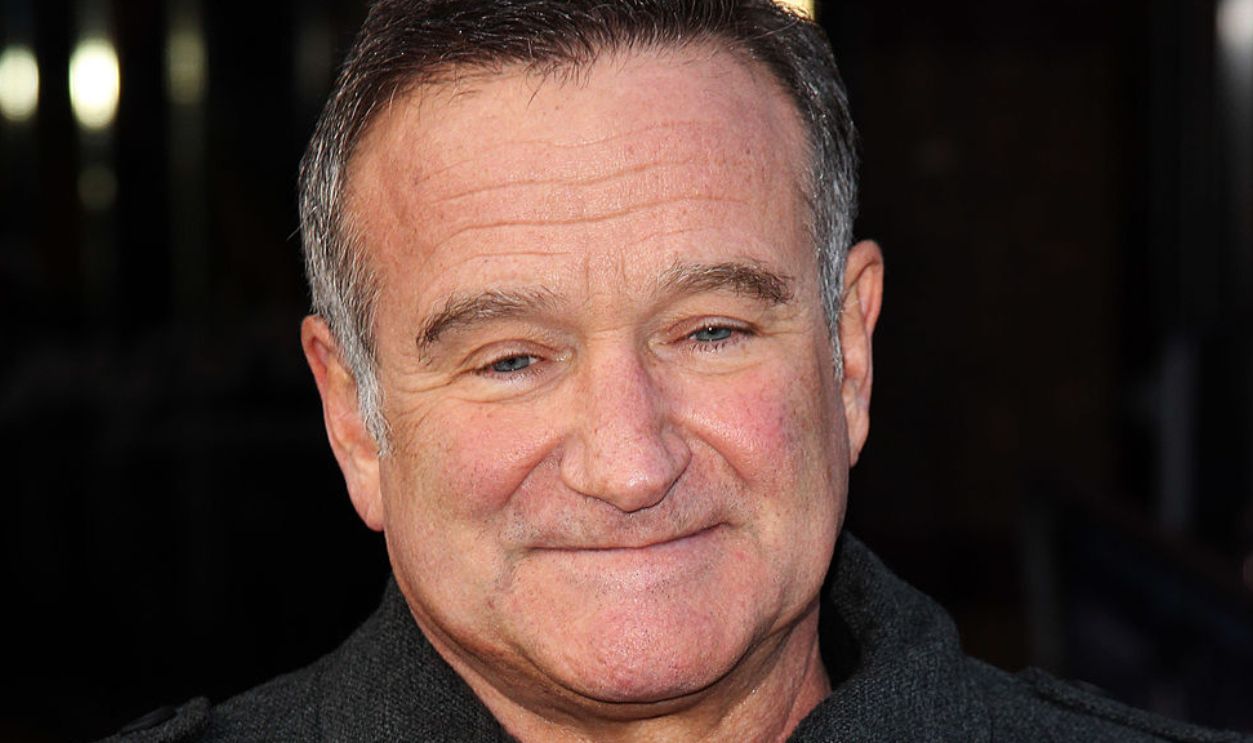
By November 1993, Williams was openly discussing his anger toward Disney. He accused the company of using his performance in ways he had specifically opposed and indicated that he did not intend to work for the studio again. A disagreement over advertising had turned into a damaging public rupture between one of Hollywood’s biggest stars and its most powerful family-entertainment company.
 John J. Kruzel / American Forces Press Service, Wikimedia Commons
Disney Told A Different Story
Disney disputed Williams’ version of events and suggested that it had complied with the written terms of the agreement. Studio representatives also portrayed the disagreement as connected to his dissatisfaction with the relatively small fee he had accepted. Williams rejected that explanation because the marketing restrictions, rather than the paycheck, were at the heart of his complaint.
 Bonnie Schiffman Photography, Getty Images
A Painting Could Not Fix It
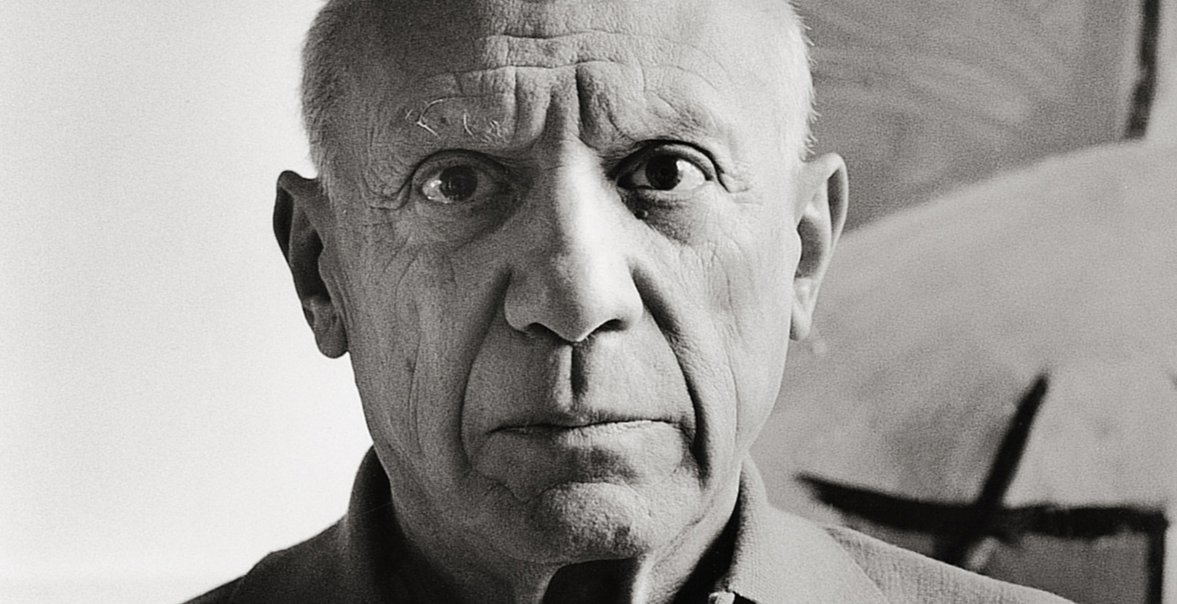
Disney attempted to ease tensions by sending Williams a Picasso painting reportedly valued at around $1 million. Contemporary and later accounts described the artwork as depicting Picasso in the guise of Vincent van Gogh. The extravagant gesture became famous, but it did not immediately repair the damaged relationship.
 brandstaetter images, Getty Images
The Genie Got A New Voice
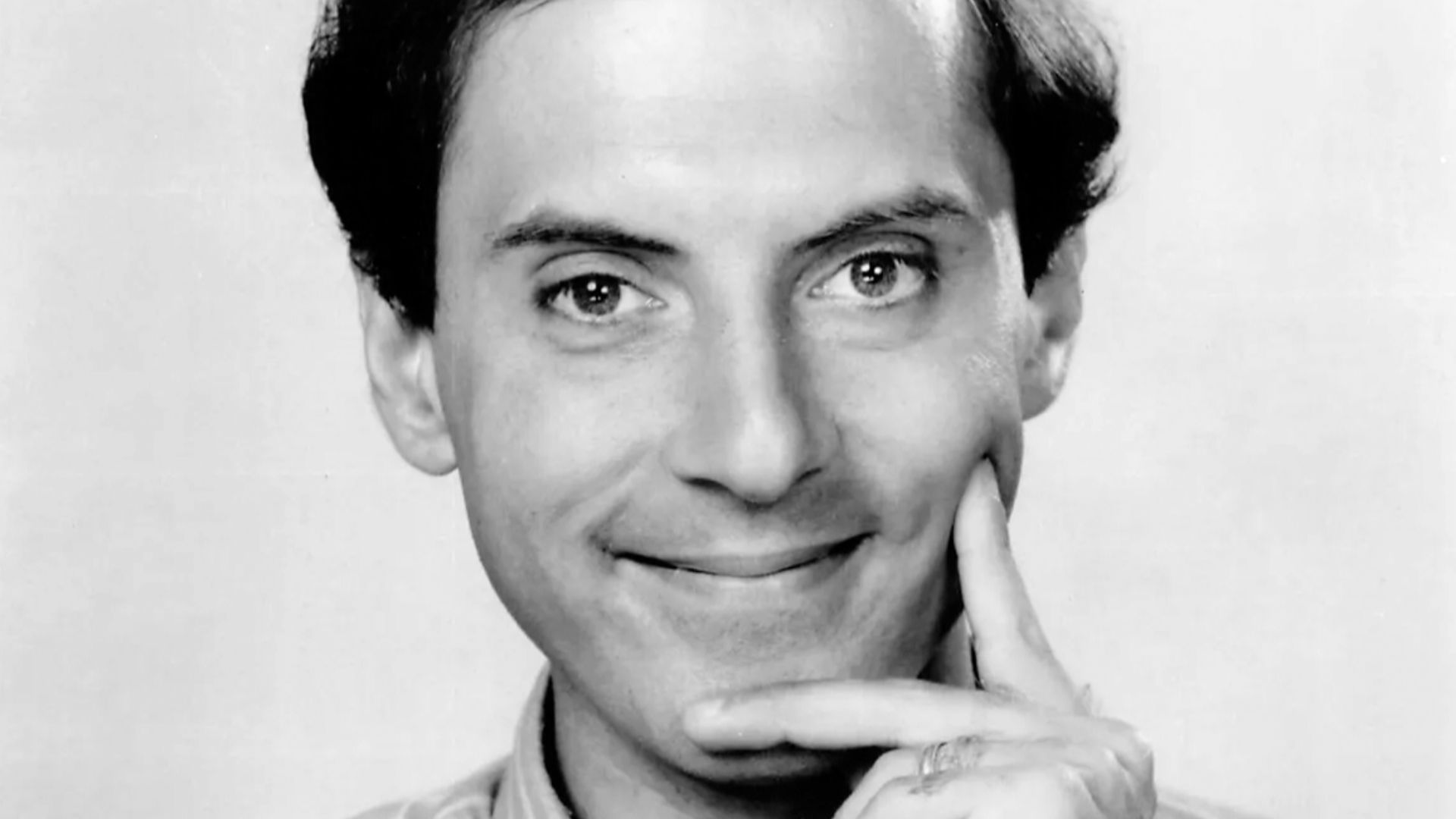
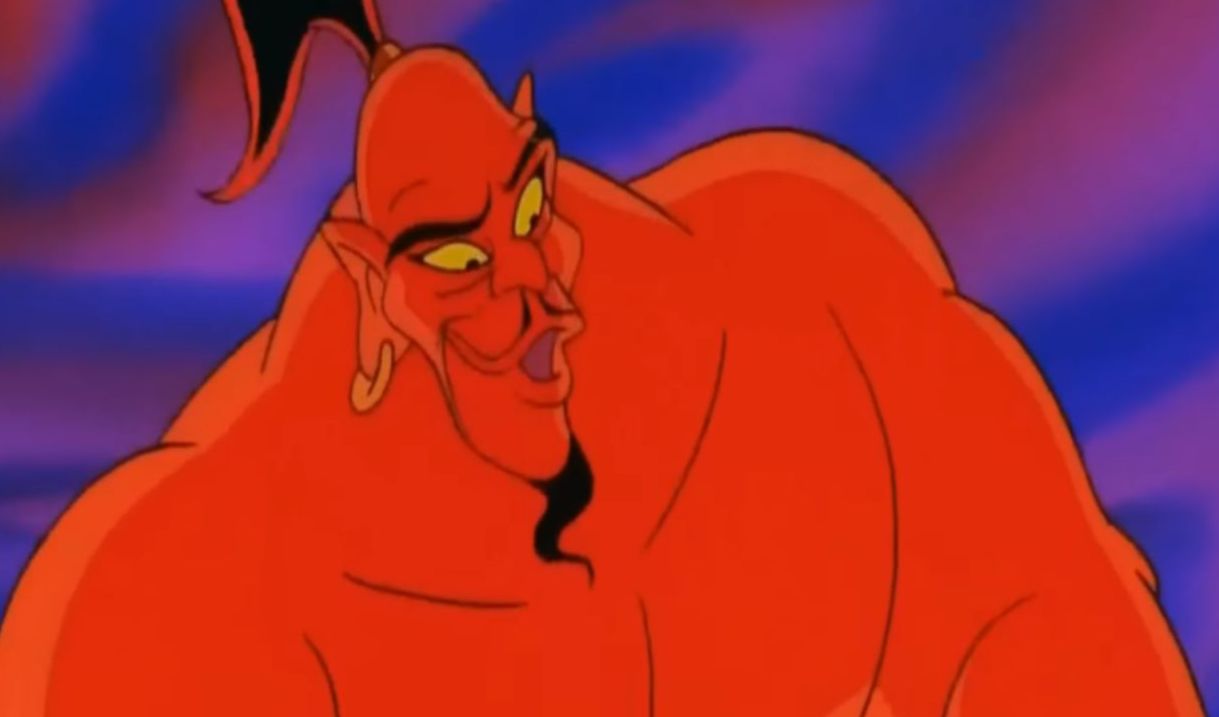
The dispute had a direct effect on the expanding Aladdin franchise. Williams did not return for the 1994 direct-to-video sequel The Return of Jafar or the television series that followed. Dan Castellaneta, best known as the voice of Homer Simpson, took over the role.
 Fox Broadcasting Company, Wikimedia Commons
Disney Entered New Territory
The Return of Jafar became an important early success for Disney’s direct-to-video sequel strategy. The company could continue producing Genie stories without its original star, but the replacement also made the feud impossible for fans to ignore. Williams’ absence demonstrated how thoroughly his personality had become associated with the character.
 Screenshot from The Return of Jafar, Walt Disney Home Video (1994)
A Leadership Change Opened The Door
The relationship began to improve after Jeffrey Katzenberg left Disney in 1994 and Joe Roth became chairman of Walt Disney Studios. Roth already had a professional connection to Williams through Mrs. Doubtfire. Under the new leadership, Disney issued the public apology Williams had wanted.
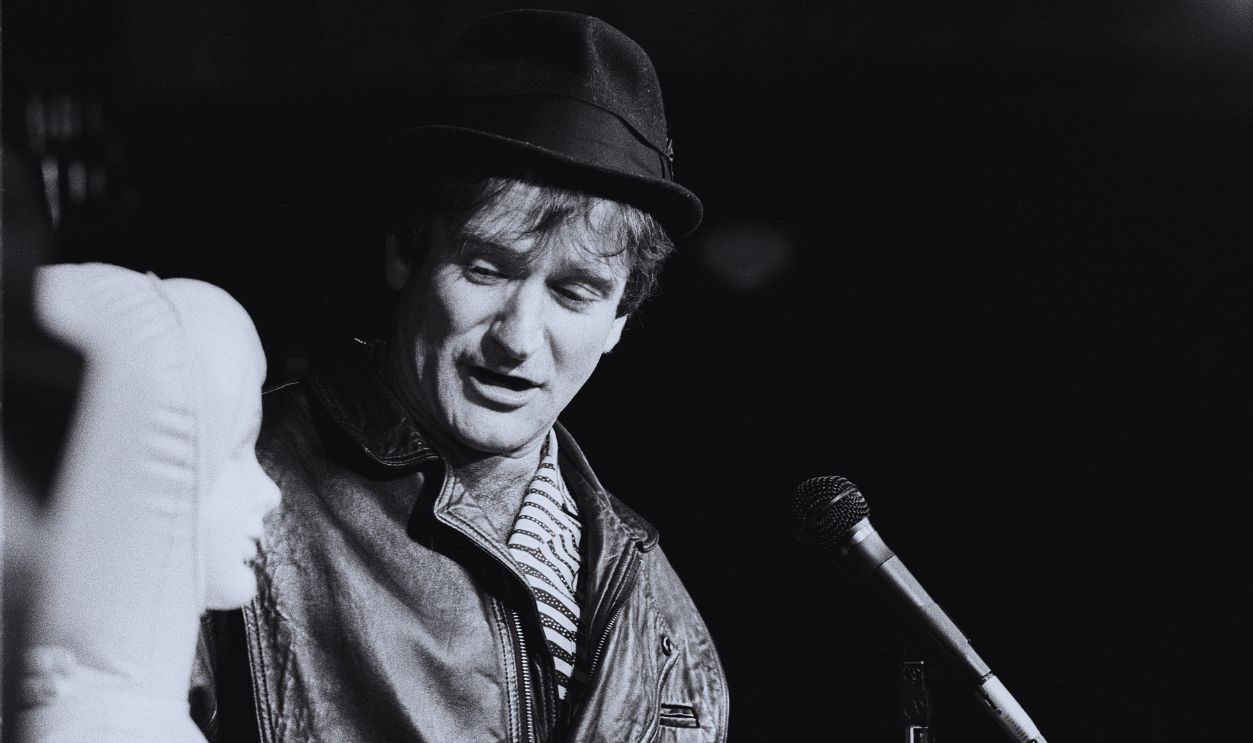
Williams Accepted The Apology
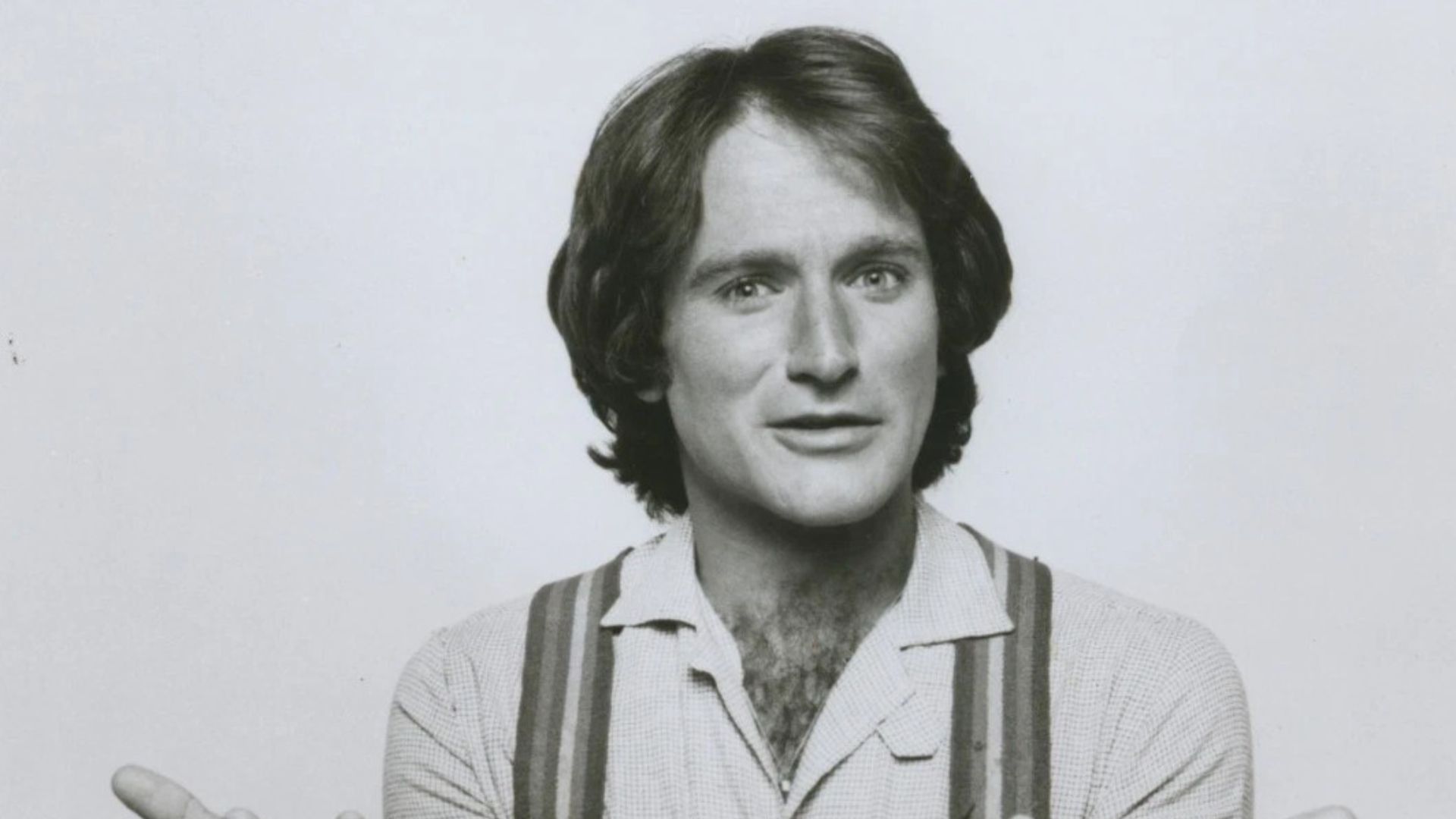
Williams accepted Disney’s attempt to repair the relationship. He compared the thaw to countries re-establishing diplomatic relations after a long dispute. The resolution did not erase what had happened, but it made another collaboration possible.
 ABC Television, Wikimedia Commons
The Original Genie Returned
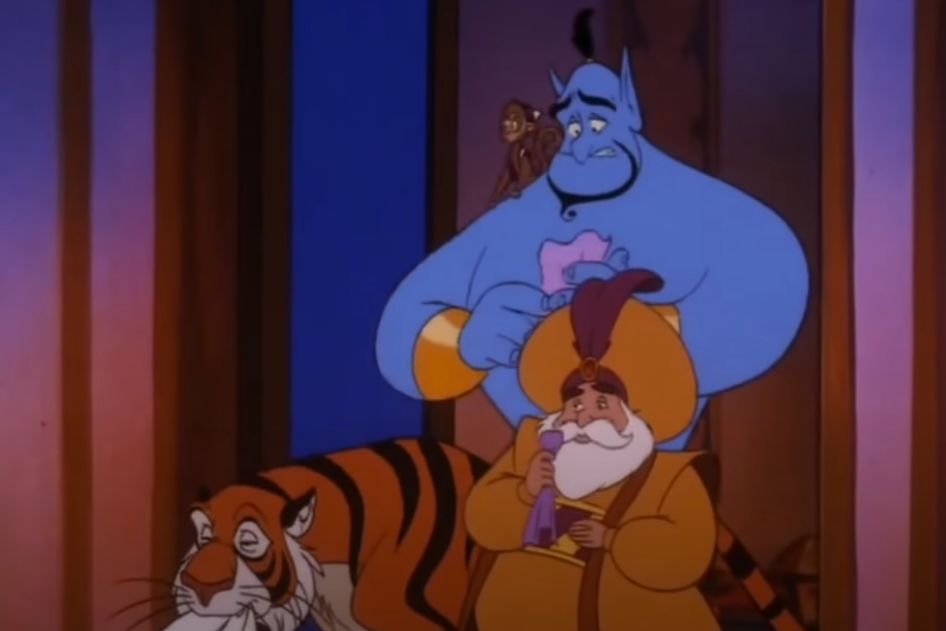
Williams reprised the role in the 1996 direct-to-video feature Aladdin and the King of Thieves. His return restored the speed, vocal variety, and emotional familiarity that viewers associated with the original Genie. It also served as the clearest public sign that the feud had finally cooled.
 Screenshot from Aladdin and the King of Thieves, Walt Disney Home Video (1996)
The Role Outlived The Fight
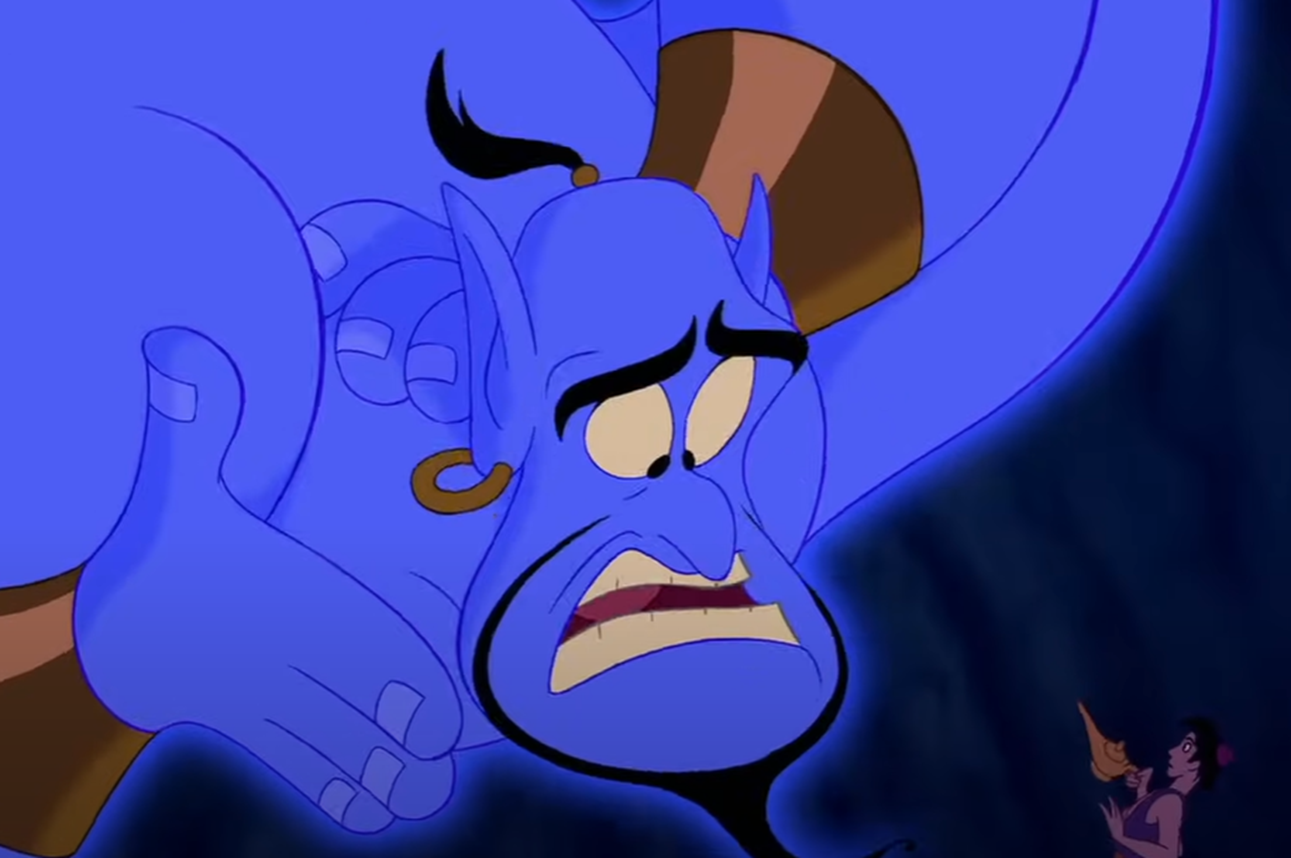
Williams’ conflict with Disney became a famous cautionary story about celebrity voices, advertising promises, and the merchandising power of animated movies. Yet the dispute never displaced the affection audiences felt for his performance. For many viewers, the Genie remains one of the purest examples of Williams combining manic comedy with genuine tenderness.
 Screenshot from Aladdin, Walt Disney Pictures (1992)
His Genie Still Has A Voice
In 2023, Disney used an unused piece of Williams’ original Aladdin audio in the centennial short Once Upon a Studio. The filmmakers received approval from his estate and brought Eric Goldberg back to animate the character. Their careful approach showed how sensitive the use of Williams’ recorded work remained decades after the original feud.
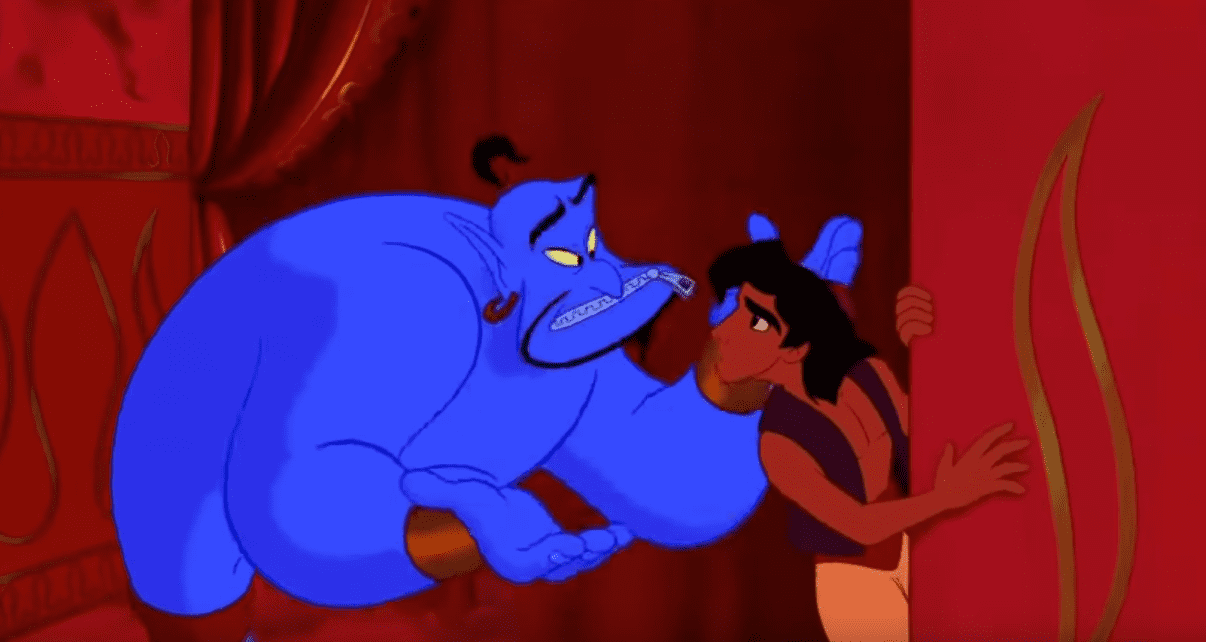 Screenshot from Aladdin, Walt Disney Pictures (1992)
A Complicated Disney Legacy
Robin Williams gave Disney one of its most enduring characters, then publicly challenged the company when he believed it had broken its word. The feud temporarily separated him from the Genie, but an apology eventually brought them back together. What survived was a performance so joyful and inventive that even a bitter corporate battle could not tarnish its magic.
 U.S. Air Force photo / Airman 1st Class Tabitha M. Mans, Wikimedia Commons
You May Also Like:
The Best Robin Williams Movies To Put A Smile On Your Face
Robin Williams Quotes That Made Us WEEP
_crop.jpg)