America’s Action Hero Who Refused to Stay Down
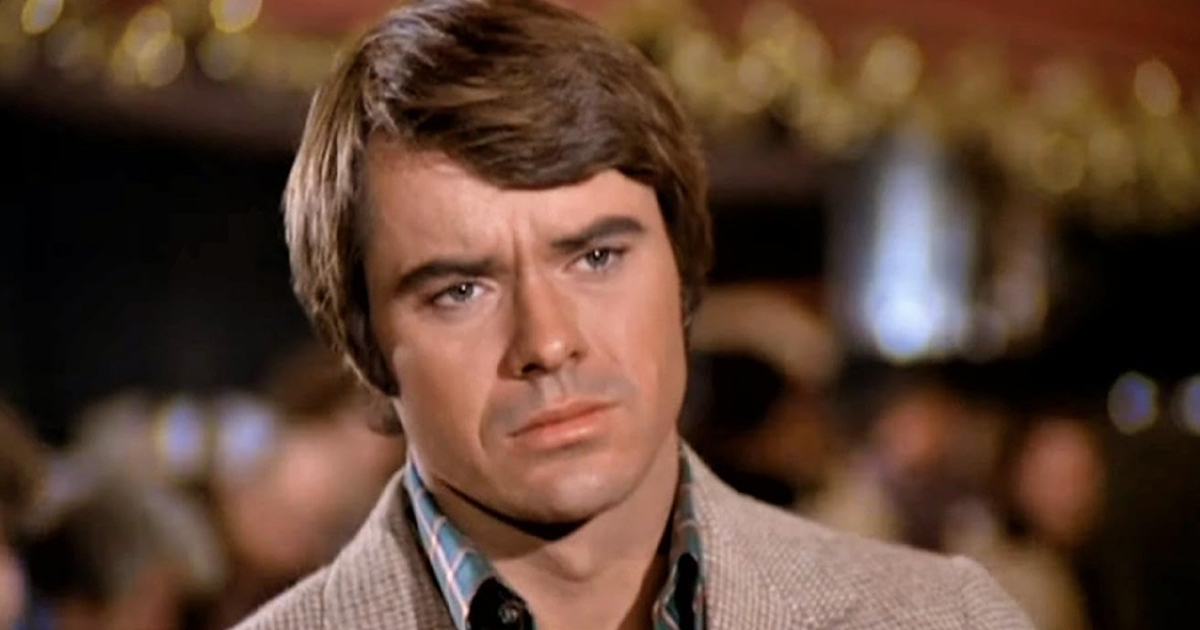
In the late 1970s and 1980s, Robert Urich was television’s steady, handsome hero. He had the smile, the athletic build, and the leading-man confidence. But behind the scenes, his career kept collapsing — and somehow, he kept rebuilding it.
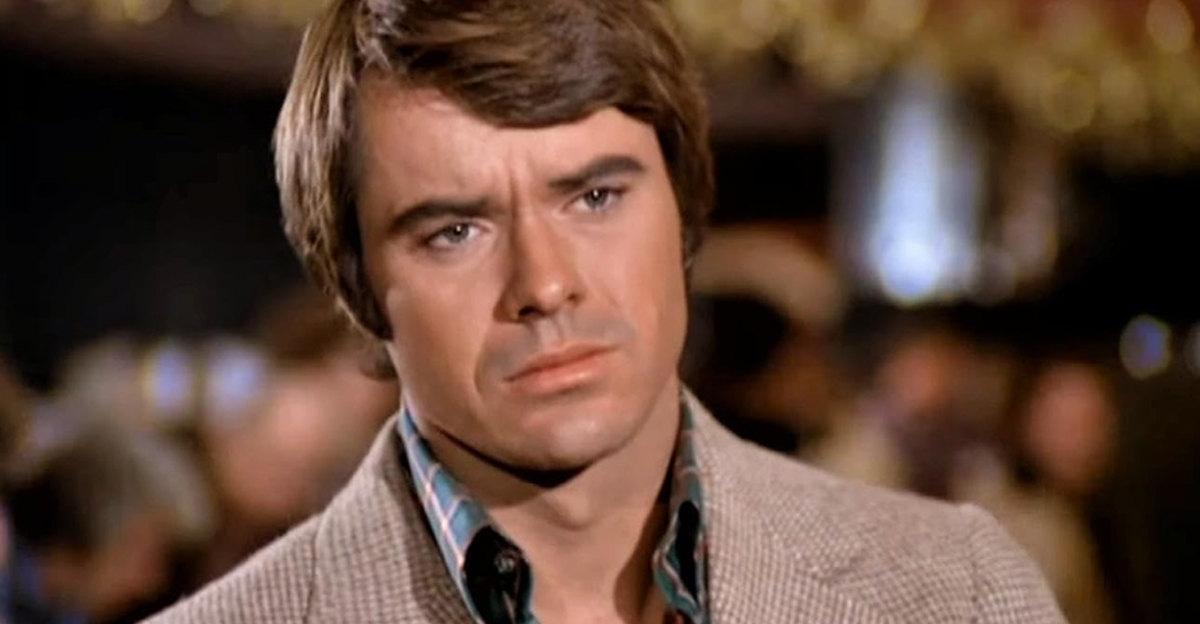
From Small-Town Ohio to Big Dreams
Robert Michael Urich was born December 19, 1946, in Toronto, Ohio. His father worked in a steel mill, and Urich grew up with blue-collar discipline. He earned a football scholarship to Florida State University and later completed a master’s degree in broadcast research at Michigan State University.
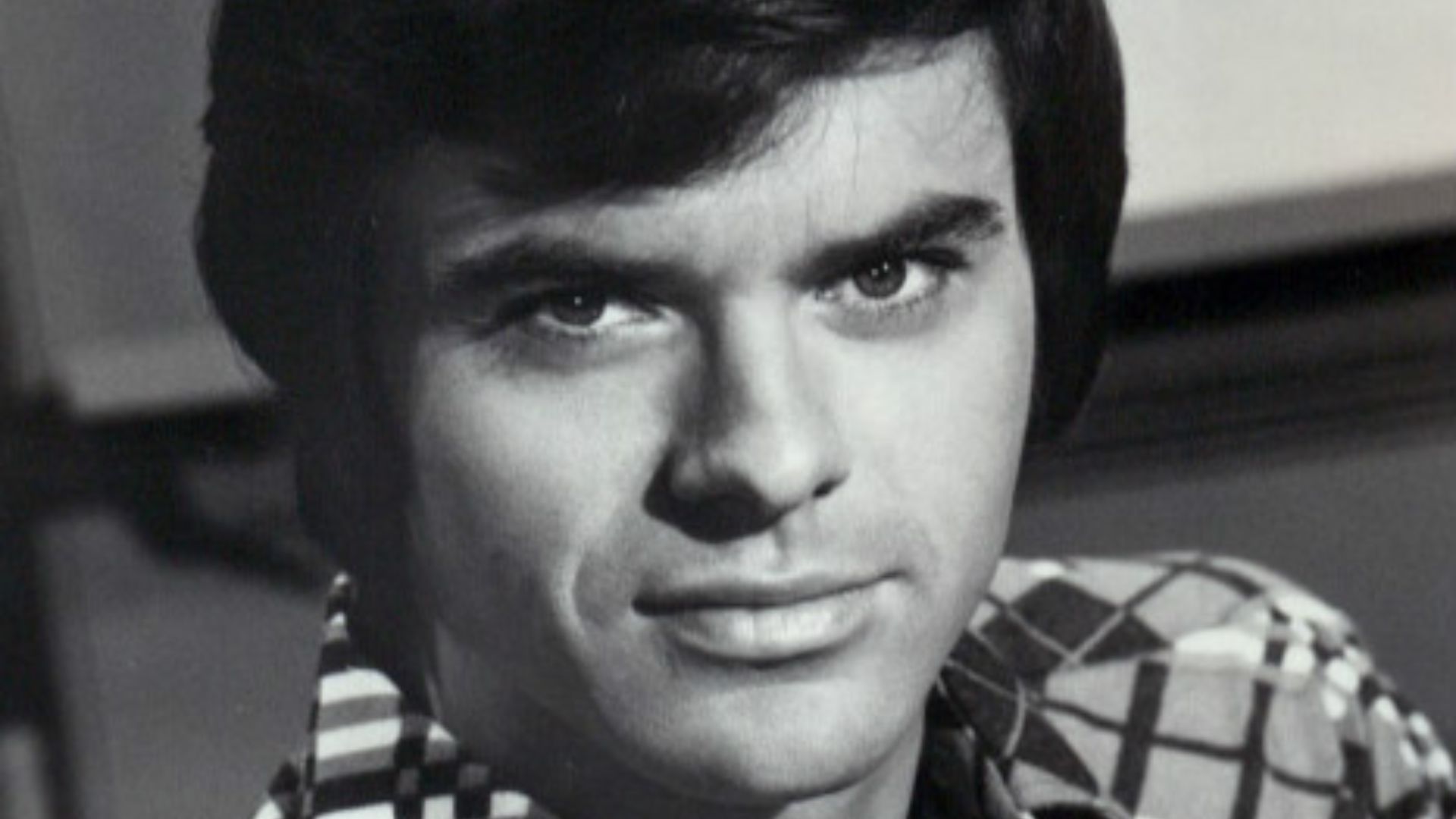 ABC Television Uploaded by We hope at en.wikipedia, Wikimedia Commons
The Accidental Actor
Urich initially planned a broadcasting career. But after moving to Chicago and eventually Los Angeles in the early 1970s, he began landing acting roles instead. His physical confidence and understated charm quickly made him a natural for television drama.
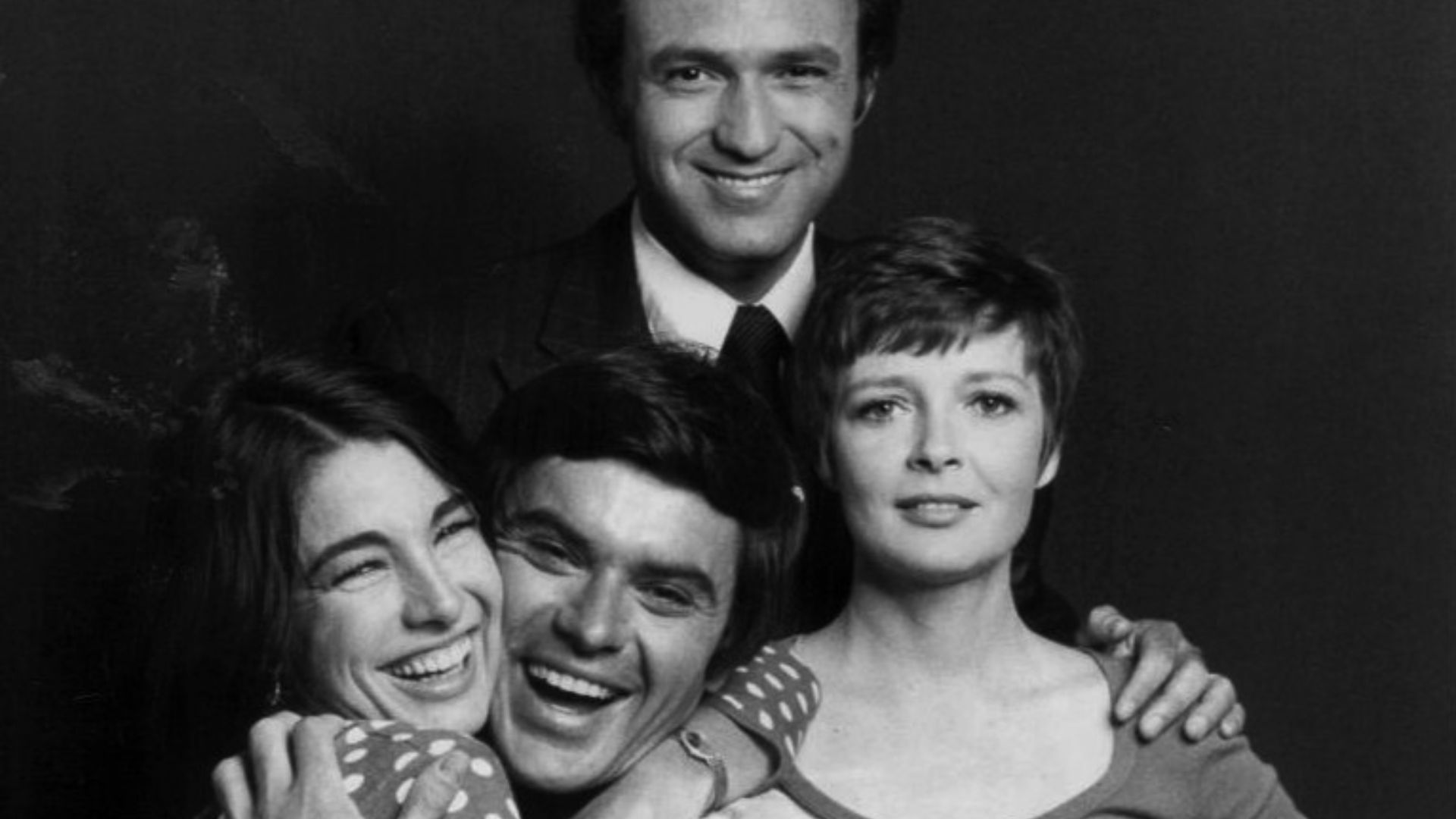 Screen Gems, Wikimedia Commons
The First Big Break: SWAT
In 1975, Urich was cast as Officer Jim Street on ABC’s SWAT. The show was a hit but lasted only two seasons. Cancellation came fast, and Urich learned early how unstable television success could be.
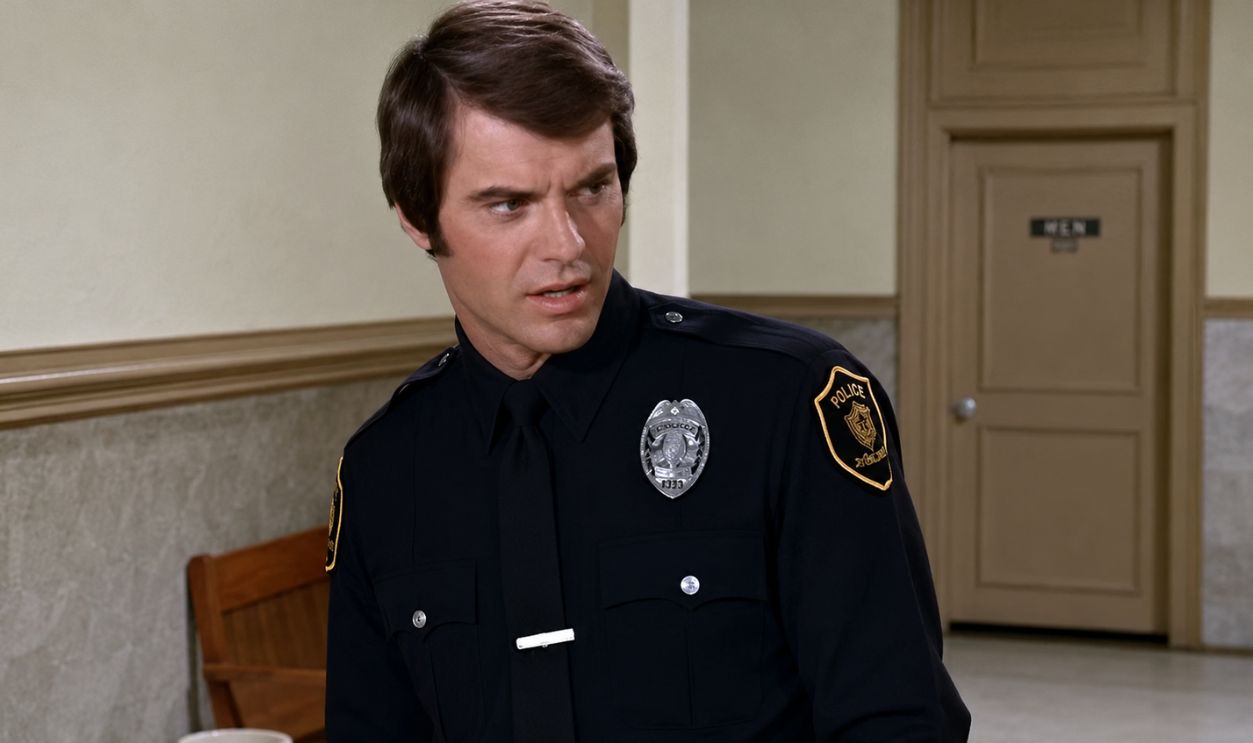 Screenshot from S.W.A.T., CBS (1975)
Vega$ and the Flashy Leading Man Era
In 1978, Urich became Dan Tanna on Vega$. Filmed on location in Las Vegas, he became a recognizable prime-time star. Yet even that success ended in 1981 after three seasons, forcing him to rebuild once again.
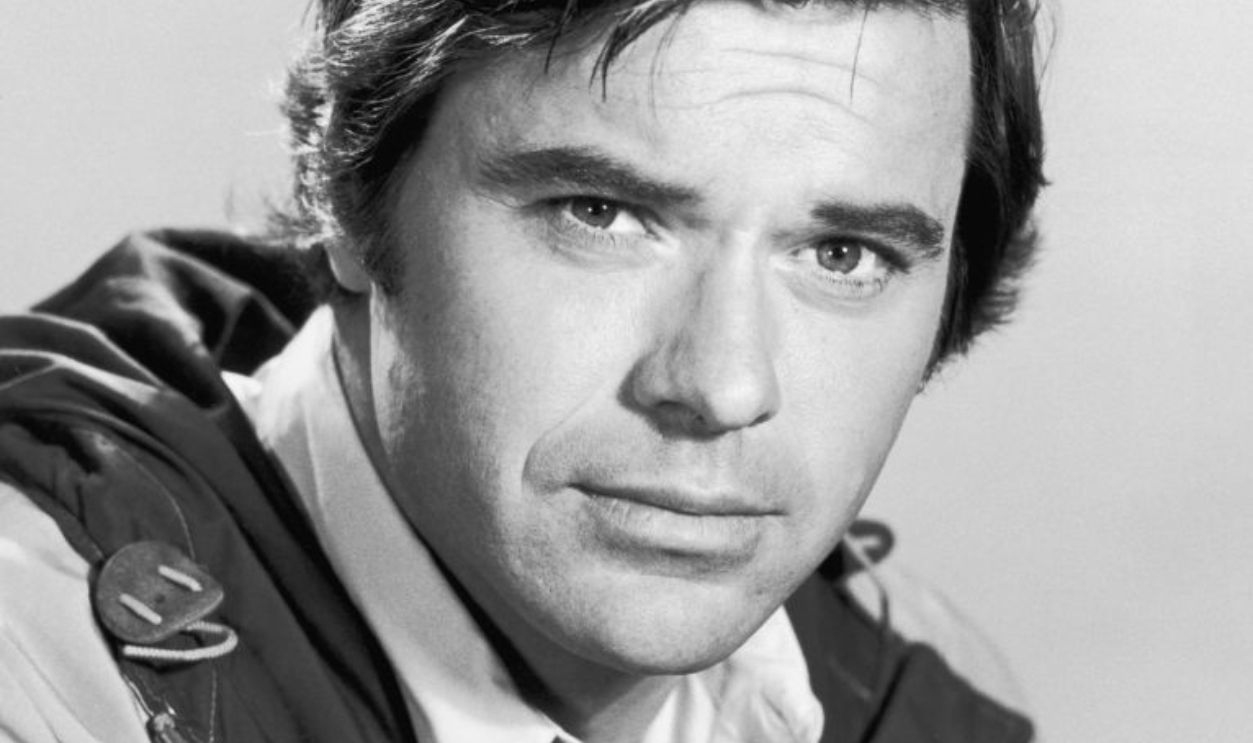
A Career of Restarts
Throughout the early 1980s, Urich starred in short-lived series like Gavilan (1982). Most actors would have faded. Urich simply tried again. Producers often described him as steady, professional, and ego-free.
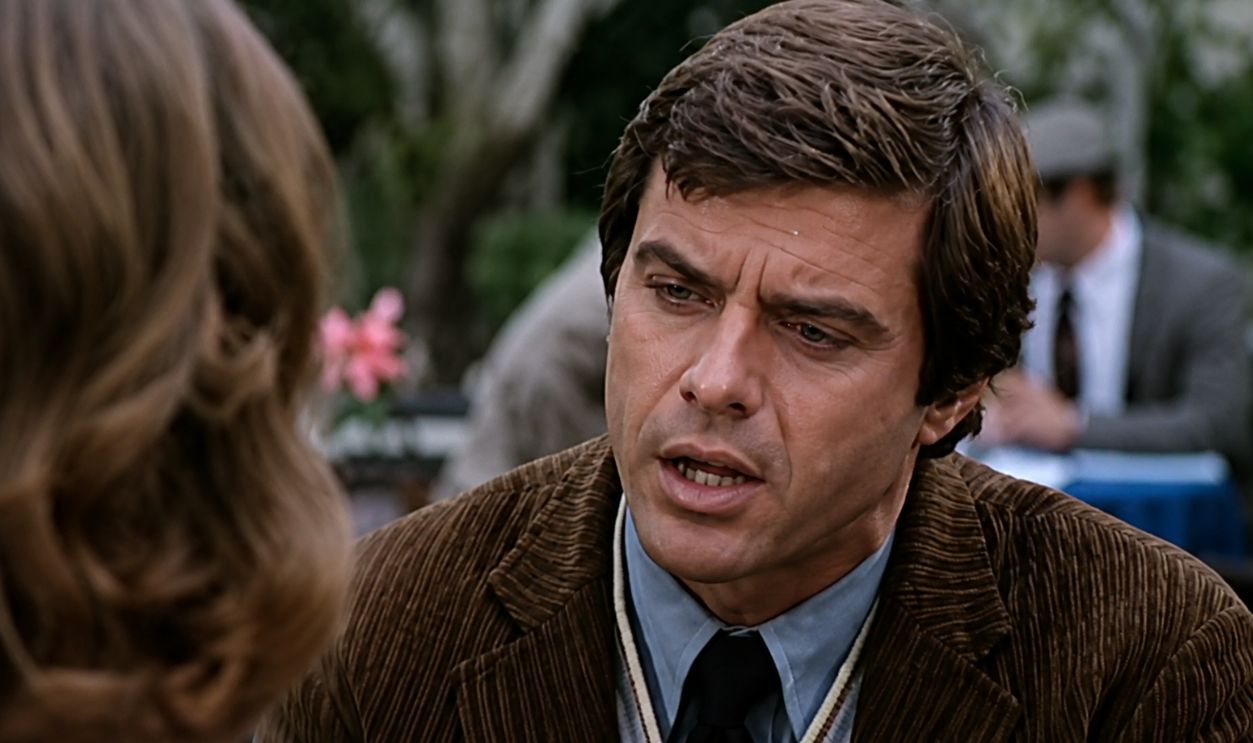 Screenshot from Gavilan, NBC (1982)
Spencer: For Hire Rebuilds His Reputation
In 1985, Urich landed the title role in Spenser: For Hire. Based on Robert B Parker’s novels, the show ran until 1988 and restored his credibility. Once again, he had rebuilt his standing.
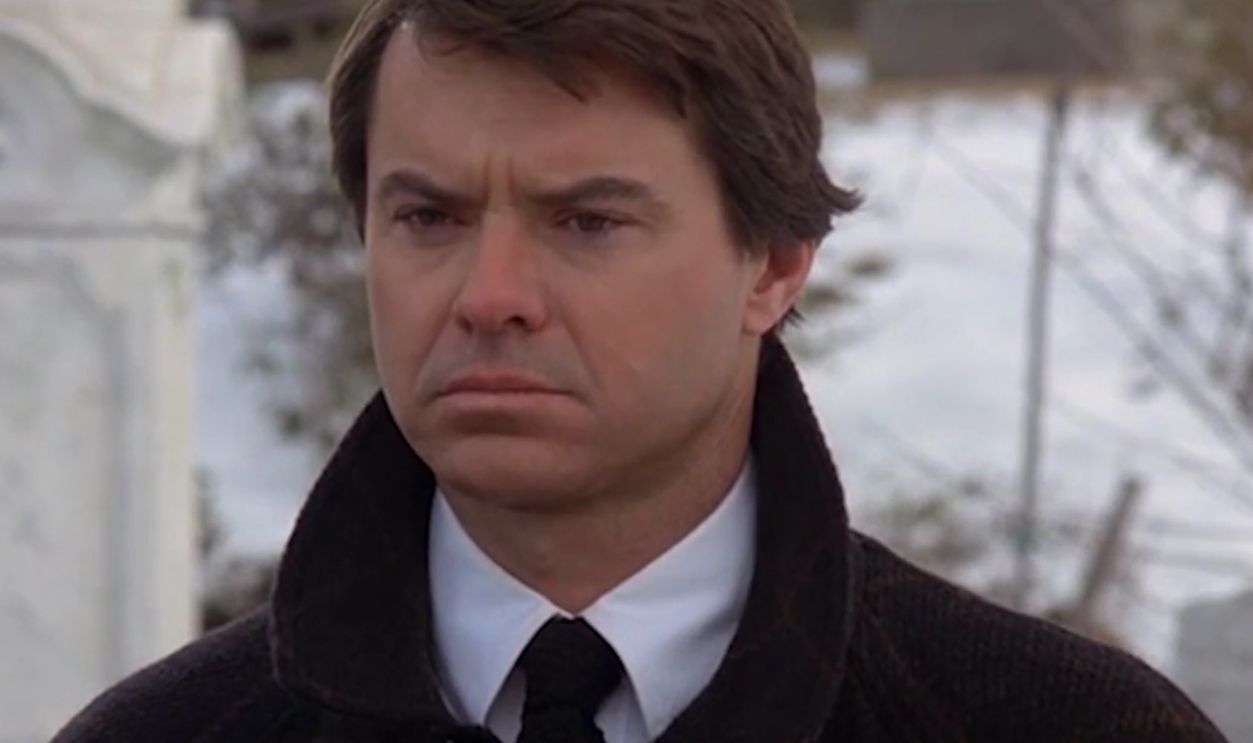 Screenshot from Spenser: For Hire, ABC (1985)
A Pattern of Persistence
By the mid-1990s, Urich had starred in multiple series that had come and gone. Yet he remained one of television’s most reliable leading men. That resilience would soon be tested in ways far more personal.
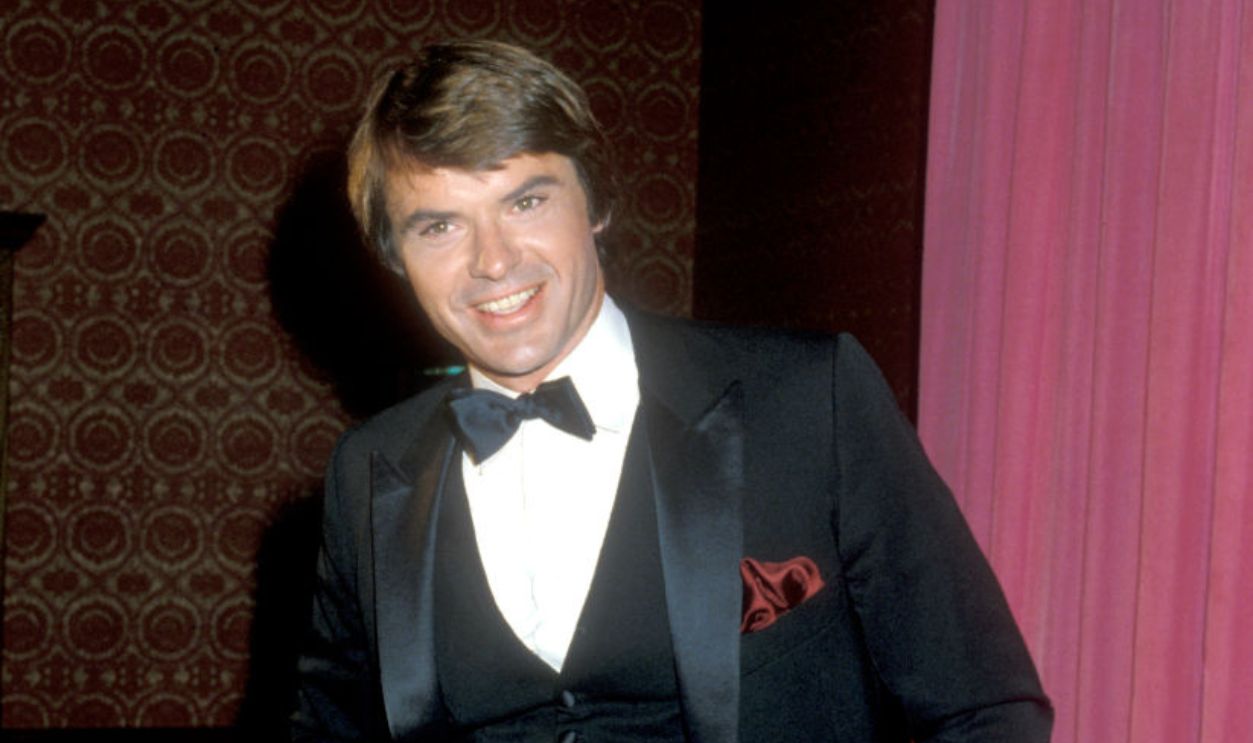
The Devastating Diagnosis
In 1996, Urich was diagnosed with synovial sarcoma, a rare and aggressive cancer. He was just 49. Doctors warned him the prognosis was serious. Urich publicly declared, “I’m going to fight.”
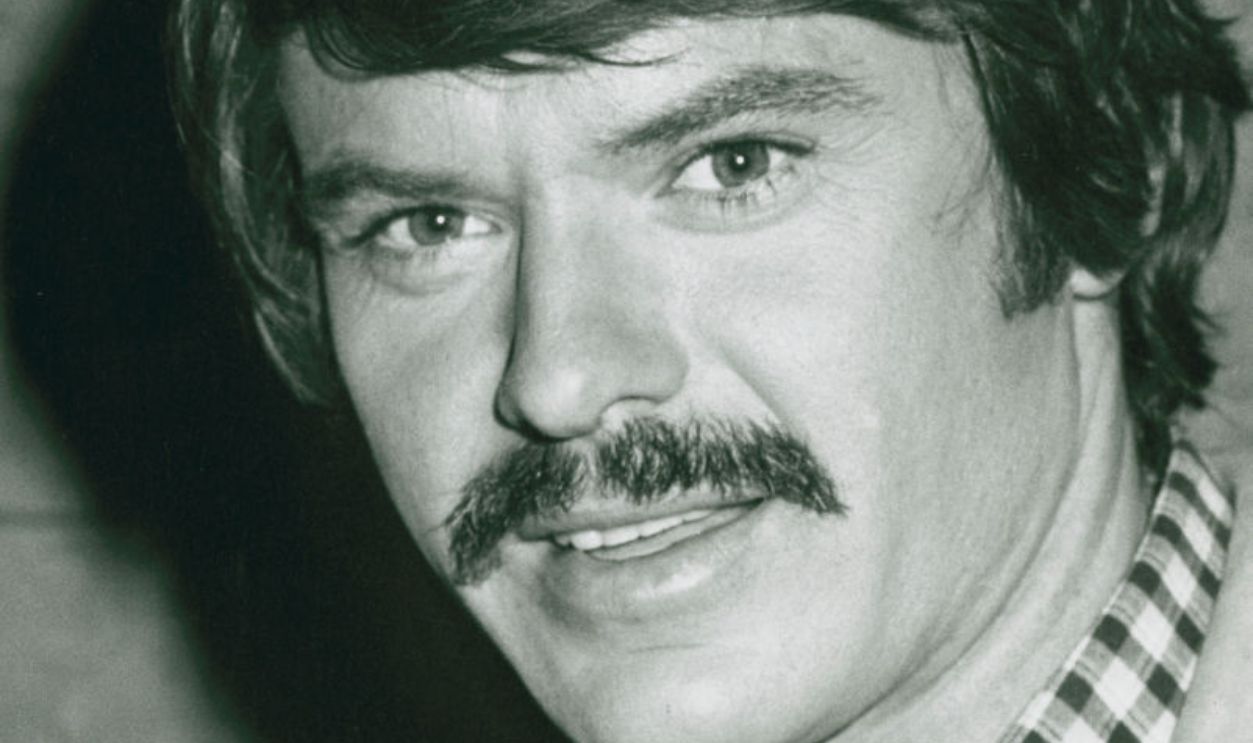
The Lazarus Man and a Cruel Twist
At the time of his diagnosis, Urich was starring in The Lazarus Man, produced by Castle Rock Entertainment and airing on TNT. But soon after his diagnosis became public, production was abruptly halted.
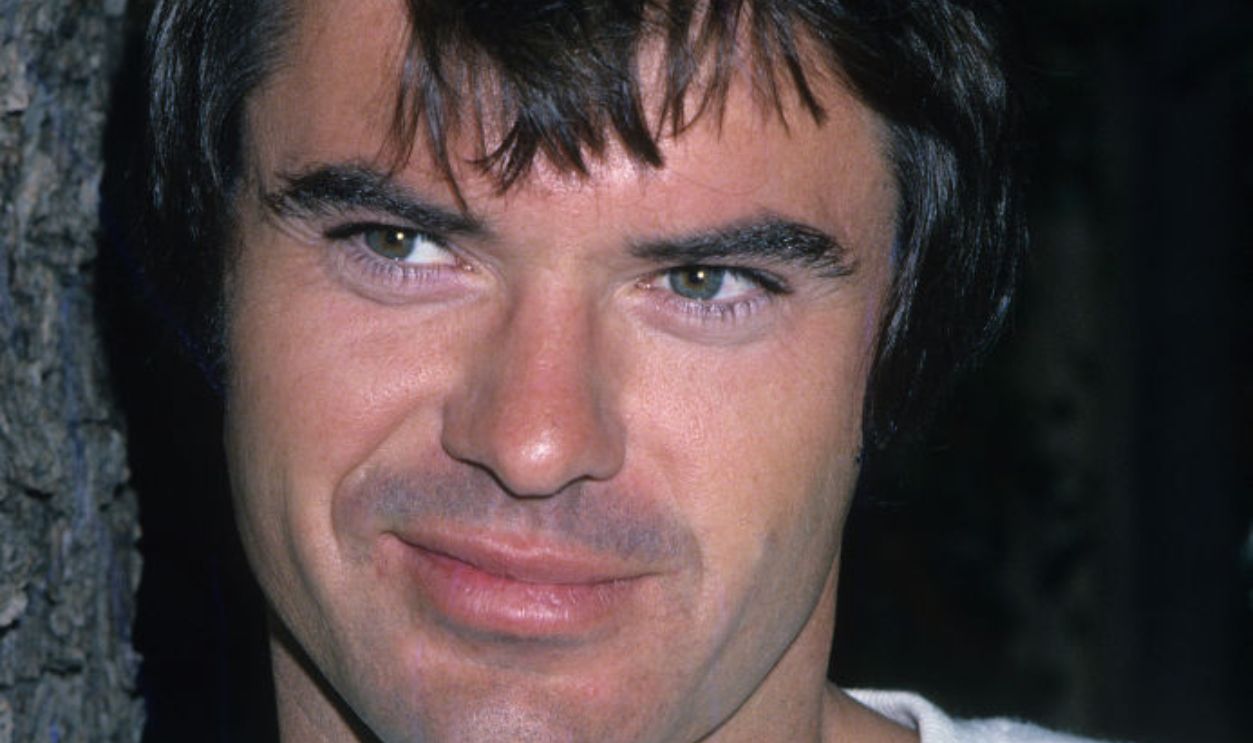 Michael Ochs Archives, Getty Images
Castle Rock Pulls the Plug
In November 1996, Castle Rock Entertainment announced the series would not continue beyond its initial season. Officially, executives cited financial concerns and ratings. Urich had a different theory.
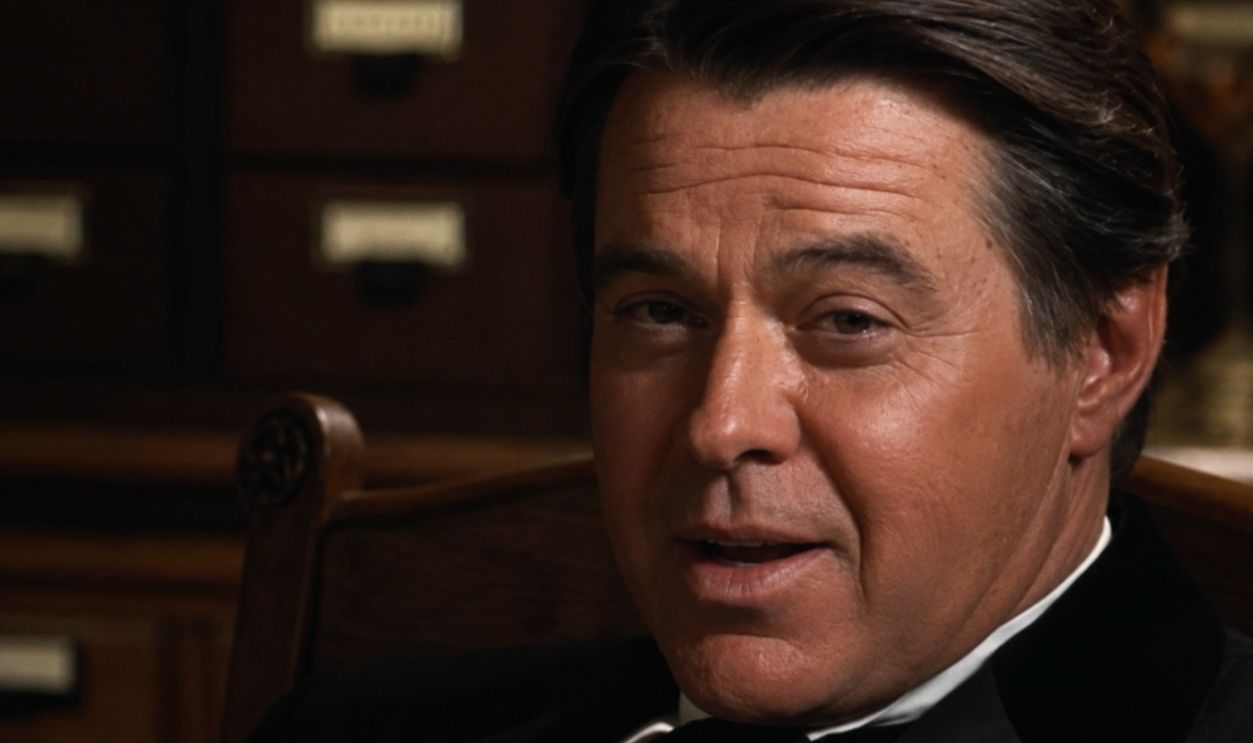 Screenshot from The Lazarus Man, TNT (1996)
Allegations of Discrimination
Urich publicly stated he believed the cancellation was influenced by his cancer diagnosis. He argued that the studio had assured him production would continue, only to end filming after his health battle became known.
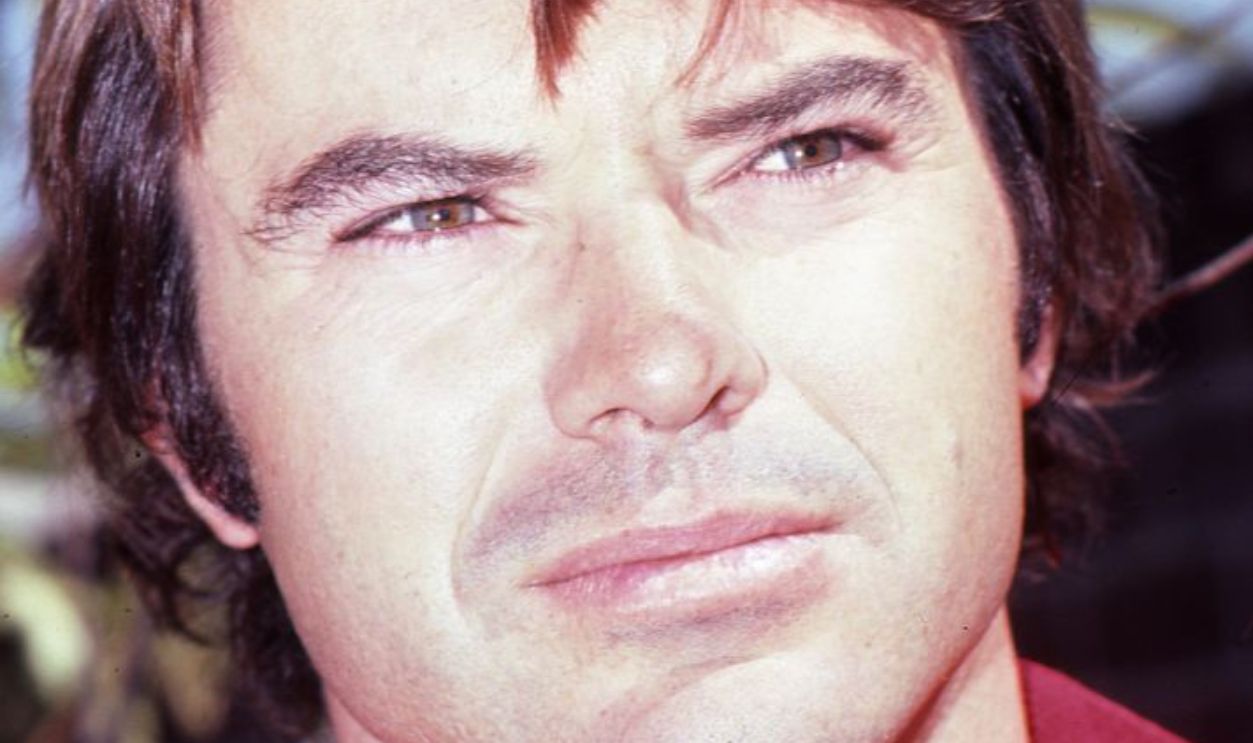 Donaldson Collection, Getty Images
The Lawsuit That Followed
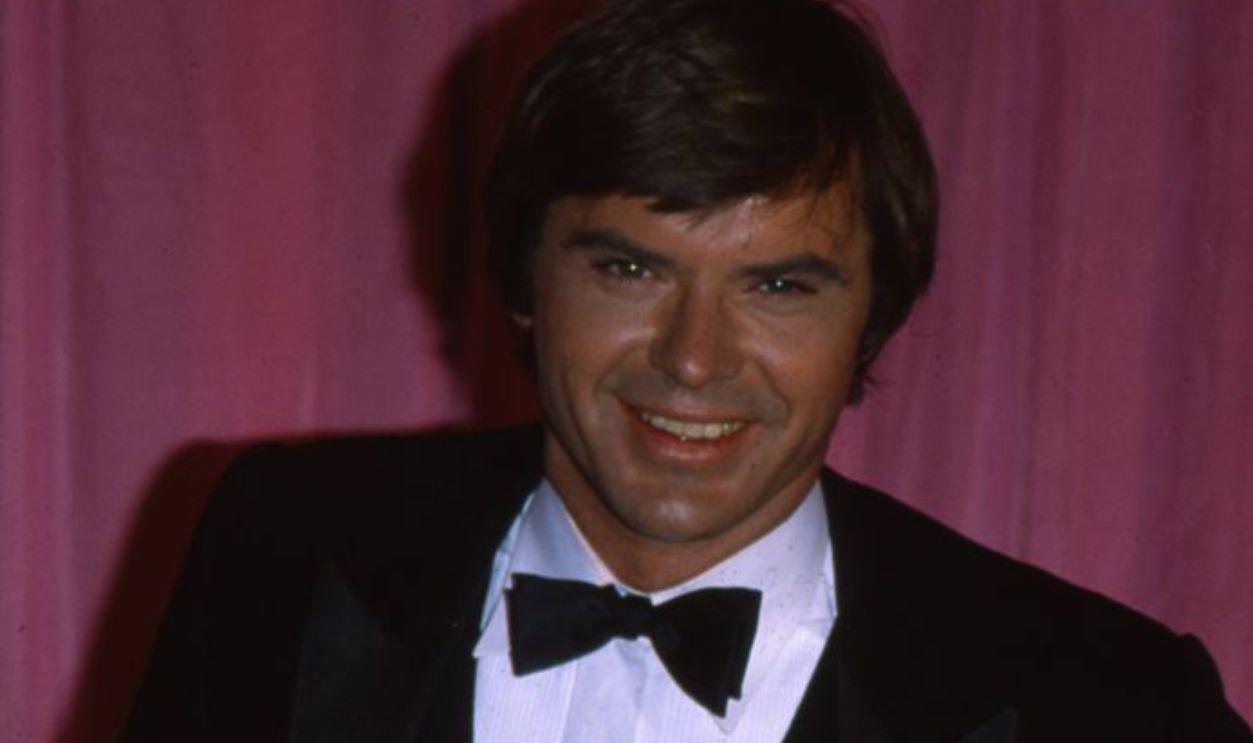
In 1997, Urich filed a lawsuit against Castle Rock Entertainment and Warner Bros., alleging disability discrimination. The suit claimed he had been wrongfully terminated because of his medical condition.
 Donaldson Collection, Wikimedia Commons
Standing Up Publicly
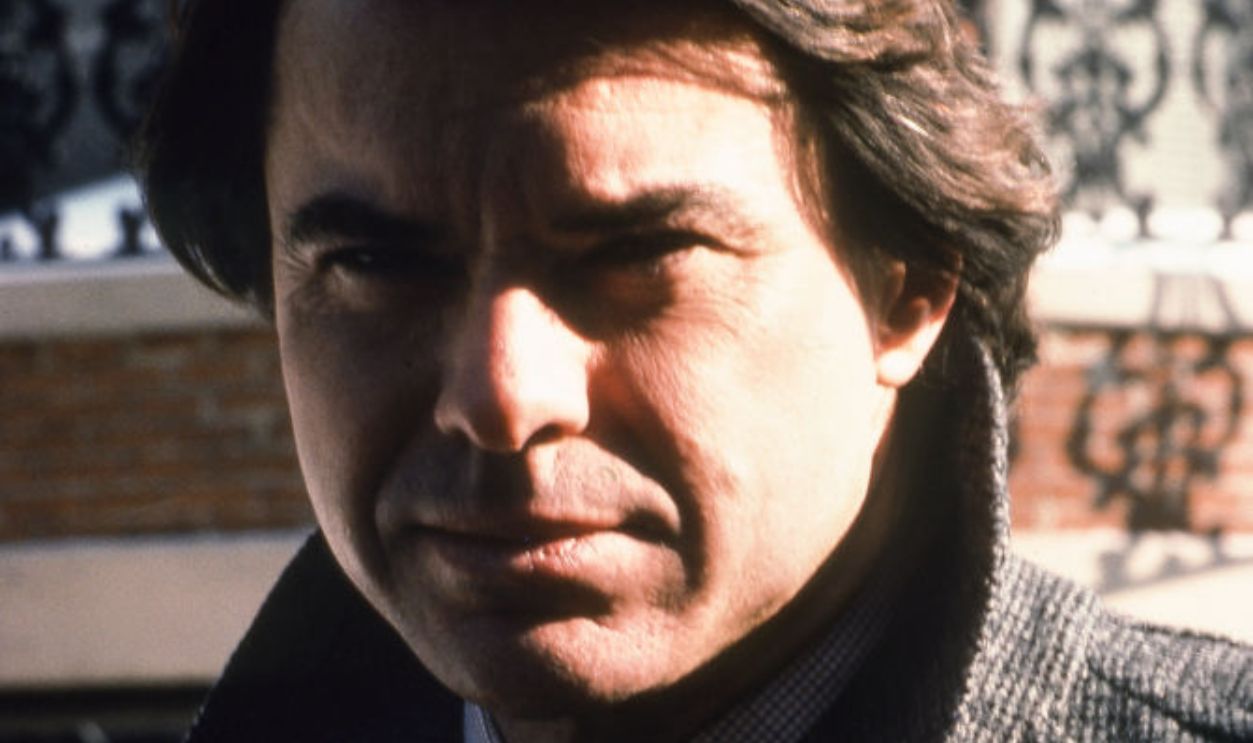
Rather than quietly settle, Urich spoke openly about what he felt was unfair treatment. He stated he hoped the case would protect others facing serious illness and discrimination in the entertainment industry.
Settlement and a Larger Mission
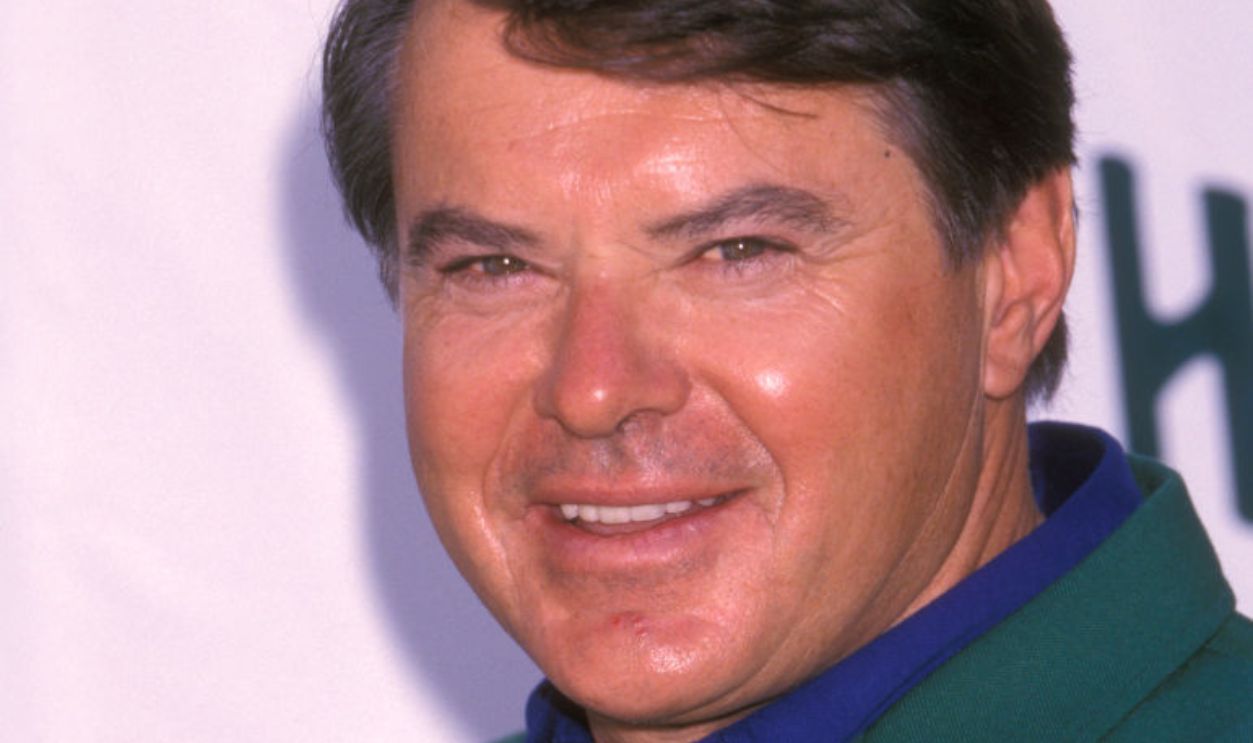
In 1998, the lawsuit was settled out of court for a confidential sum. Urich emphasized that his goal was not only compensation but awareness and dignity for others facing medical hardship.
Advocacy Becomes Personal
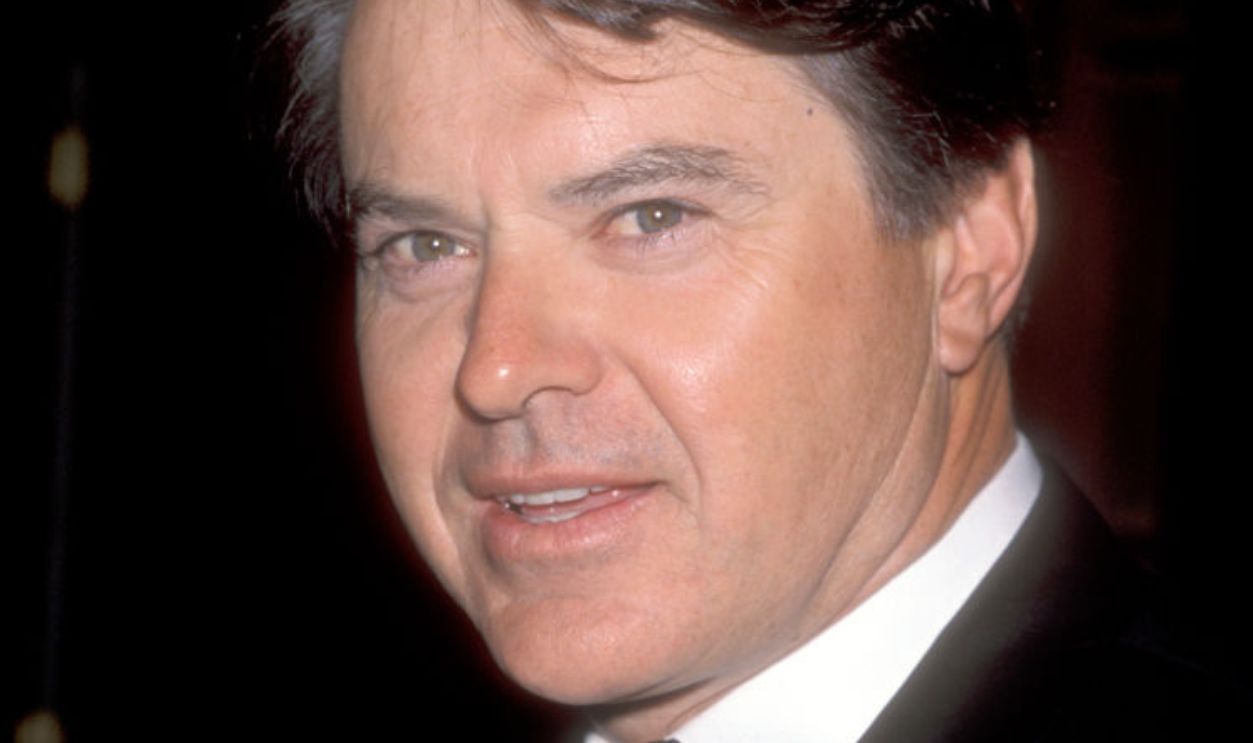
Urich intensified his advocacy for cancer research and patient rights. He and his wife, actress Heather Menzies, founded the Robert Urich Foundation to fund research and support families facing cancer.
Refusing to Disappear
Despite everything, Urich returned to television with Love Boat: The Next Wave in 1998. Many assumed his leading-man days were finished. Once again, he proved critics wrong.
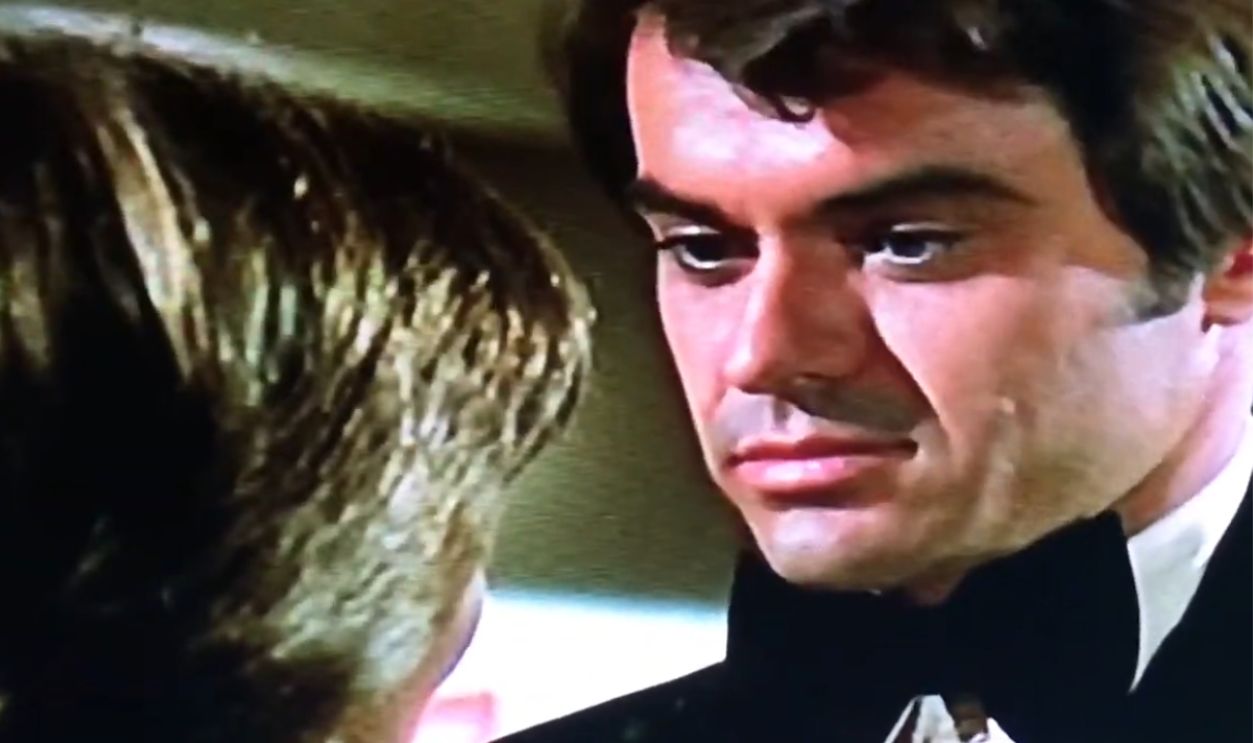 Screenshot from Love Boat: The Next Wave, UPN (1998-1999)
Broadway and Reinvention
In 1999, he took on the role of Billy Flynn in Broadway’s Chicago. Singing and dancing through recovery, Urich showed audiences yet another reinvention.
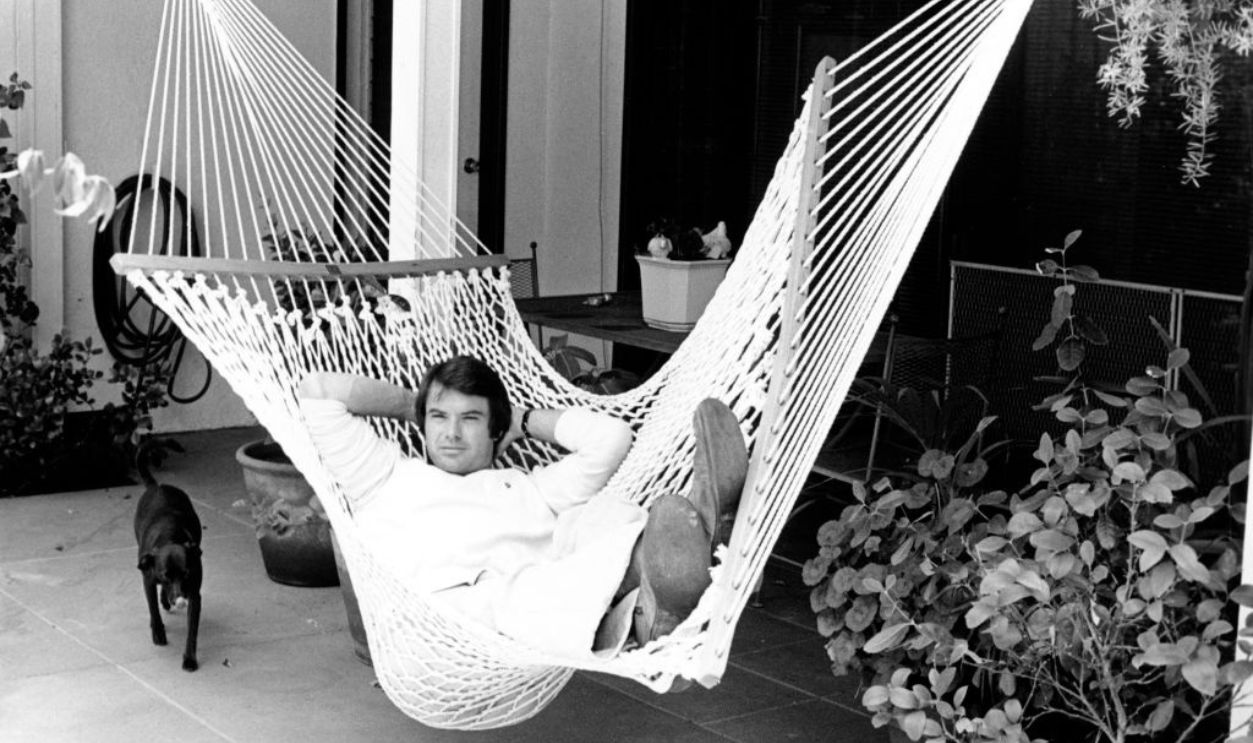 Michael Ochs Archives, Getty Images
The Final Diagnosis
In 2001, Urich’s cancer returned. Treatments became more aggressive, yet he remained publicly optimistic and continued speaking about resilience.
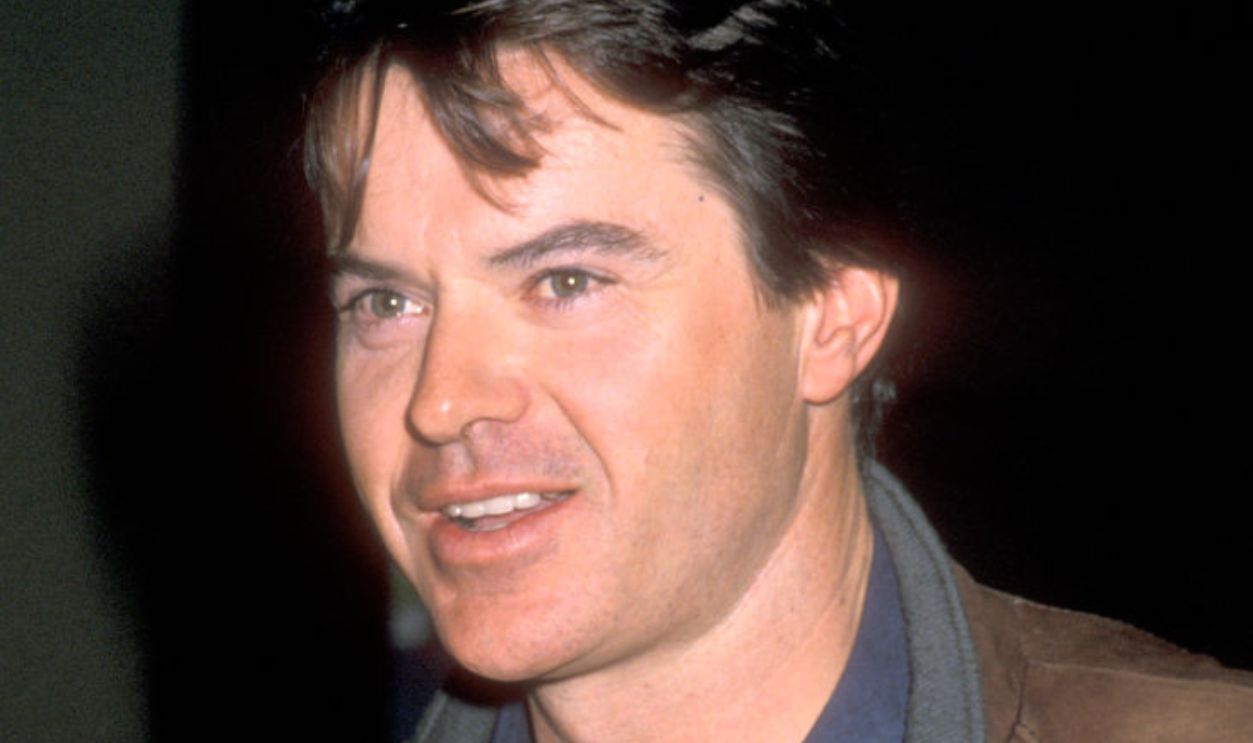
His Passing in 2002
Robert Urich died on April 16, 2002, in Thousand Oaks, California, at age 55. His battle had been public, courageous, and deeply human.
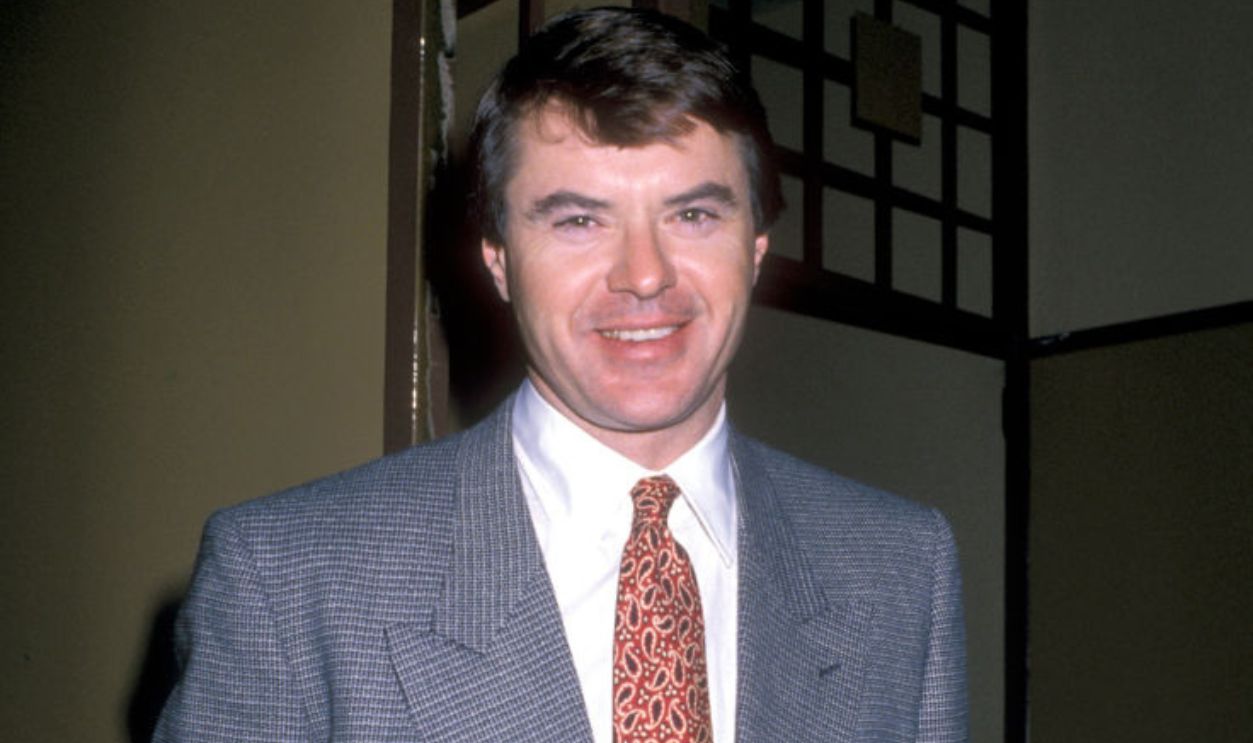
A Different Kind of Hero
On-screen, he played detectives and action heroes. Off-screen, he challenged corporate decisions, advocated for patients, and refused to be quietly sidelined.
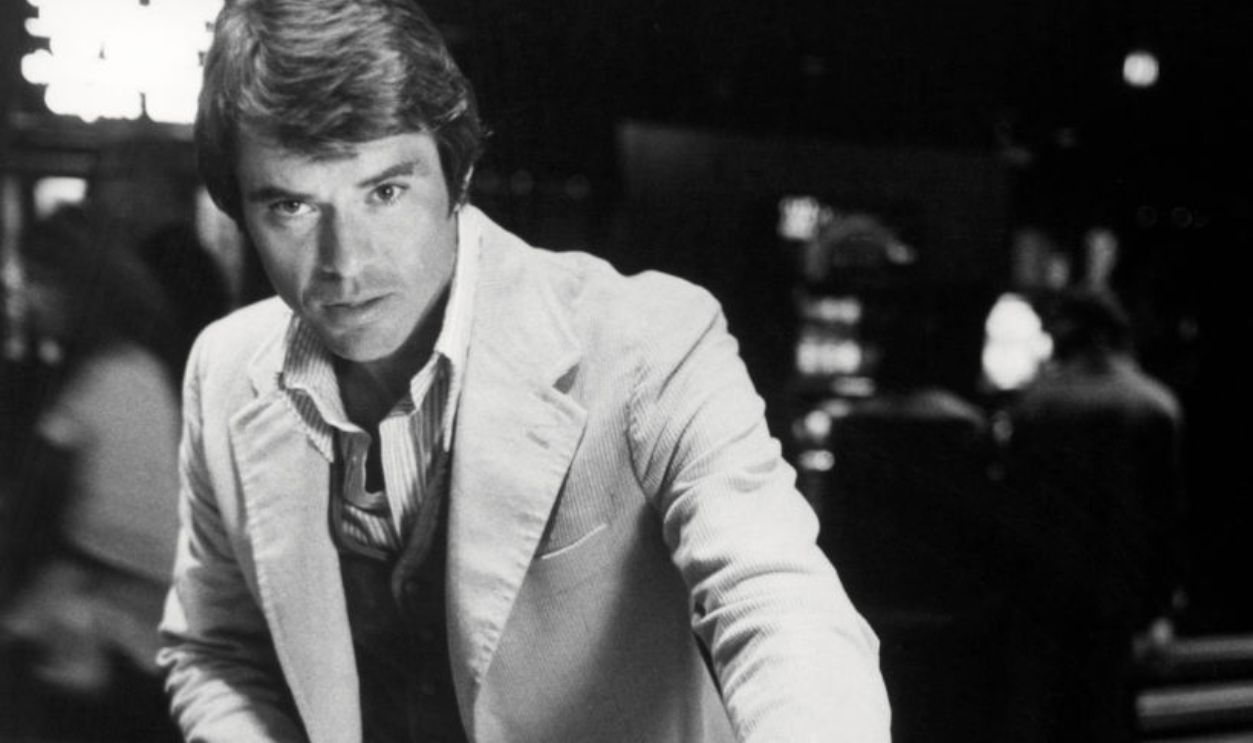 Silver Screen Collection, Getty Images
The Legacy He Left Behind
Robert Urich proved that resilience can be louder than ratings. Even when a studio shut down his show during his illness, he rebuilt again and turned personal hardship into purpose.
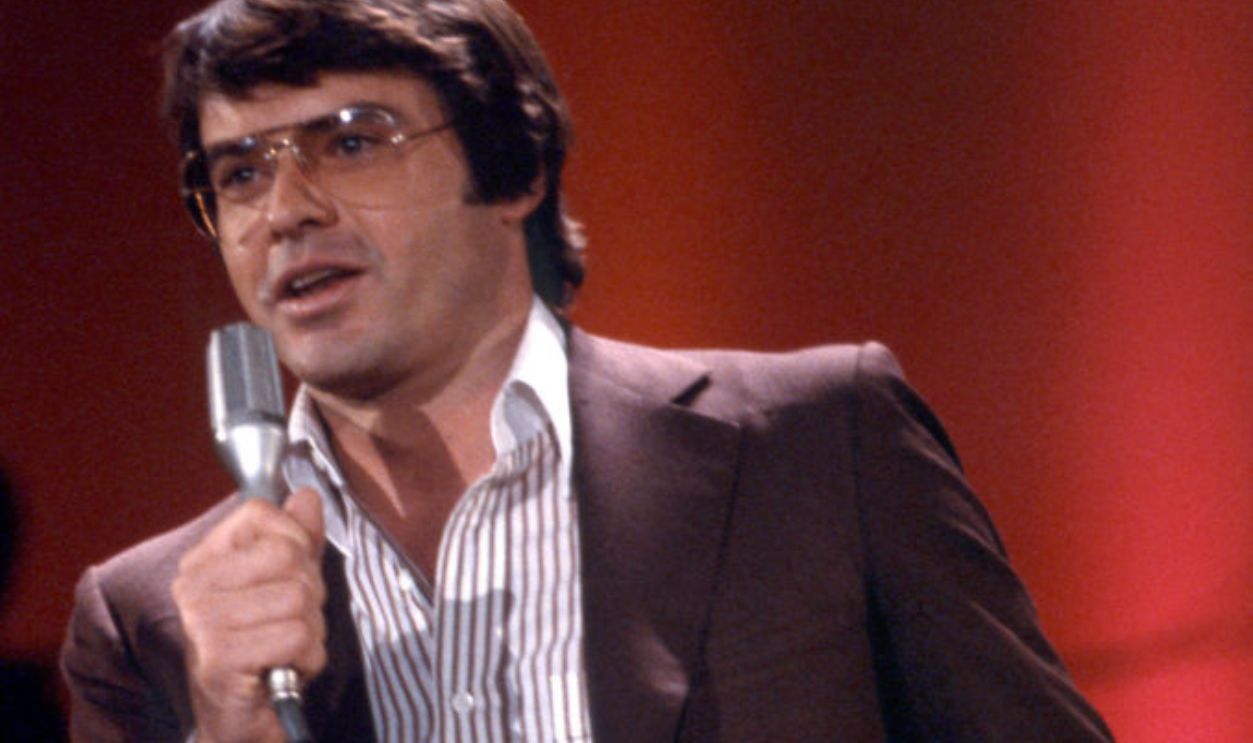 Donaldson Collection, Getty Images
You May Also Like:
While famous across America for his role as Uncle Jesse on The Dukes of Hazzard—Denver Pyle never truly lived like a Hollywood star.
Behind his wholesome television persona, Bob Crane led a double life that shocked even the darkest corners of Hollywood.