Nobody At Cheers Was Safe
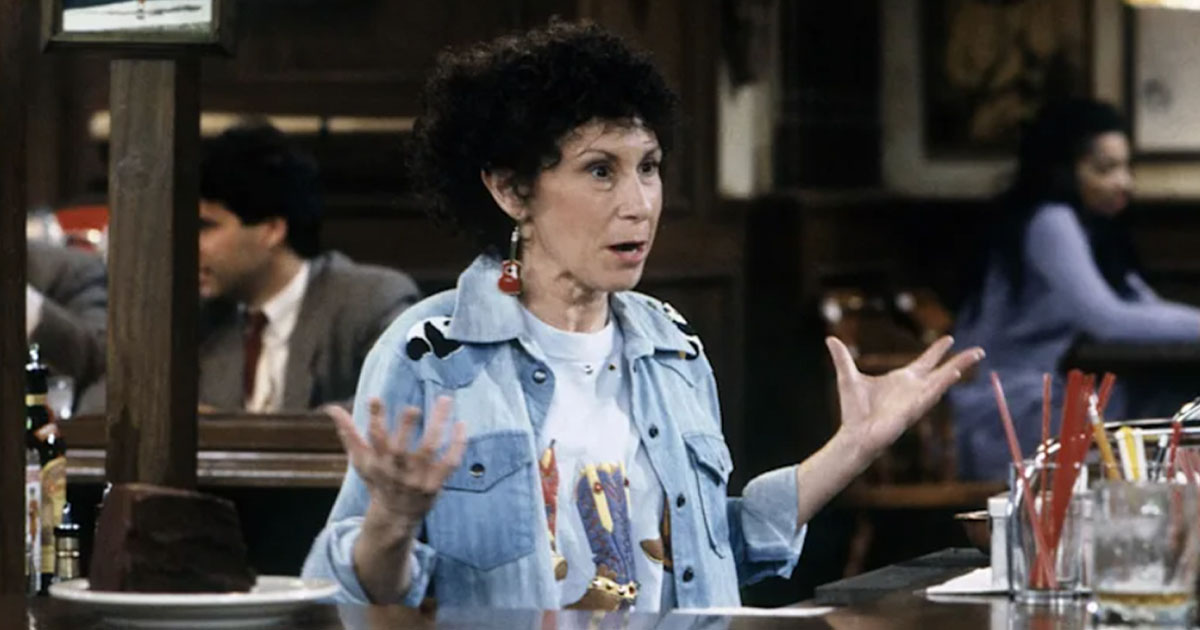
As the furious, fearless Carla Tortelli, Rhea Perlman could flatten an ego before delivering a single drink. Yet beneath Carla’s merciless insults was a fiercely loyal working mother—and beneath that famous waitress uniform was a gifted actress who helped make Cheers one of television’s greatest comedies.
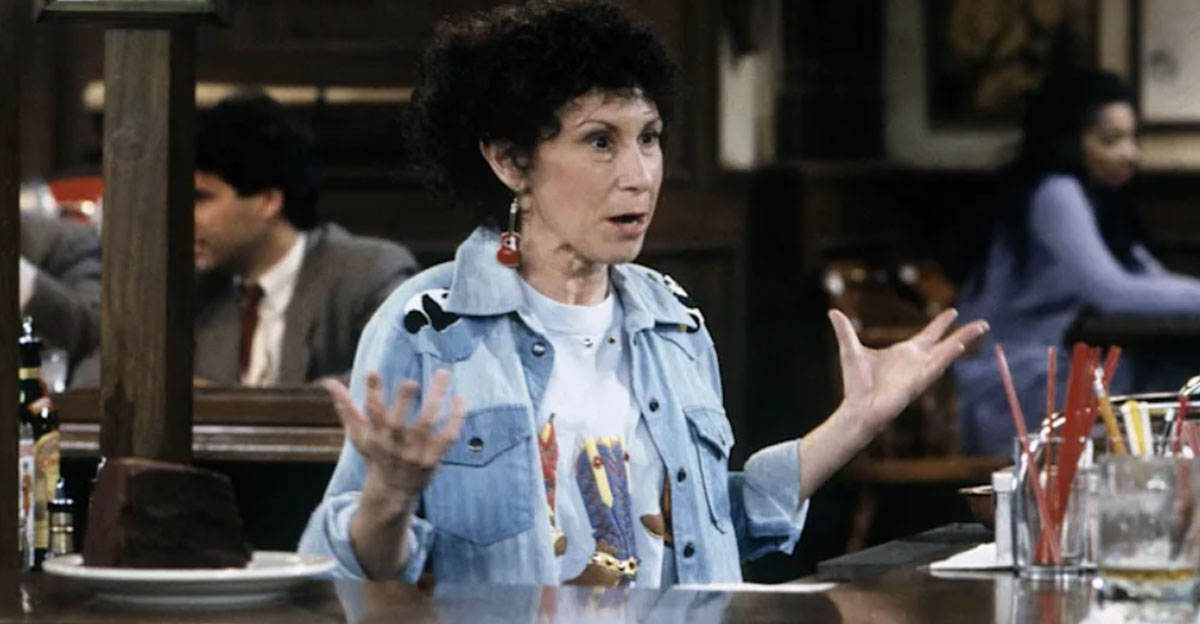 NBC Network, Cheers (1982-1993)
She Was A Brooklyn Girl
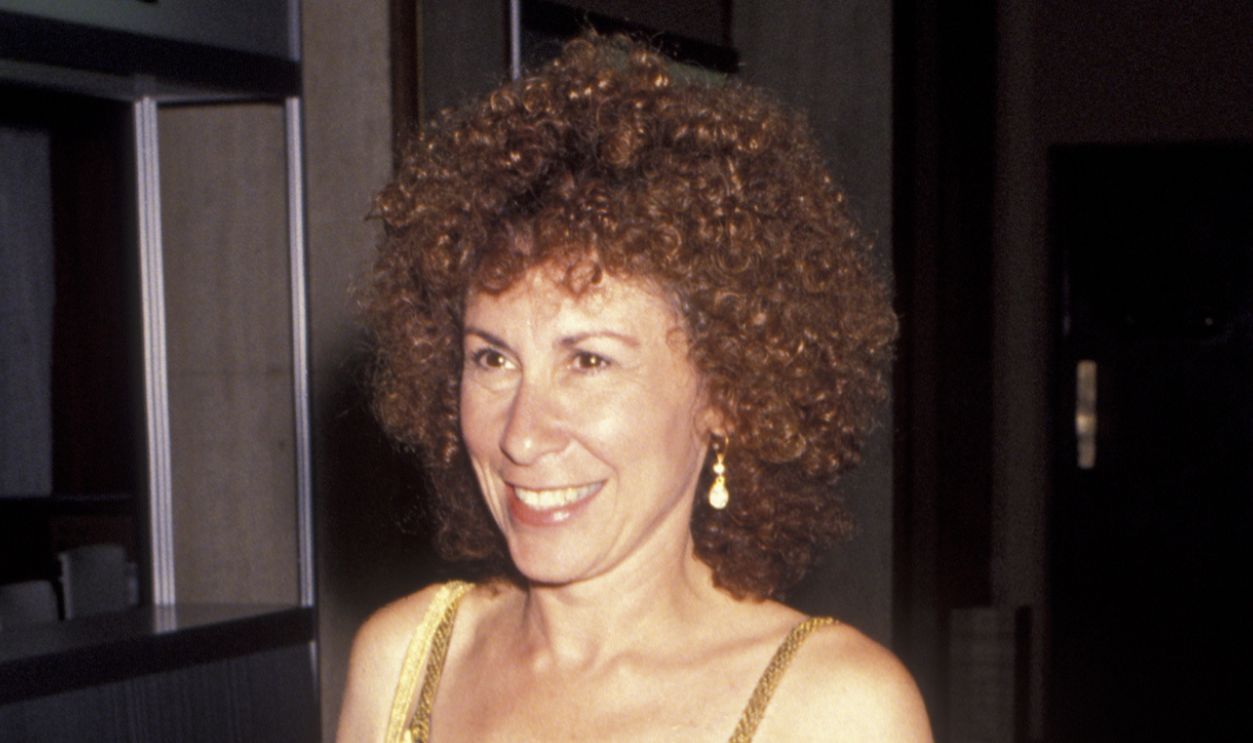
Rhea Jo Perlman was born in Brooklyn, New York, on March 31, 1948. Her father, Philip, worked in the toy business, while her mother, Adele, was a bookkeeper. The future television firecracker grew up in a Jewish household alongside her younger sister, Heide.
 Ron Galella, Ltd., Getty Images
Acting Was Not An Obvious Career
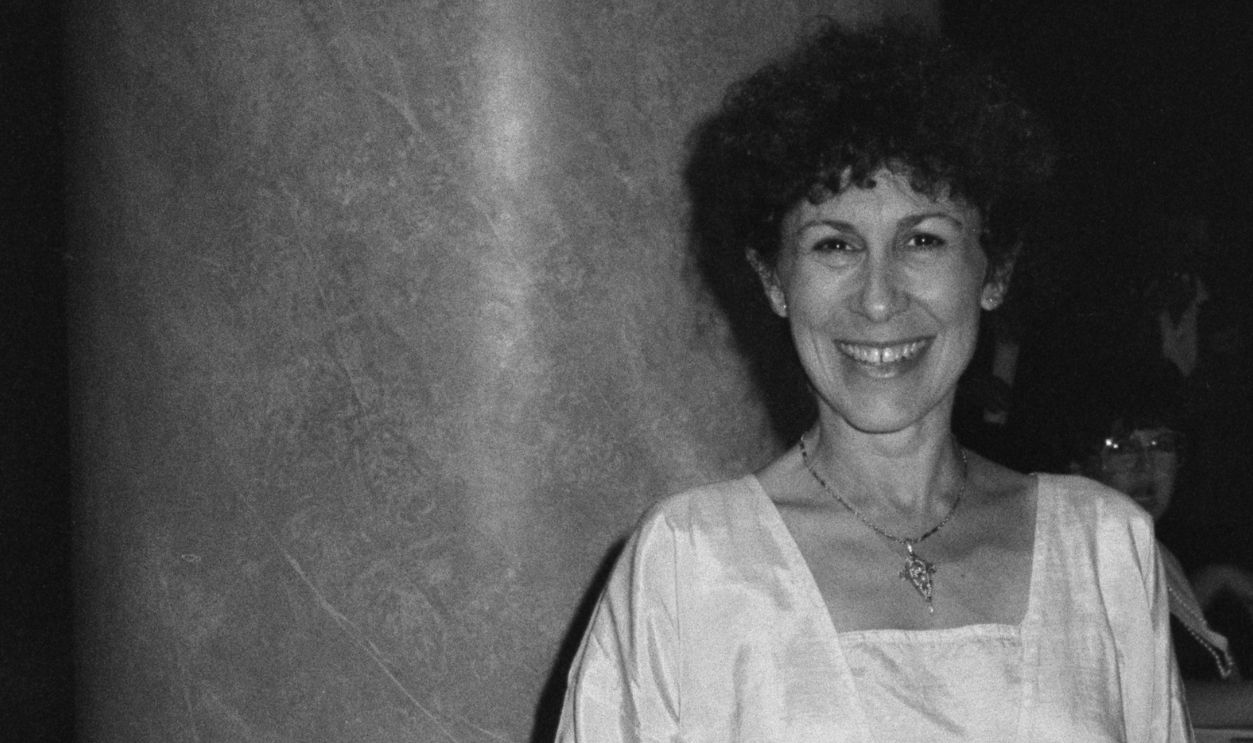
Perlman enjoyed performing but did not grow up surrounded by professional entertainers. She studied drama at Hunter College, then began pursuing acting after graduation. Like many young New York performers, she discovered that becoming an actress involved considerably more waiting, auditioning, and improvising than anyone advertised.
She Worked At A Veterinarian’s Office
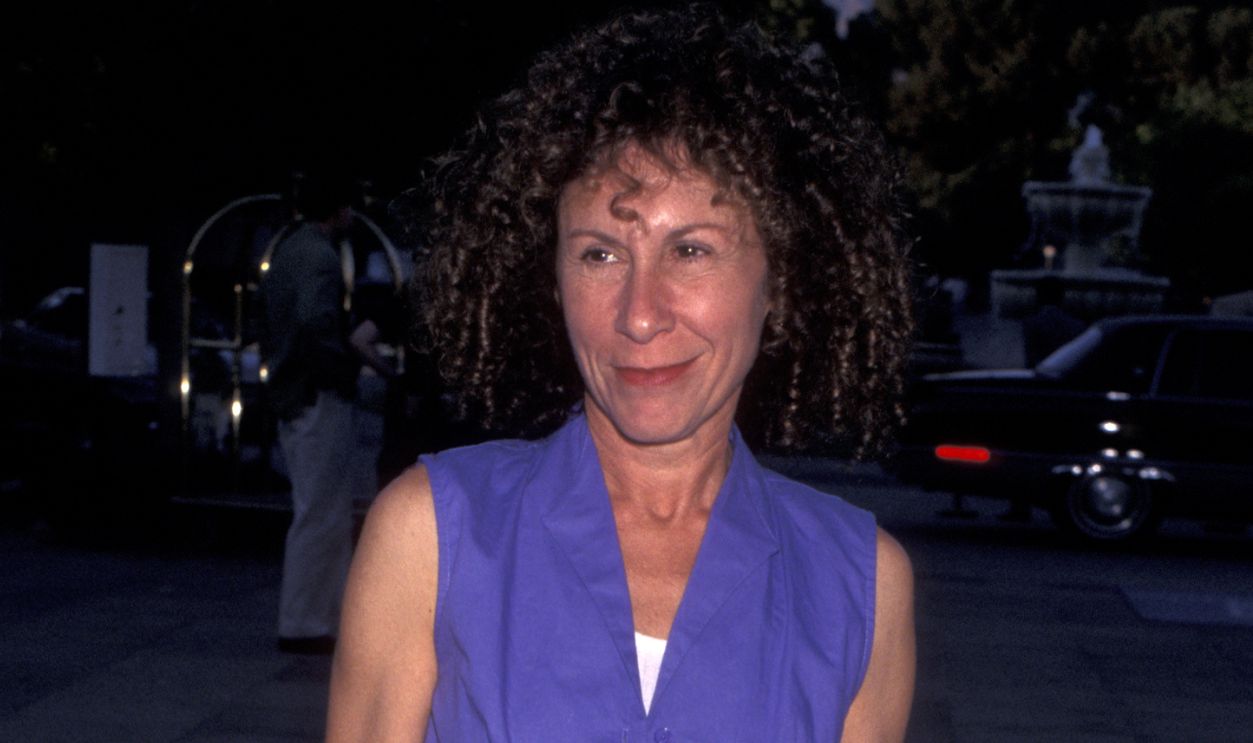
While trying to establish herself, Perlman supported herself by working as an assistant in a veterinarian’s office. Acting classes and tiny productions filled the remaining hours. Stardom was not arriving quickly, but she was gradually learning how to make even a small role impossible to ignore.
 Ron Galella, Ltd., Getty Images
Then She Saw Danny DeVito Onstage
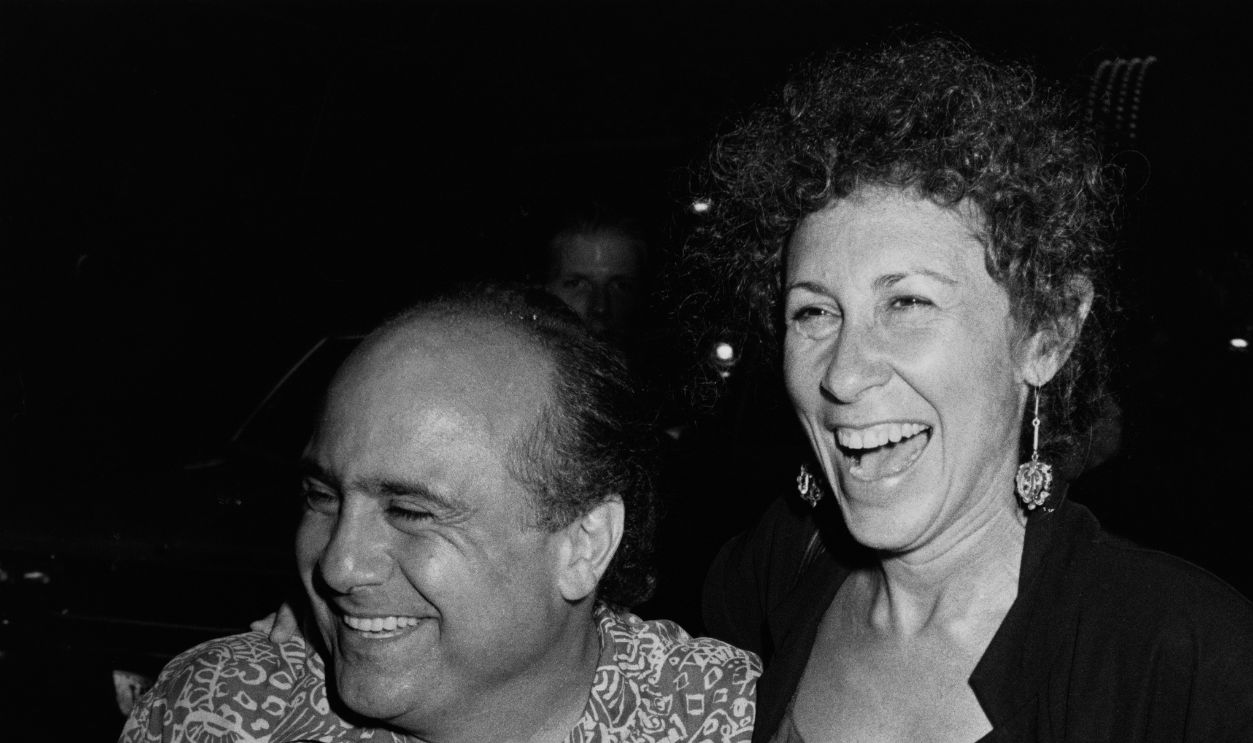
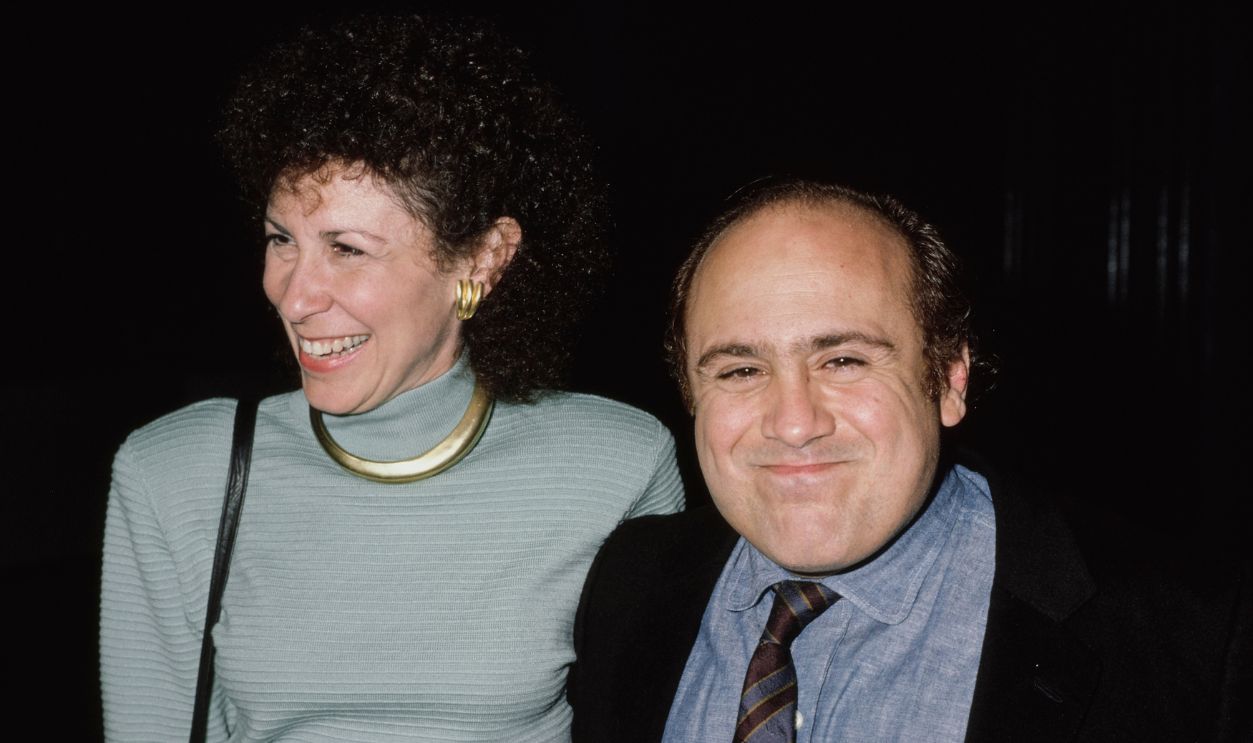
In January 1971, Perlman attended an Off-Broadway performance of The Shrinking Bride to support a friend. Danny DeVito happened to be appearing in the play. Perlman was immediately interested, and their connection developed with a speed that would make most romantic comedies seem cautiously paced.
They Moved In Together Almost Immediately
Perlman and DeVito reportedly moved in together approximately two weeks after meeting. They shared an affection for experimental theater, unusual comedy, and tiny independent film projects. Long before either became famous, they were already building a creative partnership alongside their personal one.
 Michael Ochs Archives, Getty Images
Her Earliest Roles Were Tiny
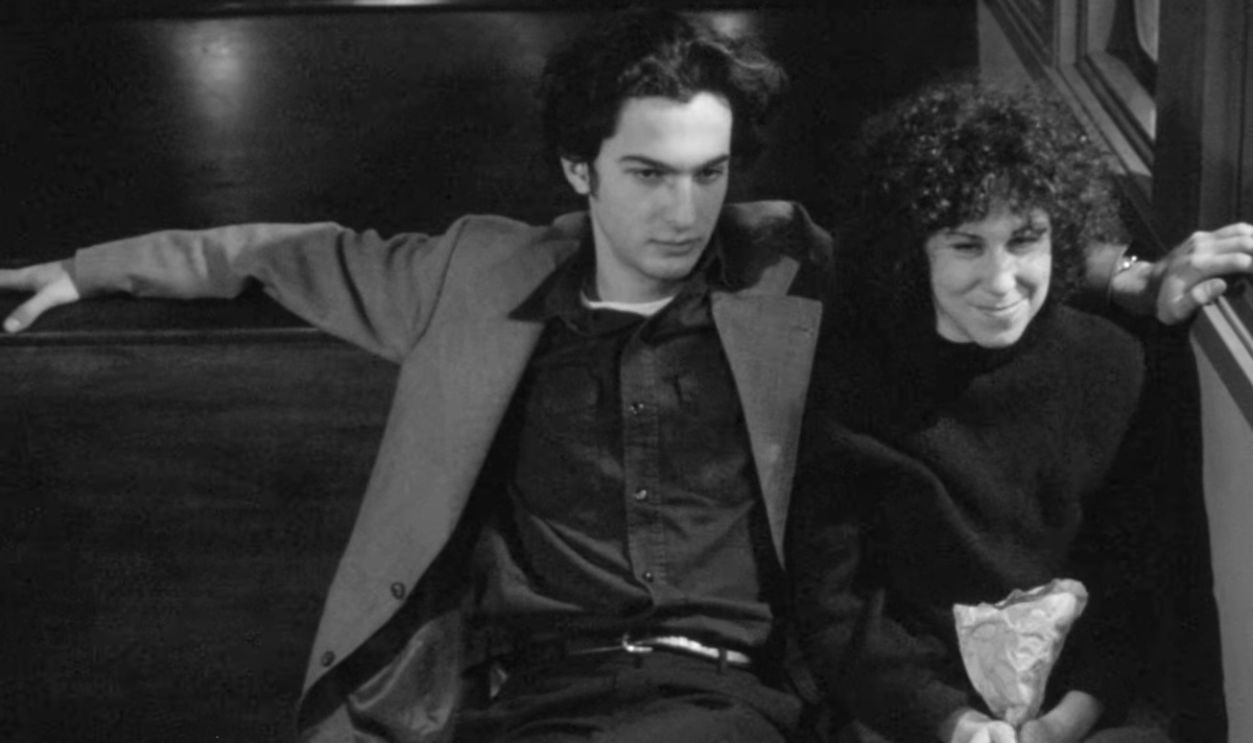
Perlman appeared in Off-Off-Broadway productions and had a small part in the 1972 short film Hot Dogs for Gauguin, which also featured DeVito. The jobs were hardly glamorous, but they allowed her to develop the grounded, unsentimental comic style that would later define Carla.
 Screenshot from Hot Dogs for Gauguin, New York State Council on the Arts (1972)
Taxi Gave Her Television Exposure
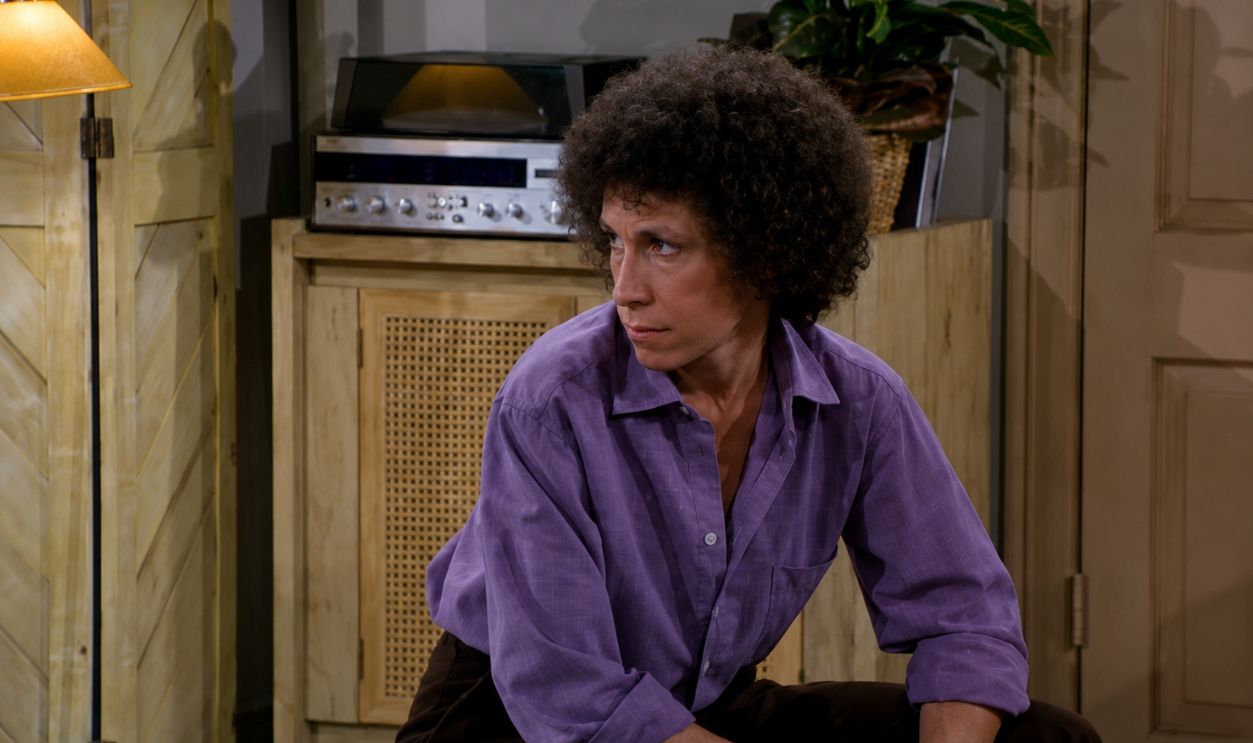
Perlman received a recurring role on Taxi as Zena Sherman, the surprisingly sweet girlfriend of DeVito’s spectacularly unpleasant dispatcher, Louie De Palma. Their genuine chemistry helped sell the improbable romance, although Zena was almost the complete opposite of the character that would make Perlman famous.
 Screenshot from Taxi, ABC (1978–1983), Enhanced
The Creators Remembered Her
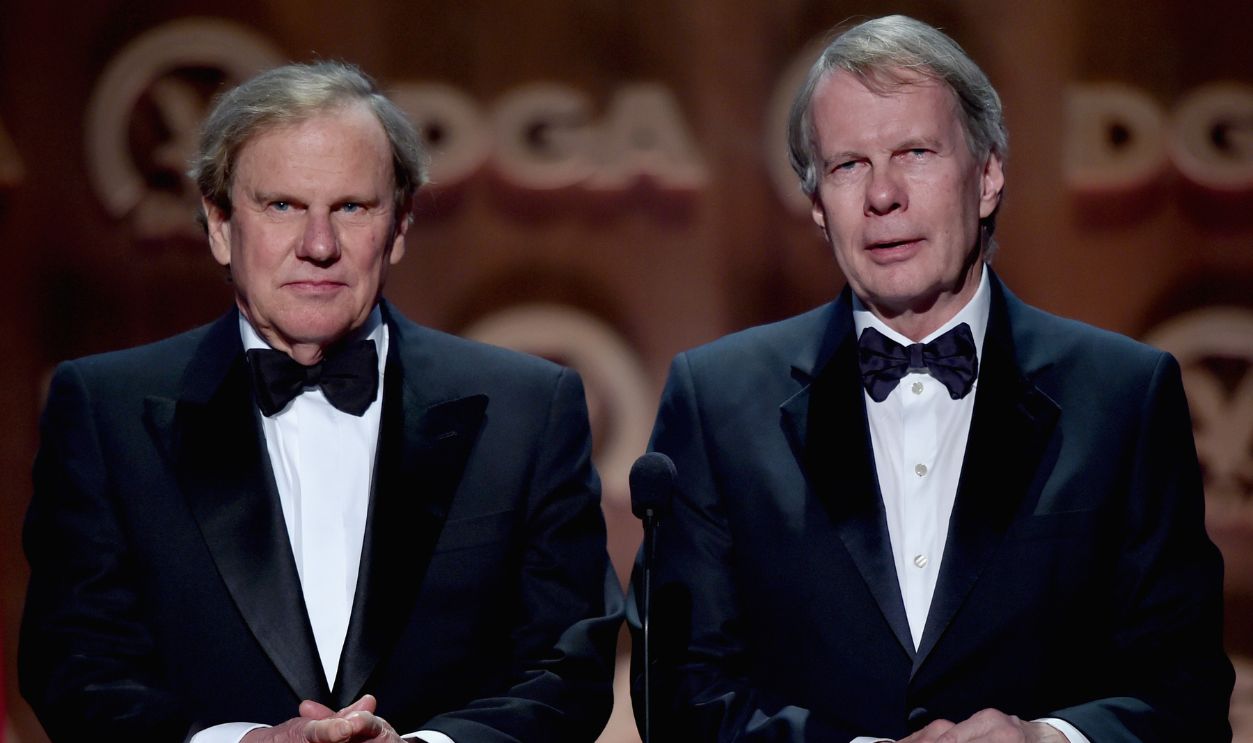
Glen and Les Charles, who wrote and produced episodes of Taxi, knew what Perlman could do. They later saw her portray a tougher, tomboyish woman in a New York one-act play. That performance helped them imagine her as a far more aggressive television character.
 Alberto E. Rodriguez, Getty Images
Carla Was Written With Her In Mind
When the Charles brothers and director James Burrows developed a sitcom set inside a Boston bar, they created Carla Tortelli as a cynical, sharp-tongued waitress. Perlman later explained that the producers were thinking of her for the role—but she still had to endure a nerve-racking audition process.
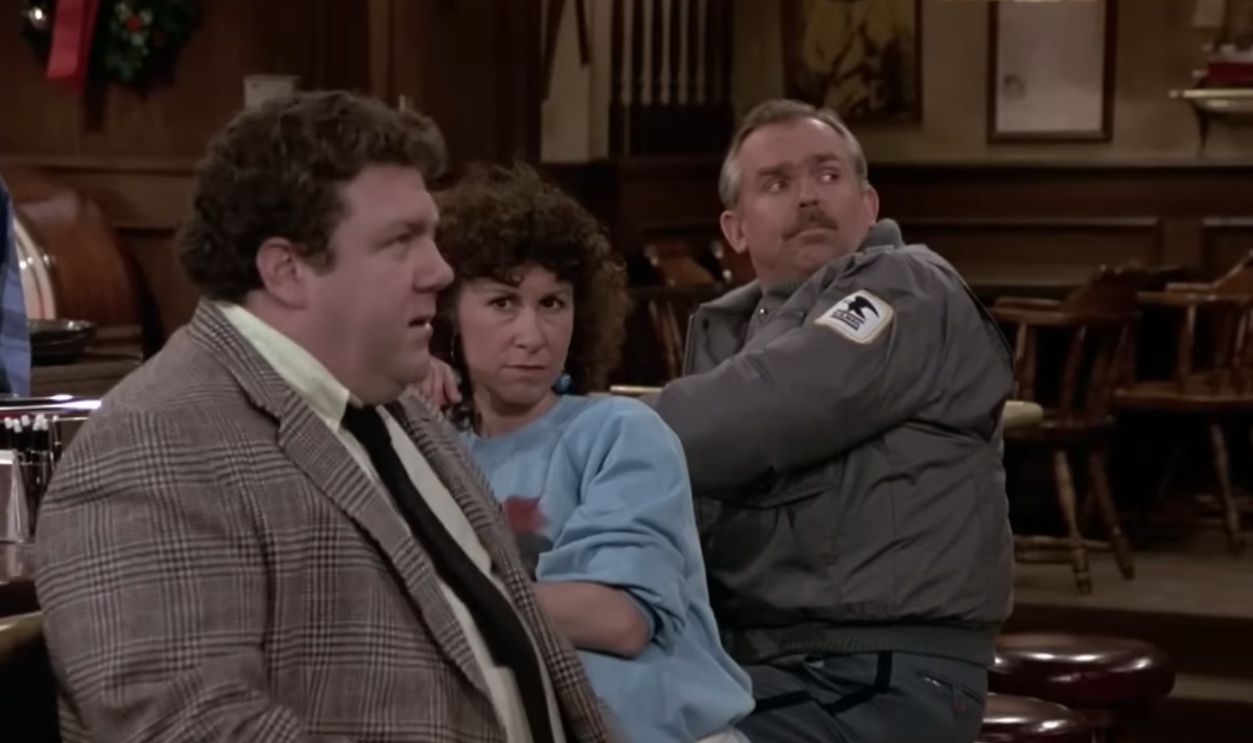 Screenshot from Cheers, NBC (1982–1993)
She Understood Carla Immediately
Perlman did not base Carla on one particular person. Instead, she recognized something liberating in a woman who always said exactly what she thought. Carla possessed the perfect comeback at precisely the moment most people would think of it several hours later in the shower.
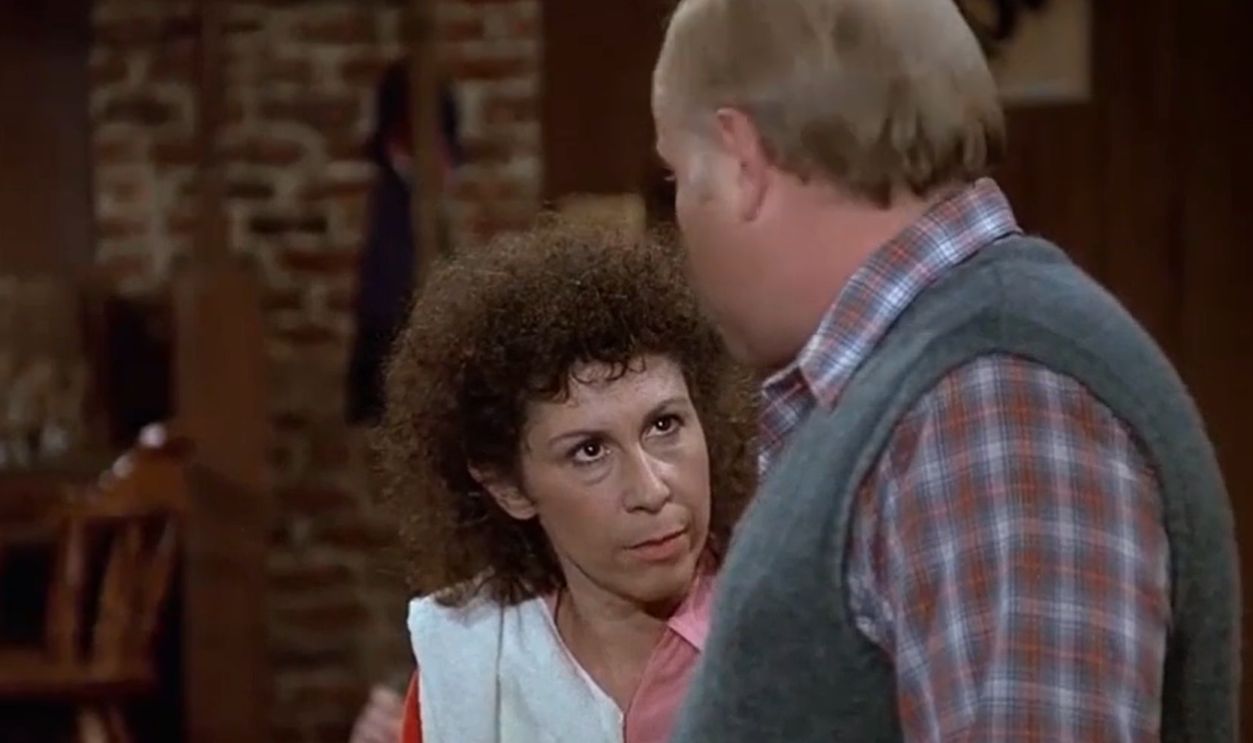 Screenshot from Cheers, NBC (1982–1993)
The Bar Opened In 1982
Cheers premiered on NBC on September 30, 1982. The series followed former baseball player Sam Malone and the collection of employees, regulars, romantics, and assorted eccentrics occupying his Boston bar. Carla entered that peculiar family carrying drinks, grudges, and absolutely no patience.
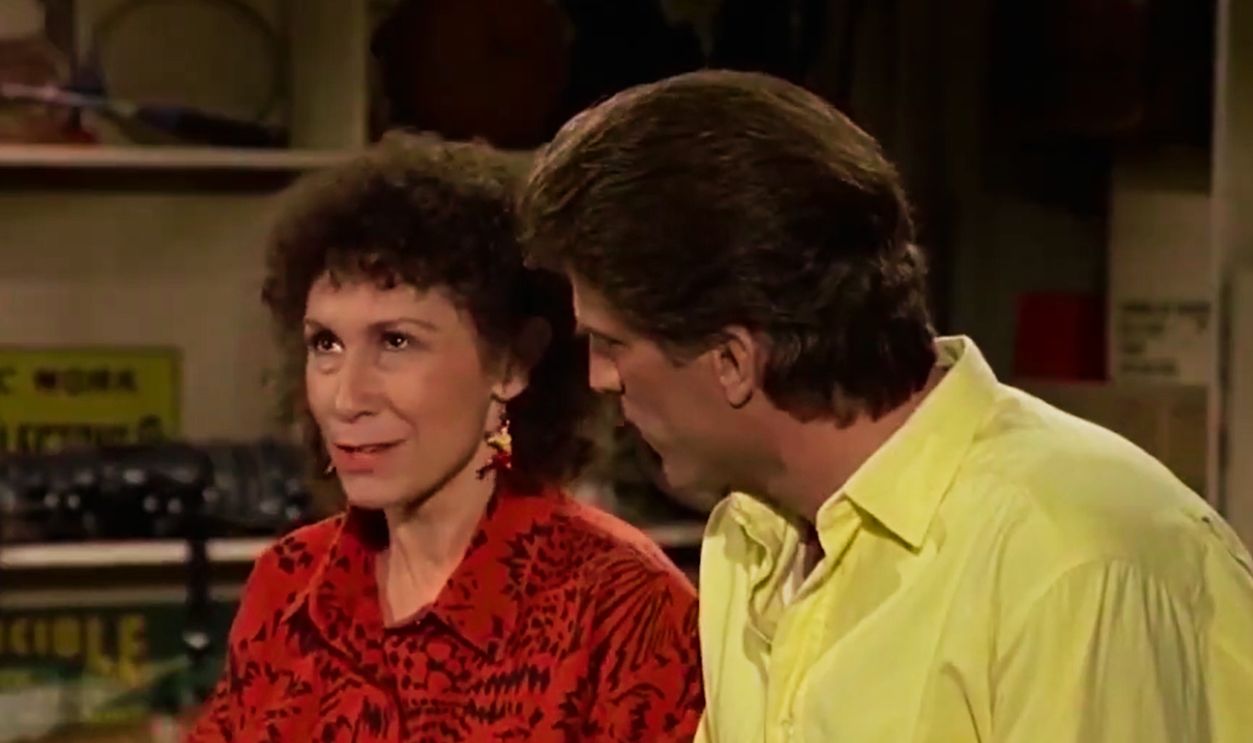 Screenshot from Cheers, NBC (1982–1993)
She Was Small But Never Overlooked
Perlman stood barely five feet tall, yet Carla could dominate a room filled with much larger performers. She crossed the bar with astonishing confidence, firing insults without hesitation. Her size actually strengthened the joke: nobody expected the smallest person in the room to be its most intimidating presence.
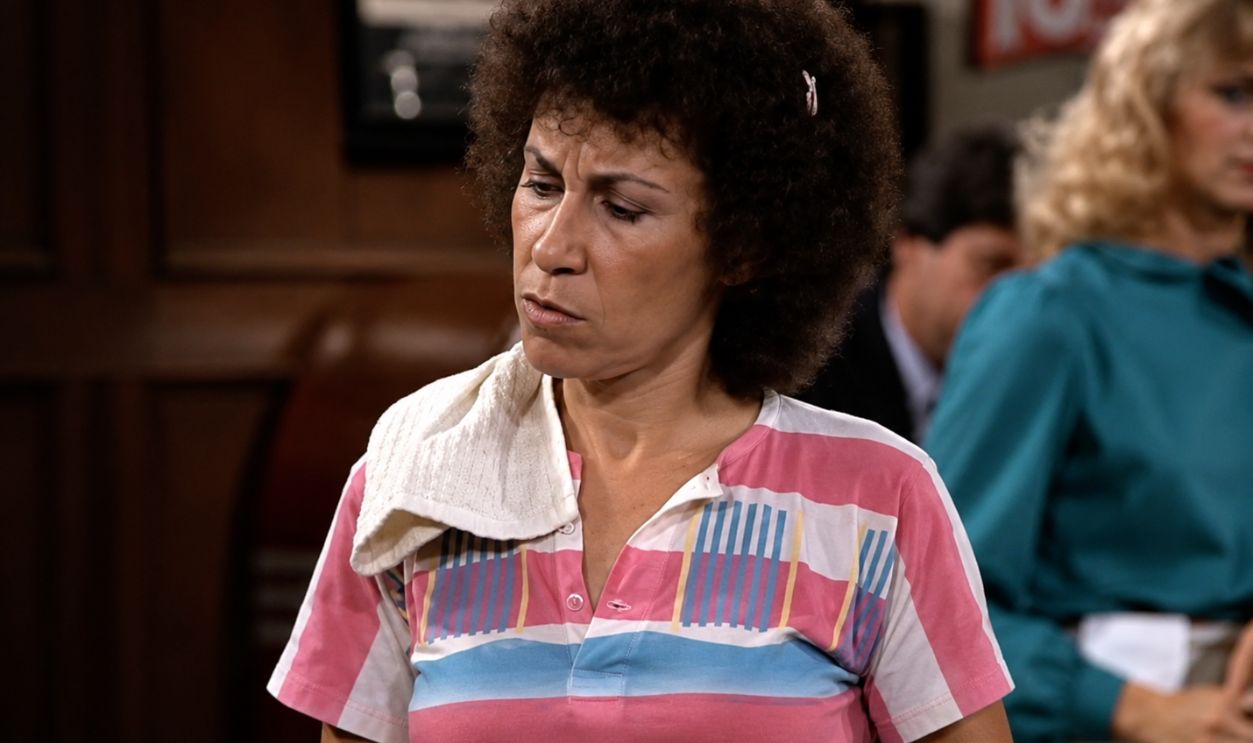 Screenshot from Cheers, NBC (1982–1993), Enhanced
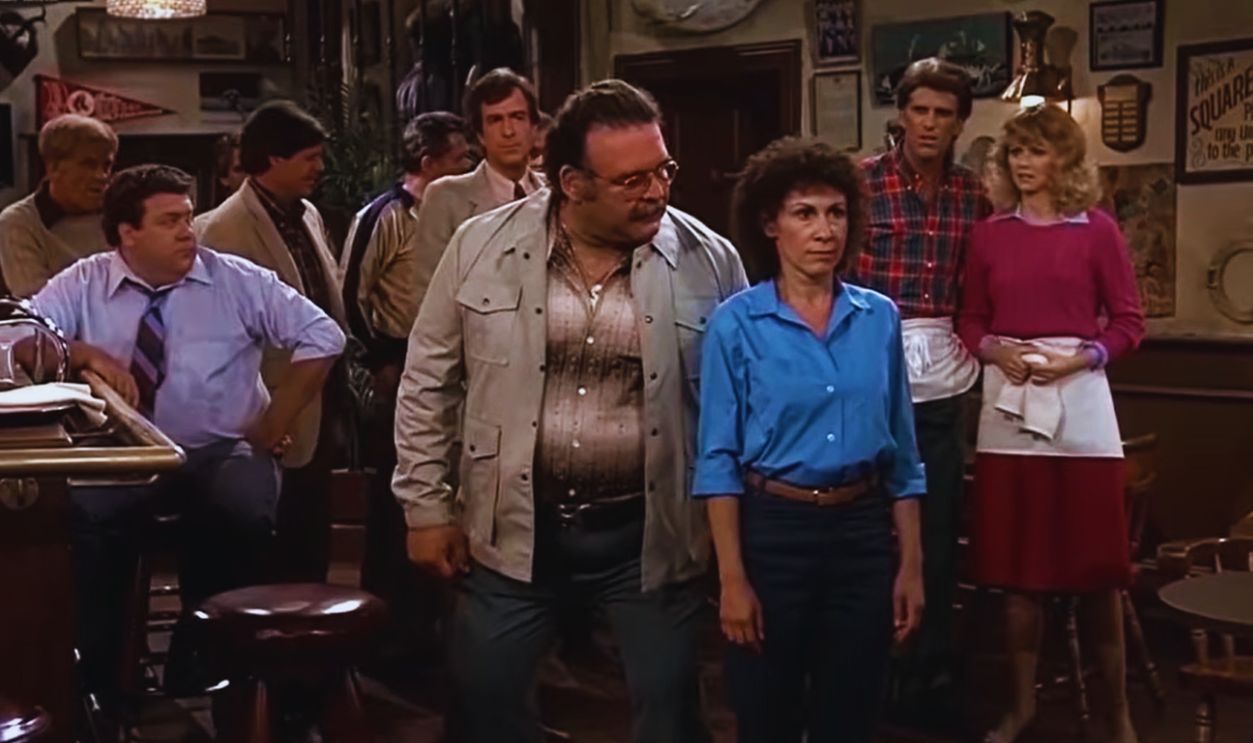
Carla Had An Answer For Everyone
Cliff Clavin received abuse for his endless useless facts. Norm Peterson endured jokes about his drinking and marriage. Customers who irritated Carla could expect terrible service followed by a devastating diagnosis of their personality. Even Sam, technically her employer, understood that managerial authority had its limits.
 Screenshot from Cheers, NBC (1982–1993)
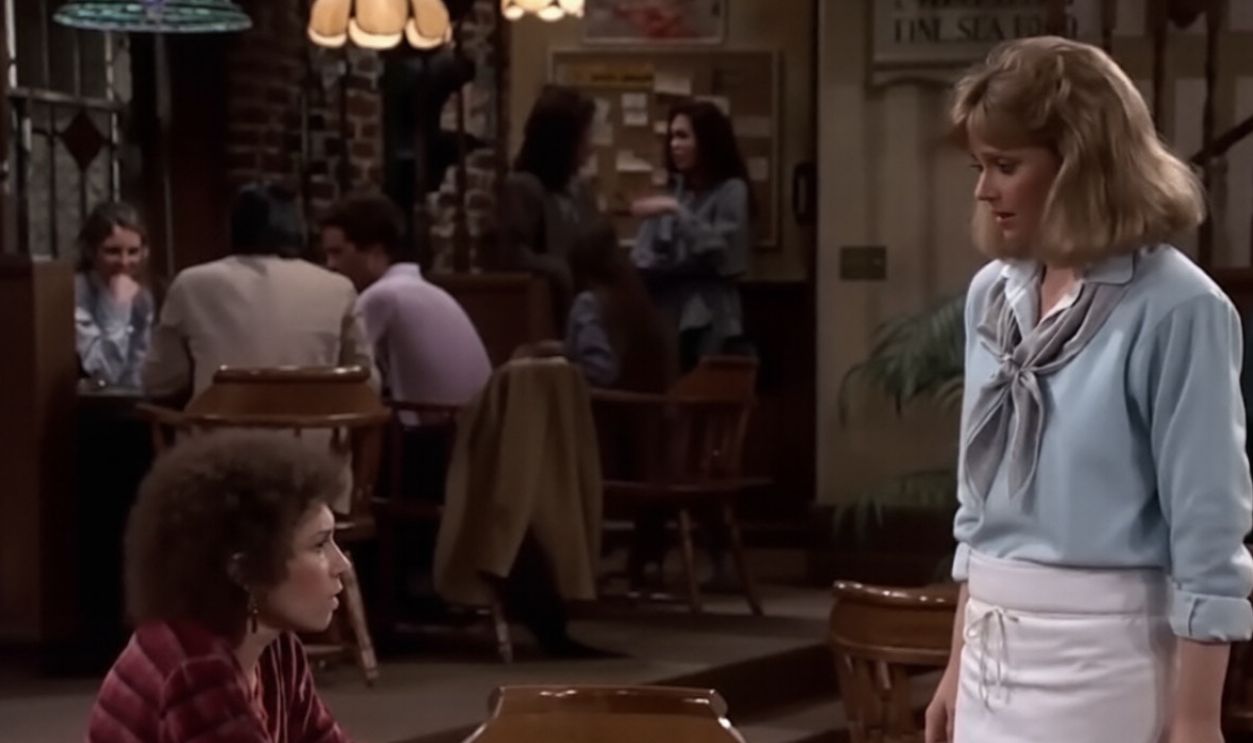
Diane Became Her Favorite Target
Carla immediately disliked Shelley Long’s Diane Chambers, whose education, romantic idealism, and sophisticated vocabulary offended nearly everything Carla believed in. Diane attempted to rise above the hostility. Carla generally interpreted this as an invitation to become more creative.
 Screenshot from Cheers, NBC (1982–1993), Enhanced
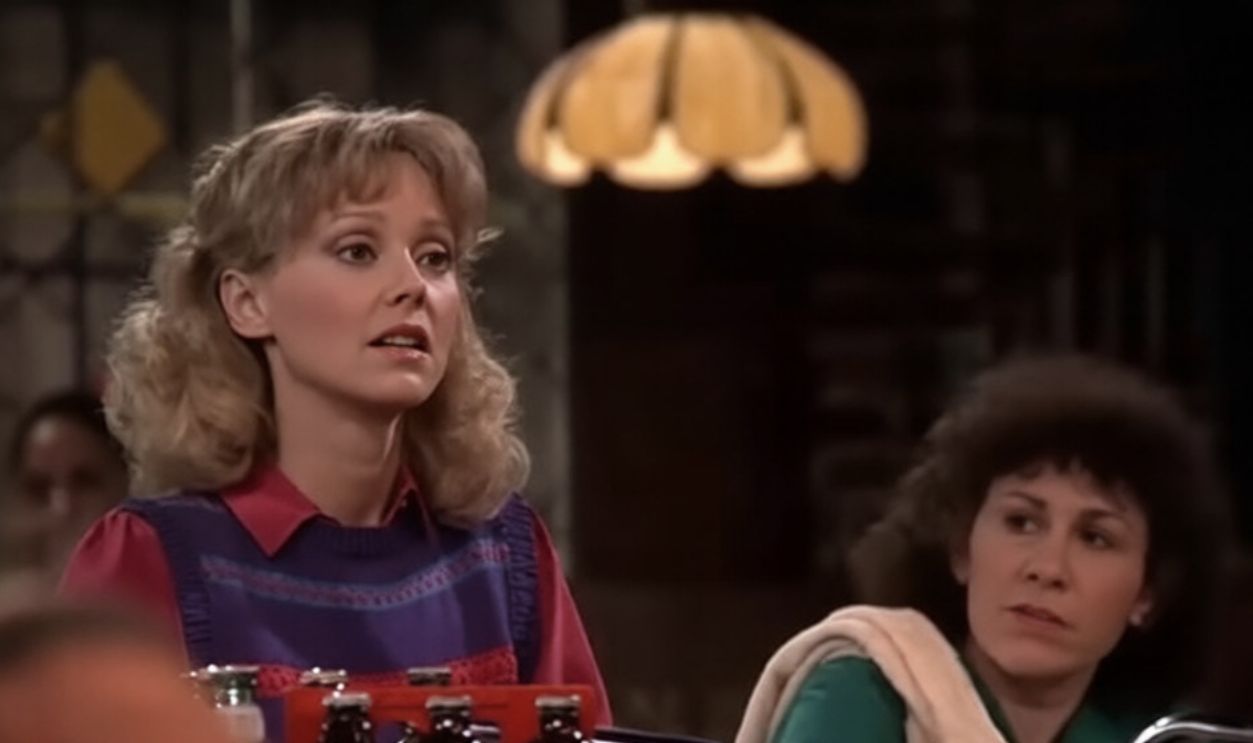
Their Rivalry Helped Define The Show
The contrast between Carla and Diane was comic perfection. Diane intellectualized every emotion, while Carla treated subtlety as an irritating medical condition. Their battles also gave Cheers a second powerful female dynamic beyond the central Sam-and-Diane romance.
 Screenshot from Cheers, NBC (1982–1993), Enhanced
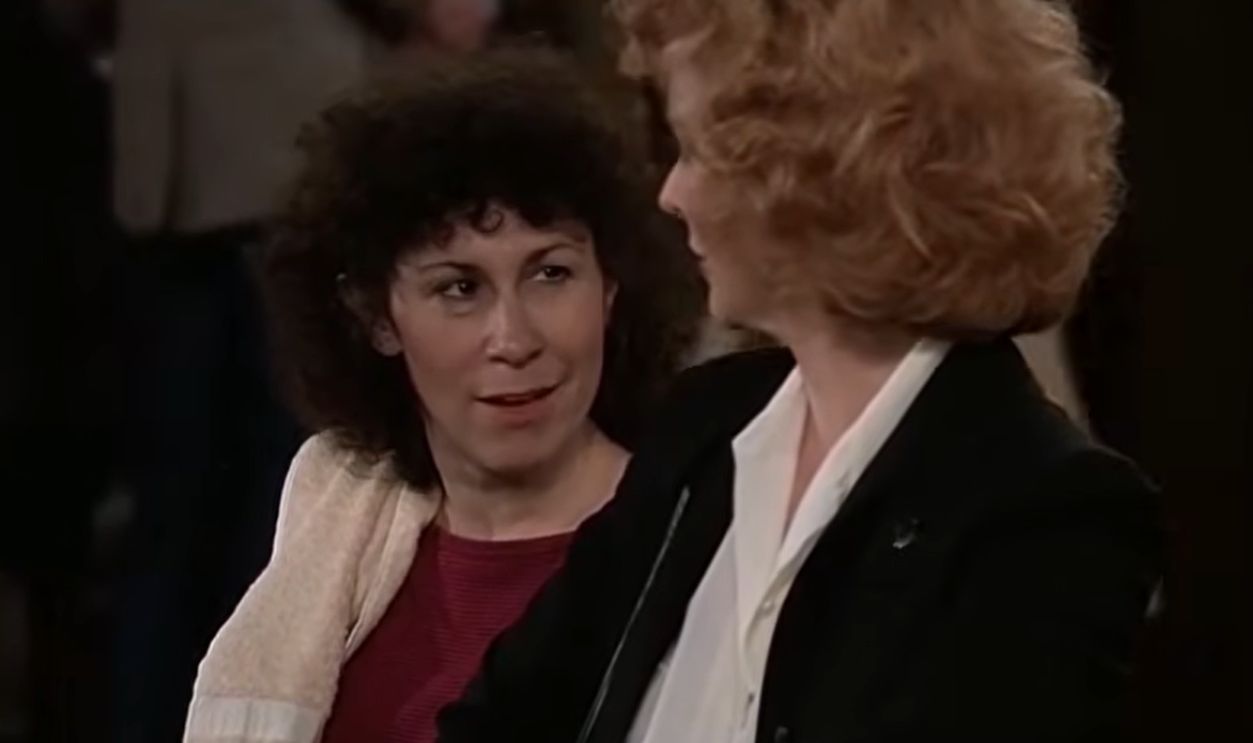
Carla Was More Than A Collection Of Insults
Perlman understood that constant cruelty would eventually become exhausting. She therefore allowed glimpses of Carla’s vulnerability, loyalty, exhaustion, and pride. Carla attacked first because life had taught her that waiting politely rarely produced anything except another bill.
 Screenshot from Cheers, NBC (1982–1993)
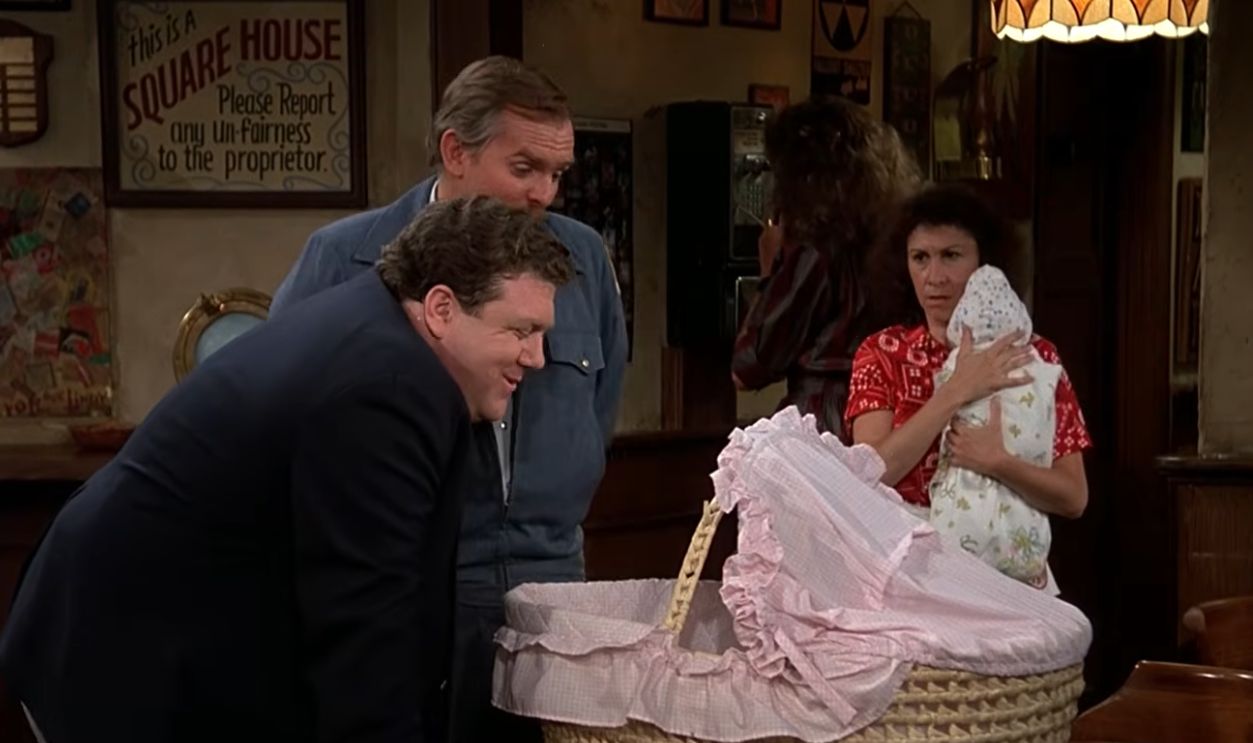
She Was A Working Mother
Carla raised a rapidly expanding family while working long hours at the bar. By the end of the series, she was the mother of eight children. The show exaggerated her domestic chaos for comedy, yet Perlman gave the character the toughness of someone keeping an impossible life moving.
 Screenshot from Cheers, NBC (1982–1993)
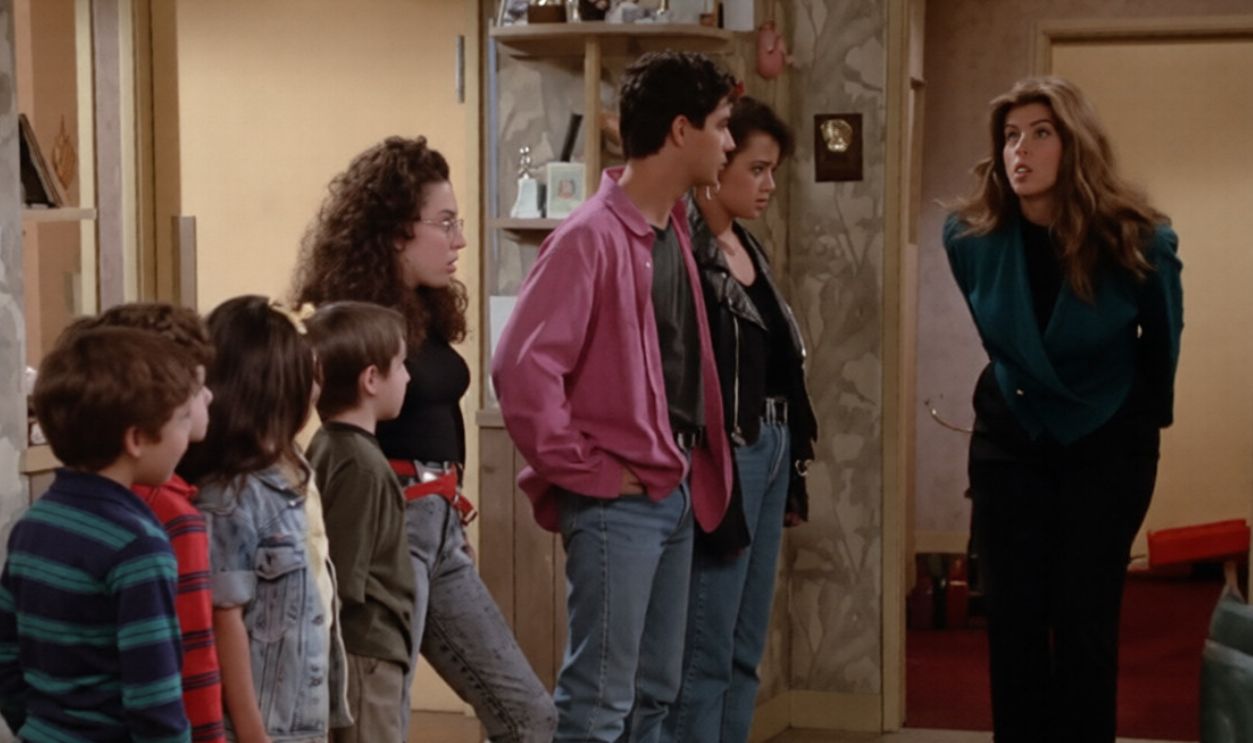
Her Family Was Delightfully Complicated
Carla’s children carried names including Anthony, Serafina, Gino, Anne Marie, Ludlow, Jesse, Elvis, and the memorably named twins Lud and J. The family tree became so crowded that following it occasionally required a calculator, a flowchart, and perhaps a strong drink from Sam.
 Screenshot from Cheers, NBC (1982–1993), Enhanced
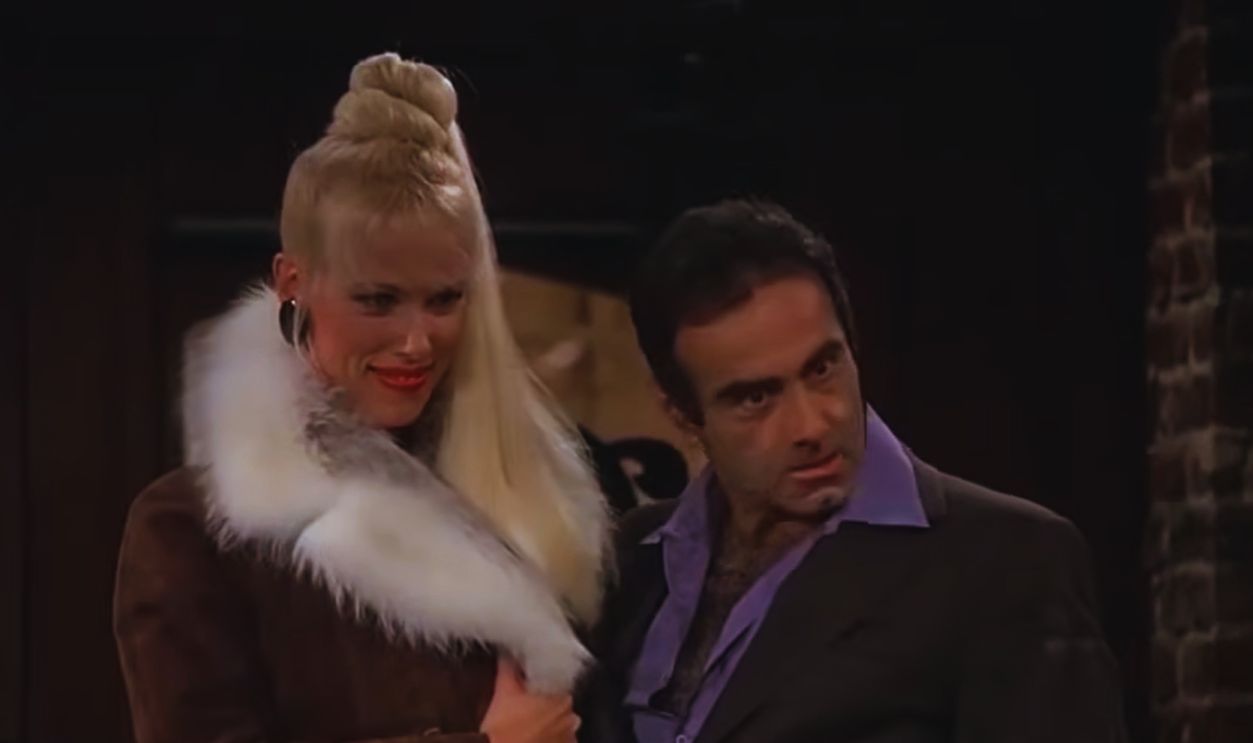
Her Ex-Husband Was Even Worse
Dan Hedaya played Nick Tortelli, Carla’s sleazy former husband and the father of several of her children. Nick was manipulative, vain, and astonishingly confident for a man who seemed to moisturize with cooking grease. Carla despised him—but remained frustratingly vulnerable to his charms.
 Screenshot from Cheers, NBC (1982–1993)
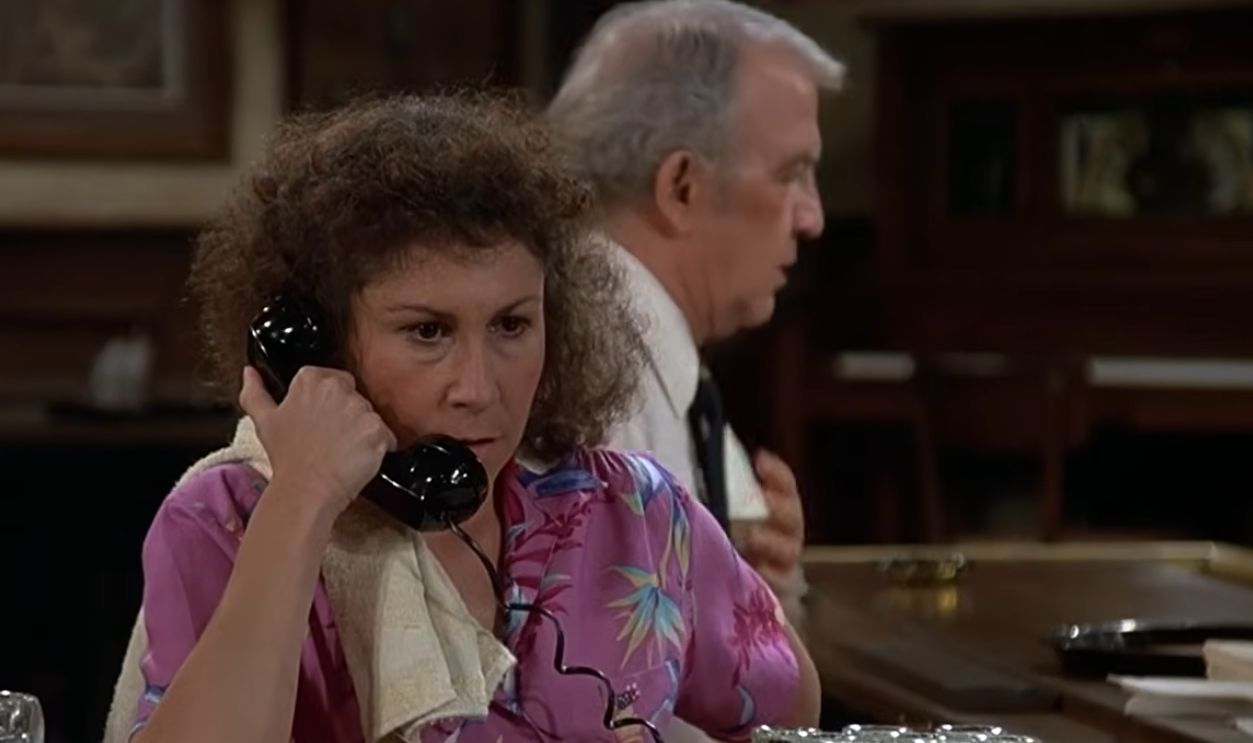
She Could Be Superstitious About Everything
Carla believed in curses, omens, psychic warnings, family legends, and practically any supernatural explanation that justified immediate panic. These beliefs gave Perlman opportunities for wonderfully physical comedy. Carla might terrorize the entire bar, then become helpless because someone mentioned an unlucky number.
 Screenshot from Cheers, NBC (1982–1993)
The Show Nearly Disappeared
Although Cheers eventually became a phenomenon, its first season struggled badly in the ratings. It finished near the bottom of the television rankings, and cancellation appeared entirely possible. NBC president Brandon Tartikoff nevertheless believed in the series and gave it time to find an audience.
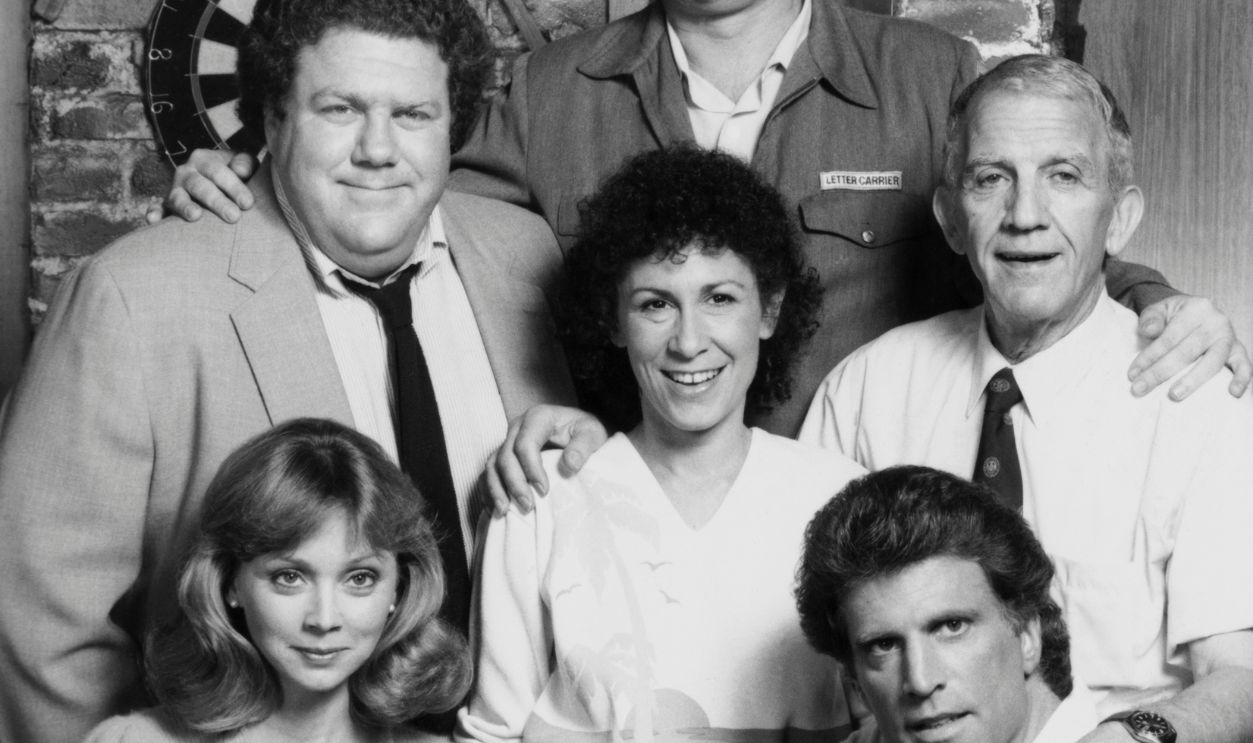
Perlman Was Not Particularly Worried
Perlman later recalled that the cast trusted the show would survive, comparing their atmosphere to children at camp. They apparently did not realize how precarious their situation was. Fortunately, confidence and obliviousness can look remarkably similar when a television classic is still finding its audience.
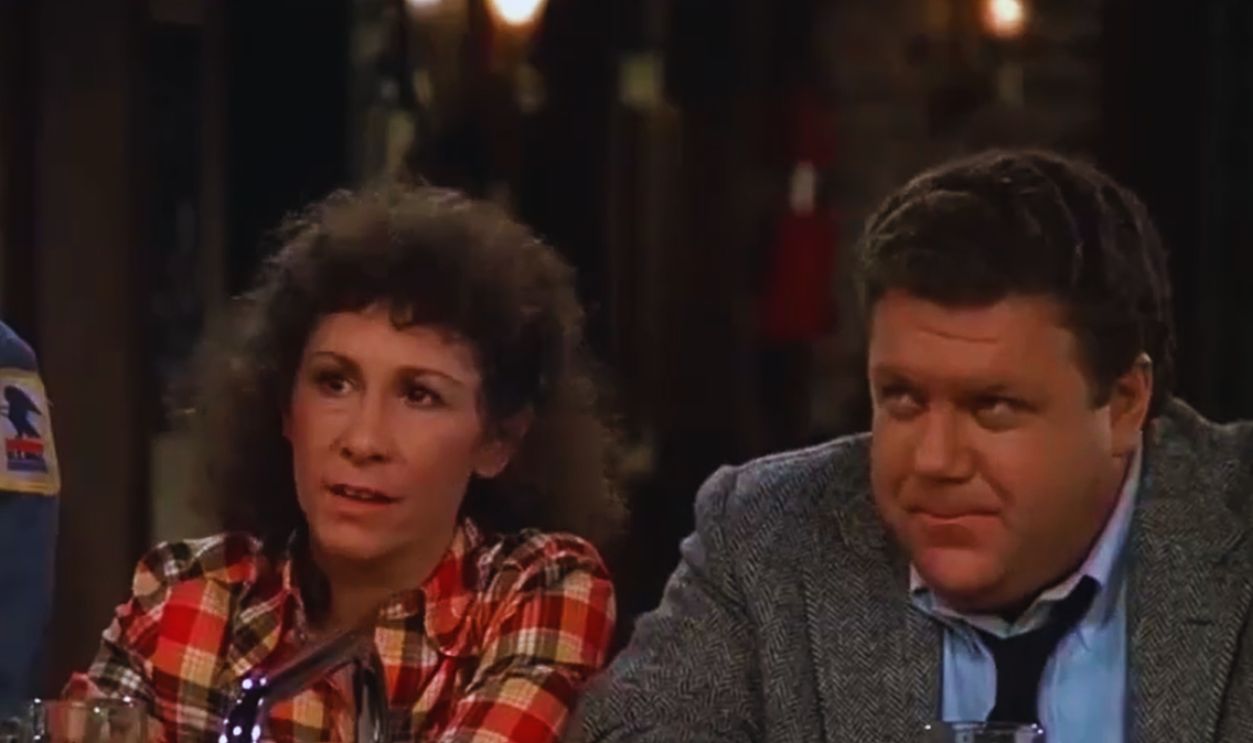 Screenshot from Cheers, NBC (1982–1993)
Awards Voters Noticed First
Even while general audiences were slow to discover Cheers, Emmy voters recognized its quality. The show won Outstanding Comedy Series after its first season. Perlman received her first supporting-actress nomination for Carla, confirming that the bar’s angriest employee had become one of its greatest assets.
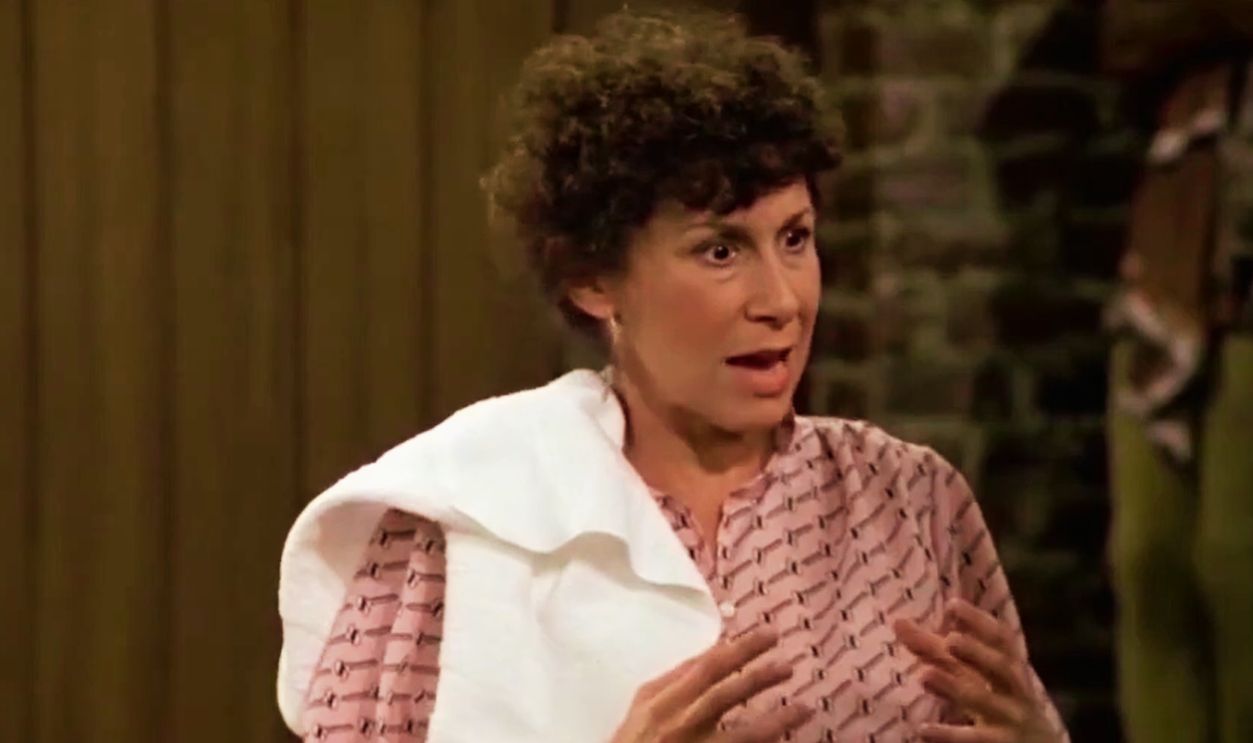 Screenshot from Cheers, NBC (1982–1993)
Carla Made Her An Emmy Favorite
Perlman ultimately received ten Emmy nominations for playing Carla and won four times—in 1984, 1985, 1986, and 1989. Few supporting sitcom performances have received such consistent recognition. Carla might have mocked the trophies, but Perlman’s mantel presumably behaved with greater dignity.
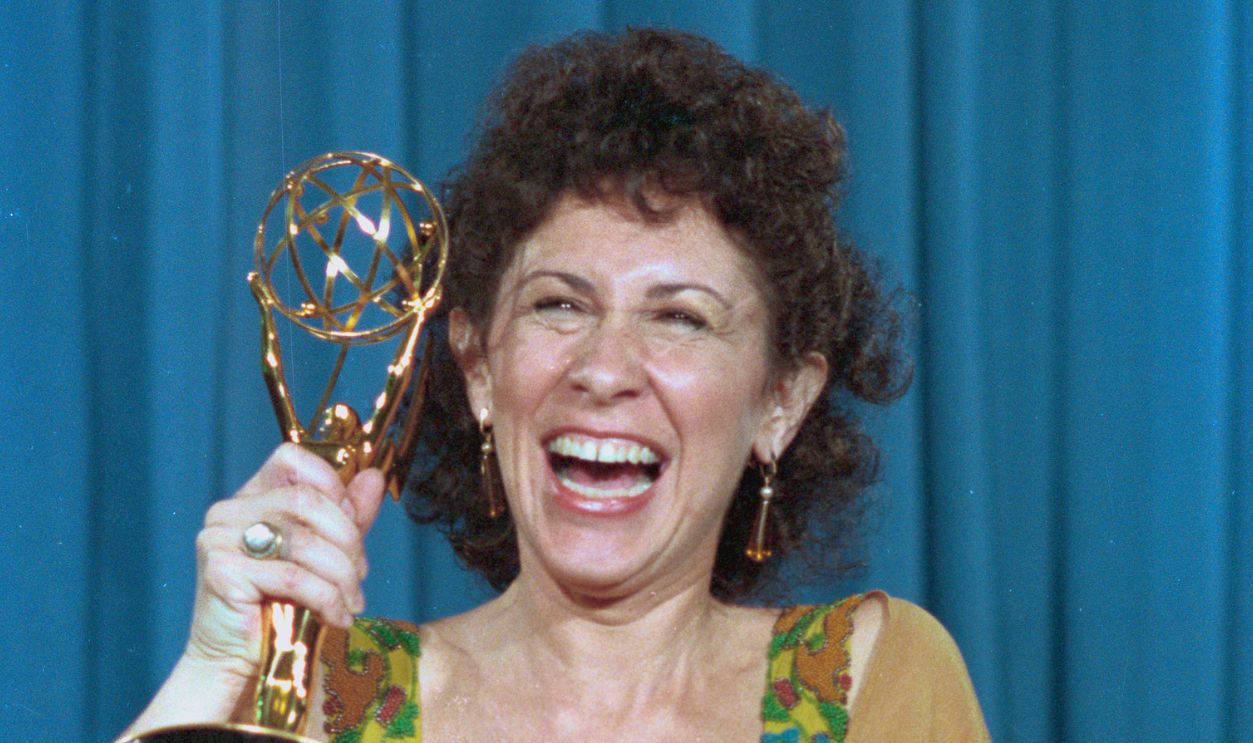
Real Life Entered Carla’s Story
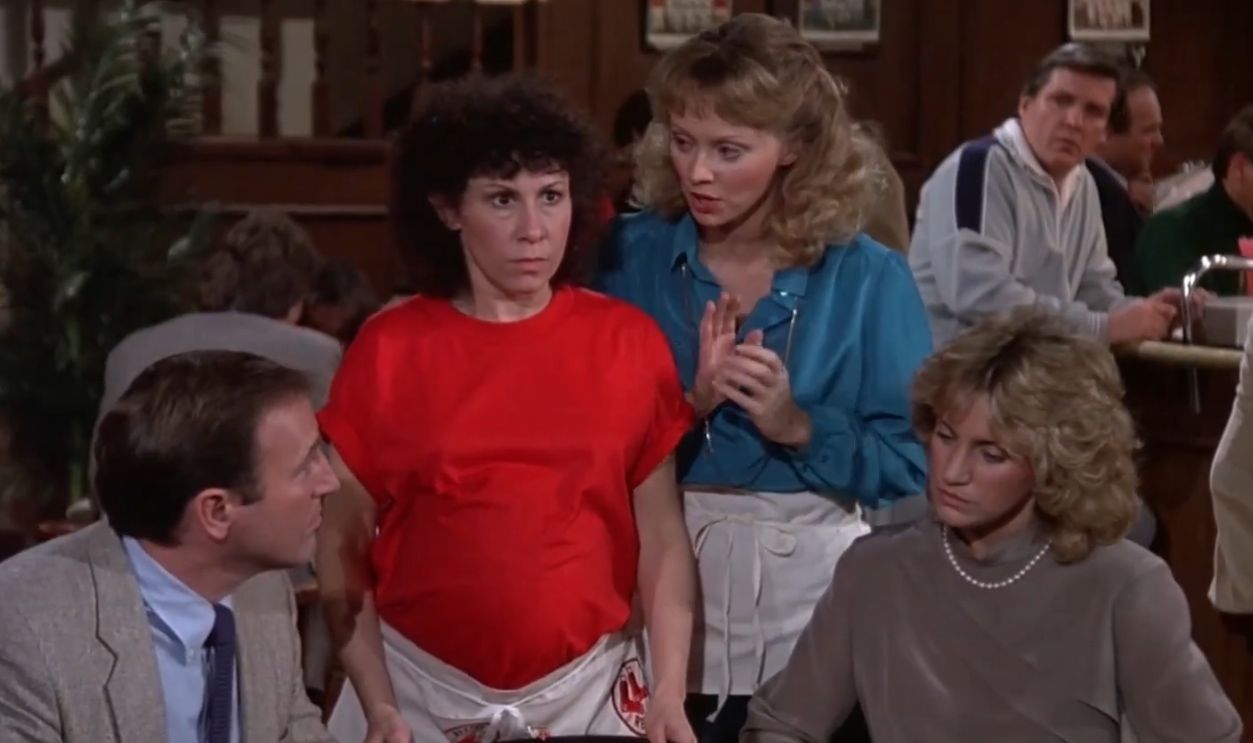
When Perlman became pregnant during the show’s run, the writers incorporated one pregnancy into Carla’s increasingly complicated family life. The decision suited the character perfectly. Carla was already juggling children, work, unreliable men, and financial problems; one more crisis hardly disturbed the furniture.
 Screenshot from Cheers, NBC (1982–1993)
Motherhood Was Happening Offscreen Too
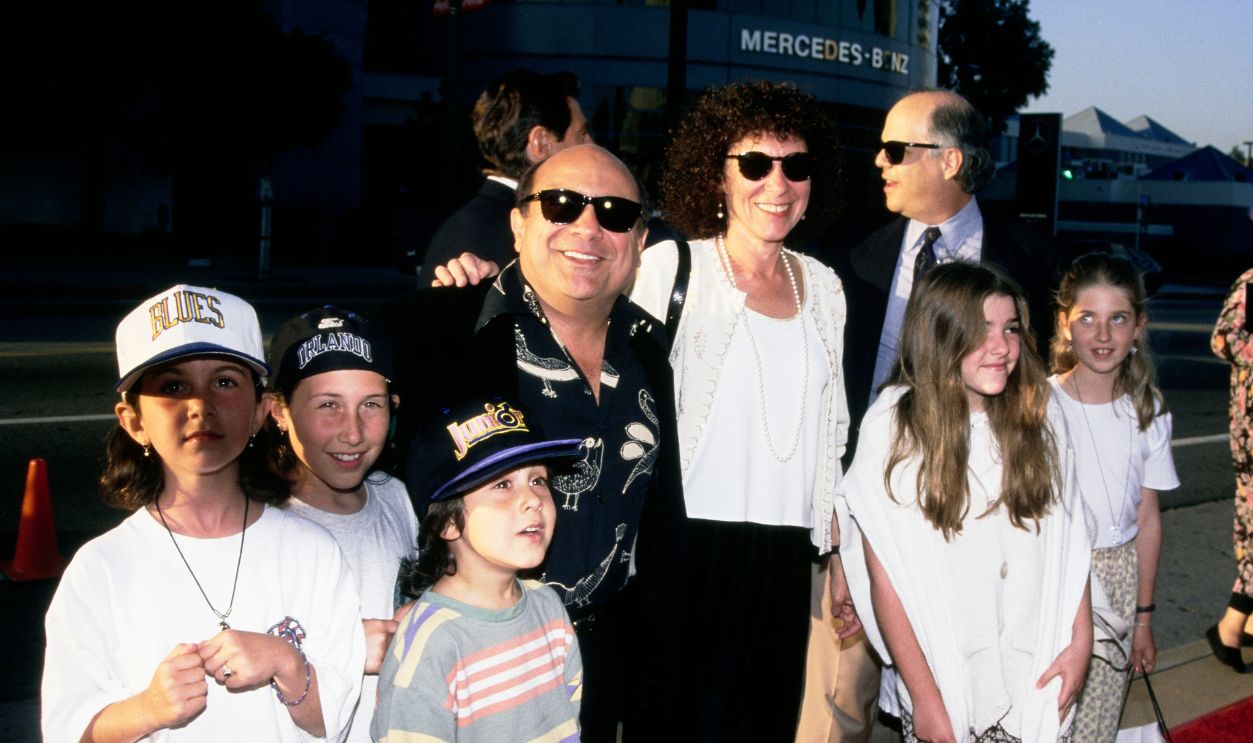
Perlman and DeVito married in January 1982, months before Cheers premiered. They later welcomed three children: Lucy, Grace, and Jacob. During some of television’s busiest production years, Perlman was raising a young family while playing a woman whose fictional household was even more chaotic.
Carla Found Love With A Hockey Player
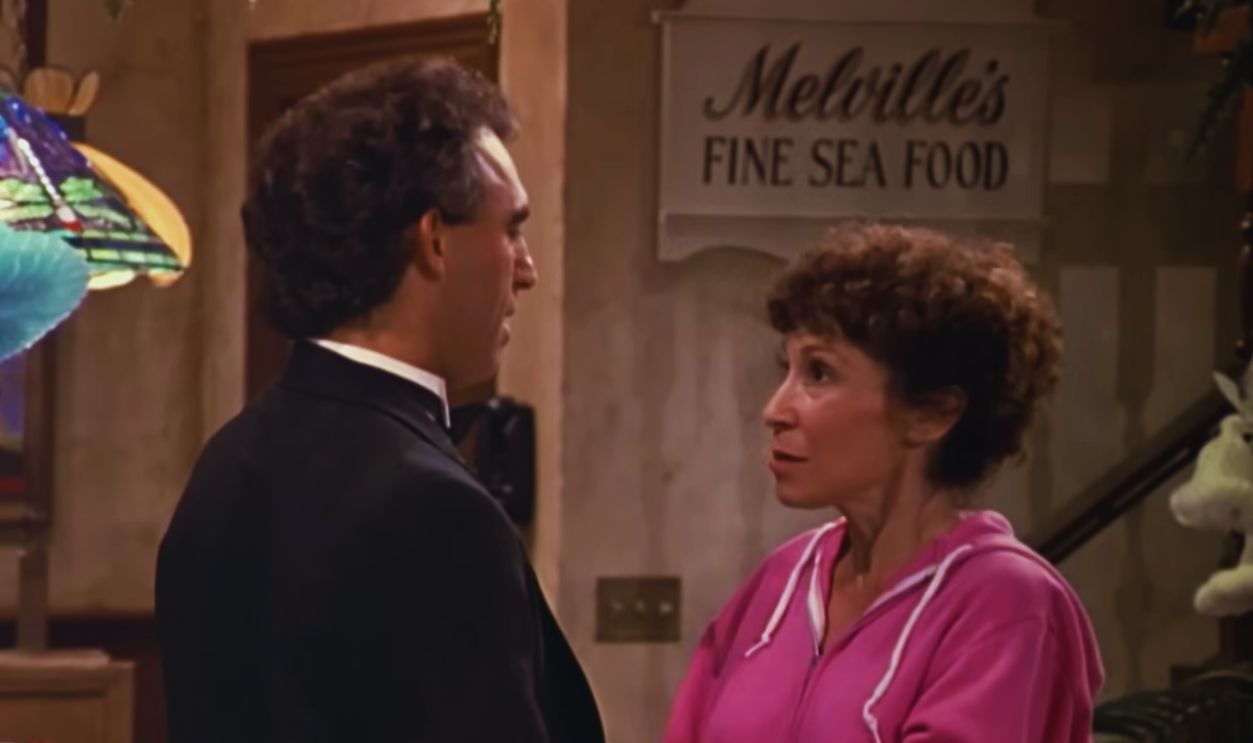
Carla eventually became involved with Boston Bruins goaltender Eddie LeBec, played by Jay Thomas. Their romance revealed an unexpectedly tender side of her. They married and had twins, briefly allowing Carla something resembling domestic happiness—although Cheers was not about to let that remain uncomplicated.
 Screenshot from Cheers, NBC (1982–1993)
Eddie Received A Bizarre Farewell
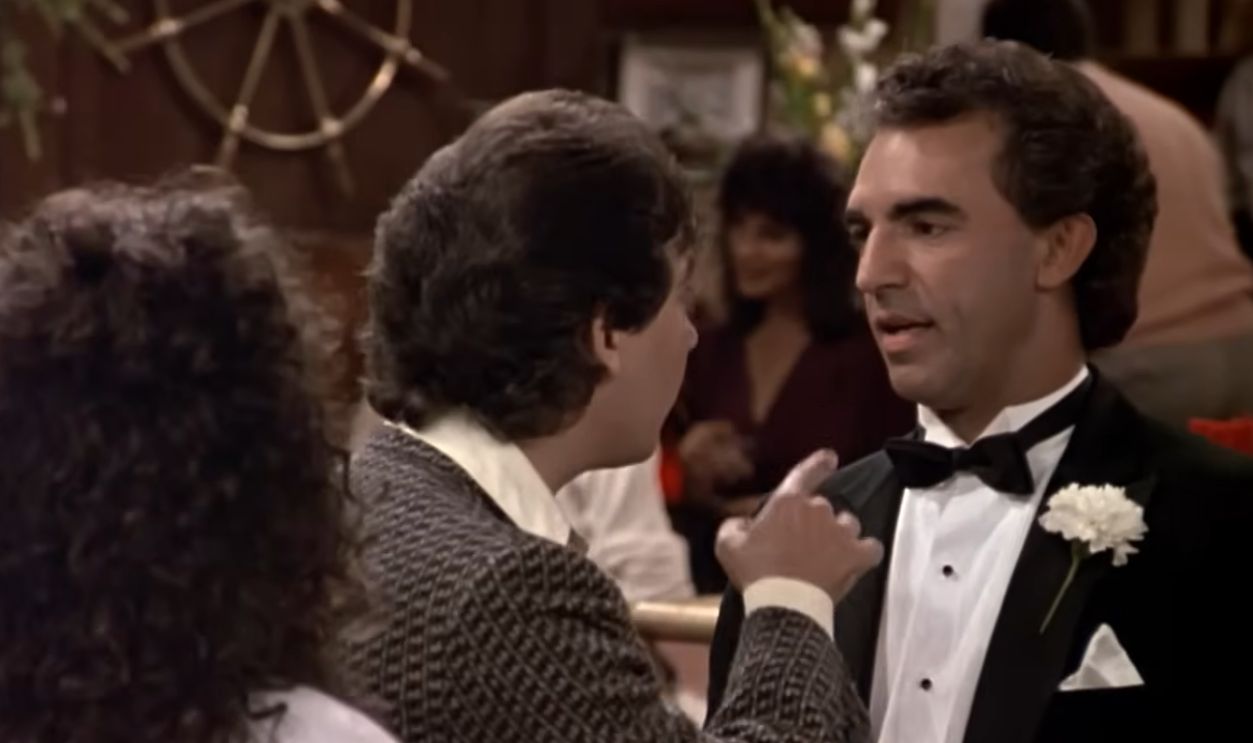
Eddie was eventually killed in a Zamboni accident, one of television’s stranger ways of removing a recurring character. Conflicting stories later emerged about why Thomas left the series. Perlman denied claims that she demanded his dismissal, saying she had loved him as Eddie.
 Screenshot from Cheers, NBC (1982–1993)
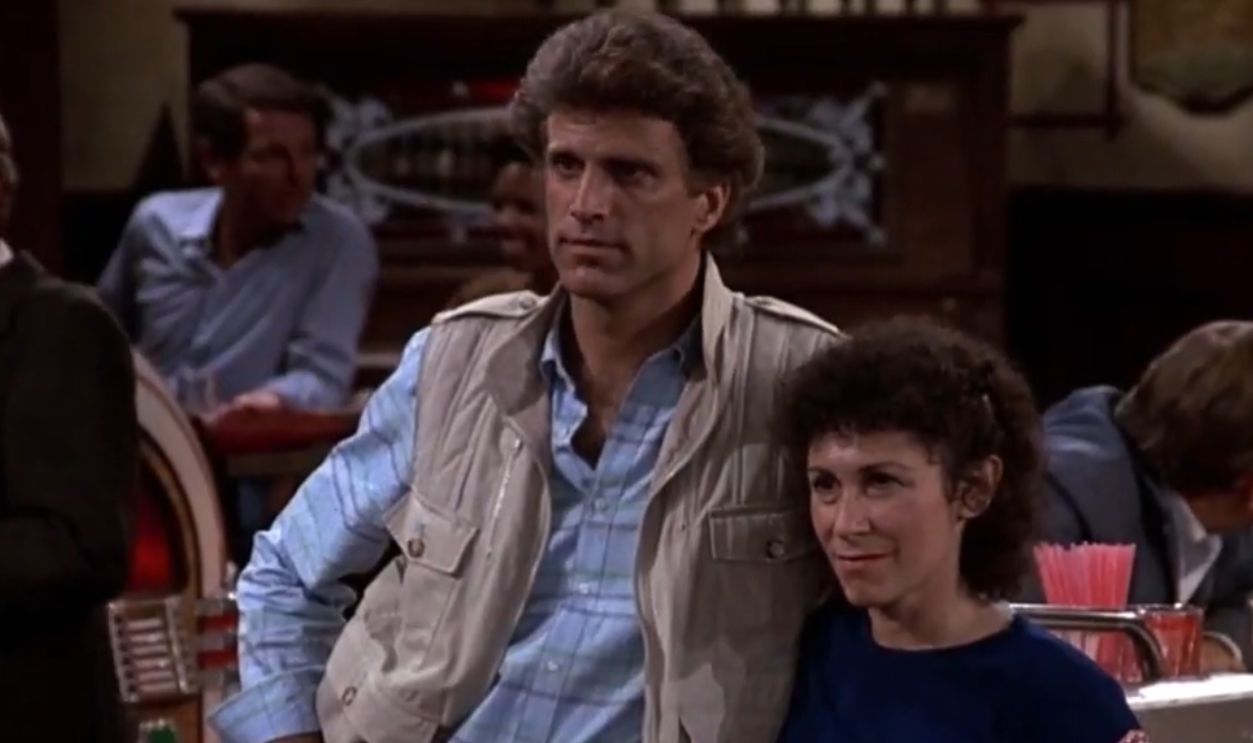
Carla Belonged Behind The Bar
Perlman explained that she resisted making Carla too domestically settled because it risked separating her from the show’s central family. The people at Cheers were Carla’s real emotional home. Whatever disaster awaited outside, she returned to the bar ready to refill glasses and destroy confidence.
 Screenshot from Cheers, NBC (1982–1993)
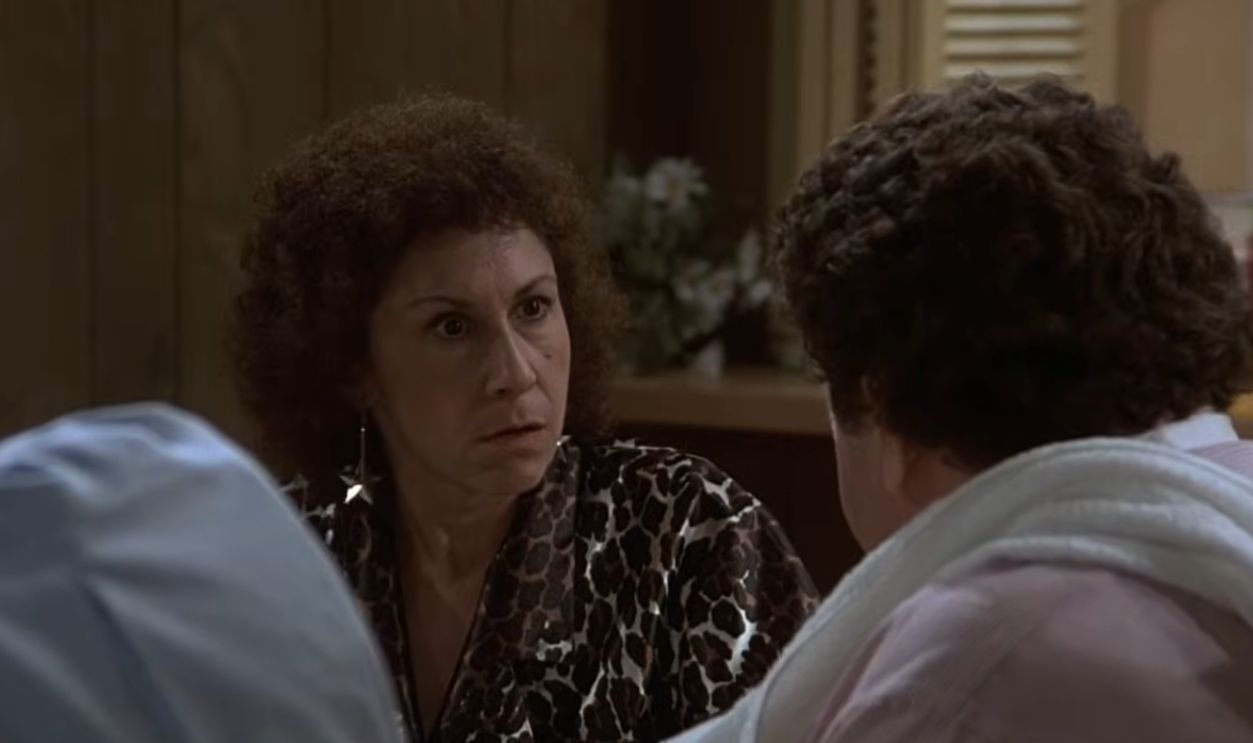
The Thanksgiving Food Fight Became Her Favorite
Perlman identified the classic episode “Thanksgiving Orphans” as the most enjoyable one the cast filmed. Its dignified holiday dinner deteriorated into a spectacular food fight. For a performer who thrived amid carefully controlled chaos, being professionally paid to throw dinner at friends was difficult to improve upon.
 Screenshot from Cheers, NBC (1982–1993)
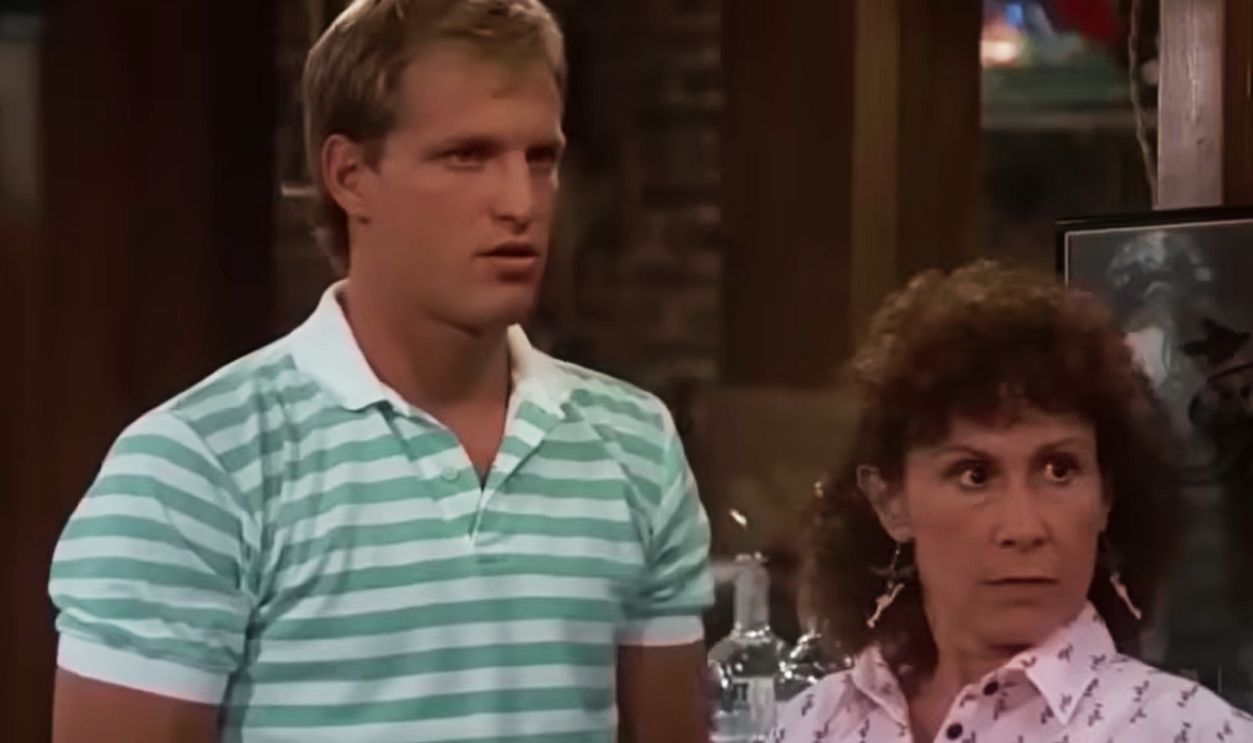
The Cast Became A Genuine Ensemble
As cast members departed and new characters arrived, Perlman remained a constant. Nicholas Colasanto died, Shelley Long left, and Woody Harrelson and Kirstie Alley joined the bar. Carla adjusted by doing what she always did: evaluating the newcomer’s weaknesses and immediately beginning target practice.
 Screenshot from Cheers, NBC (1982–1993)
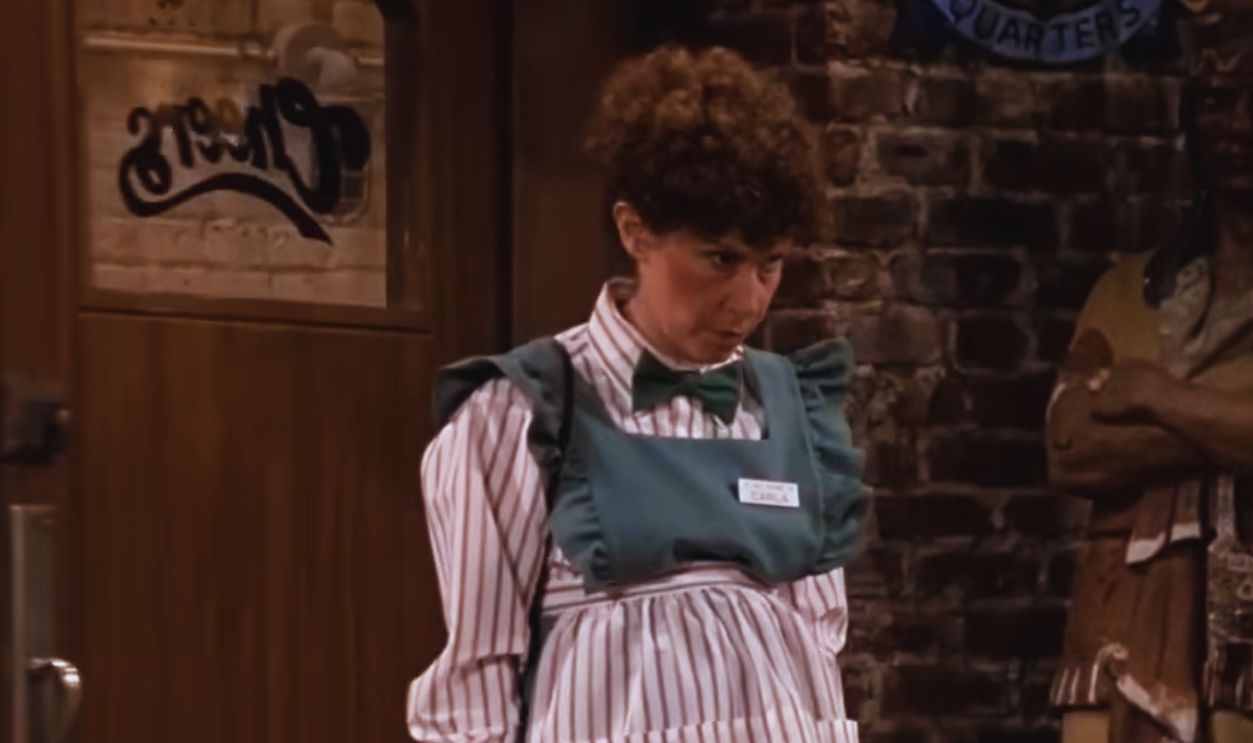
Her Sister Joined The Writing Staff
Perlman’s younger sister, Heide, became a writer and producer on Cheers. Heide later worked on programs including Frasier and The Tracey Ullman Show. The Perlman family was therefore contributing to the show from both sides of the camera—and apparently possessed an unusually high concentration of comic timing.
 Screenshot from Cheers, NBC (1982–1993)
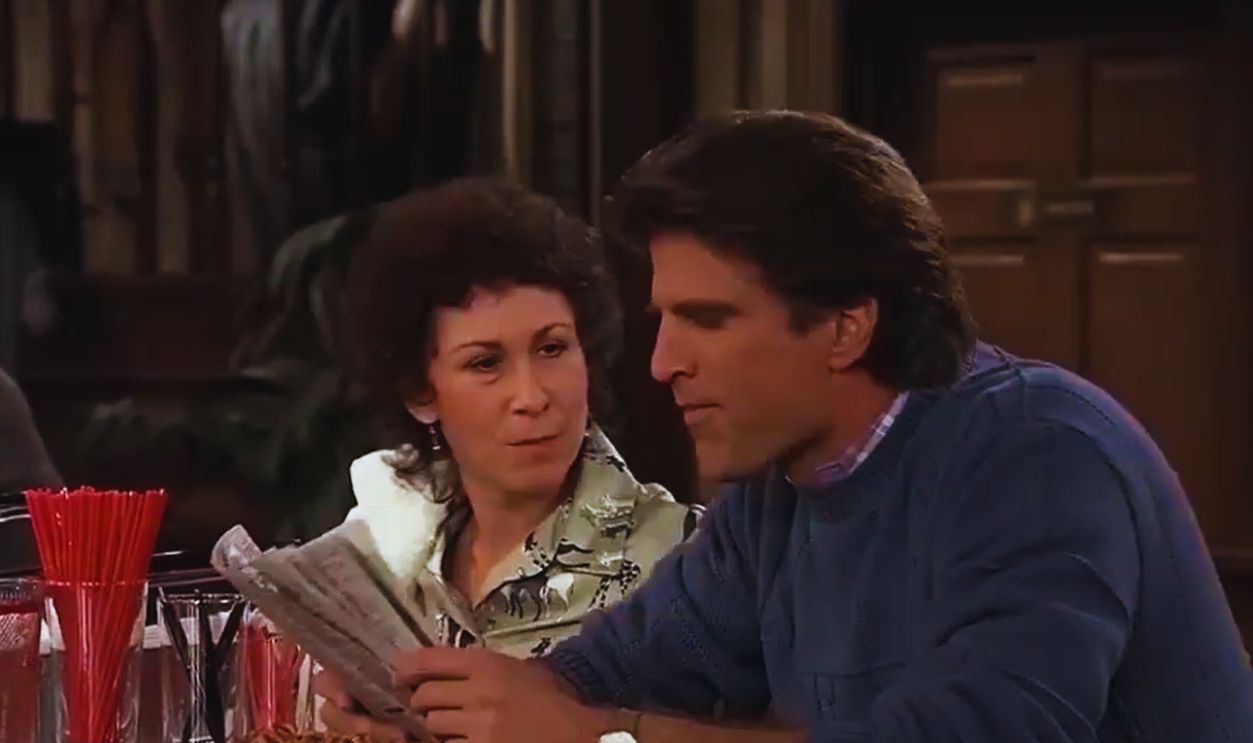
Her Father Became A Bar Regular
After retiring and moving to California, Perlman’s father, Philip, began appearing in the background at Cheers. He eventually received occasional lines as a regular named Phil. His wonderfully natural delivery made him a minor fan favorite, proving that scene-stealing may have been a hereditary condition.
 Screenshot from Cheers, NBC (1982–1993)
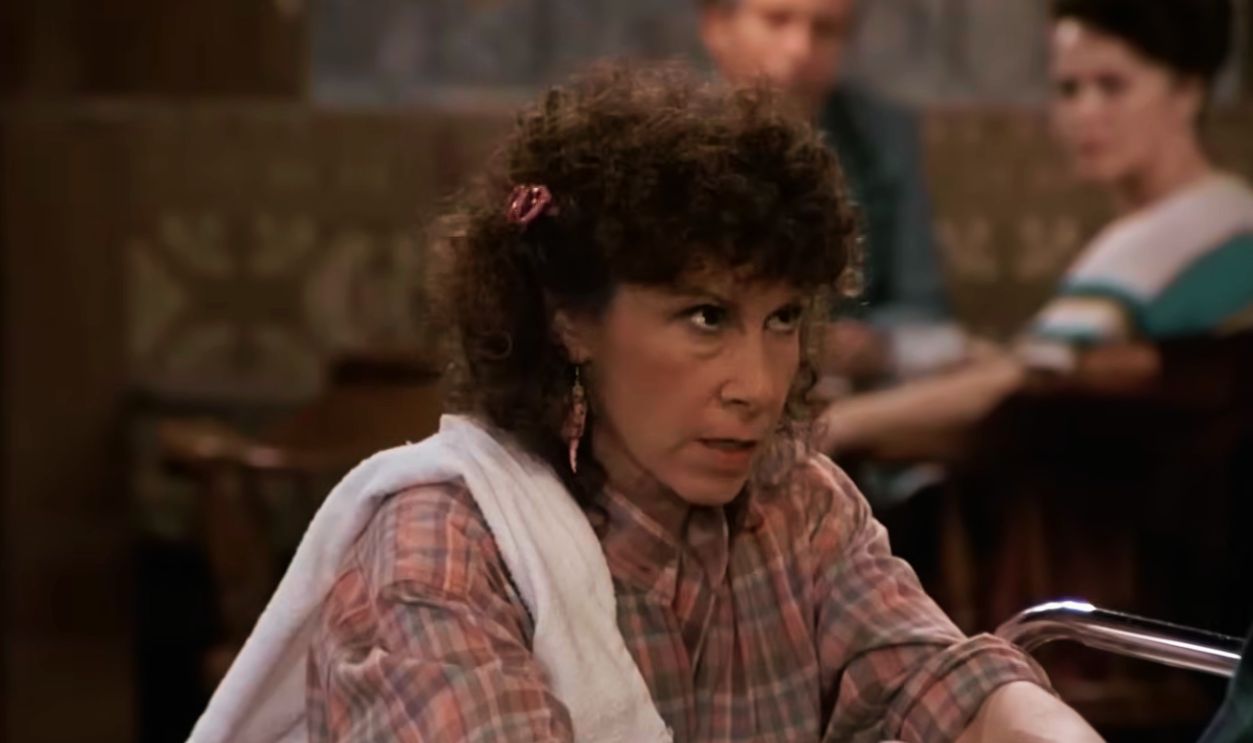
Carla Survived Every Change
Only Carla, Sam, and Norm appeared throughout the entire run of Cheers. Carla’s consistency helped stabilize the show whenever its romantic leads or supporting players changed. She was not merely an accessory to the bar—her hostility had become part of its load-bearing structure.
 Screenshot from Cheers, NBC (1982–1993)
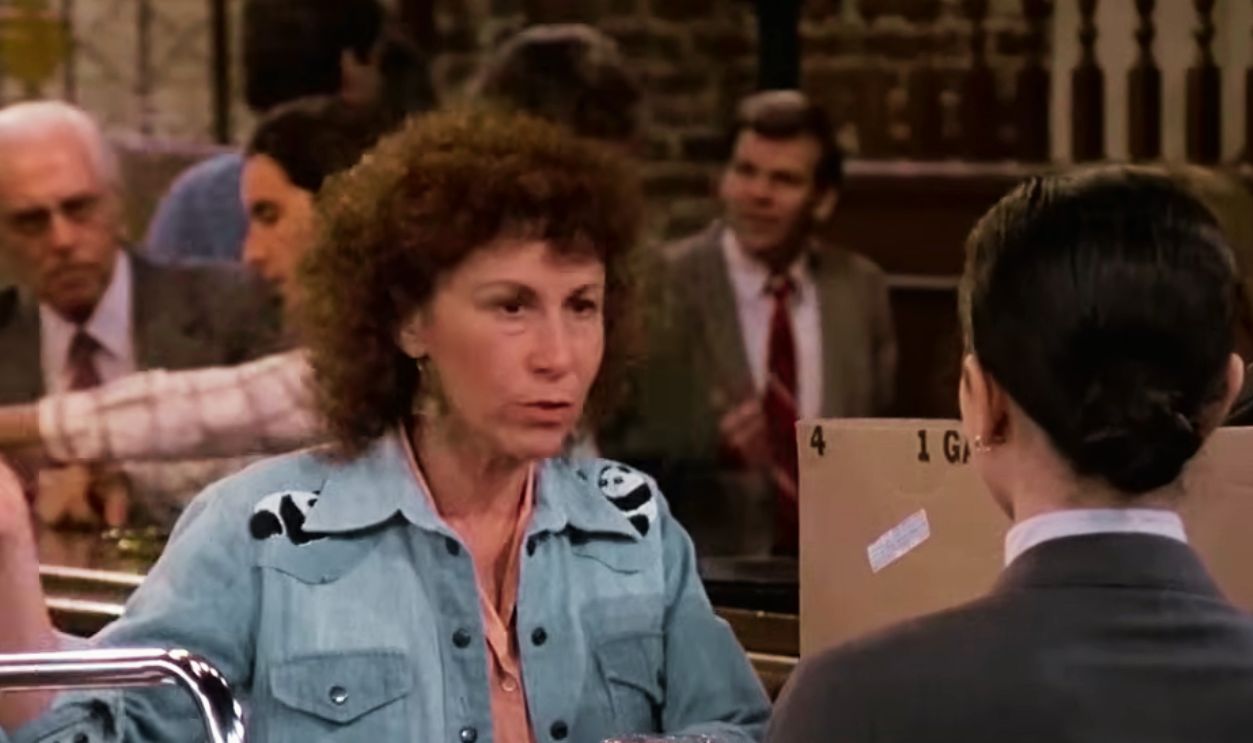
Perlman Never Wanted Carla To Soften
Near the end of the series, Perlman joked that Carla might actually have become too easy on people. She believed the character remained likable because audiences understood her. Carla’s insults were brutal, but they emerged from honesty, resilience, and a strangely dependable form of affection.
 Screenshot from Cheers, NBC (1982–1993)
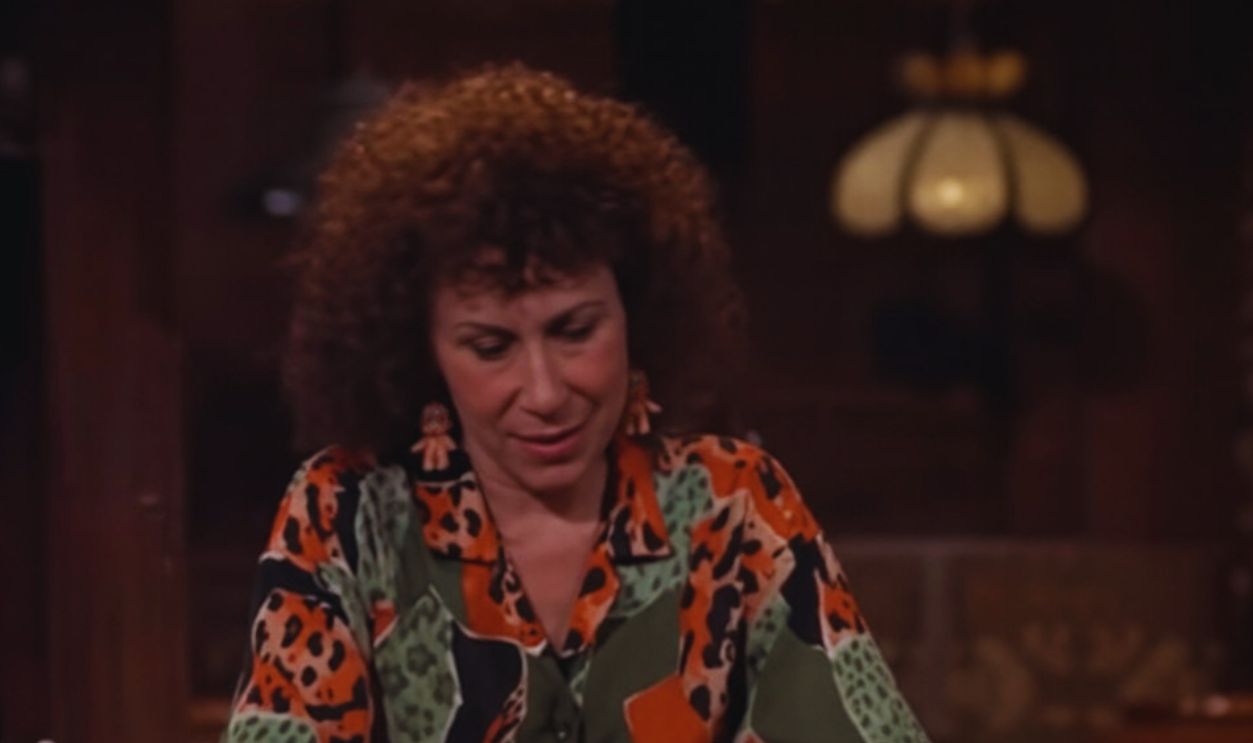
The Bar Finally Closed
Cheers ended on May 20, 1993, after 11 seasons. Its finale became one of the most-watched television events of its era. As Sam recognized that the bar was his true great love, Carla remained where she belonged—working, complaining, and helping hold together the family nobody had planned.
 Screenshot from Cheers, NBC (1982–1993), Enhanced
She Tried Leading Her Own Sitcom
Perlman returned to series television in Pearl, which premiered in 1996. She played Pearl Caraldo, a middle-aged widow attending college and battling an arrogant professor played by Malcolm McDowell. The sitcom lasted one season, but it gave Perlman another formidable woman unwilling to behave politely.
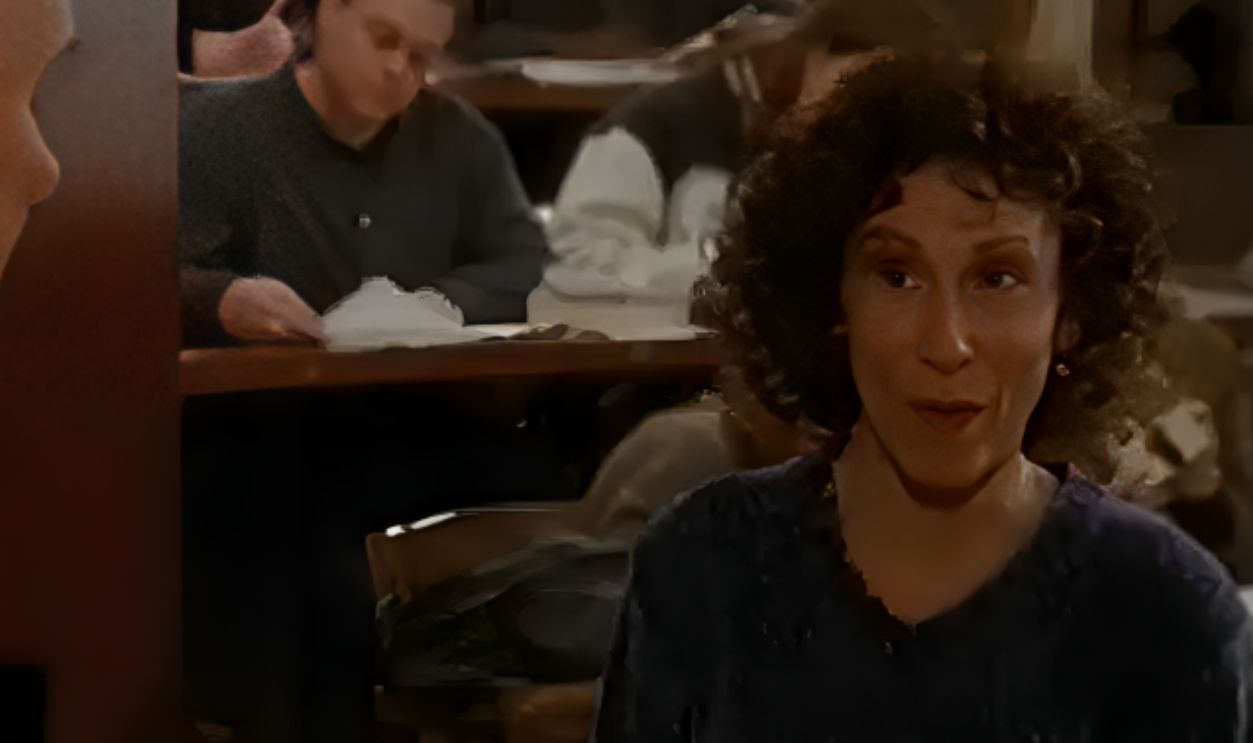 Screenshot from Pearl, CBS (1996–1997), Enhanced
Matilda Found Her A New Generation
Also in 1996, Perlman played Zinnia Wormwood in Matilda, directed by DeVito. As Matilda’s shallow, bingo-obsessed mother, she was hilariously dreadful. Children who had never visited Cheers suddenly knew Perlman as one half of cinema’s most gloriously unsuitable parenting team.
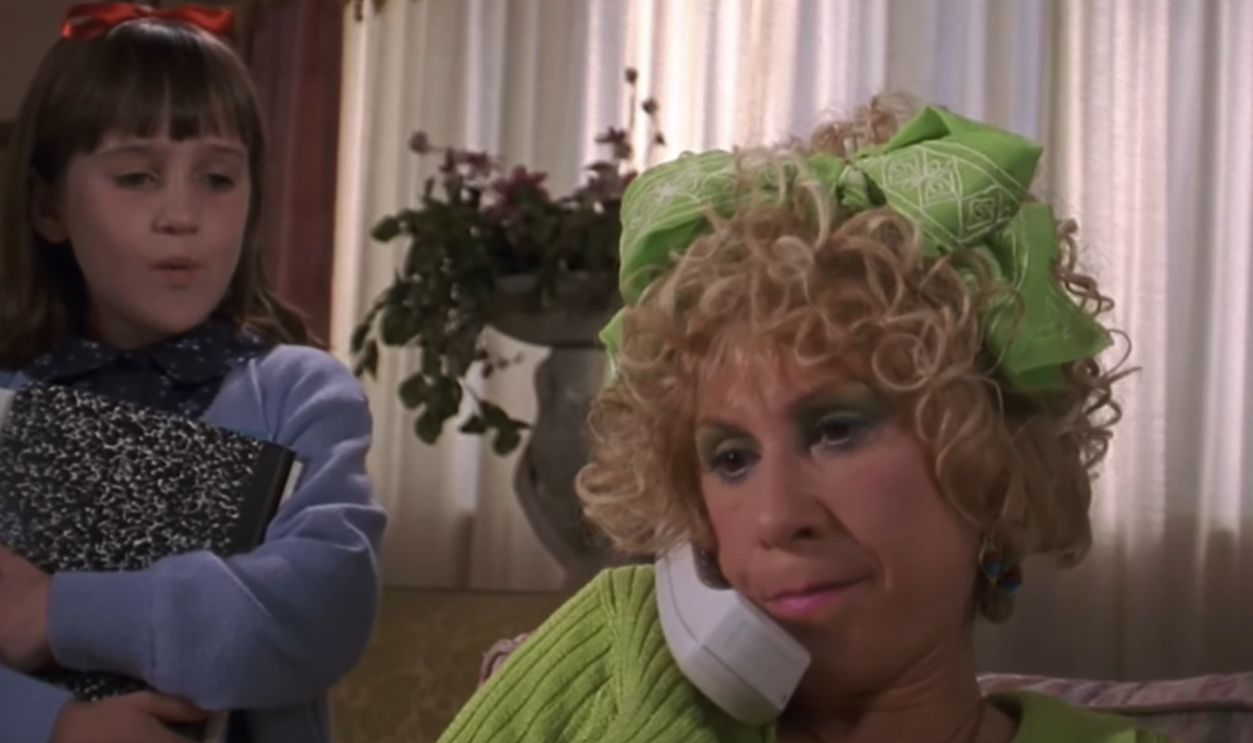 Screenshot from Matilda, Sony Pictures Releasing (1996)
She Returned To Carla
Perlman reprised Carla in the 2002 Frasier episode “Cheerful Goodbyes,” which reunited several former Cheers regulars. Carla had not misplaced her hostility during the intervening years. If anything, a decade away from Frasier had simply given her more time to prepare fresh insults.
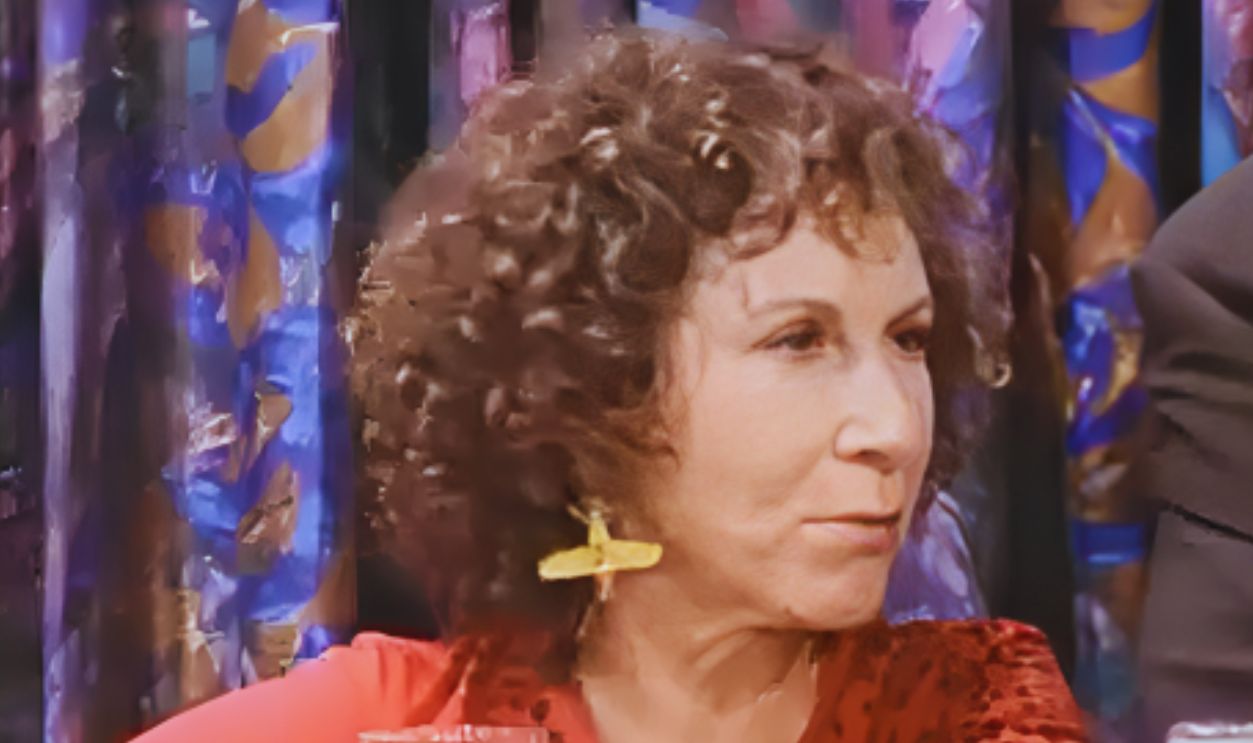 Screenshot from Frasier, NBC (1993–2004), Enhanced
She Also Became A Children’s Author
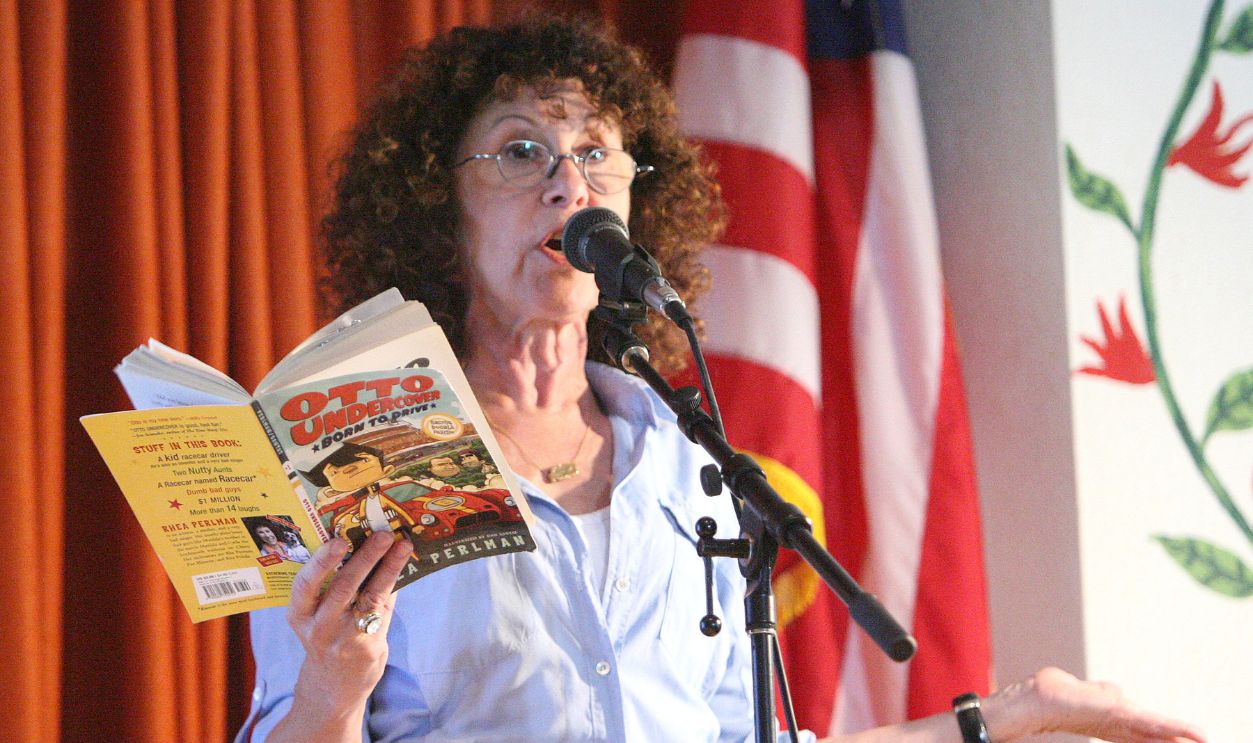
Away from acting, Perlman wrote the Otto Undercover series of children’s books about a young race-car driver and secret agent. The project displayed a gentler kind of humor while introducing her storytelling to readers who might have considered a Boston bar an unsuitable place for recess.
Television Kept Finding Her
Perlman appeared in series including Ally McBeal, Hung, The Mindy Project, Kirstie, Brooklyn Nine-Nine, and Poker Face. She could play warm, eccentric, difficult, or some highly entertaining combination of all three—and a single raised eyebrow still carried considerable destructive power.
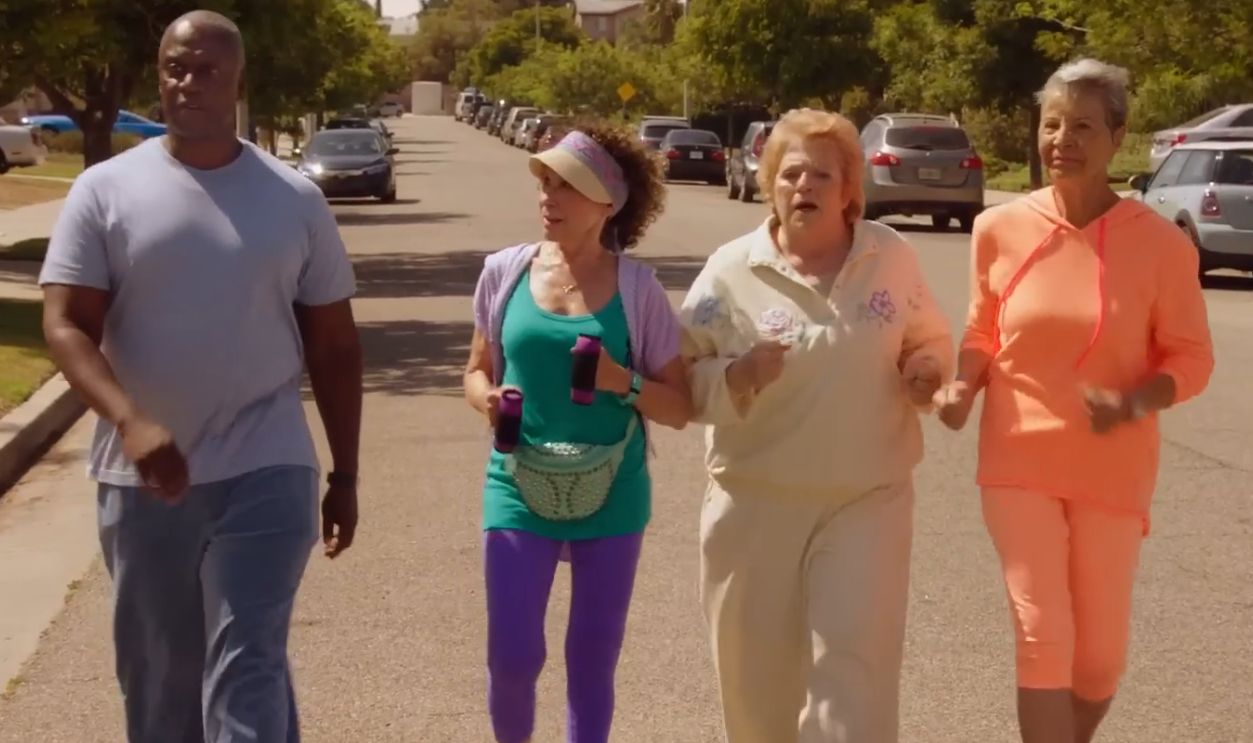 Screenshot from Brooklyn Nine-Nine, Fox (2013–2021)
She Became Barbie’s Creator
In Greta Gerwig’s 2023 film Barbie, Perlman portrayed Ruth Handler, the real-life creator of the Barbie doll. Her scenes brought emotional warmth to the enormous comedy. Younger viewers began recognizing her as “Barbie’s mother,” giving Perlman yet another generation of admirers.
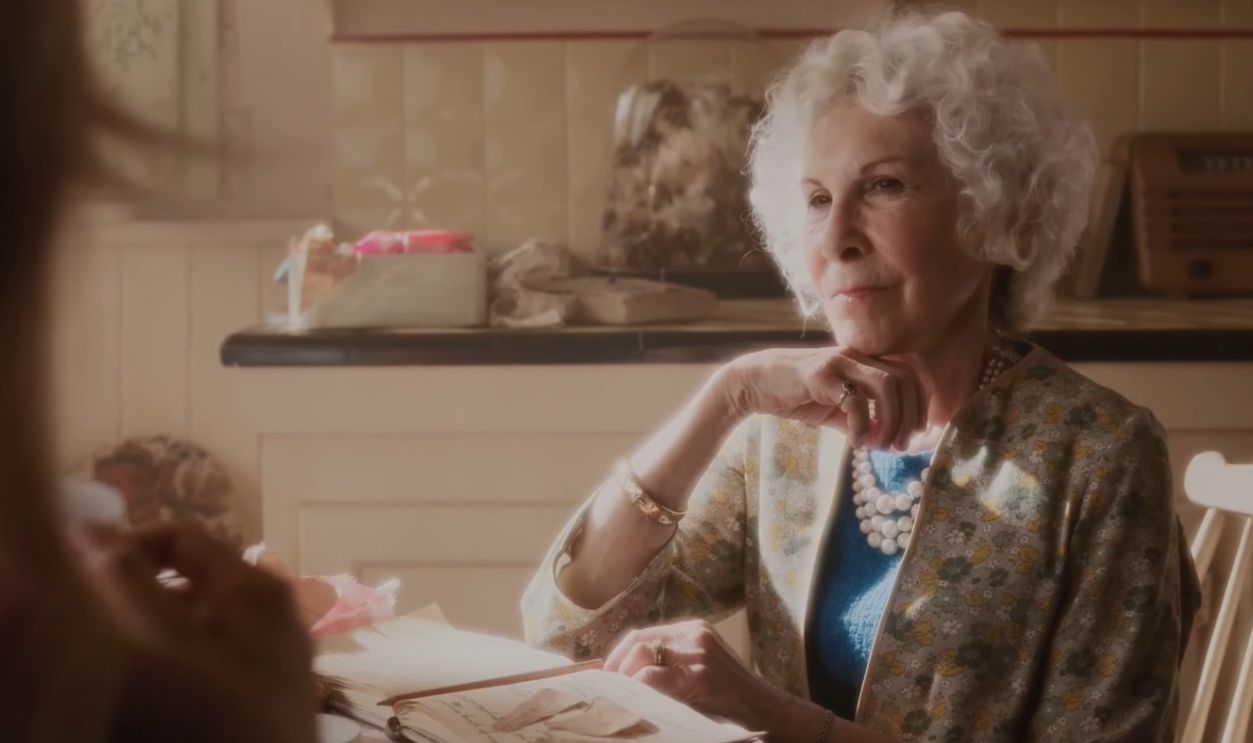 Screenshot from Barbie, Warner Bros. Pictures (2023)
Her Marriage Changed, But The Family Remained
Perlman and DeVito separated in 2012, reconciled, and separated again in 2017. They remained legally married and continued describing each other as family and close friends. After decades together and three children, their relationship changed shape without erasing the affection and history behind it.
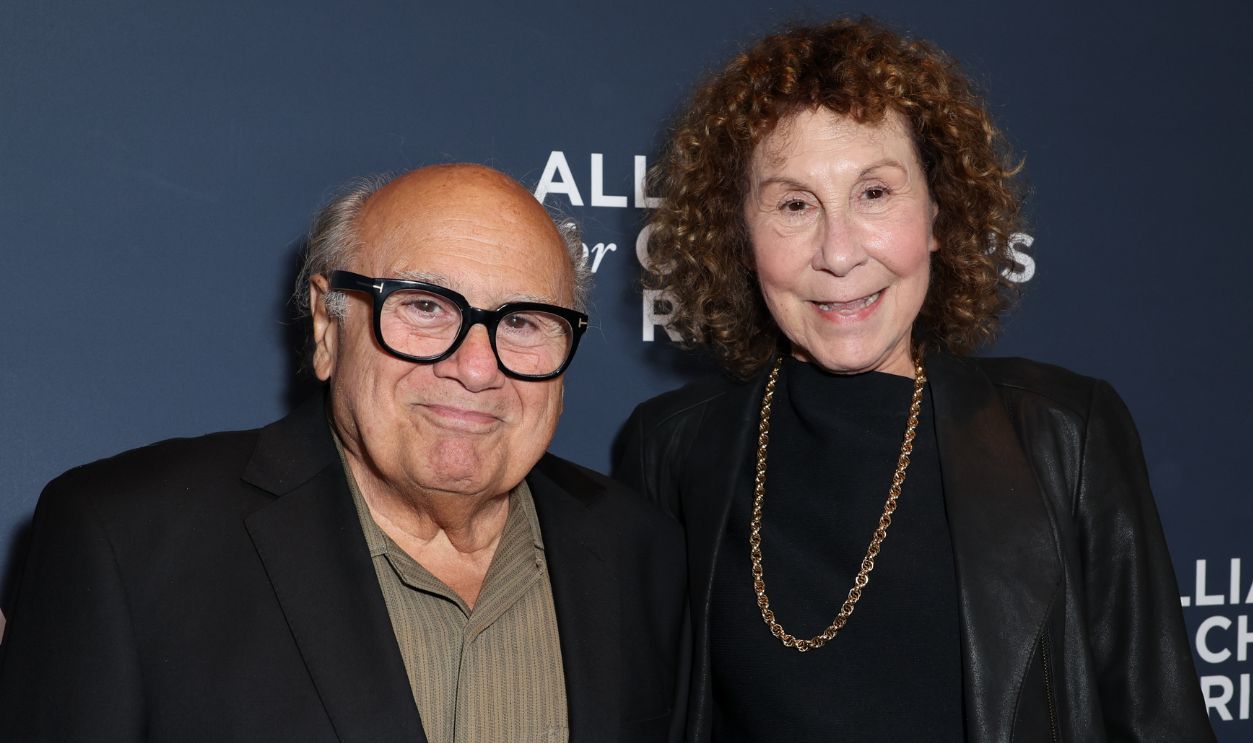
Carla Changed What A Sitcom Woman Could Be
Carla did not need to be elegant, agreeable, romantically idealized, or apologetic. She could be exhausted, angry, sexual, superstitious, maternal, loyal, and outrageously funny. Perlman made all those contradictions feel like parts of the same recognizable woman.
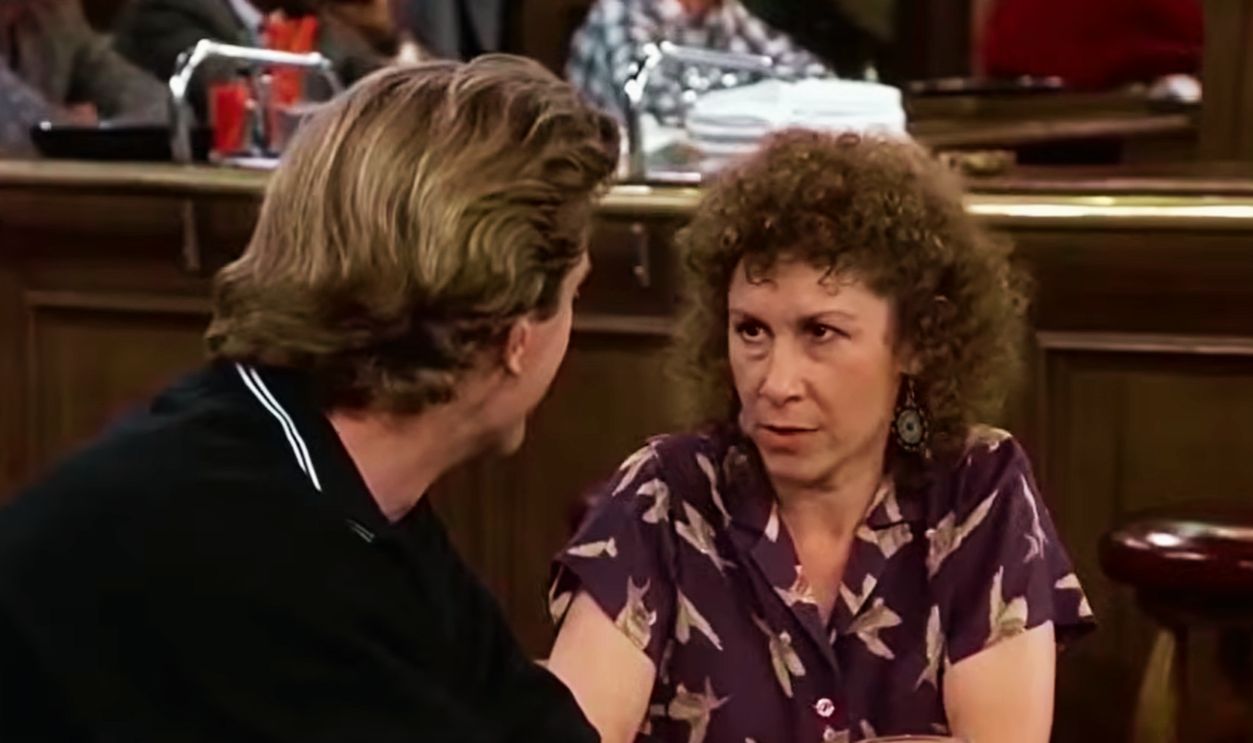 Screenshot from Cheers, NBC (1982–1993)
She Was The Sting In Every Sweet Moment
Cheers could become sentimental, but Carla prevented it from becoming syrupy. Whenever a scene grew dangerously tender, Perlman was ready with the remark that punctured it perfectly. Her timing kept the show honest—and reminded everyone that affection inside this family usually arrived disguised as an insult.
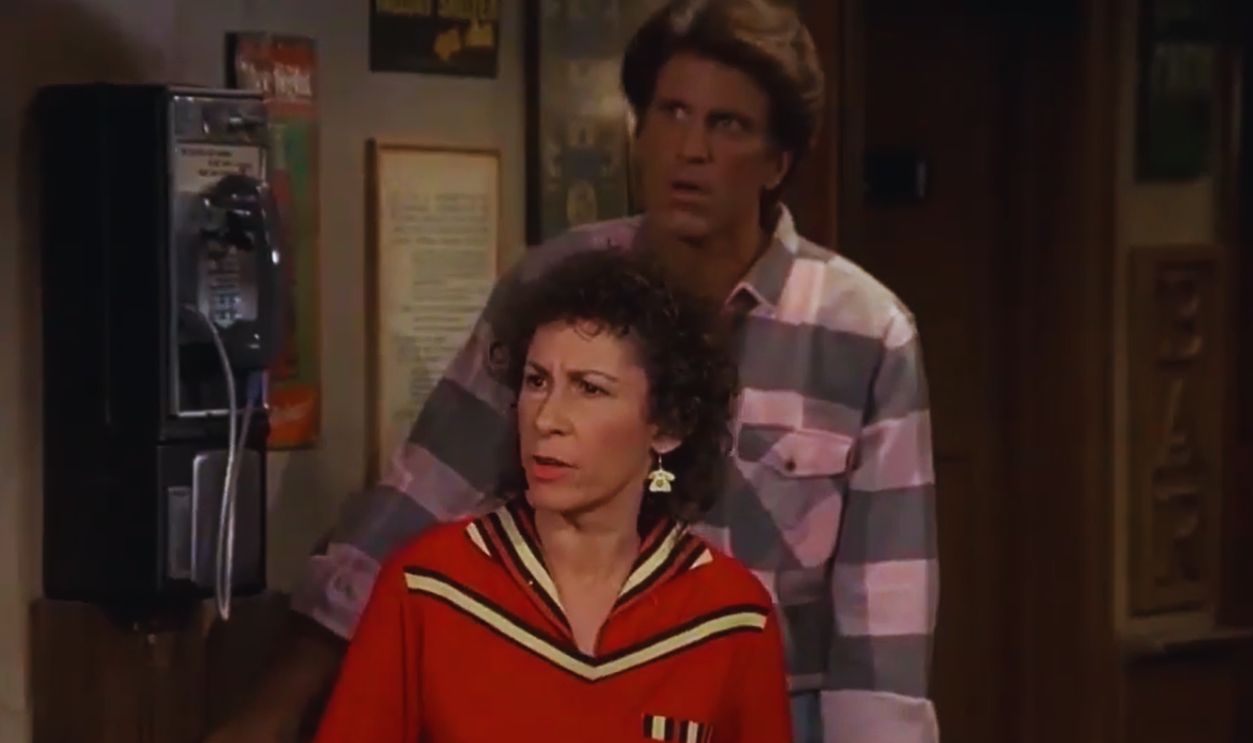 Screenshot from Cheers, NBC (1982–1993)
Rhea Perlman Made Every Line Count
Carla Tortelli may have been pouring drinks in the background, but Rhea Perlman never felt like a background performer. For 11 seasons, she transformed sharp writing into something faster, fiercer, and unexpectedly human. Cheers knew everybody’s name—but when Carla spoke, everybody listened.
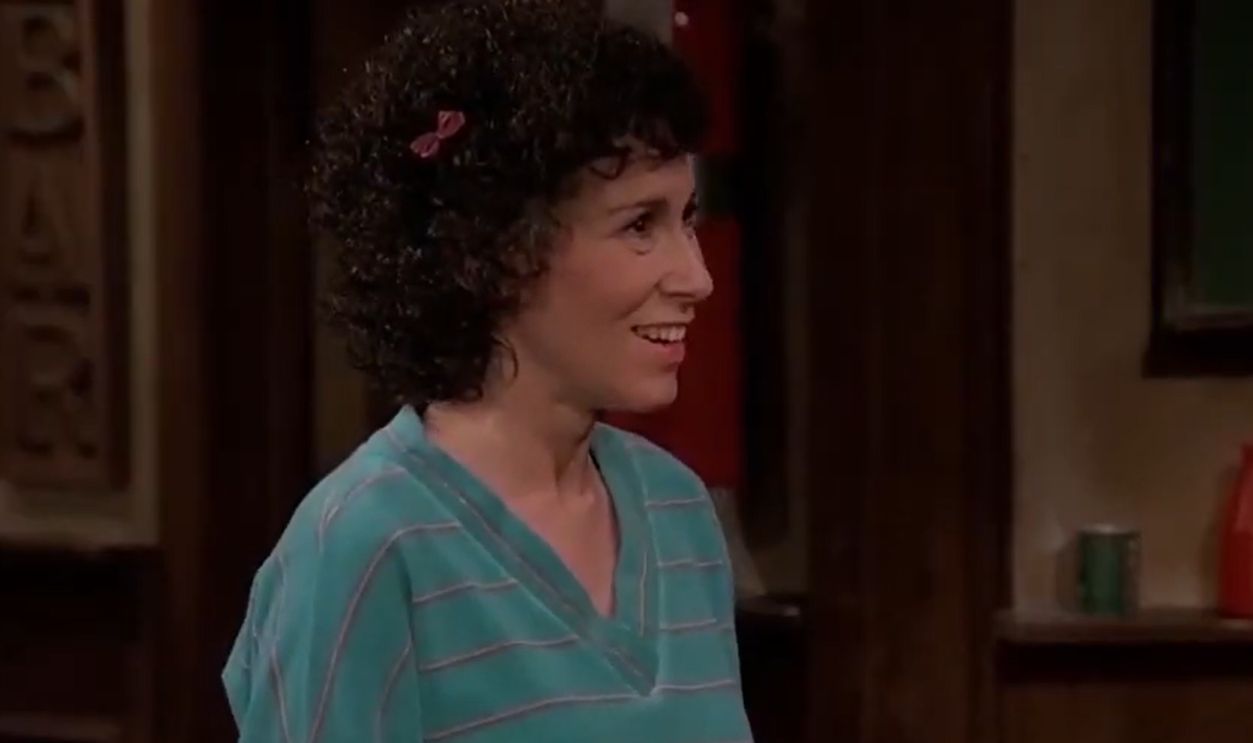 Screenshot from Cheers, NBC (1982–1993)
You May Also Like: