He Really Did Leave.
Pernell Roberts abandoned one of television’s biggest hits because fame and financial security could not erase his frustration with Adam Cartwright’s limited growth. His decision brought lean years and plenty of ridicule, but it also revealed an actor whose objections were artistic, personal, and more principled than Hollywood initially acknowledged.
He Came From A Very Different Acting World
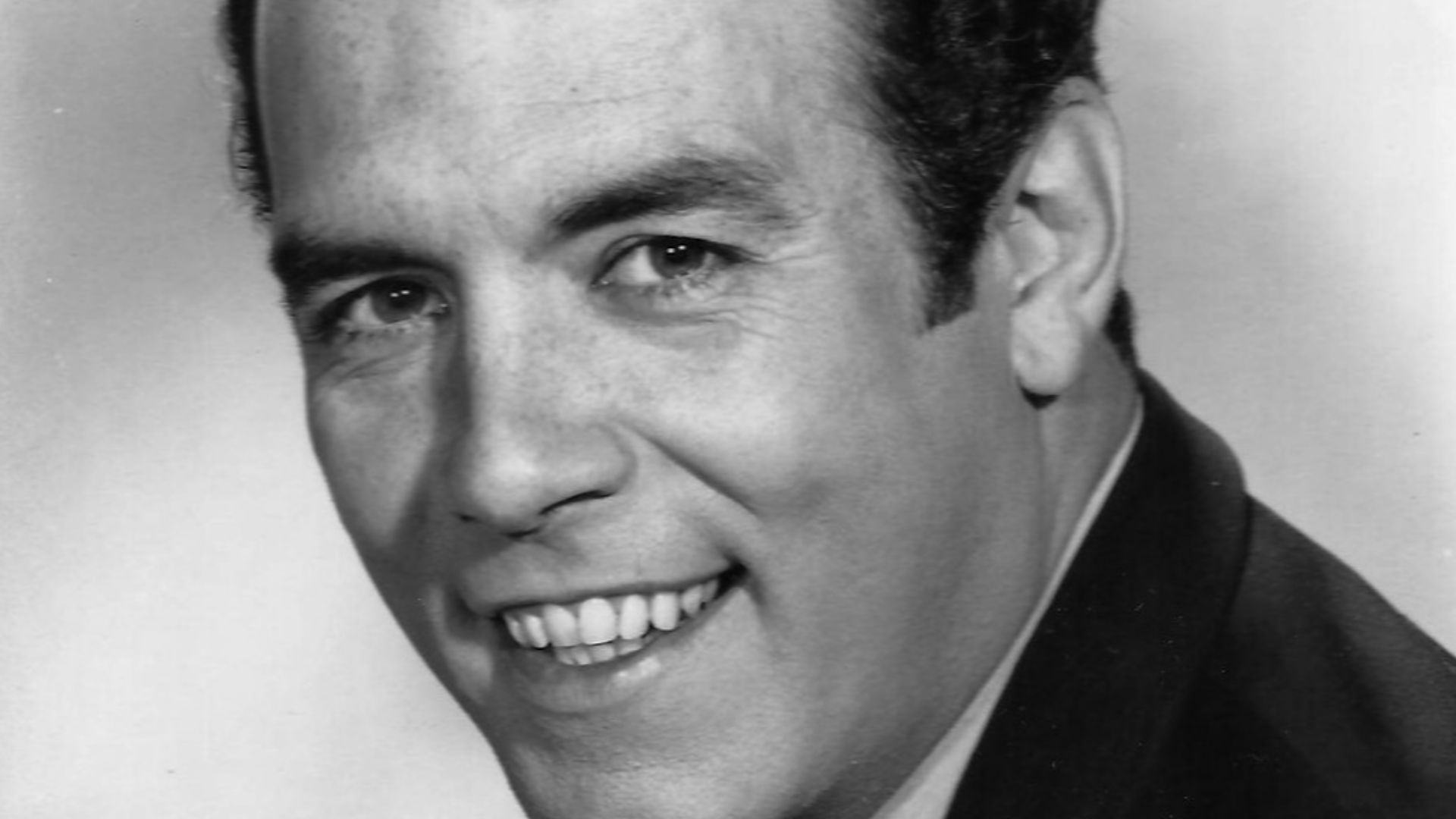
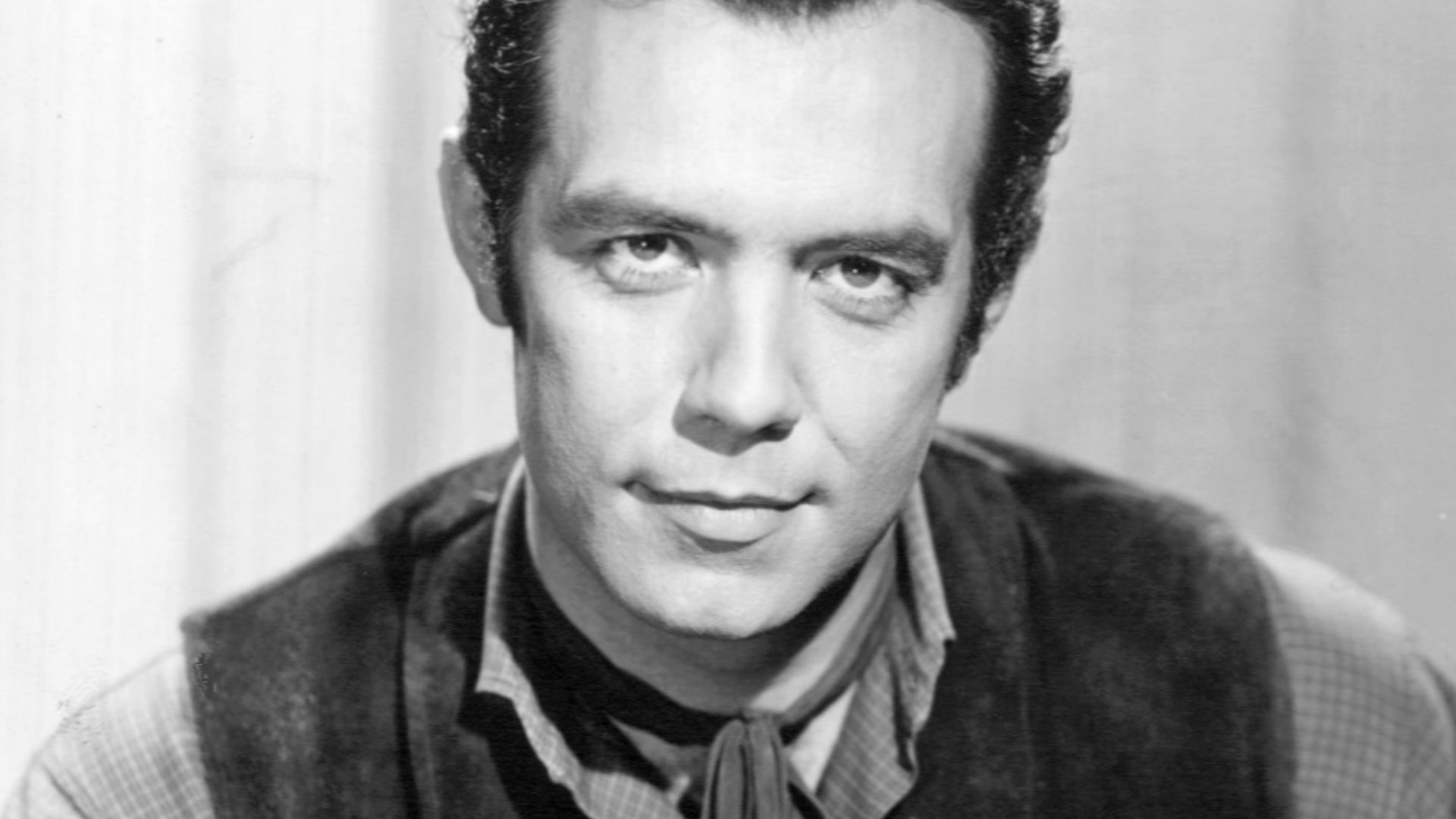
Roberts established himself as a stage actor in New York before becoming a television star. He worked in demanding classical and contemporary productions rather than training solely in Hollywood Westerns. That background encouraged him to think of acting as an interpretive art, not simply a reliable way to become famous. It also helps explain why repetitive television material eventually bothered him so deeply.
 CBS Television, Wikimedia Commons
Broadway Ambition Shaped His Expectations
Roberts valued plays, musicals, and characters capable of changing across a story. He later toured in productions including The King and I, Camelot, and The Music Man, demonstrating that live theater remained important even after television made him famous. A weekly Western could offer extraordinary exposure, but it did not always provide the complexity he associated with serious acting.
 NBC Television, Wikimedia Commons
Hollywood Quickly Saw A Western Leading Man
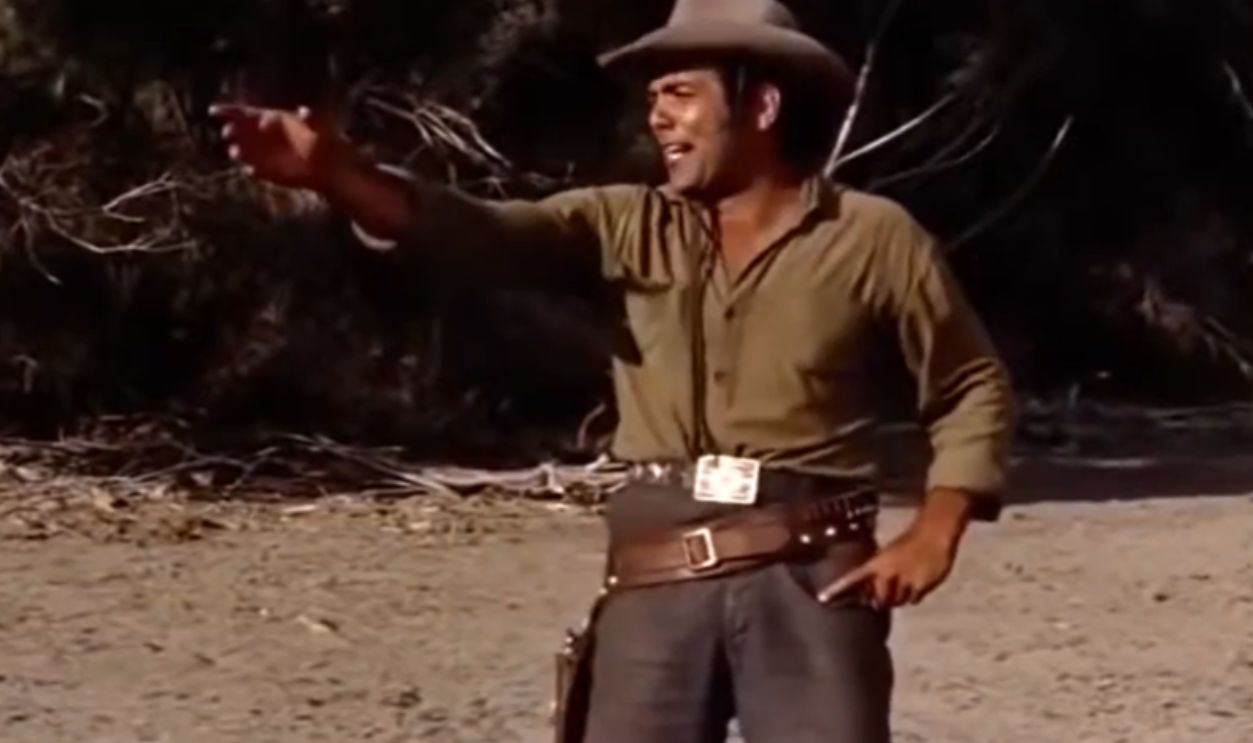
Roberts’s height, dark looks, strong voice, and controlled intensity made him a natural fit for the Westerns filling movie screens and television schedules. Before Bonanza, he appeared in films including Ride Lonesome and The Sheepman. Producers could easily imagine him as an educated frontier hero. The opportunity that followed looked like the kind of career breakthrough few actors would reject.
 Screenshot from Ride Lonesome, Sony Pictures Entertainment (1959)
Adam Was The Sophisticated Cartwright
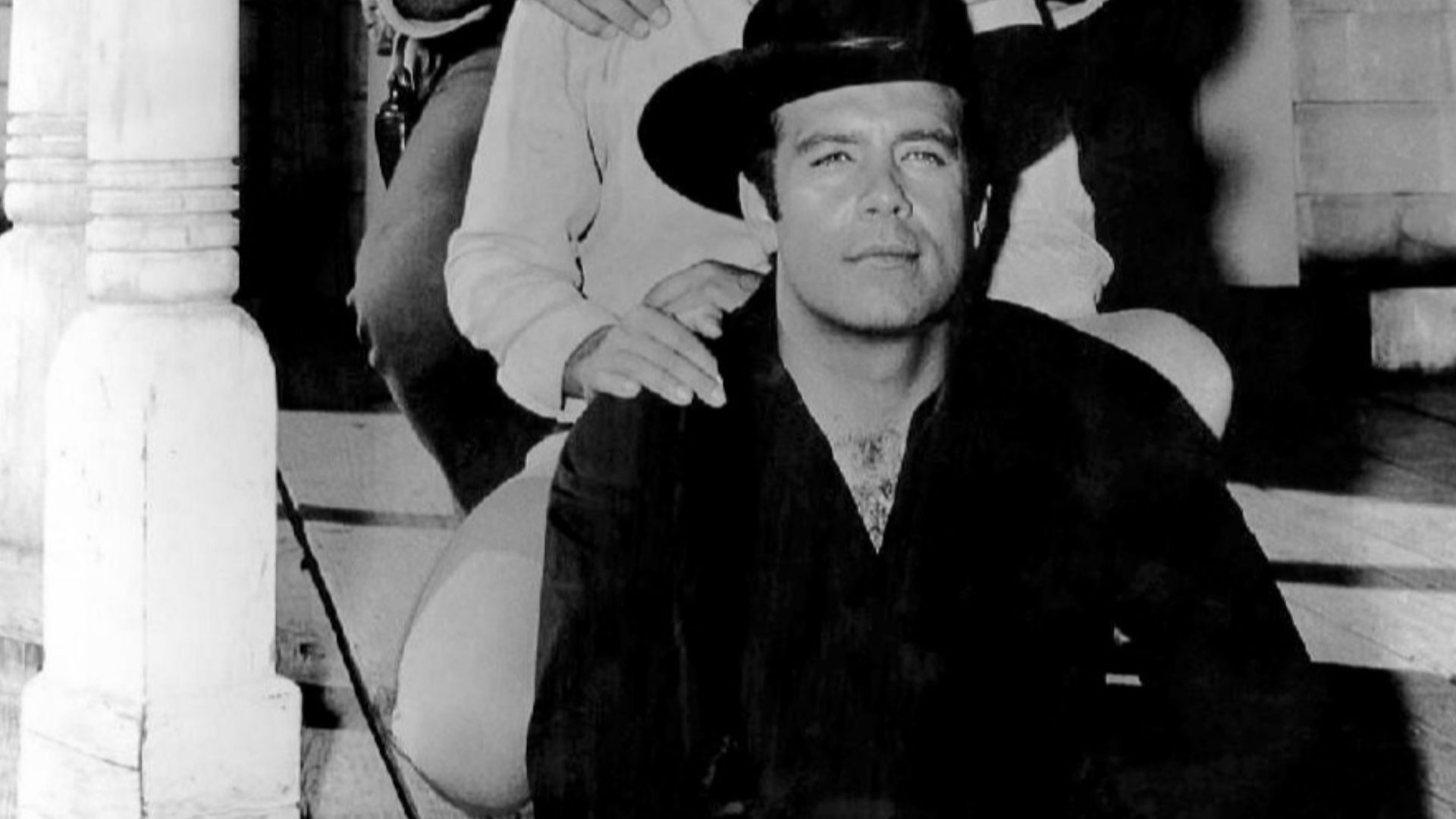
When Bonanza premiered in 1959, Roberts played Adam Cartwright, Ben’s eldest son. Adam was generally portrayed as the most educated and intellectual of the brothers, with a calmer temperament than Hoss or Little Joe. His dark clothing and thoughtful manner immediately distinguished him within the family. Roberts gave the character enough reserve to suggest a larger life beyond the Ponderosa.
 Pat MacDermott Company, Directional Public Relations, for Chevrolet, Wikimedia Commons
The Cartwright Family Became Television Royalty
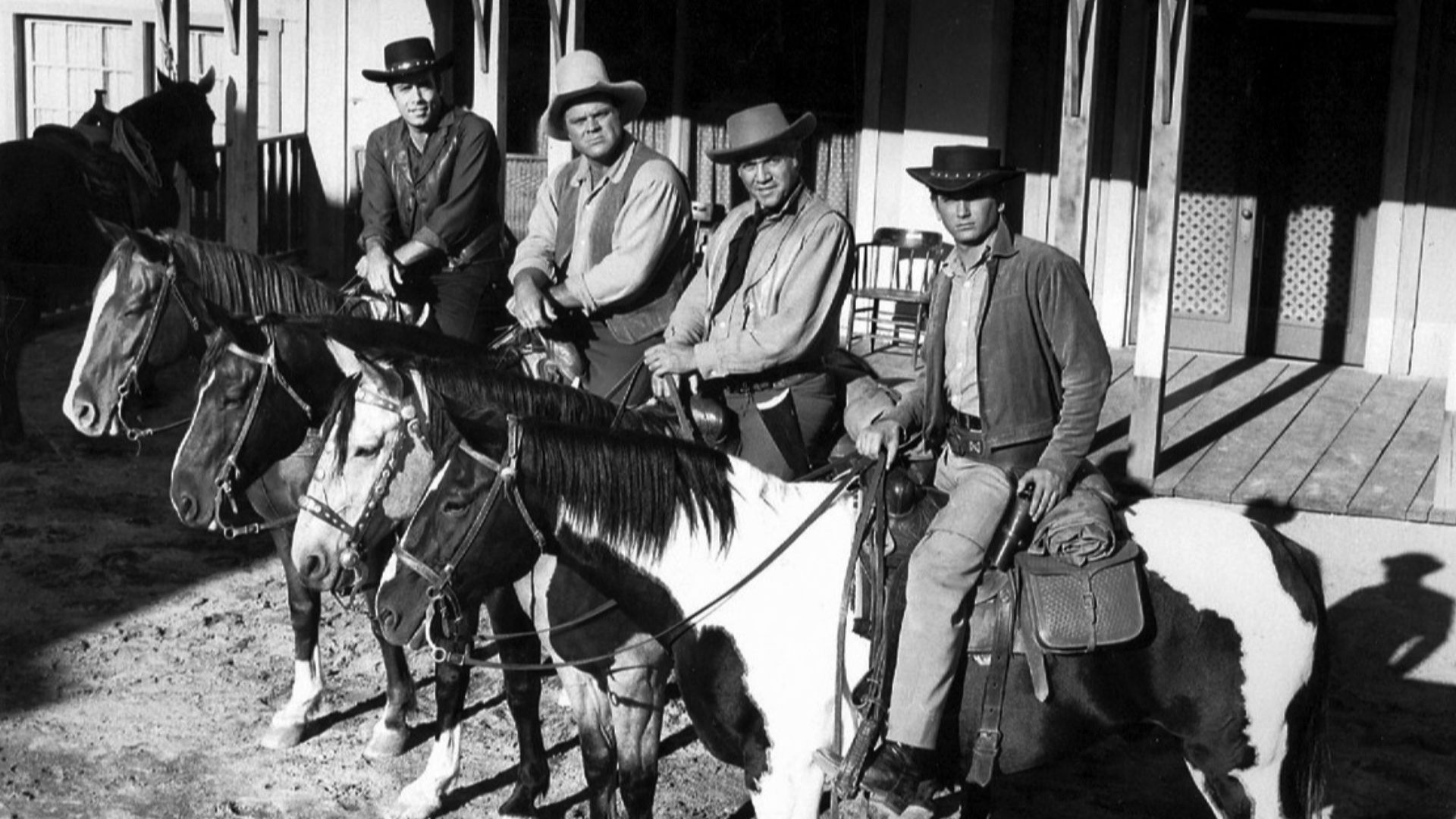
Bonanza followed widowed rancher Ben Cartwright and his three adult sons on Nevada’s enormous Ponderosa Ranch. The combination of family drama, Western action, and moral conflict helped it become one of NBC’s defining programs. The series eventually ran for 14 seasons and more than 400 episodes. Roberts found himself inside a cultural phenomenon much larger than an ordinary acting assignment.
 NBC Television, Wikimedia Commons
Success Did Not Arrive Immediately
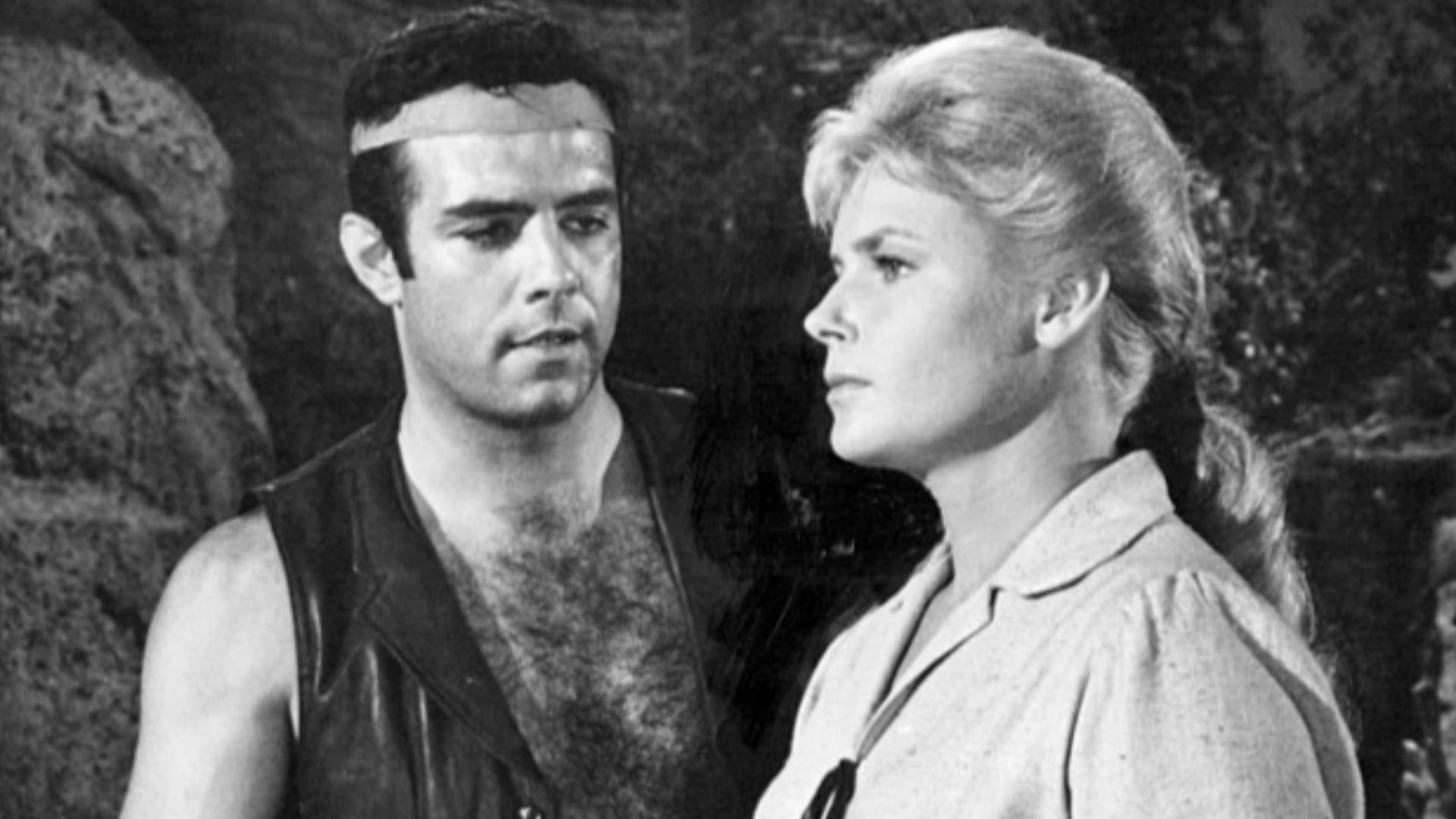
The show initially aired on Saturday nights and faced strong competition. Its fortunes improved after NBC moved it to Sunday, where the Cartwrights became a dominant ratings attraction. By the time Roberts was preparing to leave, Bonanza was not a struggling experiment. He was walking away from one of the safest jobs in American television.
 NBC Television, Wikimedia Commons
He Had Been Promised Distinct Characters
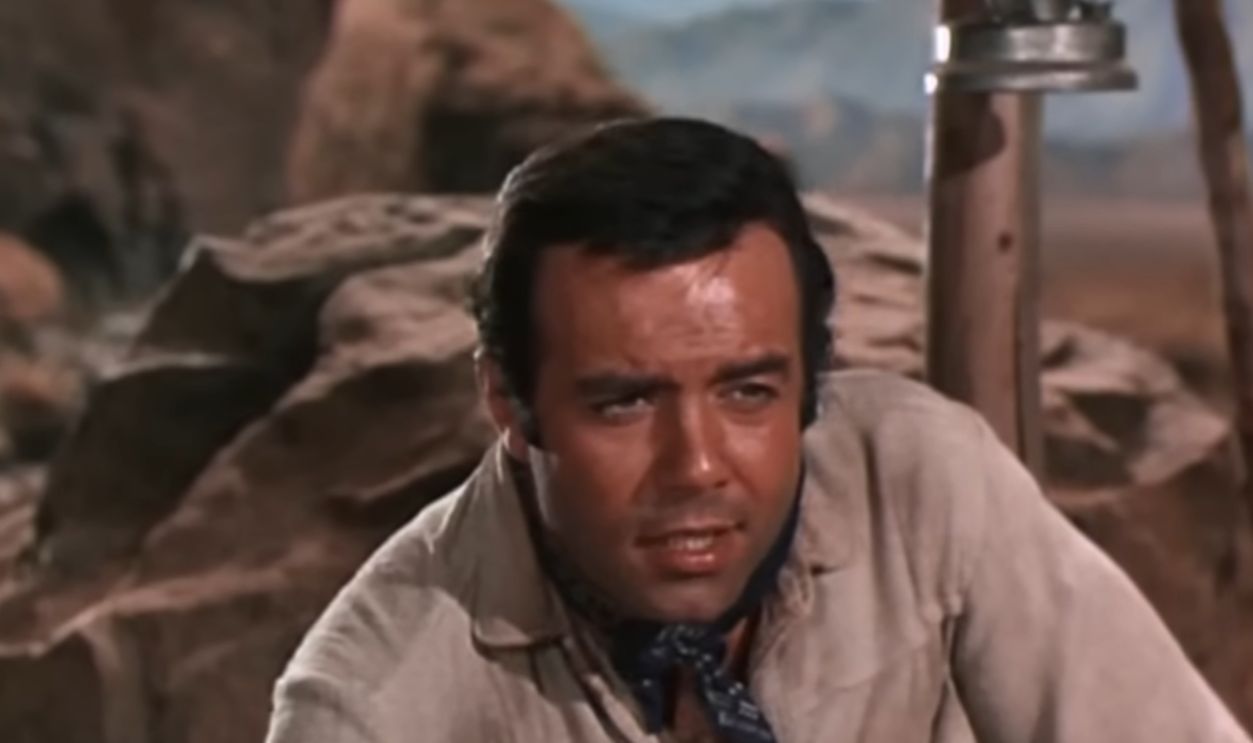
Roberts said he had been told that the four principal Cartwrights would be carefully defined and supported by well-prepared scripts. In his view, that promise was never fully honored. He believed the family members were too often fitted into predictable story patterns rather than allowed sustained development. His dissatisfaction therefore began with expectations created before the series became successful.
 Screenshot from Bonanza, Paramount Global (1959-1973)
Adam Rarely Seemed To Grow Up
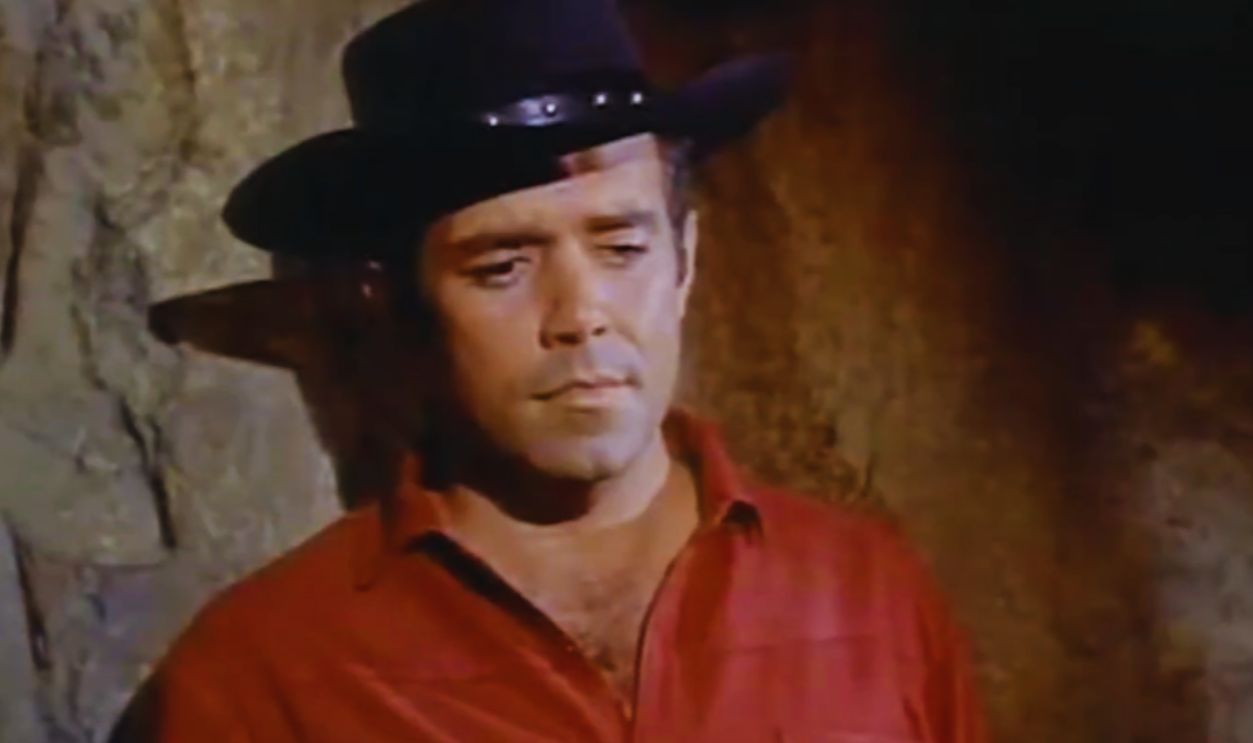
One of Roberts’s most famous complaints concerned Adam’s continuing submission to his father. Adam was an educated man in his thirties, yet stories repeatedly required him and his adult brothers to seek Ben’s approval. Roberts openly questioned why three grown men needed their father’s permission for so many decisions. The family structure that reassured viewers increasingly felt artificial to the actor playing the eldest son.
 Screenshot from Bonanza, Paramount Global (1959-1973)
The Bachelor Formula Frustrated Him
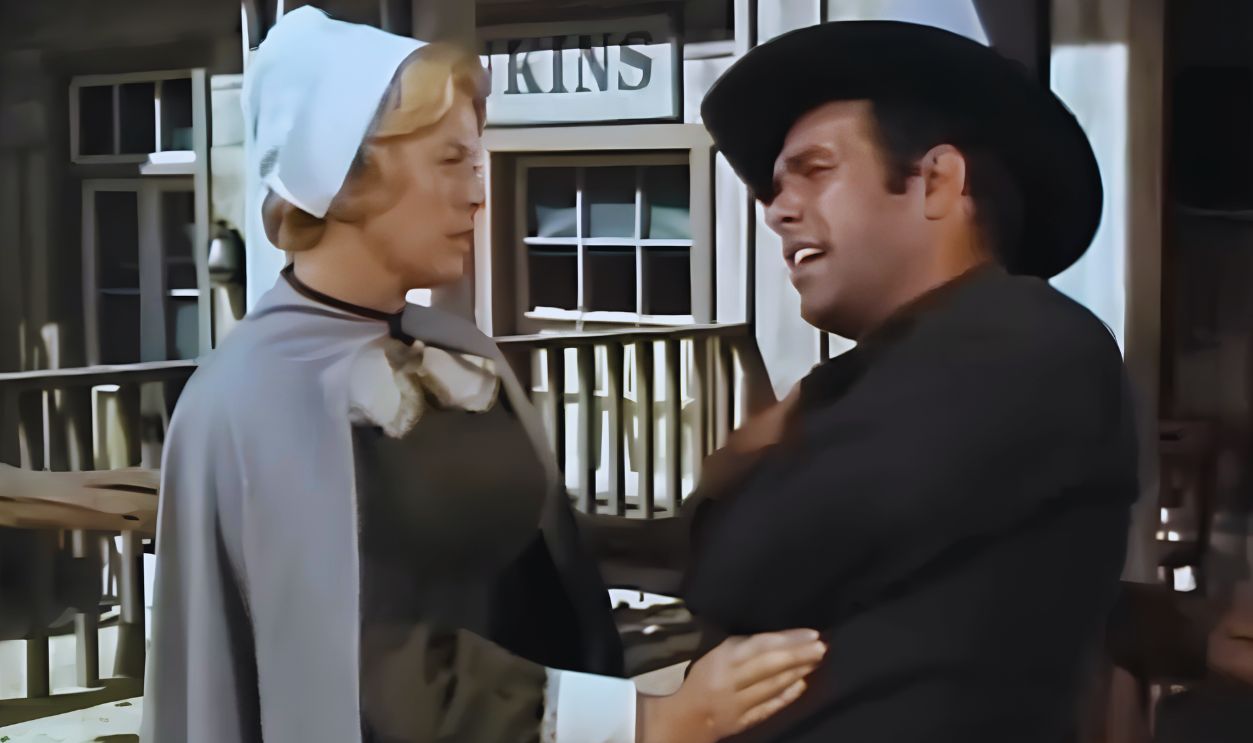
The Cartwright sons could fall in love, but lasting relationships threatened the basic structure of the series. Romantic interests frequently disappeared before they could permanently change the household. Roberts wanted Adam to experience consequences and development beyond another self-contained weekly adventure. A character who remained eternally available for the next episode offered stability to producers but creative stagnation to the actor.
 Screenshot from Bonanza, Paramount Global (1959-1973)
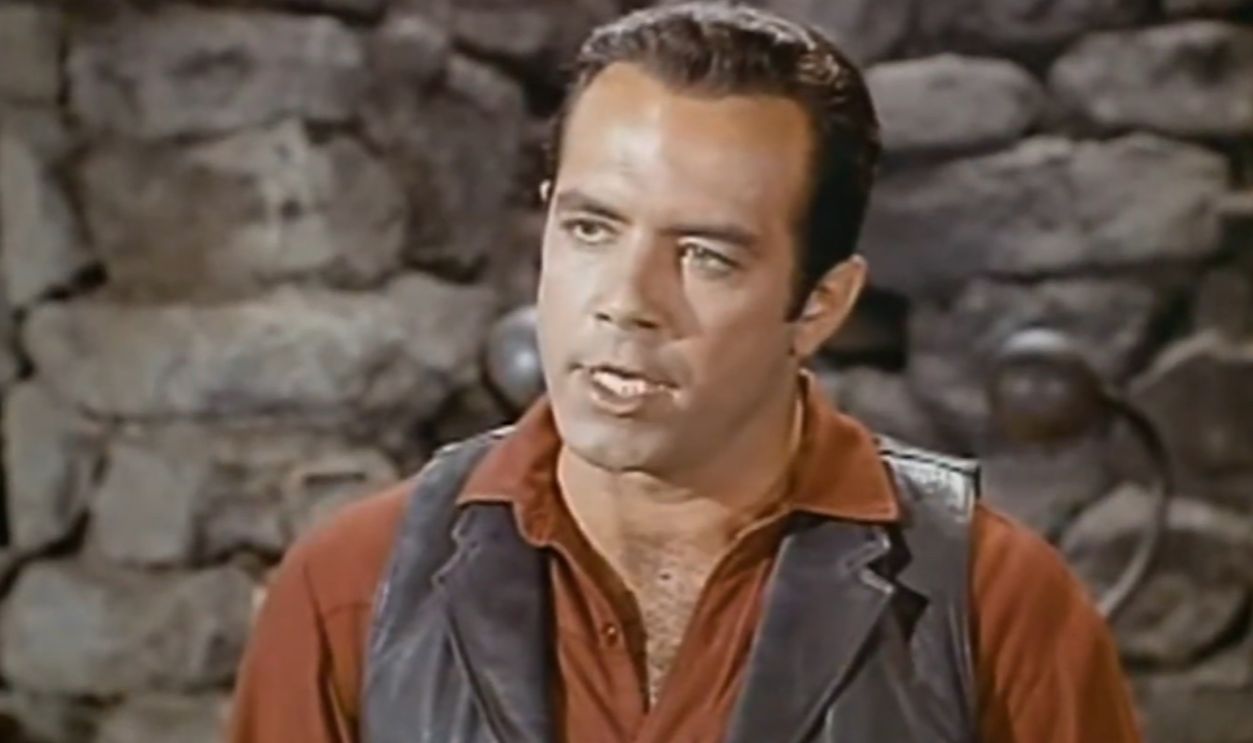
He Objected To Playing Everything Safe
Roberts criticized the series for trying to remain a family show that would offend no one. He believed that caution produced a consistent but limited level of storytelling. His complaint was not that Bonanza lacked popularity, because its popularity was undeniable. He worried that commercial safety had become more important than artistic risk.
 Screenshot from Bonanza, Paramount Global (1959-1973)
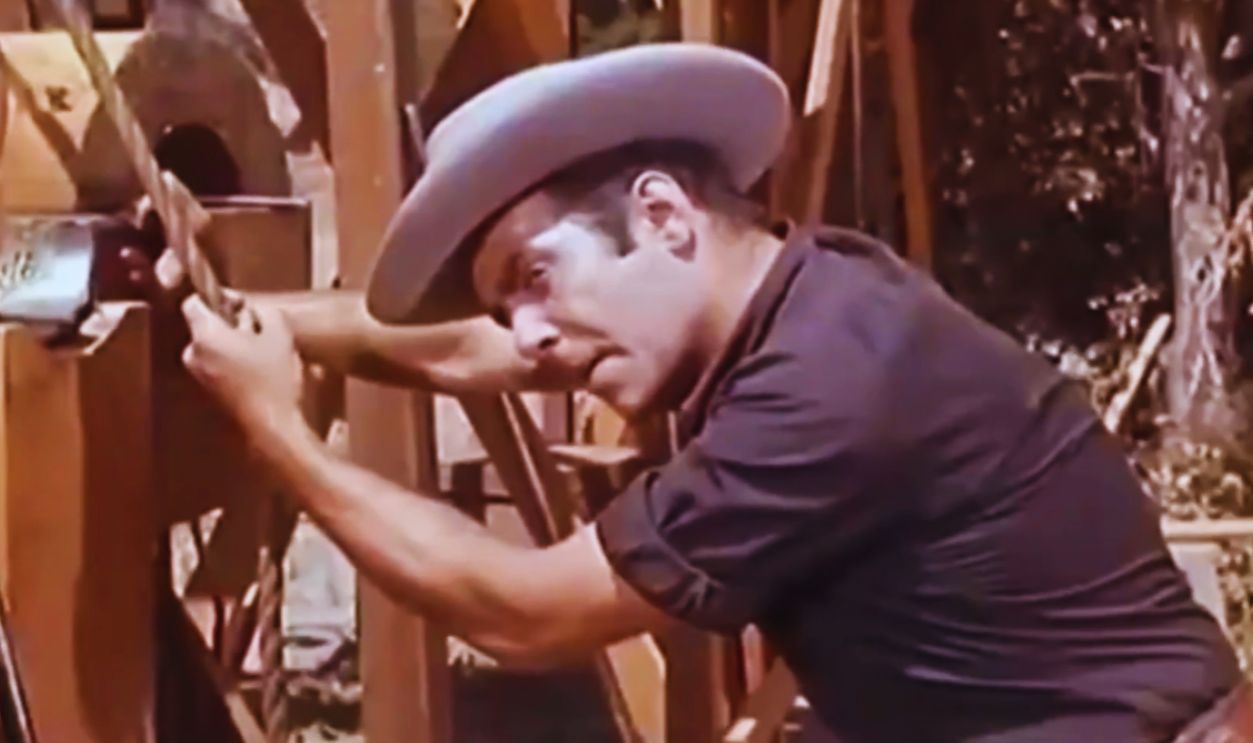
He Earned A Reputation As A Troublemaker
Roberts did not keep his criticisms private, which made him difficult for producers to dismiss politely. He acknowledged that people on the production considered him a troublemaker. His response was that he might rock the boat when he disliked the direction in which it was sailing. That willingness to challenge a successful operation made him admirable to some colleagues and exhausting to others.
 Screenshot from Bonanza, Paramount Global (1959-1973)
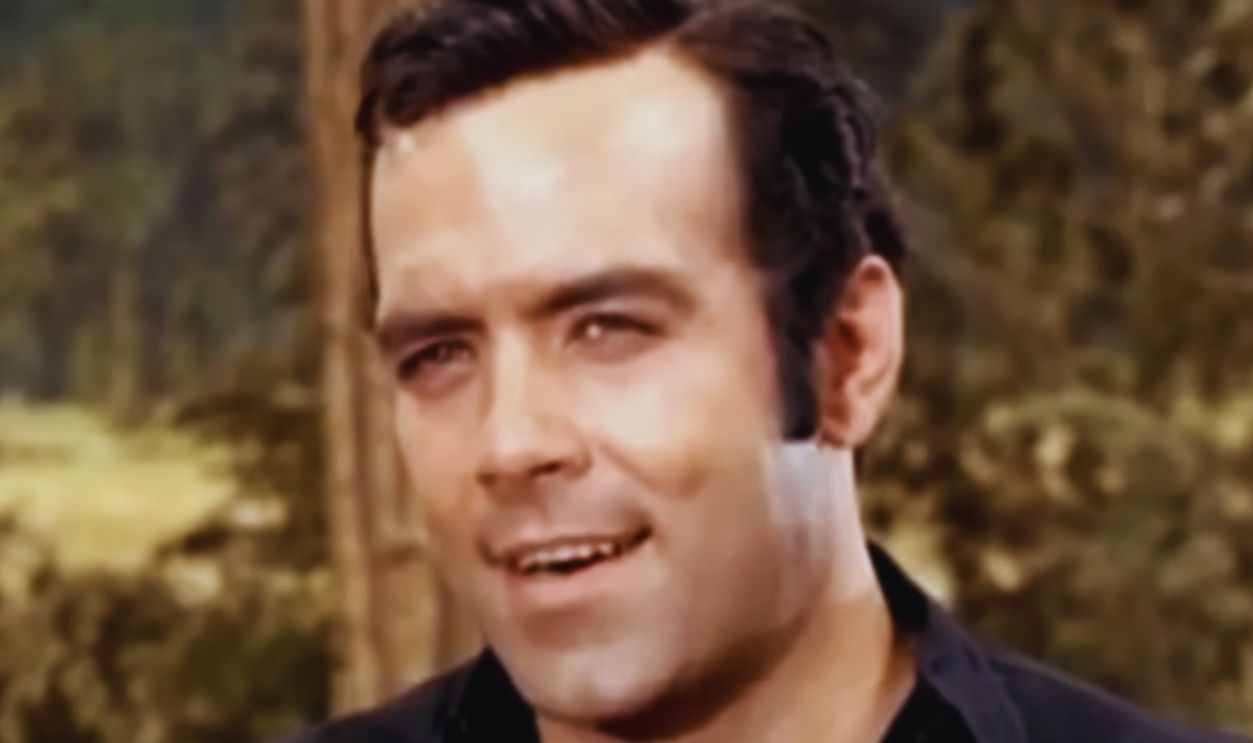
He Was Not Simply Fighting With The Cast
Later retellings sometimes reduce his exit to personal hostility or arrogance. The documented complaints were primarily about scripts, characterization, creative control, and the program’s refusal to evolve. Roberts continued fulfilling his contract rather than abandoning the production without notice. His dispute was with what the job required, not merely with the people standing beside him.
 Screenshot from Bonanza, Paramount Global (1959-1973)
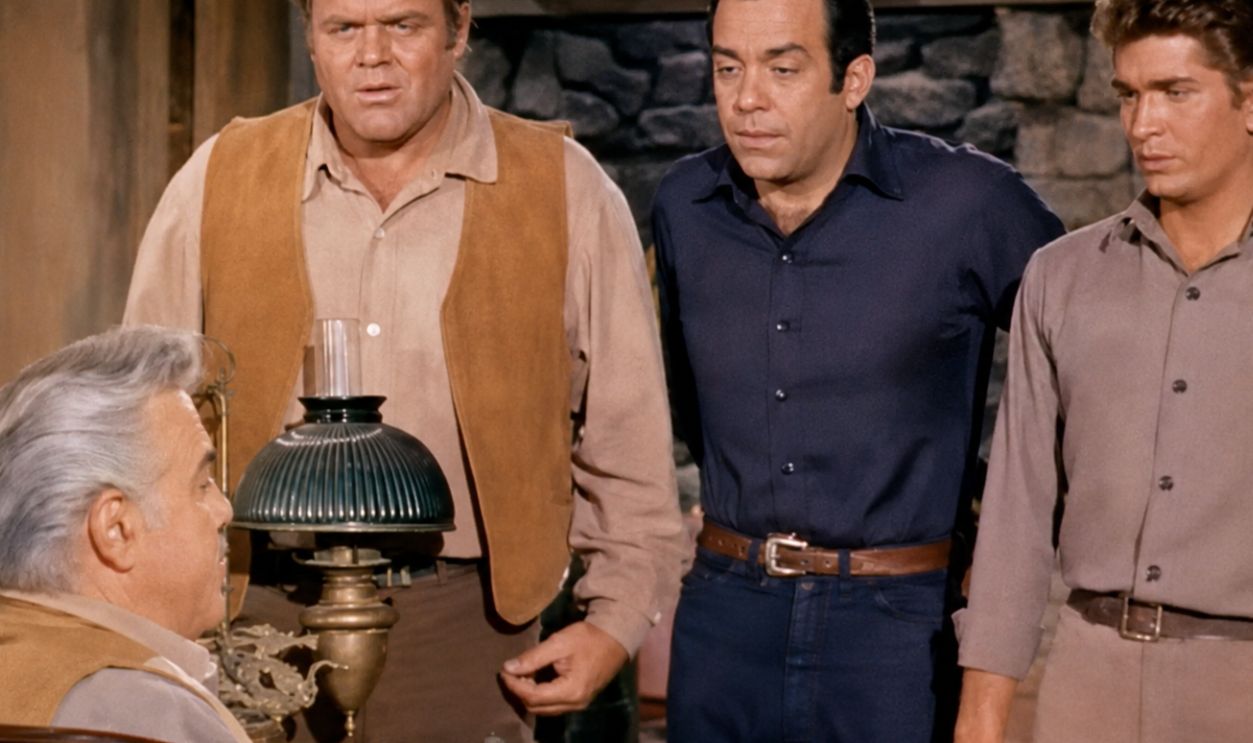
The Four Leads Still Created Real Chemistry
Lorne Greene, Dan Blocker, Michael Landon, and Roberts gave the Cartwright household a distinct emotional rhythm. Ben carried patriarchal authority, Hoss brought gentleness, Little Joe supplied impulsive energy, and Adam provided intelligence and restraint. Roberts’s frustration with the writing did not prevent his performance from strengthening the ensemble. The very qualities that made Adam essential also made viewers angry when he vanished.
 Screenshot from Bonanza, Paramount Global (1959-1973), enhanced
He Wanted Adam To Challenge Ben
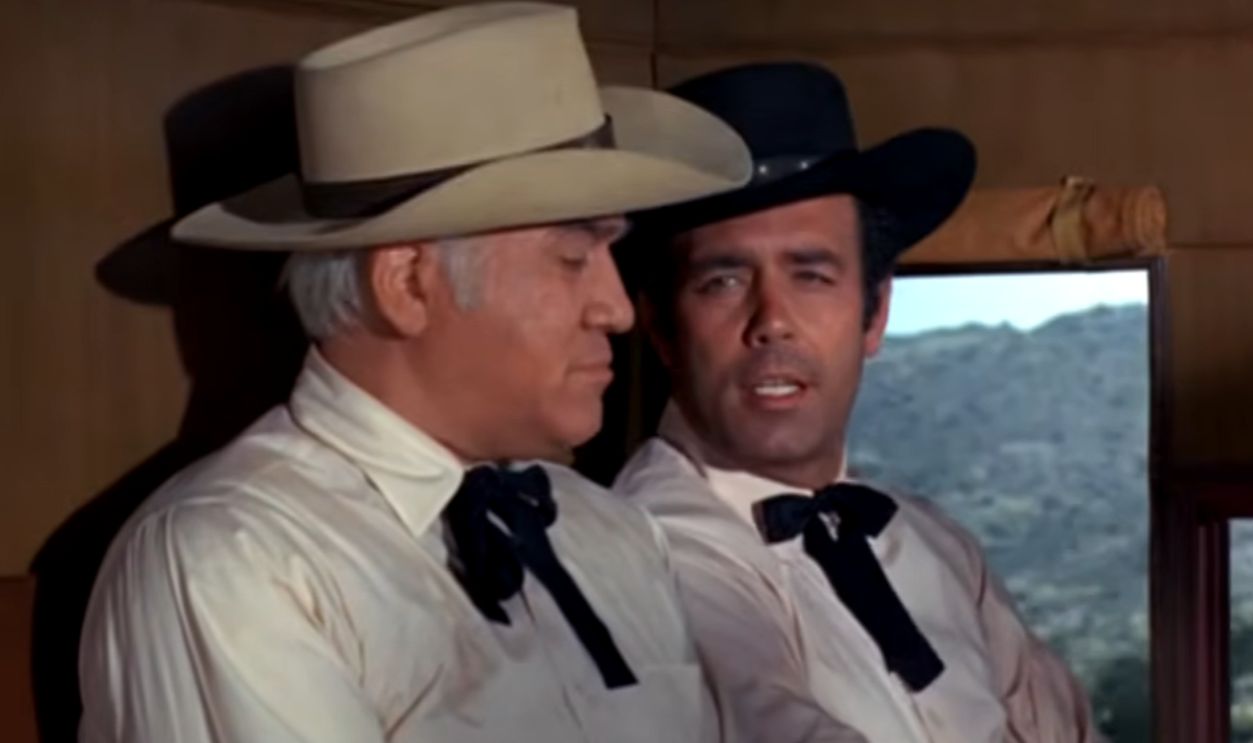
Roberts believed an adult son should be capable of opposing his father without automatically returning to obedience. Such conflict could have deepened both Adam and Ben by allowing affection to survive genuine disagreement. The series usually preferred restoring family harmony by the final scene. Roberts saw that pattern as a missed opportunity rather than a comforting tradition.
 Screenshot from Bonanza, Paramount Global (1959-1973)
Money Could Not Settle The Argument
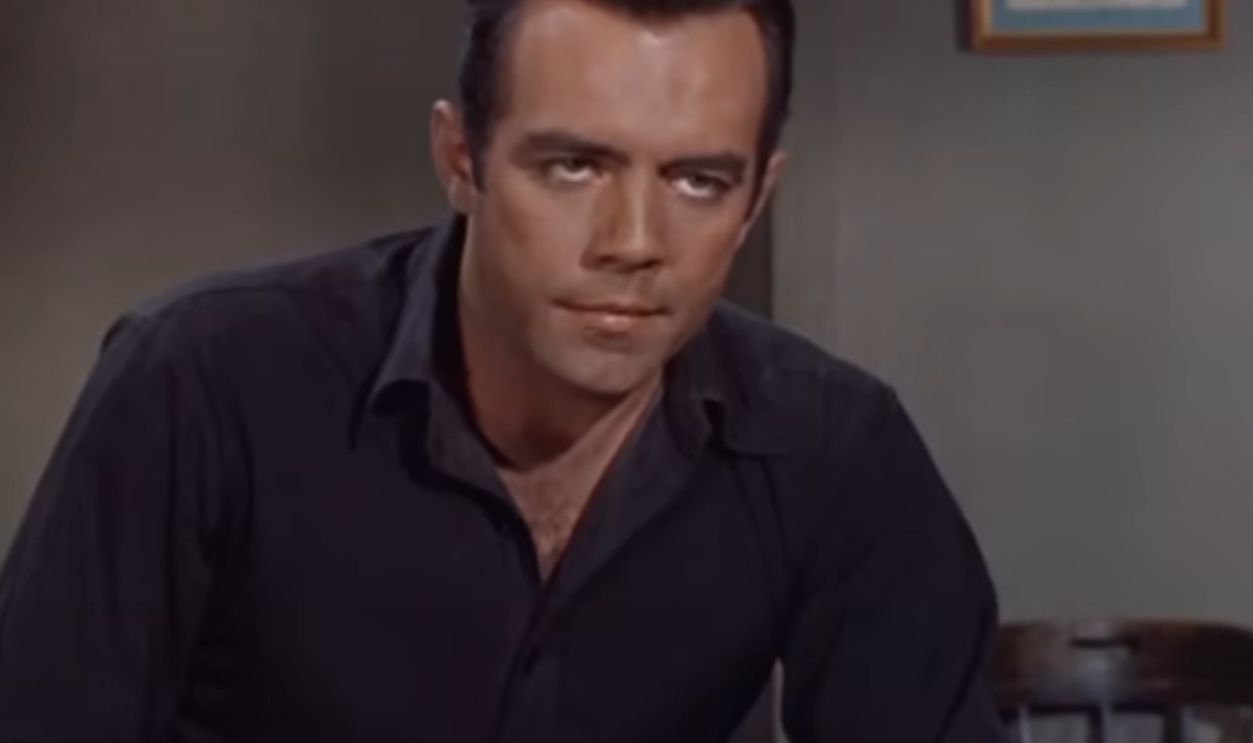
Leaving Bonanza meant surrendering substantial future earnings from a highly successful series. Roberts rejected the idea that he should accept work he did not believe in simply because it paid well. He said that performing material he disliked would make him cry rather than laugh on the way to the bank. Artistic peace of mind mattered more to him than the security Hollywood assumed everyone wanted.
 Screenshot from Bonanza, Paramount Global (1959-1973)
He Completed The Contract Anyway
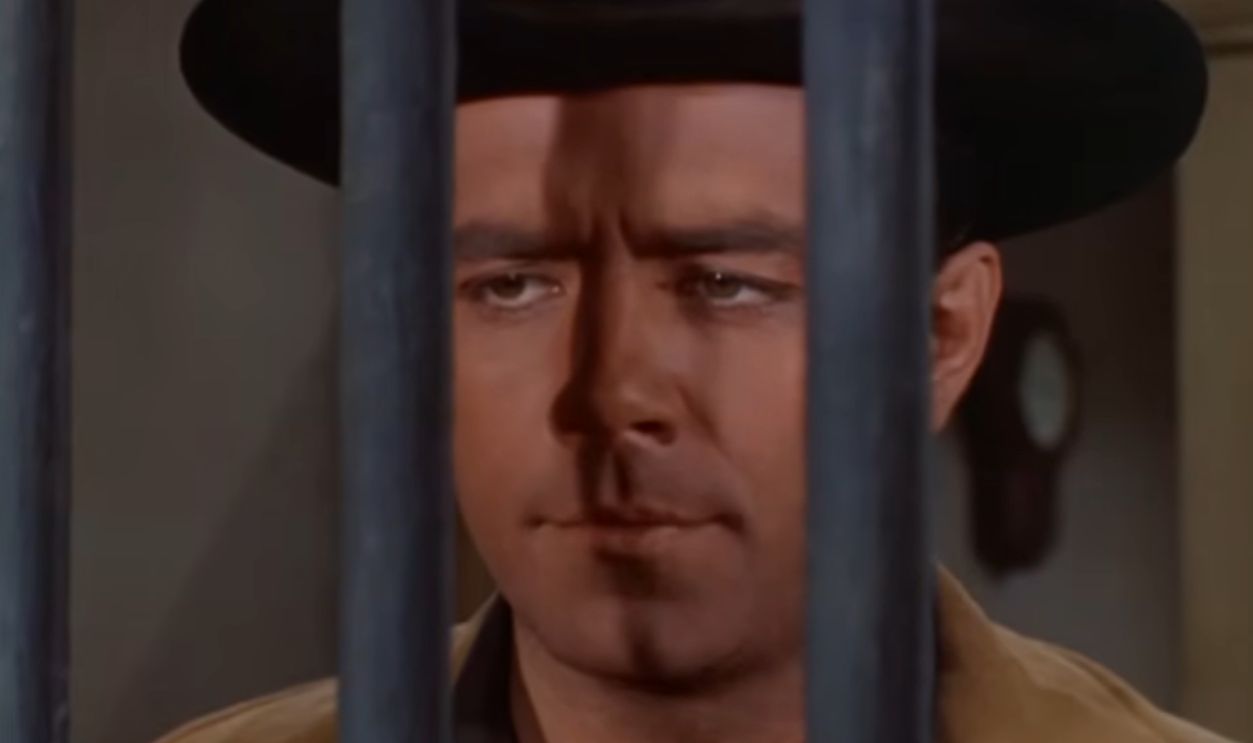
Roberts did not abruptly disappear during a season or force NBC to shut down production. He honored the six-year agreement he had signed and left when that initial contract expired. The distinction mattered because it showed that his departure was deliberate rather than impulsive. He had spent years knowing that he did not intend to continue.
 Screenshot from Bonanza, Paramount Global (1959-1973)
Leaving In 1965 Still Shocked Hollywood
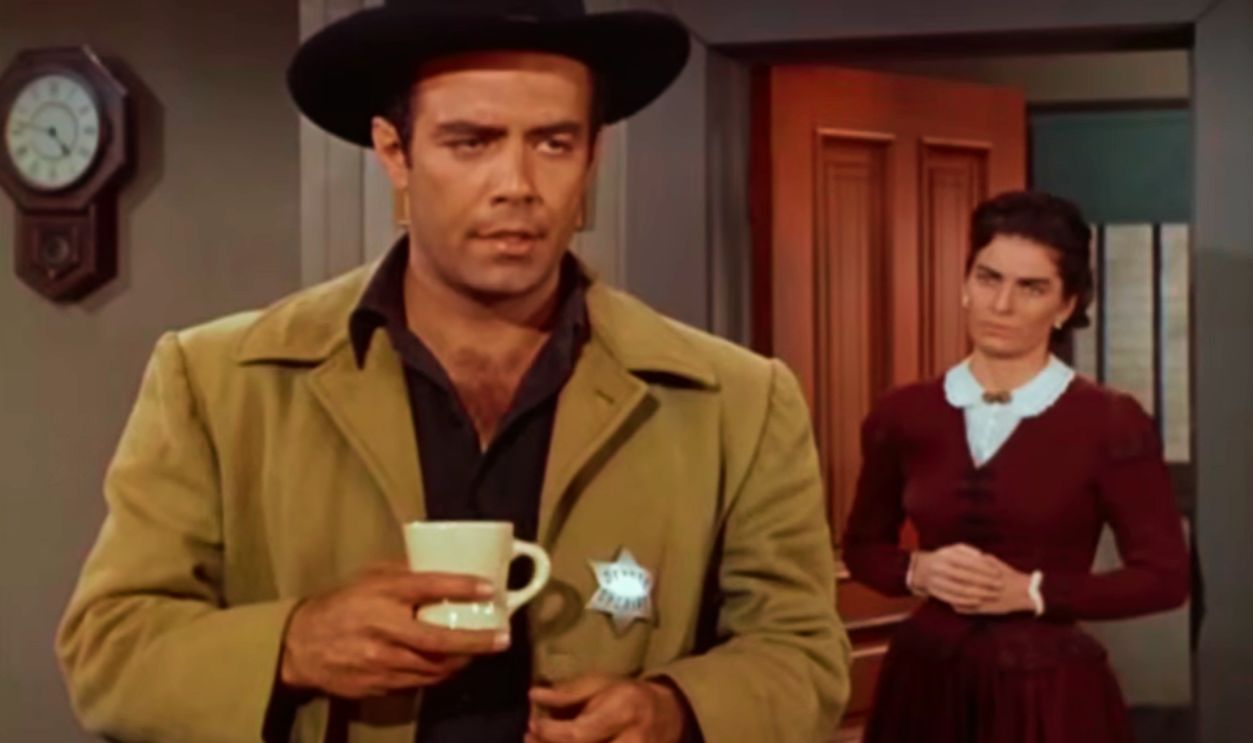
Roberts departed in 1965, when Bonanza remained one of television’s most valuable properties. The common industry view was that he had destroyed his career and rejected a fortune. Producers later used his experience as a warning when other television actors became dissatisfied. His name temporarily became shorthand for the danger of believing an individual performer was bigger than a hit series.
 Screenshot from Bonanza, Paramount Global (1959-1973)
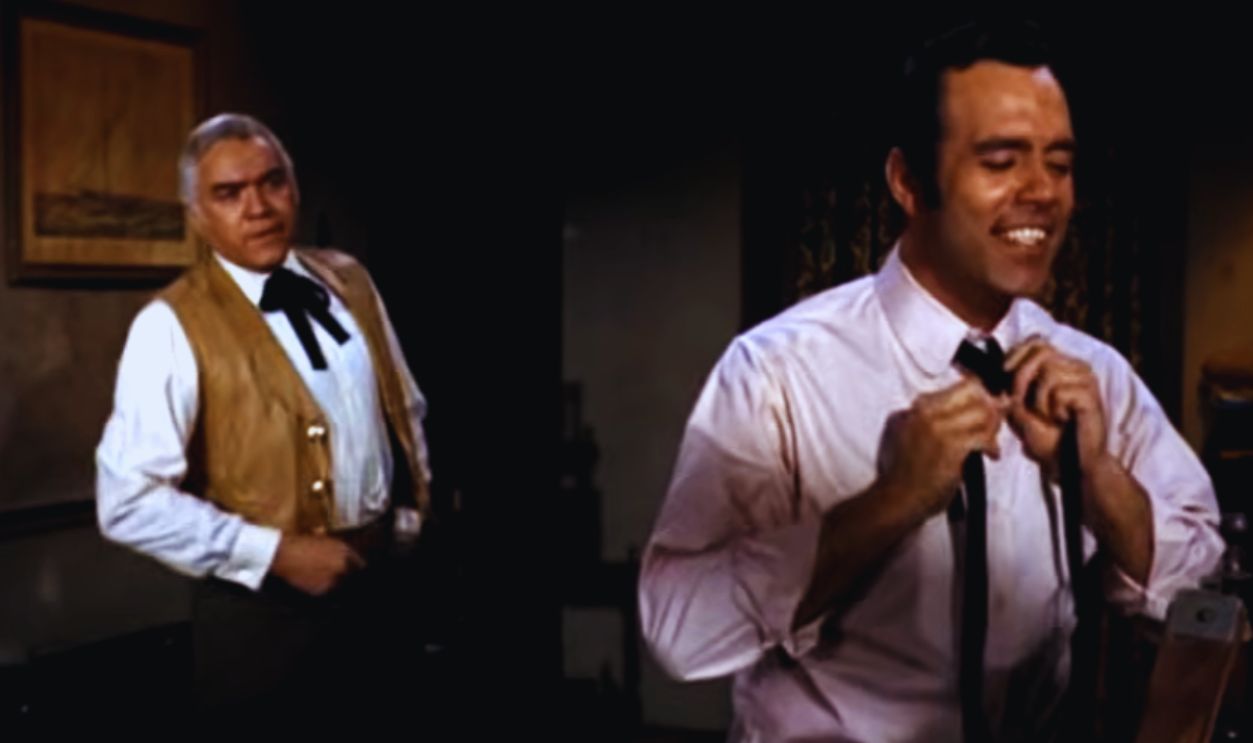
Adam Received A Quiet Exit
The program did not kill Adam or build an enormous farewell episode around Roberts’s departure. The character was phased out with the explanation that he had moved away. That understated solution left the possibility of a return while allowing the remaining Cartwrights to continue. It also meant viewers received little emotional closure after spending six seasons with him.
 Screenshot from Bonanza, Paramount Global (1959-1973)
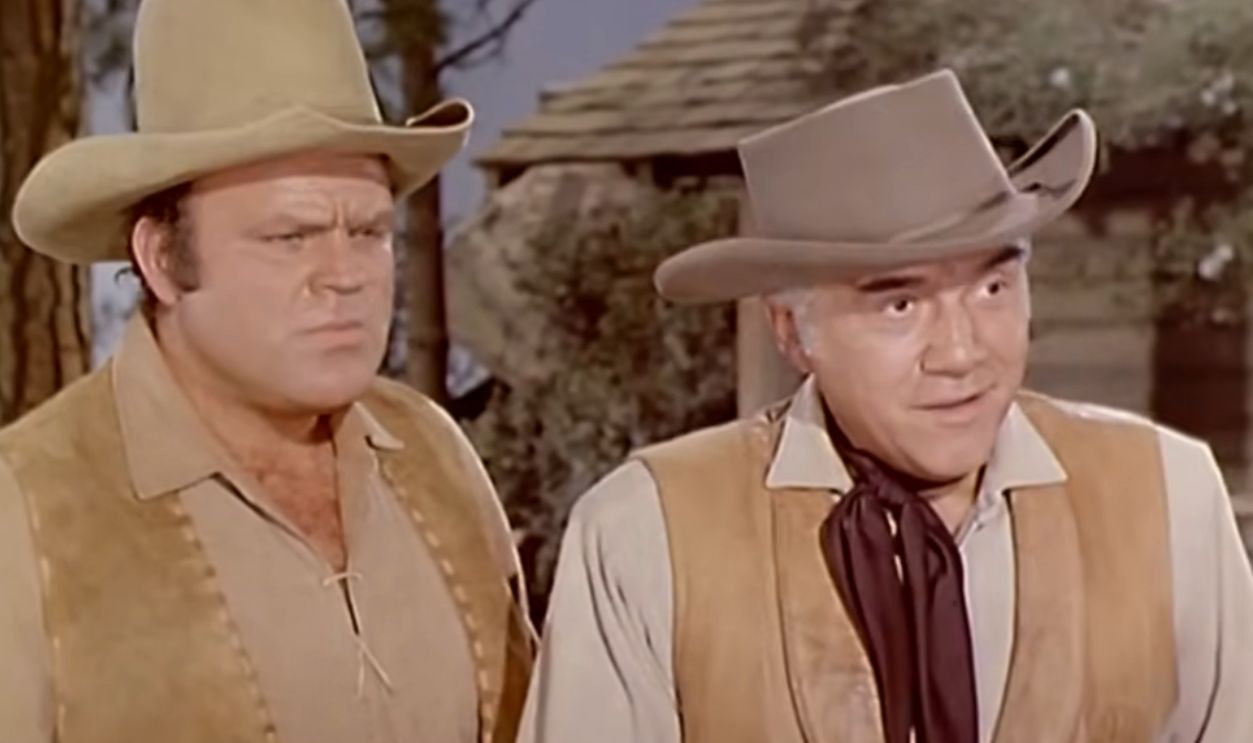
Bonanza Proved It Could Survive
The series continued for eight additional seasons without Roberts. Greene, Blocker, and Landon remained powerful audience attractions, and new supporting characters entered the Ponderosa. That longevity appeared to confirm the industry’s belief that Roberts had overestimated his importance. Yet survival did not erase the distinctive balance the original four actors had created.
 Screenshot from Bonanza, Paramount Global (1959-1973)
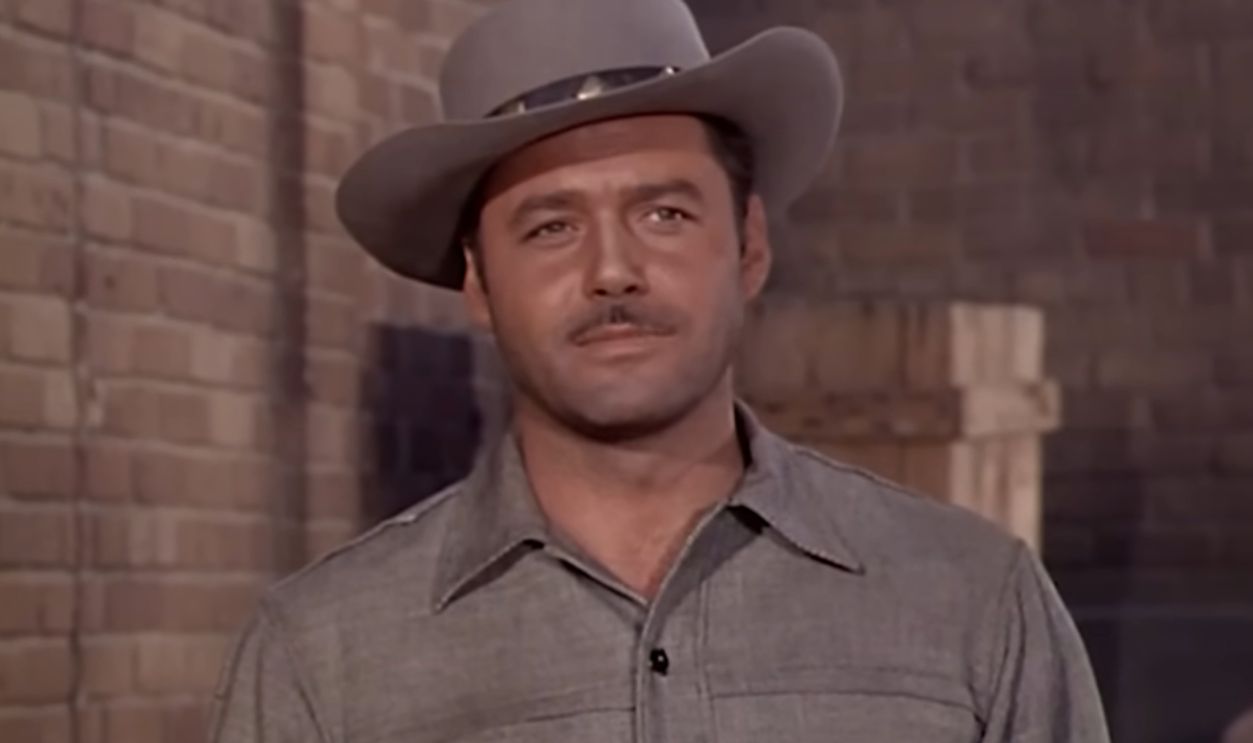
His Replacement Was Not Simple
The production experimented with adding other male characters rather than directly recasting Adam. Guy Williams briefly appeared as Cartwright cousin Will, while later additions included ranch hand Candy Canaday and adopted family members. None became an exact duplicate of Roberts’s educated eldest brother. Adam’s particular combination of intelligence, skepticism, and elegance remained difficult to reproduce.
 Screenshot from Bonanza, Paramount Global (1959-1973)
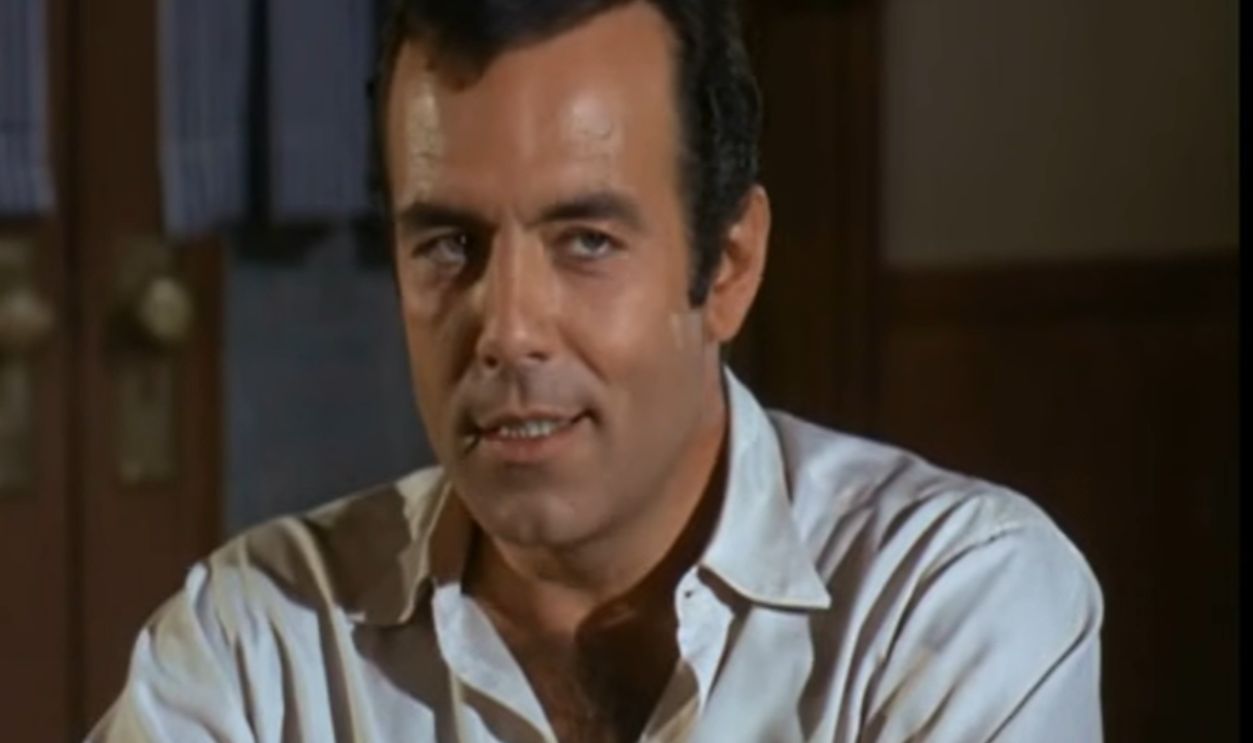
The Lean Years Were Real
Roberts continued acting after Bonanza, but another major television lead did not arrive quickly. He worked in guest roles on programs including Mission: Impossible, The Virginian, Hawaii Five-O, Ironside, and Mannix. He later acknowledged that leaving had contributed to some painfully lean years. The professional cost predicted by Hollywood was not entirely imaginary.
 Screenshot from The Virginian, NBCUniversal (1962-1971)
Theater Offered The Variety He Wanted
During the years between major television series, Roberts returned repeatedly to the stage. Touring productions allowed him to sing, tackle classic material, and play characters with complete dramatic arcs. The work offered less national visibility than Bonanza but more of the creative variety he had sought. His career choices make more sense when measured by artistic range rather than weekly ratings.
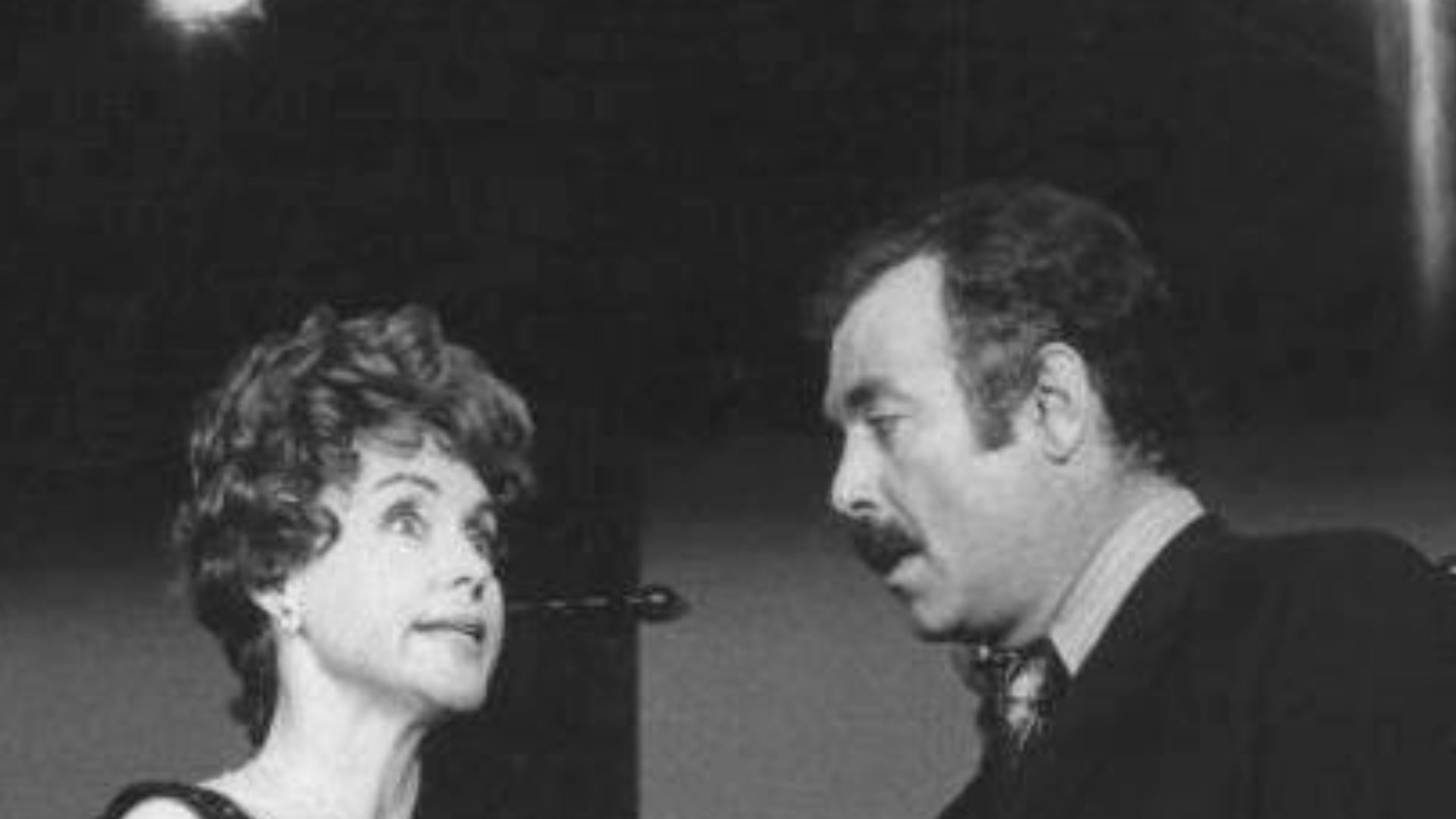
He Never Pretended To Regret It
Roberts remained defiant when later interviewers asked whether leaving had been a mistake. He said he did not regret the decision and sometimes wished he had left earlier. That response did not deny the financial hardship or reduced television visibility that followed. It showed that he judged the decision by standards different from those used by fans and executives.
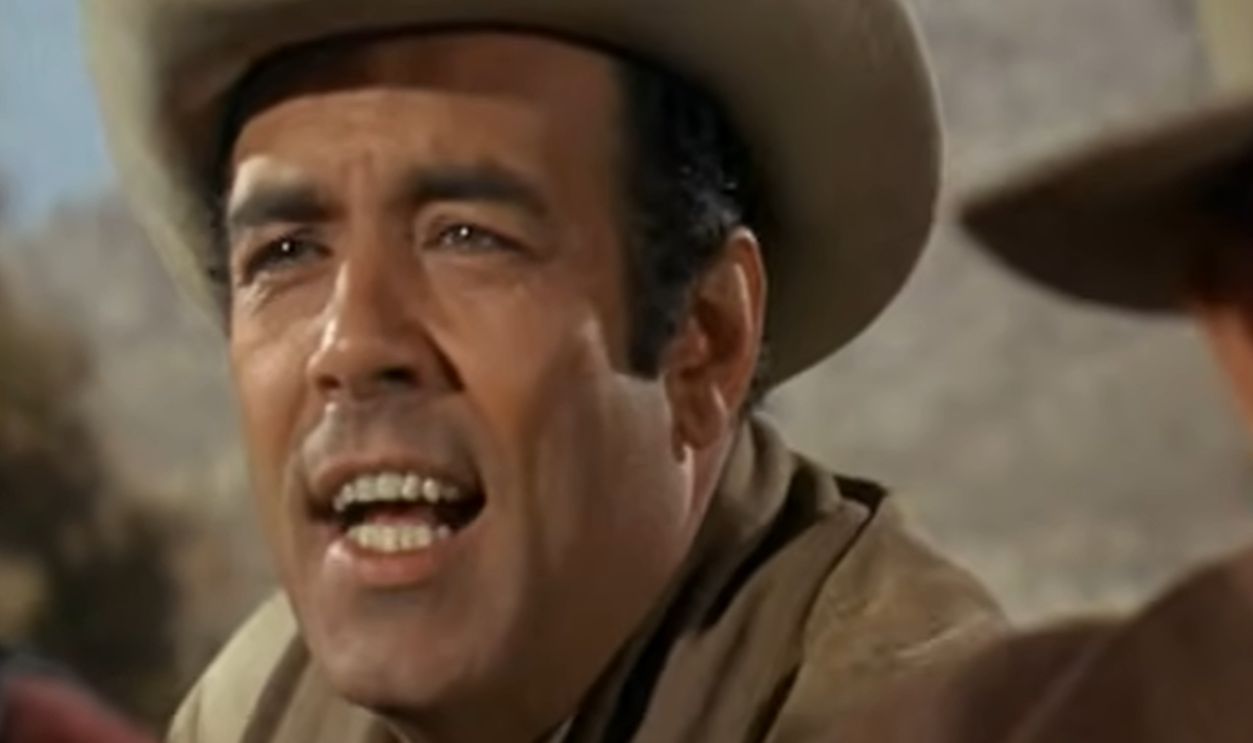 Screenshot from The Virginian, NBCUniversal (1962-1971)
Trapper John Changed The Story
In 1979, Roberts returned to series television as Dr. John McIntyre in Trapper John, M.D. The character was now an experienced chief surgeon working in a San Francisco hospital. The medical drama ran until 1986, giving Roberts seven seasons at the center of another successful program. His second hit complicated the popular story that leaving Bonanza had permanently ruined him.
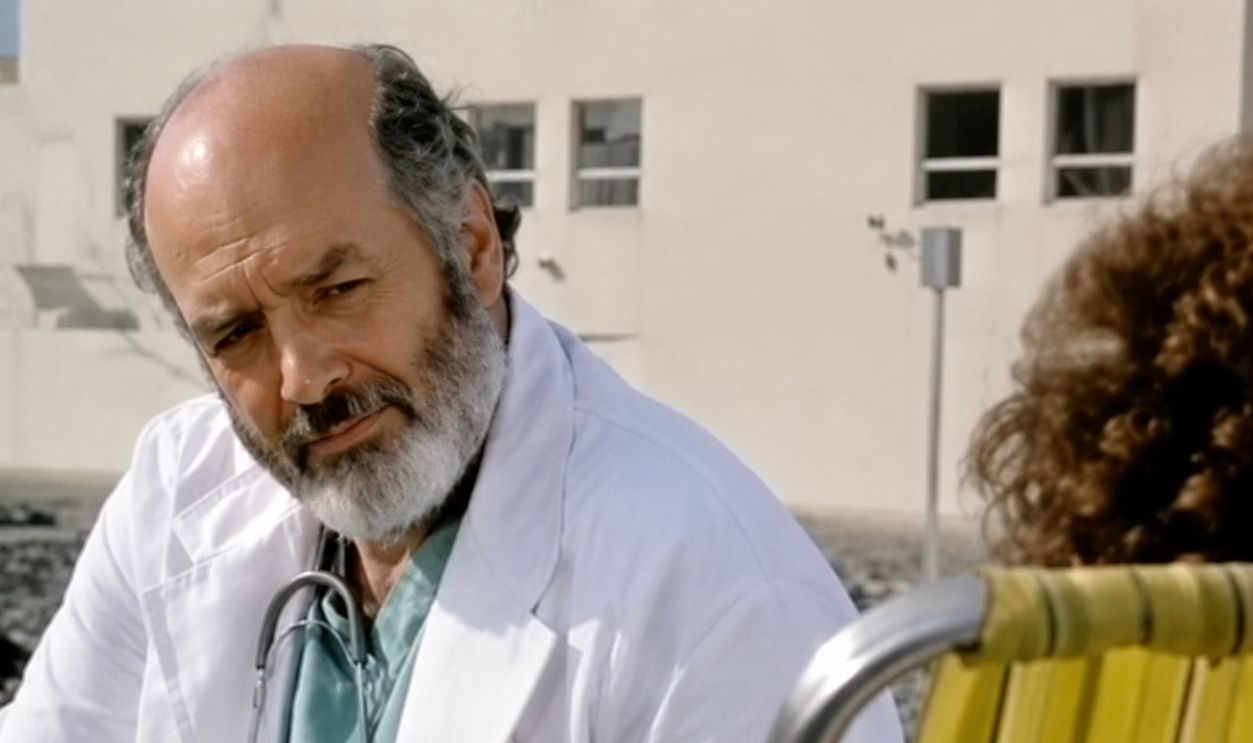 Screenshot from Trapper John, M.D., The Walt Disney Company (1979-1986), enhanced
The New Role Gave Him Adult Authority
Trapper John was not an adult son trapped beneath an all-powerful father. He was a senior professional responsible for patients, younger doctors, and difficult institutional decisions. The role allowed Roberts’s maturity and commanding presence to become strengths rather than obstacles to character development. Television had finally given him the kind of authority he believed Adam should have possessed.
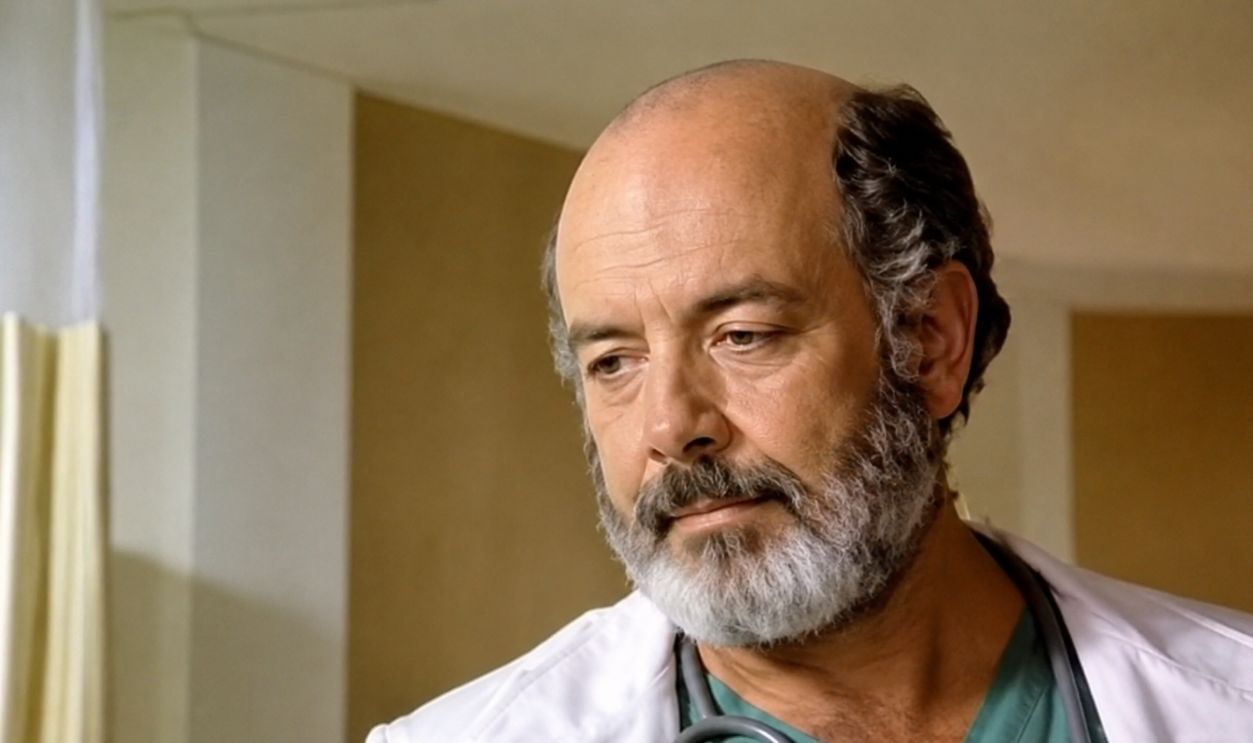 Screenshot from Trapper John, M.D., The Walt Disney Company (1979-1986), enhanced
His Objections Look Different In Retrospect
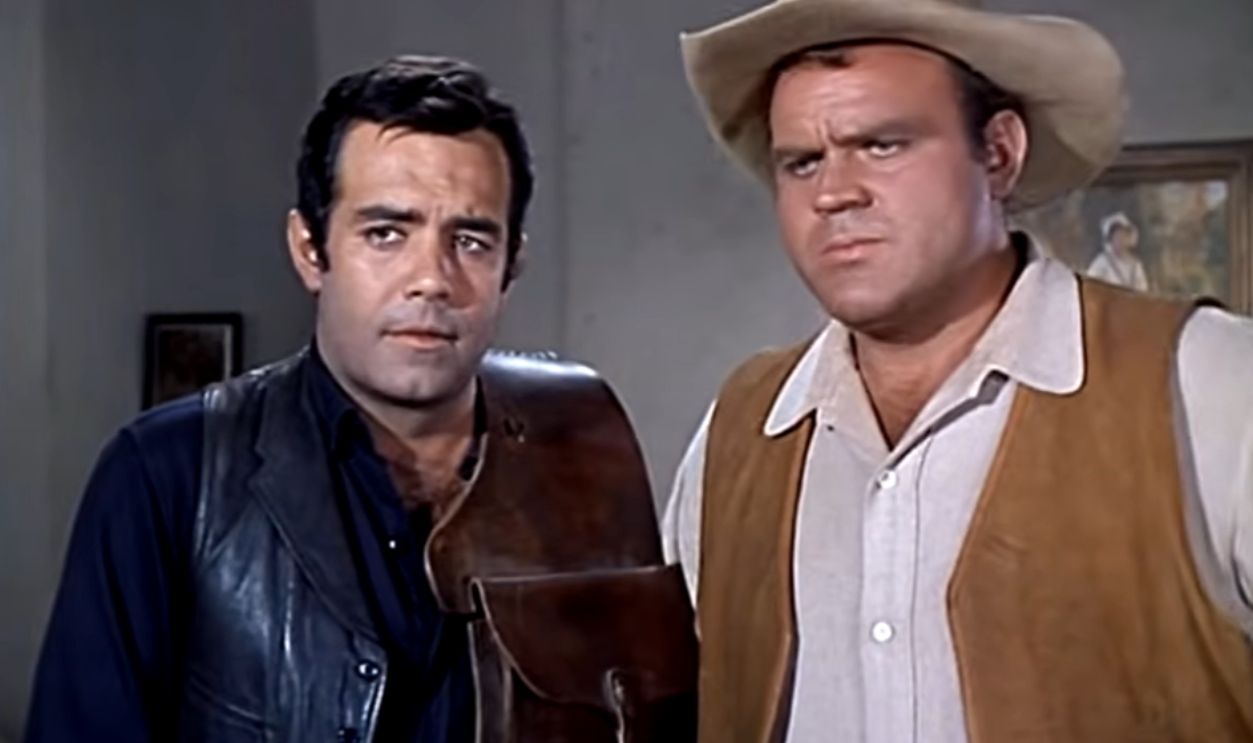
Modern audiences are accustomed to television characters changing, marrying, leaving home, failing, and developing across seasons. Roberts was asking for a version of that evolution when many network series depended upon preserving a profitable formula. His complaints could sound ungrateful in the 1960s because television stars were expected to protect the machinery of success. From a later perspective, his frustration with creative repetition appears far less unreasonable.
 Screenshot from Bonanza, Paramount Global (1959-1973)
He Valued Principles Beyond Television
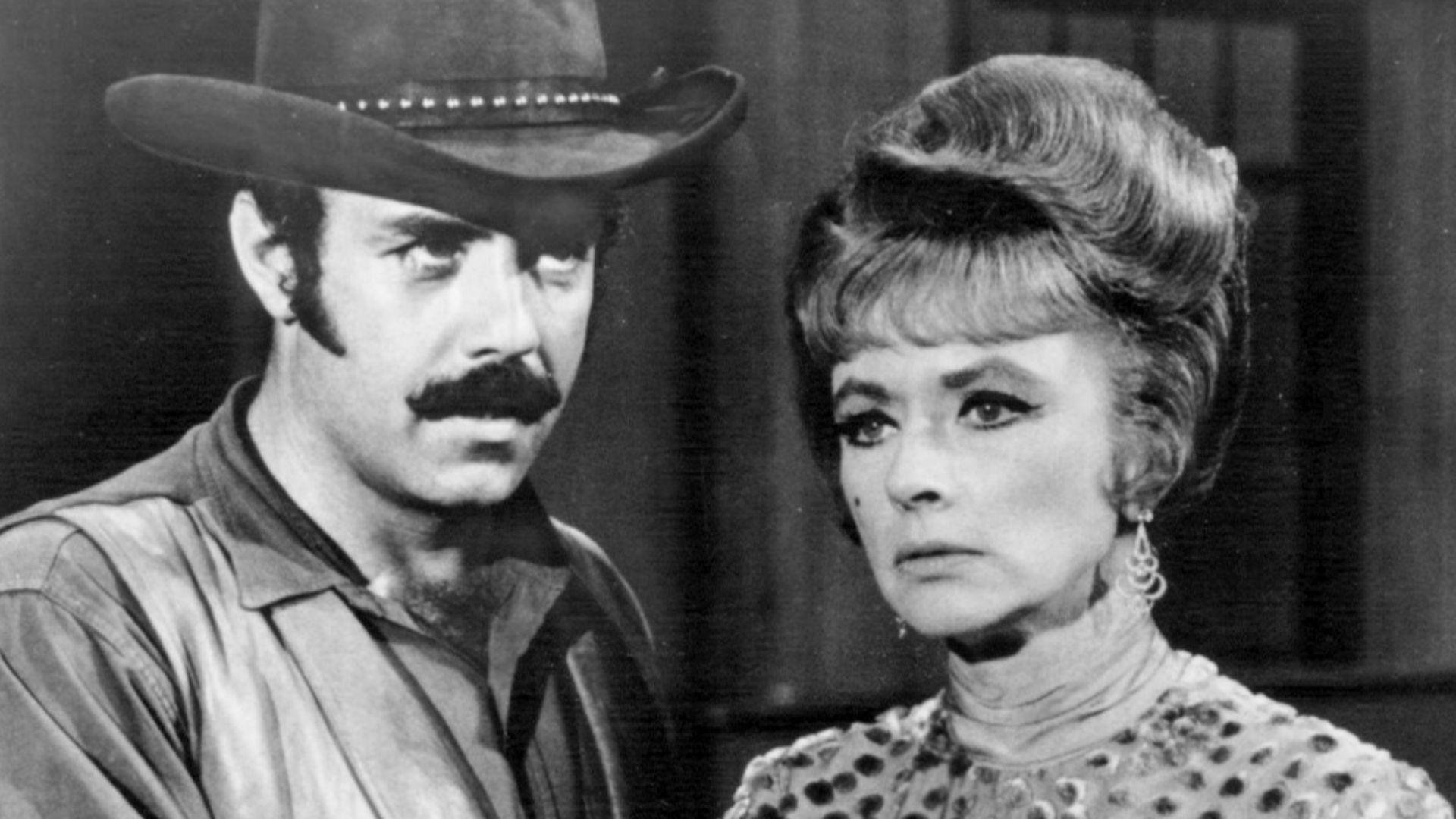
Roberts’s public identity was not limited to disputes over scripts and salary. His career unfolded during a period of intense national debate about race, political freedom, and artistic responsibility. He consistently presented himself as someone unwilling to remain silent merely to preserve popularity. That temperament made conflict on a cautious network production almost inevitable.
 CBS Television, Wikimedia Commons
The Decision Was Both Brave And Costly
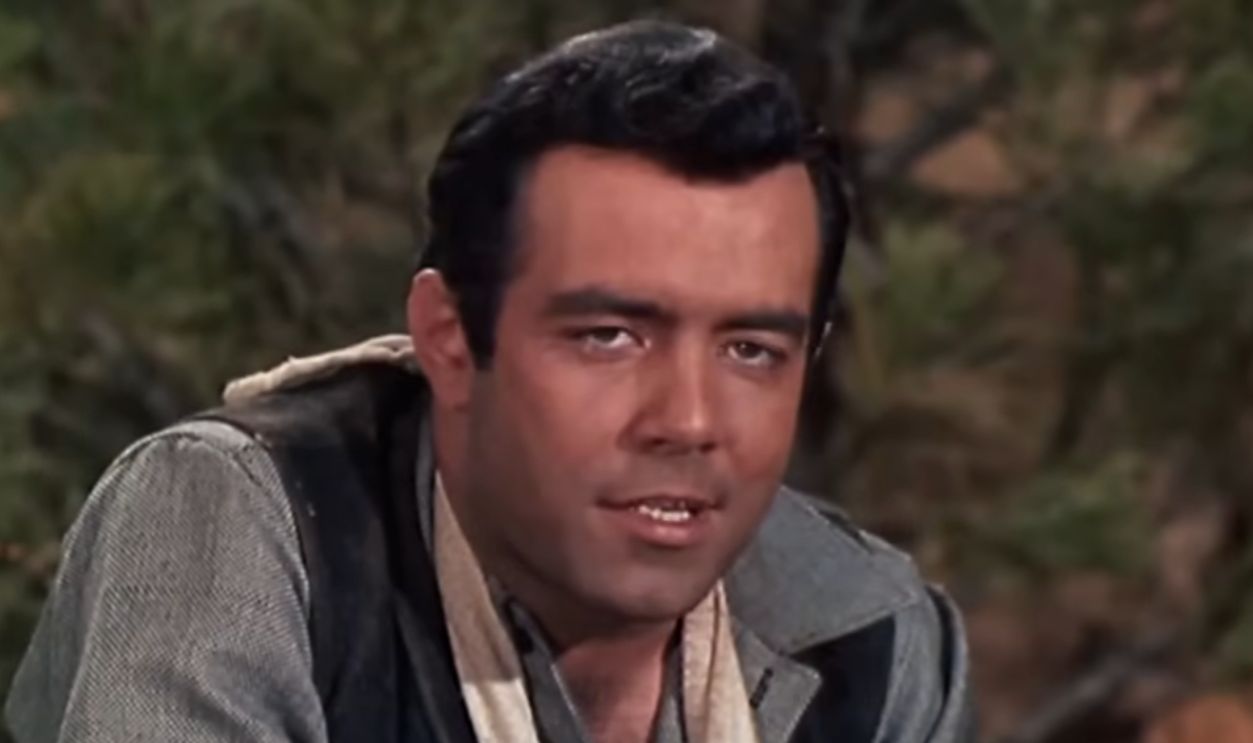
Roberts did not leave because Bonanza had failed him in every possible way. The series gave him fame, financial success, devoted fans, and the role most closely associated with his name. He left because those rewards no longer outweighed his dissatisfaction with the work itself. The choice was not purely heroic or foolish because it brought both independence and genuine hardship.
 Screenshot from Bonanza, Paramount Global (1959-1973)
Adam Cartwright Never Completely Left Him
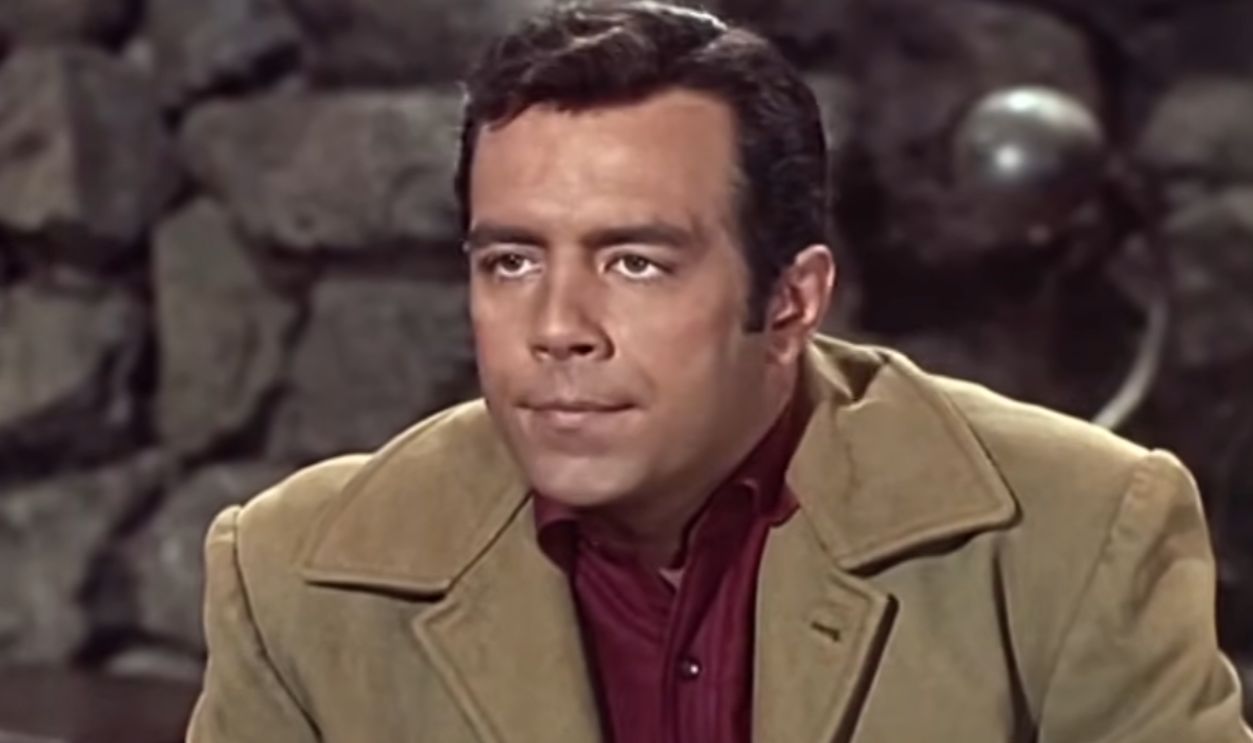
Even after Trapper John, M.D. proved that Roberts could lead another series, obituaries still emphasized the actor who walked away from the Ponderosa. Adam remained the role fans debated because his disappearance challenged the comforting permanence of a beloved television family. Roberts never fit neatly into that nostalgia because he refused to describe leaving as a mistake. His legacy endures as a reminder that success can become a trap when the person inside it wants something different.
 Screenshot from Bonanza, Paramount Global (1959-1973)
You May Also Like:
Actors Who Quit TV Shows At Their Peak
70s Child Stars Who Walked Away From Hollywood