She Kept Walking Away.
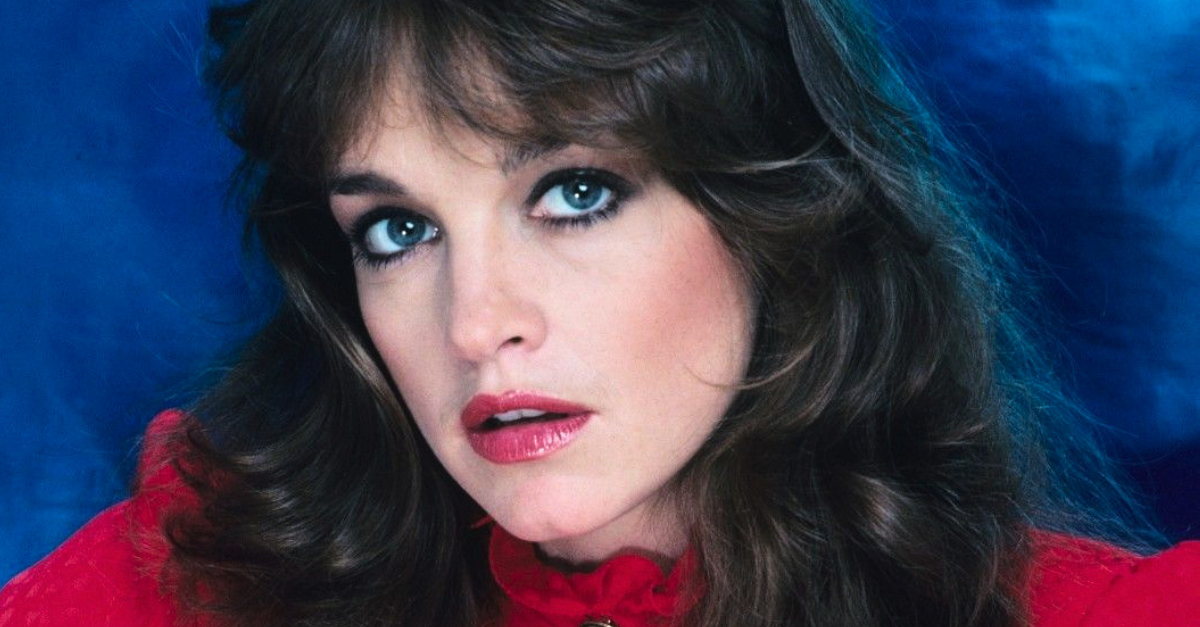
Pamela Sue Martin became a familiar face remarkably quickly through The Poseidon Adventure and The Hardy Boys/Nancy Drew Mysteries, then reinvented herself as Fallon Carrington when Dynasty began its climb toward television dominance. Just as strikingly, Martin repeatedly chose creative freedom over the security of a successful series, including leaving Dynasty while it was becoming one of the biggest shows in America.
Modeling Was Supposed To Pay For College
Martin grew up in Westport, Connecticut, and initially headed to New York to model as a way of earning money for college. She later remembered leaving a fast-food job and entering modeling without imagining that Hollywood would quickly follow. Within roughly two years, she had moved from high school life to major film sets.
 Screenshot from Dynasty, Paramount Global (1981-1989)
To Find A Man Opened The First Door
Martin’s first feature was the 1972 comedy-drama To Find a Man, in which she appeared opposite Darren O’Connor and Lloyd Bridges. The American Film Institute confirms that the film reached theaters in January 1972. Martin later described the experience as the beginning of what she jokingly called her own “College of Hollywood.”
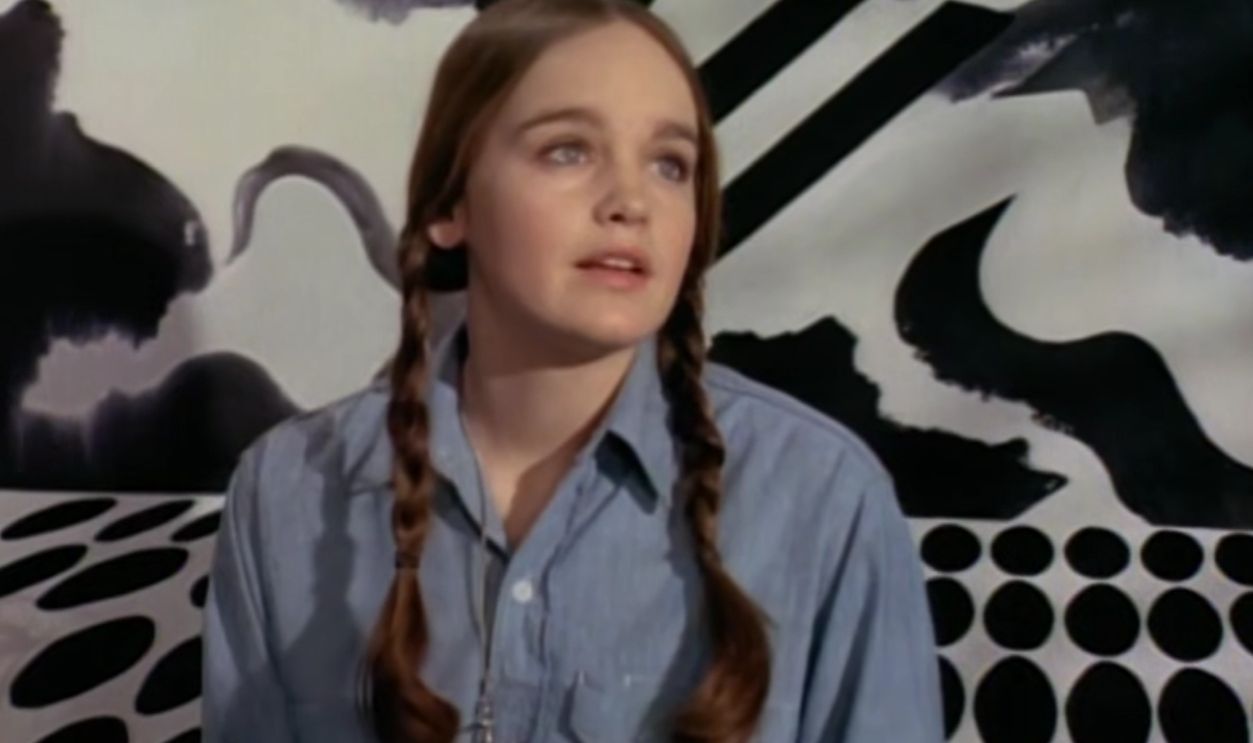 Screenshot from To Find a Man, Sony Pictures Entertainment (1972)
The Poseidon Adventure Changed Everything
Martin’s next major film was The Poseidon Adventure, released later in 1972. She played Susan Shelby, one of the passengers trying to escape after the ocean liner overturns. At only 19, Martin suddenly found herself inside one of the decade’s defining disaster movies.
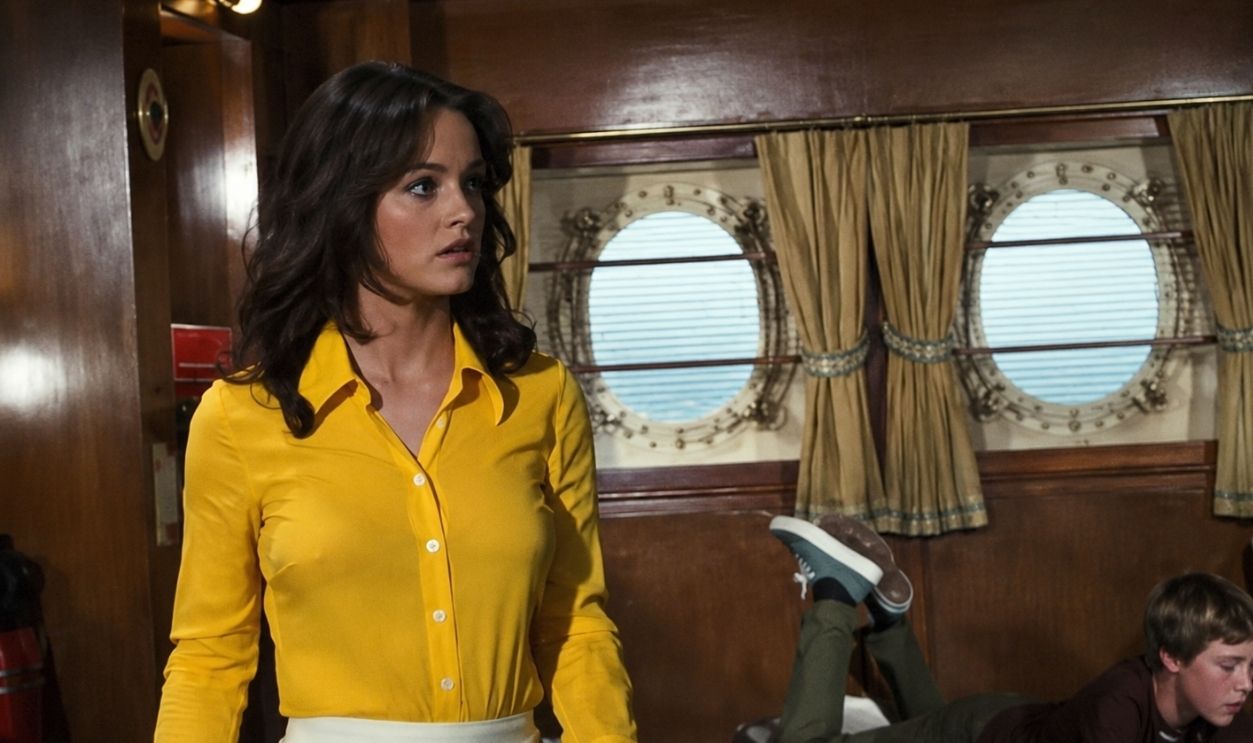 Screenshot from The Poseidon Adventure, The Walt Disney Company (1972), enhanced
She Was Surrounded By Hollywood Heavyweights
The cast included Gene Hackman, Ernest Borgnine, Shelley Winters, Red Buttons, Jack Albertson, Stella Stevens, Roddy McDowall, and Leslie Nielsen. Several of those performers already possessed major awards and long careers when Martin joined them. For a young actress barely removed from modeling, the production was an unusually intense introduction to large-scale filmmaking.
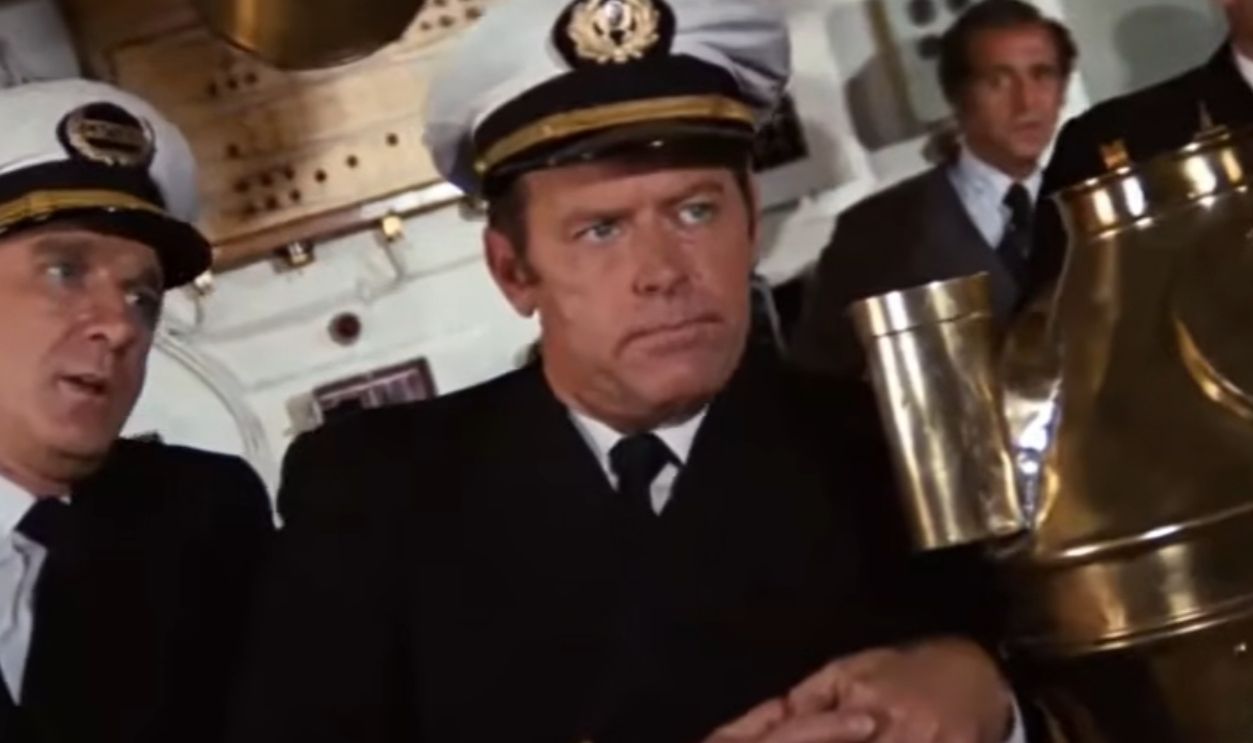 Screenshot from The Poseidon Adventure, The Walt Disney Company (1972)
Poseidon Became Much More Than Another Job
The Poseidon Adventure became one of the movies most strongly associated with the disaster-film boom of the 1970s. Its enormous overturned sets and large ensemble gave audiences a spectacle quite different from Martin’s modest first feature. Decades later, she continued participating in anniversary screenings and discussions celebrating the film.
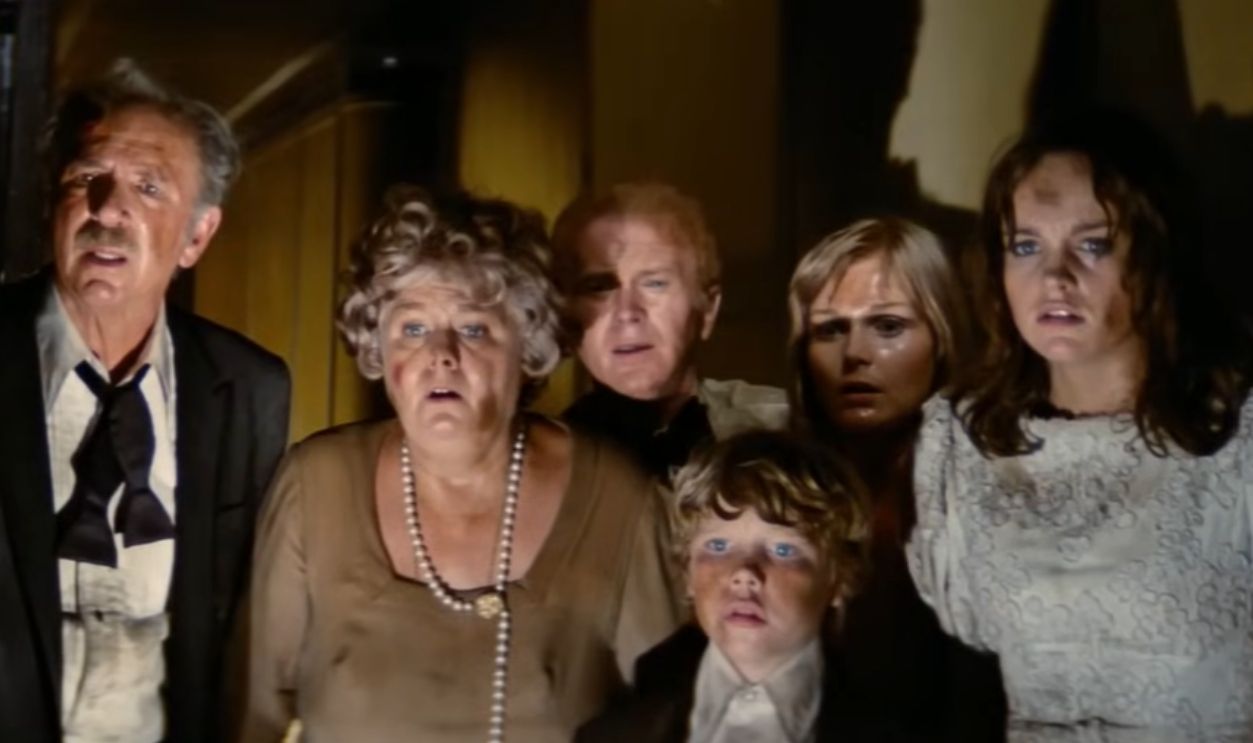 Screenshot from The Poseidon Adventure, The Walt Disney Company (1972)
Our Time Moved Her Into The Lead
Martin starred in the 1974 drama Our Time, directed by Peter Hyams and set at a New England boarding school in the 1950s. Parker Stevenson and Betsy Slade appeared alongside her. Interestingly, Stevenson and Martin would soon find themselves connected again through one of television’s most famous young-detective franchises.
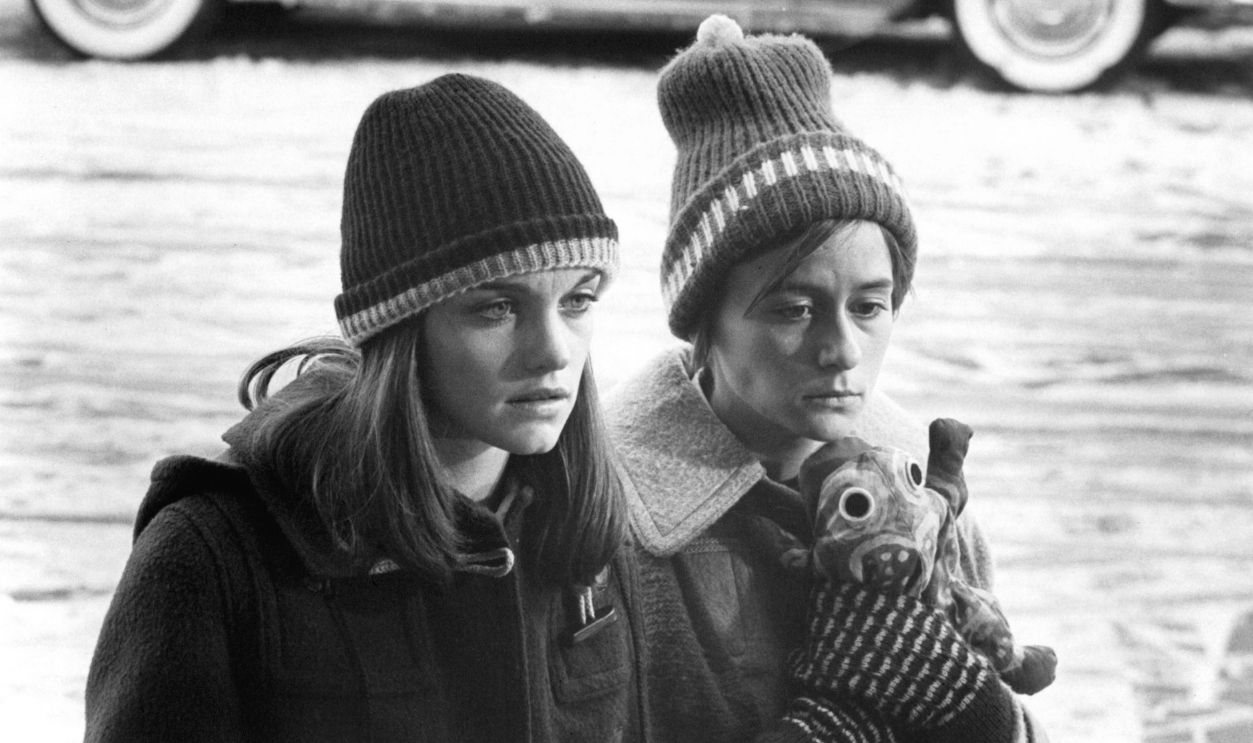 Michael Ochs Archives, Getty Images
Buster And Billie Kept Her Film Career Moving
That same year, Martin appeared in Buster and Billie, a period drama starring Jan-Michael Vincent and Joan Goodfellow. Martin played Margie Hooks, the girlfriend of Vincent’s character. The film added another dramatic credit to a résumé that was growing quickly before Martin had turned 25.
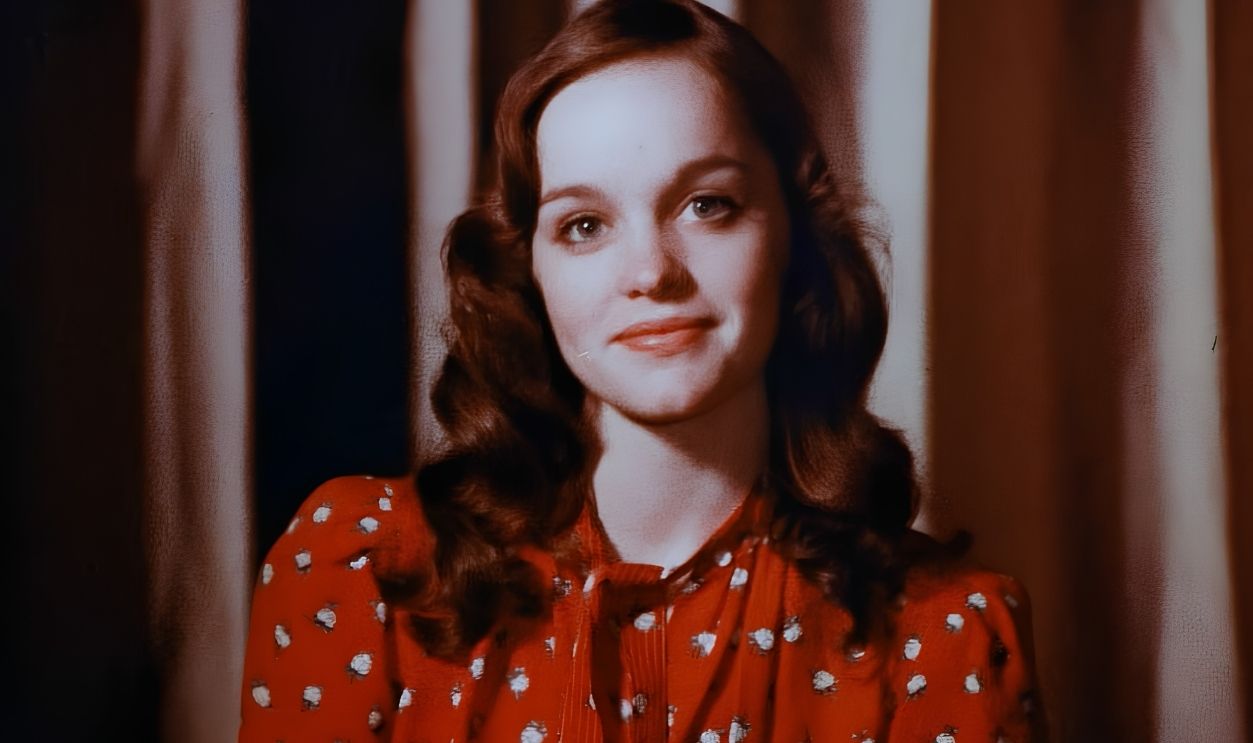 Screenshot from Buster and Billie, Sony Pictures Entertainment (1974), enhanced
Nancy Drew Finally Put Her At The Center
In 1977, Martin became Nancy Drew on ABC’s The Hardy Boys/Nancy Drew Mysteries. The program alternated adventures featuring Nancy with stories built around Frank and Joe Hardy. Martin was no longer one member of an ensemble because the Nancy episodes depended on her carrying the mystery.
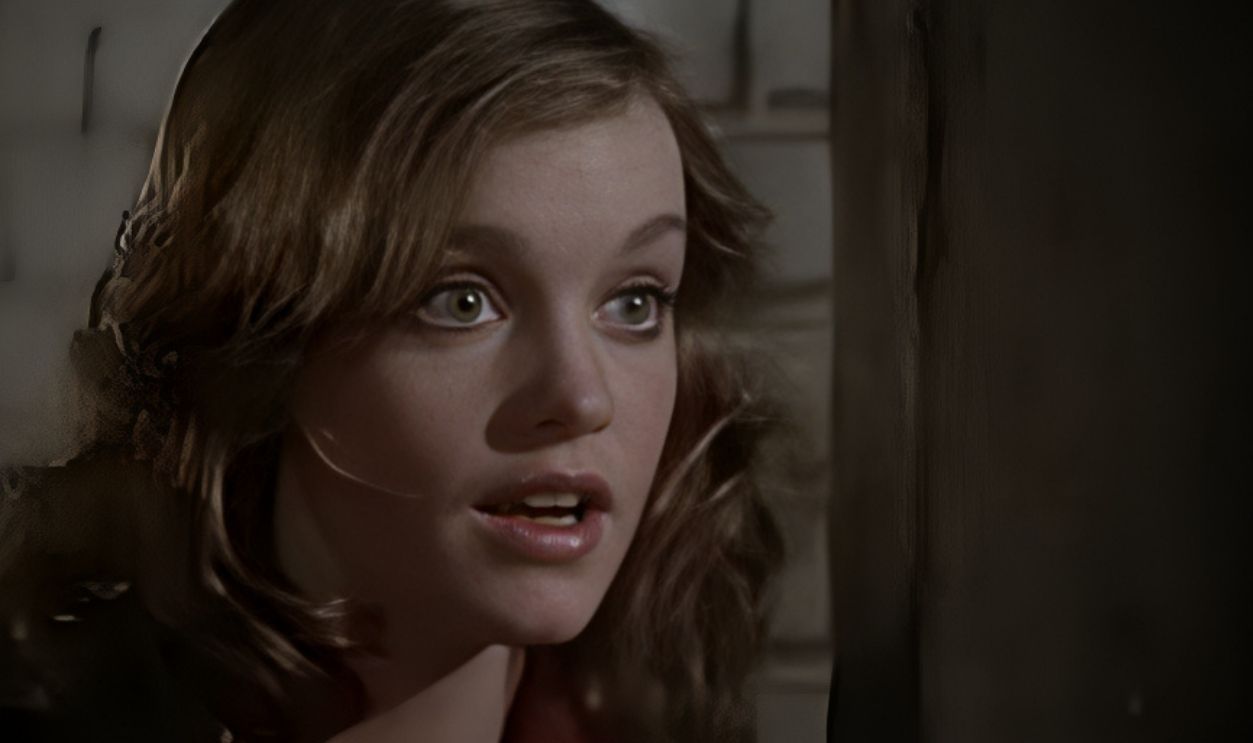 Screenshot from The Hardy Boys/Nancy Drew Mysteries, NBCUniversal (1977-1979), enhanced
Her Nancy Drew Was Capable And Independent
The television Nancy was an 18-year-old amateur detective and the daughter of attorney Carson Drew, played by William Schallert. She investigated mysteries herself rather than simply waiting to be rescued or told what had happened. That independence helped make Martin’s version memorable to a generation discovering the character through television rather than the original books.
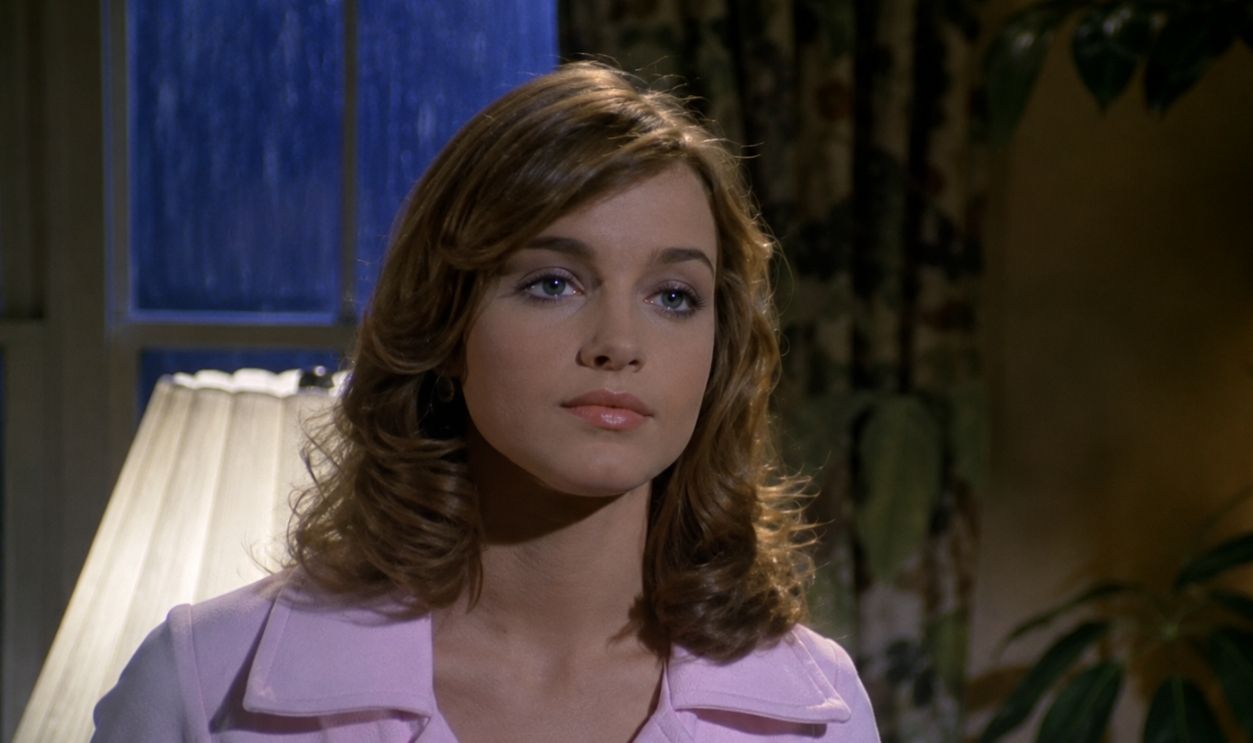 Screenshot from The Hardy Boys/Nancy Drew Mysteries, NBCUniversal (1977-1979), enhanced
Sunday Nights Belonged To Two Detective Families
Nancy Drew shared the ABC schedule with Parker Stevenson and Shaun Cassidy as Frank and Joe Hardy. Their mysteries initially operated as alternating pieces of the same umbrella series. The arrangement gave ABC three photogenic young leads and two established literary franchises within a single Sunday-night package.
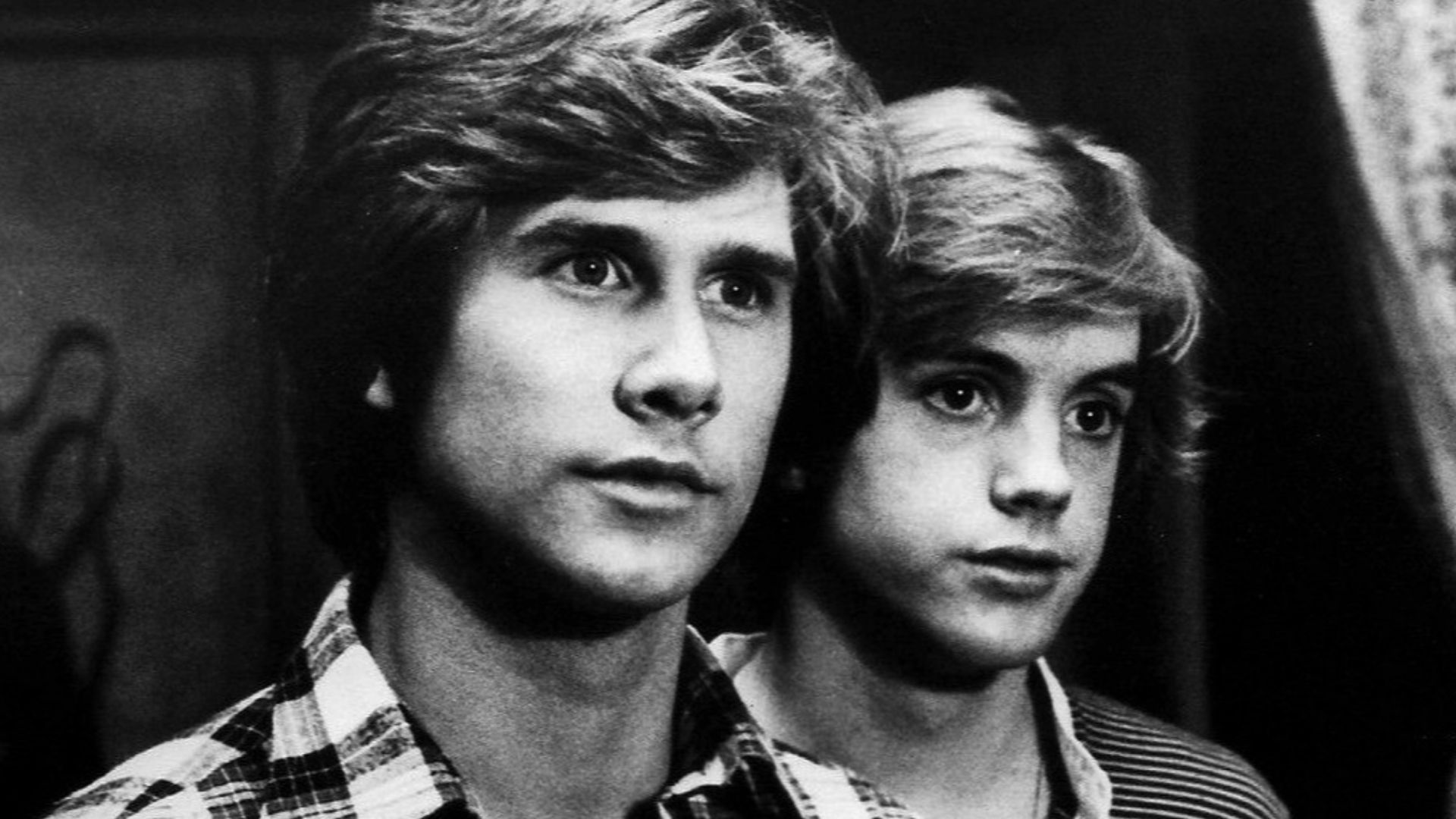 ABC Television, Wikimedia Commons
Parker Stevenson Became A Familiar Costar Again
Martin and Stevenson had already appeared together in Our Time before their detective-series reunion. On The Hardy Boys/Nancy Drew Mysteries, their characters eventually crossed into one another’s adventures as ABC combined the two sides of the program more closely. The overlap helped turn the whole cast into familiar faces for younger viewers.
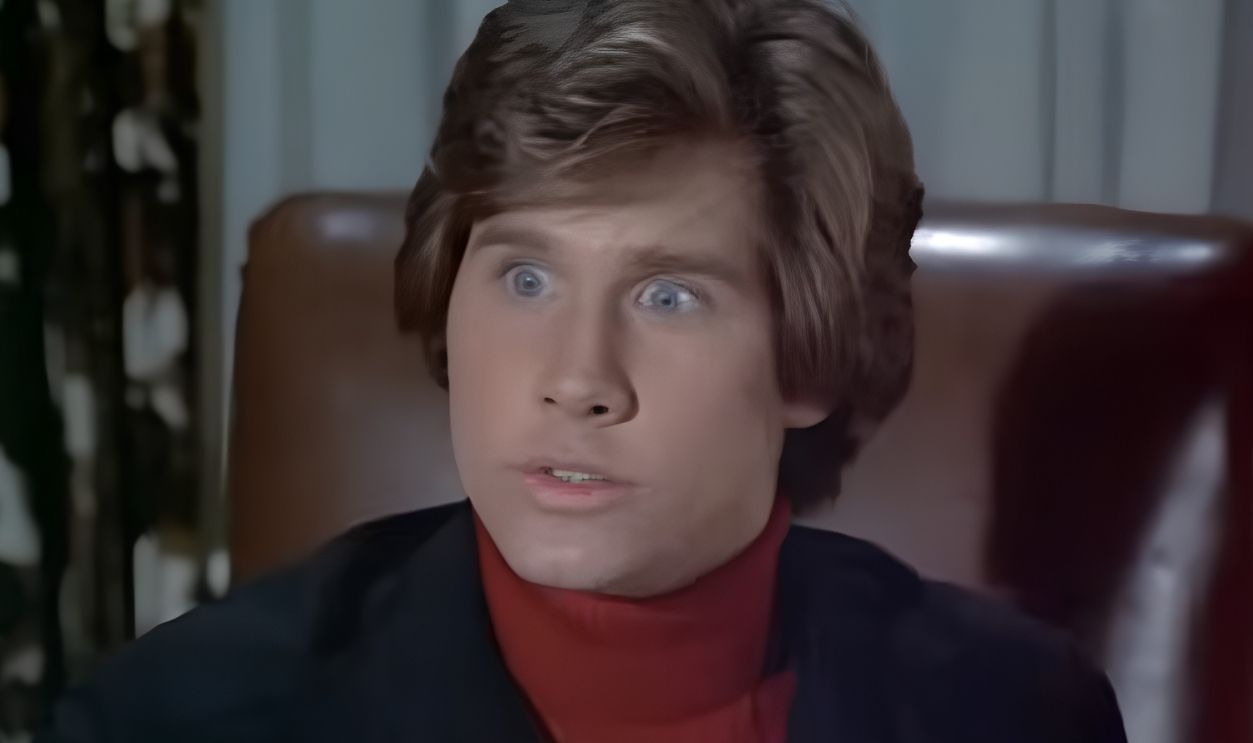 Screenshot from The Hardy Boys/Nancy Drew Mysteries, NBCUniversal (1977-1979), enhanced
Nancy Drew Made Martin A Seventies TV Favorite
The series arrived during a period when Cassidy and Stevenson were becoming major youth favorites, while Martin developed her own recognizable television following. Entertainment Weekly’s retrospective on the program identifies her as part of the trio ABC used to modernize its classic mystery heroes. Martin had successfully moved from disaster films into weekly television without losing her screen presence.
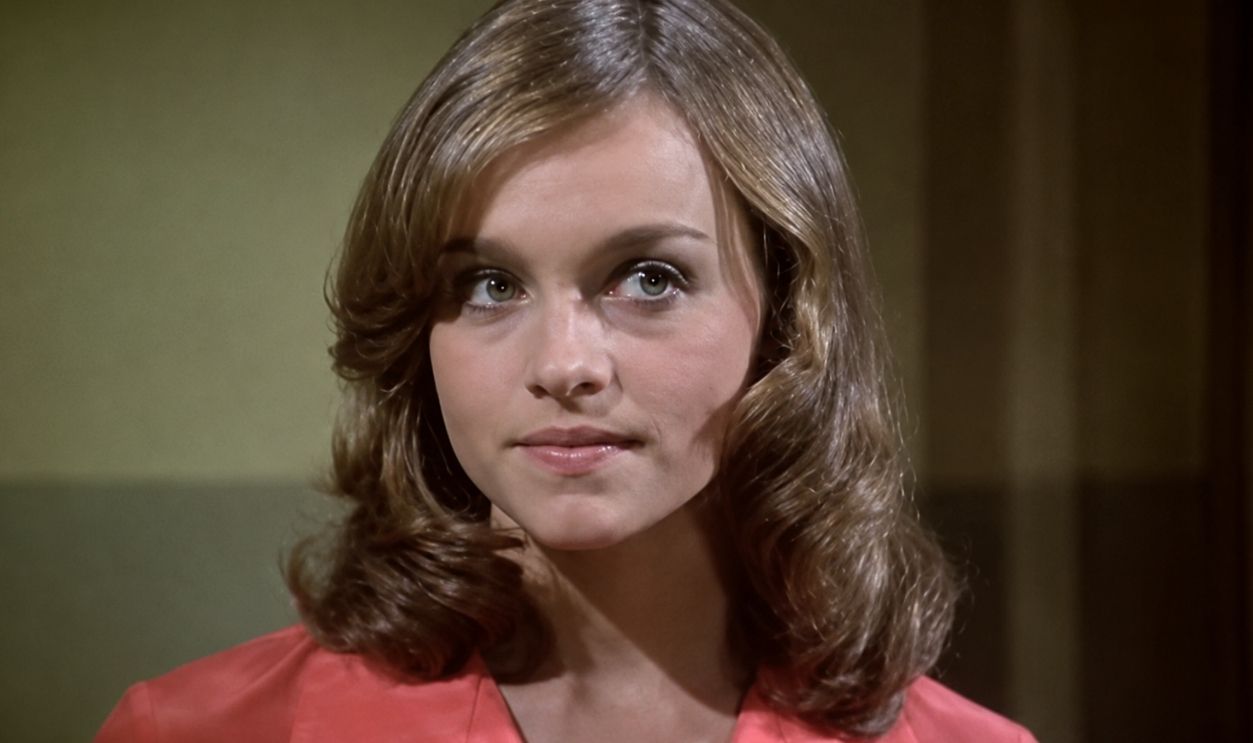 Screenshot from The Hardy Boys/Nancy Drew Mysteries, NBCUniversal (1977-1979), enhanced
Then The Format Began Changing Around Her
ABC gradually combined the Nancy Drew and Hardy Boys stories rather than continuing to give Nancy an equally independent series. TV Guide reported that crossover episodes eventually led to the two halves being merged more closely in early 1978. For Martin, that meant the character she had agreed to play was no longer receiving quite the same standalone treatment.
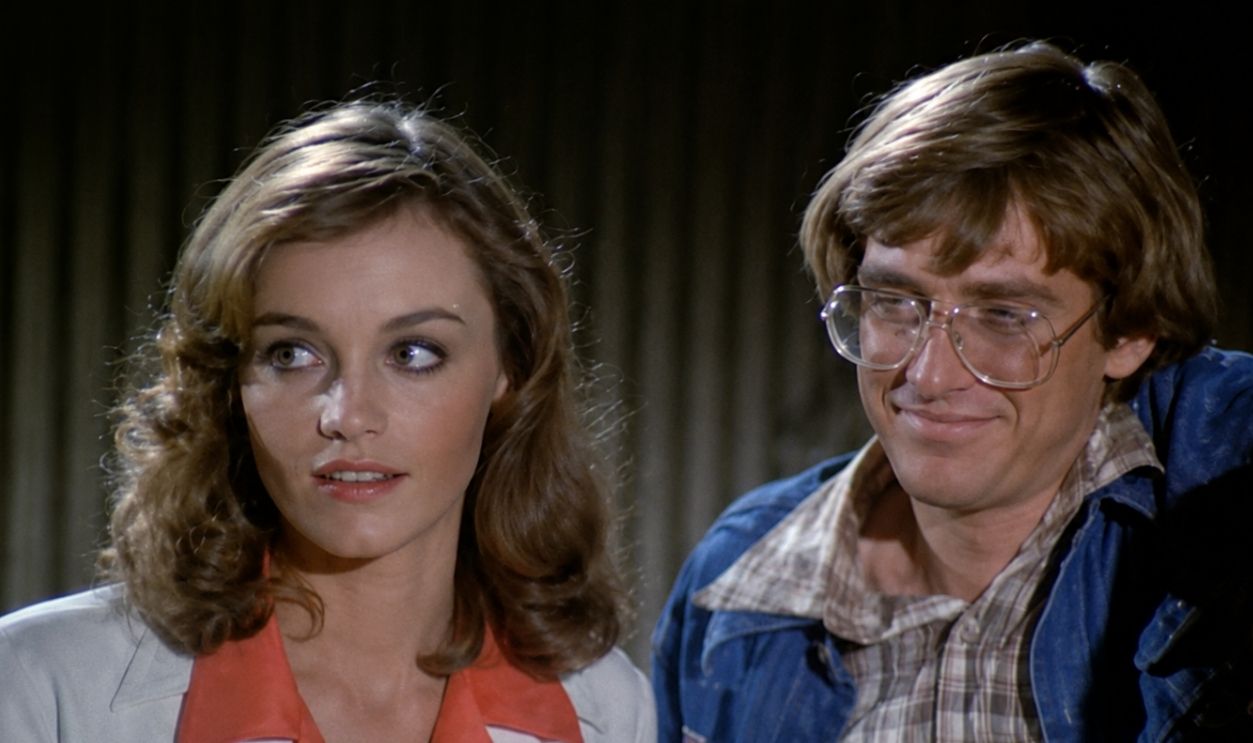 Screenshot from The Hardy Boys/Nancy Drew Mysteries, NBCUniversal (1977-1979), enhanced
She Walked Away From Nancy Drew
Martin ultimately left rather than continue under the altered format. TV Guide reported that losing Nancy’s independent portion of the show did not sit well with her, and Janet Louise Johnson briefly took over the role. Nancy was eventually removed entirely as the program became simply The Hardy Boys.
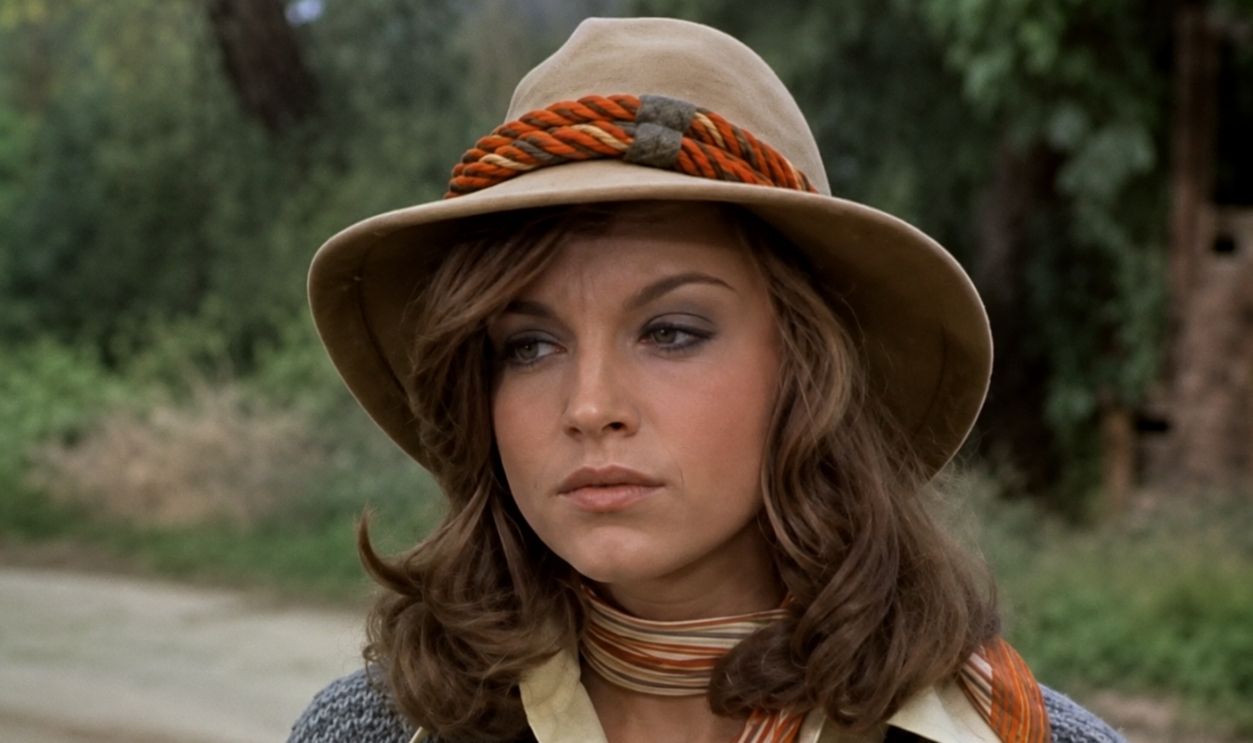 Screenshot from The Hardy Boys/Nancy Drew Mysteries, NBCUniversal (1977-1979), enhanced
Leaving A Hit Became A Pattern
Walking away from Nancy Drew was an early indication that Martin was willing to give up visibility when she disliked a project’s direction. She did not spend the remainder of the decade trying to recreate the wholesome teenage detective. Instead, she returned to feature films and pursued characters that allowed her to look older and less tied to one familiar image.
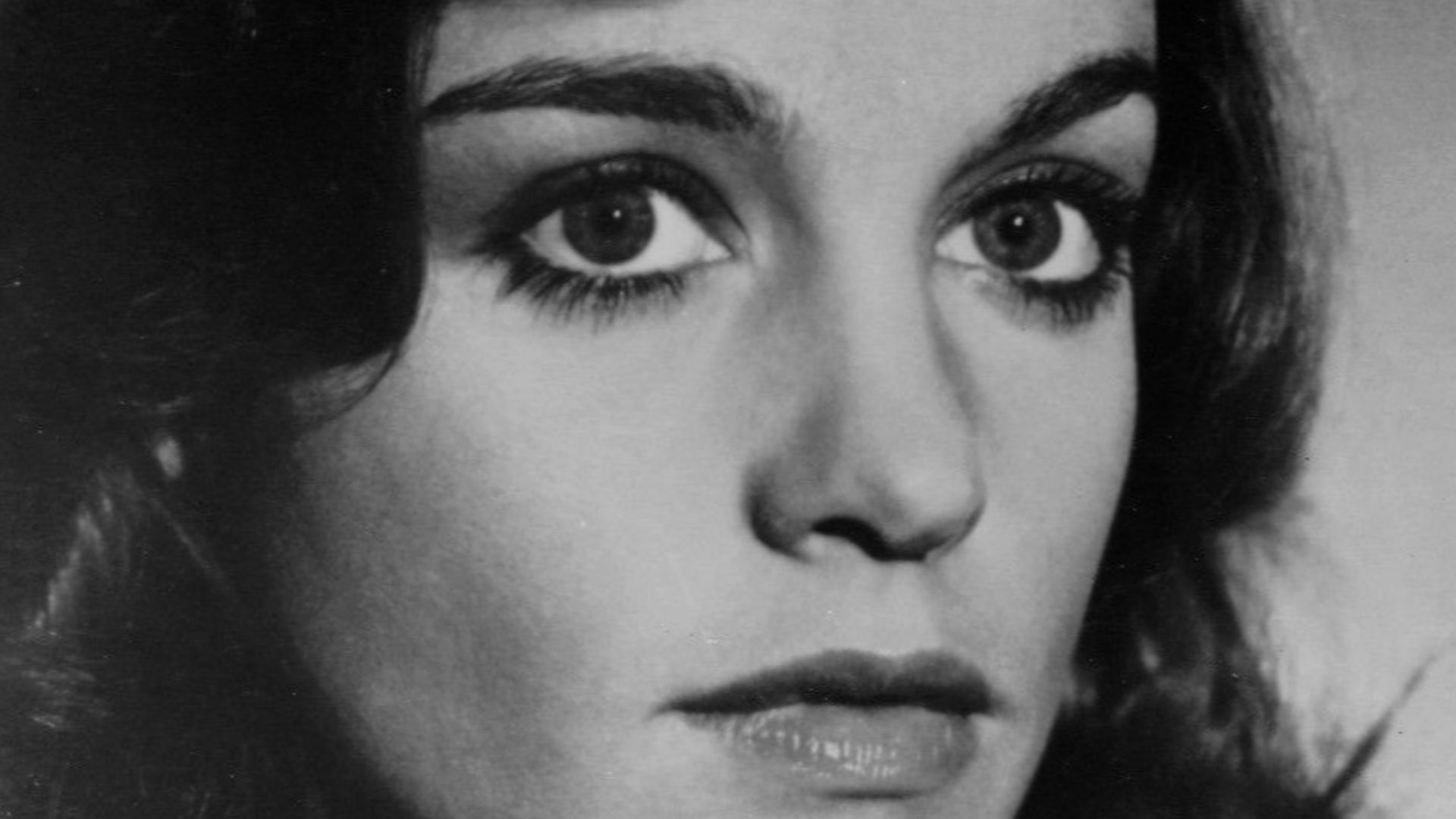 ABC Television, Wikimedia Commons
The Lady In Red Took Her Somewhere New
Martin appeared in the 1979 crime drama The Lady in Red, starring Robert Conrad. She played Polly Franklin in a story connected to gangster John Dillinger. A 2011 American Cinematheque program paired The Lady in Red with Our Time as Martin looked back on the film portion of her career.
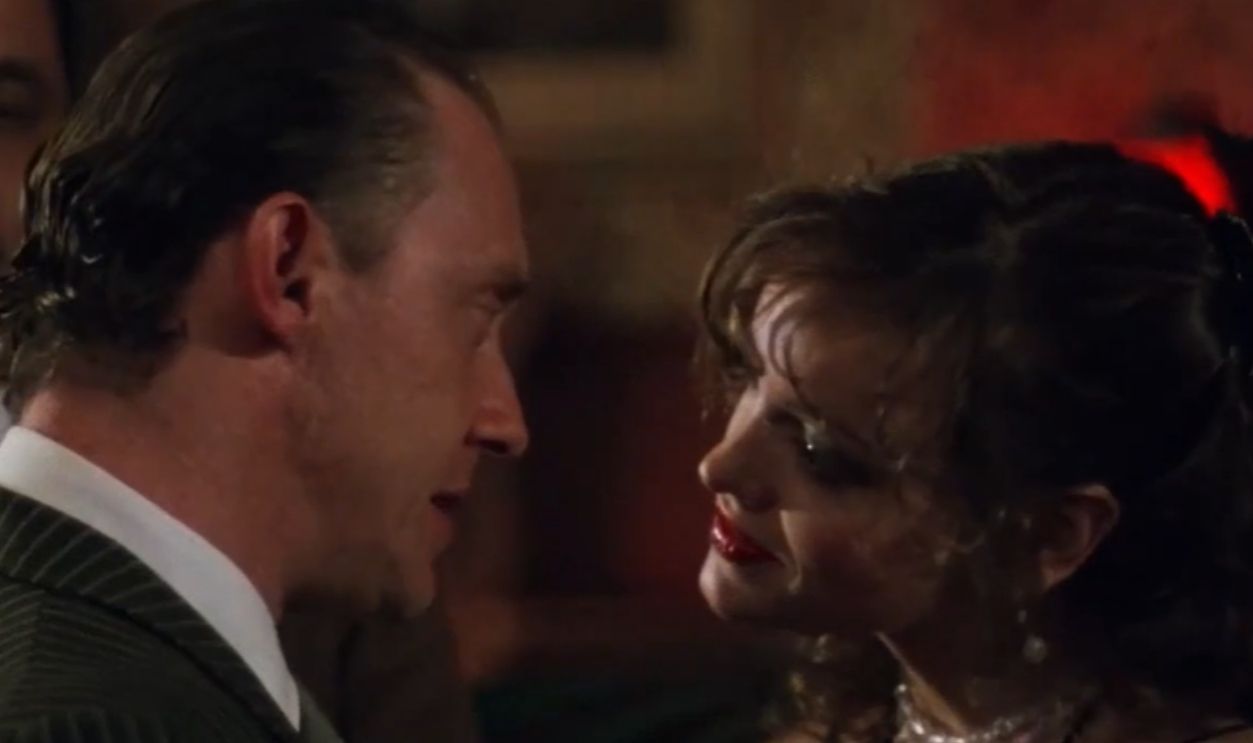 Screenshot from The Lady in Red, Shout! Studios (1979)
Dynasty Offered A Completely Different Kind Of Fame
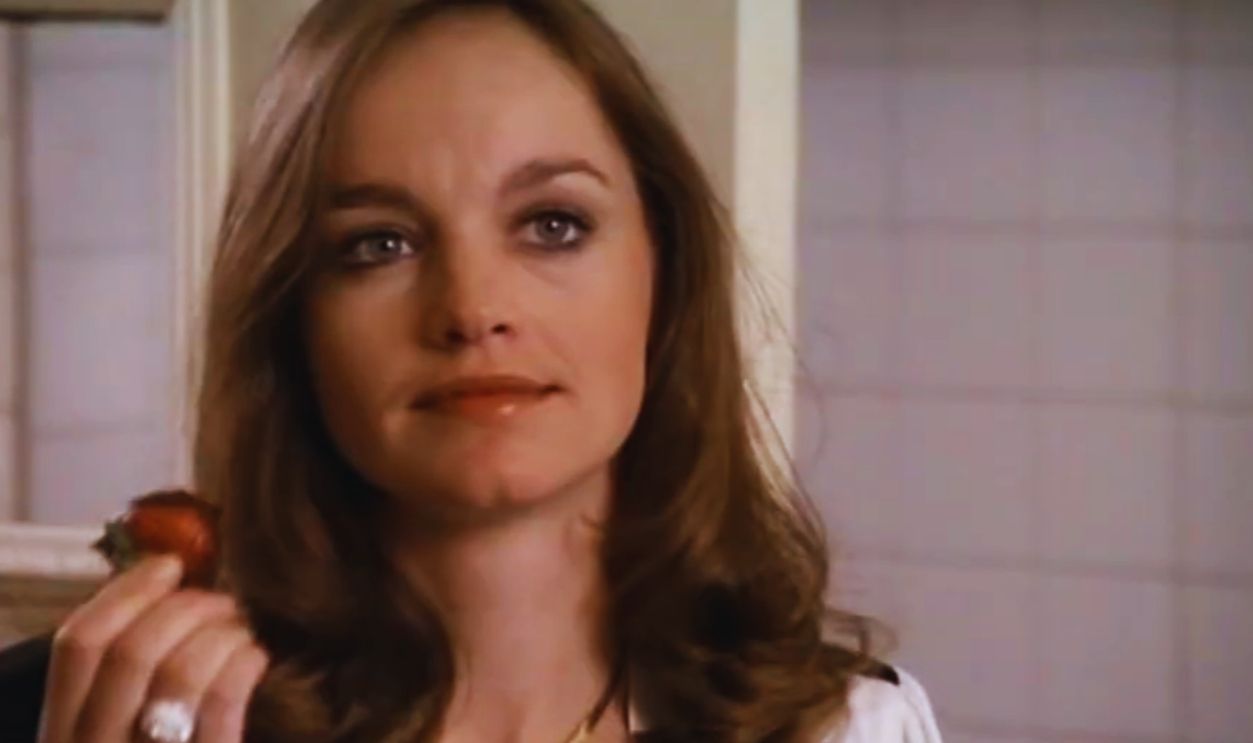
ABC premiered Dynasty in January 1981, with Martin playing oil tycoon Blake Carrington’s daughter, Fallon. John Forsythe played Blake, while Linda Evans starred as his new wife, Krystle. The wealthy Carrington world could hardly have been further removed from Nancy Drew’s mysteries.
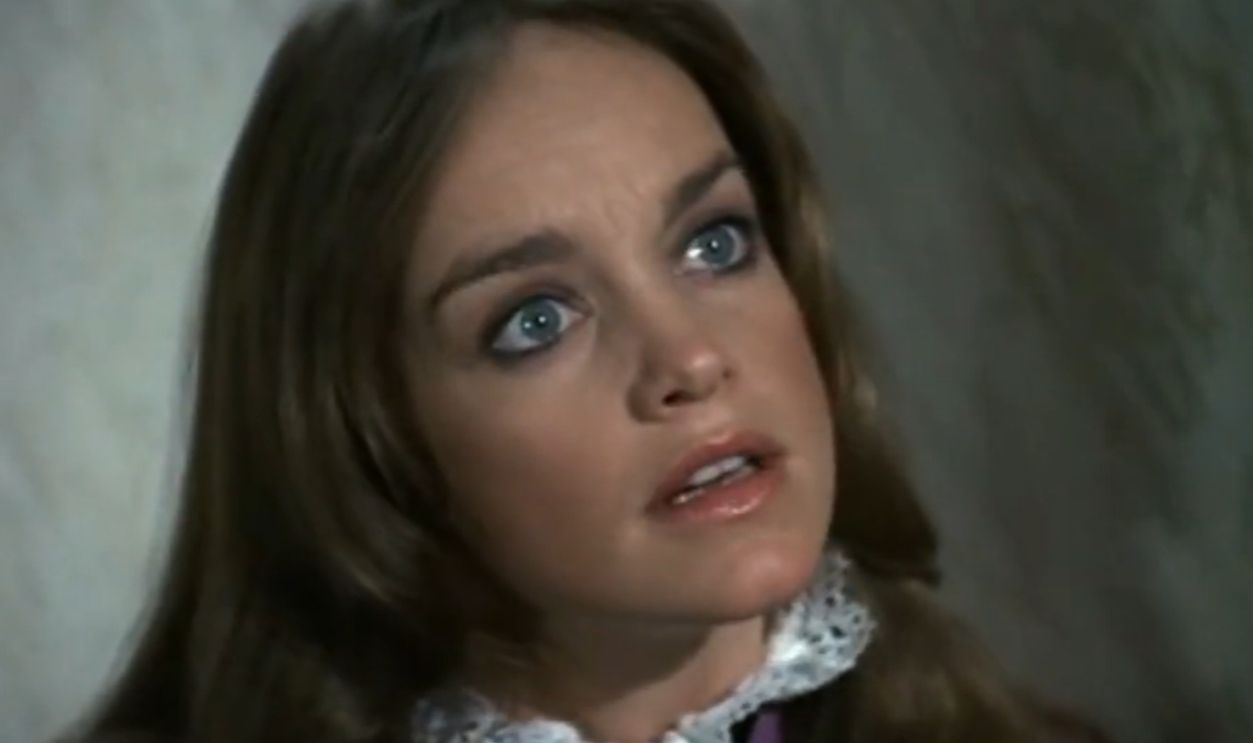 Screenshot from Dynasty, Paramount Global (1981-1989)
Fallon Entered The Story Ready To Cause Trouble
Fallon was privileged, headstrong, and deeply entangled in the Carrington family’s power struggles. Martin’s cool delivery helped suggest a woman who had grown up surrounded by enormous wealth and therefore regarded luxury as completely ordinary. Years later, Elizabeth Gillies praised Martin for seeming effortlessly at home in that privileged environment.
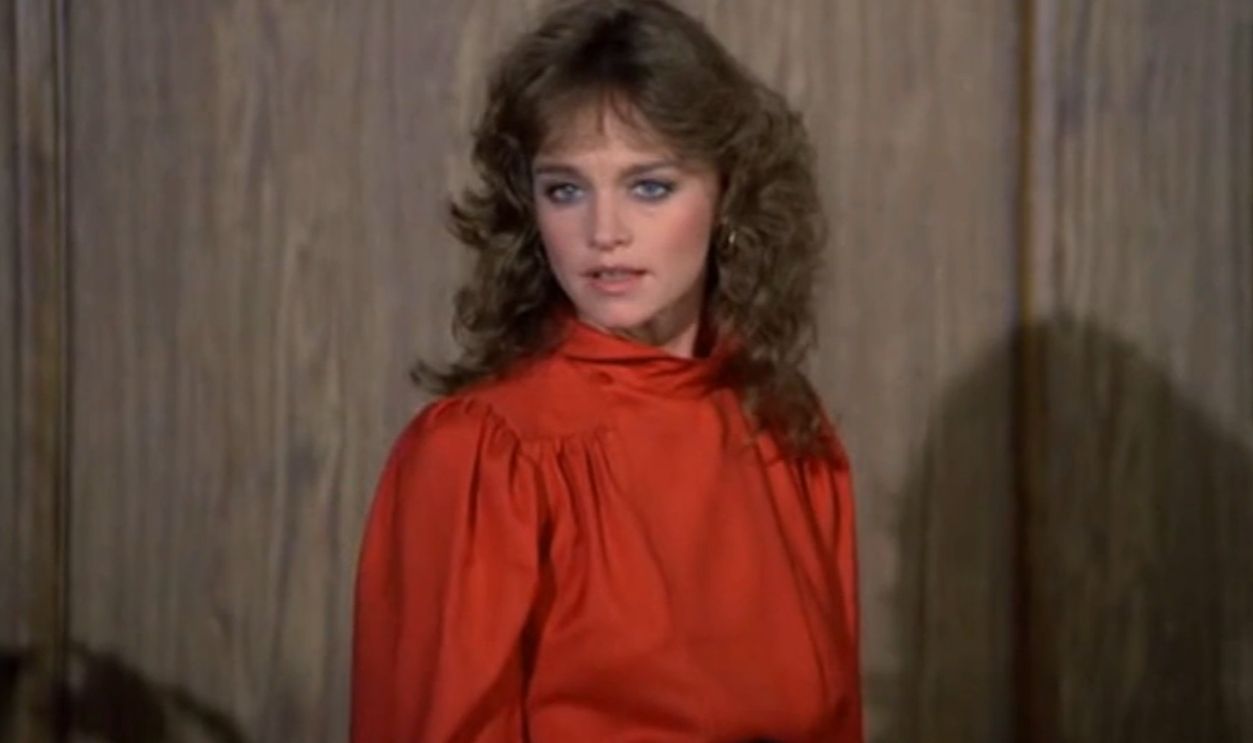 Screenshot from Dynasty, Paramount Global (1981-1989)
John Forsythe Became More Than A Television Father
Martin developed a particularly strong connection with Forsythe during the series. She later recalled becoming so attached to him that she asked whether he would walk her down the aisle at her real wedding, only for Forsythe to gently suggest that her actual father might be the better choice. The anecdote reveals how much warmth existed behind the Carrington family conflicts.
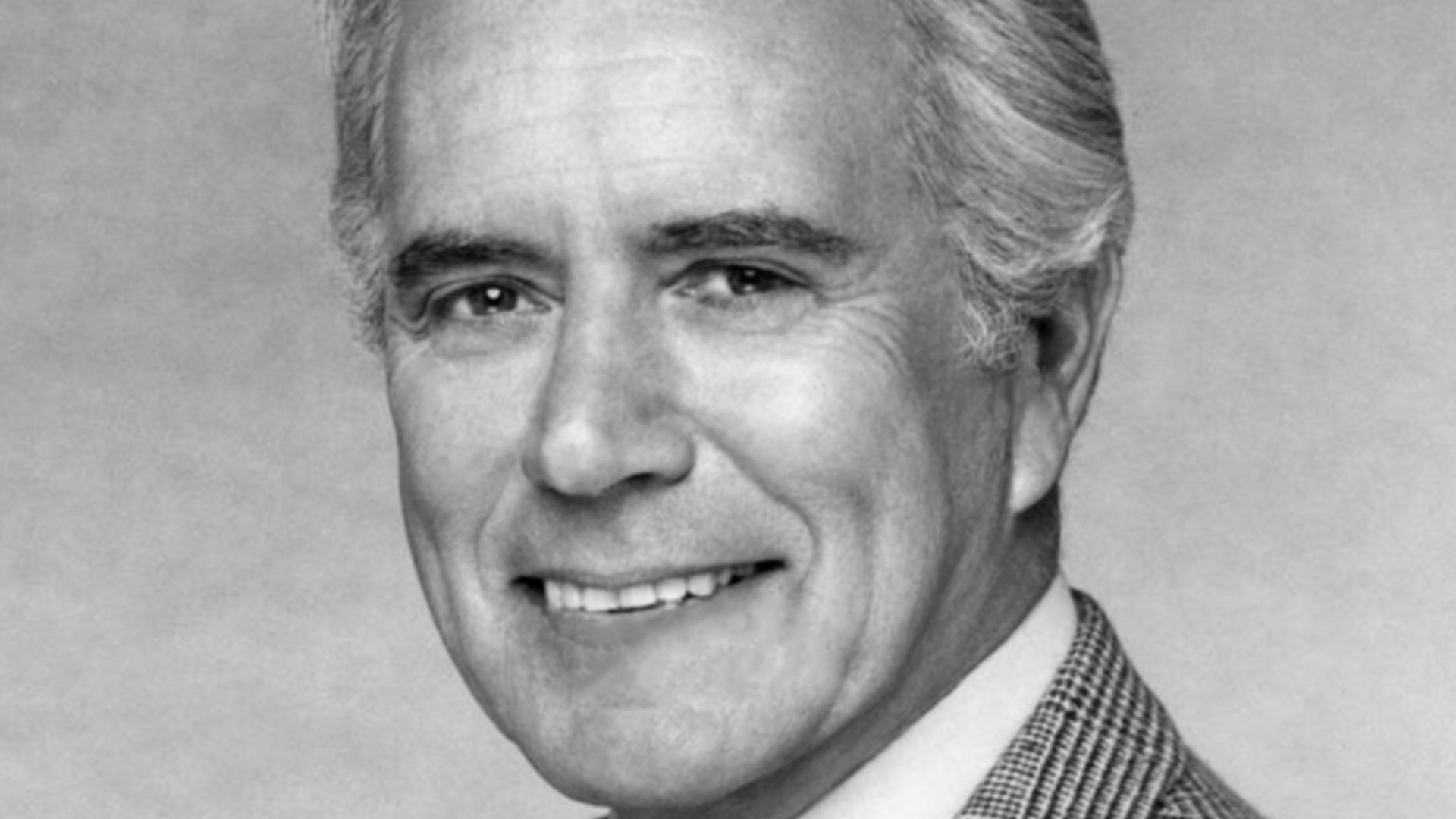 ABC Television, Wikimedia Commons
Nolan Miller Made Fallon Look Like Carrington Royalty
Costume designer Nolan Miller helped create Dynasty’s famously lavish visual world. His Television Academy interview specifically includes his memories of costuming Martin as Fallon alongside John James and other younger cast members. The clothes reinforced Fallon’s position as someone who had never known life outside extreme privilege.
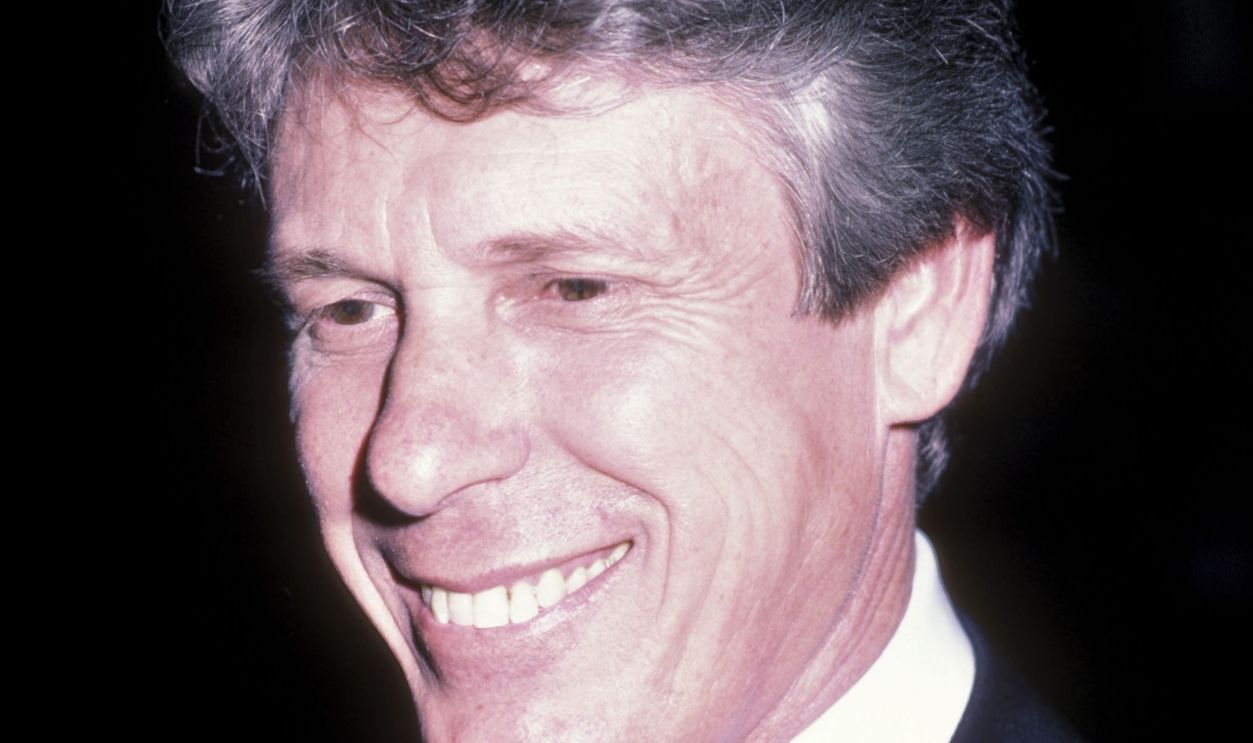
Jeff Colby Became Central To Fallon’s Story
John James played Jeff Colby, whose relationship with Fallon became one of the program’s important younger storylines. Their connection tied the Carrington and Colby families together long before the Colbys received their own spinoff. Martin consequently became part of the dynastic family conflict built directly into the show’s title.
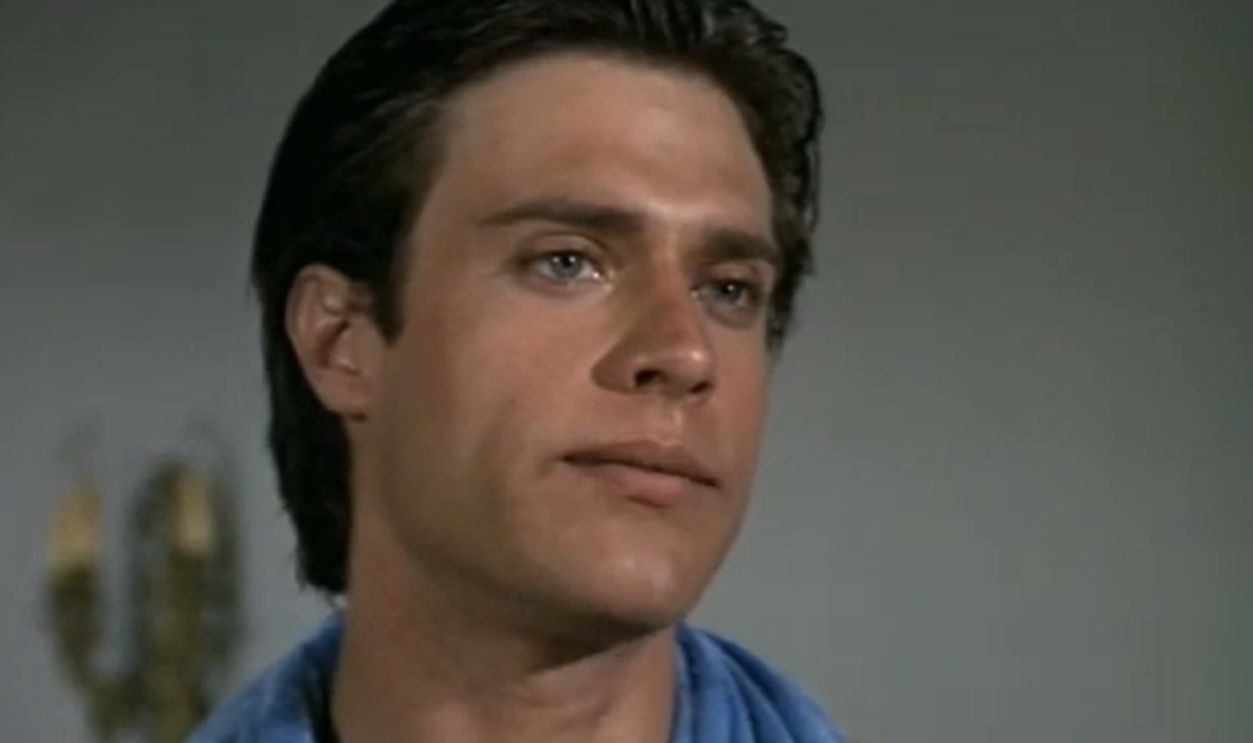 Screenshot from Dynasty, Paramount Global (1981-1989)
Joan Collins Changed Dynasty’s Entire Temperature
Joan Collins joined Dynasty as Alexis Carrington, Blake’s former wife and Fallon’s mother. Her arrival in the second season added a much more openly combative force to the Carrington family drama. As the show leaned further into elaborate rivalries and heightened soap storytelling, its identity moved increasingly far from the comparatively restrained first season.
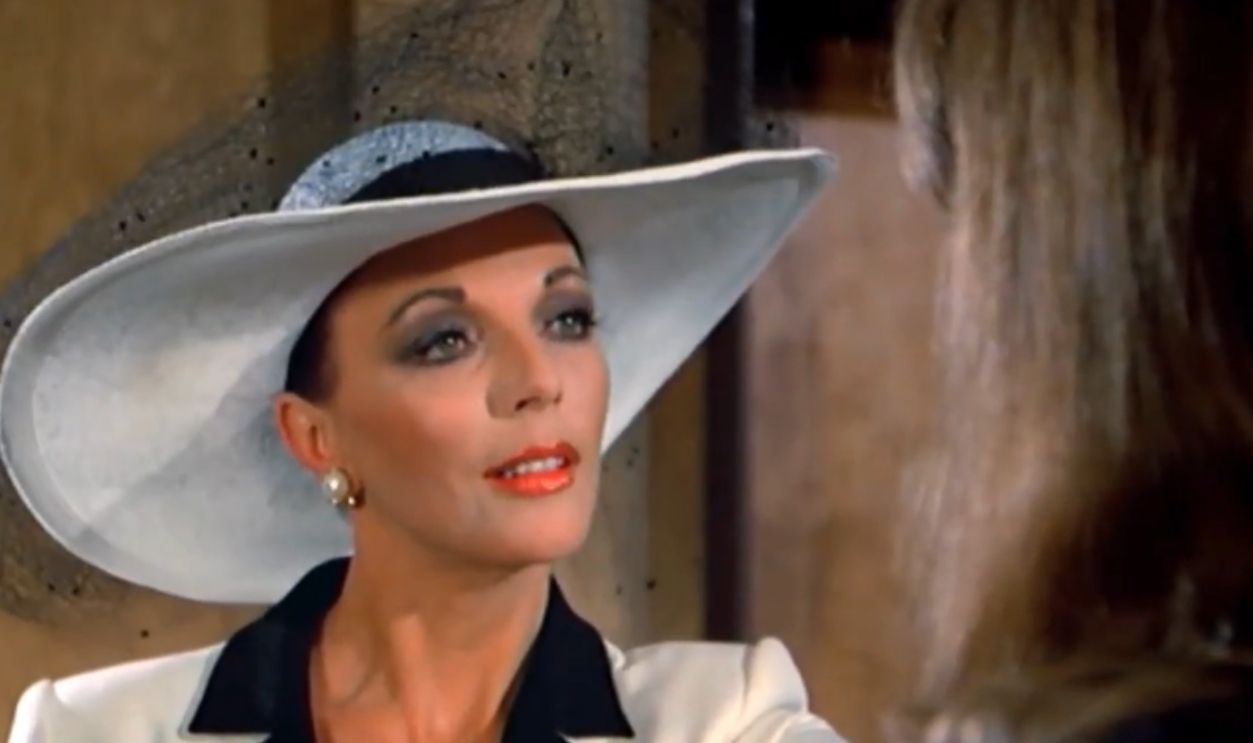 Screenshot from Dynasty, Paramount Global (1981-1989)
The Ratings Kept Climbing Around Her
Dynasty grew from a new prime-time drama into a major television phenomenon. Entertainment Weekly notes that the series ultimately reached the No. 1 position in the 1984-85 season. Martin had therefore left an enormously successful franchise just as it was reaching the absolute peak of American television popularity.
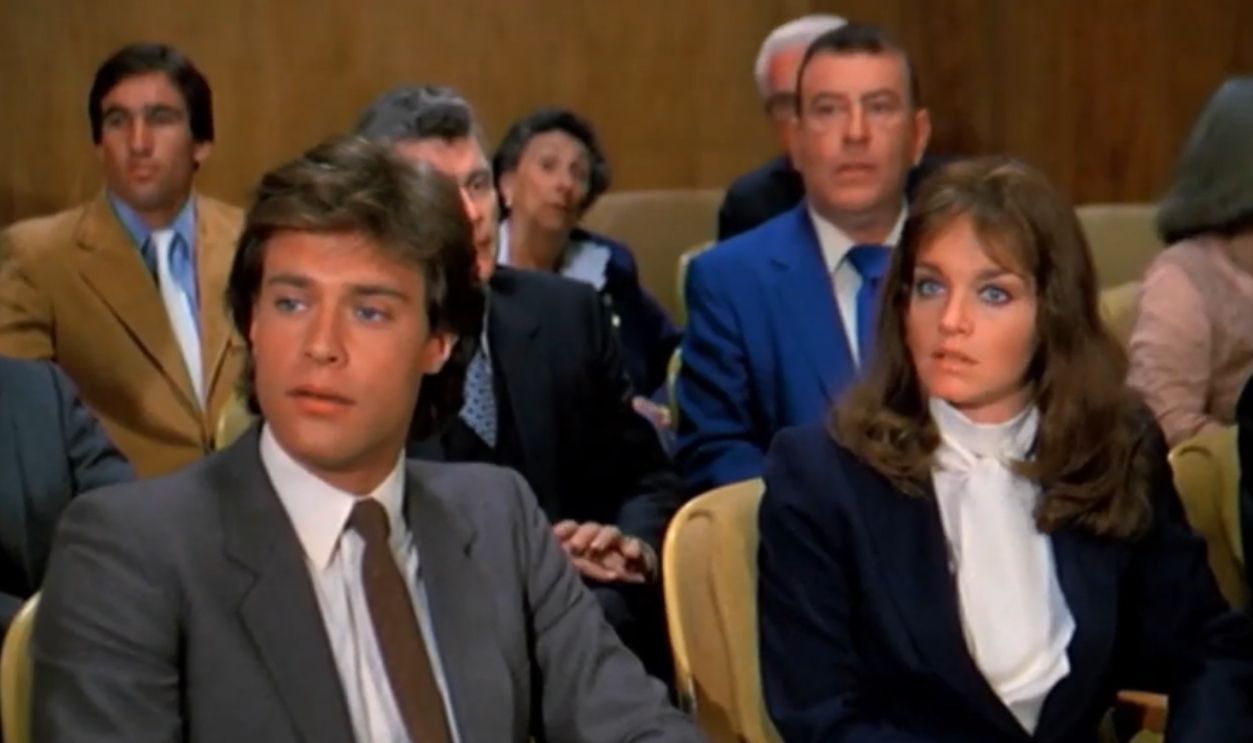 Screenshot from Dynasty, Paramount Global (1981-1989)
The Fame Was Becoming Uncomfortable
Martin later acknowledged that her Dynasty years made her extremely famous and that she found the level of attention uncomfortable. The experience differed dramatically from the more manageable recognition she had experienced through Nancy Drew and her earlier movies. Success had delivered exactly what many actors wanted, yet Martin was discovering that she did not necessarily want everything that came with it.
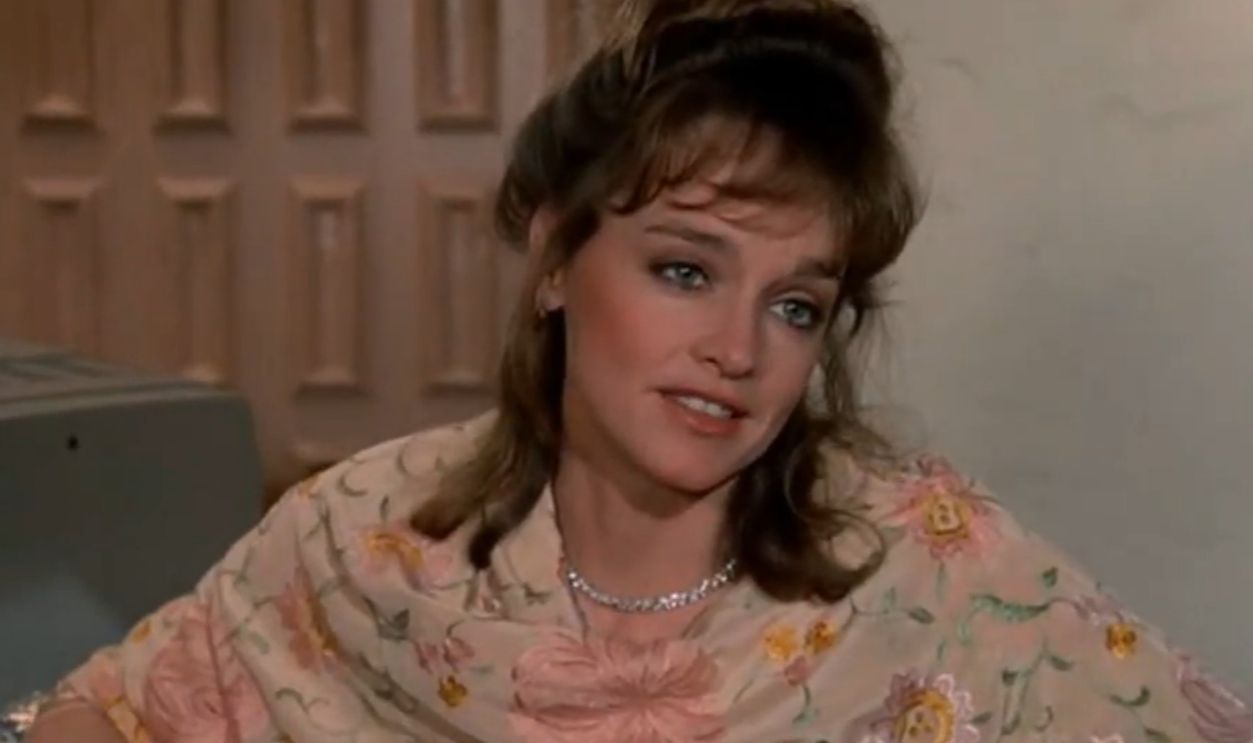 Screenshot from Dynasty, Paramount Global (1981-1989)
She Disliked What Fallon Was Becoming
Martin has said that she preferred the sharper, more satirical quality she saw in Dynasty at the beginning. She felt that later writing moved the series toward more conventional soap plotting and that Fallon lost some of the strength that had originally interested her. Martin eventually decided that staying on a huge show was less important than remaining interested in the character.
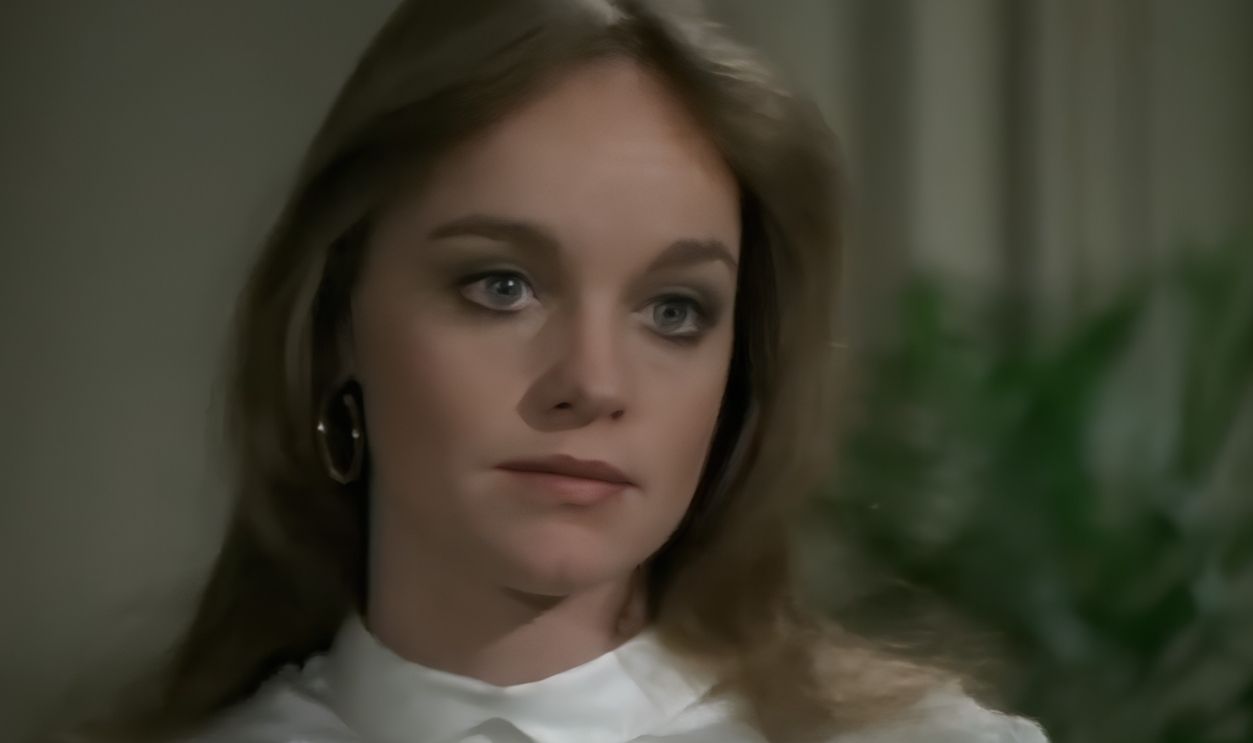 Screenshot from Dynasty, Paramount Global (1981-1989), enhanced
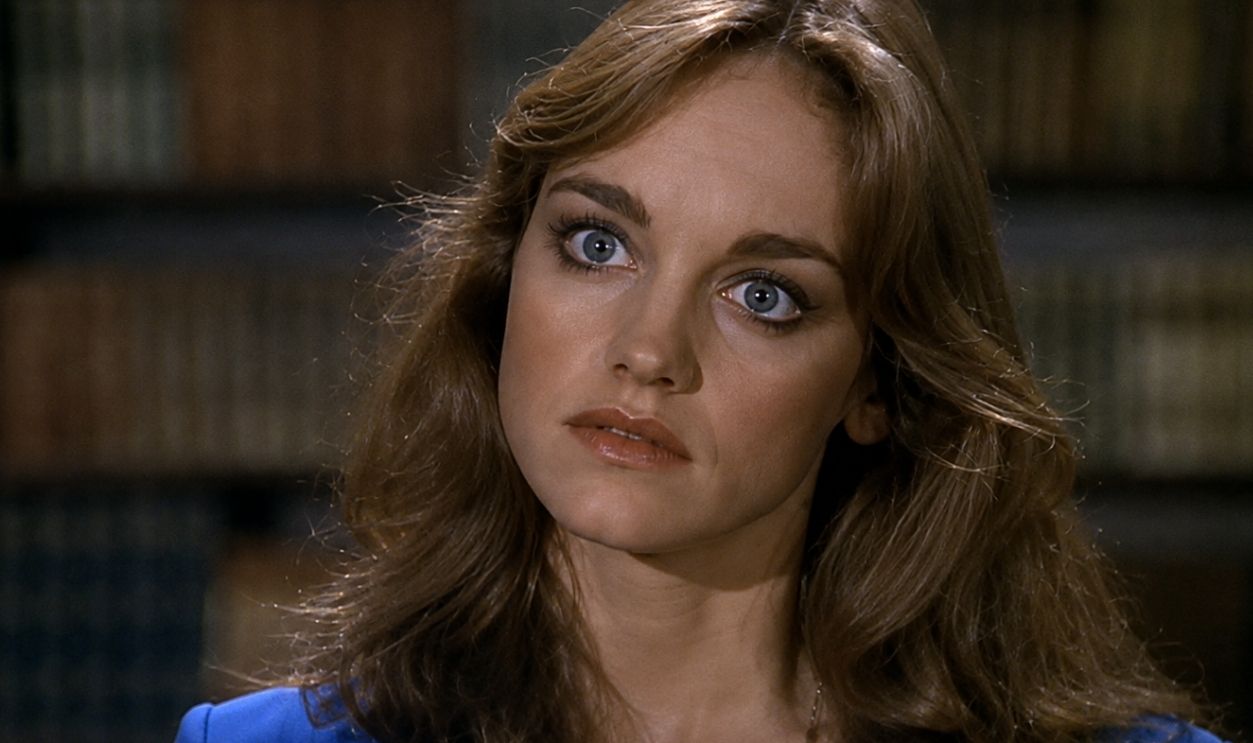
She Left Dynasty While It Was Still Rising
Martin departed at the end of the fourth season in 1984. Contemporary Los Angeles Times coverage confirms that she had left before Fallon’s eventual return to the story the following year. Walking away from Dynasty repeated the decision she had made with Nancy Drew, only this time the series she abandoned was on its way to becoming television’s highest-rated program.
 Screenshot from Dynasty, Paramount Global (1981-1989), enhanced
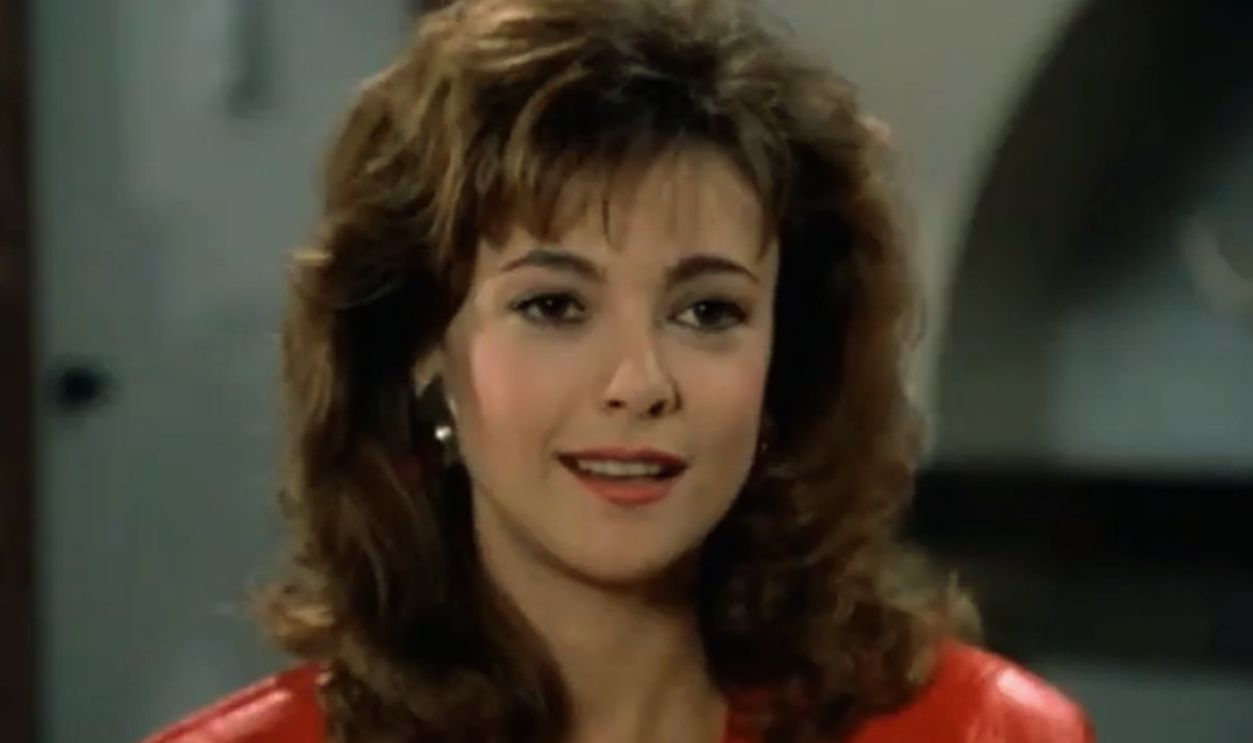
Fallon Disappeared Before Returning With A New Face
Writers initially left Fallon’s fate uncertain, creating room for the character to return later. In 1985, ABC brought Fallon back with Emma Samms taking over the role. The Los Angeles Times reported that Samms would then carry Fallon into the new spinoff The Colbys.
 Screenshot from Dynasty, Paramount Global (1981-1989)
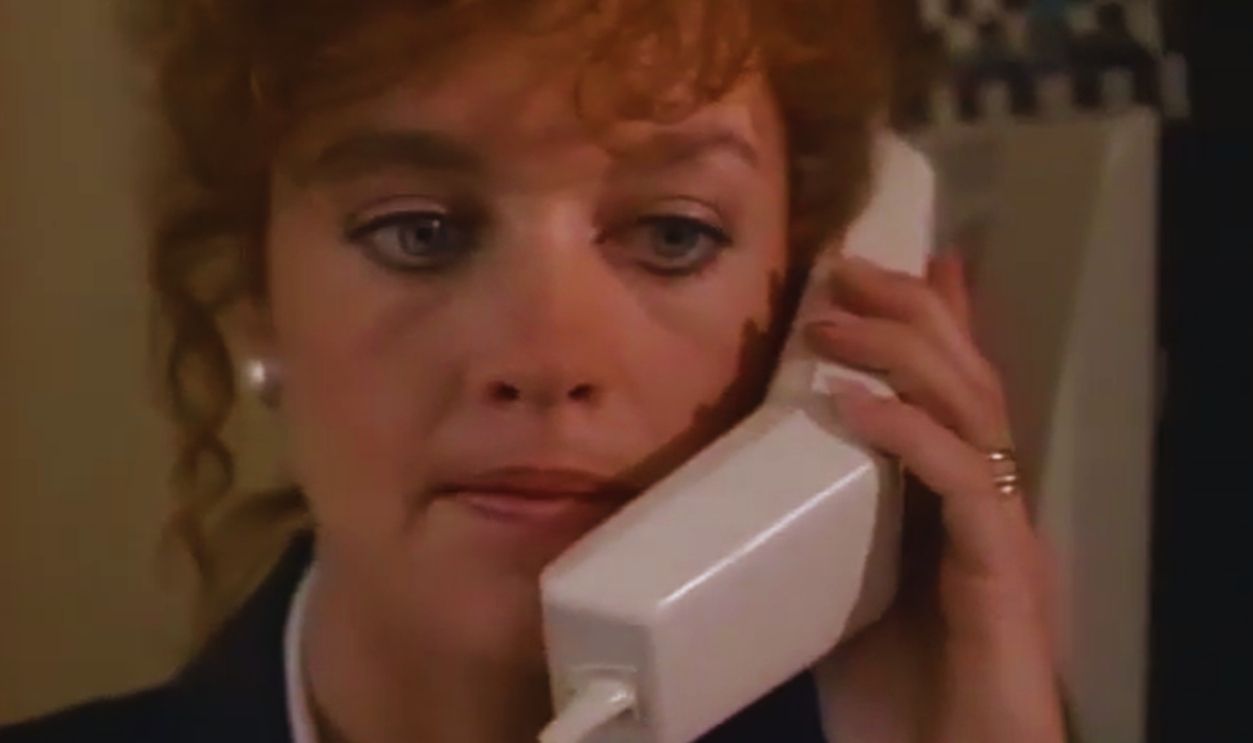
Martin Proved She Had Not Quit Acting Overnight
Although her television visibility decreased, Martin continued accepting projects after Dynasty. She starred as Celia Grey in the television adaptation of Arthur Hailey’s Strong Medicine and later appeared in the 1987 television movie Bay Coven. A contemporary Los Angeles Times item specifically identified her as the original Fallon while announcing the latter project.
 Screenshot from Bay Coven, NBCUniversal (1987)
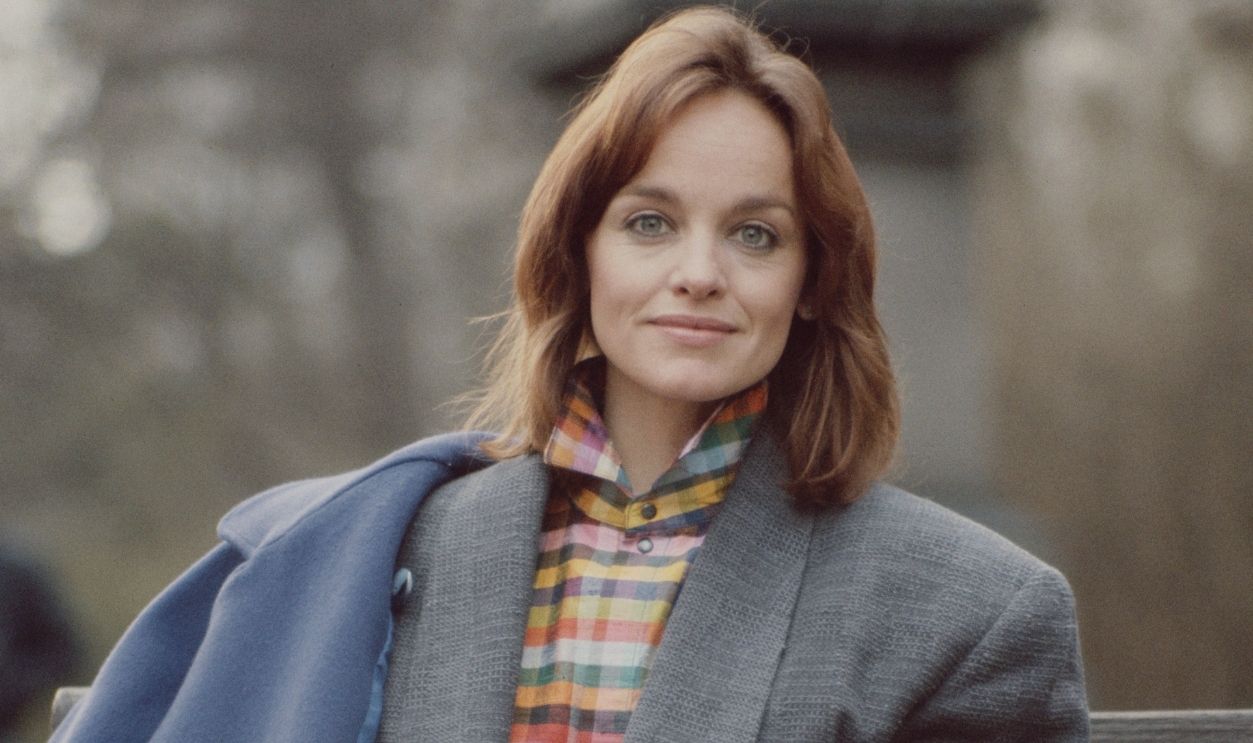
Idaho Offered The Life Hollywood Could Not
Martin eventually settled in Hailey, Idaho, where she raised her son and built a life around horses and the outdoors. In later interviews, she explained that leaving Hollywood allowed her to travel, have a family, and pursue the less public existence she wanted. She has also spoken about environmental interests and other pursuits that became increasingly important after acting stopped dominating her life.
She Never Completely Closed The Door
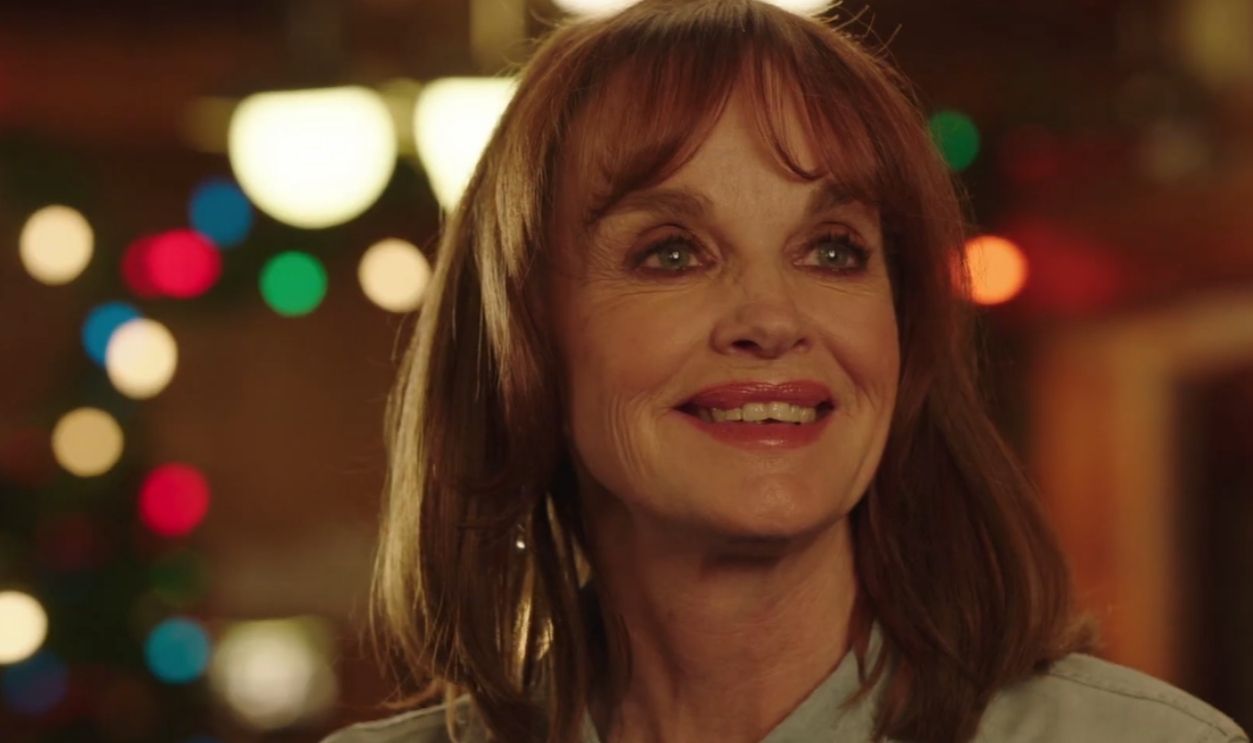
Martin has occasionally returned to acting when a project appealed to her. She appeared in Lifetime’s 2017 movie My Christmas Prince alongside her former Nancy Drew colleague Parker Stevenson, and TV Guide also noted her guest appearance in the 2019 Nancy Drew reboot. In a 2026 interview, she was still looking back on The Poseidon Adventure, Nancy Drew, and Dynasty, three very different chapters that explain why Pamela Sue Martin remains such a distinctive television figure.
 Screenshot from My Christmas Prince, Lifetime (2017)
You May Also Like:
1960s TV Classics That Everyone Watched When They Aired
Brilliant Sketch Comedy Shows That Still Make Us Laugh Till We Cry
Actors Who Were Fired In The Middle Of Filming
Sources: 1, 2, 3, 4, 5, 6, 7, 8, 9, 10, 11, 12, 13, 14, 15, 16, 17, 18, 19, 20, 21, 22, 23, 24, 25, 26, 27, 28