The Landlord Who Nearly Lost Everything
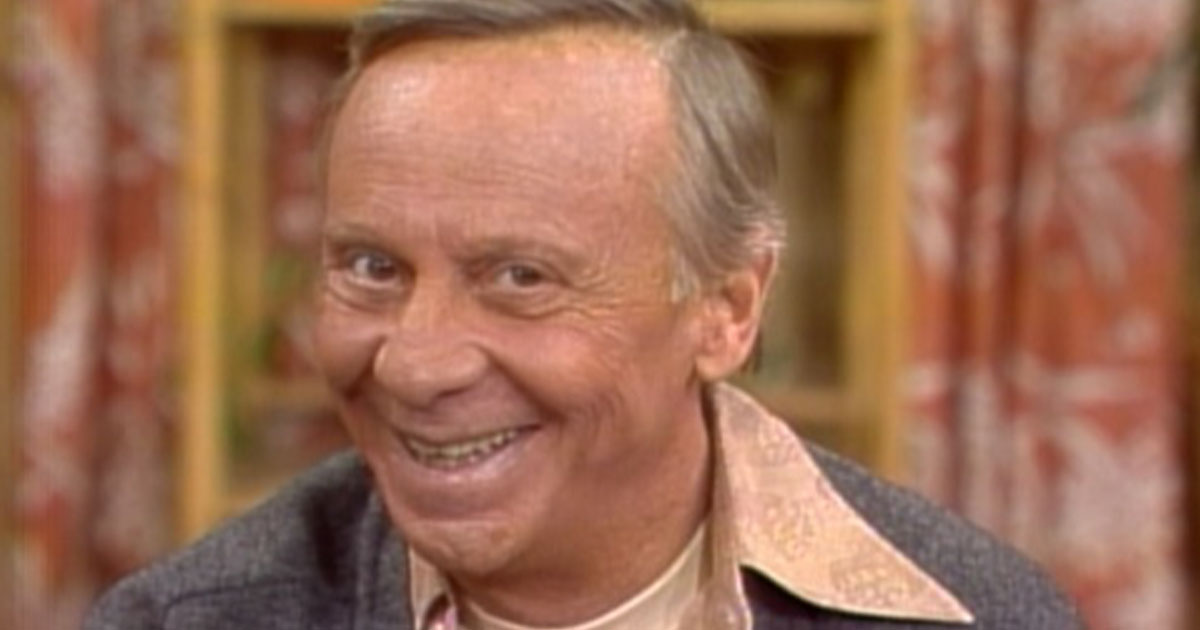
Norman Fell spent decades playing cops, clerks, and exasperated authority figures before Stanley Roper finally made him a television star. Yet after turning one suspicious landlord into a 1970s icon, Fell was persuaded to leave—and discovered that Hollywood’s promise of a safe return came with a devastating catch.
 NRW Productions, Three's Company (1977-1984)
A Performer From Philadelphia
Norman Noah Feld was born in Philadelphia, Pennsylvania, on March 24, 1924. The son of a restaurateur, he began acting in high-school plays, long before his famously drooping eyes and irritated expressions became comedy weapons. First, however, history pulled him toward a far more dangerous stage.
 ABC Television, Wikimedia Commons
War Changed His Direction
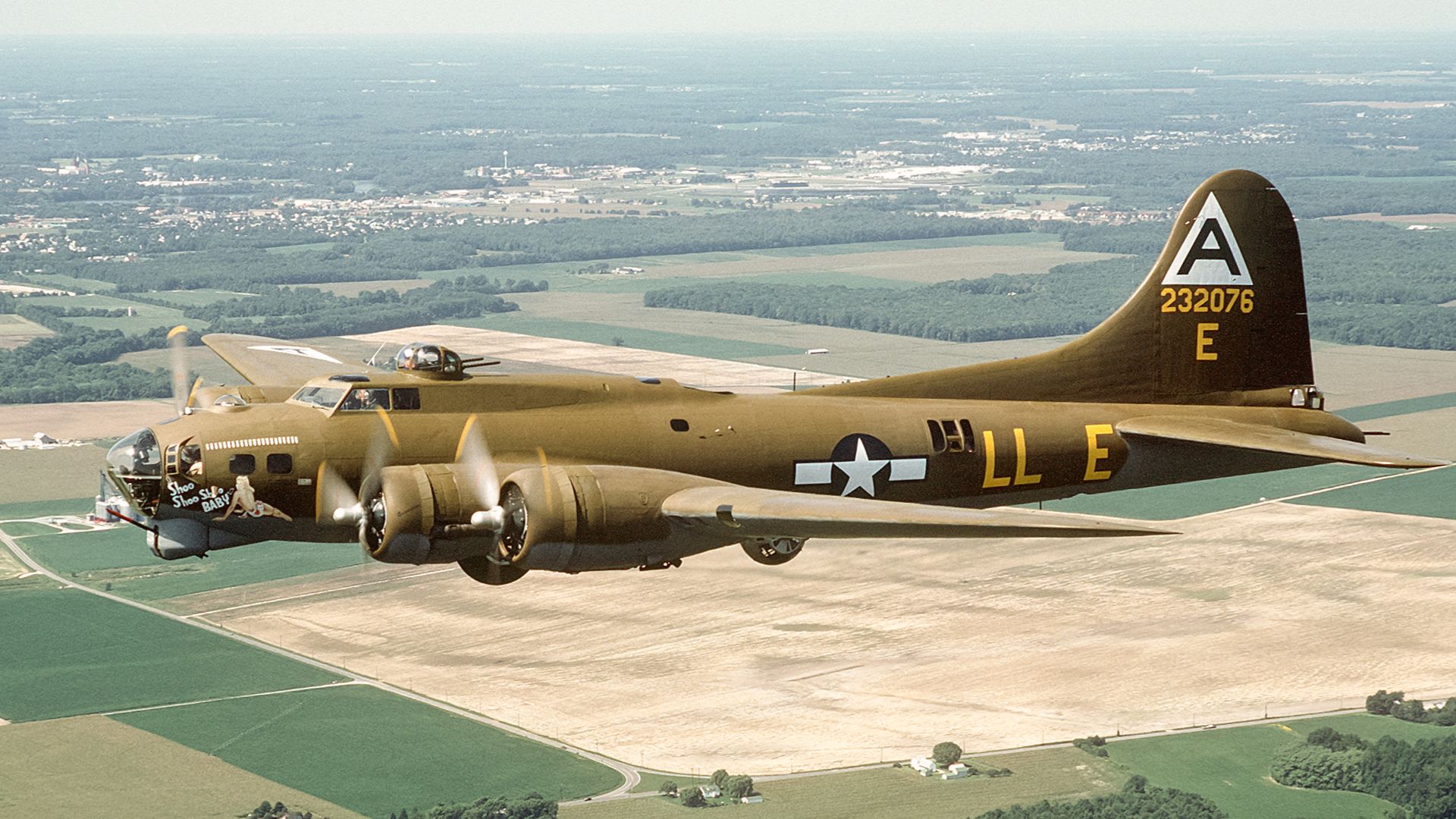
During World War II, Fell served for three years as a tail gunner in the Pacific with the United States Army Air Forces. He later recalled promising himself that, if he survived, nothing would prevent him from pursuing an acting career. When he returned home, he kept that promise.
 MASTER SGT. KEN HAMMOND, Wikimedia Commons
He Studied Under The GI Bill
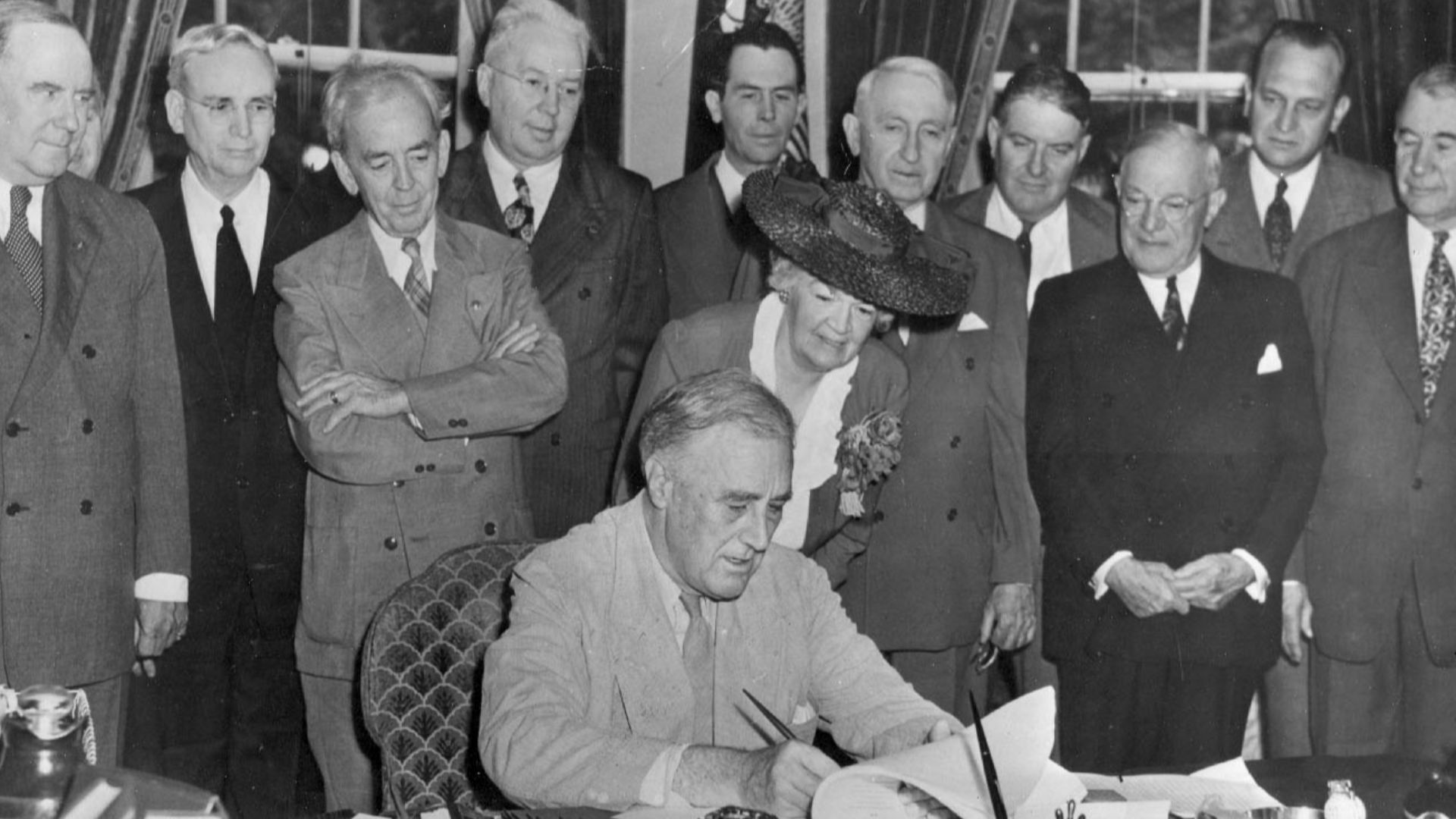
Fell used the GI Bill to study drama at Temple University, earning a bachelor’s degree. After meeting Marlon Brando in New York, he reportedly followed Brando’s advice and studied with respected acting teacher Stella Adler. He later trained at the Actors Studio, but professional work remained stubbornly elusive.
 Not provided, Wikimedia Commons
Rejection Became His Daily Routine
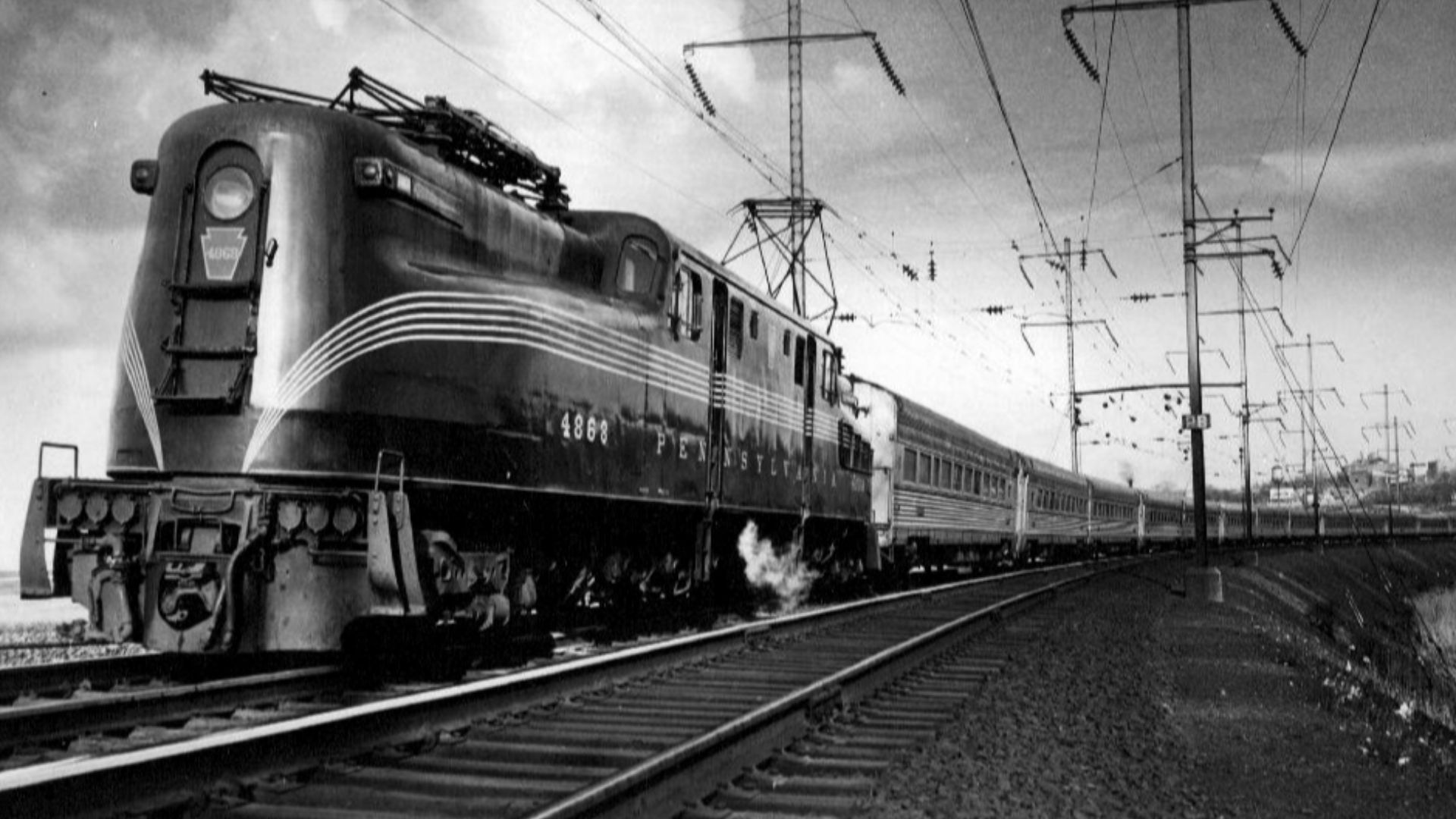
For more than a year, Fell commuted approximately 90 miles between Philadelphia and New York. His schedule was punishing: casting rejections during the day, acting classes at night, and a long train ride home afterward. Stardom was not exactly waiting at the station with a welcome basket.
Survival Jobs Paid The Bills
After settling in New York, Fell worked as a camera-store deliveryman, a counterman, and a postal worker while chasing acting jobs. His professional stage debut came in a 1951 production of The Bonds of Interest. The glamorous life had arrived—although apparently without the glamour.
Television Opened A Door
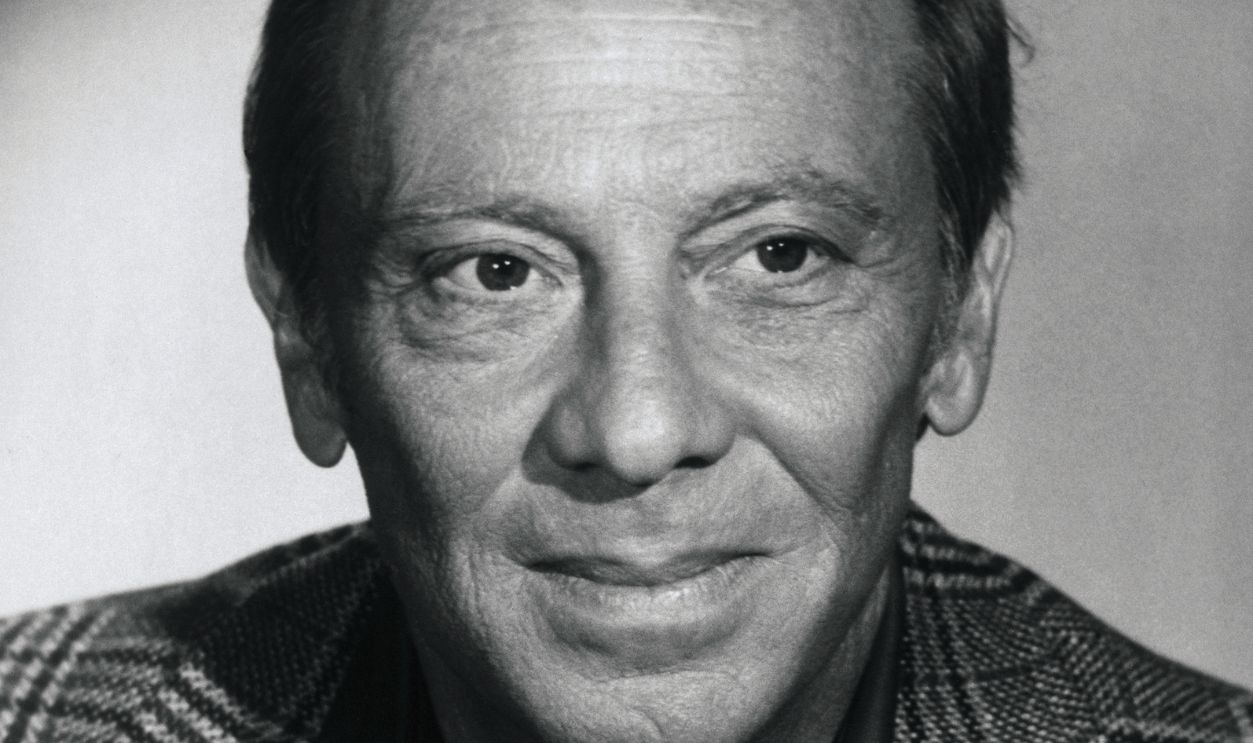
Live television offered Fell steady opportunities during the 1950s. He appeared in the original 1954 television production of Twelve Angry Men and accumulated numerous small roles. Producers quickly discovered that he could communicate annoyance, suspicion, and exhaustion before delivering a single line.
Broadway Came Calling
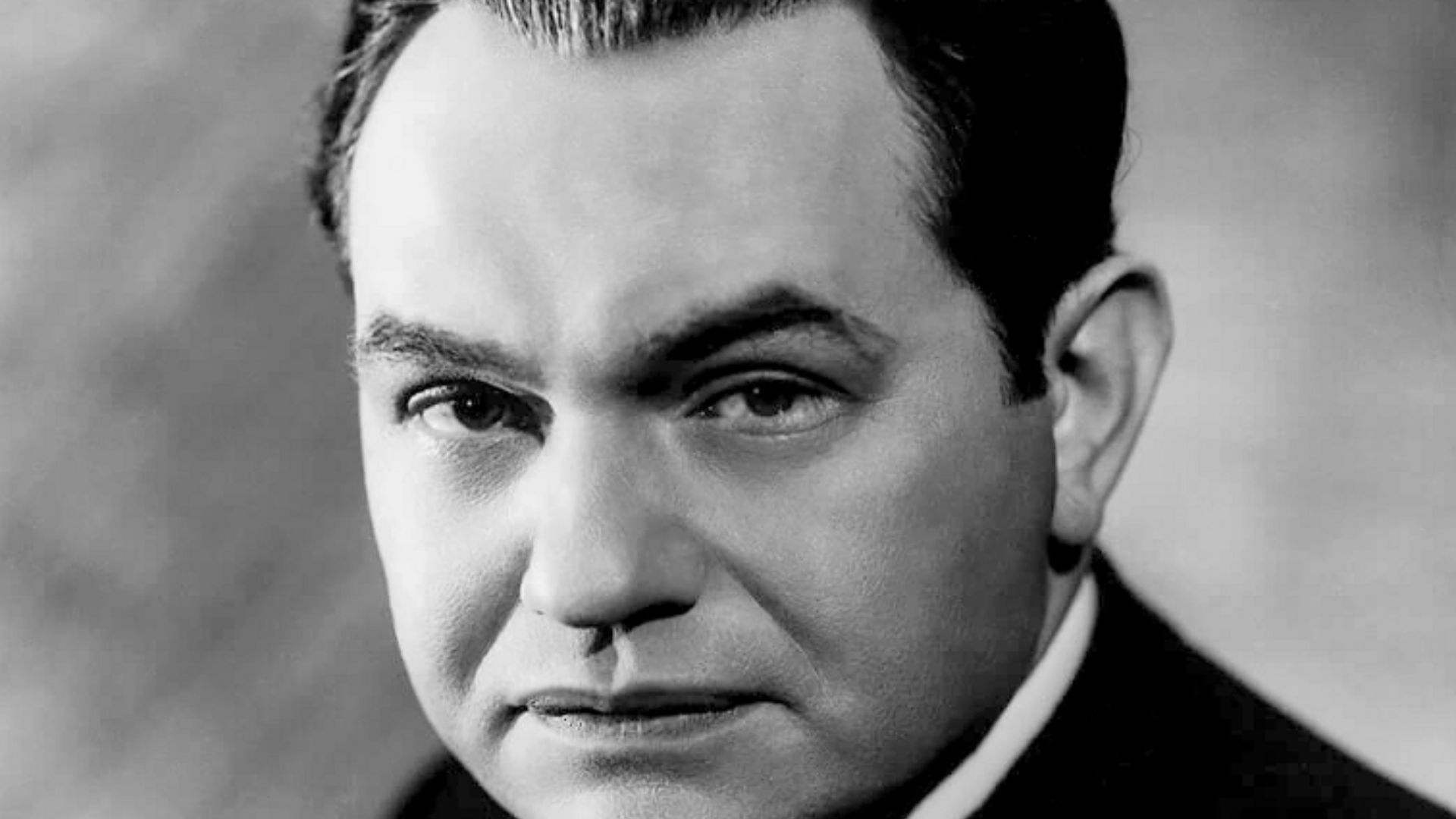
In 1956, Fell appeared on Broadway alongside Edward G Robinson in Paddy Chayefsky’s Middle of the Night. That same year, he secured his first regular television role in the short-lived sitcom Joe & Mabel. The series disappeared quickly, but Fell had finally begun building momentum.
 Elmer Fryer, Wikimedia Commons
Hollywood Offered Another Beginning
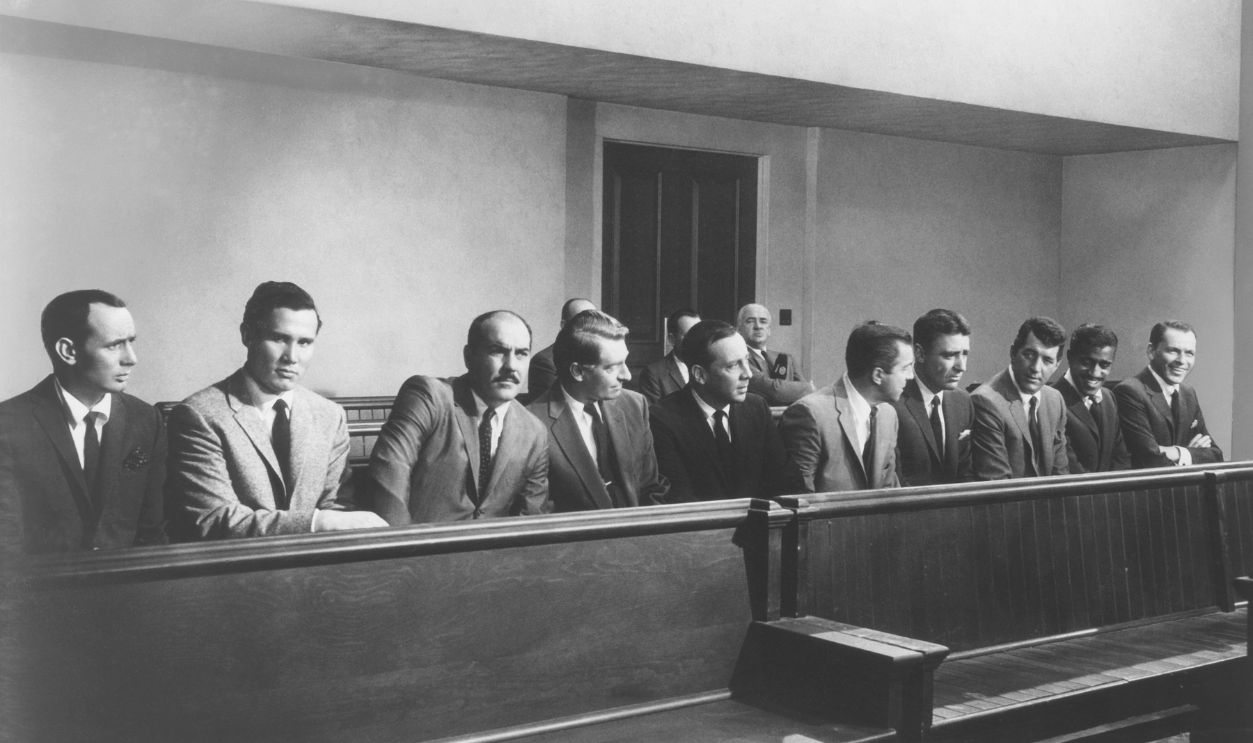
Fell moved to Los Angeles in 1958 and made his feature-film debut in the Korean War drama Pork Chop Hill, released the following year. He soon appeared in Ocean’s 11, joining a cast led by Frank Sinatra. Even so, steady film work remained frustratingly unpredictable.
One Small Part Revived His Career
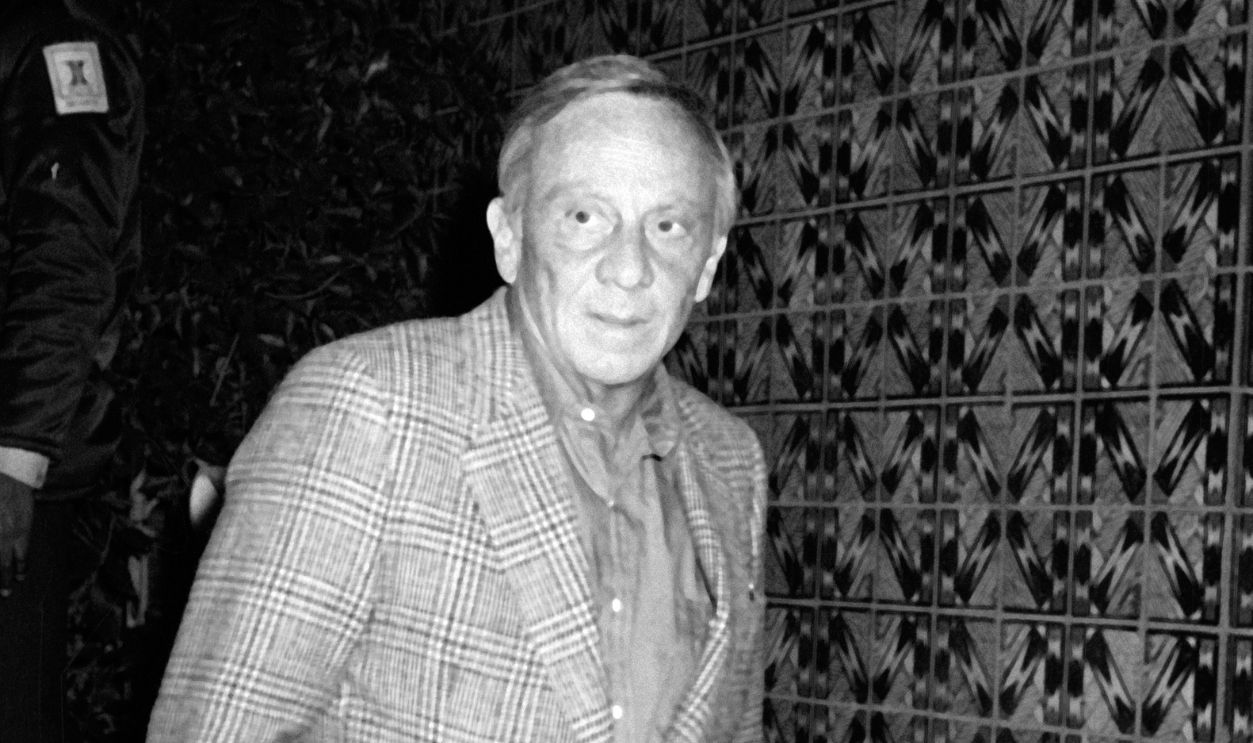
When opportunities slowed, Fell considered returning to New York. Then he landed a comic role as an overly interested telephone repairman in the 1960 film The Rat Race. Fell later said the small performance made him a “better-known commodity,” leading to larger and more substantial assignments.
He Became Television’s Dependable Detective
From 1961 to 1962, Fell played Detective Meyer Meyer on 87th Precinct, adapted from Ed McBain’s crime novels. His dry humor provided relief inside an otherwise serious police drama. It also established a pattern: Fell could play authority figures without making them feel completely authoritative.
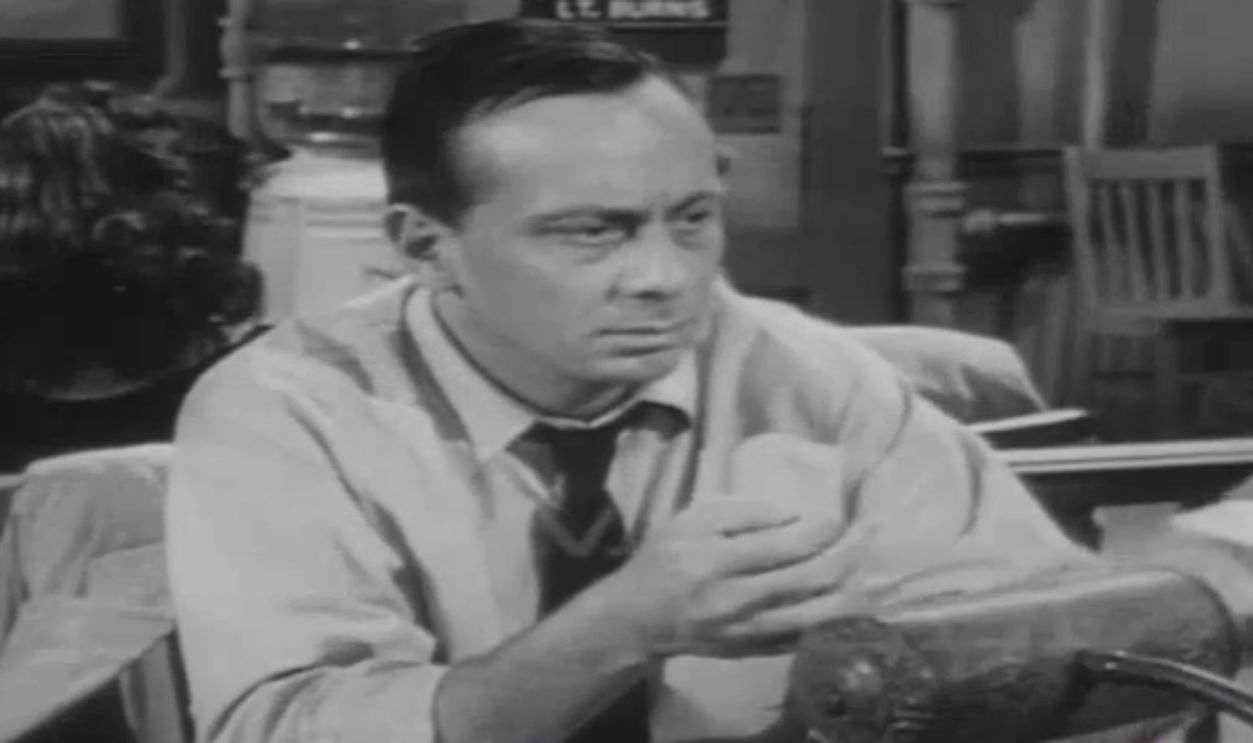 Screenshot from 87th Precinct, NBC (1961–1962)
Major Directors Kept Calling
Fell became one of Hollywood’s most reliable character actors. He worked with filmmakers including Stanley Kramer, Don Siegel, Mike Nichols, and Peter Yates. His credits included It’s a Mad, Mad, Mad, Mad World, The Killers, PT 109, and Charley Varrick.
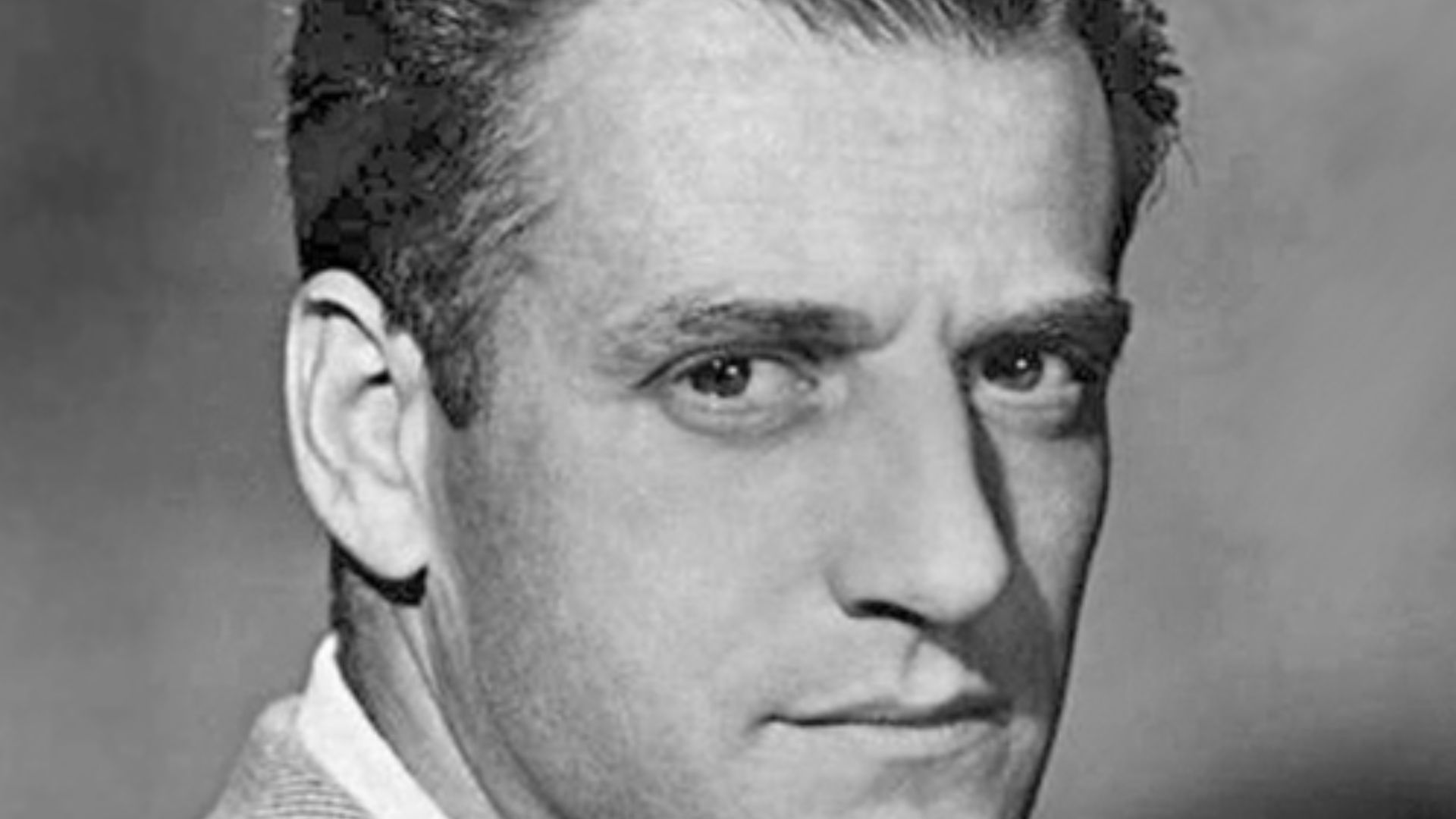
He Had Already Played A Suspicious Landlord
In Mike Nichols’s The Graduate, released in 1967, Fell played Mr McCleery, Benjamin Braddock’s suspicious landlord. McCleery became increasingly alarmed by his tenant’s strange behavior and threatened eviction. A decade later, Fell would revisit that suspicious-landlord territory—with considerably louder shirts.
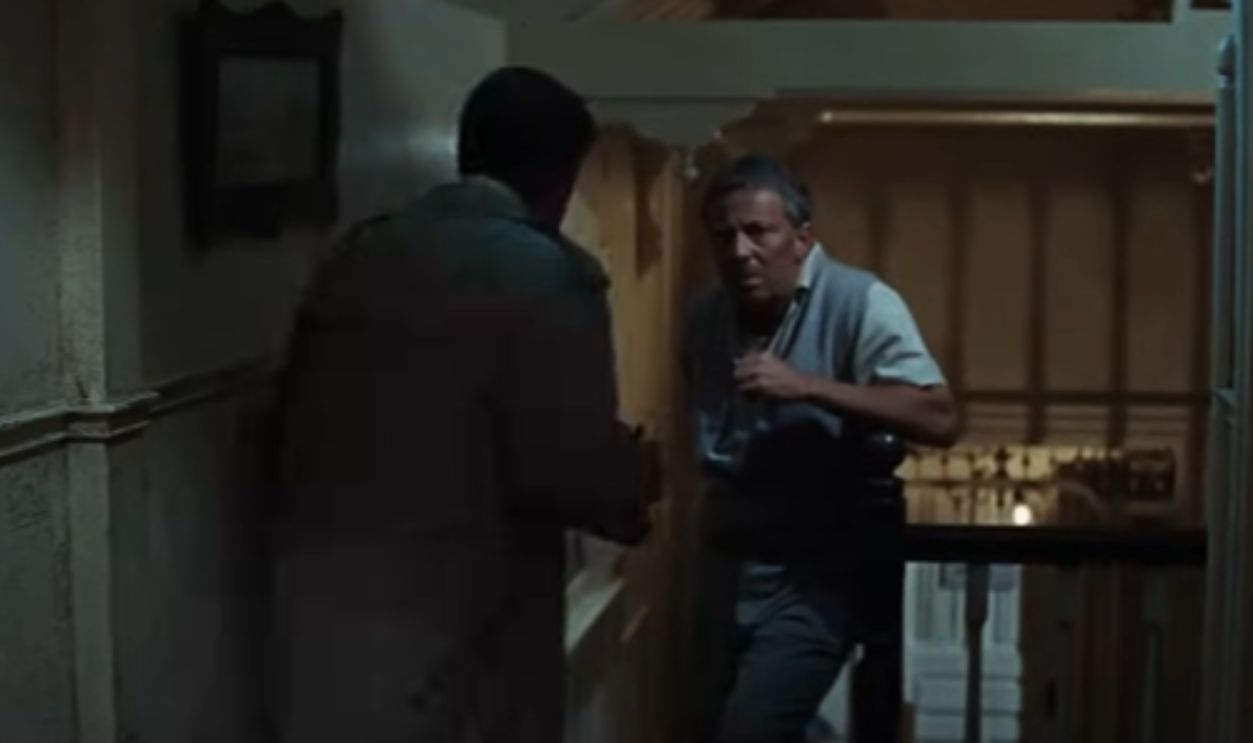 Screenshot from The Graduate, Embassy Pictures (1967)
He Joined Steve McQueen In Bullitt
Fell appeared as police captain Sam Bennett in the 1968 thriller Bullitt. He followed it with roles in Catch-22, Airport 1975, and the Burt Reynolds detective series Dan August. Fell was working regularly, but audiences still knew his face better than his name.
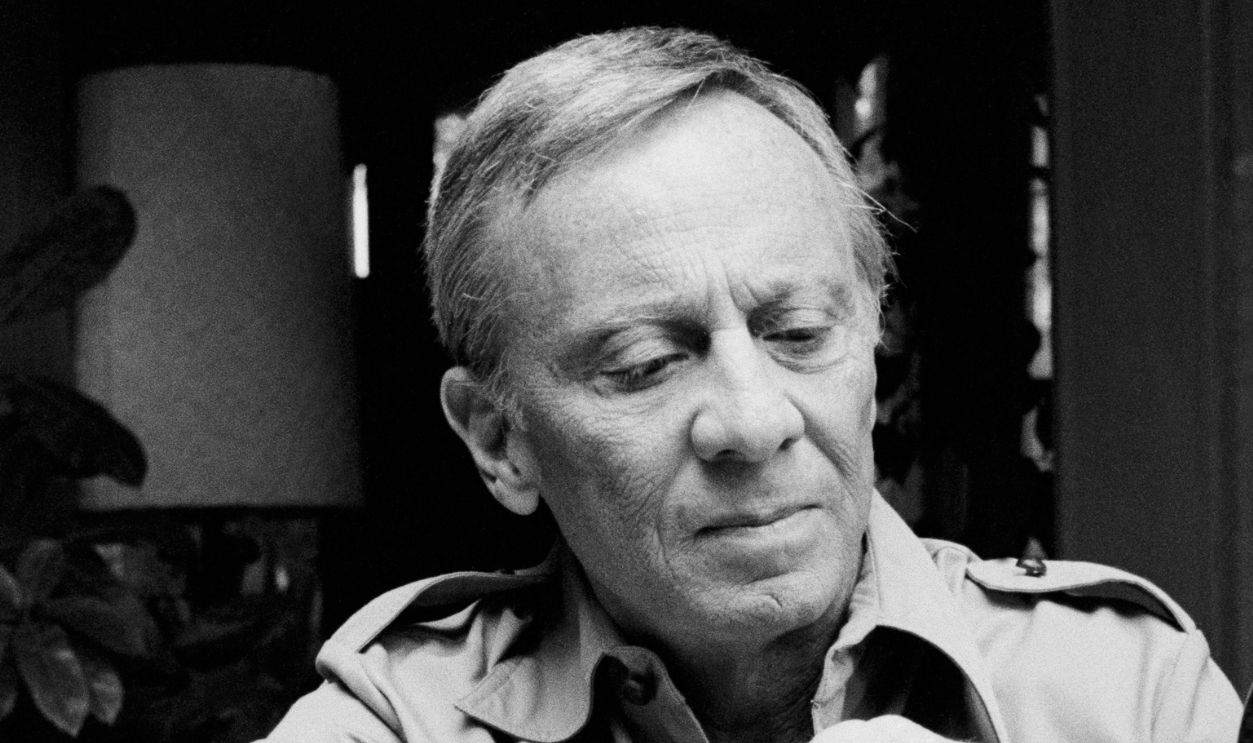
Drama Earned Him Major Recognition
In 1976, Fell played boxing trainer Smitty in the television miniseries Rich Man, Poor Man. The dramatic performance earned him an Emmy nomination for Outstanding Single Performance by a Supporting Actor. After years of supporting work, the industry was finally paying closer attention.
A British Comedy Crossed The Atlantic
American producers adapted the British sitcom Man About the House into a new ABC comedy called Three’s Company. The premise followed two women sharing a Santa Monica apartment with a man who pretended to be gay so their conservative landlord would permit the arrangement.
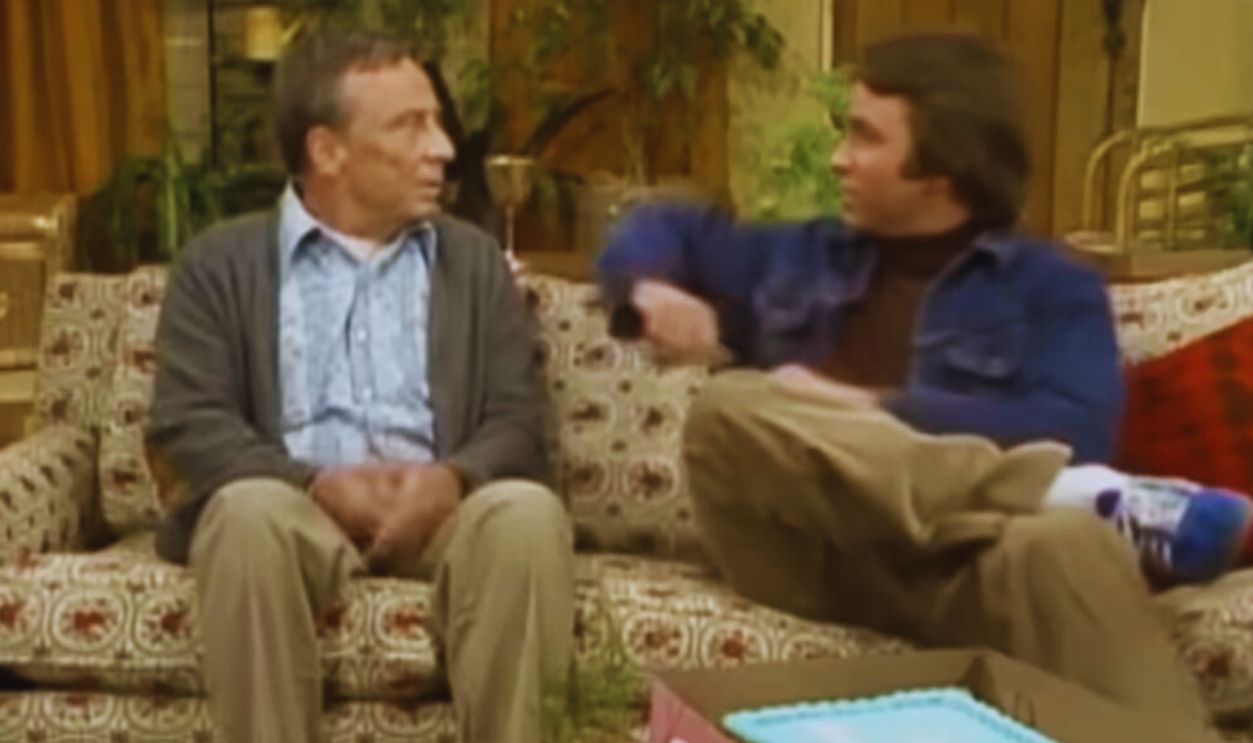 DLT Entertainment, Fremantle, Three’s Company (1977)
Stanley Roper Entered The Building
When Three’s Company premiered on March 15, 1977, Fell played landlord Stanley Roper opposite Audra Lindley as his wife, Helen. Stanley constantly monitored tenants Jack Tripper, Janet Wood, and Chrissy Snow, convinced that young people were always plotting something improper just beyond his walls.
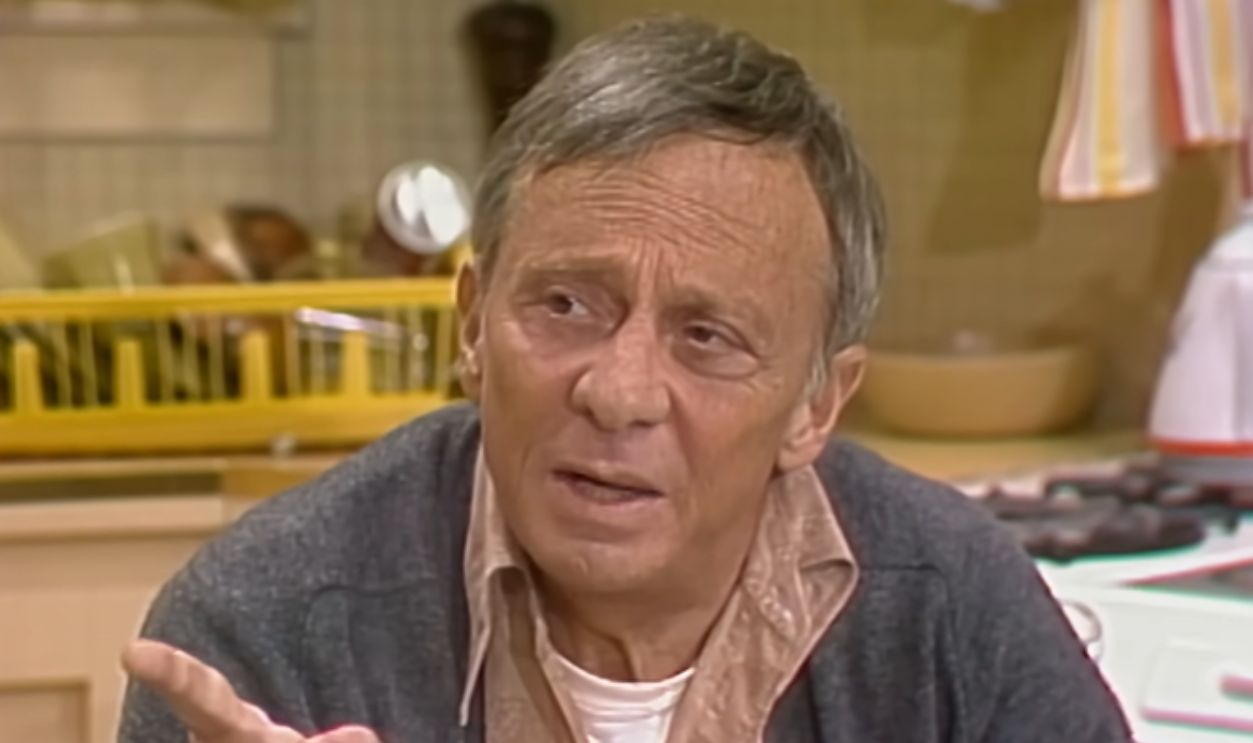 Screenshot from Three's Company, ABC (1977–1984)
Roper Was More Than A Grouch
Stanley was cheap, suspicious, and remarkably confident for a man who was usually wrong. Fell understood that the character worked best when he took himself completely seriously. Roper believed he controlled the building, while nearly everyone—including Helen—recognized that he controlled very little.
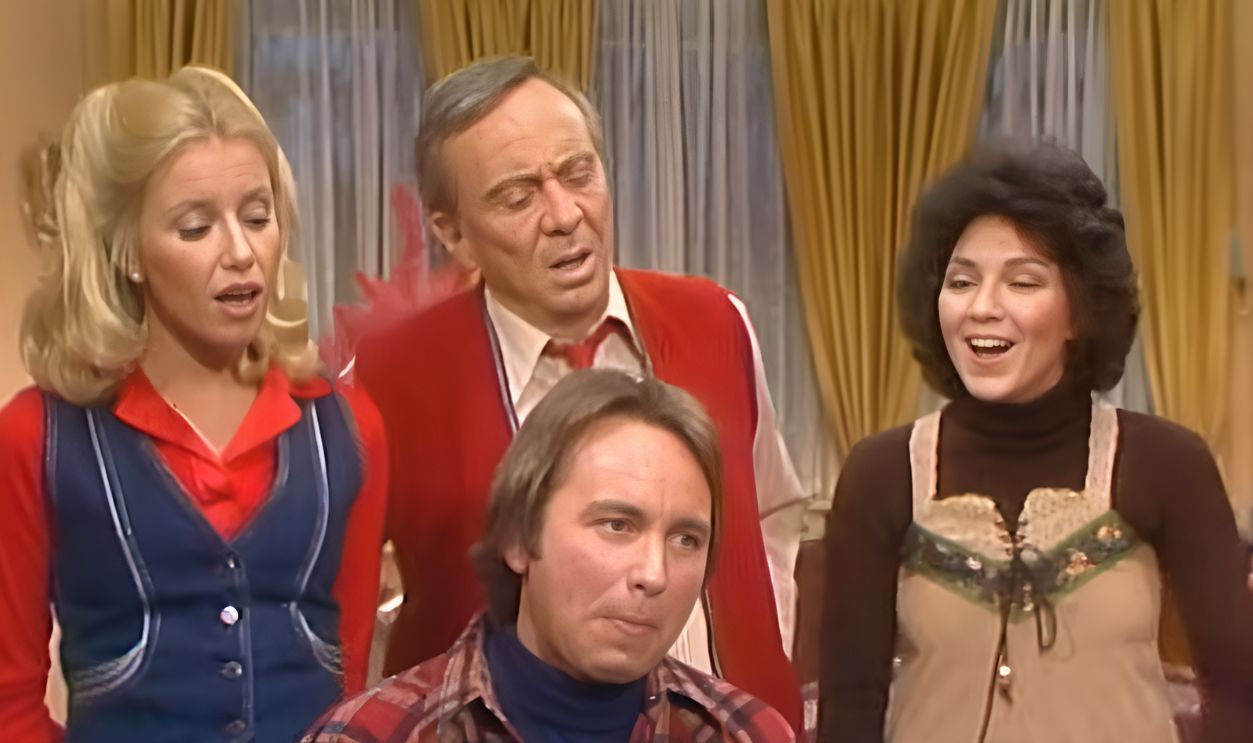 Screenshot from Three's Company, ABC (1977–1984), Modified
One Look Became His Trademark
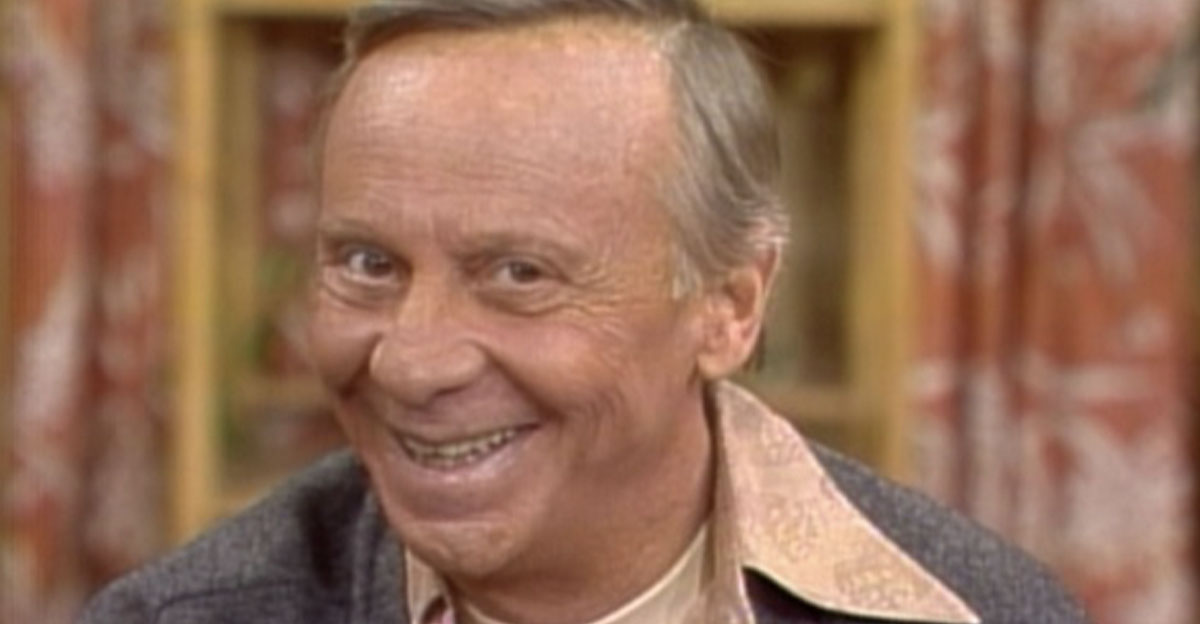
Fell frequently punctuated Stanley’s jokes by turning toward the camera with a sly grin. The look quietly invited viewers to share in his private amusement, even when Stanley was the joke. It became one of the character’s most recognizable habits and helped separate him from an ordinary sitcom grouch.
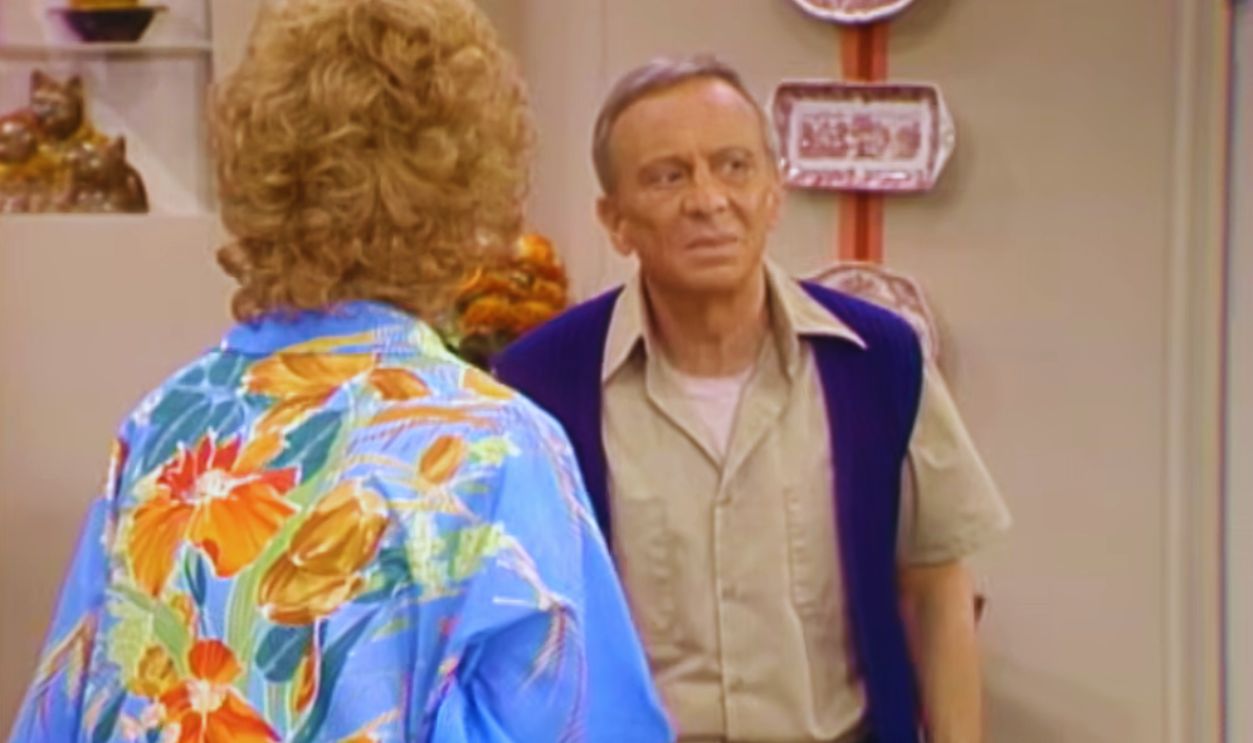 Screenshot from Three's Company, The NRW Company / DLT Entertainment (1977–1984)
Audra Lindley Completed The Act
Fell’s performance became even funnier beside Audra Lindley’s Helen Roper. Helen openly longed for romance, while Stanley continually found excuses to avoid it. Their bickering could be sharp, but Lindley and Fell played the marriage with enough familiarity to suggest decades of complicated affection underneath.
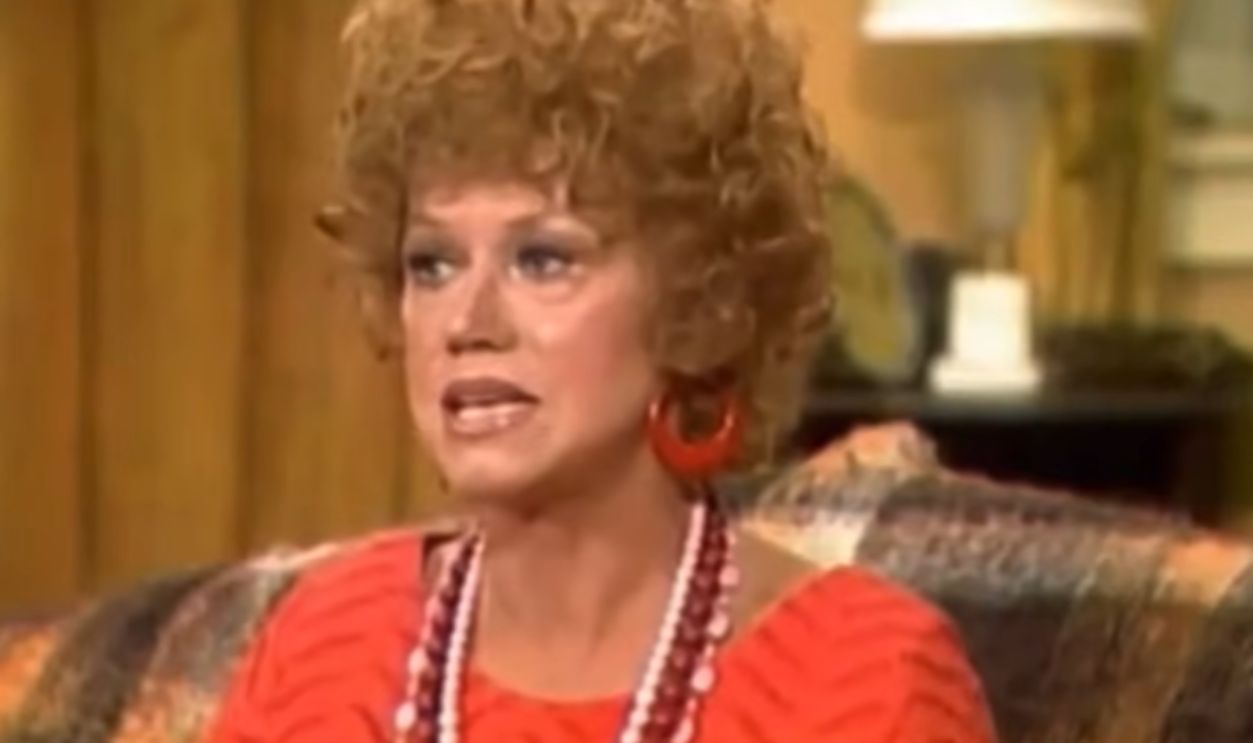 Screenshot from Three's Company, ABC (1977–1984)
John Ritter Gave Him A Perfect Opponent
Stanley’s confrontations with John Ritter’s Jack Tripper gave Fell endless opportunities for suspicious pauses and irritated double takes. Ritter supplied the frantic physical comedy; Fell supplied the slow-burning disbelief. Their contrasting styles created a rhythm that made even an ordinary conversation about rent feel dangerously unstable.
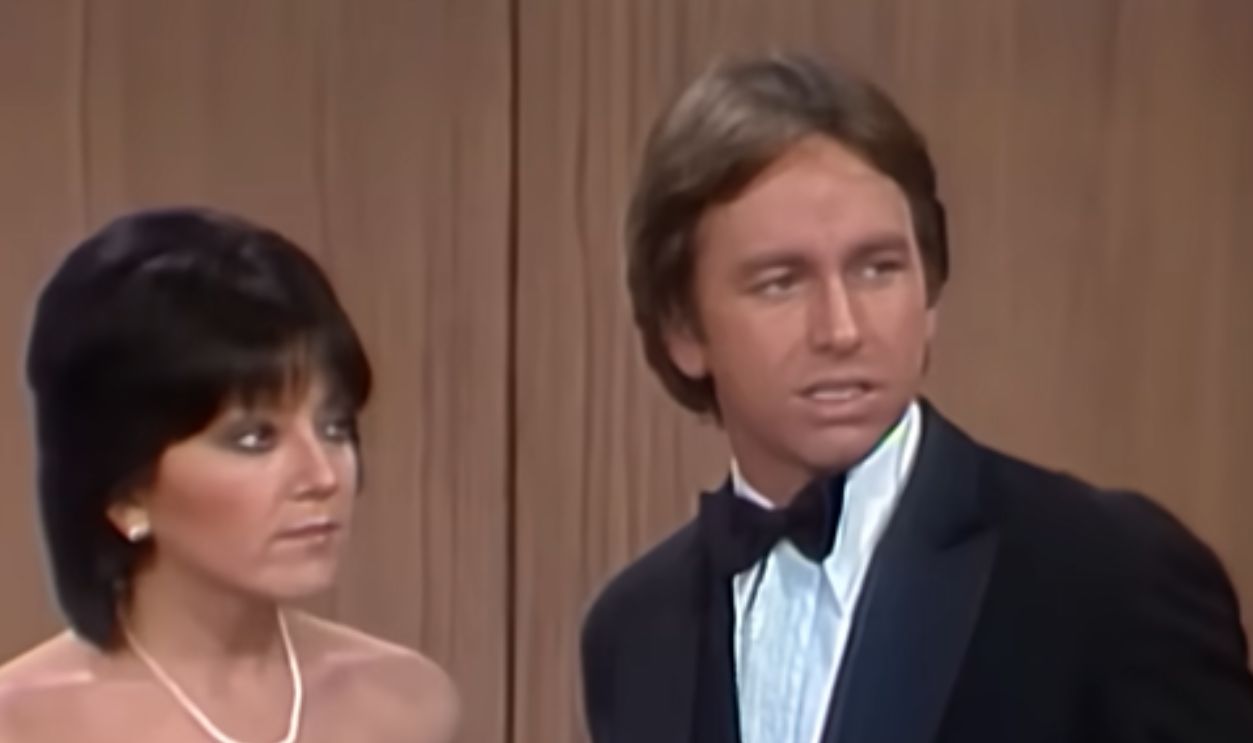 Screenshot from Three's Company, DLT Entertainment (1977-1984)
The Show Became A Sensation
Although critics were divided over its suggestive misunderstandings, viewers embraced Three’s Company. During the 1978–79 television season, it became America’s highest-rated series. Fell had spent more than two decades as a dependable supporting player; suddenly, Stanley Roper was recognized almost everywhere.
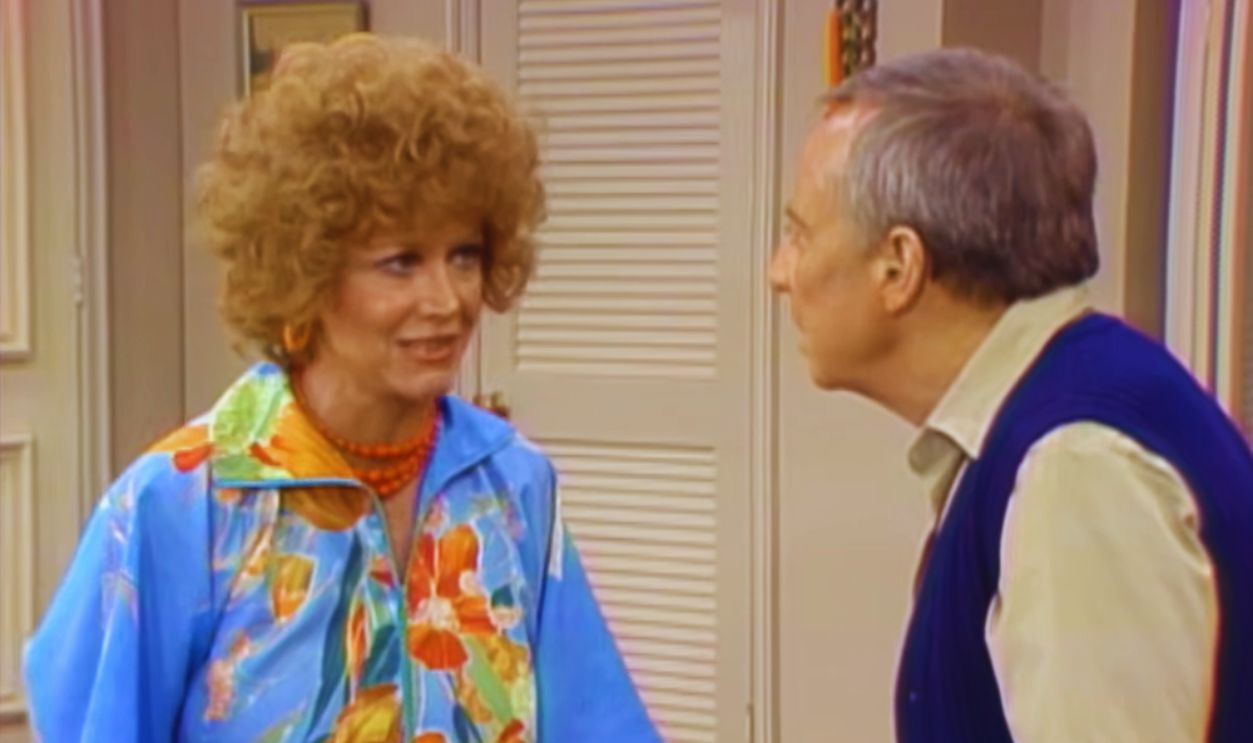 Screenshot from Three's Company, The NRW Company / DLT Entertainment (1977–1984)
Hollywood Finally Handed Him A Trophy
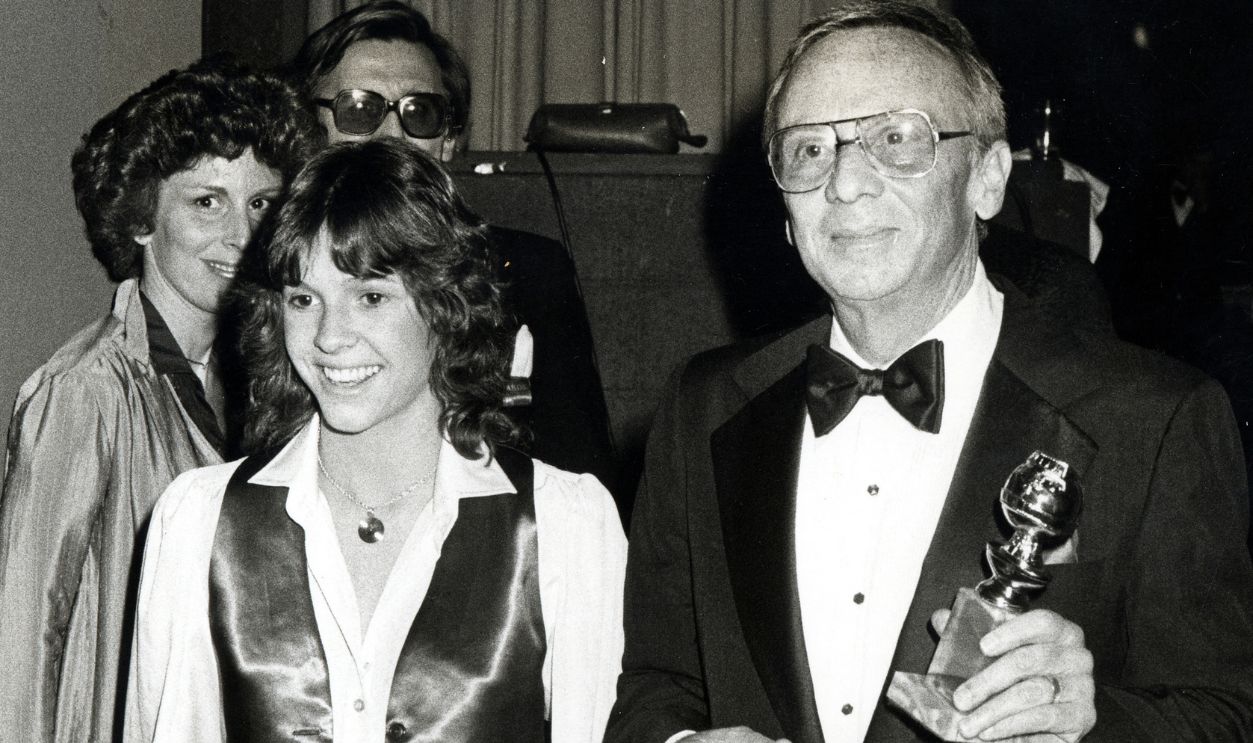
In January 1979, Fell won the Golden Globe for Best Supporting Actor in a television series for Three’s Company. The victory confirmed that Stanley Roper was no disposable side character. Fell had transformed an intrusive landlord into one of the show’s essential comic ingredients.
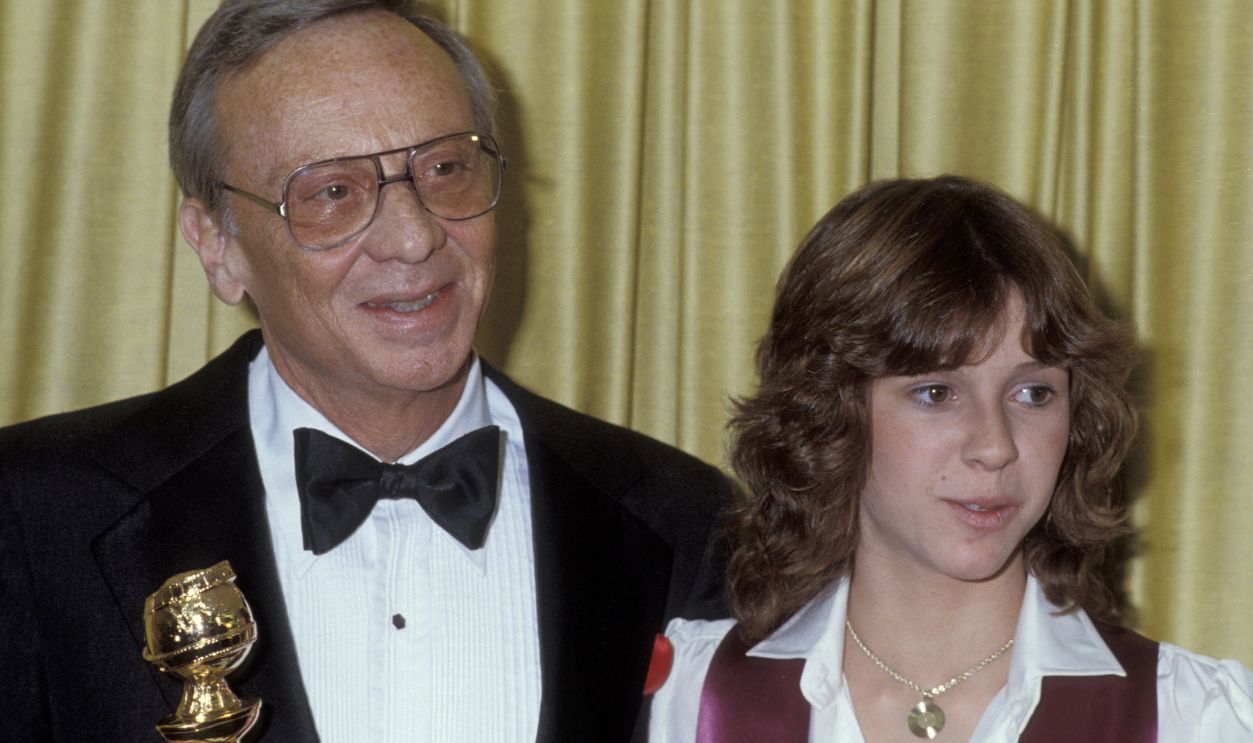
Mr Roper Followed Him Everywhere
The role became so famous that strangers regularly called Fell “Mr Roper.” His business manager later said Fell eventually felt typecast, although he understood that Stanley was the character everyone remembered. Recognition had arrived at last—but it came wearing a permanent bathrobe and an unimpressed expression.
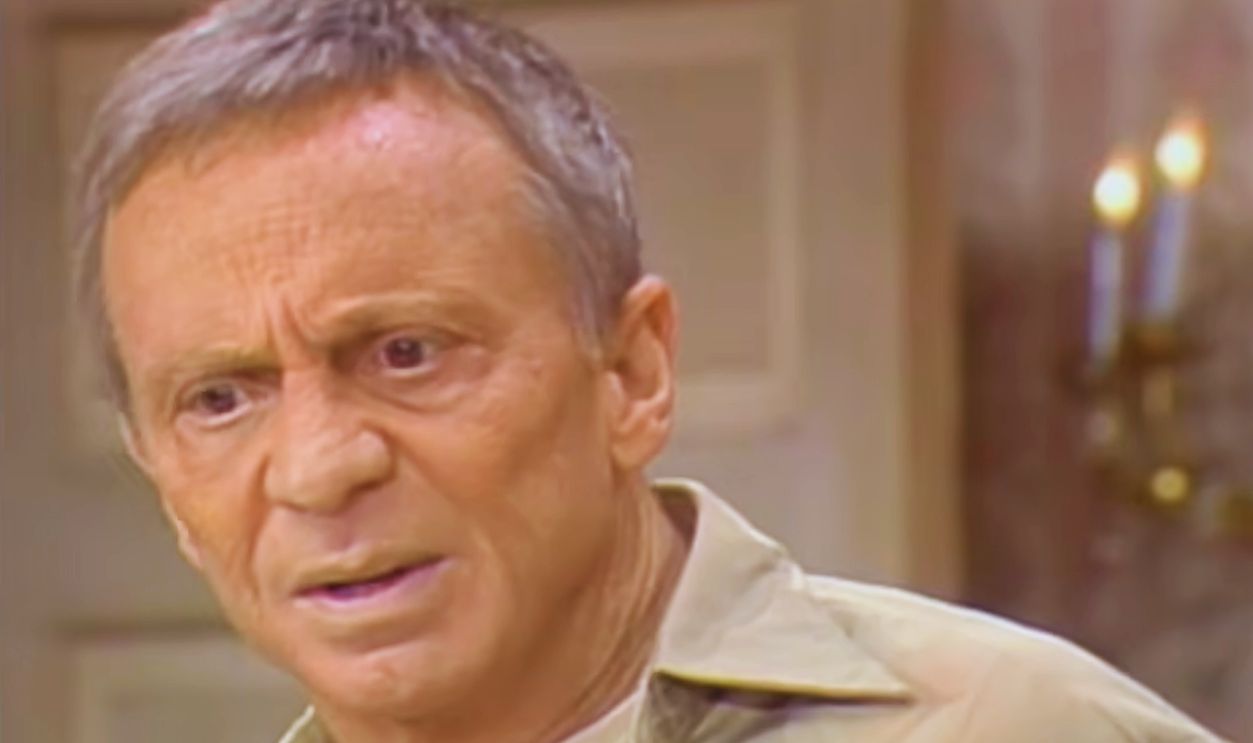 Screenshot from Three's Company, ABC (1977–1984)
Then Producers Suggested A Promotion
The popularity of Stanley and Helen convinced producers that the couple could support a separate series. The proposed spin-off would move the Ropers away from their familiar apartment building and place them in a more affluent neighborhood. To executives, it looked like an obvious promotion. Fell saw danger.
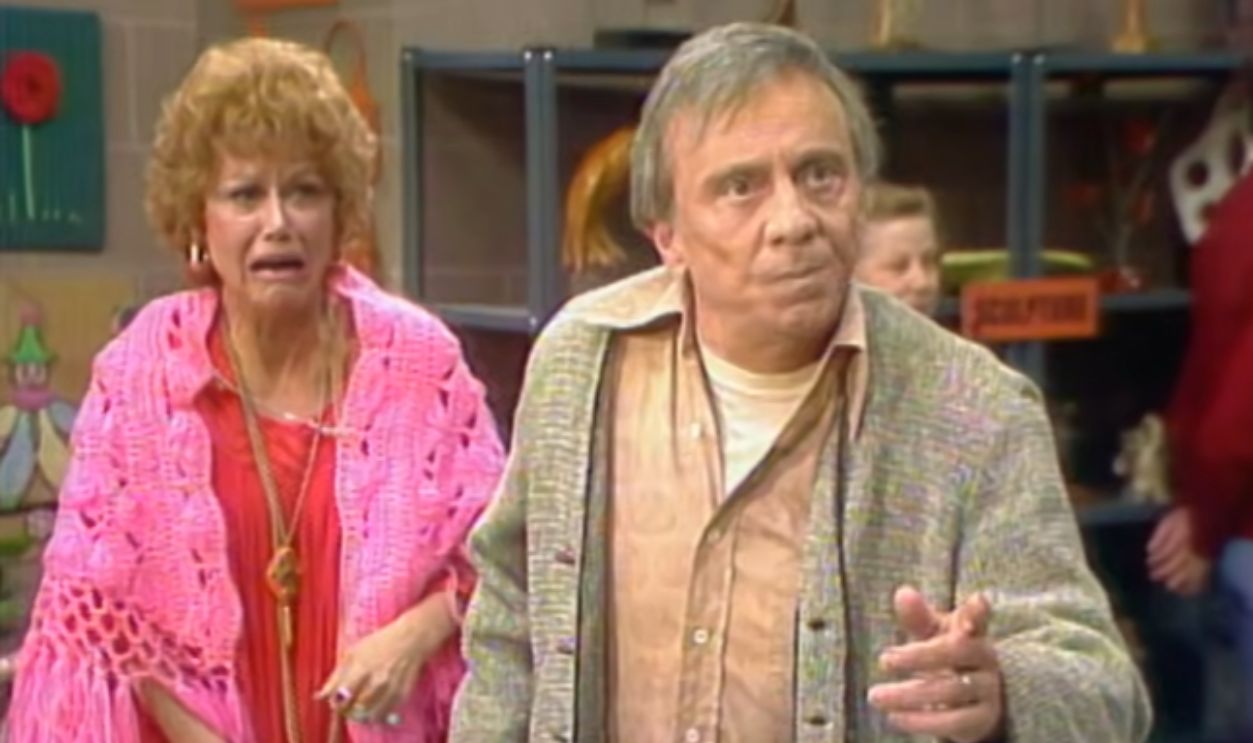 Screenshot from Three’s Company, ABC (1977–1984)
He Did Not Want To Leave
Fell understood how rare a successful television series could be. Three’s Company was already a proven hit, while a spin-off offered no such security. He reportedly resisted the idea, preferring to remain part of the ensemble rather than gamble a dependable job on an uncertain starring vehicle.
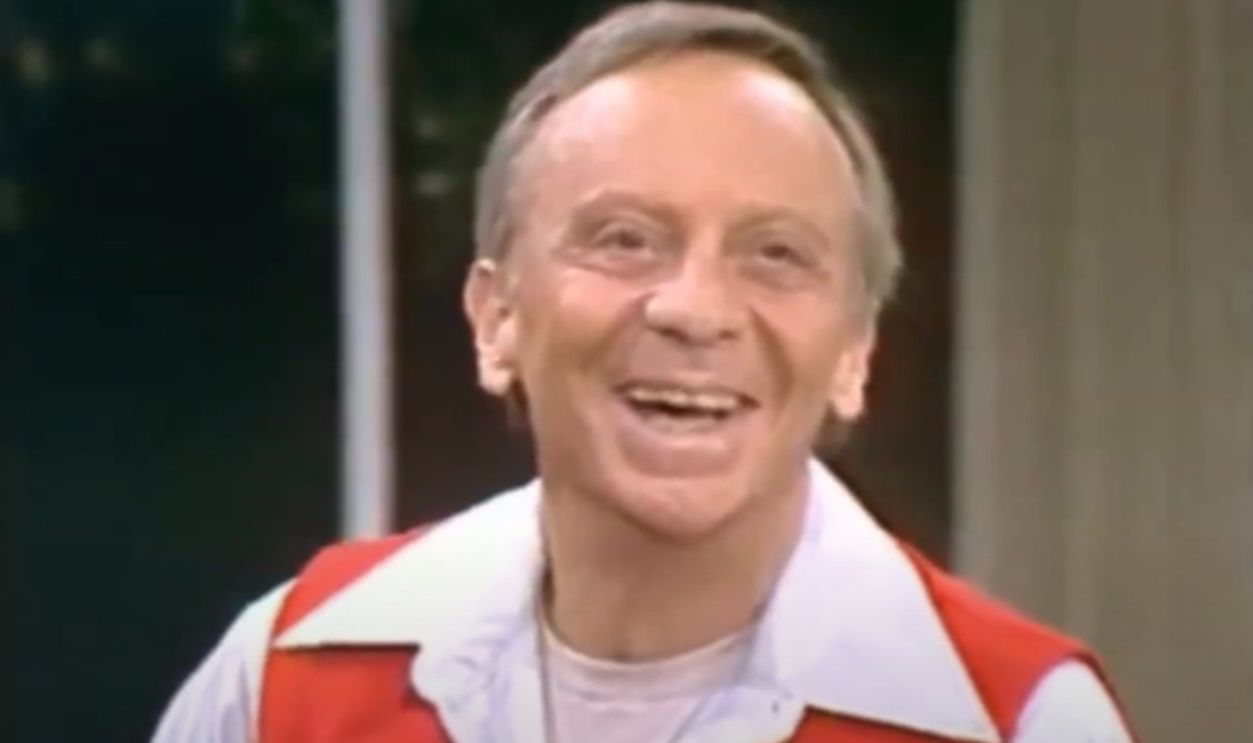 Screenshot from Three’s Company, ABC (1977–1984)
Pressure Continued Behind The Scenes
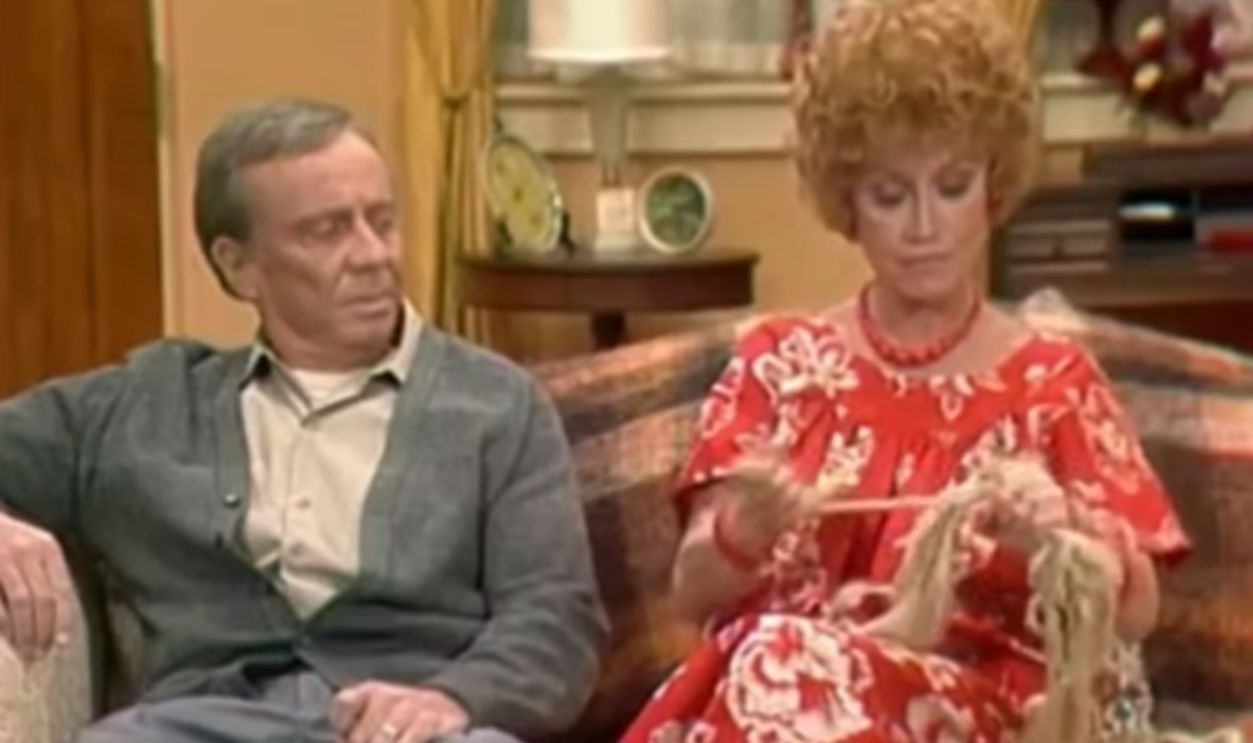
As Three’s Company moved through its third season, pressure on Fell increased. Audra Lindley was reportedly more open to the spin-off, while producers continued presenting it as a major opportunity. Fell was being offered top billing, but he could not shake the feeling that leaving was a mistake.
 Screenshot from Three’s Company, ABC (1977–1984)
A Promise Finally Changed His Mind
According to accounts of the negotiations, Fell agreed only after receiving an important assurance: if the spin-off failed within one year, he and Lindley could return to Three’s Company. It appeared to be the perfect safety net. If the new show collapsed quickly, Stanley could simply collect the rent again.
 Screenshot from Three’s Company, ABC (1977–1984)
The Ropers Began With A Bang
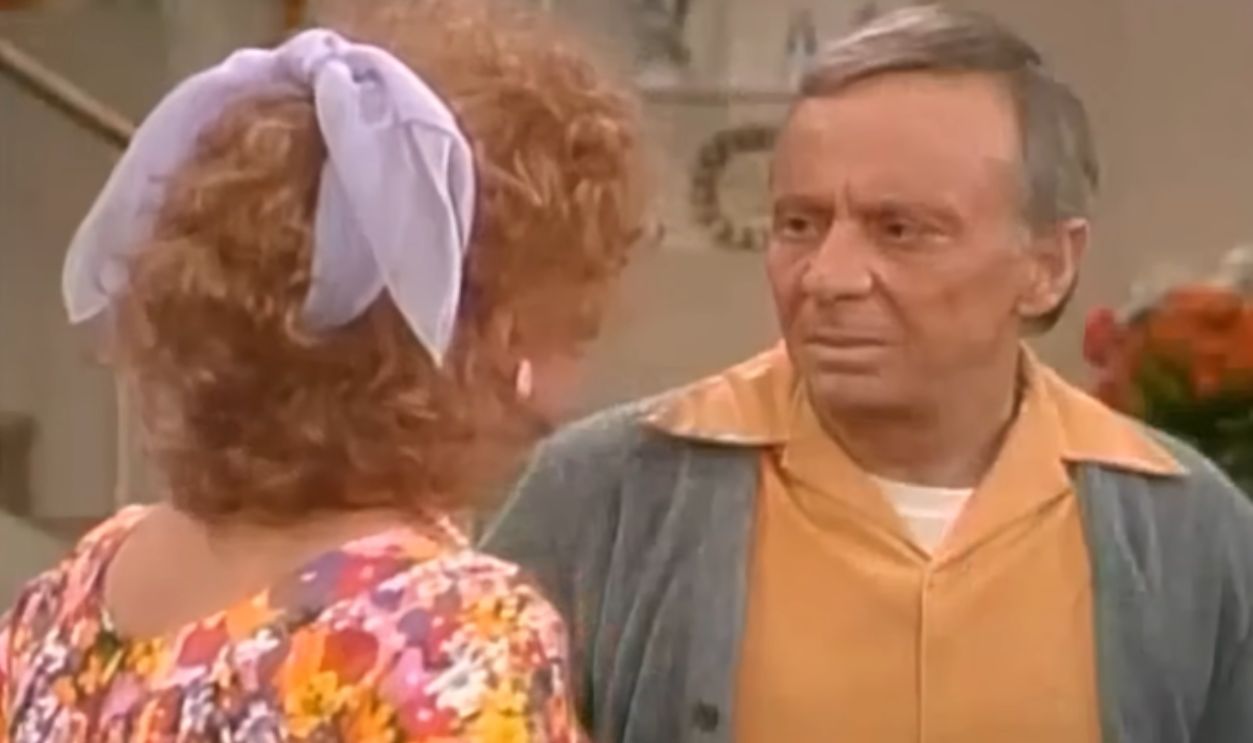
The Ropers premiered on ABC on March 13, 1979. Stanley and Helen moved into a townhouse and clashed with their status-conscious neighbor Jeffrey Brookes, played by Jeffrey Tambor. The six-episode spring run performed exceptionally well, ranking eighth for the 1978–79 television season.
 Screenshot from The Ropers, ABC (1979–1980)
Success Made The Guarantee Seem Unnecessary
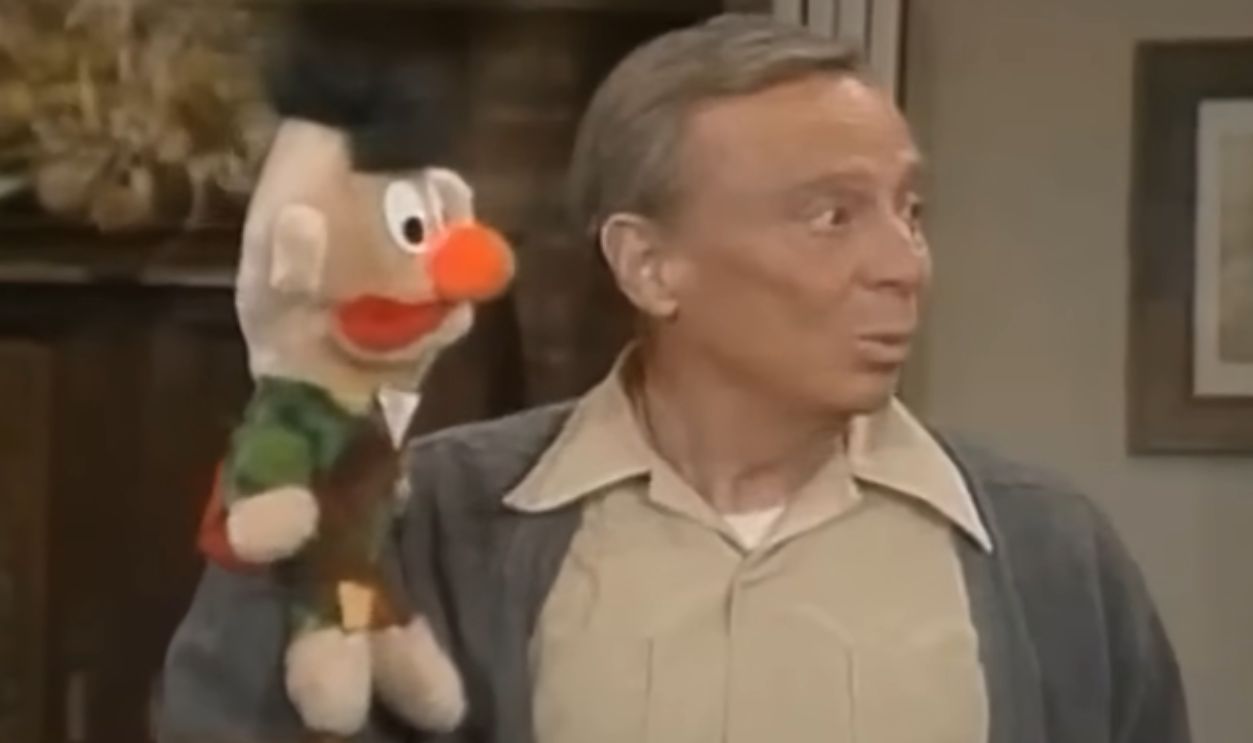
ABC ordered a full second season, and the risk appeared to have paid off. Unfortunately, the network moved The Ropers to Saturday nights. Fell later described Saturday as “a killer time when everyone’s out to dinner.” The audience began shrinking, and the promising spin-off quickly lost momentum.
 Screenshot from The Ropers, ABC (1979–1980)
Someone Else Collected The Rent
Meanwhile, Three’s Company needed a new landlord. Producers hired Don Knotts as the flamboyantly self-important Ralph Furley. Knotts proved immediately popular, and the original series continued thriving. While Fell watched his own ratings decline, his former workplace was becoming increasingly comfortable without him.
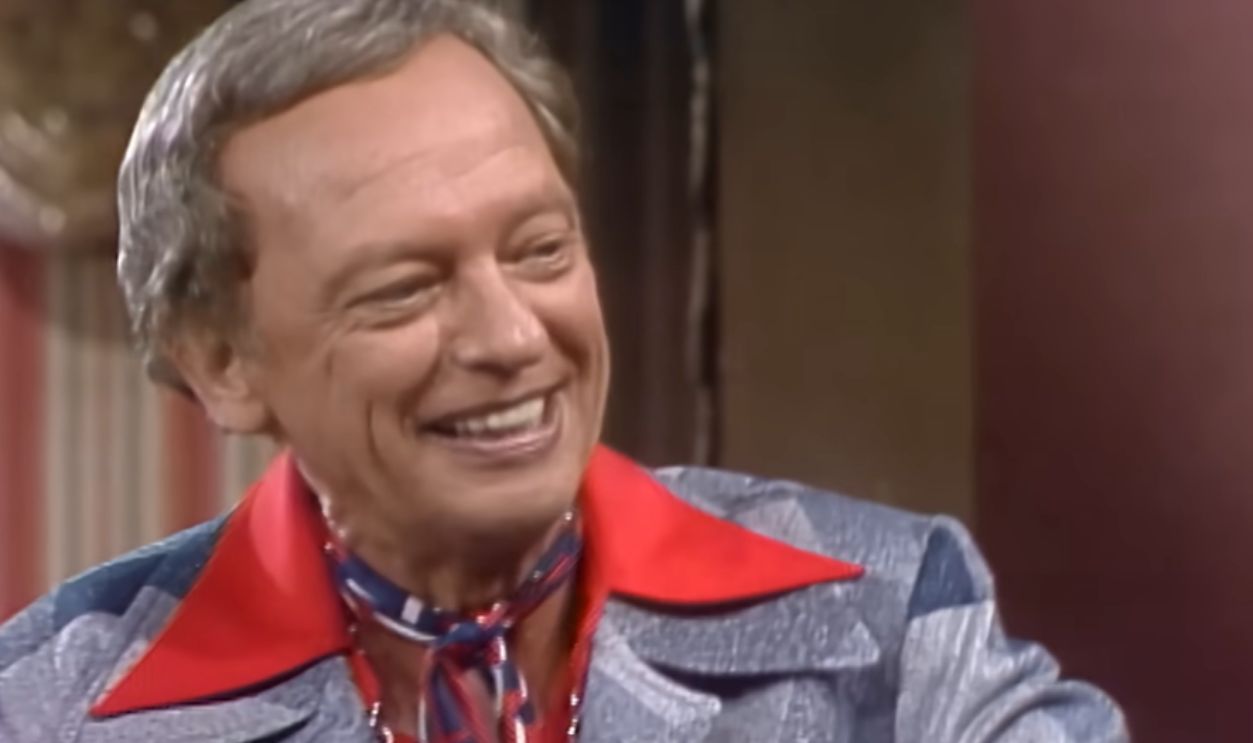 Screenshot from Three's Company, ABC (1977–1984)
The Cancellation Came Too Late
After 28 episodes, The Ropers ended in 1980. Fell expected the earlier promise to protect him, but the spin-off had survived beyond its first year and entered a second season. That technicality meant the return guarantee had expired—even though the series ultimately lasted only about fourteen months.
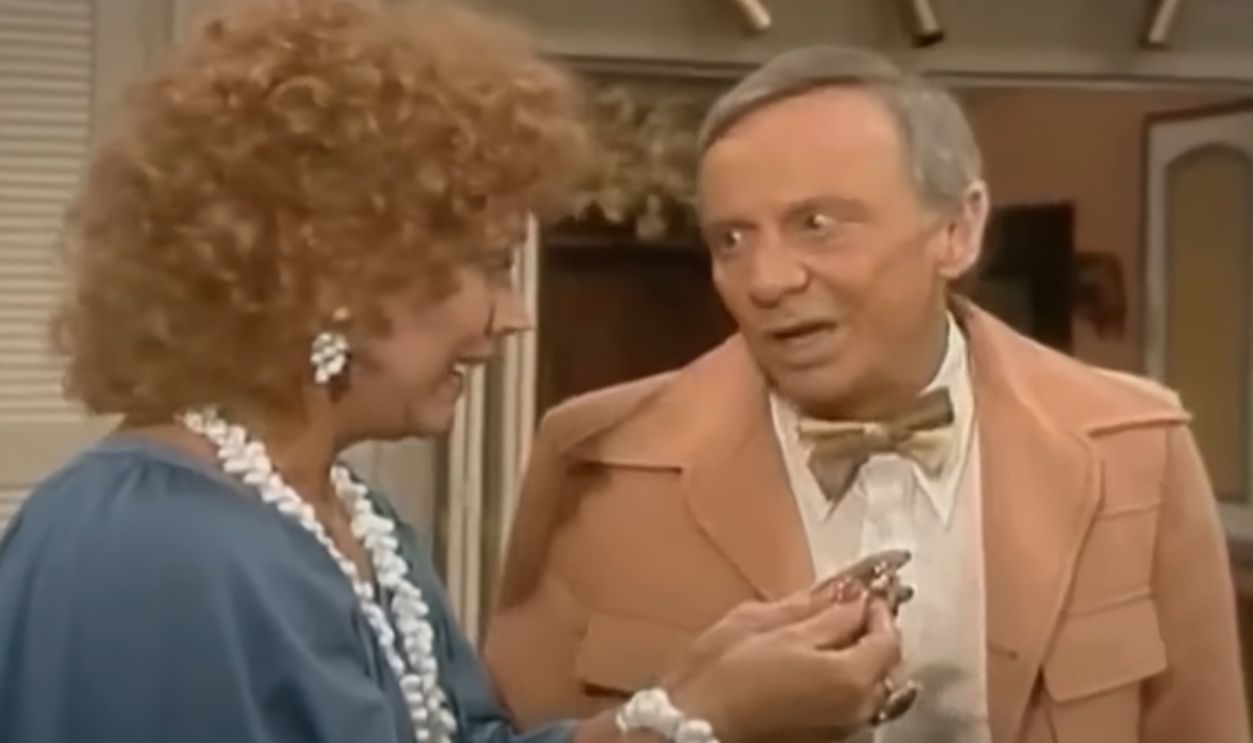 Screenshot from The Ropers, ABC (1979–1980)
Norman Fell Tried To Go Home
Fell spoke with Three’s Company’s producers about returning, but they refused. He later recalled being told that he and Lindley were too expensive, Don Knotts was already filling the landlord role alone, and the ratings remained strong. Financially and creatively, producers saw no reason to reverse course.
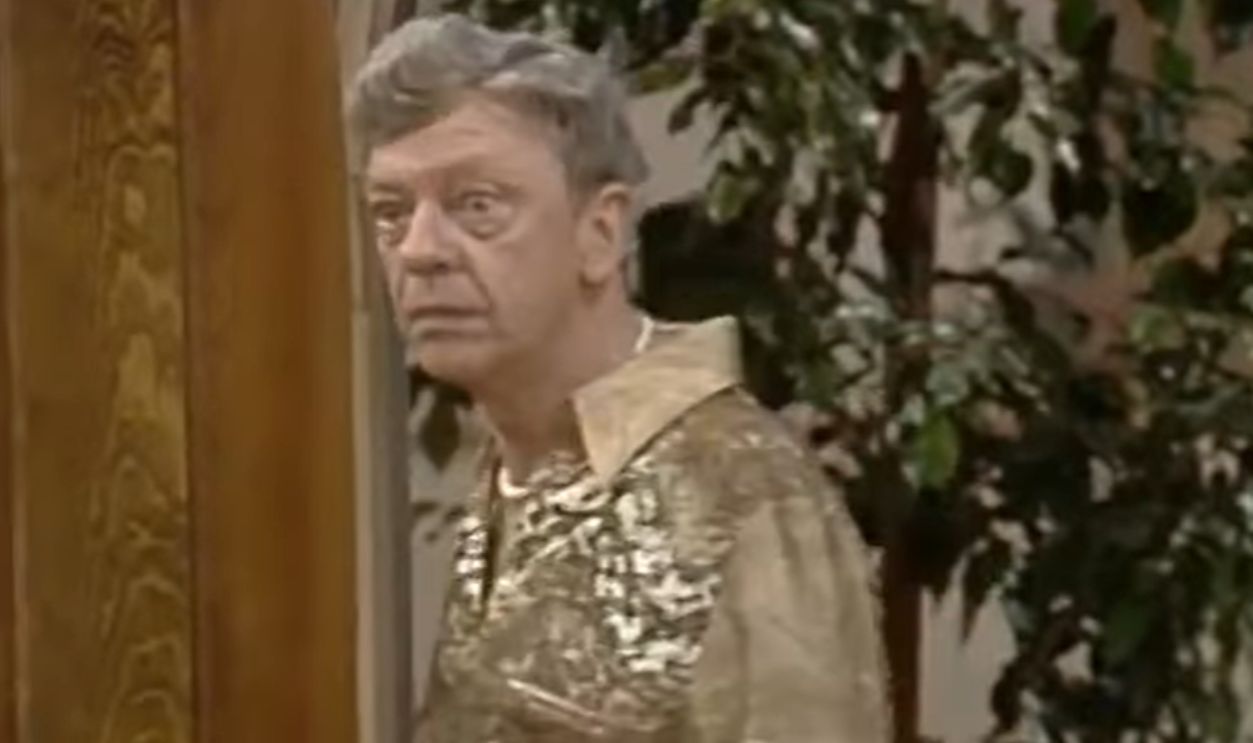 Screenshot from Three's Company, ABC (1977–1984)
The Door Had Closed Behind Him
Fell later admitted that he missed John Ritter and “bouncing things off him.” He continued acting, but never regained an equally successful weekly role. The bitter irony was unmistakable: Norman Fell had known leaving Three’s Company was risky, secured a promise protecting his return—and still found himself permanently locked out.
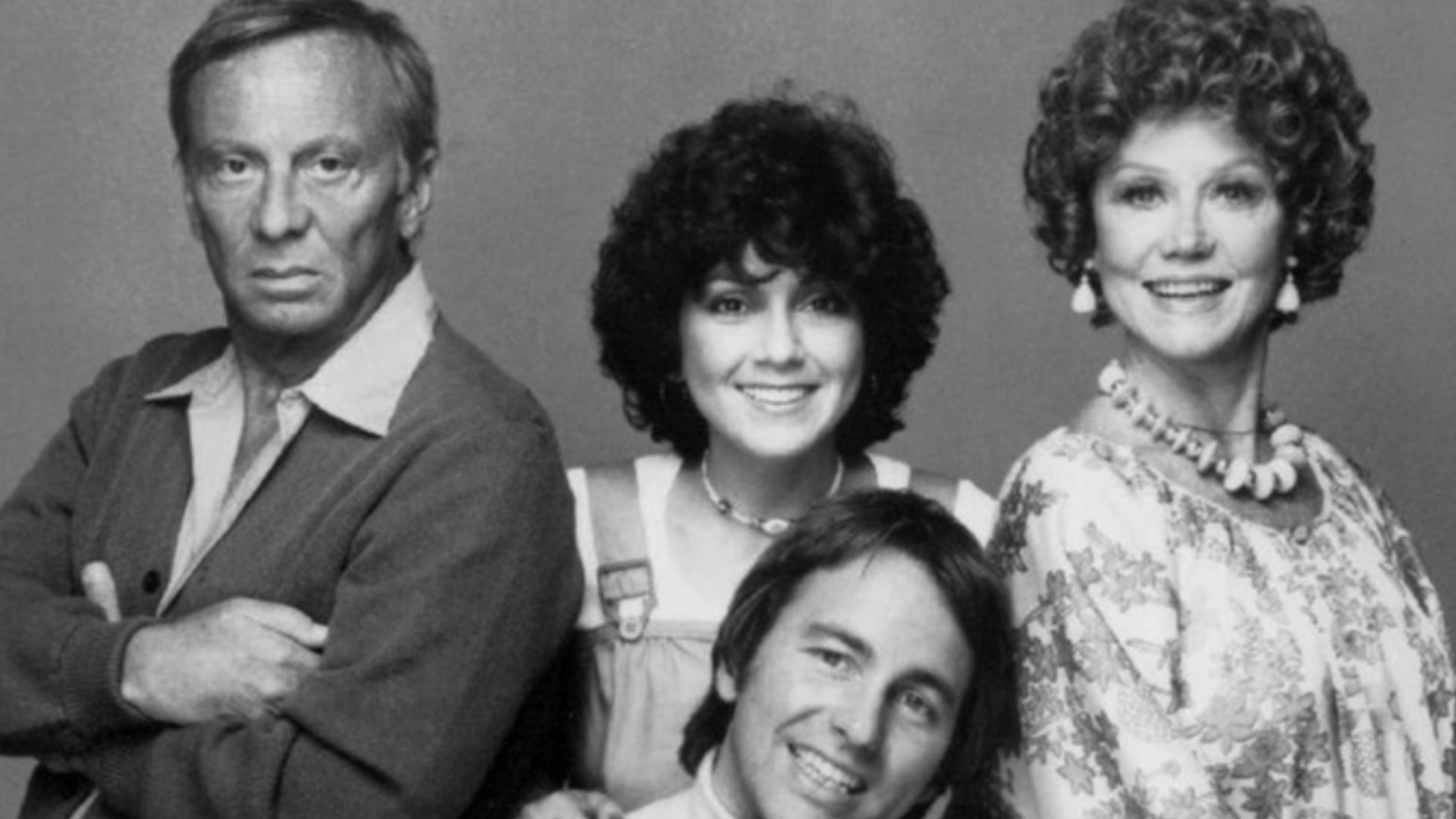 ABC Television, Wikimedia Commons
You May Also Like:
While famous across America for his role as Uncle Jesse on The Dukes of Hazzard—Denver Pyle never truly lived like a Hollywood star.
Behind his wholesome television persona, Bob Crane led a double life that shocked even the darkest corners of Hollywood.