Fame Did Not Guarantee Security.
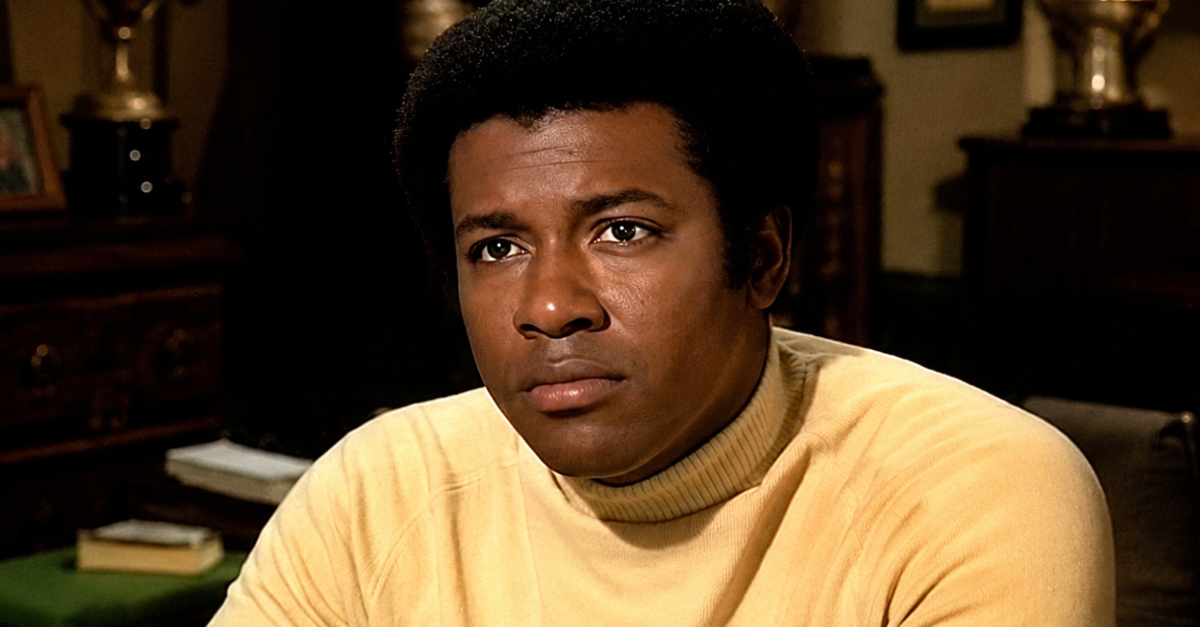
Don Mitchell spent eight seasons playing Mark Sanger beside Raymond Burr on one of television’s most recognizable crime dramas. When Ironside ended, however, the substantial roles became far less frequent, leaving Mitchell with a career that never fully reflected the visibility or promise of his breakthrough.
His Story Began In Houston
Don Michael Mitchell was born in Houston, Texas, on March 17, 1943. Biographical accounts say he spent part of his childhood on his grandfather’s farm and developed into a gifted athlete. That upbringing placed him far from the Hollywood studios where he would later become a familiar face. His path to television began through education rather than through a childhood acting career.
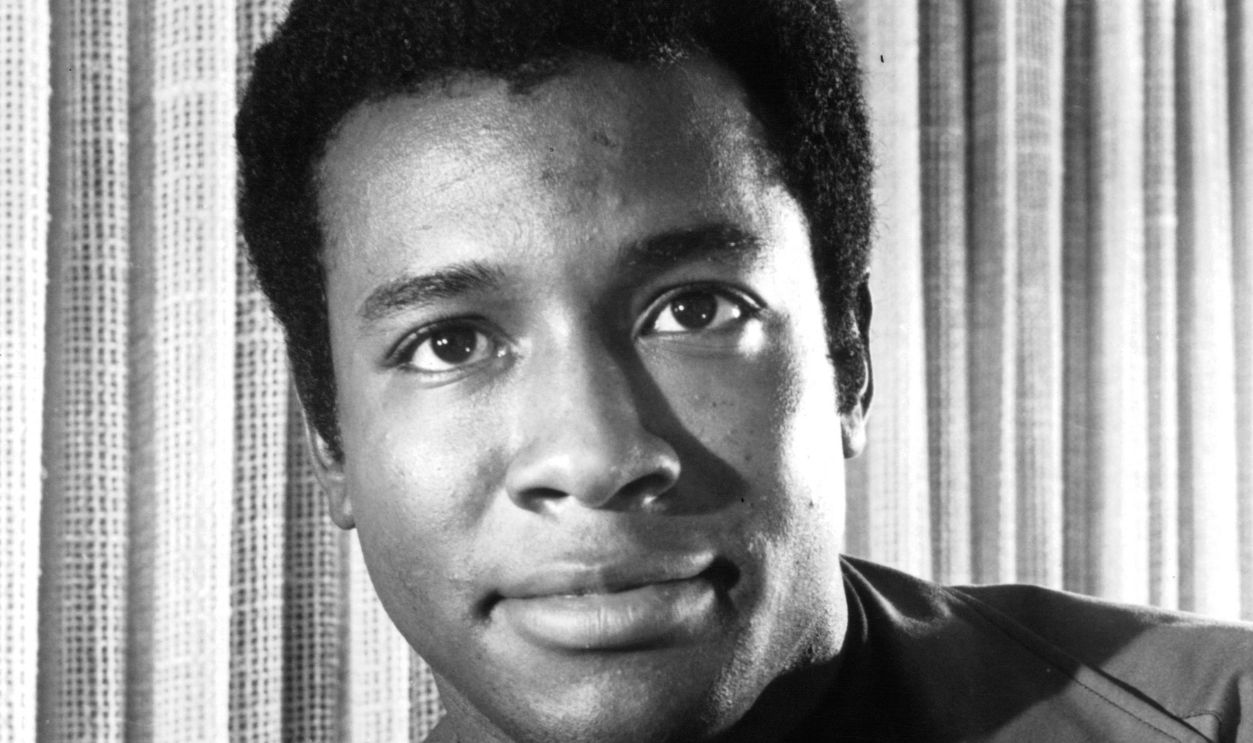 Michael Ochs Archives, Getty Images
Sports Initially Offered A Different Future
Mitchell excelled at football and basketball during high school. His athletic ability could have led him toward a very different professional life, but performance gradually became his stronger interest. The physical confidence he developed through sports later suited Mark Sanger, who frequently handled demanding fieldwork for Chief Ironside. Mitchell looked believable whether he was driving, pursuing a suspect, or stepping into a dangerous situation.

California Opened The Door To Acting
Mitchell began his higher education at Los Angeles City College before transferring to UCLA. He studied acting there and committed himself to learning the craft rather than simply searching for television exposure. UCLA placed him near Hollywood while giving him opportunities to perform onstage. One of those performances would change his life with remarkable speed.
 Aegis Maelstrom, Wikimedia Commons
A Stage Performance Changed Everything
Producer Collier Young reportedly saw Mitchell in a UCLA production of Jean Anouilh’s Poor Bitos. Young recognized qualities that suited a new character being developed for Ironside. Mitchell was signed only weeks before production began, giving him little time to prepare for a network series beside an established star. The sudden opportunity turned a young theater student into a regular television performer.
He Had Barely Entered Television
Before Ironside, Mitchell had started accumulating small television appearances. His early credits included programs such as Mr. Novak, Bewitched, I Dream of Jeannie, and The Fugitive. These jobs gave him experience, but none offered the stability or prominence of a regular dramatic role. Mark Sanger therefore arrived before Mitchell had spent years moving through Hollywood’s supporting ranks.
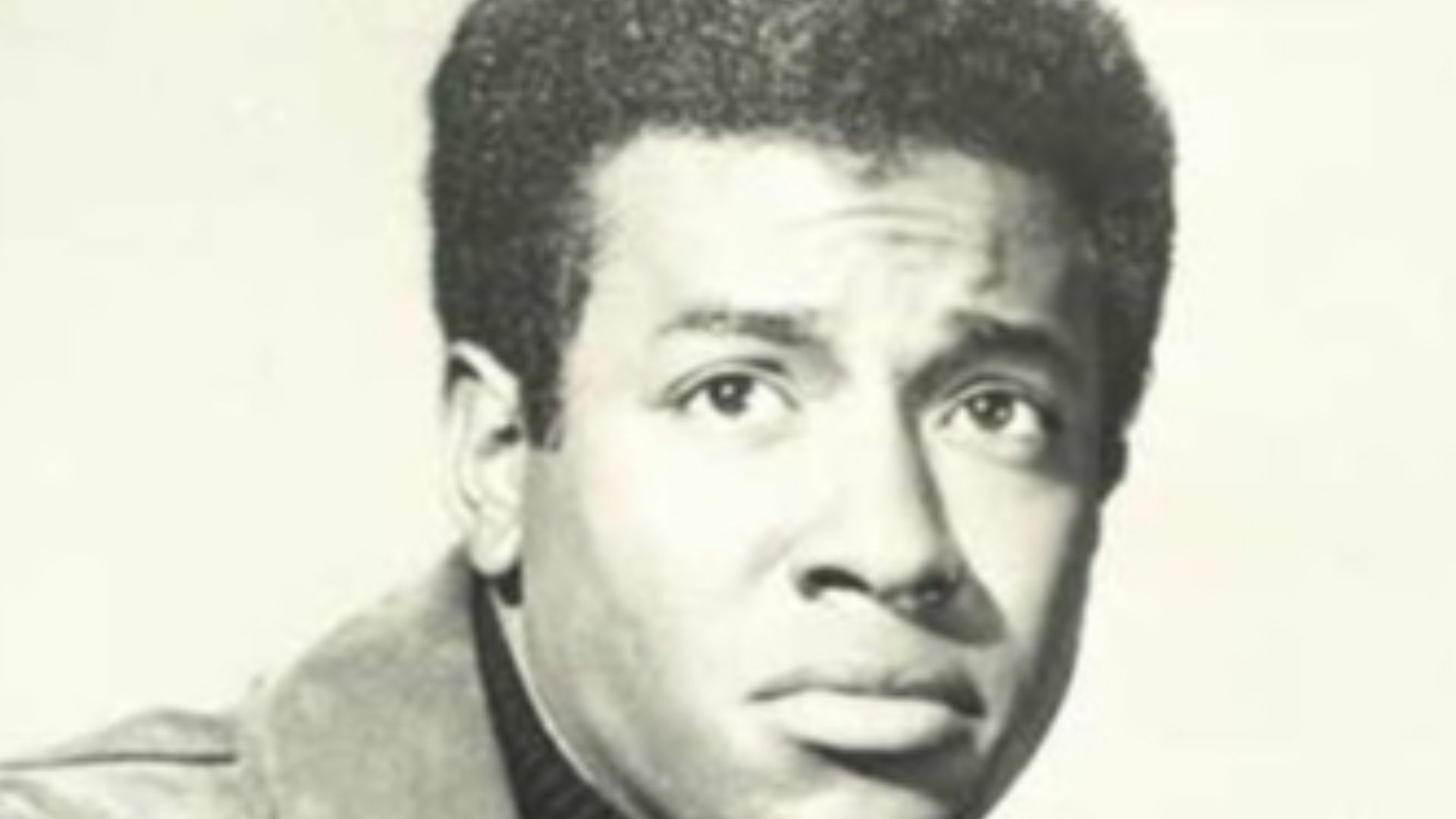 Unknown authorUnknown author, Wikimedia Commons
Ironside Had A Bold Central Premise
The 1967 television movie introduced Robert T. Ironside, a former San Francisco chief of detectives paralyzed by a sniper’s bullet. Rather than retire, Ironside forced his way into a consulting position and assembled a team to help him investigate difficult cases. Raymond Burr played the chief with intelligence, authority, and a famously gruff manner. The pilot led to an NBC series that continued until 1975.
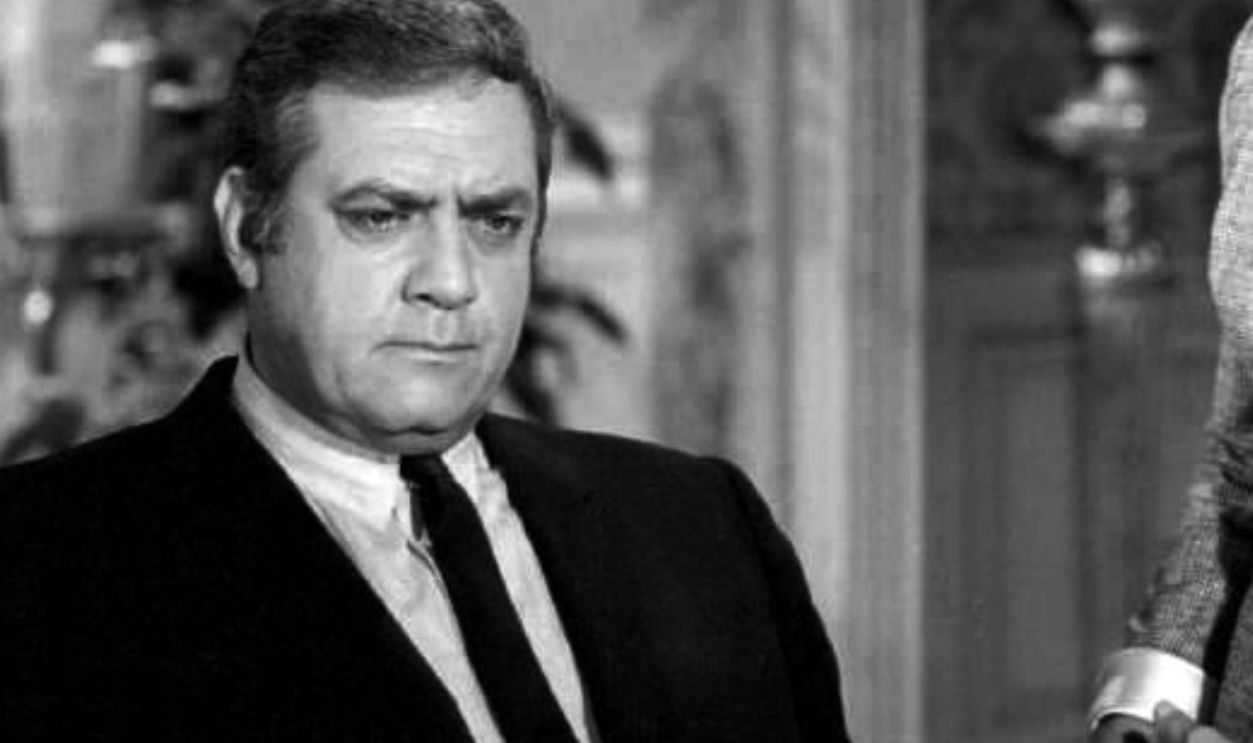
Mark Entered As A Suspect
Mark Sanger did not begin as a polished police recruit or an eager young assistant. He entered Ironside’s world as a troubled young man suspected of wanting to kill the chief. Ironside looked beyond the immediate danger and recognized intelligence and potential in him. That unusual introduction gave Mitchell’s character a personal history far more complicated than that of a conventional television sidekick.
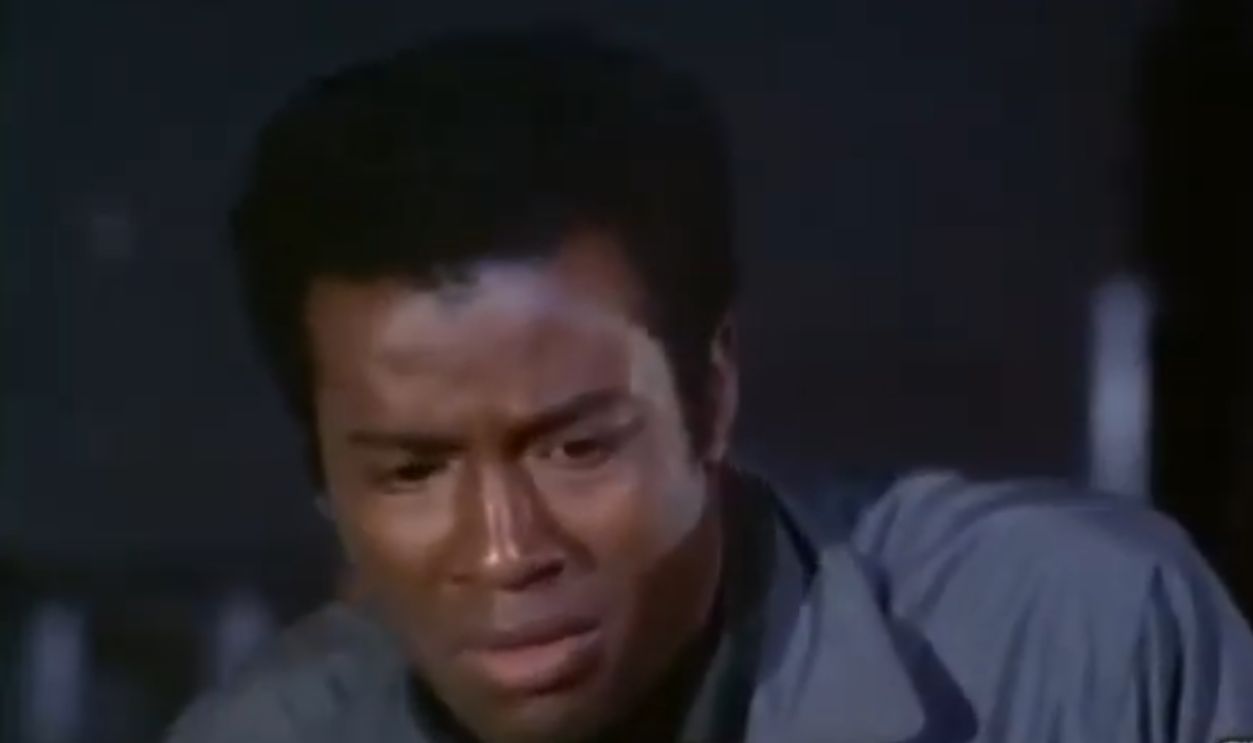 Screenshot from Ironside, Universal Television (1967–1975)
Ironside Offered Him A Second Chance
Instead of treating Mark as permanently defined by his mistakes, Ironside brought him into the investigative team. Mark became his assistant, bodyguard, driver, and a vital connection to the world beyond the chief’s wheelchair. The arrangement carried a clear mentorship element, but it was not purely sentimental. Ironside demanded discipline from Mark because he believed the young man was capable of much more.
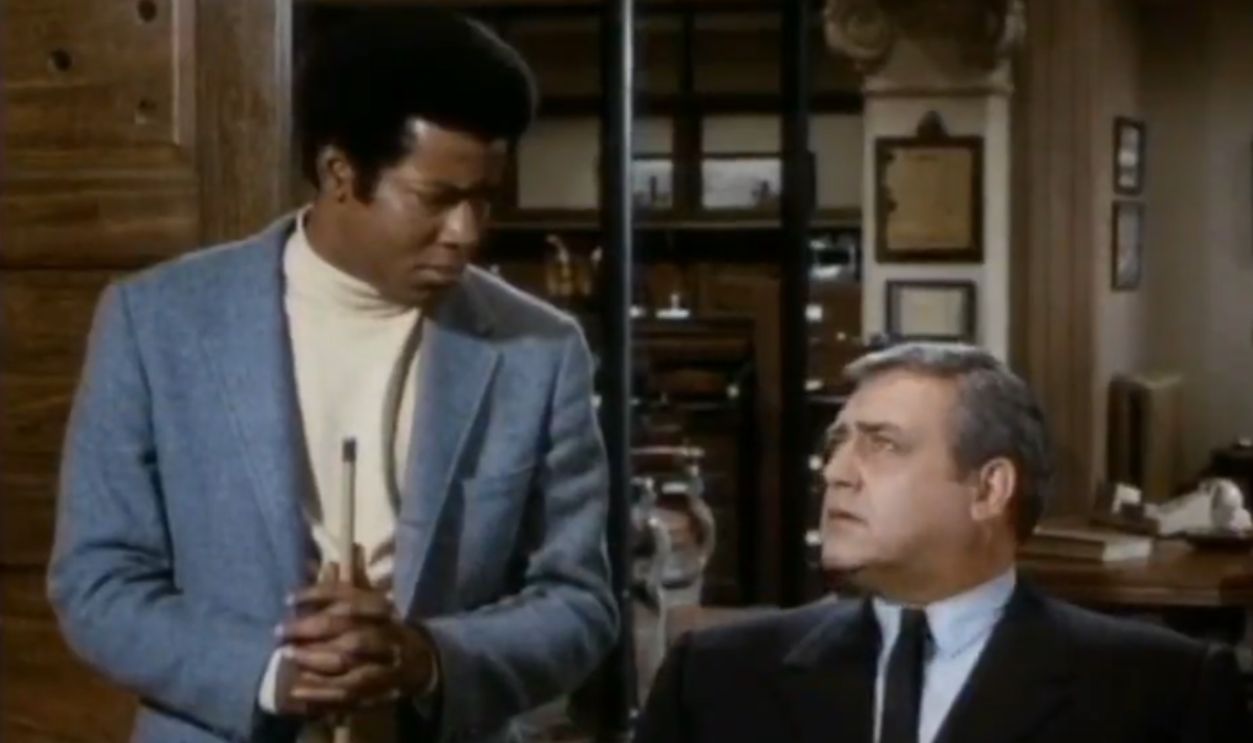 Screenshot from Ironside, Universal Television (1967–1975)
Mark Was Never Just The Driver
Mark often operated the specially equipped vehicle used by Ironside’s team, but his function extended well beyond transportation. He gathered information, followed leads, protected the chief, and participated directly in investigations. Mitchell gave him alertness and quiet self-possession, preventing the character from fading into the background of Burr’s commanding performance. Mark was useful because he could think, not simply because Ironside needed physical assistance.
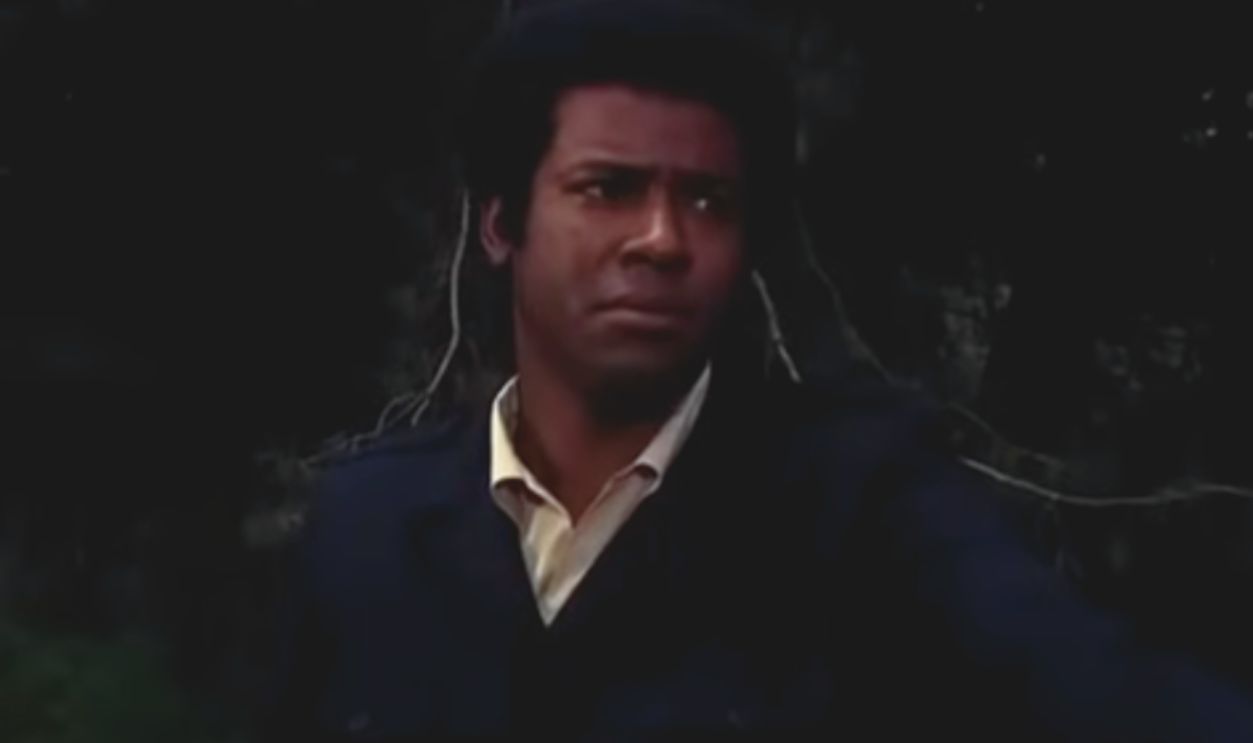 Screenshot from Ironside, Universal Television (1967–1975)
The Role Carried Real Cultural Weight
Mitchell joined a major network crime drama during a period when Black actors still had limited access to continuing, multidimensional television roles. Mark was neither a comic servant nor a disposable guest character. He appeared as a capable young man whose intelligence and ambitions grew over the course of the series. That visibility gave Mitchell an importance extending beyond the weekly mysteries.
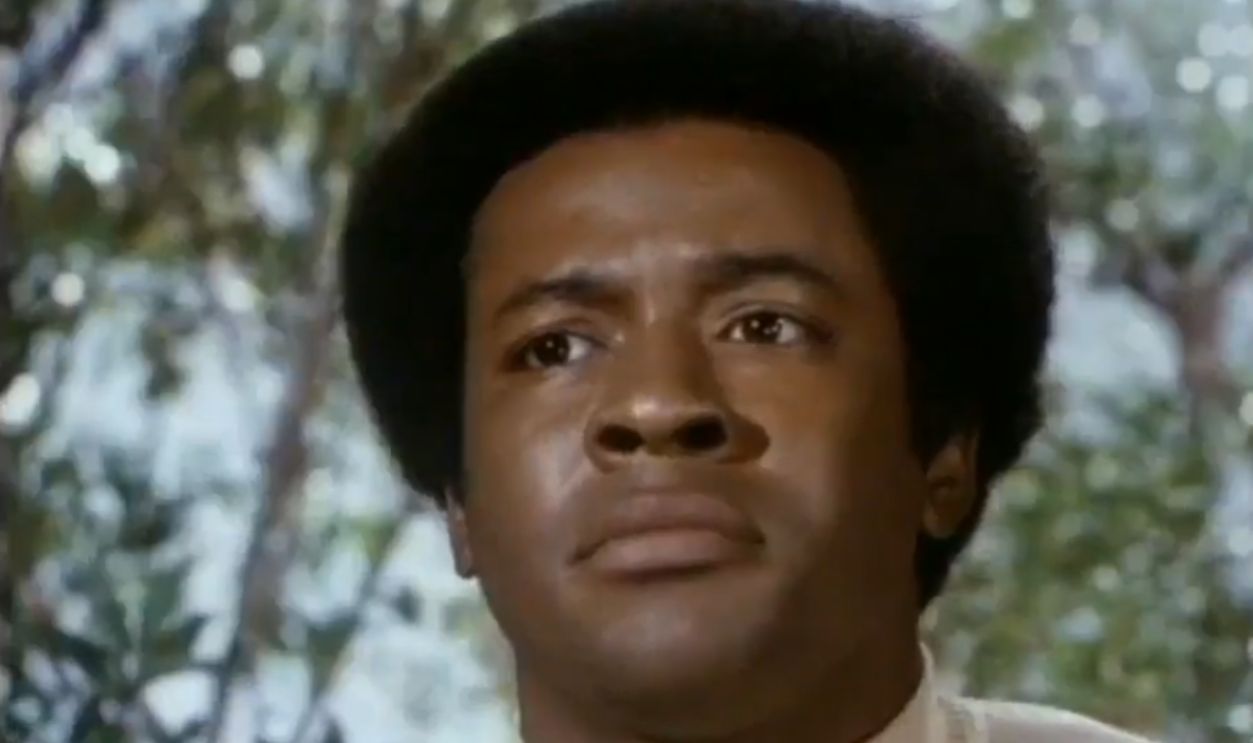 Screenshot from Ironside, Universal Television (1967–1975)
The Show Avoided Making Him A Stereotype
Mark’s difficult past remained part of his story, but it did not become his only defining quality. The series allowed him to demonstrate loyalty, curiosity, courage, and increasing professional judgment. Mitchell played him with a calm confidence that contrasted effectively with Ironside’s intimidating manner. The character’s development made him one of the more substantial Black supporting figures on late-1960s network television.
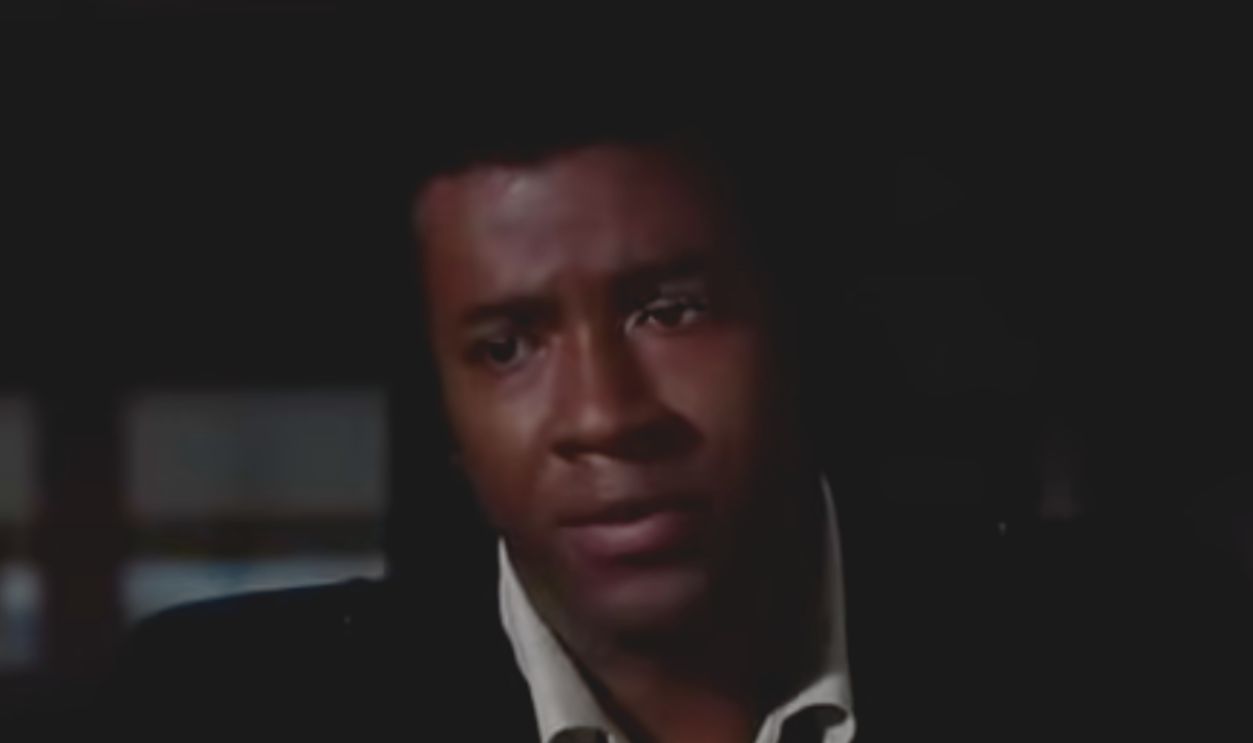 Screenshot from Ironside, Universal Television (1967–1975)
Raymond Burr Controlled The Room
Burr entered Ironside after nine seasons as television’s Perry Mason. He brought enormous authority and a deep understanding of how to structure a dramatic scene. Directors and writers later recalled his strong instincts about stories and his unusual production requirements. Mitchell had to establish Mark while working beside a star who naturally became the center of nearly every scene.
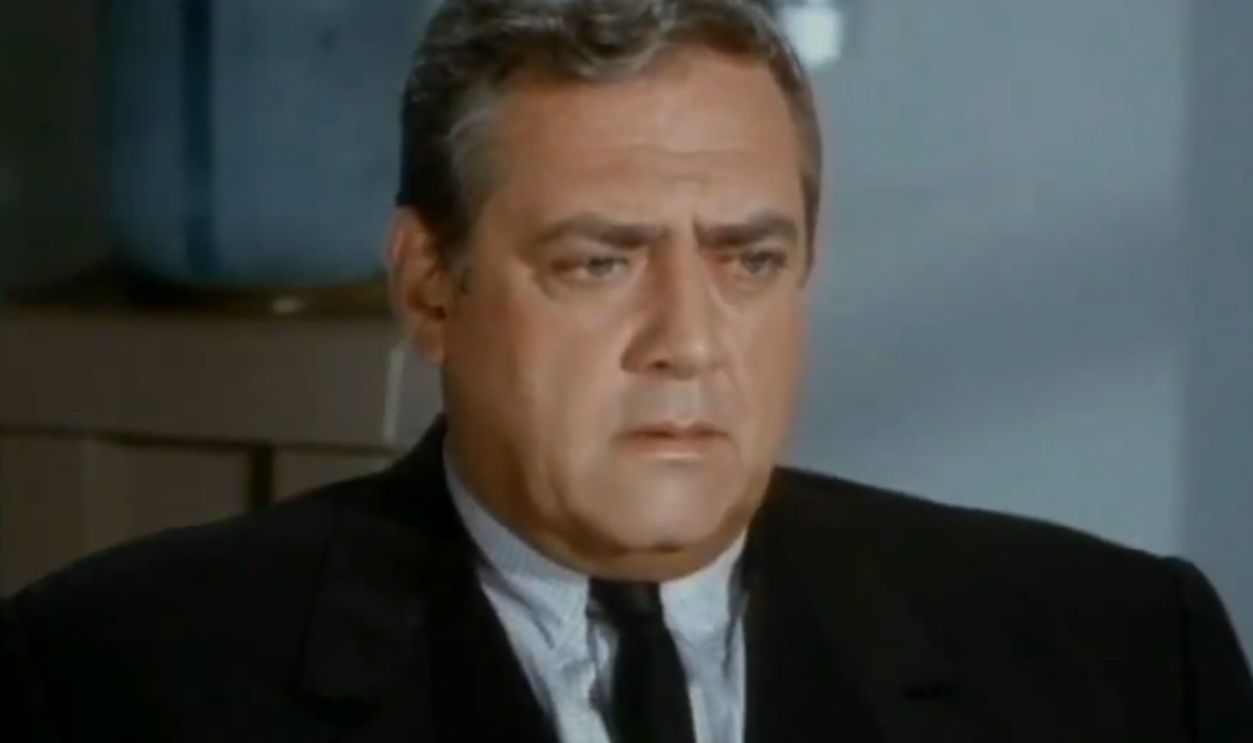 Screenshot from Ironside, Universal Television (1967–1975)
Mitchell Found Strength In Restraint
Competing with Burr through volume would have weakened the relationship between their characters. Mitchell instead used watchful reactions, measured speech, and physical readiness. Mark frequently seemed to be studying Ironside, learning when to question him and when to act without waiting for instructions. That restrained approach gave the partnership credibility and allowed Mitchell to create a presence without imitating his costar.
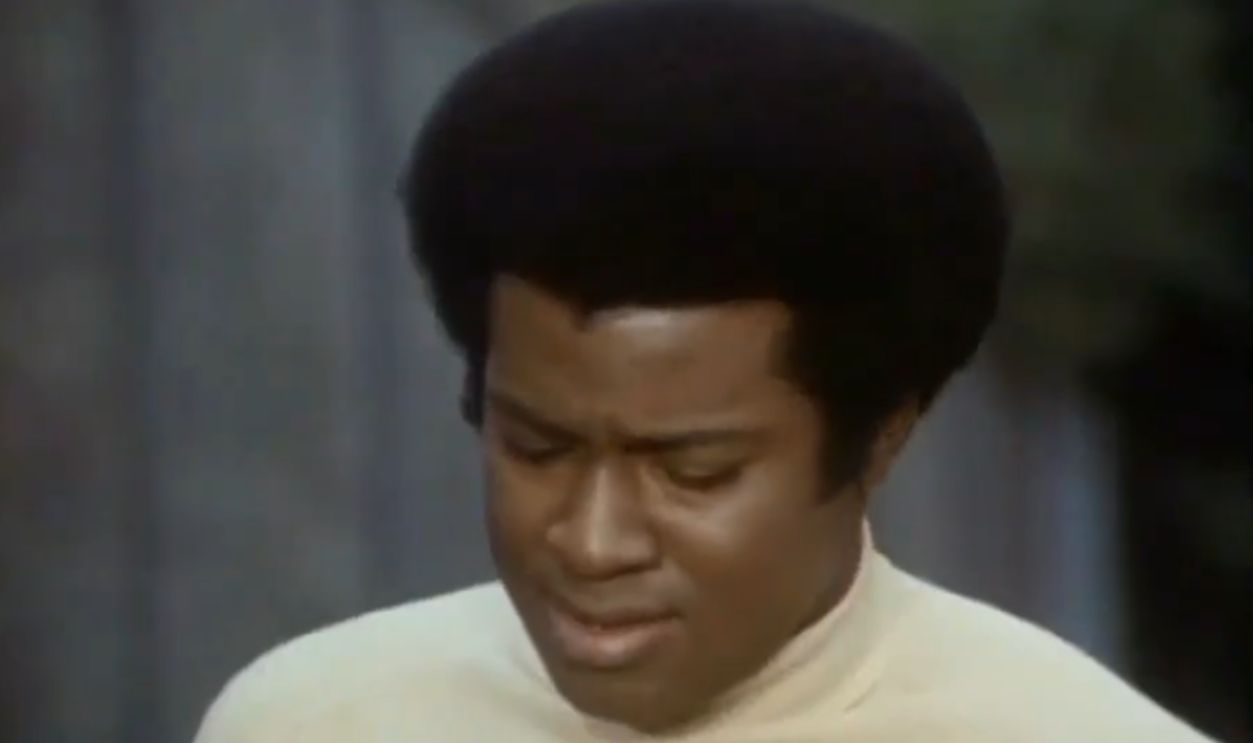 Screenshot from Ironside, Universal Television (1967–1975)
Their Bond Became The Show’s Heart
Ironside could be demanding, sarcastic, and emotionally guarded. Mark understood that the chief’s severity often concealed concern and high expectations. Over time, their relationship began to resemble an unconventional bond between a formidable mentor and the young man whose future he had helped redirect. The gradual trust between Burr and Mitchell gave continuity to cases that otherwise changed every week.
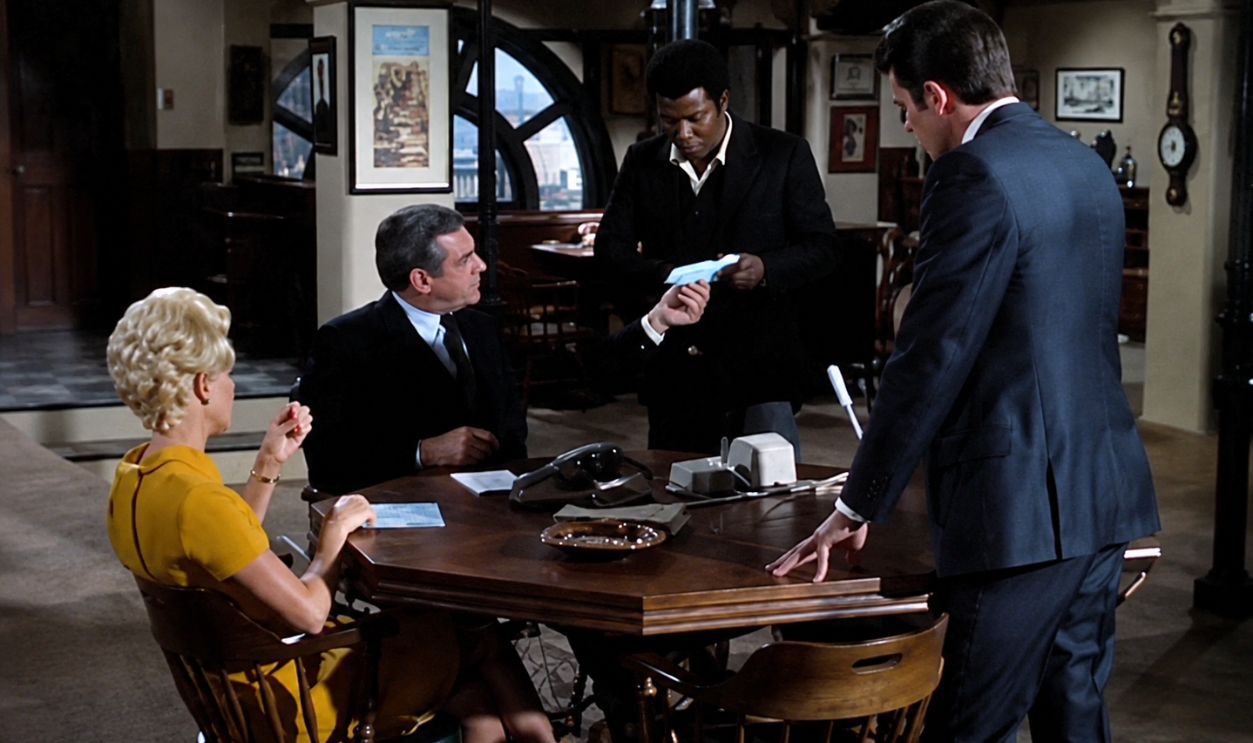 Screenshot from Ironside, Universal Television (1967–1975), Modified
Mark Grew While Many TV Characters Stayed Frozen
Long-running television characters were often kept in one familiar position so viewers could return without needing extensive background. Mark Sanger was allowed to change more noticeably. He moved beyond the role of troubled assistant and developed serious professional ambitions. That growth made his story one of the series’ most rewarding long-term arcs.
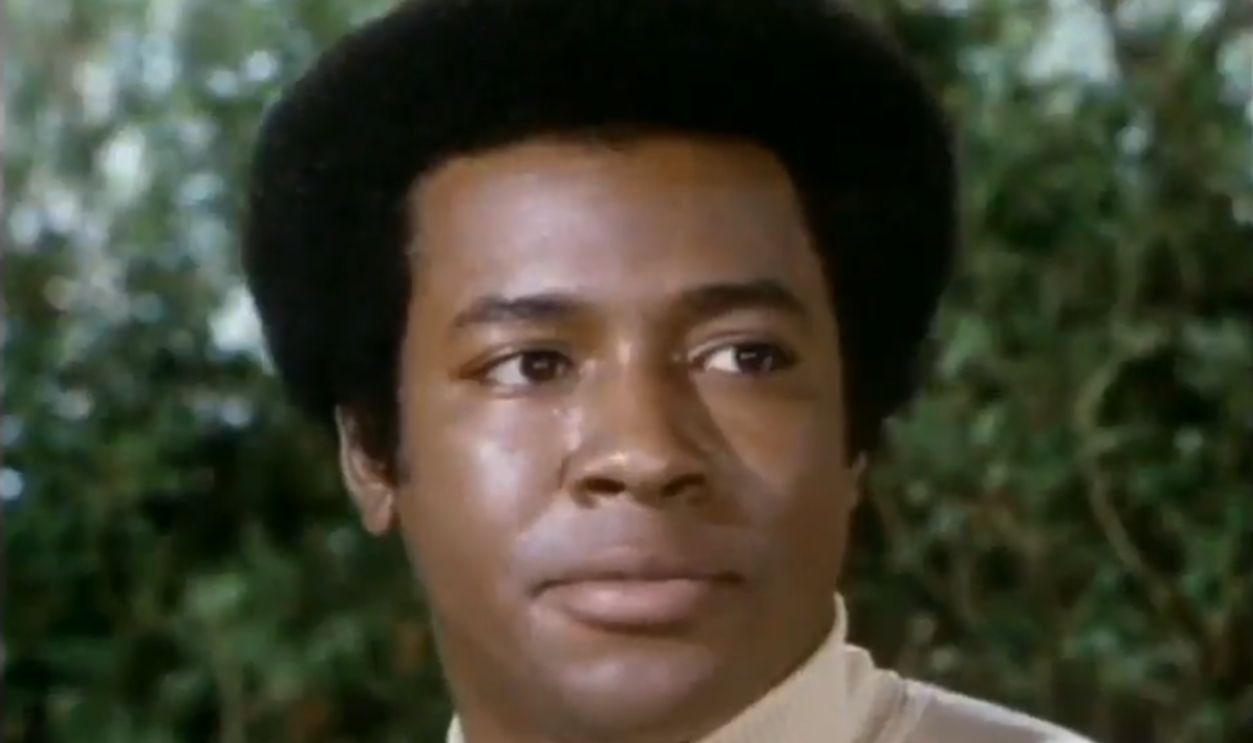 Screenshot from Ironside, Universal Television (1967–1975)
Night School Became Part Of His Journey
The series established that Mark was taking classes and pursuing an education while working with Ironside. He eventually attended and graduated from law school. This was not a temporary subplot abandoned after one episode. Education became part of the show’s argument that Mark’s past did not determine the limits of his future.
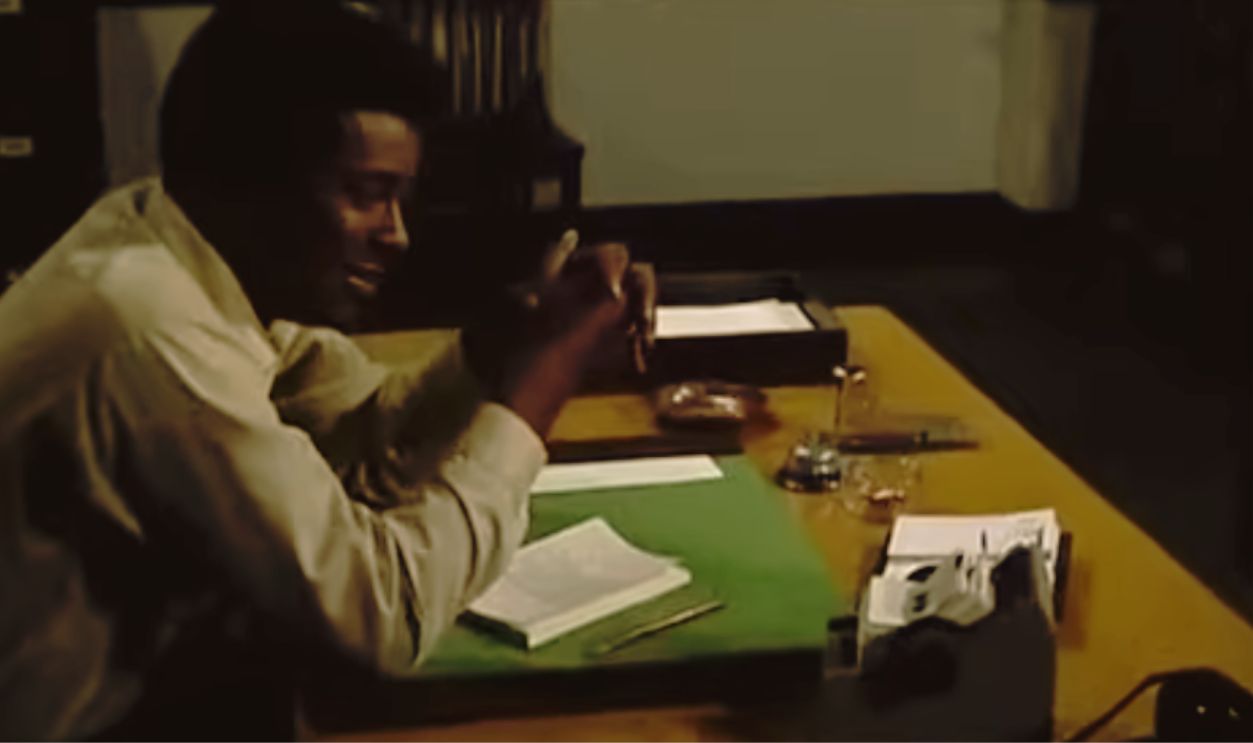 Screenshot from Ironside, Universal Television (1967–1975)
He Eventually Joined The Police
Mark later became a police officer himself, moving from informal assistant to an official role in law enforcement. The promotion changed his standing within the investigative team and confirmed how far he had traveled since the pilot. Mitchell could now play Mark as a trained professional rather than someone merely benefiting from Ironside’s protection. Few supporting characters of the era received such a clear upward trajectory.
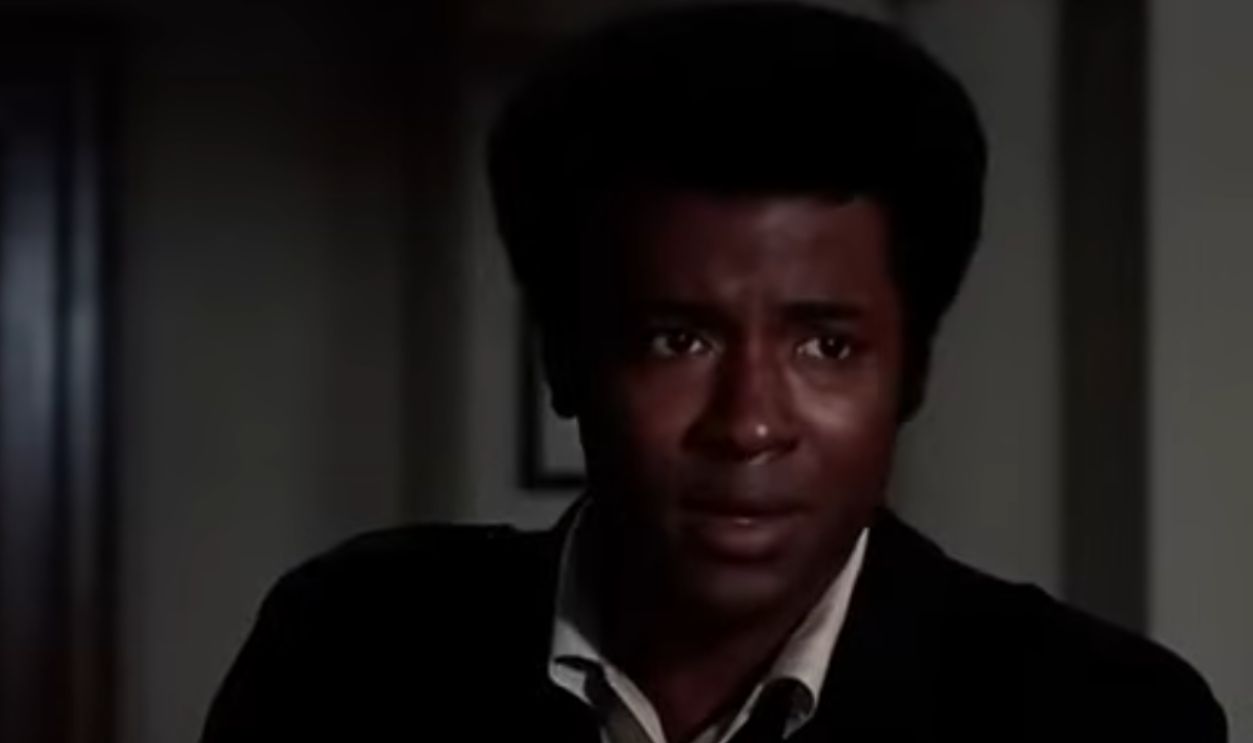 Screenshot from Ironside, Universal Television (1967–1975)
Marriage Added Another Stage Of Adulthood
Late in the series, Mark married, giving the character a personal life beyond his work with Ironside. The development showed that he was no longer the isolated young man first brought under the chief’s supervision. His world had expanded to include education, professional responsibility, and family commitment. Mitchell’s performance allowed that maturation to feel gradual rather than suddenly imposed by the writers.

The Team Created A Distinctive Balance
Don Galloway’s Ed Brown represented experienced conventional police work, while Barbara Anderson’s Eve Whitfield brought another investigative perspective during the early seasons. Elizabeth Baur later joined as Fran Belding after Anderson’s departure. Mark’s background remained unique within either version of the ensemble. He was both Ironside’s closest personal assistant and the team member whose life was most visibly transformed by the relationship.
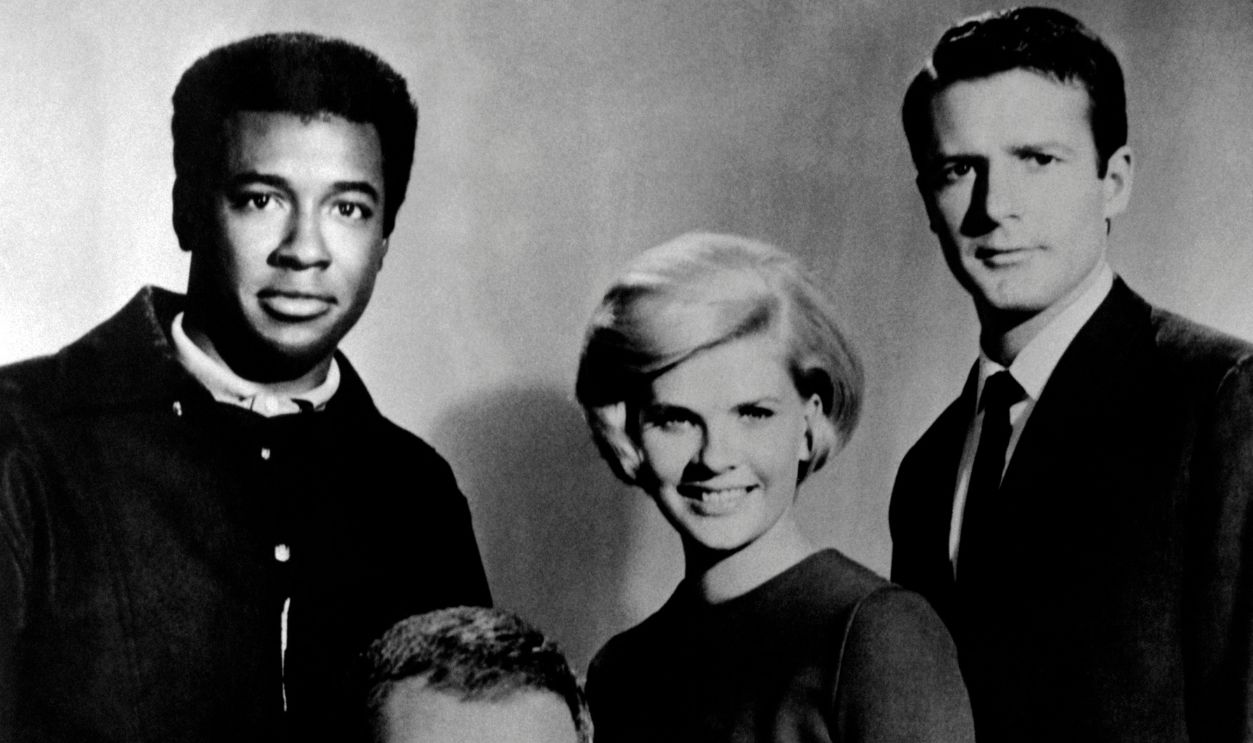 Mondadori Portfolio, Getty Images
Eight Seasons Made Him Famous
Ironside remained on NBC from 1967 until 1975. Mitchell appeared throughout the series, giving him years of weekly exposure beside Burr. The program drew respectable audiences and became one of the period’s defining police dramas. Millions of viewers knew Mitchell’s face even if they were more likely to remember his character’s name than his own.
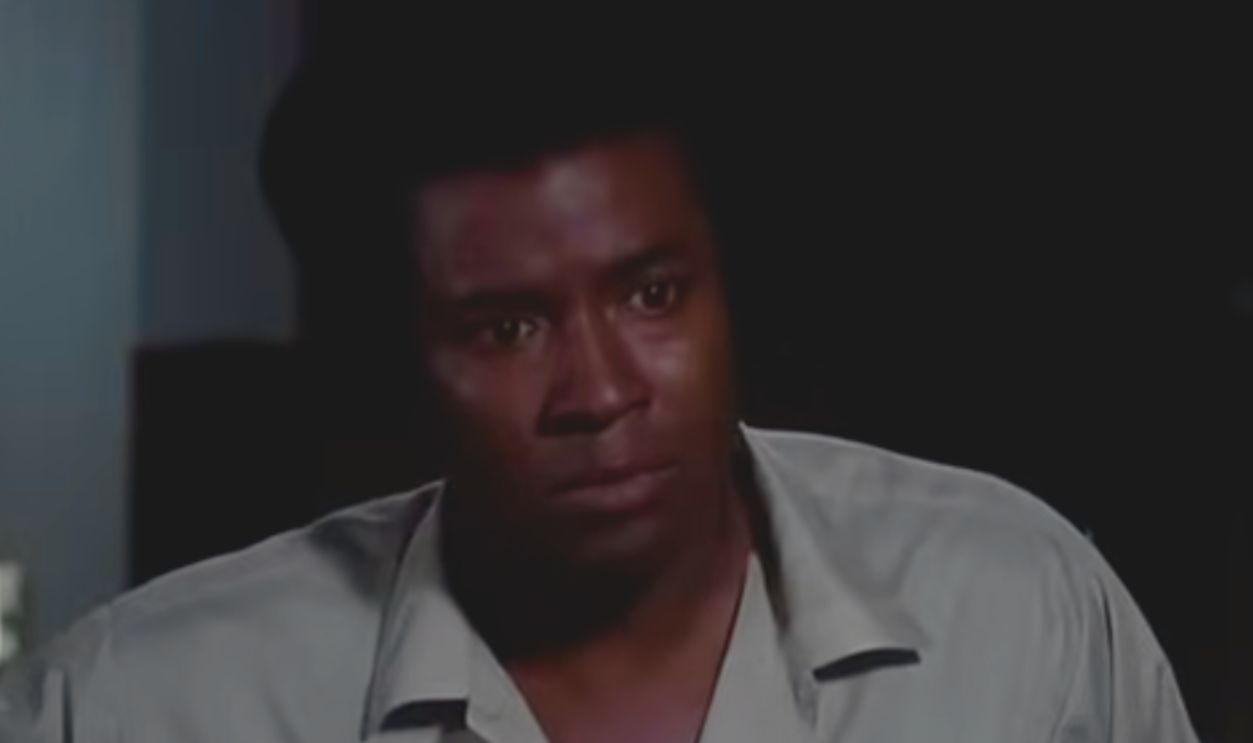 Screenshot from Ironside, Universal Television (1967–1975)
A Horror Film Showed Another Side
During the series, Mitchell appeared in the 1973 film Scream Blacula Scream. He played Justin Carter, a former police officer involved in the battle against the vampire Mamuwalde. The role placed him inside the growing world of Black horror cinema while allowing him to act outside the Ironside ensemble. It suggested a broader screen career that never developed as fully as his television visibility might have predicted.
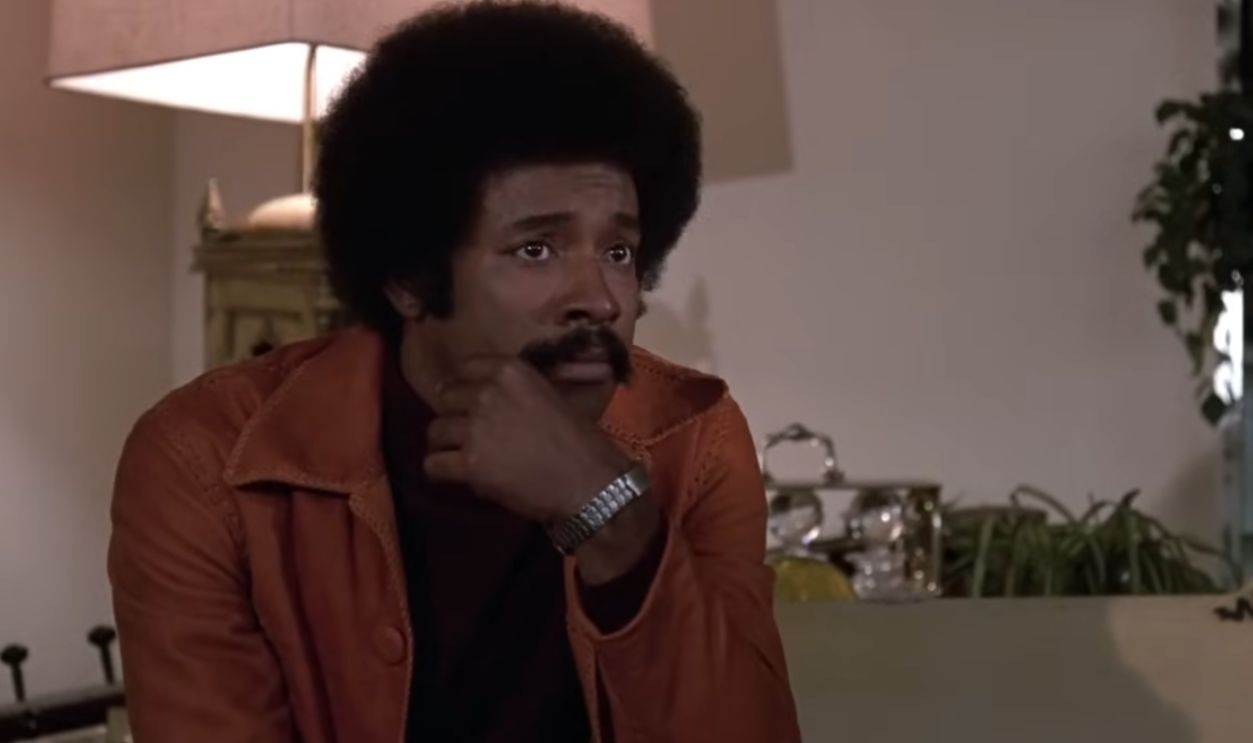 Screenshot from Scream Blacula Scream, American International Pictures (1973)
He Found Other Work While Ironside Was Running
Mitchell appeared on additional programs during the years when Mark Sanger remained his main job. His credits included McMillan & Wife and a crossover appearance connected to The Bold Ones: The New Doctors. These projects showed that producers recognized him beyond one series. Yet the continuing demands and security of Ironside still defined most of his professional identity.
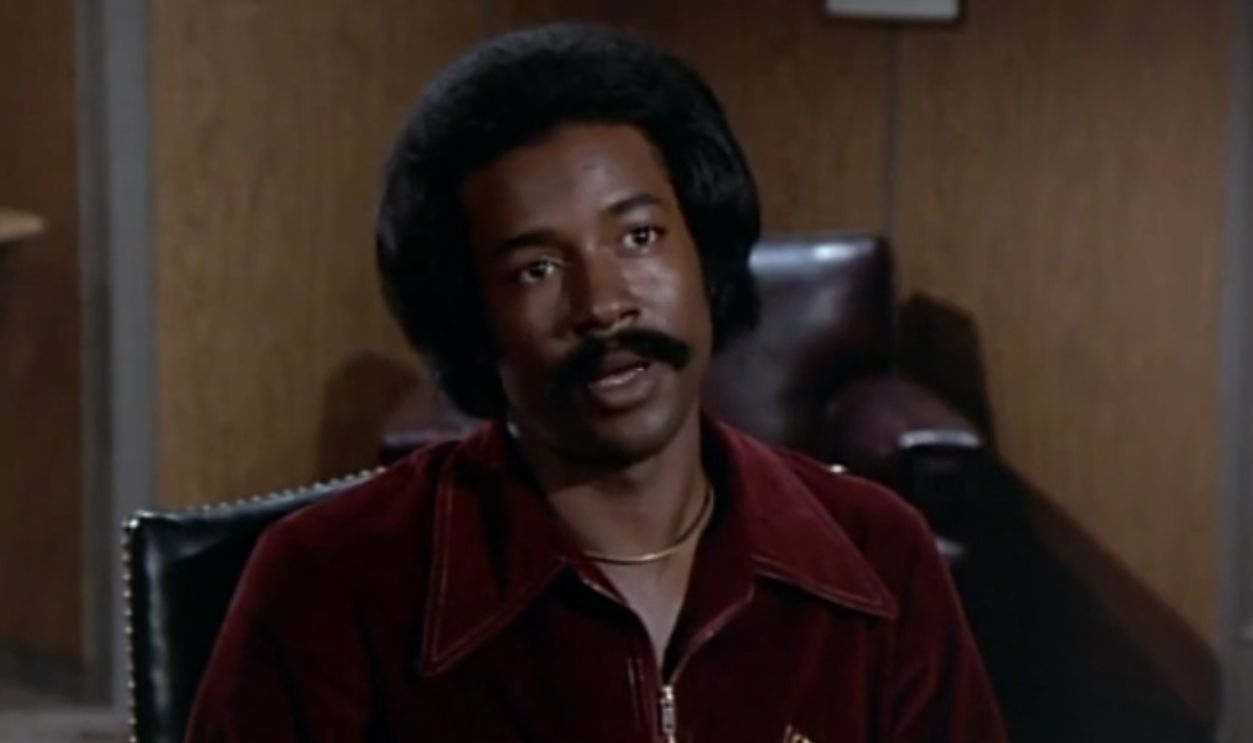 Screenshot from McMillan & Wife, Universal Television (1971–1977)
Cancellation Removed His Career’s Foundation
NBC canceled Ironside during its eighth season. Mitchell suddenly lost the role that had occupied nearly his entire adult acting career. He had entered the show with limited television experience and left it strongly identified with one specific supporting character. The end of the series therefore created a difficult transition rather than a simple opportunity to choose a new starring vehicle.
 Paul R. Burley, Wikimedia Commons
Familiarity Did Not Produce Better Offers
Mitchell remained recognizable after Ironside, but his career record shows that substantial roles became much less frequent. He appeared in individual episodes of programs such as Police Woman, Wonder Woman, and CHiPs, yet another long-running prime-time part did not arrive. His experience illustrates the difference between being famous as part of a successful ensemble and being treated by the industry as a bankable lead. The limited range of roles then available to Black actors likely made that gap even harder to cross.
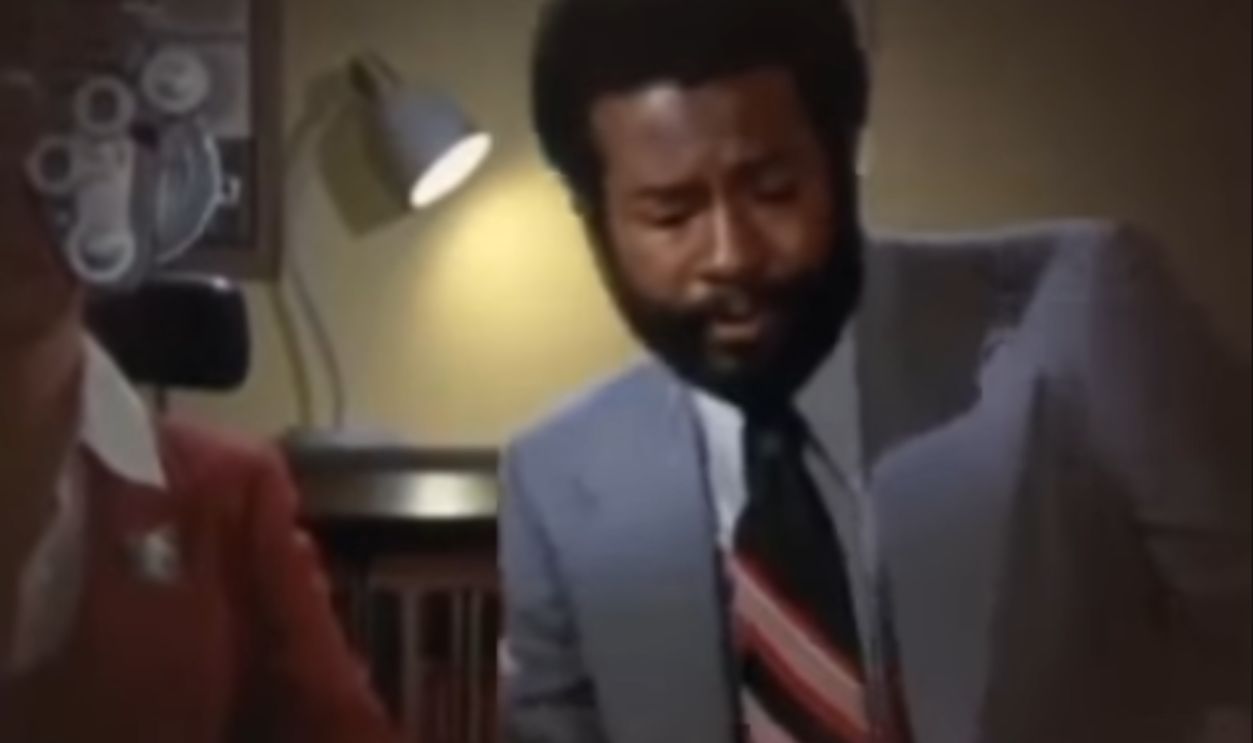 Screenshot from Wonder Woman, Warner Bros. Television (1975–1979)
Typecasting Worked In Several Directions
Casting directors could see Mitchell as Mark Sanger, the intelligent and composed young investigator who had spent eight years beside Ironside. That recognition was valuable, but it could also make it difficult for producers to imagine him in radically different roles. He was too familiar to seem new and had not been given enough outside showcases to demonstrate his full range. The character that secured his career also became the standard against which later opportunities were measured.
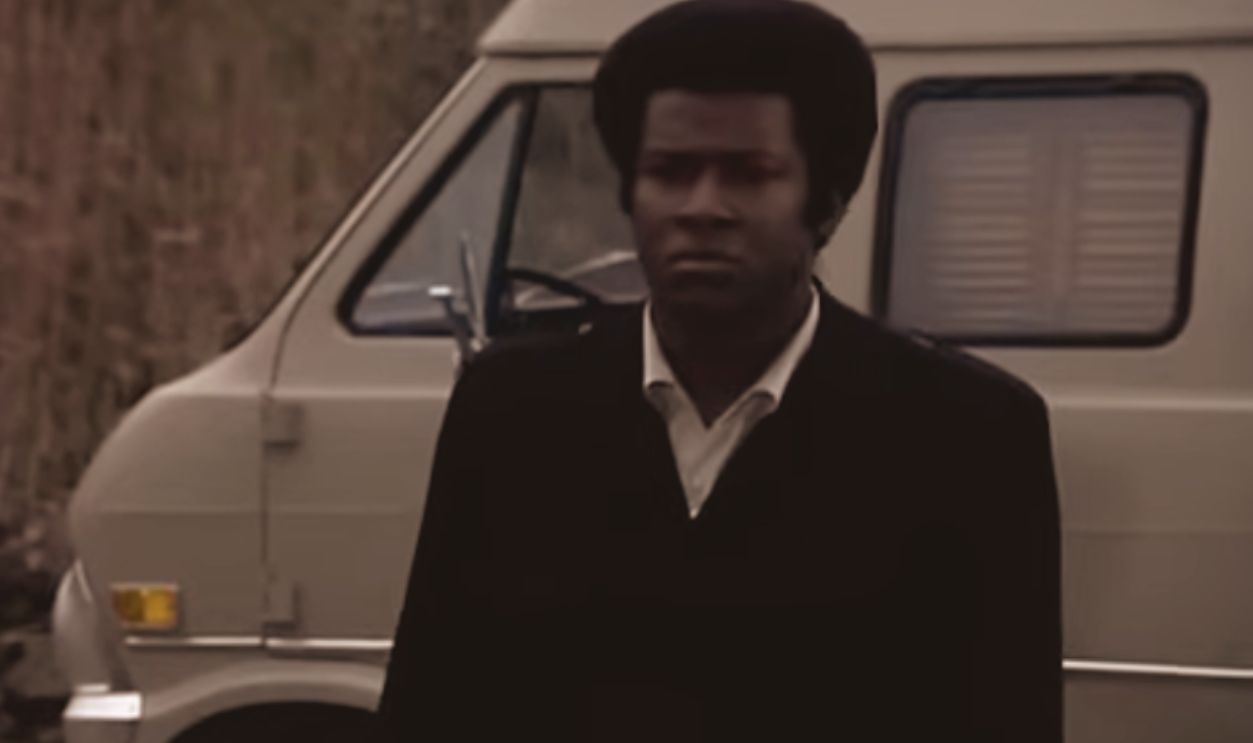 Screenshot from Ironside, Universal Television (1967–1975)
Daytime Television Offered A New Home
Mitchell eventually joined the CBS soap opera Capitol as Ed Lawrence. The recurring role gave him more sustained work than the scattered guest appearances that followed Ironside. Daytime drama required a different production pace and a greater focus on continuing personal relationships. It provided a meaningful return to regular television, but it never matched the national identity Mark Sanger had given him.
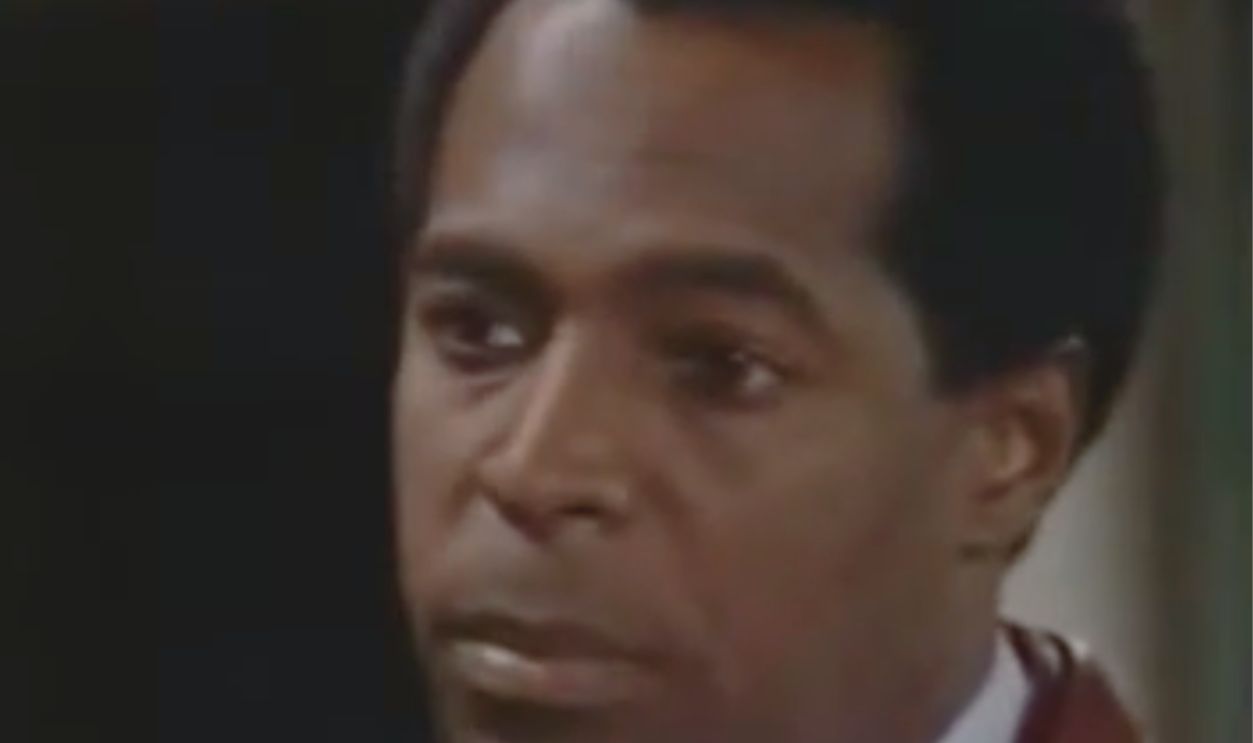 Screenshot from Capitol, John Conboy Productions (1982–1987)
The Reunion Restored The Old Team
Mitchell reprised Mark in the 1993 television movie The Return of Ironside. Burr, Galloway, Anderson, and Baur also returned, bringing together performers from different periods of the original series. By then, Mark had advanced professionally and was presented as a judge, completing the journey that began with a troubled young suspect. The film became Mitchell’s final television appearance.
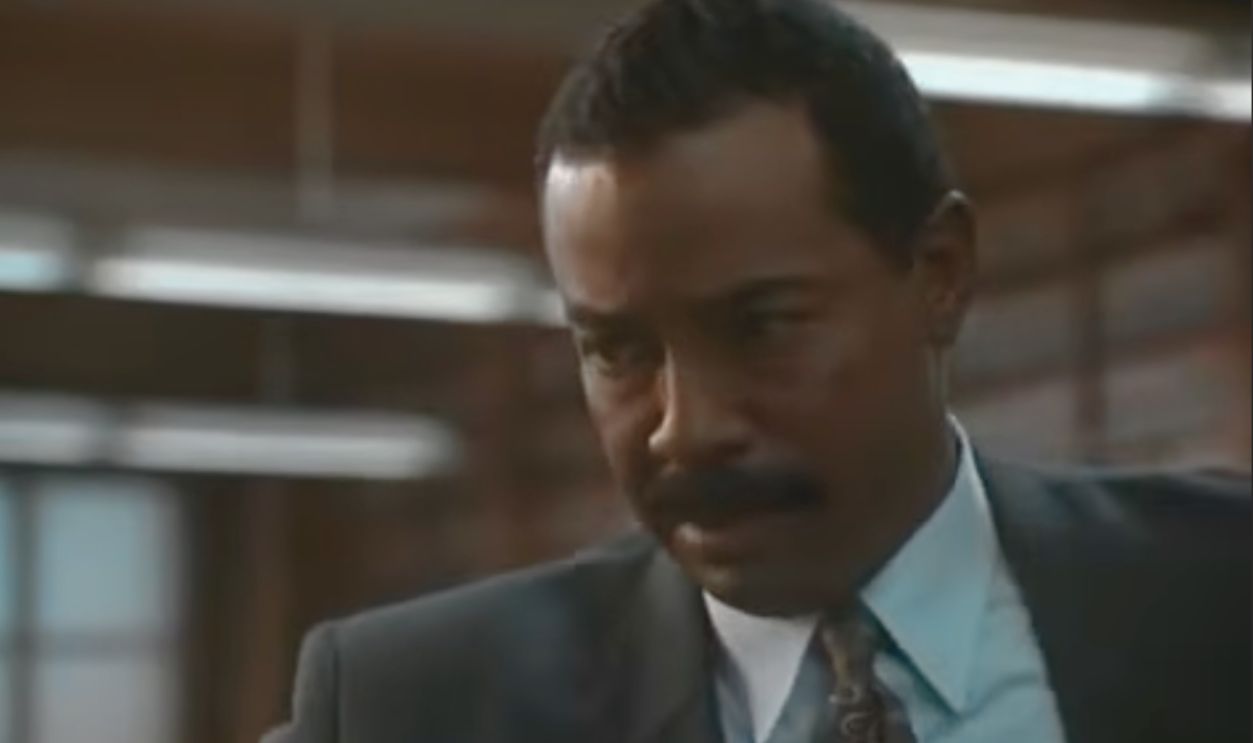 Screenshot from The Return of Ironside, Universal Television (1993)
Mark Sanger Became His Lasting Legacy
Mitchell died of natural causes at his Encino home on December 8, 2013, at age 70. Obituaries immediately identified him as the actor who had played Mark Sanger beside Raymond Burr. His post-Ironside career never delivered the number of prominent roles his early success seemed to promise. Yet Mark’s evolution from endangered young man to educated professional ensured that Mitchell’s most famous performance carried unusual dignity and lasting significance.
You May Also Like:
Ranking Actors With The Most Film Credits
Forget Awards, Which Actors Have Appeared In The Most Movies? By The Numbers