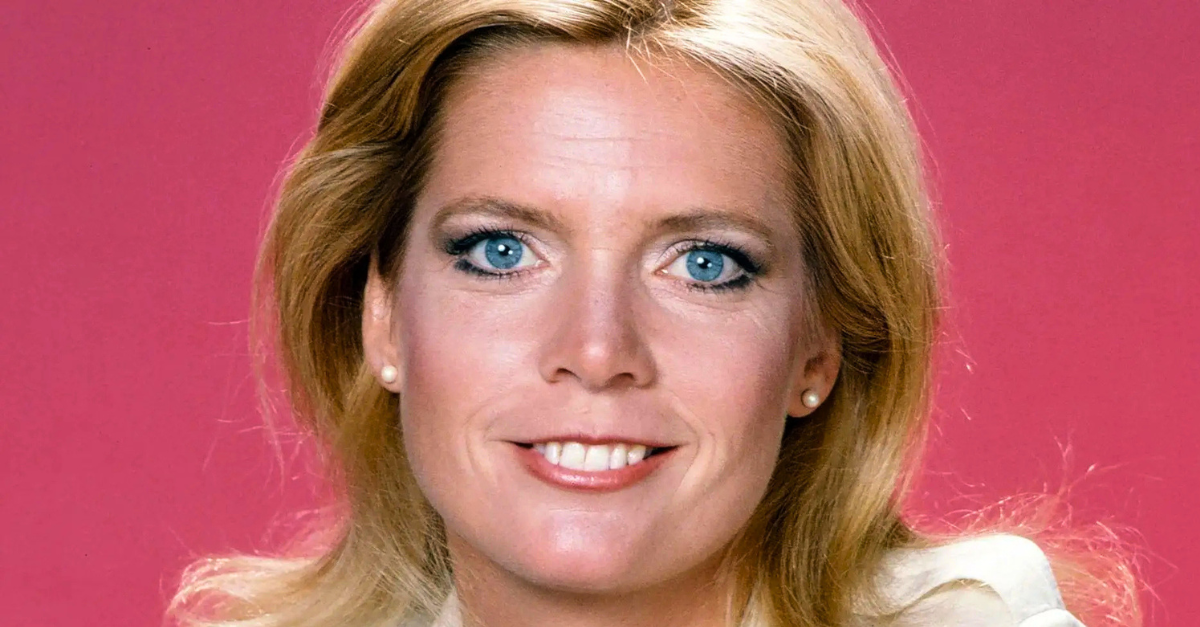
Meredith Baxter Made Motherhood Look Real.
As Elyse Keaton on Family Ties, she brought warmth and genuine adult life to a role that could easily have become another spotless sitcom parent. Years later, Baxter complicated that image by speaking openly about the private life audiences had never seen and taking control of her own story.
Hollywood Was Already In The Family
Meredith Baxter was born in South Pasadena, California, in 1947. Her mother was actress and producer Whitney Blake, who later co-created the sitcom One Day at a Time, while her father, Tom Baxter, worked in radio. Even with those connections, Meredith did not immediately slide into stardom and spent time working ordinary jobs before television opportunities began arriving.

Acting Became A Serious Career
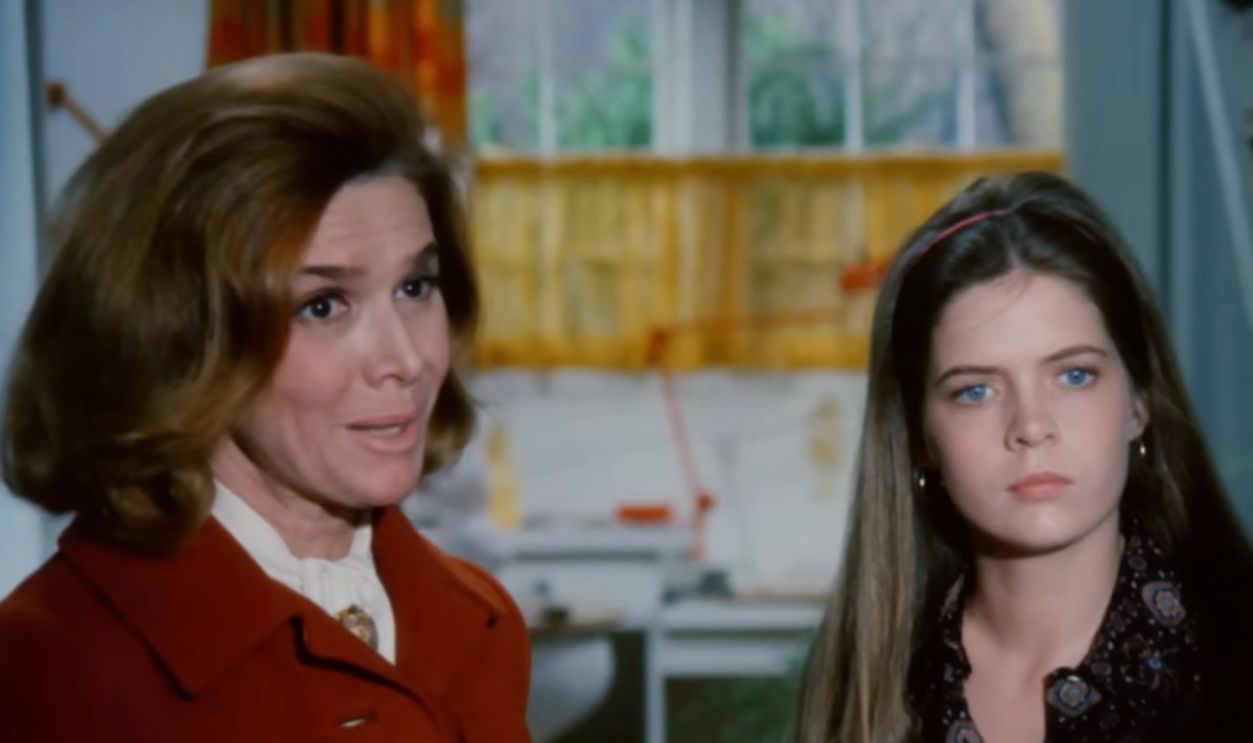
Baxter started earning screen credits in the early 1970s after appearing in smaller television roles. One of her first significant movie appearances came in Stand Up and Be Counted, followed by work in the thriller Ben. Those jobs were modest, but a much larger television opportunity was approaching.
 Screenshot from Ben, Motown Records (1972)
Bridget Loves Bernie Made Her Famous
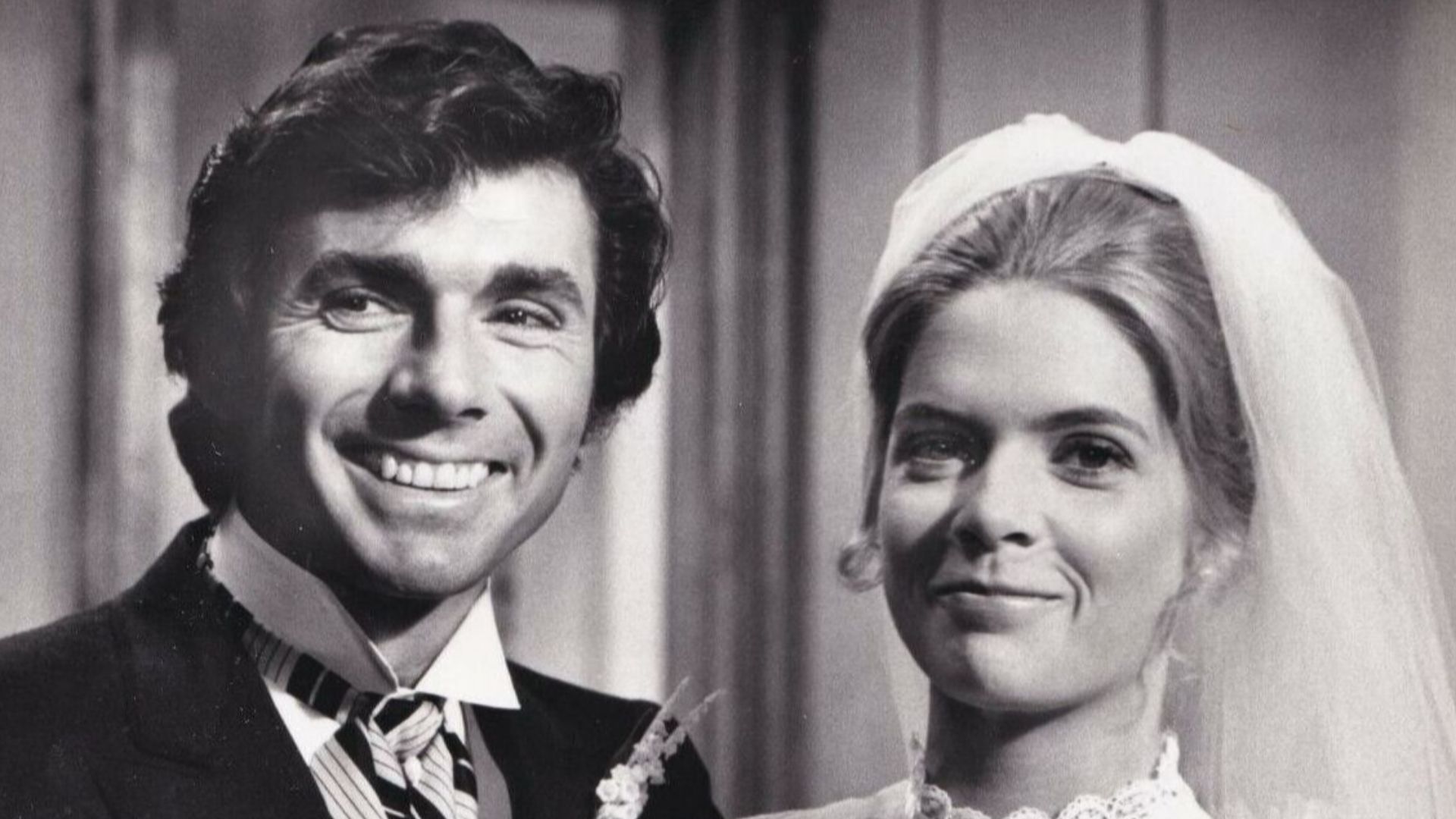
In 1972, Baxter landed the title role of Bridget Fitzgerald on CBS's Bridget Loves Bernie. David Birney played Bernie Steinberg, and the comedy centered on a Catholic woman and Jewish man whose marriage created tension between their families. The show became one of the highest-rated programs of its season.
 CBS Television, Wikimedia Commons
A Hit Somehow Got Canceled
Ratings did not save Bridget Loves Bernie. The series faced strong protests over its depiction of an interfaith marriage, and CBS canceled it after a single season despite its large audience. Baxter had achieved national visibility remarkably quickly, only to watch her breakthrough disappear almost immediately.
 Screenshot from Bridget Loves Bernie, CBS (1972–1973), Modified
Family Proved She Could Handle Drama
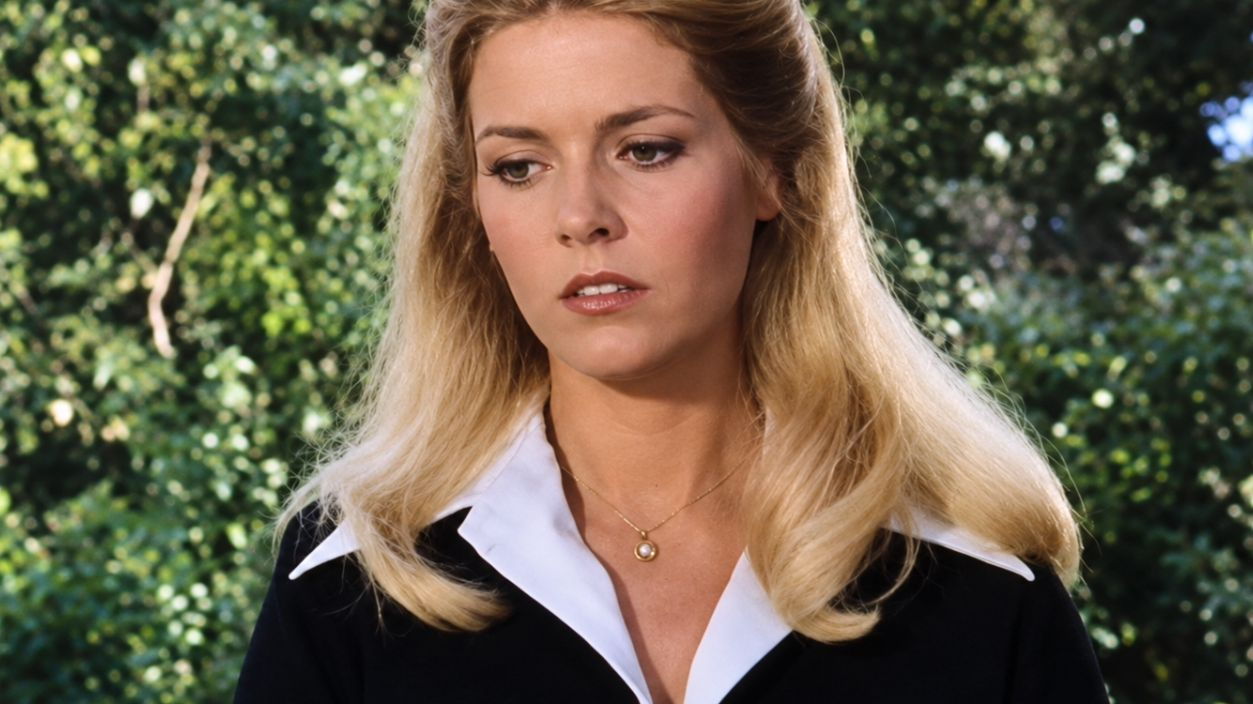
Baxter next found a very different showcase on ABC's Family. Beginning in 1976, she played Nancy Lawrence Maitland, the eldest daughter in the Lawrence family. The acclaimed drama allowed Baxter to move far beyond light romantic comedy and established her as a credible dramatic performer.
 Screenshot from Family, ABC (1976–1980), Modified
The Emmys Noticed Her Early
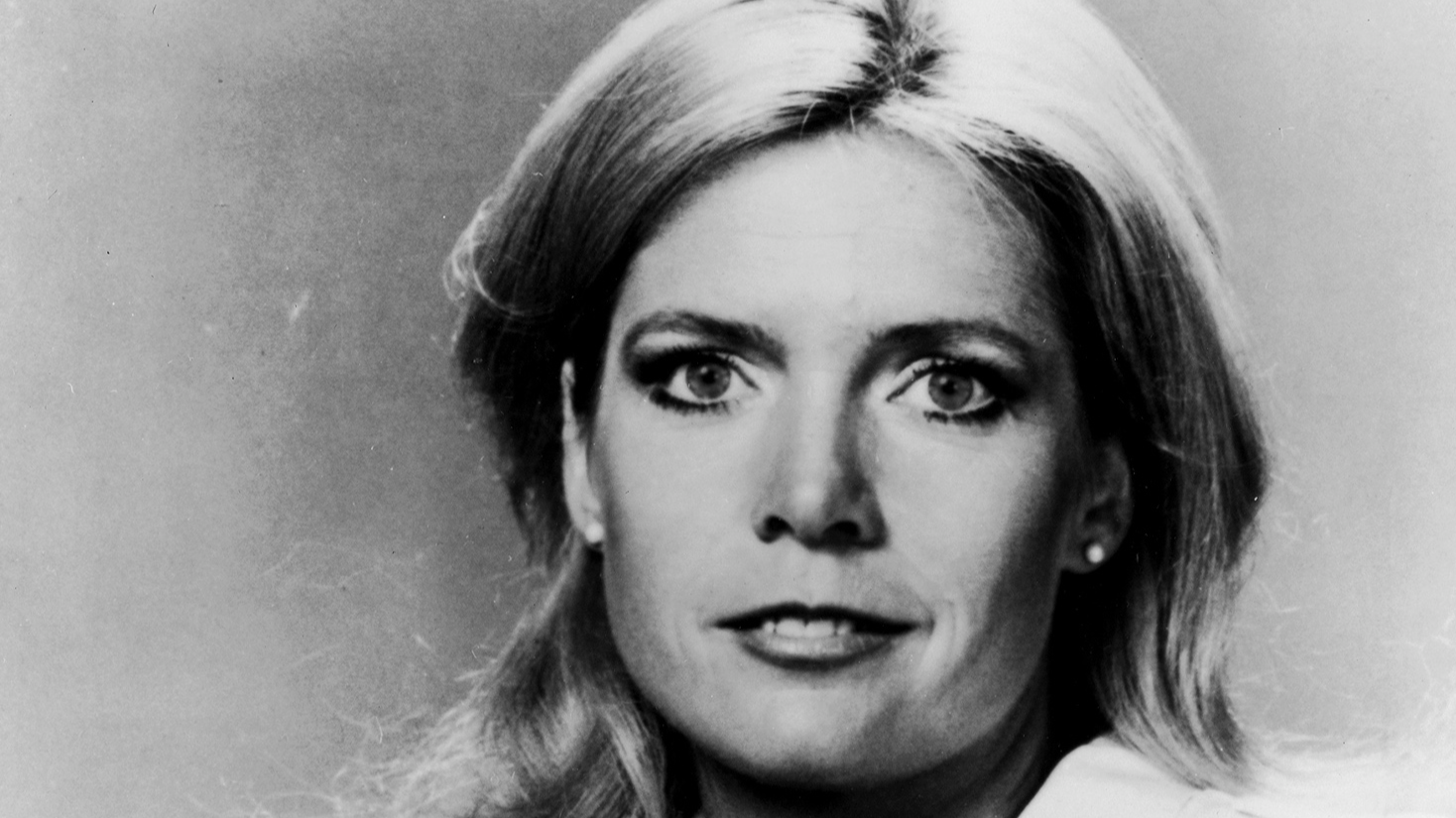
Her work on Family earned Baxter consecutive Primetime Emmy nominations in 1977 and 1978 for supporting actress in a drama series. The recognition arrived years before Family Ties made her a sitcom icon. By the end of the 1970s, she had already demonstrated far more range than her later "TV mom" label suggested.
 Columbia TriStar, Getty Images
Family Ties Started With The Parents
When Gary David Goldberg created Family Ties, the original focus was on former 1960s idealists Steven and Elyse Keaton raising children in a more conservative 1980s America. Baxter was cast as Elyse opposite Michael Gross as Steven. The parents were initially supposed to be the center of the comedy.
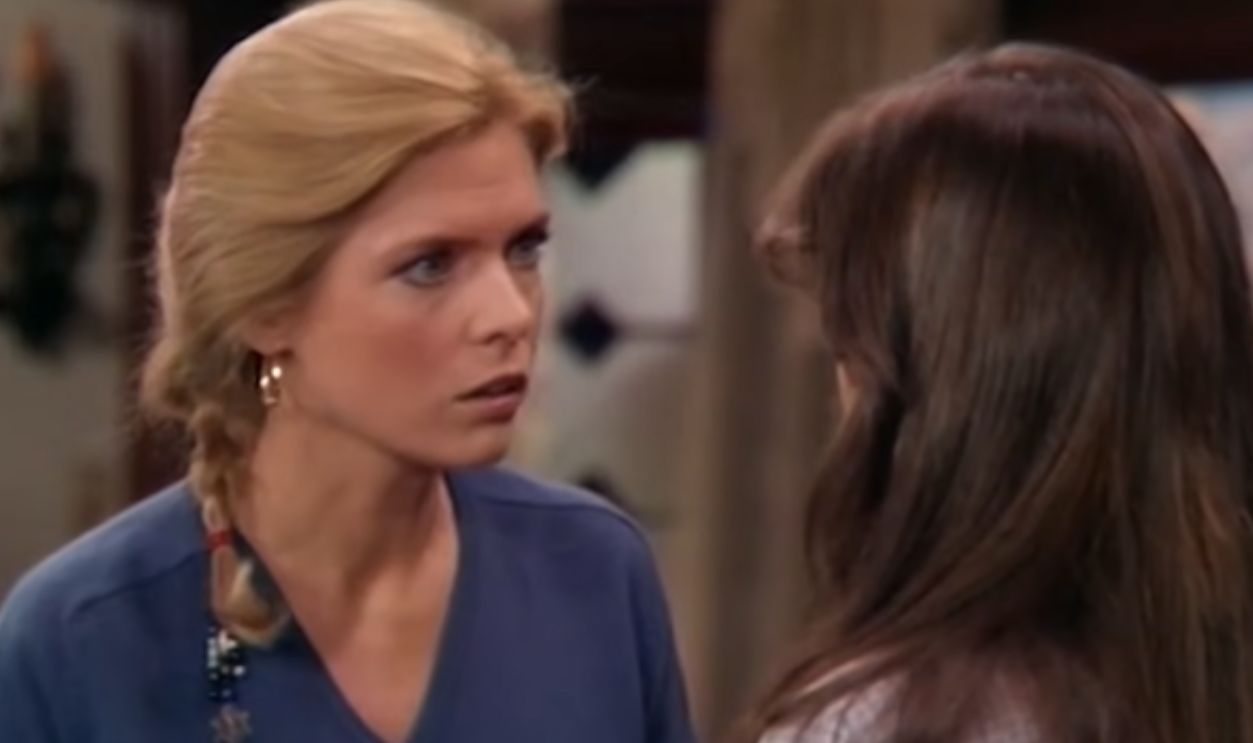 Screenshot from Family Ties, Paramount Television (1982-1989)
Elyse Had A Life Beyond Her Children
Elyse was not written simply as someone waiting in the kitchen for her family to come home. She was an architect with professional ambitions, opinions of her own, and a marriage that functioned as a genuine partnership. That made Baxter's character feel recognizably modern at a moment when television was rethinking what a sitcom mother could look like.
 Screenshot from Family Ties, NBC (1982–1989), Modified
Michael Gross Made The Marriage Work
Baxter and Gross met at the show's first table read and quickly developed an easy rhythm together. Their characters could disagree without making viewers wonder why they were married in the first place. Three decades later, both actors were still describing a close friendship that had grown out of playing the Keatons.
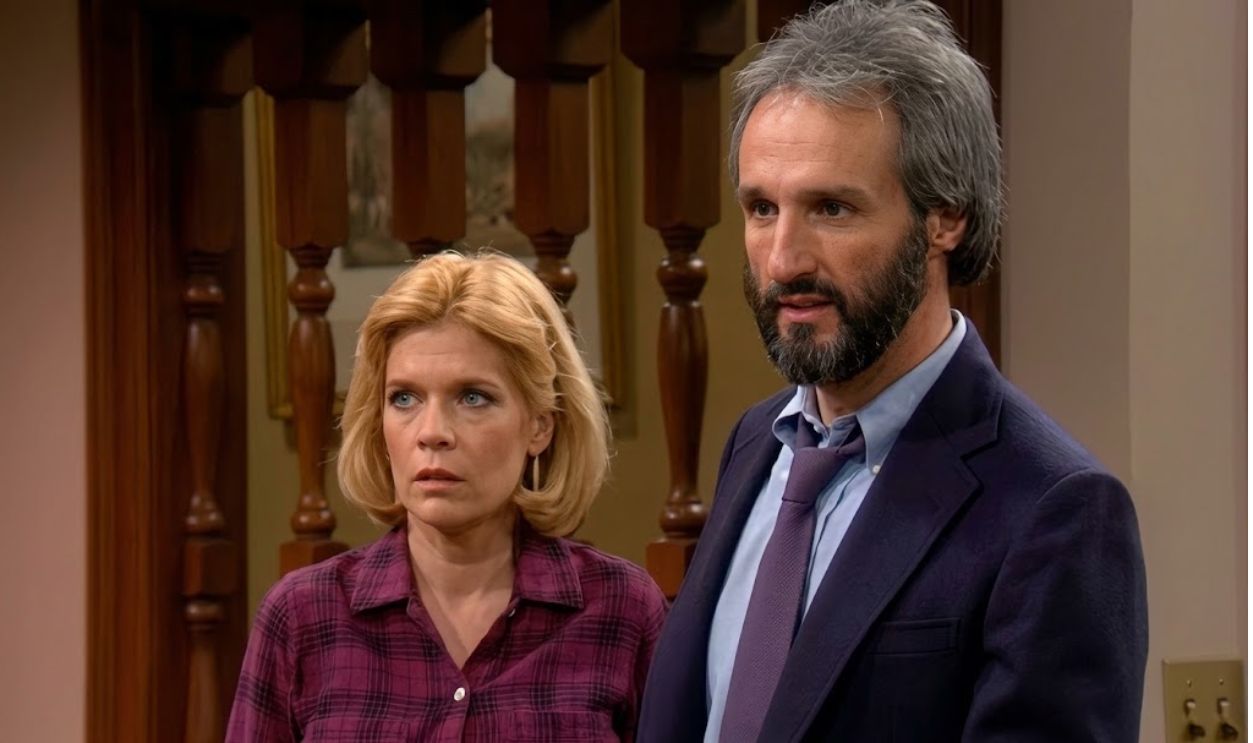 Screenshot from Family Ties, Paramount Domestic Television (1982–1989), Modified
Their Values Powered The Comedy
Elyse and Steven were committed liberals whose oldest son Alex embraced conservative politics with enormous enthusiasm. That generational disagreement became one of the show's central comic engines. Baxter therefore had to play Elyse as someone capable of loving her son completely while frequently being baffled by the worldview he championed.
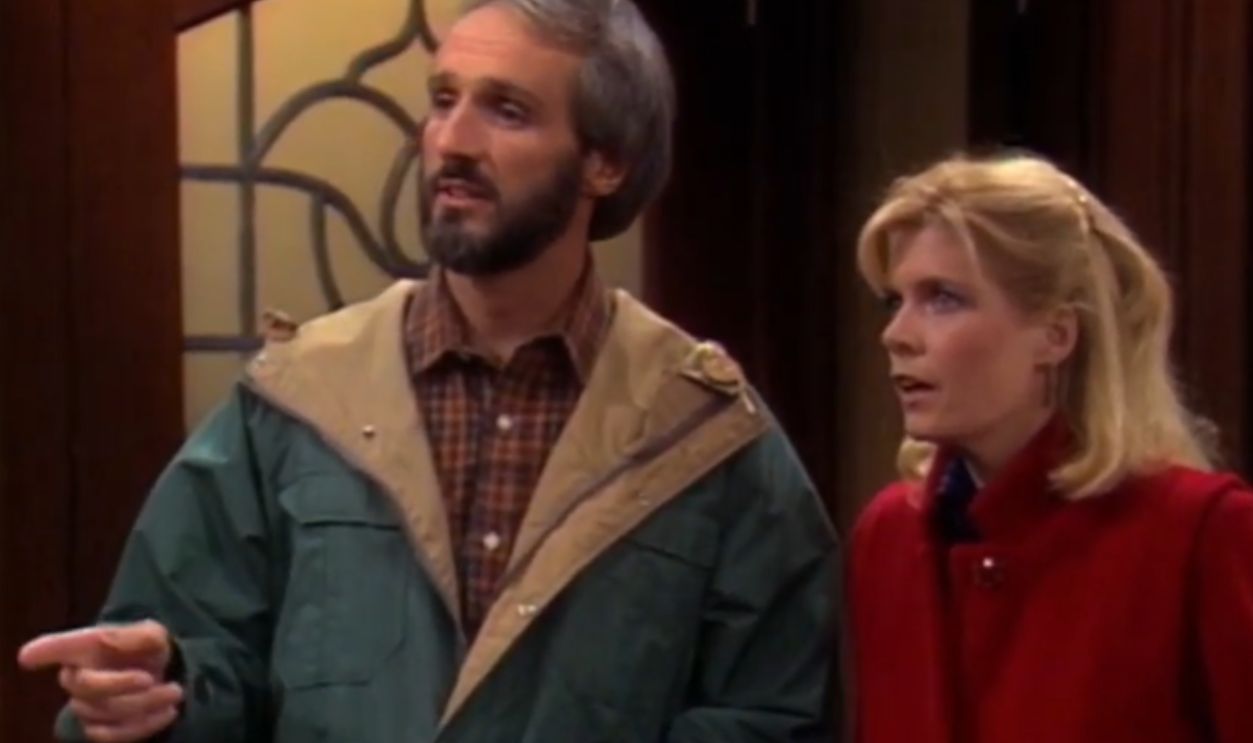 Screenshot from Family Ties, Paramount Domestic Television (1982–1989)
Then Michael J. Fox Changed Everything
Alex P. Keaton became the surprise breakout character almost immediately. Television Academy histories of the series note that audience response to Michael J. Fox was so strong that the producers shifted much of the show's emphasis toward Alex. Goldberg even told Baxter and Gross that he would understand if they chose to leave after the change.
 Screenshot from Family Ties, NBC (1982–1989)
Baxter Let The Show Evolve
They stayed. Fox later praised Baxter and Gross for the way they handled his sudden rise from younger co-star to the show's primary attraction. Instead of fighting for screen dominance, Baxter continued making Elyse believable enough that the family around Alex still felt like the reason his character mattered.
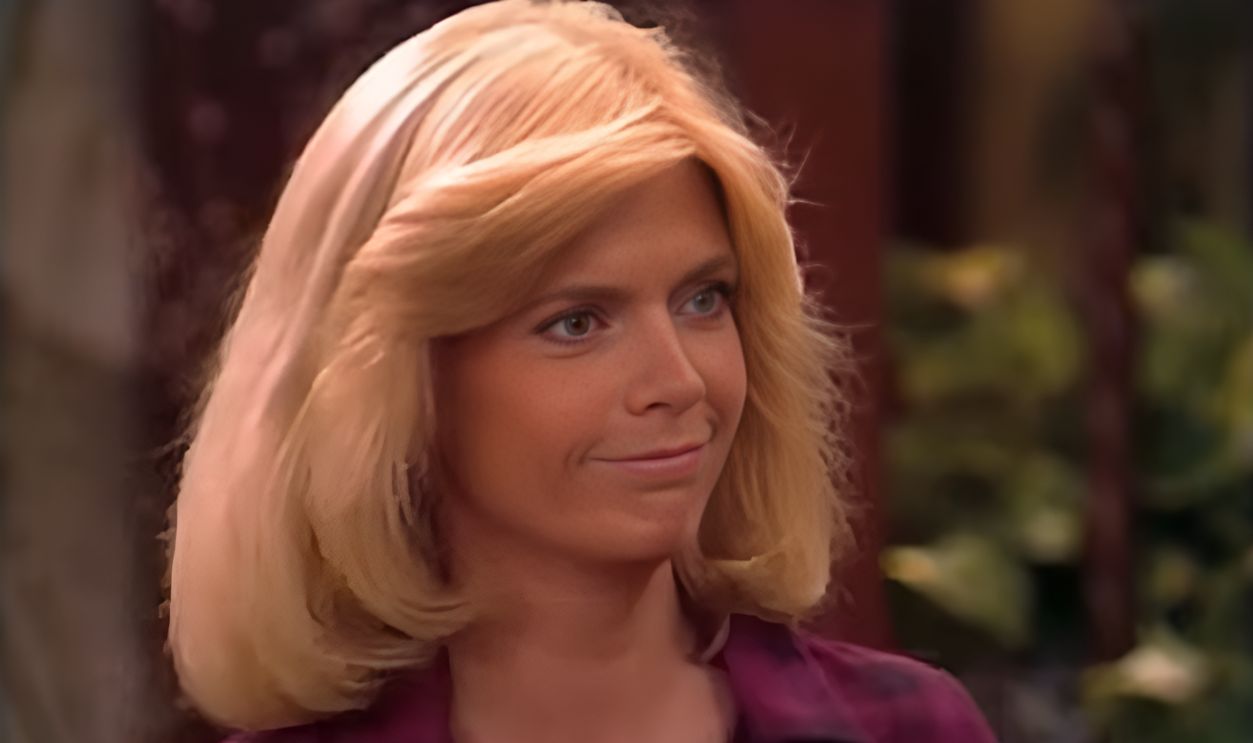 Screenshot from Family Ties, NBC (1982–1989)
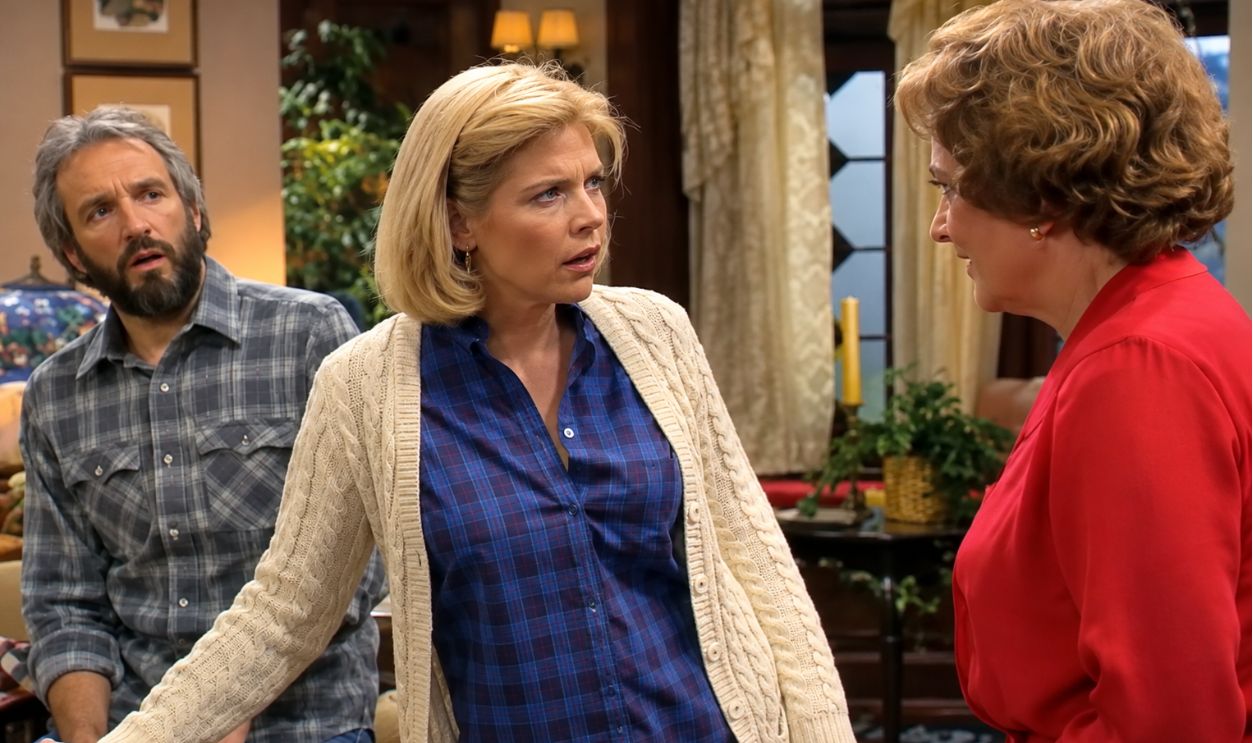
She Made Elyse Feel Like Somebody's Actual Mother
That restraint was one of Baxter's greatest contributions. Elyse could be affectionate without becoming sugary and frustrated without seeming cruel. Years later, viewers were still telling Baxter that they wished she had been their mother, something she attributed to the healthy relationship audiences saw inside the Keaton household.
 Screenshot from Family Ties, NBC (1982–1989), Modified
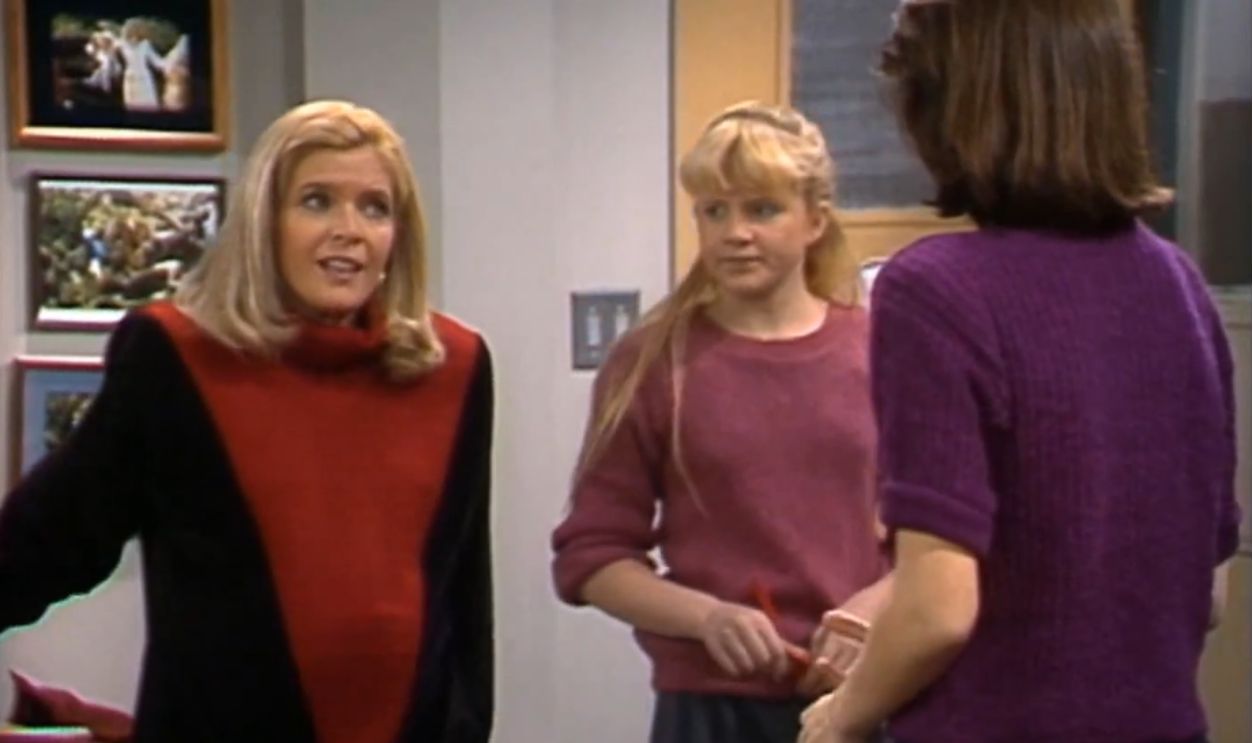
Real Motherhood Entered The Show
Baxter's real life occasionally shaped the series directly. When she became pregnant with twins during the show's run, creator Gary David Goldberg ultimately incorporated the pregnancy into Family Ties. The Keatons later welcomed their youngest child, Andrew, allowing the fictional family to change alongside Baxter's own.
 Screenshot from Family Ties, NBC (1982–1989)
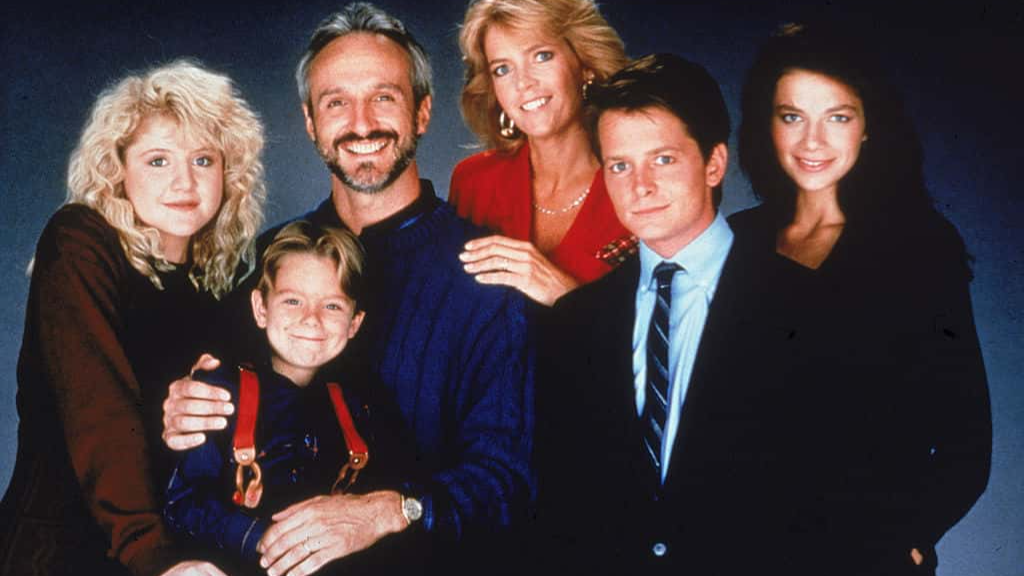
NBC Built A Powerhouse Around Them
Family Ties became part of NBC's enormously successful Thursday-night schedule during the 1980s. From 1984 through 1987, it followed The Cosby Show, giving the network two hugely popular television families in succession. Baxter and Gross became among the era's most familiar television parents.
 Fotos International, Getty Images
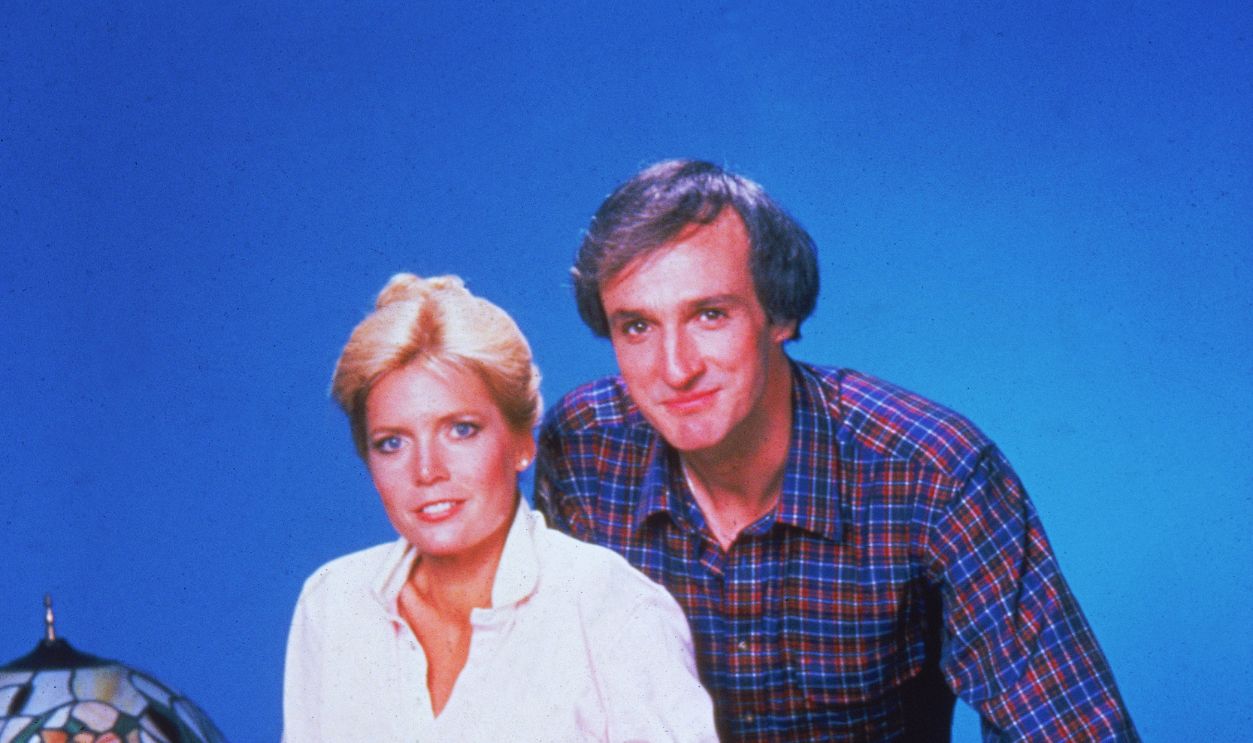
The Perfect-Mom Image Stuck
Success came with typecasting. Baxter said in 1987 that she was constantly being viewed through whatever category her most recent hit had created. After years on Family Ties, she worried that people now simply saw her as someone who played mothers and did comedy.
 Pictorial Parade, Getty Images
She Kept Looking For The Opposite
Baxter deliberately used television movies and stage work to push against that comfortable image. She told the Los Angeles Times that she wanted to keep people guessing rather than remain locked into one category. The roles she selected during her Family Ties years increasingly demonstrated how determined she was to stretch.
 ABC Television Network, Wikimedia Commons
Kate's Secret Went Somewhere Darker
In 1986, Baxter starred in NBC's Kate's Secret, playing a seemingly successful suburban woman hiding a serious eating disorder. Baxter said her research convinced her the story involved anger, insecurity, loss, and control rather than simply physical appearance. It was difficult material for an actress millions of viewers associated with the reassuring Elyse Keaton.
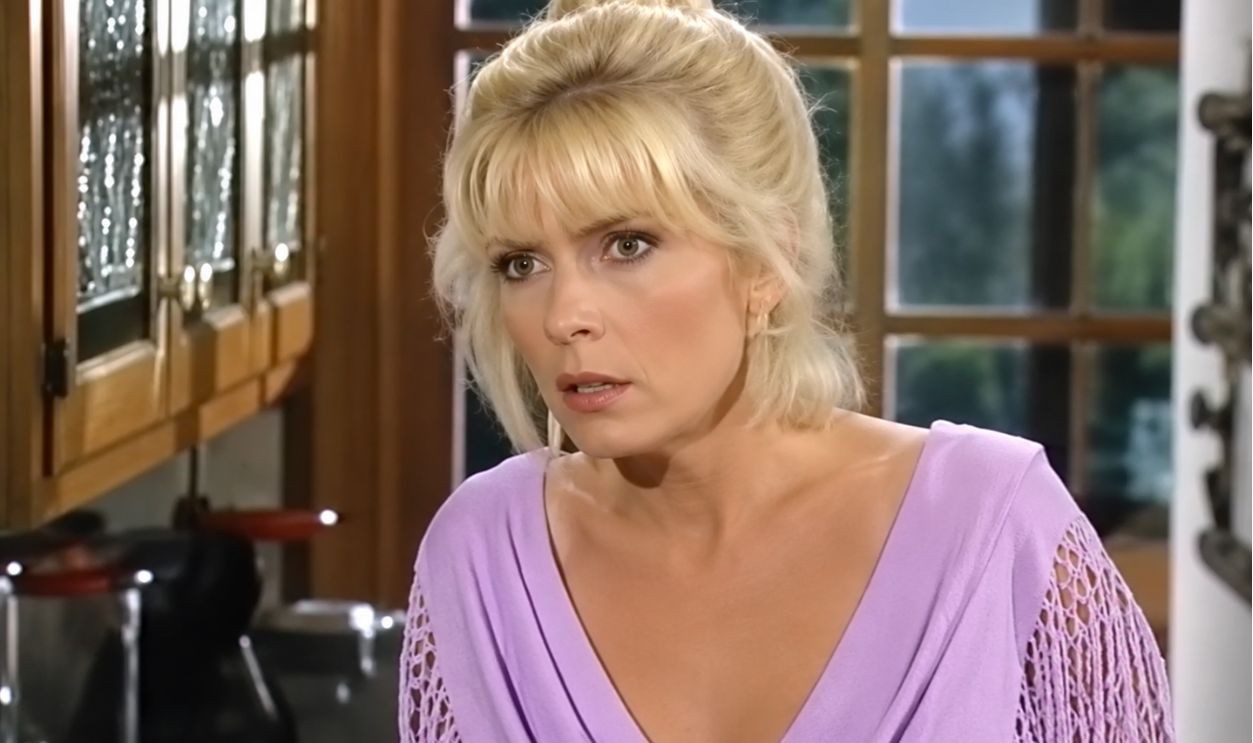 Screenshot from Kate's Secret, NBC (1986), Modified
Winnie Pushed Her Even Further
Two years later, Baxter took the title role in Winnie. The fact-based NBC movie centered on a woman who had spent roughly three decades living in an institution. Once again, Baxter used her time away from Family Ties to play someone almost completely unlike Elyse.
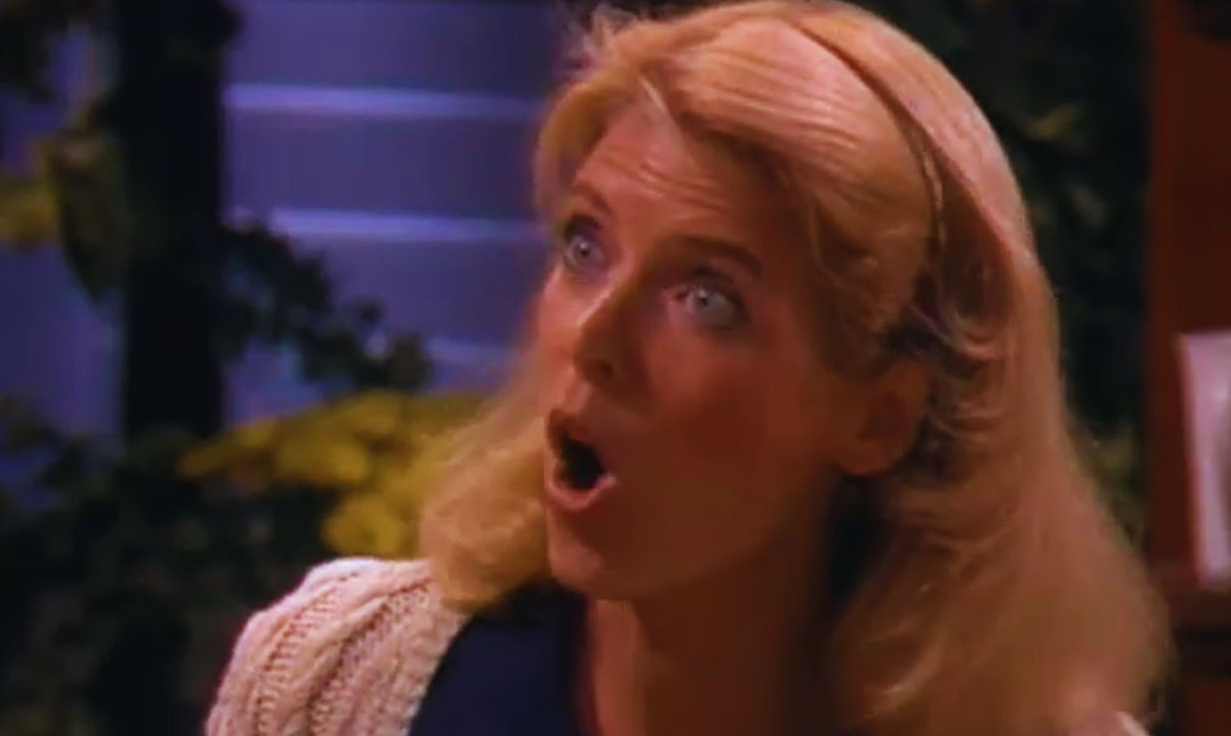 Screenshot from Family Ties, Ubu Productions / Paramount Television (1982–1989)
She Wanted To Own The Work Too
Baxter also moved into producing. She and then-husband David Birney co-produced and starred in the 1987 television movie The Long Journey Home. Baxter described producing as a way of effectively "owning the store" rather than simply arriving to perform somebody else's decisions.
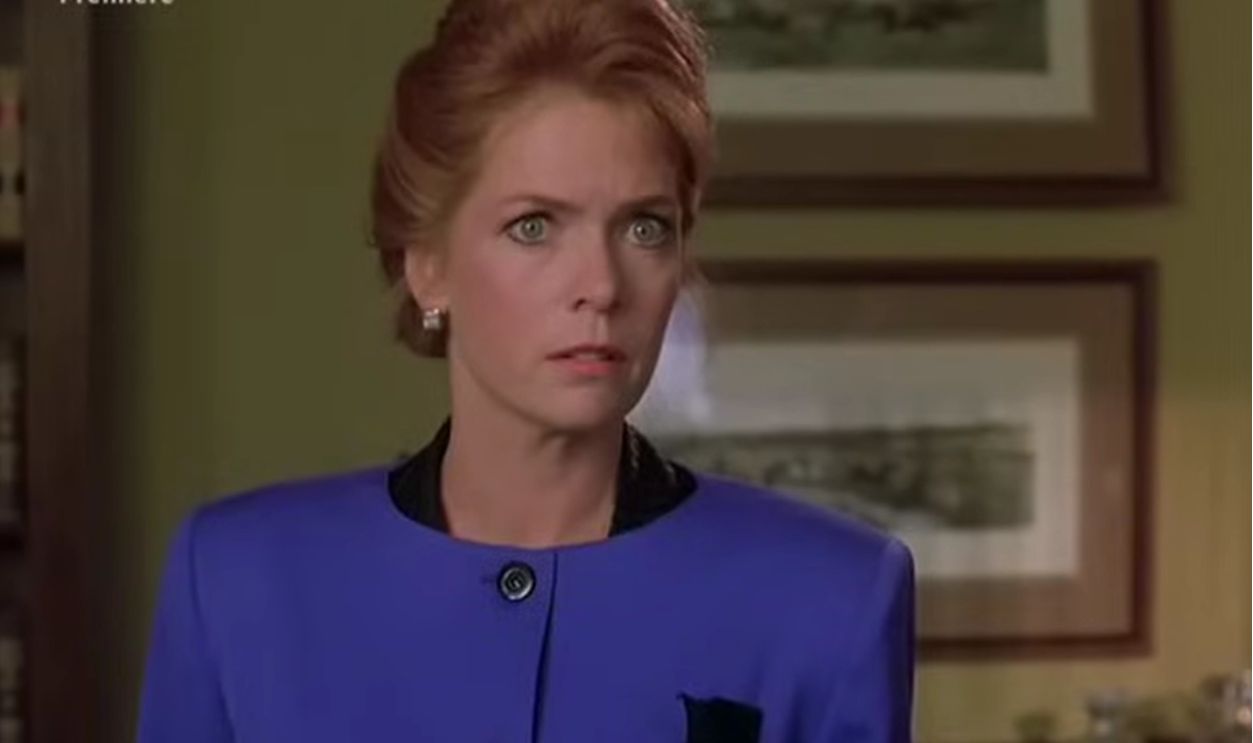 Screenshot from The Long Journey Home, NBC (1987)
Saying Goodbye Was Harder Than Expected
Family Ties ended in 1989 after seven seasons. Baxter told the Los Angeles Times that the final week of production was far more emotional than anyone had anticipated. The cast had spent years pretending to be a family and discovered that ending the routine carried a genuine sense of loss.
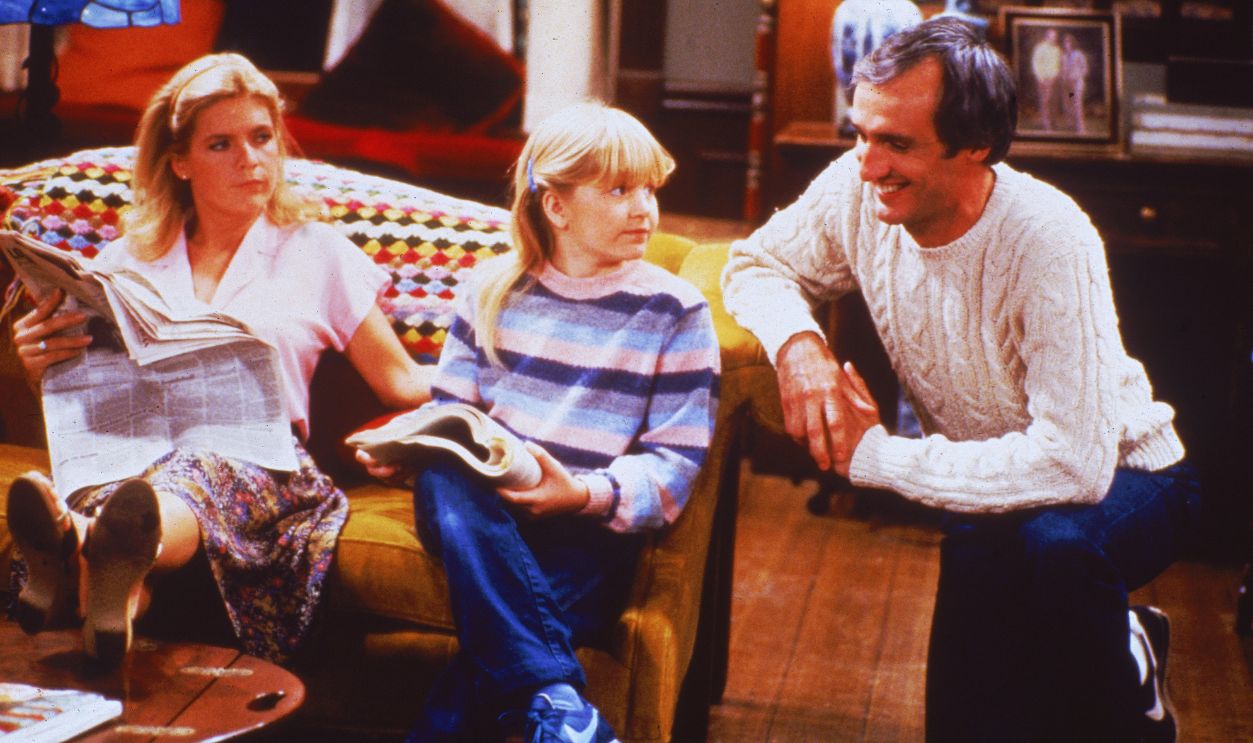 Fotos International, Getty Images
Her Public Image Hid A Different Reality
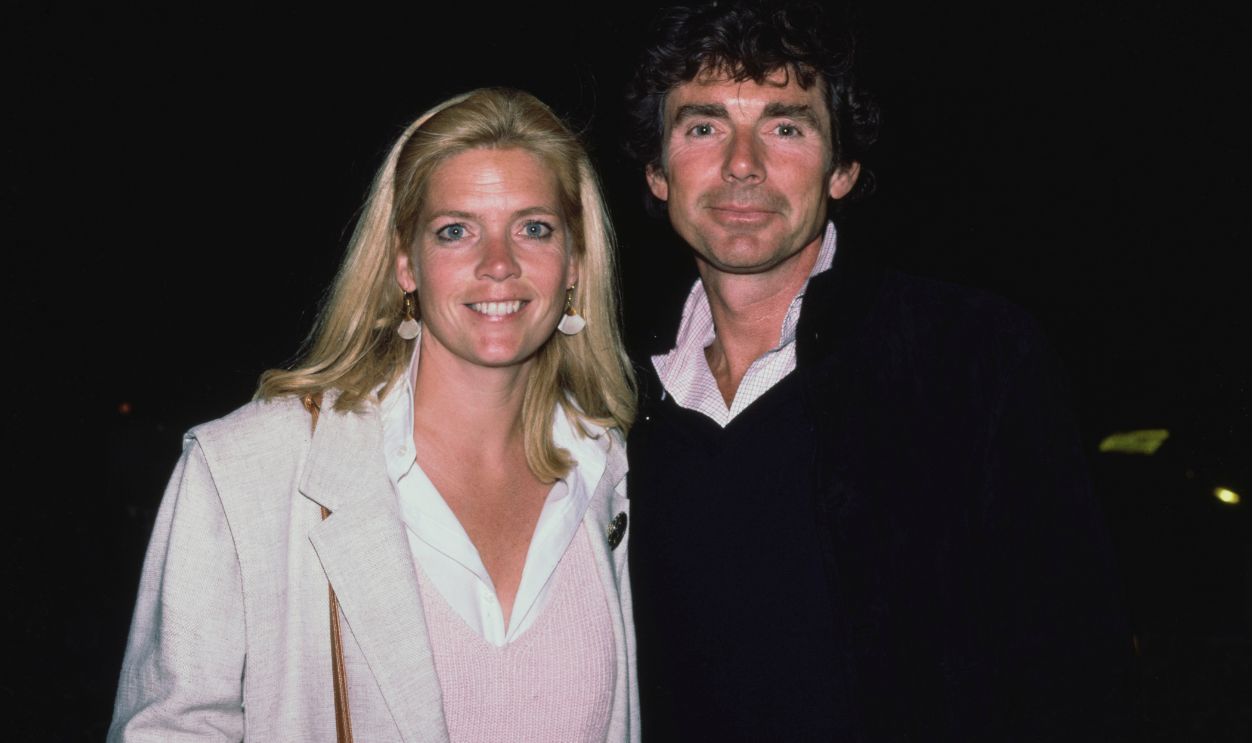
That same year, Baxter and Birney filed for divorce after 15 years of marriage. At the time, their public statement simply acknowledged that they were going through difficult days and intended to continue caring for their children. The cheerful television mother millions thought they knew was entering a far more complicated period privately.
Betty Broderick Shattered The Sitcom Image
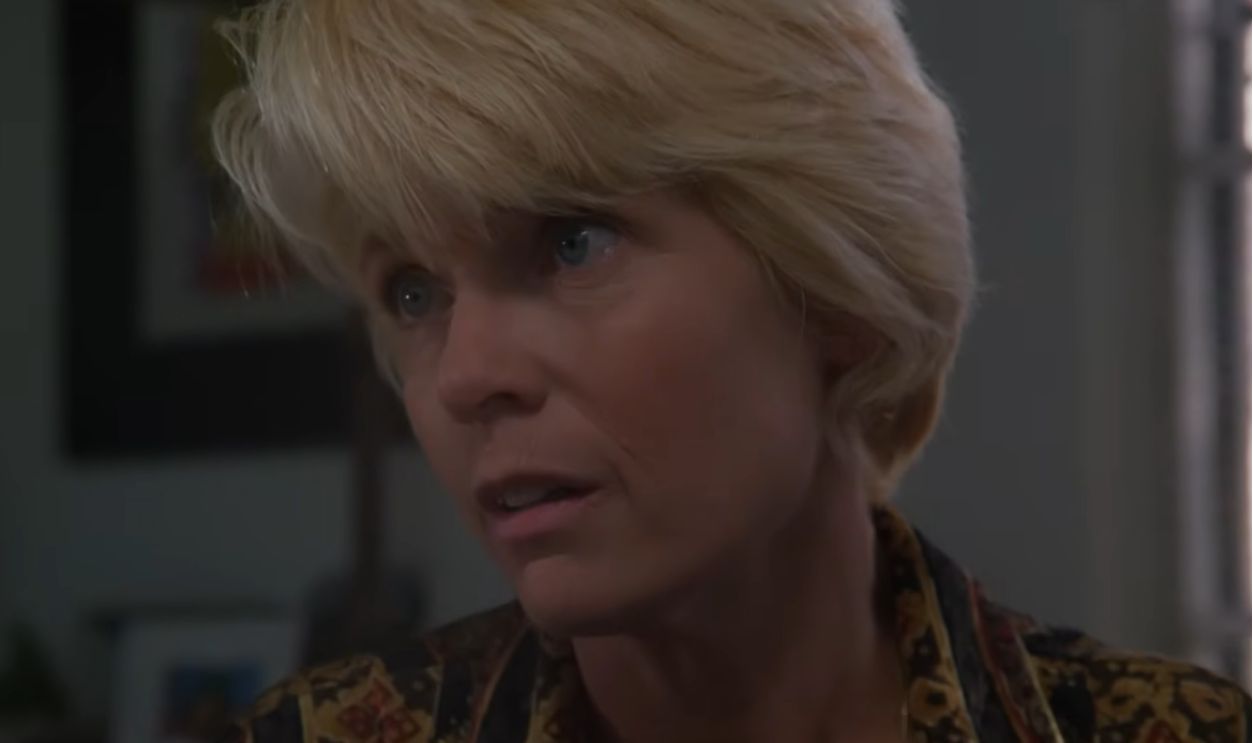
Baxter's most dramatic break from Elyse arrived with the 1992 CBS movie A Woman Scorned: The Betty Broderick Story. She played Broderick with such intensity that Los Angeles Times critic Ray Loynd called the performance "scorching," while The Washington Post argued that viewers needed to start taking Baxter seriously as an actress. The cozy sitcom image suddenly seemed very far away.
 Screenshot from A Woman Scorned: The Betty Broderick Story, CBS (1992)
She Earned Another Emmy Nomination
The performance brought Baxter her third Primetime Emmy nomination, this time for lead actress in a miniseries or special. She returned to the character later that year in Her Final Fury: Betty Broderick, the Last Chapter. Baxter had successfully turned one of television's most reassuring maternal faces into something startlingly unsettling.
 Screenshot from A Woman Scorned: The Betty Broderick Story, CBS (1992)
Television Movies Became A Second Career
During the 1990s and beyond, Baxter became a fixture in television movies and continued working on stage and episodic television. She had worried that Family Ties would permanently define what casting directors thought she could do, yet her later résumé became unusually varied. Even Baxter joked that she preferred keeping the mysterious Hollywood "they" from deciding whether she belonged only in comedy or drama.
 Louise Palanker from Los Angeles/Santa Barbara, USA, Wikimedia Commons
She Chose To Tell The Public Herself
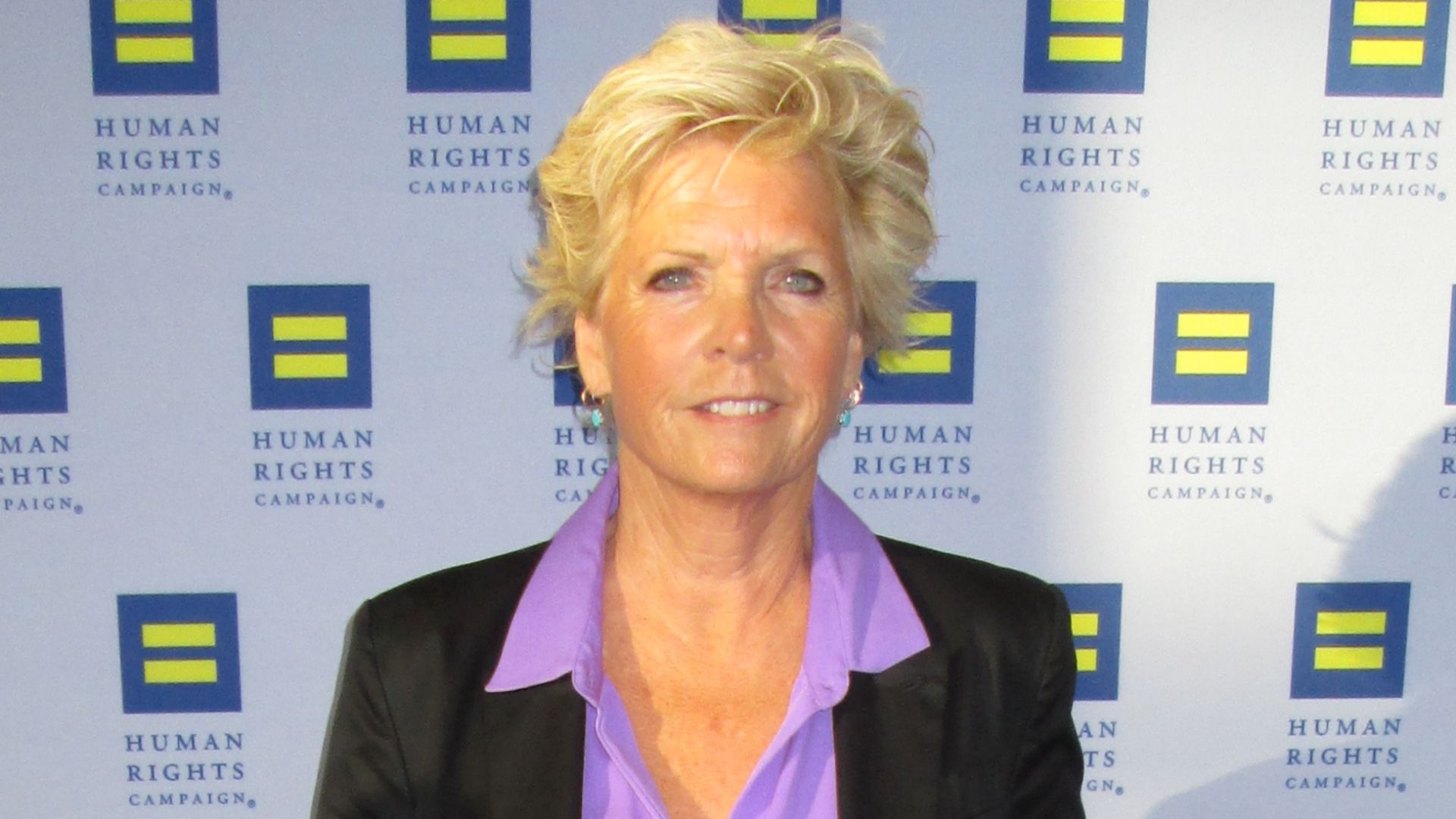
In 2009, Baxter publicly announced that she was a lesbian. She later explained that she had become concerned a tabloid might tell the story first and wanted people to hear it in her own words. The decision marked a major shift for someone whose public identity had been shaped for decades largely by fictional marriages and family roles.
 Greg Hernandez, Wikimedia Commons
Untied Reframed Everything
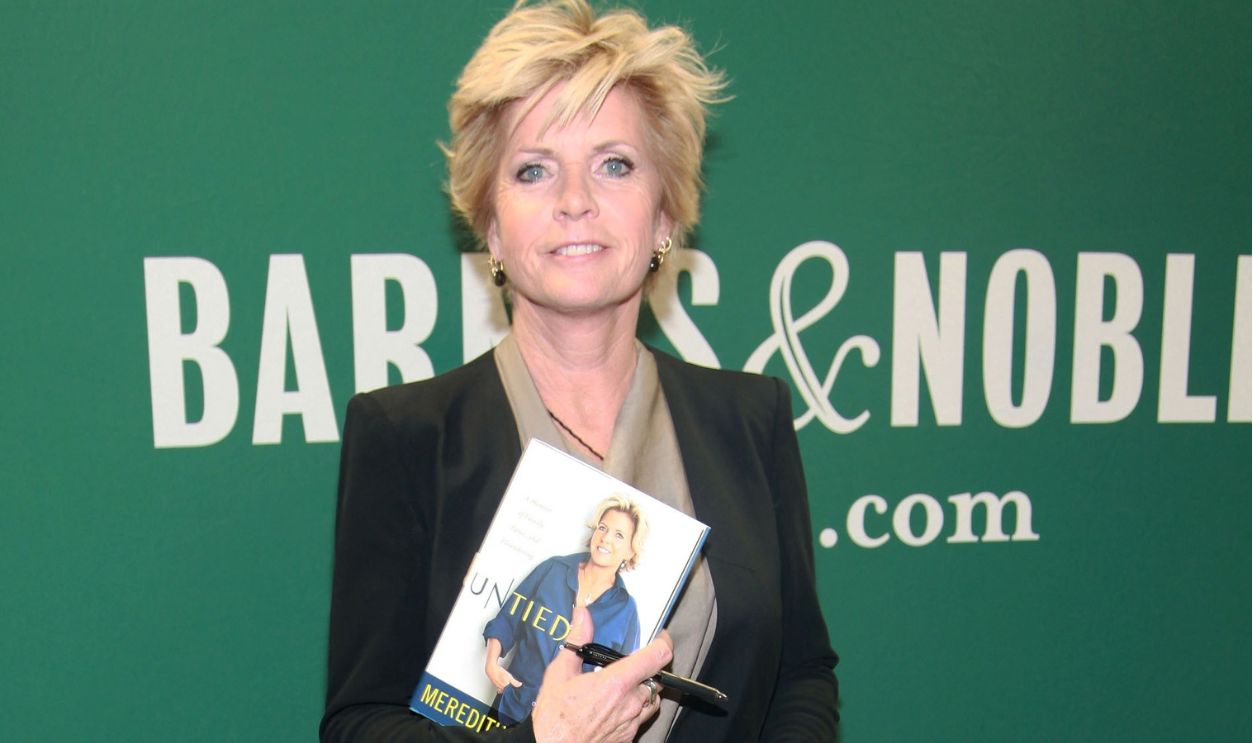
Baxter went further with her 2011 memoir, Untied: A Memoir of Family, Fame, and Floundering. The book examined her childhood, marriages, struggles with self-worth, substance misuse, career, and eventual understanding of herself with a candor that contrasted sharply with the polished image viewers remembered. Baxter told The Washington Post that she hoped her children had learned the importance of telling themselves the truth.
She Revealed What Viewers Never Saw
The memoir also contained Baxter's allegation that Birney had emotionally and physically harmed her during their marriage. Birney strongly denied those claims, calling her account untrue. Baxter said the experience had remained hidden even from her Family Ties colleagues, demonstrating just how little the audience or people around her had known about the life behind Elyse Keaton.
Nancy Locke Changed The Ending
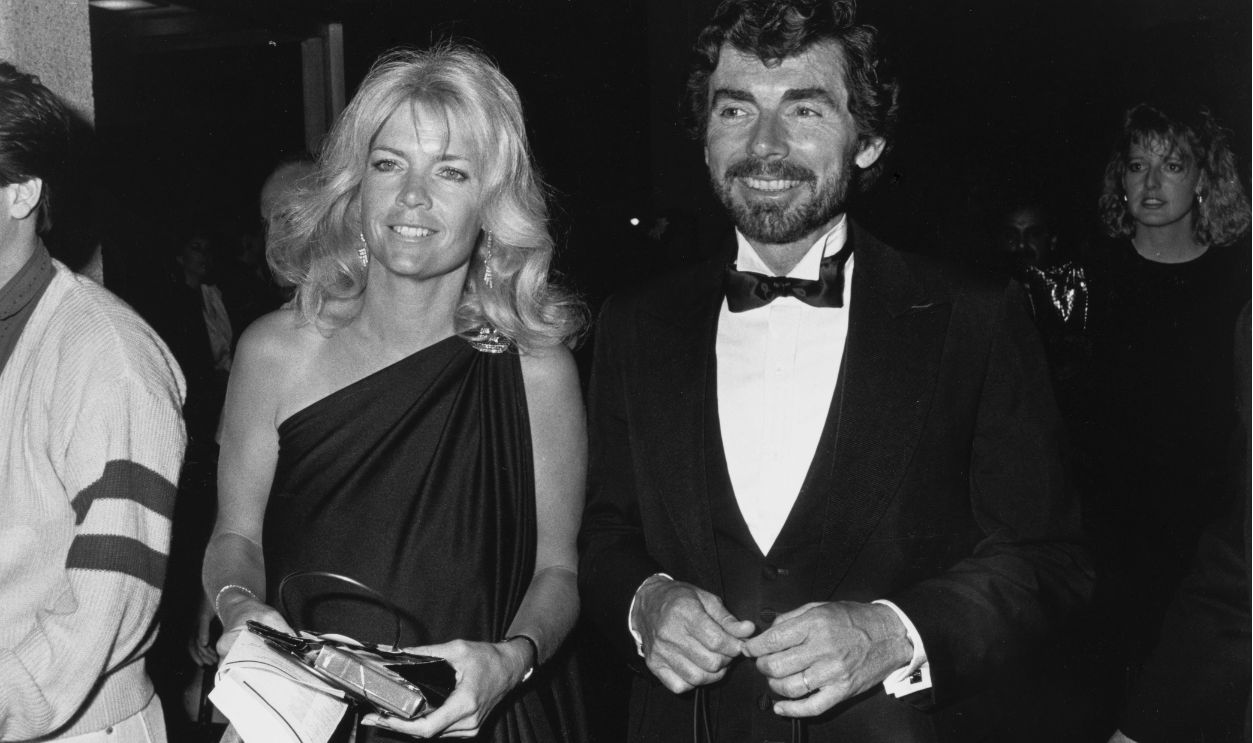
Baxter's relationship with contractor Nancy Locke became one of the happier chapters of that rewritten story. The couple had been together for seven years when they married in Los Angeles in December 2013, surrounded by Baxter's five children and other loved ones. Baxter joked afterward that she finally understood why marriage had become so popular.

She Became More Than America's TV Mom
Baxter has continued acting while embracing the complicated history she once kept separate from her public persona. The role of Elyse Keaton endures because she and Michael Gross made the Keaton marriage feel loving, intelligent, and recognizably human, but Baxter's later honesty made clear that no television character could explain the woman playing her. She spent the 1980s creating one of America's most believable mothers, then spent the years afterward making sure Meredith Baxter was finally allowed to tell her own story.

You May Also Like:
The Best Sidekicks Of All Time
Hollywood's Most Famous Blondes
The Toughest Actors In Hollywood
Sources: 1, 2, 3, 4, 5, 6, 7, 8, 9, 10, 11, 12, 13, 14, 15, 16, 17, 18, 19, 20, 21, 22, 23, 24, 25, 26, 27, 28, 29, 30, 31, 32, 33, 34