Fame Took Its Time Finding Marion Ross
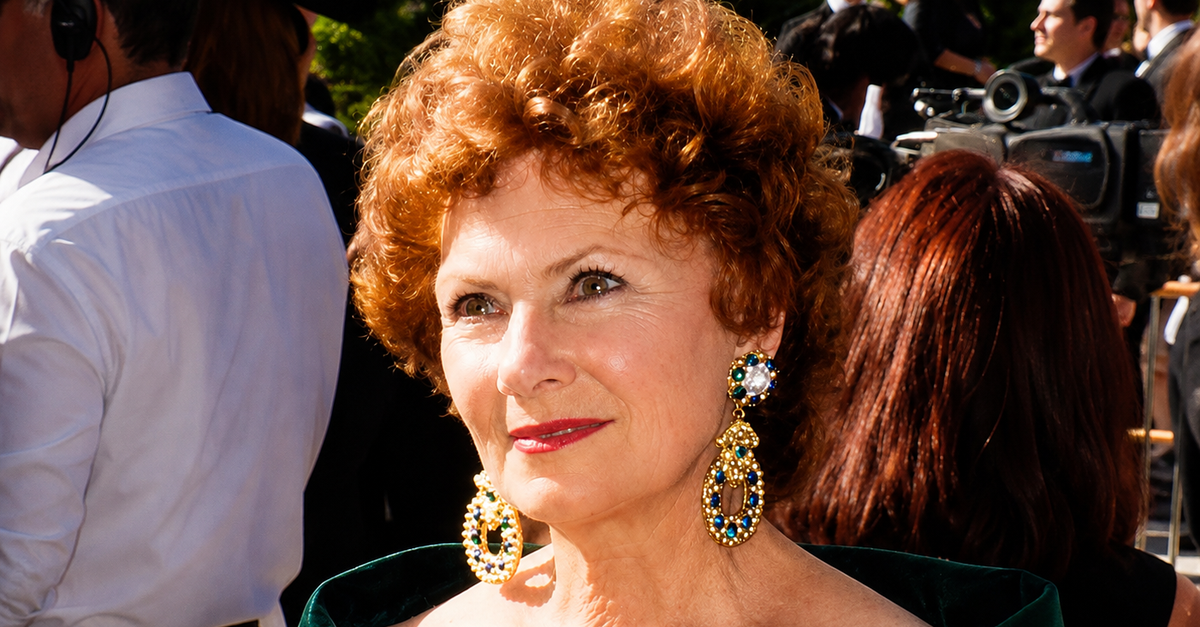
Marion Ross began acting professionally in 1953, more than two decades before Happy Days turned her into one of television’s most recognizable mothers. Before Mrs. Cunningham came along, Ross had already accumulated years of film, stage, and television experience without becoming a major star. Her career is a reminder that what looks like an overnight breakthrough can arrive after a very long apprenticeship.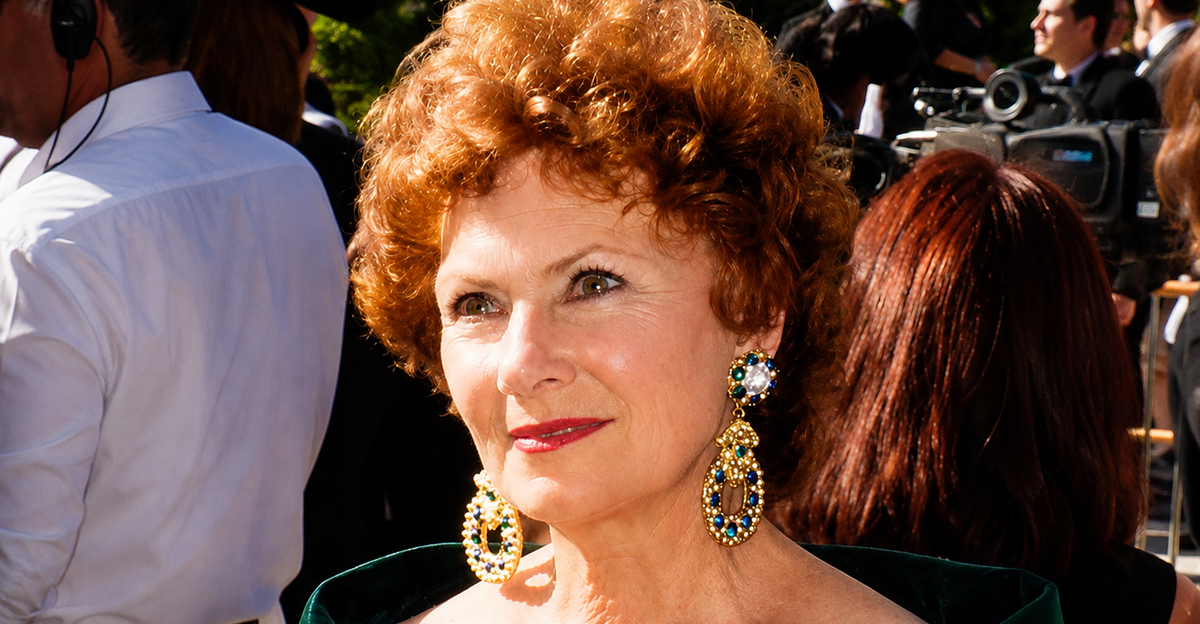 Factinate Ltd
Hollywood Opened The Door Early
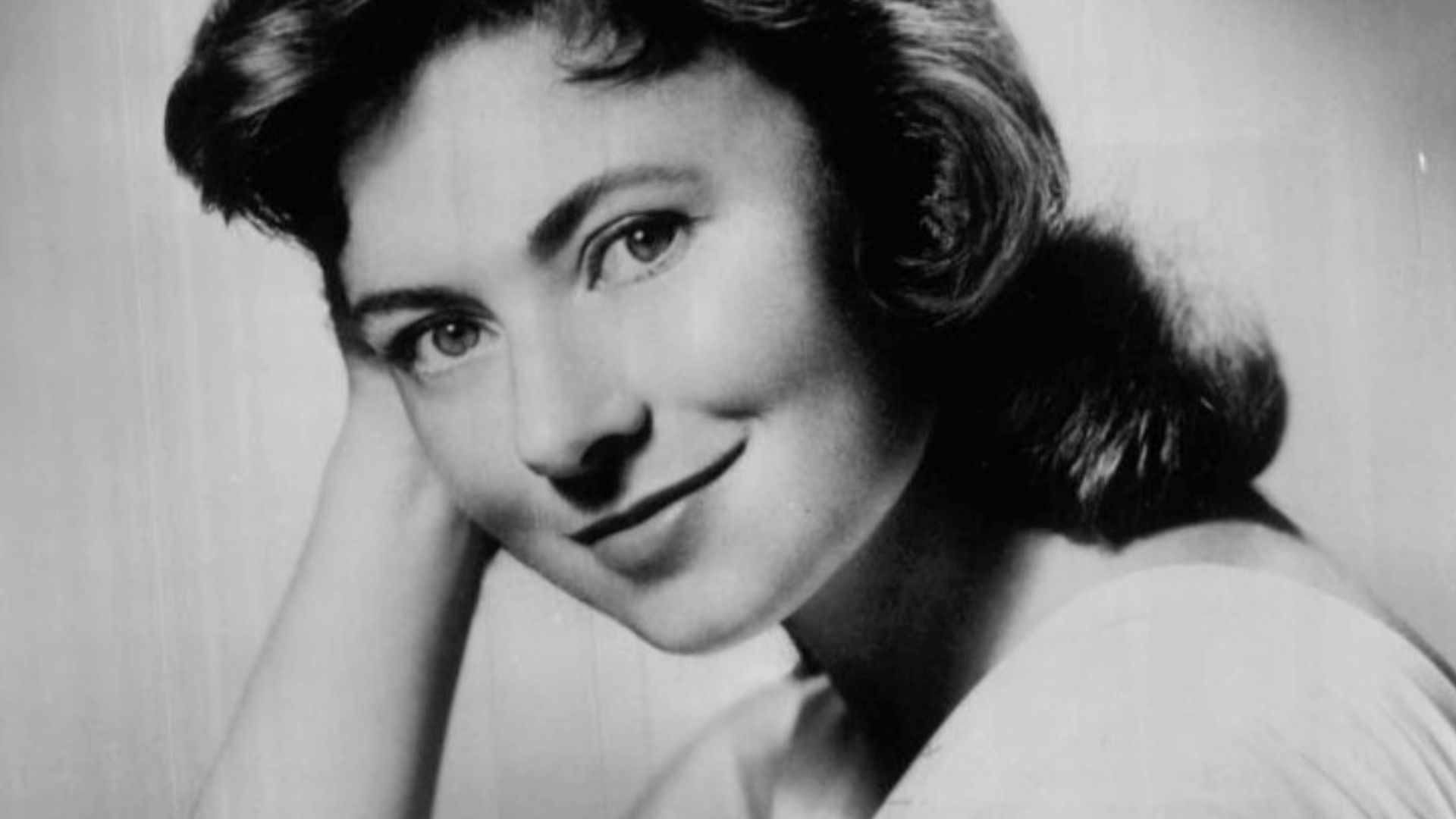
Ross reached Hollywood in the 1950s and was signed by Paramount as a contract player, an experience she later discussed in her extensive Television Academy oral history. She also became a regular on the television comedy Life With Father. Those jobs provided valuable experience, but they did not immediately give Ross the kind of role audiences would permanently associate with her.
She Learned How To Keep Working
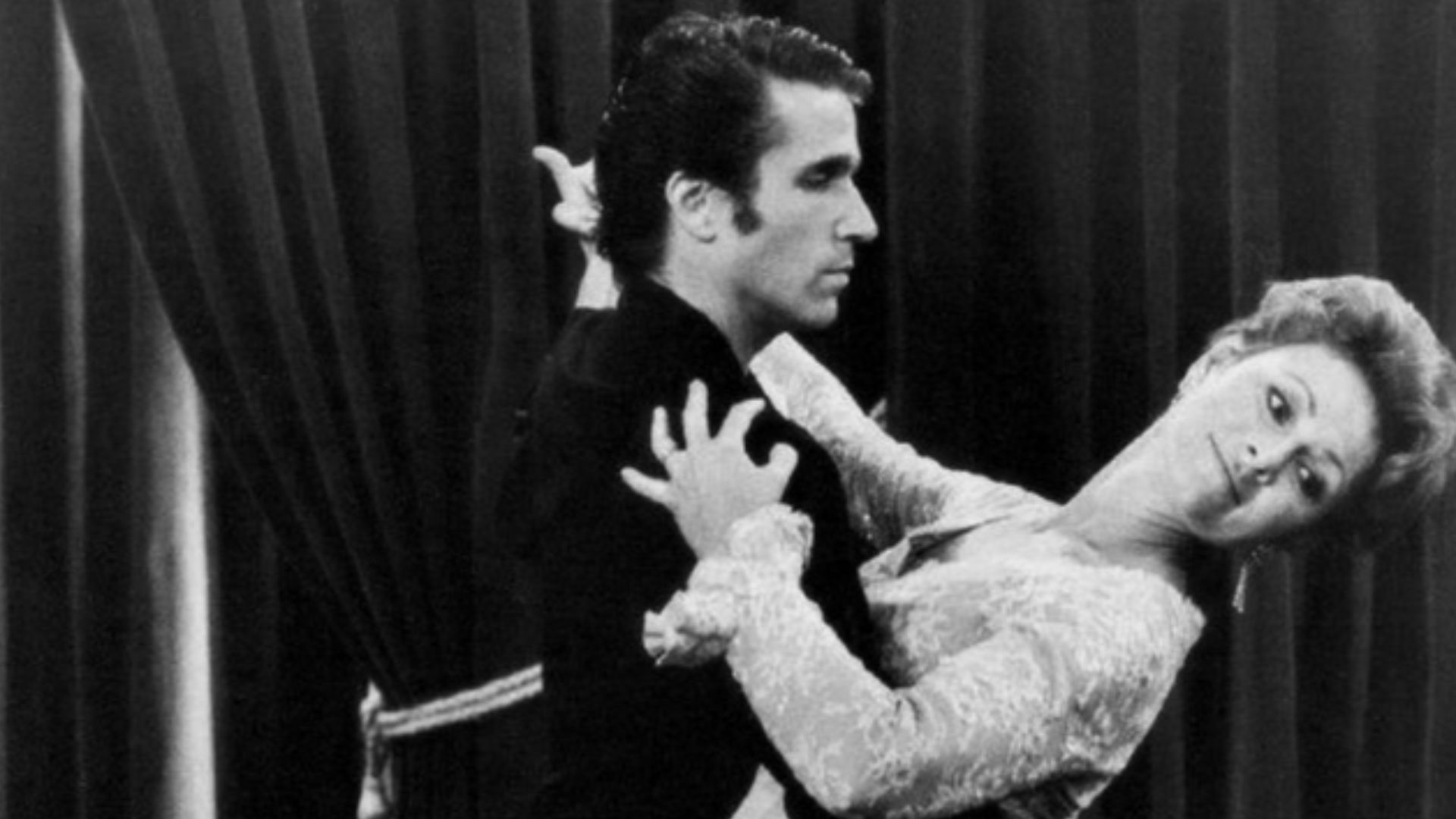
The years that followed were filled with the kind of assignments that build a résumé without guaranteeing security. Ross appeared on shows including The Lone Ranger, Dr. Kildare, and The Brady Bunch, and she later described herself as a struggling actress for many years. By the early 1970s, she had developed the durability of a performer who knew how uncertain the profession could be.
 ABC Television, Wikimedia Commons
One Modest Pilot Changed Everything
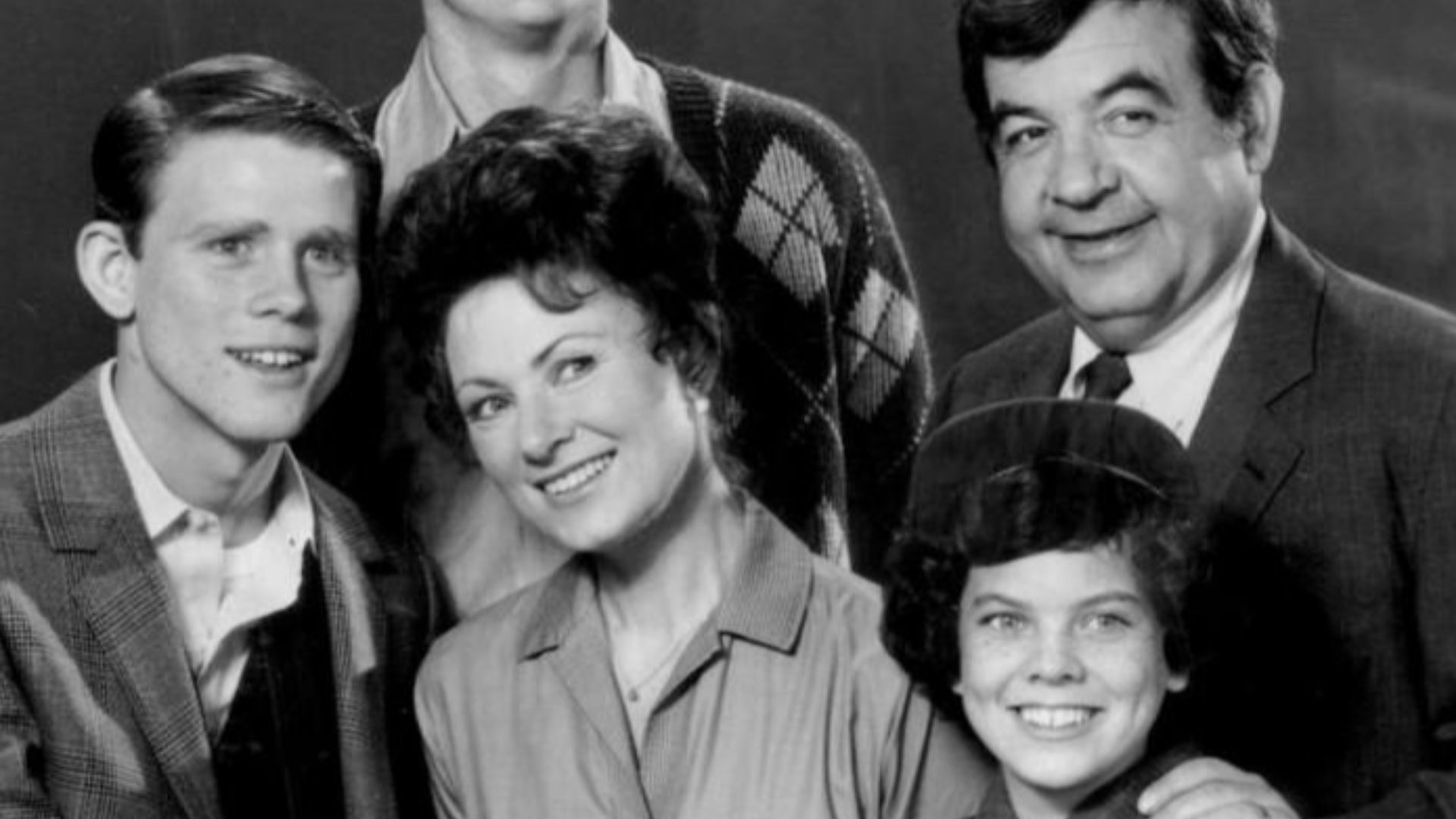
Ross first played Marion Cunningham in a 1972 installment of the anthology series Love, American Style. The project became the foundation for the series that would eventually be called Happy Days, although Ross’s breakthrough was hardly immediate. By the time the sitcom reached ABC as a weekly series, she had already spent about 20 years building a professional career.,
 ABC Television, Wikimedia Commons
Happy Days Finally Gave Her A Home
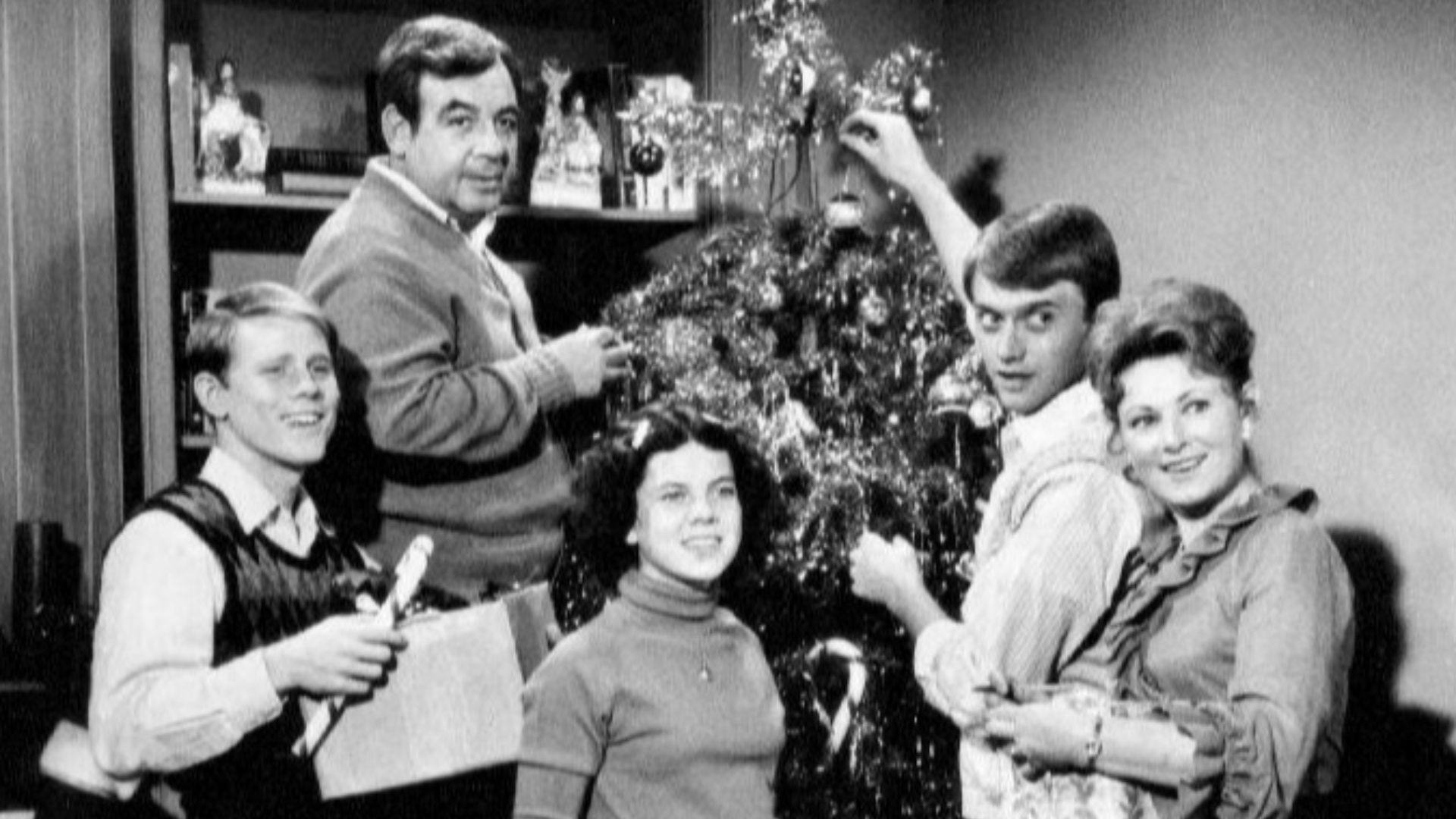
Happy Days premiered on ABC on January 15, 1974, with Ron Howard as Richie Cunningham, Tom Bosley as Howard Cunningham, and Ross as Marion Cunningham. Henry Winkler, Erin Moran, Anson Williams, and Don Most were also part of the early ensemble. For Ross, the series provided something years of guest appearances had not: a character she could develop over an extended period.
 ABC Television, Wikimedia Commons
Mrs. Cunningham Started Out Small
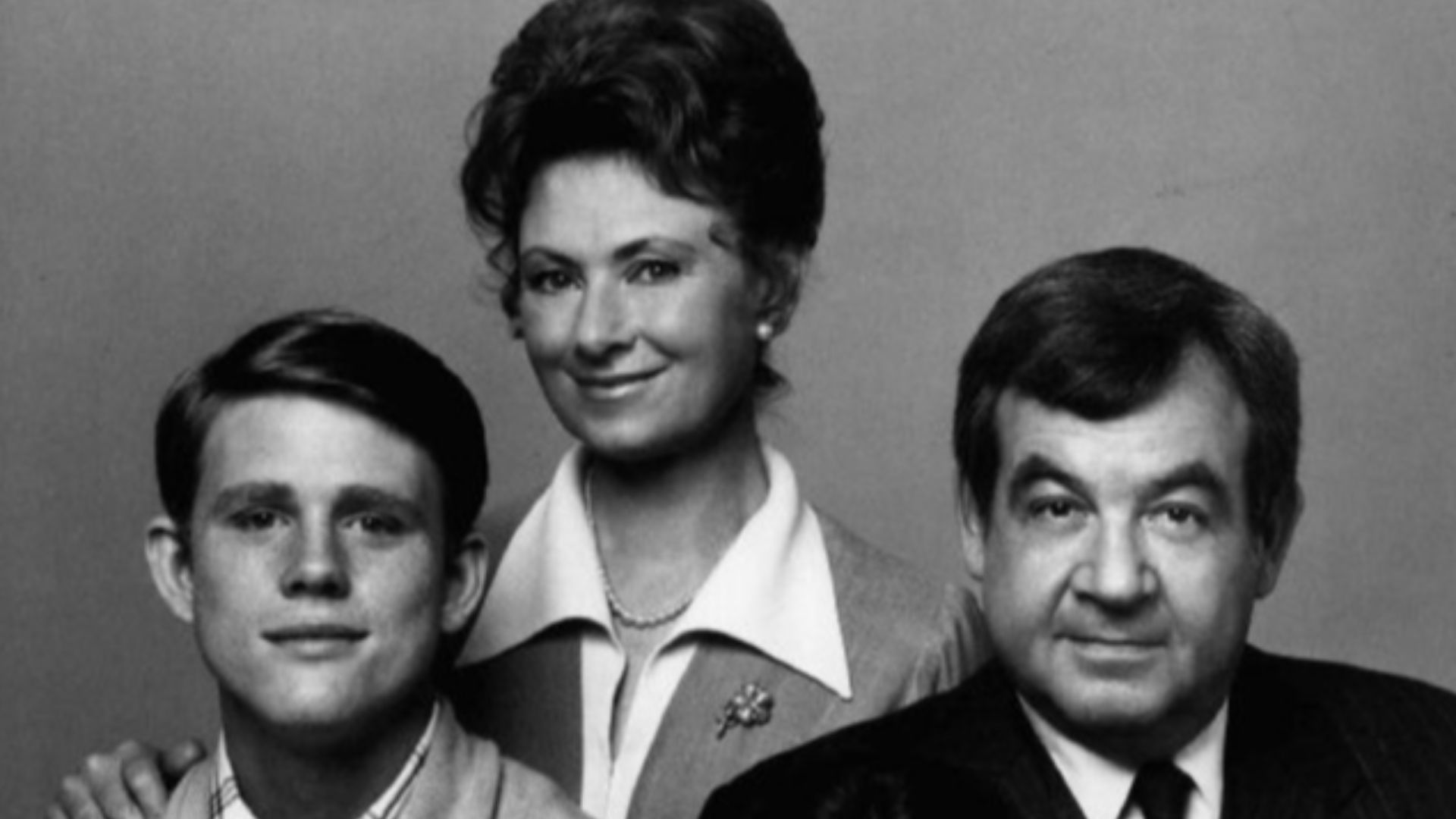
Ross later recalled that Marion Cunningham initially had relatively little to say. She told Us Weekly that some of her early dialogue amounted to domestic reactions such as worrying about Howard or whether the children were eating. Instead of remaining a background sitcom mother, however, Mrs. Cunningham gradually became a fuller comic personality.
 ABC Television, Wikimedia Commons
Ross Grew Alongside Her Character
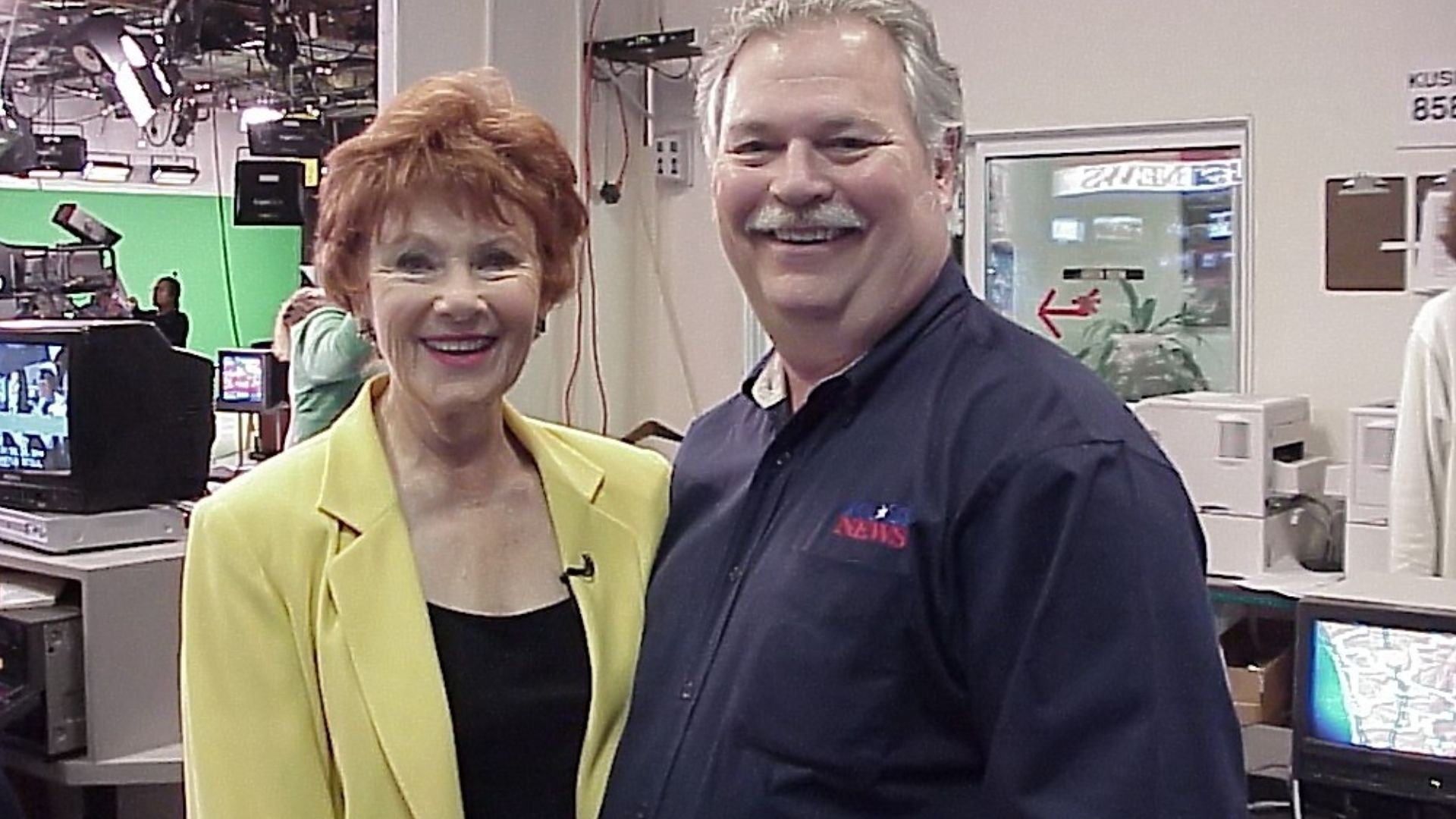
In her Television Academy interview, Ross specifically discussed how Marion Cunningham developed as Happy Days continued. She also talked about learning the character’s place within the ensemble rather than simply treating her as a stock 1950s housewife. That evolution allowed Ross to bring more personality, humor, and independence into scenes that could easily have been routine.
 Philkon Phil Konstantin, Wikimedia Commons
Warmth Became Her Secret Weapon
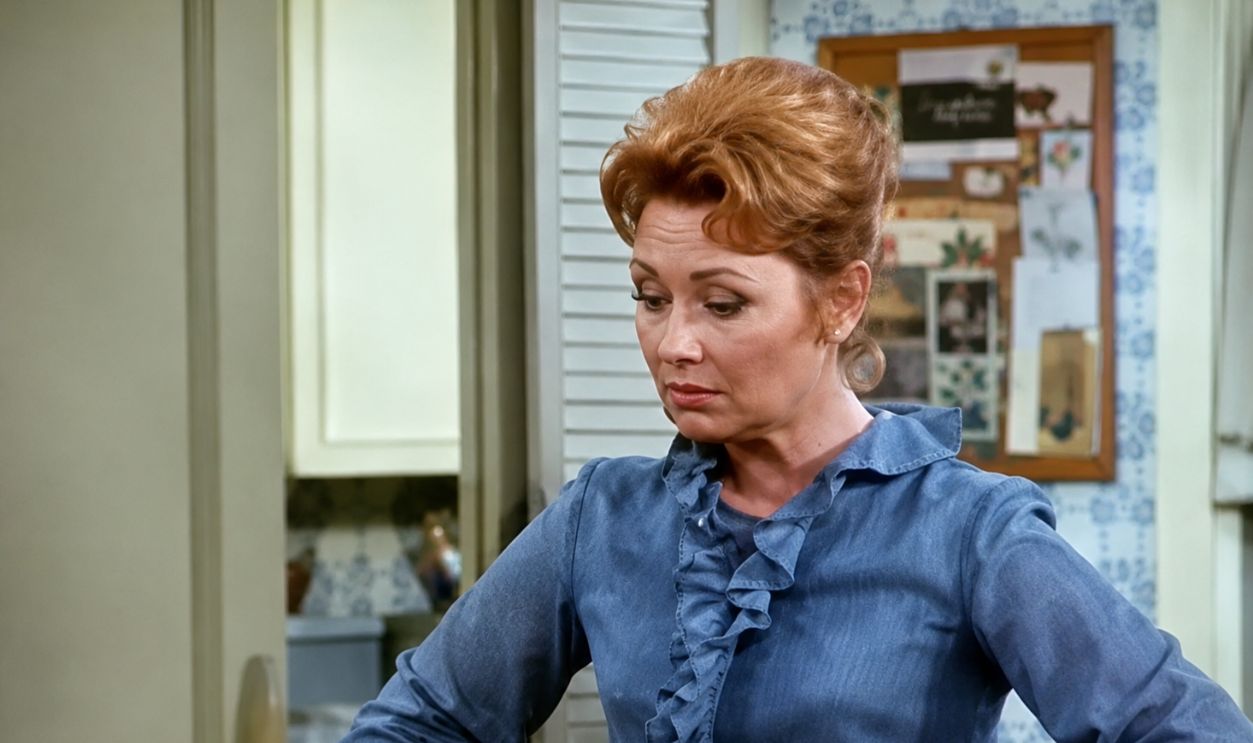
Decades later, Happy Days producers Brian Levant and Fred Fox Jr. remembered Ross as unusually warm and open on television. Levant also emphasized the contrast between the homemaker Ross portrayed and the working mother supporting her own family and acting career. That combination of genuine warmth and professional toughness helped keep Mrs. Cunningham from feeling like a cardboard symbol of the 1950s.
 Screenshot from Happy Days, ABC (1974–1984), Modified
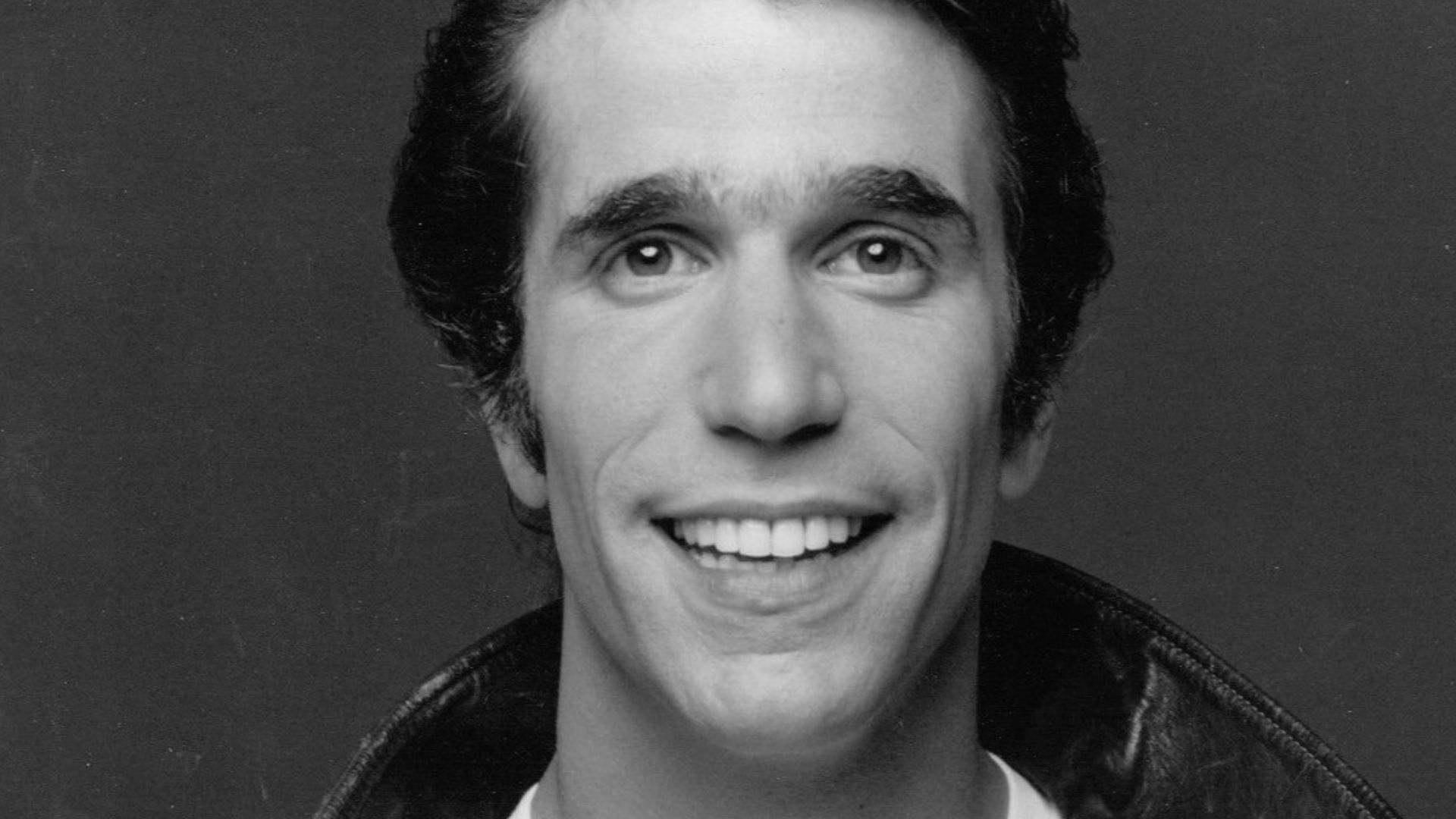
Fonzie Gave Mrs. C Another Dimension
Ross’s scenes with Henry Winkler became one of the show’s most affectionate relationships outside the immediate Cunningham family. Ross discussed Marion’s friendship with Fonzie in her Television Academy interview, while later producers remembered how much fun Ross and Winkler had playing off one another. The connection helped make Marion feel like a mother figure whose concern extended far beyond her own children.
 ABC Television, Wikimedia Commons
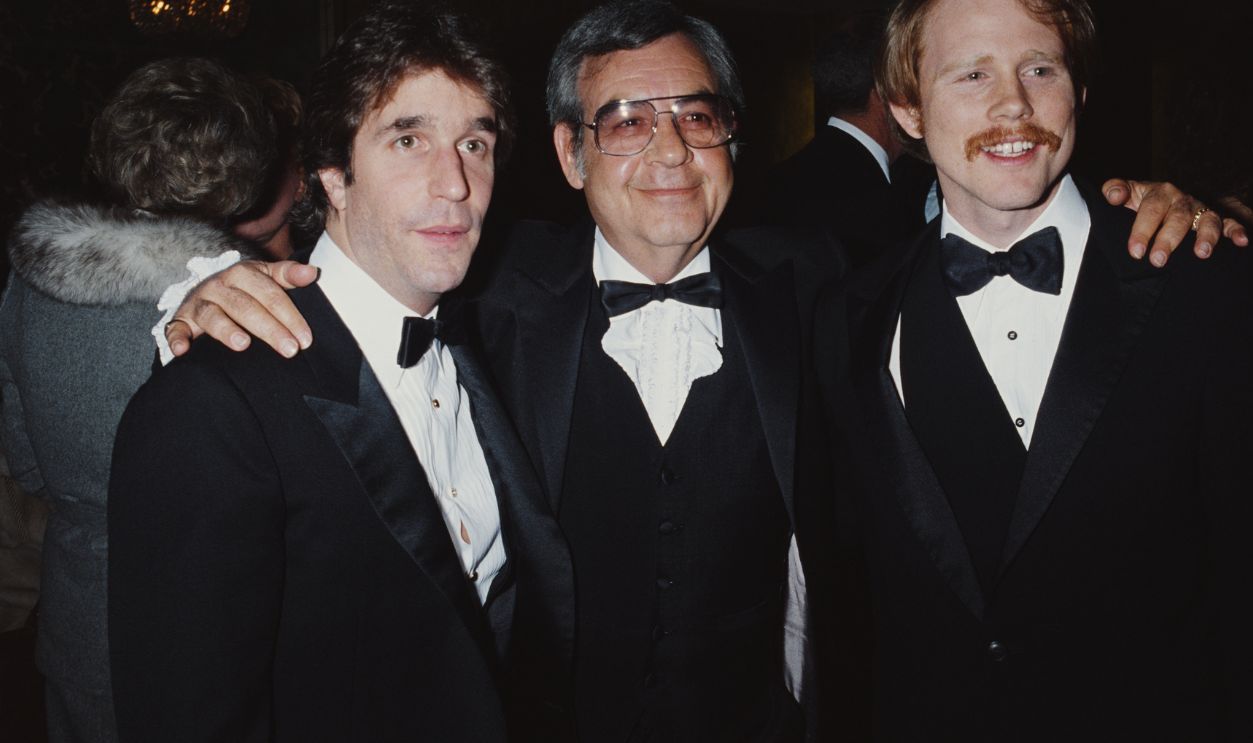
She Could Match The Fonz Beat For Beat
Levant later said that Ross always gave Winkler as much as she received in their scenes together. That observation matters because Fonzie eventually became one of the defining characters of the series, yet Ross could still command attention opposite him. Mrs. Cunningham’s humor often came from the fact that she was neither intimidated nor overwhelmed by the supposedly coolest man in Milwaukee.
 Michael Ochs Archives, Getty Images
The Cast Built Bonds Off Camera Too
Creator Garry Marshall encouraged the Happy Days cast and crew to play softball together as a way of strengthening their sense of teamwork. Ross participated enthusiastically, and the team eventually played charity games and events connected with military visits. Producers later credited the tradition with deepening relationships among people who already spent their working days together.
 Louise Palanker, Wikimedia Commons
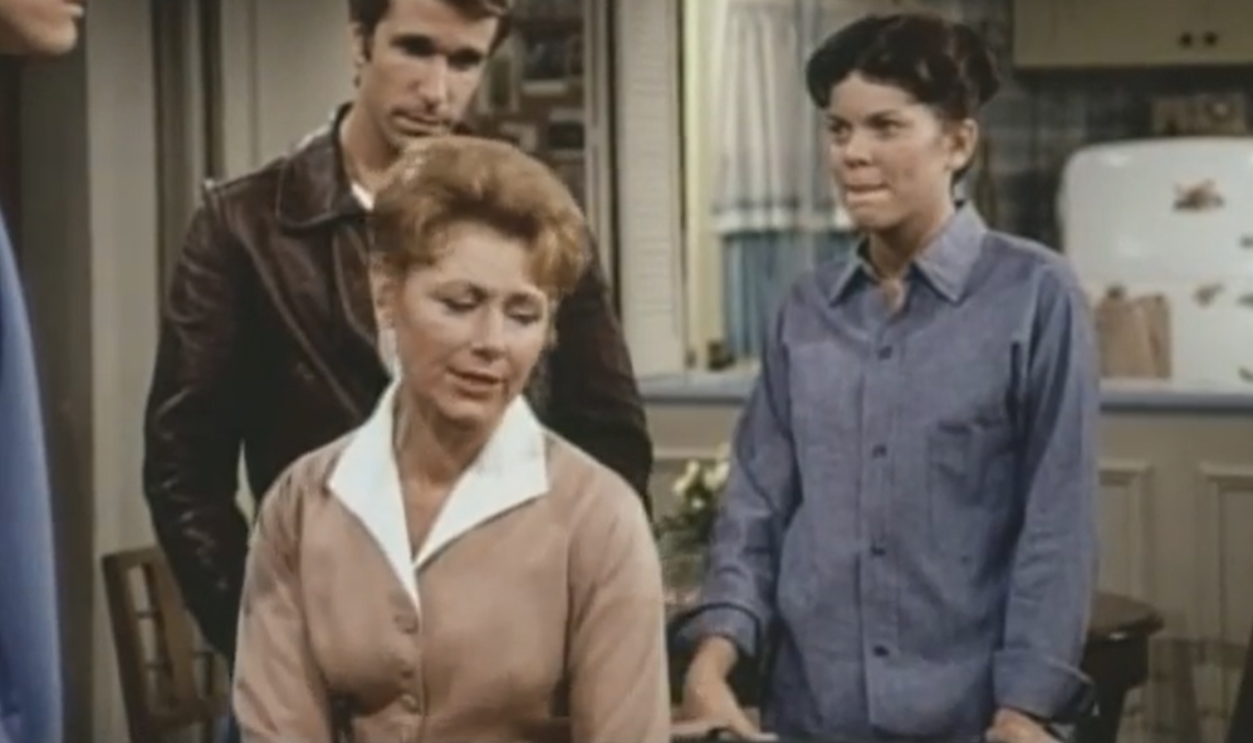
Television Finally Noticed Her Work
Ross received her first Emmy nomination for Happy Days in 1979, competing for Outstanding Supporting Actress in a Comedy or Comedy-Variety or Music Series. She earned another supporting-actress nomination for the show in 1984. After decades of acting, the industry was finally recognizing the work that television audiences already knew well.
 Screenshot from Happy Days, CBS Television Distribution (1974–1984)
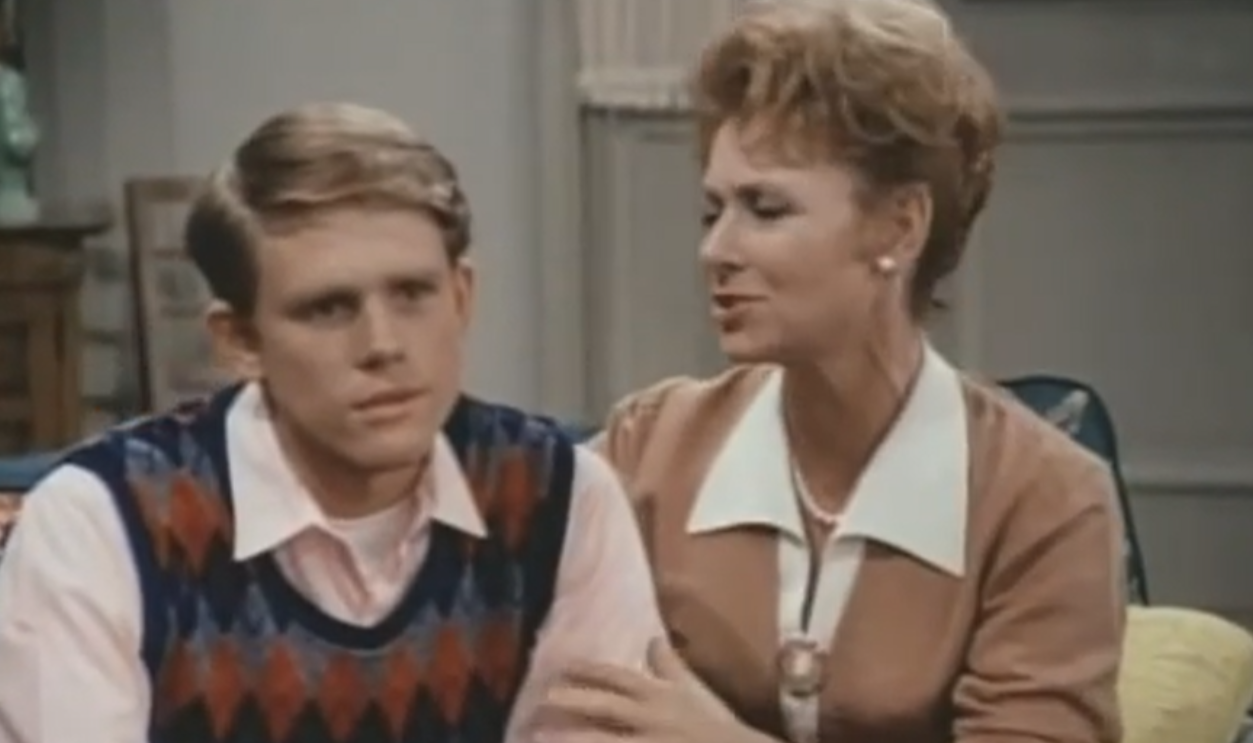
The Show Changed Around Mrs. C
Happy Days did not remain the same series for its entire run. Ron Howard, who had been its central young star, left as a regular after the seventh season, while other characters and storylines increasingly moved forward. Ross remained part of the show as the Cunningham household continued to function as one of its emotional anchors.
 Screenshot from Happy Days, CBS Television Distribution (1974–1984)
She Stayed Until The Family Said Goodbye
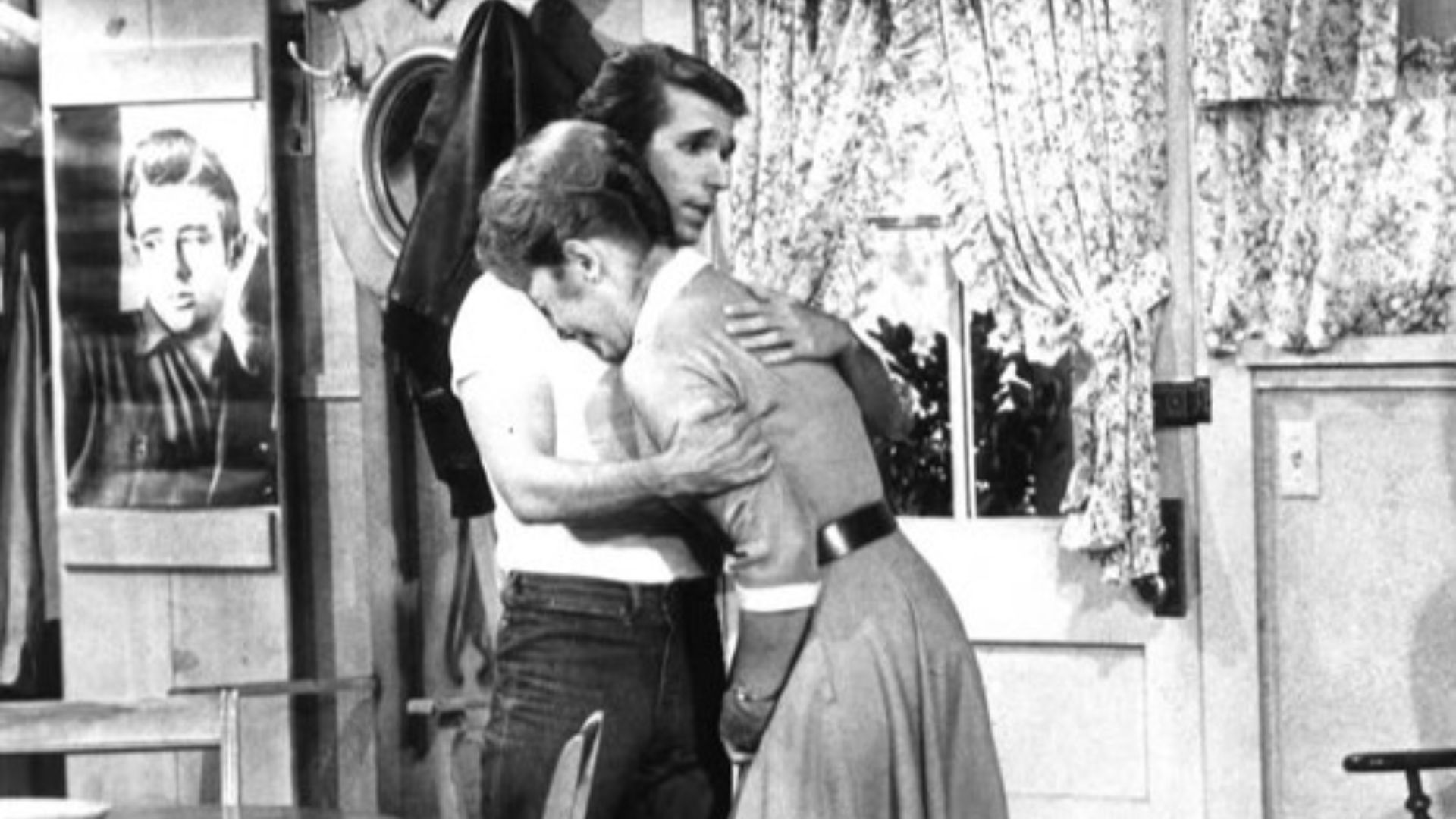
Ross was still there when Happy Days reached its final chapter after 11 seasons. The finale included Joanie and Chachi’s wedding and the return of Ron Howard as Richie, events Ross later recalled in her Television Academy interview. She had gone from a veteran actress looking for steady work to one of the few faces audiences could connect with nearly the entire life of the series.
 ABC Television, Wikimedia Commons
Mrs. C Became Almost Impossible To Escape
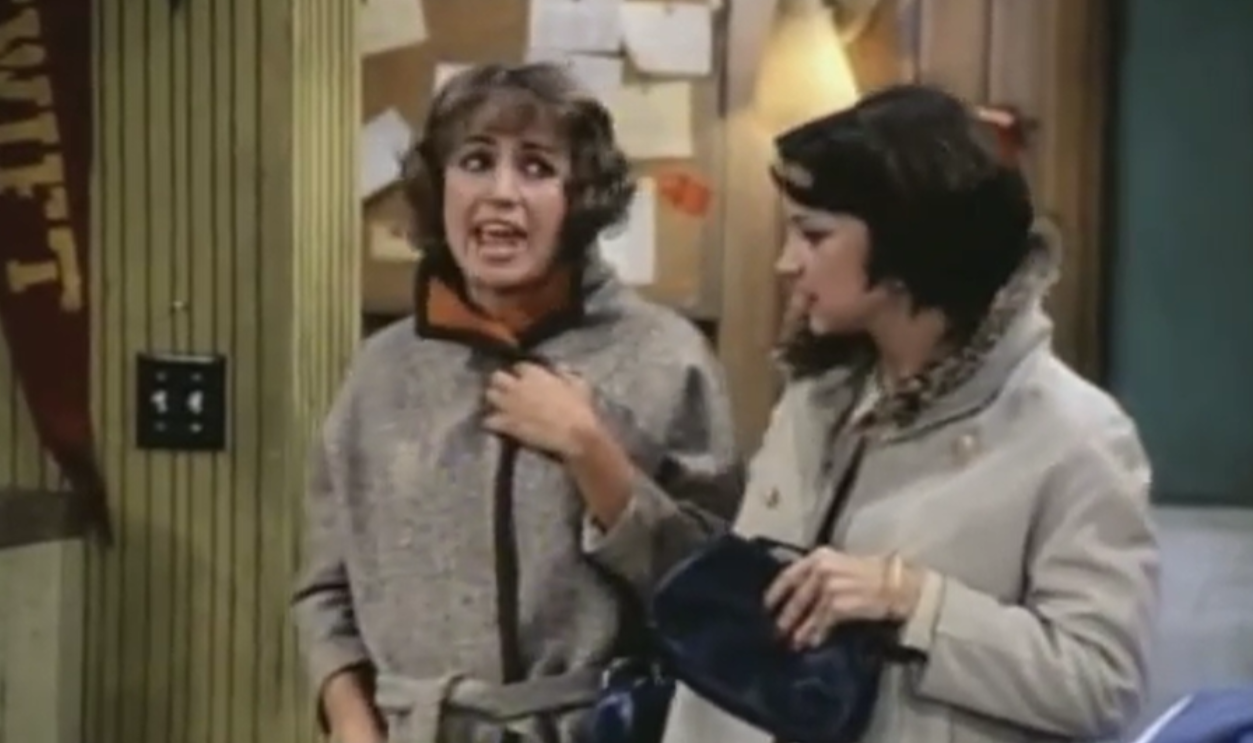
Leaving Happy Days did not mean leaving Marion Cunningham behind. In a 1991 Los Angeles Times profile, Ross described being recognized in public as Mrs. C even while she was trying to draw attention to a completely different television role. Syndication kept the Cunningham family visible, which was flattering but also made Ross’s next challenge unusually difficult.
 Screenshot from Happy Days, CBS Television Distribution (1974–1984)
She Refused To Live On Nostalgia
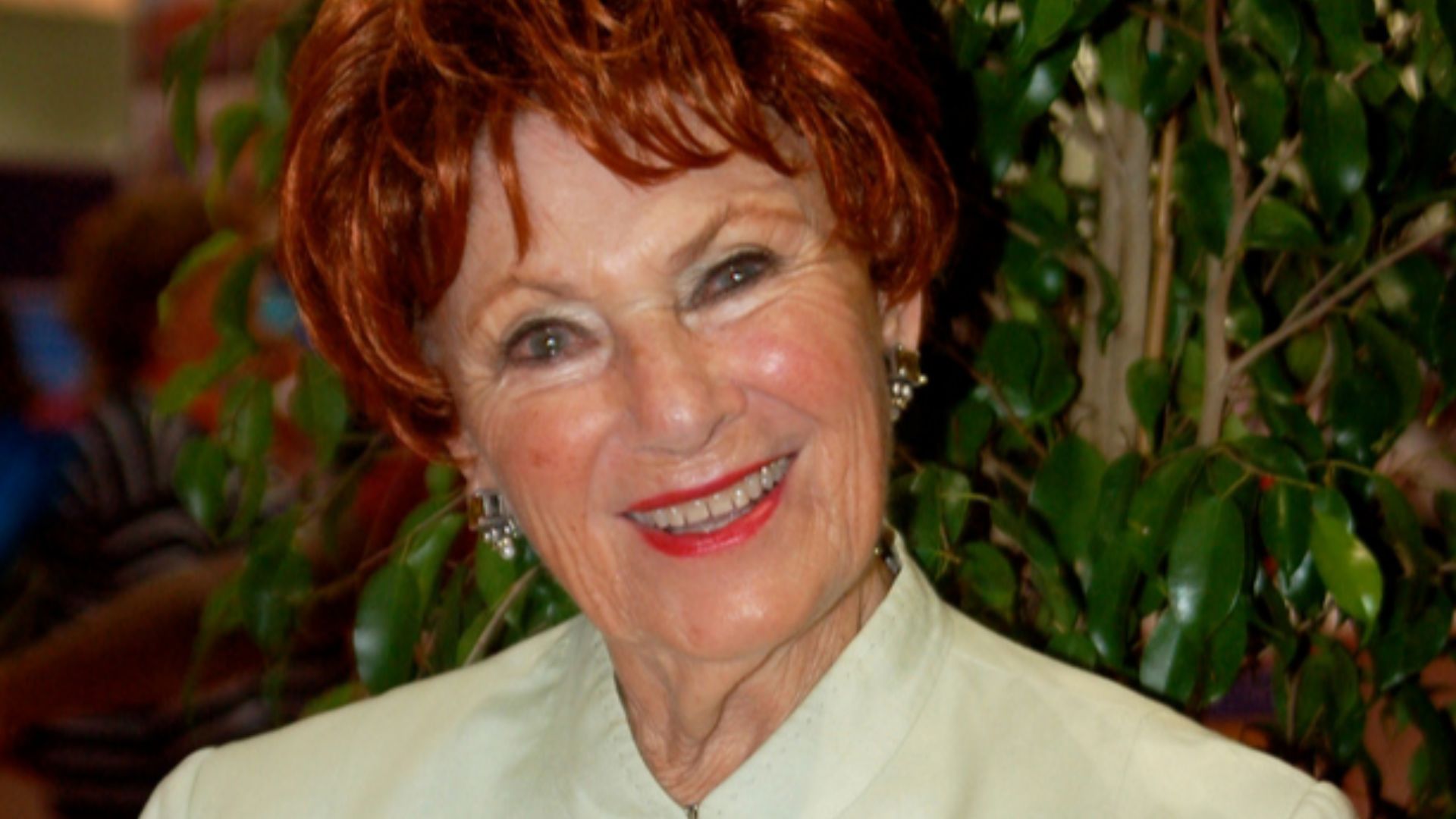
Ross continued working rather than treating Happy Days as a career finale. Her Television Academy interview covers appearances on programs including The Love Boat, MacGyver, and Night Court before discussing the role that changed the way many people in the industry saw her. That role arrived on CBS several years after Mrs. Cunningham had left prime time.
 Angela George, Wikimedia Commons
Brooklyn Bridge Offered A Real Reinvention
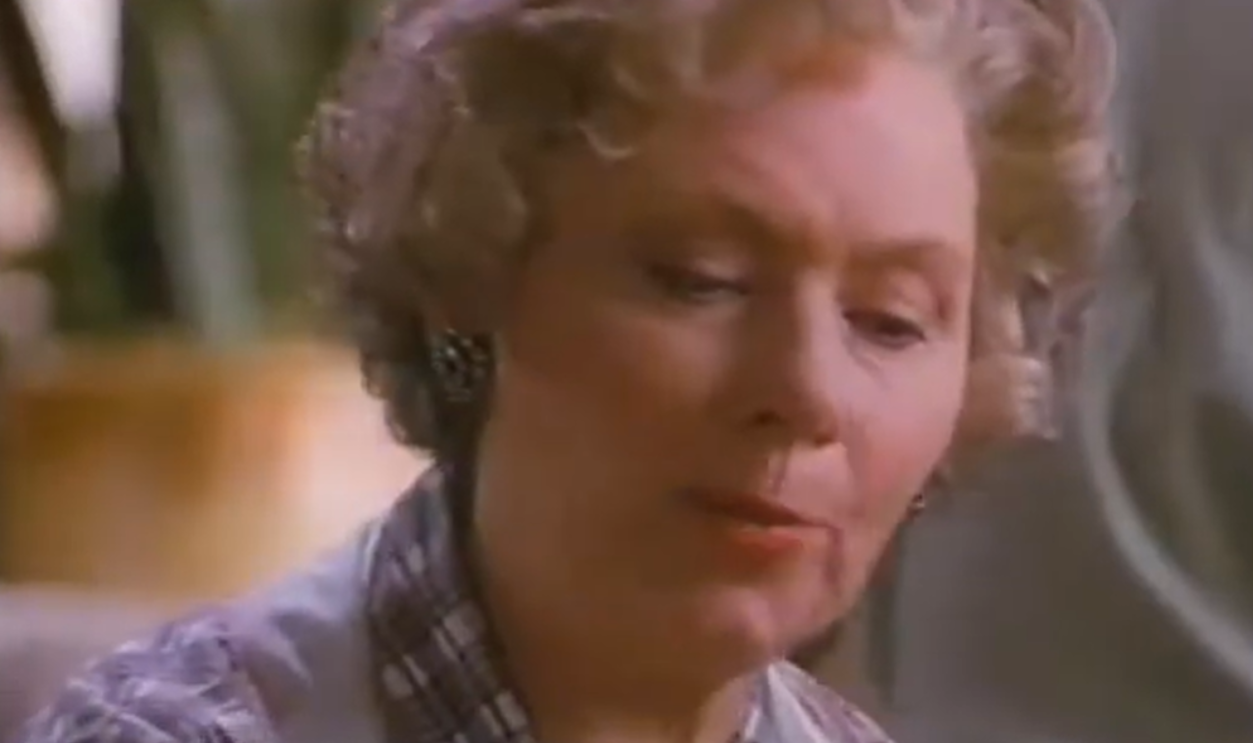
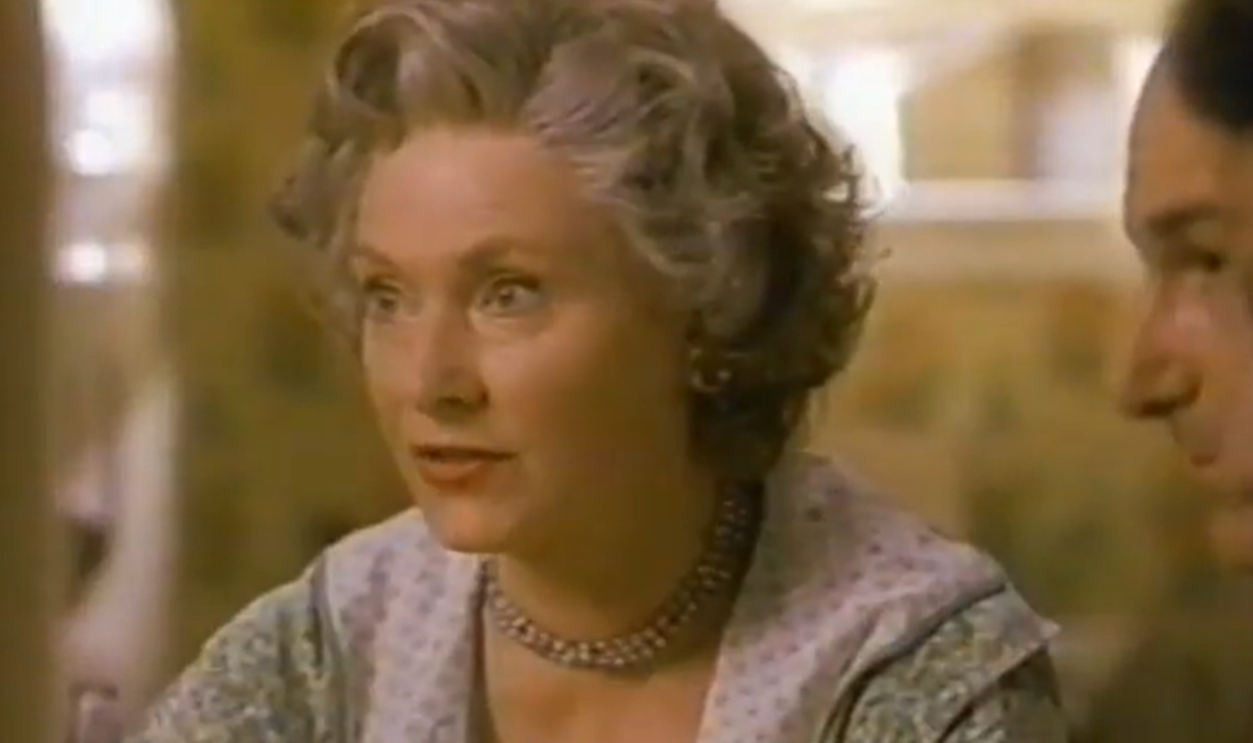
Producer Gary David Goldberg cast Ross as Sophie Berger on Brooklyn Bridge, a family series that premiered in 1991. Sophie was a Jewish grandmother in a story inspired by Goldberg’s memories of growing up in Brooklyn. For Ross, the part offered more dramatic texture than audiences accustomed to Mrs. Cunningham might have expected.
 Screenshot from Happy Days, CBS Television Distribution (1974–1984)
Even Then She Had To Prove Herself
The role of Sophie Berger was not simply handed to Ross because she had been famous on Happy Days. She told the Los Angeles Times that she went through a lengthy audition process and worked with a coach while developing Sophie’s accent. After decades in the business, Ross was once again testing for the opportunity to show what she could do.
 Screenshot from Happy Days, CBS Television Distribution (1974–1984)
Sophie Let Ross Go Deeper
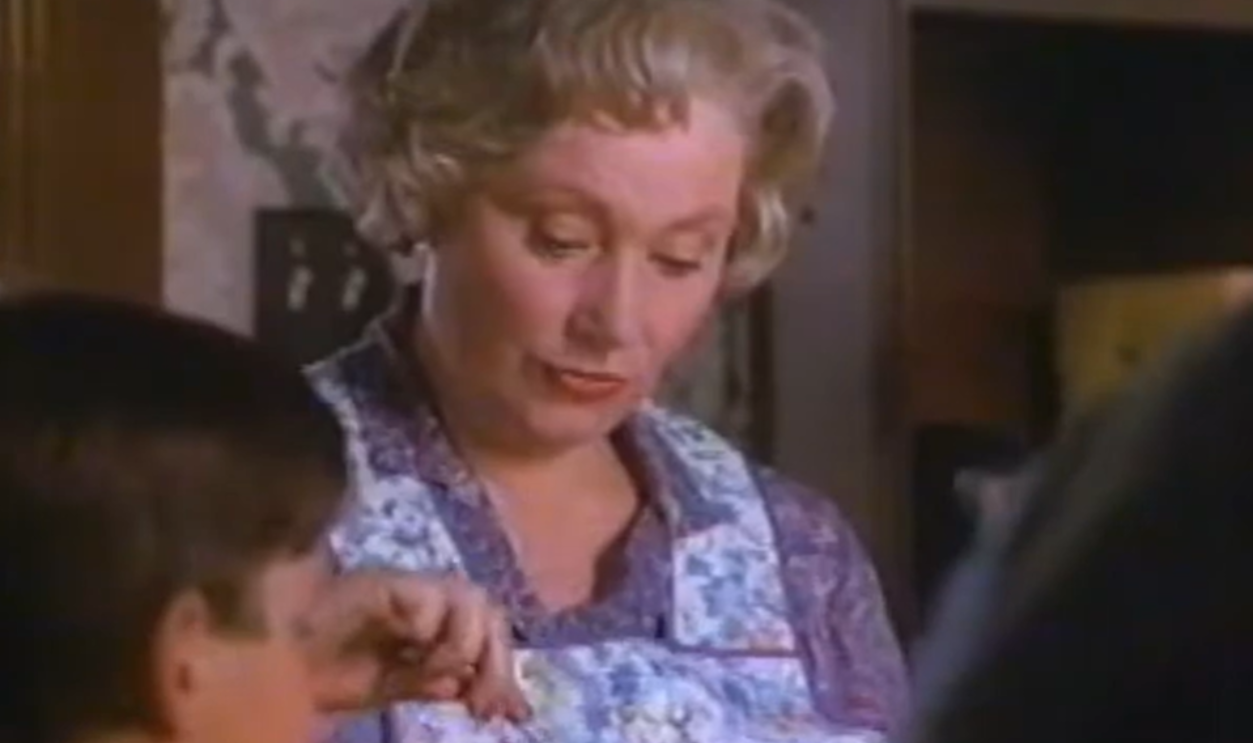
Ross created Sophie as a forceful family matriarch rather than a variation on Mrs. Cunningham. In her Television Academy oral history, she spoke in detail about developing the character and creating the European accent she used in the role. The performance demonstrated that the actress associated with one of television’s gentlest mothers had considerably more range than typecasting suggested.
 Screenshot from Happy Days, CBS Television Distribution (1974–1984)
The Emmys Confirmed The Transformation
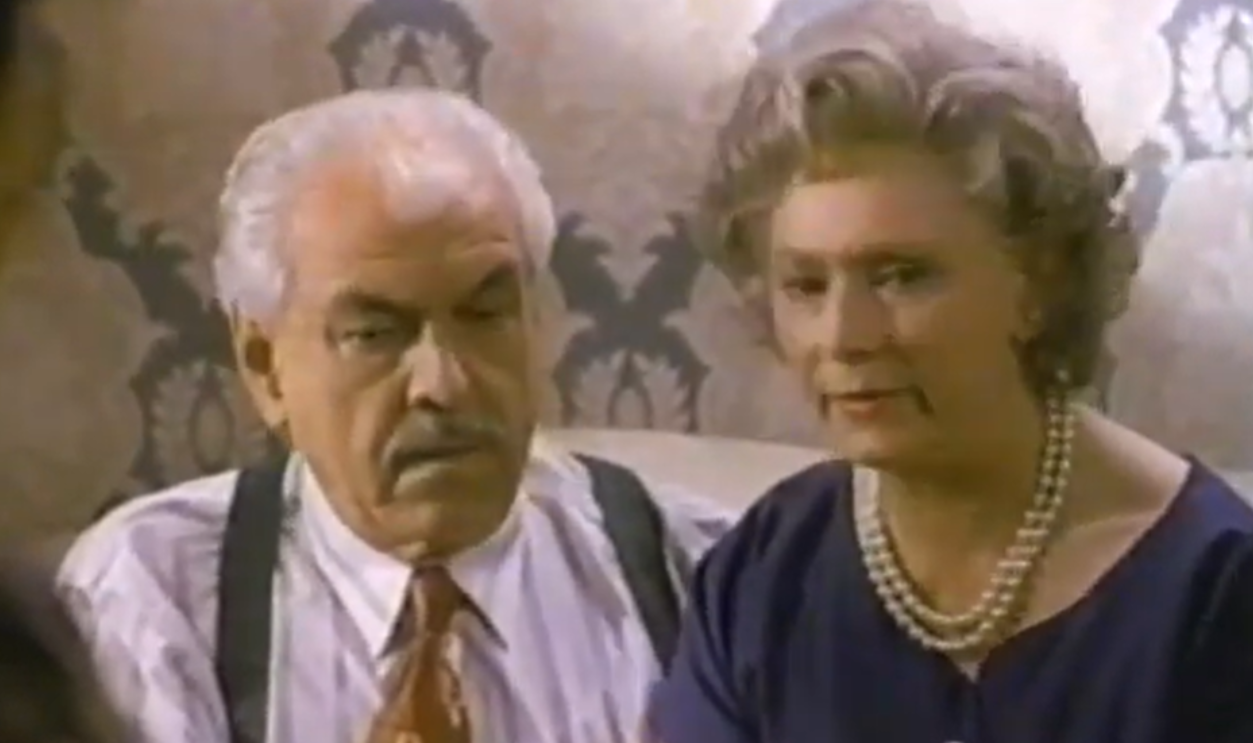
The Television Academy nominated Ross for Outstanding Lead Actress in a Comedy Series in 1992 for playing Sophie Berger. She received another nomination in the same category in 1993. Those honors arrived after her two Happy Days nominations, but this time Ross was being recognized as the leading actress of a series rather than as part of its supporting ensemble.
 Screenshot from Happy Days, CBS Television Distribution (1974–1984)
Her Sixties Became A Creative Peak
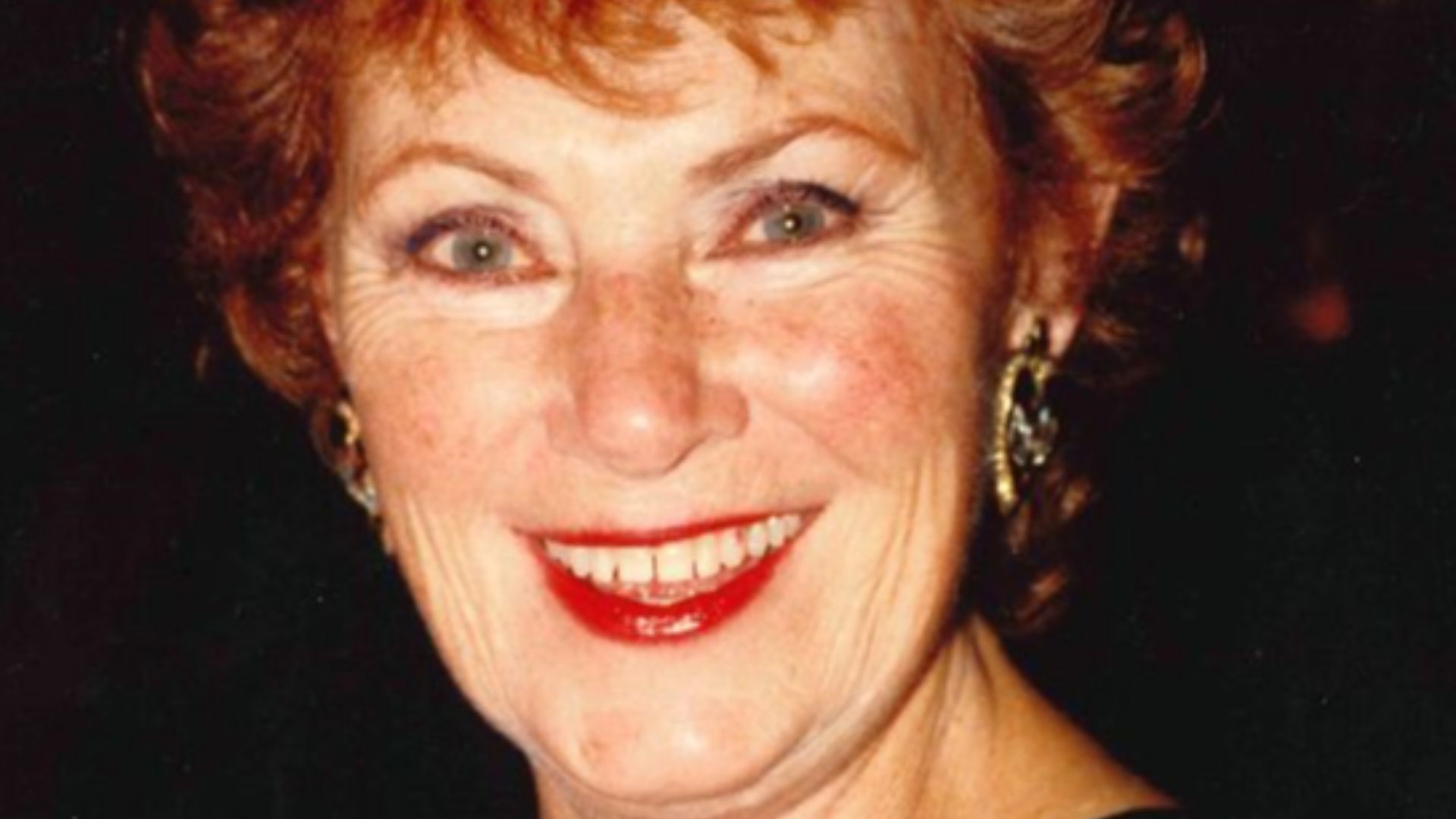
Ross was already in her sixties when Brooklyn Bridge gave her one of the richest roles of her career. The timing made her success especially notable in an industry where actresses have historically faced shrinking opportunities as they age. Instead of winding down after Mrs. Cunningham, Ross was earning lead-actress Emmy nominations for entirely different work.
 John Mathew Smith & www.celebrity-photos.com from Laurel Maryland, USA, Wikimedia Commons
Recognition Did Not Guarantee An Easy Run
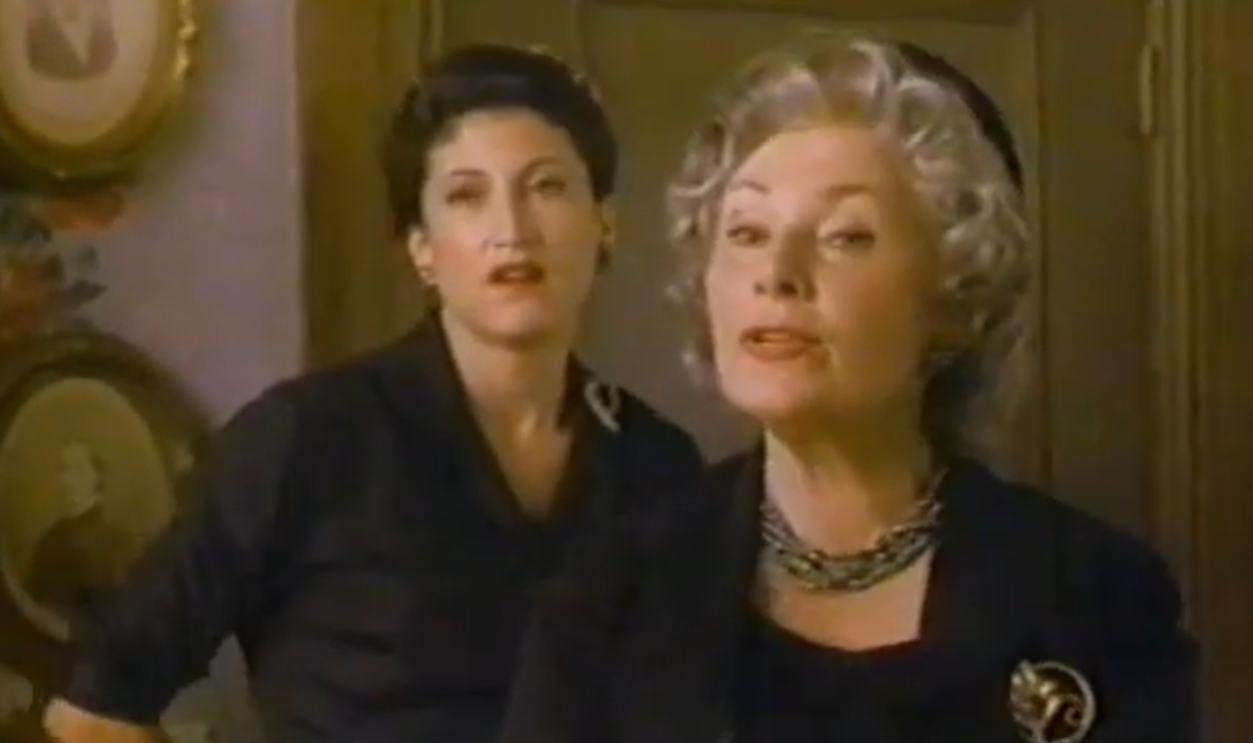
Brooklyn Bridge lasted from 1991 to 1993, and Ross knew that the show struggled for the broad recognition enjoyed by Happy Days. During its original run, she joked to the Los Angeles Times about encouraging people who recognized her as Mrs. C to watch her new series. The role proved artistically rewarding even though the program never became the cultural juggernaut that had made her famous.
 Screenshot from Happy Days, CBS Television Distribution (1974–1984)
The Movies Finally Took Notice Too
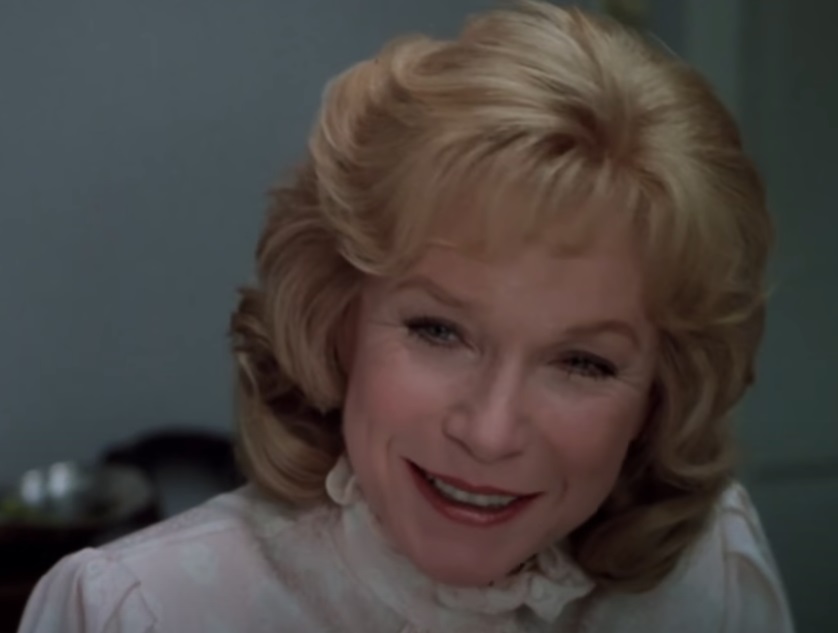
Ross followed her television resurgence with a notable supporting role in the 1996 film The Evening Star, the sequel to Terms of Endearment. She played alongside a cast that included Shirley MacLaine, Bill Paxton, Juliette Lewis, Miranda Richardson, Ben Johnson, and Jack Nicholson. The performance produced another kind of recognition that Ross had waited decades to receive.
 Paramount, Terms of Endearment (1983)
A Golden Globe Arrived After Happy Days
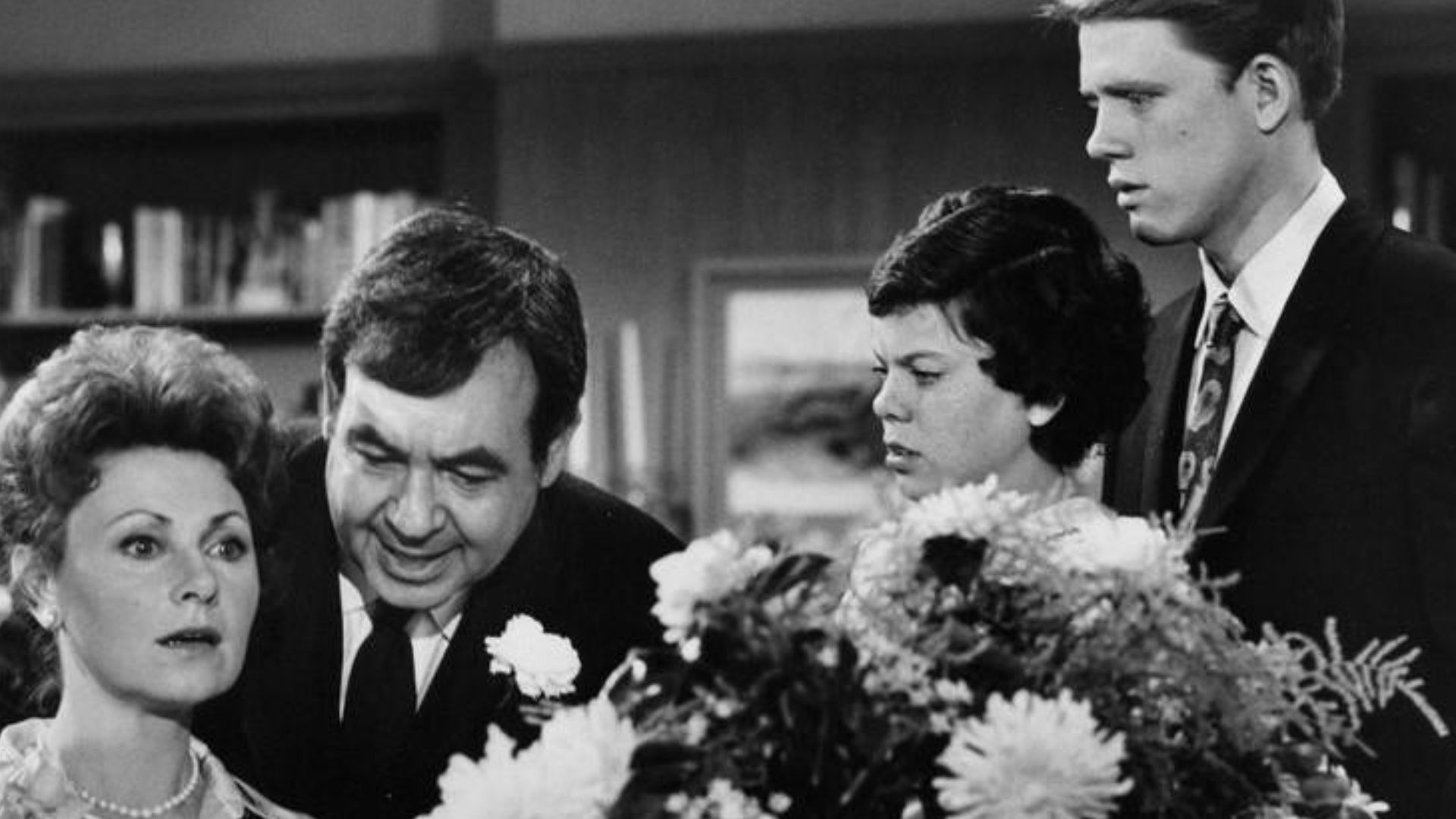
Ross received a 1997 Golden Globe nomination for Best Supporting Actress in a Motion Picture for The Evening Star. It remains her recorded Golden Globe nomination, according to the organization’s official awards database. More than 40 years after she began acting professionally, Ross was still collecting new career milestones rather than simply revisiting her sitcom past.
 ABC Television, Wikimedia Commons
Television Kept Finding New Uses For Her
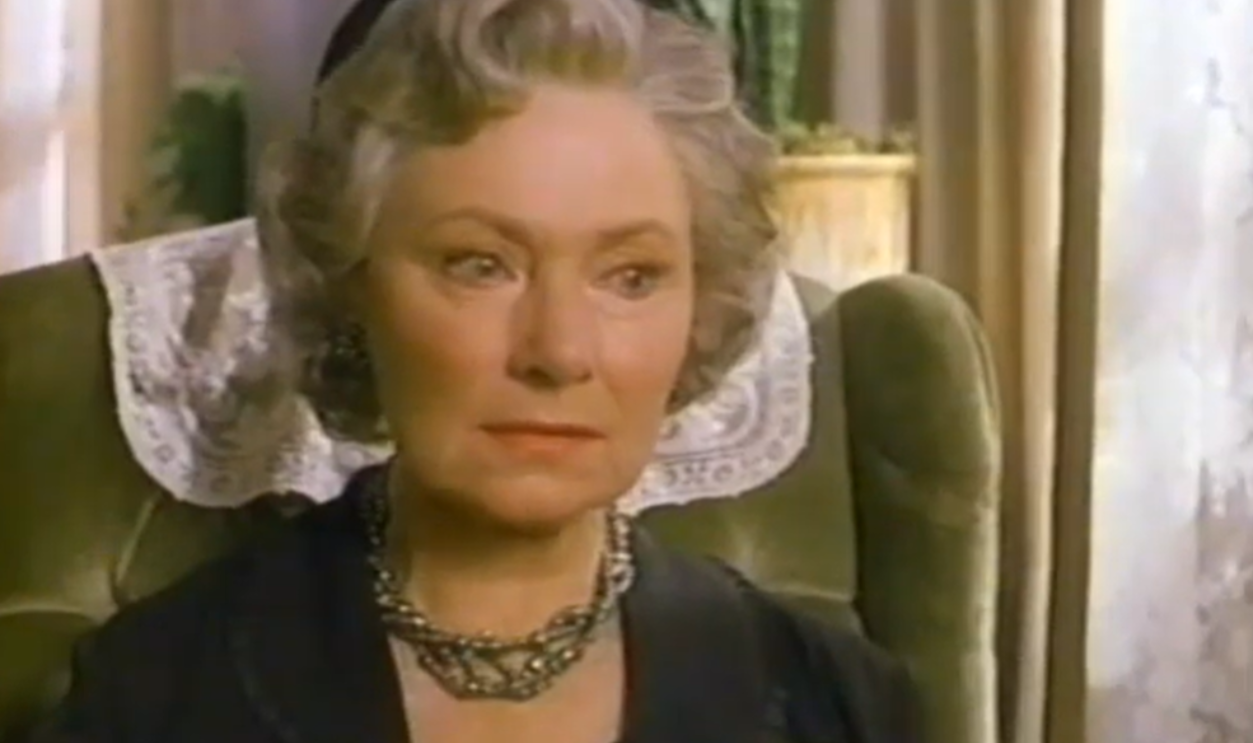
Ross continued appearing in familiar television comedies after her Brooklyn Bridge success. She played Drew Carey’s mother, Beulah Carey, on The Drew Carey Show, and her later credits also included That ’70s Show. These roles let her use the instant familiarity of her television persona while playing characters who were not simple copies of Mrs. Cunningham.
 Screenshot from Happy Days, CBS Television Distribution (1974–1984)
Gilmore Girls Let Her Play Twice
Ross found another memorable later role on Gilmore Girls as Lorelai “Trix” Gilmore, Richard Gilmore’s formidable mother. After that character’s death, the series brought Ross back as Richard’s cousin Marilyn, a bit of deliberate double casting noted by TV Guide. It was a playful use of an actress whose face carried decades of television history before she even delivered a line.
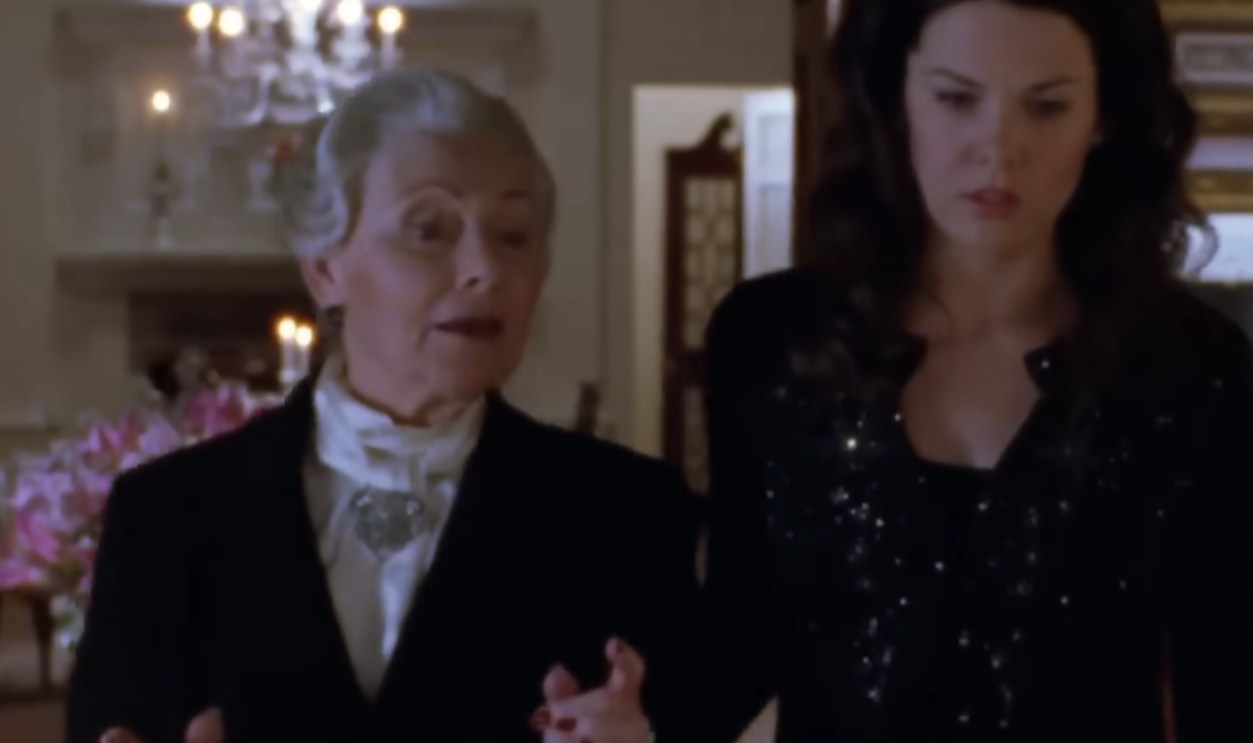 Screenshot from Gilmore Girls, Warner Bros. Television (2000–2007)
Another Generation Heard Her Voice
Ross also became part of the SpongeBob SquarePants universe as Grandma SquarePants. TV Guide lists the character among her voice credits, extending her association with warm maternal and grandmotherly figures into animation. The work introduced Ross to viewers who may have known nothing about Milwaukee, Arnold’s Drive-In, or the Cunningham kitchen.
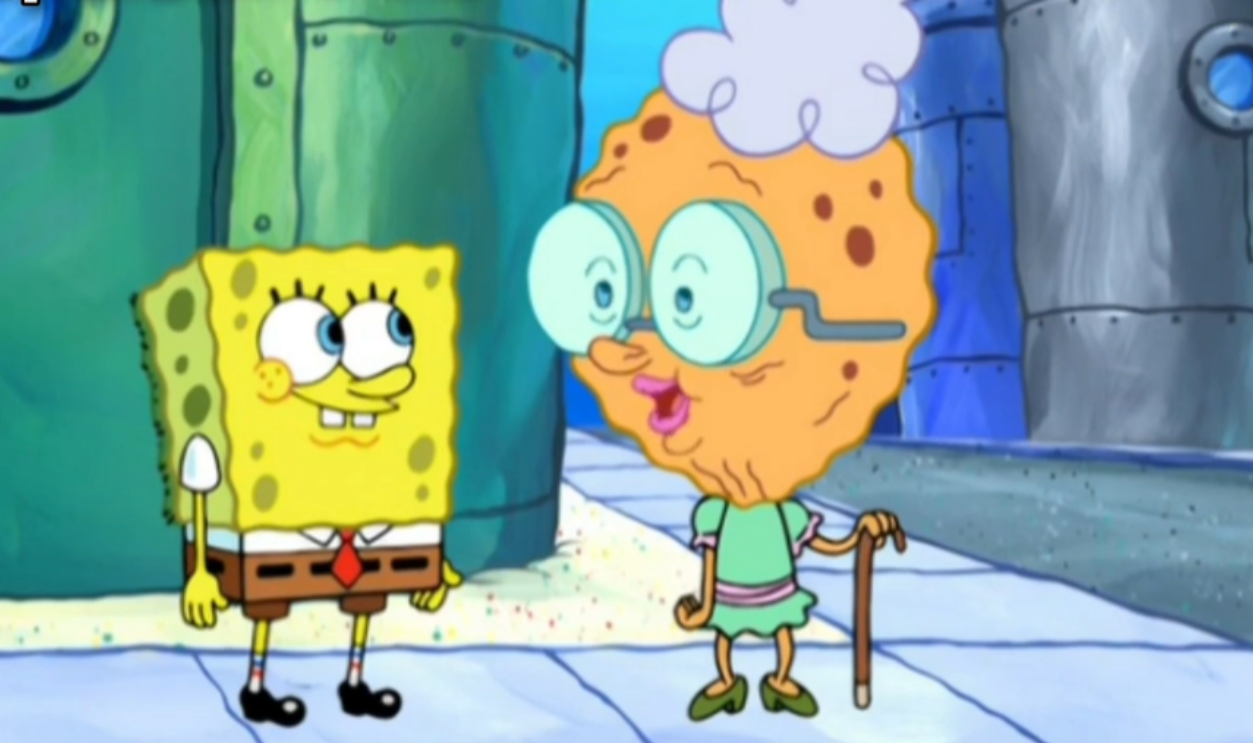 Screenshot from SpongeBob SquarePants, Nickelodeon (1999–2026)
She Never Resented Being Mrs. C
Ross understood that Marion Cunningham would remain the role most closely attached to her name. In her Television Academy interview, she said she loved being considered one of television’s favorite mothers and regarded the continued use of “Mrs. C” as good fortune. That attitude helps explain why she could embrace the role that made her famous without allowing it to define the limits of her career.
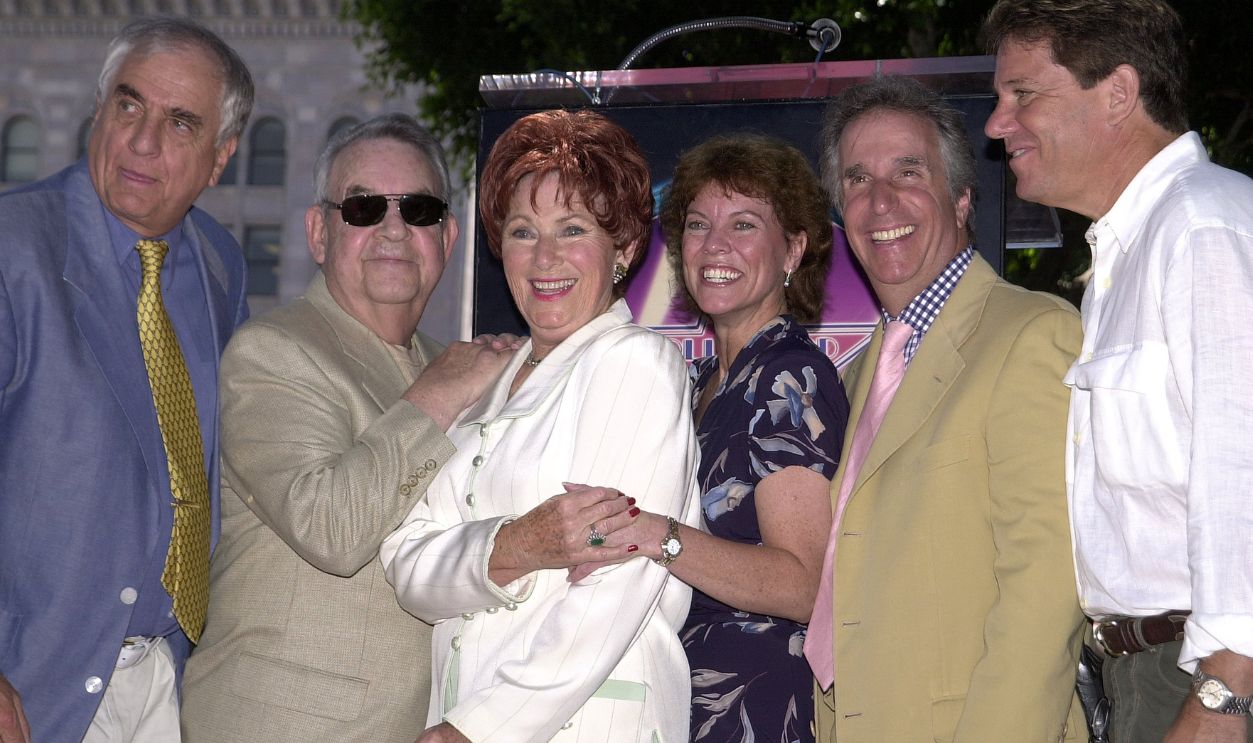
The Waiting Became Part Of The Legacy
By 2025, Ross was 97, and Henry Winkler publicly celebrated her as a valued woman, artist, and friend. Her résumé had stretched from early-1950s Hollywood through Happy Days, Brooklyn Bridge, a Golden Globe-nominated film performance, later sitcom work, and voice acting. Mrs. Cunningham made Marion Ross beloved, but the work that followed proved how much talent had been waiting behind that famous kitchen-table smile.
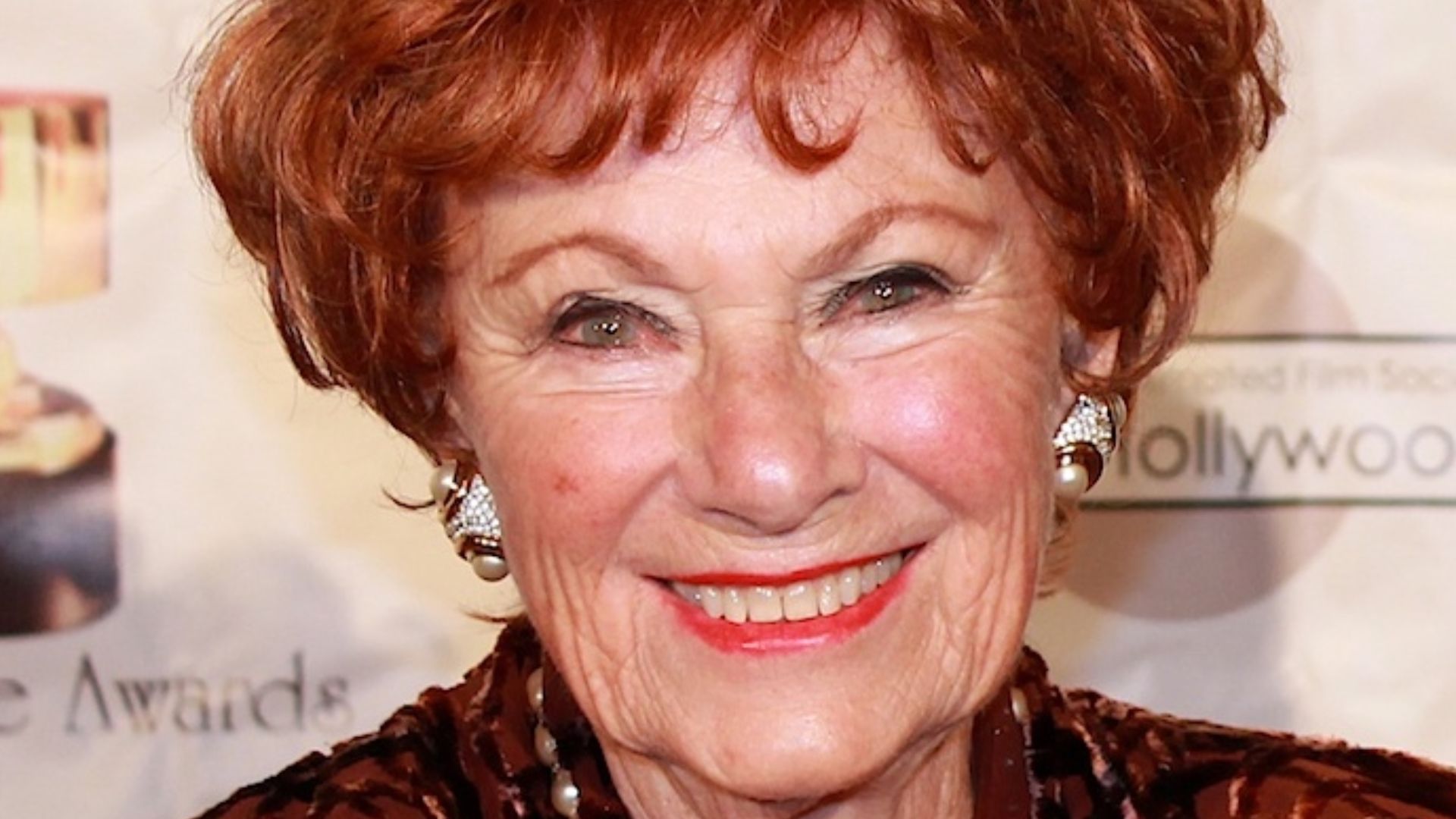 voicechasers, Wikimedia Commons
You May Also Like:
Facts About Classic TV Shows That Will Make You Nostalgic
The Most Influential TV Shows Of All Time
Actors Who Appeared In More Classic TV Shows Than You Realized—How Many Do You Remember?