

 Dell Publications, Inc., Wikimedia Commons, Modified
Few American entertainers have remained as instantly recognizable as Marilyn Monroe, and the circumstances surrounding her final hours have been examined repeatedly for more than sixty years. Official investigations produced a clear ruling, yet certain medical details recorded at the time still draw attention. One specific detail from the autopsy report has often been misunderstood or taken out of context, leading to speculation that continues today. Many discussions focus on isolated lines from medical documents without explaining how forensic conclusions are actually formed. To understand why this case still generates debate, it is necessary to look carefully at what investigators documented, how toxicology works, and why visible findings do not always tell the full medical story.
What Investigators Officially Documented At The Scene And In Testing
Police officers and medical personnel documented the scene inside Monroe’s Los Angeles home shortly after she was found unresponsive. Reports described prescription medications in the bedroom, including empty containers for sedatives that had been legally prescribed to her. Medical investigators later performed toxicology testing, which revealed extremely high levels of barbiturates and other sedative substances in her blood and organs. These laboratory results became central to the official conclusion because they showed the presence of drugs at concentrations known to be fatal. Toxicology testing is considered one of the most reliable methods for identifying poisoning, since it measures substances absorbed into the body rather than relying on visible remains.
The coroner classified the cause as acute barbiturate poisoning and listed the manner as “probable suicide”. Officials based this determination on the toxicology findings, the medications found at the scene, and Monroe’s medical history, which included ongoing treatment with sedatives. Investigators reported no signs of physical injury or forced entry. Psychiatric consultants also reviewed available information as part of the evaluation process. While the wording “probable” acknowledged some uncertainty, authorities concluded that the evidence supported a self-administered overdose rather than an external act.
 New York Sunday News, Wikimedia Commons
What “No Pill Residue In The Stomach" Actually Means
The autopsy report includes a clear description of the digestive tract. It states that the stomach was almost completely empty and held only a small amount of brownish, mucus-like fluid—estimated at no more than about 20 cc. It then notes, “No residue of the pills is noted”. The report further says that a smear of the stomach contents examined under a polarized microscope showed “no refractile crystals”. These lines describe what the examiner could physically see in the stomach sample at the time of the examination. They do not claim that no drugs entered the body. They also do not override toxicology, which detects chemicals absorbed into blood and organs, even when the stomach contains little or nothing identifiable.
People often assume that swallowing many capsules must leave obvious fragments, dye, or powder behind. That assumption can fail for several reasons that do not require speculation. Capsules can dissolve, stomach contents can be minimal, and time can pass between ingestion and examination. The autopsy record already supports one key point: the stomach contained very little material, which reduces the chance of finding visible remnants. Meanwhile, the toxicology findings reported in the inquest record identified high levels of pentobarbital and chloral hydrate in the body. In short, “no pill residue” can coexist with lethal toxicology results without contradiction.
How Later Reviews Addressed Foul-Play Claims
The stomach-residue detail became a magnet for conspiracy theories, especially when people treated it as a standalone “gotcha” rather than one line in a longer medical document. In the early 1980s, public claims intensified again, and the LA County District Attorney’s office reviewed allegations that Marilyn Monroe had been targeted by a murder conspiracy. Contemporary news coverage reported that prosecutors found no evidence supporting homicide claims and stated that the homicide hypothesis should be viewed with “extreme skepticism”. Officials acknowledged that some questions and discrepancies existed, but they still declined to open a criminal case because the review did not uncover credible proof of foul play.
When the record is read as a whole, the verified facts point in a consistent direction. The autopsy described an almost empty stomach and recorded no visible pill residue, but toxicology testing reported very high drug levels, and the inquest concluded acute barbiturate poisoning with a “probable suicide” classification. Later prosecutorial review found no credible evidence of homicide and urged skepticism toward murder narratives. The stomach finding can sound dramatic in isolation, yet it primarily shows the limits of visual inspection and the importance of lab analysis in forensic work. The most responsible conclusion remains narrow: the official documents support drug poisoning as the mechanism, while later reviews did not substantiate claims of a murder conspiracy.
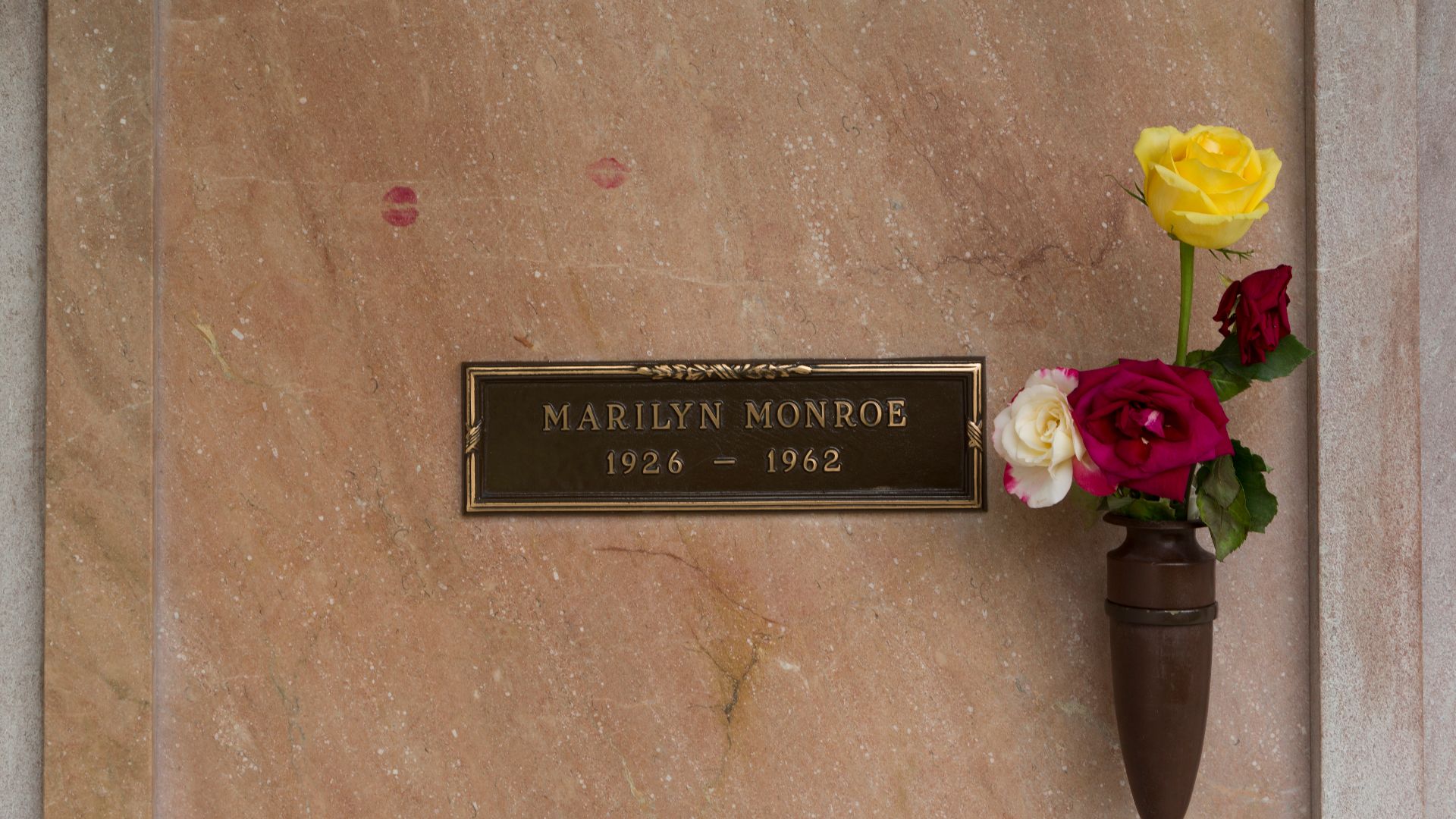 Carol M. Highsmith, Wikimedia Commons






.jpg)