It Didn’t Look Like This Was Coming
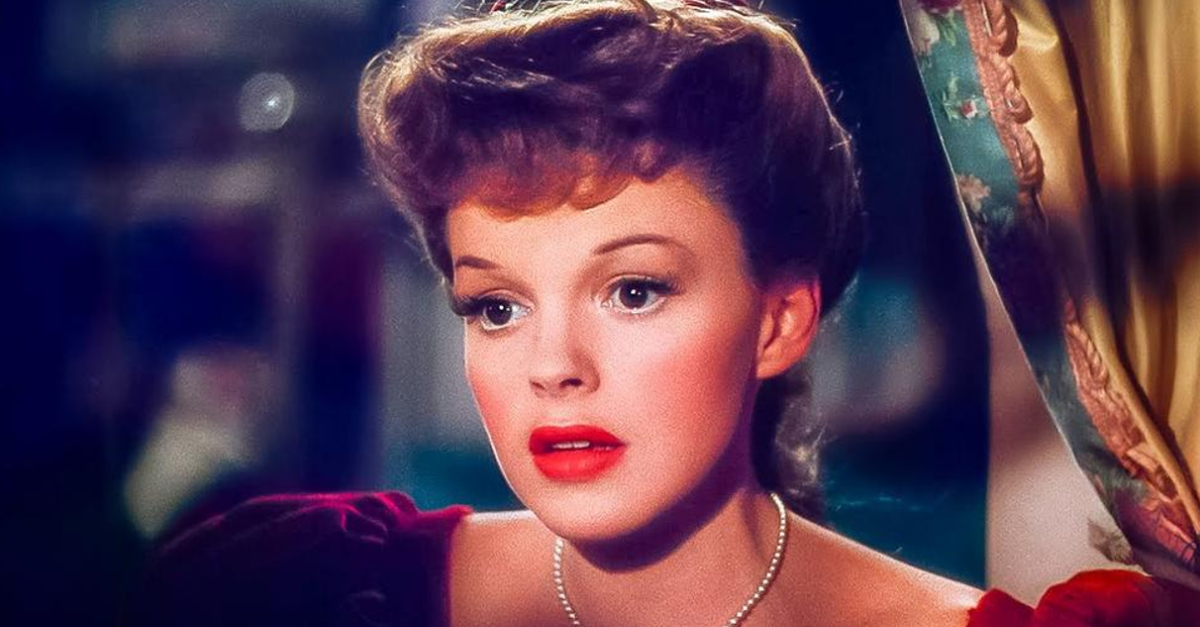
At one point, Judy Garland was one of the biggest stars in the world. Hit films, sold-out performances, and a voice everyone recognized. But behind the scenes, the cracks had already started, and by the time they showed, it was much worse than most people realized.
She Was Already Deep In It
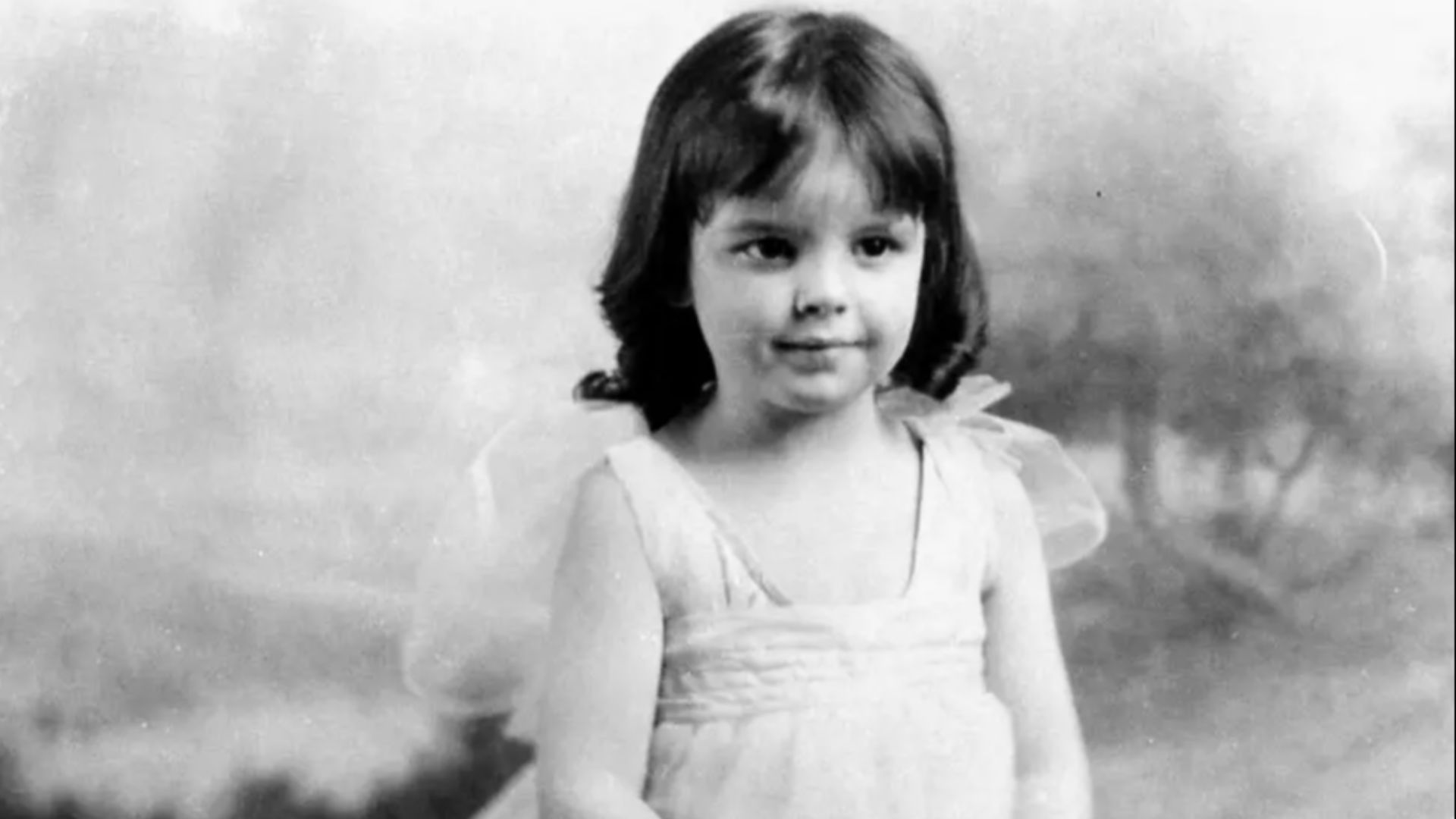
Garland didn’t arrive in Hollywood as an adult. Born Frances Ethel Gumm in 1922, she had been performing since childhood and signed with MGM at 13. Looking back, she once said, “I was born at the age of 12 on a Metro-Goldwyn-Mayer lot.” That wasn’t far from the truth.
 Unknown authorUnknown author, Wikimedia Commons
MGM Didn’t Think She Was “Enough”
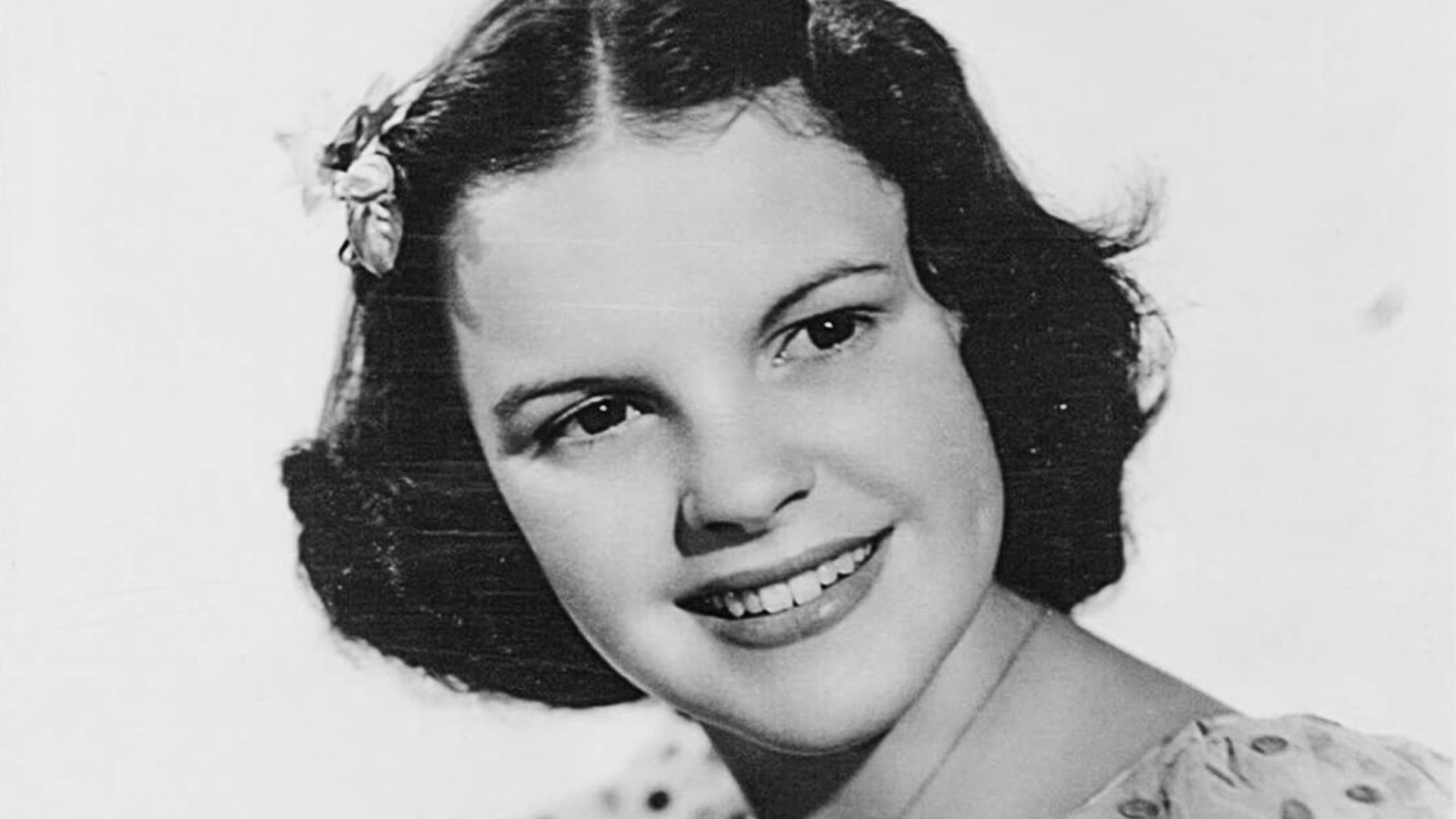
Studio executives didn’t see Garland as fitting their usual image of a leading lady. She was compared to more conventionally glamorous actresses and constantly told she needed improvement. Her looks, her weight, her image—it was all under scrutiny.
 20th Century Fox, Wikimedia Commons
They Even Controlled Her Weight
Garland was reportedly put on strict diets that could include little more than soup, black coffee, and minimal portions. Studio executives closely monitored her body and made frequent comments about her appearance. It wasn’t occasional pressure. It was constant.
They Controlled Everything
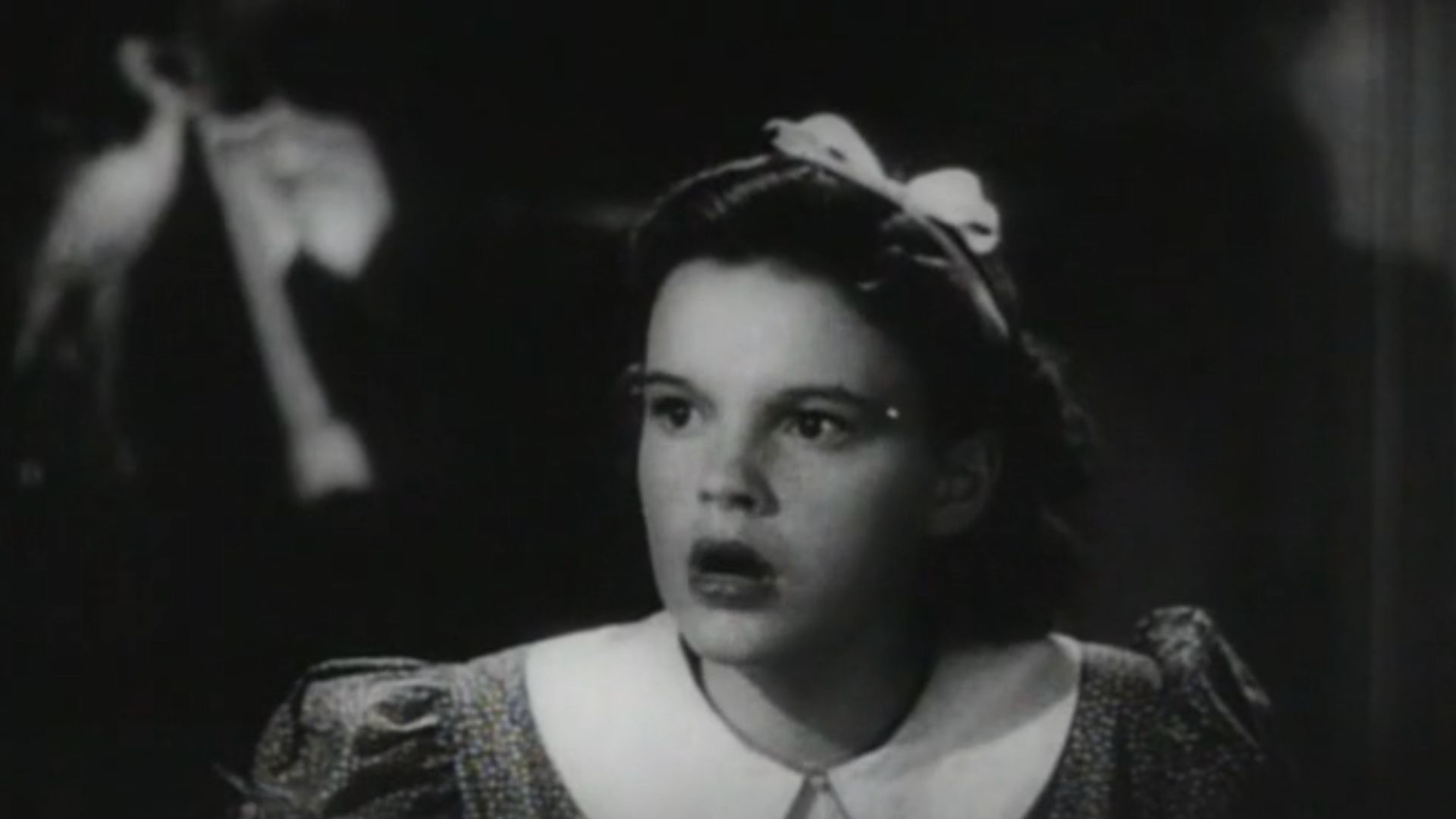
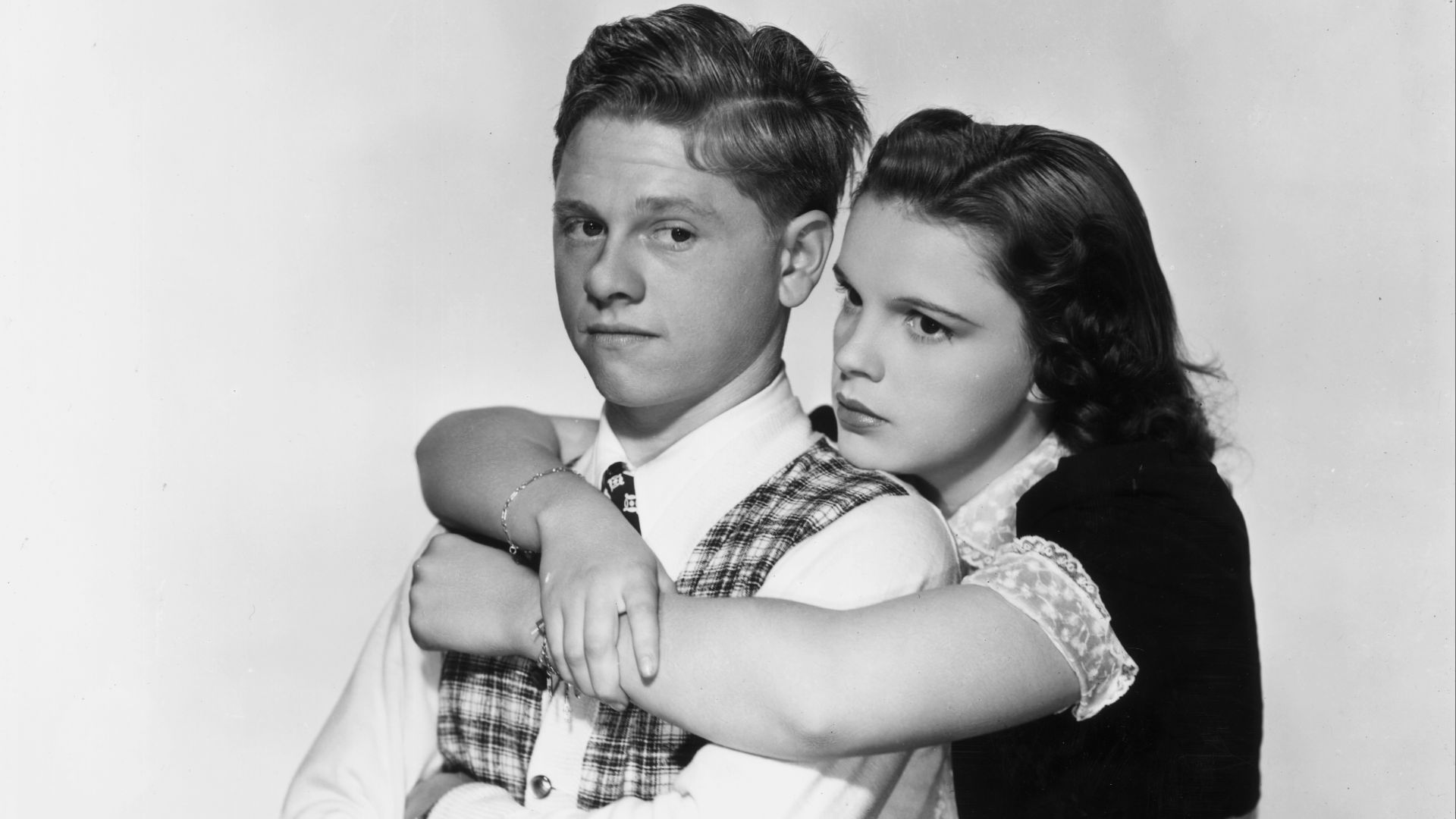
Her contracts gave MGM control over her schedule, roles, and public image. Studio head Louis B. Mayer was deeply involved in shaping the careers and images of MGM stars, and Garland later said she had little say in major decisions about her own life.
 MGM - Clarence Bull, photographer, Wikimedia Commons
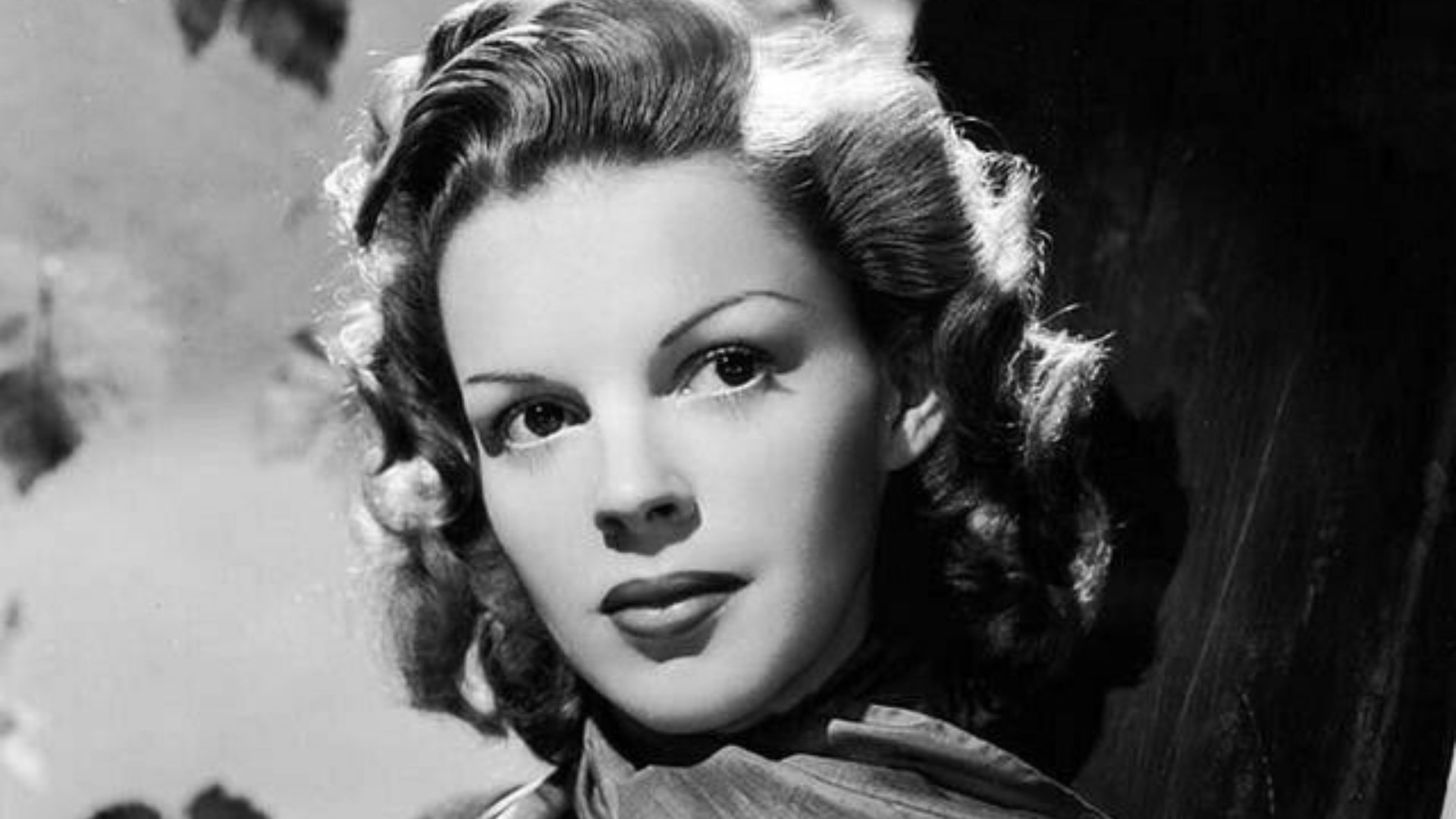
The Hours Were Brutal
During films like Babes in Arms (1939) and Meet Me in St. Louis (1944), Garland often worked long filming days followed by rehearsals and promotional appearances. It wasn’t unusual for her schedule to stretch late into the night, leaving little time to rest.
So They Kept Her Going
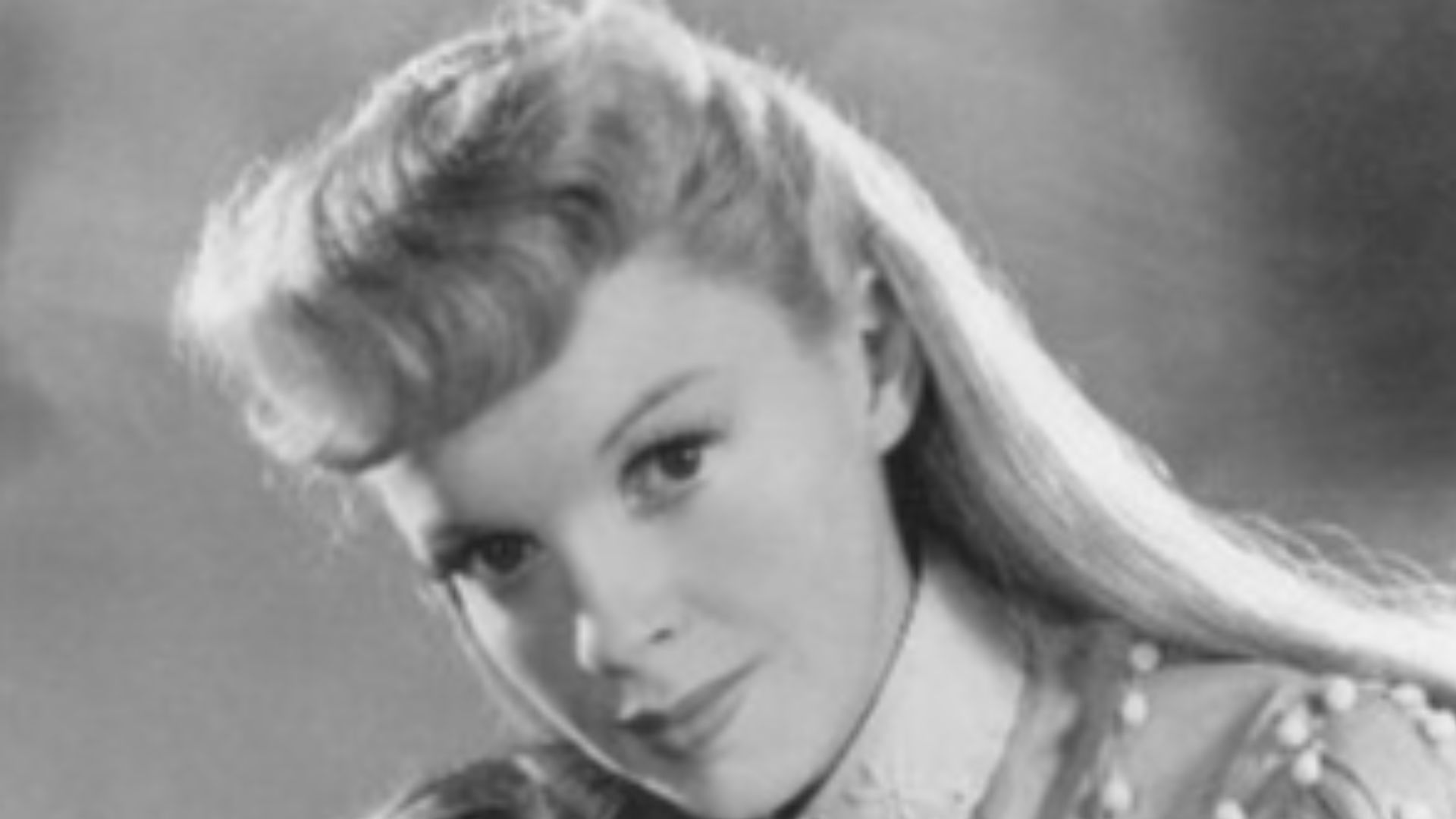
Garland later described being given stimulants to stay awake and barbiturates to sleep while working under the studio system. It was treated as part of keeping productions moving, not as a warning sign.
 Studio Publicity, Wikimedia Commons
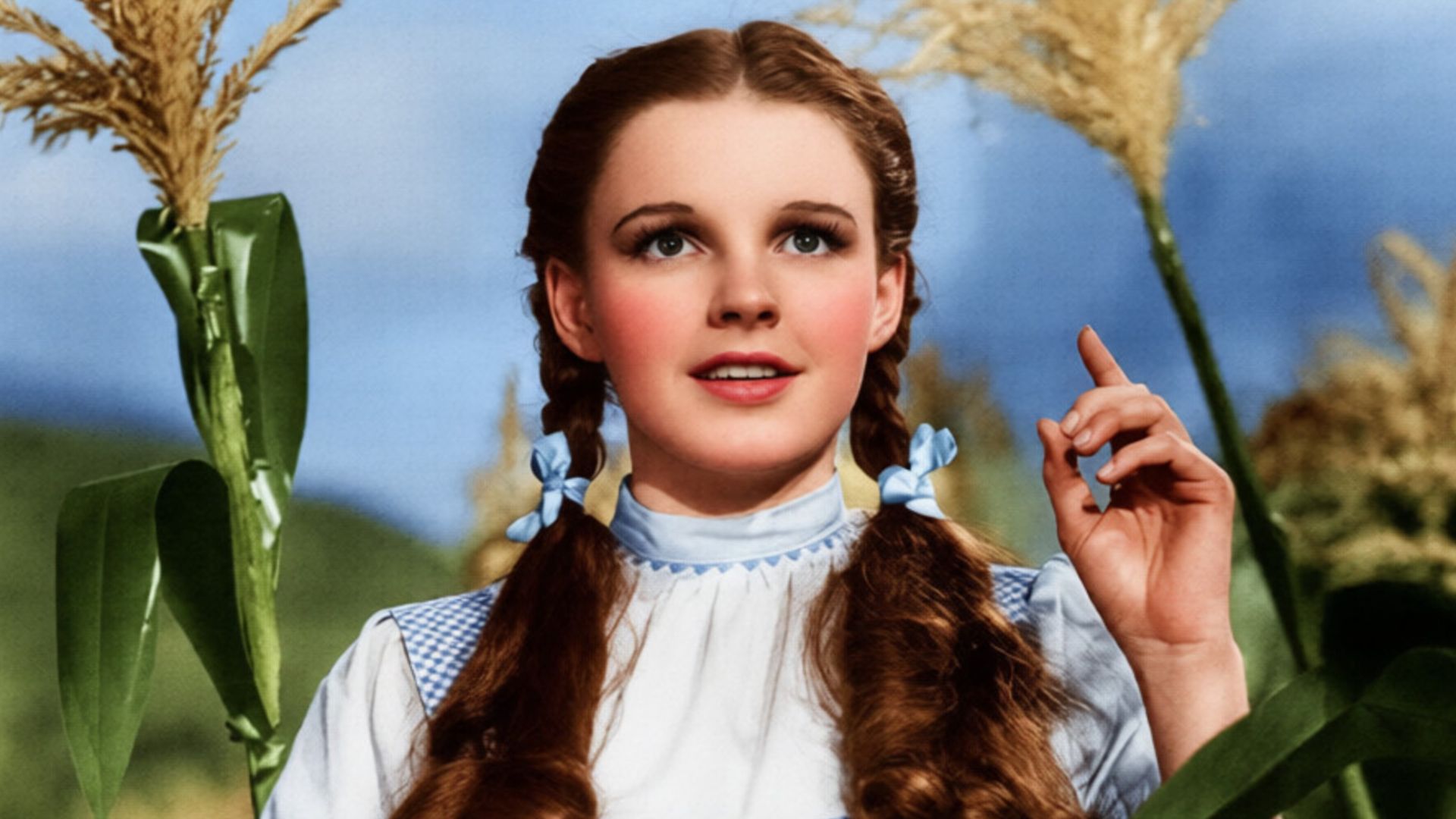
“The Wizard Of Oz” Made Her Forever Famous
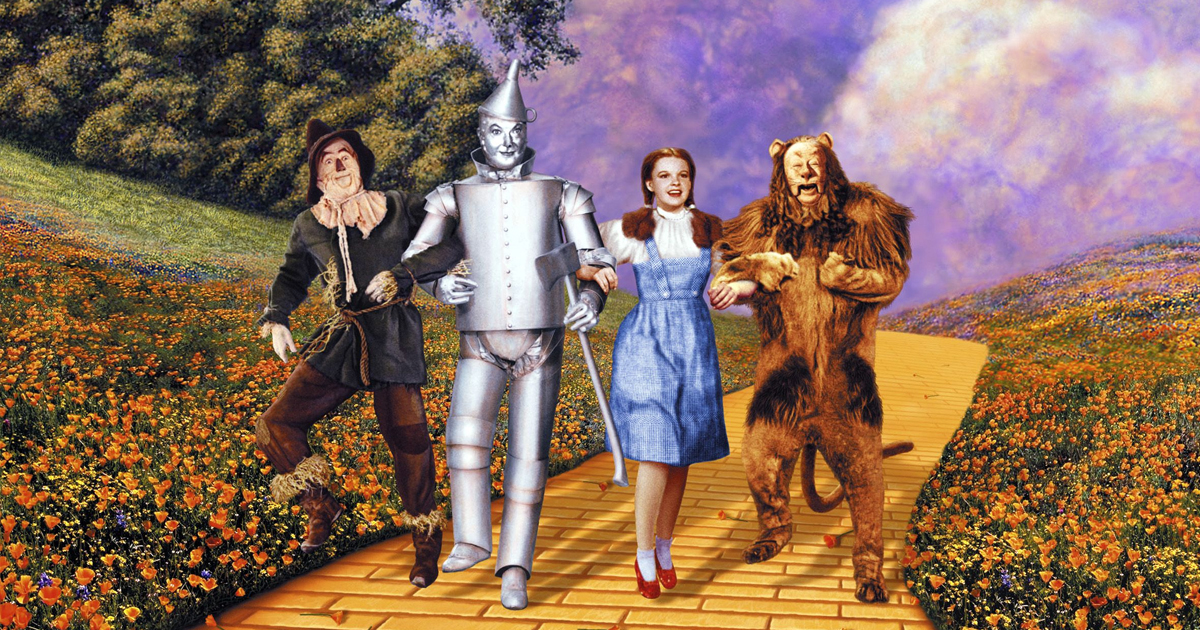
Her role as Dorothy didn’t just make her recognizable—it made her permanent. The Wizard of Oz (1939) turned her into a global star, and Over the Rainbow became inseparable from her identity. Even decades later, it was still the performance most people associated with her.
 CBS Television Network., Wikimedia Commons
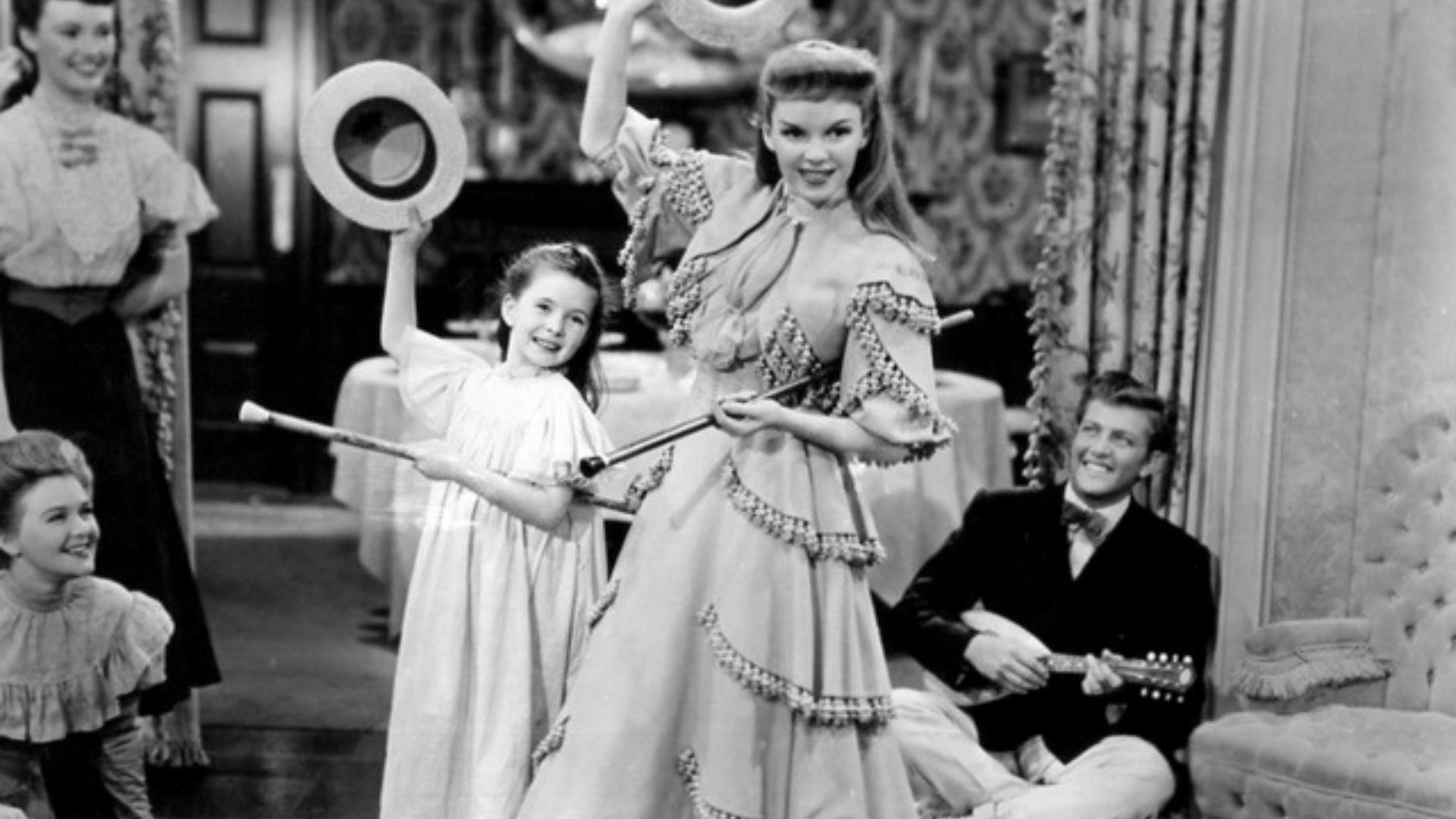
The Pressure Only Increased
Through the 1940s, Garland starred in hits like For Me and My Gal and Meet Me in St. Louis. MGM built productions around her, which meant tighter schedules, higher expectations, and less room for anything to go wrong.
 Time Inc.; photograph by Metro-Goldwyn-Mayer (no photographer credited), Wikimedia Commons
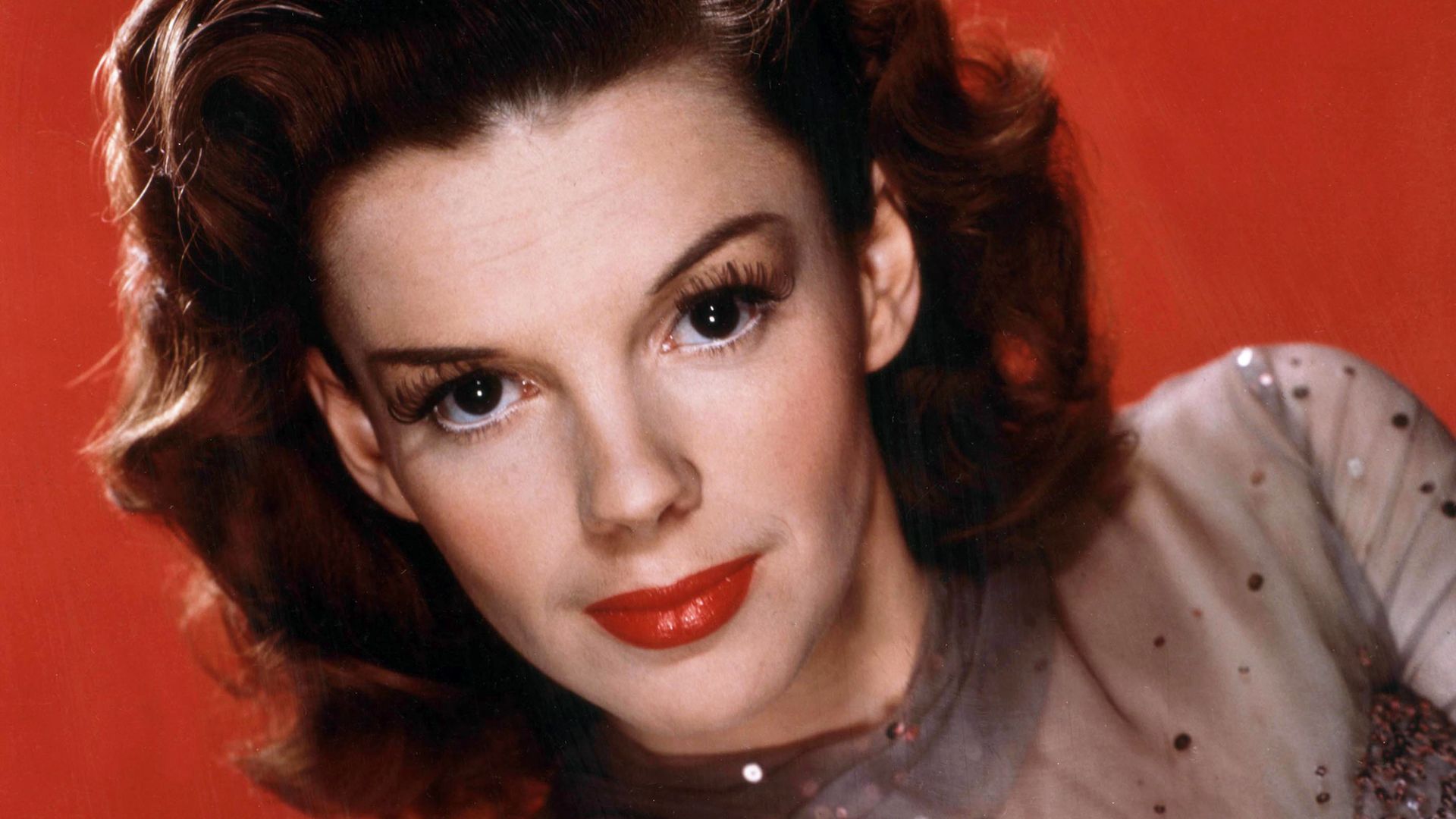
The Cracks Started Showing Early
By her early 20s, the pace was catching up with her. Garland began missing rehearsals and arriving late to set. These weren’t isolated incidents. They were early signs that the system pushing her so hard was starting to break her.
 Eric Carpenter for en:Metro-Goldwyn-Mayer, Wikimedia Commons
A Breakdown Became Public
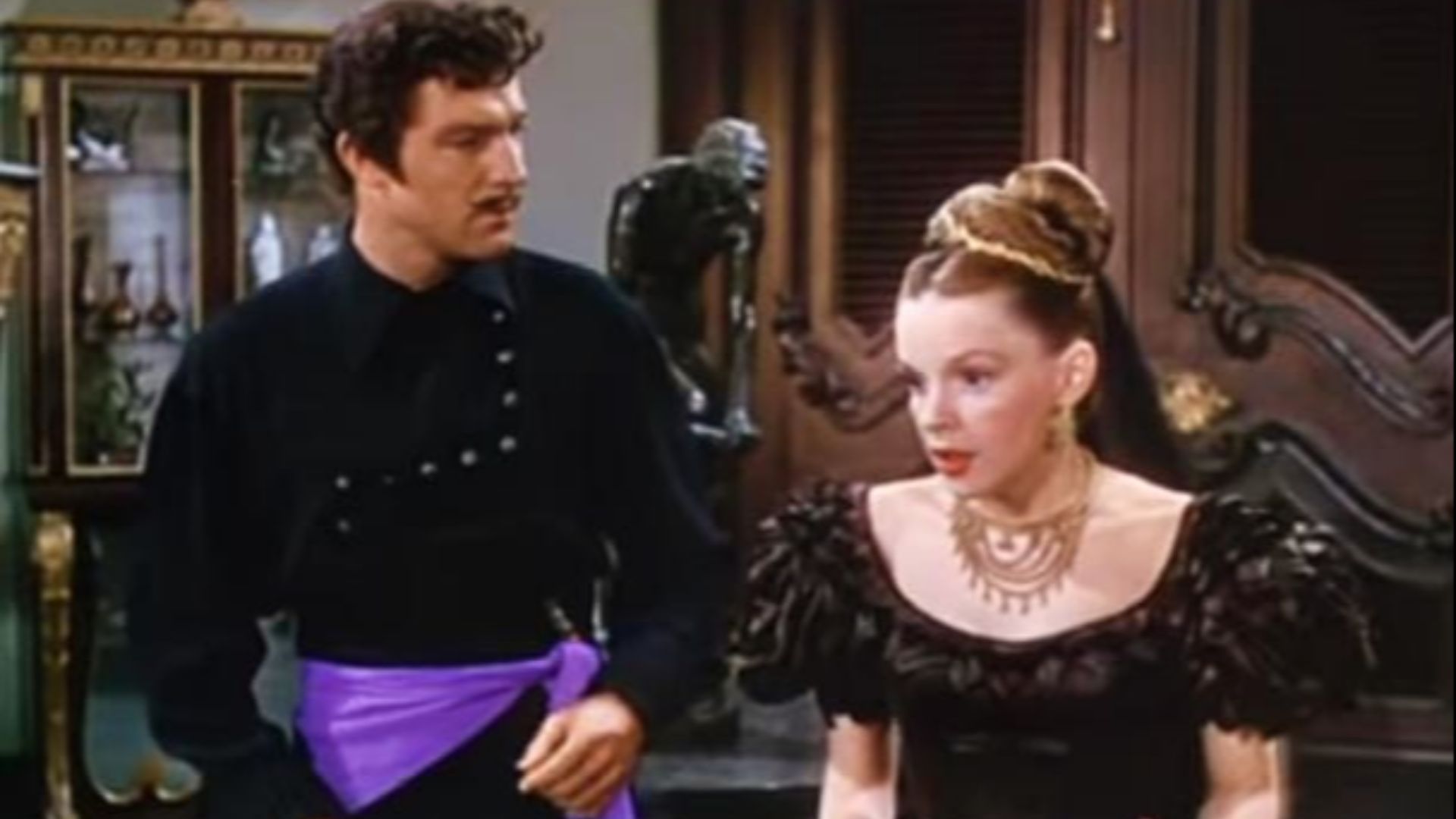
By the late 1940s, Garland’s struggles were no longer private. During productions like The Pirate (1948), delays and absences were already affecting filming. She eventually suffered a breakdown that led to hospitalization and time away from work, with reports at the time describing severe personal and medical crises.
 film trailer screenshot (MGM), Wikimedia Commons
MGM Started Losing Patience
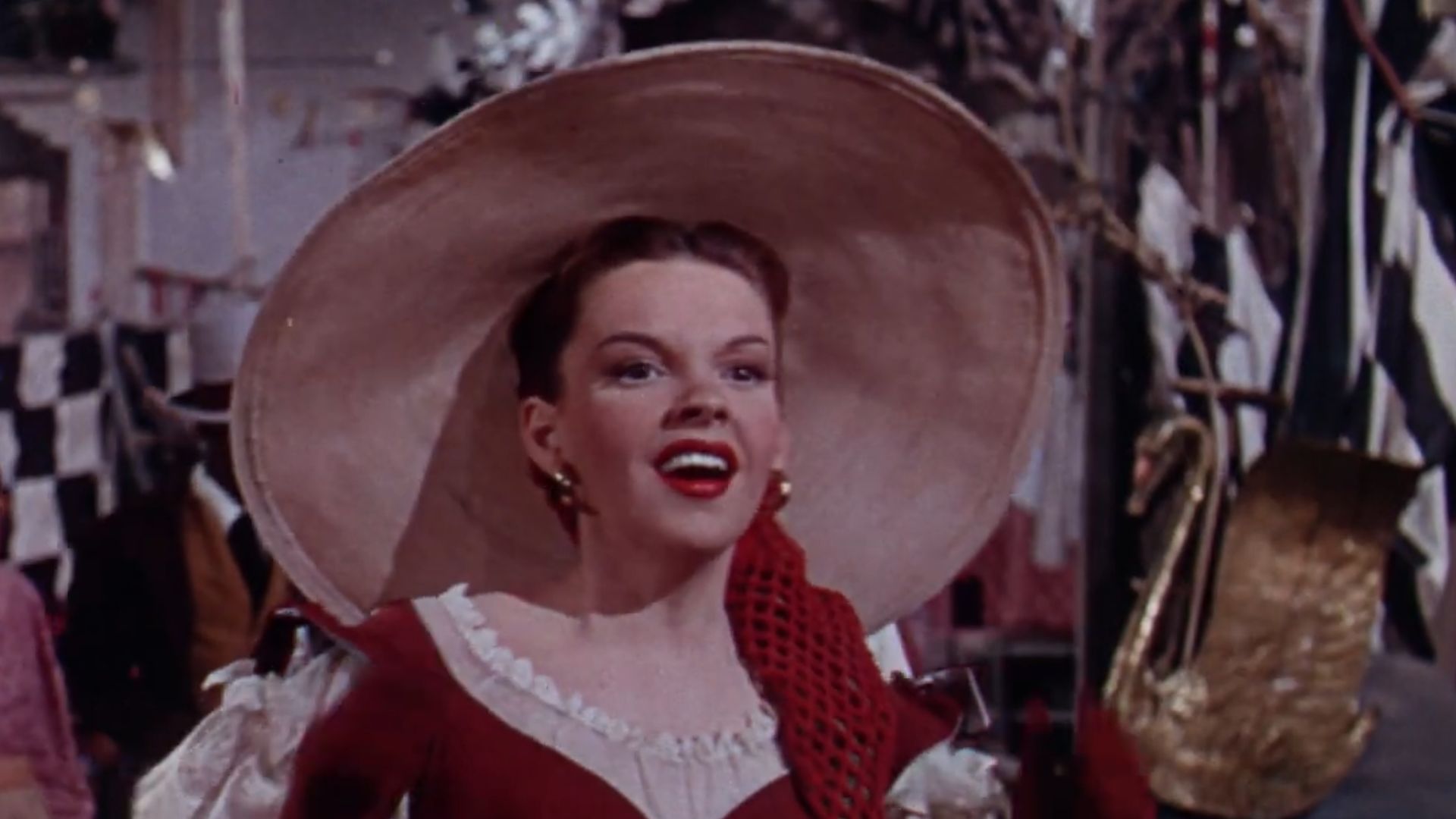
By the late 1940s, Garland’s absences and delays were affecting major productions. During The Pirate (1948), filming was repeatedly disrupted, driving up costs. What had once been manageable issues were now being seen as financial risks.
Then Came The Breaking Point
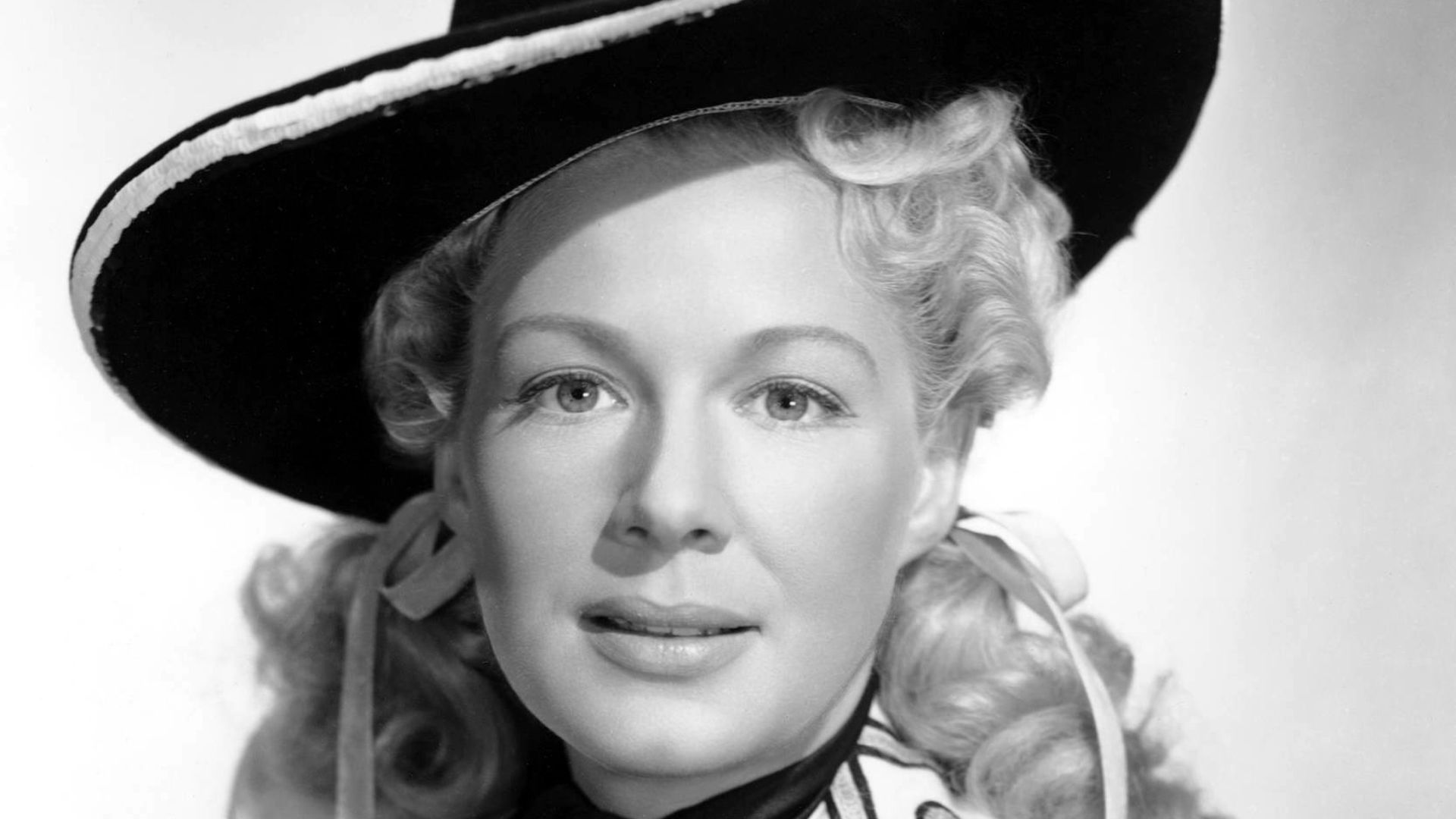
During Annie Get Your Gun (1950), Garland struggled to keep up with rehearsals and was eventually replaced by Betty Hutton. It was a major public setback and a clear sign her standing at MGM had changed.
MGM Let Her Go
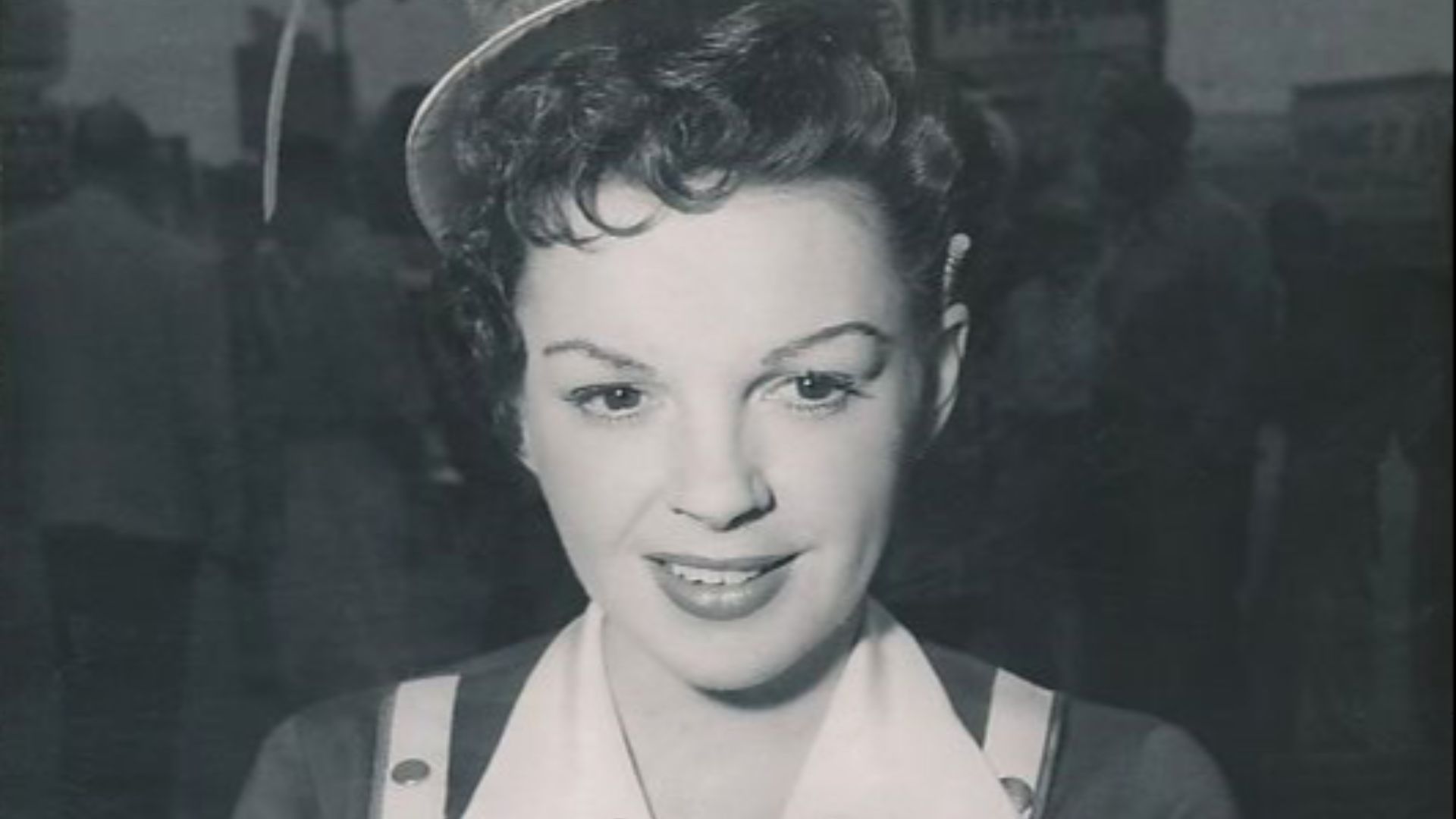
Later in 1950, MGM terminated her contract after 15 years. The studio that had shaped her entire life walked away, ending the relationship that had defined her career since she was a teenager.
 Warner Bros., Wikimedia Commons
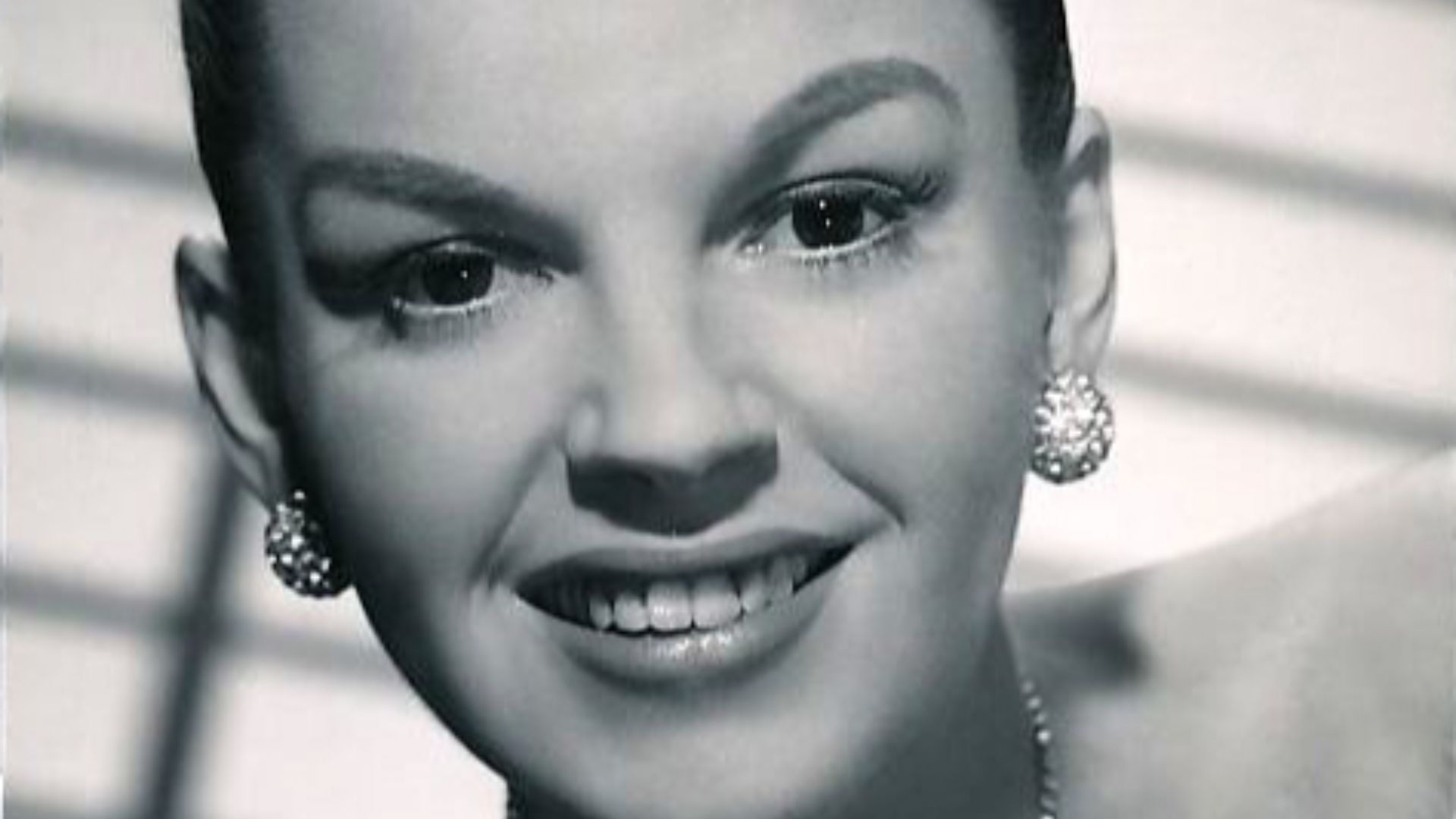
The Addiction Didn’t Go Away
The dependency that began during her MGM years didn’t disappear when she left. Without the structure of the studio system, it became harder to manage, and it remained part of her life for years afterward.
 Metro-Goldwyn-Mayer, Wikimedia Commons
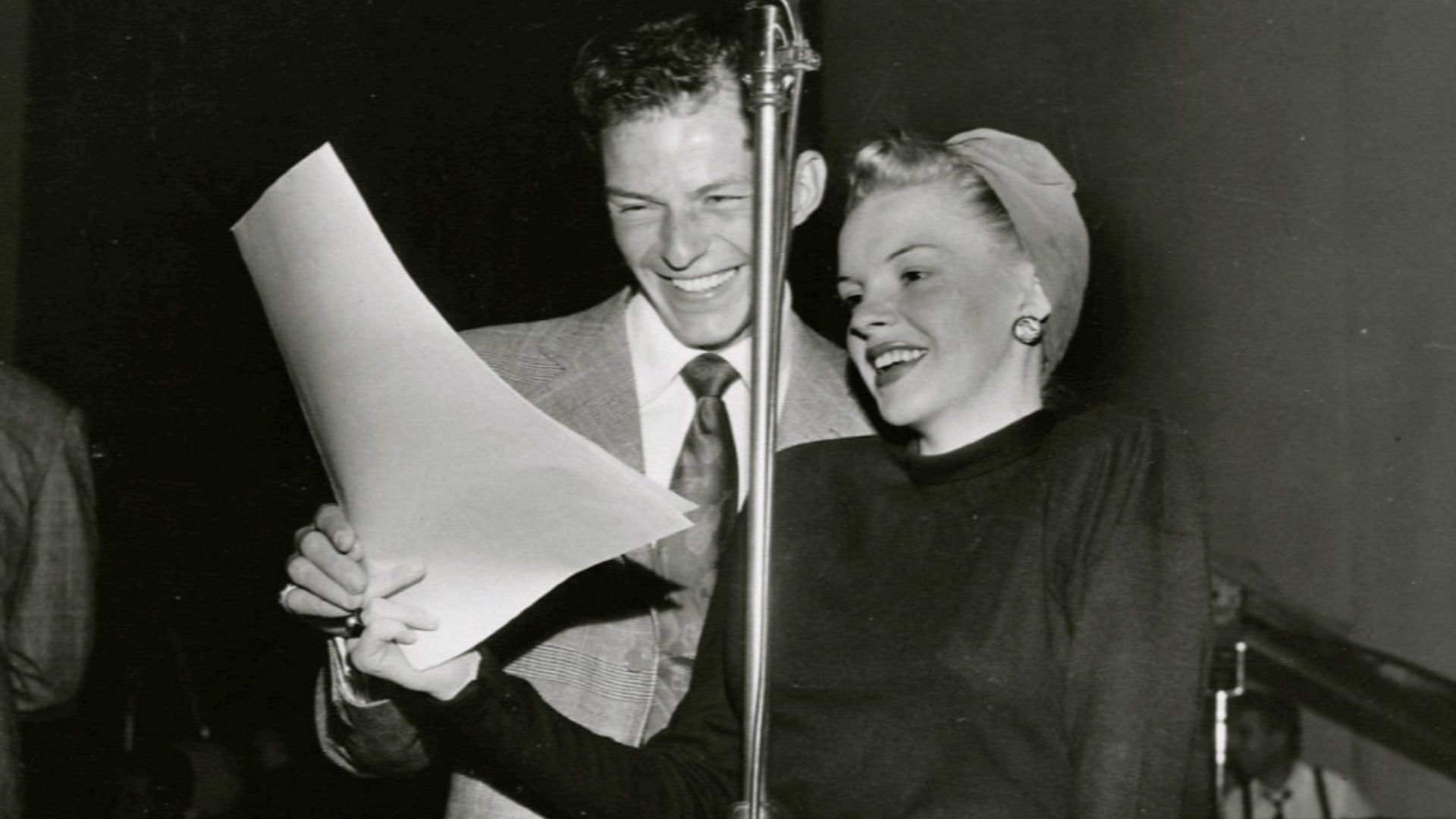
She Rebuilt On Stage
Garland shifted to live performances and proved she could still draw crowds. Her concerts became a major success and reminded audiences that her appeal went far beyond film.
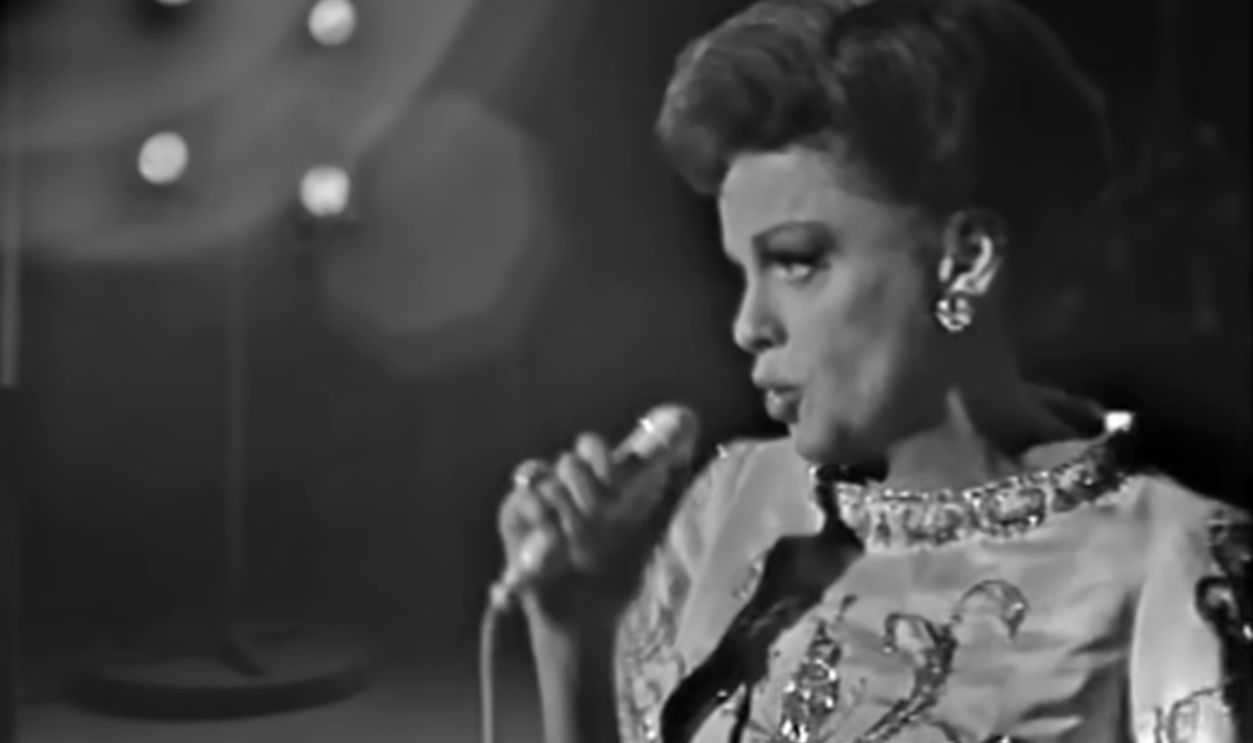
Carnegie Hall Became A High Point
Her 1961 Carnegie Hall concert was a major success, and Judy at Carnegie Hall won Album of the Year at the Grammys along with several other awards. It remains one of the defining achievements of her later career.
 Screenshot from Judy at Carnegie Hall, Capitol (1961)
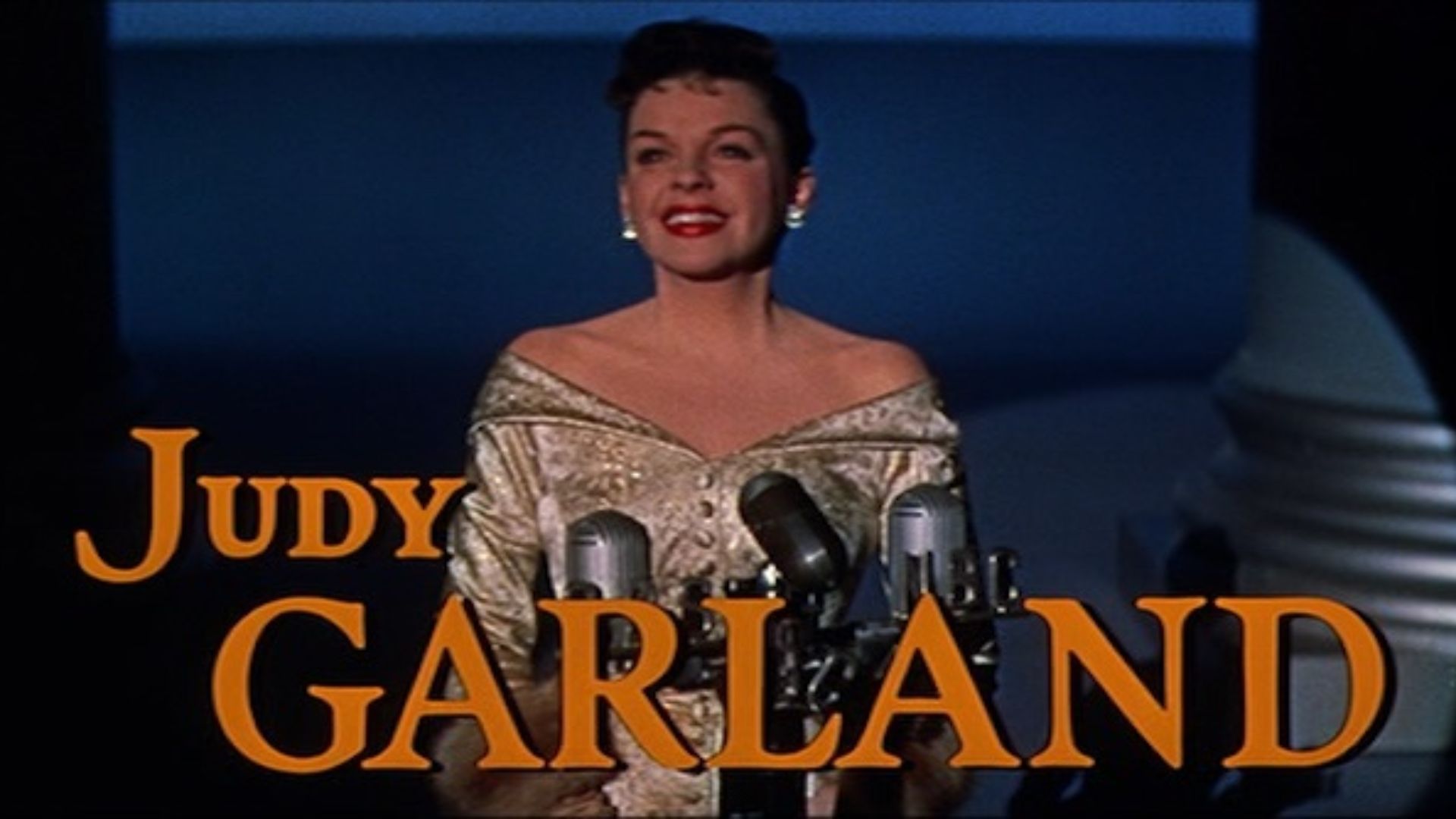
Hollywood Didn’t Fully Follow
Garland returned to film with A Star Is Born (1954), earning an Academy Award nomination. She lost to Grace Kelly while watching from a hospital room after giving birth, a detail that only made the moment more painful in retrospect.
 Warner Bros., Wikimedia Commons
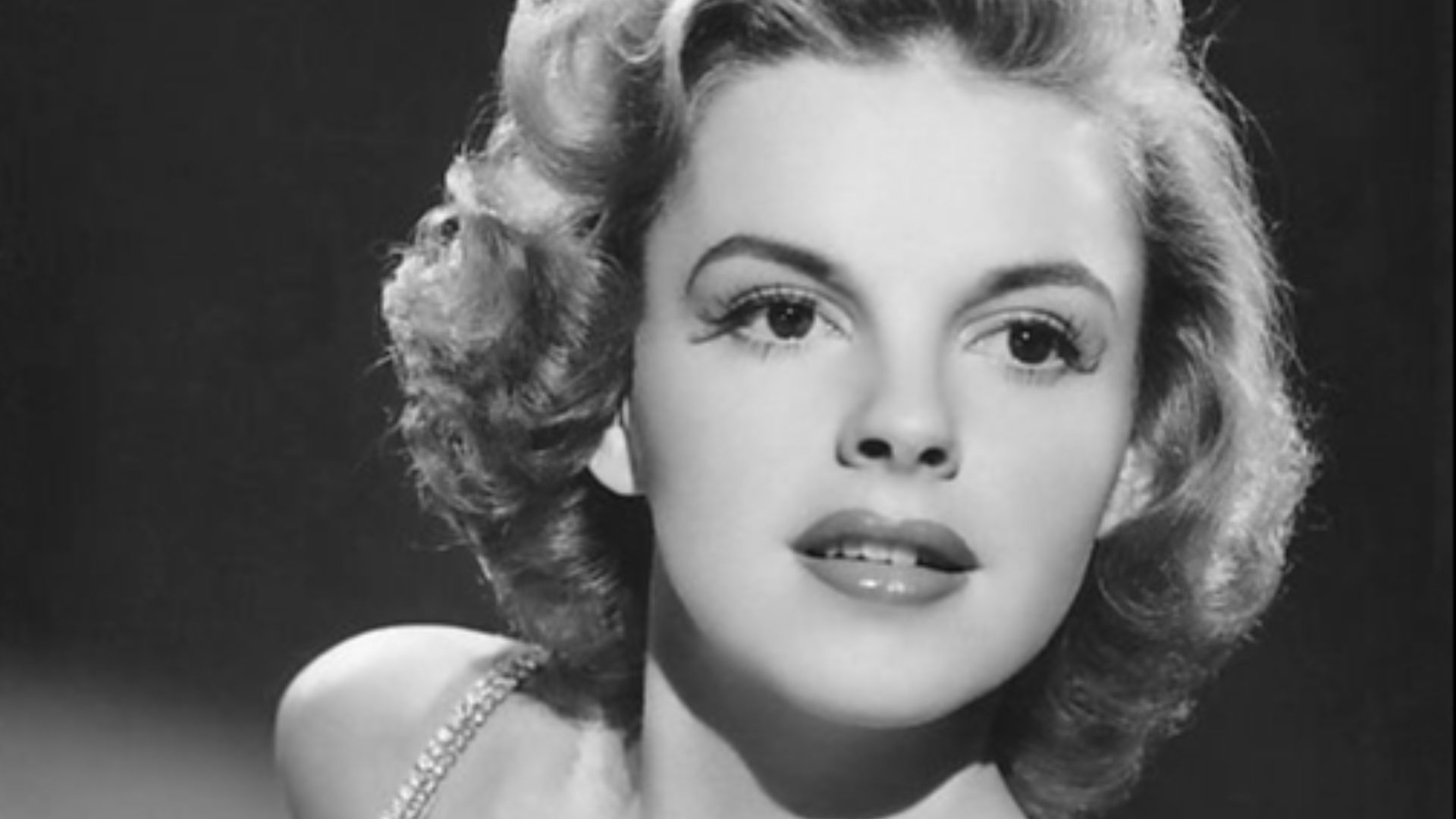
But Stability Never Lasted
Even during successful stretches, Garland’s career remained uneven. Strong performances were often followed by cancellations or personal setbacks. The cycle repeated itself more than once.
 Metro-Goldwyn-Mayer, Wikimedia Commons
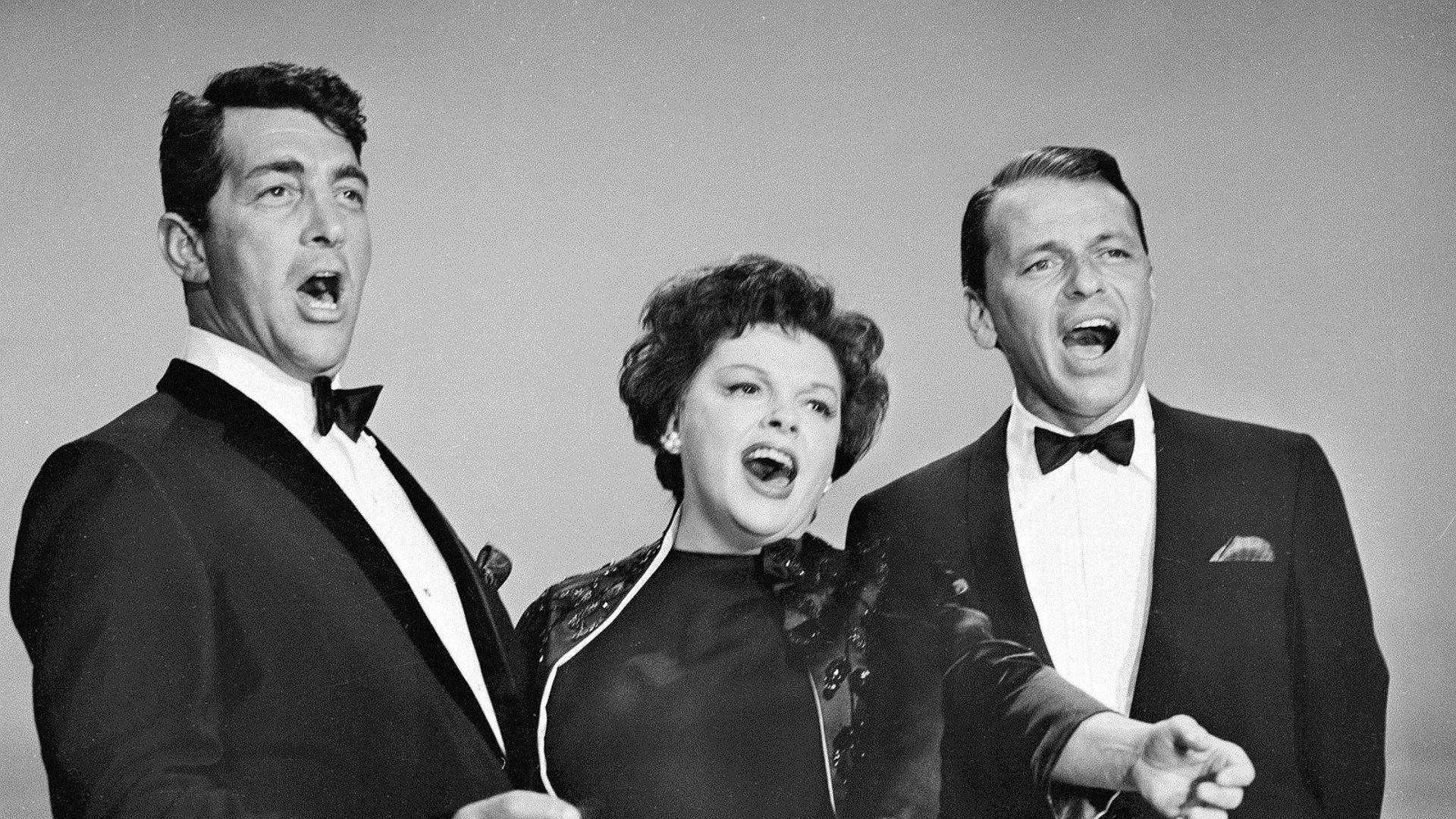
Television Didn’t Save It
The Judy Garland Show ran for one season in 1963–64 before being canceled. It didn’t become the stabilizing late-career hit she needed, even though Garland was still widely admired as a performer.
 CBS Television, Wikimedia Commons
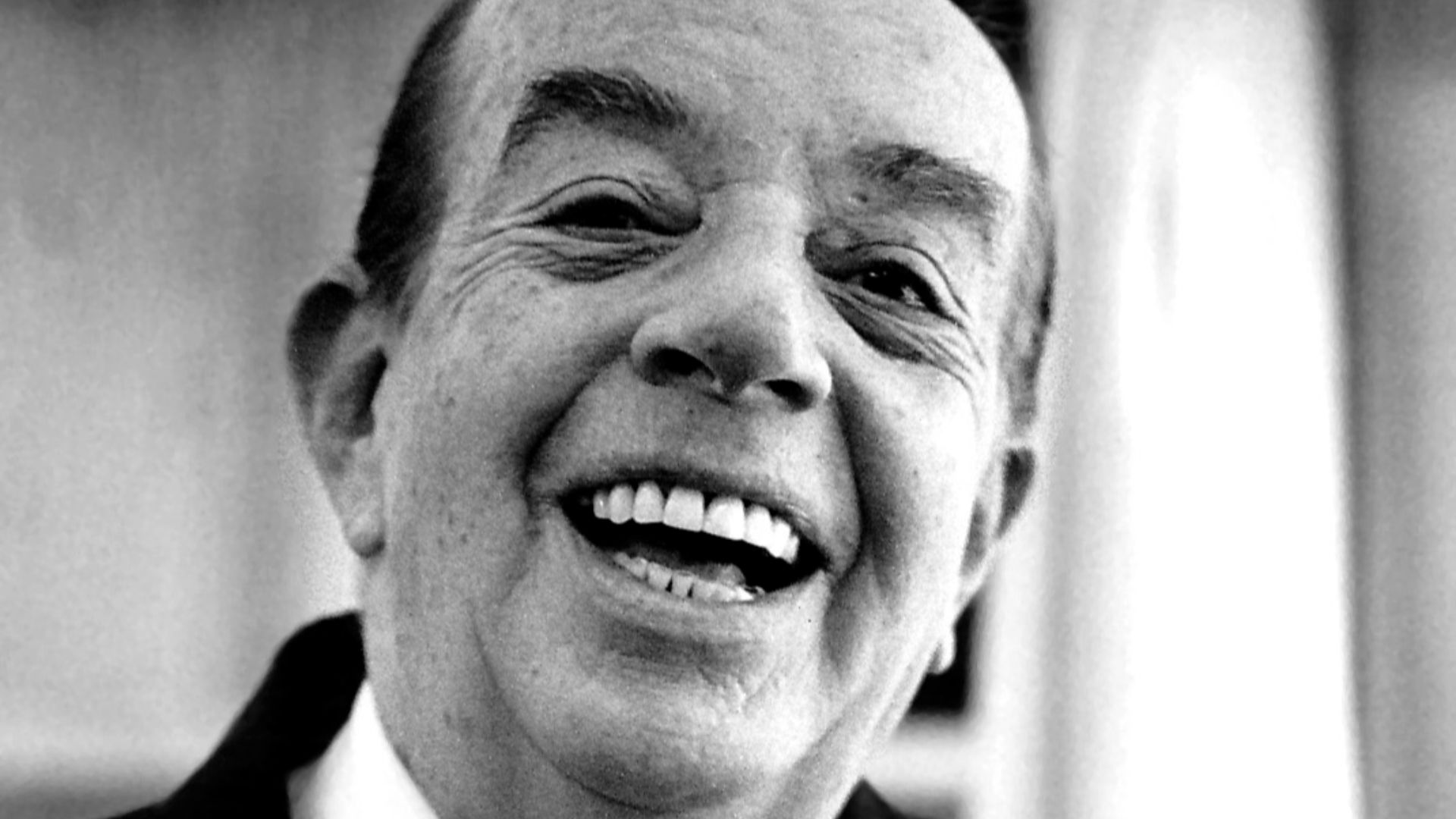
Her Personal Life Was Just As Unsteady
Garland was married five times, including to director Vincente Minnelli, with whom she had Liza Minnelli. She later married producer Sid Luft and manager Mickey Deans. Her relationships often brought more financial and emotional strain into a life that was already unstable.
 Earl Ostroff, Wikimedia Commons
Financial Problems Kept Coming Back
Despite earning huge sums at her peak, Garland repeatedly struggled with debt and tax problems. Inconsistent work and poor financial management made it difficult for her to stay secure, even after major career successes.
 Trailer screenshot, Wikimedia Commons
Custody Became A Public Struggle
Garland had three children—Liza Minnelli, Lorna Luft, and Joey Luft. During her years with Sid Luft especially, family life became strained and public, adding another painful layer to a period when many other parts of her life were already unraveling.
 The Heart Truth, Wikimedia Commons
The Audience Never Fully Left
Even during her most difficult periods, Garland remained a major draw. Her concert runs in places like New York and London kept proving that audiences still responded to the emotion and force of her performances.
![Collectie / Archief : Fotocollectie Anefo
Reportage / Serie : [ onbekend ]
Beschrijving : Nachtoptreden van Judy Garland in het Tuschinskitheater
Datum : 11 december 1960
Trefwoorden : filmsterren, theaters, zangeressen
Persoonsnaam : Garland, Judy
Instellingsnaam : Tuschinski
Fotograaf : Pot, Harry / Anefo
Auteursrechthebbende : Nationaal Archief
Materiaalsoort : Negatief (zwart/wit)
Nummer archiefinventaris : bekijk toegang 2.24.01.05
Bestanddeelnummer : 911-8683](https://www.factinate.com/storage/app/media/theshot/2026/4/21/1776771069e30be4f77292cea87be584c8af16256d0024f8dc.jpg) Harry Pot / Anefo, Wikimedia Commons
Harry Pot / Anefo, Wikimedia Commons
Her Final Chapter Was In London
In her later years, Garland lived and performed in London. Even near the end of her life, she was still working and still drawing crowds, which says a lot about how strong her connection with audiences remained.
![Collectie / Archief : Fotocollectie Anefo
Reportage / Serie : [ onbekend ]
Beschrijving : Aankomst Judy Garland op Schiphol
Datum : 9 december 1960
Locatie : Noord-Holland, Schiphol
Trefwoorden : aankomsten
Persoonsnaam : Judy Garland
Fotograaf : Lindeboom, Henk / Anefo
Auteursrechthebbende : Nationaal Archief
Materiaalsoort : Negatief (zwart/wit)
Nummer archiefinventaris : bekijk toegang 2.24.01.03
Bestanddeelnummer : 911-8626](https://www.factinate.com/storage/app/media/theshot/2026/4/21/17767706091c07e1c4c863c96416009f5797be8bffb357c2f4.jpg) Henk Lindeboom/ Anefo, Wikimedia Commons
Henk Lindeboom/ Anefo, Wikimedia Commons
The End Came Early
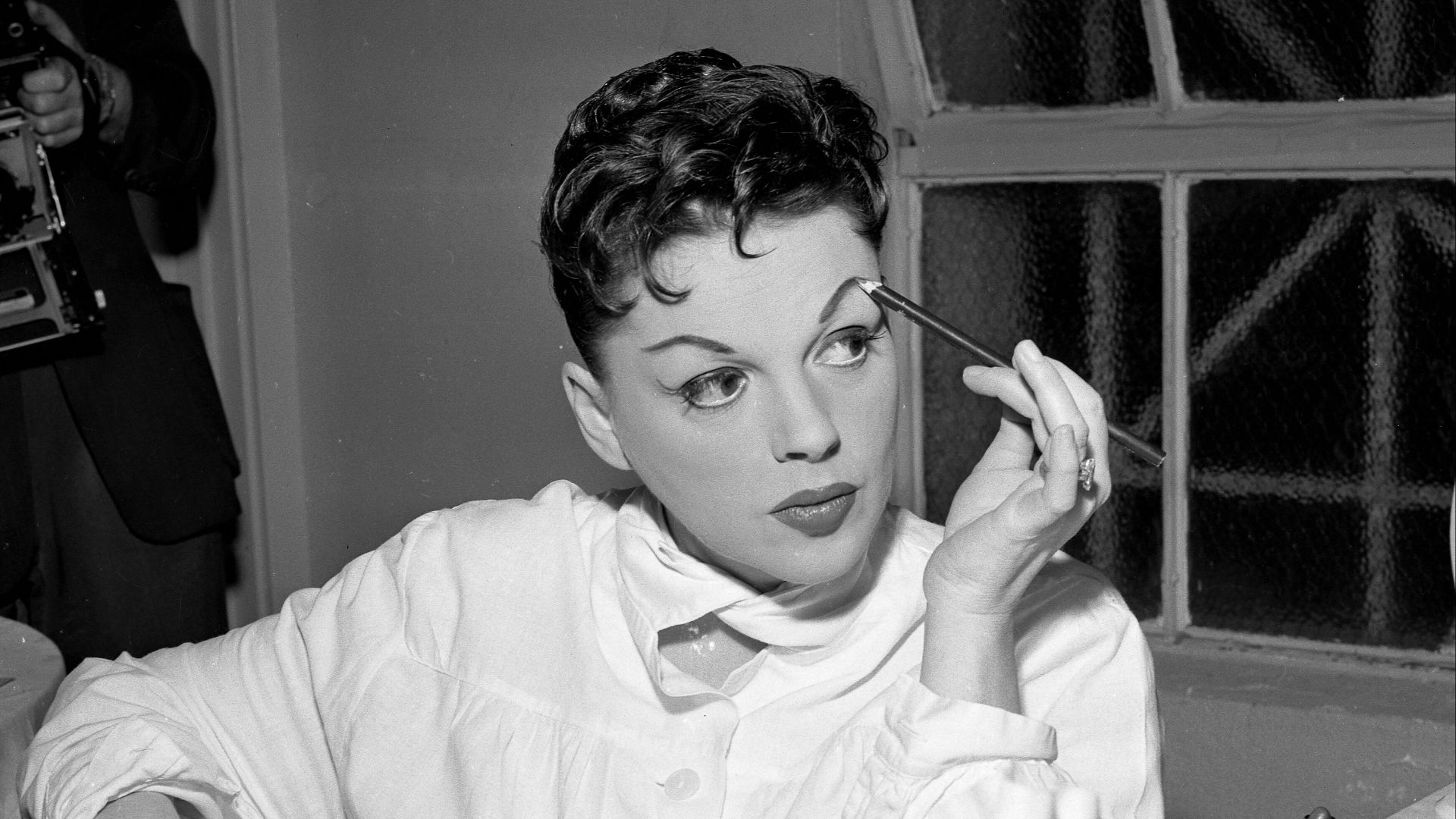
Judy Garland died in London on June 22, 1969, less than two weeks after her 47th birthday, from accidentaly taking too many barbiturates. Her life had been filled with success and struggle in almost equal measure.
 Los Angeles Times, Wikimedia Commons
The Legacy Still Holds
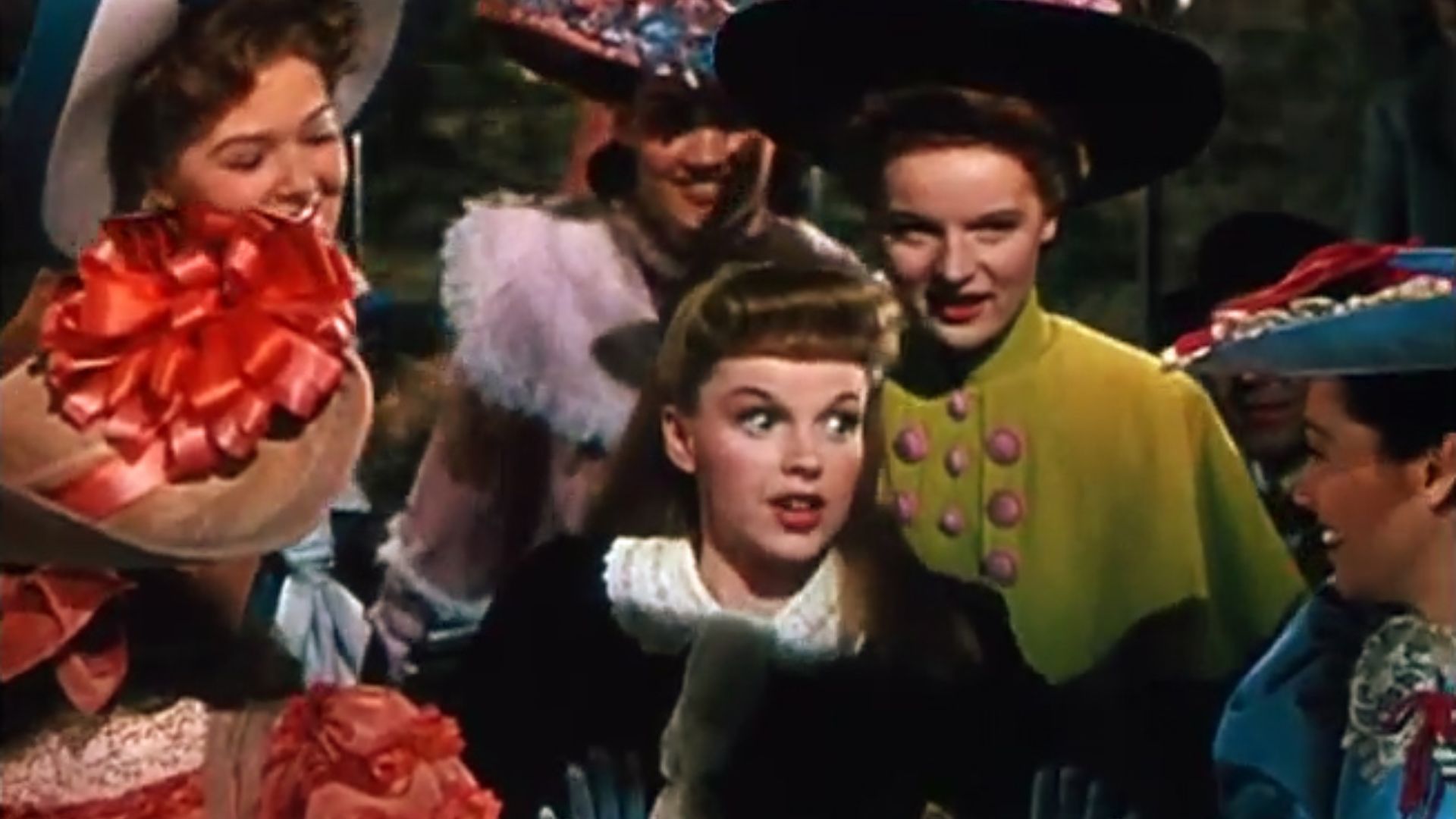
Garland remains one of the most iconic performers of her era. The Wizard of Oz, Meet Me in St. Louis, and A Star Is Born continue to define her legacy decades later.
The Story Feels Different Now
Looking back, it’s hard to separate the success from what it cost. The fame was real. So was everything happening behind it. And once you see that side of the story, it changes how all of it feels.
You Might Also Like:
Britt Ekland was a frosty blonde 70s cool girl—but love derailed her journey every step of the way.