Who’s the Boss? Had A Clever Hook.
Yet Judith Light helped turn the simple idea of a successful executive hiring a male housekeeper into something warmer and more thoughtful about work, family, ambition, and changing expectations. Angela Bower could have been a one-note sitcom boss, but Light gave her enough authority, vulnerability, and comic skill to make her one of the show’s essential ingredients.
Acting Was Always The Plan
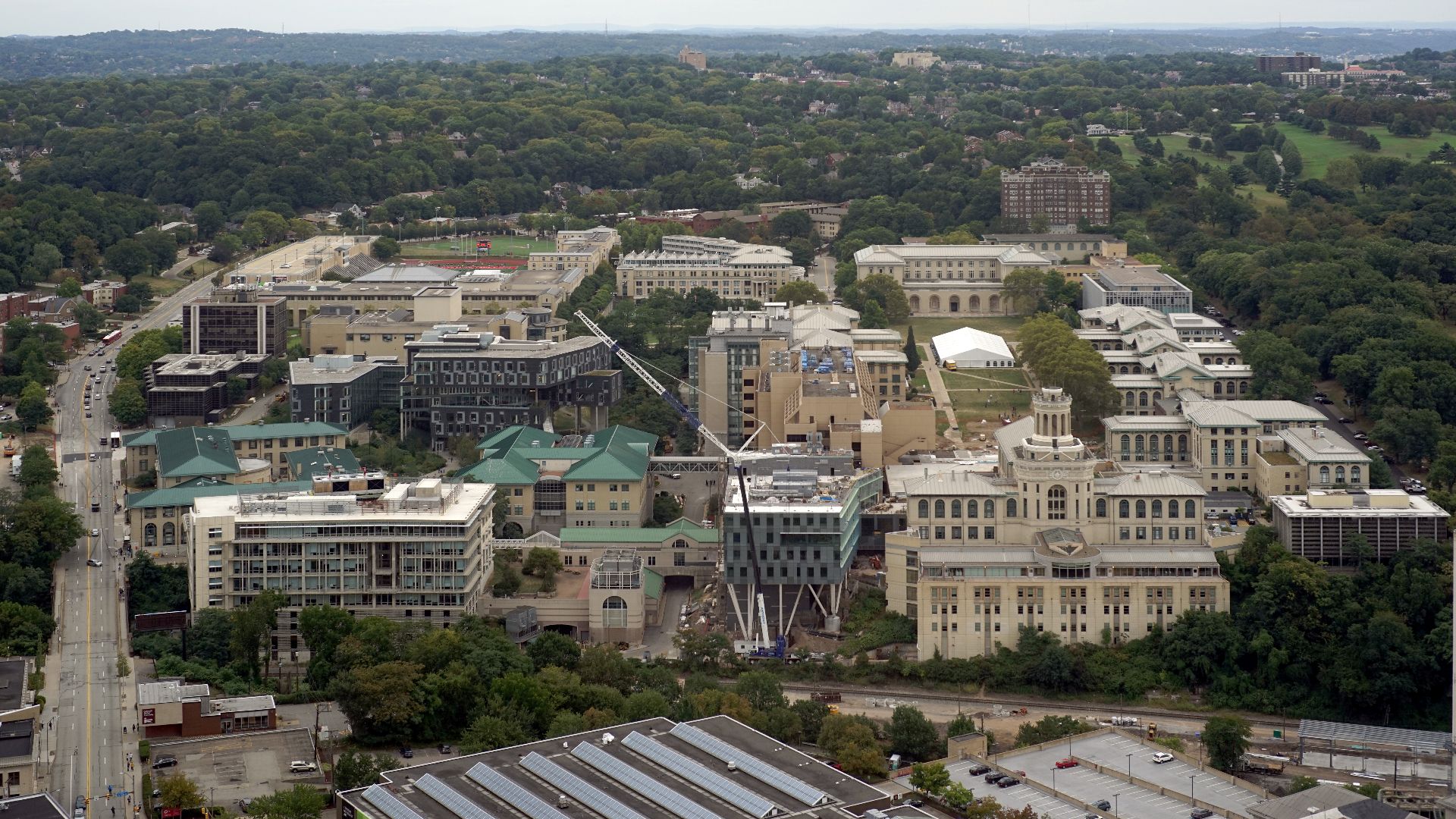
Judith Light was born in Trenton, New Jersey, and studied drama at Carnegie Mellon University. She began her professional stage career soon after graduating and eventually made her Broadway debut in A Doll’s House. Long before sitcom audiences knew her as Angela Bower, Light had built her ambitions around serious theatrical training.
Success Did Not Arrive Immediately
Light’s early theater work did not translate into instant security. She later recalled going through stretches when acting jobs became scarce enough that she considered leaving the profession. That uncertainty eventually pushed her to reconsider the kinds of television work she had once dismissed.
 TAO Management, Wikimedia Commons
One Life To Live Changed Everything
Her breakthrough came when she joined ABC’s One Life to Live as Karen Wolek. The demanding role gave Light a national audience and proved that television could offer the kind of substantial acting challenge she wanted. Her performance quickly transformed her career.
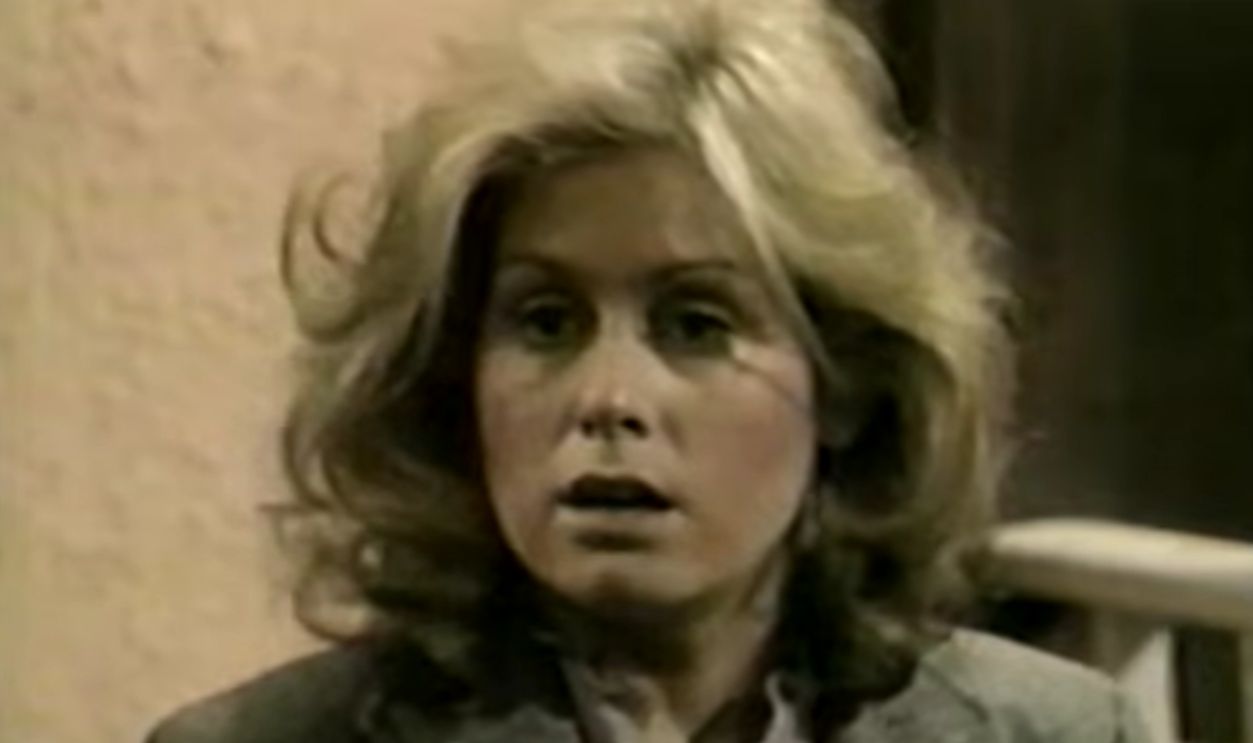 Screenshot from One Life to Live, ABC (1968–2012)
She Became A Daytime Powerhouse
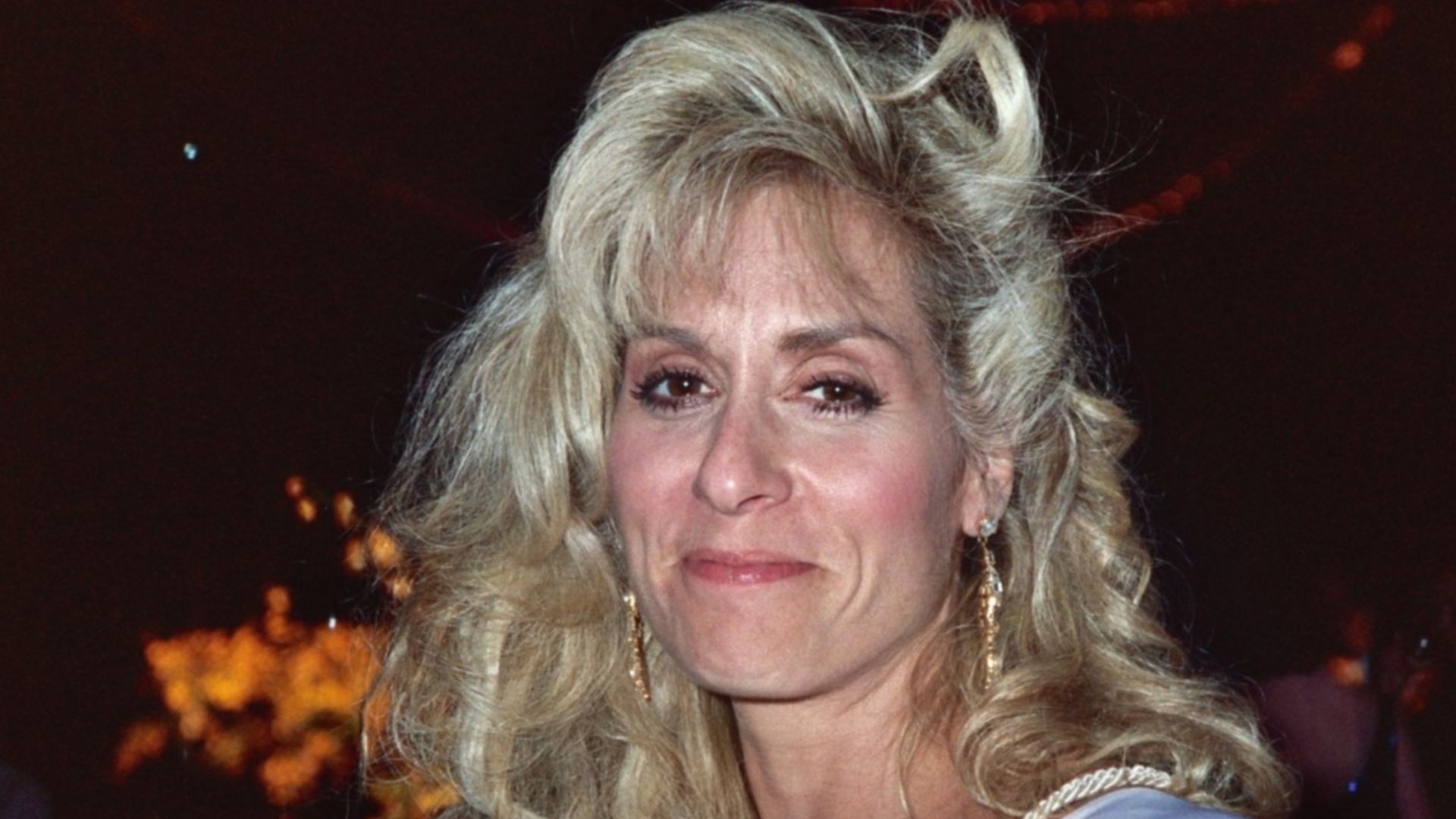
Light won consecutive Daytime Emmy Awards in 1980 and 1981 for One Life to Live. The victories established her as a highly respected television performer before Who’s the Boss? ever entered the picture. She was not arriving at the sitcom as an unknown looking for her first opportunity.
 Fotos International, Getty Images
She Had Once Resisted Sitcoms
There was some irony in what happened next. Light had once been reluctant to pursue both daytime television and sitcom work, preferring theater and films instead. She later described learning to become more open to unexpected career opportunities, a lesson that would pay off spectacularly.
The Script Immediately Interested Her
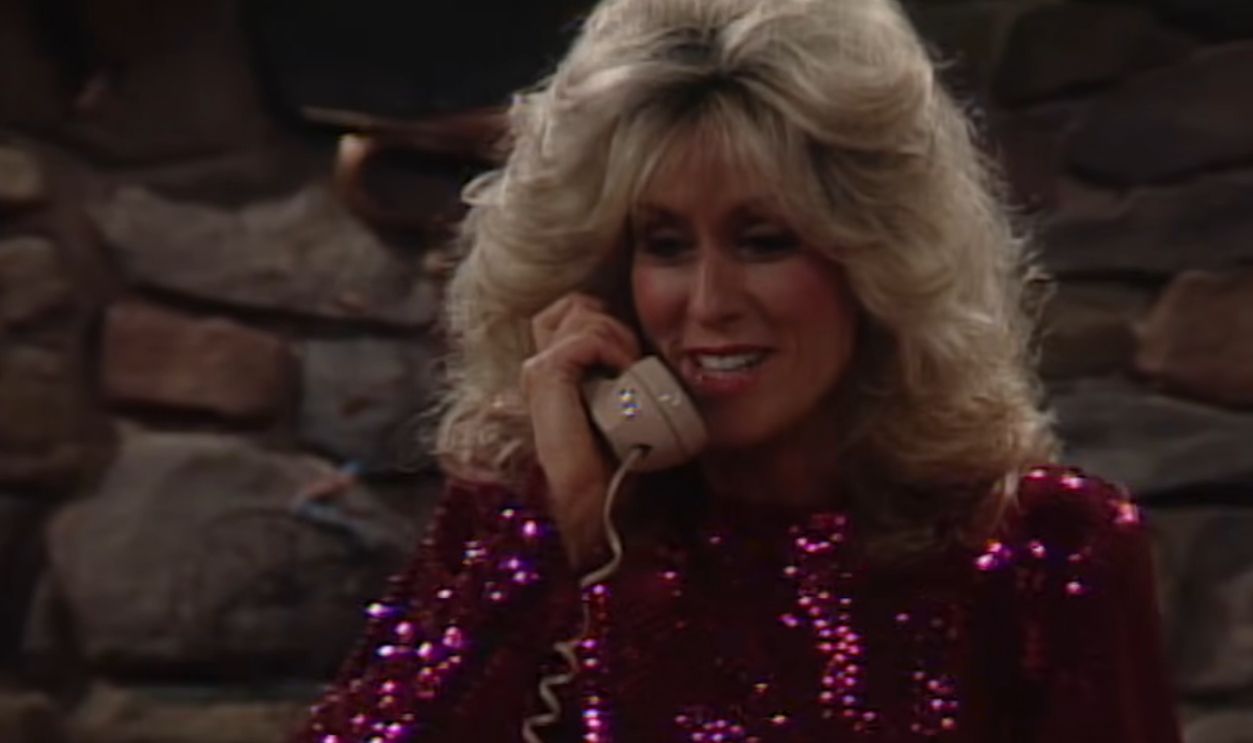
In the early 1980s, Light received a script for a project then called You’re the Boss. She later told the Television Academy that she loved the material and pursued the part while ABC was considering her for several projects. The premise offered more possibilities than its simple setup might initially suggest.
 Screenshot from Who's the Boss?, ABC (1984–1992)
Tony Danza Was Already The Centerpiece
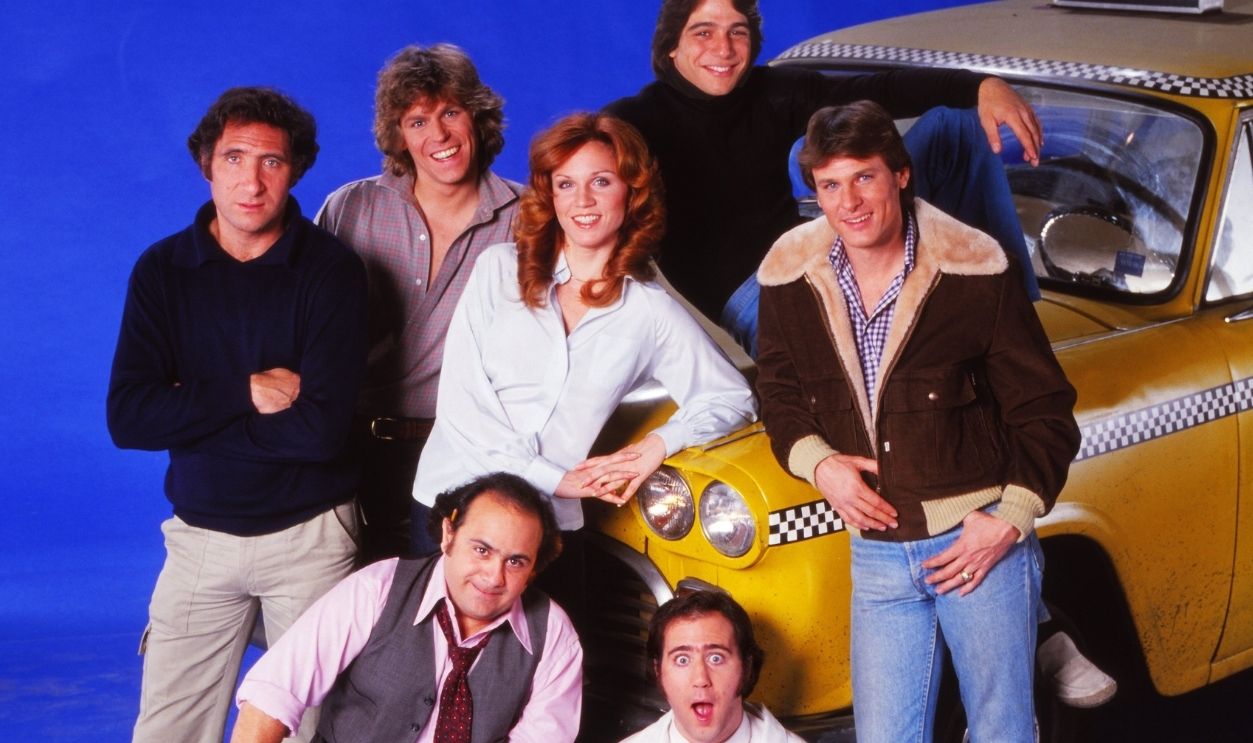
Tony Danza was ABC’s first choice to play Tony Micelli, a former baseball player who becomes a live-in housekeeper. Fresh from Taxi, Danza was already an established television star. The crucial remaining task was finding an actress who could make Angela Bower feel like his equal rather than merely his employer.
The Audition Changed The Equation
Light recalled that her audition opposite Danza produced an immediate spark. Director Bill Persky watched the pair improvise a small moment beyond what was on the page and saw something promising in their interaction. That connection helped define the unusual rhythm between Angela and Tony.
 ABC Television, Wikimedia Commons
Angela Bower Broke A Familiar Pattern
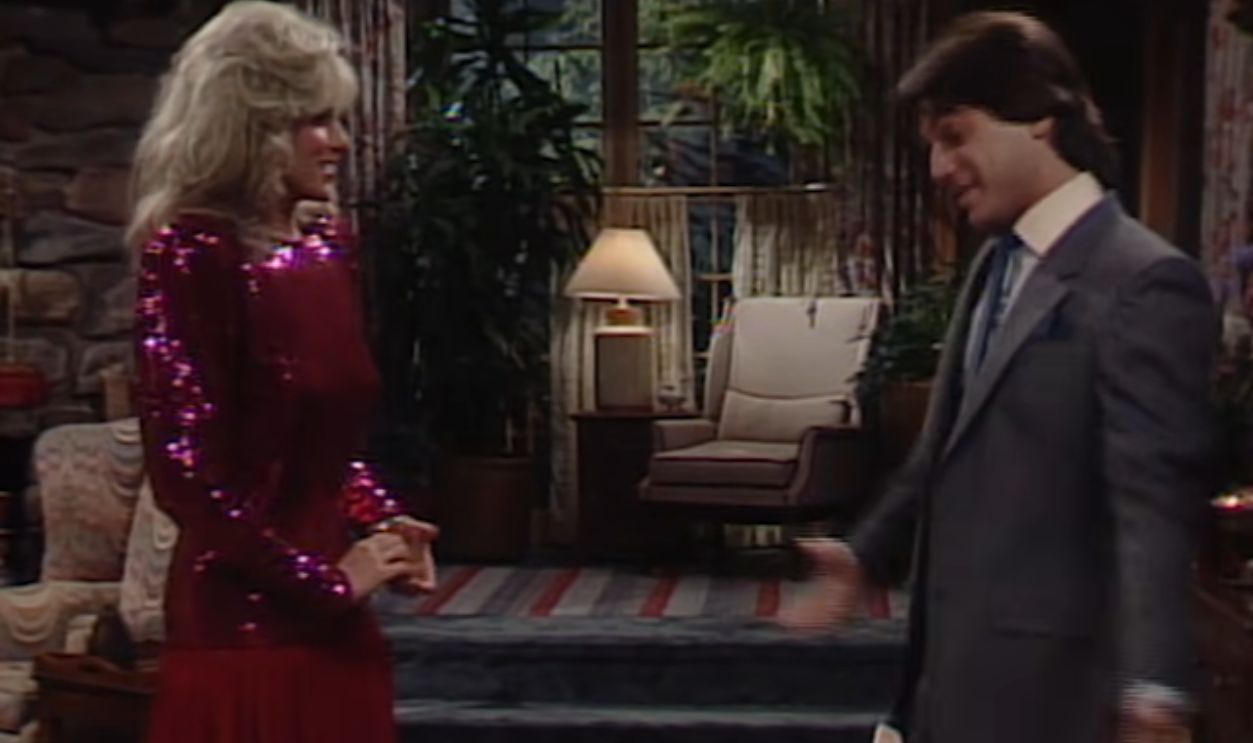
When Who’s the Boss? premiered on September 20, 1984, Angela was a successful advertising executive living in Connecticut. Tony handled much of the household work while Angela concentrated on her demanding career. The reversal was central to the series rather than a throwaway joke.
 Screenshot from Who's the Boss?, ABC (1984–1992)
The Original Idea Was Deliberately Progressive
Creators Martin Cohan and Blake Hunter developed the concept after encountering a story about a working woman who hired a man to handle household responsibilities. Hunter later connected the premise with the changes in expectations happening during the previous decades. The comedy came from reversing familiar assumptions without treating either character as ridiculous for accepting the arrangement.
 Antonio Nava / Secretaria de Cultura, Wikimedia Commons
Light Refused To Make Angela Cold
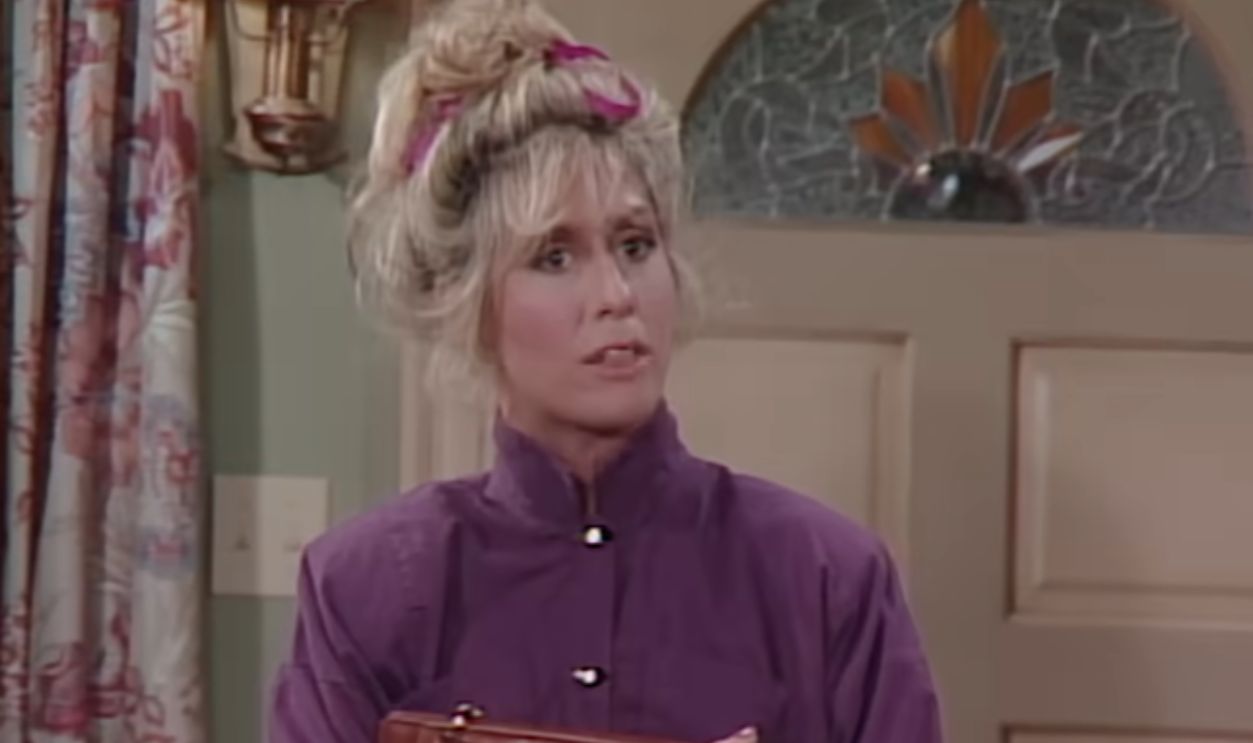
A character like Angela could easily have become a familiar television stereotype of the humorless career woman. Light instead played her with warmth, awkwardness, confidence, and flashes of insecurity. Those layers made Angela's professional success feel like part of a complete personality rather than her only identifying trait.
 Screenshot from Who's the Boss?, ABC (1984–1992)
She Was Allowed To Be Funny Too
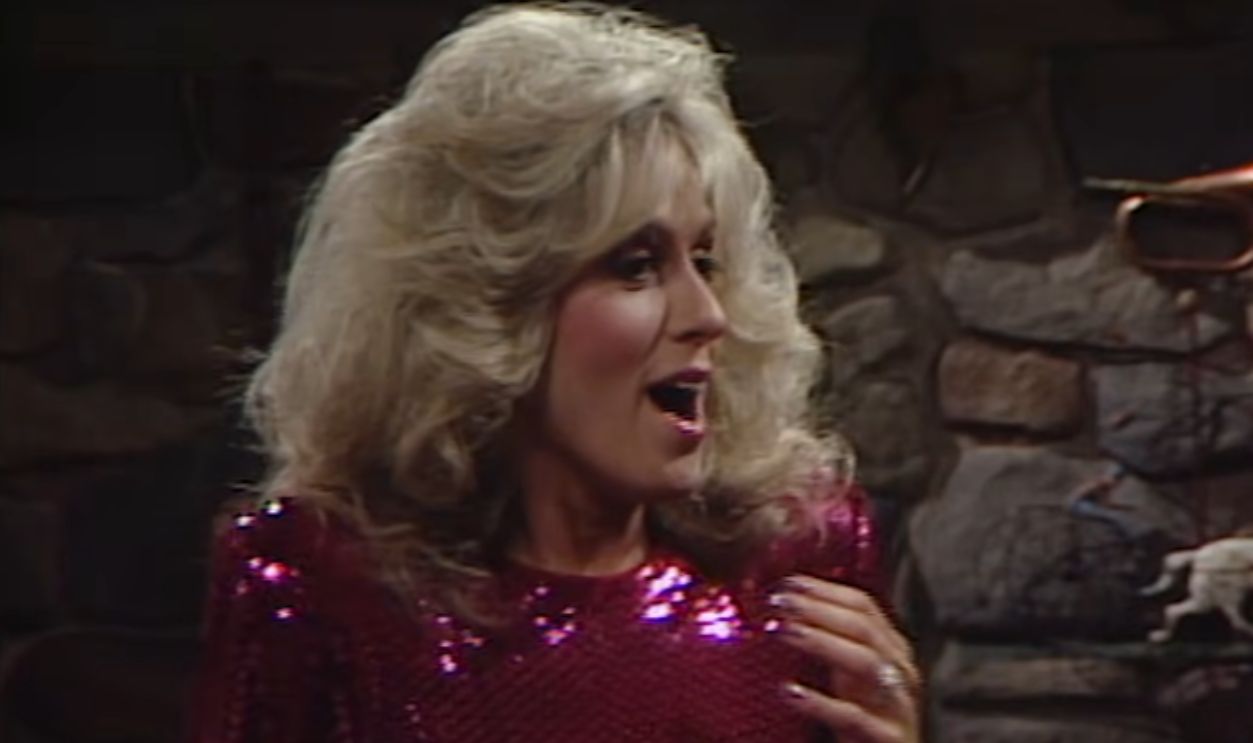
Light’s background in dramatic acting might have made her seem like an unlikely physical comedian. Instead, Who’s the Boss? revealed a broad comic side that the Television Academy later compared to the tradition of Lucille Ball. Angela could maintain executive authority in one scene and become wonderfully flustered in the next.
 Screenshot from Who's the Boss?, ABC (1984–1992)
Angela Never Had To Become Tony
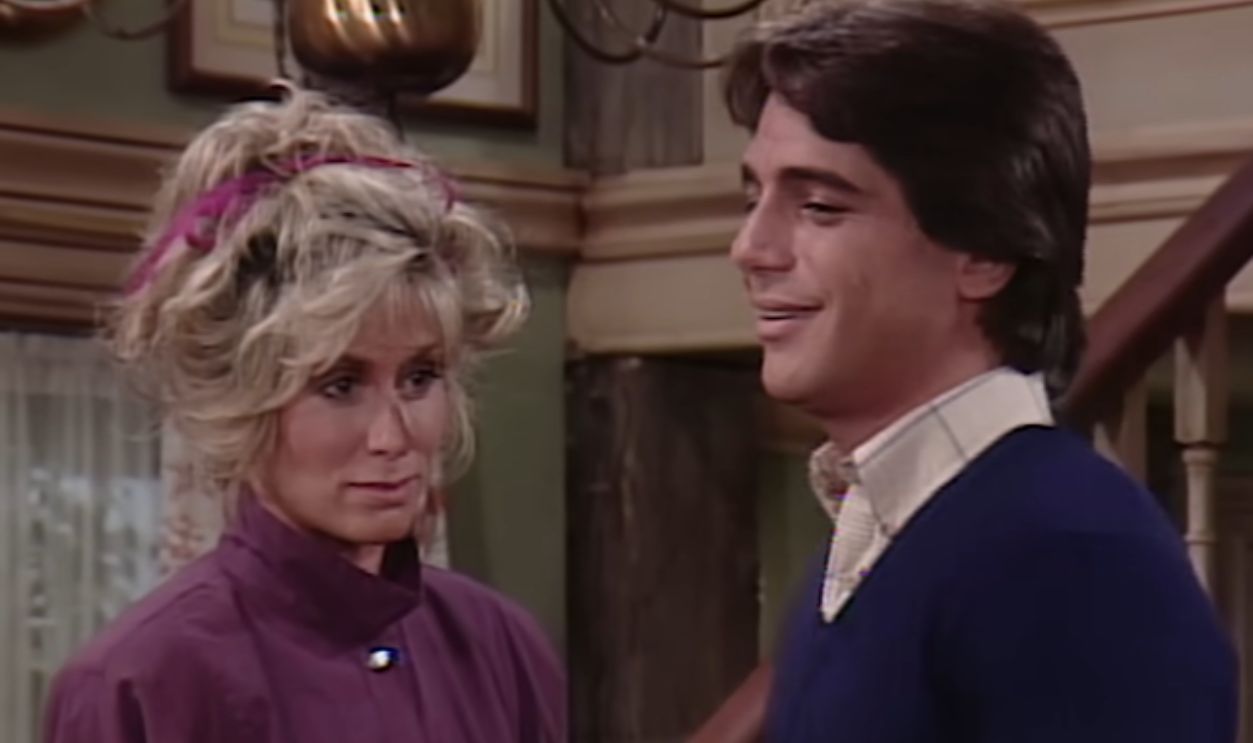
The show’s smartest choice was not simply swapping conventional roles and leaving it there. Angela did not become an exaggerated tough guy, and Tony did not lose his confidence because he cooked, cleaned, and cared for children. Their personalities remained distinct while the series questioned why certain responsibilities had traditionally been assigned to one person or another.
 Screenshot from Who's the Boss?, ABC (1984–1992)
The Title Became A Running Question
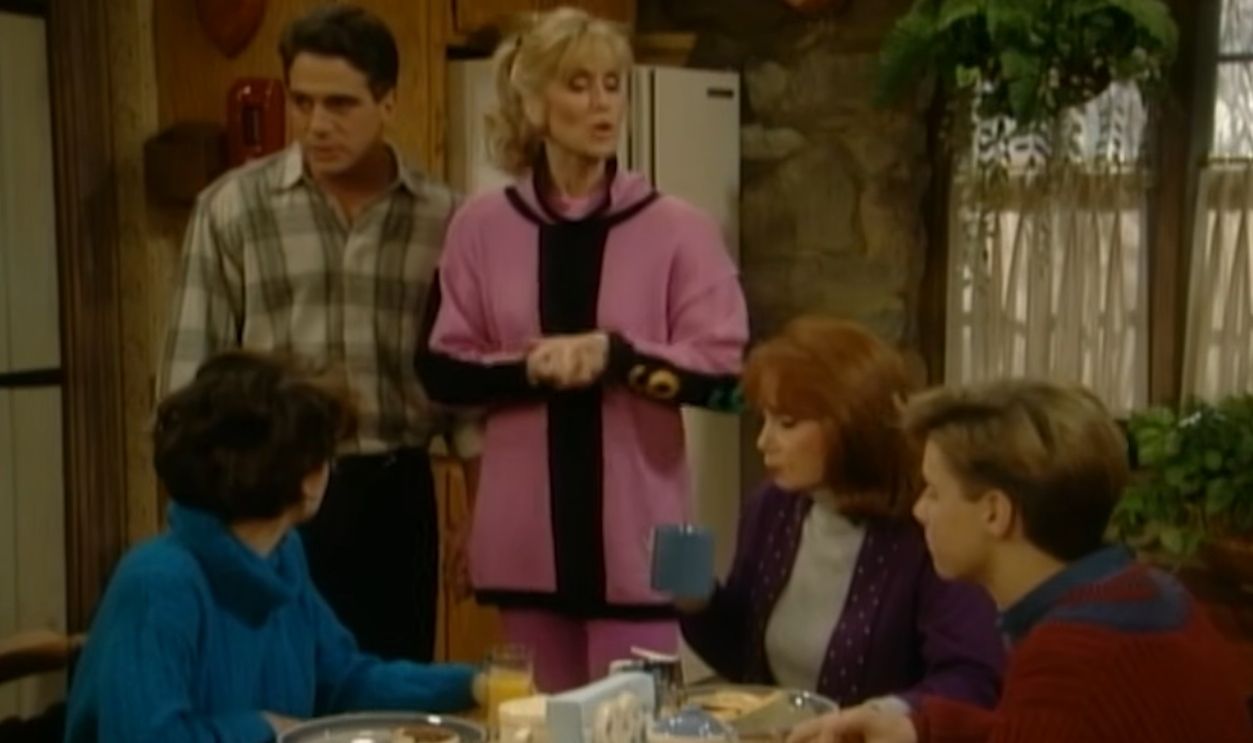
Light has said that the title was never meant to have one permanent answer. On any particular week, Angela, Tony, Mona, Samantha, or Jonathan might be the person steering the household. That flexibility made the title less about authority and more about how a blended family negotiated everyday life.
 Screenshot from Who's the Boss?, ABC (1984–1992)
Angela Was Successful Without Apology
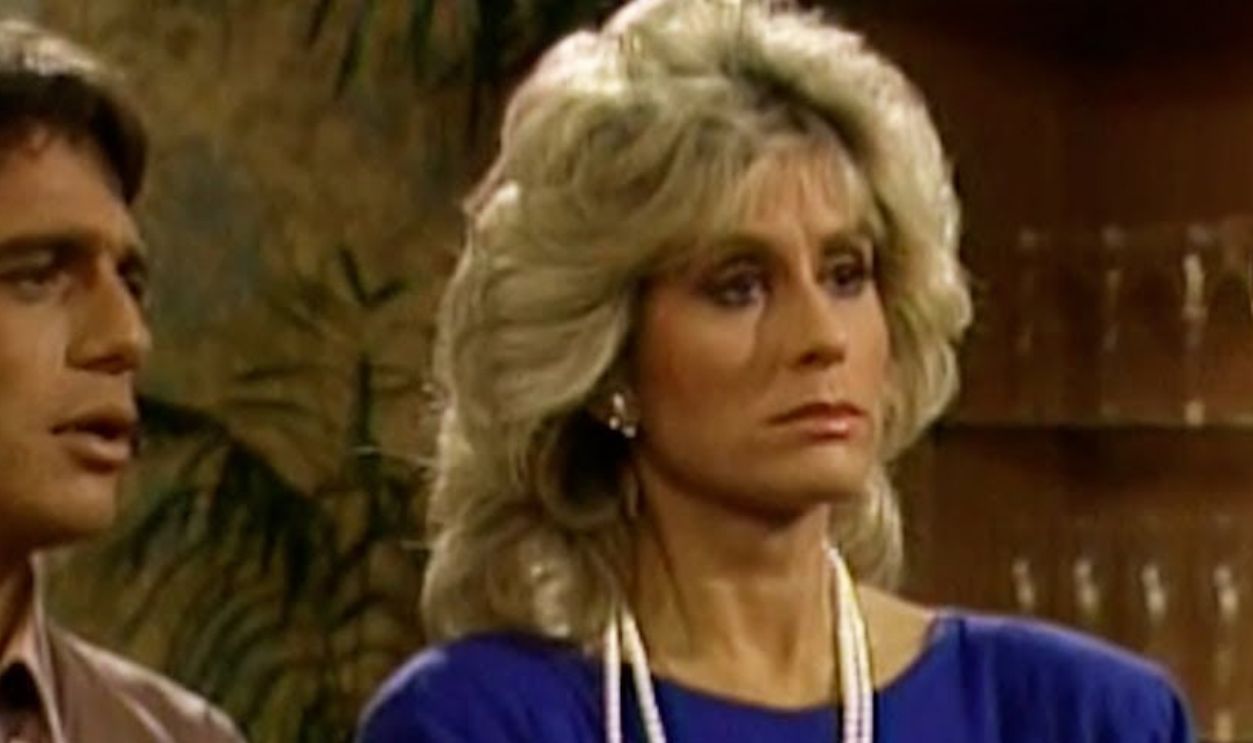
Angela’s career was not treated as a temporary obstacle she needed to abandon in order to become a better parent. She was already a devoted mother while running an advertising business and dealing with demanding clients. Light helped make those competing responsibilities feel natural rather than exceptional.
 Screenshot from Who's the Boss?, ABC (1984–1992)
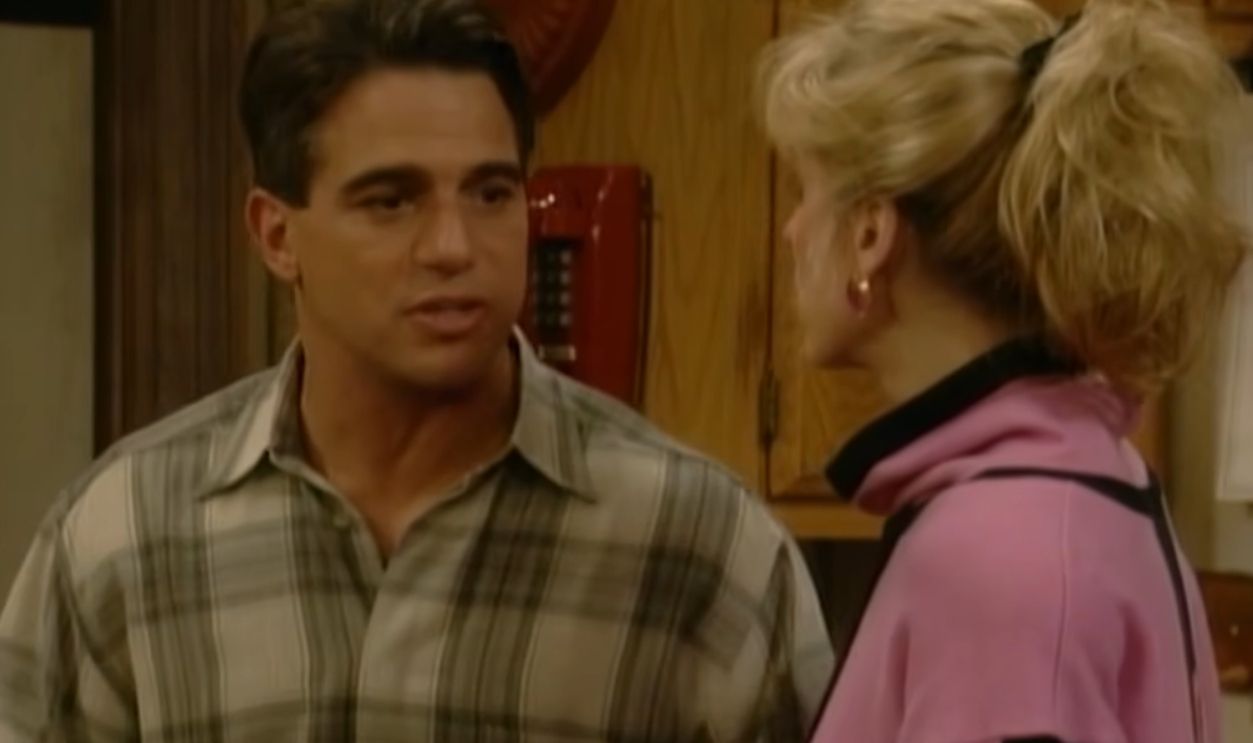
Tony Wasn't Diminished Either
Just as importantly, Tony’s household role was not presented as a humiliation. He cooked, cleaned, helped raise the children, and remained confident about who he was. The show could therefore explore changing expectations without suggesting that one character had to lose status for the other to gain it.
 Screenshot from Who's the Boss?, ABC (1984–1992)
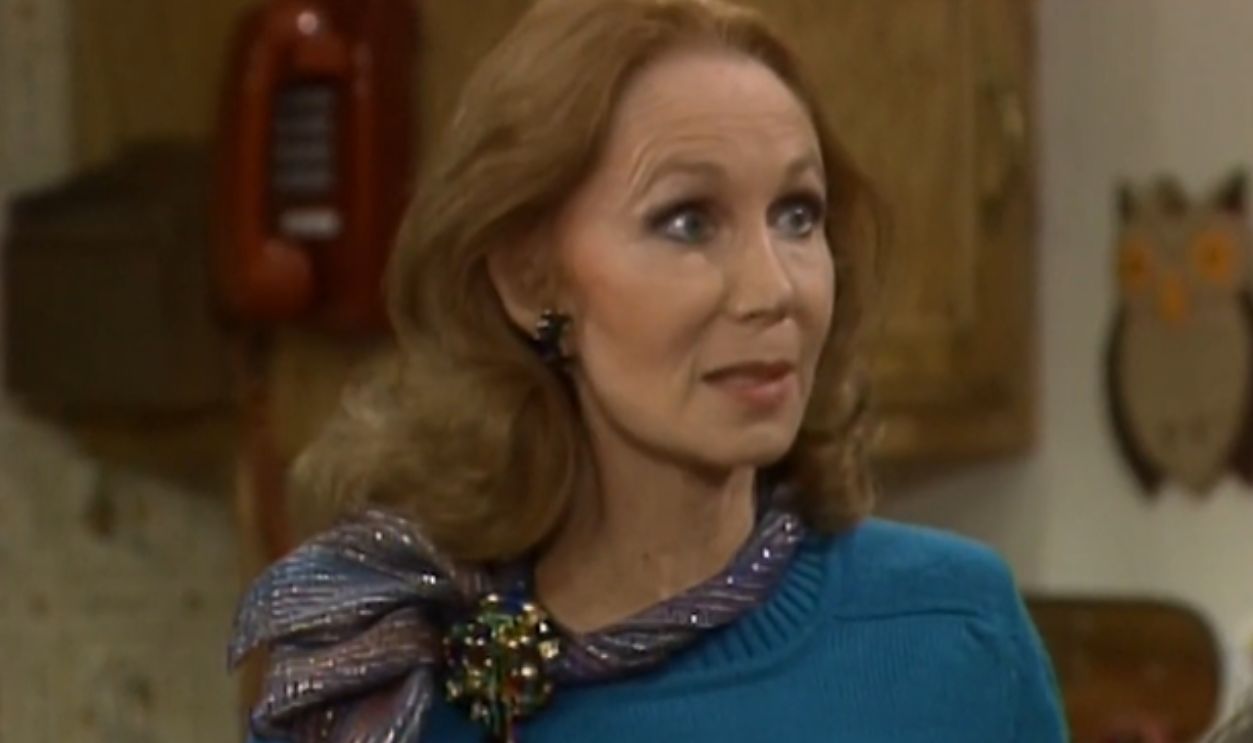
Katherine Helmond Added Another Perspective
Katherine Helmond’s Mona Robinson gave the family yet another strong personality. Mona was independent, outspoken, and rarely shy about telling Angela what she thought. Light and Helmond’s mother-daughter dynamic helped keep Angela from becoming the only adult woman defining the show's worldview.
 Screenshot from Who's the Boss?, Sony Pictures Television (1984-1992)
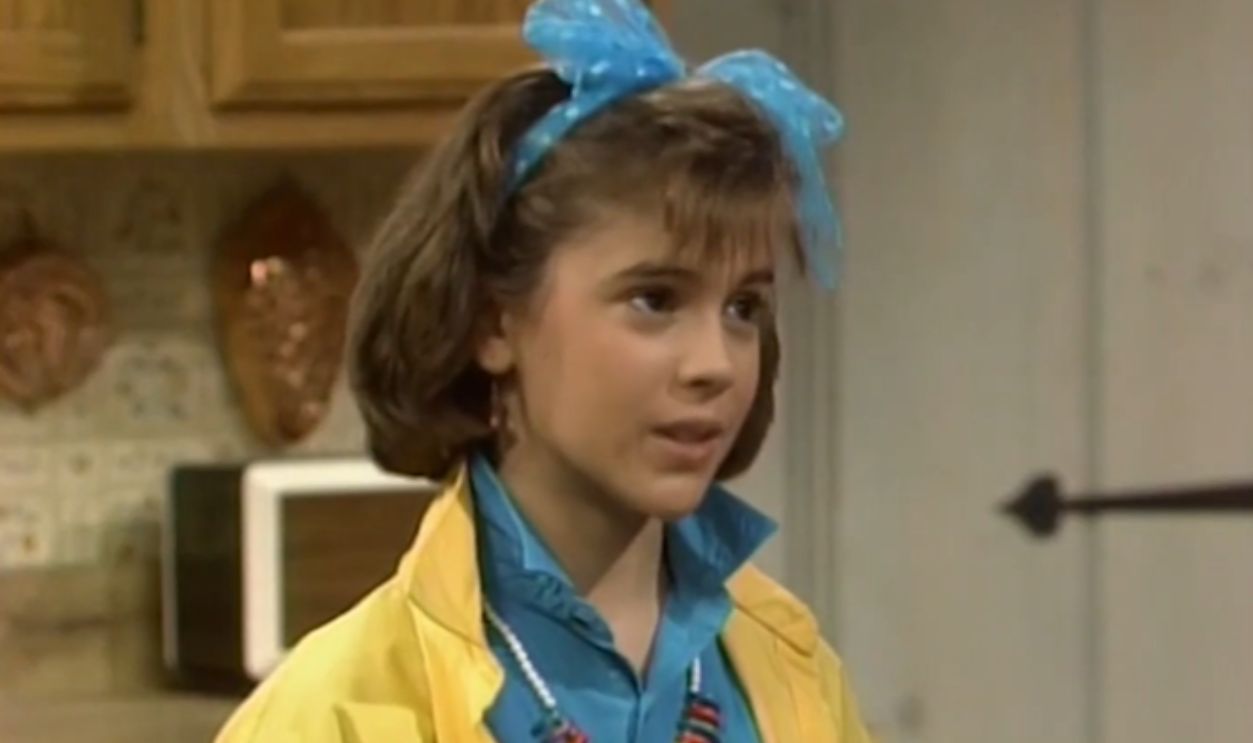
The Children Made It A Real Family Story
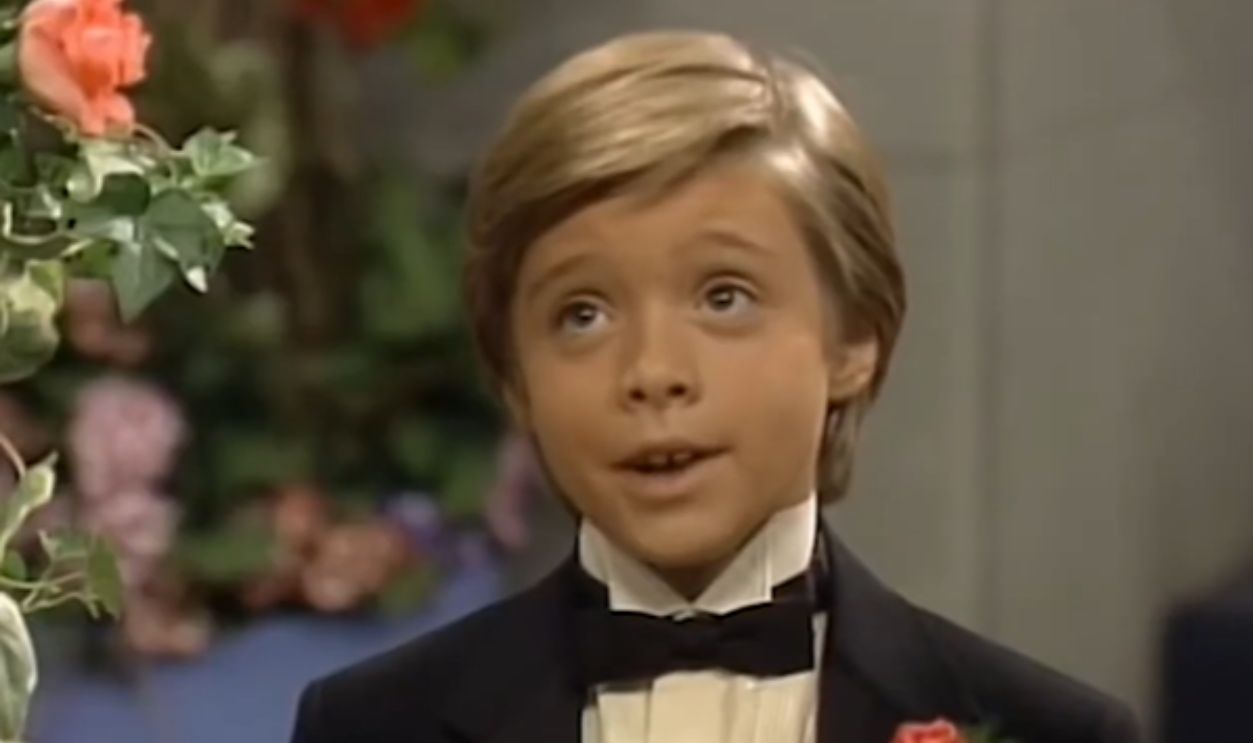
Alyssa Milano played Tony’s daughter Samantha, while Danny Pintauro played Angela’s son Jonathan. Their lives meant Tony and Angela constantly had to make decisions that went beyond employment or household arrangements. Light saw the series as a story about people figuring out how a blended family could function together.
 Screenshot from Who's the Boss?, ABC (1984–1992)
Light Took The Young Cast Seriously
Light has spoken warmly about working with Milano and Pintauro during the show’s run. Her Television Academy interview devotes substantial attention to their working relationships and to the ensemble’s collaborative process. That sense of mutual investment helped make the household feel more convincing than a collection of sitcom characters built around a gimmick.
 Screenshot from Who's the Boss?, ABC (1984–1992)
The Comedy Became A Massive Hit
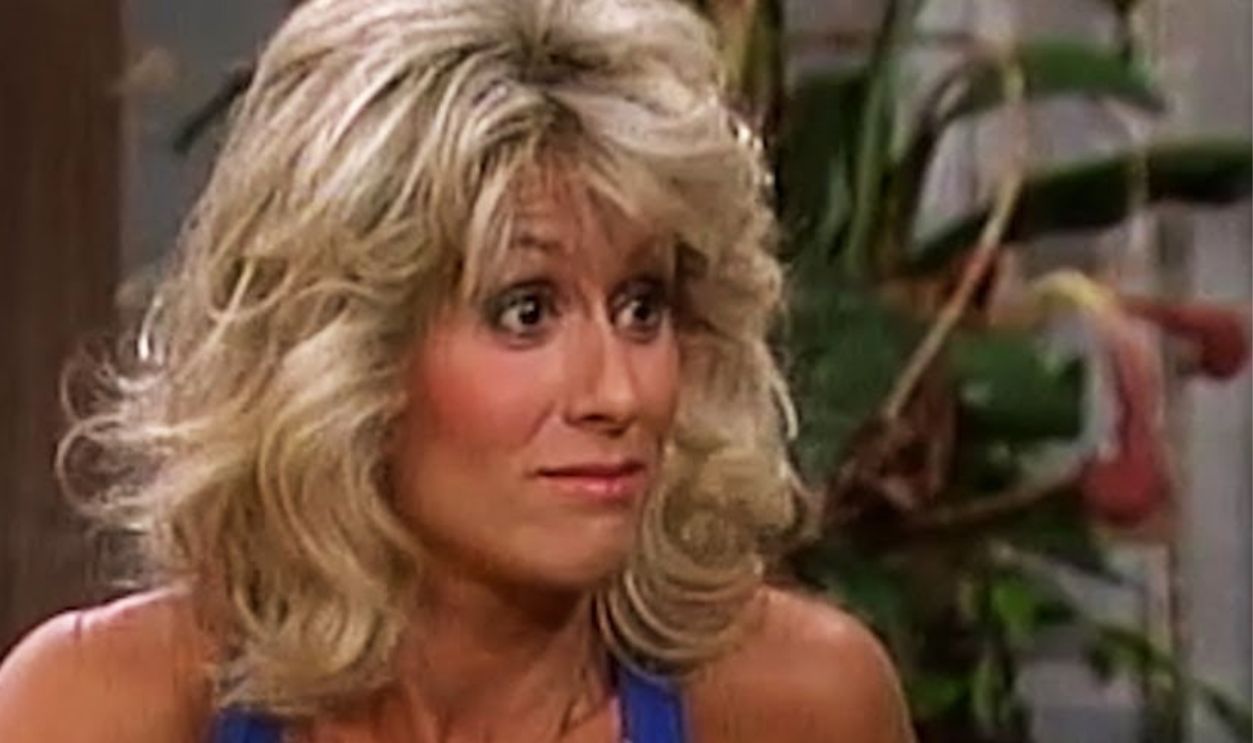
The experiment worked with audiences. Who’s the Boss? ran for eight seasons from 1984 to 1992 and reached the Nielsen top 10 for several consecutive seasons. The Television Academy reports that the series drew more than 30 million viewers at its peak.
 Screenshot from Who's the Boss?, ABC (1984–1992)
It Was More Than A Ratings Machine
The series also attracted significant awards attention, receiving 10 Primetime Emmy nominations during its run. Its popularity demonstrated that audiences would embrace a family sitcom built around an unconventional household arrangement. The premise was accessible enough for broad comedy while still opening the door to more interesting questions underneath.

Angela And Tony Had To Keep Changing
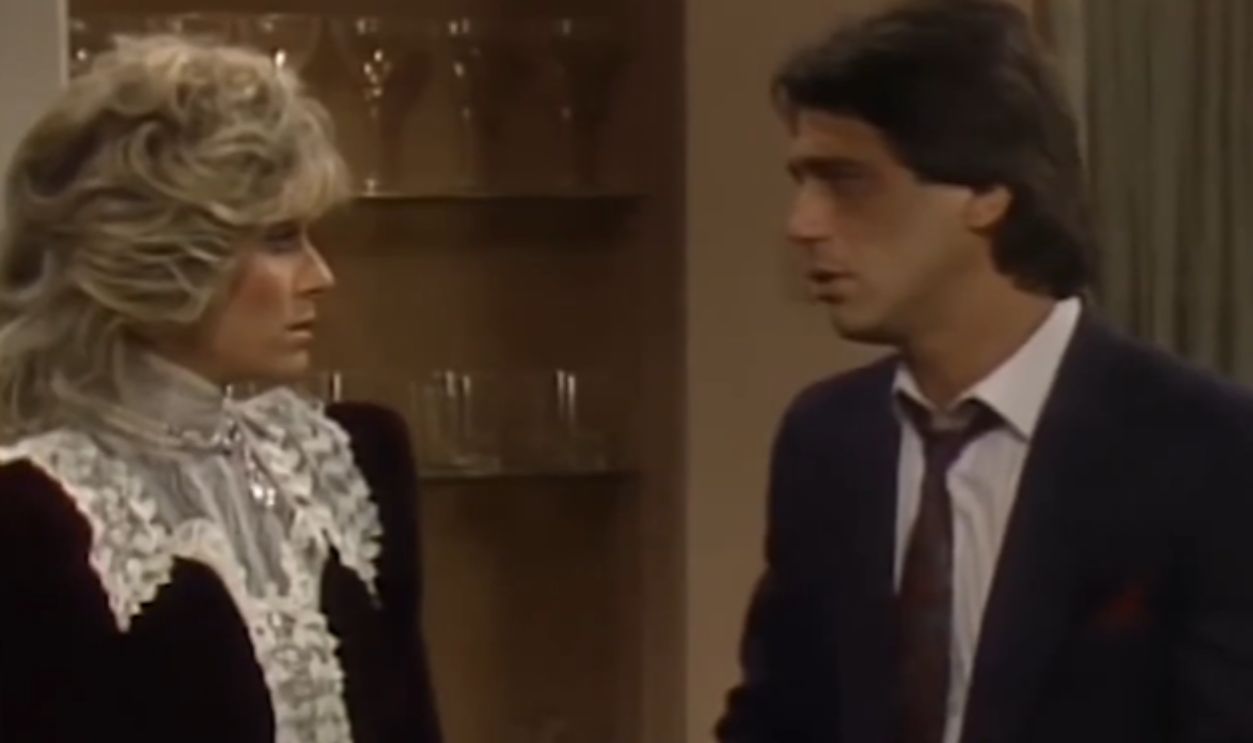
As the seasons continued, Tony and Angela’s connection became increasingly central to the series. Their friendship deepened, and the writers gradually allowed both characters to acknowledge feelings that had been developing for years. Light’s ability to move between comedy and quieter emotional scenes made that slow progression believable.
 Screenshot from Who's the Boss?, ABC (1984–1992)
The Show Resisted An Easy Ending
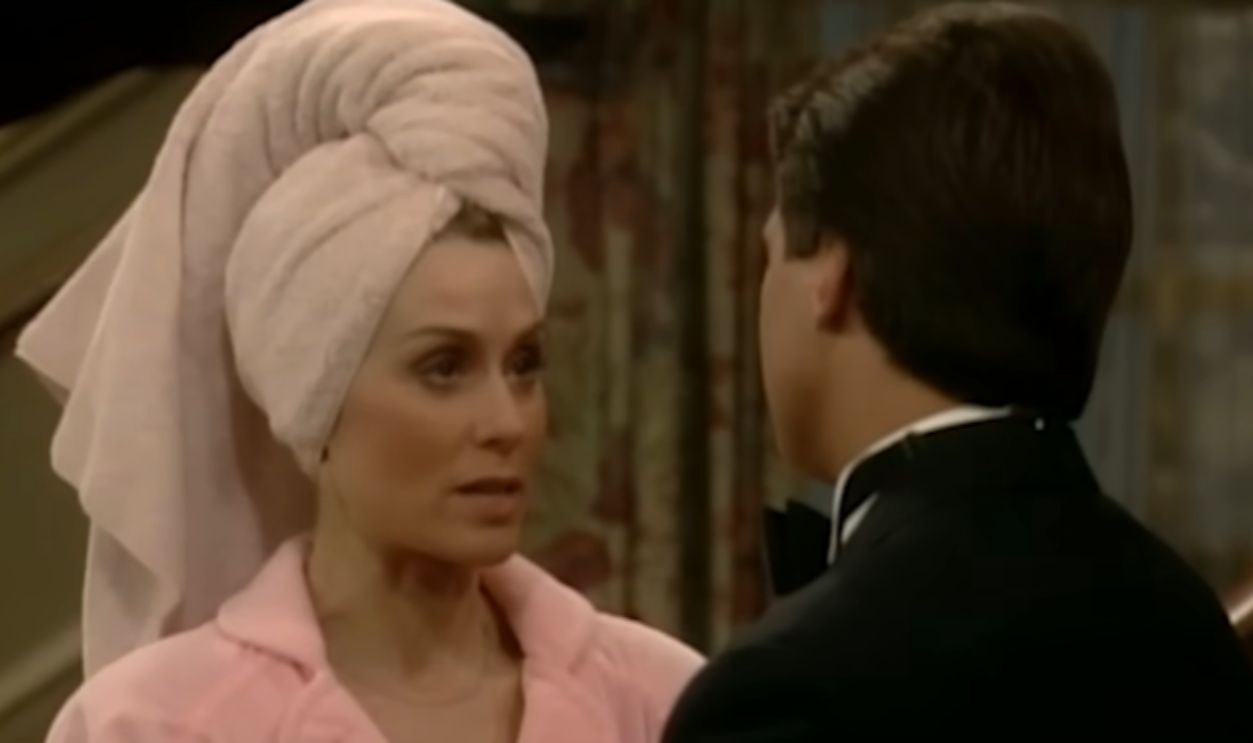
Light later explained that the creative team resisted giving Tony and Angela the most obvious conventional ending. She said there was concern that resolving everything too neatly would damage the quality that kept viewers wondering what came next. Even after eight seasons, the series wanted the relationship to retain some of its original uncertainty.
 Screenshot from Who's the Boss?, ABC (1984–1992)
Eight Seasons Finally Reached Their Limit
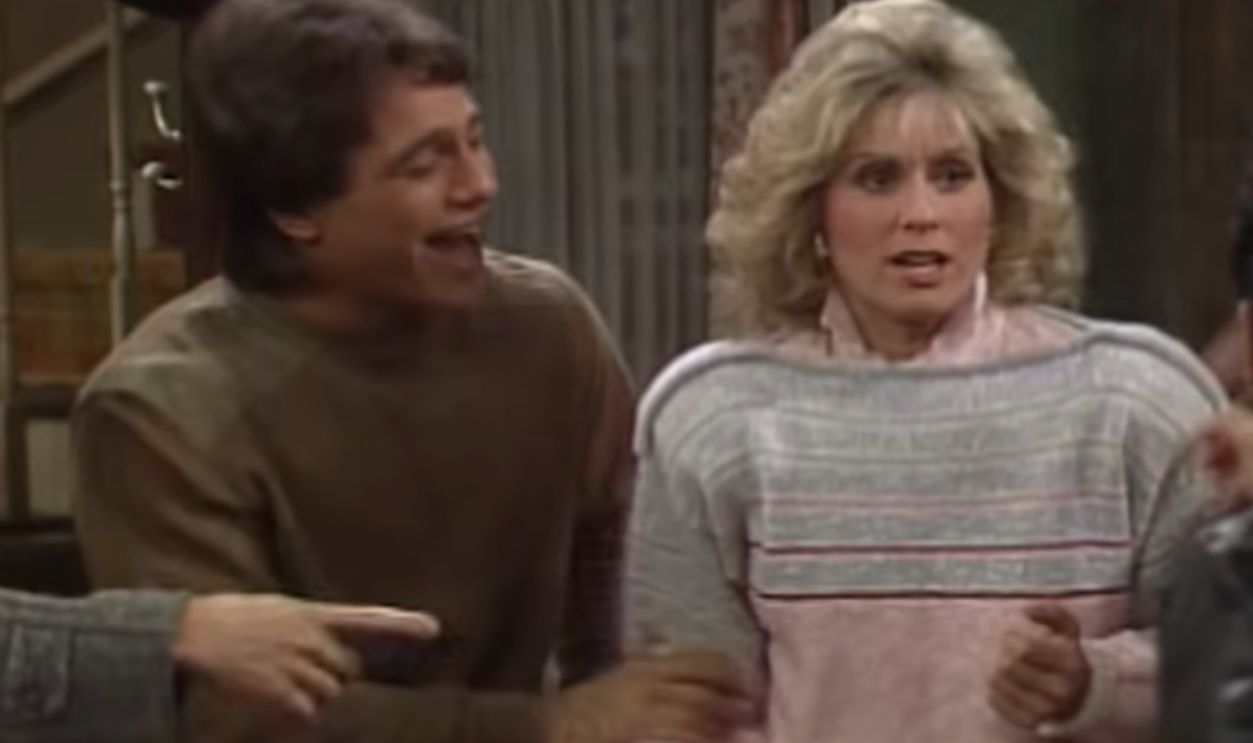
ABC aired the final episode of Who’s the Boss? on April 25, 1992. Network executives said at the time that long-running series such as Who’s the Boss? had largely exhausted their available story material. After nearly eight years, Angela Bower had become inseparable from Light’s public image.
 Screenshot from Who's the Boss?, ABC (1984–1992)
Light Refused To Stay Angela Forever
After the sitcom ended, Light kept seeking roles that pushed her in different directions. Her later career included television movies, recurring dramatic characters, and an eventual return to major stage work. Rather than spending the rest of her career repeating Angela Bower, she continually changed the type of performer audiences expected her to be.
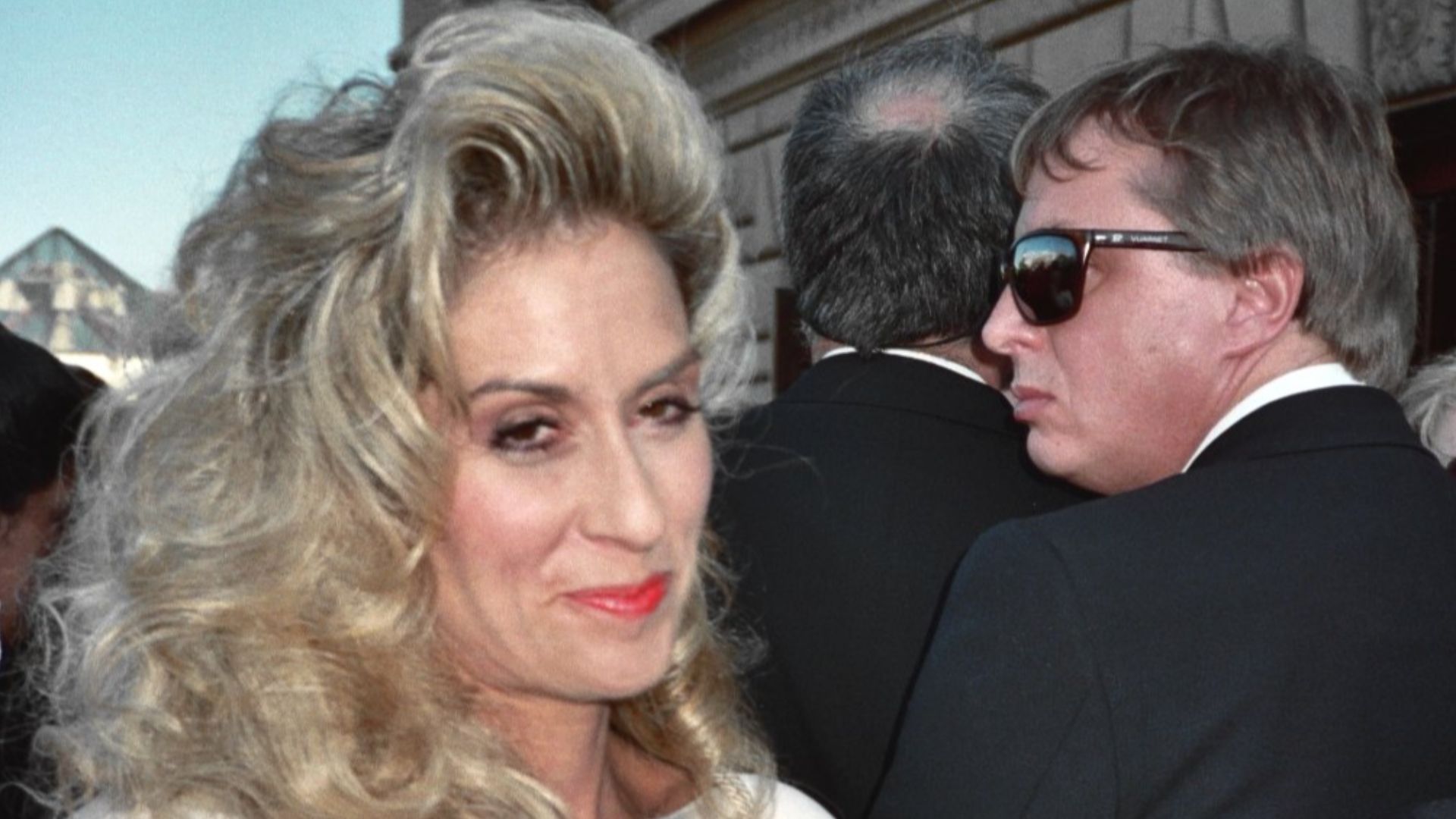
Ugly Betty Introduced Her To A New Generation
In 2006, Light joined Ugly Betty as Claire Meade. What began as a recurring role became a regular part of the series, and Light received a Primetime Emmy nomination for her performance. More than a decade after leaving Angela behind, she had once again become an important presence on a major network comedy.

Broadway Delivered Another Reinvention
Light’s return to theater became one of the great later chapters of her career. She earned a Tony nomination for Lombardi, then won consecutive Tony Awards for Other Desert Cities in 2012 and The Assembled Parties in 2013. Those victories confirmed the theatrical ability she had been developing long before television made her famous.

Transparent Showed Her Range Again
Light later became a regular on Transparent, earning Primetime Emmy nominations for her performance. The role added another acclaimed television chapter decades after Who’s the Boss?. Her career had become a rare example of a sitcom star repeatedly finding substantial new work rather than remaining tied to one beloved character.
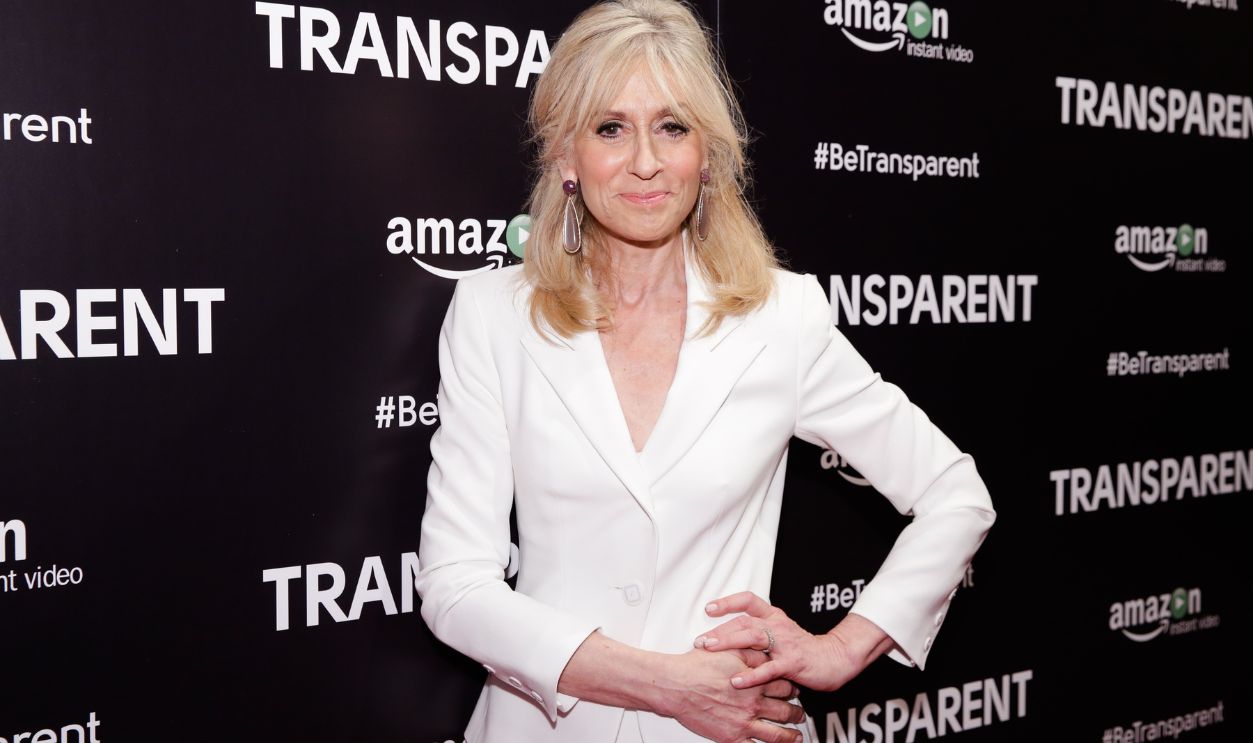
She Eventually Won A Primetime Emmy
In 2023, Light won the Primetime Emmy for Outstanding Guest Actress in a Comedy Series for Poker Face. The victory came more than four decades after her first Daytime Emmy wins. It was another reminder of the extraordinary longevity that followed her breakthrough as Angela Bower.
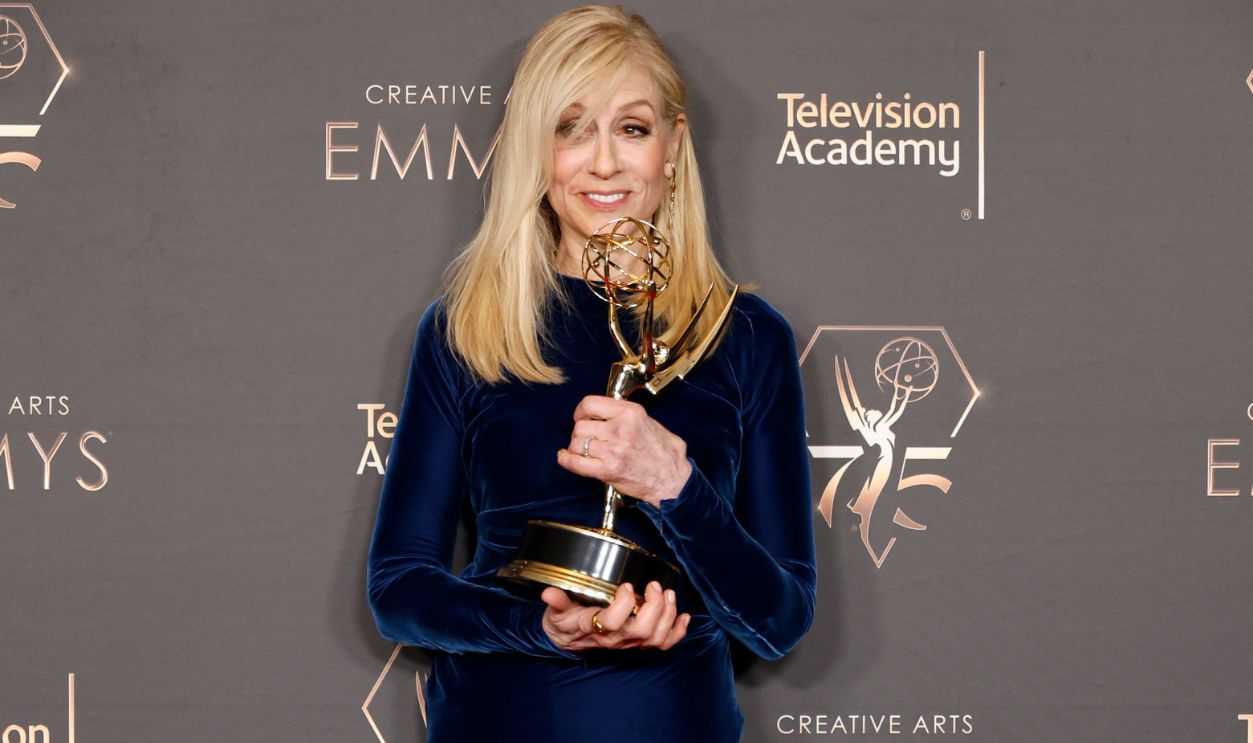
Tony And Judith Never Lost Their Bond
The relationship behind the camera lasted far beyond the sitcom. Light has continued to speak warmly about Danza, and in 2026 she said the two still kept in touch regularly. Whatever disagreements or challenges came with eight years of making network television, their friendship survived the experience.

Angela Was The Secret To The Premise
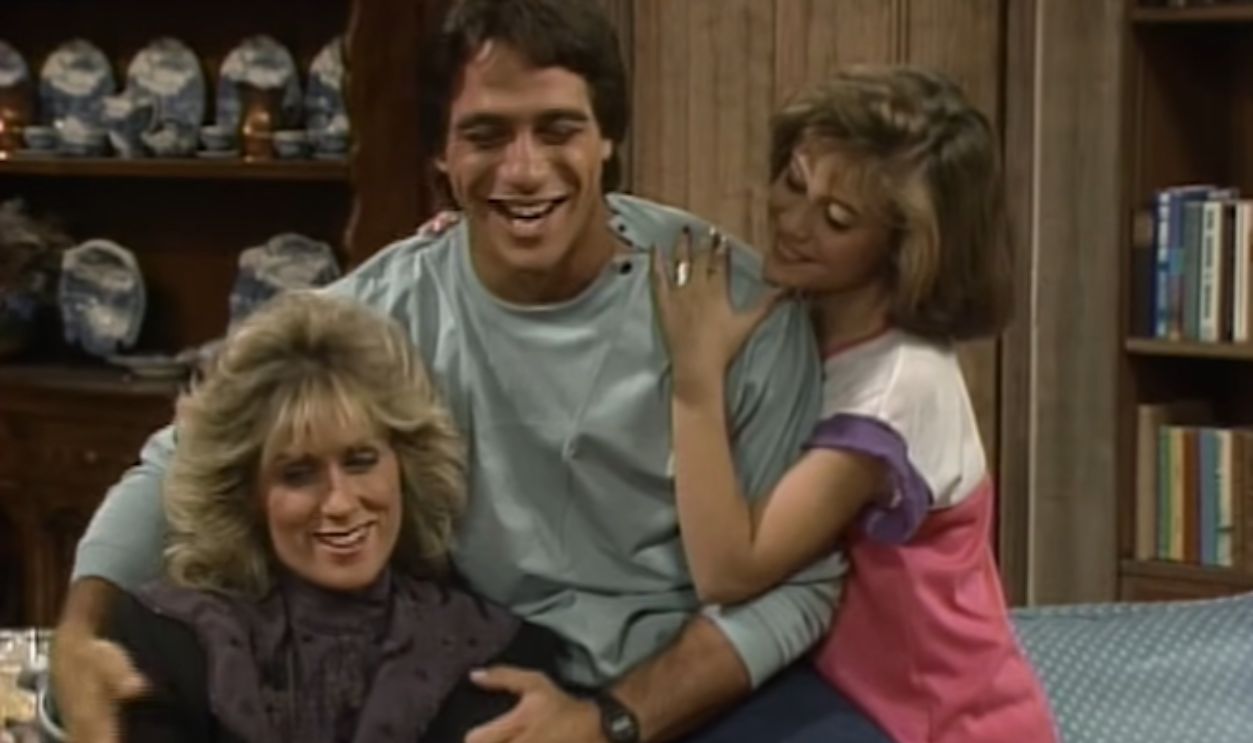
Who’s the Boss? could have survived as nothing more than a role-reversal comedy, but Judith Light helped it become something richer. Angela Bower was allowed to be ambitious, funny, nervous, authoritative, affectionate, and imperfect without the show demanding that she choose only one version of herself. That complexity is why a sitcom built around a catchy question still feels more intelligent than its simple premise suggests.
 Screenshot from Who's the Boss?, ABC (1984–1992)
You May Also Like:
TV Shows From The 1970s That No One Remembers—Seriously, Do You Remember Even 5 Of These Shows?
These 15 Films Were Behind-The-Scenes Disasters
Facts About Classic TV Shows That Will Make You Nostalgic
Sources: 1, 2, 3, 4, 5, 6, 7, 8, 9, 10, 11, 12, 13, 14, 15, 16