He Never Entered Quietly.
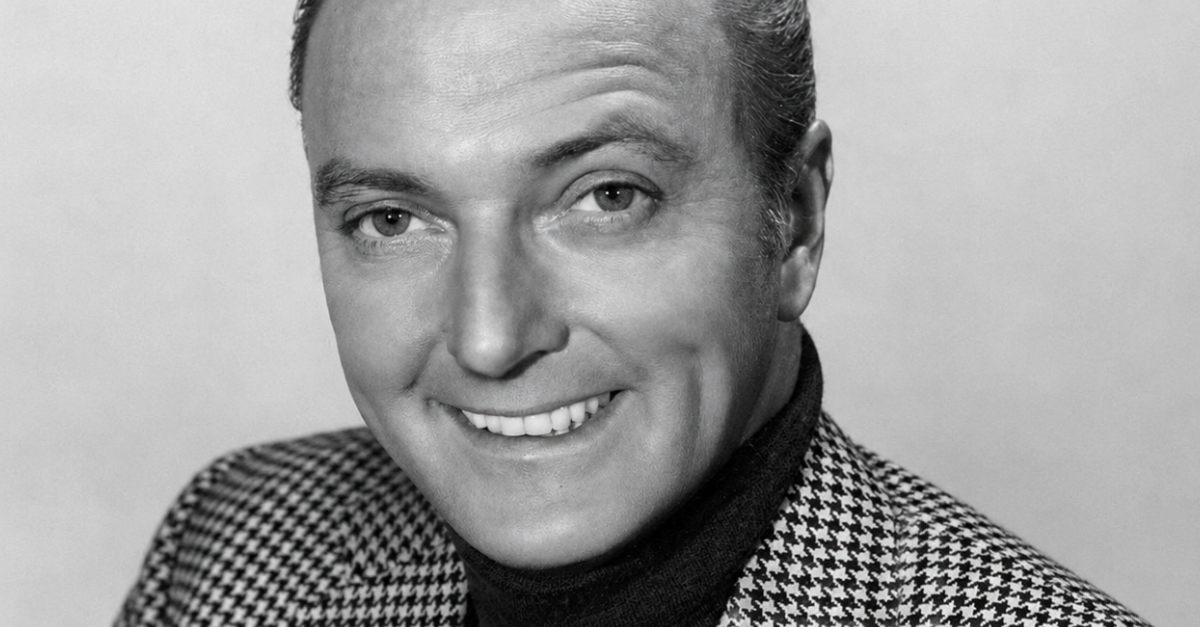
Jack Cassidy brought Broadway polish, dangerous charm, and a magnificent sense of self-importance to every television set he crossed. Behind that dazzling confidence was a far more turbulent life involving professional rivalry, a complicated famous family, personal struggles, and a shockingly sudden end.
Broadway Taught Him How To Make An Entrance
Cassidy made his Broadway debut as a teenager in the 1943 musical Something for the Boys. He spent the following years developing as a singer, dancer, comic actor, and theatrical leading man. That stage training taught him how to seize attention within seconds, a skill that later made him ideal for one-episode television appearances.
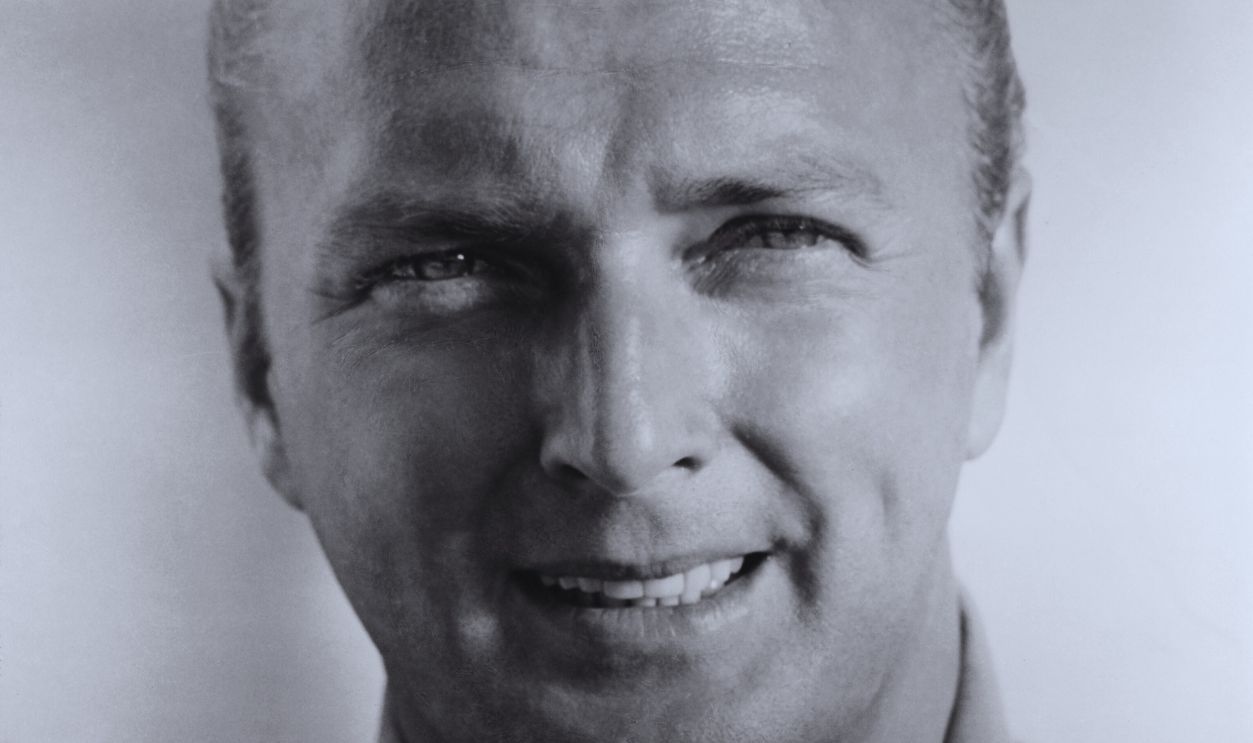 John Springer Collection, Getty Images
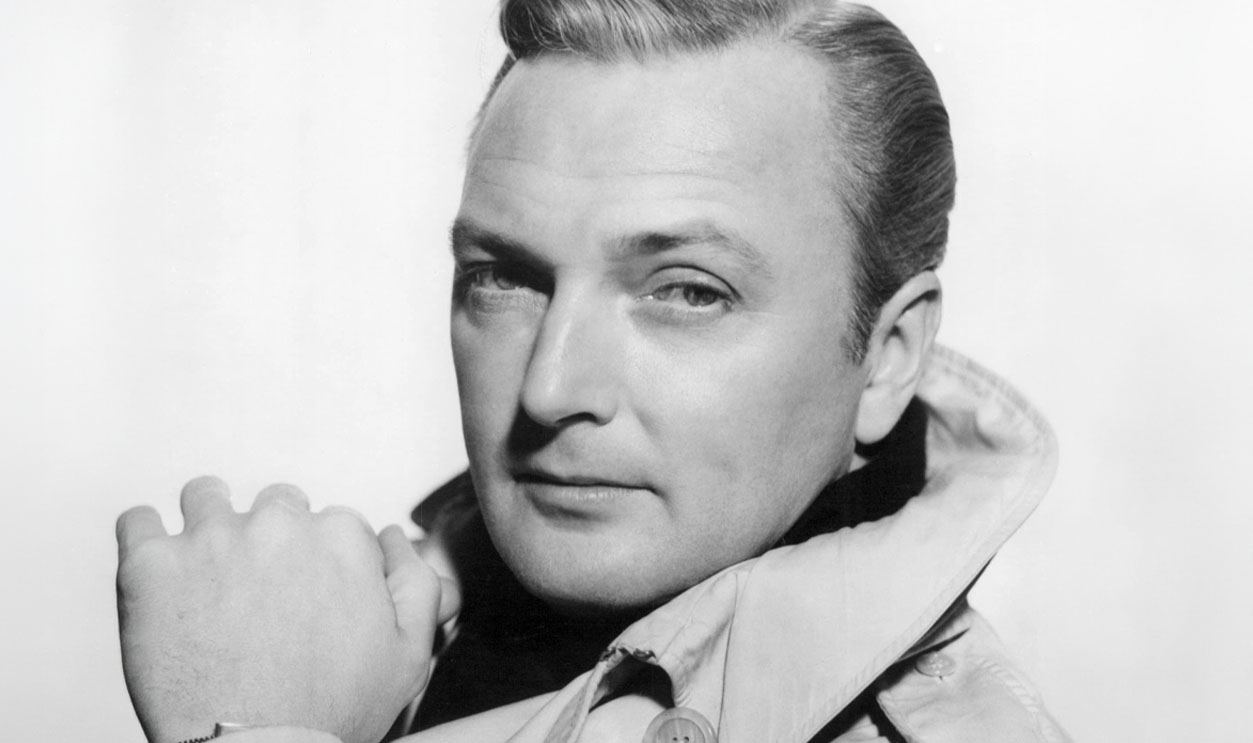
Wish You Were Here Made Him A Leading Man
The 1952 musical Wish You Were Here gave Cassidy an important early Broadway role and a song that remained closely connected to him. The production helped establish his image as a handsome, confident musical performer with an unusually polished voice. Long before television regularly cast him as a villain, audiences knew him as a romantic stage star.
 Silver Screen Collection, Getty Images
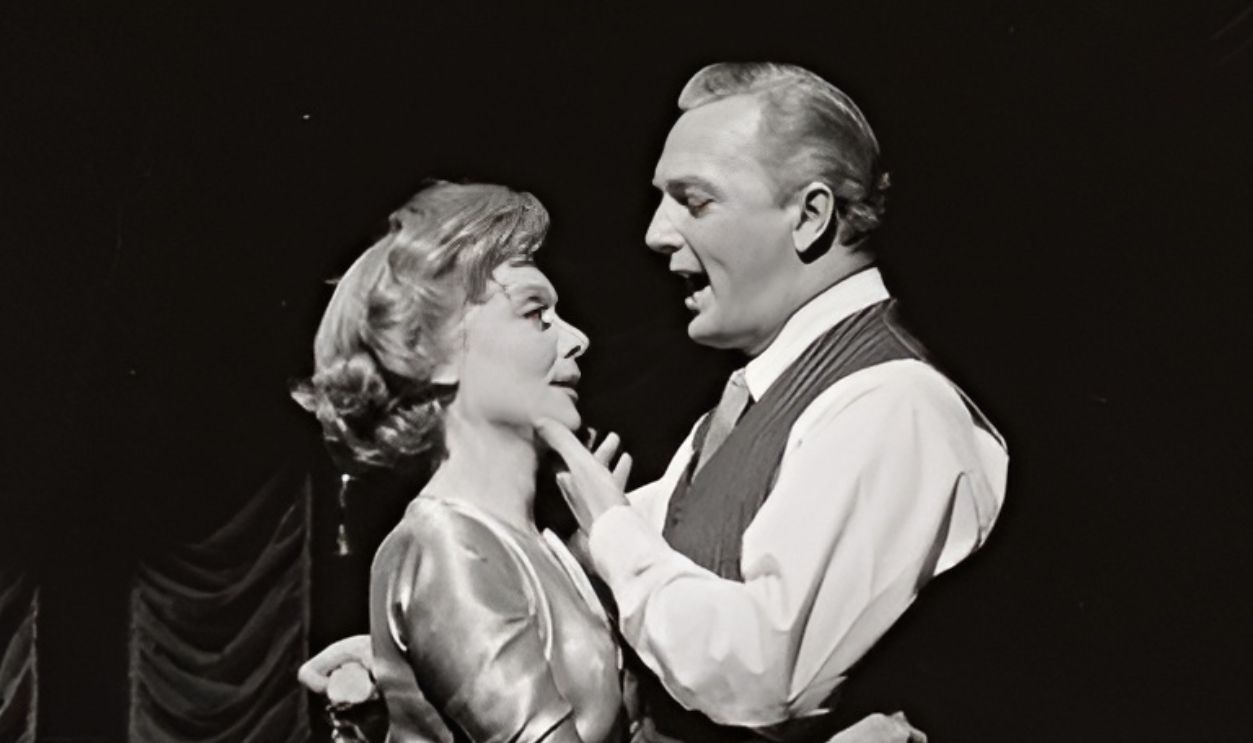
She Loves Me Brought His Greatest Stage Triumph
Cassidy played the vain salesman Steven Kodaly in the original Broadway production of She Loves Me. His flamboyant performance earned him the 1964 Tony Award for featured actor in a musical. The role crystallized a persona he would repeatedly use on television: charming, impeccably presented, and almost hilariously pleased with himself.
 Friedman-Abeles Studio, New York, Wikimedia Commons, Modified
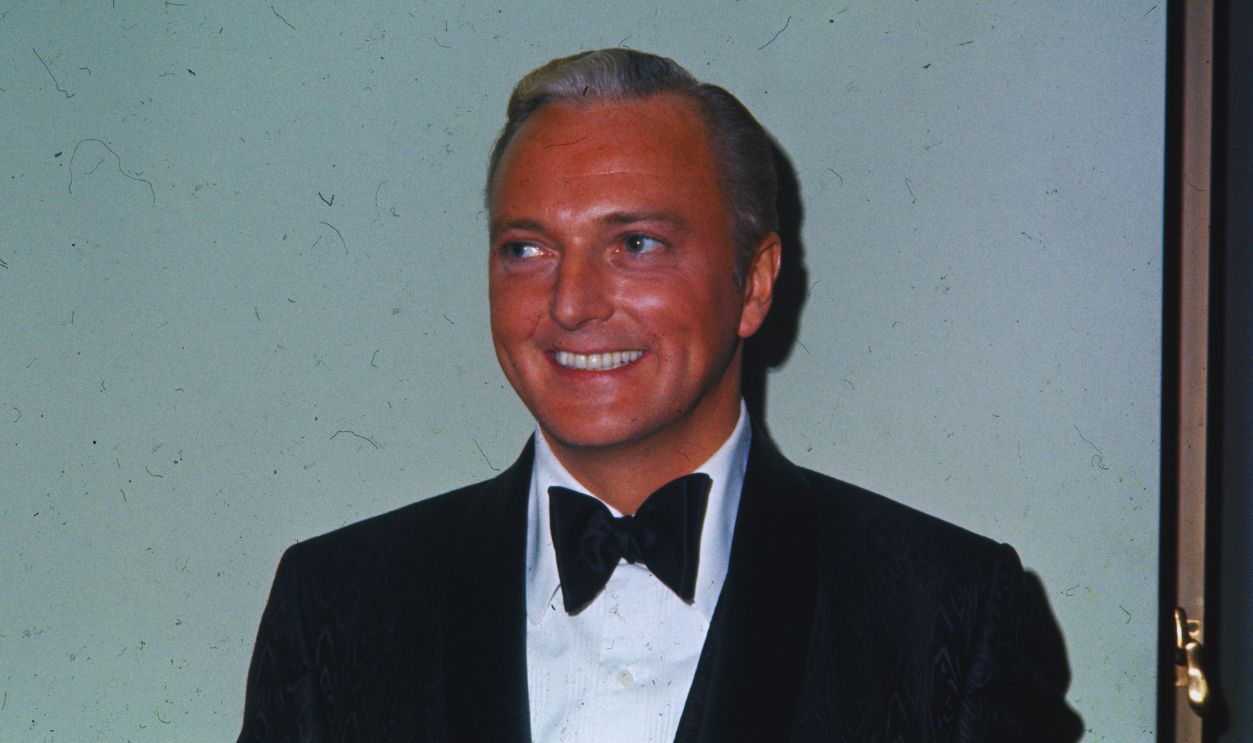
Vanity Became One Of His Best Comic Tools
Cassidy specialized in characters who believed they were the smartest, most attractive, or most important men in any room. He understood that vanity became funniest when the actor treated it as completely justified. That confidence made even his most unpleasant characters enjoyable to watch because their inevitable humiliation was built into the performance.
Television Let Him Arrive And Detonate
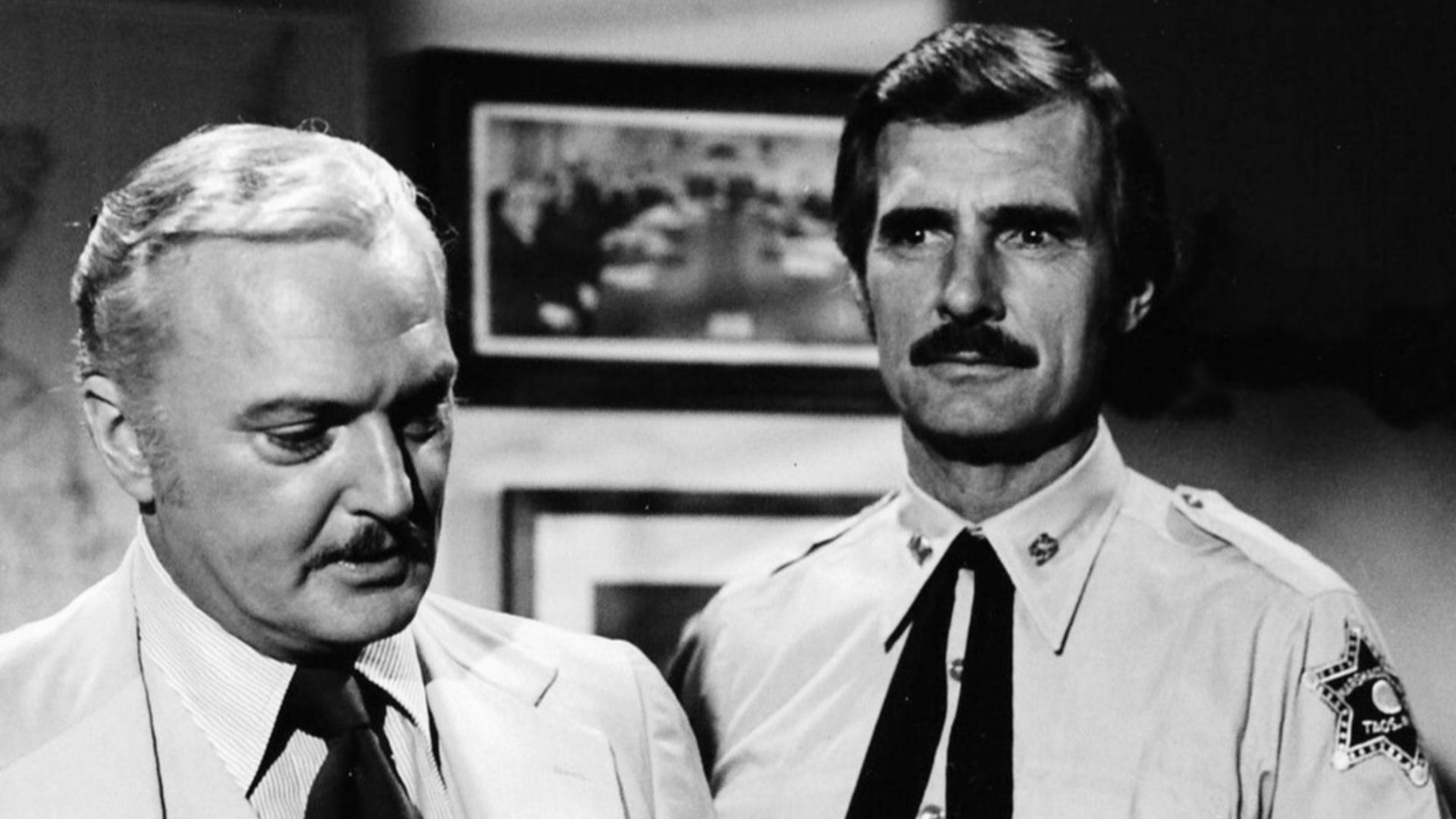
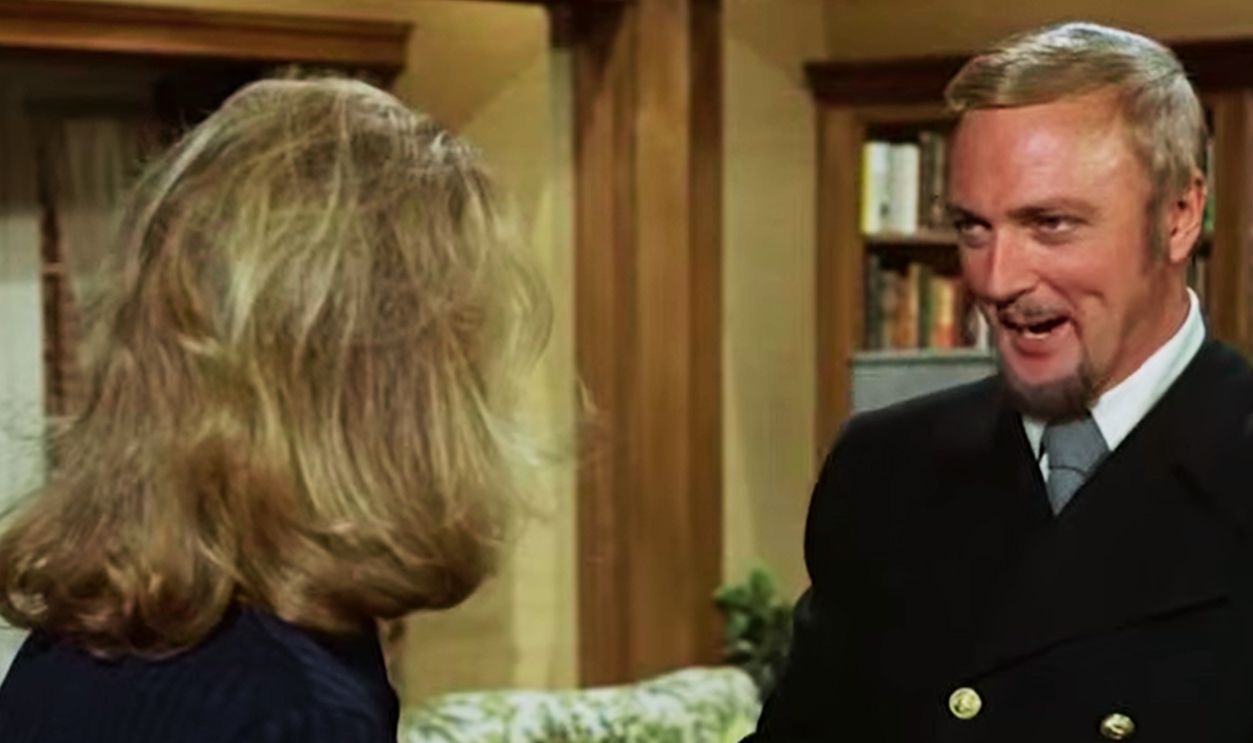
Cassidy became a prolific guest performer rather than attaching himself permanently to one long-running hit. His credits included Bewitched, Get Smart, That Girl, Gunsmoke, Cannon, McCloud, Hawaii Five-O, and Barnaby Jones. Producers could bring him into an established series whenever an episode needed sophistication, theatrical flair, or a memorable dose of trouble.
 NBC Television, Wikimedia Commons
He Could Turn Charm Into A Threat
Cassidy’s smile rarely guaranteed that his character could be trusted. He could remain warm, witty, and impeccably mannered while revealing increasingly selfish or dangerous intentions. That tension made him especially effective in mysteries, where the audience needed to enjoy the suspect even after learning that he was guilty.
 Screenshot from Bewitched, ABC (1964–1972)
He And She Gave Him A Perfect Comic Showcase
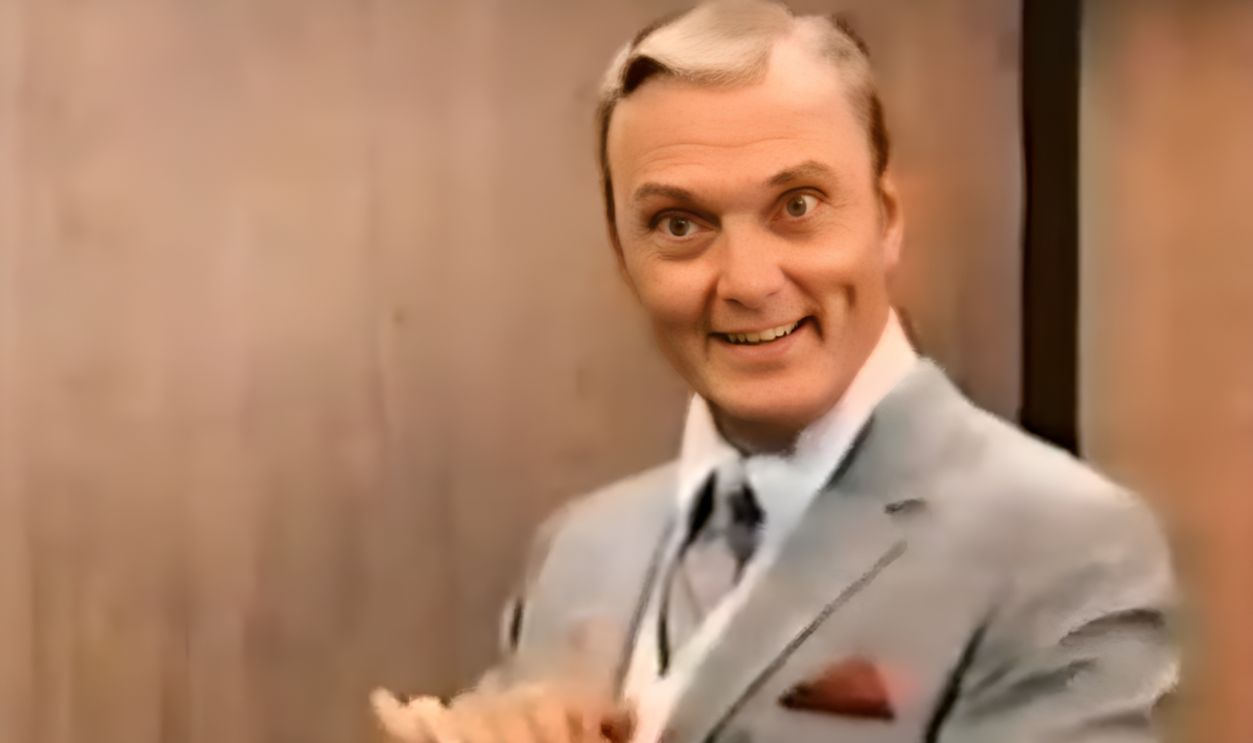
On the sophisticated sitcom He & She, Cassidy played Oscar North, an egotistical actor starring as the television superhero Jetman. Oscar’s need for admiration repeatedly exhausted the more grounded characters around him. Cassidy turned the preening actor into such a vivid comic creation that he threatened to steal the series whenever he appeared.
 Screenshot from He & She, CBS (1967–1968), Modified
Emmy Voters Noticed The Scene-Stealing
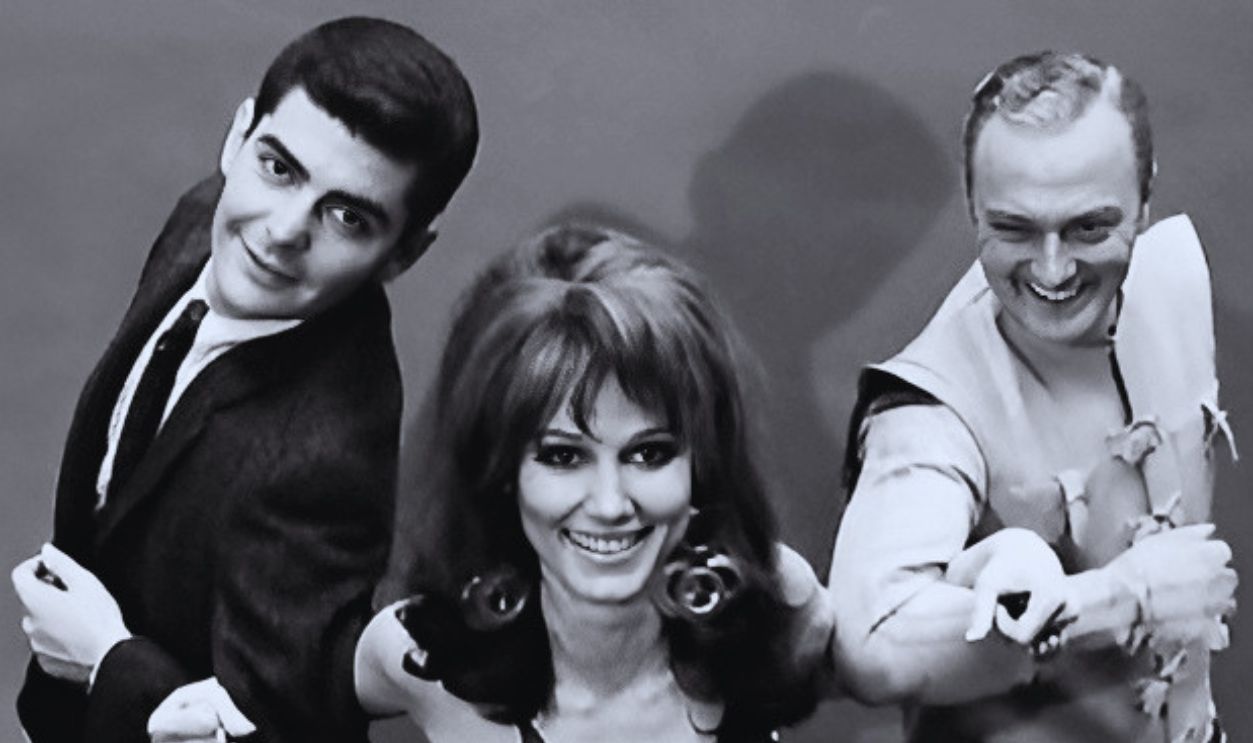
Cassidy received a 1968 Emmy nomination for his supporting performance on He & She. The recognition confirmed that his inflated comic style involved careful technique rather than uncontrolled showboating. Even within an ensemble led by Richard Benjamin and Paula Prentiss, Cassidy made Oscar North impossible to overlook.
He Could Abandon Comedy Completely
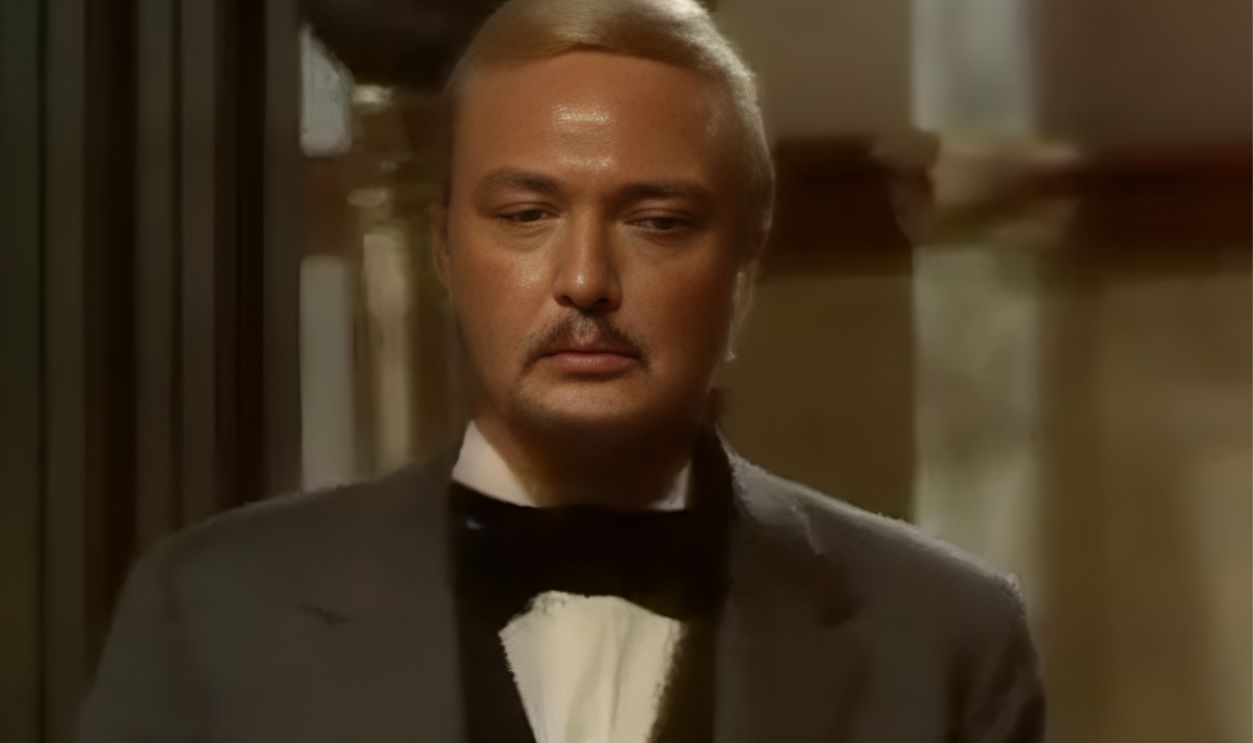
Cassidy was not limited to suave buffoons and smiling villains. His performance in the televised courtroom drama The Andersonville Trial brought him a 1971 Emmy nomination for outstanding single performance by a leading actor. The role demonstrated that the theatrical intensity behind his comedy could also serve serious historical drama.
 Screenshot from The Andersonville Trial, PBS (1970), Modified
Columbo Found His Ideal Opponent
Columbo worked by revealing the murderer at the beginning and then letting viewers watch Lieutenant Columbo dismantle the culprit’s confidence. Cassidy’s polished arrogance made him a natural fit for that structure. Few actors looked more convincing while assuming that Peter Falk’s rumpled detective could not possibly be a threat.
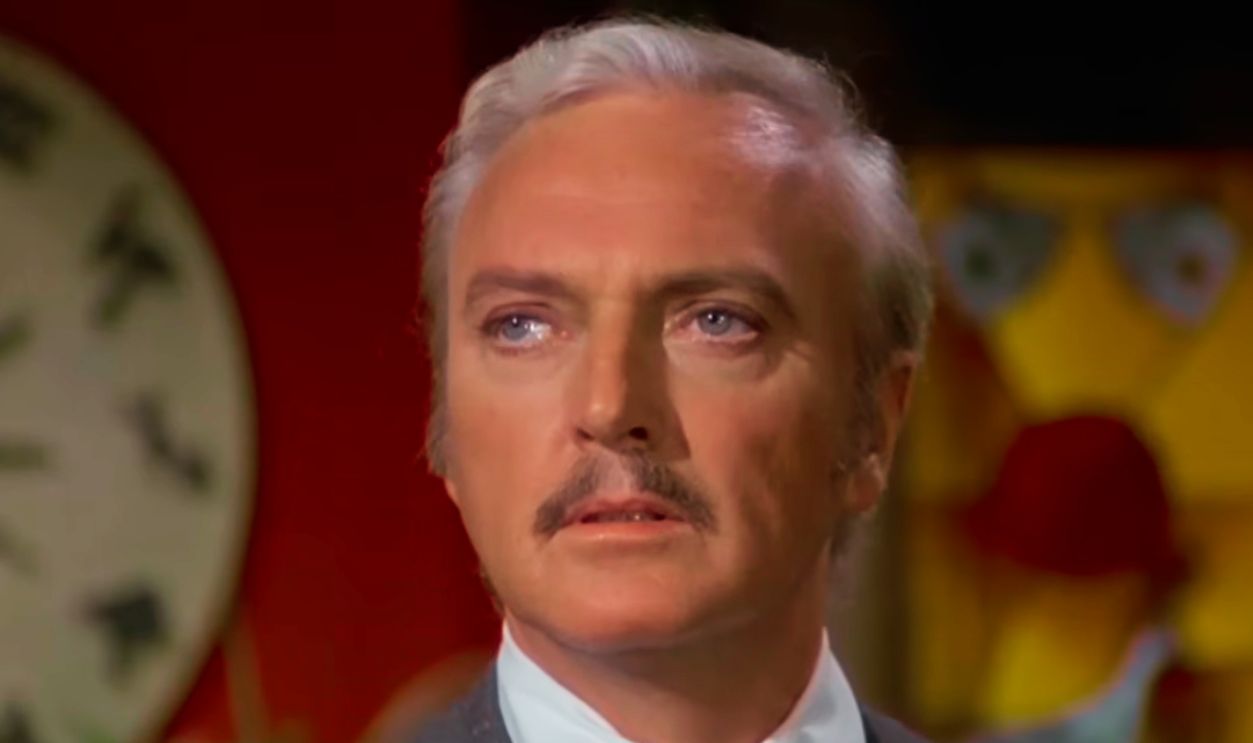 Screenshot from Columbo, NBC (1968-2003)
Murder By The Book Made Television History
Cassidy played mystery writer Ken Franklin in “Murder by the Book,” the first regular episode of Columbo, broadcast on September 15, 1971. Franklin murders his writing partner and then performs concern for the people around him with chilling ease. Cassidy made the killer charming enough to entertain viewers while still allowing glimpses of the panic growing beneath his confidence.
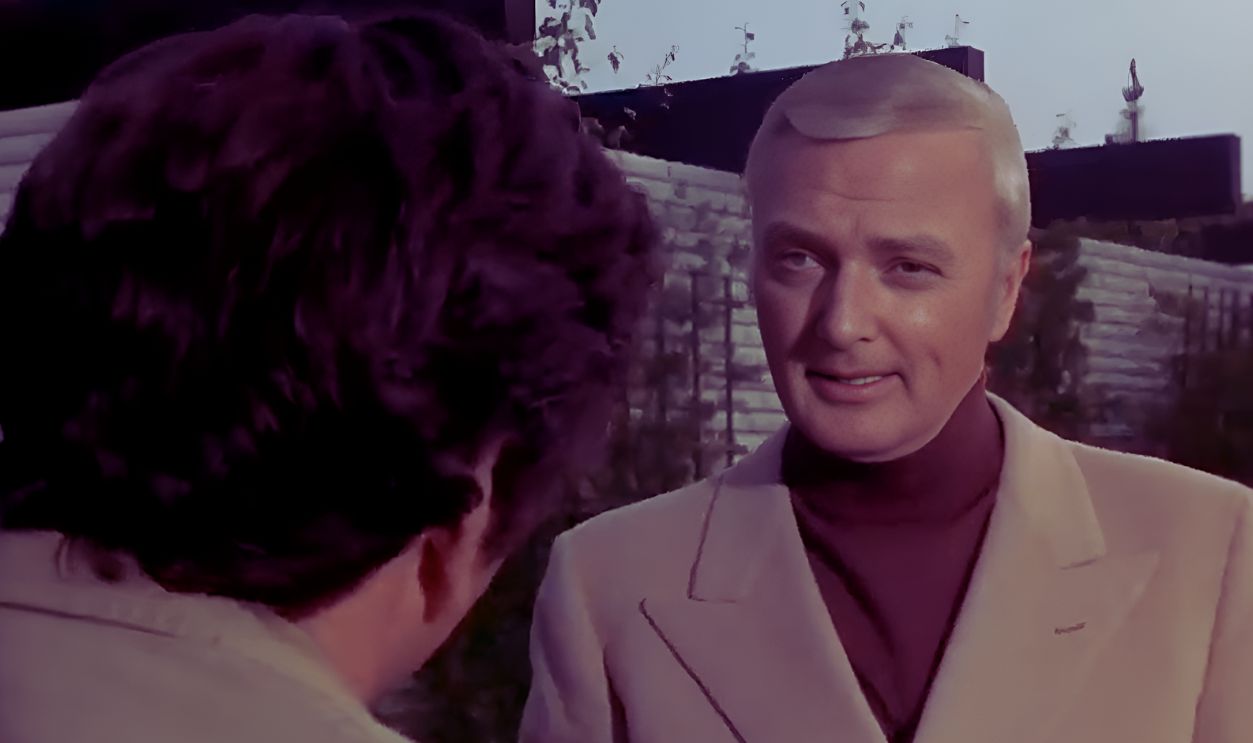 Screenshot from Columbo, NBC (1968-2003), Modified
Two Future Giants Helped Shape The Episode
A young Steven Spielberg directed “Murder by the Book,” while Steven Bochco wrote the teleplay. Neither had yet accumulated the enormous reputation that would later make their names instantly recognizable. Cassidy therefore stood at the center of a landmark episode created by several talents who were about to reshape American television.
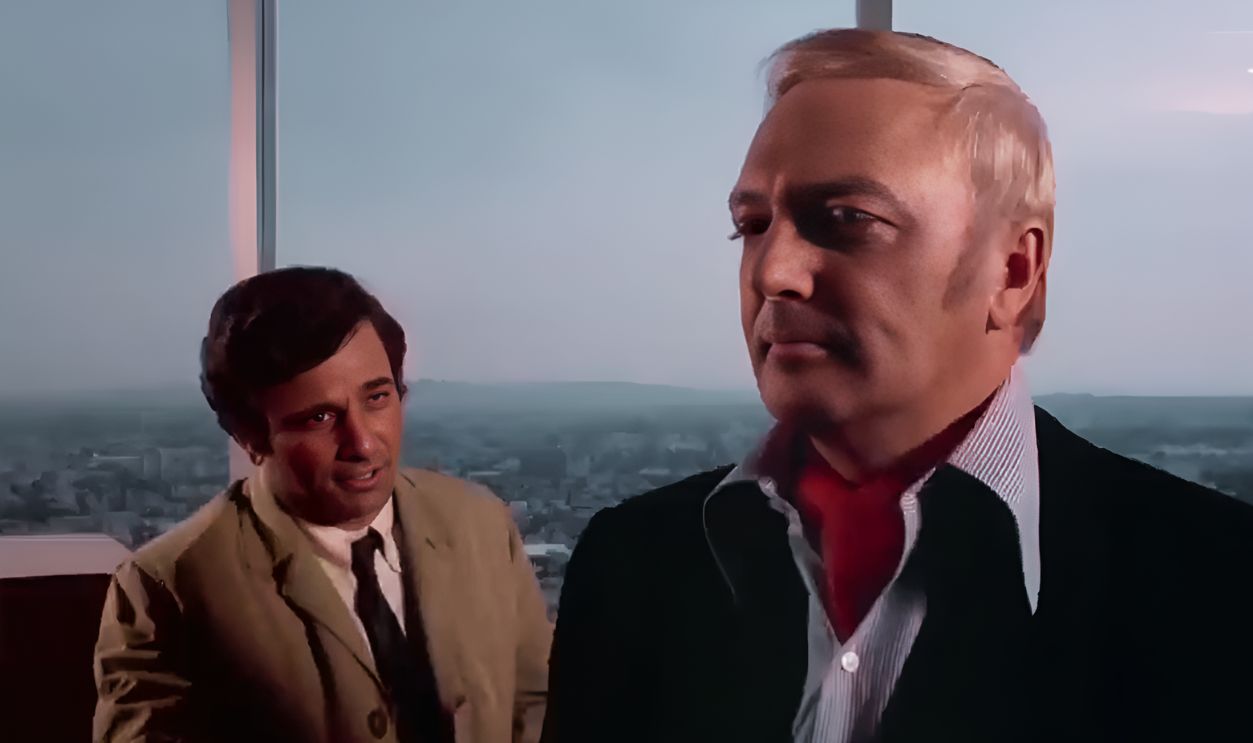 Screenshot from Columbo, NBC (1968-2003), Modified
Ken Franklin Was A Performance Within A Performance
Franklin was a writer who had depended heavily on his more talented partner while enjoying the public credit. After committing murder, he had to perform grief, loyalty, and innocence for everyone around him. Cassidy’s own gift for theatrical self-display made Franklin’s deception both convincing and darkly funny.
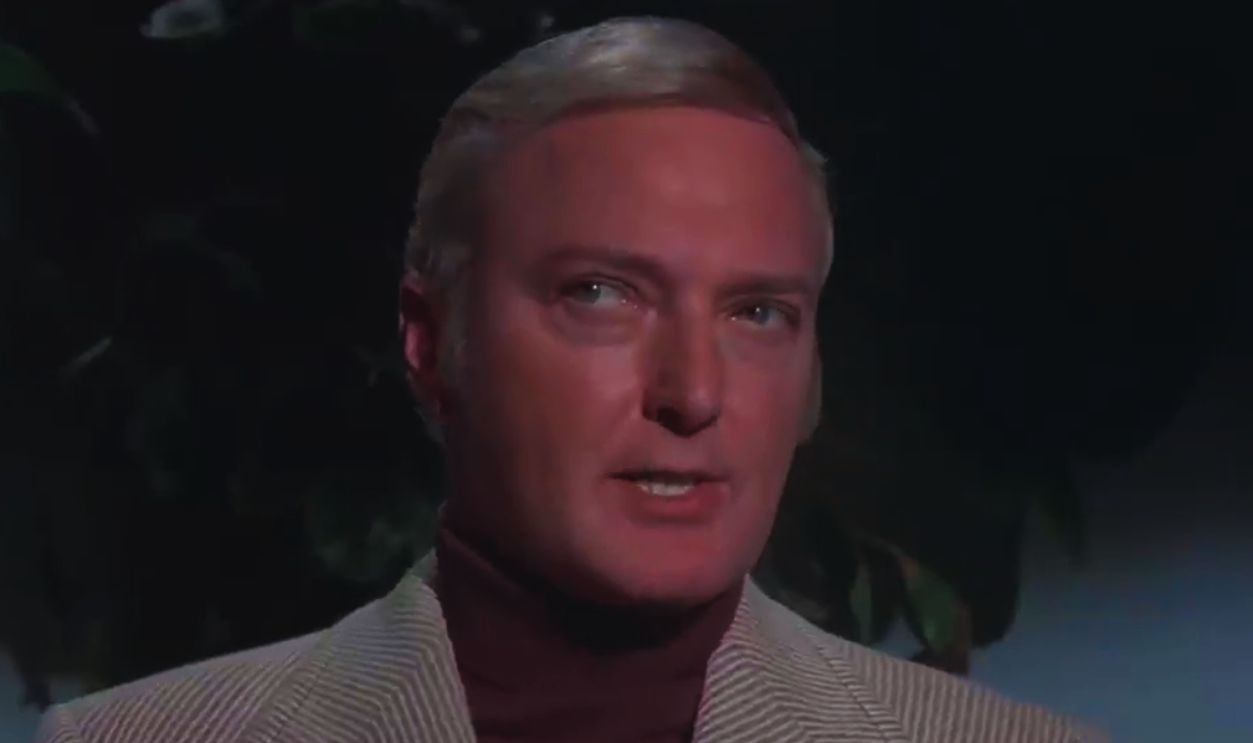 Screenshot from Columbo, NBC (1968-2003)
Columbo Punctured His Magnificent Ego
Peter Falk’s Columbo appeared distracted, apologetic, and impressed by Franklin’s success. Cassidy responded with amused tolerance, treating the detective like an inconvenience rather than an adversary. The pleasure of the episode comes from watching that condescension slowly turn into alarm as Columbo refuses to disappear.
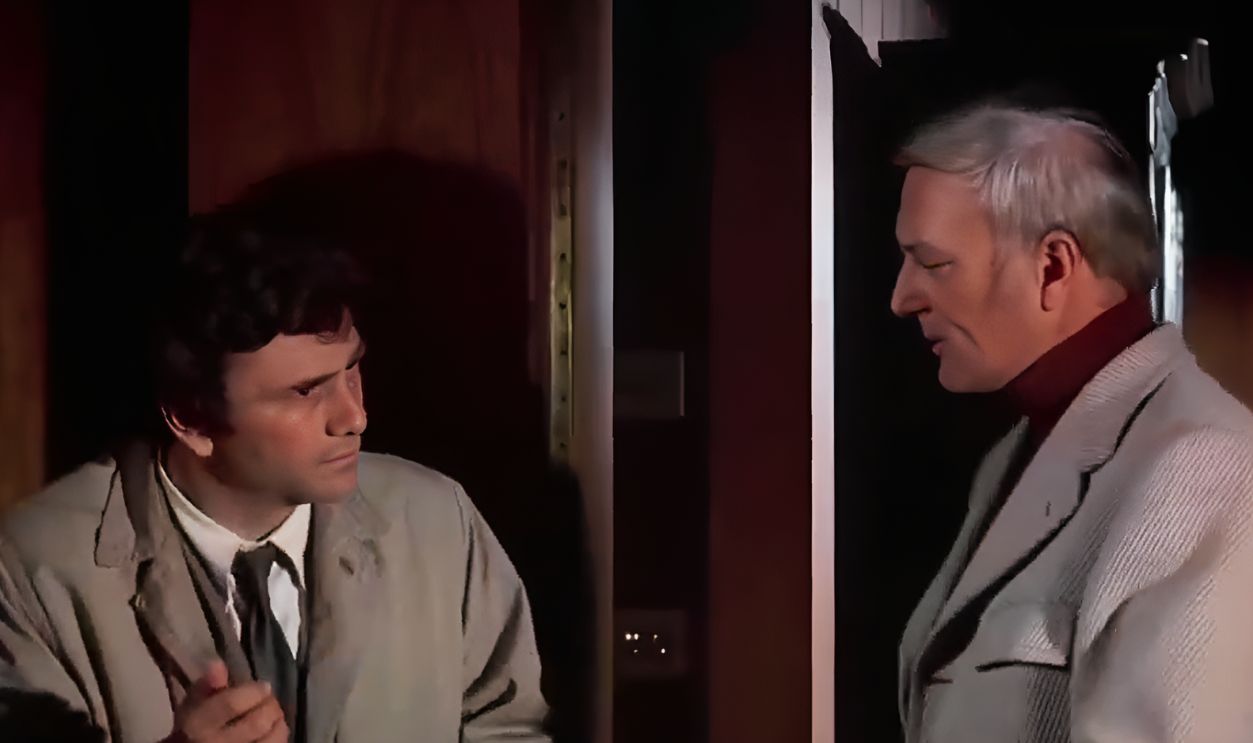 Screenshot from Columbo, NBC (1968-2003), Modified
He Returned As A Completely Different Killer
Cassidy came back to Columbo in the 1974 episode “Publish or Perish.” This time, he played publisher Riley Greenleaf, another sophisticated man whose professional confidence concealed a carefully constructed murder plan. The return demonstrated how well Cassidy suited the series without requiring him to repeat Ken Franklin exactly.
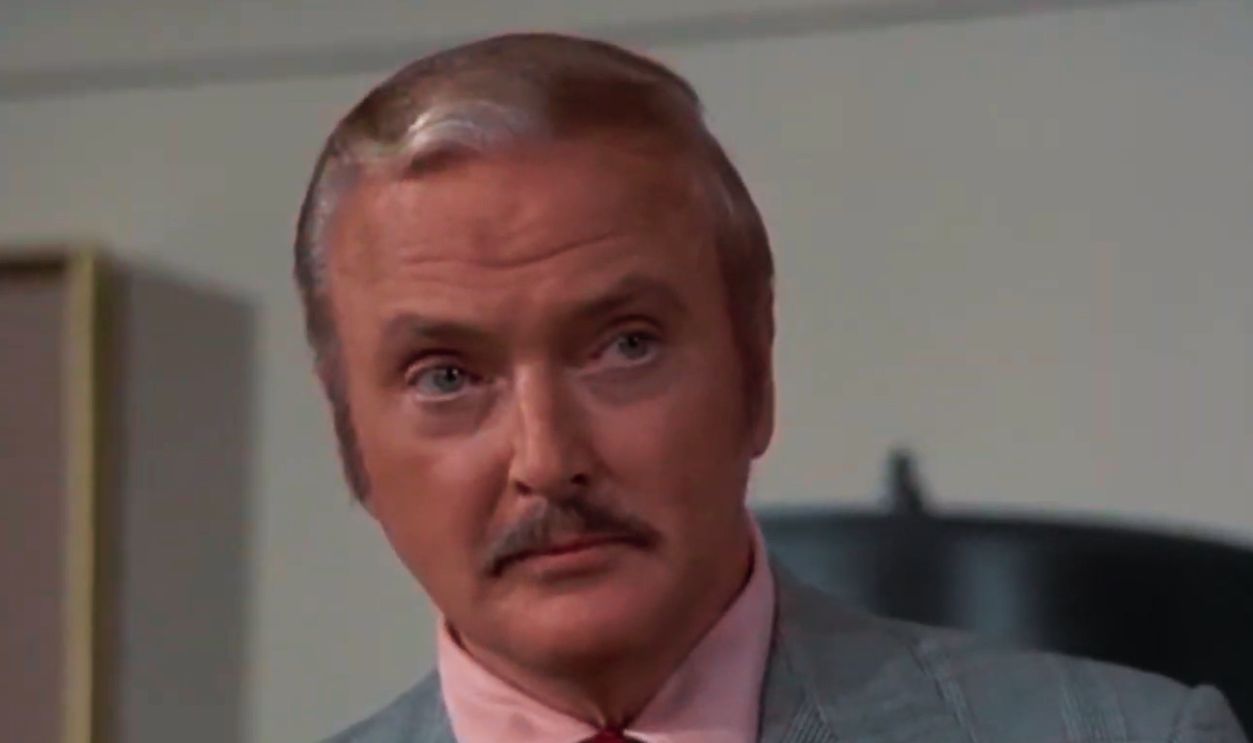 Screenshot from Columbo, NBC (1968-2003)
His Final Columbo Role Added Magic
In 1976, Cassidy appeared in “Now You See Him” as nightclub magician Santini. The character’s theatrical profession allowed Cassidy to use disguises, misdirection, stagecraft, and extravagant self-confidence as parts of the murder scheme. His final Columbo villain may have been the closest the series came to building an episode around Cassidy’s complete entertainment arsenal.
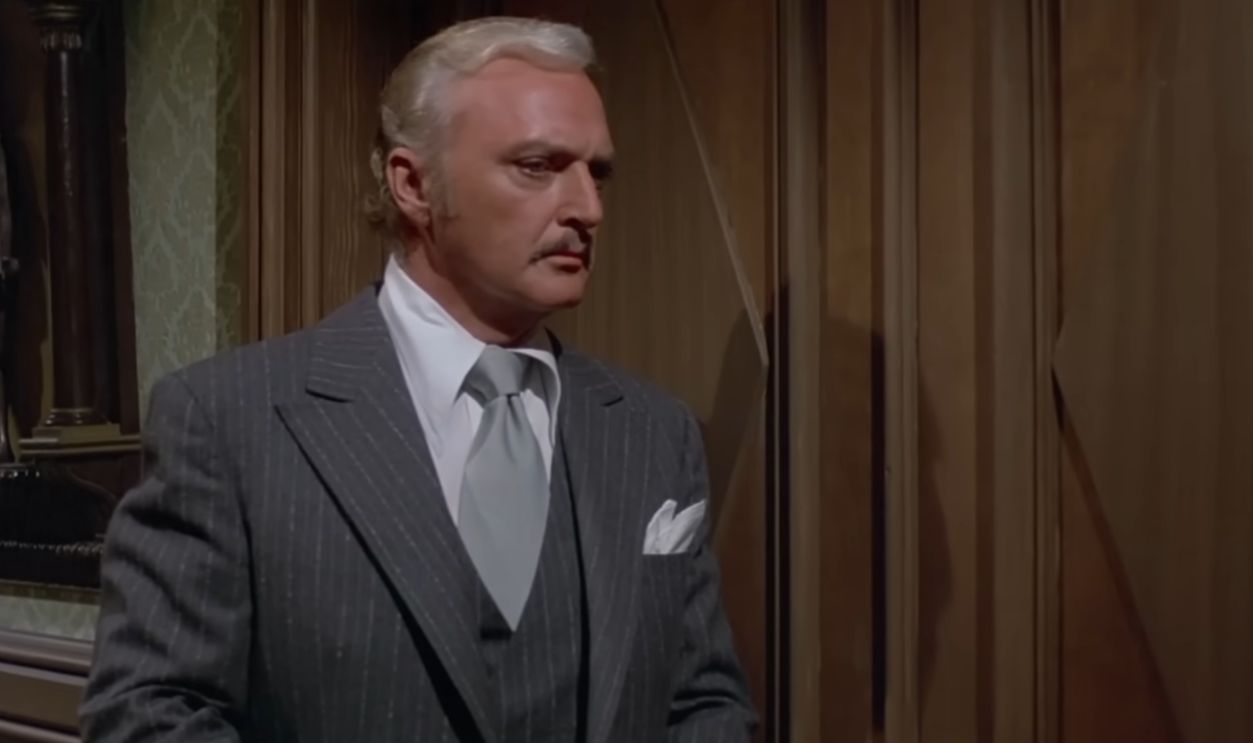 Screenshot from Columbo, NBC (1968-2003)
Three Murders Made Him A Columbo Favorite
Cassidy played the murderer in three separate Columbo episodes, an unusually prominent recurring relationship with the program. Each killer was intelligent, cultured, and convinced he could control the story being told about him. Cassidy made those similarities feel like a specialty rather than a limitation.
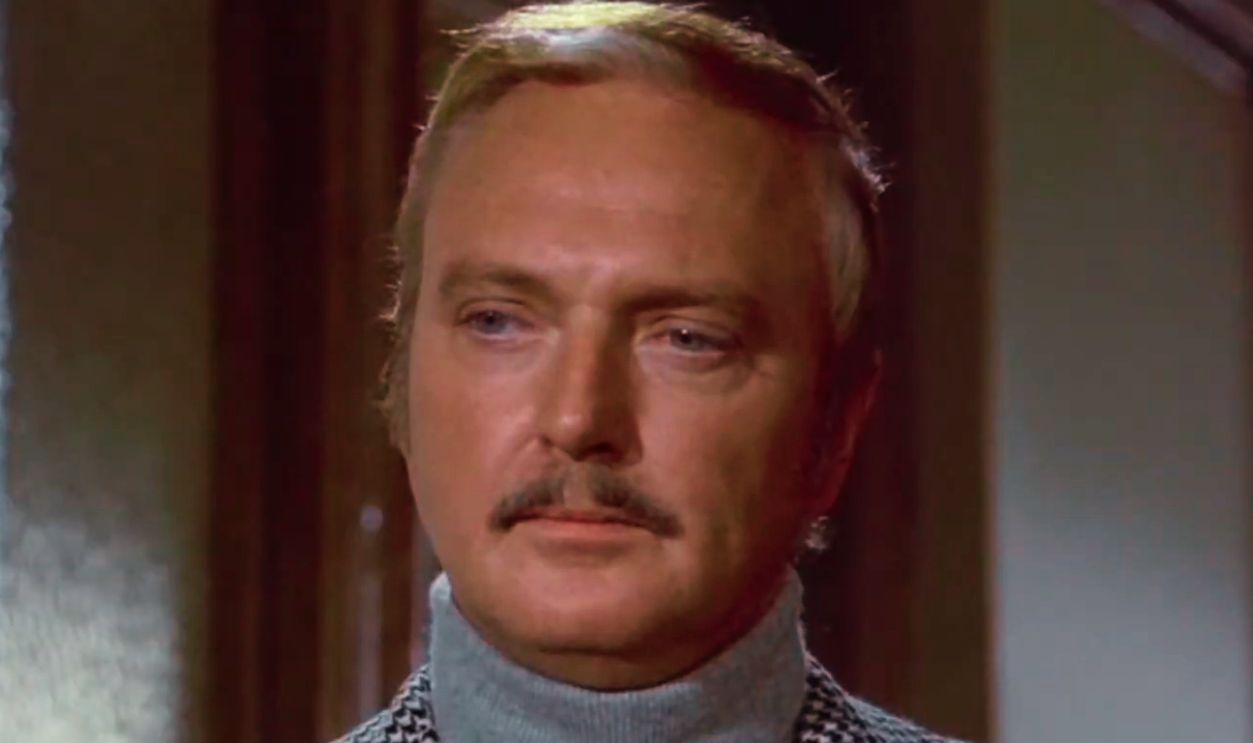 Screenshot from Columbo, NBC (1968-2003)
Ted Baxter Was Almost His Character
The vain television anchorman Ted Baxter on The Mary Tyler Moore Show was reportedly developed with Cassidy in mind. Cassidy declined the regular role, and Ted Knight turned it into one of the decade’s defining sitcom performances. Cassidy later guest-starred as Ted’s equally competitive brother Hal, giving viewers a tantalizing glimpse of the comic world he had nearly joined permanently.
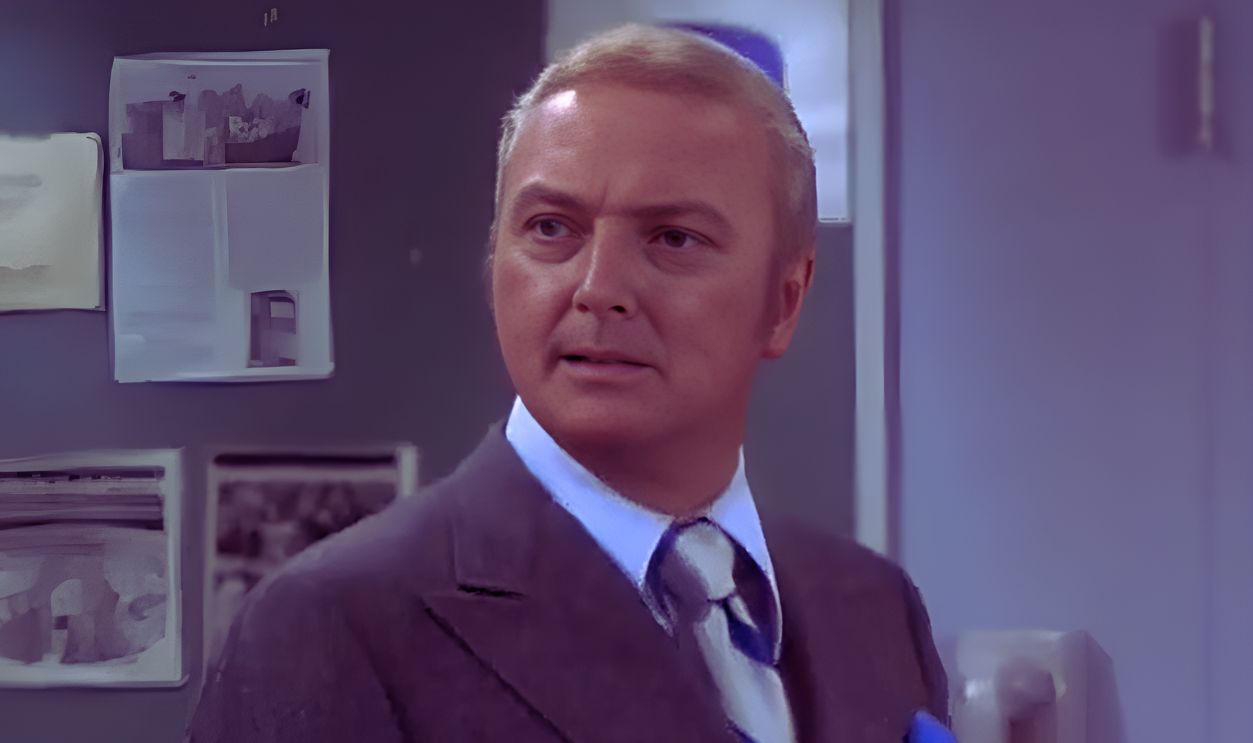 Screenshot from The Mary Tyler Moore Show, CBS (1970–1977), Modified
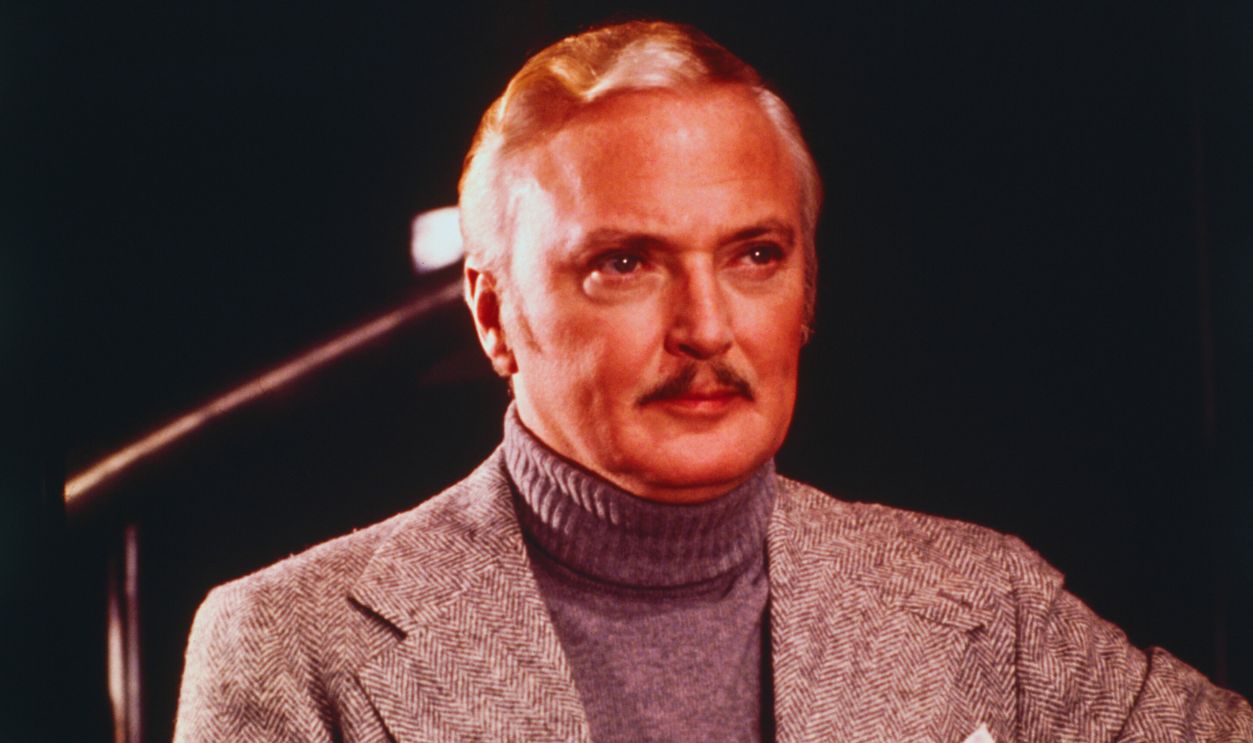
He Could Make A Single Episode Feel Like An Event
Cassidy’s guest appearances rarely felt interchangeable with those of another working actor. His musical voice, broad smile, immaculate posture, and dangerous confidence announced that the regular characters had met someone unusually formidable. Even when the episode ended with his character exposed or defeated, Cassidy often remained the performance viewers remembered best.
His Voice Reached Holiday Television Too
Cassidy provided the voice of Bob Cratchit in the 1962 animated special Mister Magoo’s Christmas Carol. The production was an early animated Christmas program created specifically for television and featured songs by Jule Styne and Bob Merrill. Cassidy’s involvement showed that his polished musical delivery could serve a gentle family classic as readily as a murder mystery.
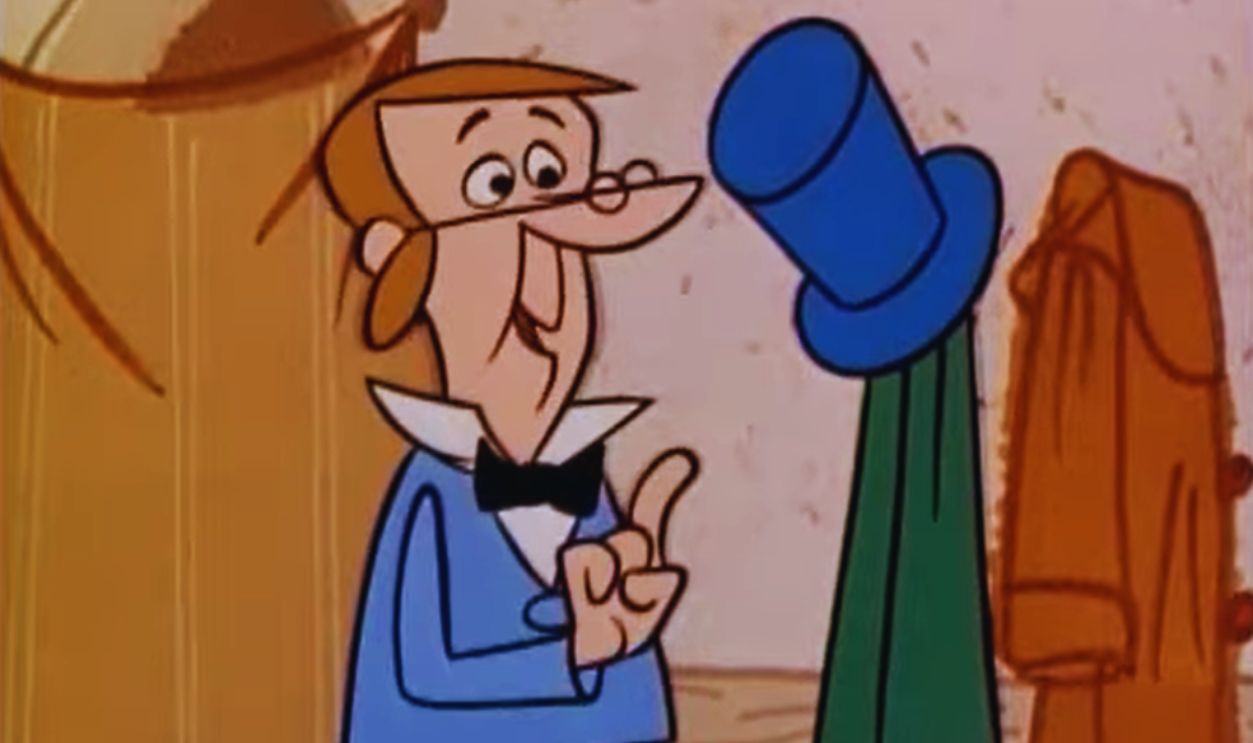 Screenshot from Mister Magoo's Christmas Carol, NBC (1962)
Movies Used His Darker Charisma
Cassidy appeared opposite Clint Eastwood in The Eiger Sanction, playing an informer whose vanity and treachery suited his established screen persona. He later portrayed actor John Barrymore in W.C. Fields and Me. That casting reflected how closely Cassidy had become associated with theatrical charm, cultivated excess, and self-destructive glamour.
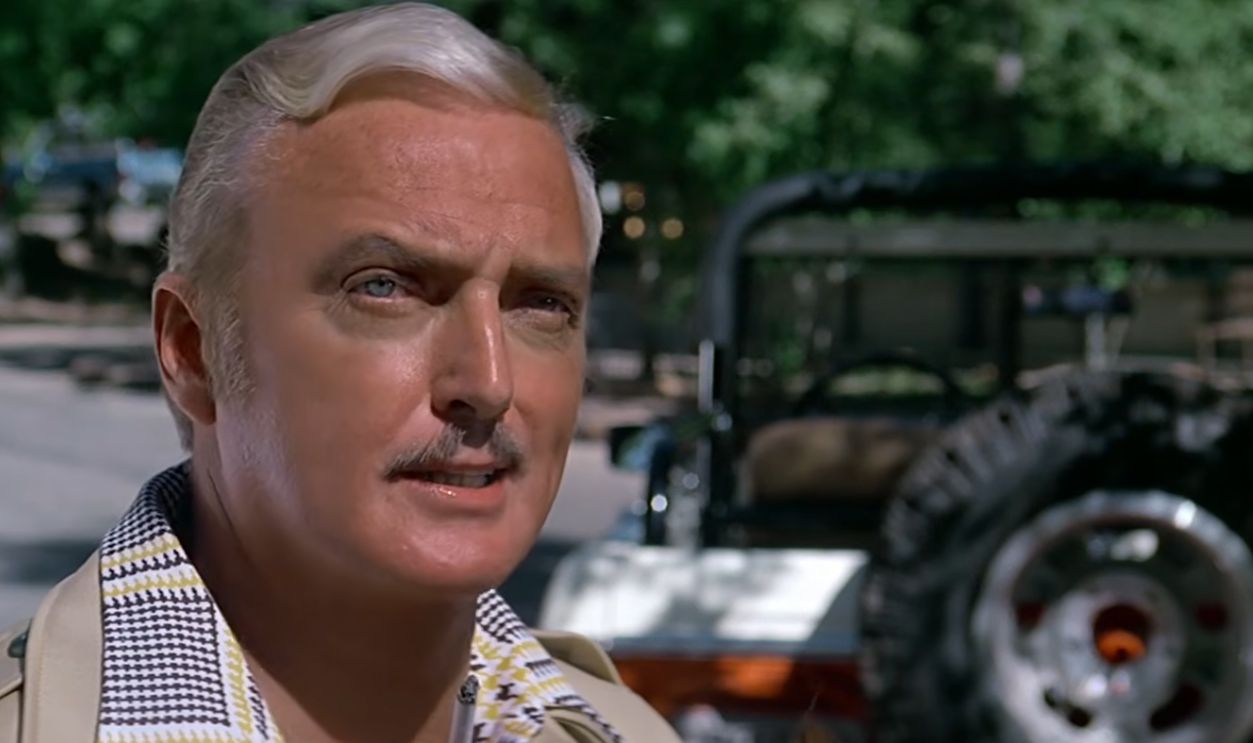 Screenshot from The Eiger Sanction, Universal Pictures (1975)
His Marriage Looked Like A Show-Business Fairy Tale
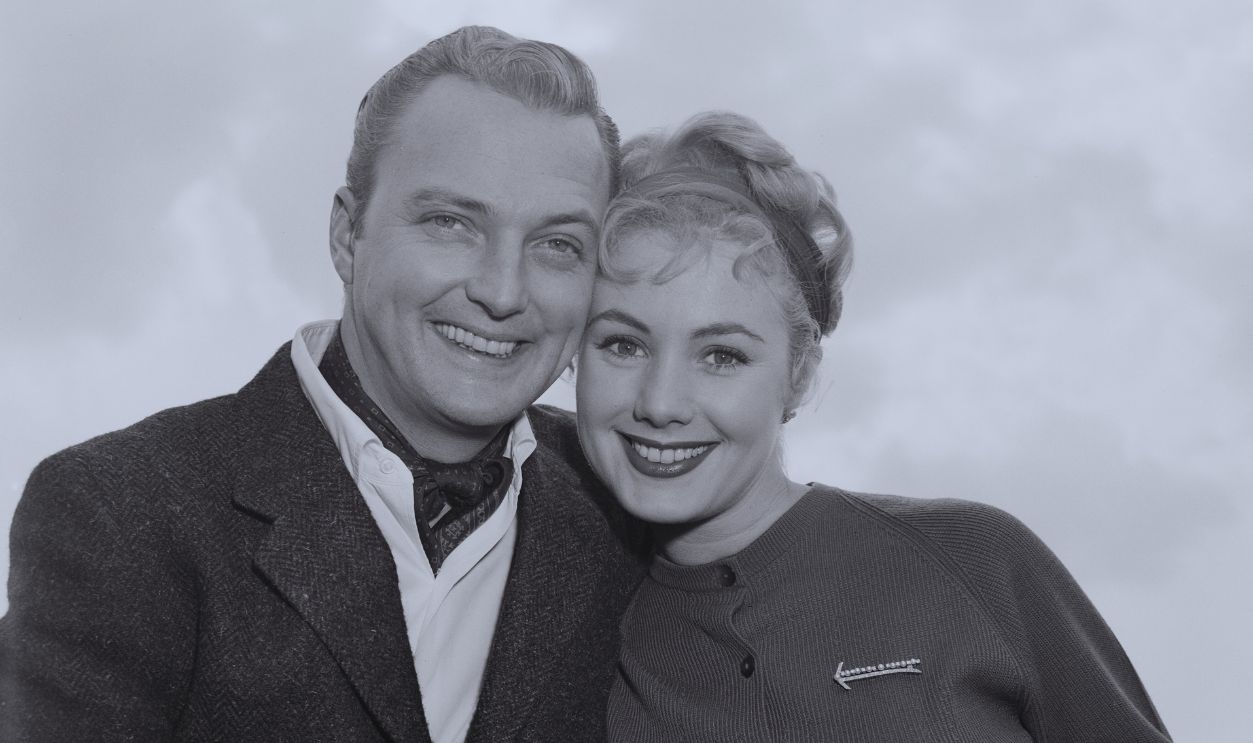
Cassidy met Shirley Jones while they were touring in Oklahoma! and married her in 1956. Jones was already becoming a major film-musical star, and the couple frequently performed together. Their household eventually included Cassidy’s son David and three sons they had together, creating one of entertainment’s most recognizable families.
Success Inside The Family Created Tension
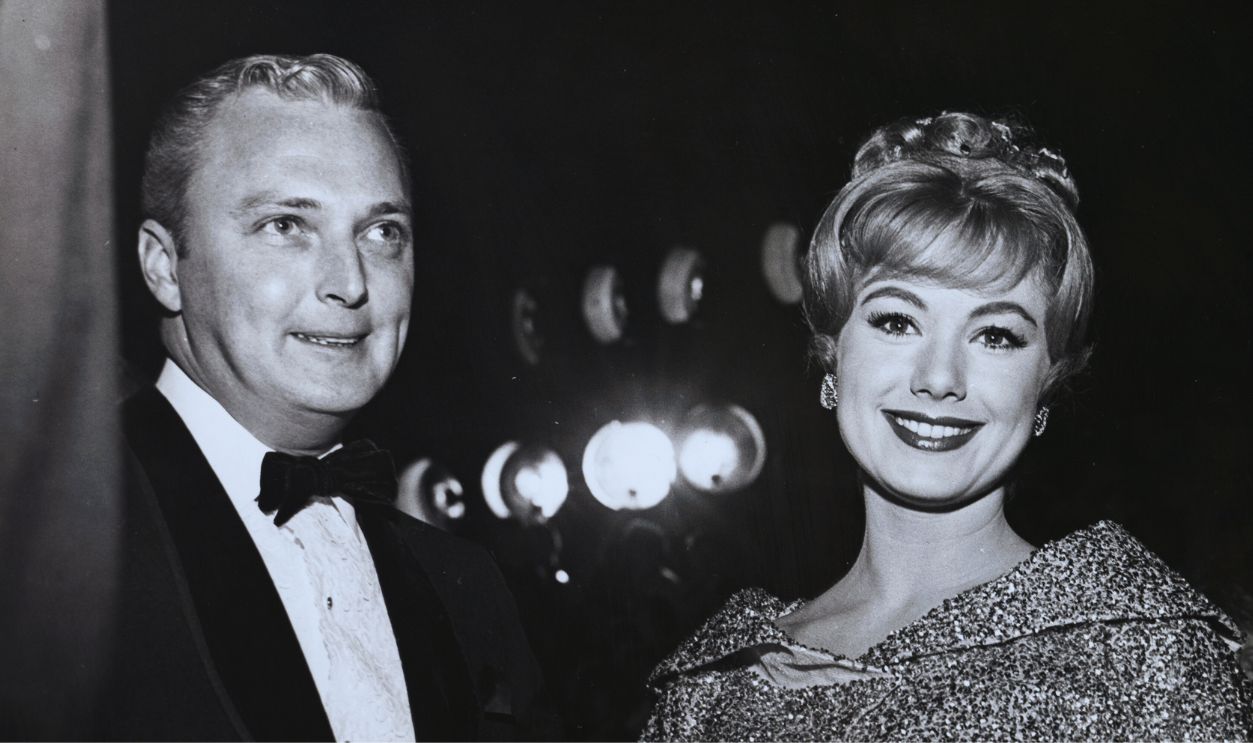
Jones later recalled that she became the family’s primary breadwinner and that Cassidy struggled with her greater success. His son Shaun similarly described him as enormously talented but insecure about the achievements of the people closest to him. The dazzling confidence Cassidy displayed publicly could therefore mask a painful sensitivity to professional comparison.
His Sons Inherited The Spotlight
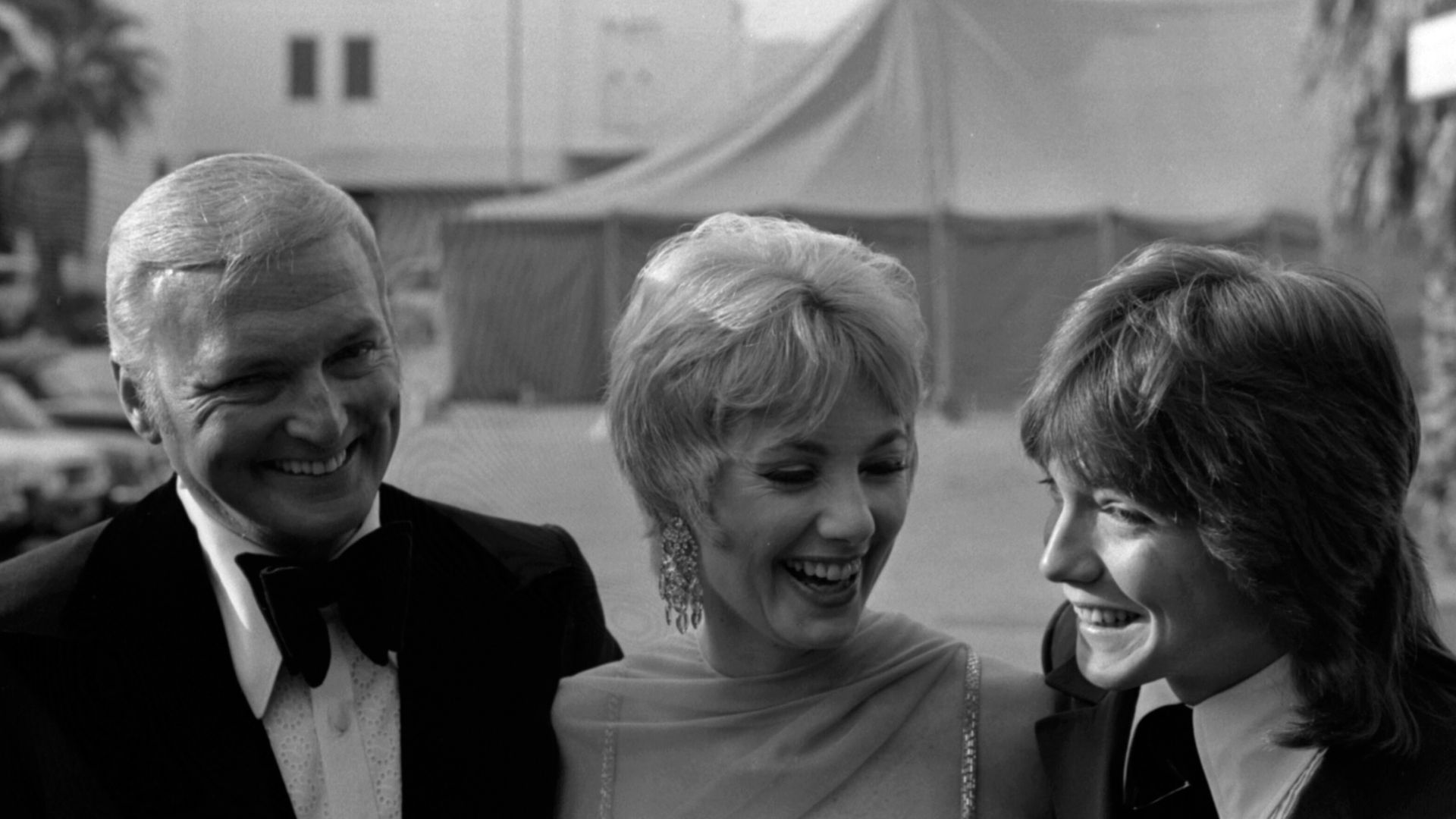
David Cassidy became a global teen idol through The Partridge Family, while Shaun Cassidy later achieved his own success as a singer and actor. Patrick Cassidy built a substantial stage career, and Ryan Cassidy also worked in entertainment before moving behind the scenes. Jack had spent his career pursuing applause, only to watch fame spread rapidly through the next generation of his family.
 Mike Meadows, Los Angeles Times, Wikimedia Commons
His Private Struggles Became Increasingly Serious
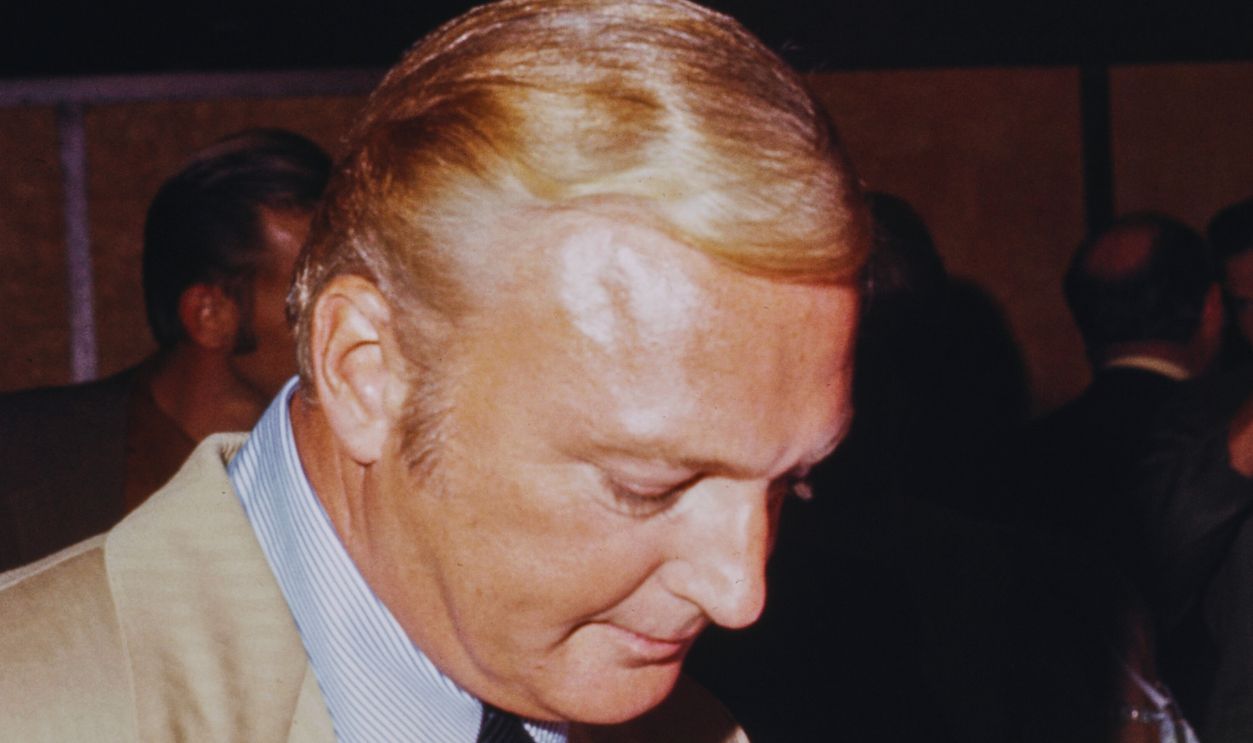
Family accounts have described Cassidy’s heavy drinking, emotional instability, and periods of psychiatric treatment. David Cassidy later wrote and spoke about the distress caused by his father’s behavior, while Shaun recalled a man whose public persona concealed deep insecurity. These accounts complicate the image of the effortless, smiling sophisticate preserved in Cassidy’s performances.
 Michael Ochs Archives, Getty Images
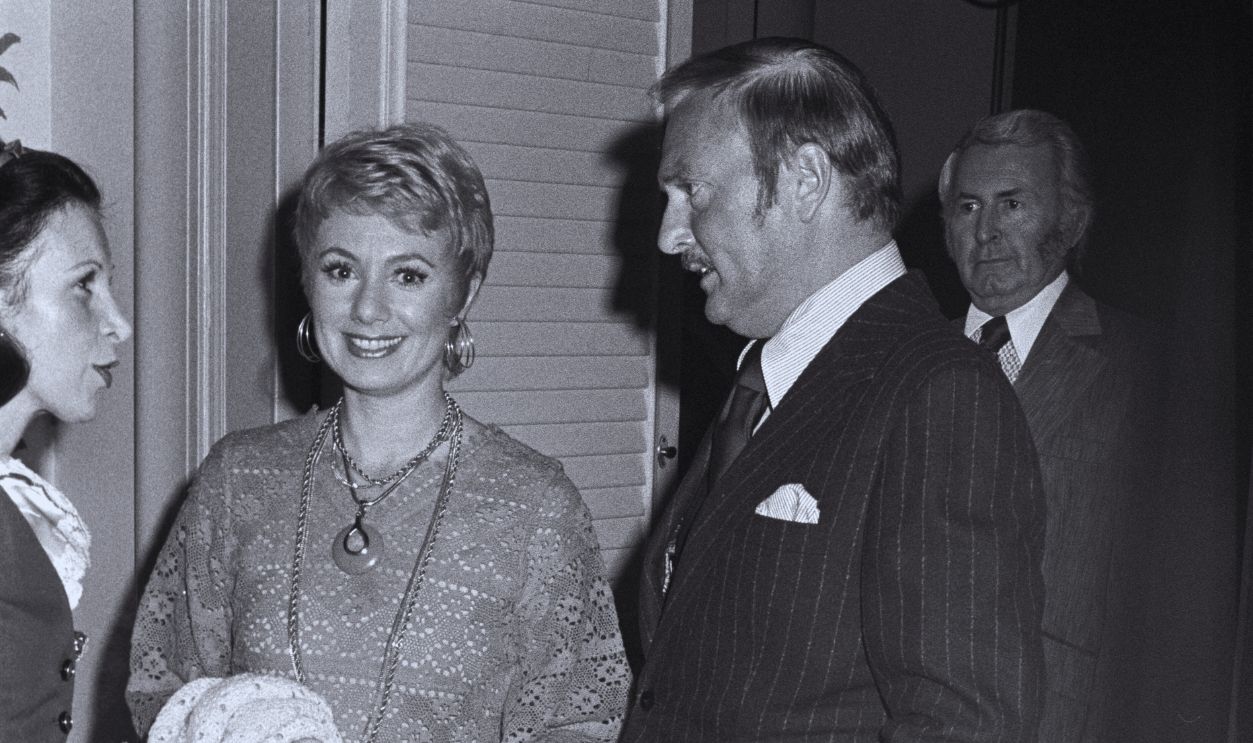
The Marriage Ended But The Bond Remained
Cassidy and Jones divorced in the mid-1970s after nearly two decades together. Jones later continued to describe him as a central love of her life despite the betrayal and pain within the marriage. Their relationship carried the same contradictory mixture of romance, performance, competition, and heartbreak that characterized much of Cassidy’s life.
 Fairchild Archive, Getty Images
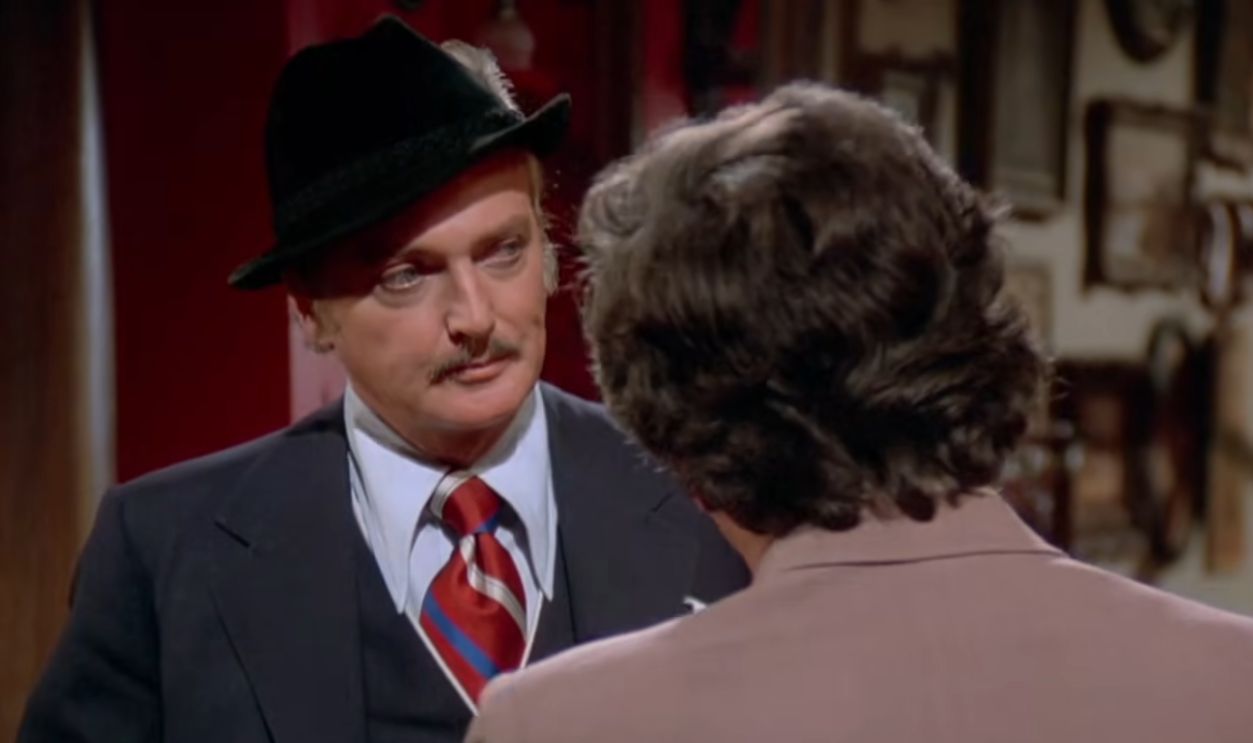
His Final Year Was Still Filled With Work
Cassidy remained highly visible during 1976. He appeared in his third Columbo mystery and played John Barrymore in W.C. Fields and Me. His career had not ended in professional obscurity because he was still receiving prominent roles suited to his distinctive personality.
 Screenshot from Columbo, NBC (1968-2003)
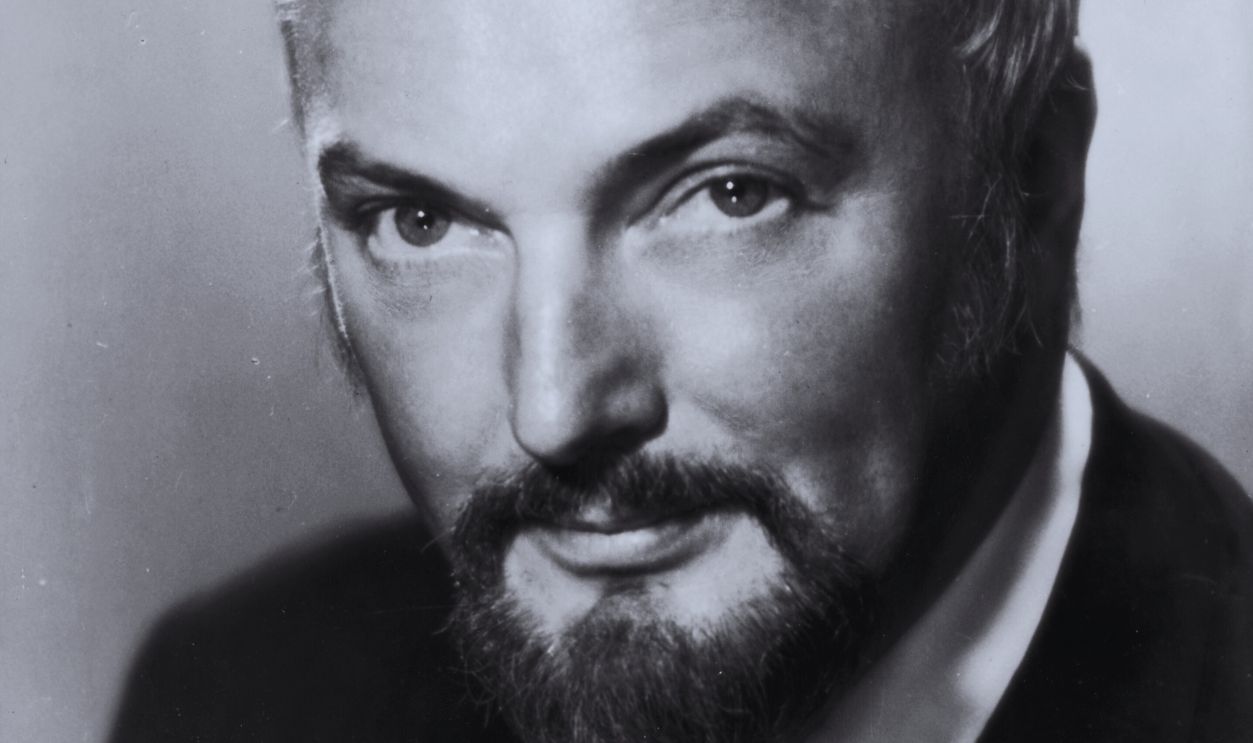
His Death Was Sudden And Horrifying
Cassidy died at 49 in a fire at his West Hollywood apartment on December 12, 1976. Contemporary reports said investigators believed an unattended cigarette probably started the accidental blaze, and dental records were required to confirm his identity. His abrupt death gave a devastating final chapter to a life already filled with extreme contrasts.
Television Preserved His Dangerous Spark
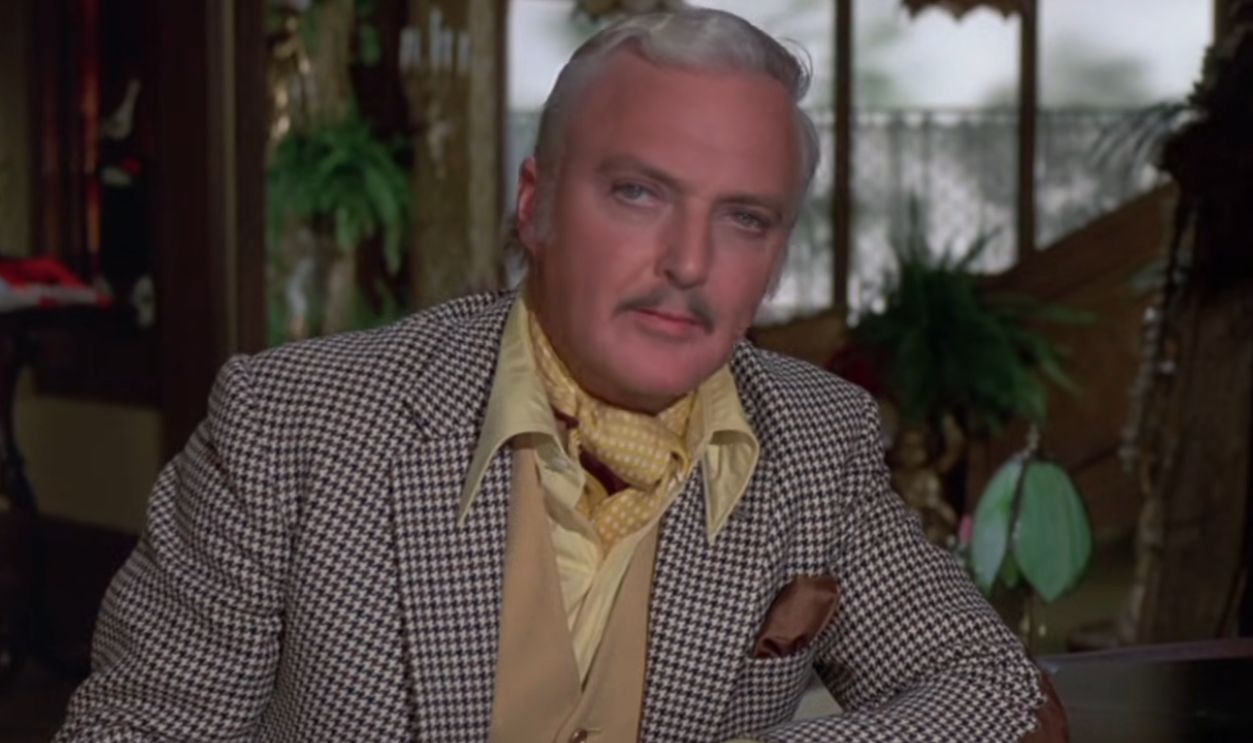
Cassidy never found one permanent television character that defined him for years. Instead, he created a gallery of dazzling intruders who arrived, seized control of an episode, and departed in defeat. His best work still feels electric because the arrogance, charm, wit, and instability in those characters reflected qualities that made his own life so compelling and so difficult.
 Screenshot from Columbo, NBC (1968-2003)
You May Also Like:
Actors Who Appeared In More Classic TV Shows Than You Realized—How Many Do You Remember?
Television Guest Stars Who Became Bigger Celebrities Than The Series' Main Cast
The Most Unforgettable Guest Stars In Television History—How Many Do You Remember?
Sources: 1, 2, 3, 4, 5, 6, 7, 8, 9, 10, 11, 12, 13, 14, 15, 16, 17, 18