Passion Never Dies
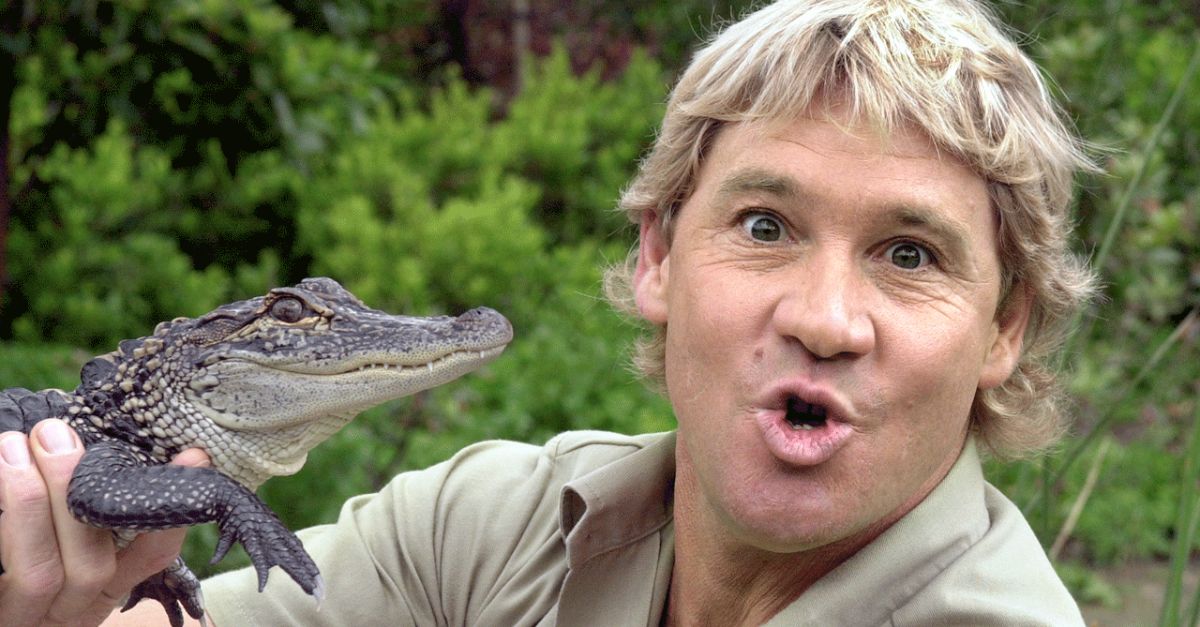
Crocodiles, snakes, and dangerous creatures became superstars thanks to one passionate Australian. Steve Irwin turned wildlife education into must-see TV. His story continues to inspire millions who never even met him.
Early Beginnings
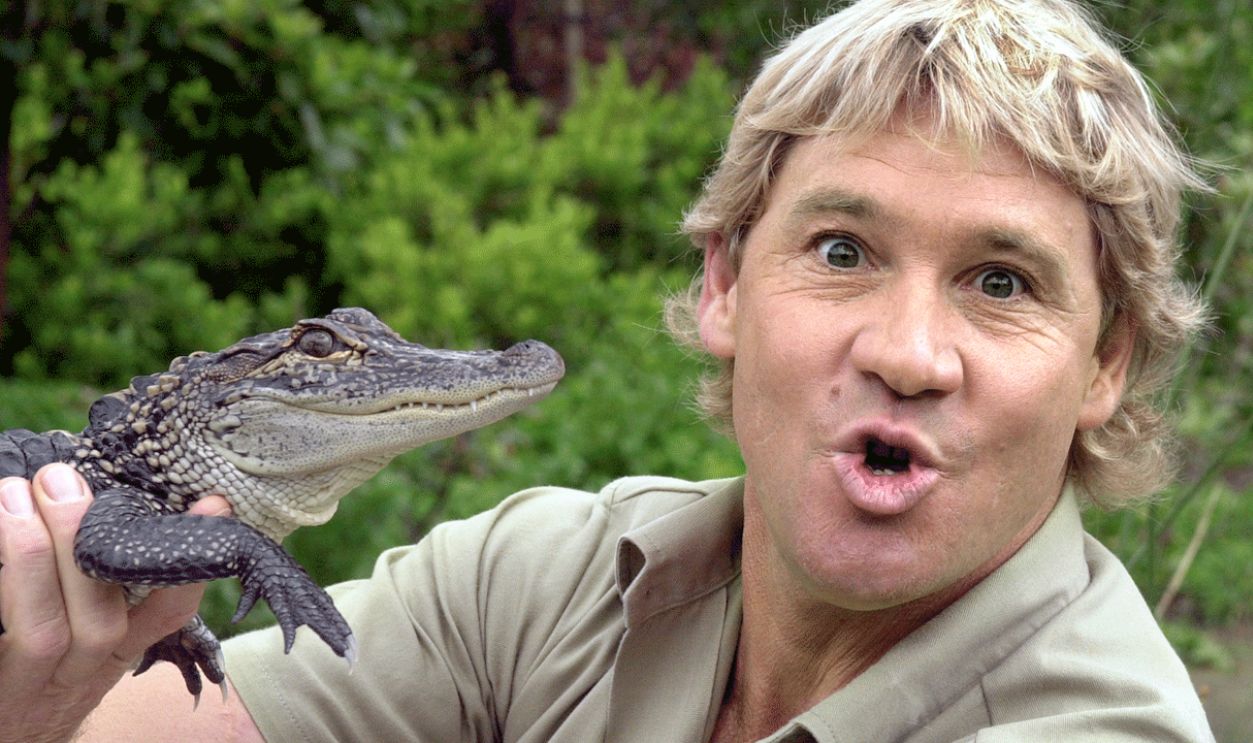
Born on February 22, 1962, in Essendon, Australia, Steve Irwin was destined for a career in wildlife work. His parents, Bob and Lyn, immersed him in animal care from infancy. For his sixth birthday, Steve received a scrub python, sparking his lifelong reptile fascination.
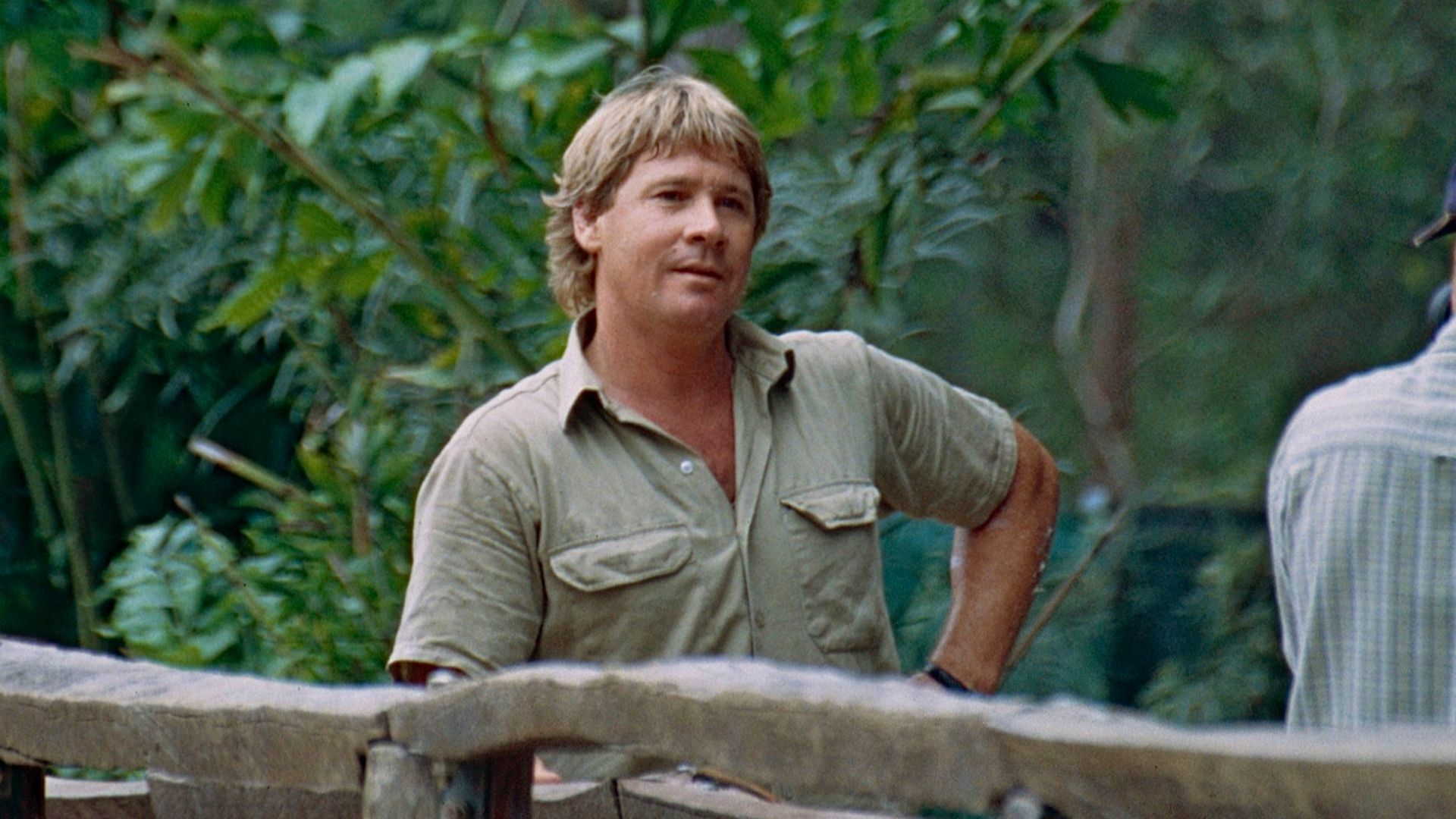 Bernard DUPONT from FRANCE, Wikimedia Commons
Wildlife Passion
Steve's extraordinary connection with animals became evident when he arrived late to school at age six because he was rescuing a lizard crossing the road. This instinctive compassion shaped his future conservation ethos. What truly set him apart was his ability to handle the most dangerous creatures with both confidence and respect.
Reptile Park
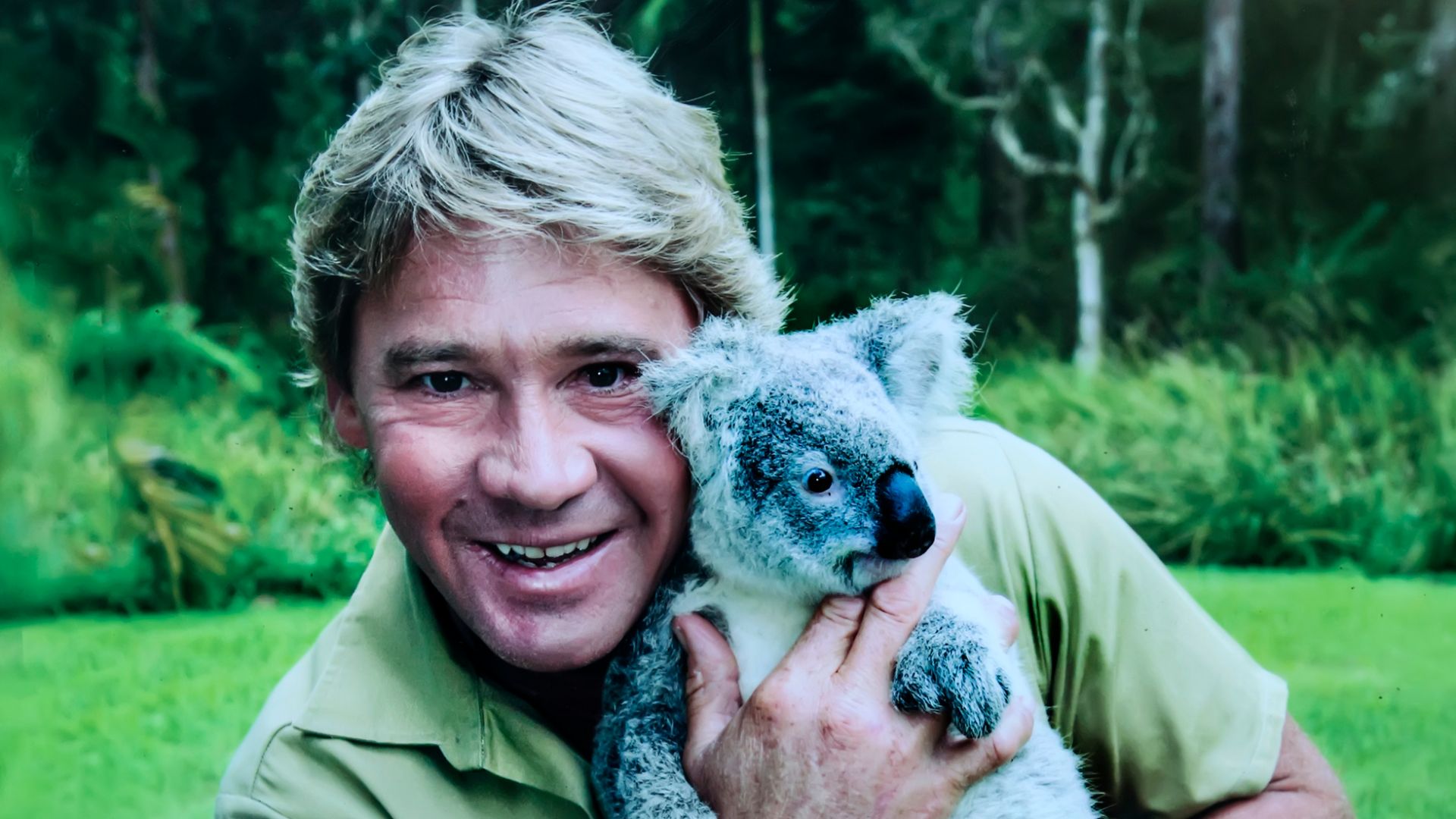
In 1970, the Irwin family established the Beerwah Reptile Park on Australia's Sunshine Coast. Starting as a modest two-acre wildlife sanctuary, it housed native creatures including lace monitors, tiger snakes, and freshwater crocodiles. The humble beginning was marked by dedication despite limited resources.
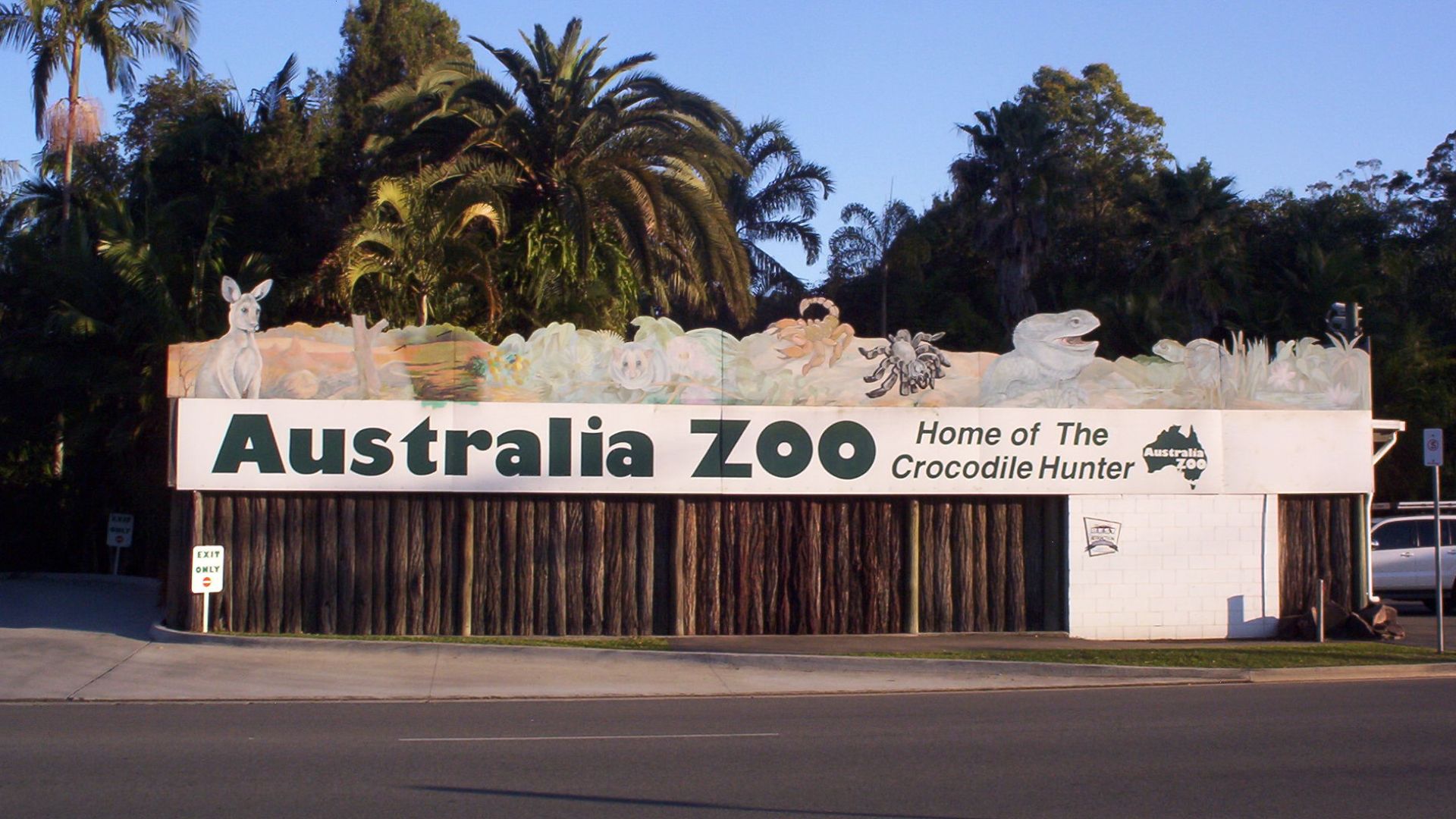 Kaus at English Wikipedia, Wikimedia Commons
Terri's Arrival
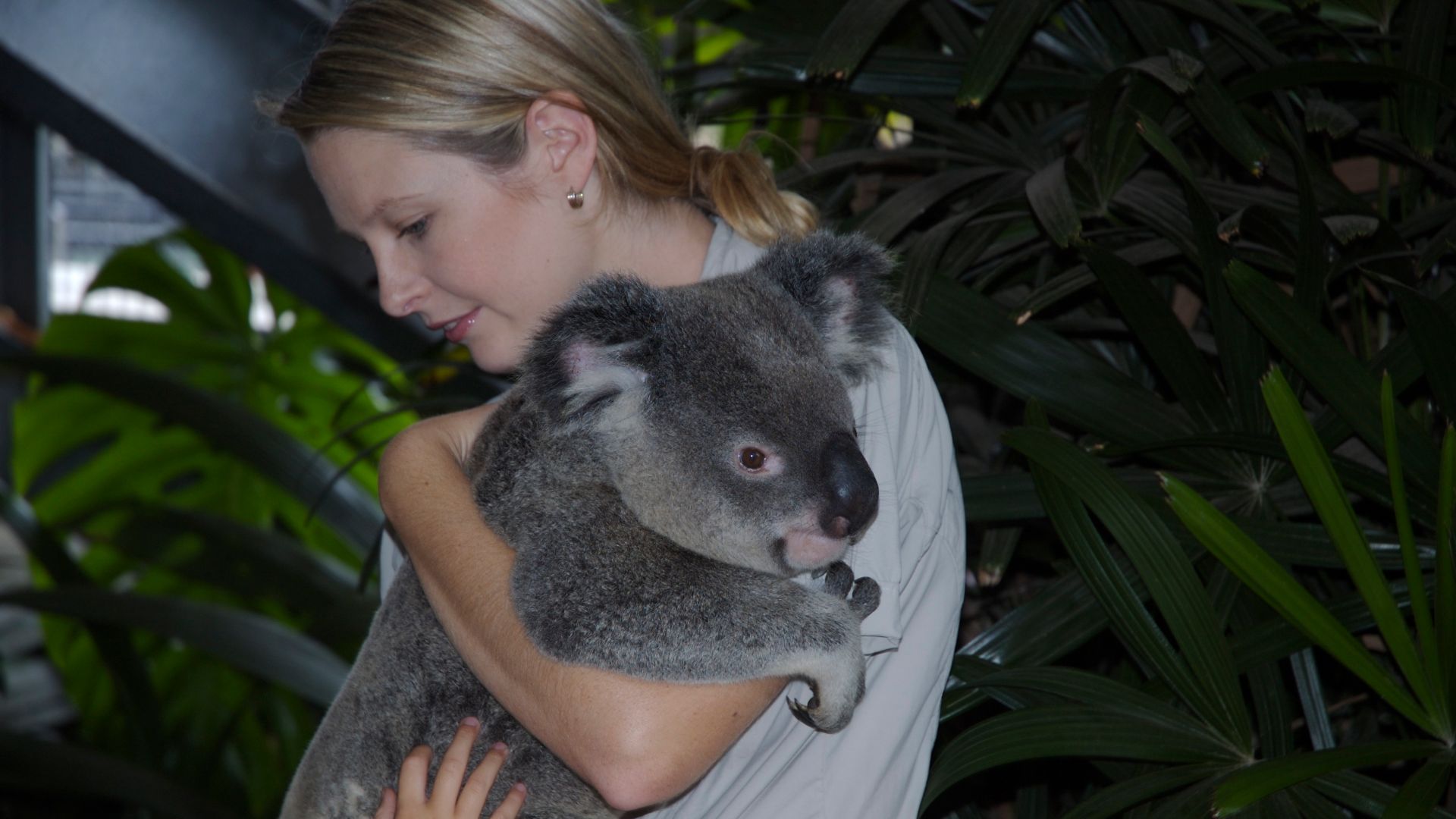
The course of Steve's life changed dramatically in 1991 when Terri Raines, an American wildlife rehabilitator from Oregon, visited the reptile park. Their connection was immediate and profound—described by both as love at first sight. A chance encounter between kindred spirits turned into a powerful partnership.
 Cindy Andrie from Victoria BC, Canada, Wikimedia Commons
Croc Hunter
Steve and Terri married on June 4, 1992, but instead of a traditional honeymoon, they went on a crocodile rescue mission. This adventure, captured on film, became the first episode of The Crocodile Hunter documentary series. His enthusiastic "Crikey!" catchphrase soon resonated worldwide.
 Sheba_Also 43,000 photos, Wikimedia Commons
Television Icon
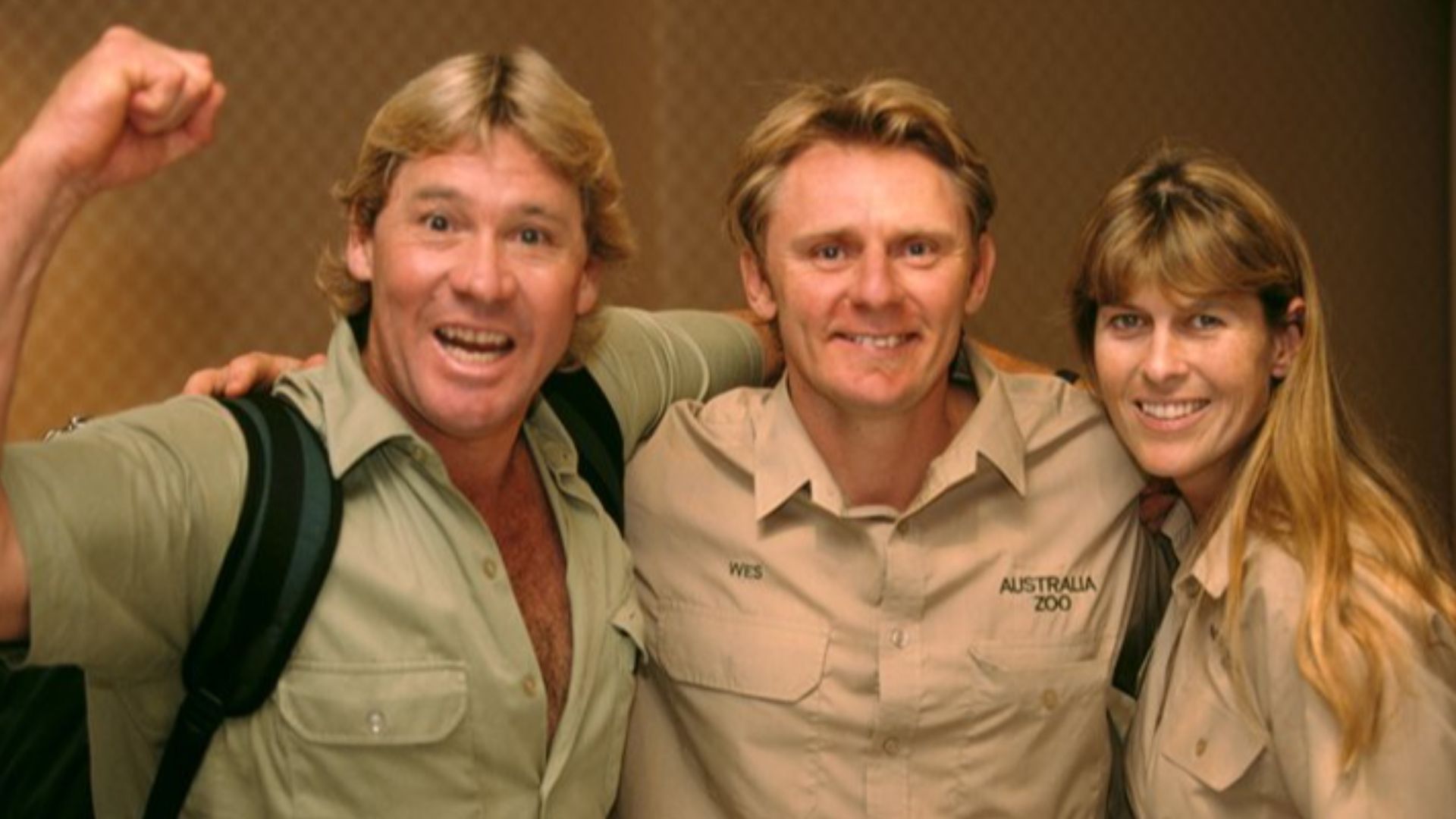
The Crocodile Hunter series expanded globally, eventually reaching over 130 countries with an audience of more than 500 million viewers. Steve's infectious enthusiasm and fearlessness around dangerous animals created a new genre of wildlife television. The success spawned additional shows, including Croc Files.
 Australia Zoo Pty Ltd, Wikimedia Commons
Conservation Vision
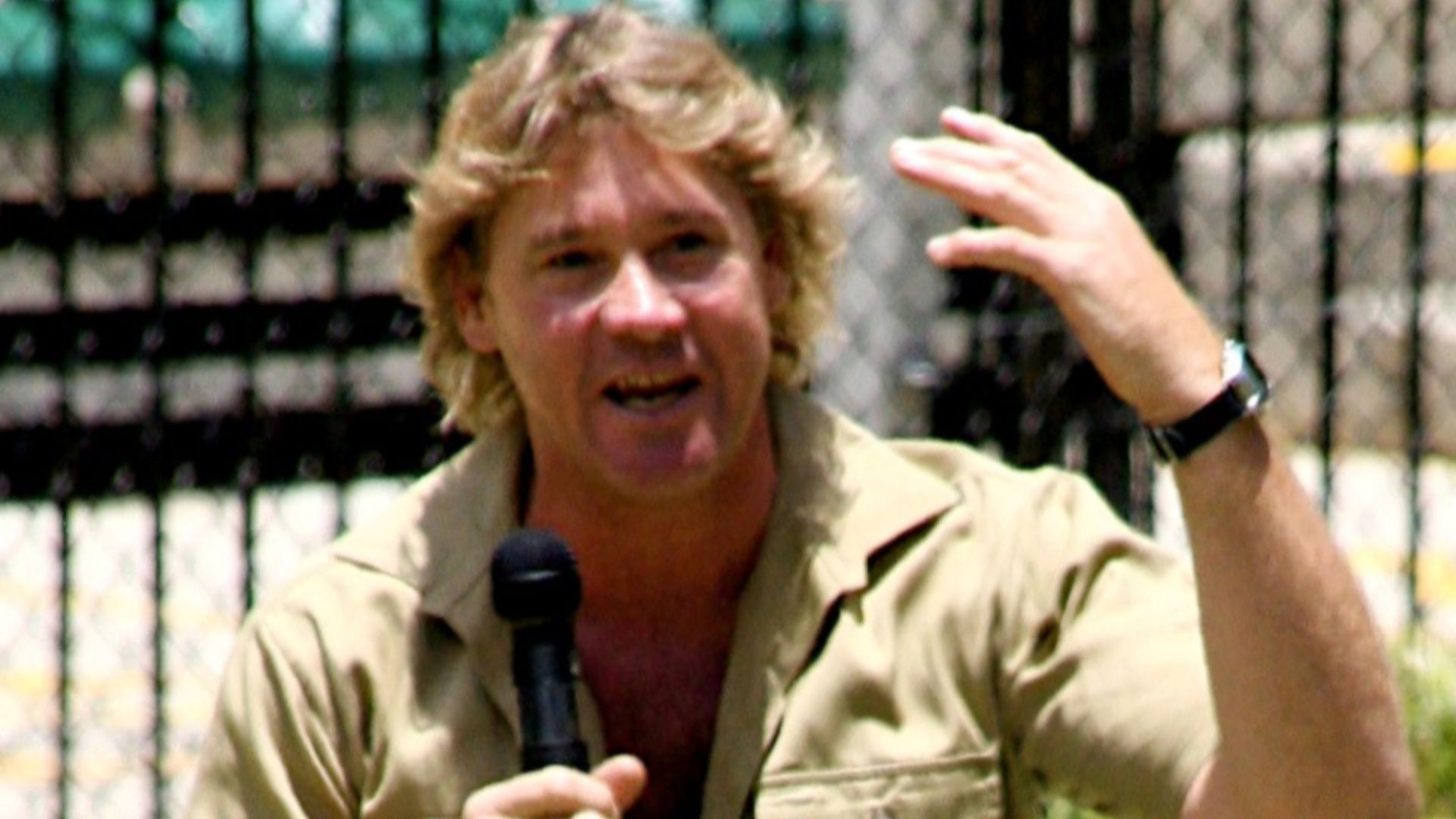
"I consider myself a wildlife warrior. My mission is to save the world's endangered species," Steve declared, emphasizing that conservation was his life's true purpose. He approached environmentalism by sharing excitement rather than preaching, making the message accessible. His strategy involved purchasing large tracts of land in Australia.
 Richard Giles, aka User rich115 on Flickr, Wikimedia Commons
Teaching Passion
The educational impact of Steve's work extended far beyond television. His dynamic presentations at Australia Zoo's "Crocoseum" changed how people learned about wildlife conservation. Rather than focusing only on facts, Steve created emotional connections between visitors and animals. His teaching philosophy centered on “Conservation Through Exciting Education”.
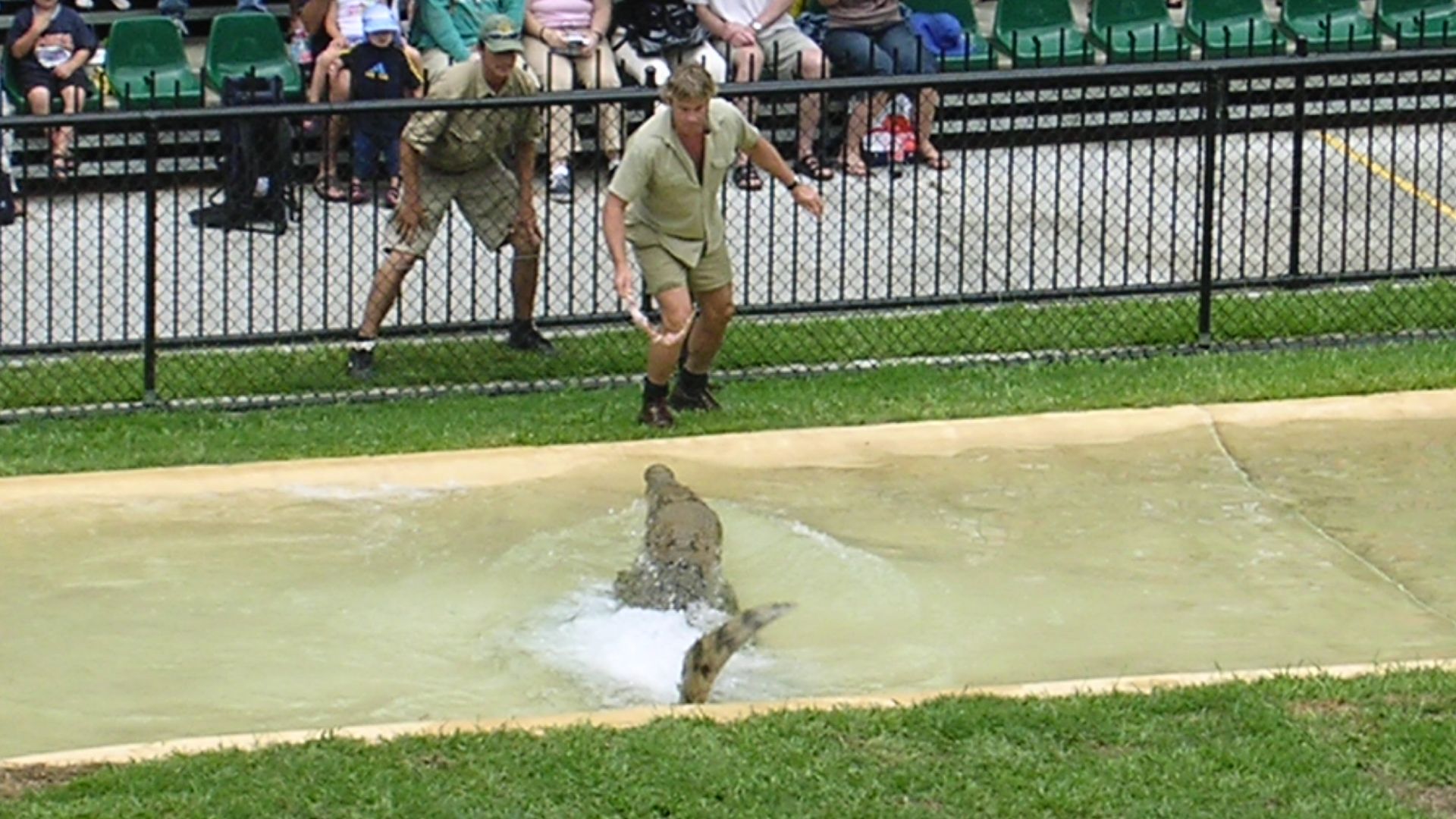
Australia Zoo
Under Steve and Terri's leadership, the former Beerwah Reptile Park evolved into Australia Zoo, expanding from 4 acres to over 700 acres with more than 500 staff members. The change included innovative habitats like the 12-acre Elephantasia and an extensive rainforest aviary.
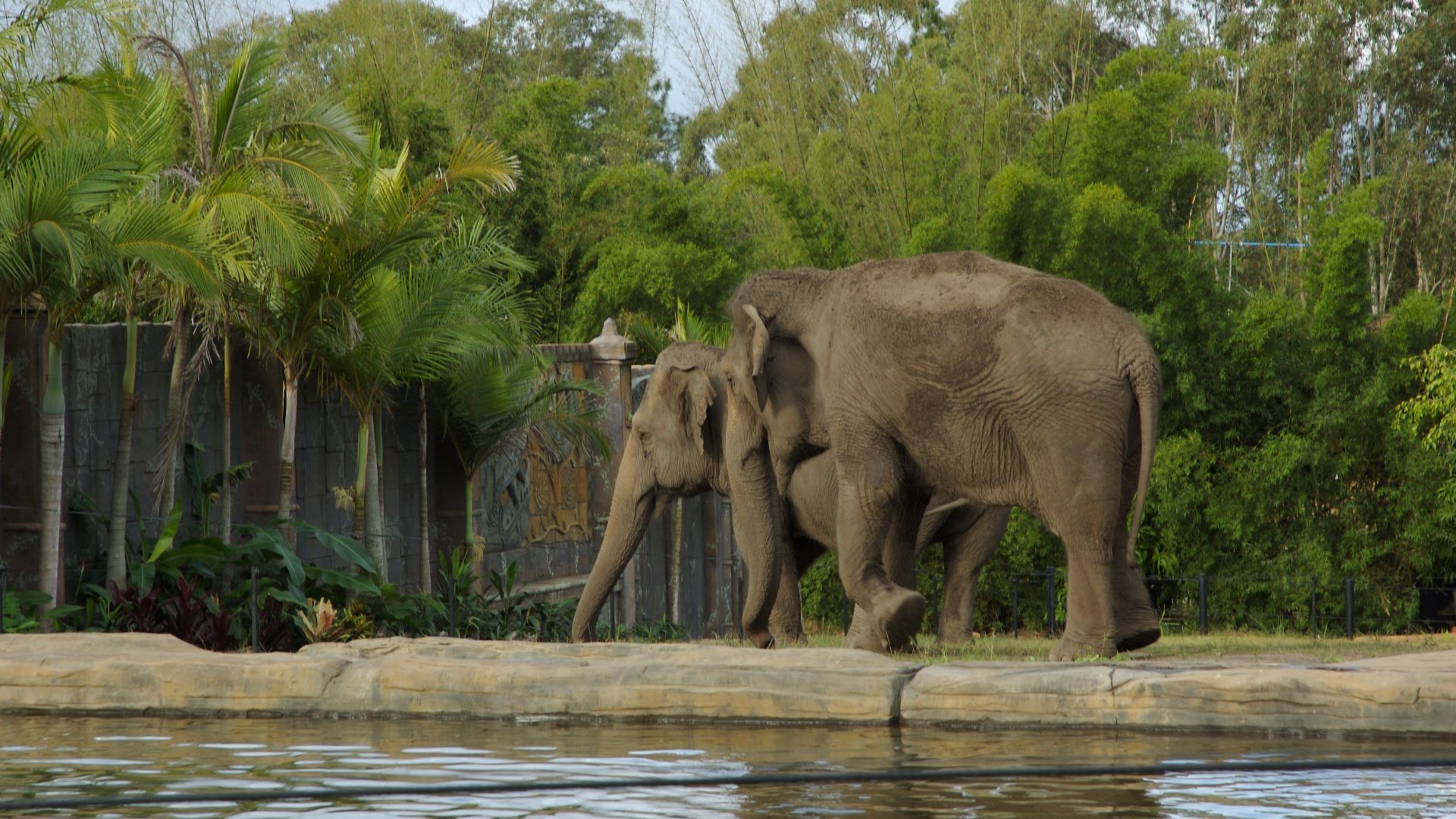 Cindy Andrie from Victoria BC, Canada, Wikimedia Commons
Global Impact
Steve's conservation influence reached international proportions through Wildlife Warriors Worldwide, the organization he and Terri founded in 2002. Originally named the "Steve Irwin Conservation Foundation," this charity focuses on protecting injured, threatened, and endangered species throughout the world.
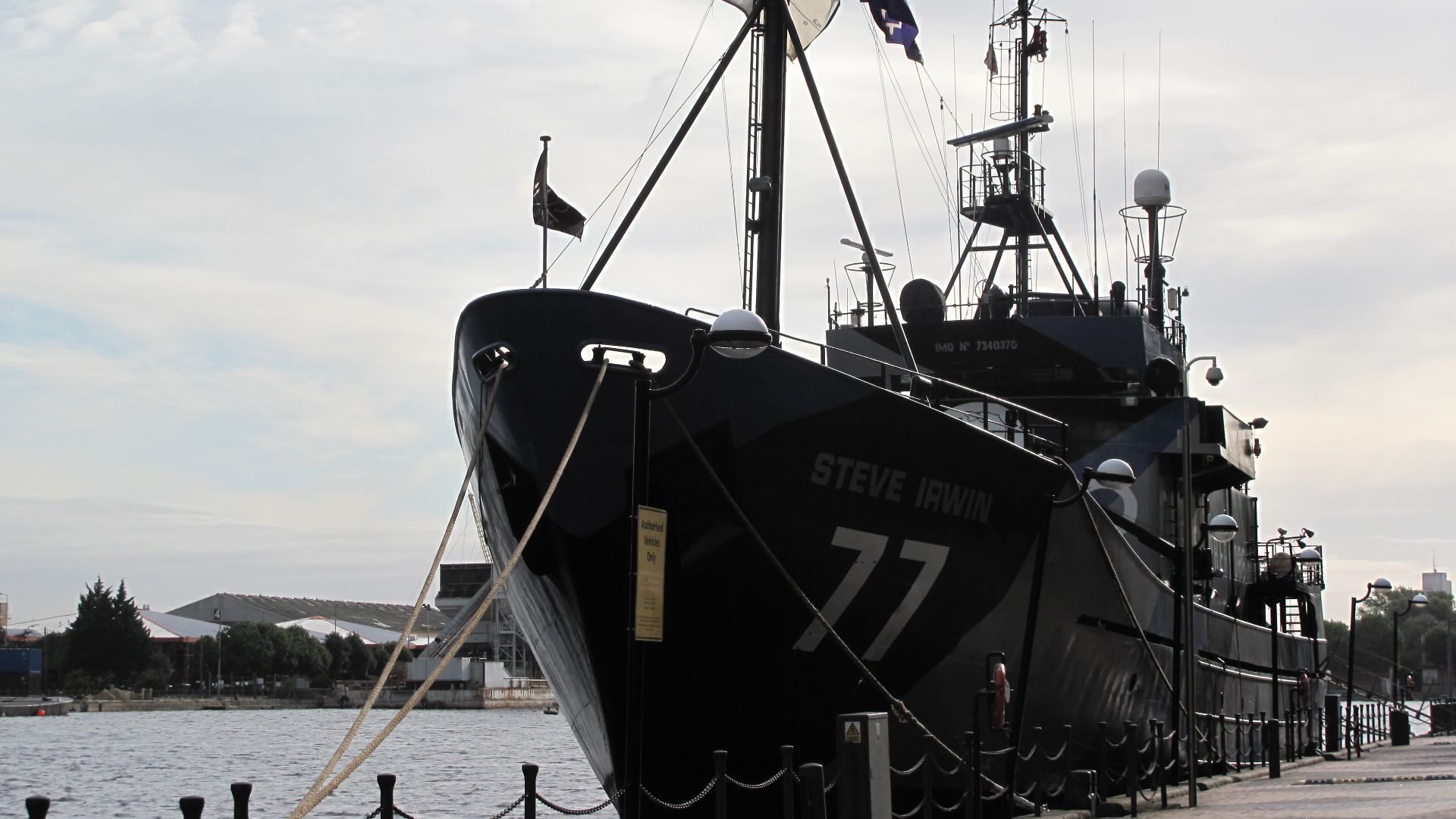 Serendipityology, Wikimedia Commons
Research Contributions
Scientific advancements emerged from Steve's hands-on wildlife work, particularly his crocodile research techniques. University of Queensland scientists still utilize his capture methods for tagging and studying saltwater crocodiles. Remarkably, his practical field experience complemented traditional scientific approaches. Data collected during his expeditions provided valuable insights into reptile behavior.
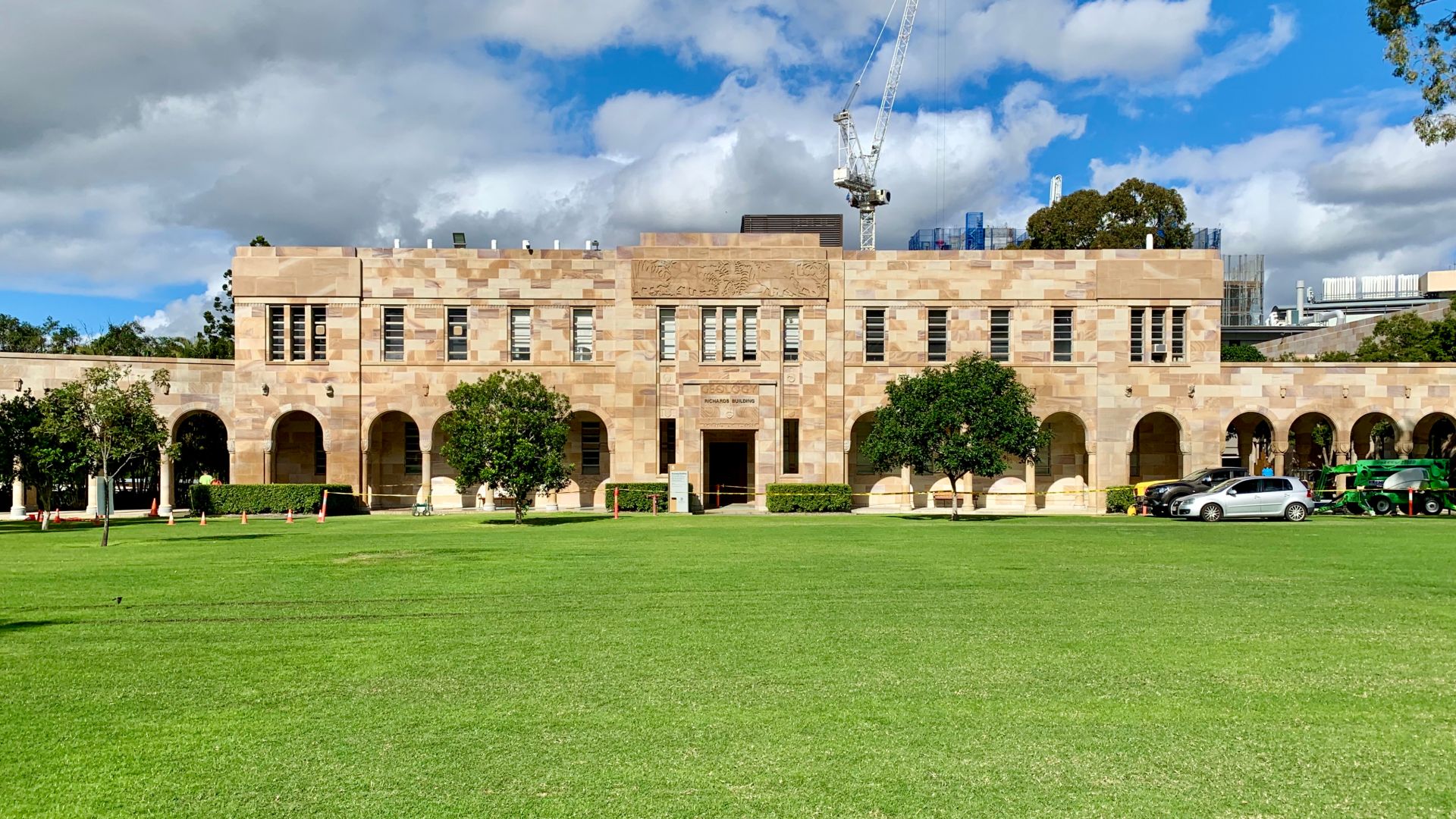
Species Discovery
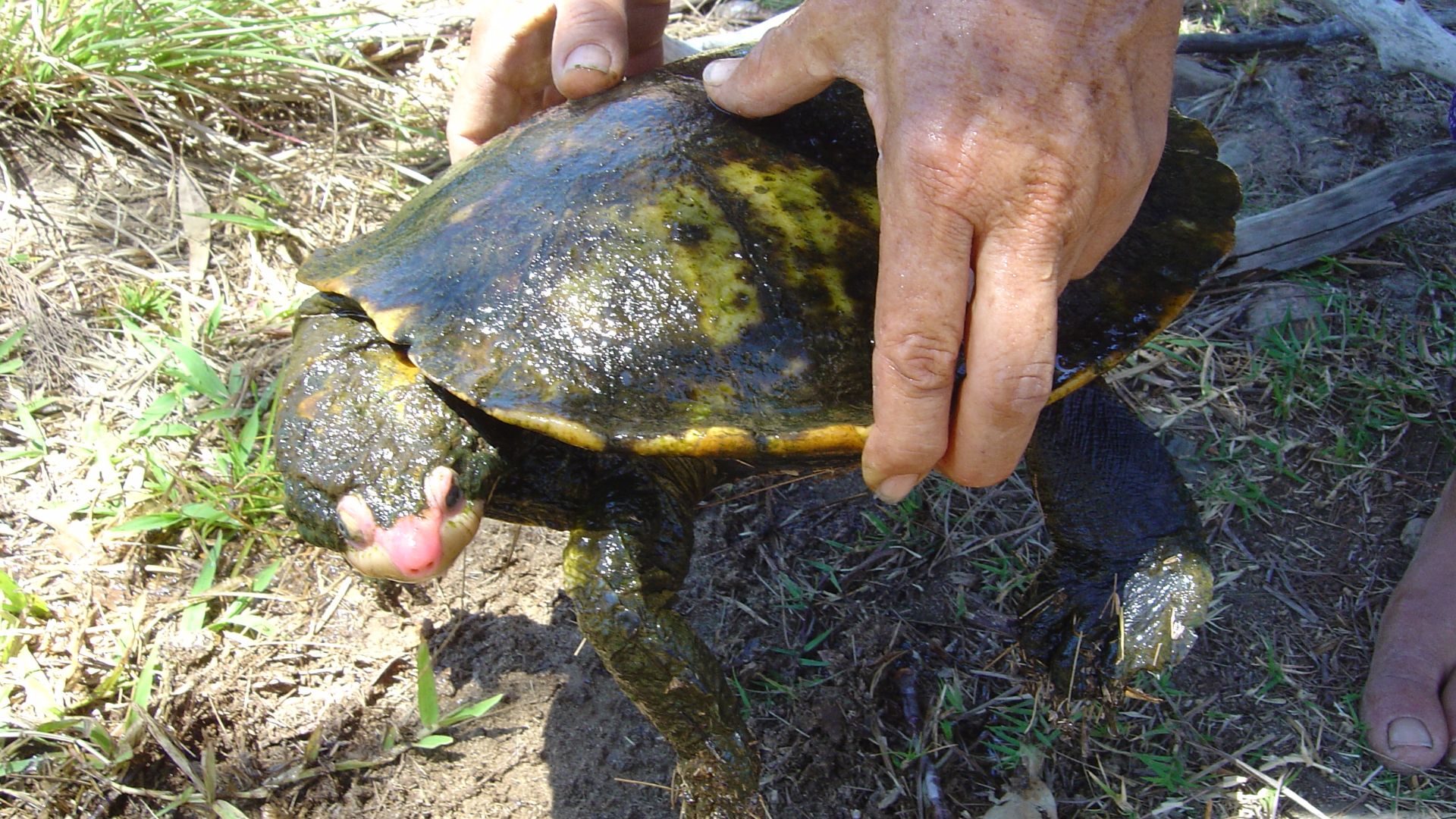
In 1990, while fishing along the Queensland coast with his father, Steve encountered a previously undocumented turtle species. Herpetologist John Cann formally named it Elseya irwini (Irwin's turtle) in his honor. The discovery highlighted Steve's keen observational skills beyond television showmanship.
 Ian Sutton from Oberon, Australia, Wikimedia Commons
Family Legacy
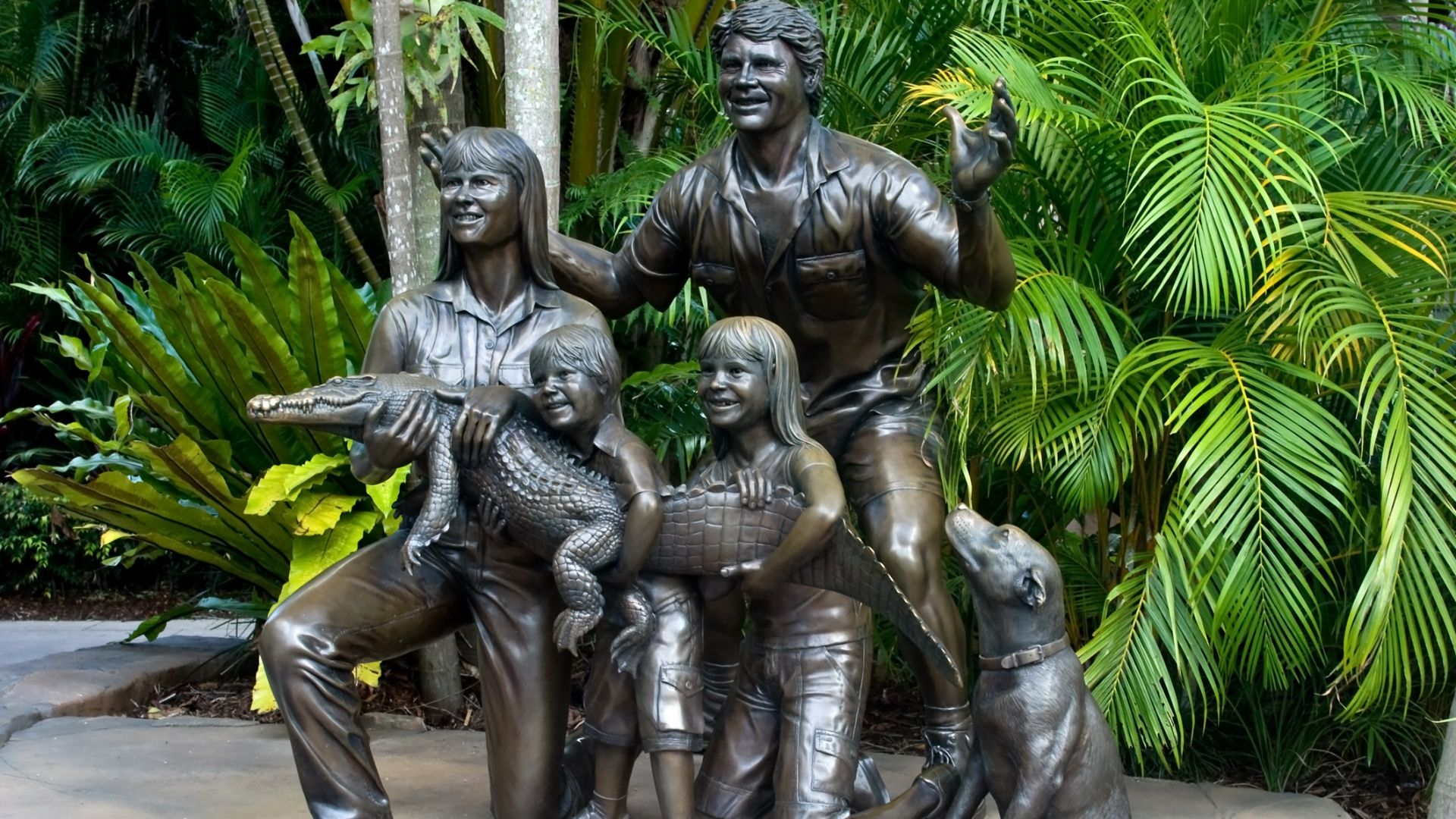
The Irwin family became conservation ambassadors, with Terri, Bindi, and Robert continuing Steve's mission with equal passion. His children were pretty much into wildlife work from an early age, with Bindi starring in her own wildlife series, Bindi the Jungle Girl.
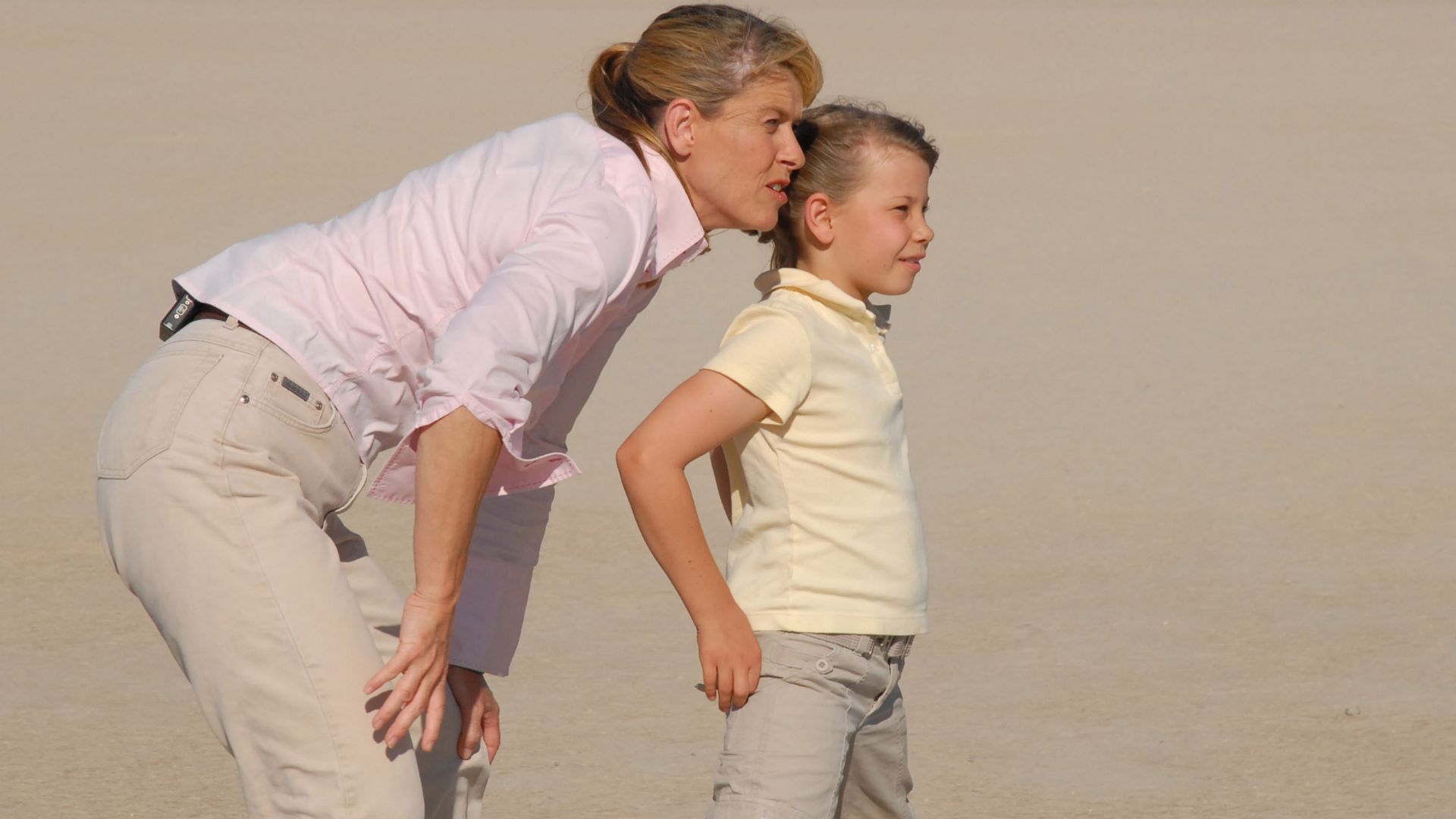 Photo by Airman 1st Class Stacy Sanchez, Wikimedia Commons
Fatal Day
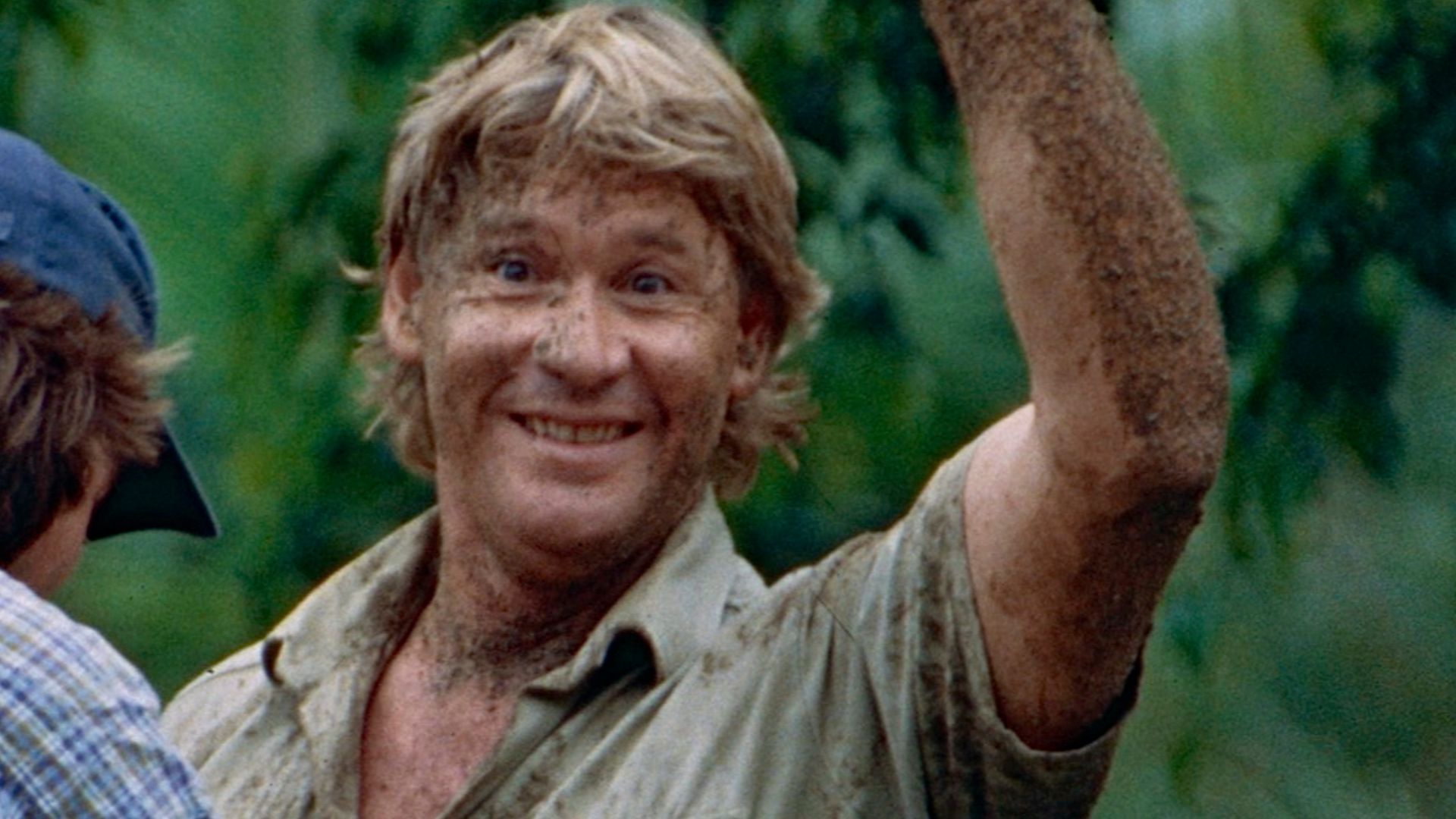
September 4, 2006, began as a routine filming day in Queensland, Australia. Weather conditions had delayed primary shooting for "Ocean's Deadliest," so Steve decided to capture some shallow-water footage for Bindi's television program. No one anticipated danger in the chest-deep water, as the expedition focused on typically non-threatening marine life.
 Bernard DUPONT from FRANCE, Wikimedia Commons
Barrier Reef
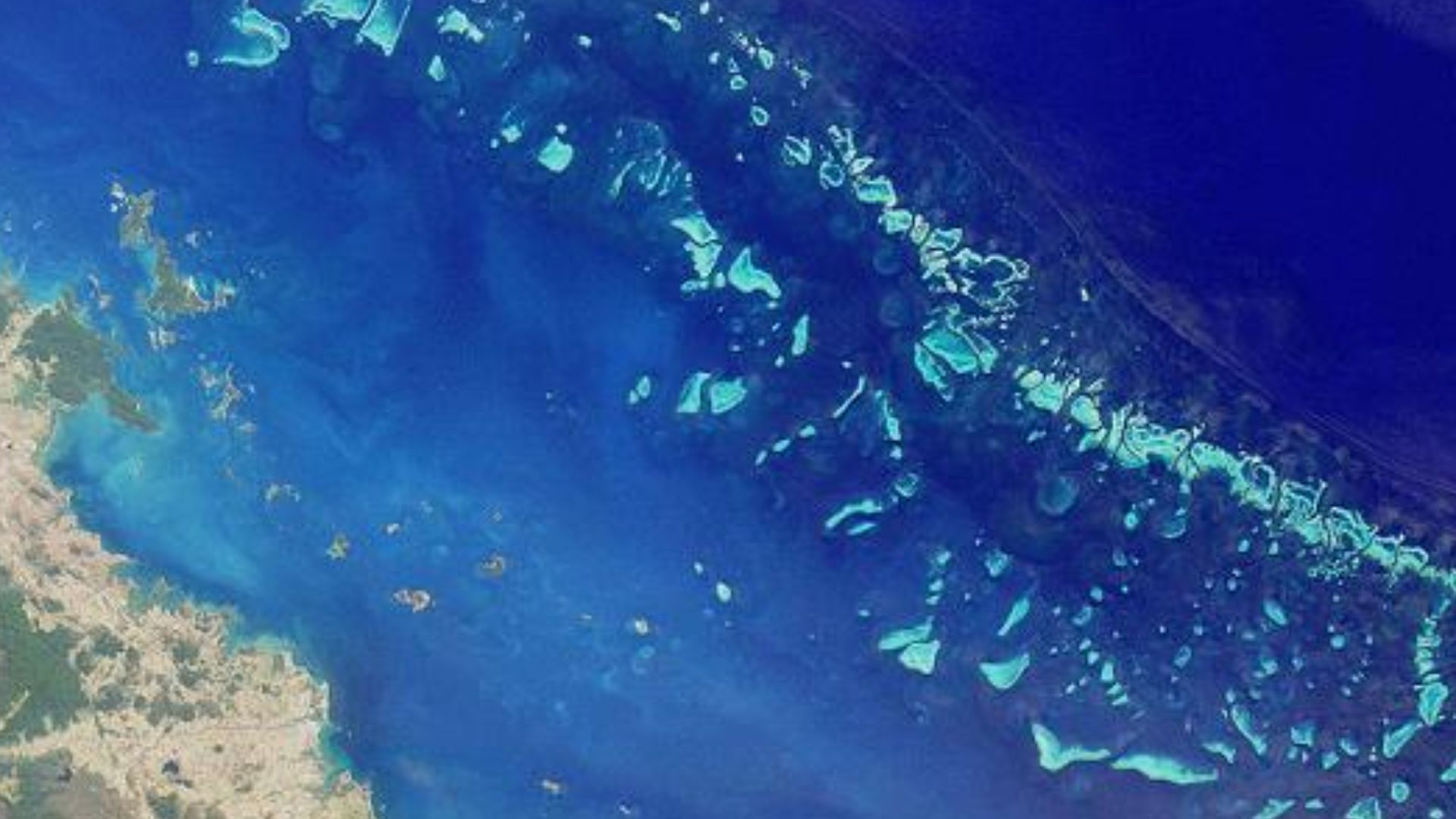
The Great Barrier Reef location where Steve was filming represented a shift from his signature crocodile encounters to marine conservation. His expanding focus included ocean ecosystems facing increasing environmental threats. The specific site, Batt Reef, features diverse marine life, including the short-tailed stingrays that avoid human interaction.
 NASA, by MISR, Wikimedia Commons
Ocean's Deadliest
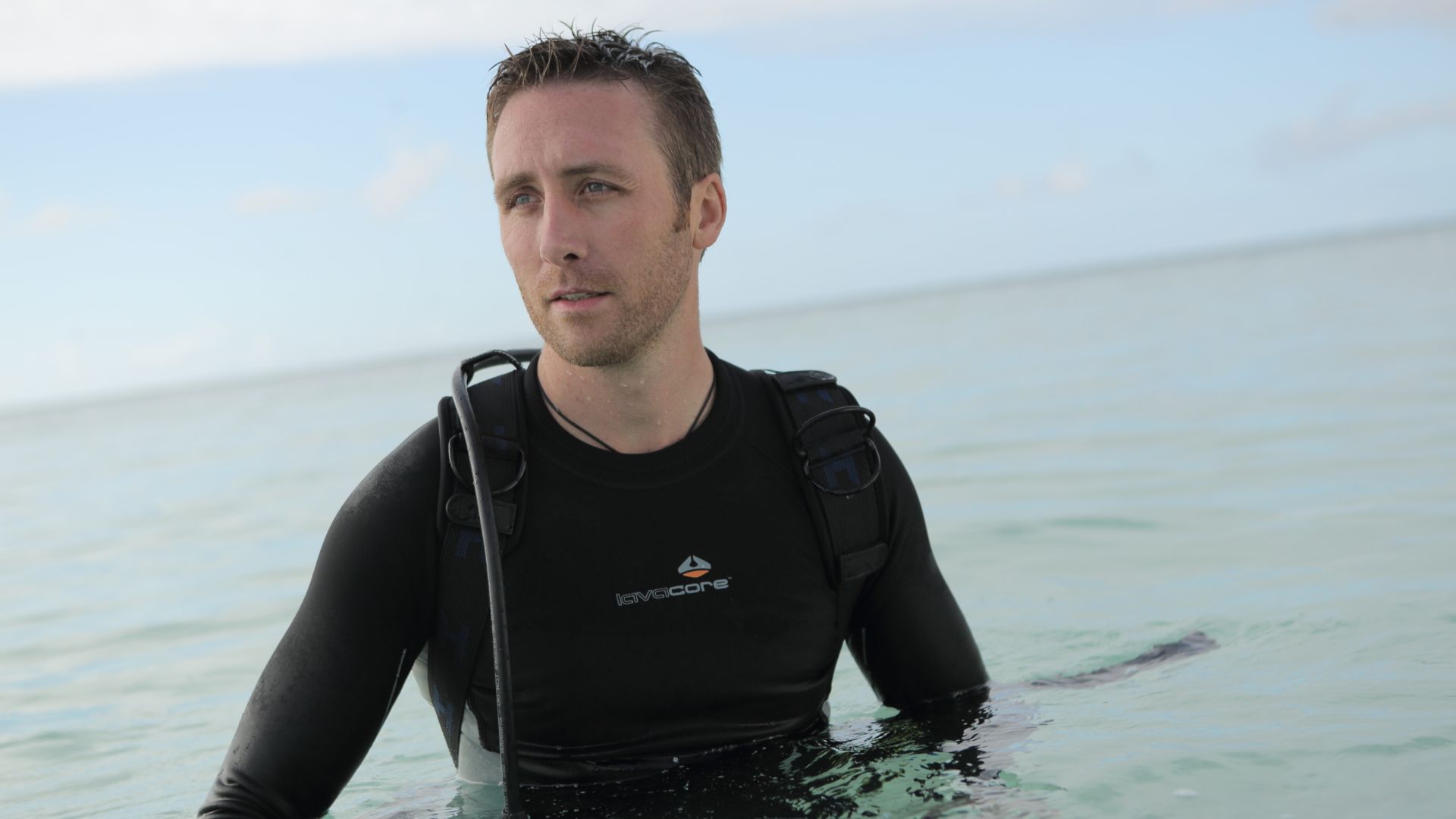
The documentary Steve was filming, "Ocean's Deadliest," ironically focused on dangerous marine creatures. Co-hosted by Philippe Cousteau Jr, the project aimed to educate viewers about misunderstood ocean predators. The production was eventually completed and aired on the Discovery Channel in January 2007.
 EarthEcho International, Wikimedia Commons
Stingray Encounter
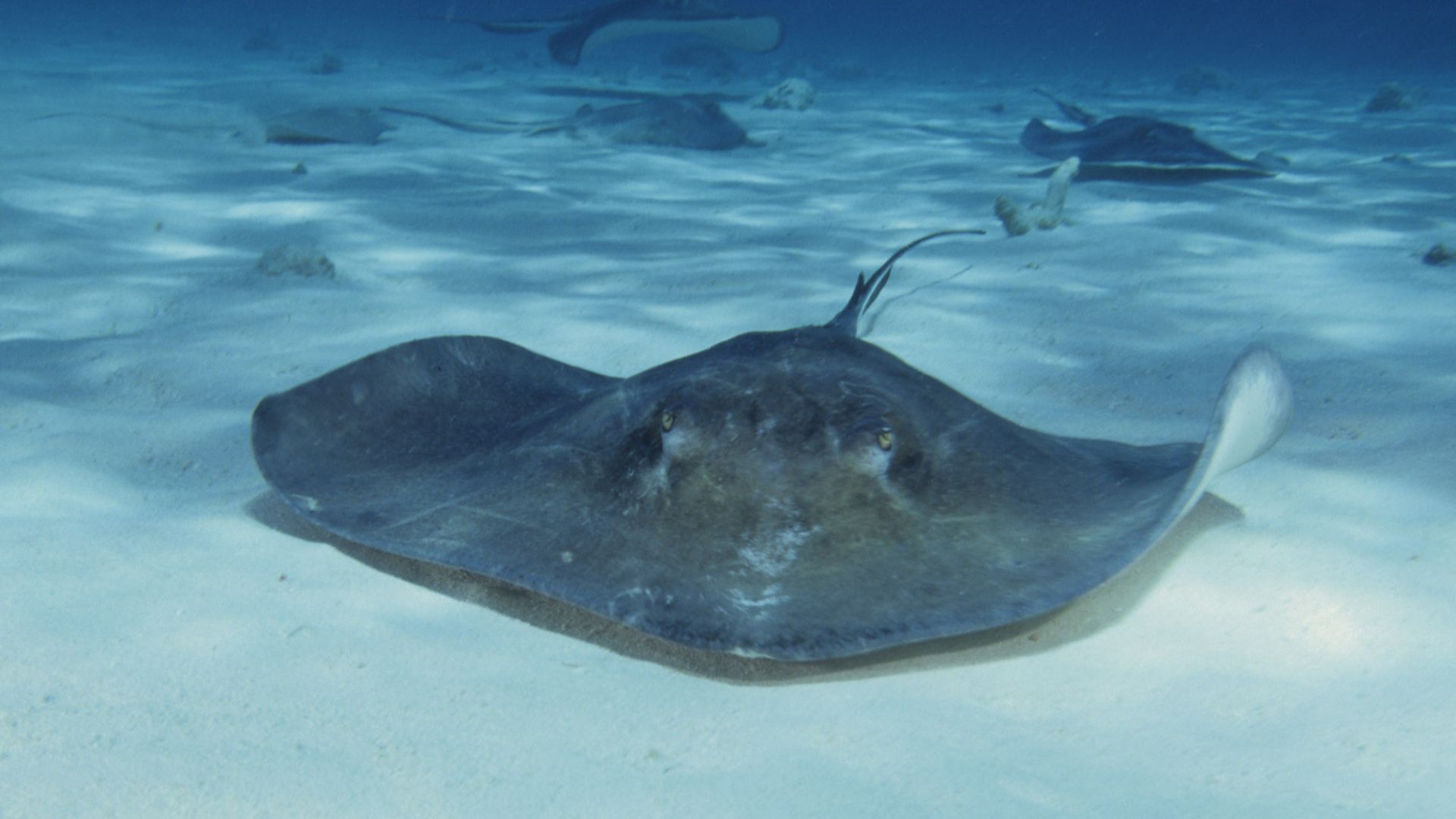
Swimming in chest-deep water, 44-year-old Steve approached an approximately eight-foot-wide stingray from behind to film it swimming away. The usually docile creature, possibly mistaking Steve's shadow for a tiger shark, suddenly became defensive. According to eyewitness Justin Lyons, “It started stabbing wildly with its tail, hundreds of strikes within a few seconds”.
 Barry Peters` from Doylestown, Wikimedia Commons
Final Moments
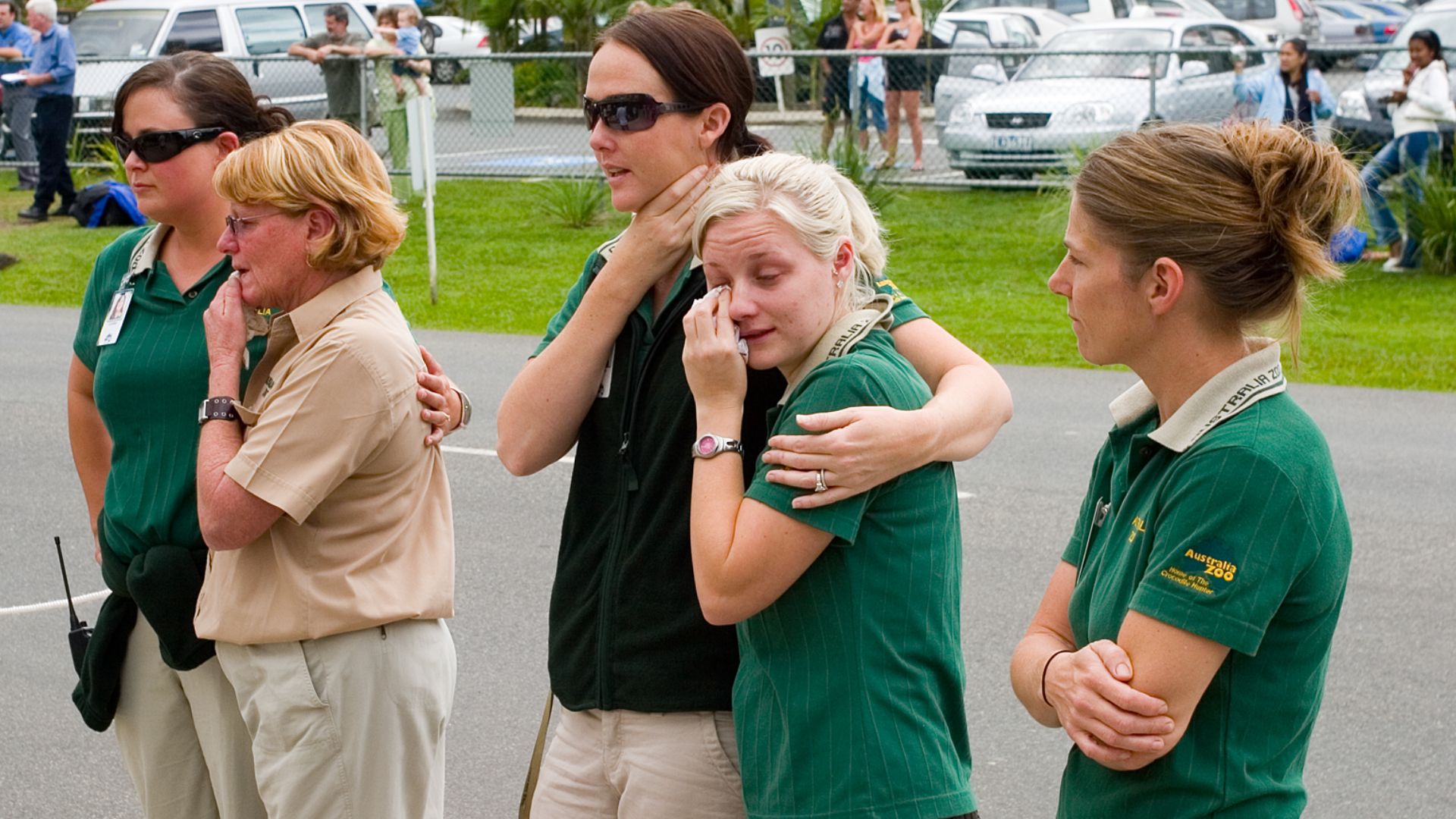
After the stingray attack, the crew quickly pulled the man into their inflatable boat, administering CPR while rushing toward the main vessel. Despite experiencing "extraordinary pain" from the massive heart damage, Steve appeared responsive briefly after the injury. The team desperately applied pressure to the wound, attempting to stabilize him.
 Sheba_Also 43,000 photos, Wikimedia Commons
Last Words
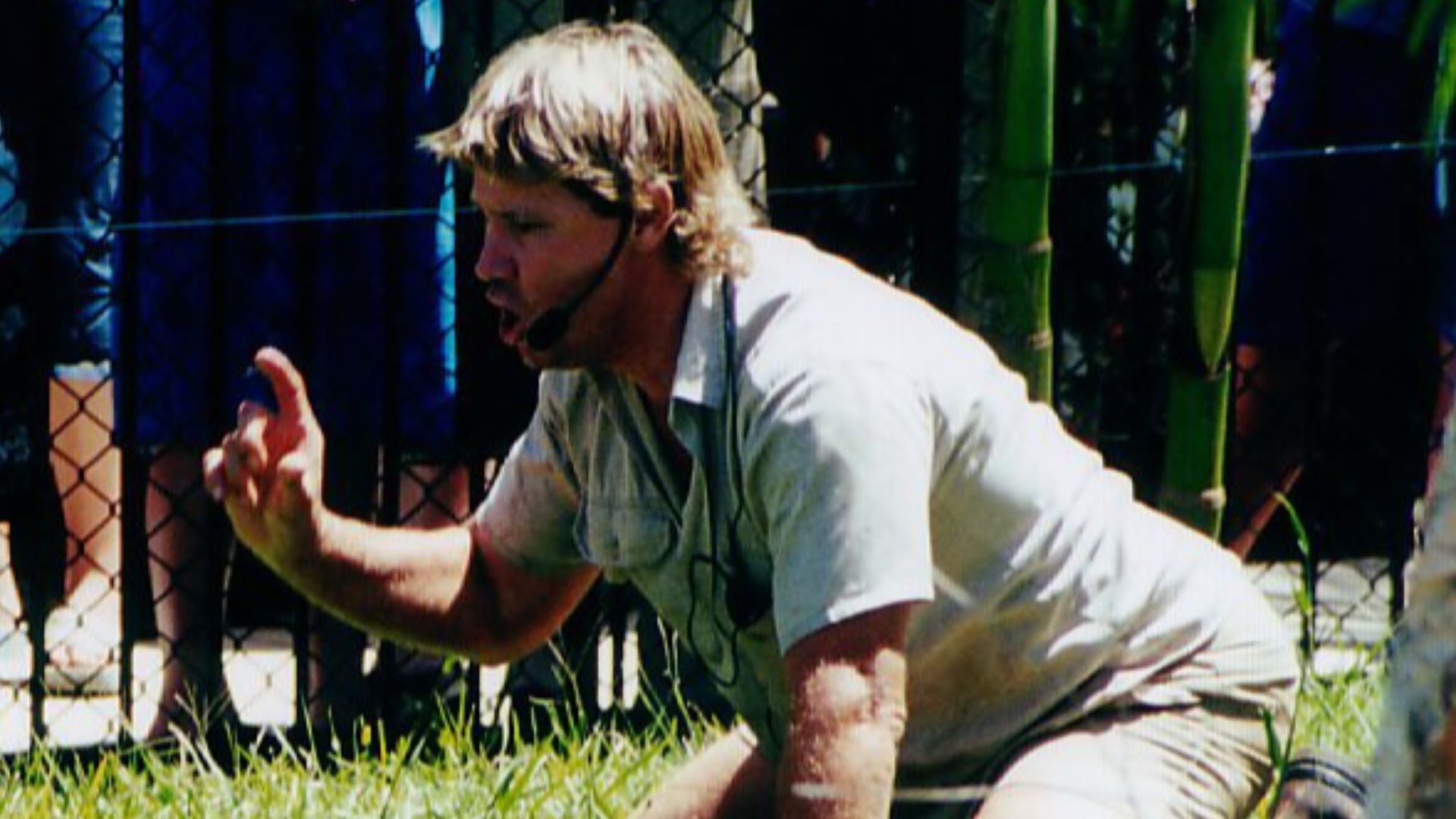
As Steve lay wounded in the boat, cameraman Justin Lyons urged him to fight for survival, specifically mentioning his children for motivation. Despite the chaos and pain, this individual maintained good composure in his final moments. Looking directly at Lyons, he calmly stated, “I'm dying”.
 Dennis Desmond, Wikimedia Commons
World Mourns
News of Steve's demise on September 4, 2006, triggered unprecedented global grieving. Australian Prime Minister John Howard offered a state funeral, which the family declined, honoring Steve's preference to be remembered as an “ordinary bloke”.
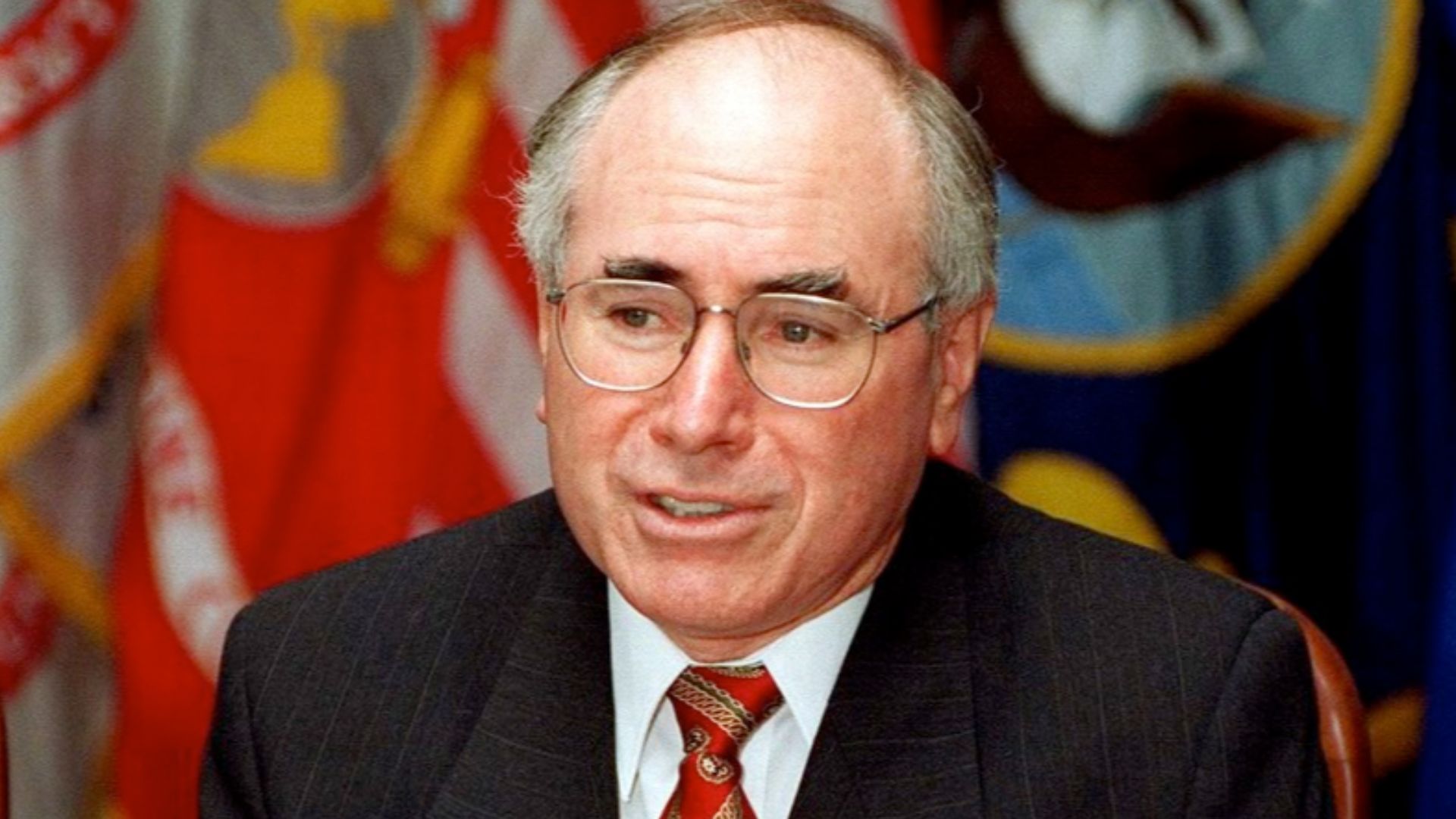 John_howard.jpg: DoD photo by Helene C. Stikkel derivative work: IgnorantArmies, Wikimedia Commons
Continuing Mission
The phrase "Khaki Conservation" emerged after Steve's passing, mirroring his practical approach to wildlife protection. His conservation philosophy lives on through multiple initiatives worldwide. Wildlife Warriors Worldwide expanded its reach, now operating in Australia, Asia, Africa, and beyond.
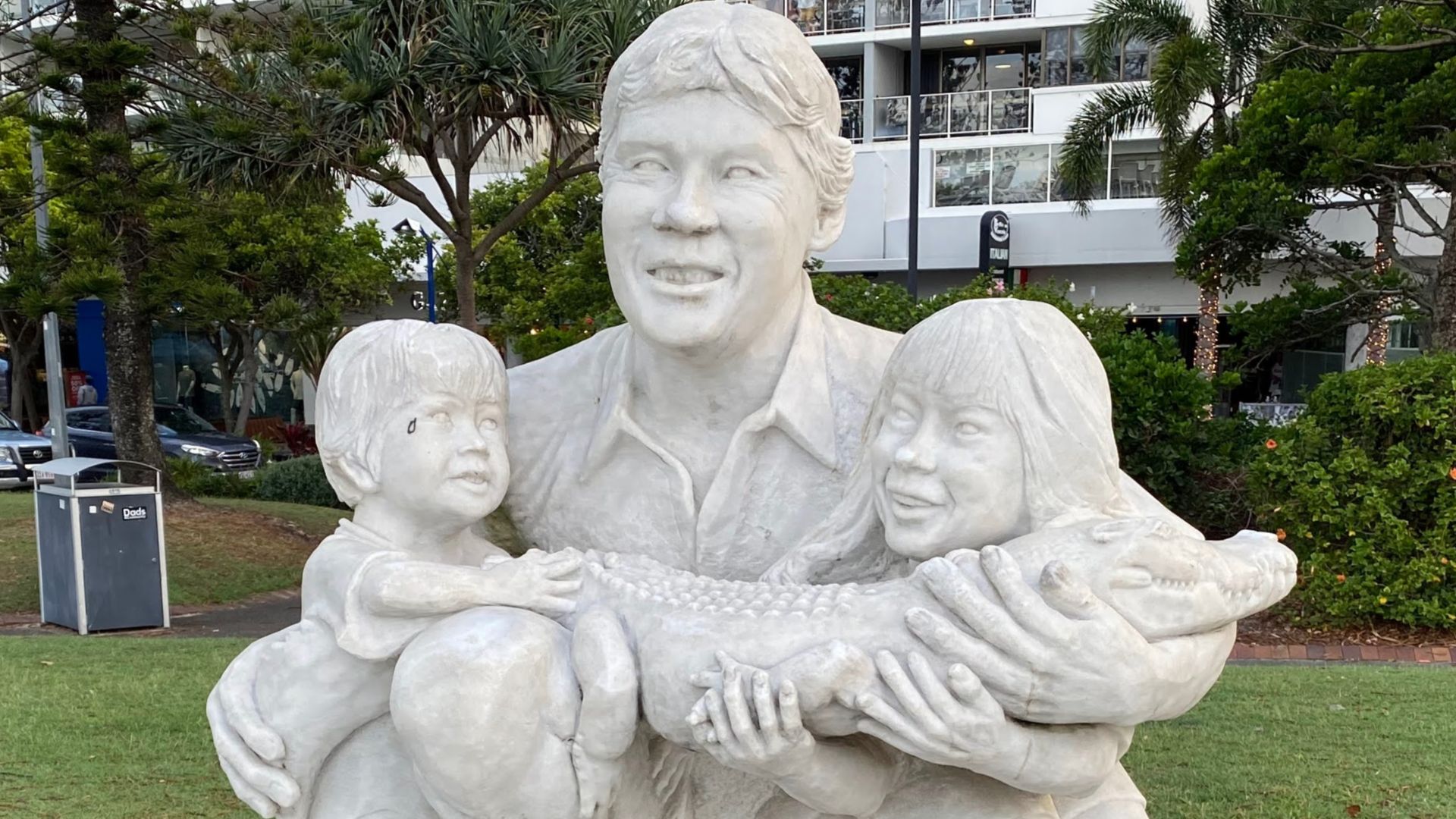 -wuppertaler, Wikimedia Commons
Wildlife Hospital
From a humble avocado packing shed, Steve and Terri established the Australia Zoo Wildlife Hospital in 2004, dedicating it to Steve's mother, Lyn. The facility has since treated over 10,000 animals annually, becoming one of the world's busiest wildlife hospitals. Specialized care units handle everything.
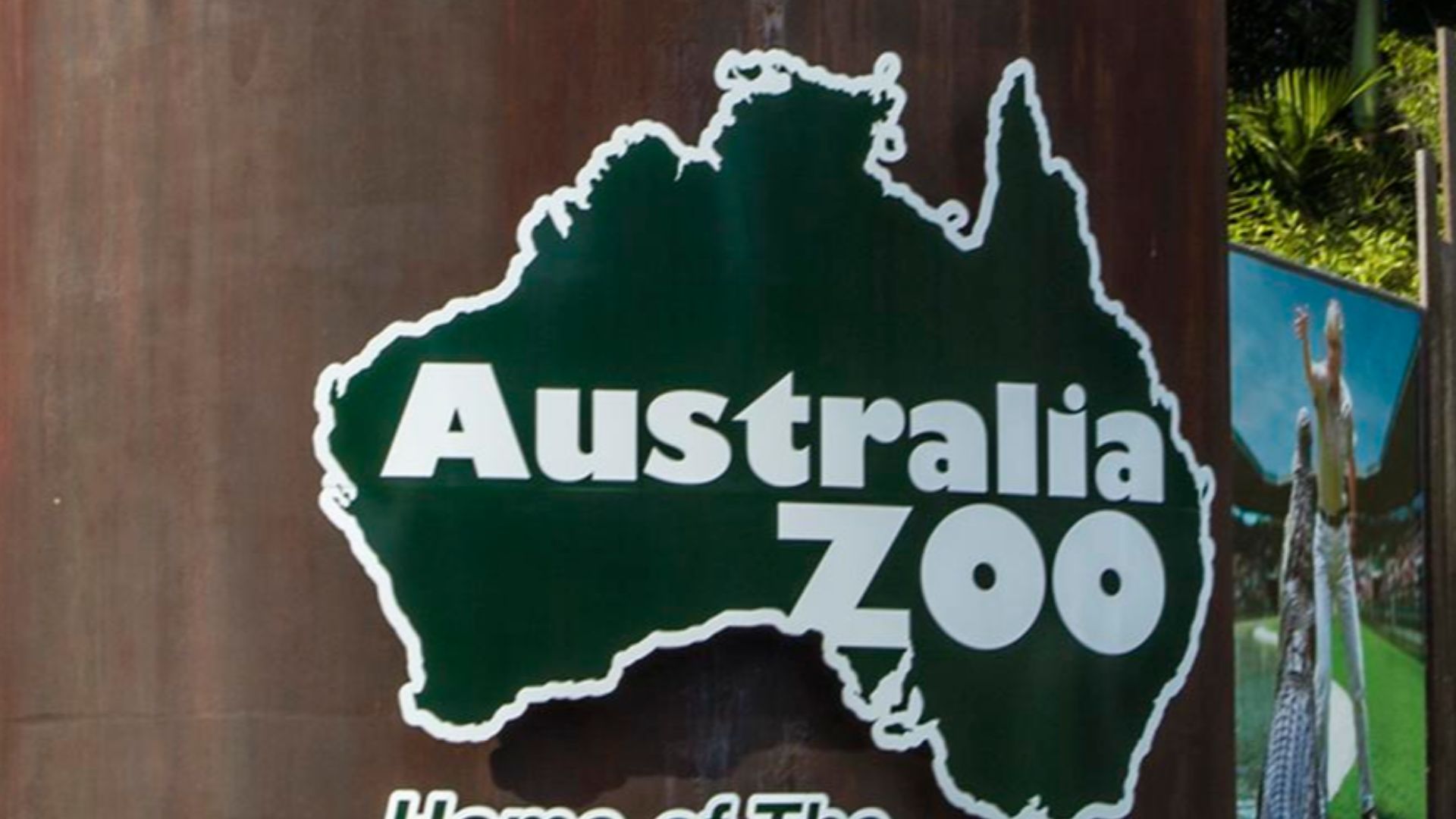 Sheba_Also 43,000 photos, Wikimedia Commons
Conservation Properties
A significant triumph came with the Steve Irwin Wildlife Reserve in Cape York Peninsula, where they successfully fought a six-year battle against proposed mining operations. The 330,000-acre property protects rare ecosystems, including the previously unknown "Perched Bauxite Springs" with unique pH levels.
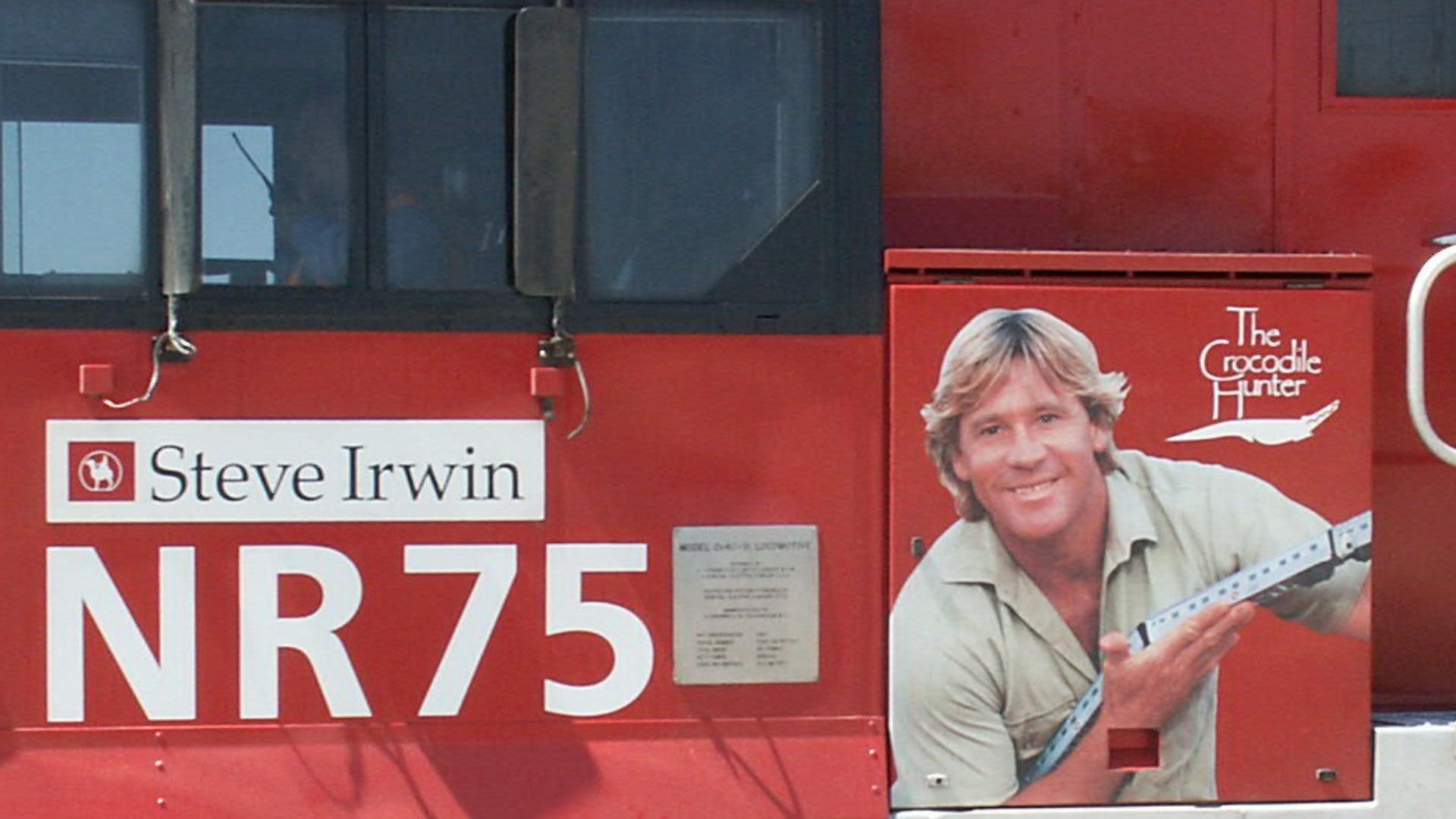 Nachoman-au, Wikimedia Commons
Bindi's Journey
Bindi Irwin embraced her father's legacy while developing her distinct voice. She won Dancing with the Stars in 2015, using the platform to promote wildlife conservation. Her wildlife documentaries, books, and social media presence target younger generations. "Dad taught me to treat every animal as an individual," Bindi often states.
 Eva Rinaldi, Wikimedia Commons