
When Fear Silenced the Silver Screen
Imagine losing your entire career overnight—not because of anything you did on screen, but because of your beliefs (or even just rumors about them). That’s exactly what happened during the Hollywood Blacklist era. Careers disappeared, friendships fell apart, and fear took over the industry in a way that still feels hard to believe today.
What The Hollywood Blacklist Actually Was
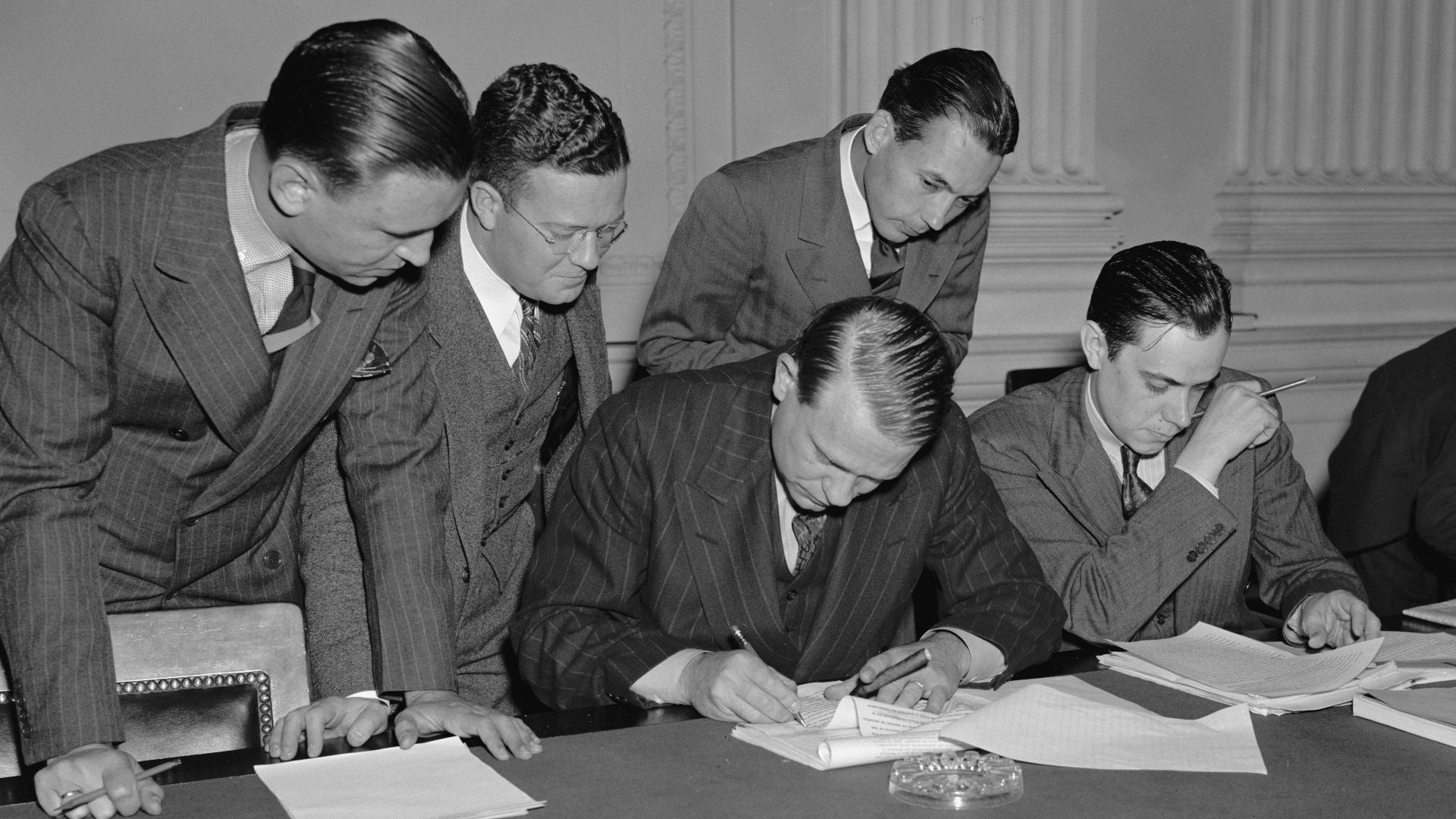
Back in the late 1940s, the US government got seriously worried about communism spreading in America. Hollywood became a major target. In 1947, the House Un-American Activities Committee (HUAC) started calling in actors, writers, and directors to testify in Washington, DC.
And they were relentless.
 Harris & Ewing, official White House photographers, Wikimedia Commons
How You Got On The List
If you refused to answer questions or name other people, you were basically shut out of Hollywood. There wasn’t an official “list” published—but everyone knew who was on it. And once you were on it, getting work became nearly impossible.
 Associated Press, Wikimedia Commons
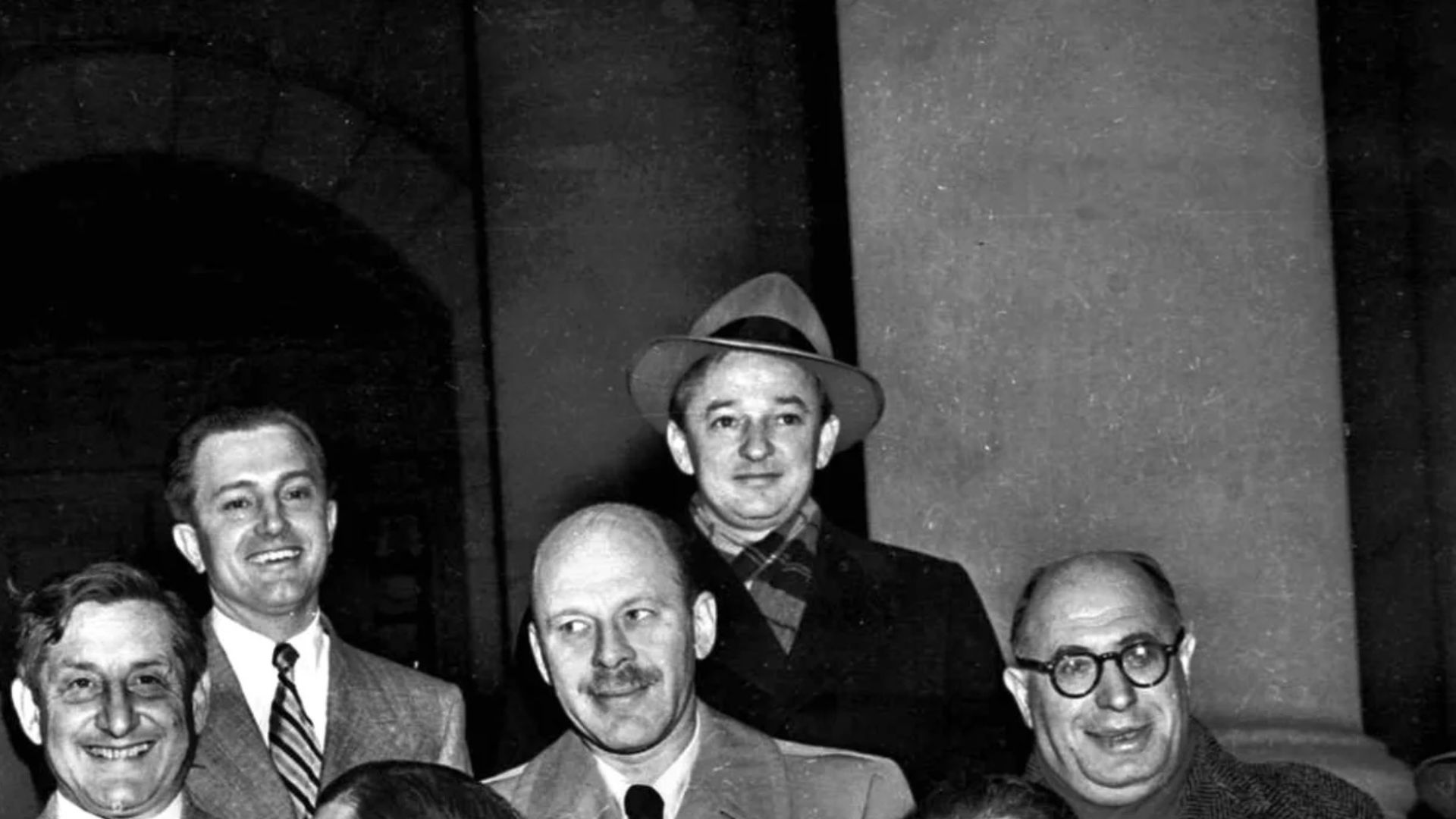
The Hollywood Ten — The Group That Took The First Hit
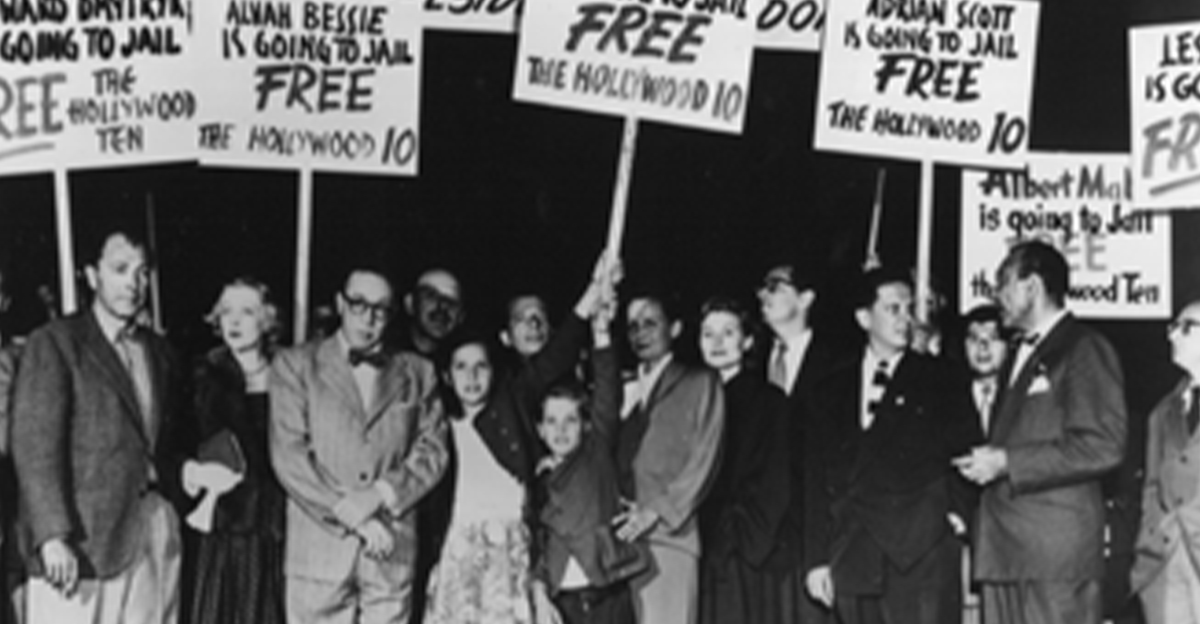
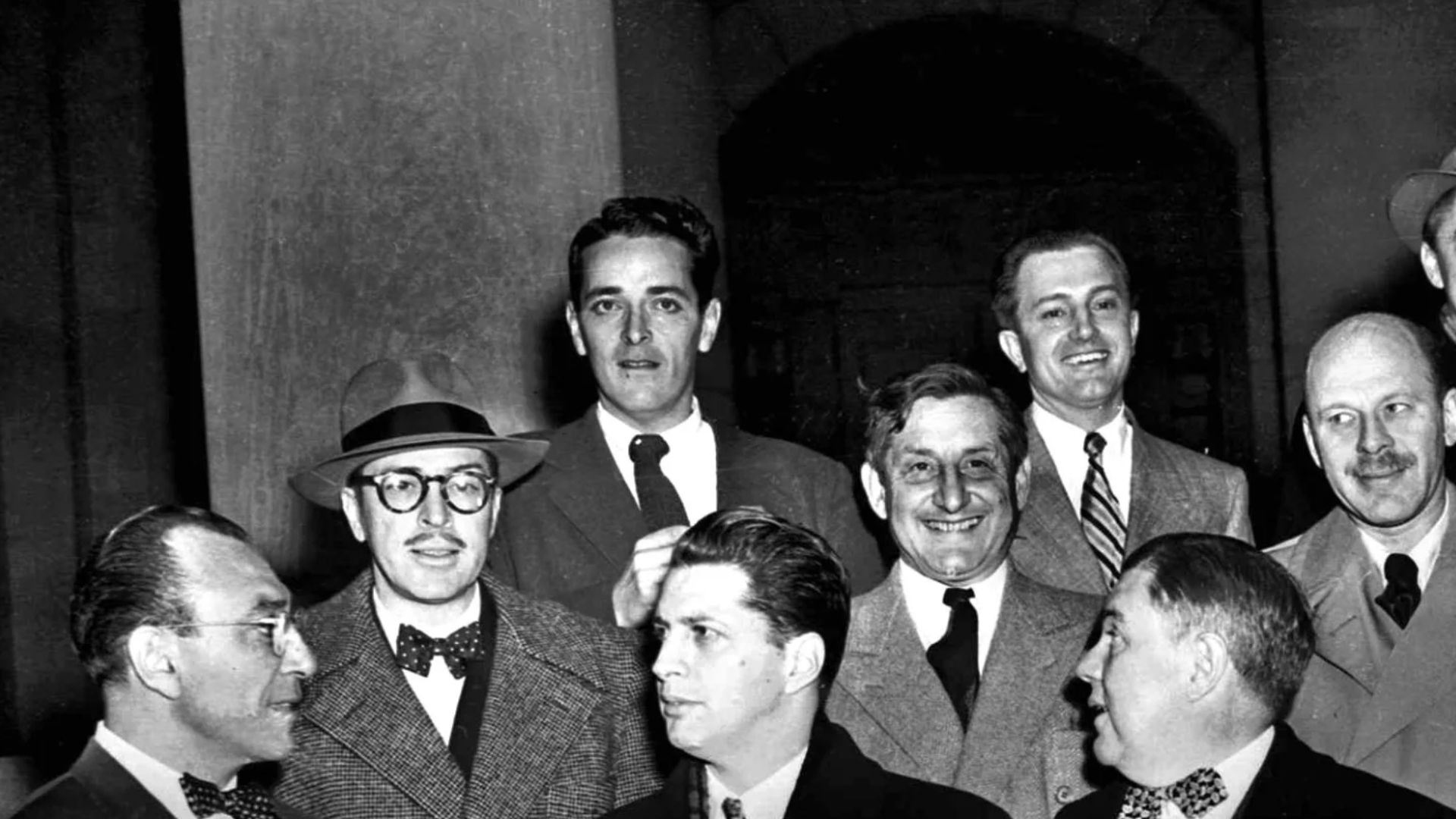
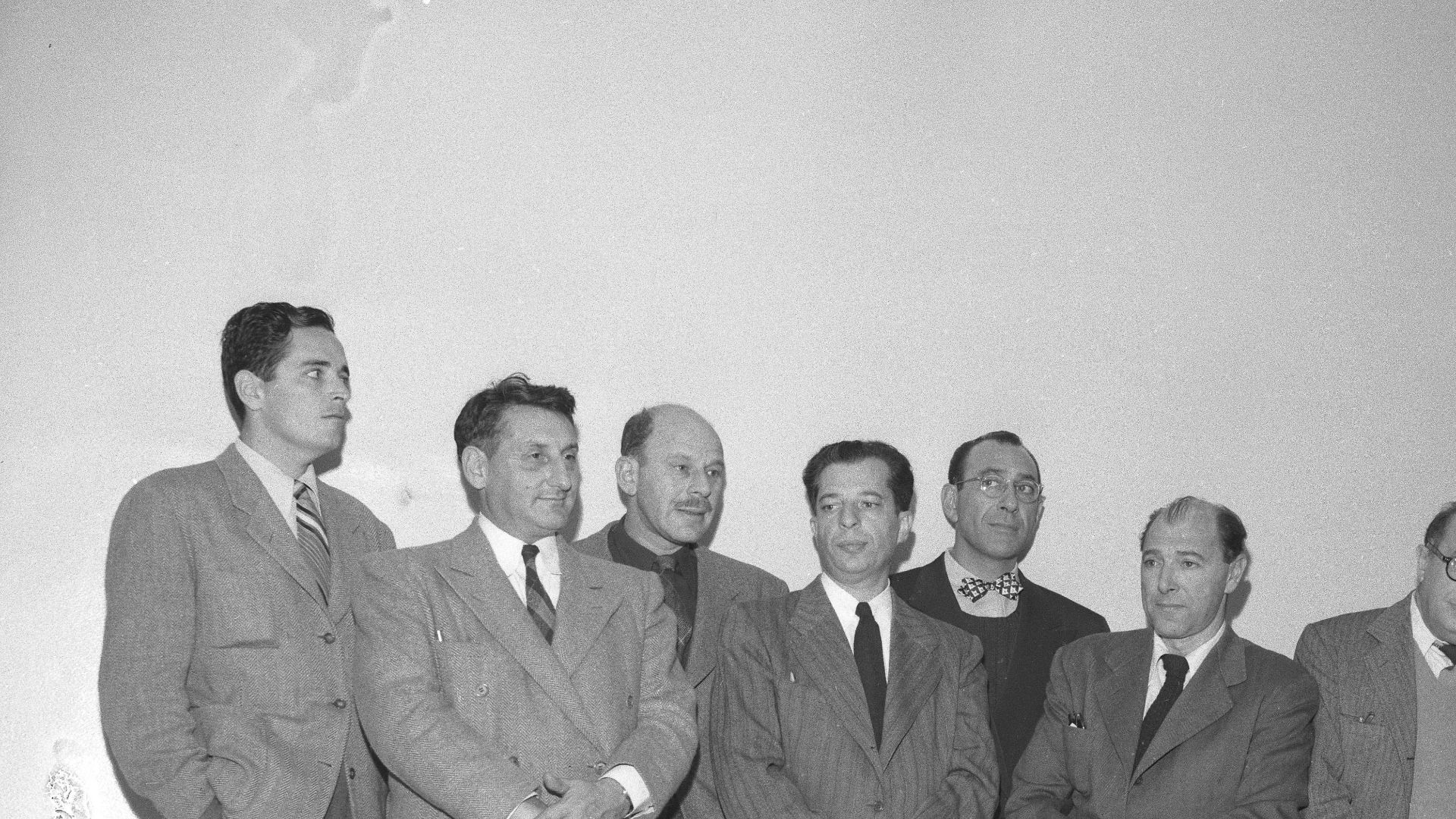
The Hollywood Ten were a group of writers and directors who refused to answer HUAC’s questions in 1947, arguing the hearings violated their rights. Because of that, they were cited for contempt of Congress, sent to prison in 1950, and became the first officially blacklisted figures. Their defiance basically set the tone for the entire era—and showed just how serious the consequences could be.
But those ten weren’t the only ones—soon, dozens of careers would quietly disappear.
 Associated Press, Wikimedia Commons
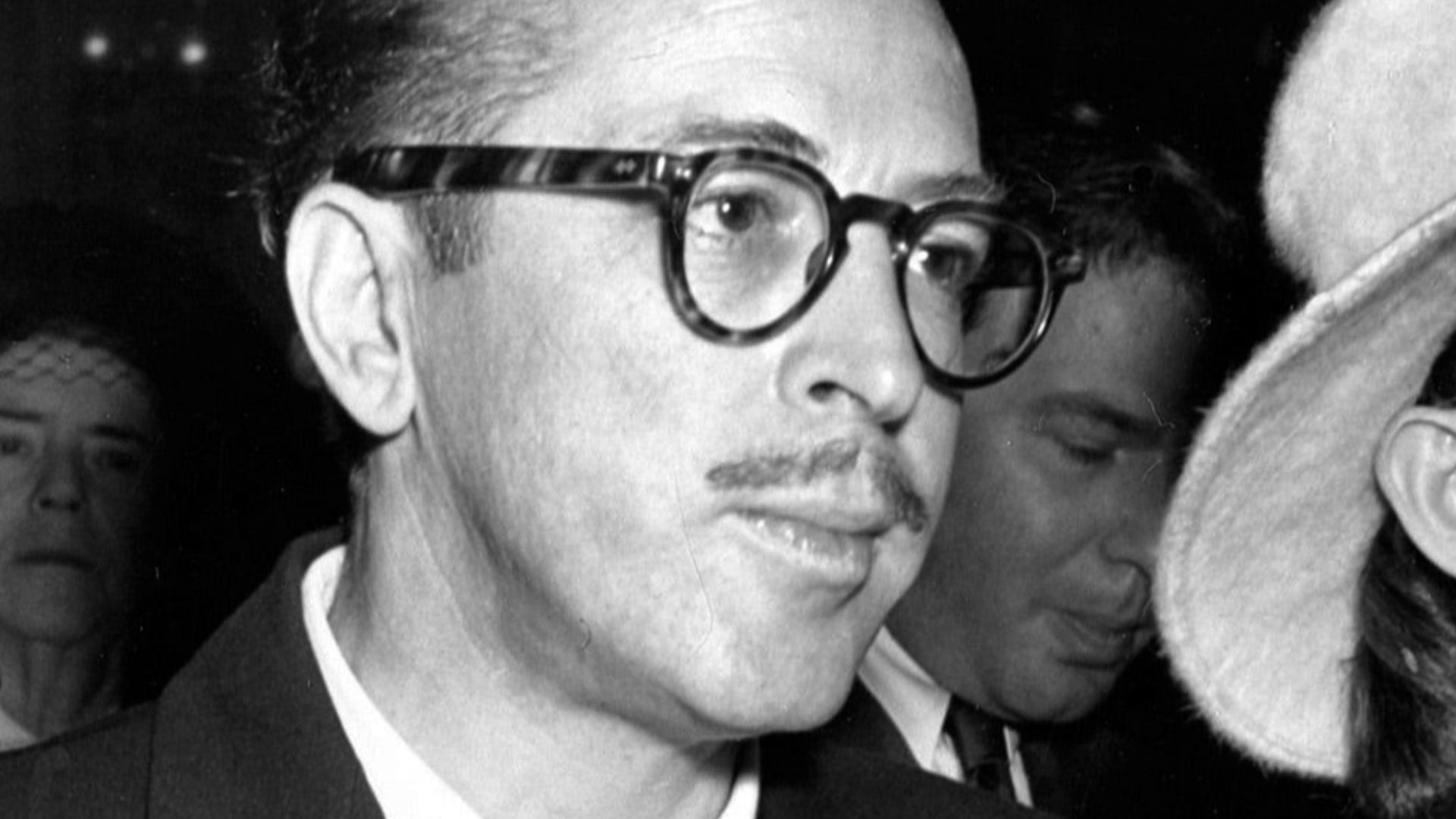
Dalton Trumbo
Dalton Trumbo was one of Hollywood’s top screenwriters before everything fell apart. In October 1947, he was called to testify in Washington, DC, but refused to answer questions, saying it violated his rights. He told the committee he wasn’t a Communist—but they didn’t care.
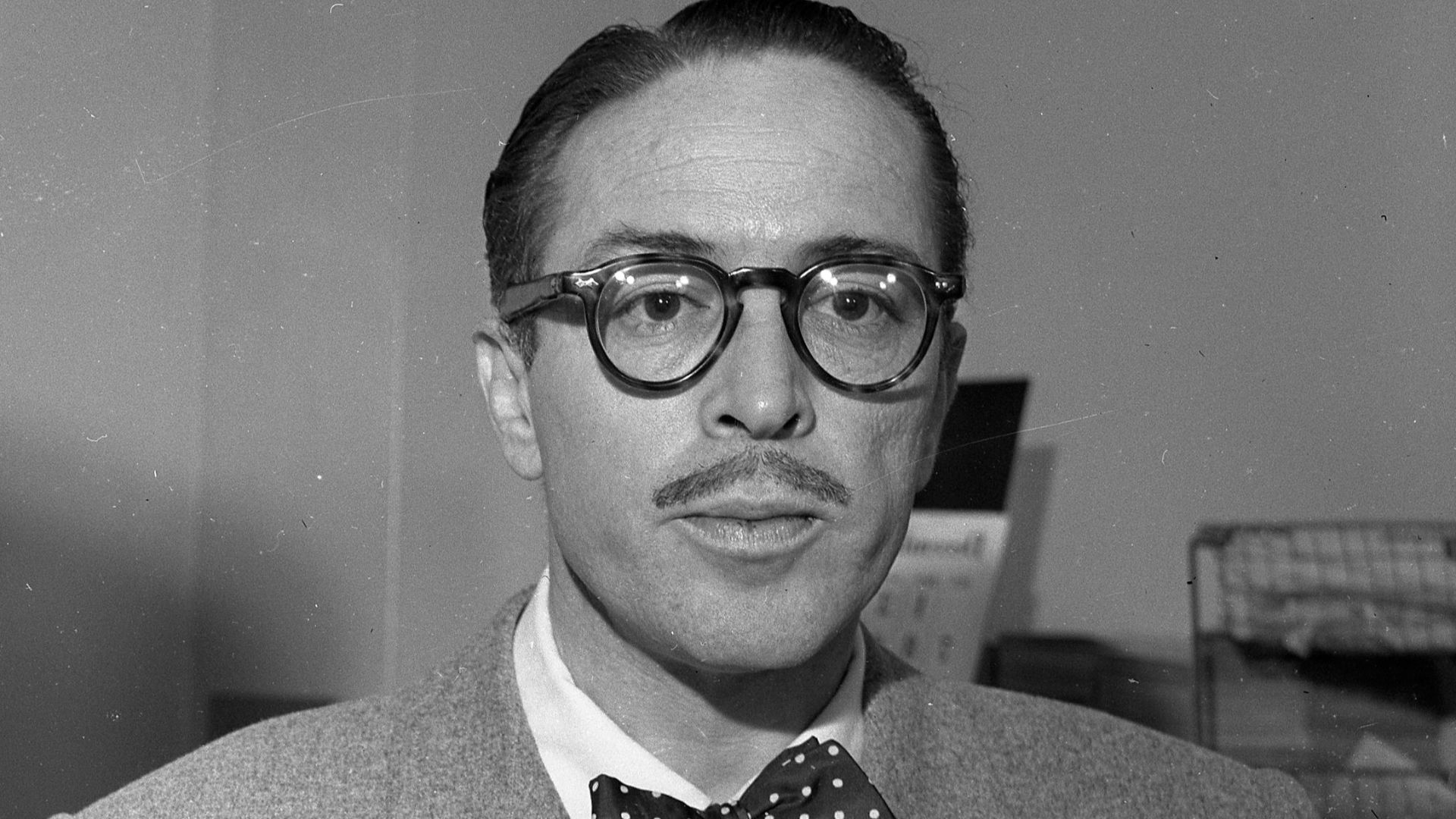
Dalton Trumbo
Trumbo was convicted of contempt of Congress and sent to prison in 1950. After that, he couldn’t work under his own name, so he secretly wrote scripts using fake names—and still managed to win two Oscars. Not bad for someone the industry tried to erase.
 Los Angeles Times, Wikimedia Commons
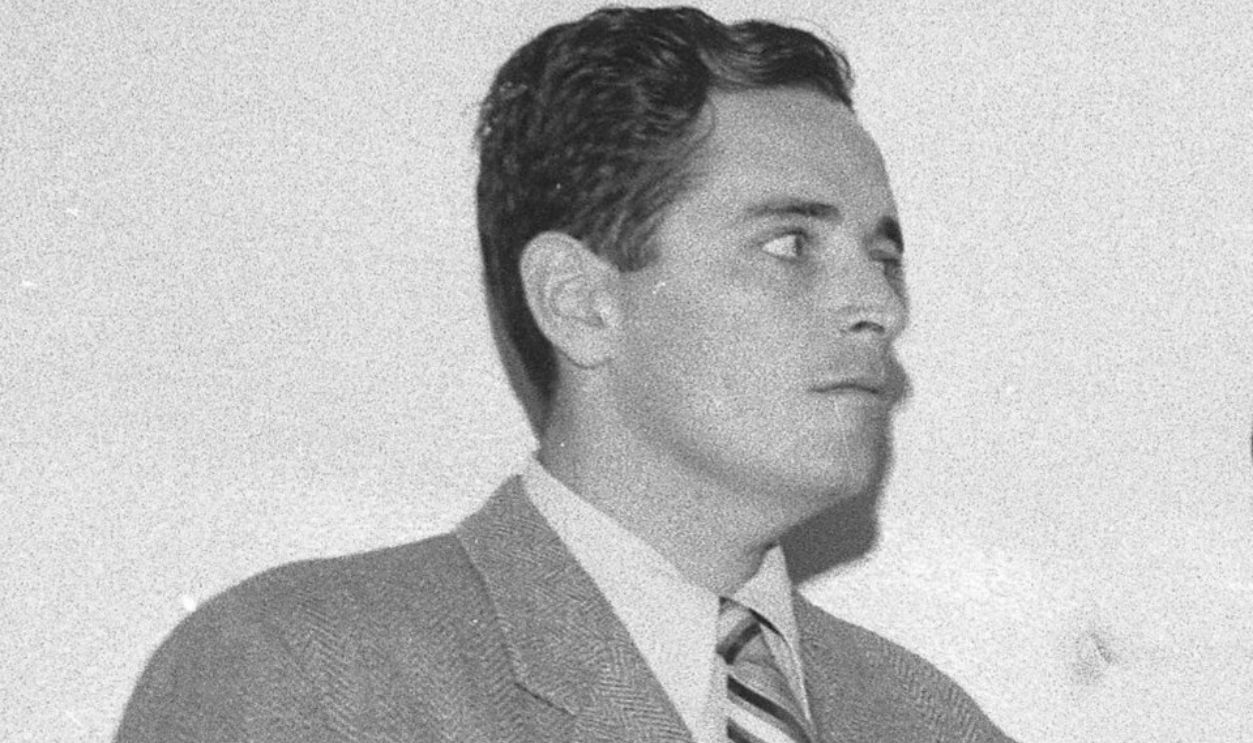
Ring Lardner Jr
Ring Lardner Jr also stood his ground in 1947. When asked about his political beliefs, he famously said, “I could answer that question, but if I did, I would hate myself in the morning.” That one line basically sealed his fate.
He was sentenced to a year in prison and blacklisted afterward. For years, he struggled to find steady work, writing quietly behind the scenes. Decades later, he made a comeback and won an Oscar for *M*A*S*H* (1970).
 Digital collections — UCLA Library, Wikimedia Commons
Edward Dmytryk
Edward Dmytryk started out as one of the Hollywood Ten, refusing to cooperate with HUAC in 1947. He went to prison in 1950—but things took a turn.
In 1951, he changed his stance and testified, naming others. That decision got him back into Hollywood, but it also made him one of the most controversial figures of the era. Later, he admitted the pressure was overwhelming and said he felt stuck with no real choice.
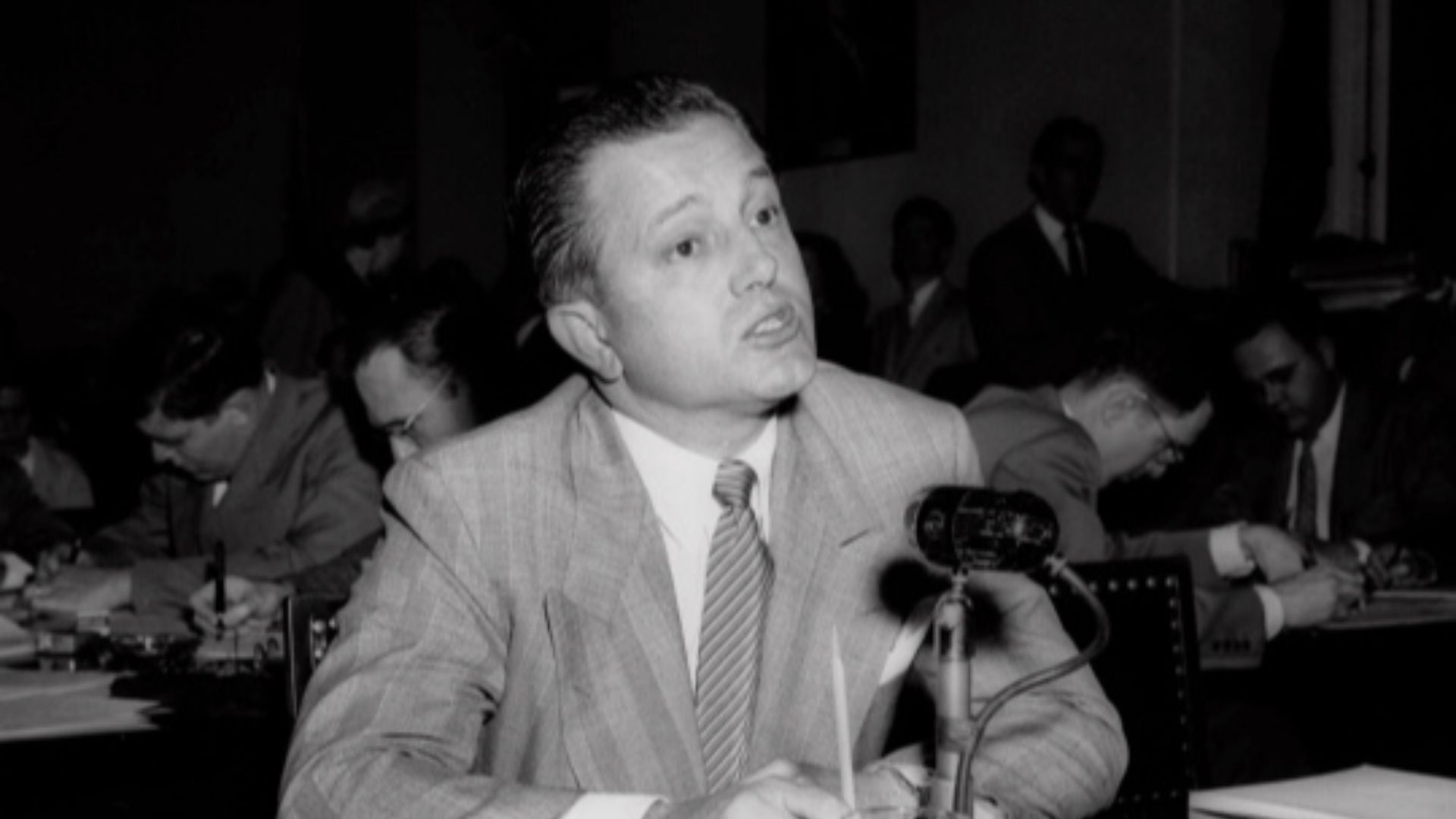 Unknown authorUnknown author, Wikimedia Commons
Elia Kazan
Elia Kazan made a similar decision. In April 1952, he testified before HUAC and named eight people he believed were connected to the Communist Party.
That choice allowed him to keep working and go on to direct On the Waterfront (1954). Some people believe that film reflects his feelings about the situation. To this day, Kazan’s legacy is debated—some see him as practical, others as someone who betrayed his peers.
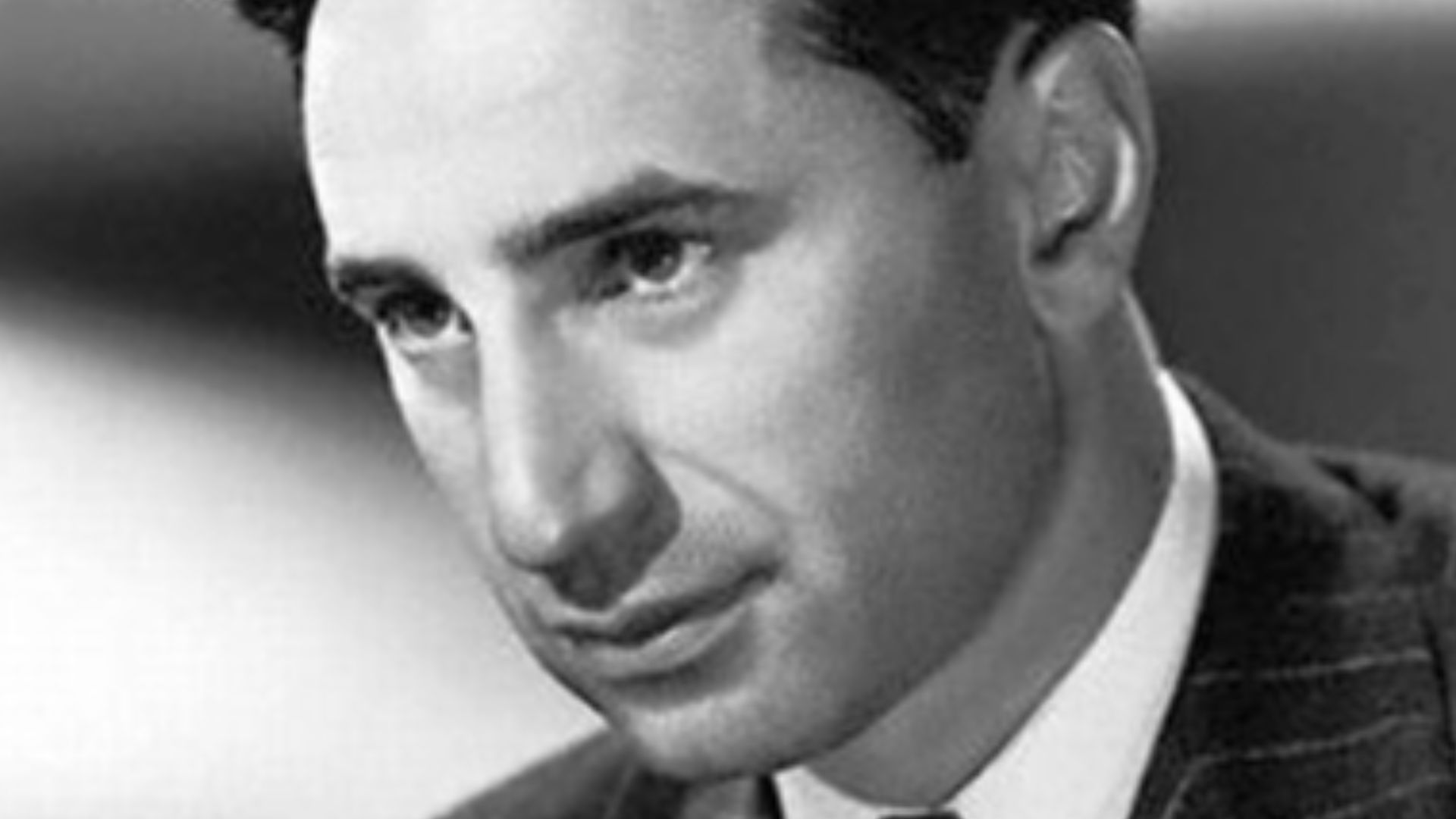 Unknown authorUnknown author, Wikimedia Commons
Lester Cole
Lester Cole didn’t back down. As one of the Hollywood Ten, he refused to answer HUAC’s questions in 1947 and ended up in prison.
After that, he was blacklisted and had to write under fake names to survive. He struggled financially for years but never apologized. He later described the blacklist as a direct attack on free speech—and he stood by that view.
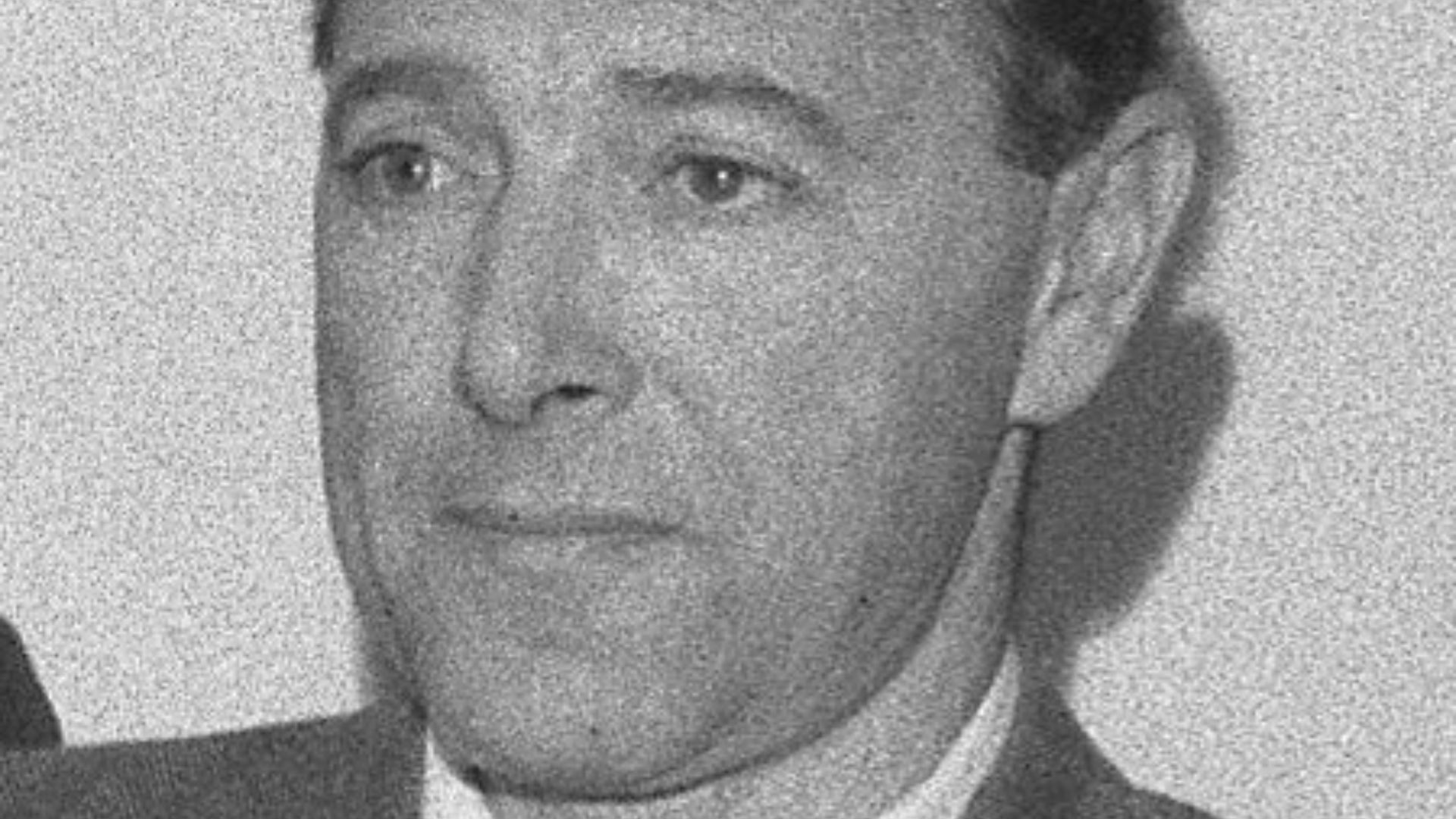 Los Angeles Times photographic archive - Digital collections — UCLA Library, Wikimedia Commons
John Howard Lawson
John Howard Lawson didn’t just refuse to cooperate—he pushed back hard. During his 1947 hearing, he argued with the committee and famously said, “I am not on trial here.”
That didn’t go over well. He was convicted and served nearly a year in prison. After that, he was effectively shut out of Hollywood for good and never fully recovered his career.
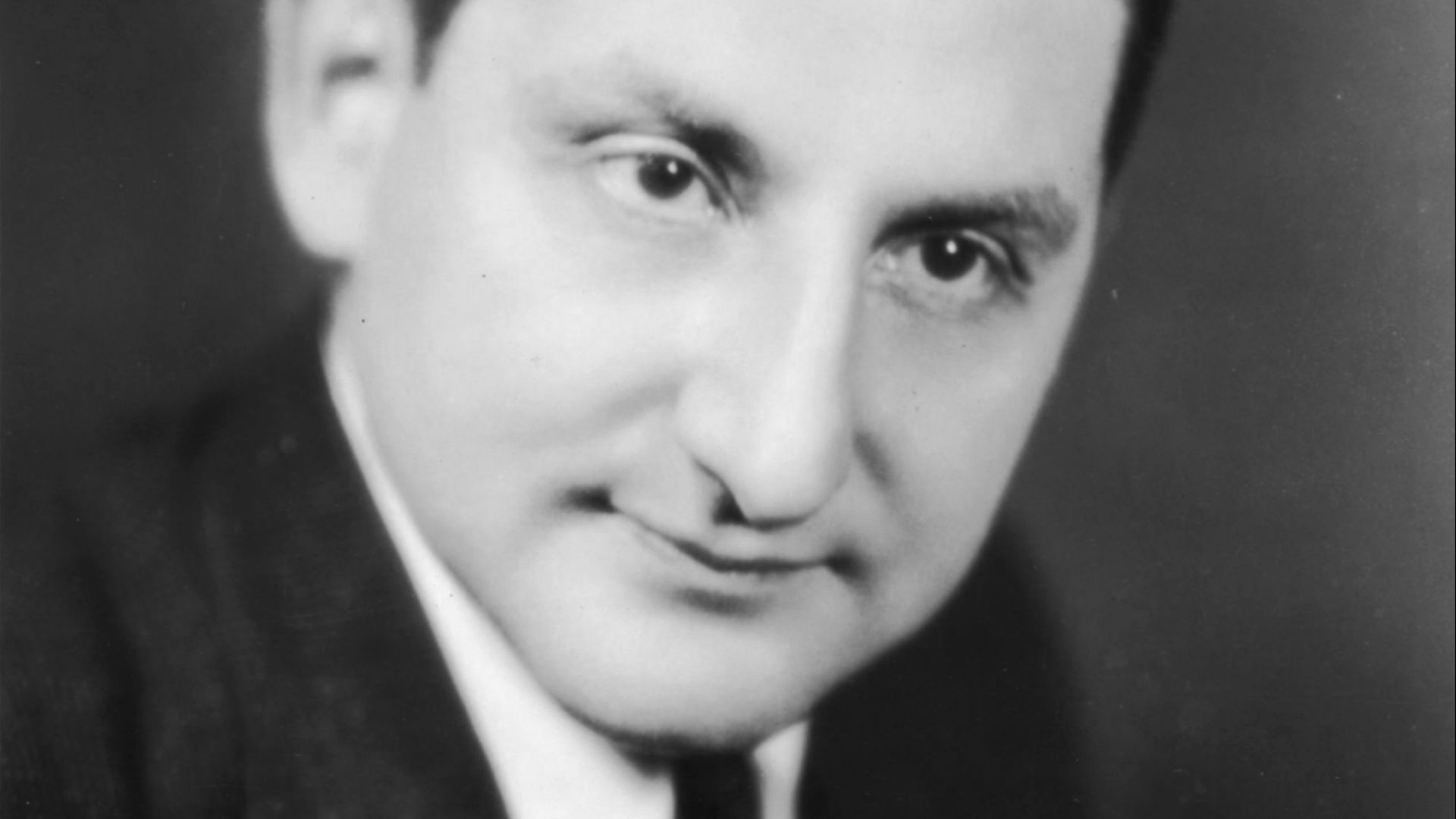 Harris & Ewing, Wikimedia Commons
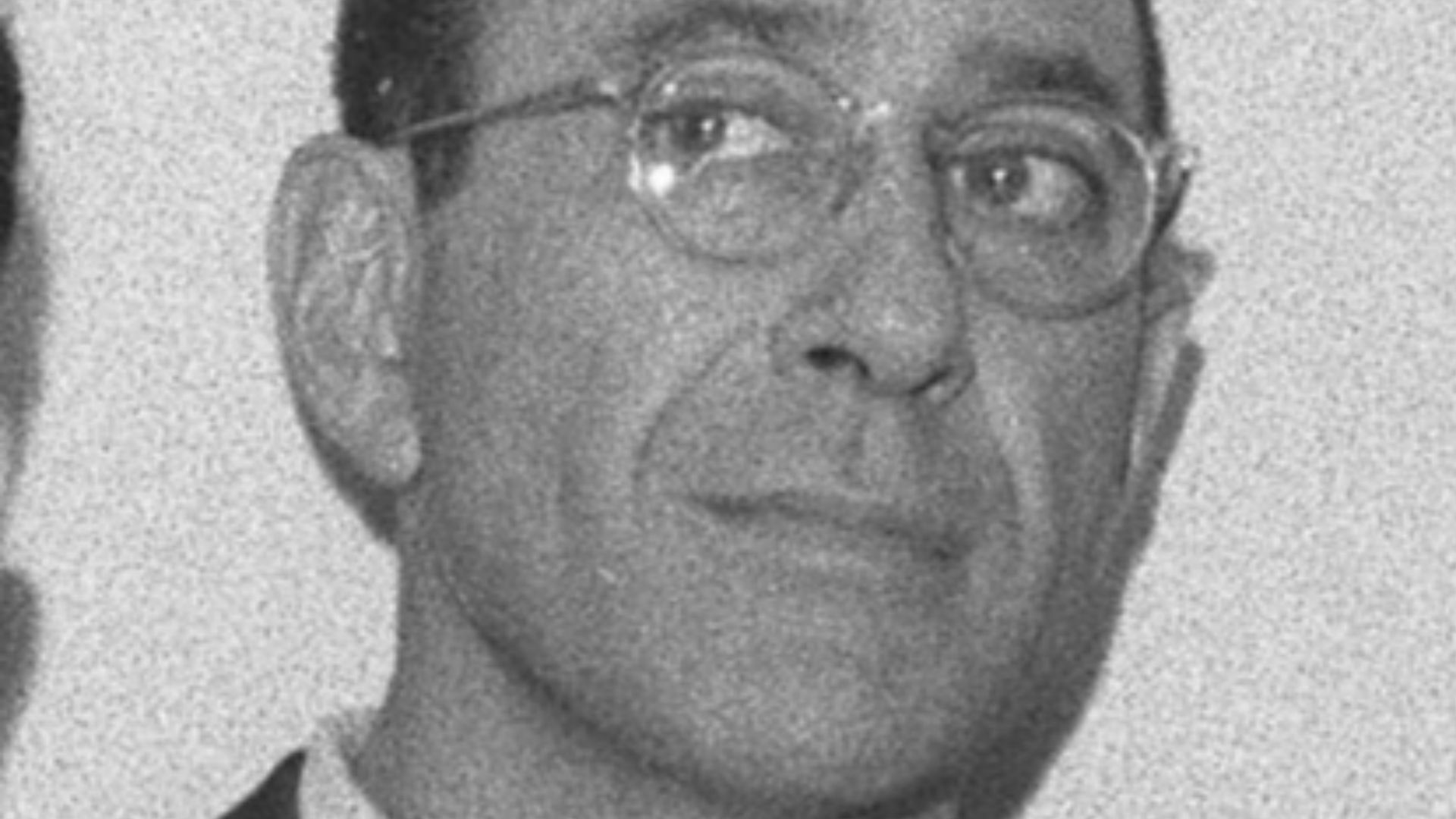
Herbert Biberman
Herbert Biberman also refused to cooperate and ended up in prison in 1950. But instead of giving up, he kept working outside the Hollywood system.
In 1954, he directed Salt of the Earth, a film made with other blacklisted artists. It faced boycotts and major distribution problems, proving just how powerful the blacklist still was at the time.
 Los Angeles Times photographic archive - Digital collections — UCLA Library, Wikimedia Commons
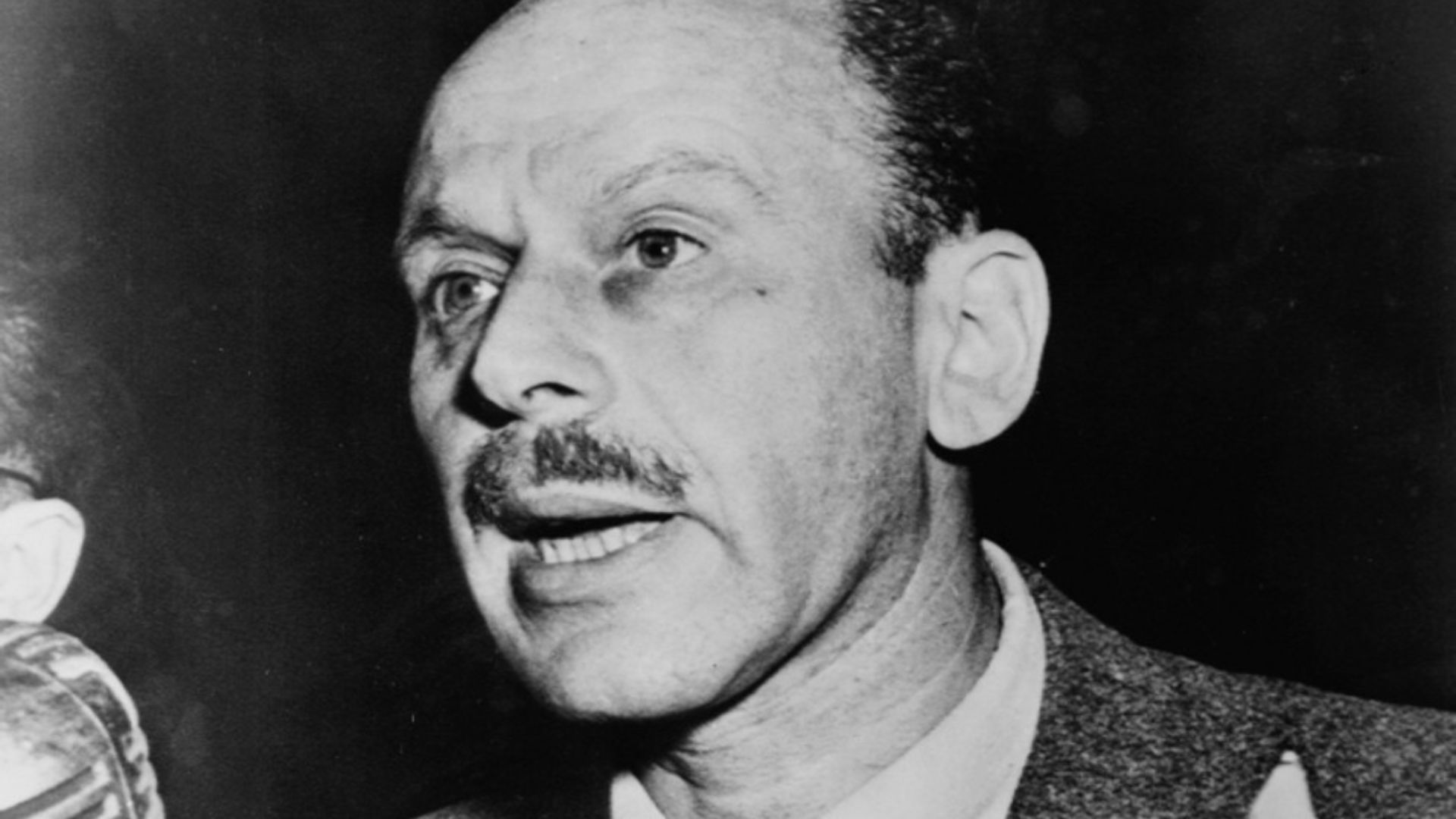
Alvah Bessie
Alvah Bessie stuck to his principles and refused to testify in 1947. Like the others, he went to prison and was blacklisted afterward.
His Hollywood career basically disappeared, and he later wrote about the experience in detail. He described it as not just a professional setback, but something that affected every part of his life.
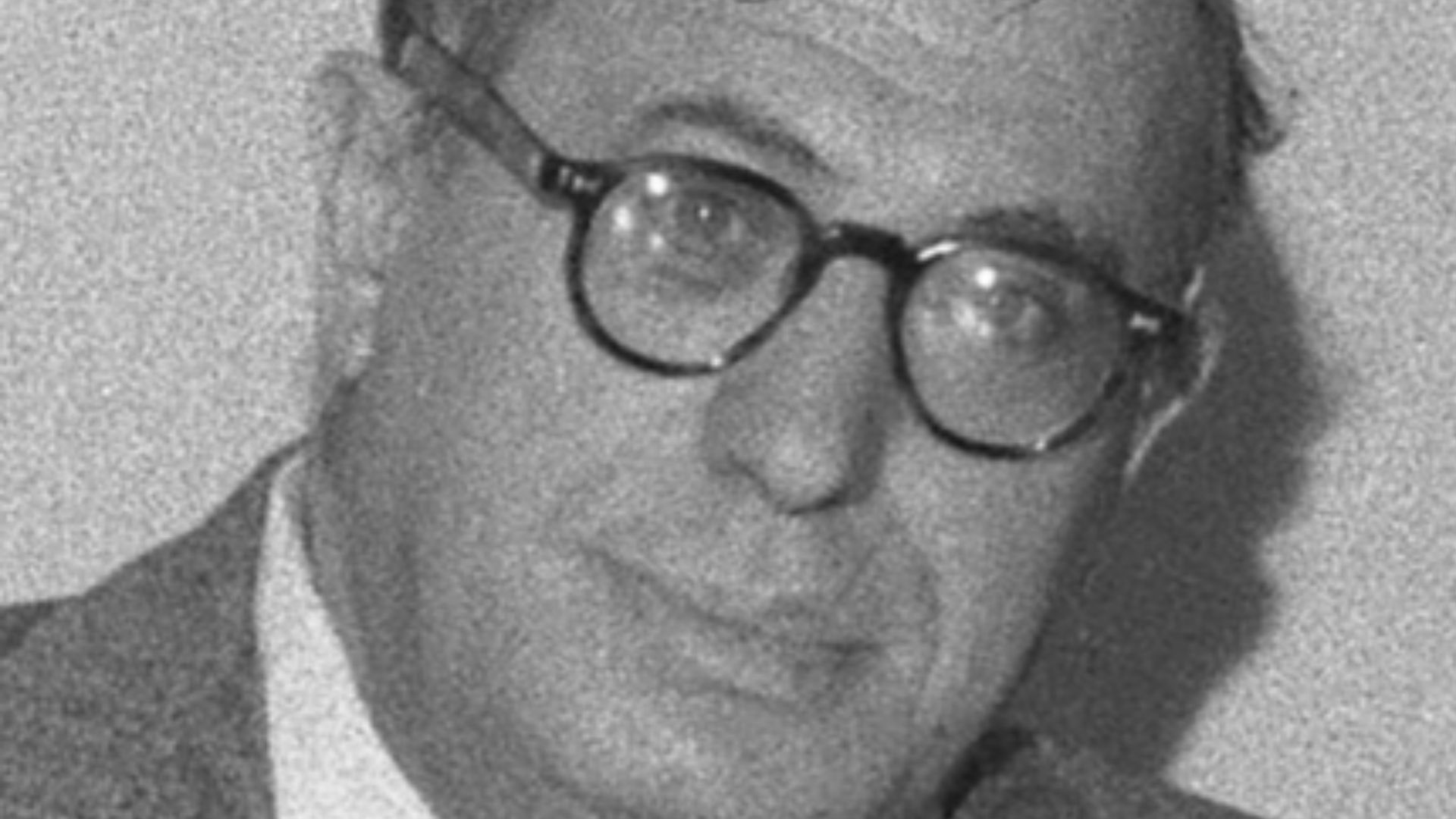
Samuel Ornitz
Samuel Ornitz also refused to answer HUAC’s questions and was convicted in 1950. After that, he couldn’t find work in Hollywood anymore.
Instead, he turned to writing novels. His career didn’t completely end—but it definitely changed direction because of the blacklist.
 Los Angeles Times photographic archive - Digital collections — UCLA Library, Wikimedia Commons
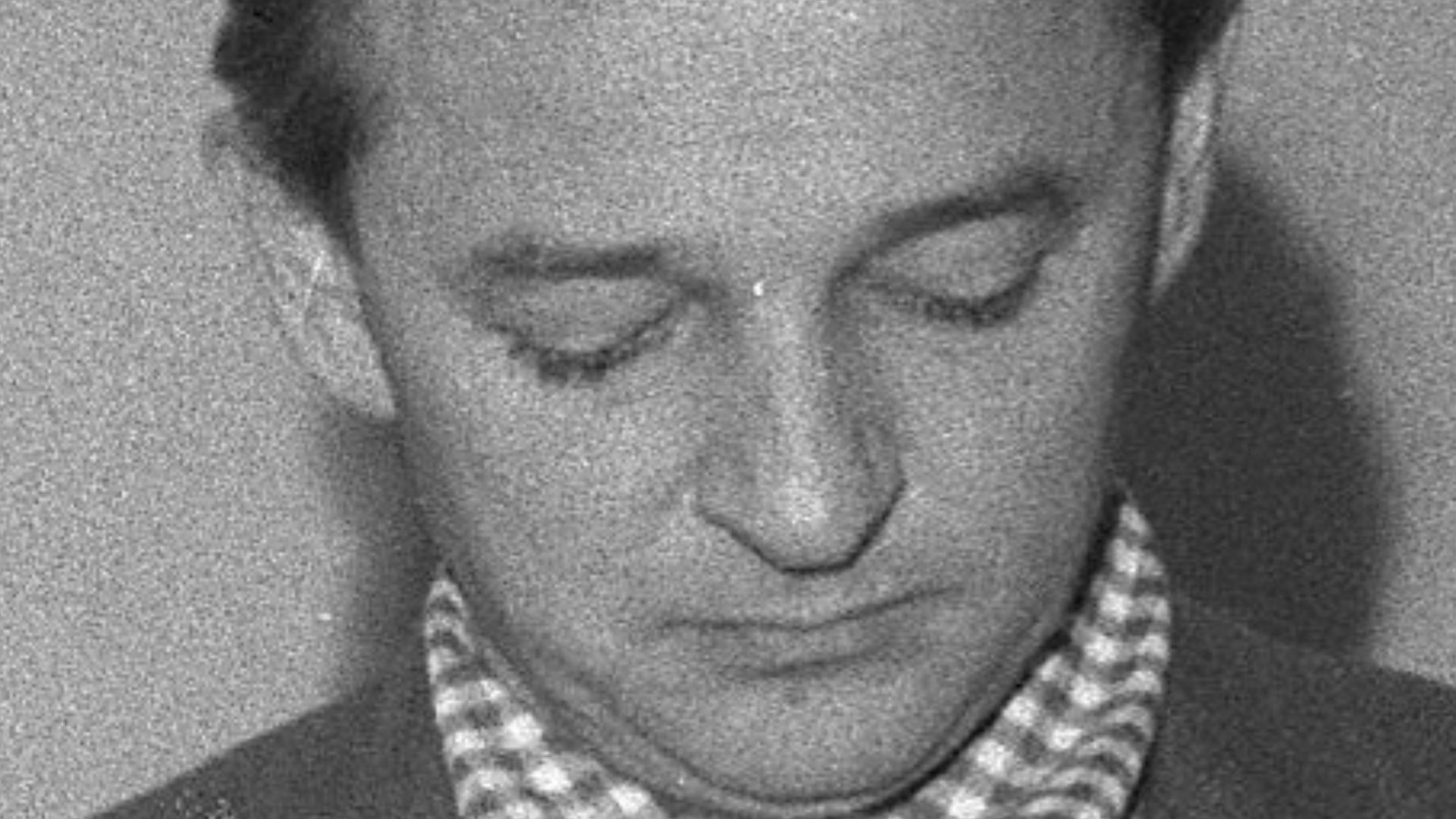
Adrian Scott
Adrian Scott was a successful producer before being blacklisted. After refusing to cooperate, he was pushed out of Hollywood entirely.
Unlike some others, he never really made a comeback under his own name. His story shows just how final the blacklist could be.
 Los Angeles Times photographic archive - Digital collections — UCLA Library, Wikimedia Commons
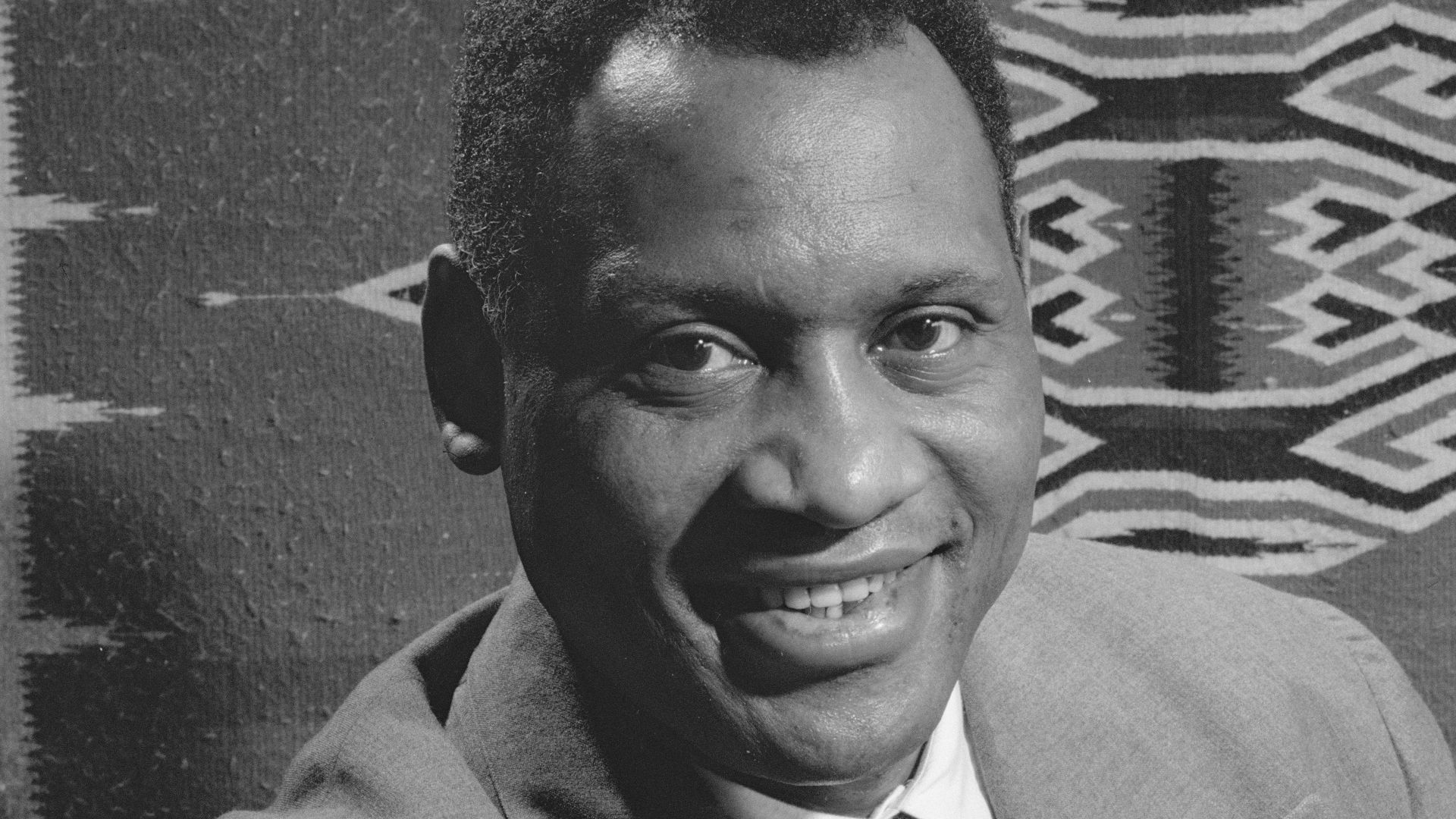
Paul Robeson
Paul Robeson was already famous as an actor, singer, and activist—but his outspoken political views made him a target.
In 1950, the US government revoked his passport, which meant he couldn’t travel or perform internationally. He once said, “The artist must take sides,” and he stood by that—even though it cost him a huge part of his career.
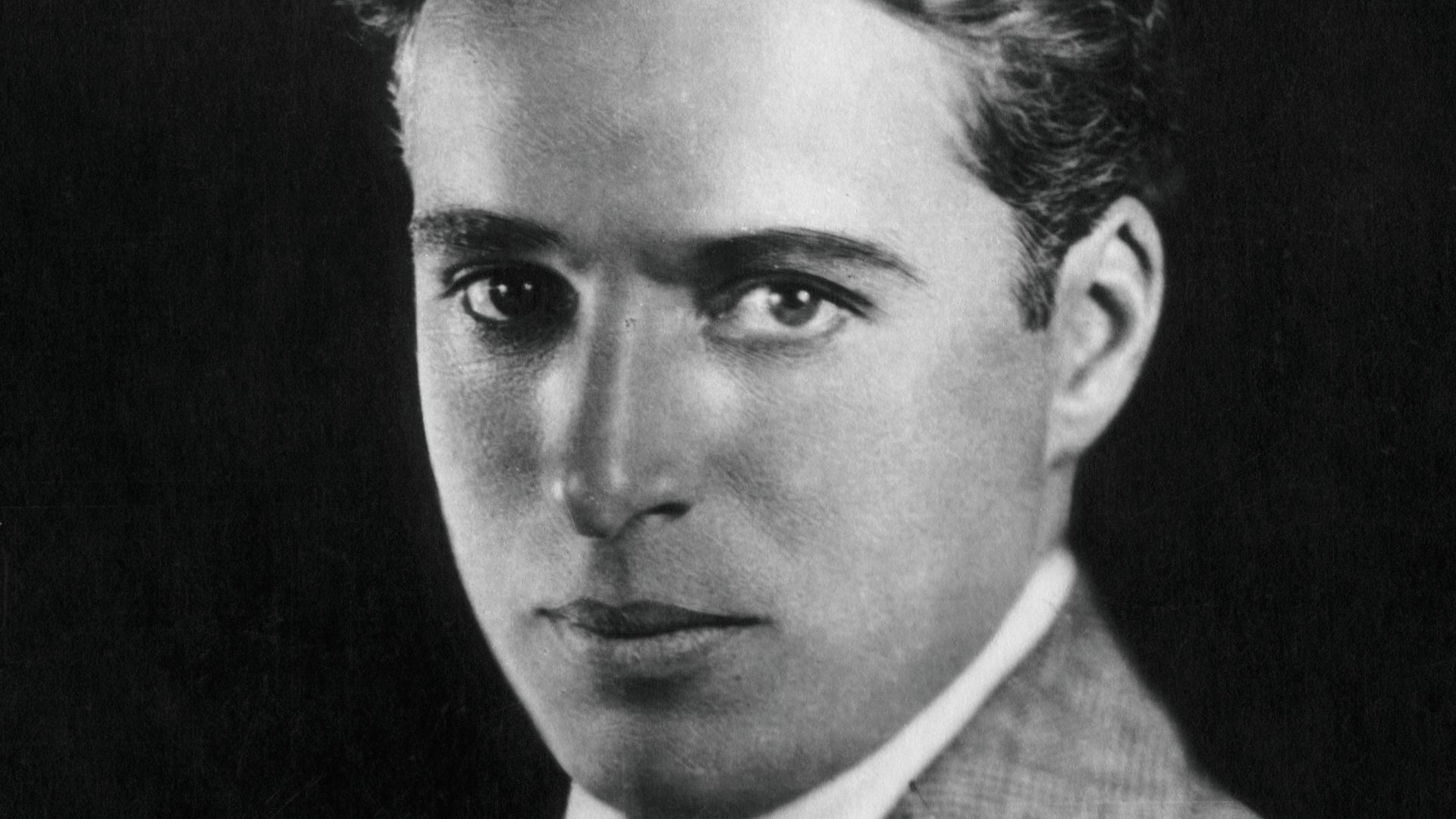
Charlie Chaplin
Charlie Chaplin’s situation was a bit different—and still debated today. He was never officially blacklisted, but in 1952, while traveling in London, the US government blocked him from returning.
He had been accused of having communist sympathies, though nothing was ever proven. Instead of fighting it, he chose to stay in Europe, settling in Switzerland. Many believe politics played a major role, though not everyone agrees.
 Strauss-Peyton Studio, Wikimedia Commons
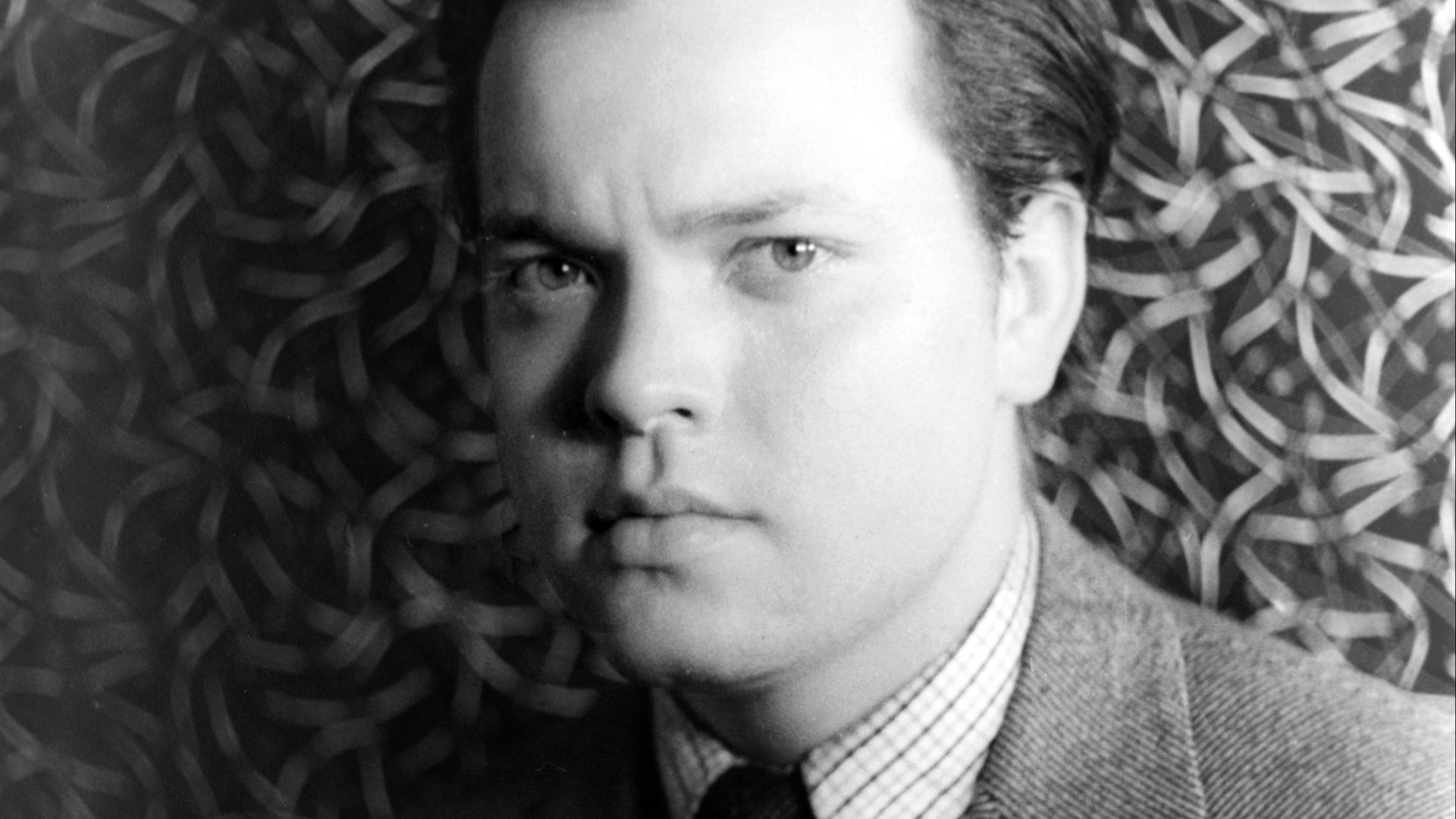
Orson Welles
Orson Welles wasn’t officially blacklisted either, but his outspoken political views made things difficult for him in Hollywood.
By the early 1950s, he found it harder to get projects approved and ended up moving to Europe. Some historians say politics pushed him out, while others think it was also due to his conflicts with studios. It’s likely a mix of both.
 Carl Van Vechten, Wikimedia Commons
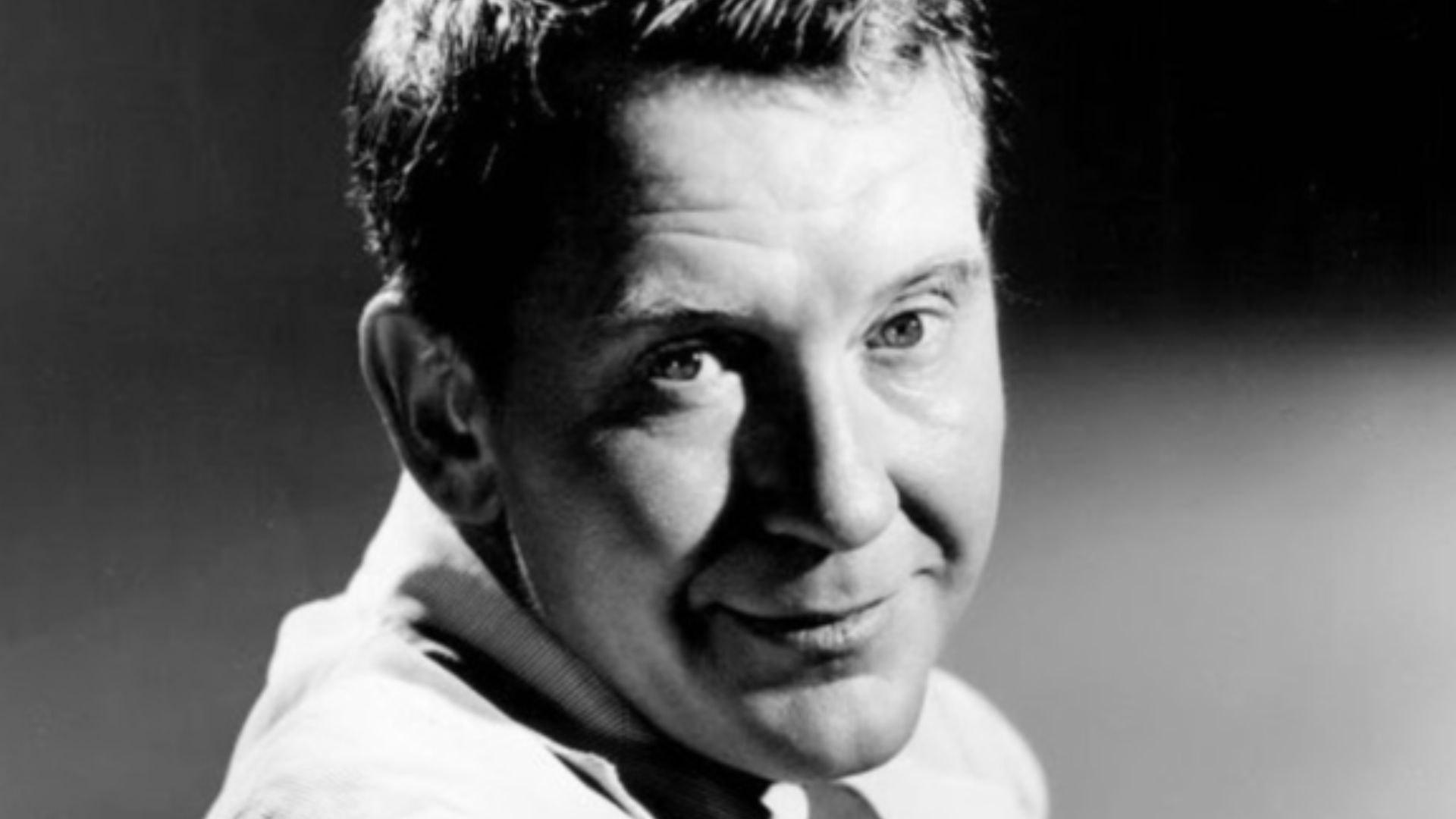
Burgess Meredith
Burgess Meredith was blacklisted in the early 1950s due to alleged ties to left-wing groups.
His film career slowed down significantly, and he shifted to stage work and television instead. He eventually made a comeback, but the blacklist definitely disrupted what could have been a much smoother career.
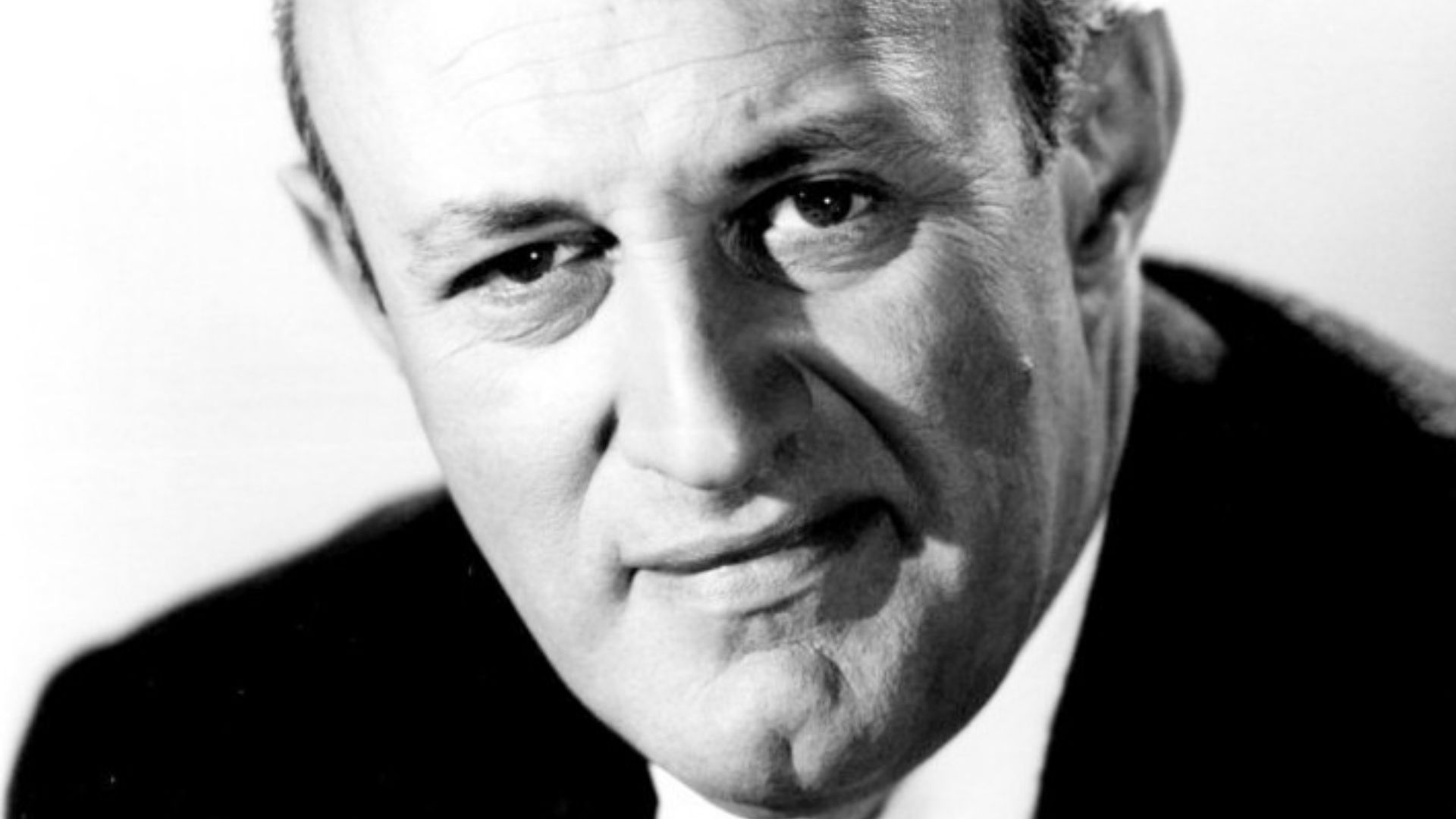
Lee J Cobb
Lee J Cobb was called before HUAC in 1951. At first, he resisted—but eventually, he cooperated and named names.
He later said, “I ruined my life,” showing how much the experience weighed on him. His career recovered, but the personal cost clearly stuck with him.
 NBC Television, Wikimedia Commons
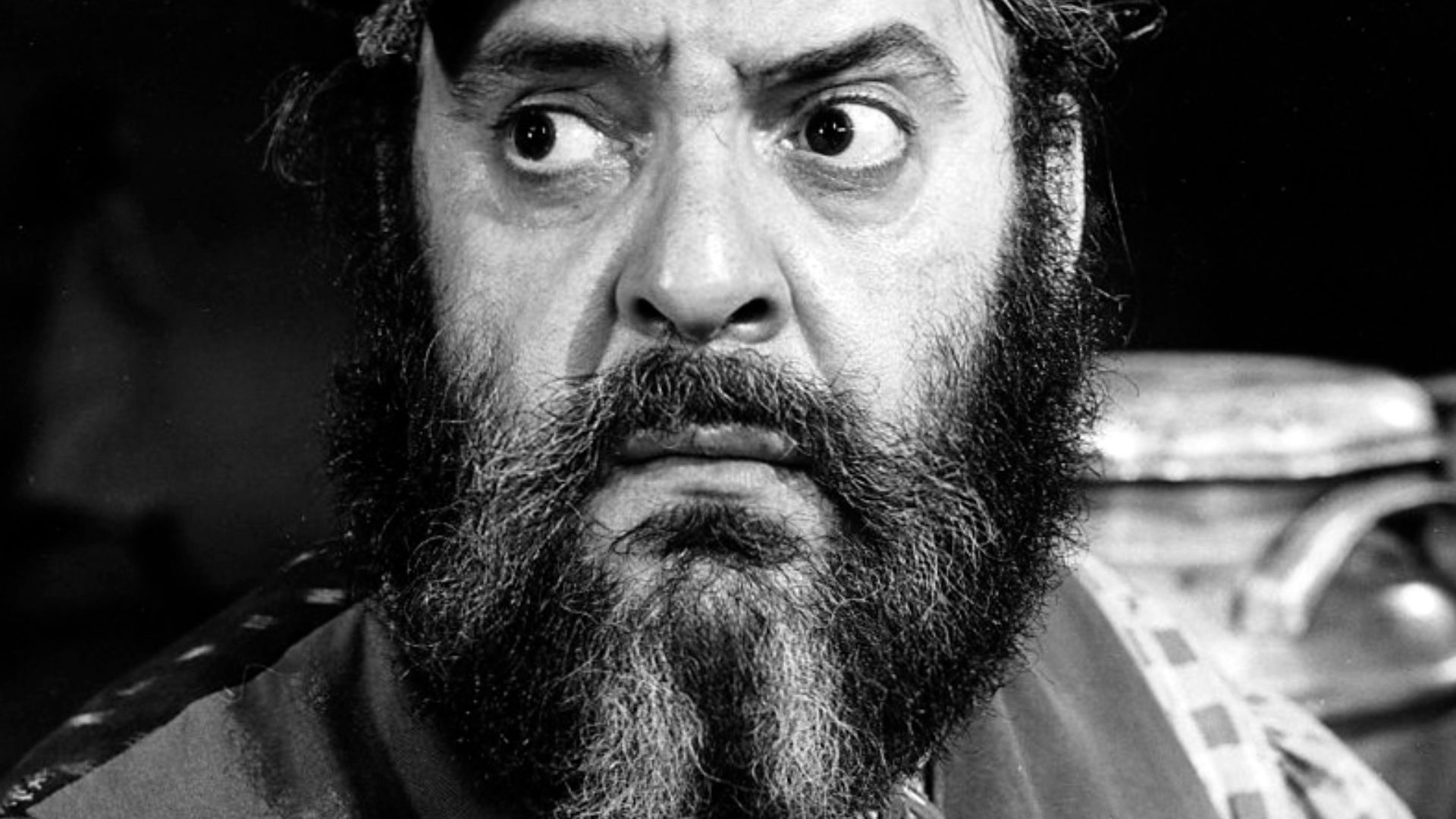
Zero Mostel
Zero Mostel refused to cooperate and was blacklisted during the early 1950s. For years, he struggled financially and couldn’t get steady work.
Then came a major comeback—he starred in Fiddler on the Roof in 1964 and became a Broadway legend. His story is one of the rare happy endings from this era.
 Graphic House, New York, Wikimedia Commons
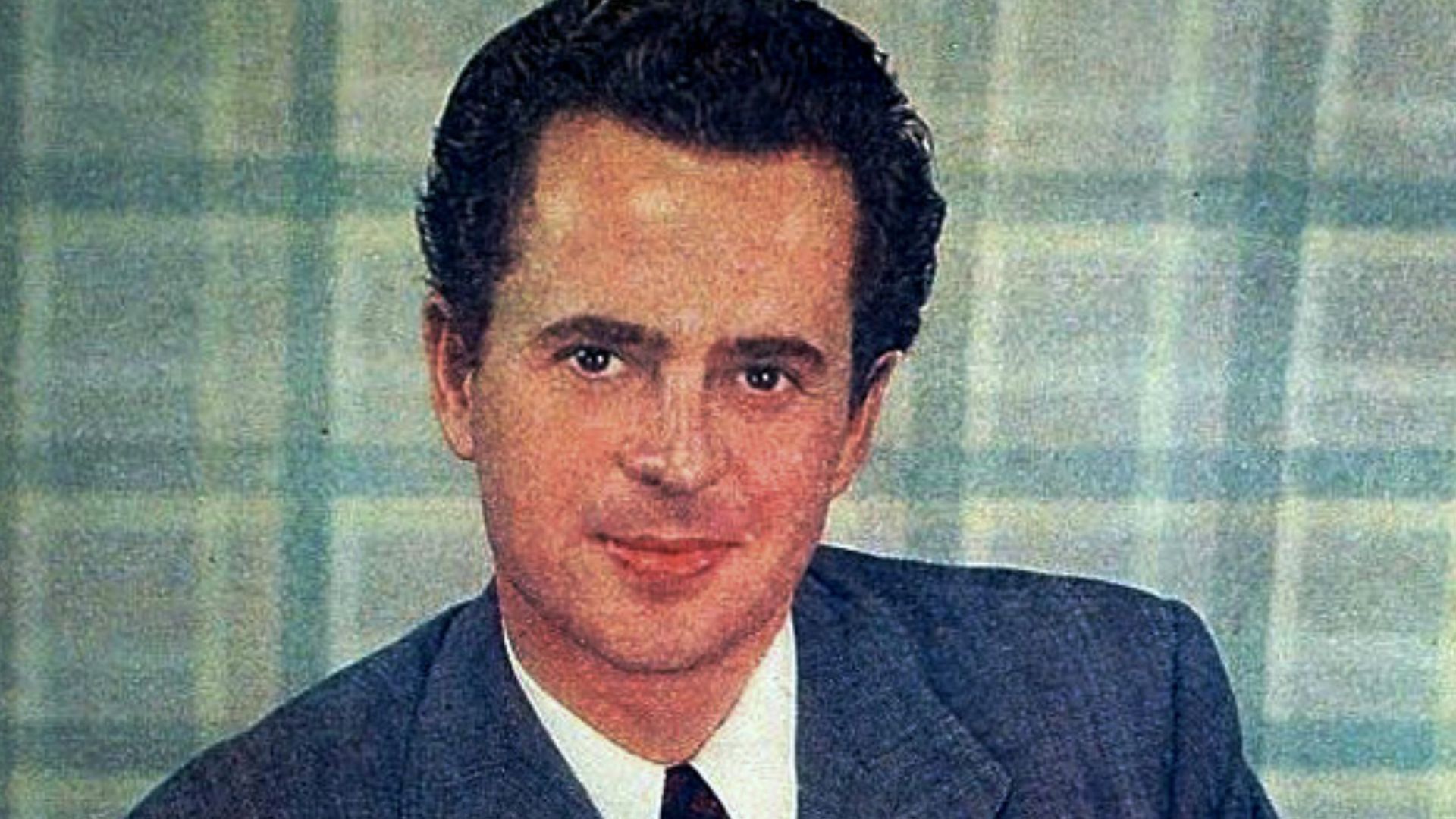
Larry Parks
Larry Parks, best known for The Jolson Story (1946), was called before HUAC in 1951. He initially resisted but eventually admitted to past involvement and named others.
Even though he cooperated, his career never fully bounced back. He later said, “Don’t present me with this choice again,” which pretty much sums up how brutal the situation was.
 New York Sunday News, Wikimedia Commons
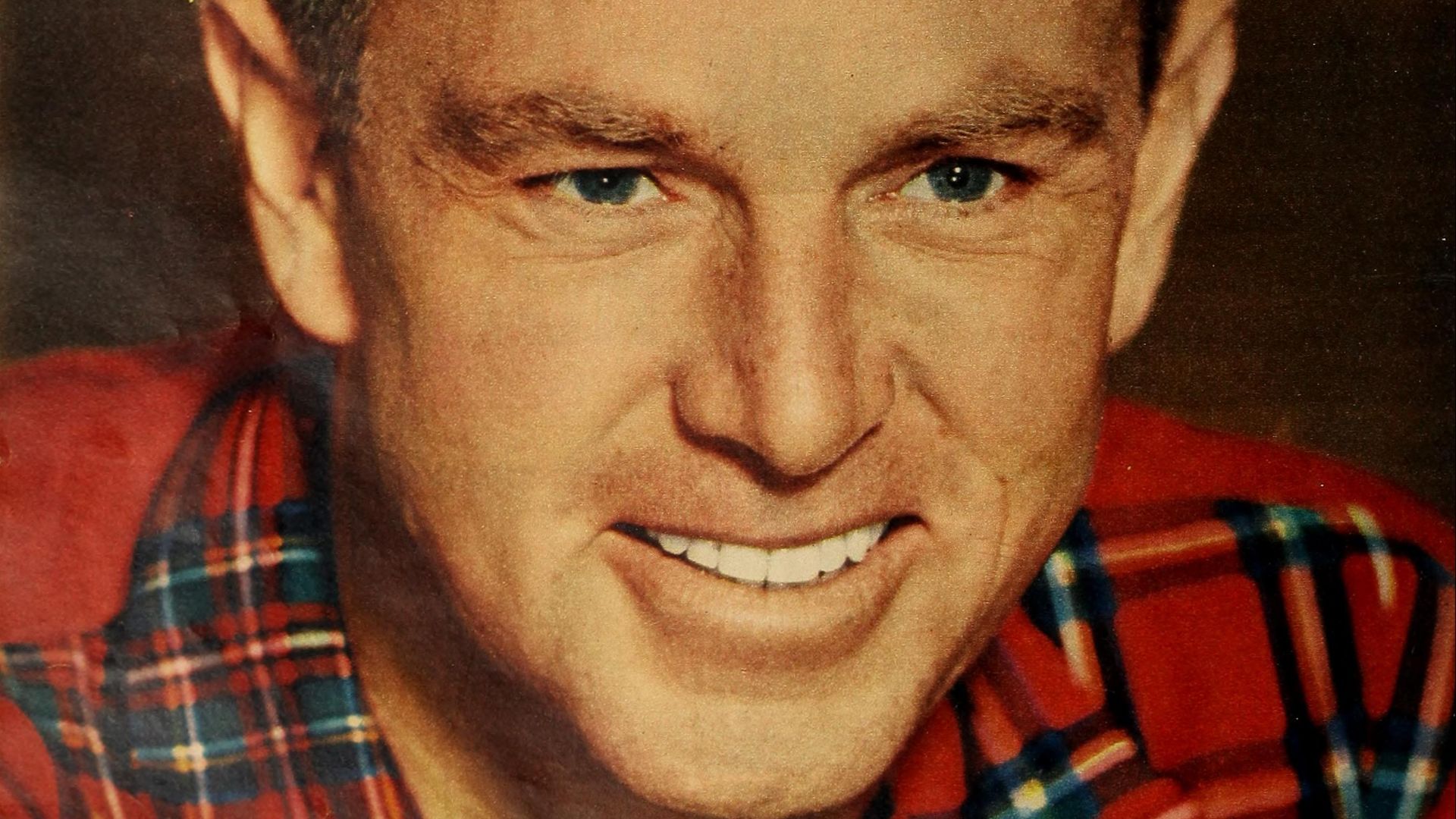
Sterling Hayden
Sterling Hayden also testified in 1951 and admitted he had briefly joined the Communist Party. He named names—but later deeply regretted it.
He called it “the most terrible thing I ever did,” and that regret stayed with him for the rest of his life, even though he continued acting.
 Affiliated Magazines, New York/ Photographer not credited, Wikimedia Commons
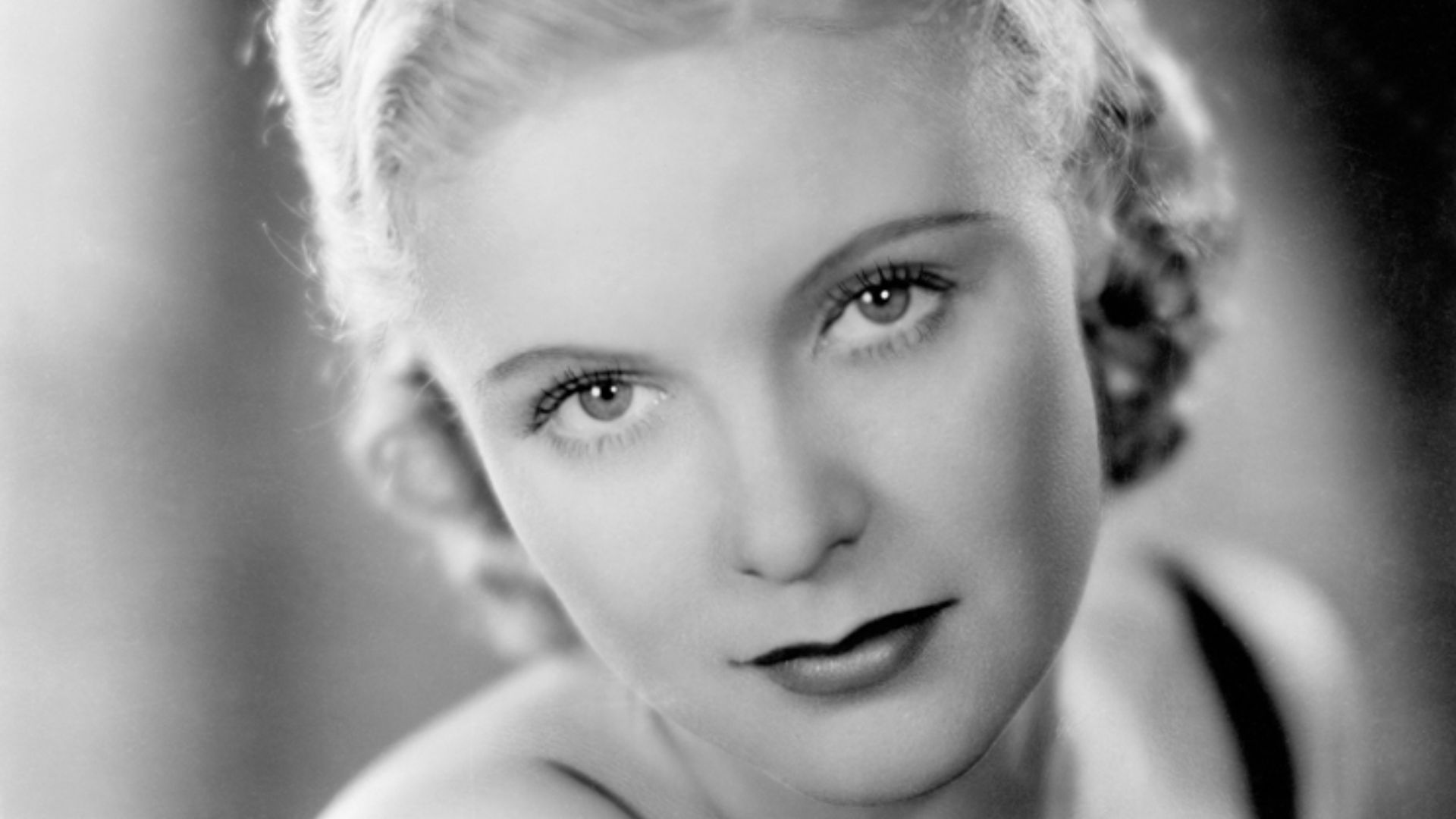
Jean Muir
Jean Muir became one of the first people affected by the blacklist. In 1950, she was suddenly dropped from the TV show The Aldrich Family after being named in a pamphlet accusing her of communist ties.
There was no real proof—but that didn’t matter. Her career took a major hit almost instantly.
 Warner Bros.; photographer unknown, Wikimedia Commons
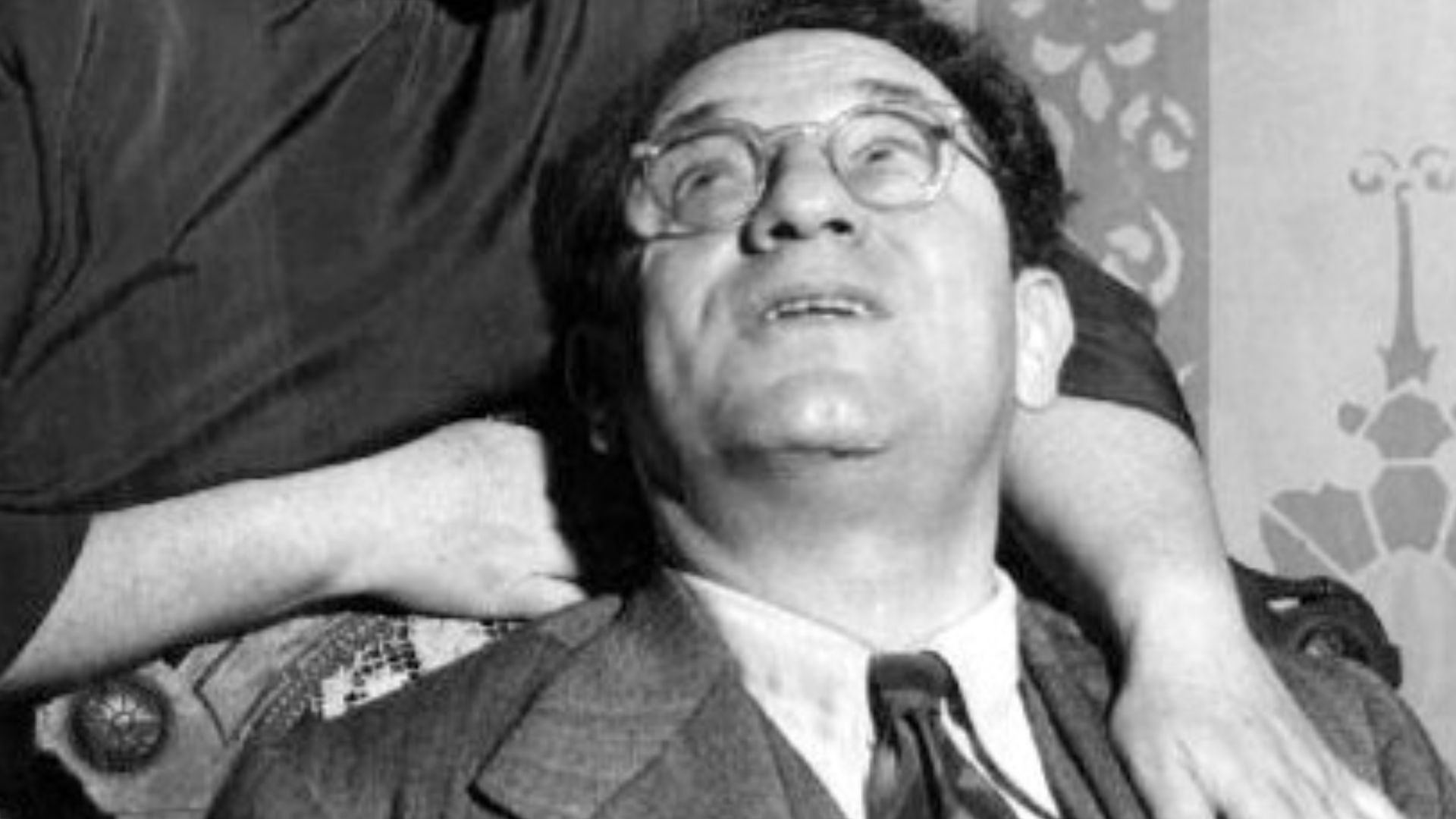
Philip Loeb
Philip Loeb, who starred in The Goldbergs, was also named in that same pamphlet. After being blacklisted, he struggled to find work and fell into financial trouble.
In 1955, in New York City, he took his own life. His story is one of the most heartbreaking examples of how serious the blacklist’s impact really was.
 CBS Television, Wikimedia Commons
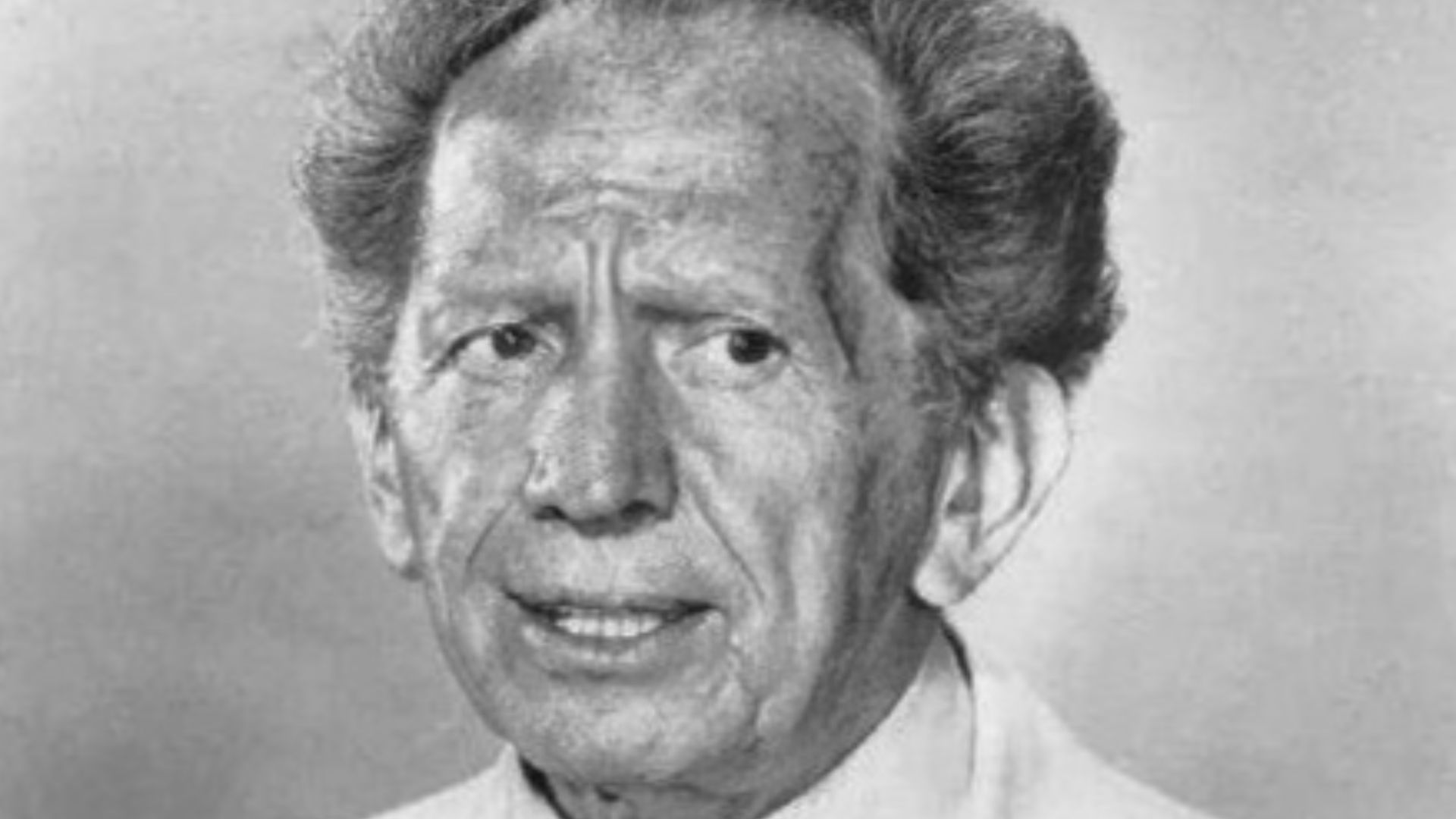
Sam Jaffe
Sam Jaffe, known for The Day the Earth Stood Still (1951), was blacklisted in the early 1950s.
He eventually found work in Europe before slowly returning to Hollywood later on. Still, the interruption to his career was significant.
 ABC Television, Wikimedia Commons
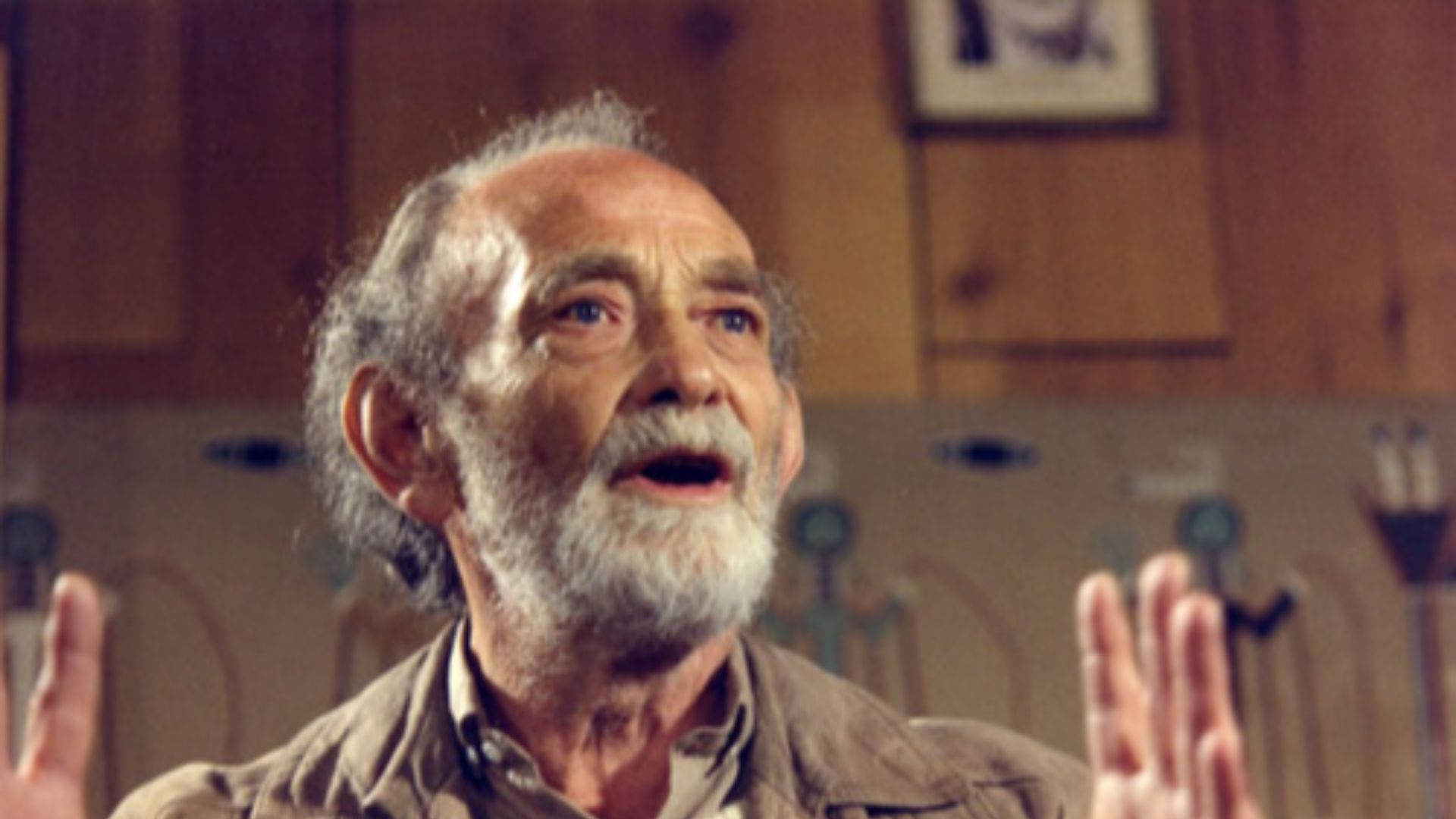
Waldo Salt
Waldo Salt was blacklisted because of alleged political ties and spent years writing under fake names.
He eventually made a major comeback, winning an Oscar for Midnight Cowboy (1969). His story shows that while some careers came back, it often took decades.
How The Blacklist Finally Started To Fade
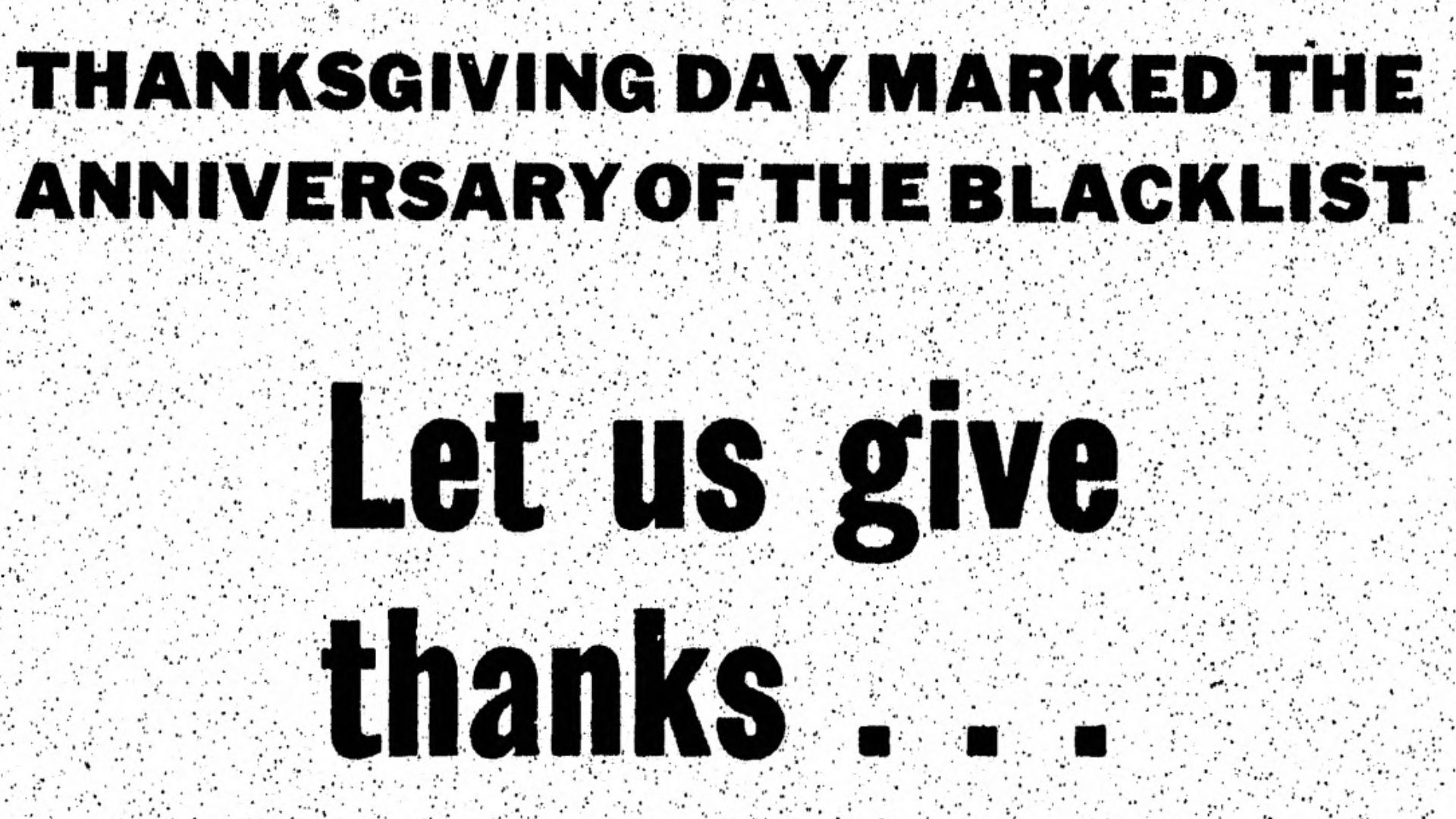
By the late 1950s and early 1960s, the blacklist started to lose its grip. A big turning point came in 1960 when Dalton Trumbo was finally credited for writing Spartacus and Exodus.
That moment helped break the silence, and slowly, people began working again under their real names. But by then, the damage had already been done.
 National Council of Arts, Sciences and Professions, Wikimedia Commons
Why This Still Matters Today
The Hollywood Blacklist still sparks debate. Some people believe those who cooperated were just trying to survive. Others see it as a betrayal.
What’s clear is that fear and suspicion ruined careers—and in some cases, lives. And even now, there are still questions about who was truly guilty, who wasn’t, and who just got caught in the middle.
 Los Angeles Times photographic archive - Digital collections — UCLA Library, Wikimedia Commons
You May Also Like:
Natalie Wood’s death was one of Hollywood’s most enduring mysteries—until the captain of her yacht changed his story.

.jpg)