The Industry Failed Her
Hayden Panettiere spent nearly her entire life performing. Behind the hit shows and red carpets was a young woman who trusted all the wrong people. With so much to gain—and so much to lose—Hayden herself described a world of darkness, being medicated for publicity, punished for speaking out, and forced to reenact pieces of her private pain on television.
But the darkest chapters of her story reveal how the industry that made Hayden famous failed her when she needed protection most.
 Fotos International, Getty Images
Her Career Began Before Her Memories Did
Born in Palisades, New York, on August 21, 1989, Hayden began modeling at eight months old. At 11 months, she appeared in a Playskool commercial. Long before she could understand employment, fame, or consent, acting had already become part of her daily life.

She Grew Up Between Two Worlds
Hayden later said she spent childhood trying to fit into two incompatible places: the adult world of entertainment and the ordinary world of children. She wanted school, sports, and friends her own age, but her classmates no longer saw her as one of them.

Crying Became Part of Her Job
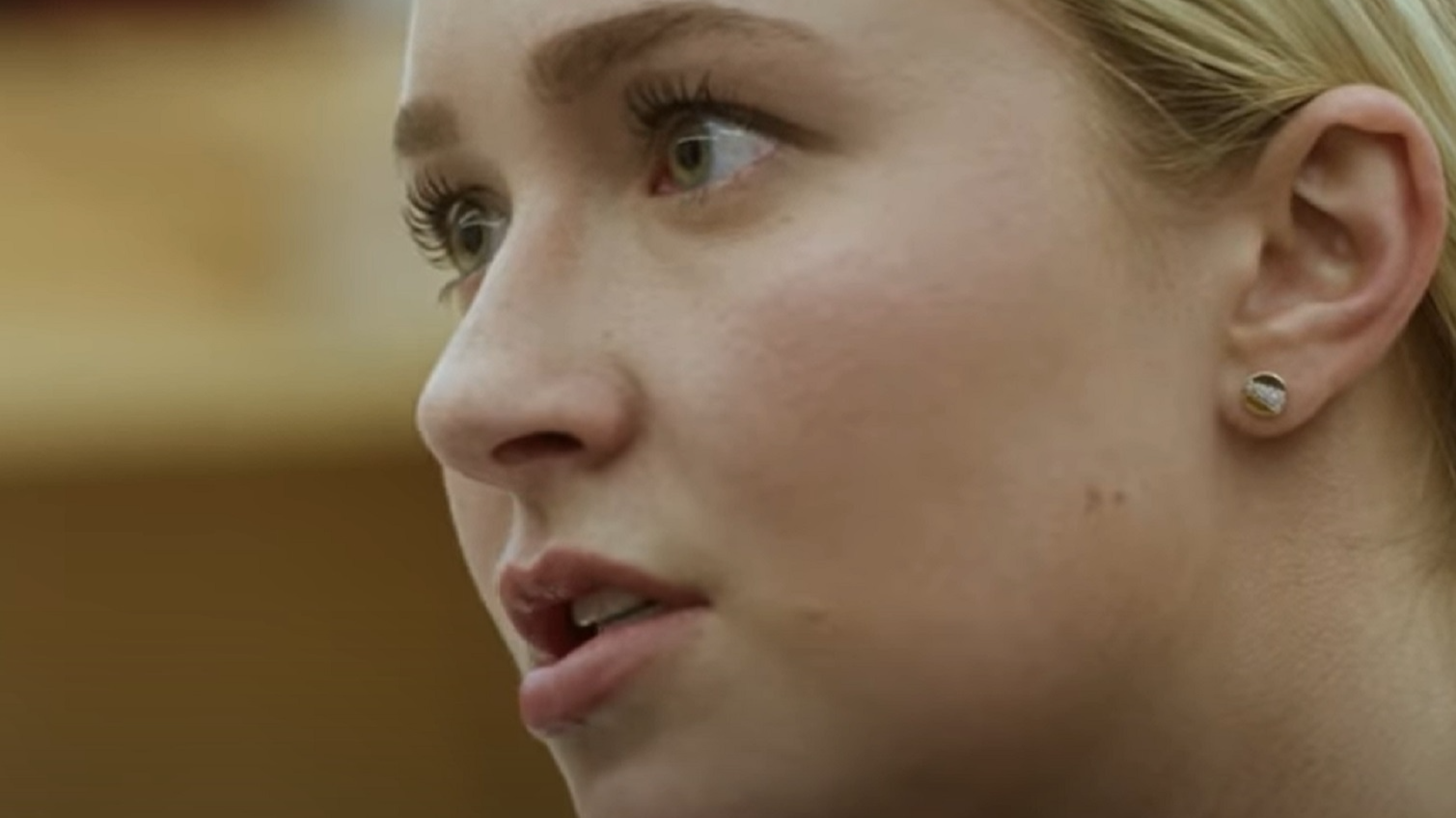
Hayden possessed an ability casting directors valued: she could cry on command. Productions repeatedly used that skill, requiring her to summon painful thoughts for dramatic scenes. As she grew older, she said the memories needed to produce those tears became increasingly dark.

Her Pain Earned Her Praise
After those emotionally demanding scenes, adults applauded Hayden’s performance. She later questioned what that taught a young actor—that entering an intensely painful mental state brought approval and professional rewards. Eventually, she found it harder to separate herself from the emotions she performed.
 Lucky Monkey Pictures , Custody (2016)
She Was Working Constantly
During the 1990s, Hayden appeared in One Life to Live and Guiding Light. She also voiced Dot in Pixar’s A Bug’s Life. By the time many children were learning multiplication, Hayden had accumulated the schedule and professional responsibilities of a seasoned working actor.
 Screenshot from A Bug’s Life, Pixar Animation Studios (1998)
Remember the Titans Changed Her Career
Her performance as football-loving Sheryl Yoast in Remember the Titans brought wider recognition in 2000. Hayden was only 11, but her confident performance alongside Denzel Washington and Will Patton made her one of Hollywood’s most recognizable young actors.
 Screenshot from A Bug’s Life, Pixar Animation Studios (1998)
One Lost Role Left a Lasting Scar
Hayden was originally cast in David Fincher’s Panic Room. When Nicole Kidman left the production and Jodie Foster replaced her, Hayden lost the role to Kristen Stewart. She wrote that the rejection “tore me up,” particularly because she believed she had earned the part.

She Learned the Reason Years Later
According to Hayden’s memoir, her former manager later told her that filmmakers wanted to cut her hair so she would resemble Foster more closely. Hayden wrote that her mother refused. At 12, a major career opportunity had apparently disappeared because of an adult disagreement beyond her control.
 Screenshot from Remember the Titans, Walt Disney Pictures (2000)
Heroes Made Her World-Famous
In 2006, Hayden became Claire Bennet, the indestructible cheerleader at the center of NBC’s Heroes. “Save the cheerleader, save the world” became a pop-culture catchphrase. At 17, she had achieved the level of fame Hollywood had been preparing her for since infancy.
 Screenshot from Heroes, NBC Universal Television (2006–2010)
Fame Soon Felt Like Surveillance
The success of Heroes brought paparazzi into Hayden’s life. She remembered her first experience of being followed as “sheer terror.” Photographers shouted questions about when she would receive her first drinking-while driving ticket, or publicly collapse, treating a teenager’s possible downfall as anticipated entertainment.

Someone Gave Her a “Happy Pill”
Hayden said a member of her professional team offered her a pill before a red-carpet appearance during her teens. She was told it would give her energy and make her more engaging during interviews. She trusted the adult who handed it to her.

She Did Not Understand the Danger
At the time, Hayden did not view the pill as an alarming substance. She later said she had no idea it was inappropriate or what it might open for her regarding addiction. The person responsible for protecting a young performer had instead introduced another risk.
 Featureflash Photo Agency, Shutterstock
The Industry Needed Her to Stay “On”
The incident exposed an uncomfortable reality behind celebrity promotion. Hayden was not simply expected to act on set; she had to remain cheerful, lively, and marketable afterward. When her natural energy dipped, an adult’s solution was not rest—it was medication.
 Featureflash Photo Agency, Shutterstock
Her Memoir Described Other Violations
In This Is Me: A Reckoning, Hayden described disturbing encounters she said occurred when she was 19. Because the people involved were not identified, the claims cannot be independently tested. Still, they reveal how unsafe she said Hollywood’s social world could feel.

A Respected Man Allegedly Exposed Himself
Hayden wrote that an unnamed Oscar-winning actor and director exposed himself to her at a private gathering. She had been speaking with a group of much older men before trying to leave. Rather than feeling protected, she found herself treated as an object in the room.
 watchwithkristin, CC BY-SA 2.0 , Wikimedia Commons
A Friend Led Her Into Another Trap
Hayden also recalled visiting a yacht in southern France with a woman she considered a friend. According to the memoir, that woman encouraged her to enter a bed with an unnamed British singer. Hayden refused, left the yacht, and booked a hotel.

Trust Had Become Dangerous
The yacht incident hurt because Hayden believed the woman had befriended and cared for her. She later wrote that she had instead been treated “like a high-end [working girl].” The account was not simply about unwanted pressure; it was about discovering that affection could conceal exploitation.
 Tabercil, CC BY-SA 2.0 , Wikimedia Commons
She Kept Building a Career
Hayden continued acting, appearing in I Love You, Beth Cooper and playing Kirby Reed in Scream 4. Kirby became a fan favorite, but behind the sharp humor and professional momentum, Hayden’s substance use and emotional distress were becoming harder to contain.
 Screenshot from Scream 4, The Weinstein Company (2011)
Nashville Offered Her a Reinvention
In 2012, Hayden began playing ambitious country singer Juliette Barnes in Nashville. The role displayed her acting and singing abilities, earned her two Golden Globe nominations, and placed 11 of her recordings on Billboard’s Hot Country Songs chart.
 Screenshot from Nashville, ABC Studios (2012–2018)
Then Fiction Began Mirroring Reality
Juliette’s storylines eventually included a troubled maternal relationship, postpartum depression, alcoholism, and substance dependency. Those were increasingly similar to problems Hayden was experiencing privately. At first she considered the overlap coincidental. Eventually, the parallels became deeply unsettling.
 Tabercil, CC BY-SA 3.0 , Wikimedia Commons
She Could No Longer Find the Boundary
Hayden said Juliette’s experiences and her own became “mushed together.” Each workday required her to perform versions of the very struggles she was trying to survive. The production received dramatic television; Hayden was left repeatedly returning to emotions she could barely escape.
Kaya’s Birth Was Traumatic
Hayden and her then-fiancé, former heavyweight boxing champion Wladimir Klitschko, welcomed their daughter, Kaya, in December 2014. In her memoir, Hayden described suffering a severe hemorrhage during childbirth that required surgery and seven blood transfusions.

The Expected Joy Did Not Arrive
After Kaya’s birth, Hayden did not experience the immediate emotional connection she had expected. She described feeling frighteningly numb and disconnected from herself. Four months later, she was diagnosed with postpartum depression, a condition she would eventually discuss with unusual openness.
 chaubaby from London, United Kingdom, Wikimedia Commons
She Tried to Correct a Harmful Myth
Hayden emphasized that she never wanted to harm Kaya. Postpartum depression, she explained in 2015, exists across a broad spectrum. She urged people to stop dismissing it as imaginary or merely hormonal, saying women needed support rather than shame.

She Publicly Asked for Help
In October 2015, Hayden voluntarily entered treatment. In May 2016, she again announced that postpartum depression had affected every part of her life and that she was stepping back to focus on her health. Admitting she was struggling should have been treated as responsible.

Honesty Reportedly Cost Her Work
Hayden wrote that Nashville temporarily removed Juliette from the story while she entered rehabilitation. She also claimed a popular skin-care brand ended its long-standing relationship with her after she spoke publicly about postpartum depression.
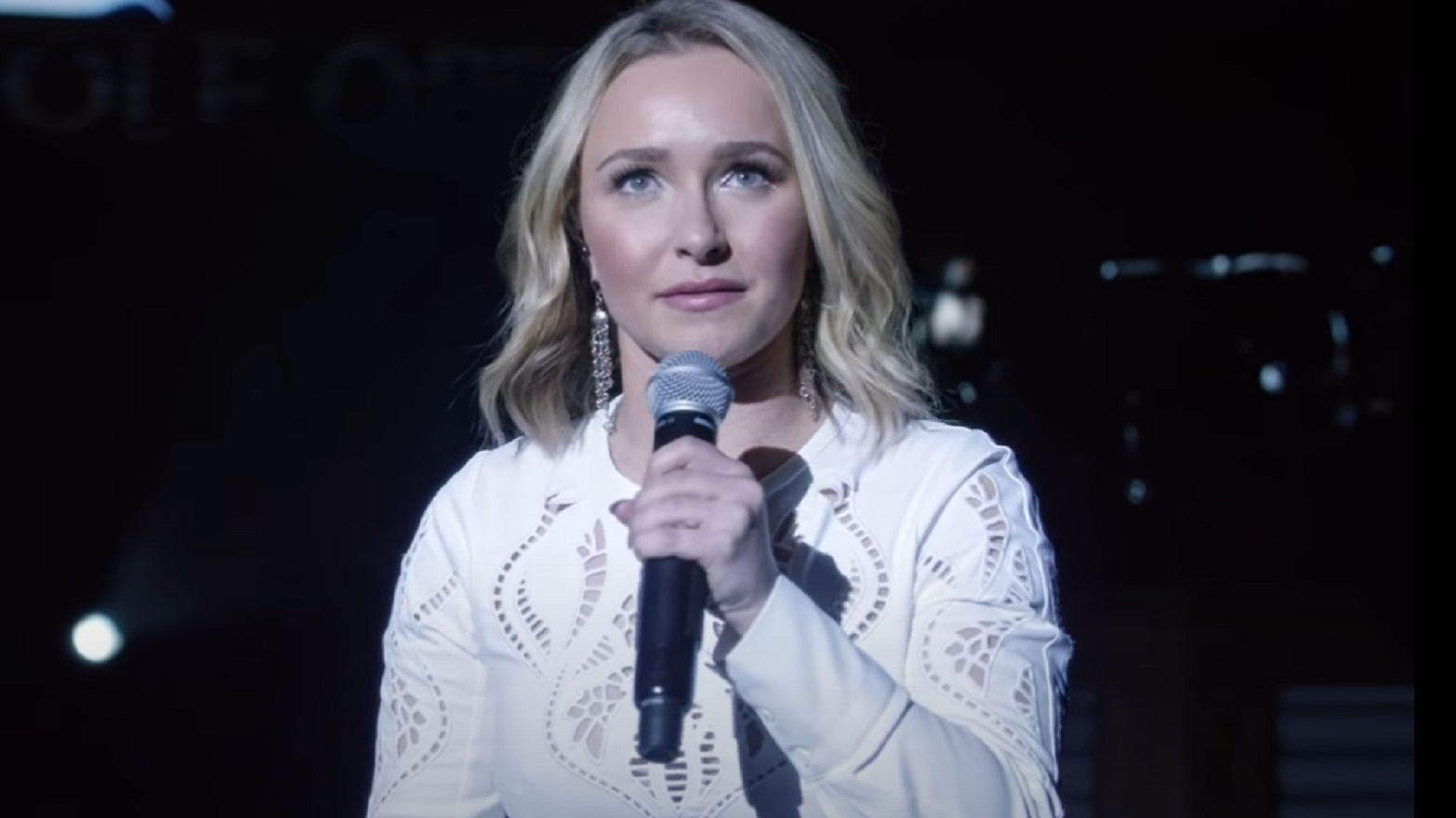 Screenshot from Nashville, ABC Studios (2012–2018)
The Message Was Difficult to Miss
As a woman who sought treatment, she was professionally disrupted. As a spokesperson who admitted a common medical condition, said she lost a major contract. Hayden’s experience raises a painful question: how many performers stayed silent because they watched what happened when she told the truth?

Treatment Created New Complications
Hayden wrote that medication prescribed during treatment helped with insomnia but created another dependency. In one of her memoir’s bleakest observations, she said she entered rehabilitation dependent on one substance and emerged dependent on another. Recovery was not a single clean turning point.
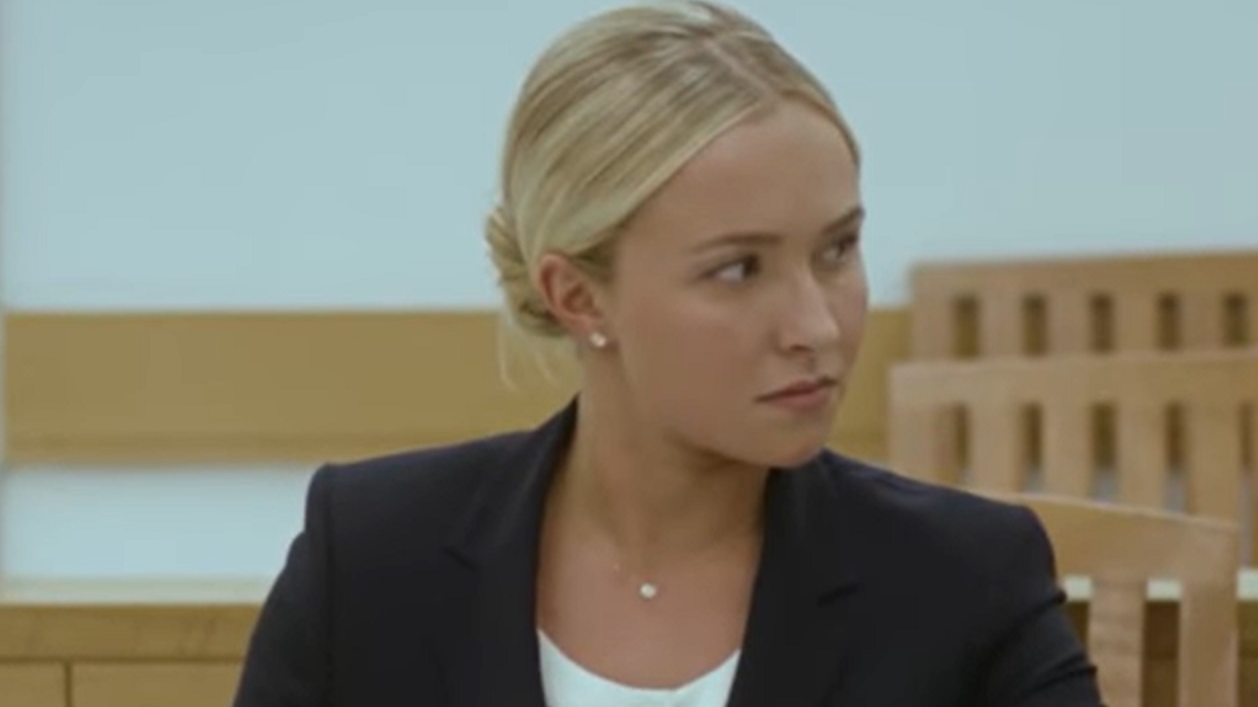 Screenshot from Custody, IFC Films (2016)
Drink Became a Daily Need
Hayden later described waking with tremors and needing booze to function. She also used painkillers and said both substances offered brief relief before leaving her feeling worse. Her addiction was not evidence of indifference or weakness; it was an illness developing alongside depression, trauma, and relentless pressure.
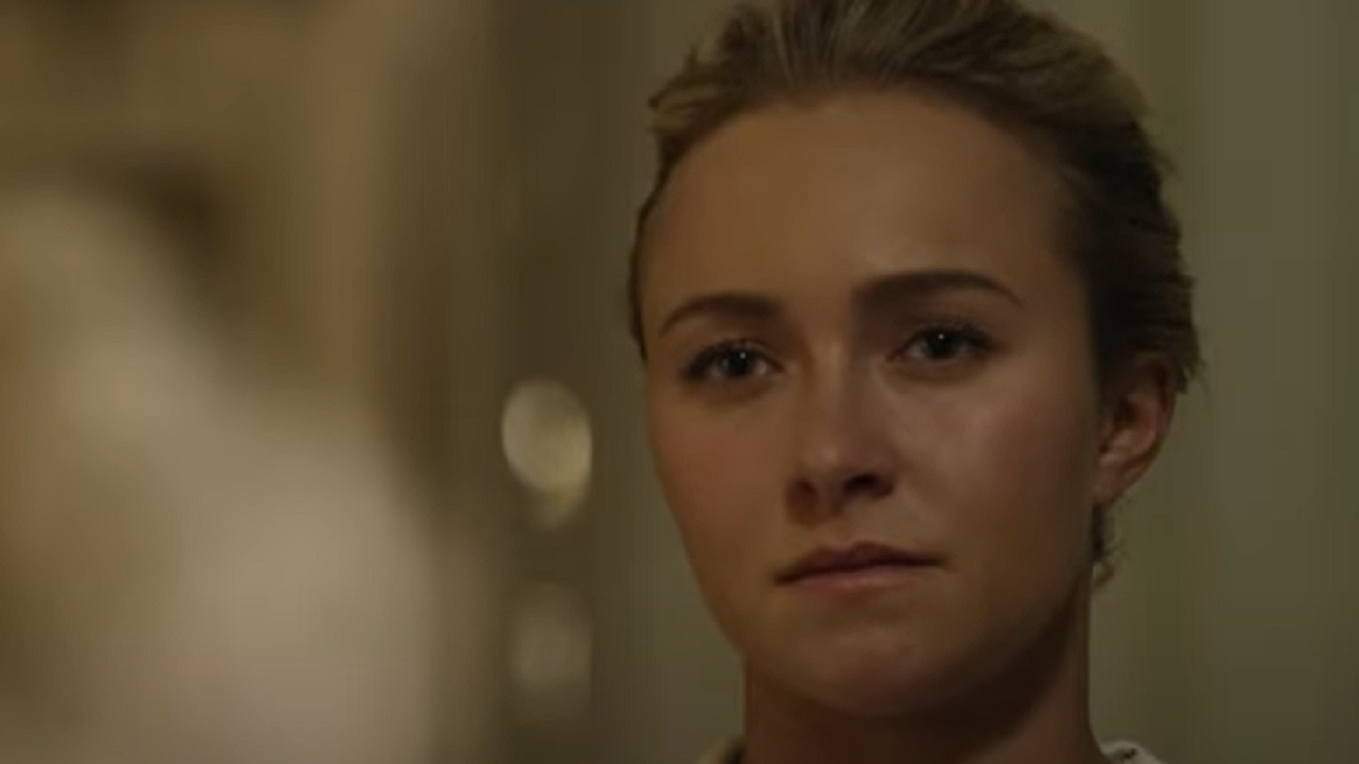 Screenshot from Custody, IFC Films (2016)
Her Body Began Sending Warnings
Her drinking eventually led to jaundice and hospitalization. Hayden said doctors warned that her liver could fail. The child actor once praised for never being “messy” at work had learned to hide enormous distress until her body could no longer conceal the damage.
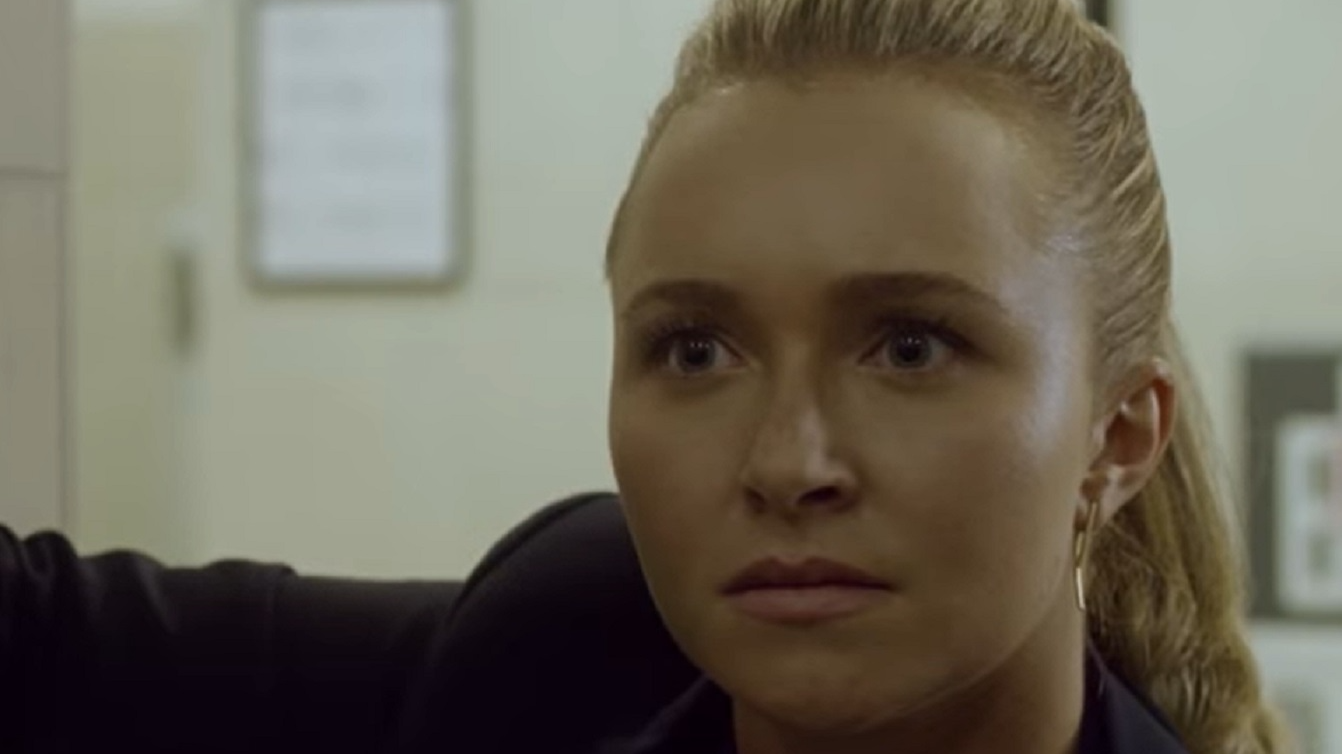 Screenshot from Custody, IFC Films (2016)
Motherhood Became Her Deepest Heartache
While Hayden struggled, Kaya began living full-time with Klitschko and his family. Hayden signed over custody in 2018. She later rejected the public assumption that she had casually abandoned her child, calling the signing “the most heartbreaking thing” she had ever done.
 Київська міська державна адміністрація
Київська міська рада, Wikimedia Commons
Київська міська державна адміністрація
Київська міська рада, Wikimedia Commons
It Was More Complicated Than It Appeared
In a 2022 interview, Hayden said the custody change was not completely her decision and that she did not initially understand Kaya would remain abroad. She nevertheless accepted responsibility for her struggles and consistently praised Klitschko as a loving, courageous father.

Distance Did Not End Their Bond
Hayden traveled to see Kaya and spoke with her through video calls. In her memoir, she wrote that no parent should have to raise a child through video chat. She grieved the ordinary moments lost to distance while working to build a different relationship with her daughter.
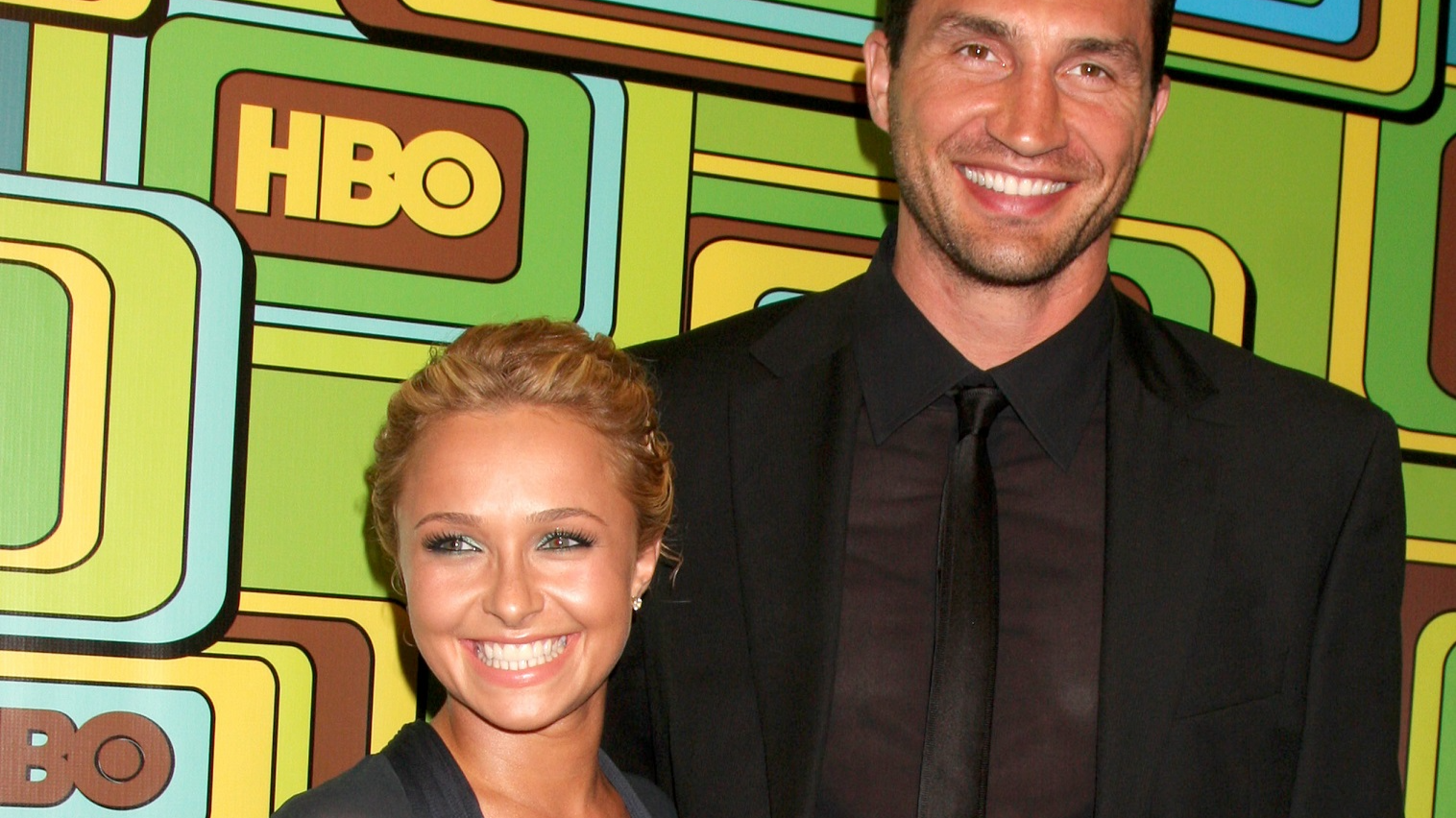
She Wanted Kaya to Have Privacy
The childhood Hayden missed became the childhood she wanted Kaya to experience. She took comfort in seeing her daughter maintain friendships, attend school, and thrive away from celebrity scrutiny. Hayden described watching Kaya succeed socially as one of parenthood’s greatest gifts.

Another Relationship Became Violent
Beginning in 2018, Hayden had an on-and-off relationship with Brian Hickerson. In her memoir, she described escalating physical mistreatment, writing that slaps eventually became hits. Hickerson was apprehended more than once in connection with domestic violence incidents involving her.
 Screenshot from Bring It On: All or Nothing, Universal Pictures (2006)
The Legal Case Confirmed Serious Mistreatment
In 2021, Hickerson pleaded no contest to two felony counts of injuring a spouse or cohabitant. He received a 45-day jail sentence, probation, domestic-violence classes, a fine, and a protective order. The legal outcome distinguishes this history from unverified celebrity gossip.

Loneliness Made Leaving Harder
Hayden wrote that the mistreatment sometimes felt less frightening than being alone. That admission reflected the psychological trap many survivors experience: knowing a relationship is dangerous while fearing the emptiness beyond it. She later said she shared the story so other survivors would feel less isolated.
 Screenshot from The Good Student, Lionsgate (2006)
Recovery Required More Than Sobriety
Hayden eventually completed an eight-month treatment program and underwent trauma therapy. In 2022, she described sobriety as an everyday decision rather than a finished accomplishment. She spoke of feeling grateful for another chance while remaining honest about the work required to keep it.
 Screenshot from Nashville, ABC Studios (2012–2018)
She Returned to the Screen
Hayden reprised Kirby Reed in Scream VI in 2023 after years away from acting. The return mattered because she had personally contacted the filmmakers about reviving the character. Instead of waiting for Hollywood to decide her future, she advocated for her own place in it.
 Screenshot from Scream VI, Paramount Pictures (2023)
Then She Lost Her Brother
On February 19, 2023, Hayden’s younger brother, Jansen Panettiere, died at 28 from an enlarged heart and complications involving the aortic valve. Hayden described losing him as losing “half of my soul.” She said she would never completely overcome the grief.
 Gordon Vasquez, Wikimedia Commons
Her Memoir Put Her Voice First
Published on May 19, 2026, This Is Me: A Reckoning allowed Hayden to address stories others had told about her. She called the painful turning points in her life “lifequakes”—events that fractured her identity and forced her to rebuild it.
 Screenshot from Bring It On: All or Nothing, Universal Pictures (2006)
She Refused to Define Herself by Damage
During an NPR interview, Hayden said writing the memoir reopened wounds but also helped her heal. “I’m healing, and I’m OK with my scars,” she said. Her aim was not to present herself as perfectly recovered, but as someone still growing.
 Ewen Roberts from San Diego, CA, United States, Wikimedia Commons
Her Story Ended Suddenly
On August 16, 2026, Hayden Panettiere was found unresponsive in an apartment in Greenville, South Carolina. Emergency personnel attempted lifesaving measures, but were unsuccessful. She was 36 and would have turned 37 five days later.
 Screenshot from Sleepwalker, Brainstorm Media (2026)
She Deserved More Than a Tragic Label
Hayden described herself as an “optimist to the core.” She was talented, funny, loving, and brave enough to speak about experiences that Hollywood often encourages people to hide. Her struggles were part of her life, but they were never the entirety of who she was.
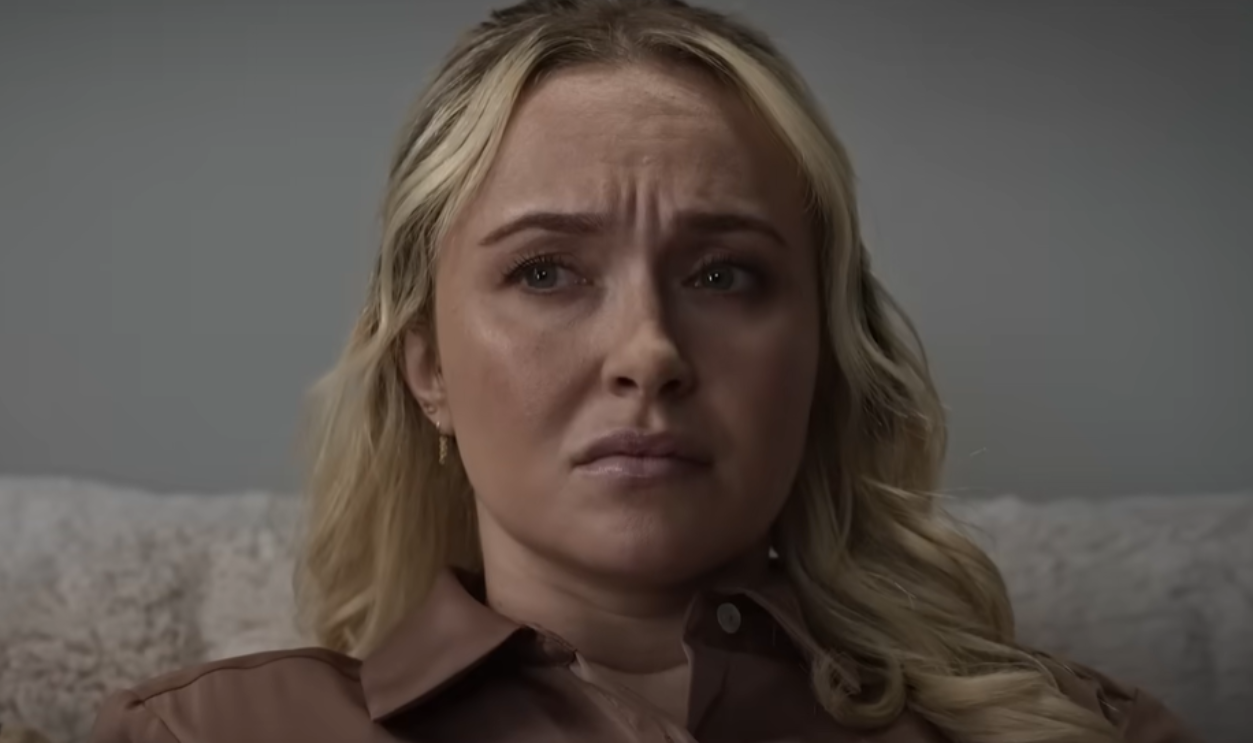 Screenshot from Sleepwalker, Brainstorm Media (2026)
You May Also Like:
Actresses Who Perform Their Own Stunts
Old Hollywood’s Most Stunning Actresses
The Shortest Actresses in Hollywood