A Silent Suffering Behind Fame
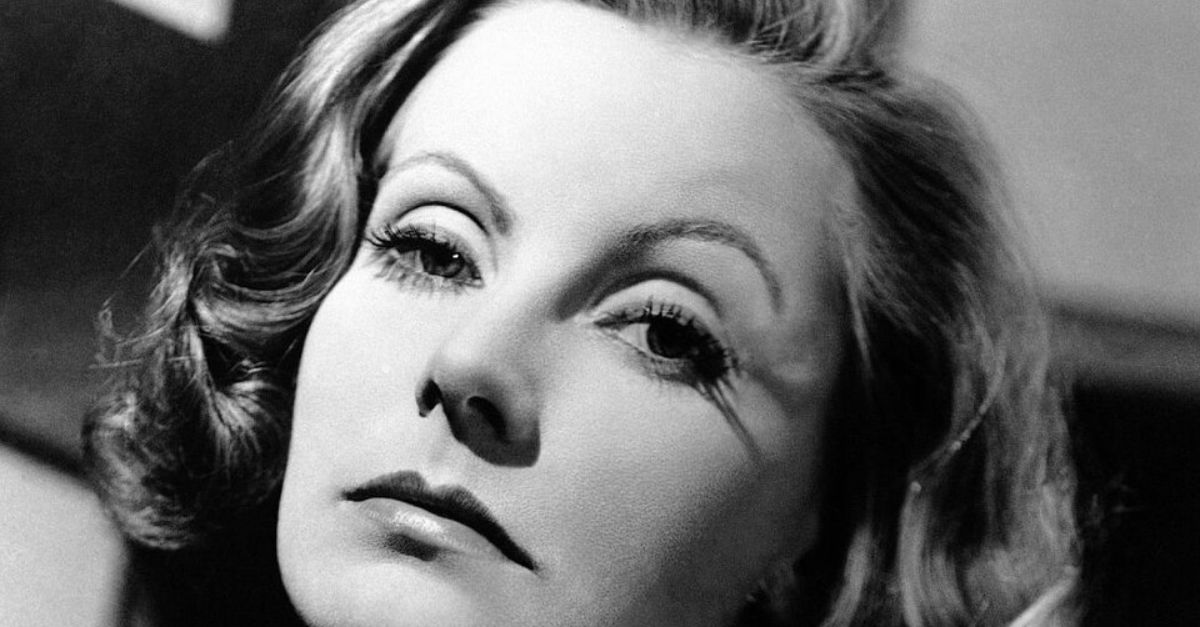
During Hollywood’s Golden Age, Greta Garbo appeared to have everything the entertainment industry promised: fame, beauty, and lasting admiration. Yet behind the carefully controlled image was a life shaped by loss and emotional strain.
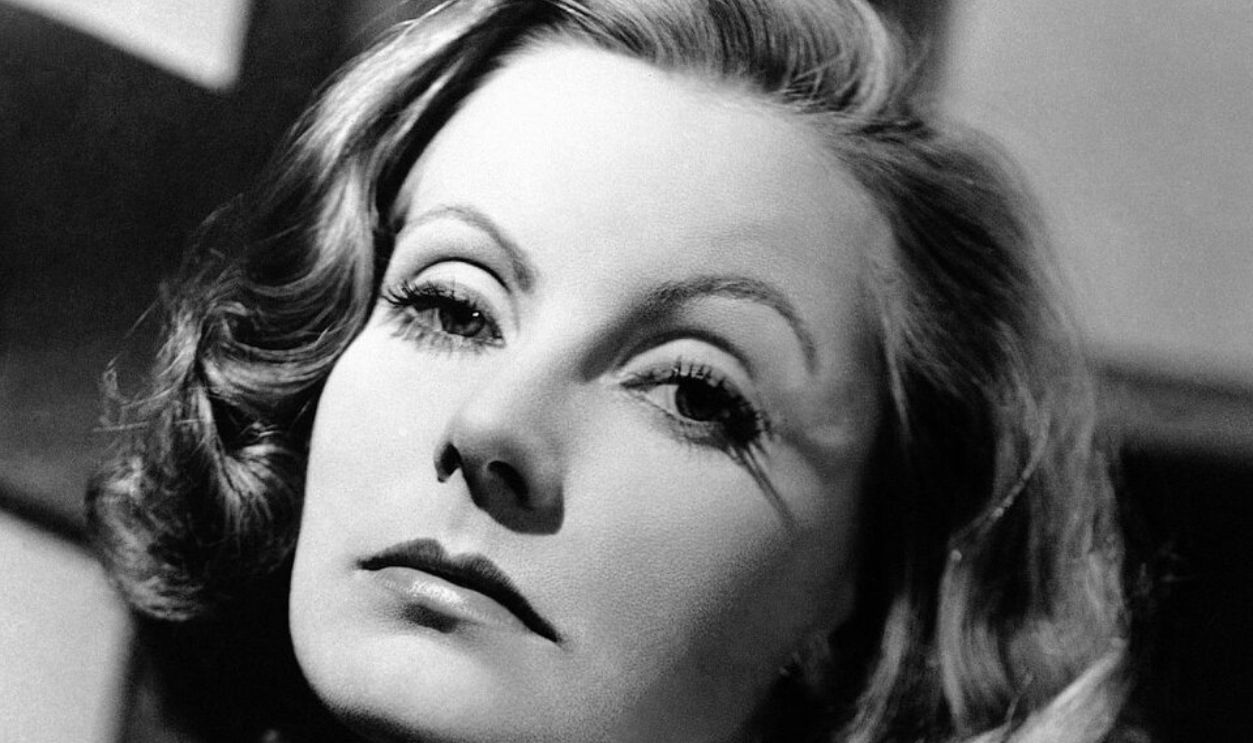 Clarence Bull, Wikimedia Commons
Struggling With Money Since Childhood
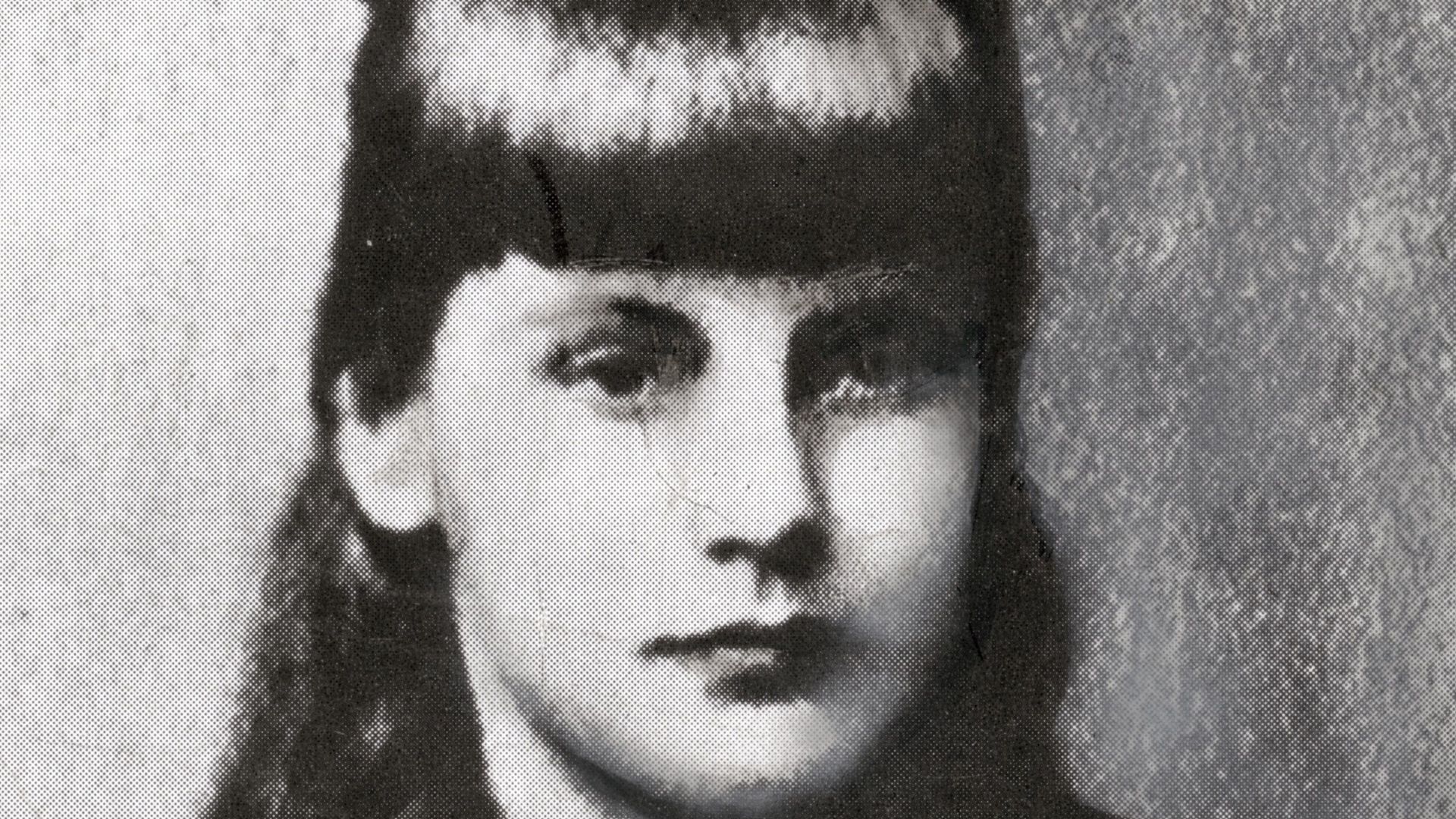
Greta Garbo was born Greta Lovisa Gustafsson in 1905 in Stockholm, into a working-class family that struggled financially. Her childhood included overcrowded housing, food insecurity, and limited schooling. Such conditions impacted her guarded personality long before fame ever entered her life.
 Unknown authorUnknown author, Wikimedia Commons
A Loss That Shook Her World
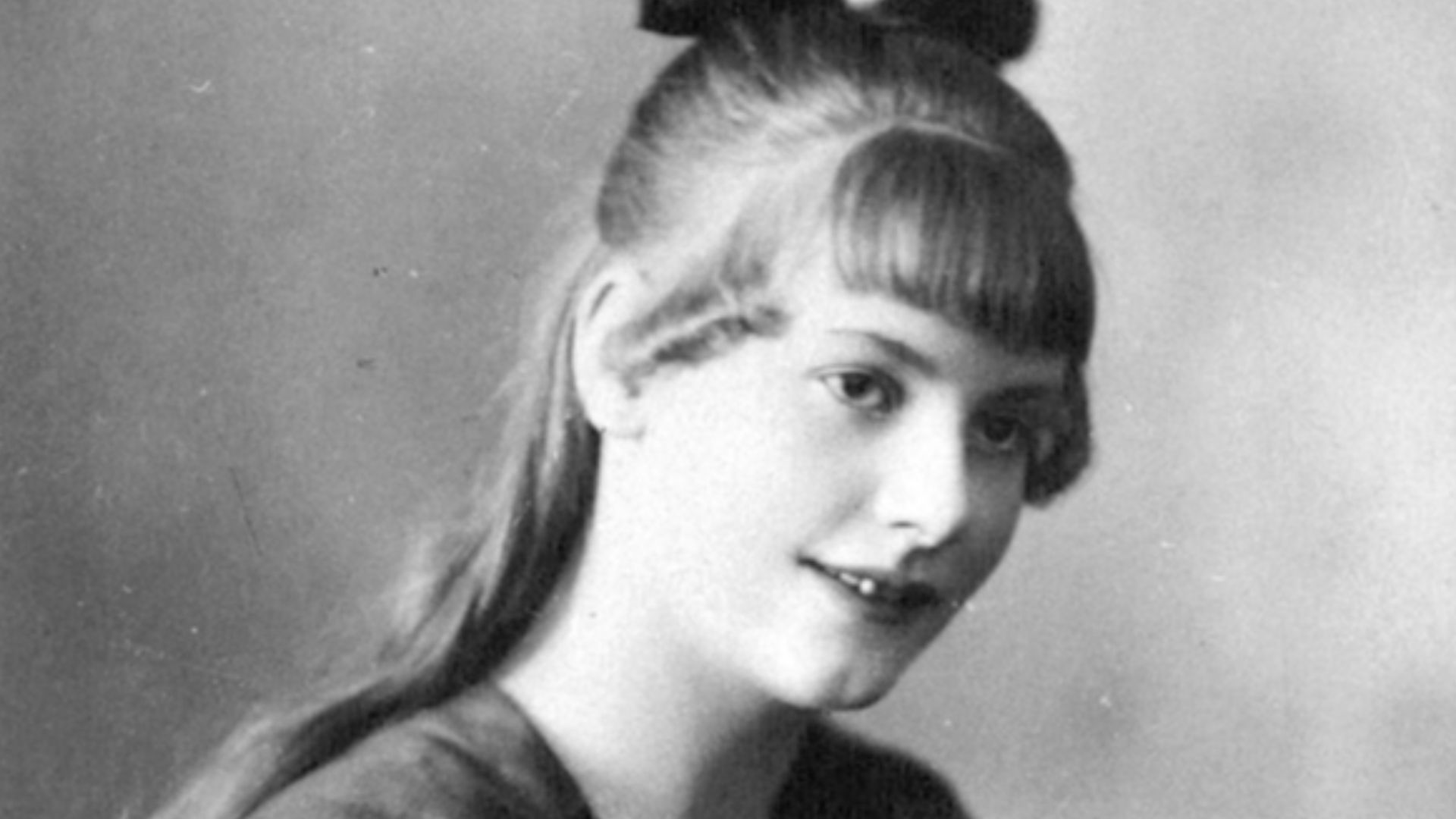
Garbo’s father, Karl Gustafsson, died when she was 14, a loss that devastated the family emotionally and financially. His death forced her to leave school early and work, accelerating her maturity and a lifelong tendency toward emotional self-reliance and withdrawal during her adolescent years.
 Unknown photographer, Wikimedia Commons
Learning To Withstand Pain At A Young Age
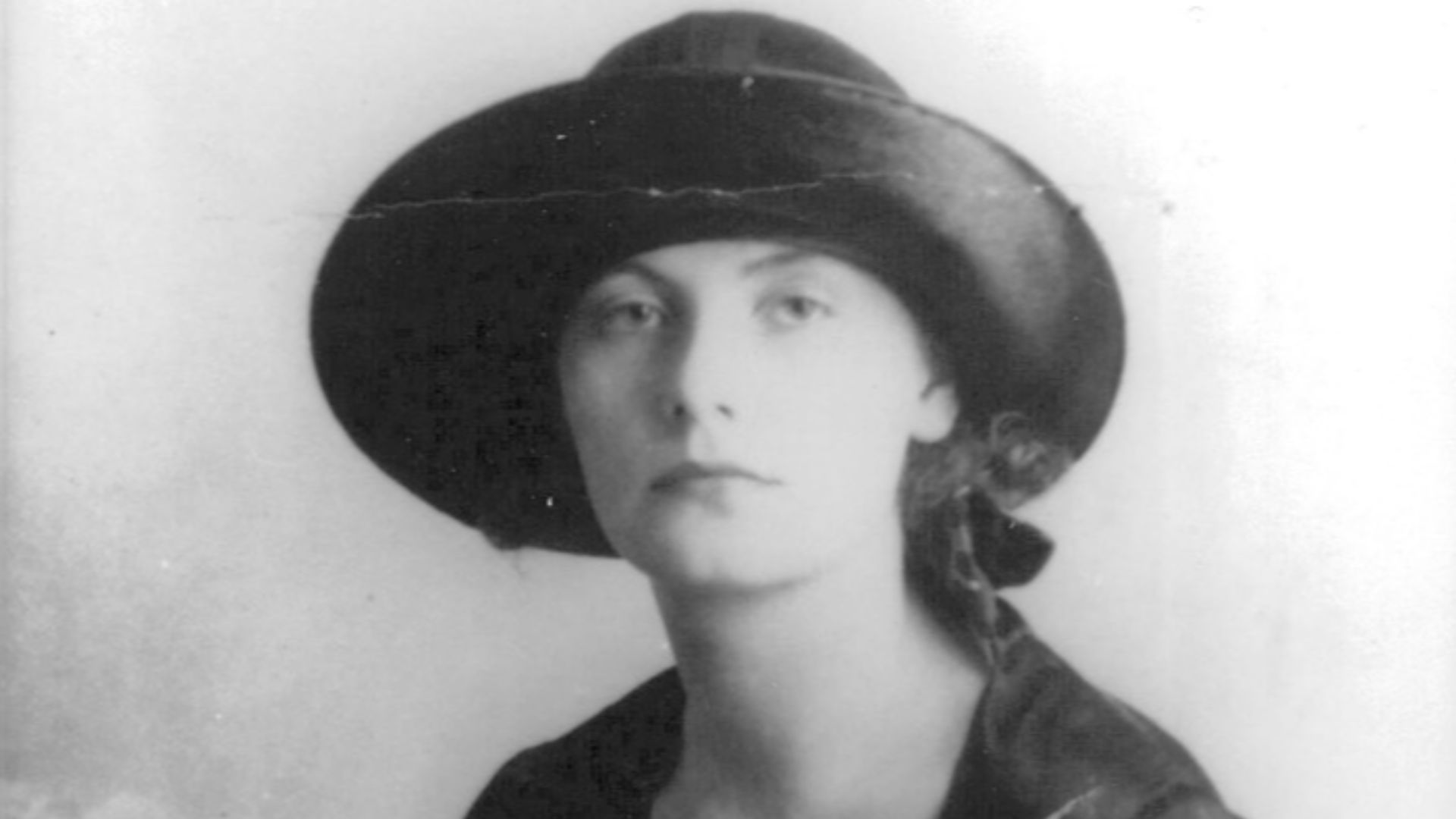
After her father passed away, Garbo helped support her household by working menial jobs while grieving privately. This period taught her endurance and restraint. It created an inner discipline that later defined her screen presence and her ability to absorb intense pressure without public complaint.
 Unknown photographer, Wikimedia Commons
Reinventing Herself As A Means Of Survival
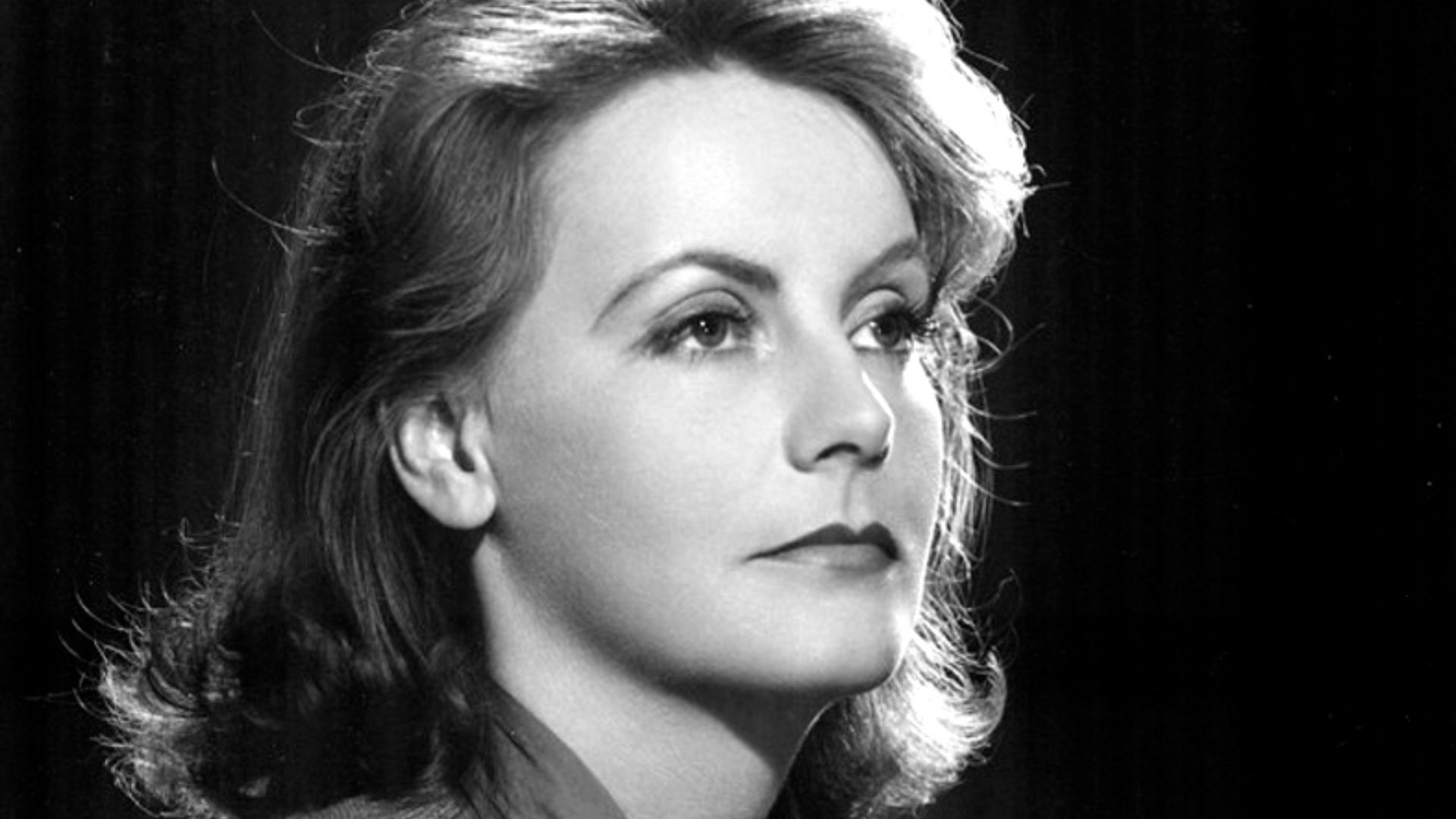
Entering the film industry required Garbo to reinvent herself, not just professionally but personally. Hollywood demanded transformation, and she complied by distancing herself from her past, carefully controlling what she revealed and learning that survival in stardom often depended on strategic silence and emotional distance.
 Clarence Bull - for MGM, Wikimedia Commons
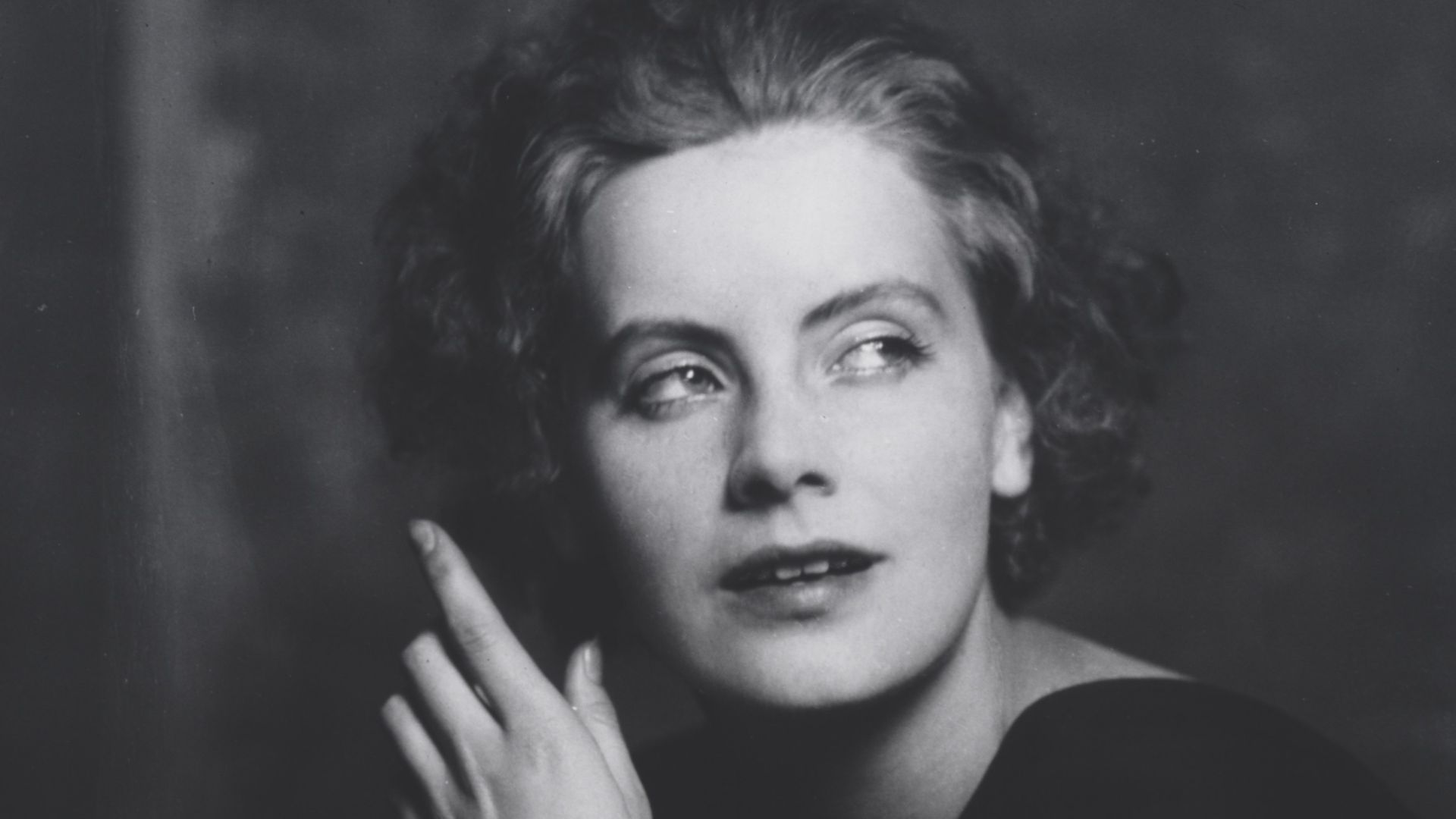
Why Greta Gustafsson Became Greta Garbo
Adopting the name Greta Garbo marked a deliberate break from Greta Gustafsson, the impoverished girl from Stockholm. The new name offered elegance and anonymity to help MGM market her as exotic and unknowable while allowing Garbo to protect a fragile sense of personal identity from exposure.
 Genthe, Arnold, Wikimedia Commons
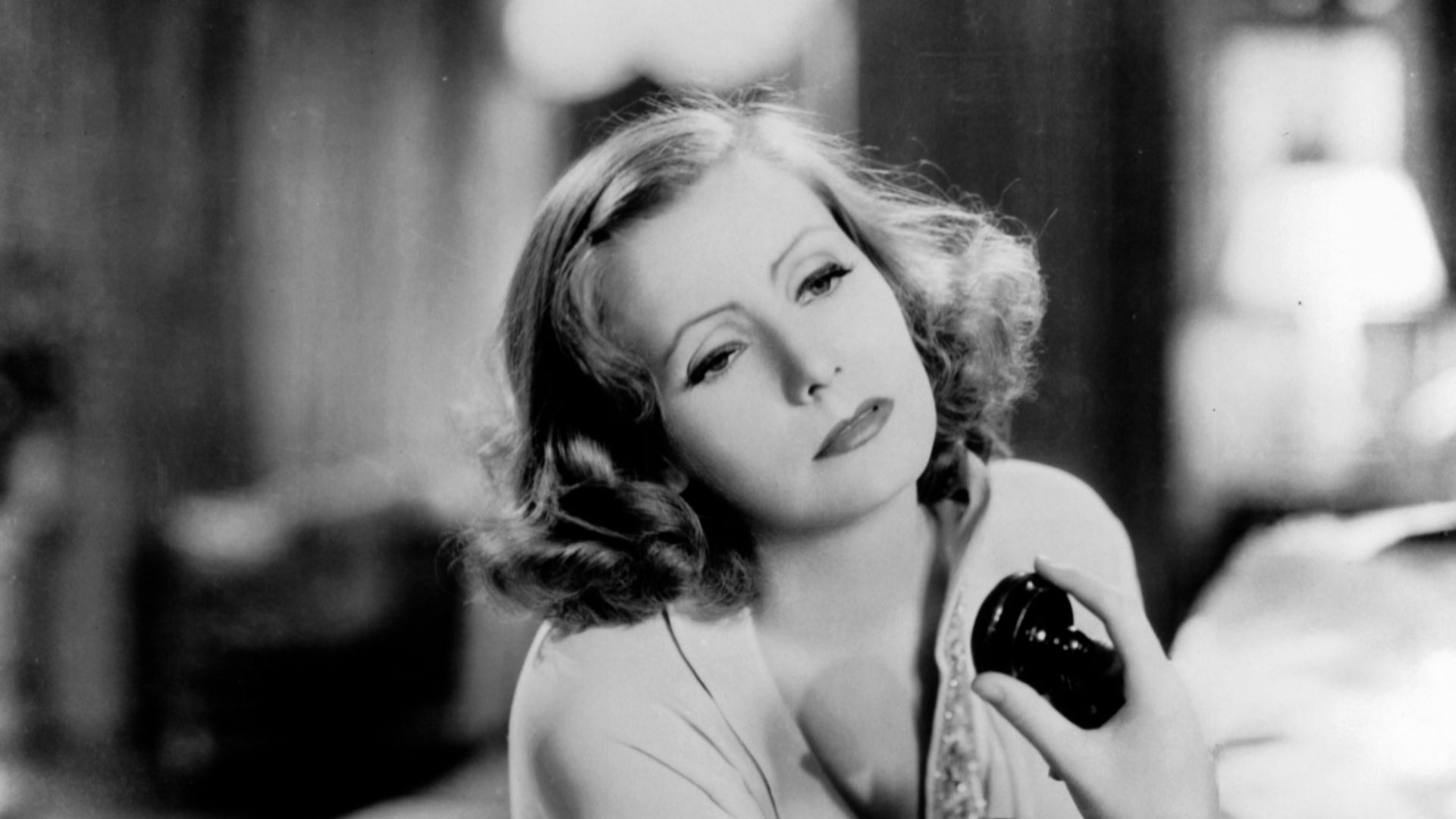
Softening Her Accent To Meet Hollywood Expectations
Garbo’s Swedish accent initially worried studio executives, yet it became part of her charm. So, MGM coached her diction rather than erasing it by allowing her voice to sound foreign but elegant. This careful adjustment helped her transition successfully from silent films to the early sound cinema era.
 Screenland Magazine, Wikimedia Commons
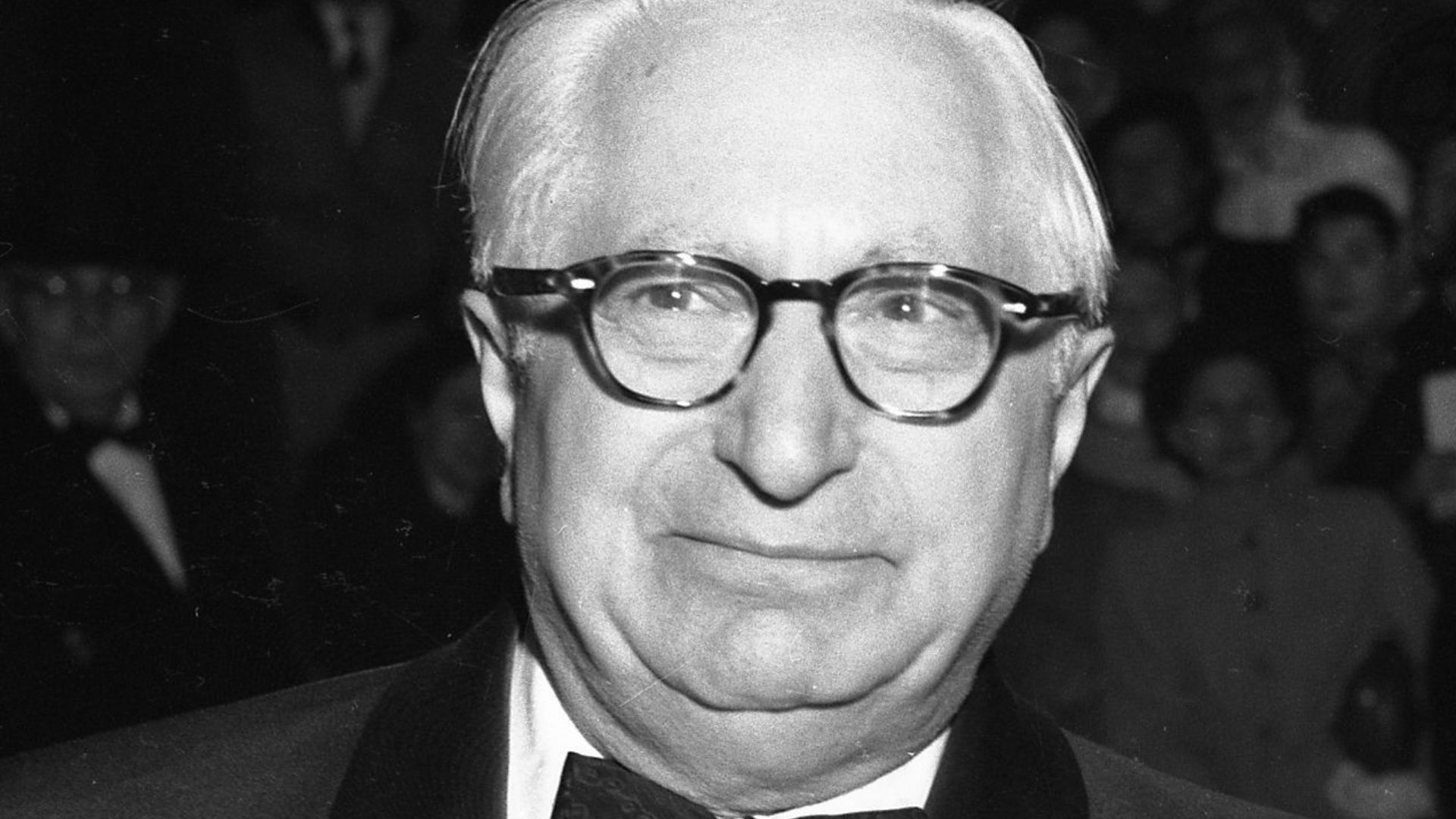
Discovered Abroad And Delivered To American Fame
The Swedish star was discovered in Europe by MGM executive Louis B Mayer, who saw her previous work. She was soon brought to Hollywood, where studios tightly controlled her image and public access as her fame accelerated rapidly.
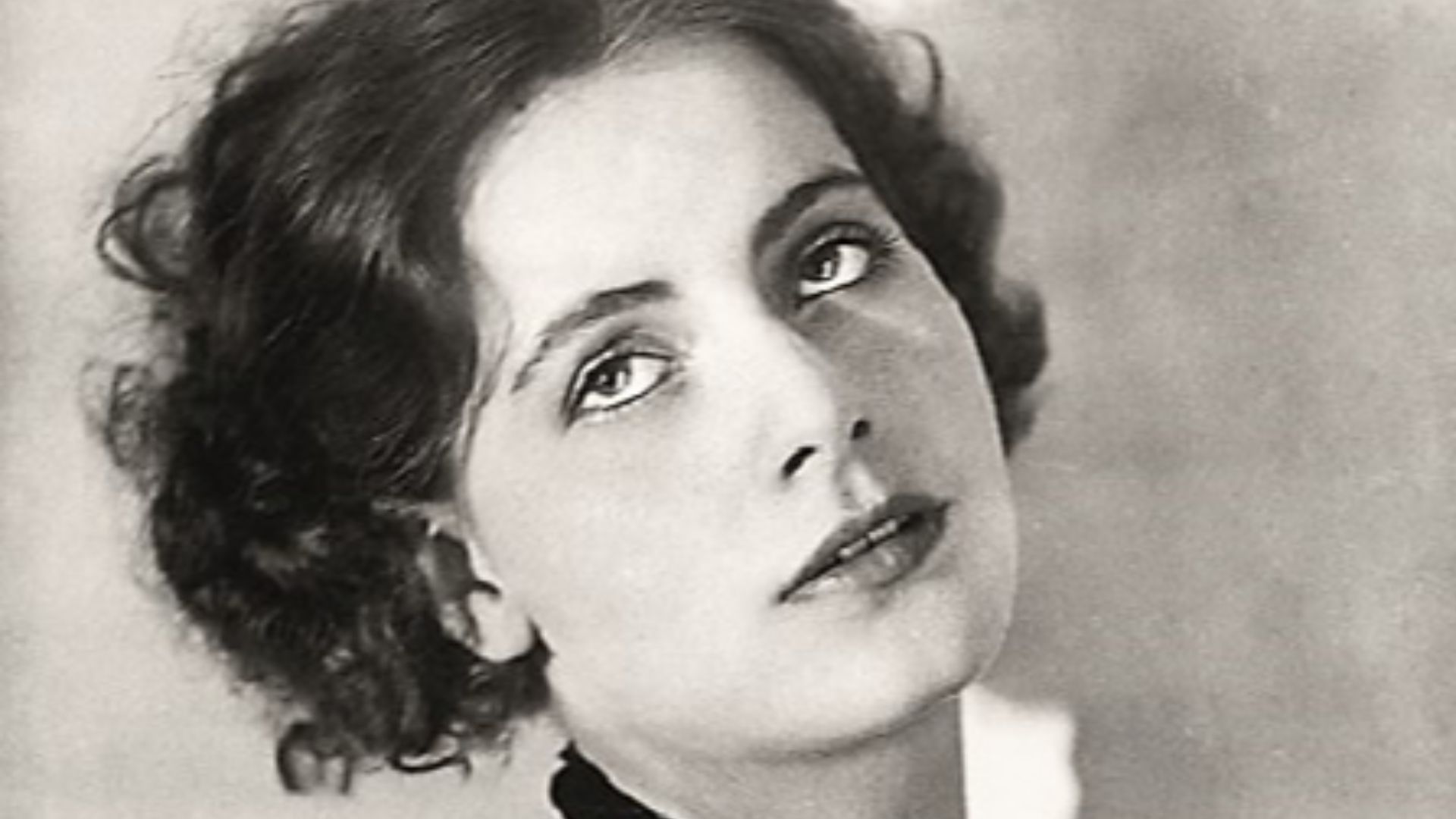
Stardom Arrived Before Healing Ever Could
Success came quickly and left Garbo little time to process earlier losses or adapt emotionally. The pressure to perform and meet studio expectations intensified before she had any stability. It gradually created a disconnect between her celebrated public image and her private emotional life.
 Russell Ball (1896-1942), Wikimedia Commons
Losing Her Sister While The World Watched
During her rise, Garbo suffered another devastating tragedy when her beloved sister Alva died young. This incident deepened her grief while cameras continued to follow her career and forced her to maintain composure publicly. Personal sorrow compounded behind the scenes during Hollywood’s most demanding years.
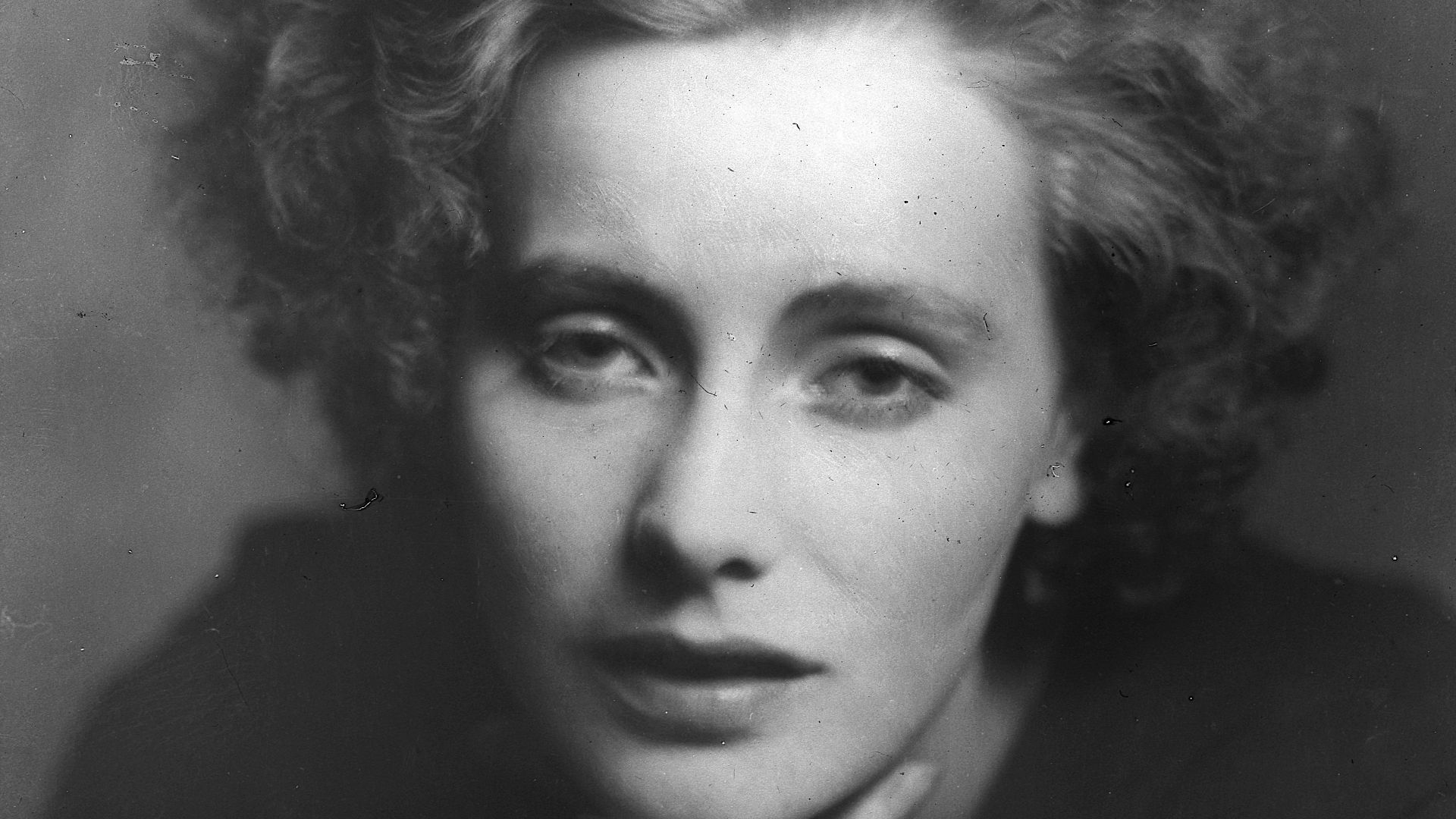 Genthe, Arnold, 1869-1942, photographer, Wikimedia Commons
The Loneliness Behind Her Mesmerizing Close-Ups
Audiences saw intensity and vulnerability in Garbo’s famous close-ups, yet offscreen she remained isolated. Studio systems discouraged genuine friendships, and her reserved nature limited trust. Fame felt emotionally distant even as millions felt personally connected to her performances.
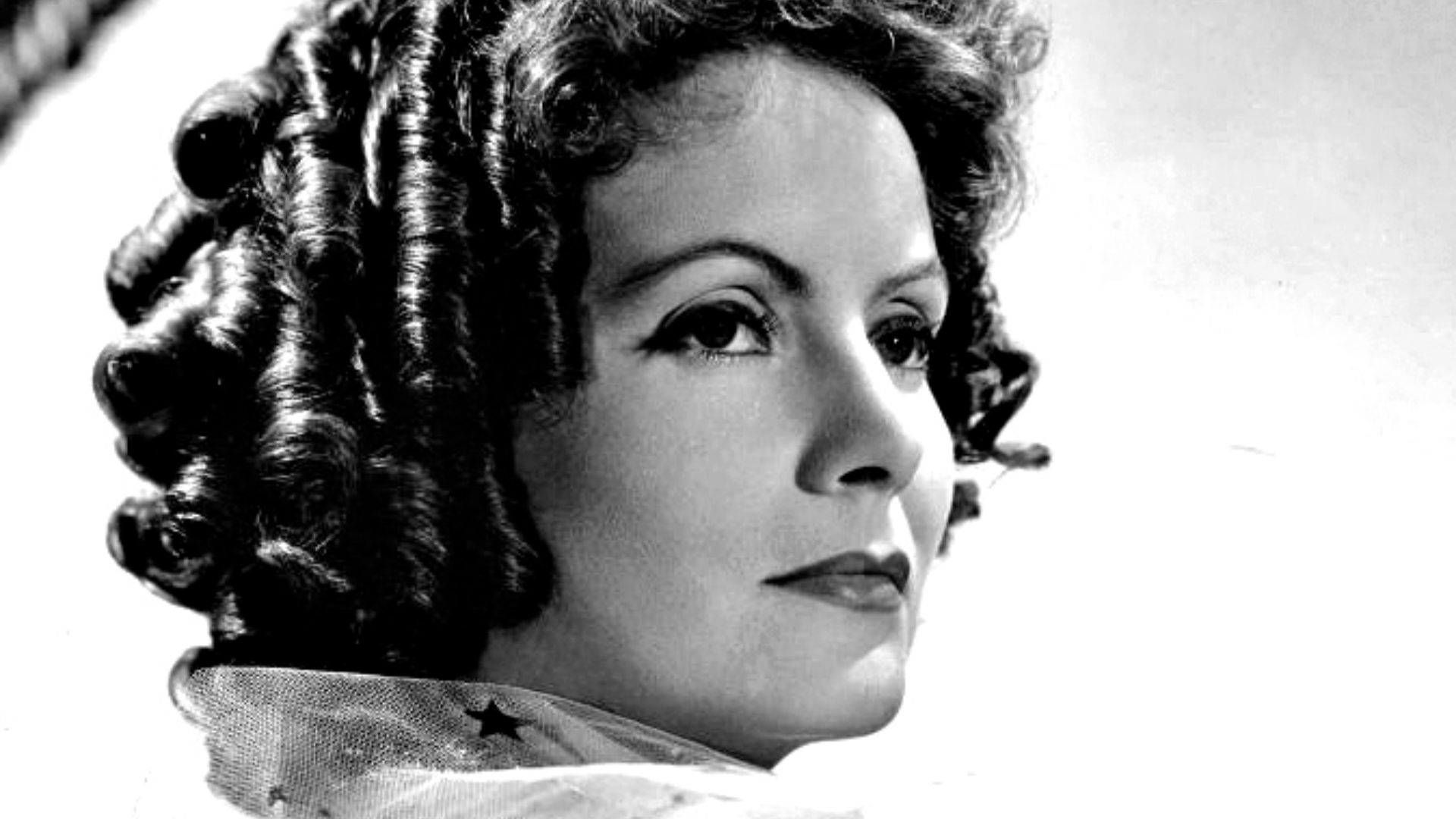 Movie studio photo by Clarence Sinclair Bull, Wikimedia Commons
Fame Without Safety Or Solitude
Garbo’s celebrity brought admiration but little protection. Paparazzi and gossip columnists' publicity intruded constantly and left her without a safe personal space. The lack of boundaries contributed to her discomfort with fame and increased her desire to withdraw whenever possible from public view.
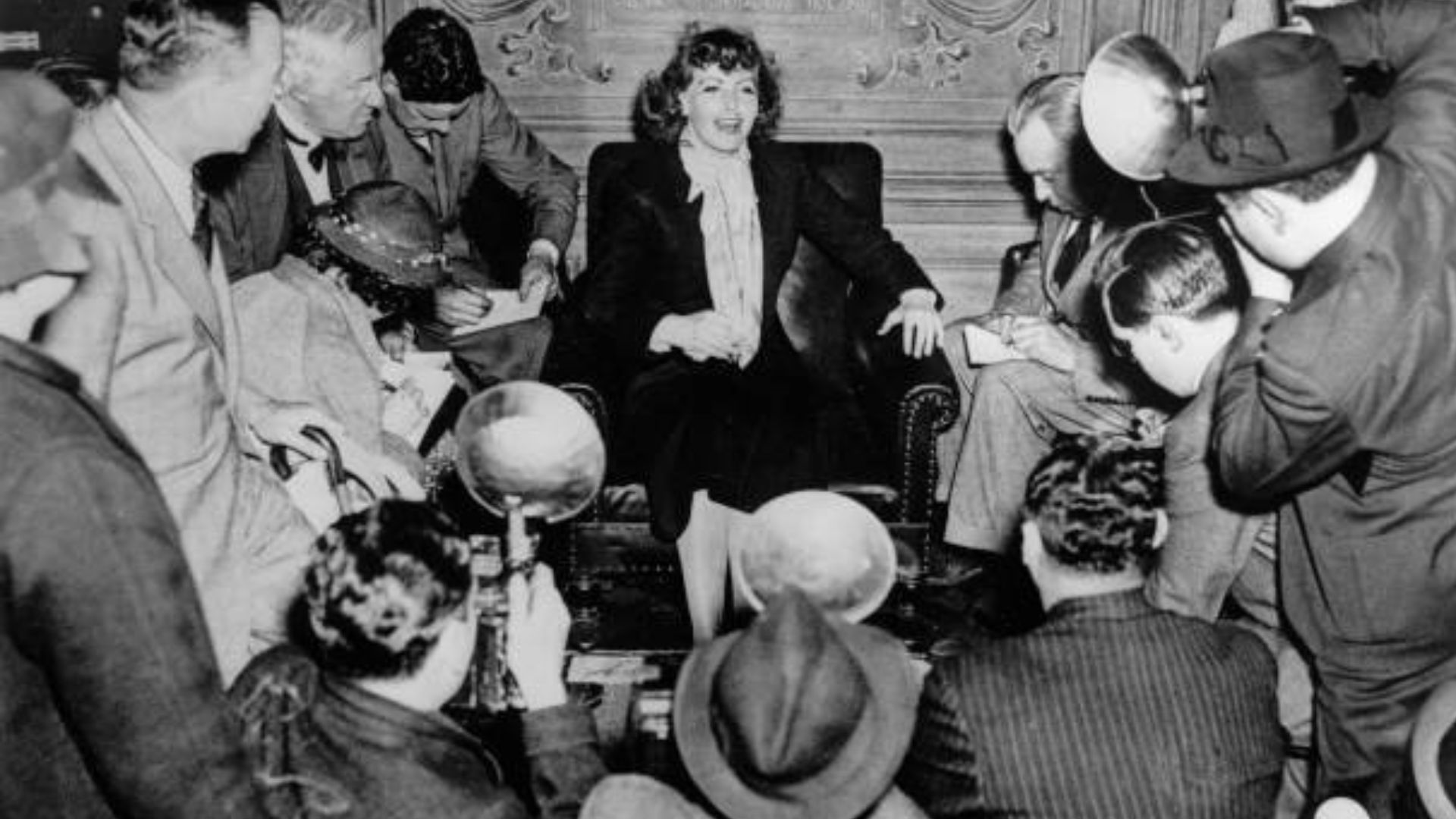 Unknown authorUnknown author, Wikimedia Commons
Privacy Became A Daily Struggle
Unlike many stars, Garbo actively resisted interviews and photo calls. Her insistence on privacy clashed with Hollywood norms and turned simple routines into negotiations. Protecting her inner life required constant vigilance, which further isolated her from an industry built on access and relentless exposure demands.
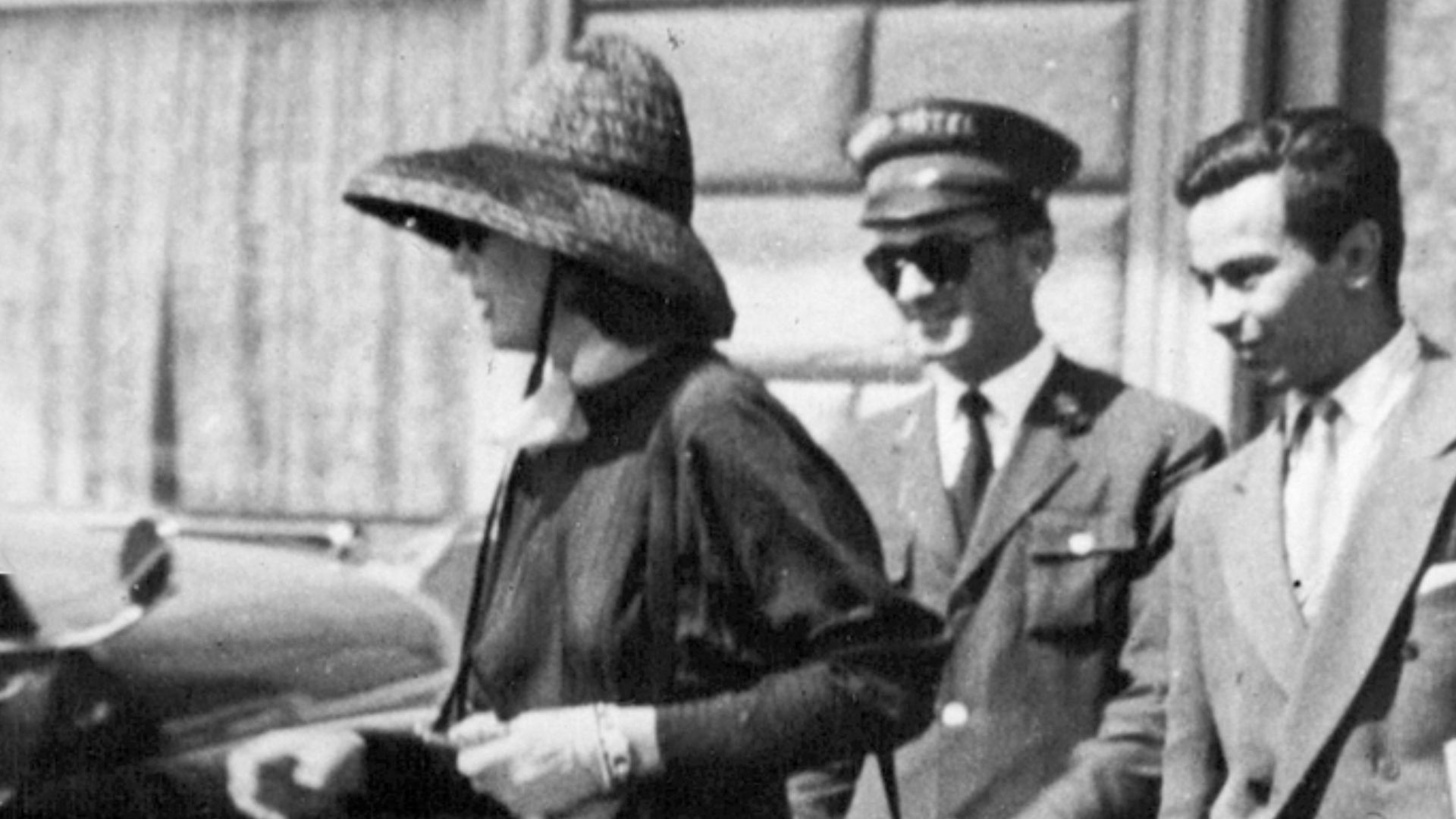 Unknown photographer, Wikimedia Commons
“I’m Only A Circus Lady”
In one of her letters to a friend, Garbo once described herself as a “circus lady”. The phrase captured her belief that fame turned her private existence into entertainment. Audiences watched her every move. However, they ignored the person beneath the carefully maintained image she never fully controlled.

Curiosity Turned Into Invasion
Public fascination with Garbo gradually crossed into intrusion. Reporters scrutinized her habits and invented narratives to fill gaps she refused to explain. What began as admiration evolved into entitlement that left her feeling surveilled rather than celebrated during much of her career.
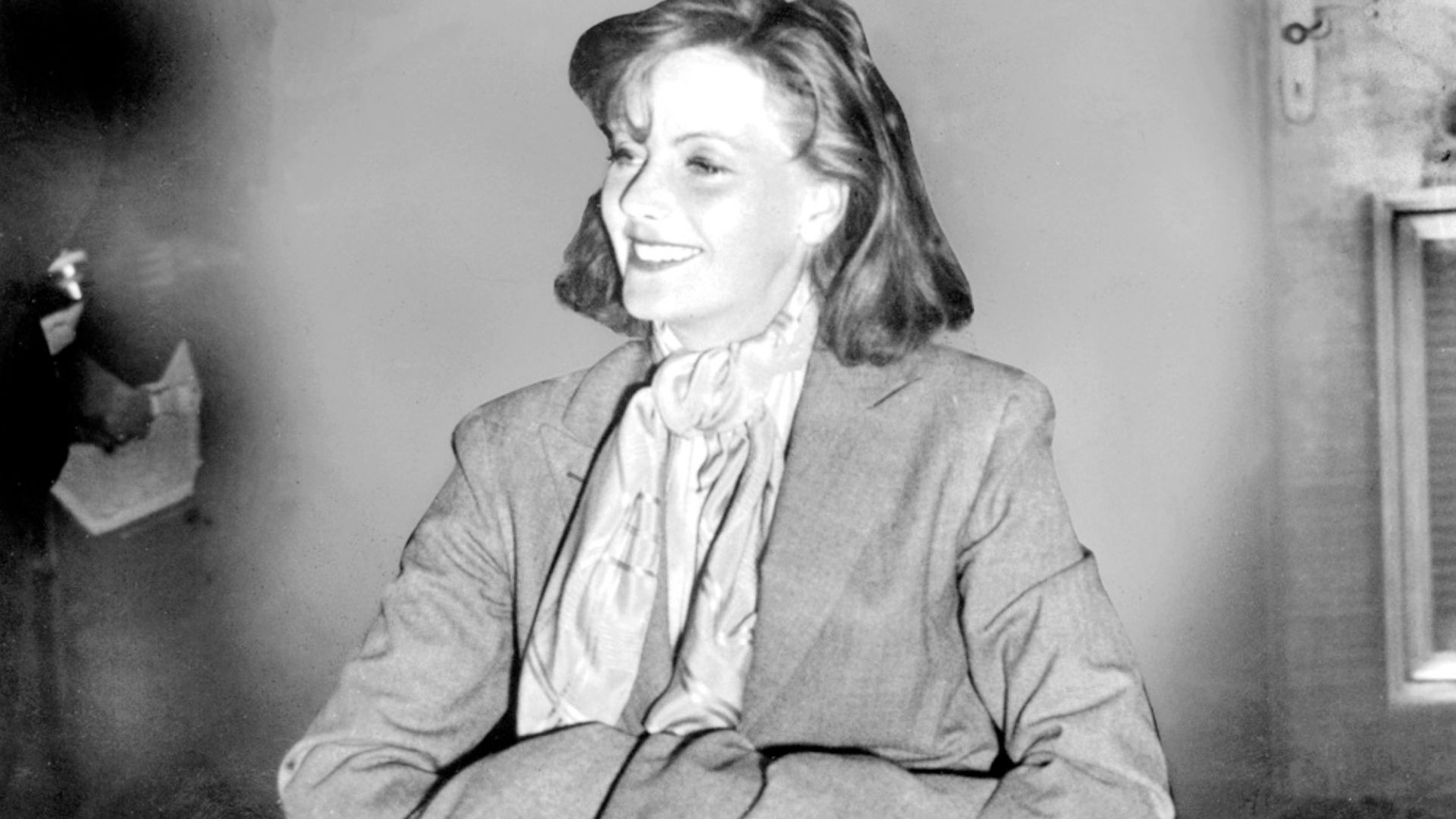 Unknown authorUnknown author Scanpix, Wikimedia Commons
A Public Obsession With Her Identity And Love Life
Garbo’s refusal to marry or conform to expectations fueled relentless speculation about her personal relationships. Hollywood gossip columns dissected her friendships and rumored romances. Treating her private life as public property and questioning her identity would follow her long after leaving the screen.
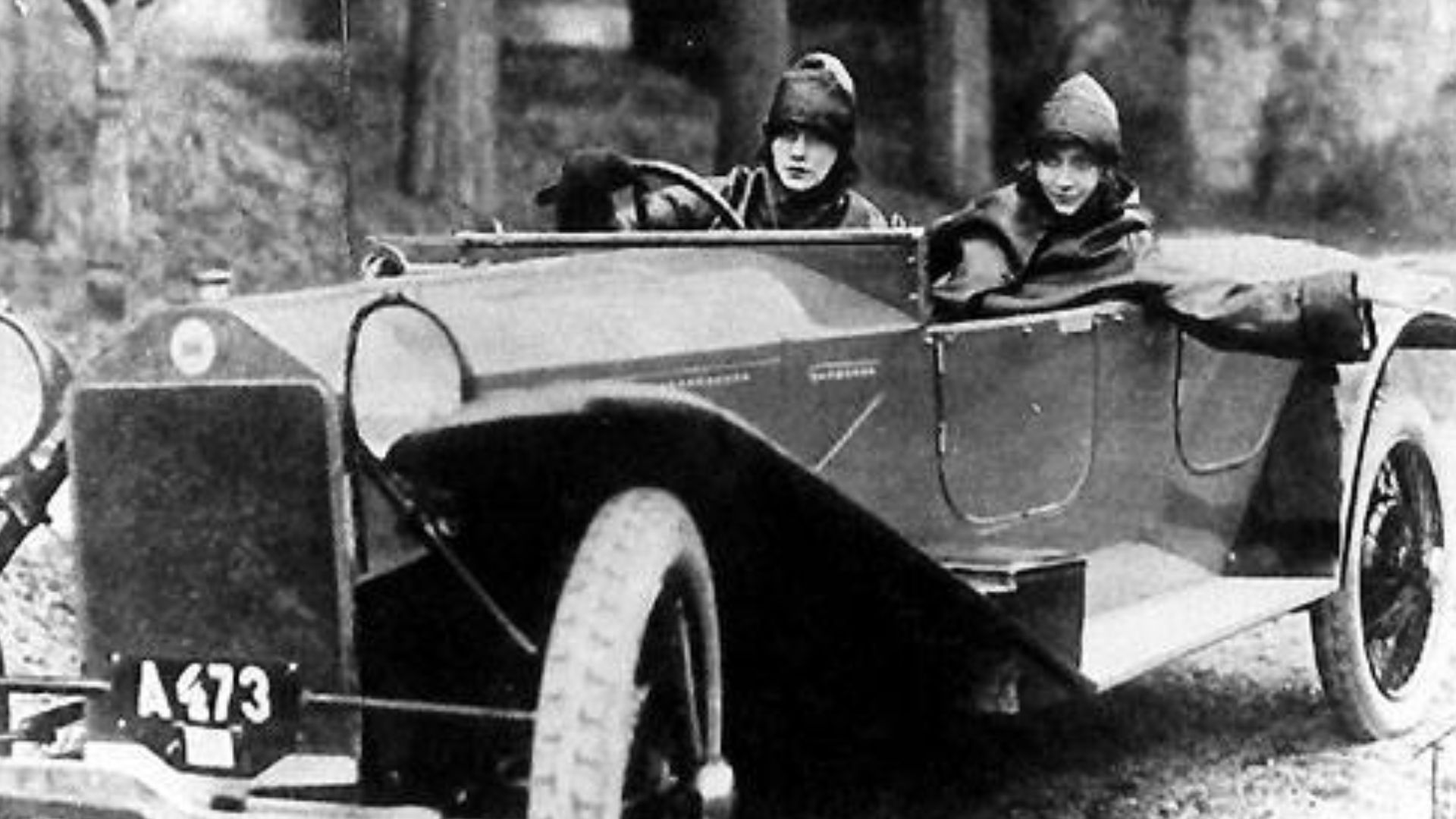 Unknown photographer, Wikimedia Commons
Suspected Of Secrets Beyond The Screen
During WWII, Garbo’s international ties and reclusive behavior sparked unfounded suspicions that she might be involved in espionage. Though never substantiated, the rumors reflected broader paranoia of the era and added another layer of scrutiny to a woman already struggling under constant observation.
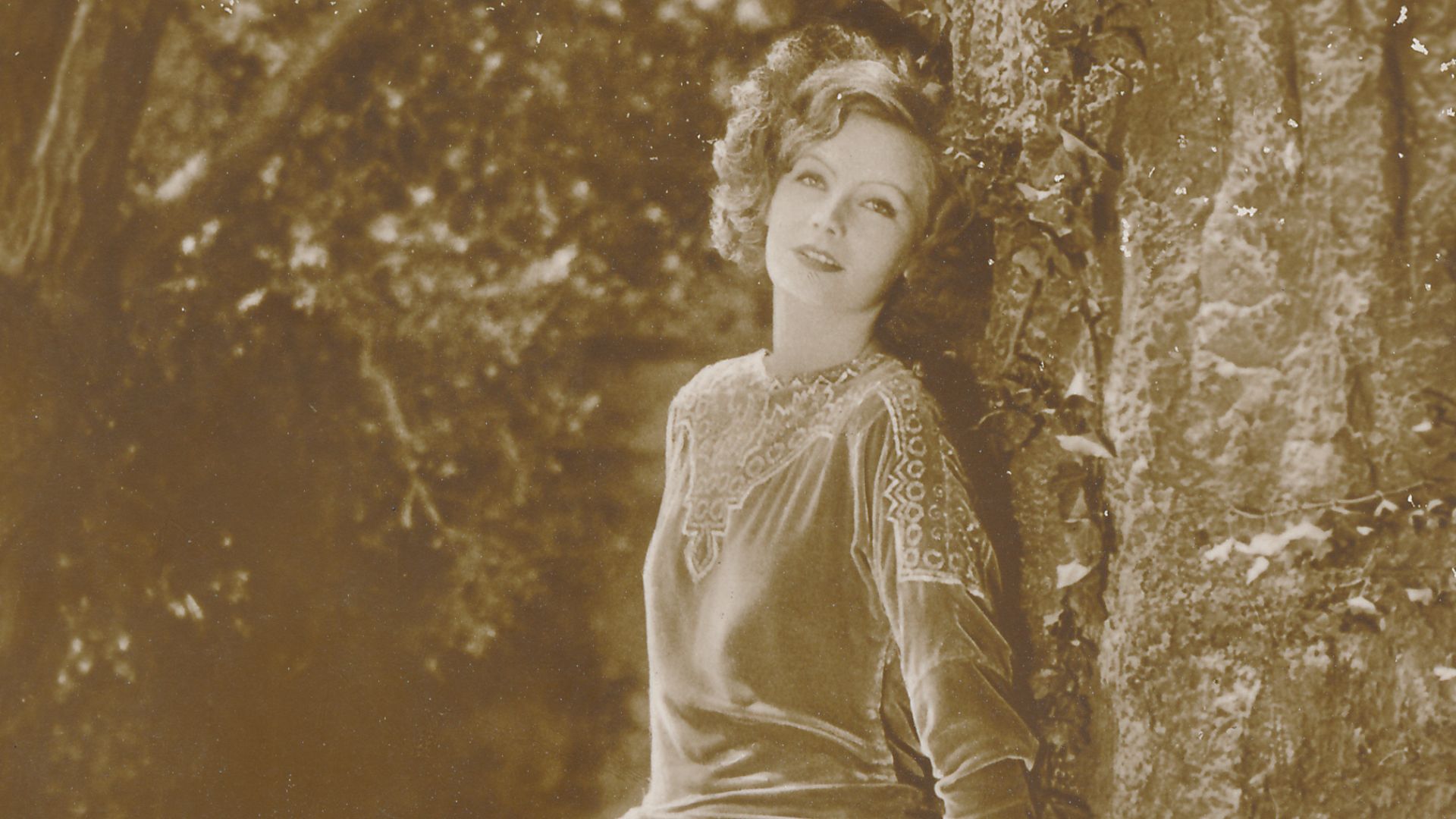 Ross-Verlag, Wikimedia Commons
Fighting MGM For Respect And Fair Pay
Garbo quietly but firmly challenged MGM over salary and creative control to become one of the highest-paid actresses of her time. Such negotiations were rare for women then and helped reshape industry norms, though they also fueled her reputation as uncooperative within the studio system.
 Alexander Migl, Wikimedia Commons
Branded Difficult For Wanting Control
As Garbo asserted boundaries, studio executives and the press labeled her moody and difficult. Her desire for autonomy conflicted with Hollywood’s demand for compliance. Over time, it changed self-advocacy into a liability that strained professional relationships and further distanced her from the industry.
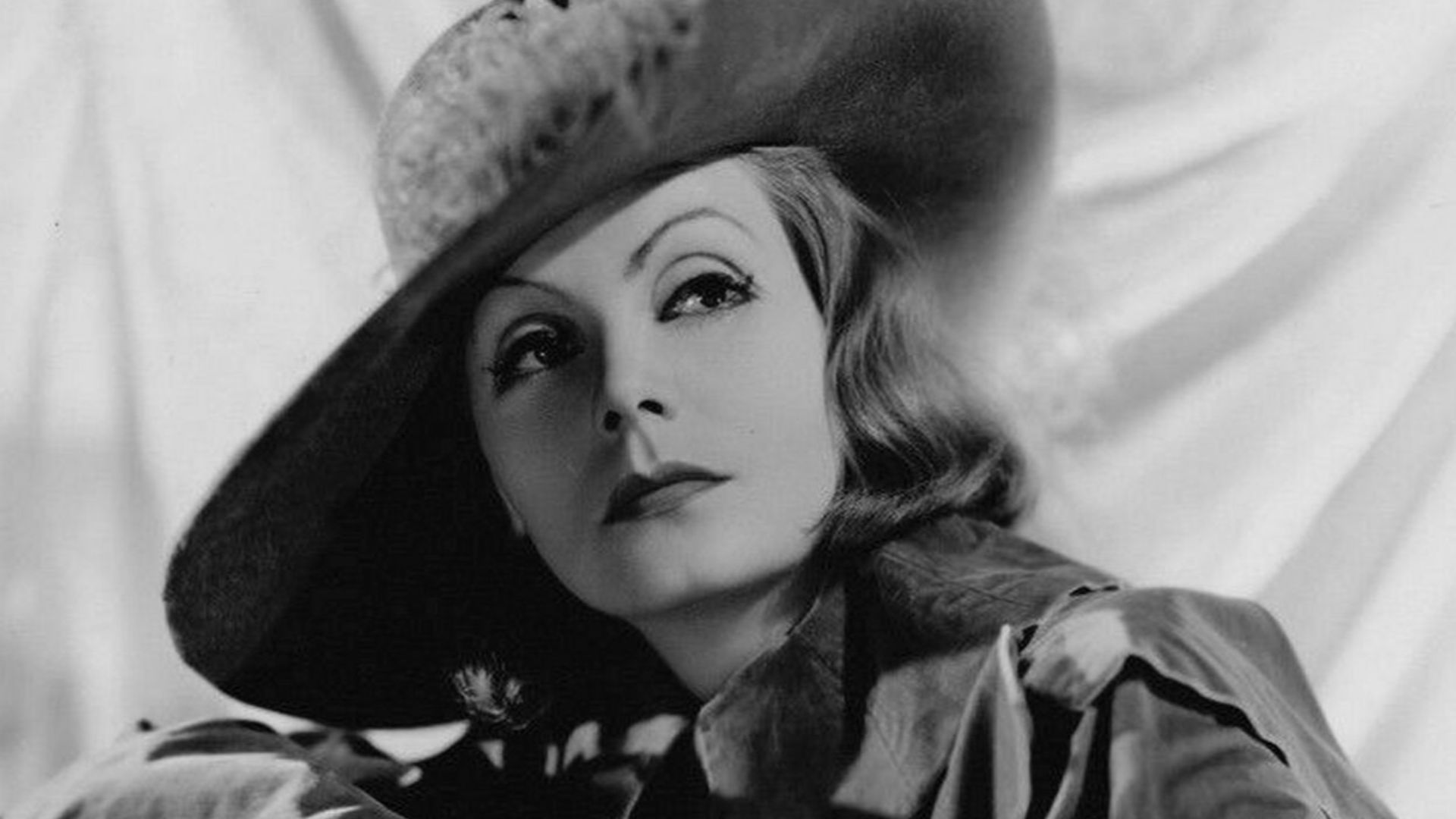 Unknown authorUnknown author, distributed by: Metro-Goldwyn-Mayer, Wikimedia Commons
Moodiness And Emotional Collapse
Years of pressure took a visible toll on Garbo’s emotional well-being. Colleagues noted mood swings and withdrawal. Additionally, modern historians suggest burnout played a major role in her disillusionment with acting, long before she chose to walk away completely.
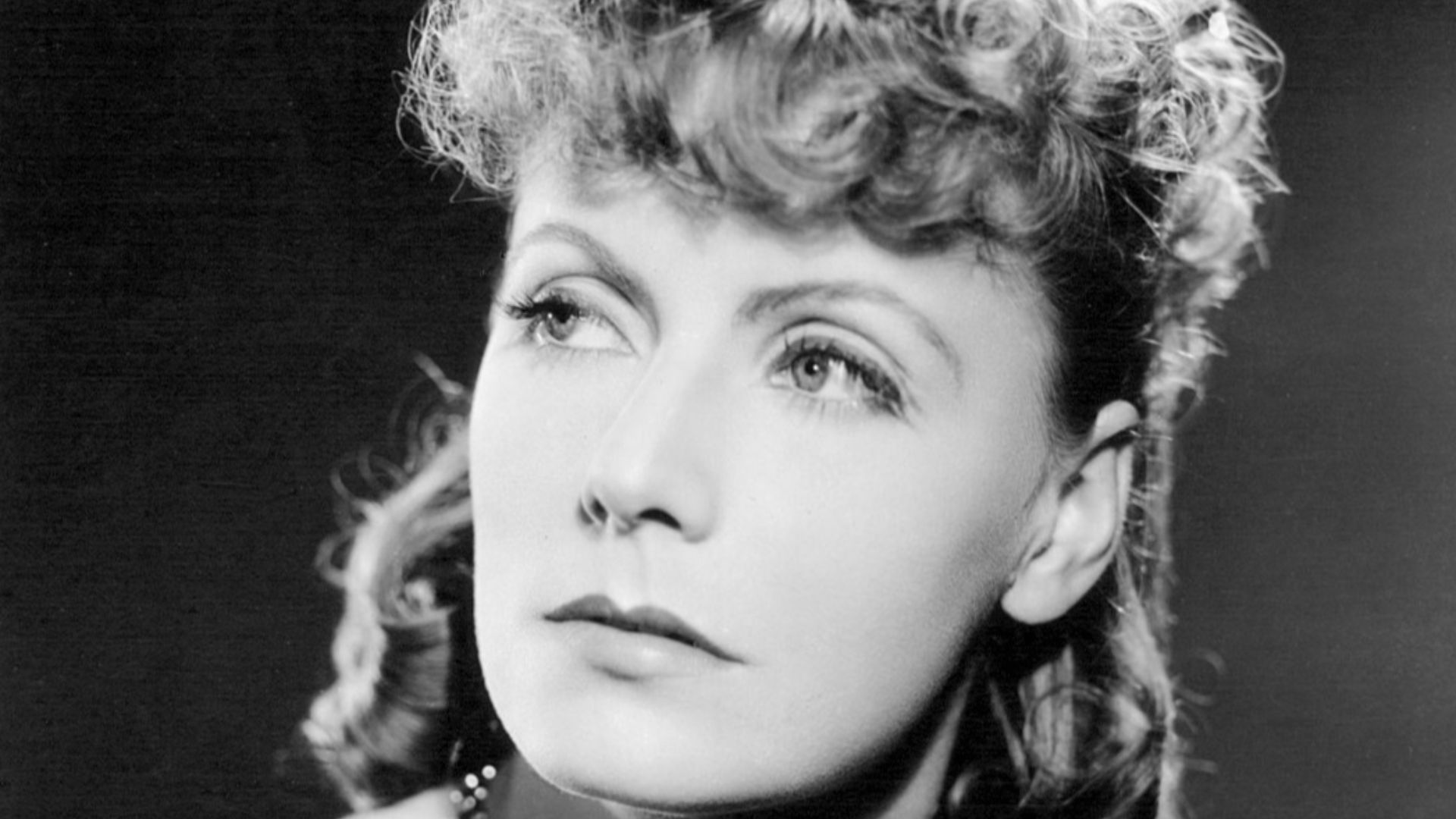
Rumors Of Depression And Bipolar Disorder
Throughout her life, Garbo was the subject of speculation about her mental health, including rumors of depression and bipolar disorder. Although no formal diagnosis was ever made public, her documented mood fluctuations and withdrawals have led historians to discuss her struggles with emotional stability cautiously.
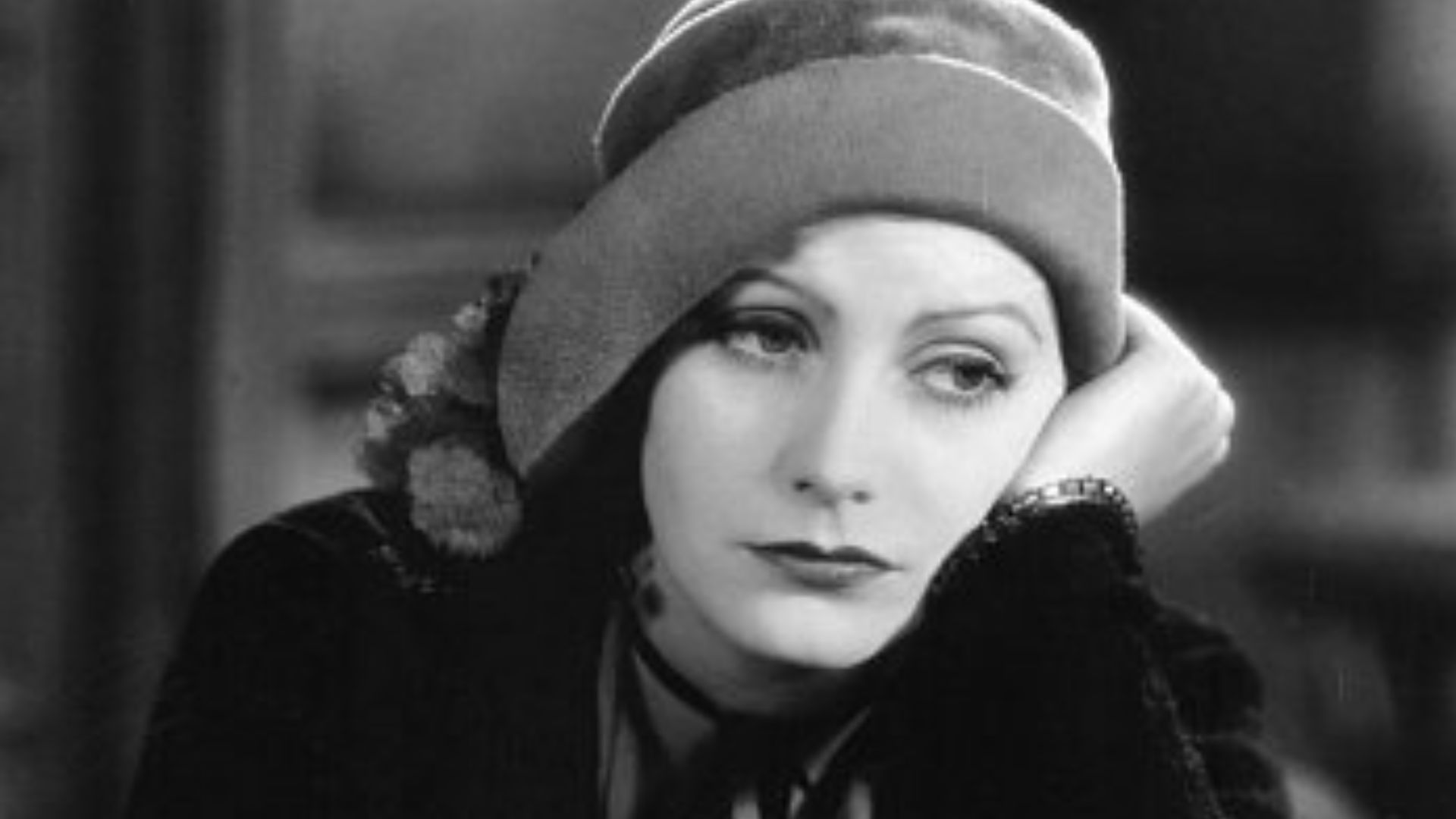 Metro-Goldwyn-Mayer (work for hire), Wikimedia Commons
The Abrupt Exit That Shocked Hollywood
In 1941, at just 36, Garbo abruptly retired after the release of Two-Faced Woman. The decision stunned Hollywood, as she was a major box office draw in the previous decade. Refusing comebacks or explanations, she chose departure over compromise and ended her career on her own terms.
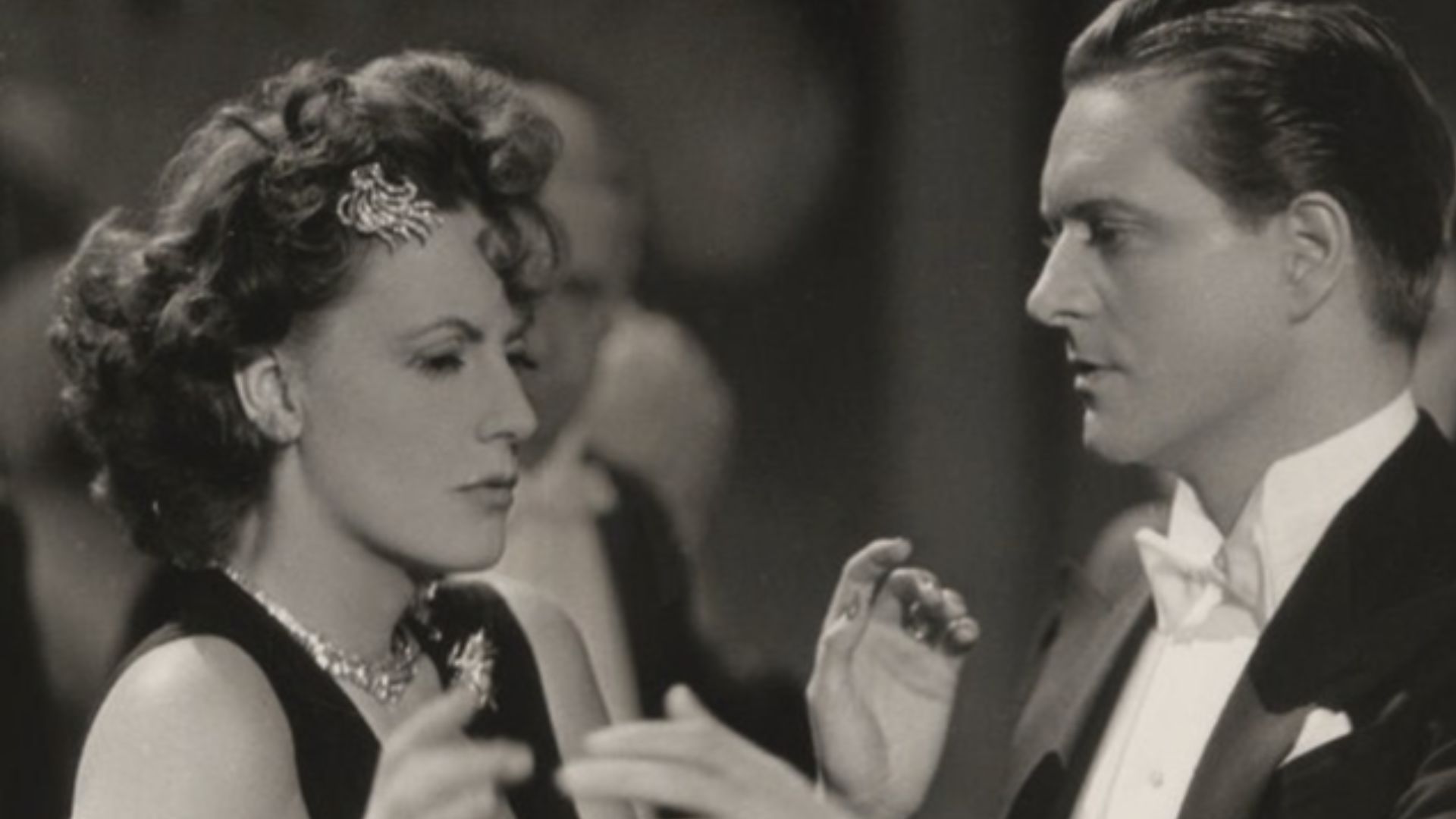 unknown (MGM), Wikimedia Commons
A Life Chosen In Solitude And Silence
After leaving Hollywood, Garbo lived quietly in New York City, avoiding publicity and maintaining a small circle of trusted friends. She never returned to acting, rarely gave interviews, and deliberately distanced herself from public life. The star finally embraced anonymity after years of relentless exposure and expectations.

Boundaries Violated Even After She Disappeared
Despite her retreat, Garbo’s image continued to be exploited. Footage of her walking was used in an X-rated production without her consent, which highlighted how little control the industry offered her. Even in her absence, her boundaries remained vulnerable to violation.
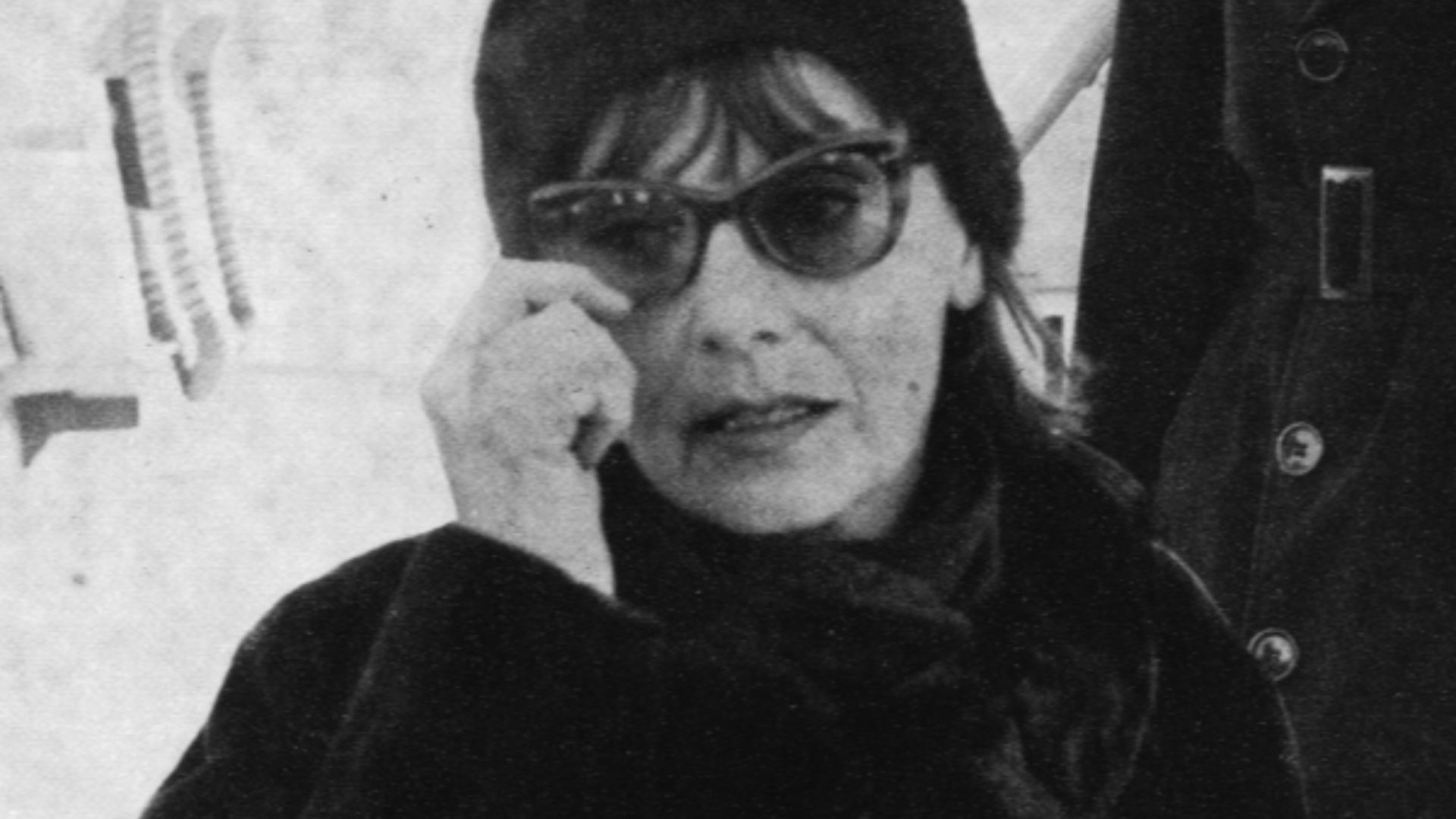 Unknown authorUnknown author, Wikimedia Commons
A Legacy Left Unresolved
Later in life, Garbo battled cancer and other health issues while remaining intensely private. She never married, had no children, and lived alone for decades. When she passed away in 1990, she left behind a legacy defined by brilliance and unanswered questions.
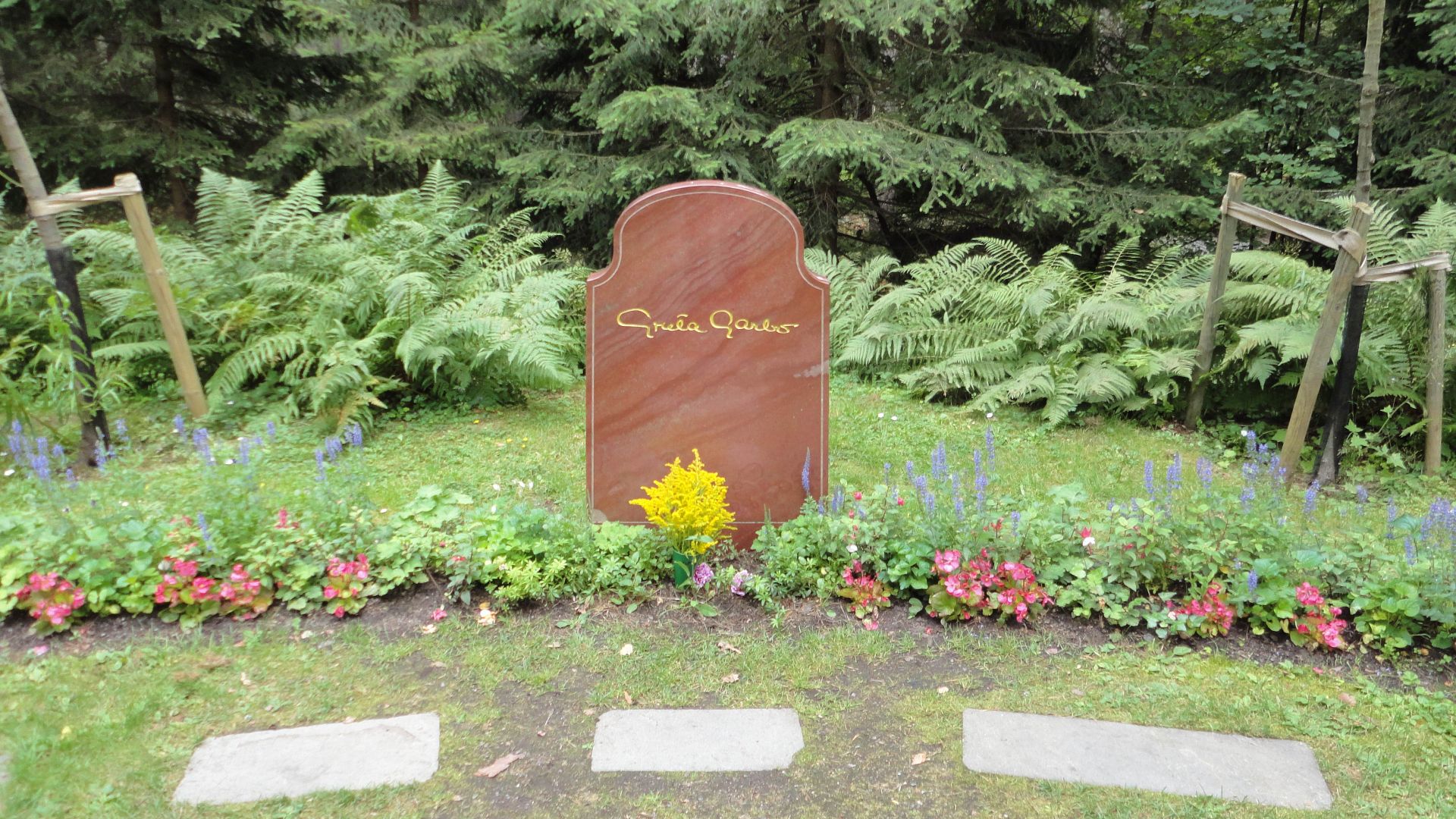 Sergey Popov, Wikimedia Commons