An Unlikely Leading Man
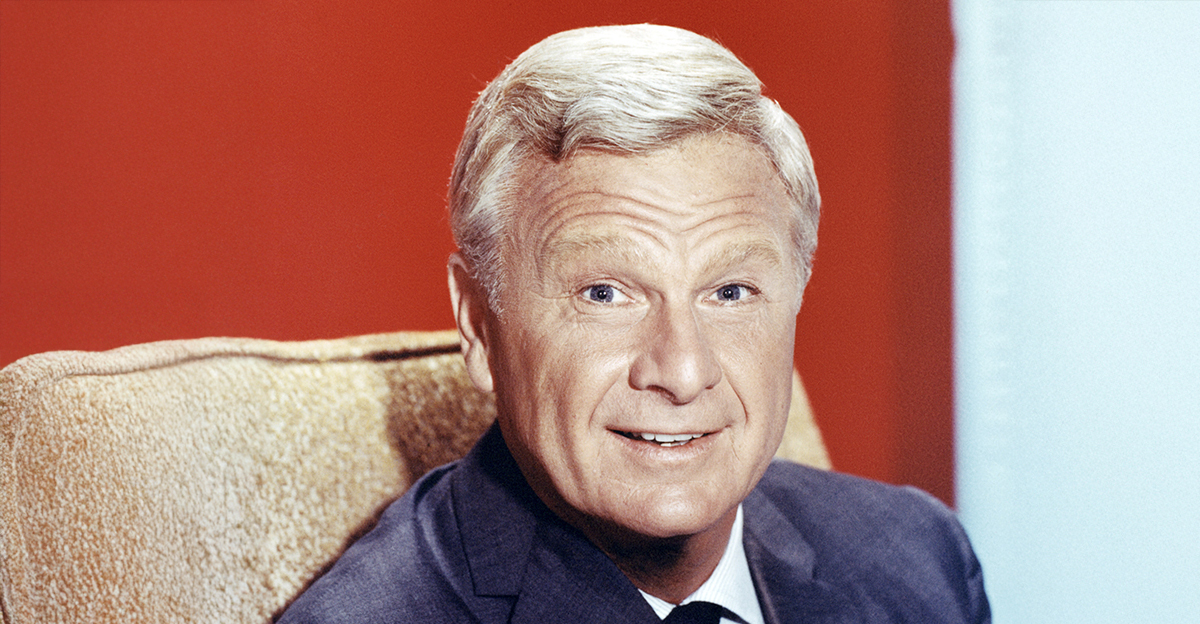
Few television stars had a life story as unusual as Eddie Albert's. Before becoming the straight-faced anchor of Green Acres (1965–1971), he survived combat in World War II, navigated Hollywood's blacklist era through turbulent political controversies, and built a career that defied the typical image of a television leading man.
Midwest Roots
Eddie Albert was born Edward Albert Heimberger on April 22, 1906, in Rock Island, Illinois, and grew up in Minneapolis, Minnesota. He initially pursued journalism and business before it dawned on the thunderstruck young man that performing offered a more exciting future than the conventional career paths available to him. He decided it was worth a try.
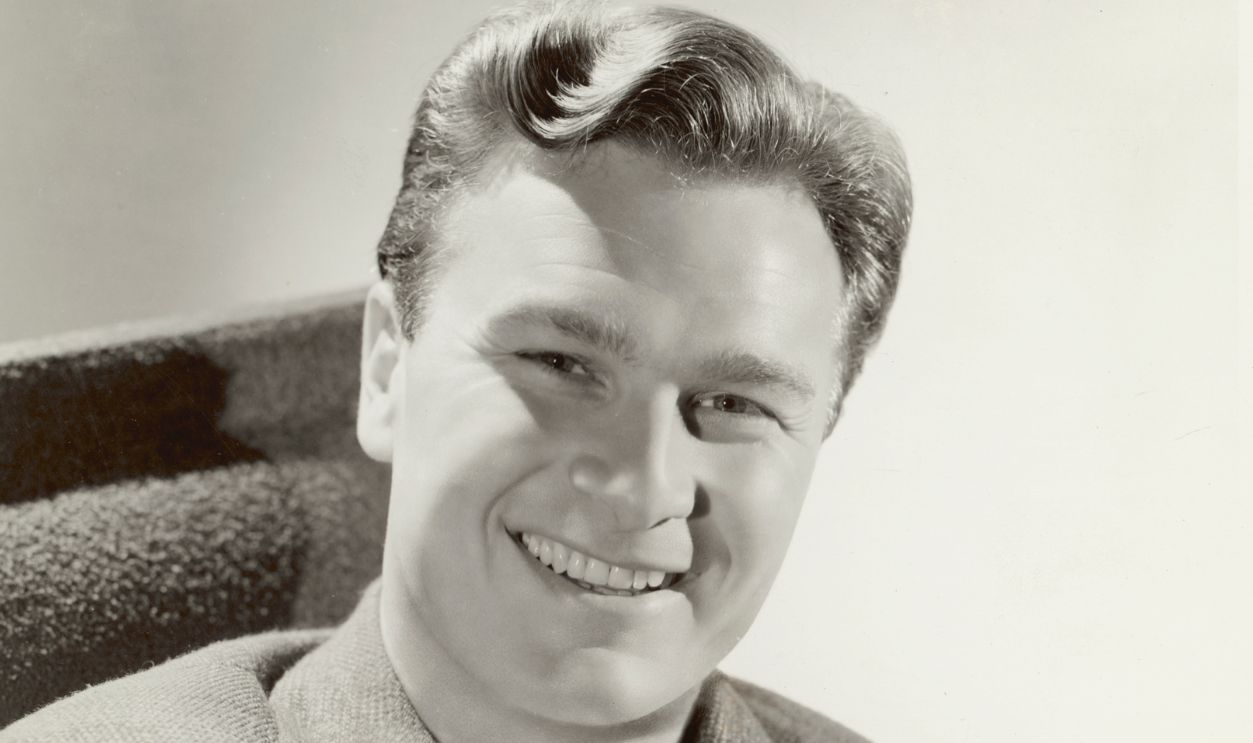 John Springer Collection, Getty Images
Early Radio Success
Albert found his first major opportunities in radio during the 1930s. His pleasant voice and natural delivery helped him stand out in a rapidly growing industry. Radio exposure introduced him to national audiences and provided valuable experience that would serve him throughout his career.
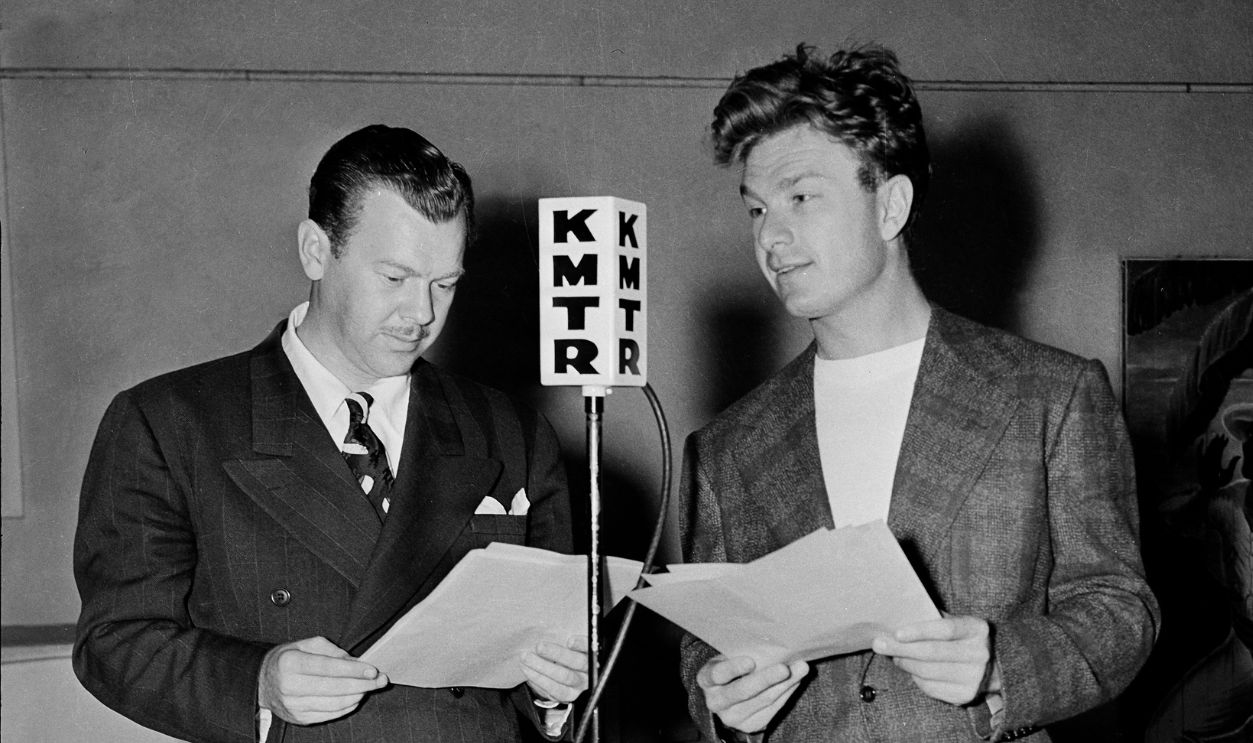 Michael Ochs Archives, Getty Images
Broadway Beckons
Before Hollywood came calling, Albert developed his skills on the New York stage. His work in theater demonstrated versatility and professionalism, qualities that producers would later appreciate. Unlike many future stars, he arrived in films with years of performance experience already behind him.
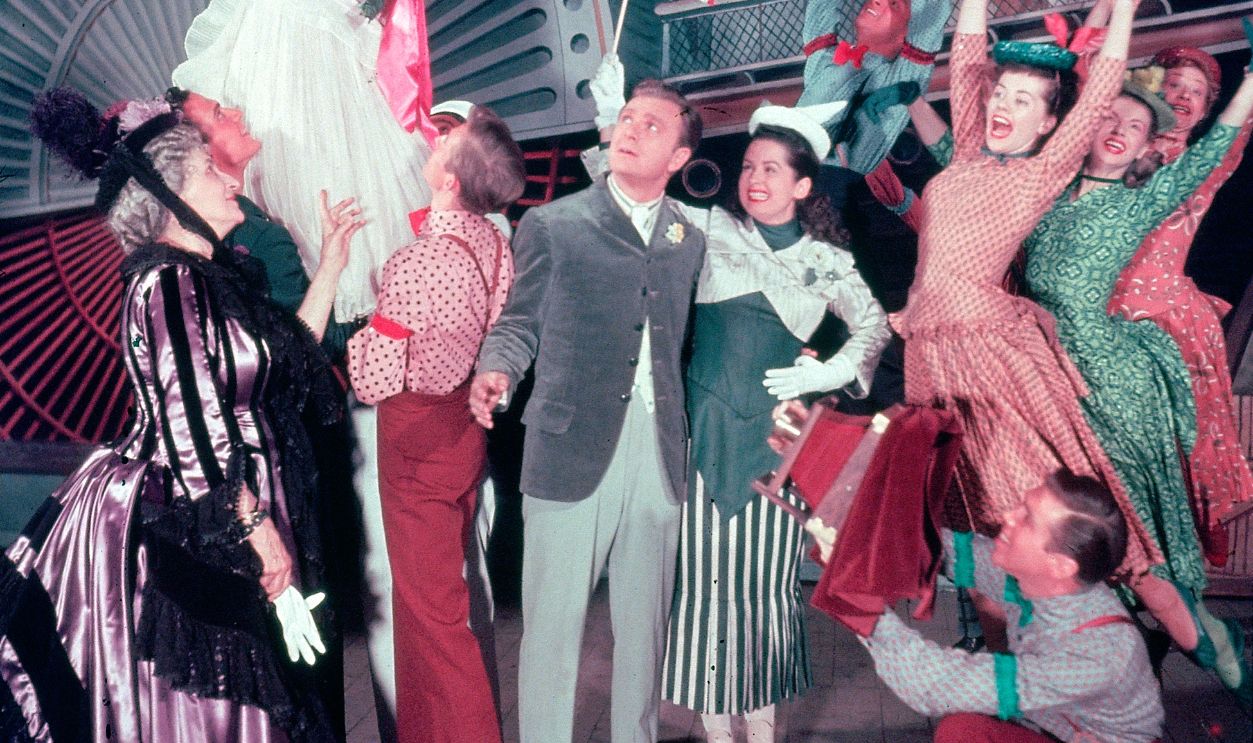
Hollywood Arrival
Albert made an immediate impression in films with his screen debut in Brother Rat (1938) co-starring Ronald Reagan, Priscilla Lane, and Jane Wyman. His performance as a happy-go-lucky military cadet earned him attention as a promising young actor. While he possessed leading-man looks, his intelligence and understated style often distinguished him from more conventional movie stars.
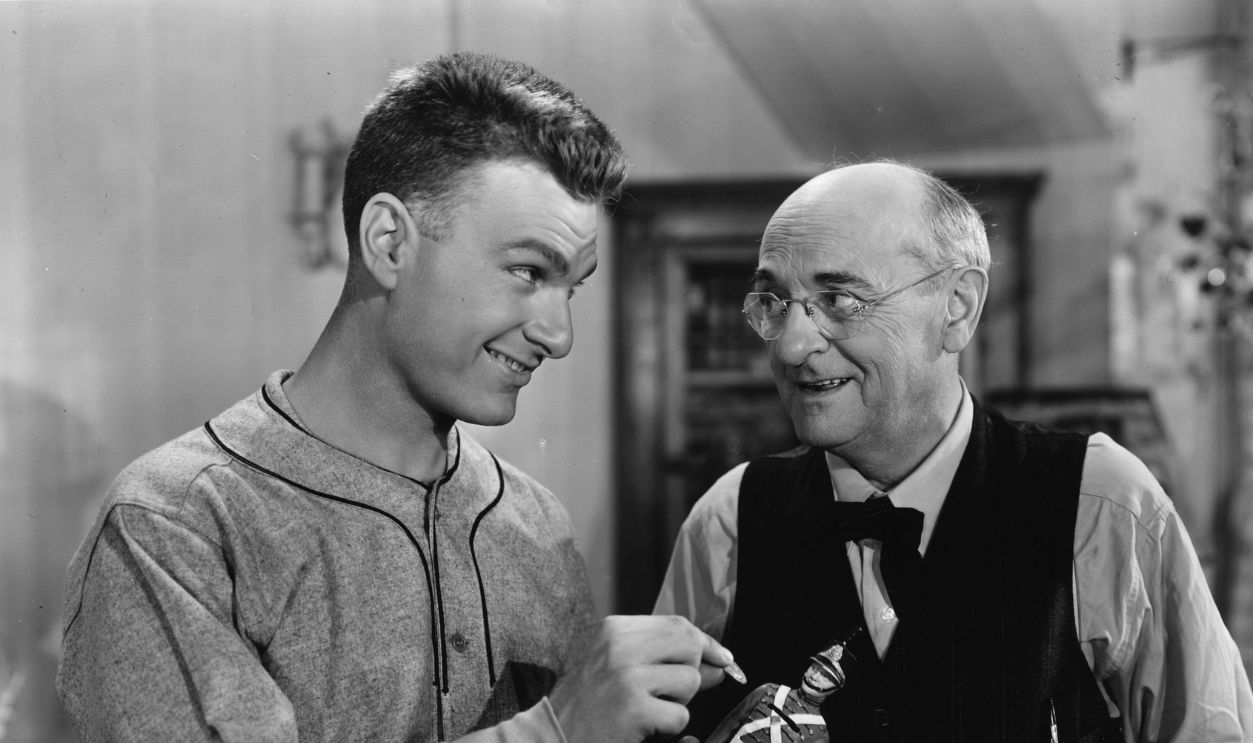
Wartime Interruption
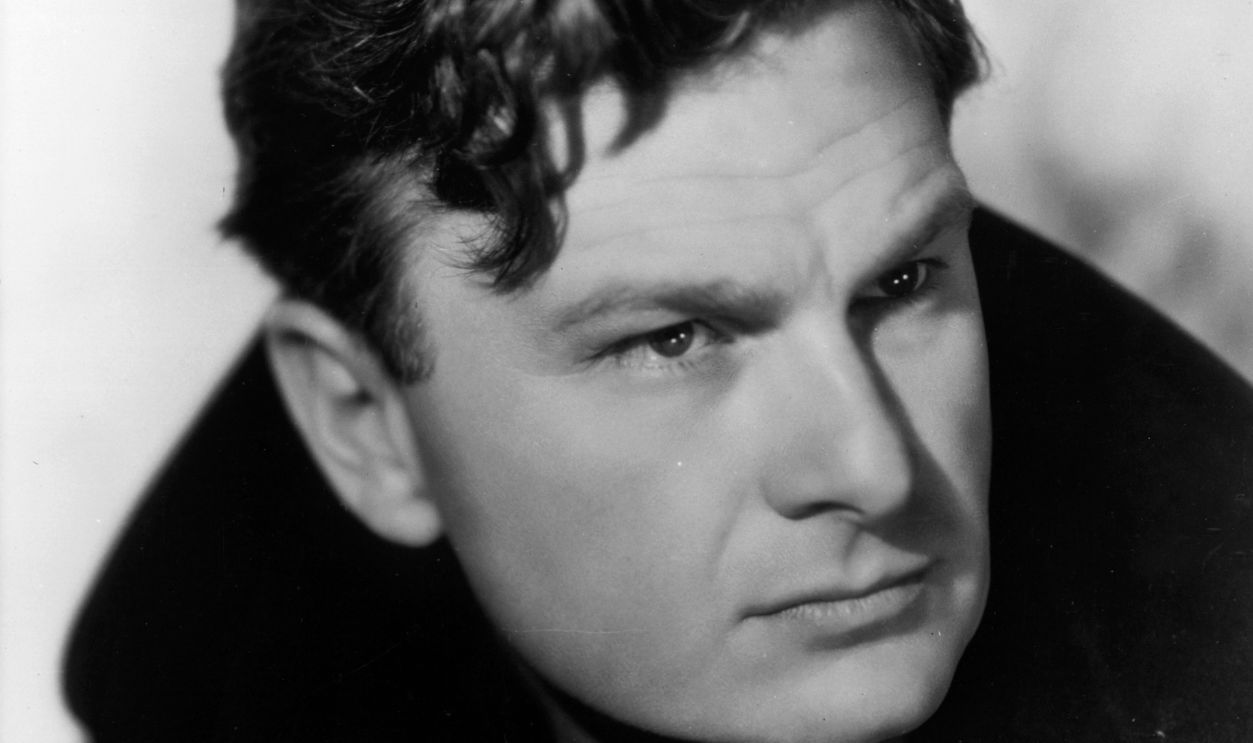
Like many actors of his generation, Albert's career was interrupted by World War II. Rather than remain safely in Hollywood, he entered military service. The experience would become one of the defining chapters of his life and later influence how he was viewed in postwar America.
 American Stock Archive, Getty Images
Heroism At Sea
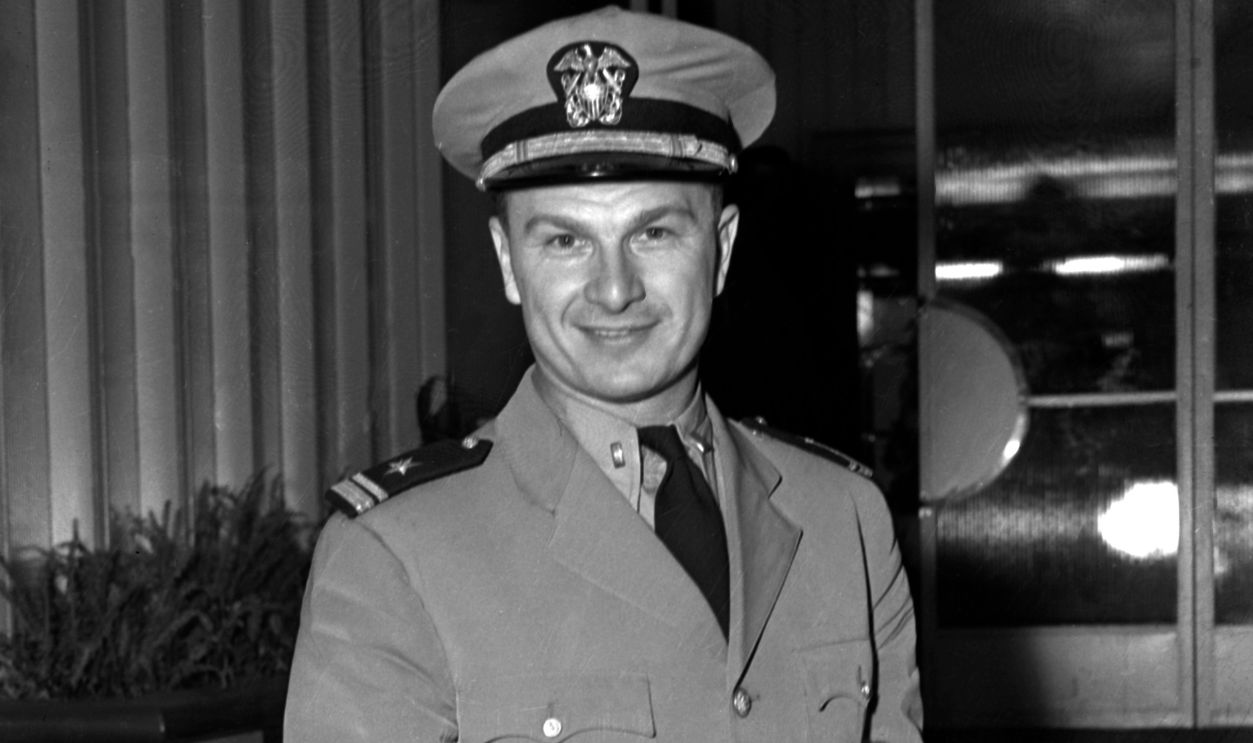
Albert served in the United States Navy during the war. During the invasion of the Pacific Island of Tarawa in 1943, he reportedly rescued wounded Marines while under enemy fire. His actions earned him a Bronze Star with Combat 'V' and established his reputation as a genuine war hero.
 Michael Ochs Archives, Getty Images
A Decorated Veteran
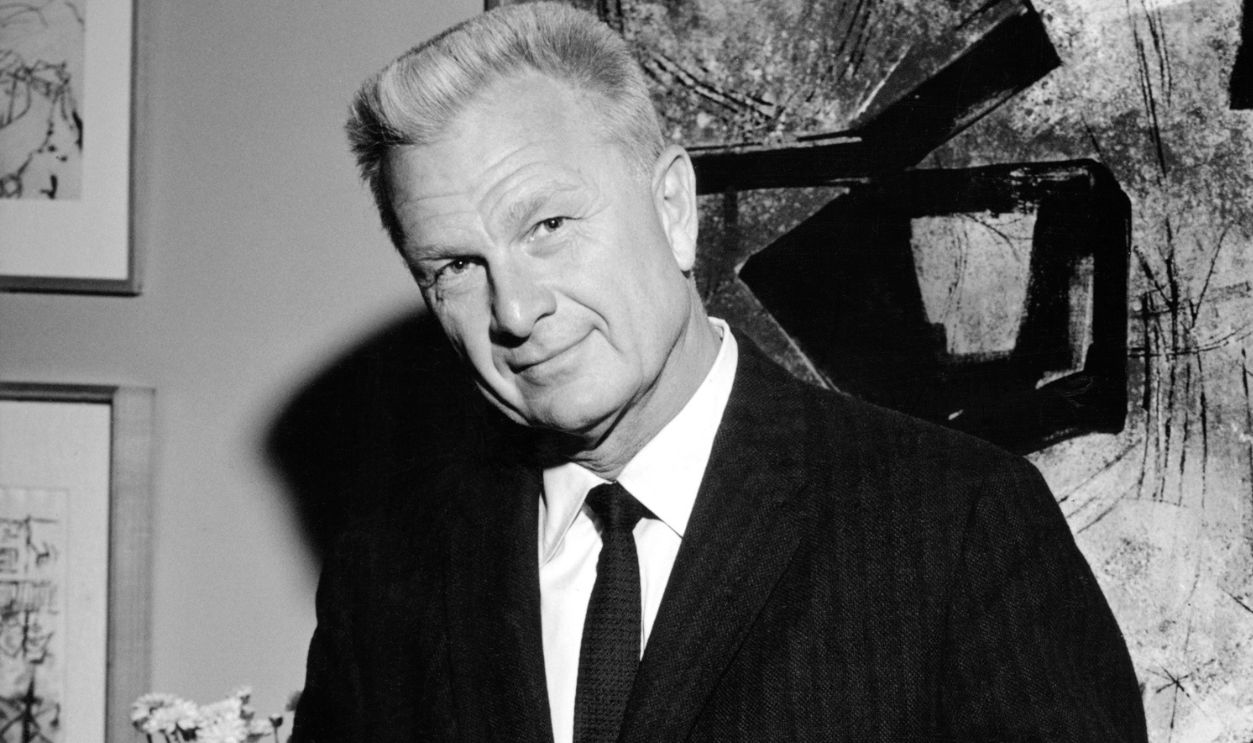
Hollywood contained many veterans after World War II, but few possessed a combat record as distinguished as Albert's. His military decorations carried enormous weight during the patriotic atmosphere of the late 1940s and early 1950s, when political loyalty became a major public concern.
Marriage To Margo
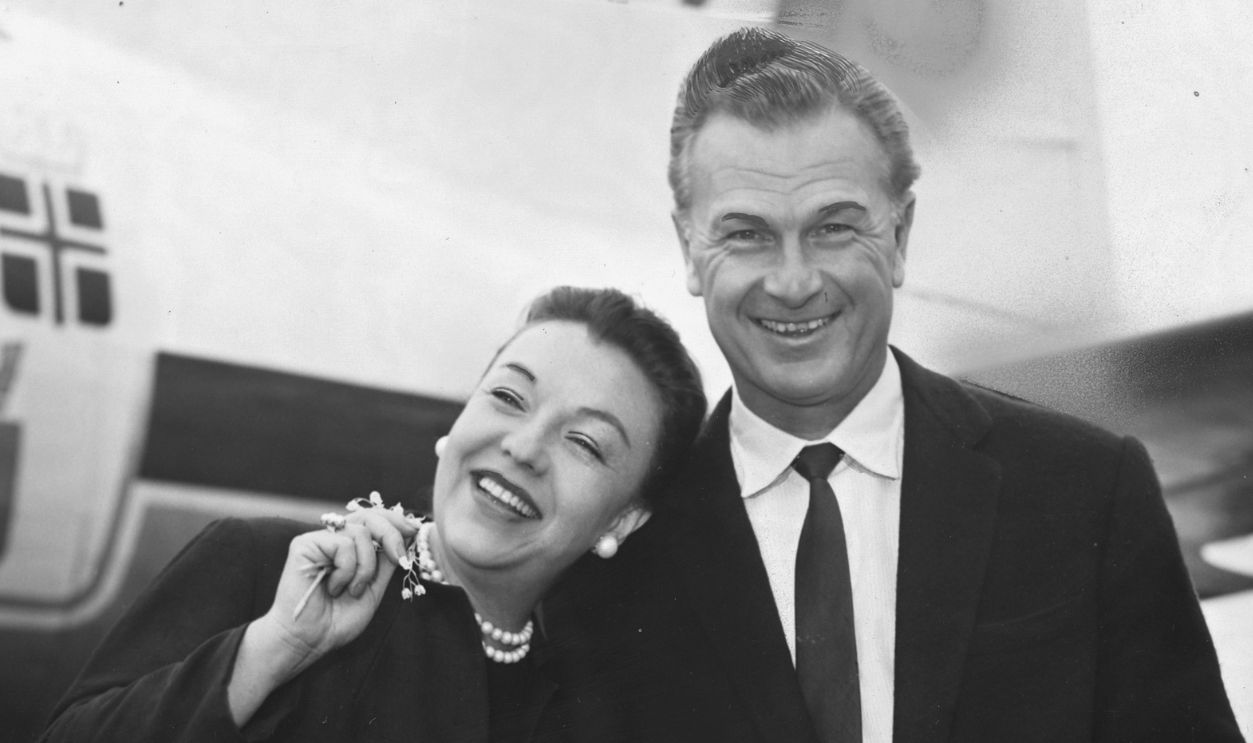
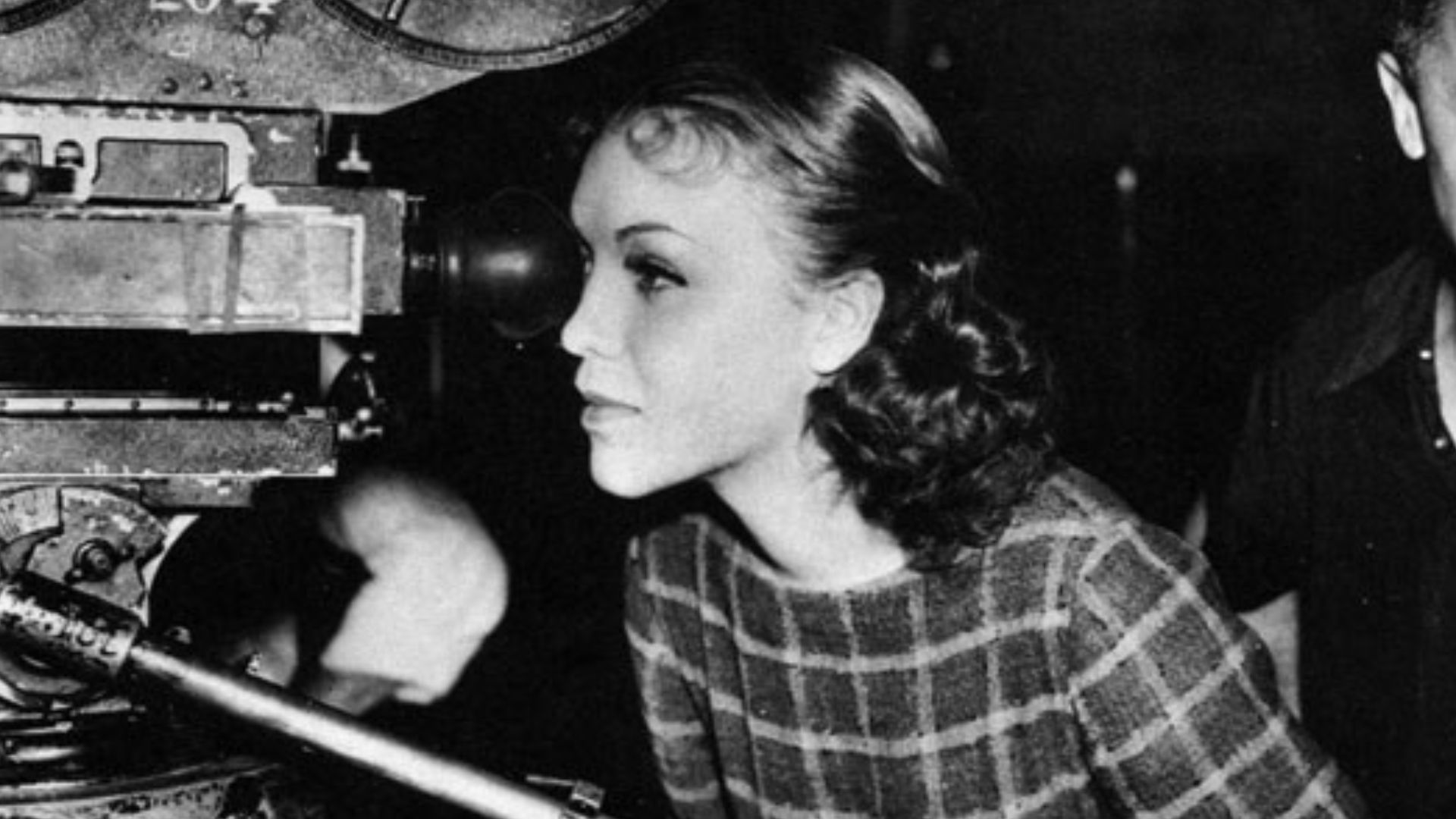
In 1945, Albert married actress Margo, a talented performer born in Mexico who had enjoyed a successful film career. Their marriage lasted for decades, but it would also expose them to some of the most controversial political battles that transformed Hollywood during the Cold War.
Blacklist Troubles
As anti-communist investigations swept through Hollywood during the McCarthy era, Margo became associated with organizations viewed suspiciously by investigators. Like many performers with progressive political connections, she found her career opportunities shrinking as studios grew increasingly cautious about public controversy.
 unknown (RKO Pictures), Wikimedia Commons
Different Consequences
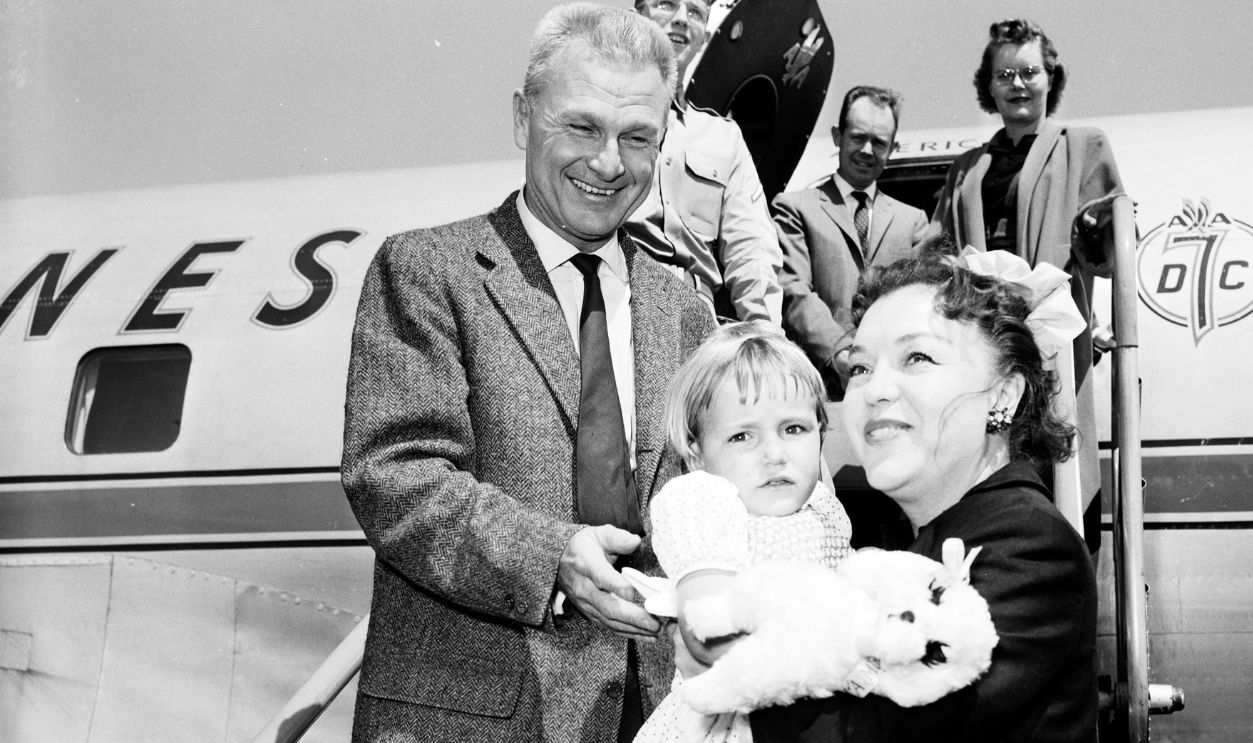
Although Margo's career suffered significantly, Eddie Albert largely avoided the worst effects of the blacklist. Historians have often pointed to his extraordinary wartime record and strong patriotic reputation as factors that helped shield him from the professional fallout facing others around him.
 University of Southern California, Getty Images
Career Continues
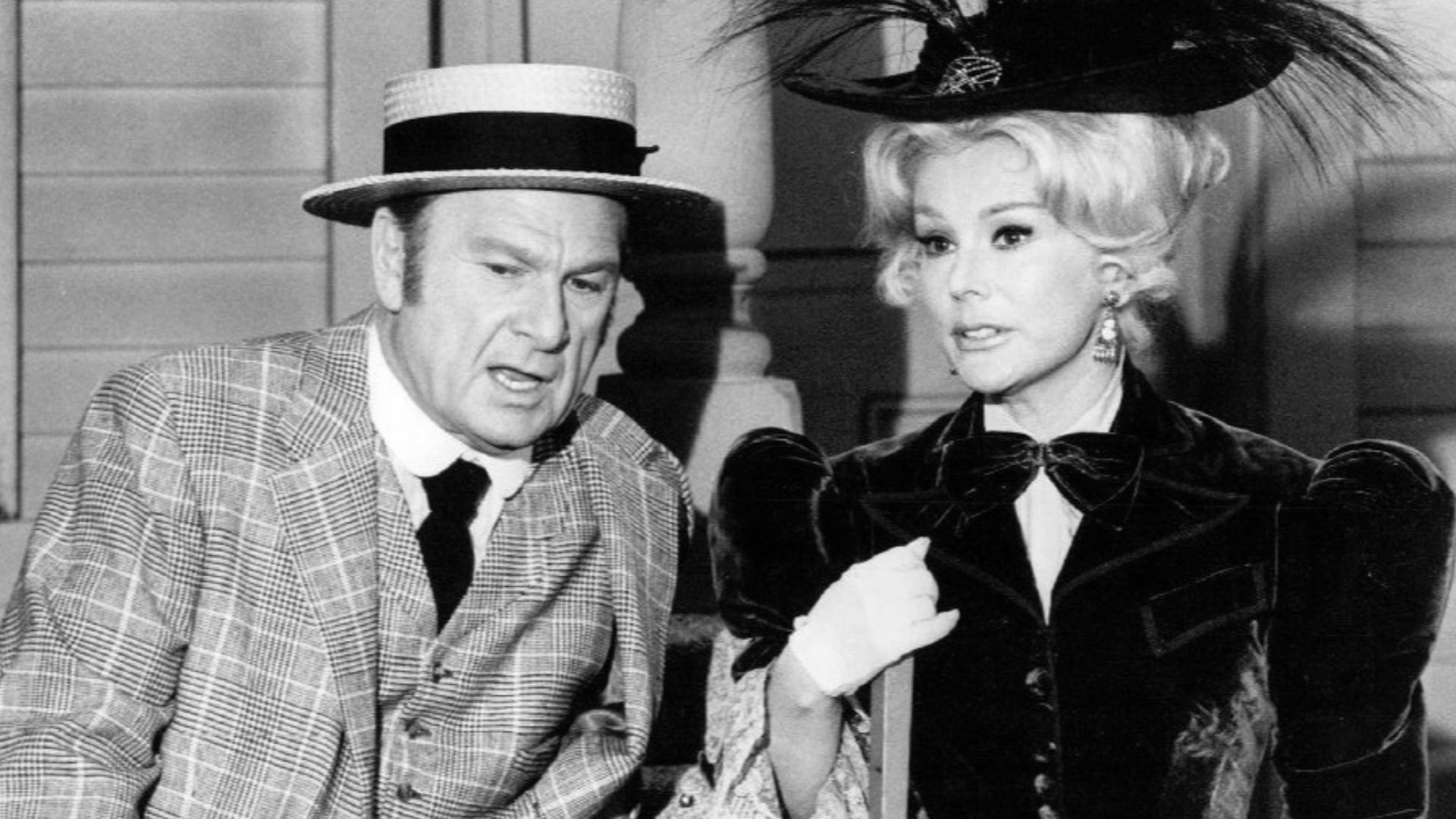
While many actors struggled to find work during the blacklist years, Albert kept himself active in films and television. His continued success was notable because his household remained closely connected to a political controversy that damaged the careers of numerous entertainers.
 CBS Television, Wikimedia Commons
Oscar Recognition
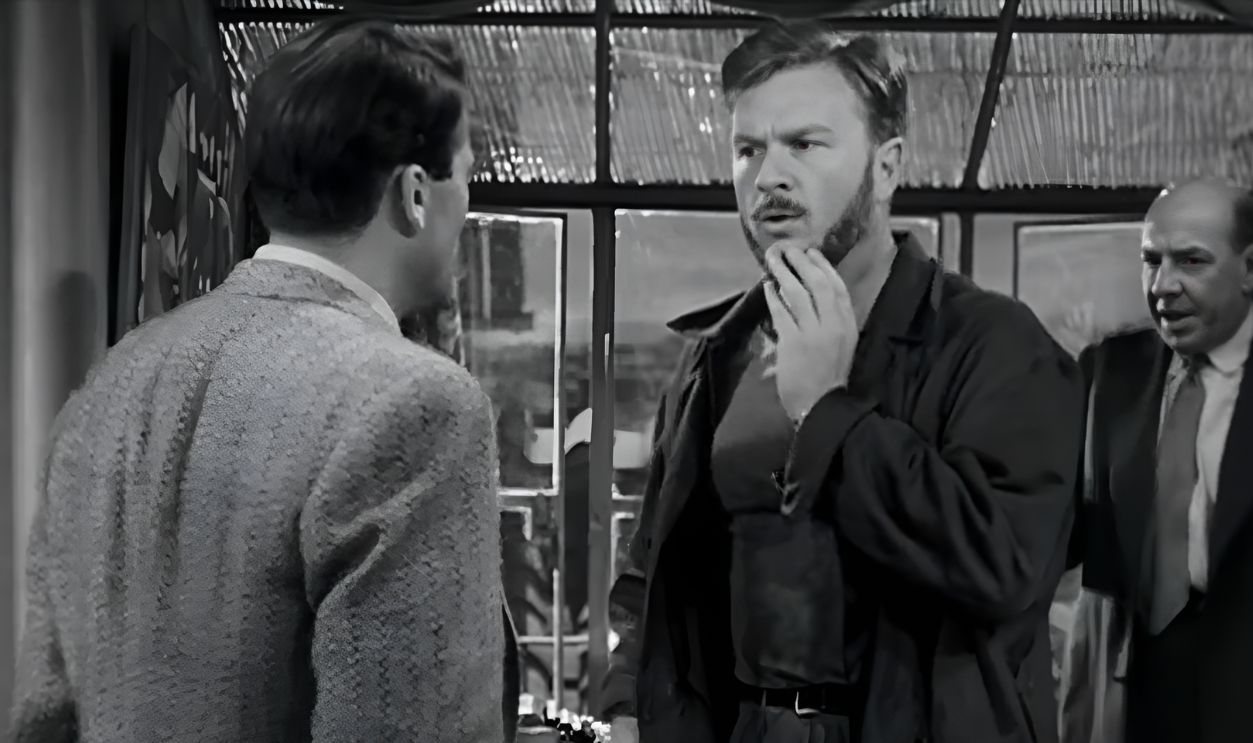
Albert earned Academy Award nominations for Roman Holiday (1953) and years later for The Heartbreak Kid (1972). These performances showcased his range and demonstrated that he could excel in both dramatic and comedic roles while maintaining his distinctive screen presence.
 Screenshot from Roman Holiday, Paramount Pictures (1953), Modified
Television Opportunities
By the early 1960s, television offered Albert a new platform. Producers recognized his reliability, maturity, and ability to play intelligent authority figures. These qualities made him a natural fit for the kind of character who would ultimately define his television legacy.
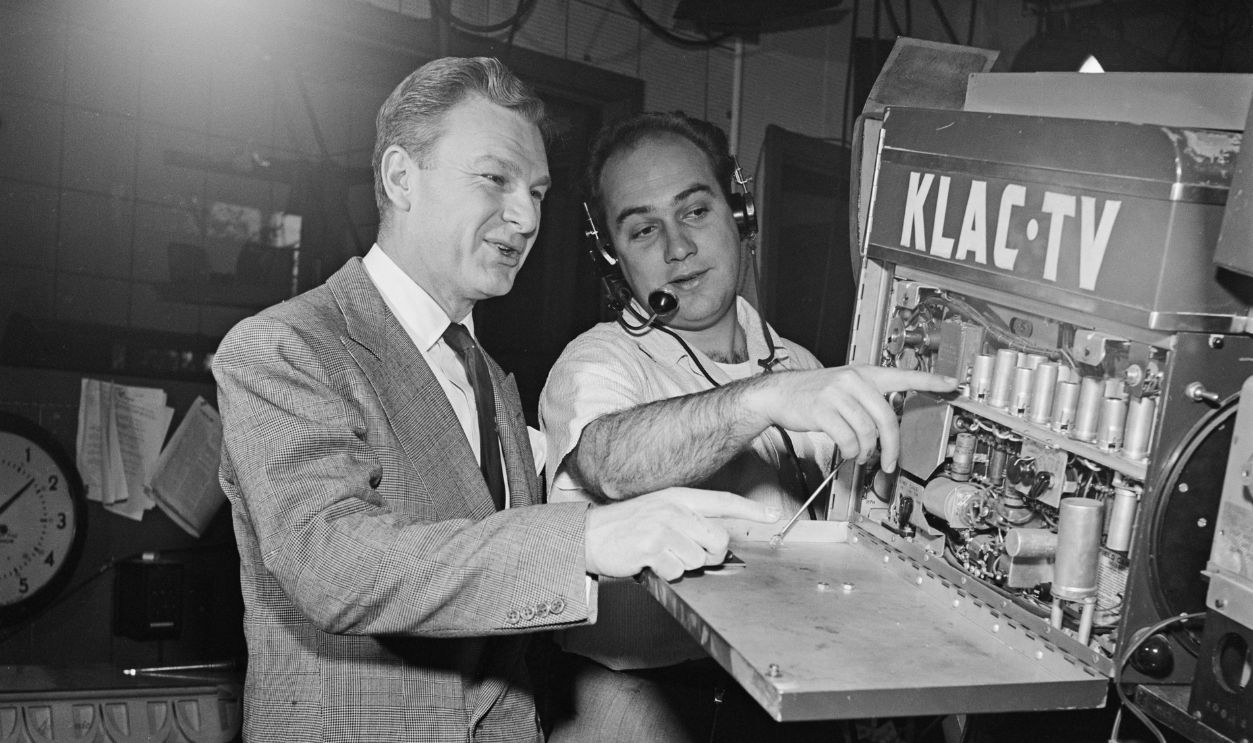
Enter Oliver Douglas
In Green Acres, Albert played Oliver Wendell Douglas, a successful New York lawyer who abandons city life to become a farmer. The premise immediately created comedy because Oliver's dreams collided constantly with the bizarre realities of rural Hooterville.
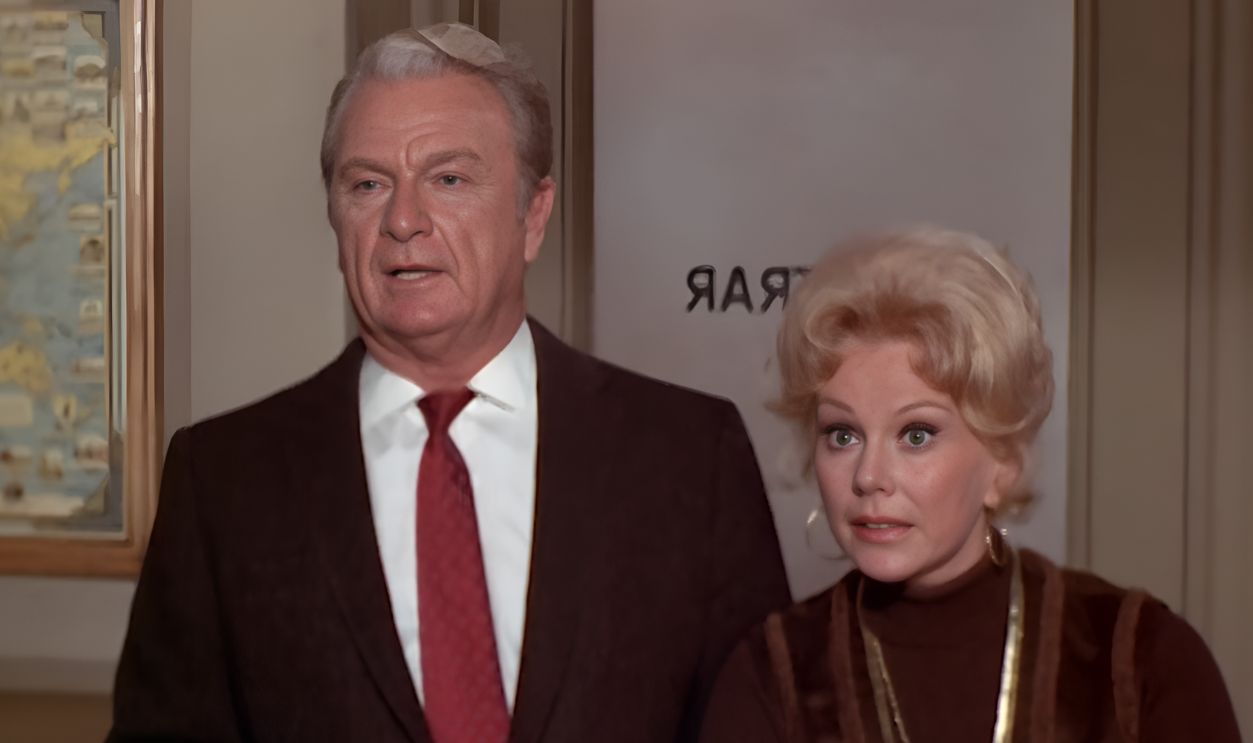 Screenshot from Green Acres, CBS (1965–1971), Modified
The Perfect Straight Man
Albert's greatest contribution to Green Acres was his commitment to playing Oliver completely seriously. While virtually every other character behaved absurdly, Oliver reacted as a rational person trapped inside a surreal world, creating much of the show's enduring humor.
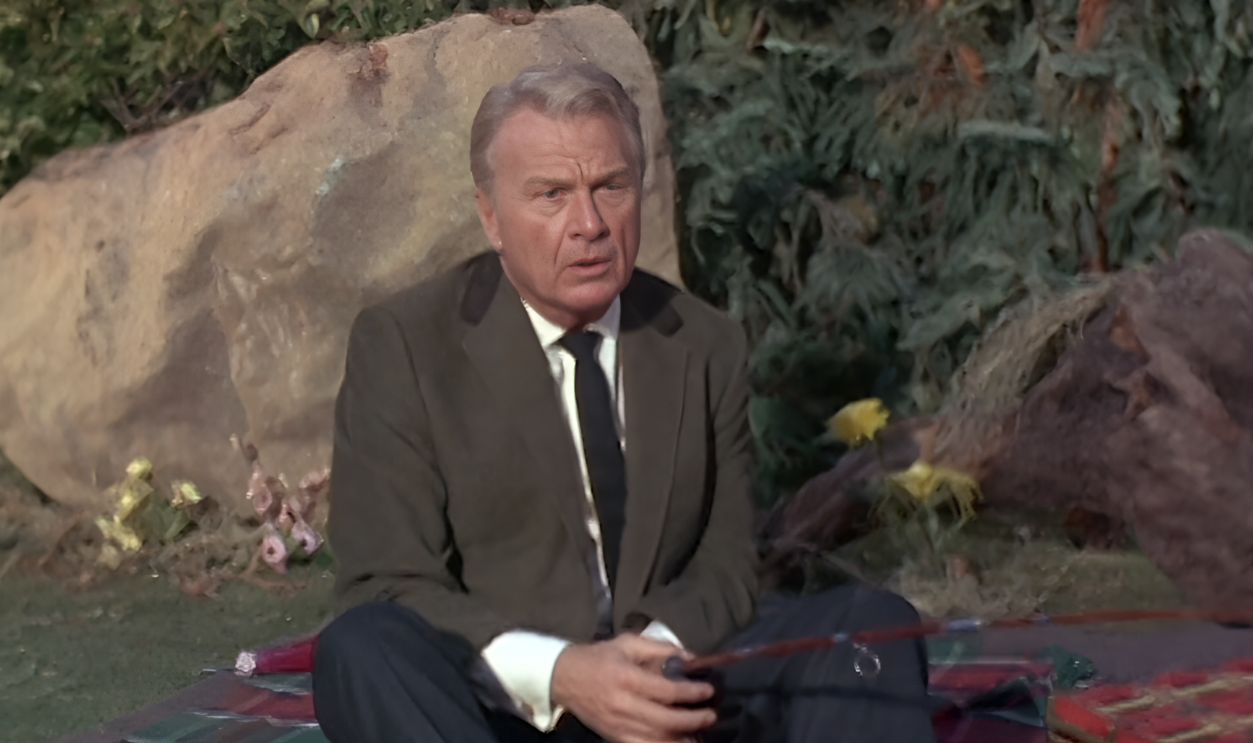 Screenshot from Green Acres, CBS (1965–1971), Modified
Never Losing Hope
Throughout the series, Oliver remained convinced that logic, planning, and hard work would eventually succeed. Episode after episode proved him wrong. Yet Albert played the character with such sincerity that viewers continued rooting for him despite his endless frustrations.
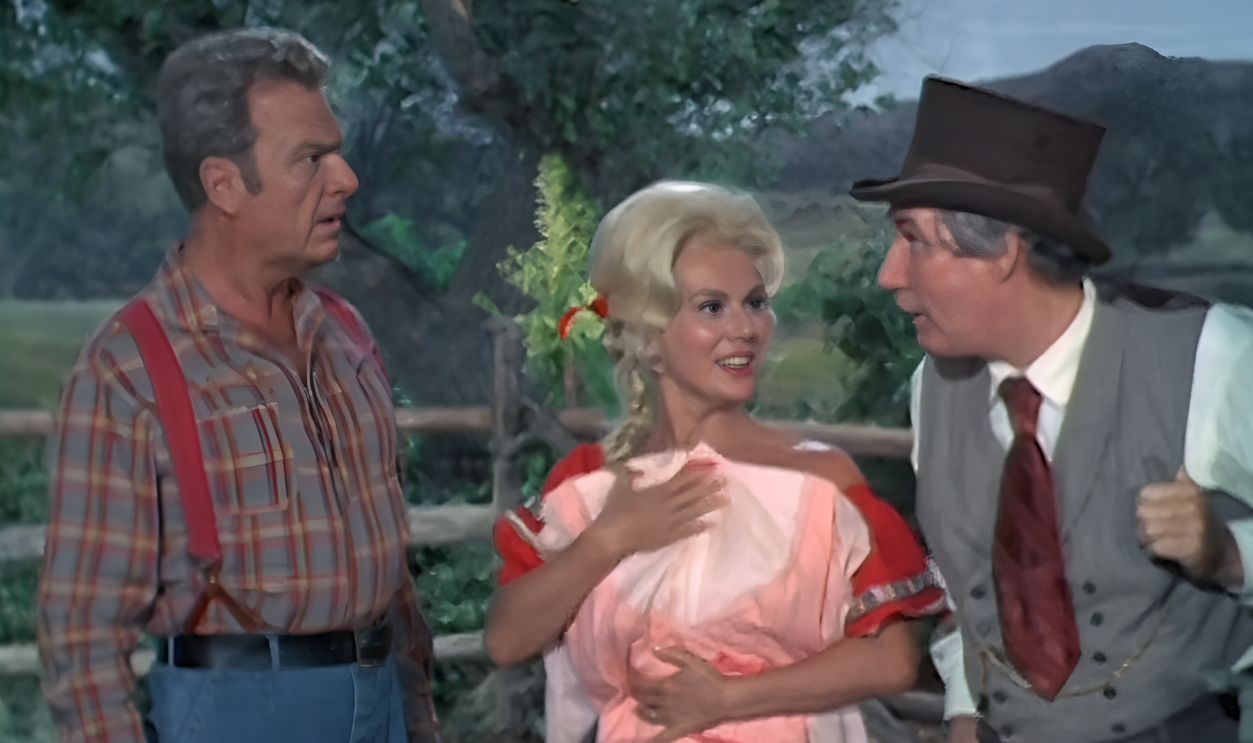 Screenshot from Green Acres, CBS (1965–1971), Modified
Growing With The Show
As Green Acres became increasingly surreal, Albert adapted perfectly. The show's later seasons embraced bizarre visual gags, impossible situations, and self-aware humor. Oliver's persistent attempts to impose common sense on nonsense became even funnier as the series progressed.
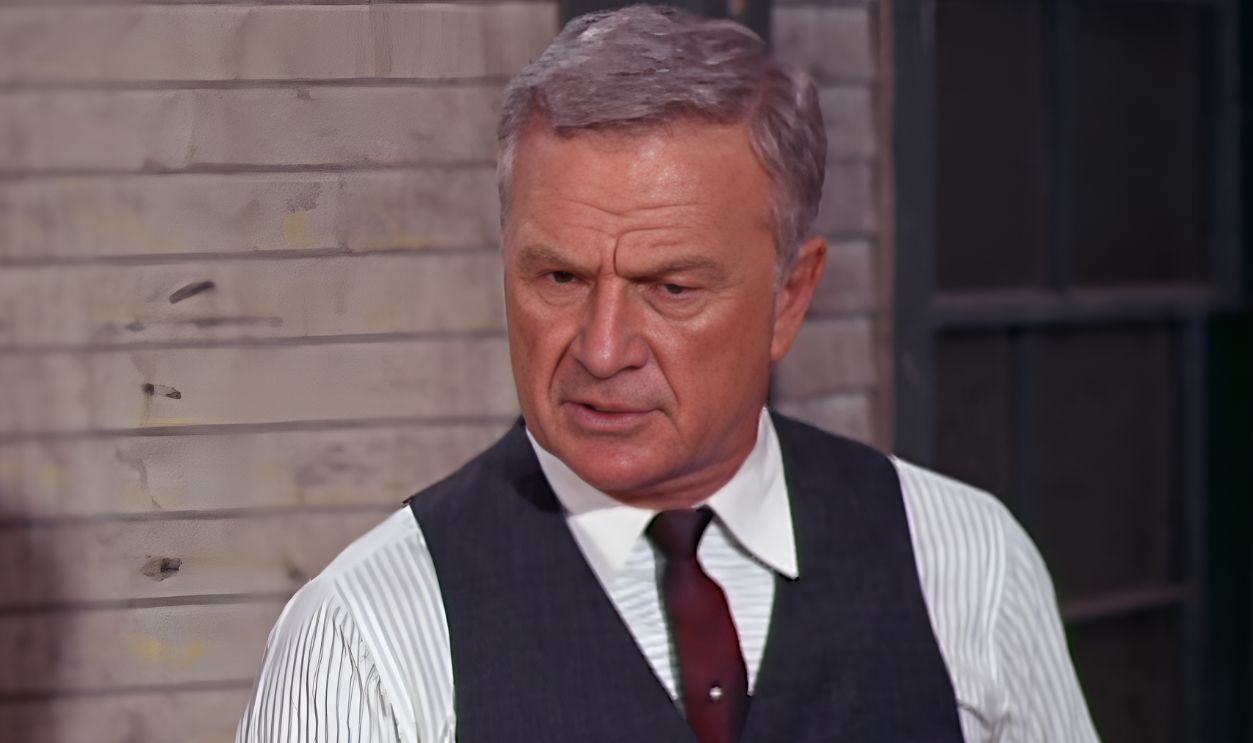 Screenshot from Green Acres, CBS (1965–1971), Modified
Beyond Hooterville
Although Green Acres became his signature role, Albert continued acting extensively after the series ended. He appeared in films, television movies, and guest roles, proving that he was far more than a single-character television star.
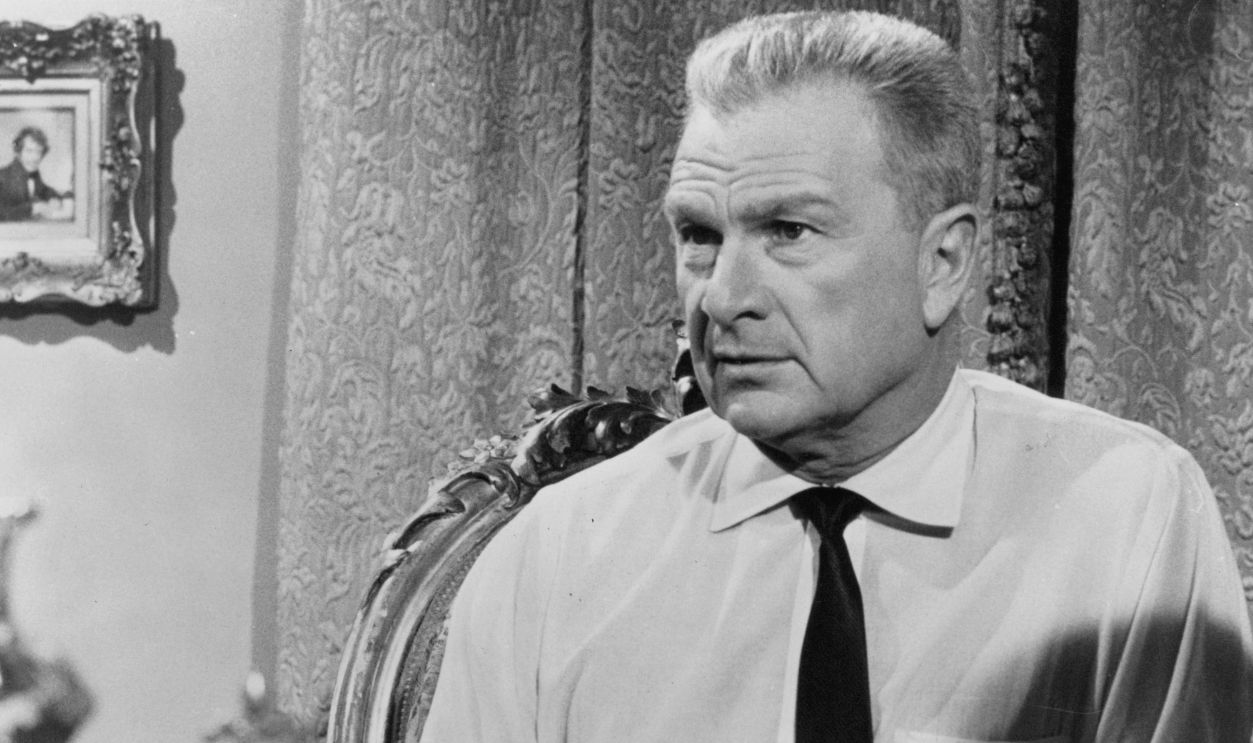 Michael Ochs Archives, Getty Images
Escape To Witch Mountain
One memorable later role came in Disney's Escape to Witch Mountain (1975). Albert played Jason O'Day, the kindly widower who helps protect two mysterious children with extraordinary powers. The role introduced him to a younger generation of moviegoers.
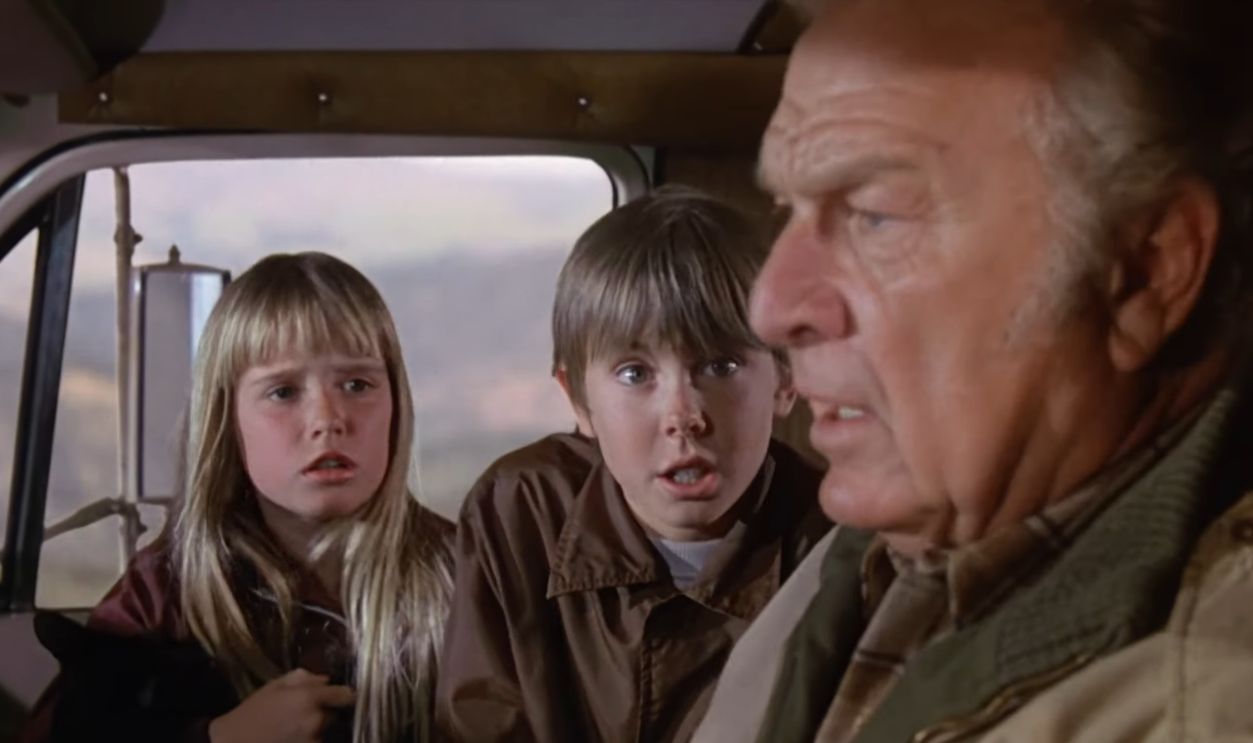 Screenshot from Escape to Witch Mountain, Walt Disney Productions (1975)
Environmental Advocate
Away from acting, Albert became known for environmental causes and conservation efforts. Long before environmentalism became a mainstream topic, he promoted sustainable agriculture and ecological awareness. These interests reflected the thoughtful and unconventional personality that often distinguished him from other celebrities.
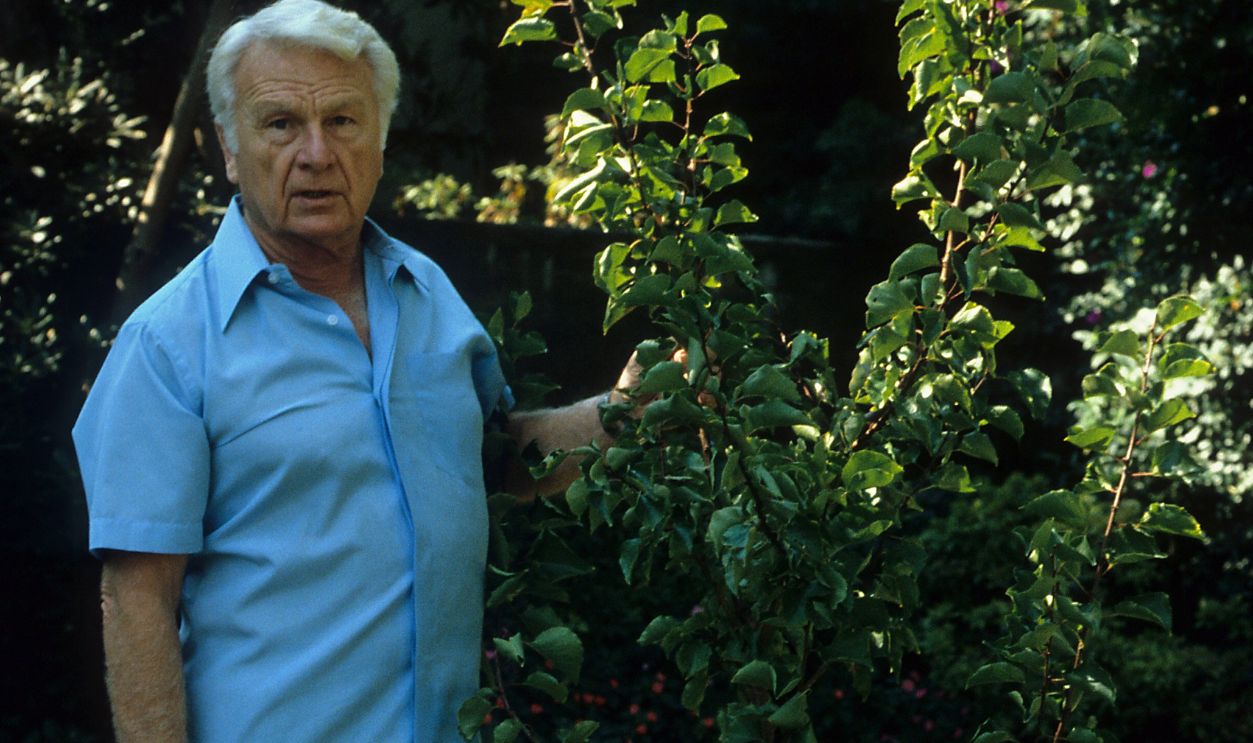 Donaldson Collection, Getty Images
A Truly Unique Legacy
Eddie Albert passed away in 2005 at the ripe old age of 99. His amazing career combined achievements rarely found in a single Hollywood life. He was a decorated combat veteran who saved the lives of many thankful Marines. He was also an Oscar-nominated actor, a survivor of the blacklist era, an environmental advocate, and the unforgettable star of Green Acres. Those experiences made him by far one of television's most unusual and fascinating leading men.
You May Also Like:
Iconic Stars From The 1960s That No Millennial Or Gen Z Would Ever Recognize
Great 60s TV Shows That Were Canceled Way Too Soon—How Many Do You Remember?