The Voice Hiding In Plain Sight
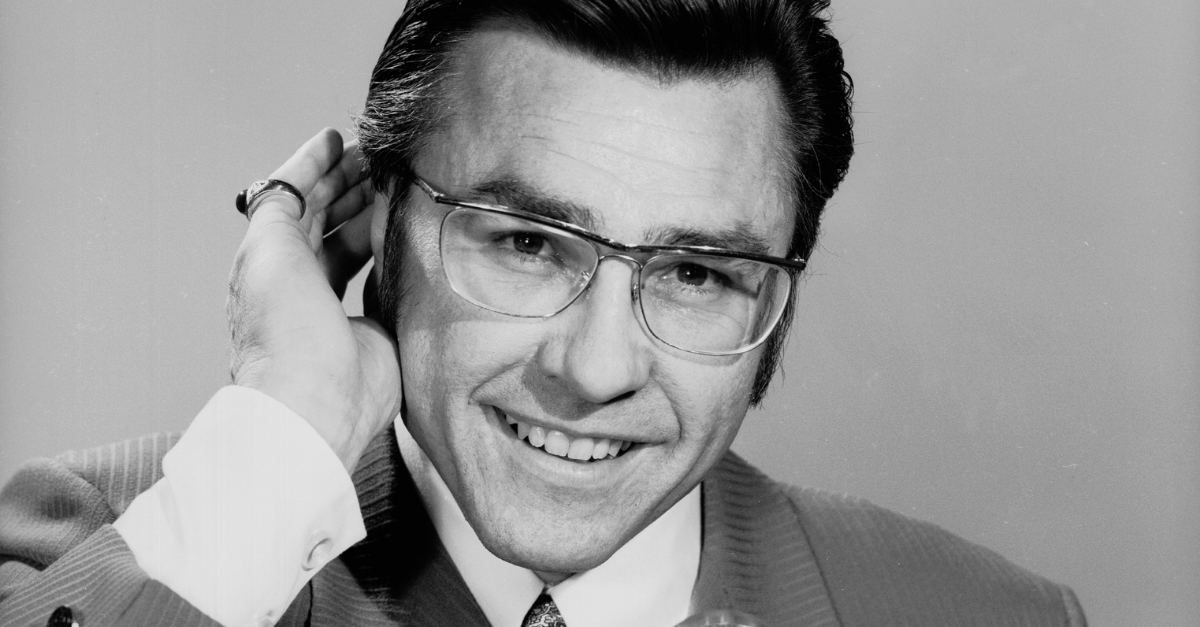
Gary Owens was the kind of performer viewers recognized before they knew his name. On Rowan & Martin’s Laugh-In, his baritone and hand-to-ear announcer pose became part of the show’s identity. Yet that famous booth was only one stop in a career spanning radio, cartoons, game shows, children’s television, commercials, and network specials.
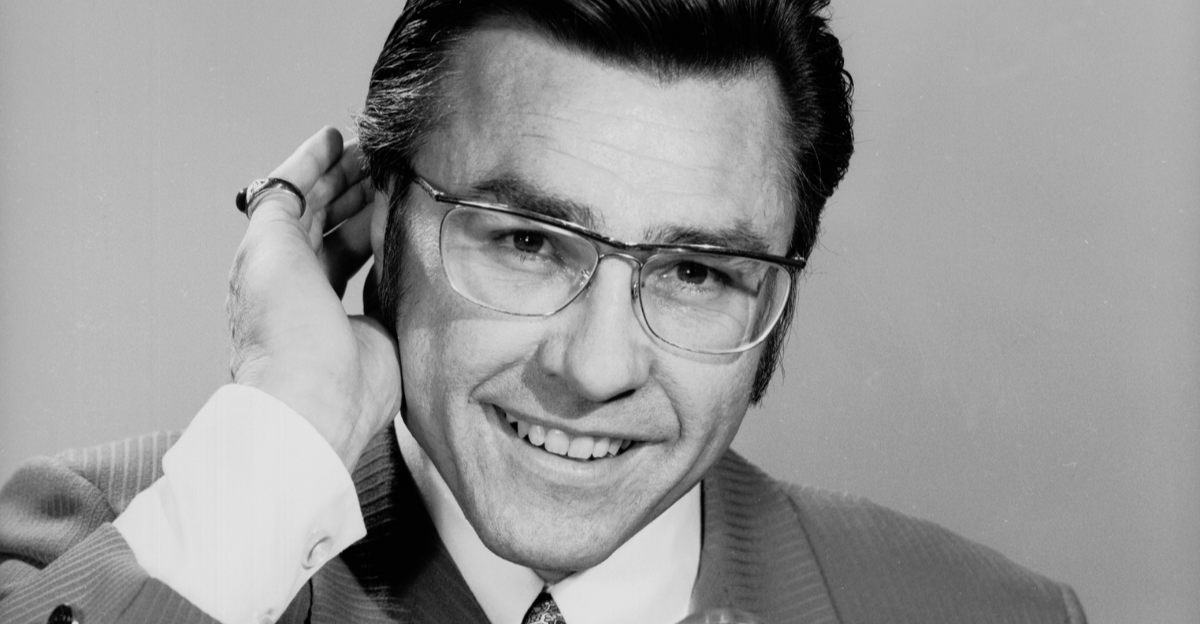 Photo by Gene Lester/Getty Images
He Started Behind A Radio Microphone
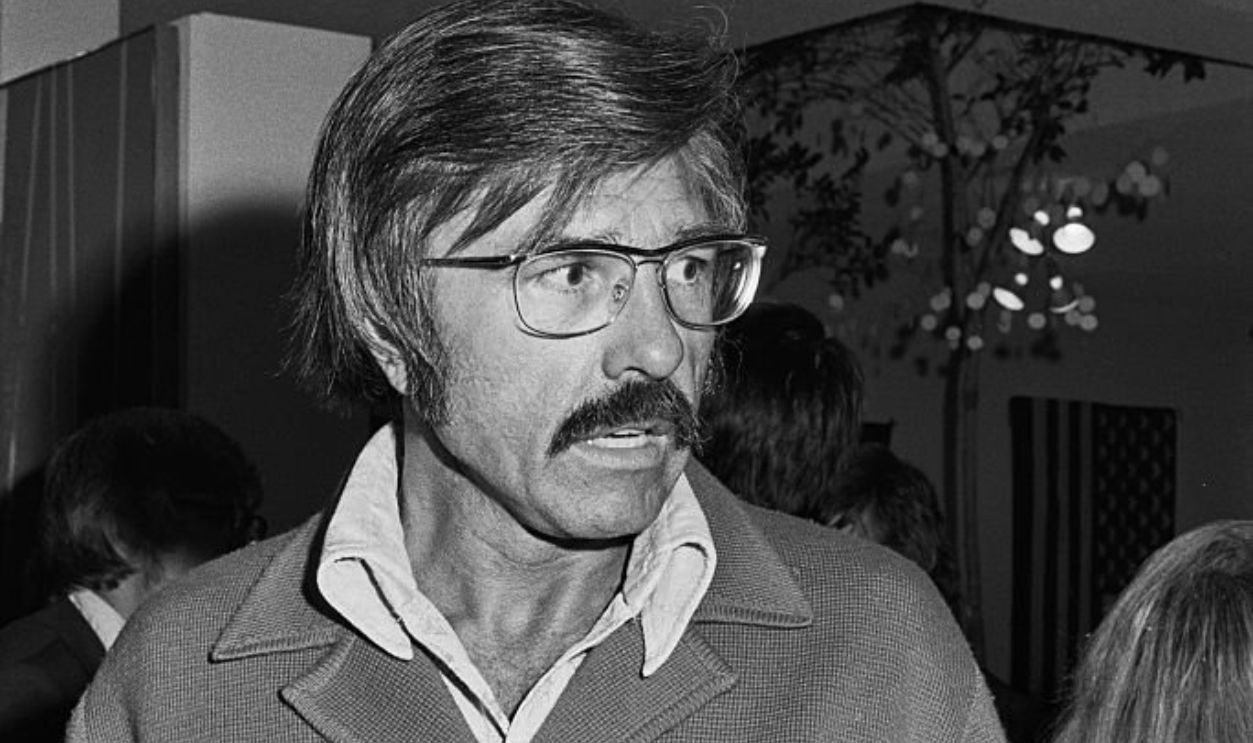
Owens was born Gary Altman in Mitchell, South Dakota, and grew up nearby. Broadcasting caught him early: as a teenager, he worked at KORN in Mitchell and became a news director. After briefly attending Dakota Wesleyan University, he chose radio as his profession.
 Michael Ochs Archives, Getty Images
He Learned By Moving Around
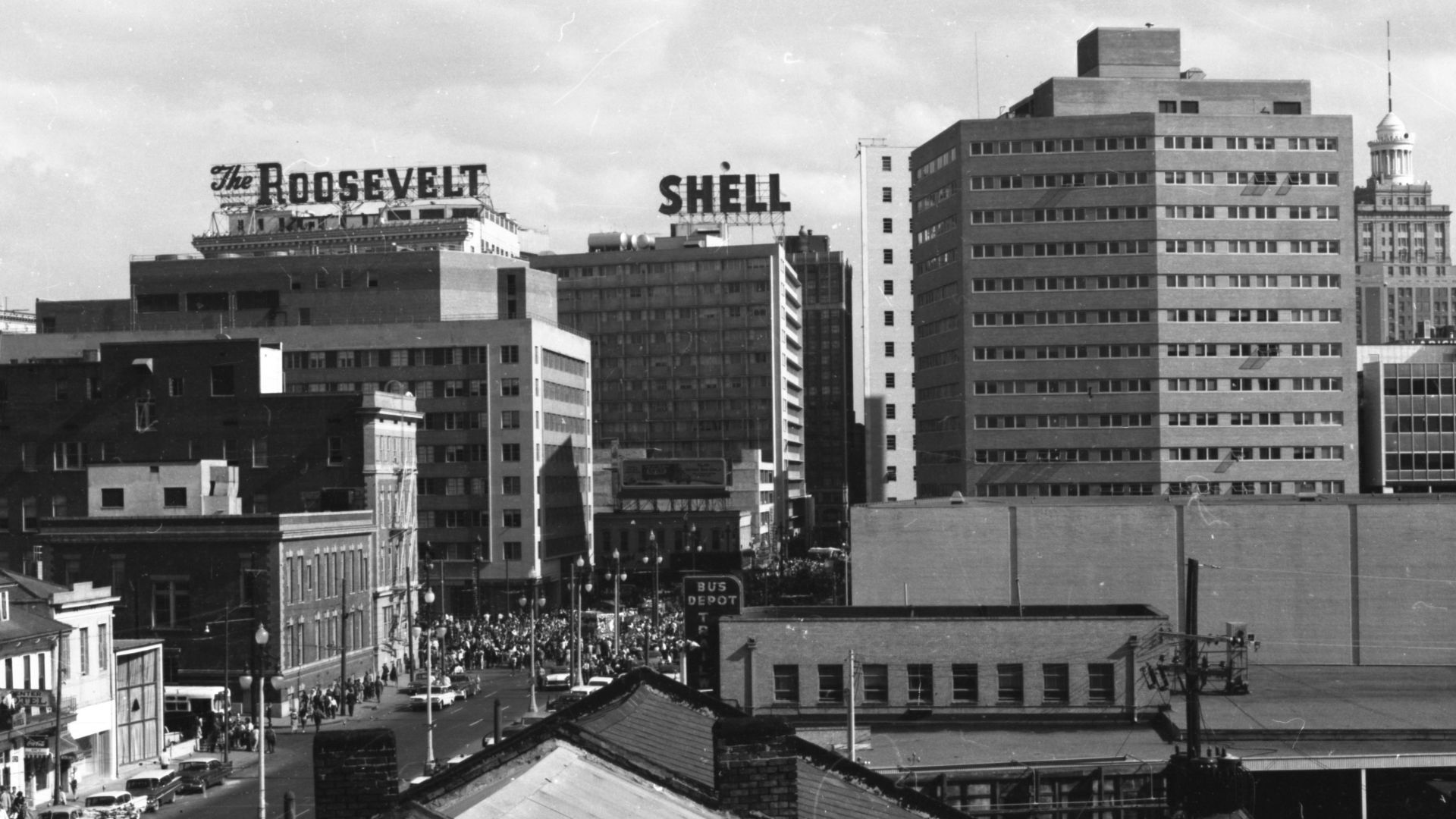
During the 1950s, Owens worked in markets including Omaha, Denver, Dallas, San Antonio, New Orleans, Houston, and the Bay Area. Those jobs helped him refine the blend of music, character voices, wordplay, and deadpan silliness that eventually became his signature.
Los Angeles Changed Everything
Owens joined Los Angeles station KFWB in 1961, then moved to KMPC the next year and remained an afternoon fixture there for about two decades. Radio never became a side job after television found him; he kept broadcasting while Laugh-In made him nationally recognizable.
His Radio Show Was Already Sketch Comedy
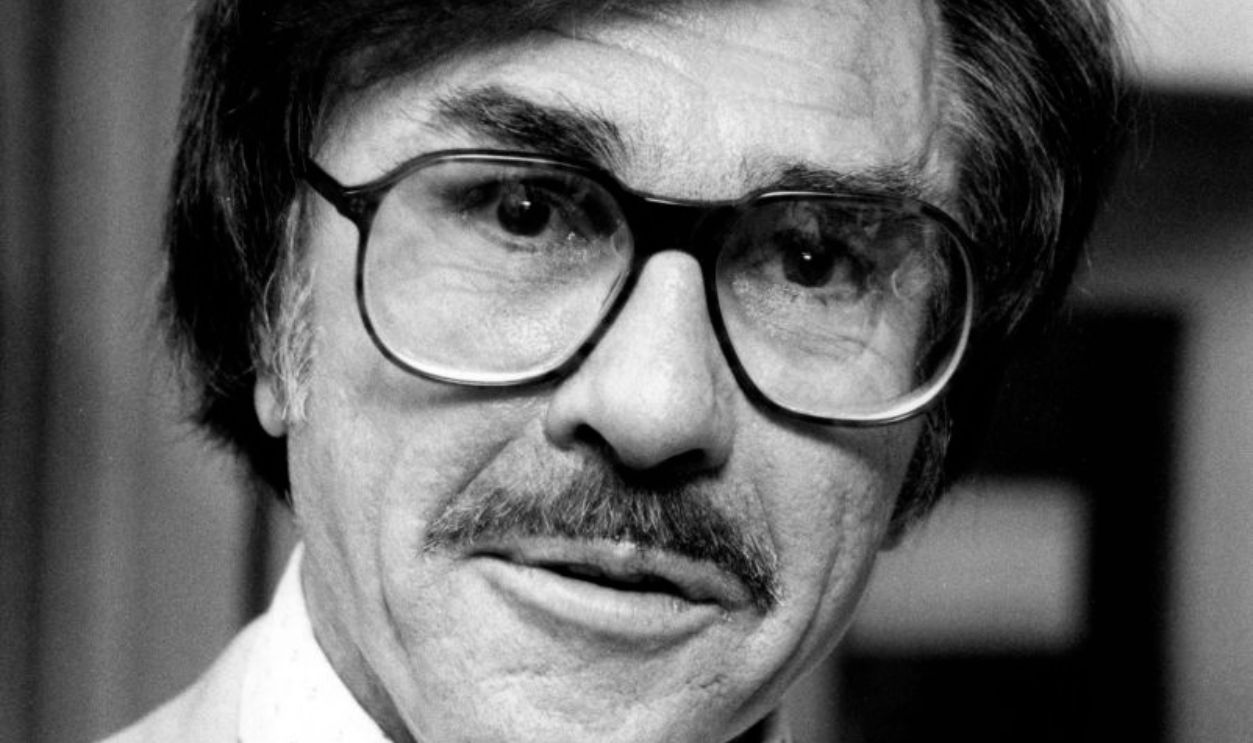
Owens treated radio like an audio playground, mixing music, sound effects, comic voices, running bits, and ridiculous announcements. That ability to create a joke in seconds became especially useful when television asked him to connect one rapid-fire sketch to the next.
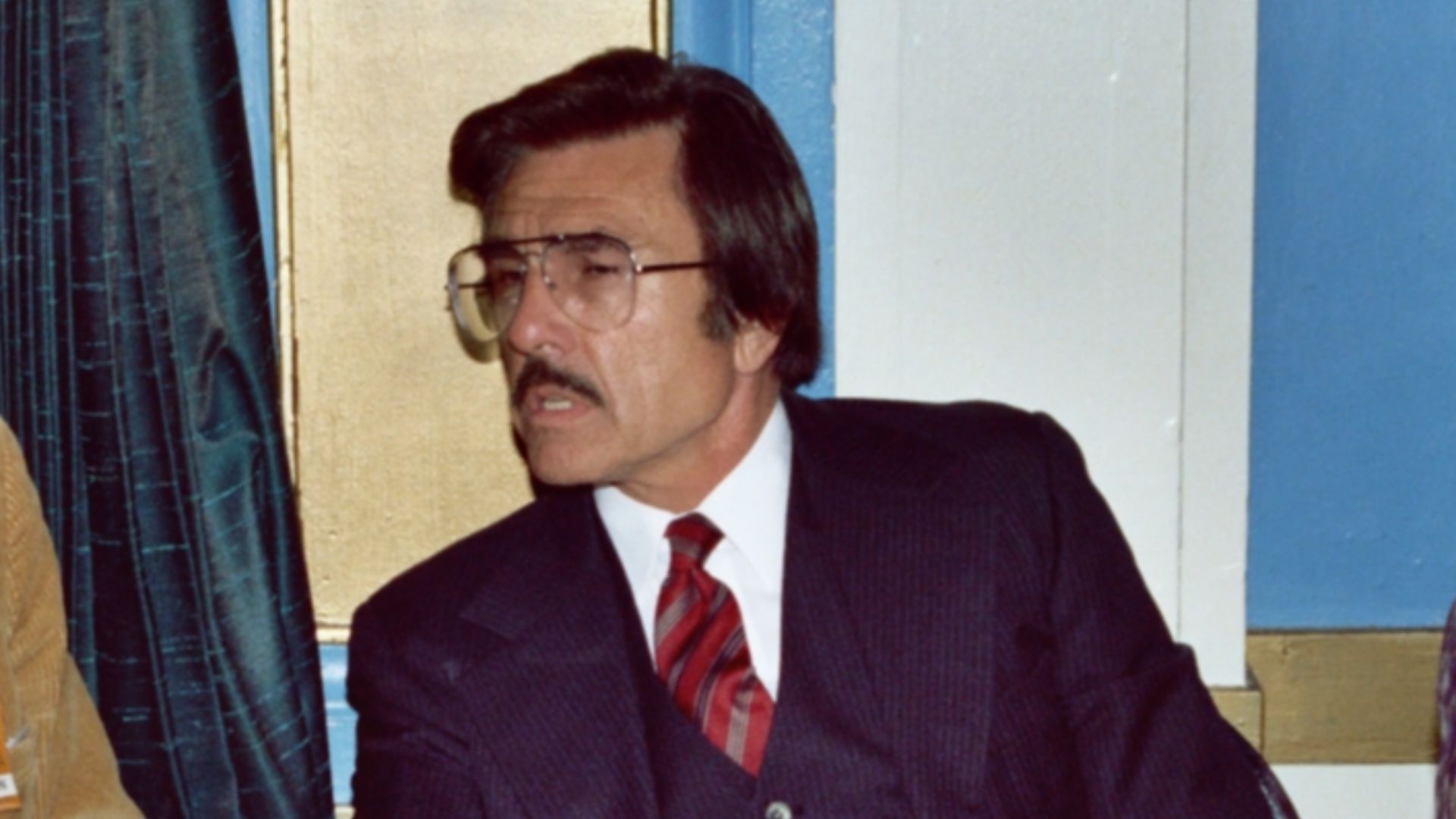
Jay Ward Gave Him A TV Opening
Owens’s television career began before Laugh-In. In Los Angeles, he wrote for animated programs produced by Jay Ward, of Rocky and Bullwinkle fame. His writing instincts and unmistakable voice soon pulled him deeper into animation, beginning a second career that lasted for decades.
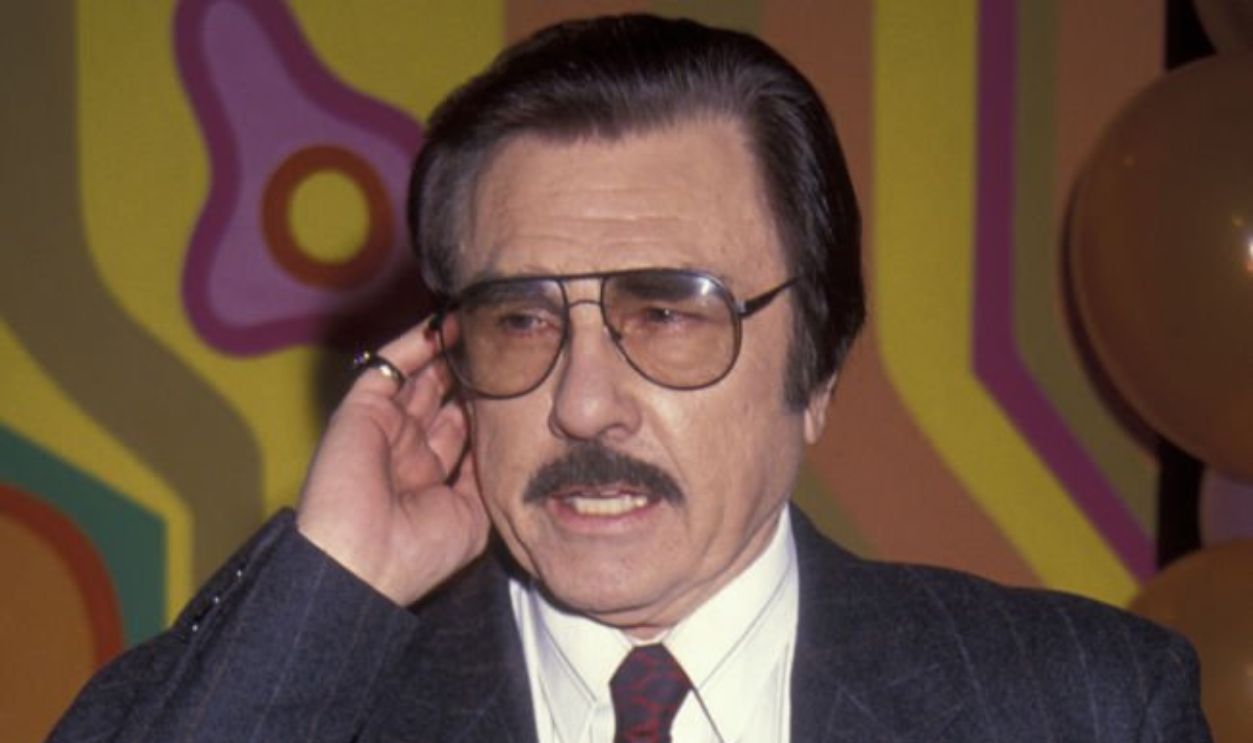 Ron Galella, Ltd., Getty Images
Roger Ramjet Found The Perfect Voice
One of Owens’s early cartoon roles was Roger Ramjet, the square-jawed hero of the 1960s animated series. Its adventures unfolded in brief episodes packed with comic situations. Owens made the absurdity funnier by delivering Roger’s exploits with total, booming seriousness.
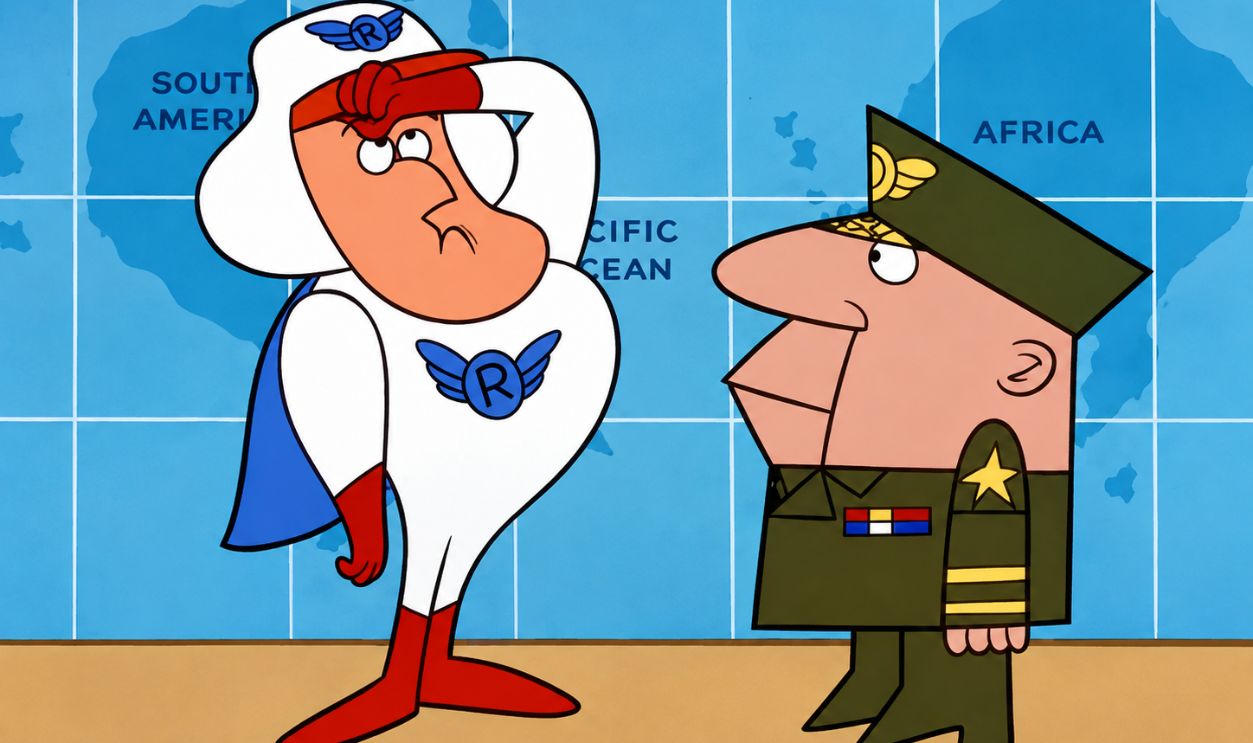 Screenshot from Roger Ramjet, Pantomime Pictures (1965-1969)
Then Came Space Ghost
Owens also supplied the voice of Space Ghost, one of the characters that became closely associated with his animation career. His rich announcer sound was an obvious fit for a larger-than-life superhero, and the role remained among his best-known voice credits.
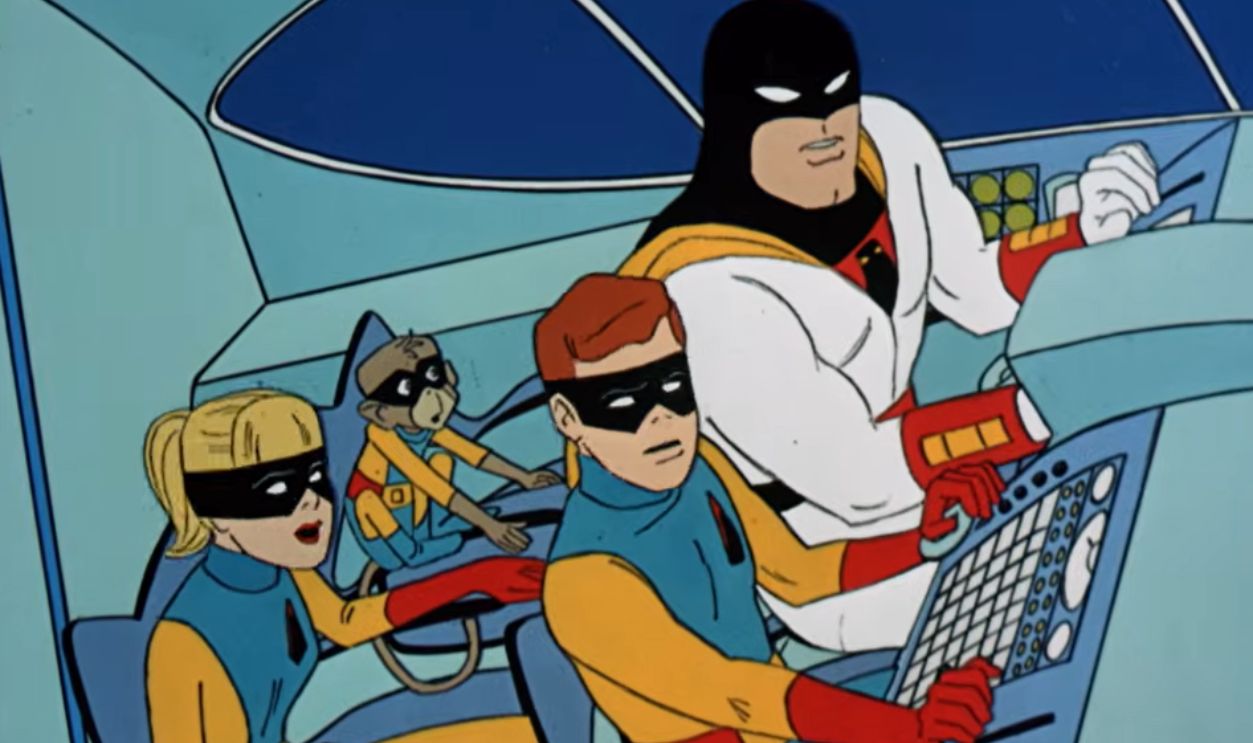 Screenshot from Space Ghost and Dino Boy, CBS (1966-1968)
Laugh-In Came From A Chance Encounter
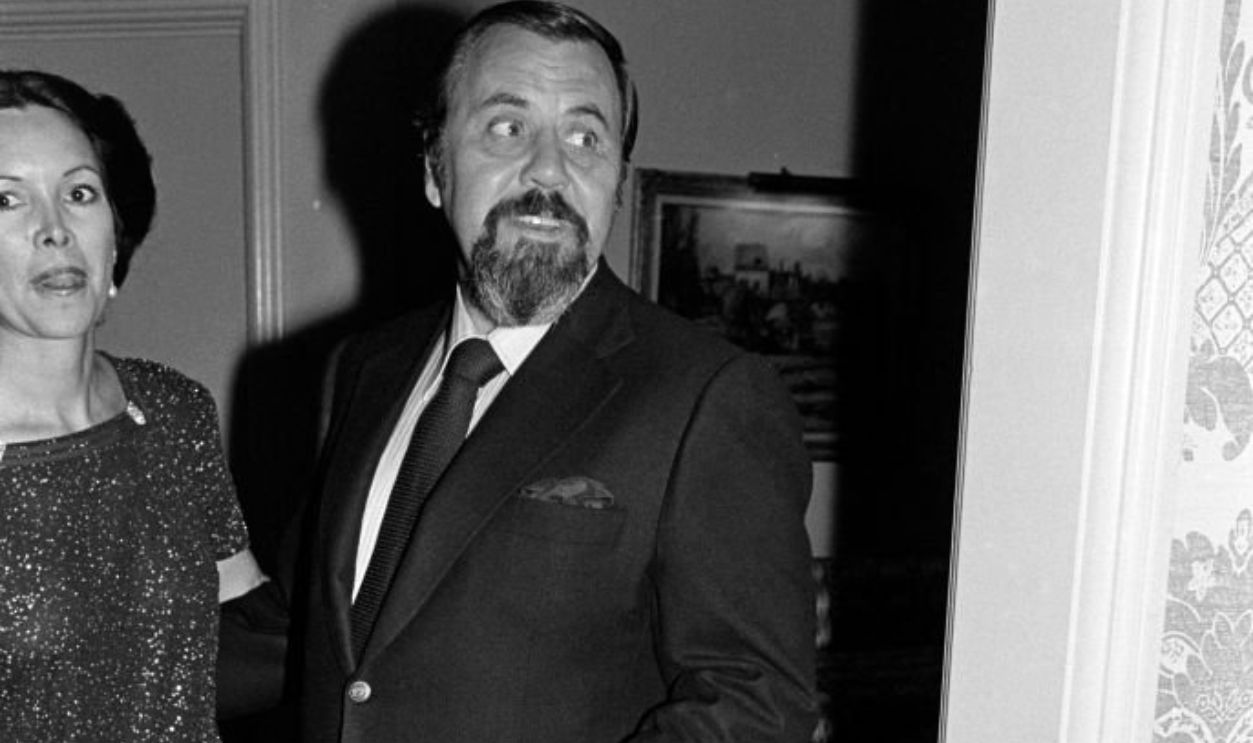
Owens’s route to Laugh-In was famously informal. In 1967, he encountered producer George Schlatter at the Smoke House restaurant in Burbank and demonstrated his announcer voice in its echo-friendly restroom. Schlatter realized Owens could provide transitions for his unusually fast comedy show.
His Real Job Was Controlling The Chaos
Laugh-In could jump between sketches that lasted only seconds, so Owens became connective tissue. His mock-serious announcements gave the program tiny pauses and clean pivots, helping it move from one visual gag to another without losing its frantic rhythm.
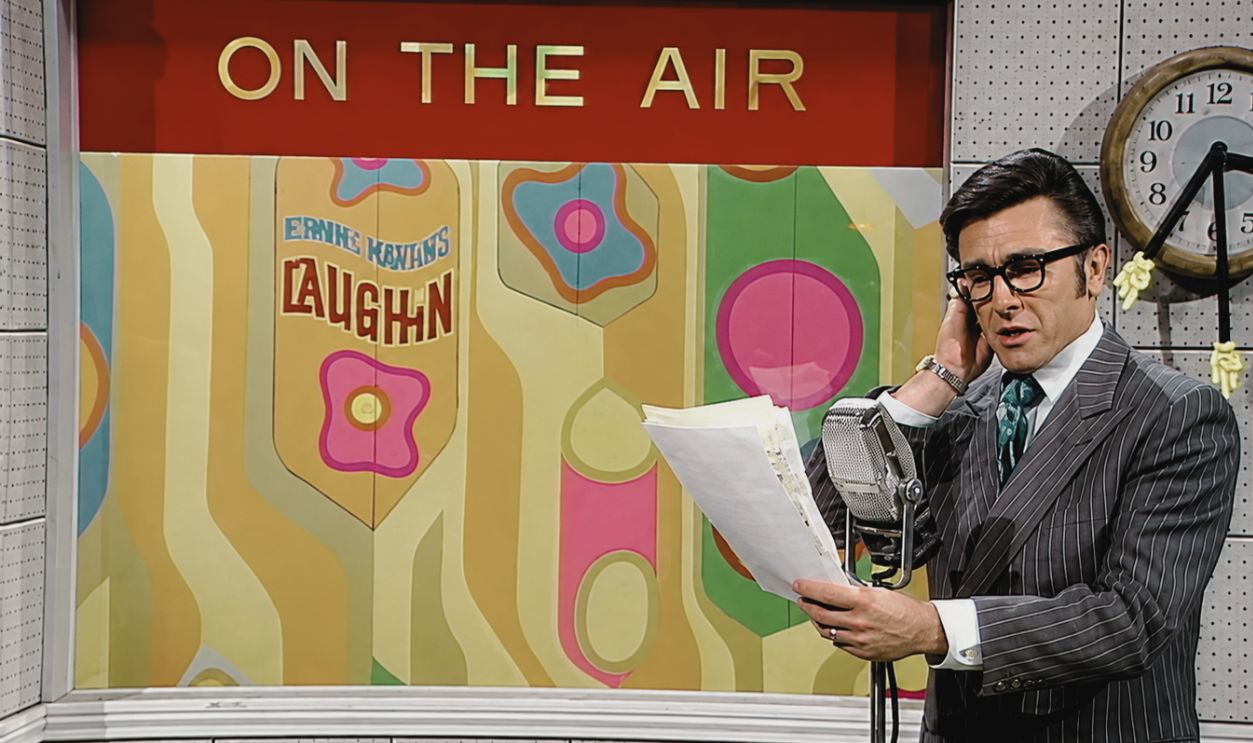 Screenshot from Rowan & Martin’s Laugh-In, NBC (1968-1973)
The Hand Over His Ear Became A Trademark
Owens played his announcer as a parody of old-school broadcasting, speaking into a stand microphone with one hand cupped over his ear. The image worked because he looked completely professional while delivering lines that were often gleefully nonsensical.
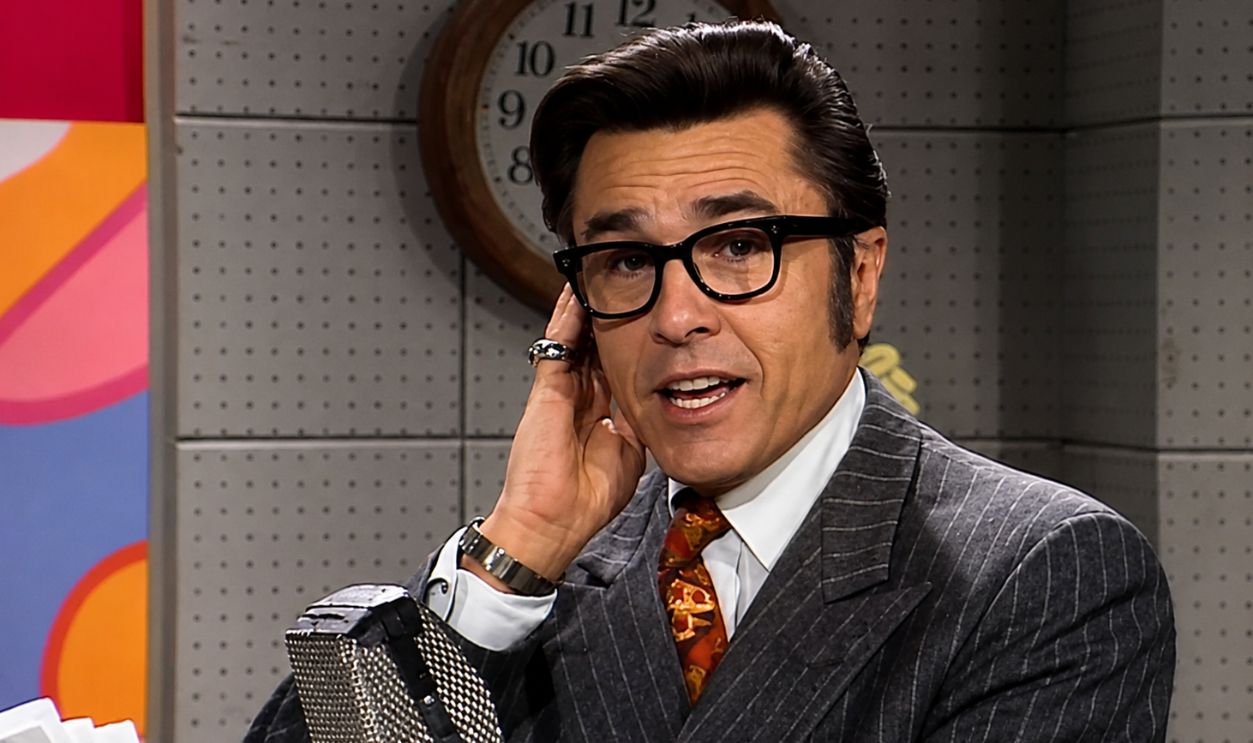 Screenshot from Rowan & Martin’s Laugh-In, NBC (1968-1973)
Burbank Became Part Of The Joke
“Beautiful downtown Burbank” became Owens’s most famous phrase, but he had already used the wording on Los Angeles radio. Laugh-In turned it into a national catchphrase, and Johnny Carson later embraced it too, helping make Burbank itself a familiar comedy reference.
Laugh-In Became A Ratings Giant
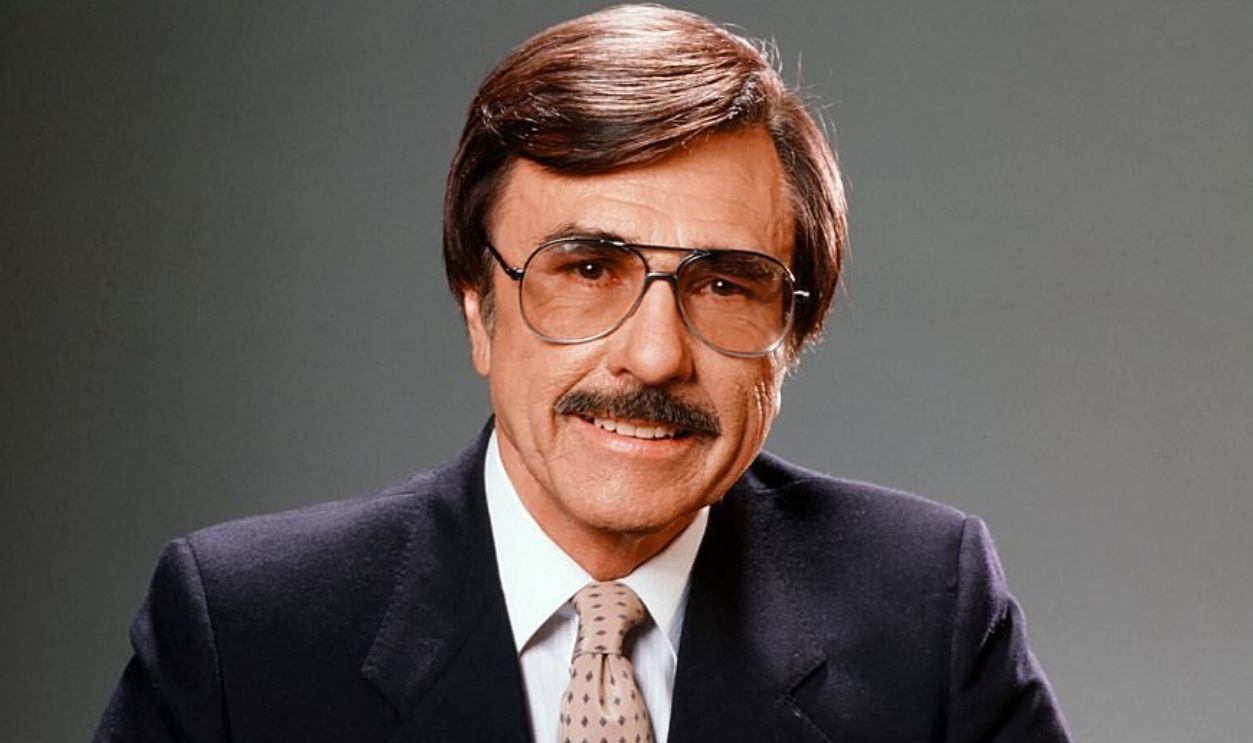
When Laugh-In became a weekly NBC series in January 1968, it quickly exploded. The program ranked first in the television ratings for the 1968–69 and 1969–70 seasons, while its fast editing, catchphrases, topical jokes, and ensemble cast made it one of its era’s defining comedies.
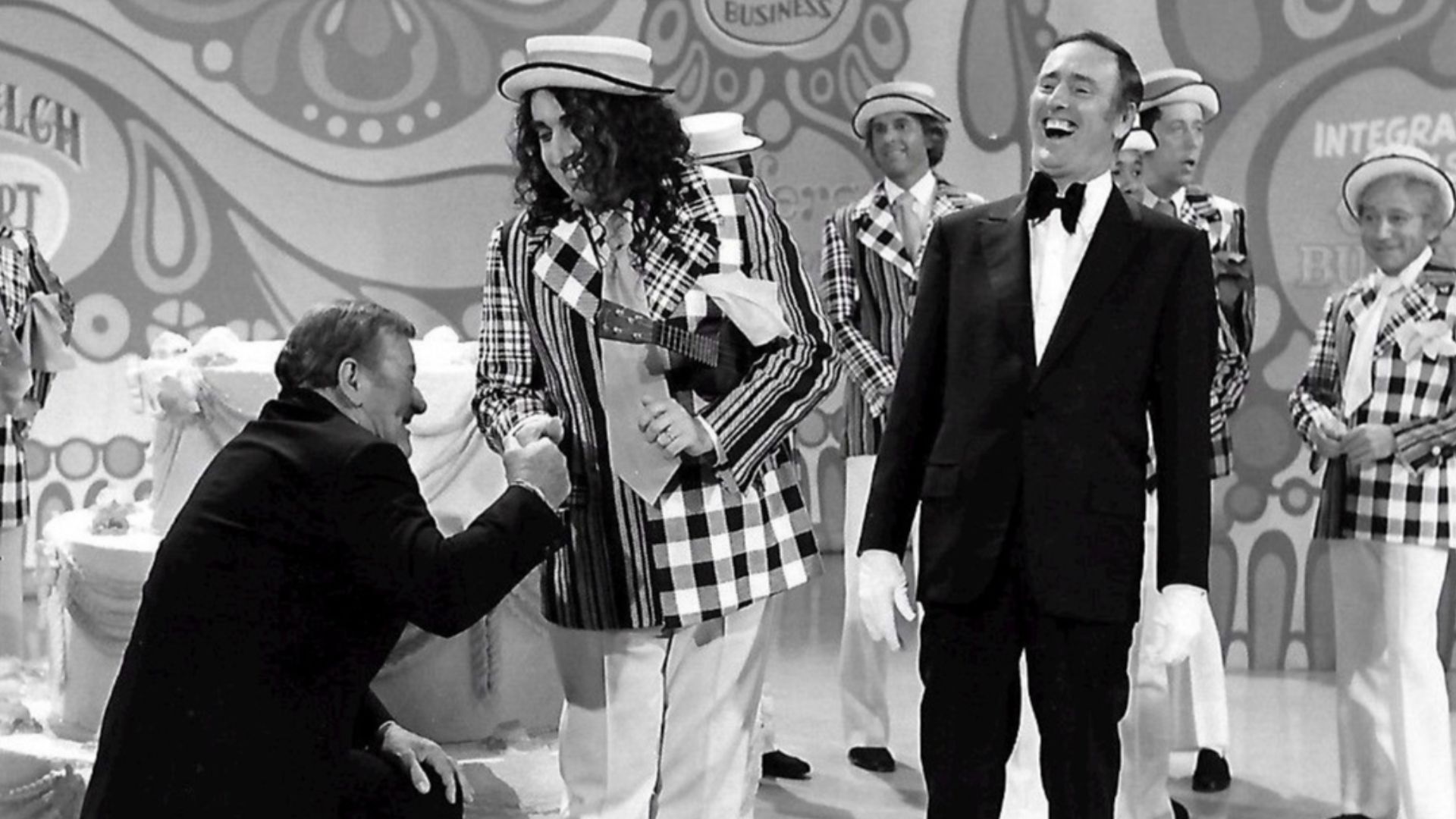 NBC Television, Wikimedia Commons
Owens Stayed For The Entire Ride
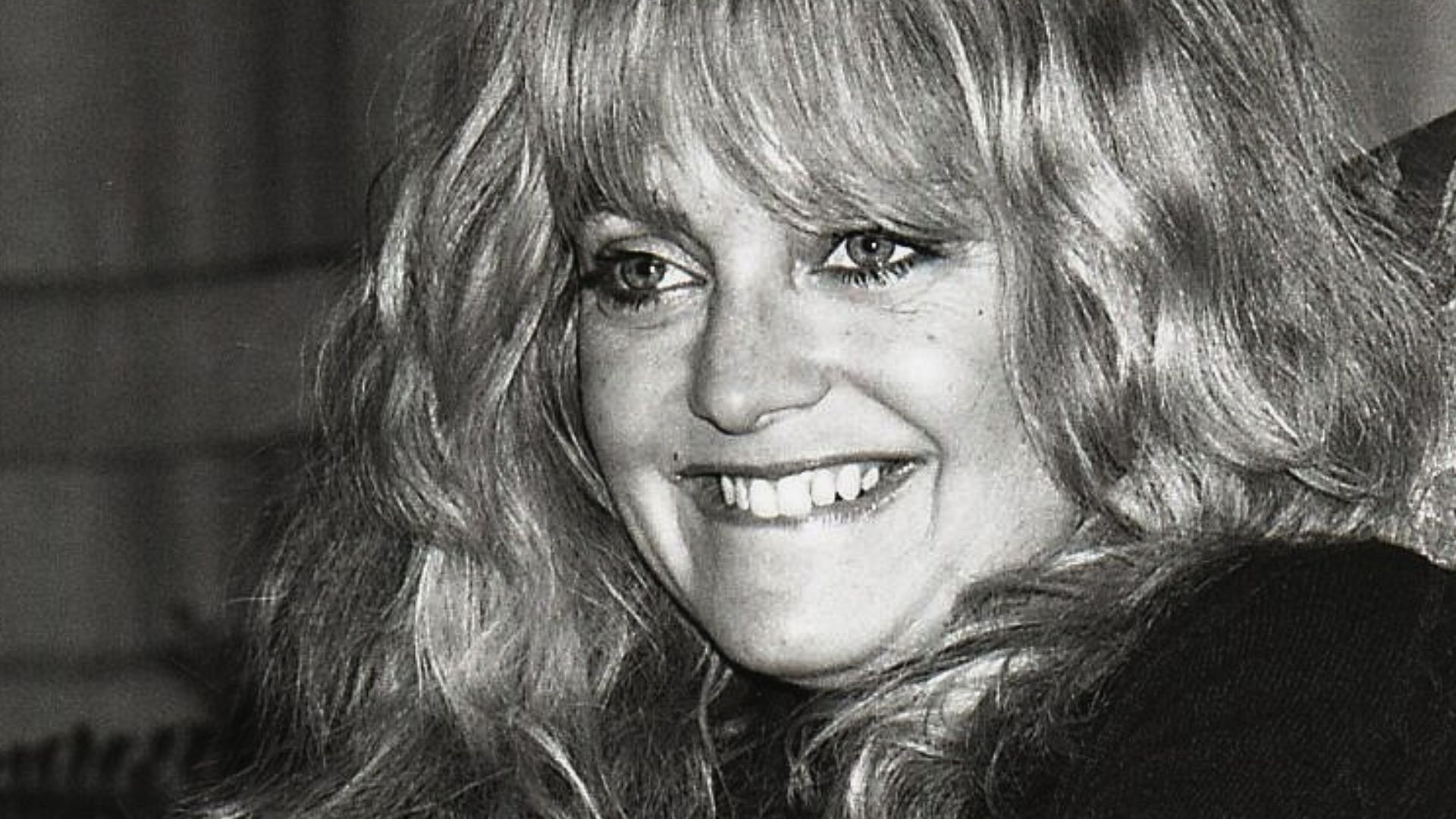
Cast members came and went, but Owens was remarkably constant. The Television Academy credits him with appearing in all 140 episodes from 1968 to 1973. While performers such as Goldie Hawn and Lily Tomlin became stars, Owens remained the steady voice between comic bursts.
He Made The Announcer Part Of The Comedy
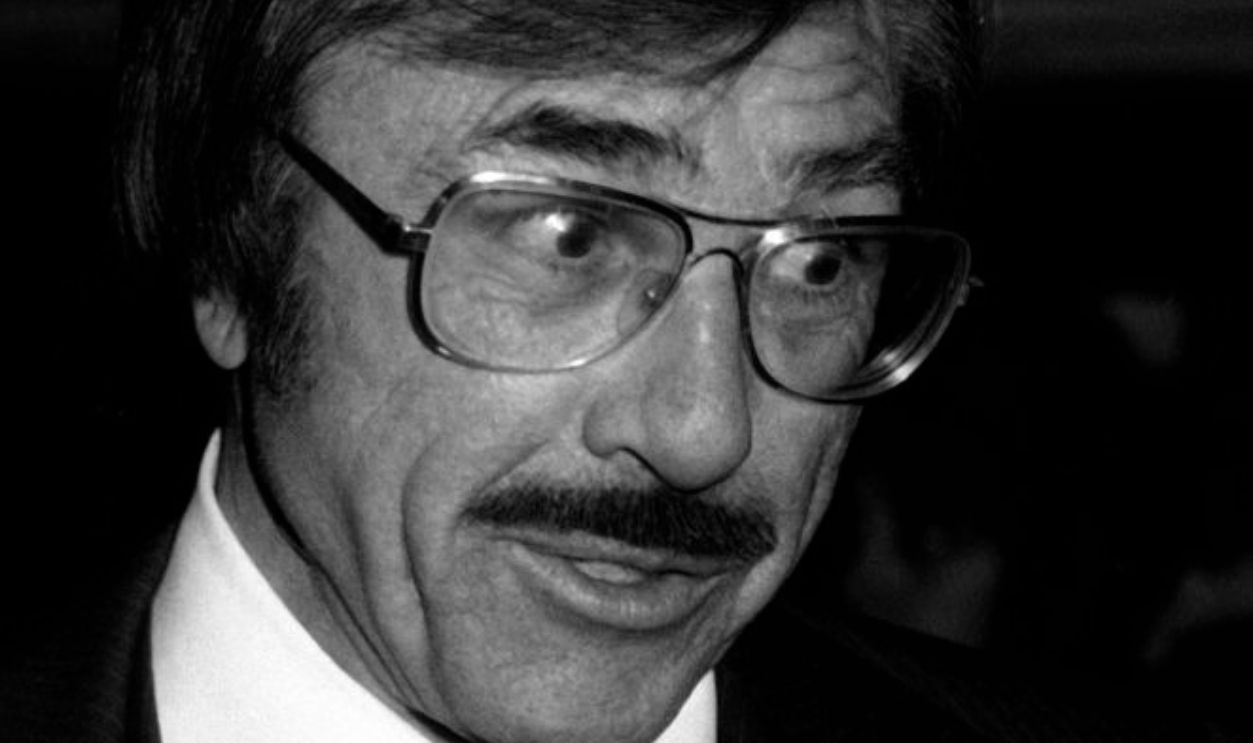
Owens showed that a television announcer did not have to remain invisible. His polished authority became a comic character by itself, with formality functioning as the setup. A similar contrast later became familiar on Saturday Night Live, where Don Pardo’s traditional announcer voice accompanied decidedly unconventional comedy.
He Was There For Early Sesame Street
Owens’s voice also reached children who had never watched Laugh-In. He contributed announcing work to Sesame Street in its early years, including educational introductions. It was another example of how easily his sound crossed from adult satire into family television.
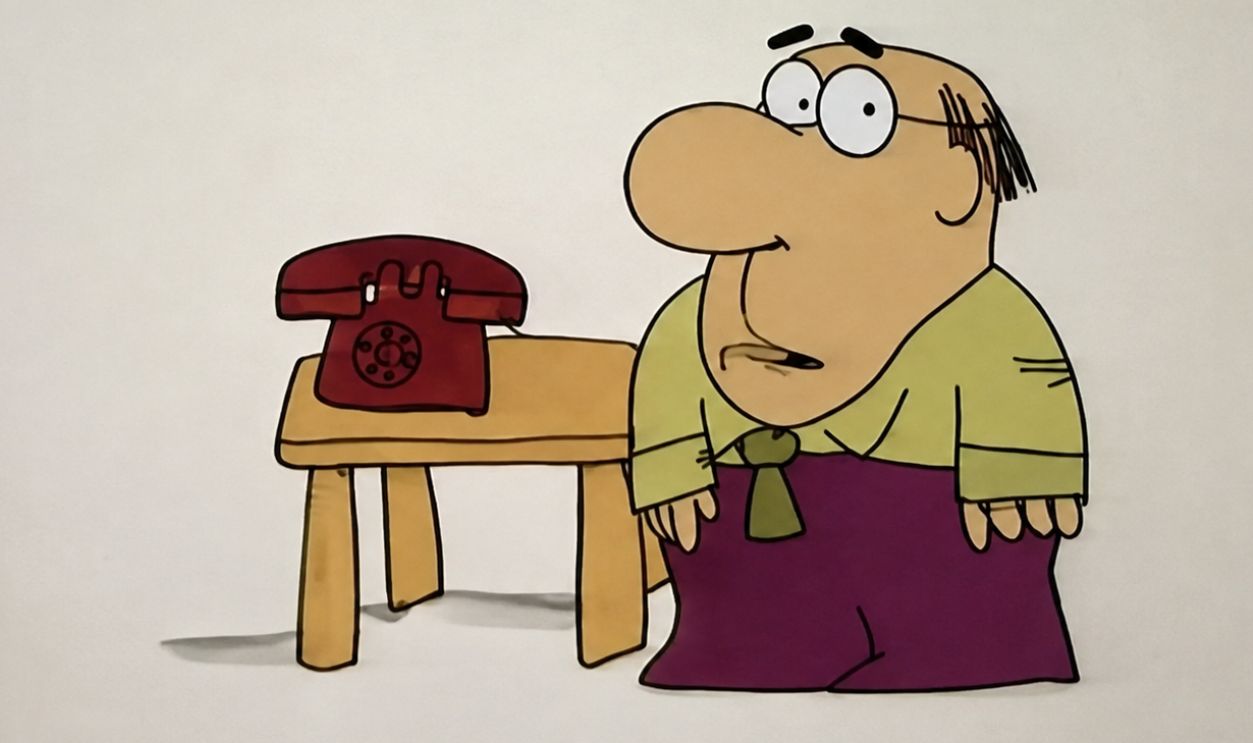 Screenshot from Sesame Street, Public Broadcasting Service (1969- Present)
Disney And Variety Shows Kept Calling
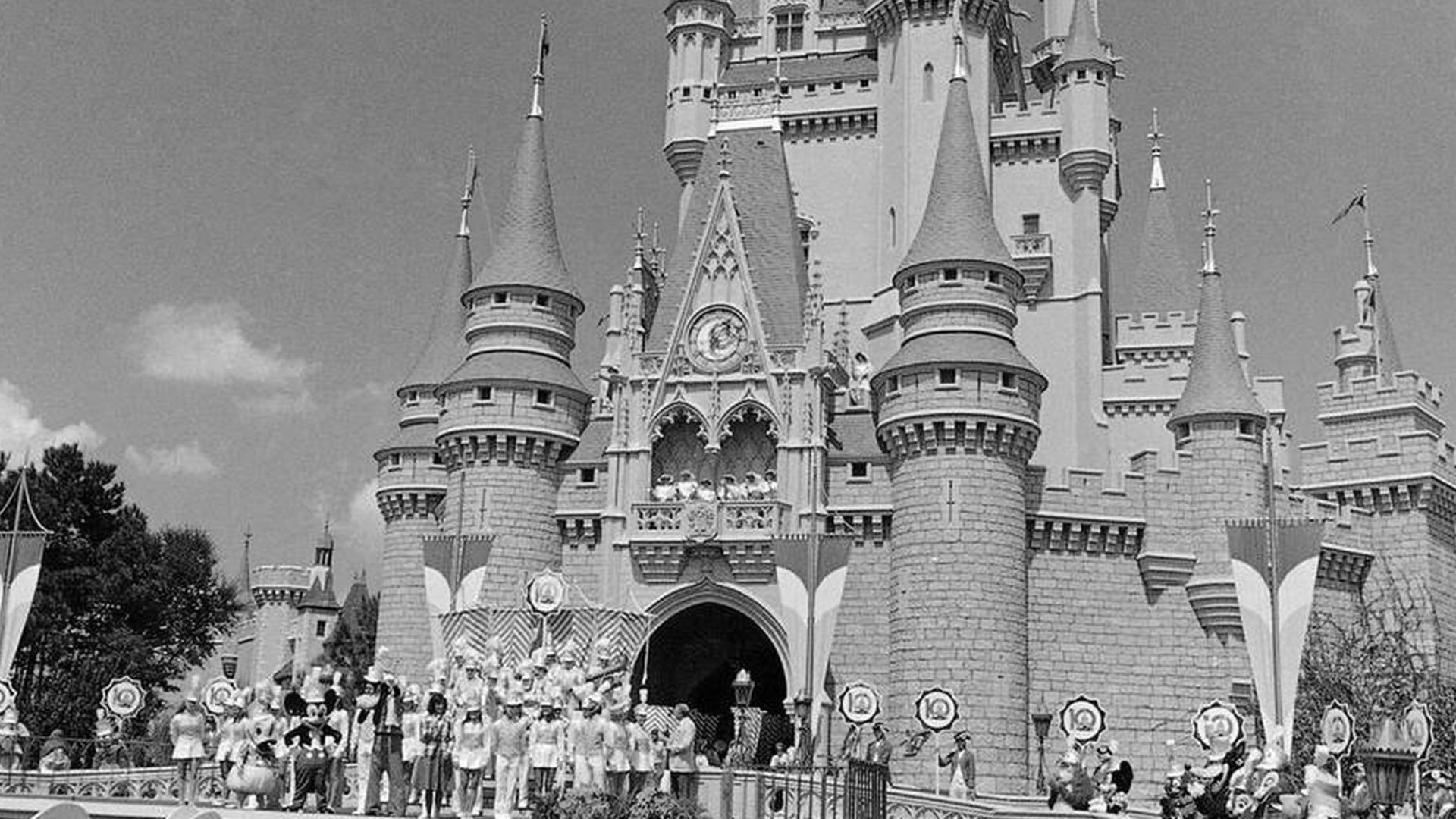
Owens also announced for The Wonderful World of Disney and appeared in television specials featuring stars such as Bob Hope and Lucille Ball. Producers repeatedly used the same strength: his voice could make almost any setup sound important before the joke arrived.
 Unknown authorUnknown author, Wikimedia Commons
He Hosted The Gong Show Before Barris
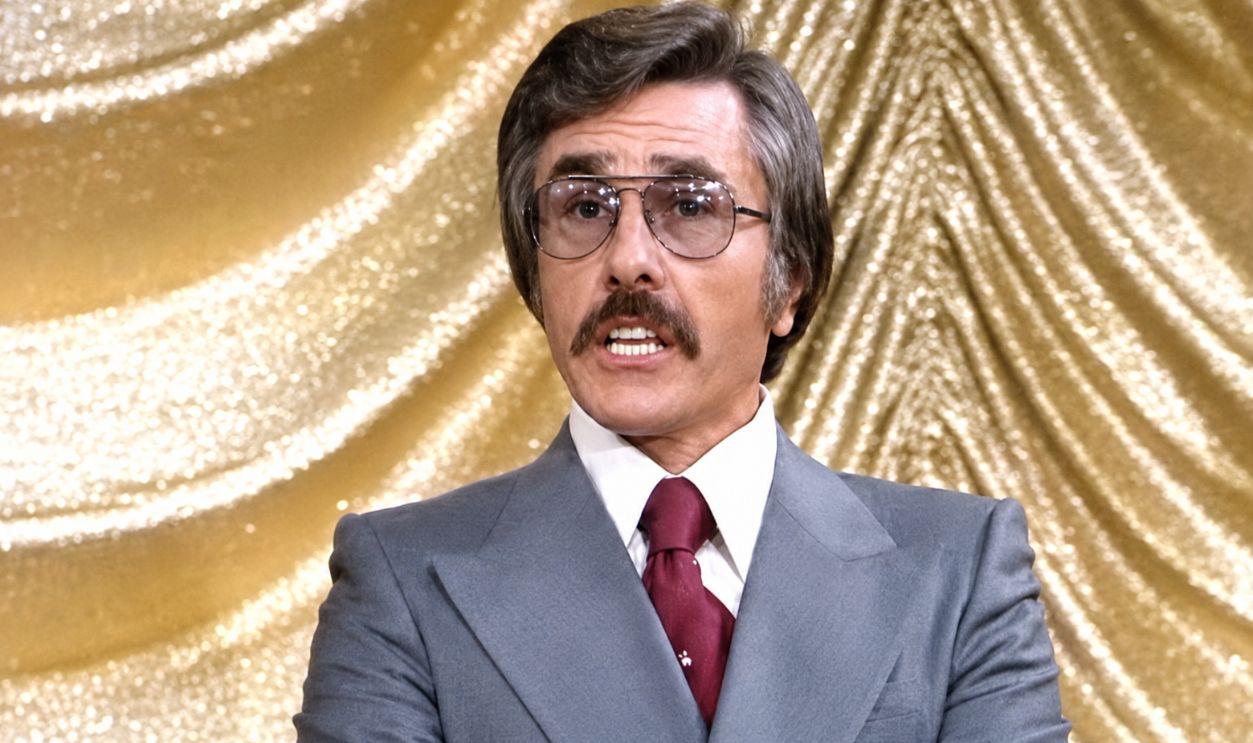
Before Chuck Barris became the face most viewers associate with The Gong Show, Owens served as its original host. Barris later took over, but Owens’s early involvement placed him at the beginning of another television format that became a durable pop-culture phenomenon.
 Screenshot from The Gong Show, Sony Pictures Entertainment (1976-2018), Enhanced
Cartoons Kept Finding Him
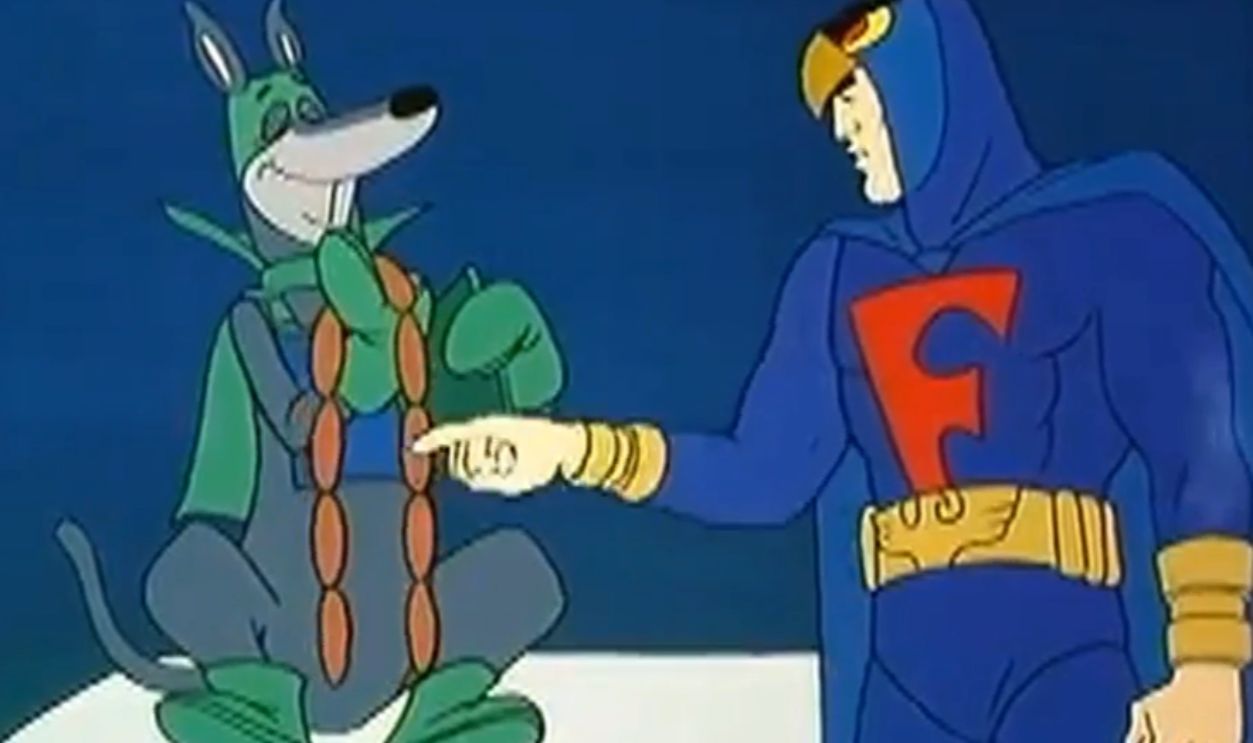
Animation continually introduced Owens to younger viewers. His later credits included Dynomutt, Dog Wonder, Yogi’s Space Race, Garfield and Friends, and Eek! the Cat. Instead of being trapped by his 1960s image, he kept adapting the same dependable baritone to new programs.
 Screenshot from Dynomutt, Dog Wonder,Warner Bros. Television (1976-1977)
Even Ren & Stimpy Used The Formula
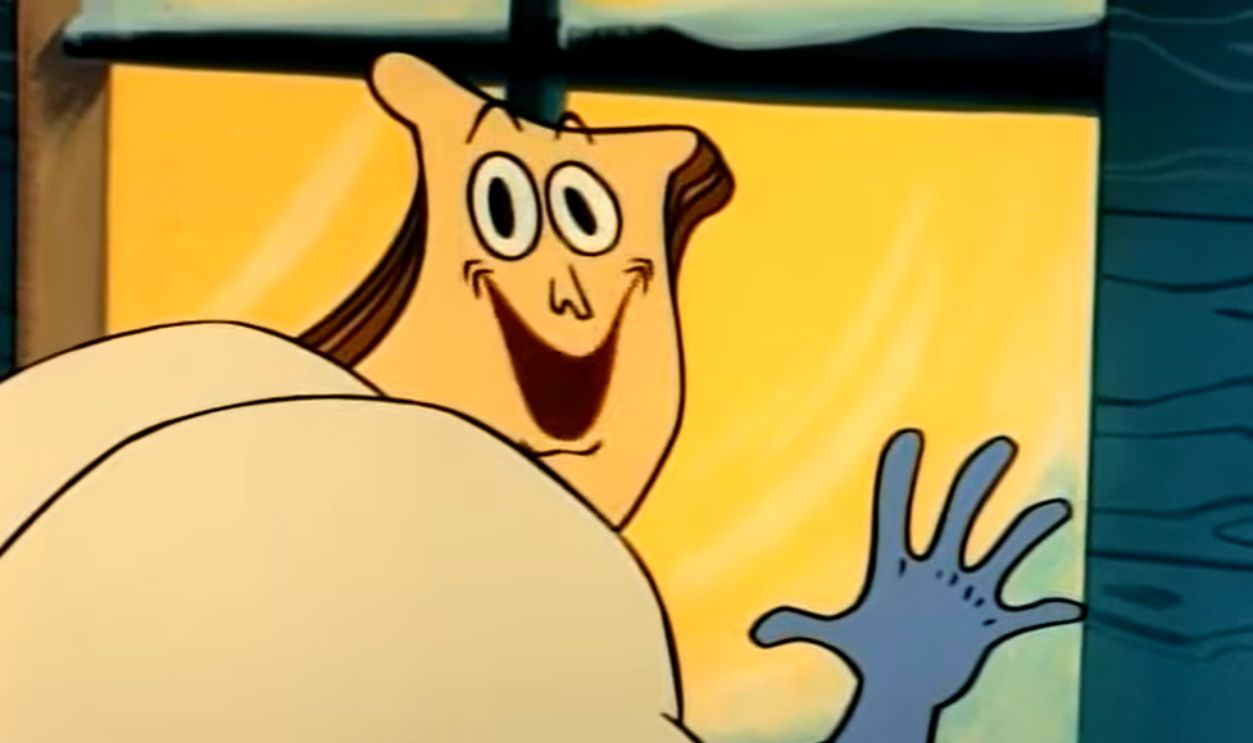
In the 1990s, Owens voiced Powdered Toast Man on The Ren & Stimpy Show. The role was practically tailor-made for him: an enormous superhero voice applied to deliberate nonsense. Decades after Roger Ramjet, Owens’s mock-heroic delivery still landed the joke.
 Screenshot from The Ren & Stimpy Show, Nickelodeon (1991–1996)
His Voice Was Everywhere
Owens recorded huge amounts of radio, commercial, promotional, and cartoon work across his career. That volume helps explain why his influence can be easy to miss. Audiences could hear the same performer across completely different corners of television without connecting the voice to one person.
Broadcasting Eventually Honored Him
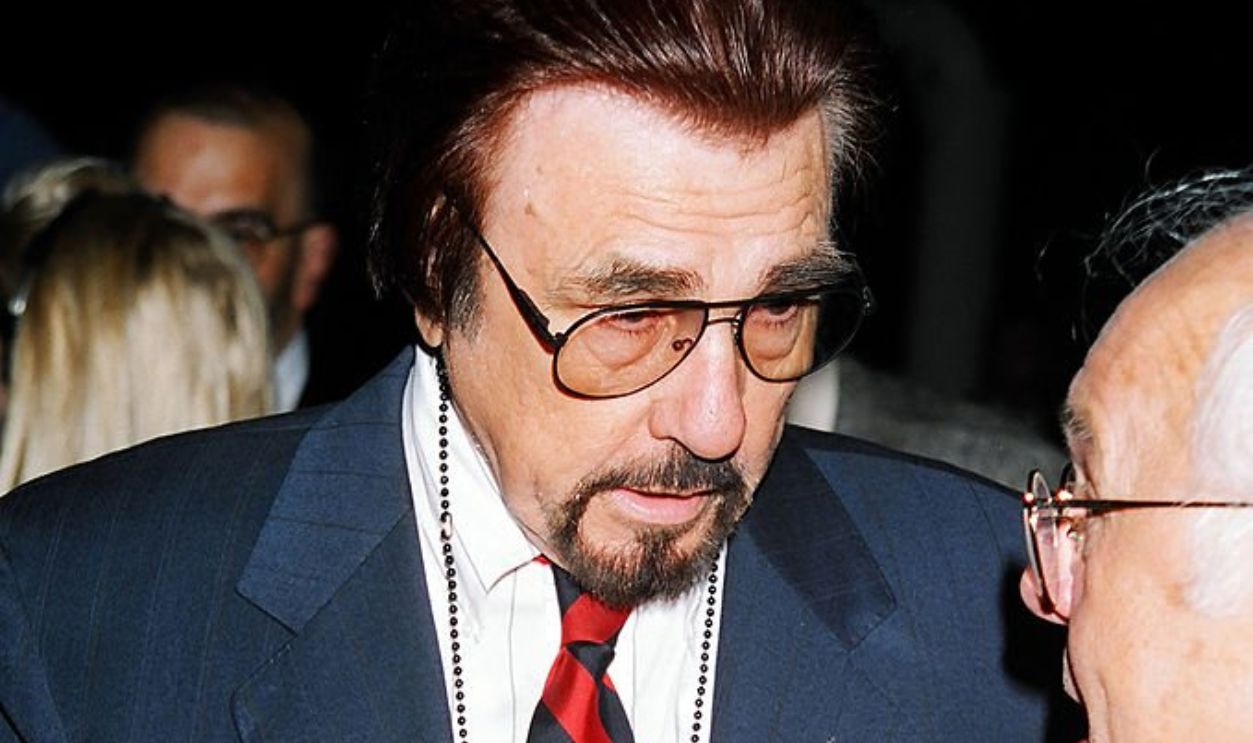
Owens received the National Association of Broadcasters’ National Radio Award in 1986, entered the Radio Hall of Fame in 1994, and joined the NAB Broadcasting Hall of Fame in 1995. He also earned a Hollywood Walk of Fame star for radio.
Laugh-In Was Only The Most Visible Part
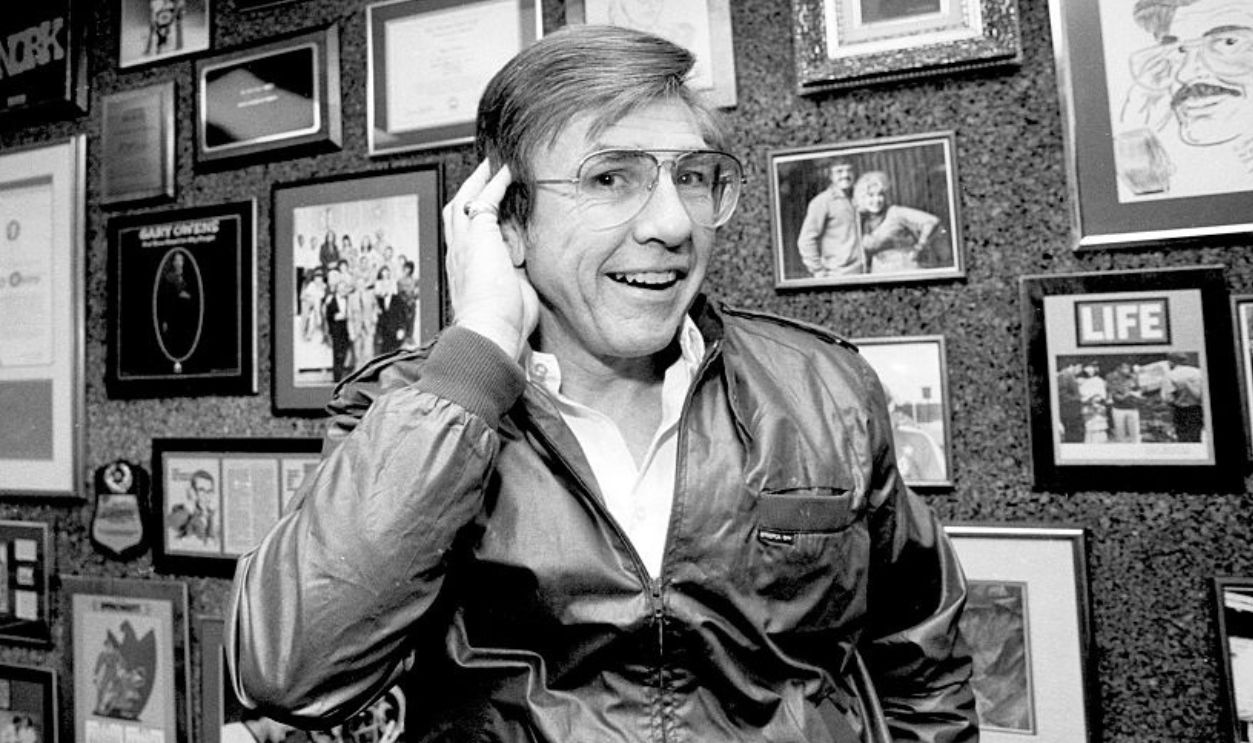
Owens passed in 2015 at age 80 after more than six decades in broadcasting and entertainment. Laugh-In gave him his most famous image, but his larger legacy stretched further: he turned announcing into comedy, voiced generations of cartoons, and became one of television’s most familiar unseen presences.
You May Also Like: