The Truth About Ol’ Blue Eyes
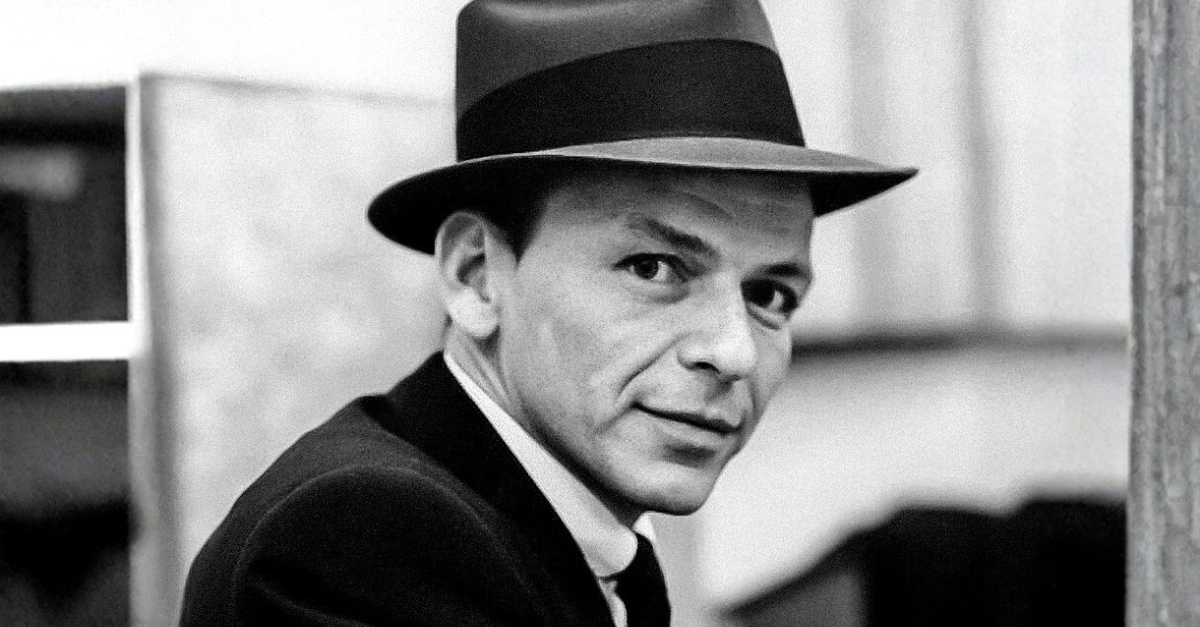
Frank Sinatra sold the world an irresistible image: Ol’ Blue Eyes, immaculate suits, effortless swagger, and a voice smooth enough to make almost anyone swoon. But away from the spotlight, that charm could vanish fast. His temper was legendary, his grudges could stretch on for years, and jealousy often followed him into his relationships. Add in a famously controversial inner circle, and Sinatra’s private life was far messier than the polished image he brought to the stage.
 DownBeat and United Artists, Wikimedia Commons
“I Have a Sicilian Temper”
Sinatra admitted, “I got my hot, Sicilian temper and temperament from my dad.” It was no empty boast. Those close to him knew that one wrong word could turn his charm into a storm. That temper would ripple through his career, his politics, his romances—and even the furniture around him.
 CBS Television, Wikimedia Commons
The Fuse Was Always Lit
A journalist once summed him up: “Don’t get even, get mad.” That was Frank’s operating system. His fuse wasn’t just short—it was practically pre-lit, waiting for a spark. And once it caught, the fallout was usually loud, public, and impossible to ignore.
 Capitol Records (File No. 3860-25). Photographer unknown., Wikimedia Commons
Violence Beyond the Stage
Frank once threw a bottle of ketchup at a waiter, had ribs thrown in a woman’s face for challenging his politics, and fractured a man’s skull with a telephone. The charming crooner had a mean streak.
Born Into Bootlegging
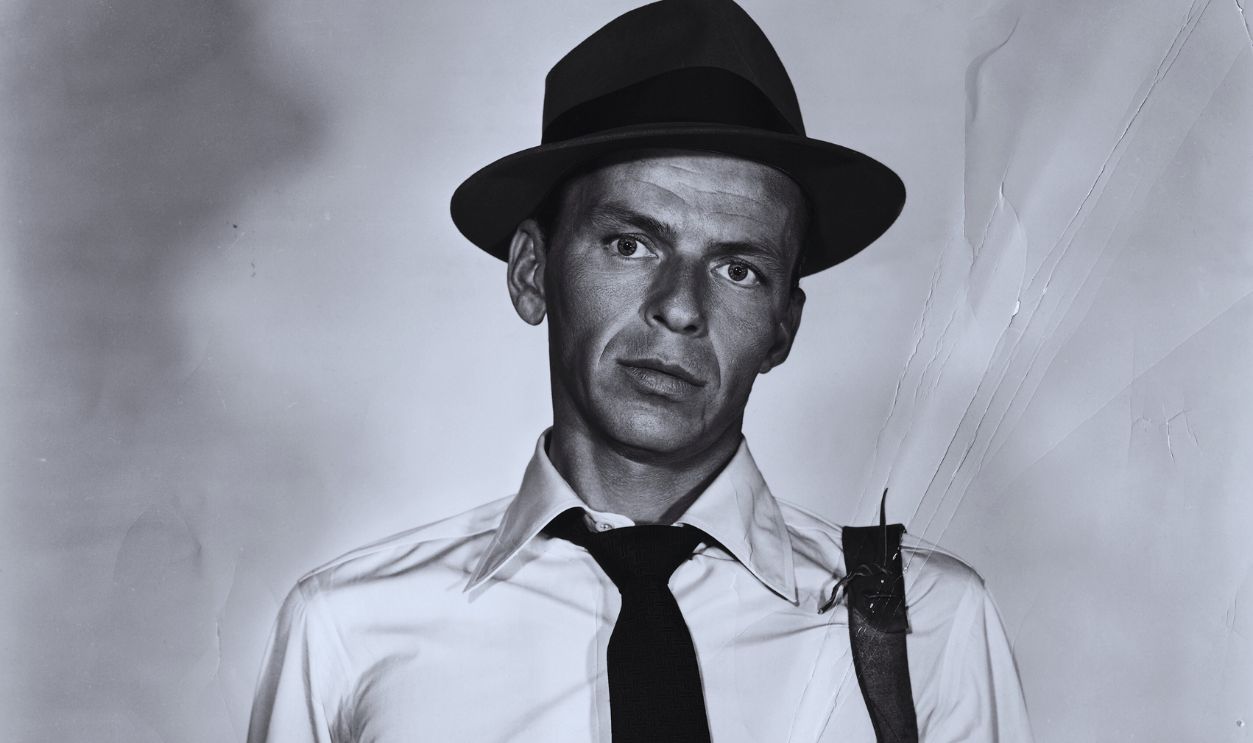
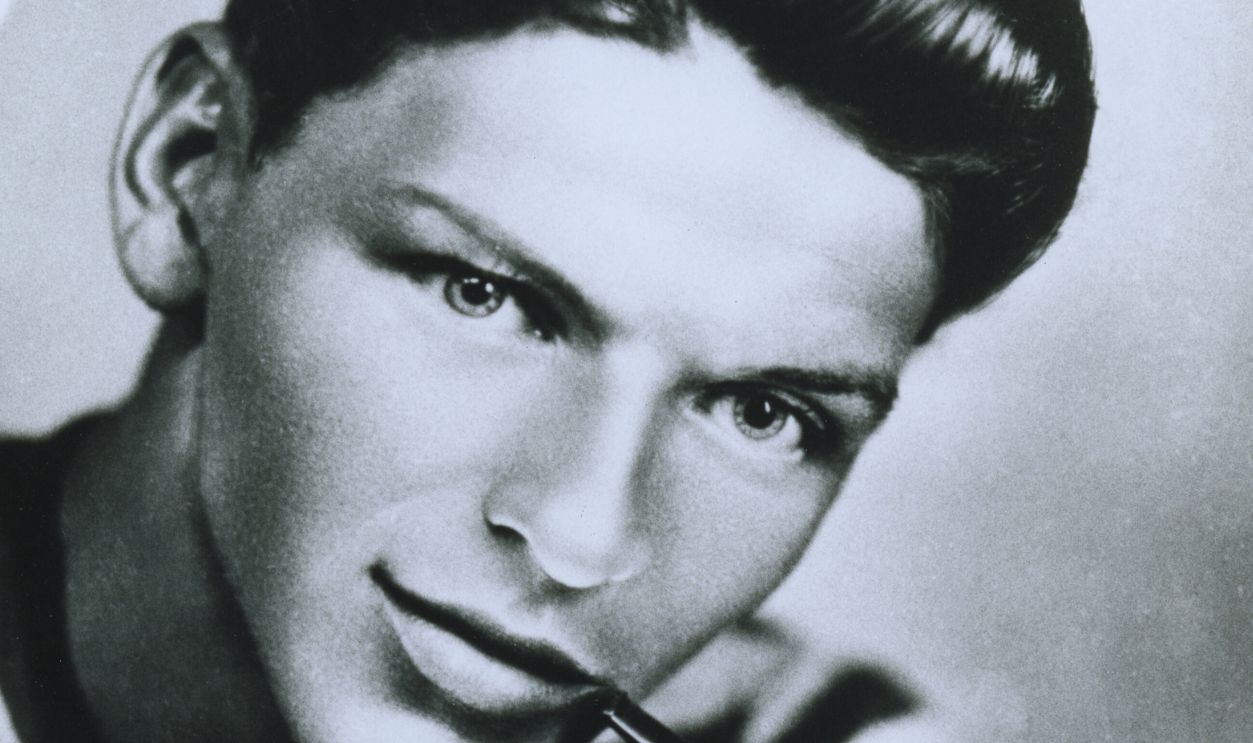
Before the fancy suits, Sinatra was a Hoboken kid doing homework in the back of his parents’ bar—while his father sold illegal booze with Prohibition-era gangster Waxey Gordon. Mobsters weren’t strangers in Frank’s world. They were part of the family landscape.
The “Sinatra Way” Out of a Contract
In the early ’40s, Sinatra was desperate to leave Tommy Dorsey’s band. According to Dorsey, mobster Willie Moretti showed up, “fingered a [weapon],” and made it clear Frank was leaving—for a fraction of the contract’s worth. In one meeting, Sinatra’s solo career was born.
 Pictorial Parade, Getty Images
Havana With Lucky Luciano
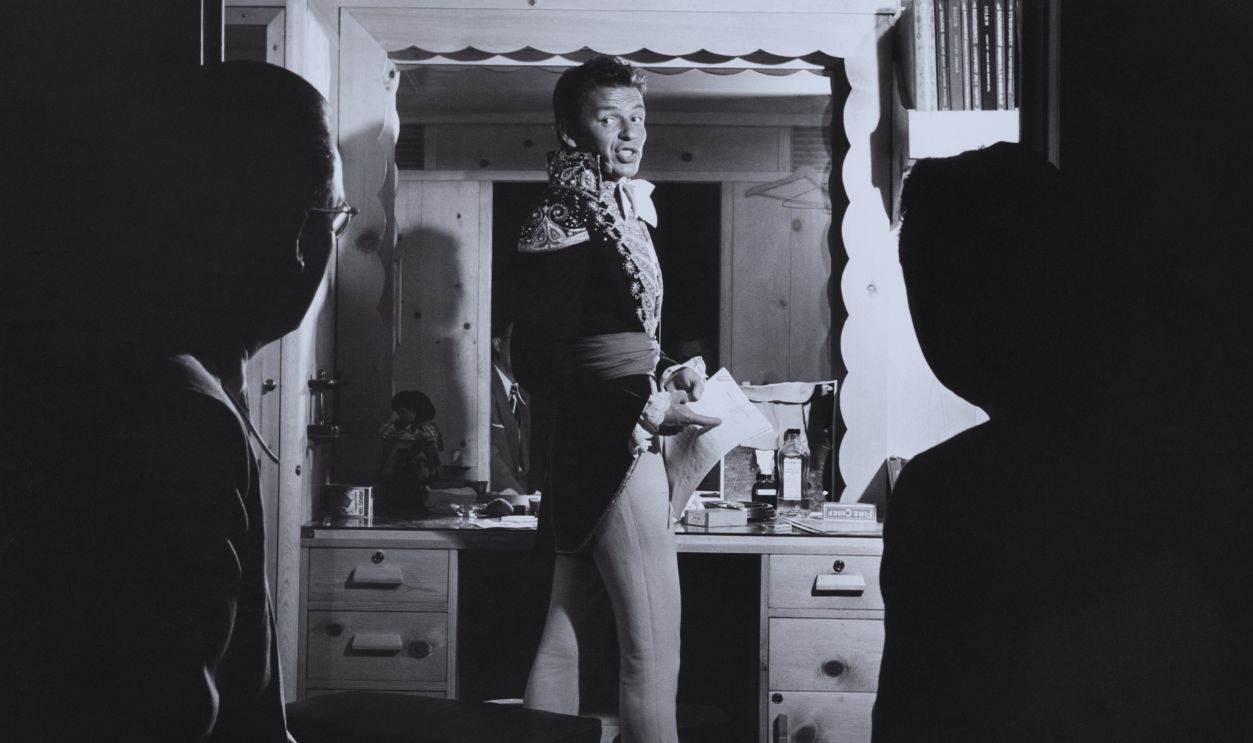
In 1947, Sinatra was photographed in Havana celebrating mob boss Lucky Luciano’s release from prison. He posed hugging notorious mobsters and carrying a mysterious briefcase. Rumors said it was stuffed with mob money; Frank claimed it held “art supplies.” The truth? Only the mob and Ol’ Blue Eyes knew.
 New York Police Department, Wikimedia Commons
Owning the Sands—And the Room
Sinatra didn’t just sing in Las Vegas—he had a small stake in the mob-run Sands Hotel. His Rat Pack shows were electric, but the real power was in the back rooms, where mobsters and celebrities mingled freely. Frank was comfortable in both worlds.
 Desert Supply Company, Las Vegas, Wikimedia Commons
Deny, Deny, Deny
Sinatra pushed back hard against the rumors, insisting, “Any report that I fraternized with goons or racketeers is a vicious lie.” Even so, his social circle kept raising eyebrows. From Chicago to Las Vegas, Frank had an uncanny habit of knowing some very connected people, which only made the whispers around him harder to shake.
 Philippe Halsman, Wikimedia Commons
The FBI’s Favorite Crooner
The FBI opened a file on Sinatra that ballooned to over 2,000 pages, tracking his friendships with mob bosses and his political activities. He even offered to become an FBI informant in 1950. J. Edgar Hoover’s answer? No thanks.

JFK and the Helipad Meltdown
In 1960, Sinatra threw himself into campaigning for John F. Kennedy. But when the Secret Service learned of his mob connections, JFK canceled a planned stay at Sinatra’s Palm Springs home. Frank responded by smashing doors, ripping up floors, and tearing apart the helipad he’d built for the president.
 Consolidated News Pictures, Getty Images
Pitcher Over the Drums
Sinatra’s temper didn’t just burn in private. During one performance, he accused drummer Buddy Rich of missing a cue—then hurled a glass pitcher at his head. Buddy dodged, but the incident cemented Frank’s reputation for onstage fury.
 James Kriegsmann, Wikimedia Commons
Radio Rage
Once, while driving, Sinatra heard The Doors’ Light My Fire on the radio. He pulled over, took off his shoe, and smashed the radio to pieces. Apparently, Frank wasn’t a fan of psychedelic rock.
 NBC Television, Wikimedia Commons
Polo Lounge Pandemonium
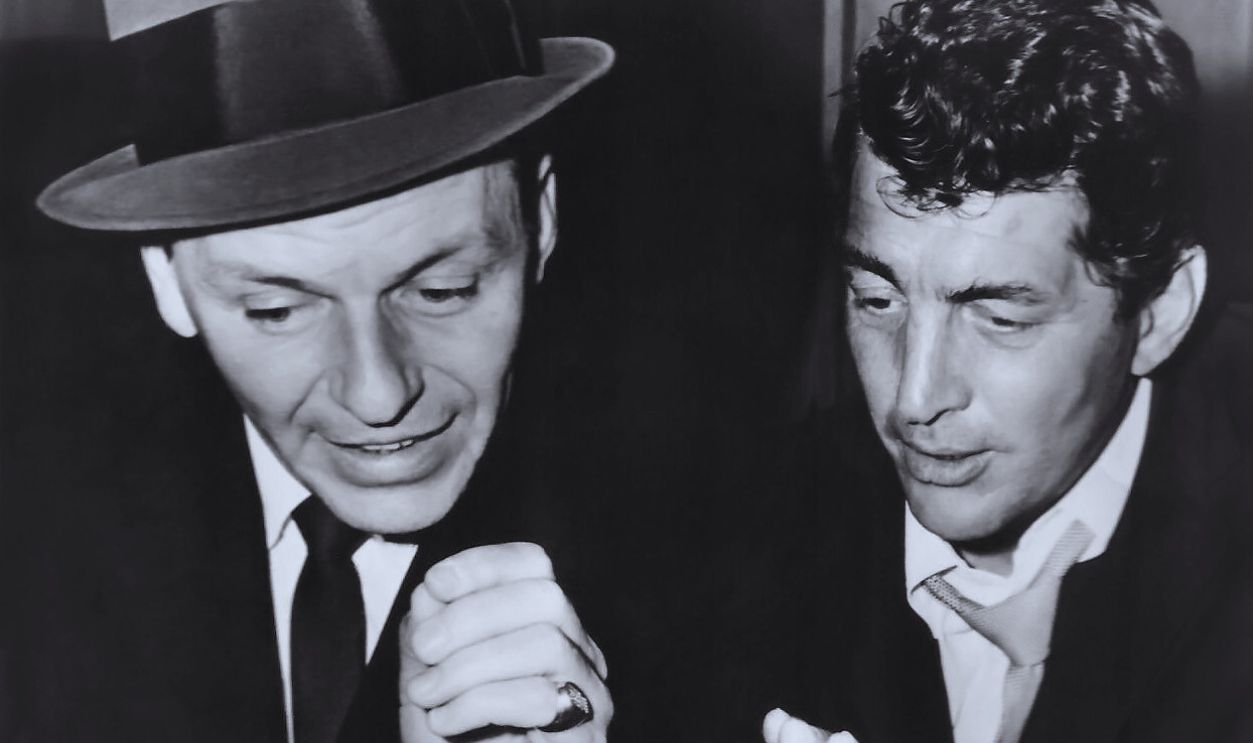
In 1966, a night at the Beverly Hills Polo Lounge with Dean Martin turned ugly after a nearby diner complained about their loud language. One version says Frank hurled a telephone at the man, leaving him unconscious. Charges? Of course not.
 English: Distributed by Warner Bros., photographer uncredited and unknown., Wikimedia Commons
The Godfather Showdown
When Frank spotted The Godfather author Mario Puzo in a restaurant, he unleashed a loud, profanity-laced tirade—furious at the rumored inspiration for Johnny Fontane. Puzo left before finishing his meal.
 Bernard Gotfryd, Wikimedia Commons
First Marriage, First Scandals
Frank Sinatra married his teenage sweetheart, Nancy Barbato, in 1939, long before superstardom changed the rules around him. As his fame exploded, so did the attention from Hollywood’s biggest names, and stories of his affairs soon became regular gossip-column material. The devoted young husband image was getting harder and harder to maintain.

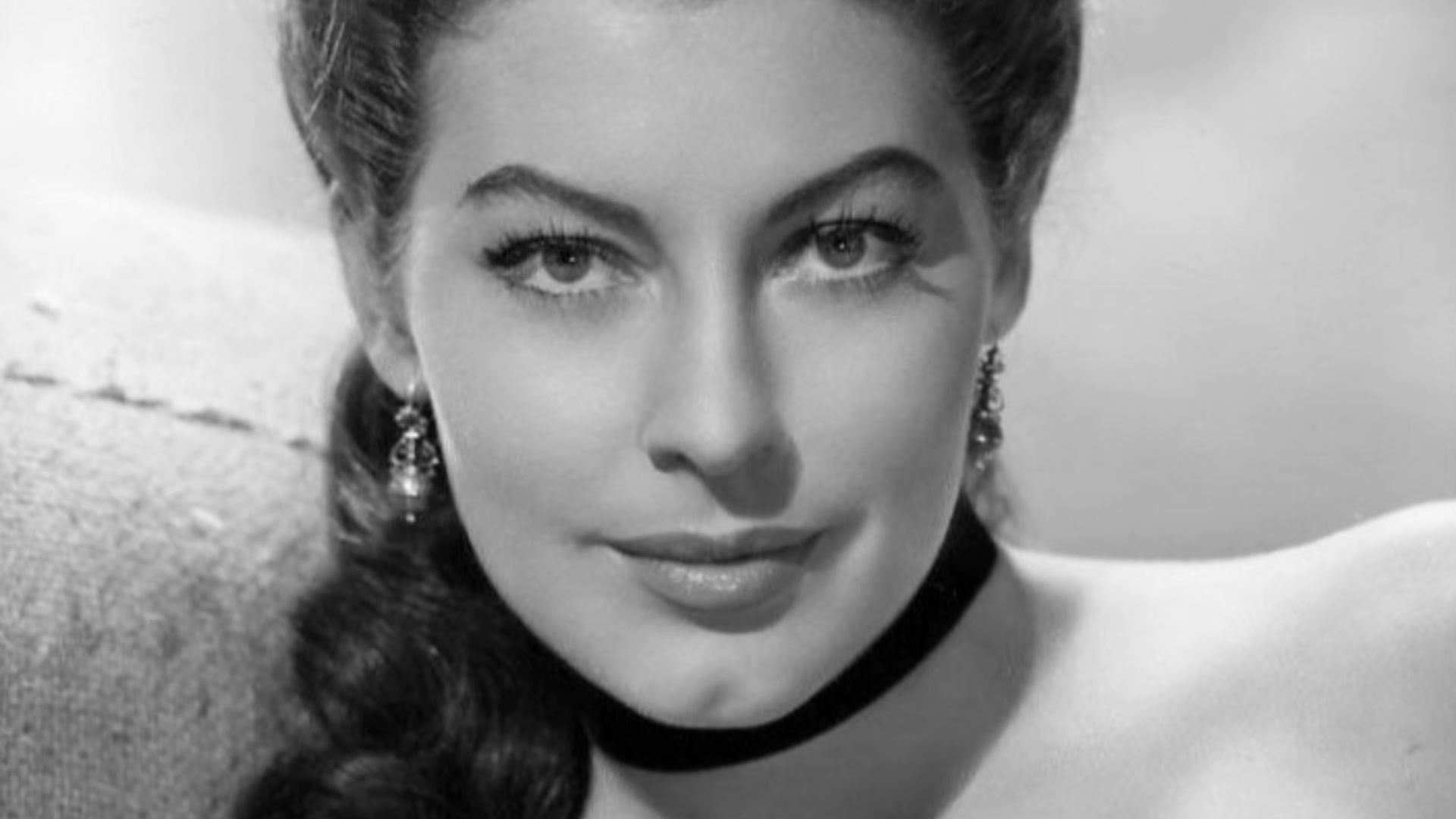
Ava Gardner: Passion and Powder Kegs
In 1951, Frank divorced Nancy and married Ava Gardner weeks later. Ava later quipped, “We were great in bed. It was getting out of bed that was tough.” Their love was intense—and often destructive.
 Wide World Photos. Photographer uncredited., Wikimedia Commons
Wild Nights With Ava
Friends recall drunken escapades where Sinatra and Gardner shot out streetlights in the desert. It wasn’t just a romance—it was a high-voltage collision.

Ava Gardner: A Love Fueled by Jealousy
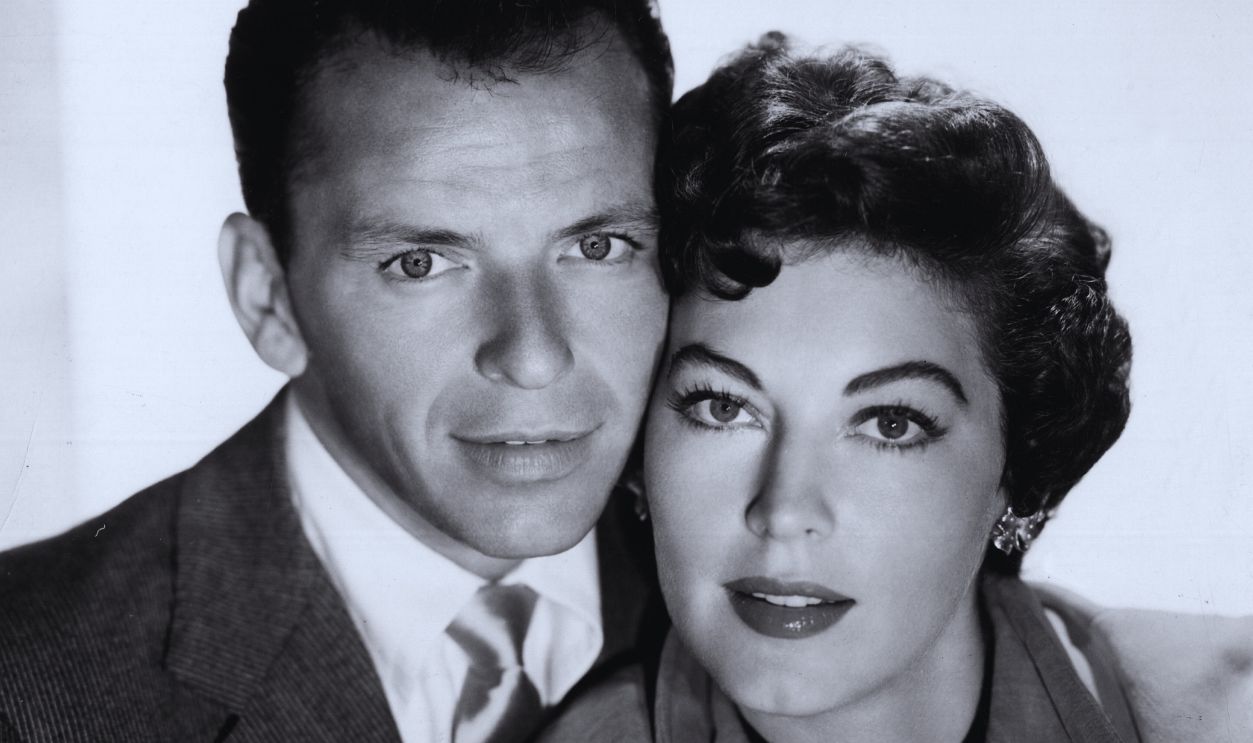
Frank and Ava weren’t just lovers—they were bold rivals in passion. Friends recall their marriage as a whirlwind of romance, infidelity, and mutual suspicion. Sinatra admitted to being possessive, while Ava gave as good as she got. Their clashes weren’t quiet—they were headline news, feeding gossip columns and inspiring some of Frank’s most haunting ballads.
 Mondadori Portfolio, Getty Images
When Jealousy Boiled Over
One of the most dramatic episodes came when Sinatra learned Ava had been unfaithful. Overcome, he allegedly tried to take his own life in a friend’s apartment, found with the gas oven on. Whether fact or legend, it shows how deep his jealousy ran—and how volatile their love story truly was.
Mia Farrow and Beyond
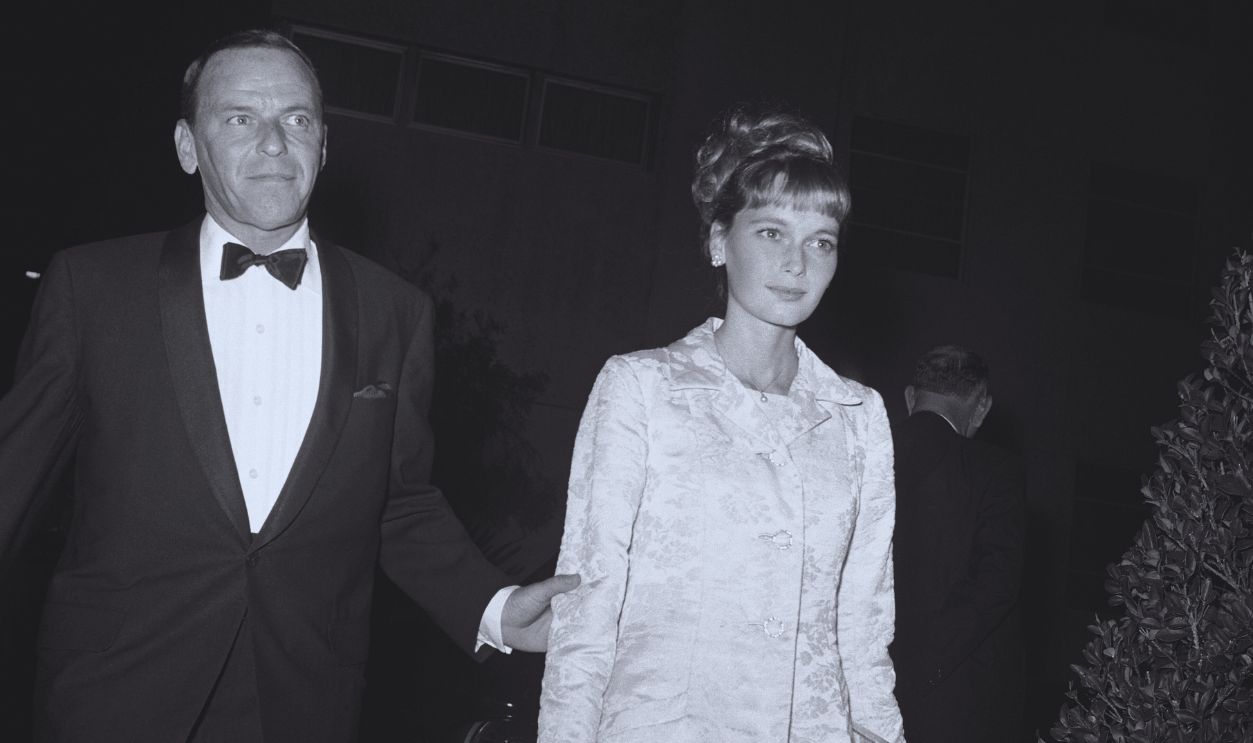
After Ava came Mia Farrow—whom Frank married when she was 21 and he was 50. The marriage lasted two years. Then came Barbara Marx, but rumors of flings persisted until the end of his life.
The Mugshot Years
At 23, Sinatra was arrested for “carrying on with a married woman.” The charge was dropped when it turned out she was separated—but the mugshot became an iconic reminder of his troublemaking youth.
 Michael Ochs Archives, Getty Images
Dodging the Draft—Or Not?
During WWII, Sinatra was declared unfit for service due to a perforated eardrum and “emotional instability.” Rumors of bribery circulated. The FBI cleared him, but the whispers lingered for decades.
 Capitol Records (File No. 3860-25). Photographer unknown., Wikimedia Commons
Politics and Power
Sinatra’s political influence was undeniable. But in Washington, as in Vegas, friendships with the wrong people could close doors just as quickly as they opened them.

The Charitable Side
To be fair, Sinatra had a generous side that rarely fit the tougher image surrounding him. He raised millions for charity, appeared at numerous benefits, and was known to help friends privately when they needed it. That kindness complicates the picture, even if it does not erase the more troubling parts of his story.
 William P. Gottlieb, Wikimedia Commons
His Own Justification
When asked about his darker moments, Sinatra brushed them off: “I’m supposed to be a nice guy. But I’m not.” It was perhaps the most honest thing he ever said about himself.

On Music and Mood
As The New Yorker once put it, “When he opened his mouth in song, his ‘Sicilian temper’ was filtered through the charm of lyrics and music into poetic passion.” Maybe singing was the one place Frank’s storms turned to art.
 Distributed by CBS/CBS Radio. Photographer uncredited and unknown., Wikimedia Commons
The Paradox Lives On
Frank Sinatra could charm royalty, crush a glass pitcher against a wall, raise millions for charity, and befriend mobsters—all in the same year. His voice belonged to the angels, but his habits often danced with the devil.
 Photo created by MGM. Photographer unknown., Wikimedia Commons
You Might Also Like:
The Most Infamous On-Set Meltdowns
Winning Facts About Bob Barker, Game Show Legend