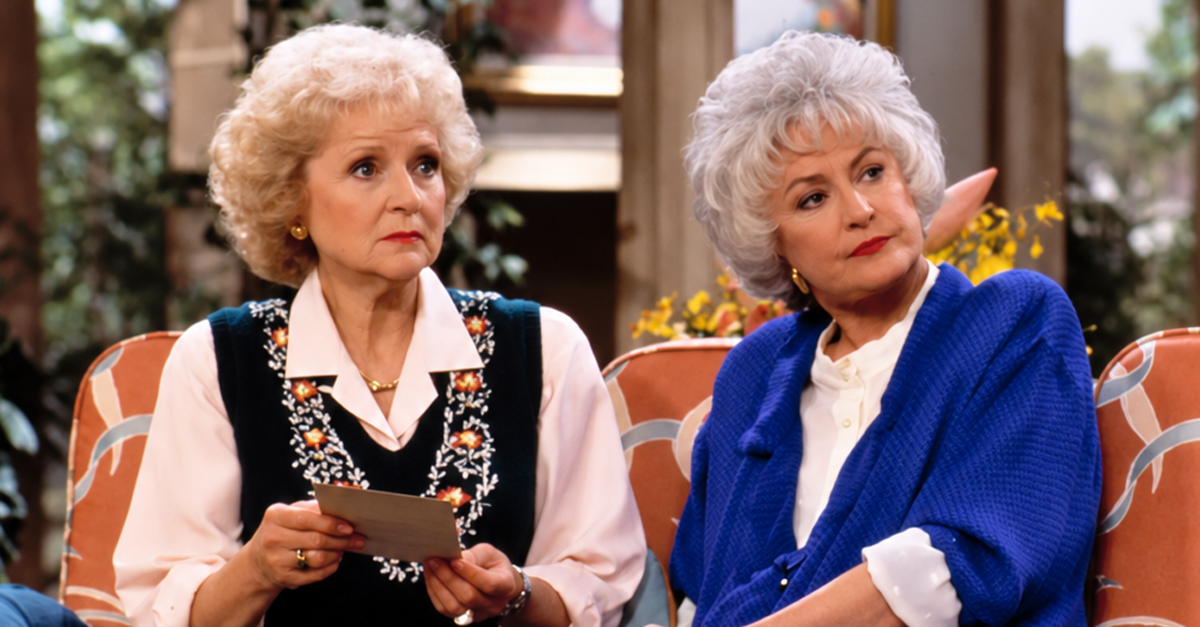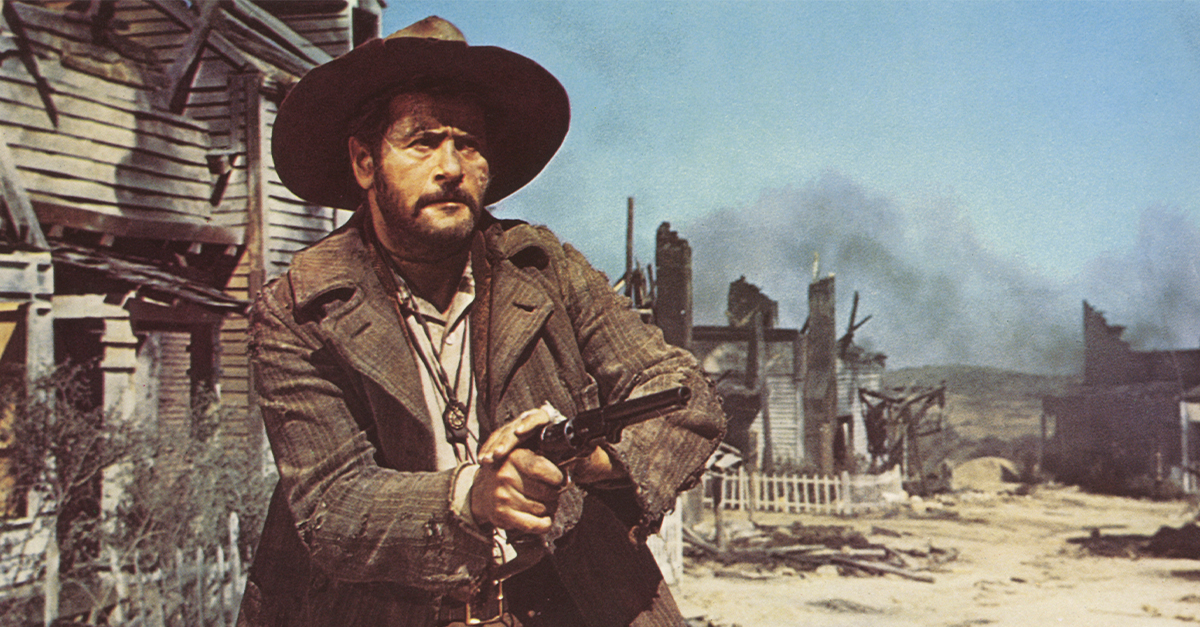
One Of The Best
For more than six decades, Eli Wallach built one of the most versatile and respected careers in entertainment history. His work stretched across stage, television, and film, playing outlaws, gangsters, comic side characters, or tragic figures. This eventually made him one of Hollywood’s most beloved character actors. It all started back in Brooklyn more than a century ago.
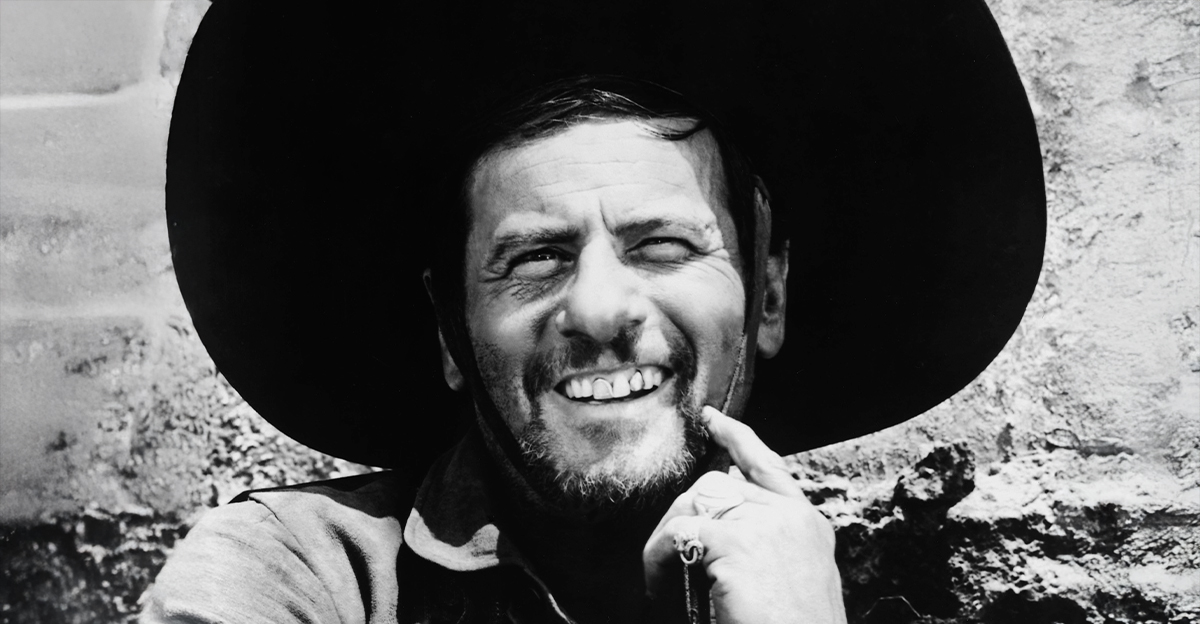 Silver Screen Collection/Getty Images
A Brooklyn Childhood
Eli Wallach was born in Brooklyn, New York, in 1915 to Jewish immigrant parents from Poland. He grew up in a busy household that was serious about hard work and pursuing a good education. According to later biographies, Wallach was already fascinated with storytelling and performance while he was growing up in New York’s diverse immigrant communities.
 Silver Screen Collection, Getty Images
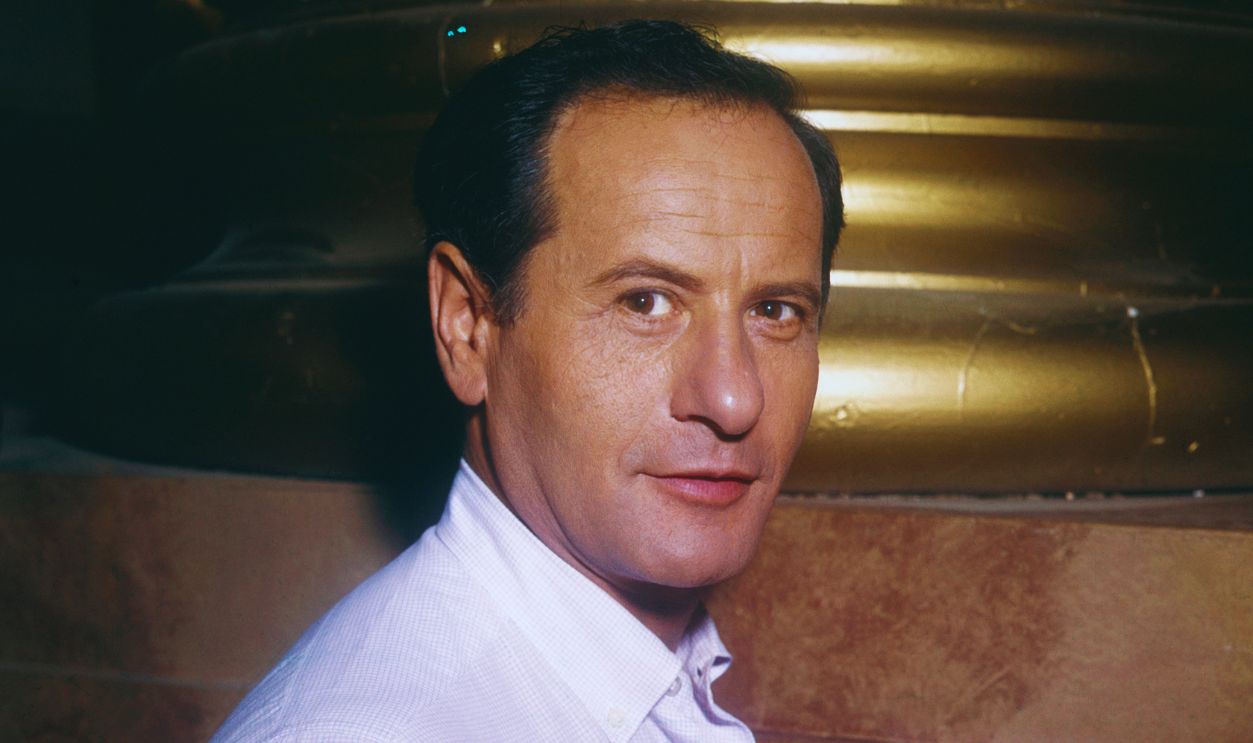
Studying At The University Of Texas
Wallach attended the University of Texas at Austin, where he earned a degree in history. In those days he was still pondering the possibility of becoming a teacher, but his growing interest in acting steadily pulled him toward the theater world. The confidence he developed during college performances gave a boost to his future ambitions.
Military Service During WWII
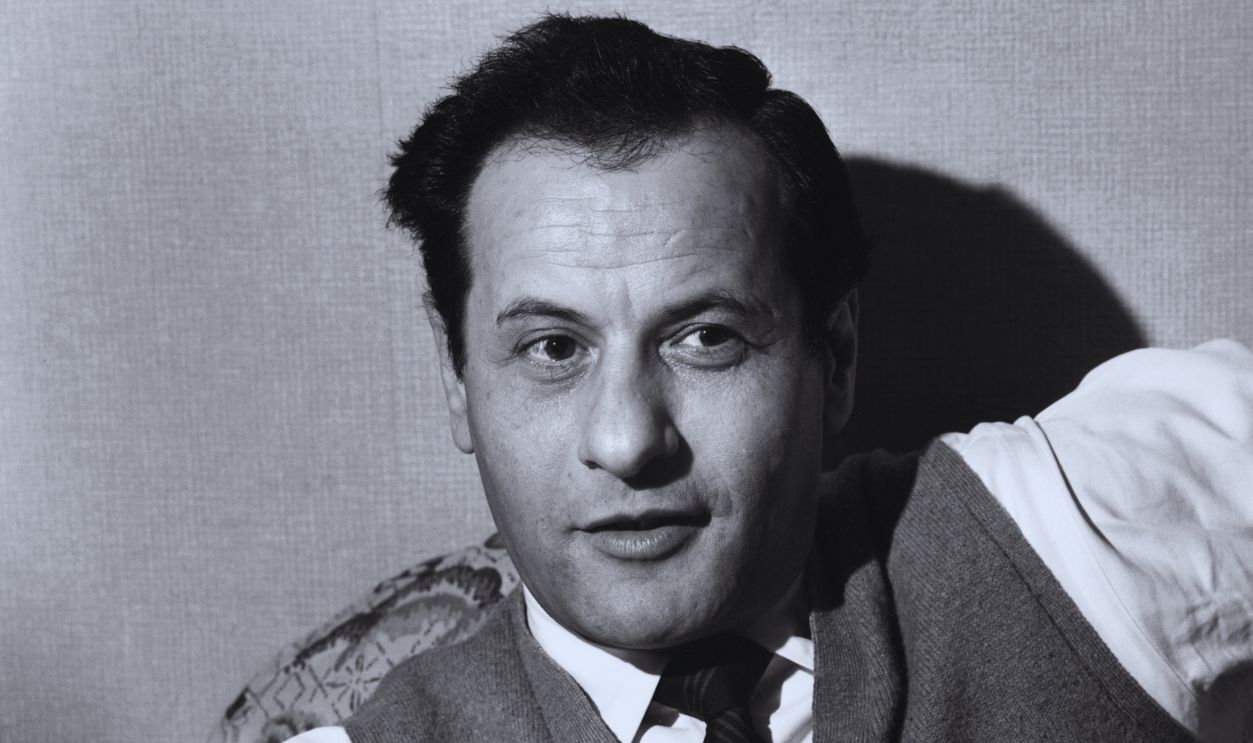
Before he became a professional actor, Wallach served in the United States Army during World War II. He worked in a military hospital unit, rising to the rank of staff sergeant. The experience exposed him to hardship and discipline that later informed many of his emotionally grounded screen performances.
 Michael Ochs Archives, Getty Images
Training At The Actors Studio
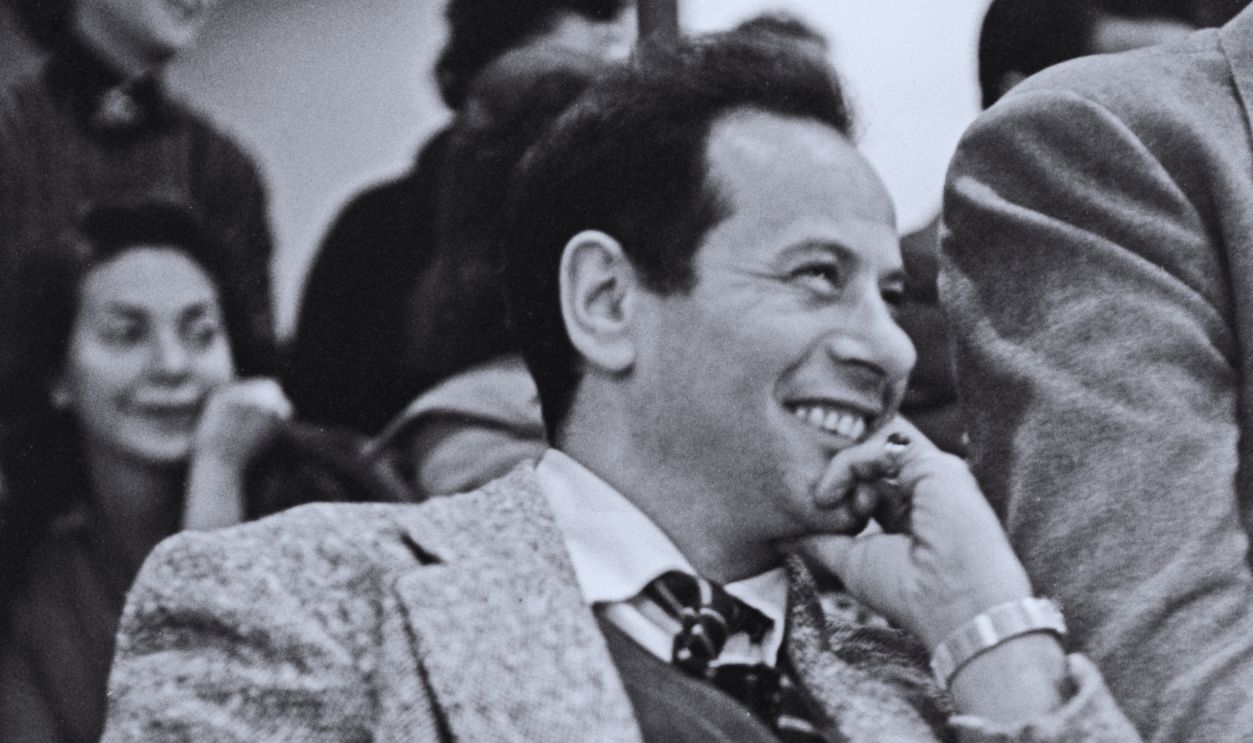
After the war, Wallach studied acting in New York. It was during this time that he became one of the earliest members of the Actors Studio run by famed method acting coach Lee Strasberg. He worked alongside rising talents like Marlon Brando, Montgomery Clift and a young actress named Anne Jackson.
Marriage To Anne Jackson
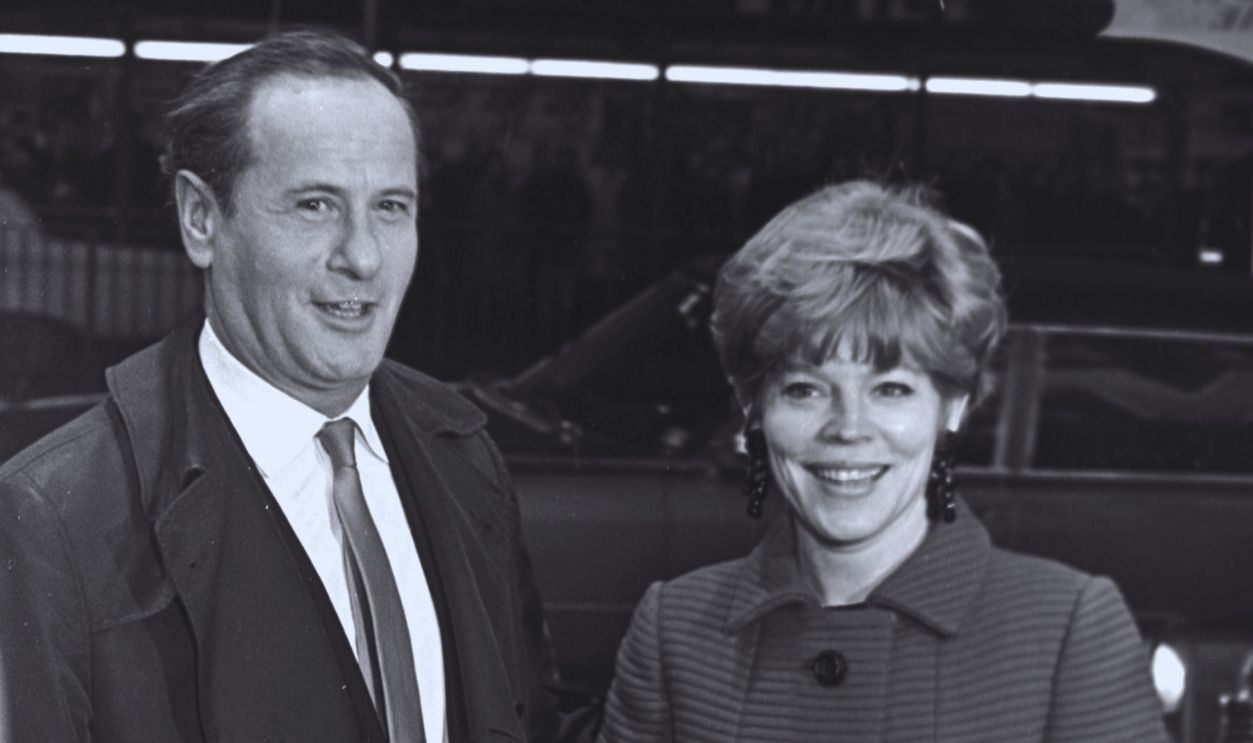
Eli Wallach met fellow actress Anne Jackson at the Actors Studio in the late 1940s while both were struggling young performers. Their relationship developed during a period when both were working to establish themselves on stage, and they married in 1948. They would raise three children and frequently appear in films and stage productions together over the decades to come.
First Stage Role
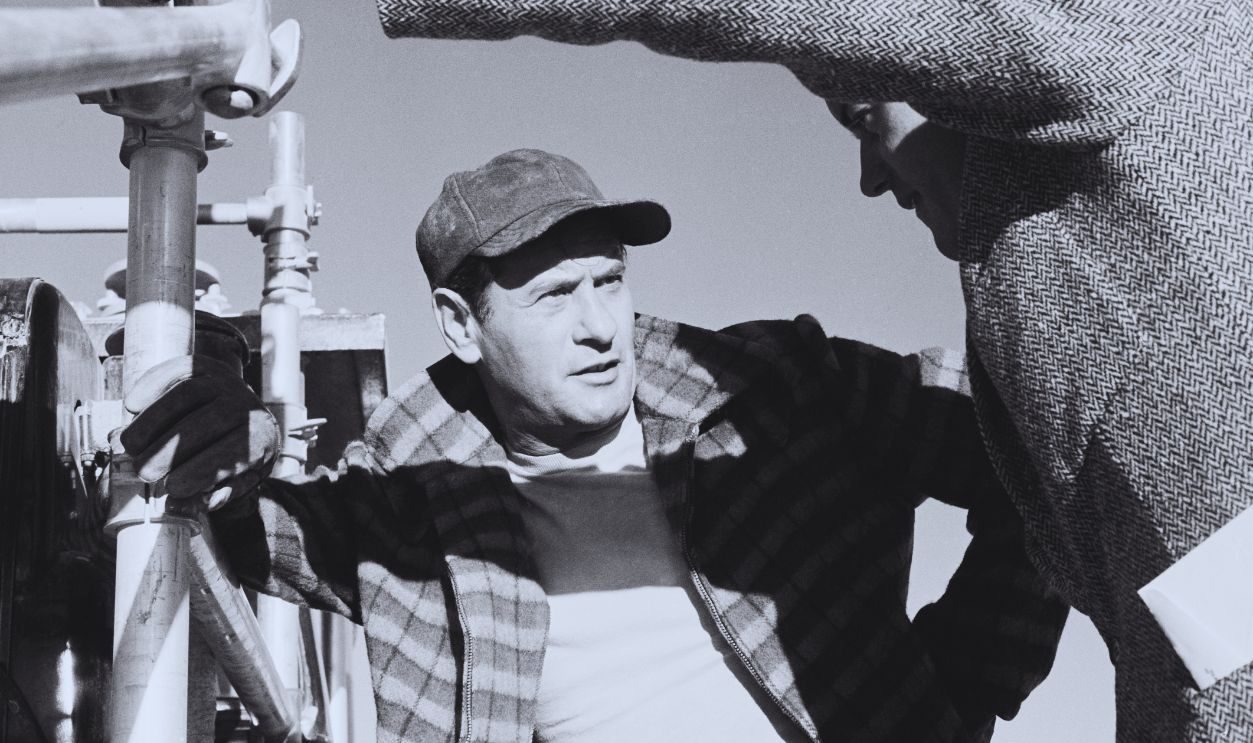
Wallach’s early stage career developed steadily during the late 1940s. Some of his earliest important theatrical appearances came in productions that showcased his natural intensity and expressive delivery. Directors quickly recognized his unusual ability to play dangerous, emotional, and morally complicated characters.
Winning Attention On Broadway
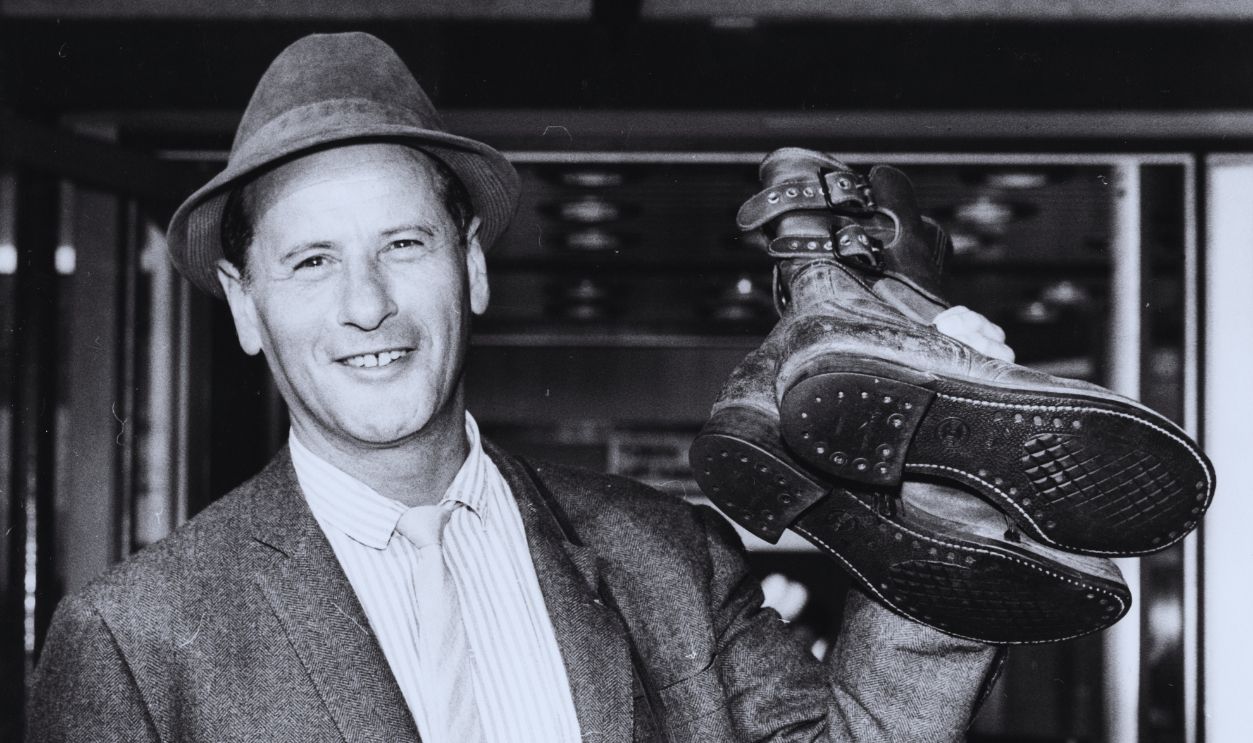
As Wallach’s stage reputation grew, he became increasingly associated with serious dramatic productions on Broadway. Critics praised his emotional realism and commanding presence. It all came together for him in the 1951 run of Tennessee Williams’ play The Rose Tattoo co-starring Maureen Stapleton, for which Wallach captured the Tony Award for Best Featured Actor.
 Michael Ochs Archives, Getty Images
Turning Down From Here To Eternity
One of the most important decisions of Wallach’s early career came when he declined the role of Maggio in the big-budget film production of From Here to Eternity (1953). Instead, he chose to appear in Camino Real (1953) by Tennessee Williams, prioritizing theater over a potentially major Hollywood breakthrough.
First Film Role
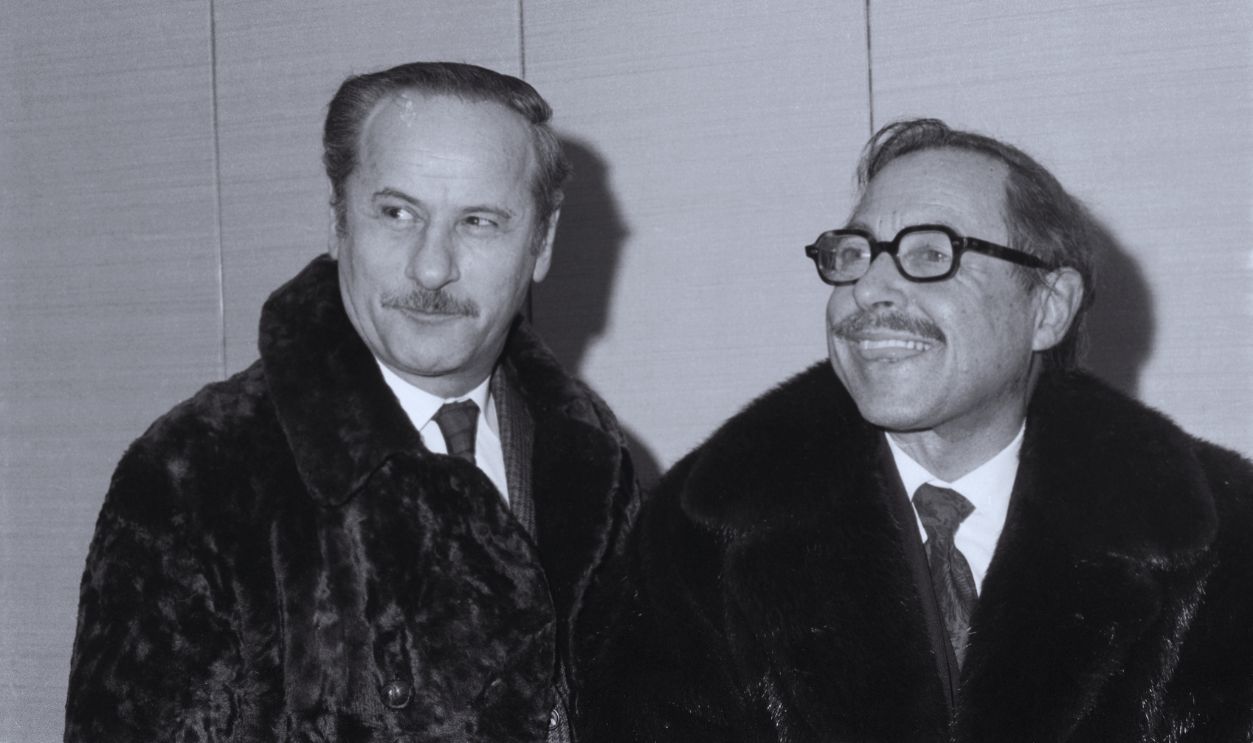
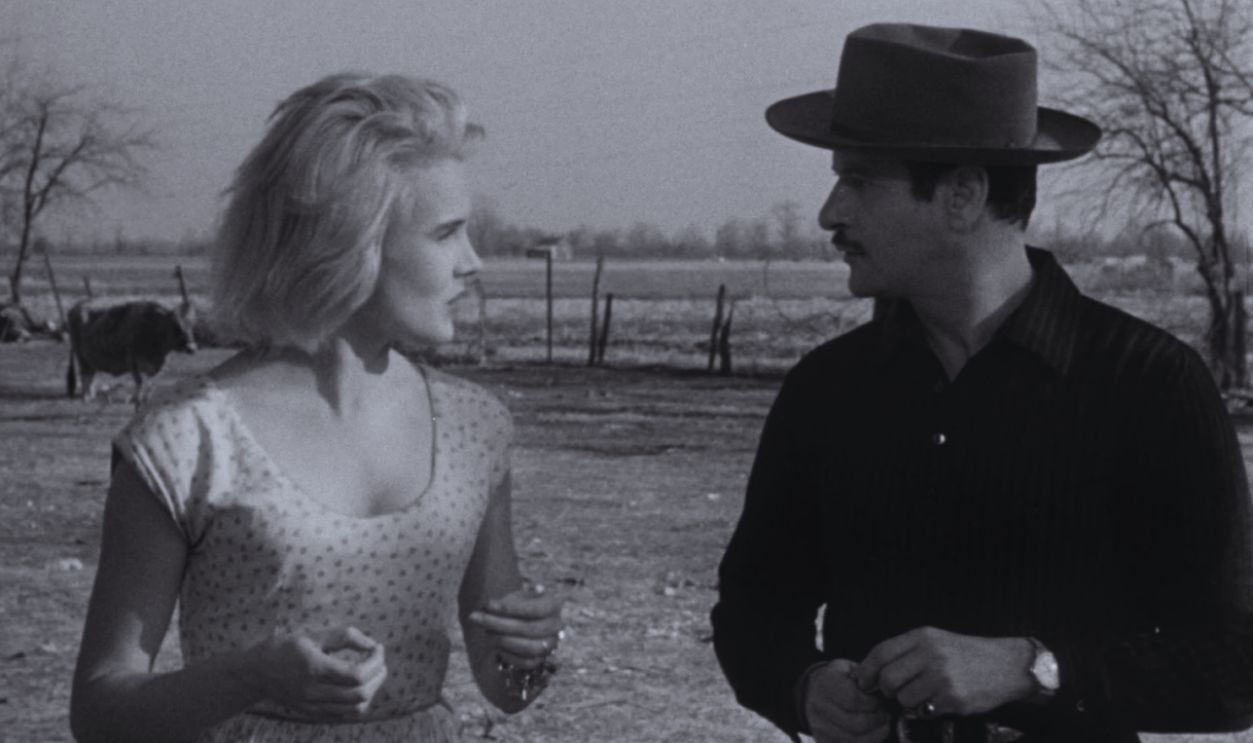
Wallach made his film debut in Baby Doll (1956), directed by Elia Kazan and co-starring Carroll Baker and Karl Malden. Playing the seductive Silva Vacarro, Wallach immediately attracted attention for his confidence and charisma. The performance earned widespread praise and demonstrated that his theatrical intensity translated effectively to film.
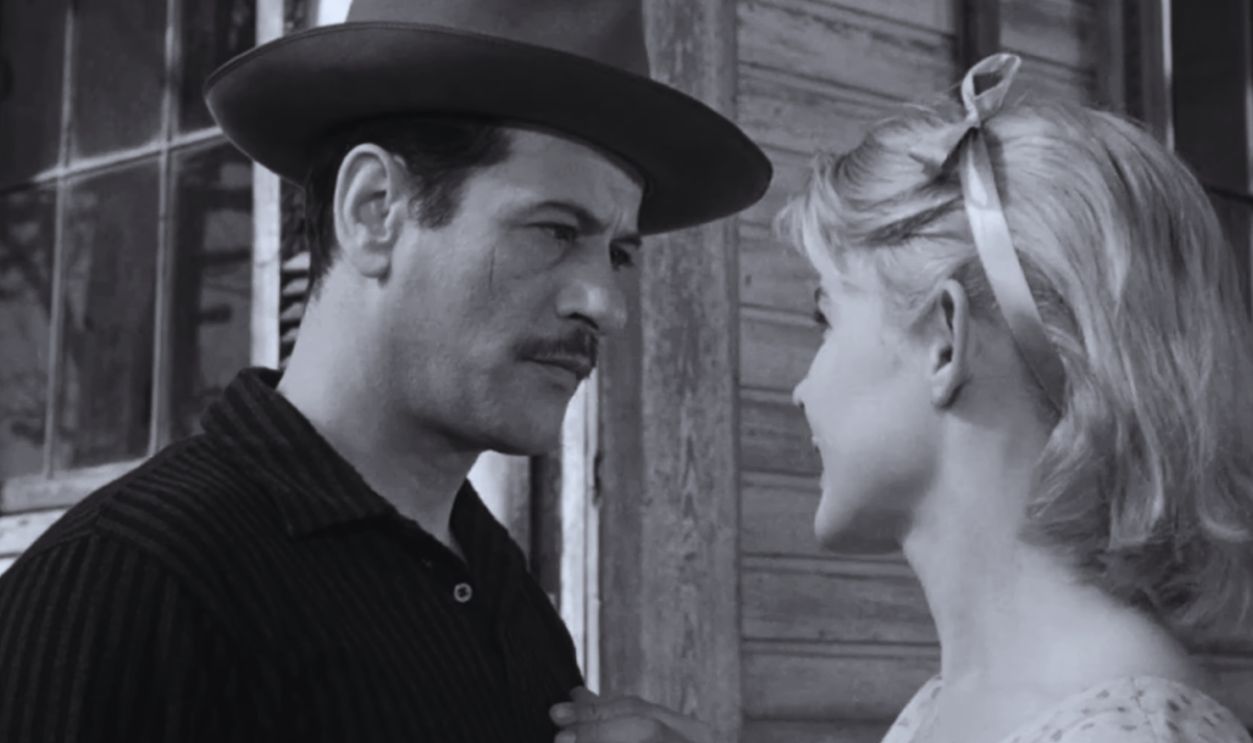 Screenshot from Baby Doll, Warner Bros. Pictures (1956)
Breakthrough With Baby Doll
The controversy around some of the plot elements in Baby Doll (1956) only increased Wallach’s visibility in Hollywood. Critics and audiences took notice of his bold screen presence and unconventional charm. The role put Wallach on the map as an actor capable of commanding scenes opposite established stars despite not fitting conventional leading-man expectations.
 Screenshot from Baby Doll, Warner Bros. Pictures (1956)
The Magnificent Seven
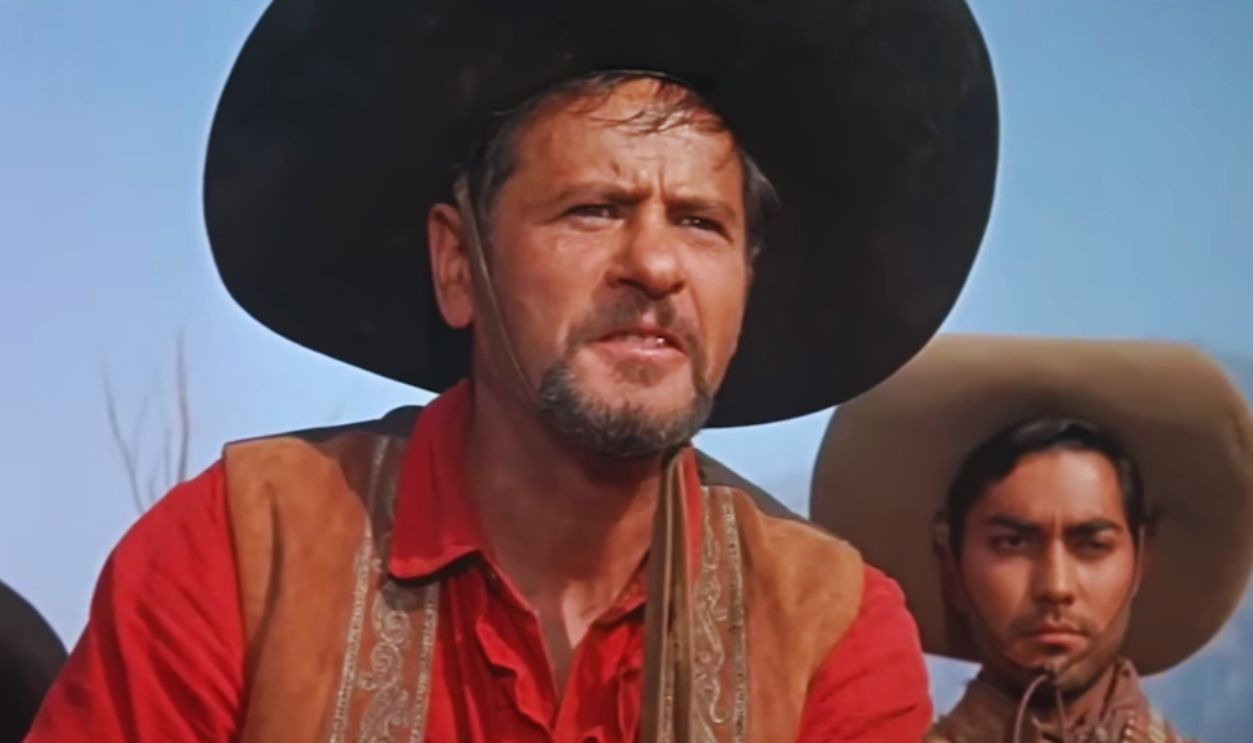
Wallach delivered one of his most famous performances as the bandit Calvera in The Magnificent Seven (1960). Acting opposite stars like Yul Brynner and Steve McQueen, Wallach created a villain who felt intelligent, charismatic, and strangely sympathetic rather than simply evil.
 Screenshot from The Magnificent Seven, The Mirisch Company / United Artists (1960)
The Misfits
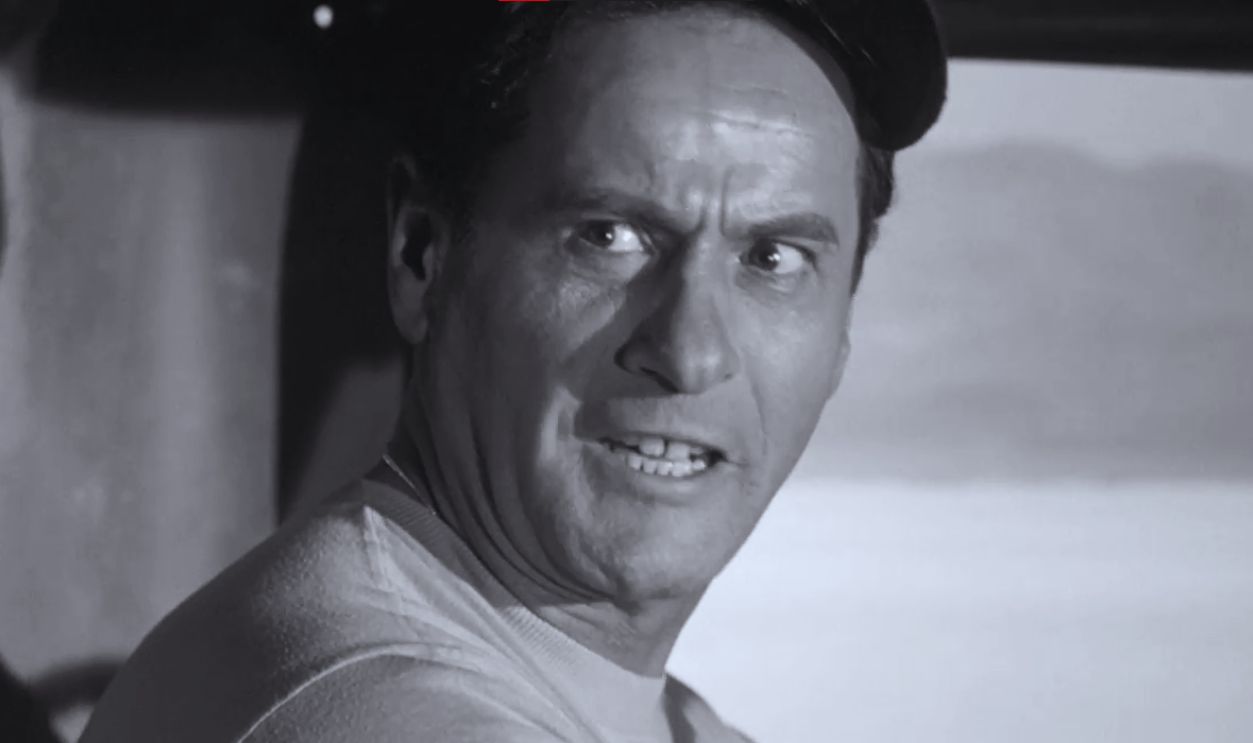
In 1961, Eli Wallach appeared in The Misfits as Guido, a sympathetic mechanic and friend to a group of aging Western drifters. The acclaimed drama is remembered not only for Wallach's performance but also because it ended up being the final completed film for both Clark Gable and Marilyn Monroe before their deaths.
 Screenshot from The Misfits, United Artists (1961)
How The West Was Won
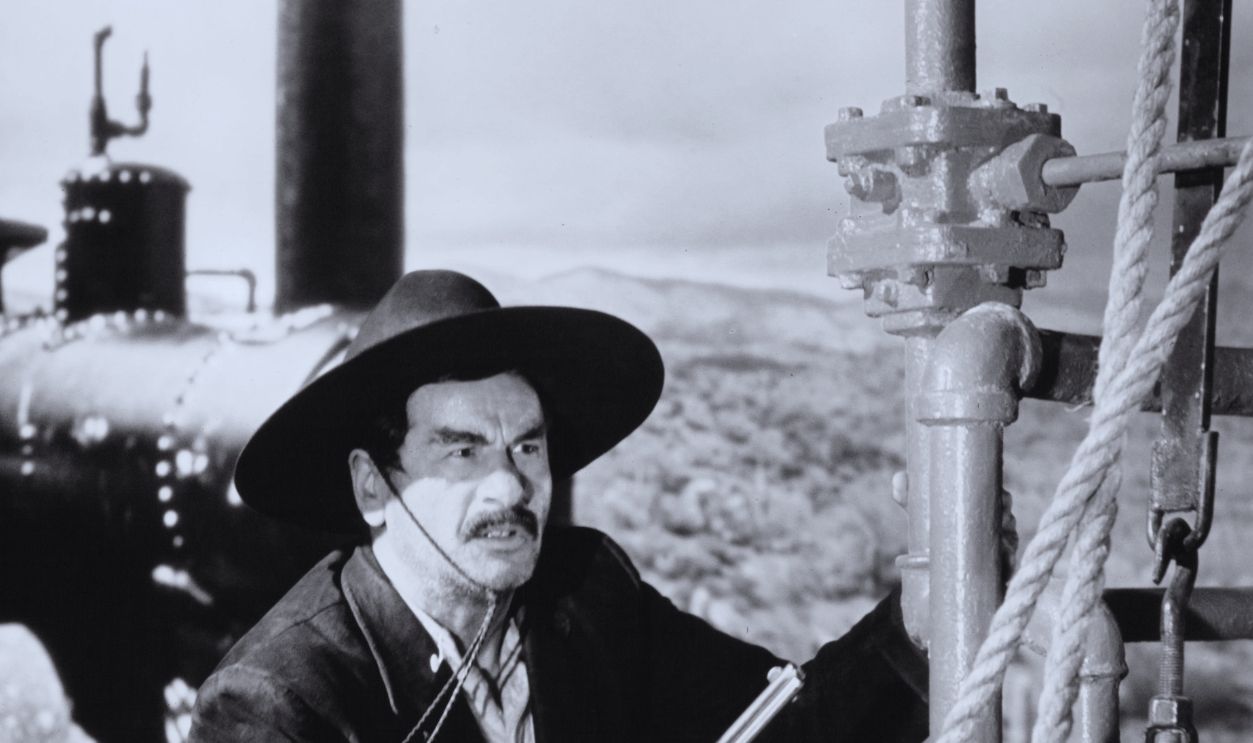
Wallach appeared in How the West Was Won (1962), one of the era’s massive Hollywood epics. The sprawling western featured an enormous ensemble cast and showcased Wallach’s growing importance within the film industry as studios increasingly sought him for ambitious prestige productions.
Lord Jim
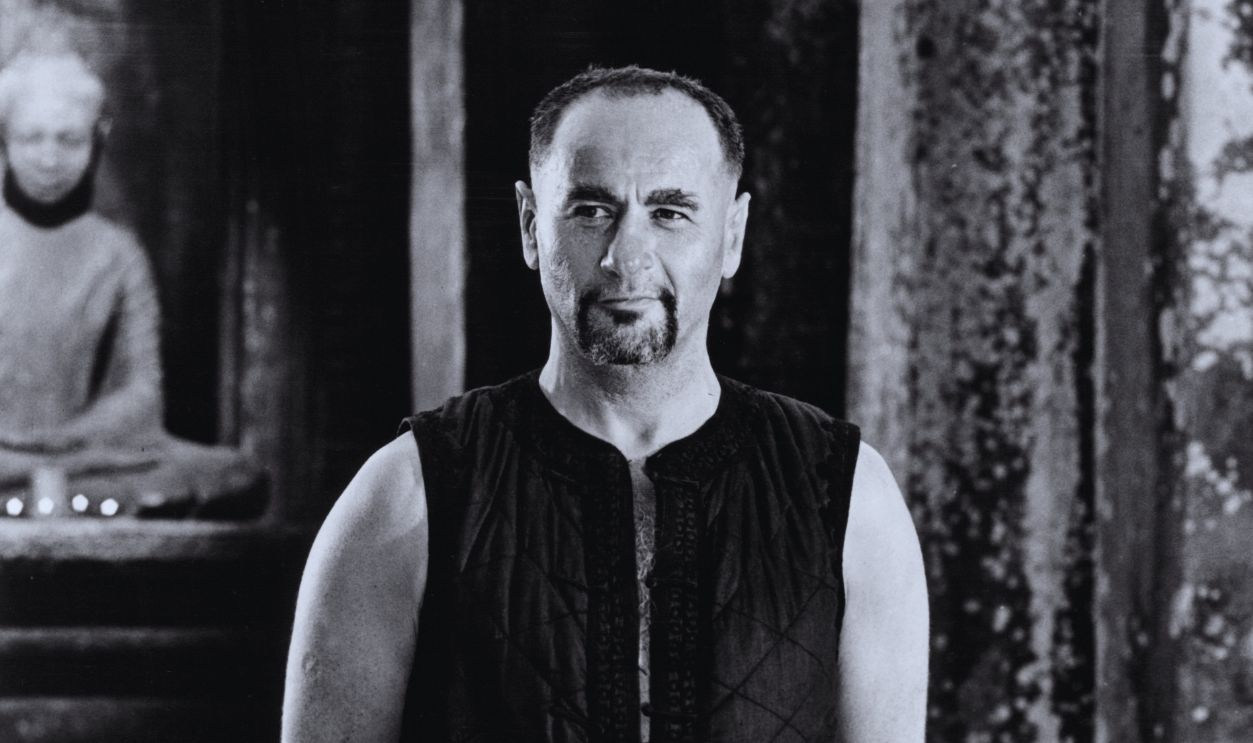
In Lord Jim (1965), Wallach demonstrated his versatility by stepping into a large-scale literary adaptation of Joseph Conrad’s novel. His ability to shift comfortably between westerns, dramas, and adventure films helped him to stand out from many of the other actors of that era who became trapped within a single genre during the 1960s.
 Michael Ochs Archives, Getty Images
The Good, The Bad And The Ugly
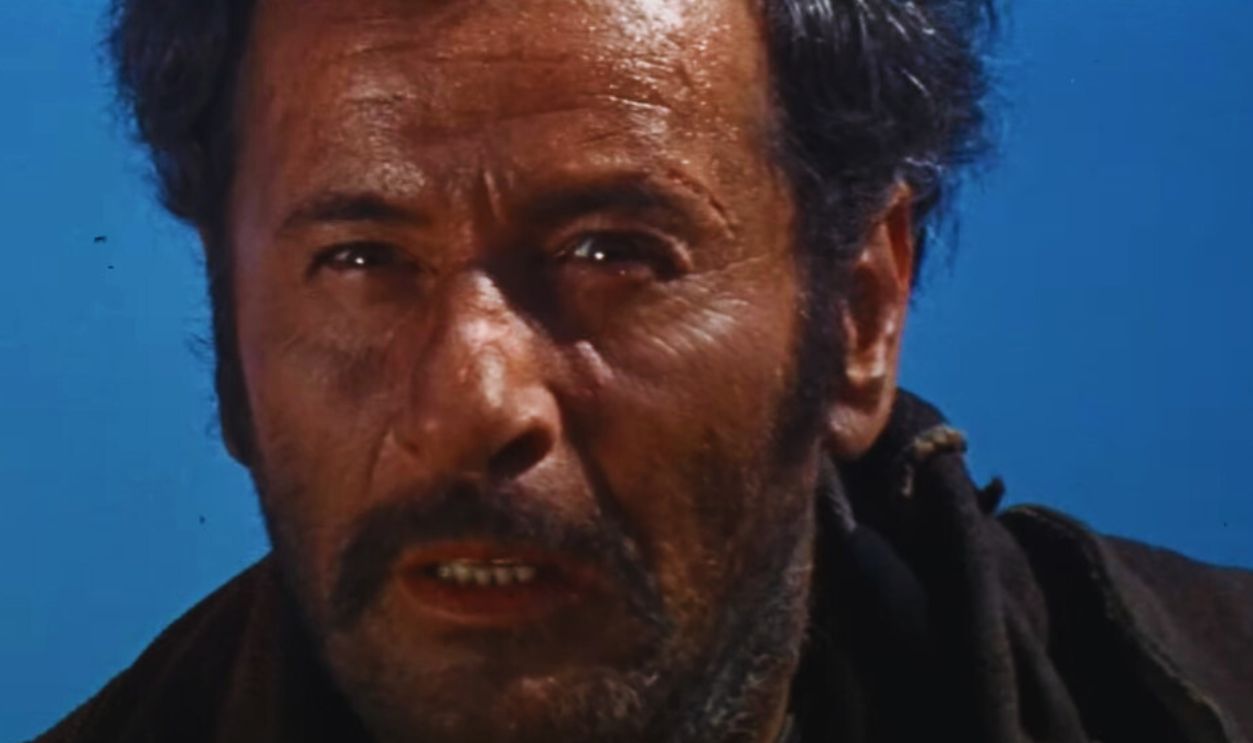
Wallach’s most iconic role arrived when he played Tuco in The Good, the Bad and the Ugly (1966). Directed by Sergio Leone, the film transformed Wallach into an international star. His mix of humor, desperation, and cunning made Tuco one of cinema’s greatest western characters. But the production of the film pushed him to the limits of his endurance, and on more than one occasion almost ended up costing him his life.
 Screenshot from The Good, the Bad and the Ugly, United Artists (1966)
Nearly Poisoned During Filming
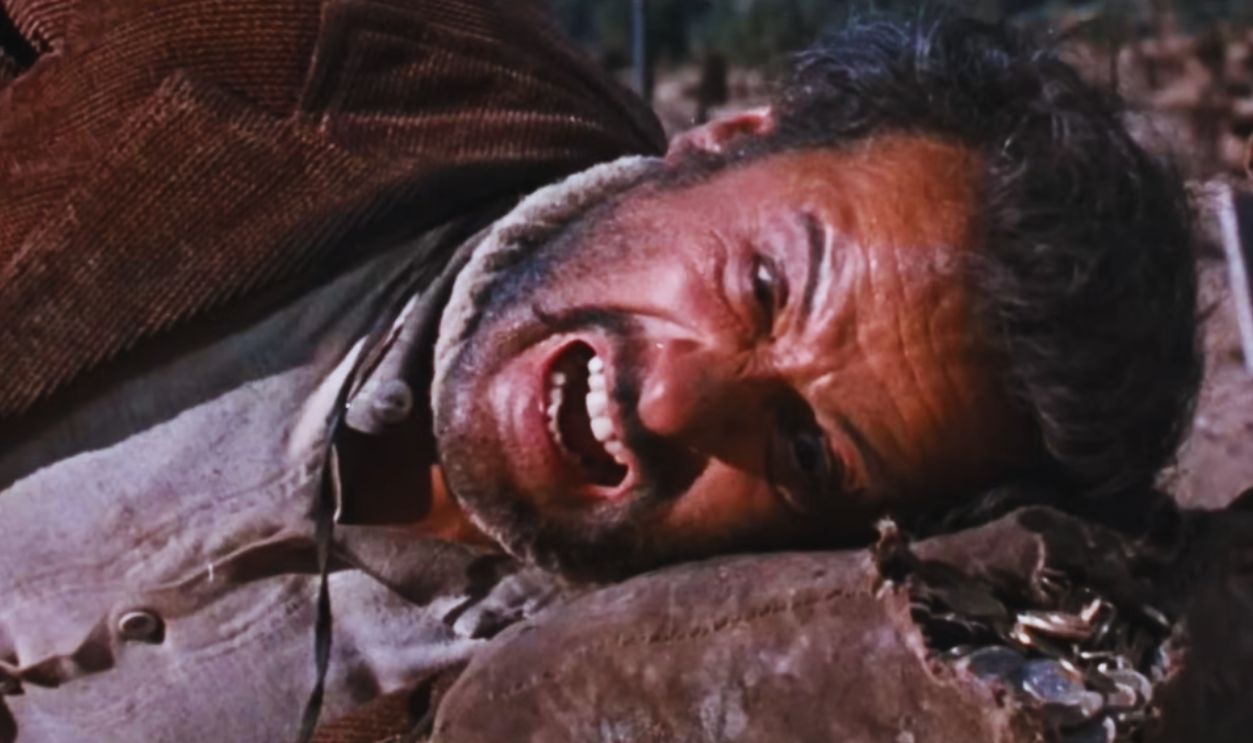
One of Wallach’s dangerous experiences on The Good, the Bad and the Ugly (1966) occurred when he accidentally drank acid that had been left in a soda bottle by a film technician. According to later accounts, he became violently ill and narrowly avoided serious injury.
 Screenshot from The Good, the Bad and the Ugly, United Artists (1966)
Almost Hit By A Train
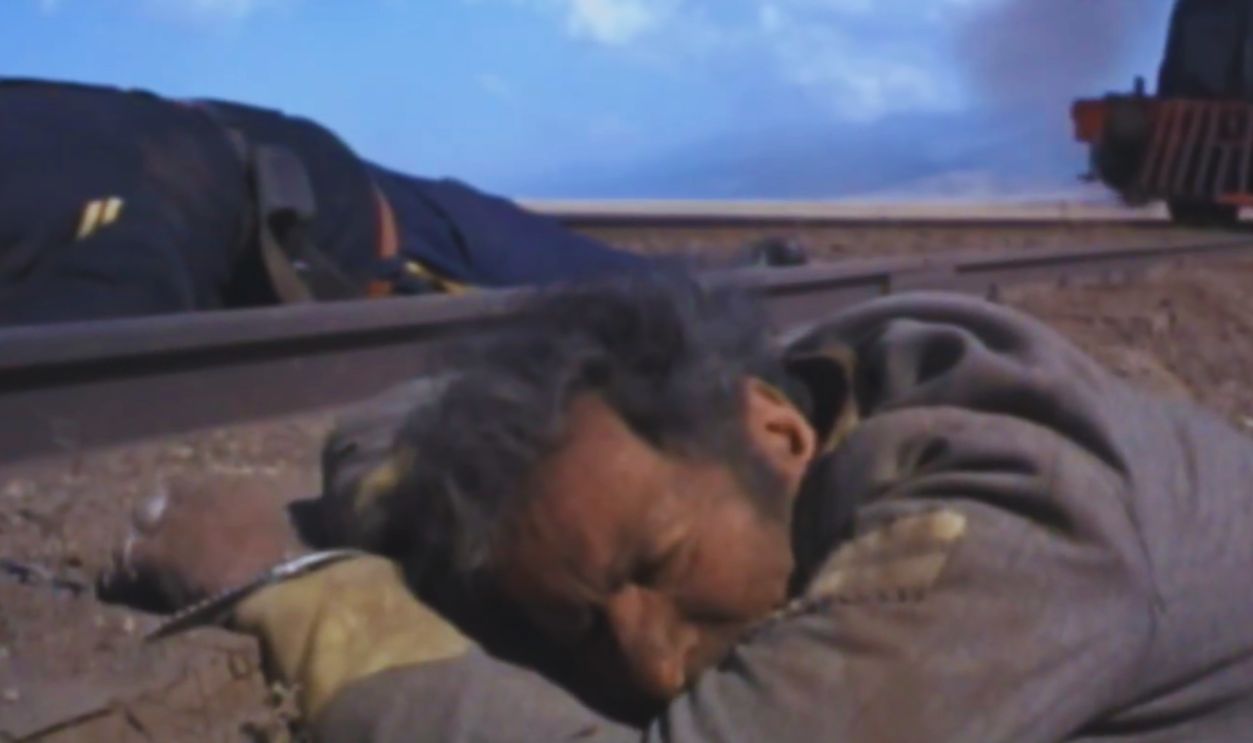
Wallach experienced another terrifying moment while filming the famous train sequence in The Good, the Bad and the Ugly (1966). During the scene, he lay beside train tracks holding the chain of his handcuffs across the track to be sliced apart by the train's wheels. The train’s protruding passenger steps came within millimeters of his head before he escaped safely.
 Screenshot from The Good, the Bad and the Ugly, United Artists (1966)
Riding With Hands Tied Behind His Back
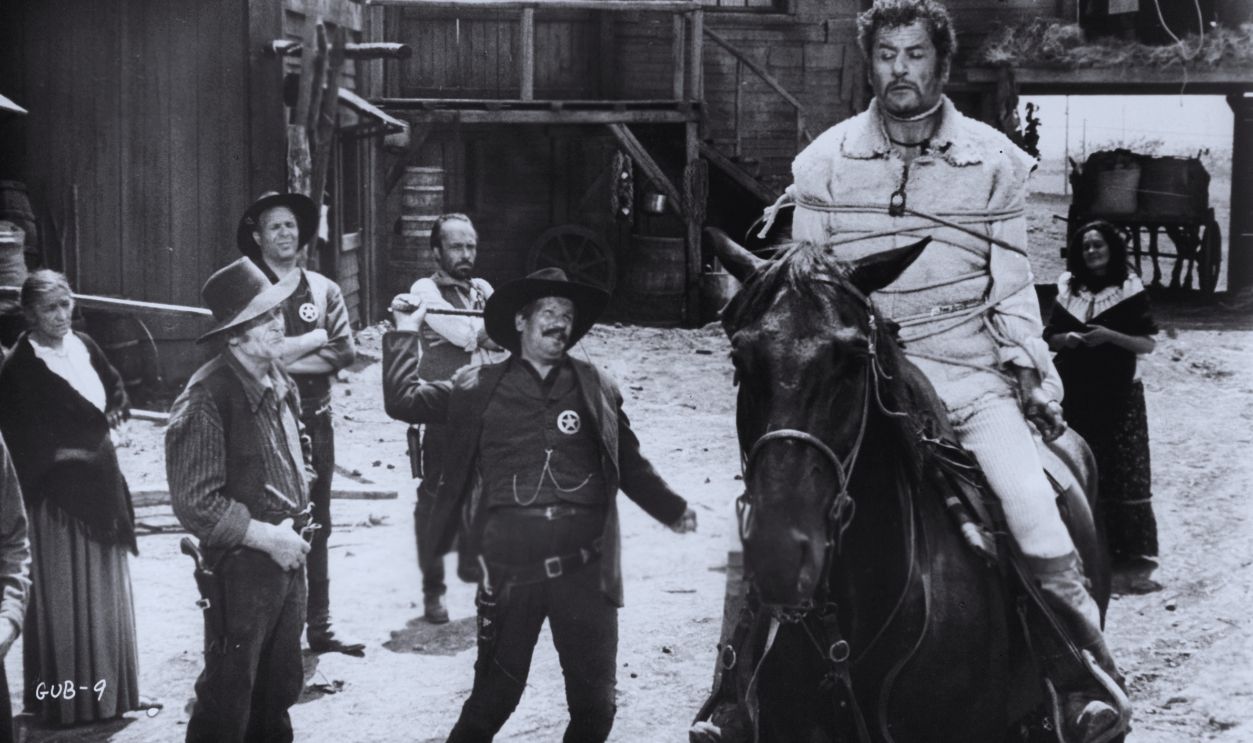
One other scare for Wallach occurred during a scene where his character, Tuco, was on horseback with his hands tied behind his back. The horse was startled by gunfire and raced ahead at full speed. With his hands bound, Wallach was completely at the animal's mercy. As the horse thundered forward, Wallach came close to being thrown under its hooves. Somehow, he remained in the saddle until the horse finally came to a stop.
 Michael Ochs Archives, Getty Images
Batman And Mr. Freeze
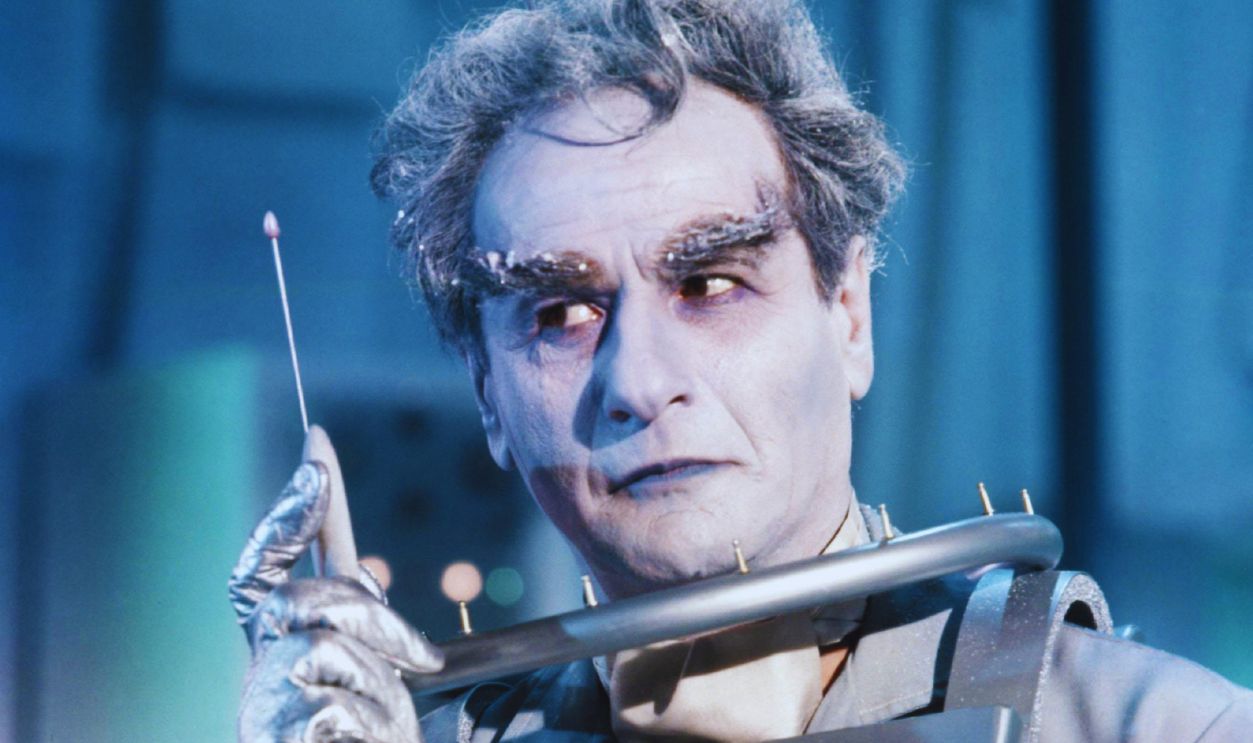
Wallach later appeared as Mr. Freeze on the 1960s Batman (1966-1968) television series. Surprisingly, Wallach later said the colorful comic-book villain generated more fan mail than any other role in his career, including his Broadway work and his internationally famous western performances.
 Silver Screen Collection, Getty Images
The Godfather Part III
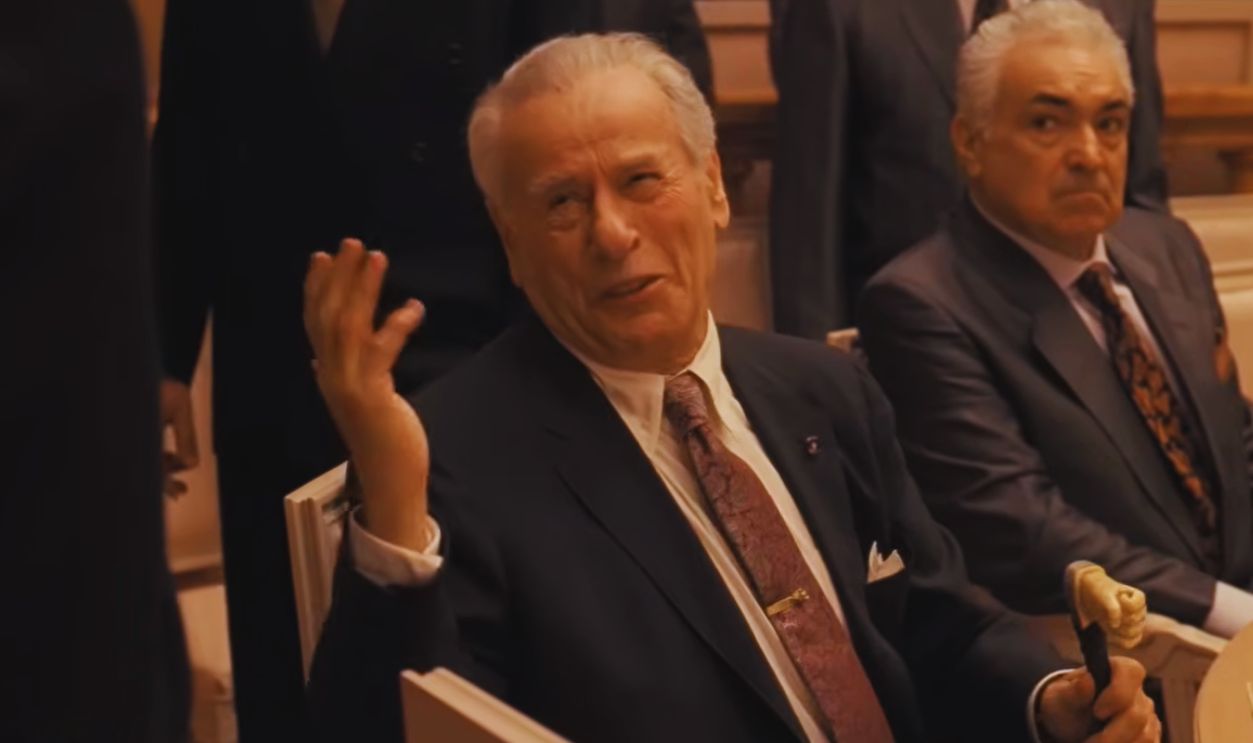
Wallach joined another legendary crime saga when he appeared in The Godfather Part III (1990) as Don Altobello; Frank Sinatra had been offered the part but dropped out, forming a clean symmetry with Walllach's earlier decline of Sinatra's eventual role in From Here to Eternity. Even in this late-career supporting role Wallach brought warmth, humor, and authority to the production of a film that still divides audiences and critics more than 30 years after the fact.
 Screenshot from The Godfather Part III, Paramount Pictures (1990)
The Holiday
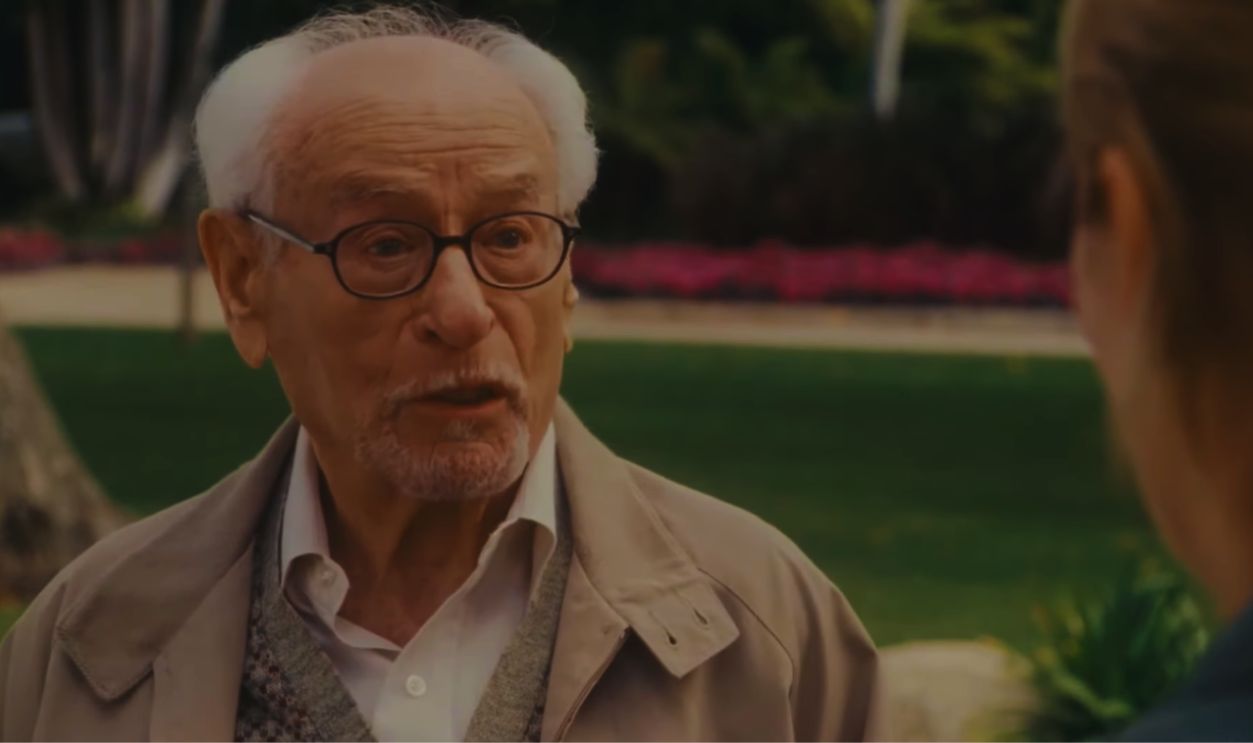
In The Holiday (2006), Wallach introduced himself to a younger generation of moviegoers. Playing the elderly screenwriter Arthur Abbott, and appearing alongside Kate Winslet, Cameron Diaz, and Jude Law, he delivered one of the film’s most memorable performances.
 Screenshot from The Holiday, Columbia Pictures / Universal Pictures (2006)
Notable Television Appearances
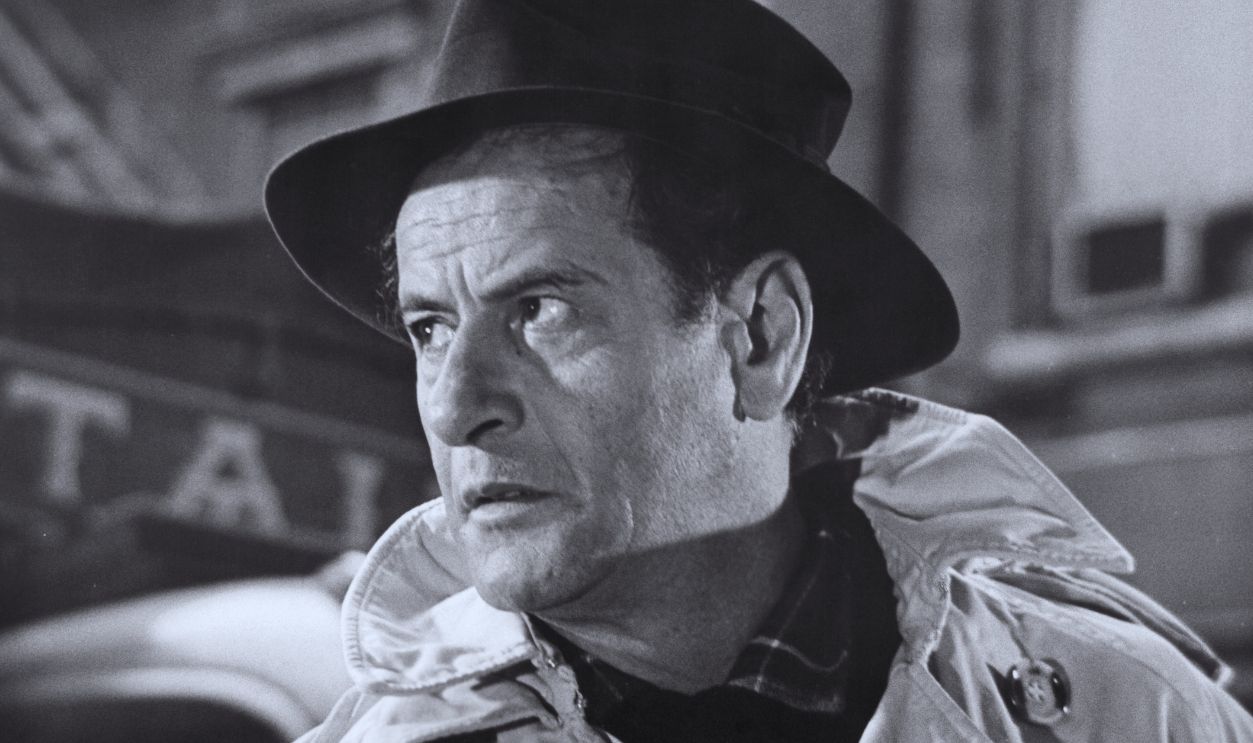
Beyond films, Wallach appeared in many notable television productions throughout his career. His television credits included Studio One (1948-1958), Naked City (1958-1963), and, as mentioned, Batman (1966-1968), and numerous television movies and miniseries that showcased his extraordinary versatility.
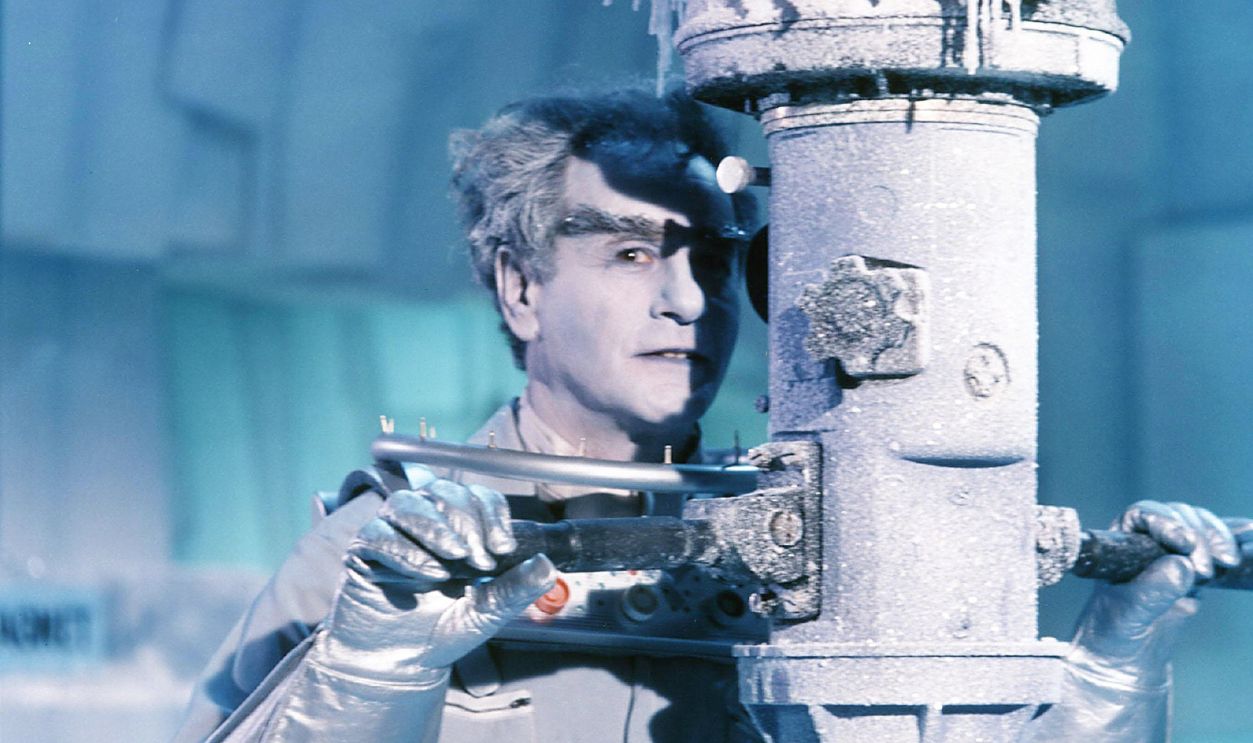 Silver Screen Collection, Getty Images
Winning An Emmy Award
Wallach earned an Emmy Award during his long television career, further proving his ability to excel across multiple entertainment mediums. This was for his supporting role in the 1967 made-for-TV film The Poppy Is Also a Flower. While many actors struggled moving between stage, television, and film, Wallach succeeded in all three forms through intelligence, adaptability, and emotional realism.
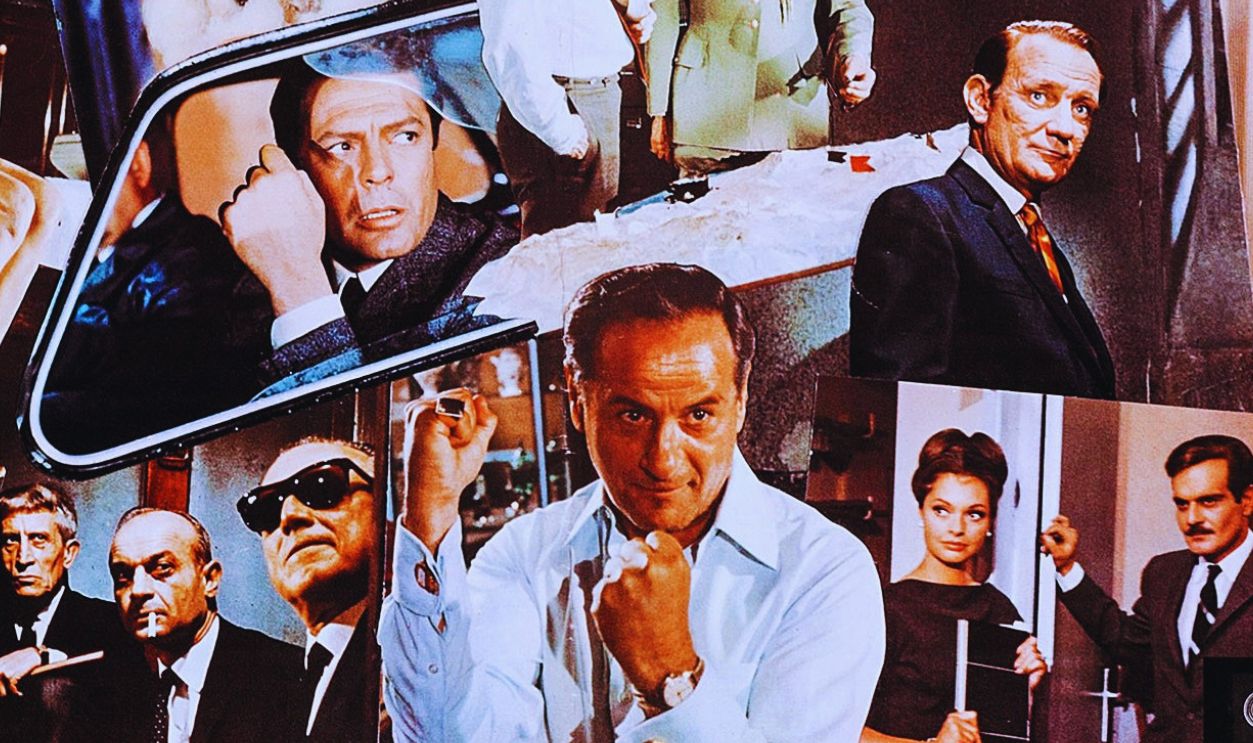
Honorary Oscar
Late in life, Wallach received an honorary Academy Award recognizing his enormous contribution to cinema, presented by Clint Eastwood. By then, generations of actors and filmmakers viewed him as one of the industry’s finest character actors, admired for bringing authenticity and humanity to nearly every role he played.
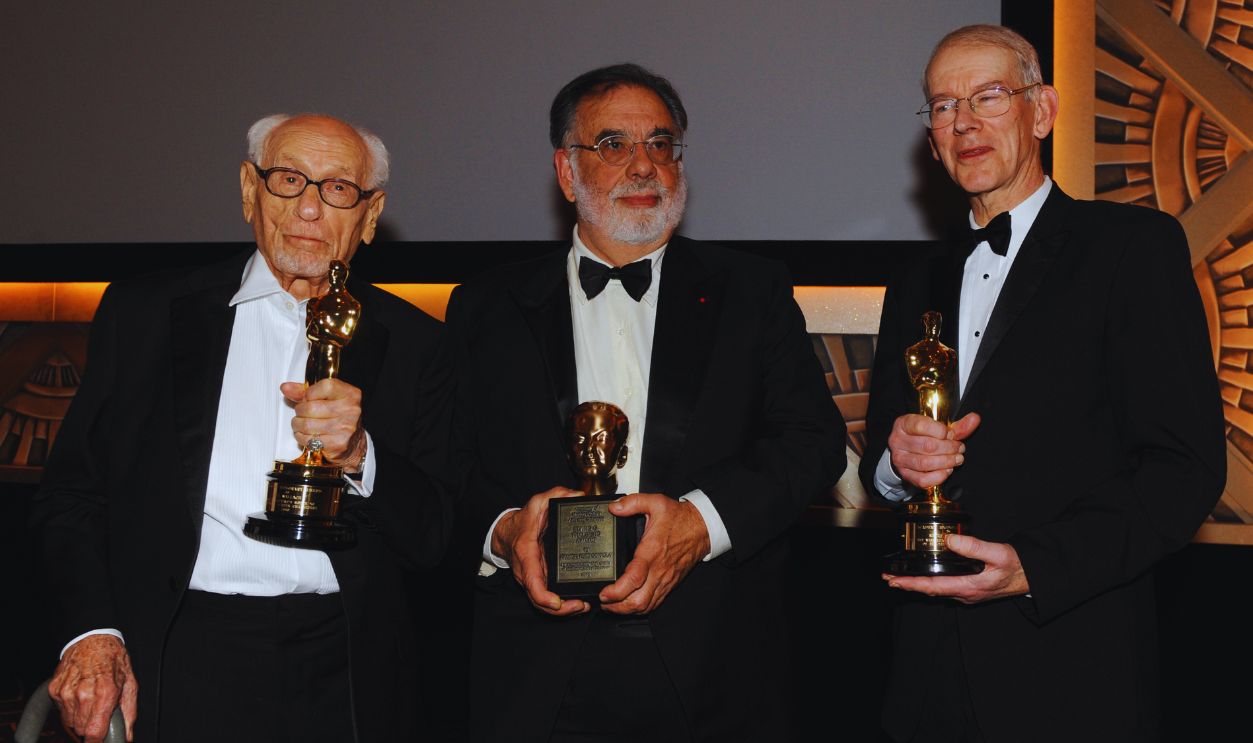
Final Roles
Even in his nineties, Wallach continued acting regularly. Later performances, like that of his final film Wall Street: Money Never Sleeps (2010) reflected the same sharp instincts and commanding screen presence that had defined his earlier work. Younger audiences discovered him through newer films, while longtime fans appreciated his extraordinary longevity and professionalism.
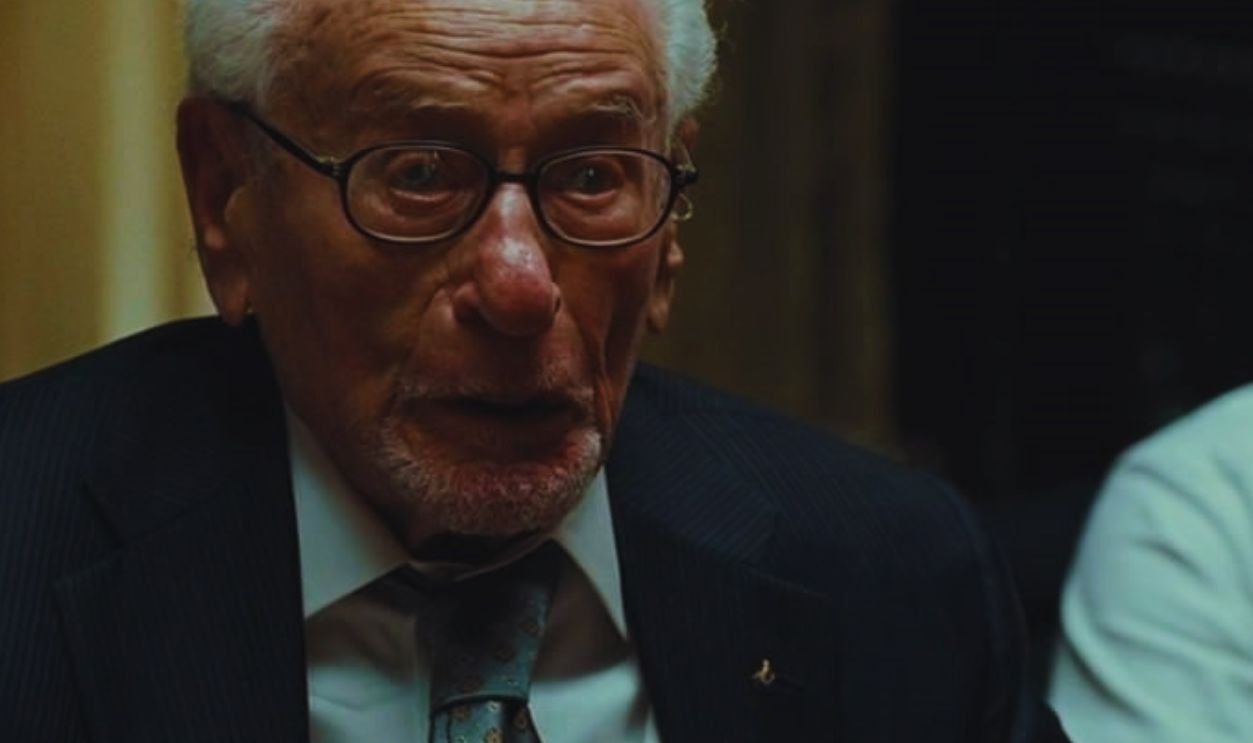 Screenshot from Wall Street: Money Never Sleeps, 20th Century Fox (2010)
Tributes Poured In
Eli Wallach died in 2014 at the age of 98. Tributes quickly poured in from across Hollywood, with many praising his versatility, intelligence, and unforgettable screen presence. Critics especially celebrated his ability to elevate supporting characters into some of the most memorable figures in film history.
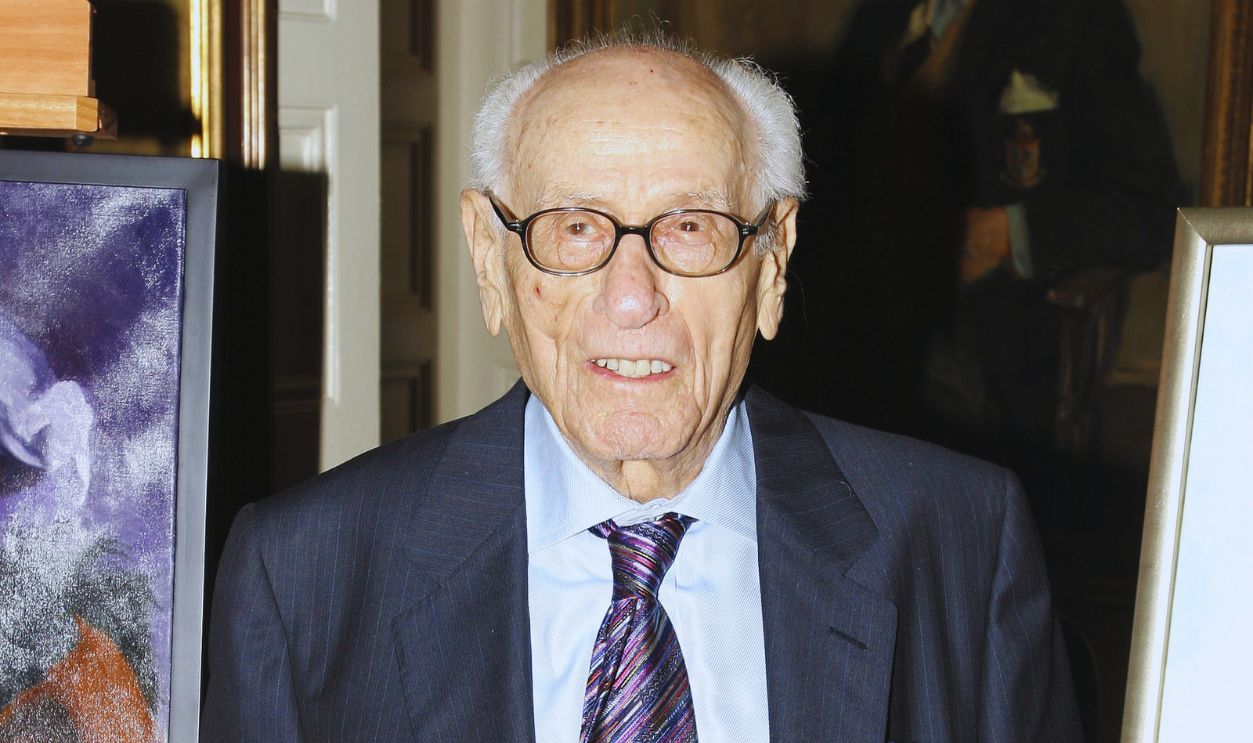
A Rich Trove
Across stage, television, and film, Eli Wallach created one of the richest acting careers of the twentieth century. Whether playing villains, comic figures, or tragic survivors, he brought complexity and humanity to every role. These performances are still influential because of how unpredictable and intelligent they are.
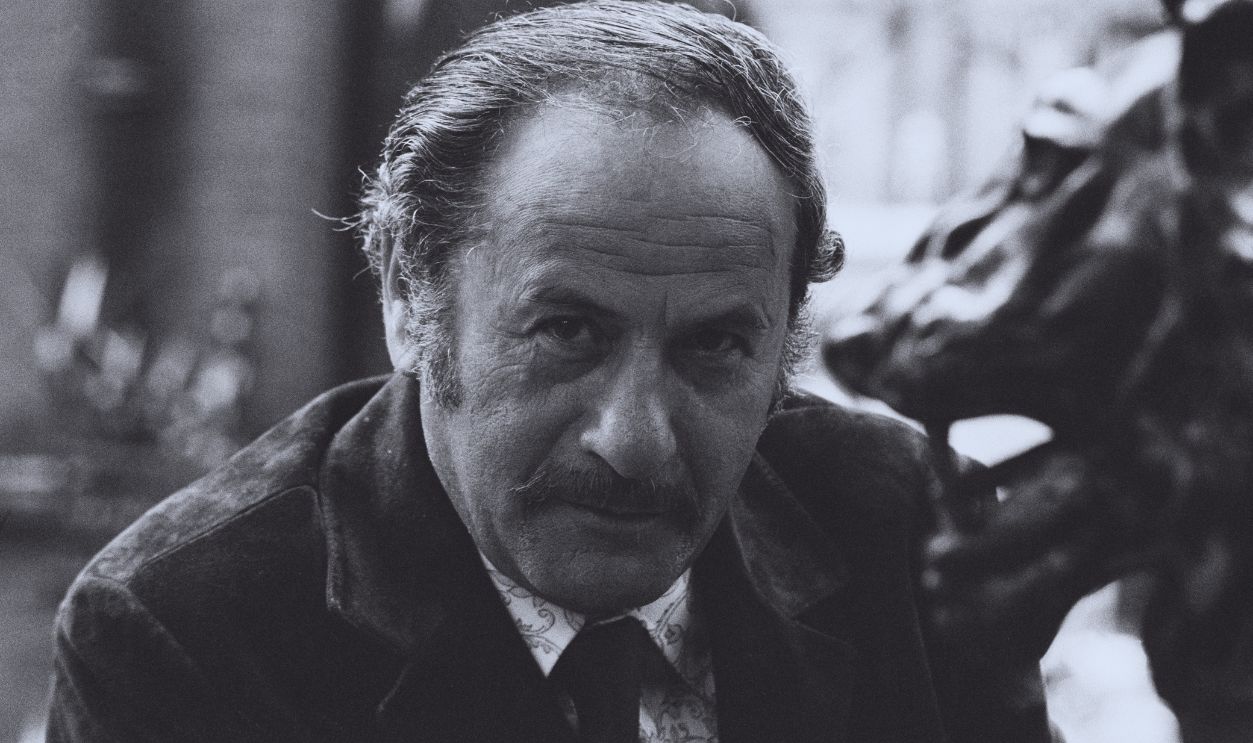 Evening Standard, Getty Images
You May Also Like:
Actors Who Turned Down Iconic Roles And Never Looked Back—And Those Who Regretted It
Prestigious Facts About Robert Duvall, The World's Best Character Actor