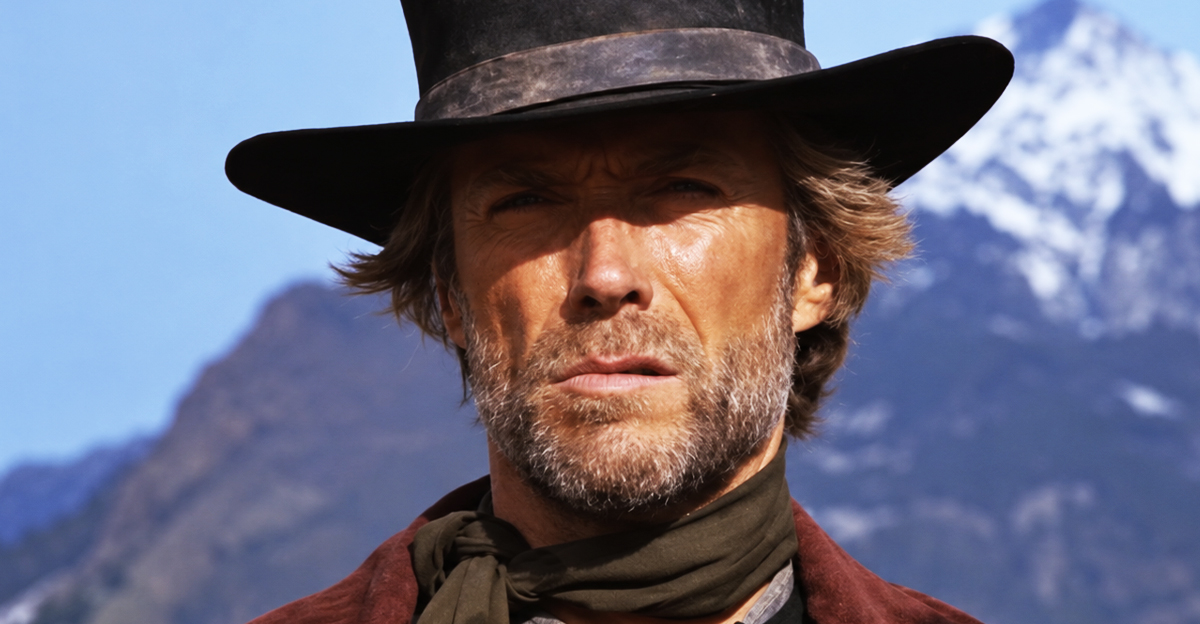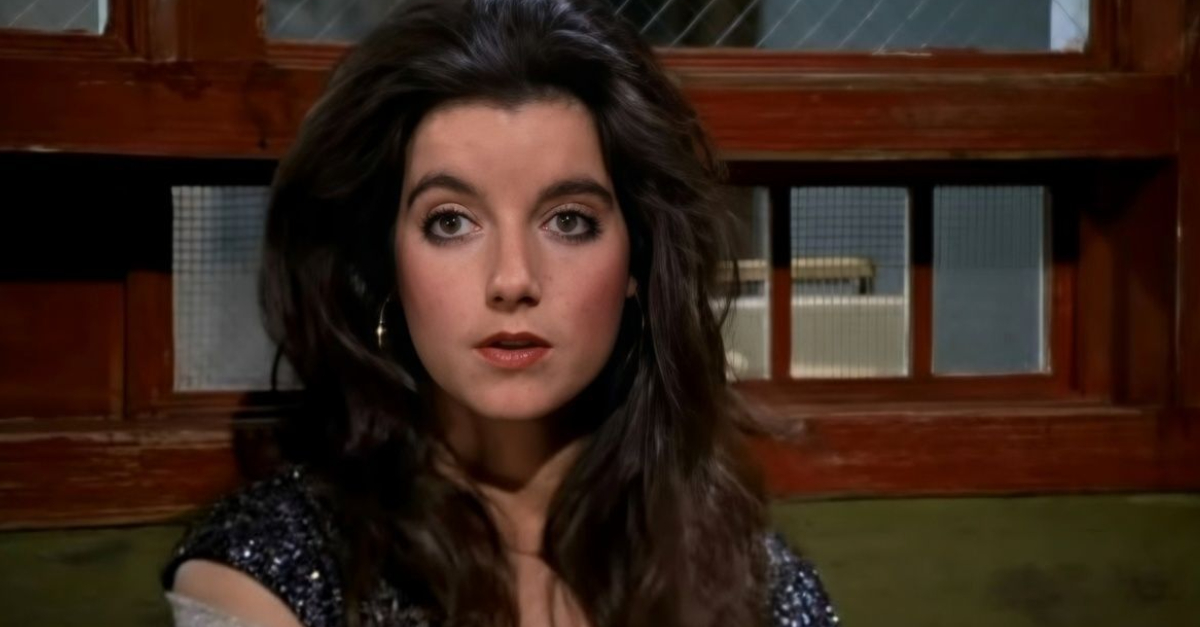
She Was Just Getting Started
At 22 years old, Dominique Dunne had already landed the kind of movie role that could change an actress’s career. Poltergeist had become one of 1982’s biggest hits, and Dunne was already working on her next project. Then, one Saturday night, someone showed up at her door.
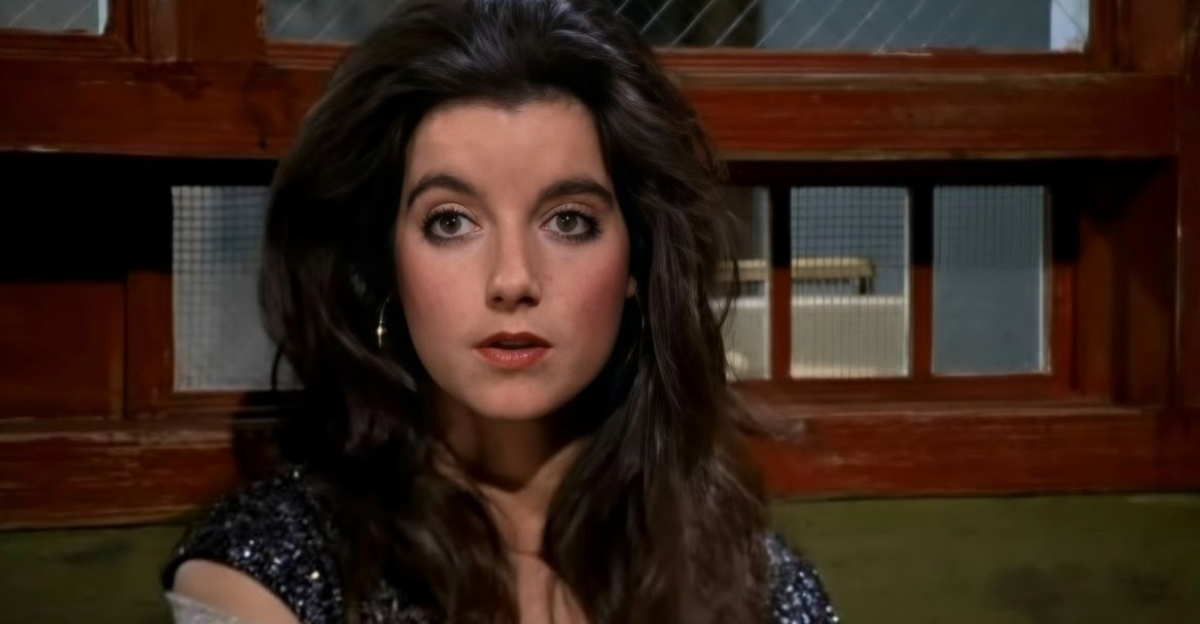
Hollywood Was In The Family
Dunne was the daughter of producer and writer Dominick Dunne and the younger sister of actor Griffin Dunne, who had already starred in An American Werewolf in London. Her uncle was writer John Gregory Dunne, who was married to Joan Didion. But Dominique wanted an acting career of her own.

And The Work Came Quickly
Her screen career began in 1979, and within a few years Dunne had appeared on shows including Family, Breaking Away, Fame, Hart to Hart and CHiPs. Her father later remembered that once she decided to become an actress, she seemed to start working almost immediately.
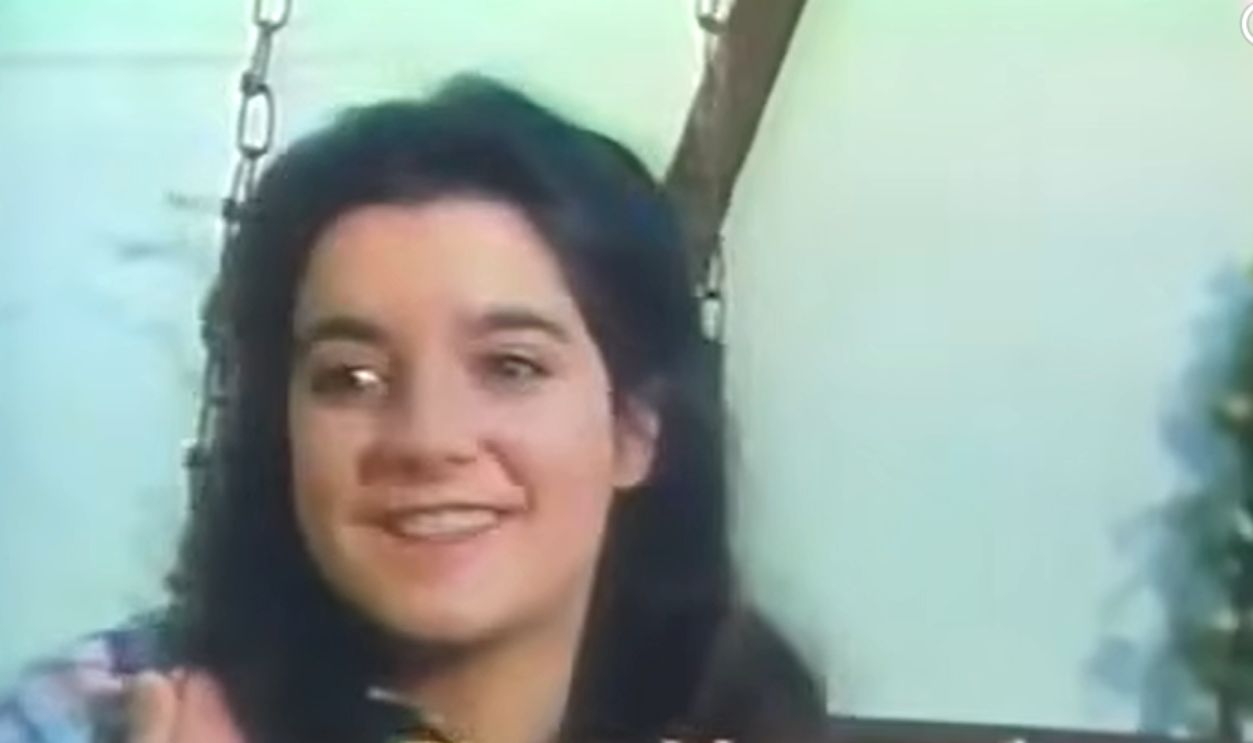 Screenshot from The Day the Loving Stopped, CBS (1981)
Then Came Poltergeist
In Poltergeist, Dunne played Dana Freeling, the teenage daughter of the suburban family whose home becomes the center of increasingly terrifying supernatural events. Released in June 1982, the movie became a major hit, suddenly giving Dunne a level of recognition she had never experienced before.
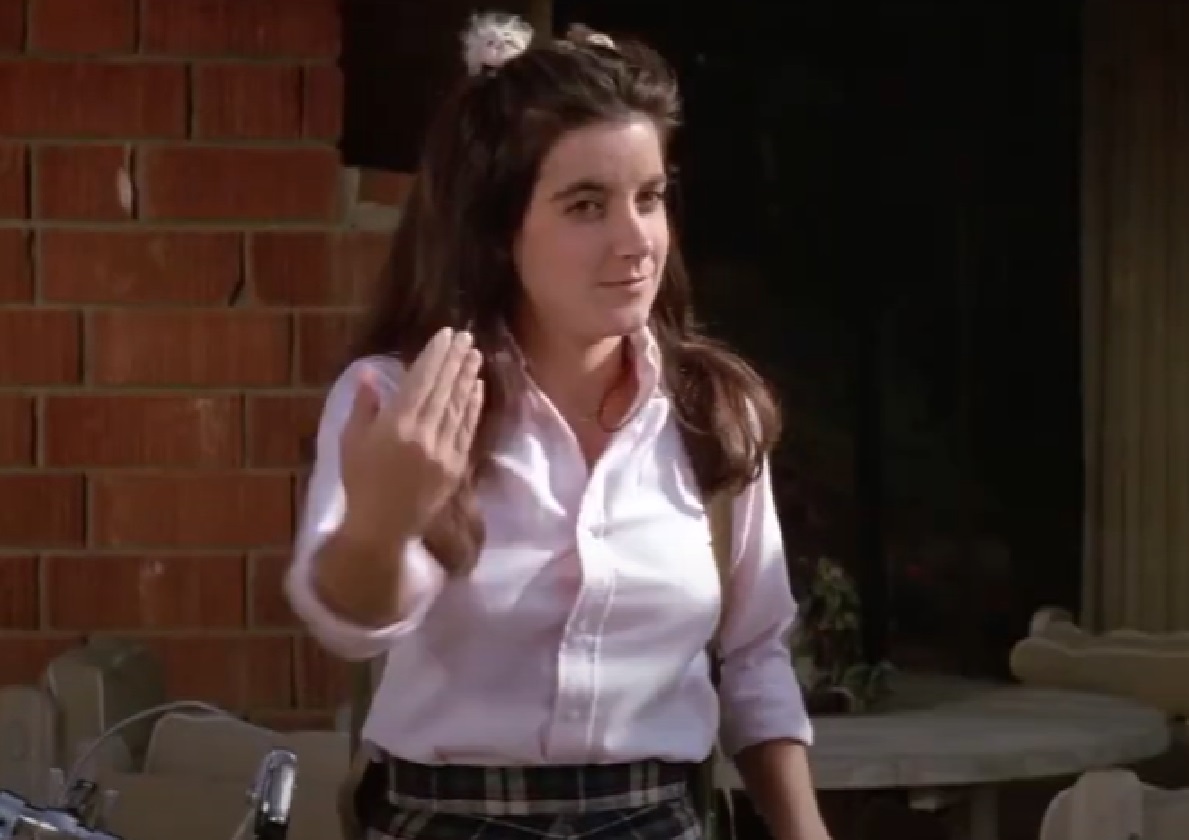 Screenshot from Poltergeist, United Artists (1982)
But Her Private Life Was Becoming Frightening
Away from the cameras, Dunne had been involved with John Sweeney, a chef at the fashionable Los Angeles restaurant Ma Maison. The relationship had become increasingly volatile, and according to testimony later described by her father, there had already been frightening confrontations between them.
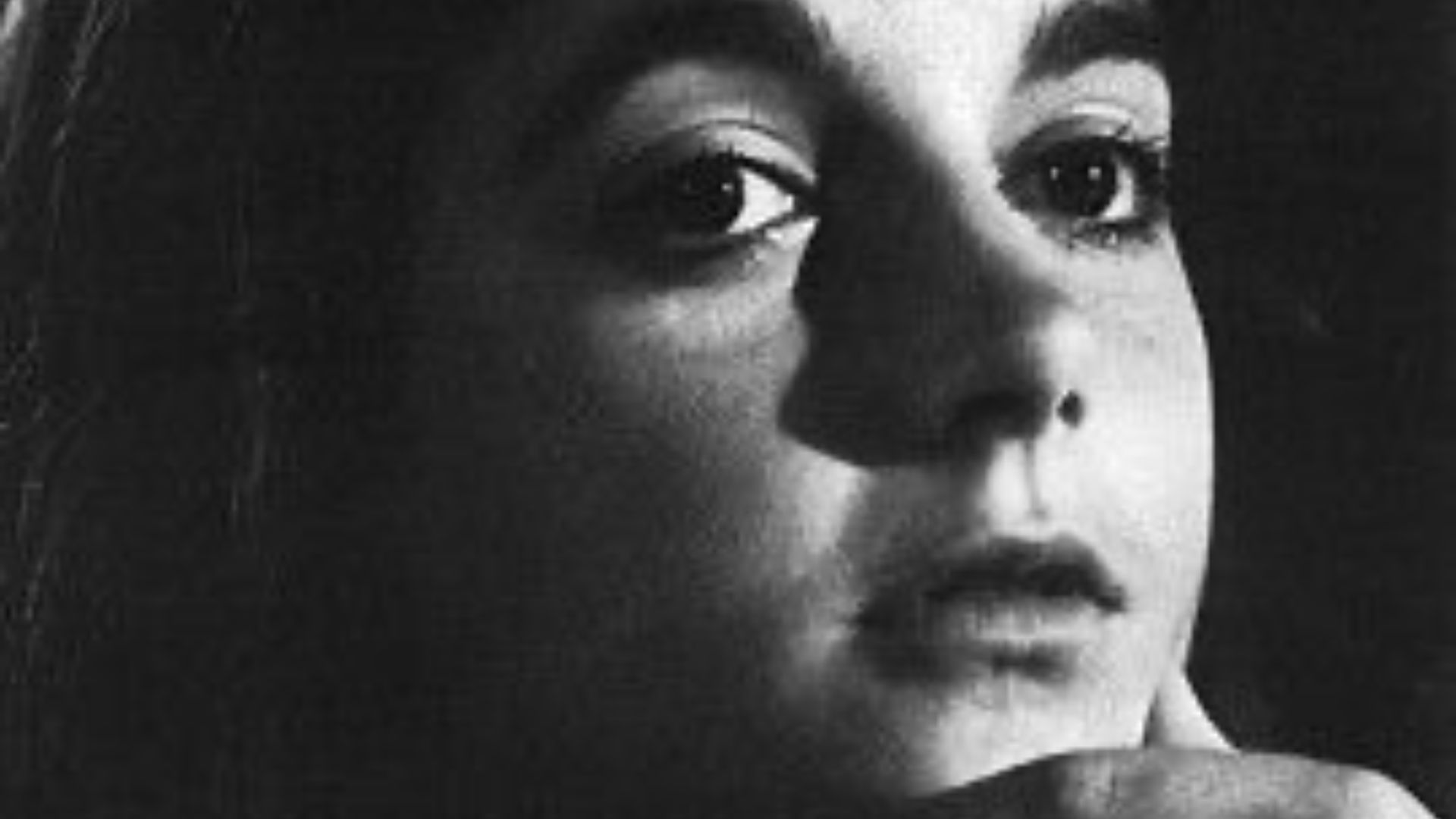 Arizona Republic, Wikimedia Commons
Then Things Got Much Worse
Five weeks before the final attack, Sweeney went after Dunne again, leaving unmistakable marks around her neck. Friends Bryan Cook and Denise Dennehy were in the house that night and later testified about what they had heard and seen. This time, Dominique got away.
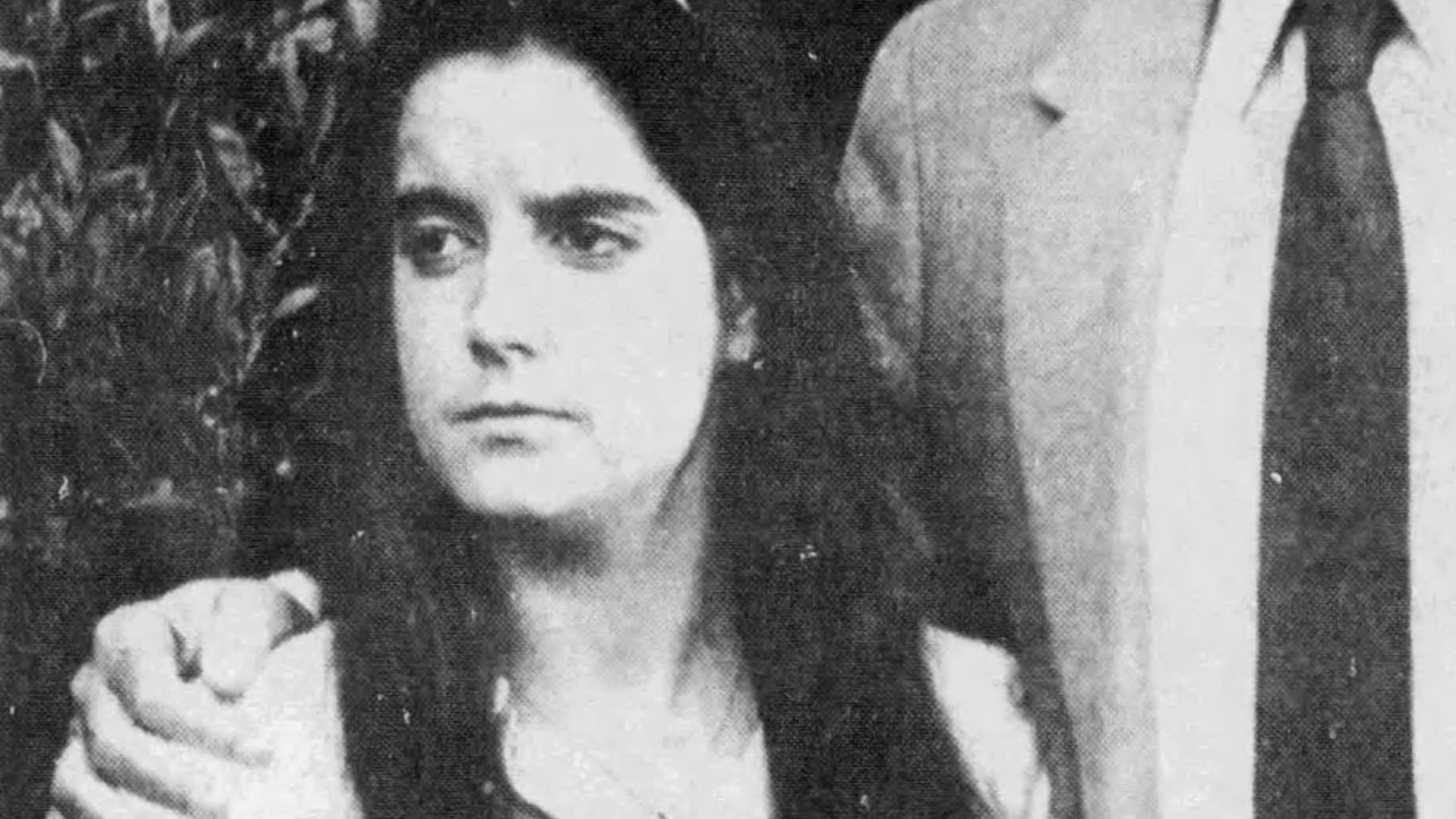
She Climbed Out A Bathroom Window
Dunne escaped the house through a bathroom window, got into her Volkswagen and drove to the home of her friend Norman Carby. According to her father, Carby was horrified by the marks on her neck and had the presence of mind to photograph them.
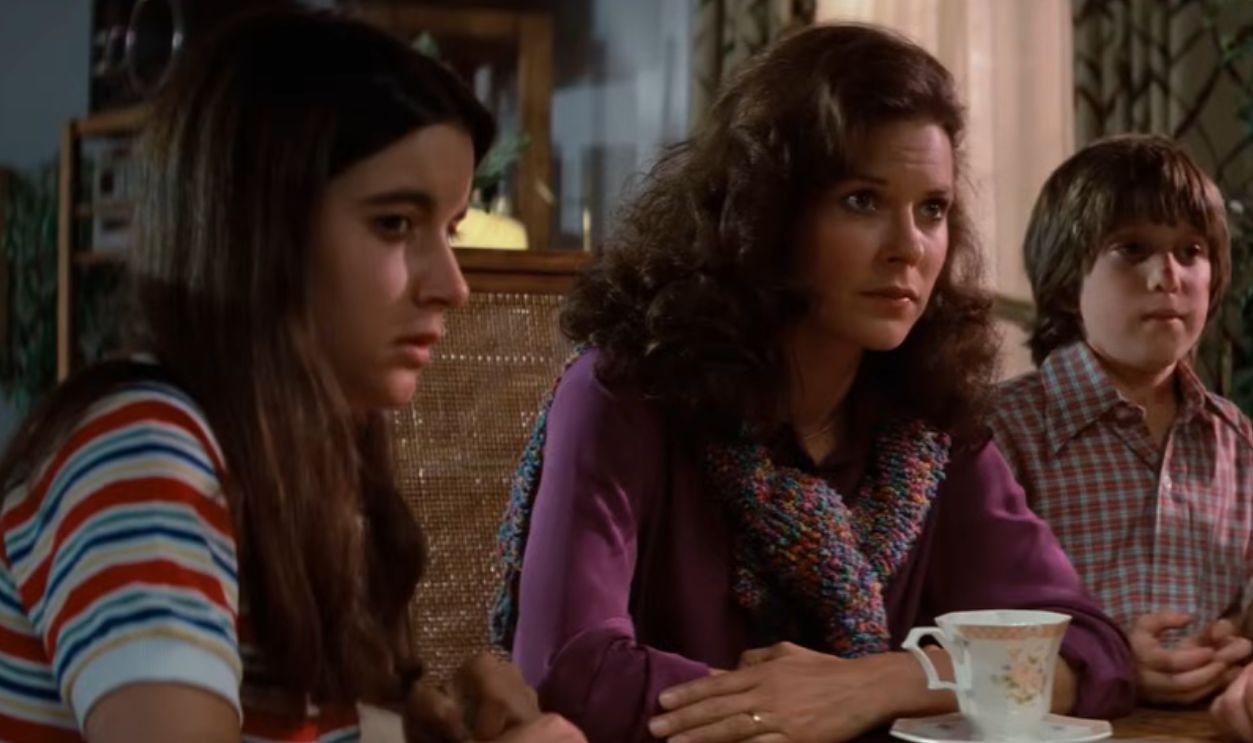 Screenshot from Poltergeist, United Artists (1982)
Those Pictures Would Matter Later
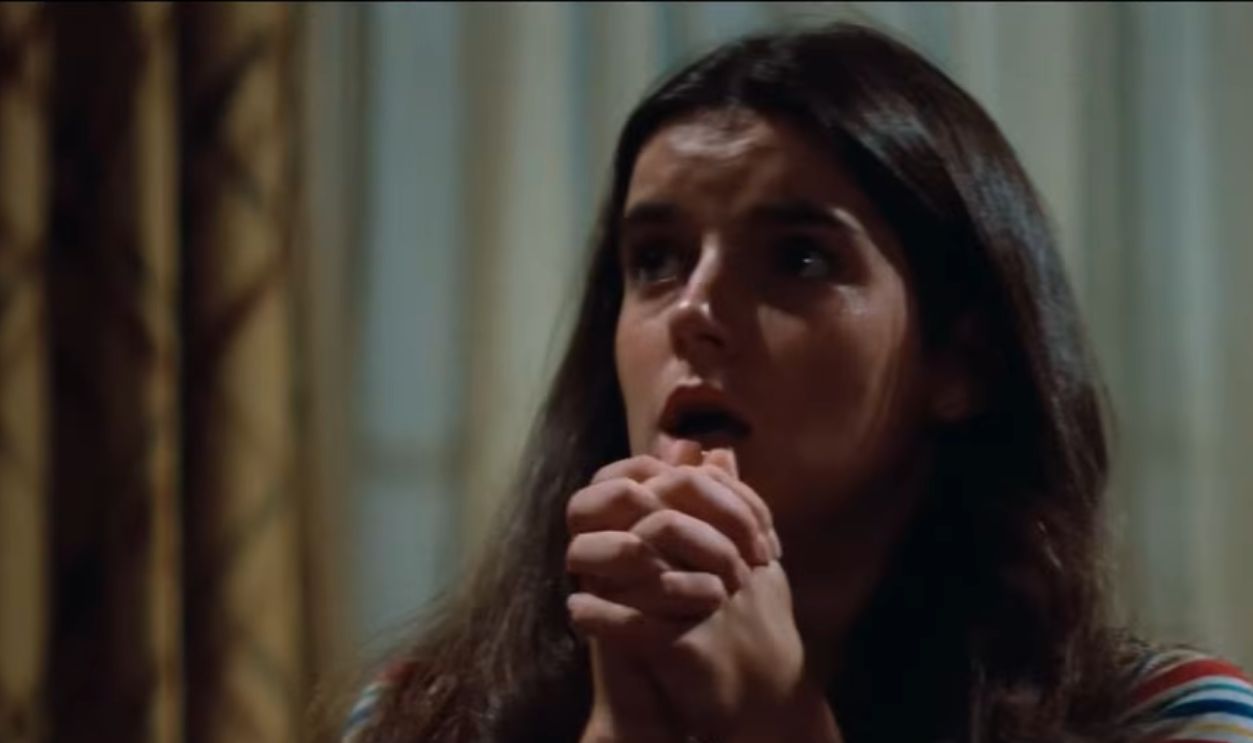
Carby’s photographs would eventually become important prosecution evidence. But at the time, Dominique had something much more immediate on her mind. She had an acting commitment the following morning, and the role she was about to play made the situation almost unbelievably eerie.
 Screenshot from Poltergeist, United Artists (1982)
The Role Was On Hill Street Blues
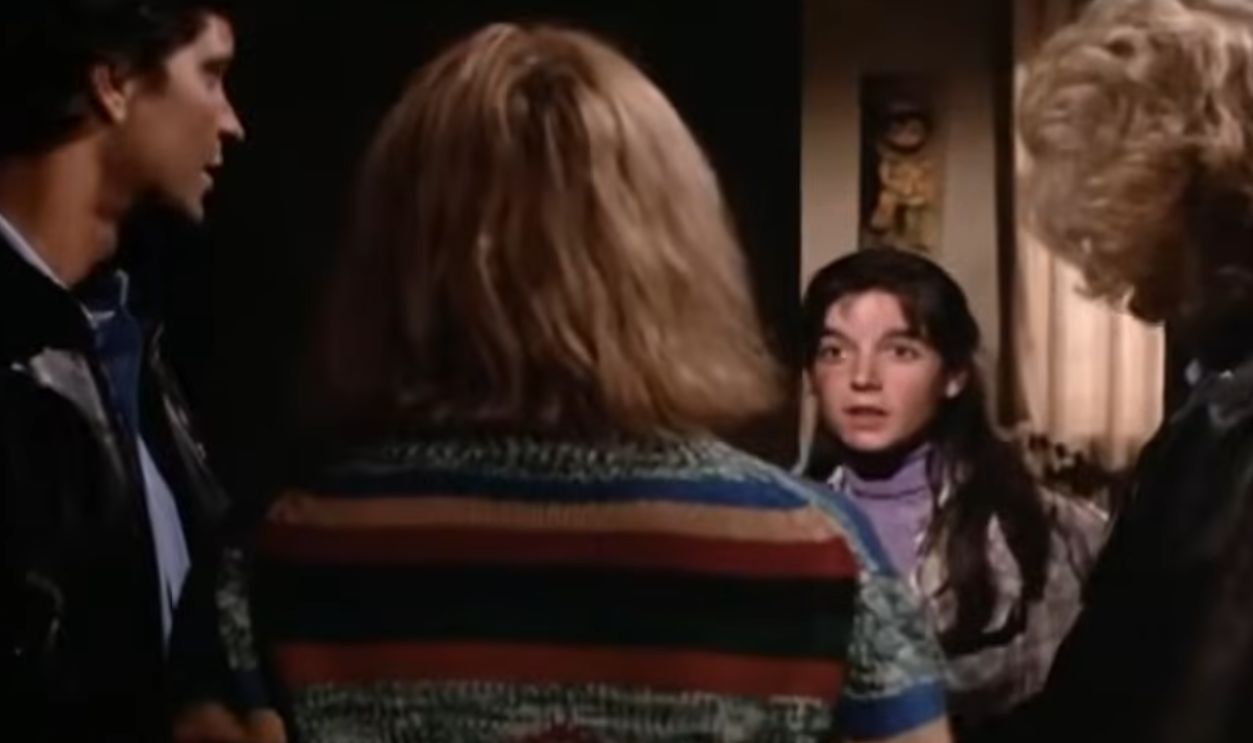
Dunne was playing an abused teenager on Hill Street Blues. The marks visible around her neck during filming were real, left by Sweeney shortly before the episode was made. Her friend Carby had even joked that at least she wouldn’t need makeup for the role.
 Screenshot from Hill Street Blues, NBC (1981–1987)
She Finally Ended The Relationship
That attack was the last night Dunne and Sweeney spent together. The relationship was over, and Sweeney moved out of the West Hollywood house they had shared. About five weeks later, however, he would return to that house one more time.
 Screenshot from Poltergeist, United Artists (1982)
Her Career, Meanwhile, Kept Moving
Dunne had been cast as Robin Maxwell in a new NBC science-fiction miniseries called V. It was another promising role, and on Saturday, October 30, 1982, she was at home with fellow actor David Packer rehearsing scenes for the production.
 Screenshot from Poltergeist, United Artists (1982)
Then Sweeney Appeared
That evening, Sweeney unexpectedly arrived at Dunne’s house wanting to speak with her. Dunne initially talked to him through the locked door. Eventually, she agreed to step outside and speak with him while Packer stayed inside the house. Then the conversation became an argument.
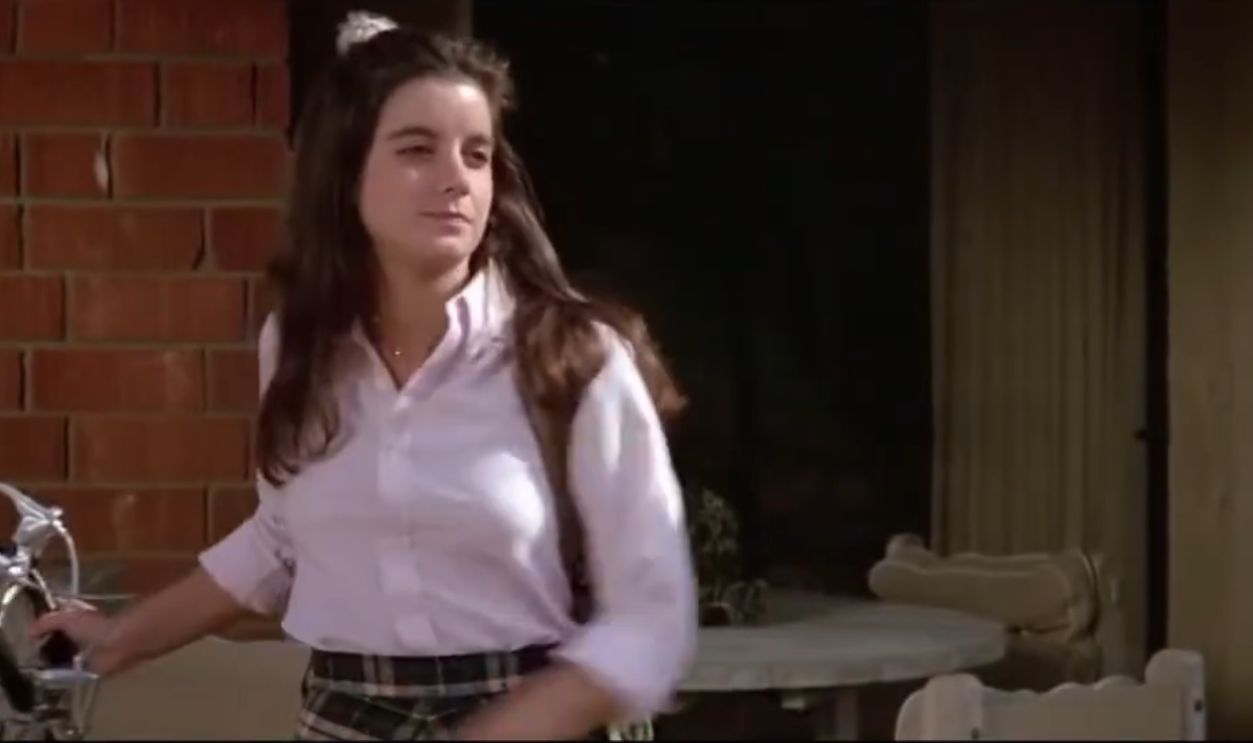 Screenshot from Poltergeist, United Artists (1982)
Packer Could Hear It From Inside
Packer later described hearing the argument outside, followed by Dunne screaming and then a thud. He became increasingly alarmed and eventually made his way outside through the back of the house. What he found in the driveway confirmed that something had gone terribly wrong.
 Screenshot from The Day the Loving Stopped, CBS (1981)
What He Found Was Horrifying
Dunne was unconscious outside the house, with Sweeney nearby. Authorities arrived and Sweeney was taken into custody. Dominique was rushed to Cedars-Sinai Medical Center, but the prolonged loss of oxygen had caused catastrophic brain damage. Her father received the call early the following morning.
 Screenshot from The Day the Loving Stopped, CBS (1981)
Her Family Rushed To Los Angeles
Dominick Dunne flew from New York to Los Angeles after learning that his daughter was near death. He later wrote about arriving at Cedars-Sinai and seeing Dominique in a coma. Doctors eventually determined that there was no brain activity.
 Screenshot from The Day the Loving Stopped, CBS (1981)
Five Days After She Walked Outside
Dominique Dunne never regained consciousness. Her family eventually agreed to remove her from life support, and she passed away on November 4, 1982. She was just 22 years old and only 19 days away from what would have been her 23rd birthday.
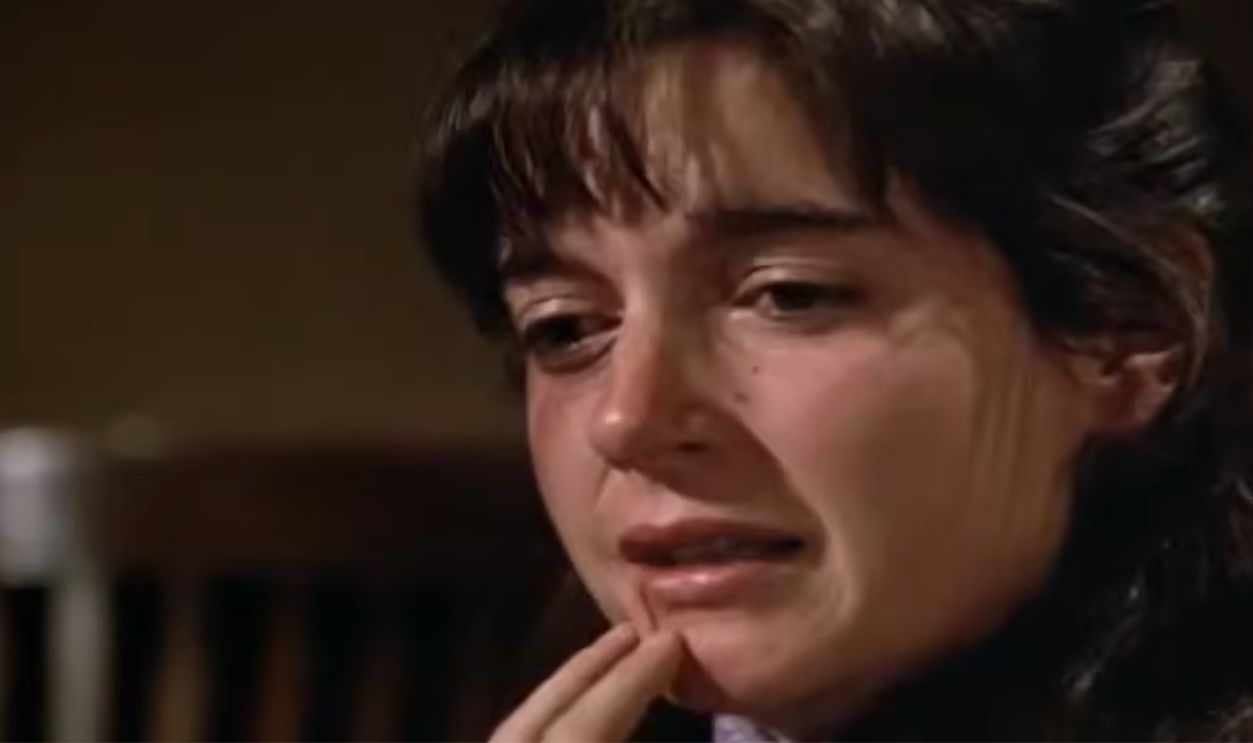 : Screenshot from Hill Street Blues, NBC (1981–1987)
Then Came Another Blow
Sweeney was prosecuted for Dunne’s death, but the case did not end the way her family expected. The jury acquitted him of second-degree murder and instead convicted him of voluntary manslaughter. He was also convicted of misdemeanor assault stemming from the earlier attack on Dunne.
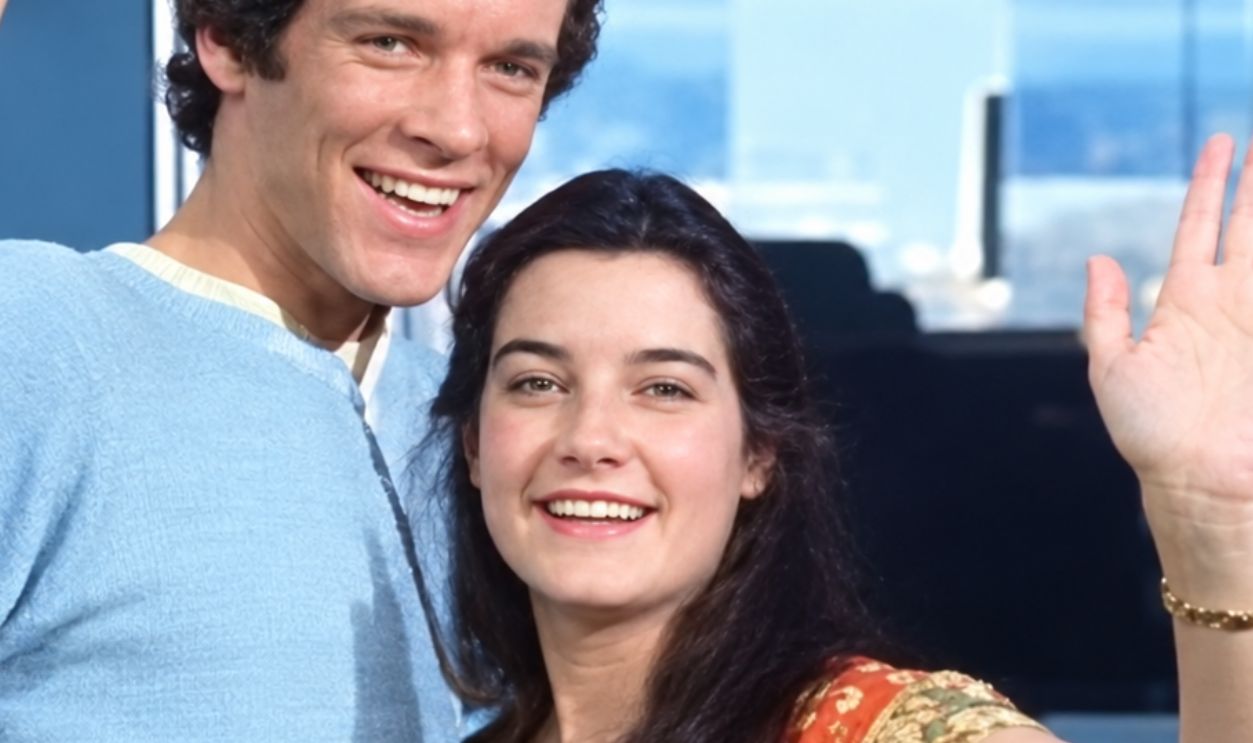 Screenshot from The Day the Loving Stopped, CBS (1981), Modified
The Jury Hadn't Heard Everything
The trial became even more controversial because jurors were prevented from hearing testimony about some of Sweeney’s previous violence toward women. One former girlfriend gave testimony outside the jury’s presence describing behavior that Dunne’s family believed was crucial to understanding what had happened.
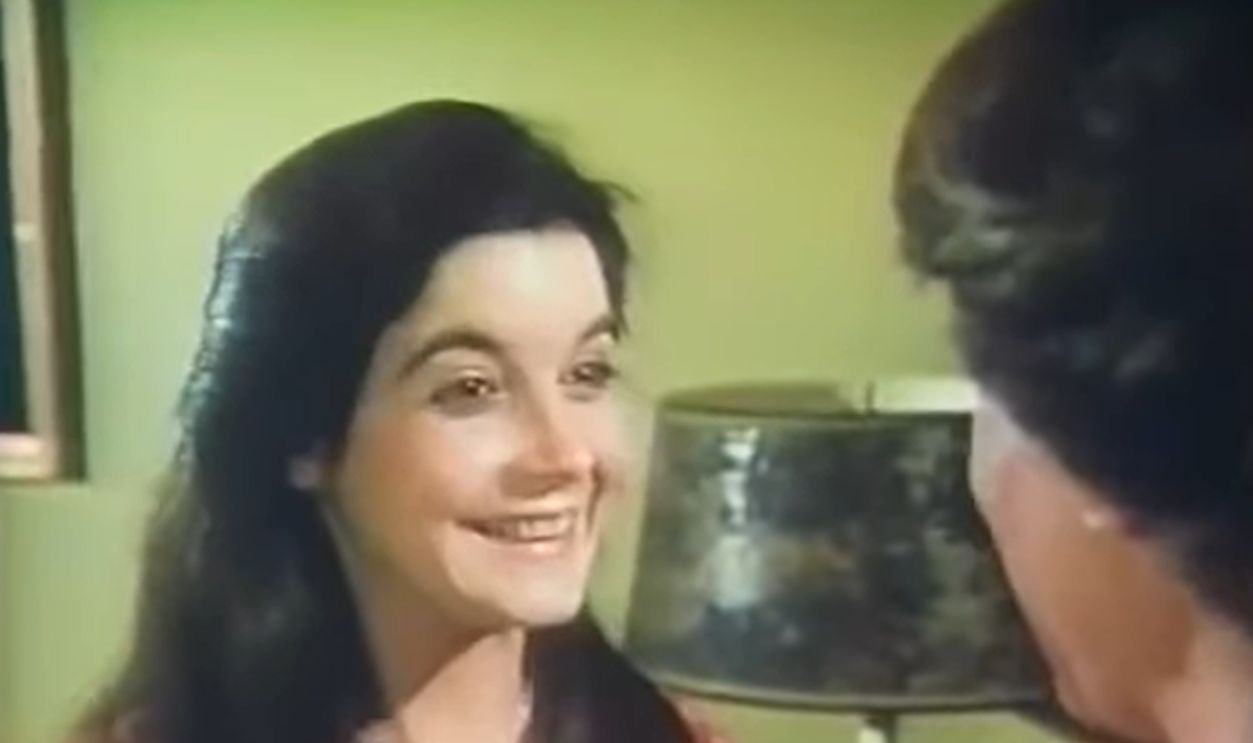 Screenshot from The Day the Loving Stopped, CBS (1981)
Even The Judge Was Furious
Sweeney received a sentence of six and a half years. Judge Burton Katz was openly furious with the jury’s verdict, making clear that he believed the evidence supported a much more serious conviction. But because the jury had returned voluntary manslaughter, his sentencing options were limited.
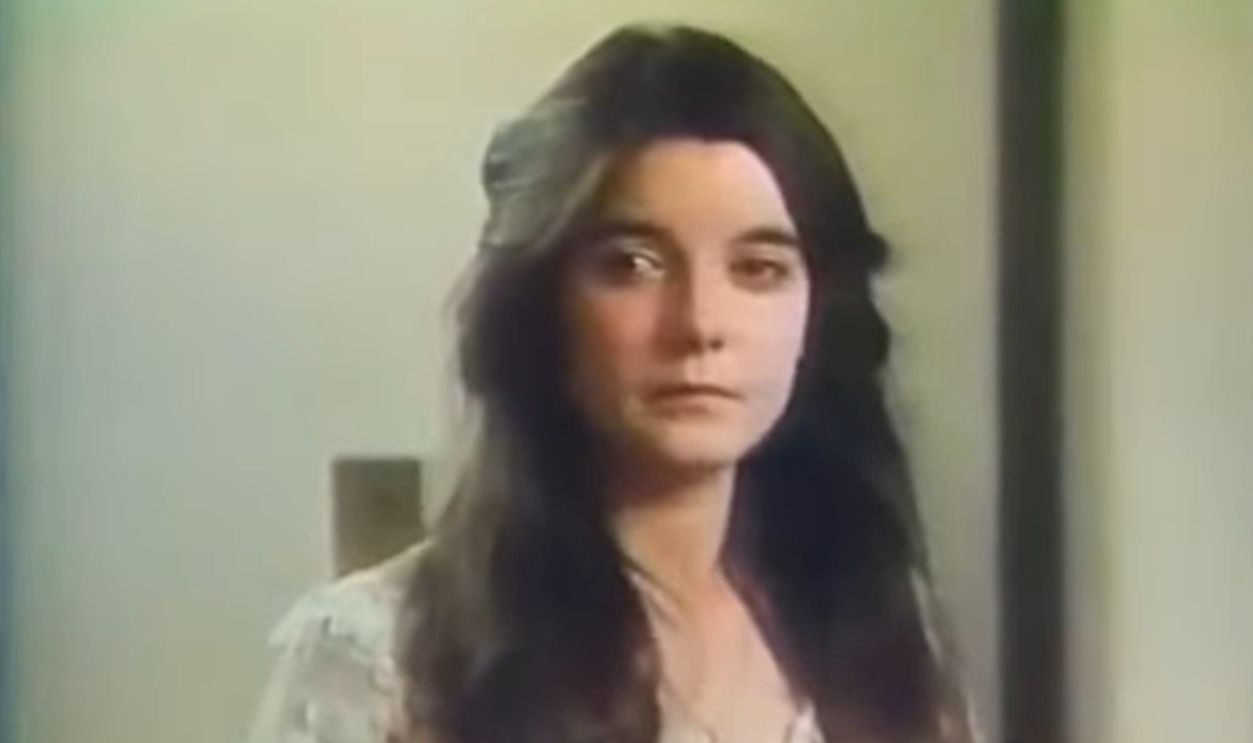 Screenshot from The Day the Loving Stopped, CBS (1981)
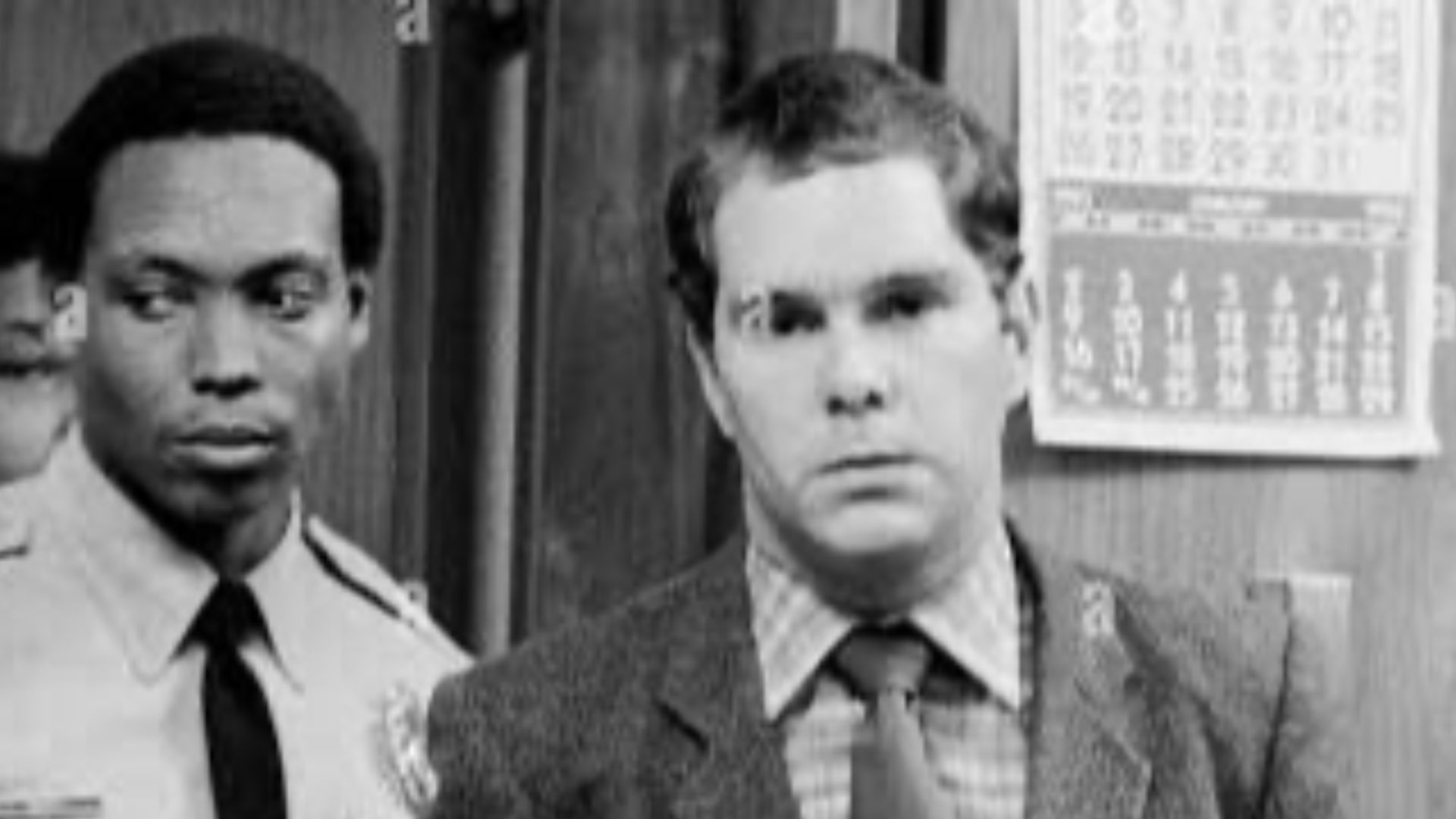
He Was Free In Less Than Four Years
Sweeney ultimately spent slightly less than three years and eight months in custody before being released in 1986. The relatively short time he served became another source of outrage for Dunne’s family and helped fuel their growing involvement in the victims’ rights movement.
 Raquel Carmo, Wikimedia Commons
Her Mother Turned Grief Into Action
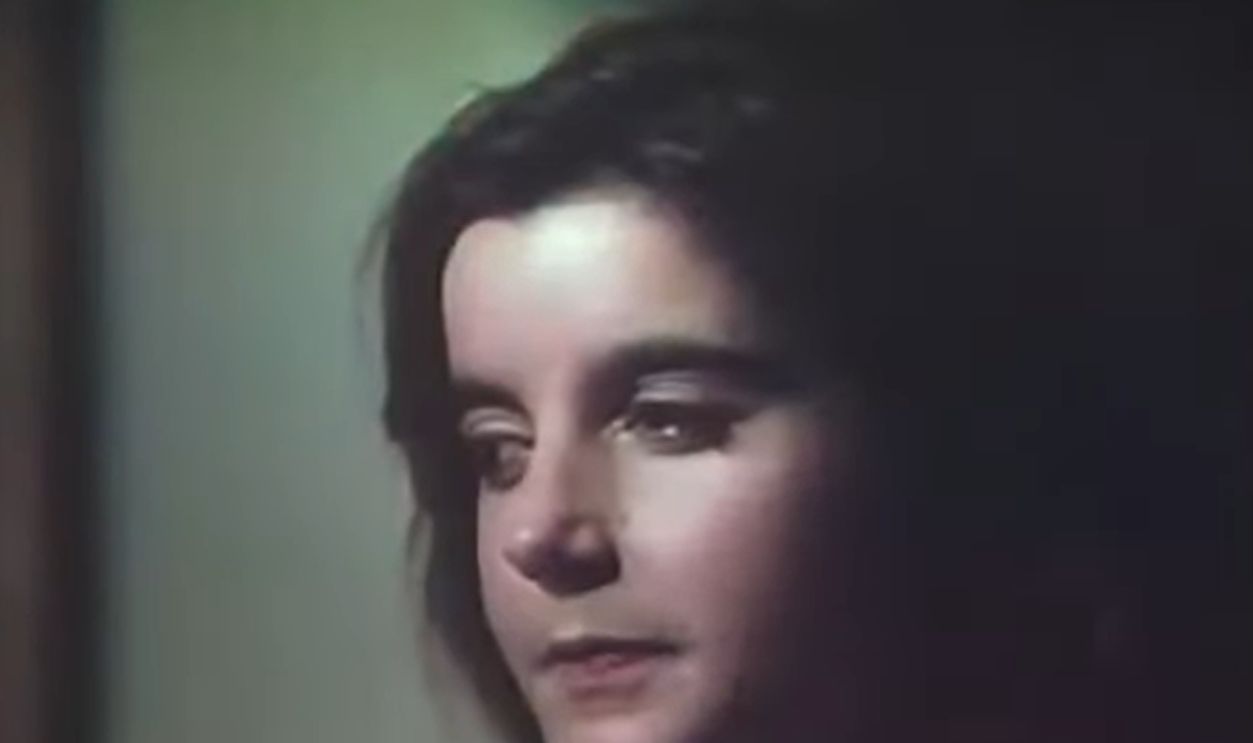
Dominique’s mother, Ellen “Lenny” Dunne, became a founder of a justice for victims organization, established in 1984 to support victims’ families and push for changes in the justice system. It became a major part of her life after Dominique’s death.
 : Screenshot from The Day the Loving Stopped, CBS (1981)
Her Father's Life Changed Too
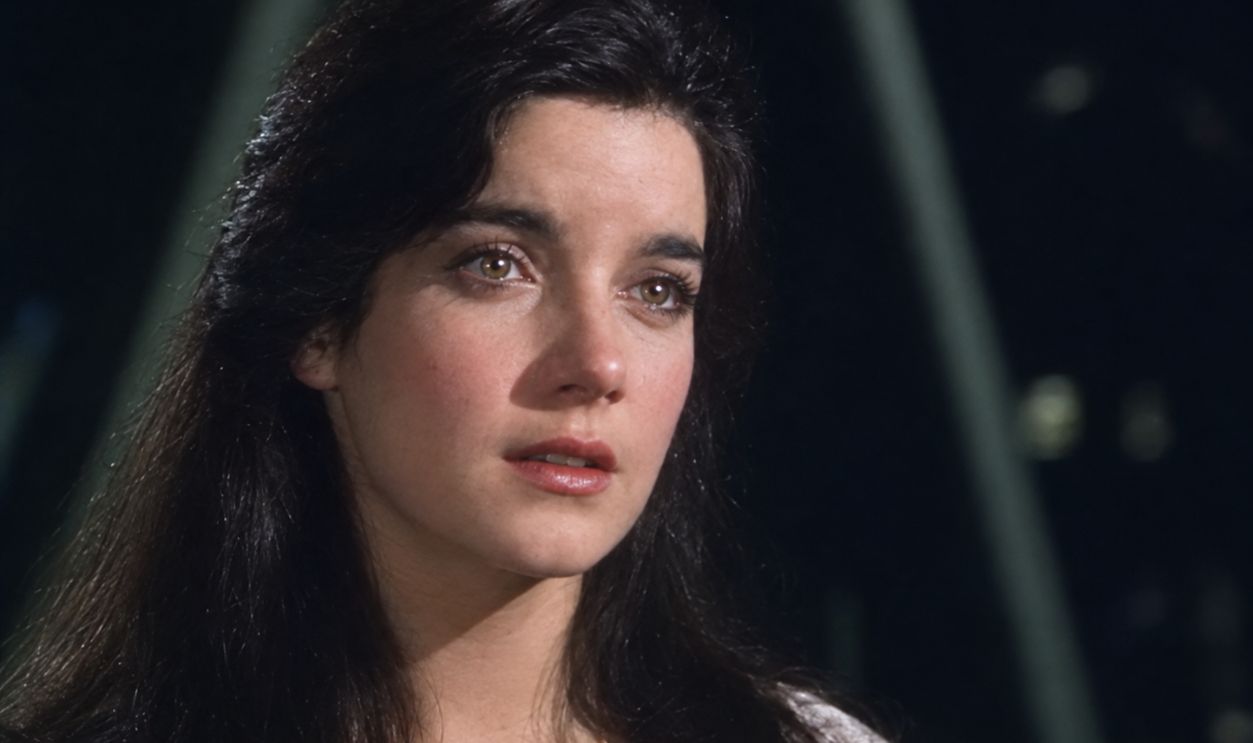
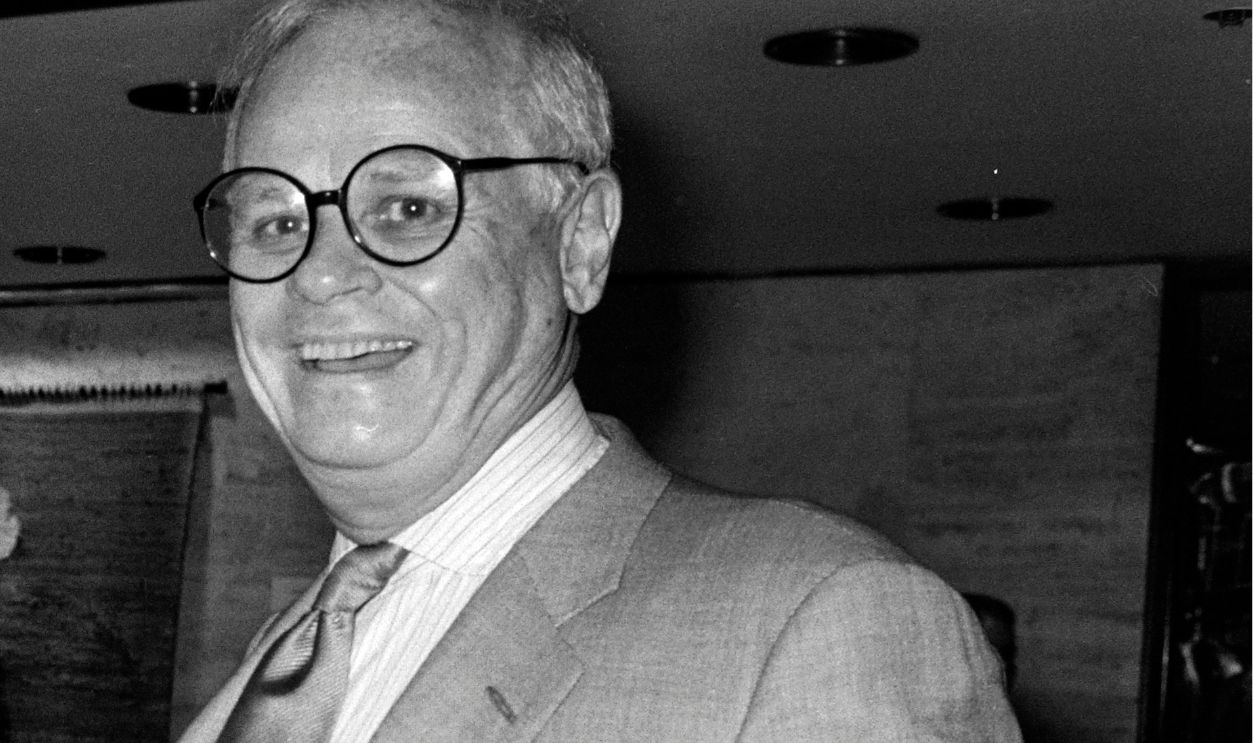
Dominick Dunne had barely thought about the criminal justice system before his daughter’s case. Covering Sweeney’s trial changed the direction of his life. His account, “Justice,” appeared in Vanity Fair in 1984 and launched the crime and courtroom reporting for which he later became famous.
 Screenshot from The Day the Loving Stopped, CBS (1981),Modified
Dominique Was Still Appearing On Television
Her Hill Street Blues episode aired on November 18, 1982, just two weeks after her passing, with the real marks from the earlier attack visible on screen. The episode was dedicated to her memory, making an already unsettling performance almost impossible to watch the same way.
Someone Else Had To Finish Her Next Role
Blair Tefkin replaced Dunne as Robin Maxwell in V. When the miniseries finally aired in 1983, the production was dedicated to Dominique’s memory.
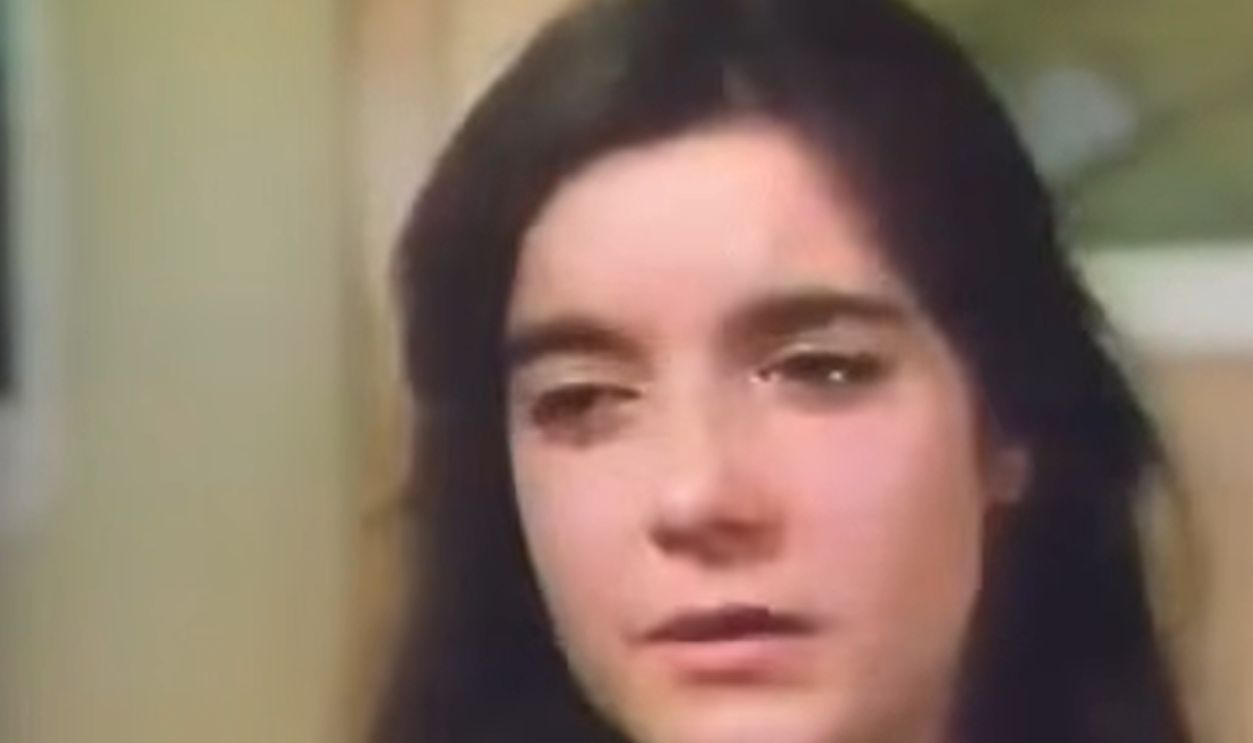 Screenshot from The Day the Loving Stopped, CBS (1981)
She Never Got To See What Came Next
Poltergeist became an enduring horror classic. V became a television phenomenon. Dominique Dunne should have had decades to find out where her career might take her. Instead, her final months became a story her family would spend years making sure people never forgot.
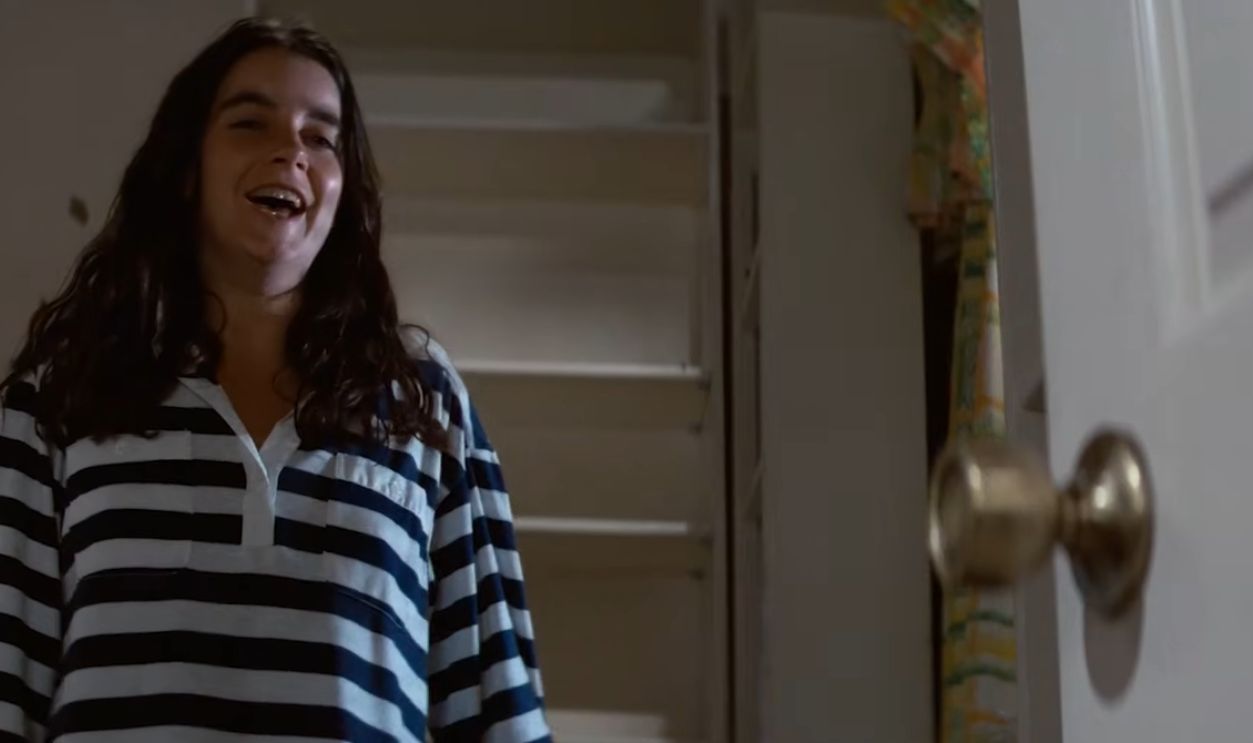 Screenshot from Poltergeist, United Artists (1982)
You Might Also Like:
Stunning Facts About Suzy Parker, The First Supermodel
Johnny Carson made America feel like family every night—but his own family barely knew him.