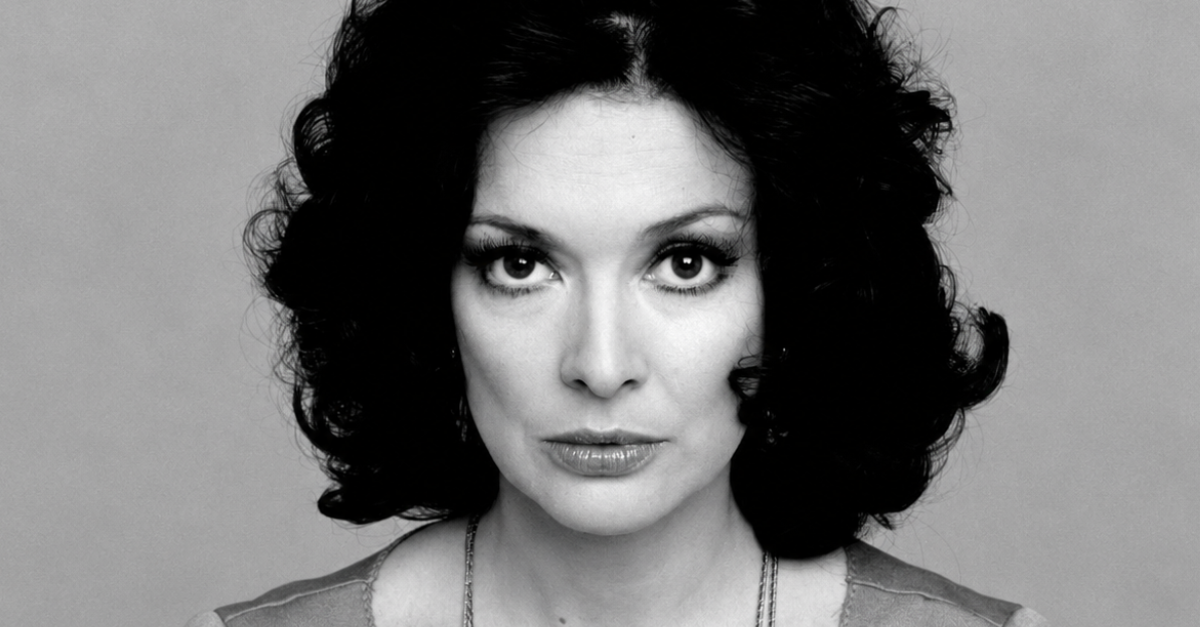
She Could Stop A Sitcom With One Raised Eyebrow.
As Julia Sugarbaker on Designing Women, she brought elegance, theatrical command, comic precision, and startling force to speeches that could run for pages. The series belonged to an extraordinary ensemble, but Carter gave it an unmistakable center of gravity that television awards never fully recognized.
 CBS Television / Wikimedia Commons
Tennessee Was Always Part Of Her
Dixie Carter was born in McLemoresville, Tennessee, in 1939 and remained strongly connected to her home state throughout her life. She studied English at what was then Memphis State University before pursuing performance professionally. That Southern background later gave Julia Sugarbaker an authenticity that could not be manufactured in a writers' room.
 Screenshot from Desperate Housewives, ABC (2004-2012)
She Originally Dreamed Of Singing
Carter's earliest ambitions centered on music rather than sitcoms. She later recalled dreaming as a child of performing at the Metropolitan Opera, although she eventually realized her voice was not suited to that particular path. Singing nevertheless remained one of the great constants of her professional life.
 Screenshot from Desperate Housewives, ABC (2004-2012)
The Stage Came First
Her professional stage career began with a Memphis production of Carousel in 1960. Three years later, Carter appeared in The Winter's Tale at Joseph Papp's New York Shakespeare Festival. Long before television discovered her commanding Southern persona, she had already begun developing it in front of live audiences.

Then She Stepped Away
Carter temporarily left acting after marrying businessman Arthur Carter and becoming a mother. She had two daughters during that period before eventually deciding to return to performance. That interruption meant her career did not follow the neat, uninterrupted path Hollywood usually prefers.
Daytime Television Helped Her Return
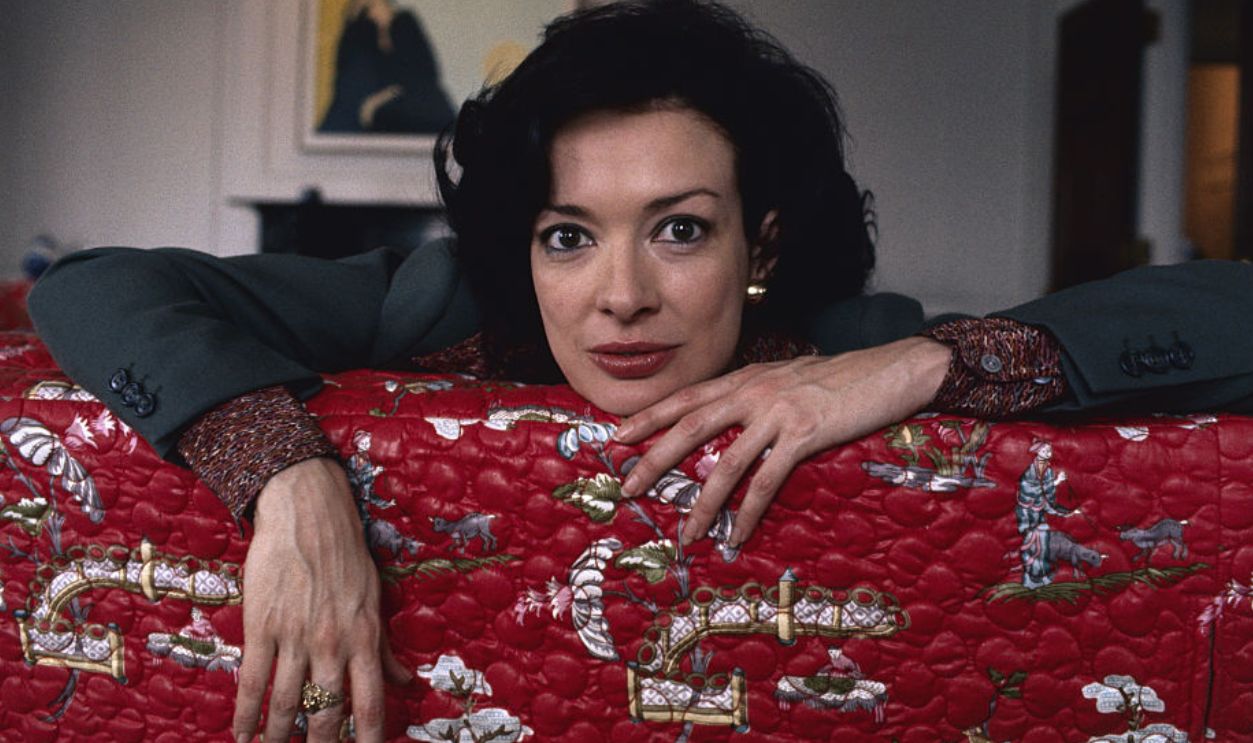
When Carter resumed acting, daytime television became an important bridge back into the profession. She appeared on One Life to Live and The Edge of Night while continuing to pursue stage work. By then, she was building the kind of varied résumé that would later make Julia Sugarbaker feel much deeper than an ordinary sitcom creation.

New York Started Taking Notice
Her theatrical work became increasingly substantial during the 1970s. Carter received a Theatre World Award for Jesse and the Bandit Queen and later earned a Drama Desk nomination for Fathers and Sons. She was becoming a respected stage performer years before most Americans knew her face.

Television Slowly Became A Home
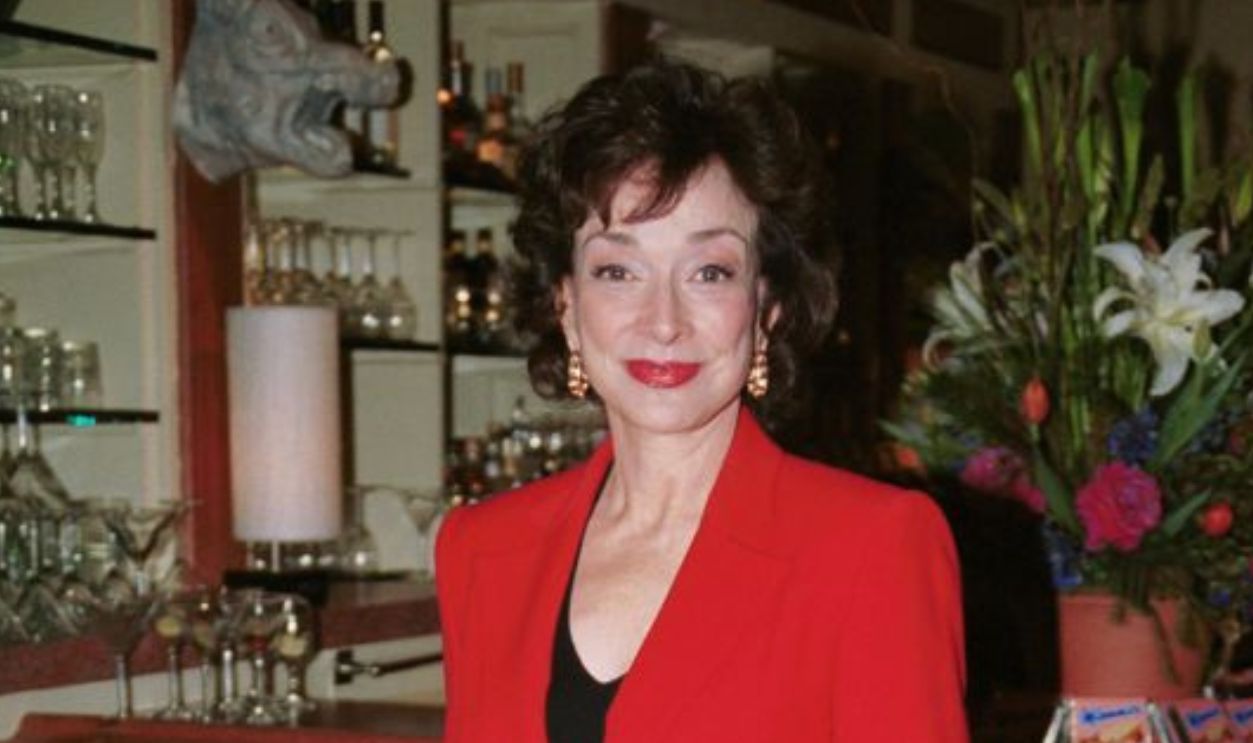
Carter's television career expanded through guest appearances and regular roles. She worked on programs including The Greatest American Hero, Lou Grant, and Diff'rent Strokes. By the early 1980s, she had reached the point where producers could trust her to enter an established series and immediately command attention.
 Frederick M. Brown, Getty Images
Filthy Rich Was More Important Than It Looked
In 1982, Carter joined Delta Burke on the CBS comedy Filthy Rich. The series itself was short-lived, but it introduced both actresses to writer-producer Linda Bloodworth-Thomason. That professional relationship ultimately became far more important than the show that started it.
Linda Bloodworth-Thomason Remembered Her
Bloodworth-Thomason had previously worked with Carter and Burke on Filthy Rich and with Annie Potts and Jean Smart on another project. She eventually decided to build a new comedy around all four women. That idea became Designing Women, with Carter occupying the role that would define her television career.

Sugarbaker's Opened For Business
Designing Women premiered on CBS on September 29, 1986. Carter played Julia Sugarbaker, who ran an Atlanta interior design business with her younger sister Suzanne and colleagues Mary Jo Shively and Charlene Frazier. From the beginning, the show positioned these women as professionals with opinions, ambitions, disagreements, and lives extending far beyond the office.
Julia Had Instant Authority
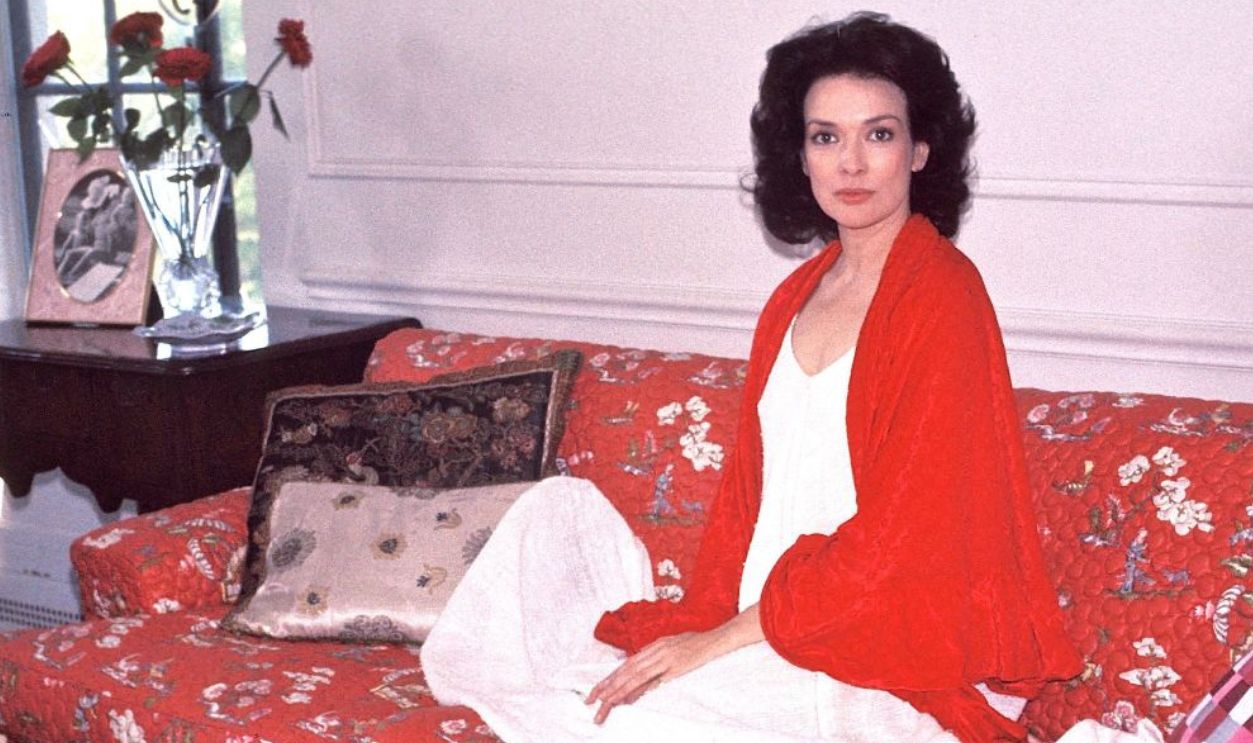
Julia was elegant, highly educated, fiercely articulate, and nearly impossible to intimidate. She could remain perfectly composed until somebody crossed a line, at which point Carter could unleash a verbal barrage without losing Julia's dignity. Playbill later described the character as the most authoritative and opinionated member of the group.
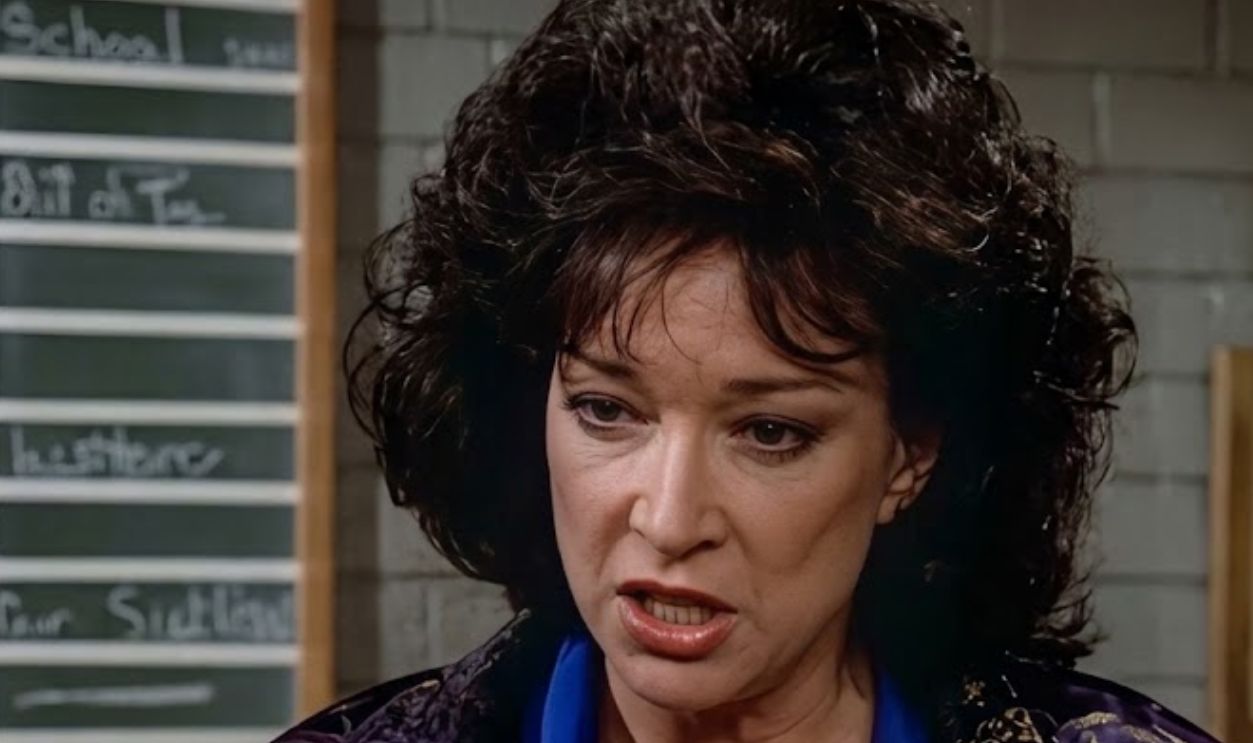 Screenshot from Designing Women, Columbia Pictures (1986-1993)
Carter Made The Speeches Land
Julia's extended speeches became one of the show's trademarks. Jean Smart later remembered Bloodworth-Thomason giving the cast long monologues, sometimes with very little time to learn them. Carter developed a remarkable ability to turn those dense pages into dialogue that sounded spontaneous, furious, funny, and completely controlled.
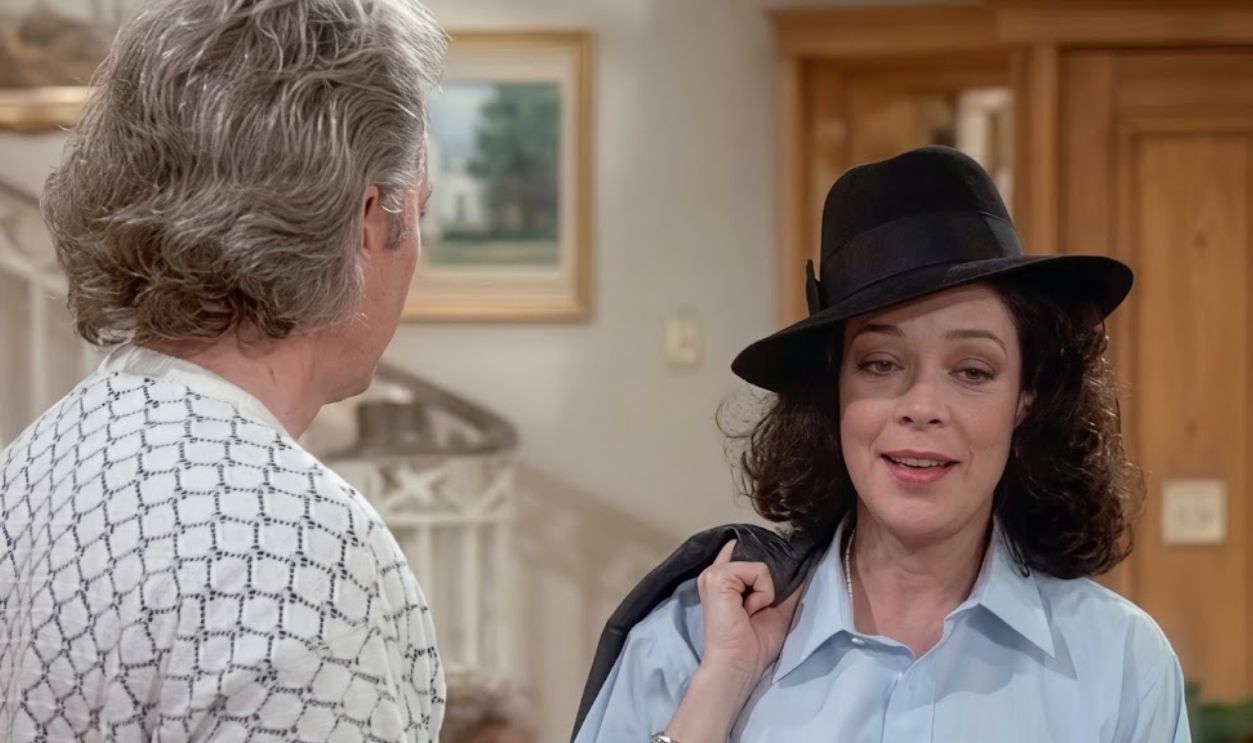 Screenshot from Designing Women, CBS (1986–1993), Enhanced
Julia Was Really Linda's Voice
Carter understood that many of Julia's strongest opinions came directly from the show's creator. In a 1987 interview, Carter said Bloodworth-Thomason had explicitly told her that Julia delivered the lines the writer herself would have wanted to say. Carter's task was therefore not simply memorizing speeches, but embodying another woman's convictions.
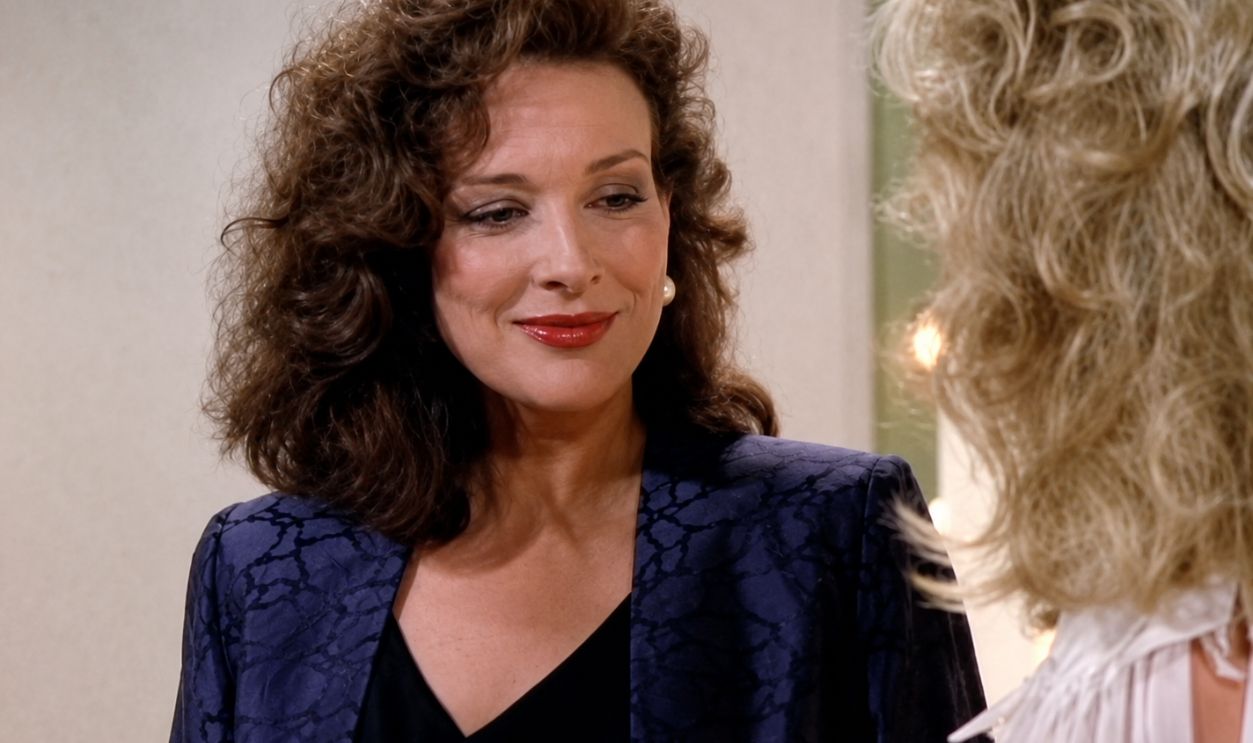 Screenshot from Designing Women, CBS (1986–1993), Enhanced
Dixie Didn't Always Agree
That distinction mattered because Carter and Julia did not always share the same worldview. Carter later acknowledged that some of Julia's positions were far removed from her own beliefs. The fact that viewers often assumed otherwise was evidence of how completely she committed to the material.
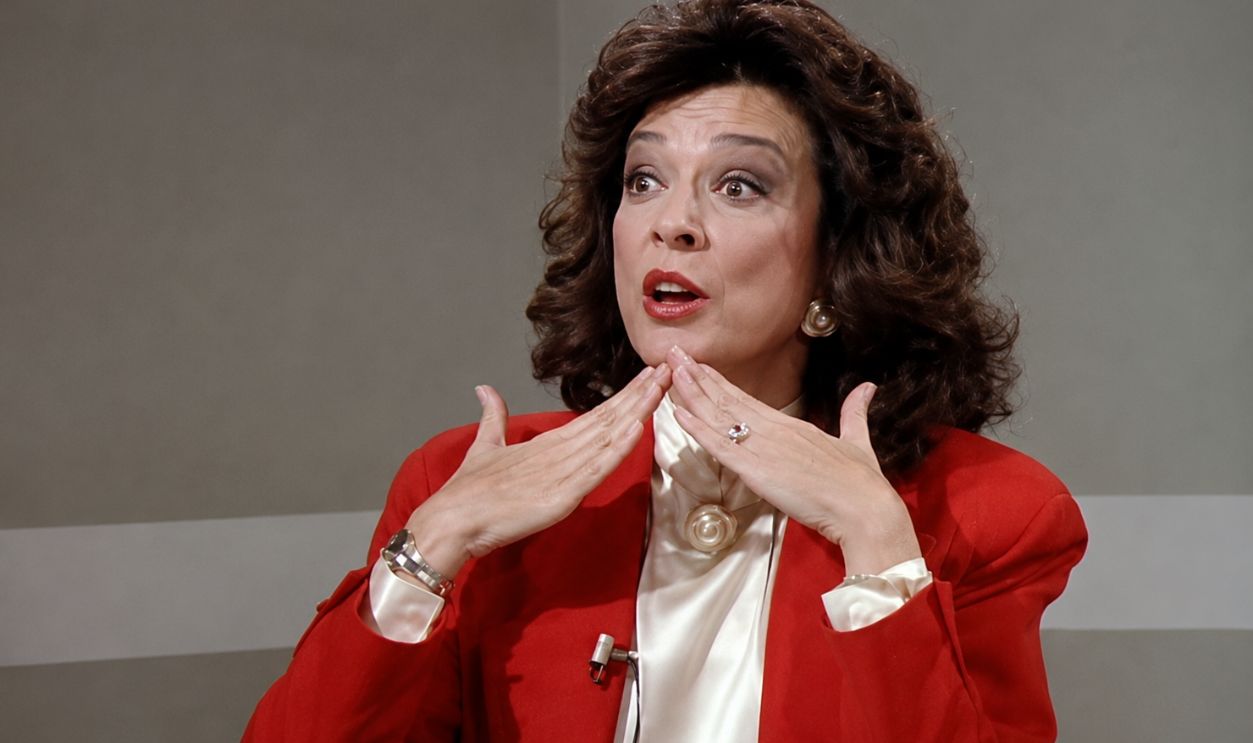 Screenshot from Designing Women, CBS (1986–1993), Enhanced
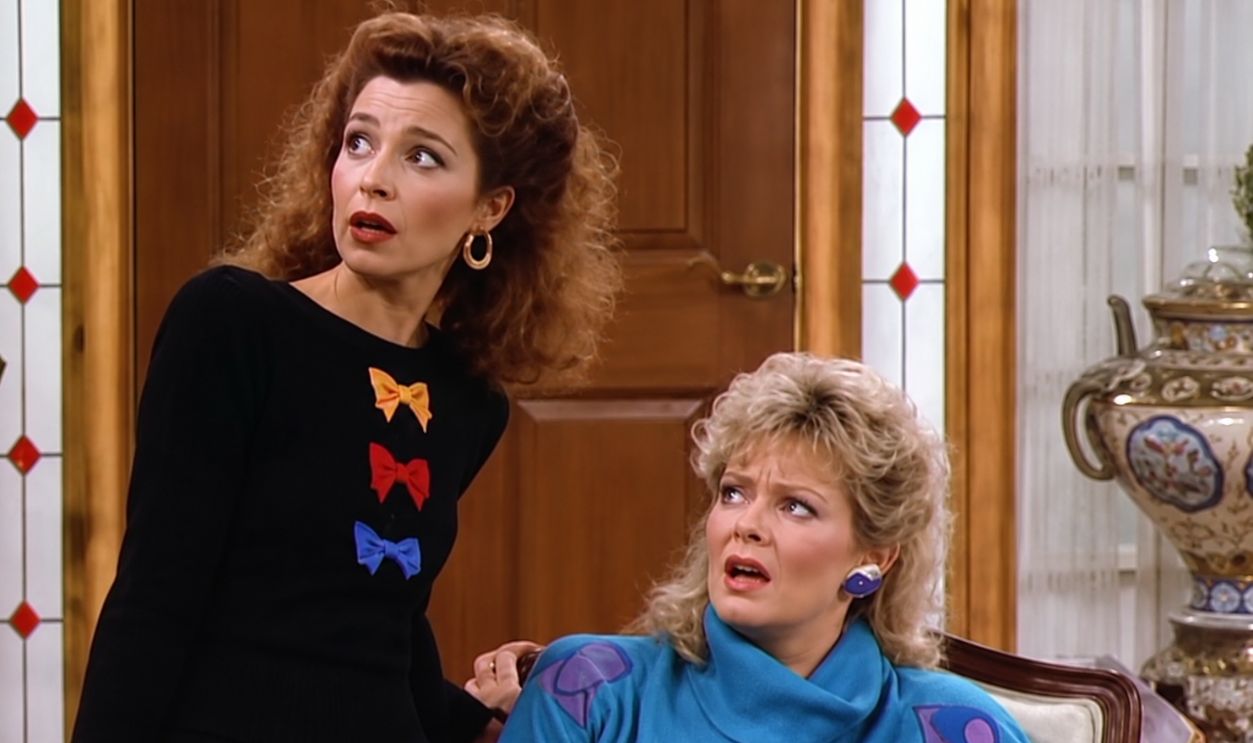
She Negotiated A Very Dixie Solution
Carter eventually developed a playful arrangement with Bloodworth-Thomason. When she had to deliver a major speech expressing a position she personally opposed, she would receive an opportunity to sing on the show in return. It was an unusually charming compromise between an actress and a writer who could disagree sharply while still respecting each other's work.
 Screenshot from Designing Women, CBS (1986–1993), Enhanced
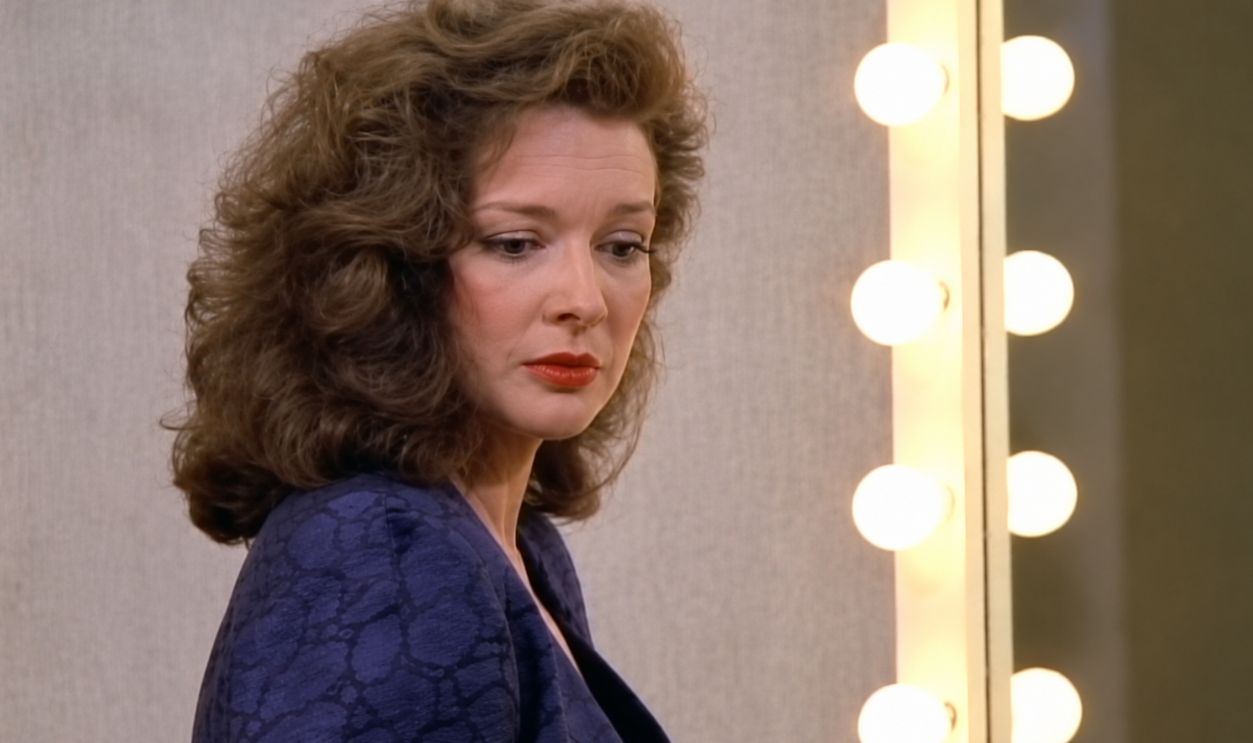
Elegance Was Part Of The Performance
Julia's authority did not come only from dialogue. Carter's posture, clothes, carefully controlled gestures, and polished delivery made her seem capable of taking over a room before she said anything. Even contemporary critics who teased the character's grand manner recognized that Julia had become the show's reigning grande dame.
 Screenshot from Designing Women, CBS (1986–1993)
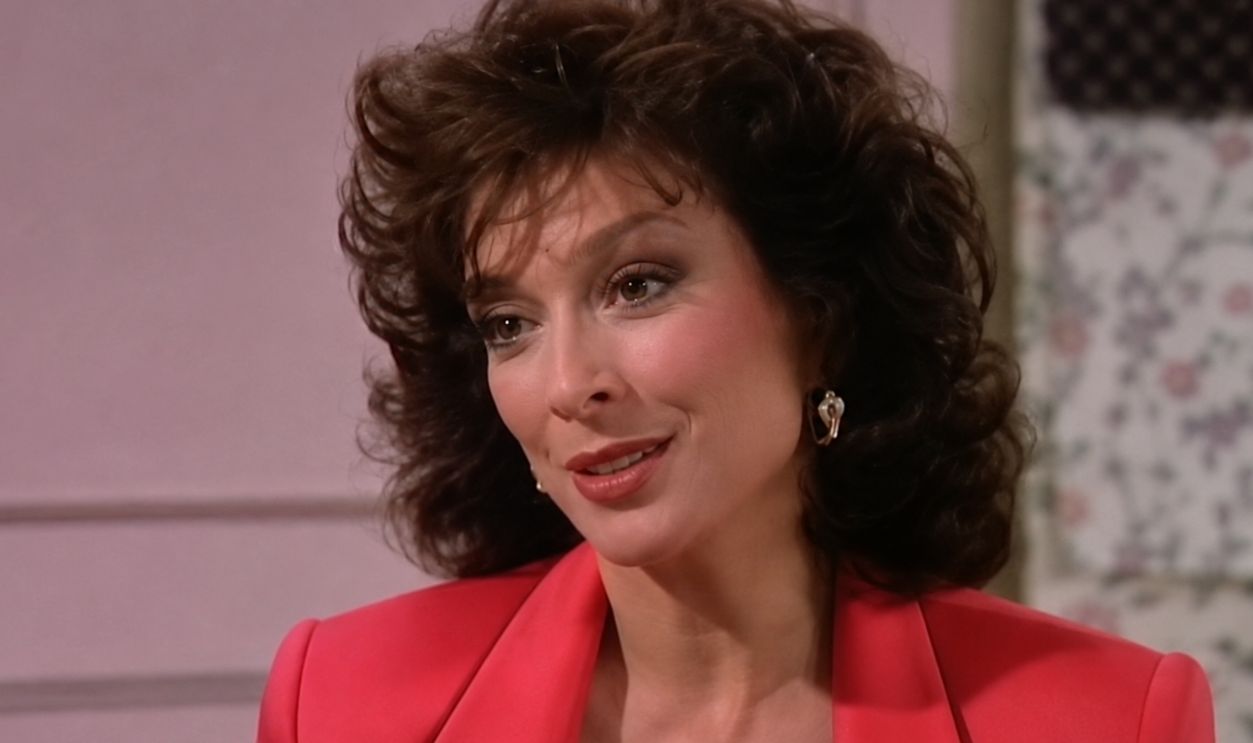
The Hair Had Its Own Strategy
The production's beauty team helped make that sophisticated Southern look unmistakable. Television Academy hairstylist Judy Crown recalled working closely with Carter and noted that the show's Southern characters wore their hair somewhat bigger than the national norm. The visual polish complemented Carter's performance rather than replacing it.
 Screenshot from Designing Women, CBS (1986–1993)
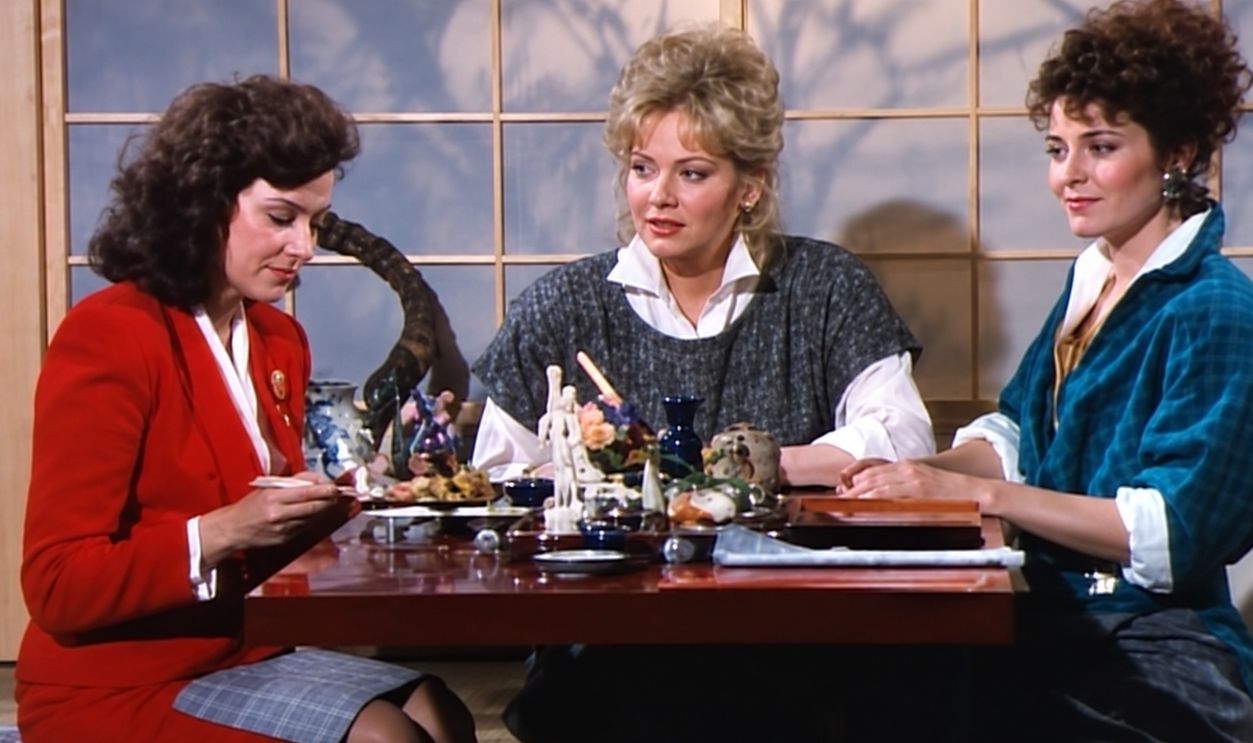
The Ensemble Made Everyone Better
Carter's intensity worked because it had three very different personalities around it. Burke's Suzanne could puncture Julia's seriousness, Potts brought nervous practicality as Mary Jo, and Smart gave Charlene an openhearted sweetness. Carter later said the combination felt almost magical when the original women reunited years afterward.
 Screenshot from Designing Women, CBS (1986–1993)
Her Husband Joined The Fun
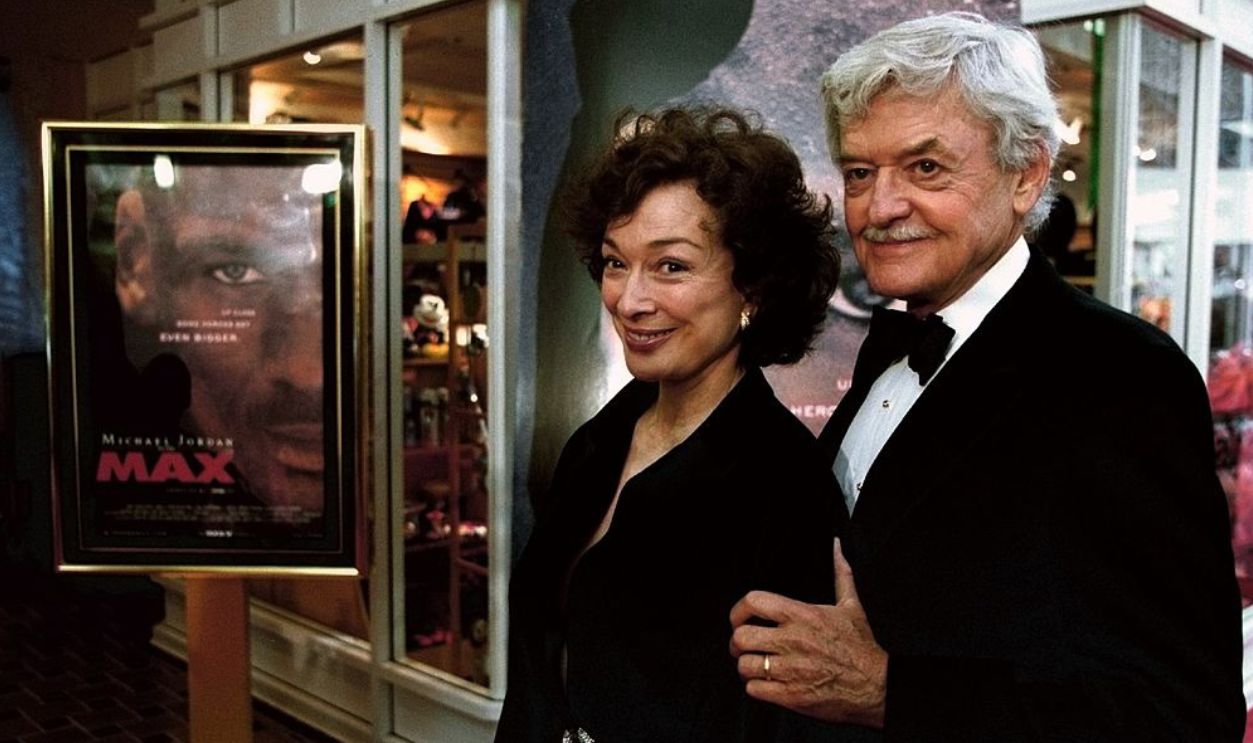
Carter had married actor Hal Holbrook in 1984, two years before Designing Women premiered. Holbrook eventually joined the series in a recurring role as attorney Reese Watson, Julia's romantic partner. He later recalled that Bloodworth-Thomason had to persuade him to take the job, but he ultimately became an important part of Julia's world.

Julia And Reese Felt Lived-In
Having Carter and Holbrook together gave Julia's private life a different rhythm from her fiery workplace moments. Their scenes benefited from the familiarity of two experienced actors who already knew each other's timing intimately. Holbrook later spoke warmly about playing Reese opposite his wife and about working with the Designing Women ensemble.
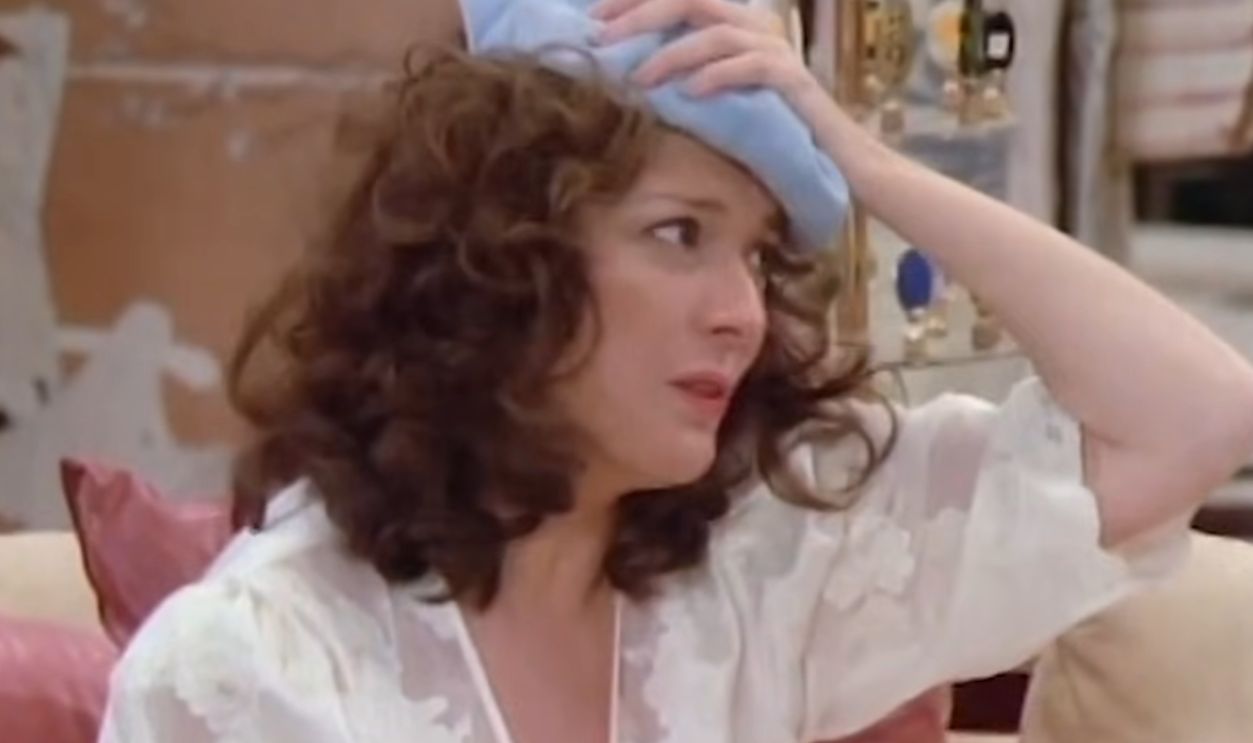 Screenshot from Designing Women, CBS (1986–1993)
CBS Nearly Lost The Show
The program's future was surprisingly shaky during its first season. CBS moved Designing Women away from its successful Monday slot, and its ratings dropped dramatically in the new schedule. By the end of 1986, the network had placed the comedy on hiatus.
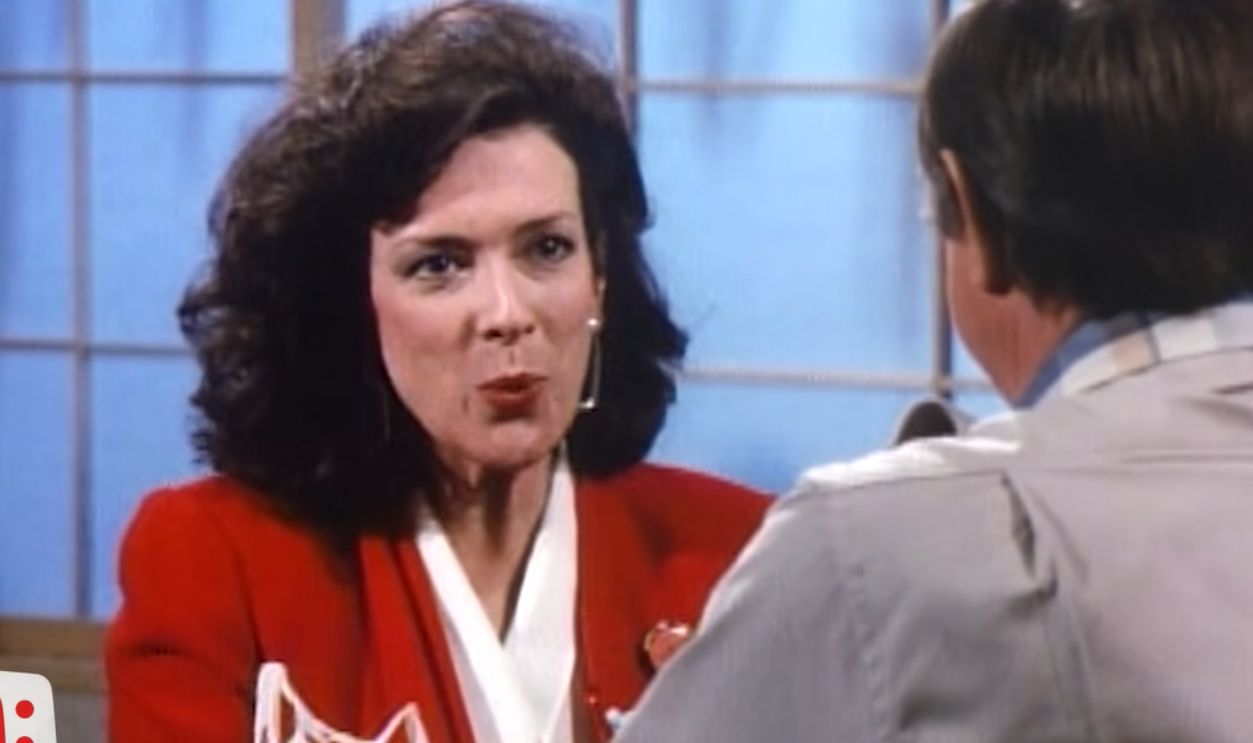 Screenshot from Designing Women, CBS (1986–1993)
The Audience Refused To Let It Die
Viewers responded with an enormous letter-writing campaign demanding the show's return. The Washington Post reported that CBS offices were flooded with mail as supporters organized to save the series. The pressure worked, and Designing Women returned to the schedule.

The Ratings Proved The Fans Right
Once CBS restored the program to a stronger Monday position, its audience recovered. Contemporary reporting noted that the show returned to Nielsen's top 20 after having fallen as low as 65th during its scheduling troubles. A series the network had nearly buried was suddenly proving that viewers had understood its appeal better than executives did.
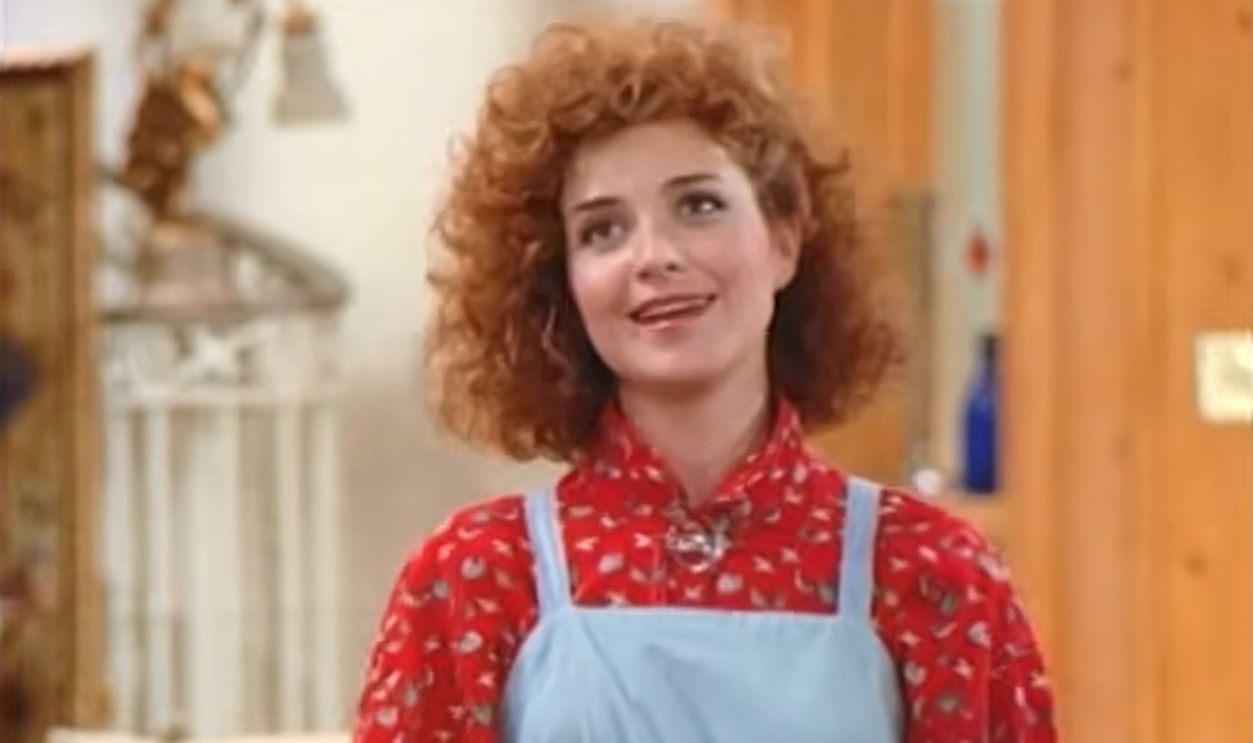 Screenshot from Designing Women, CBS (1986–1993)
The Show Wanted To Say Something
Bloodworth-Thomason never wanted the comedy to exist only for punch lines. She told The Washington Post that she hoped episodes could tackle topical subjects while remaining entertaining and retaining some heart. Julia naturally became one of the primary vehicles for that combination of argument, humor, and emotion.
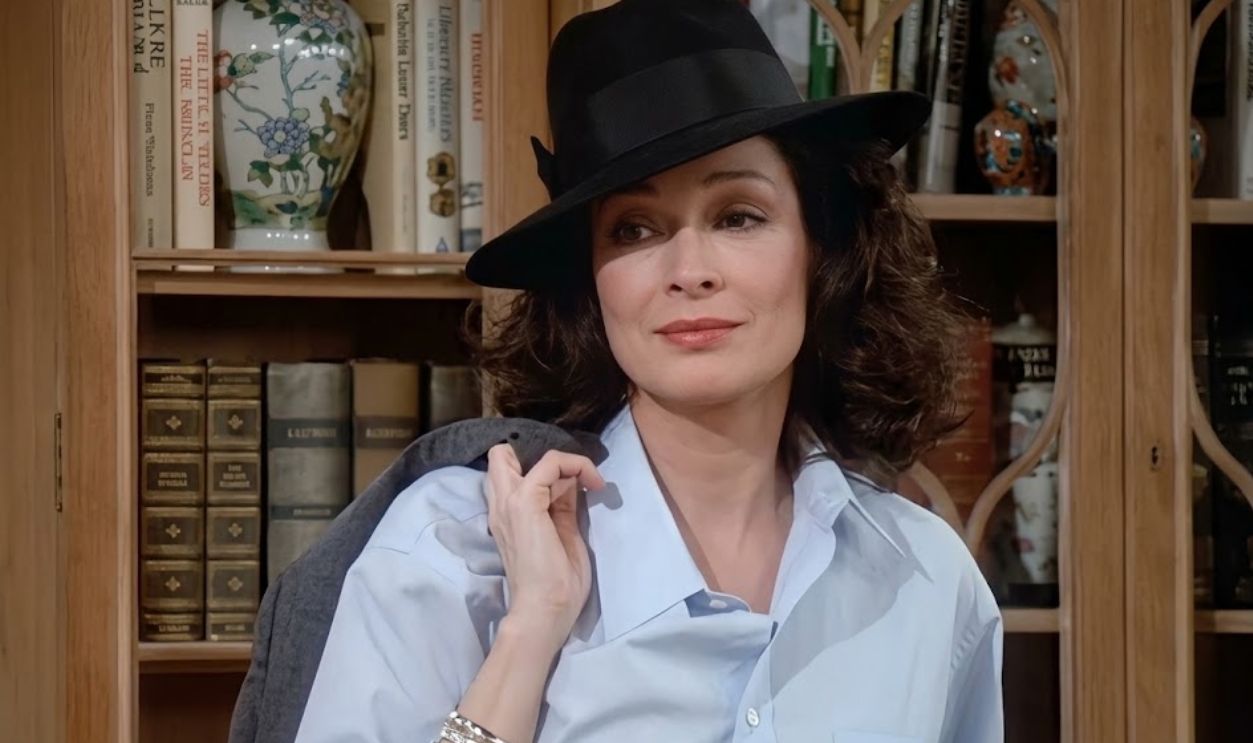 Screenshot from Designing Women, CBS (1986–1993), Enhanced
Carter Was Never Rewarded Like Julia Deserved
Designing Women ultimately received 18 Primetime Emmy nominations, including recognition for the series and several cast members. Yet Carter was never nominated for an Emmy for playing Julia Sugarbaker. Considering how closely the character's speeches, elegance, and authority became identified with the show's voice, that omission remains striking.
 Screenshot from Designing Women, CBS (1986–1993)
The Original Family Eventually Fractured
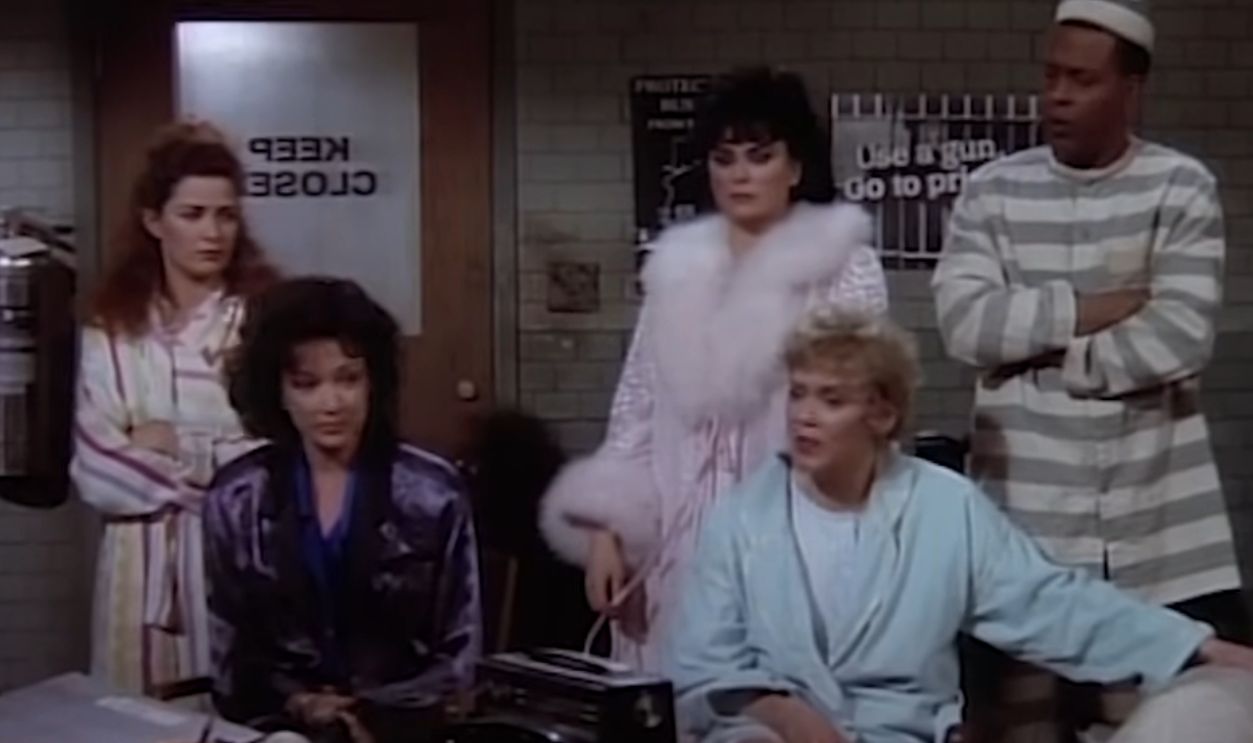
Behind the scenes, the series became more turbulent as it continued. Delta Burke departed after the fifth season following a highly publicized breakdown in her relationship with the production, and Jean Smart also left at that point. Carter remained, even as the chemistry of the original four women could no longer be recreated exactly.
 Screenshot from Designing Women, CBS (1986–1993), Enhanced
Dixie And Delta Had Real History
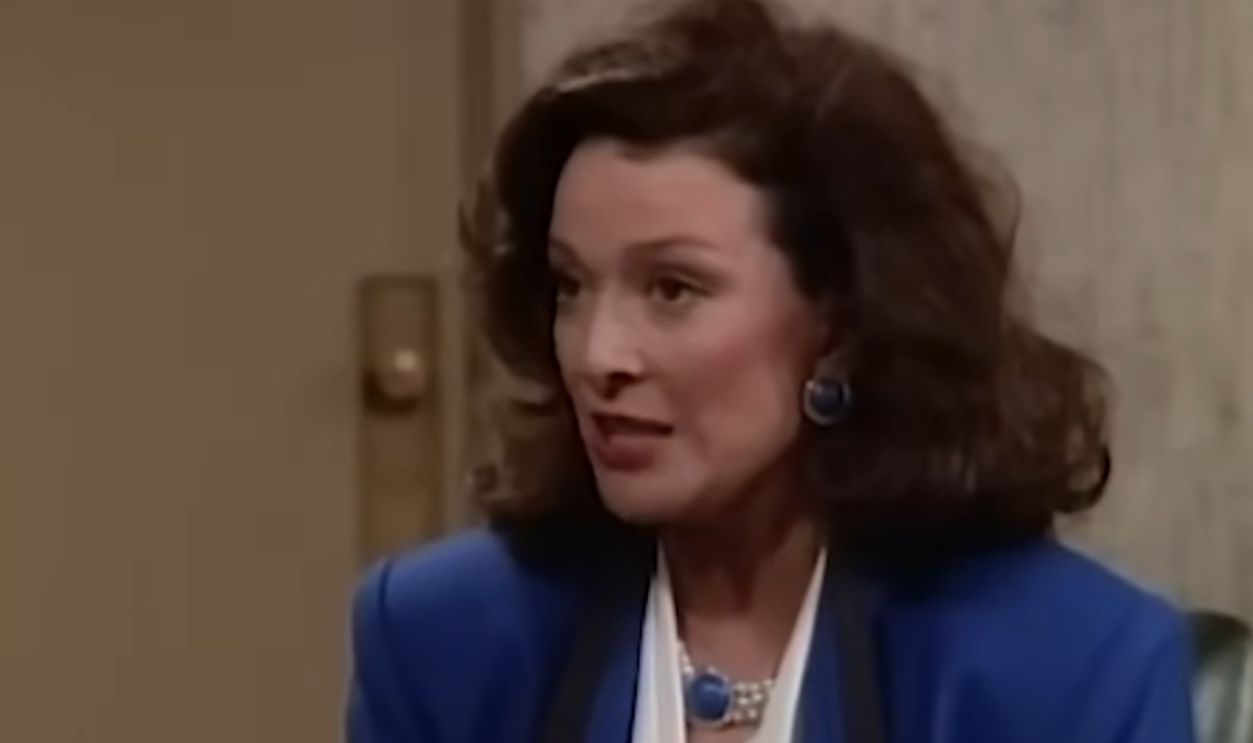
Burke's departure was especially painful because she and Carter had been genuine friends since Filthy Rich. Their relationship became strained during the difficult final period, and the two women remained apart for years. Carter nevertheless told the Los Angeles Times in 2000 that she still loved Burke, and they eventually reconciled.
 Screenshot from Designing Women, CBS (1986–1993)
Seven Seasons Made Julia Permanent
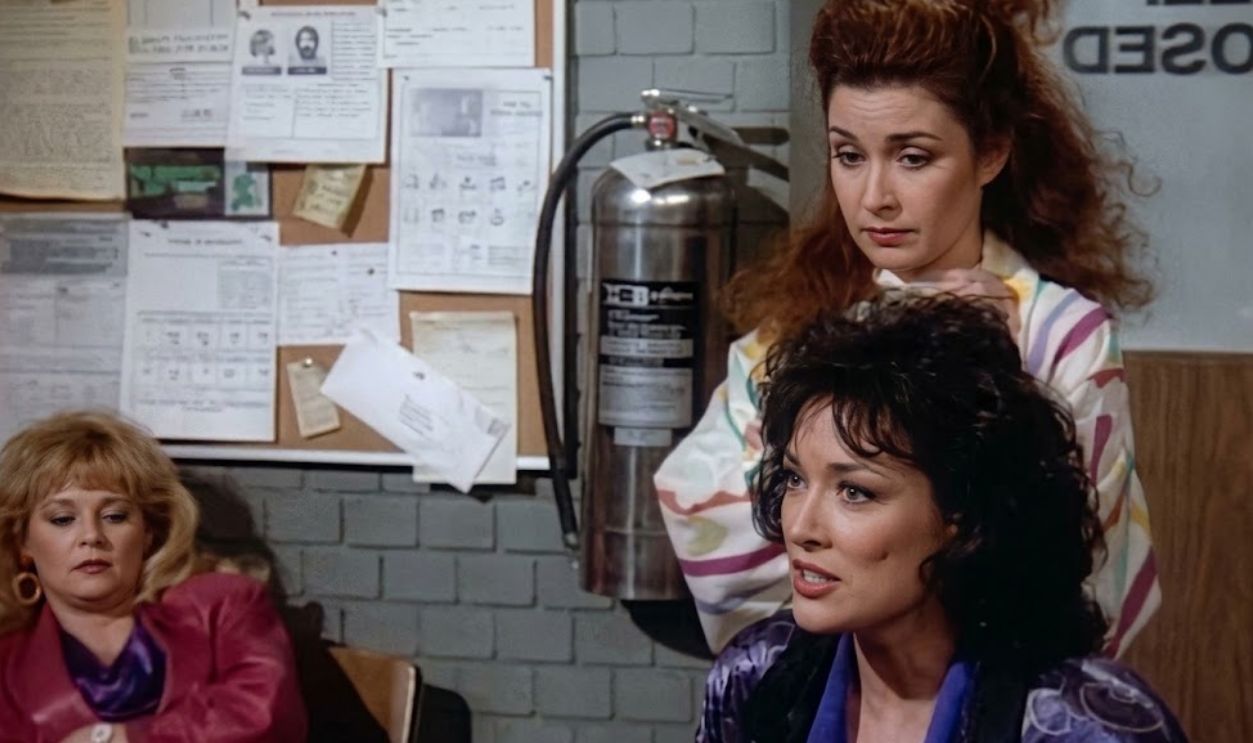
Carter stayed with Designing Women through its final season, which ended in May 1993 after 163 episodes. By then, Julia Sugarbaker had become inseparable from her public image. Carter might have spent years building a serious theatrical résumé beforehand, but one elegant Atlanta designer had permanently changed how America saw her.
 Screenshot from Designing Women, CBS (1986–1993), Enhanced
She Went Straight Back To Serious Theater
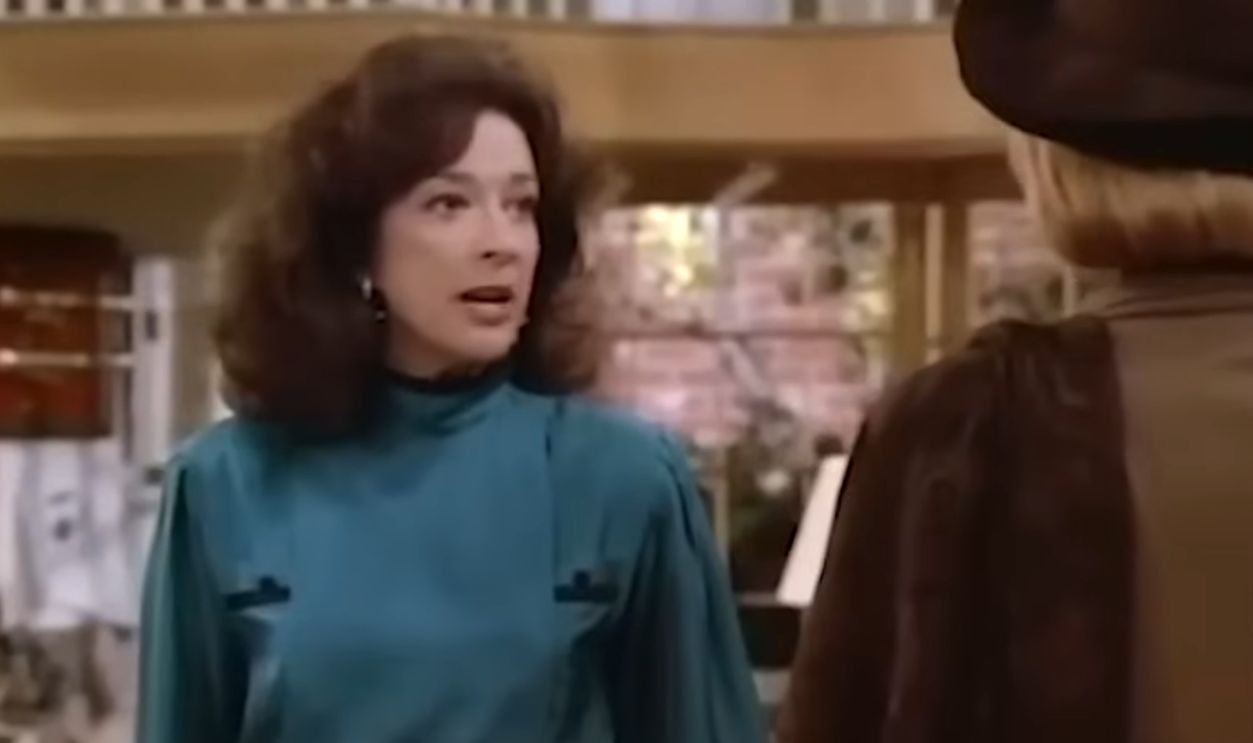
Carter did not spend the rest of her career repeating Julia. She returned to major stage work and, in 1997, succeeded Patti LuPone as Maria Callas in the Broadway production of Master Class. She later returned to Broadway again and continued performing as a cabaret singer, finally giving her lifelong love of music a prominent place in her career.
 Screenshot from Designing Women, CBS (1986–1993)
Television Finally Gave Her An Emmy Nomination
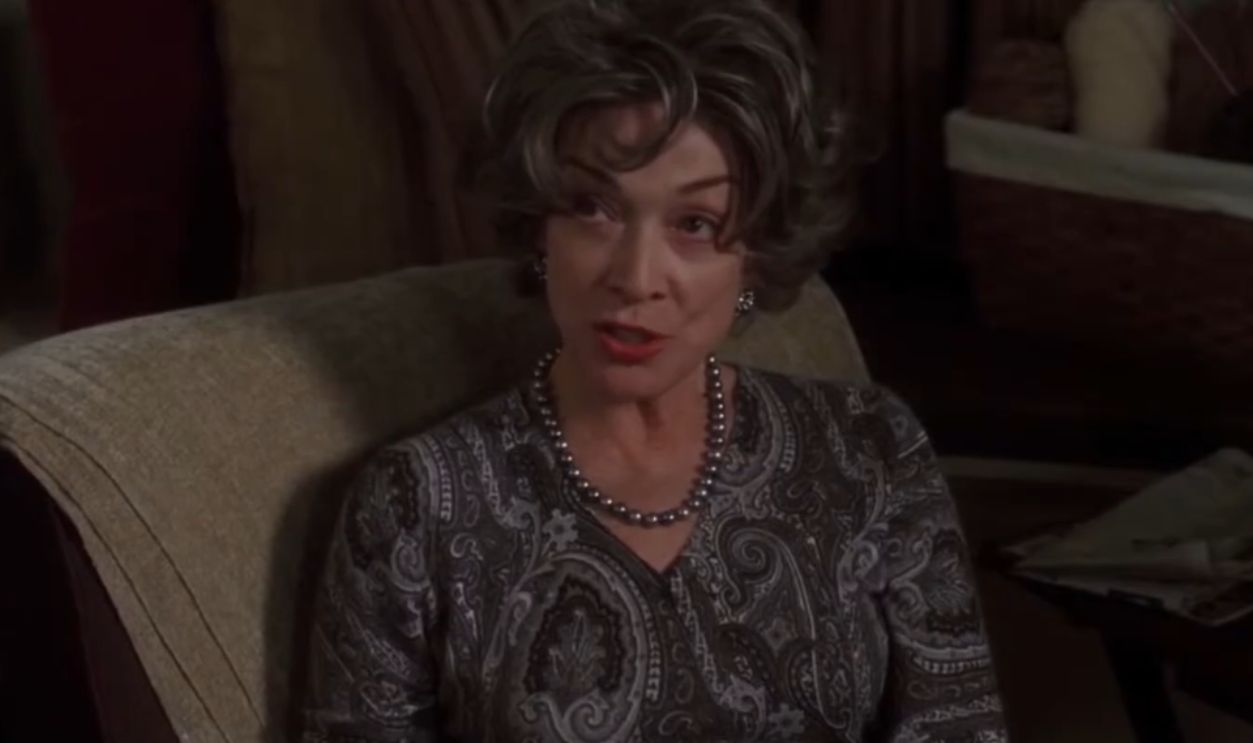
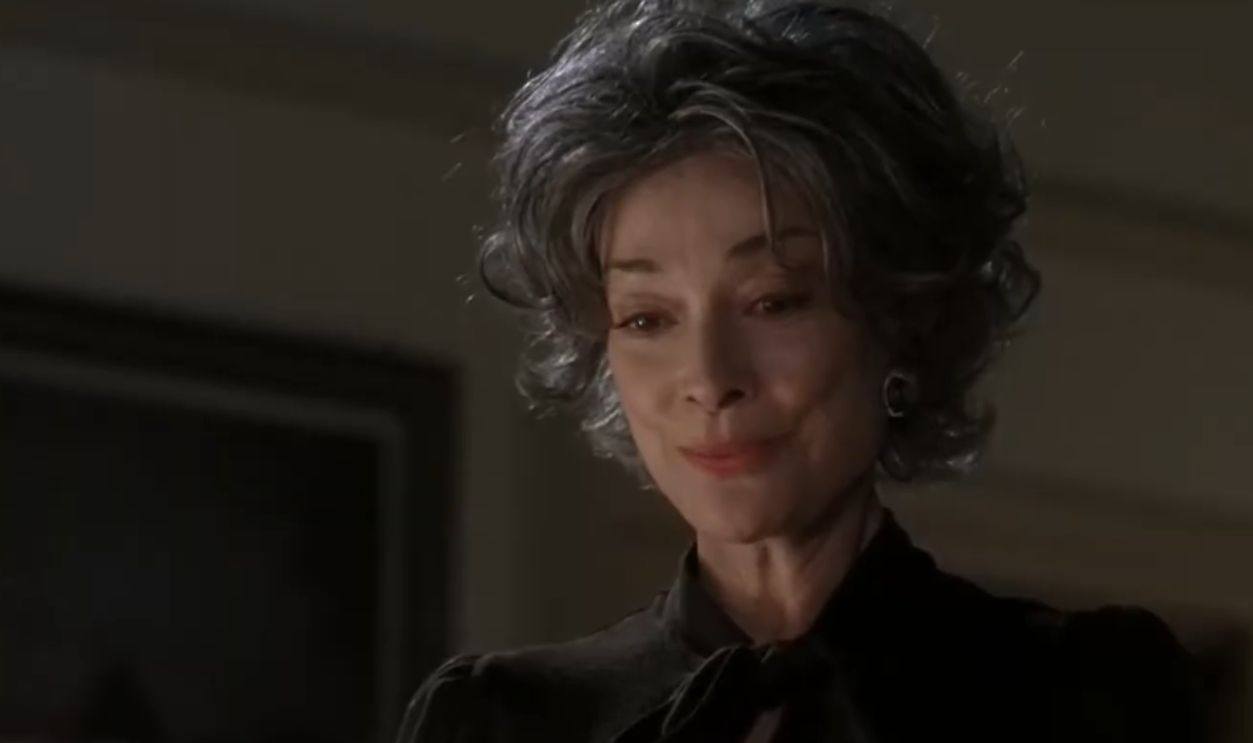
Years after Designing Women, Carter appeared on Desperate Housewives as Gloria Hodge. The performance earned her a 2007 Primetime Emmy nomination for Outstanding Guest Actress in a Comedy Series. Ironically, the Television Academy finally nominated Carter long after the character most closely associated with her brilliance had disappeared from prime time.
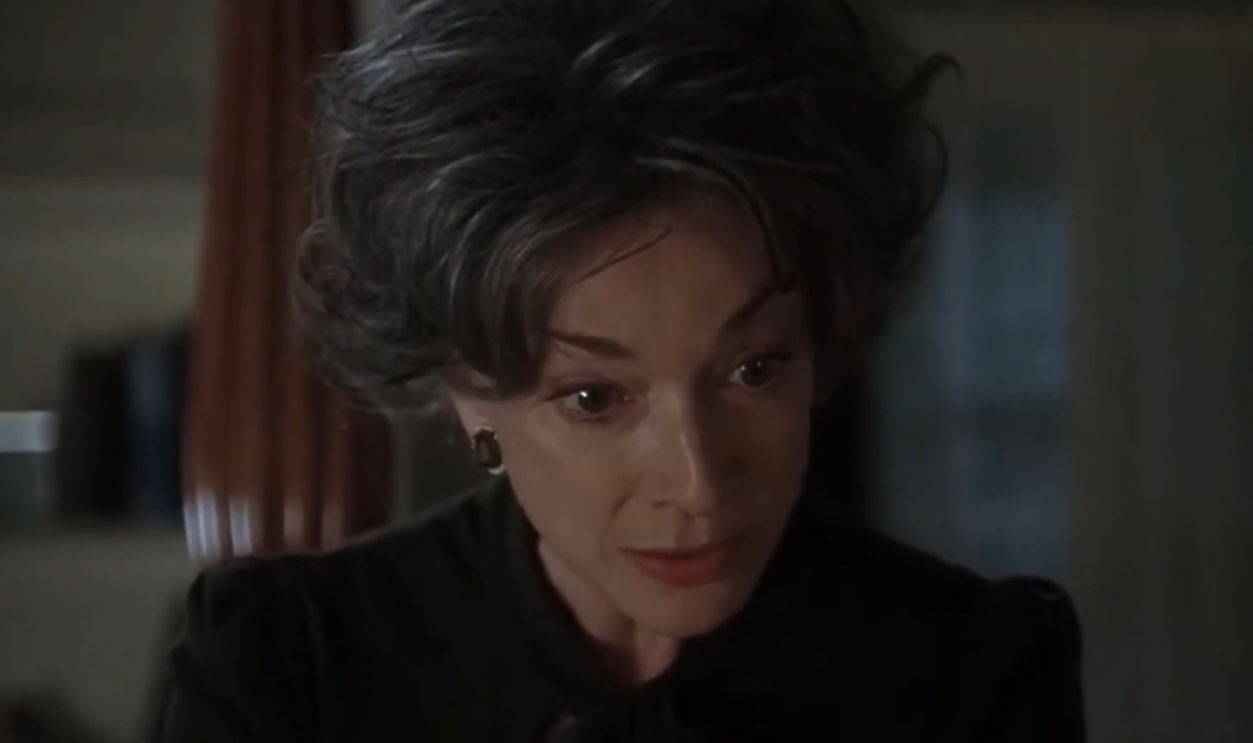 Screenshot from Desperate Housewives, ABC (2004-2012)
Julia Sugarbaker Was Only Part Of Dixie Carter
Carter continued acting until near the end of her life, appearing with Holbrook in the 2009 Tennessee-set film That Evening Sun. She died in April 2010 at age 70, leaving behind decades of theater, television, music, and one towering sitcom performance. Designing Women had four extraordinary leads, but Carter's ability to make intelligence, refinement, outrage, and comedy coexist in Julia Sugarbaker helped make the entire series impossible to ignore.

You May Also Like:
These Unscripted Reality TV Moments Had Us Shook
The Highest Rated Television Series Of Every Year Since 1950
The Most-Watched TV Show Every Year Of The 1970s
Sources: 1, 2, 3, 4, 5, 6, 7, 8, 9, 10, 11, 12, 13, 14, 15, 16, 17, 18, 19, 20, 21, 22, 23