
Delta Burke Became Impossible To Ignore.
As Suzanne Sugarbaker on Designing Women, she turned a vain former beauty queen into one of television’s funniest, most complicated characters and earned two Emmy nominations along the way. Yet the more famous Burke became, the more attention drifted away from her acting and toward her appearance, creating a battle she would spend years trying to escape.
Pageants Came Before Hollywood
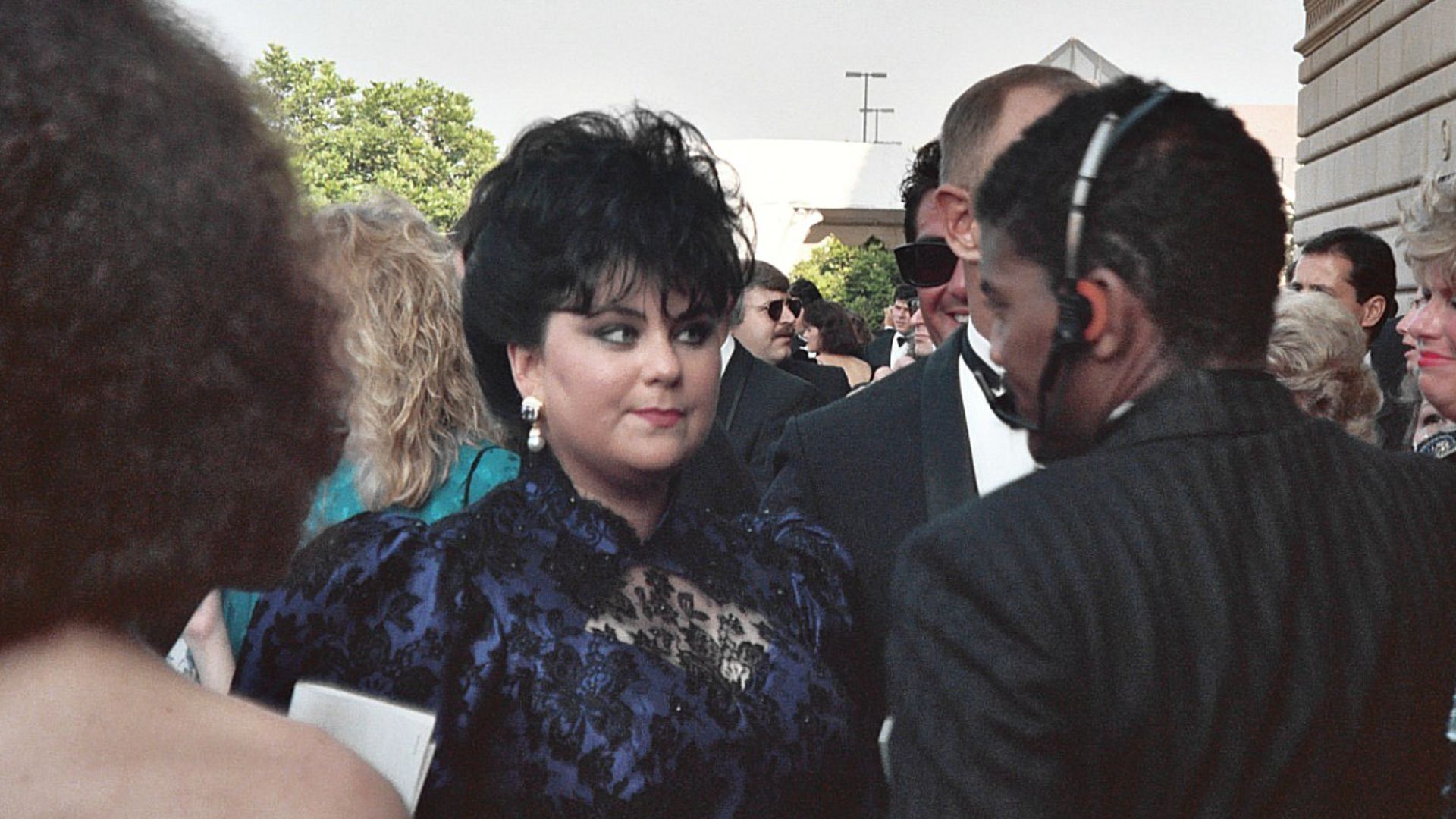
Burke grew up in Orlando, Florida, and started competing in pageants while still young. By her late teens, she had accumulated numerous titles and eventually represented Florida in the Miss America competition. That background would later make Suzanne Sugarbaker’s beauty-pageant history feel especially natural in Burke’s hands.
Miss Florida Opened Another Door
Burke became Miss Florida in the mid-1970s and earned a talent scholarship through the Miss America competition. She used that opportunity to study acting at the London Academy of Music and Dramatic Art. Pageantry may have made her visible, but Burke was already trying to build a career based on performance rather than appearances alone.

London Changed Her Direction
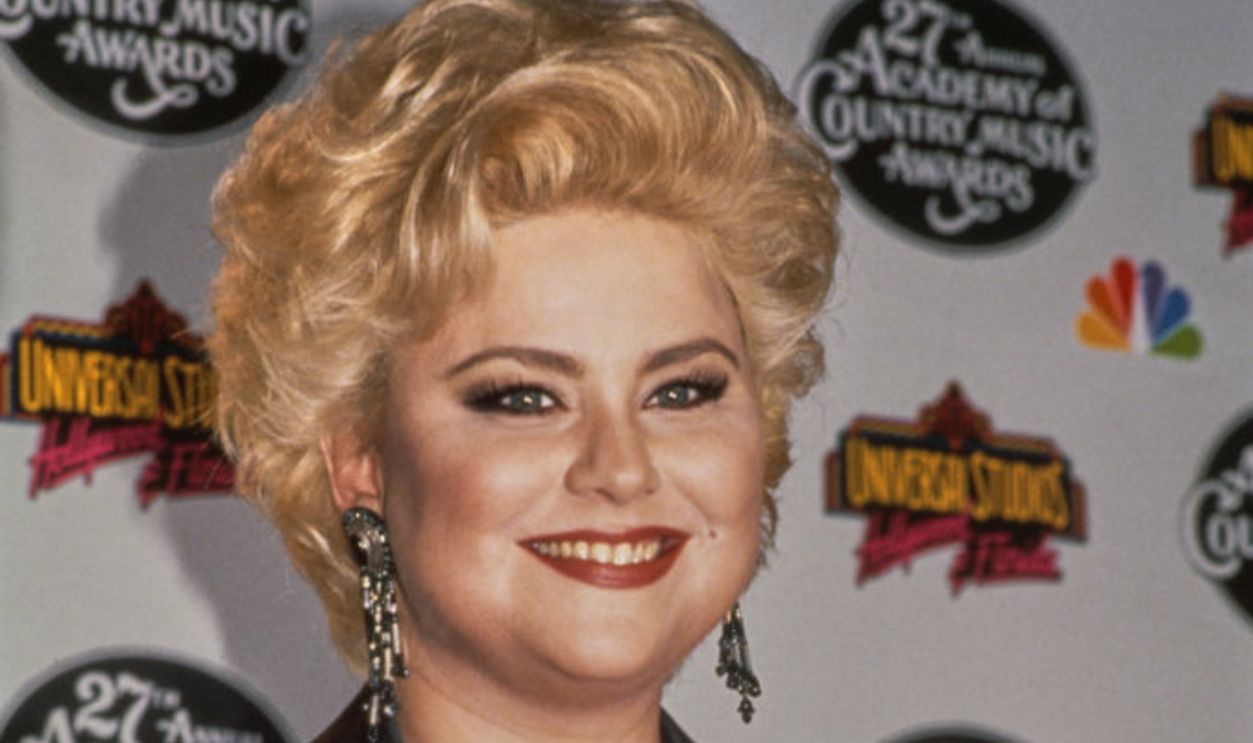
Her training in London gave Burke more formal preparation before she committed fully to acting. When she returned to the United States, she headed for Los Angeles and began auditioning professionally. According to biographical records, she landed television work remarkably quickly after arriving.
Television Came Fast
Burke appeared in projects including the television movie The Seekers and the Western series The Chisholms during the late 1970s. Those early jobs gave her experience in period drama and ensemble television. She was becoming a working actress long before Suzanne Sugarbaker made her a household name.
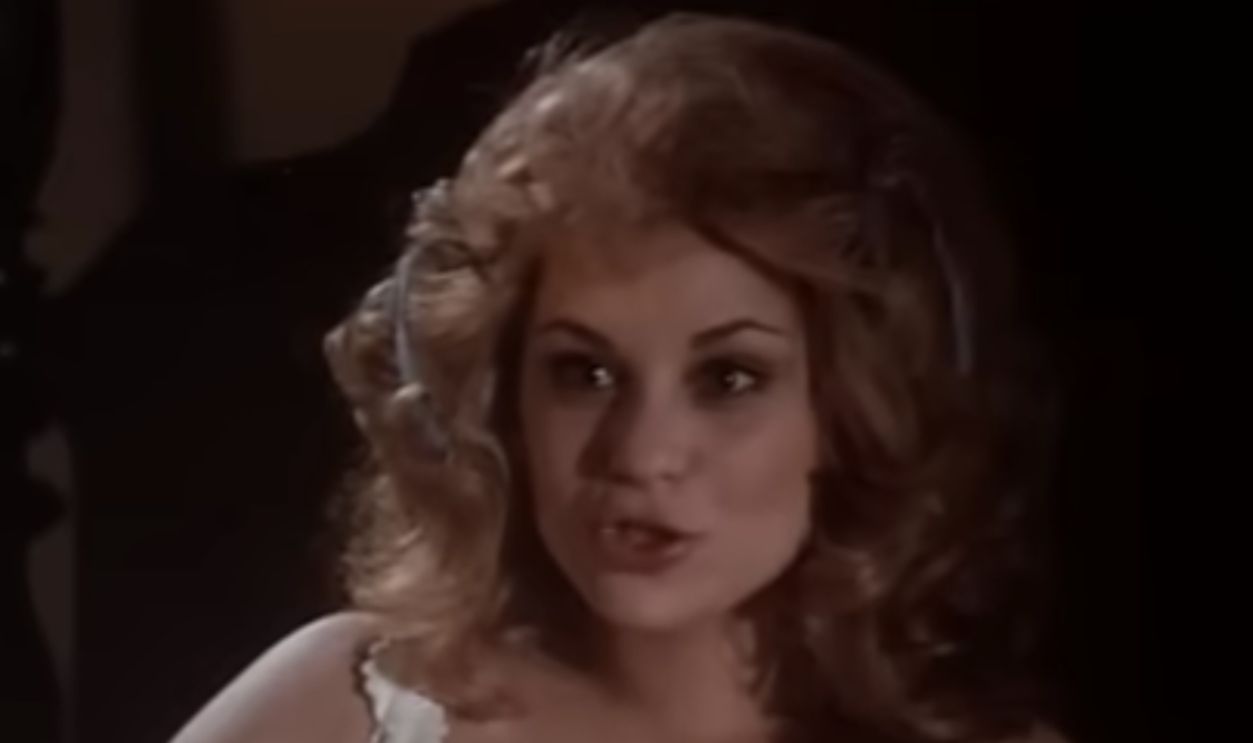 Screenshot from The Seekers, Universal Television (1979)
Filthy Rich Was The Real Turning Point
In 1982, Burke landed a leading role on CBS’s Filthy Rich. The short-lived comedy paired her with Dixie Carter and brought both actresses into the orbit of writer-producer Linda Bloodworth-Thomason. Although the series did not last, the professional relationships formed there would reshape Burke’s career.
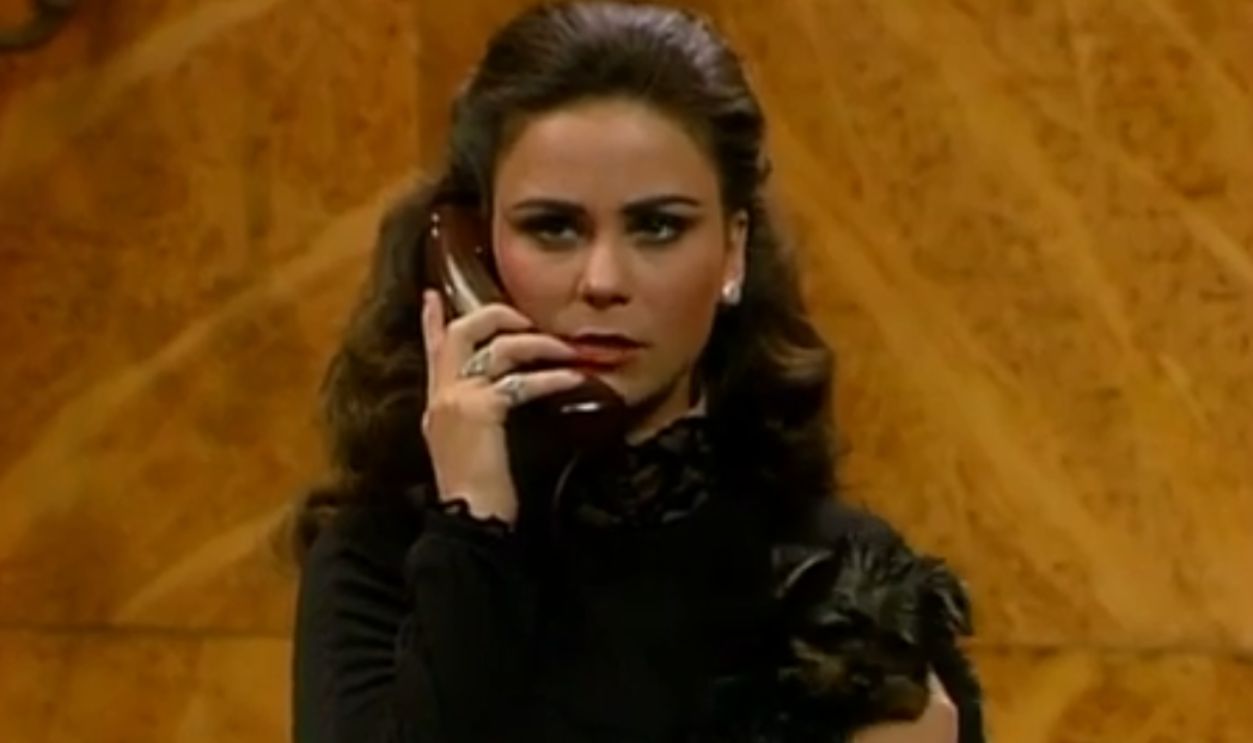 Screenshot from Filthy Rich, CBS (1982)
HBO Gave Her Another Showcase
Burke also appeared in 1st & Ten, one of HBO’s early weekly comedy series. The job kept her visible through the mid-1980s and added another regular television role to her résumé. By then, she had enough experience to make the most of the opportunity that was about to arrive.
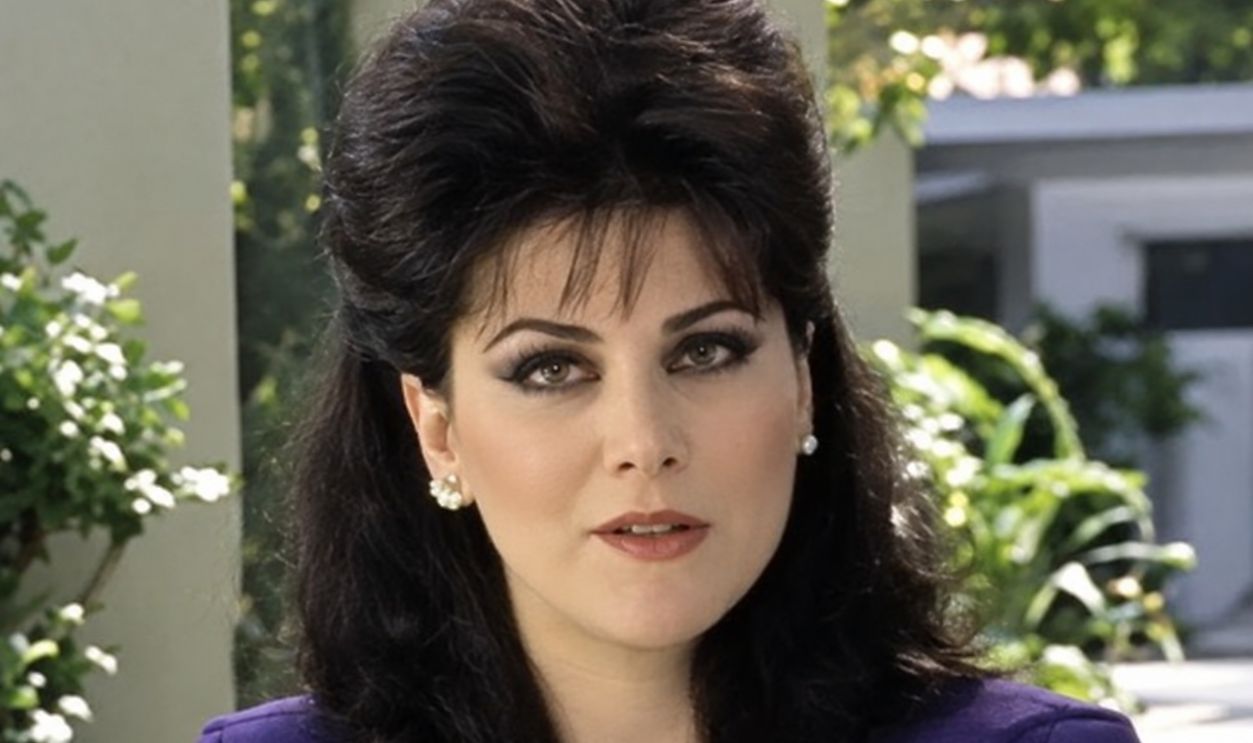 Screenshot from 1st & Ten, HBO (1984-1991)
Then Came Suzanne Sugarbaker
Designing Women premiered on CBS in 1986 with Burke as Suzanne Sugarbaker. Suzanne was a former beauty queen working around the Atlanta design firm run by her sister Julia, played by Dixie Carter. She entered the series vain, pampered, flamboyant, and convinced that nearly every room should revolve around her.
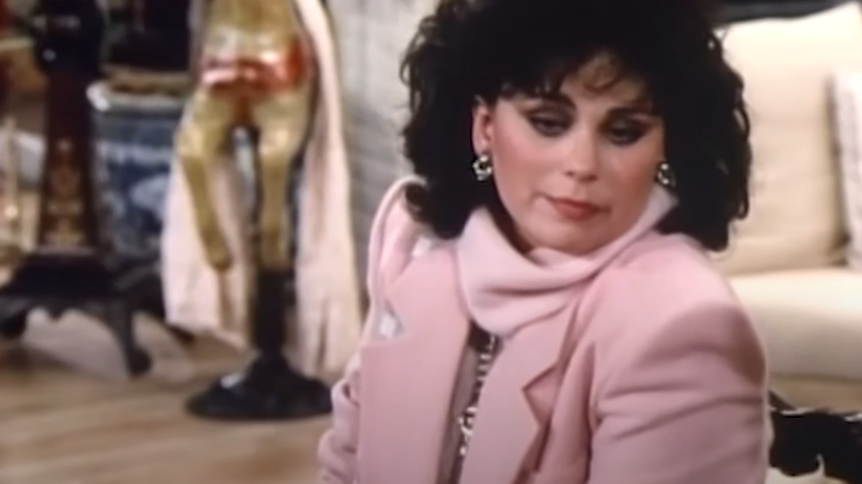 Screenshot of Designing Women, CBS (1986–1993)
Suzanne Could Have Been One Joke
On paper, the character could easily have become a shallow caricature. Burke instead gave Suzanne impeccable timing, startling confidence, and just enough vulnerability to keep her from becoming exhausting. Even her most outrageous moments worked because Burke seemed to understand exactly how seriously Suzanne took herself.
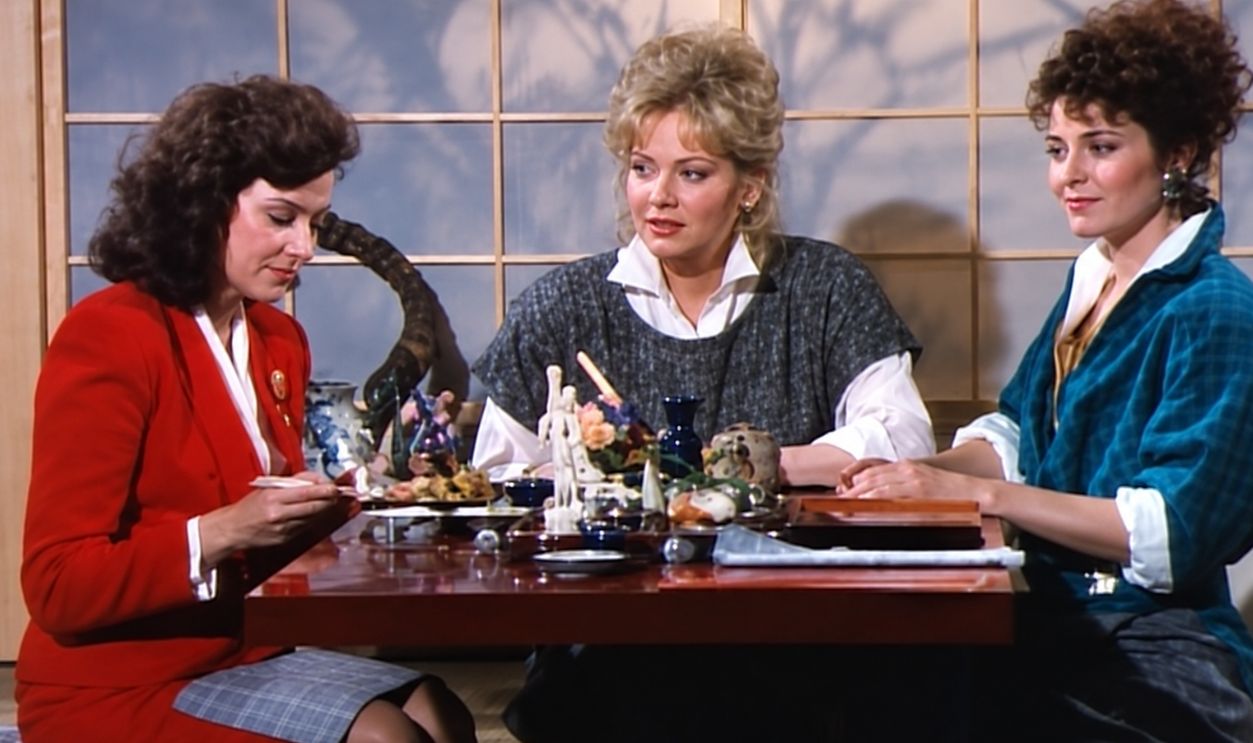 Screenshot from Designing Women, CBS (1986–1993)
She Became A Scene-Stealer
As the series grew, Suzanne became one of its most recognizable personalities. Burke’s reactions, grand entrances, wounded pride, and sibling battles with Julia could take over entire scenes. Her work increasingly demonstrated that she was doing far more than simply playing an exaggerated former pageant winner.
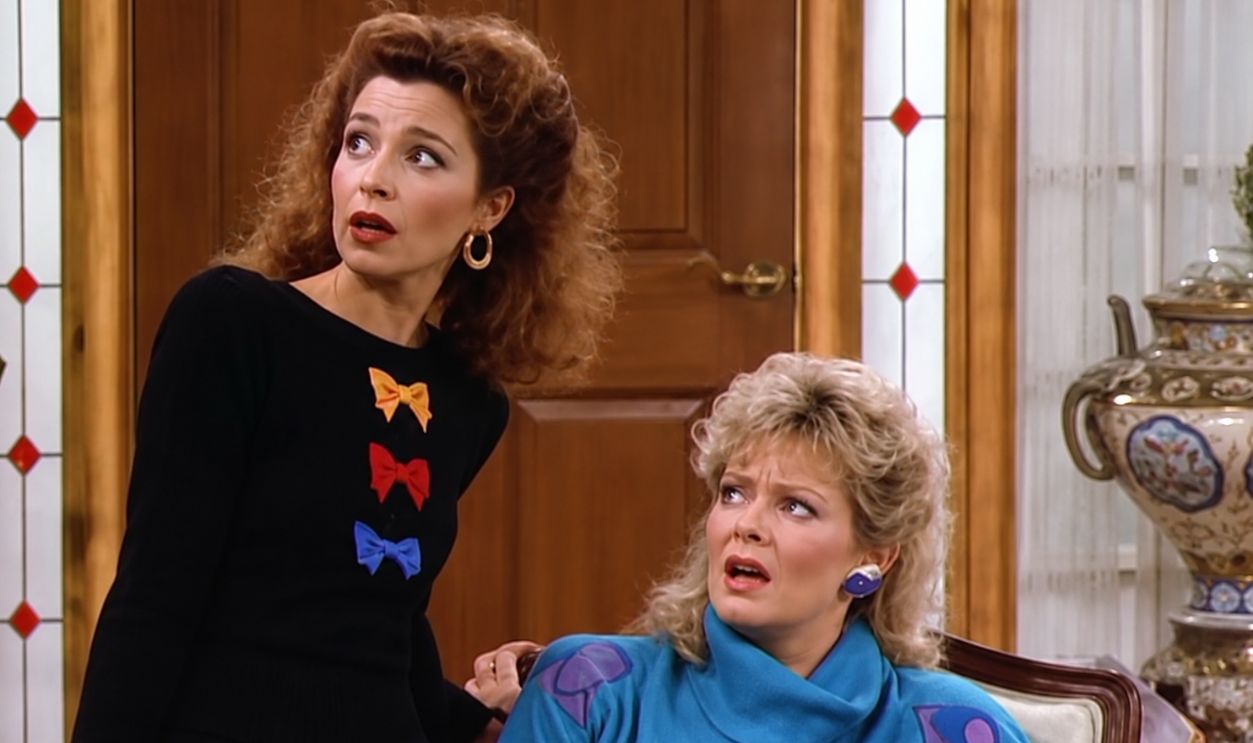 Screenshot from Designing Women, CBS (1986–1993), Enhanced
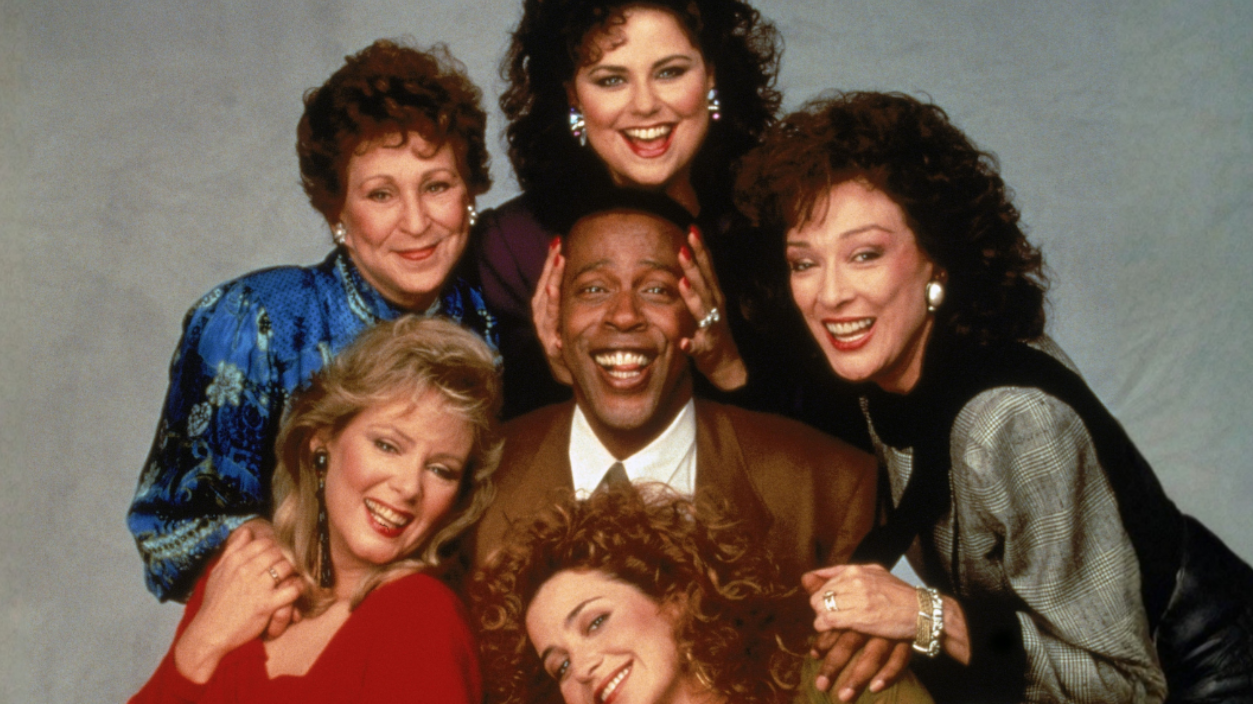
The Cast Had Rare Chemistry
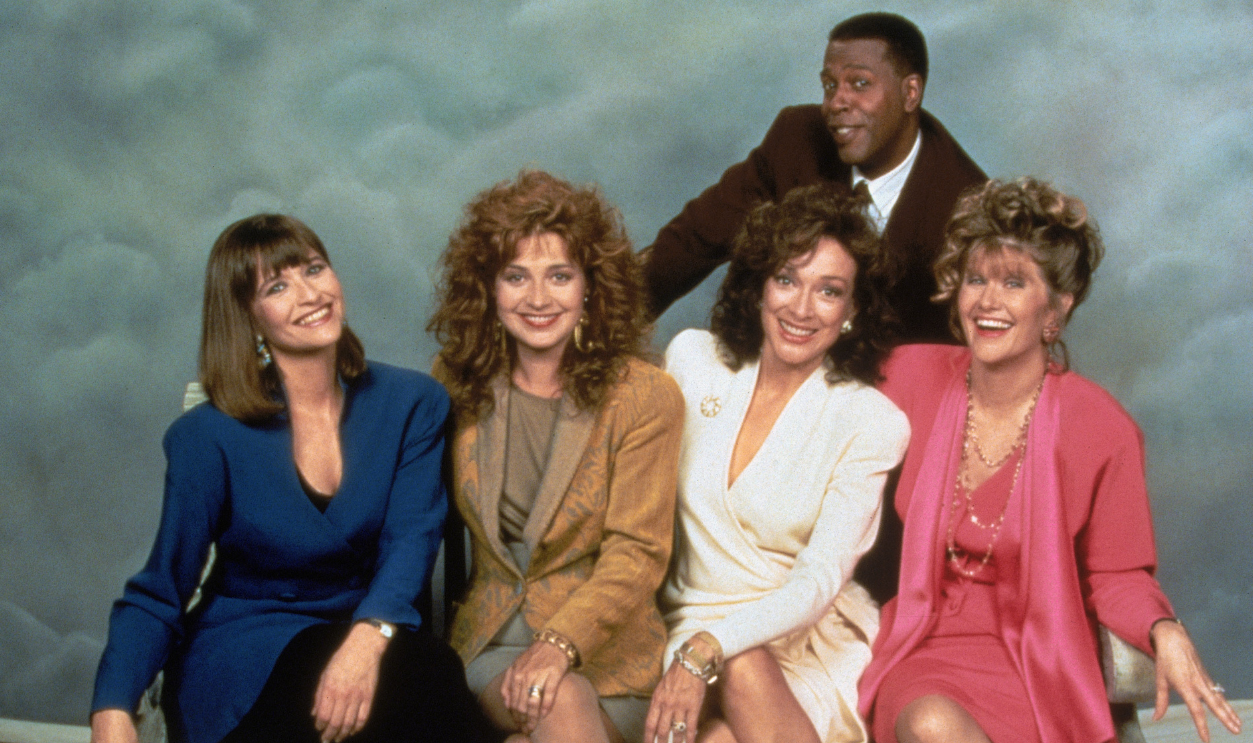
Burke worked alongside Carter, Annie Potts, Jean Smart, and Meshach Taylor in the original ensemble. Their characters were distinct enough that the comedy could shift dramatically depending on which personalities were paired together. More than a decade later, the original women described that chemistry as something unusually difficult to recreate.
 Fotos International/Courtesy Getty Images)
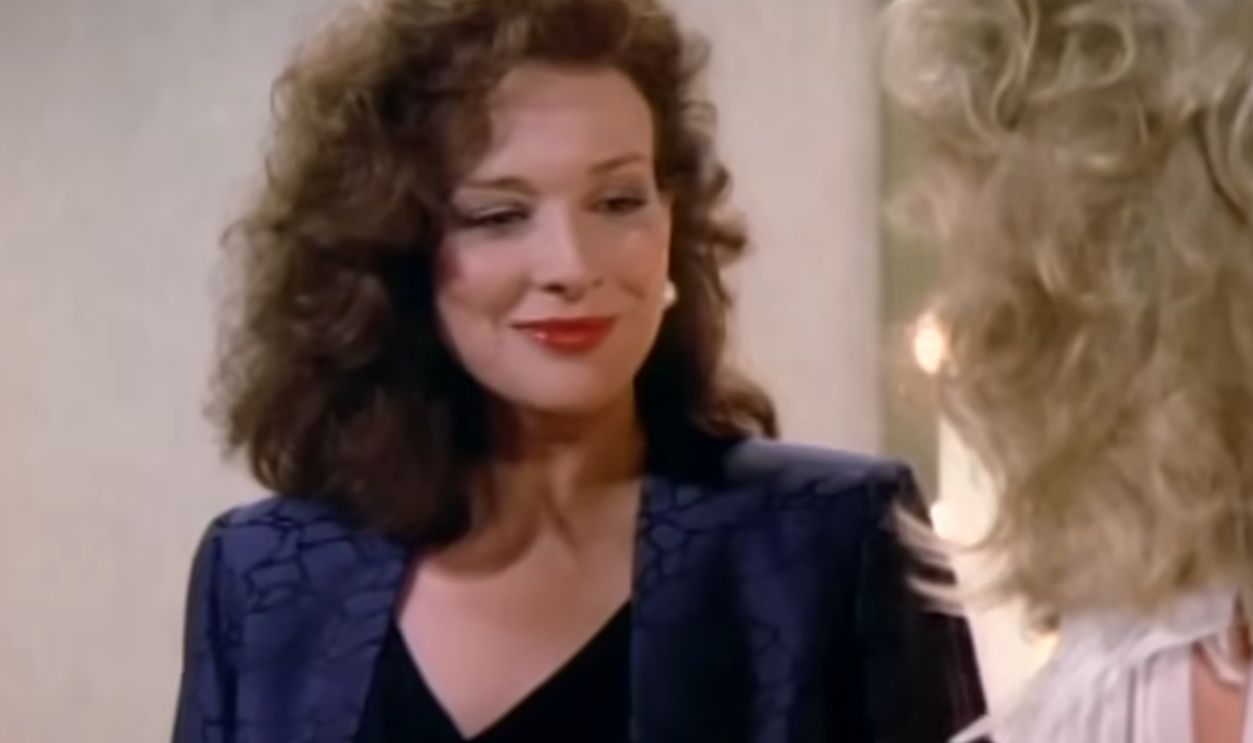
Dixie Carter Became More Than A Co-Star
Burke and Carter had known each other since Filthy Rich and carried that history into Designing Women. Their characters’ sisterly arguments gained extra warmth because the actresses already understood each other’s rhythms. The personal relationship would later become strained, but their screen connection remained one of the series’ great strengths.
 Screenshot from Designing Women, Columbia Pictures (1986-1993)
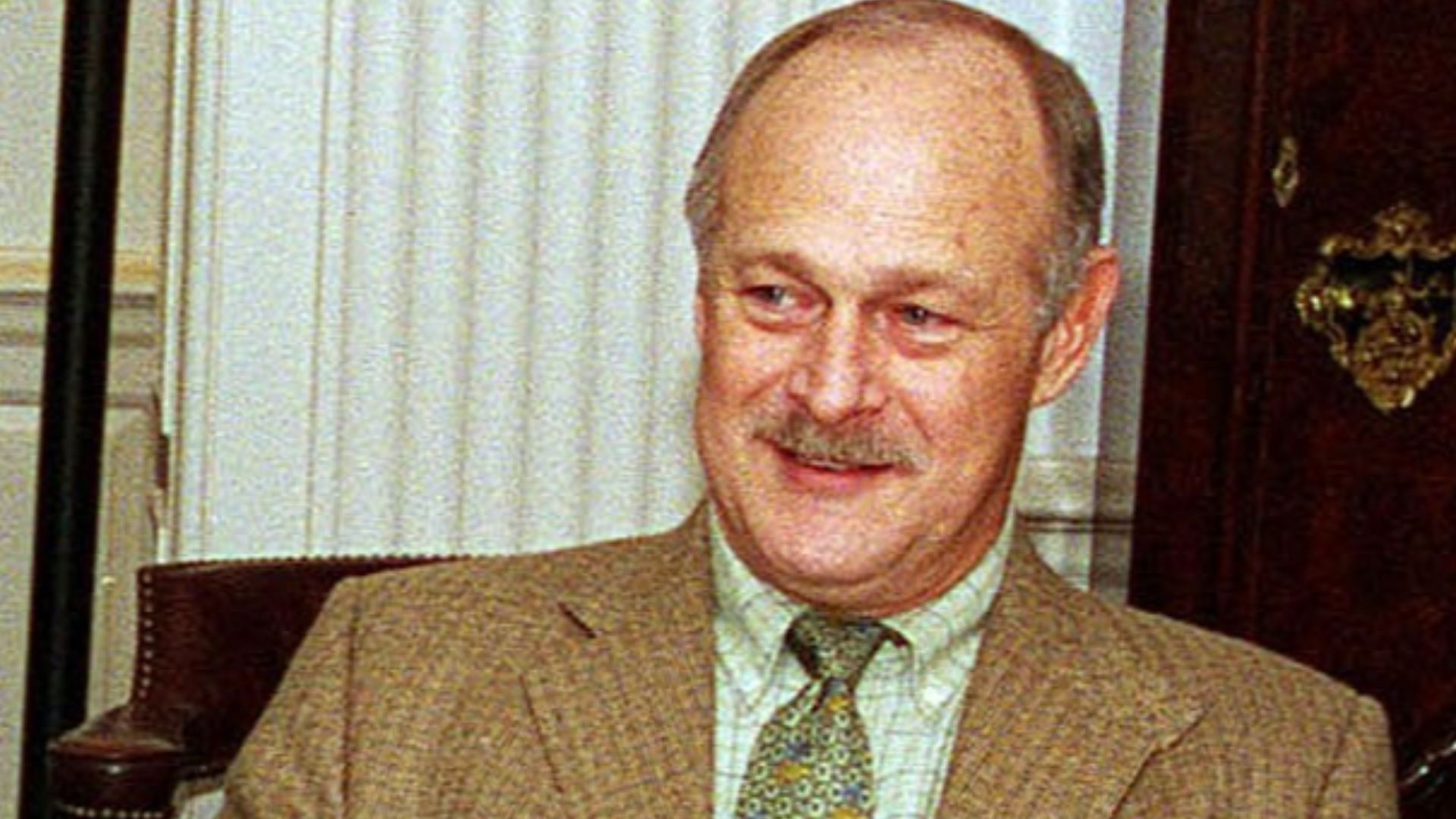
Gerald McRaney Entered Her Life
Actor Gerald McRaney guest-starred on Designing Women as Suzanne’s former husband Dash Goff. Burke and McRaney had met earlier, but their romance began after they worked together on the series. McRaney later recalled proposing on their second date.
 DoD photo by Helene C. Stikkel., Wikimedia Commons
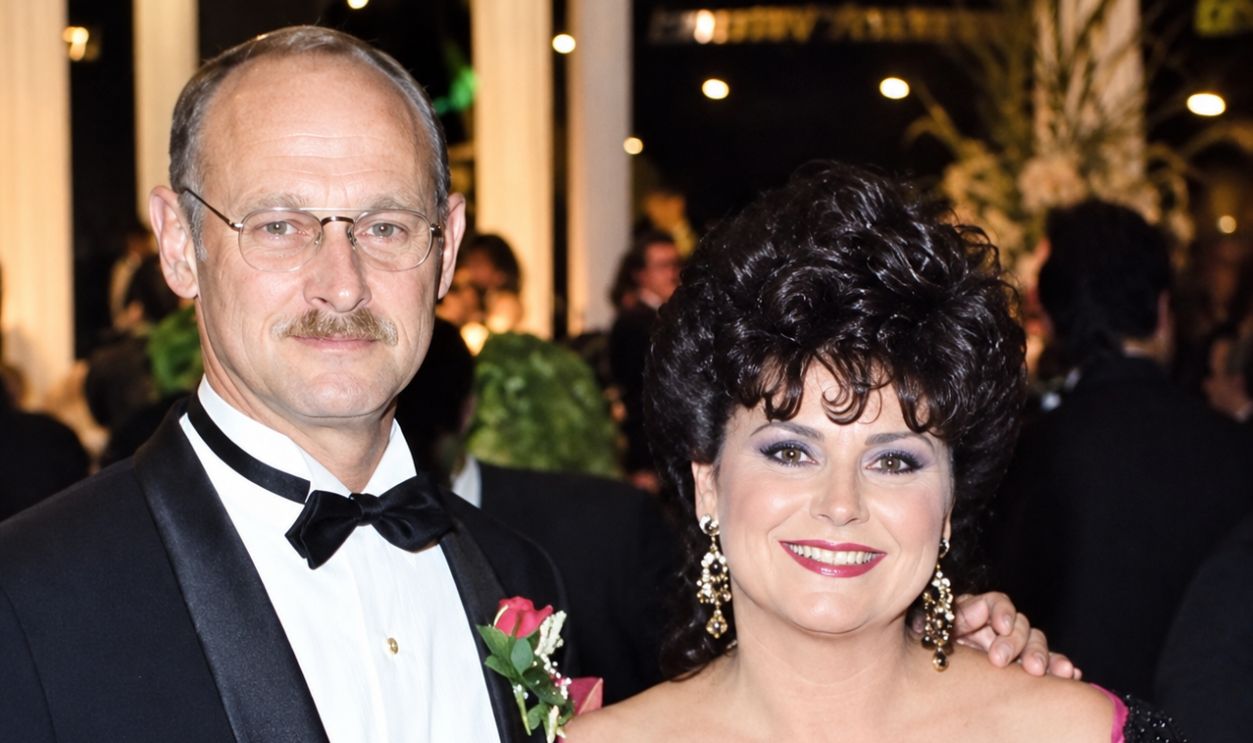
They Married In 1989
Burke and McRaney married on May 28, 1989. Her Designing Women castmates were among the many guests at the large ceremony. Decades later, the marriage remained the most durable relationship in Burke’s public life.
 Alan Light, Wikimedia Commons, Modified
Fame Began Changing The Story
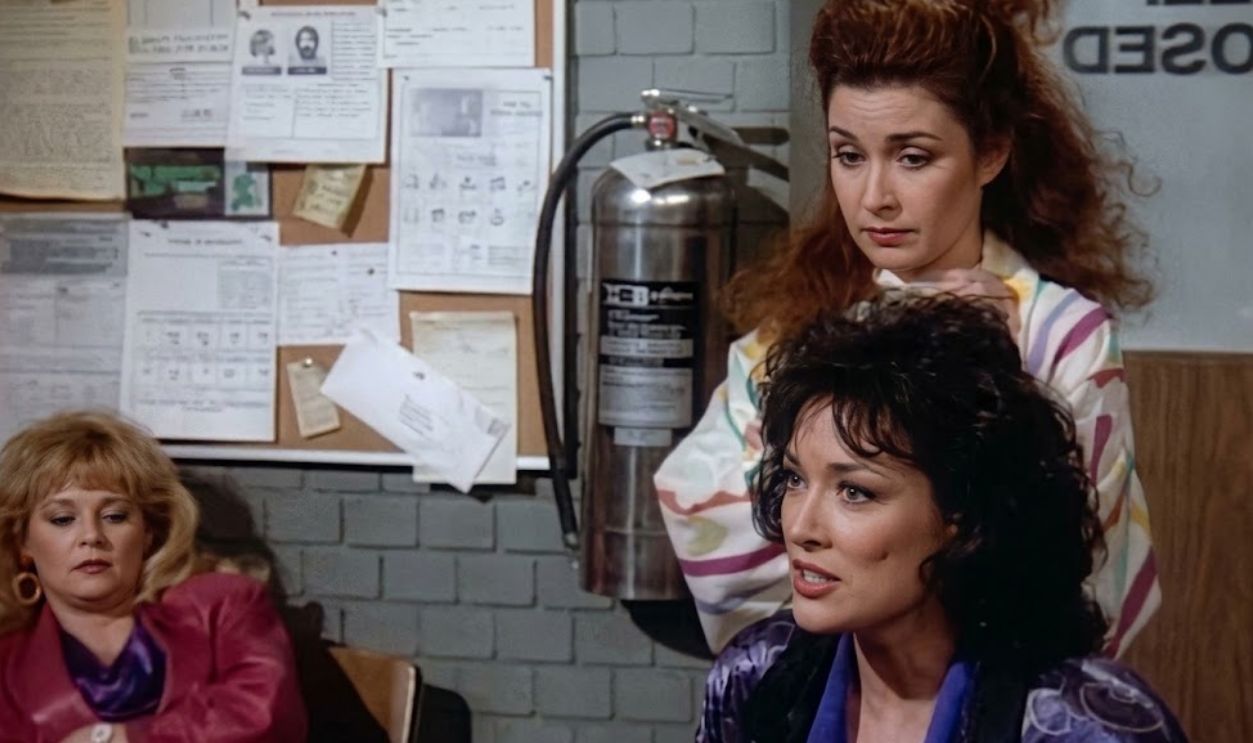
As Designing Women became more successful, Burke found herself receiving attention that had little to do with acting. Newspapers and tabloids increasingly commented on changes in her appearance. Burke later said the constant public scrutiny became far more difficult to cope with than she had expected fame to be.
 Screenshot from Designing Women, CBS (1986–1993), Enhanced
The Coverage Became Relentless
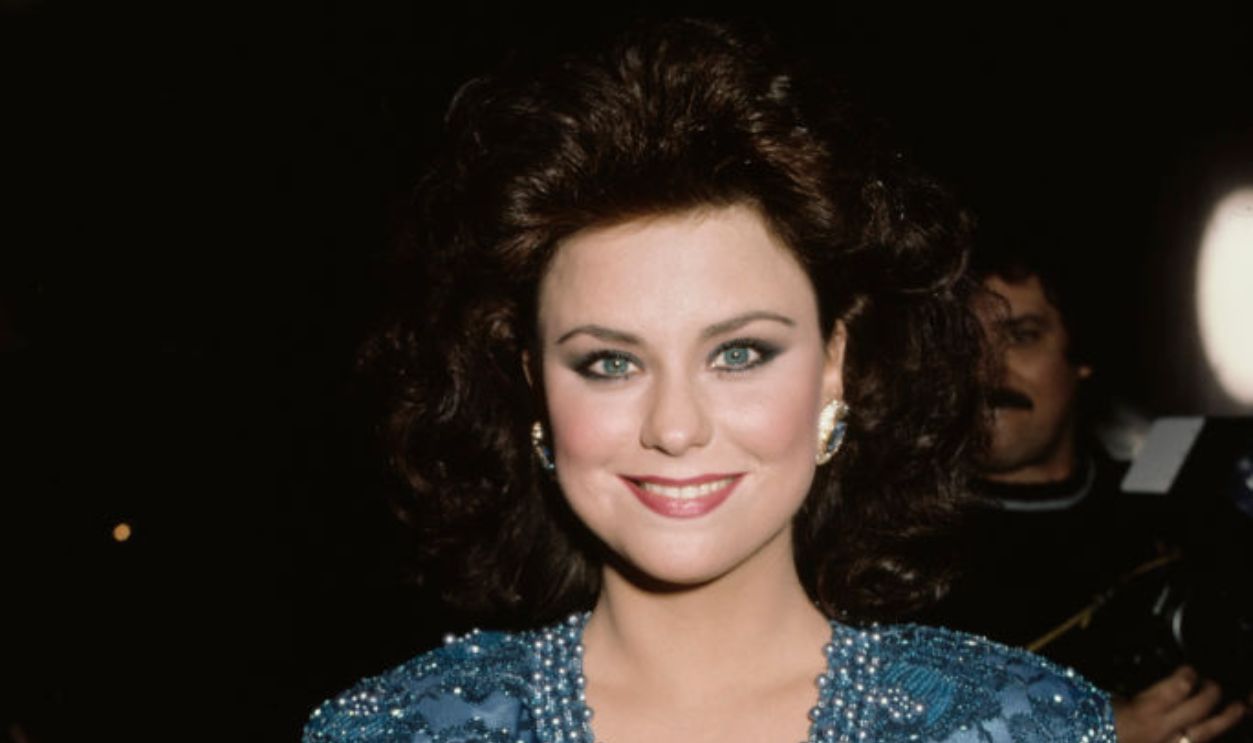
Burke’s appearance became recurring entertainment-news material during the late 1980s. She later recalled strangers asking intrusive questions and journalists treating small physical changes like major stories. Jean Smart would eventually argue that Burke’s earlier reputation as an exceptionally glamorous beauty queen made the press especially eager to knock her down.
Burke Was Fighting Expectations From The Start
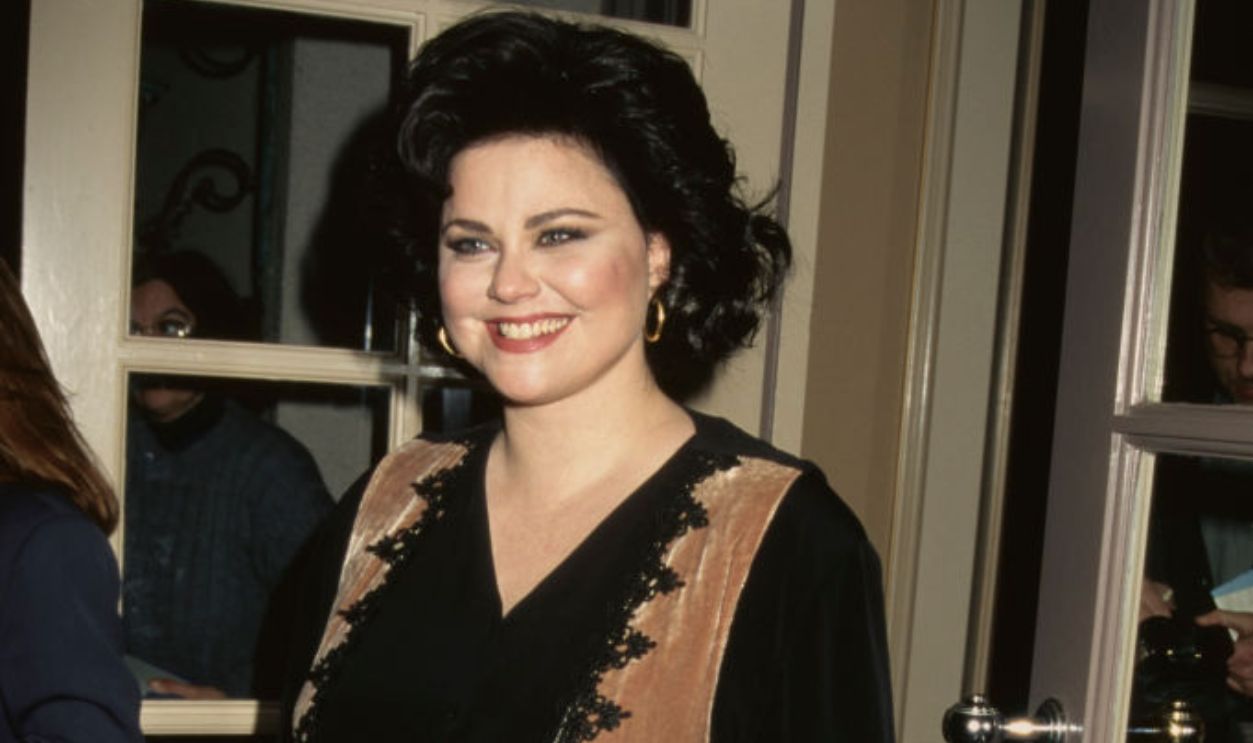
Years later, Burke said even earlier Hollywood jobs had come with criticism about her shape. She remembered people discussing her body openly on sets while she stood nearby. Looking back, she believed she had spent much of her career being judged against an image she could never permanently satisfy.
Suzanne Started Changing With Her
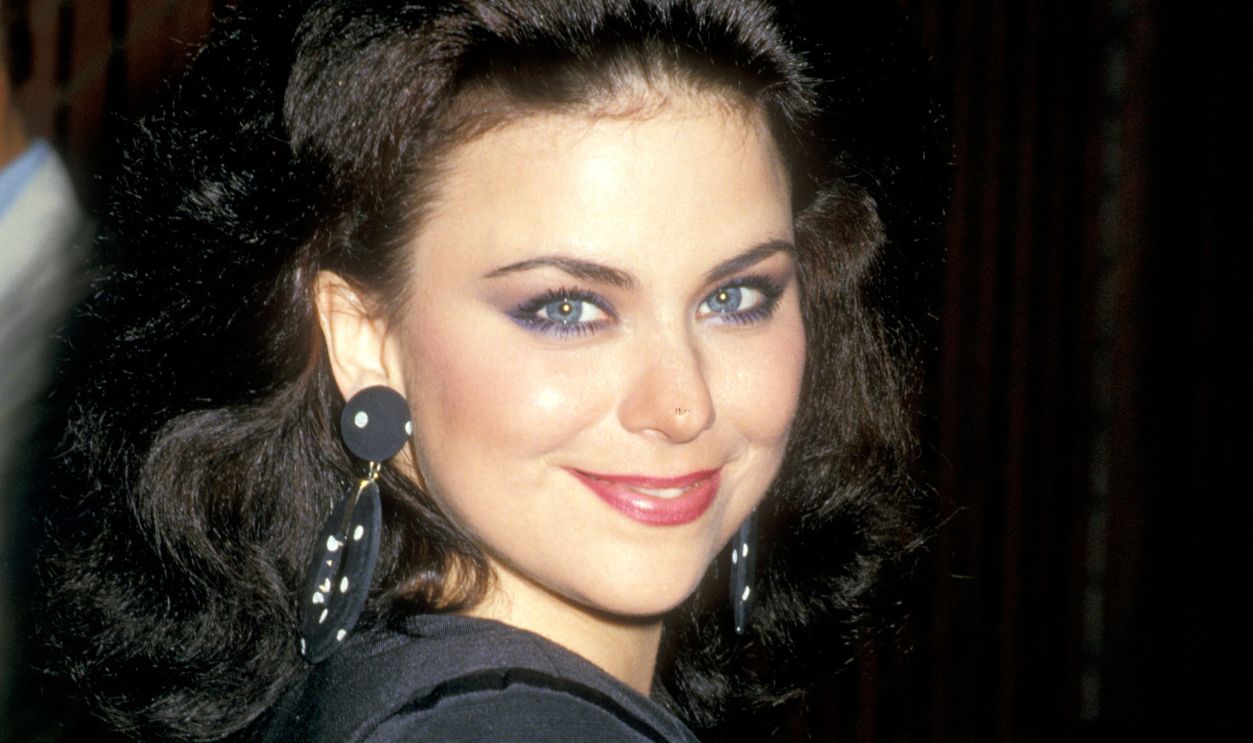
Instead of pretending nothing was happening, Designing Women gradually allowed Suzanne to evolve. Burke later said she came to love the character even more as Suzanne’s perfect beauty-queen self-image collided with changing circumstances. In Burke’s view, the character became more interesting because she had to decide whether her confidence depended entirely on how other people saw her.
One Episode Finally Confronted It
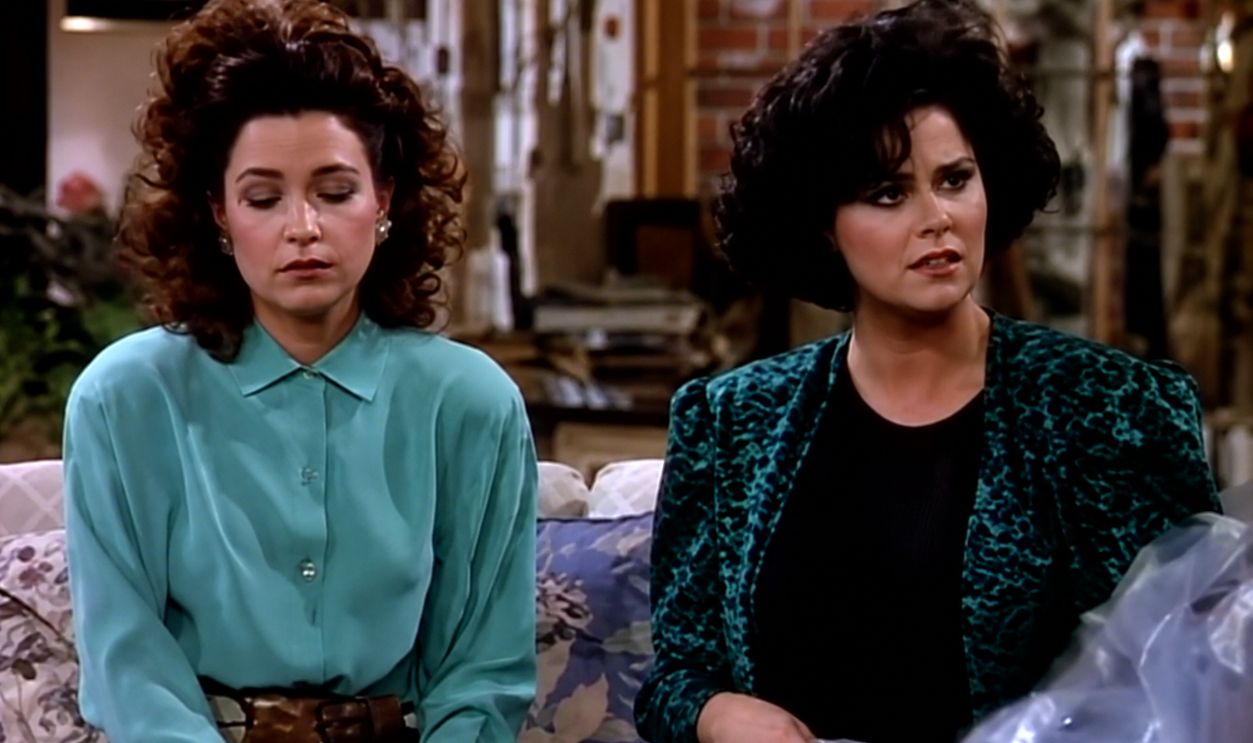
In December 1989, CBS aired “They Shoot Fat Women, Don’t They?” The story sent Suzanne to a school reunion where former classmates mocked the very woman who had once been celebrated for her appearance. Linda Bloodworth-Thomason said the episode was written after the real-world commentary surrounding Burke had become impossible to ignore.
 Screenshot from Designing Women, CBS (1986–1993), Enhanced
Real Insults Went Into The Script
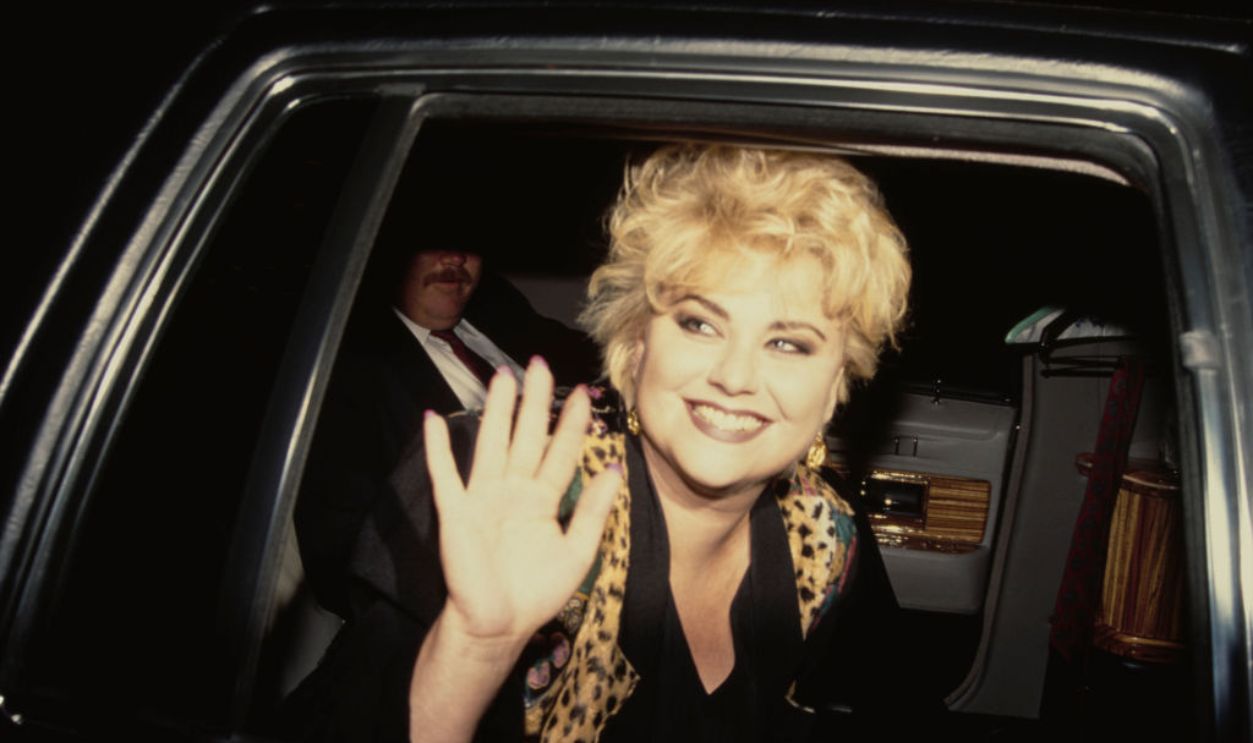
Some of the humiliations Suzanne faced were inspired by things Burke had actually experienced. Bloodworth-Thomason said one scene drew from a press event where journalists openly speculated about Burke’s measurements. The episode transformed cruelty aimed at the actress into material that forced viewers to consider what that treatment did to a person.
Suzanne Refused To Become Ashamed
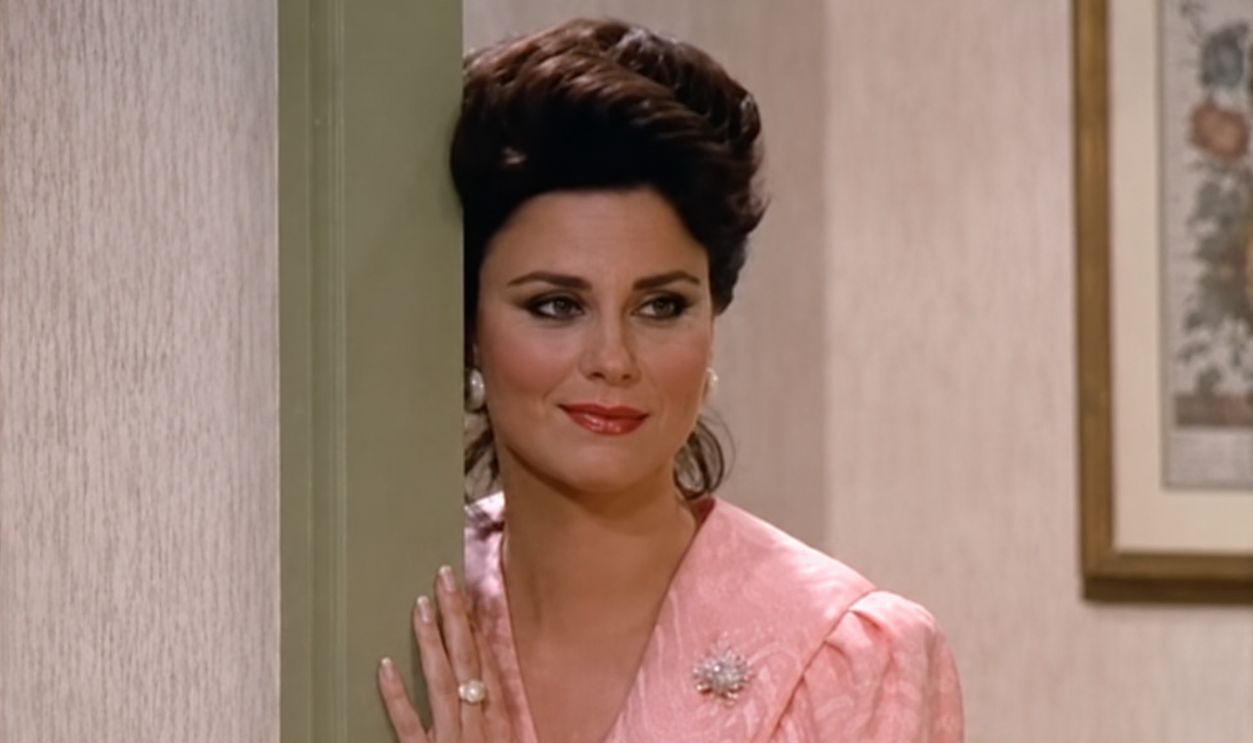
What made the episode effective was Suzanne’s refusal to surrender her basic belief in herself. Burke later said that as Suzanne changed physically, the character still believed she was beautiful and still carried herself with enormous confidence. That contradiction gave Burke more dramatic material and made Suzanne far more human than the early caricature suggested.
 Screenshot from Designing Women, CBS (1986–1993), Enhanced
The Emmys Finally Noticed
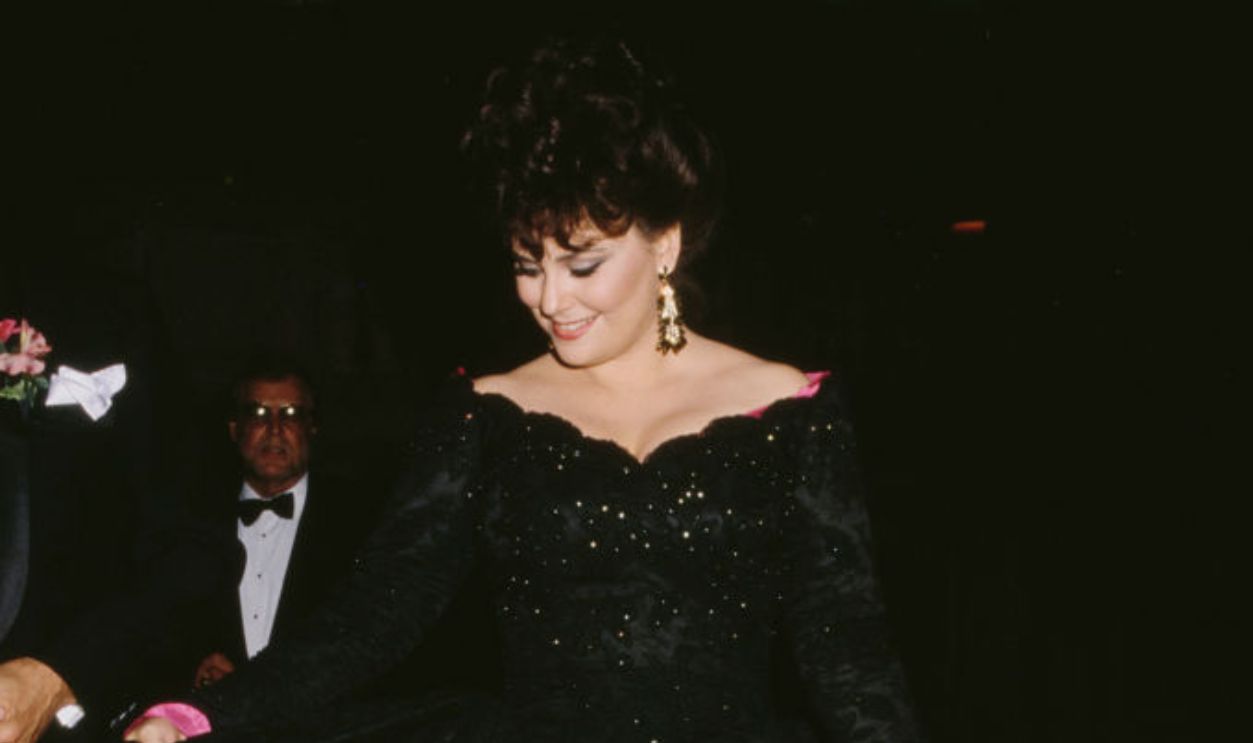
Burke received a Primetime Emmy nomination for Outstanding Lead Actress in a Comedy Series in 1990. She was competing not as a novelty performer or former pageant winner, but as the lead actress behind one of television’s richest comic creations. The nomination provided prestigious recognition at the exact moment public coverage was often focused somewhere else.
Then She Did It Again
The Television Academy nominated Burke again in 1991. Two consecutive lead-actress nominations confirmed that Suzanne’s popularity rested on genuine performance skill. Burke had become one of the most acclaimed members of an ensemble that itself earned repeated Emmy recognition.
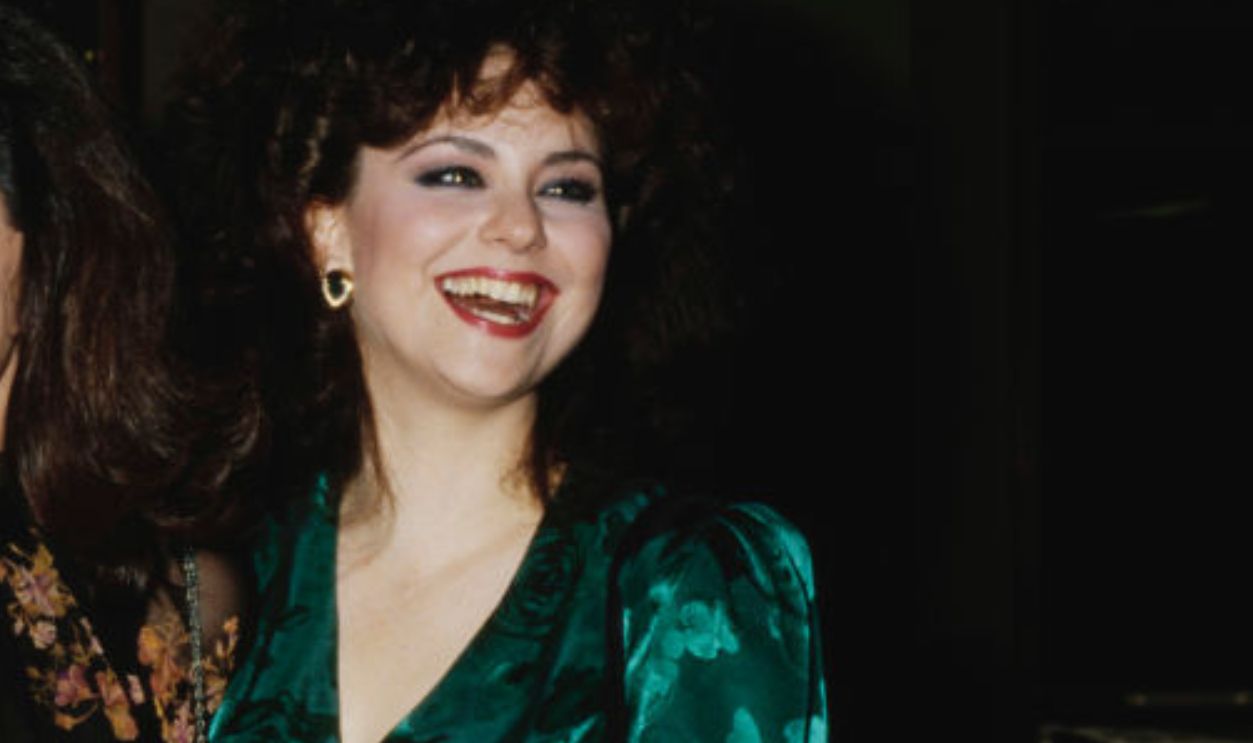
Behind The Scenes Things Were Falling Apart
At the same time, Burke’s relationship with the show’s producers had deteriorated badly. In 1990, she publicly disputed their description of problems on the set and accused them of treating her unfairly. The Thomasons offered their own version of events, turning what had been an internal conflict into a highly public television-industry battle.
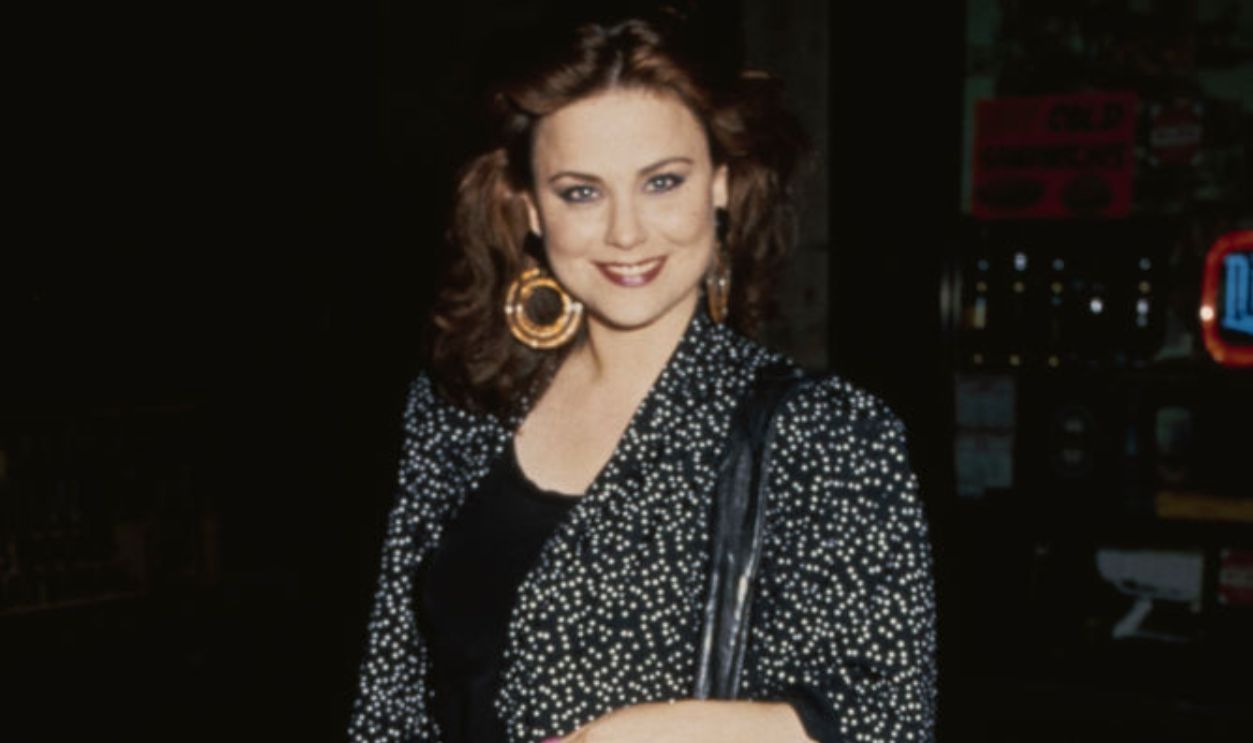
Burke Said She Wanted Out
Looking back in 2024, Burke said she had initially loved making Designing Women but eventually became overwhelmed by the combination of fame and backstage difficulties. She said the experience became emotionally unbearable and that she wanted to leave before her tenure actually ended. Despite that pain, she also emphasized that she treasured the opportunity to let Suzanne develop over five seasons.
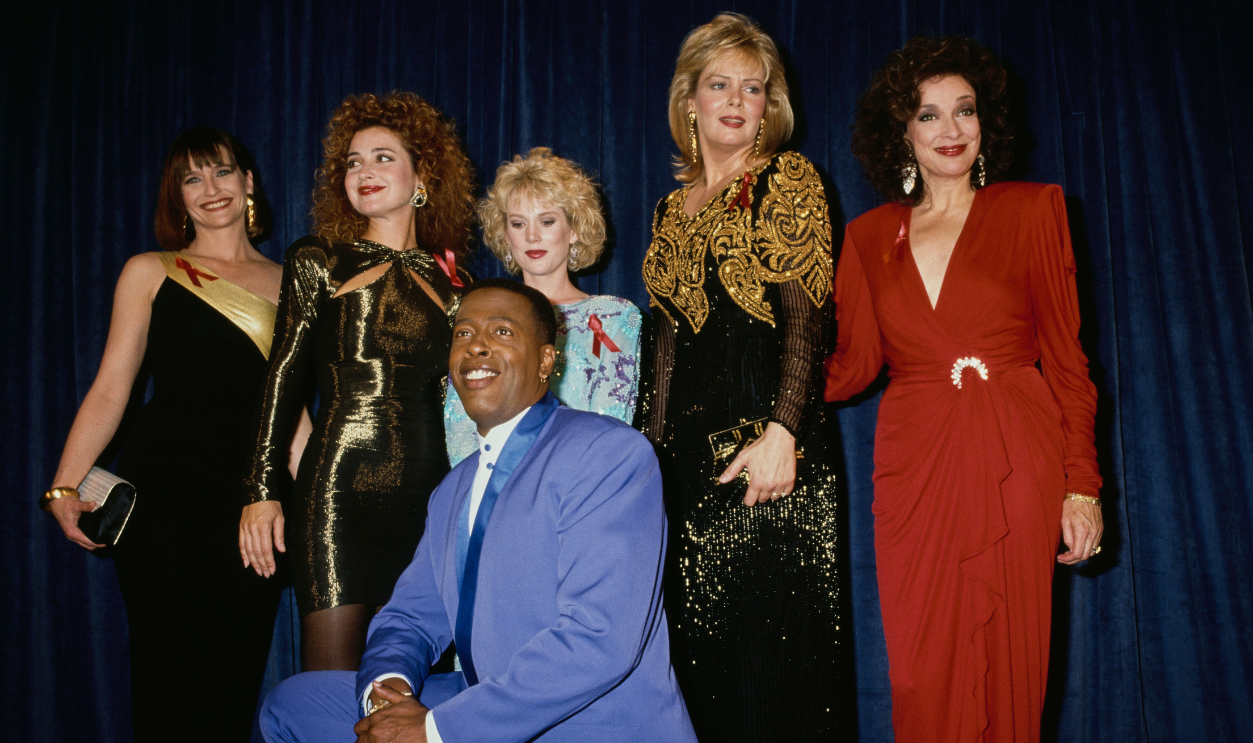
Her Exit Became Television News
Burke left Designing Women in 1991 after five seasons. By then, arguments over her departure had become nearly as famous as Suzanne herself. Later interviews made clear that there was no single simple explanation, with Burke repeatedly describing communication failures, personal tensions, and relentless public pressure rather than one isolated dispute.
 Fotos International, Getty Images
Delta Put Her Name Above The Title
Burke returned to series television in 1992 with ABC’s Delta. She starred as Delta Bishop, a woman heading to Nashville in hopes of becoming a singer, and also served as a co-executive producer. Los Angeles Times critic Howard Rosenberg argued that Burke proved she was capable of carrying a comedy series herself, even though he was less enthusiastic about the show surrounding her.
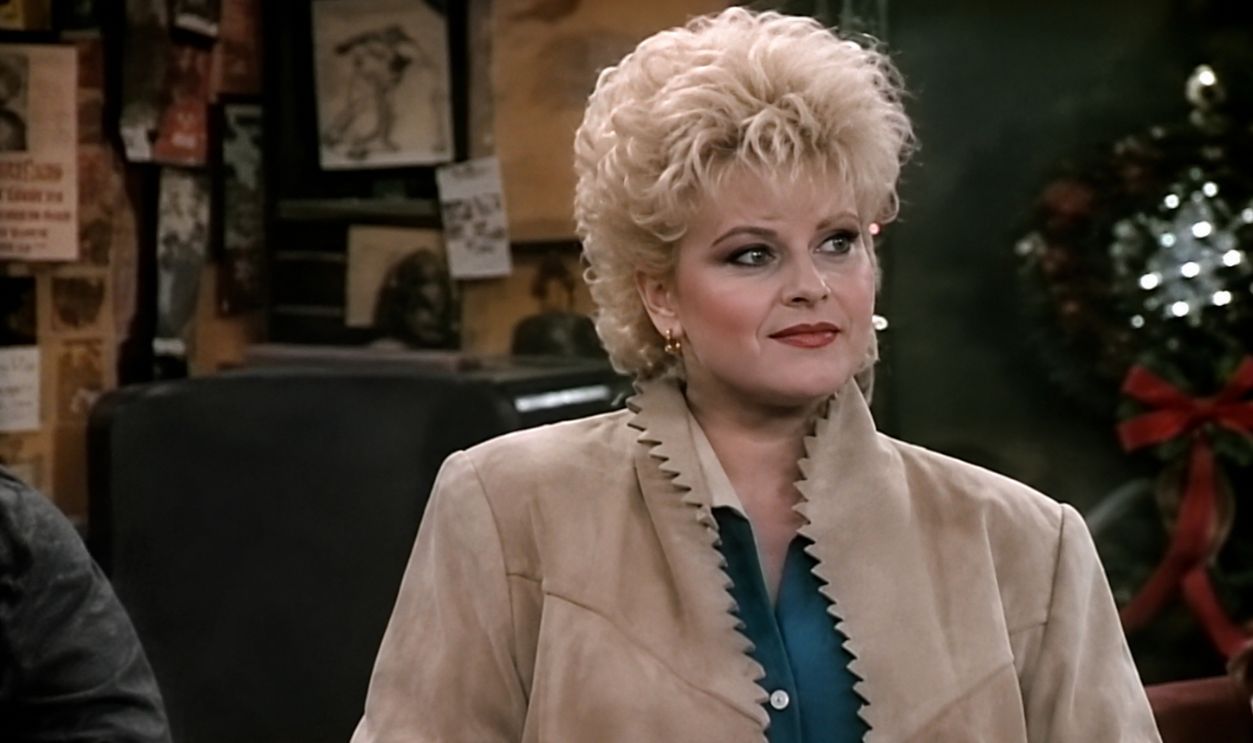 Screenshot from Delta, ABC (1992)
She Wanted A Fresh Start
Burke described Delta as an opportunity to separate herself from the turmoil surrounding Designing Women. She changed her appearance for the role, sang on the series, and became more involved in production. The show lasted only one season, but it represented Burke attempting to define her own direction rather than simply repeat Suzanne.
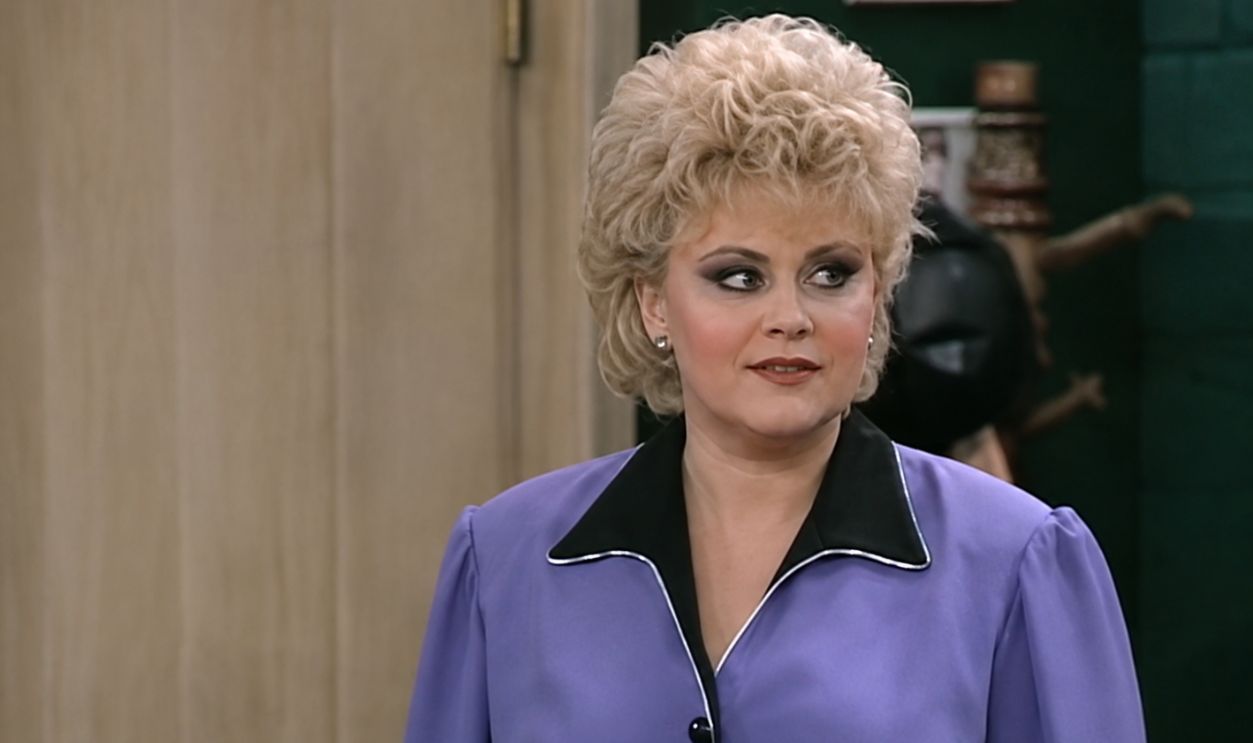 Screenshot from Delta, ABC (1992)
Suzanne Somehow Came Back
Perhaps the strangest turn came in 1995, when Burke reunited professionally with Linda and Harry Thomason. Women of the House brought Suzanne Sugarbaker back and placed her in Washington after she inherited a congressional seat. Burke was not only starring again for the producers with whom she had once feuded, but was also working as a co-executive producer.
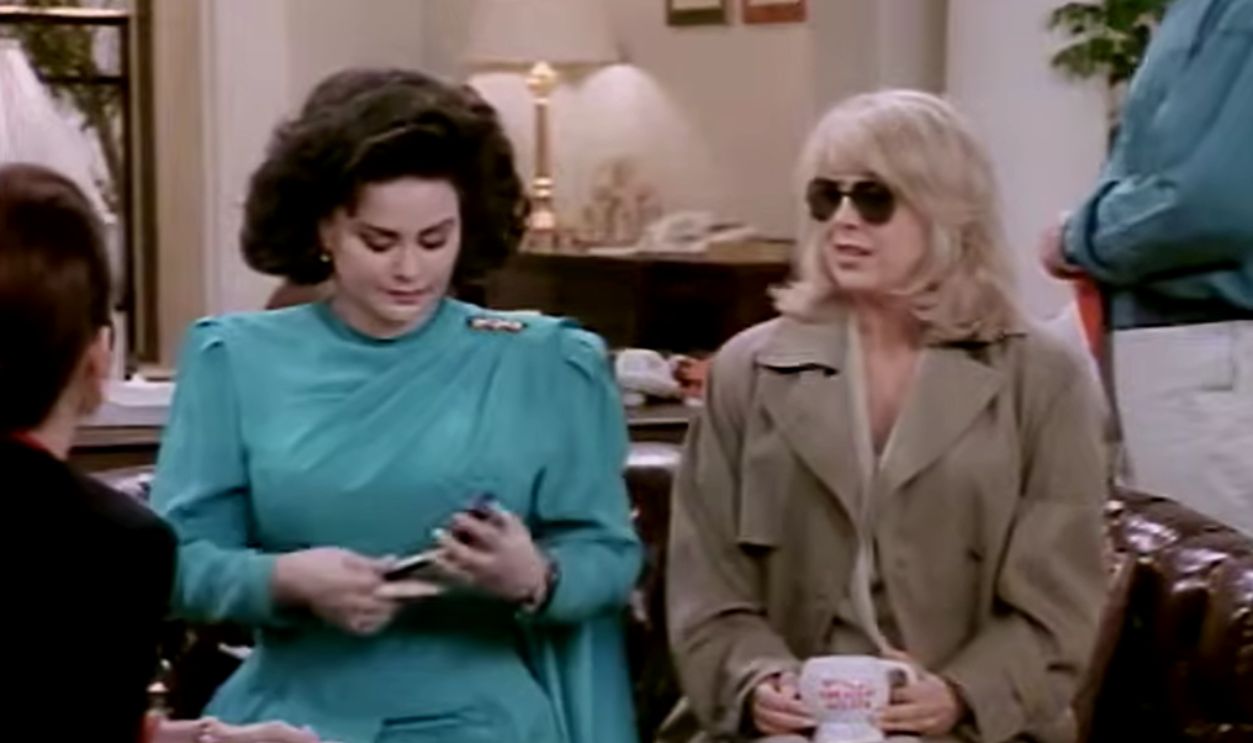 Screenshot from Women of the House, CBS (1995)
She Turned Frustration Into Fashion
Burke also began building a clothing business aimed at women who had struggled to find stylish options in larger sizes. She told the Los Angeles Times that her own difficulties shopping had motivated her involvement with Delta Burke Design. Rather than treating clothing as a way to disappear, she wanted women to have fitted garments, bright colors, and genuine choices.
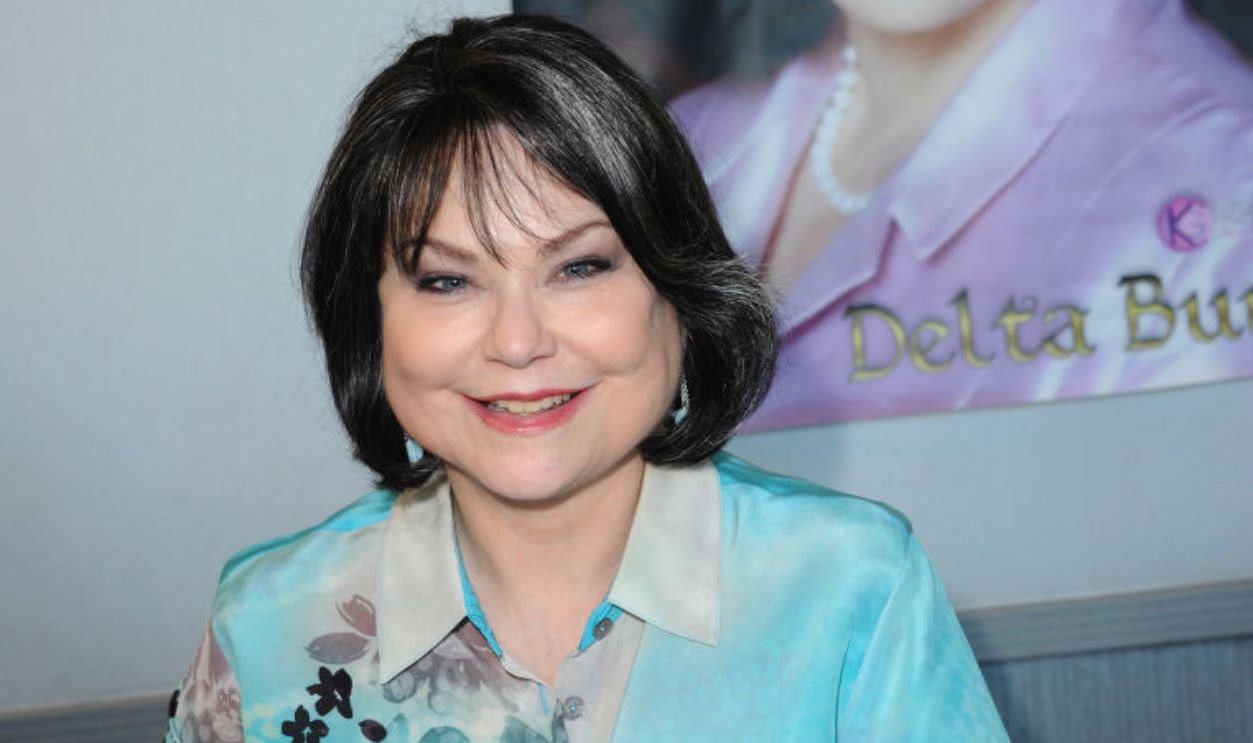 Albert L. Ortega, Getty Images
Her Message Became Bigger Than Suzanne
By 1996, Burke’s clothing collection was being sold nationally, including through JCPenney. She recalled women thanking her for helping them regain a sense of dignity. The actress who had spent years being publicly reduced to her appearance was now using fashion to challenge some of the same assumptions.
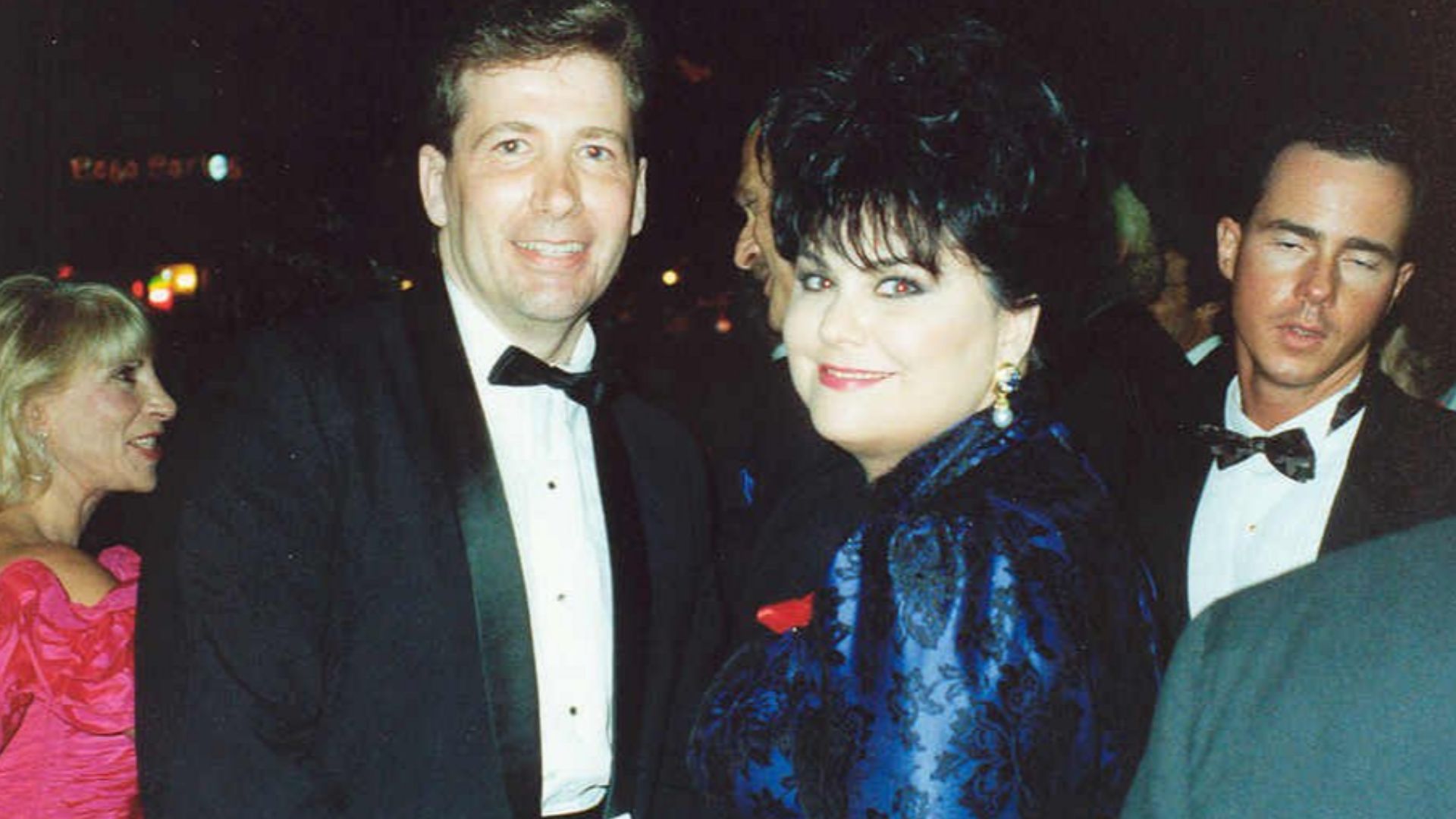
Broadway Gave Her Another Reinvention
Burke made her Broadway debut in 2003 as Mrs. Meers in Thoroughly Modern Millie. Two years later, she returned to Broadway as Truvy in the original Broadway production of Steel Magnolias. The roles allowed her to return to live performance and demonstrate another side of a career still routinely summarized with two words: Suzanne Sugarbaker.
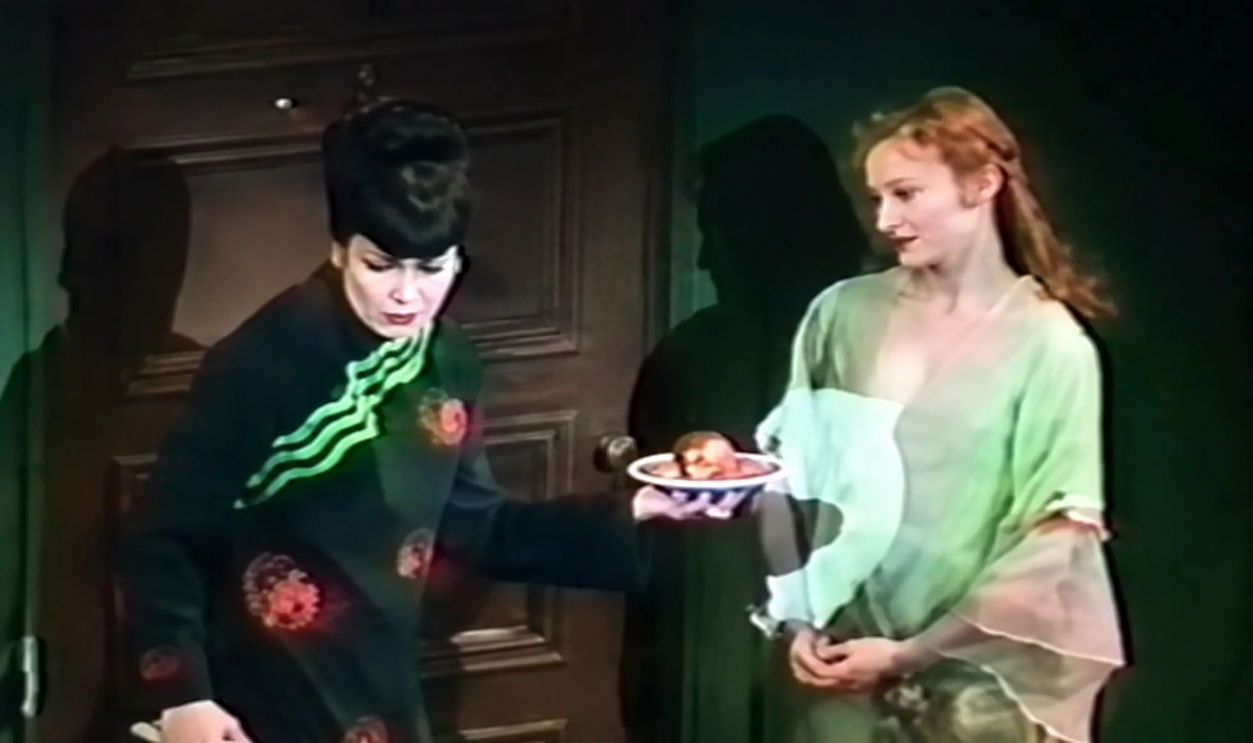 Screenshot from Thoroughly Modern Millie, Universal Pictures (1967)
The Original Women Finally Reunited
In 2003, Burke, Carter, Potts, and Smart reunited for a Lifetime retrospective with Meshach Taylor. It was the first time the four original women had all been together in 12 years. The reunion was emotional, but it also showed how durable their chemistry and the audience’s affection for those characters had remained.
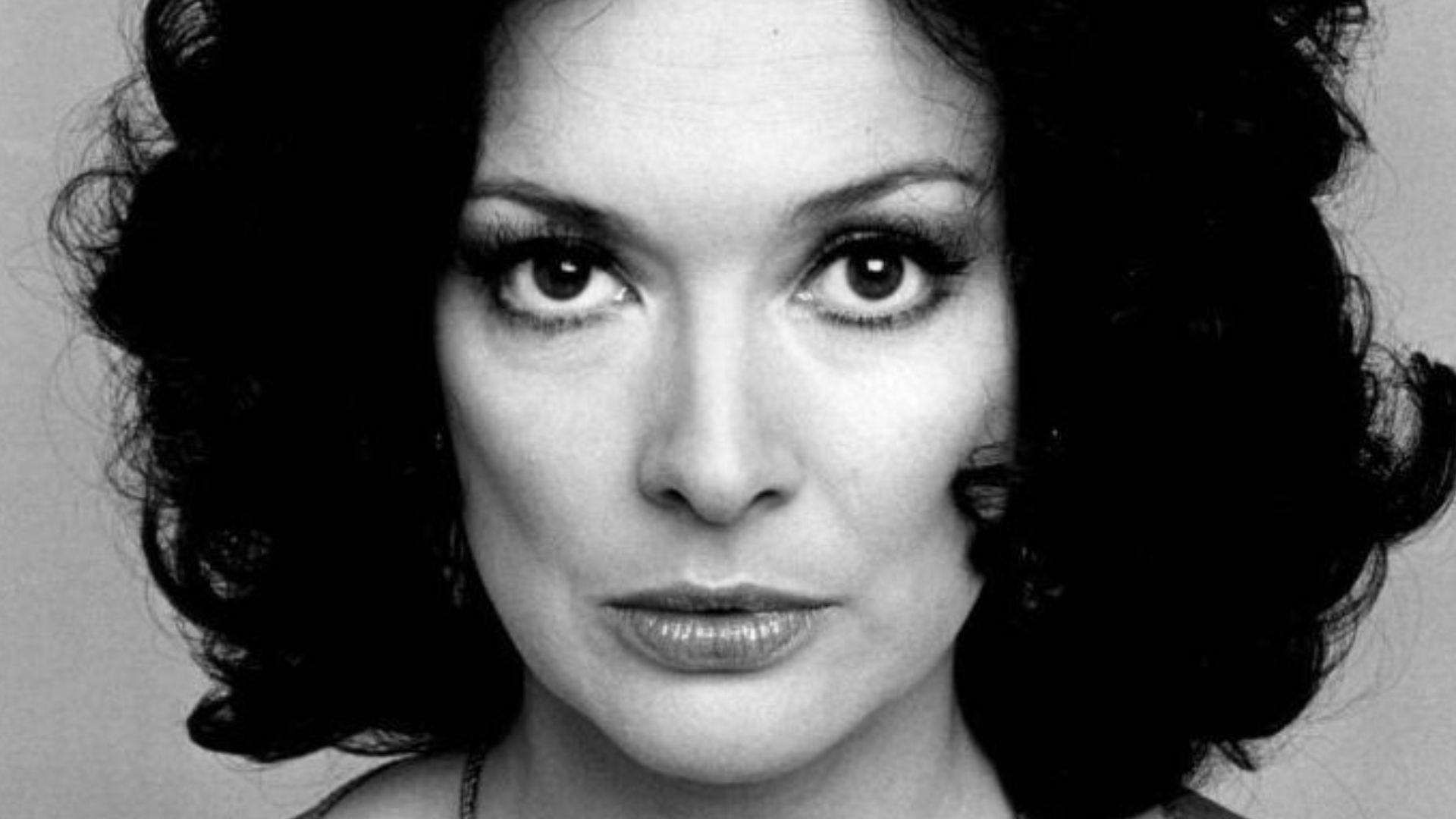 CBS Television, Wikimedia Commons
She Never Stopped Valuing Suzanne
Burke has been remarkably clear that the painful parts of Designing Women did not erase her affection for the work itself. In her 2024 reflections, she said she loved watching Suzanne grow and remained grateful that she had been allowed to make people laugh. That distinction matters because Burke’s battle was never simply against the character that made her famous, but against being reduced to an image that ignored everything she put into playing her.
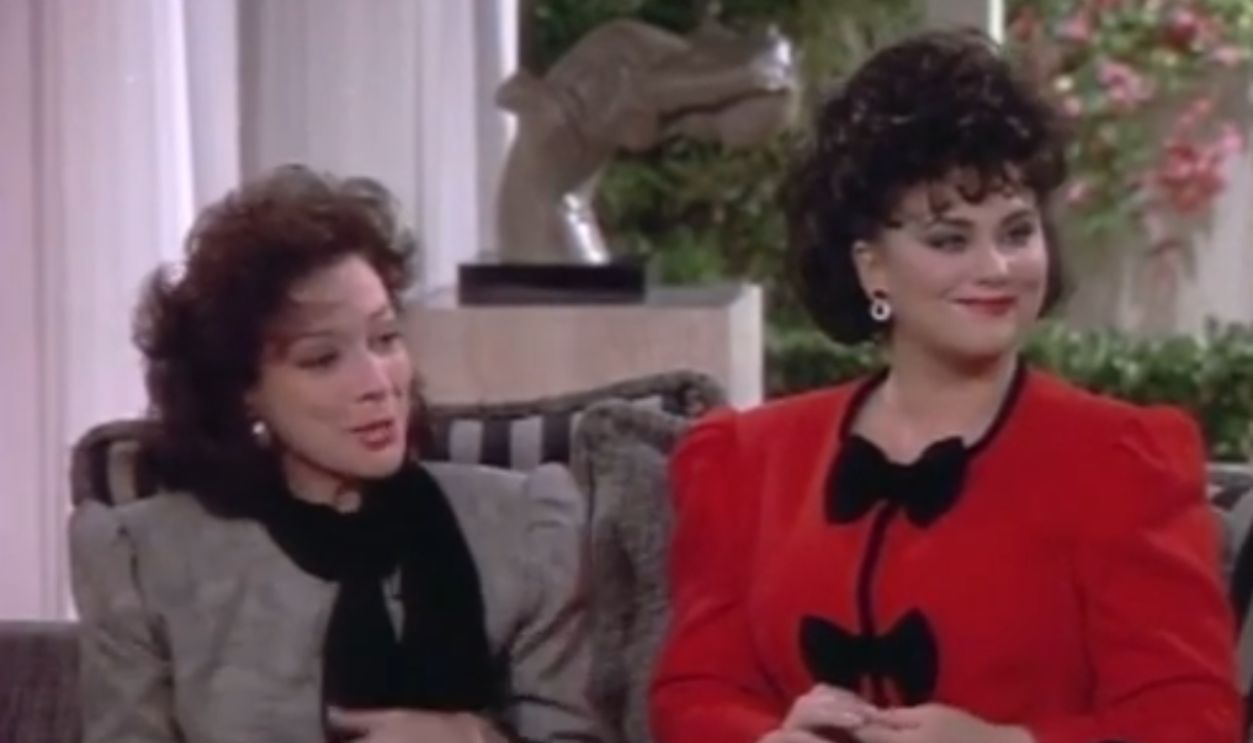 Screenshot from Designing Women, CBS (1986–1993)
Fame Wasn't What She Thought It Would Be
Burke eventually acknowledged that becoming famous felt very different from the dream she had imagined as a young actress. She had expected recognition for her craft, only to find that celebrity could bring scrutiny she had never anticipated. Her story became a striking example of the distance between being widely seen and actually being understood.

Her Life Outlasted The Noise
Through the professional highs and painful public battles, Gerald McRaney remained an important source of stability in Burke’s life. In 2026, the couple celebrated their 37th wedding anniversary, and McRaney credited their longevity largely to having chosen the right partner. Burke may always be remembered first as Suzanne Sugarbaker, but her career tells a broader story about an actress who kept insisting that a woman’s value could never be measured by an image alone.

You May Also Like:
Classic TV Characters Who Zoomers Would Cancel Today
Side Characters People Loved More Than The Leads
The Most Watched Shows The Year You Graduated High School
Sources: 1, 2, 3, 4, 5, 6, 7, 8, 9, 10, 11, 12, 13, 14, 15, 16, 17, 18, 19, 20, 21, 22