The Woman Who Made Phyllis Unforgettable
If you watched The Mary Tyler Moore Show during the 1970s, you probably remember Phyllis Lindstrom. Played by Cloris Leachman, Mary's opinionated landlady could turn an ordinary conversation into a hilarious argument. But long before audiences loved Phyllis, Leachman had built an impressive acting career.
A Midwestern Girl With Big Ambitions
Cloris Leachman was born on April 30, 1926, in Des Moines, Iowa. Growing up in the Midwest, she developed an early interest in performing. By the time she reached college, acting was becoming more than a hobby. She wanted to make it her career.
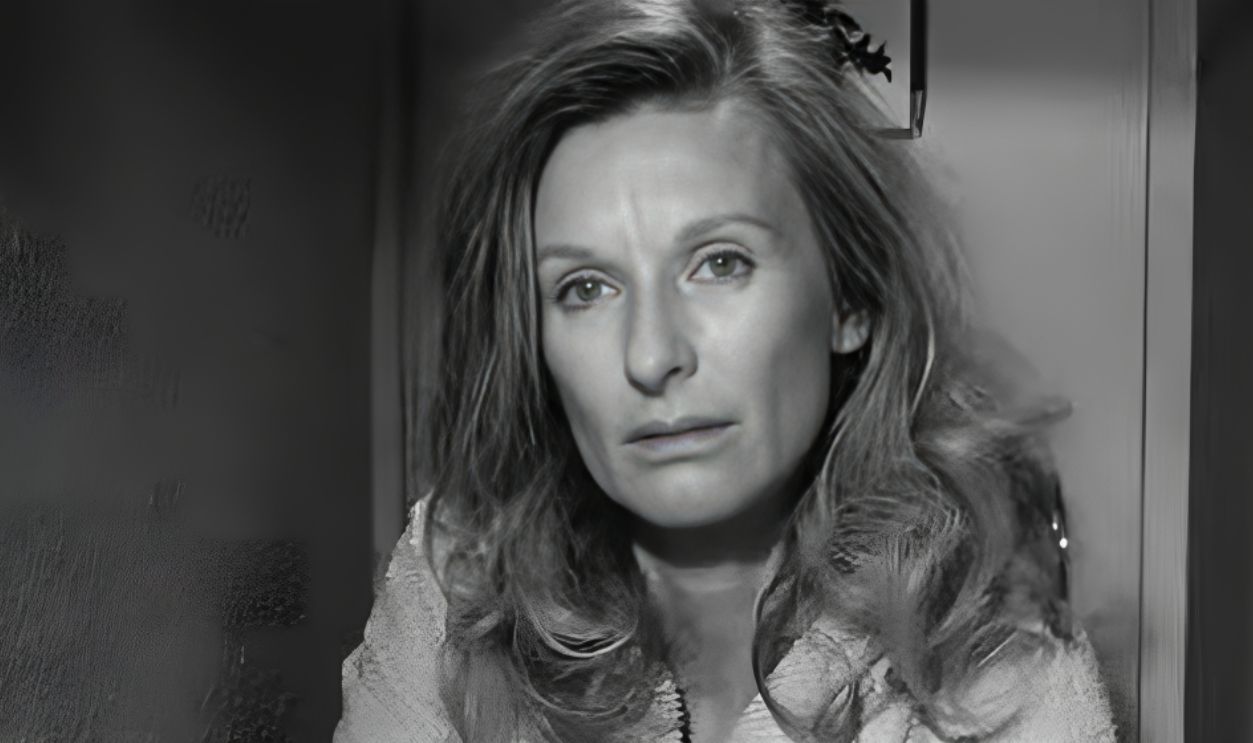 Screenshot from The Last Picture Show, Sony Pictures Entertainment (1971), Enhanced
She Started Out As A Beauty Queen
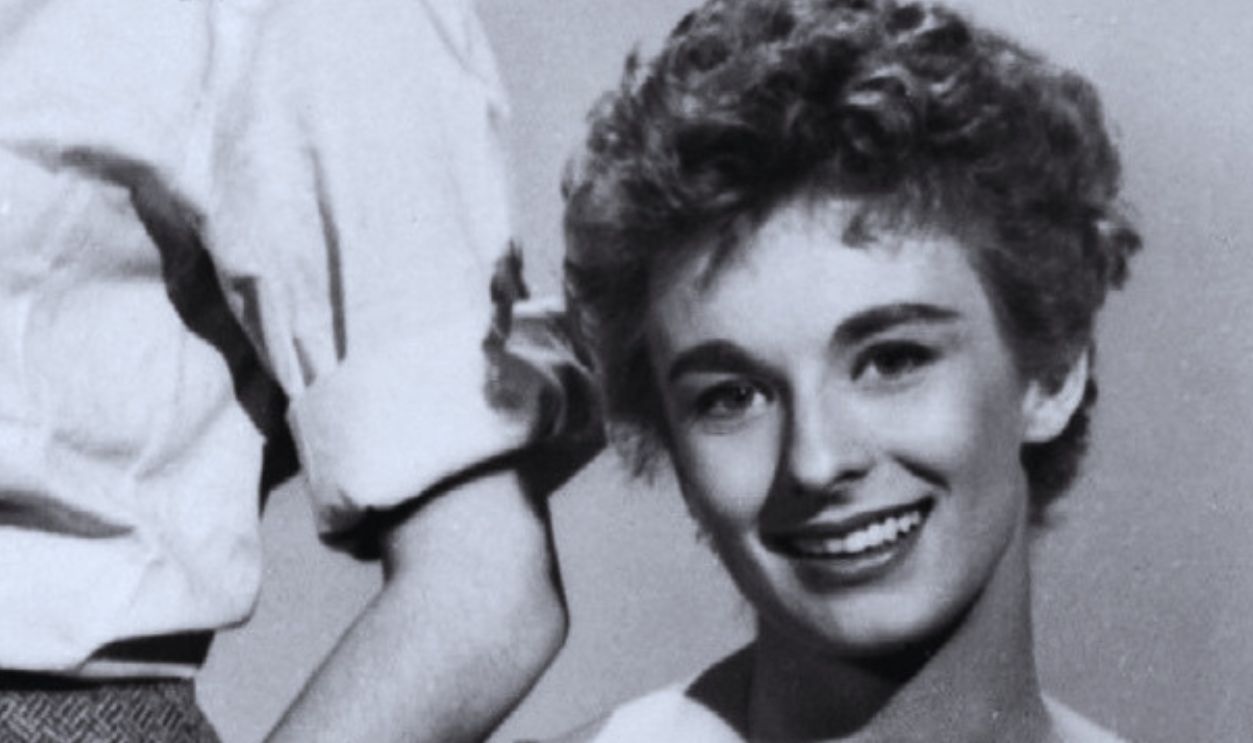
Before Hollywood came calling, Leachman entered the 1946 Miss America pageant, representing Chicago. Although she didn't win the crown, she earned a scholarship that helped her pursue acting in New York. It was an unusual beginning for a future Oscar winner.
Learning From The Best In New York
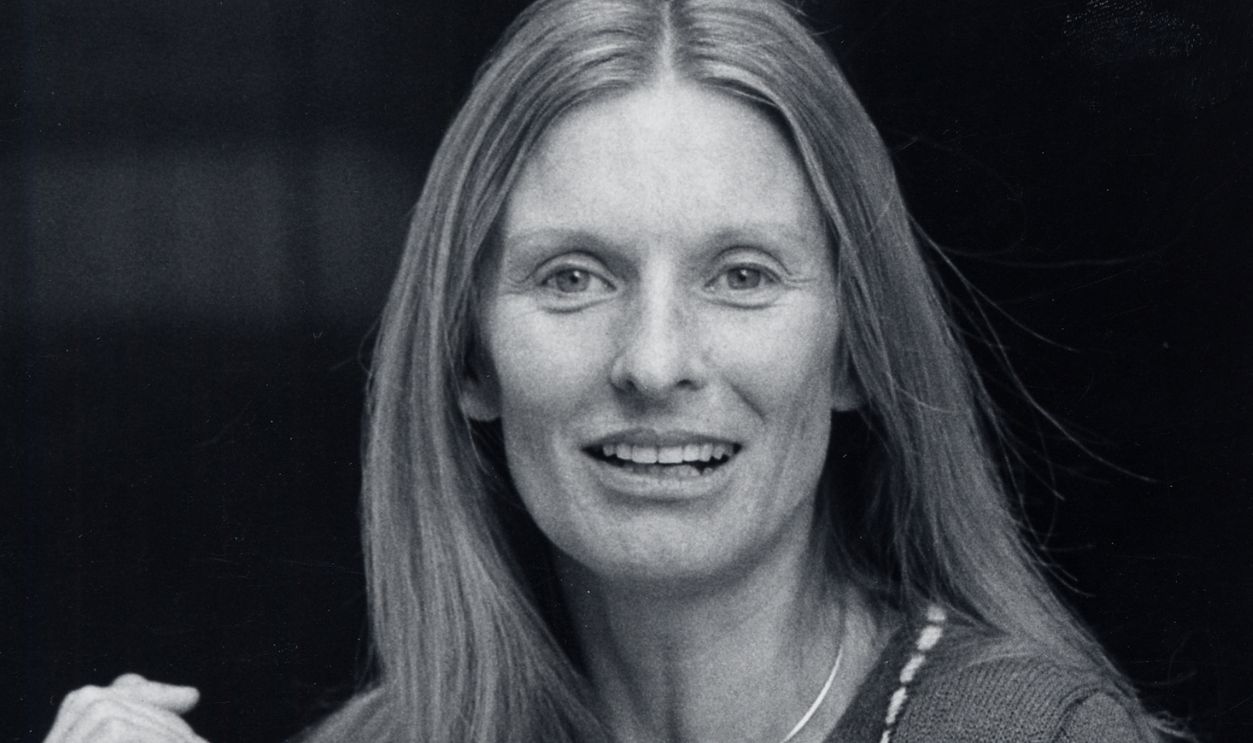
In New York, Leachman studied at the prestigious Actors Studio, where she trained under Elia Kazan. She also pursued theater work. Those early years helped her develop the versatility that eventually allowed her to move so comfortably between serious drama and television comedy.
Her Hollywood Career Took Off In The 1950s
Leachman made a memorable appearance in the 1955 crime thriller Kiss Me Deadly. Television work followed, including a recurring role as Ruth Martin on Lassie. She was becoming a familiar face, even if major stardom hadn't arrived yet.
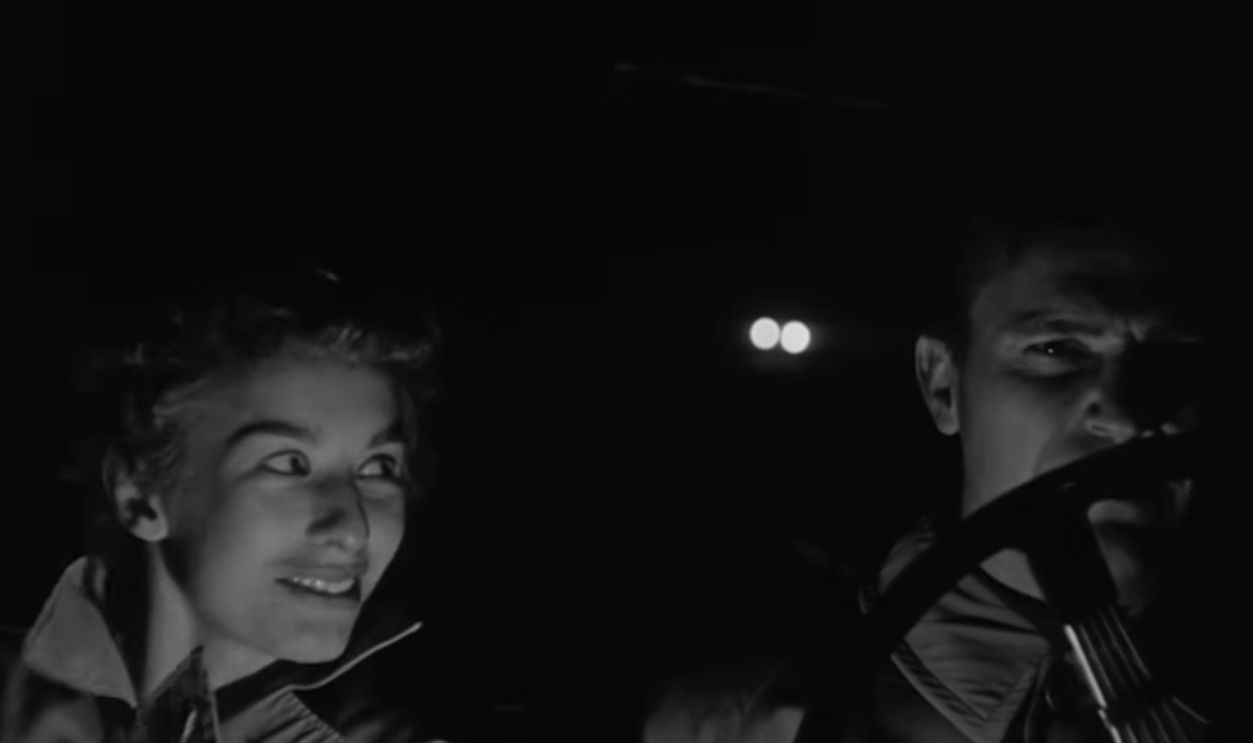 Screenshot from Kiss Me Deadly, Amazon MGM Studios (1955)
A Familiar Face On Television
Throughout the 1950s and 1960s, Leachman appeared in numerous television productions. One memorable performance came in the 1961 Twilight Zone episode "It's a Good Life." She played the frightened mother of a boy with extraordinary powers, showing just how effective she could be in dramatic roles.
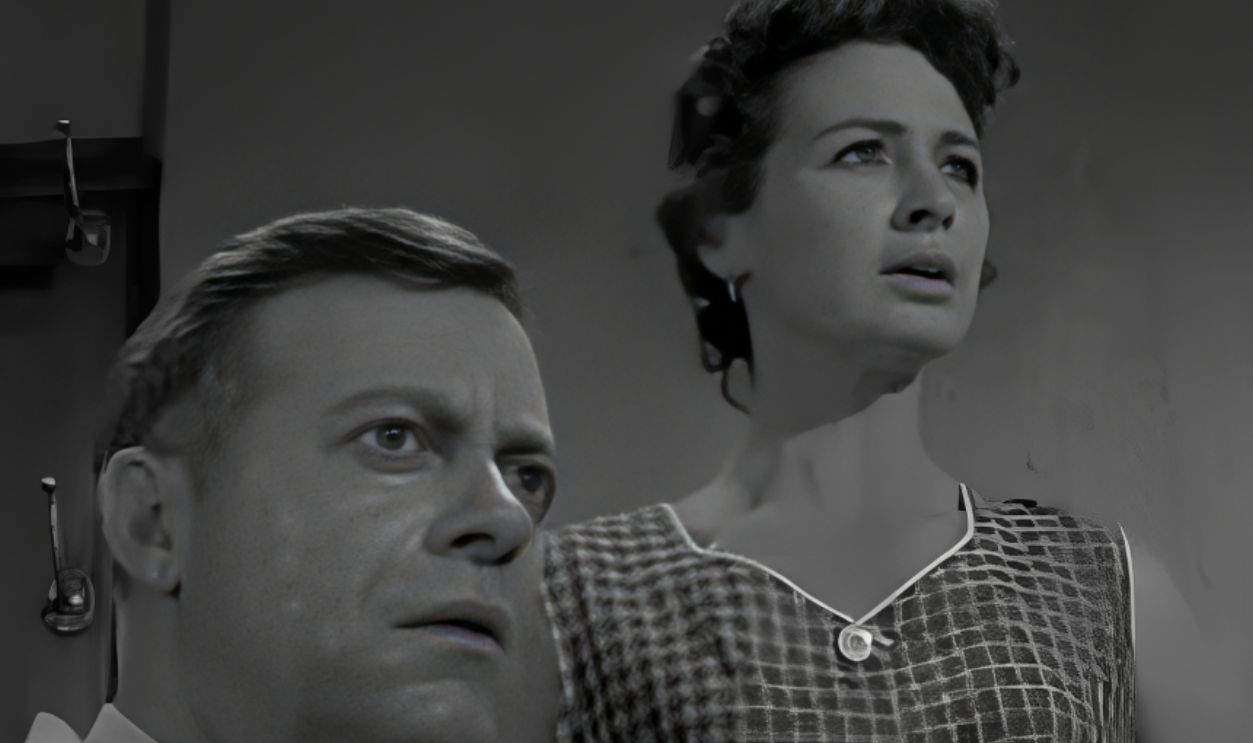 Screenshot from Twilight Zone, Paramount (1959-1964), Enhanced
Then Came The Last Picture Show
In 1971, Leachman appeared in Peter Bogdanovich's The Last Picture Show. She portrayed Ruth Popper, a lonely Texas housewife. It was a moving performance that showed audiences a very different side of the actress they were beginning to recognize from television.
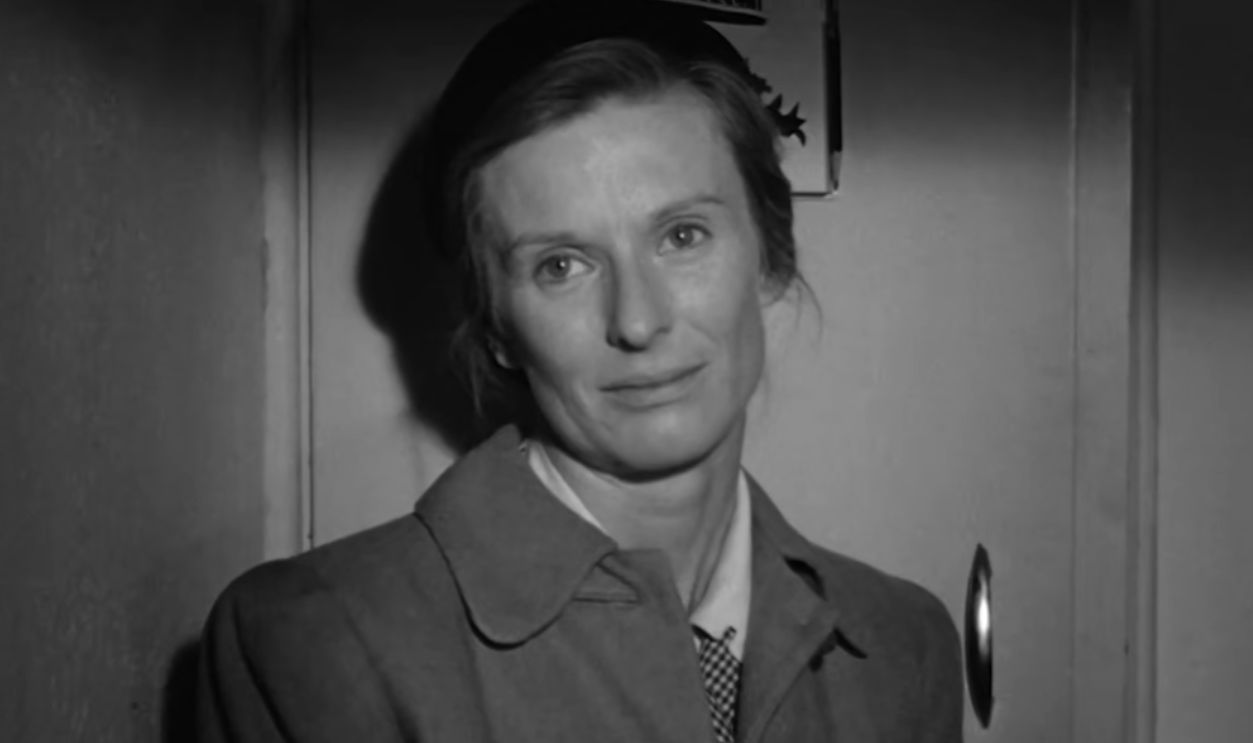 Screenshot from The Last Picture Show, Sony Pictures Entertainment (1971)
An Oscar Was Added To Her Collection
Leachman's performance in The Last Picture Show earned her the Academy Award for Best Supporting Actress in April 1972. By then, she had already started playing Phyllis Lindstrom. Suddenly, the woman making television audiences laugh was also an Oscar-winning dramatic actress.
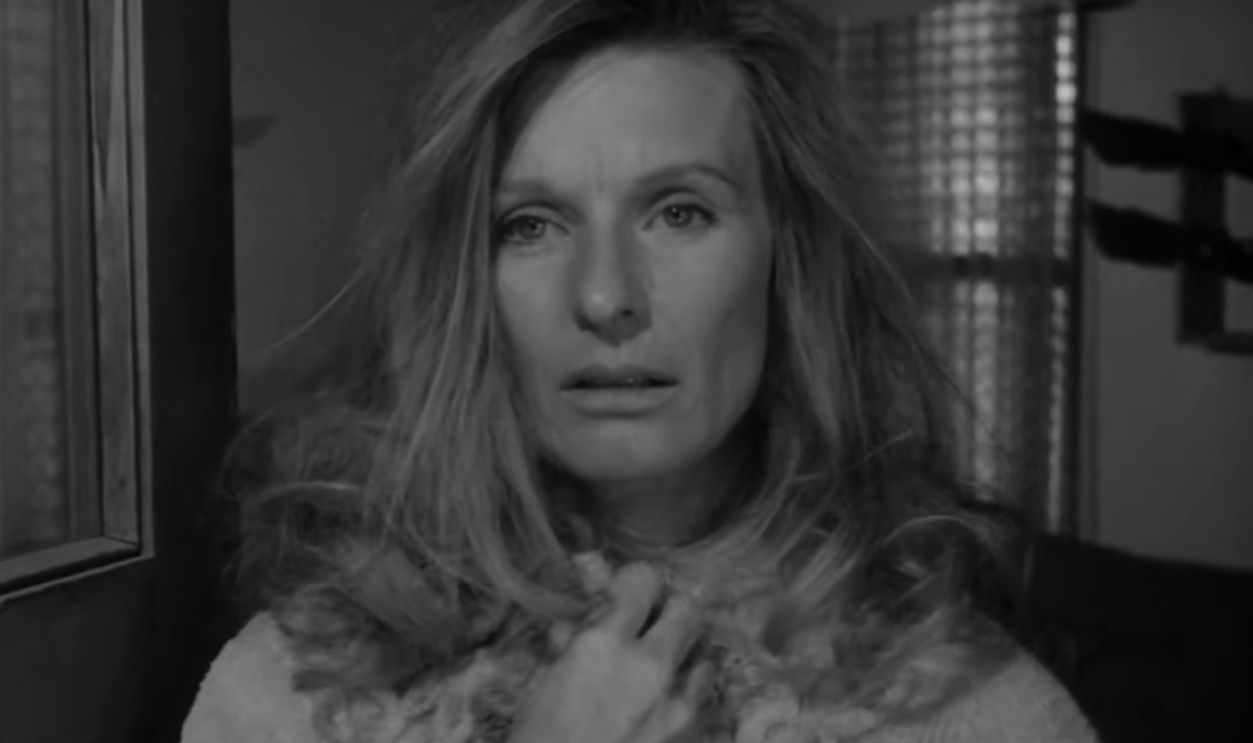 Screenshot from The Last Picture Show, Sony Pictures Entertainment (1971)
Mary Tyler Moore Had Found Its Perfect Neighbor
When The Mary Tyler Moore Show premiered in September 1970, viewers met Mary Richards, a single woman beginning a new life in Minneapolis. Among her neighbors was Phyllis Lindstrom, a married woman whose confidence, curiosity, and occasional interference made her impossible to ignore.
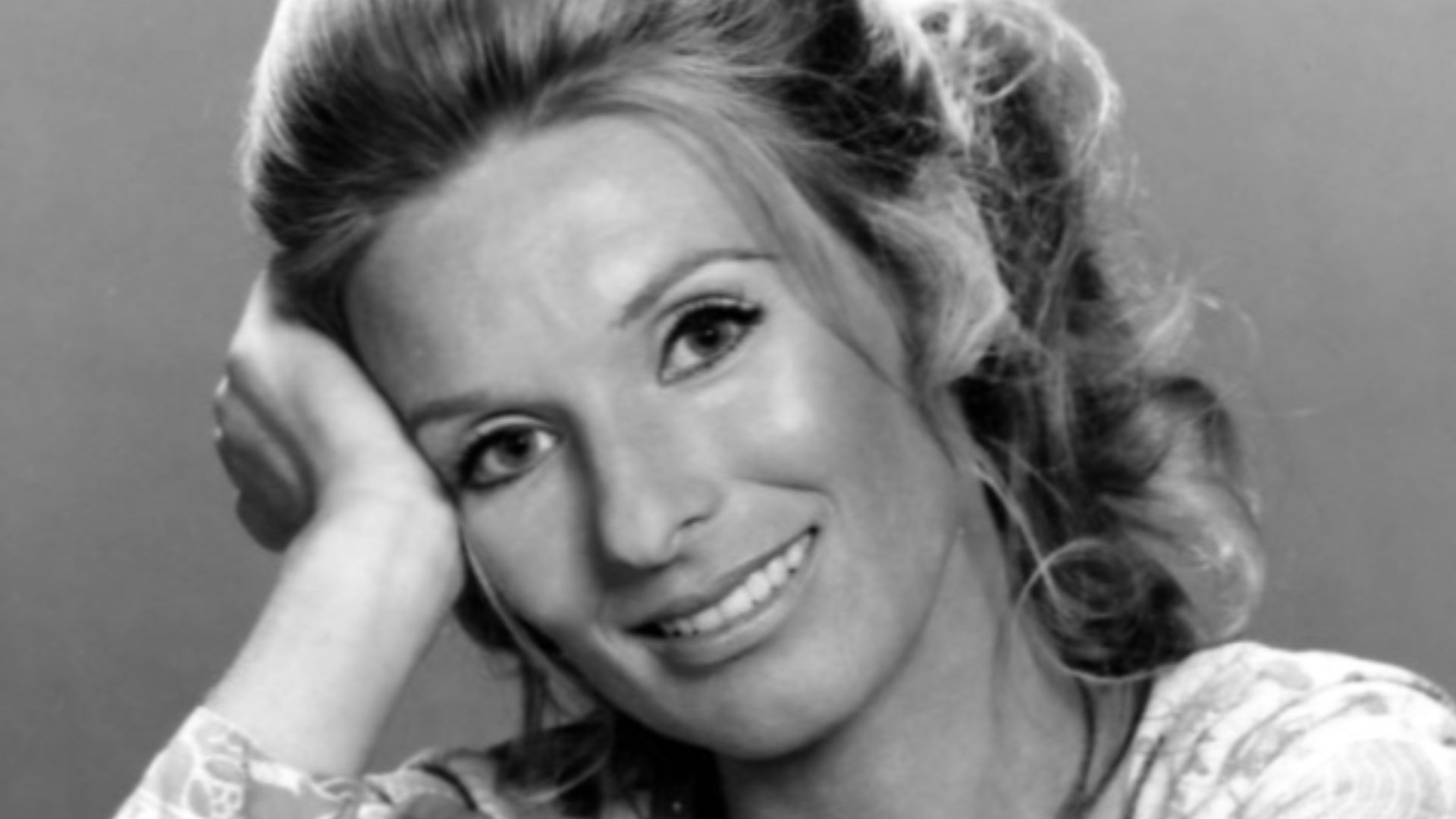 CBS Television, Wikimedia Commons
Phyllis Was Quite A Character
Phyllis considered herself sophisticated, intelligent, and exceptionally well-informed. Unfortunately, her opinions weren't always welcome. Whether she was offering Mary advice or criticizing Rhoda, Phyllis had a remarkable talent for making everything about herself. Leachman played these moments beautifully.
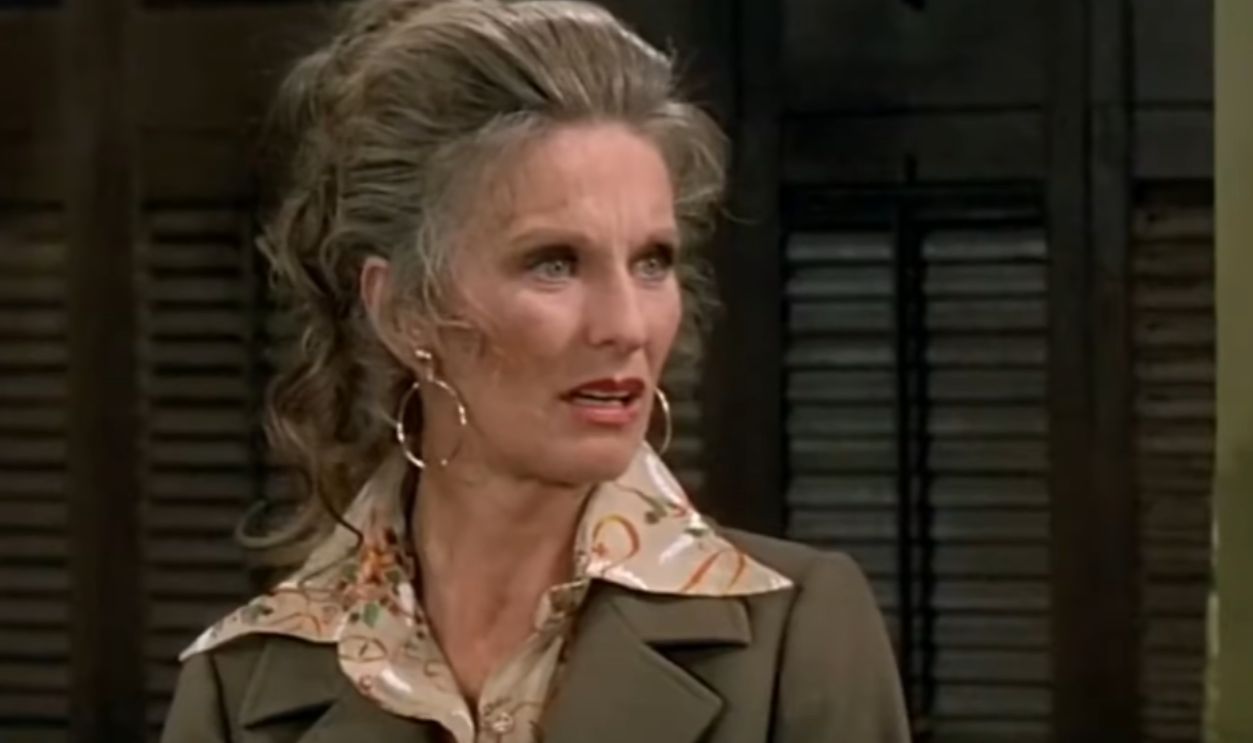 Screenshot from The Mary Tyler Moore Show, The Walt Disney Company (1970-1977)
An Unusual Audition Won Her The Part
Leachman later recalled that co-creator James L. Brooks had doubts about casting her in such a comic role. During their meeting, she sat on his lap and began joking around. According to Leachman, they never even got around to reading the script.
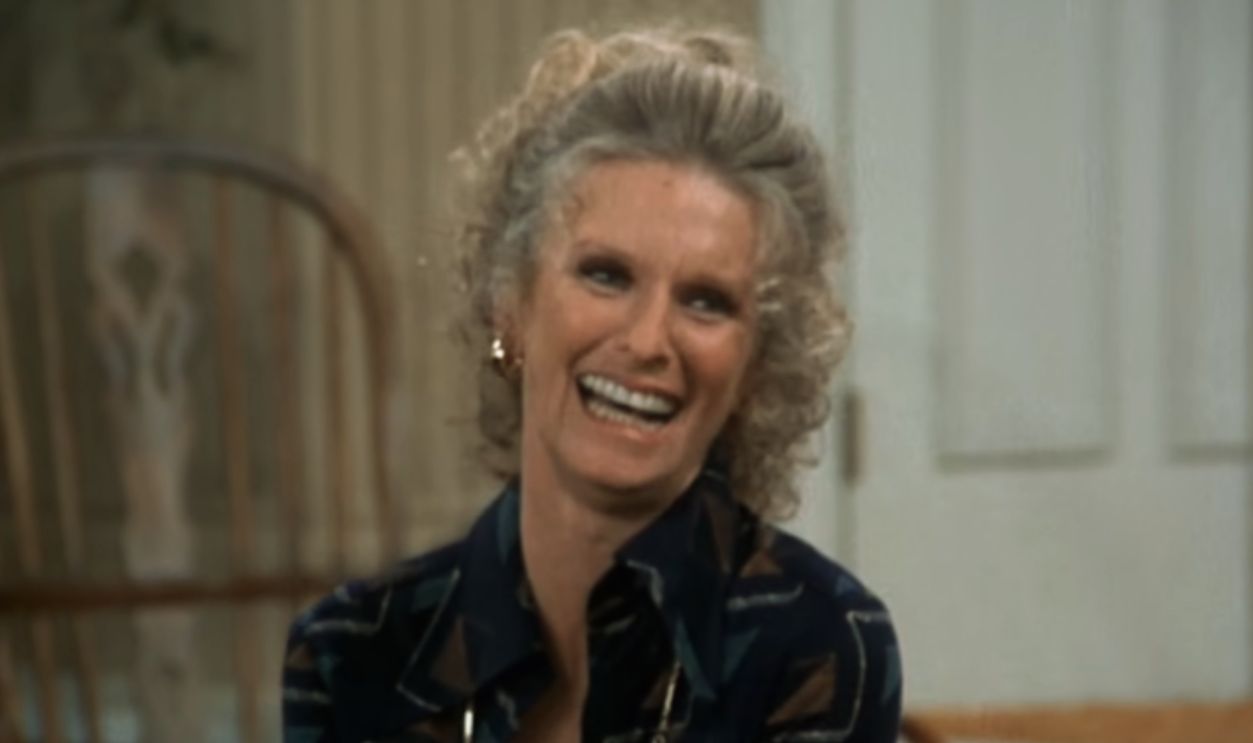 Screenshot from The Mary Tyler Moore Show, The Walt Disney Company (1970-1977)
Mary Had More Than One Problematic Neighbor
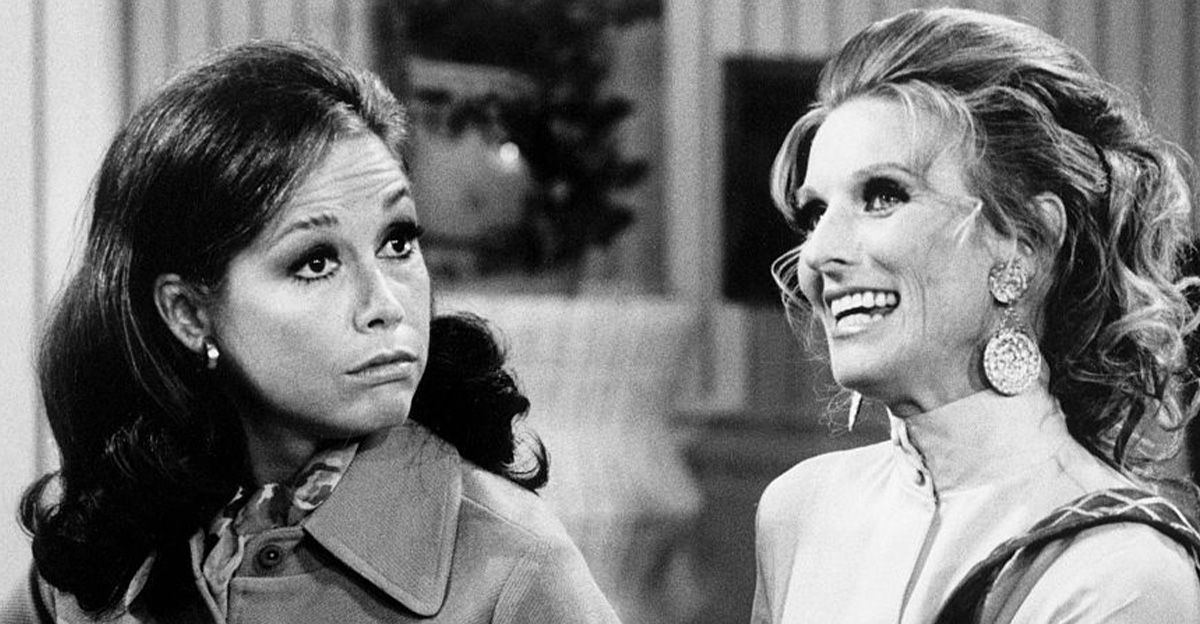
Mary Richards, played by Mary Tyler Moore, was patient and good-natured. Phyllis frequently tested that patience with unsolicited advice and pointed observations. Their relationship provided wonderful comedy because Mary usually tried to remain polite, even when Phyllis was being completely unreasonable.
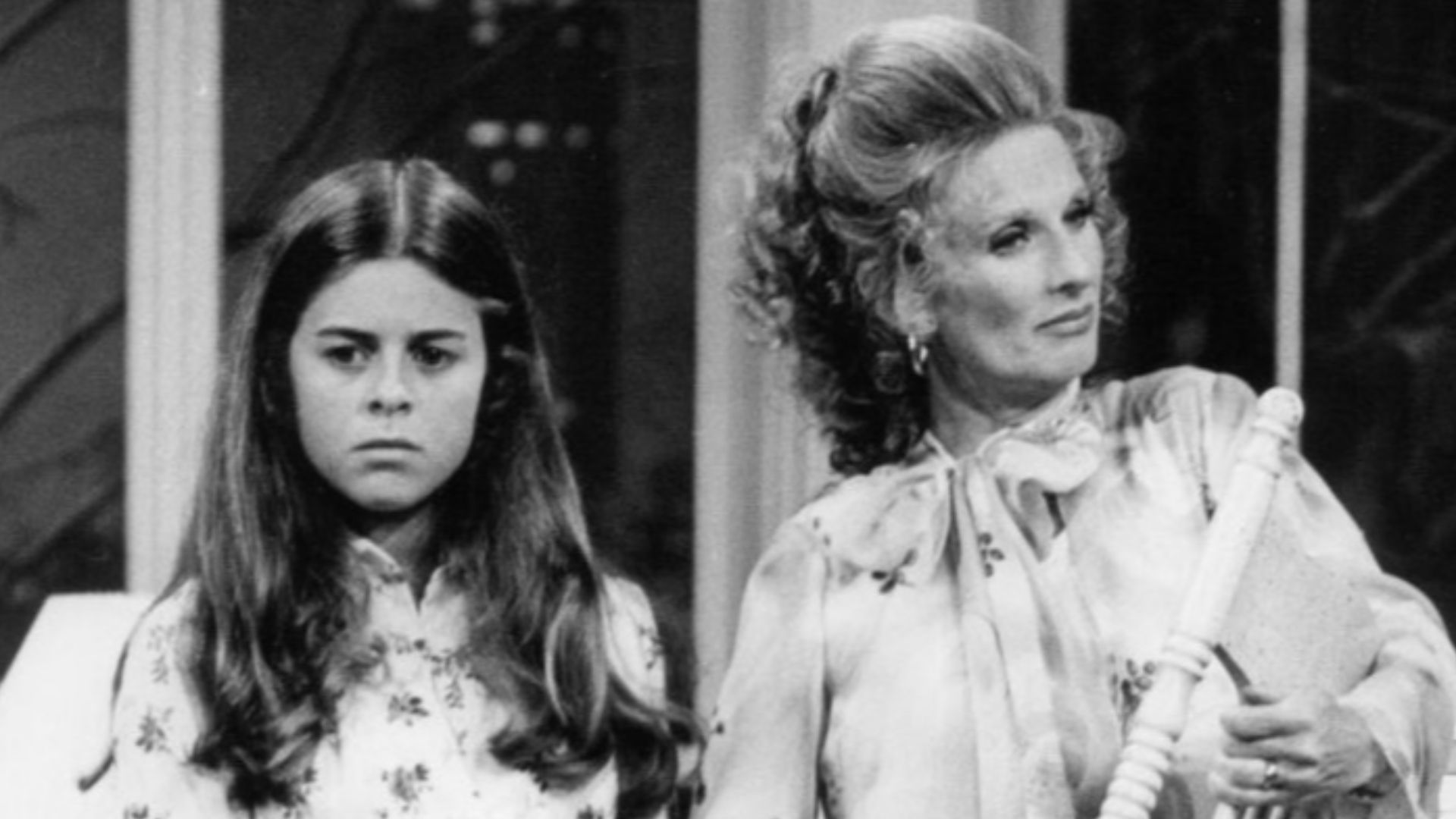 CBS Television, Wikimedia Commons
Rhoda And Phyllis Were A Perfect Mismatch
Phyllis shared a particularly entertaining rivalry with Rhoda Morgenstern, played by Valerie Harper. Rhoda's sharp humor and Phyllis's superior attitude made an explosive combination. Whenever they occupied the same room, viewers could expect pointed remarks, exaggerated reactions, and some excellent comedy.
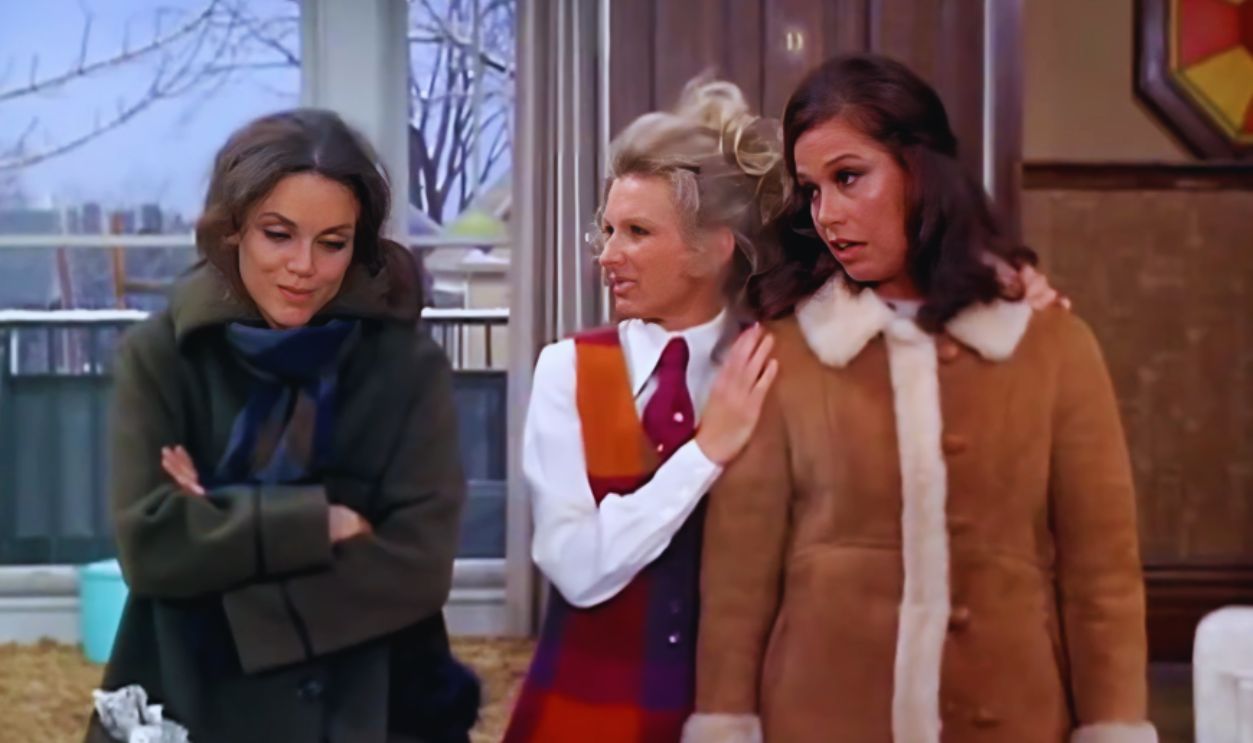 Screenshot from The Mary Tyler Moore Show, The Walt Disney Company (1970-1977), Enhanced
Their Real-Life Friendship Was Very Different
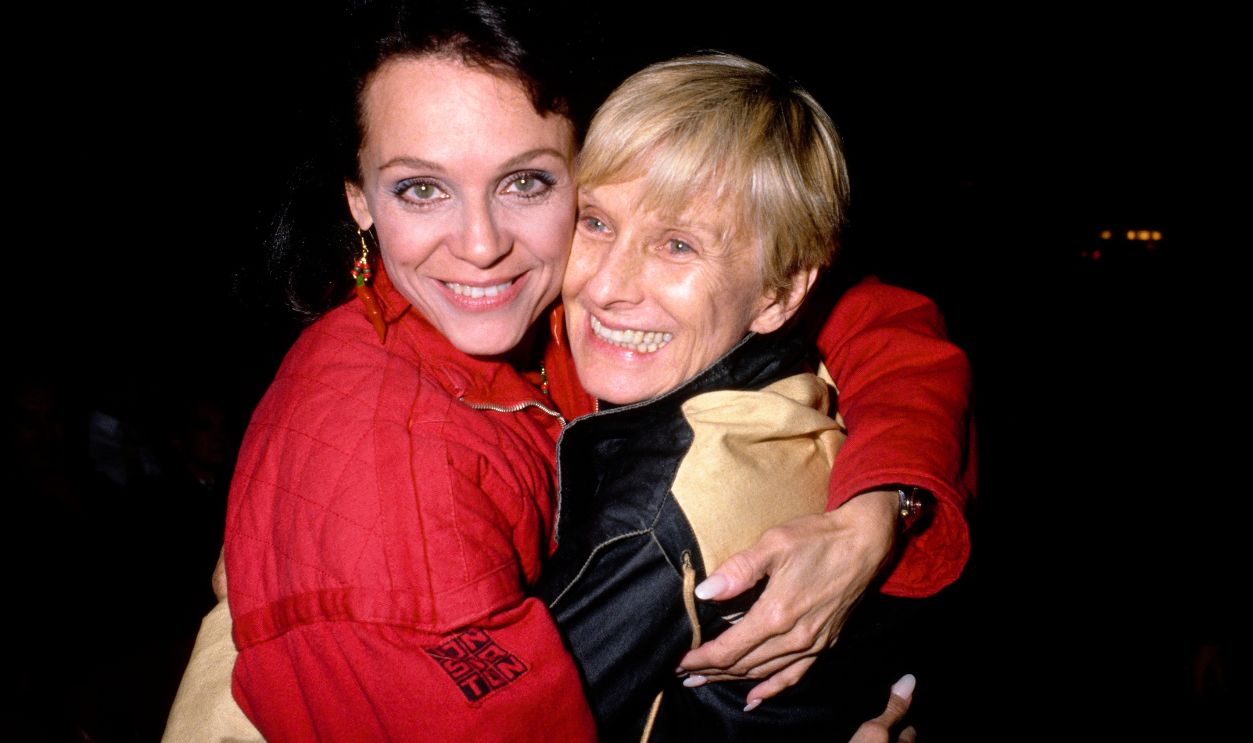
Interestingly, Leachman and Valerie Harper were much friendlier offscreen. In a 2015 interview with the Television Academy, Leachman described Harper as one of her best friends. Their onscreen disagreements were simply proof of how well the two actresses understood their characters.
Her Husband Was Famous Without Appearing
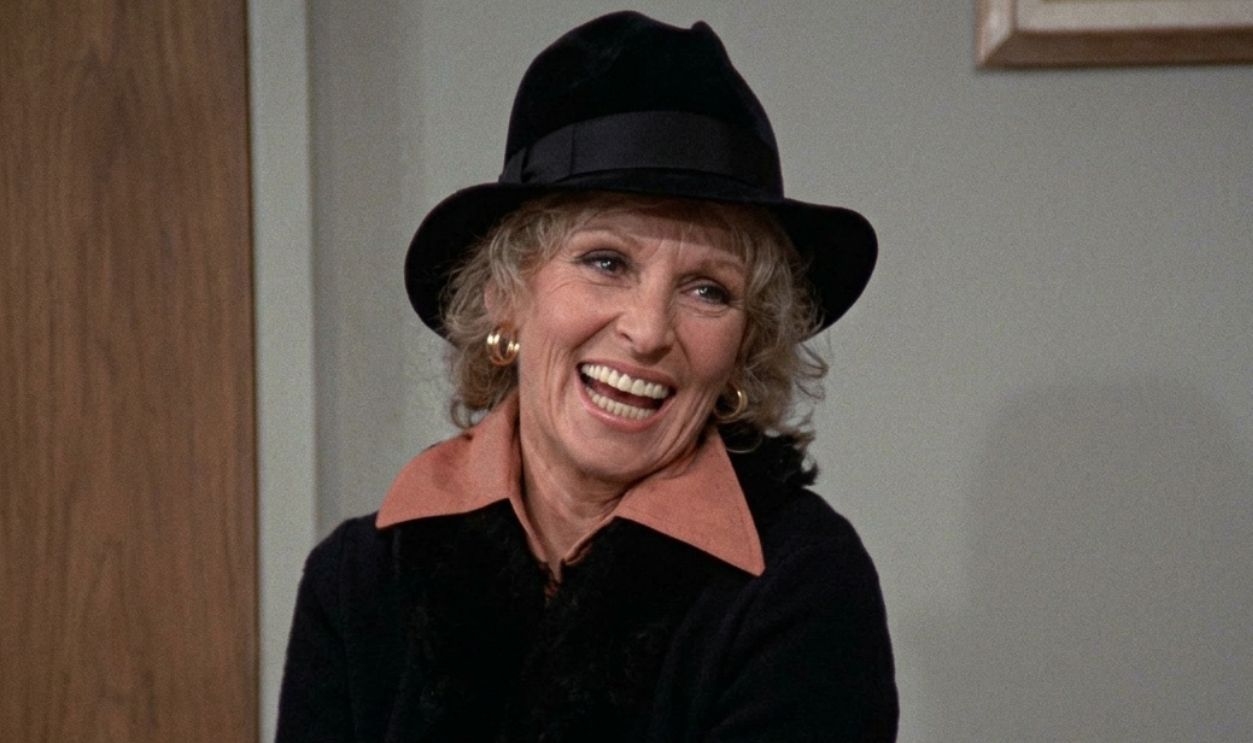
Phyllis frequently mentioned her husband, Lars Lindstrom, a dermatologist who never appeared onscreen. His unseen presence became part of the show's humor. Phyllis regularly discussed their marriage, giving viewers plenty of information about a man they never actually got to meet.
 Screenshot from The Mary Tyler Moore Show, The Walt Disney Company (1970-1977), Enhanced
Bess Was The Other Lindstrom Viewers Knew
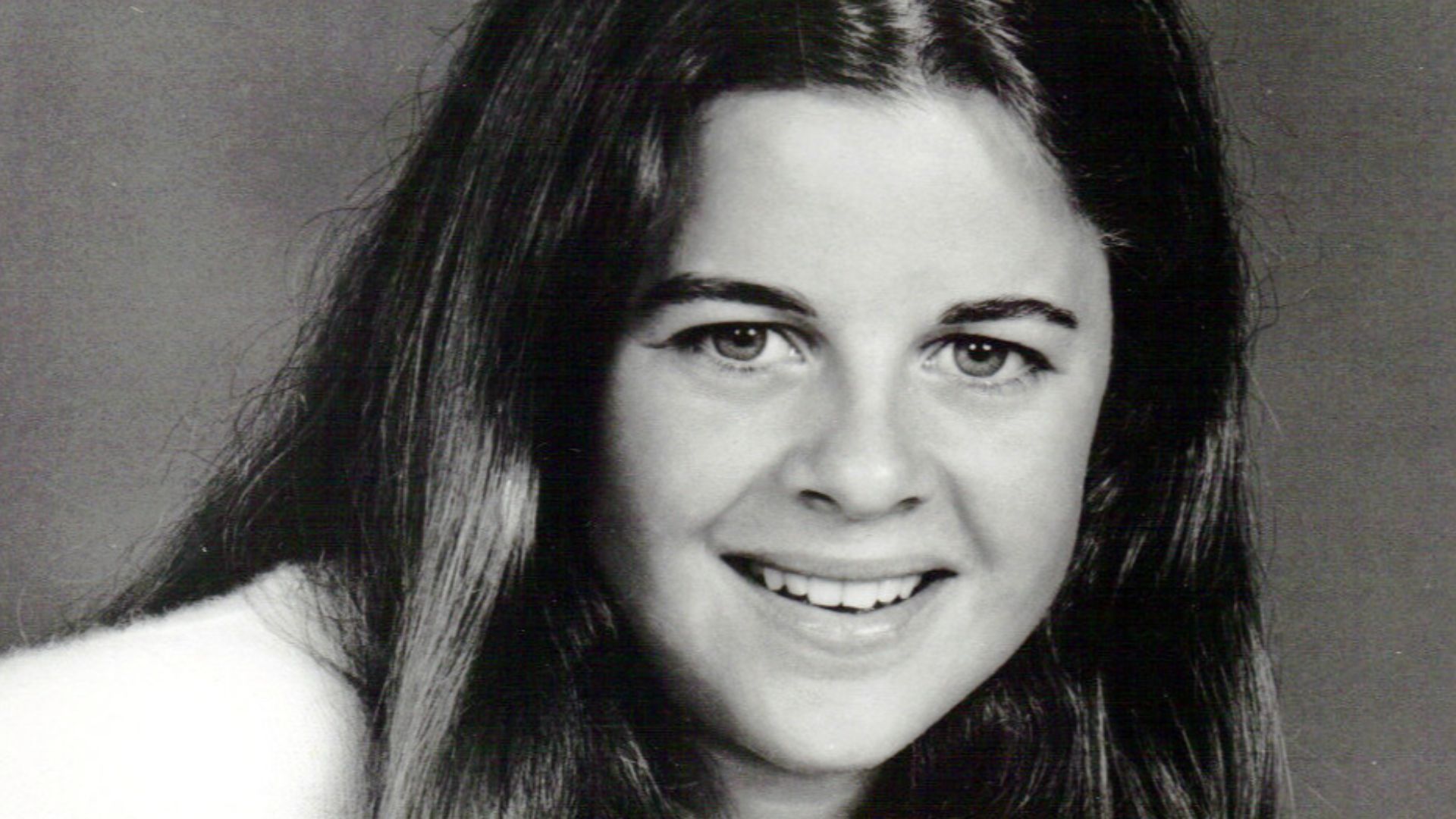
Unlike Lars, Phyllis's daughter Bess regularly appeared on the show. Played by Lisa Gerritsen, Bess was often more levelheaded than her mother. Their relationship provided another source of comedy, particularly when Phyllis's attempts at parenting revealed her own insecurities and contradictions.
 CBS Television, Wikimedia Commons
Cloris Knew How To Steal A Scene
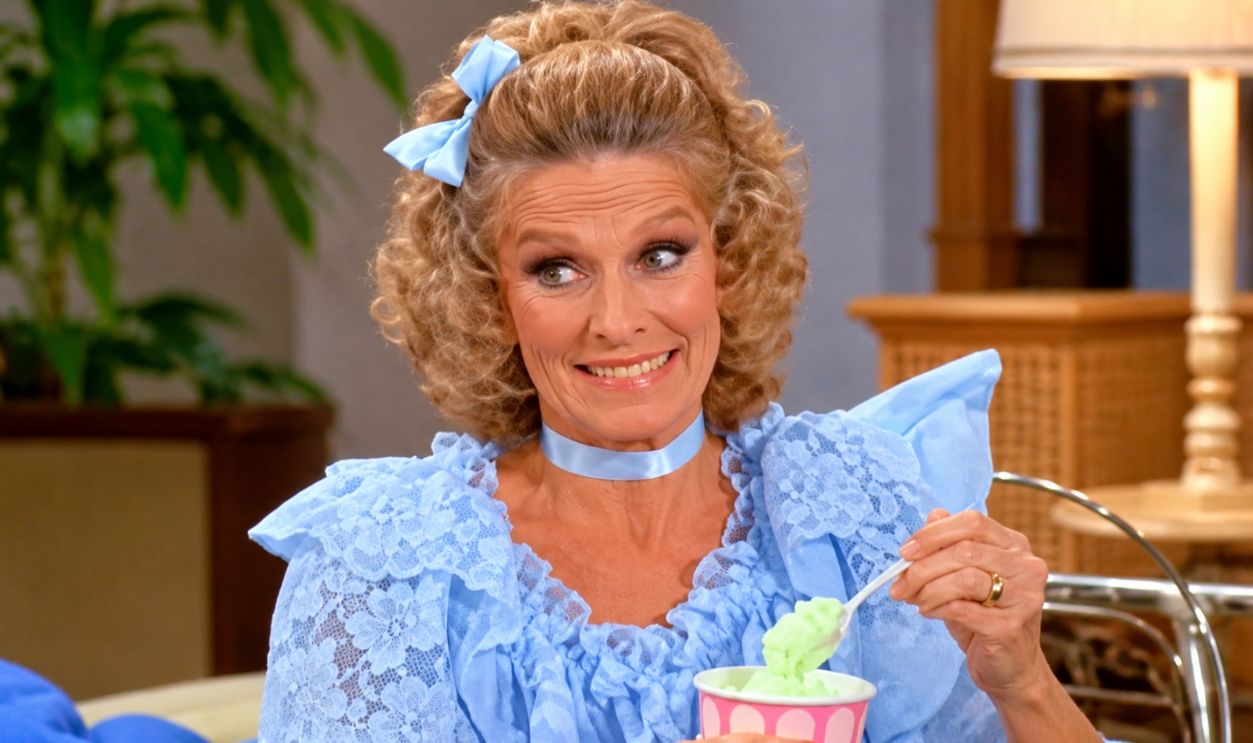
Leachman didn't need a lengthy speech to get a laugh. A raised eyebrow, a disapproving glance, or an overly sweet smile could communicate everything Phyllis was thinking. Her precise comic timing helped make the character memorable, even when she appeared briefly.
 Screenshot from The Mary Tyler Moore Show, The Walt Disney Company (1970-1977), Enhanced
She Was Surrounded By Television Legends
The Mary Tyler Moore Show brought together an extraordinary ensemble, including Ed Asner, Gavin MacLeod, Ted Knight, Betty White, and Valerie Harper. Leachman fit naturally into this talented company, helping create some of the most memorable character relationships in 1970s television comedy.
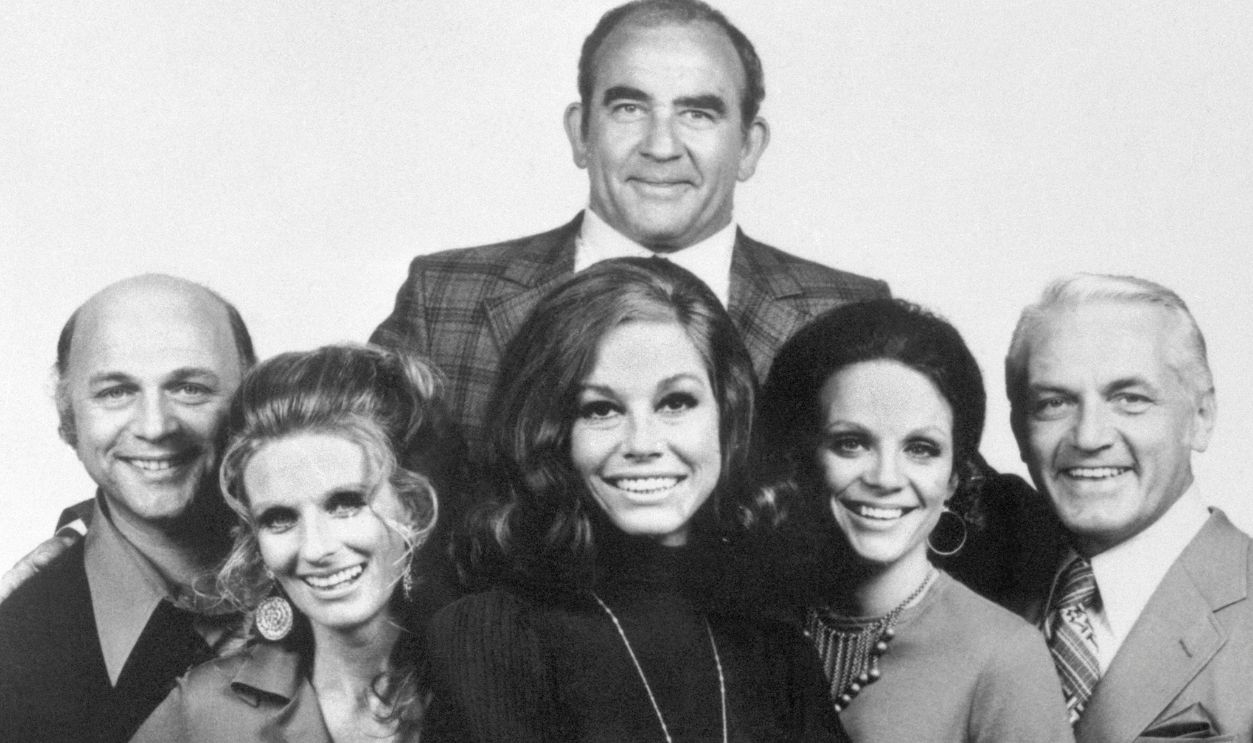
Her Performance Earned Emmy Recognition
Leachman's work as Phyllis received multiple Emmy nominations. She won for the role in 1974 and again in 1975. Those awards confirmed what viewers already knew: her delightfully irritating landlady had become one of television's standout supporting characters.
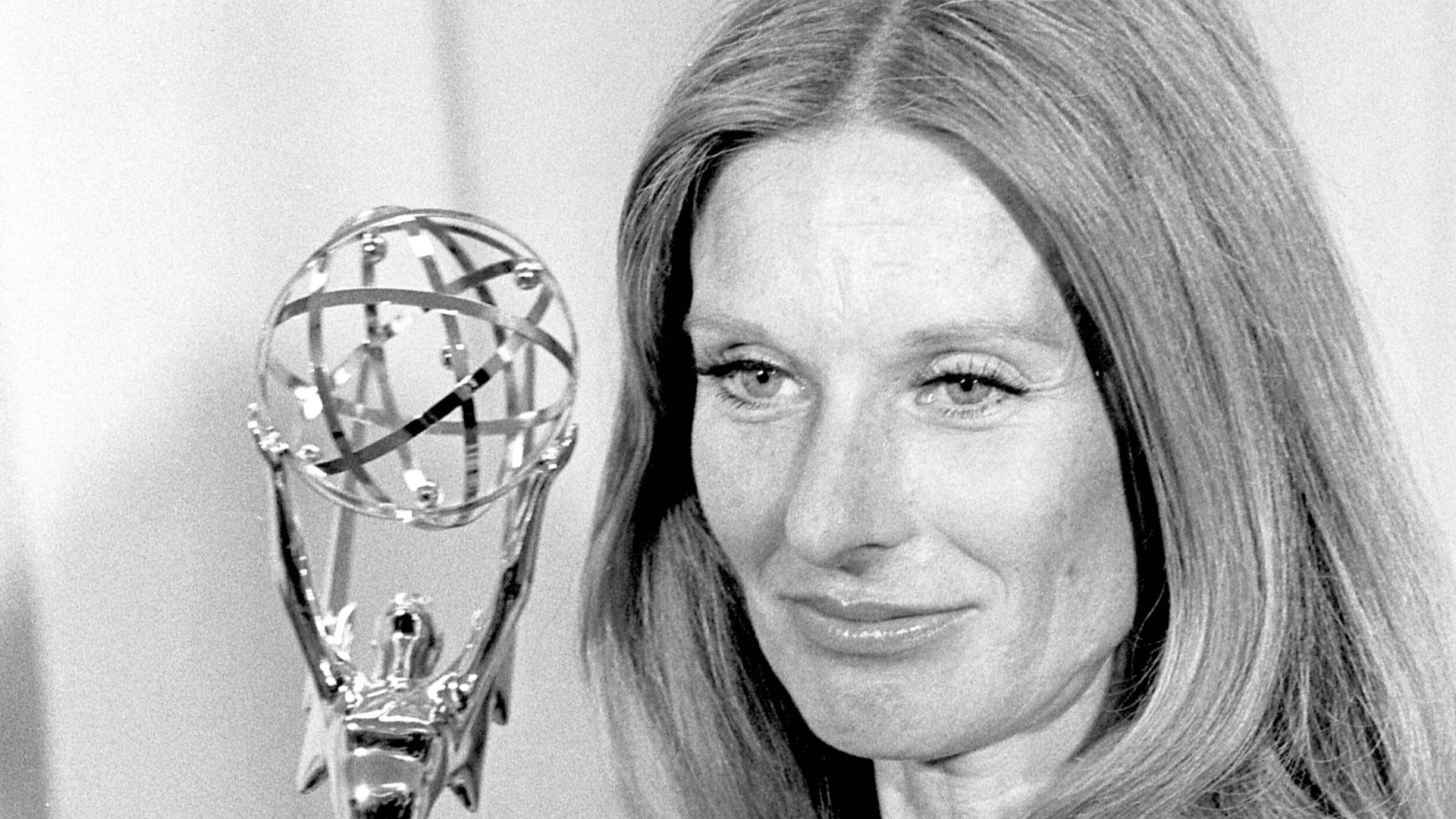 Rick Browne, Los Angeles Times, Wikimedia Commons
Hollywood Had Other Plans For Her
While appearing on Mary Tyler Moore, Leachman continued working in films. In 1974, she played the unforgettable Frau Blücher in Mel Brooks' Young Frankenstein. Her stern housekeeper provided another example of Leachman's remarkable ability to make unusual characters hilarious.
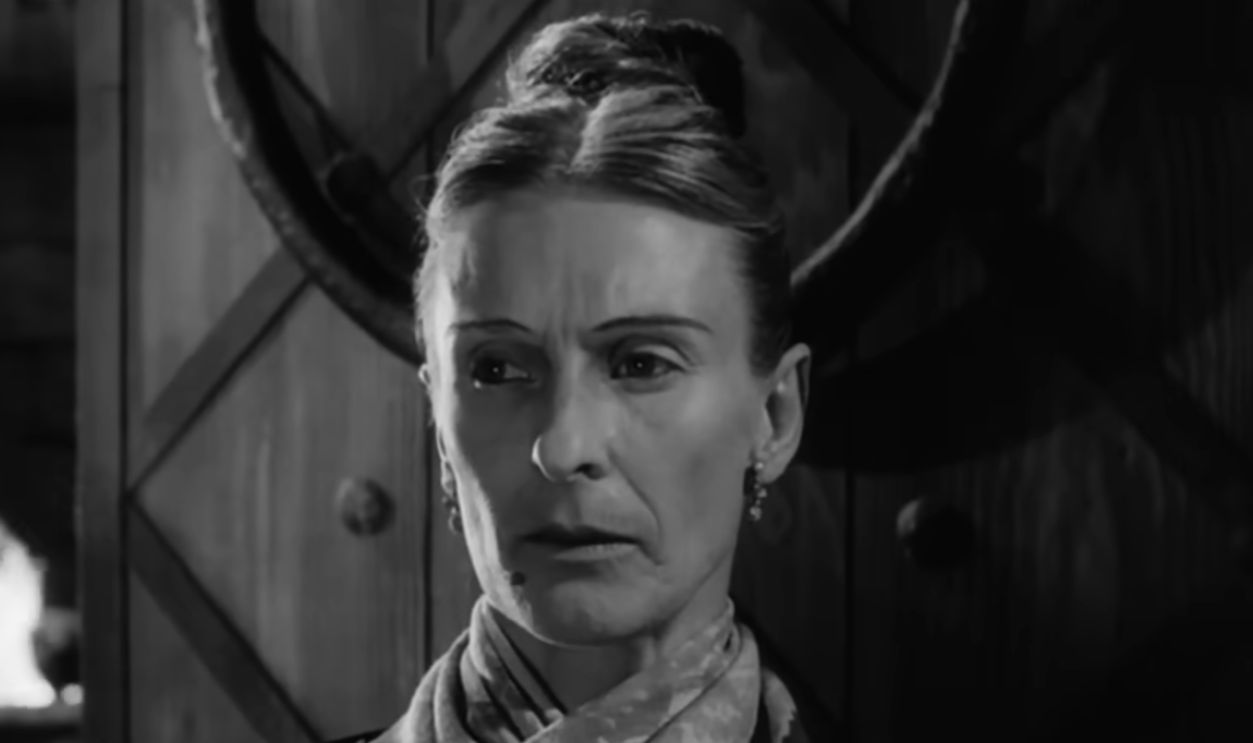 Screenshot from Young Frankenstein, The Walt Disney Company (1974)
Phyllis Was Ready For Her Own Show
By 1975, Phyllis had become popular enough to headline a spinoff. Following the success of Valerie Harper's Rhoda, CBS launched Phyllis. Leachman now had an entire sitcom built around the outspoken character she'd helped make famous.
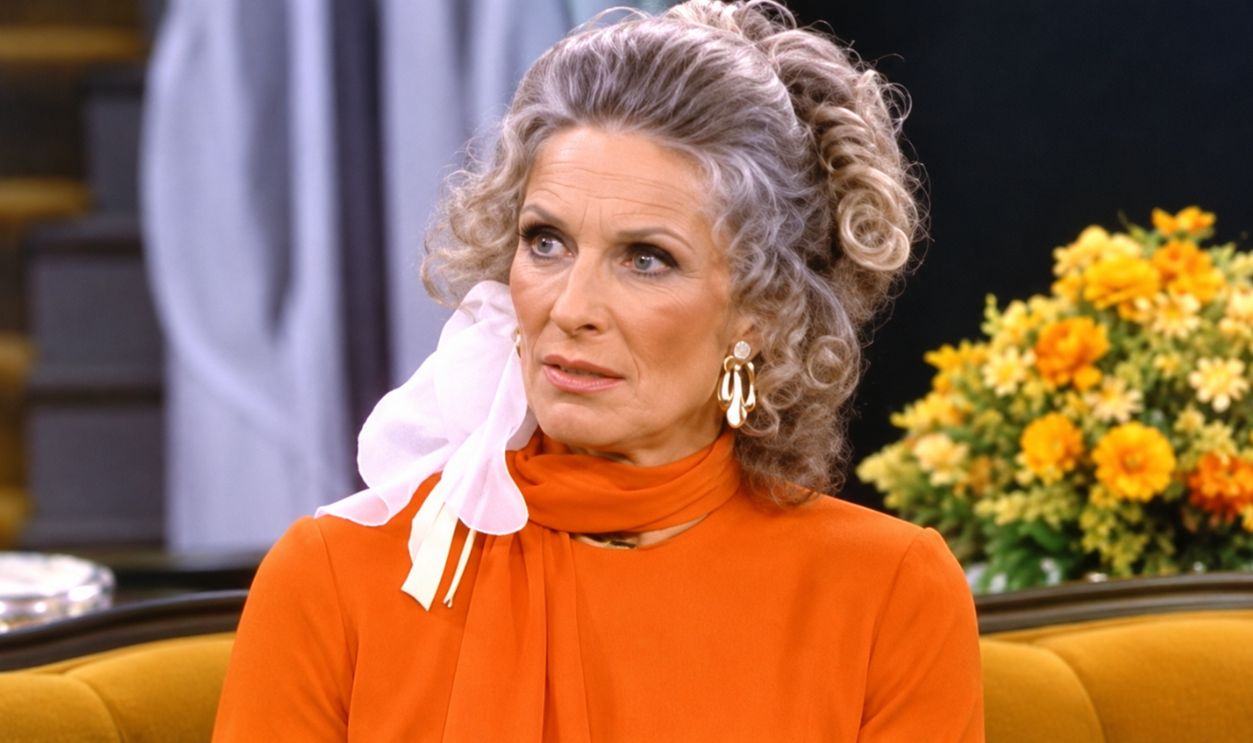 Screenshot from Phyllis, The Walt Disney Company (1975-1977), Enhanced
Goodbye Minneapolis, Hello San Francisco
The new series began with Phyllis recently widowed following Lars's death. She and Bess moved to San Francisco, where they lived with Lars's mother, Audrey, and Audrey's second husband, Judge Jonathan Dexter. Naturally, Phyllis wasn't about to become any less opinionated.
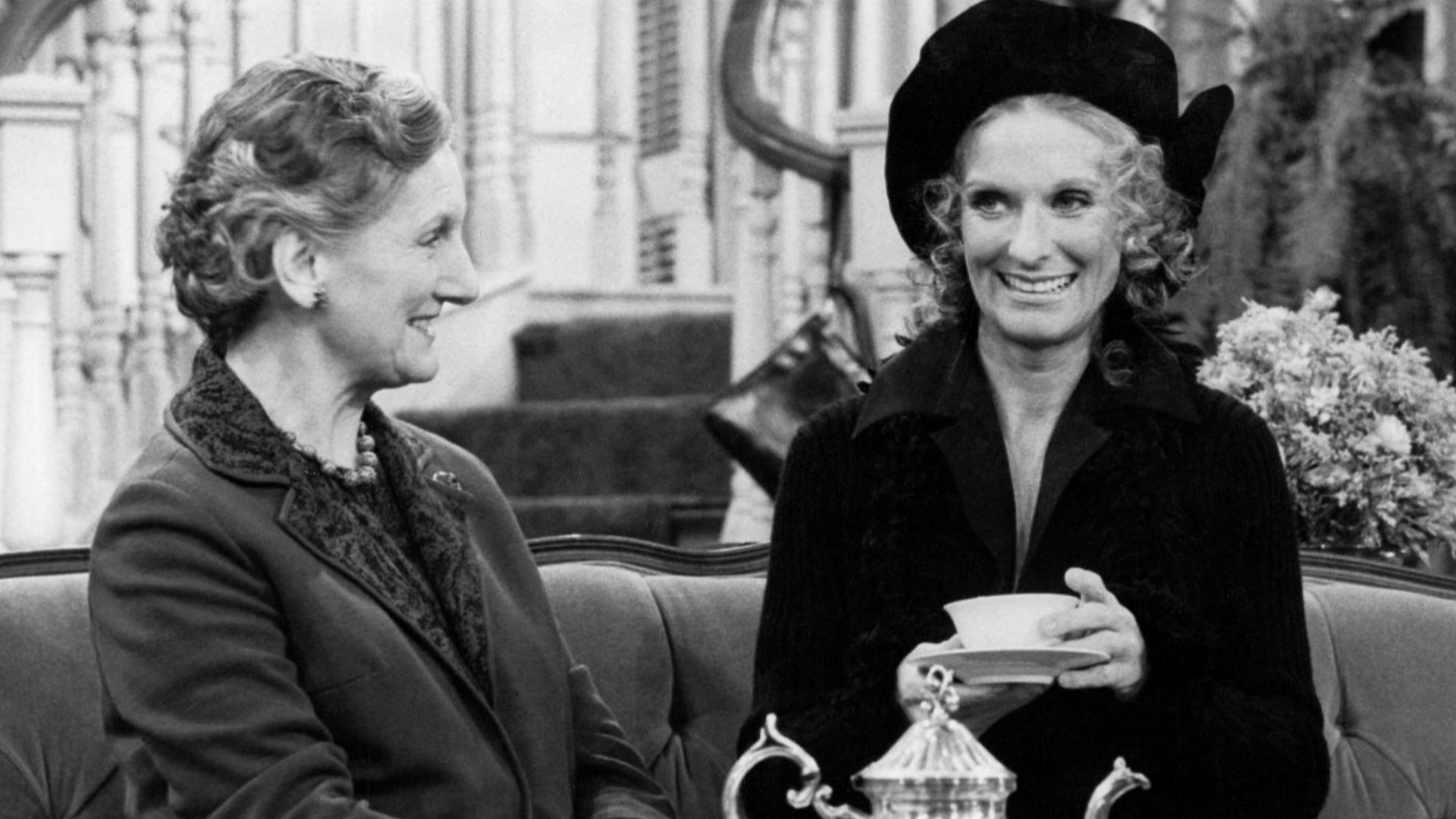 CBS Television, Wikimedia Commons
A New City Meant New Problems
In San Francisco, Phyllis faced the unfamiliar challenge of supporting herself. She took a job working at a photography studio, where her elaborate opinions and questionable judgment frequently caused problems. Watching this formerly comfortable housewife adjust to working life gave the series its central premise.
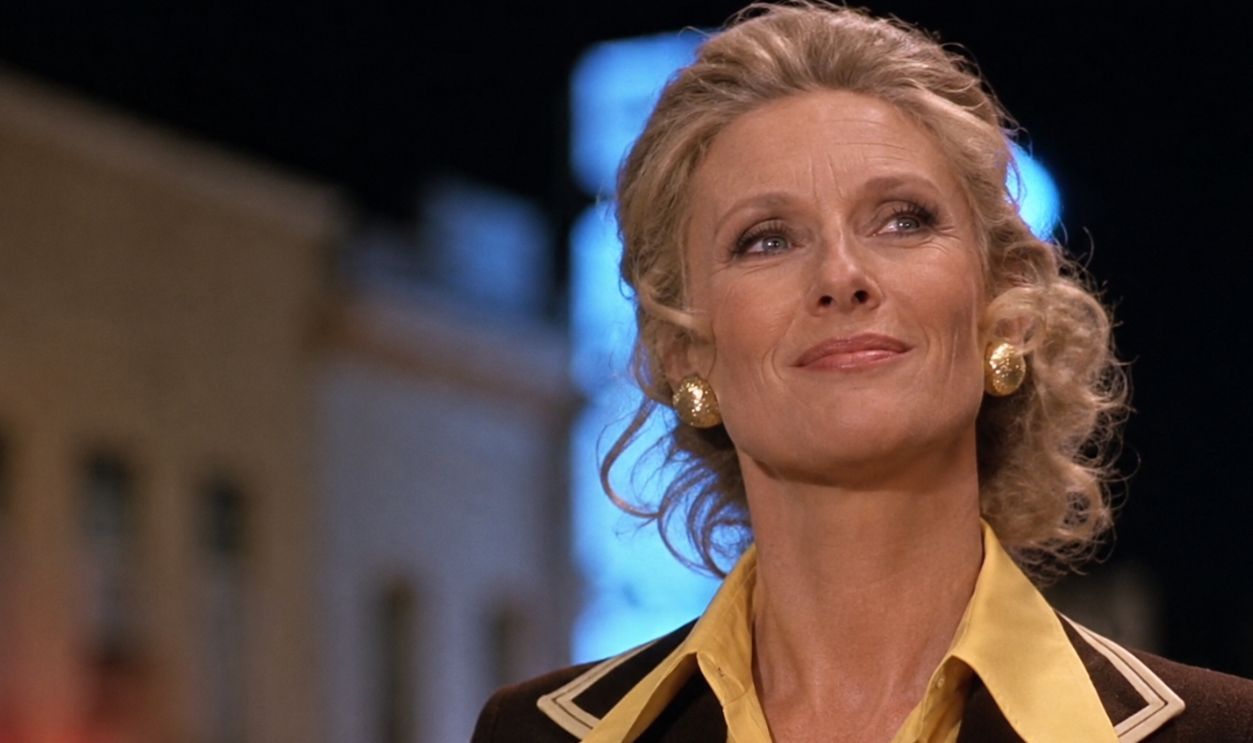 Screenshot from Phyllis, The Walt Disney Company (1975-1977), Enhanced
The Supporting Cast Added Plenty Of Laughs
Jane Rose played Audrey Dexter, while Henry Jones portrayed Judge Jonathan Dexter. Judith Lowry appeared as the elderly Mother Dexter. These characters gave Phyllis a fresh collection of personalities to clash with, creating new opportunities for Leachman's particular brand of comedy.
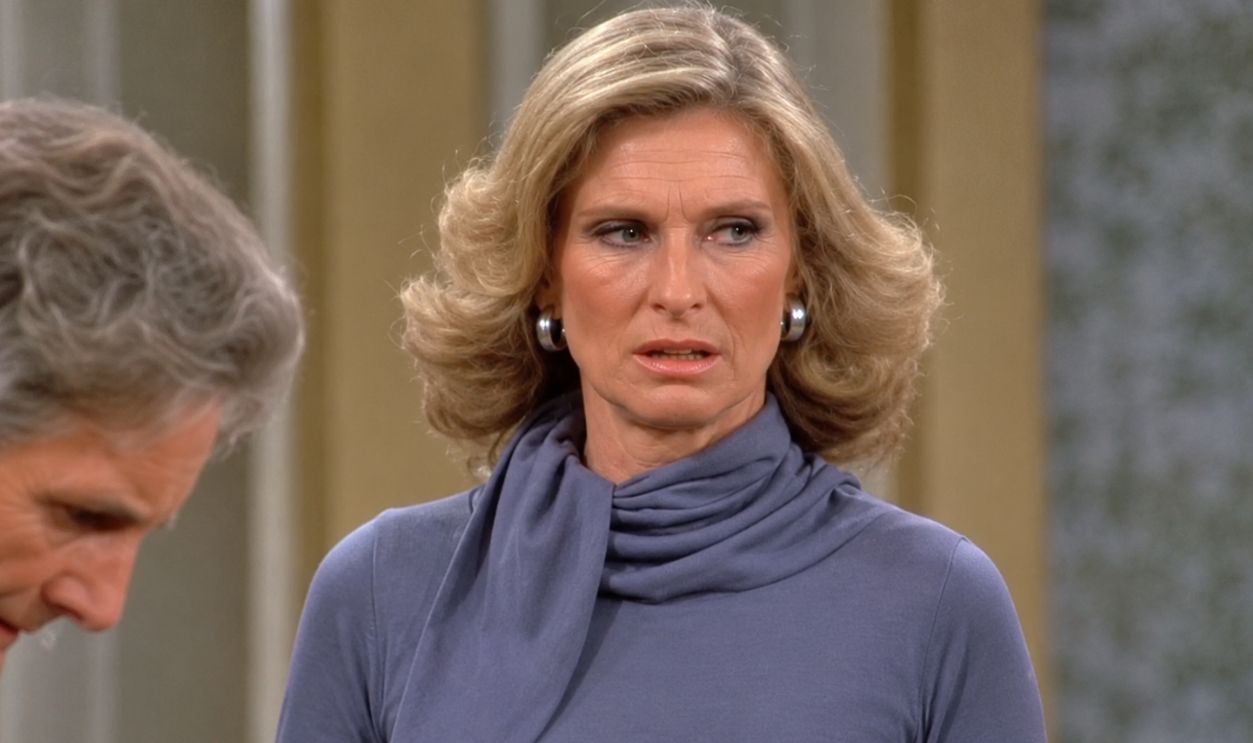 Screenshot from Phyllis, The Walt Disney Company (1975-1977), Enhanced
The Show Got Off To An Impressive Start
Phyllis premiered on September 8, 1975, and attracted considerable attention as the second Mary Tyler Moore spinoff. Audiences already knew its leading character, and Leachman's established reputation helped give the series a recognizable star from its very first episode.
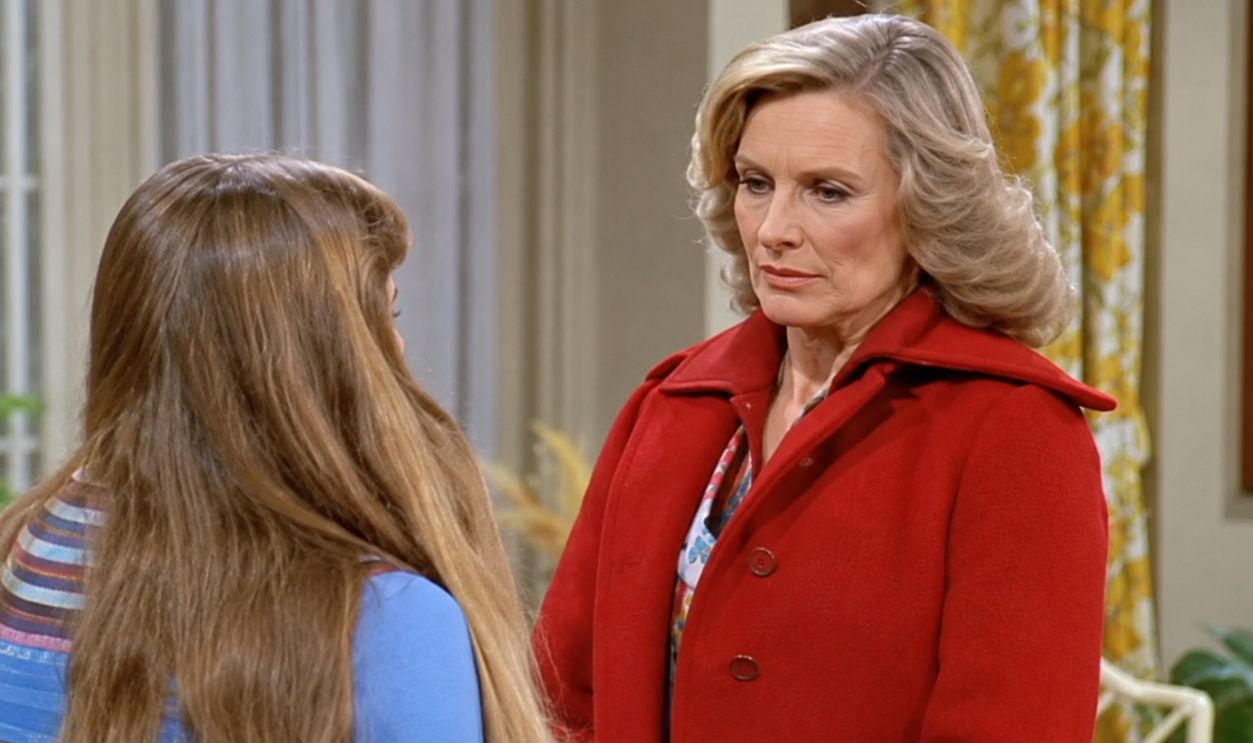 Screenshot from Phyllis, The Walt Disney Company (1975-1977), Enhanced
Another Major Award Came Her Way
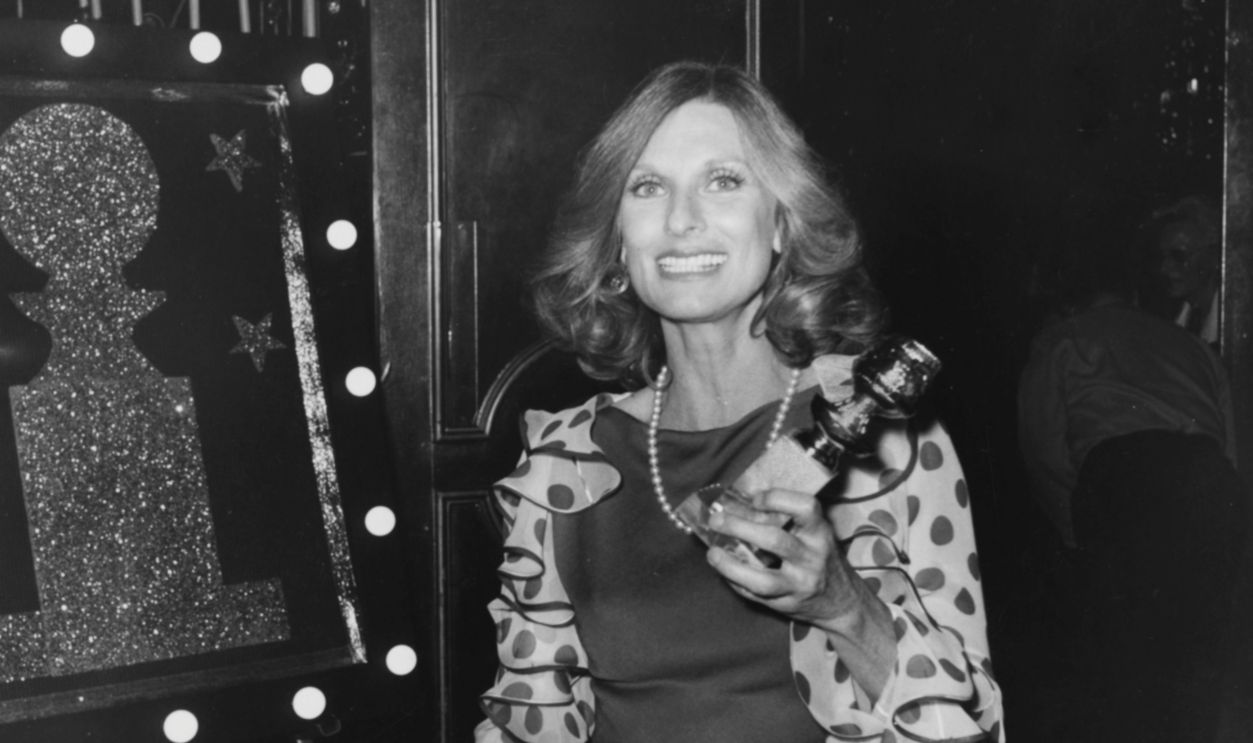
In 1976, Leachman won the Golden Globe for Best Actress in a Television Series, Musical or Comedy, for Phyllis. She also received an Emmy nomination for Outstanding Lead Actress in a Comedy Series that year, demonstrating how successfully she'd moved from supporting player to leading lady.
But Phyllis Didn't Last Forever
Despite its promising beginning, Phyllis ran for only two seasons, ending in March 1977. The series produced 48 episodes. Although it never matched the longevity of The Mary Tyler Moore Show, it gave Leachman a rare opportunity to explore her famous character beyond Mary's apartment building.
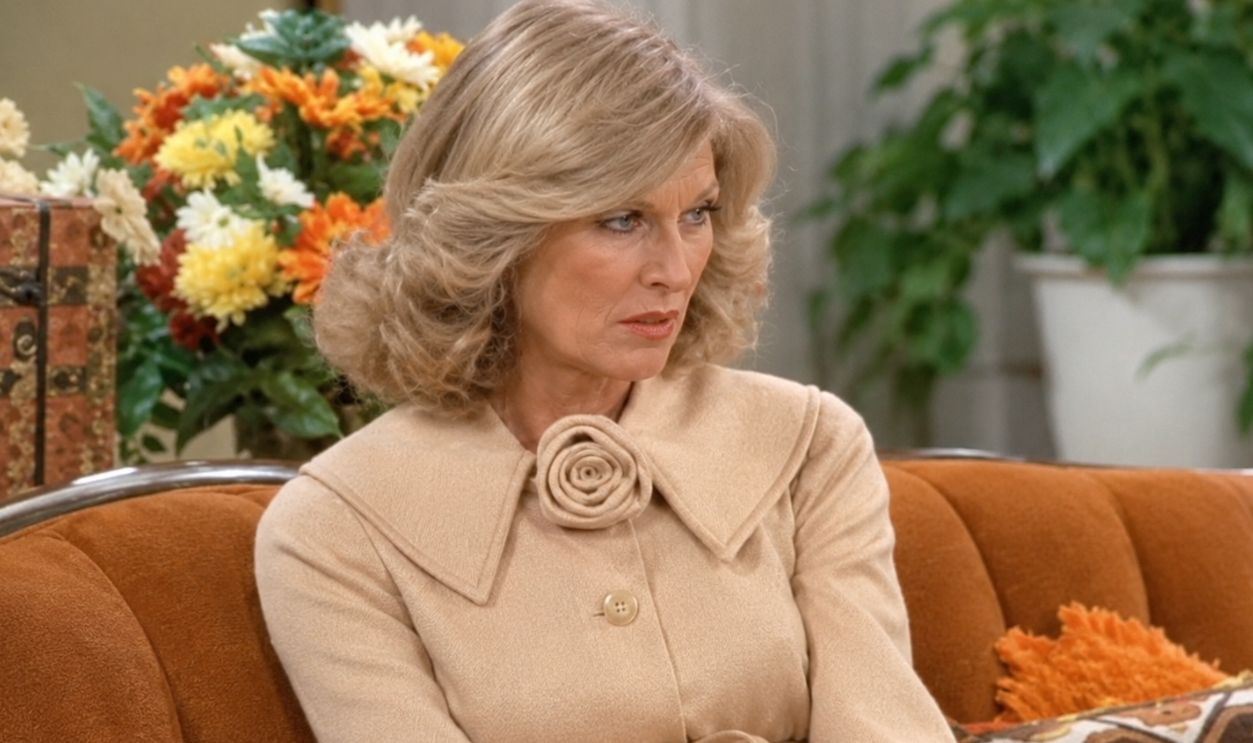 Screenshot from Phyllis, The Walt Disney Company (1975-1977), Enhanced
Her Career Was Far From Finished
Leachman continued appearing in films and television for decades. She joined The Facts of Life during the 1980s and later played Grandma Ida on Malcolm in the Middle. Younger audiences discovered the same fearless comic talent that Baby Boomers had enjoyed years earlier.
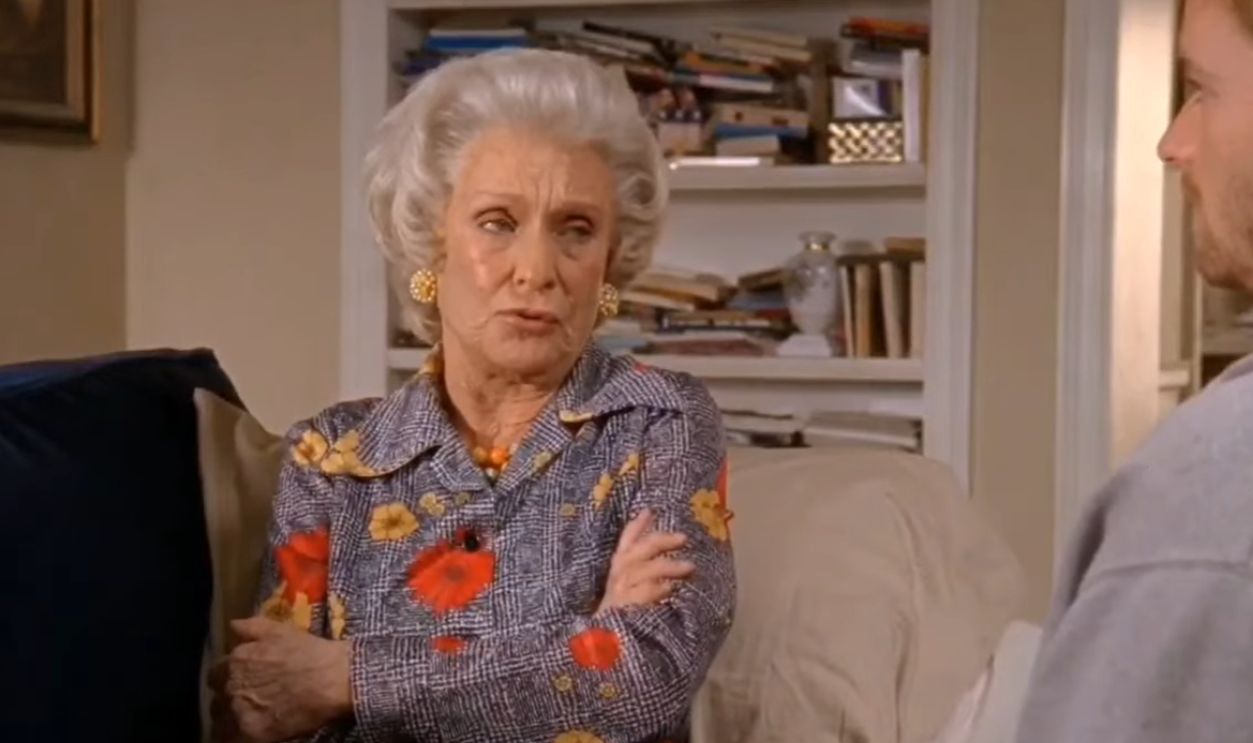 Screenshot from Malcolm in the Middle, The Walt Disney Company (2000-2006)
An Extraordinary Collection Of Awards
Across her career, Leachman earned eight Primetime Emmy Awards, a Daytime Emmy, and an Academy Award. She was inducted into the Television Academy Hall of Fame in 2011. When she died in January 2021, aged 94, she left behind more than seven decades of performances.
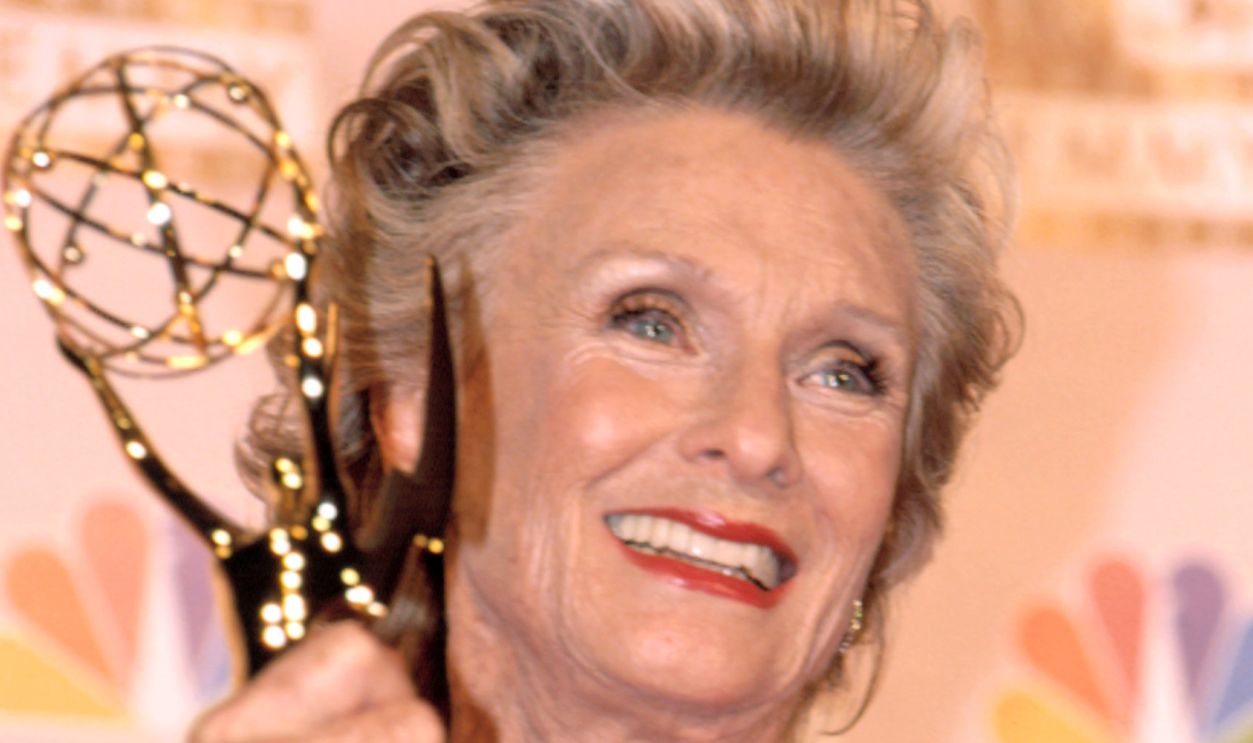 Everett Collection, Shutterstock
Baby Boomers Will Always Remember Phyllis
Cloris Leachman could play almost anything, from a lonely housewife to a frightening housekeeper. But for generations of Mary Tyler Moore fans, she'll always be Phyllis Lindstrom. With that unmistakable smile and endless confidence, she made one of television's most exasperating neighbors absolutely unforgettable.
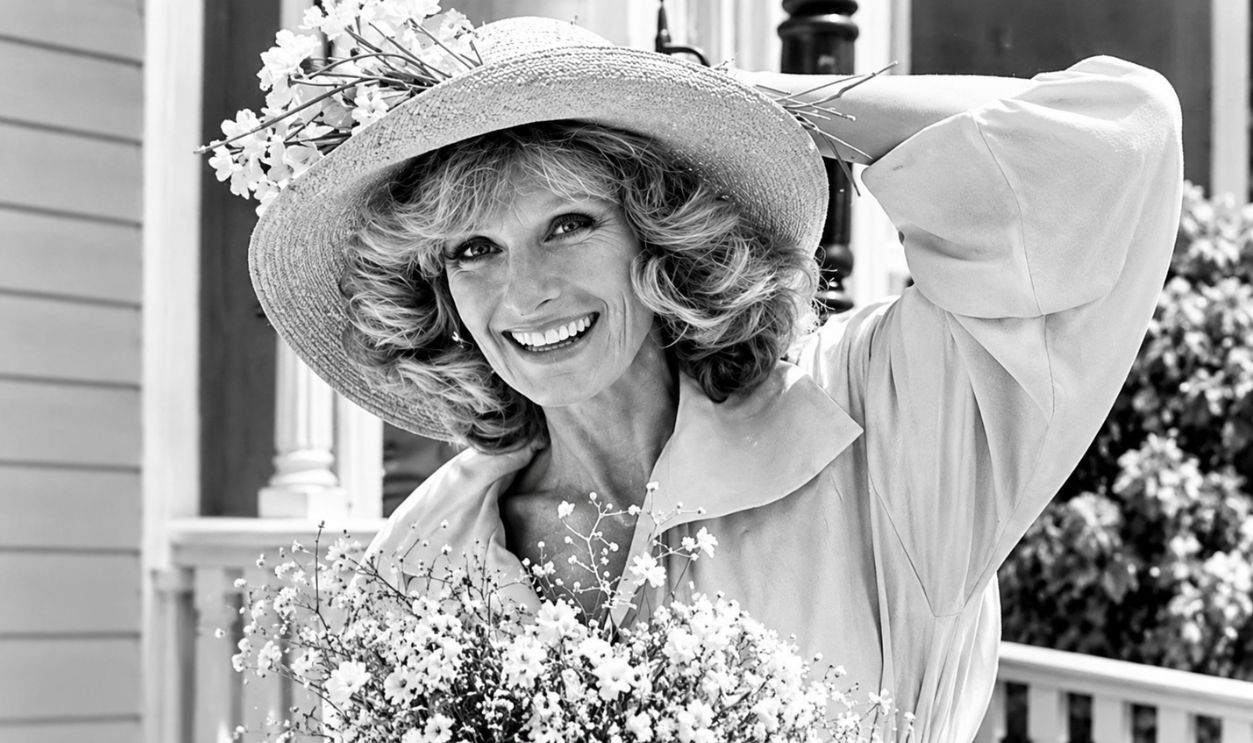 CBS Television, Wikimedia Commons, Modified
You May Also Like:
Famous Hollywood Actors Who Were Written Out Of Hit TV Shows After Asking For More Money
Famous Musicians Who Discovered Their Music Had Been Released Without Their Permission
TV Actors Who Recorded Their Own Theme Songs Instead Of Hiring A Singer—Could You Tell It Was Them?