Chris Farley’s Energy Was The First Thing You Noticed
Chris Farley could hit a room like a cannonball, and people who worked with him said it was hard not to get swept up. He moved fast, talked fast, and committed to every joke like it was life or death. That same all-in energy made him famous, but it also fed bad habits that he couldn't outrun forever.
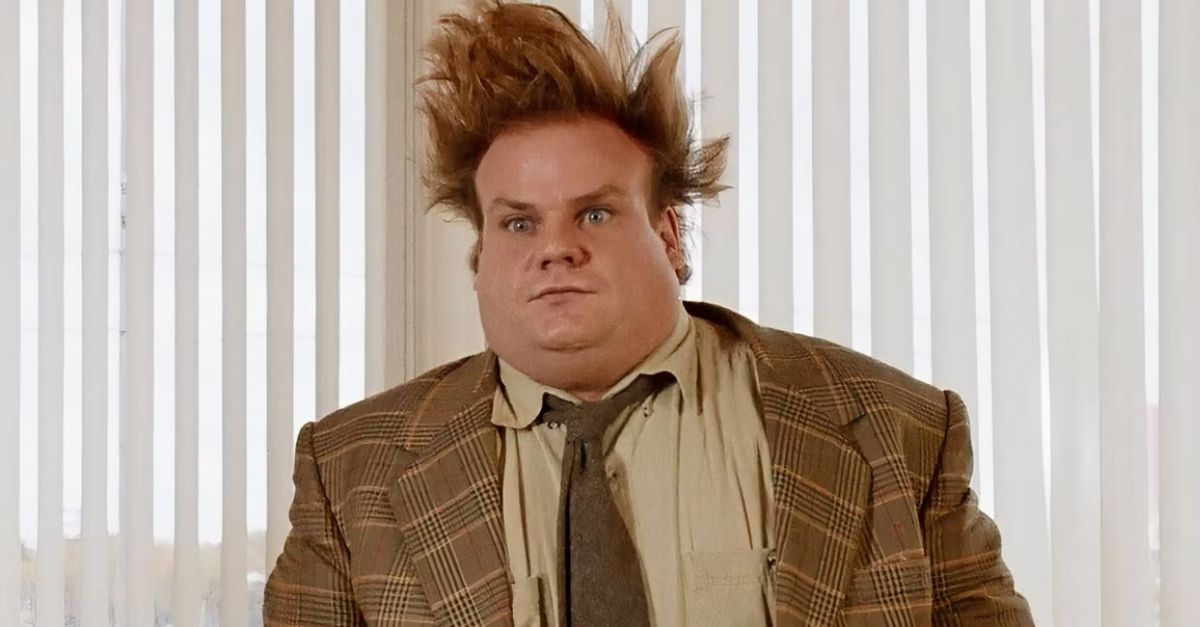
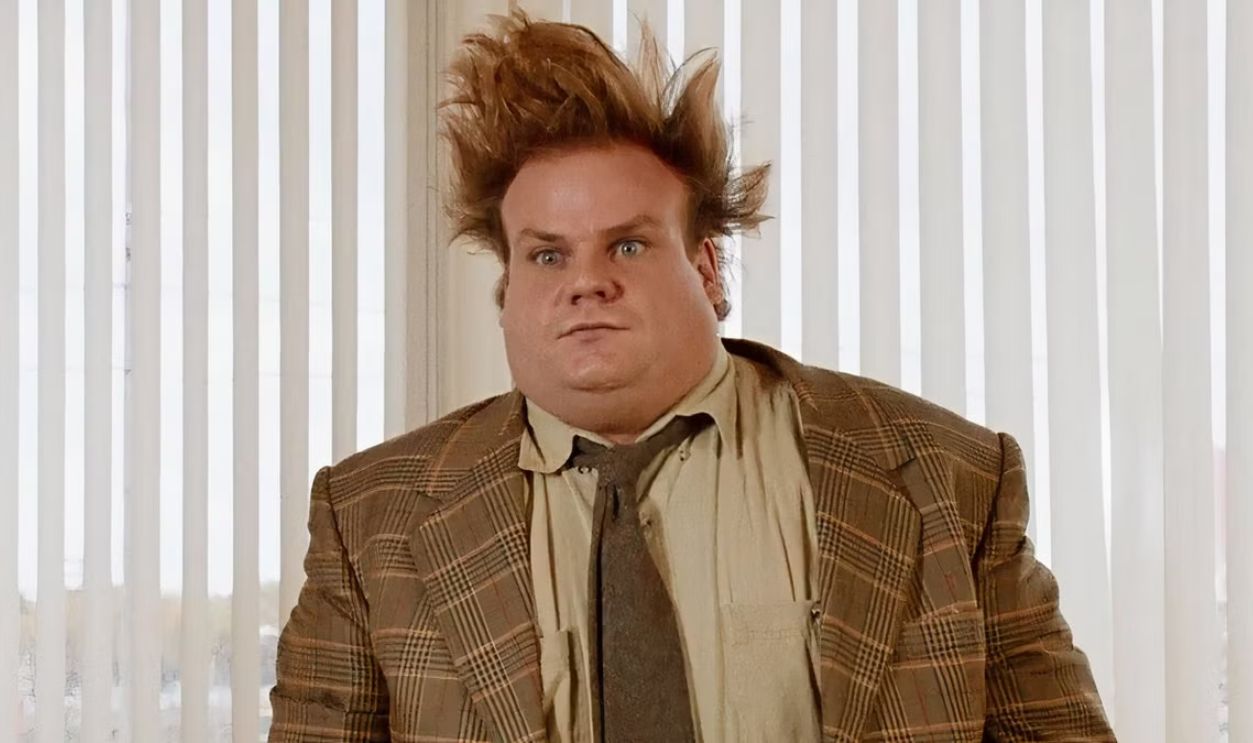 Screenshot from Tommy Boy, Paramount Pictures (1995)
Growing Up In Wisconsin, He Learned To Entertain
Farley was born on February 15, 1964, in Madison, Wisconsin, and he grew up in Maple Bluff. He came from a big Irish Catholic family, and he was known as the funny kid early on. Friends and relatives have recalled that he loved making people laugh, even if he was self-conscious about his size from the beginning.
 Richard Hurd from Green Bay, USA, Wikimedia Commons
Marquette Was Not Just School, It Was A Stage
Farley attended Marquette University in Milwaukee and graduated in 1986. When he returned to Marquette, he started doing comedy at the local Ark Improv Theatre. He was already building the skill that would define him, which was going all the way, even if it meant looking ridiculous.
 Ed Bierman from CA, usa, Wikimedia Commons
Chicago Called, And He Answered
Eventually, Farley moved to Chicago and joined the city's vibrant improv scene, where he studied and performed at The Second City. Second City was a pipeline to bigger things, but it also demanded constant output. The more he made people laugh, the more pressure there was to keep topping himself.
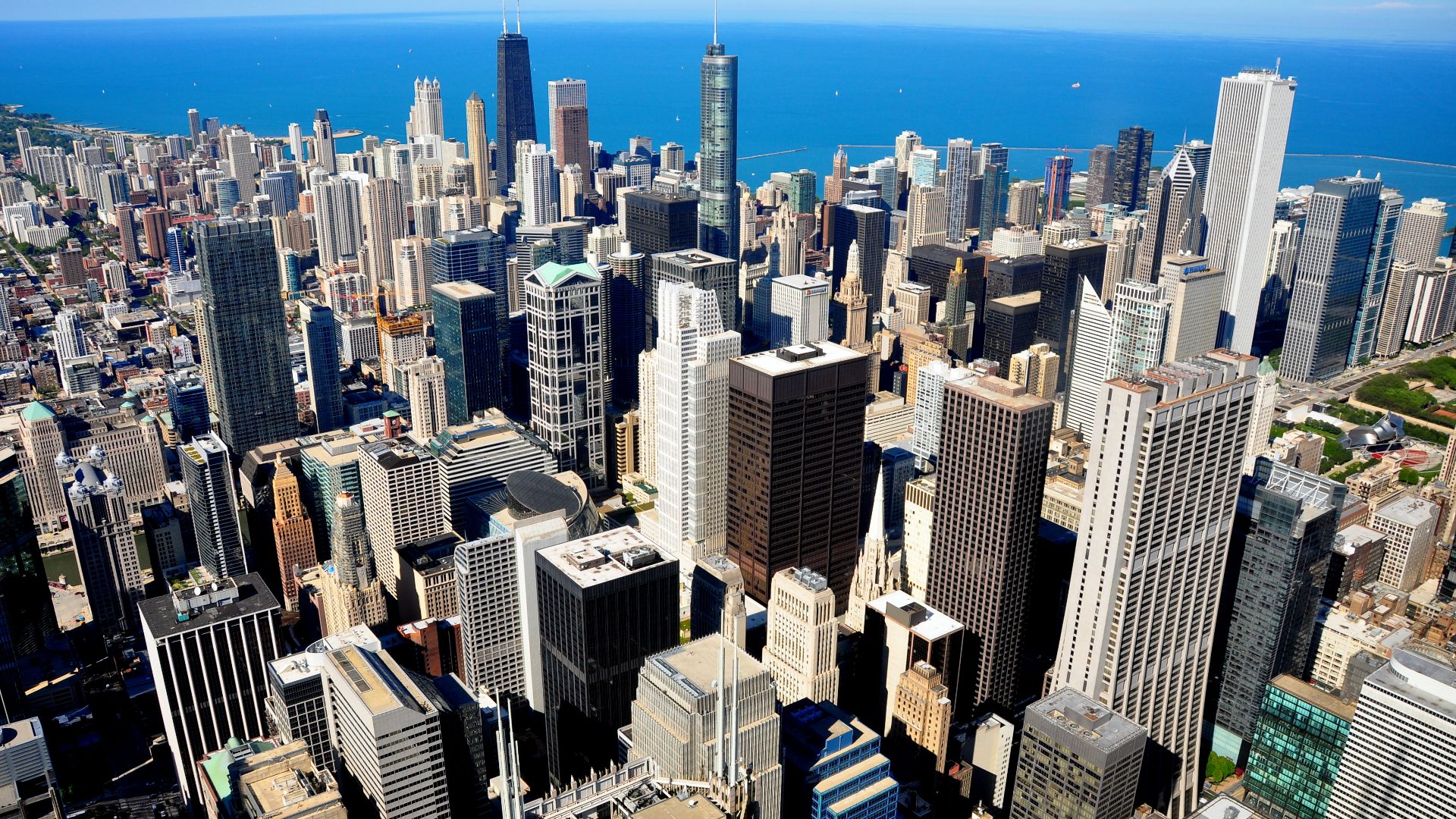 Andrew Horne, Wikimedia Commons
The Second City Years Forged His Style
Farley became known for big physical comedy and fearless commitment. He would throw himself into characters with a kind of reckless joy. It made him unforgettable onstage, and it set expectations that he should always be “on,” at least in his own mind.

Saturday Night Live Came Fast
Just a year after making Second City's main stage cast, Farley joined Saturday Night Live in 1990, part of a wave of new talent. He quickly stood out as the guy willing to fall, crash, and sweat for a laugh. It worked, and the audience responded, which only raised the stakes for a deeply insecure Farley.
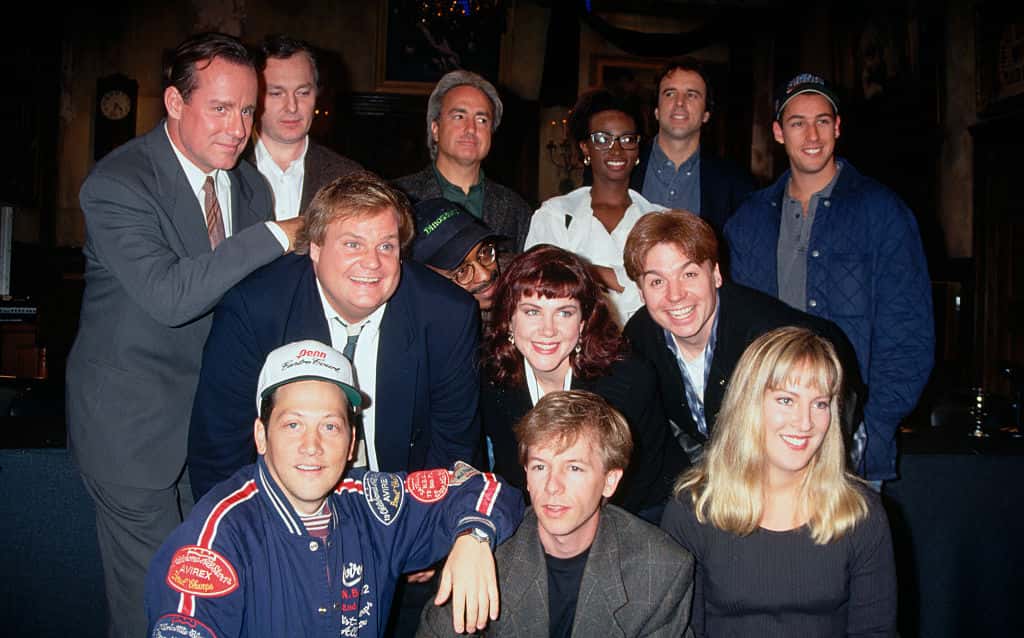
The Cast Around Him Was A Future Hall Of Fame
Farley’s era overlapped with Mike Myers, Dana Carvey, and later Adam Sandler, David Spade, and Chris Rock. It was a competitive room where sketches lived or died by energy. Farley’s energy rarely dipped, but people close to him later suggested it came at a cost.
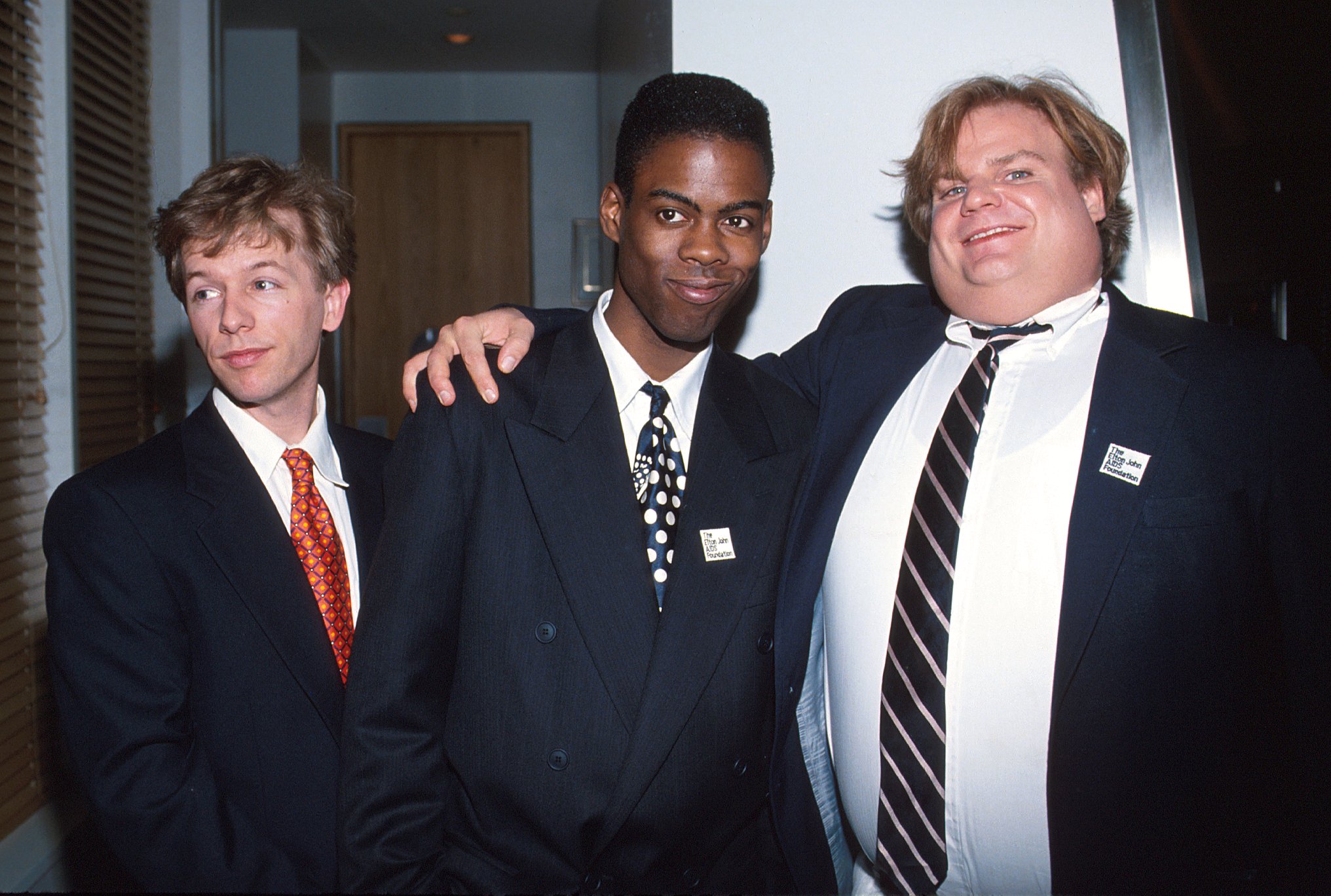
Matt Foley Was Funny, Then It Got Uncomfortably Real
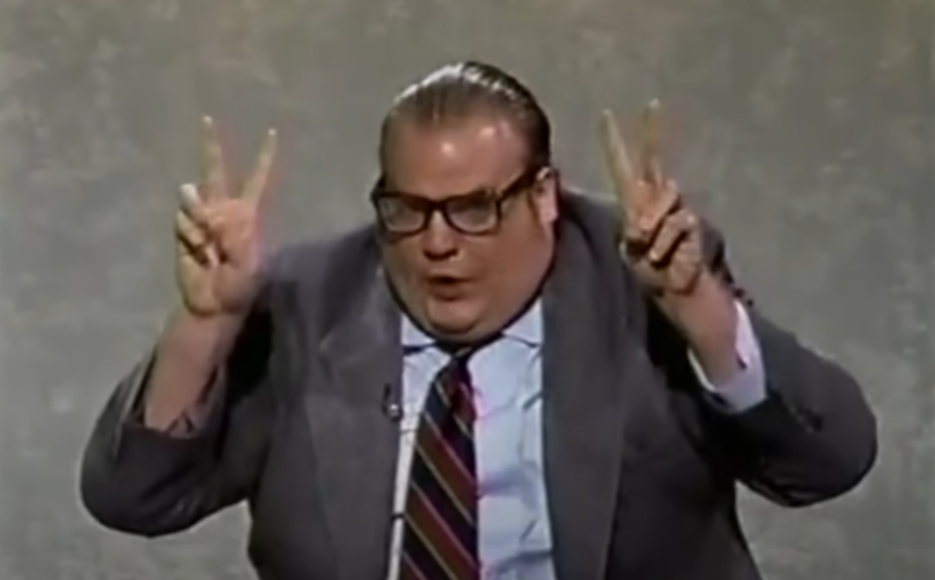
One of Farley’s most famous characters was Matt Foley, the motivational speaker who screams about living in a van down by the river. The sketch became an instant classic and turned Farley into a must-watch performer. The joke was that Foley was spiraling, but Farley’s own struggles would later make the character feel darker in hindsight.
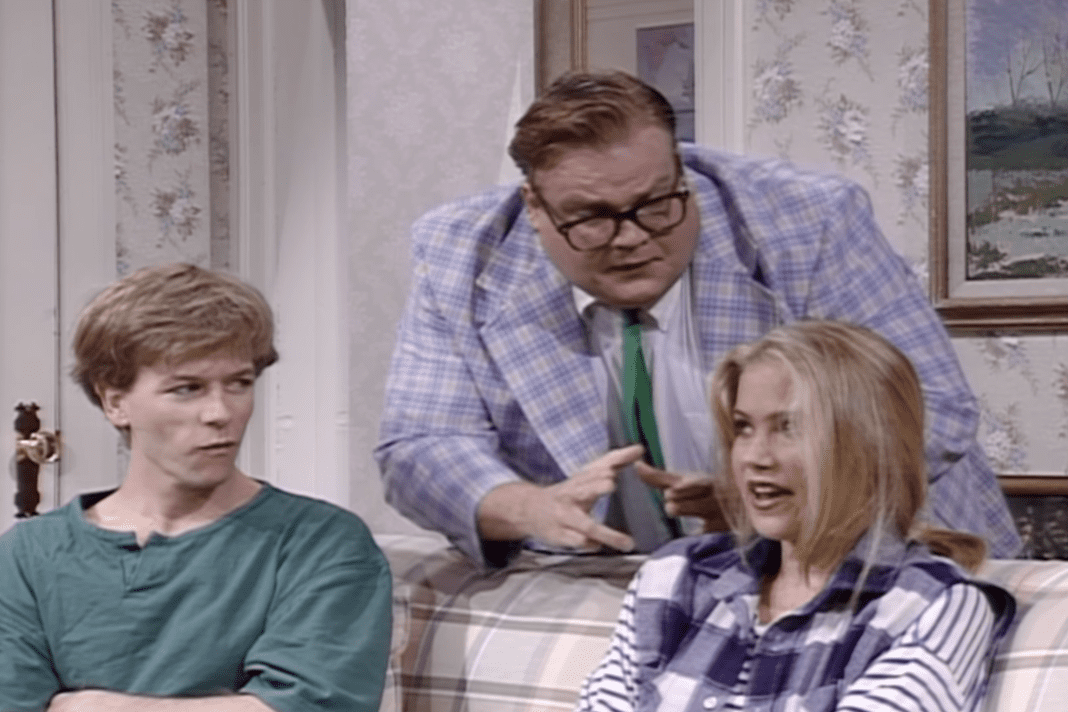 Screenshot from Saturday Night Live, NBC (1975–present)
Chippendales Made Him A Star For Being Fearless
Farley’s “Chippendales” sketch with Patrick Swayze is still remembered because Farley never tried to look cool. He made the whole thing funnier by committing fully and letting the audience laugh without apology. It's also a reminder of how much he pushed his body for comedy.
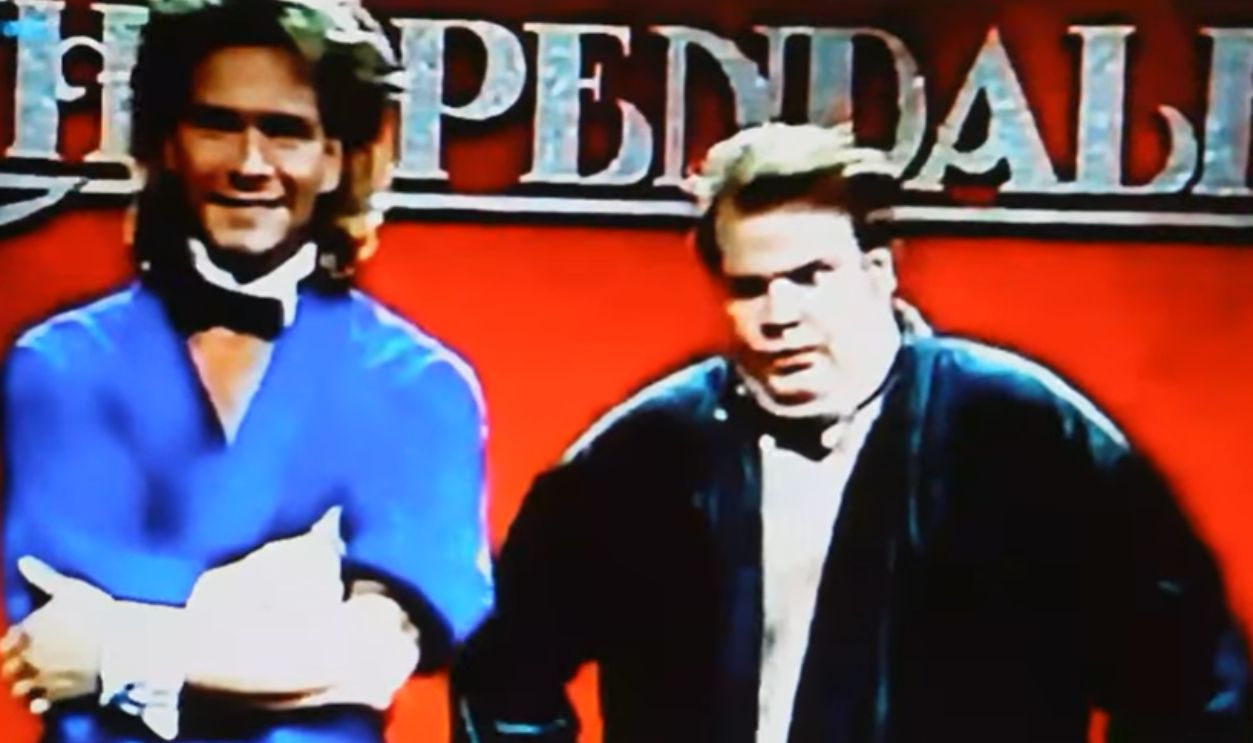 Screenshot from Saturday Night Live, NBC (1975–present)
Tommy Boy Turned Him Into A Movie Lead
In 1995, Farley starred with David Spade in Tommy Boy. The movie leaned into Farley’s sweet, chaotic persona, and it became a fan favorite. Bigger fame brought bigger paychecks and bigger expectations, and the off-camera pace got harder to slow down.
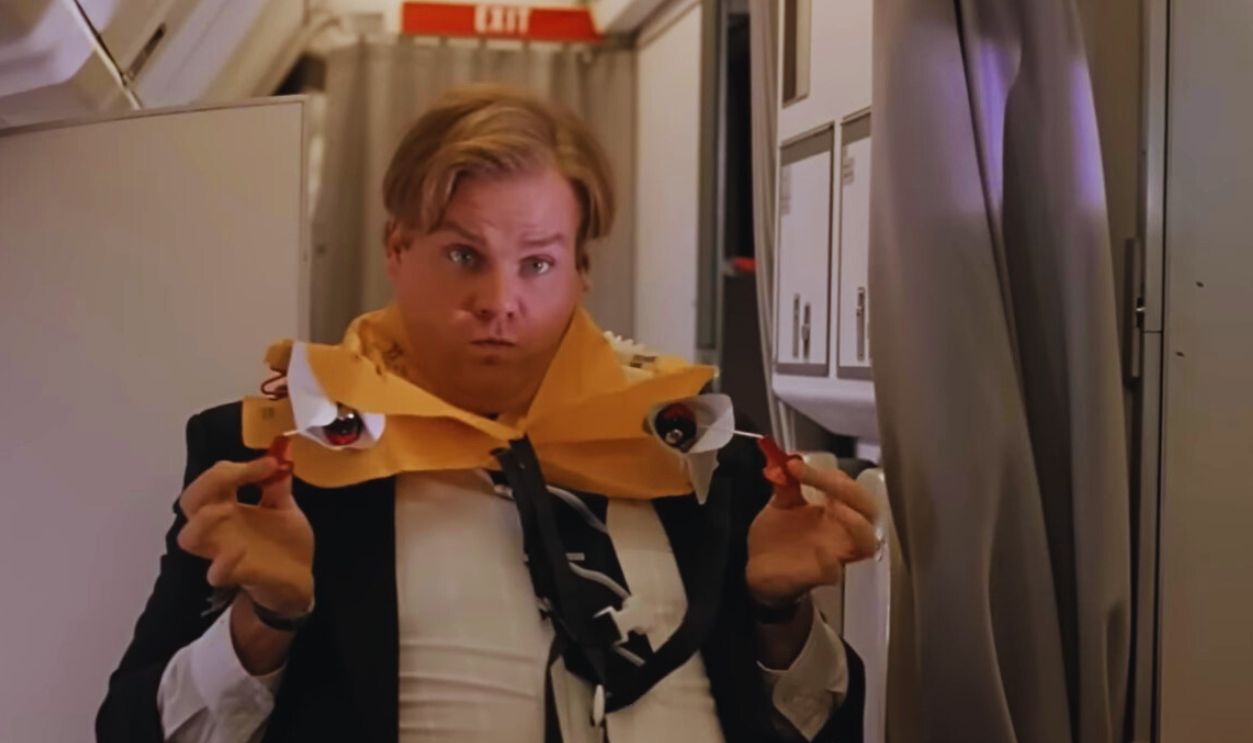 Screenshot from Tommy Boy, Paramount Pictures (1995)
Black Sheep Kept The Duo Rolling
Farley and Spade reunited just a year after Tommy Boy for Black Sheep. The comedy doubled down on physical set pieces, the kind Farley was famous for. Both films were critically panned and earned meagre returns at the box office, but they quickly became cult classics and Farley's start continued to rise.
He kept up his frantic pace, and it was started to wear him down.
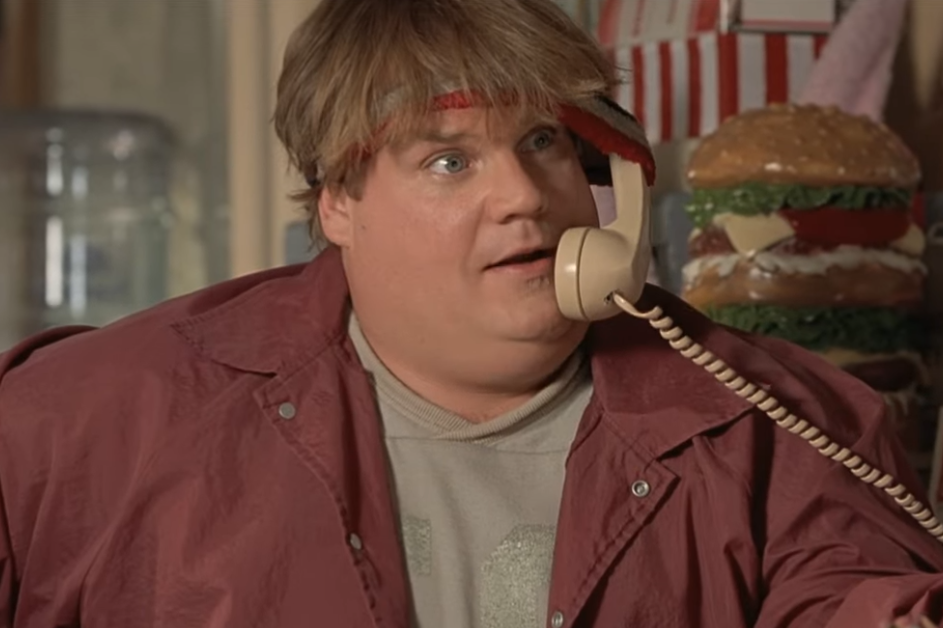 Screenshot from Black Sheep, Paramount Pictures (1996)
Friends Remembered A Softer Side
Farley could be loud and wild in public, but people close to him also described him as kind and sensitive. He worried about disappointing people and struggled with self-esteem. That mix of insecurity and fame can be a dangerous cocktail, and Farley was living it in real time.

His Weight Became A Punchline He Could Not Escape
Farley often used his size in his comedy, but that did not mean it was easy for him. Several biographies and profiles have described his fear of being seen as just a “fat guy” gag. Behind the scenes, the pressure to be funny and lovable all the time did not let up.

Substance Abuse Was Part Of The Story, And It Got Worse
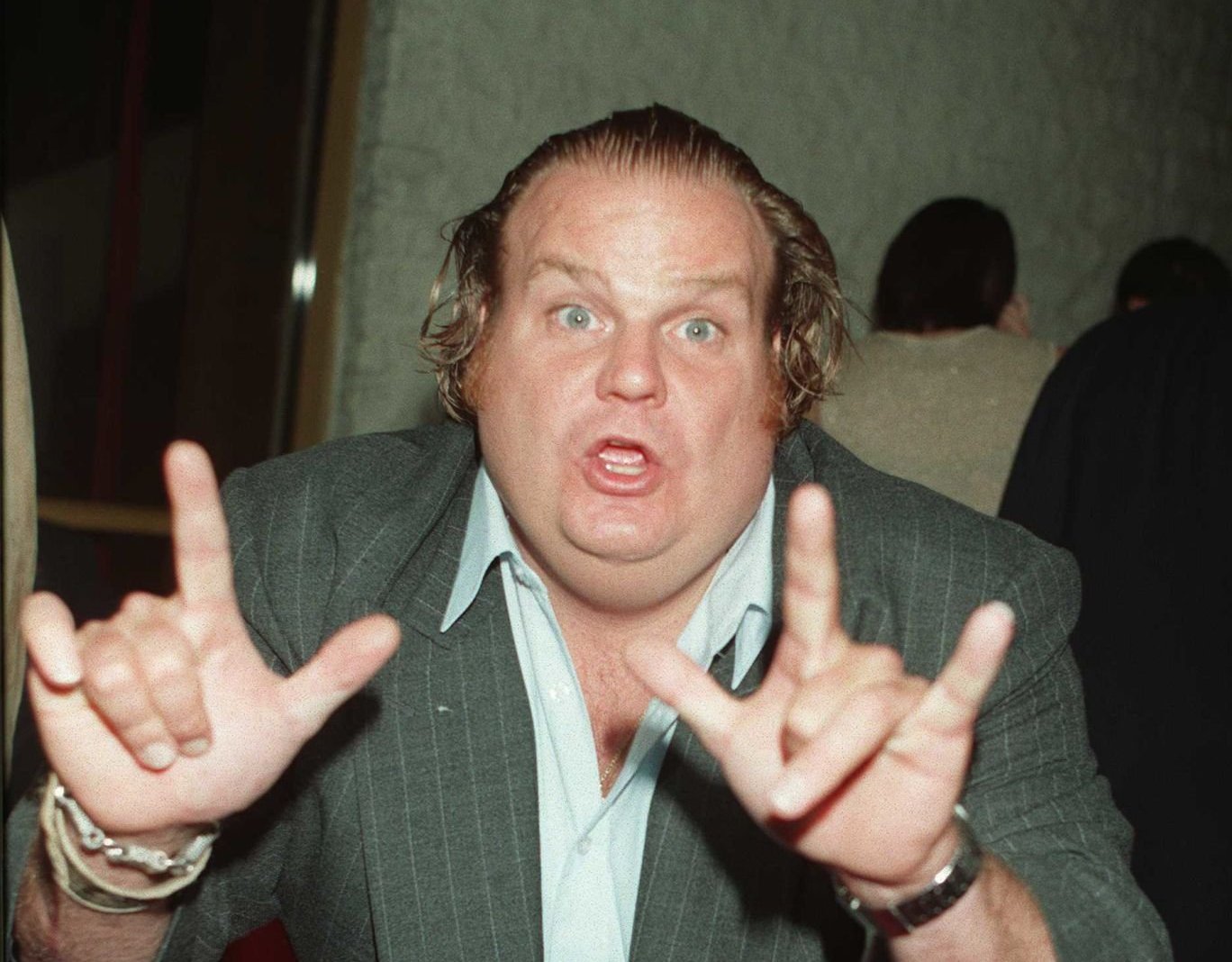
Farley struggled with drug and alcohol abuse for his entire adult life. Friends and coworkers said he went through periods of sobriety, but he was never far from relapse. The scary part was how quickly things could slide when the partying started again.
Attempts At Recovery Were Real, But The Pull Was Strong
Farley went to rehab more than once, and those around him tried to help. Some stretches seemed hopeful, then old habits returned. His fame gave him access, and access makes relapse easier than people want to admit.
Fame Also Meant Late Nights And Constant Temptation
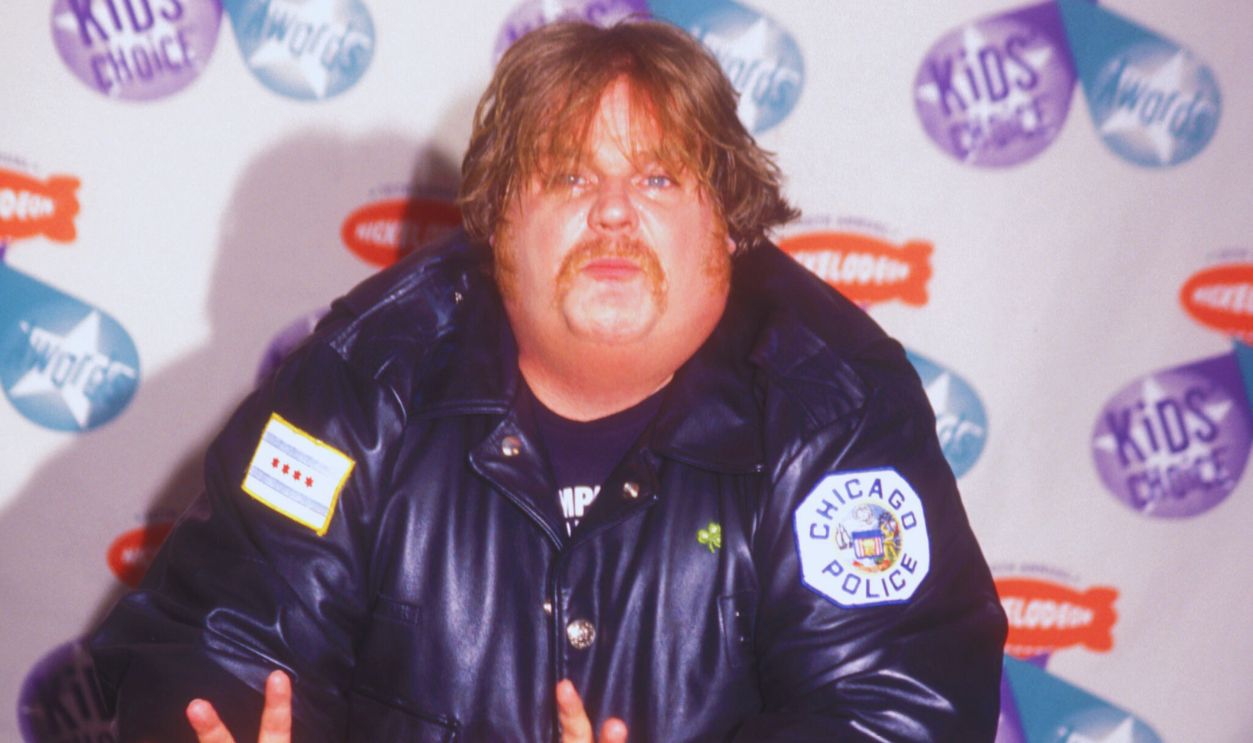
The SNL schedule is famously intense, and celebrity life came with endless nightlife. Farley was surrounded by people, but that does not always mean you are protected. Sometimes it means you have more witnesses and fewer safeguards.
 Screenshot from Saturday Night Live, NBC (1975–present)
There Were Warnings, And People Noticed
People around Farley saw the fluctuations in his weight and could tell he was struggling physically, but he never stopped doing demanding stunts and high-energy performances. It is the kind of situation where everyone knows something is wrong, but no one can force the change.
He Was Compared To John Belushi, And That Haunted Him
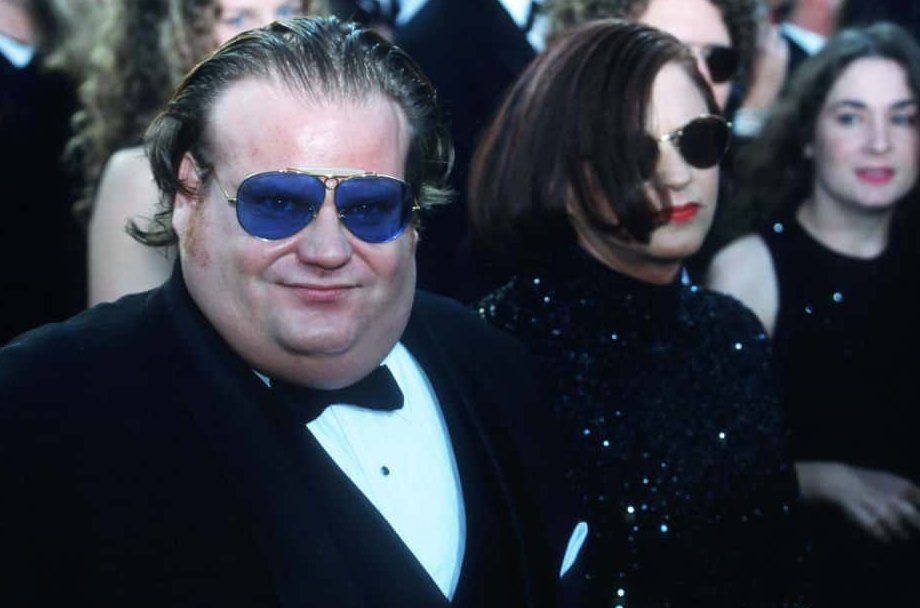
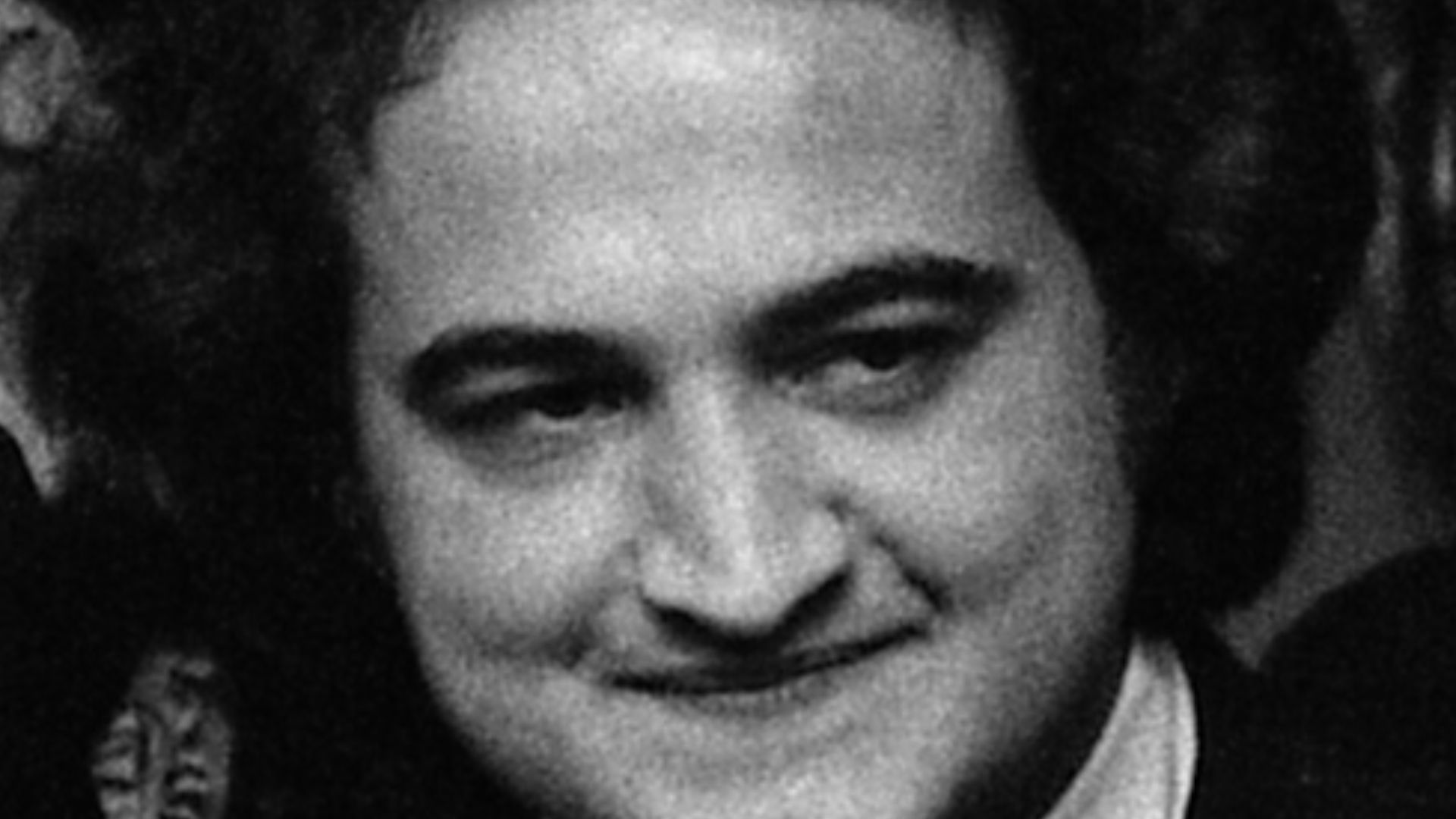
Farley idolized John Belushi, another explosive comedic talent who died young from a drug overdose. The parallels were obvious, and Farley knew it. That comparison followed him like a shadow, and it did not fade when he became famous.
 Unknown authorUnknown author or not provided, Wikimedia Commons
Small Signs Pointed To Bigger Trouble
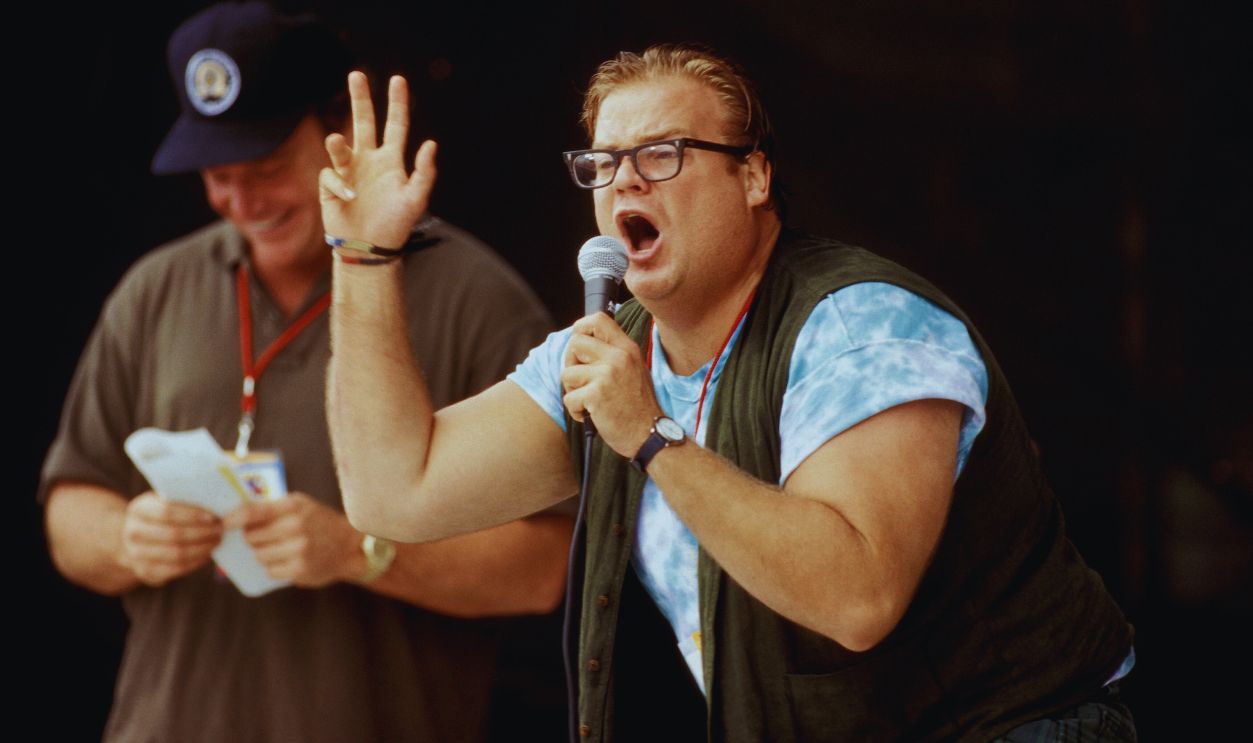
In the mid-1990s, stories about Farley’s hard partying were already circulating. He could still show up and perform, which made it easier to pretend it was manageable. But that illusion does not last forever.
The Last Years Were A Tug-Of-War
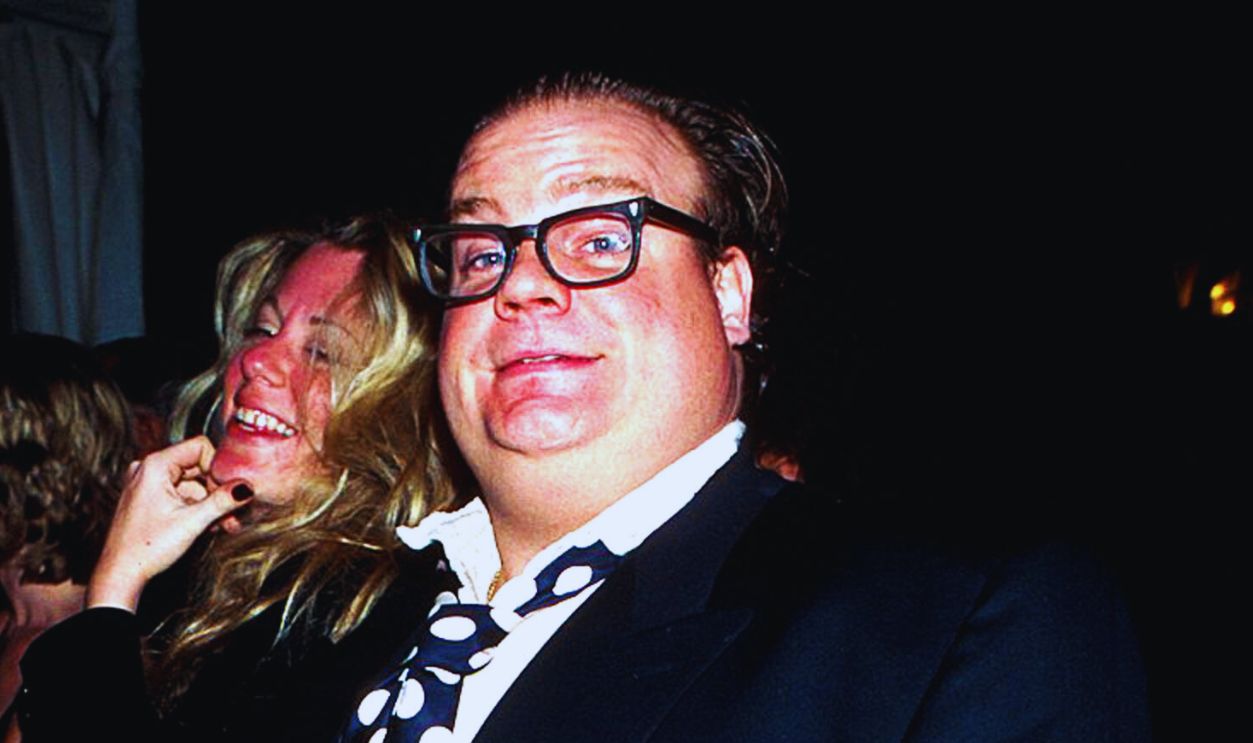
Farley kept working, but accounts from friends suggest he was still deeply struggling. He wanted stability and talked about changing his life. Then he would get pulled back into the same routines, and the stakes kept rising.
December 1997 Was The Moment Everything Stopped
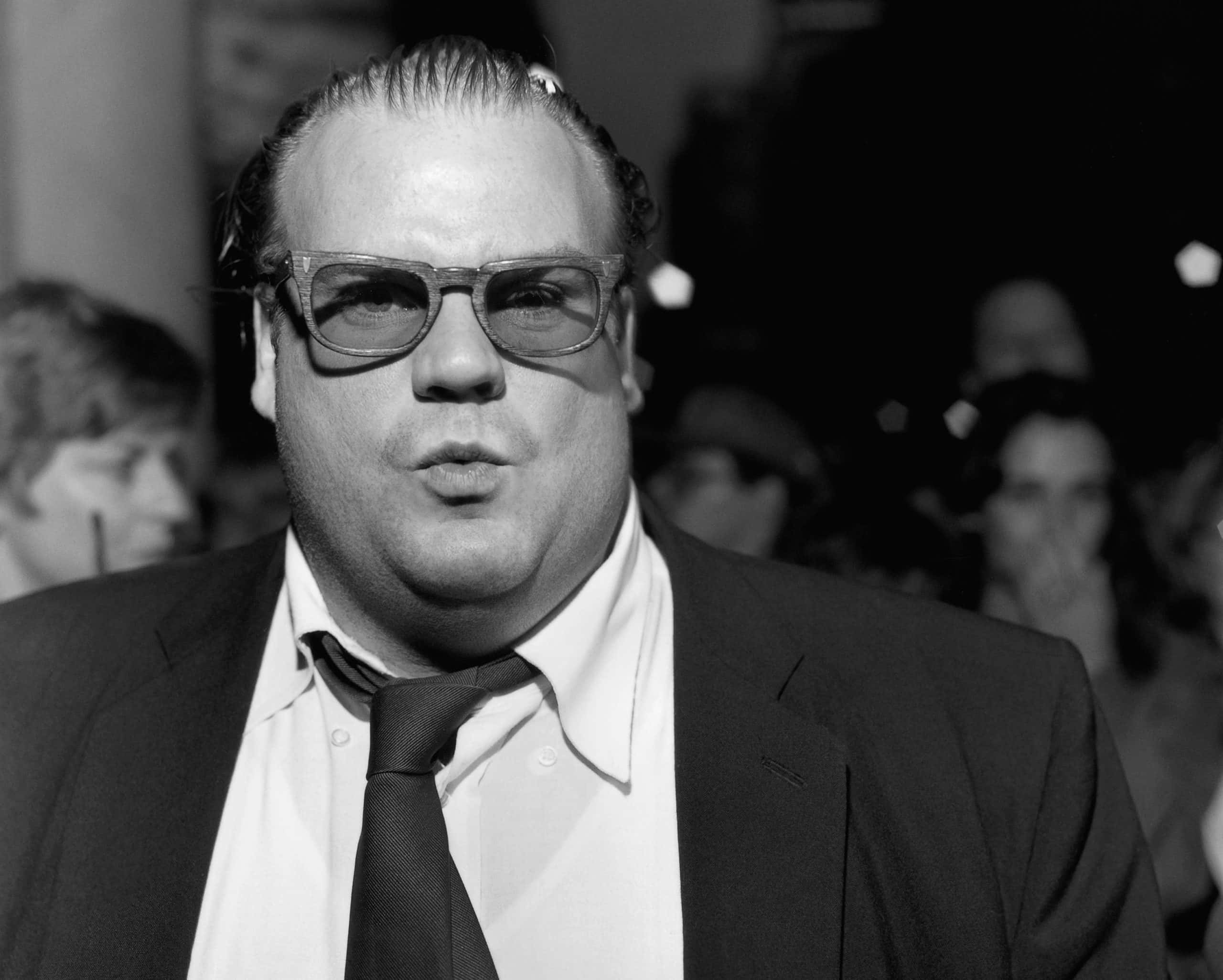
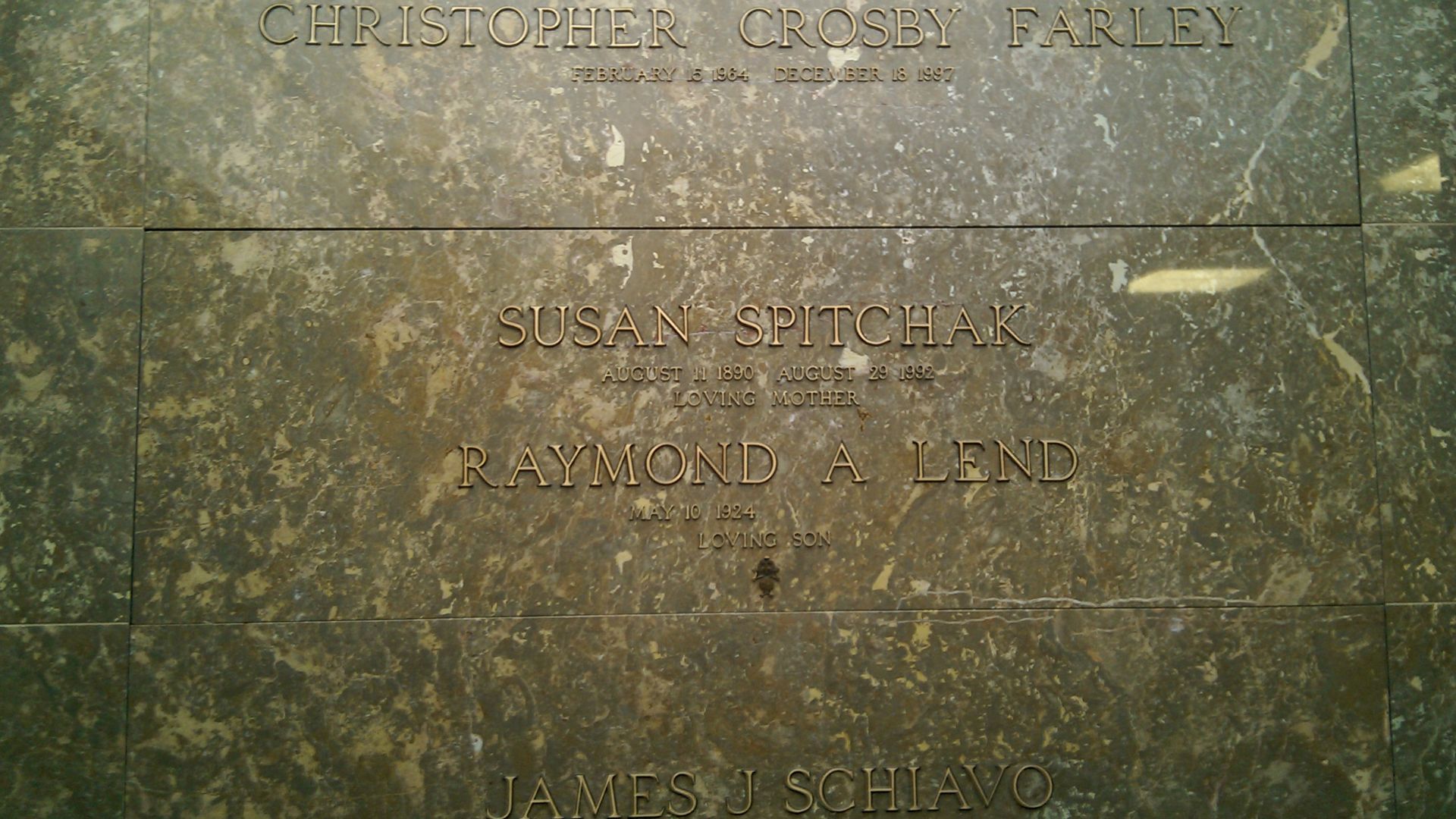
On December 18, 1997, Farley was found dead in his apartment in Chicago. He was 33 years old. The suddenness shocked fans, but people close to him knew he had been in danger for a long time.
The Cause Of Death Was Confirmed By The Medical Examiner
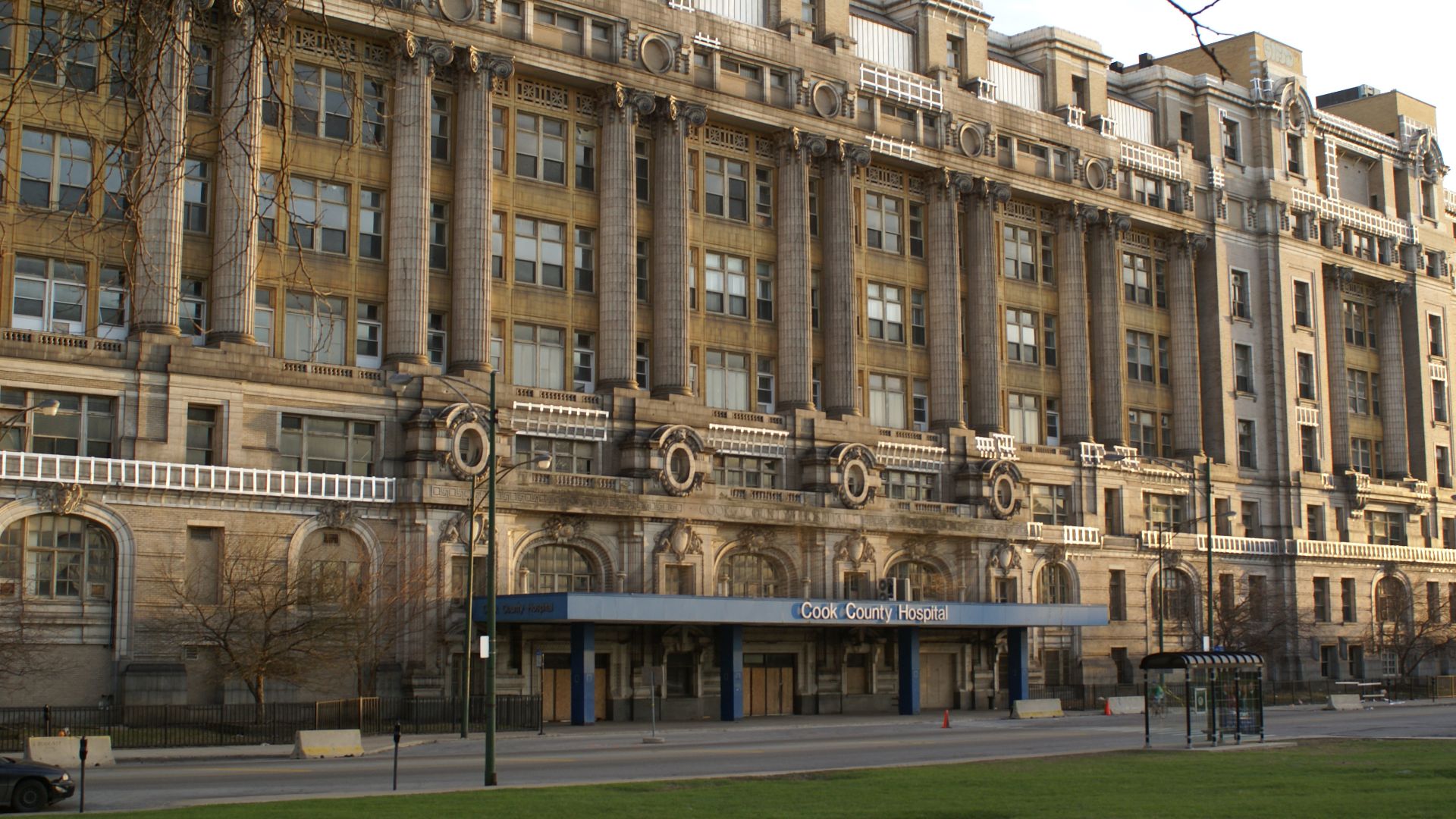
The Cook County Medical Examiner ruled that Farley died from a drug overdose involving cocaine and morphine, with atherosclerosis listed as a contributing factor. Those details have been widely reported by major outlets and official records. It was not a mystery, but it was still devastating.
The Details Were Uncomfortably Similar To Belushi
Pretty much everyone noted the resemblance between Farley’s death and Belushi’s, including the combination of drugs. The comparison became unavoidable again, and it added a grim layer to how people talked about him. Even in death, the shadow was there.
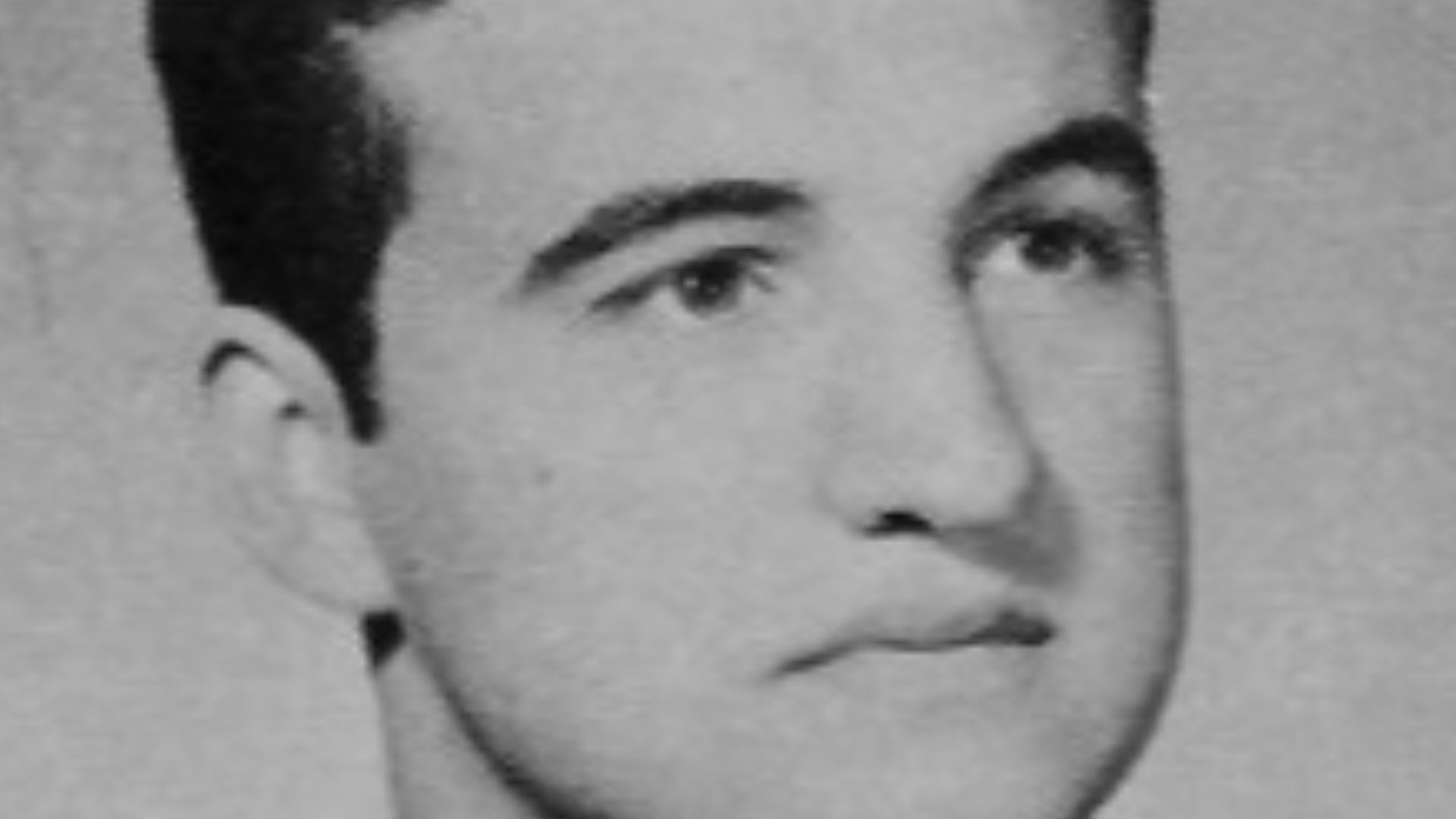 Wheaton Central High School, Wikimedia Commons
Hollywood Reacted With Shock And Grief
Farley’s friends and collaborators spoke publicly about their heartbreak. Many emphasized how much they loved him and how hard he fought his demons. The sadness was not just that we lost him so young, but that so many people had seen the ending coming.
His Comedy Stayed Alive Because It Was Never Mean-Spirited
Farley’s characters were often loud disasters, but they were rarely cruel. He played humiliation like a form of honesty, and audiences recognized that. Rewatch his best sketches and you can still feel how badly he wanted to make people happy.
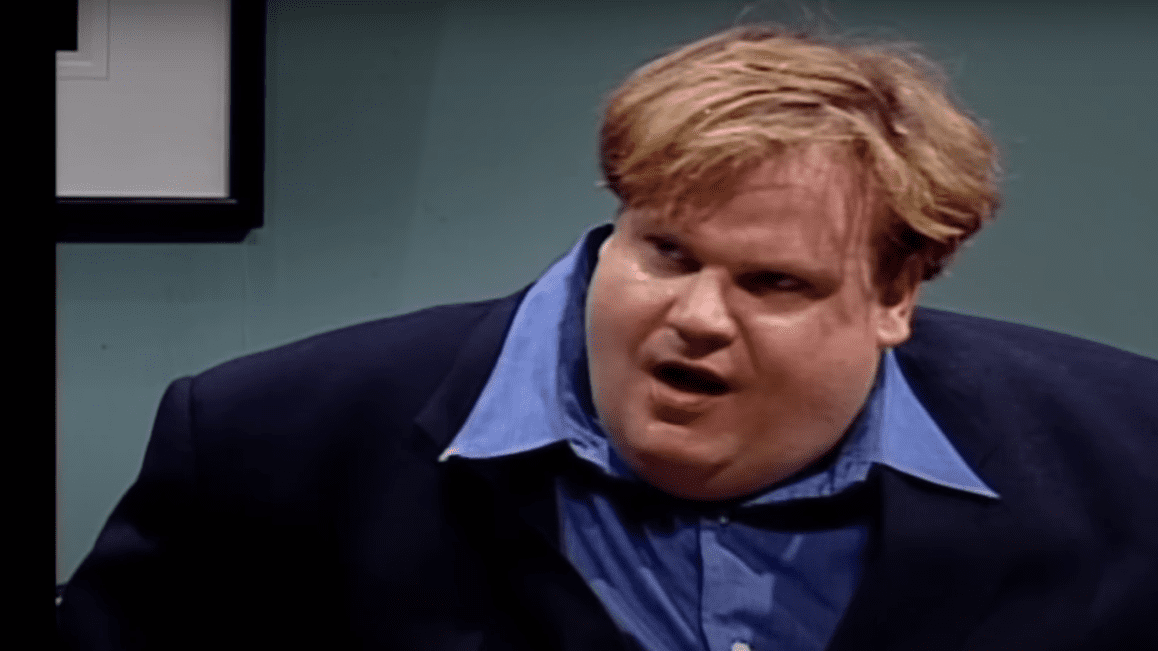 Screenshot from Saturday Night Live (1975–present)
His Legacy Is Still A Warning And A Love Letter
Farley’s story is remembered as both a celebration and a caution. He had rare physical talent and a huge heart, and he made a generation laugh. The hard part is knowing that the same lifestyle that kept the party going is what his body could not survive.
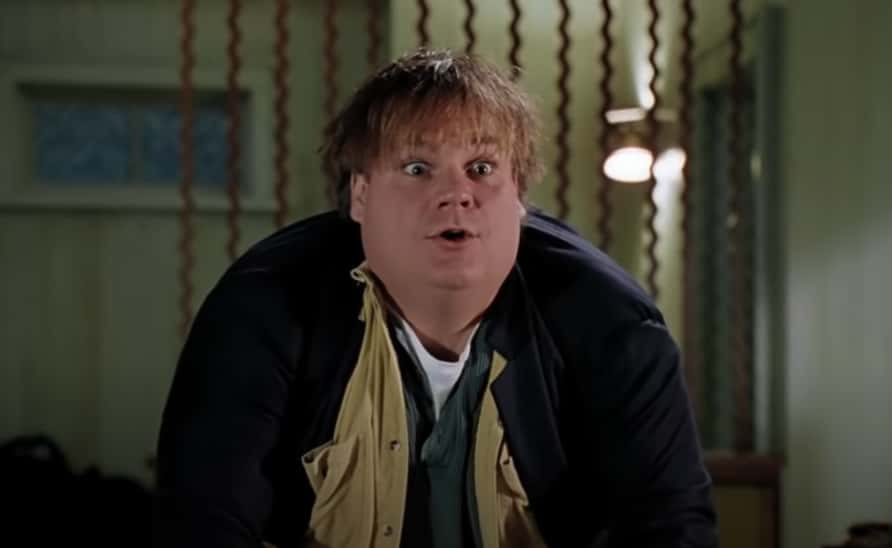 Screenshot from Tommy Boy, Paramount Pictures (1995)
The Room-Heating Energy Had A Price
Chris Farley’s gift was that he could make any space feel alive. The tragedy is that he could not turn that intensity off, even when he needed to. The next time you watch Tommy Boy or an old SNL sketch, it is hard not to wonder what he might have done if he had gotten the time.
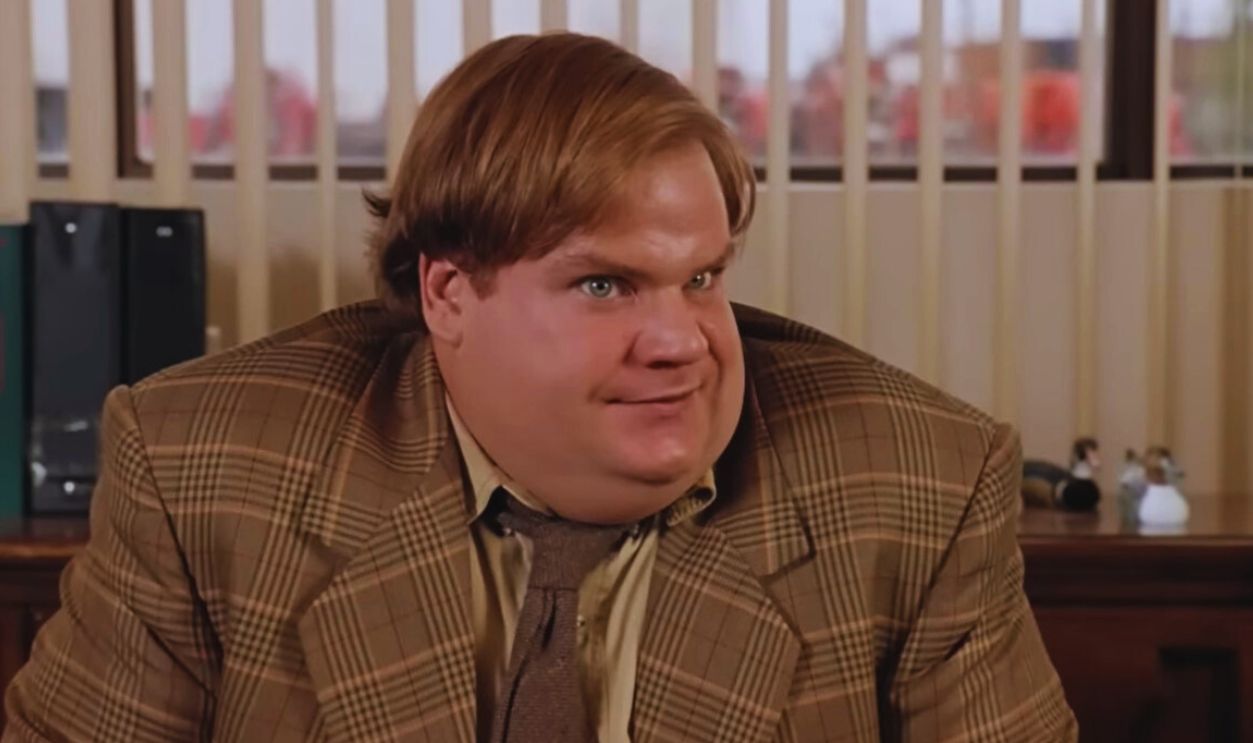 Screenshot from Tommy Boy, Paramount Pictures (1995)