
Elizabeth Taylor Suffered Her Entire Life
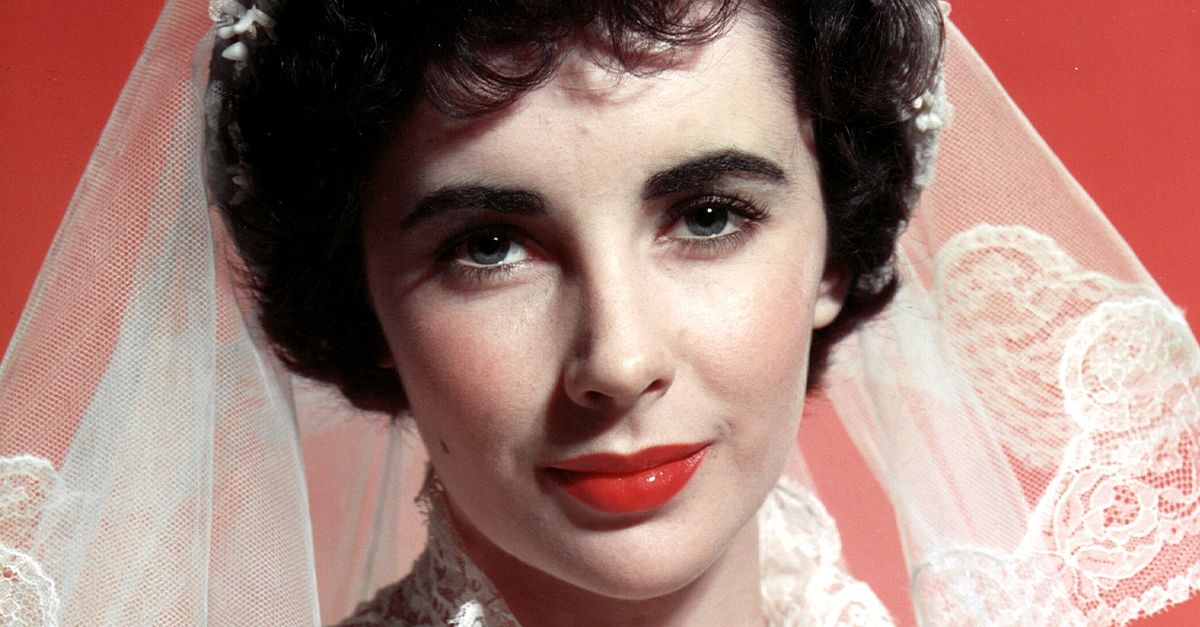
Elizabeth Taylor’s public image was defined by glamor, fame, and unforgettable performances. Behind that picture-perfect image, however, she lived with persistent health problems that began in childhood and continued throughout her life. The devastating truth was that Taylor was in far more pain than most of her fans realized.
A Fragile Beginning
Elizabeth Taylor was born in 1932 in London. From early childhood, she experienced health issues, including scoliosis, a curvature of the spine that would contribute to lifelong back pain and physical strain. But this was only the tip of the iceberg.
Moving To America
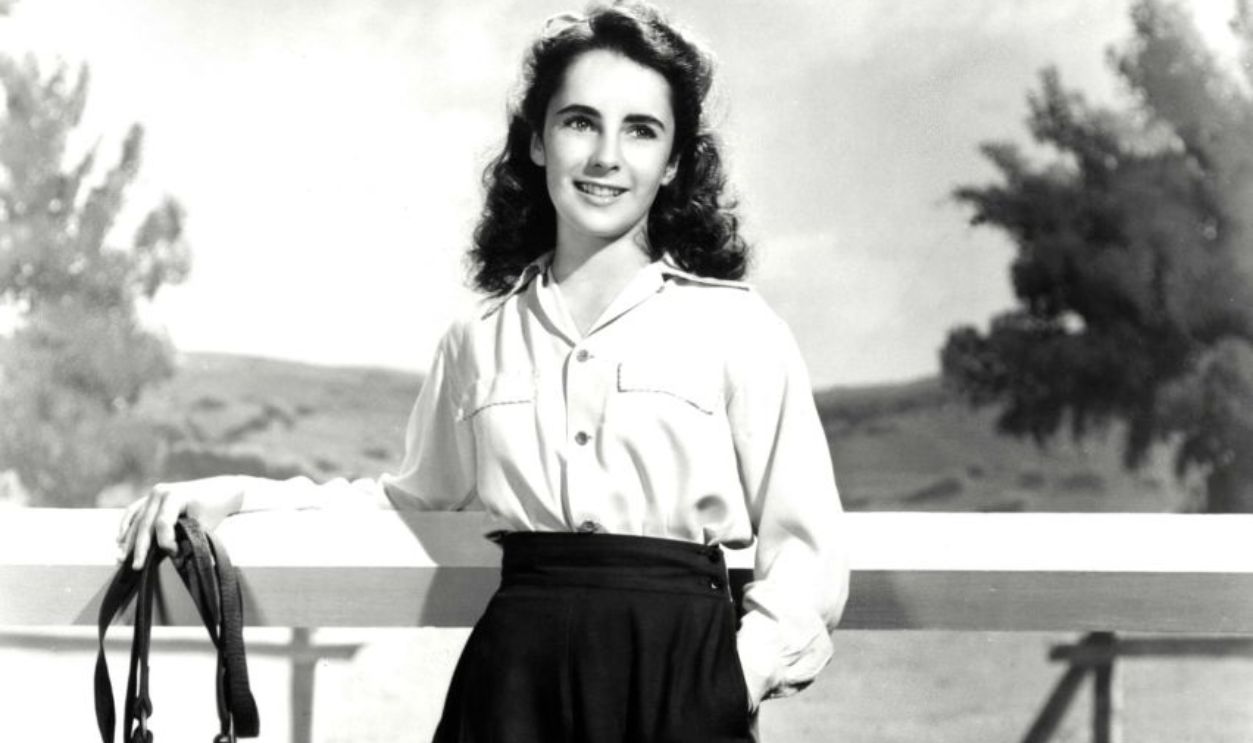
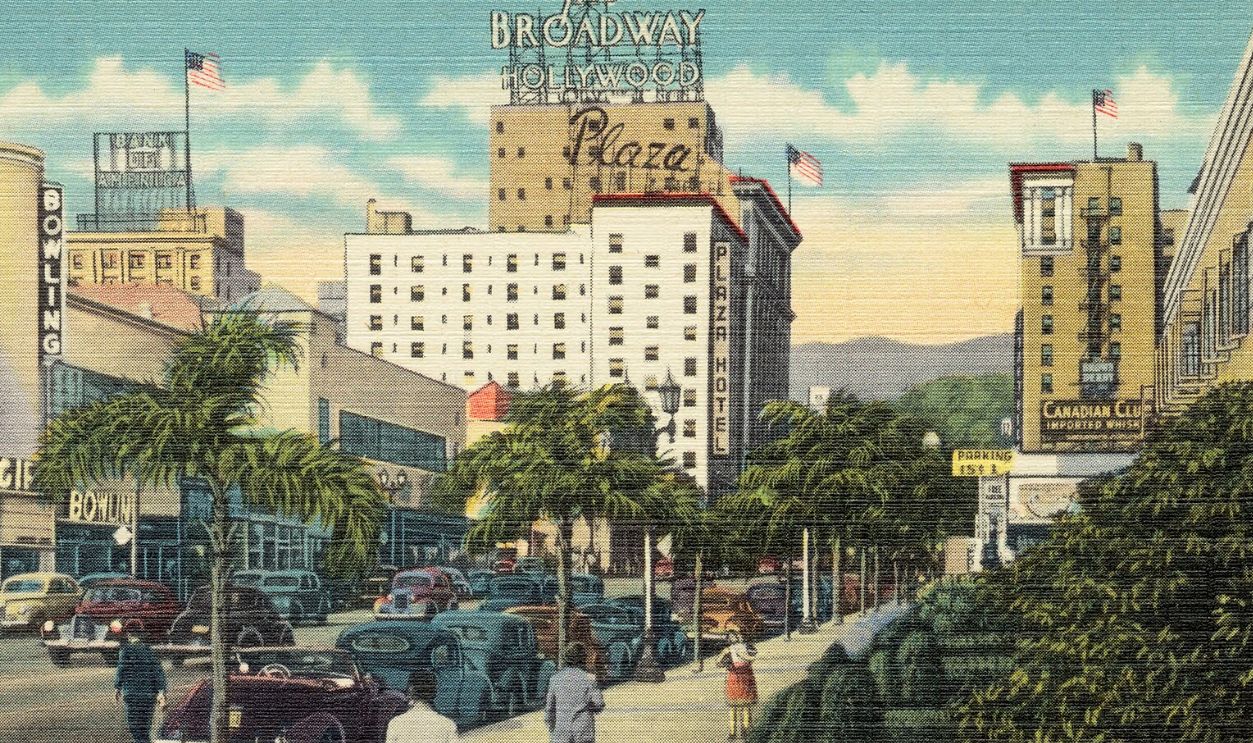
Just before the beginning of WWII, her family relocated to the United States. The move placed her in Hollywood at a young age, where she soon began acting. However, working on film sets also came with some shocking risks.
 Tichnor Brothers, Publisher, Wikimedia Commons
A Life-Changing Role
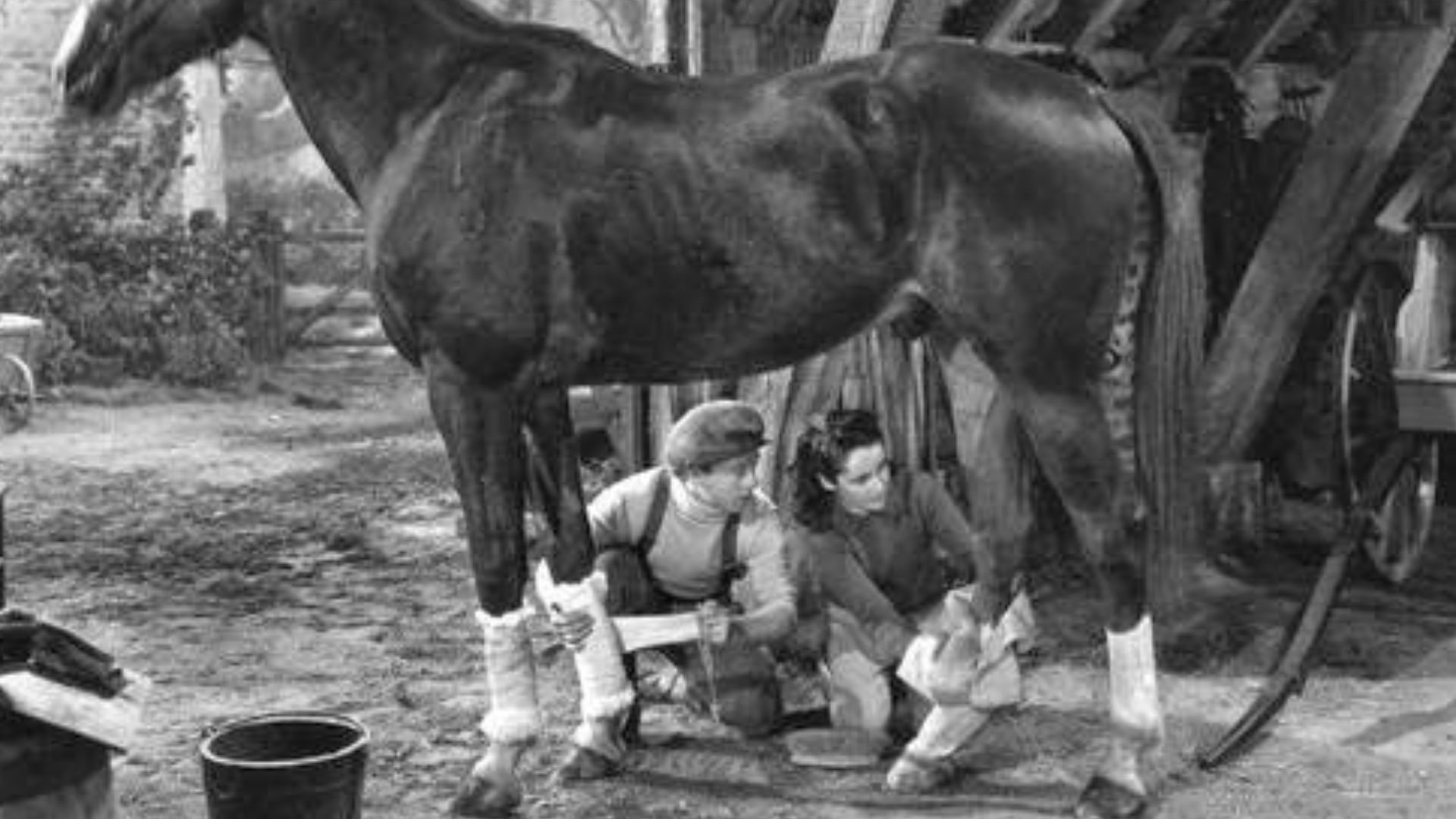
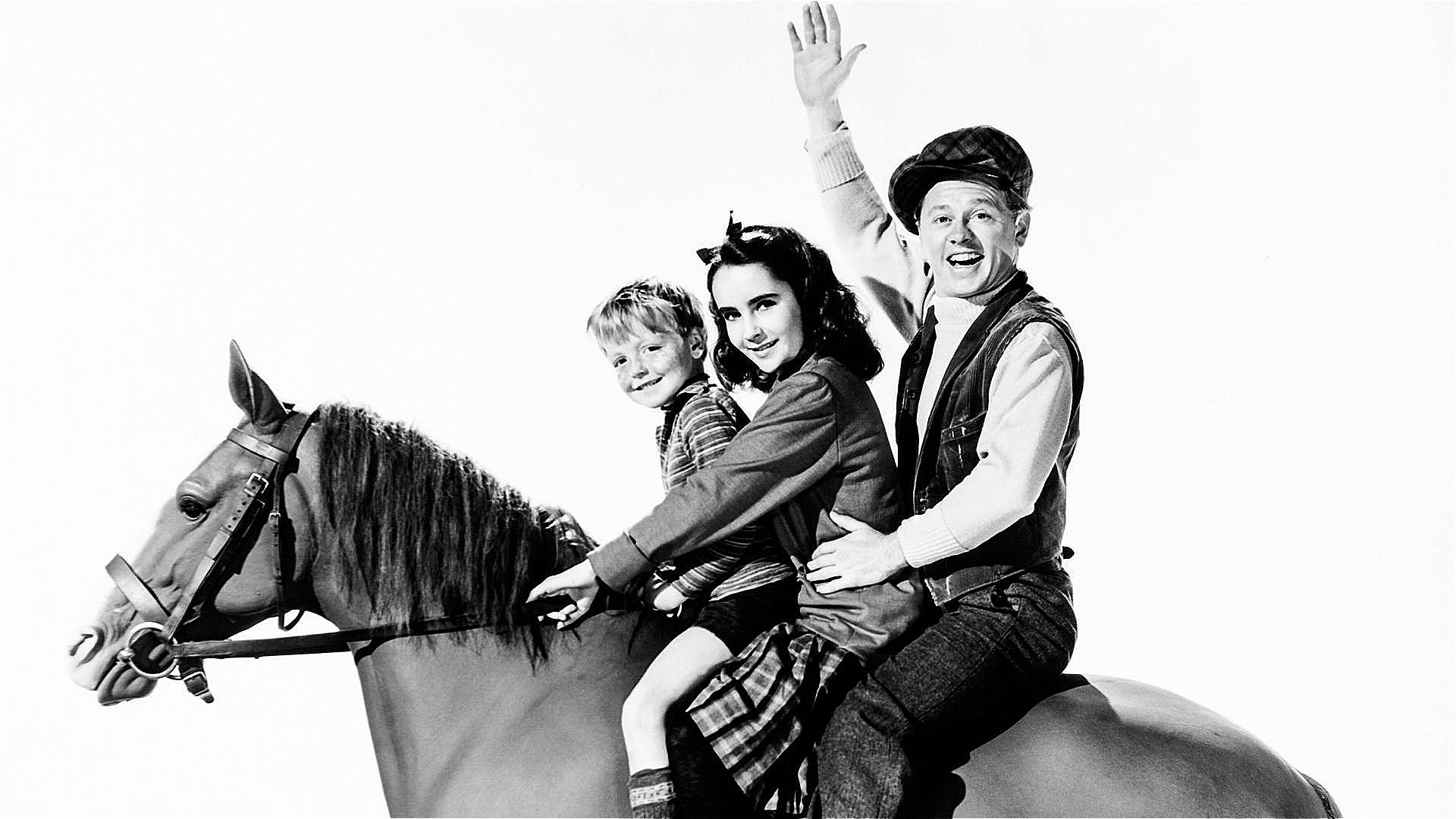
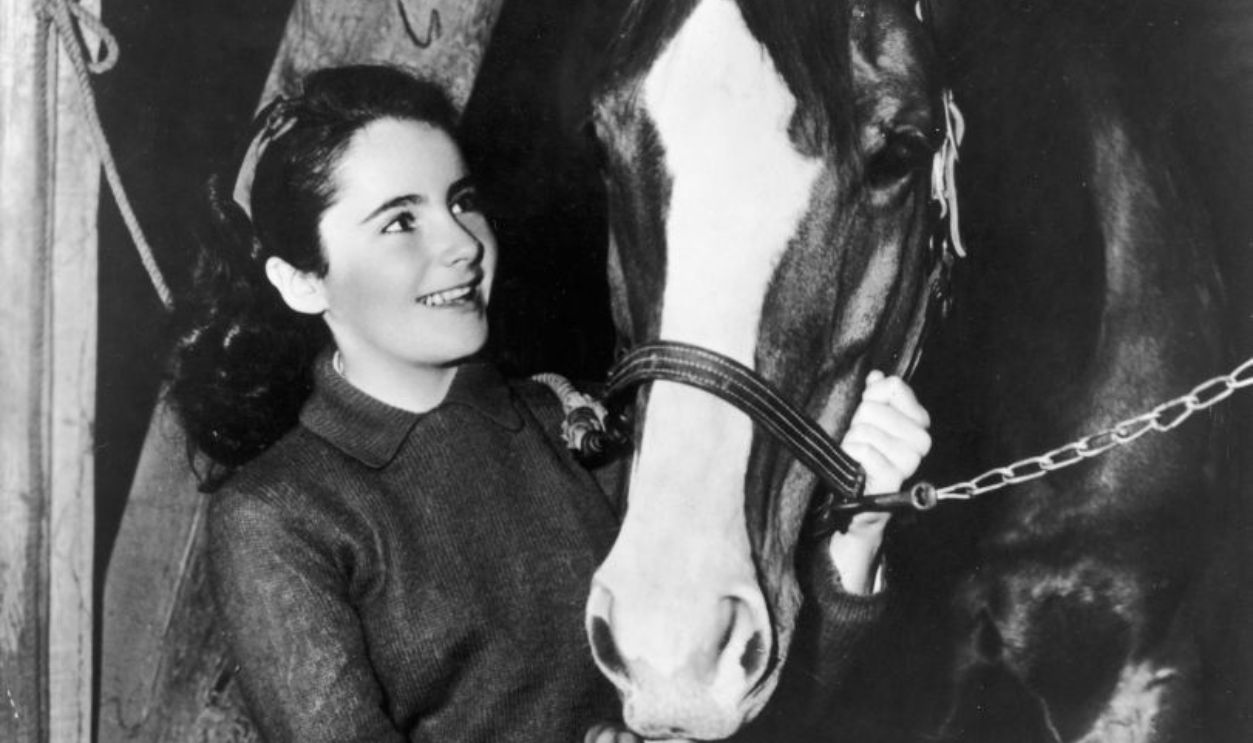
When she was just 12 years old, Taylor starred in the 1944 film National Velvet. However, on set, she also took on her own stunts. She could ride a horse, but one take went horribly wrong—and she tumbled from her seat. The consequences would haunt her for the rest of her life.
 Time Inc.; photograph by Metro-Goldwyn-Mayer (no photographer credited), Wikimedia Commons
She Never Fully Recovered
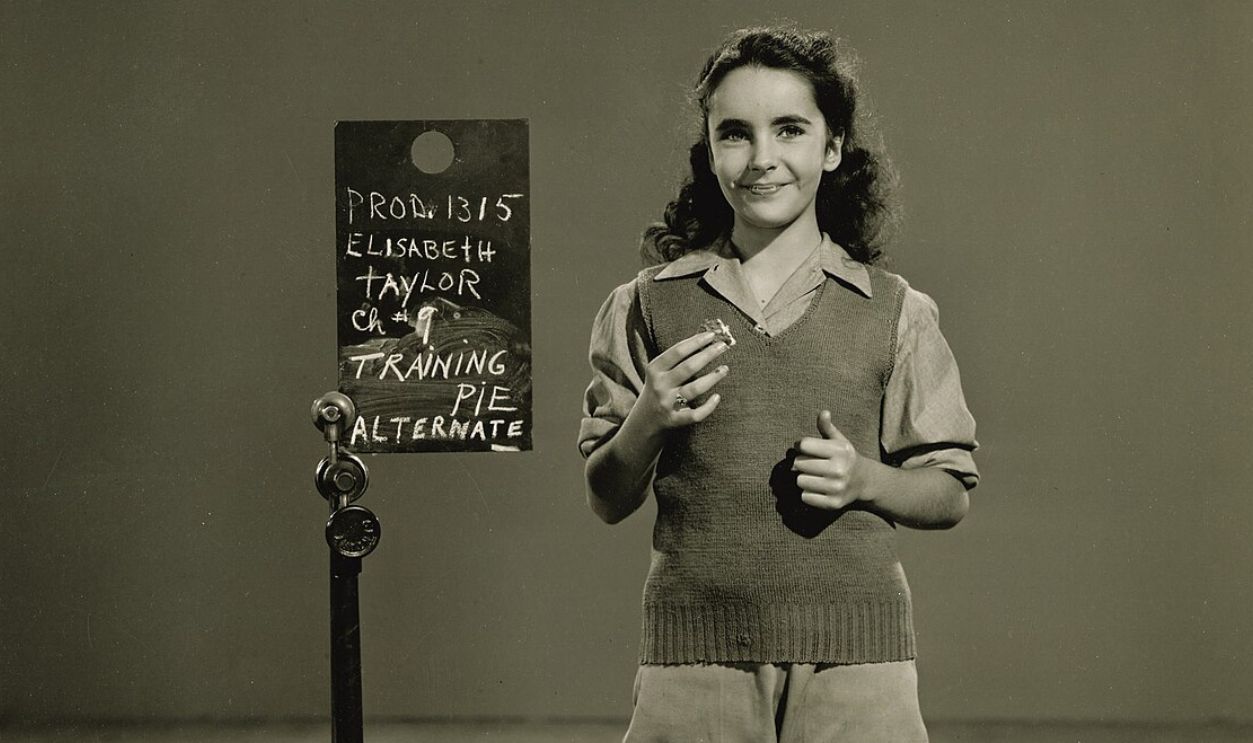
Though Taylor seemingly recovered from her fall, her own body hid a chilling truth. Unbeknownst to anyone, she'd fractured her spine—an injury that would cause her major problems down the road.
 Photographer unknown; work-for-hire on behalf of Metro-Goldwyn-Mayer (MGM)., Wikimedia Commons
Living With A Damaged Spine
After National Velvet, Elizabeth Taylor's back injury never fully resolved. Instead, it led to long-term complications, including persistent pain and limited mobility that affected her work and daily life. It even led to a very scary procedure.
Spinal Surgery And Recovery
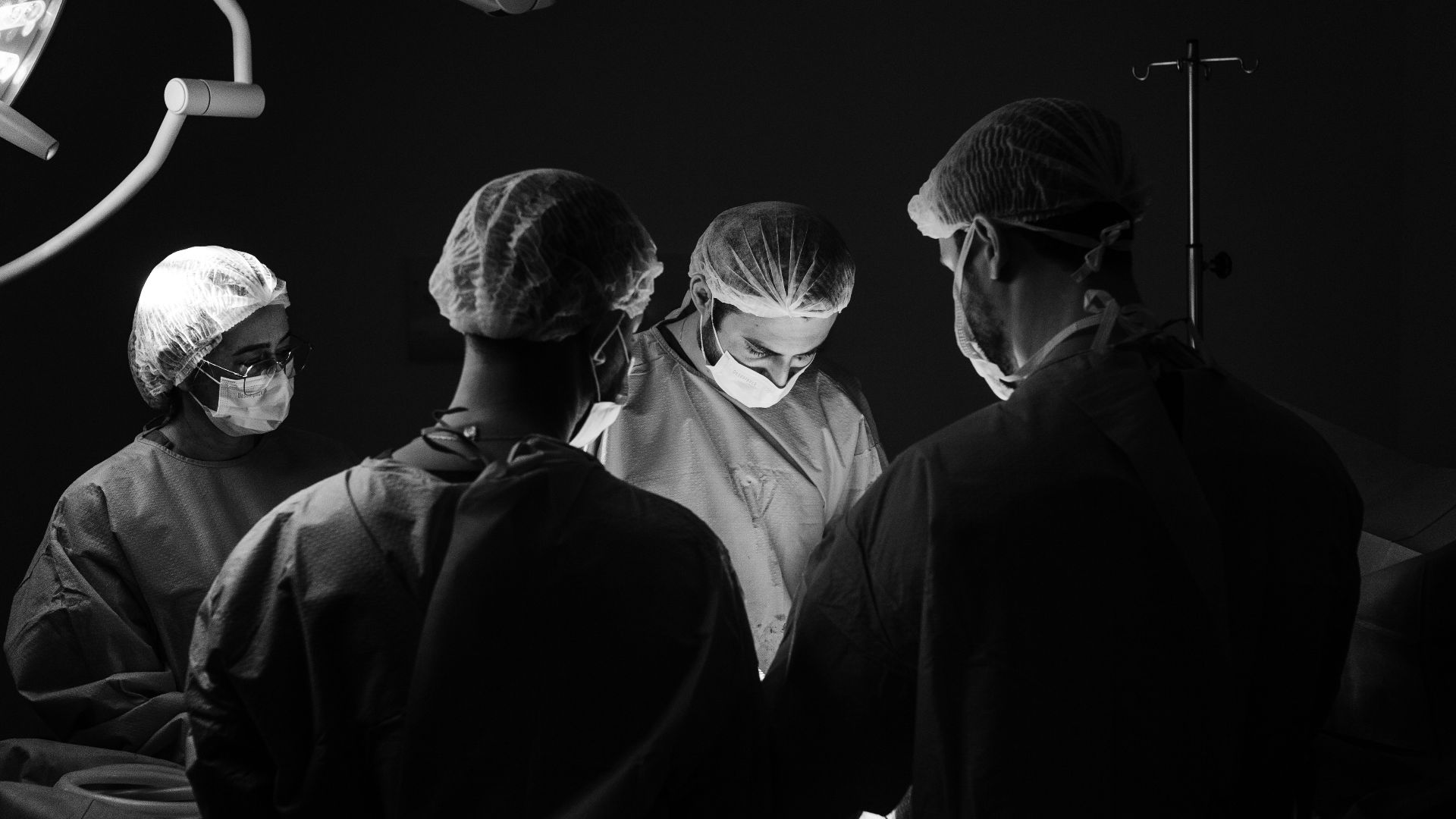
To address ongoing back problems, Taylor underwent spinal surgery in 1956, which involved replacing a few of her spinal discs with donated bone. The procedure aimed to stabilize her spine and reduce pain, but recovery was difficult and did not fully eliminate her discomfort.
Why She Needed A Wheelchair
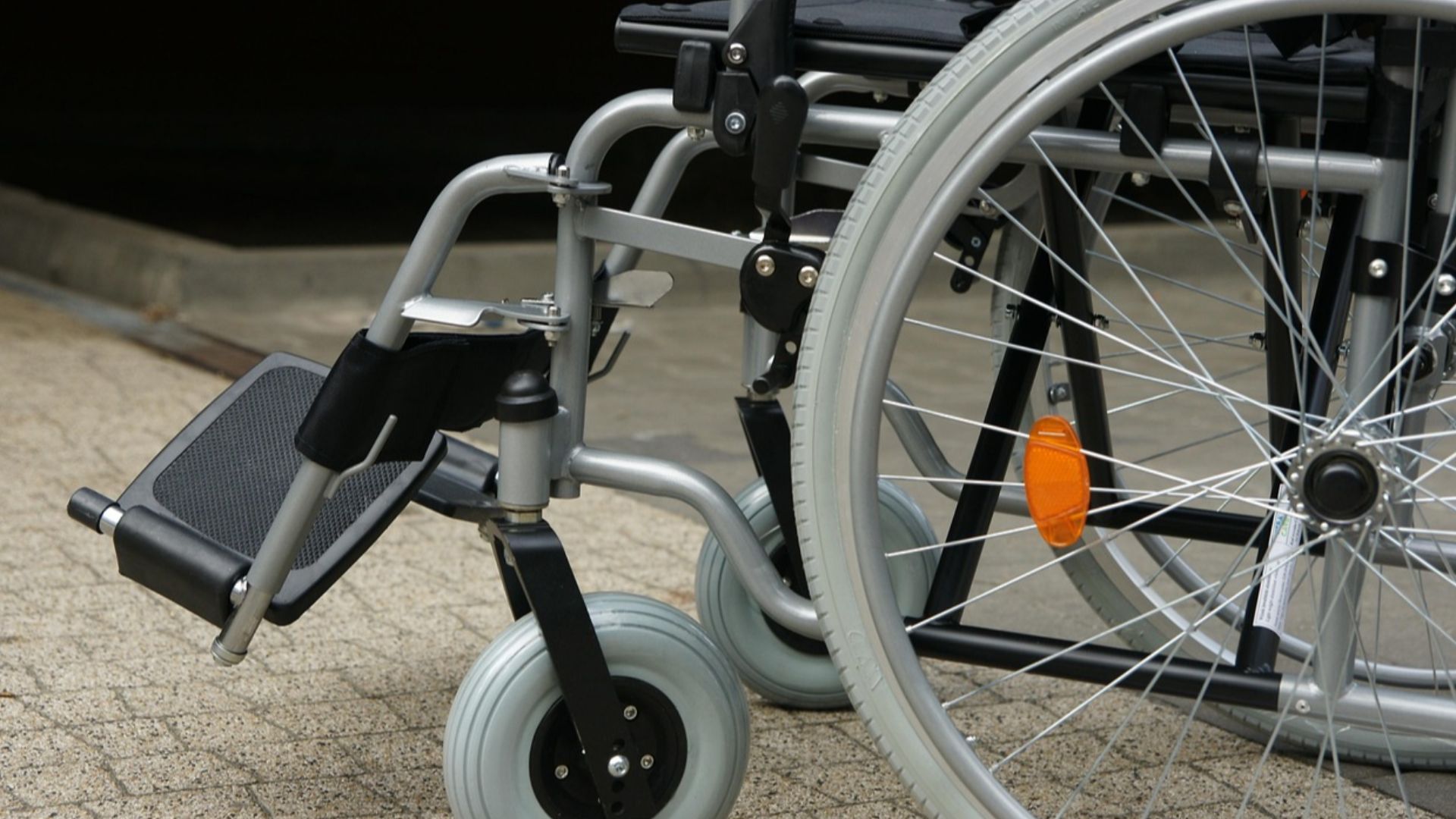
In later years, Taylor sometimes used a wheelchair due to chronic back pain, spinal damage, and the effects of multiple surgeries. Reduced mobility and fatigue made walking difficult during periods of declining health.
A Career Demanding Endurance
Despite her injury and surgeries, Taylor continued acting. Film sets required long hours and physical effort, forcing her to work through pain that was often hidden from the public. But she suffered from more than just back problems.
She Had An Appendectomy
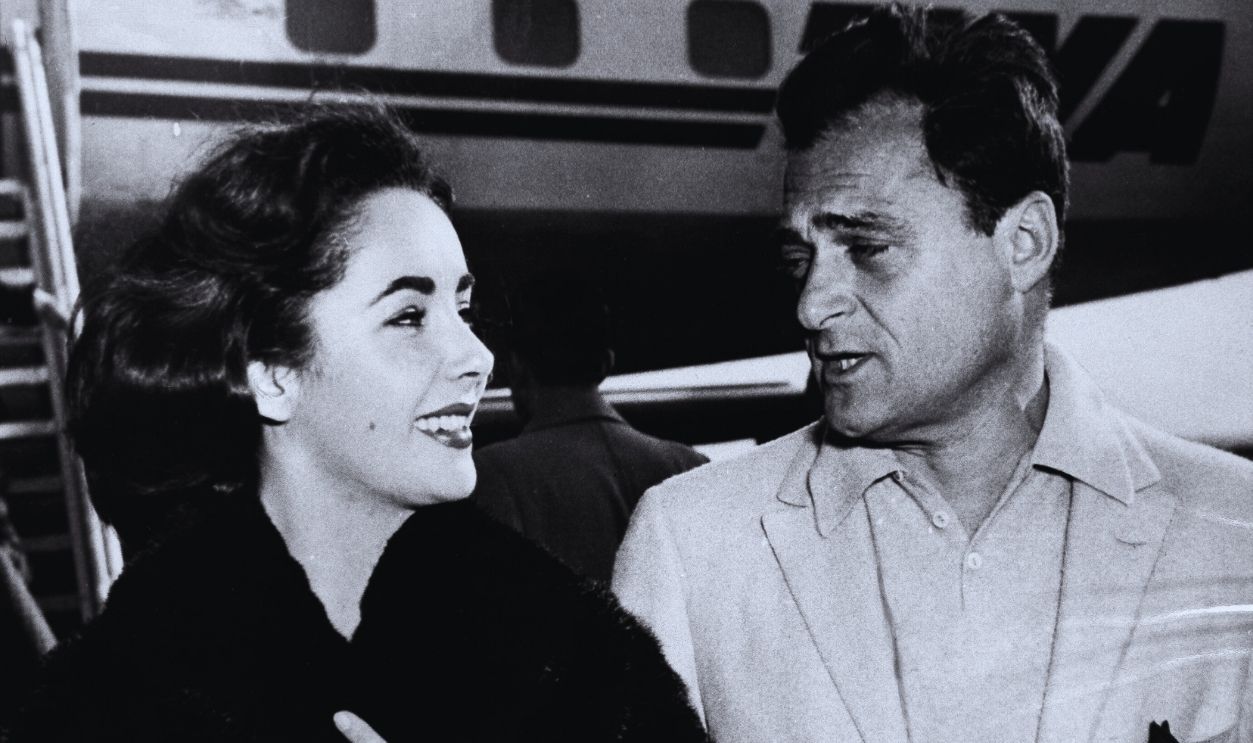
In 1957, Taylor was busy traveling with her husband Mike Todd, but she was not having a great time. After numerous attacks of appendicitis, she had to undergo an appendectomy. She was becoming extremely familiar with hospital stays—and sadly, there were more to come.
 ullstein bild Dtl., Getty Images
Severe Headaches And An Abscessed Tooth
Elizabeth Taylor faced yet another medical crisis in 1960. This time, it was an abscessed tooth that caused brutal headaches. But the following year, she faced one of the scariest moments of her life.
 MGM publicity still, Wikimedia Commons
The 1961 Pneumonia Crisis
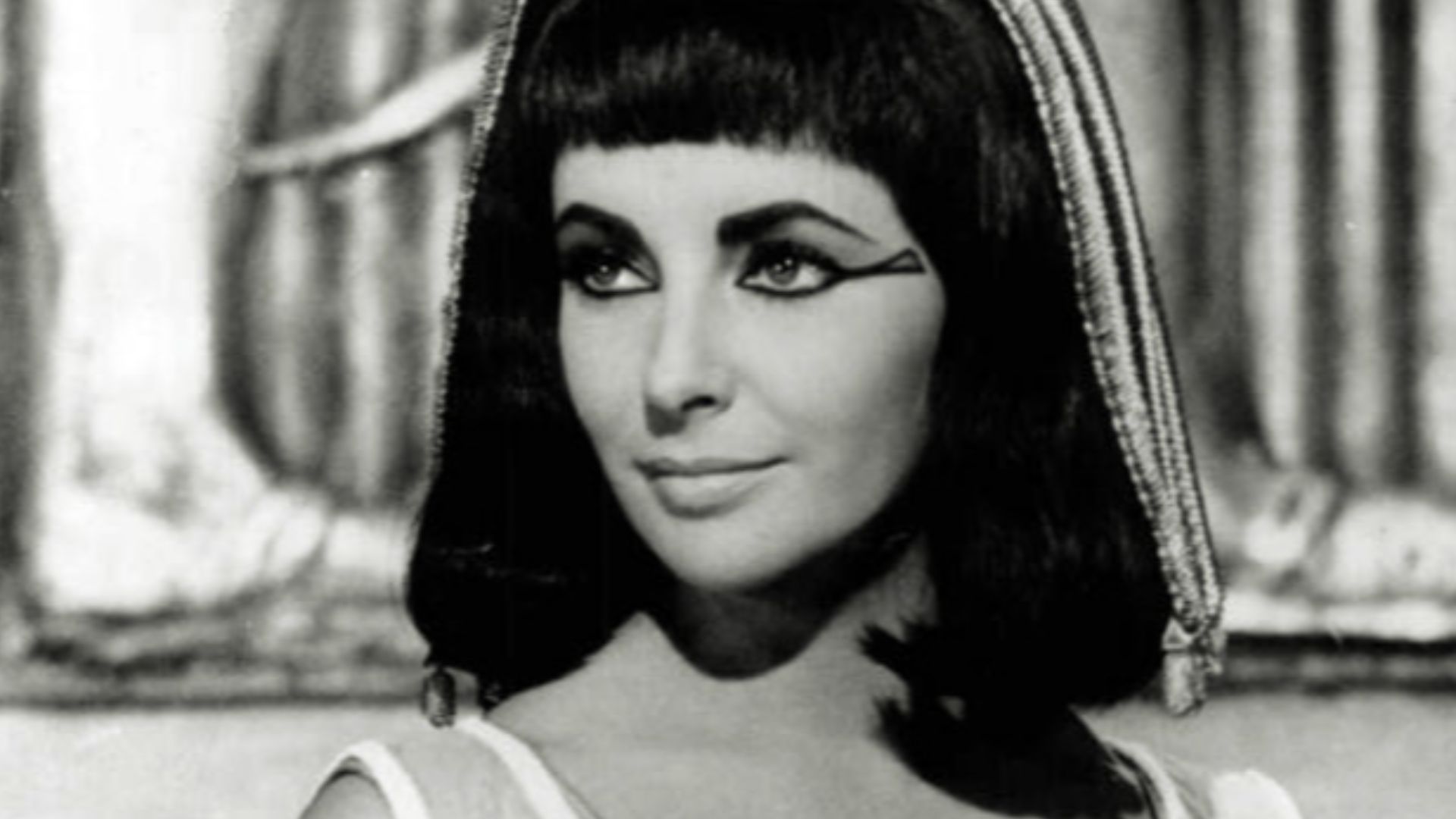
Taylor's health problems dogged her all the way to the infamous set of 1963's Cleopatra. While filming, she became gravely ill with pneumonia. Her condition was so severe that she required an emergency tracheotomy to help her breathe. But that wasn't even the worst part.
 Renamed user 995577823Xyn, Wikimedia Commons
A Brush With Death
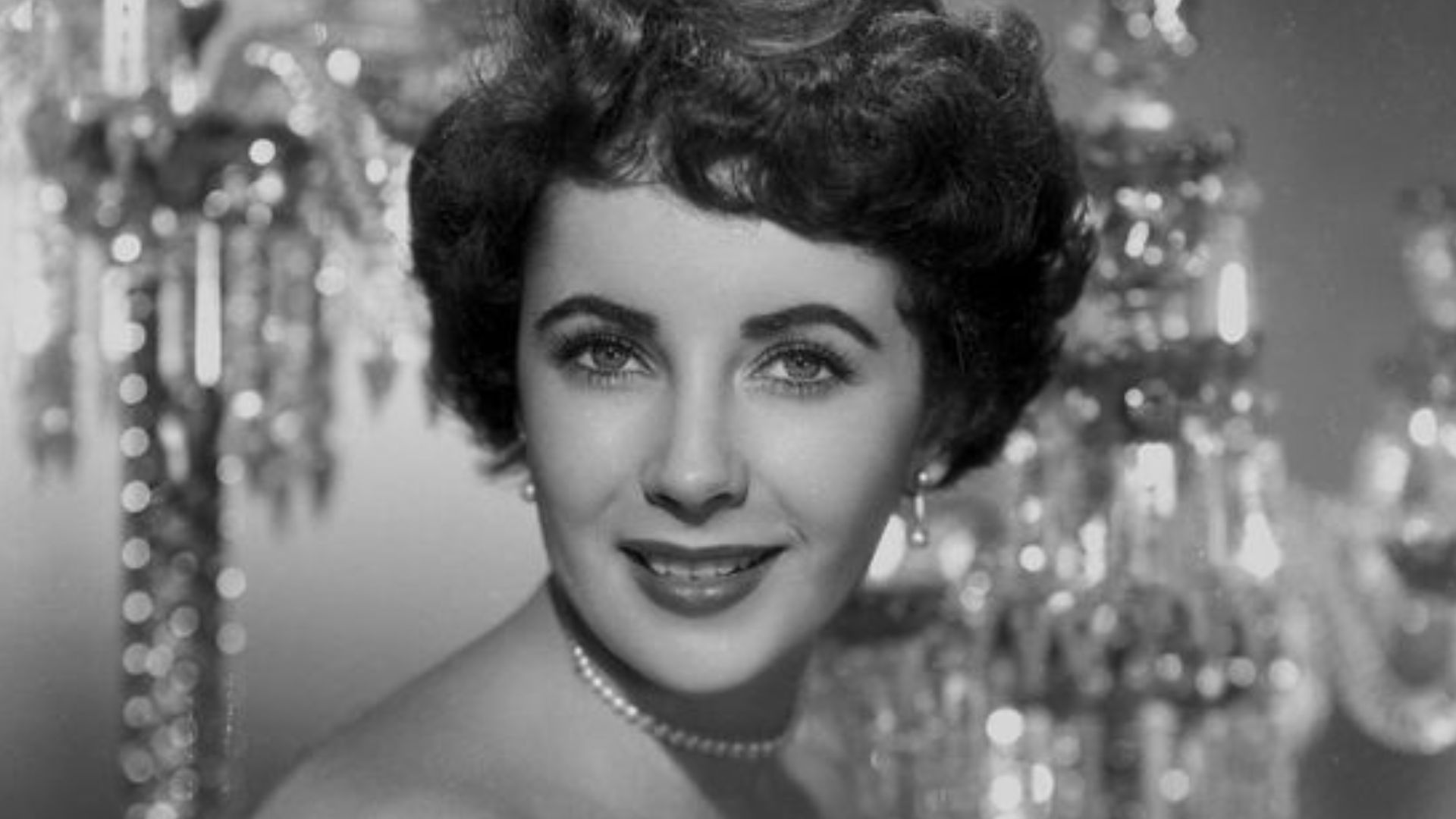
During the pneumonia crisis, Taylor was briefly declared clinically dead before being revived. The experience underscored how fragile her health had become. Somehow, fate had an even darker plan in store for her.
 Whitey Schafer, Wikimedia Commons
She Needed A Hysterectomy
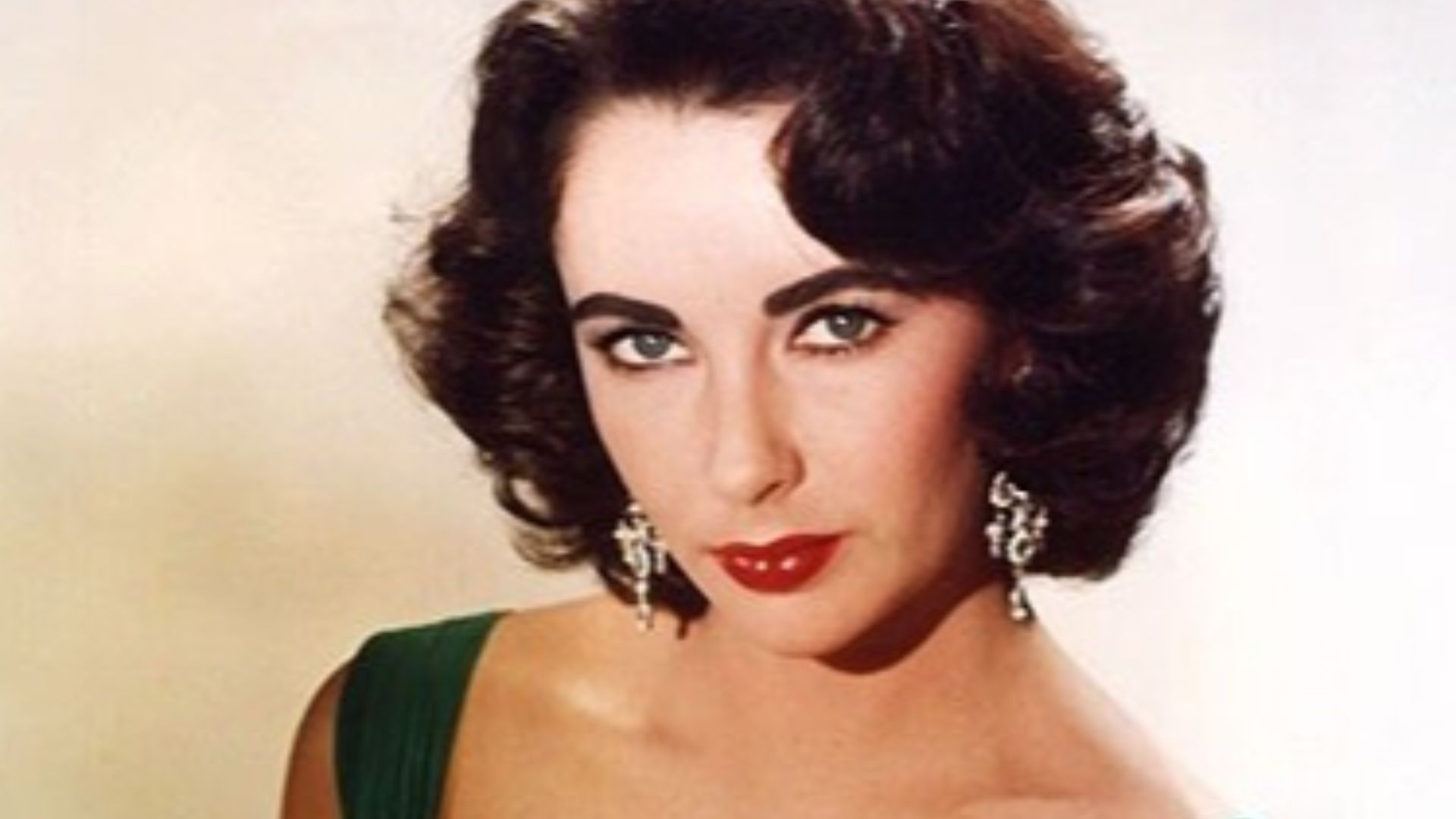
During the same decade in which she almost perished from pneumonia, Elizabeth Taylor had to undergo yet another emergency procedure—a hysterectomy. Sadly, this operation only worsened her existing back and hip issues.
 Unknown authorUnknown author, Wikimedia Commons
Reliance On Pain Medication
To cope with chronic pain, Taylor was prescribed strong medications. Over time, she developed a dependence on her prescriptions, particularly during periods of severe discomfort.

Public Struggles With Addiction
Taylor later entered rehabilitation in the 1980s to address addiction to painkillers and other substances. She later spoke openly about these experiences, and was actually the first star to share the truth about her stay at the Betty Ford Center.
Though Taylor was in rehab from 1983 to 1984, the decade wasn't done with her yet, and she had to return in 1988.

Weight And Health Challenges
Her health issues and medications contributed to fluctuations in her weight, and she gained around 70–90 pounds throughout the 1970s. These changes sometimes placed additional strain on her body, especially her back and joints.
Hip Replacement Surgery
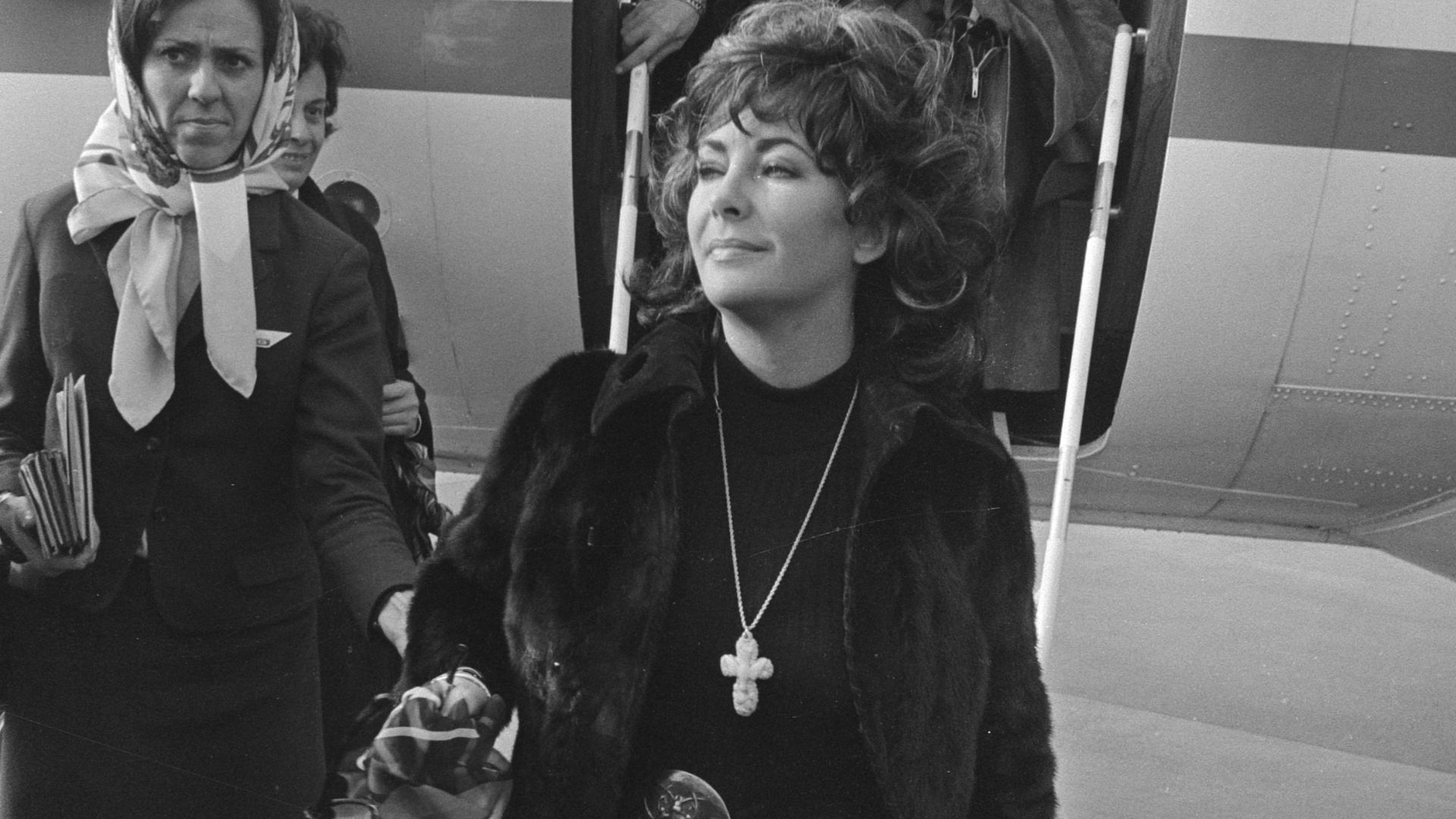
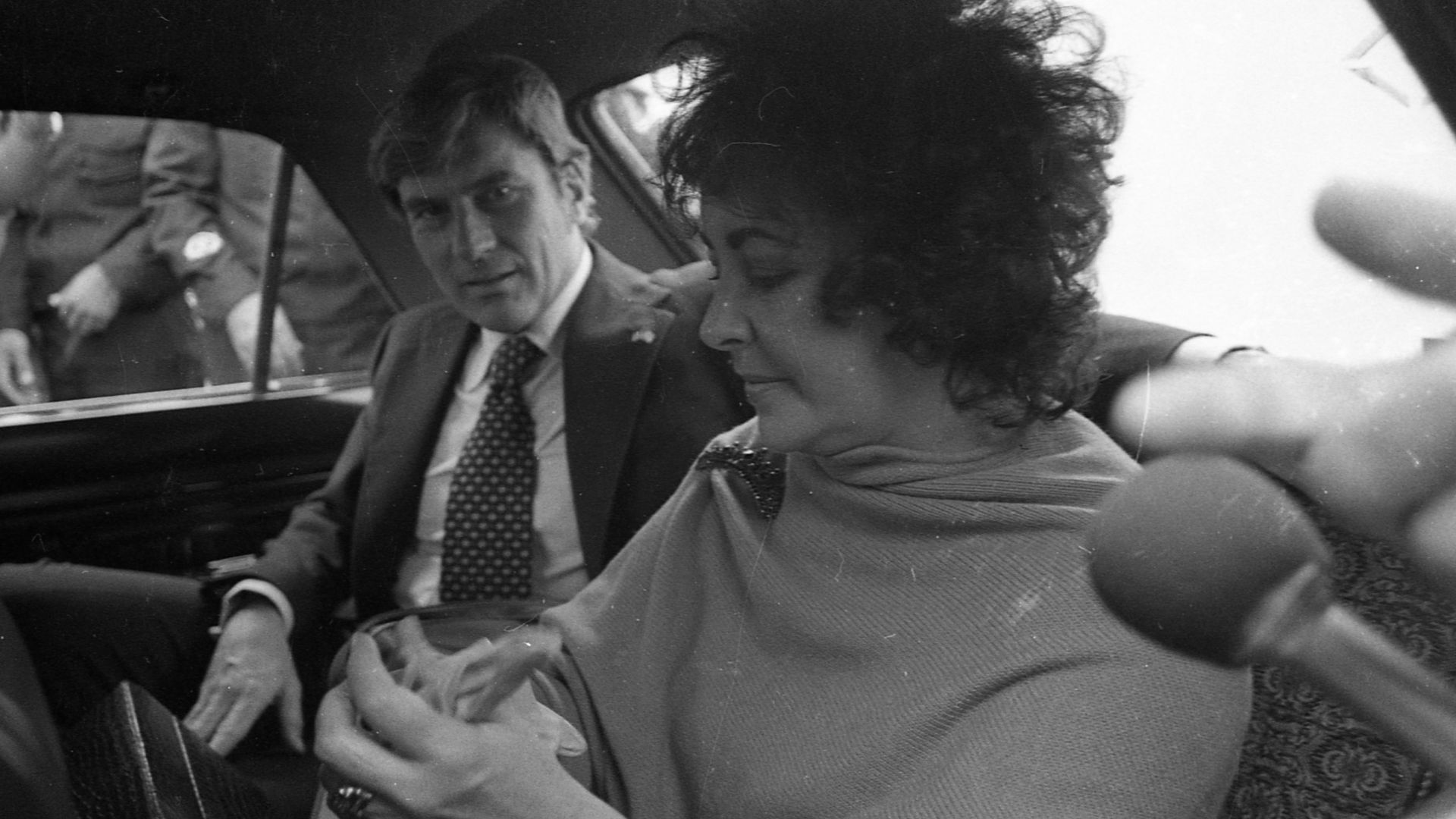
In later years, Taylor underwent hip replacement surgery to improve mobility. Her hip's cartilage had been severely affected by osteoarthritis, and the bone-on-bone contact she experienced was excruciating. Brutally, just a year later, in 1995, she required yet another hip operation.
For poor Taylor, the hits just kept coming.
 IPPA photographer, Wikimedia Commons
Skin Cancer Diagnosis
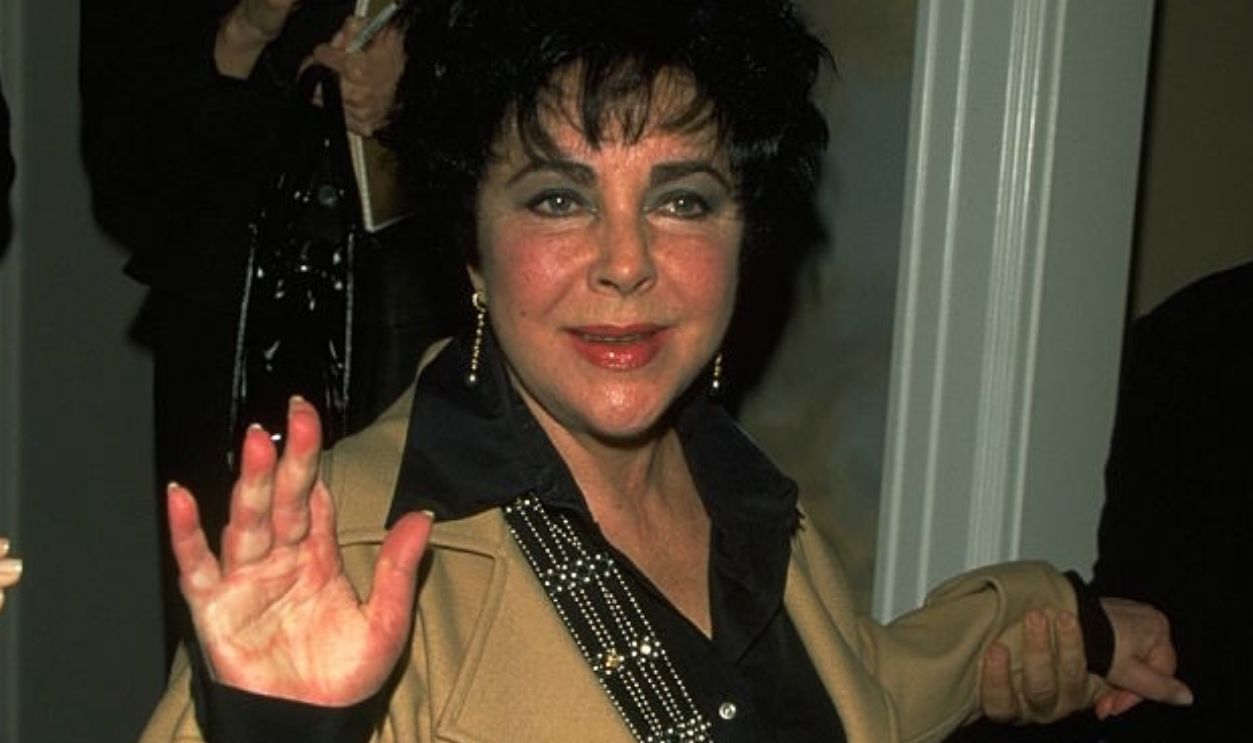
In the late 1990s, a benign brain tumor led to yet another procedure. On the heels of this scare, she was also diagnosed with skin cancer in the early 2000s, which required treatment. Though worrying, the condition was managed successfully and became one of many health challenges she faced.
Living With Ongoing Pain
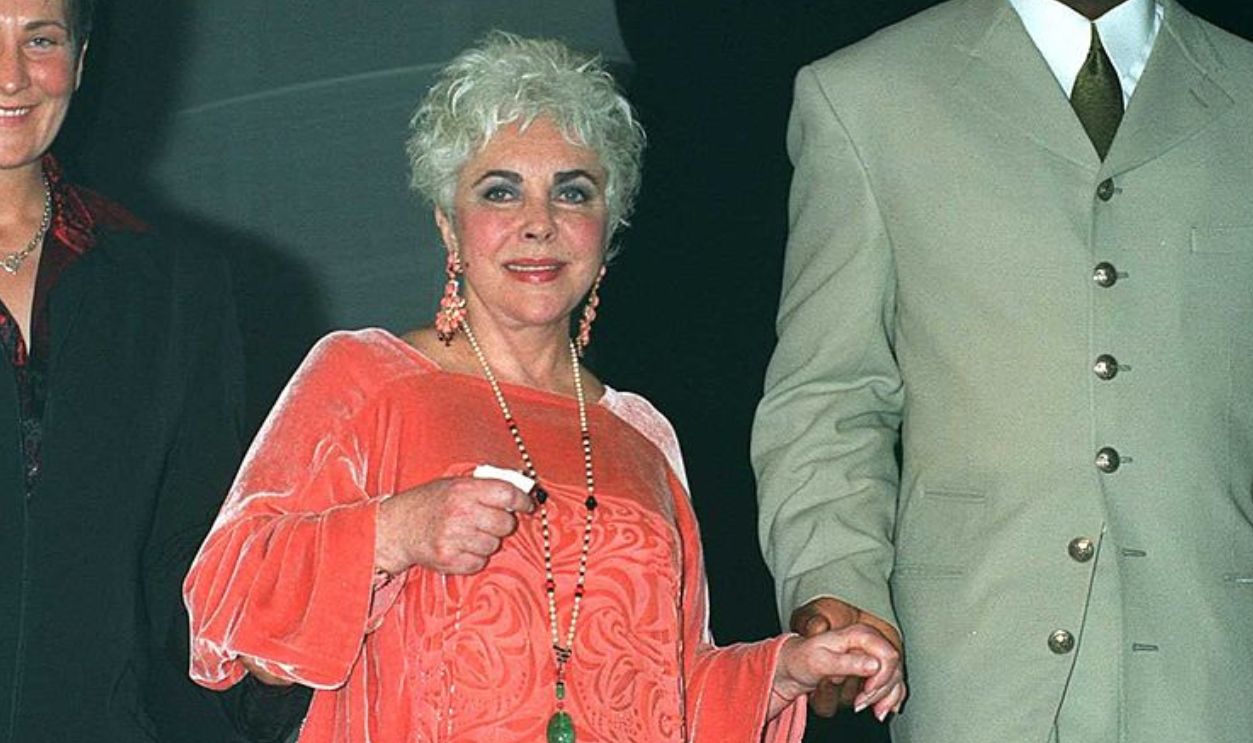
Even outside of major health crises, Taylor lived with chronic physical discomfort. Pain management remained a constant part of her life.
Advocacy Despite Illness
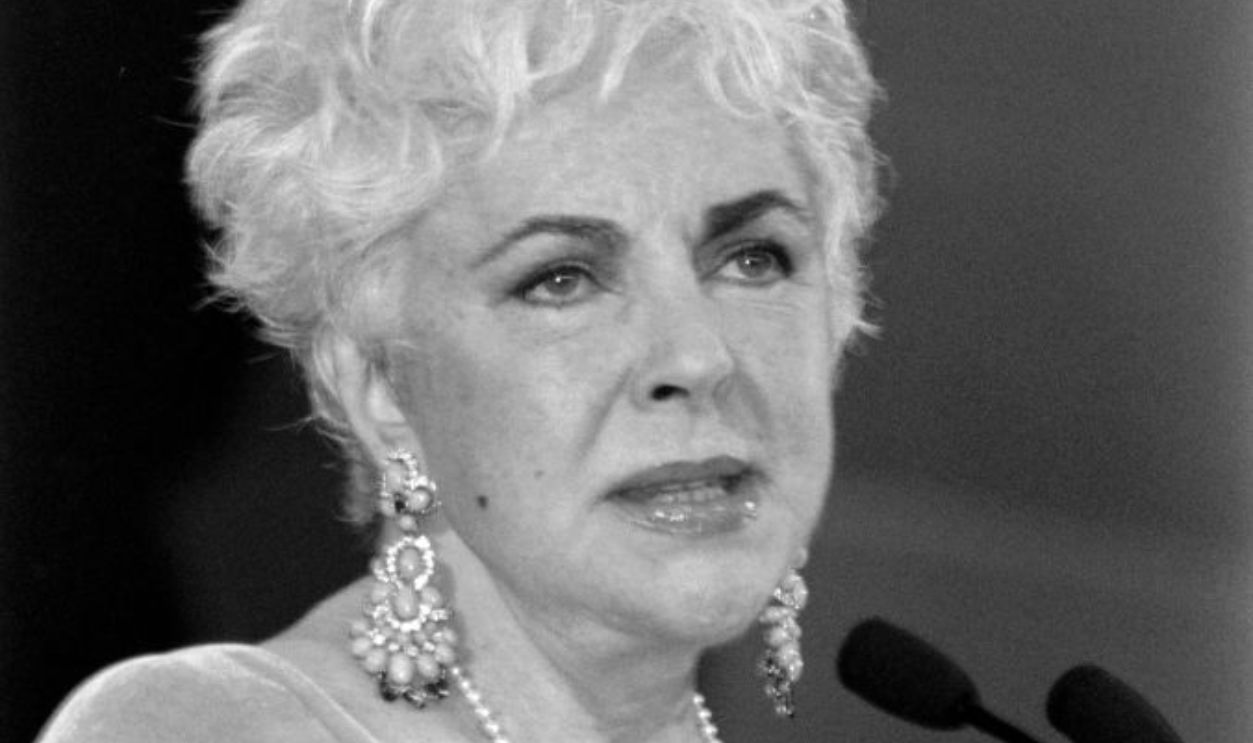
Despite her medical struggles, Taylor became a leading advocate for HIV/AIDS awareness and research, remaining active in public life.
Heart Problems Develop
In her later years, Taylor developed congestive heart failure. The condition required ongoing treatment and frequent monitoring.
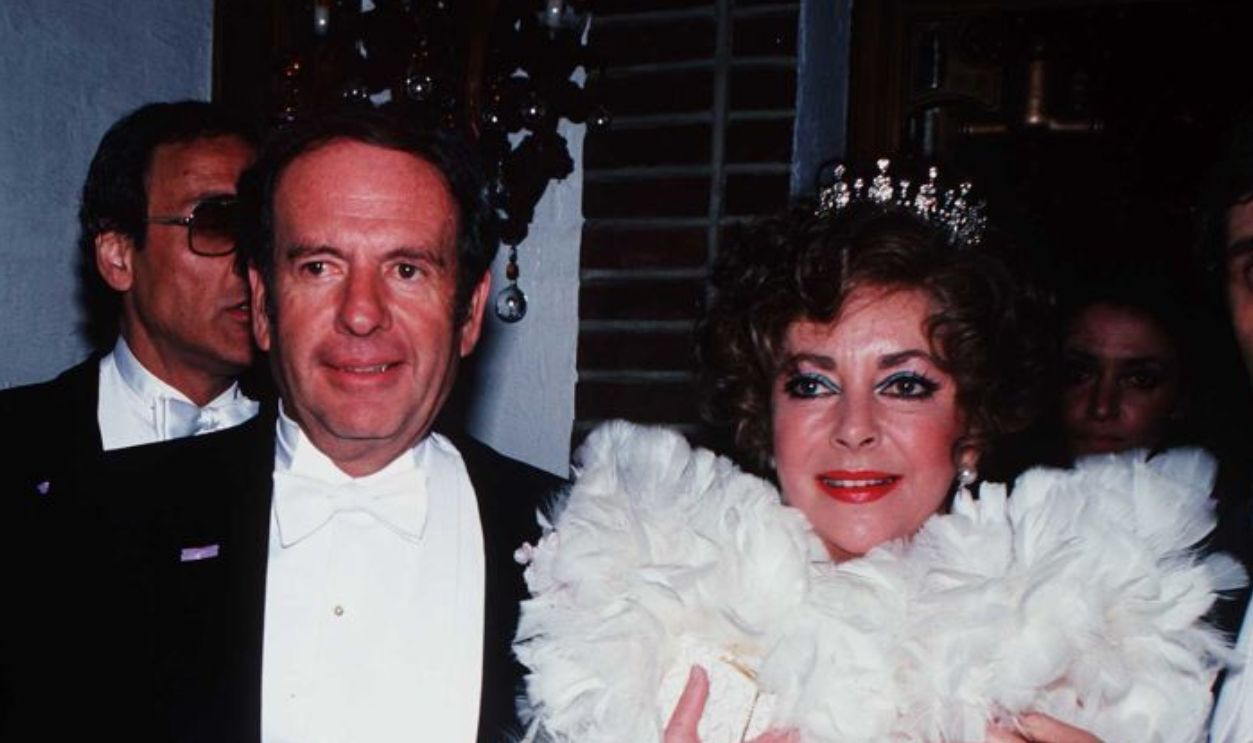 Robin Platzer/Twin Images, Getty Images
Increasing Medical Dependence
As her health declined, Taylor relied more heavily on medical care. Hospital visits became more frequent, and her mobility became increasingly limited. Elizabeth Taylor died on March 23, 2011, at age 79. The official cause was congestive heart failure, following years of suffering.
For her funeral, she made a strange request.
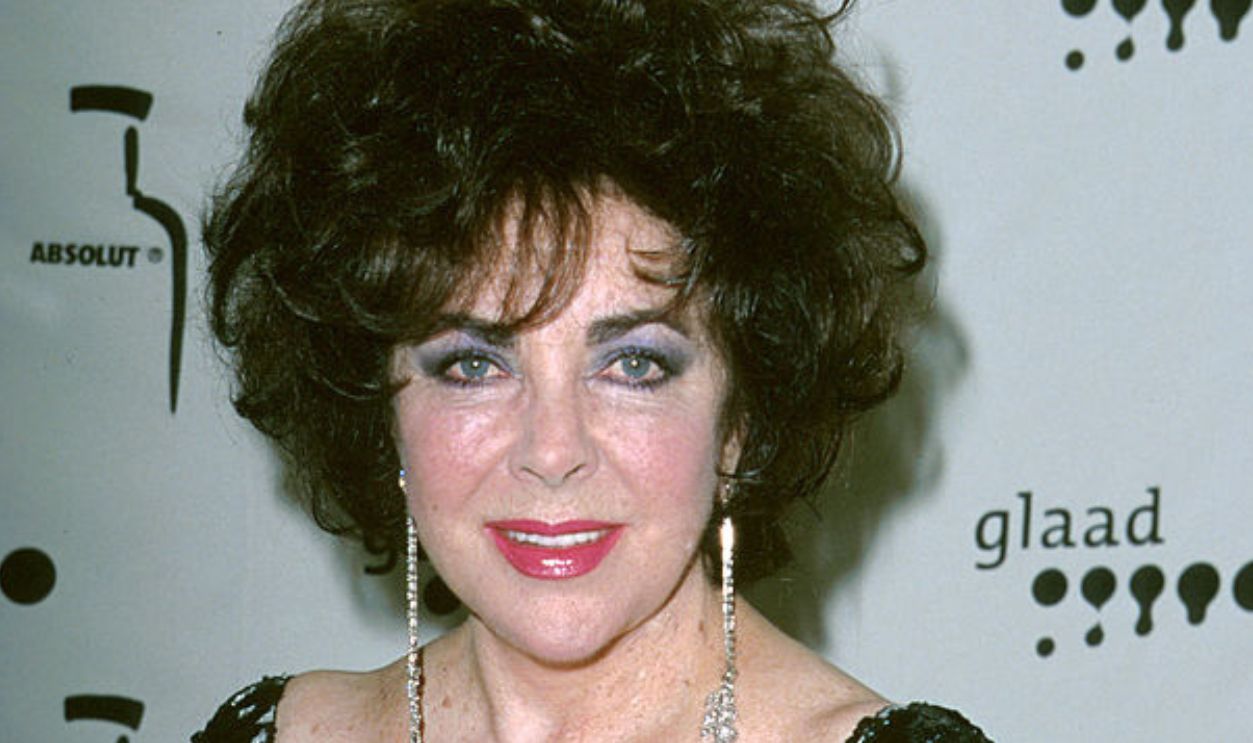
She Wanted To Be Late To Her Own Funeral
Elizabeth Taylor "wanted to be late for her own funeral," and so the service began 15 minutes late. Her final resting place is in the Great Mausoleum in California' s Forest Lawn Memorial Park.
After a dramatic, scandalous, and trying life, Taylor had finally found peace.
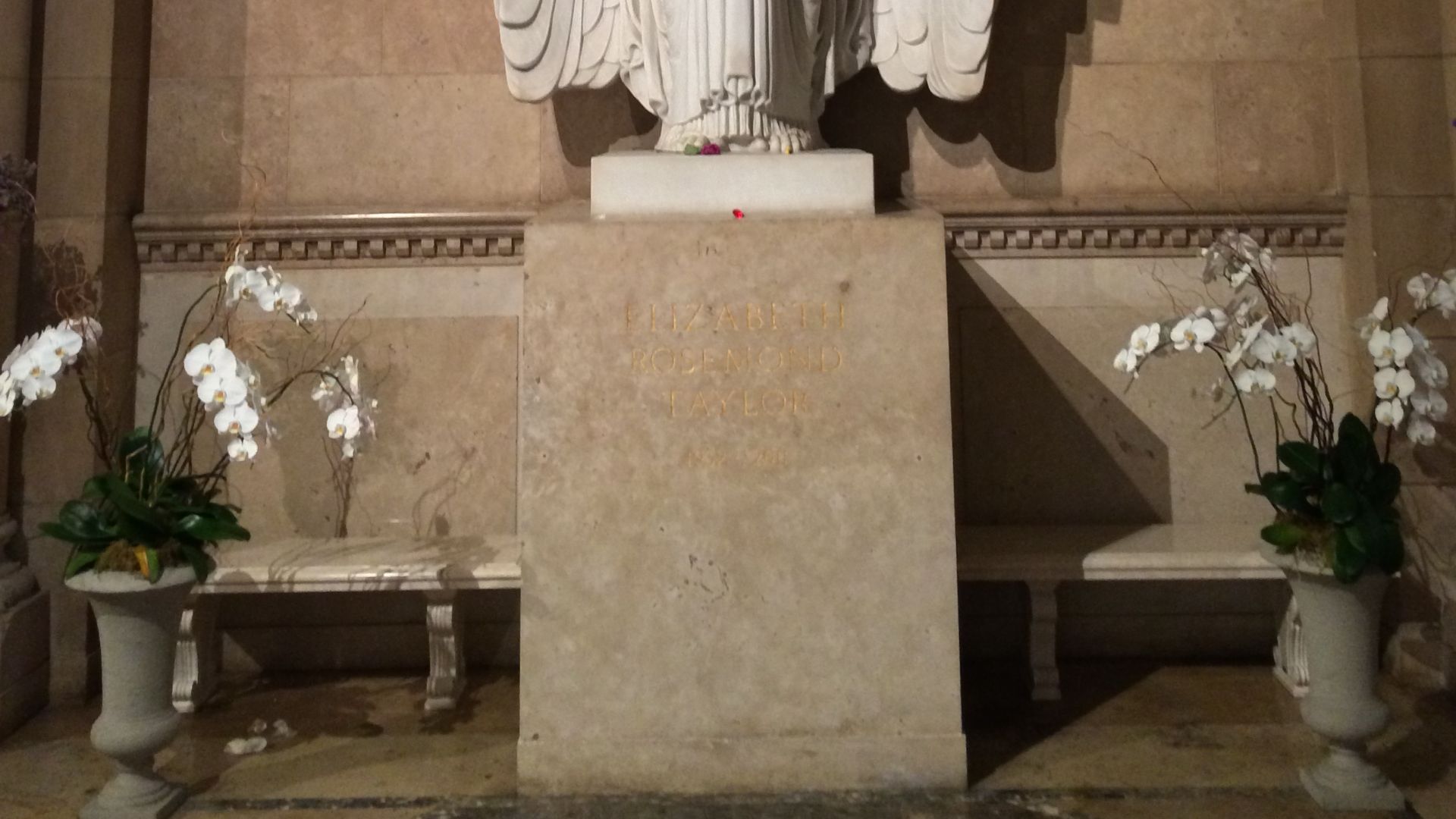 Taph Madison, Wikimedia Commons
A Life Behind The Glamor
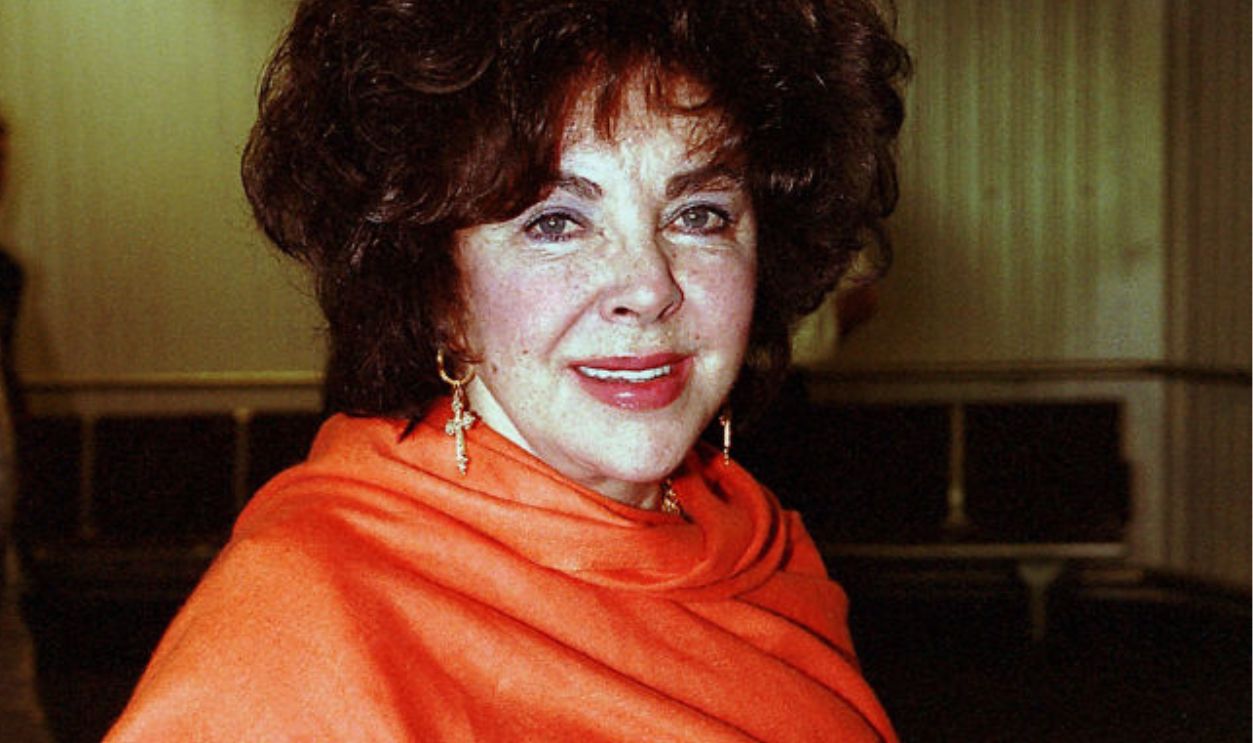
While the public saw elegance and success, Taylor lived much of her life managing pain and recovering from illness. Her private reality often contrasted with her public image. Despite repeated health crises, Taylor continued working and advocating for causes she believed in. Her persistence became a defining part of her life story.
Elizabeth Taylor is remembered not only for her acting but also for her resilience.
You May Also Like:
Forgotten Old Hollywood Actresses
.jpg)
.jpg)