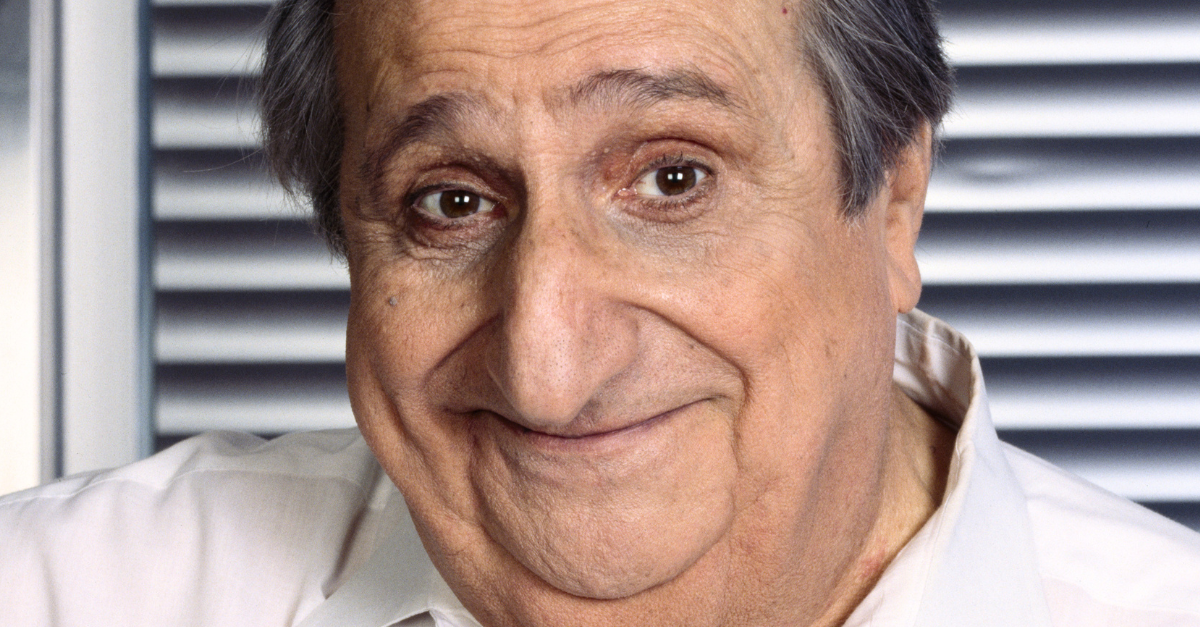
He Was Impossible To Forget.
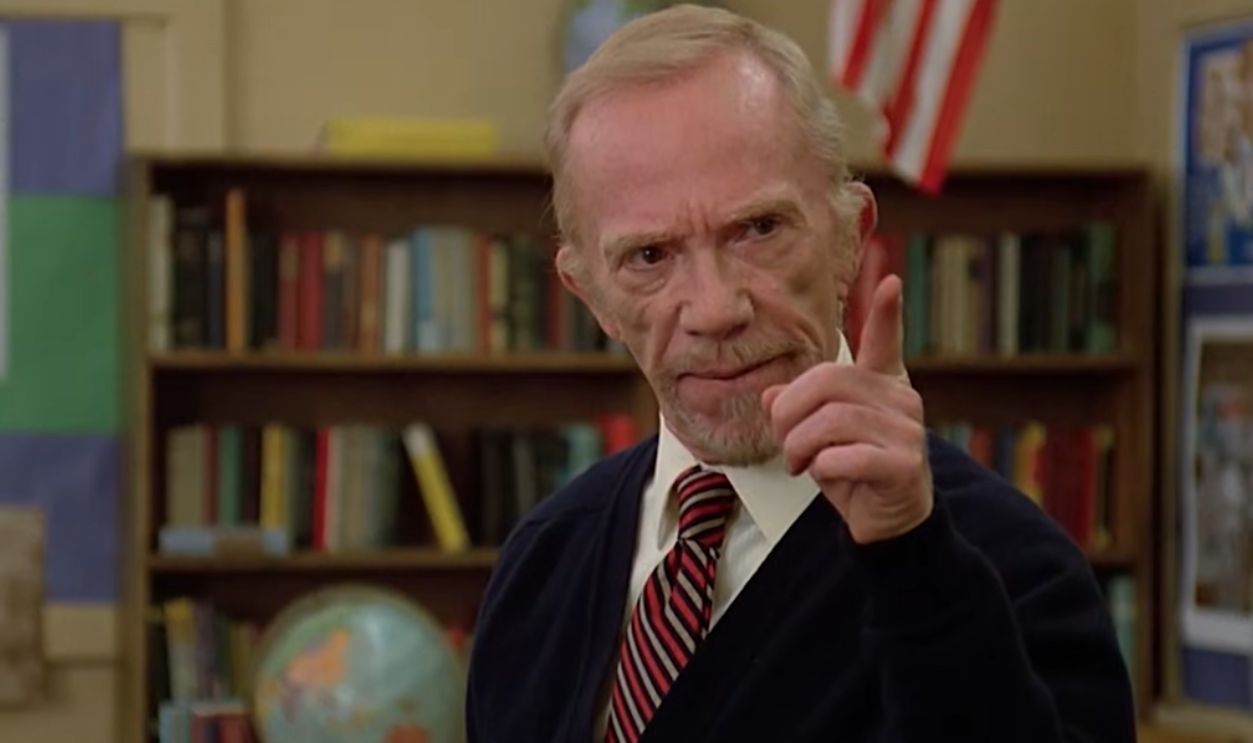
Al Molinaro arrived in Hollywood without leading-man looks, youth, or much reason to believe television would ever make room for him, yet his hangdog expression and enormous comic presence became exactly what producers needed. By the time Happy Days made him Big Al, the late-blooming character actor had turned the face that should have limited his career into his greatest professional asset.
Kenosha Gave Him His Midwestern Voice
Molinaro was born in Kenosha, Wisconsin, in 1919, only about 40 miles from Milwaukee, where Happy Days would eventually be set. He grew up in a large Italian American family and carried a distinctly Midwestern cadence into his performances. Decades later, that voice helped make Al Delvecchio sound less like a Hollywood invention and more like someone who might actually own a neighborhood diner in Wisconsin.
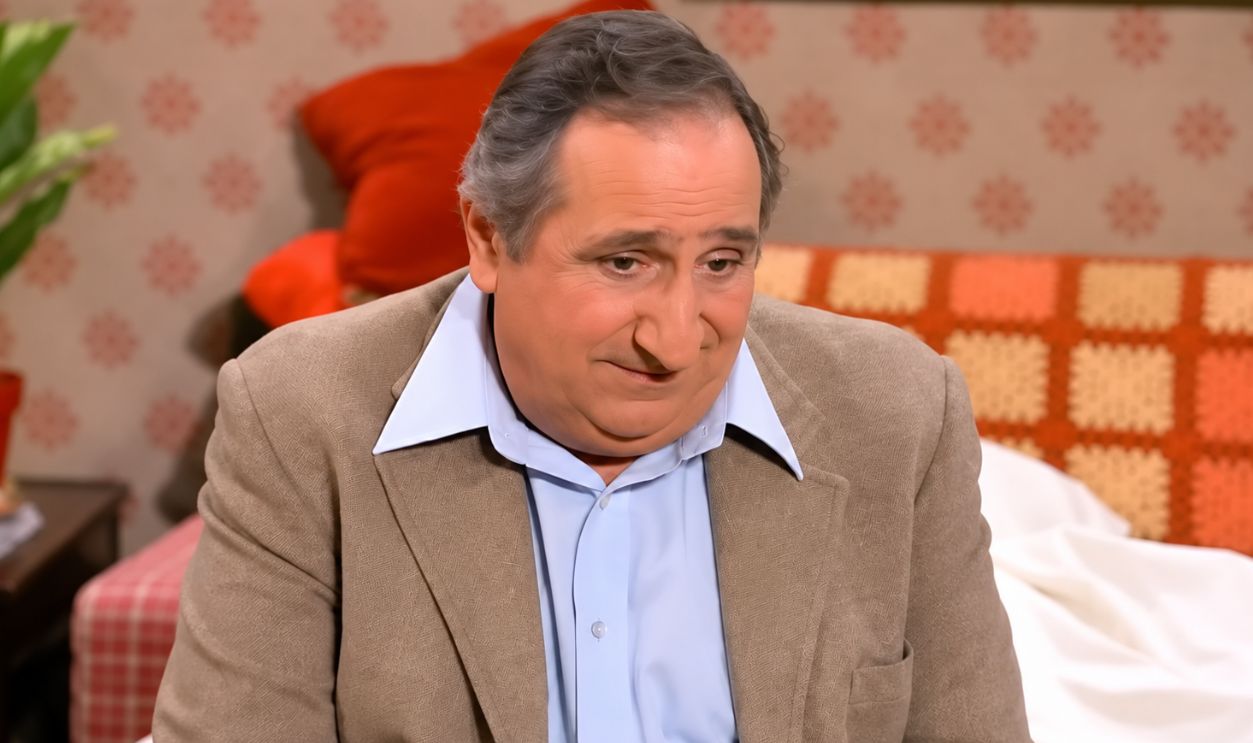 Screenshot from Happy Days, Paramount Global (1974-1984), enhanced
He Grew Up In A Huge Italian Family
Molinaro was one of ten children born to Italian immigrant parents. His family was deeply rooted in Kenosha, where several of his brothers later became prominent in civic and political life. Growing up in a crowded household likely gave him plenty of opportunities to observe personalities, arguments, and the rhythms of ordinary conversation that would become useful to a character actor.
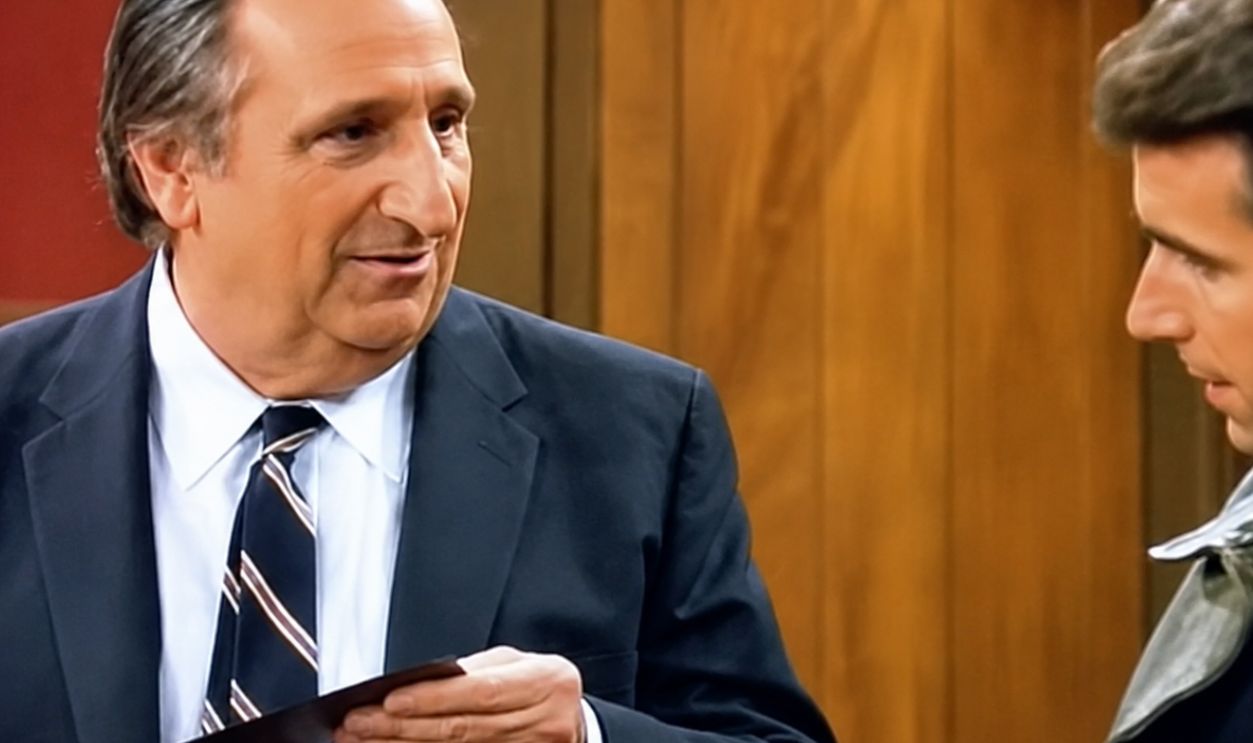 Screenshot from Happy Days, Paramount Global (1974-1984), enhanced
Public Speaking Was His First Clue
School did not come easily to Molinaro, but public speaking did. He discovered that standing in front of people and holding their attention felt natural, even when more conventional academic success proved harder. That early ability suggested there was a performer inside the shy-looking young man long before a casting director ever noticed him.
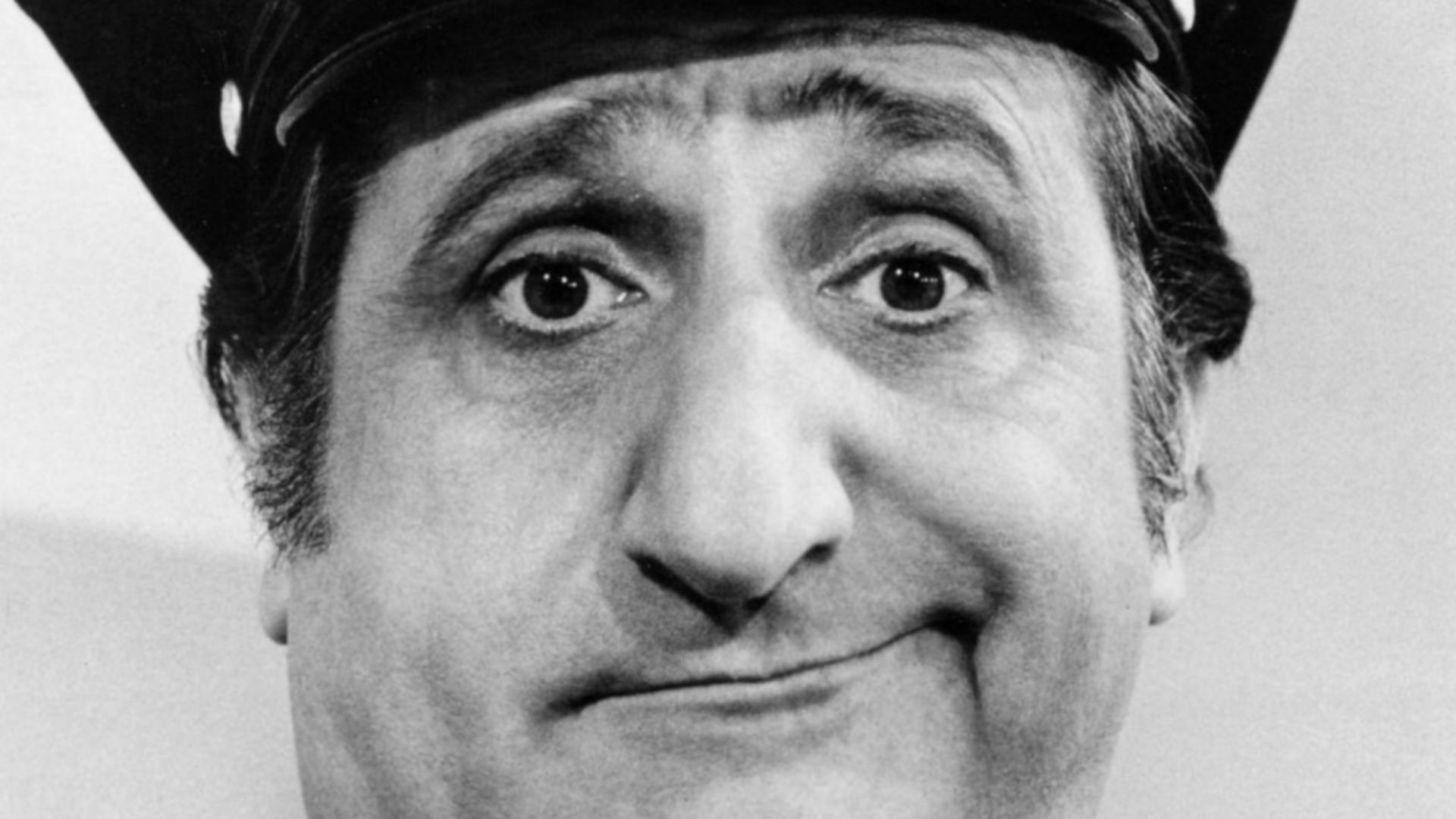 ABC Television, Wikimedia Commons
California Called When He Was Twenty-One
At 21, Molinaro left Wisconsin for Southern California after a hometown friend encouraged him to pursue entertainment. The move was bold, but Hollywood did not immediately reward it. Instead of becoming an overnight actor, Molinaro entered a waiting period that would last for years.
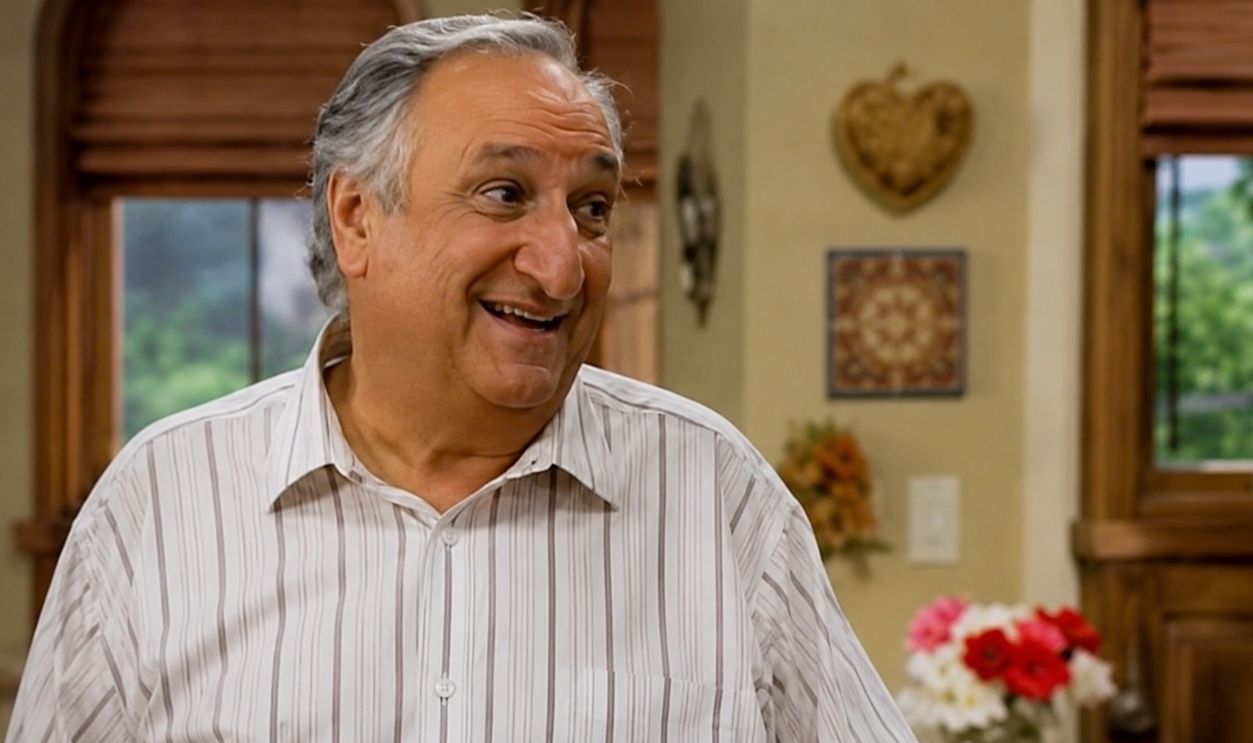 Screenshot from The Family Man, Warner Bros. Discovery (1990-1991), enhanced
Show Business Had To Wait
Molinaro supported himself through work outside acting while trying to stay close to entertainment. He eventually ran a collection agency, giving him enough stability to survive without depending on auditions. That financial independence mattered because it allowed him to keep pursuing performance even after most aspiring actors would have decided the dream was unrealistic.
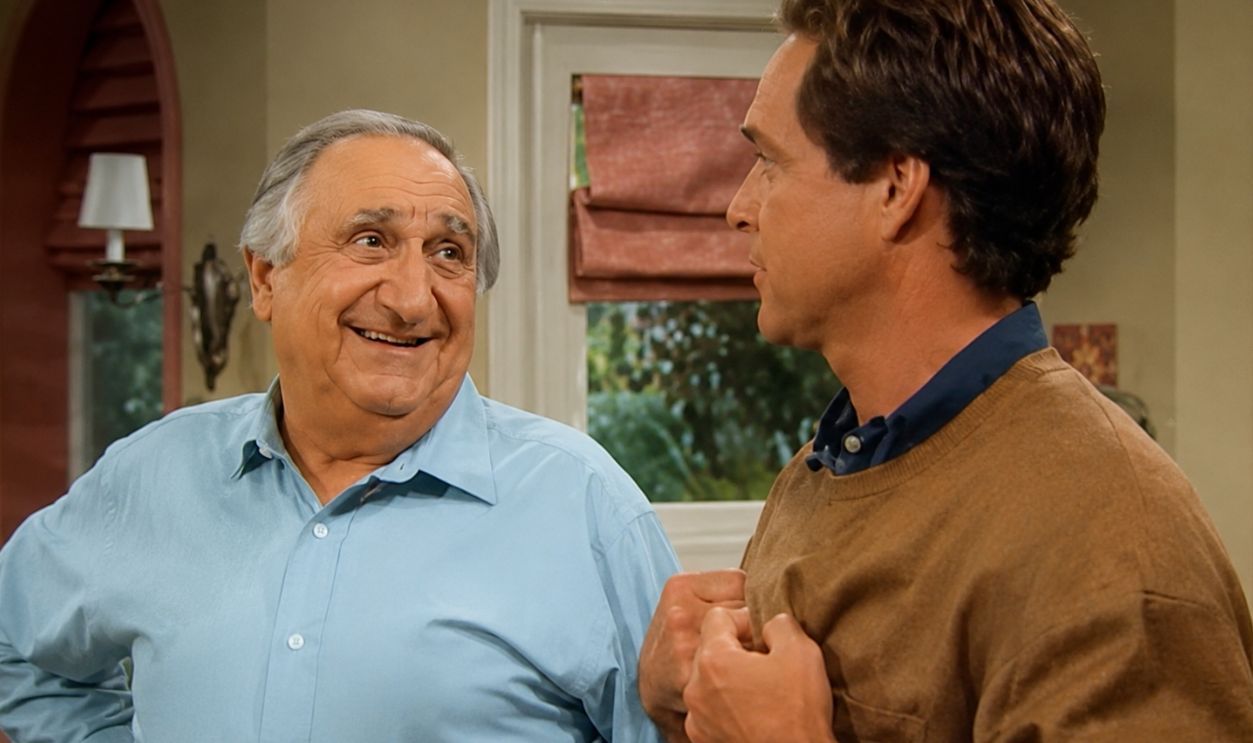 Screenshot from The Family Man, Warner Bros. Discovery (1990-1991), enhanced
His Breakthrough Took Roughly Twenty Years
Molinaro later summed up the wait with remarkable bluntness, saying he spent about 20 years in California before his acting career really started moving. By the time success arrived, he was far older than the performers Hollywood normally introduces as promising newcomers. His career became an argument for persistence rather than perfect timing.
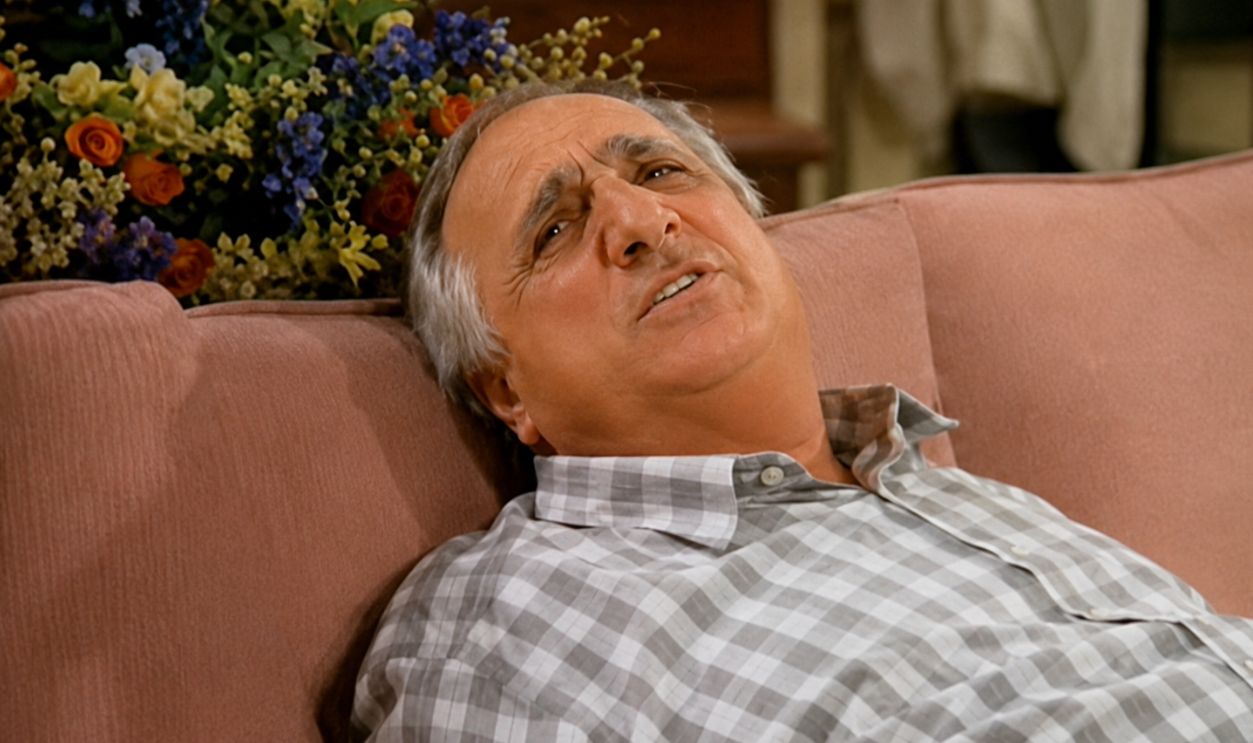 Screenshot from The Family Man, Warner Bros. Discovery (1990-1991), enhanced
Improv Finally Changed His Luck
The turning point came when Molinaro studied improvisation with comedian and actor Harvey Lembeck. The class gave him a place where his unusual face, timing, and instinct for ordinary characters could become strengths rather than obstacles. More importantly, another student would connect him with the producer who changed his life.
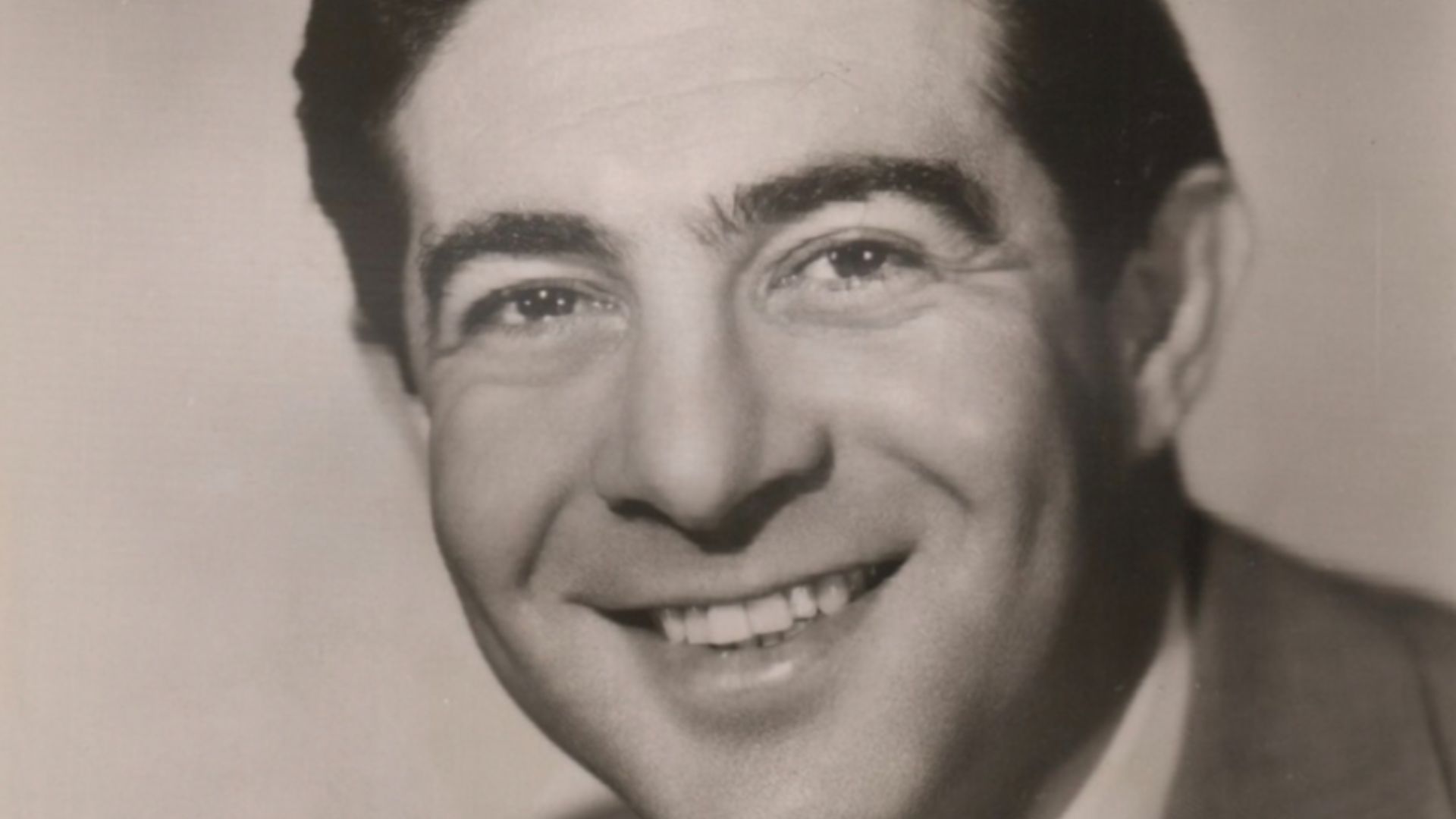 Unknown author, Wikimedia Commons
Penny Marshall Made A Crucial Introduction
Penny Marshall was one of Molinaro’s classmates in the improv workshop. She introduced him to her brother Garry Marshall, who was preparing a television version of Neil Simon’s The Odd Couple. That personal connection gave Molinaro the opportunity his years of persistence had been building toward.
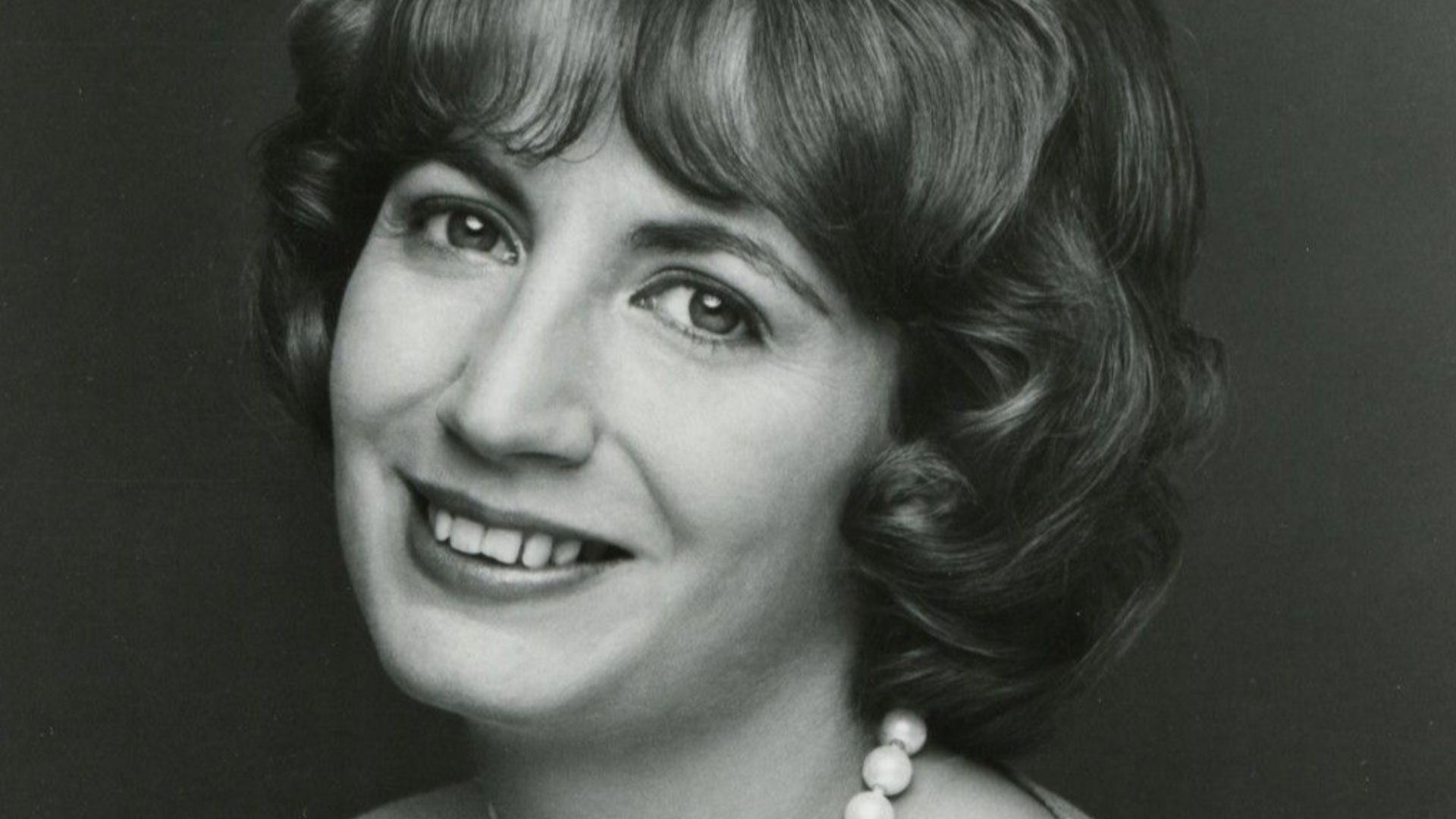
Get Smart Gave Him An Early Screen Chance
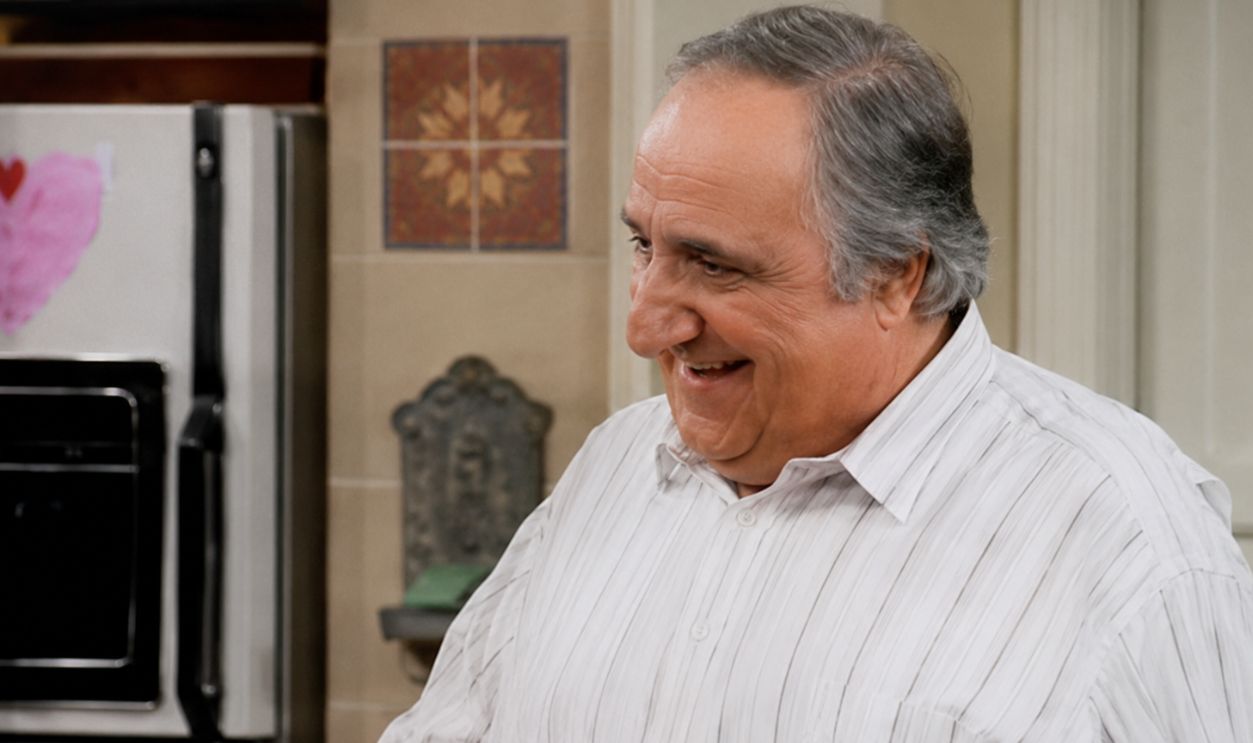
Before his major breakthrough, Molinaro appeared on television programs including Get Smart. These small assignments arrived when he was already approaching 50, making him an unusually mature newcomer to network comedy. He did not have time to build a youthful star image, so television immediately used the qualities that made him distinctive.
 Screenshot from The Family Man, Warner Bros. Discovery (1990-1991), enhanced
Murray The Cop Changed Everything
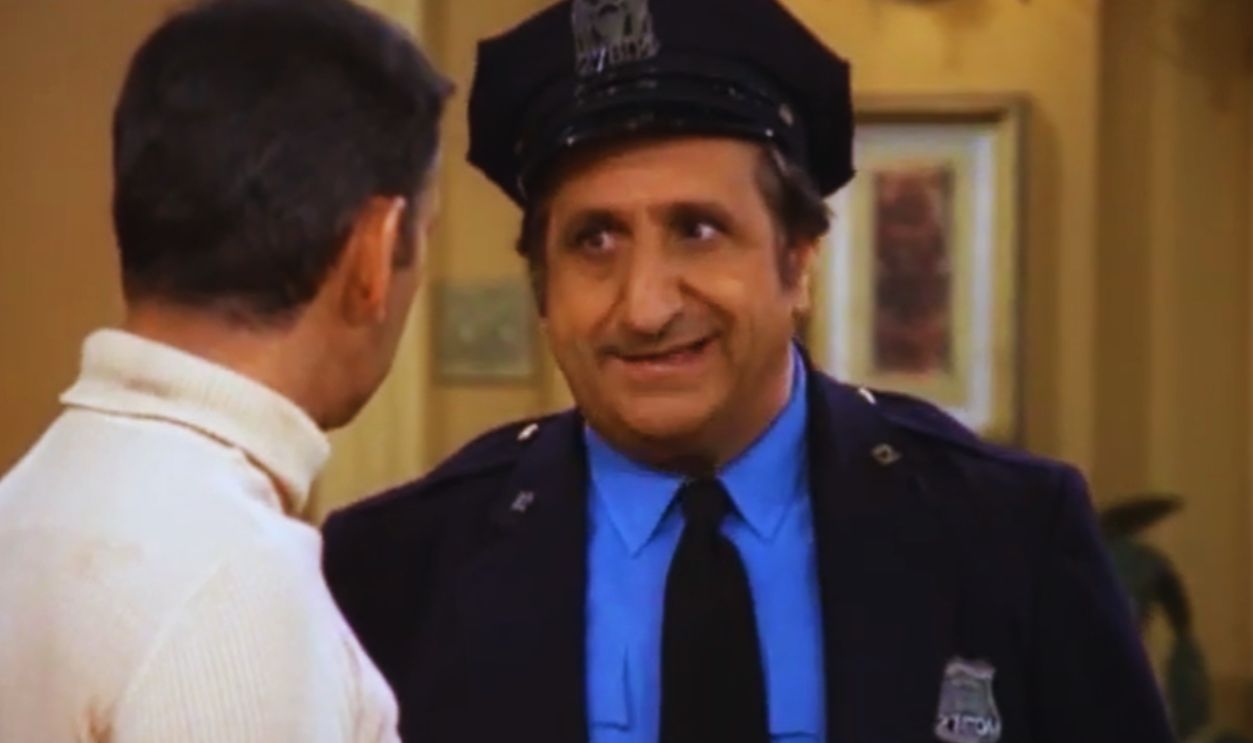
In 1970, Garry Marshall cast Molinaro as Murray Greshler on The Odd Couple. Murray was a friendly New York police officer who belonged to Oscar Madison’s poker-playing circle and regularly wandered into Felix and Oscar’s domestic chaos. The supporting role finally gave Molinaro a recurring place on a major network sitcom.
 Screenshot from The Odd Couple, Paramount Global (1970-1975)
Jack Klugman And Tony Randall Needed His Normality
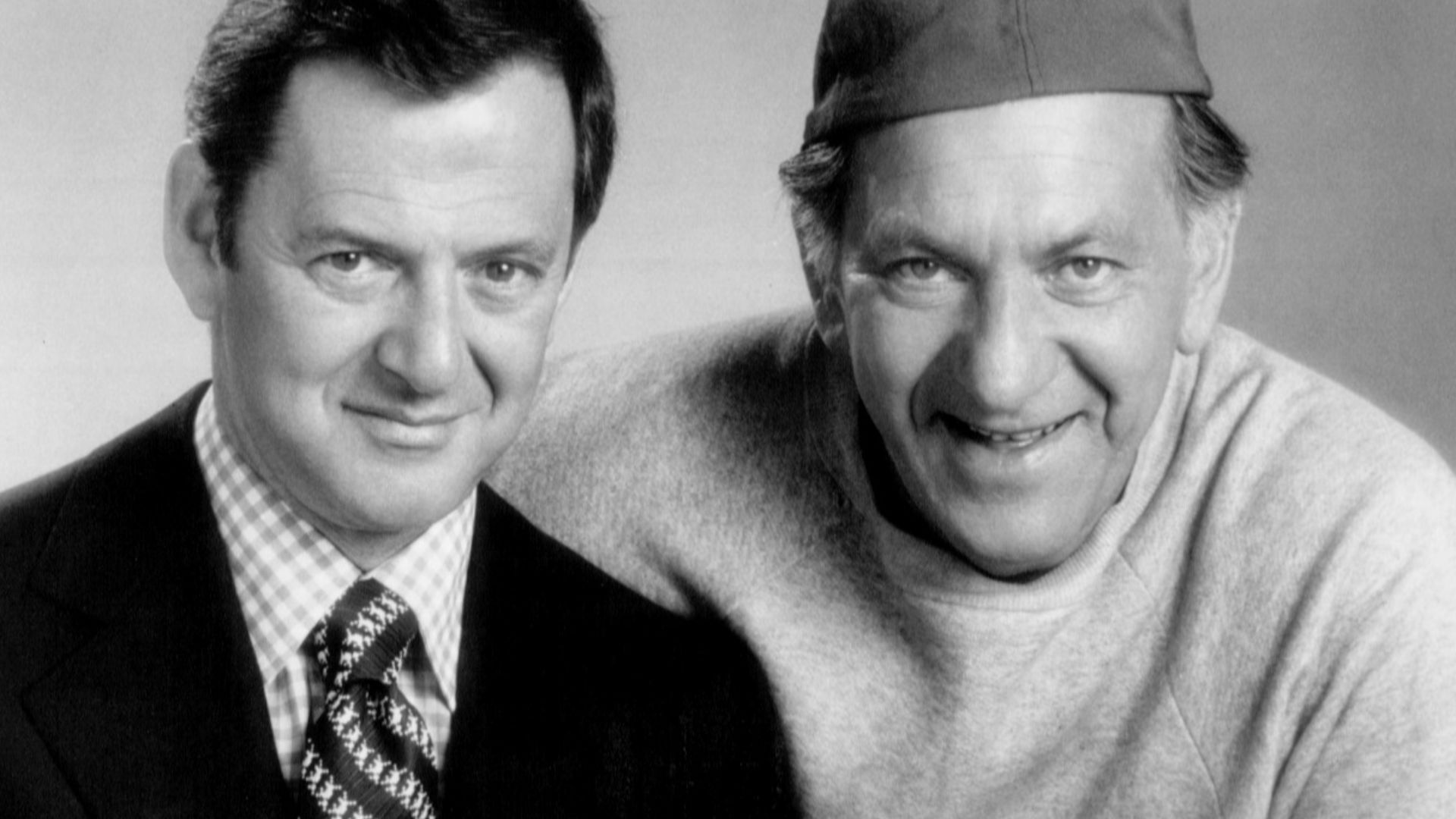
Tony Randall’s fastidious Felix and Jack Klugman’s rumpled Oscar were deliberately oversized comic personalities. Molinaro’s Murray worked because he seemed more ordinary while still possessing his own peculiar comic rhythm. His presence gave the audience another person who could stare at Felix or Oscar as though wondering how two grown men had created yet another ridiculous problem.
 ABC Television, Wikimedia Commons
His Face Became A Professional Advantage
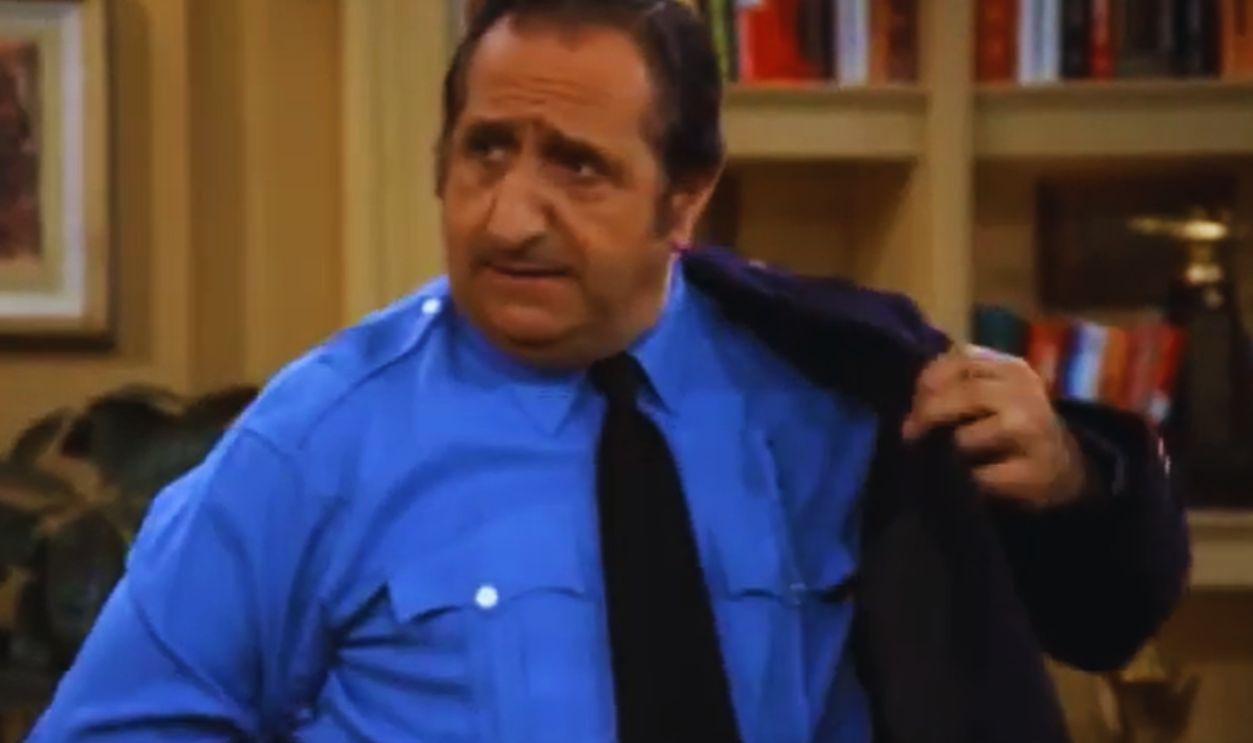
Contemporary obituaries struggled to describe Molinaro without mentioning his appearance. The Washington Post noted his beaked nose, wandering eyebrows, and compact physique, while the Associated Press called his expression hangdog. Molinaro understood how to let those features do part of the joke before he even delivered a line.
 Screenshot from The Odd Couple, Paramount Global (1970-1975)
He Could Steal A Scene Without Looking Like He Tried
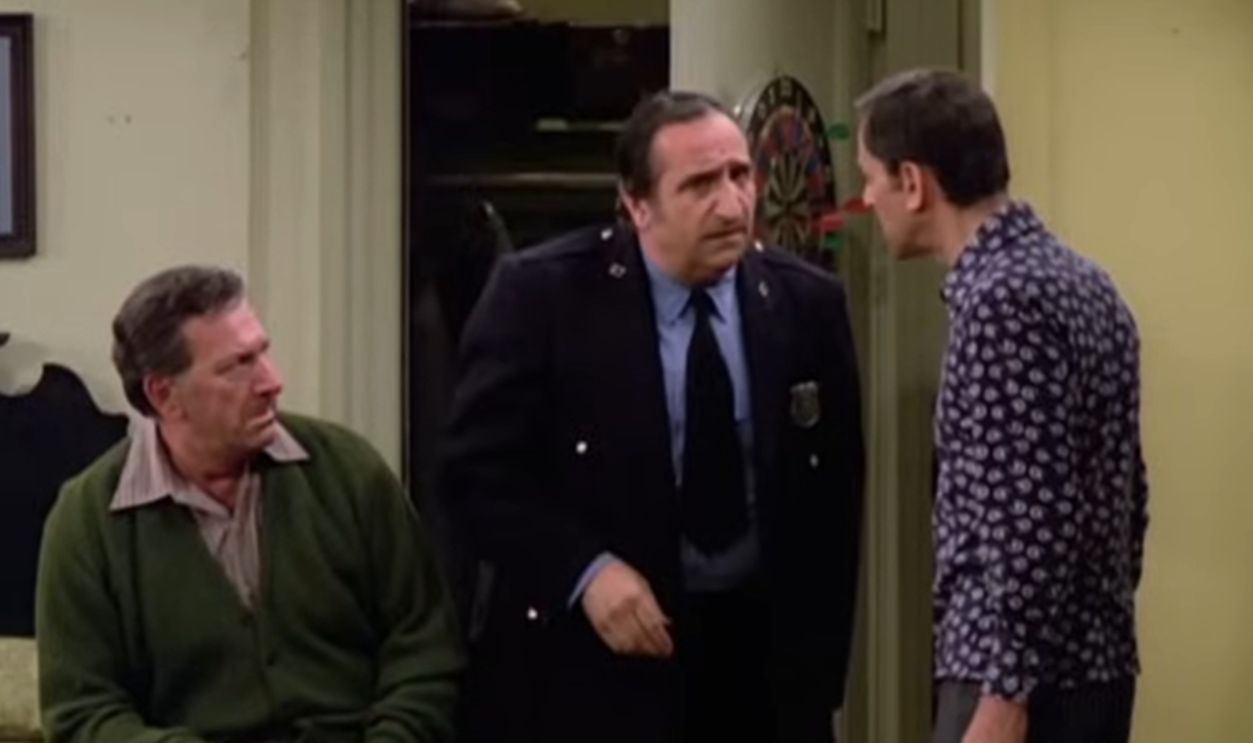
Molinaro rarely played characters who seemed aware that they were funny. Murray could enter a scene with complete sincerity, say something ridiculous in a matter-of-fact voice, and let Felix or Oscar react around him. That understated technique made his unusual face funnier because he never appeared to be showing it off.
 Screenshot from The Odd Couple, Paramount Global (1970-1975)
Five Seasons Made Him A Familiar Face
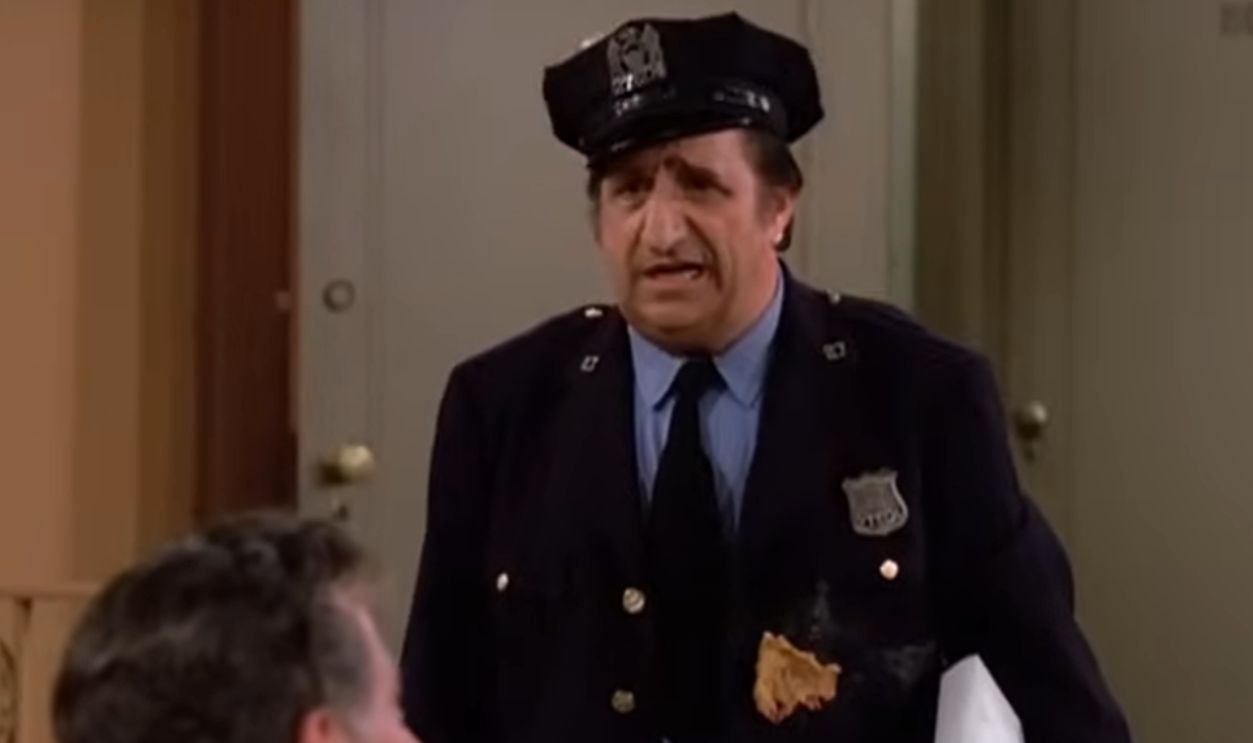
The Odd Couple ran on ABC from 1970 through 1975, and Molinaro remained a recurring presence across the series. Television Academy interviews with Randall and Klugman both preserve memories of working with him. By the end of the run, Molinaro had achieved exactly what character actors need most: viewers knew his face before they necessarily knew his name.
 Screenshot from The Odd Couple, Paramount Global (1970-1975)
Happy Days Needed A New Man Behind The Counter
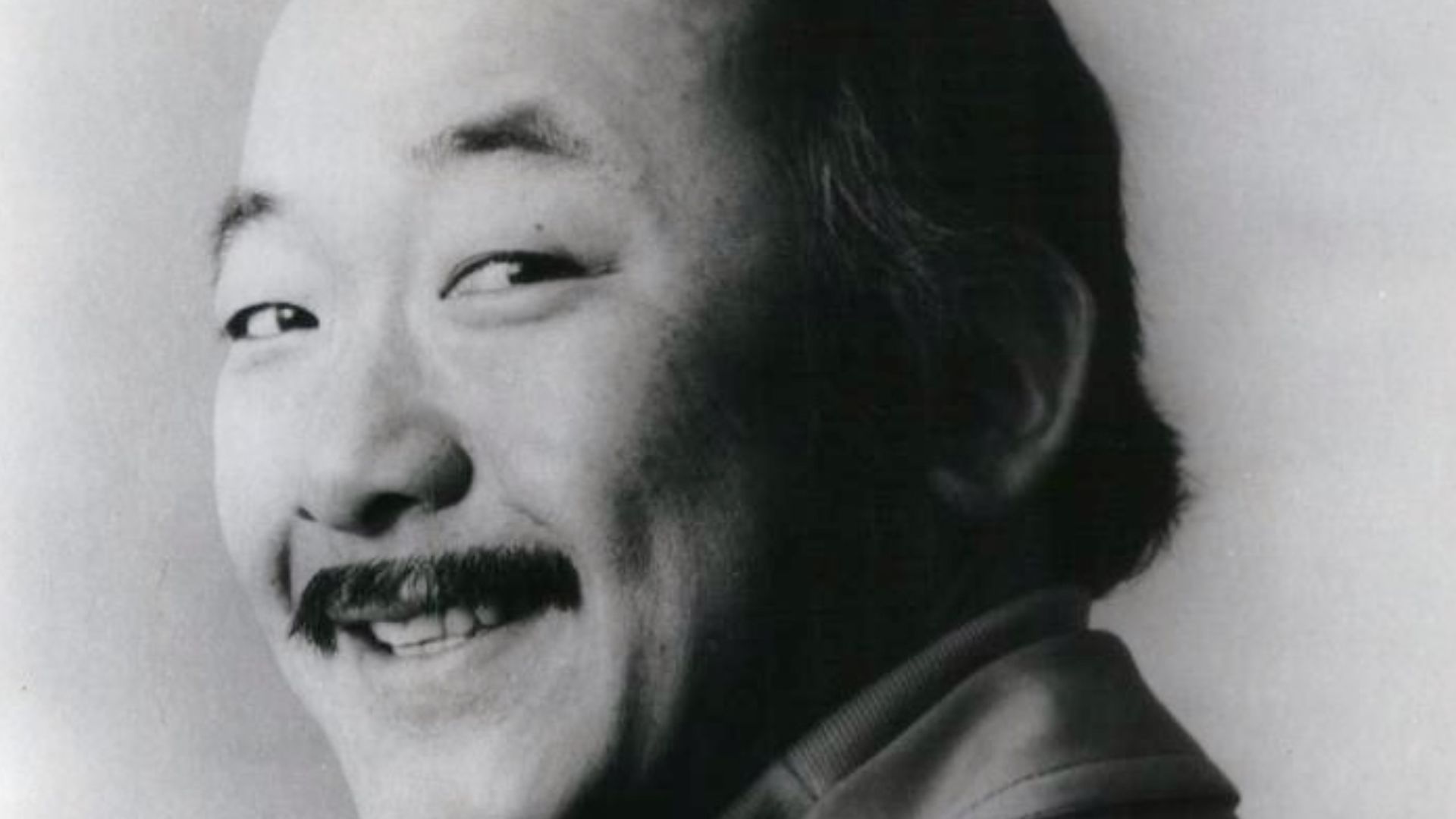
When Pat Morita left Happy Days, the show needed someone new to operate Arnold’s Drive-In. Garry Marshall turned again to Molinaro, who joined the sitcom as Al Delvecchio in 1976. Rather than asking him to reproduce Morita’s Arnold, the series allowed Al to develop a different comic personality.
 George E. Marienthal Enterprises, Wikimedia Commons
Big Al Was Built For Molinaro
Al Delvecchio was mild, slightly weary, good-natured, and frequently overwhelmed by the teenagers filling his restaurant. Molinaro’s Midwestern voice and perpetually concerned expression fit the character perfectly. He looked like a man who had been trying to close the diner for 20 minutes while Fonzie and Richie somehow kept creating another problem.
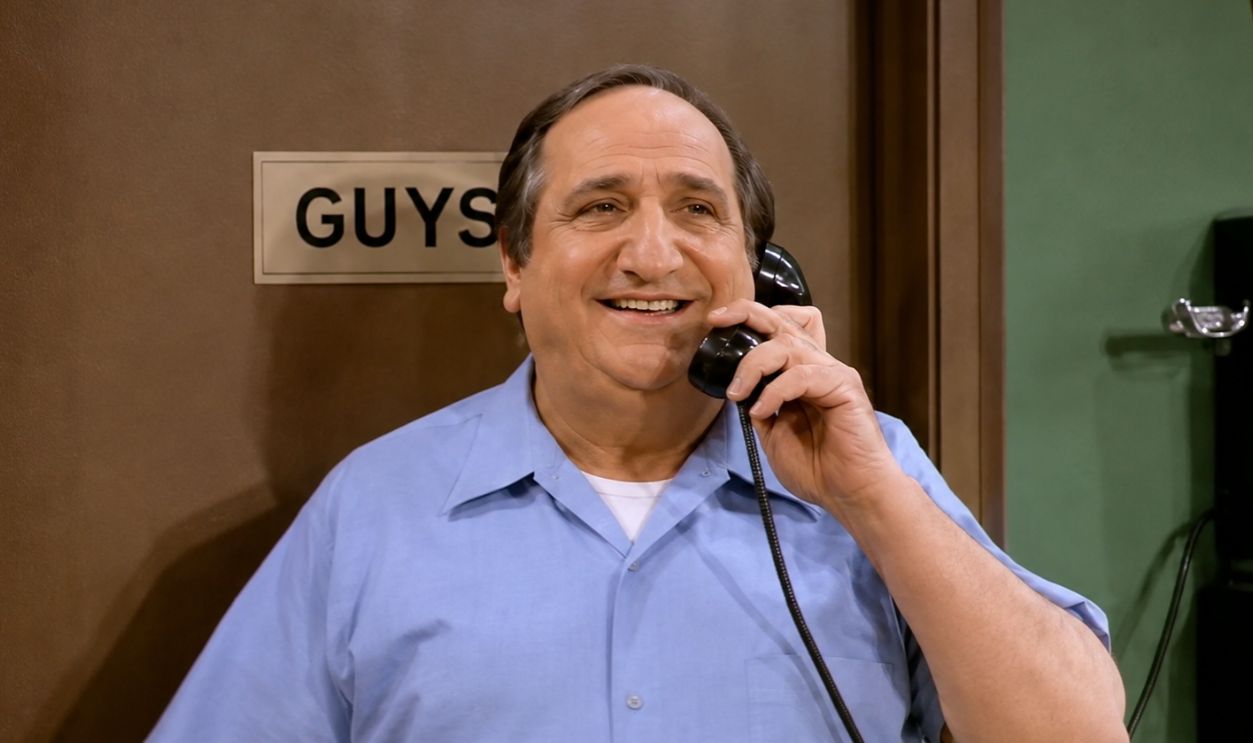 Screenshot from Happy Days, Paramount Global (1974-1984), enhanced
Arnold’s Became His Natural Habitat
Arnold’s Drive-In was one of Happy Days’ most important recurring locations. Richie, Fonzie, Potsie, Ralph, Joanie, and their friends gathered there to eat, dance, date, and argue. Al’s presence gave the hangout an adult authority figure who was close enough to the younger characters to understand them without ever becoming one of them.
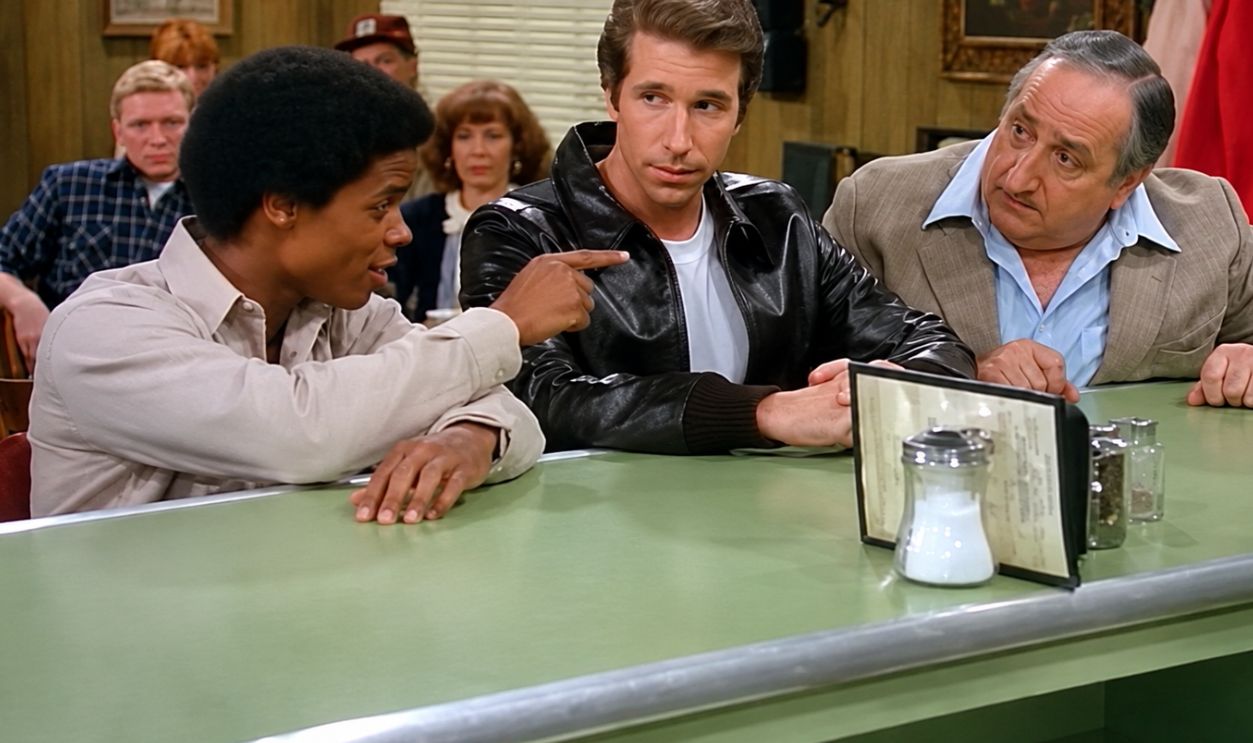 Screenshot from Happy Days, Paramount Global (1974-1984), enhanced
He Balanced Fonzie Without Competing With Him
Henry Winkler’s Fonzie had become the show’s dominant personality, and trying to match that energy would have been a losing strategy. Molinaro instead made Al slower, more cautious, and more easily exhausted by whatever was happening around him. The contrast allowed Fonzie to remain larger than life while Al became funny through his refusal to behave like a television star.
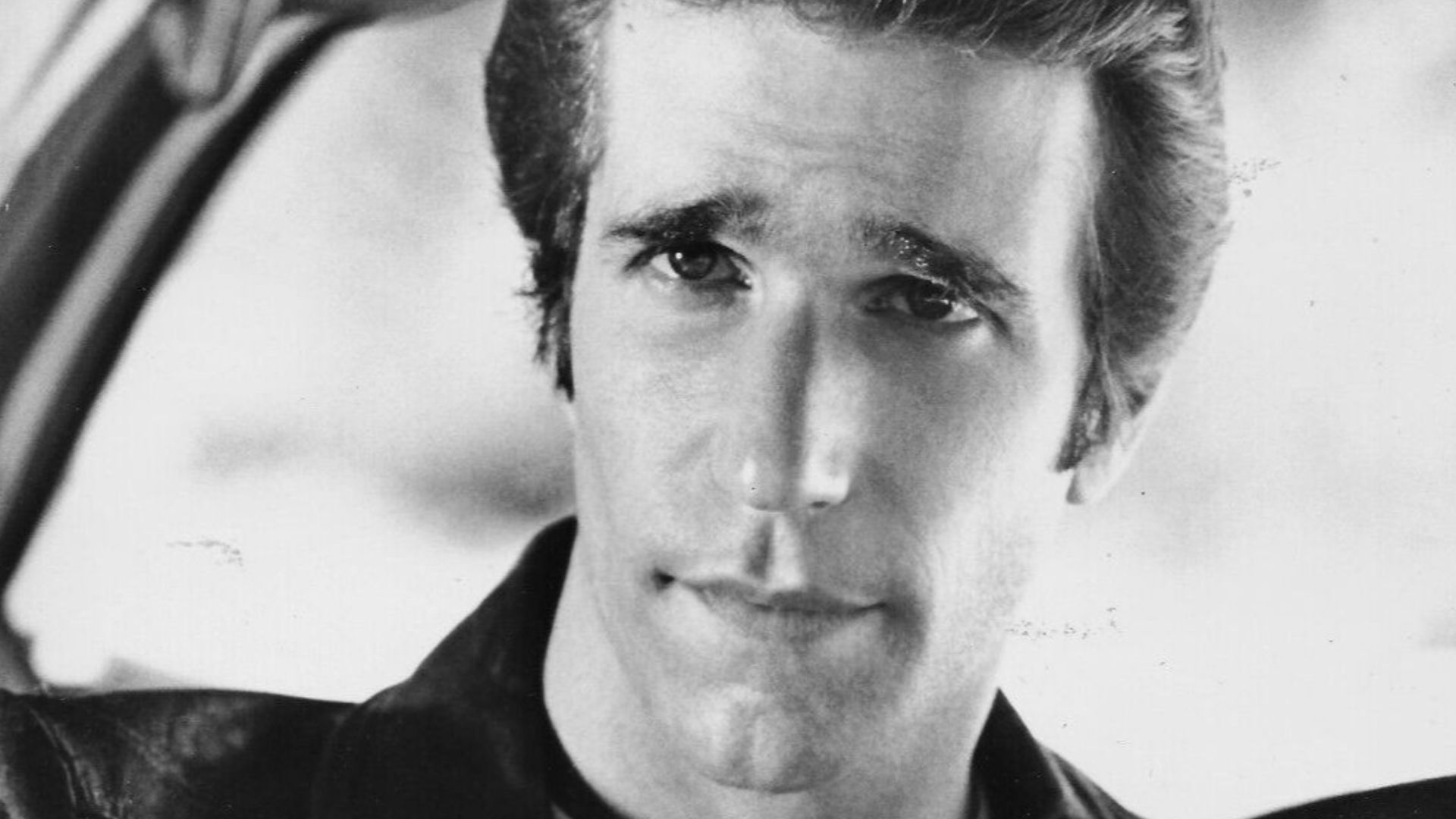 ABC Television, Wikimedia Commons
His Wisconsin Roots Suddenly Mattered
Happy Days was set in Milwaukee, making the Kenosha-born Molinaro one of the cast members with an authentic Wisconsin connection. His accent and manner did not need to be heavily manufactured for the show’s setting. The result gave Big Al a regional flavor that fit naturally inside the Cunninghams’ nostalgic version of Midwestern life.
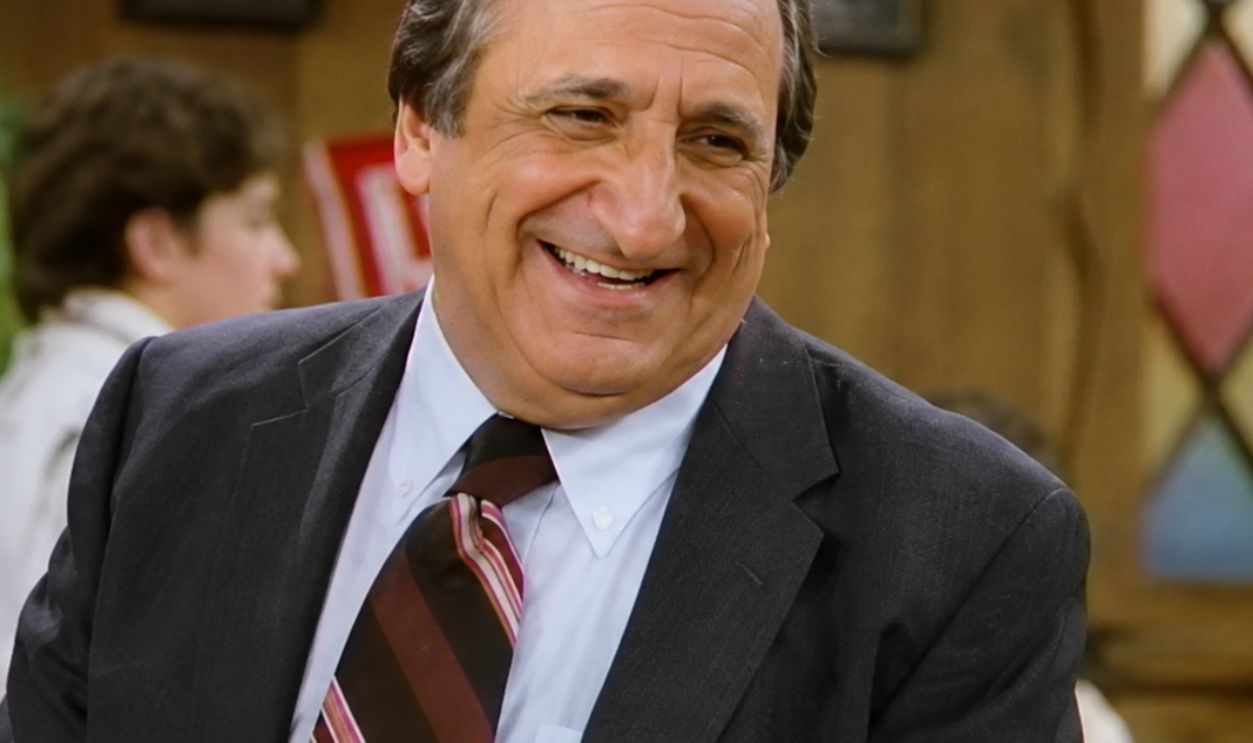 Screenshot from Happy Days, Paramount Global (1974-1984), enhanced
He Even Played Al’s Twin Brother
Molinaro occasionally doubled his workload by portraying Al Delvecchio’s twin brother, Father Anthony Delvecchio. The priest looked remarkably familiar, of course, but the joke let Molinaro play variations on the face audiences already recognized immediately. It was a classic sitcom trick built around the idea that his appearance alone was funny enough to duplicate.
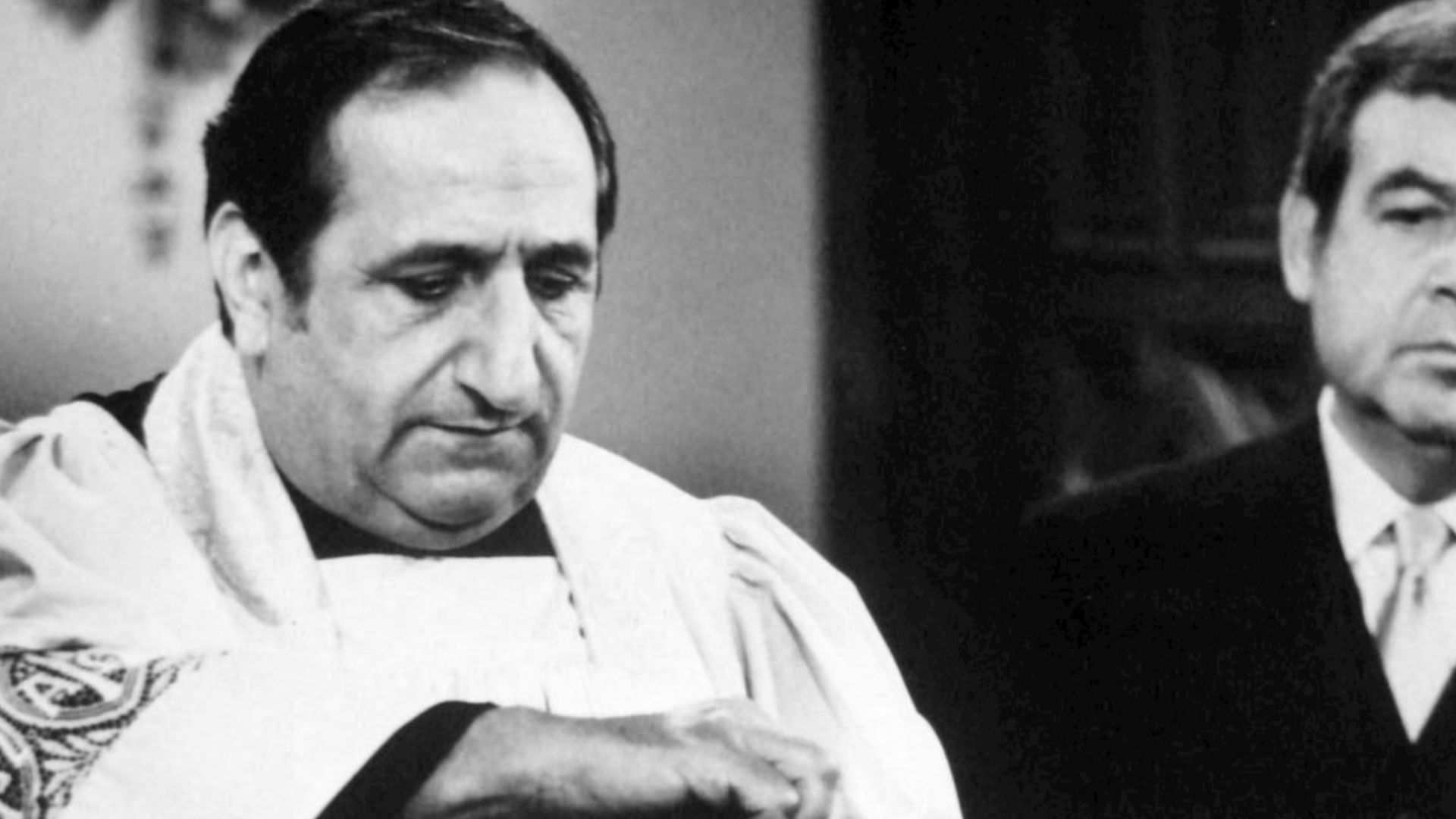 ABC Television, Wikimedia Commons
Joanie And Chachi Took Him Along
Molinaro left Happy Days as a regular in 1982 to join the spinoff Joanie Loves Chachi. Al remained part of the younger couple’s world and became Chachi’s stepfather. The spinoff lasted only two seasons, but its existence demonstrated how firmly Molinaro had become connected to the larger Happy Days universe.
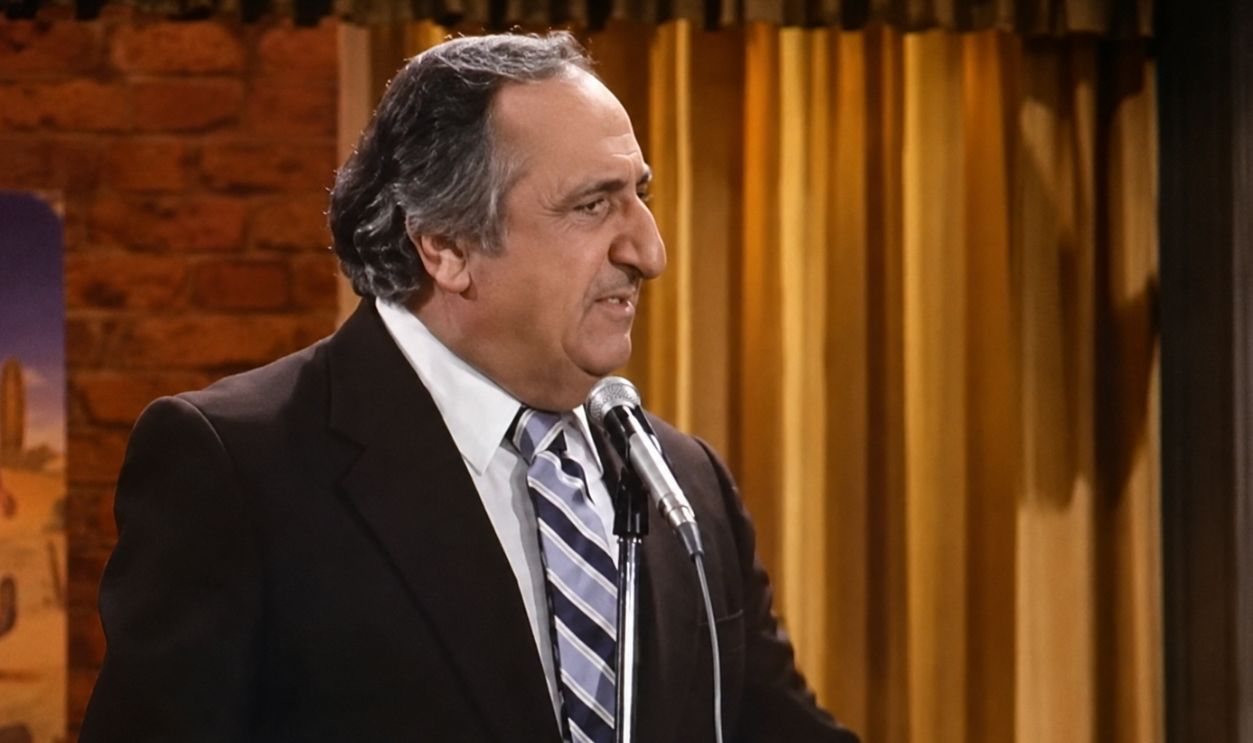 Screenshot from Joanie Loves Chachi, Paramount Global (1982-1983), enhanced
He Was Surprisingly Picky About Movie Work
Molinaro’s wholesome screen image reflected some of his real preferences. He later said he turned down movie opportunities from Garry Marshall because he was uncomfortable appearing in films containing four-letter words. That choice limited his feature-film career, but Molinaro had reached a point where staying comfortable with his own values mattered more than collecting every possible credit.
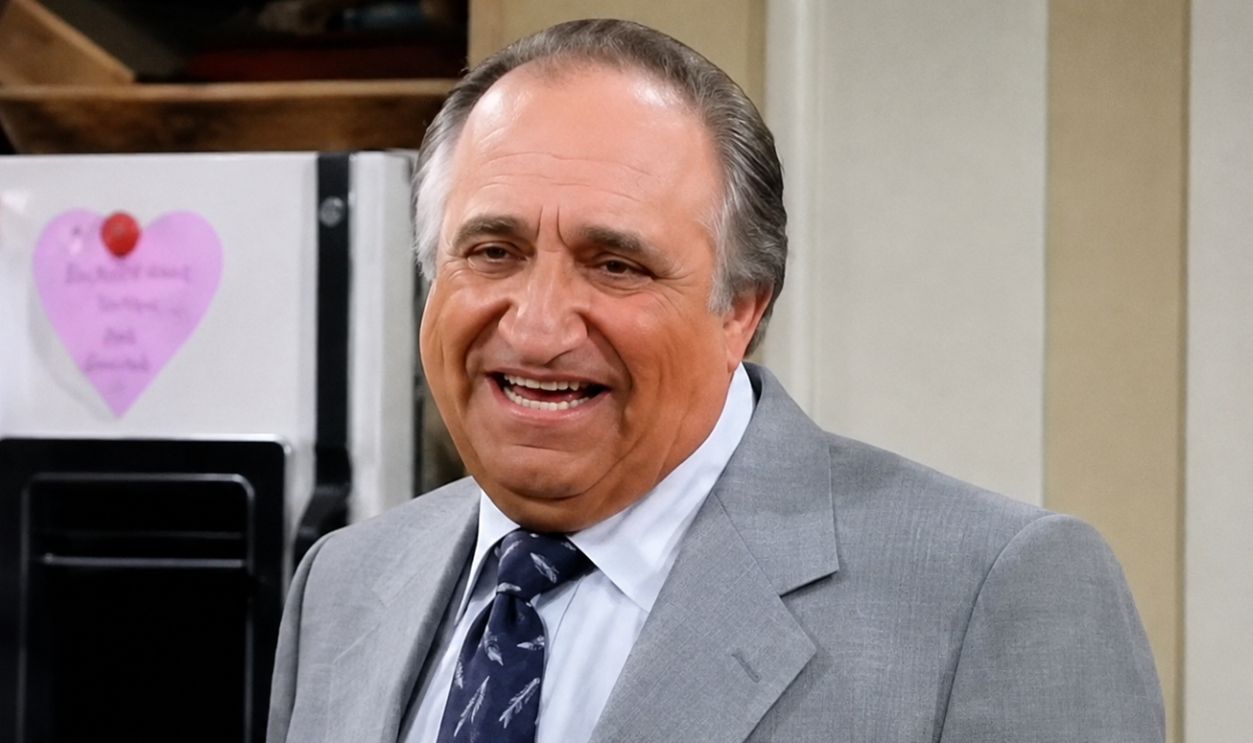 Screenshot from The Family Man, Warner Bros. Discovery (1990-1991), enhanced
Commercials Realized His Face Could Sell Anything
After his sitcom peak, Molinaro became a familiar advertising pitchman. He appeared in commercials for products including frozen meals, hydrocortisone cream, and paper goods. Advertisers understood the same thing sitcom producers had discovered years earlier: viewers instantly recognized his face and generally trusted the character it suggested.
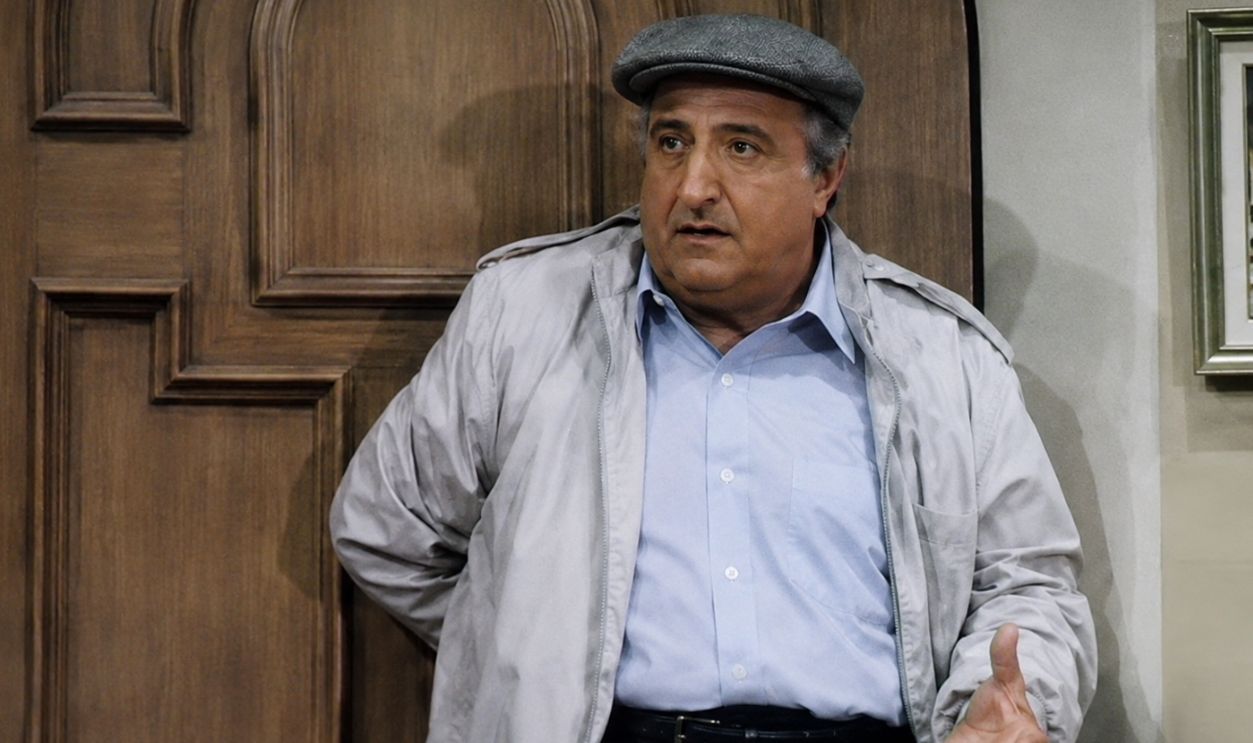 Screenshot from The Family Man, Warner Bros. Discovery (1990-1991), enhanced
Big Al Briefly Became A Real Restaurant
In 1987, Molinaro and former Happy Days costar Anson Williams launched a Midwestern diner chain called Big Al’s. The venture attempted to turn Molinaro’s television association with Arnold’s into an actual restaurant business. It did not last, but few supporting sitcom actors could have inspired a restaurant concept simply by standing behind a fictional counter.
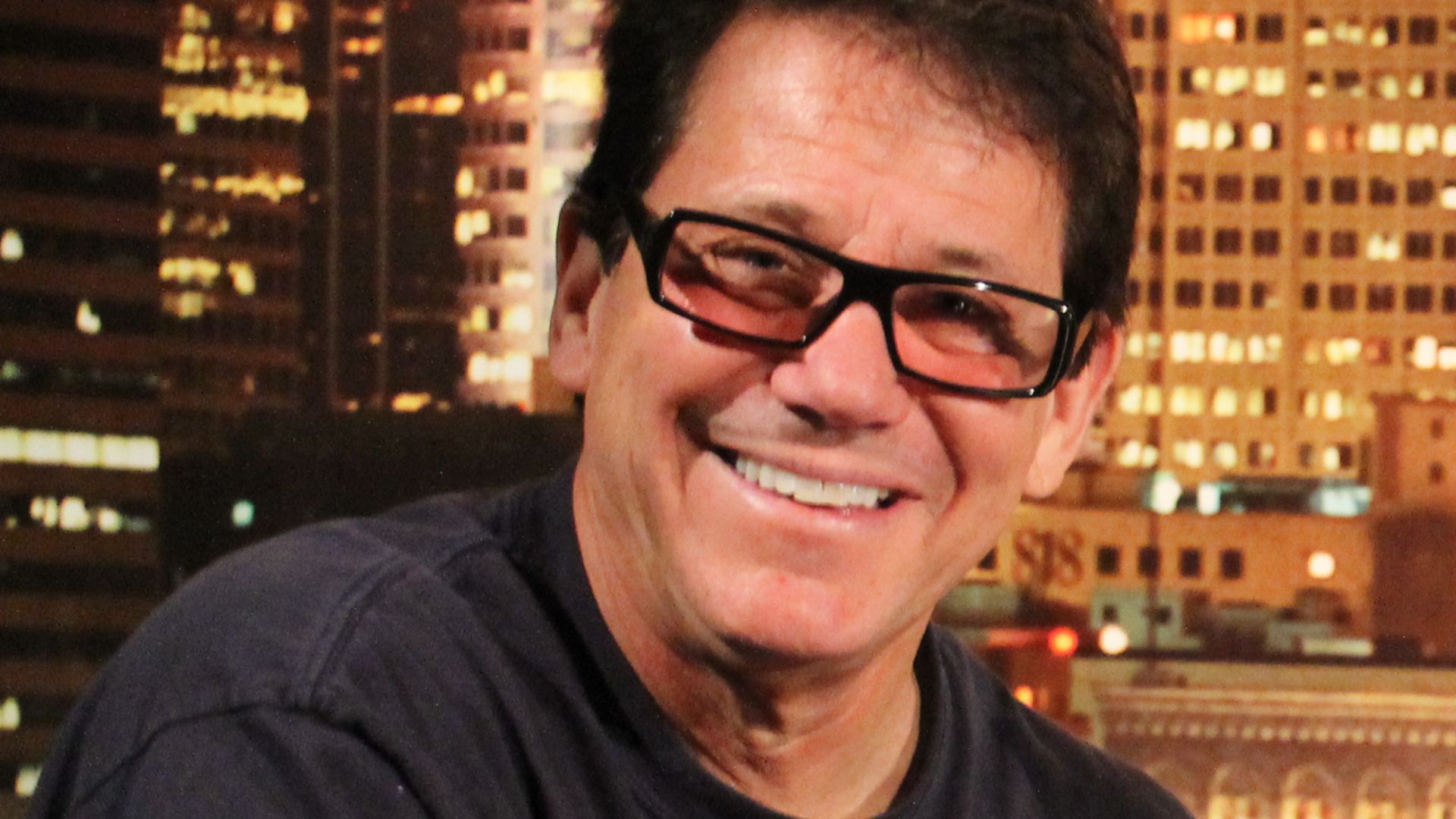 Bob Bekian from Thousand Oaks Ca., USA, Wikimedia Commons
The Family Man Gave Him One More Regular Job
Molinaro returned to series television in 1990 with CBS’s The Family Man. He played Joe Alberghetti, the father-in-law of Gregory Harrison’s widowed character, across the sitcom’s single season. Even decades after his first breakthrough, television still knew exactly what Molinaro could provide: familiar warmth with a face audiences remembered immediately.
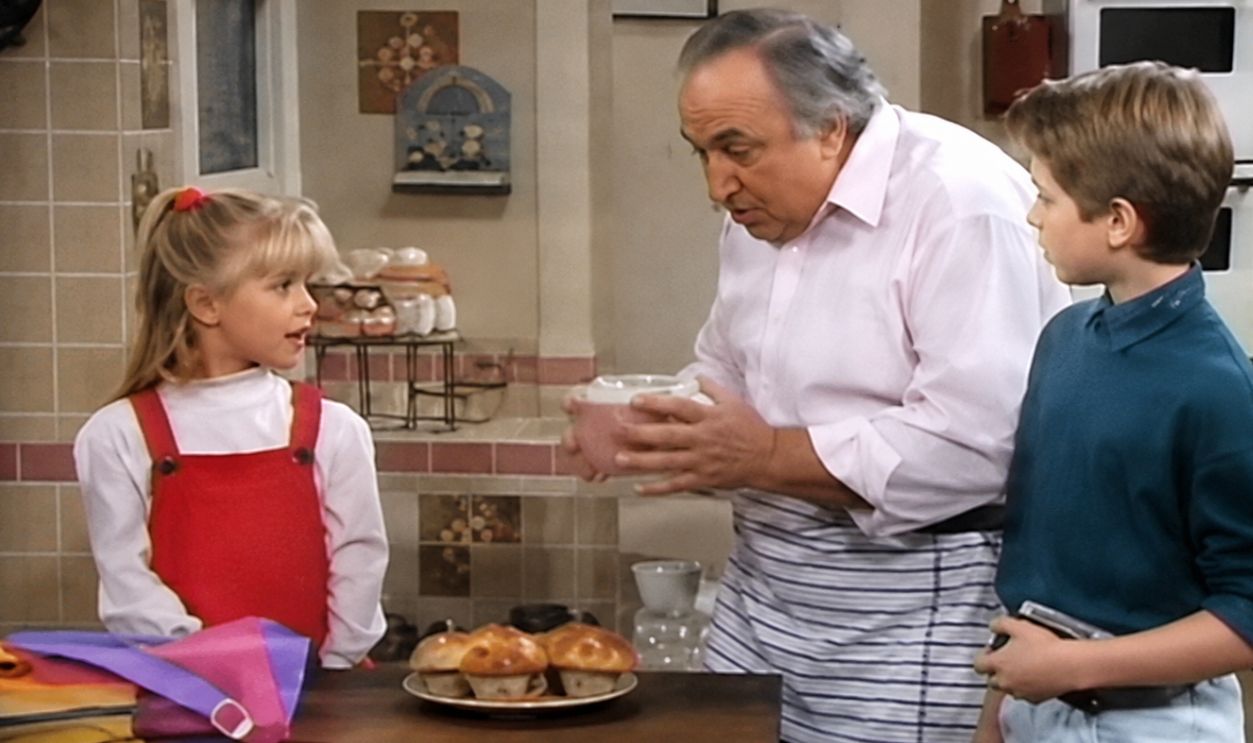 Screenshot from The Family Man, Warner Bros. Discovery (1990-1991), enhanced
Weezer Turned Big Al Into A Nineties Icon
In 1994, Molinaro reprised Al Delvecchio in Spike Jonze’s celebrated video for Weezer’s “Buddy Holly.” The video recreated Arnold’s and blended the band with footage evoking Happy Days, while Molinaro’s appearance helped sell the illusion that Weezer had somehow wandered into the old sitcom. A character actor who first found fame in his 50s had suddenly become recognizable to another generation.
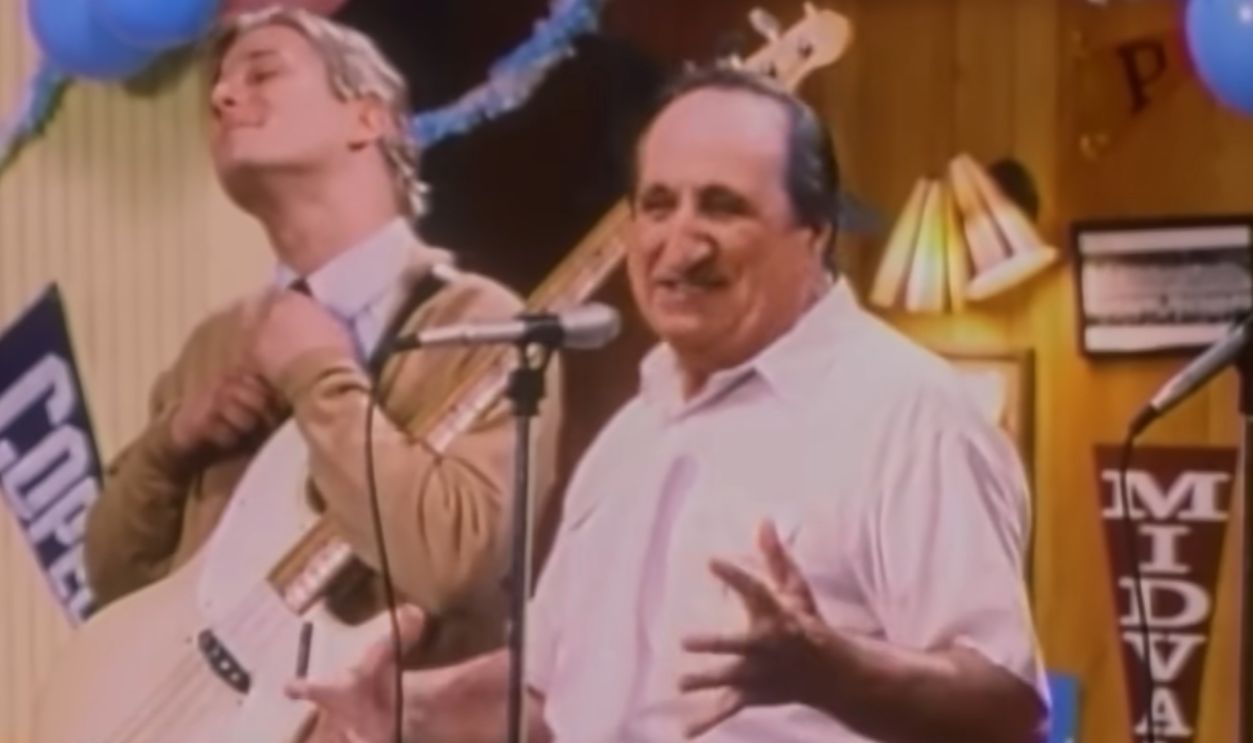 Screenshot from Buddy Holly, Universal Music Group (1994)
He Never Apologized For Happy Days
During the 1992 Happy Days reunion, Molinaro pushed back against the idea that the series was merely disposable “bubble-gum” television. He argued that audiences had considered the program important and that its emotional connection with viewers mattered more than industry snobbery. The comment fit a performer who had spent his whole career making supposedly ordinary supporting characters matter.
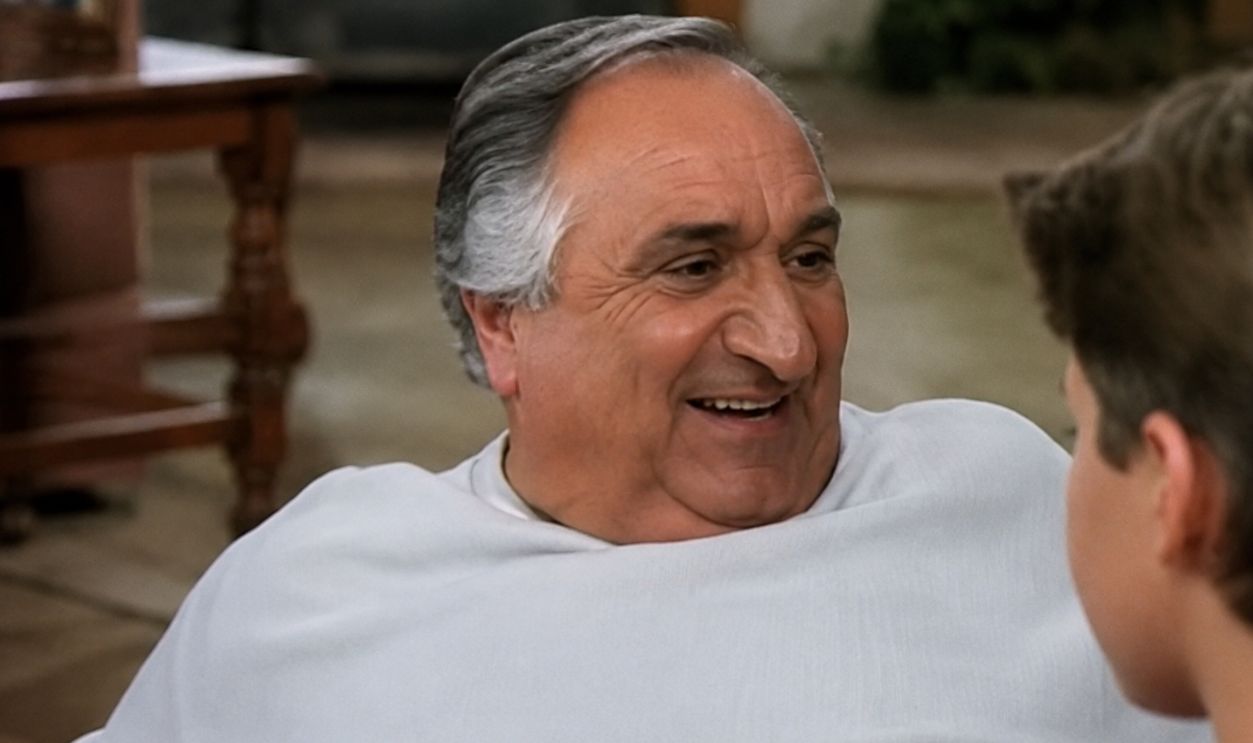 Screenshot from The Family Man, Warner Bros. Discovery (1990-1991), enhanced
The Face Everyone Remembered Became His Legacy
Molinaro died in 2015 at age 96 after complications from a gallbladder infection. Obituaries immediately remembered the unusual nose, eyebrows, Midwestern voice, Murray the cop, and Big Al because those features had become inseparable from decades of television comedy. Hollywood never turned him into a conventional star, but Al Molinaro proved that being unmistakable could be far more useful than being handsome.
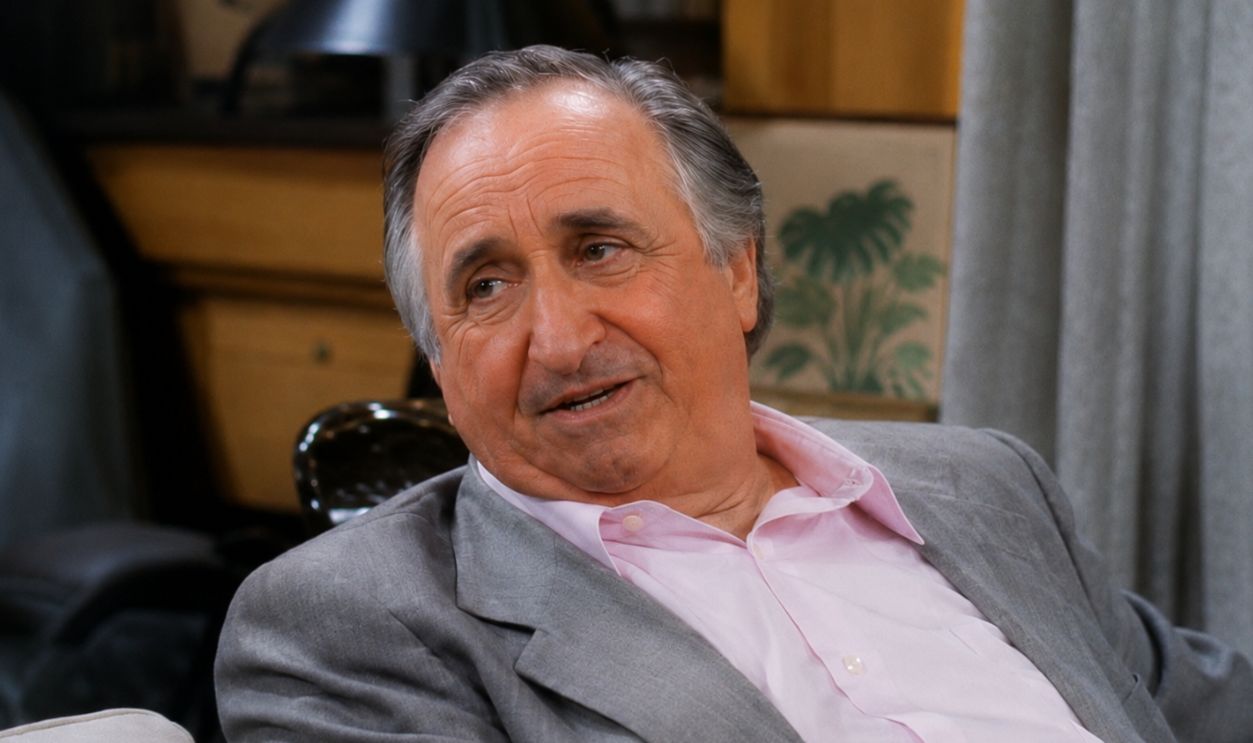 Screenshot from The Family Man, Warner Bros. Discovery (1990-1991), enhanced
You May Also Like:
Rugged Facts About James Caan, America’s Tough Guy
Forgotten 1990s TV Stars Who Were Briefly Everywhere
Tragic Facts About Fatty Arbuckle, The Star Who Lost It All
Sources: 1, 2, 3, 4, 5, 6, 7, 8, 9, 10, 11, 12, 13, 14, 15, 16, 17, 18, 19, 20