Comeback Triumphs
Hollywood loves a “comeback” story because it’s never just about a hit role—it’s about timing, second chances, and someone refusing to be reduced to a rough patch. Here are the actors who hit a slump (or stepped away), then returned with a project that reset the conversation around them.
 Juan Naharro Gimenez, Getty Images
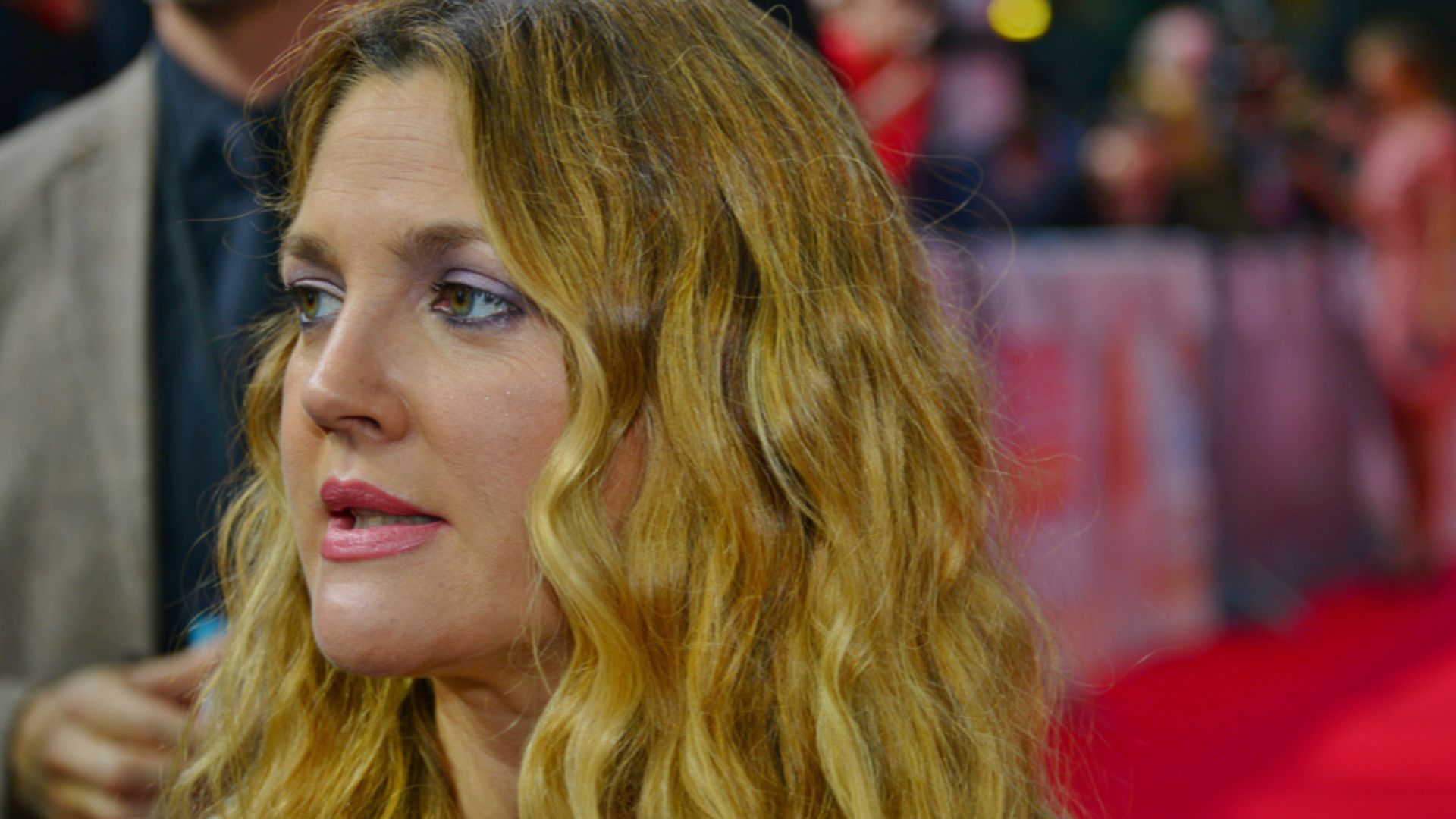
Drew Barrymore
Drew Barrymore’s early fame came with very public turbulence, the kind that can swallow a career whole. Her comeback wasn’t one movie—it took time. She steadily rebuilt her image, becoming a bankable rom-com lead, producer, director, and a media presence who’s clearly steering her own ship.
 Glyn Lowe PhotoWorks from lisbon, Portugal, Wikimedia Commons
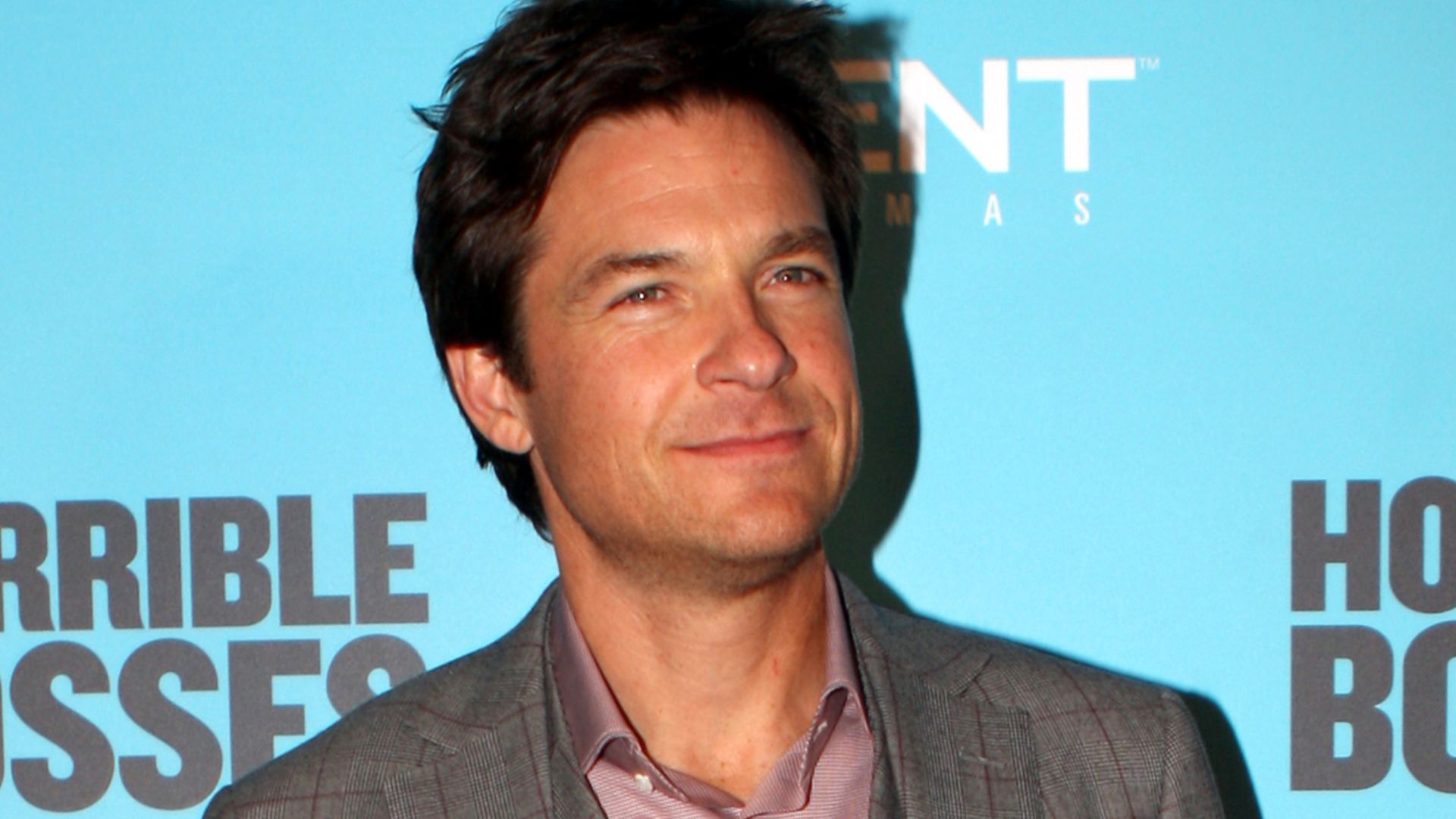
Jason Bateman
Jason Bateman had a long stretch where he felt more “that guy from earlier” than a must-watch lead. Then Arrested Development gave him the perfect grown-up lane—dry, grounded, sharply funny—and he stacked that momentum into films and prestige TV, proving he wasn’t just a nostalgia act.
 Eva Rinaldi, Wikimedia Commons
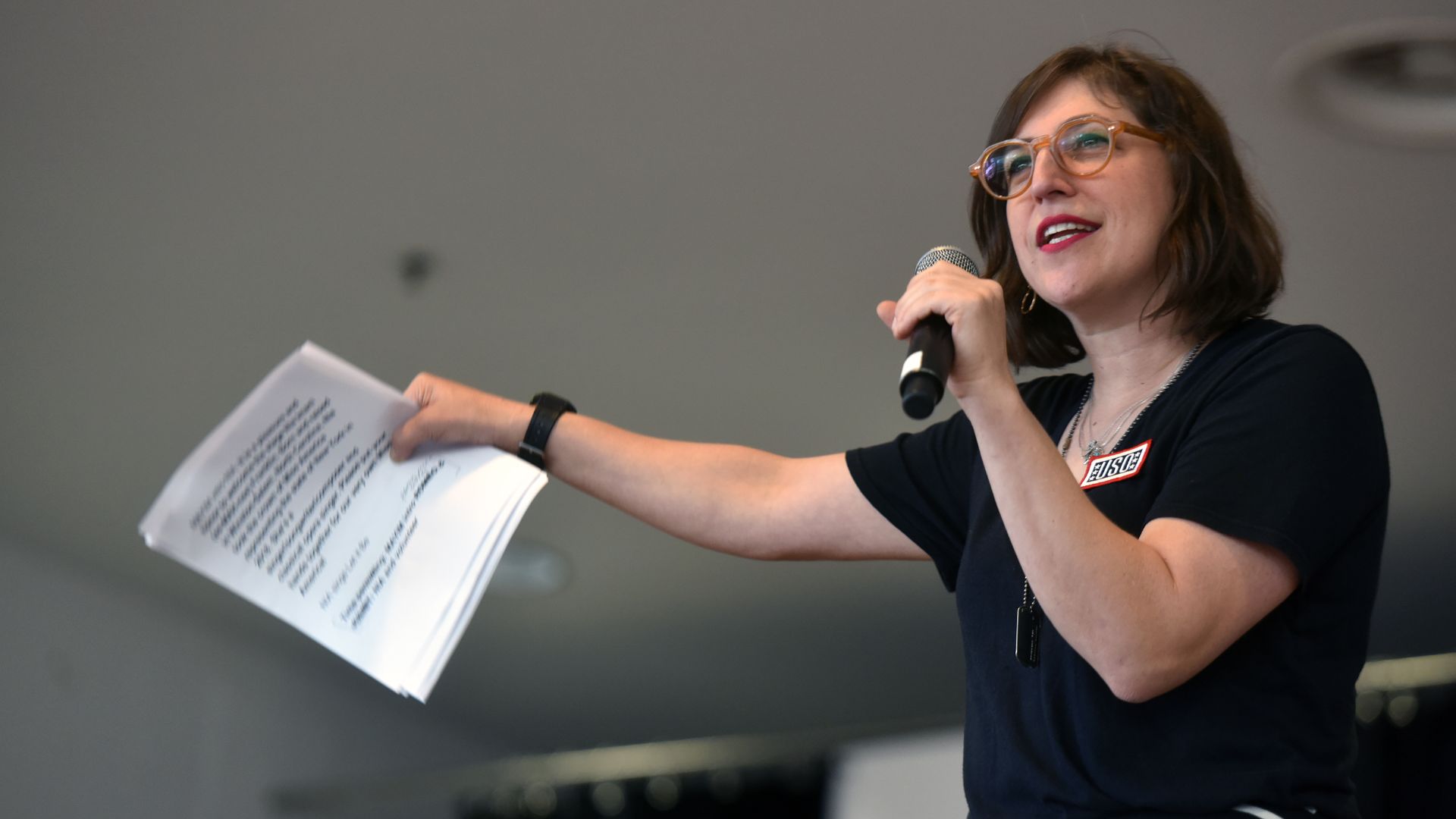
Mayim Bialik
Mayim Bialik stepped away from the spotlight and did something Hollywood rarely plans for: She built a whole other life, earning a neuroscience PhD. When she returned as Amy Farrah Fowler on The Big Bang Theory, it didn’t feel like a gimmick—it felt like an upgraded version of her talent.
 Jim Greenhill from McLean, USA, Wikimedia Commons
Marlon Brando
Even legends can cool off, and Marlon Brando spent years carrying both genius and “box-office risk” baggage. The Godfather was a project that worked wonders. Not only did it revive him, but it also reframed him, turning the narrative from erratic star to immortal screen presence.
Brando certainly reminded everyone what authority looks like on film, and as a result, created one of the most iconic characters in cinematic history.
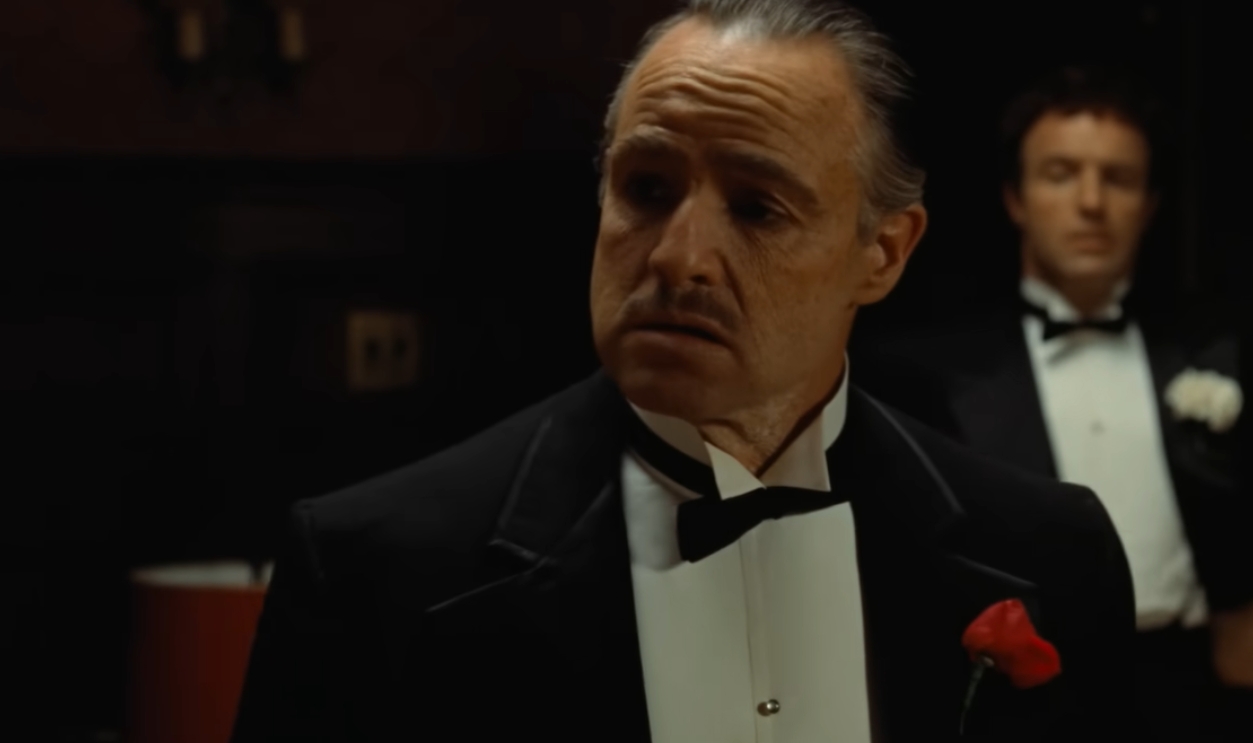 Screenshot from The Godfather, Paramount Pictures (1972)
Adam Brody
After The O.C., Adam Brody never vanished, but he did drift from the mainstream center stage where teen icons often get stranded. A later wave of attention brought him back as an adult leading man audiences actually want to follow, not just remember.
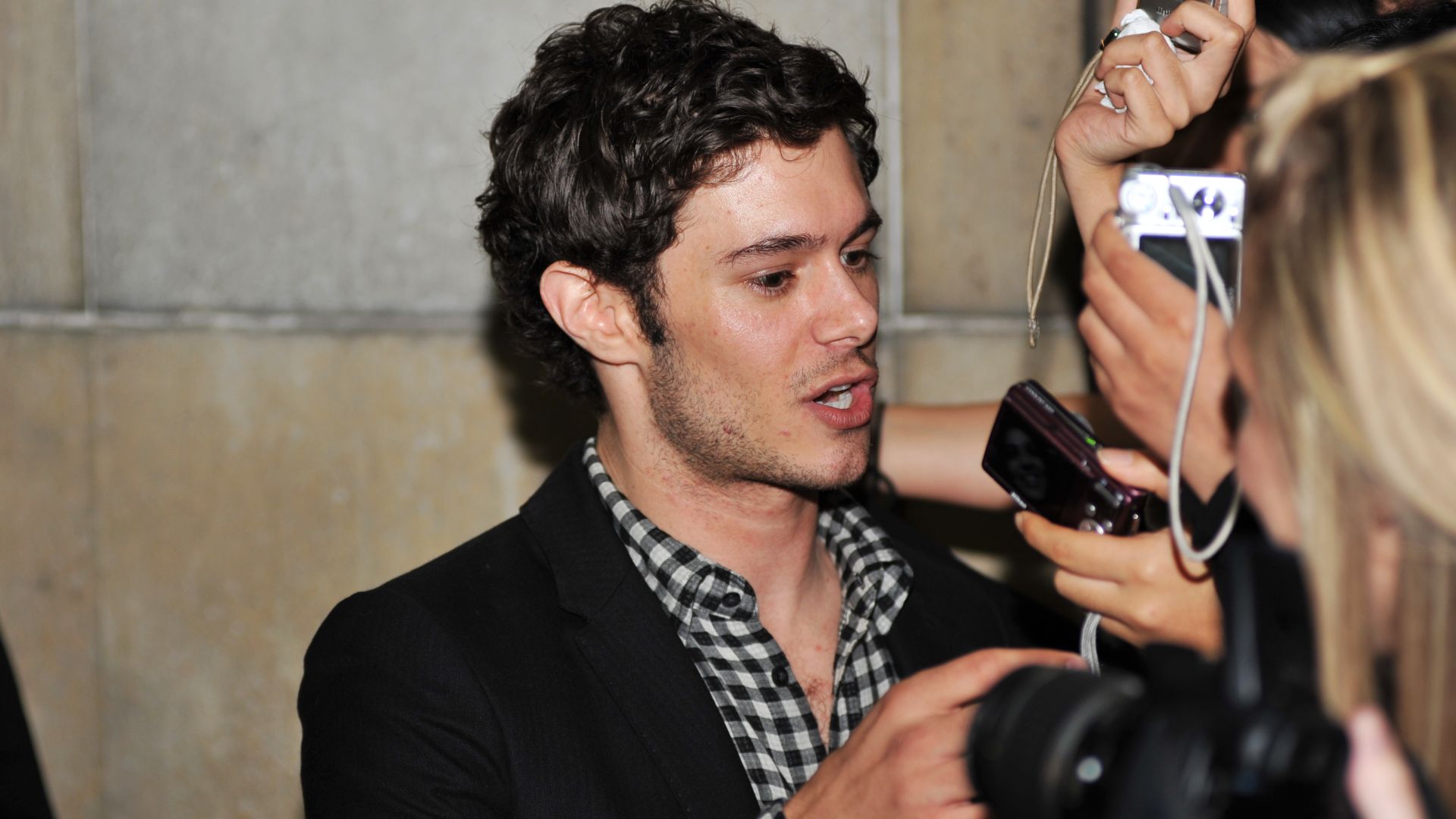 Michael Vlasaty, Wikimedia Commons
Jon Cryer
Jon Cryer was beloved as “Duckie,” but it’s hard to top a character that iconic. Years later, Two and a Half Men handed him a new signature role—steady, funny, and durable enough to earn major awards—turning a long middle stretch into a clear second peak.
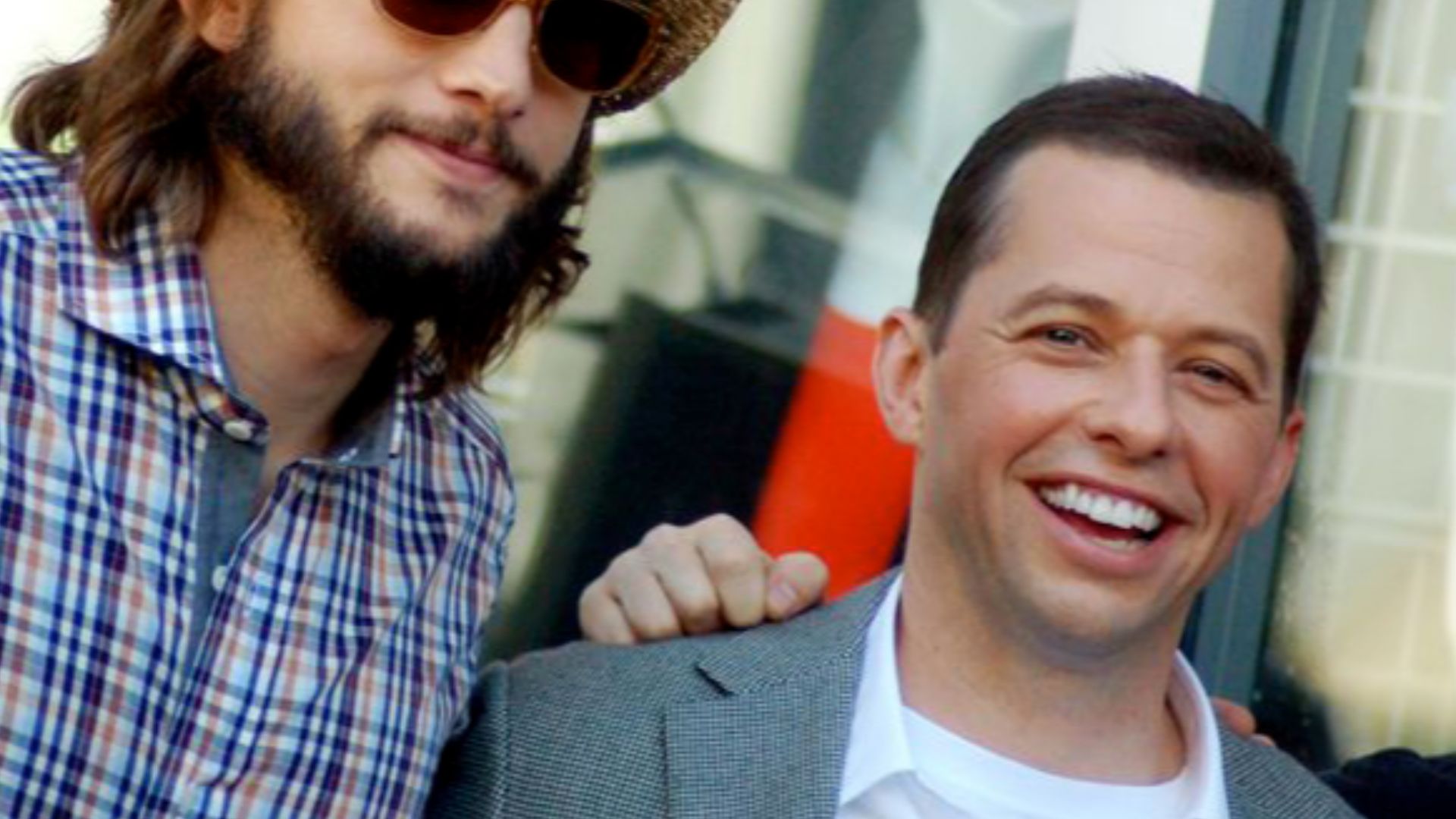 Angela George, Wikimedia Commons
Bette Davis
Bette Davis didn’t need to prove she could act, she needed the industry to stop acting like she was finished. After leaving Warner Bros., she roared back with All About Eve, the kind of performance that doesn’t politely return—it kicks the door open and dares you to look away.
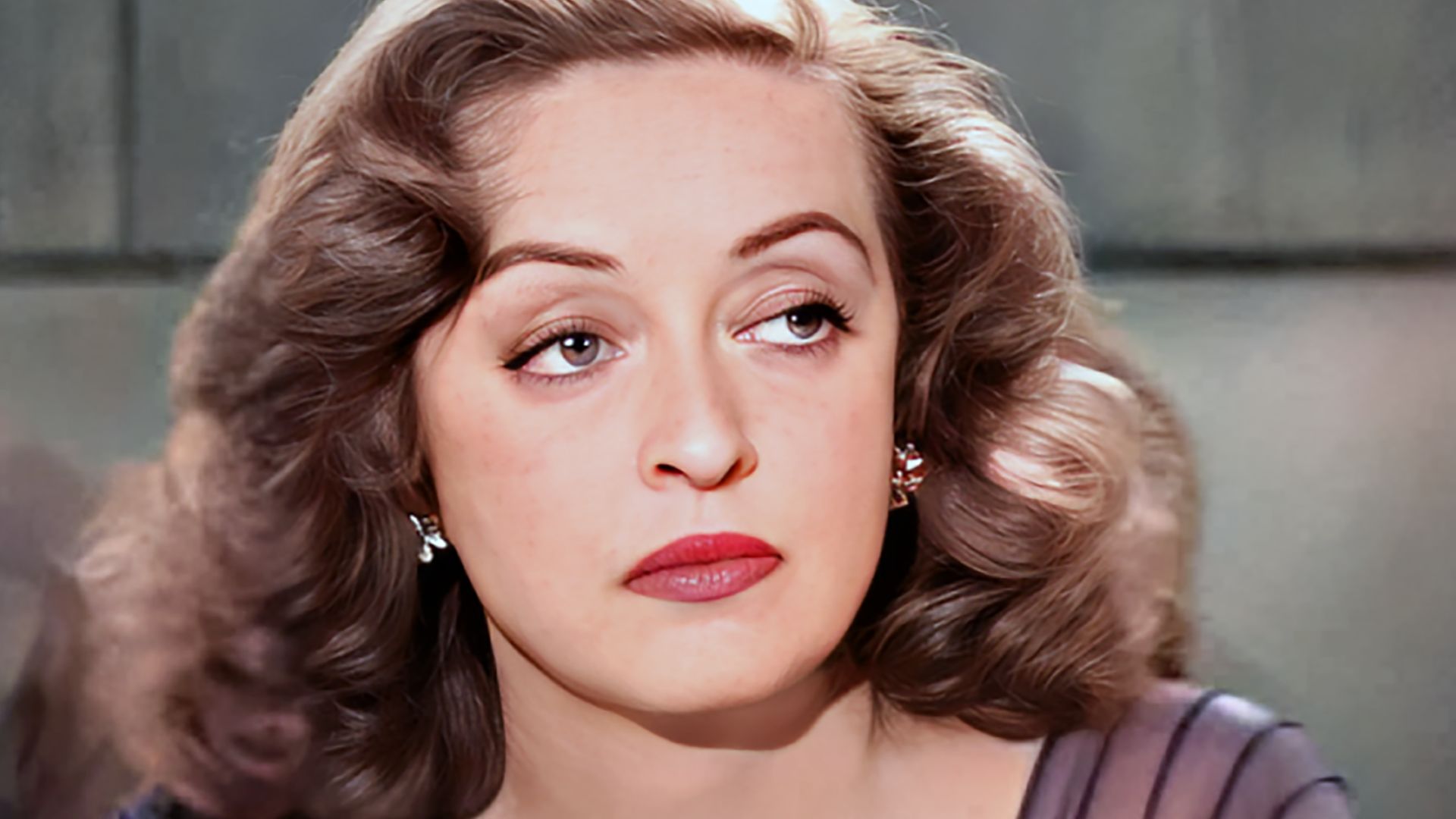 Trailer screenshot, Wikimedia Commons
Robert Downey Jr.
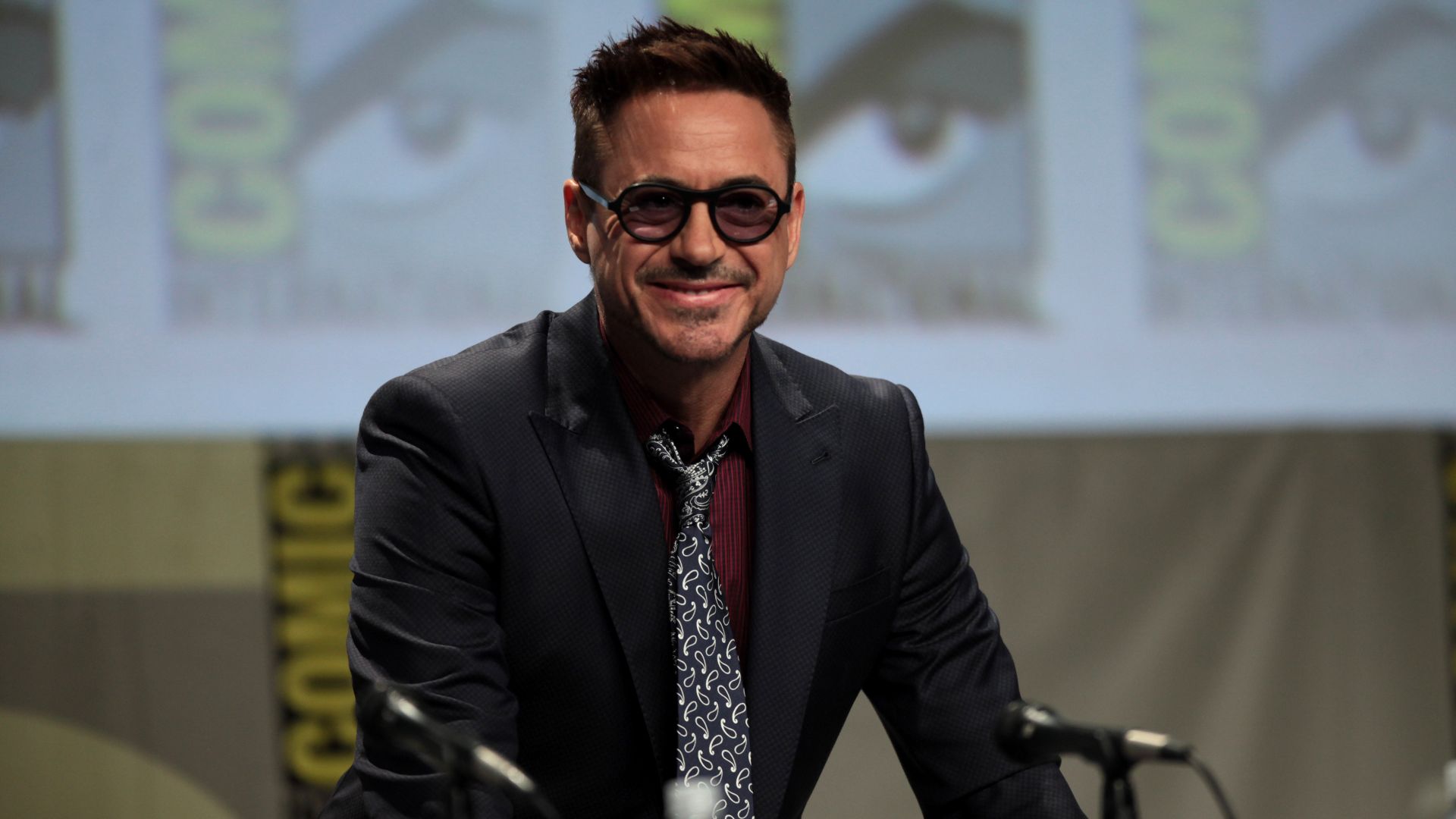
Robert Downey Jr. is the modern template: immense talent, a very public derailment, and a rebuild that looked impossible until it wasn’t. By the time he became Iron Man, it felt less like casting and more like a cultural reset—proof that discipline plus opportunity can rewrite history.
 Gage Skidmore, Wikimedia Commons
Brendan Fraser
Brendan Fraser fans felt the actor's glaring absence for so many years; they really missed him. When The Whale arrived, it landed like a collective exhale. His performance stunned everyone. He portrayed his character with so much empathy and control. What followed? Major awards and a wave of goodwill that turned “where’s Brendan?” into “welcome back.”
 Screenshot from The Whale, A24 (2022)
Pam Grier
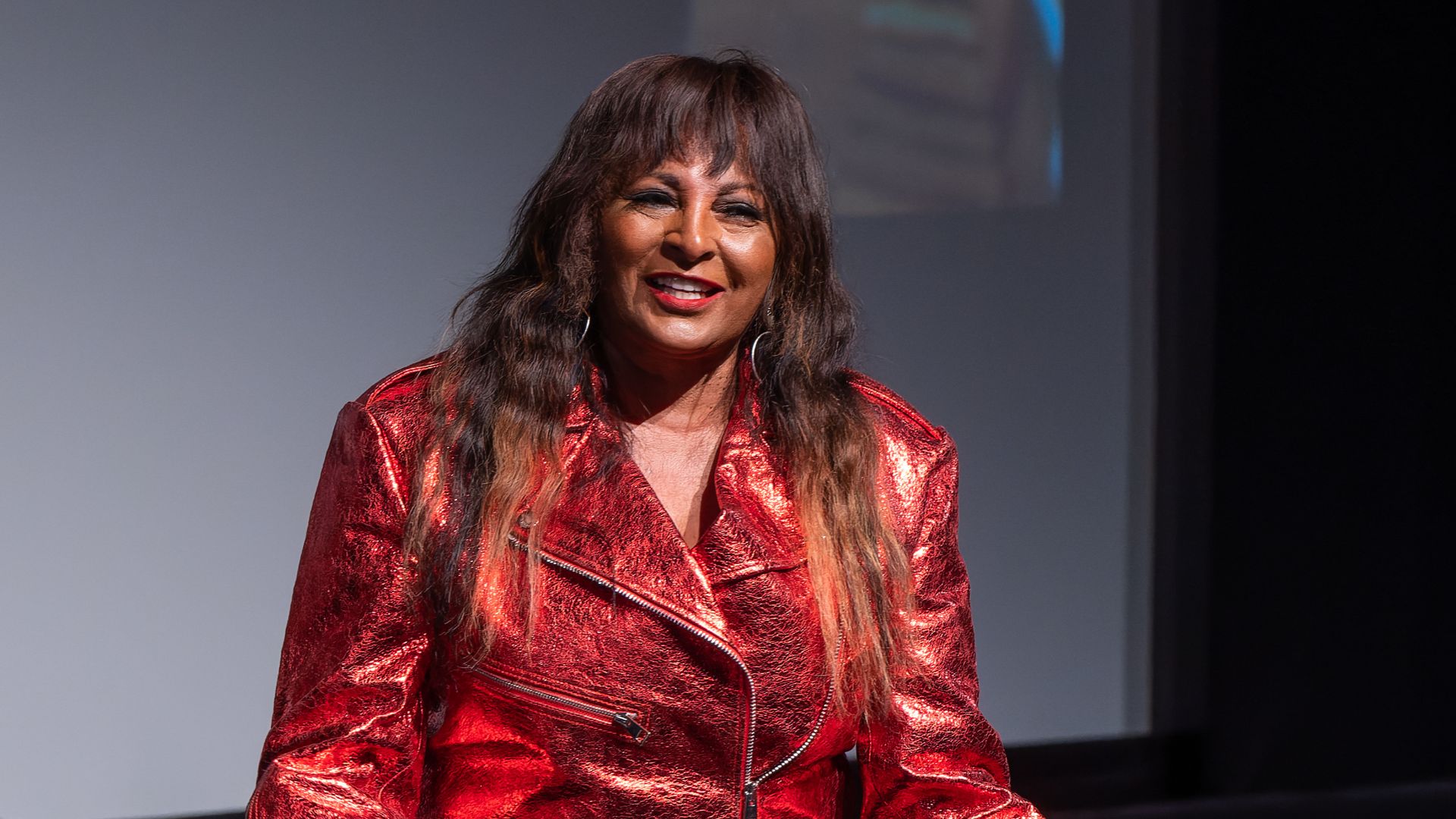
Pam Grier helped define an era, then watched the spotlight move on without her. Jackie Brown didn’t just bring her back—it gave her a role worthy of her history, letting her play power with nuance, not just attitude. She reminded a new generation who laid the groundwork.
Neil Patrick Harris
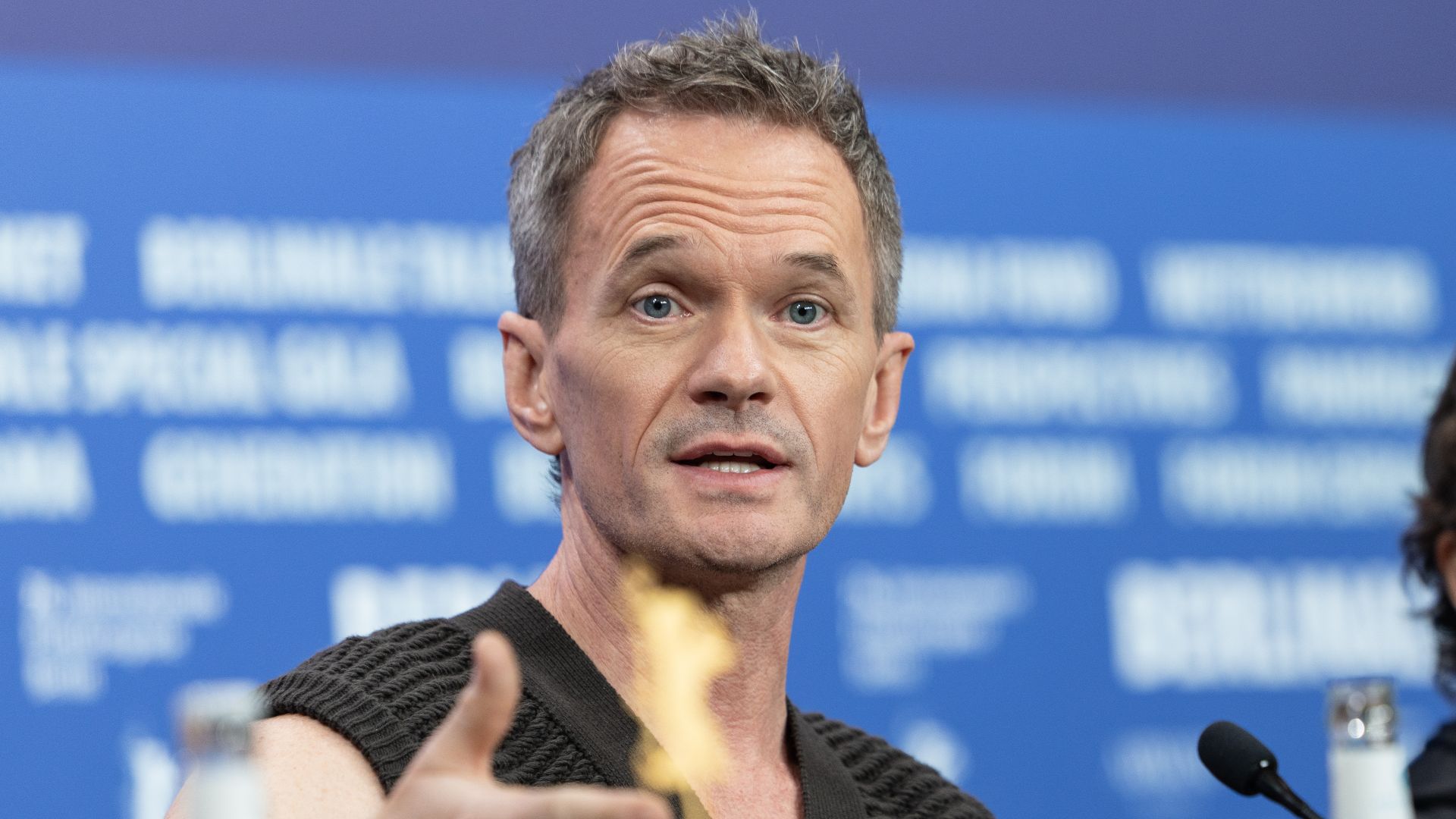
Neil Patrick Harris was once inseparable from Doogie Howser, then spent years outside the main pop-culture lane. His adult comeback came by flipping the script—stealing scenes, then anchoring How I Met Your Mother with total commitment, turning “former child star” into “full-spectrum entertainer.”
 Harald Krichel, Wikimedia Commons
Katharine Hepburn
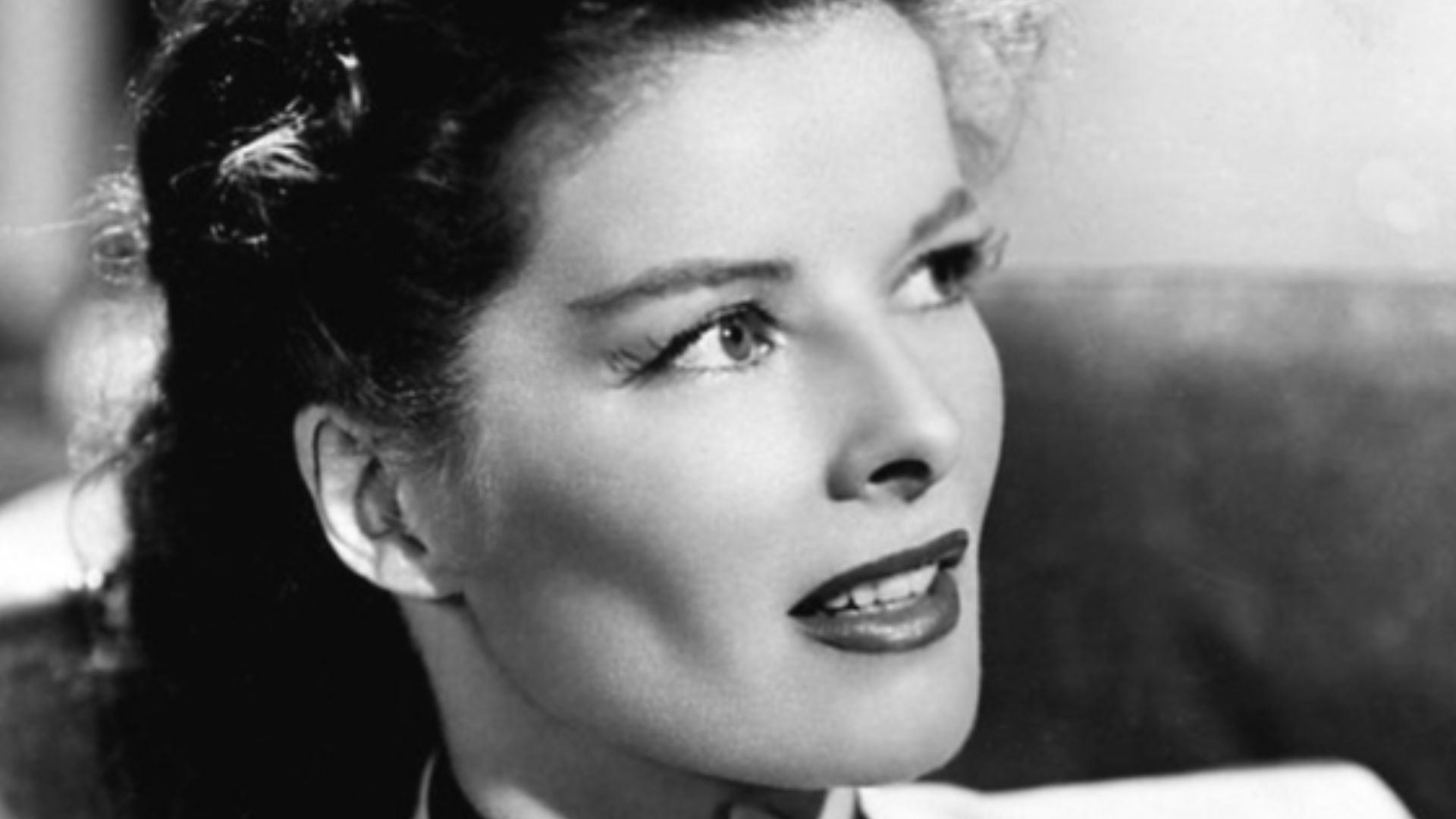
Katharine Hepburn went from Oscar winner to “box-office poison,” a label that can end careers fast. Her turnaround was strategic: choose the right material, control the narrative, and deliver undeniable work. The Philadelphia Story became the pivot, and the legend rebuilt itself from there.
Ke Huy Quan
Ke Huy Quan’s comeback hits extra hard because it wasn’t a simple return—it was a return after decades away from acting. Everything Everywhere All at Once let him be funny, tender, and quietly devastating, and the awards run that followed felt like the industry finally catching up.
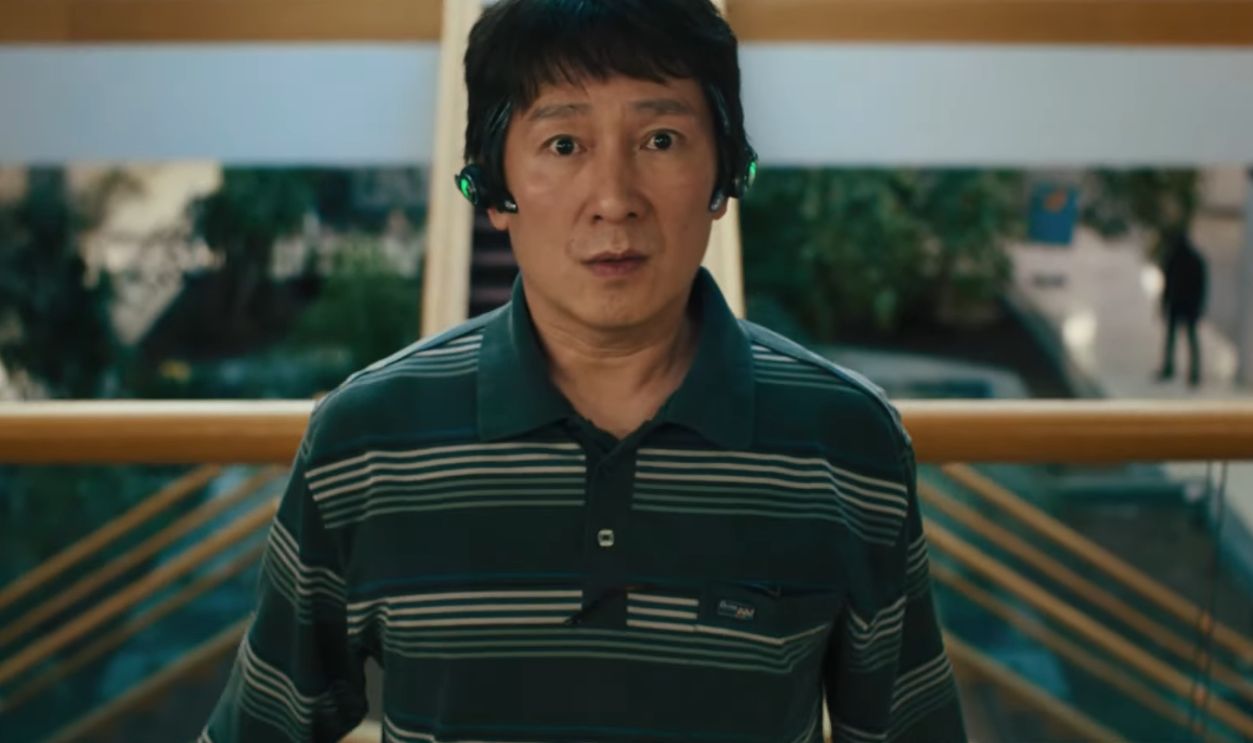 Screenshot from Everything Everywhere All at Once, A24 (2022)
Michael Keaton
Michael Keaton stayed busy, but leading-man heat is fickle, and it had cooled. Then Birdman arrived like a perfectly aimed boomerang—meta without being smug, emotional without begging—and it put him back in the A-list conversation with the kind of role only a seasoned pro could land.
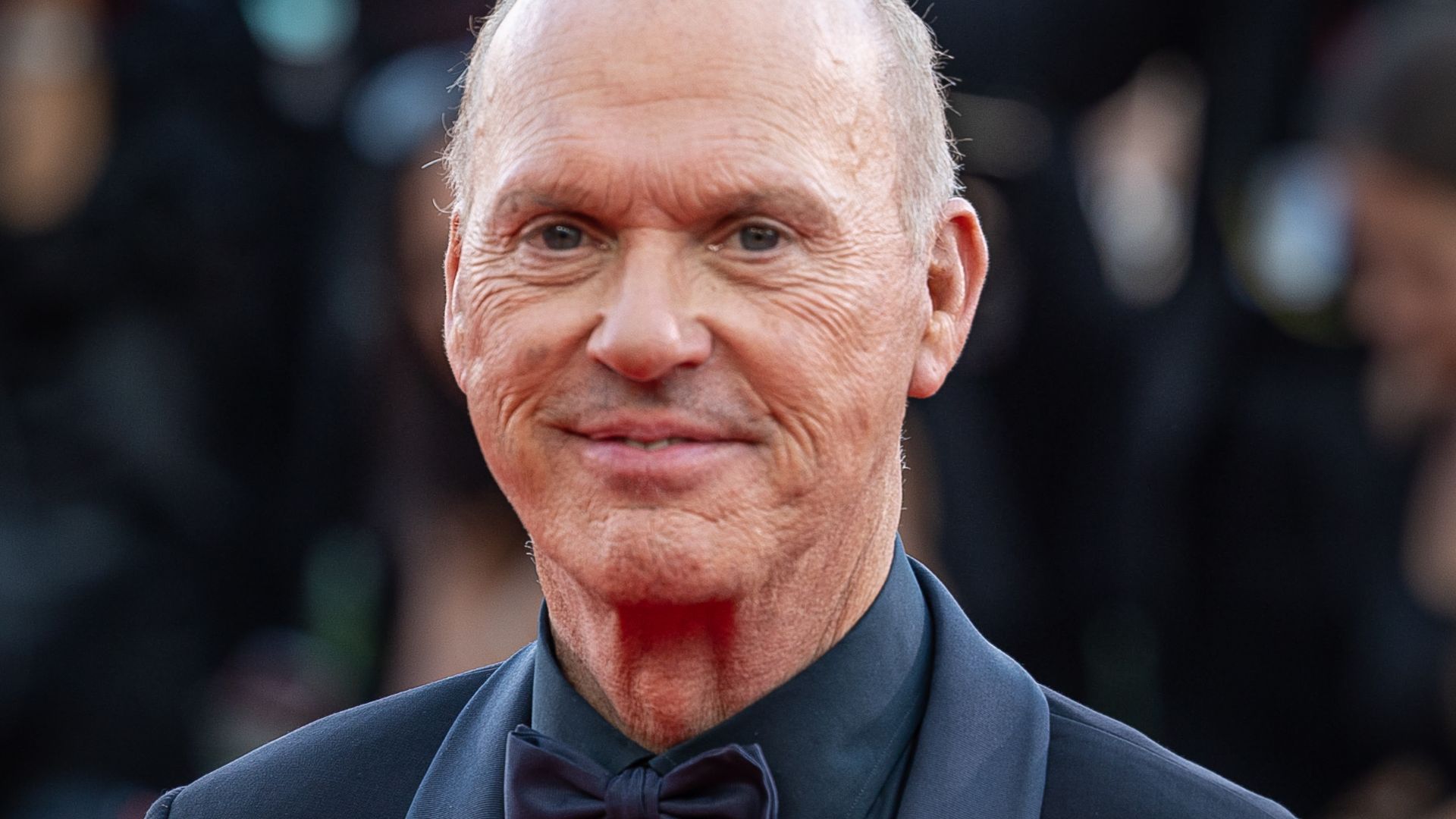 Harald Krichel, Wikimedia Commons
Lindsay Lohan
Lindsay Lohan’s slump played out loudly, with the kind of tabloid gravity that can drown the work. Her recent return has been quieter and more professional. Her fans have loved seeing her thrive in the spotlight all over again.
She's handled her trajectory with so much grace, committed to steady projects, controlled press, and a clear effort to rebuild trust. Most recently, she strummed a true nostalgic chord, starring in Freakier Friday.
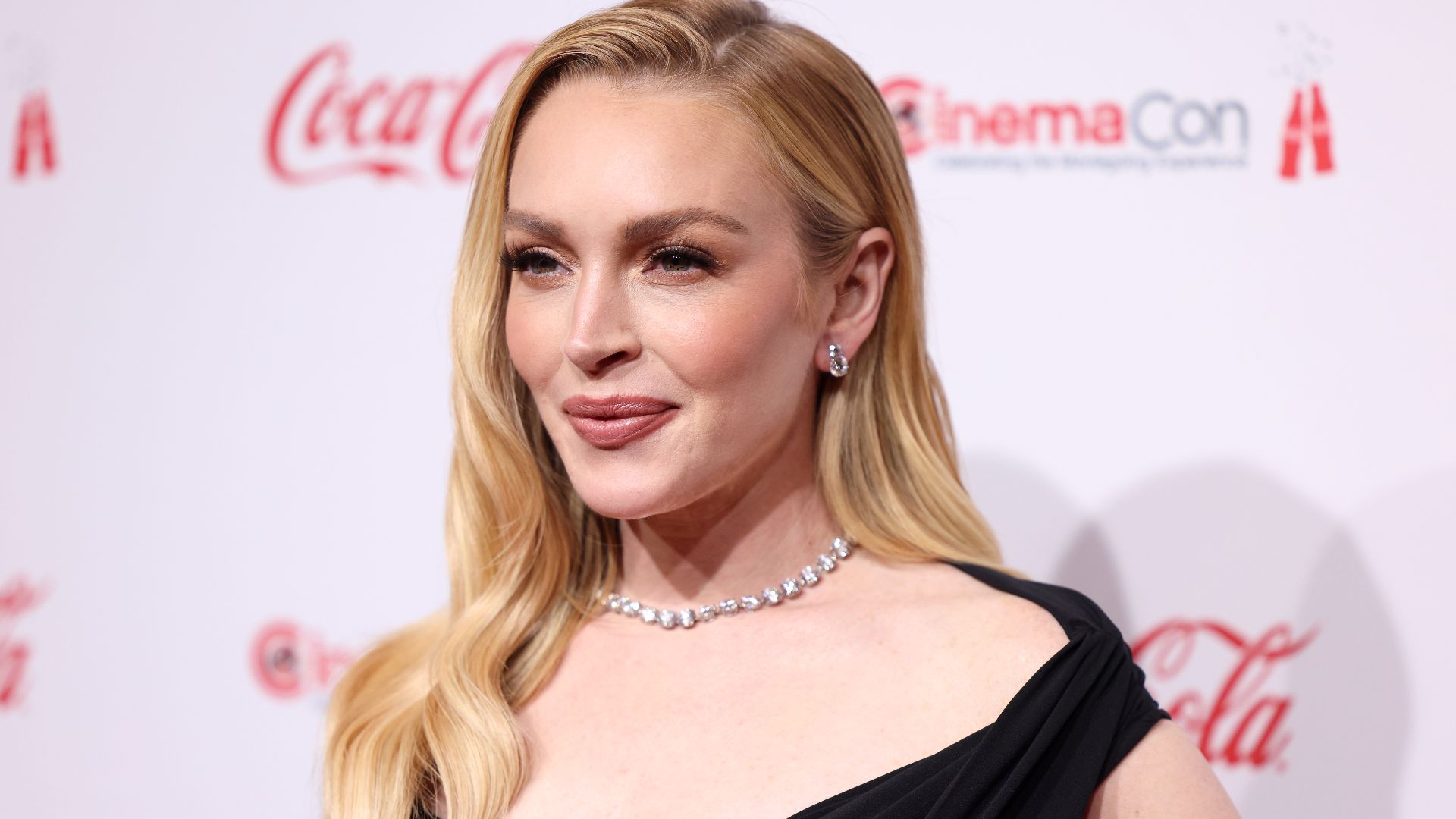 Gage Skidmore from Surprise, AZ, United States of America, Wikimedia Commons
Rob Lowe
Rob Lowe’s career had to survive both shifting tastes and personal scandal, and plenty of stars don’t make it through that squeeze. His comeback was smart. He threw himself into strong supporting work, then TV roles that used his charm as a tool, not a costume. The West Wing and beyond gave him staying power.
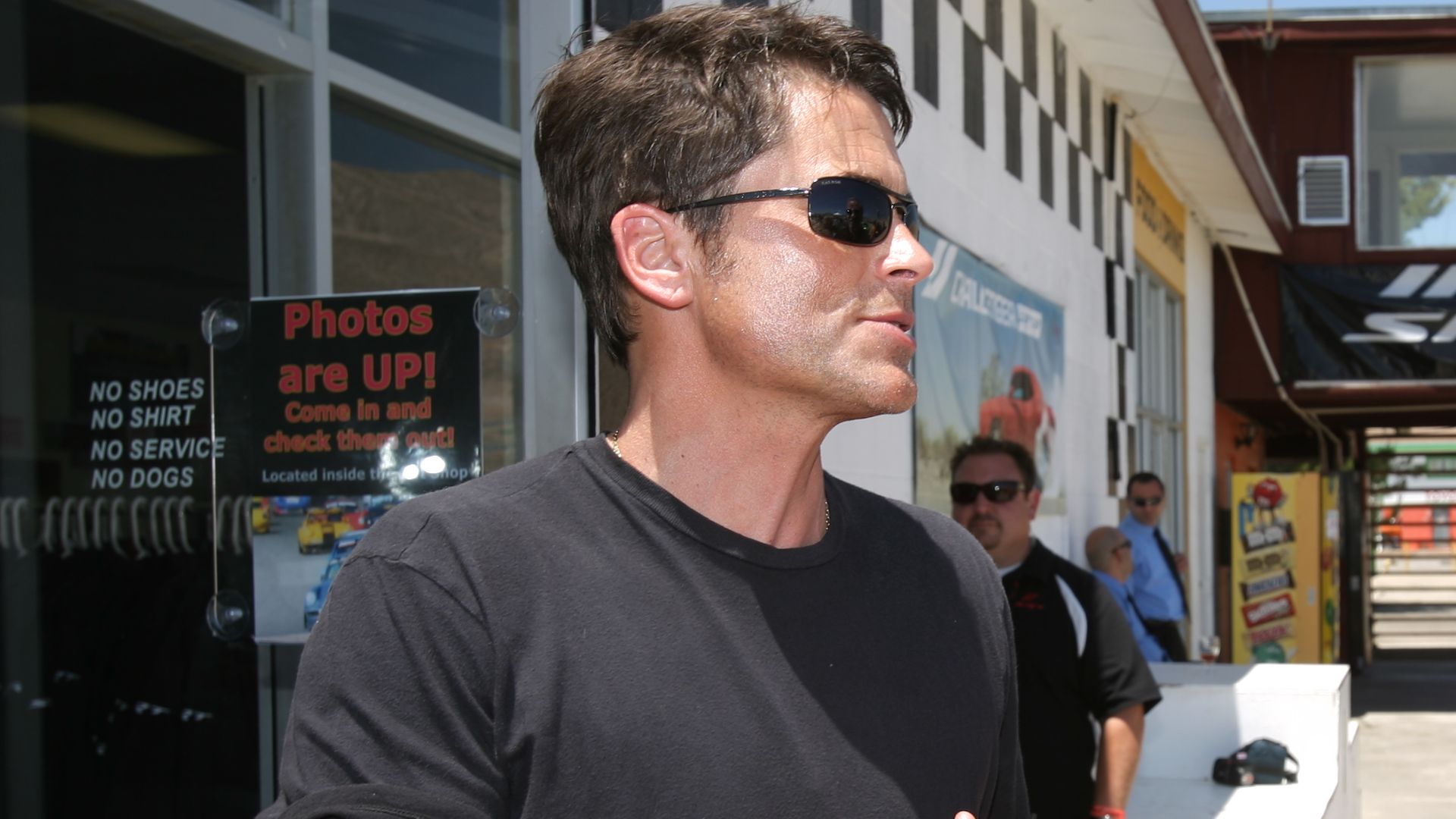 dodge challenger1, Wikimedia Commons
Natasha Lyonne
Natasha Lyonne had a spark early on, then drifted into the background for a while. Orange Is the New Black brought her back with sharper edges and deeper timing, and she didn’t waste it. Lyonne successfully built a second act around distinctive, creator-driven work that fits her voice like a glove.
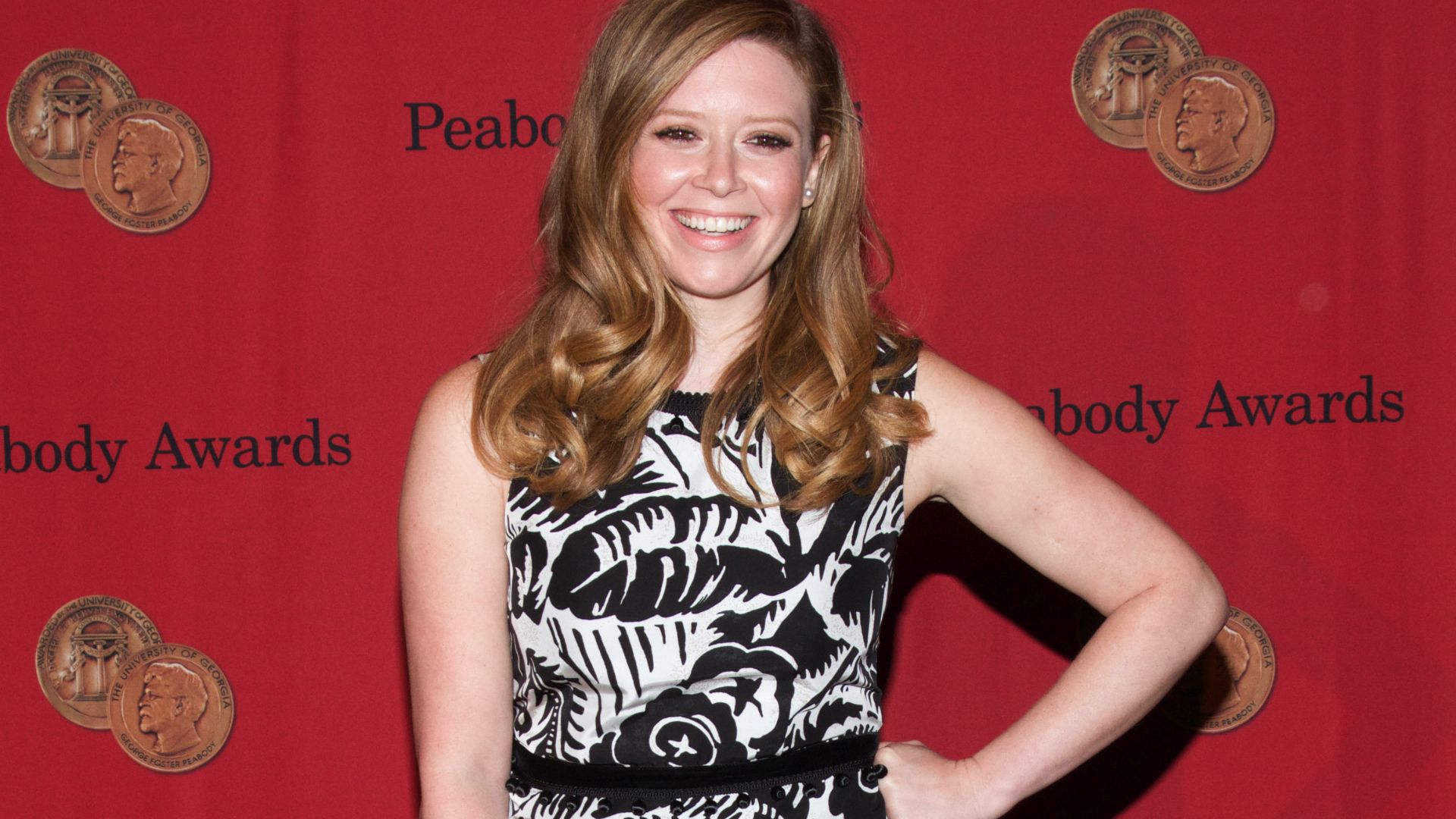 Peabody Awards, Wikimedia Commons
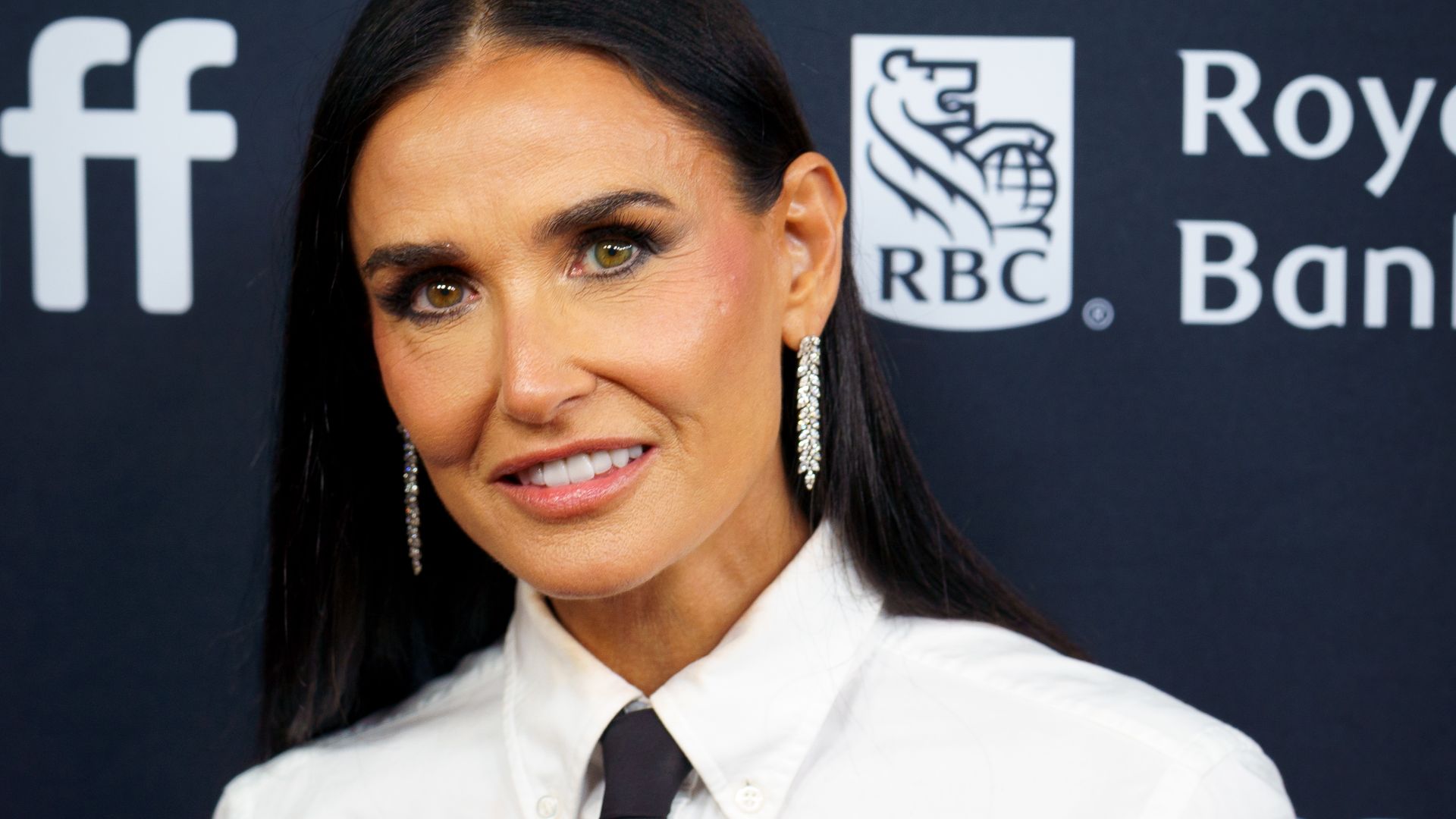
Demi Moore
Demi Moore’s slump was partly an industry problem: aging out of roles that once arrived automatically. Her more recent work and renewed spotlight signal something different—a veteran actor choosing projects that comment on the machine itself, and using her history as texture, not baggage. The Substance proved that her acting chops are just as sharp as ever.
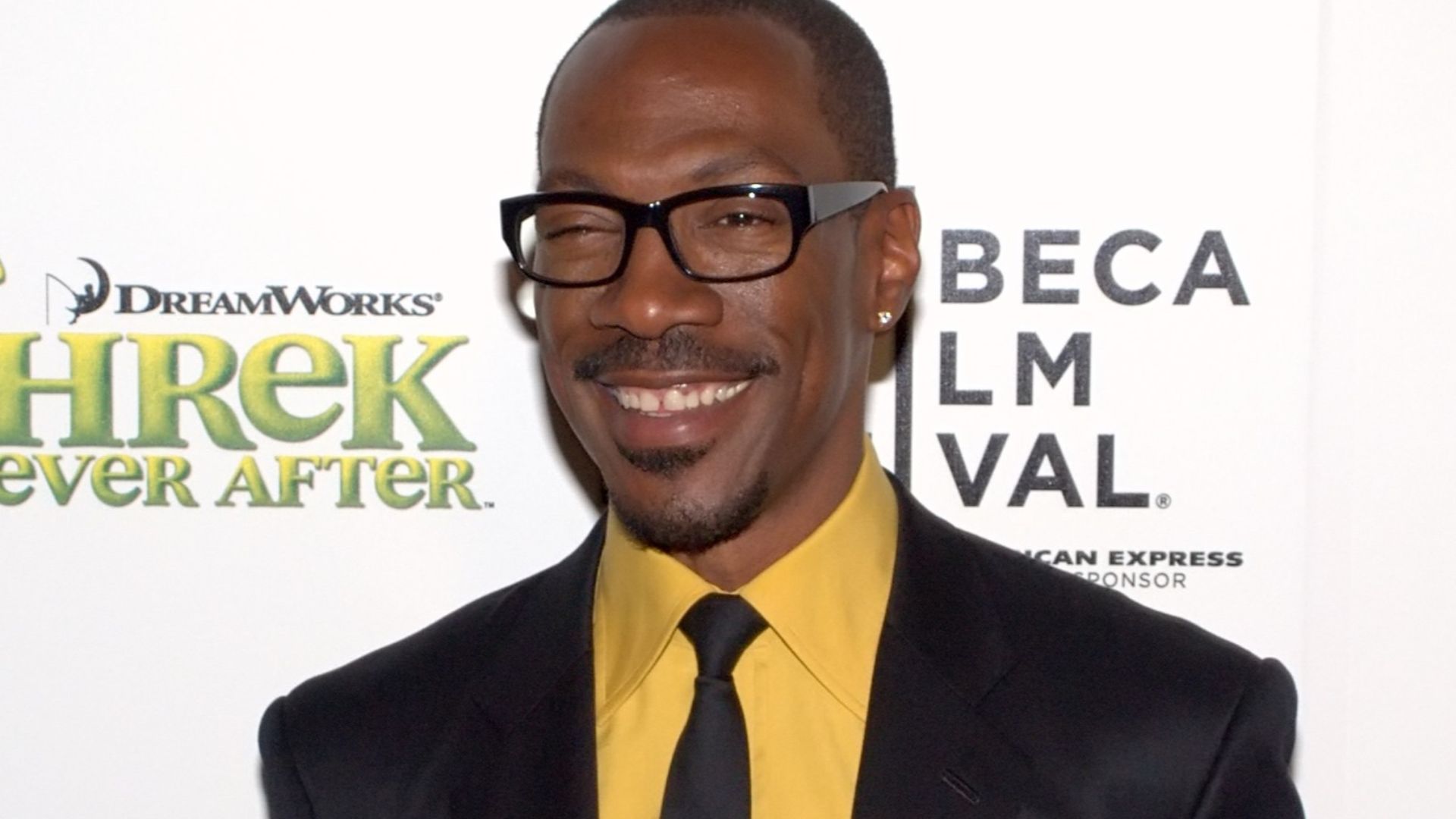
Eddie Murphy
Eddie Murphy didn’t disappear—he just hit a stretch where the movies didn’t match the legend. Then he reminded everyone how lethal his timing can be, returning with projects that played to his strengths and felt intentional. A real comeback isn’t nostalgia; it’s relevance with receipts.
 David Shankbone, Wikimedia Commons
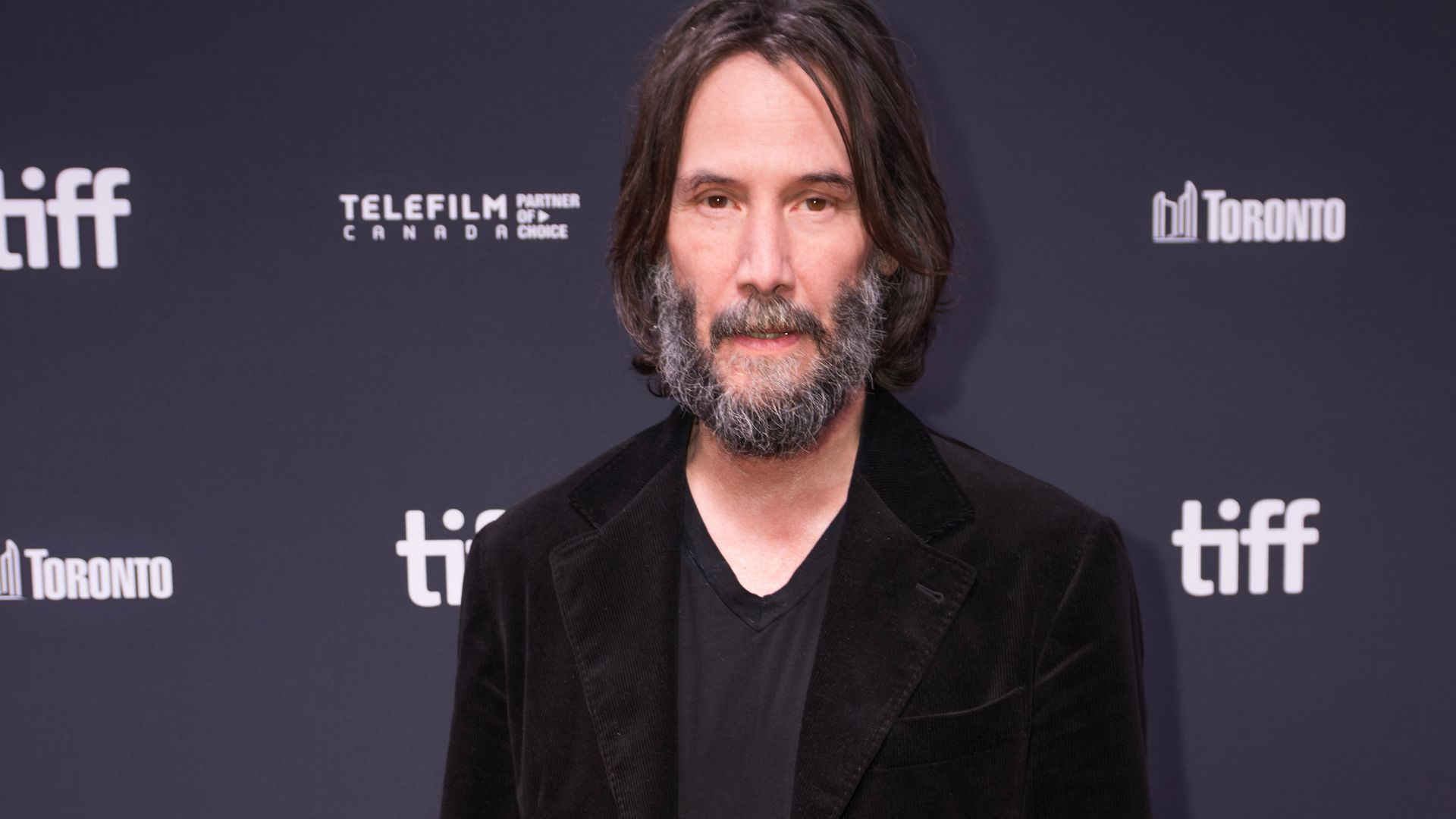
Keanu Reeves
Keanu Reeves has had more than one rebound, which is its own flex. When the box office cooled, The Matrix reignited him; when things drifted again, John Wick turned him into an era-defining action anchor. The throughline is commitment. Reeves' sincerity has always made him an enduring fan favorite.
 Gabriel Hutchinson, Wikimedia Commons
Mickey Rourke
Mickey Rourke’s slump wasn’t subtle. His timeline was marked by career detours, controversy, and a long climb back into serious roles. Sin City helped reopen the door, but The Wrestler was the gut punch—raw, lived-in, and fearless—making the comeback feel earned rather than engineered.
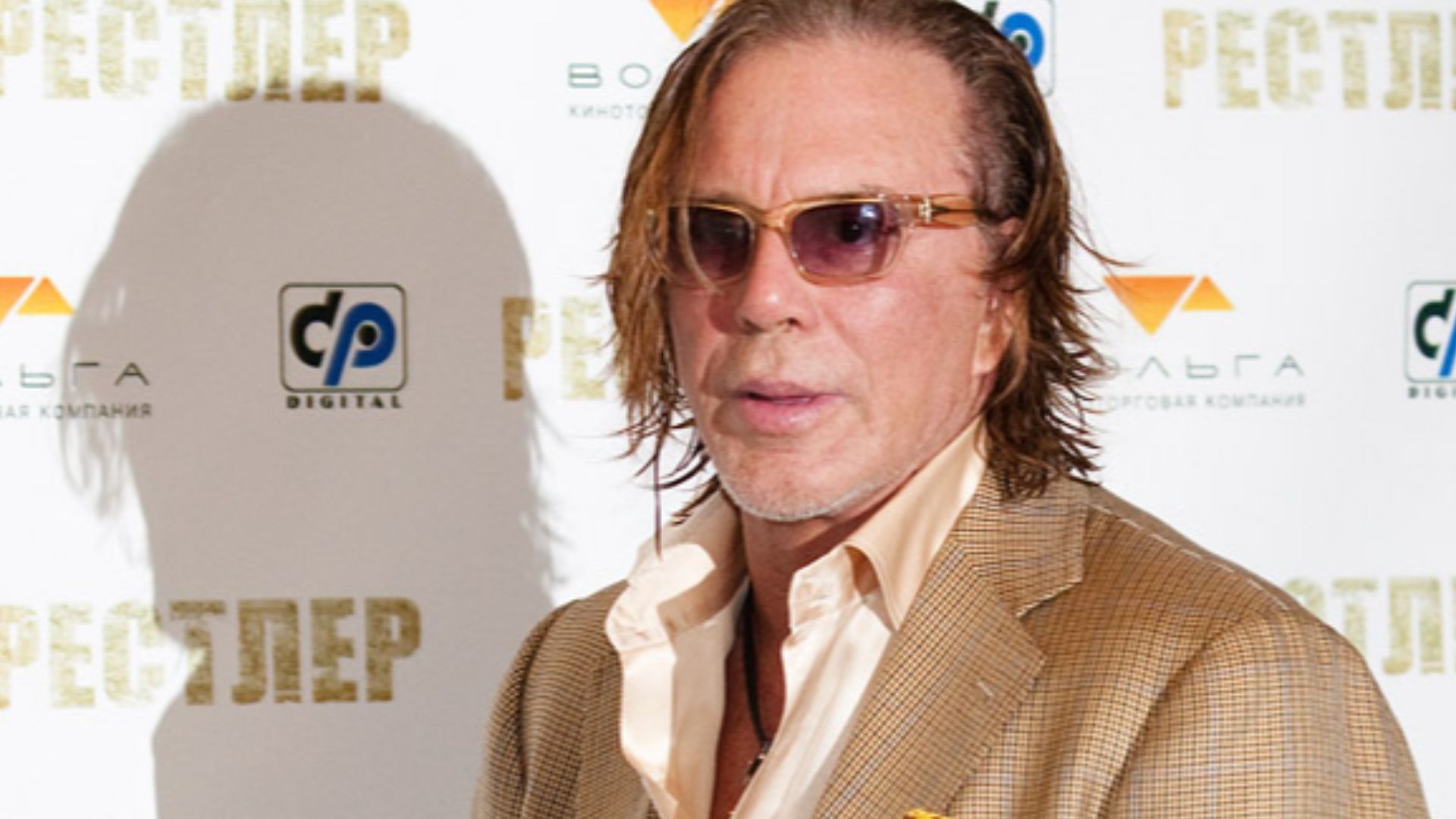 Anton Belickiy, Wikimedia Commons
Winona Ryder
Winona Ryder never stopped working, but there’s a difference between working and being central to the moment. After Stranger Things helped reintroduce her to the mainstream, her return to a classic role in Beetlejuice Beetlejuice underlined something simple: Her screen presence still lands.
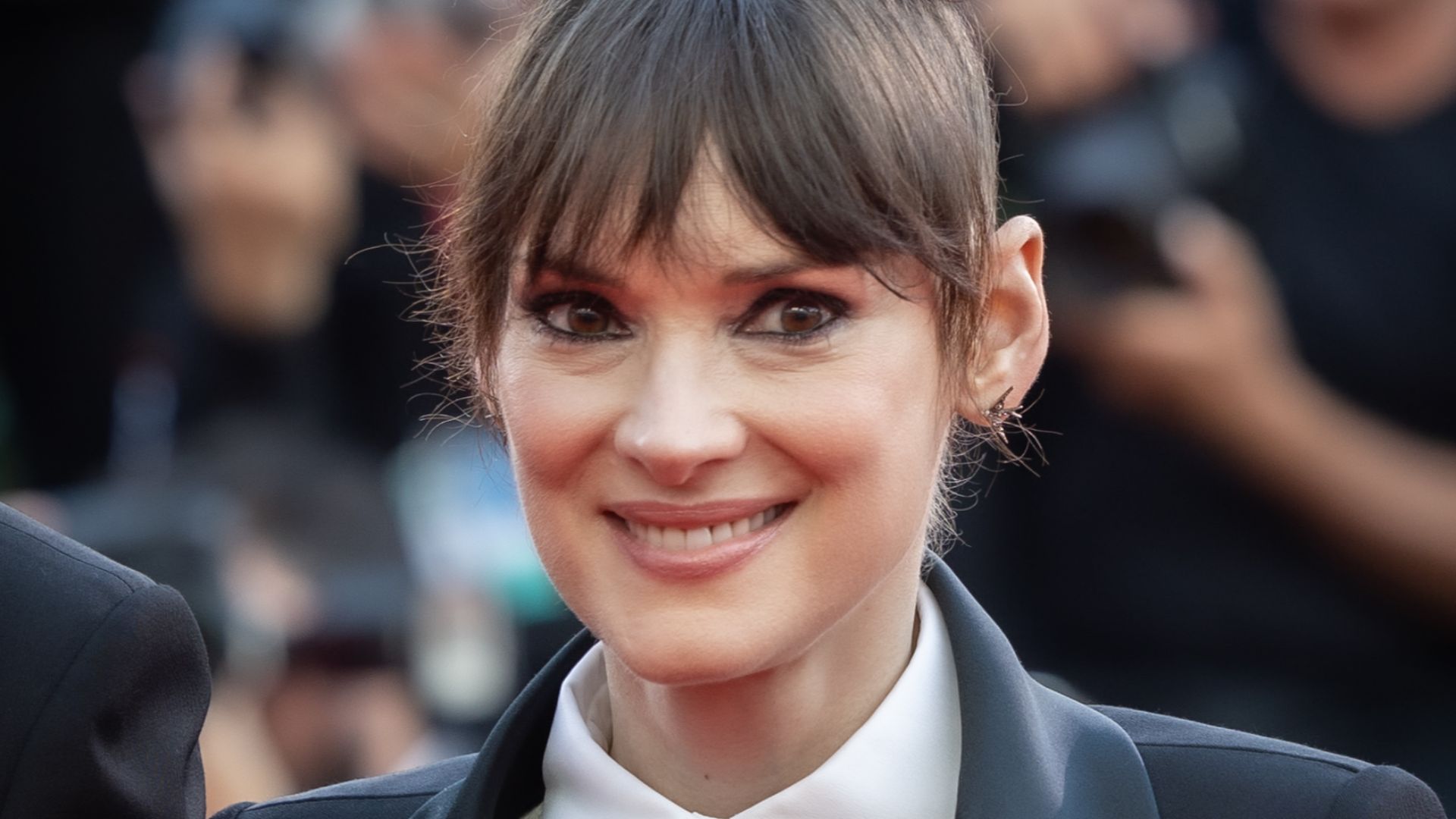 Harald Krichel, Wikimedia Commons
John Travolta
John Travolta is proof that a career can have multiple lives. After early superstardom and later wobblier years, Pulp Fiction was an unforgettable turning point. His performance in the film was a standout that revived and reinvented him. The best comebacks don’t repeat the past; they remix it.
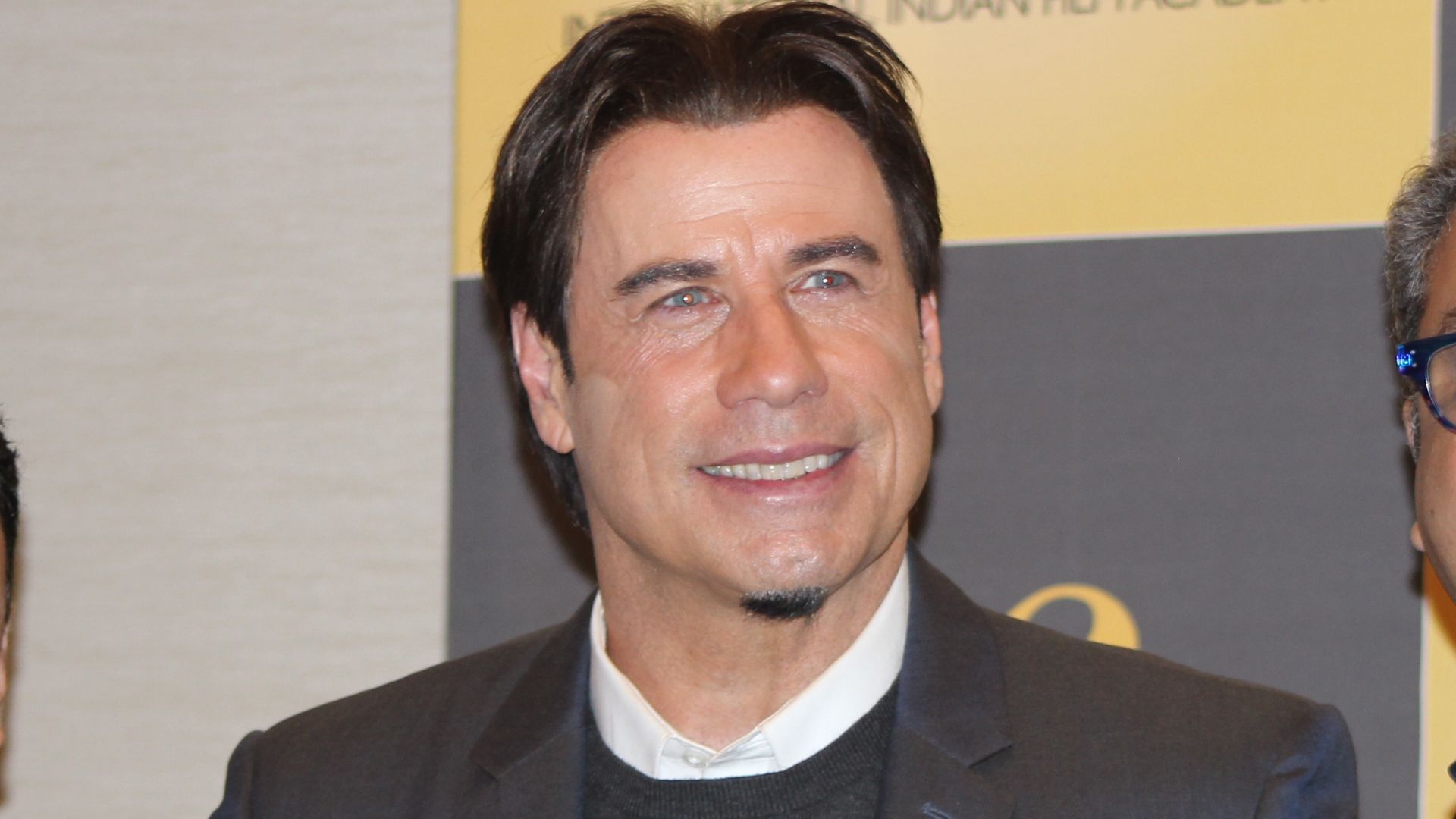 lauraleedooley, Wikimedia Commons
Renée Zellweger
Renée Zellweger stepped away long enough that her return carried real stakes: Would the spark still be there? Judy answered immediately. It was controlled, emotional, and technically sharp. It was the kind of performance that doesn’t ask for attention, and yet it still managed to capture people's hearts. Zellweger walked away with an Oscar for Best Actress, proving that her career is nowhere near finished.
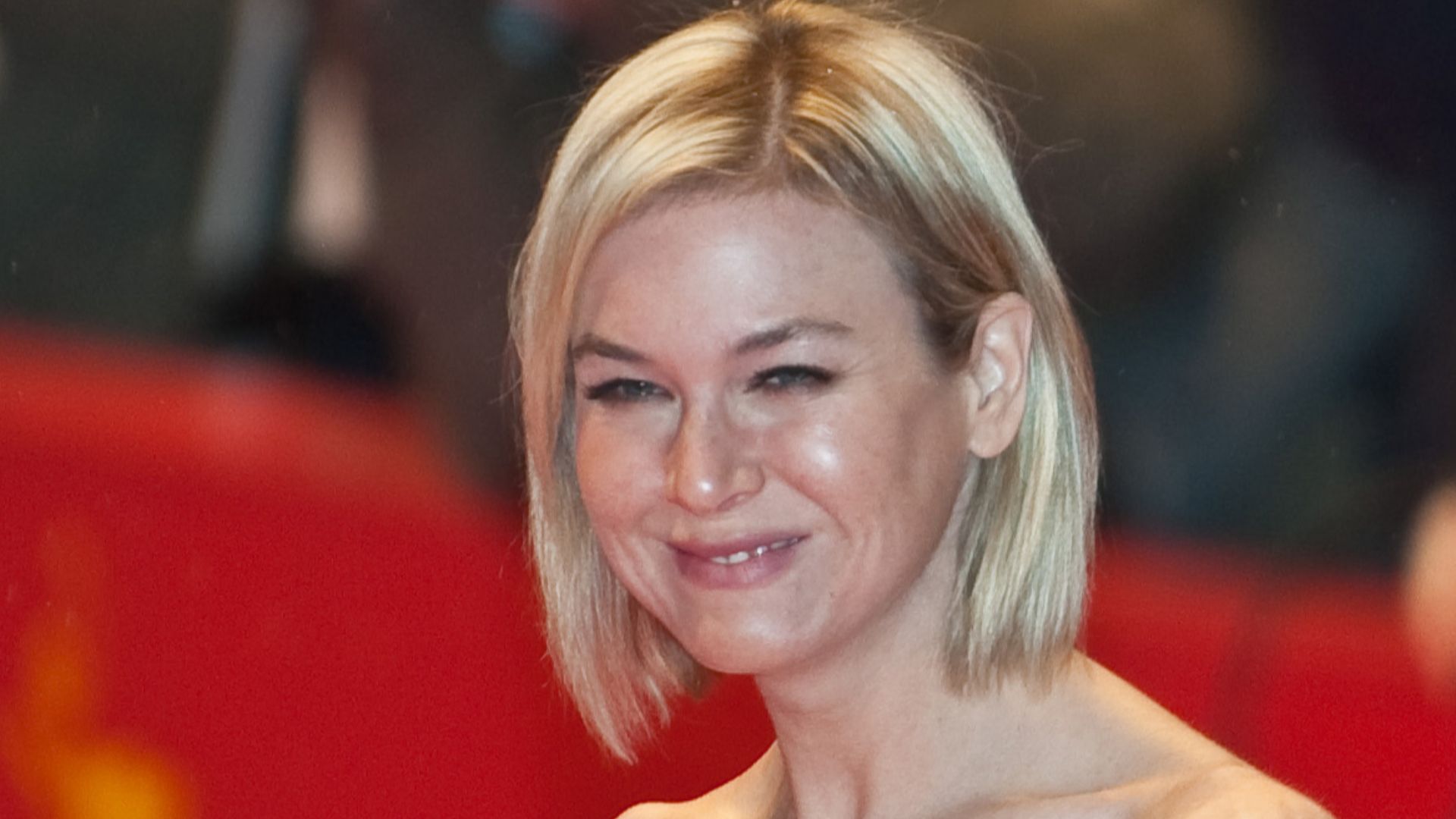
Pamela Anderson
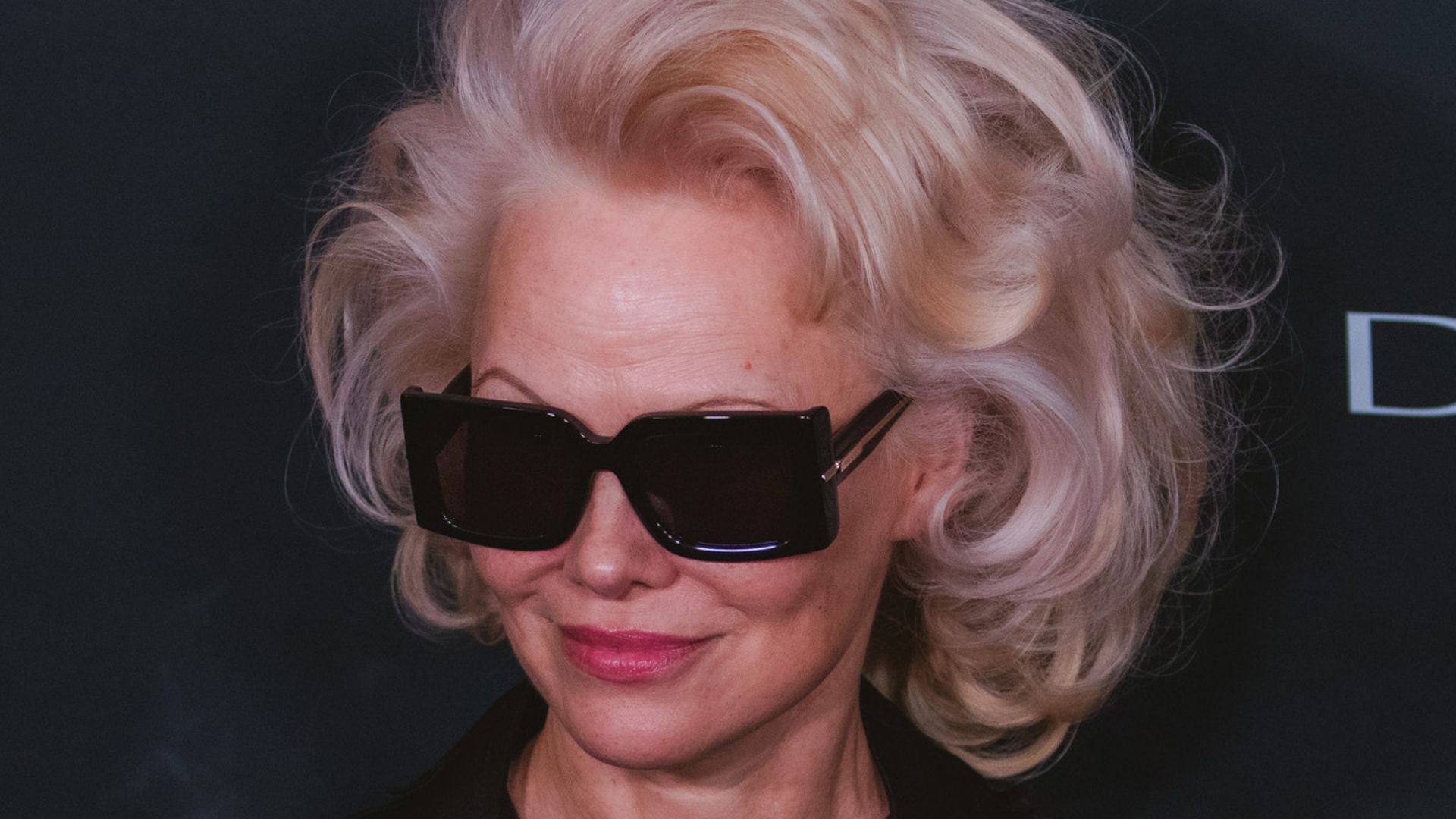
For years, Pamela Anderson was treated like a pop-culture punchline more than a performer. Then she leaned into work that put the focus back on craft. She tried her hand at Broadway, put out a documentary, and had a buzzy dramatic turn in The Last Showgirl that reopened doors many assumed were closed.
Anderson has managed to change her image, and her authenticity shines on the red carpet.
You May Also Like:
Celebrities You Didn't Know Were Related
Tough Guy Actors Who Refused To Cry Or Die On Screen