The Rat Pack’s Lost Voice
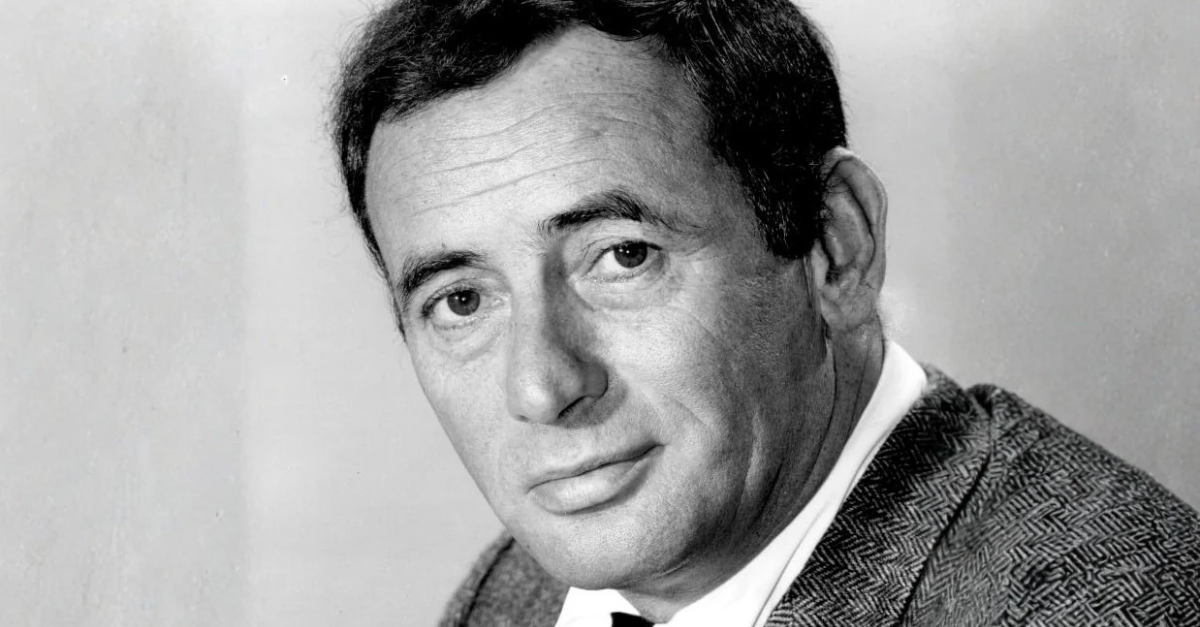
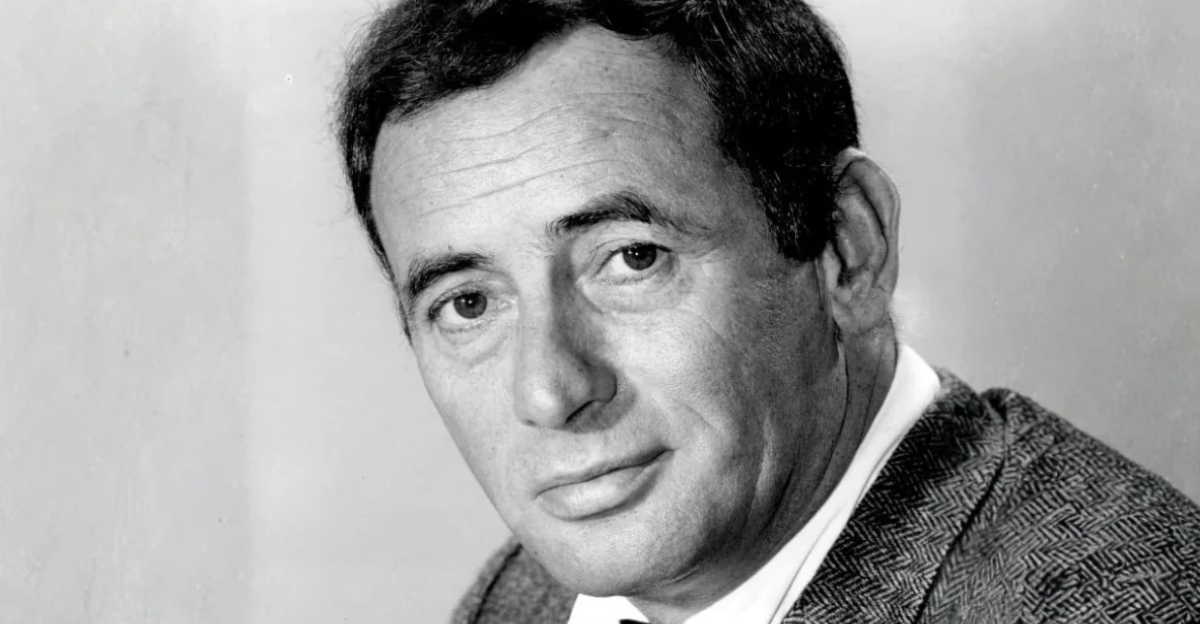
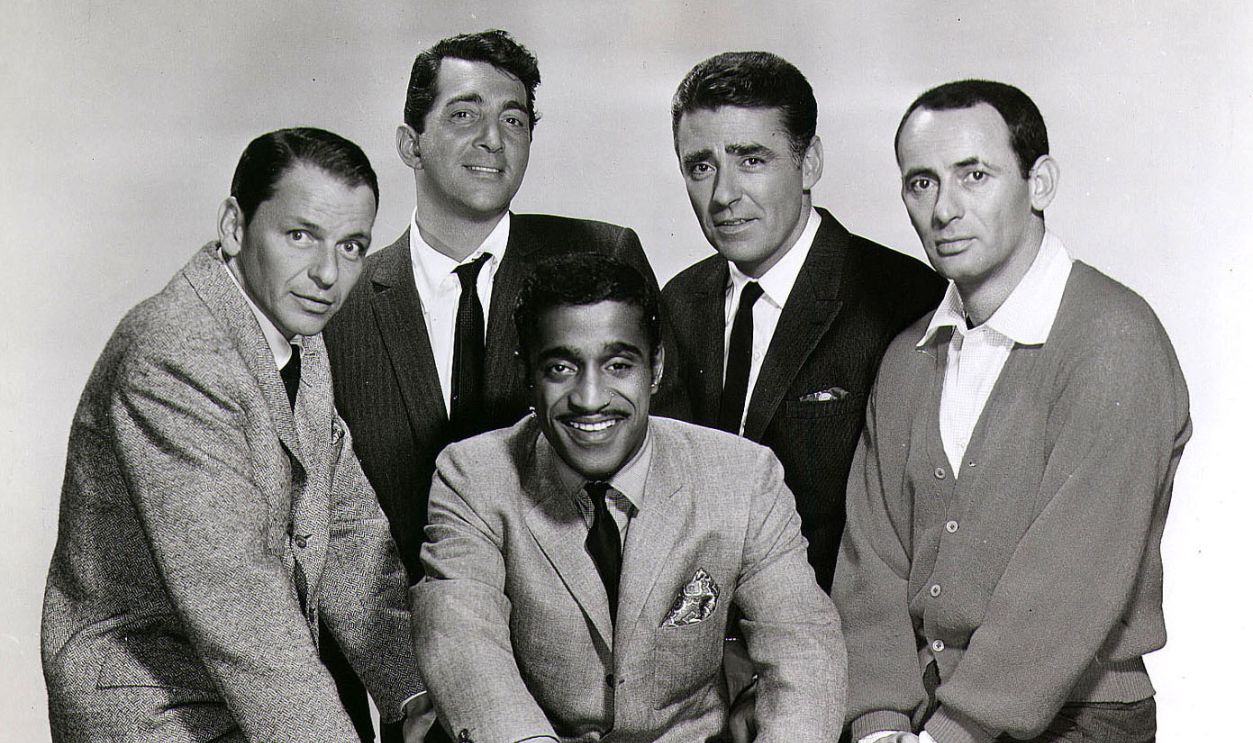
Frank Sinatra, Dean Martin, and Sammy Davis Jr. became legends. Even Peter Lawford earned his place in Rat Pack history thanks to his famous Kennedy connections. But Joey Bishop? Somehow, the man who helped keep the whole show running became the one everyone forgot. With his razor-sharp wit and impeccable timing, Bishop was once an essential part of the group's magic. Yet while his famous friends enjoyed lasting recognition, his own story unfolded very differently. And behind the laughter was a surprisingly lonely ending that few fans ever knew about.
 ABC Television, Wikimedia Commons
From Bronx Birth to South Philly Bite
Born Joseph Abraham Gottlieb in the Bronx and raised in South Philadelphia, Bishop grew up working-class. His father repaired bicycles, and Joey learned to repair jokes. “My father was a bicycle repairman. I fixed jokes instead,” he said. That dry humor became his calling card.
 NBC Television., Wikimedia Commons
Sinatra Spots the Straight Man
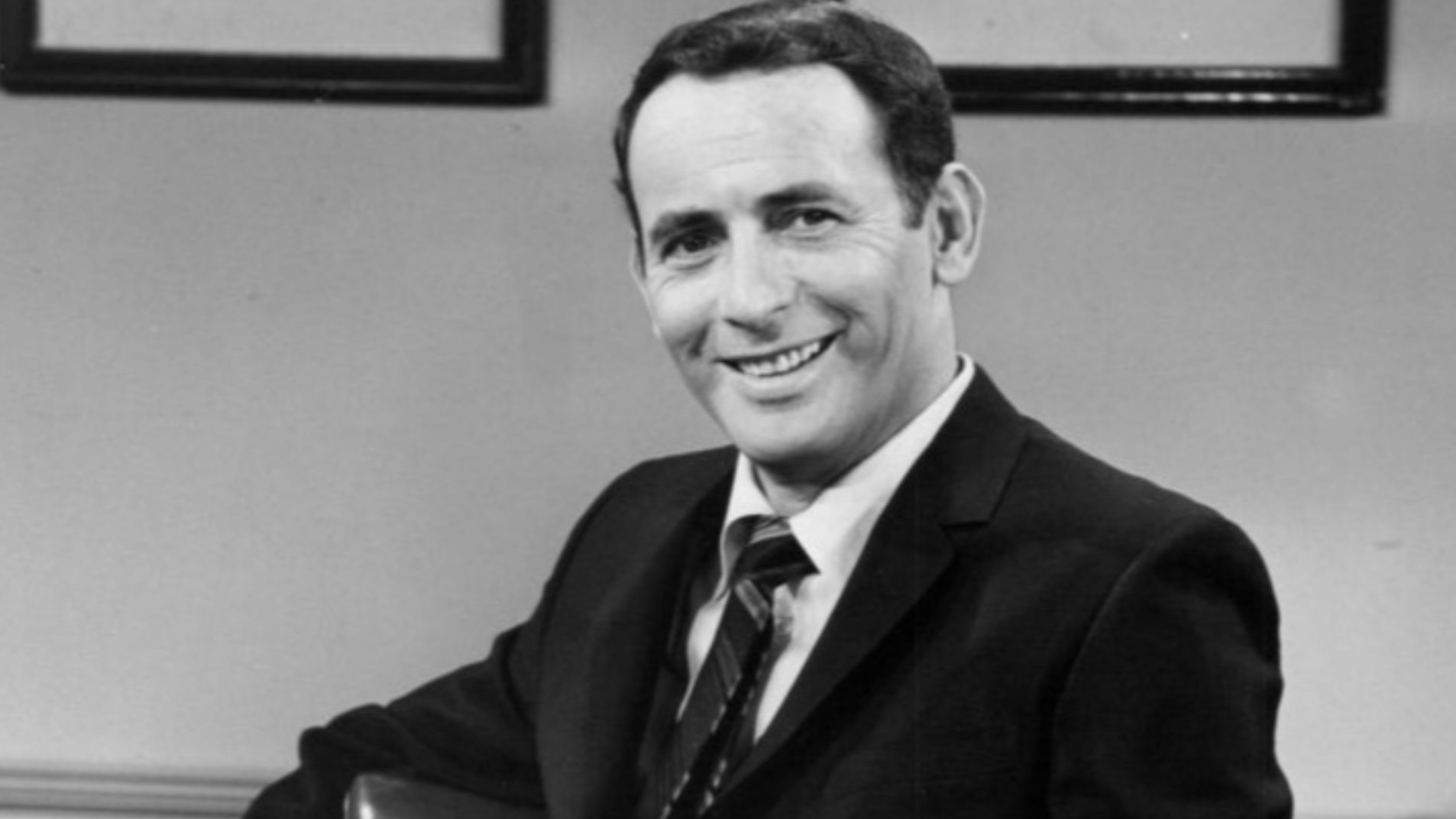
In the early ’50s, Bishop was performing in New York clubs when Frank Sinatra caught his act. Sinatra liked his understated style and soon made him part of the Rat Pack. Joey wasn’t flashy, but his timing kept the group’s banter sharp.
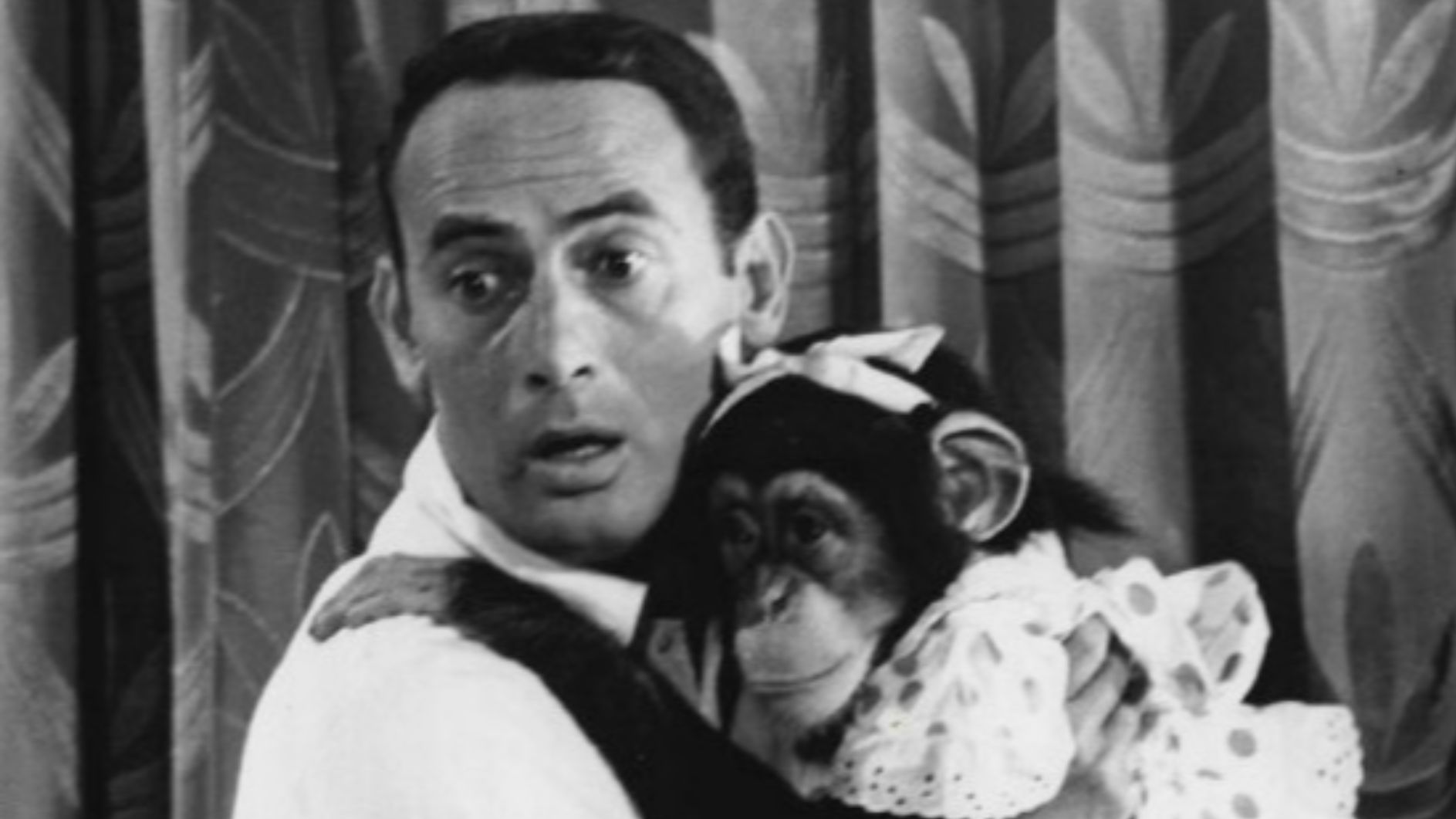 NBC Television, Wikimedia Commons
“Hub of the Big Wheel”
Sinatra later called Bishop “the hub of the big wheel.” While others grabbed the spotlight, Joey made the jokes land. He was the piece that kept the show moving, the one who gave their Vegas free-for-alls real punch.
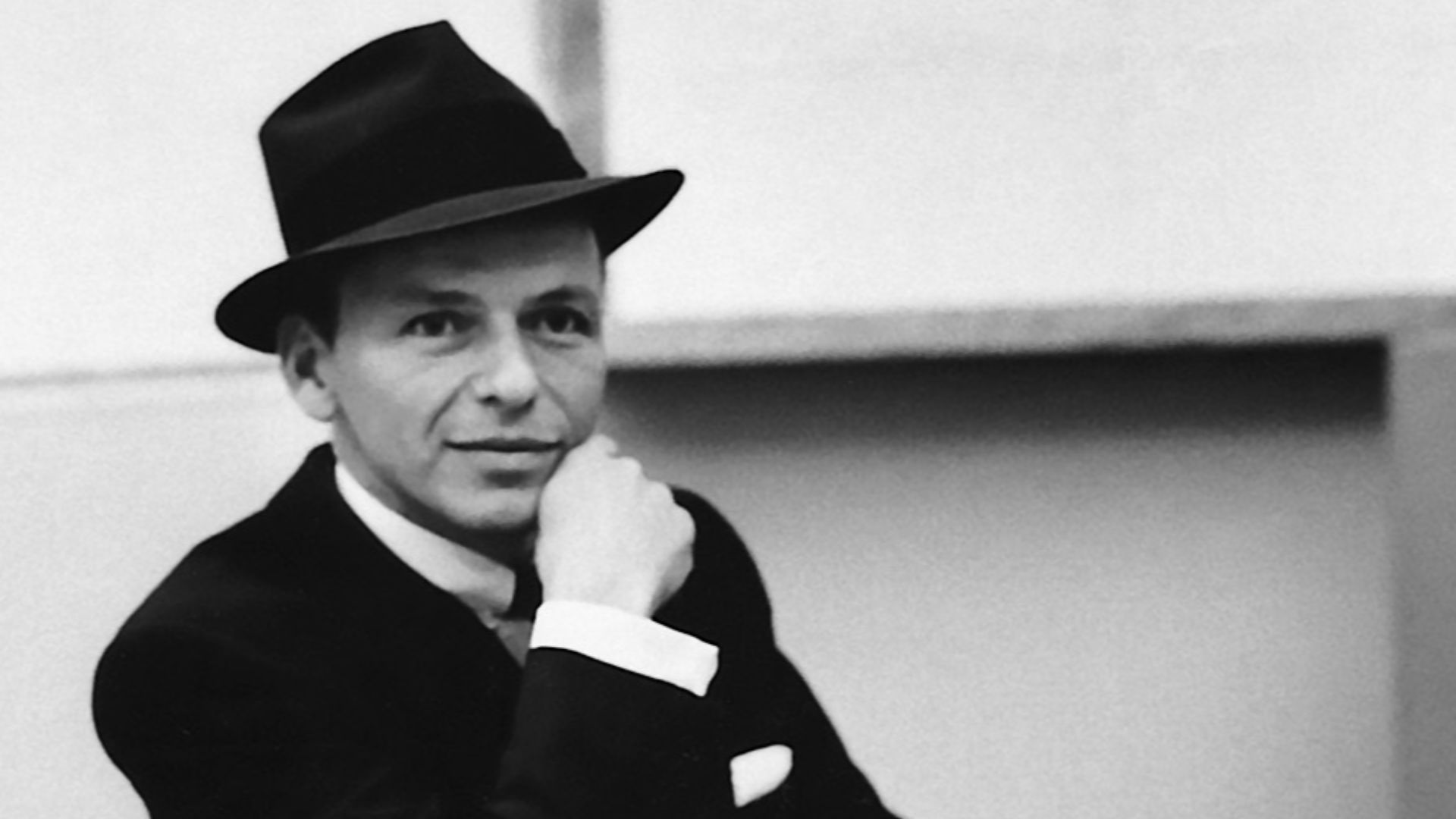 Capitol Records (File No. 3860-25). Photographer unknown., Wikimedia Commons
The Straight Man of the Pack
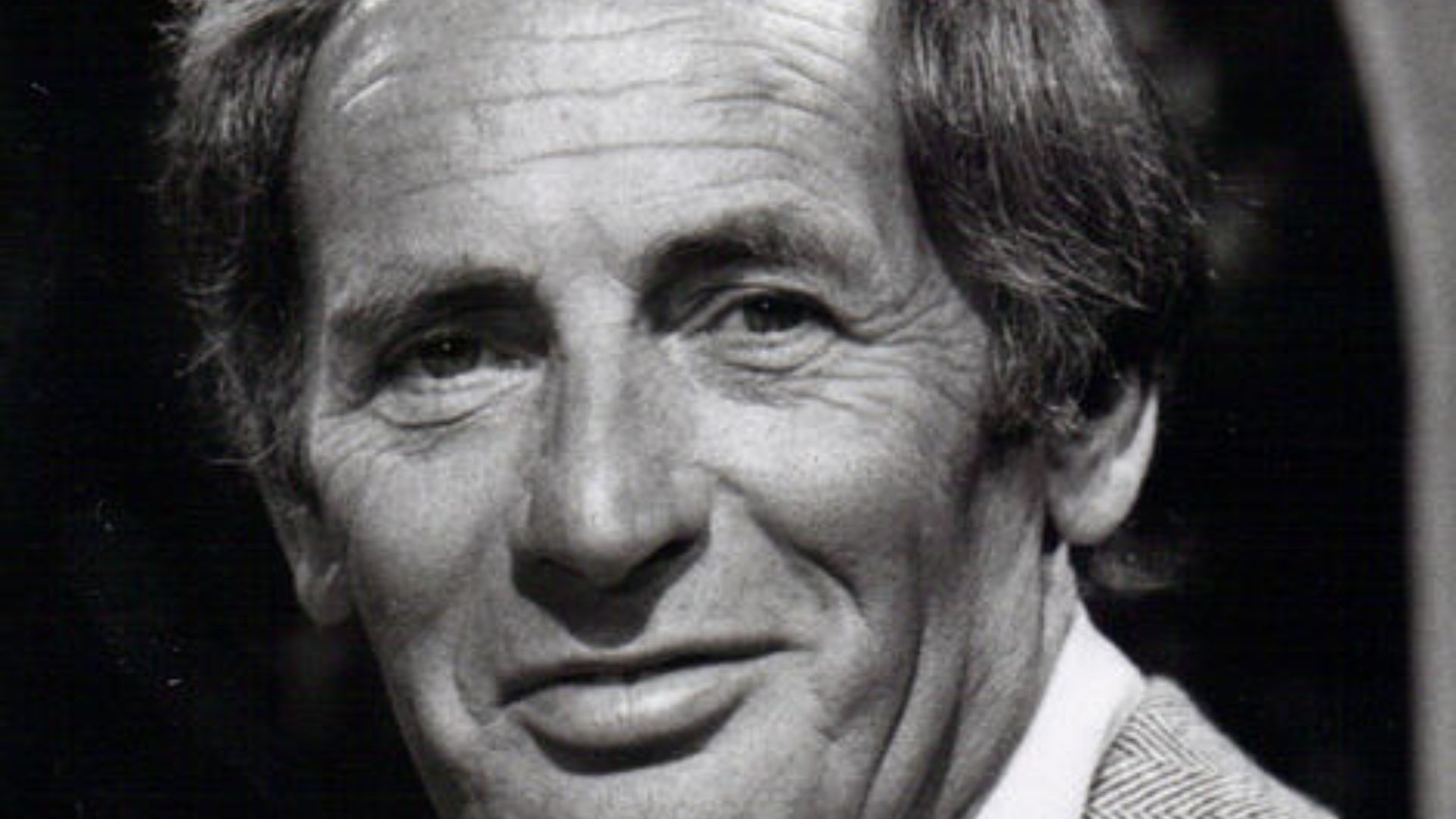
Bishop saw himself as the quiet anchor. “My job was to sit there, look straight ahead, and when they came to me, hit ’em with a line,” he said. It was the role he played best: the steady counter to all the chaos.
The Outsider Within
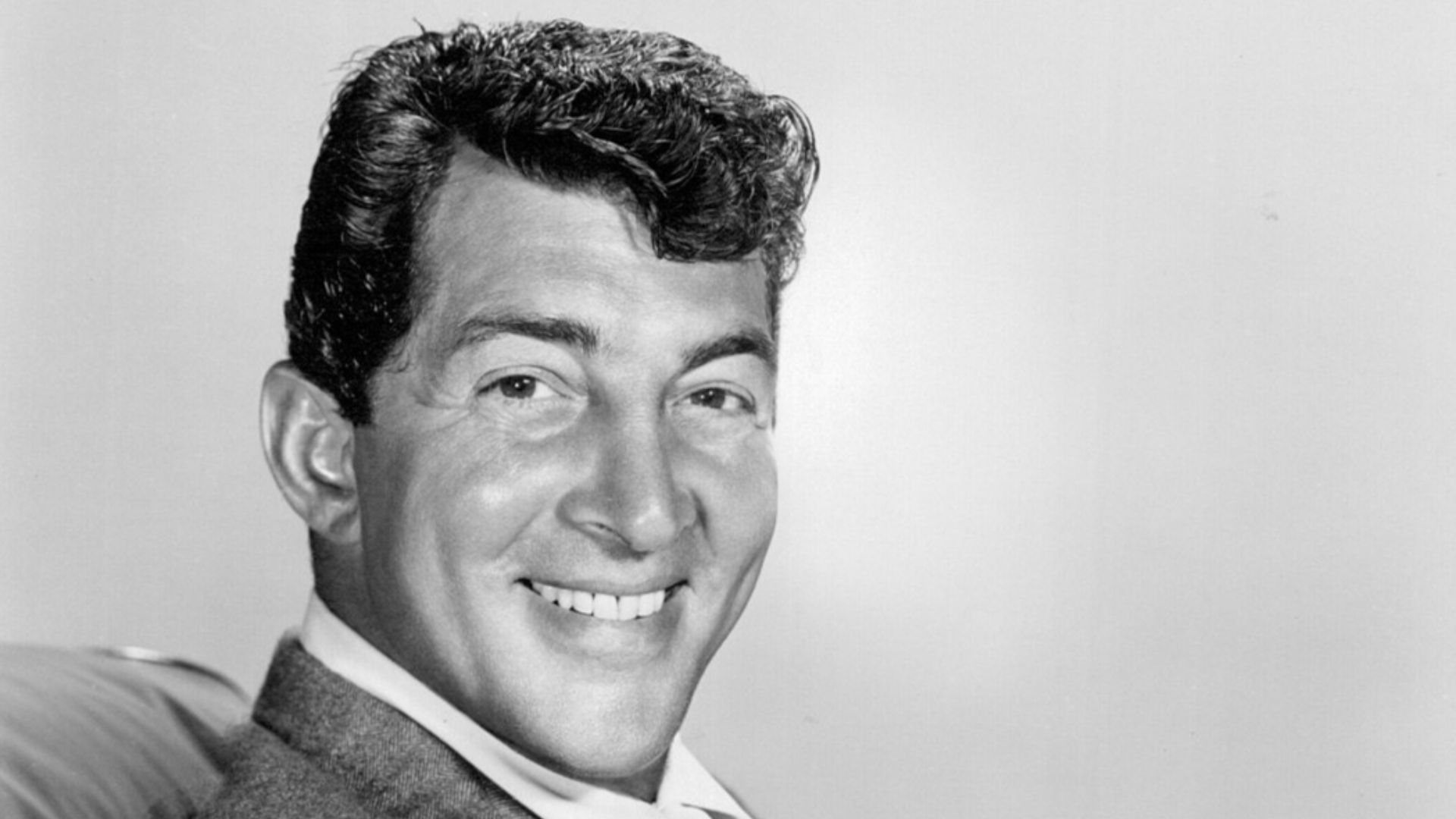
Offstage, Joey didn’t always fit in. He didn’t drink much, avoided late-night parties, and kept to himself. Dean was the charmer, Sammy the entertainer, Frank the leader. Joey was the quiet one—essential on stage, but often distant when the shows ended.
Vegas Highs and Hollywood Glitz
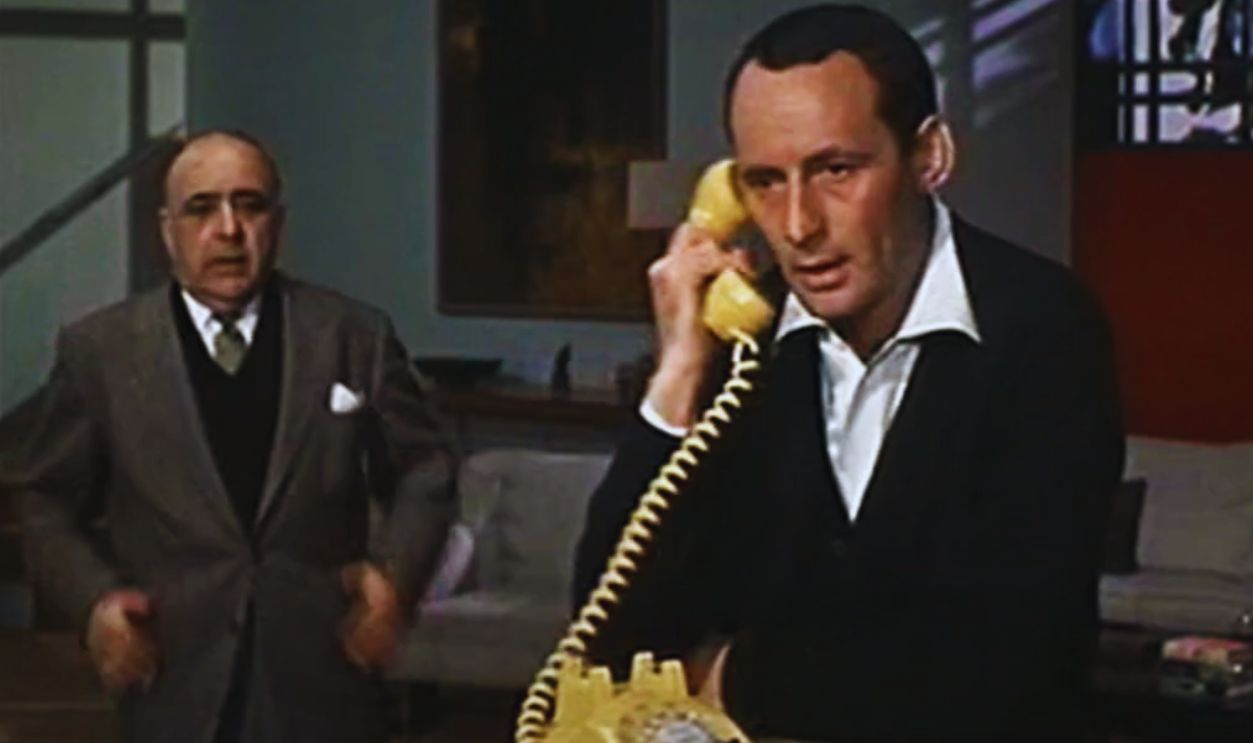
In the early ’60s, Bishop was on top—performing at the Sands with the Pack and appearing in Ocean’s 11 (1960). The film let him share the screen with Sinatra and Martin, but his role was small. He was part of the moment, never the face of it.
 Warner Bros., Ocean’s 11 (1960)
Television Beckons
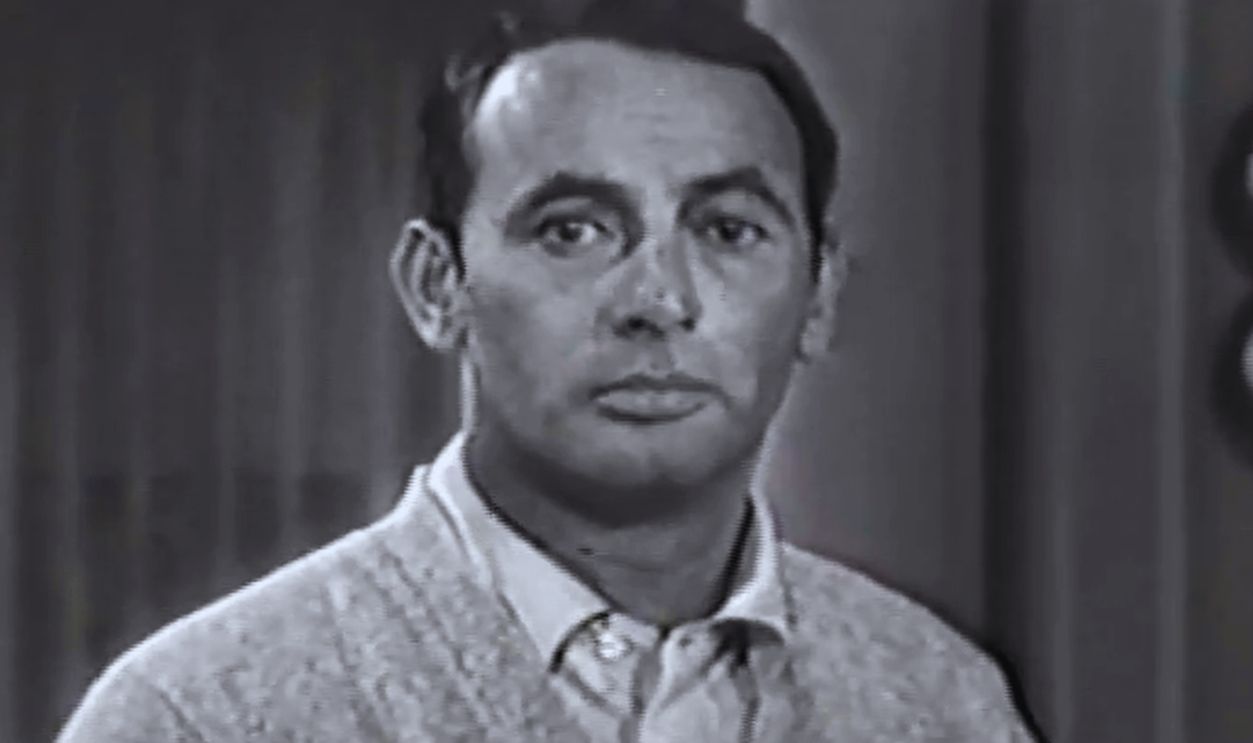
Bishop's growing popularity soon opened another door: television. From 1961 to 1965, he starred in his own sitcom, The Joey Bishop Show, playing the levelheaded guy trying to keep his cool while everyone around him created chaos. Sound familiar? It was practically his Rat Pack role with a television script. The series wasn't exactly revolutionary, but it put Bishop in living rooms across America and proved he could command an audience without Sinatra and the gang by his side.
 NBC, The Joey Bishop Show (1961–1965)
The Late-Night Gamble
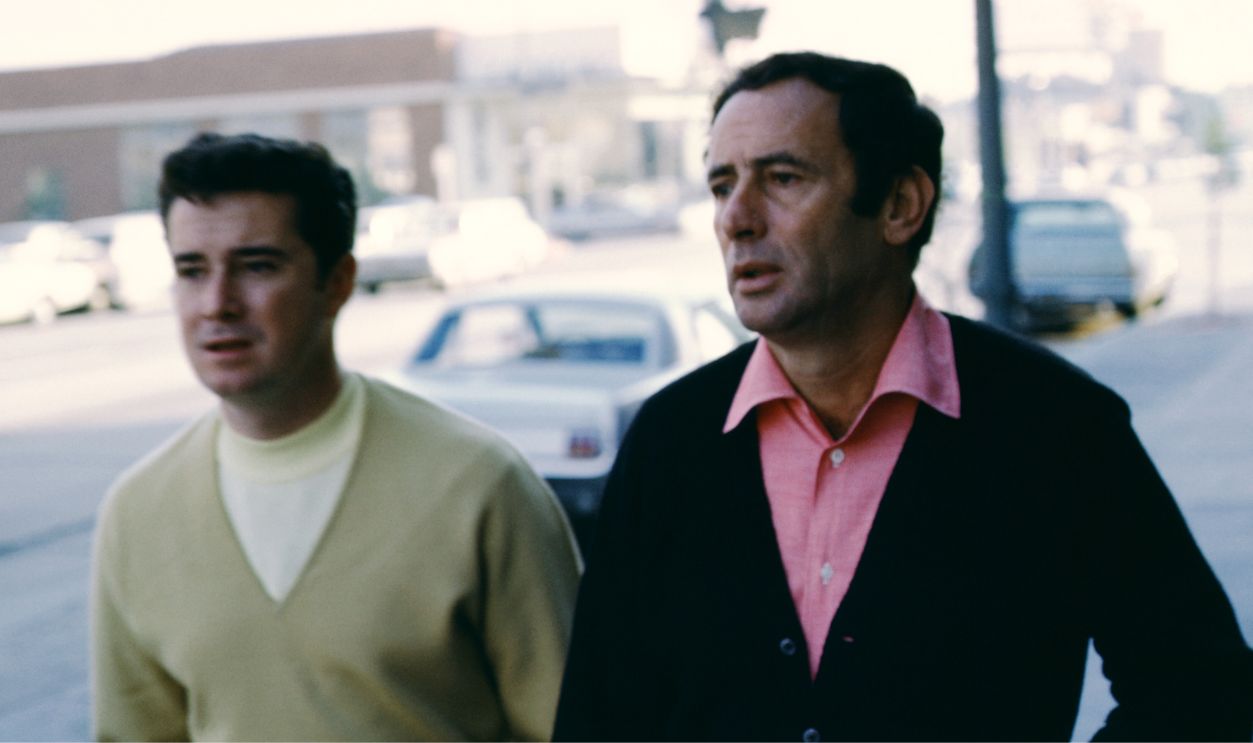
In 1967, ABC offered Bishop a bigger challenge: hosting a late-night talk show to rival Johnny Carson. His sidekick was a then-unknown Regis Philbin. For a while, it looked promising, but Bishop’s dry, sardonic style was a tough sell in the time slot.
The Walk-Off That Worked
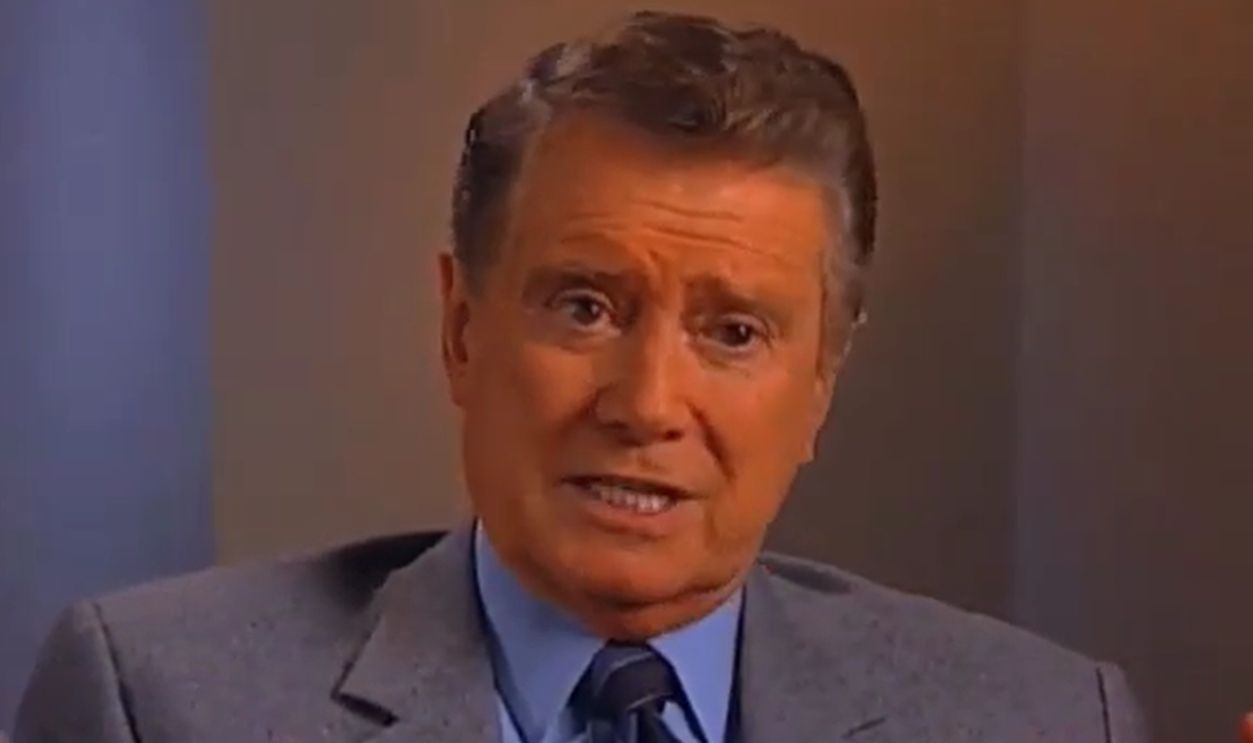
The most famous moment came when Regis walked off the show, frustrated on air. Ratings jumped. Years later, Regis admitted, “Bishop said, ‘You’re going to walk off the show…’” It was a staged stunt that briefly made headlines, but it couldn’t topple Carson.
 Regis Philbin on walking off The Joey Bishop Show- EMMYTVLEGENDS.ORG, FoundationINTERVIEWS
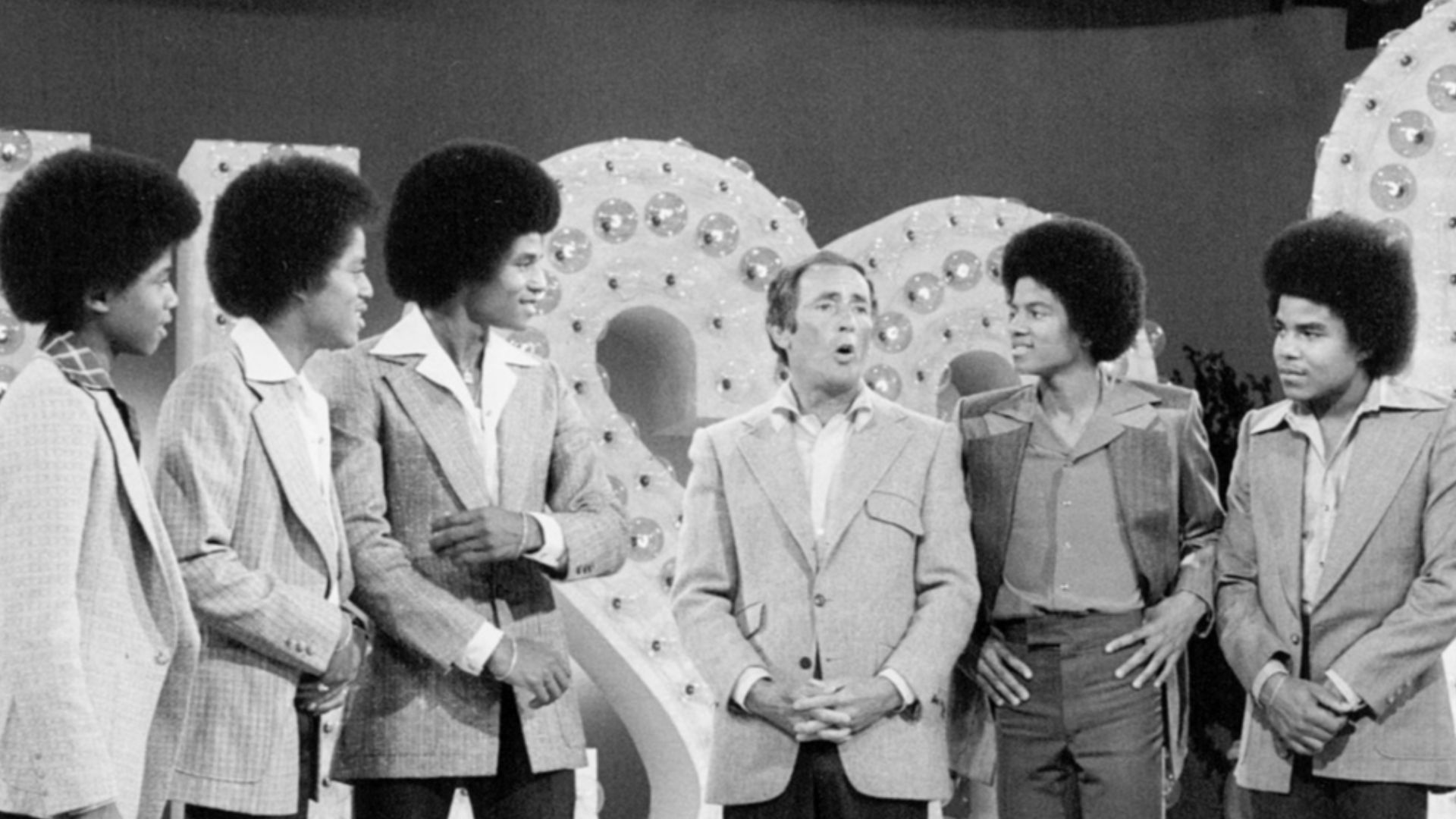
Carson’s Shadow Gets Longer
By 1969, Bishop’s show was canceled. Audiences stayed loyal to Carson. The message was clear: Bishop worked well in support, but he couldn’t unseat Johnny as the king of late night.
 CBS Television, Wikimedia Commons
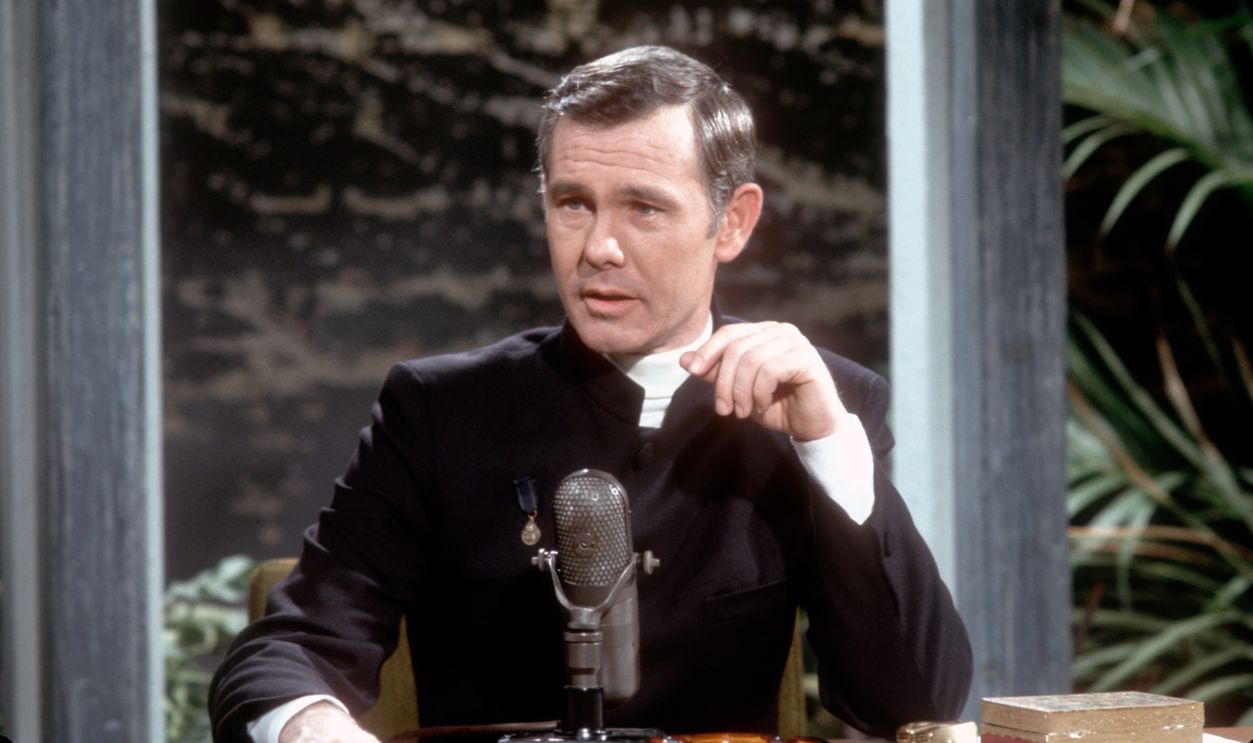
Carson Turns Cold
Before his ABC gamble, Bishop was a Tonight Show regular, guest-hosting nearly 200 times. But once he tried to rival Johnny, things changed. Carson saw it as a challenge he wouldn’t forgive. The two were never close again—proof that in late night, loyalty mattered as much as laughs.
 Michael Ochs Archives, Getty Images
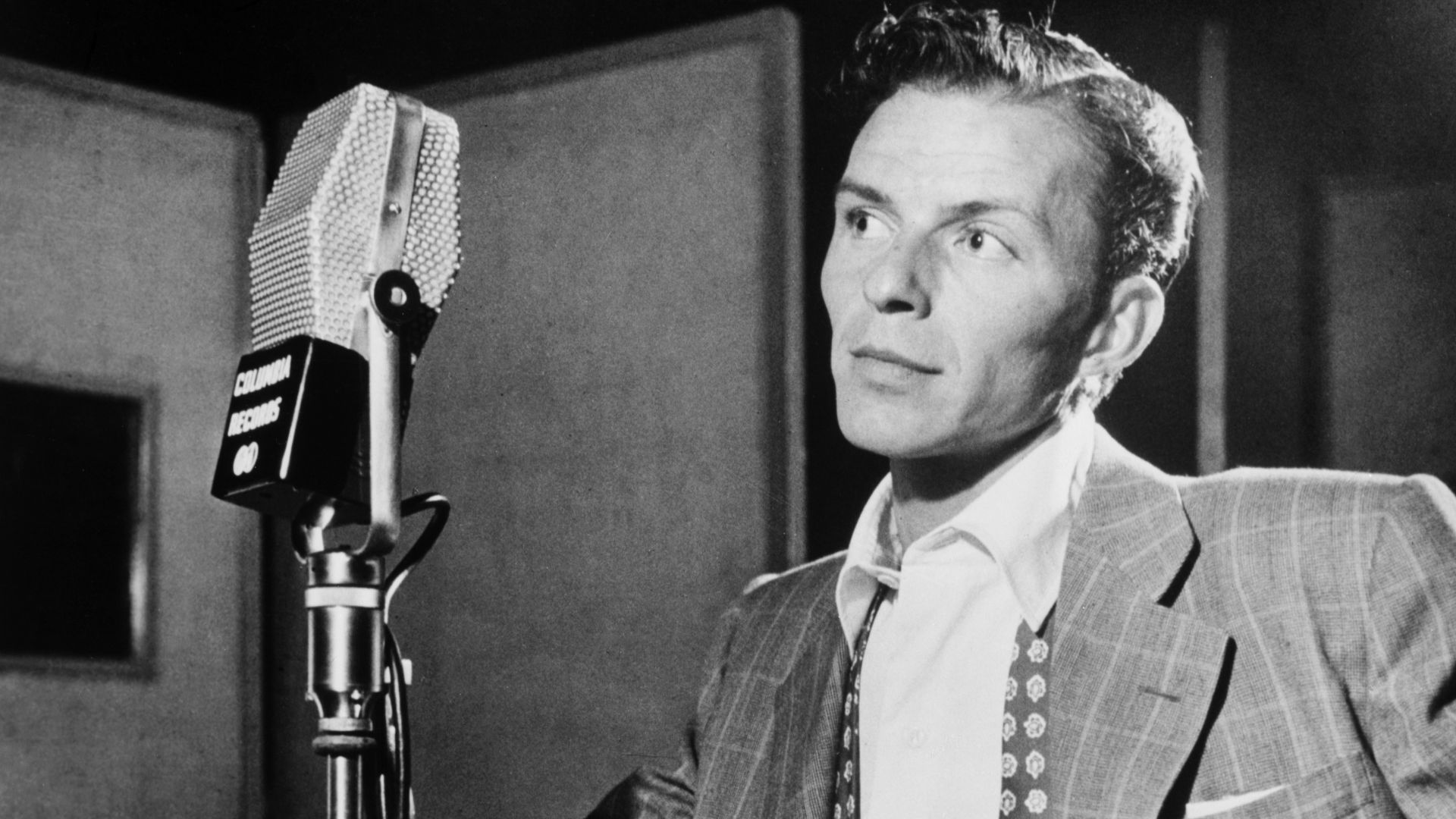
The Sinatra Rift
Bishop eventually had a falling out with Sinatra, reportedly over work at the Cal Neva Lodge and scheduling conflicts. In the Rat Pack, Frank’s favor meant everything. Once the relationship cooled, Bishop found himself on the outside—and opportunities in Vegas quickly dried up.
 William P. Gottlieb, Wikimedia Commons
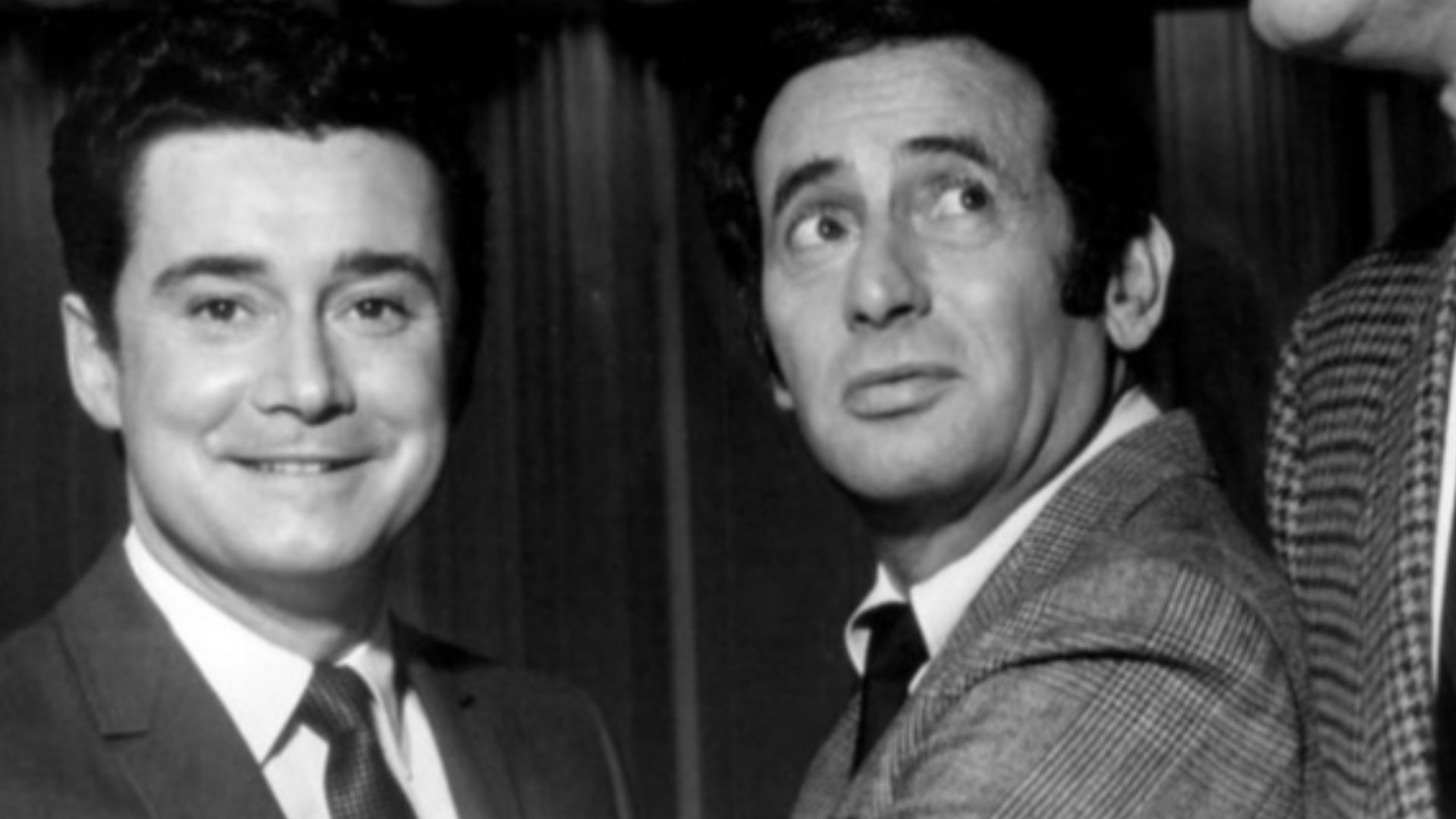
Prickly Perfectionist
Colleagues described Bishop as talented but difficult. Biographer Michael Seth Starr called him “a pro who could turn prickly fast.” On stage, that sharpness was funny. In Hollywood meetings, it rubbed people the wrong way. He wasn’t as easygoing as Dean or Sammy.
 ABC Television, Wikimedia Commons
The Fade Begins
By the 1970s, Bishop’s career was slowing down. Sinatra still drew crowds, Dean thrived on television, and Sammy dazzled in clubs. Joey booked fewer shows, and his understated style seemed out of place in an era that favored bigger personalities.
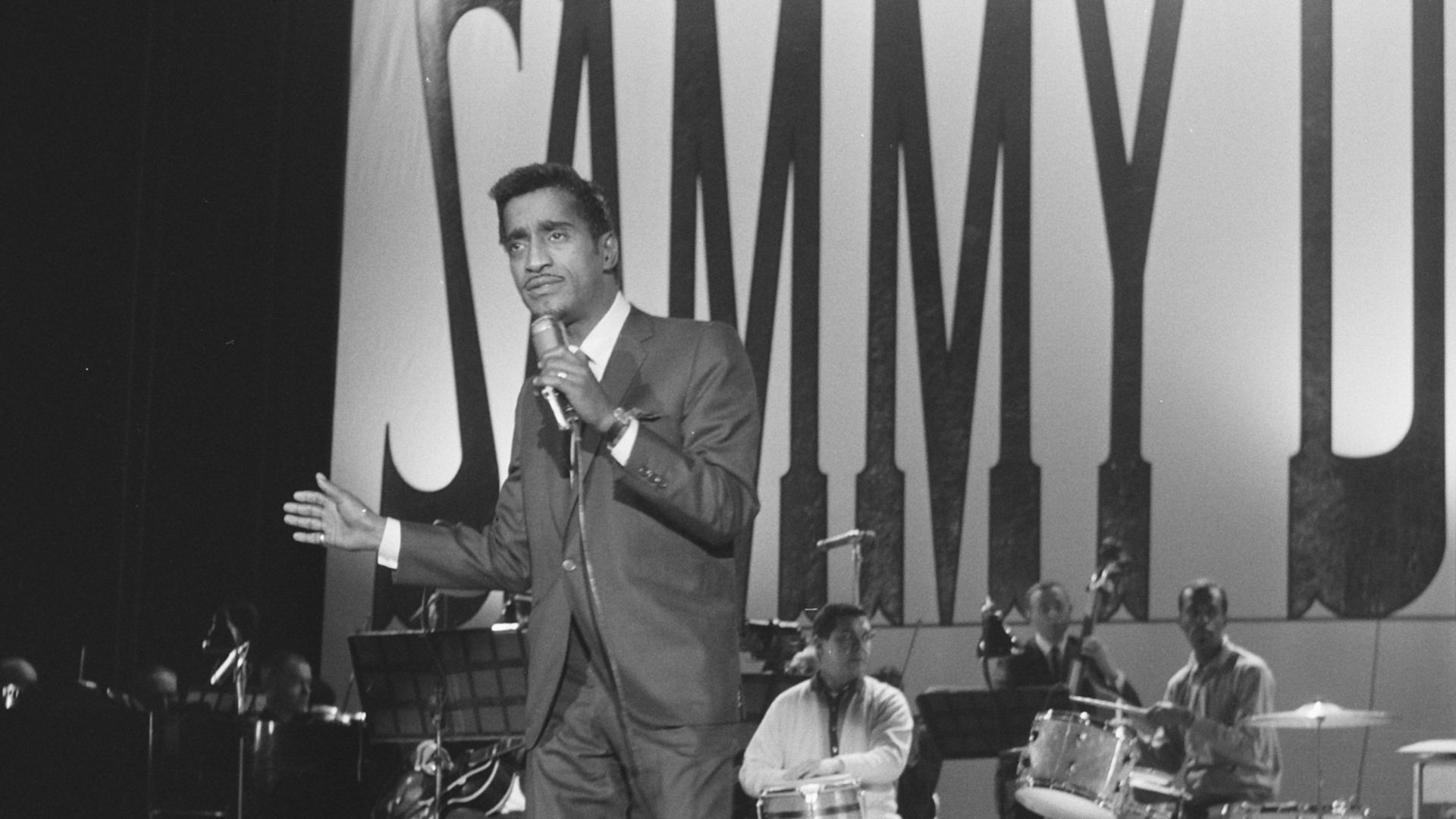 Hugo van Gelderen / Anefo, Wikimedia Commons
The Rat Pack Myth Grows—Without Him
As Rat Pack nostalgia took hold, Bishop’s role often got overlooked. Documentaries and tributes celebrated Sinatra, Dean, and Sammy. Joey became a footnote. “The most publicity I ever got,” he joked, “was being the guy nobody remembers.”
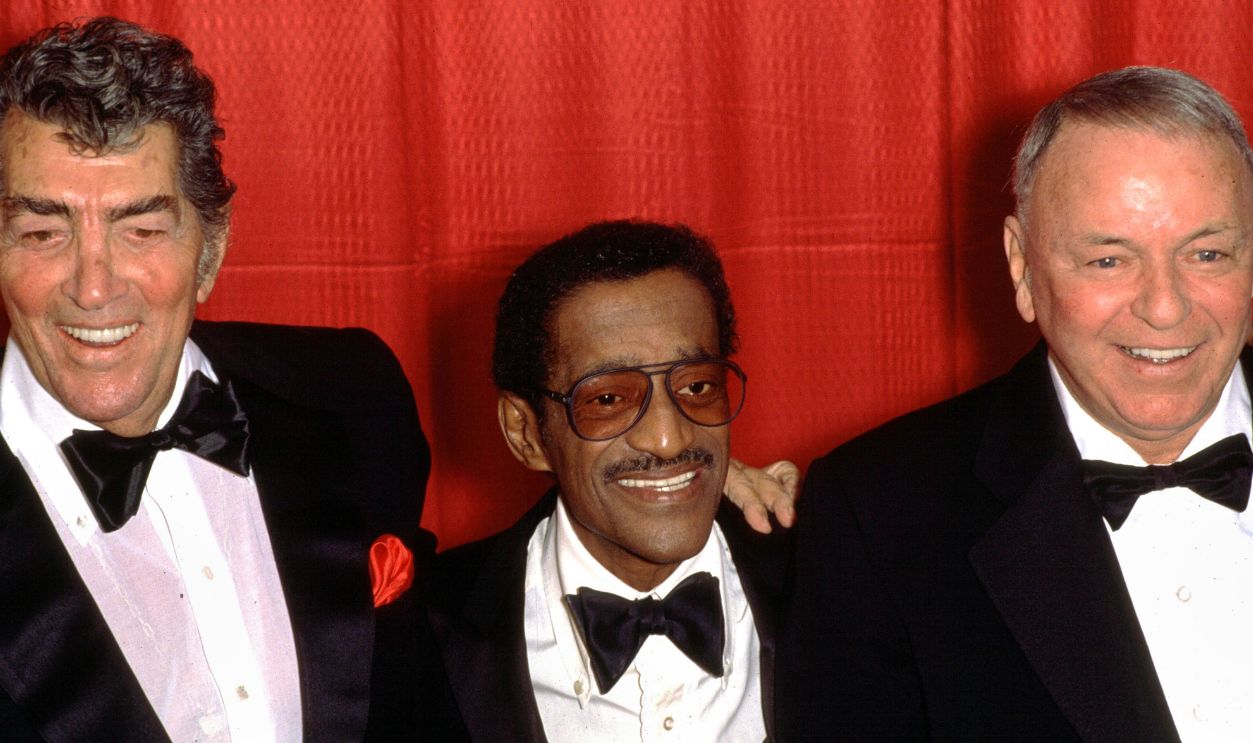
He Outlived Them All
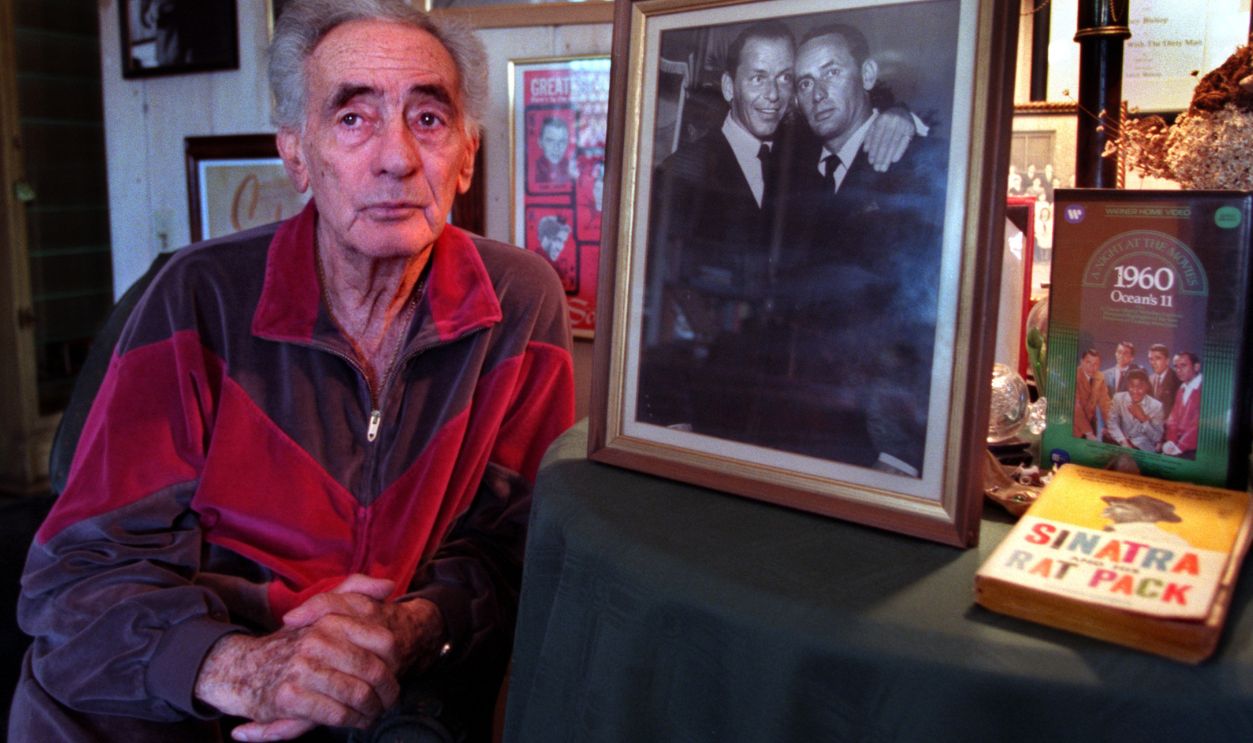
One by one, the Rat Pack's biggest names faded from the spotlight for good. Peter Lawford died in 1984, followed by Sammy Davis Jr. in 1990, Dean Martin in 1995, and Frank Sinatra in 1998. Suddenly, Joey Bishop was the last man standing. There was a bittersweet irony to it all: the member so often forgotten had outlived every one of his legendary friends. Yet being the final surviving Rat Packer didn't bring Bishop a grand comeback. Instead, he remained largely out of the public eye, carrying the memories of a remarkable era that had long since passed.
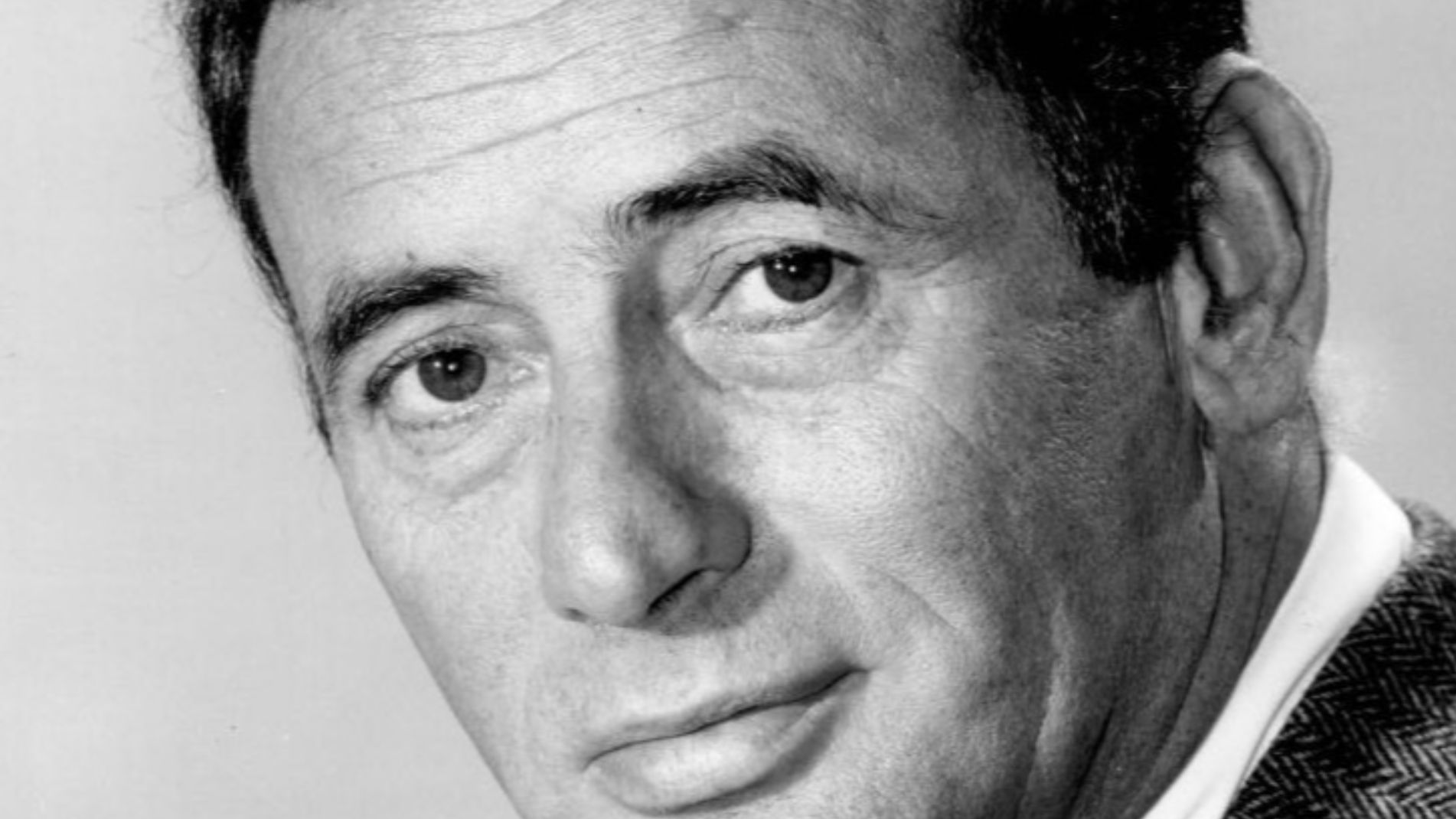 ABC Television, Wikimedia Commons
Retreat to Newport Beach
Bishop lived out his final years in Newport Beach, California. Neighbors remembered a quiet man. Reporters who visited noted his home lacked Rat Pack memorabilia. There were no shrines to Vegas, no trophies—just a retired comic living a simple life.
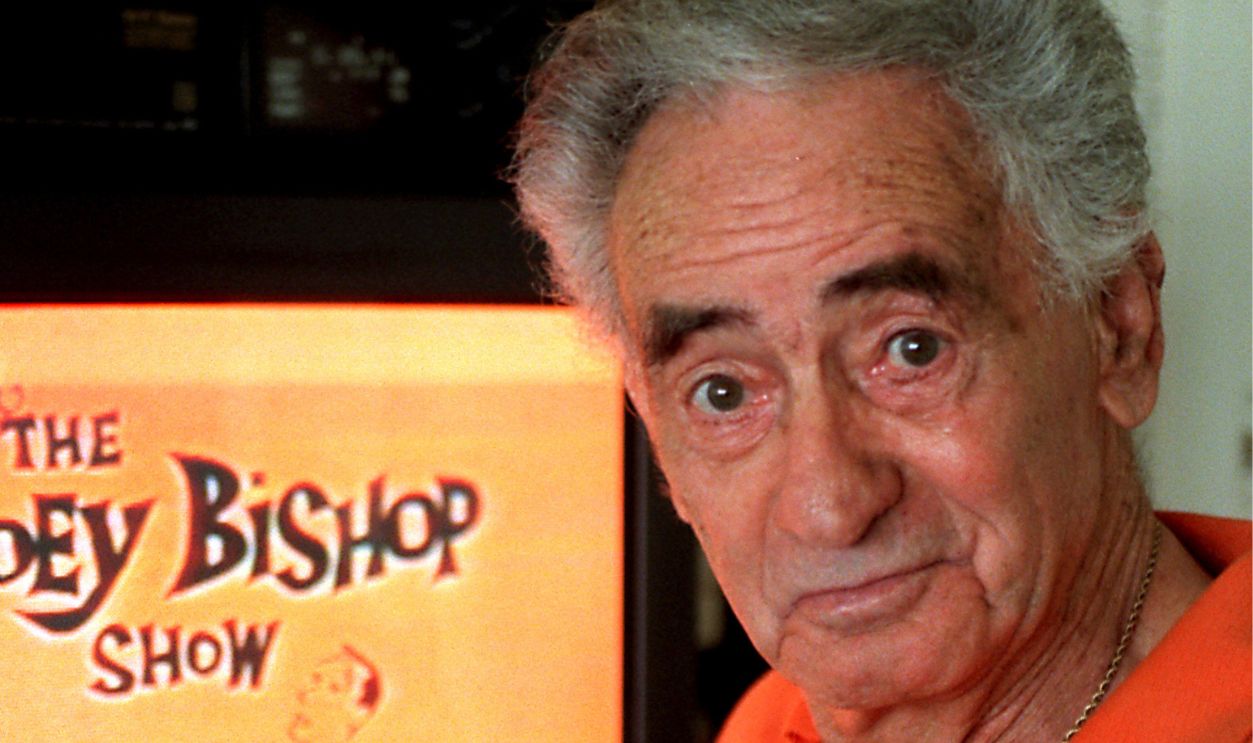
A Quiet Exit
On October 17, 2007, Joey Bishop died at 89. Obituaries remembered his deadpan timing, his sitcom, and his late-night gamble. Mostly, though, they noted the irony: he was the last Rat Packer standing—and the one history had nearly forgotten.
What His Story Reveals
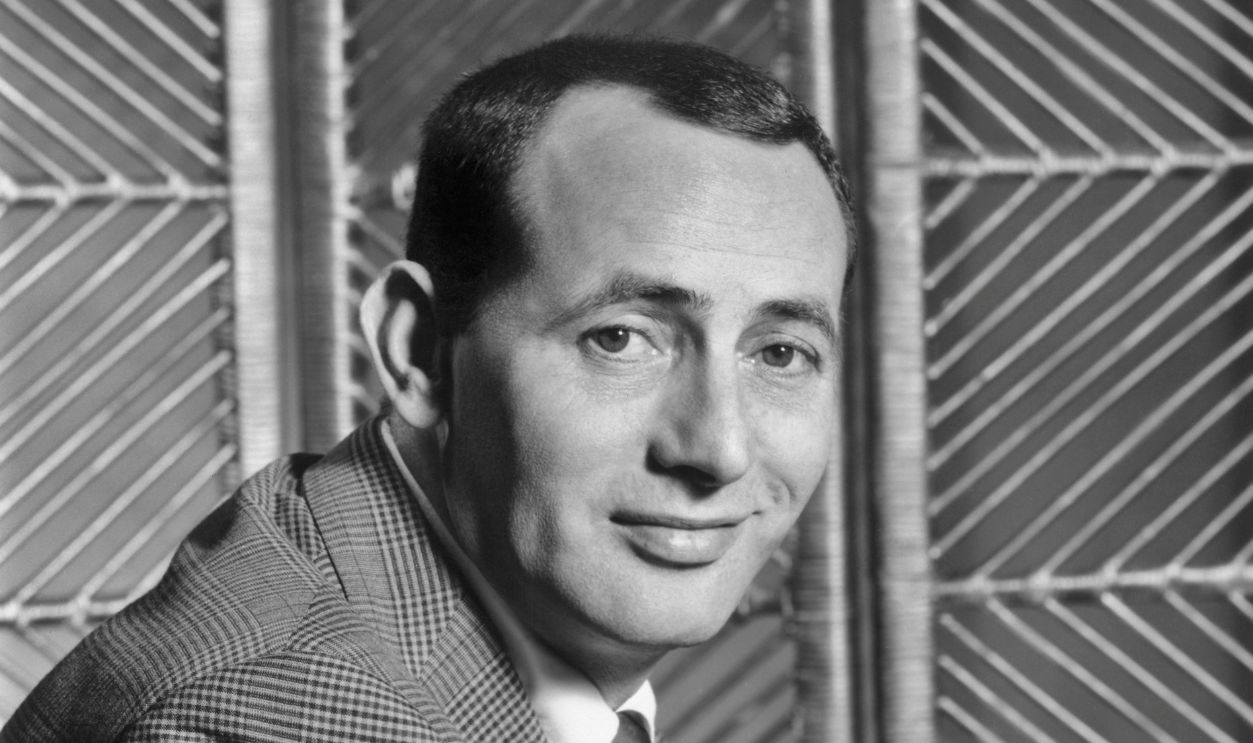
Bishop’s life showed the paradox of fame. He was the one who wrote the jokes, steadied the stage, and made the legends look even brighter. But those same skills kept him in the background, where history rarely shines its spotlight.
The Last Laugh
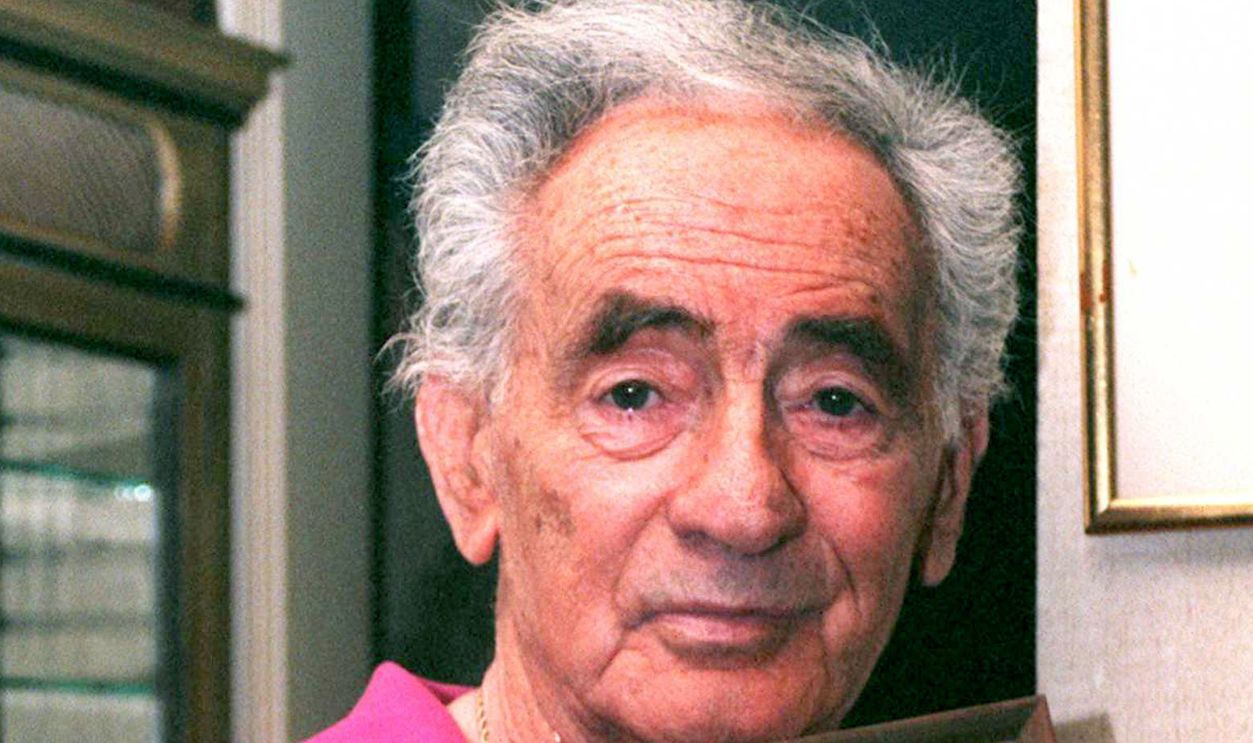
Even late in life, Bishop kept the wit that defined him. Asked about being forgotten, he said: “I’ll settle for remembered, even a little.” History may not put him alongside Frank, Dean, and Sammy, but without him the Rat Pack’s rhythm would’ve never clicked.
The Forgotten Architect
If the Rat Pack was a performance, Bishop was the architect—the one who framed the stage and handed others their best lines. He didn’t chase the spotlight; he aimed it. That’s why he mattered, even if the world remembers him last.
You Might Also Like:
Frank Sinatra, Dean Martin, And The Beverly Hills Brawl That Went Too Far