Lost Behind The Role
Hollywood thrives on recognition, until certain roles demand the opposite. Certain iconic performances strip away comfort and image to replace them with something far more memorable than star power alone.
Lon Chaney As Erik In The Phantom Of The Opera (1925)
Before CGI tricks existed, Lon Chaney reshaped his own face. He used wires, putty, cotton, and false teeth to build Erik’s skull-like look. The process caused real pain, yet it redefined horror makeup and shocked silent-film audiences into unforgettable reactions.
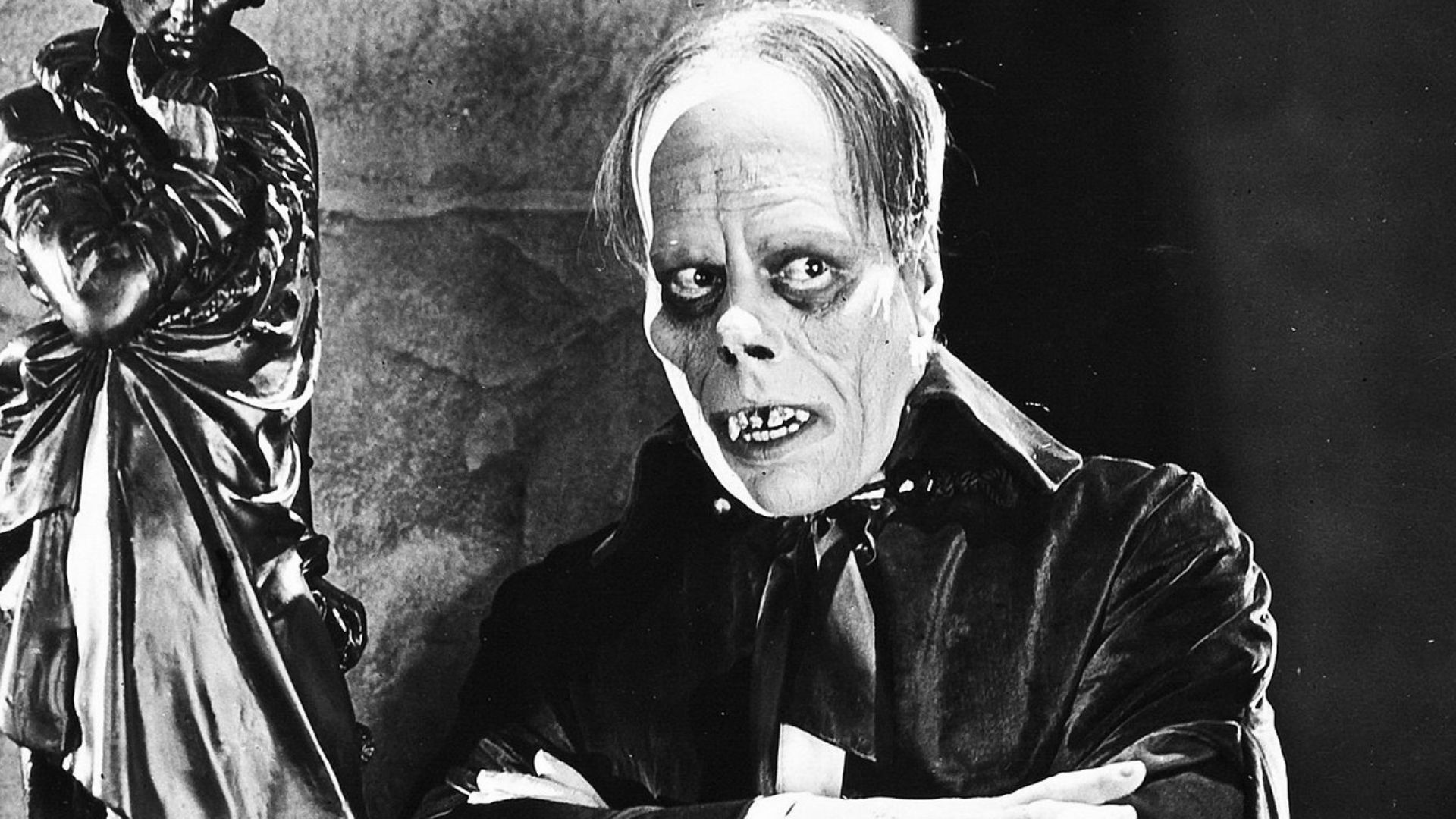 Universal Pictures, Wikimedia Commons
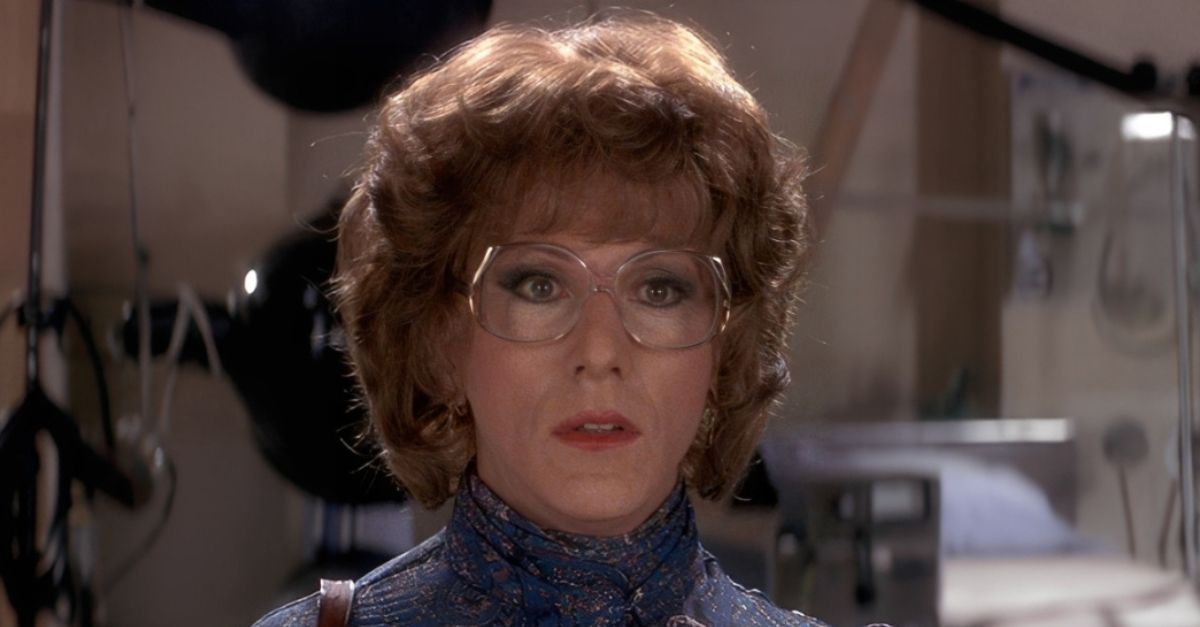
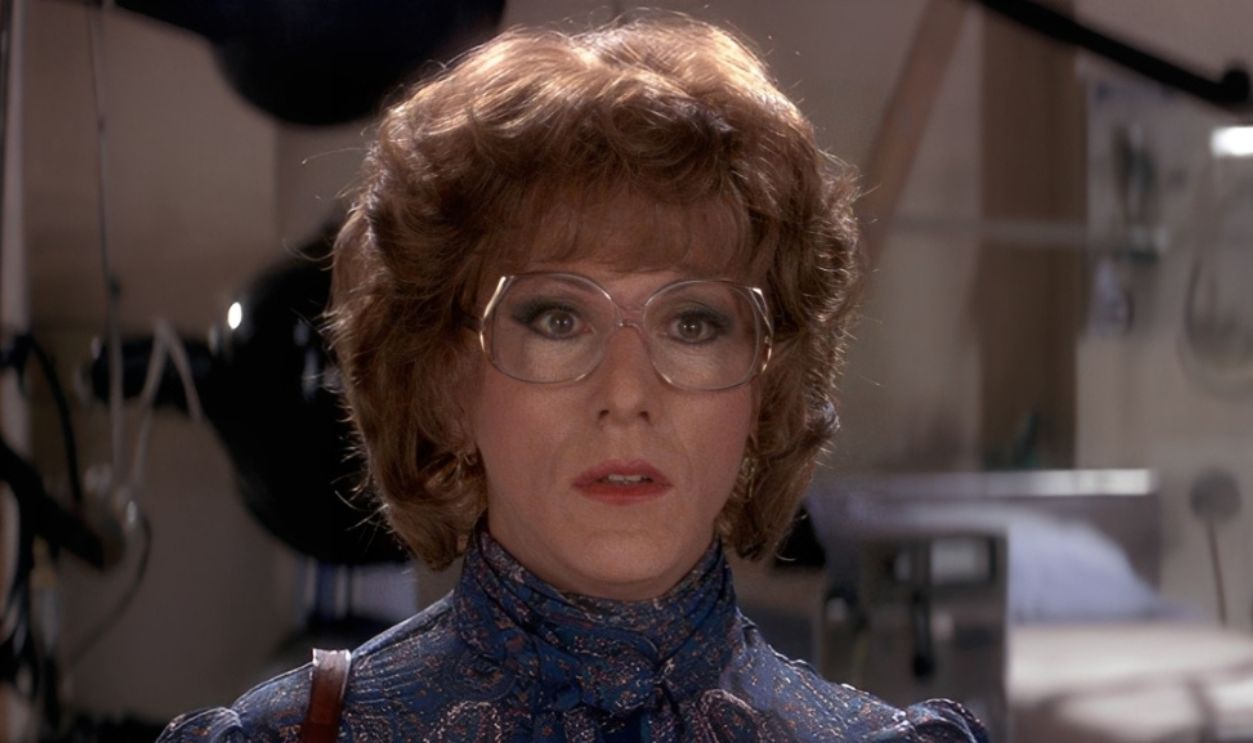
Dustin Hoffman As Dorothy Michaels In Tootsie (1982)
Dustin Hoffman lived the disguise rather than just wearing a dress. After hours of makeup, shaving, taped skin, voice work, and mannerisms, he tested Dorothy in public. The role fooled everyone and left Hoffman emotionally changed by what invisibility feels like.
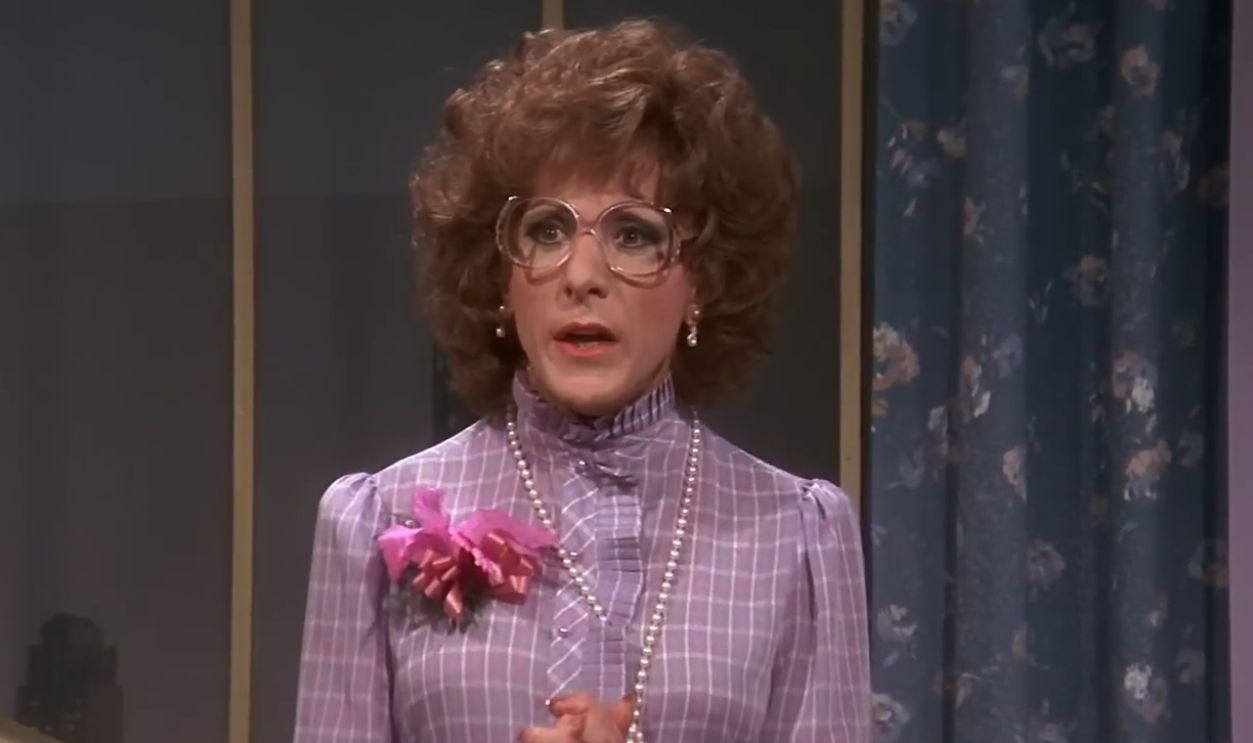 Screenshot from Tootsie, Columbia Pictures (1982)
John Hurt As John Merrick In The Elephant Man (1980)
Twelve hours at a time, John Hurt disappeared beneath prosthetics. Seventeen pieces reshaped everything and turned him into John Merrick. The transformation earned historic awards recognition and proved makeup could carry empathy without a single exaggerated performance every single time.
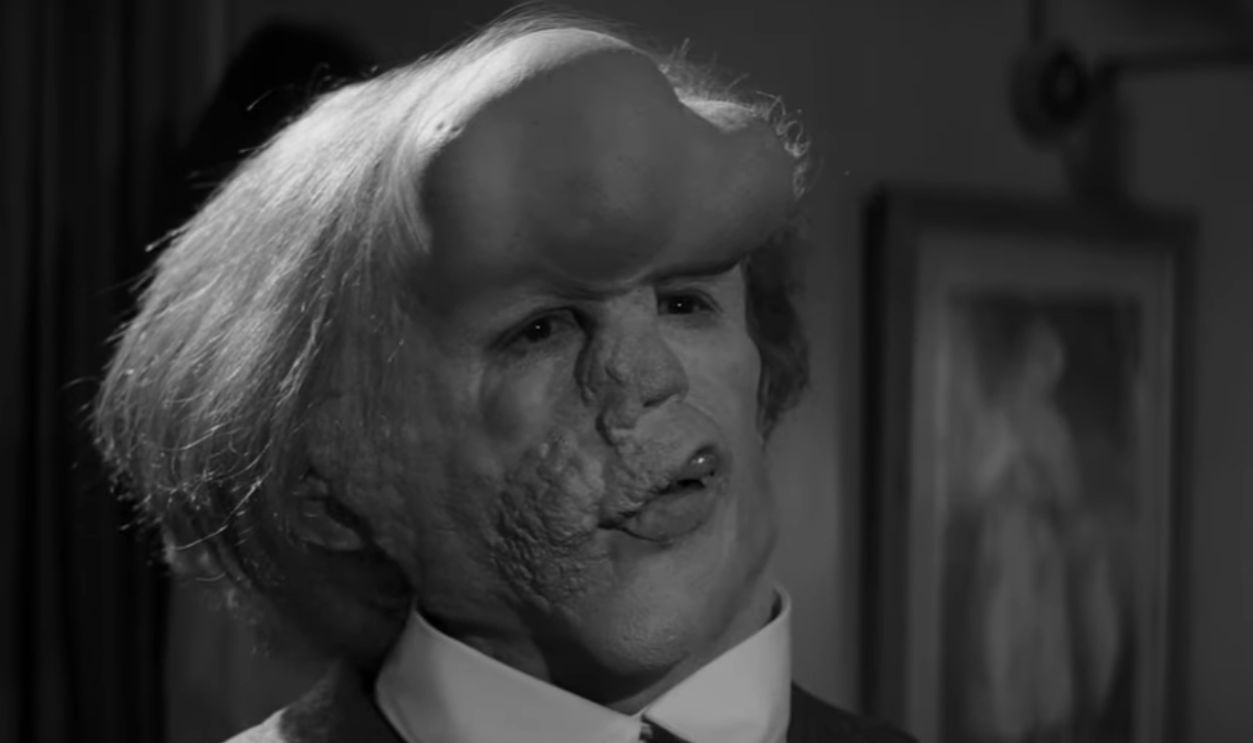 Screenshot from The Elephant Man, Paramount Pictures (1980)
Eric Stoltz As Rocky Dennis In Mask (1985)
Eric Stoltz became Rocky Dennis through limitation, not excess. A foam latex mask and dentures erased his features to restrict his expression for hours daily. That constraint forced quieter acting choices, which helped a true story land emotionally and made his face secondary to the humanity underneath.
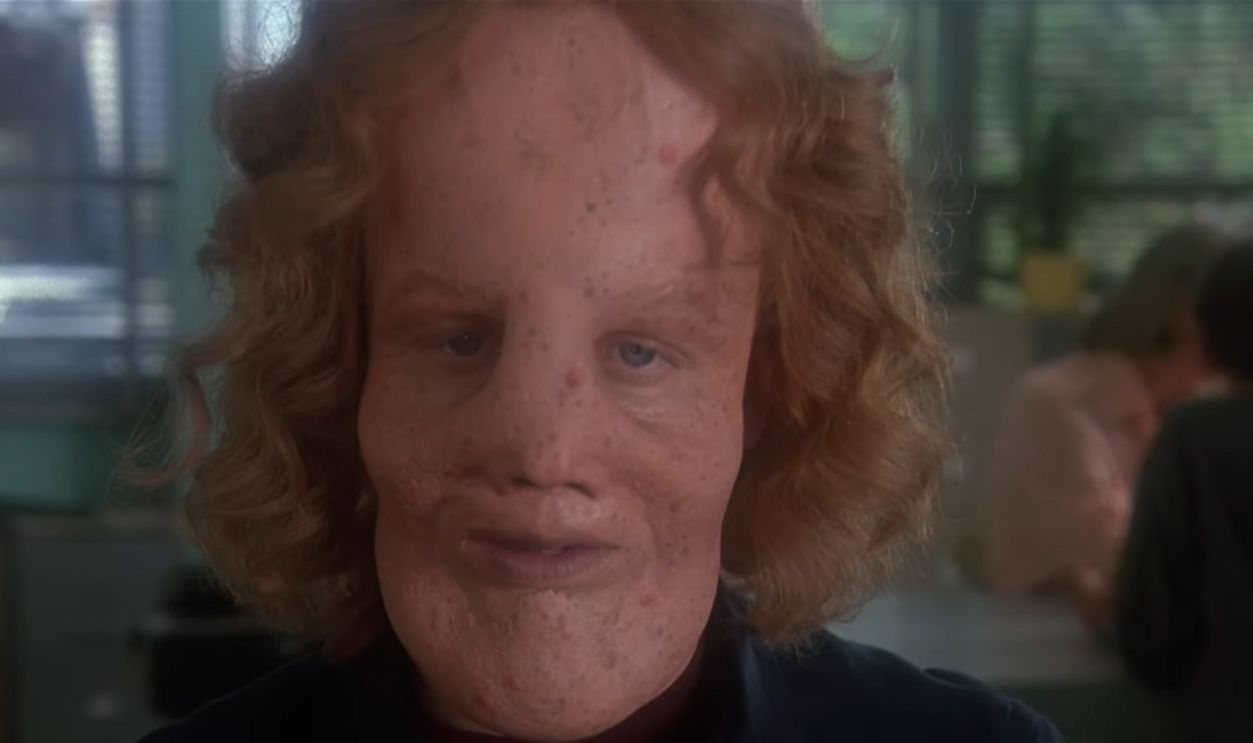 Screenshot from Mask, Universal Pictures (1985)
Danny Devito As The Penguin In Batman Returns (1992)
Danny DeVito’s Penguin wasn’t just makeup. Hours under prosthetics with false teeth and a heavy suit reshaped his body and posture. The discomfort fed the character’s menace. It ultimately left audiences with one of the most disturbing villains comic-book films had produced.
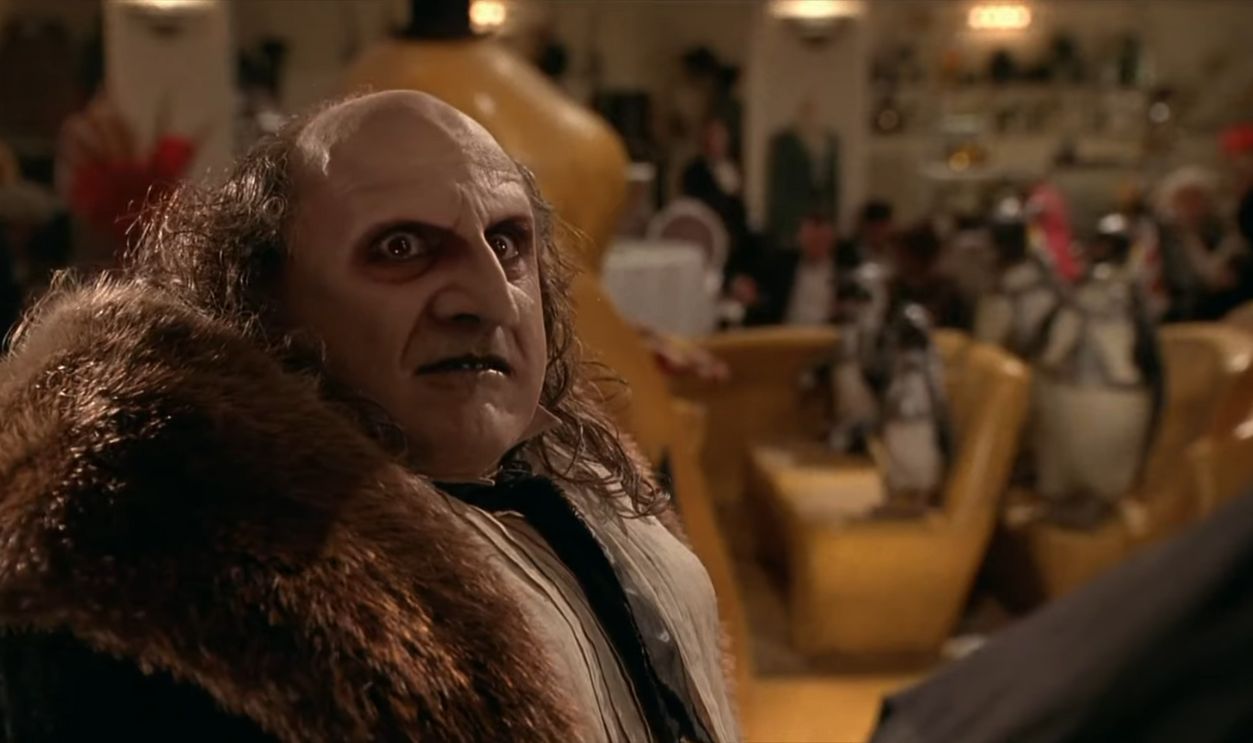 Screenshot from Batman Returns, Warner Bros. (1992)
Robin Williams As Mrs Doubtfire In Mrs Doubtfire (1993)
Before a single joke landed, hours of transformation came first. Robin Williams endured daily four-and-a-half-hour sessions to disappear completely. He even roamed public spaces unnoticed. That commitment turned a disguise into a Golden Globe–winning performance that audiences genuinely believed.
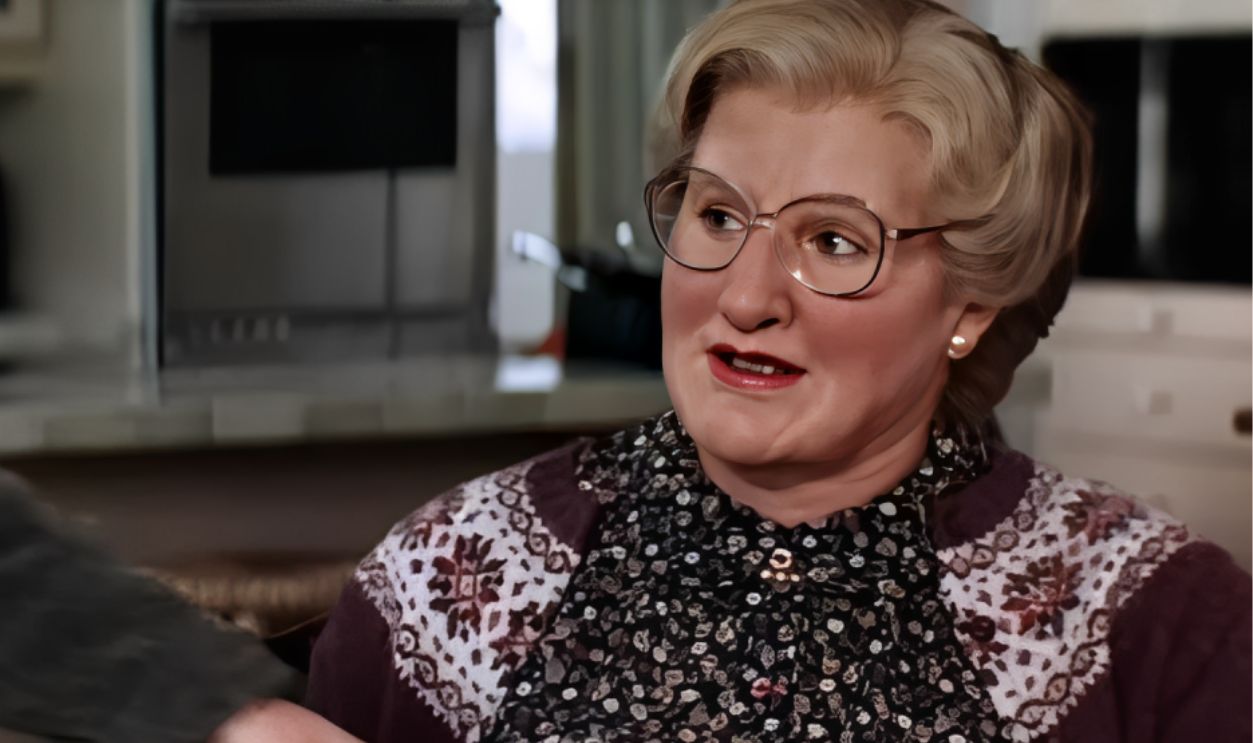 Screenshot from Mrs Doubtfire, 20th Century Fox (1993)
Glenn Close As Gutless In Hook (1991)
At first glance, Gutless looked like just another pirate. That was the trick. Glenn Close vanished so thoroughly that even her coworkers missed it for days. The quiet reveal later became one of the film’s most delightful surprises, which hid star power in plain sight.
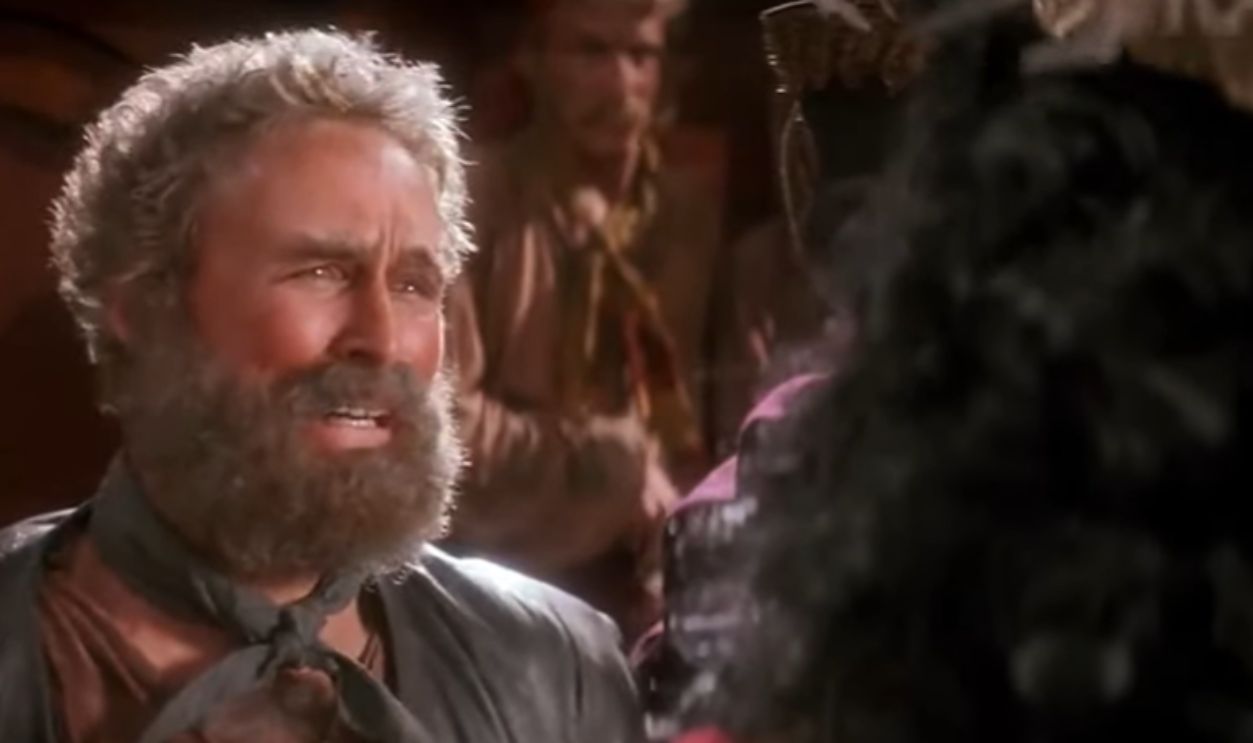 Screenshot from Hook, TriStar Pictures (1991)
Billy Crystal As Miracle Max In The Princess Bride (1987)
Once transformed, Billy Crystal stopped holding back. The aged disguise opened the door to relentless improvisation, which pushes scenes past control. Laughter ruled the set to force creative retreats. Underneath the wrinkles, a throwaway role exploded into pure cinematic folklore.
 Screenshot from The Princess Bride, 20th Century Fox (1987)
Michael Keaton As Beetlejuice In Beetlejuice (1988)
The character made little sense in the beginning. The actor himself, Michael Keaton, questioned Beetlejuice until instinct took over. Lengthy preparation yielded a grotesque figure with minimal screen time, proving that impact isn’t measured in minutes. The result became iconic and helped secure the film’s makeup Oscar.
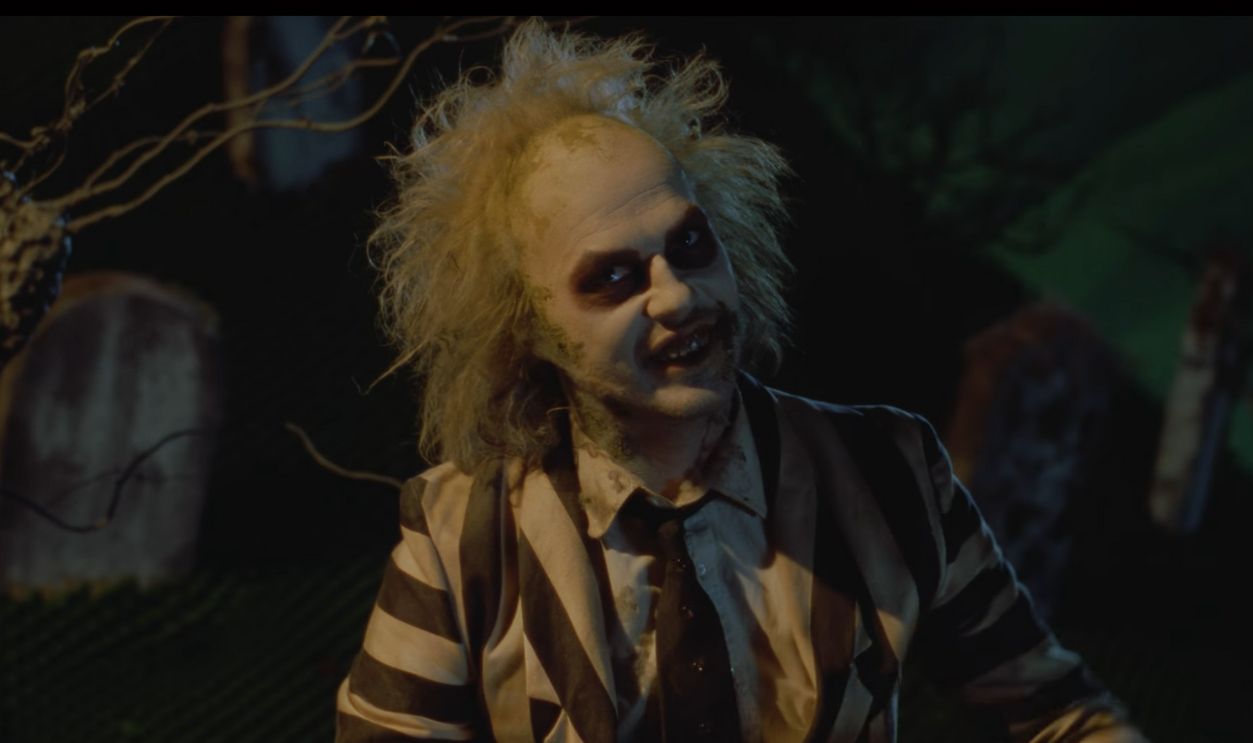 Screenshot from Beetlejuice, Warner Bros. Pictures (1988)
Eddie Murphy As Saul In Coming To America (1988)
The barbershop scenes hid one of Eddie Murphy’s smartest tricks. Under Rick Baker’s Oscar-nominated prosthetics, he vanished into Saul, an elderly Jewish man. The disguise proved his chameleon talent, launched a legacy of multi-character performances, and even allowed a politely delivered slap to steal laughs.
 Screenshot from Coming To America, Paramount Pictures (1988)
Helena Bonham Carter As Ari In Planet Of The Apes (2001)
Long before cameras rolled, Helena Bonham Carter sat through four-hour transformations. Heavy ape prosthetics reshaped her face and trapped heat inside the suit. The physical struggle fed her performance to show a range through movement alone, even as the film itself divided audiences.
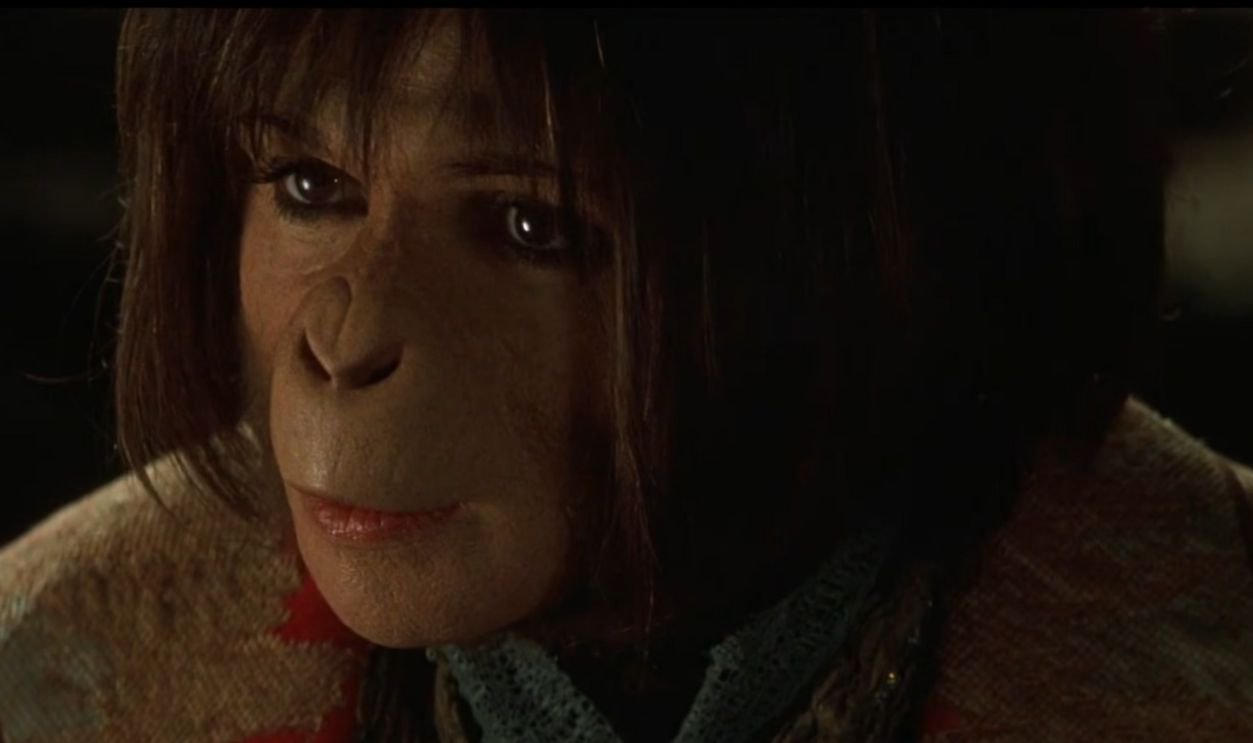 Screenshot from Planet of the Apes, 20th Century Fox (2001)
Jim Carrey As The Grinch In How The Grinch Stole Christmas (2000)
Jim Carrey spent hours sealed inside a suffocating green suit to cope with pain through extreme mental training. He nearly walked away, yet the suffering paid off. The unrecognizable Grinch won an Oscar and became a holiday icon. Here, endurance paid off—and then some.
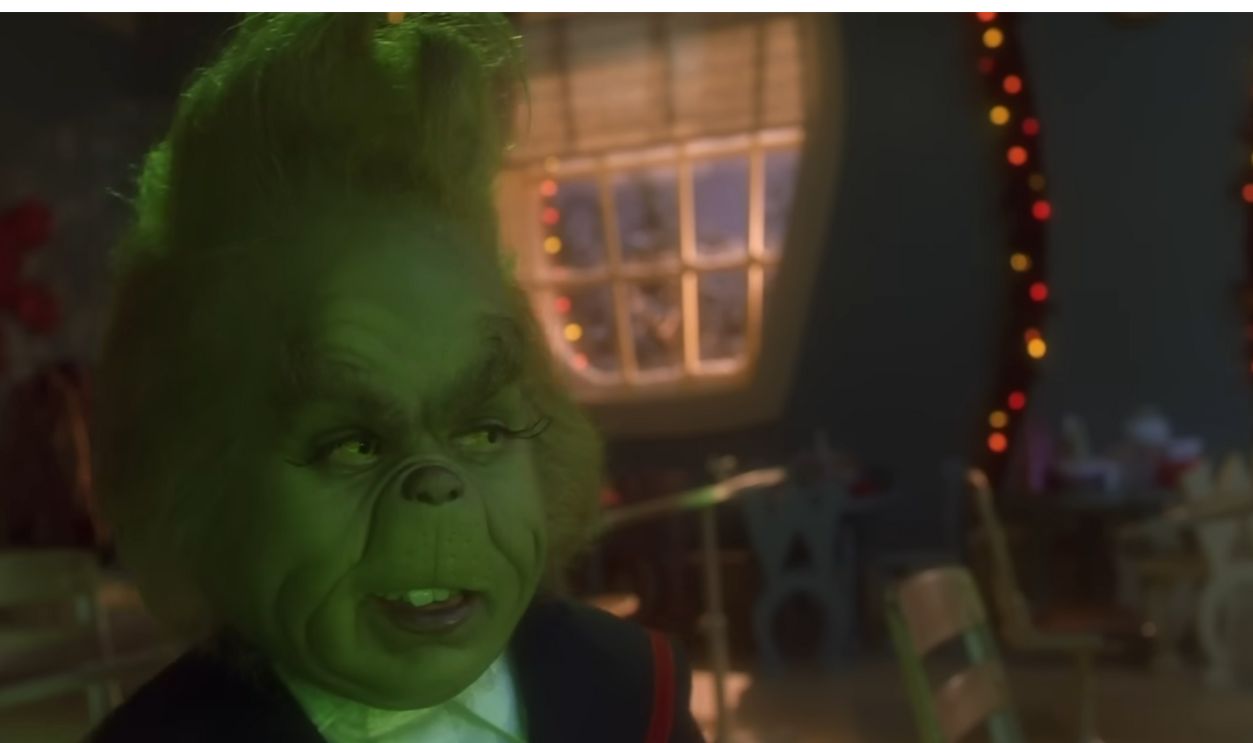 Screenshot from How The Grinch Who Stole Christmas, Universal Pictures (2000)
Tom Hanks As Chuck Noland In Cast Away (2000)
Tom Hanks surrendered time itself by pausing filming to gain weight, then stripping it away. The physical evolution carried emotional weight, and it grounded the survival story and strengthened his legacy as a master of disciplined realism.
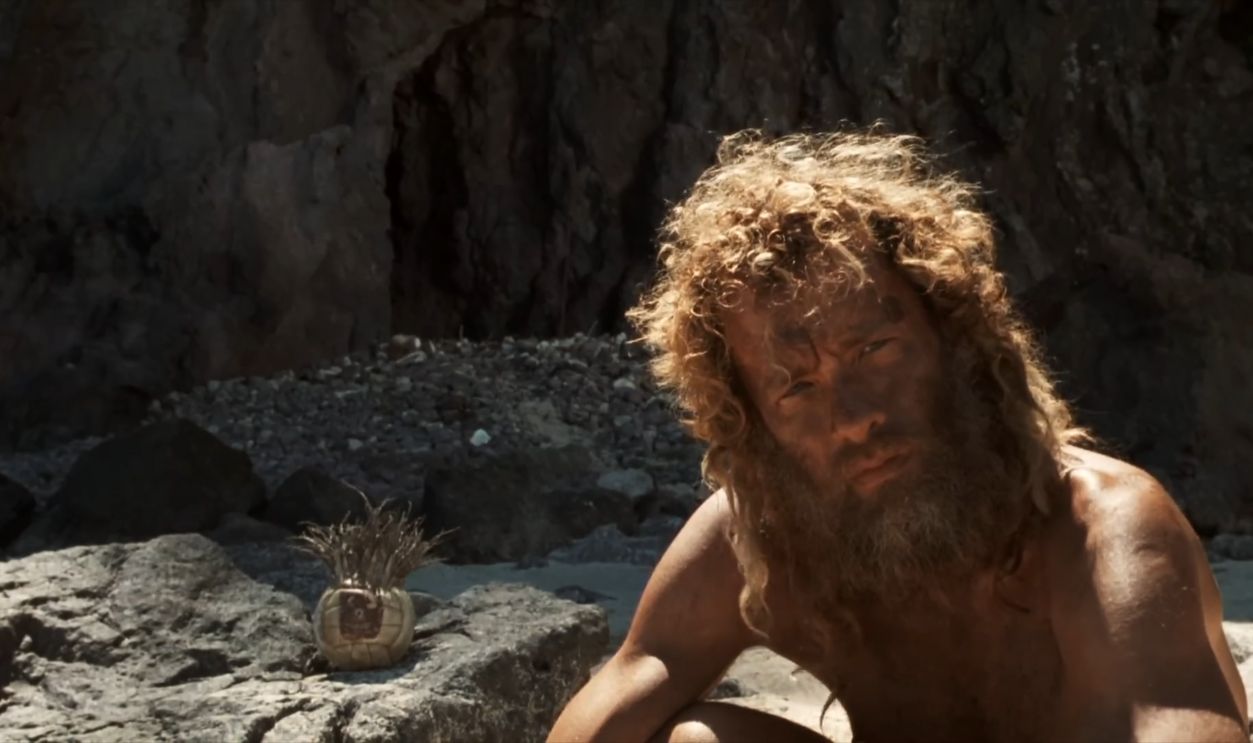 Screenshot from Cast Away, 20th Century Fox (2000)
Nicole Kidman As Virginia Woolf In The Hours (2002)
The nose changed everything. Hidden behind prosthetic and darkened features, Nicole Kidman found freedom to disappear psychologically. Initial doubts faded as the disguise unlocked restraint and vulnerability. The result stunned audiences and carried her all the way to an Oscar win.
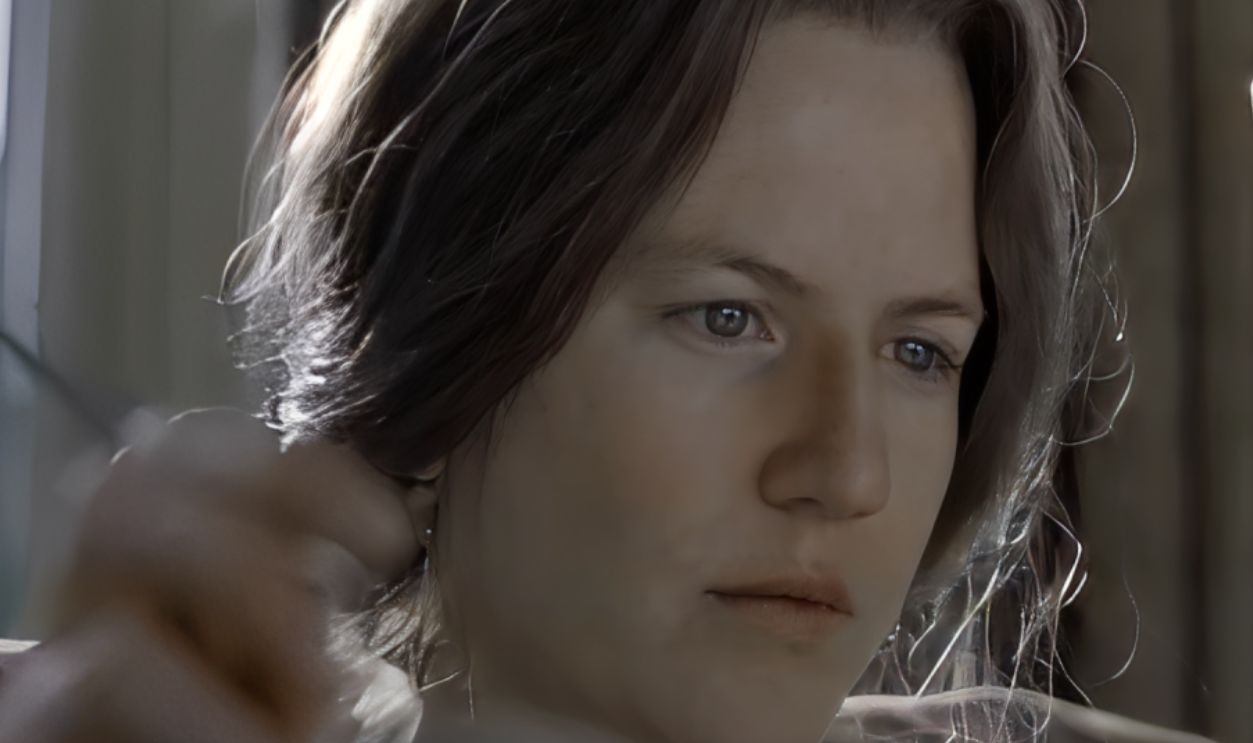 Screenshot from The Hours, Paramount Pictures (2002)
Charlize Theron As Aileen Wuornos In Monster (2003)
The performance earned an Oscar because weight gain, altered teeth, shaved brows, and weathered skin stripped away every trace of movie-star polish. What viewers got was raw emotional honesty that made the character feel lived-in, exposed, and painfully real on screen.
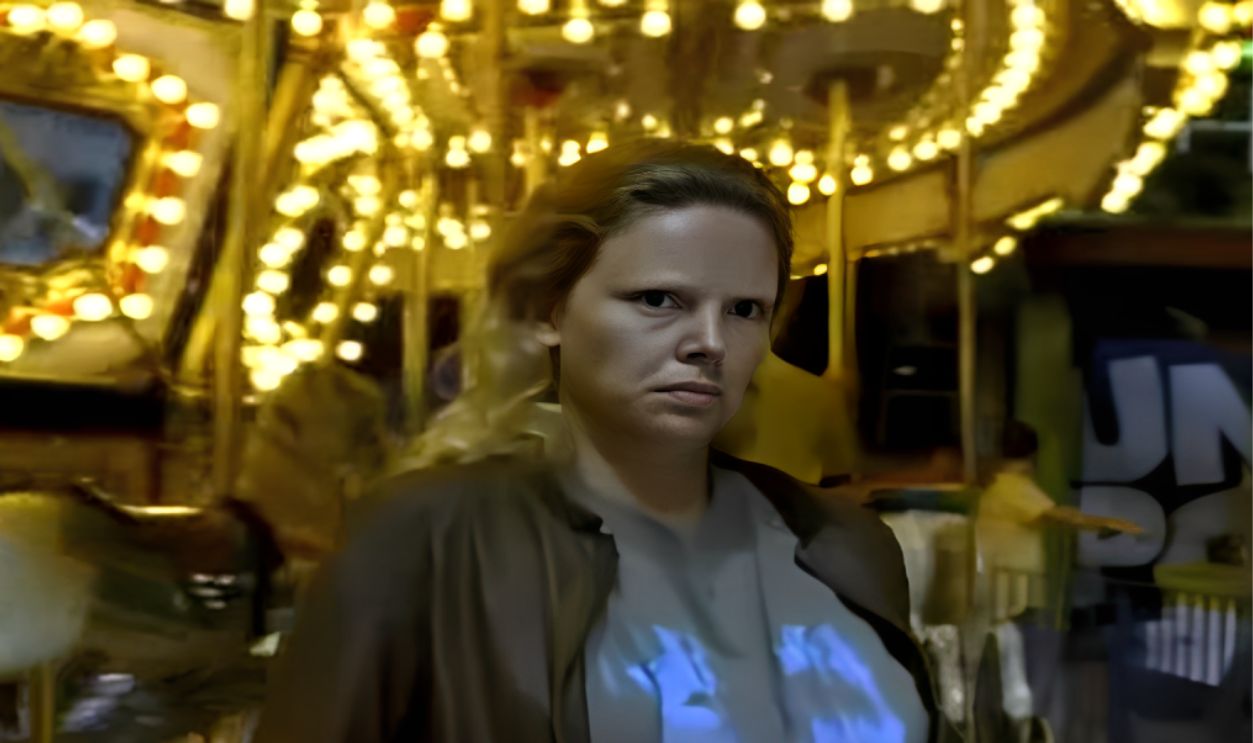 Screenshot from Monster, Newmarket Films (2003)
Ralph Fiennes As Lord Voldemort In Harry Potter And The Goblet Of Fire (2005)
Instead of heavy theatrics, the change leaned on minimal changes that altered everything. But somehow, the limited makeup time still delivered maximum impact. Combined with controlled performance choices, it marked a clear shift toward a more serious and frightening chapter of the series.
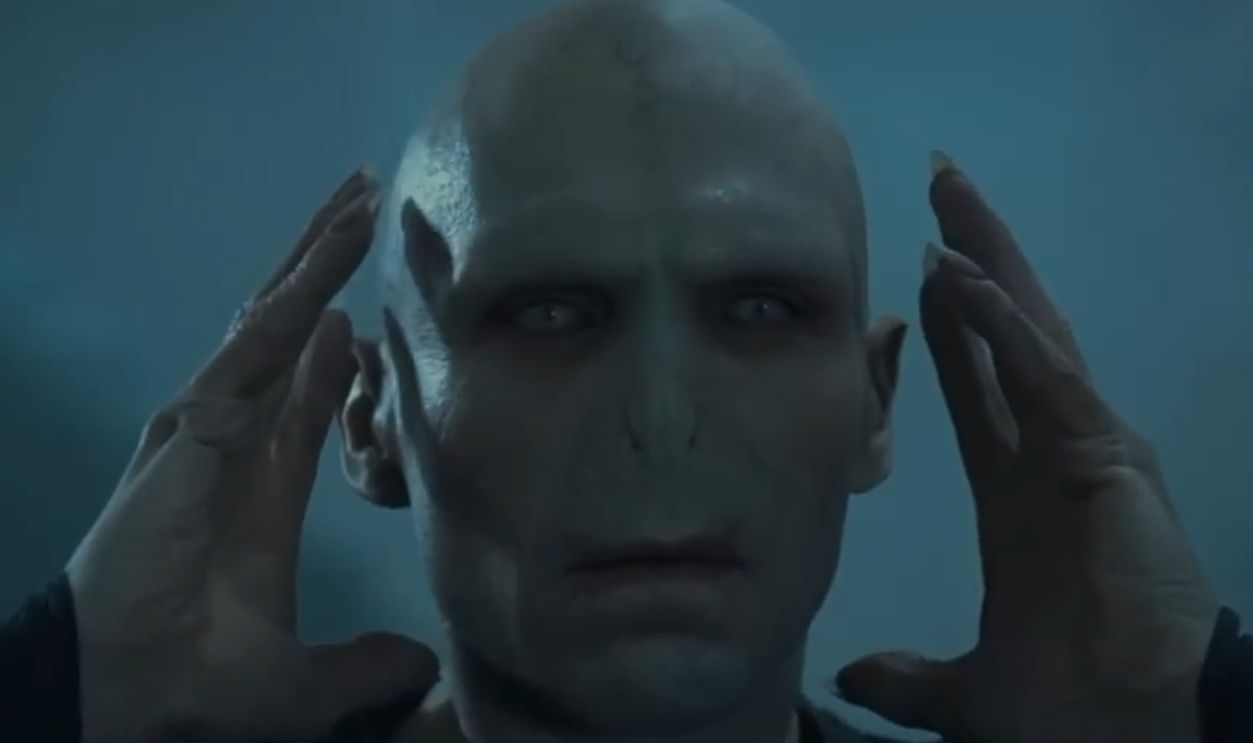 Screenshot from Harry Potter And The Goblet Of Fire, Warner Bros. Pictures (2005)
Natalie Portman As Evey Hammond In V For Vendetta (2005)
This change couldn’t be reversed once the cameras rolled. Shaving her head onscreen stripped away familiarity and vanity in one motion. The bold decision deepened the story’s themes of rebirth and resistance. This earned praise for committing fully to a role that demanded visible vulnerability.
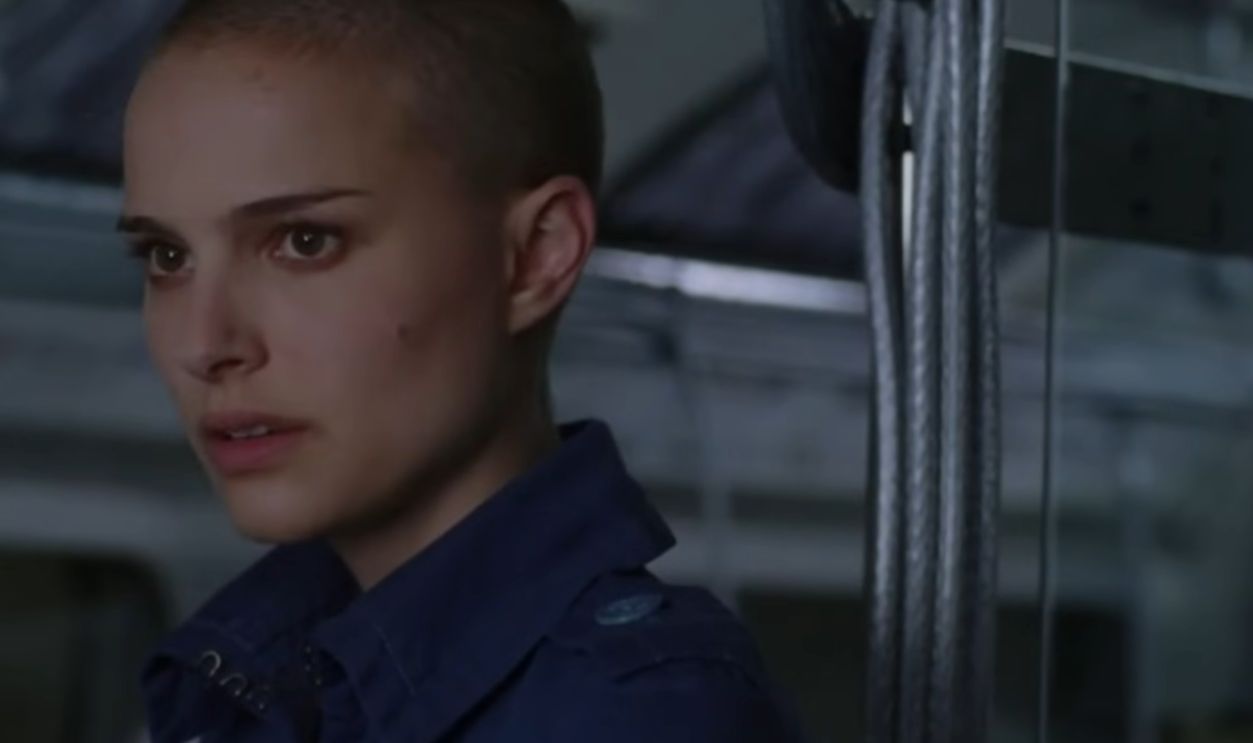 Screenshot from V for Vendetta,Warner Bros. Pictures (2005)
Cameron Diaz As Lotte Schwartz In Being John Malkovich (1999)
What caught everyone off guard was the lack of glamour: Messy hair, plain styling, and anxious body language wiped away her star image so thoroughly that even the crew failed to recognize her. That disappearance unlocked a level of dramatic range few expected.
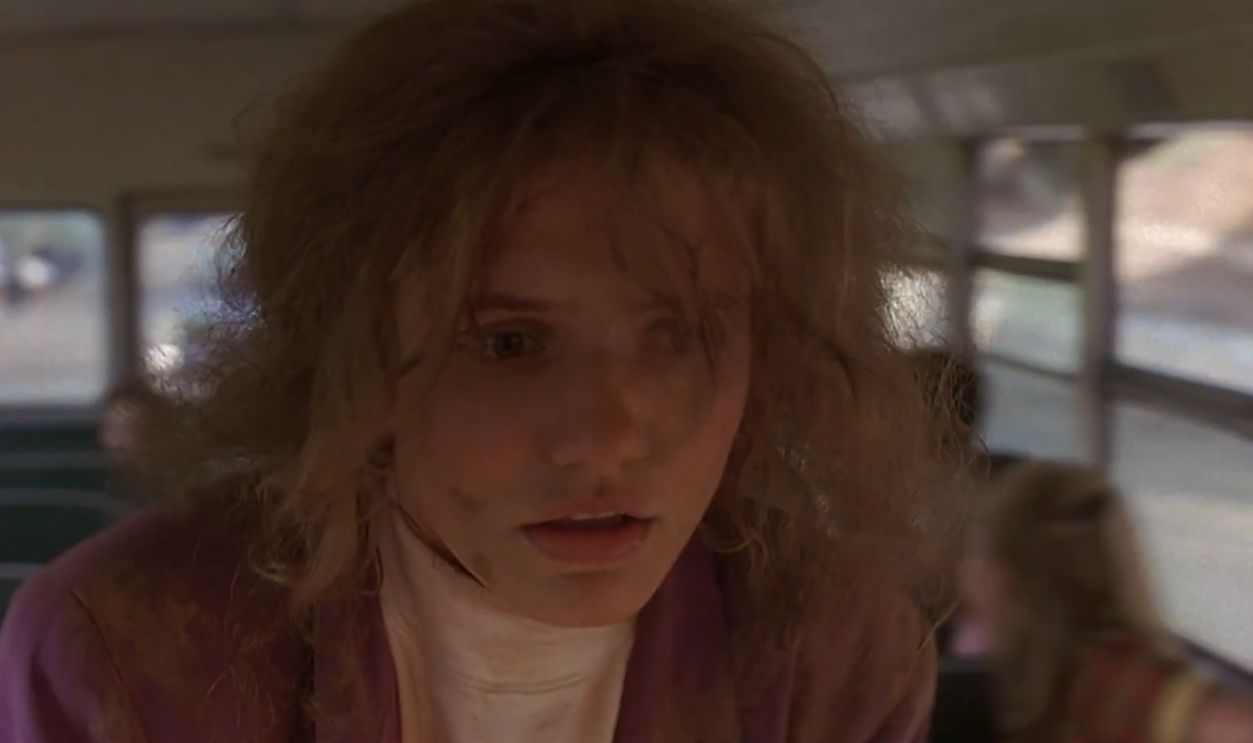 Screenshot from Being John Malkovich, USA Films (1999)
Benicio Del Toro As Lawrence Talbot In The Wolfman (2010)
Rather than hiding the change, the film leaned into it. Every agonizing second stayed visible, powered by practical effects and endurance. That decision rooted the monster in something tangible, and it made the scene an unsettling tribute to classic horror craftsmanship.
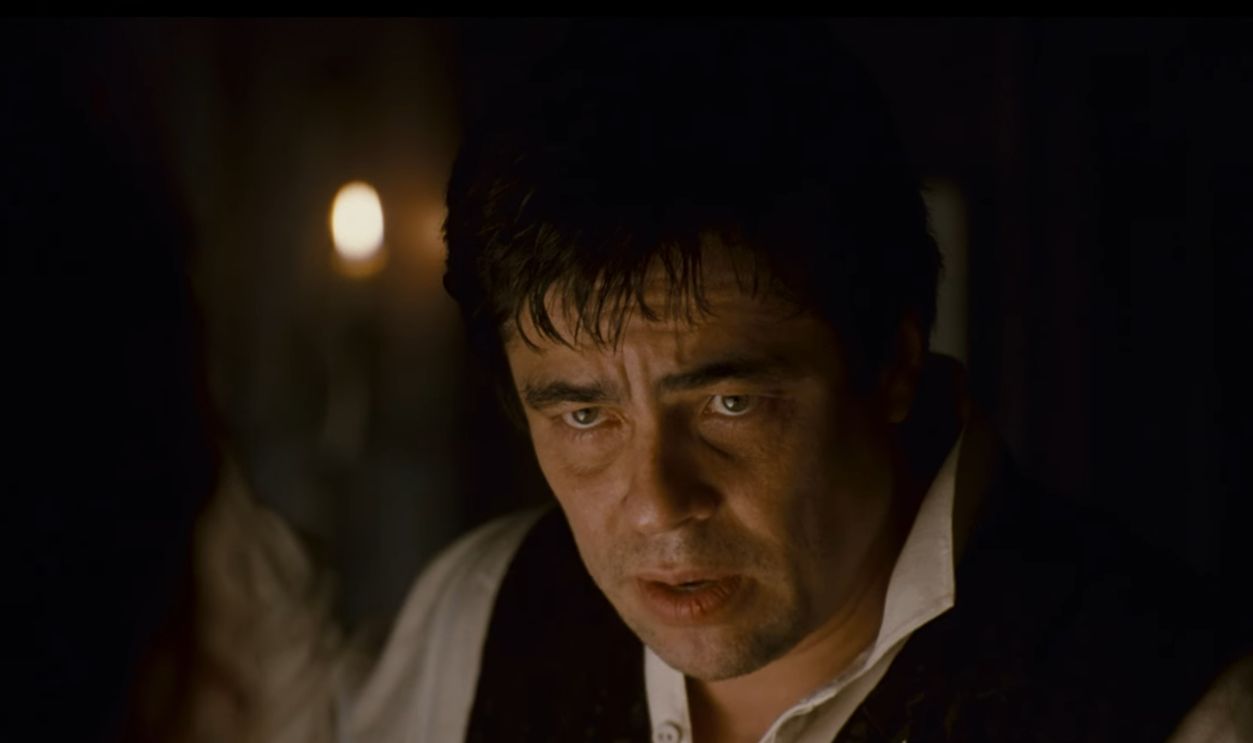 Screenshot from The Wolfman, Universal Pictures (2010)
Meryl Streep As Margaret Thatcher In The Iron Lady (2011)
The flip was startling before a single line was spoken. Aging prosthetics reshaped her face, and voice and posture did the rest. Carrying heavy makeup through marathon days, she vanished into Thatcher completely to earn a third Oscar through precision and uncanny familiarity.
 Screenshot from The Iron Lady, 20th Century Fox (2011)
Anne Hathaway As Fantine In Les Miserables (2012)
This change came at a real physical cost to Anna Hathaway: losing weight rapidly and shaving her head. This left a raw vulnerability behind. The deprivation shown onscreen to make Fantine’s suffering feel lived-in and painfully real, a commitment that carried her straight to Oscar glory.
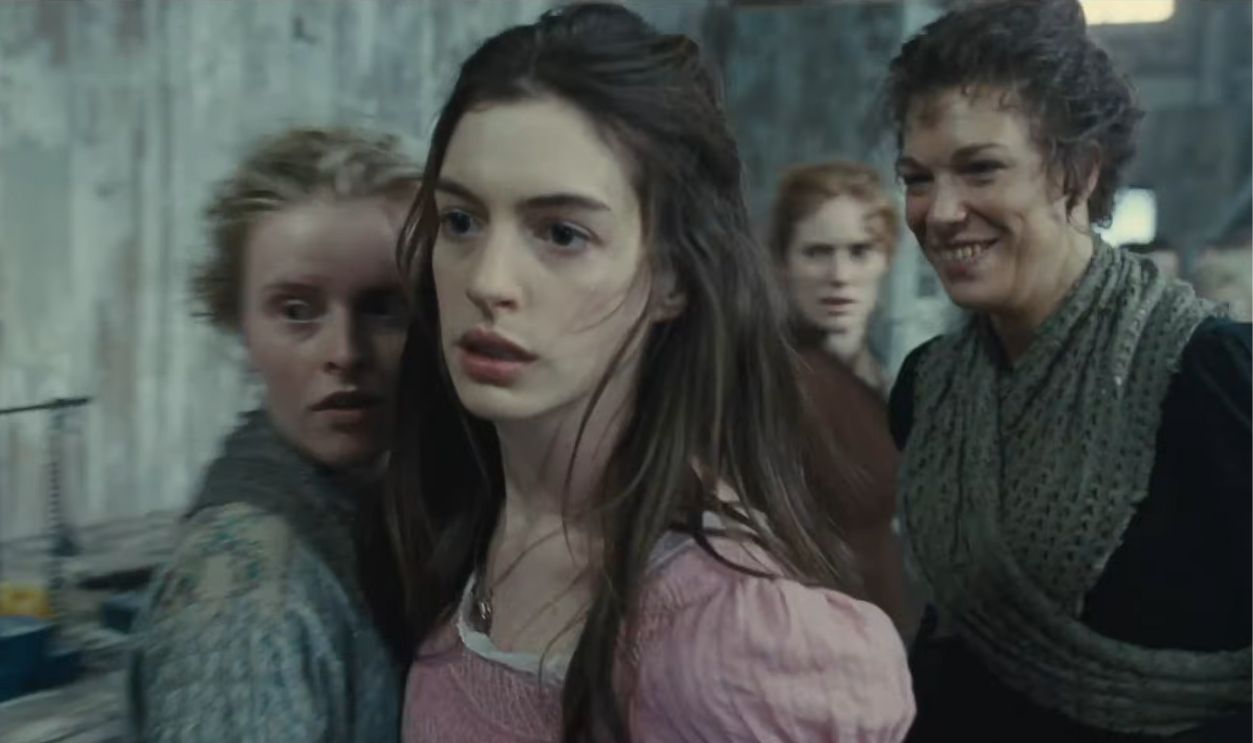 Screenshot from Les Miserables, Universal Pictures (2012)
Rooney Mara As Lisbeth Salander In The Girl With The Dragon Tattoo (2011)
Nothing about this switch was temporary. We’re talking real piercings, bleached brows. Oh, also a severe haircut. Thankfully, the months of testing and commitment paid off, and they created a sharper Lisbeth whose quiet intensity earned awards and attention and redefined her career trajectory.
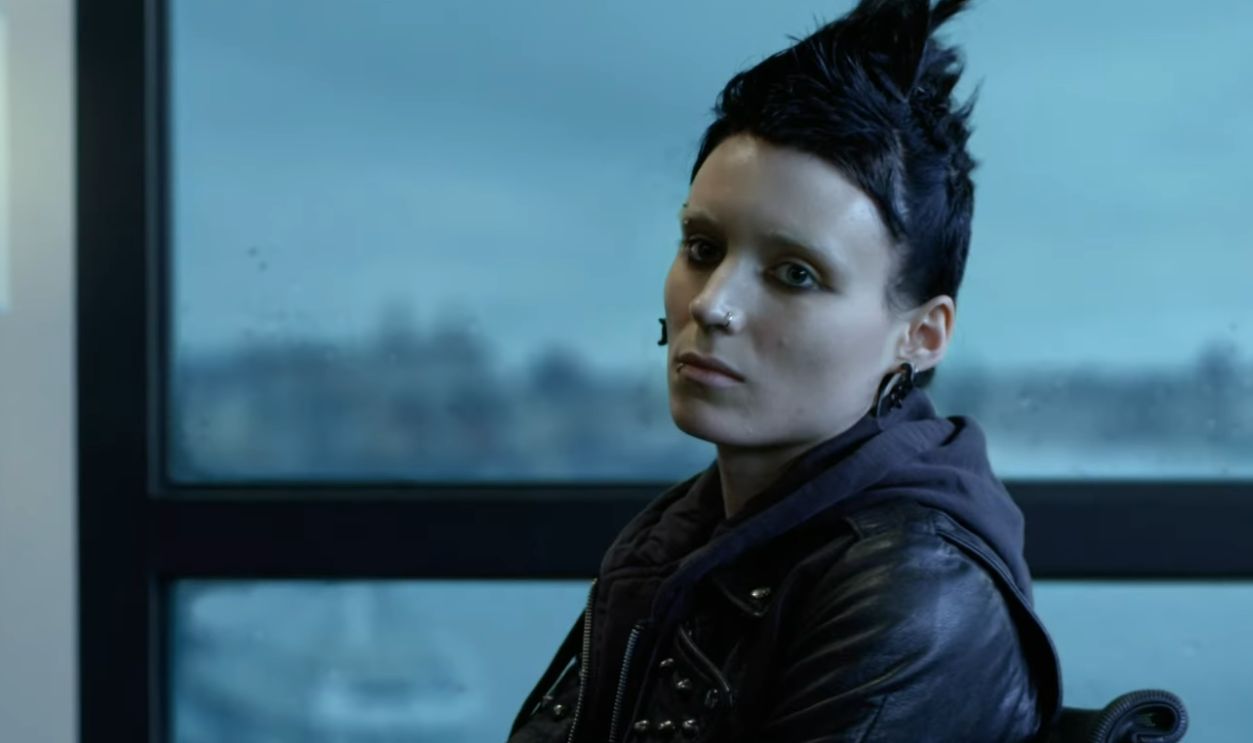 Screenshot from The Girl with the Dragon Tattoo, Sony Pictures (2011)
Daniel Day-Lewis As Abraham Lincoln In Lincoln (2012)
The illusion relied on subtlety rather than spectacle. A beard and altered posture did most of the heavy lifting. By changing cadence and physical bearing, he brought history to life to deliver an immersive performance that secured yet another Academy Award.
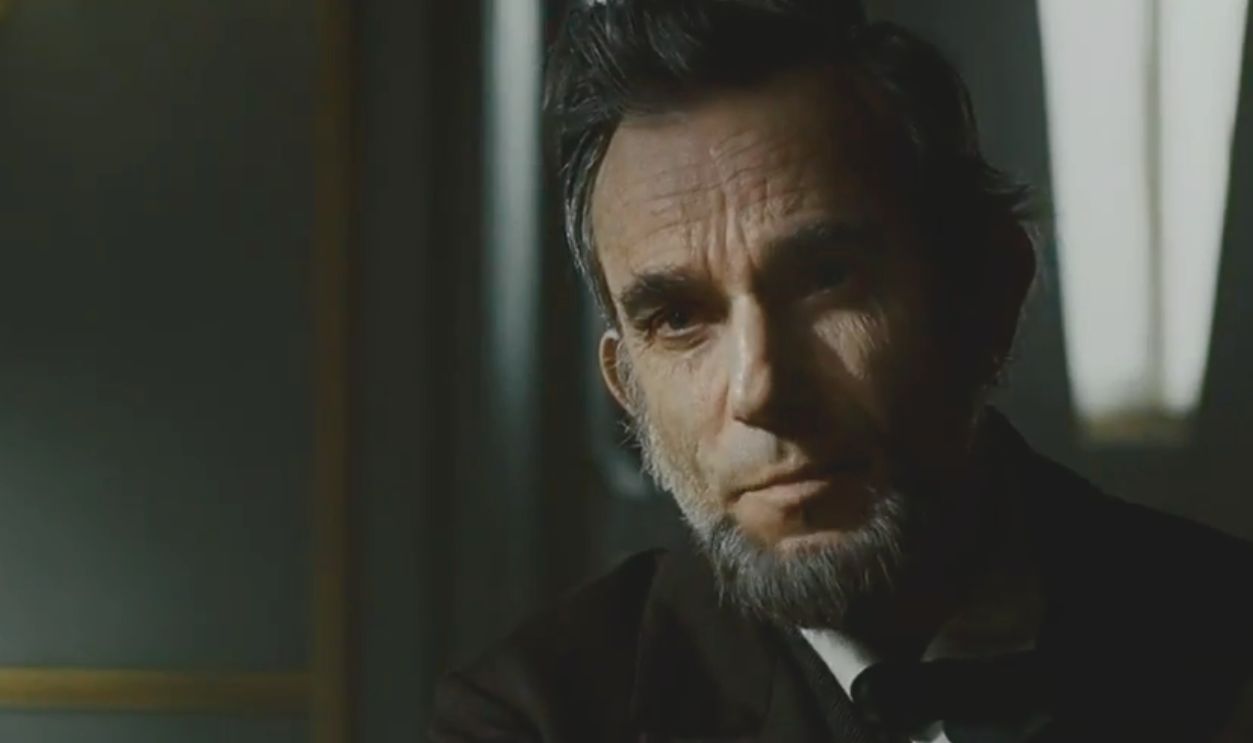 Screenshot from Lincoln, Walt Disney Studios Motion Pictures (2012)
Idris Elba As Krall In Star Trek Beyond (2016)
Almost nothing familiar remained once the makeup had settled. Heavy alien prosthetics hid his natural charm to force emotion to come through movement and voice alone. Hours in restrictive gear paid off because this element turned Krall into a physically imposing villain grounded in both practical effects and menace.
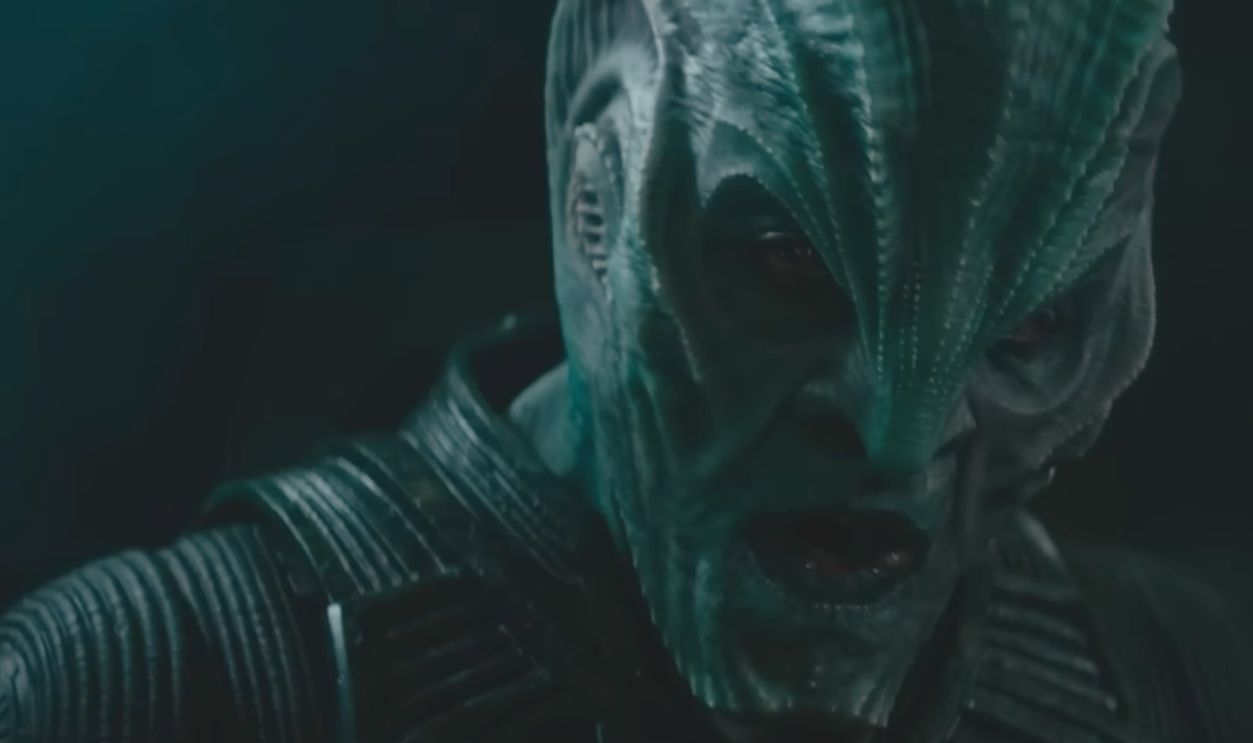 Screenshot from Star Trek Beyond, Paramount Pictures (2016)
Jared Leto As Mark David Chapman In Chapter 27 (2007)
The change first sounded extreme. Then, it became alarming. The massive weight gain slowed him down, even caused serious health issues, and eventually put him in a wheelchair. That physical burden mirrored the character’s isolation to earn praise while also raising real concerns about going too far.
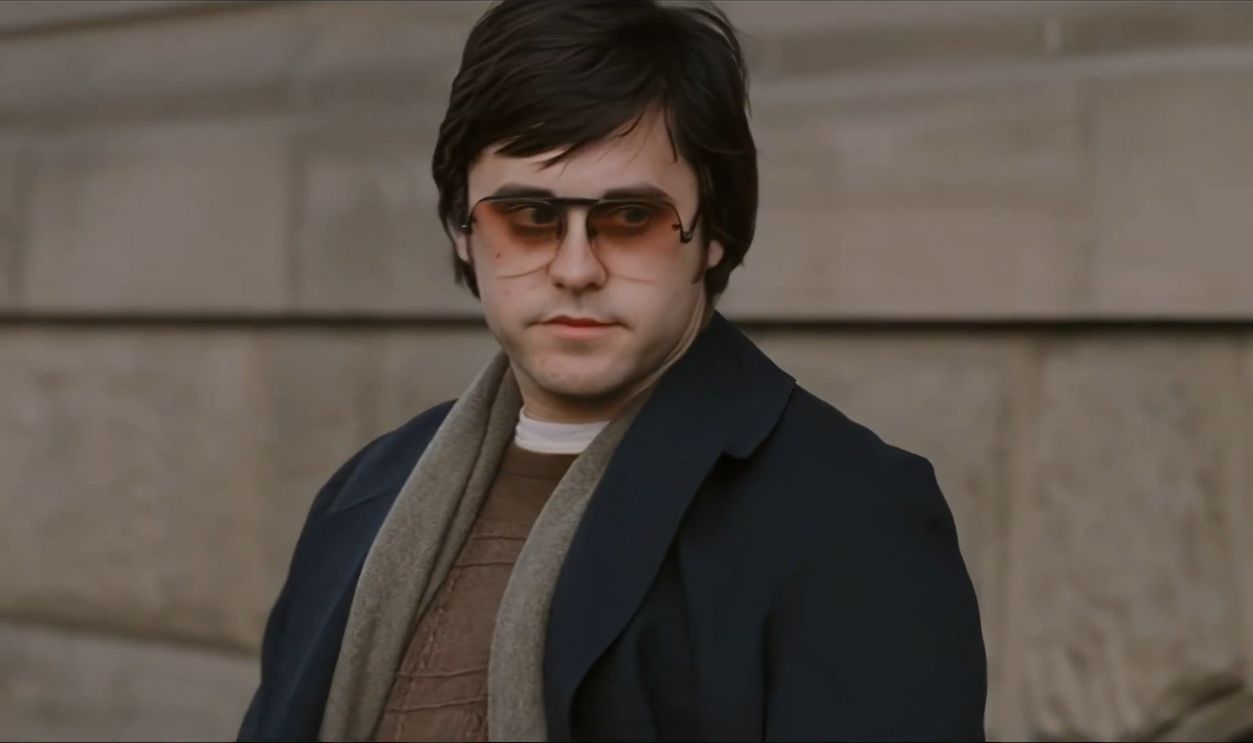 Screenshot from Chapter 27, Peace Arch Entertainment (2007)
Matthew McConaughey As Ron Woodroof In Dallas Buyers Club (2013)
Instead of adding layers, everything was taken away. Gradual weight loss reshaped his body week after week, and the camera captured every change. With almost no makeup budget, the shift relied entirely on discipline and obsession, ultimately delivering an Oscar-winning performance.
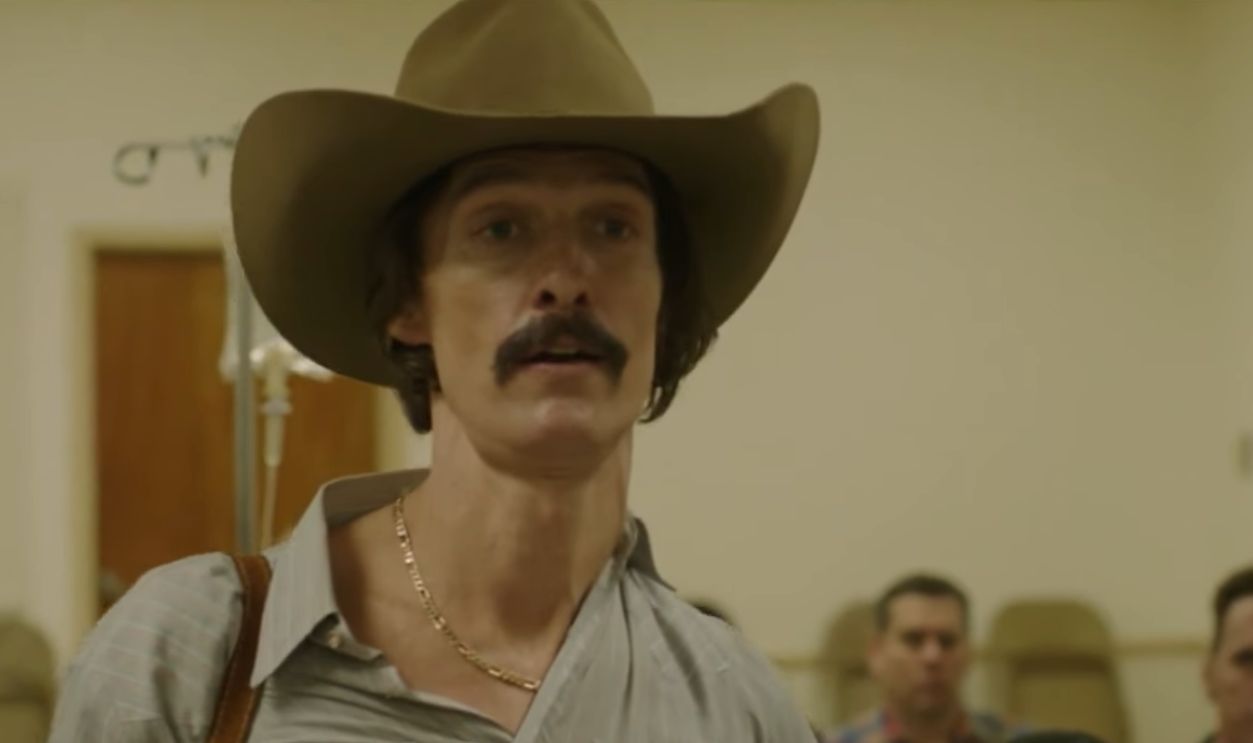 Screenshot from Dallas Buyers Club, Focus Features (2013)
Steve Carell As John Du Pont In Foxcatcher (2014)
The change doesn’t announce itself right away because the familiar traits fade as the makeup settles and the performance tightens. Scene by scene, unease creeps in. That patience pays off by catching viewers off guard and proving he could leave comedy behind without relying on theatrics.
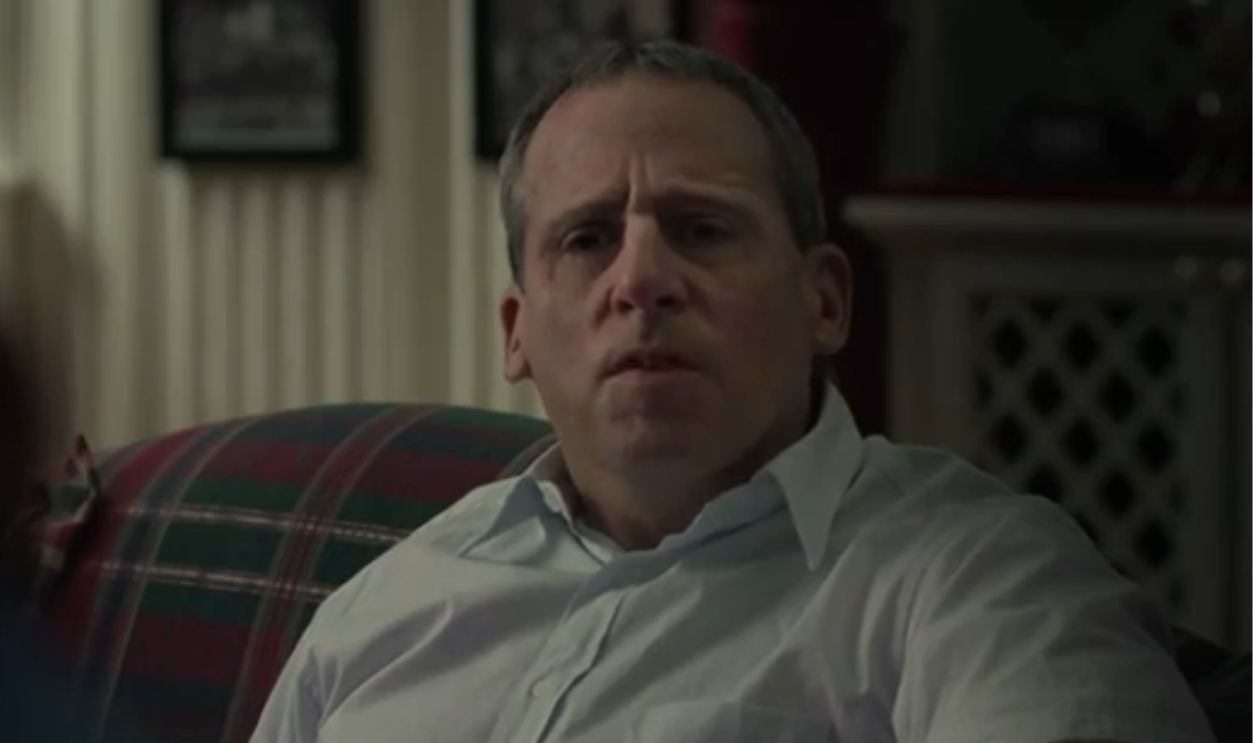 Screenshot from Foxcatcher, Sony Pictures Classics (2014)
Mariah Carey As Ms Weiss In Precious (2009)
This time, glamour stayed offscreen. Instead, plainness took over, and the absence of makeup became the point. As a result, the character felt grounded and real. By letting go of her star image, she surprised viewers and delivered one of her most critically respected roles.
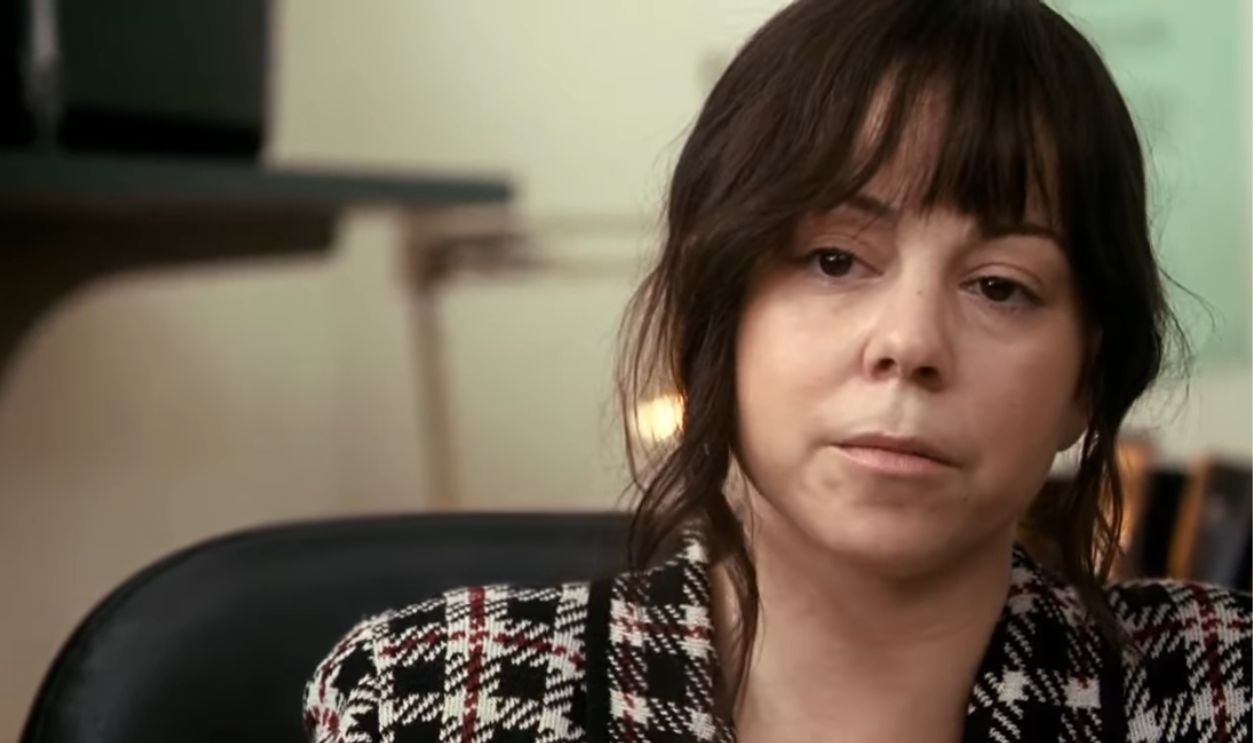 Screenshot from Precious, Lionsgate (2009)
Oscar Isaac As En Sabah Nur In X-Men: Apocalypse (2016)
From the start, the process was punishing. Long hours under prosthetics meant performance had to travel through voice and posture. Even so, the effort translated onscreen. The result was a physically imposing villain shaped by endurance to merge practical effects with larger-than-life ambition.
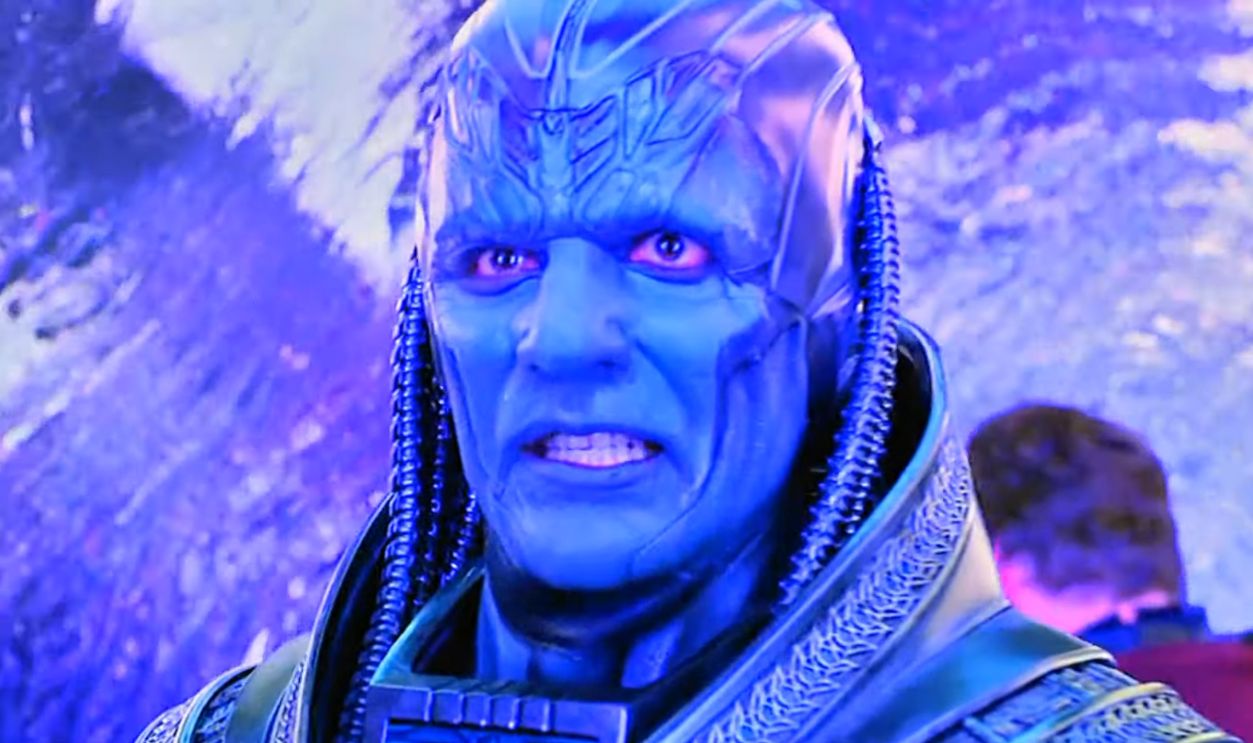 Screenshot from X-Men: Apocalypse, 20th Century Fox (2016)
Karen Gillan As Nebula In Guardians Of The Galaxy (2014)
Shaving her head was only the beginning, followed by hours of blue paint and prosthetics repeated again and again and again and... Even then, expression was limited. As a result, emotion had to come through pure physical endurance.
 Screenshot from Guardians of the Galaxy, Walt Disney Studios Motion Pictures (2014)
Johnny Depp As Whitey Bulger In Black Mass (2015)
Once the switch locked in, he no longer registered as himself. Small technical changes reshaped his appearance and behavior until recognition disappeared. As the film progressed, resistance faded, and it left a gangster who felt entirely convincing.
 Screenshot from Black Mass, Warner Bros. Pictures (2015)
Heath Ledger As Joker In The Dark Knight (2008)
At no point was this look meant to feel clean, and that choice was intentional. The smeared makeup and rough edges. Those were deliberate to create unease right away. Even the application felt performative. That raw, unfinished energy reshaped the character and stayed with audiences long after.
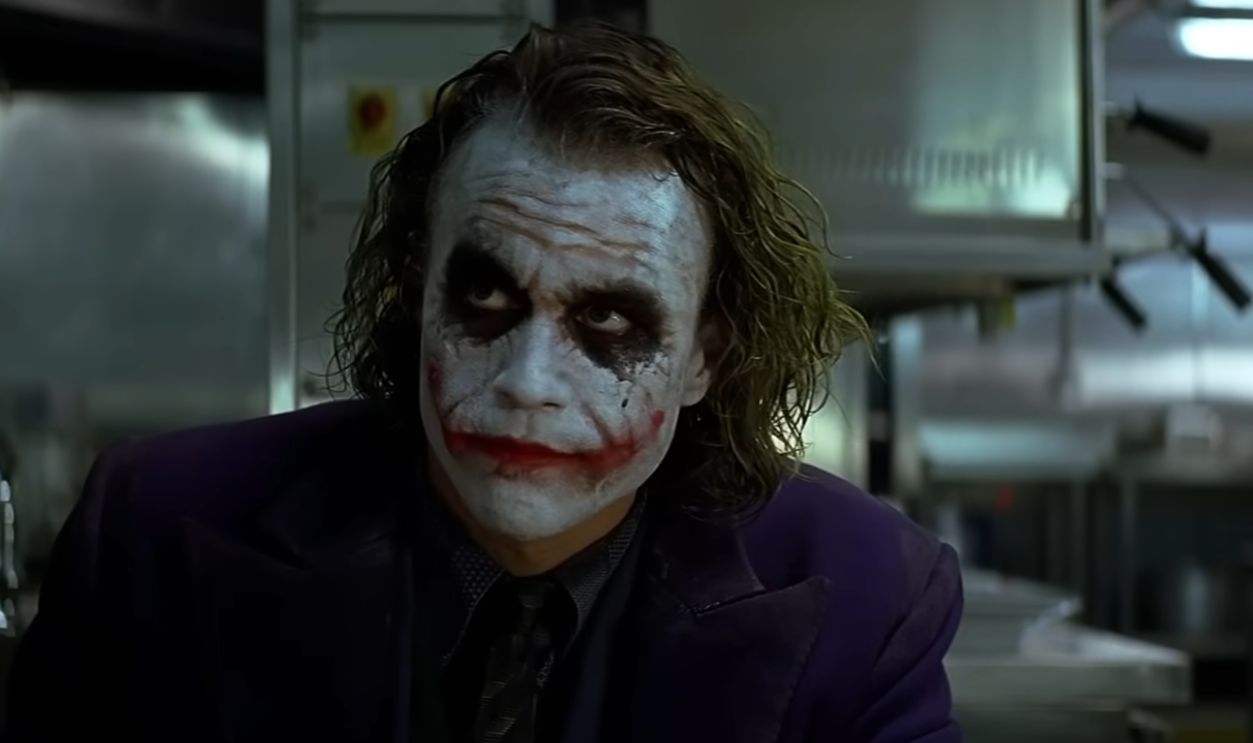 Screenshot from The Dark Knight, Warner Bros. Pictures (2008)
Tom Cruise As Les Grossman In Tropic Thunder (2008)
Tom Cruise’s Les Grossman was the shock nobody expected. The character wasn’t in the script at all; Cruise pitched him, designed the look (prosthetics, bald cap, body suit), and built the persona from scratch. Once he appeared on‑screen, the change was so complete that audiences often didn’t recognize him at first.
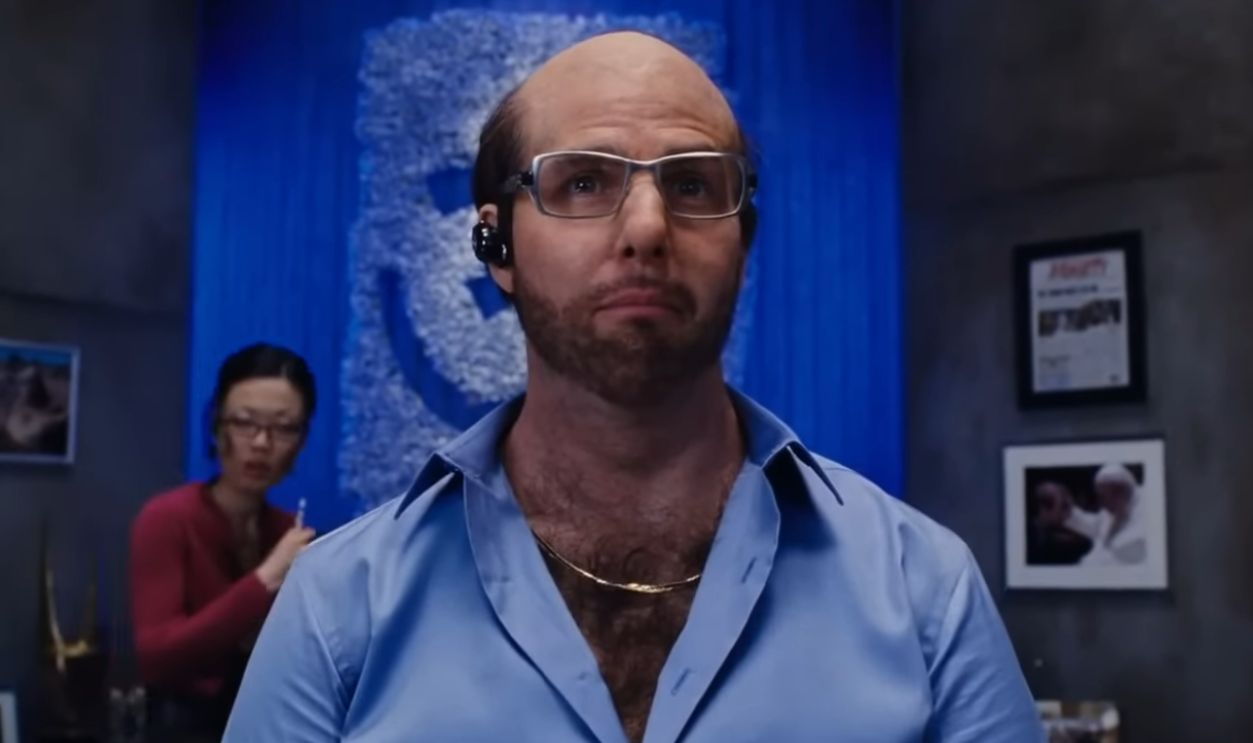 Screenshot from Tropic Thunder, Paramount Pictures (2008)
Gary Oldman As Winston Churchill In Darkest Hour (2017)
Over time, the process became a test of stamina. Heavy prosthetics reshaped his body while hours in the chair stretched each day. Combined with voice work and posture, the illusion fully took hold. The result felt lived-in, and this performance earned him an Oscar.
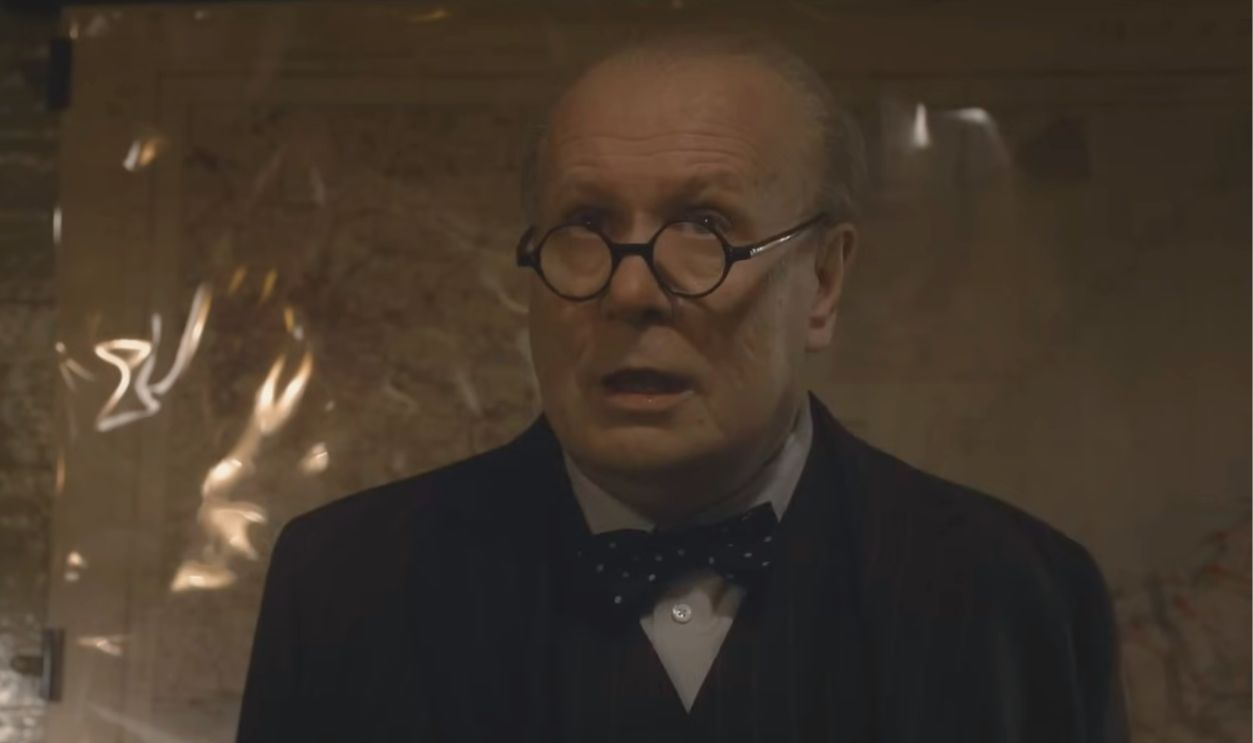 Screenshot from Darkest Hour, Focus Features (2017)
Bill Skarsgard As Pennywise In It (2017)
What made this clown so disturbing wasn’t just the makeup. The enlarged forehead and lifeless eyes set the stage, but then the movements took over. Shifting his eyes independently wasn’t CGI at all. All throughout, he stayed in character, and this sealed the terror.
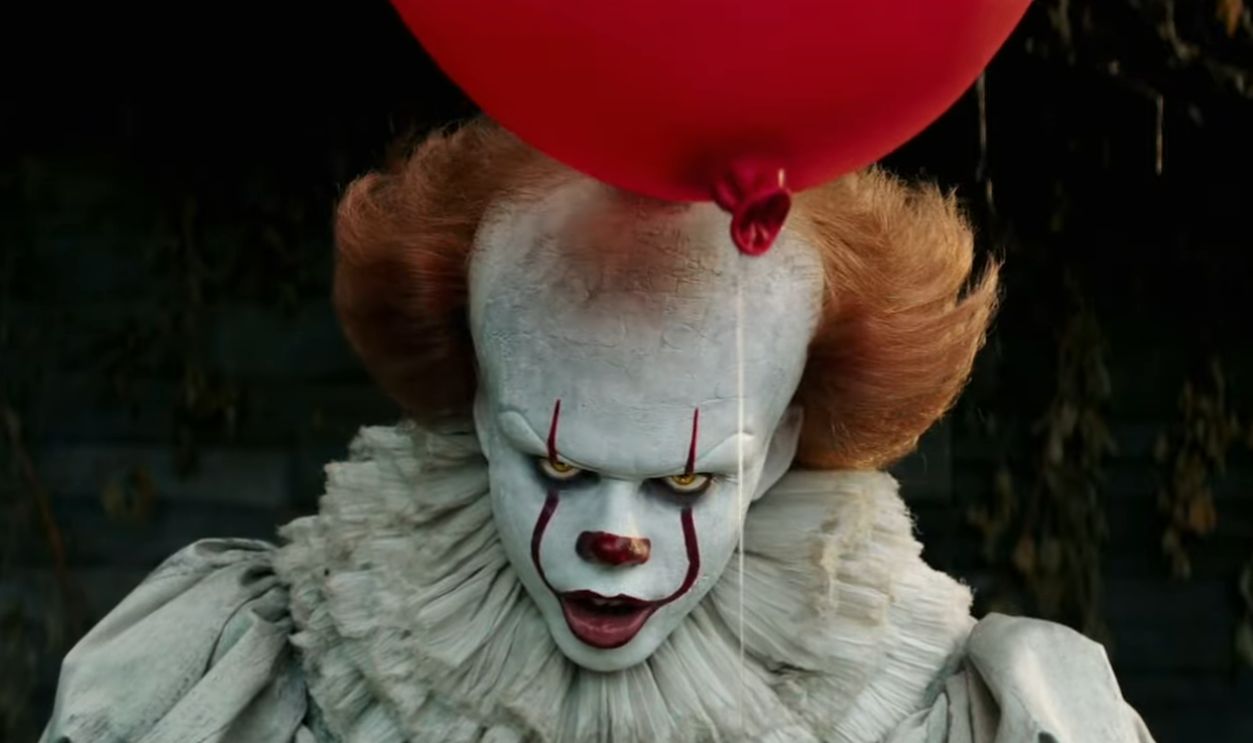 Screenshot from It, Warner Bros. Pictures (2017)
Donald Glover As Teddy Perkins In Atlanta (Season 2, 2018)
Ever heard of an Easter egg? Here’s one that slipped into a television series surrounded by movie icons. Pale skin, heavy prosthetics, and an eerie calm made Teddy Perkins feel unsettlingly real. Even cast members were fooled. Staying uncredited sealed the execution and turned the episode into a cultural moment.
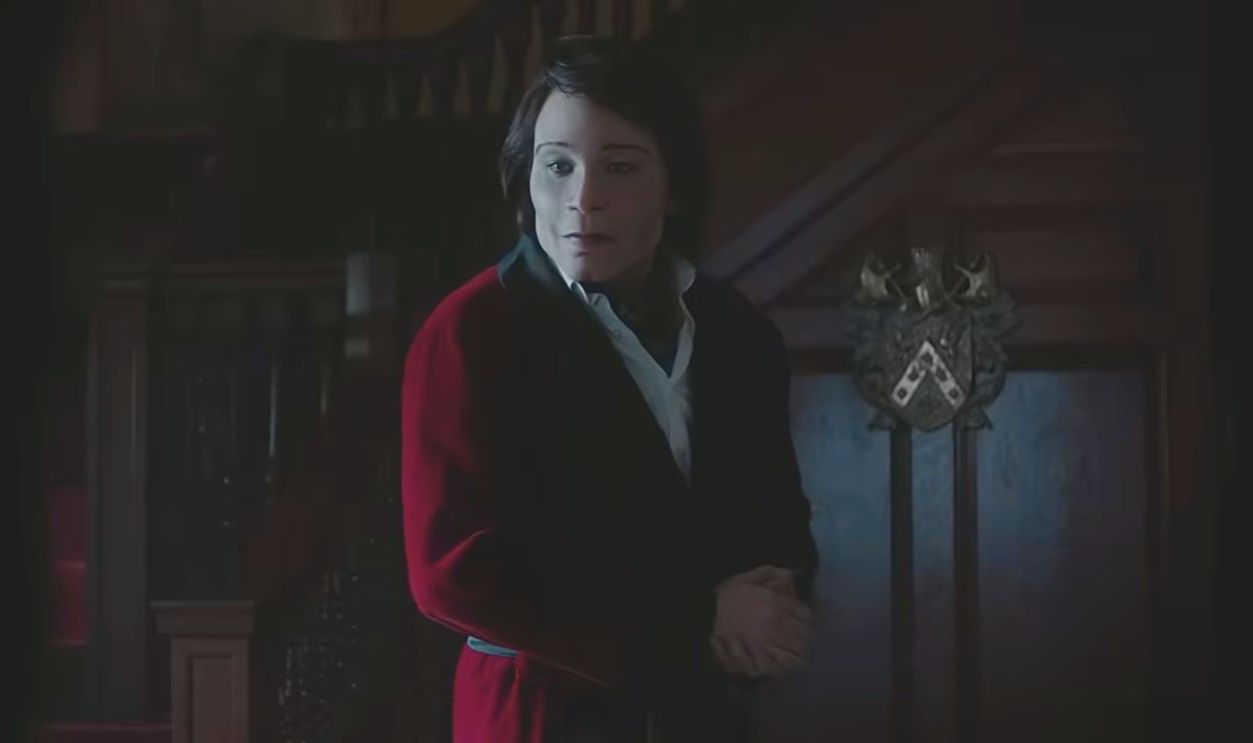 Screenshot from Atlanta, FX (Season 2, 2018)
Tilda Swinton As Dr Josef Klemperer In Suspiria (2018)
What made this transformation work was how long it stayed hidden. The prosthetics altered her presence so completely that no one questioned it. Remaining uncredited allowed the disguise to pass unnoticed, and that level of commitment pushed the idea of hiding in plain sight further than expected.
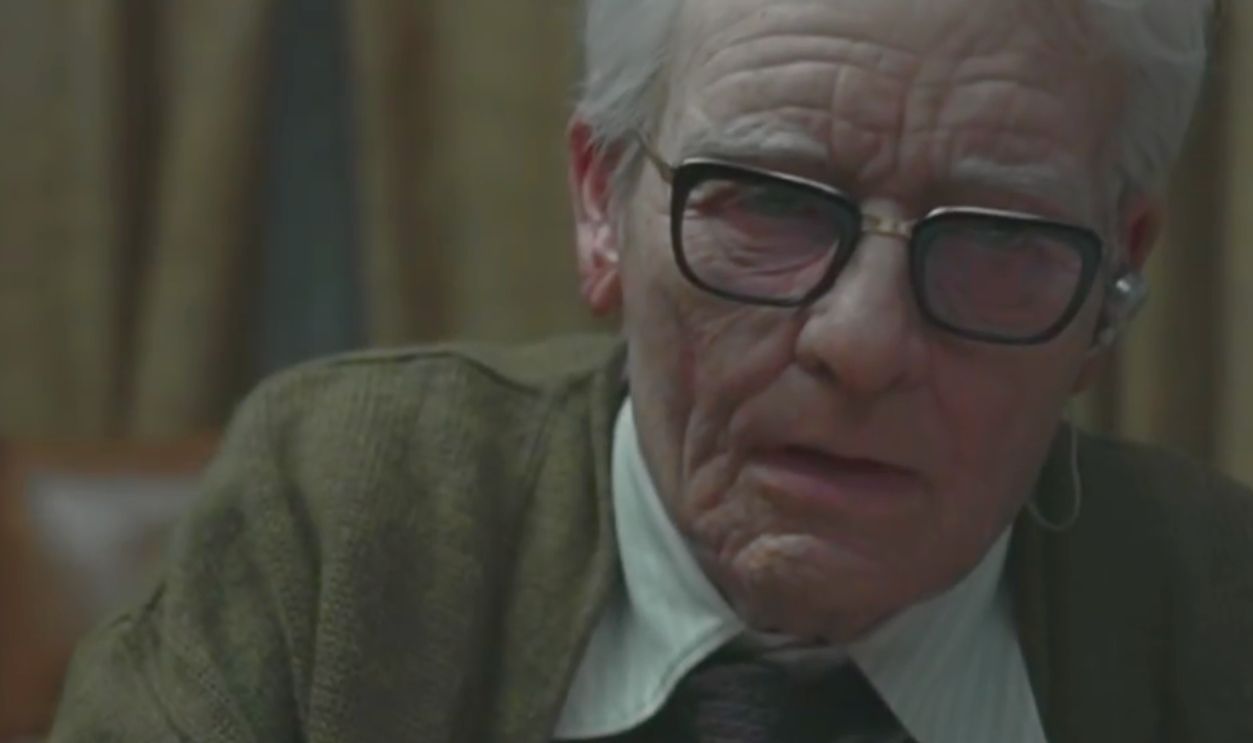 Screenshot from Suspiria, Amazon Studios (2018)
Christian Bale As Cheney In Vice (2018)
This wasn’t a sudden switch; it unfolded over time. As the years passed onscreen in the role, his added weight and subtle physical changes gradually reshaped him. What truly sold it, though, was the restraint. By leaning into stillness, the performance made familiarity a quiet political gravity.
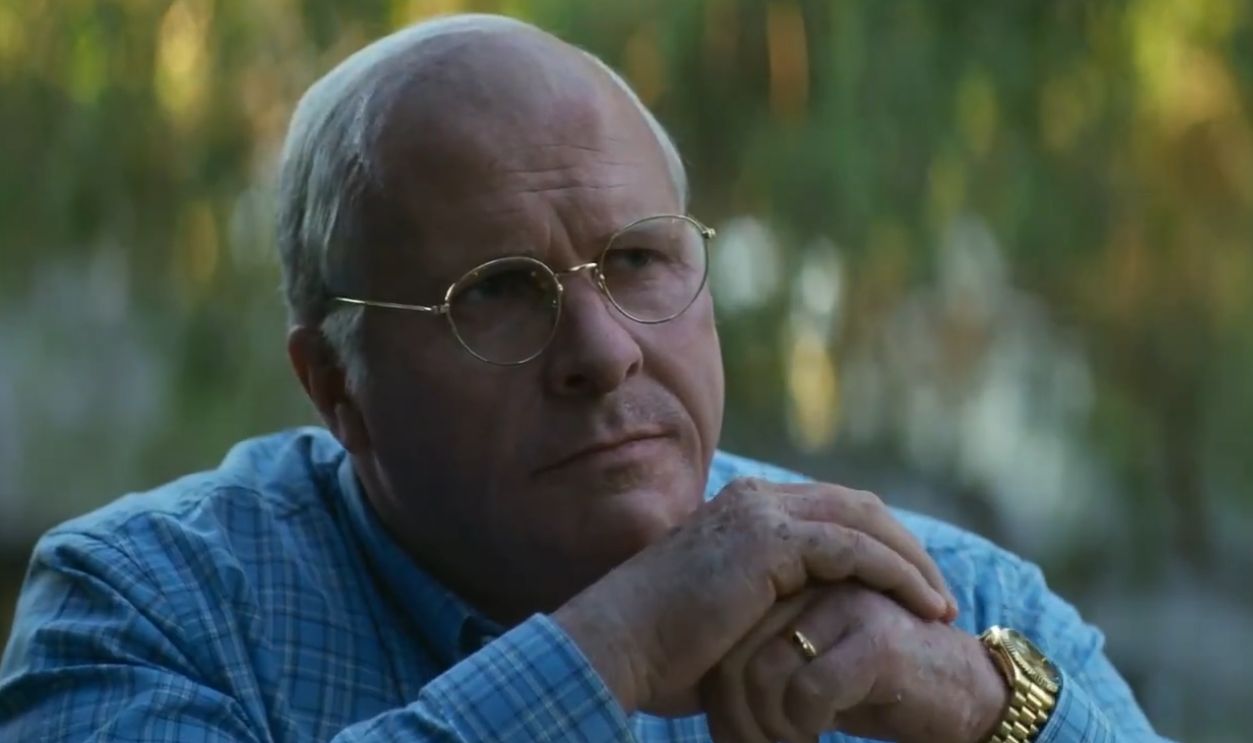 Screenshot from Vice, Annapurna Pictures (2018)
Renee Zellweger As Judy Garland In Judy (2019)
The switch erased recognition almost instantly. Subtle aging and evolving looks worked together to express vulnerability rather than mimicry. Seeing herself that way was jarring. By leaning into that discomfort, the performance honored Garland’s complexity and reignited conversation around her tragic brilliance.
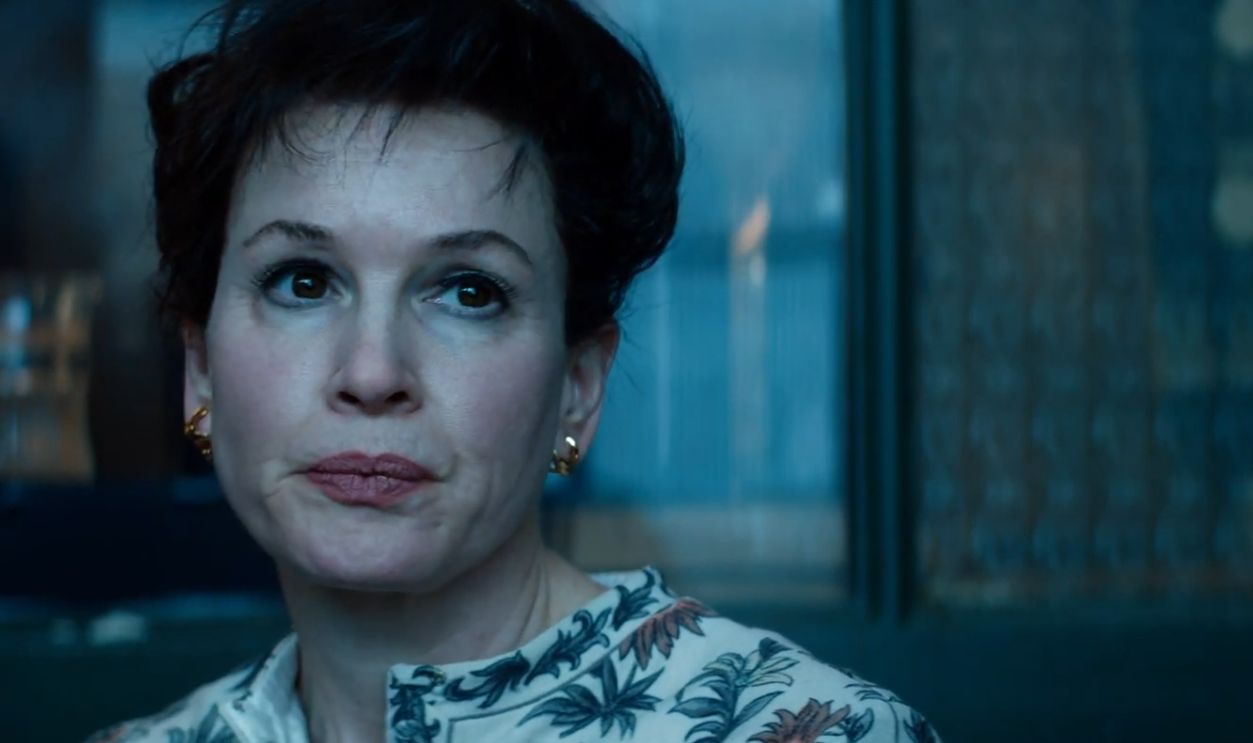 Screenshot from Judy, 20th Century Fox (2019)
Andy Serkis As Parker Wembley In Long Shot (2019)
The idea didn’t even come from the script. Instead, hours of prosthetics slowly restructured his face into something exaggerated and primal. Pulling from motion-capture instincts, the reinvention hid in plain sight. The extra effort surprised the crew and turned a brief appearance into something oddly unforgettable.
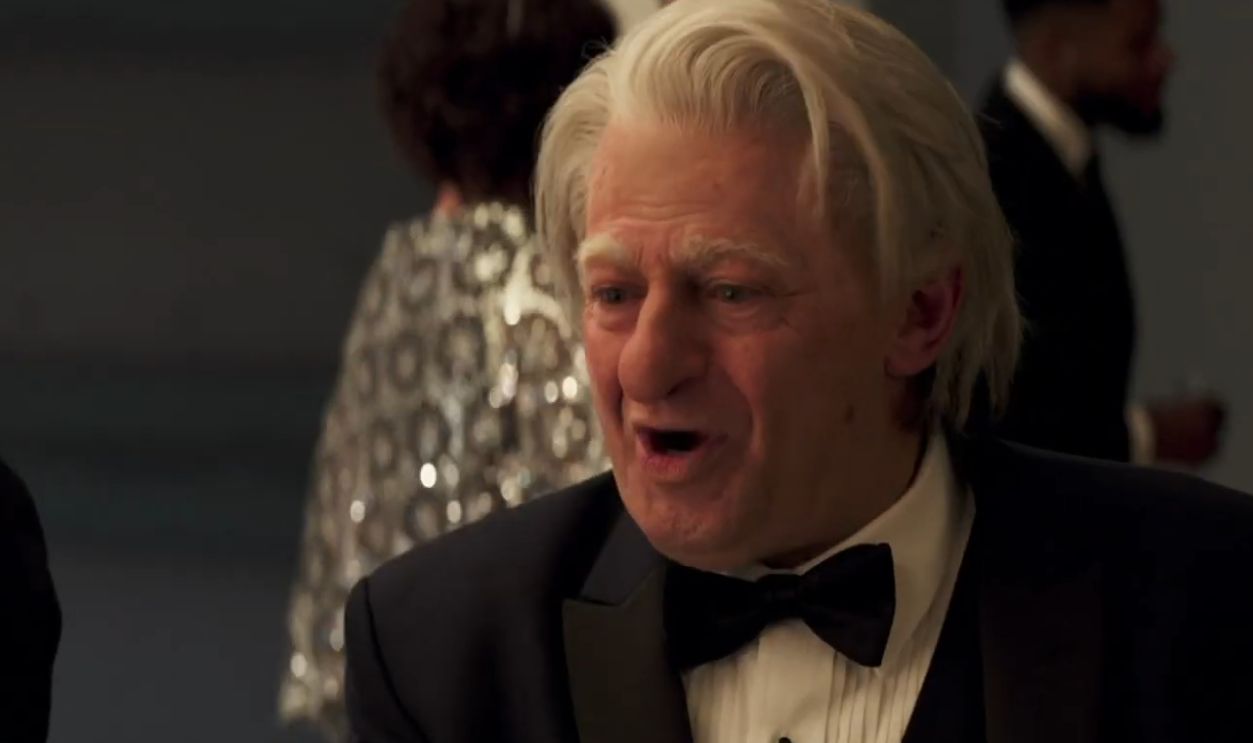 Screenshot from Long Shot, Lionsgate (2019)
Jessica Chastain As Tammy Faye Bakker In The Eyes Of Tammy Faye (2021)
This physical overhaul demanded patience before anything else. Long days under heavy makeup and evolving wigs softened sharp features and added decades. The process even left lasting marks. That endurance paid off to reveal Tammy’s humanity beneath excess and earn an Oscar for depth over parody.
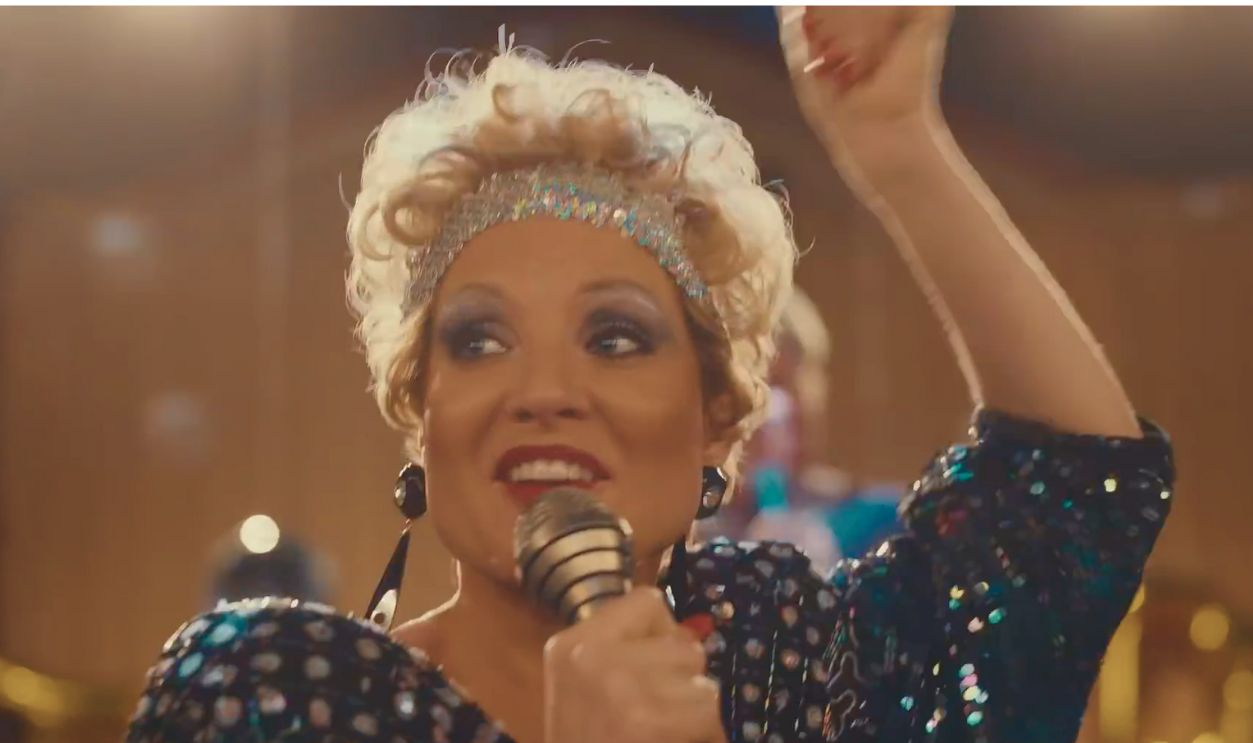 Screenshot from The Eyes of Tammy Faye, Searchlight Pictures (2021)
Lily James As Pamela Anderson In Pam & Tommy (2022)
In the beginning, the disguise worked on the surface. Then the details kept stacking up. Prosthetics and voice work gradually erased familiarity. By the time filming began, the shift felt complete, allowing the role to explore fame’s pressure rather than imitation.
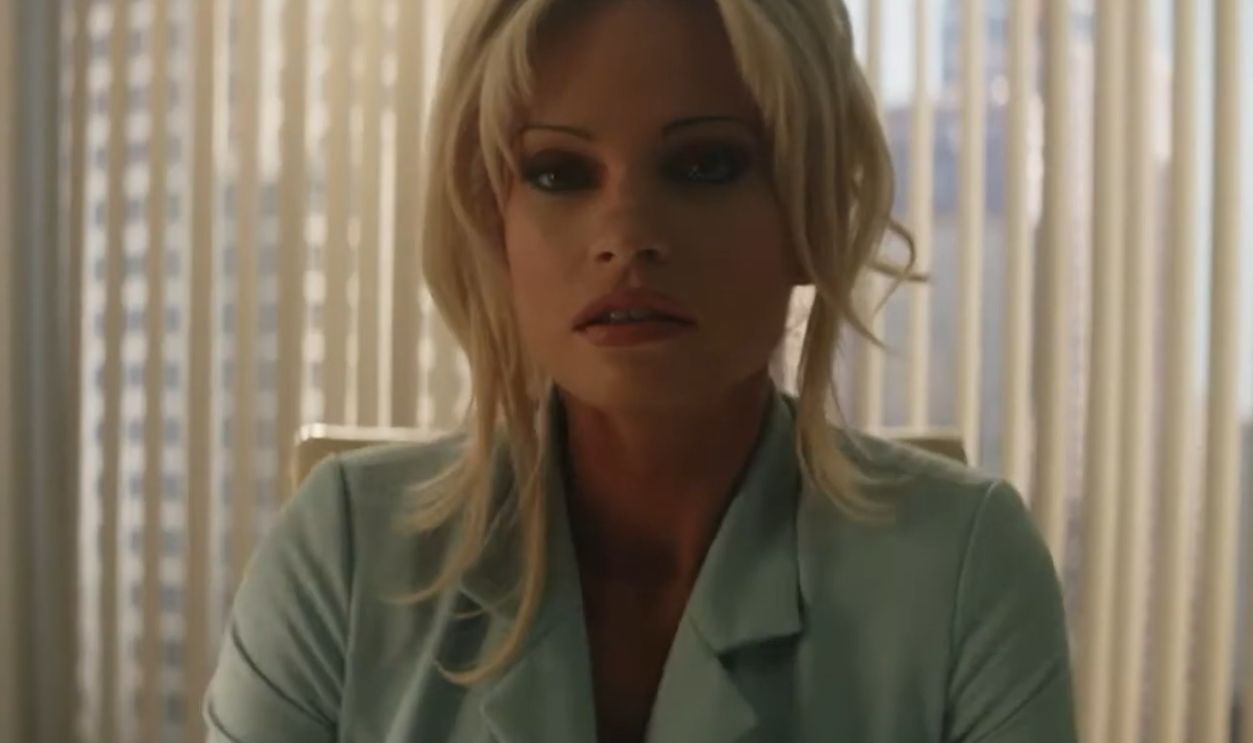 Screenshot from Pam and Tommy, Disney+ (2022)
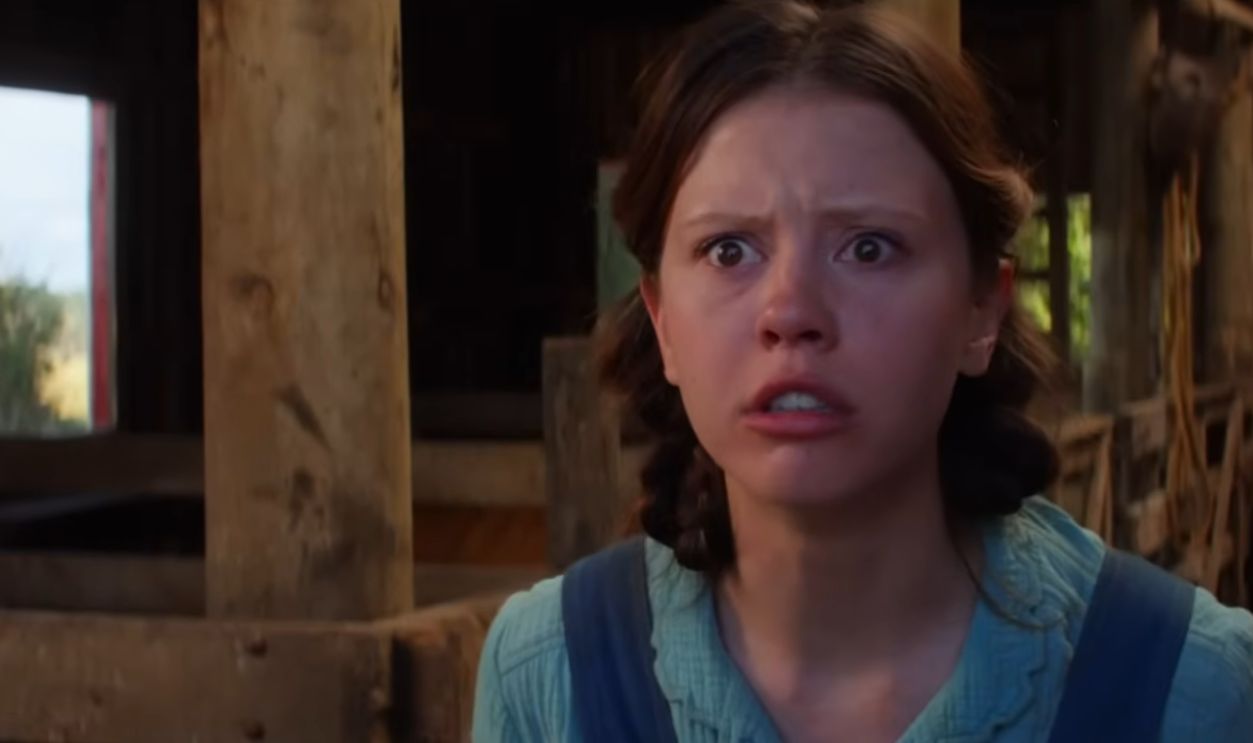
Mia Goth As Pearl In X (2022)
Rather than shocking all at once, the look evolved piece by piece. Subtle aging reshaped youth into something eerie but believable. The dual-role challenge heightened the contrast to let empathy slip in alongside fear, and turned Pearl into a character that lingers in X.
Ben Mendelsohn As Talos In Captain Marvel (2019)
Ben Mendelsohn disappeared behind green skin and sculpted ears, but the disguise was only half the work. As a shape-shifter, the performance kept evolving. By merging physical makeup with digital shifts, he brought unexpected warmth and moral complexity to a character that could’ve stayed purely alien.
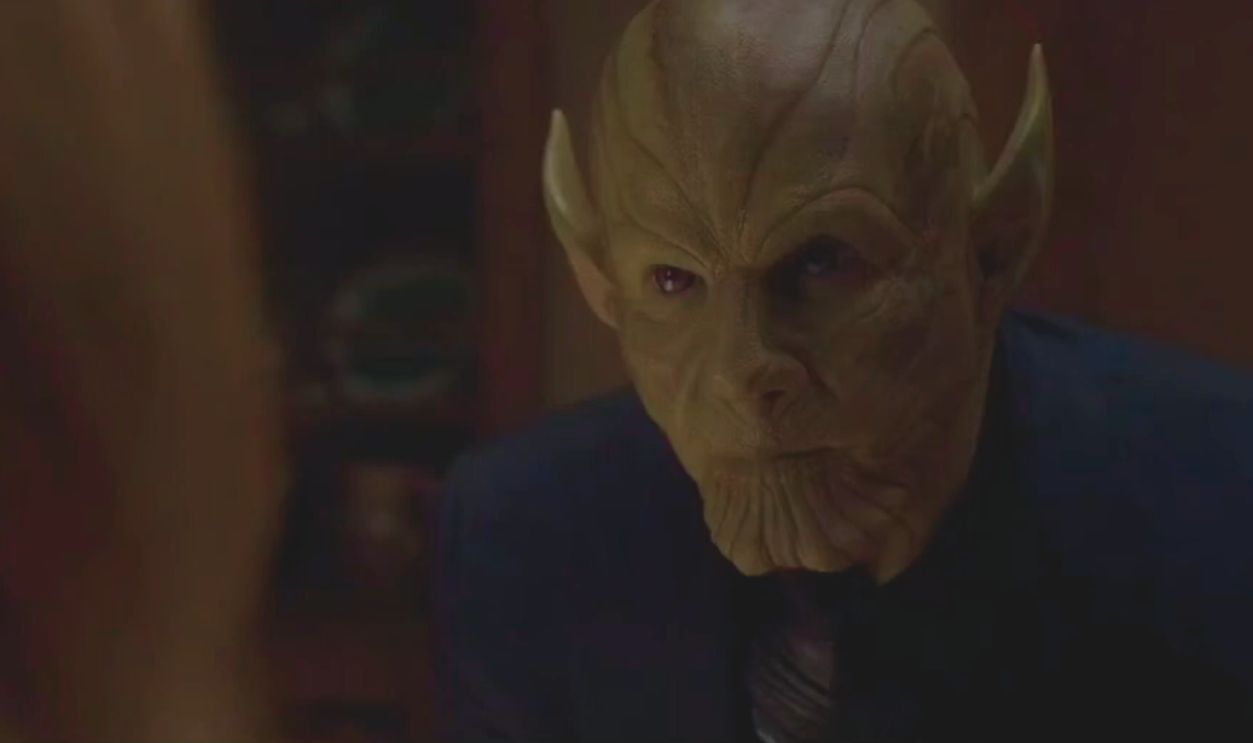 Screenshot from Captain Marvel, Walt Disney Studios (2019)