Icons Of Hollywood’s Golden Age
Talkies were new, the rules were loose, and movie stars had real mystery. The actors who ruled the 1930s turned risk into legend and performances into icons that still hold power.
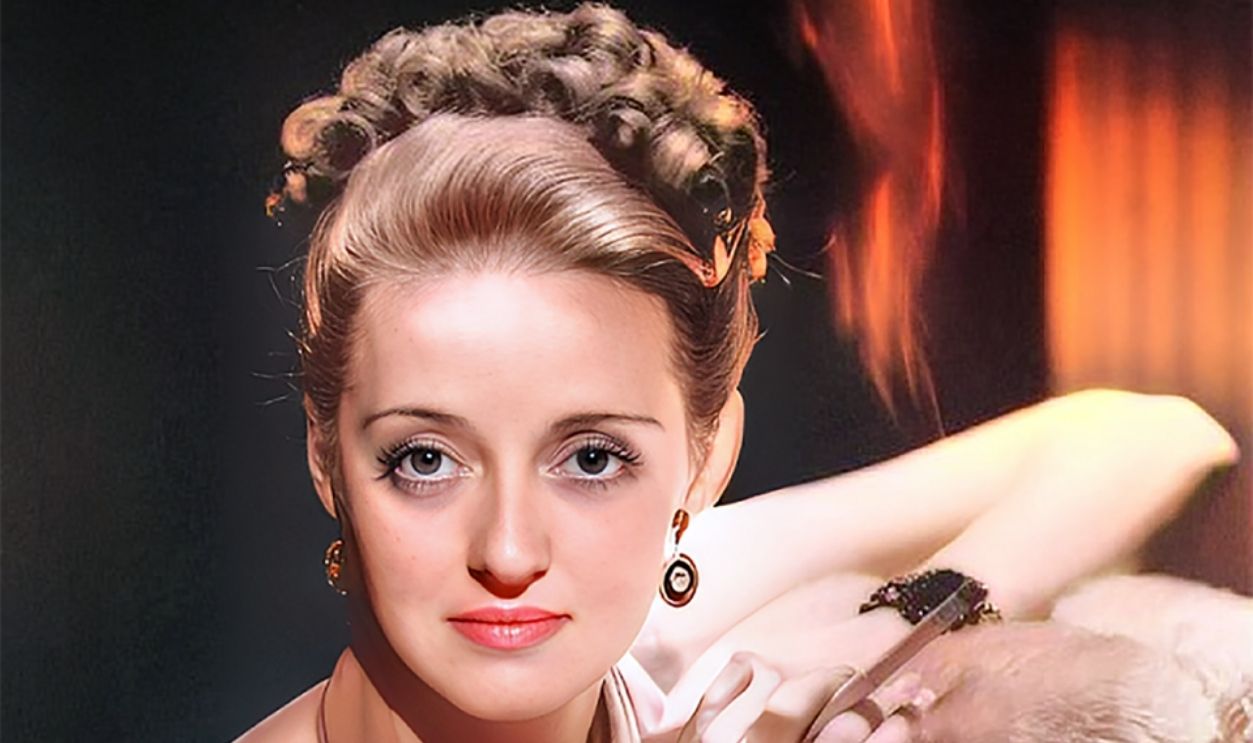 George Hurrell, Wikimedia Commons
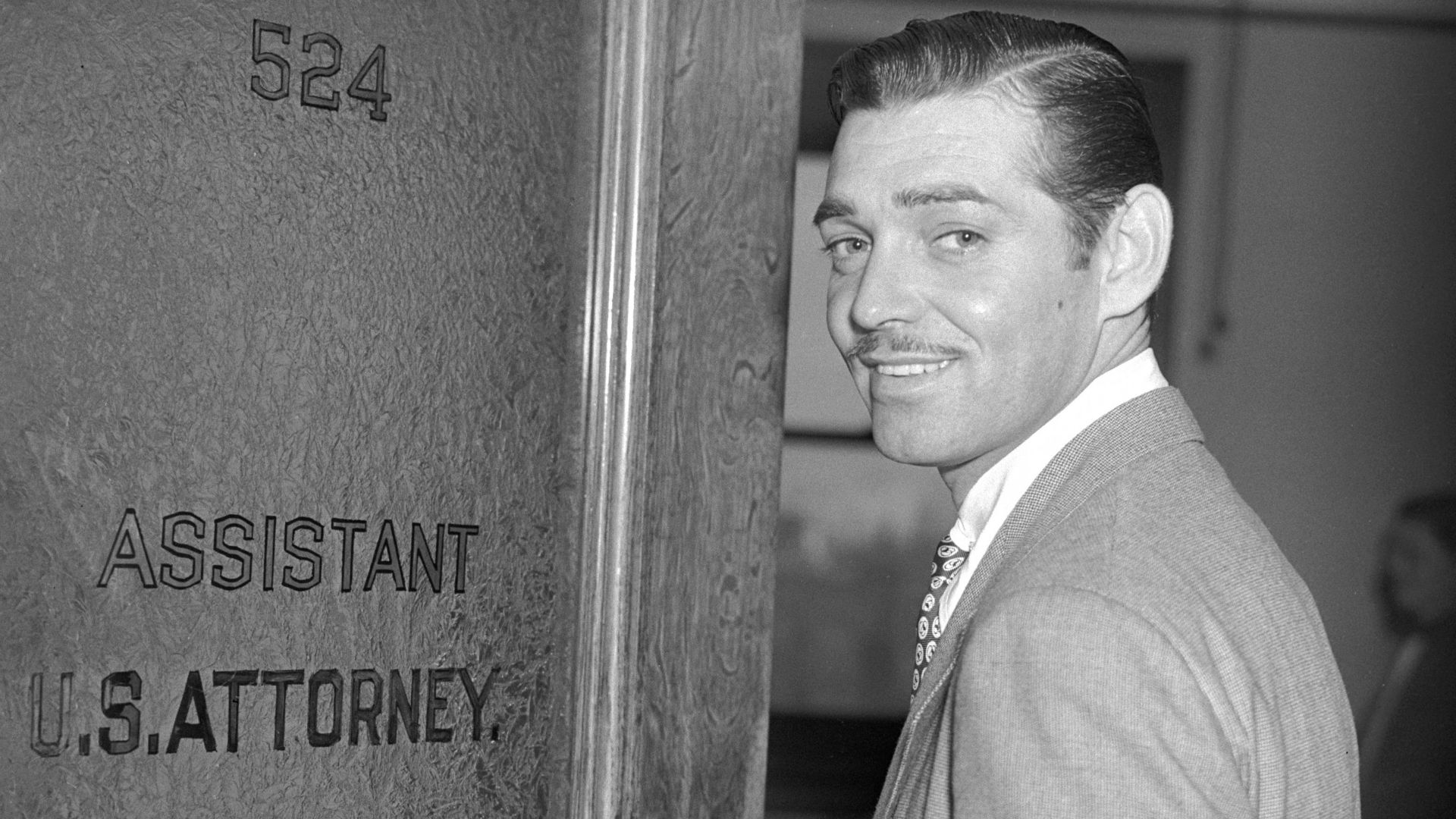
Clark Gable
Red Dust premiered in 1932 and showcased Gable's rugged appeal. His performance in Gone with the Wind as Rhett Butler became legendary. Columbia Pictures borrowed him on loan for It Happened One Night, where he won Best Actor. That supposed punishment transformed into career gold.
 Los Angeles Daily News, Wikimedia Commons
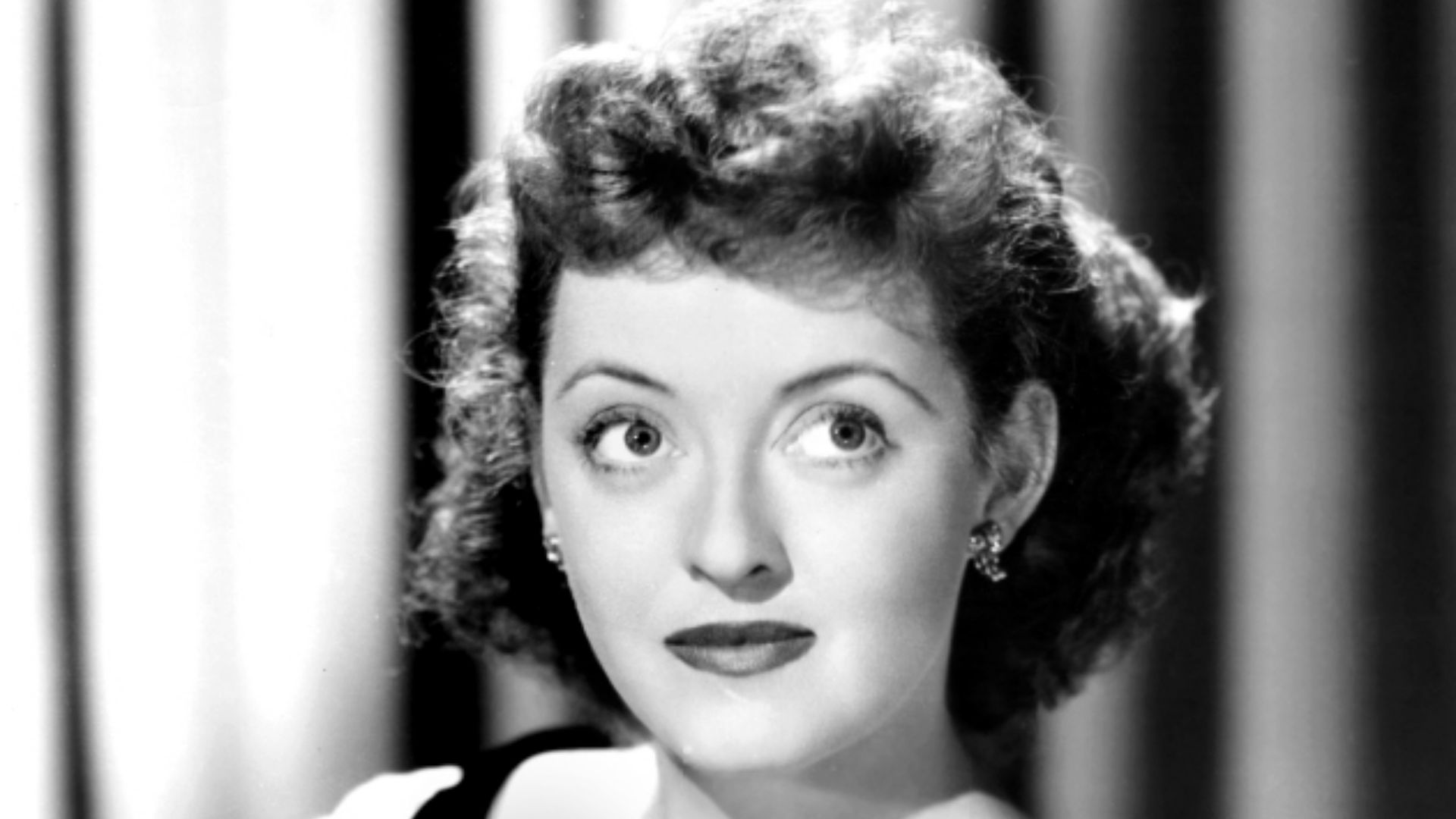
Bette Davis
Davis challenged Warner Bros. through a 1936 lawsuit that changed actor agreements forever. Her Oscar for Dangerous arrived in 1935, and Jezebel brought a second Academy Award in 1938. She portrayed independent women who defied Hollywood's typical heroines.
 Studio Publicity, Wikimedia Commons
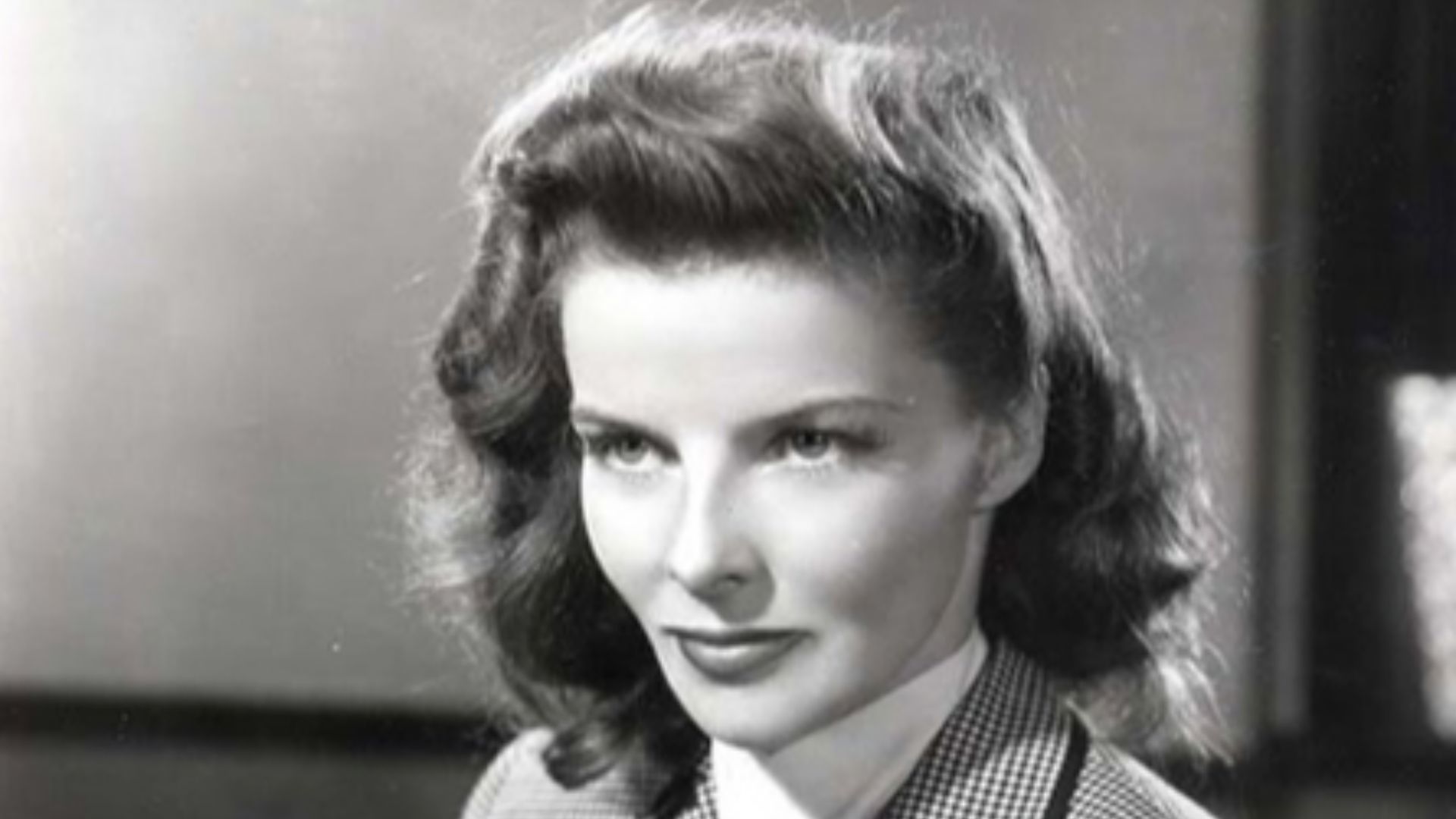
Katharine Hepburn
Morning Glory earned Hepburn her first Oscar in 1933. Critics labeled her "box office poison" by 1938, yet The Philadelphia Story revived everything. She performed the role on Broadway first and secured film rights. Her androgynous fashion sense challenged Hollywood conventions throughout the decade.
 Metro-Goldwyn-Mayer (work for hire), Wikimedia Commons
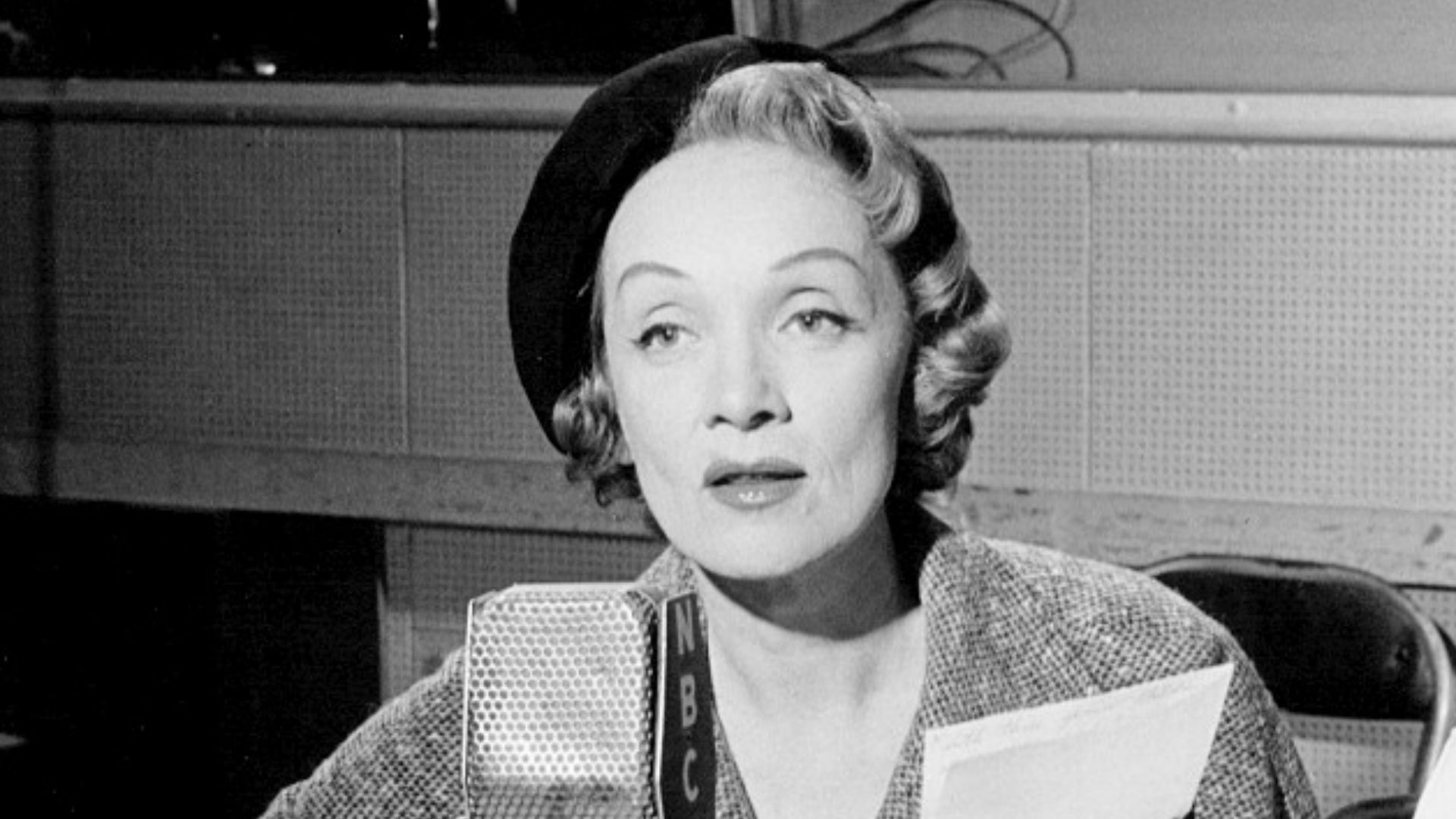
Marlene Dietrich
The Blue Angel brought Dietrich to Hollywood in 1930 with a Paramount deal. She collaborated with Josef von Sternberg on six films, including Shanghai Express. By 1938, she commanded the highest salary in Hollywood. Destry Rides Again showcased her range beyond dramatic roles, mixing comedy with glamour.
Fred Astaire
Nine films with Ginger Rogers defined Astaire's 1930s output. Top Hat and Swing Time featured his revolutionary single-take choreography, and The Gay Divorcee established new benchmarks for dance on film. His honorary Oscar in 1949 recognized how he transformed musicals during that era.
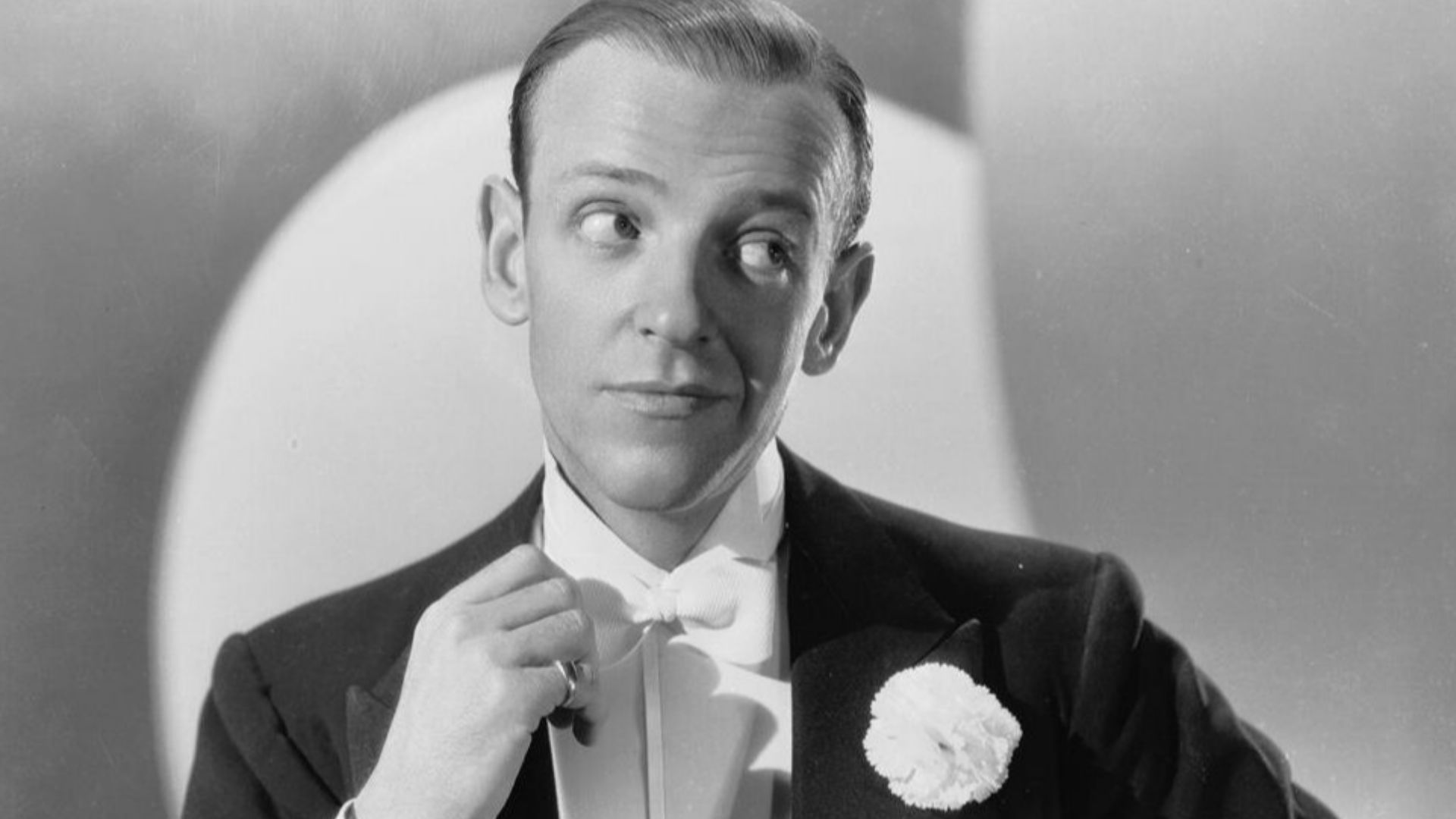 Studio publicity still, Wikimedia Commons
Greta Garbo
Queen Christina and Grand Hotel made Garbo MGM's most expensive star during the early 1930s. Her sound debut in Anna Christie succeeded beyond studio expectations. Academy Award recognition came for both Romance in 1930 and Camille six years later.
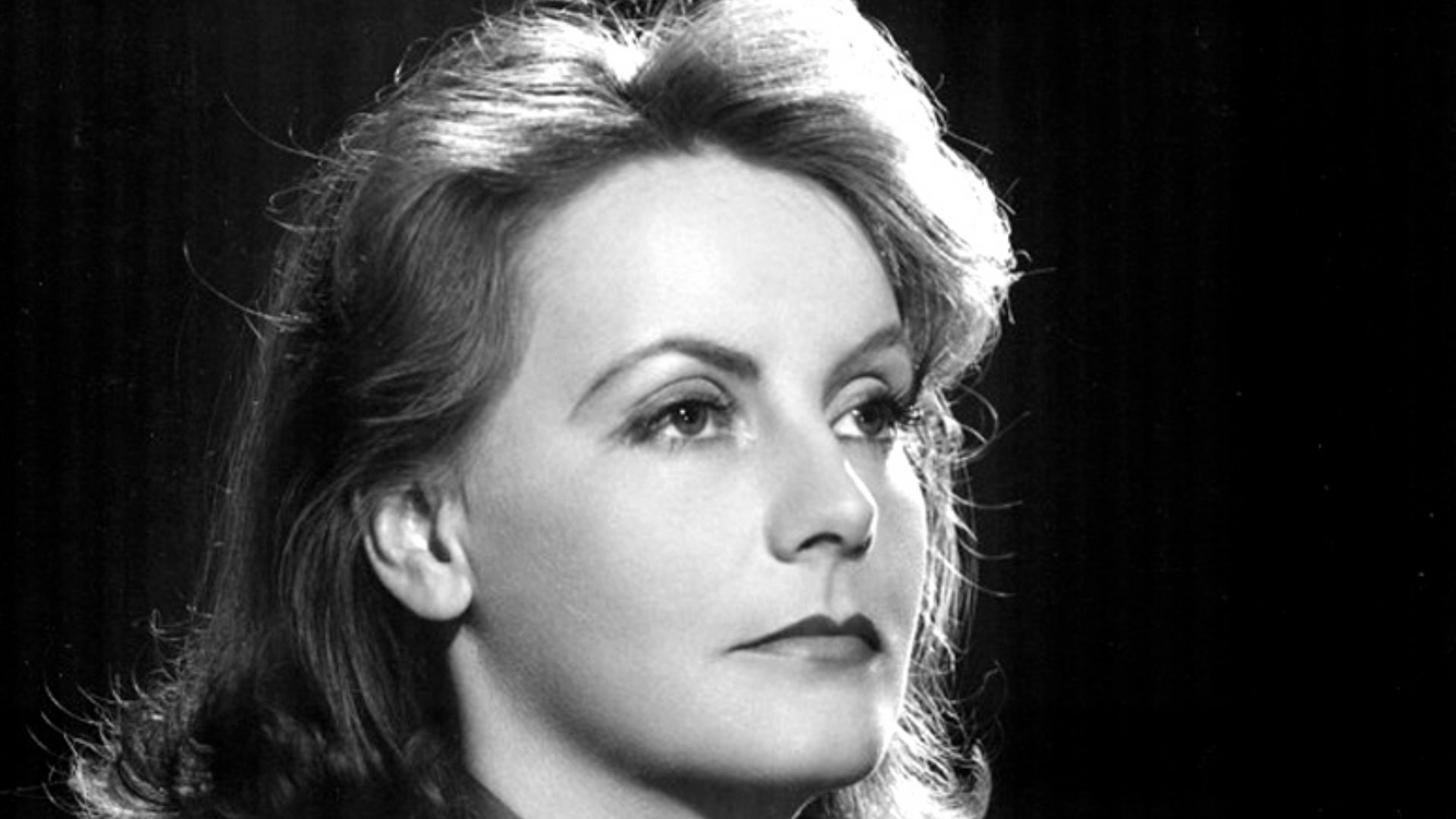 Clarence Bull - for MGM, Wikimedia Commons
Shirley Temple
A Juvenile Academy Award honored Temple's 1934 performances in 1935. Box office records fell as she dominated from 1935 through 1938. Her image appeared on dolls, dishes, and countless products. Royal Crown Bottlers even created the sweet mocktail bearing her name during this period.
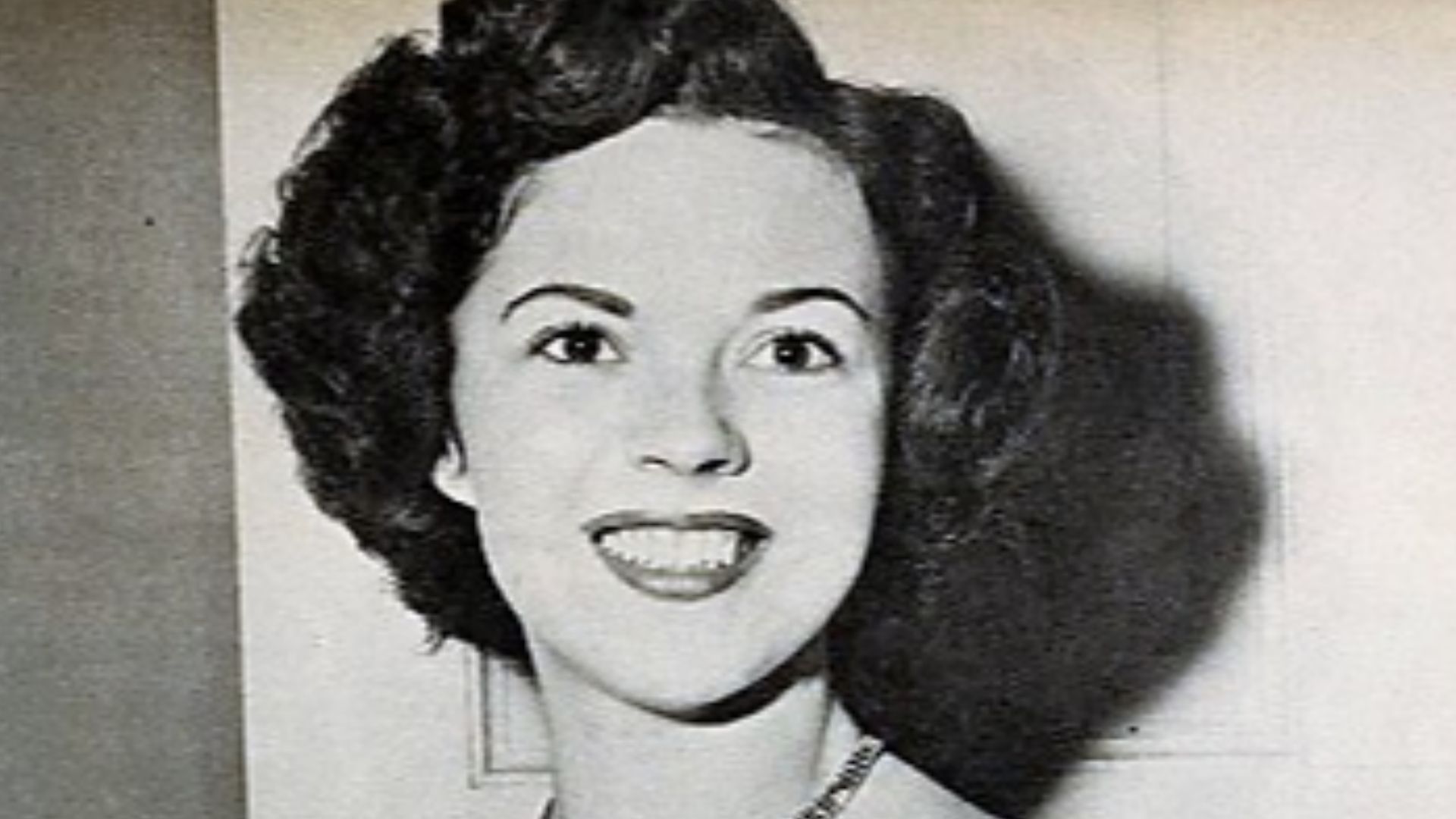 Modern Screen, Wikimedia Commons
James Cagney
James Cagney’s tough‑guy persona first exploded with The Public Enemy in 1931, then evolved through socially charged films like Taxi! in 1932. By 1938, his acclaimed turn in Angels with Dirty Faces earned him a well‑deserved first Oscar nomination.
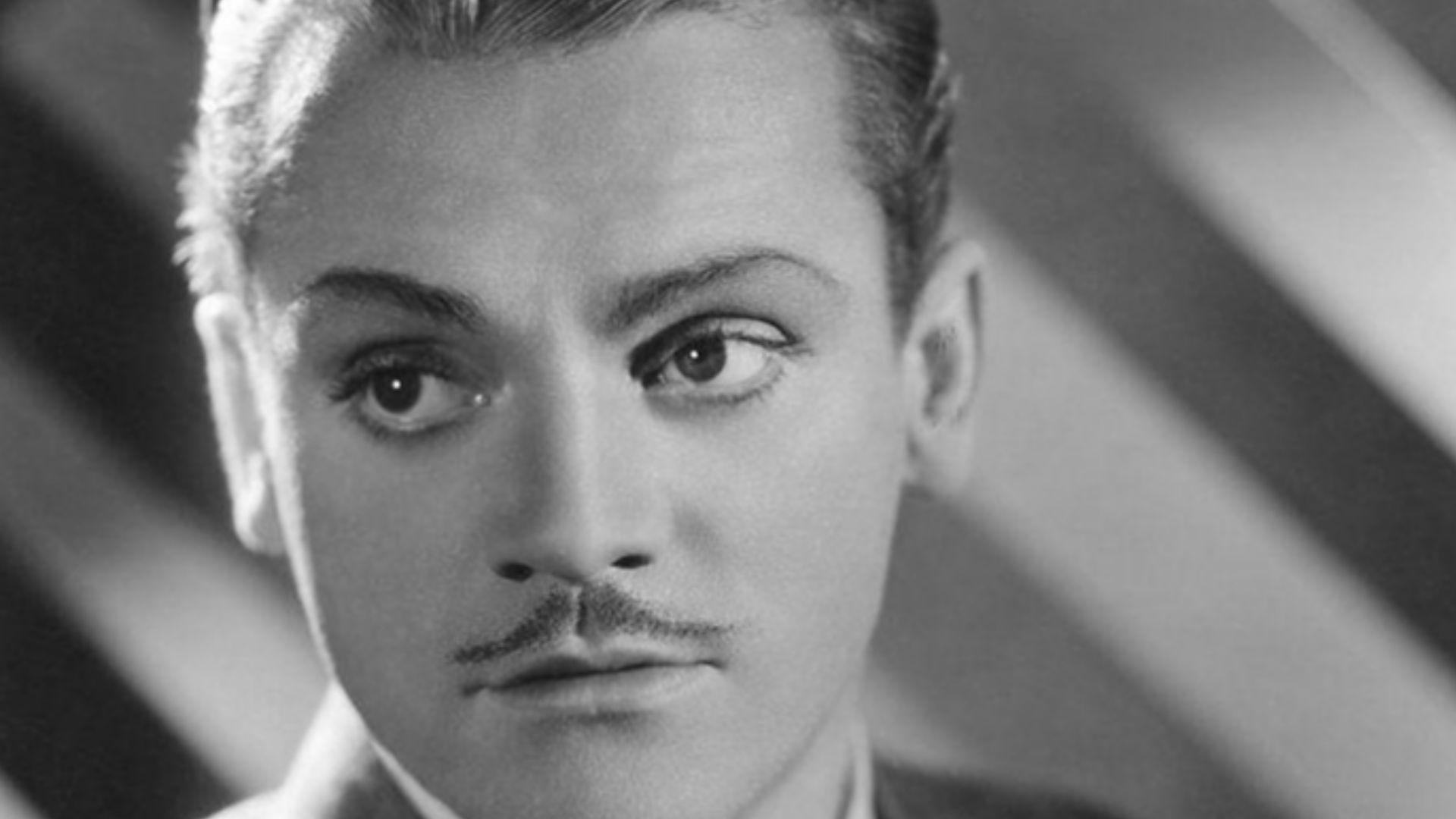 Elmer Fryer, Wikimedia Commons
Joan Crawford
Transitioning from flapper roles, Crawford evolved into a dramatic powerhouse through Paid and Possessed. Grand Hotel placed her opposite Garbo in 1932, solidifying her stardom. Depression-era audiences connected with her rags-to-riches narratives, even as studios manufactured her Davis rivalry.
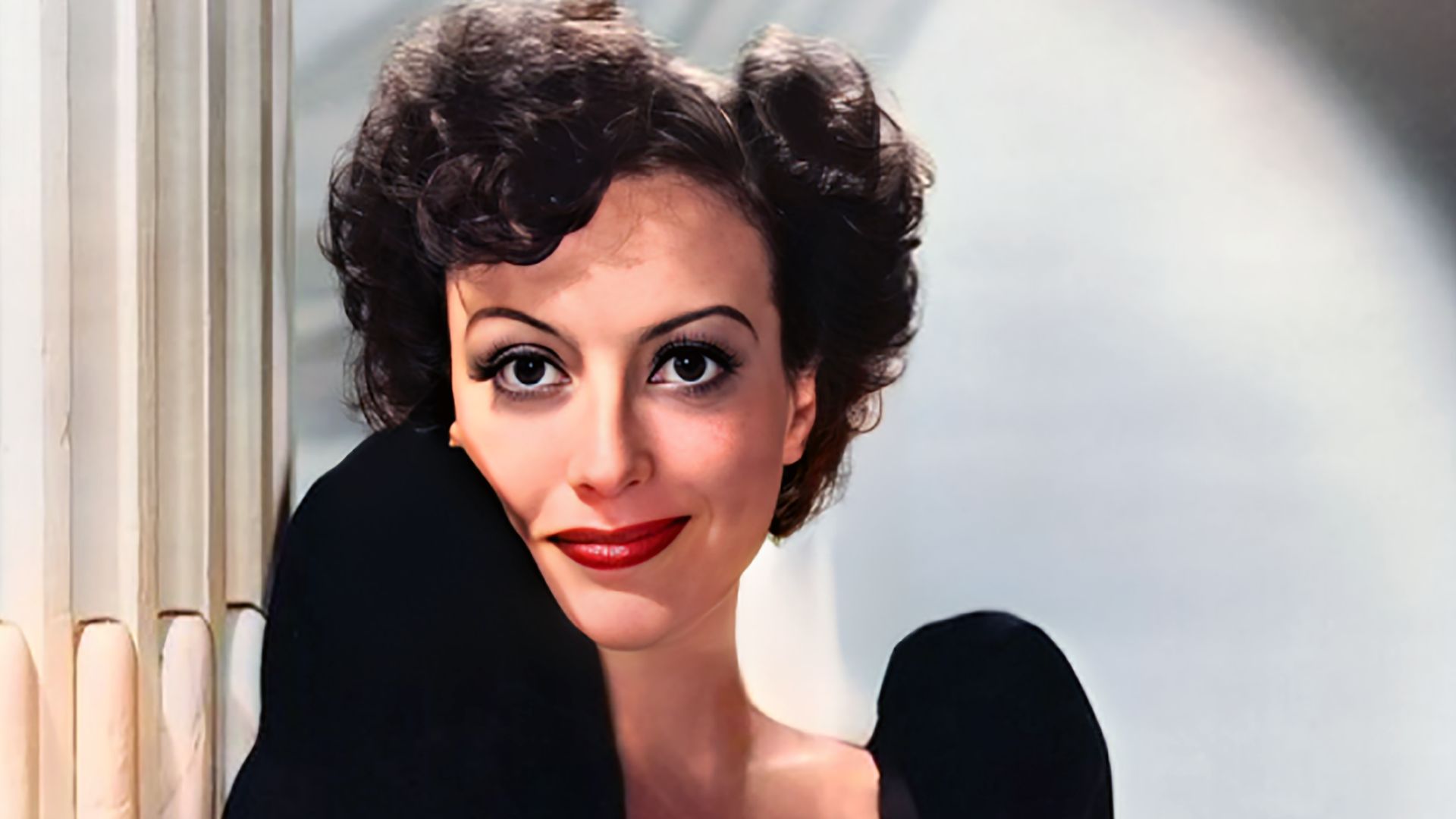 Studio Publicity, Wikimedia Commons
Mae West
Paramount avoided bankruptcy thanks to West's 1933 hits She Done Him Wrong and I'm No Angel. Her provocative dialogue triggered stricter Hays Code enforcement across Hollywood. By 1936, she earned more than any other woman in the industry.
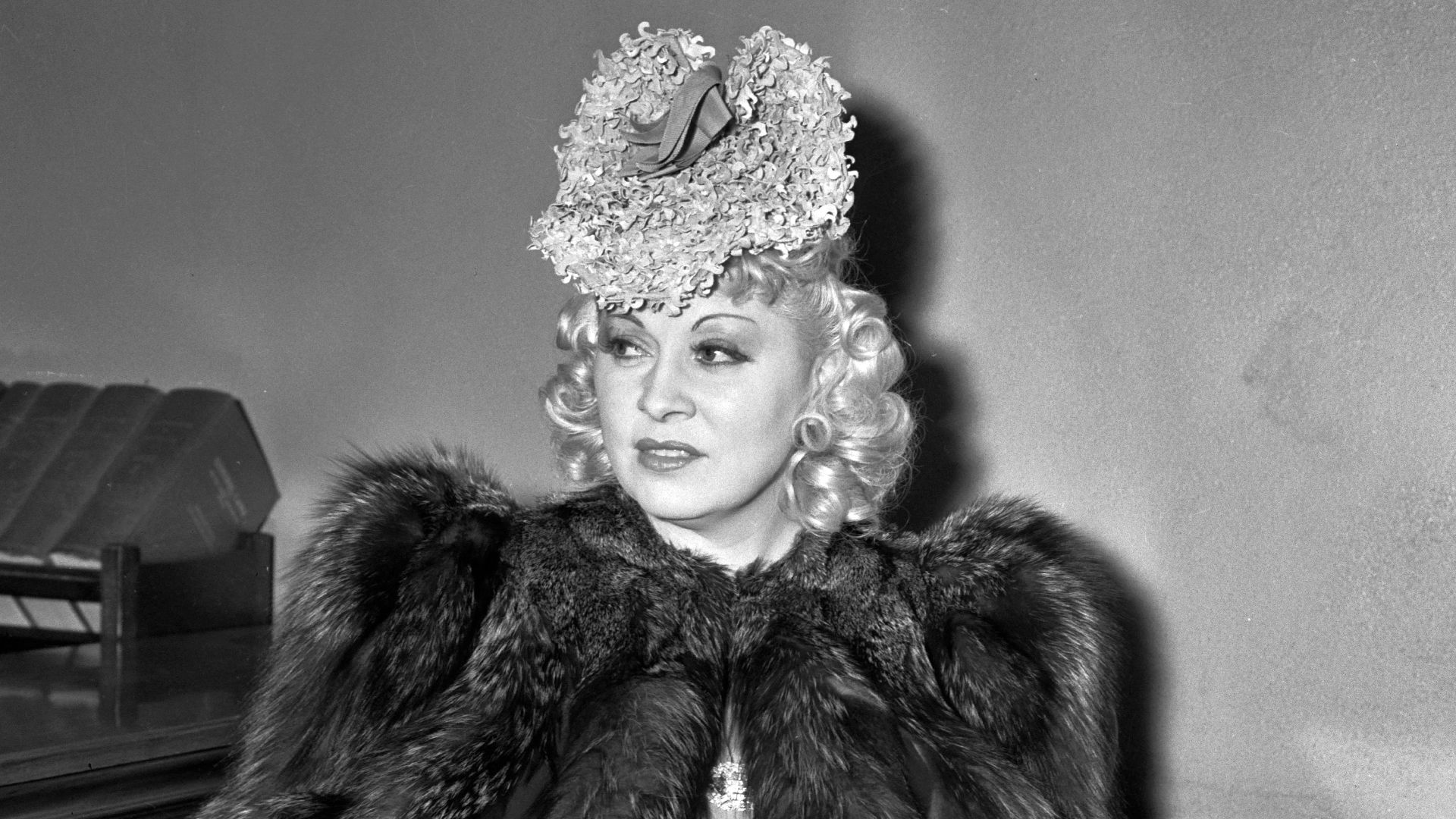 Los Angeles Daily News, Wikimedia Commons
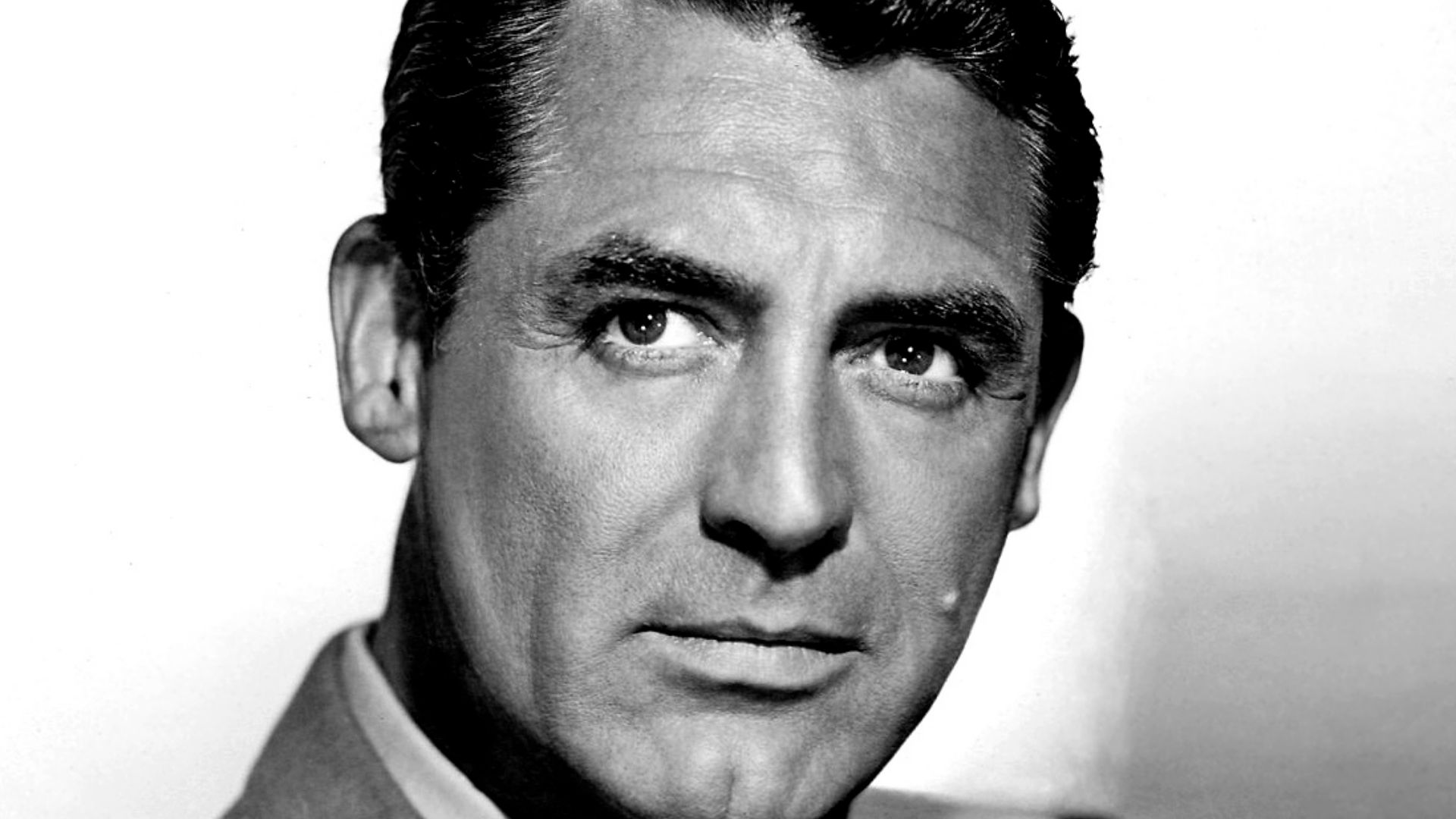
Cary Grant
The Awful Truth launched Grant's comedic stardom in 1937, and Bringing Up Baby and His Girl Friday cemented his screwball credentials. He operated as a freelancer, selecting projects instead of accepting studio assignments. His first Oscar nomination arrived with Penny Serenade in 1941.
Jean Harlow
Six films opposite Clark Gable defined Harlow's 1930s output. Red Dust and Dinner at Eight showcased her platinum blonde star persona. She popularized the platinum blonde aesthetic that dominated the decade. Her career reached its zenith before kidney failure claimed her life at 26 in 1937.
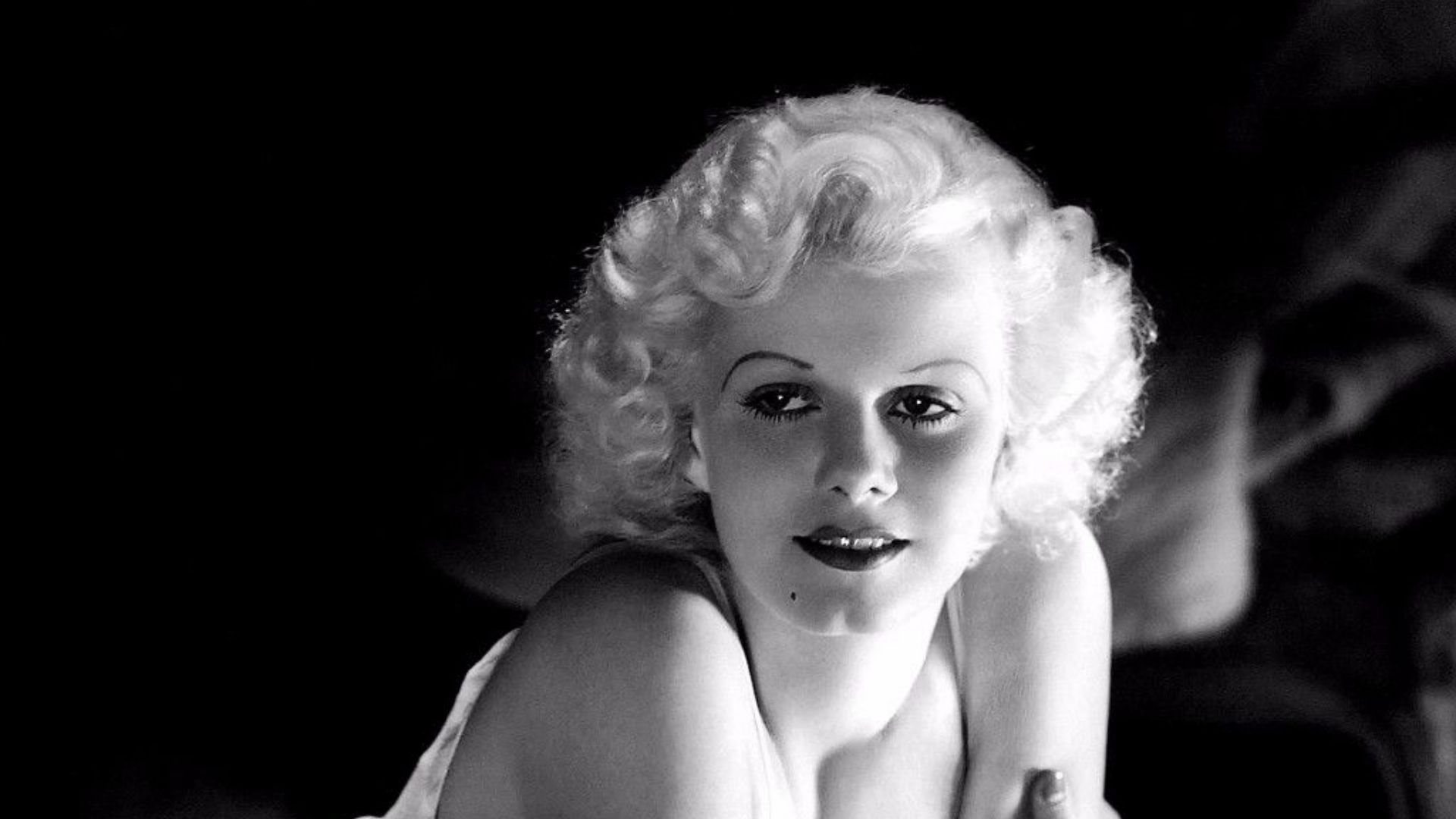 Metro-Goldwyn-Mayer Studio, Wikimedia Commons
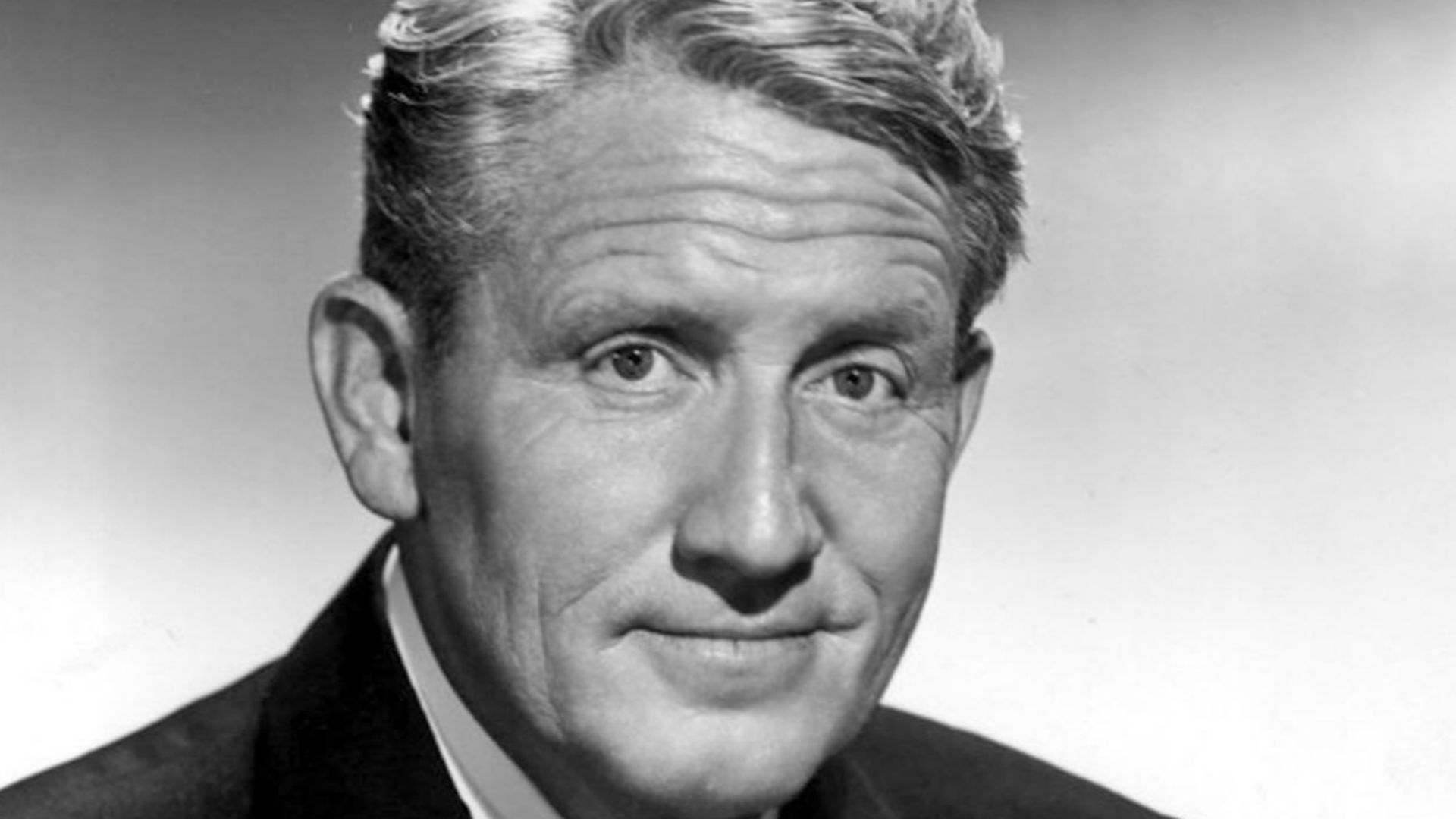
Spencer Tracy
Back-to-back Academy Awards arrived with Boys Town in 1938 after Captains Courageous the year before. Tracy’s naturalistic acting style emerged fully during this decade. The supposed feud with Katharine Hepburn was largely a studio invention. Their celebrated on-screen partnership would begin in the following years.
 Metro-Goldwyn-Mayer (work for hire), Wikimedia Commons
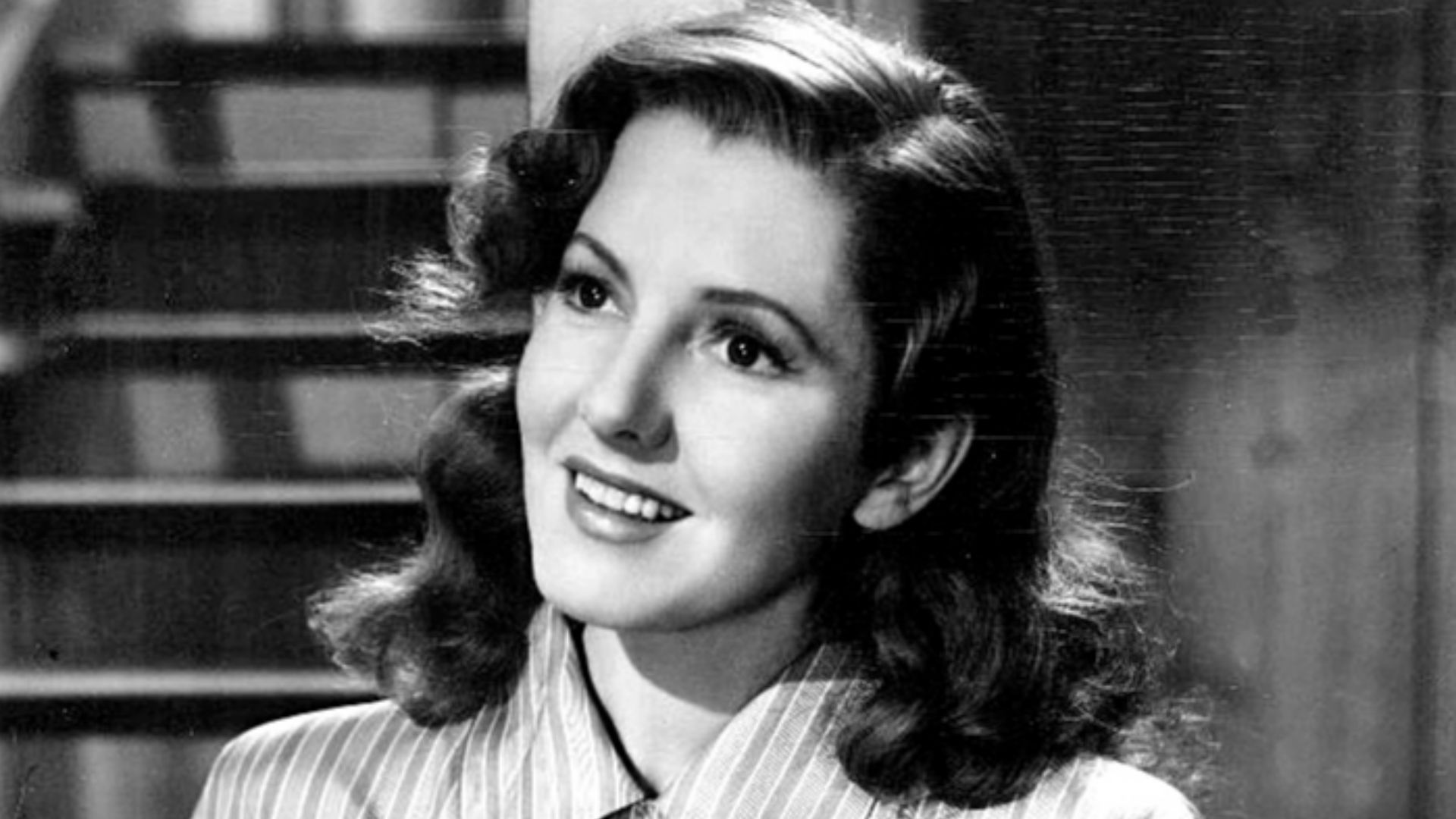
Jean Arthur
Mr. Deeds Goes to Town highlighted Arthur's screwball talents in 1936. Her distinctive husky voice became her trademark in The Whole Town's Talking and Easy Living. However, stage fright plagued her throughout the decade despite relatable on-screen warmth.
 Movie studio, Wikimedia Commons
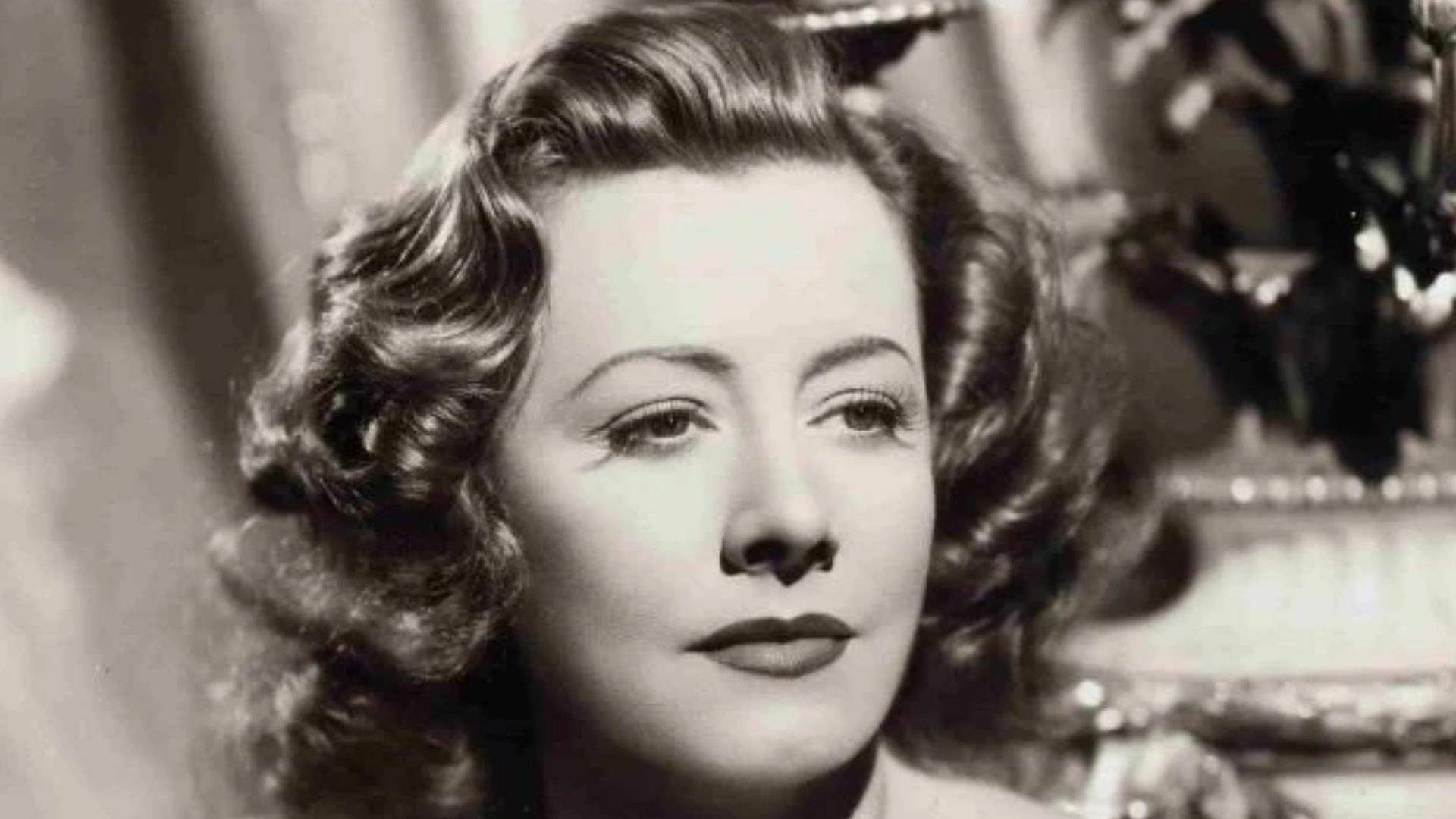
Irene Dunne
Dunne’s first Oscar nomination arrived with Cimarron in 1931 and began an impressive awards journey. She transitioned seamlessly from musical numbers in Show Boat to sophisticated comedy in The Awful Truth. Five Academy Award nominations ultimately recognized her range across two decades. The 1929 Show Boat tour had discovered her talents years earlier.
 Whitey Schafer, Wikimedia Commons
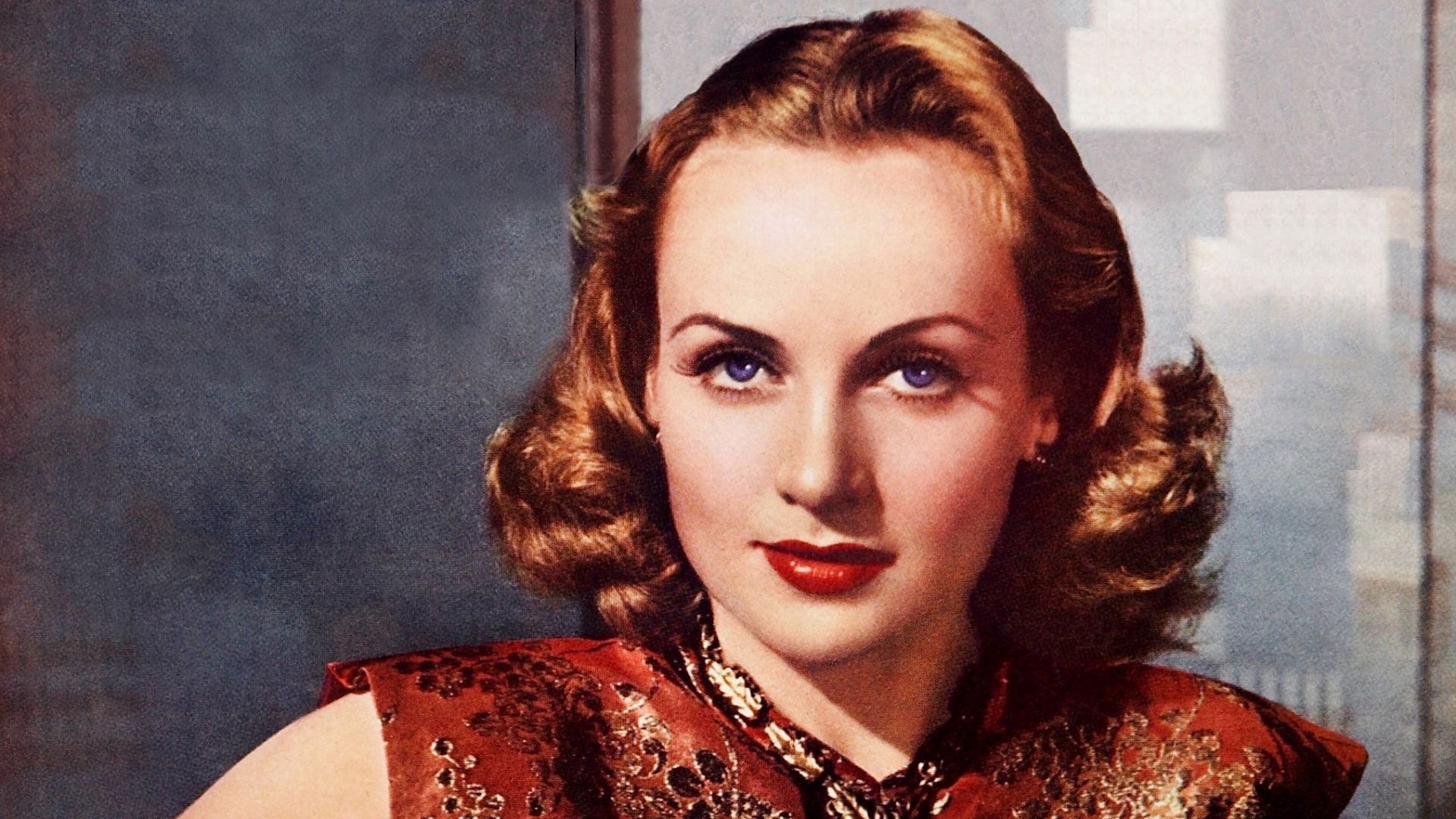
Carole Lombard
Screwball comedy found its queen when Lombard starred in My Man Godfrey, earning Academy recognition. Besides that, Nothing Sacred in 1937 and Twentieth Century three years earlier highlighted her comedic genius. Her colorful language was infamous on sets. Male crew members embraced her as an equal rather than a delicate star.
 Photograph by Paul Hesse (1896 – 1973), Wikimedia Commons
Claudette Colbert
Her performance in It Happened One Night earned Colbert the Academy Award for Best Actress in 1934. She commanded Hollywood's highest salary by 1938 while starring in Cleopatra and Midnight. Sophisticated comedy became her specialty throughout the decade. She famously encouraged Charles Boyer to master English for better roles.
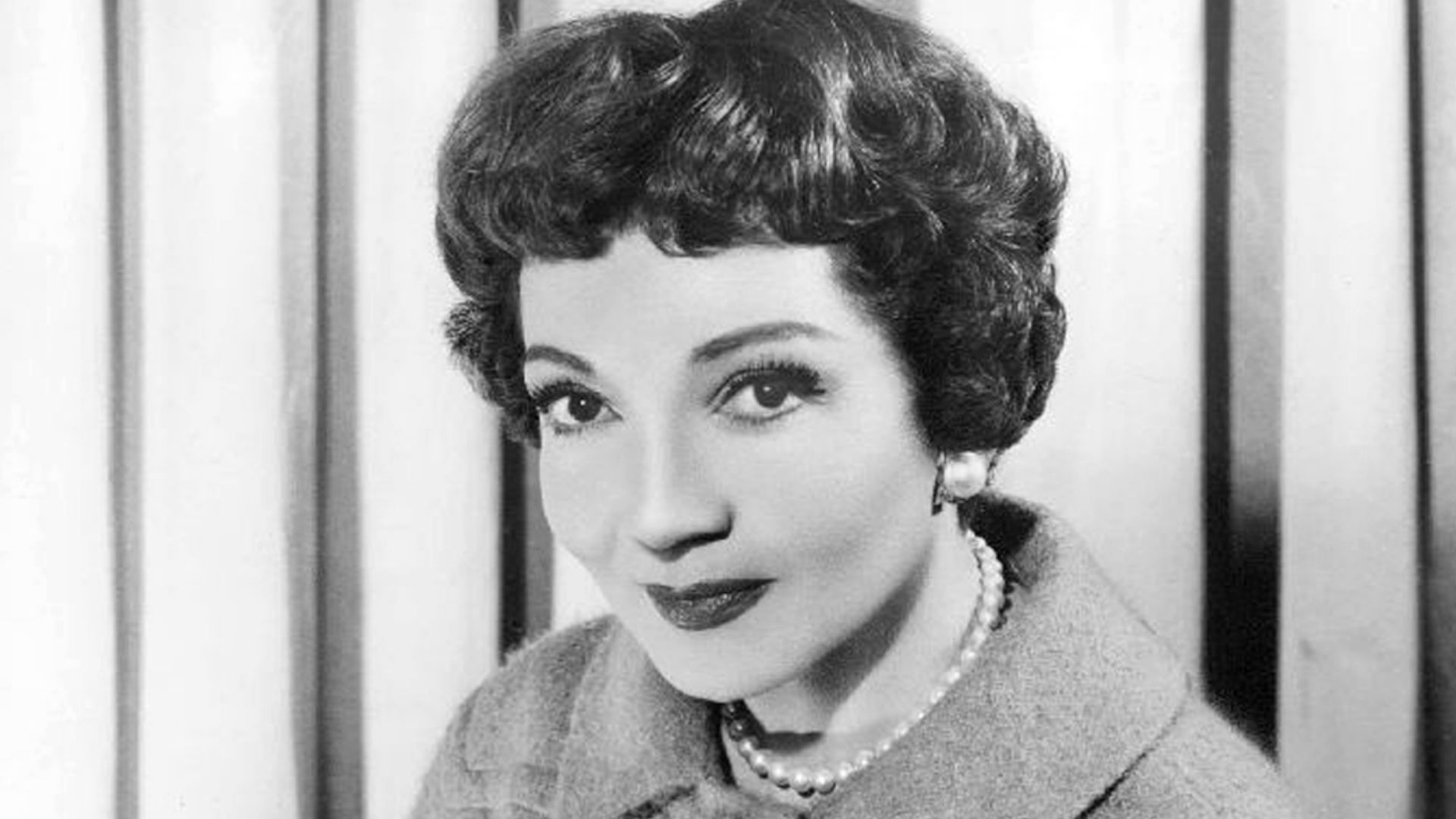 CBS Television, Wikimedia Commons
Gary Cooper
Academy Award nominations recognized Gary Cooper's work in Morocco and A Farewell to Arms early in the decade. The laconic Western hero he embodied began here before culminating in his Sergeant York Oscar. A physical altercation with Josef von Sternberg on Morocco revealed his temper beneath the quiet exterior.
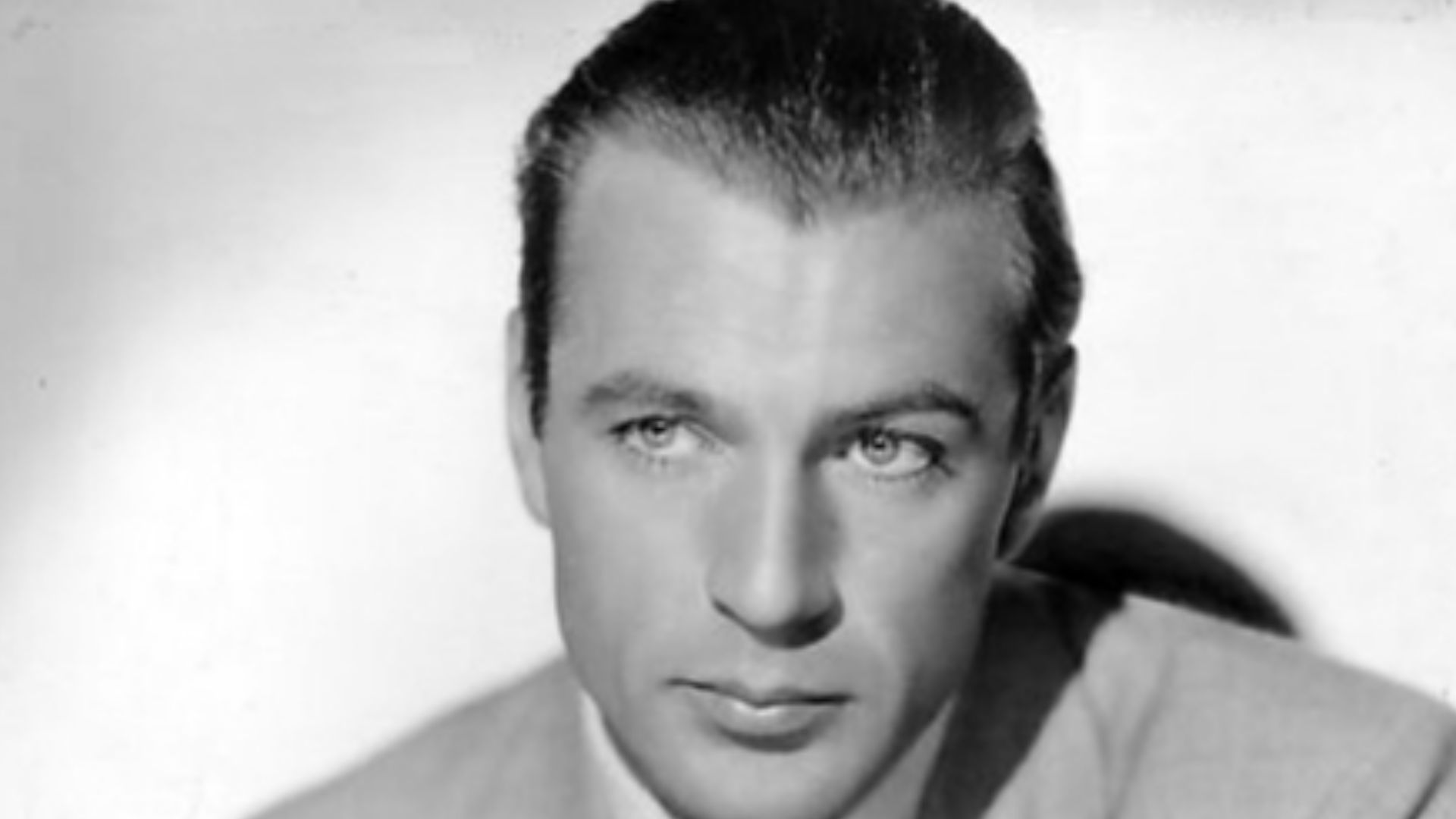 Paramount Pictures, Wikimedia Commons
Norma Shearer
Liberated femininity in The Divorcee brought Shearer her 1930 Oscar. MGM then elevated her to studio royalty through lavish productions like Romeo and Juliet and Marie Antoinette. Her marriage to producer Irving Thalberg guided script choices until his 1936 death.
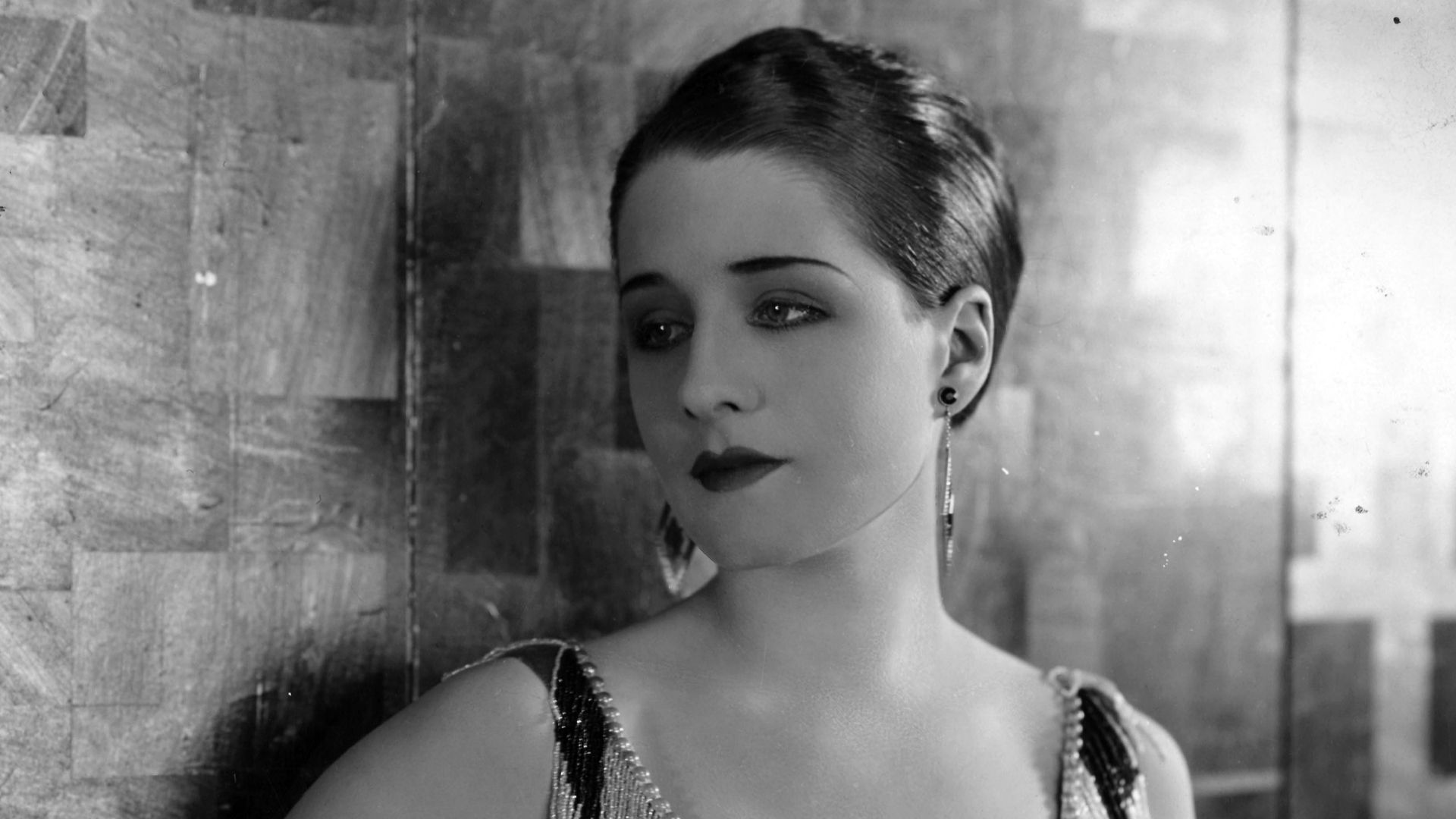 Merritt J Siebald, Wikimedia Commons
Myrna Loy
Sophisticated comedy replaced exotic mystique after The Thin Man crowned Loy "Queen of Hollywood" in 1934. Fourteen collaborations with William Powell followed across twenty years and established their legendary chemistry. A 1937 poll eventually paired her with Gable as Hollywood's reigning monarchs.
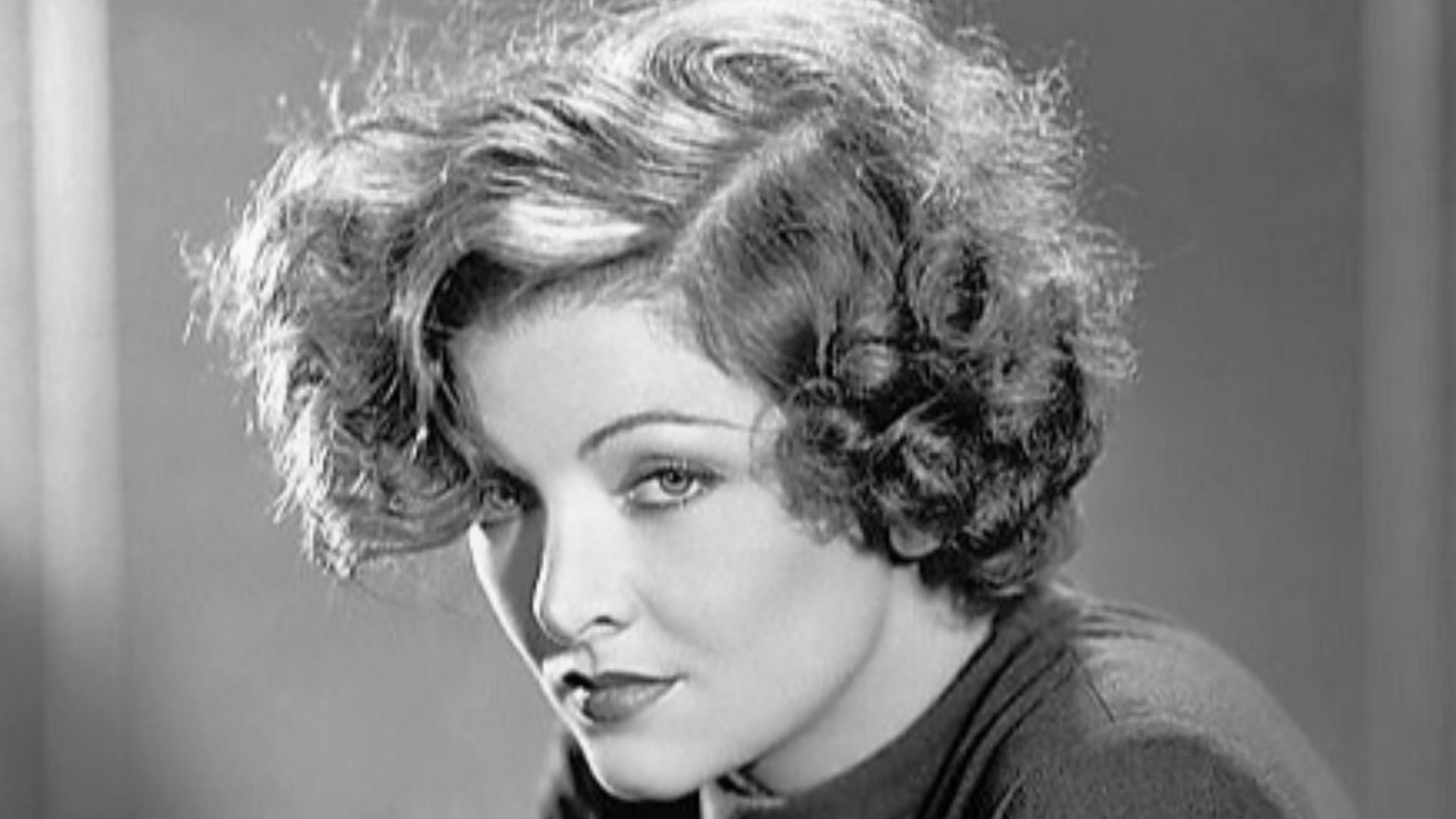 Ruth Harriet Louise, Wikimedia Commons
William Powell
For Powell, Academy Award recognition came with The Thin Man in 1934. My Man Godfrey two years later cemented his urbane comic reputation. His practice of departing shoots prematurely ensured crew members received overtime compensation.
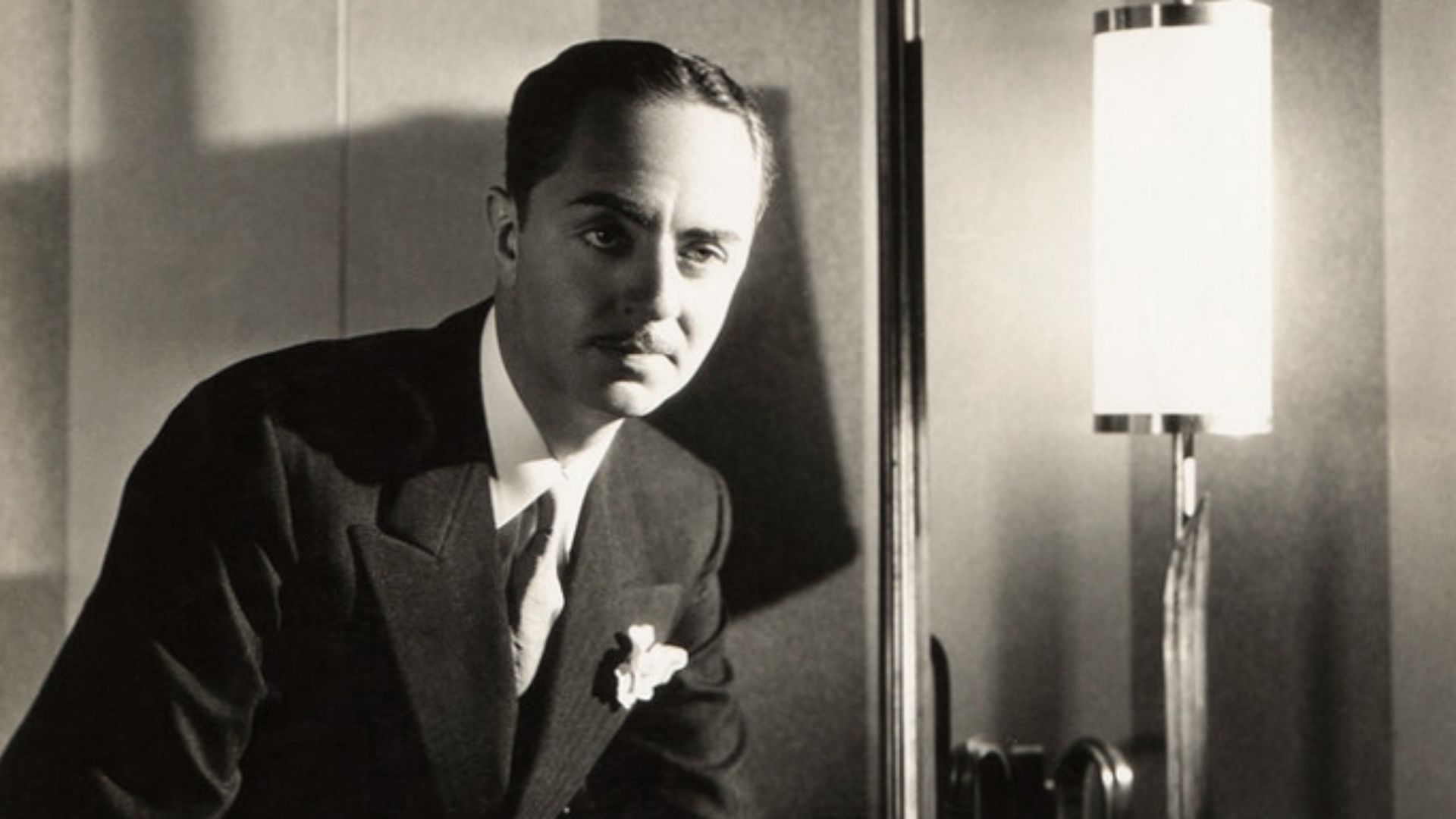 Elmer Fryer, Wikimedia Commons
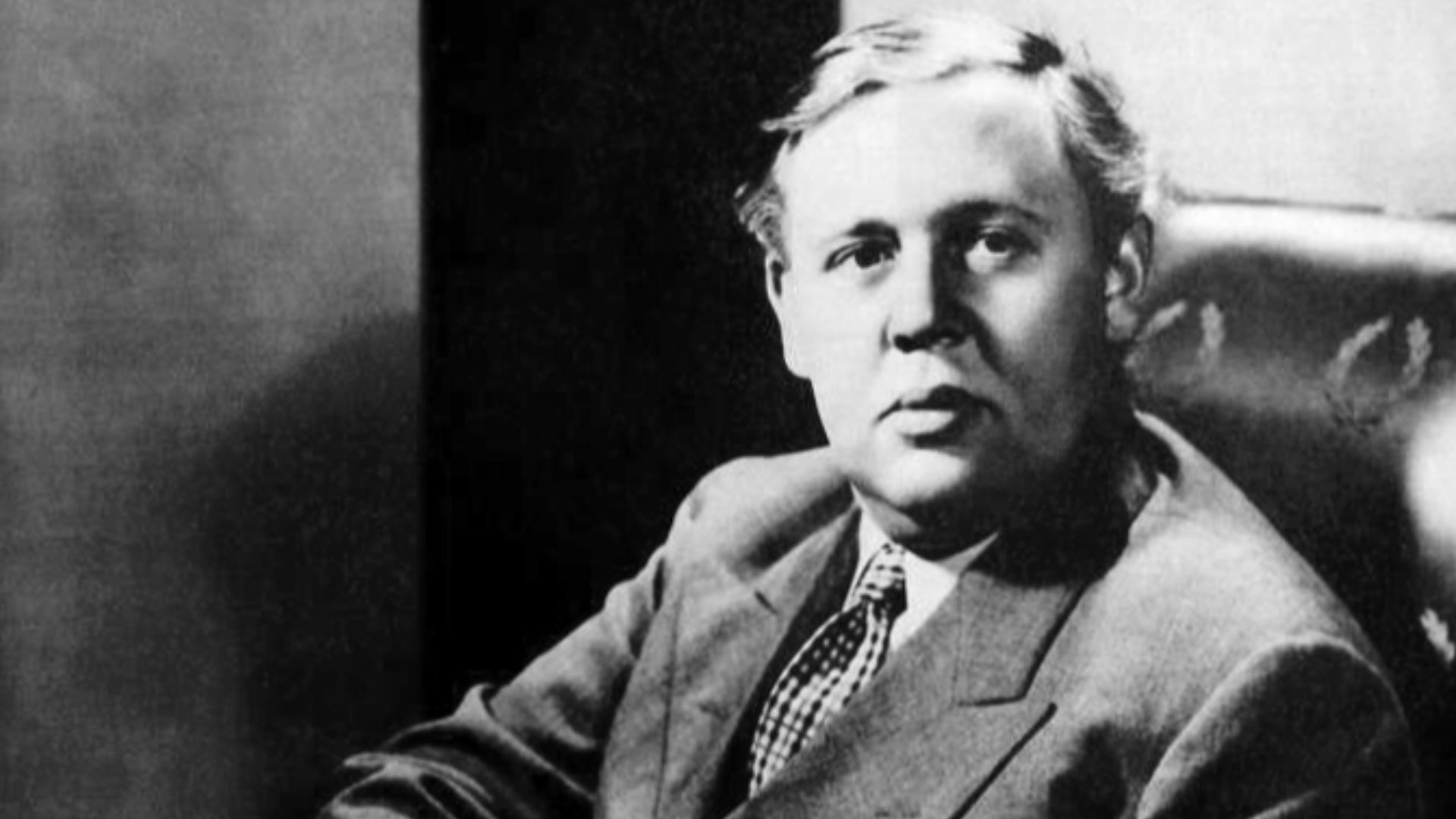
Charles Laughton
Theatrical intensity earned Laughton Best Actor for The Private Life of Henry VIII in 1933. He later crafted cinema's definitive villain as Captain Bligh in Mutiny on the Bounty after his earlier decadent Nero in The Sign of the Cross.
Errol Flynn
Swashbuckling heroism exploded onto screens with his debut in Captain Blood in 1935. He perfected his dashing persona three years later in The Adventures of Robin Hood following his role in The Charge of the Light Brigade. His roguish characters mirrored real-life scandals perfectly.
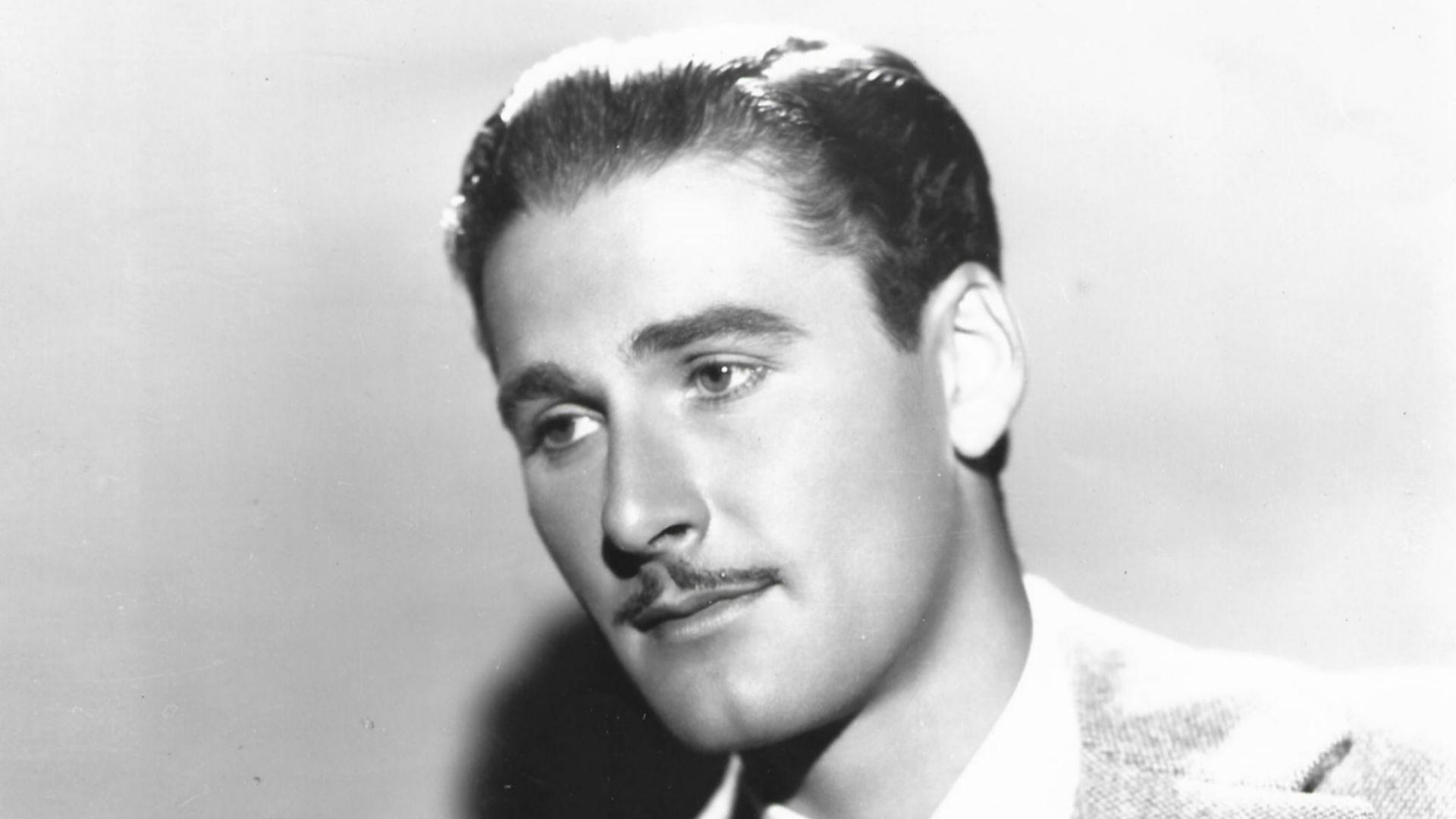 Warner Bros. Pictures, Wikimedia Commons
Paul Muni
Four Academy Award nominations arrived throughout Muni's 1930s work. The Story of Louis Pasteur delivered his Oscar win in 1936, and Scarface and I Am a Fugitive from a Chain Gang showcased his range in 1932. Biographical performances became his specialty with strong social commentary.
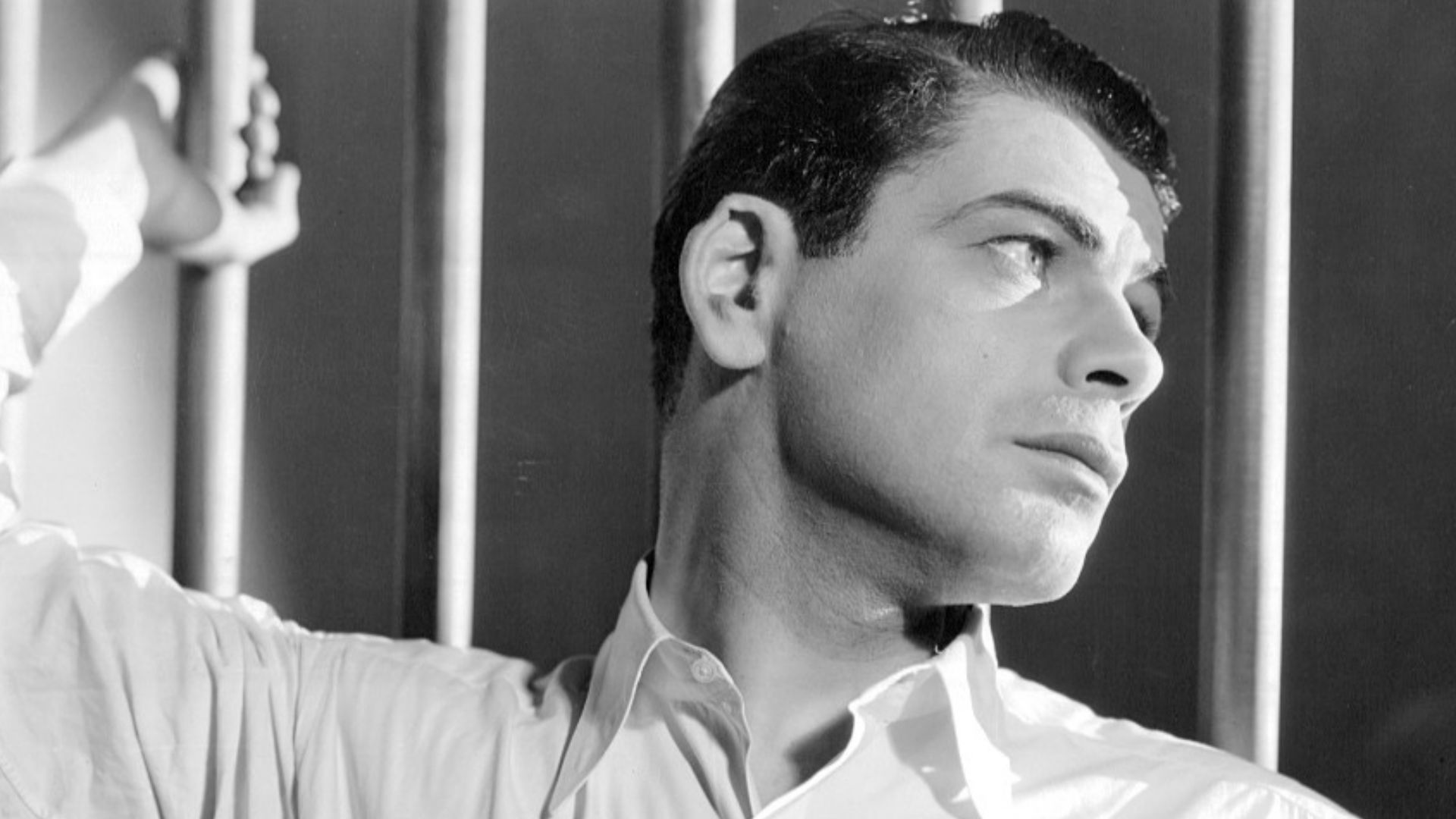 Warner Bros., Wikimedia Commons
Judy Garland
MGM recognized Garland's potential in 1935 and signed her for musical productions. Her vocal talent shone through Broadway Melody of 1938 and established her partnership with Mickey Rooney in Thoroughbreds Don't Cry. Dorothy became her immortal role in The Wizard of Oz, though she'd performed on film since age eight.
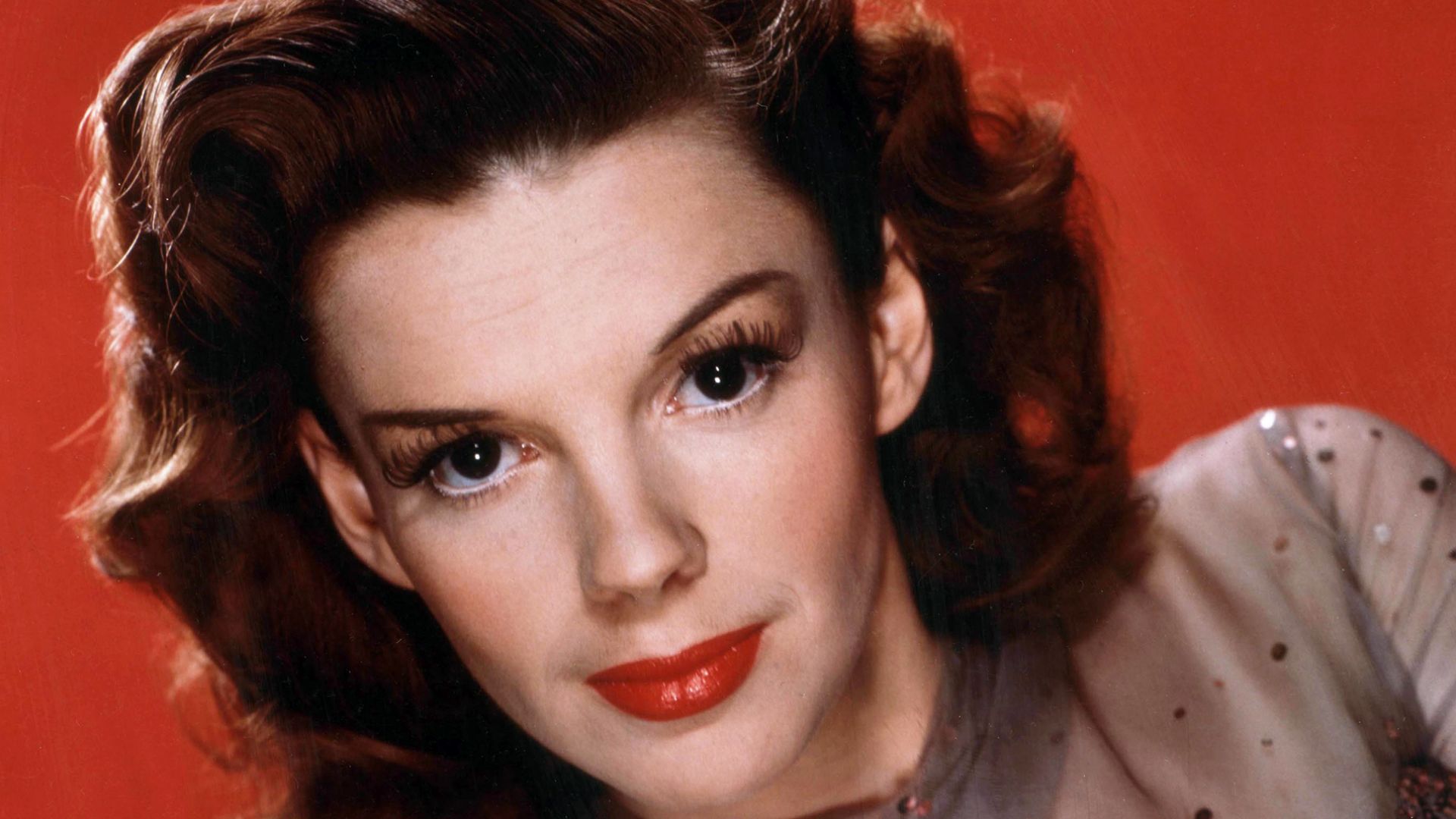 Eric Carpenter for en:Metro-Goldwyn-Mayer, Wikimedia Commons